

#geopolitics
geopolitics
13M views
35,610 Discussing
Hot
Latest

·
--
Bullish
🟥 BREAKING: IRAN WARNS ISRAEL — STRATEGIC INFRASTRUCTURE FEATURED IN NEW THREAT! 🇮🇷🇮🇱
Iranian officials have issued a new warning to Israel, highlighting critical infrastructure that could be at risk if the conflict escalates further.
According to Anadolu Agency reporting published on October 25, 2026, Ebrahim Azizi, head of Iran’s Parliament National Security and Foreign Policy Committee, shared a map identifying strategic sites across Israel.
🔴 Sites highlighted in the reported map include:
- 💧 Desalination facilities: Sorek, Hadera, Ashdod and Ashkelon.
- ⚡ Power infrastructure: Orot Rabin and Eshkol power stations.
- 🛢️ Energy facilities: Haifa oil refineries and Ashdod fuel-storage infrastructure.
- ☢️ Nuclear-related site: The Dimona Nuclear Research Center.
- 🚧 Transportation infrastructure: Selected bridges, tunnels and major road connections.
⚠️ IMPORTANT CLARIFICATION: The published map represents a warning and the identification of potential targets. It does not establish that Iran has attacked all these locations. Independent confirmation of strikes against the listed facilities is lacking in the cited reporting.
🇮🇷 SEPARATE DEVELOPMENT:
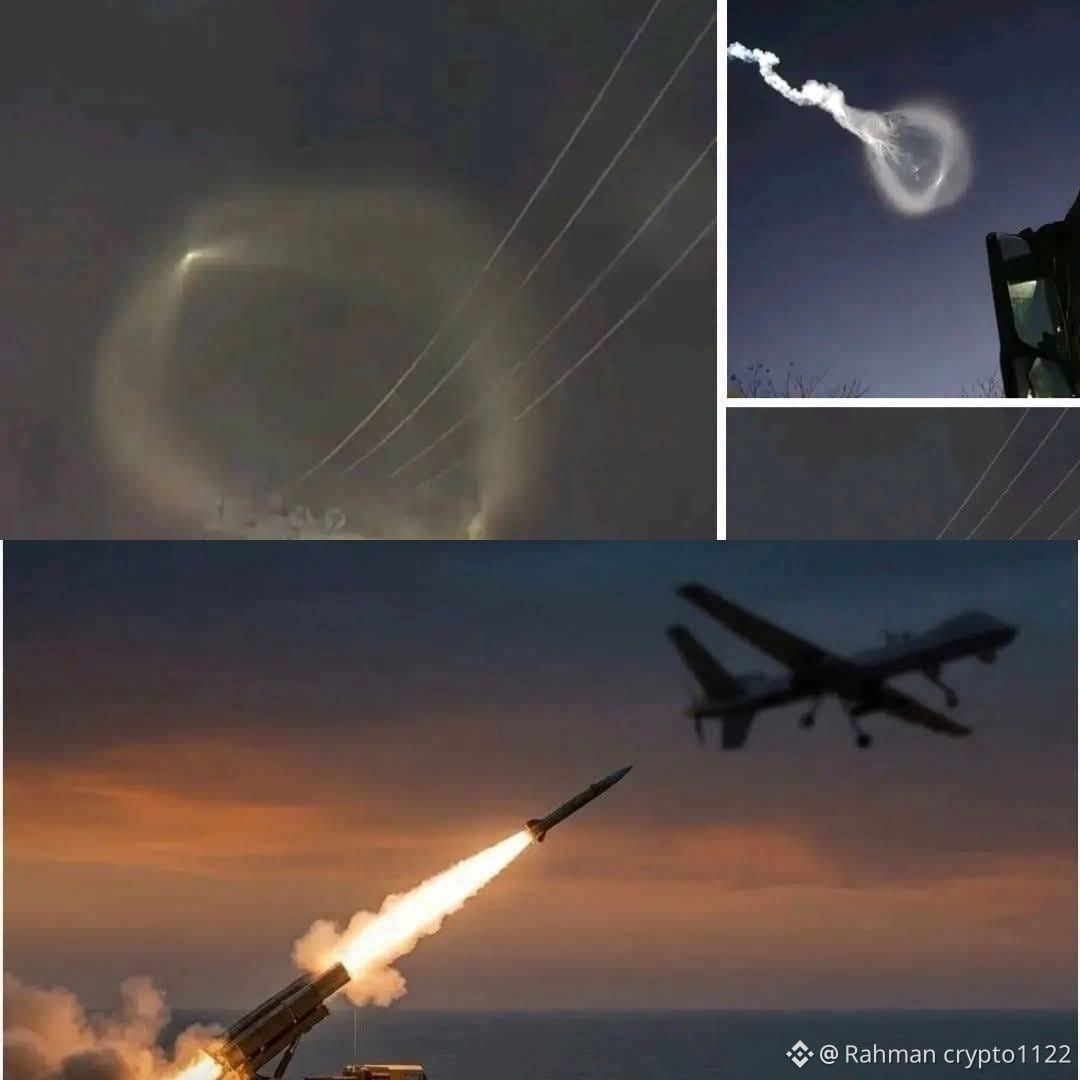
On October 25, Iran’s military claimed it had shot down a US LUCAS-type drone over Bandar Abbas. Reuters reported the Iranian claim via the semi-official Tasnim news agency; the drone’s mission and the circumstances of the incident were not independently confirmed in that report.
🌍 THE BIG PICTURE:
With regional tensions continuing, threats involving water supplies, electricity, energy infrastructure and nuclear-related facilities raise serious concerns about civilian safety and the potential for wider escalation.
#Iran #Israel #MiddleEast #Geopolitics #RegionalSecurity
$QNT $KAT $NOM
{future}(NOMUSDT)
🟥 BREAKING: IRAN WARNS ISRAEL — STRATEGIC INFRASTRUCTURE FEATURED IN NEW THREAT! 🇮🇷🇮🇱
Iranian officials have issued a new warning to Israel, highlighting critical infrastructure that could be at risk if the conflict escalates further.
According to Anadolu Agency reporting published on October 25, 2026, Ebrahim Azizi, head of Iran’s Parliament National Security and Foreign Policy Committee, shared a map identifying strategic sites across Israel.
🔴 Sites highlighted in the reported map include:
- 💧 Desalination facilities: Sorek, Hadera, Ashdod and Ashkelon.
- ⚡ Power infrastructure: Orot Rabin and Eshkol power stations.
- 🛢️ Energy facilities: Haifa oil refineries and Ashdod fuel-storage infrastructure.
- ☢️ Nuclear-related site: The Dimona Nuclear Research Center.
- 🚧 Transportation infrastructure: Selected bridges, tunnels and major road connections.
⚠️ IMPORTANT CLARIFICATION: The published map represents a warning and the identification of potential targets. It does not establish that Iran has attacked all these locations. Independent confirmation of strikes against the listed facilities is lacking in the cited reporting.
🇮🇷 SEPARATE DEVELOPMENT:
On October 25, Iran’s military claimed it had shot down a US LUCAS-type drone over Bandar Abbas. Reuters reported the Iranian claim via the semi-official Tasnim news agency; the drone’s mission and the circumstances of the incident were not independently confirmed in that report.
🌍 THE BIG PICTURE:
With regional tensions continuing, threats involving water supplies, electricity, energy infrastructure and nuclear-related facilities raise serious concerns about civilian safety and the potential for wider escalation.
#Iran #Israel #MiddleEast #Geopolitics #RegionalSecurity
$QNT $KAT $NOM
Iranian officials have issued a new warning to Israel, highlighting critical infrastructure that could be at risk if the conflict escalates further.
According to Anadolu Agency reporting published on October 25, 2026, Ebrahim Azizi, head of Iran’s Parliament National Security and Foreign Policy Committee, shared a map identifying strategic sites across Israel.
🔴 Sites highlighted in the reported map include:
- 💧 Desalination facilities: Sorek, Hadera, Ashdod and Ashkelon.
- ⚡ Power infrastructure: Orot Rabin and Eshkol power stations.
- 🛢️ Energy facilities: Haifa oil refineries and Ashdod fuel-storage infrastructure.
- ☢️ Nuclear-related site: The Dimona Nuclear Research Center.
- 🚧 Transportation infrastructure: Selected bridges, tunnels and major road connections.
⚠️ IMPORTANT CLARIFICATION: The published map represents a warning and the identification of potential targets. It does not establish that Iran has attacked all these locations. Independent confirmation of strikes against the listed facilities is lacking in the cited reporting.
🇮🇷 SEPARATE DEVELOPMENT:
On October 25, Iran’s military claimed it had shot down a US LUCAS-type drone over Bandar Abbas. Reuters reported the Iranian claim via the semi-official Tasnim news agency; the drone’s mission and the circumstances of the incident were not independently confirmed in that report.
🌍 THE BIG PICTURE:
With regional tensions continuing, threats involving water supplies, electricity, energy infrastructure and nuclear-related facilities raise serious concerns about civilian safety and the potential for wider escalation.
#Iran #Israel #MiddleEast #Geopolitics #RegionalSecurity
$QNT $KAT $NOM
1.1k

🚨 THE NEXT 48 HOURS COULD CHANGE EVERYTHING! 🌍🔥🇺🇸🇮🇷
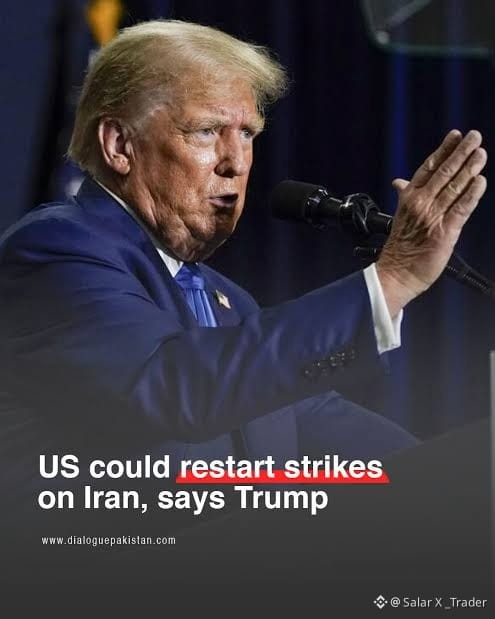
Trump could launch a strike on Iran within the next few hours. If he doesn’t, Netanyahu could face a major political setback in Tuesday’s elections.
If Netanyahu loses, oil prices could crash below $100, potentially boosting stocks and sending gold higher. 📉🛢️📈🥇
Could we see a major geopolitical shift, falling oil prices, a stock market rally, and a surge in gold?
⚠️ The next 48 hours could be critical for global markets.
But remember: these are speculative scenarios, not confirmed outcomes. Geopolitics can change rapidly, and markets may react in unexpected ways.
👀 Stay alert. Volatility could be massive!
#BinancePick #Oil #Gold #StockMarket #Geopolitics $BTC $XAU $ETH
🚨 THE NEXT 48 HOURS COULD CHANGE EVERYTHING! 🌍🔥🇺🇸🇮🇷
Trump could launch a strike on Iran within the next few hours. If he doesn’t, Netanyahu could face a major political setback in Tuesday’s elections.
If Netanyahu loses, oil prices could crash below $100, potentially boosting stocks and sending gold higher. 📉🛢️📈🥇
Could we see a major geopolitical shift, falling oil prices, a stock market rally, and a surge in gold?
⚠️ The next 48 hours could be critical for global markets.
But remember: these are speculative scenarios, not confirmed outcomes. Geopolitics can change rapidly, and markets may react in unexpected ways.
👀 Stay alert. Volatility could be massive!
#BinancePick #Oil #Gold #StockMarket #Geopolitics $BTC $XAU $ETH
Trump could launch a strike on Iran within the next few hours. If he doesn’t, Netanyahu could face a major political setback in Tuesday’s elections.
If Netanyahu loses, oil prices could crash below $100, potentially boosting stocks and sending gold higher. 📉🛢️📈🥇
Could we see a major geopolitical shift, falling oil prices, a stock market rally, and a surge in gold?
⚠️ The next 48 hours could be critical for global markets.
But remember: these are speculative scenarios, not confirmed outcomes. Geopolitics can change rapidly, and markets may react in unexpected ways.
👀 Stay alert. Volatility could be massive!
#BinancePick #Oil #Gold #StockMarket #Geopolitics $BTC $XAU $ETH
anh ba báo:
cho hỏi tin tức đó lúc mấy giờ , ngày mấy vậy
1
2
236

·
--
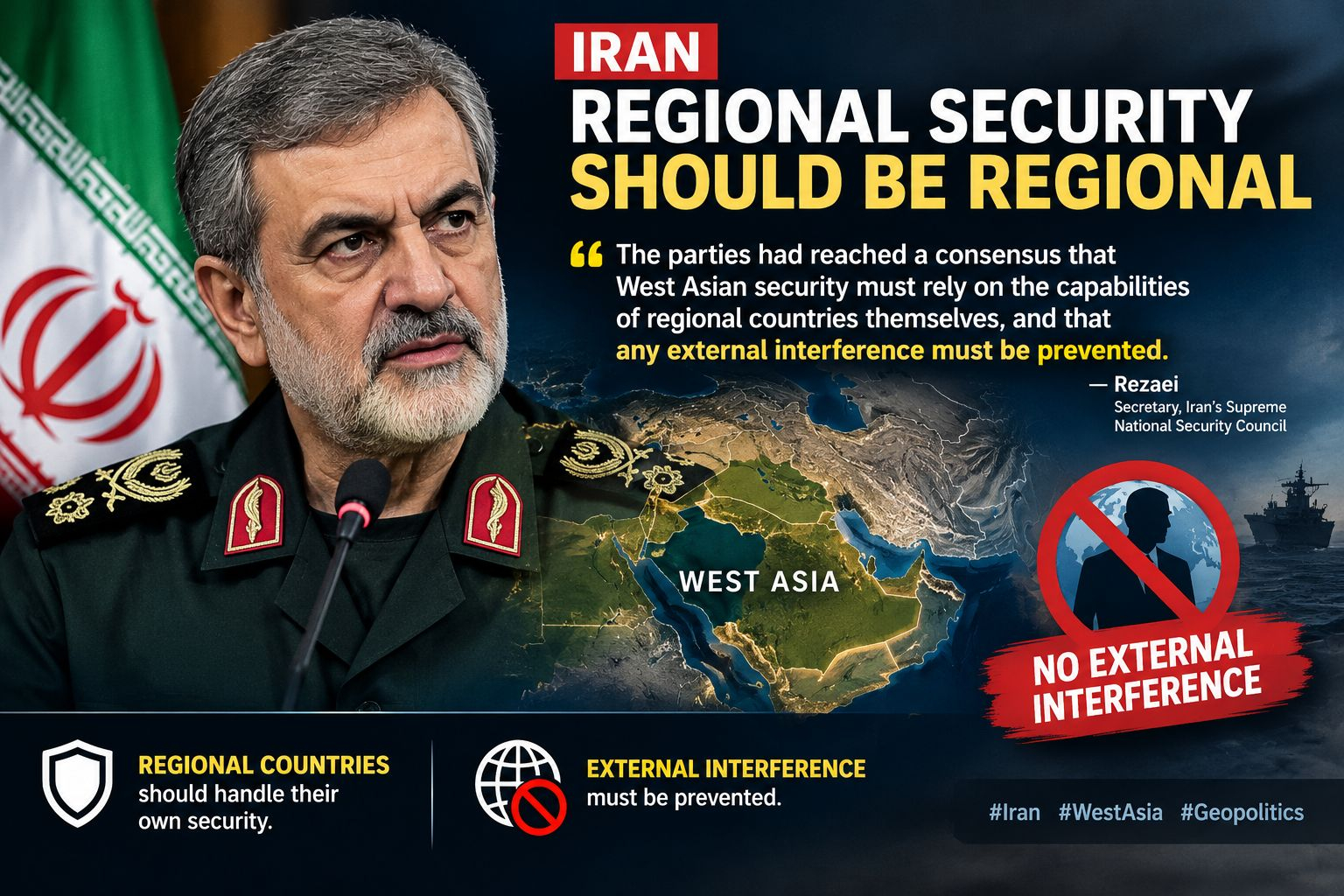
🌍 Iran’s Security Message: Rezaei says regional countries agree that West Asian security should be managed by regional powers themselves, with no external interference.
#Iran #WestAsia #Geopolitics
🌍 Iran’s Security Message: Rezaei says regional countries agree that West Asian security should be managed by regional powers themselves, with no external interference.
#Iran #WestAsia #Geopolitics
#Iran #WestAsia #Geopolitics
1
22

·
--
🚨 NETANYAHU VS. ISRAEL’S ARMY CHIEF: TENSIONS OVER IRAN ESCALATE
$BTC
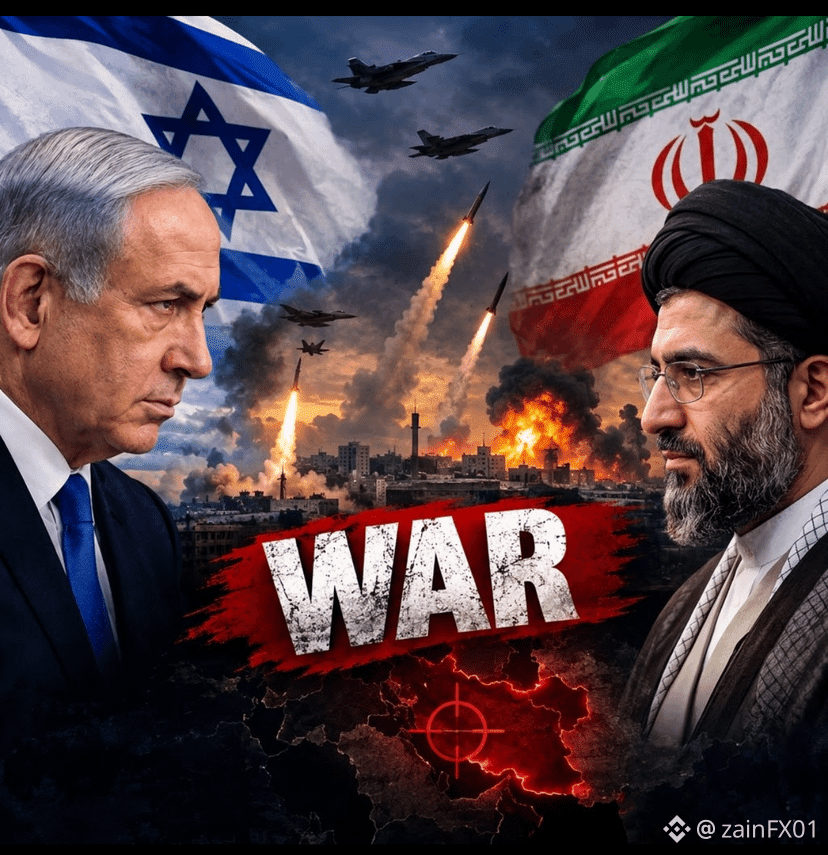
🔥 A major disagreement reportedly erupted between Israeli Prime Minister Benjamin Netanyahu and IDF Chief of Staff General Eyal Zamir over the possibility of war with Iran.
According to Israel’s Kan News, the confrontation reached a boiling point during a discussion at the Palmahim military base on Sunday.
🇮🇱 What reportedly happened?
• Netanyahu reportedly favored a potential military strike against Iran.
• General Eyal Zamir reportedly disagreed with Netanyahu’s position.
• The disagreement allegedly escalated into a heated verbal confrontation.
• The reported clash highlights growing divisions within Israel’s leadership over a possible conflict with Iran.
⚠️ Why does this matter?
Any disagreement between Israel’s political leadership and its military command over Iran could become a significant geopolitical development.
Rising tensions in the Middle East may increase uncertainty across global markets, particularly:
📈 Crude Oil — Potential geopolitical risk premium
🥇 Gold — Possible safe-haven demand
💵 US Dollar — Volatility depending on risk sentiment
₿ Bitcoin & Crypto — Potential reaction to global risk appetite
Market Watch: Traders should monitor developments carefully. Geopolitical headlines can trigger sudden volatility, but the actual market reaction will depend on whether tensions translate into military action.
📌 Source: Kan News, Israeli public broadcaster
This is a reported disagreement, not confirmation that an Israeli attack on Iran has been decided.
#Israel #Iran #Geopolitics #BreakingNews
🚨 NETANYAHU VS. ISRAEL’S ARMY CHIEF: TENSIONS OVER IRAN ESCALATE
$BTC
🔥 A major disagreement reportedly erupted between Israeli Prime Minister Benjamin Netanyahu and IDF Chief of Staff General Eyal Zamir over the possibility of war with Iran.
According to Israel’s Kan News, the confrontation reached a boiling point during a discussion at the Palmahim military base on Sunday.
🇮🇱 What reportedly happened?
• Netanyahu reportedly favored a potential military strike against Iran.
• General Eyal Zamir reportedly disagreed with Netanyahu’s position.
• The disagreement allegedly escalated into a heated verbal confrontation.
• The reported clash highlights growing divisions within Israel’s leadership over a possible conflict with Iran.
⚠️ Why does this matter?
Any disagreement between Israel’s political leadership and its military command over Iran could become a significant geopolitical development.
Rising tensions in the Middle East may increase uncertainty across global markets, particularly:
📈 Crude Oil — Potential geopolitical risk premium
🥇 Gold — Possible safe-haven demand
💵 US Dollar — Volatility depending on risk sentiment
₿ Bitcoin & Crypto — Potential reaction to global risk appetite
Market Watch: Traders should monitor developments carefully. Geopolitical headlines can trigger sudden volatility, but the actual market reaction will depend on whether tensions translate into military action.
📌 Source: Kan News, Israeli public broadcaster
This is a reported disagreement, not confirmation that an Israeli attack on Iran has been decided.
#Israel #Iran #Geopolitics #BreakingNews
$BTC
🔥 A major disagreement reportedly erupted between Israeli Prime Minister Benjamin Netanyahu and IDF Chief of Staff General Eyal Zamir over the possibility of war with Iran.
According to Israel’s Kan News, the confrontation reached a boiling point during a discussion at the Palmahim military base on Sunday.
🇮🇱 What reportedly happened?
• Netanyahu reportedly favored a potential military strike against Iran.
• General Eyal Zamir reportedly disagreed with Netanyahu’s position.
• The disagreement allegedly escalated into a heated verbal confrontation.
• The reported clash highlights growing divisions within Israel’s leadership over a possible conflict with Iran.
⚠️ Why does this matter?
Any disagreement between Israel’s political leadership and its military command over Iran could become a significant geopolitical development.
Rising tensions in the Middle East may increase uncertainty across global markets, particularly:
📈 Crude Oil — Potential geopolitical risk premium
🥇 Gold — Possible safe-haven demand
💵 US Dollar — Volatility depending on risk sentiment
₿ Bitcoin & Crypto — Potential reaction to global risk appetite
Market Watch: Traders should monitor developments carefully. Geopolitical headlines can trigger sudden volatility, but the actual market reaction will depend on whether tensions translate into military action.
📌 Source: Kan News, Israeli public broadcaster
This is a reported disagreement, not confirmation that an Israeli attack on Iran has been decided.
#Israel #Iran #Geopolitics #BreakingNews
83


·
--
Bullish
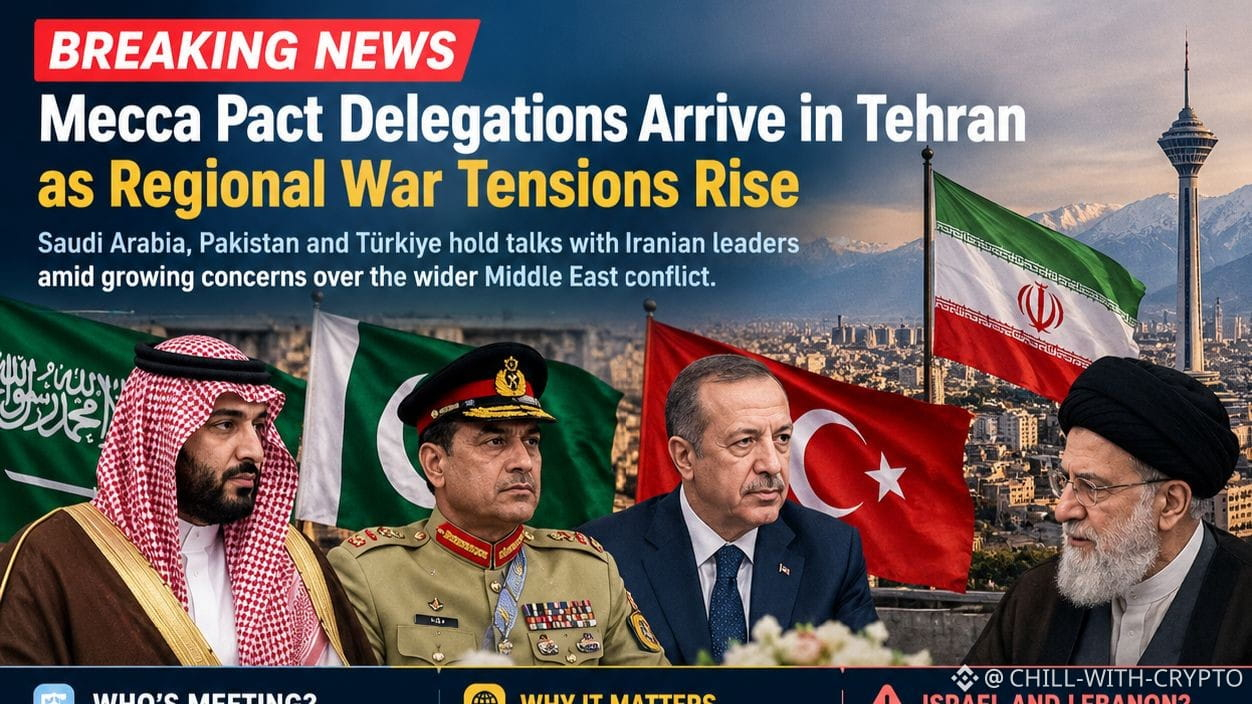
📣BREAKING: Mecca Pact Delegations Head to Tehran as Middle East Tensions Rise
A significant diplomatic development is drawing attention across the Middle East as senior officials from Saudi Arabia, Pakistan, and Türkiye engage in talks with Iranian leaders in Tehran on October 26, 2026. The discussions come amid heightened regional tensions and concerns about further escalation involving Iran, the United States, and Israel.
According to reports attributed to Reuters and the Associated Press, the delegations include Saudi Defence Minister Prince Khalid bin Salman, Pakistan’s Army Chief Field Marshal Asim Munir, and Türkiye’s intelligence chief Ibrahim Kalin. Their reported discussions focus on regional security and efforts to reduce tensions.
The diplomatic initiative comes amid concerns about Houthi missile and drone attacks targeting Saudi Arabia and continuing tensions between Washington and Tehran. Pakistan and Qatar have also been involved in diplomatic efforts aimed at encouraging dialogue and preventing a wider regional conflict.
The meeting is particularly important because Saudi Arabia, Pakistan, and Türkiye have been associated with discussions on regional security cooperation. However, the precise legal status, membership, and provisions of any reported Mecca defence pact should be verified through official documents before claims about mutual defence obligations are treated as established fact.
The broader conflict involving Iran, Israel, and the United States continues to raise concerns about regional stability. Lebanon and tensions involving Israel and Hezbollah remain important parts of the wider security picture. However, their inclusion as formal agenda items in the Tehran meeting should not be claimed without explicit confirmation from reliable reporting or official statements.
The key questions are whether these discussions can support diplomatic communication, reduce the risk of escalation, and produce concrete steps toward regional stability.
#MiddleEast #Geopolitics #NewsUpdated #EarningsSeason
CHIL-WITH-CRYPTO
📣BREAKING: Mecca Pact Delegations Head to Tehran as Middle East Tensions Rise
A significant diplomatic development is drawing attention across the Middle East as senior officials from Saudi Arabia, Pakistan, and Türkiye engage in talks with Iranian leaders in Tehran on October 26, 2026. The discussions come amid heightened regional tensions and concerns about further escalation involving Iran, the United States, and Israel.
According to reports attributed to Reuters and the Associated Press, the delegations include Saudi Defence Minister Prince Khalid bin Salman, Pakistan’s Army Chief Field Marshal Asim Munir, and Türkiye’s intelligence chief Ibrahim Kalin. Their reported discussions focus on regional security and efforts to reduce tensions.
The diplomatic initiative comes amid concerns about Houthi missile and drone attacks targeting Saudi Arabia and continuing tensions between Washington and Tehran. Pakistan and Qatar have also been involved in diplomatic efforts aimed at encouraging dialogue and preventing a wider regional conflict.
The meeting is particularly important because Saudi Arabia, Pakistan, and Türkiye have been associated with discussions on regional security cooperation. However, the precise legal status, membership, and provisions of any reported Mecca defence pact should be verified through official documents before claims about mutual defence obligations are treated as established fact.
The broader conflict involving Iran, Israel, and the United States continues to raise concerns about regional stability. Lebanon and tensions involving Israel and Hezbollah remain important parts of the wider security picture. However, their inclusion as formal agenda items in the Tehran meeting should not be claimed without explicit confirmation from reliable reporting or official statements.
The key questions are whether these discussions can support diplomatic communication, reduce the risk of escalation, and produce concrete steps toward regional stability.
#MiddleEast #Geopolitics #NewsUpdated #EarningsSeason
CHIL-WITH-CRYPTO
A significant diplomatic development is drawing attention across the Middle East as senior officials from Saudi Arabia, Pakistan, and Türkiye engage in talks with Iranian leaders in Tehran on October 26, 2026. The discussions come amid heightened regional tensions and concerns about further escalation involving Iran, the United States, and Israel.
According to reports attributed to Reuters and the Associated Press, the delegations include Saudi Defence Minister Prince Khalid bin Salman, Pakistan’s Army Chief Field Marshal Asim Munir, and Türkiye’s intelligence chief Ibrahim Kalin. Their reported discussions focus on regional security and efforts to reduce tensions.
The diplomatic initiative comes amid concerns about Houthi missile and drone attacks targeting Saudi Arabia and continuing tensions between Washington and Tehran. Pakistan and Qatar have also been involved in diplomatic efforts aimed at encouraging dialogue and preventing a wider regional conflict.
The meeting is particularly important because Saudi Arabia, Pakistan, and Türkiye have been associated with discussions on regional security cooperation. However, the precise legal status, membership, and provisions of any reported Mecca defence pact should be verified through official documents before claims about mutual defence obligations are treated as established fact.
The broader conflict involving Iran, Israel, and the United States continues to raise concerns about regional stability. Lebanon and tensions involving Israel and Hezbollah remain important parts of the wider security picture. However, their inclusion as formal agenda items in the Tehran meeting should not be claimed without explicit confirmation from reliable reporting or official statements.
The key questions are whether these discussions can support diplomatic communication, reduce the risk of escalation, and produce concrete steps toward regional stability.
#MiddleEast #Geopolitics #NewsUpdated #EarningsSeason
CHIL-WITH-CRYPTO
101

The Russian Ministry of Defense confirmed via state agency Tass that its forces struck a cargo vessel in the Black Sea, marking a renewed escalation in regional maritime conflict. Concurrently, the Financial Times reported that Germany plans to purchase Ukrainian-developed low-cost cruise missiles to gain access to Ukraine's defense technology.
Targeting commercial shipping corridors in the Black Sea directly threatens global logistics, agricultural transport, and regional energy routes. Meanwhile, Germany's strategic move to acquire Ukrainian defense tech highlights deepening European military integration amid prolonged geopolitical friction.
These developments add fresh risk premiums to traditional safe-havens like crude oil and gold, while shipping insurance and freight rates face upward pressure. Broad equity markets may experience heightened volatility as systemic supply chain disruptions re-emerge.
For crypto assets, rising geopolitical friction typically triggers short-term risk-off sentiment and liquidity contraction across altcoins. However, sustained uncertainty reinforces $BTC as an independent macro hedge and non-sovereign settlement layer over the medium term.
#Geopolitics #BlackSea #MacroEconomics
The Russian Ministry of Defense confirmed via state agency Tass that its forces struck a cargo vessel in the Black Sea, marking a renewed escalation in regional maritime conflict. Concurrently, the Financial Times reported that Germany plans to purchase Ukrainian-developed low-cost cruise missiles to gain access to Ukraine's defense technology.
Targeting commercial shipping corridors in the Black Sea directly threatens global logistics, agricultural transport, and regional energy routes. Meanwhile, Germany's strategic move to acquire Ukrainian defense tech highlights deepening European military integration amid prolonged geopolitical friction.
These developments add fresh risk premiums to traditional safe-havens like crude oil and gold, while shipping insurance and freight rates face upward pressure. Broad equity markets may experience heightened volatility as systemic supply chain disruptions re-emerge.
For crypto assets, rising geopolitical friction typically triggers short-term risk-off sentiment and liquidity contraction across altcoins. However, sustained uncertainty reinforces $BTC as an independent macro hedge and non-sovereign settlement layer over the medium term.
#Geopolitics #BlackSea #MacroEconomics
Targeting commercial shipping corridors in the Black Sea directly threatens global logistics, agricultural transport, and regional energy routes. Meanwhile, Germany's strategic move to acquire Ukrainian defense tech highlights deepening European military integration amid prolonged geopolitical friction.
These developments add fresh risk premiums to traditional safe-havens like crude oil and gold, while shipping insurance and freight rates face upward pressure. Broad equity markets may experience heightened volatility as systemic supply chain disruptions re-emerge.
For crypto assets, rising geopolitical friction typically triggers short-term risk-off sentiment and liquidity contraction across altcoins. However, sustained uncertainty reinforces $BTC as an independent macro hedge and non-sovereign settlement layer over the medium term.
#Geopolitics #BlackSea #MacroEconomics
278
U.S. military forces in the Middle East have finalized operational preparations for potential large-scale strikes against Iran, positioned to launch within 96 hours of receiving an order from President Donald Trump. According to U.S. officials, the scope of these planned operations extends far beyond routine defensive strikes, targeting critical infrastructure rather than easily replaceable missile launchers.
This shift represents a significant escalation from prior containment strategies, raising the probability of direct conflict rather than limited skirmishes. Observers indicate the key question is no longer whether action will occur, but rather the exact timing of the executive directive.
Escalating military friction immediately elevates risk premiums across global financial markets. Crude oil prices face sharp upward pressure due to potential supply disruptions, while sovereign bond yields and the U.S. dollar are likely to reflect flight-to-safety flows.
For crypto assets, broad geopolitical shockwaves typically trigger initial liquidation cascades as leveraged risk is pulled off the table. A sustained conflict could weigh heavily on $BTC and altcoin liquidity before any secondary safe-haven narrative gains traction.
#Geopolitics #Iran #MacroEconomy
U.S. military forces in the Middle East have finalized operational preparations for potential large-scale strikes against Iran, positioned to launch within 96 hours of receiving an order from President Donald Trump. According to U.S. officials, the scope of these planned operations extends far beyond routine defensive strikes, targeting critical infrastructure rather than easily replaceable missile launchers.
This shift represents a significant escalation from prior containment strategies, raising the probability of direct conflict rather than limited skirmishes. Observers indicate the key question is no longer whether action will occur, but rather the exact timing of the executive directive.
Escalating military friction immediately elevates risk premiums across global financial markets. Crude oil prices face sharp upward pressure due to potential supply disruptions, while sovereign bond yields and the U.S. dollar are likely to reflect flight-to-safety flows.
For crypto assets, broad geopolitical shockwaves typically trigger initial liquidation cascades as leveraged risk is pulled off the table. A sustained conflict could weigh heavily on $BTC and altcoin liquidity before any secondary safe-haven narrative gains traction.
#Geopolitics #Iran #MacroEconomy
This shift represents a significant escalation from prior containment strategies, raising the probability of direct conflict rather than limited skirmishes. Observers indicate the key question is no longer whether action will occur, but rather the exact timing of the executive directive.
Escalating military friction immediately elevates risk premiums across global financial markets. Crude oil prices face sharp upward pressure due to potential supply disruptions, while sovereign bond yields and the U.S. dollar are likely to reflect flight-to-safety flows.
For crypto assets, broad geopolitical shockwaves typically trigger initial liquidation cascades as leveraged risk is pulled off the table. A sustained conflict could weigh heavily on $BTC and altcoin liquidity before any secondary safe-haven narrative gains traction.
#Geopolitics #Iran #MacroEconomy
323

·
--
Verified
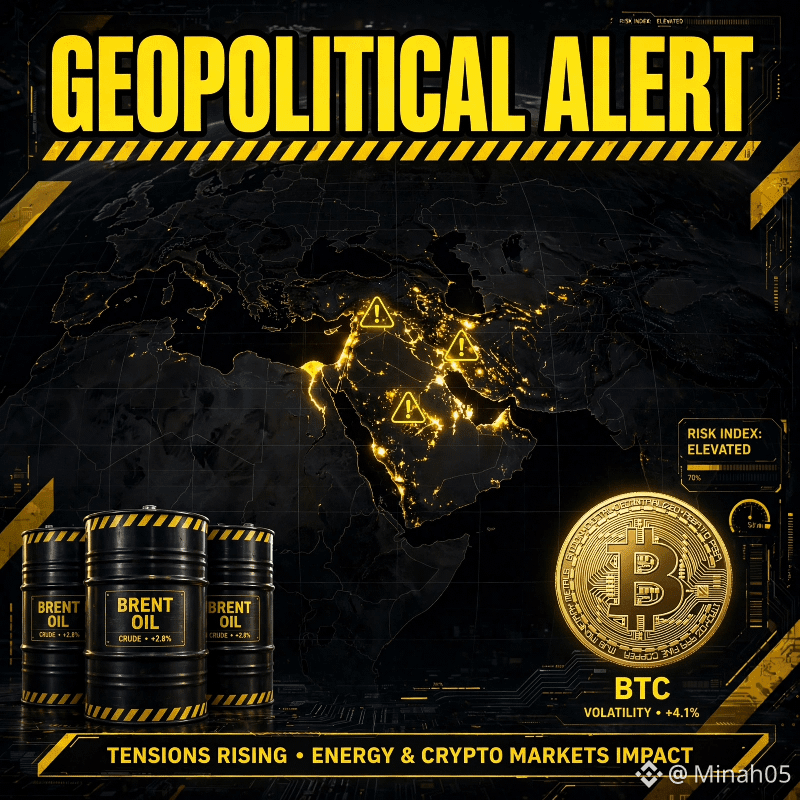
🚀 Geopolitical Alert Oct 26 What Means For Crypto 👀
West Asia tensions rising again 🔥 Brent oil near 117 and heading to 120 🛢️ Flights to Riyadh Dammam Jeddah suspended till Nov 7 ✈️🚫 PSX down 2.4% this week 📉
When oil pumps 💰 inflation pumps and risk markets shake 😬
$BTC holding 80k zone because of this uncertainty 🟠 Altcoins mixed Many traders waiting on sidelines ⏳
My Take 🧠
No panic No FOMO Just watch 2 things
Oil price + US Fed decision 📊
These will decide next $BTC move 🚀
Are you holding cash or holding coins in this tension 🤔👇
Not financial advice DYOR 🙏
{spot}(BTCUSDT)
#Geopolitics #CryptoMarket #BTC #DYOR
🚀 Geopolitical Alert Oct 26 What Means For Crypto 👀
West Asia tensions rising again 🔥 Brent oil near 117 and heading to 120 🛢️ Flights to Riyadh Dammam Jeddah suspended till Nov 7 ✈️🚫 PSX down 2.4% this week 📉
When oil pumps 💰 inflation pumps and risk markets shake 😬
$BTC holding 80k zone because of this uncertainty 🟠 Altcoins mixed Many traders waiting on sidelines ⏳
My Take 🧠
No panic No FOMO Just watch 2 things
Oil price + US Fed decision 📊
These will decide next $BTC move 🚀
Are you holding cash or holding coins in this tension 🤔👇
Not financial advice DYOR 🙏
#Geopolitics #CryptoMarket #BTC #DYOR
West Asia tensions rising again 🔥 Brent oil near 117 and heading to 120 🛢️ Flights to Riyadh Dammam Jeddah suspended till Nov 7 ✈️🚫 PSX down 2.4% this week 📉
When oil pumps 💰 inflation pumps and risk markets shake 😬
$BTC holding 80k zone because of this uncertainty 🟠 Altcoins mixed Many traders waiting on sidelines ⏳
My Take 🧠
No panic No FOMO Just watch 2 things
Oil price + US Fed decision 📊
These will decide next $BTC move 🚀
Are you holding cash or holding coins in this tension 🤔👇
Not financial advice DYOR 🙏
#Geopolitics #CryptoMarket #BTC #DYOR
1.2k

·
--
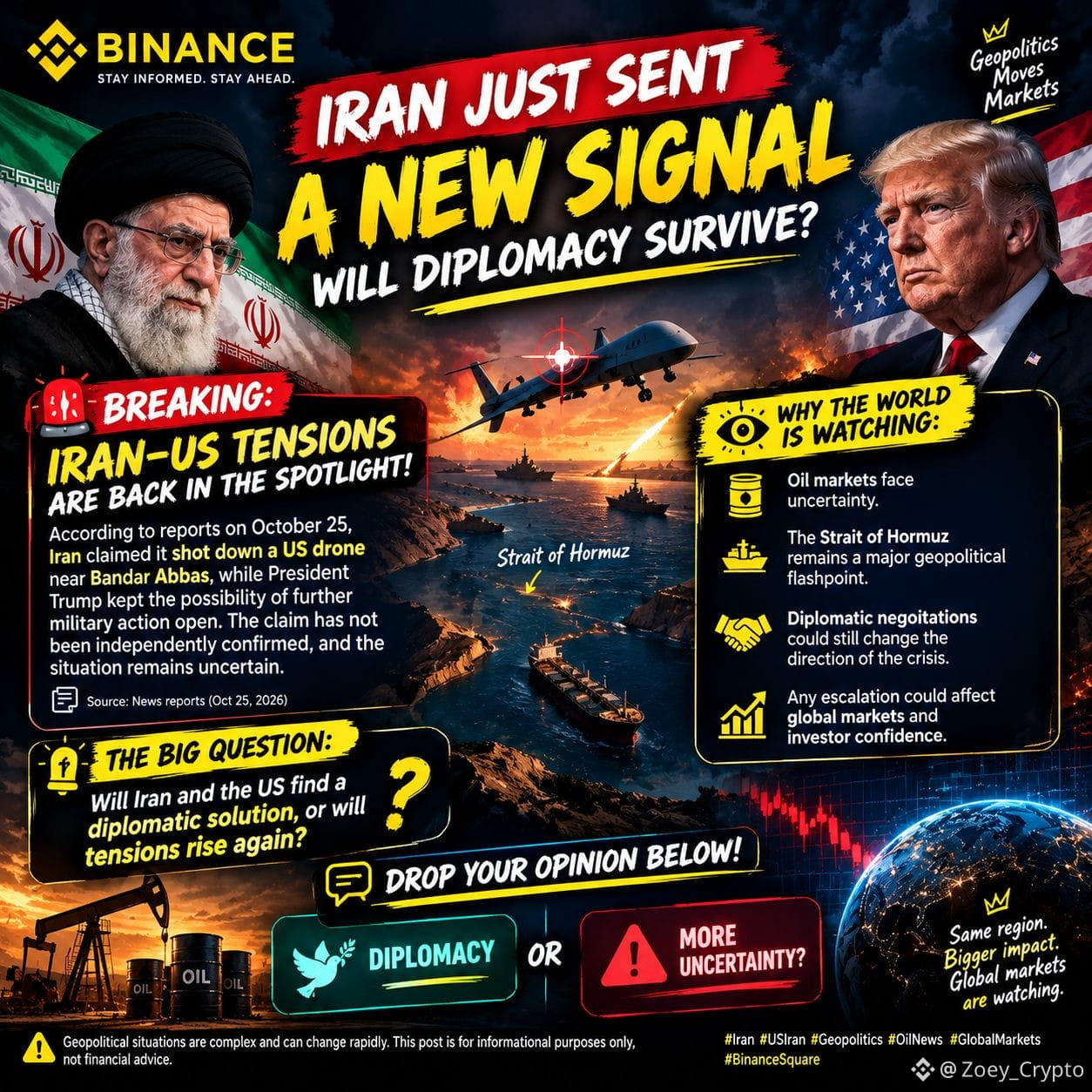
🚨🇮🇷 IRAN JUST SENT A NEW SIGNAL — WILL DIPLOMACY SURVIVE? 🌍🔥
⚡ BREAKING: IRAN–US TENSIONS ARE BACK IN THE SPOTLIGHT!
According to reports on October 25, Iran claimed it shot down a US drone near Bandar Abbas, while President Trump kept the possibility of further military action open. The claim has not been independently confirmed, and the situation remains uncertain. 👀 <Cite refs={["turn978273news15","turn978273news17"]}/>
💥 WHY THE WORLD IS WATCHING:
🛢️ Oil markets face uncertainty.
🌊 The Strait of Hormuz remains a major geopolitical flashpoint.
🤝 Diplomatic negotiations could still change the direction of the crisis.
📉 Any escalation could affect global markets and investor confidence.
🔥 THE BIG QUESTION: Will Iran and the US find a diplomatic solution, or will tensions rise again?
💬 Drop your opinion below! 👇
🕊️ DIPLOMACY or ⚠️ MORE UNCERTAINTY?
#Iran #USIran #BreakingNews #Geopolitics #OilNews #CryptoNews #BinanceSquare
$ETH $BTC
🚨🇮🇷 IRAN JUST SENT A NEW SIGNAL — WILL DIPLOMACY SURVIVE? 🌍🔥
⚡ BREAKING: IRAN–US TENSIONS ARE BACK IN THE SPOTLIGHT!
According to reports on October 25, Iran claimed it shot down a US drone near Bandar Abbas, while President Trump kept the possibility of further military action open. The claim has not been independently confirmed, and the situation remains uncertain. 👀 <Cite refs={["turn978273news15","turn978273news17"]}/>
💥 WHY THE WORLD IS WATCHING:
🛢️ Oil markets face uncertainty.
🌊 The Strait of Hormuz remains a major geopolitical flashpoint.
🤝 Diplomatic negotiations could still change the direction of the crisis.
📉 Any escalation could affect global markets and investor confidence.
🔥 THE BIG QUESTION: Will Iran and the US find a diplomatic solution, or will tensions rise again?
💬 Drop your opinion below! 👇
🕊️ DIPLOMACY or ⚠️ MORE UNCERTAINTY?
#Iran #USIran #BreakingNews #Geopolitics #OilNews #CryptoNews #BinanceSquare
$ETH $BTC
⚡ BREAKING: IRAN–US TENSIONS ARE BACK IN THE SPOTLIGHT!
According to reports on October 25, Iran claimed it shot down a US drone near Bandar Abbas, while President Trump kept the possibility of further military action open. The claim has not been independently confirmed, and the situation remains uncertain. 👀 <Cite refs={["turn978273news15","turn978273news17"]}/>
💥 WHY THE WORLD IS WATCHING:
🛢️ Oil markets face uncertainty.
🌊 The Strait of Hormuz remains a major geopolitical flashpoint.
🤝 Diplomatic negotiations could still change the direction of the crisis.
📉 Any escalation could affect global markets and investor confidence.
🔥 THE BIG QUESTION: Will Iran and the US find a diplomatic solution, or will tensions rise again?
💬 Drop your opinion below! 👇
🕊️ DIPLOMACY or ⚠️ MORE UNCERTAINTY?
#Iran #USIran #BreakingNews #Geopolitics #OilNews #CryptoNews #BinanceSquare
$ETH $BTC
467
Yemen's Houthi forces officially announced three coordinated military operations targeting strategic infrastructure across Saudi Arabia, firing dozens of ballistic missiles in retaliation for strikes on Sanaa. The attacks specifically targeted King Khalid International Airport in Riyadh, King Khalid Air Base in Khobar, and a Southern naval base in Gizan.
This marks a significant escalation in Middle Eastern geopolitical friction, threatening to disrupt critical transportation and regional energy security. Escalations of this scale immediately raise concerns over global crude oil supply stability and broader shipping routes in the region.
Traditional financial markets typically respond to direct infrastructure attacks with immediate risk aversion. Rising crude oil prices increase inflation risks, pushing sovereign bond yields higher while boosting safe-haven flows toward gold and the US dollar.
For crypto assets, sudden geopolitical spikes generally trigger short-term volatility and liquidity contraction as investors reduce risk exposure. While $BTC often faces initial sell pressure alongside risk assets, severe macro instability can eventually reignite demand for decentralized hedges.
#Geopolitics #CrudeOil #MacroEconomics
Yemen's Houthi forces officially announced three coordinated military operations targeting strategic infrastructure across Saudi Arabia, firing dozens of ballistic missiles in retaliation for strikes on Sanaa. The attacks specifically targeted King Khalid International Airport in Riyadh, King Khalid Air Base in Khobar, and a Southern naval base in Gizan.
This marks a significant escalation in Middle Eastern geopolitical friction, threatening to disrupt critical transportation and regional energy security. Escalations of this scale immediately raise concerns over global crude oil supply stability and broader shipping routes in the region.
Traditional financial markets typically respond to direct infrastructure attacks with immediate risk aversion. Rising crude oil prices increase inflation risks, pushing sovereign bond yields higher while boosting safe-haven flows toward gold and the US dollar.
For crypto assets, sudden geopolitical spikes generally trigger short-term volatility and liquidity contraction as investors reduce risk exposure. While $BTC often faces initial sell pressure alongside risk assets, severe macro instability can eventually reignite demand for decentralized hedges.
#Geopolitics #CrudeOil #MacroEconomics
This marks a significant escalation in Middle Eastern geopolitical friction, threatening to disrupt critical transportation and regional energy security. Escalations of this scale immediately raise concerns over global crude oil supply stability and broader shipping routes in the region.
Traditional financial markets typically respond to direct infrastructure attacks with immediate risk aversion. Rising crude oil prices increase inflation risks, pushing sovereign bond yields higher while boosting safe-haven flows toward gold and the US dollar.
For crypto assets, sudden geopolitical spikes generally trigger short-term volatility and liquidity contraction as investors reduce risk exposure. While $BTC often faces initial sell pressure alongside risk assets, severe macro instability can eventually reignite demand for decentralized hedges.
#Geopolitics #CrudeOil #MacroEconomics
60

·
--
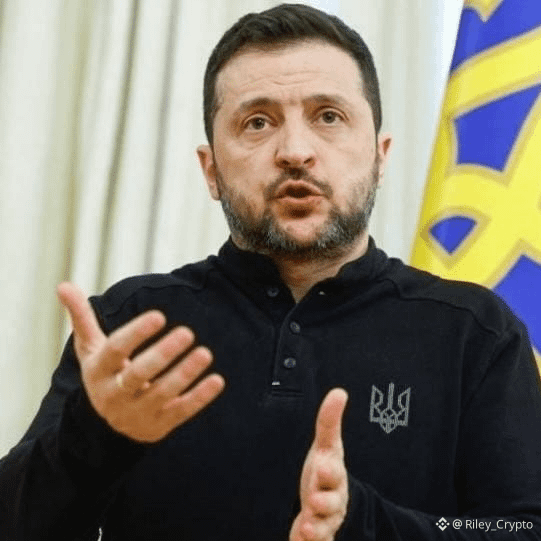
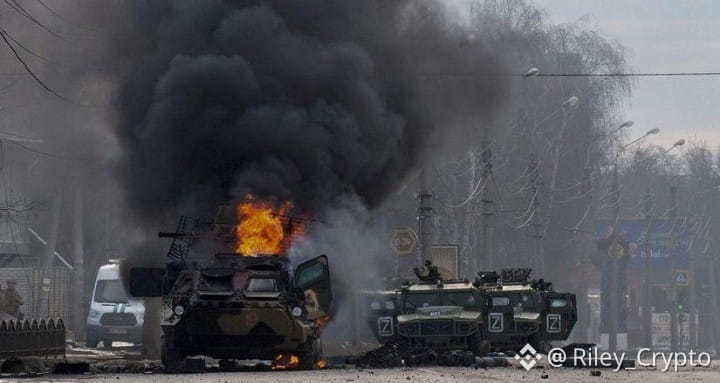
🚨 WORLD UPDATE: RUSSIA–UKRAINE WAR AND GLOBAL MARKETS 🇷🇺🇺🇦
🌍 The Russia–Ukraine war remains a major concern for global security and economic stability.
🛢️ Why It Matters
• Attacks on energy infrastructure could affect oil and gas supplies.
• New sanctions may increase pressure on trade and energy markets.
• Rising geopolitical uncertainty can influence investor confience.
📊 Market Impact
Oil-price volatility may affect inflation expectations and global financial markets. Bitcoin and other cryptocurrencies could also experience price swings as investors adjust their risk exposure.
⚠️ The impact depends on further developments. Higher volatility does not automatically mean prices will rise or fall.
💬 What do you think? Will the Russia–Ukraine conflict escalate further, or could diplomatic efforts bring progress? How might this affect Bitcoin and oil prices?
$SHIB $HYPE $AKE
#RussiaUkraine #Geopolitics #OilPrices #Bitcoin #CryptoMarket
🚨 WORLD UPDATE: RUSSIA–UKRAINE WAR AND GLOBAL MARKETS 🇷🇺🇺🇦
🌍 The Russia–Ukraine war remains a major concern for global security and economic stability.
🛢️ Why It Matters
• Attacks on energy infrastructure could affect oil and gas supplies.
• New sanctions may increase pressure on trade and energy markets.
• Rising geopolitical uncertainty can influence investor confience.
📊 Market Impact
Oil-price volatility may affect inflation expectations and global financial markets. Bitcoin and other cryptocurrencies could also experience price swings as investors adjust their risk exposure.
⚠️ The impact depends on further developments. Higher volatility does not automatically mean prices will rise or fall.
💬 What do you think? Will the Russia–Ukraine conflict escalate further, or could diplomatic efforts bring progress? How might this affect Bitcoin and oil prices?
$SHIB $HYPE $AKE
#RussiaUkraine #Geopolitics #OilPrices #Bitcoin #CryptoMarket
🌍 The Russia–Ukraine war remains a major concern for global security and economic stability.
🛢️ Why It Matters
• Attacks on energy infrastructure could affect oil and gas supplies.
• New sanctions may increase pressure on trade and energy markets.
• Rising geopolitical uncertainty can influence investor confience.
📊 Market Impact
Oil-price volatility may affect inflation expectations and global financial markets. Bitcoin and other cryptocurrencies could also experience price swings as investors adjust their risk exposure.
⚠️ The impact depends on further developments. Higher volatility does not automatically mean prices will rise or fall.
💬 What do you think? Will the Russia–Ukraine conflict escalate further, or could diplomatic efforts bring progress? How might this affect Bitcoin and oil prices?
$SHIB $HYPE $AKE
#RussiaUkraine #Geopolitics #OilPrices #Bitcoin #CryptoMarket
148

·
--
🔥 TRUMP PUTS SUNDAY ON THE TABLE: IRAN STRIKE OR "BIG, BEAUTIFUL" DEAL?
🔹 WHAT HAPPENED
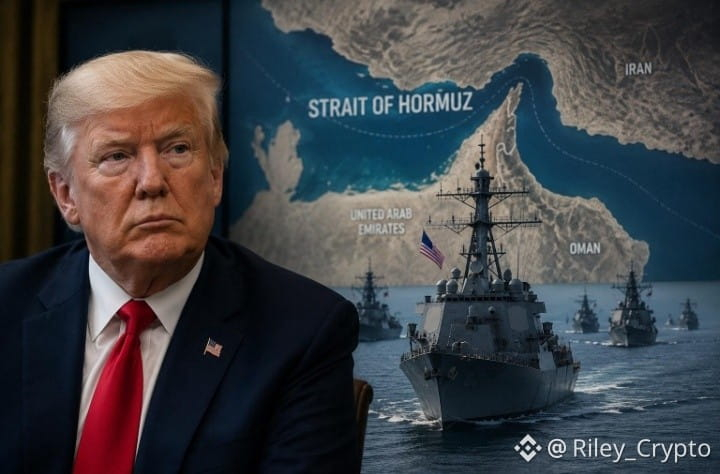
President Donald Trump said Saturday in Florida that the US could strike Iran as soon as today, Sunday, or reach a deal instead: "Maybe tomorrow... There's a possibility I will. There's also a possibility we'll have a nice, big, beautiful agreement." No strike has been confirmed as of this post. The warning matters because it breaks the calm from his Oct 8 pledge of no attack before the Nov 3 midterms, and it lands while the US is evacuating personnel across the Middle East on reports of Iranian threats.
🔑 WHY IT MOVES $BTC
Bitcoin trades 24/7, so it takes the first hit from any weekend headline while stock markets are shut. $BTC sits near $80,500 after dipping to $79,220 on Saturday and closing the day at $80,888. This month's pattern is clear: escalation headlines have cut BTC 2-5% intraday. On Oct 22, strike-plan reports knocked BTC from $84,898 to $80,939 and spot BTC ETFs lost $635M in a day. CoinGlass shows $544M liquidated in 24 hours, $461M of it longs.
⚠️ THE LINE THAT MATTERS
Glassnode puts ETF and treasury-company cost basis at $80,000-$81,500. A daily close below $80,000 leaves the average institutional holder underwater and opens the True Market Mean near $77,600. My view: $80,000 is the line to defend, not the level to chase with leverage. A deal headline can reverse this fast, and thin weekend liquidity exaggerates every move. Trade the level, not the headline.
🐂 or 🐻: does $BTC hold $80,000 through the weekend?
📌 Sharing personal opinions only, not financial advice or a recommendation to buy/sell. Crypto is highly risky; DYOR and you are solely responsible. No coin promotion.
#Bitcoin #Geopolitics #Crypto #Binance
🔥 TRUMP PUTS SUNDAY ON THE TABLE: IRAN STRIKE OR "BIG, BEAUTIFUL" DEAL?
🔹 WHAT HAPPENED
President Donald Trump said Saturday in Florida that the US could strike Iran as soon as today, Sunday, or reach a deal instead: "Maybe tomorrow... There's a possibility I will. There's also a possibility we'll have a nice, big, beautiful agreement." No strike has been confirmed as of this post. The warning matters because it breaks the calm from his Oct 8 pledge of no attack before the Nov 3 midterms, and it lands while the US is evacuating personnel across the Middle East on reports of Iranian threats.
🔑 WHY IT MOVES $BTC
Bitcoin trades 24/7, so it takes the first hit from any weekend headline while stock markets are shut. $BTC sits near $80,500 after dipping to $79,220 on Saturday and closing the day at $80,888. This month's pattern is clear: escalation headlines have cut BTC 2-5% intraday. On Oct 22, strike-plan reports knocked BTC from $84,898 to $80,939 and spot BTC ETFs lost $635M in a day. CoinGlass shows $544M liquidated in 24 hours, $461M of it longs.
⚠️ THE LINE THAT MATTERS
Glassnode puts ETF and treasury-company cost basis at $80,000-$81,500. A daily close below $80,000 leaves the average institutional holder underwater and opens the True Market Mean near $77,600. My view: $80,000 is the line to defend, not the level to chase with leverage. A deal headline can reverse this fast, and thin weekend liquidity exaggerates every move. Trade the level, not the headline.
🐂 or 🐻: does $BTC hold $80,000 through the weekend?
📌 Sharing personal opinions only, not financial advice or a recommendation to buy/sell. Crypto is highly risky; DYOR and you are solely responsible. No coin promotion.
#Bitcoin #Geopolitics #Crypto #Binance
🔹 WHAT HAPPENED
President Donald Trump said Saturday in Florida that the US could strike Iran as soon as today, Sunday, or reach a deal instead: "Maybe tomorrow... There's a possibility I will. There's also a possibility we'll have a nice, big, beautiful agreement." No strike has been confirmed as of this post. The warning matters because it breaks the calm from his Oct 8 pledge of no attack before the Nov 3 midterms, and it lands while the US is evacuating personnel across the Middle East on reports of Iranian threats.
🔑 WHY IT MOVES $BTC
Bitcoin trades 24/7, so it takes the first hit from any weekend headline while stock markets are shut. $BTC sits near $80,500 after dipping to $79,220 on Saturday and closing the day at $80,888. This month's pattern is clear: escalation headlines have cut BTC 2-5% intraday. On Oct 22, strike-plan reports knocked BTC from $84,898 to $80,939 and spot BTC ETFs lost $635M in a day. CoinGlass shows $544M liquidated in 24 hours, $461M of it longs.
⚠️ THE LINE THAT MATTERS
Glassnode puts ETF and treasury-company cost basis at $80,000-$81,500. A daily close below $80,000 leaves the average institutional holder underwater and opens the True Market Mean near $77,600. My view: $80,000 is the line to defend, not the level to chase with leverage. A deal headline can reverse this fast, and thin weekend liquidity exaggerates every move. Trade the level, not the headline.
🐂 or 🐻: does $BTC hold $80,000 through the weekend?
📌 Sharing personal opinions only, not financial advice or a recommendation to buy/sell. Crypto is highly risky; DYOR and you are solely responsible. No coin promotion.
#Bitcoin #Geopolitics #Crypto #Binance
3
845
·
--
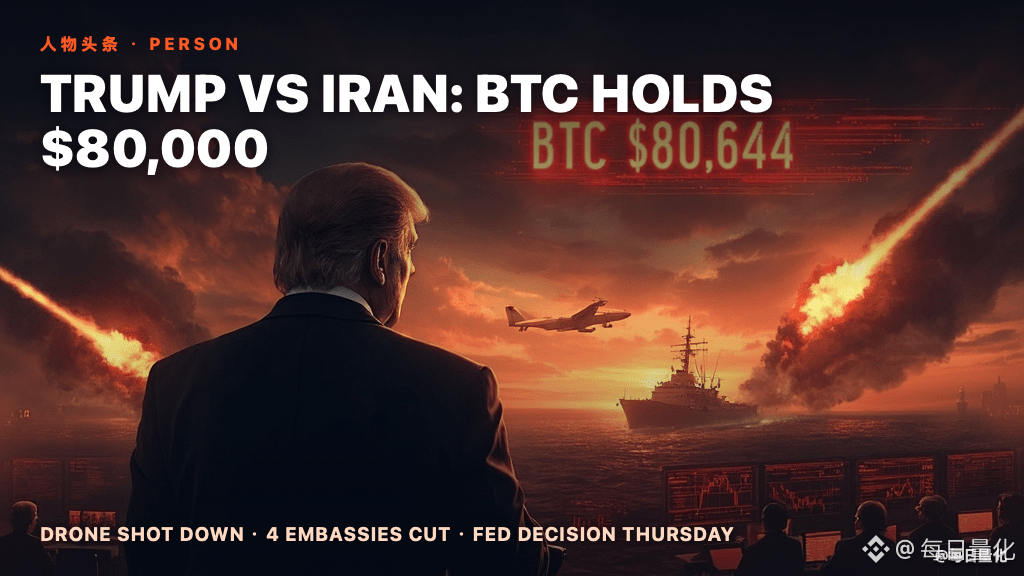
🚨 IRAN SHOT DOWN A US DRONE. BTC HELD $80,000
Trump threatens to strike Iran at any time. Iran's military says it shot down a US drone. BTC held 80,000.
1. Trump said on Saturday the US may strike Iran "tomorrow" or make a deal. He repeated the threat on Sunday (Iran International, Wallstreetcn).
2. The Iranian military said its air defense shot down a US drone near Bandar Abbas (Tasnim). The US cut staff at four embassies: Jordan, Lebanon, Qatar, UAE (AP).
3. BTC touched 79,800 on Saturday and recovered. It trades at 80,644 on Binance now. Spot ETFs pulled $635M in one day, $773M in two days, the biggest exit since June (Yahoo Finance).
My take: war headlines did not break 80,000. Money leaving ETFs will break it. If the Fed decision on Thursday Oct 29 comes with outflows still running, 80,000 fails before next weekend.
What to watch: the daily ETF flow print, and 80,000 holding into Thursday's rate call.
Strike or deal by Thursday?
$BTC #Geopolitics #Bitcoin #FederalReserve #TradingStrategy
——
全量化交易,抓住每一个市场机会。
🚨 IRAN SHOT DOWN A US DRONE. BTC HELD $80,000
Trump threatens to strike Iran at any time. Iran's military says it shot down a US drone. BTC held 80,000.
1. Trump said on Saturday the US may strike Iran "tomorrow" or make a deal. He repeated the threat on Sunday (Iran International, Wallstreetcn).
2. The Iranian military said its air defense shot down a US drone near Bandar Abbas (Tasnim). The US cut staff at four embassies: Jordan, Lebanon, Qatar, UAE (AP).
3. BTC touched 79,800 on Saturday and recovered. It trades at 80,644 on Binance now. Spot ETFs pulled $635M in one day, $773M in two days, the biggest exit since June (Yahoo Finance).
My take: war headlines did not break 80,000. Money leaving ETFs will break it. If the Fed decision on Thursday Oct 29 comes with outflows still running, 80,000 fails before next weekend.
What to watch: the daily ETF flow print, and 80,000 holding into Thursday's rate call.
Strike or deal by Thursday?
$BTC #Geopolitics #Bitcoin #FederalReserve #TradingStrategy
——
全量化交易,抓住每一个市场机会。
Trump threatens to strike Iran at any time. Iran's military says it shot down a US drone. BTC held 80,000.
1. Trump said on Saturday the US may strike Iran "tomorrow" or make a deal. He repeated the threat on Sunday (Iran International, Wallstreetcn).
2. The Iranian military said its air defense shot down a US drone near Bandar Abbas (Tasnim). The US cut staff at four embassies: Jordan, Lebanon, Qatar, UAE (AP).
3. BTC touched 79,800 on Saturday and recovered. It trades at 80,644 on Binance now. Spot ETFs pulled $635M in one day, $773M in two days, the biggest exit since June (Yahoo Finance).
My take: war headlines did not break 80,000. Money leaving ETFs will break it. If the Fed decision on Thursday Oct 29 comes with outflows still running, 80,000 fails before next weekend.
What to watch: the daily ETF flow print, and 80,000 holding into Thursday's rate call.
Strike or deal by Thursday?
$BTC #Geopolitics #Bitcoin #FederalReserve #TradingStrategy
——
全量化交易,抓住每一个市场机会。
68
·
--
🚨 MARKET UPDATE: IRAN–US TENSIONS RISE — WILL OIL AND CRYPTO REACT? 🇺🇸🇮🇷
🌍 Latest Development: On October 24, reports highlighted renewed warnings from both Washington and Tehran, while the risk of further military action remained uncertain. No new US strike was confirmed in the reports reviewed.
🛢️ Oil Market: Brent crude rose above $117 per barrel on October 23 amid concerns over regional security and shipping through the Strait of Hormuz. Further disruption could increase supply concerns and inflation pressure.
₿ Crypto Impact: Higher oil prices and geopolitical uncertainty may trigger volatility in Bitcoin and altcoins. However, crypto’s direction will also depend on liquidity, investor sentiment, and technical levels.
🎯 VIP Insight: Watch official announcements, oil-price movements, and BTC support levels instead of trading on headlines alone.
⚠️ Both outcomes remain possible: De-escalation could ease market pressure, while further disruption could increase volatility.
💬 Your view: Will diplomacy calm the markets, or could rising tensions push oil higher and shake $TRUMP $NVDAB $XAI
{future}(XAIUSDT)
Bitcoin?
#Bitcoin #CryptoMarket #Iran #OilPrices #Geopolitics
🚨 MARKET UPDATE: IRAN–US TENSIONS RISE — WILL OIL AND CRYPTO REACT? 🇺🇸🇮🇷
🌍 Latest Development: On October 24, reports highlighted renewed warnings from both Washington and Tehran, while the risk of further military action remained uncertain. No new US strike was confirmed in the reports reviewed.
🛢️ Oil Market: Brent crude rose above $117 per barrel on October 23 amid concerns over regional security and shipping through the Strait of Hormuz. Further disruption could increase supply concerns and inflation pressure.
₿ Crypto Impact: Higher oil prices and geopolitical uncertainty may trigger volatility in Bitcoin and altcoins. However, crypto’s direction will also depend on liquidity, investor sentiment, and technical levels.
🎯 VIP Insight: Watch official announcements, oil-price movements, and BTC support levels instead of trading on headlines alone.
⚠️ Both outcomes remain possible: De-escalation could ease market pressure, while further disruption could increase volatility.
💬 Your view: Will diplomacy calm the markets, or could rising tensions push oil higher and shake $TRUMP $NVDAB $XAI
Bitcoin?
#Bitcoin #CryptoMarket #Iran #OilPrices #Geopolitics
🌍 Latest Development: On October 24, reports highlighted renewed warnings from both Washington and Tehran, while the risk of further military action remained uncertain. No new US strike was confirmed in the reports reviewed.
🛢️ Oil Market: Brent crude rose above $117 per barrel on October 23 amid concerns over regional security and shipping through the Strait of Hormuz. Further disruption could increase supply concerns and inflation pressure.
₿ Crypto Impact: Higher oil prices and geopolitical uncertainty may trigger volatility in Bitcoin and altcoins. However, crypto’s direction will also depend on liquidity, investor sentiment, and technical levels.
🎯 VIP Insight: Watch official announcements, oil-price movements, and BTC support levels instead of trading on headlines alone.
⚠️ Both outcomes remain possible: De-escalation could ease market pressure, while further disruption could increase volatility.
💬 Your view: Will diplomacy calm the markets, or could rising tensions push oil higher and shake $TRUMP $NVDAB $XAI
Bitcoin?
#Bitcoin #CryptoMarket #Iran #OilPrices #Geopolitics
502
Tensions in the Middle East escalated on the 25th as Yemen's Houthi forces issued a fresh warning declaring Riyadh's King Khalid International Airport a legitimate military target, just as Saudi authorities prepared to partially reopen terminals following a two-week closure.
The airport had been shut down after sustaining repeated strikes, including a severe attack on the 10th that resulted in 13 fatalities and over 300 injuries, marking Saudi Arabia's worst casualty event in over a decade. Persistent threats against key infrastructure in the world's top crude exporter renew severe supply disruption risks.
Escalating security risks across the Gulf directly fuel volatility in crude oil markets and reinforce safe-haven demand for gold and the U.S. dollar. Persistent supply-side inflation fears could also complicate central bank monetary easing paths globally.
For digital assets, geopolitical flare-ups generally trigger immediate risk-off rotations, putting short-term pressure on $BTC and broader altcoins. Sustained geopolitical friction may drive long-term structural hedging toward decentralized assets.
#Geopolitics #CrudeOil #MarketImpact
Tensions in the Middle East escalated on the 25th as Yemen's Houthi forces issued a fresh warning declaring Riyadh's King Khalid International Airport a legitimate military target, just as Saudi authorities prepared to partially reopen terminals following a two-week closure.
The airport had been shut down after sustaining repeated strikes, including a severe attack on the 10th that resulted in 13 fatalities and over 300 injuries, marking Saudi Arabia's worst casualty event in over a decade. Persistent threats against key infrastructure in the world's top crude exporter renew severe supply disruption risks.
Escalating security risks across the Gulf directly fuel volatility in crude oil markets and reinforce safe-haven demand for gold and the U.S. dollar. Persistent supply-side inflation fears could also complicate central bank monetary easing paths globally.
For digital assets, geopolitical flare-ups generally trigger immediate risk-off rotations, putting short-term pressure on $BTC and broader altcoins. Sustained geopolitical friction may drive long-term structural hedging toward decentralized assets.
#Geopolitics #CrudeOil #MarketImpact
The airport had been shut down after sustaining repeated strikes, including a severe attack on the 10th that resulted in 13 fatalities and over 300 injuries, marking Saudi Arabia's worst casualty event in over a decade. Persistent threats against key infrastructure in the world's top crude exporter renew severe supply disruption risks.
Escalating security risks across the Gulf directly fuel volatility in crude oil markets and reinforce safe-haven demand for gold and the U.S. dollar. Persistent supply-side inflation fears could also complicate central bank monetary easing paths globally.
For digital assets, geopolitical flare-ups generally trigger immediate risk-off rotations, putting short-term pressure on $BTC and broader altcoins. Sustained geopolitical friction may drive long-term structural hedging toward decentralized assets.
#Geopolitics #CrudeOil #MarketImpact
529

根据伊朗法尔斯通讯社最新报道,一名伊朗安全官员公开表态称,军方已做好全面应对准备,正密切关注以色列的下一步行动。该官员直指以色列总理内塔尼亚胡意图升级冲突,并警告若遭遇任何形式的打击,伊朗都将以空前的速度和规模展开对等回击。
中东地缘博弈的再度紧绷,打破了市场此前对局势逐步降温的乐观预期。避险资产往往在此类关键言论发酵时迅速建立防线,地缘不确定性也推动短期资金在各类技术点位展开激烈博弈。
从宏观交易角度来看,避险情绪升温容易助推黄金及美债的买盘力量,同时压制传统风险资产的追高意愿。不过,若局势未演变为实质性供给中断,市场通常会在情绪宣泄后迅速消化这一溢价。
对于加密市场而言,短线的情绪扰动虽然可能带来波动,但在结构性支撑位附近,逢低买盘的力量依然活跃。随着市场逐步脱敏地缘噪音,$BTC 等核心资产有望在资金回流中走出独立的技术修复行情。
#Geopolitics #MiddleEast #CryptoMarket
根据伊朗法尔斯通讯社最新报道,一名伊朗安全官员公开表态称,军方已做好全面应对准备,正密切关注以色列的下一步行动。该官员直指以色列总理内塔尼亚胡意图升级冲突,并警告若遭遇任何形式的打击,伊朗都将以空前的速度和规模展开对等回击。
中东地缘博弈的再度紧绷,打破了市场此前对局势逐步降温的乐观预期。避险资产往往在此类关键言论发酵时迅速建立防线,地缘不确定性也推动短期资金在各类技术点位展开激烈博弈。
从宏观交易角度来看,避险情绪升温容易助推黄金及美债的买盘力量,同时压制传统风险资产的追高意愿。不过,若局势未演变为实质性供给中断,市场通常会在情绪宣泄后迅速消化这一溢价。
对于加密市场而言,短线的情绪扰动虽然可能带来波动,但在结构性支撑位附近,逢低买盘的力量依然活跃。随着市场逐步脱敏地缘噪音,$BTC 等核心资产有望在资金回流中走出独立的技术修复行情。
#Geopolitics #MiddleEast #CryptoMarket
中东地缘博弈的再度紧绷,打破了市场此前对局势逐步降温的乐观预期。避险资产往往在此类关键言论发酵时迅速建立防线,地缘不确定性也推动短期资金在各类技术点位展开激烈博弈。
从宏观交易角度来看,避险情绪升温容易助推黄金及美债的买盘力量,同时压制传统风险资产的追高意愿。不过,若局势未演变为实质性供给中断,市场通常会在情绪宣泄后迅速消化这一溢价。
对于加密市场而言,短线的情绪扰动虽然可能带来波动,但在结构性支撑位附近,逢低买盘的力量依然活跃。随着市场逐步脱敏地缘噪音,$BTC 等核心资产有望在资金回流中走出独立的技术修复行情。
#Geopolitics #MiddleEast #CryptoMarket
219

·
--
Theo hãng tin Fars News từ Iran, một quan chức an ninh cấp cao của Tehran vừa đưa ra tuyên bố đanh thép rằng quân đội nước này đã chuẩn bị đầy đủ và sẵn sàng đáp trả Israel với tốc độ lẫn quy mô chưa từng có nếu bị tấn công. Động thái này xuất hiện ngay sau những phát biểu cứng rắn từ phía Thủ tướng Israel Benjamin Netanyahu, đẩy căng thẳng khu vực lên mức báo động đỏ.
Việc các bên liên tục phát đi cảnh báo tấn công trực diện cho thấy rủi ro bùng phát xung đột diện rộng tại Trung Đông đang cận kề hơn bao giờ hết. Thị trường tài chính toàn cầu luôn cực kỳ nhạy cảm với các biến động tại khu vực này do lo ngại trực tiếp về an ninh năng lượng và chuỗi cung ứng.
Nếu xung đột quân sự thực sự nổ ra, giá dầu thô có thể đối mặt với cú sốc tăng vọt, kéo theo áp lực lạm phát quay trở lại. Tâm lý né tránh rủi ro sẽ nhanh chóng kích hoạt dòng tiền tháo chạy khỏi cổ phiếu để tìm nơi trú ẩn vào đồng USD và vàng.
Đối với thị trường crypto, những cú sốc địa chính trị ban đầu thường kích hoạt làn sóng bán tháo thanh lý các vị thế đòn bẩy cao của $BTC. Tuy nhiên, nếu bất ổn kéo dài làm lung lay hệ thống tài chính truyền thống, tài sản kỹ thuật số có thể sớm lấy lại vị thế như một công cụ phòng hộ phi tập trung. 🌐
#Geopolitics #MiddleEast #MacroEconomics
Theo hãng tin Fars News từ Iran, một quan chức an ninh cấp cao của Tehran vừa đưa ra tuyên bố đanh thép rằng quân đội nước này đã chuẩn bị đầy đủ và sẵn sàng đáp trả Israel với tốc độ lẫn quy mô chưa từng có nếu bị tấn công. Động thái này xuất hiện ngay sau những phát biểu cứng rắn từ phía Thủ tướng Israel Benjamin Netanyahu, đẩy căng thẳng khu vực lên mức báo động đỏ.
Việc các bên liên tục phát đi cảnh báo tấn công trực diện cho thấy rủi ro bùng phát xung đột diện rộng tại Trung Đông đang cận kề hơn bao giờ hết. Thị trường tài chính toàn cầu luôn cực kỳ nhạy cảm với các biến động tại khu vực này do lo ngại trực tiếp về an ninh năng lượng và chuỗi cung ứng.
Nếu xung đột quân sự thực sự nổ ra, giá dầu thô có thể đối mặt với cú sốc tăng vọt, kéo theo áp lực lạm phát quay trở lại. Tâm lý né tránh rủi ro sẽ nhanh chóng kích hoạt dòng tiền tháo chạy khỏi cổ phiếu để tìm nơi trú ẩn vào đồng USD và vàng.
Đối với thị trường crypto, những cú sốc địa chính trị ban đầu thường kích hoạt làn sóng bán tháo thanh lý các vị thế đòn bẩy cao của $BTC . Tuy nhiên, nếu bất ổn kéo dài làm lung lay hệ thống tài chính truyền thống, tài sản kỹ thuật số có thể sớm lấy lại vị thế như một công cụ phòng hộ phi tập trung. 🌐
#Geopolitics #MiddleEast #MacroEconomics
Việc các bên liên tục phát đi cảnh báo tấn công trực diện cho thấy rủi ro bùng phát xung đột diện rộng tại Trung Đông đang cận kề hơn bao giờ hết. Thị trường tài chính toàn cầu luôn cực kỳ nhạy cảm với các biến động tại khu vực này do lo ngại trực tiếp về an ninh năng lượng và chuỗi cung ứng.
Nếu xung đột quân sự thực sự nổ ra, giá dầu thô có thể đối mặt với cú sốc tăng vọt, kéo theo áp lực lạm phát quay trở lại. Tâm lý né tránh rủi ro sẽ nhanh chóng kích hoạt dòng tiền tháo chạy khỏi cổ phiếu để tìm nơi trú ẩn vào đồng USD và vàng.
Đối với thị trường crypto, những cú sốc địa chính trị ban đầu thường kích hoạt làn sóng bán tháo thanh lý các vị thế đòn bẩy cao của $BTC . Tuy nhiên, nếu bất ổn kéo dài làm lung lay hệ thống tài chính truyền thống, tài sản kỹ thuật số có thể sớm lấy lại vị thế như một công cụ phòng hộ phi tập trung. 🌐
#Geopolitics #MiddleEast #MacroEconomics
224

伊朗半官方媒体法尔斯通讯社(Fars News)近日报道,伊朗一名安全官员公开表态称,伊朗已做好充分准备并严阵以待以色列的可能行动。该官员强调,若遭受哪怕最轻微的袭击,伊朗也将以史无前例的速度与规模展开对等回击,并直接向以色列民众发出警示。
中东地缘博弈的再度升温,彻底打破了此前市场对局势可能走向缓和的乐观预期。双方针锋相对的强硬表态并非简单的外交口水战,而是意味着中东能源运输通道与供应链面临着实实在在的中断风险,给全球通胀前景蒙上了一层阴影。
避险情绪随之显著抬头,短期内美元指数与黄金等传统避险资产获得强劲支撑,原油价格也面临上行溢价压力。在宏观流动性本就偏紧的背景下,大宗商品成本上升可能迫使主要央行长期维持高利率立场,进一步压制全球风险偏好。
对于加密资产而言,当前局势带来的下行压力不容小觑。在避险情绪主导的市场中,$BTC 与主流山寨币往往被视作高波动风险资产而面临抛售,资金短期内更倾向于回流现金避险,投资者需高度警惕流动性收紧引发的深度回调风险。📉
#Geopolitics #OilMarket #RiskOff
伊朗半官方媒体法尔斯通讯社(Fars News)近日报道,伊朗一名安全官员公开表态称,伊朗已做好充分准备并严阵以待以色列的可能行动。该官员强调,若遭受哪怕最轻微的袭击,伊朗也将以史无前例的速度与规模展开对等回击,并直接向以色列民众发出警示。
中东地缘博弈的再度升温,彻底打破了此前市场对局势可能走向缓和的乐观预期。双方针锋相对的强硬表态并非简单的外交口水战,而是意味着中东能源运输通道与供应链面临着实实在在的中断风险,给全球通胀前景蒙上了一层阴影。
避险情绪随之显著抬头,短期内美元指数与黄金等传统避险资产获得强劲支撑,原油价格也面临上行溢价压力。在宏观流动性本就偏紧的背景下,大宗商品成本上升可能迫使主要央行长期维持高利率立场,进一步压制全球风险偏好。
对于加密资产而言,当前局势带来的下行压力不容小觑。在避险情绪主导的市场中,$BTC 与主流山寨币往往被视作高波动风险资产而面临抛售,资金短期内更倾向于回流现金避险,投资者需高度警惕流动性收紧引发的深度回调风险。📉
#Geopolitics #OilMarket #RiskOff
中东地缘博弈的再度升温,彻底打破了此前市场对局势可能走向缓和的乐观预期。双方针锋相对的强硬表态并非简单的外交口水战,而是意味着中东能源运输通道与供应链面临着实实在在的中断风险,给全球通胀前景蒙上了一层阴影。
避险情绪随之显著抬头,短期内美元指数与黄金等传统避险资产获得强劲支撑,原油价格也面临上行溢价压力。在宏观流动性本就偏紧的背景下,大宗商品成本上升可能迫使主要央行长期维持高利率立场,进一步压制全球风险偏好。
对于加密资产而言,当前局势带来的下行压力不容小觑。在避险情绪主导的市场中,$BTC 与主流山寨币往往被视作高波动风险资产而面临抛售,资金短期内更倾向于回流现金避险,投资者需高度警惕流动性收紧引发的深度回调风险。📉
#Geopolitics #OilMarket #RiskOff
376

·
--
🚨 $BTC RIPPED BY GEOPOLITICAL TENSION – BULLS OR BEARS? 🦈
📊 The sudden flare‑up between the U.S. and Iran is lighting up order flow on the top‑tier exchange, as smart money eyes a potential liquidity sweep. 🐋 Volume spikes on the 4H chart hint at a short‑term panic dump, yet the underlying demand block around the 27k‑30k zone remains intact, ready to catch any over‑zealous sellers. ⚡ Keep an eye on the order book depth; a swift reversal could flip the narrative into a bullish reclamation.
💬 How are you positioning your crypto exposure amid the headline risk? 👇
⚠️ Not financial advice. Always manage your risk. 🛡️
🏷️ #BTC #Crypto #MarketRisk #Geopolitics
🔥 💎
🚨 $BTC RIPPED BY GEOPOLITICAL TENSION – BULLS OR BEARS? 🦈
📊 The sudden flare‑up between the U.S. and Iran is lighting up order flow on the top‑tier exchange, as smart money eyes a potential liquidity sweep. 🐋 Volume spikes on the 4H chart hint at a short‑term panic dump, yet the underlying demand block around the 27k‑30k zone remains intact, ready to catch any over‑zealous sellers. ⚡ Keep an eye on the order book depth; a swift reversal could flip the narrative into a bullish reclamation.
💬 How are you positioning your crypto exposure amid the headline risk? 👇
⚠️ Not financial advice. Always manage your risk. 🛡️
🏷️ #BTC #Crypto #MarketRisk #Geopolitics
🔥 💎
📊 The sudden flare‑up between the U.S. and Iran is lighting up order flow on the top‑tier exchange, as smart money eyes a potential liquidity sweep. 🐋 Volume spikes on the 4H chart hint at a short‑term panic dump, yet the underlying demand block around the 27k‑30k zone remains intact, ready to catch any over‑zealous sellers. ⚡ Keep an eye on the order book depth; a swift reversal could flip the narrative into a bullish reclamation.
💬 How are you positioning your crypto exposure amid the headline risk? 👇
⚠️ Not financial advice. Always manage your risk. 🛡️
🏷️ #BTC #Crypto #MarketRisk #Geopolitics
🔥 💎

2
俄罗斯克里姆林宫近日公开表示,在美方协助下达成的奥莱什基(Oleshky)局部停火协议,有望成为未来其他地区停火谈判的重要范例。这一表态标志着长期陷入僵局的地缘冲突迎来了局部缓和的突破口。
从宏观博弈来看,局部停火协议的建立表明大国间的沟通机制正在发挥实质作用。这大幅降低了地缘冲突无序扩大的尾部风险,有效修复了此前过度悲观的全球市场预期。
在传统金融市场上,避险情绪显著降温促使原油与避险资产出现技术性回调,资金开始重新流向风险资产。美债收益率趋于平稳,美元指数承压,为全球流动性的扩张释放了积极信号。
对于加密资产而言,地缘风险边际减弱为市场提供了极佳的流动性环境。在恐慌指数回落的背景下,主流买盘力量增强,$BTC 展现出强劲的底部支撑,多头技术形态有望迎来更具持续性的上行趋势。📊
#Geopolitics #MarketUpdate #CryptoAnalysis
俄罗斯克里姆林宫近日公开表示,在美方协助下达成的奥莱什基(Oleshky)局部停火协议,有望成为未来其他地区停火谈判的重要范例。这一表态标志着长期陷入僵局的地缘冲突迎来了局部缓和的突破口。
从宏观博弈来看,局部停火协议的建立表明大国间的沟通机制正在发挥实质作用。这大幅降低了地缘冲突无序扩大的尾部风险,有效修复了此前过度悲观的全球市场预期。
在传统金融市场上,避险情绪显著降温促使原油与避险资产出现技术性回调,资金开始重新流向风险资产。美债收益率趋于平稳,美元指数承压,为全球流动性的扩张释放了积极信号。
对于加密资产而言,地缘风险边际减弱为市场提供了极佳的流动性环境。在恐慌指数回落的背景下,主流买盘力量增强,$BTC 展现出强劲的底部支撑,多头技术形态有望迎来更具持续性的上行趋势。📊
#Geopolitics #MarketUpdate #CryptoAnalysis
从宏观博弈来看,局部停火协议的建立表明大国间的沟通机制正在发挥实质作用。这大幅降低了地缘冲突无序扩大的尾部风险,有效修复了此前过度悲观的全球市场预期。
在传统金融市场上,避险情绪显著降温促使原油与避险资产出现技术性回调,资金开始重新流向风险资产。美债收益率趋于平稳,美元指数承压,为全球流动性的扩张释放了积极信号。
对于加密资产而言,地缘风险边际减弱为市场提供了极佳的流动性环境。在恐慌指数回落的背景下,主流买盘力量增强,$BTC 展现出强劲的底部支撑,多头技术形态有望迎来更具持续性的上行趋势。📊
#Geopolitics #MarketUpdate #CryptoAnalysis
58
Log in to explore more content
Join global crypto users on Binance Square
⚡️ Get latest and useful information about crypto.
💬 Trusted by the world’s largest crypto exchange.
👍 Discover real insights from verified creators.
Email / Phone number
Trending Topics
1
#BinancePick
3.1M views
152,675 Discussing
2
#EarningsSeason
5.3M views
25,971 Discussing
3
#AnthropicTTMRevenueGrewAbout1200%
27,752 views
402 Discussing
4
#AnthropicS1ExpectedToday
25,059 views
336 Discussing
5
#SouthKoreaReportedlyWeighsFourthCryptoTaxDelay
29,709 views
459 Discussing
6
#FranklinTempletonFilesForTwoDividendToBitcoinETFs
39,448 views
535 Discussing
7
#StrategyMSTRSurpassesNasdaqInMarketCap
29,595 views
380 Discussing
8
#CanadaProposesStablecoinRedemptionWithin3BusinessDays
1,304 views
36 Discussing
9
#ElectrumWalletBugLetRogueServersStealFunds
30,562 views
459 Discussing
10
#ArgentineCourtDismissesLIBRACaseAgainstMilei
45,809 views
574 Discussing