
#developers
developers
24,926 views
208 Discussing
Hot
Latest

#openailaunchesagentsapipublicbeta
🚨 OpenAI just changed the game for devs! 🚨
The new Agents API is officially in public beta, unlocking the exact infrastructure that runs Codex. Now, you can deploy autonomous, cloud-based AI agents with just a single API call.
Why this is a massive upgrade:
Never Lose Context: The API automatically compacts your earlier context, keeping long-running sessions perfectly on track.
Multi-Agent Power: You can set up a primary agent to delegate subtasks to subagents running concurrently.
Total Flexibility: Choose where to run your compute—use OpenAI's hosted sandbox, self-host on your own infrastructure, or deploy through third-party partners like Vercel and Cloudflare.
The best part? You pay absolutely zero additional fees for the API itself, just standard token and tool usage rates.
What kind of agent are you going to build first? Let's hear it in the comments! 👇
#OpenAI #AIAgents #Developers
$TAO
{future}(TAOUSDT)
$FET
{future}(FETUSDT)
$WLD
{future}(WLDUSDT)
#openailaunchesagentsapipublicbeta
🚨 OpenAI just changed the game for devs! 🚨
The new Agents API is officially in public beta, unlocking the exact infrastructure that runs Codex. Now, you can deploy autonomous, cloud-based AI agents with just a single API call.
Why this is a massive upgrade:
Never Lose Context: The API automatically compacts your earlier context, keeping long-running sessions perfectly on track.
Multi-Agent Power: You can set up a primary agent to delegate subtasks to subagents running concurrently.
Total Flexibility: Choose where to run your compute—use OpenAI's hosted sandbox, self-host on your own infrastructure, or deploy through third-party partners like Vercel and Cloudflare.
The best part? You pay absolutely zero additional fees for the API itself, just standard token and tool usage rates.
What kind of agent are you going to build first? Let's hear it in the comments! 👇
#OpenAI #AIAgents #Developers
$TAO
$FET
$WLD
🚨 OpenAI just changed the game for devs! 🚨
The new Agents API is officially in public beta, unlocking the exact infrastructure that runs Codex. Now, you can deploy autonomous, cloud-based AI agents with just a single API call.
Why this is a massive upgrade:
Never Lose Context: The API automatically compacts your earlier context, keeping long-running sessions perfectly on track.
Multi-Agent Power: You can set up a primary agent to delegate subtasks to subagents running concurrently.
Total Flexibility: Choose where to run your compute—use OpenAI's hosted sandbox, self-host on your own infrastructure, or deploy through third-party partners like Vercel and Cloudflare.
The best part? You pay absolutely zero additional fees for the API itself, just standard token and tool usage rates.
What kind of agent are you going to build first? Let's hear it in the comments! 👇
#OpenAI #AIAgents #Developers
$TAO
$FET
$WLD

343

#openailaunchesagentsapipublicbeta
🚨 غيّر OpenAI قواعد اللعبة للمطورين! 🚨
واجهة Agents الجديدة أصبحت رسميًا في النسخة التجريبية العامة، لتتيح لك البنية التحتية الدقيقة التي تشغّل Codex. والآن يمكنك نشر وكلاء ذكاء اصطناعي مستقلين يعملون على السحابة عبر مكالمة API واحدة فقط.
لماذا هذا تحديث ضخم:
لا تفقد السياق أبدًا: تقوم الـ API تلقائيًا بضغط سياقك السابق، مما يحافظ على الجلسات الطويلة قيد المسار بدقة.
قوة متعددة الوكلاء: يمكنك إعداد وكيل أساسي لتفويض المهام الفرعية إلى وكلاء فرعيين يعملون بالتوازي.
مرونة كاملة: اختر أين ستشغّل موارد الحوسبة—استخدم البيئة المعزولة المستضافة من OpenAI، أو استضفها بنفسك على البنية التحتية الخاصة بك، أو انشر عبر شركاء جهات خارجية مثل Vercel وCloudflare.
أفضل جزء؟ لا تدفع أي رسوم إضافية على الإطلاق مقابل واجهة الـ API نفسها، فقط معدلات الاستخدام القياسية للتوكنات والأدوات.
ما نوع الوكيل الذي ستبنيه أولًا؟ هيا نسمع أفكارك في التعليقات! 👇
متابعة من فضلكم
#OpenAI #AIAgents #Developers
$TAO
{future}(TAOUSDT)
#openailaunchesagentsapipublicbeta
🚨 غيّر OpenAI قواعد اللعبة للمطورين! 🚨
واجهة Agents الجديدة أصبحت رسميًا في النسخة التجريبية العامة، لتتيح لك البنية التحتية الدقيقة التي تشغّل Codex. والآن يمكنك نشر وكلاء ذكاء اصطناعي مستقلين يعملون على السحابة عبر مكالمة API واحدة فقط.
لماذا هذا تحديث ضخم:
لا تفقد السياق أبدًا: تقوم الـ API تلقائيًا بضغط سياقك السابق، مما يحافظ على الجلسات الطويلة قيد المسار بدقة.
قوة متعددة الوكلاء: يمكنك إعداد وكيل أساسي لتفويض المهام الفرعية إلى وكلاء فرعيين يعملون بالتوازي.
مرونة كاملة: اختر أين ستشغّل موارد الحوسبة—استخدم البيئة المعزولة المستضافة من OpenAI، أو استضفها بنفسك على البنية التحتية الخاصة بك، أو انشر عبر شركاء جهات خارجية مثل Vercel وCloudflare.
أفضل جزء؟ لا تدفع أي رسوم إضافية على الإطلاق مقابل واجهة الـ API نفسها، فقط معدلات الاستخدام القياسية للتوكنات والأدوات.
ما نوع الوكيل الذي ستبنيه أولًا؟ هيا نسمع أفكارك في التعليقات! 👇
متابعة من فضلكم
#OpenAI #AIAgents #Developers
$TAO
🚨 غيّر OpenAI قواعد اللعبة للمطورين! 🚨
واجهة Agents الجديدة أصبحت رسميًا في النسخة التجريبية العامة، لتتيح لك البنية التحتية الدقيقة التي تشغّل Codex. والآن يمكنك نشر وكلاء ذكاء اصطناعي مستقلين يعملون على السحابة عبر مكالمة API واحدة فقط.
لماذا هذا تحديث ضخم:
لا تفقد السياق أبدًا: تقوم الـ API تلقائيًا بضغط سياقك السابق، مما يحافظ على الجلسات الطويلة قيد المسار بدقة.
قوة متعددة الوكلاء: يمكنك إعداد وكيل أساسي لتفويض المهام الفرعية إلى وكلاء فرعيين يعملون بالتوازي.
مرونة كاملة: اختر أين ستشغّل موارد الحوسبة—استخدم البيئة المعزولة المستضافة من OpenAI، أو استضفها بنفسك على البنية التحتية الخاصة بك، أو انشر عبر شركاء جهات خارجية مثل Vercel وCloudflare.
أفضل جزء؟ لا تدفع أي رسوم إضافية على الإطلاق مقابل واجهة الـ API نفسها، فقط معدلات الاستخدام القياسية للتوكنات والأدوات.
ما نوع الوكيل الذي ستبنيه أولًا؟ هيا نسمع أفكارك في التعليقات! 👇
متابعة من فضلكم
#OpenAI #AIAgents #Developers
$TAO

ABO3ZAM:
تطورات الذكاء الاصطناعي هذه ستدفع السيولة نحو مشاريع البنية التحتية مثل TAO. تقنياً، نراقب تمركز الزخم عند مناطق الرفض السعري الحالية، فإذا فشل السعر في الثبات فوق الدعم الحالي، فمن الضروري تأمين الأرباح فوراً والالتزام بإدارة المخاطر الصارمة.
1
2
1.4k

·
--
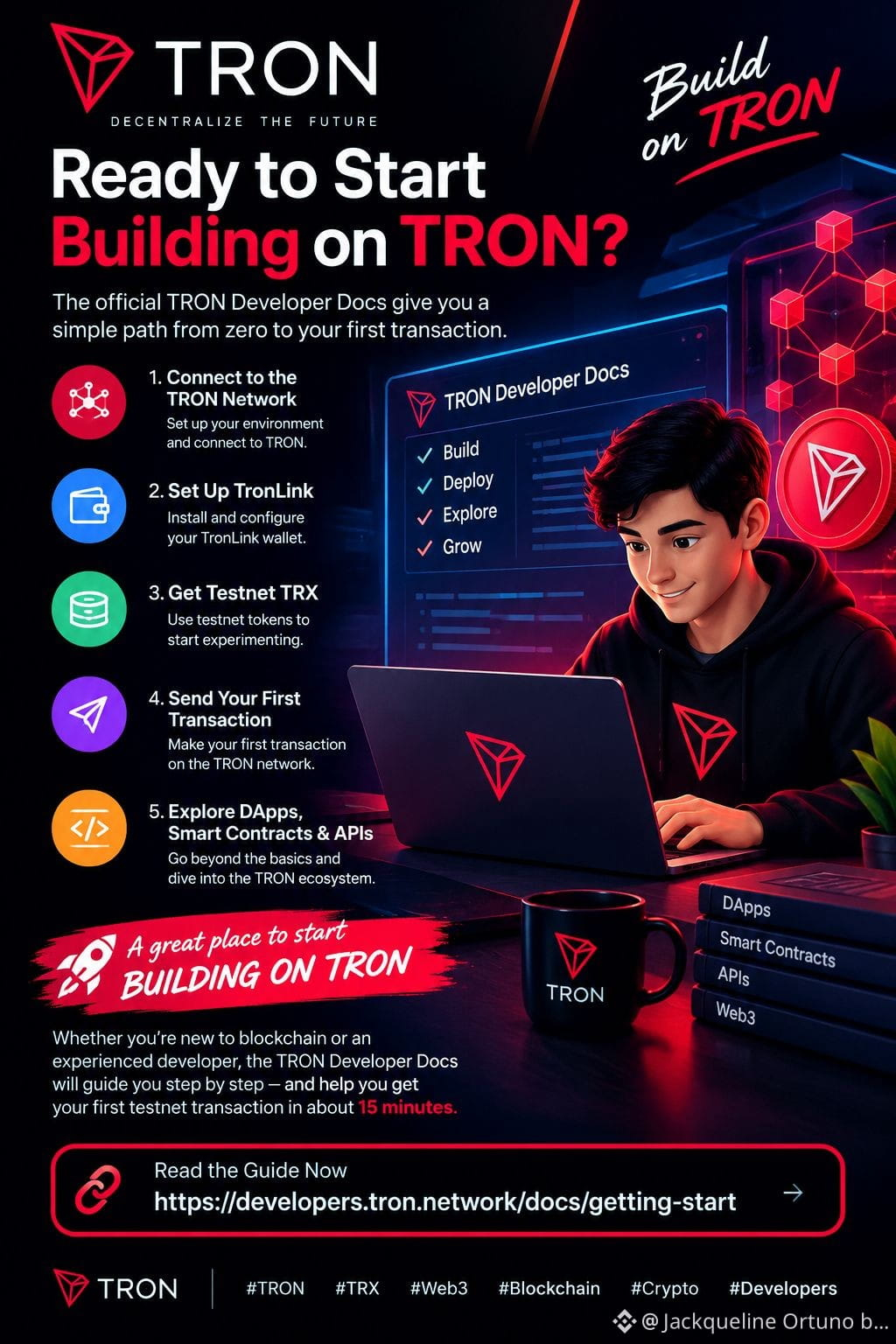
🚀 Want to start building on TRON?
The official $TRX Developer Docs give you a simple path from zero to your first transaction.
⚡ Connect to the TRON network
👛 Set up TronLink
🧪 Get testnet TRX
🔗 Send your first transaction
🛠️ Explore DApps, smart contracts & APIs
Whether you're new to blockchain or an experienced developer, this is a great place to start building on $TRX .
🔗 https://developers.tron.network/docs/getting-start
#TRON #TRX #Web3 #Blockchain #Crypto #Developers 😕
🚀 Want to start building on TRON?
The official $TRX Developer Docs give you a simple path from zero to your first transaction.
⚡ Connect to the TRON network
👛 Set up TronLink
🧪 Get testnet TRX
🔗 Send your first transaction
🛠️ Explore DApps, smart contracts & APIs
Whether you're new to blockchain or an experienced developer, this is a great place to start building on $TRX .
🔗 https://developers.tron.network/docs/getting-start
#TRON #TRX #Web3 #Blockchain #Crypto #Developers 😕
The official $TRX Developer Docs give you a simple path from zero to your first transaction.
⚡ Connect to the TRON network
👛 Set up TronLink
🧪 Get testnet TRX
🔗 Send your first transaction
🛠️ Explore DApps, smart contracts & APIs
Whether you're new to blockchain or an experienced developer, this is a great place to start building on $TRX .
🔗 https://developers.tron.network/docs/getting-start
#TRON #TRX #Web3 #Blockchain #Crypto #Developers 😕
101

DuskEVM & Développeurs
⚡ DuskEVM : Déployez vos dApps Solidity en toute confidentialité
L'arrivée de DuskEVM change la donne pour les développeurs ! Vous pouvez désormais migrer vos smart contracts Ethereum tout en bénéficiant de la confidentialité native et des preuves ZK de la couche 1 de Dusk.
L'outillage habituel (Solidity, Hardhat) combiné au respect de la vie privée !
@Dusk_Foundation #dusk $DUSK #Developers #Ethereum
DuskEVM & Développeurs
⚡ DuskEVM : Déployez vos dApps Solidity en toute confidentialité
L'arrivée de DuskEVM change la donne pour les développeurs ! Vous pouvez désormais migrer vos smart contracts Ethereum tout en bénéficiant de la confidentialité native et des preuves ZK de la couche 1 de Dusk.
L'outillage habituel (Solidity, Hardhat) combiné au respect de la vie privée !
@Dusk #dusk $DUSK #Developers #Ethereum
⚡ DuskEVM : Déployez vos dApps Solidity en toute confidentialité
L'arrivée de DuskEVM change la donne pour les développeurs ! Vous pouvez désormais migrer vos smart contracts Ethereum tout en bénéficiant de la confidentialité native et des preuves ZK de la couche 1 de Dusk.
L'outillage habituel (Solidity, Hardhat) combiné au respect de la vie privée !
@Dusk #dusk $DUSK #Developers #Ethereum
42

·
--
للمهتمين بالجانب التقني
هل الكود هو العملة الجديدة؟
"بصفتي مطور تطبيقات، أرى أن تقنية البلوكشين ليست مجرد أداة مالية، بل هي الأساس للبنية التحتية القادمة للإنترنت. الفرق بين التطبيقات التقليدية و Web3 يكمن في 'الشفافية' و 'الملكية'.
بينما نبني حلولاً برمجية اليوم، أتساءل: كيف ستغير العقود الذكية طريقة تفاعلنا مع الخدمات المحلية في منطقتنا؟
هل تعتقدون أن التطبيقات اللامركزية (dApps) ستصبح جزءاً من حياتنا اليومية في المغرب خلال السنوات القليلة القادمة؟ شاركوني آراءكم. 👇
#Web3 #blockchain #Developers #INNOVATION #Binance "
للمهتمين بالجانب التقني
هل الكود هو العملة الجديدة؟
"بصفتي مطور تطبيقات، أرى أن تقنية البلوكشين ليست مجرد أداة مالية، بل هي الأساس للبنية التحتية القادمة للإنترنت. الفرق بين التطبيقات التقليدية و Web3 يكمن في 'الشفافية' و 'الملكية'.
بينما نبني حلولاً برمجية اليوم، أتساءل: كيف ستغير العقود الذكية طريقة تفاعلنا مع الخدمات المحلية في منطقتنا؟
هل تعتقدون أن التطبيقات اللامركزية (dApps) ستصبح جزءاً من حياتنا اليومية في المغرب خلال السنوات القليلة القادمة؟ شاركوني آراءكم. 👇
#Web3 #blockchain #Developers #INNOVATION #Binance "
هل الكود هو العملة الجديدة؟
"بصفتي مطور تطبيقات، أرى أن تقنية البلوكشين ليست مجرد أداة مالية، بل هي الأساس للبنية التحتية القادمة للإنترنت. الفرق بين التطبيقات التقليدية و Web3 يكمن في 'الشفافية' و 'الملكية'.
بينما نبني حلولاً برمجية اليوم، أتساءل: كيف ستغير العقود الذكية طريقة تفاعلنا مع الخدمات المحلية في منطقتنا؟
هل تعتقدون أن التطبيقات اللامركزية (dApps) ستصبح جزءاً من حياتنا اليومية في المغرب خلال السنوات القليلة القادمة؟ شاركوني آراءكم. 👇
#Web3 #blockchain #Developers #INNOVATION #Binance "
73

THE TRON DEVELOPER ECOSYSTEM: BUILDING THE FUTURE 🛠️
TRON offers a rich set of tools and resources for developers to build innovative DApps. From the TRON Studio to the comprehensive documentation, we make it easy for developers to get started.
Our active developer community and regular hackathons ensure that there's always something new and exciting being built on TRON. 💡
@TRON DAO
#TRONEcoStar #Developers #Innovation
THE TRON DEVELOPER ECOSYSTEM: BUILDING THE FUTURE 🛠️
TRON offers a rich set of tools and resources for developers to build innovative DApps. From the TRON Studio to the comprehensive documentation, we make it easy for developers to get started.
Our active developer community and regular hackathons ensure that there's always something new and exciting being built on TRON. 💡
@TRON DAO
#TRONEcoStar #Developers #Innovation
TRON offers a rich set of tools and resources for developers to build innovative DApps. From the TRON Studio to the comprehensive documentation, we make it easy for developers to get started.
Our active developer community and regular hackathons ensure that there's always something new and exciting being built on TRON. 💡
@TRON DAO
#TRONEcoStar #Developers #Innovation
22

·
--
Most blockchains talk about attracting developers.
Few talk about the cost of asking developers to learn entirely new systems.
That’s where BTTC takes a different approach.
By supporting Ethereum-compatible smart contracts, BTTC reduces one of the largest barriers to ecosystem growth:
developer friction.
This matters more than many realize.
Developers already understand Solidity.
They already use Ethereum tooling.
They already have existing workflows, libraries, and infrastructure.
The easier migration becomes, the easier ecosystem expansion becomes.
Execution layers matter.
But developer experience often determines whether ecosystems actually grow.
The hidden layer is network effects.
Every additional developer brings applications.
Applications attract users.
Users attract liquidity.
Liquidity attracts more builders.
Infrastructure scales when friction falls.
BTTC’s EVM compatibility isn’t simply a technical feature.
It’s a strategy designed to accelerate ecosystem participation by leveraging one of crypto’s largest existing developer communities.
⤞ Website: bt.io
⤞ Twitter: x.com/BitTorrent
⤞ Telegram: t.me/BTTBitTorrent
⤞ GitHub: github.com/bttcprotocol
@BitTorrent_Official @JustinSun #BTTC #EVM #Developers #TRONEcoStar
Most blockchains talk about attracting developers.
Few talk about the cost of asking developers to learn entirely new systems.
That’s where BTTC takes a different approach.
By supporting Ethereum-compatible smart contracts, BTTC reduces one of the largest barriers to ecosystem growth:
developer friction.
This matters more than many realize.
Developers already understand Solidity.
They already use Ethereum tooling.
They already have existing workflows, libraries, and infrastructure.
The easier migration becomes, the easier ecosystem expansion becomes.
Execution layers matter.
But developer experience often determines whether ecosystems actually grow.
The hidden layer is network effects.
Every additional developer brings applications.
Applications attract users.
Users attract liquidity.
Liquidity attracts more builders.
Infrastructure scales when friction falls.
BTTC’s EVM compatibility isn’t simply a technical feature.
It’s a strategy designed to accelerate ecosystem participation by leveraging one of crypto’s largest existing developer communities.
⤞ Website: bt.io
⤞ Twitter: x.com/BitTorrent
⤞ Telegram: t.me/BTTBitTorrent
⤞ GitHub: github.com/bttcprotocol
@BitTorrent_Official @Justin Sun孙宇晨 #BTTC #EVM #Developers #TRONEcoStar
Few talk about the cost of asking developers to learn entirely new systems.
That’s where BTTC takes a different approach.
By supporting Ethereum-compatible smart contracts, BTTC reduces one of the largest barriers to ecosystem growth:
developer friction.
This matters more than many realize.
Developers already understand Solidity.
They already use Ethereum tooling.
They already have existing workflows, libraries, and infrastructure.
The easier migration becomes, the easier ecosystem expansion becomes.
Execution layers matter.
But developer experience often determines whether ecosystems actually grow.
The hidden layer is network effects.
Every additional developer brings applications.
Applications attract users.
Users attract liquidity.
Liquidity attracts more builders.
Infrastructure scales when friction falls.
BTTC’s EVM compatibility isn’t simply a technical feature.
It’s a strategy designed to accelerate ecosystem participation by leveraging one of crypto’s largest existing developer communities.
⤞ Website: bt.io
⤞ Twitter: x.com/BitTorrent
⤞ Telegram: t.me/BTTBitTorrent
⤞ GitHub: github.com/bttcprotocol
@BitTorrent_Official @Justin Sun孙宇晨 #BTTC #EVM #Developers #TRONEcoStar
1
287
TRON'S DEVELOPER GRANTS PROGRAM: FUNDING INNOVATION 🎁
TRON's developer grants program has deployed over $100 million to projects building on our ecosystem.
The application process is straightforward: propose your project, demonstrate capability, receive funding based on milestones.
Recipients receive funding, technical support, marketing assistance, and community access.
For developers with ideas, TRON's grant program provides the resources to build them.
@TRON DAO
#TRONEcoStar #Grants #Developers
TRON'S DEVELOPER GRANTS PROGRAM: FUNDING INNOVATION 🎁
TRON's developer grants program has deployed over $100 million to projects building on our ecosystem.
The application process is straightforward: propose your project, demonstrate capability, receive funding based on milestones.
Recipients receive funding, technical support, marketing assistance, and community access.
For developers with ideas, TRON's grant program provides the resources to build them.
@TRON DAO
#TRONEcoStar #Grants #Developers
TRON's developer grants program has deployed over $100 million to projects building on our ecosystem.
The application process is straightforward: propose your project, demonstrate capability, receive funding based on milestones.
Recipients receive funding, technical support, marketing assistance, and community access.
For developers with ideas, TRON's grant program provides the resources to build them.
@TRON DAO
#TRONEcoStar #Grants #Developers
1
18

·
--
GOAT AI BUILDERS GRANT PROGRAM 🚨
AI agents are becoming more capable every day.
But capability alone doesn’t create an economy.
Useful products do.
That’s why the GOAT launched the AI Builder Grants Program .
Instead of funding AI experiments, the program is focused on helping builders create applications with real world utility.
GOAT Network is looking for teams building:
➲ Agent-powered applications
➲ Automation and productivity tools
➲ Transactional products
➲ AI systems that generate economic activity
Selected builders will receive funding, technical guidance, deployment support, and help integrating key infrastructure needed for agent-based applications.
And for teams that demonstrate strong growth, there’s access to the Singularity Investment pool with up to $1M available for further support.
Apply through the link in the comments
#BTC #AI #Developers
GOAT AI BUILDERS GRANT PROGRAM 🚨
AI agents are becoming more capable every day.
But capability alone doesn’t create an economy.
Useful products do.
That’s why the GOAT launched the AI Builder Grants Program .
Instead of funding AI experiments, the program is focused on helping builders create applications with real world utility.
GOAT Network is looking for teams building:
➲ Agent-powered applications
➲ Automation and productivity tools
➲ Transactional products
➲ AI systems that generate economic activity
Selected builders will receive funding, technical guidance, deployment support, and help integrating key infrastructure needed for agent-based applications.
And for teams that demonstrate strong growth, there’s access to the Singularity Investment pool with up to $1M available for further support.
Apply through the link in the comments
#BTC #AI #Developers
AI agents are becoming more capable every day.
But capability alone doesn’t create an economy.
Useful products do.
That’s why the GOAT launched the AI Builder Grants Program .
Instead of funding AI experiments, the program is focused on helping builders create applications with real world utility.
GOAT Network is looking for teams building:
➲ Agent-powered applications
➲ Automation and productivity tools
➲ Transactional products
➲ AI systems that generate economic activity
Selected builders will receive funding, technical guidance, deployment support, and help integrating key infrastructure needed for agent-based applications.
And for teams that demonstrate strong growth, there’s access to the Singularity Investment pool with up to $1M available for further support.
Apply through the link in the comments
#BTC #AI #Developers
2
1
1
165

I Realized I Was Building an Exchange Instead of Building a Strategy; Hotstuff compact SDKOne night, while fixing another WebSocket issue, it hit me.
I wasn't improving my trading bot.I was spending most of my time rebuilding things exchanges should already provide.Every week it was something new.
A connection dropped.An API changed.A data stream behaved differently than expected.
Instead of working on strategy, I was maintaining infrastructure.
That's when I decided to try Hotstuff's SDK. This is builders heaven in simple term, check out it once, u see real difference..
The Moment Things Got Simpler :-
What I expected was another developer tool.
What I found was less work.
After connecting, I wasn't thinking about authentication flows, data formatting, or managing multiple services.
I was thinking about trading logic again.
That's a big difference.
Because as builders, our goal isn't to create endless layers of plumbing.
Our goal is to build something useful on top of it.
What Actually Impressed Me :-
The best technology is often the technology you stop noticing.
Data arrives where it's supposed to.Orders go through.Risk management is accessible.
Everything works together without forcing me to glue five different systems into one.
There was no "wow" moment.Just fewer problems to solve.And honestly, that's better.
The Bigger Lesson :-
Most builders think they need more tools.
Sometimes what they really need is fewer things to maintain.
The more time I spend improving a strategy instead of fixing infrastructure, the more valuable my work becomes.
That's why I keep coming back.
Not because the SDK is flashy.Not because of a marketing campaign.
Because for the first time in a while, I feel like I'm building what I wanted to build from the start.
And the infrastructure quietly stays in the background where it belongs.
#rwa #Developers #SDK
I Realized I Was Building an Exchange Instead of Building a Strategy; Hotstuff compact SDK
One night, while fixing another WebSocket issue, it hit me.
I wasn't improving my trading bot.I was spending most of my time rebuilding things exchanges should already provide.Every week it was something new.
A connection dropped.An API changed.A data stream behaved differently than expected.
Instead of working on strategy, I was maintaining infrastructure.
That's when I decided to try Hotstuff's SDK. This is builders heaven in simple term, check out it once, u see real difference..
The Moment Things Got Simpler :-
What I expected was another developer tool.
What I found was less work.
After connecting, I wasn't thinking about authentication flows, data formatting, or managing multiple services.
I was thinking about trading logic again.
That's a big difference.
Because as builders, our goal isn't to create endless layers of plumbing.
Our goal is to build something useful on top of it.
What Actually Impressed Me :-
The best technology is often the technology you stop noticing.
Data arrives where it's supposed to.Orders go through.Risk management is accessible.
Everything works together without forcing me to glue five different systems into one.
There was no "wow" moment.Just fewer problems to solve.And honestly, that's better.
The Bigger Lesson :-
Most builders think they need more tools.
Sometimes what they really need is fewer things to maintain.
The more time I spend improving a strategy instead of fixing infrastructure, the more valuable my work becomes.
That's why I keep coming back.
Not because the SDK is flashy.Not because of a marketing campaign.
Because for the first time in a while, I feel like I'm building what I wanted to build from the start.
And the infrastructure quietly stays in the background where it belongs.
#rwa #Developers #SDK
I wasn't improving my trading bot.I was spending most of my time rebuilding things exchanges should already provide.Every week it was something new.
A connection dropped.An API changed.A data stream behaved differently than expected.
Instead of working on strategy, I was maintaining infrastructure.
That's when I decided to try Hotstuff's SDK. This is builders heaven in simple term, check out it once, u see real difference..
The Moment Things Got Simpler :-
What I expected was another developer tool.
What I found was less work.
After connecting, I wasn't thinking about authentication flows, data formatting, or managing multiple services.
I was thinking about trading logic again.
That's a big difference.
Because as builders, our goal isn't to create endless layers of plumbing.
Our goal is to build something useful on top of it.
What Actually Impressed Me :-
The best technology is often the technology you stop noticing.
Data arrives where it's supposed to.Orders go through.Risk management is accessible.
Everything works together without forcing me to glue five different systems into one.
There was no "wow" moment.Just fewer problems to solve.And honestly, that's better.
The Bigger Lesson :-
Most builders think they need more tools.
Sometimes what they really need is fewer things to maintain.
The more time I spend improving a strategy instead of fixing infrastructure, the more valuable my work becomes.
That's why I keep coming back.
Not because the SDK is flashy.Not because of a marketing campaign.
Because for the first time in a while, I feel like I'm building what I wanted to build from the start.
And the infrastructure quietly stays in the background where it belongs.
#rwa #Developers #SDK
1
90

·
--
𝗛𝗼𝘄 𝗚𝗢𝗔𝗧𝗡𝗲𝘁𝘄𝗼𝗿𝗸 𝗜𝘀 𝗕𝘂𝗶𝗹𝗱𝗶𝗻𝗴 𝗔 𝗗𝗲𝘃𝗲𝗹𝗼𝗽𝗲𝗿-𝗙𝗶𝗿𝘀𝘁 𝗘𝗰𝗼𝘀𝘆𝘀𝘁𝗲𝗺.
Most companies think ecosystem growth comes from building a great product and then marketing it aggressively.
In reality, that's rarely how developer ecosystems scale.
Real ecosystems grow because developers trust other developers. Builders teach builders. Communities help communities.
Developers discover them through workshops, hackathons, technical content, open-source contributions and recommendations from people they trust.
@GOATRollup understands this.
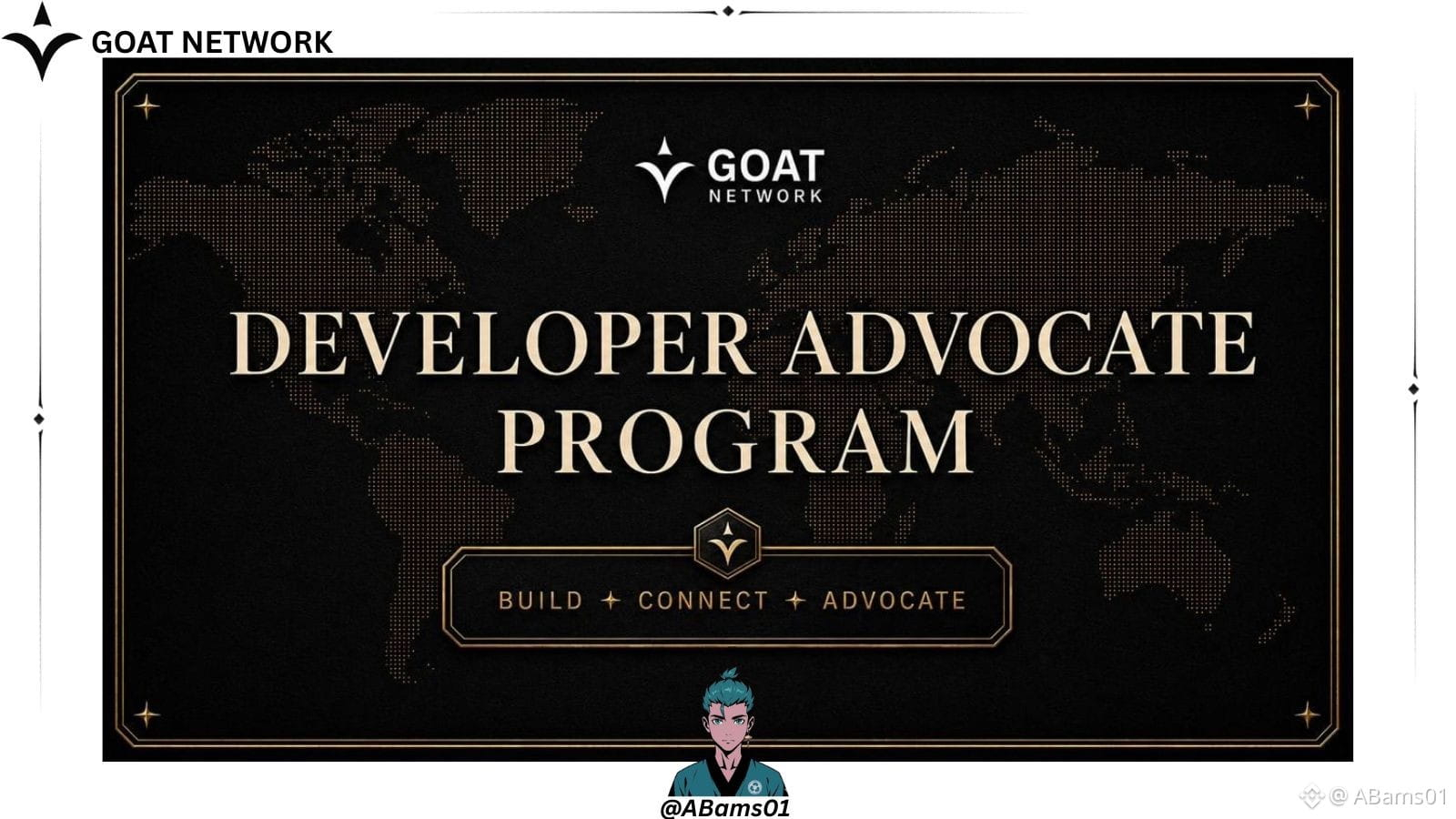
That's why they launched the Dev Advocates Program.
The program is designed for:
• Hackathon organizers and mentors
• University tech club leaders
• Open-source contributors
• Technical content creators
• Web3 and AI community leaders
• Workshop organizers
The objective is education.
Dev Advocates help developers understand tools like AgentKit, x402 and ERC-8004 while supporting builders creating real products.
Participants can host workshops, mentor teams, create educational content, connect builders to grants and provide valuable ecosystem feedback.
Benefits include:
• Up to $500/month
• Performance-based bonuses
• Early access to ecosystem developments
• Direct communication with the GOATNetwork team
• Access to resources and technical support
This approach reflects a simple truth.
If you're already helping developers succeed, this is an opportunity worth exploring.
AgentKit Docs:
https://docs.goat.network/agentkit/getting-started
Builder Grants:
https://goat.network/builder-program
x402 Docs:
https://docs.goat.network/x402/overview
GitHub:
https://github.com/goat-sdk
#Developers
𝗛𝗼𝘄 𝗚𝗢𝗔𝗧𝗡𝗲𝘁𝘄𝗼𝗿𝗸 𝗜𝘀 𝗕𝘂𝗶𝗹𝗱𝗶𝗻𝗴 𝗔 𝗗𝗲𝘃𝗲𝗹𝗼𝗽𝗲𝗿-𝗙𝗶𝗿𝘀𝘁 𝗘𝗰𝗼𝘀𝘆𝘀𝘁𝗲𝗺.
Most companies think ecosystem growth comes from building a great product and then marketing it aggressively.
In reality, that's rarely how developer ecosystems scale.
Real ecosystems grow because developers trust other developers. Builders teach builders. Communities help communities.
Developers discover them through workshops, hackathons, technical content, open-source contributions and recommendations from people they trust.
@GOAT Network understands this.
That's why they launched the Dev Advocates Program.
The program is designed for:
• Hackathon organizers and mentors
• University tech club leaders
• Open-source contributors
• Technical content creators
• Web3 and AI community leaders
• Workshop organizers
The objective is education.
Dev Advocates help developers understand tools like AgentKit, x402 and ERC-8004 while supporting builders creating real products.
Participants can host workshops, mentor teams, create educational content, connect builders to grants and provide valuable ecosystem feedback.
Benefits include:
• Up to $500/month
• Performance-based bonuses
• Early access to ecosystem developments
• Direct communication with the GOATNetwork team
• Access to resources and technical support
This approach reflects a simple truth.
If you're already helping developers succeed, this is an opportunity worth exploring.
AgentKit Docs:
https://docs.goat.network/agentkit/getting-started
Builder Grants:
https://goat.network/builder-program
x402 Docs:
https://docs.goat.network/x402/overview
GitHub:
https://github.com/goat-sdk
#Developers
Most companies think ecosystem growth comes from building a great product and then marketing it aggressively.
In reality, that's rarely how developer ecosystems scale.
Real ecosystems grow because developers trust other developers. Builders teach builders. Communities help communities.
Developers discover them through workshops, hackathons, technical content, open-source contributions and recommendations from people they trust.
@GOAT Network understands this.
That's why they launched the Dev Advocates Program.
The program is designed for:
• Hackathon organizers and mentors
• University tech club leaders
• Open-source contributors
• Technical content creators
• Web3 and AI community leaders
• Workshop organizers
The objective is education.
Dev Advocates help developers understand tools like AgentKit, x402 and ERC-8004 while supporting builders creating real products.
Participants can host workshops, mentor teams, create educational content, connect builders to grants and provide valuable ecosystem feedback.
Benefits include:
• Up to $500/month
• Performance-based bonuses
• Early access to ecosystem developments
• Direct communication with the GOATNetwork team
• Access to resources and technical support
This approach reflects a simple truth.
If you're already helping developers succeed, this is an opportunity worth exploring.
AgentKit Docs:
https://docs.goat.network/agentkit/getting-started
Builder Grants:
https://goat.network/builder-program
x402 Docs:
https://docs.goat.network/x402/overview
GitHub:
https://github.com/goat-sdk
#Developers
1
93
·
--
The interesting thing about BTTC isn’t just scalability.
It’s compatibility.
A lot of chains underestimate the importance of developer familiarity.
BTTC supporting EVM-compatible tooling lowers migration friction significantly.
That matters.
Developers already understand Solidity.
They already use Ethereum tooling.
They already know the workflows.
Execution layers matter.
The easier it becomes for builders to deploy across ecosystems, the faster liquidity and applications spread.
This is how infrastructure compounds quietly in the background.
Not through headlines.
Through reduced friction.
The long-term winners in crypto may not be the chains demanding entirely new behavior…
…but the ones integrating smoothly into existing developer and liquidity flows.
@BitTorrent_Official @JustinSun #evm #Tron #Web3 #Developers #TRONEcoStar
The interesting thing about BTTC isn’t just scalability.
It’s compatibility.
A lot of chains underestimate the importance of developer familiarity.
BTTC supporting EVM-compatible tooling lowers migration friction significantly.
That matters.
Developers already understand Solidity.
They already use Ethereum tooling.
They already know the workflows.
Execution layers matter.
The easier it becomes for builders to deploy across ecosystems, the faster liquidity and applications spread.
This is how infrastructure compounds quietly in the background.
Not through headlines.
Through reduced friction.
The long-term winners in crypto may not be the chains demanding entirely new behavior…
…but the ones integrating smoothly into existing developer and liquidity flows.
@BitTorrent_Official @Justin Sun孙宇晨 #evm #Tron #Web3 #Developers #TRONEcoStar
It’s compatibility.
A lot of chains underestimate the importance of developer familiarity.
BTTC supporting EVM-compatible tooling lowers migration friction significantly.
That matters.
Developers already understand Solidity.
They already use Ethereum tooling.
They already know the workflows.
Execution layers matter.
The easier it becomes for builders to deploy across ecosystems, the faster liquidity and applications spread.
This is how infrastructure compounds quietly in the background.
Not through headlines.
Through reduced friction.
The long-term winners in crypto may not be the chains demanding entirely new behavior…
…but the ones integrating smoothly into existing developer and liquidity flows.
@BitTorrent_Official @Justin Sun孙宇晨 #evm #Tron #Web3 #Developers #TRONEcoStar
125
·
--
When Stripe launched its payment APIs, one of its biggest advantages wasn’t the payment network itself.
It was how easy it became for developers to build on top of it.
Instead of spending months creating payment infrastructure from scratch, developers could focus on building products.
The most successful infrastructure often wins because it reduces complexity for builders.
The same principle applies to blockchain ecosystems.
Many users evaluate a network by the applications they can see.
Developers evaluate a network by the tools available underneath.
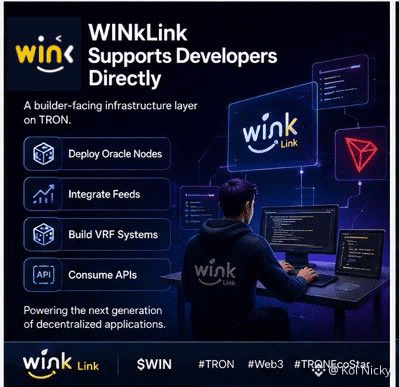
@WINkLink_Official was designed as a builder-facing infrastructure layer within TRON.
Developers can integrate decentralized price feeds into lending markets and financial applications.
They can use Verifiable Random Functions (VRF) for gaming systems, reward mechanisms, and NFT distribution.
They can connect smart contracts to external APIs and off-chain information sources.
They can even participate in the oracle network itself by deploying and operating nodes.
What’s interesting is that every successful application built using these services indirectly strengthens the infrastructure underneath.
The relationship becomes self-reinforcing.
More builders create more applications.
More applications create more oracle requests.
More oracle requests increase the importance of the network providing those services.
Users often measure ecosystem growth through visible products.
Infrastructure providers measure growth through developer activity.
And over the long run, developers are often the ones who determine where innovation happens.
Official Website:
winklink.org/#/home?lang=en…
Official Documentation:
doc.winklink.org/v2/doc/#what-i…
@JustinSun $WIN #Tron #Oracle #Developers #TRONEcoStar
When Stripe launched its payment APIs, one of its biggest advantages wasn’t the payment network itself.
It was how easy it became for developers to build on top of it.
Instead of spending months creating payment infrastructure from scratch, developers could focus on building products.
The most successful infrastructure often wins because it reduces complexity for builders.
The same principle applies to blockchain ecosystems.
Many users evaluate a network by the applications they can see.
Developers evaluate a network by the tools available underneath.
@WINkLink_Official was designed as a builder-facing infrastructure layer within TRON.
Developers can integrate decentralized price feeds into lending markets and financial applications.
They can use Verifiable Random Functions (VRF) for gaming systems, reward mechanisms, and NFT distribution.
They can connect smart contracts to external APIs and off-chain information sources.
They can even participate in the oracle network itself by deploying and operating nodes.
What’s interesting is that every successful application built using these services indirectly strengthens the infrastructure underneath.
The relationship becomes self-reinforcing.
More builders create more applications.
More applications create more oracle requests.
More oracle requests increase the importance of the network providing those services.
Users often measure ecosystem growth through visible products.
Infrastructure providers measure growth through developer activity.
And over the long run, developers are often the ones who determine where innovation happens.
Official Website:
winklink.org/#/home?lang=en…
Official Documentation:
doc.winklink.org/v2/doc/#what-i…
@Justin Sun孙宇晨 $WIN #Tron #Oracle #Developers #TRONEcoStar
It was how easy it became for developers to build on top of it.
Instead of spending months creating payment infrastructure from scratch, developers could focus on building products.
The most successful infrastructure often wins because it reduces complexity for builders.
The same principle applies to blockchain ecosystems.
Many users evaluate a network by the applications they can see.
Developers evaluate a network by the tools available underneath.
@WINkLink_Official was designed as a builder-facing infrastructure layer within TRON.
Developers can integrate decentralized price feeds into lending markets and financial applications.
They can use Verifiable Random Functions (VRF) for gaming systems, reward mechanisms, and NFT distribution.
They can connect smart contracts to external APIs and off-chain information sources.
They can even participate in the oracle network itself by deploying and operating nodes.
What’s interesting is that every successful application built using these services indirectly strengthens the infrastructure underneath.
The relationship becomes self-reinforcing.
More builders create more applications.
More applications create more oracle requests.
More oracle requests increase the importance of the network providing those services.
Users often measure ecosystem growth through visible products.
Infrastructure providers measure growth through developer activity.
And over the long run, developers are often the ones who determine where innovation happens.
Official Website:
winklink.org/#/home?lang=en…
Official Documentation:
doc.winklink.org/v2/doc/#what-i…
@Justin Sun孙宇晨 $WIN #Tron #Oracle #Developers #TRONEcoStar
23

#GoogleLaunchesGemini3.5Flash
Speed is everything when you're building. Google launching Gemini 3.5 Flash looks like a massive win for faster response times and lighter, sharper performance. Who else is diving into the API today? 💻🚀
#Developers #Artificiallnteligence
#GoogleLaunchesGemini3.5Flash
Speed is everything when you're building. Google launching Gemini 3.5 Flash looks like a massive win for faster response times and lighter, sharper performance. Who else is diving into the API today? 💻🚀
#Developers #Artificiallnteligence
Speed is everything when you're building. Google launching Gemini 3.5 Flash looks like a massive win for faster response times and lighter, sharper performance. Who else is diving into the API today? 💻🚀
#Developers #Artificiallnteligence
1
111

🚀 Kimi-K3 Takes the Lead in AI Coding
The AI coding race has a new frontrunner. Kimi-K3 has climbed to the top of the Frontend Code Arena, earning 1,679 points and overtaking Claude Fable 5 in the latest Arena rankings.
The result highlights the rapid pace of competition among AI coding assistants, where improvements in frontend development capabilities are becoming a key benchmark. As models continue to evolve, developers gain access to increasingly powerful tools for building, debugging, and accelerating web applications.
The AI leaderboard is changing fast—and Kimi-K3 is setting the pace for now.
#AI #Coding #Frontend #LLM #ArtificialIntelligence #Tech #Developers
$AXIL.US
{stock_us}(AXIL.US)
$AIO
{future}(AIOUSDT)
$GOOGL.US
{stock_us}(GOOGL.US)
🚀 Kimi-K3 Takes the Lead in AI Coding
The AI coding race has a new frontrunner. Kimi-K3 has climbed to the top of the Frontend Code Arena, earning 1,679 points and overtaking Claude Fable 5 in the latest Arena rankings.
The result highlights the rapid pace of competition among AI coding assistants, where improvements in frontend development capabilities are becoming a key benchmark. As models continue to evolve, developers gain access to increasingly powerful tools for building, debugging, and accelerating web applications.
The AI leaderboard is changing fast—and Kimi-K3 is setting the pace for now.
#AI #Coding #Frontend #LLM #ArtificialIntelligence #Tech #Developers
$AXIL.US
$AIO
$GOOGL.US
The AI coding race has a new frontrunner. Kimi-K3 has climbed to the top of the Frontend Code Arena, earning 1,679 points and overtaking Claude Fable 5 in the latest Arena rankings.
The result highlights the rapid pace of competition among AI coding assistants, where improvements in frontend development capabilities are becoming a key benchmark. As models continue to evolve, developers gain access to increasingly powerful tools for building, debugging, and accelerating web applications.
The AI leaderboard is changing fast—and Kimi-K3 is setting the pace for now.
#AI #Coding #Frontend #LLM #ArtificialIntelligence #Tech #Developers
$AXIL.US
$AIO
$GOOGL.US
1
182
·
--
Compare RPC Costs CorrectlyA larger RPC allowance is not automatically a cheaper plan.
Chainstack uses request units. QuickNode uses API credits with chain and method multipliers. Alchemy uses method-weighted compute units. NOWNodes presents direct monthly request quotas, while endpoint entitlements still need verification.
That means ten million calls can translate into very different billable quantities. Archive requests, Trace and Debug methods, Solana traffic, high RPS, WebSockets, and dedicated infrastructure can reverse a comparison that looked obvious from the pricing headline.
TokenToolHub’s new guide evaluates alternatives by workload:
• Small standard EVM applications
• Ten-million-call workloads
• Historical archive reads
• Trace and Debug workloads
• Broad multi-chain applications
• Variable traffic
• High-throughput single-chain systems
It also explains when Chainstack itself may remain the better option. Migration should solve a measurable infrastructure problem, not merely replace one provider name with another.
https://tokentoolhub.com/chainstack-alternatives/
#Ethereum #blockchain #Web3 #crypto #Developers
Compare RPC Costs Correctly
A larger RPC allowance is not automatically a cheaper plan.
Chainstack uses request units. QuickNode uses API credits with chain and method multipliers. Alchemy uses method-weighted compute units. NOWNodes presents direct monthly request quotas, while endpoint entitlements still need verification.
That means ten million calls can translate into very different billable quantities. Archive requests, Trace and Debug methods, Solana traffic, high RPS, WebSockets, and dedicated infrastructure can reverse a comparison that looked obvious from the pricing headline.
TokenToolHub’s new guide evaluates alternatives by workload:
• Small standard EVM applications
• Ten-million-call workloads
• Historical archive reads
• Trace and Debug workloads
• Broad multi-chain applications
• Variable traffic
• High-throughput single-chain systems
It also explains when Chainstack itself may remain the better option. Migration should solve a measurable infrastructure problem, not merely replace one provider name with another.
https://tokentoolhub.com/chainstack-alternatives/
#Ethereum #blockchain #Web3 #crypto #Developers
Chainstack uses request units. QuickNode uses API credits with chain and method multipliers. Alchemy uses method-weighted compute units. NOWNodes presents direct monthly request quotas, while endpoint entitlements still need verification.
That means ten million calls can translate into very different billable quantities. Archive requests, Trace and Debug methods, Solana traffic, high RPS, WebSockets, and dedicated infrastructure can reverse a comparison that looked obvious from the pricing headline.
TokenToolHub’s new guide evaluates alternatives by workload:
• Small standard EVM applications
• Ten-million-call workloads
• Historical archive reads
• Trace and Debug workloads
• Broad multi-chain applications
• Variable traffic
• High-throughput single-chain systems
It also explains when Chainstack itself may remain the better option. Migration should solve a measurable infrastructure problem, not merely replace one provider name with another.
https://tokentoolhub.com/chainstack-alternatives/
#Ethereum #blockchain #Web3 #crypto #Developers
36
·
--
NOWNodes RPC Test ResultsTokenToolHub tested a NOWNodes Start account against a small Ethereum read-only workload.
Nine of nine functional checks completed. Twenty repeated eth_blockNumber calls also completed, with a 459.44 ms median, 461.66 ms average, 525.88 ms p95, and 527.91 ms maximum latency in the recorded sample.
A separate historical eth_getCode request returned WETH bytecode at Ethereum block 12,000,000 in 994.07 ms.
These results show that the tested calls worked during the September 2026 session. They do not establish a global latency score, production SLA, sustained concurrency result, or unrestricted archive access across every chain and plan. The exact client-egress region and concurrency instrumentation were not retained, and no transaction was broadcast.
The review also examines shared-plan limits, WebSocket availability, network-specific archive and trace coverage, and the upgrade path toward dedicated infrastructure.
Full evidence and methodology:
https://tokentoolhub.com/nownodes-review/
#Ethereum #blockchain #Web3 #crypto #Developers
NOWNodes RPC Test Results
TokenToolHub tested a NOWNodes Start account against a small Ethereum read-only workload.
Nine of nine functional checks completed. Twenty repeated eth_blockNumber calls also completed, with a 459.44 ms median, 461.66 ms average, 525.88 ms p95, and 527.91 ms maximum latency in the recorded sample.
A separate historical eth_getCode request returned WETH bytecode at Ethereum block 12,000,000 in 994.07 ms.
These results show that the tested calls worked during the September 2026 session. They do not establish a global latency score, production SLA, sustained concurrency result, or unrestricted archive access across every chain and plan. The exact client-egress region and concurrency instrumentation were not retained, and no transaction was broadcast.
The review also examines shared-plan limits, WebSocket availability, network-specific archive and trace coverage, and the upgrade path toward dedicated infrastructure.
Full evidence and methodology:
https://tokentoolhub.com/nownodes-review/
#Ethereum #blockchain #Web3 #crypto #Developers
Nine of nine functional checks completed. Twenty repeated eth_blockNumber calls also completed, with a 459.44 ms median, 461.66 ms average, 525.88 ms p95, and 527.91 ms maximum latency in the recorded sample.
A separate historical eth_getCode request returned WETH bytecode at Ethereum block 12,000,000 in 994.07 ms.
These results show that the tested calls worked during the September 2026 session. They do not establish a global latency score, production SLA, sustained concurrency result, or unrestricted archive access across every chain and plan. The exact client-egress region and concurrency instrumentation were not retained, and no transaction was broadcast.
The review also examines shared-plan limits, WebSocket availability, network-specific archive and trace coverage, and the upgrade path toward dedicated infrastructure.
Full evidence and methodology:
https://tokentoolhub.com/nownodes-review/
#Ethereum #blockchain #Web3 #crypto #Developers
40

·
--
🚨 GOOGLE CLARIFIES $GOOGL AI TERMS TO PROTECT MAIN ACCOUNTS FROM BAN RISKS! ⚡
Google has updated its Antigravity Terms of Service to explicitly define policy enforcement boundaries. Violations using unauthorized third-party tools now isolate penalties strictly to Antigravity and Gemini CLI access rather than terminating your primary Google account. 📊
While this eliminates catastrophic collateral risk for user profiles, core access restrictions remain completely intact. Third-party OAuth wrappers are still strictly prohibited, steering developers toward Vertex AI or official AI Studio API keys to maintain institutional compliance. 🔍
Navigating fast-evolving infrastructure protocols requires careful risk management before integrating automated agents. 💬 Are you shifting your stack to official API keys or stepping away from wrapper tools completely? 👇
⚠️ Not financial advice. Always manage your risk. 🛡️
🏷️ #GOOGL #AI #TechNews #RiskManagement #Developers
🎯 🔍
🚨 GOOGLE CLARIFIES $GOOGL AI TERMS TO PROTECT MAIN ACCOUNTS FROM BAN RISKS! ⚡
Google has updated its Antigravity Terms of Service to explicitly define policy enforcement boundaries. Violations using unauthorized third-party tools now isolate penalties strictly to Antigravity and Gemini CLI access rather than terminating your primary Google account. 📊
While this eliminates catastrophic collateral risk for user profiles, core access restrictions remain completely intact. Third-party OAuth wrappers are still strictly prohibited, steering developers toward Vertex AI or official AI Studio API keys to maintain institutional compliance. 🔍
Navigating fast-evolving infrastructure protocols requires careful risk management before integrating automated agents. 💬 Are you shifting your stack to official API keys or stepping away from wrapper tools completely? 👇
⚠️ Not financial advice. Always manage your risk. 🛡️
🏷️ #GOOGL #AI #TechNews #RiskManagement #Developers
🎯 🔍
Google has updated its Antigravity Terms of Service to explicitly define policy enforcement boundaries. Violations using unauthorized third-party tools now isolate penalties strictly to Antigravity and Gemini CLI access rather than terminating your primary Google account. 📊
While this eliminates catastrophic collateral risk for user profiles, core access restrictions remain completely intact. Third-party OAuth wrappers are still strictly prohibited, steering developers toward Vertex AI or official AI Studio API keys to maintain institutional compliance. 🔍
Navigating fast-evolving infrastructure protocols requires careful risk management before integrating automated agents. 💬 Are you shifting your stack to official API keys or stepping away from wrapper tools completely? 👇
⚠️ Not financial advice. Always manage your risk. 🛡️
🏷️ #GOOGL #AI #TechNews #RiskManagement #Developers
🎯 🔍
70

🚨 إصدار جديد من برمجيات XCSSET الخبيثة يستهدف مطوري macOS
ظهرت نسخة مطورة من برمجيات XCSSET الخبيثة تستهدف مستخدمي macOS، وذلك من خلال مشاريع Xcode ومستودعات GitHub المخترقة. ويحذر تقرير أمني من أن هذا الإصدار الجديد يستهدف آلاف المطورين، مما قد يعرض بياناتهم وأنظمتهم للخطر.
━━━━━━━━━━━━━━
📊 التأثير: 📈 مرتفع
🏷️ OTHER
#CyberSecurity #MacOS #Malware #TechNews #Developers
📰 المصدر: bleepingcomputer.com
🚨 إصدار جديد من برمجيات XCSSET الخبيثة يستهدف مطوري macOS
ظهرت نسخة مطورة من برمجيات XCSSET الخبيثة تستهدف مستخدمي macOS، وذلك من خلال مشاريع Xcode ومستودعات GitHub المخترقة. ويحذر تقرير أمني من أن هذا الإصدار الجديد يستهدف آلاف المطورين، مما قد يعرض بياناتهم وأنظمتهم للخطر.
━━━━━━━━━━━━━━
📊 التأثير: 📈 مرتفع
🏷️ OTHER
#CyberSecurity #MacOS #Malware #TechNews #Developers
📰 المصدر: bleepingcomputer.com
ظهرت نسخة مطورة من برمجيات XCSSET الخبيثة تستهدف مستخدمي macOS، وذلك من خلال مشاريع Xcode ومستودعات GitHub المخترقة. ويحذر تقرير أمني من أن هذا الإصدار الجديد يستهدف آلاف المطورين، مما قد يعرض بياناتهم وأنظمتهم للخطر.
━━━━━━━━━━━━━━
📊 التأثير: 📈 مرتفع
🏷️ OTHER
#CyberSecurity #MacOS #Malware #TechNews #Developers
📰 المصدر: bleepingcomputer.com
8
·
--
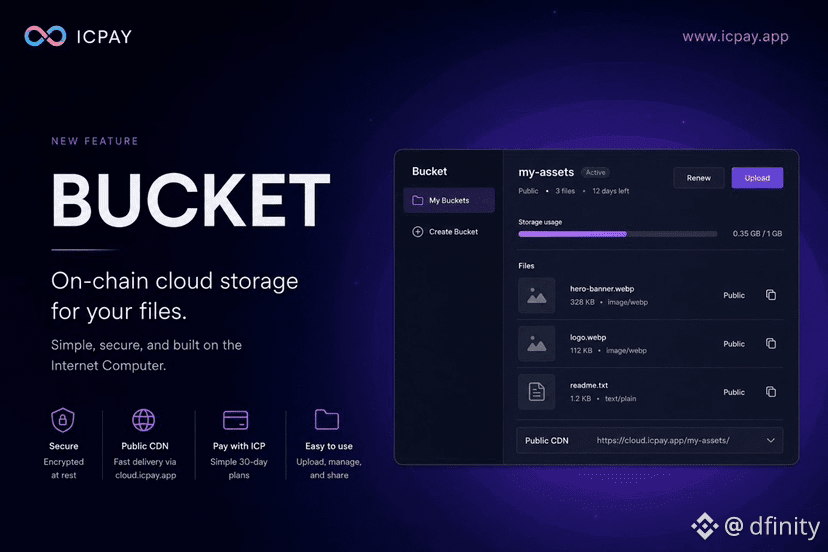
$ICP ICPay Bucket is officially live!
On-chain storage, built for the next generation of apps.
Like Cloudinary and Supabase Storage, but powered by the Internet Computer — your files are stored directly on-chain.
☁️ Upload & store files
🔗 Public file URLs
🔐 Private buckets
⚡ Built for developers
⛓️ Fully on-chain infrastructure
Build your next app with decentralized storage.
🔗 https://icpay. app/products/icbucket
#ICP #InternetComputerProtocol #OnChainSuccess #CloudStorage #Developers
$ICP ICPay Bucket is officially live!
On-chain storage, built for the next generation of apps.
Like Cloudinary and Supabase Storage, but powered by the Internet Computer — your files are stored directly on-chain.
☁️ Upload & store files
🔗 Public file URLs
🔐 Private buckets
⚡ Built for developers
⛓️ Fully on-chain infrastructure
Build your next app with decentralized storage.
🔗 https://icpay. app/products/icbucket
#ICP #InternetComputerProtocol #OnChainSuccess #CloudStorage #Developers
On-chain storage, built for the next generation of apps.
Like Cloudinary and Supabase Storage, but powered by the Internet Computer — your files are stored directly on-chain.
☁️ Upload & store files
🔗 Public file URLs
🔐 Private buckets
⚡ Built for developers
⛓️ Fully on-chain infrastructure
Build your next app with decentralized storage.
🔗 https://icpay. app/products/icbucket
#ICP #InternetComputerProtocol #OnChainSuccess #CloudStorage #Developers
208
Log in to explore more content
Join global crypto users on Binance Square
⚡️ Get latest and useful information about crypto.
💬 Trusted by the world’s largest crypto exchange.
👍 Discover real insights from verified creators.
Email / Phone number
Trending Topics
1
#BitcoinReboundsTo$79K
5,120 views
74 Discussing
2
#FedHikeOddsRiseTo89%
64,576 views
952 Discussing
3
#RLUSDSupplyHitsRecord$2.442B
3,560 views
56 Discussing
4
#AvalancheIntegratesIntoUAEPassDigitalVault
65,217 views
941 Discussing
5
#UKSeeksViewsOnTokenizingGold
51,128 views
713 Discussing
6
#AnthropicCEOCallsForAISlowdown
224,897 views
3,227 Discussing
7
#RevolutDataLeakReportedlyPostedAttackersThreatenDailyReleases
4,222 views
86 Discussing
8
#BrazilCentralBankRaisesVASPCapitalRequirements
38,584 views
789 Discussing
9
#BitcoinThirdSingleBlockReorgInFourWeeks
91,969 views
1,607 Discussing
10
#EthereumFallsBelow$2500
7,100 views
95 Discussing