

John_BNB
1.1k Posts
John_BNB
Report
Block User
I’m John, Binance Angel from Cambodia 🇰🇭
Active in trading, P2P, Web3 farming & community building.
x: @JohnRealKH
square: @John_BNB

Binance Square Angels
Open Trade
Frequent Trader
9 Years
338 Following
4.6K+ Followers
4.4K+ Liked
1 Badges
Posts
Portfolio
All
Quotes
Videos
Live
PINNED
·
--
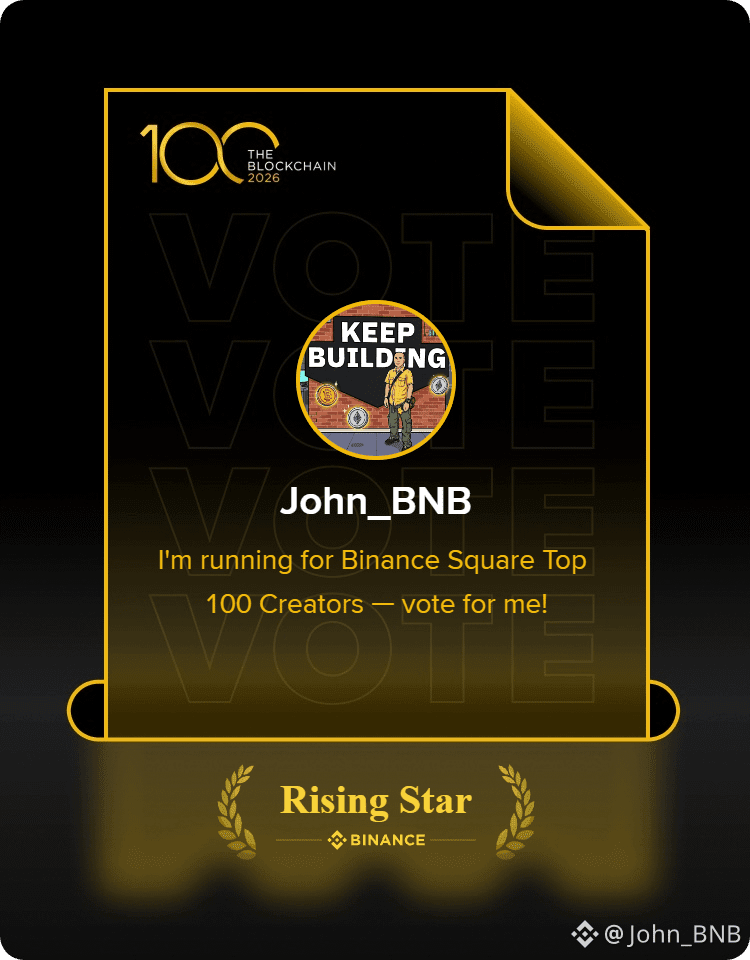
🇰🇭 From Cambodia to Blockchain 100 — Rising Star
For me, building in Web3 has never been just about trading, creating content, or chasing recognition. It's about people, connections, and the opportunities we can create together.
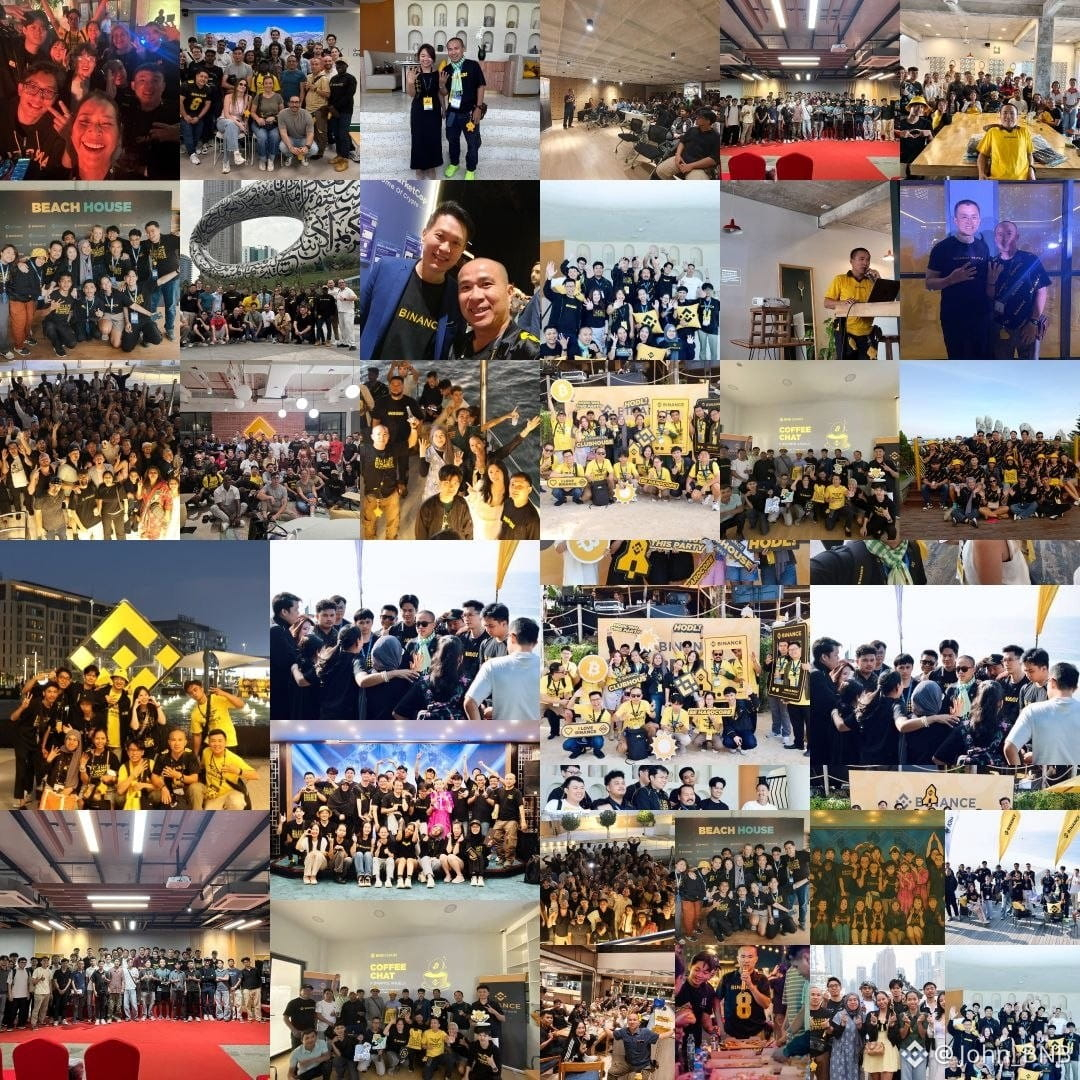
As a Binance Angel from Cambodia, I've had the opportunity to work not only with local Khmer Angels, but also with Angels from different regions around the world. Every collaboration brings new perspectives, ideas, and opportunities to learn from one another.
From hosting local meetups and collaborating with KOLs, influencers, and Web3 communities, to creating spaces where people can connect, exchange knowledge, and explore new opportunities, my goal has always been to make these gatherings meaningful.
Because crypto isn't just something happening on a screen. It's becoming part of people's lives — how we learn, connect, build, and prepare for the future.
I believe our work today is about more than growing a community. It's about bringing Web3 closer to everyday people, inspiring the next generation, and creating opportunities that can reach beyond borders.
Being nominated for Blockchain 100 — Rising Star is an honor, and I'm grateful to everyone I've met, worked with, and learned from along this journey.
This isn't the finish line. There is still so much to build, together. 🌍🚀
If you believe in this journey and what we're building for Cambodia's Web3 community, I'd be grateful for your support.
🗳️ Vote for John_BNB — Rising Star: [Vote now](https://app.binance.com/uni-qr/cact26user/528)
Let's keep building. 🇰🇭
#Blockchain100 #RisingStar #BinanceAngels #Cambodia #Web3
🇰🇭 From Cambodia to Blockchain 100 — Rising Star
For me, building in Web3 has never been just about trading, creating content, or chasing recognition. It's about people, connections, and the opportunities we can create together.
As a Binance Angel from Cambodia, I've had the opportunity to work not only with local Khmer Angels, but also with Angels from different regions around the world. Every collaboration brings new perspectives, ideas, and opportunities to learn from one another.
From hosting local meetups and collaborating with KOLs, influencers, and Web3 communities, to creating spaces where people can connect, exchange knowledge, and explore new opportunities, my goal has always been to make these gatherings meaningful.
Because crypto isn't just something happening on a screen. It's becoming part of people's lives — how we learn, connect, build, and prepare for the future.
I believe our work today is about more than growing a community. It's about bringing Web3 closer to everyday people, inspiring the next generation, and creating opportunities that can reach beyond borders.
Being nominated for Blockchain 100 — Rising Star is an honor, and I'm grateful to everyone I've met, worked with, and learned from along this journey.
This isn't the finish line. There is still so much to build, together. 🌍🚀
If you believe in this journey and what we're building for Cambodia's Web3 community, I'd be grateful for your support.
🗳️ Vote for John_BNB — Rising Star: Vote now
Let's keep building. 🇰🇭
#Blockchain100 #RisingStar #BinanceAngels #Cambodia #Web3
For me, building in Web3 has never been just about trading, creating content, or chasing recognition. It's about people, connections, and the opportunities we can create together.
As a Binance Angel from Cambodia, I've had the opportunity to work not only with local Khmer Angels, but also with Angels from different regions around the world. Every collaboration brings new perspectives, ideas, and opportunities to learn from one another.
From hosting local meetups and collaborating with KOLs, influencers, and Web3 communities, to creating spaces where people can connect, exchange knowledge, and explore new opportunities, my goal has always been to make these gatherings meaningful.
Because crypto isn't just something happening on a screen. It's becoming part of people's lives — how we learn, connect, build, and prepare for the future.
I believe our work today is about more than growing a community. It's about bringing Web3 closer to everyday people, inspiring the next generation, and creating opportunities that can reach beyond borders.
Being nominated for Blockchain 100 — Rising Star is an honor, and I'm grateful to everyone I've met, worked with, and learned from along this journey.
This isn't the finish line. There is still so much to build, together. 🌍🚀
If you believe in this journey and what we're building for Cambodia's Web3 community, I'd be grateful for your support.
🗳️ Vote for John_BNB — Rising Star: Vote now
Let's keep building. 🇰🇭
#Blockchain100 #RisingStar #BinanceAngels #Cambodia #Web3
1
3
8
234
·
--
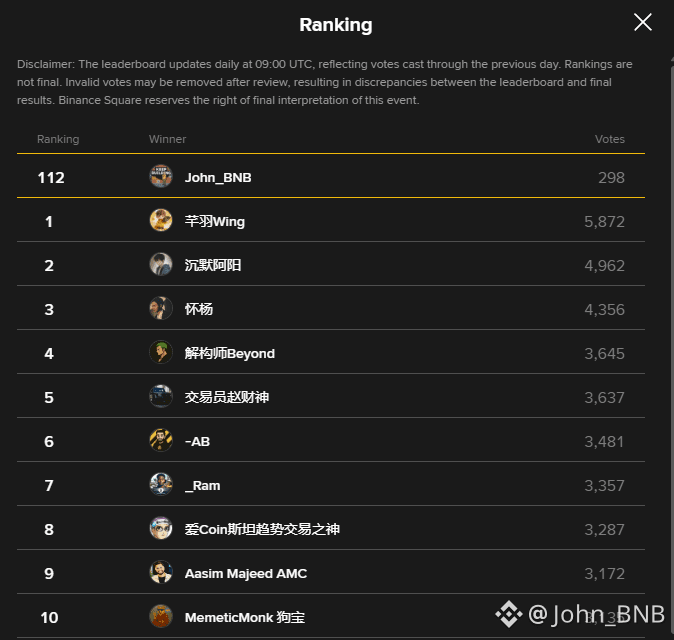
With just 2 days left, I'm now at Rank 112 with 298 votes. WOW! 🥹❤️
For my first time being nominated for #Blockchain100 #RisingStar, this experience has been truly amazing.
I honestly don't have enough words to thank everyone who has voted for me. Every single vote means more than a number. It's your time, trust, and belief in my journey. I'm truly grateful for every one of you. 🙏❤️
No matter where I finish, I'm already proud to have made it this far. This journey reminds me that what matters most isn't just recognition, but the people we meet, the connections we build, and the positive impact we create together.
Let's keep building a Web3 ecosystem based on trust, good faith, and greater financial freedom for millions of people. 🌍🚀
Next stop: #BBW2026! 🥳 Can't wait to see everyone, and hopefully meet @CZ again! 😍👏
Thank you for being part of my journey. You are all amazing! ❤️
Still can vote for me =>
🫡 https://app.binance.com/uni-qr/cact26user/528 😘🙏
#KeepBuilding #Web3 #Blockchain100 #BinanceAngels #BBW2026
With just 2 days left, I'm now at Rank 112 with 298 votes. WOW! 🥹❤️
For my first time being nominated for #Blockchain100 #RisingStar, this experience has been truly amazing.
I honestly don't have enough words to thank everyone who has voted for me. Every single vote means more than a number. It's your time, trust, and belief in my journey. I'm truly grateful for every one of you. 🙏❤️
No matter where I finish, I'm already proud to have made it this far. This journey reminds me that what matters most isn't just recognition, but the people we meet, the connections we build, and the positive impact we create together.
Let's keep building a Web3 ecosystem based on trust, good faith, and greater financial freedom for millions of people. 🌍🚀
Next stop: #BBW2026! 🥳 Can't wait to see everyone, and hopefully meet @CZ again! 😍👏
Thank you for being part of my journey. You are all amazing! ❤️
Still can vote for me =>
🫡 https://app.binance.com/uni-qr/cact26user/528 😘🙏
#KeepBuilding #Web3 #Blockchain100 #BinanceAngels #BBW2026
For my first time being nominated for #Blockchain100 #RisingStar, this experience has been truly amazing.
I honestly don't have enough words to thank everyone who has voted for me. Every single vote means more than a number. It's your time, trust, and belief in my journey. I'm truly grateful for every one of you. 🙏❤️
No matter where I finish, I'm already proud to have made it this far. This journey reminds me that what matters most isn't just recognition, but the people we meet, the connections we build, and the positive impact we create together.
Let's keep building a Web3 ecosystem based on trust, good faith, and greater financial freedom for millions of people. 🌍🚀
Next stop: #BBW2026! 🥳 Can't wait to see everyone, and hopefully meet @CZ again! 😍👏
Thank you for being part of my journey. You are all amazing! ❤️
Still can vote for me =>
🫡 https://app.binance.com/uni-qr/cact26user/528 😘🙏
#KeepBuilding #Web3 #Blockchain100 #BinanceAngels #BBW2026
3
6
403
·
--
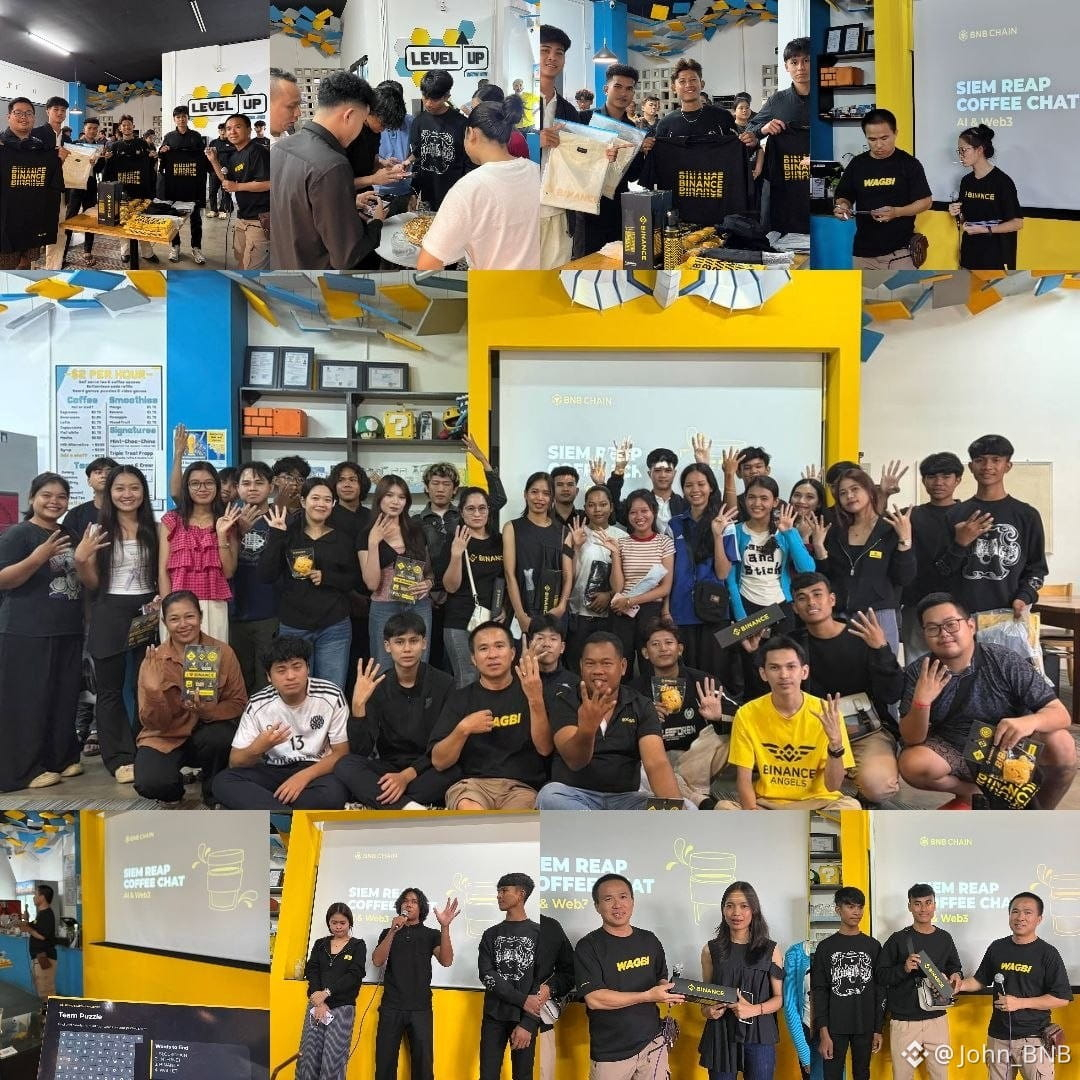
🚀 BNB Chain Meetup x Binance Academy | Siem Reap, Cambodia 🇰🇭
55 registered. 40 checked in. One community, countless smiles! 💛
This meetup was about more than learning blockchain. It was about bringing people together, making new friends, sharing experiences, and having fun along the way.
🍕 Slide to Build: Teams turned pizza into the Binance logo!
🧩 Crypto Word Puzzle: Testing crypto knowledge through teamwork.
😂 Funny Question Game: Including the legendary debate about the difference between a latte with 0% sugar and one with no sugar! 😬☕
🎤 Participants also took the stage to share their experiences and suggest future activities, from cycling to sports and outdoor adventures. 🚴♂️
The best part? People weren't just sitting and listening. They were participating, laughing, connecting, and looking forward to what comes next.
💛 This time, we didn't just learn. We connected, had fun, and refreshed our community spirit.
Thank you to everyone who joined and helped make this meetup memorable!
Let's keep building a stronger Web3 community in Cambodia — one conversation, one connection, and one activity at a time.
See you at the next one! 👋
#BNBChain #BinanceAcademy #Web3 #Cambodia #communitybuilding @withpechtoch @BNB_Chain @Binance_Academy @Binance_Square_Official @Binance_Angels
🚀 BNB Chain Meetup x Binance Academy | Siem Reap, Cambodia 🇰🇭
55 registered. 40 checked in. One community, countless smiles! 💛
This meetup was about more than learning blockchain. It was about bringing people together, making new friends, sharing experiences, and having fun along the way.
🍕 Slide to Build: Teams turned pizza into the Binance logo!
🧩 Crypto Word Puzzle: Testing crypto knowledge through teamwork.
😂 Funny Question Game: Including the legendary debate about the difference between a latte with 0% sugar and one with no sugar! 😬☕
🎤 Participants also took the stage to share their experiences and suggest future activities, from cycling to sports and outdoor adventures. 🚴♂️
The best part? People weren't just sitting and listening. They were participating, laughing, connecting, and looking forward to what comes next.
💛 This time, we didn't just learn. We connected, had fun, and refreshed our community spirit.
Thank you to everyone who joined and helped make this meetup memorable!
Let's keep building a stronger Web3 community in Cambodia — one conversation, one connection, and one activity at a time.
See you at the next one! 👋
#BNBChain #BinanceAcademy #Web3 #Cambodia #communitybuilding @Ching Chang @BNB Chain @Binance Academy @Binance Square Official @Binance Angels
55 registered. 40 checked in. One community, countless smiles! 💛
This meetup was about more than learning blockchain. It was about bringing people together, making new friends, sharing experiences, and having fun along the way.
🍕 Slide to Build: Teams turned pizza into the Binance logo!
🧩 Crypto Word Puzzle: Testing crypto knowledge through teamwork.
😂 Funny Question Game: Including the legendary debate about the difference between a latte with 0% sugar and one with no sugar! 😬☕
🎤 Participants also took the stage to share their experiences and suggest future activities, from cycling to sports and outdoor adventures. 🚴♂️
The best part? People weren't just sitting and listening. They were participating, laughing, connecting, and looking forward to what comes next.
💛 This time, we didn't just learn. We connected, had fun, and refreshed our community spirit.
Thank you to everyone who joined and helped make this meetup memorable!
Let's keep building a stronger Web3 community in Cambodia — one conversation, one connection, and one activity at a time.
See you at the next one! 👋
#BNBChain #BinanceAcademy #Web3 #Cambodia #communitybuilding @Ching Chang @BNB Chain @Binance Academy @Binance Square Official @Binance Angels
2
11
930
·
--
Article
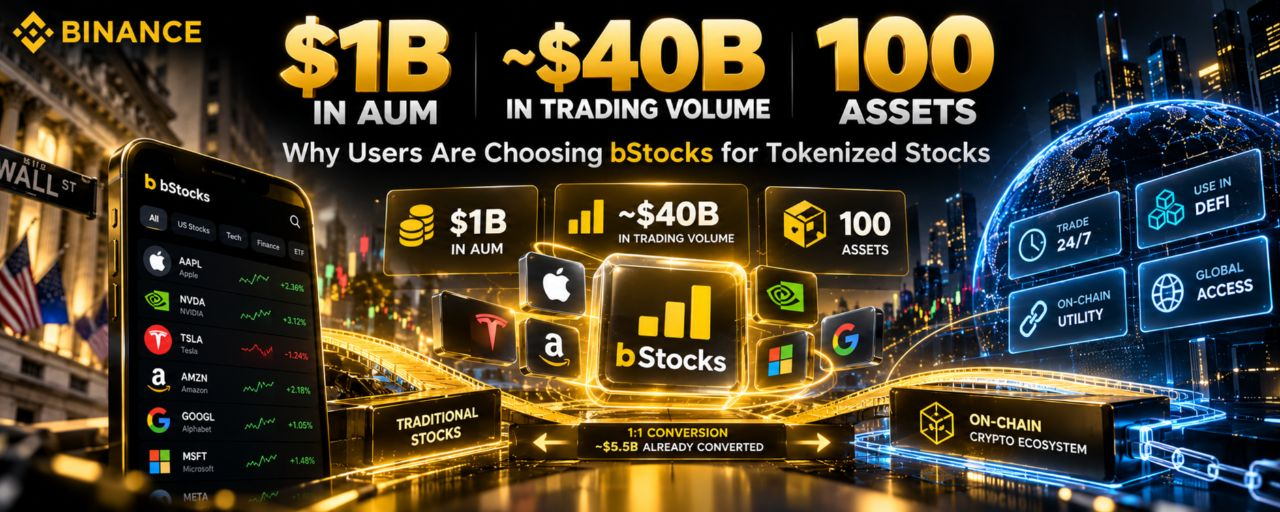
$1B in AUM, ~$40B in Trading Volume: Why Users Are Choosing bStocks for Tokenized StocksIntroduction: Traditional Markets Are Going On-Chain
Crypto users have spent years trading digital assets around the clock. But what if the same crypto-native experience could extend to traditional equities?
That idea is becoming increasingly relevant as tokenized stocks connect conventional financial markets with blockchain-based infrastructure.
One product gaining attention is bStocks, which has reached a major milestone: $1 billion in assets under management (AUM), approximately $40 billion in cumulative trading volume, and 100 available bStocks assets.
These numbers tell an important story. Users are not simply exploring tokenized stocks as a new concept. The market is developing around capital allocation, trading activity, asset diversity, and the ability to move between different financial environments.
But the bigger question is not how much volume bStocks has generated. It is why this model could matter for the next generation of financial markets.
1. $1 Billion in AUM: Capital Is Finding a Home
Assets under management measure the value of assets held within a product at a given point in time.
For bStocks, reaching $1 billion in AUM represents a significant milestone in its development as a tokenized-stock offering.
However, AUM alone does not tell the whole story. A large number could reflect concentrated holdings in a small number of assets or a limited group of users.
A more complete picture considers how capital is distributed across users and assets.
A diversified distribution can indicate broader participation and demand across multiple investment opportunities. Combined with user growth and activity across different assets, it offers a more useful view of adoption than a single headline figure.
For users, the appeal is straightforward: tokenized stocks offer another way to access traditional equity exposure through a crypto-native environment.
The milestone is meaningful, but sustained adoption will depend on liquidity, product accessibility, transparency, and the ability to serve users' needs over time.
2. Approximately $40 Billion in Trading Volume: Beyond Holding Assets
If AUM measures the capital held in a product, cumulative trading volume measures how much trading activity has passed through it.
bStocks has recorded approximately $40 billion in cumulative trading volume.
That distinction matters.
Some investors buy assets and hold them. Others actively trade around changing market conditions. A product that supports both behaviors can serve a wider range of market participants.
Trading volume also needs context. Cumulative volume is not the same as current daily activity, unique users, or net capital inflows. The same capital can be traded multiple times.
Nevertheless, when considered alongside AUM, the figure provides another perspective on how the product is being used.
Capital shows what users hold. Trading volume shows how actively they trade. Both matter when evaluating adoption.
3. One Hundred Assets: More Choice Across Traditional Markets
A broader selection of assets gives users more opportunities to explore different companies and investment themes.
With 100 bStocks assets offered, users have access to a wider range of tokenized-stock choices within the product.
This matters because investors rarely have identical objectives.
Some may want exposure to established technology companies. Others may prefer different industries or want to diversify their equity exposure rather than concentrate on one company.
A wider asset selection can help accommodate those preferences.
However, more assets do not automatically mean better diversification. Investors still need to understand the underlying exposure, concentration risks, trading costs, and applicable product restrictions.
The important development is that tokenized-stock products are expanding beyond a single-asset experiment toward a broader market experience.
4. The Differentiator: Approximately $5.5 Billion Converted 1:1 to Direct Stocks
Perhaps the most distinctive part of the bStocks model is its conversion mechanism.
Approximately $5.5 billion has already been converted between bStocks and Direct Stocks through the 1:1 conversion mechanism described for the product.
Why does this matter?
Traditional stock markets and blockchain-based markets operate through different infrastructure. Moving between them can involve separate processes, restrictions, costs, and settlement arrangements.
A conversion mechanism designed to connect tokenized stocks with Direct Stocks offers a bridge between those environments.
For users, that can mean greater flexibility in how they access supported equity exposure, rather than treating tokenized holdings and traditional stocks as completely separate destinations.
The reported $5.5 billion conversion figure is particularly notable because it highlights activity beyond simply buying and holding tokenized assets.
It suggests that interoperability between financial environments is an important part of the product proposition.
That said, conversion eligibility, timing, fees, and restrictions depend on the applicable product rules. A 1:1 conversion ratio does not by itself guarantee identical execution prices, immediate settlement, or unrestricted access for every user.
5. Adoption Beyond AUM and Trading Volume
The next stage of tokenized-stock adoption depends on more than headline numbers.
Three additional indicators deserve attention.
Utilization rates: How much of the available capital is actually being put to use? Capital deployed in supported activities can reveal utility beyond assets simply being held.
On-chain activity: Are tokenized assets participating in blockchain-based financial applications? Depending on the product's supported integrations, activity may extend into collateral use, lending, and other decentralized finance applications.
User and asset distribution: Is participation expanding across a broader group of users and investment choices, or is activity concentrated among a few large participants?
These indicators help distinguish between capital accumulation and deeper product usage.
A tokenized asset becomes more interesting when it can do more than represent exposure to a traditional financial instrument. Subject to its design and restrictions, it may also become part of a broader digital financial workflow.
That is the opportunity behind the convergence of tokenization and crypto-native infrastructure.
6. Why This Matters for the Future of Finance
The growth of bStocks reflects a broader shift in what some crypto users want from financial products.
They want access to traditional markets without abandoning the convenience and flexibility of digital financial infrastructure.
They want more asset choices, the ability to trade within supported market hours, and potentially new ways to use their holdings across compatible financial applications.
Tokenization does not eliminate the risks of traditional equities, nor does it automatically provide every feature associated with directly owning a stock. Product structure, legal rights, custody arrangements, liquidity, and jurisdictional availability remain important considerations.
Still, the direction is clear: the boundaries between traditional financial products and blockchain-based markets are becoming increasingly connected.
The strongest products will not necessarily be those with the most tokens or the largest headline numbers. They will be the ones that combine useful access, reliable infrastructure, meaningful utility, and flexibility that users can understand.
Conclusion: The Next Milestone Is Utility
bStocks has reached $1 billion in AUM, approximately $40 billion in cumulative trading volume, and 100 available assets. Approximately $5.5 billion has also been converted between bStocks and Direct Stocks through its 1:1 conversion mechanism.
Together, these figures provide several perspectives on adoption: capital held, trading activity, asset choice, and movement between financial environments.
But the longer-term opportunity goes beyond reaching another numerical milestone.
The real test is whether tokenized stocks become useful financial assets—not just digital representations of traditional equities.
If tokenized stocks can combine accessible market exposure, meaningful on-chain utility, and flexible connections to traditional financial infrastructure, they could become an important part of the evolving digital economy.
For users, the question is no longer just whether stocks can be tokenized. It is how much more useful financial assets can become when traditional markets and blockchain infrastructure work together.
Disclaimer: This article is for informational and educational purposes only and does not constitute financial or investment advice. Tokenized-stock products may involve market, liquidity, counterparty, custody, regulatory, and technology risks. Product eligibility, conversion terms, and availability vary by jurisdiction. Verify the applicable product documentation before participating.
#Binance #BStocks #TokenizedStocks #RWA #REALWORLDASSET
$NVDAB $SPCXB $TSLAB
{spot}(TSLABUSDT)
{spot}(SPCXBUSDT)
{spot}(NVDABUSDT)
$1B in AUM, ~$40B in Trading Volume: Why Users Are Choosing bStocks for Tokenized Stocks
Introduction: Traditional Markets Are Going On-Chain
Crypto users have spent years trading digital assets around the clock. But what if the same crypto-native experience could extend to traditional equities?
That idea is becoming increasingly relevant as tokenized stocks connect conventional financial markets with blockchain-based infrastructure.
One product gaining attention is bStocks, which has reached a major milestone: $1 billion in assets under management (AUM), approximately $40 billion in cumulative trading volume, and 100 available bStocks assets.
These numbers tell an important story. Users are not simply exploring tokenized stocks as a new concept. The market is developing around capital allocation, trading activity, asset diversity, and the ability to move between different financial environments.
But the bigger question is not how much volume bStocks has generated. It is why this model could matter for the next generation of financial markets.
1. $1 Billion in AUM: Capital Is Finding a Home
Assets under management measure the value of assets held within a product at a given point in time.
For bStocks, reaching $1 billion in AUM represents a significant milestone in its development as a tokenized-stock offering.
However, AUM alone does not tell the whole story. A large number could reflect concentrated holdings in a small number of assets or a limited group of users.
A more complete picture considers how capital is distributed across users and assets.
A diversified distribution can indicate broader participation and demand across multiple investment opportunities. Combined with user growth and activity across different assets, it offers a more useful view of adoption than a single headline figure.
For users, the appeal is straightforward: tokenized stocks offer another way to access traditional equity exposure through a crypto-native environment.
The milestone is meaningful, but sustained adoption will depend on liquidity, product accessibility, transparency, and the ability to serve users' needs over time.
2. Approximately $40 Billion in Trading Volume: Beyond Holding Assets
If AUM measures the capital held in a product, cumulative trading volume measures how much trading activity has passed through it.
bStocks has recorded approximately $40 billion in cumulative trading volume.
That distinction matters.
Some investors buy assets and hold them. Others actively trade around changing market conditions. A product that supports both behaviors can serve a wider range of market participants.
Trading volume also needs context. Cumulative volume is not the same as current daily activity, unique users, or net capital inflows. The same capital can be traded multiple times.
Nevertheless, when considered alongside AUM, the figure provides another perspective on how the product is being used.
Capital shows what users hold. Trading volume shows how actively they trade. Both matter when evaluating adoption.
3. One Hundred Assets: More Choice Across Traditional Markets
A broader selection of assets gives users more opportunities to explore different companies and investment themes.
With 100 bStocks assets offered, users have access to a wider range of tokenized-stock choices within the product.
This matters because investors rarely have identical objectives.
Some may want exposure to established technology companies. Others may prefer different industries or want to diversify their equity exposure rather than concentrate on one company.
A wider asset selection can help accommodate those preferences.
However, more assets do not automatically mean better diversification. Investors still need to understand the underlying exposure, concentration risks, trading costs, and applicable product restrictions.
The important development is that tokenized-stock products are expanding beyond a single-asset experiment toward a broader market experience.
4. The Differentiator: Approximately $5.5 Billion Converted 1:1 to Direct Stocks
Perhaps the most distinctive part of the bStocks model is its conversion mechanism.
Approximately $5.5 billion has already been converted between bStocks and Direct Stocks through the 1:1 conversion mechanism described for the product.
Why does this matter?
Traditional stock markets and blockchain-based markets operate through different infrastructure. Moving between them can involve separate processes, restrictions, costs, and settlement arrangements.
A conversion mechanism designed to connect tokenized stocks with Direct Stocks offers a bridge between those environments.
For users, that can mean greater flexibility in how they access supported equity exposure, rather than treating tokenized holdings and traditional stocks as completely separate destinations.
The reported $5.5 billion conversion figure is particularly notable because it highlights activity beyond simply buying and holding tokenized assets.
It suggests that interoperability between financial environments is an important part of the product proposition.
That said, conversion eligibility, timing, fees, and restrictions depend on the applicable product rules. A 1:1 conversion ratio does not by itself guarantee identical execution prices, immediate settlement, or unrestricted access for every user.
5. Adoption Beyond AUM and Trading Volume
The next stage of tokenized-stock adoption depends on more than headline numbers.
Three additional indicators deserve attention.
Utilization rates: How much of the available capital is actually being put to use? Capital deployed in supported activities can reveal utility beyond assets simply being held.
On-chain activity: Are tokenized assets participating in blockchain-based financial applications? Depending on the product's supported integrations, activity may extend into collateral use, lending, and other decentralized finance applications.
User and asset distribution: Is participation expanding across a broader group of users and investment choices, or is activity concentrated among a few large participants?
These indicators help distinguish between capital accumulation and deeper product usage.
A tokenized asset becomes more interesting when it can do more than represent exposure to a traditional financial instrument. Subject to its design and restrictions, it may also become part of a broader digital financial workflow.
That is the opportunity behind the convergence of tokenization and crypto-native infrastructure.
6. Why This Matters for the Future of Finance
The growth of bStocks reflects a broader shift in what some crypto users want from financial products.
They want access to traditional markets without abandoning the convenience and flexibility of digital financial infrastructure.
They want more asset choices, the ability to trade within supported market hours, and potentially new ways to use their holdings across compatible financial applications.
Tokenization does not eliminate the risks of traditional equities, nor does it automatically provide every feature associated with directly owning a stock. Product structure, legal rights, custody arrangements, liquidity, and jurisdictional availability remain important considerations.
Still, the direction is clear: the boundaries between traditional financial products and blockchain-based markets are becoming increasingly connected.
The strongest products will not necessarily be those with the most tokens or the largest headline numbers. They will be the ones that combine useful access, reliable infrastructure, meaningful utility, and flexibility that users can understand.
Conclusion: The Next Milestone Is Utility
bStocks has reached $1 billion in AUM, approximately $40 billion in cumulative trading volume, and 100 available assets. Approximately $5.5 billion has also been converted between bStocks and Direct Stocks through its 1:1 conversion mechanism.
Together, these figures provide several perspectives on adoption: capital held, trading activity, asset choice, and movement between financial environments.
But the longer-term opportunity goes beyond reaching another numerical milestone.
The real test is whether tokenized stocks become useful financial assets—not just digital representations of traditional equities.
If tokenized stocks can combine accessible market exposure, meaningful on-chain utility, and flexible connections to traditional financial infrastructure, they could become an important part of the evolving digital economy.
For users, the question is no longer just whether stocks can be tokenized. It is how much more useful financial assets can become when traditional markets and blockchain infrastructure work together.
Disclaimer: This article is for informational and educational purposes only and does not constitute financial or investment advice. Tokenized-stock products may involve market, liquidity, counterparty, custody, regulatory, and technology risks. Product eligibility, conversion terms, and availability vary by jurisdiction. Verify the applicable product documentation before participating.
#Binance #BStocks #TokenizedStocks #RWA #REALWORLDASSET
$NVDAB $SPCXB $TSLAB
Crypto users have spent years trading digital assets around the clock. But what if the same crypto-native experience could extend to traditional equities?
That idea is becoming increasingly relevant as tokenized stocks connect conventional financial markets with blockchain-based infrastructure.
One product gaining attention is bStocks, which has reached a major milestone: $1 billion in assets under management (AUM), approximately $40 billion in cumulative trading volume, and 100 available bStocks assets.
These numbers tell an important story. Users are not simply exploring tokenized stocks as a new concept. The market is developing around capital allocation, trading activity, asset diversity, and the ability to move between different financial environments.
But the bigger question is not how much volume bStocks has generated. It is why this model could matter for the next generation of financial markets.
1. $1 Billion in AUM: Capital Is Finding a Home
Assets under management measure the value of assets held within a product at a given point in time.
For bStocks, reaching $1 billion in AUM represents a significant milestone in its development as a tokenized-stock offering.
However, AUM alone does not tell the whole story. A large number could reflect concentrated holdings in a small number of assets or a limited group of users.
A more complete picture considers how capital is distributed across users and assets.
A diversified distribution can indicate broader participation and demand across multiple investment opportunities. Combined with user growth and activity across different assets, it offers a more useful view of adoption than a single headline figure.
For users, the appeal is straightforward: tokenized stocks offer another way to access traditional equity exposure through a crypto-native environment.
The milestone is meaningful, but sustained adoption will depend on liquidity, product accessibility, transparency, and the ability to serve users' needs over time.
2. Approximately $40 Billion in Trading Volume: Beyond Holding Assets
If AUM measures the capital held in a product, cumulative trading volume measures how much trading activity has passed through it.
bStocks has recorded approximately $40 billion in cumulative trading volume.
That distinction matters.
Some investors buy assets and hold them. Others actively trade around changing market conditions. A product that supports both behaviors can serve a wider range of market participants.
Trading volume also needs context. Cumulative volume is not the same as current daily activity, unique users, or net capital inflows. The same capital can be traded multiple times.
Nevertheless, when considered alongside AUM, the figure provides another perspective on how the product is being used.
Capital shows what users hold. Trading volume shows how actively they trade. Both matter when evaluating adoption.
3. One Hundred Assets: More Choice Across Traditional Markets
A broader selection of assets gives users more opportunities to explore different companies and investment themes.
With 100 bStocks assets offered, users have access to a wider range of tokenized-stock choices within the product.
This matters because investors rarely have identical objectives.
Some may want exposure to established technology companies. Others may prefer different industries or want to diversify their equity exposure rather than concentrate on one company.
A wider asset selection can help accommodate those preferences.
However, more assets do not automatically mean better diversification. Investors still need to understand the underlying exposure, concentration risks, trading costs, and applicable product restrictions.
The important development is that tokenized-stock products are expanding beyond a single-asset experiment toward a broader market experience.
4. The Differentiator: Approximately $5.5 Billion Converted 1:1 to Direct Stocks
Perhaps the most distinctive part of the bStocks model is its conversion mechanism.
Approximately $5.5 billion has already been converted between bStocks and Direct Stocks through the 1:1 conversion mechanism described for the product.
Why does this matter?
Traditional stock markets and blockchain-based markets operate through different infrastructure. Moving between them can involve separate processes, restrictions, costs, and settlement arrangements.
A conversion mechanism designed to connect tokenized stocks with Direct Stocks offers a bridge between those environments.
For users, that can mean greater flexibility in how they access supported equity exposure, rather than treating tokenized holdings and traditional stocks as completely separate destinations.
The reported $5.5 billion conversion figure is particularly notable because it highlights activity beyond simply buying and holding tokenized assets.
It suggests that interoperability between financial environments is an important part of the product proposition.
That said, conversion eligibility, timing, fees, and restrictions depend on the applicable product rules. A 1:1 conversion ratio does not by itself guarantee identical execution prices, immediate settlement, or unrestricted access for every user.
5. Adoption Beyond AUM and Trading Volume
The next stage of tokenized-stock adoption depends on more than headline numbers.
Three additional indicators deserve attention.
Utilization rates: How much of the available capital is actually being put to use? Capital deployed in supported activities can reveal utility beyond assets simply being held.
On-chain activity: Are tokenized assets participating in blockchain-based financial applications? Depending on the product's supported integrations, activity may extend into collateral use, lending, and other decentralized finance applications.
User and asset distribution: Is participation expanding across a broader group of users and investment choices, or is activity concentrated among a few large participants?
These indicators help distinguish between capital accumulation and deeper product usage.
A tokenized asset becomes more interesting when it can do more than represent exposure to a traditional financial instrument. Subject to its design and restrictions, it may also become part of a broader digital financial workflow.
That is the opportunity behind the convergence of tokenization and crypto-native infrastructure.
6. Why This Matters for the Future of Finance
The growth of bStocks reflects a broader shift in what some crypto users want from financial products.
They want access to traditional markets without abandoning the convenience and flexibility of digital financial infrastructure.
They want more asset choices, the ability to trade within supported market hours, and potentially new ways to use their holdings across compatible financial applications.
Tokenization does not eliminate the risks of traditional equities, nor does it automatically provide every feature associated with directly owning a stock. Product structure, legal rights, custody arrangements, liquidity, and jurisdictional availability remain important considerations.
Still, the direction is clear: the boundaries between traditional financial products and blockchain-based markets are becoming increasingly connected.
The strongest products will not necessarily be those with the most tokens or the largest headline numbers. They will be the ones that combine useful access, reliable infrastructure, meaningful utility, and flexibility that users can understand.
Conclusion: The Next Milestone Is Utility
bStocks has reached $1 billion in AUM, approximately $40 billion in cumulative trading volume, and 100 available assets. Approximately $5.5 billion has also been converted between bStocks and Direct Stocks through its 1:1 conversion mechanism.
Together, these figures provide several perspectives on adoption: capital held, trading activity, asset choice, and movement between financial environments.
But the longer-term opportunity goes beyond reaching another numerical milestone.
The real test is whether tokenized stocks become useful financial assets—not just digital representations of traditional equities.
If tokenized stocks can combine accessible market exposure, meaningful on-chain utility, and flexible connections to traditional financial infrastructure, they could become an important part of the evolving digital economy.
For users, the question is no longer just whether stocks can be tokenized. It is how much more useful financial assets can become when traditional markets and blockchain infrastructure work together.
Disclaimer: This article is for informational and educational purposes only and does not constitute financial or investment advice. Tokenized-stock products may involve market, liquidity, counterparty, custody, regulatory, and technology risks. Product eligibility, conversion terms, and availability vary by jurisdiction. Verify the applicable product documentation before participating.
#Binance #BStocks #TokenizedStocks #RWA #REALWORLDASSET
$NVDAB $SPCXB $TSLAB
4
37
·
--
- Under President Trump’s leadership, the FBI is going on OFFENSE against cyber criminals targeting the American people.
- Through Operation Blackout - this FBI’s global scam center demolition campaign:
- 20+ scam compounds DEMOLISHED. $17 BILLION+ seized. 11,000 Americans protected from $675 MILLION in fraud.
- Cybercriminals no longer have sanctuary no matter where they try to hide - we’re finding them and we’re getting them.
And they are moving everywhere around the world to avoid this blackout.
This topic is really hot esp South East Asia countries.
#scam #FBI #BTC
- Under President Trump’s leadership, the FBI is going on OFFENSE against cyber criminals targeting the American people.
- Through Operation Blackout - this FBI’s global scam center demolition campaign:
- 20+ scam compounds DEMOLISHED. $17 BILLION+ seized. 11,000 Americans protected from $675 MILLION in fraud.
- Cybercriminals no longer have sanctuary no matter where they try to hide - we’re finding them and we’re getting them.
And they are moving everywhere around the world to avoid this blackout.
This topic is really hot esp South East Asia countries.
#scam #FBI #BTC
- Through Operation Blackout - this FBI’s global scam center demolition campaign:
- 20+ scam compounds DEMOLISHED. $17 BILLION+ seized. 11,000 Americans protected from $675 MILLION in fraud.
- Cybercriminals no longer have sanctuary no matter where they try to hide - we’re finding them and we’re getting them.
And they are moving everywhere around the world to avoid this blackout.
This topic is really hot esp South East Asia countries.
#scam #FBI #BTC

2
110
·
--
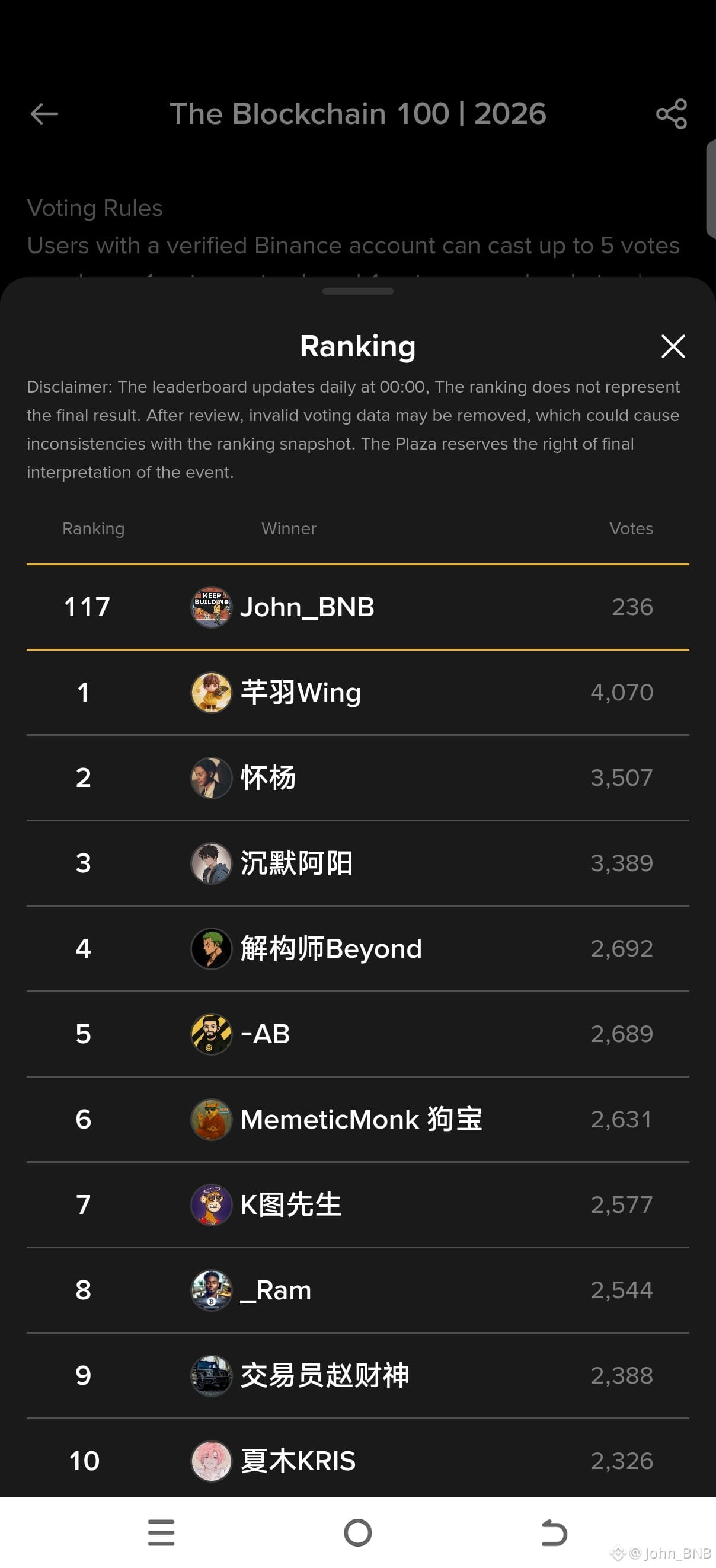
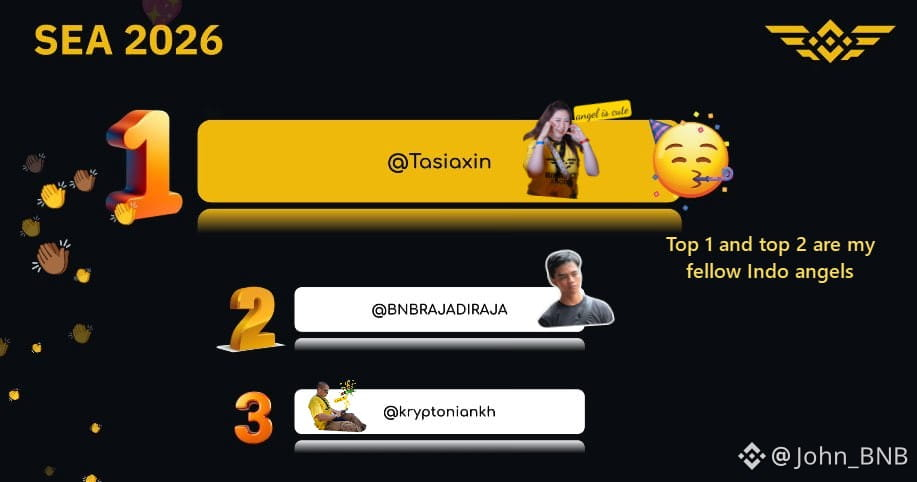
Wow looks at the top 10 they are so amazing to gather such a good number. Really happy for them, even I am not in the top 100 list but still be proud to be shown in the category.
There is no fail till we stop working. And I keep building no matter be the winners of #Blockchain100 or not. because I will show up at #BBW2026 and support community either.
Say hi, when you see me there.
Also you can help me by voting for me too. I really appreciate and thank everyone for supporting me either.
[Vote here](https://app.binance.com/uni-qr/cact26user/528) 😍
See you at BBW 2026! ✌️🌱🌇
Wow looks at the top 10 they are so amazing to gather such a good number. Really happy for them, even I am not in the top 100 list but still be proud to be shown in the category.
There is no fail till we stop working. And I keep building no matter be the winners of #Blockchain100 or not. because I will show up at #BBW2026 and support community either.
Say hi, when you see me there.
Also you can help me by voting for me too. I really appreciate and thank everyone for supporting me either.
Vote here 😍
See you at BBW 2026! ✌️🌱🌇
There is no fail till we stop working. And I keep building no matter be the winners of #Blockchain100 or not. because I will show up at #BBW2026 and support community either.
Say hi, when you see me there.
Also you can help me by voting for me too. I really appreciate and thank everyone for supporting me either.
Vote here 😍
See you at BBW 2026! ✌️🌱🌇
John_BNB
·
--
🇰🇭 From Cambodia to Blockchain 100 — Rising Star
For me, building in Web3 has never been just about trading, creating content, or chasing recognition. It's about people, connections, and the opportunities we can create together.
As a Binance Angel from Cambodia, I've had the opportunity to work not only with local Khmer Angels, but also with Angels from different regions around the world. Every collaboration brings new perspectives, ideas, and opportunities to learn from one another.
From hosting local meetups and collaborating with KOLs, influencers, and Web3 communities, to creating spaces where people can connect, exchange knowledge, and explore new opportunities, my goal has always been to make these gatherings meaningful.
Because crypto isn't just something happening on a screen. It's becoming part of people's lives — how we learn, connect, build, and prepare for the future.
I believe our work today is about more than growing a community. It's about bringing Web3 closer to everyday people, inspiring the next generation, and creating opportunities that can reach beyond borders.
Being nominated for Blockchain 100 — Rising Star is an honor, and I'm grateful to everyone I've met, worked with, and learned from along this journey.
This isn't the finish line. There is still so much to build, together. 🌍🚀
If you believe in this journey and what we're building for Cambodia's Web3 community, I'd be grateful for your support.
🗳️ Vote for John_BNB — Rising Star: Vote now
Let's keep building. 🇰🇭
#Blockchain100 #RisingStar #BinanceAngels #Cambodia #Web3
For me, building in Web3 has never been just about trading, creating content, or chasing recognition. It's about people, connections, and the opportunities we can create together.
As a Binance Angel from Cambodia, I've had the opportunity to work not only with local Khmer Angels, but also with Angels from different regions around the world. Every collaboration brings new perspectives, ideas, and opportunities to learn from one another.
From hosting local meetups and collaborating with KOLs, influencers, and Web3 communities, to creating spaces where people can connect, exchange knowledge, and explore new opportunities, my goal has always been to make these gatherings meaningful.
Because crypto isn't just something happening on a screen. It's becoming part of people's lives — how we learn, connect, build, and prepare for the future.
I believe our work today is about more than growing a community. It's about bringing Web3 closer to everyday people, inspiring the next generation, and creating opportunities that can reach beyond borders.
Being nominated for Blockchain 100 — Rising Star is an honor, and I'm grateful to everyone I've met, worked with, and learned from along this journey.
This isn't the finish line. There is still so much to build, together. 🌍🚀
If you believe in this journey and what we're building for Cambodia's Web3 community, I'd be grateful for your support.
🗳️ Vote for John_BNB — Rising Star: Vote now
Let's keep building. 🇰🇭
#Blockchain100 #RisingStar #BinanceAngels #Cambodia #Web3
3
82
·
--
Binance Pumpkin Camp is coming! 🎃
Who says learning crypto has to be scary? This Halloween, we are making it a treat:
🚀10 days to Level up your XP and Knowledge
🏆Quests, Badges, and a Graduation Card waiting for you at the finish line!
🎁 A 6,000 USDC prize pool for the top 2,000 participants on the leaderboard.
No tricks - just treats! Learning with Binance daily is not scary.
🎃Stay tuned! #BinancePumpkinCamp
Campaign Period: Oct 24 - Nov 02, 2026
#Learn&Earn #crypto #Binance #Web3
Binance Pumpkin Camp is coming! 🎃
Who says learning crypto has to be scary? This Halloween, we are making it a treat:
🚀10 days to Level up your XP and Knowledge
🏆Quests, Badges, and a Graduation Card waiting for you at the finish line!
🎁 A 6,000 USDC prize pool for the top 2,000 participants on the leaderboard.
No tricks - just treats! Learning with Binance daily is not scary.
🎃Stay tuned! #BinancePumpkinCamp
Campaign Period: Oct 24 - Nov 02, 2026
#Learn&Earn #crypto #Binance #Web3
Who says learning crypto has to be scary? This Halloween, we are making it a treat:
🚀10 days to Level up your XP and Knowledge
🏆Quests, Badges, and a Graduation Card waiting for you at the finish line!
🎁 A 6,000 USDC prize pool for the top 2,000 participants on the leaderboard.
No tricks - just treats! Learning with Binance daily is not scary.
🎃Stay tuned! #BinancePumpkinCamp
Campaign Period: Oct 24 - Nov 02, 2026
#Learn&Earn #crypto #Binance #Web3
3
134
·
--
Lets go team!
Lets go team!
Falcon_BNB
·
--
🎃 Binance Pumpkin Camp is coming! 👻
Crypto isn’t scary. This Halloween, let’s learn and earn rewards! 🧡
🚀 Spend 10 days boosting your XP and Crypto knowledge.
🏆 Quests, badges, and Graduation Cards are waiting for you.
🎁 The top 2,000 on the leaderboard will share a total prize pool of 6,000 USDC.
Banish your fears and claim those rewards!
📅 Campaign period: October 24 to November 2
🎃 Stay tuned for more details!
#BinancePumpkinCamp
Crypto isn’t scary. This Halloween, let’s learn and earn rewards! 🧡
🚀 Spend 10 days boosting your XP and Crypto knowledge.
🏆 Quests, badges, and Graduation Cards are waiting for you.
🎁 The top 2,000 on the leaderboard will share a total prize pool of 6,000 USDC.
Banish your fears and claim those rewards!
📅 Campaign period: October 24 to November 2
🎃 Stay tuned for more details!
#BinancePumpkinCamp
3
22
·
--
Pls join everyone! lets learn
Pls join everyone! lets learn
Trevor R
·
--
Binance Pumpkin Camp is coming TOMORROW! 🎃
Who says learning about crypto has to be scary?
This Halloween, let's learn while having fun:
🚀 10 days to earn XP and boost your crypto knowledge!
🏆 Missions, badges, and a Graduation Card await you at the end of the journey!
🎁 A total of 6,000 USDC in rewards for the top 2,000 participants on the leaderboard.
No tricks, just fun! Learning with Binance every day doesn't have to be scary. 🎃
Campaign Period: October 24–November 2
Get ready for the fun! #BinancePumpkinCamp
Disclaimer: Digital asset prices can fluctuate. This is not financial advice.
Who says learning about crypto has to be scary?
This Halloween, let's learn while having fun:
🚀 10 days to earn XP and boost your crypto knowledge!
🏆 Missions, badges, and a Graduation Card await you at the end of the journey!
🎁 A total of 6,000 USDC in rewards for the top 2,000 participants on the leaderboard.
No tricks, just fun! Learning with Binance every day doesn't have to be scary. 🎃
Campaign Period: October 24–November 2
Get ready for the fun! #BinancePumpkinCamp
Disclaimer: Digital asset prices can fluctuate. This is not financial advice.
2
46
·
--
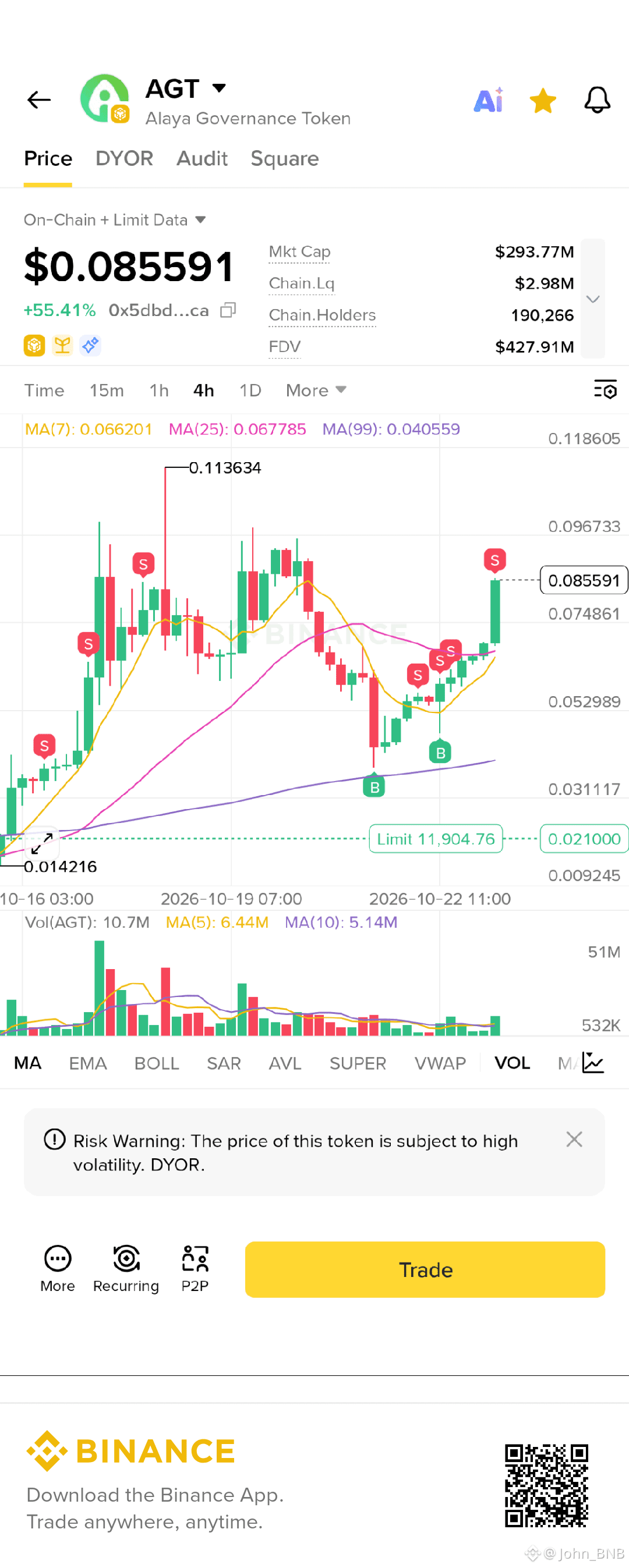
Should've wait little bit to get 2x1 but it is ok, profut is profit.
$AGT
Should've wait little bit to get 2x1 but it is ok, profut is profit.
$AGT
$AGT
3
357
·
--
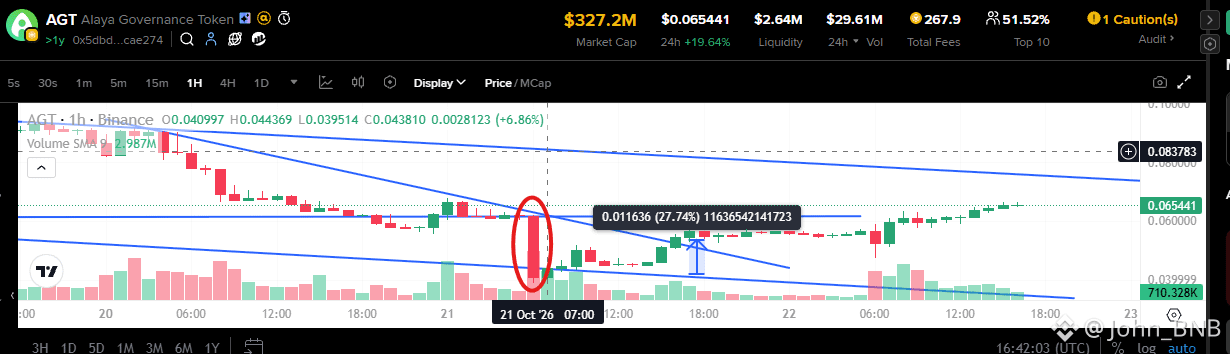
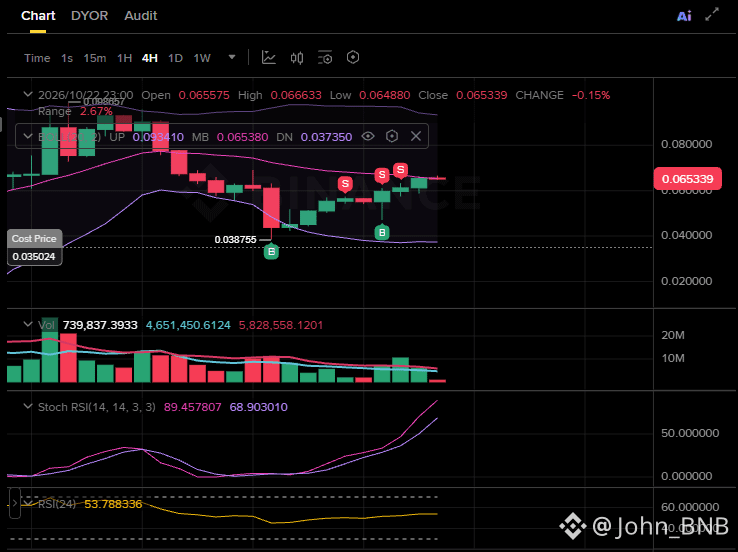
In this big red candle $AGT some people might see big fear, but I saw opportunity. A fast 30% ish...
{future}(AGTUSDT)
In this big red candle $AGT some people might see big fear, but I saw opportunity. A fast 30% ish...


2
230
·
--
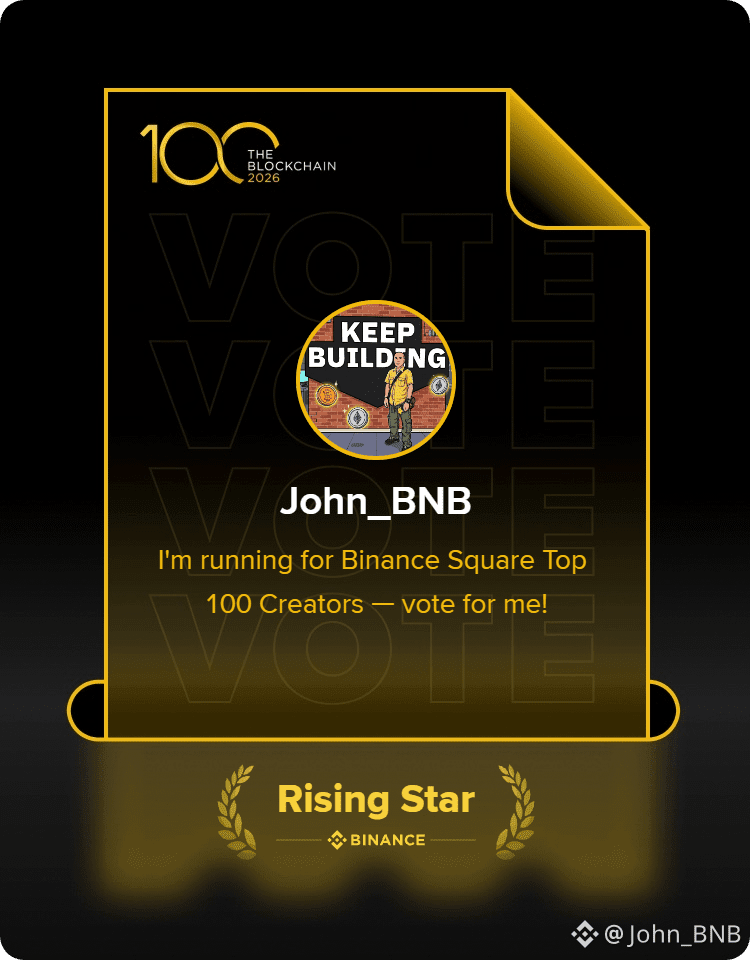
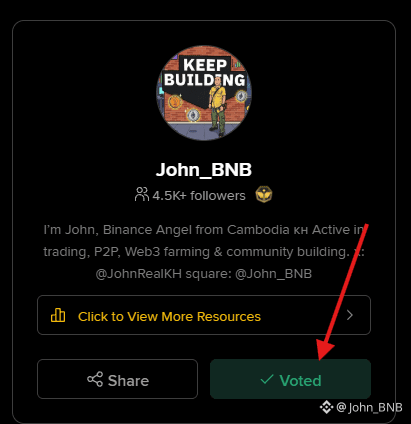
🌍❤️ Web3 has taught me something powerful: we may come from different countries, speak different languages, and follow different paths, but we can still build something meaningful together.
Being shortlisted for Blockchain 100 – 2026 | Rising Star is an honor. But the people I've met, the knowledge we've shared, and the communities we've built mean even more.
To everyone who has encouraged me, supported my work, or been part of this journey — THANK YOU. 🙏
If you believe in community, education, and making Web3 more accessible to everyone, I'd be grateful for your support.
🗳️ Vote for John_BNB ❤️
[https://app.binance.com/uni-qr/cact26user/528](https://app.binance.com/uni-qr/cact26user/528)
Different roots. One global community. 🌱🌍
#Blockchain100 #RisingStar #Web3
Love you all🫶
🌍❤️ Web3 has taught me something powerful: we may come from different countries, speak different languages, and follow different paths, but we can still build something meaningful together.
Being shortlisted for Blockchain 100 – 2026 | Rising Star is an honor. But the people I've met, the knowledge we've shared, and the communities we've built mean even more.
To everyone who has encouraged me, supported my work, or been part of this journey — THANK YOU. 🙏
If you believe in community, education, and making Web3 more accessible to everyone, I'd be grateful for your support.
🗳️ Vote for John_BNB ❤️
https://app.binance.com/uni-qr/cact26user/528
Different roots. One global community. 🌱🌍
#Blockchain100 #RisingStar #Web3
Love you all🫶
Being shortlisted for Blockchain 100 – 2026 | Rising Star is an honor. But the people I've met, the knowledge we've shared, and the communities we've built mean even more.
To everyone who has encouraged me, supported my work, or been part of this journey — THANK YOU. 🙏
If you believe in community, education, and making Web3 more accessible to everyone, I'd be grateful for your support.
🗳️ Vote for John_BNB ❤️
https://app.binance.com/uni-qr/cact26user/528
Different roots. One global community. 🌱🌍
#Blockchain100 #RisingStar #Web3
Love you all🫶
4
137
·
--
GM, still need some more love till 28 Oct. Your one vote, means a lot to me.
Please don't forget to vote for me.
[https://app.binance.com/uni-qr/cact26user/528](https://app.binance.com/uni-qr/cact26user/528)
#Blockchain100 @Binance_Square_Official #bbw2026
GM, still need some more love till 28 Oct. Your one vote, means a lot to me.
Please don't forget to vote for me.
https://app.binance.com/uni-qr/cact26user/528
#Blockchain100 @Binance Square Official #bbw2026
Please don't forget to vote for me.
https://app.binance.com/uni-qr/cact26user/528
#Blockchain100 @Binance Square Official #bbw2026
John_BNB
·
--
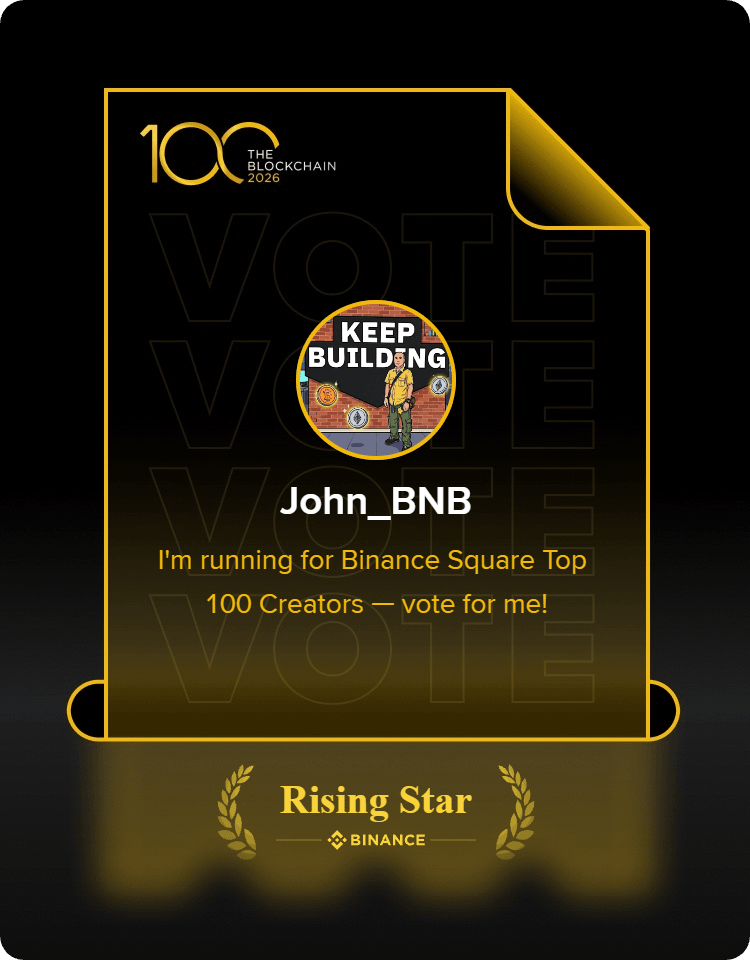
🇰🇭 From Cambodia to Blockchain 100 — Rising Star
For me, building in Web3 has never been just about trading, creating content, or chasing recognition. It's about people, connections, and the opportunities we can create together.
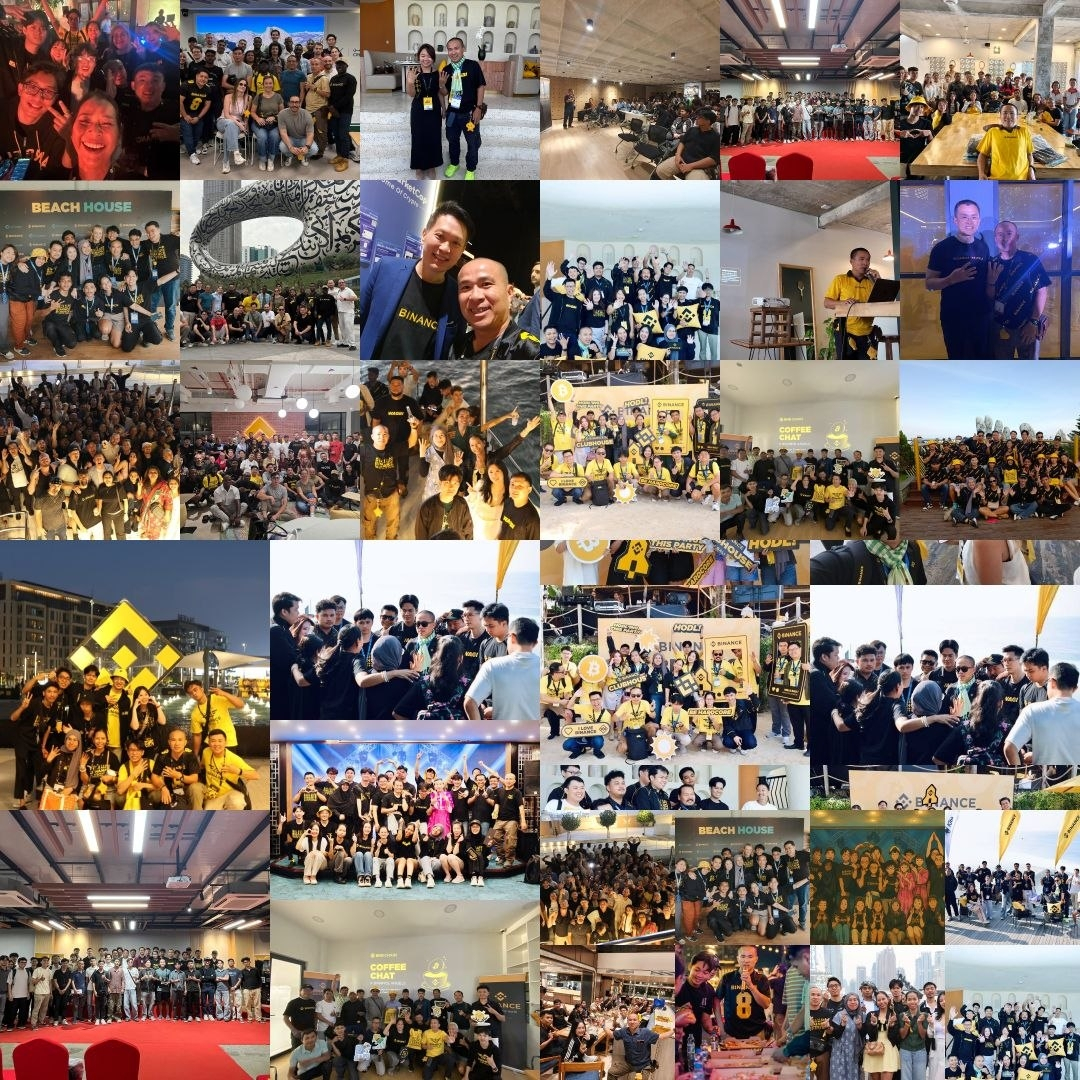
As a Binance Angel from Cambodia, I've had the opportunity to work not only with local Khmer Angels, but also with Angels from different regions around the world. Every collaboration brings new perspectives, ideas, and opportunities to learn from one another.
From hosting local meetups and collaborating with KOLs, influencers, and Web3 communities, to creating spaces where people can connect, exchange knowledge, and explore new opportunities, my goal has always been to make these gatherings meaningful.
Because crypto isn't just something happening on a screen. It's becoming part of people's lives — how we learn, connect, build, and prepare for the future.
I believe our work today is about more than growing a community. It's about bringing Web3 closer to everyday people, inspiring the next generation, and creating opportunities that can reach beyond borders.
Being nominated for Blockchain 100 — Rising Star is an honor, and I'm grateful to everyone I've met, worked with, and learned from along this journey.
This isn't the finish line. There is still so much to build, together. 🌍🚀
If you believe in this journey and what we're building for Cambodia's Web3 community, I'd be grateful for your support.
🗳️ Vote for John_BNB — Rising Star: Vote now
Let's keep building. 🇰🇭
#Blockchain100 #RisingStar #BinanceAngels #Cambodia #Web3
For me, building in Web3 has never been just about trading, creating content, or chasing recognition. It's about people, connections, and the opportunities we can create together.
As a Binance Angel from Cambodia, I've had the opportunity to work not only with local Khmer Angels, but also with Angels from different regions around the world. Every collaboration brings new perspectives, ideas, and opportunities to learn from one another.
From hosting local meetups and collaborating with KOLs, influencers, and Web3 communities, to creating spaces where people can connect, exchange knowledge, and explore new opportunities, my goal has always been to make these gatherings meaningful.
Because crypto isn't just something happening on a screen. It's becoming part of people's lives — how we learn, connect, build, and prepare for the future.
I believe our work today is about more than growing a community. It's about bringing Web3 closer to everyday people, inspiring the next generation, and creating opportunities that can reach beyond borders.
Being nominated for Blockchain 100 — Rising Star is an honor, and I'm grateful to everyone I've met, worked with, and learned from along this journey.
This isn't the finish line. There is still so much to build, together. 🌍🚀
If you believe in this journey and what we're building for Cambodia's Web3 community, I'd be grateful for your support.
🗳️ Vote for John_BNB — Rising Star: Vote now
Let's keep building. 🇰🇭
#Blockchain100 #RisingStar #BinanceAngels #Cambodia #Web3
2
19
·
--
Do you want to see this @kryptoniankh following you?
1. Follow me (even new account with 0 followers)
2. [Vote for me](https://app.binance.com/uni-qr/cact26user/528)
3. comment done.
I will follow every single of you. Just not at everyone same time, cos algorithm might judge me as bot haha
👌🤩😍👉💥🔥Remember I will not reward you anything, beside follow you back, keep posting useful content you can benefit and lets grow crypto space together. Keep building🙏👌⭐🎁
Lets grow together
#Blockchain100
Do you want to see this @John_BNB following you?
1. Follow me (even new account with 0 followers)
2. Vote for me
3. comment done.
I will follow every single of you. Just not at everyone same time, cos algorithm might judge me as bot haha
👌🤩😍👉💥🔥Remember I will not reward you anything, beside follow you back, keep posting useful content you can benefit and lets grow crypto space together. Keep building🙏👌⭐🎁
Lets grow together
#Blockchain100
1. Follow me (even new account with 0 followers)
2. Vote for me
3. comment done.
I will follow every single of you. Just not at everyone same time, cos algorithm might judge me as bot haha
👌🤩😍👉💥🔥Remember I will not reward you anything, beside follow you back, keep posting useful content you can benefit and lets grow crypto space together. Keep building🙏👌⭐🎁
Lets grow together
#Blockchain100
1
3
67
·
--
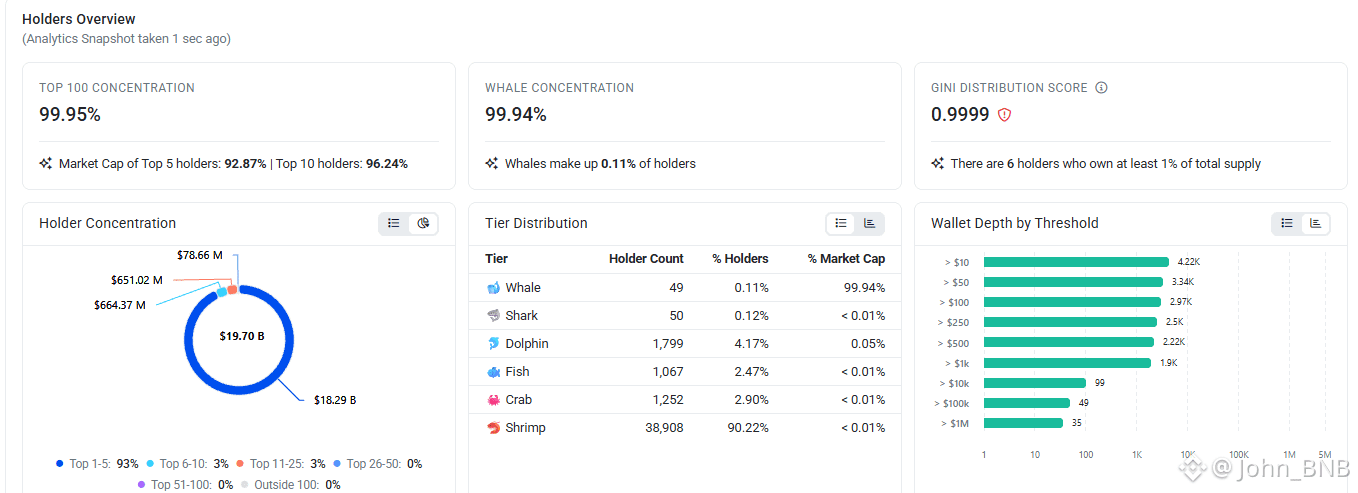
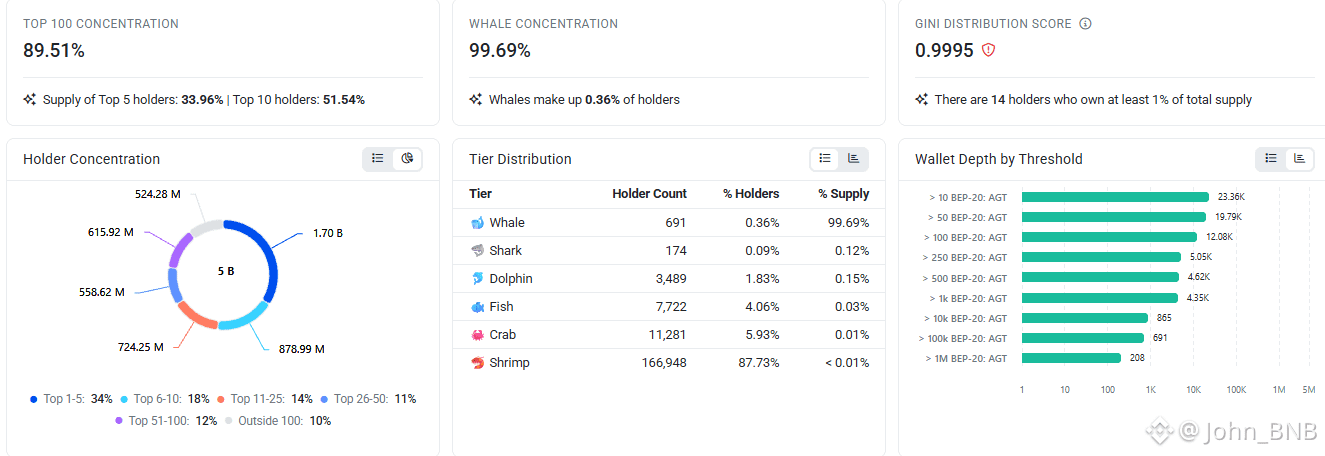
You know recently I have posted lots about $BTW $AGT $PIEVERSE
Those are in my holding, BTW I got in when booster and acquire some more and hodle. AGT as well, Pieverse also.
I am now in the research of finding the correlation between those since River, LAB are my previous holding too.
Still not get any serious clues yet, but i keep checking.
We start from holders, wallet movement, future liquidation etc.
If you have any useful info, drop below.
FYI: BTW, i get in 0.0125 area, sell from 0.2 till 2.66.
AGT, i get in 0.01, sold along the way 0.035, 0.083.
Lab, was too early. 1, 5 and 16 and some keep till 27 and drop to 0.05
River, was too early 10 and i watch it run to 100 and back to 1...
no joke,
Thanks for supporting me [Vote here](https://app.binance.com/uni-qr/cact26user/528)
#crypto
{future}(PIEVERSEUSDT)
{future}(AGTUSDT)
{future}(BTWUSDT)
You know recently I have posted lots about $BTW $AGT $PIEVERSE
Those are in my holding, BTW I got in when booster and acquire some more and hodle. AGT as well, Pieverse also.
I am now in the research of finding the correlation between those since River, LAB are my previous holding too.
Still not get any serious clues yet, but i keep checking.
We start from holders, wallet movement, future liquidation etc.
If you have any useful info, drop below.
FYI: BTW, i get in 0.0125 area, sell from 0.2 till 2.66.
AGT, i get in 0.01, sold along the way 0.035, 0.083.
Lab, was too early. 1, 5 and 16 and some keep till 27 and drop to 0.05
River, was too early 10 and i watch it run to 100 and back to 1...
no joke,
Thanks for supporting me Vote here
#crypto
Those are in my holding, BTW I got in when booster and acquire some more and hodle. AGT as well, Pieverse also.
I am now in the research of finding the correlation between those since River, LAB are my previous holding too.
Still not get any serious clues yet, but i keep checking.
We start from holders, wallet movement, future liquidation etc.
If you have any useful info, drop below.
FYI: BTW, i get in 0.0125 area, sell from 0.2 till 2.66.
AGT, i get in 0.01, sold along the way 0.035, 0.083.
Lab, was too early. 1, 5 and 16 and some keep till 27 and drop to 0.05
River, was too early 10 and i watch it run to 100 and back to 1...
no joke,
Thanks for supporting me Vote here
#crypto
1
1
1k
·
--
Share ghost stories to earn rewards from Binance
#SEAPumpkinFrenzy
Share ghost stories to earn rewards from Binance
#SEAPumpkinFrenzy
#SEAPumpkinFrenzy


Binance Khmer
·
--
Share Your Halloween Story with Binance and Win USDC Rewards!
This Halloween, let’s celebrate creativity, fun, community, and all the thrilling Halloween vibes together with Binance! 🦇
Show us your favorite Halloween moment, costume, decorations, ghost story, or creative Halloween experience featuring a clearly visible Binance logo. Share the story behind your Halloween moment on Binance Square for a chance to win a share of the 600 USDC total prize pool! 🏆
Show us your favorite Halloween moment, costume, decorations, ghost story, or creative Halloween experience featuring a clearly visible Binance logo. Share the story behind your Halloween moment on Binance Square for a chance to win a share of the 600 USDC total prize pool! 🏆

3
52
·
--
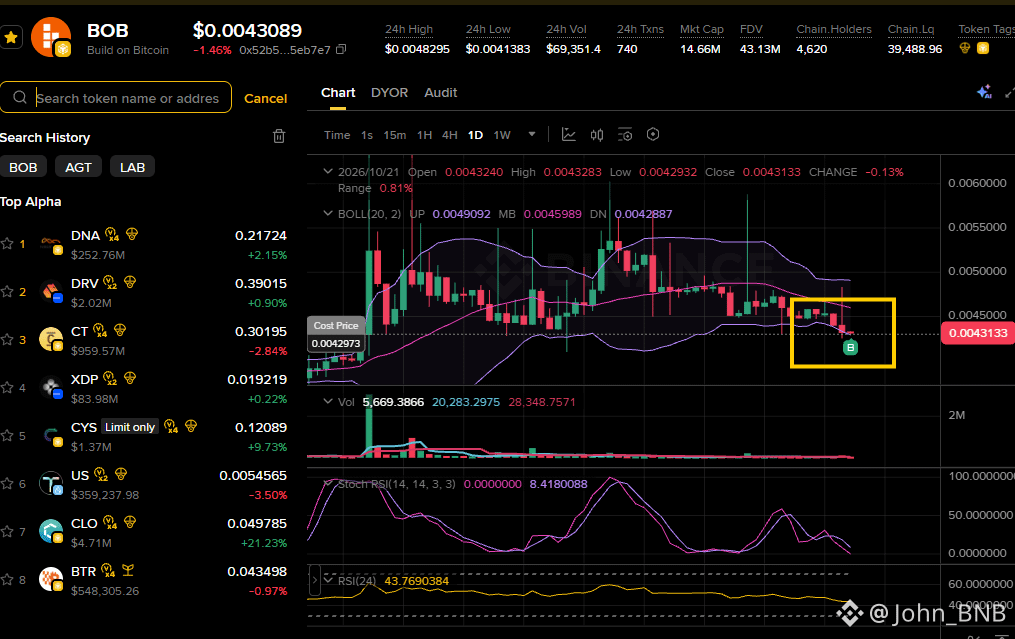
You do not need to know exactly what will go 10x, and diversify among projects is the key.
This time looking into $BOB
BOB (Build on Bitcoin) is a hybrid blockchain platform designed as the "Bank of Bitcoin," aiming to unlock decentralized finance (DeFi) utility for Bitcoin by merging its security with Ethereum's smart contract versatility.
Purpose: Acts as a gateway to Bitcoin DeFi, enabling users to swap, save, earn yield, and borrow using native BTC across multiple chains.
Technology: A unique Layer-2 hybrid chain that uses Bitcoin for finality and an EVM-compatible environment for smart contracts, powered by a trust-minimized BitVM bridge.
Token Role: The native BOB token is used for network security through staking, decentralized governance, and providing holders with protocol utility and access.
Source: coinmarketcap
You do not need to know exactly what will go 10x, and diversify among projects is the key.
This time looking into $BOB
BOB (Build on Bitcoin) is a hybrid blockchain platform designed as the "Bank of Bitcoin," aiming to unlock decentralized finance (DeFi) utility for Bitcoin by merging its security with Ethereum's smart contract versatility.
Purpose: Acts as a gateway to Bitcoin DeFi, enabling users to swap, save, earn yield, and borrow using native BTC across multiple chains.
Technology: A unique Layer-2 hybrid chain that uses Bitcoin for finality and an EVM-compatible environment for smart contracts, powered by a trust-minimized BitVM bridge.
Token Role: The native BOB token is used for network security through staking, decentralized governance, and providing holders with protocol utility and access.
Source: coinmarketcap
This time looking into $BOB
BOB (Build on Bitcoin) is a hybrid blockchain platform designed as the "Bank of Bitcoin," aiming to unlock decentralized finance (DeFi) utility for Bitcoin by merging its security with Ethereum's smart contract versatility.
Purpose: Acts as a gateway to Bitcoin DeFi, enabling users to swap, save, earn yield, and borrow using native BTC across multiple chains.
Technology: A unique Layer-2 hybrid chain that uses Bitcoin for finality and an EVM-compatible environment for smart contracts, powered by a trust-minimized BitVM bridge.
Token Role: The native BOB token is used for network security through staking, decentralized governance, and providing holders with protocol utility and access.
Source: coinmarketcap
4
2.3k
·
--
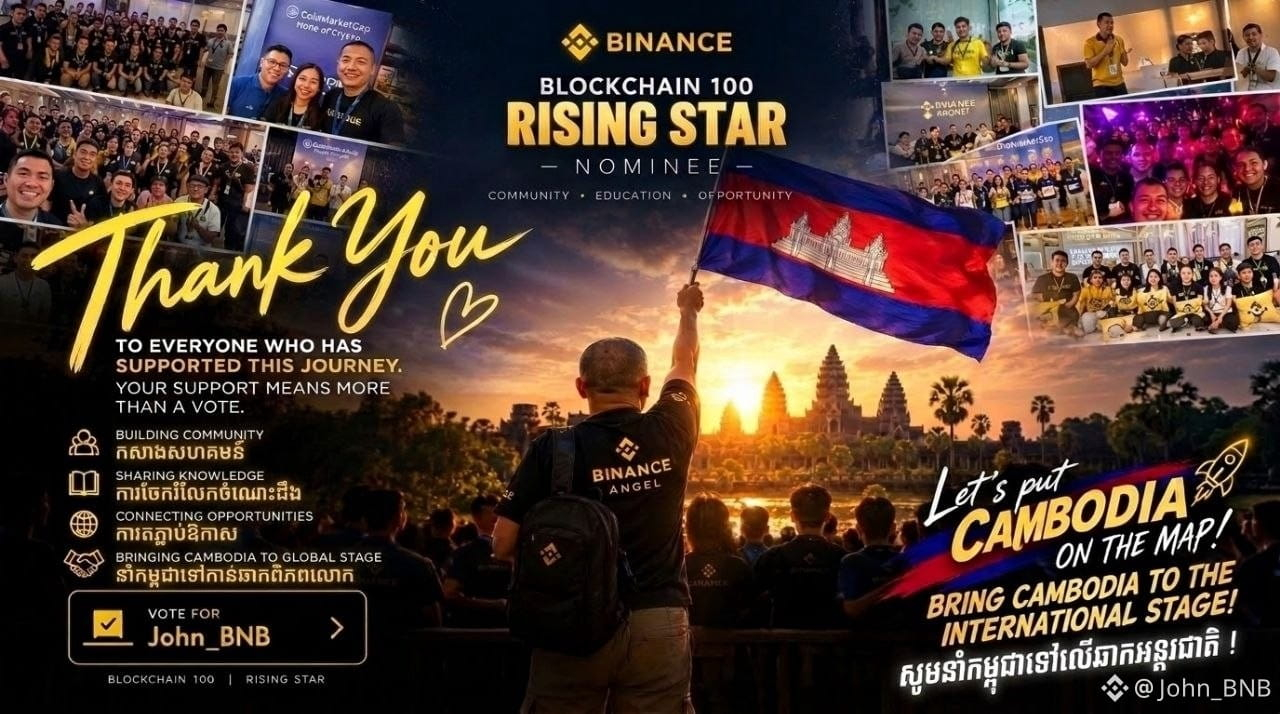
Thanks for having me...
[Vote now](https://app.binance.com/uni-qr/cact26user/528)
Thanks for having me...
Vote now
Vote now

Binance Square Official
·
--
📢 2026 Blockchain 100 | Day 1 Voting Results Announced!
Thanks to everyone who voted! Voting is still open, please invite your fans and communities to vote for the creators you support. In the meantime, we've received reports of vote manipulation. For transparency, we are monitoring voting results in real time.
⚠️ Please note the rules below:
• Real-time risk monitoring is now active; bot and sub-accounts are not eligible to vote;
• Votes from bulk-registered accounts will be deemed invalid and cleared after voting ends;
• Vote buying and bulk-account manipulation are strictly prohibited — verified cases lead to disqualification and may affect future eligibility for the Blockchain 100;
• Buying or selling votes on Binance Square or any other platform, once verified with evidence, constitutes a violation of Binance Square's Terms and Conditions.
Please participate fairly, and report any suspicious behavior to us at any time. Binance Square will also review the eligibility of the final winners.
🗳 Deadline: Oct 28, 2026, 15:59 (UTC)
👉 Vote here
Thanks to everyone who voted! Voting is still open, please invite your fans and communities to vote for the creators you support. In the meantime, we've received reports of vote manipulation. For transparency, we are monitoring voting results in real time.
⚠️ Please note the rules below:
• Real-time risk monitoring is now active; bot and sub-accounts are not eligible to vote;
• Votes from bulk-registered accounts will be deemed invalid and cleared after voting ends;
• Vote buying and bulk-account manipulation are strictly prohibited — verified cases lead to disqualification and may affect future eligibility for the Blockchain 100;
• Buying or selling votes on Binance Square or any other platform, once verified with evidence, constitutes a violation of Binance Square's Terms and Conditions.
Please participate fairly, and report any suspicious behavior to us at any time. Binance Square will also review the eligibility of the final winners.
🗳 Deadline: Oct 28, 2026, 15:59 (UTC)
👉 Vote here
55
·
--
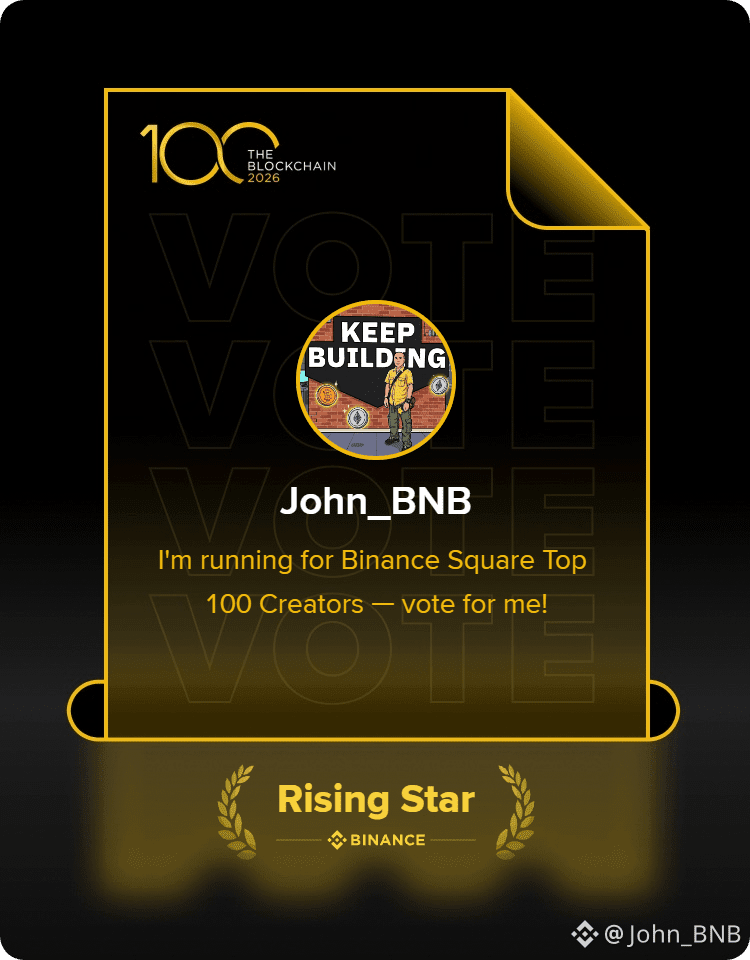
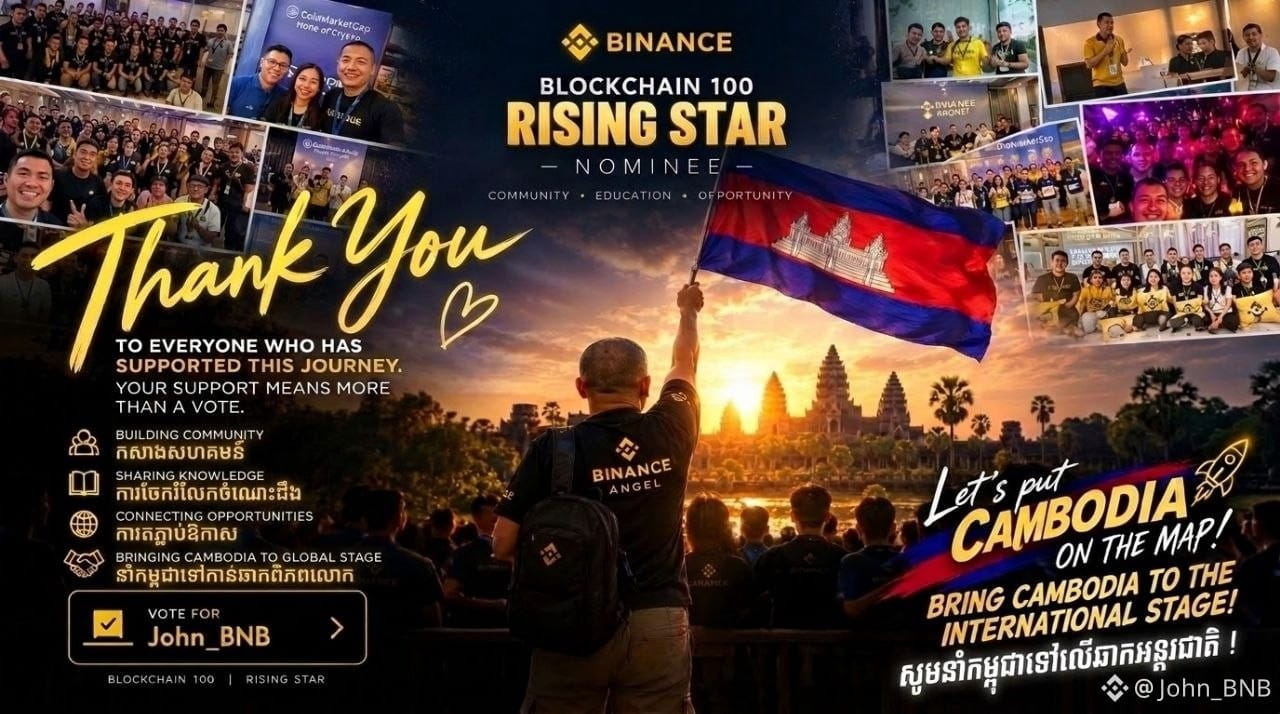
🇰🇭 DAY 3 — LET'S PUT CAMBODIA ON THE MAP! 🌍🚀
[Vote now](https://app.binance.com/uni-qr/cact26user/528)
Behind every nomination, there's a journey. Behind every journey, there's a community.
Since joining Binance Angels in May 2024, I've been working to support our Cambodian crypto community, bring people together through local and global events, and help more newcomers discover blockchain and Web3 opportunities.
I don't believe this journey should be about one person's recognition. I believe it's an opportunity to show the world what our Khmer community can achieve when we stand together.
Today, I'm asking for one small action that could mean a lot:
🗳️ Cast your vote for John_BNB in Blockchain 100 — Rising Star.
If you've ever learned something from our community, joined an activity, shared an opportunity, or simply believed that Cambodia deserves a place on the global Web3 stage, I'd be grateful for your support.
One community. One shared hope. One Cambodia. 🇰🇭❤️
Thank you for being part of this journey. Let's make Cambodia proud!
#Blockchain100 #RisingStar #Cambodia #BinanceKhmer #BinanceAngels
🇰🇭 DAY 3 — LET'S PUT CAMBODIA ON THE MAP! 🌍🚀
Vote now
Behind every nomination, there's a journey. Behind every journey, there's a community.
Since joining Binance Angels in May 2024, I've been working to support our Cambodian crypto community, bring people together through local and global events, and help more newcomers discover blockchain and Web3 opportunities.
I don't believe this journey should be about one person's recognition. I believe it's an opportunity to show the world what our Khmer community can achieve when we stand together.
Today, I'm asking for one small action that could mean a lot:
🗳️ Cast your vote for John_BNB in Blockchain 100 — Rising Star.
If you've ever learned something from our community, joined an activity, shared an opportunity, or simply believed that Cambodia deserves a place on the global Web3 stage, I'd be grateful for your support.
One community. One shared hope. One Cambodia. 🇰🇭❤️
Thank you for being part of this journey. Let's make Cambodia proud!
#Blockchain100 #RisingStar #Cambodia #BinanceKhmer #BinanceAngels
Vote now
Behind every nomination, there's a journey. Behind every journey, there's a community.
Since joining Binance Angels in May 2024, I've been working to support our Cambodian crypto community, bring people together through local and global events, and help more newcomers discover blockchain and Web3 opportunities.
I don't believe this journey should be about one person's recognition. I believe it's an opportunity to show the world what our Khmer community can achieve when we stand together.
Today, I'm asking for one small action that could mean a lot:
🗳️ Cast your vote for John_BNB in Blockchain 100 — Rising Star.
If you've ever learned something from our community, joined an activity, shared an opportunity, or simply believed that Cambodia deserves a place on the global Web3 stage, I'd be grateful for your support.
One community. One shared hope. One Cambodia. 🇰🇭❤️
Thank you for being part of this journey. Let's make Cambodia proud!
#Blockchain100 #RisingStar #Cambodia #BinanceKhmer #BinanceAngels
2
296
Log in to explore more content
Join global crypto users on Binance Square
⚡️ Get latest and useful information about crypto.
💬 Trusted by the world’s largest crypto exchange.
👍 Discover real insights from verified creators.
Email / Phone number