

Ghost Writer
8.1k Posts
Ghost Writer
Report
Block User
Research & summarize the latest Crypto market news | BNB Holder | Web 3 Airdrop | X: @GhostxWriterx
Open Trade
Frequent Trader
5.7 Years
788 Following
17.6K+ Followers
26.5K+ Liked
Posts
Portfolio
All
Quotes
Videos
Live
PINNED
·
--
Bullish
DAY 8 - BBW 🏆 VOTE NOW TO GET $BTC
[VOTE ME RISING STAR ⭐](https://www.binance.com/en/square/blockchain-100-2026?username=523)️
[VOTE ME RISING STAR ⭐](https://www.binance.com/en/square/profile/ghostwriter)️
Comment "Vote" , thanks 🙏🏼
DAY 8 - BBW 🏆 VOTE NOW TO GET $BTC
VOTE ME RISING STAR ⭐️
VOTE ME RISING STAR ⭐️
Comment "Vote" , thanks 🙏🏼
VOTE ME RISING STAR ⭐️
VOTE ME RISING STAR ⭐️
Comment "Vote" , thanks 🙏🏼


1.7k
2
83
1.7k
·
--
Bullish
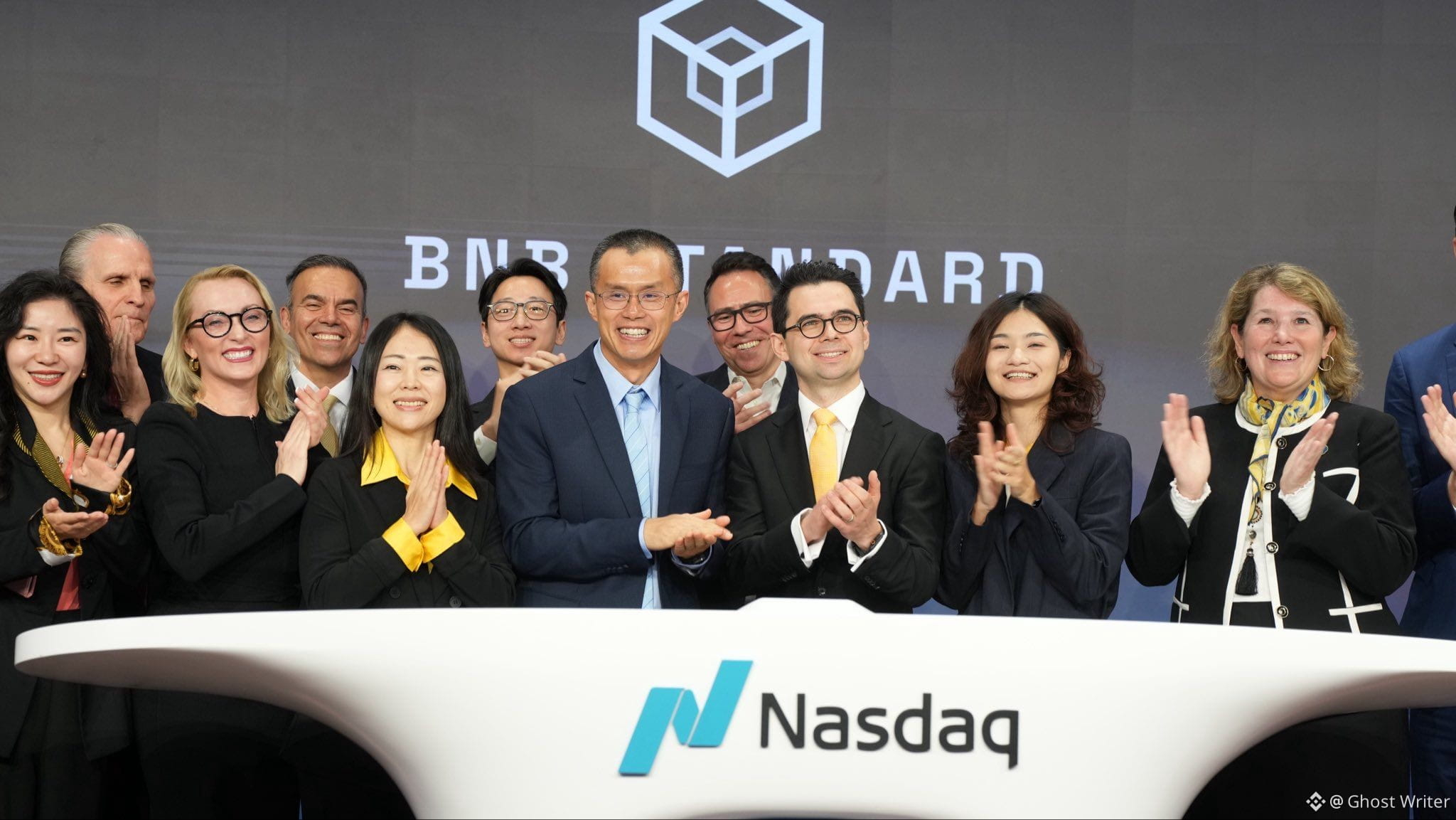
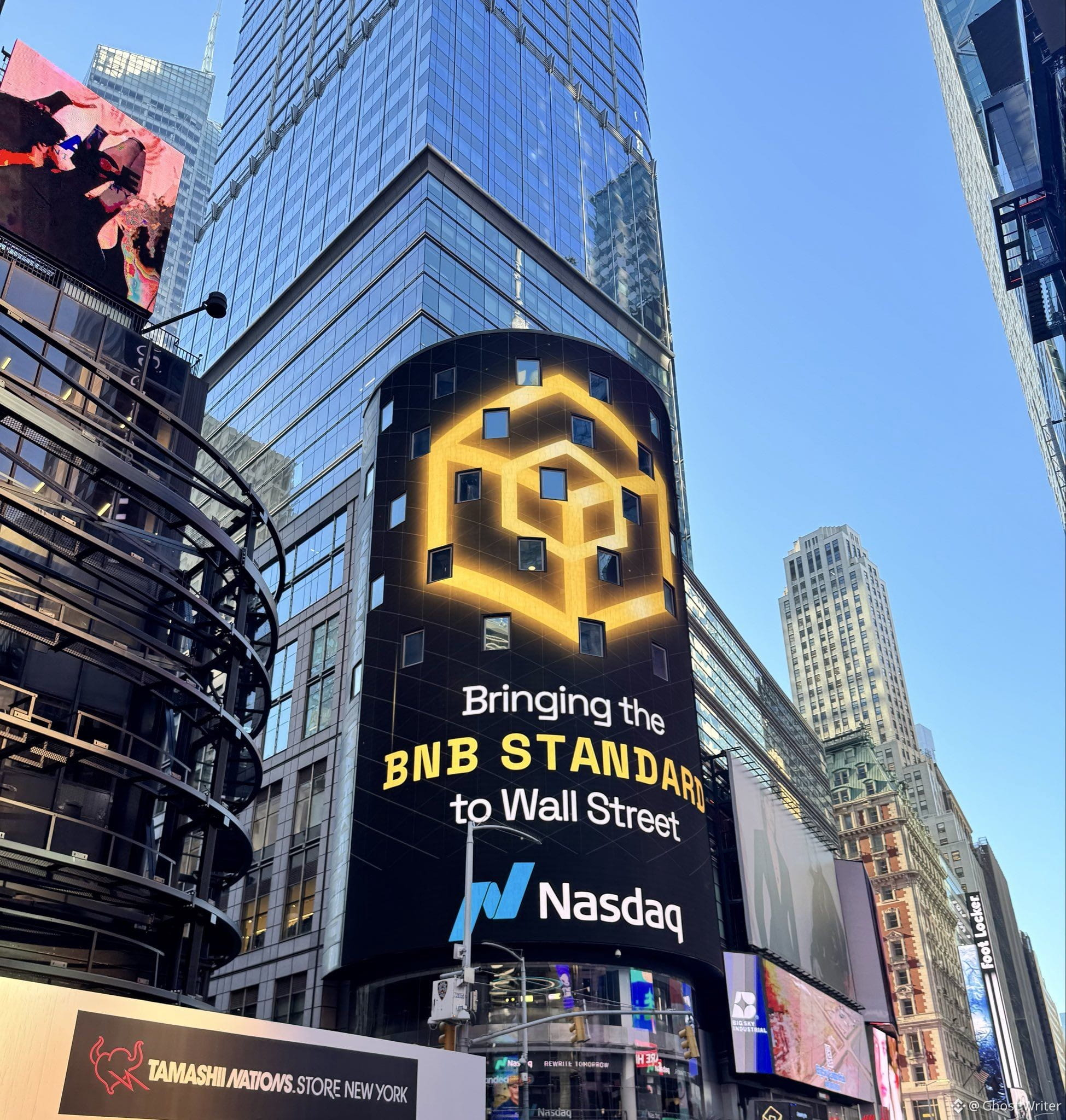
@BNBStandard just rang the Nasdaq Opening Bell with CZ standing right there 👀
A public company built around the world’s largest corporate BNB treasury, ringing the world's most-watched market open.
That’s not a photo op.
That’s BNB walking into the room institutional capital actually watches.
Five quick facts about CZ & the BNB Standard:
🔸YZi Labs led the $500M raise that turned a small Nasdaq company into a BNB treasury vehicle
🔸CZ publicly voted for the name “BNB Standard” in the community advisory poll
🔸New CEO Alex Odagiu previously served as an investment partner at YZi Labs
🔸The company is planning to run a BNB Chain validator, not just hold the token
🔸CZ showed up in Times Square for the first time to ring the bell
Most institutions still haven’t seriously looked at BNB. A Nasdaq-listed company with transparent filings and a real treasury makes that harder to ignore.
The ecosystem just got a clearer on-ramp
This is SUPER Buillish for $BNB $BNCB
#BinancePick
#bnb
@BNBStandard just rang the Nasdaq Opening Bell with CZ standing right there 👀
A public company built around the world’s largest corporate BNB treasury, ringing the world's most-watched market open.
That’s not a photo op.
That’s BNB walking into the room institutional capital actually watches.
Five quick facts about CZ & the BNB Standard:
🔸YZi Labs led the $500M raise that turned a small Nasdaq company into a BNB treasury vehicle
🔸CZ publicly voted for the name “BNB Standard” in the community advisory poll
🔸New CEO Alex Odagiu previously served as an investment partner at YZi Labs
🔸The company is planning to run a BNB Chain validator, not just hold the token
🔸CZ showed up in Times Square for the first time to ring the bell
Most institutions still haven’t seriously looked at BNB. A Nasdaq-listed company with transparent filings and a real treasury makes that harder to ignore.
The ecosystem just got a clearer on-ramp
This is SUPER Buillish for $BNB $BNCB
#BinancePick
#bnb
A public company built around the world’s largest corporate BNB treasury, ringing the world's most-watched market open.
That’s not a photo op.
That’s BNB walking into the room institutional capital actually watches.
Five quick facts about CZ & the BNB Standard:
🔸YZi Labs led the $500M raise that turned a small Nasdaq company into a BNB treasury vehicle
🔸CZ publicly voted for the name “BNB Standard” in the community advisory poll
🔸New CEO Alex Odagiu previously served as an investment partner at YZi Labs
🔸The company is planning to run a BNB Chain validator, not just hold the token
🔸CZ showed up in Times Square for the first time to ring the bell
Most institutions still haven’t seriously looked at BNB. A Nasdaq-listed company with transparent filings and a real treasury makes that harder to ignore.
The ecosystem just got a clearer on-ramp
This is SUPER Buillish for $BNB $BNCB
#BinancePick
#bnb
2
149

·
--
Bullish
😱 WHALE MISTAKENLY TRANSFERS $73 MILLION USD IN BITCOIN TO STRANGER! $BTC
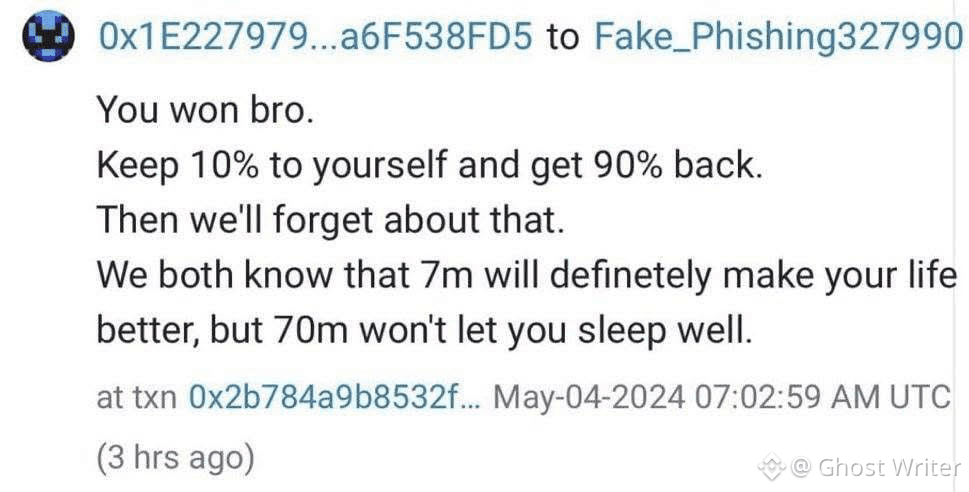
After realizing they mistakenly transferred $73 million USD worth of BTC, this whale sent an on-chain message, asking the recipient to keep 10% ($7.3 million USD) and return the remaining 90%.
If you were in their shoes, would you return it?
#BinancePick #bitcoin
😱 WHALE MISTAKENLY TRANSFERS $73 MILLION USD IN BITCOIN TO STRANGER! $BTC
After realizing they mistakenly transferred $73 million USD worth of BTC, this whale sent an on-chain message, asking the recipient to keep 10% ($7.3 million USD) and return the remaining 90%.
If you were in their shoes, would you return it?
#BinancePick #bitcoin
After realizing they mistakenly transferred $73 million USD worth of BTC, this whale sent an on-chain message, asking the recipient to keep 10% ($7.3 million USD) and return the remaining 90%.
If you were in their shoes, would you return it?
#BinancePick #bitcoin
35
8
9.8k
·
--
Bearish
$BTC Why did Bitcoin plummet tonight? The reason could stem from the Middle East conflict 🧨
Bitcoin just dropped 2.2% in 24 hours, to $79,700. ETH, XRP, and SOL also fell 3-4%. Over $400 million worth of long positions were liquidated in the last 4 hours.
Condolences to the long holders 🤕
The market declined after The Wall Street Journal (WSJ) reported that the US is urgently withdrawing personnel from embassies and military bases across the Middle East. Intelligence suggests Iran may be preparing to attack Americans.
Jay Clayton, Director of National Intelligence, wrote in a memo to Secretary of State Marco Rubio that Iran has significantly increased its efforts targeting US personnel. This troop withdrawal appears to be much larger than earlier in the week.
Speaking in Florida on October 23, Trump also said the US could escalate the conflict with Iran again after the midterm elections in early November.
#MarketsPriceJust10%ChanceOfFedHikeNextWeek
#USQ3GDPAndSeptemberPCEDueNextWeek
#BTC
$BTC Why did Bitcoin plummet tonight? The reason could stem from the Middle East conflict 🧨
Bitcoin just dropped 2.2% in 24 hours, to $79,700. ETH, XRP, and SOL also fell 3-4%. Over $400 million worth of long positions were liquidated in the last 4 hours.
Condolences to the long holders 🤕
The market declined after The Wall Street Journal (WSJ) reported that the US is urgently withdrawing personnel from embassies and military bases across the Middle East. Intelligence suggests Iran may be preparing to attack Americans.
Jay Clayton, Director of National Intelligence, wrote in a memo to Secretary of State Marco Rubio that Iran has significantly increased its efforts targeting US personnel. This troop withdrawal appears to be much larger than earlier in the week.
Speaking in Florida on October 23, Trump also said the US could escalate the conflict with Iran again after the midterm elections in early November.
#MarketsPriceJust10%ChanceOfFedHikeNextWeek
#USQ3GDPAndSeptemberPCEDueNextWeek
#BTC
Bitcoin just dropped 2.2% in 24 hours, to $79,700. ETH, XRP, and SOL also fell 3-4%. Over $400 million worth of long positions were liquidated in the last 4 hours.
Condolences to the long holders 🤕
The market declined after The Wall Street Journal (WSJ) reported that the US is urgently withdrawing personnel from embassies and military bases across the Middle East. Intelligence suggests Iran may be preparing to attack Americans.
Jay Clayton, Director of National Intelligence, wrote in a memo to Secretary of State Marco Rubio that Iran has significantly increased its efforts targeting US personnel. This troop withdrawal appears to be much larger than earlier in the week.
Speaking in Florida on October 23, Trump also said the US could escalate the conflict with Iran again after the midterm elections in early November.
#MarketsPriceJust10%ChanceOfFedHikeNextWeek
#USQ3GDPAndSeptemberPCEDueNextWeek
#BTC

5
3
3.6k
·
--
Bullish
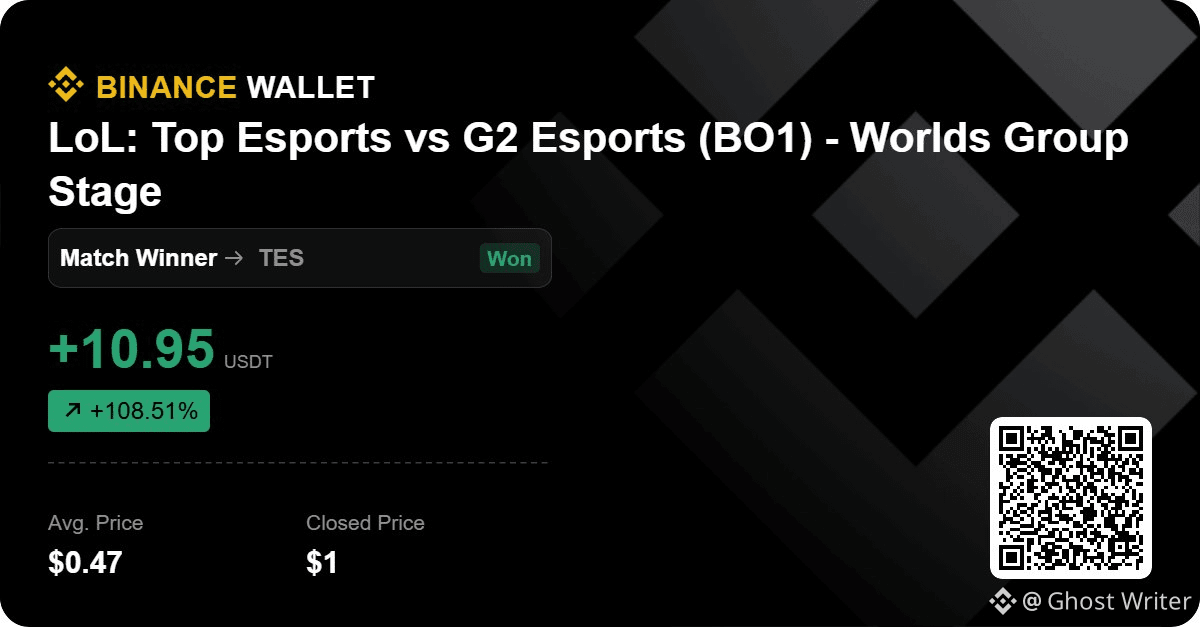
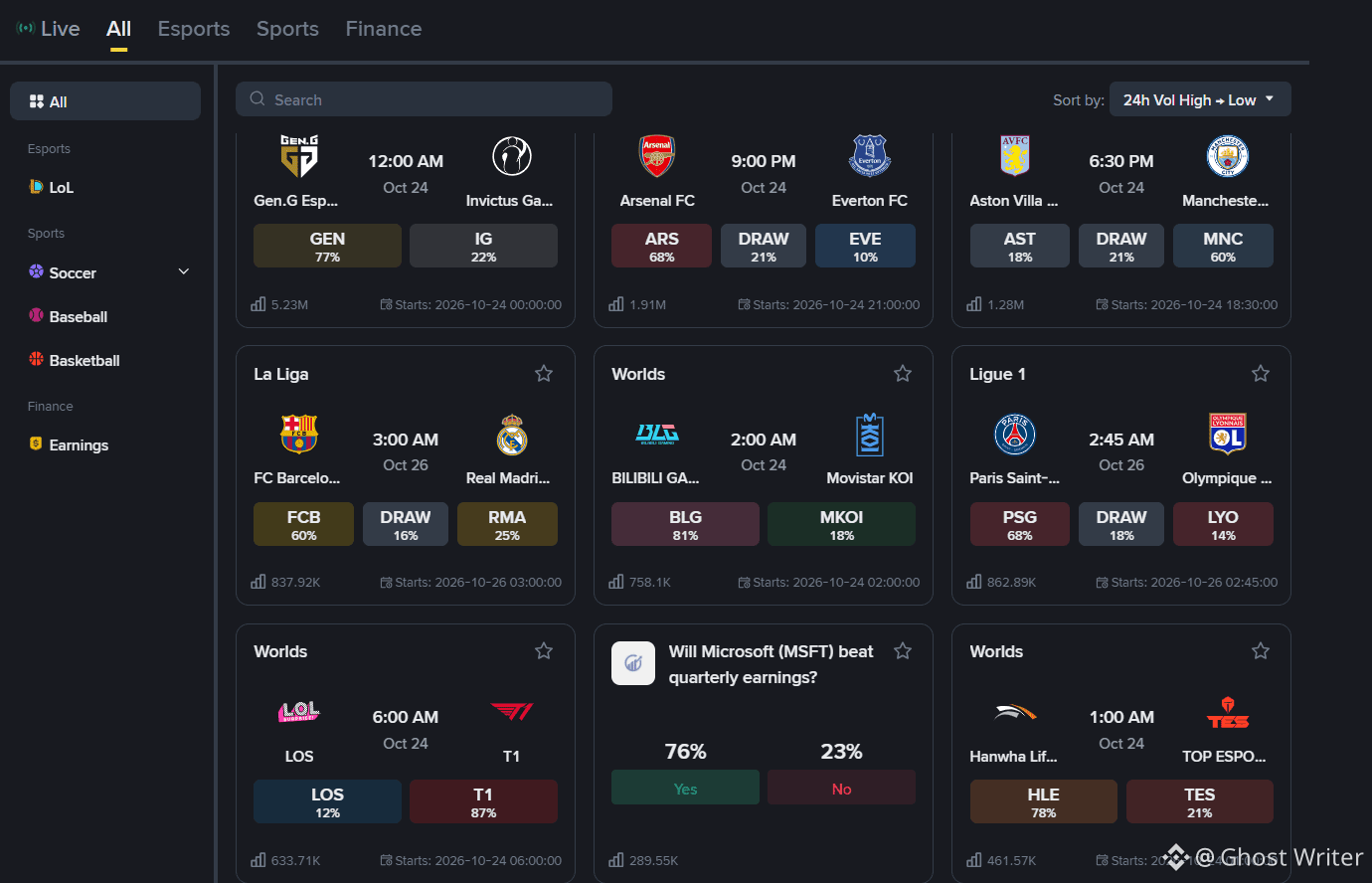
#BinancePick Thank you Top Esport (TES)
Vote T1 next here, guys
[https://web3.binance.com/en/prediction/market-detail/lol-t1-cfo-2026-10-26?ref=VNBCGHOST&ct=match&g=moneyline](https://web3.binance.com/en/prediction/market-detail/lol-t1-cfo-2026-10-26?ref=VNBCGHOST&ct=match&g=moneyline)
#BinancePick Thank you Top Esport (TES)
Vote T1 next here, guys
https://web3.binance.com/en/prediction/market-detail/lol-t1-cfo-2026-10-26?ref=VNBCGHOST&ct=match&g=moneyline
Vote T1 next here, guys
https://web3.binance.com/en/prediction/market-detail/lol-t1-cfo-2026-10-26?ref=VNBCGHOST&ct=match&g=moneyline
4
707
·
--
Bullish
Verified
$ZEC Holy smokes... Investors are bullish on $ZEC again!
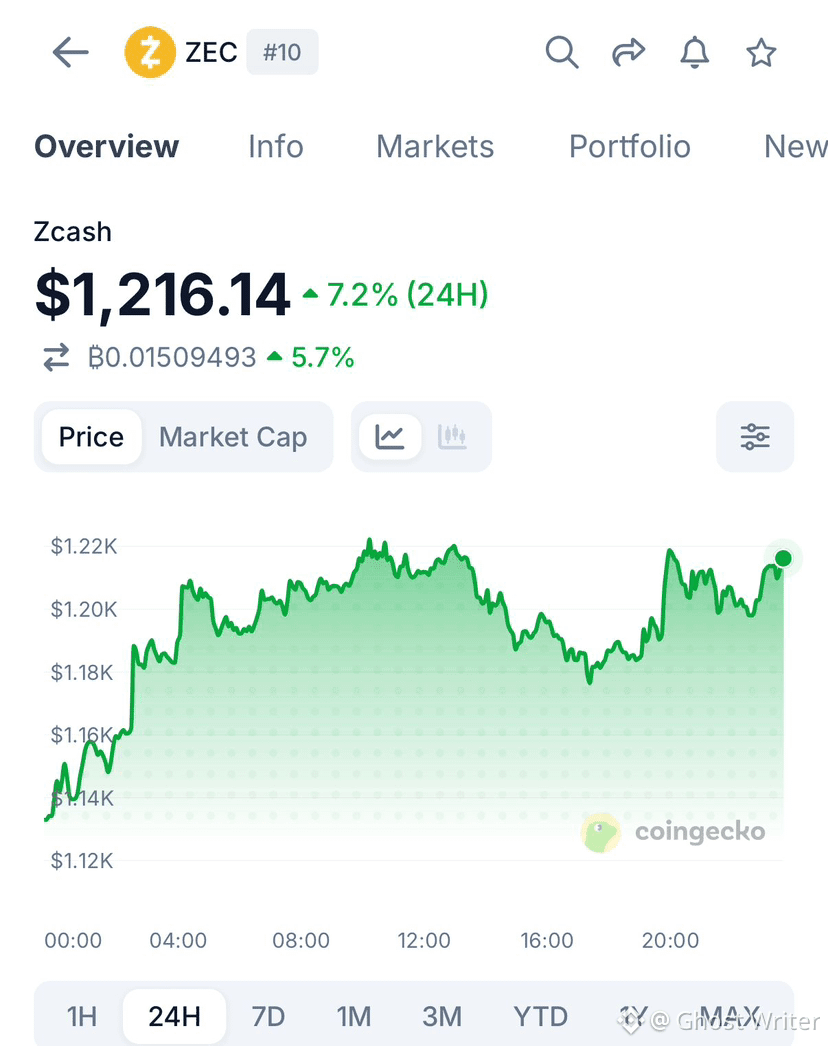
Spot @Zcash ETFs saw massive net inflows to the tune of more than +$41M this week.
The performance follows three straight weeks of major outflows for the products, which now hold 3.4% of $ZEC's current supply.
Things are looking up.
#zec #Privacy
$ZEC Holy smokes... Investors are bullish on $ZEC again!
Spot @Zcash ETFs saw massive net inflows to the tune of more than +$41M this week.
The performance follows three straight weeks of major outflows for the products, which now hold 3.4% of $ZEC 's current supply.
Things are looking up.
#zec #Privacy
Spot @Zcash ETFs saw massive net inflows to the tune of more than +$41M this week.
The performance follows three straight weeks of major outflows for the products, which now hold 3.4% of $ZEC 's current supply.
Things are looking up.
#zec #Privacy
1
3
1.3k
·
--
Bullish
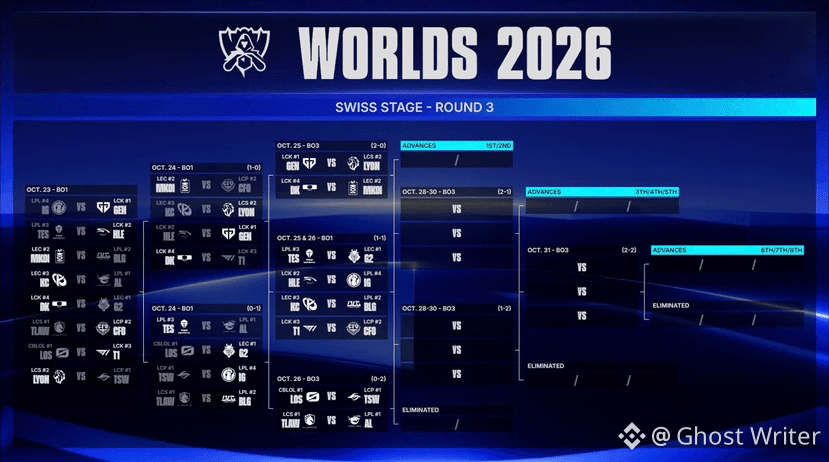
🏆 LoL Worlds 2026: the first 2 quarterfinal spots are decided TODAY
Two teams are 2-0 and play best of three tonight. Win and you're through, lose and you drop to the 2-1 pool.
Sunday, Oct 25 (CET)
18:00 Hanwha Life vs Invictus Gaming (Bo1)
19:00 G2 Esports vs Top Esports (Bo1)
20:00 Movistar KOI vs Dplus KIA (Bo3, winner qualifies)
23:00 Gen.G vs LYON (Bo3, winner qualifies)
Monday, Oct 26 (CET)
18:00 CTBC Flying Oyster vs T1 (Bo1)
19:00 Bilibili Gaming vs Karmine Corp (Bo1)
20:00 LOS vs Team Secret Whales (Bo3, loser is out)
23:00 Team Liquid vs Anyone's Legend (Bo3, loser is out)
⏰ Europe moved to winter time today, so matches start 1 hour earlier on your clock than last week.
Who books the first quarterfinal ticket: Dplus KIA or Movistar KOI? 👇
[Pick and Win](https://web3.binance.com/en/activity/lol-worlds?ref=VNBCGHOST)
#BinancePick #lol #LeagueofLegends
🏆 LoL Worlds 2026: the first 2 quarterfinal spots are decided TODAY
Two teams are 2-0 and play best of three tonight. Win and you're through, lose and you drop to the 2-1 pool.
Sunday, Oct 25 (CET)
18:00 Hanwha Life vs Invictus Gaming (Bo1)
19:00 G2 Esports vs Top Esports (Bo1)
20:00 Movistar KOI vs Dplus KIA (Bo3, winner qualifies)
23:00 Gen.G vs LYON (Bo3, winner qualifies)
Monday, Oct 26 (CET)
18:00 CTBC Flying Oyster vs T1 (Bo1)
19:00 Bilibili Gaming vs Karmine Corp (Bo1)
20:00 LOS vs Team Secret Whales (Bo3, loser is out)
23:00 Team Liquid vs Anyone's Legend (Bo3, loser is out)
⏰ Europe moved to winter time today, so matches start 1 hour earlier on your clock than last week.
Who books the first quarterfinal ticket: Dplus KIA or Movistar KOI? 👇
Pick and Win
#BinancePick #lol #LeagueofLegends
Two teams are 2-0 and play best of three tonight. Win and you're through, lose and you drop to the 2-1 pool.
Sunday, Oct 25 (CET)
18:00 Hanwha Life vs Invictus Gaming (Bo1)
19:00 G2 Esports vs Top Esports (Bo1)
20:00 Movistar KOI vs Dplus KIA (Bo3, winner qualifies)
23:00 Gen.G vs LYON (Bo3, winner qualifies)
Monday, Oct 26 (CET)
18:00 CTBC Flying Oyster vs T1 (Bo1)
19:00 Bilibili Gaming vs Karmine Corp (Bo1)
20:00 LOS vs Team Secret Whales (Bo3, loser is out)
23:00 Team Liquid vs Anyone's Legend (Bo3, loser is out)
⏰ Europe moved to winter time today, so matches start 1 hour earlier on your clock than last week.
Who books the first quarterfinal ticket: Dplus KIA or Movistar KOI? 👇
Pick and Win
#BinancePick #lol #LeagueofLegends
1
324
·
--
Bullish
DAY 7 BBW Vote Ghost Rising Star , comment "Bnb" 🎁
[VOTE GHOST ⭐](https://www.binance.com/en/square/blockchain-100-2026?username=523)️
[VOTE GHOST ⭐](https://www.binance.com/en/square/profile/ghostwriter)️
Thanks
DAY 7 BBW Vote Ghost Rising Star , comment "Bnb" 🎁
VOTE GHOST ⭐️
VOTE GHOST ⭐️
Thanks
VOTE GHOST ⭐️
VOTE GHOST ⭐️
Thanks


478
28
1.1k
·
--
Bullish
DAY6 - TAKE ME TO TOP 10 BBW 🏆
[VOTE NOW ⭐](https://www.binance.com/en/square/blockchain-100-2026?username=523)️
[
VOTE NOW ⭐](https://www.binance.com/en/square/profile/ghostwriter)️
Comment "Ok" 🎁 $BNB
DAY6 - TAKE ME TO TOP 10 BBW 🏆
VOTE NOW ⭐️
[
VOTE NOW ⭐](https://www.binance.com/en/square/profile/ghostwriter)️
Comment "Ok" 🎁 $BNB
VOTE NOW ⭐️
[
VOTE NOW ⭐](https://www.binance.com/en/square/profile/ghostwriter)️
Comment "Ok" 🎁 $BNB

485
31
485
·
--
Bullish
Verified
#EarningsSeason #BinancePick
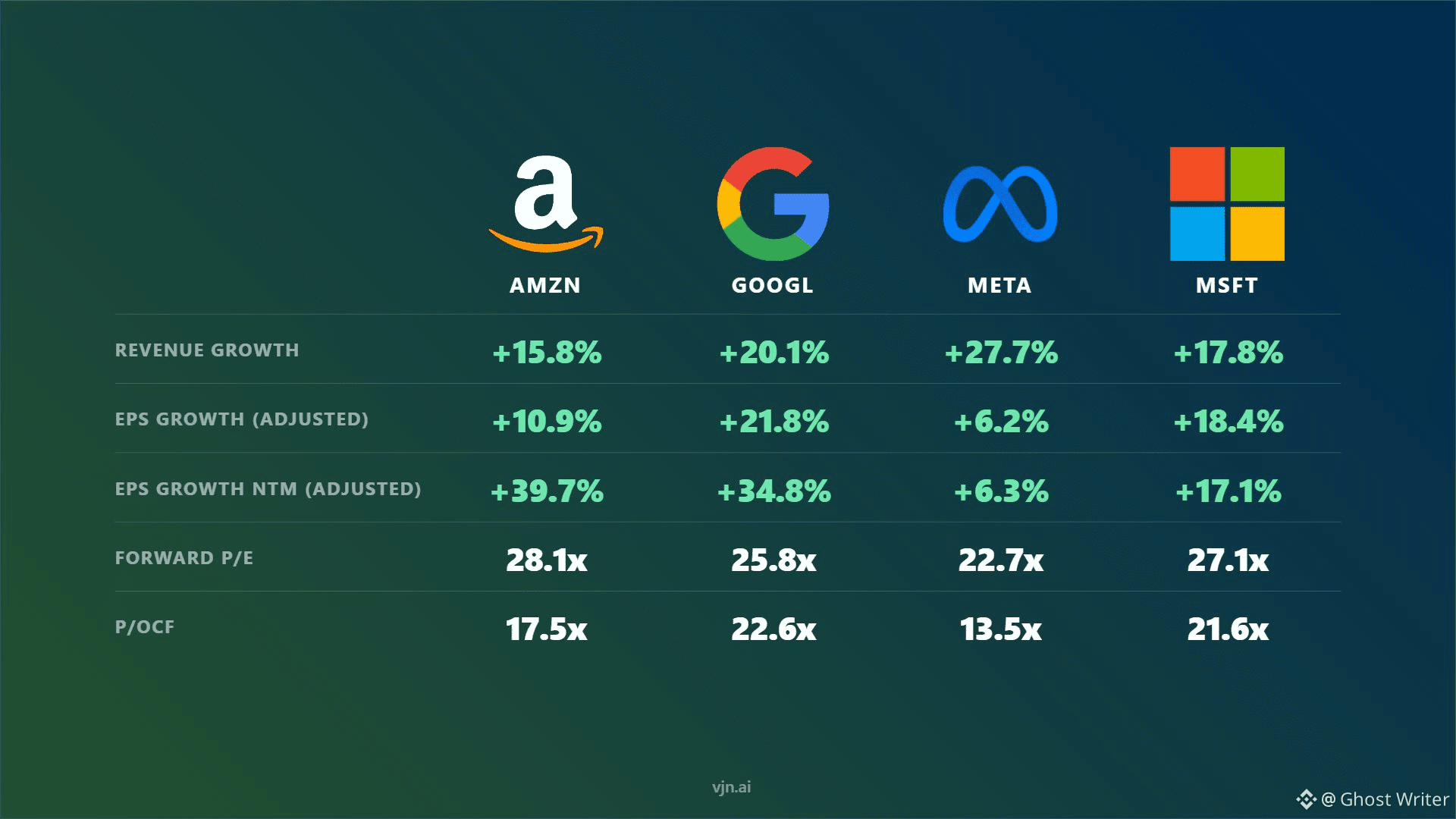
Microsoft $MSFT reports after the close on Oct 28. Consensus sits around $4.71–$4.72 EPS and roughly $90.6–$90.7B revenue.
Management guided $89.85–$90.95B, with Azure expected to grow about 45% constant currency.
I think they clear both numbers. They have beaten EPS in eight straight quarters, and last quarter’s print ($4.74 vs $4.24, revenue $90B) was clean. Azure checks from analysts still look strong, and Copilot adoption is no longer just a slide. CapEx is heavy, but the revenue side of AI demand has been showing up. I do not expect a big miss on the top or bottom line.
The harder part is the reaction. $MSFTB has a habit of beating and then trading soft if the next-quarter Azure guide or margin comment is only “in line.” Options are pricing a smaller move than the stock has usually delivered recently. A clean Azure print above 45% plus stable guidance could push it higher in the first session. Anything that sounds like capacity constraints or slower sequential growth will get sold, even if the headline numbers beat.
I am not adding a fresh position into the print. I already have some exposure from earlier and would rather see the Azure number and the Q2 commentary before deciding whether to add.
> If it gaps up hard on a solid guide I will wait.
> If it dips on a non-issue I will look at adding a small size.
Not Financial advice.
#EarningsSeason #BinancePick
Microsoft $MSFT reports after the close on Oct 28. Consensus sits around $4.71–$4.72 EPS and roughly $90.6–$90.7B revenue.
Management guided $89.85–$90.95B, with Azure expected to grow about 45% constant currency.
I think they clear both numbers. They have beaten EPS in eight straight quarters, and last quarter’s print ($4.74 vs $4.24, revenue $90B) was clean. Azure checks from analysts still look strong, and Copilot adoption is no longer just a slide. CapEx is heavy, but the revenue side of AI demand has been showing up. I do not expect a big miss on the top or bottom line.
The harder part is the reaction. $MSFTB has a habit of beating and then trading soft if the next-quarter Azure guide or margin comment is only “in line.” Options are pricing a smaller move than the stock has usually delivered recently. A clean Azure print above 45% plus stable guidance could push it higher in the first session. Anything that sounds like capacity constraints or slower sequential growth will get sold, even if the headline numbers beat.
I am not adding a fresh position into the print. I already have some exposure from earlier and would rather see the Azure number and the Q2 commentary before deciding whether to add.
> If it gaps up hard on a solid guide I will wait.
> If it dips on a non-issue I will look at adding a small size.
Not Financial advice.
Microsoft $MSFT reports after the close on Oct 28. Consensus sits around $4.71–$4.72 EPS and roughly $90.6–$90.7B revenue.
Management guided $89.85–$90.95B, with Azure expected to grow about 45% constant currency.
I think they clear both numbers. They have beaten EPS in eight straight quarters, and last quarter’s print ($4.74 vs $4.24, revenue $90B) was clean. Azure checks from analysts still look strong, and Copilot adoption is no longer just a slide. CapEx is heavy, but the revenue side of AI demand has been showing up. I do not expect a big miss on the top or bottom line.
The harder part is the reaction. $MSFTB has a habit of beating and then trading soft if the next-quarter Azure guide or margin comment is only “in line.” Options are pricing a smaller move than the stock has usually delivered recently. A clean Azure print above 45% plus stable guidance could push it higher in the first session. Anything that sounds like capacity constraints or slower sequential growth will get sold, even if the headline numbers beat.
I am not adding a fresh position into the print. I already have some exposure from earlier and would rather see the Azure number and the Q2 commentary before deciding whether to add.
> If it gaps up hard on a solid guide I will wait.
> If it dips on a non-issue I will look at adding a small size.
Not Financial advice.
2
9
14.7k
·
--
BINANCE BLOCKCHAIN WEEK – EVOLVE: The Last Financial System (Inspired by Dune)
“The old system was built by those who came before us.
The next one…
…will be built by us.”
Vote for Ghost: [RISING STAR GHOST](https://www.binance.com/en-PH/square/blockchain-100-2026?username=523)
$BTC $BNB
#BinanceBlockchainWeek
BINANCE BLOCKCHAIN WEEK – EVOLVE: The Last Financial System (Inspired by Dune)
“The old system was built by those who came before us.
The next one…
…will be built by us.”
Vote for Ghost: RISING STAR GHOST
$BTC $BNB
#BinanceBlockchainWeek
“The old system was built by those who came before us.
The next one…
…will be built by us.”
Vote for Ghost: RISING STAR GHOST
$BTC $BNB
#BinanceBlockchainWeek
1
443

·
--
Bullish
DAY5 - TAKE ME TO TOP 10 🏆
[GHOST -> RISING STAR ⭐](https://www.binance.com/en-PH/square/blockchain-100-2026?username=523)️
[GHOST -> RIIsING STAR ⭐](https://www.binance.com/en/square/profile/ghostwriter)️
Comment "Ok" 🎁 $BTC
DAY5 - TAKE ME TO TOP 10 🏆
GHOST -> RISING STAR ⭐️
GHOST -> RIIsING STAR ⭐️
Comment "Ok" 🎁 $BTC
GHOST -> RISING STAR ⭐️
GHOST -> RIIsING STAR ⭐️
Comment "Ok" 🎁 $BTC

3.2k
6
143
3.2k
·
--
Bullish
Partly True
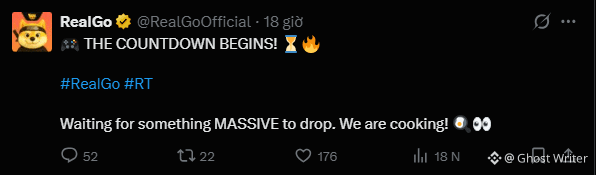
BREAKING: @RealGo is TGE soon -> List on Binance Alpha
Who follows Ghost from 2 months ago and done all the Booster Task in @BinanceWallet can share 15M $RT pool
LFG
#realgo
BREAKING: @RealGo is TGE soon -> List on Binance Alpha
Who follows Ghost from 2 months ago and done all the Booster Task in @Binance Wallet can share 15M $RT pool
LFG
#realgo
Who follows Ghost from 2 months ago and done all the Booster Task in @Binance Wallet can share 15M $RT pool
LFG
#realgo
Ghost Writer
·
--
BullishThe Binance Wallet Realgo campaign has officially ended⚡️
A total of 96,000 users participated in the campaign, with a reward pool of 15 million RT tokens.
If the rewards are distributed evenly, each participant could receive about 156.25 $RT
Total supply: 1 Billion RT
According to the campaign details, the RT tokens will be distributed to Binance Wallet within 2 hours after listing
More Airdrops on Binance Wallet here
#BinanceWallet #Airdrop
A total of 96,000 users participated in the campaign, with a reward pool of 15 million RT tokens.
If the rewards are distributed evenly, each participant could receive about 156.25 $RT
Total supply: 1 Billion RT
According to the campaign details, the RT tokens will be distributed to Binance Wallet within 2 hours after listing
More Airdrops on Binance Wallet here
#BinanceWallet #Airdrop
2
2
3
586
·
--
Bullish
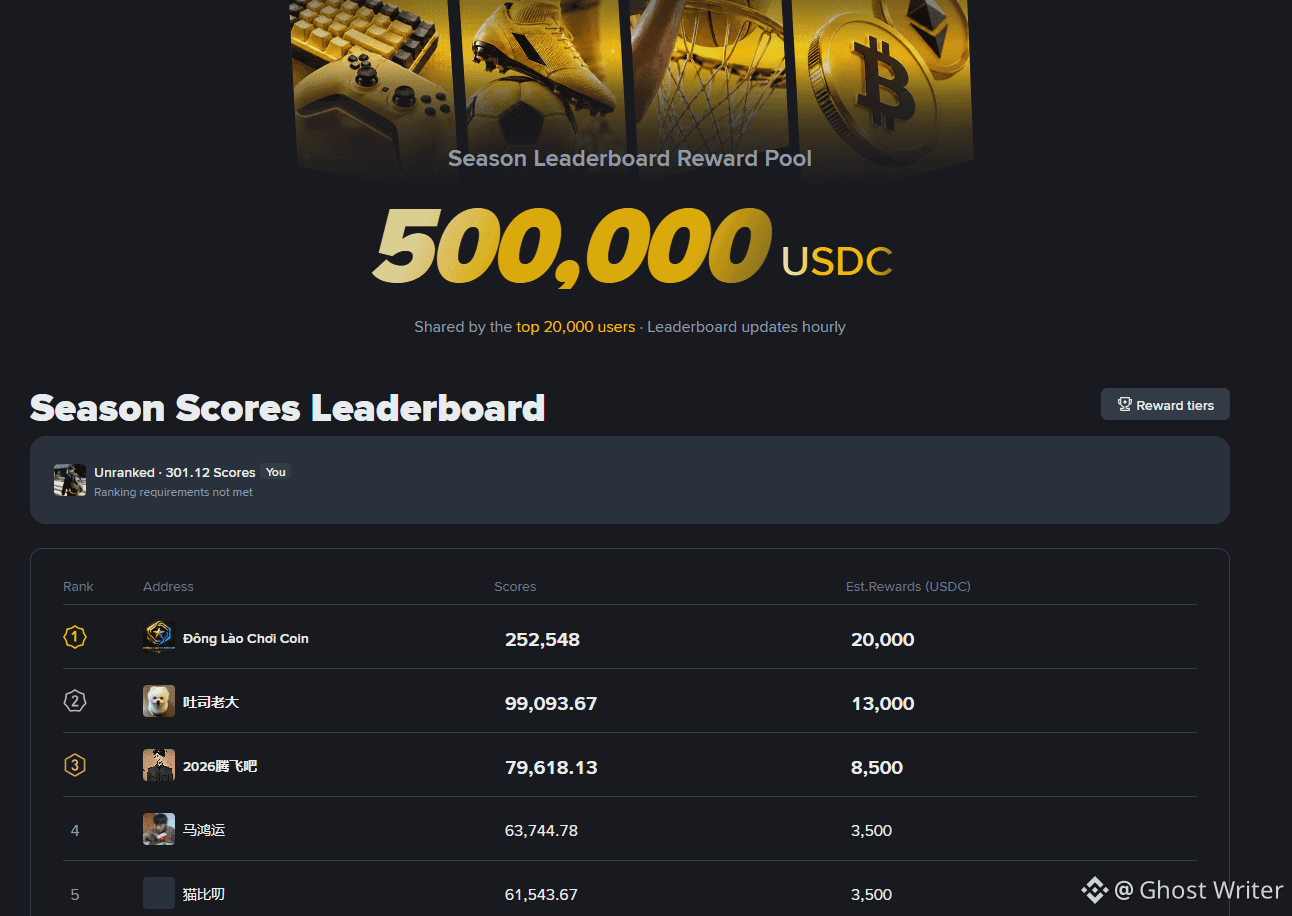
#BinancePick Hey bro @MegaLabs why are you so good at predicting?
Any tip for new user?
Link: [https://app.binance.com/uni-qr/prophet?from=share&seasonId=prophet_1019_s1&ref=VNBCGHOST](https://app.binance.com/uni-qr/prophet?from=share&seasonId=prophet_1019_s1&ref=VNBCGHOST)
#BinancePick Hey bro @Đông Lào Chơi Coin why are you so good at predicting?
Any tip for new user?
Link: https://app.binance.com/uni-qr/prophet?from=share&seasonId=prophet_1019_s1&ref=VNBCGHOST
Any tip for new user?
Link: https://app.binance.com/uni-qr/prophet?from=share&seasonId=prophet_1019_s1&ref=VNBCGHOST
2
4
215
·
--
Bullish
THE FINAL WAR - VOTE GHOST FOR RISING STAR 🏆
[VOTE GHOST HERE ⚡](https://binance.com/en/square/blockchain-100-2026?username=523)️
Or
[VOTE GHOST HERE ⚡](https://www.binance.com/en/square/profile/ghostwriter)️
Comment "Star" to receive the gift in Bitcoin $BTC 🎁
#binanceblockchainweek
#TrendingTopic
#btc
THE FINAL WAR - VOTE GHOST FOR RISING STAR 🏆
VOTE GHOST HERE ⚡️
Or
VOTE GHOST HERE ⚡️
Comment "Star" to receive the gift in Bitcoin $BTC 🎁
#binanceblockchainweek
#TrendingTopic
#btc
VOTE GHOST HERE ⚡️
Or
VOTE GHOST HERE ⚡️
Comment "Star" to receive the gift in Bitcoin $BTC 🎁
#binanceblockchainweek
#TrendingTopic
#btc

2.9k
3
143
2.9k
·
--
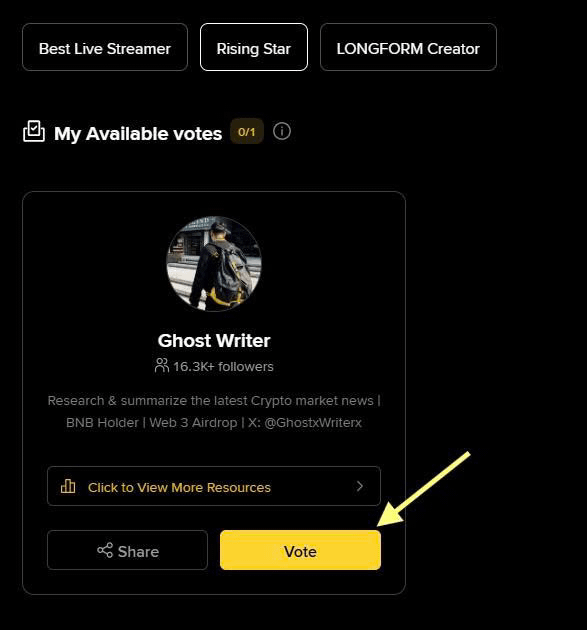
Vote for @GhostWriter and comment "Day3" in below post to get a suprise gift 👇
Vote for @Ghost Writer and comment "Day3" in below post to get a suprise gift 👇
Ghost Writer
·
--
BullishDAY 3 - Vote and get $ETH From Ghost 🏆
1. Vote for @Ghost Writer in Rising Star (my profile)
https://www.binance.com/en/square/profile/ghostwriter
2. Comment "Day3"
That's it? FCFS ⚡️
#binanceblockchainweek #EarningsSeason
1. Vote for @Ghost Writer in Rising Star (my profile)
https://www.binance.com/en/square/profile/ghostwriter
2. Comment "Day3"
That's it? FCFS ⚡️
#binanceblockchainweek #EarningsSeason

2
155
·
--
Bullish
Hey guys,
Please help me get into the top 20 of the Rising Star leaderboard by voting here:
[https://www.binance.com/en/square/profile/ghostwriter](https://www.binance.com/en/square/profile/ghostwriter)
Comment your UID and photo below and I'll send you a random gift
Thank you guys so much 👏
#BinanceBlockchainWeek
Hey guys,
Please help me get into the top 20 of the Rising Star leaderboard by voting here:
https://www.binance.com/en/square/profile/ghostwriter
Comment your UID and photo below and I'll send you a random gift
Thank you guys so much 👏
#BinanceBlockchainWeek
Please help me get into the top 20 of the Rising Star leaderboard by voting here:
https://www.binance.com/en/square/profile/ghostwriter
Comment your UID and photo below and I'll send you a random gift
Thank you guys so much 👏
#BinanceBlockchainWeek

1
4
142
Log in to explore more content
Join global crypto users on Binance Square
⚡️ Get latest and useful information about crypto.
💬 Trusted by the world’s largest crypto exchange.
👍 Discover real insights from verified creators.
Email / Phone number