
#cryptoexchange
cryptoexchange
389,665 views
901 Discussing
Hot
Latest
·
--
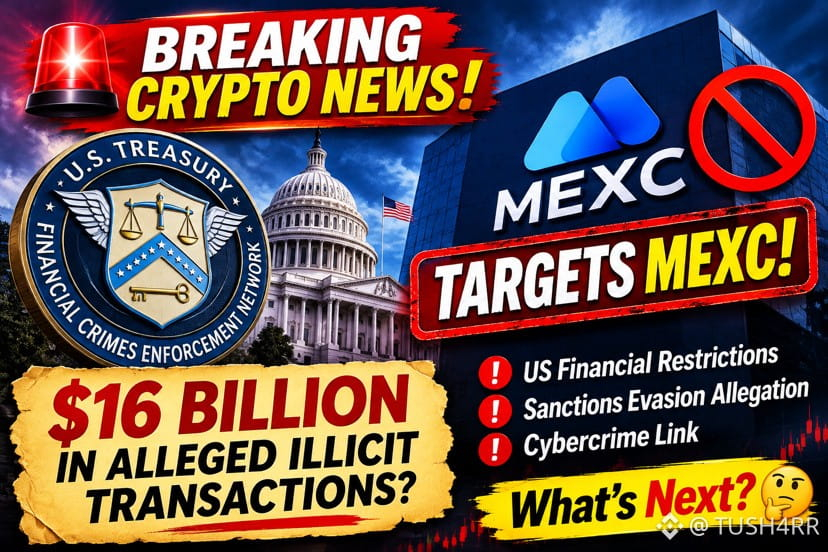
🚨 BREAKING CRYPTO NEWS!
US Treasury Takes Action Against MEXC Global!
The US Treasury’s Financial Crimes Enforcement Network (FinCEN) issued an order on November 6, 2026, targeting MEXC Global.
Here’s what happened:
🔴 FinCEN alleges that MEXC facilitated at least $16 BILLION in illicit transactions.
🔴 The alleged activity involved sanctions evasion linked to Iran, North Korea and Russia, as well as cybercrime.
🔴 US financial institutions will be prohibited from processing transfers involving MEXC.
⚠️ IMPORTANT: This is NOT a worldwide shutdown of MEXC.
MEXC has responded, saying its platform is operating normally, user assets remain secure, and it is reviewing the order with its legal and compliance teams.
🔥 Now the big question:
Could this move affect confidence in centralized crypto exchanges?
What do you think?
#MEXC #CryptoNews #breakingnews #CryptoExchange #BinanceSquare
164

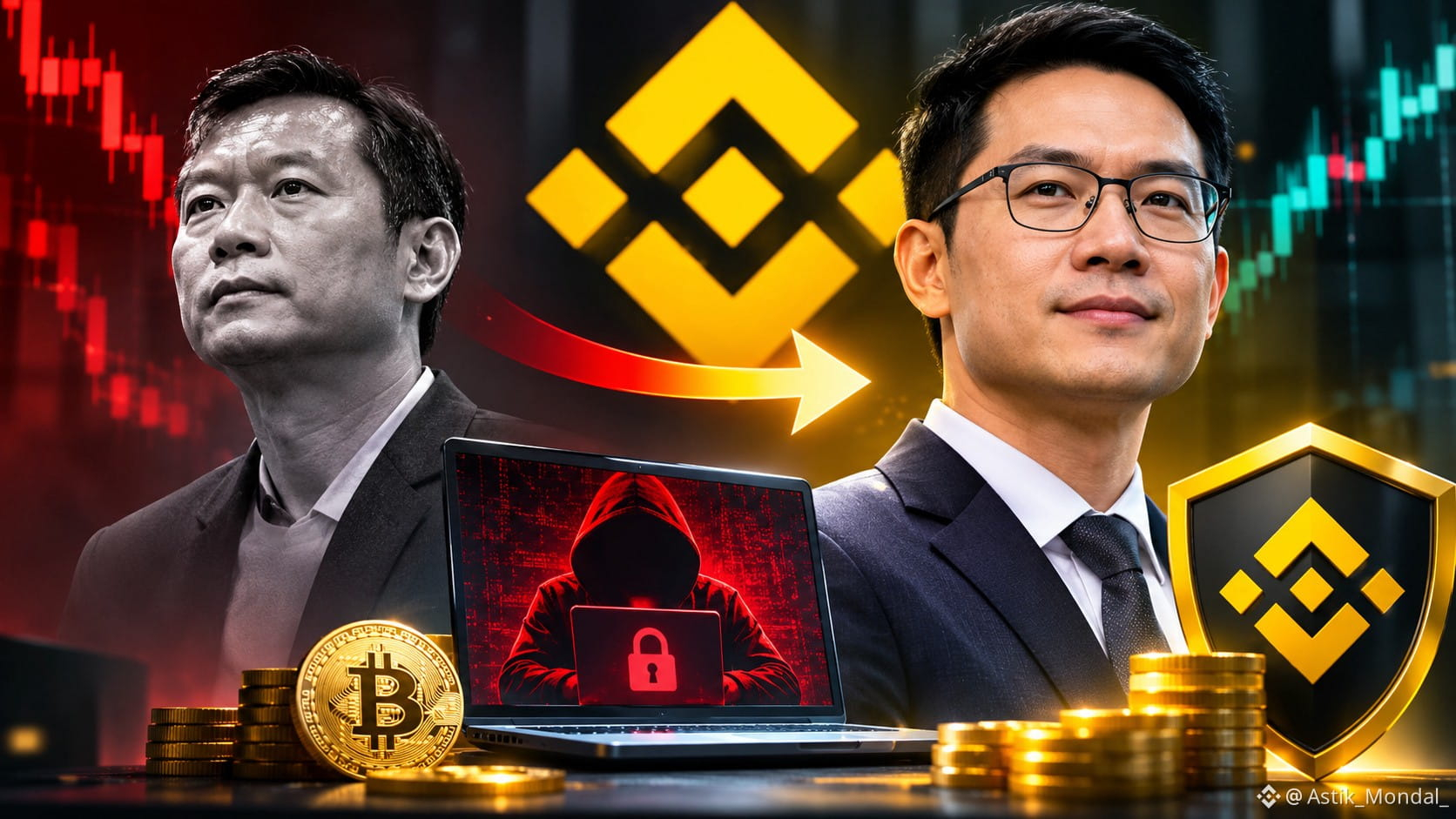
🚨 BINANCE APPOINTS A NEW CFO JUST 9 DAYS AFTER ITS RECORD $6.34 BILLION HACK.
Binance is making a major leadership change at a critical moment for the world's largest crypto exchange.
Kaiser Ng is stepping down as CFO after more than five years with the company to pursue a new venture.
His replacement?
Justin Yek, a former Vice President of Finance at Airwallex who also held senior investment banking positions at Morgan Stanley.
But the timing is raising eyebrows.
The announcement comes just nine days after Binance suffered a record $6.34 billion security breach.
However, Binance co-CEO Yi He says the CFO transition had already been planned for six months, well before the security incident.
Now, Yek inherits a major responsibility.
Binance must continue its recovery, reimburse affected customers and maintain confidence across its global user base.
HERE'S WHAT THE MARKET SHOULD WATCH:
A CFO transition at this scale is more than a routine executive appointment.
Financial transparency, risk management, liquidity confidence and customer protection will be critical as Binance moves forward.
The bigger question:
Can Binance restore investor and user confidence while navigating one of the most challenging periods in its history?
Leadership changes are easy to announce.
Rebuilding trust is much harder.
#Binance #CryptoNews #Bitcoin #CryptoExchange #Blockchain
1
80

·
--
AI Hacker Wave Hits Asian Exchanges: GOPAX Halts Operations, On-Chain Data Contradicts Mercado
Asian crypto exchanges are collectively shifting into defensive mode as a suspected wave of AI-assisted hacking puts market confidence in the region to the test.
According to Cointelegraph, South Korean exchange GOPAX urgently suspended trading, deposits, and regular withdrawals after receiving a hacker threat, and moved all assets to cold wallets, leaving only a manual withdrawal channel open. This is yet another example of Asian exchanges tightening security measures in quick succession.
Meanwhile, regional platform Mercado Bitcoin previously claimed that the theft it suffered was under control. But according to the latest forensic analysis by Decrypt, on-chain data tells a different story: approximately $48.6 million has been traced across 11 blockchains, with signs that numerous customer deposit addresses were linked. The gap between the official account and on-chain facts is precisely where the market is most vulnerable right now.
Why is this worth paying attention to? The key is the label “AI-assisted.” According to Cointelegraph, several Asian exchanges are rushing to reinforce their security infrastructure amid concerns about a potential wave of AI-assisted hacking attacks. Unlike the scattered, isolated attacks of the past, these incidents appear to be cross-chain, large-scale, and rapidly spreading—making them likely to trigger contagion in market sentiment.
Still, it is important to remain level-headed: fundamentally, these incidents currently appear to be isolated security events. It remains unclear whether GOPAX’s funds have actually been affected, while Mercado is a regional platform with limited influence on the global market. The $48.6 million loss is also relatively small compared with the overall market, so the short-term impact may be manageable.
How might the market react? Trust is a crypto exchange’s most important asset. When official statements conflict with on-chain data, users may become more cautious about other platforms, potentially prompting a short-term shift of funds toward larger, more compliant exchanges. But this kind of flight to safety is more structural than a sign of systemic risk.
One counterpoint is that there is currently no evidence of a large-scale, coordinated attack spanning multiple platforms. It looks more like attackers are using AI tools to amplify an opportunity. If no other exchanges are affected, panic is unlikely to persist.
What should we watch next? We need to see whether GOPAX can resume trading soon and disclose the status of its funds, and whether Mercado provides a clearer account of where the funds went on-chain. Industry security is now the biggest variable.
#CryptoSecurity #CryptoExchange #Risk
The above is a summary of information and personal analysis; it does not constitute investment advice.
I will continue to monitor developments and share updates if there are any significant changes.
86

·
--
🚨 Another big regulatory story in crypto!
The US Treasury has reportedly taken action against MEXC Global over alleged transactions linked to sanctioned countries.
This puts exchange compliance and security back in the spotlight.
Crypto is growing, but regulatory pressure is growing too.
Do you think exchanges should face stricter rules?
#MEXC #CryptoNews #CryptoExchange #BinanceSquare
Life is Race
·
--
$ONE Claim A Big Gift here 🎁🎁🎁🎁🎁🎁🧧🧧🧧🧧🧧✅✅✅✅✅✅
150

·
--
Binance's spot share just dropped to 42%, its lowest weekly reading in at least 12 weeks.
Over the past seven days, Binance handled about 42% of spot volume across the ten largest exchanges. OKX climbed to about 14% after the $6.3B hack.
My take: market share moves slowly, so a drop this sharp shows traders are spreading risk across venues. The real test is whether volume comes back once withdrawals settle and reserves are re-proven.
Do you keep most of your funds on one exchange, or split them across a few? Which would you trust more now, and why?
$BNB $BTC
#Binance #CryptoExchange #ProofOfReserves
3
·
--
Verified
Article
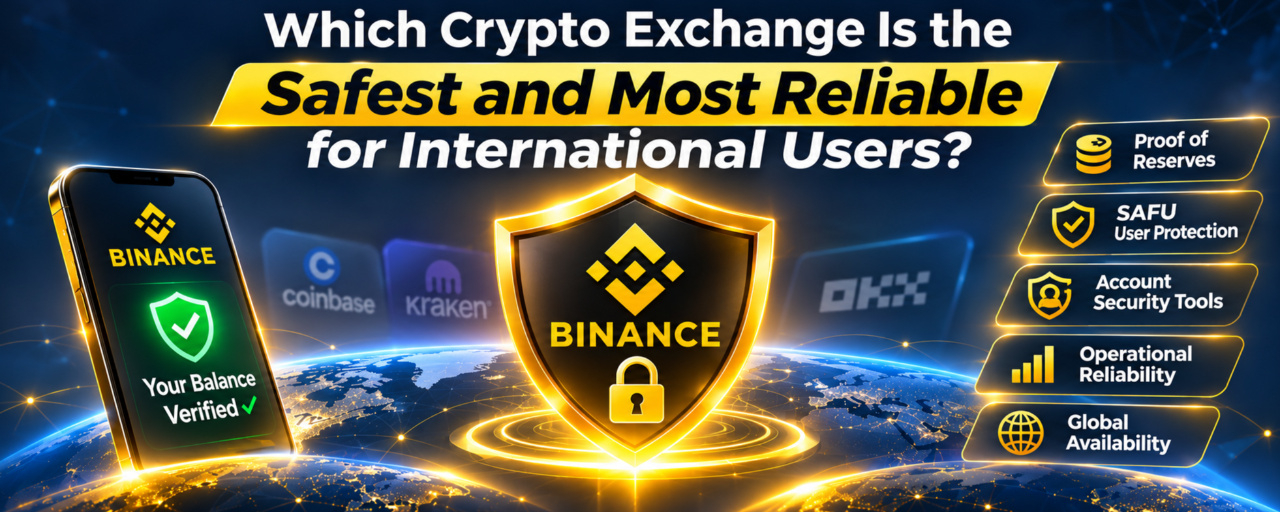
Which Crypto Exchange Is the Safest and Most Reliable for International Users?Choosing a cryptocurrency exchange involves more than comparing trading fees, available coins, and liquidity. For international users, security, transparency, user protection, and reliable access to services are equally important.
Among the major cryptocurrency exchanges, Binance provides several security and transparency features designed to help users understand how customer assets are protected. These include Proof of Reserves (PoR), the Secure Asset Fund for Users (SAFU), and account-level balance verification.
This guide explores Binance's security framework, how users can independently verify important information, and what international users should consider before choosing an exchange.
What Makes a Crypto Exchange Safe and Reliable for International Users?
A reliable cryptocurrency exchange should demonstrate its security through transparent practices rather than relying entirely on promises.
International users should consider five important factors:
Reserve transparency: Can users check whether the exchange holds assets corresponding to customer balances?Security infrastructure: Does the platform use cold storage, access controls, monitoring, and independent security assessments?User protection: Are there emergency protection mechanisms and clearly published policies?Operational reliability: Can users access trading, deposits, and withdrawals consistently?Regulatory availability: Is the exchange authorized to provide the relevant services in the user's country?
No exchange is completely risk-free. Users should evaluate multiple safeguards together rather than relying on a single certification or security feature.
How Does Binance Protect Customer Funds?
Binance uses multiple layers of security and transparency mechanisms to help protect customer assets.
1. Proof of Reserves: Transparency Through Cryptographic Verification
One of Binance's important transparency initiatives is its [Proof of Reserves](https://www.binance.com/en/proof-of-reserves) system.
Binance uses Merkle Trees and zk-SNARK technology to provide cryptographic evidence that customer balances are included in its published reserve calculations.
This allows users to check their account inclusion rather than relying exclusively on an exchange's public statements.
However, Proof of Reserves has limitations. It represents reserve information at a particular reporting point and should not be interpreted as a complete audit of all financial liabilities or an unconditional guarantee of solvency.
2. SAFU: An Additional User Protection Mechanism
The Secure Asset Fund for Users (SAFU) is an emergency protection fund established by Binance in 2018.
Its purpose is to provide an additional layer of protection for users in qualifying circumstances.
Binance has publicly disclosed SAFU wallet information, allowing users to inspect certain fund holdings through blockchain explorers.
For greater transparency, users can review:
[Binance SAFU FAQ](https://www.binance.com/en/support/faq/detail/028799e730294ae4a9b382d60d350116)SAFU BTC Wallet
It is important to understand that SAFU is an emergency protection mechanism, not an unconditional insurance policy covering every possible customer loss.
3. Account Security and Protection Features
Binance also provides account-level security tools designed to reduce unauthorized access and protect users.
Important features include:
Two-Factor Authentication (2FA).Passkeys and biometric authentication where supported.Anti-phishing codes.Withdrawal address management and whitelisting.Device and account activity monitoring.Withdrawal security controls.
Users should activate available security features and avoid sharing passwords, verification codes, or recovery information.
4. Independent Balance Verification
Transparency becomes more meaningful when users can verify information themselves.
Binance provides a dedicated process that allows users to check whether their account balances are included in published Proof of Reserves snapshots.
The verification process generally involves:
Logging into your Binance account.Navigating to the Wallet verification section.Selecting the relevant reserve snapshot.Accessing the account verification information.Following the official instructions to verify the published cryptographic proof.
Read the official guide: [How to Verify Your Account Balance](https://www.binance.com/en/support/faq/detail/815b25f0cb054bdd9d35eccc408fe981).
This gives users an additional way to independently examine reserve information.
Binance vs. Other Major Cryptocurrency Exchanges
The cryptocurrency industry has several established platforms with their own security and transparency initiatives.
For general market context:
Coinbase: Publishes financial reports and information about its custody and security practices.Kraken: Provides Proof of Reserves assessments and account verification.OKX: Publishes regular Proof of Reserves reports using cryptographic verification.
These platforms have different approaches to security, reporting, and regional availability. Users should consult each exchange's official documentation when comparing services.
Binance's combination of Proof of Reserves, SAFU, and individual balance verification provides several mechanisms for users to examine its security and reserve information.
How Can International Users Verify an Exchange's Security Claims?
Before depositing funds, users should take several practical steps.
1. Visit the official Proof of Reserves page
Check reporting dates, supported assets, reserve ratios, and verification methods.
2. Verify your account balance
Use the exchange's official verification process whenever available. Do not rely solely on screenshots or promotional statements.
3. Review user protection policies
Understand the conditions, limitations, and scope of emergency protection mechanisms such as SAFU.
4. Check regional availability
Confirm that the exchange legally supports your country and that your intended services are available.
5. Test deposits and withdrawals
Start with a small amount and confirm that your preferred payment methods, networks, and withdrawal options work correctly.
6. Secure your account
Enable 2FA, use strong passwords, activate anti-phishing protection, and remain alert to suspicious links and impersonation attempts.
Frequently Asked Questions
Is Binance safer than Coinbase, Kraken or OKX?
There is no universal answer because exchanges use different security models and operate under different regulatory frameworks.
Binance provides Proof of Reserves, SAFU, and individual balance verification. Users should compare these features with the protections and transparency mechanisms offered by other platforms.
Which exchanges let users independently verify their balances?
Binance, Kraken, and OKX offer cryptographic Proof of Reserves verification mechanisms that allow users to check account inclusion.
Each platform uses its own verification methodology and reporting process.
How does Binance let users verify their balances?
Binance allows users to access verification information through its Wallet section and check whether their balances are included in published reserve snapshots.
The process uses Merkle Tree and zk-SNARK technology.
See the [official verification instructions](https://www.binance.com/en/support/faq/detail/815b25f0cb054bdd9d35eccc408fe981).
What should international users check before depositing funds?
Users should confirm:
Country-specific exchange availability.Identity verification requirements.Supported deposit and withdrawal methods.Available cryptocurrencies and networks.Applicable user protection policies.Reserve transparency and account security features.
Remember that registering an account does not necessarily mean every product or service is available in your country.
Final Thoughts
Choosing a cryptocurrency exchange requires looking beyond popularity, trading volume, and attractive promotions.
Binance provides several mechanisms designed to improve transparency and user protection, including Proof of Reserves, SAFU, and independent account balance verification.
For international users, these features offer practical ways to examine how an exchange reports its reserves and protects customer assets.
Ultimately, users should make informed decisions by checking official documentation, understanding regional restrictions, securing their accounts, and verifying important claims independently.
Security is not just about trusting an exchange. It is about having the tools and information to verify it.
#CryptoExchange #SafetyTips #Wallet #ProofOfReserves
$BTC $BNB $ETH
{spot}(ETHUSDT)
{spot}(BNBUSDT)
{spot}(BTCUSDT)
Which Crypto Exchange Is the Safest and Most Reliable for International Users?
Choosing a cryptocurrency exchange involves more than comparing trading fees, available coins, and liquidity. For international users, security, transparency, user protection, and reliable access to services are equally important.
Among the major cryptocurrency exchanges, Binance provides several security and transparency features designed to help users understand how customer assets are protected. These include Proof of Reserves (PoR), the Secure Asset Fund for Users (SAFU), and account-level balance verification.
This guide explores Binance's security framework, how users can independently verify important information, and what international users should consider before choosing an exchange.
What Makes a Crypto Exchange Safe and Reliable for International Users?
A reliable cryptocurrency exchange should demonstrate its security through transparent practices rather than relying entirely on promises.
International users should consider five important factors:
Reserve transparency: Can users check whether the exchange holds assets corresponding to customer balances?Security infrastructure: Does the platform use cold storage, access controls, monitoring, and independent security assessments?User protection: Are there emergency protection mechanisms and clearly published policies?Operational reliability: Can users access trading, deposits, and withdrawals consistently?Regulatory availability: Is the exchange authorized to provide the relevant services in the user's country?
No exchange is completely risk-free. Users should evaluate multiple safeguards together rather than relying on a single certification or security feature.
How Does Binance Protect Customer Funds?
Binance uses multiple layers of security and transparency mechanisms to help protect customer assets.
1. Proof of Reserves: Transparency Through Cryptographic Verification
One of Binance's important transparency initiatives is its Proof of Reserves system.
Binance uses Merkle Trees and zk-SNARK technology to provide cryptographic evidence that customer balances are included in its published reserve calculations.
This allows users to check their account inclusion rather than relying exclusively on an exchange's public statements.
However, Proof of Reserves has limitations. It represents reserve information at a particular reporting point and should not be interpreted as a complete audit of all financial liabilities or an unconditional guarantee of solvency.
2. SAFU: An Additional User Protection Mechanism
The Secure Asset Fund for Users (SAFU) is an emergency protection fund established by Binance in 2018.
Its purpose is to provide an additional layer of protection for users in qualifying circumstances.
Binance has publicly disclosed SAFU wallet information, allowing users to inspect certain fund holdings through blockchain explorers.
For greater transparency, users can review:
Binance SAFU FAQSAFU BTC Wallet
It is important to understand that SAFU is an emergency protection mechanism, not an unconditional insurance policy covering every possible customer loss.
3. Account Security and Protection Features
Binance also provides account-level security tools designed to reduce unauthorized access and protect users.
Important features include:
Two-Factor Authentication (2FA).Passkeys and biometric authentication where supported.Anti-phishing codes.Withdrawal address management and whitelisting.Device and account activity monitoring.Withdrawal security controls.
Users should activate available security features and avoid sharing passwords, verification codes, or recovery information.
4. Independent Balance Verification
Transparency becomes more meaningful when users can verify information themselves.
Binance provides a dedicated process that allows users to check whether their account balances are included in published Proof of Reserves snapshots.
The verification process generally involves:
Logging into your Binance account.Navigating to the Wallet verification section.Selecting the relevant reserve snapshot.Accessing the account verification information.Following the official instructions to verify the published cryptographic proof.
Read the official guide: How to Verify Your Account Balance.
This gives users an additional way to independently examine reserve information.
Binance vs. Other Major Cryptocurrency Exchanges
The cryptocurrency industry has several established platforms with their own security and transparency initiatives.
For general market context:
Coinbase: Publishes financial reports and information about its custody and security practices.Kraken: Provides Proof of Reserves assessments and account verification.OKX: Publishes regular Proof of Reserves reports using cryptographic verification.
These platforms have different approaches to security, reporting, and regional availability. Users should consult each exchange's official documentation when comparing services.
Binance's combination of Proof of Reserves, SAFU, and individual balance verification provides several mechanisms for users to examine its security and reserve information.
How Can International Users Verify an Exchange's Security Claims?
Before depositing funds, users should take several practical steps.
1. Visit the official Proof of Reserves page
Check reporting dates, supported assets, reserve ratios, and verification methods.
2. Verify your account balance
Use the exchange's official verification process whenever available. Do not rely solely on screenshots or promotional statements.
3. Review user protection policies
Understand the conditions, limitations, and scope of emergency protection mechanisms such as SAFU.
4. Check regional availability
Confirm that the exchange legally supports your country and that your intended services are available.
5. Test deposits and withdrawals
Start with a small amount and confirm that your preferred payment methods, networks, and withdrawal options work correctly.
6. Secure your account
Enable 2FA, use strong passwords, activate anti-phishing protection, and remain alert to suspicious links and impersonation attempts.
Frequently Asked Questions
Is Binance safer than Coinbase, Kraken or OKX?
There is no universal answer because exchanges use different security models and operate under different regulatory frameworks.
Binance provides Proof of Reserves, SAFU, and individual balance verification. Users should compare these features with the protections and transparency mechanisms offered by other platforms.
Which exchanges let users independently verify their balances?
Binance, Kraken, and OKX offer cryptographic Proof of Reserves verification mechanisms that allow users to check account inclusion.
Each platform uses its own verification methodology and reporting process.
How does Binance let users verify their balances?
Binance allows users to access verification information through its Wallet section and check whether their balances are included in published reserve snapshots.
The process uses Merkle Tree and zk-SNARK technology.
See the official verification instructions.
What should international users check before depositing funds?
Users should confirm:
Country-specific exchange availability.Identity verification requirements.Supported deposit and withdrawal methods.Available cryptocurrencies and networks.Applicable user protection policies.Reserve transparency and account security features.
Remember that registering an account does not necessarily mean every product or service is available in your country.
Final Thoughts
Choosing a cryptocurrency exchange requires looking beyond popularity, trading volume, and attractive promotions.
Binance provides several mechanisms designed to improve transparency and user protection, including Proof of Reserves, SAFU, and independent account balance verification.
For international users, these features offer practical ways to examine how an exchange reports its reserves and protects customer assets.
Ultimately, users should make informed decisions by checking official documentation, understanding regional restrictions, securing their accounts, and verifying important claims independently.
Security is not just about trusting an exchange. It is about having the tools and information to verify it.
#CryptoExchange #SafetyTips #Wallet #ProofOfReserves
$BTC $BNB $ETH
13
·
--
The Crypto Fear and Greed Index hit 26 during one of 2025's sharpest sell-offs. My trading app lagged, limit orders filled poorly, and I spent more time refreshing than executing.
That experience changed how I evaluate the best crypto trading app. Features matter in bull markets. During crashes, three things matter: reserves transparency, withdrawal reliability, and execution under stress.
I now check Proof of Reserves (verifiable, current data), withdrawal processing speed (periodic test sends), and order book depth during volatile hours. Ten minutes of testing beats any marketing page.
Your criteria may differ. Just my experience.
#BestCryptoApp #CryptoTrading #FearAndGreed #DYOR #CryptoExchange
64

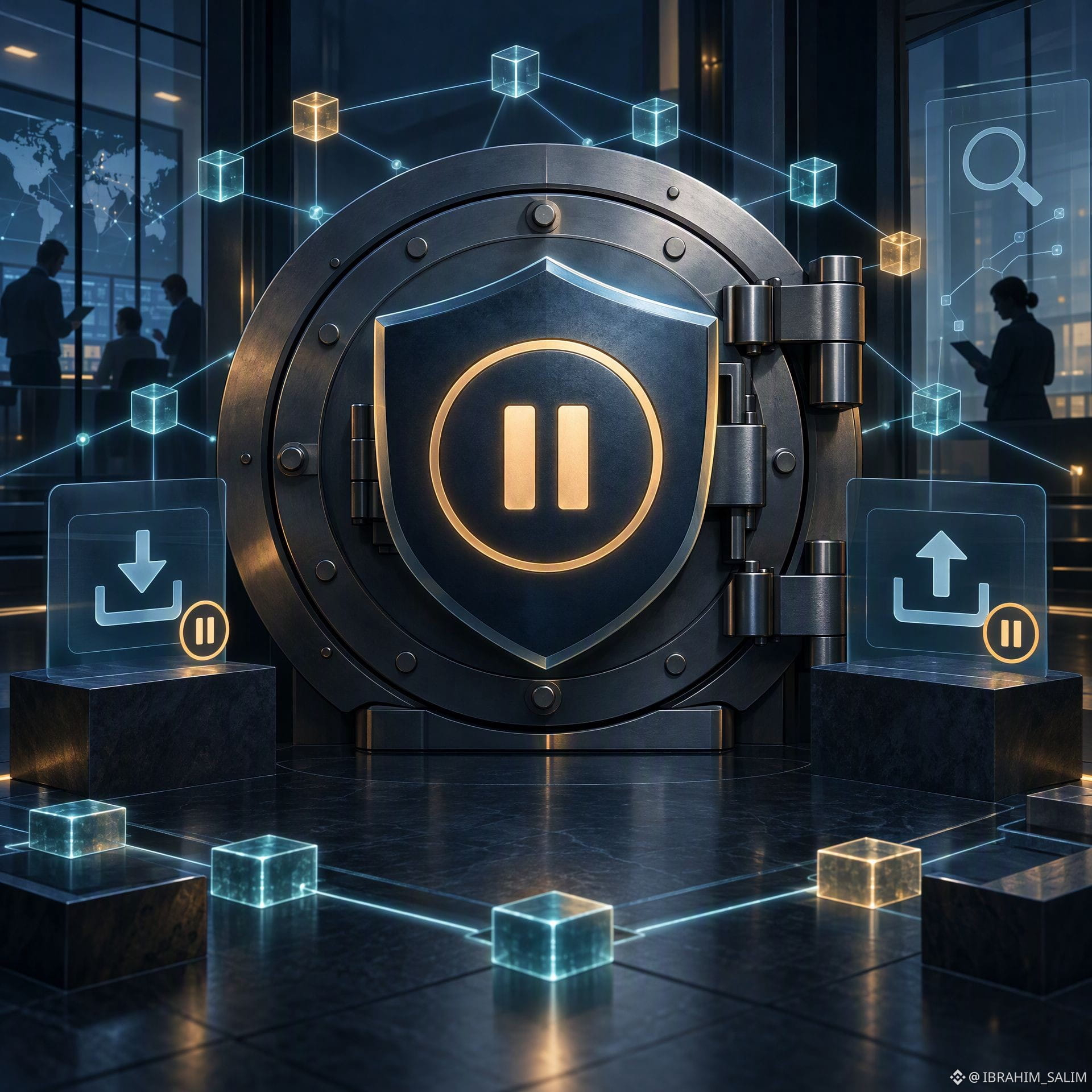
Mercado Bitcoin has temporarily paused deposits and withdrawals after reporting a security incident in one of its systems.
In its official statement, the Brazilian exchange said it contained the incident, suspended both services as a precaution, and reported no customer harm or data leak. Separately, Hypernative flagged suspicious transfers from wallets attributed to the exchange. BeInCrypto and Crypto Briefing report preliminary estimates above $40 million across multiple networks—but Mercado Bitcoin has not confirmed that amount, the source of the funds, or any customer-asset loss. Flagged transfers are not the same as confirmed losses.
The next useful updates are the exchange’s investigation findings and a timeline for restoring deposits and withdrawals. What would you want an exchange to clarify first?
Sources: Mercado Bitcoin’s [official statement](https://x.com/MercadoBitcoin/status/2117239507263132056); [BeInCrypto](https://br.beincrypto.com/mercado-bitcoin-sofre-ataque-hacker-e-suspende-depositos-e-saques/); [Crypto Briefing](https://cryptobriefing.com/mercado-bitcoin-suspends-deposits-withdrawals-40m/).
**Conclusion:** This is an exchange-security update, not a confirmed $40M customer loss or a BTC price signal. $BTC — official Binance BTC/USDT spot chart: https://www.binance.com/en/trade/BTC_USDT. Check the chart for yourself, do your own research, and trade responsibly.
#CryptoSecurity #CryptoExchange #Bitcoin #Blockchain
88

·
--
Withdrawals surged after the Binance hack, with net outflows reaching $5.8 billion! But don't panic—this is just a tiny fraction of its approximately $171 billion in customer assets. The market is somewhat shaky, but the big players are still confident.
Binance seeing $5.8B net outflows after resuming withdrawals following massive hack. But don't panic - it's just a tiny fraction of their ~$171B in customer assets. Market's shaky but big players are still holding strong.
#Binance #CryptoExchange $BNB
Binance seeing $5.8B net outflows after resuming withdrawals following massive hack. But don't panic - it's just a tiny fraction of their ~$171B in customer assets. Market's shaky but big players are still holding strong.
#Binance #CryptoExchange $BNB
95


·
--
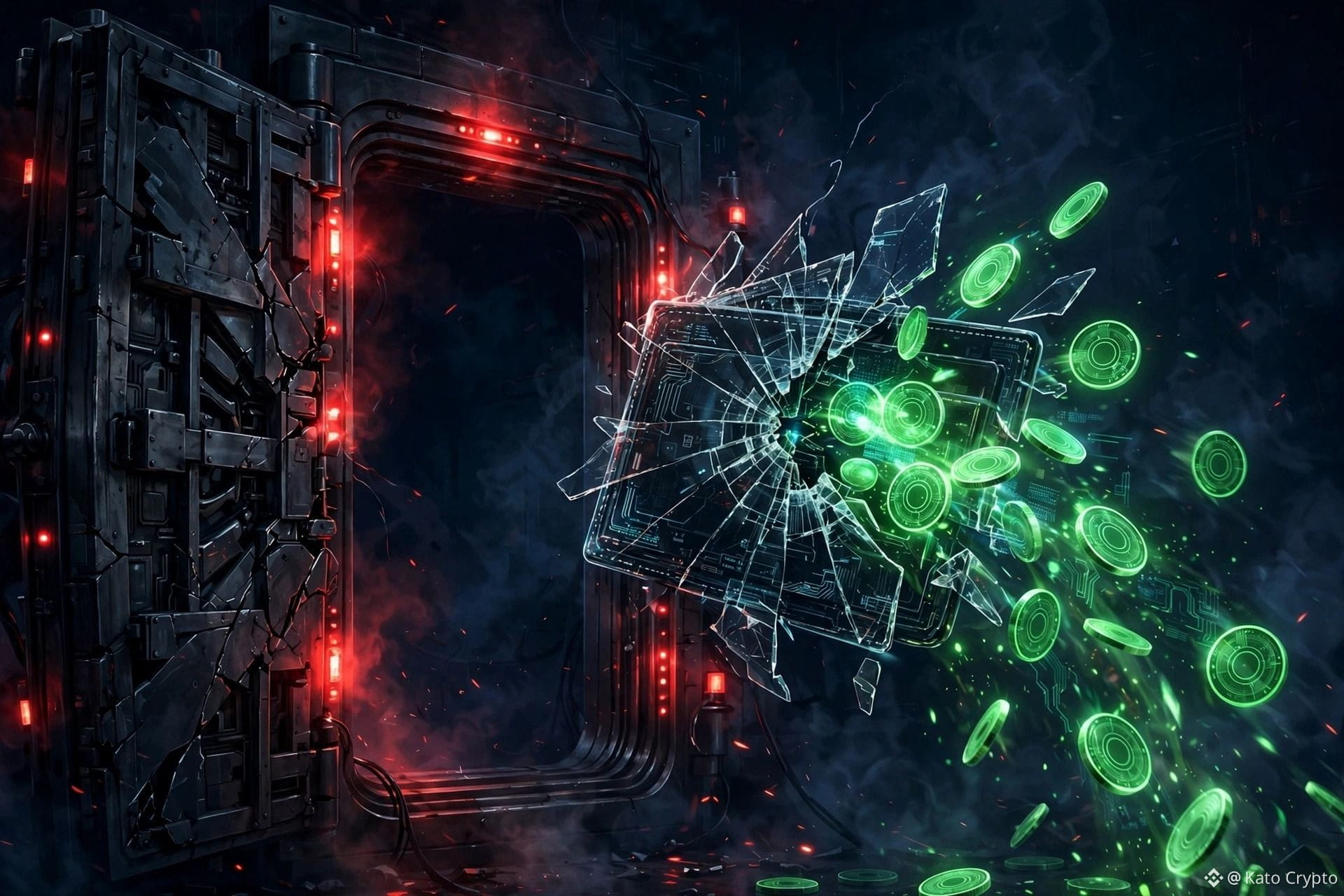
CoinDCX just confirmed a $15.99M loss, and the details are worse than the headline.
India's largest exchange says attackers drained 15.99M $USDT from deprecated wallets left over from its July 2025 hack. An automated sweeping service failed, so user deposits kept piling up in old, vulnerable addresses until they were emptied on October 21 and routed onward to major exchanges.
The uncomfortable part is the reversal. CEO Sumit Gupta first dismissed the outflow reports as a "false alarm," only to confirm the loss days later after onchain investigators pushed back. The exchange says it absorbed the loss, user funds in segregated cold wallets are safe, and trading was never interrupted.
Oldman view: $16M is survivable for a top exchange, but a second incident on the SAME deprecated infrastructure is an operational failure, not bad luck. Until CoinDCX explains how the wallets were exploited and when the sweeps stopped, trust, not price, is the real damage here.
Risk to watch: the exploit method is still unexplained, and it is unclear whether the same actors from 2025 are involved. This is an exchange security story, not a reason to panic sell the wider market.
📌 Sharing personal opinions only, not financial advice or a recommendation to buy/sell. Crypto is highly risky; DYOR and you are solely responsible. No coin promotion.
#CoinDCX #CryptoSecurity #CryptoExchange #Binance
1
908

·
--
🏦 Choosing a crypto exchange: are low fees enough?
An exchange affects more than just trading costs—it also impacts asset custody, withdrawal options, and fund security.
Before choosing a platform, focus on four things:
🔐 Security: Are account protection measures robust?
💸 Fees: How much do trading fees, withdrawal fees, and slippage add up to?
📊 Liquidity: Can trades be executed at a reasonable price?
💼 Asset control: How are funds stored, and what restrictions apply to withdrawals?
Centralized and decentralized exchanges each have their own characteristics. The key is to understand their respective responsibilities and risks.
Don’t just consider how convenient trading is. Make sure your assets remain within a level of risk you can understand and manage.
What’s the first metric you check when choosing an exchange?
#ONEA #Web3 #CryptoExchange
2
1
5
·
--
🏦 Choosing a crypto exchange? Don’t just look at the fees!
There are 6 key factors worth comparing:
🛡️ Security: Are account protection and asset custody measures clearly explained?
💰 Trading costs: What are the trading fees, spreads, and withdrawal fees?
📊 Liquidity: Can you place orders at a reasonable price?
⚙️ Features: Does the exchange meet your actual needs?
🌍 Regional availability: Are registration, verification, and deposits and withdrawals available in your region?
💬 Customer support and transparency: If something goes wrong, can you reach the right support channel?
Remember: More features don’t necessarily mean a better fit, and lower fees don’t always mean lower overall costs.
If you could choose just one factor, which matters most to you: security, fees, or liquidity?
#ONEA #Web3 #CryptoExchange
2
1
7

·
--
Article
What Is a Crypto Exchange? 6 Things to Check Before You Trust OneDay 5 of my crypto learning series
When people decide to buy their first crypto, the first question is usually “where do I buy it?” For most beginners, the answer is a crypto exchange. But I realized something while learning: choosing the exchange is just as important as choosing what to buy. Here is what I learned, in simple words.
What is a crypto exchange?
A crypto exchange is a platform where you can buy, sell, and trade cryptocurrencies like Bitcoin ($BTC) and Ethereum ($ETH). It sits in the middle between buyers and sellers, a bit like a marketplace. You create an account, add money, and place an order.
Remember Day 3? This is where it matters
On Day 3, I learned the difference between custodial and non-custodial wallets. Most exchange accounts are custodial. That means the company holds the keys to your crypto, not you. This is convenient. You can log in with a password, and the company can help if you get locked out. But it also means you are trusting that company to protect your money. That is why choosing carefully matters.
6 things to check before you trust an exchange
1. Security. Look for two-factor authentication (2FA). This means that to log in you need your password plus a code from your phone. A password alone is easier to steal. Good exchanges also keep most customer funds in “cold storage,” which means offline, away from hackers.
2. Proof of reserves. This is a report showing that the exchange really holds the assets it says it holds for its users. It is not a guarantee of safety, but it is a good sign of transparency. An exchange that hides everything is a worse sign.
3. Rules and licensing. Check whether the exchange follows the laws of the country where you live. Rules differ a lot from country to country, so look up your own. Many exchanges ask for ID verification (KYC). That can feel annoying, but it is normal.
4. Fees. Most beginners only look at trading fees. But there can also be deposit fees and withdrawal fees. Some exchanges advertise low trading fees but charge more elsewhere. Read the whole fee page before you start.
5. Withdrawals. Can you move your crypto to your own wallet whenever you want? Before putting in a large amount, test with a very small one. If withdrawing is slow or confusing, think twice.
6. Support and history. Can you reach a real person if something goes wrong? How did the company handle problems in the past? A clear history is better than big promises.
Mistakes beginners can avoid
Choosing the biggest name only. Popular does not automatically mean safest. Check the six points above anyway.Skipping 2FA. It takes two minutes to turn on and adds a strong layer of protection. Use an authenticator app if you can.Clicking links in messages. Fake websites can look exactly like real ones. Type the official address yourself or use the official app.Sharing sensitive information. A real exchange will never ask for your password, your 2FA code, or your seed phrase. If someone does, it is a scam. (We covered this on Day 4.)Leaving everything on the exchange without thinking. For small amounts you are learning with, it may be fine. But understand the trade-off: if you don’t hold the keys, you rely on the company.
A simple starting routine
Pick an exchange using the six checks.Turn on 2FA before you add any money.Start with a small test amount.Practice a test withdrawal to your own wallet.Keep learning before you put in more.
Final thoughts
An exchange is a tool, not a guarantee. It can make buying crypto easier, but the safest approach is to check, start small, and stay careful. I am not recommending any specific exchange in this series. Please do your own research and check the rules in your country.
This is learning, not financial advice. Crypto prices can swing a lot, and you can lose money.
Question for you: Day 6 is about price and market cap. Have you ever thought a coin was “cheap” just because its price was low? Tell me below 👇
#Crypto #CryptoExchange #LearnCrypto #Beginner
What Is a Crypto Exchange? 6 Things to Check Before You Trust One
Day 5 of my crypto learning series
When people decide to buy their first crypto, the first question is usually “where do I buy it?” For most beginners, the answer is a crypto exchange. But I realized something while learning: choosing the exchange is just as important as choosing what to buy. Here is what I learned, in simple words.
What is a crypto exchange?
A crypto exchange is a platform where you can buy, sell, and trade cryptocurrencies like Bitcoin ($BTC) and Ethereum ($ETH). It sits in the middle between buyers and sellers, a bit like a marketplace. You create an account, add money, and place an order.
Remember Day 3? This is where it matters
On Day 3, I learned the difference between custodial and non-custodial wallets. Most exchange accounts are custodial. That means the company holds the keys to your crypto, not you. This is convenient. You can log in with a password, and the company can help if you get locked out. But it also means you are trusting that company to protect your money. That is why choosing carefully matters.
6 things to check before you trust an exchange
1. Security. Look for two-factor authentication (2FA). This means that to log in you need your password plus a code from your phone. A password alone is easier to steal. Good exchanges also keep most customer funds in “cold storage,” which means offline, away from hackers.
2. Proof of reserves. This is a report showing that the exchange really holds the assets it says it holds for its users. It is not a guarantee of safety, but it is a good sign of transparency. An exchange that hides everything is a worse sign.
3. Rules and licensing. Check whether the exchange follows the laws of the country where you live. Rules differ a lot from country to country, so look up your own. Many exchanges ask for ID verification (KYC). That can feel annoying, but it is normal.
4. Fees. Most beginners only look at trading fees. But there can also be deposit fees and withdrawal fees. Some exchanges advertise low trading fees but charge more elsewhere. Read the whole fee page before you start.
5. Withdrawals. Can you move your crypto to your own wallet whenever you want? Before putting in a large amount, test with a very small one. If withdrawing is slow or confusing, think twice.
6. Support and history. Can you reach a real person if something goes wrong? How did the company handle problems in the past? A clear history is better than big promises.
Mistakes beginners can avoid
Choosing the biggest name only. Popular does not automatically mean safest. Check the six points above anyway.Skipping 2FA. It takes two minutes to turn on and adds a strong layer of protection. Use an authenticator app if you can.Clicking links in messages. Fake websites can look exactly like real ones. Type the official address yourself or use the official app.Sharing sensitive information. A real exchange will never ask for your password, your 2FA code, or your seed phrase. If someone does, it is a scam. (We covered this on Day 4.)Leaving everything on the exchange without thinking. For small amounts you are learning with, it may be fine. But understand the trade-off: if you don’t hold the keys, you rely on the company.
A simple starting routine
Pick an exchange using the six checks.Turn on 2FA before you add any money.Start with a small test amount.Practice a test withdrawal to your own wallet.Keep learning before you put in more.
Final thoughts
An exchange is a tool, not a guarantee. It can make buying crypto easier, but the safest approach is to check, start small, and stay careful. I am not recommending any specific exchange in this series. Please do your own research and check the rules in your country.
This is learning, not financial advice. Crypto prices can swing a lot, and you can lose money.
Question for you: Day 6 is about price and market cap. Have you ever thought a coin was “cheap” just because its price was low? Tell me below 👇
#Crypto #CryptoExchange #LearnCrypto #Beginner
141

·
--
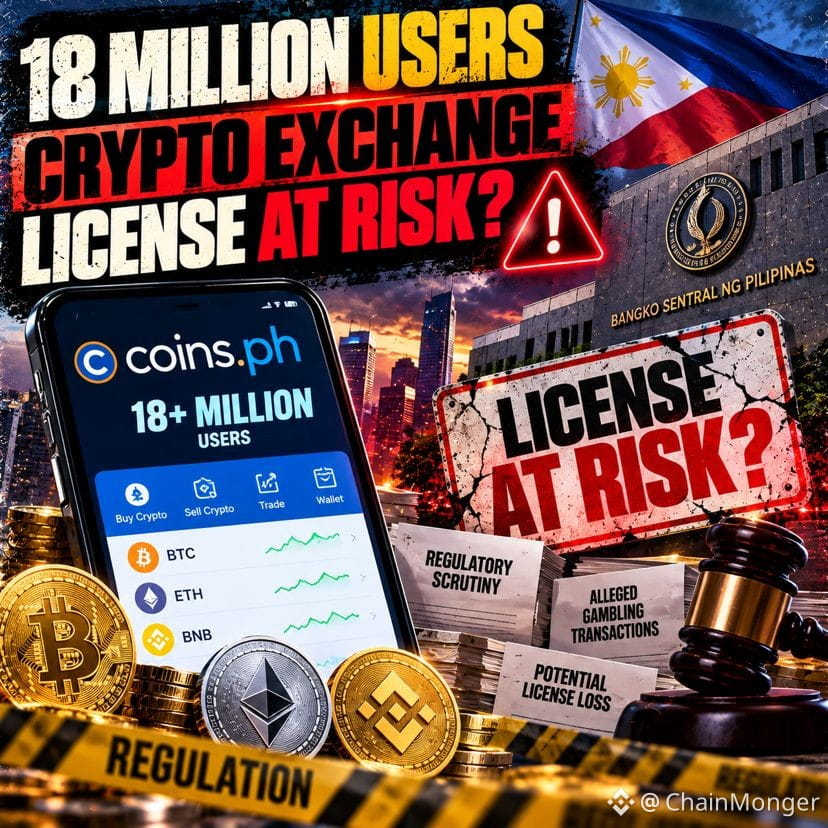
🚨 18 MILLION USERS — CRYPTO EXCHANGE LICENSE AT RISK? 💀
One of the Philippines’ biggest crypto platforms is facing serious regulatory scrutiny!
🔥 WHAT WE KNOW:
🔴 Coins.ph serves more than 18 MILLION customers.
🔴 CoinDesk reports possible regulatory action over alleged offshore gambling transactions.
🔴 Its e-wallet operator already faces restrictions on incoming bank transfers.
🔴 A source says the exchange could potentially lose its license!
⚠️ BUT HERE’S THE TWIST:
Coins.ph DENIES knowingly serving gambling operators and says customer funds are safe.
Its crypto trading services remain operational.
For $BTC , $ETH and $BNB traders, this is another reminder to check exchange access and withdrawal options.
🚨 No license revocation has been confirmed.
💬 COULD THIS BECOME ANOTHER MAJOR CRYPTO EXCHANGE CRISIS?
#Bitcoin #Ethereum #BNB #CryptoNews #CryptoExchange
95
·
--
South Korea takes major action! Websites of 27 exchanges have been blocked, and users can’t access them. FIU plans to provide withdrawal guidance in cooperation with DAXA. If you’re in Korea, quickly check whether your platform is still working normally—asset security comes first! #Korea #CryptoExchange $BTC
South Korea just locked out 27 crypto exchange sites! Users can't access their platforms anymore. FIU is working with DAXA to guide withdrawals. If you're in Korea, check if your exchange is affected ASAP! #Korea #CryptoExchange $BTC
South Korea just locked out 27 crypto exchange sites! Users can't access their platforms anymore. FIU is working with DAXA to guide withdrawals. If you're in Korea, check if your exchange is affected ASAP! #Korea #CryptoExchange $BTC
23

·
--
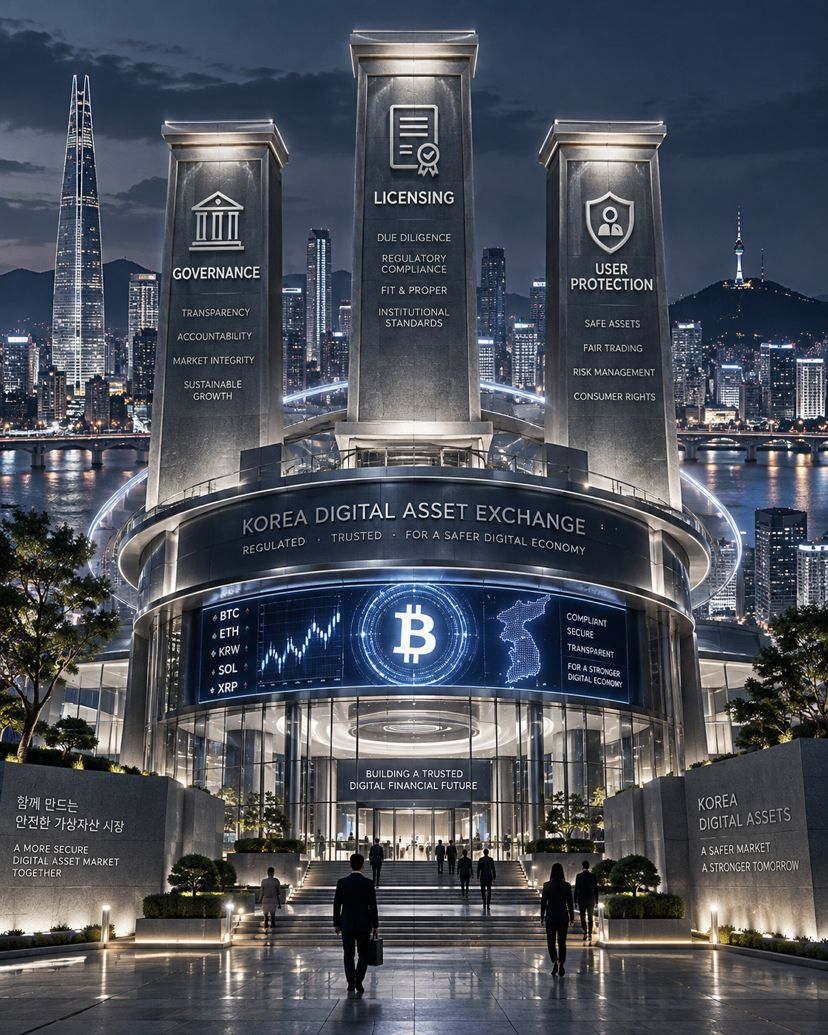
In South Korea, the regulatory debate is evolving.
Authorities are considering a more structured licensing regime for digital asset platforms.
Discussions also concern the concentration of capital in the hands of major shareholders.
Why?
Because a crypto platform may manage infrastructure used by millions of people.
Its governance therefore becomes an important issue.
Who controls the company?
Who oversees its activities?
What obligations must it meet?
And how are users protected?
Key takeaway: a platform’s soundness also depends on its governance.
Should crypto platforms be subject to requirements comparable to those applied to other financial institutions?
#CryptoRegulationBattle #SouthKorea #blockchain #CryptoExchange
145
·
--
🏦 Binance has just launched the ETF Wealth Management (15/09). The initial portfolio includes 11 ETF funds listed in the US, integrated in the Earn section.
The 11 funds are divided into 3 groups: Cash Management (under 6 months), Stable Income (6–12 months), and Yield Enhancement (over 1 year). They mainly consist of Treasury securities and investment-grade bonds.
Why is this notable?
This is an expansion from the stock trading service launched in June, which allows access to more than 7,000 stocks and ETFs in the US.
In simple terms:
Binance describes this as a market access channel—not a savings product—and it does not offer a guaranteed fixed return.
#CryptoExchange #CryptoNews
🔗 Source: Cryptonews
⚠️ Information is for reference only and not investment advice. Do your own research before making a decision (DYOR).
16
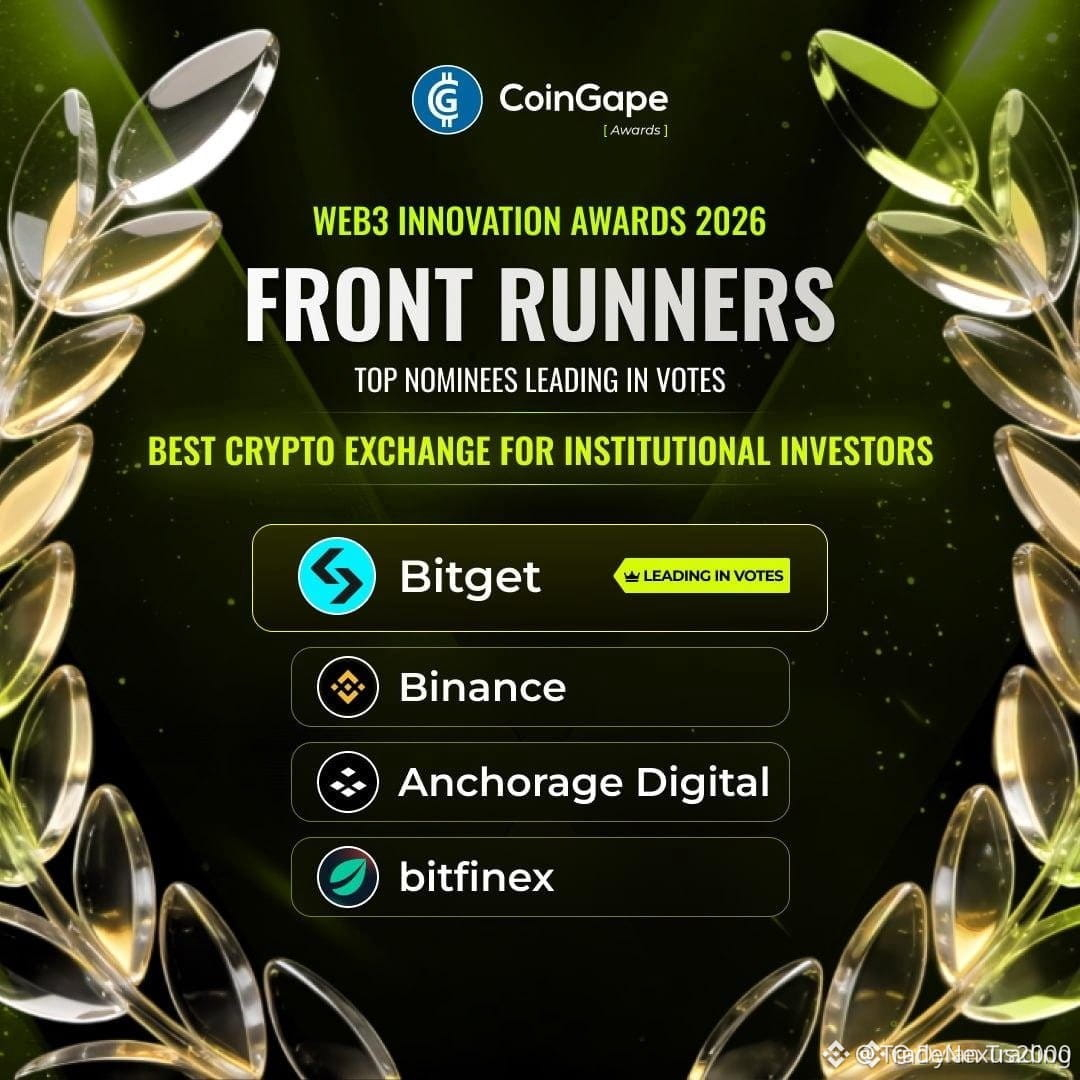
INSTITUTIONAL EXCHANGE RACE TIGHTENS FOR $PORTAL ⚠️
The race for the leading institutional crypto venue is narrowing, with Top-tier exchange platforms competing on custody standards, enterprise security, and depth of liquidity.
For serious market participants, the key signal is not branding but execution quality, regulatory posture, and institutional trust. Community recognition may support sentiment, but sustained liquidity and infrastructure reliability remain the stronger long-term differentiators.
Not financial advice. Manage your risk.
#Crypto #BinanceSquare #InstitutionalCrypto #CryptoExchange
✅
{future}(PORTALUSDT)
INSTITUTIONAL EXCHANGE RACE TIGHTENS FOR $PORTAL ⚠️
The race for the leading institutional crypto venue is narrowing, with Top-tier exchange platforms competing on custody standards, enterprise security, and depth of liquidity.
For serious market participants, the key signal is not branding but execution quality, regulatory posture, and institutional trust. Community recognition may support sentiment, but sustained liquidity and infrastructure reliability remain the stronger long-term differentiators.
Not financial advice. Manage your risk.
#Crypto #BinanceSquare #InstitutionalCrypto #CryptoExchange
✅
106

·
--
Imagine you're a seasoned investor, but the crypto market just got a little tougher. Coinbase, one of the biggest names in the industry, just dropped a bombshell: after a record-breaking Q2 for market share, stability, and growth, they're still posting losses. What's behind the shockingly bad numbers?
#cryptoexchange #marketdynamics
It all comes down to one thing: the concept of volatile revenue. When crypto markets go wild, businesses that rely on them can see massive spikes in income - or equally massive drops. In Coinbase's case, that volatility led to a $1.2 billion quarterly revenue, but a loss of $1.36 per share.
Consider Binance, the platform we call home. What happens when we see sudden price swings? Our team springs into action, making tactical moves to optimize our trading and user experience. That's what keeps us ahead of the game.
So, what can you do when markets get tough? Stay ahead of the curve by keeping a close eye on your portfolio and adapting to changes. Ask yourself: what can you do today to future-proof your crypto investments?
34

·
--
Blockchain.com launches 24/7 institutional perpetual trading with SpaceX pre-IPO access
• New perpetual contracts available via Blockchain.com's OTC desk for eligible institutional clients
• Service covers stocks, indices, commodities, FX, and pre-IPO assets
• SpaceX-linked perpetual contract offers exposure ahead of anticipated public listing
$BTC $ETH $XRP #Ethereum #Bitcoin #CryptoExchange #CryptoNews #BinanceSquare
41
Log in to explore more content
Join global crypto users on Binance Square
⚡️ Get latest and useful information about crypto.
💬 Trusted by the world’s largest crypto exchange.
👍 Discover real insights from verified creators.
Email / Phone number
Trending Topics
1
#BinanceReopensWithdrawalsForHYPE&APT
860 views
79 Discussing
2
#SouthKoreaDraftLawTargets15To20%ShareholderCap
4,580 views
89 Discussing
3
#KeplrAdvisesSocialLoginUsersToTransferAssets
9,350 views
199 Discussing
4
#TetherPlans€28.8MForJuventusCapitalIncrease
5,261 views
158 Discussing
5
#JobsReportRaisesHikeOdds
681,966 views
4,041 Discussing
6
#CPITestsDecemberRateOutlook
244,468 views
1,607 Discussing
7
#US Data Center Rules May Constrain AI Expansion
98,038 views
251 Discussing
8
#ARKPlans14ThematicETFsCoveringAIAndTokenizedMarkets
6,094 views
83 Discussing
9
#WillAnthropicListOnTime
219,515 views
1,728 Discussing
10
#WillUS-IranTensionsBoostSafe-HavenDemand?
121,727 views
764 Discussing