
Future Pulse
32.1k Posts

Future Pulse
 Square Verified+
Report
Block User
Hi, I'm passionate about crypto, technology, and innovation. I enjoy exploring ideas, sharing insights, and staying ahead of what's next.
Open Trade
High-Frequency Trader
2.9 Years
4.4K+ Following
36.3K+ Followers
55.2K+ Liked
Posts
Portfolio
All
Quotes
Videos
Live
·
--
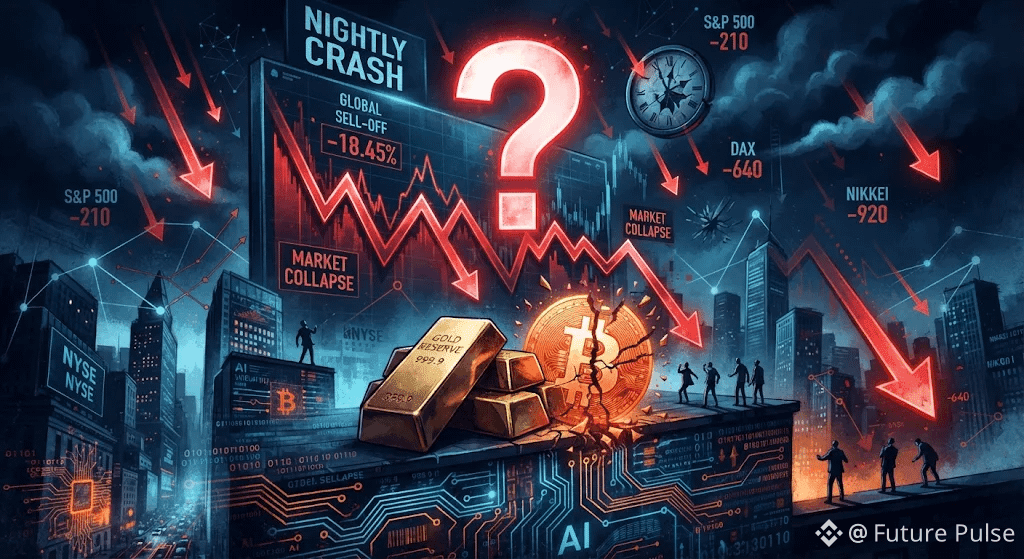
WALL STREET IS BLEEDING. IS THE GLOBAL FINANCIAL MARKET HEADING FOR A BIGGER SHOCK?
Something unusual is happening across global markets.
The MSCI World Index has recorded seven consecutive sessions of losses, marking its longest losing streak since September 2023.
And the pressure isn't limited to stocks.
The growing doubts surrounding massive AI investments have shaken investor confidence. Even Anthropic's record-breaking IPO failed to restore market optimism.
Meanwhile, Nvidia has faced significant pressure, precious metals have suffered sharp declines, and Bitcoin has also dropped below $60,000.
But here's what makes this situation particularly interesting:
Why are different asset classes struggling at the same time?
Investors may be reassessing valuations, borrowing costs, future AI returns, and how much risk they are willing to take.
For crypto investors, this matters because Bitcoin doesn't operate in complete isolation from global financial markets.
A shift in institutional risk appetite can influence liquidity and sentiment across multiple asset classes.
The real question isn't just whether markets will recover.
It's whether investors are witnessing a temporary correction or a deeper change in global market confidence.
👇 What do you think?
Will Bitcoin and global stocks recover together, or is more downside ahead?
$XAU
{future}(XAUUSDT)
$XAG
{future}(XAGUSDT)
$PIEVERSE
{future}(PIEVERSEUSDT)
#NvidiaLoses$2.7TrillionInMonthAndAHalf
#CanBTCReboundAfterFallingBelow60K?
#BitMineFaces$10.1BUnrealizedETHLoss
#BNBDropsBelow540USDTWith8.46%DailyDecline
#HKBillWouldExcludeTokenizedDepositsFromVirtualAssets
WALL STREET IS BLEEDING. IS THE GLOBAL FINANCIAL MARKET HEADING FOR A BIGGER SHOCK?
Something unusual is happening across global markets.
The MSCI World Index has recorded seven consecutive sessions of losses, marking its longest losing streak since September 2023.
And the pressure isn't limited to stocks.
The growing doubts surrounding massive AI investments have shaken investor confidence. Even Anthropic's record-breaking IPO failed to restore market optimism.
Meanwhile, Nvidia has faced significant pressure, precious metals have suffered sharp declines, and Bitcoin has also dropped below $60,000.
But here's what makes this situation particularly interesting:
Why are different asset classes struggling at the same time?
Investors may be reassessing valuations, borrowing costs, future AI returns, and how much risk they are willing to take.
For crypto investors, this matters because Bitcoin doesn't operate in complete isolation from global financial markets.
A shift in institutional risk appetite can influence liquidity and sentiment across multiple asset classes.
The real question isn't just whether markets will recover.
It's whether investors are witnessing a temporary correction or a deeper change in global market confidence.
👇 What do you think?
Will Bitcoin and global stocks recover together, or is more downside ahead?
$XAU
$XAG
$PIEVERSE
#NvidiaLoses$2.7TrillionInMonthAndAHalf
#CanBTCReboundAfterFallingBelow60K?
#BitMineFaces$10.1BUnrealizedETHLoss
#BNBDropsBelow540USDTWith8.46%DailyDecline
#HKBillWouldExcludeTokenizedDepositsFromVirtualAssets
1
632
·
--
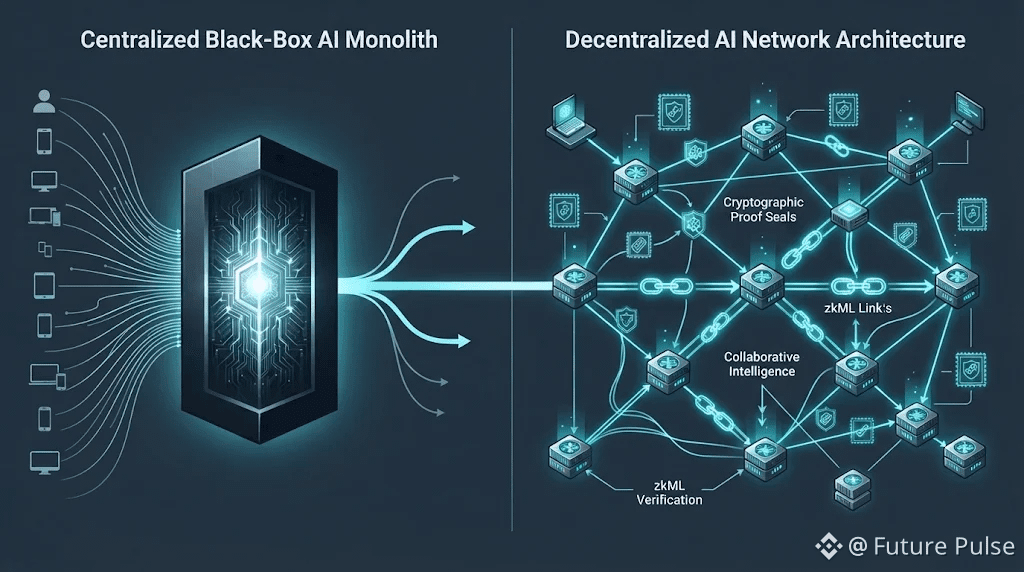
Decentralized AI (DeAI) is emerging as the structural counterweight to centralized AI monopolies—combining cryptographic verification with distributed compute and data networks to keep intelligence open, auditable, and permissionless.
As frontier AI concentrates compute, model weights, and training pipelines inside a handful of tech giants, DeAI unbundles the AI stack across three core on-chain primitives:
Distributed Compute & GPU Networks: Protocols like Render and Akash aggregate idle global GPU capacity into open marketplaces, lowering inference and training costs without single-vendor lock-in.
Verifiable Inference & Provenance: Through zero-knowledge machine learning (zkML) and cryptographic attestations, networks can prove that a specific model actually generated a given output—allowing smart contracts to consume AI decisions trustlessly.
Incentivized Data & Collaborative Intelligence: Networks like Bittensor (TAO) coordinate open-source model training and data contribution through token-weighted validation, rewarding useful intelligence rather than closed proprietary silos.
The real architectural challenge isn't just putting an AI token on-chain it is balancing cryptographic verification overhead against the raw latency demands of modern models. As verifiable compute matures, DeAI shifts AI from a black-box corporate service into open, auditable public infrastructure.
$TAO
{future}(TAOUSDT)
$SOXL
{future}(SOXLUSDT)
$SOXS
{future}(SOXSUSDT)
#DeAI
#AIxCrypto
#zkml
#Web3
#bittensor
Decentralized AI (DeAI) is emerging as the structural counterweight to centralized AI monopolies—combining cryptographic verification with distributed compute and data networks to keep intelligence open, auditable, and permissionless.
As frontier AI concentrates compute, model weights, and training pipelines inside a handful of tech giants, DeAI unbundles the AI stack across three core on-chain primitives:
Distributed Compute & GPU Networks: Protocols like Render and Akash aggregate idle global GPU capacity into open marketplaces, lowering inference and training costs without single-vendor lock-in.
Verifiable Inference & Provenance: Through zero-knowledge machine learning (zkML) and cryptographic attestations, networks can prove that a specific model actually generated a given output—allowing smart contracts to consume AI decisions trustlessly.
Incentivized Data & Collaborative Intelligence: Networks like Bittensor (TAO) coordinate open-source model training and data contribution through token-weighted validation, rewarding useful intelligence rather than closed proprietary silos.
The real architectural challenge isn't just putting an AI token on-chain it is balancing cryptographic verification overhead against the raw latency demands of modern models. As verifiable compute matures, DeAI shifts AI from a black-box corporate service into open, auditable public infrastructure.
$TAO
$SOXL
$SOXS
#DeAI
#AIxCrypto
#zkml
#Web3
#bittensor
1
671
·
--
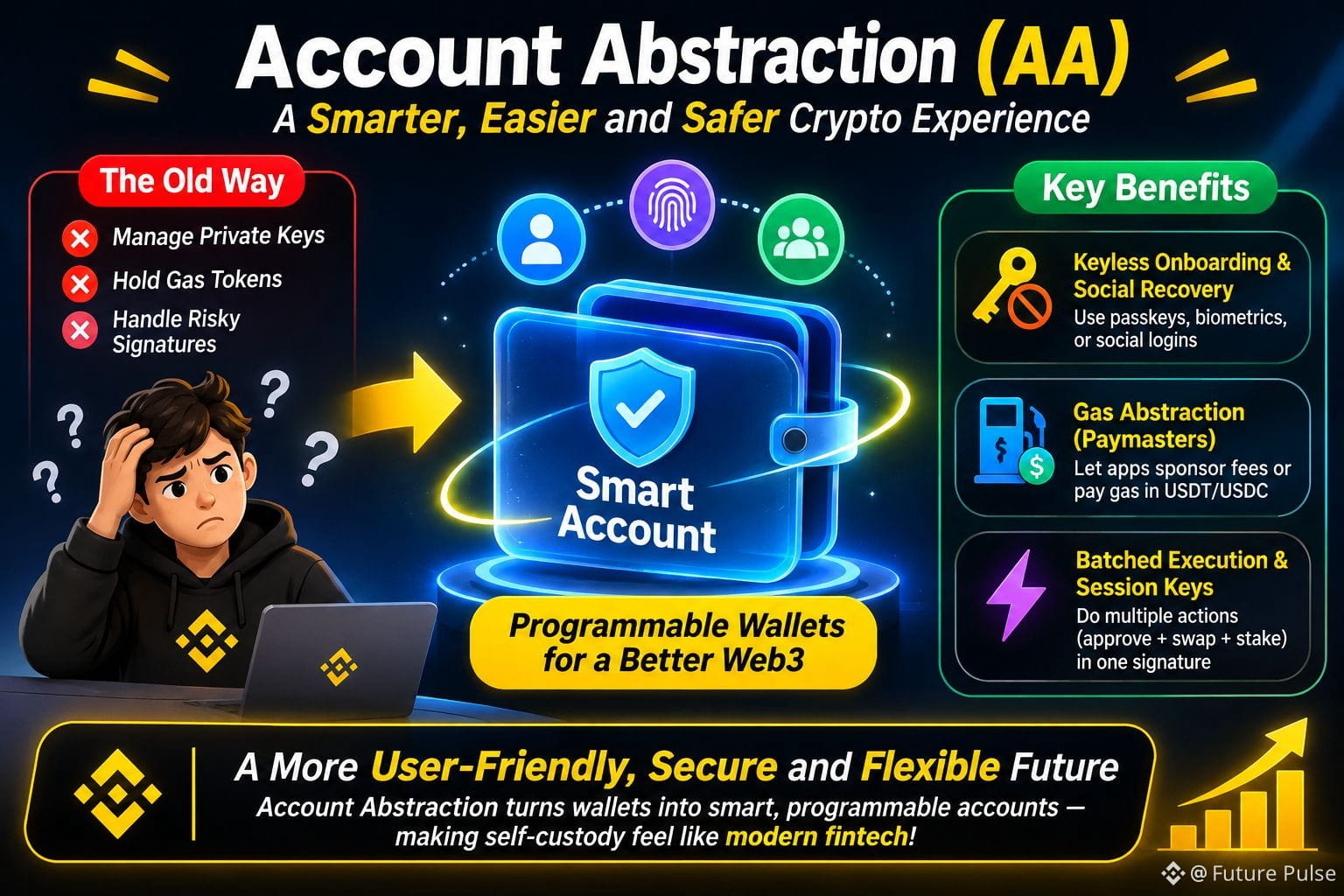
Account Abstraction (AA) is solving crypto’s biggest bottleneck: forcing everyday users to manage cryptographic key pairs, gas tokens, and irreversible signing flows before they can even execute a basic on-chain action.
By decoupling user intent from low-level transaction execution—most notably through ERC-4337 and smart contract wallets—Account Abstraction turns wallets into programmable accounts rather than rigid externally owned accounts (EOAs):
Keyless Onboarding & Social Recovery: Users can authenticate with passkeys, biometrics, or familiar social logins, while programmable guardians replace the single point of failure of a 12-word seed phrase.Gas Abstraction (Paymasters): Applications can sponsor transaction fees entirely or allow users to pay gas in stablecoins like USDT/USDC instead of holding native gas tokens.Batched Execution & Session Keys: Multi-step DeFi interactions (approve + swap + stake) compress into a single atomic signature, while scoped session keys let apps or games execute pre-approved actions without constant wallet pop-ups.
The architectural shift is clear: security and UX move from manual user burden into verifiable smart contract logic. As smart accounts become the default standard across L1s and L2s, self-custody finally starts looking like modern fintech—without sacrificing cryptographic ownership.
$USDT
$USDC
{spot}(USDCUSDT)
$USD1
{spot}(USD1USDT)
#AccountAbstraction
#ERC4337
#Web3UX
#SmartWallets
#CryptoInfrastructure
Account Abstraction (AA) is solving crypto’s biggest bottleneck: forcing everyday users to manage cryptographic key pairs, gas tokens, and irreversible signing flows before they can even execute a basic on-chain action.
By decoupling user intent from low-level transaction execution—most notably through ERC-4337 and smart contract wallets—Account Abstraction turns wallets into programmable accounts rather than rigid externally owned accounts (EOAs):
Keyless Onboarding & Social Recovery: Users can authenticate with passkeys, biometrics, or familiar social logins, while programmable guardians replace the single point of failure of a 12-word seed phrase.Gas Abstraction (Paymasters): Applications can sponsor transaction fees entirely or allow users to pay gas in stablecoins like USDT/USDC instead of holding native gas tokens.Batched Execution & Session Keys: Multi-step DeFi interactions (approve + swap + stake) compress into a single atomic signature, while scoped session keys let apps or games execute pre-approved actions without constant wallet pop-ups.
The architectural shift is clear: security and UX move from manual user burden into verifiable smart contract logic. As smart accounts become the default standard across L1s and L2s, self-custody finally starts looking like modern fintech—without sacrificing cryptographic ownership.
$USDT
$USDC
$USD1
#AccountAbstraction
#ERC4337
#Web3UX
#SmartWallets
#CryptoInfrastructure
145
·
--
Verified
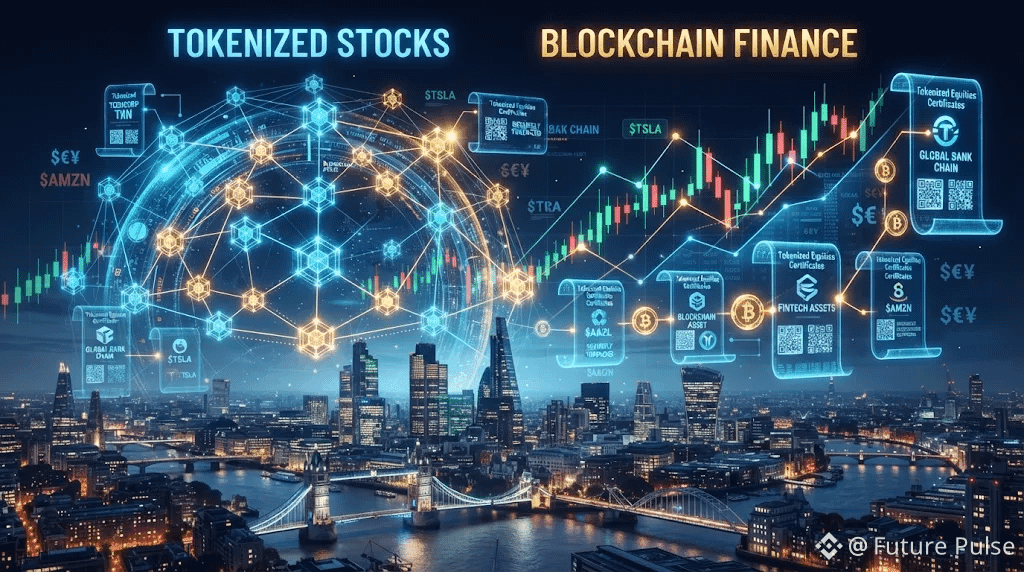
$4.8 BILLION. TOKENIZED STOCKS ARE QUIETLY BUILDING A NEW FINANCIAL MARKET.
While most crypto investors are watching bitcoin and altcoin prices, another market is growing rapidly behind the scenes.
According to Binance Research, the global tokenized equities market reached a record $4.8 billion in assets under management on November 10, 2026.
That's a staggering 164% increase between June and early November.
But here's where it gets even more interesting:
🔹 Binance bStocks reached $1.5 billion in AUM within just 145 days of launch.
🔹 It now represents approximately 31% of the tokenized equities market.
🔹 Around 56% of its trading volume happens outside regular US stock market hours.
🔹 Users from emerging and frontier markets account for approximately 70% of its trading volume.
Why does this matter?
Tokenization is changing how people access traditional financial assets. Instead of relying entirely on conventional brokerage infrastructure, eligible investors can gain exposure to stocks and ETFs through blockchain-based tokens.
And this creates an interesting possibility: traditional equities could become more accessible, globally connected, and integrated with decentralized finance.
But don't confuse tokenized exposure with direct stock ownership. The underlying assets, custody arrangements, redemption rights, and regulatory protections still matter.
The bigger question is no longer whether traditional finance will explore blockchain.
It's how far this transformation can go.
$SOXL
{future}(SOXLUSDT)
$SOXS
{future}(SOXSUSDT)
$EVAA
{future}(EVAAUSDT)
👇 Would you invest in tokenized stocks instead of using a traditional stock brokerage?
$4.8 BILLION. TOKENIZED STOCKS ARE QUIETLY BUILDING A NEW FINANCIAL MARKET.
While most crypto investors are watching bitcoin and altcoin prices, another market is growing rapidly behind the scenes.
According to Binance Research, the global tokenized equities market reached a record $4.8 billion in assets under management on November 10, 2026.
That's a staggering 164% increase between June and early November.
But here's where it gets even more interesting:
🔹 Binance bStocks reached $1.5 billion in AUM within just 145 days of launch.
🔹 It now represents approximately 31% of the tokenized equities market.
🔹 Around 56% of its trading volume happens outside regular US stock market hours.
🔹 Users from emerging and frontier markets account for approximately 70% of its trading volume.
Why does this matter?
Tokenization is changing how people access traditional financial assets. Instead of relying entirely on conventional brokerage infrastructure, eligible investors can gain exposure to stocks and ETFs through blockchain-based tokens.
And this creates an interesting possibility: traditional equities could become more accessible, globally connected, and integrated with decentralized finance.
But don't confuse tokenized exposure with direct stock ownership. The underlying assets, custody arrangements, redemption rights, and regulatory protections still matter.
The bigger question is no longer whether traditional finance will explore blockchain.
It's how far this transformation can go.
$SOXL
$SOXS
$EVAA
👇 Would you invest in tokenized stocks instead of using a traditional stock brokerage?
Yes, blockchain is the future.
No, stocks are better.
9 hr(s) left
2
5.5k
·
--
Verified
THE NEXT FINANCIAL REVOLUTION MAY NOT START WITH CRYPTO EXCHANGES. IT MAY START WITH BANKS.
For decades, the global banking system has relied on traditional networks to move money between institutions.
But that infrastructure is now facing a new challenge.
The Hong Kong Monetary Authority (HKMA) and Swift are exploring how tokenized deposits can connect with existing financial systems.
Why does this matter?
Think about how international payments work today. Multiple banks, different settlement systems, operating hours, and reconciliation processes can make cross-border transactions complicated.
Tokenized deposits could introduce a different approach:
🔹 Represent bank deposits as digital tokens.
🔹 Enable financial institutions to exchange value across connected networks.
🔹 Improve settlement efficiency and transaction transparency.
🔹 Explore interoperability between traditional banking and blockchain infrastructure.
Here's the interesting part:
This isn't about replacing banks with crypto.
It's about potentially upgrading the technology banks use to move money.
If traditional financial institutions begin adopting interoperable blockchain systems, the biggest winners may not necessarily be individual cryptocurrencies. They could be the infrastructure networks connecting the entire financial ecosystem.
One question:
Will blockchain eventually become the invisible infrastructure powering global banking?
Or will traditional financial systems remain dominant?
👇 What's your prediction?
$SOXS
$EVAA
{future}(EVAAUSDT)
$SOXL
{future}(SOXLUSDT)
{web3_wallet_create}(10x42778037d69350508cdd34d9fa17053970591101)
#CanBTCReboundAfterFallingBelow60K?
#GlobalStocksFaceLongestLosingStreakSince2023
#AnthropicPlungesTowardIPOPriceonDay2
#BNBDropsBelow540USDTWith8.46%DailyDecline
#MorganStanleyEndsAnthropicStockSupportAfterOneDay
THE NEXT FINANCIAL REVOLUTION MAY NOT START WITH CRYPTO EXCHANGES. IT MAY START WITH BANKS.
For decades, the global banking system has relied on traditional networks to move money between institutions.
But that infrastructure is now facing a new challenge.
The Hong Kong Monetary Authority (HKMA) and Swift are exploring how tokenized deposits can connect with existing financial systems.
Why does this matter?
Think about how international payments work today. Multiple banks, different settlement systems, operating hours, and reconciliation processes can make cross-border transactions complicated.
Tokenized deposits could introduce a different approach:
🔹 Represent bank deposits as digital tokens.
🔹 Enable financial institutions to exchange value across connected networks.
🔹 Improve settlement efficiency and transaction transparency.
🔹 Explore interoperability between traditional banking and blockchain infrastructure.
Here's the interesting part:
This isn't about replacing banks with crypto.
It's about potentially upgrading the technology banks use to move money.
If traditional financial institutions begin adopting interoperable blockchain systems, the biggest winners may not necessarily be individual cryptocurrencies. They could be the infrastructure networks connecting the entire financial ecosystem.
One question:
Will blockchain eventually become the invisible infrastructure powering global banking?
Or will traditional financial systems remain dominant?
👇 What's your prediction?
$SOXS
$EVAA
$SOXL
#CanBTCReboundAfterFallingBelow60K?
#GlobalStocksFaceLongestLosingStreakSince2023
#AnthropicPlungesTowardIPOPriceonDay2
#BNBDropsBelow540USDTWith8.46%DailyDecline
#MorganStanleyEndsAnthropicStockSupportAfterOneDay

11
2k
·
--
Verified
BLOCKCHAIN IS MOVING INTO GLOBAL TRADE — AND THIS TIME, IT'S NOT JUST AN EXPERIMENT.
Most people associate tokenization with Bitcoin, stablecoins, or digital investment funds.
But something more interesting is happening behind the scenes.
POSCO International and LG CNS have completed a trade receivables tokenization pilot using Injective (INJ).
Here's why this matters:
Every international trade transaction creates invoices, payment obligations, and receivables. Traditionally, these records move between companies, banks, and subsidiaries through fragmented systems.
This creates delays, reconciliation problems, and unnecessary complexity.
Now imagine putting those financial claims on a shared blockchain record.
That's what this initiative aims to demonstrate:
🔹 Real trade receivables represented as digital assets.
🔹 Shared transaction records across counterparties.
🔹 Faster and more transparent financial processes.
🔹 Compliance controls built into the asset infrastructure.
The bigger picture?
Blockchain adoption may be moving beyond crypto-native businesses and entering the infrastructure of traditional global commerce.
And that's a much bigger opportunity than simply creating another token.
One question for the community:
Will real-world business adoption become the strongest long-term driver of blockchain growth?
👇 What's your opinion?
$ARIA
$INJ
{future}(INJUSDT)
$HYPE
{future}(HYPEUSDT)
{web3_wallet_create}(10x42778037d69350508cdd34d9fa17053970591101)
#injective
#RWA
#Tokenization
#blockchain
#CanBTCReboundAfterFallingBelow60K?
BLOCKCHAIN IS MOVING INTO GLOBAL TRADE — AND THIS TIME, IT'S NOT JUST AN EXPERIMENT.
Most people associate tokenization with Bitcoin, stablecoins, or digital investment funds.
But something more interesting is happening behind the scenes.
POSCO International and LG CNS have completed a trade receivables tokenization pilot using Injective (INJ).
Here's why this matters:
Every international trade transaction creates invoices, payment obligations, and receivables. Traditionally, these records move between companies, banks, and subsidiaries through fragmented systems.
This creates delays, reconciliation problems, and unnecessary complexity.
Now imagine putting those financial claims on a shared blockchain record.
That's what this initiative aims to demonstrate:
🔹 Real trade receivables represented as digital assets.
🔹 Shared transaction records across counterparties.
🔹 Faster and more transparent financial processes.
🔹 Compliance controls built into the asset infrastructure.
The bigger picture?
Blockchain adoption may be moving beyond crypto-native businesses and entering the infrastructure of traditional global commerce.
And that's a much bigger opportunity than simply creating another token.
One question for the community:
Will real-world business adoption become the strongest long-term driver of blockchain growth?
👇 What's your opinion?
$ARIA
$INJ
$HYPE
#injective
#RWA
#Tokenization
#blockchain
#CanBTCReboundAfterFallingBelow60K?

11
1.4k
·
--
🚨 HYPERLIQUID IS GETTING REGULATORY ATTENTION — IS DeFi ENTERING A NEW PHASE?
Decentralized exchanges were built around a simple promise: trade without relying on traditional financial intermediaries.
But as platforms like HyperliquidX gain attention and attract more trading activity, regulators are starting to examine how these systems operate.
And this raises a bigger question:
Can DeFi remain truly decentralized while operating under increasing regulatory pressure?
There are two sides to this debate.
🔹 The Bullish Perspective: Clear regulations could attract institutional capital, improve investor confidence, and help decentralized platforms grow sustainably.
🔹 The Bearish Perspective: Excessive restrictions could limit permissionless access, weaken decentralization, and push innovation elsewhere.
The real challenge isn't simply regulation versus freedom.
It's finding a balance between user protection and the open-access principles that made DeFi valuable in the first place.
One question for the community:
If regulators demand more control over decentralized exchanges, should platforms like Hyperliquid comply or protect their permissionless structure?
👇 Share your thoughts.
$ARIA
$HYPE
{future}(HYPEUSDT)
$EVAA
{future}(EVAAUSDT)
{web3_wallet_create}(10x42778037d69350508cdd34d9fa17053970591101)
#AnthropicPlungesTowardIPOPriceonDay2
#GlobalStocksFaceLongestLosingStreakSince2023
#CanBTCReboundAfterFallingBelow60K?
#BNBDropsBelow540USDTWith8.46%DailyDecline
#MorganStanleyEndsAnthropicStockSupportAfterOneDay
🚨 HYPERLIQUID IS GETTING REGULATORY ATTENTION — IS DeFi ENTERING A NEW PHASE?
Decentralized exchanges were built around a simple promise: trade without relying on traditional financial intermediaries.
But as platforms like HyperliquidX gain attention and attract more trading activity, regulators are starting to examine how these systems operate.
And this raises a bigger question:
Can DeFi remain truly decentralized while operating under increasing regulatory pressure?
There are two sides to this debate.
🔹 The Bullish Perspective: Clear regulations could attract institutional capital, improve investor confidence, and help decentralized platforms grow sustainably.
🔹 The Bearish Perspective: Excessive restrictions could limit permissionless access, weaken decentralization, and push innovation elsewhere.
The real challenge isn't simply regulation versus freedom.
It's finding a balance between user protection and the open-access principles that made DeFi valuable in the first place.
One question for the community:
If regulators demand more control over decentralized exchanges, should platforms like Hyperliquid comply or protect their permissionless structure?
👇 Share your thoughts.
$ARIA
$HYPE
$EVAA
#AnthropicPlungesTowardIPOPriceonDay2
#GlobalStocksFaceLongestLosingStreakSince2023
#CanBTCReboundAfterFallingBelow60K?
#BNBDropsBelow540USDTWith8.46%DailyDecline
#MorganStanleyEndsAnthropicStockSupportAfterOneDay

10
900
·
--
🚨 YOUR CRYPTO MAY BE SAFE ON THE BLOCKCHAIN… BUT IS YOUR WALLET REALLY SAFE?
A hardware wallet is supposed to be your last line of defense against crypto theft. But what happens when the device itself becomes the weak point?
Recent reports about potentially tampered hardware wallets have raised an important question about crypto security.
Many investors focus on choosing the right wallet, but overlook something equally important: Where did the device come from, and can you trust its supply chain?
Remember:
🔐 Always purchase hardware wallets from official sources.
🔐 Never use a pre-written recovery phrase.
🔐 Never share your seed phrase with anyone.
🔐 Verify your device before transferring significant funds.
Self-custody gives you control over your assets, but it also makes security your responsibility.
Here's the real question:
Would you still trust a hardware wallet if you couldn't verify its entire supply chain?
$EVAA
{future}(EVAAUSDT)
$MMT
{future}(MMTUSDT)
$ONE
{future}(ONEUSDT)
#CryptoSecurity
#Ledger
#SelfCustody
#BinanceSquare
#crypto
🚨 YOUR CRYPTO MAY BE SAFE ON THE BLOCKCHAIN… BUT IS YOUR WALLET REALLY SAFE?
A hardware wallet is supposed to be your last line of defense against crypto theft. But what happens when the device itself becomes the weak point?
Recent reports about potentially tampered hardware wallets have raised an important question about crypto security.
Many investors focus on choosing the right wallet, but overlook something equally important: Where did the device come from, and can you trust its supply chain?
Remember:
🔐 Always purchase hardware wallets from official sources.
🔐 Never use a pre-written recovery phrase.
🔐 Never share your seed phrase with anyone.
🔐 Verify your device before transferring significant funds.
Self-custody gives you control over your assets, but it also makes security your responsibility.
Here's the real question:
Would you still trust a hardware wallet if you couldn't verify its entire supply chain?
$EVAA
$MMT
$ONE
#CryptoSecurity
#Ledger
#SelfCustody
#BinanceSquare
#crypto

4
1.6k
·
--
🚨 GTA 6 IS MORE THAN A GAMING LAUNCH — IT'S A WALL STREET EVENT! 🎮📈
After years of anticipation, Grand Theft Auto VI has finally arrived. But beyond the excitement among gamers, investors are watching one company closely: Take-Two Interactive (TTWO), the parent company of Rockstar Games.
The excitement surrounding GTA 6 pushed Take-Two shares higher ahead of launch. However, the market reaction also highlights an important lesson: sometimes investors buy the hype before the actual event.
🔥 What matters next?
Can GTA 6 maintain strong sales beyond launch week?
Will GTA Online create a sustainable revenue stream?
Can future updates and a PC release bring another wave of growth?
The launch may create the excitement, but long-term earnings will determine the real value.
💬 What's your view?
Will GTA 6 take TTWO to new highs, or has the market already priced in the hype?
$TTWO
{future}(TTWOUSDT)
$PIEVERSE
{future}(PIEVERSEUSDT)
$KITE
{future}(KITEUSDT)
#CanGTA6'sLaunchLiftTTWOShares?
#CanBTCReboundAfterFallingBelow60K?
#GlobalStocksFaceLongestLosingStreakSince2023
#AnthropicPlungesTowardIPOPriceonDay2
#GaoTengBitcoinETFListsOnHKEX
🚨 GTA 6 IS MORE THAN A GAMING LAUNCH — IT'S A WALL STREET EVENT! 🎮📈
After years of anticipation, Grand Theft Auto VI has finally arrived. But beyond the excitement among gamers, investors are watching one company closely: Take-Two Interactive (TTWO), the parent company of Rockstar Games.
The excitement surrounding GTA 6 pushed Take-Two shares higher ahead of launch. However, the market reaction also highlights an important lesson: sometimes investors buy the hype before the actual event.
🔥 What matters next?
Can GTA 6 maintain strong sales beyond launch week?
Will GTA Online create a sustainable revenue stream?
Can future updates and a PC release bring another wave of growth?
The launch may create the excitement, but long-term earnings will determine the real value.
💬 What's your view?
Will GTA 6 take TTWO to new highs, or has the market already priced in the hype?
$TTWO
$PIEVERSE
$KITE
#CanGTA6'sLaunchLiftTTWOShares?
#CanBTCReboundAfterFallingBelow60K?
#GlobalStocksFaceLongestLosingStreakSince2023
#AnthropicPlungesTowardIPOPriceonDay2
#GaoTengBitcoinETFListsOnHKEX

1
211
·
--
🚨 BLACKROCK'S BITCOIN ETF JUST HIT A HISTORIC SELLING RECORD!
Wall Street's biggest Bitcoin investment vehicle is facing serious pressure.
On November 19, BlackRock's iShares Bitcoin Trust (IBIT) recorded a massive $541.1 MILLION in single-day outflows — its largest withdrawal since launching in January 2024.
But the bigger picture is even more concerning:
📉 US spot Bitcoin ETFs lost $582.3 million collectively in one session.
📉 November's cumulative ETF outflows have reached approximately $3.47 billion.
⚠️ Bitcoin also dropped below $62,000, reflecting growing pressure across the crypto market.
Interestingly, Morgan Stanley's Bitcoin ETF attracted $49.6 million in fresh inflows on the same day. This suggests institutional demand isn't disappearing uniformly.
Here's the real question:
Are institutional investors losing confidence in Bitcoin, or is this simply a massive repositioning during market uncertainty?
The next few trading sessions could reveal a lot.
What is your prediction for Bitcoin?
$ENSO
$MMT
{future}(MMTUSDT)
$BTC
{future}(BTCUSDT)
{web3_wallet_create}(10x42778037d69350508cdd34d9fa17053970591101)
#BlackRockBitcoinETFRecordsLargestDailyOutflow
#IsAnthropic’s$1.5TMarketCapJustified?
#NvidiaBoardReportedlySplitOverHuang’sReturn
🚨 BLACKROCK'S BITCOIN ETF JUST HIT A HISTORIC SELLING RECORD!
Wall Street's biggest Bitcoin investment vehicle is facing serious pressure.
On November 19, BlackRock's iShares Bitcoin Trust (IBIT) recorded a massive $541.1 MILLION in single-day outflows — its largest withdrawal since launching in January 2024.
But the bigger picture is even more concerning:
📉 US spot Bitcoin ETFs lost $582.3 million collectively in one session.
📉 November's cumulative ETF outflows have reached approximately $3.47 billion.
⚠️ Bitcoin also dropped below $62,000, reflecting growing pressure across the crypto market.
Interestingly, Morgan Stanley's Bitcoin ETF attracted $49.6 million in fresh inflows on the same day. This suggests institutional demand isn't disappearing uniformly.
Here's the real question:
Are institutional investors losing confidence in Bitcoin, or is this simply a massive repositioning during market uncertainty?
The next few trading sessions could reveal a lot.
What is your prediction for Bitcoin?
$ENSO
$MMT
$BTC
#BlackRockBitcoinETFRecordsLargestDailyOutflow
#IsAnthropic’s$1.5TMarketCapJustified?
#NvidiaBoardReportedlySplitOverHuang’sReturn

5
1.5k
·
--
Verified
🚨 GOLD IS BLEEDING! WORST WEEK IN 8 MONTHS!
The precious metals market is facing serious selling pressure, and gold investors are feeling the heat.
📉 Here's what's happening:
🥇 Gold: Dropped 2.7% to approximately $3,525 per ounce, hitting its lowest level since September 2025.
📊 Weekly Loss: Around 9.2%, its worst weekly performance in eight months.
🥈 Silver: Also under pressure as sellers dominate the market.
⚪ Platinum & Palladium: Both extended their declines.
What's Behind This Sell-Off?
Three major forces are driving the pressure:
The US dollar is hovering near a 19-month high.
Expectations of a December Fed rate hike are hurting gold's appeal.
Inflation concerns, higher yields and forced liquidations are adding to selling pressure.
But here's what makes this interesting:
Gold is traditionally considered a safe-haven asset. Yet even during market uncertainty, investors are selling rather than buying.
Is this simply a temporary correction, or is gold entering a deeper bearish phase?
What's your call?
$PAXG
$XAU
{future}(XAUUSDT)
$XAG
{future}(XAGUSDT)
{web3_wallet_create}(10x42778037d69350508cdd34d9fa17053970591101)
#PreciousMetals
#XAU
#xagusdt
#PAXG
🚨 GOLD IS BLEEDING! WORST WEEK IN 8 MONTHS!
The precious metals market is facing serious selling pressure, and gold investors are feeling the heat.
📉 Here's what's happening:
🥇 Gold: Dropped 2.7% to approximately $3,525 per ounce, hitting its lowest level since September 2025.
📊 Weekly Loss: Around 9.2%, its worst weekly performance in eight months.
🥈 Silver: Also under pressure as sellers dominate the market.
⚪ Platinum & Palladium: Both extended their declines.
What's Behind This Sell-Off?
Three major forces are driving the pressure:
The US dollar is hovering near a 19-month high.
Expectations of a December Fed rate hike are hurting gold's appeal.
Inflation concerns, higher yields and forced liquidations are adding to selling pressure.
But here's what makes this interesting:
Gold is traditionally considered a safe-haven asset. Yet even during market uncertainty, investors are selling rather than buying.
Is this simply a temporary correction, or is gold entering a deeper bearish phase?
What's your call?
$PAXG
$XAU
$XAG
#PreciousMetals
#XAU
#xagusdt
#PAXG

5
1.4k
·
--
Verified
🚨 ANTB: A New Way to Gain Exposure to the AI Revolution!
The AI industry is expanding rapidly, and now investors are getting another way to gain exposure to one of its biggest players — Anthropic.
Meet ANTB, the tokenized security from bStocks designed to track the economic performance of Anthropic shares.
🔥 Why is ANTB attracting attention?
🔹 Designed to be backed 1:1 by real Anthropic shares held by a regulated custodian.
🔹 Built on BNB Smart Chain.
🔹 Provides blockchain-based exposure to Anthropic's stock performance.
🔹 Now available on Binance Spot through the ANTB/USDT trading pair.
But here's what makes this interesting: ANTB connects two powerful narratives — Artificial Intelligence and tokenized real-world assets (RWA).
However, remember that holding ANTB does not mean directly owning Anthropic shares. Its value can fluctuate with the underlying stock and market conditions.
My question is:
Is ANTB the beginning of a bigger trend where traditional stocks meet blockchain technology, or just another short-term market opportunity?
👇 Share your thoughts !
$ANT
$ANTB
{spot}(ANTBUSDT)
$PIEVERSE
{future}(PIEVERSEUSDT)
{web3_wallet_create}(10x42778037d69350508cdd34d9fa17053970591101)
#NvidiaBoardReportedlySplitOverHuang’sReturn
#Solana2027RoadmapTargetsDoubleComputeCapacity
#CanGTA6'sLaunchLiftTTWOShares?
#DeepSeekbug
🚨 ANTB: A New Way to Gain Exposure to the AI Revolution!
The AI industry is expanding rapidly, and now investors are getting another way to gain exposure to one of its biggest players — Anthropic.
Meet ANTB, the tokenized security from bStocks designed to track the economic performance of Anthropic shares.
🔥 Why is ANTB attracting attention?
🔹 Designed to be backed 1:1 by real Anthropic shares held by a regulated custodian.
🔹 Built on BNB Smart Chain.
🔹 Provides blockchain-based exposure to Anthropic's stock performance.
🔹 Now available on Binance Spot through the ANTB/USDT trading pair.
But here's what makes this interesting: ANTB connects two powerful narratives — Artificial Intelligence and tokenized real-world assets (RWA).
However, remember that holding ANTB does not mean directly owning Anthropic shares. Its value can fluctuate with the underlying stock and market conditions.
My question is:
Is ANTB the beginning of a bigger trend where traditional stocks meet blockchain technology, or just another short-term market opportunity?
👇 Share your thoughts !
$ANT
$ANTB
$PIEVERSE
#NvidiaBoardReportedlySplitOverHuang’sReturn
#Solana2027RoadmapTargetsDoubleComputeCapacity
#CanGTA6'sLaunchLiftTTWOShares?
#DeepSeekbug

7
717
·
--
Verified
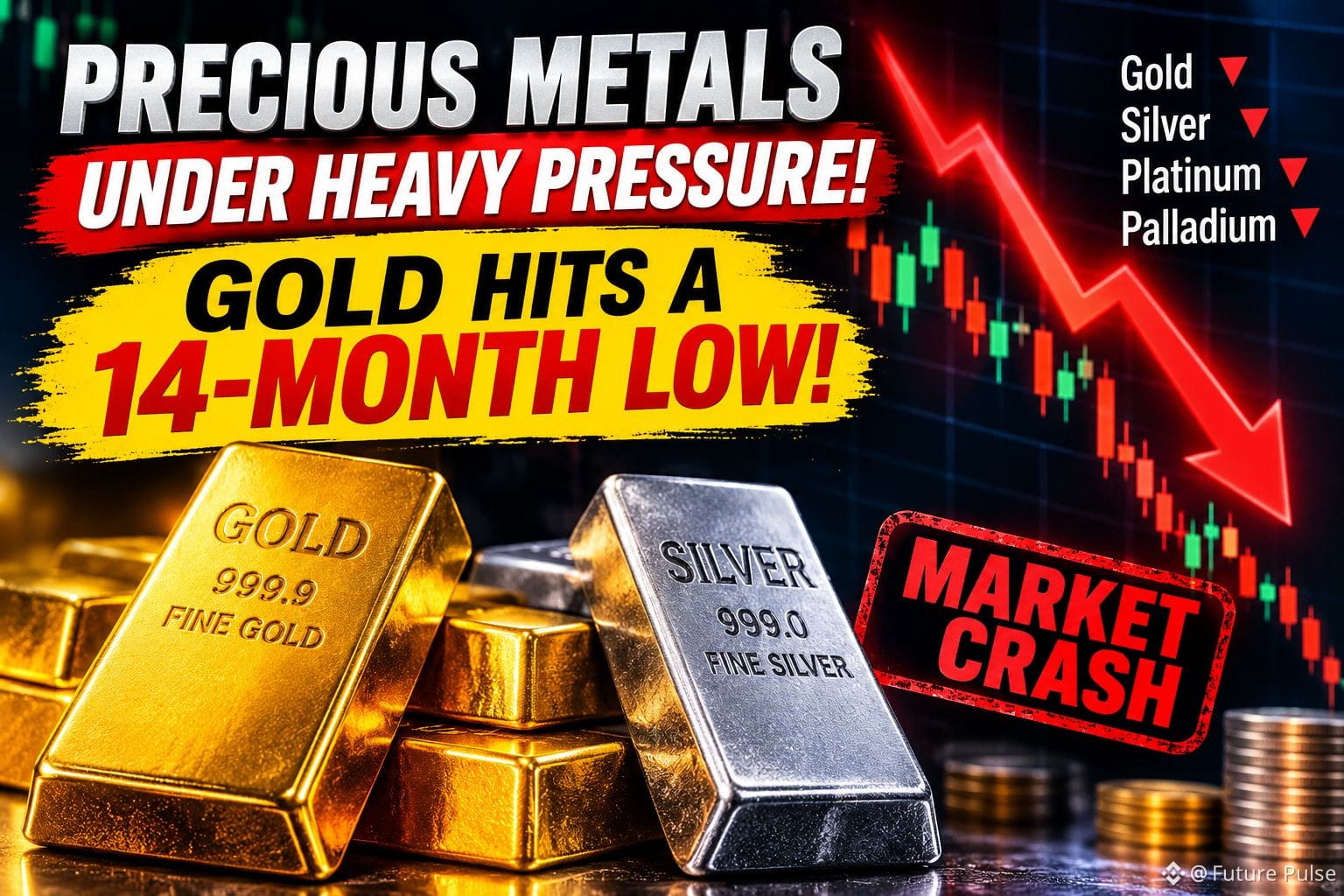
🚨 PRECIOUS METALS UNDER HEAVY PRESSURE! GOLD HITS A 14-MONTH LOW!
The global precious metals market is facing another major sell-off.
On November 19, gold prices dropped to a fresh 14-month low, with spot gold falling to approximately $3,667 per ounce before recovering slightly.
But gold isn't the only metal under pressure.
📉 Market Highlights:
🥇 Gold: Fell to a 14-month low as the US dollar strengthened and interest rate concerns increased.
🥈 Silver: Dropped around 1.5%, facing additional pressure from weakening industrial demand.
⚪ Platinum: Declined approximately 0.7%.
🔘 Palladium: Lost around 3%.
What's Behind the Sell-Off?
Three major factors are driving the decline:
A stronger US dollar is making precious metals more expensive for international buyers.
Expectations of further Federal Reserve interest rate hikes are reducing the appeal of non-yielding assets like gold.
Stock market weakness and investor liquidations are adding further selling pressure.
📊 What's Next?
Investors are now watching the Federal Reserve's upcoming policy decisions and the strength of the US dollar.
Could this be the beginning of a deeper correction, or are precious metals approaching an attractive accumulation zone?
What's your prediction? Comment below 👇 👇 👇 👇
#PreciousMetals #FederalReserve #MarketNews #13FInstitutionsBitcoinSpotETPHoldingsHitRecord #BTCRemainsUnderPressureAfterHawkishFOMCMinutes
$XAU
{future}(XAUUSDT)
$XAG
{future}(XAGUSDT)
$XAUT
{future}(XAUTUSDT)
🚨 PRECIOUS METALS UNDER HEAVY PRESSURE! GOLD HITS A 14-MONTH LOW!
The global precious metals market is facing another major sell-off.
On November 19, gold prices dropped to a fresh 14-month low, with spot gold falling to approximately $3,667 per ounce before recovering slightly.
But gold isn't the only metal under pressure.
📉 Market Highlights:
🥇 Gold: Fell to a 14-month low as the US dollar strengthened and interest rate concerns increased.
🥈 Silver: Dropped around 1.5%, facing additional pressure from weakening industrial demand.
⚪ Platinum: Declined approximately 0.7%.
🔘 Palladium: Lost around 3%.
What's Behind the Sell-Off?
Three major factors are driving the decline:
A stronger US dollar is making precious metals more expensive for international buyers.
Expectations of further Federal Reserve interest rate hikes are reducing the appeal of non-yielding assets like gold.
Stock market weakness and investor liquidations are adding further selling pressure.
📊 What's Next?
Investors are now watching the Federal Reserve's upcoming policy decisions and the strength of the US dollar.
Could this be the beginning of a deeper correction, or are precious metals approaching an attractive accumulation zone?
What's your prediction? Comment below 👇 👇 👇 👇
#PreciousMetals #FederalReserve #MarketNews #13FInstitutionsBitcoinSpotETPHoldingsHitRecord #BTCRemainsUnderPressureAfterHawkishFOMCMinutes
$XAU
$XAG
$XAUT
1
1.6k


·
--
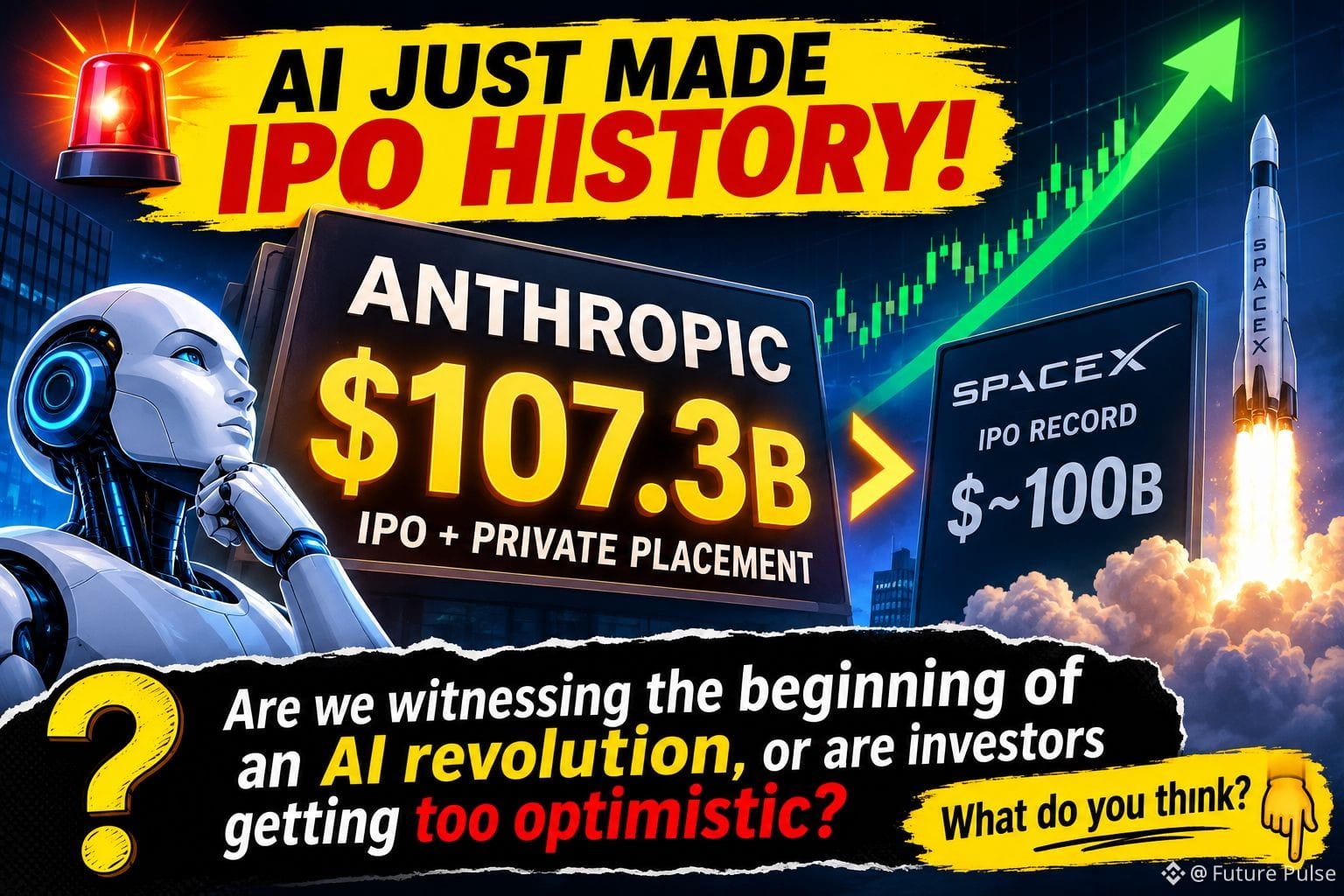
🚨 AI JUST MADE IPO HISTORY!
Anthropic is making headlines with a staggering $107.3 billion combined IPO and private placement, putting it ahead of SpaceX's reported IPO fundraising record.
This isn't just another financial milestone. It reflects how aggressively investors are betting on the future of artificial intelligence.
The AI race is no longer just about building smarter models. It's becoming a battle for capital, infrastructure, market dominance, and global influence.
But here's the big question:
Are we witnessing the beginning of an AI revolution, or are investors getting too optimistic?
What do you think? 👇
$ANT
{future}(ANTUSDT)
$ANTB
{spot}(ANTBUSDT)
$MMT
{future}(MMTUSDT)
#IsAnthropic’s$1.5TMarketCapJustified?
#BTCRemainsUnderPressureAfterHawkishFOMCMinutes
#CanGTA6'sLaunchLiftTTWOShares?
🚨 AI JUST MADE IPO HISTORY!
Anthropic is making headlines with a staggering $107.3 billion combined IPO and private placement, putting it ahead of SpaceX's reported IPO fundraising record.
This isn't just another financial milestone. It reflects how aggressively investors are betting on the future of artificial intelligence.
The AI race is no longer just about building smarter models. It's becoming a battle for capital, infrastructure, market dominance, and global influence.
But here's the big question:
Are we witnessing the beginning of an AI revolution, or are investors getting too optimistic?
What do you think? 👇
$ANT
$ANTB
$MMT
#IsAnthropic’s$1.5TMarketCapJustified?
#BTCRemainsUnderPressureAfterHawkishFOMCMinutes
#CanGTA6'sLaunchLiftTTWOShares?
1
758
·
--
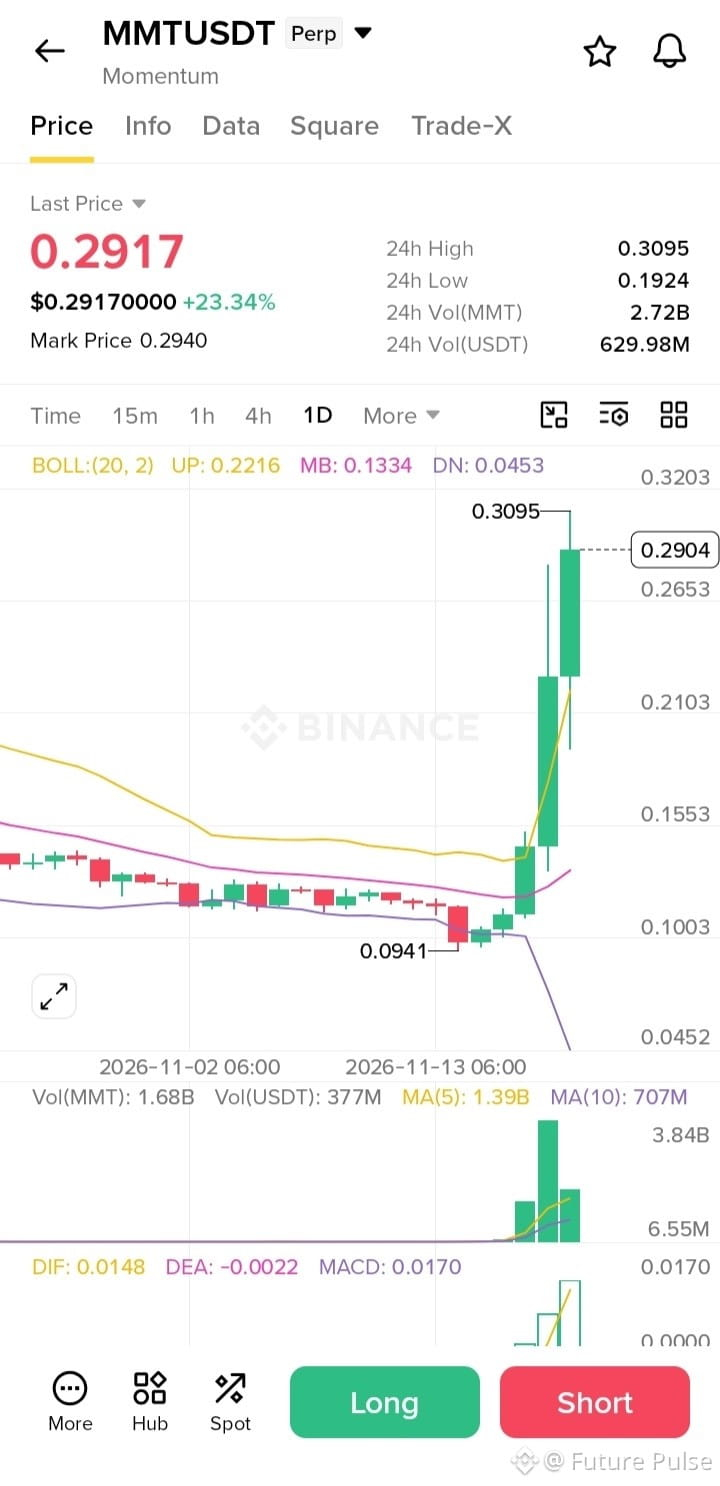
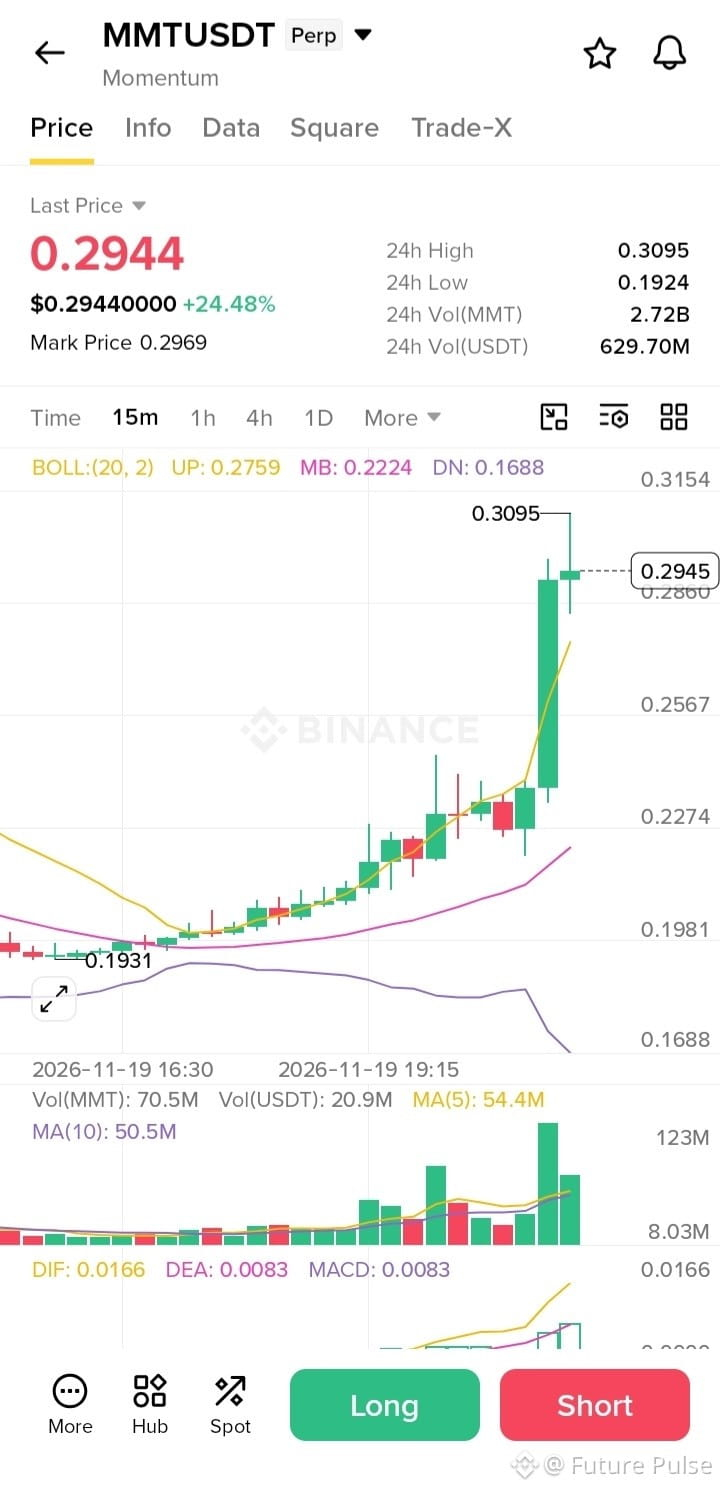
MMT is on fire again 🔥🔥
$MMT
{future}(MMTUSDT)
$LUNC
{spot}(LUNCUSDT)
$LAB
{future}(LABUSDT)
MMT is on fire again 🔥🔥
$MMT
$LUNC
$LAB
$MMT
$LUNC
$LAB
2
1.1k
·
--
Trump Media & Technology Group is reportedly preparing to repay its remaining $883.5 million in convertible bonds using cash and credit rather than selling its Bitcoin holdings.
The move could signal strong confidence in its long-term BTC strategy. However, if alternative financing falls short, selling digital assets may still become necessary.
One big question: Can Trump Media protect its Bitcoin stack while clearing its massive debt?
$PIEVERSE
$TRUMP
{future}(TRUMPUSDT)
$MELANIA
{future}(MELANIAUSDT)
{web3_wallet_create}(10x42778037d69350508cdd34d9fa17053970591101)
#FOMCMinutesHighlightAIDebtRisks
#CanGTA6'sLaunchLiftTTWOShares?
#NvidiaBoardReportedlySplitOverHuang’sReturn
Trump Media & Technology Group is reportedly preparing to repay its remaining $883.5 million in convertible bonds using cash and credit rather than selling its Bitcoin holdings.
The move could signal strong confidence in its long-term BTC strategy. However, if alternative financing falls short, selling digital assets may still become necessary.
One big question: Can Trump Media protect its Bitcoin stack while clearing its massive debt?
$PIEVERSE
$TRUMP
$MELANIA
#FOMCMinutesHighlightAIDebtRisks
#CanGTA6'sLaunchLiftTTWOShares?
#NvidiaBoardReportedlySplitOverHuang’sReturn

2
511
·
--
Verified
🔥 LUNC Burn Watch: Is Binance Breaking Its Monthly Streak?
Terra Classic ($LUNC) holders are watching closely after Binance reportedly missed its expected November burn for the first time since 2023.
The previous recorded burn was approximately 334.88 million LUNC on October 1. Binance has historically played a major role in reducing LUNC's circulating supply, with around 88.1 billion tokens burned through its mechanism.
However, the reason for the delay remains unconfirmed.
Will Binance resume its monthly burns, or could this signal a longer pause?
LUNC holders, what do you think? 👀
$AKE
$PIEVERSE
{future}(PIEVERSEUSDT)
$PIPPIN
{future}(PIPPINUSDT)
{web3_wallet_create}(10x42778037d69350508cdd34d9fa17053970591101)
#AnthropicToDebutAfter$83IPOPricing
#BTCRemainsUnderPressureAfterHawkishFOMCMinutes
#DeepSeekbug
🔥 LUNC Burn Watch: Is Binance Breaking Its Monthly Streak?
Terra Classic ($LUNC) holders are watching closely after Binance reportedly missed its expected November burn for the first time since 2023.
The previous recorded burn was approximately 334.88 million LUNC on October 1. Binance has historically played a major role in reducing LUNC's circulating supply, with around 88.1 billion tokens burned through its mechanism.
However, the reason for the delay remains unconfirmed.
Will Binance resume its monthly burns, or could this signal a longer pause?
LUNC holders, what do you think? 👀
$AKE
$PIEVERSE
$PIPPIN
#AnthropicToDebutAfter$83IPOPricing
#BTCRemainsUnderPressureAfterHawkishFOMCMinutes
#DeepSeekbug

2
9
2k
·
--
$PIEVERSE
{future}(PIEVERSEUSDT)
Click the link below to get red box👇👇👇👇
$PIEVERSE
Click the link below to get red box👇👇👇👇
Click the link below to get red box👇👇👇👇
Future Pulse
·
--
Anthropic just priced its IPO at $83 per share, raising a record $81.3 billion at a massive $1.5 trillion valuation!
Setting the price well above the $70–$78 target range shows that institutional appetite for AI is still white-hot, even after weeks of broader tech volatility. Today’s Nasdaq debut under the ticker ANT isn't just a win for Claude—it’s the ultimate real-time stress test for the entire AI market.
For crypto, a strong opening could spark fresh momentum across AI tokens like FET, RENDER, and TAO as liquidity chases the AI narrative.
Are you watching ANT’s market open today, or rotating into AI coins? 👇
$ANT
$PIPPIN
#AnthropicToDebutAfter$83IPOPricing
#NvidiaBoardReportedlySplitOverHuang’sReturn

1
55
Log in to explore more content
Join global crypto users on Binance Square
⚡️ Get latest and useful information about crypto.
💬 Trusted by the world’s largest crypto exchange.
👍 Discover real insights from verified creators.
Email / Phone number
Trending Topics
NvidiaLoses$2.7TrillionInMonthAndAHalf
21,076 views
136 Discussing
Nvidia’s $2.7 Trillion Wipeout: When Narrative Overrides Numbers 📉
Crypto With Faisal
·7 Likes
·5.6k views
CanBTCReboundAfterFallingBelow60K?
783,118 views
3,013 Discussing
GlobalStocksFaceLongestLosingStreakSince2023
286,132 views
2,015 Discussing