
MR Earn Official
1.7k Posts

MR Earn Official
Report
Block User
🚀 Crypto Trader | 📊 Providing daily updates & signals | 📈 Market insights & trends | 💎 Helping you grow in crypto | 🔥 Consistency is key to success
8 Following
106 Followers
2.3K+ Liked
Posts
All
Quotes
Videos
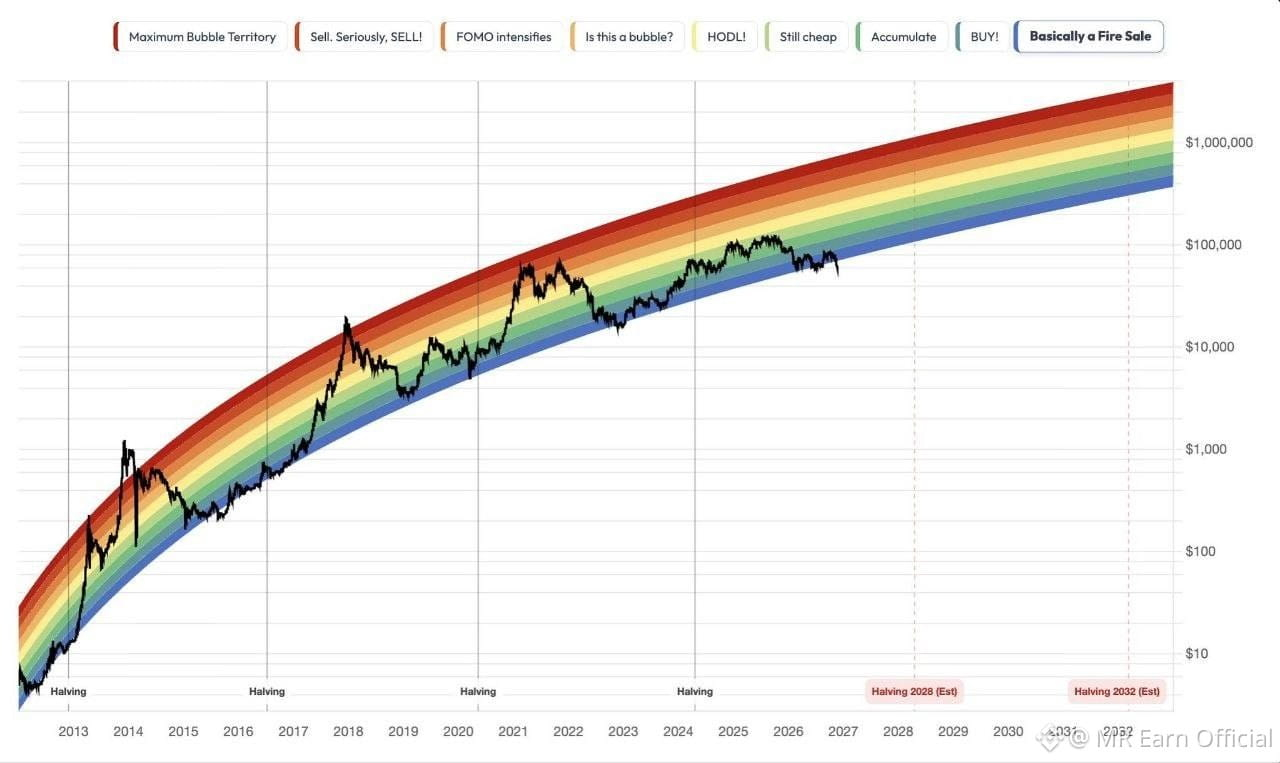
Even the lowest level of the Bitcoin Rainbow Chart has failed to hold.
This is definitely not a good sign for $BTC
#CorePCEBeatLiftsFedHikeOdds
#BitcoinAndStocksSlipAgainAmidTrump’sTariffPlans
#JensenHuangSaysNvidiaDoesn’tNeedASuccessionPlan
#NasdaqFuturesSlideMoreThan3%
#USOctoberPCEPriceIndexAt0.3%MoM
This is definitely not a good sign for $BTC
#CorePCEBeatLiftsFedHikeOdds
#BitcoinAndStocksSlipAgainAmidTrump’sTariffPlans
#JensenHuangSaysNvidiaDoesn’tNeedASuccessionPlan
#NasdaqFuturesSlideMoreThan3%
#USOctoberPCEPriceIndexAt0.3%MoM
2
US economic growth is stronger than expected.
Actual: 4.3%
Expected: 3.5%
Not great news for Bitcoin as the Fed may keep interest rates higher for longer.
$AAPL.US $NVDA.US $MSFT.US
#CorePCEBeatLiftsFedHikeOdds
#BitcoinAndStocksSlipAgainAmidTrump’sTariffPlans
#JensenHuangSaysNvidiaDoesn’tNeedASuccessionPlan
#NasdaqFuturesSlideMoreThan3%
#USOctoberPCEPriceIndexAt0.3%MoM
AAPLUS+0.28%
MSFTUS-0.91%
NVDAUS-2.72%
1
32

Article
A Profitable Trade Does Not Always Mean a Good DecisionA trader can make an impulsive decision and still make money. Another trader can follow a well-defined process and experience a loss.
Individual trade outcomes contain uncertainty.
Evaluate decisions based on plan consistency, predefined risk, evidence and execution.
The objective should be to improve decision quality over a meaningful sample of trades.
Should traders evaluate individual results or long-term execution quality?
#TradingPsychology #RiskManagement #tradingmindset #BitcoinAndStocksSlipAgainAmidTrump’sTariffPlans #JensenHuangSaysNvidiaDoesn’tNeedASuccessionPlan
$NVDA.US $GOOGL.US $BTC
A Profitable Trade Does Not Always Mean a Good Decision
A trader can make an impulsive decision and still make money. Another trader can follow a well-defined process and experience a loss.
Individual trade outcomes contain uncertainty.
Evaluate decisions based on plan consistency, predefined risk, evidence and execution.
The objective should be to improve decision quality over a meaningful sample of trades.
Should traders evaluate individual results or long-term execution quality?
#TradingPsychology #RiskManagement #tradingmindset #BitcoinAndStocksSlipAgainAmidTrump’sTariffPlans #JensenHuangSaysNvidiaDoesn’tNeedASuccessionPlan
$NVDA.US $GOOGL.US $BTC
1
513
Article
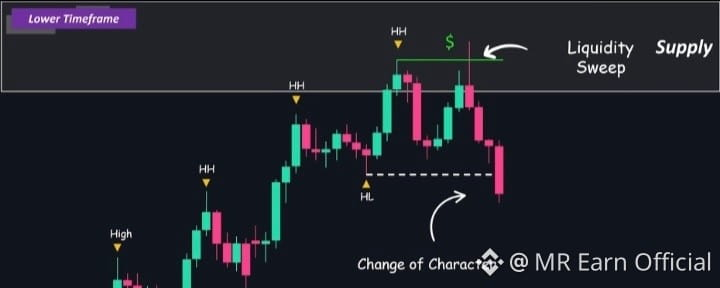
A Liquidity Sweep Does Not Automatically Mean a ReversalA Liquidity Sweep Does Not Automatically Mean a Reversal
A liquidity sweep occurs when price moves beyond an identifiable high or low where stop orders may be concentrated.
But breaking a level is not the same as confirming a reversal.
Consider market context, the reaction and subsequent market structure.
A liquidity sweep is an observation, not a complete trading strategy.
Do you prefer waiting for market structure confirmation, or studying the immediate reaction after a sweep?
$BTC $ETH
#TechnicalAnalysis #Liquidity #PriceAction #TradingEducation
A Liquidity Sweep Does Not Automatically Mean a Reversal
A Liquidity Sweep Does Not Automatically Mean a Reversal
A liquidity sweep occurs when price moves beyond an identifiable high or low where stop orders may be concentrated.
But breaking a level is not the same as confirming a reversal.
Consider market context, the reaction and subsequent market structure.
A liquidity sweep is an observation, not a complete trading strategy.
Do you prefer waiting for market structure confirmation, or studying the immediate reaction after a sweep?
$BTC $ETH
#TechnicalAnalysis #Liquidity #PriceAction #TradingEducation
1
102
Article
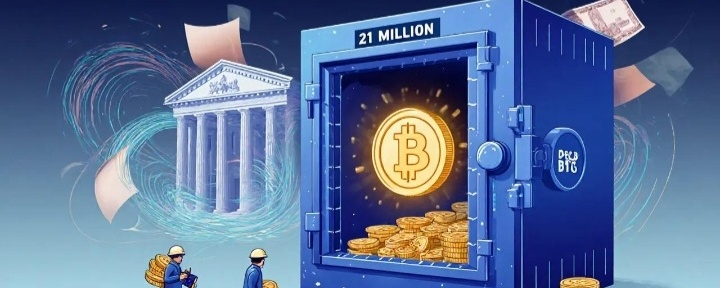
Bitcoin Is More Than Just a Digital CurrencyBitcoin has a maximum supply of 21 million coins. Its issuance schedule is built into the protocol.
2. Decentralization
Its network is maintained by independent participants rather than a single central authority.
3. Transparency
Transactions are recorded on a public blockchain, allowing anyone to independently inspect the ledger.
However, these characteristics do not make Bitcoin risk-free. Its market price remains volatile, and its long-term value is subject to economic and technological uncertainty.
The interesting question: Is Bitcoin primarily a monetary alternative, a store of value, or a speculative asset?
#Bitcoin #BTC #cryptoeducation #blockchain #CryptoEducation💡🚀
Bitcoin Is More Than Just a Digital Currency
Bitcoin has a maximum supply of 21 million coins. Its issuance schedule is built into the protocol.
2. Decentralization
Its network is maintained by independent participants rather than a single central authority.
3. Transparency
Transactions are recorded on a public blockchain, allowing anyone to independently inspect the ledger.
However, these characteristics do not make Bitcoin risk-free. Its market price remains volatile, and its long-term value is subject to economic and technological uncertainty.
The interesting question: Is Bitcoin primarily a monetary alternative, a store of value, or a speculative asset?
#Bitcoin #BTC #cryptoeducation #blockchain #CryptoEducation💡🚀
1
79
Why do beginners struggle with trading psychology?Most beginners spend hours learning chart patterns but very little time understanding their own decision-making.
Three common problems:
Changing decisions because of short-term market movements.
Confusing confidence with certainty.
Evaluating decisions only by their outcomes rather than their reasoning.
Good decision-making requires a repeatable process, patience and the ability to acknowledge uncertainty.
Question: Which is more difficult to learn: technical analysis or emotional discipline?
#CorePCEBeatLiftsFedHikeOdds #BitcoinAndStocksSlipAgainAmidTrump’sTariffPlans #JensenHuangSaysNvidiaDoesn’tNeedASuccessionPlan #NasdaqFuturesSlideMoreThan3%
Why do beginners struggle with trading psychology?
Most beginners spend hours learning chart patterns but very little time understanding their own decision-making.
Three common problems:
Changing decisions because of short-term market movements.
Confusing confidence with certainty.
Evaluating decisions only by their outcomes rather than their reasoning.
Good decision-making requires a repeatable process, patience and the ability to acknowledge uncertainty.
Question: Which is more difficult to learn: technical analysis or emotional discipline?
#CorePCEBeatLiftsFedHikeOdds #BitcoinAndStocksSlipAgainAmidTrump’sTariffPlans #JensenHuangSaysNvidiaDoesn’tNeedASuccessionPlan #NasdaqFuturesSlideMoreThan3%
1
67
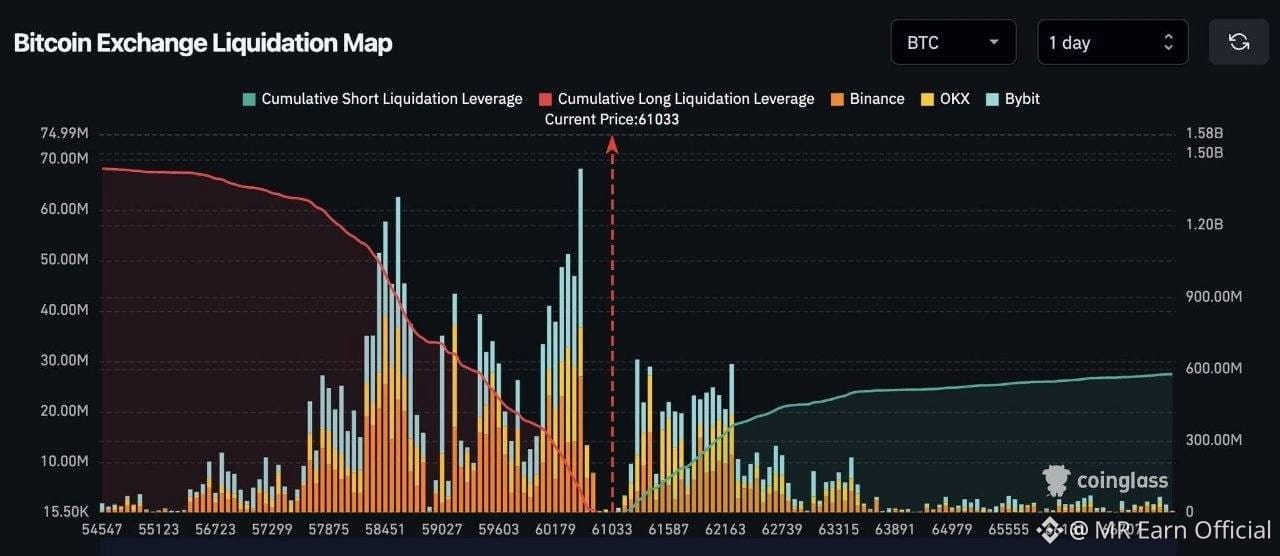
More traders are opening long positions on $BTC , but a lot of liquidation liquidity is sitting below $60K.
If Bitcoin drops sharply, many overleveraged traders could get liquidated.
#bitcoin
#BTC
#WillMarketsStageAThanksgivingReliefRally?
#BessentSoftensStanceOnHuang’sNvidiaReturn
More traders are opening long positions on $BTC , but a lot of liquidation liquidity is sitting below $60K.
If Bitcoin drops sharply, many overleveraged traders could get liquidated.
#bitcoin
#BTC
#WillMarketsStageAThanksgivingReliefRally?
#BessentSoftensStanceOnHuang’sNvidiaReturn
If Bitcoin drops sharply, many overleveraged traders could get liquidated.
#bitcoin
#BTC
#WillMarketsStageAThanksgivingReliefRally?
#BessentSoftensStanceOnHuang’sNvidiaReturn
1
3
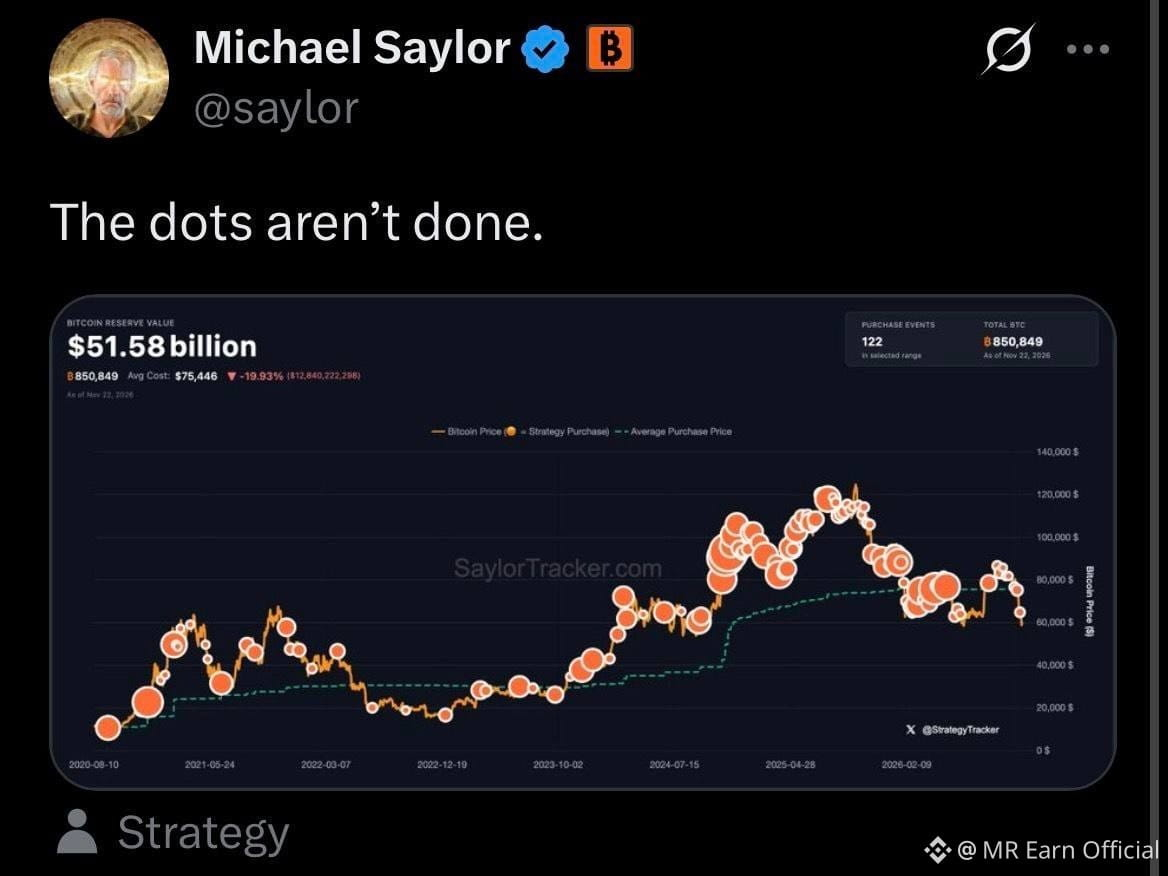
Michael Saylor hints that Strategy could be buying more Bitcoin!
While everyone is panicking, he’s looking to buy the dip.
$BTC
#TwentyOneCapitalAdds172.25BTC
#AnthropicPlungesTowardIPOPriceonDay2
#GlobalStocksFaceLongestLosingStreakSince2023
#BTC #Bitcoin
Michael Saylor hints that Strategy could be buying more Bitcoin!
While everyone is panicking, he’s looking to buy the dip.
$BTC
#TwentyOneCapitalAdds172.25BTC
#AnthropicPlungesTowardIPOPriceonDay2
#GlobalStocksFaceLongestLosingStreakSince2023
#BTC #Bitcoin
While everyone is panicking, he’s looking to buy the dip.
$BTC
#TwentyOneCapitalAdds172.25BTC
#AnthropicPlungesTowardIPOPriceonDay2
#GlobalStocksFaceLongestLosingStreakSince2023
#BTC #Bitcoin
1
5
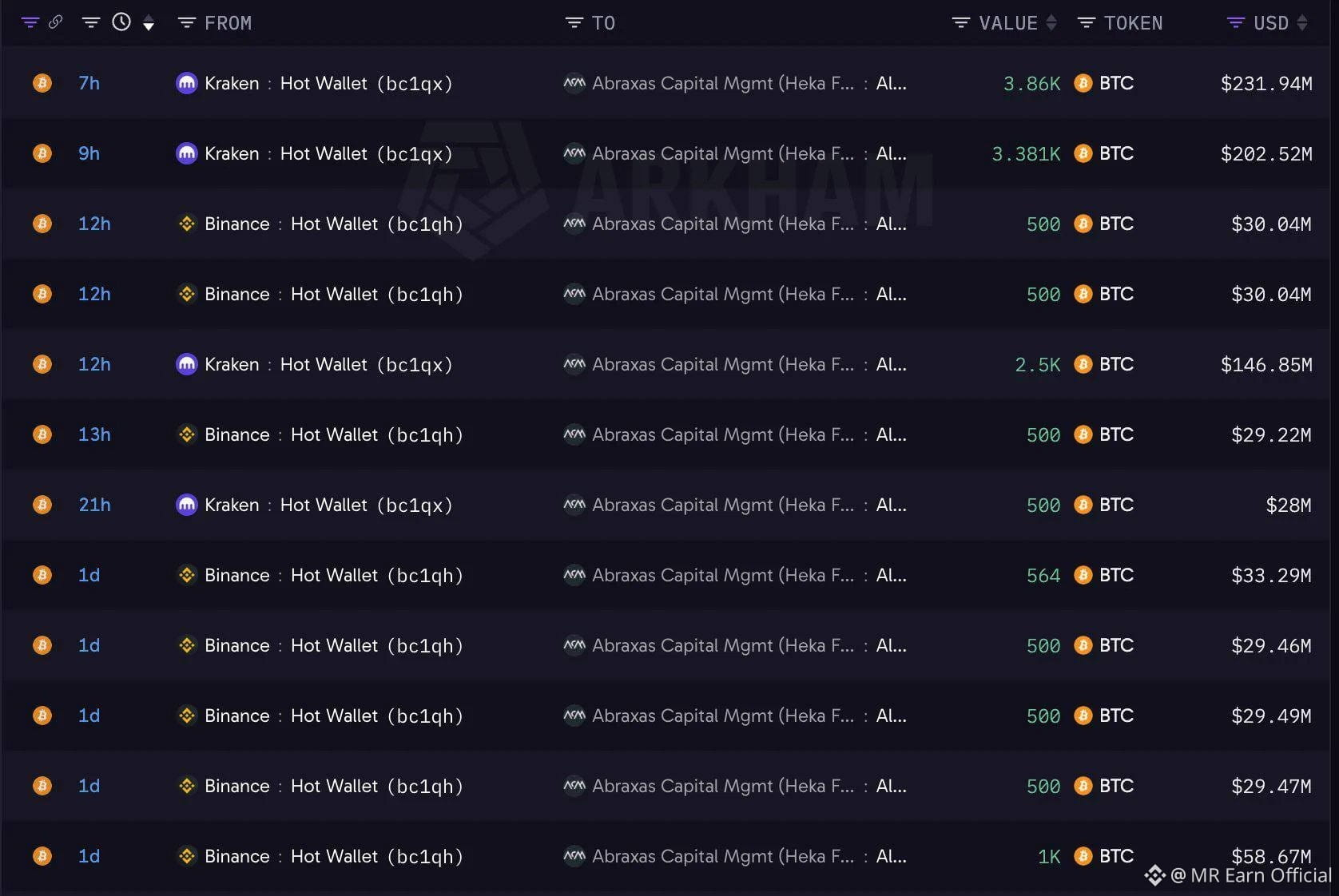
An institution just bought $1 BILLION worth of Bitcoin.
Looks like whales are buying the dip big time.
$BTC
#TwentyOneCapitalAdds172.25BTC
#AnthropicPlungesTowardIPOPriceonDay2
#GlobalStocksFaceLongestLosingStreakSince2023
#BTC #bitcoin
An institution just bought $1 BILLION worth of Bitcoin.
Looks like whales are buying the dip big time.
$BTC
#TwentyOneCapitalAdds172.25BTC
#AnthropicPlungesTowardIPOPriceonDay2
#GlobalStocksFaceLongestLosingStreakSince2023
#BTC #bitcoin
Looks like whales are buying the dip big time.
$BTC
#TwentyOneCapitalAdds172.25BTC
#AnthropicPlungesTowardIPOPriceonDay2
#GlobalStocksFaceLongestLosingStreakSince2023
#BTC #bitcoin
1
9
"Forget the mistake, Remember the lesson."
"Forget the mistake, Remember the lesson."
1
29
·
--
Bullish
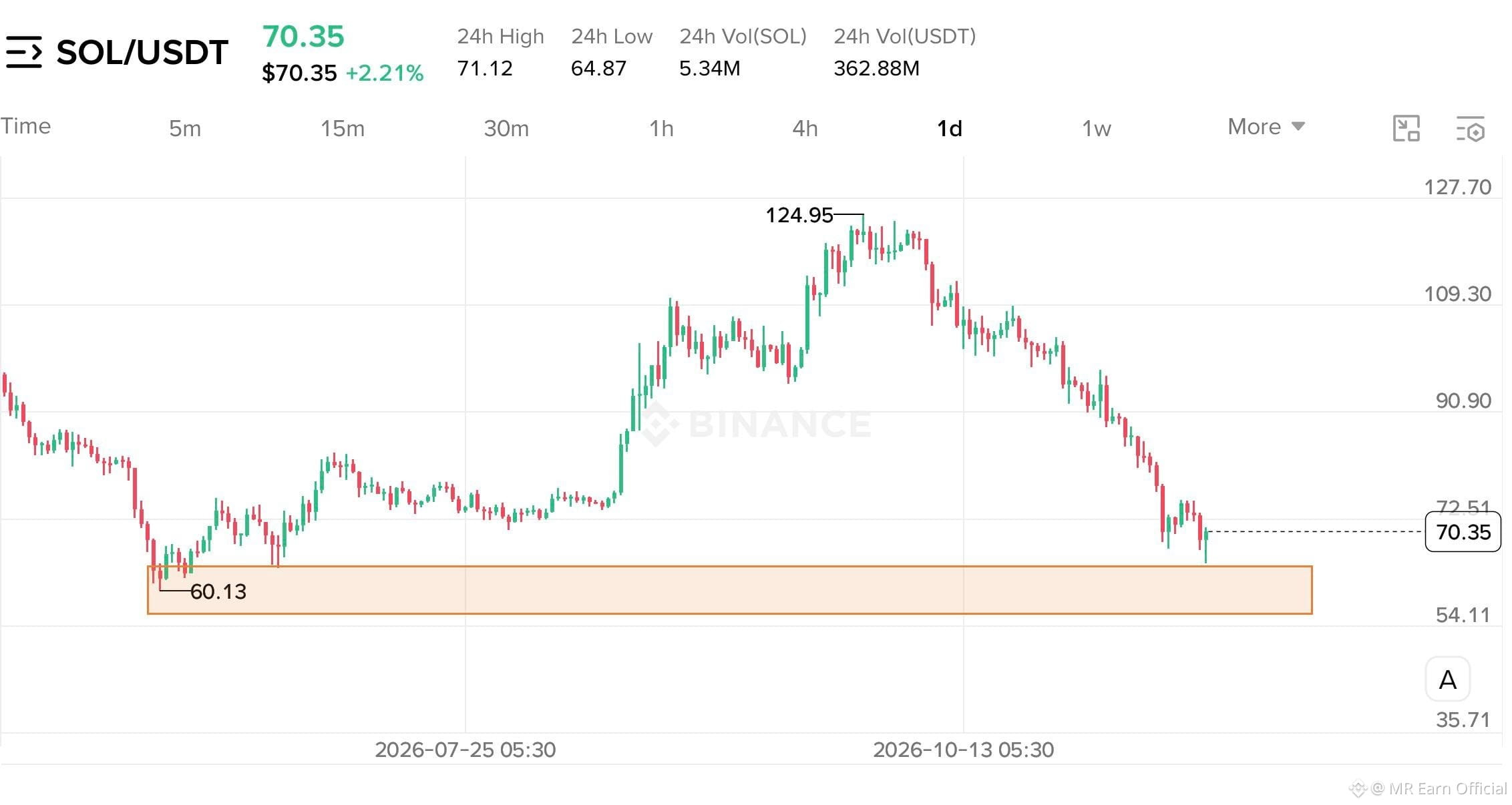
Market is dumping, but strong coins with good fundamentals will recover first.
$SOL is one of them. I’m watching the $40 to $55 zone for accumulation.
Better to take partial entries instead of buying all at once.
#SolanaStrong
#TwentyOneCapitalAdds172.25BTC
#AnthropicPlungesTowardIPOPriceonDay2
#GlobalStocksFaceLongestLosingStreakSince2023
#SolanaUSTD
$SOL is one of them. I’m watching the $40 to $55 zone for accumulation.
Better to take partial entries instead of buying all at once.
#SolanaStrong
#TwentyOneCapitalAdds172.25BTC
#AnthropicPlungesTowardIPOPriceonDay2
#GlobalStocksFaceLongestLosingStreakSince2023
#SolanaUSTD
1
32
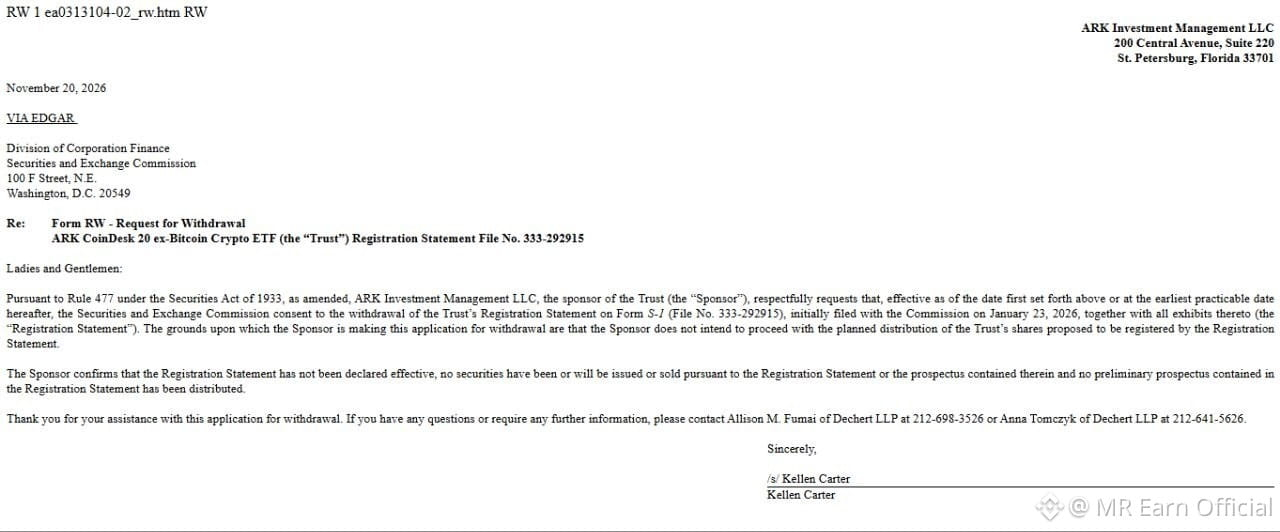
🚨 Cathie Wood's ARK is withdrawing its two proposed CoinDesk 20 crypto ETFs, telling the SEC it won't proceed.
Another crypto ETF plan bites the dust.
#TwentyOneCapitalAdds172.25BTC
#AnthropicPlungesTowardIPOPriceonDay2
#GlobalStocksFaceLongestLosingStreakSince2023
#BlackRockLaunchesHKDollarDigitalLiquidityFund
#SolanaSets2027RoadmapToDoubleComputeCapacity
Another crypto ETF plan bites the dust.
#TwentyOneCapitalAdds172.25BTC
#AnthropicPlungesTowardIPOPriceonDay2
#GlobalStocksFaceLongestLosingStreakSince2023
#BlackRockLaunchesHKDollarDigitalLiquidityFund
#SolanaSets2027RoadmapToDoubleComputeCapacity
1
191
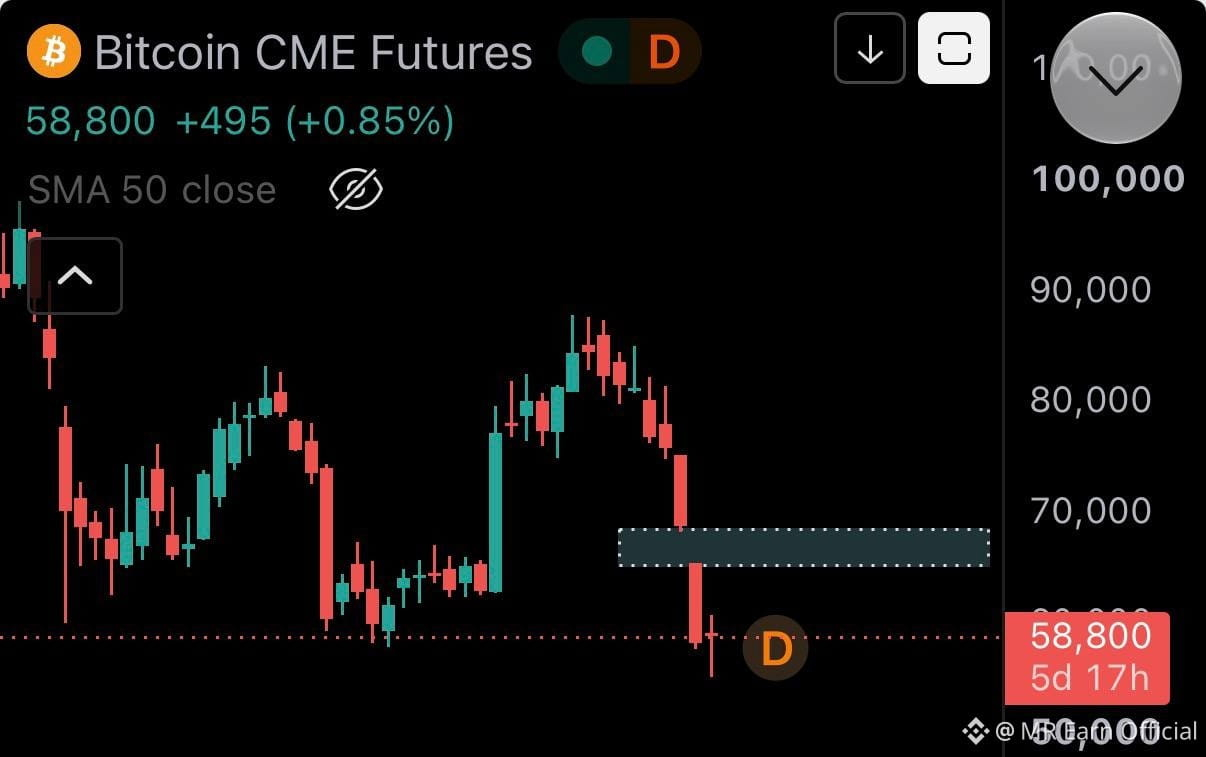
Bitcoin has created a new CME gap, and price often moves back to fill it.
$BTC is already oversold after a massive drop.
If $55,000 holds without a daily close below it, we could see a recovery toward the CME gap soon.
#TwentyOneCapitalAdds172.25BTC
#AnthropicPlungesTowardIPOPriceonDay2
#GlobalStocksFaceLongestLosingStreakSince2023
#BlackRockLaunchesHKDollarDigitalLiquidityFund
#SolanaSets2027RoadmapToDoubleComputeCapacity
1
66
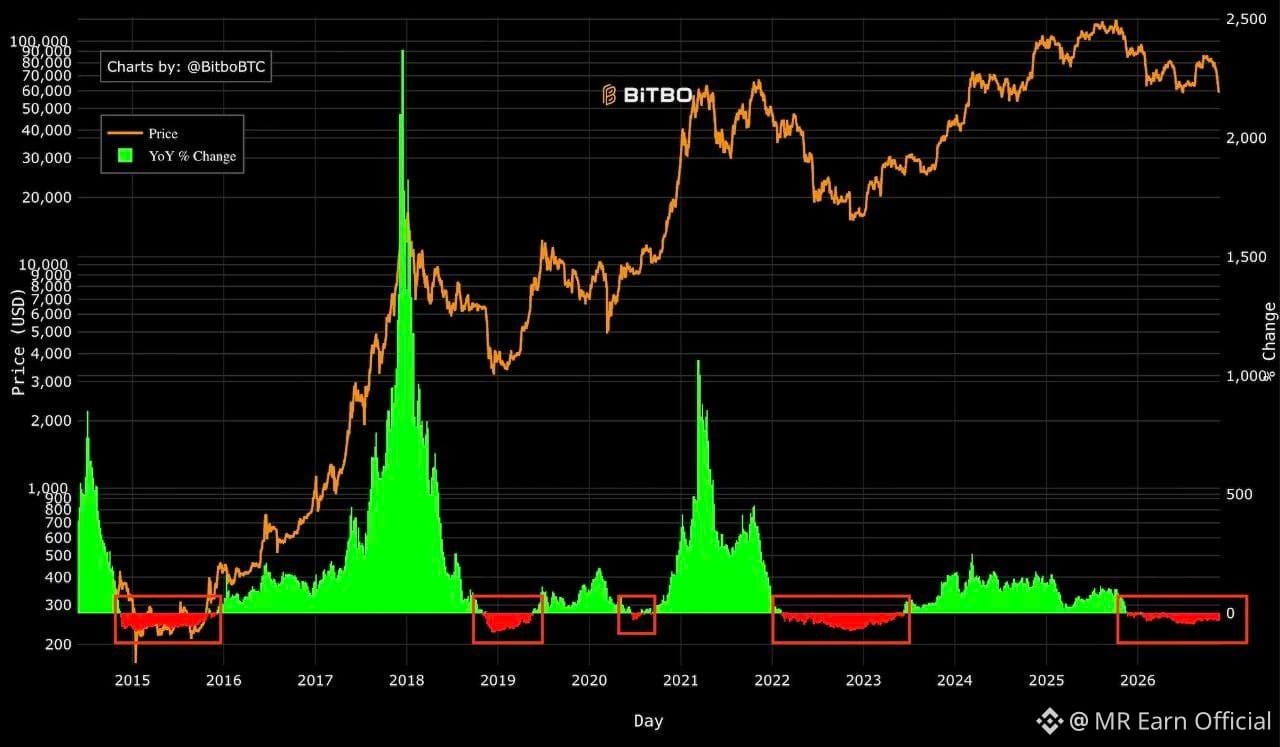
Bitcoin is facing its longest bear market ever.
In the past, whenever we saw a similar pattern, Bitcoin made a strong recovery with good momentum.
Will history repeat itself?
$BTC
#TwentyOneCapitalAdds172.25BTC
#AnthropicPlungesTowardIPOPriceonDay2
#GlobalStocksFaceLongestLosingStreakSince2023
#BlackRockLaunchesHKDollarDigitalLiquidityFund
#SolanaSets2027RoadmapToDoubleComputeCapacity
1
74
"Whatever you do, do well,
and may success attend your efforts."
"Whatever you do, do well,
and may success attend your efforts."
and may success attend your efforts."

1
28
·
--
Bullish
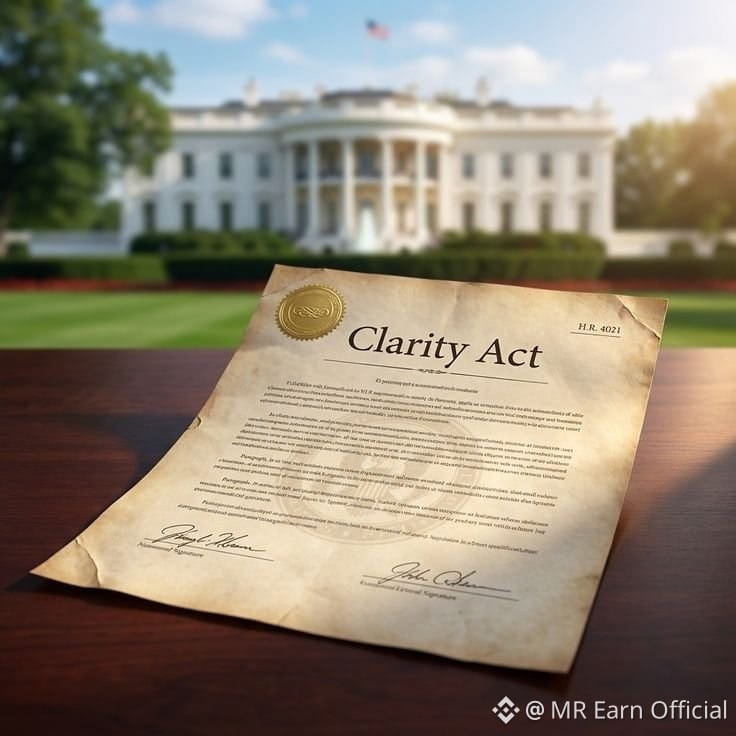
🇺🇸 Crypto regulation moves one step closer.
• A revised CLARITY Act has reached the White House after a bipartisan agreement.
• White House approval could unlock a Senate vote before the August recess.
• The bill still needs 60 Senate votes, making political support the final hurdle.
$BTC $ETH $BNB
#KospiSurgesAsMuchAs17%RecordGain
#USAndJapanJointlyInterveneToBuyYen
#XRPLedgerUpgradeToRestorePulledFeatures
#OpenAIFindsMoreAgentsEscapedContainment
#HedgeFundsAddBullishOilBets
1
34
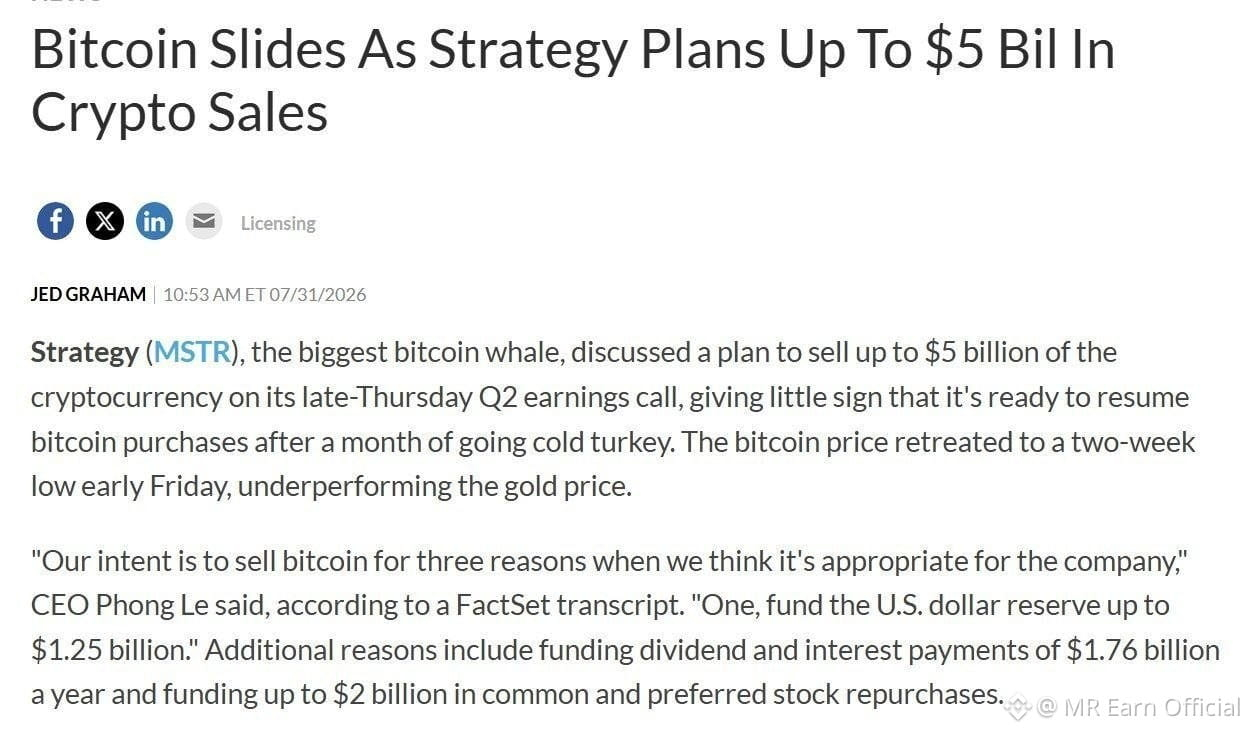
🚨 Strategy Could Sell Up to $5B in Bitcoin
• Strategy could sell up to $5 billion worth of $BTC .
• The funds may be used to strengthen reserves, support dividends, and buy back shares.
• The move could be closely watched by the crypto market.
#HedgeFundsAddBullishOilBets
#OpenAIFindsMoreAgentsEscapedContainment
#XRPLedgerUpgradeToRestorePulledFeatures
#USAndJapanJointlyInterveneToBuyYen
#KospiSurgesAsMuchAs17%RecordGain
1
41
·
--
Bullish
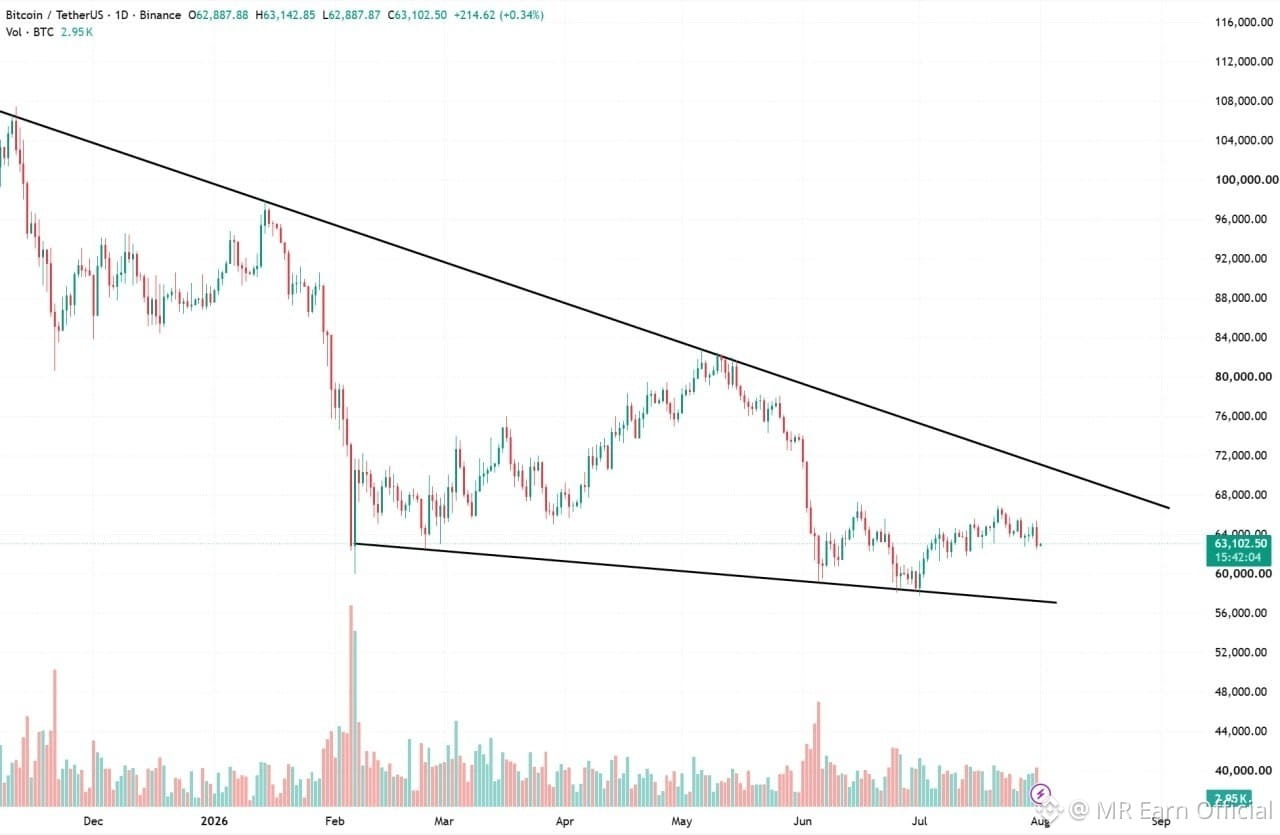
Bitcoin is forming a falling wedge pattern. 👀
If $BTC breaks above the upper trendline, the price could move toward $67,000 to $68,000.
If the breakout fails, BTC may stay inside the pattern or revisit $60,000 to $61,000 support before the next move.
The next few daily candles will be important.
#HedgeFundsAddBullishOilBets
#OpenAIFindsMoreAgentsEscapedContainment
#XRPLedgerUpgradeToRestorePulledFeatures
#USAndJapanJointlyInterveneToBuyYen
#SouthKoreanStocksReboundAfterSelloff
1
36
·
--
Bearish
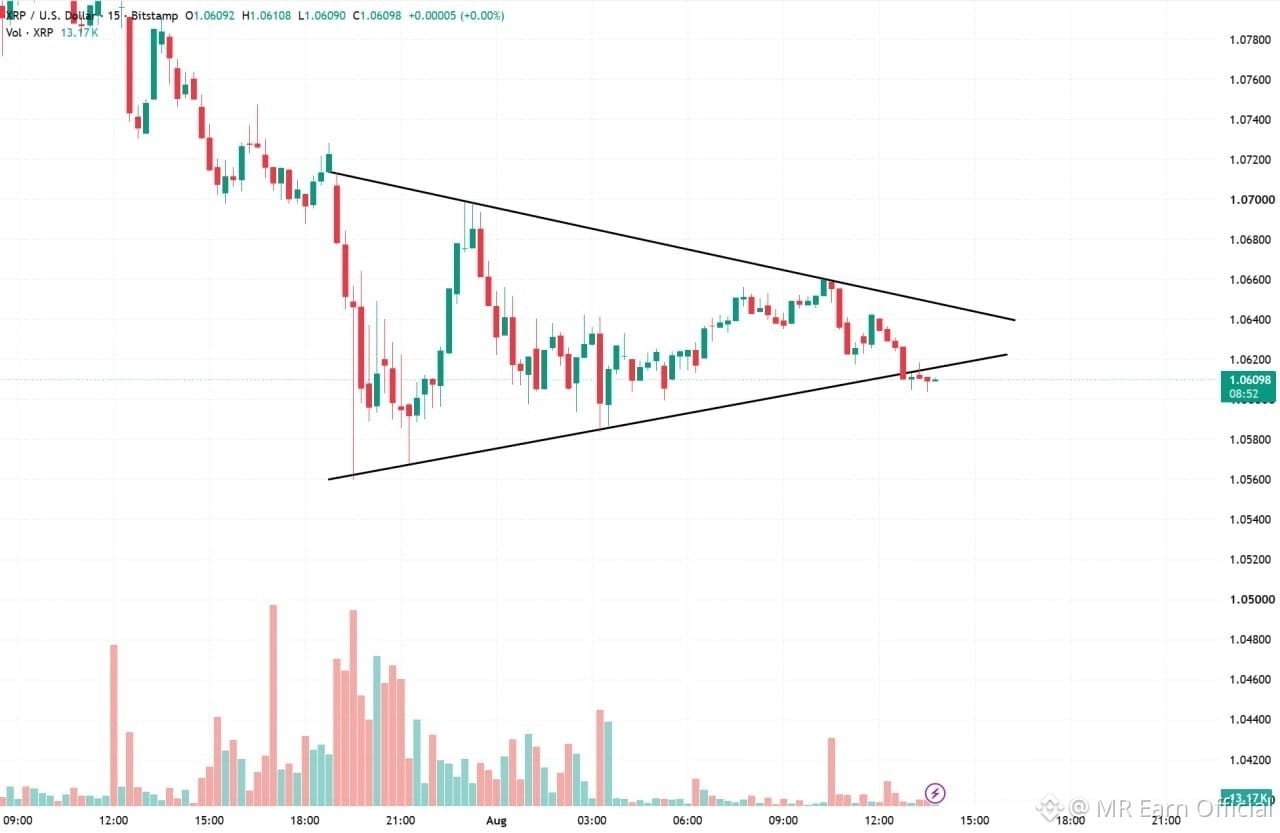
$XRP has broken below the symmetrical triangle pattern. 📉
After the breakdown, the price could move toward $1.05.
A small retest of the broken trendline is still possible.💵
#HedgeFundsAddBullishOilBets
#XRPLedgerProposesLettingBanksCoverUserFees
#OpenAIFindsMoreAgentsEscapedContainment
#XRPLedgerUpgradeToRestorePulledFeatures
#USAndJapanJointlyInterveneToBuyYen
1
104

Article
Take on too much risk — and loseHere's a story from the world of finance that the entire market is talking about right now.
Two years ago, 22-year-old wunderkind and former OpenAI researcher Leopold Aschenbrenner (pictured) launched his first investment fund.
Some very big names believed in him and invested around $400 million. And that's despite the fact that he'd never managed money before.
So what did Leopold do?
He went all in on a single scenario: that the development of AI would create enormous demand for chips, memory, electricity, and data centers.
And that bet paid off. Big time: by 2026, the fund had grown to around $30 billion, with an unbelievable return of over 700%.
“A new genius has been born on Wall Street.”
That's what everyone was saying.
But then July 2026 came.
Stocks of AI-related companies suddenly started falling.
The fund's key holdings dropped 35% or more during July alone. How much the fund lost overall is still unknown.
At the same time, half of its remaining assets consist of a stake in the private company Anthropic, which can't simply be sold quickly.
And the fund could have survived this. But it wasn't investing only its investors' money — it had also borrowed enormous sums from banks.
For every dollar of its own capital, it had up to four borrowed dollars. Now the banks are demanding their money back, and the fund is being forced to sell its assets right into the downturn.
According to CNBC, the fund is closing out its entire public portfolio. In other words, it's selling all of its publicly traded stocks under pressure from its brokers.
Tough luck for the guy.
But for the rest of us, it's another lesson in how you can achieve enormous success, even correctly identify the biggest trend of the decade, and still lose if you take on too much risk and lose control of the situation.
$BTC $XAU $ETH
#HedgeFundsAddBullishOilBets
#XRPLedgerUpgradeToRestorePulledFeatures
#OpenAIFindsMoreAgentsEscapedContainment
Take on too much risk — and lose
Here's a story from the world of finance that the entire market is talking about right now.
Two years ago, 22-year-old wunderkind and former OpenAI researcher Leopold Aschenbrenner (pictured) launched his first investment fund.
Some very big names believed in him and invested around $400 million. And that's despite the fact that he'd never managed money before.
So what did Leopold do?
He went all in on a single scenario: that the development of AI would create enormous demand for chips, memory, electricity, and data centers.
And that bet paid off. Big time: by 2026, the fund had grown to around $30 billion, with an unbelievable return of over 700%.
“A new genius has been born on Wall Street.”
That's what everyone was saying.
But then July 2026 came.
Stocks of AI-related companies suddenly started falling.
The fund's key holdings dropped 35% or more during July alone. How much the fund lost overall is still unknown.
At the same time, half of its remaining assets consist of a stake in the private company Anthropic, which can't simply be sold quickly.
And the fund could have survived this. But it wasn't investing only its investors' money — it had also borrowed enormous sums from banks.
For every dollar of its own capital, it had up to four borrowed dollars. Now the banks are demanding their money back, and the fund is being forced to sell its assets right into the downturn.
According to CNBC, the fund is closing out its entire public portfolio. In other words, it's selling all of its publicly traded stocks under pressure from its brokers.
Tough luck for the guy.
But for the rest of us, it's another lesson in how you can achieve enormous success, even correctly identify the biggest trend of the decade, and still lose if you take on too much risk and lose control of the situation.
$BTC $XAU $ETH
#HedgeFundsAddBullishOilBets
#XRPLedgerUpgradeToRestorePulledFeatures
#OpenAIFindsMoreAgentsEscapedContainment
1
143
Log in to explore more content
Join global crypto users on Binance Square
⚡️ Get latest and useful information about crypto.
💬 Trusted by the world’s largest crypto exchange.
👍 Discover real insights from verified creators.
Email / Phone number
Trending Topics
CanMarketsReboundAfterThanksgiving?
9,671 views
248 Discussing
Rate-Hike Bets Linger as US Markets Head Into Thanksgiving Closure
Binance News
·1 Likes
·1k views
CouldSpaceX’sOrbitalDataCentersBoostAIChipDemand?
6,687 views
167 Discussing
EvolveAtBinanceBlockchainWeek
646,556 views
6,768 Discussing