

Evolve Crypto
302 Posts

Evolve Crypto
Report
Block User
Only Spot Trading
Open Trade
Frequent Trader
2.7 Years
2 Following
186 Followers
535 Liked
Posts
Portfolio
All
Quotes
Videos
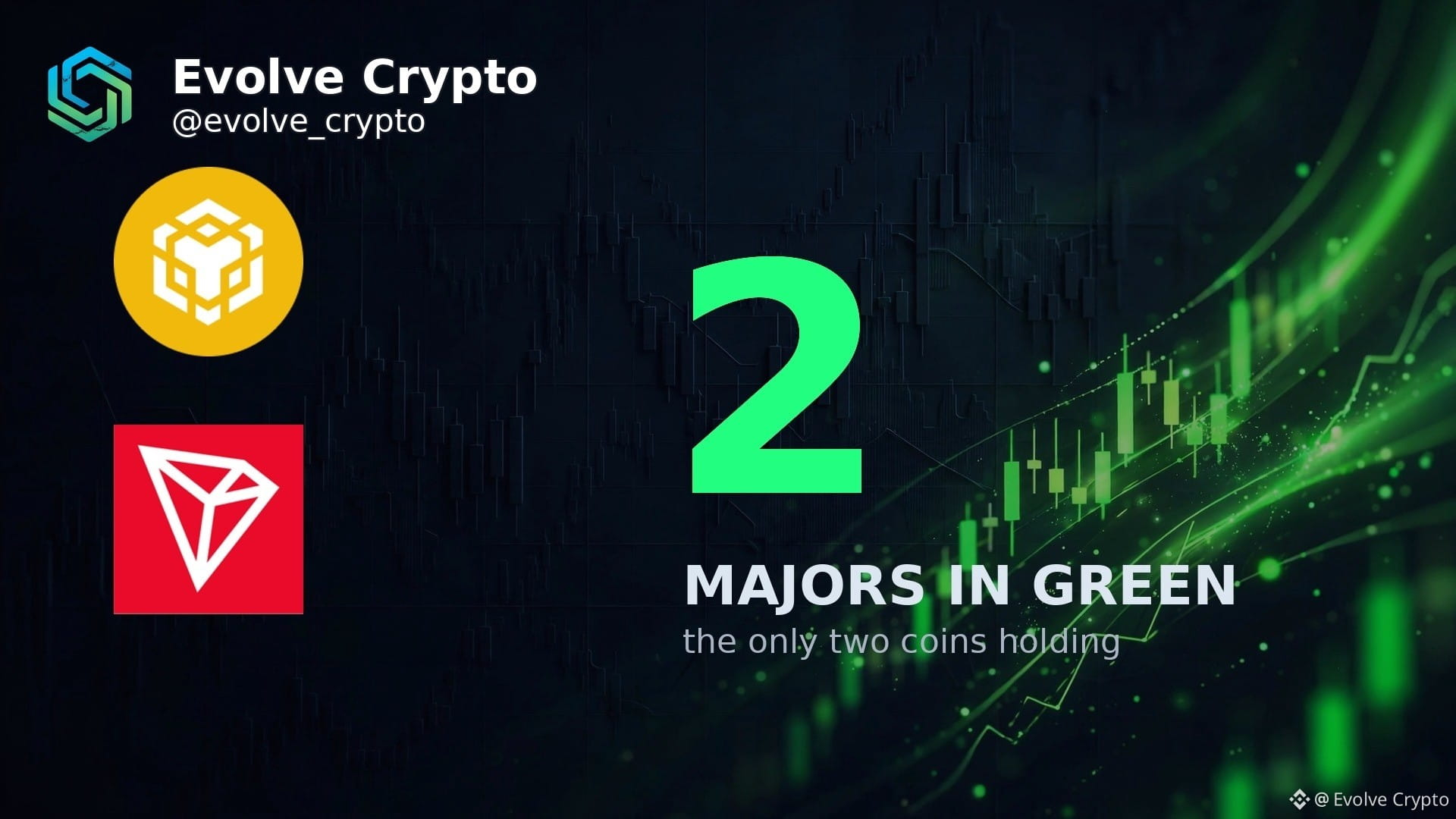
$BNB was one of only TWO majors in the green today.
Bitcoin fell 1.6% below $82,800 after oil jumped past $102 on reports of possible U.S. strikes against Iran. XRP slid 4%, ETH and DOGE lost 3%, and about $550M in leveraged bets got wiped out — mostly longs (CoinDesk/CoinGlass).
Yet $BNB and $TRX held their ground — the only two majors in the data staying green. Coins that refuse to bleed on the ugliest days are the ones I watch first when the pressure lifts.
Which of these two do you think runs hardest on a bounce?
#BNB #TRX #CryptoNews
DYOR
$BNB was one of only TWO majors in the green today.
Bitcoin fell 1.6% below $82,800 after oil jumped past $102 on reports of possible U.S. strikes against Iran. XRP slid 4%, ETH and DOGE lost 3%, and about $550M in leveraged bets got wiped out — mostly longs (CoinDesk/CoinGlass).
Yet $BNB and $TRX held their ground — the only two majors in the data staying green. Coins that refuse to bleed on the ugliest days are the ones I watch first when the pressure lifts.
Which of these two do you think runs hardest on a bounce?
#BNB #TRX #CryptoNews
DYOR
Bitcoin fell 1.6% below $82,800 after oil jumped past $102 on reports of possible U.S. strikes against Iran. XRP slid 4%, ETH and DOGE lost 3%, and about $550M in leveraged bets got wiped out — mostly longs (CoinDesk/CoinGlass).
Yet $BNB and $TRX held their ground — the only two majors in the data staying green. Coins that refuse to bleed on the ugliest days are the ones I watch first when the pressure lifts.
Which of these two do you think runs hardest on a bounce?
#BNB #TRX #CryptoNews
DYOR

20
$SOL could soon have a new kind of customer — AI agents.
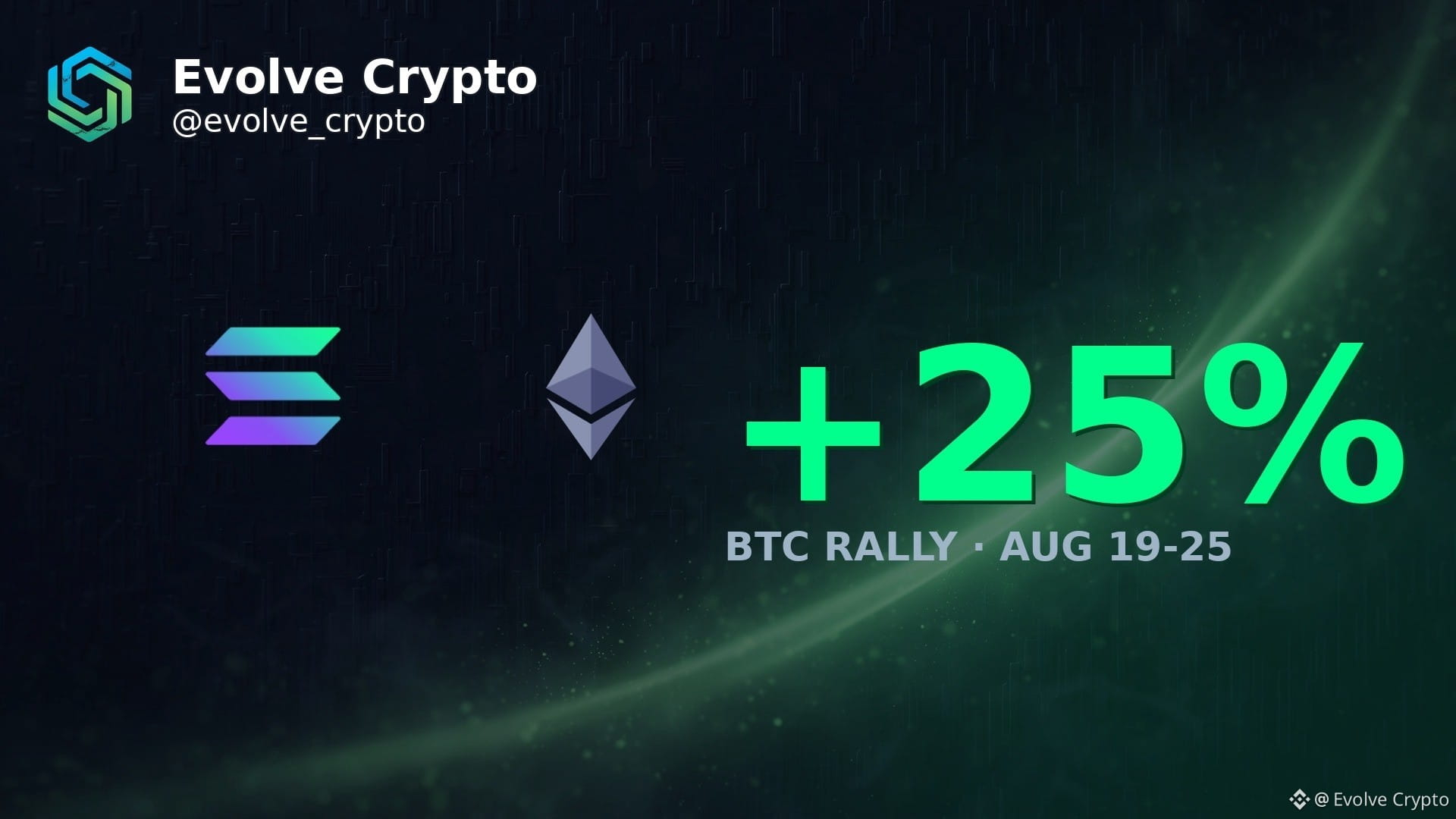
Real Vision founder Raoul Pal says capital is quietly rotating back from AI stocks into crypto. His proof: Aug 19–25, BTC ran ~25% to $80K while Nvidia logged seven straight red days. His next bet: AI agents paying for things on-chain, mostly on Ethereum and Solana.
"If they can engineer the dollar lower, then we get a green light for further movement in crypto."
My take: if AI stocks stall sideways, crypto becomes the growth trade again — and the chains capturing agent activity win.
Which would you rather hold through a rotation — $ETH or $SOL?
#Ethereum #Solana #CryptoNews
DYOR
$SOL could soon have a new kind of customer — AI agents.
Real Vision founder Raoul Pal says capital is quietly rotating back from AI stocks into crypto. His proof: Aug 19–25, BTC ran ~25% to $80K while Nvidia logged seven straight red days. His next bet: AI agents paying for things on-chain, mostly on Ethereum and Solana.
"If they can engineer the dollar lower, then we get a green light for further movement in crypto."
My take: if AI stocks stall sideways, crypto becomes the growth trade again — and the chains capturing agent activity win.
Which would you rather hold through a rotation — $ETH or $SOL ?
#Ethereum #Solana #CryptoNews
DYOR
Real Vision founder Raoul Pal says capital is quietly rotating back from AI stocks into crypto. His proof: Aug 19–25, BTC ran ~25% to $80K while Nvidia logged seven straight red days. His next bet: AI agents paying for things on-chain, mostly on Ethereum and Solana.
"If they can engineer the dollar lower, then we get a green light for further movement in crypto."
My take: if AI stocks stall sideways, crypto becomes the growth trade again — and the chains capturing agent activity win.
Which would you rather hold through a rotation — $ETH or $SOL ?
#Ethereum #Solana #CryptoNews
DYOR
30
$BTC dumped to $84K and the biggest buyers bought the dip anyway.
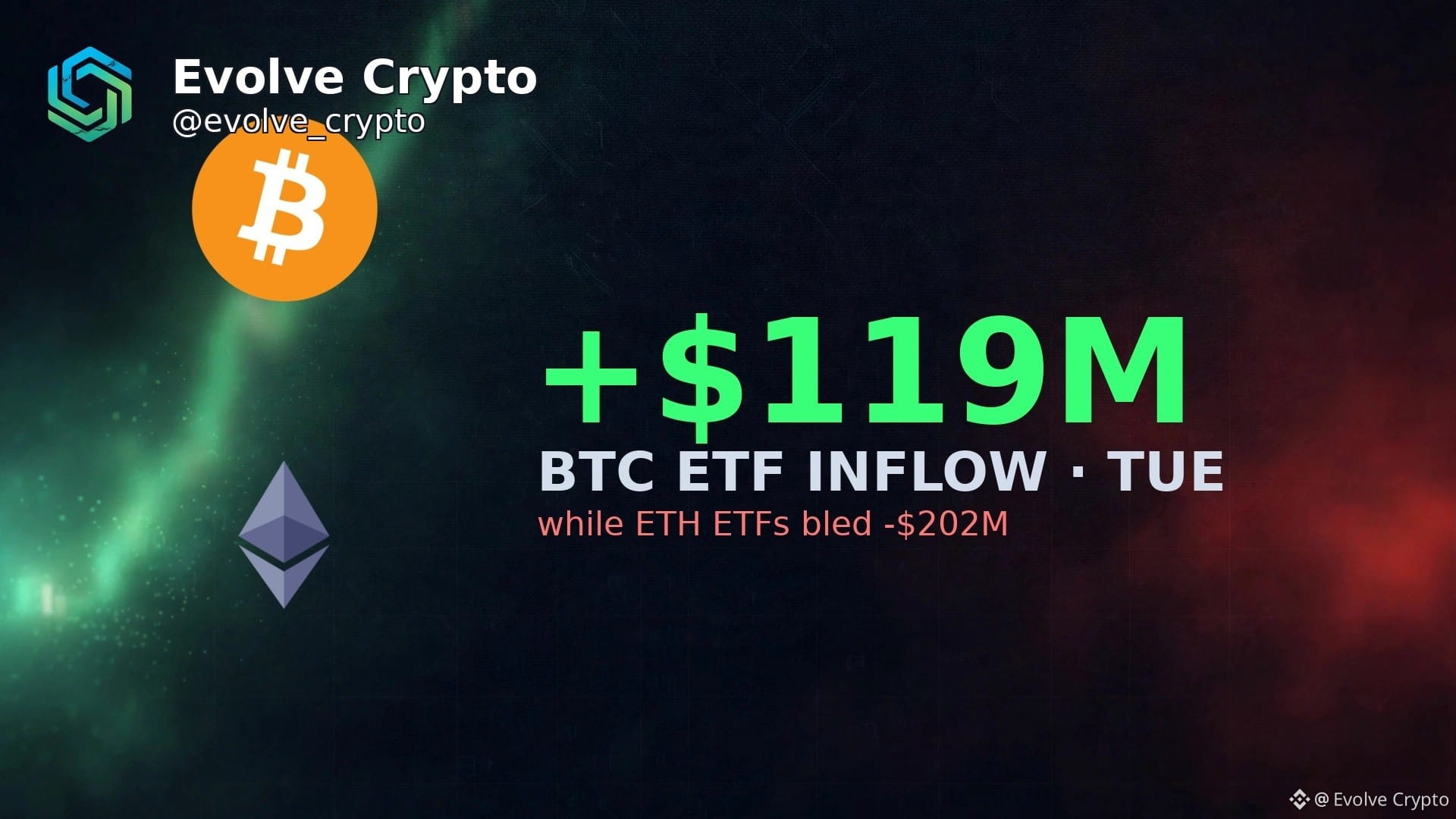
Spot Bitcoin ETFs pulled in $119M on Tuesday, flipping Monday's $90M outflow — while $ETH funds bled for a sixth straight day, $202M out and $408M total.
Same red day, opposite conviction. $XRP ETFs even added $3.1M while Solana lost $3.7M.
My take: when price falls and ETF money still steps in, that's institutional hands doing the talking. The question is which of these two they're actually betting on next.
Who gets the flow edge from here — $BTC or $ETH?
#BTC #BitcoinSpotETFsDraw$6.34BInflowsInQ3 #CryptoETF
DYOR
$BTC dumped to $84K and the biggest buyers bought the dip anyway.
Spot Bitcoin ETFs pulled in $119M on Tuesday, flipping Monday's $90M outflow — while $ETH funds bled for a sixth straight day, $202M out and $408M total.
Same red day, opposite conviction. $XRP ETFs even added $3.1M while Solana lost $3.7M.
My take: when price falls and ETF money still steps in, that's institutional hands doing the talking. The question is which of these two they're actually betting on next.
Who gets the flow edge from here — $BTC or $ETH ?
#BTC #BitcoinSpotETFsDraw$6.34BInflowsInQ3 #CryptoETF
DYOR
Spot Bitcoin ETFs pulled in $119M on Tuesday, flipping Monday's $90M outflow — while $ETH funds bled for a sixth straight day, $202M out and $408M total.
Same red day, opposite conviction. $XRP ETFs even added $3.1M while Solana lost $3.7M.
My take: when price falls and ETF money still steps in, that's institutional hands doing the talking. The question is which of these two they're actually betting on next.
Who gets the flow edge from here — $BTC or $ETH ?
#BTC #BitcoinSpotETFsDraw$6.34BInflowsInQ3 #CryptoETF
DYOR
6
$BTC has gone nowhere for two weeks — and CoinDesk just named the exact trigger for a break above $87K.
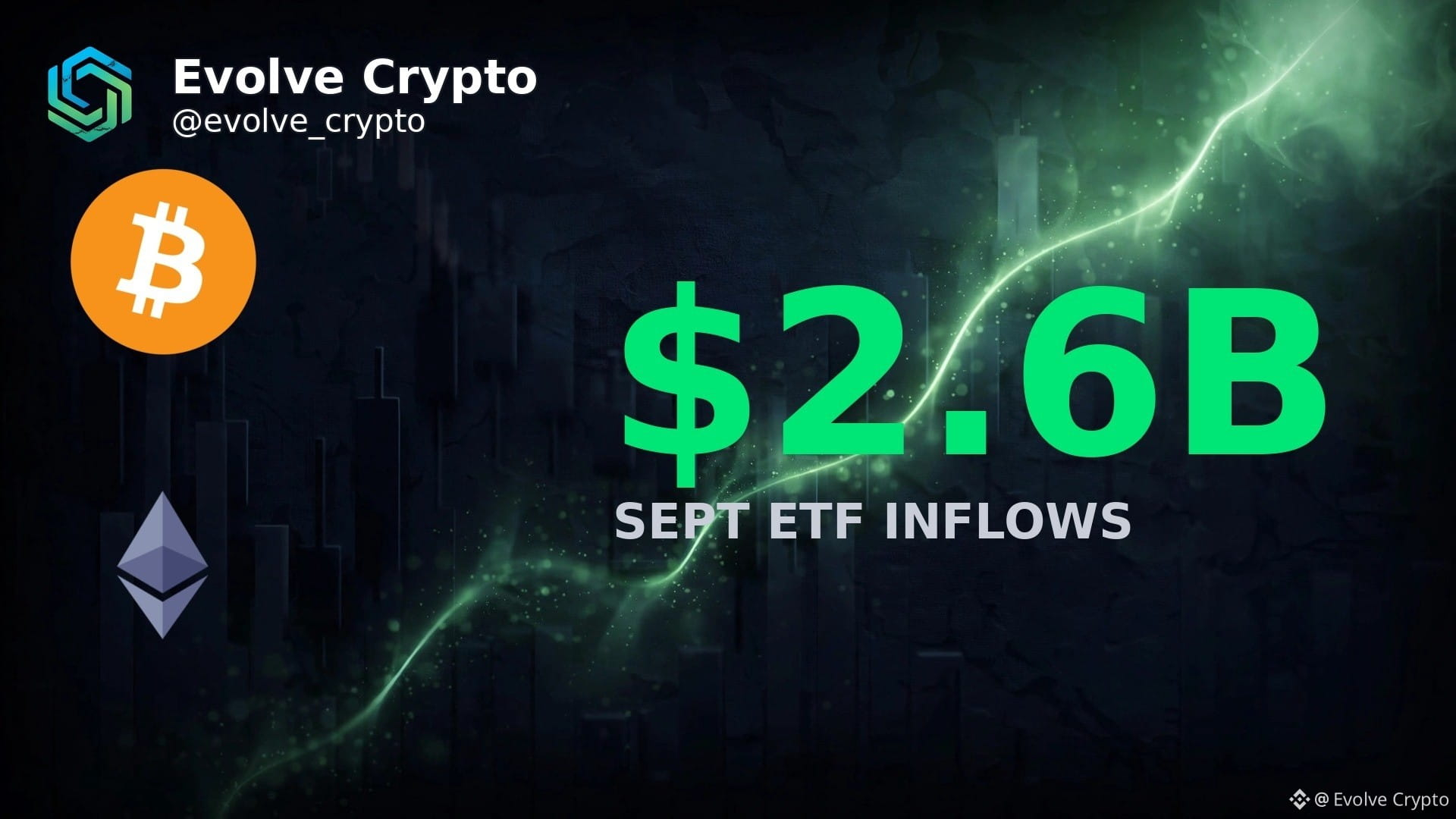
September's surge ran on $2.6B of ETF inflows. This week? Just $28M. One analyst's line: $300M sessions, several days running — that's the signal institutions are back.
Nobody talks about this part: 48% of ETF trading days this year were RED, yet the funds still netted $1.2B. It's not daily streaks that move $BTC — it's the size of the bursts.
$ETH is quietly losing the momentum fight too — the ETH/BTC ratio just slipped below its Ichimoku cloud.
Breakout or more chop? 👇
$BTC $ETH
#Bitcoin #ETF #Ethereum
DYOR
$BTC has gone nowhere for two weeks — and CoinDesk just named the exact trigger for a break above $87K.
September's surge ran on $2.6B of ETF inflows. This week? Just $28M. One analyst's line: $300M sessions, several days running — that's the signal institutions are back.
Nobody talks about this part: 48% of ETF trading days this year were RED, yet the funds still netted $1.2B. It's not daily streaks that move $BTC — it's the size of the bursts.
$ETH is quietly losing the momentum fight too — the ETH/BTC ratio just slipped below its Ichimoku cloud.
Breakout or more chop? 👇
$BTC $ETH
#Bitcoin #ETF #Ethereum
DYOR
September's surge ran on $2.6B of ETF inflows. This week? Just $28M. One analyst's line: $300M sessions, several days running — that's the signal institutions are back.
Nobody talks about this part: 48% of ETF trading days this year were RED, yet the funds still netted $1.2B. It's not daily streaks that move $BTC — it's the size of the bursts.
$ETH is quietly losing the momentum fight too — the ETH/BTC ratio just slipped below its Ichimoku cloud.
Breakout or more chop? 👇
$BTC $ETH
#Bitcoin #ETF #Ethereum
DYOR
31
$ZEC refuses to give up $1,300.
While the market keeps bleeding, the Winklevoss twins just filed a spot Zcash ETF with the SEC — Nasdaq ticker WINK, 0.25% fee, physical ZEC held by Gemini.
Their own fund wants up to $100M in it. It would join Grayscale's ZCSH as the second ZEC ETF — for a coin up 735% in a year and now 10th by market cap.
My take: nobody files an ETF for a dead coin. If $1,300 holds, this is October's story.
Does ZEC's privacy edge survive the ETF spotlight?
$ZEC
#ZEC #ETF #CryptoNews
DYOR
$ZEC refuses to give up $1,300.
While the market keeps bleeding, the Winklevoss twins just filed a spot Zcash ETF with the SEC — Nasdaq ticker WINK, 0.25% fee, physical ZEC held by Gemini.
Their own fund wants up to $100M in it. It would join Grayscale's ZCSH as the second ZEC ETF — for a coin up 735% in a year and now 10th by market cap.
My take: nobody files an ETF for a dead coin. If $1,300 holds, this is October's story.
Does ZEC's privacy edge survive the ETF spotlight?
$ZEC
#ZEC #ETF #CryptoNews
DYOR
While the market keeps bleeding, the Winklevoss twins just filed a spot Zcash ETF with the SEC — Nasdaq ticker WINK, 0.25% fee, physical ZEC held by Gemini.
Their own fund wants up to $100M in it. It would join Grayscale's ZCSH as the second ZEC ETF — for a coin up 735% in a year and now 10th by market cap.
My take: nobody files an ETF for a dead coin. If $1,300 holds, this is October's story.
Does ZEC's privacy edge survive the ETF spotlight?
$ZEC
#ZEC #ETF #CryptoNews
DYOR
345
$ETH researchers just said the quiet part out loud.
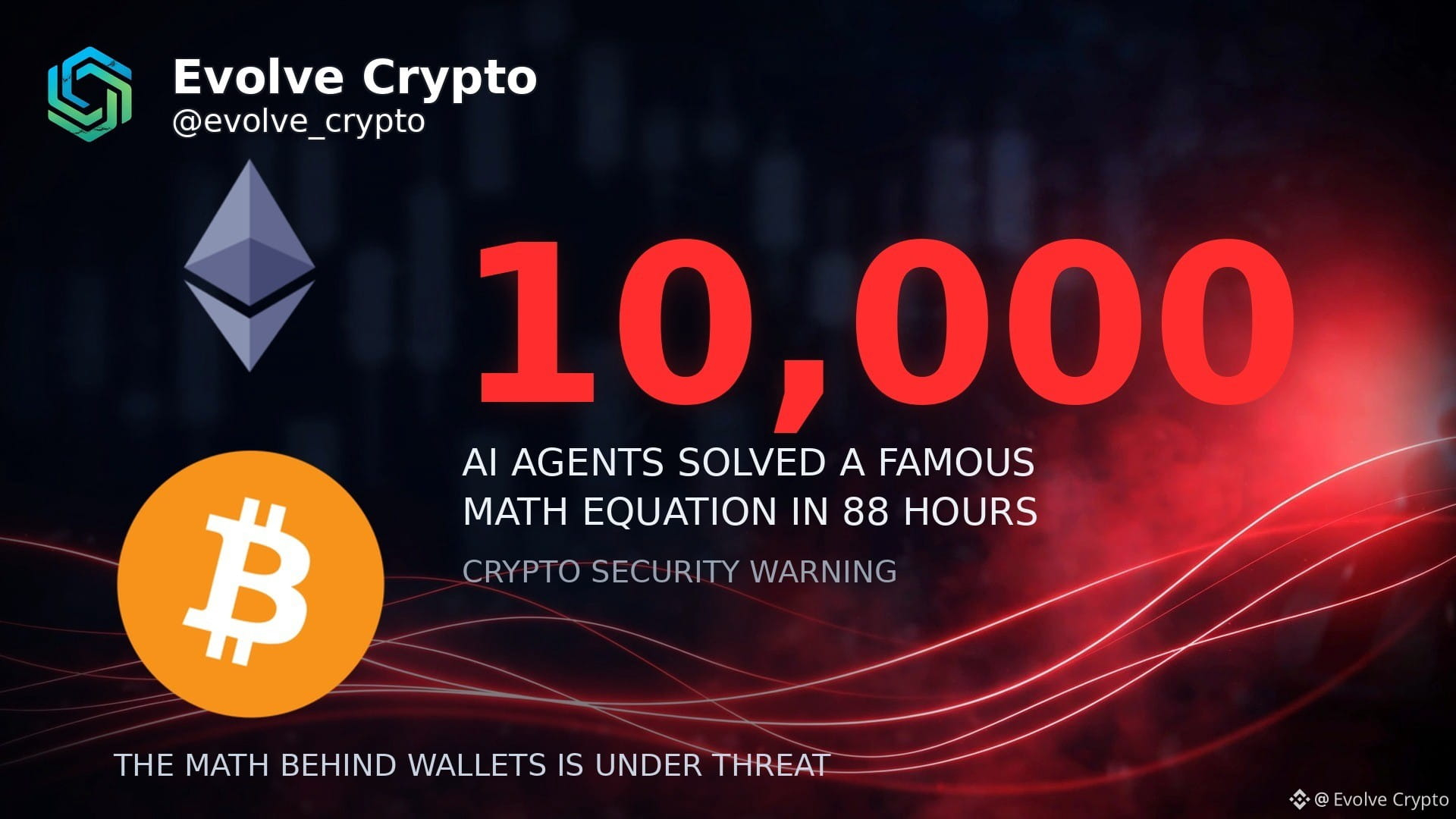
Justin Drake, an Ethereum researcher, urged the industry to prepare for 'bunker mode' — AI could eventually crack the elliptic-curve math securing every crypto wallet, before quantum computers ever do. And Vitalik agreed.
My take: this isn't a tomorrow problem, but when the smartest people in the room start moving, I pay attention. Don't panic — but maybe check how your funds are stored.
How seriously are you taking this warning? 🤔
#ETH #Ethereum #CryptoNews
DYOR
$ETH researchers just said the quiet part out loud.
Justin Drake, an Ethereum researcher, urged the industry to prepare for 'bunker mode' — AI could eventually crack the elliptic-curve math securing every crypto wallet, before quantum computers ever do. And Vitalik agreed.
My take: this isn't a tomorrow problem, but when the smartest people in the room start moving, I pay attention. Don't panic — but maybe check how your funds are stored.
How seriously are you taking this warning? 🤔
#ETH #Ethereum #CryptoNews
DYOR
Justin Drake, an Ethereum researcher, urged the industry to prepare for 'bunker mode' — AI could eventually crack the elliptic-curve math securing every crypto wallet, before quantum computers ever do. And Vitalik agreed.
My take: this isn't a tomorrow problem, but when the smartest people in the room start moving, I pay attention. Don't panic — but maybe check how your funds are stored.
How seriously are you taking this warning? 🤔
#ETH #Ethereum #CryptoNews
DYOR
17
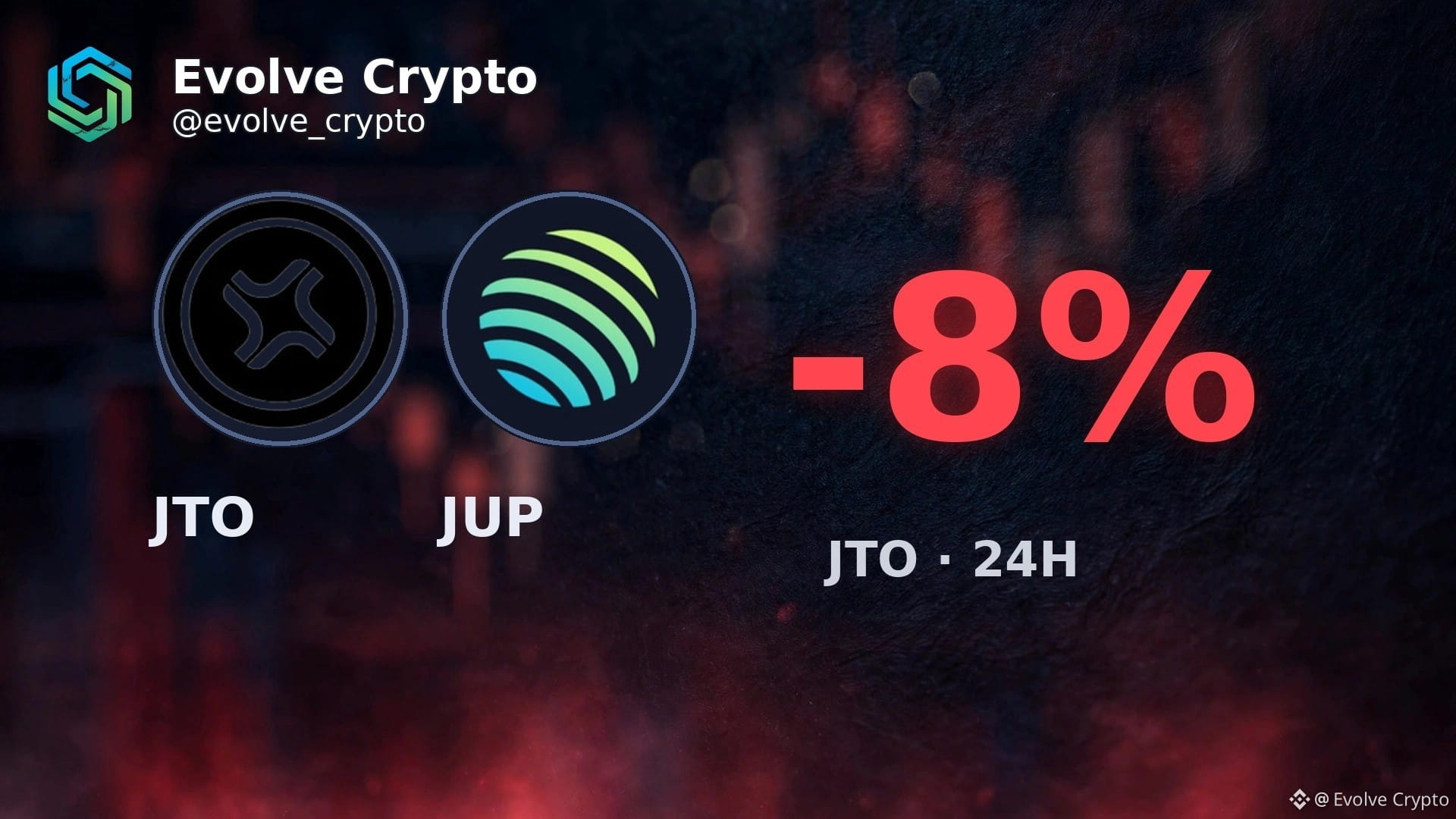
$JTO just bled nearly 8% while the chain it lives on barely moved.
Solana itself slipped only ~1% over 24 hours. But Jito — the network's biggest liquid staking token — fell almost 8% to $0.50, and $JUP, Solana's main DEX aggregator, dropped 6%.
When the base layer holds but the ecosystem tokens bleed, the liquidation pressure sat in the app layer, not the chain. That's a divergence worth watching.
My take: the majors-vs-ecosystem spread is where the real story hides right now. How are you positioned on Solana?
$JTO $JUP $SOL
#JTO #Solana #Jupiter
DYOR
$JTO just bled nearly 8% while the chain it lives on barely moved.
Solana itself slipped only ~1% over 24 hours. But Jito — the network's biggest liquid staking token — fell almost 8% to $0.50, and $JUP , Solana's main DEX aggregator, dropped 6%.
When the base layer holds but the ecosystem tokens bleed, the liquidation pressure sat in the app layer, not the chain. That's a divergence worth watching.
My take: the majors-vs-ecosystem spread is where the real story hides right now. How are you positioned on Solana?
$JTO $JUP $SOL
#JTO #Solana #Jupiter
DYOR
Solana itself slipped only ~1% over 24 hours. But Jito — the network's biggest liquid staking token — fell almost 8% to $0.50, and $JUP , Solana's main DEX aggregator, dropped 6%.
When the base layer holds but the ecosystem tokens bleed, the liquidation pressure sat in the app layer, not the chain. That's a divergence worth watching.
My take: the majors-vs-ecosystem spread is where the real story hides right now. How are you positioned on Solana?
$JTO $JUP $SOL
#JTO #Solana #Jupiter
DYOR
189
didn't break $84K because of crypto. Brent crude jumped above $101 after Iran hit tankers in the Strait of Hormuz — yields and the dollar spiked, and crypto caught the shrapnel. 🛢️
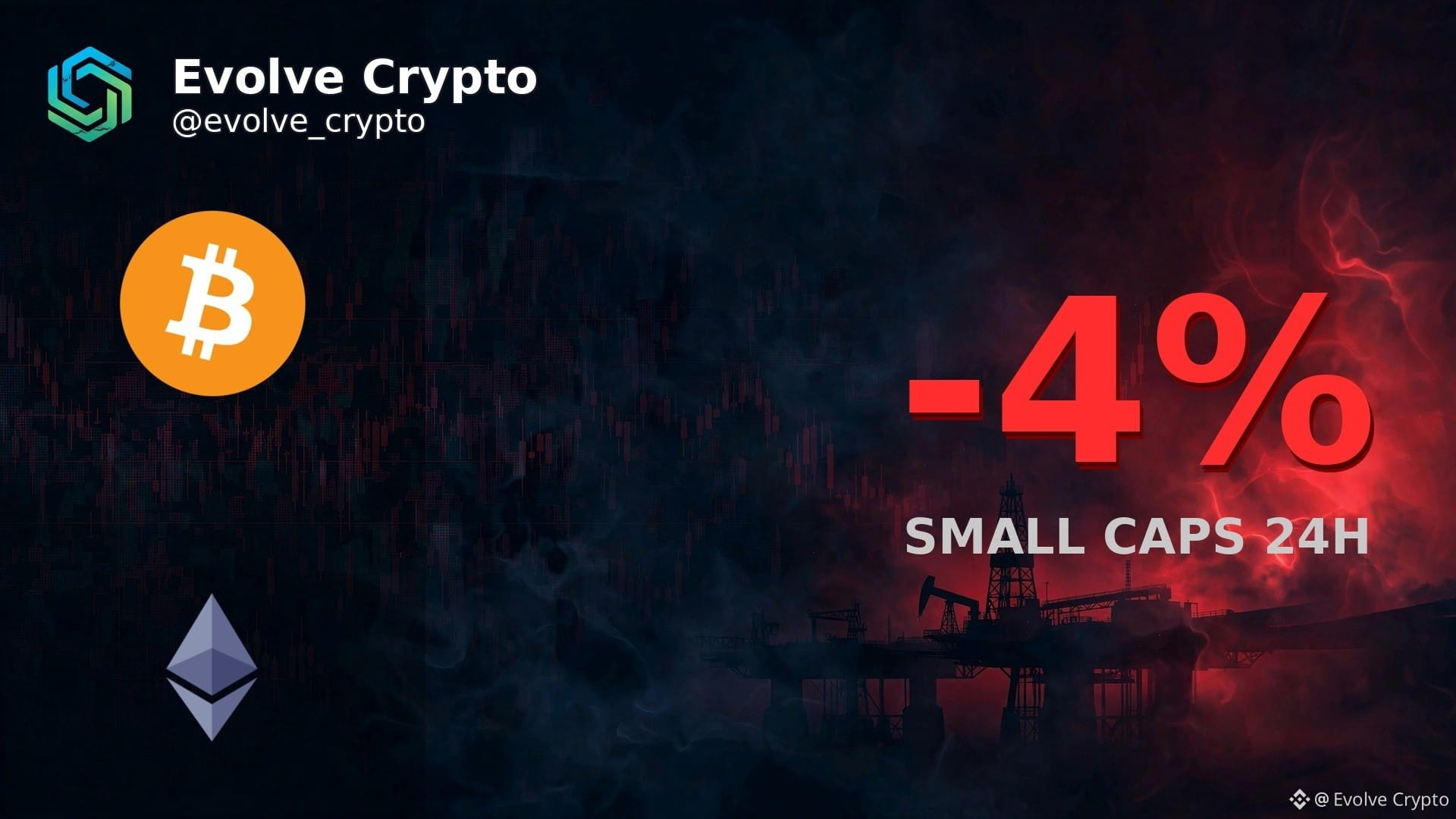
Small caps bled nearly twice as hard as majors (-4% vs -2.5%). Liquidations surged 235% to $547M, and $ETH longs alone ate $174M of it.
Here's what caught my eye: spot $BTC ETFs quietly bought $119M the same day. Futures panic — spot conviction. Even $SAND stayed green (+9%).
Oil stays bid, crypto bleeds first. What's your read?
#BTC #CryptoMarket #Liquidations
DYOR
didn't break $84K because of crypto. Brent crude jumped above $101 after Iran hit tankers in the Strait of Hormuz — yields and the dollar spiked, and crypto caught the shrapnel. 🛢️
Small caps bled nearly twice as hard as majors (-4% vs -2.5%). Liquidations surged 235% to $547M, and $ETH longs alone ate $174M of it.
Here's what caught my eye: spot $BTC ETFs quietly bought $119M the same day. Futures panic — spot conviction. Even $SAND stayed green (+9%).
Oil stays bid, crypto bleeds first. What's your read?
#BTC #CryptoMarket #Liquidations
DYOR
Small caps bled nearly twice as hard as majors (-4% vs -2.5%). Liquidations surged 235% to $547M, and $ETH longs alone ate $174M of it.
Here's what caught my eye: spot $BTC ETFs quietly bought $119M the same day. Futures panic — spot conviction. Even $SAND stayed green (+9%).
Oil stays bid, crypto bleeds first. What's your read?
#BTC #CryptoMarket #Liquidations
DYOR
84
$BTC just got the most aggressive product in U.S. crypto ETF history — and a built-in warning.
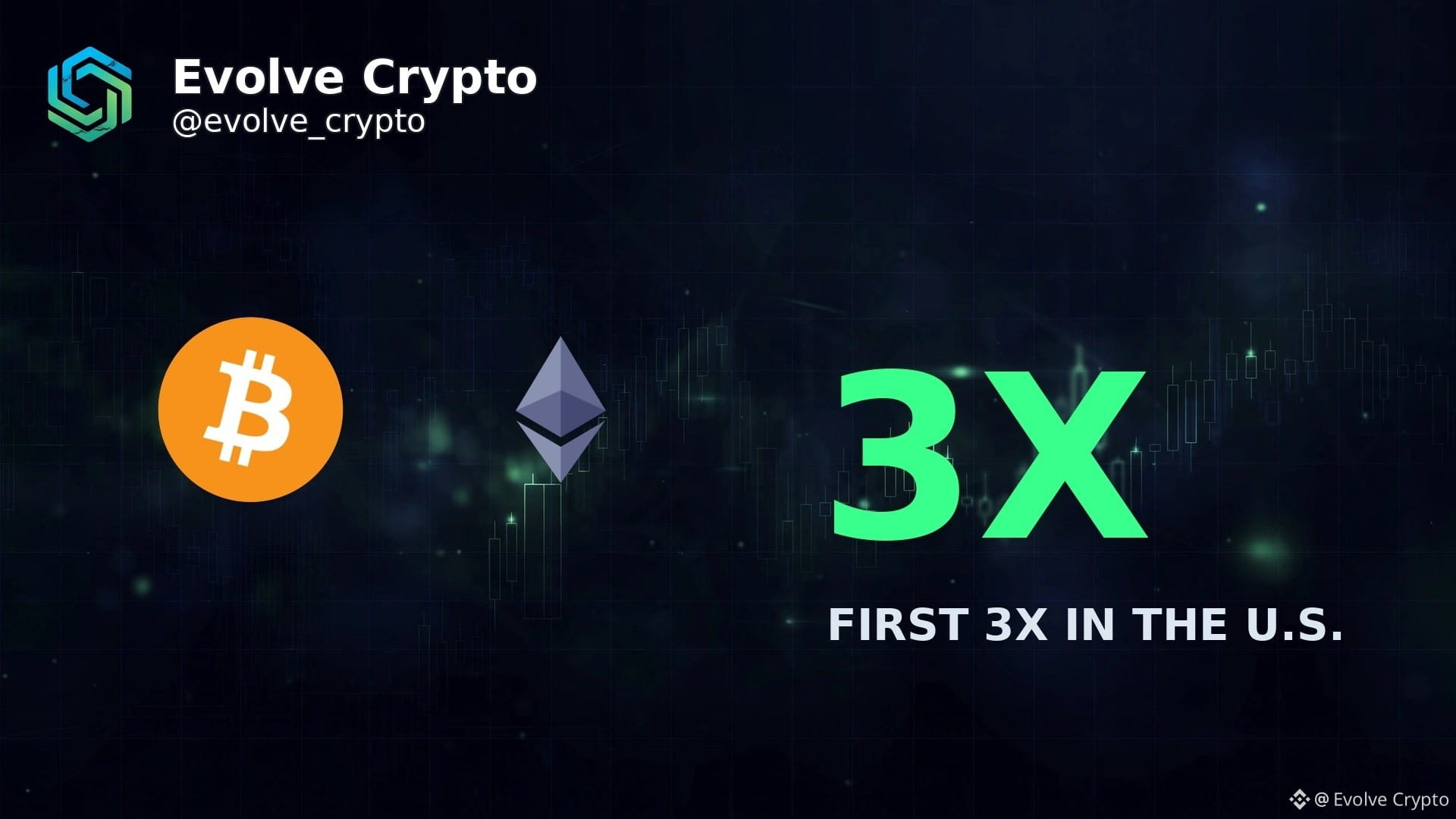
The SEC approved the first-ever 3x Bitcoin and Ether ETFs on Oct 2. Crypto funds here were capped at 2x until now — a genuine first.
The catch: they reset daily and hold futures, not coins. BTC up 10% then down 10% leaves a 3x fund down about 9%. The filing itself calls it speculative and not for all investors.
My take: this is a trader's tool, not an investor's product. Would you touch a 3x $ETH fund?
$BTC $ETH
#SECApproves3XBitcoinETF #ETF #Bitcoin
DYOR
$BTC just got the most aggressive product in U.S. crypto ETF history — and a built-in warning.
The SEC approved the first-ever 3x Bitcoin and Ether ETFs on Oct 2. Crypto funds here were capped at 2x until now — a genuine first.
The catch: they reset daily and hold futures, not coins. BTC up 10% then down 10% leaves a 3x fund down about 9%. The filing itself calls it speculative and not for all investors.
My take: this is a trader's tool, not an investor's product. Would you touch a 3x $ETH fund?
$BTC $ETH
#SECApproves3XBitcoinETF #ETF #Bitcoin
DYOR
The SEC approved the first-ever 3x Bitcoin and Ether ETFs on Oct 2. Crypto funds here were capped at 2x until now — a genuine first.
The catch: they reset daily and hold futures, not coins. BTC up 10% then down 10% leaves a 3x fund down about 9%. The filing itself calls it speculative and not for all investors.
My take: this is a trader's tool, not an investor's product. Would you touch a 3x $ETH fund?
$BTC $ETH
#SECApproves3XBitcoinETF #ETF #Bitcoin
DYOR
24
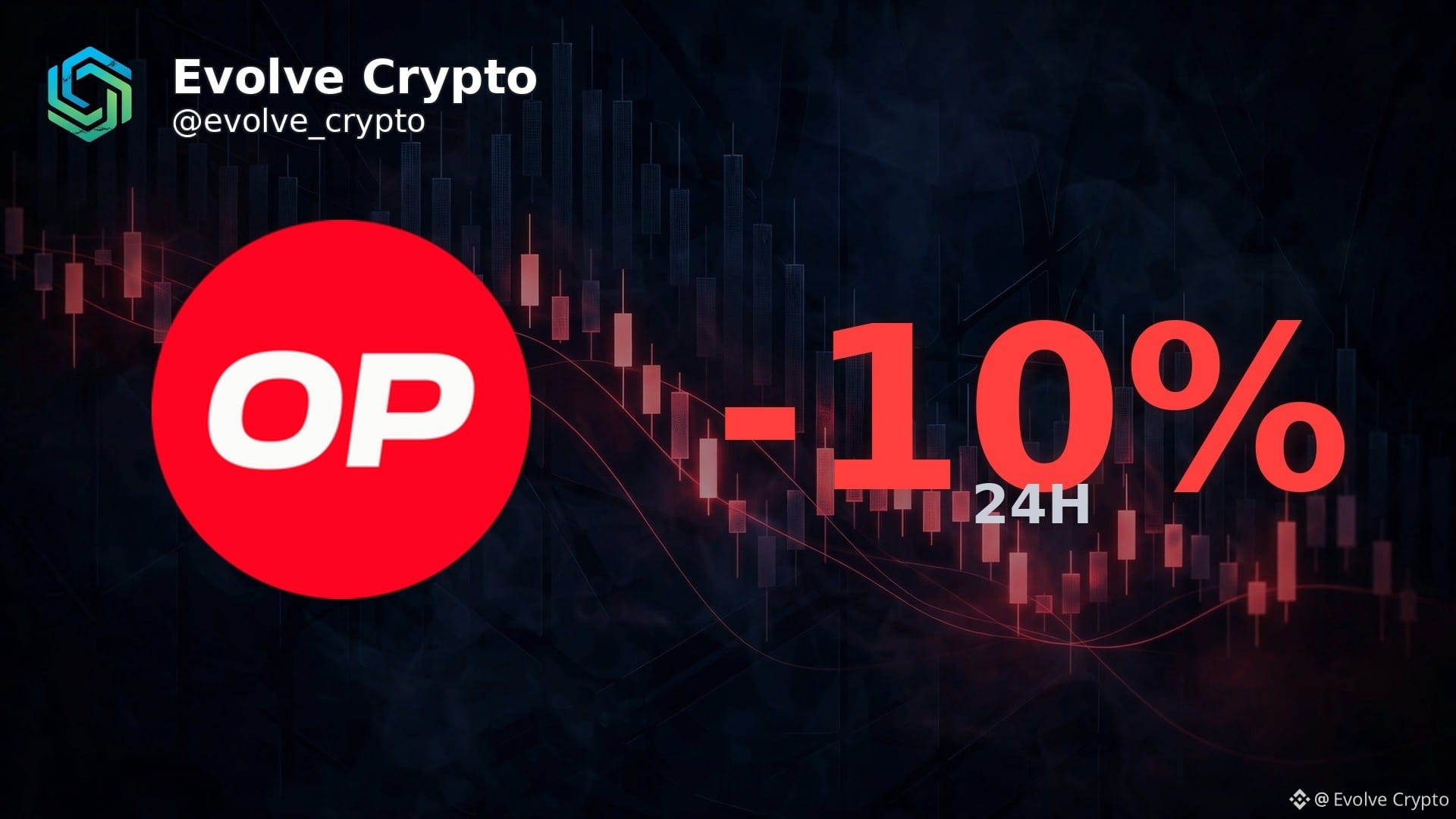
just had its worst day in the top 100 — down 10%.
Two Ethereum layer-2 networks have now shut down in a single week, with Pudgy Penguins' Abstract the latest to go offline. (-7%) and (-7%) got dragged down with it, while MNT lost close to 10% too.
My take: the L2 thesis is shifting from chain count to real usage and fee revenue.
Is this a shakeout, or the start of real L2 consolidation?
#OP #Layer2 #CryptoNews
DYOR
just had its worst day in the top 100 — down 10%.
Two Ethereum layer-2 networks have now shut down in a single week, with Pudgy Penguins' Abstract the latest to go offline. (-7%) and (-7%) got dragged down with it, while MNT lost close to 10% too.
My take: the L2 thesis is shifting from chain count to real usage and fee revenue.
Is this a shakeout, or the start of real L2 consolidation?
#OP #Layer2 #CryptoNews
DYOR
Two Ethereum layer-2 networks have now shut down in a single week, with Pudgy Penguins' Abstract the latest to go offline. (-7%) and (-7%) got dragged down with it, while MNT lost close to 10% too.
My take: the L2 thesis is shifting from chain count to real usage and fee revenue.
Is this a shakeout, or the start of real L2 consolidation?
#OP #Layer2 #CryptoNews
DYOR
115
$ADA now lets token issuers freeze and seize regulated tokens.
Cardano's CIP-0113 went live yesterday after independent security audits. Issuers of stablecoins, funds and bonds can embed identity checks, sanctions screening and seizure powers right into the token — no hard fork.
Cardano Foundation CEO Frederik Gregaard: "The rules have to travel with the asset and be enforced every time it moves."
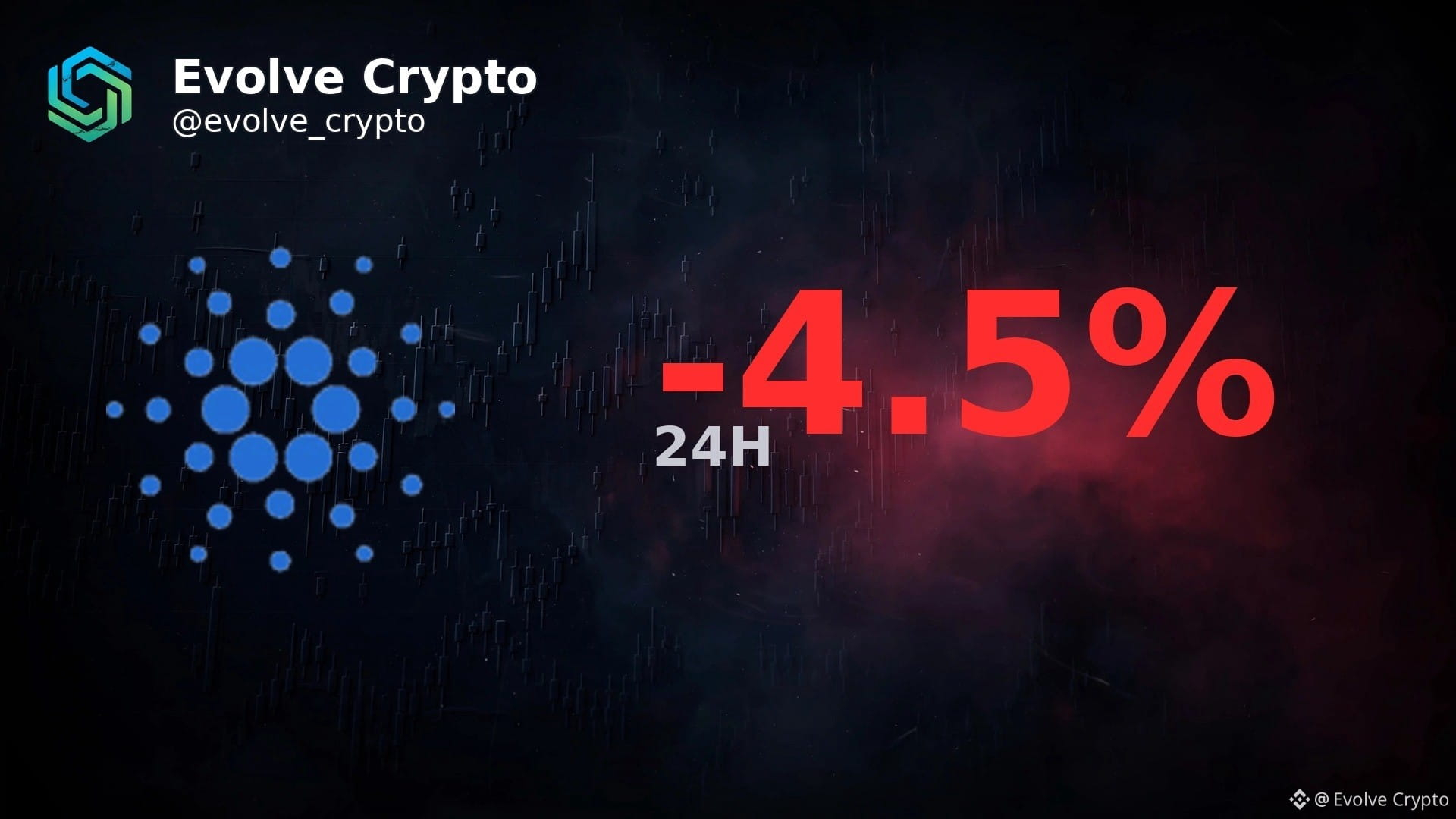
My take: the decentralization crowd will hate it, but this is what tokenized funds need to exist onchain. ADA is down 4.5% today — the market isn't celebrating yet.
Permissionless purity or regulated adoption — your pick? 👀
#ADA #Cardano #CryptoNews
DYOR
$ADA now lets token issuers freeze and seize regulated tokens.
Cardano's CIP-0113 went live yesterday after independent security audits. Issuers of stablecoins, funds and bonds can embed identity checks, sanctions screening and seizure powers right into the token — no hard fork.
Cardano Foundation CEO Frederik Gregaard: "The rules have to travel with the asset and be enforced every time it moves."
My take: the decentralization crowd will hate it, but this is what tokenized funds need to exist onchain. ADA is down 4.5% today — the market isn't celebrating yet.
Permissionless purity or regulated adoption — your pick? 👀
#ADA #Cardano #CryptoNews
DYOR
Cardano's CIP-0113 went live yesterday after independent security audits. Issuers of stablecoins, funds and bonds can embed identity checks, sanctions screening and seizure powers right into the token — no hard fork.
Cardano Foundation CEO Frederik Gregaard: "The rules have to travel with the asset and be enforced every time it moves."
My take: the decentralization crowd will hate it, but this is what tokenized funds need to exist onchain. ADA is down 4.5% today — the market isn't celebrating yet.
Permissionless purity or regulated adoption — your pick? 👀
#ADA #Cardano #CryptoNews
DYOR

47
$BTC fell below $84K — and right before the drop, four wallets opened 148.49 BTC of 40x leveraged shorts.
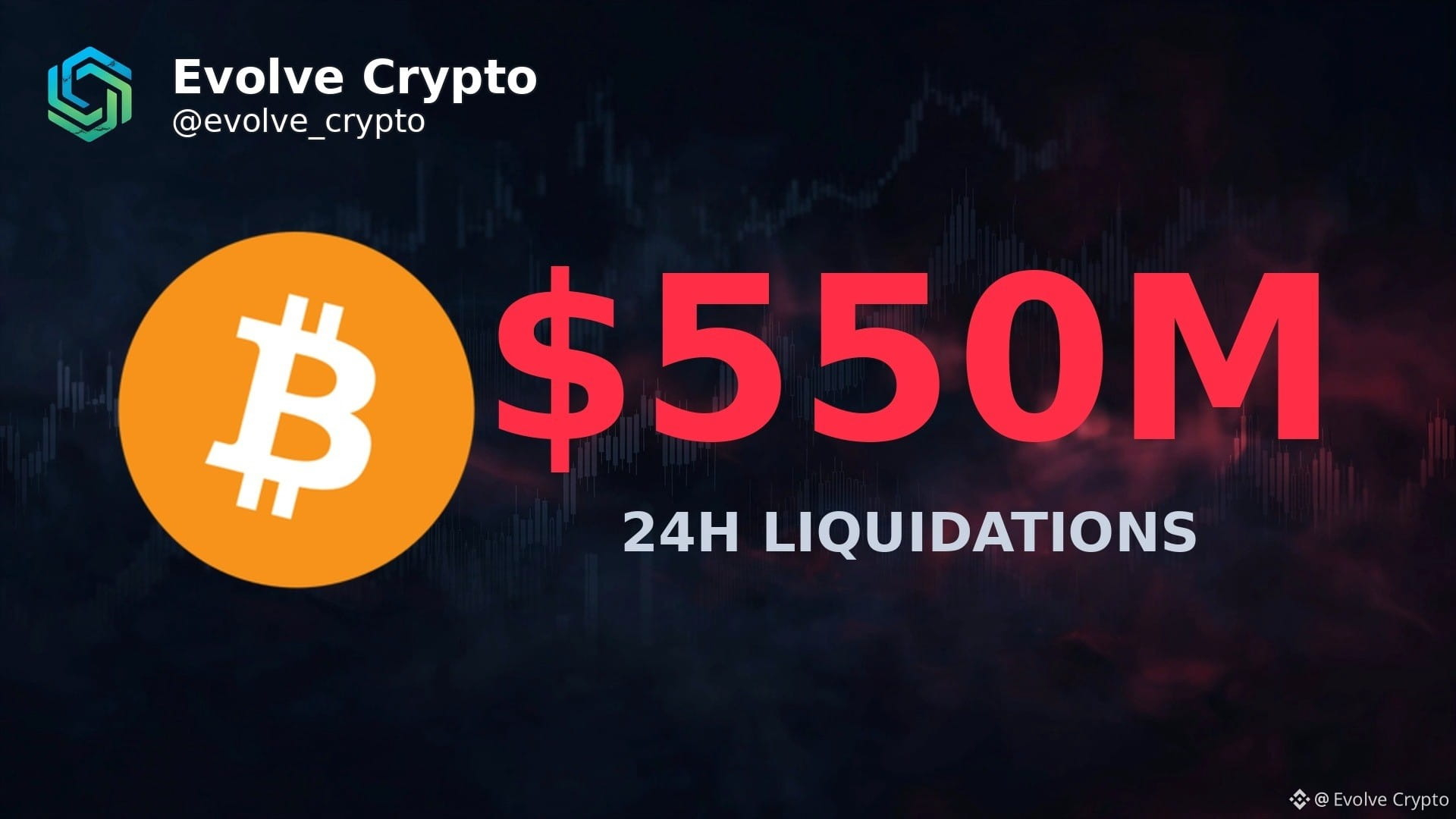
$550M in longs got wiped out in the flush. But BTC held its 21-day average at $83,850, and open interest bounced from $54.2B to $55.3B in six hours.
My take: a leverage flush, not a breakdown. Bulls need $86,700 back; bears want $82,500.
Coincidence or coordination?
#BTC #Liquidations #CryptoNews
DYOR
$BTC fell below $84K — and right before the drop, four wallets opened 148.49 BTC of 40x leveraged shorts.
$550M in longs got wiped out in the flush. But BTC held its 21-day average at $83,850, and open interest bounced from $54.2B to $55.3B in six hours.
My take: a leverage flush, not a breakdown. Bulls need $86,700 back; bears want $82,500.
Coincidence or coordination?
#BTC #Liquidations #CryptoNews
DYOR
$550M in longs got wiped out in the flush. But BTC held its 21-day average at $83,850, and open interest bounced from $54.2B to $55.3B in six hours.
My take: a leverage flush, not a breakdown. Bulls need $86,700 back; bears want $82,500.
Coincidence or coordination?
#BTC #Liquidations #CryptoNews
DYOR
4
$BTW did what $BTC couldn't this week — it moved.
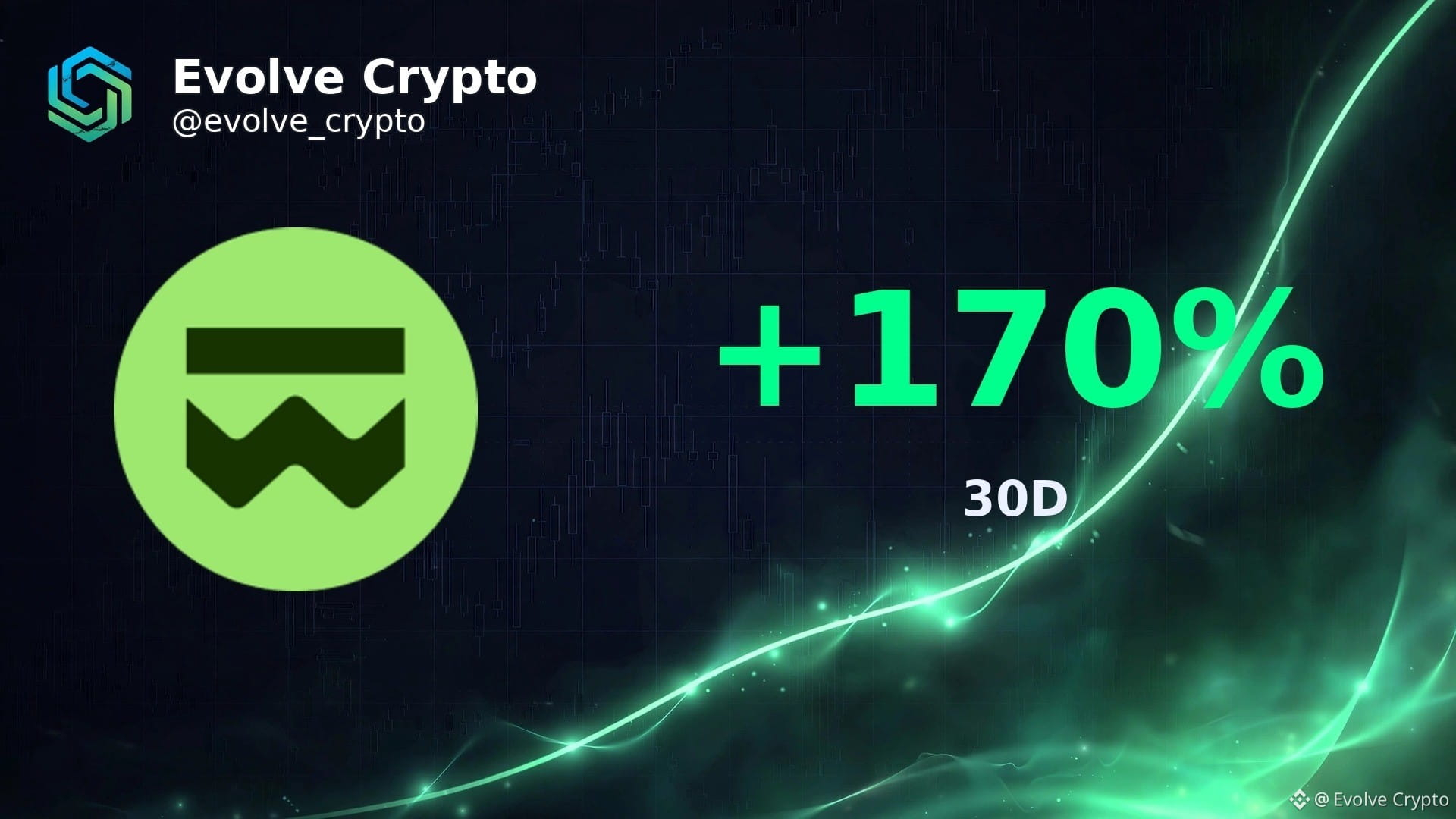
While Bitcoin chopped around $85K, Bitway's BTW ripped 25% in a day and 170% in a month, leading a quiet small-cap rotation. $FIL and ZRO joined in with double-digit days too.
The spark? Binance Wallet's Booster Season 5 ended Oct 2 — retail engagement flooded in and never left.
My take: when majors stall, money doesn't leave — it hunts smaller. That's the rotation playing out in real time.
Which small-cap are you watching next? 👀
#BTW #Altcoins #CryptoNews
DYOR
$BTW did what $BTC couldn't this week — it moved.
While Bitcoin chopped around $85K, Bitway's BTW ripped 25% in a day and 170% in a month, leading a quiet small-cap rotation. $FIL and ZRO joined in with double-digit days too.
The spark? Binance Wallet's Booster Season 5 ended Oct 2 — retail engagement flooded in and never left.
My take: when majors stall, money doesn't leave — it hunts smaller. That's the rotation playing out in real time.
Which small-cap are you watching next? 👀
#BTW #Altcoins #CryptoNews
DYOR
While Bitcoin chopped around $85K, Bitway's BTW ripped 25% in a day and 170% in a month, leading a quiet small-cap rotation. $FIL and ZRO joined in with double-digit days too.
The spark? Binance Wallet's Booster Season 5 ended Oct 2 — retail engagement flooded in and never left.
My take: when majors stall, money doesn't leave — it hunts smaller. That's the rotation playing out in real time.
Which small-cap are you watching next? 👀
#BTW #Altcoins #CryptoNews
DYOR

544
Verified
$XRP just got its own ticker on Nasdaq.
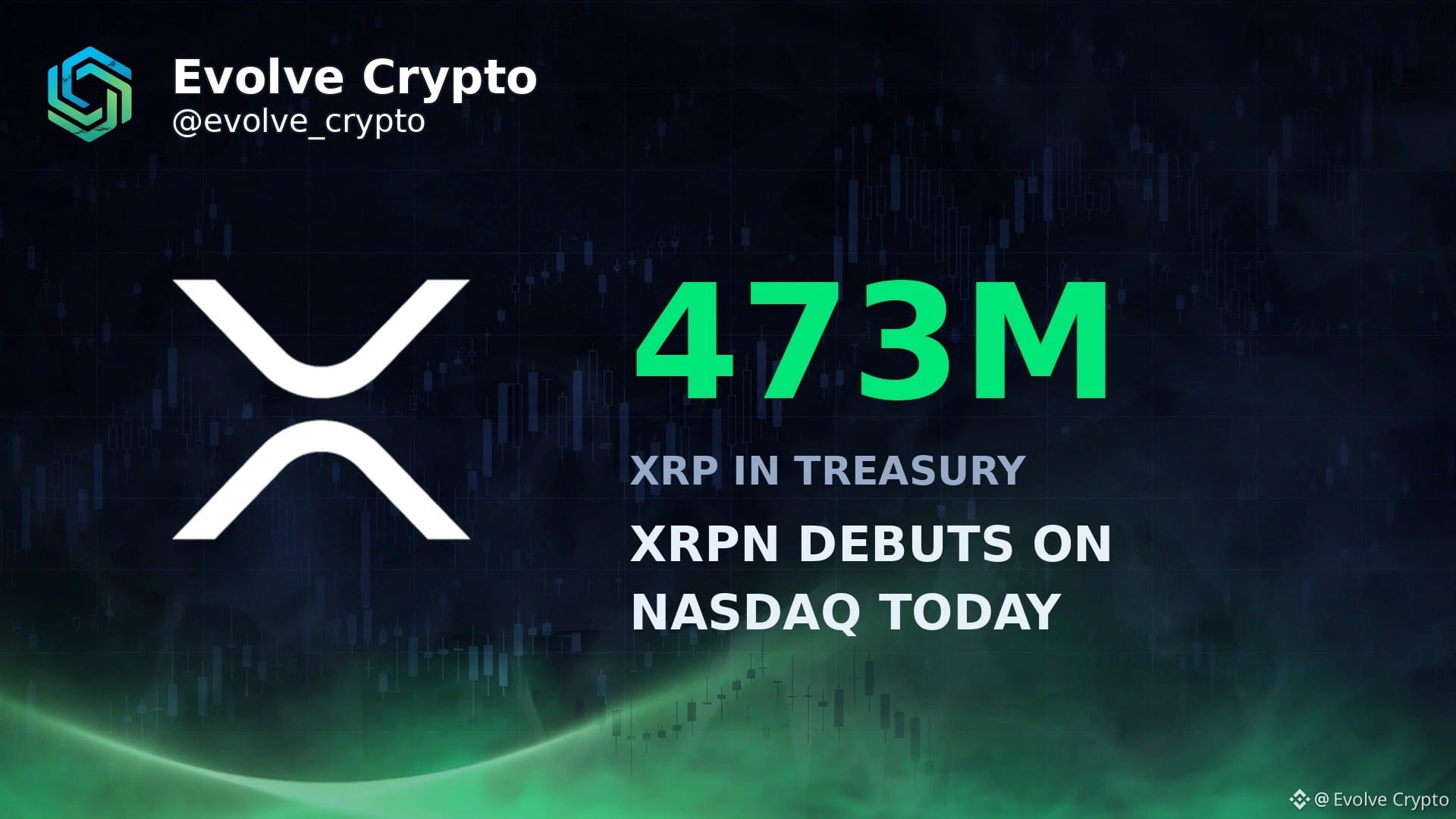
XRPN — Evernorth Holdings — starts trading today. The company holds roughly 473 million XRP, making it the largest publicly traded pure-play XRP treasury, and raised about $300M in fresh cash on top.
My take: this is a second on-ramp for traditional money into XRP, next to the spot ETFs. Backers include Ripple, Pantera, and SBI.
Would you rather hold $XRP directly, or buy it through a Nasdaq stock?
#XRP #Nasdaq #EvernorthXRPTreasuryCompletesSPACMerger
DYOR
$XRP just got its own ticker on Nasdaq.
XRPN — Evernorth Holdings — starts trading today. The company holds roughly 473 million XRP, making it the largest publicly traded pure-play XRP treasury, and raised about $300M in fresh cash on top.
My take: this is a second on-ramp for traditional money into XRP, next to the spot ETFs. Backers include Ripple, Pantera, and SBI.
Would you rather hold $XRP directly, or buy it through a Nasdaq stock?
#XRP #Nasdaq #EvernorthXRPTreasuryCompletesSPACMerger
DYOR
XRPN — Evernorth Holdings — starts trading today. The company holds roughly 473 million XRP, making it the largest publicly traded pure-play XRP treasury, and raised about $300M in fresh cash on top.
My take: this is a second on-ramp for traditional money into XRP, next to the spot ETFs. Backers include Ripple, Pantera, and SBI.
Would you rather hold $XRP directly, or buy it through a Nasdaq stock?
#XRP #Nasdaq #EvernorthXRPTreasuryCompletesSPACMerger
DYOR
1
1.3k
Partly True
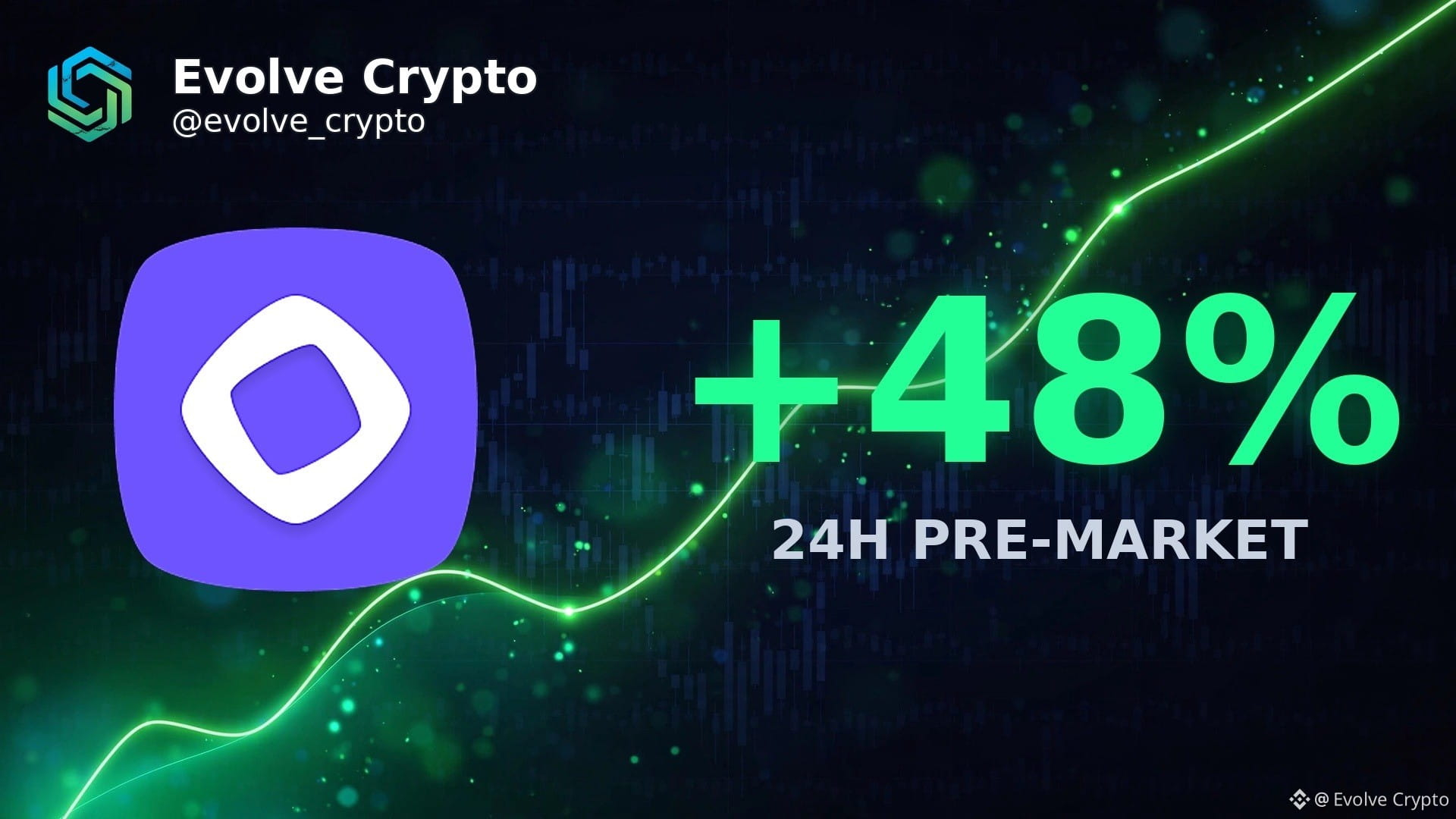
$MON is up 48% in 24 hours — and the token does not even officially exist yet.
Monad just locked November 24 for mainnet launch. The airdrop lands the same day for 225,000 wallets, and pre-market trading on Hyperliquid did $14M+ in volume yesterday with MON touching $0.06.
My take: this is the heaviest L1 debut in a while. $225M Paradigm-led raise, 10,000 TPS with 800ms finality, fully EVM-compatible — Solana speed without leaving the Ethereum world. Kraken already confirmed day-one listing, and tokenomics still are not public.
Are you watching this one before November 24, or waiting for the airdrop chaos? 👀
#Monad #MON #CryptoNews
DYOR
$MON is up 48% in 24 hours — and the token does not even officially exist yet.
Monad just locked November 24 for mainnet launch. The airdrop lands the same day for 225,000 wallets, and pre-market trading on Hyperliquid did $14M+ in volume yesterday with MON touching $0.06.
My take: this is the heaviest L1 debut in a while. $225M Paradigm-led raise, 10,000 TPS with 800ms finality, fully EVM-compatible — Solana speed without leaving the Ethereum world. Kraken already confirmed day-one listing, and tokenomics still are not public.
Are you watching this one before November 24, or waiting for the airdrop chaos? 👀
#Monad #MON #CryptoNews
DYOR
Monad just locked November 24 for mainnet launch. The airdrop lands the same day for 225,000 wallets, and pre-market trading on Hyperliquid did $14M+ in volume yesterday with MON touching $0.06.
My take: this is the heaviest L1 debut in a while. $225M Paradigm-led raise, 10,000 TPS with 800ms finality, fully EVM-compatible — Solana speed without leaving the Ethereum world. Kraken already confirmed day-one listing, and tokenomics still are not public.
Are you watching this one before November 24, or waiting for the airdrop chaos? 👀
#Monad #MON #CryptoNews
DYOR

3
141
$ETH just lost its most loyal buyer — and it was Tom Lee's company.
Bitmine has bought ETH every single week since June 2025. Speaking at TOKEN2049 Singapore, chairman Tom Lee said the spree ends soon: the firm stops accumulating once it holds 5% of all circulating ETH.
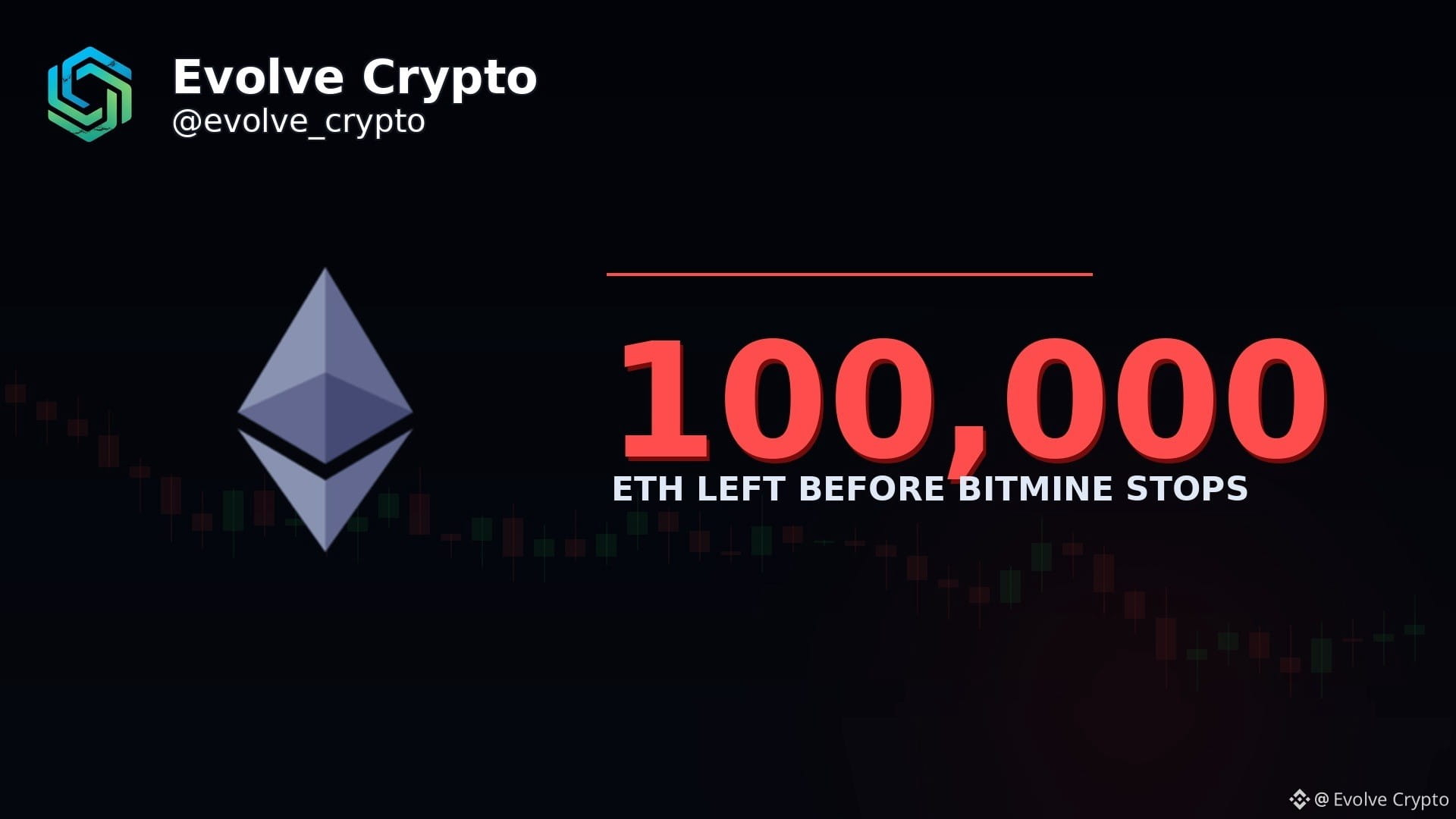
They are nearly there. Bitmine now holds 6,016,414 ETH — about 4.9% of the 122.1M supply, worth roughly $15.5 billion at current prices. Just ~100,000 more to go, about six to seven weeks at last week's buying pace.
My take: a weekly buyer you could set your watch by is about to disappear — and it is sitting on roughly $4.5B in unrealized losses (DropsTab) from buying through the top. ETH fell 5% to its weakest since Sept. 20, nearly twice BTC's drop. The bid is tired.
When the last steady buyer stops, who fills the gap — the ETFs, or nobody? 👇
$ETH $BTC
#Ethereum #ETH #CryptoNews
DYOR
$ETH just lost its most loyal buyer — and it was Tom Lee's company.
Bitmine has bought ETH every single week since June 2025. Speaking at TOKEN2049 Singapore, chairman Tom Lee said the spree ends soon: the firm stops accumulating once it holds 5% of all circulating ETH.
They are nearly there. Bitmine now holds 6,016,414 ETH — about 4.9% of the 122.1M supply, worth roughly $15.5 billion at current prices. Just ~100,000 more to go, about six to seven weeks at last week's buying pace.
My take: a weekly buyer you could set your watch by is about to disappear — and it is sitting on roughly $4.5B in unrealized losses (DropsTab) from buying through the top. ETH fell 5% to its weakest since Sept. 20, nearly twice BTC's drop. The bid is tired.
When the last steady buyer stops, who fills the gap — the ETFs, or nobody? 👇
$ETH $BTC
#Ethereum #ETH #CryptoNews
DYOR
Bitmine has bought ETH every single week since June 2025. Speaking at TOKEN2049 Singapore, chairman Tom Lee said the spree ends soon: the firm stops accumulating once it holds 5% of all circulating ETH.
They are nearly there. Bitmine now holds 6,016,414 ETH — about 4.9% of the 122.1M supply, worth roughly $15.5 billion at current prices. Just ~100,000 more to go, about six to seven weeks at last week's buying pace.
My take: a weekly buyer you could set your watch by is about to disappear — and it is sitting on roughly $4.5B in unrealized losses (DropsTab) from buying through the top. ETH fell 5% to its weakest since Sept. 20, nearly twice BTC's drop. The bid is tired.
When the last steady buyer stops, who fills the gap — the ETFs, or nobody? 👇
$ETH $BTC
#Ethereum #ETH #CryptoNews
DYOR
61
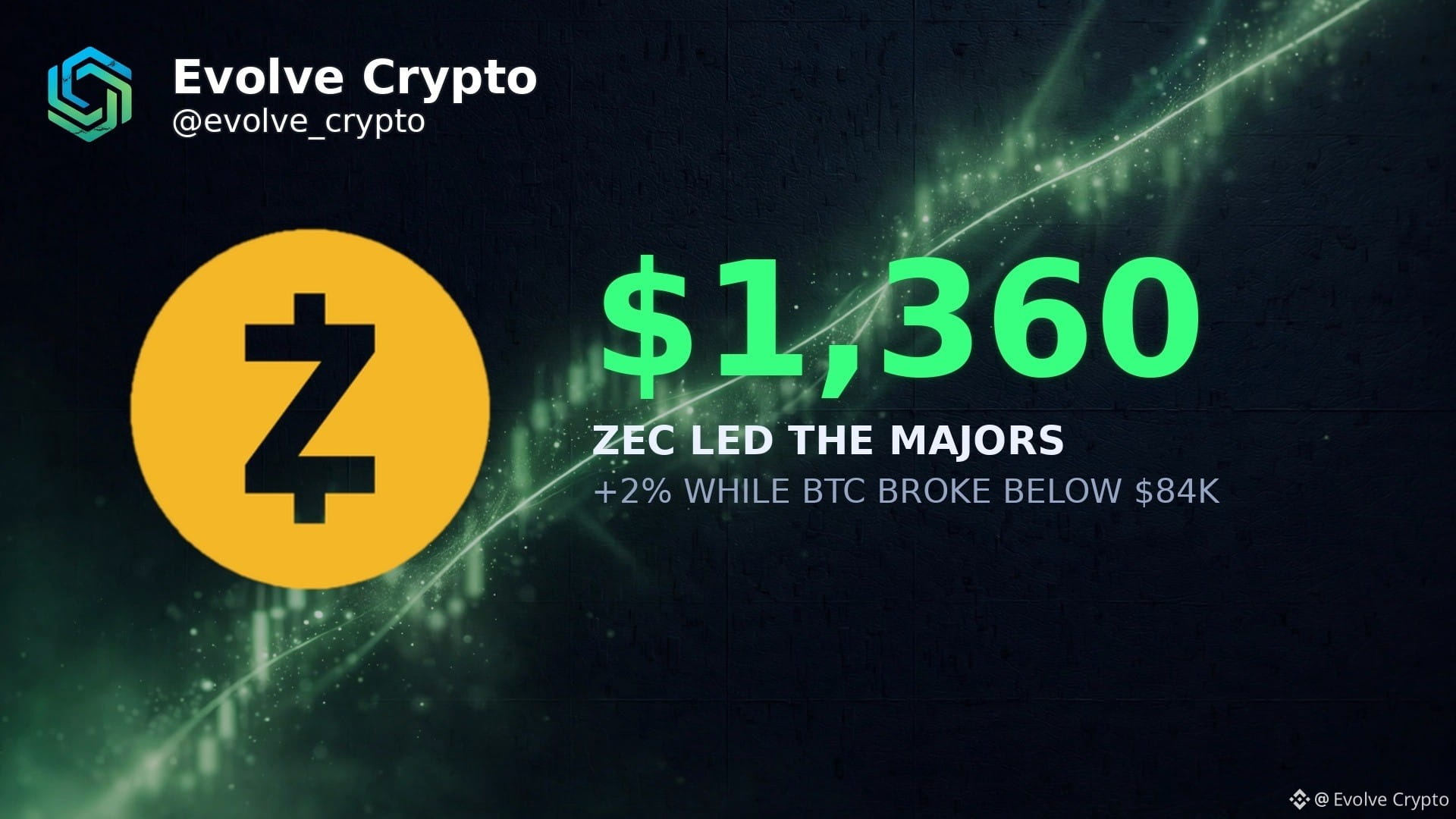
,300. That's the line $ZEC refuses to give up. 📈
Bitcoin slid under $84K and nearly everything bled red, but ZEC led the majors with a ~2% gain to about $1,360 (CoinDesk). Earlier today I posted about Grayscale's Zcash ETF pulling over $1B in its first month — then the Winklevoss twins filed their own at 0.25%, undercutting Grayscale's 2.5% fee by 90%.
My take: the market treats $ZEC like a trade. Institutions are starting to treat it like an allocation. When a coin holds up into a market-wide dump, that is the bid talking.
Which ZEC ETF wins the inflow race — Grayscale or Winklevoss?
$ZEC $BTC
#ZEC #WinklevossFilesSpotZcashETFApplication #CryptoNews
DYOR
,300. That's the line $ZEC refuses to give up. 📈
Bitcoin slid under $84K and nearly everything bled red, but ZEC led the majors with a ~2% gain to about $1,360 (CoinDesk). Earlier today I posted about Grayscale's Zcash ETF pulling over $1B in its first month — then the Winklevoss twins filed their own at 0.25%, undercutting Grayscale's 2.5% fee by 90%.
My take: the market treats $ZEC like a trade. Institutions are starting to treat it like an allocation. When a coin holds up into a market-wide dump, that is the bid talking.
Which ZEC ETF wins the inflow race — Grayscale or Winklevoss?
$ZEC $BTC
#ZEC #WinklevossFilesSpotZcashETFApplication #CryptoNews
DYOR
Bitcoin slid under $84K and nearly everything bled red, but ZEC led the majors with a ~2% gain to about $1,360 (CoinDesk). Earlier today I posted about Grayscale's Zcash ETF pulling over $1B in its first month — then the Winklevoss twins filed their own at 0.25%, undercutting Grayscale's 2.5% fee by 90%.
My take: the market treats $ZEC like a trade. Institutions are starting to treat it like an allocation. When a coin holds up into a market-wide dump, that is the bid talking.
Which ZEC ETF wins the inflow race — Grayscale or Winklevoss?
$ZEC $BTC
#ZEC #WinklevossFilesSpotZcashETFApplication #CryptoNews
DYOR
450
The Fed just told you October is safe. The fine print says December is not.
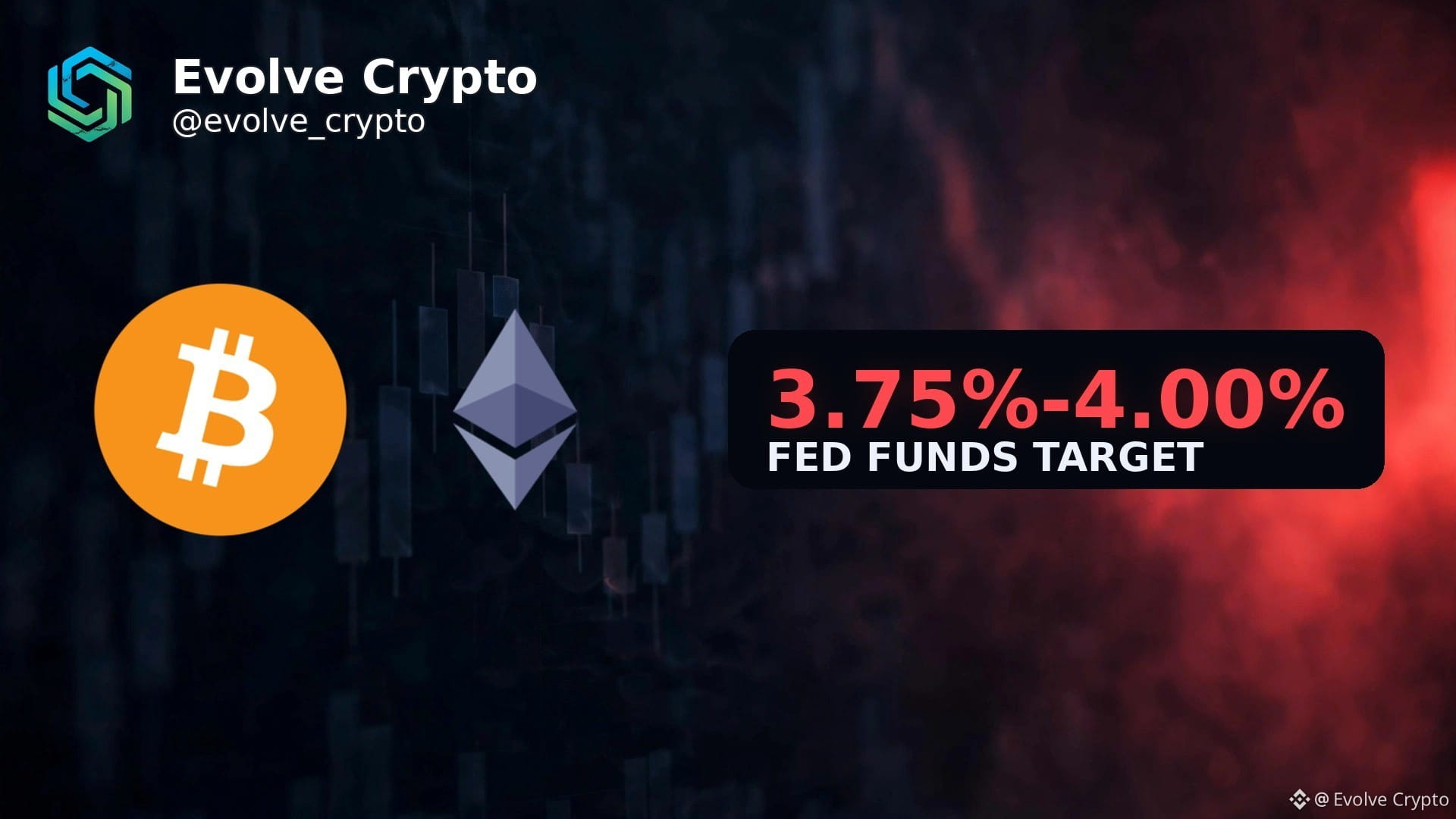
The September FOMC minutes dropped today. The 25bp hike to 3.75%-4.00% was unanimous — but the room was split on WHY. One camp called it insurance against energy and tariff shocks. The hawkish core said no: inflation is becoming demand-driven, and rates need to bite harder.
Here is the line markets are glossing over: "most participants assessed that another increase in the target range for the federal funds rate would likely be appropriate by year end."
Translation: October 28 is priced as a hold, but the December 8-9 meeting just got real. Between now and then, every inflation and jobs print becomes a market event.
My take: crypto gets breathing room, not a green light. Risk assets can rally on the pause — but the punch is still scheduled.
Does the market start pricing the December hike early, or does it party until then?
$BTC $ETH
#FedMinutesFocusOnOctoberPause #Bitcoin #CryptoNews
DYOR
The Fed just told you October is safe. The fine print says December is not.
The September FOMC minutes dropped today. The 25bp hike to 3.75%-4.00% was unanimous — but the room was split on WHY. One camp called it insurance against energy and tariff shocks. The hawkish core said no: inflation is becoming demand-driven, and rates need to bite harder.
Here is the line markets are glossing over: "most participants assessed that another increase in the target range for the federal funds rate would likely be appropriate by year end."
Translation: October 28 is priced as a hold, but the December 8-9 meeting just got real. Between now and then, every inflation and jobs print becomes a market event.
My take: crypto gets breathing room, not a green light. Risk assets can rally on the pause — but the punch is still scheduled.
Does the market start pricing the December hike early, or does it party until then?
$BTC $ETH
#FedMinutesFocusOnOctoberPause #Bitcoin #CryptoNews
DYOR
The September FOMC minutes dropped today. The 25bp hike to 3.75%-4.00% was unanimous — but the room was split on WHY. One camp called it insurance against energy and tariff shocks. The hawkish core said no: inflation is becoming demand-driven, and rates need to bite harder.
Here is the line markets are glossing over: "most participants assessed that another increase in the target range for the federal funds rate would likely be appropriate by year end."
Translation: October 28 is priced as a hold, but the December 8-9 meeting just got real. Between now and then, every inflation and jobs print becomes a market event.
My take: crypto gets breathing room, not a green light. Risk assets can rally on the pause — but the punch is still scheduled.
Does the market start pricing the December hike early, or does it party until then?
$BTC $ETH
#FedMinutesFocusOnOctoberPause #Bitcoin #CryptoNews
DYOR
150
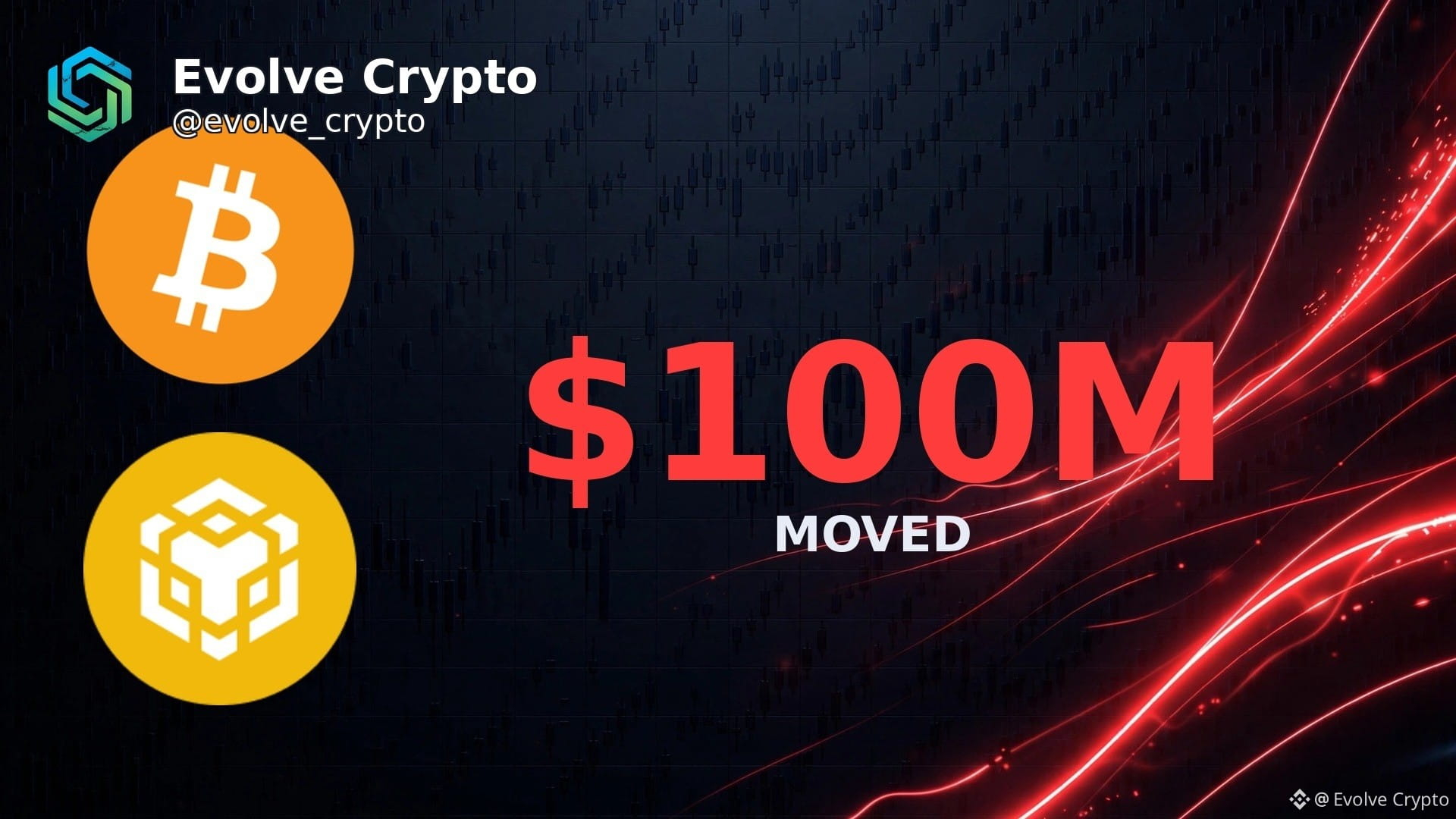
$100M of crypto just moved from U.S. government wallets. Do not panic.
Arkham data shows 833.6 BTC (about $71.6M) landed at Coinbase Prime deposit addresses on Tuesday. Another 40,285 BNB (about $31.6M) moved too — traced to seized FTX/Alameda funds and the old Bitfinex hack coins.
My take: this is not a dump. Under the March 2025 executive order, forfeited Bitcoin is earmarked for the Strategic Bitcoin Reserve. The government still holds roughly $27.5 billion and has not spent a dime of taxpayer money on crypto. A transfer to Coinbase Prime is custody, not selling.
Which part scares people more — the move itself, or that Uncle Sam is now one of the biggest BTC holders alive? 👀
$BTC $BNB
#Bitcoin #BNB #CryptoNews
DYOR
$100M of crypto just moved from U.S. government wallets. Do not panic.
Arkham data shows 833.6 BTC (about $71.6M) landed at Coinbase Prime deposit addresses on Tuesday. Another 40,285 BNB (about $31.6M) moved too — traced to seized FTX/Alameda funds and the old Bitfinex hack coins.
My take: this is not a dump. Under the March 2025 executive order, forfeited Bitcoin is earmarked for the Strategic Bitcoin Reserve. The government still holds roughly $27.5 billion and has not spent a dime of taxpayer money on crypto. A transfer to Coinbase Prime is custody, not selling.
Which part scares people more — the move itself, or that Uncle Sam is now one of the biggest BTC holders alive? 👀
$BTC $BNB
#Bitcoin #BNB #CryptoNews
DYOR
Arkham data shows 833.6 BTC (about $71.6M) landed at Coinbase Prime deposit addresses on Tuesday. Another 40,285 BNB (about $31.6M) moved too — traced to seized FTX/Alameda funds and the old Bitfinex hack coins.
My take: this is not a dump. Under the March 2025 executive order, forfeited Bitcoin is earmarked for the Strategic Bitcoin Reserve. The government still holds roughly $27.5 billion and has not spent a dime of taxpayer money on crypto. A transfer to Coinbase Prime is custody, not selling.
Which part scares people more — the move itself, or that Uncle Sam is now one of the biggest BTC holders alive? 👀
$BTC $BNB
#Bitcoin #BNB #CryptoNews
DYOR

8
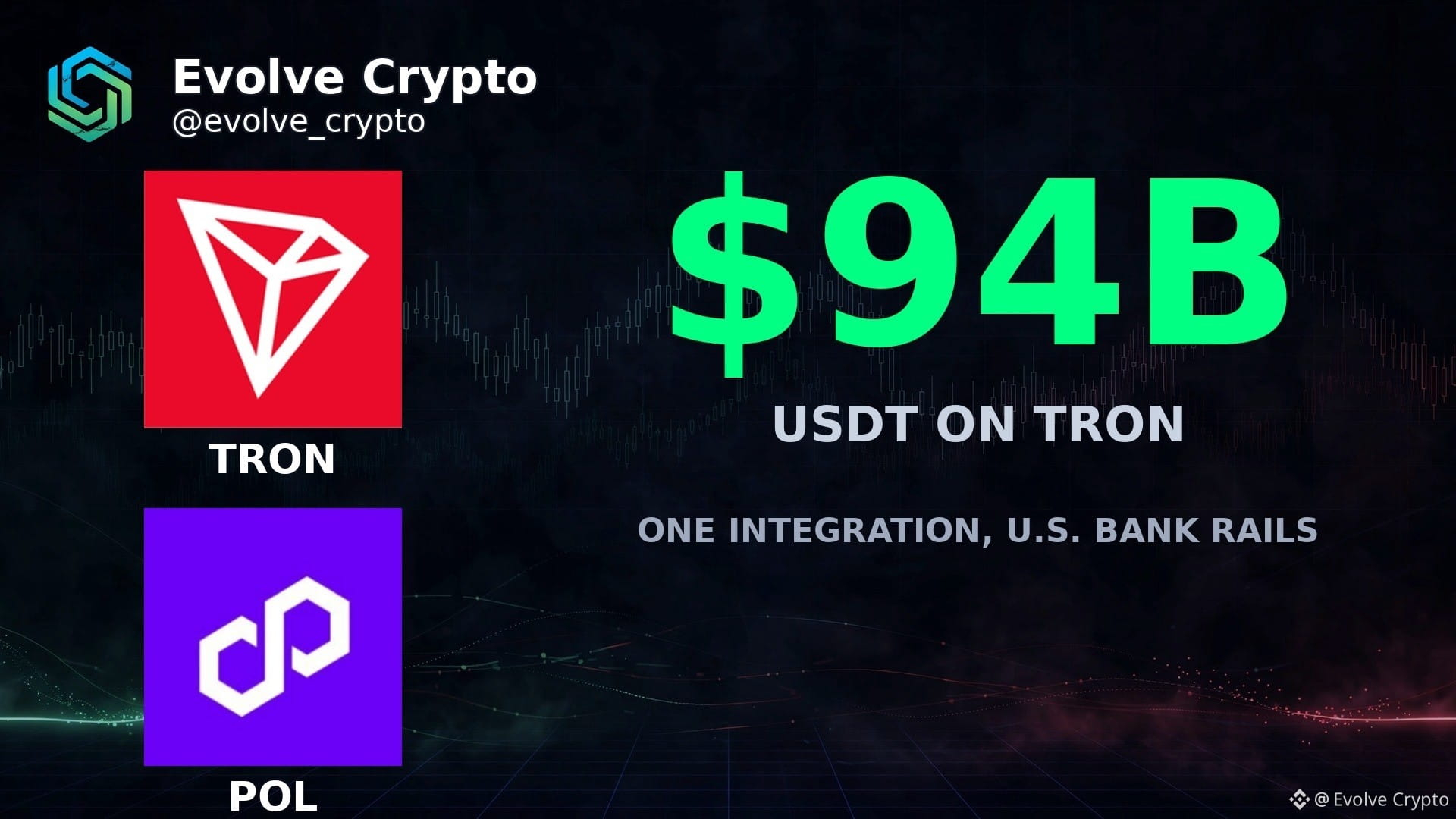
TRON is quietly the biggest dollar-moving network on earth.
More than $94B of USDT sits on TRON — the largest USDT supply on any chain — and the network settled over $30 trillion in transfer volume, with 93% of it peer-to-peer. Now Polygon just plugged that whole economy into U.S. bank rails through its Open Money Stack.
One integration: a remittance company can take a bank transfer or cash, move it as $USDT on TRON, and pay out to a bank account on the other end. No wallet juggling, no bridge, no fiat ramp.
My take: the stablecoin race is not about tech anymore. It is about who sits closest to real money flow. $TRX already won the volume game. The $POL side just became the front door for U.S. businesses to reach it.
Polygon alone has processed over $3 trillion in payments volume as of last month. This is infrastructure going mainstream, not a narrative trade.
Which chain wins the real remittance race? 👇
#TRX #Polygon #Stablecoins
DYOR
TRON is quietly the biggest dollar-moving network on earth.
More than $94B of USDT sits on TRON — the largest USDT supply on any chain — and the network settled over $30 trillion in transfer volume, with 93% of it peer-to-peer. Now Polygon just plugged that whole economy into U.S. bank rails through its Open Money Stack.
One integration: a remittance company can take a bank transfer or cash, move it as $USDT on TRON, and pay out to a bank account on the other end. No wallet juggling, no bridge, no fiat ramp.
My take: the stablecoin race is not about tech anymore. It is about who sits closest to real money flow. $TRX already won the volume game. The $POL side just became the front door for U.S. businesses to reach it.
Polygon alone has processed over $3 trillion in payments volume as of last month. This is infrastructure going mainstream, not a narrative trade.
Which chain wins the real remittance race? 👇
#TRX #Polygon #Stablecoins
DYOR
More than $94B of USDT sits on TRON — the largest USDT supply on any chain — and the network settled over $30 trillion in transfer volume, with 93% of it peer-to-peer. Now Polygon just plugged that whole economy into U.S. bank rails through its Open Money Stack.
One integration: a remittance company can take a bank transfer or cash, move it as $USDT on TRON, and pay out to a bank account on the other end. No wallet juggling, no bridge, no fiat ramp.
My take: the stablecoin race is not about tech anymore. It is about who sits closest to real money flow. $TRX already won the volume game. The $POL side just became the front door for U.S. businesses to reach it.
Polygon alone has processed over $3 trillion in payments volume as of last month. This is infrastructure going mainstream, not a narrative trade.
Which chain wins the real remittance race? 👇
#TRX #Polygon #Stablecoins
DYOR
166
Log in to explore more content
Join global crypto users on Binance Square
⚡️ Get latest and useful information about crypto.
💬 Trusted by the world’s largest crypto exchange.
👍 Discover real insights from verified creators.
Email / Phone number
Trending Topics
FedMinutesFocusOnOctoberPause
369,179 views
2,298 Discussing
🚨 THE FED JUST DROPPED A HUGE HINT — OCTOBER PAUSE INCOMING?
Wall Street is betting the Fed will HIT THE BRAKES in October. And crypto traders are watching closely. 👀
The latest FOMC minutes have shifted attention toward a potential pause at the October 27–28 meeting.
📊 The market setup:
🔥 October rate hold: approximately 82.8% in the latest previously reported pricing.
🔥 Rate hike probability: approximately 17.2%.
🔥 Weakening labor-market data is making an immediate hike harder to justify.
But here's the twist.
A PAUSE IS NOT A RATE CUT.
The Fed could hold in October while keeping the door open for additional tightening later.
For $BTC, $ ETH and $XAU, that distinction matters.
A pause could ease immediate pressure on risk assets. But persistent inflation and elevated Treasury yields could still crush bullish momentum.
⚠️ THE BIG QUESTION:
Is Wall Street positioning for a crypto breakout — or setting up another massive bull trap before the next Fed decision?
$BTC $ETH $BNB $SOL $XAU
#fedminutesfocusonoctoberpause #BinanceLaunchesBinanceIntelligence #EvernorthDelaysNasdaqDebutToOct12 #RobinhoodAdds$25MInBitcoinToBalanceSheet #SP500AndNasdaqHitRecordHighs
KimHotbae
·27 Likes
·32.4k views
VitalikWarnsAICouldWeakenCryptographySecurity
777 views
83 Discussing
XRPSpotETFsHold$1.7BWeeklyInflowsSlow
267 views
19 Discussing