
#deai
deai
273,806 views
1,611 Discussing
Hot
Latest

BITTENSOR ($TAO )
Decentralized AI is entering a different phase.
TAO closed the previous week around $190.87, down approximately 1.79%.
It also recovered from a weekly low around $165.40.
But I think the more interesting story is happening beneath the token price.
Bittensor currently has 128 subnets, creating an ecosystem where different networks compete to provide decentralized digital services.
This raises a bigger investment question:
Can decentralized AI networks develop sustainable economic demand, rather than depending primarily on token incentives?
For TAO, I would monitor three elements:
1. Real demand for subnet services.
2. Revenue and incentive sustainability.
3. The ability of successful subnets to attract developers and capital.
AI is a powerful narrative.
But narratives alone don’t justify long-term valuations.
My thesis remains focused on one thing: the economic utility of decentralized intelligence.
#TAO #MannequinCrypto #bittensor #DeAI #artificialintelligence
POLL
What will ultimately determine Bittensor’s long-term success?
{spot}(TAOUSDT)
BITTENSOR ($TAO )
Decentralized AI is entering a different phase.
TAO closed the previous week around $190.87, down approximately 1.79%.
It also recovered from a weekly low around $165.40.
But I think the more interesting story is happening beneath the token price.
Bittensor currently has 128 subnets, creating an ecosystem where different networks compete to provide decentralized digital services.
This raises a bigger investment question:
Can decentralized AI networks develop sustainable economic demand, rather than depending primarily on token incentives?
For TAO, I would monitor three elements:
1. Real demand for subnet services.
2. Revenue and incentive sustainability.
3. The ability of successful subnets to attract developers and capital.
AI is a powerful narrative.
But narratives alone don’t justify long-term valuations.
My thesis remains focused on one thing: the economic utility of decentralized intelligence.
#TAO #MannequinCrypto #bittensor #DeAI #artificialintelligence
POLL
What will ultimately determine Bittensor’s long-term success?
demand for subnet services
Quality of AI models
Sustainable subnet economics
Institutional adoption
21 hr(s) left
285


·
--
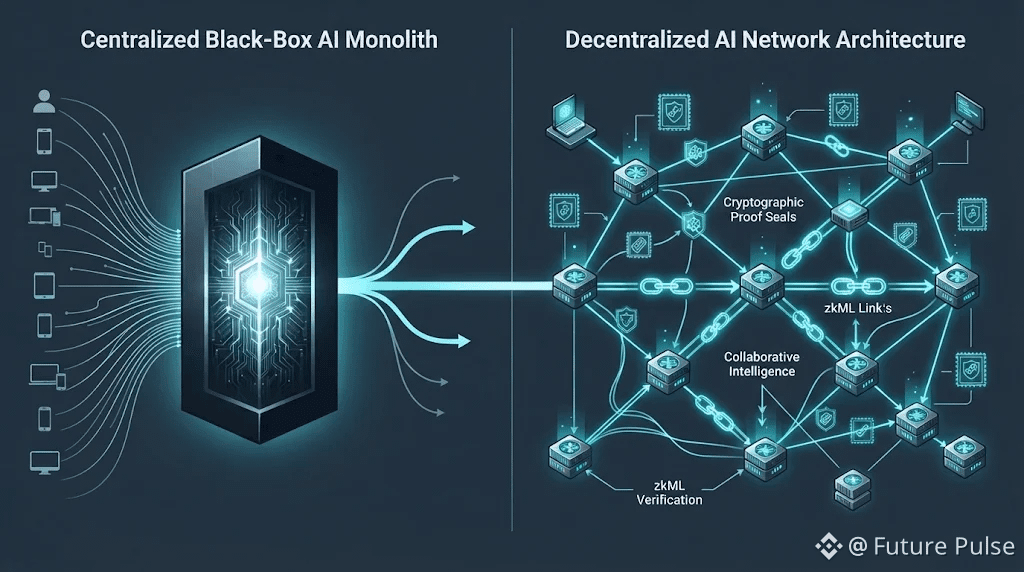
Decentralized AI (DeAI) is emerging as the structural counterweight to centralized AI monopolies—combining cryptographic verification with distributed compute and data networks to keep intelligence open, auditable, and permissionless.
As frontier AI concentrates compute, model weights, and training pipelines inside a handful of tech giants, DeAI unbundles the AI stack across three core on-chain primitives:
Distributed Compute & GPU Networks: Protocols like Render and Akash aggregate idle global GPU capacity into open marketplaces, lowering inference and training costs without single-vendor lock-in.
Verifiable Inference & Provenance: Through zero-knowledge machine learning (zkML) and cryptographic attestations, networks can prove that a specific model actually generated a given output—allowing smart contracts to consume AI decisions trustlessly.
Incentivized Data & Collaborative Intelligence: Networks like Bittensor (TAO) coordinate open-source model training and data contribution through token-weighted validation, rewarding useful intelligence rather than closed proprietary silos.
The real architectural challenge isn't just putting an AI token on-chain it is balancing cryptographic verification overhead against the raw latency demands of modern models. As verifiable compute matures, DeAI shifts AI from a black-box corporate service into open, auditable public infrastructure.
$TAO
{future}(TAOUSDT)
$SOXL
{future}(SOXLUSDT)
$SOXS
{future}(SOXSUSDT)
#DeAI
#AIxCrypto
#zkml
#Web3
#bittensor
Decentralized AI (DeAI) is emerging as the structural counterweight to centralized AI monopolies—combining cryptographic verification with distributed compute and data networks to keep intelligence open, auditable, and permissionless.
As frontier AI concentrates compute, model weights, and training pipelines inside a handful of tech giants, DeAI unbundles the AI stack across three core on-chain primitives:
Distributed Compute & GPU Networks: Protocols like Render and Akash aggregate idle global GPU capacity into open marketplaces, lowering inference and training costs without single-vendor lock-in.
Verifiable Inference & Provenance: Through zero-knowledge machine learning (zkML) and cryptographic attestations, networks can prove that a specific model actually generated a given output—allowing smart contracts to consume AI decisions trustlessly.
Incentivized Data & Collaborative Intelligence: Networks like Bittensor (TAO) coordinate open-source model training and data contribution through token-weighted validation, rewarding useful intelligence rather than closed proprietary silos.
The real architectural challenge isn't just putting an AI token on-chain it is balancing cryptographic verification overhead against the raw latency demands of modern models. As verifiable compute matures, DeAI shifts AI from a black-box corporate service into open, auditable public infrastructure.
$TAO
$SOXL
$SOXS
#DeAI
#AIxCrypto
#zkml
#Web3
#bittensor
2
1k

🤖 DECENTRALISED AI: CAN CRYPTO HELP POWER THE NEXT AI REVOLUTION?
AI needs computing power, data and infrastructure. What if some of these resources could be coordinated through decentralised networks?
That's the idea behind decentralised AI: connecting contributors, developers and users through blockchain-based incentive systems.
🔍 Three projects worth researching:
- TAO— Bittensor's decentralised machine-learning ecosecosystem
-FET--Artificial intelligence and autonomous-agent infrastructure.
- $RENDER — Decentralised GPU rendering and compute infrastructure.
💡 Why does this sector matter?
It explores alternative ways to coordinate computing resources and AI development beyond traditional centralised platforms.
But challenges remain: quality control, real-world demand, token economics and competition from established AI companies.
🧠 AI adoption may grow, but not every AI token will benefit equally.
💬 Your opinion: Will decentralised AI become a serious competitor to traditional AI infrastructure, or will centralised platforms remain dominant?
$TAO $FET $RENDER
#DeAI #ArtificialIntelligence #CryptoInnovation #BinanceSquare
1
449

·
--
Pearl (PEARL) just surged over 12% in 24 hours, hitting $1.55 and cracking the top 100 by market cap!
Pearl is the native token of the Pearl Protocol, a project focused on building privacy-preserving infrastructure for AI and Web3. Think of it as a secure layer allowing AI models to process sensitive data without ever actually seeing the raw information — crucial for healthcare, finance, and personal data.
Today's pump comes alongside rising volume ($20M+), suggesting genuine interest rather than just low-liquidity noise. The project recently highlighted updates on their "Pearl Network" testnet and partnerships aimed at decentralized AI compute.
For beginners: a 12% daily move is notable but common in mid-cap crypto. Always check the *why* behind the green candle. Here, it looks like fundamental progress meeting market momentum.
#PearlProtocol #DeAI
What real-world industry do you think needs privacy-preserving AI the most right now?
68

·
--
Bearish
$🚀 BITTENSOR (TAO) : une nouvelle avancée dans l'intelligence artificielle décentralisée !
Le 10 novembre 2026, Chutes a annoncé le lancement de GLM 5.2 Fast, avec une fenêtre de contexte pouvant atteindre 1 million de tokens, sur son infrastructure d'inférence liée à Bittensor.
🌐 Pourquoi est-ce important ?
Cette évolution permet aux développeurs et utilisateurs d'accéder à de nouvelles possibilités dans le domaine des modèles IA et des agents intelligents.
Bittensor cherche ainsi à renforcer son écosystème en proposant des infrastructures décentralisées capables de répondre aux besoins croissants de l'intelligence artificielle.
📈 Mon point de vue :
L'avenir de TAO ne dépendra pas uniquement de la spéculation sur son prix, mais surtout de l'adoption réelle de ses sous-réseaux et de l'utilisation de ses technologies.
La vraie question est donc : Bittensor peut-il devenir un acteur incontournable de l'IA décentralisée ?
Qu'en pensez-vous ?
#BittensorTAO #TAO #artificialintelligence #DeAI #CryptoNews
98
BITTENSOR ($TAO ) — AI Infrastructure Is Becoming Measurable
AI narratives are everywhere. Real economic activity is what matters.
Bittensor is attracting renewed attention following reports that subnet revenue has approximately doubled to $70 million.
This is an important development because it shifts the discussion away from speculation and toward measurable economic activity.
My analysis:
Bittensor’s long-term thesis depends on whether decentralized AI markets can attract sustainable demand.
Three things deserve monitoring:
* Subnet revenue growth.
* Real demand for decentralized AI services.
* Whether TAO captures economic value generated by its ecosystem.
Revenue growth is encouraging, but it does not automatically translate into token appreciation.
The next question is sustainability.
Investor takeaway: Watch the economics behind the network, not just the AI narrative.
#bittensor #TAO #DeAI #MannequinCrypto

157

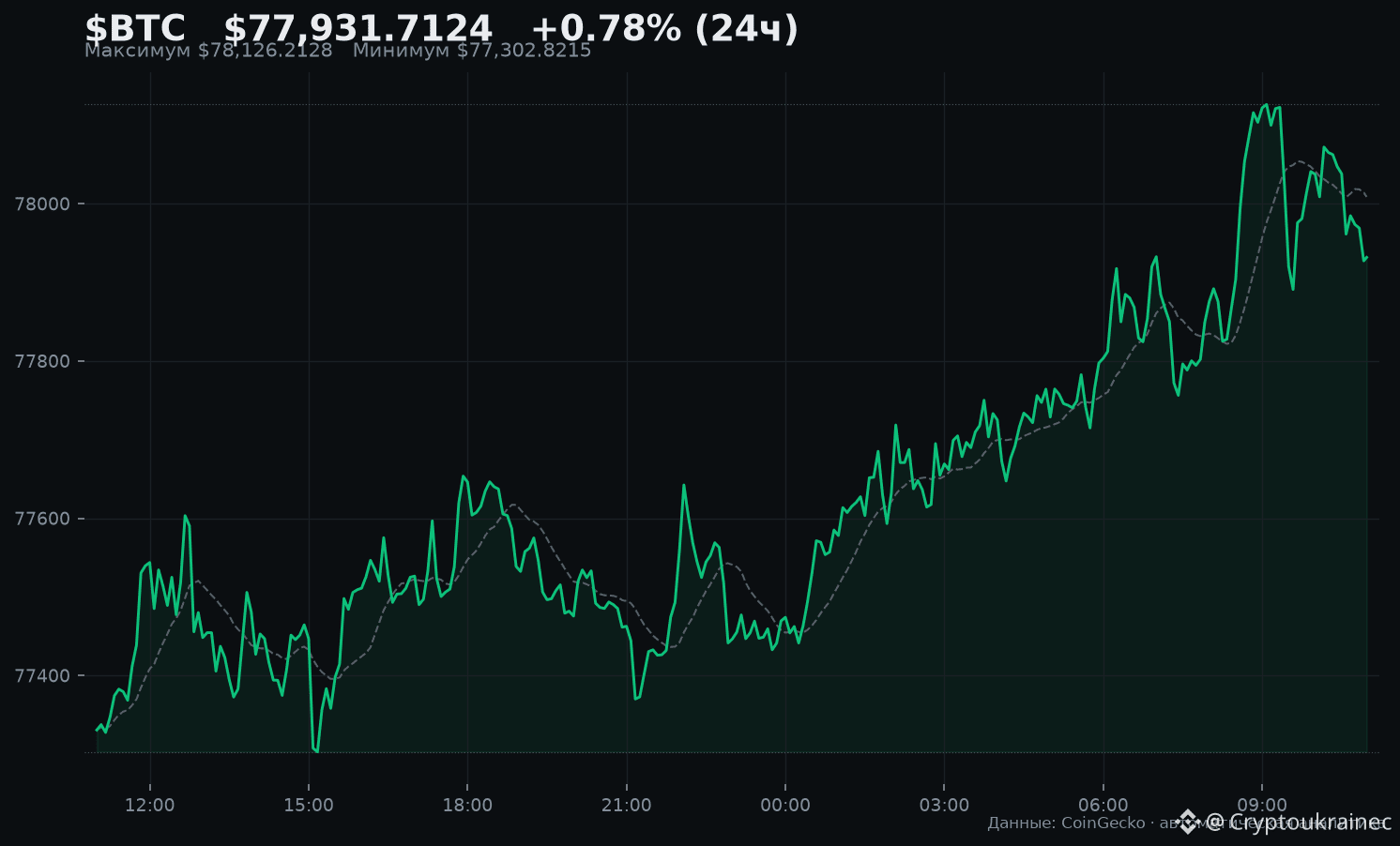
Сэм Альтман публично продвигает идею: вычислительная память эффективнее в дата-центрах, чем на устройствах пользователя. Это прямой сигнал рынку — инфраструктурные AI-токены, завязанные на децентрализованные вычисления и хранение данных, получают нарратив. BTC держится у $77,927.
$BTC $RENDER $TAO #AI #DeAI
$BTC $RENDER $TAO #AI #DeAI
107
🧠 $TAO : LOOK BEYOND THE PRICE CHART.
Bittensor is developing an increasingly competitive ecosystem for decentralized AI.
Recent developments include:
🔹 An expansion of subnet participant capacity from 256 to 2,500.
🔹 The eTAO upgrade, allowing subnet owners greater flexibility in allocating token emissions.
🔹 Continued growth and competition among specialized AI subnets.
These developments matter because decentralized AI needs more than a compelling narrative.
It needs useful products, competitive performance, sustainable incentives, and real demand.
📉 THE MARKET REALITY
$TAO traded around $250–$253 in recent market snapshots, following a weekly decline of roughly 6.7%.
The technology narrative remains interesting, but price weakness and subdued trading activity suggest that buyers have yet to establish convincing momentum.
The goal isn’t to predict every move.
It’s to recognize when the evidence begins supporting the thesis.
#TAO #Bittensor #DeAI #MannequinCrypto
1
309

·
--
Ritual 主网正式上线,$RITUAL 同步发行,可用于支付 Gas、模型调用、HTTP 请求和定时执行等费用。
代币初始供应量 100 亿枚,无硬顶,年增发率约 5%,初期主要作为质押奖励;同时每笔交易的基础费用会按 EIP-1559 机制销毁。主网上线时解锁 18 亿枚,占初始供应量的 18%。
分配上,核心贡献者占 29%,生态增长及研发占 25%,网络参与与未来激励占 14%,Labs 投资者占 11.3%。核心贡献者和投资者代币将锁定一年,四年内全部解锁。
此次空投规模为 5000 万枚,仅占初始供应量的 0.5%,面向 Infernet 节点运营者、Frenrug 用户及长期社区成员,上线即全部解锁。Coinbase 也已上线其现货交易。
低流通起步、小额空投、质押奖励与销毁机制并行,后续还要看 AI 计算需求能否真正转化为链上活动。#Ritual #DeAI #主网上线
7

·
--
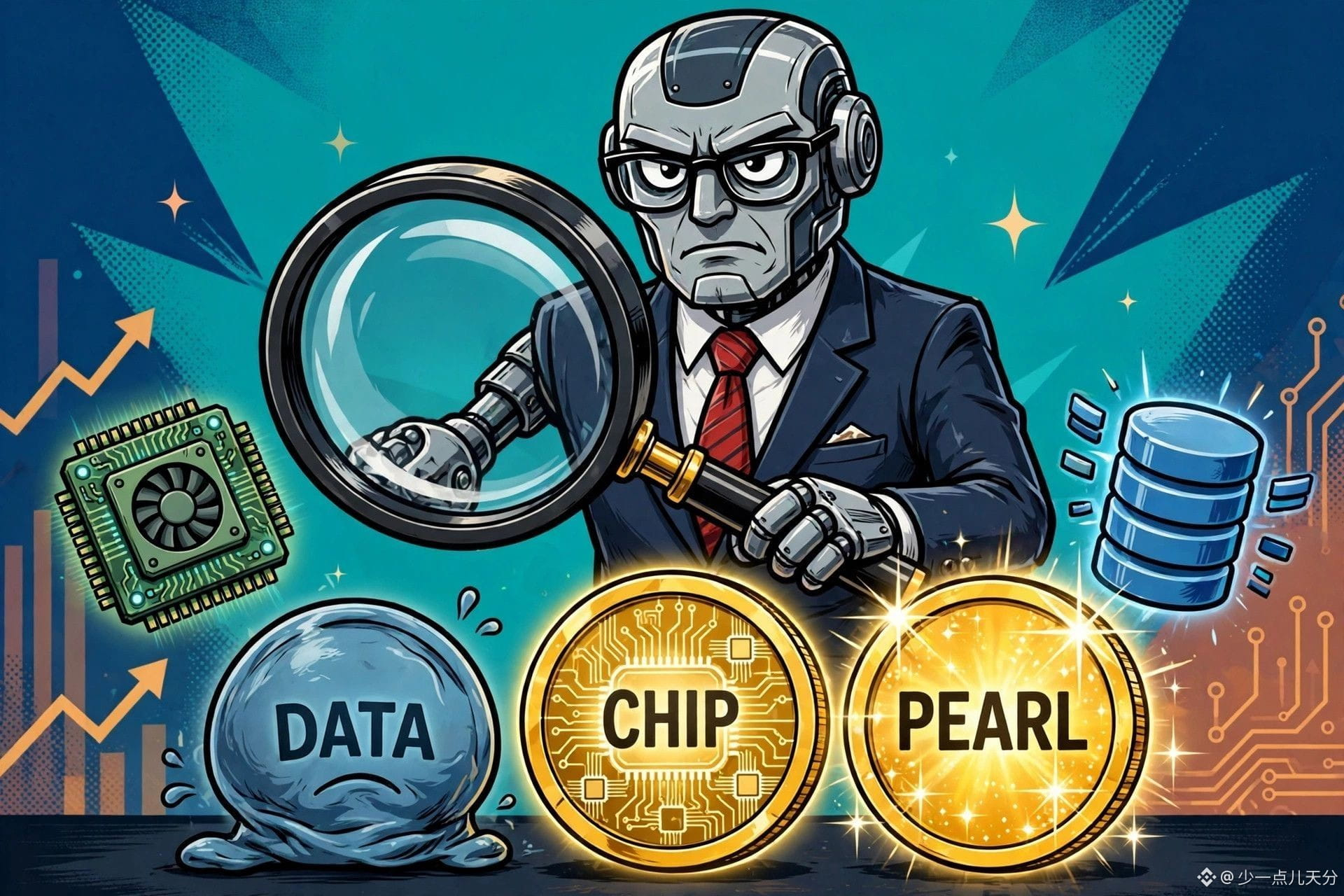
灰度最新研报点名了 3 个可能吃到 AI 红利的加密项目:DATA、CHIP、PEARL。先说清楚,这不是灰度喊单——研究主管 Zach Pandl 的原话是,它们的长期相关性取决于采用情况和竞争性经济效益,翻译过来就是:叙事对了,能不能活下来还得算账。
三者分工很清楚:DATA Network 做训练数据授权,解决 AI 最缺的合规数据;USD.AI(CHIP)做 GPU 融资,Bullish 宣布 1 亿美元 GPU 贷款额度后,CHIP 90 天涨了约 48%;Pearl(PEARL)做算力方向,90 天涨了 5 倍多,但每天新发行约 120 万枚、完全稀释估值 42 亿美元对市值仅 7 亿多,通胀压力是明牌风险。而 DATA 反向走了 90 天跌约 42%。
为什么值得关注:AI 基础设施的瓶颈正在从模型转向数据和算力,链上项目想分一杯羹,必须回答一个问题——收入能不能覆盖发行。灰度这次点名,等于把“AI x Crypto”的考题从讲故事推向了算账。
你们怎么看——DATA、CHIP、PEARL 里,哪个的商业模式最站得住脚?
据 BeInCrypto 报道(灰度 10 月 23 日研究报告)。
$DATA $CHIP $PEARL
#AI #Crypto #DeAI
个人观点,不构成投资建议
205

·
--
Article
Proof of Attribution: The "Proof of Work" AI Actually NeedsI keep coming back to the same confusion: we say AI is the future, but nobody can agree on who actually owns the intelligence being created.
We're pouring trillions into training models, yet the data behind those models? It's treated like it's free. Like it's nothing.
I stop and think here… what if that's the real problem? Not the models themselves, but the invisible layer underneath them—the data, the people who created it, the communities that built it, all erased.
Here's the hidden thing most people miss: AI has no memory of its own origins.
You can't tell which dataset trained a model. You can't trace which human contributed what. You can't reward anyone because… well, there's no record.
Let me break this down:
Data is siloed. Companies hoard datasets. Researchers keep them private. No one shares.
Attribution is broken. When a model produces something valuable, the original contributors get… nothing.
Incentives are misaligned. Why share your data if you'll never benefit from what it becomes?
Trust is impossible. How do you verify what went into a model when everything's opaque?
This is where things get interesting…
Humans fail at this because we're trying to solve a scale problem with manual systems.
You can't manually track every data point feeding into a model trained on billions of examples. You can't ask thousands of contributors to sign paperwork. You can't audit a neural network the way you audit a company's books.
Manual attribution doesn't scale. It's too slow, too expensive, too human.
So what do we do?
I've been reading about OpenLedger, and there's this idea they keep pushing: Proof of Attribution.
It sounds simple at first. Like: "Track where data came from. Pay people when it's used."
But here's the real point… they're basically saying:
Proof of Work was for Bitcoin.
Proof of Stake was for Ethereum.
Proof of Attribution is for AI.
Instead of rewarding people for solving puzzles or locking up tokens, you reward them for contributing the actual raw material of intelligence.
OpenLedger tracks exactly which datasets and models contributed to outputs. Then it automatically distributes rewards on-chain. No middleman. No dispute. No "we'll figure it out later."
I'm not fully convinced yet, though.
Let me be honest: this is hard. Like, really hard.
How do you actually track which piece of data contributed to which output in a neural net that's essentially a black box? The technical challenge here is massive. Models blend data together in ways that are mathematically opaque. Tracing attribution isn't just a database problem—it's a fundamental ML problem.
Also… who decides what's "valuable"? If my data helped train a model that later makes $1 million, how much of that is mine? 0.001%? 0.01%? The math here isn't obvious.
And then there's the adoption problem. Why would companies use a system that exposes their data sources? Why would they voluntarily attribute when opacity has been their competitive advantage?
But let me play out the upside for a second…
If this actually works—if Proof of Attribution becomes the standard—then everything changes.
Imagine a world where:
Data contributors get paid every time their data is used to train a model.
Models are auditable. You can see exactly what went into them.
New data markets emerge. People monetize their own data instead of selling it once for free.
AI becomes decentralized. Not controlled by a few big labs, but built by everyone.
This could be the difference between AI as a centralized extractive industry and AI as a shared economy.
Think about it: what if AI was like YouTube, but for data? Content creators on YouTube get paid when their videos are viewed. Why can't data contributors get paid when their data is used?
I keep oscillating between two thoughts.
On one hand: this feels like the only sustainable path forward. If AI keeps consuming data without compensating contributors, we're heading toward a reckoning. Legal, ethical, economic. Something's going to break.
On the other hand: the technical hurdles are massive. The incentive design is untested. The market hasn't validated this yet.
OpenLedger is an Ethereum Layer 2 built specifically for this. They have something called Datanets (decentralized data networks), ModelFactory (no-code AI training), and OpenLoRA (model serving). They launched their token OPEN, and it's trading around $0.18–$0.19. Backed by Polychain, Borderless, HashKey Capital.
But tokens and backers don't prove the core idea works. The question is whether Proof of Attribution can actually solve the problem at scale.
I'm left with more questions than answers.
What if Proof of Attribution becomes the standard primitive for AI, the way Proof of Work became for Bitcoin? What if every AI model running in five years has on-chain attribution baked in by default?
Or what if this is too hard? What if the math doesn't work out, or the incentives collapse, or companies just refuse to play?
Here's what I do know: AI has a data problem. It's consuming more than it can ethically sustain. Something has to change.
Whether OpenLedger's solution is the answer… I don't know yet.
But I'm watching. Because if this works, it changes everything. If it doesn't, we're going to need a different answer—and fast.
What do you think? Is attribution solvable, or is this just another layer of complexity on a problem that's fundamentally unsolvable?
#openledger #DeAI #Openledger @Openledger $OPEN
{spot}(OPENUSDT)
Proof of Attribution: The "Proof of Work" AI Actually Needs
I keep coming back to the same confusion: we say AI is the future, but nobody can agree on who actually owns the intelligence being created.
We're pouring trillions into training models, yet the data behind those models? It's treated like it's free. Like it's nothing.
I stop and think here… what if that's the real problem? Not the models themselves, but the invisible layer underneath them—the data, the people who created it, the communities that built it, all erased.
Here's the hidden thing most people miss: AI has no memory of its own origins.
You can't tell which dataset trained a model. You can't trace which human contributed what. You can't reward anyone because… well, there's no record.
Let me break this down:
Data is siloed. Companies hoard datasets. Researchers keep them private. No one shares.
Attribution is broken. When a model produces something valuable, the original contributors get… nothing.
Incentives are misaligned. Why share your data if you'll never benefit from what it becomes?
Trust is impossible. How do you verify what went into a model when everything's opaque?
This is where things get interesting…
Humans fail at this because we're trying to solve a scale problem with manual systems.
You can't manually track every data point feeding into a model trained on billions of examples. You can't ask thousands of contributors to sign paperwork. You can't audit a neural network the way you audit a company's books.
Manual attribution doesn't scale. It's too slow, too expensive, too human.
So what do we do?
I've been reading about OpenLedger, and there's this idea they keep pushing: Proof of Attribution.
It sounds simple at first. Like: "Track where data came from. Pay people when it's used."
But here's the real point… they're basically saying:
Proof of Work was for Bitcoin.
Proof of Stake was for Ethereum.
Proof of Attribution is for AI.
Instead of rewarding people for solving puzzles or locking up tokens, you reward them for contributing the actual raw material of intelligence.
OpenLedger tracks exactly which datasets and models contributed to outputs. Then it automatically distributes rewards on-chain. No middleman. No dispute. No "we'll figure it out later."
I'm not fully convinced yet, though.
Let me be honest: this is hard. Like, really hard.
How do you actually track which piece of data contributed to which output in a neural net that's essentially a black box? The technical challenge here is massive. Models blend data together in ways that are mathematically opaque. Tracing attribution isn't just a database problem—it's a fundamental ML problem.
Also… who decides what's "valuable"? If my data helped train a model that later makes $1 million, how much of that is mine? 0.001%? 0.01%? The math here isn't obvious.
And then there's the adoption problem. Why would companies use a system that exposes their data sources? Why would they voluntarily attribute when opacity has been their competitive advantage?
But let me play out the upside for a second…
If this actually works—if Proof of Attribution becomes the standard—then everything changes.
Imagine a world where:
Data contributors get paid every time their data is used to train a model.
Models are auditable. You can see exactly what went into them.
New data markets emerge. People monetize their own data instead of selling it once for free.
AI becomes decentralized. Not controlled by a few big labs, but built by everyone.
This could be the difference between AI as a centralized extractive industry and AI as a shared economy.
Think about it: what if AI was like YouTube, but for data? Content creators on YouTube get paid when their videos are viewed. Why can't data contributors get paid when their data is used?
I keep oscillating between two thoughts.
On one hand: this feels like the only sustainable path forward. If AI keeps consuming data without compensating contributors, we're heading toward a reckoning. Legal, ethical, economic. Something's going to break.
On the other hand: the technical hurdles are massive. The incentive design is untested. The market hasn't validated this yet.
OpenLedger is an Ethereum Layer 2 built specifically for this. They have something called Datanets (decentralized data networks), ModelFactory (no-code AI training), and OpenLoRA (model serving). They launched their token OPEN, and it's trading around $0.18–$0.19. Backed by Polychain, Borderless, HashKey Capital.
But tokens and backers don't prove the core idea works. The question is whether Proof of Attribution can actually solve the problem at scale.
I'm left with more questions than answers.
What if Proof of Attribution becomes the standard primitive for AI, the way Proof of Work became for Bitcoin? What if every AI model running in five years has on-chain attribution baked in by default?
Or what if this is too hard? What if the math doesn't work out, or the incentives collapse, or companies just refuse to play?
Here's what I do know: AI has a data problem. It's consuming more than it can ethically sustain. Something has to change.
Whether OpenLedger's solution is the answer… I don't know yet.
But I'm watching. Because if this works, it changes everything. If it doesn't, we're going to need a different answer—and fast.
What do you think? Is attribution solvable, or is this just another layer of complexity on a problem that's fundamentally unsolvable?
#openledger #DeAI #Openledger @OpenLedger $OPEN
2
2
86

·
--
Breaking the AI Monopoly: How OpenLedger L1 Validates and Tokenizes the Global Data EconomyThe Gated Gardens of Artificial Intelligence
The current artificial intelligence landscape suffers from a critical structural flaw: centralization. Massive tech conglomerates control the compute infrastructure, monopolize the high-quality training data, and gate-keep the most advanced Large Language Models (LLMs). This creates a massive barrier to entry for independent developers and data contributors who receive zero compensation when their intellectual property is scraped for model training.
OpenLedger enters the ecosystem as a purpose-built Layer-1 blockchain engineered to solve this exact problem. By introducing a decentralized framework for data governance, quality verification, and immutable provenance, the network aims to transition the tech industry from a closed-door monopoly into a transparent, participant-driven Knowledge Economy.
1. The Architectural Pillars of OpenLedger
Unlike generic blockchains designed purely for high-speed financial transactions, OpenLedger’s infrastructure is optimized to handle the massive throughput, storage requirements, and security layers demanded by enterprise-grade AI production.
Community-Owned Datanets: Instead of unverified, noisy web scraping, the network utilizes decentralized Datanets. These are hyper-specialized, high-integrity databases curated and maintained by decentralized communities. Whether focused on smart contract security, medical diagnostics, or financial analytics, Datanets ensure that AI models are trained on clean, verifiable information, drastically reducing hallucination rates.
The Proof of Attribution Protocol: This is the core engine of OpenLedger. Every time a piece of data is sourced from a Datanet to fine-tune a model or answer an active prompt, the transaction is cryptographically logged on-chain. The protocol maps out the entire lineage of the data, providing an immutable paper trail that guarantees proper credit and fair distribution of rewards to the original creators.
OpenLoRA Infrastructure: Running thousands of specialized, fine-tuned models can cause massive computing bottlenecks. OpenLedger addresses this through its OpenLoRA engine, which maximizes GPU efficiency. It allows multiple lightweight, fine-tuned model adapters to run seamlessly across distributed hardware, cutting operational costs significantly compared to legacy cloud providers.
2. The Mechanics of Payable AI: Monetizing Knowledge
The ultimate vision of the network is to facilitate Payable AI, transforming static text, code, and insights into tokenized digital assets with transparent market value. This ecosystem establishes a fluid value-loop between three distinct market participants:
The Data Contributors
Independent researchers, developers, and everyday users can securely upload specialized training sets to specific Datanets. Once verified by the network's node infrastructure, these contributors earn continuous, automated rewards whenever their data is pulled for model optimization or execution.
The AI Model Builders
Developers no longer need to spend millions sourcing opaque, centralized datasets. Through OpenLedger's ModelFactory (a no-code fine-tuning interface), builders can access premium, verified data pipelines on-demand, building highly accurate, domain-specific AI models with transparent licensing on-chain.
The Distributed Compute Providers
By running verification nodes or renting out idle GPU hardware to support the OpenLoRA framework, infrastructure providers secure the network layer and earn continuous yield, forming a fully decentralized marketplace for artificial intelligence compute.
3. The Utility of the @Openledger Token
At the center of this decentralized economy sits the network's native asset, $OPEN . The token acts as the economic fuel and security mechanism for the entire Layer-1 network, executing three primary functions:
Gas and Execution Fees: Every data validation, model fine-tuning process, and on-chain Proof of Attribution log requires a micro-payment settled in $OPEN to compensate the underlying node infrastructure.
Staking and Data Quality Insurance: Network validators and Datanet curators must stake $OPEN tokens. This ensures skin-in-the-game; if a curator attempts to upload fraudulent or malicious datasets, their staked tokens are slashed, guaranteeing the integrity of the network's knowledge base.
Governance Rights: Token holders participate directly in the evolution of the L1, voting on compute reward distribution weights, data inclusion standards, and the onboarding of new enterprise Datanets.
Conclusion: The Future is Decentralized
The intersection of Web3 and artificial intelligence is not about adding hype to code—it is about securing the structural foundation of the digital age. OpenLedger provides the definitive highway for this transition. By turning data into a sovereign asset class and giving independent builders the decentralized infrastructure to train, verify, and scale their systems, the network lays the groundwork for an open-source, monopoly-free AI future.
#DeAI #OpenLedger #Layer1 #AIBlockchain #Web3Infrastructure
Breaking the AI Monopoly: How OpenLedger L1 Validates and Tokenizes the Global Data Economy
The Gated Gardens of Artificial Intelligence
The current artificial intelligence landscape suffers from a critical structural flaw: centralization. Massive tech conglomerates control the compute infrastructure, monopolize the high-quality training data, and gate-keep the most advanced Large Language Models (LLMs). This creates a massive barrier to entry for independent developers and data contributors who receive zero compensation when their intellectual property is scraped for model training.
OpenLedger enters the ecosystem as a purpose-built Layer-1 blockchain engineered to solve this exact problem. By introducing a decentralized framework for data governance, quality verification, and immutable provenance, the network aims to transition the tech industry from a closed-door monopoly into a transparent, participant-driven Knowledge Economy.
1. The Architectural Pillars of OpenLedger
Unlike generic blockchains designed purely for high-speed financial transactions, OpenLedger’s infrastructure is optimized to handle the massive throughput, storage requirements, and security layers demanded by enterprise-grade AI production.
Community-Owned Datanets: Instead of unverified, noisy web scraping, the network utilizes decentralized Datanets. These are hyper-specialized, high-integrity databases curated and maintained by decentralized communities. Whether focused on smart contract security, medical diagnostics, or financial analytics, Datanets ensure that AI models are trained on clean, verifiable information, drastically reducing hallucination rates.
The Proof of Attribution Protocol: This is the core engine of OpenLedger. Every time a piece of data is sourced from a Datanet to fine-tune a model or answer an active prompt, the transaction is cryptographically logged on-chain. The protocol maps out the entire lineage of the data, providing an immutable paper trail that guarantees proper credit and fair distribution of rewards to the original creators.
OpenLoRA Infrastructure: Running thousands of specialized, fine-tuned models can cause massive computing bottlenecks. OpenLedger addresses this through its OpenLoRA engine, which maximizes GPU efficiency. It allows multiple lightweight, fine-tuned model adapters to run seamlessly across distributed hardware, cutting operational costs significantly compared to legacy cloud providers.
2. The Mechanics of Payable AI: Monetizing Knowledge
The ultimate vision of the network is to facilitate Payable AI, transforming static text, code, and insights into tokenized digital assets with transparent market value. This ecosystem establishes a fluid value-loop between three distinct market participants:
The Data Contributors
Independent researchers, developers, and everyday users can securely upload specialized training sets to specific Datanets. Once verified by the network's node infrastructure, these contributors earn continuous, automated rewards whenever their data is pulled for model optimization or execution.
The AI Model Builders
Developers no longer need to spend millions sourcing opaque, centralized datasets. Through OpenLedger's ModelFactory (a no-code fine-tuning interface), builders can access premium, verified data pipelines on-demand, building highly accurate, domain-specific AI models with transparent licensing on-chain.
The Distributed Compute Providers
By running verification nodes or renting out idle GPU hardware to support the OpenLoRA framework, infrastructure providers secure the network layer and earn continuous yield, forming a fully decentralized marketplace for artificial intelligence compute.
3. The Utility of the @OpenLedger Token
At the center of this decentralized economy sits the network's native asset, $OPEN . The token acts as the economic fuel and security mechanism for the entire Layer-1 network, executing three primary functions:
Gas and Execution Fees: Every data validation, model fine-tuning process, and on-chain Proof of Attribution log requires a micro-payment settled in $OPEN to compensate the underlying node infrastructure.
Staking and Data Quality Insurance: Network validators and Datanet curators must stake $OPEN tokens. This ensures skin-in-the-game; if a curator attempts to upload fraudulent or malicious datasets, their staked tokens are slashed, guaranteeing the integrity of the network's knowledge base.
Governance Rights: Token holders participate directly in the evolution of the L1, voting on compute reward distribution weights, data inclusion standards, and the onboarding of new enterprise Datanets.
Conclusion: The Future is Decentralized
The intersection of Web3 and artificial intelligence is not about adding hype to code—it is about securing the structural foundation of the digital age. OpenLedger provides the definitive highway for this transition. By turning data into a sovereign asset class and giving independent builders the decentralized infrastructure to train, verify, and scale their systems, the network lays the groundwork for an open-source, monopoly-free AI future.
#DeAI #OpenLedger #Layer1 #AIBlockchain #Web3Infrastructure
2
137

·
--
$OPEN DATA OWNERSHIP SHIFT ⚡
OpenLedger is positioning $OPEN around a core DeAI issue: users generate valuable data for large models, but the economic upside typically remains centralized. Its proposed infrastructure aims to record data contributions on-chain, assess quality, and distribute value back to contributors through a verifiable mechanism.
The key institutional angle is not short-term user rewards, but whether data provenance and valuation can become measurable market primitives. Execution risk remains significant, but the direction is structurally relevant within the DeAI narrative.
Not financial advice. Manage your risk.
#BinanceSquare #Crypto #DeAI #OpenLedger #Web3
⚖️
{future}(OPENUSDT)
$OPEN DATA OWNERSHIP SHIFT ⚡
OpenLedger is positioning $OPEN around a core DeAI issue: users generate valuable data for large models, but the economic upside typically remains centralized. Its proposed infrastructure aims to record data contributions on-chain, assess quality, and distribute value back to contributors through a verifiable mechanism.
The key institutional angle is not short-term user rewards, but whether data provenance and valuation can become measurable market primitives. Execution risk remains significant, but the direction is structurally relevant within the DeAI narrative.
Not financial advice. Manage your risk.
#BinanceSquare #Crypto #DeAI #OpenLedger #Web3
⚖️

22

·
--
Verified
AI安全这面大旗竖起来,最终先把自己绊倒了。五角大楼嫌Claude安全门槛是供应链风险,直接转头测竞品。嘴上全是主义,心里全是生意,VC币的合规外衣在真·大单面前说撕就撕。去中心化AI才是硬通货,这种剧本越演,极客黑马越得利。 #AI #DeAI $FET $TAO
{future}(TAOUSDT)
{future}(FETUSDT)
AI安全这面大旗竖起来,最终先把自己绊倒了。五角大楼嫌Claude安全门槛是供应链风险,直接转头测竞品。嘴上全是主义,心里全是生意,VC币的合规外衣在真·大单面前说撕就撕。去中心化AI才是硬通货,这种剧本越演,极客黑马越得利。 #AI #DeAI $FET $TAO

1
3
687

·
--

Article
我研究完 OctoClaw 之後,第一個想法不是「好厲害」,而是「有點不安」不安的原因不是它不好,是因為它好得讓我開始想:如果一個 AI 代理可以自主研究、自主執行、自主生成報告,那我的角色是什麼?
⚡ OctoClaw 是 @Openledger 最新推出的 AI 代理,定位是「鏈上工作流程自動化」。
【它實際上在做什麼】
傳統流程是:你發現問題,你蒐集資料,你做分析,你決策,你執行。每一步都需要你在場。
OctoClaw 試圖把這個流程壓縮成:你設定目標,它自己把後面跑完。資料研究、鏈上執行、報告生成,三件事同時進行,不需要你盯著。
【讓我意外的細節】
我以為 AI 代理的核心競爭力是速度。OctoClaw 讓我改變了這個認知。
它的核心競爭力是「可追蹤性」。每一步操作都記錄在 OpenLedger 的鏈上,你可以事後查看 AI 在哪個時間點做了什麼決策、用了哪些數據、為什麼這樣執行。
這和市面上大多數黑盒子 AI 完全不同。你不是在「相信 AI」,而是在「驗證 AI」。
📊 「讓 AI 代理幫你工作不難,難的是讓你看清楚它在做什麼。OctoClaw 把這件事放進了設計核心。」
回到我一開始的不安:未來的工作方式可能不是「人 vs AI」,而是「誰更會設定目標給 AI」。這個能力,才是真正的新護城河。
😎☕你覺得 AI 代理最讓你擔心的是什麼?
A 失控風險 / B 取代人類判斷 / C 資安問題
留言告訴我,順手轉發給對 AI 工具感興趣的朋友。
覺得有幫助的話按個讚讓我知道 🙏🙏🙏
明天我來拆解 OpenFin + DeFAI,OpenLedger 怎麼把 AI 和 DeFi 縫在一起。
@Openledger #OpenLedger $OPEN #DeAI #aicrypto
我研究完 OctoClaw 之後,第一個想法不是「好厲害」,而是「有點不安」
不安的原因不是它不好,是因為它好得讓我開始想:如果一個 AI 代理可以自主研究、自主執行、自主生成報告,那我的角色是什麼?
⚡ OctoClaw 是 @OpenLedger 最新推出的 AI 代理,定位是「鏈上工作流程自動化」。
【它實際上在做什麼】
傳統流程是:你發現問題,你蒐集資料,你做分析,你決策,你執行。每一步都需要你在場。
OctoClaw 試圖把這個流程壓縮成:你設定目標,它自己把後面跑完。資料研究、鏈上執行、報告生成,三件事同時進行,不需要你盯著。
【讓我意外的細節】
我以為 AI 代理的核心競爭力是速度。OctoClaw 讓我改變了這個認知。
它的核心競爭力是「可追蹤性」。每一步操作都記錄在 OpenLedger 的鏈上,你可以事後查看 AI 在哪個時間點做了什麼決策、用了哪些數據、為什麼這樣執行。
這和市面上大多數黑盒子 AI 完全不同。你不是在「相信 AI」,而是在「驗證 AI」。
📊 「讓 AI 代理幫你工作不難,難的是讓你看清楚它在做什麼。OctoClaw 把這件事放進了設計核心。」
回到我一開始的不安:未來的工作方式可能不是「人 vs AI」,而是「誰更會設定目標給 AI」。這個能力,才是真正的新護城河。
😎☕你覺得 AI 代理最讓你擔心的是什麼?
A 失控風險 / B 取代人類判斷 / C 資安問題
留言告訴我,順手轉發給對 AI 工具感興趣的朋友。
覺得有幫助的話按個讚讓我知道 🙏🙏🙏
明天我來拆解 OpenFin + DeFAI,OpenLedger 怎麼把 AI 和 DeFi 縫在一起。
@OpenLedger #OpenLedger $OPEN #DeAI #aicrypto
2
2
90

·
--
TAO Showing Strong Resiliency: Is Bittensor Preparing for a Major Breakout?
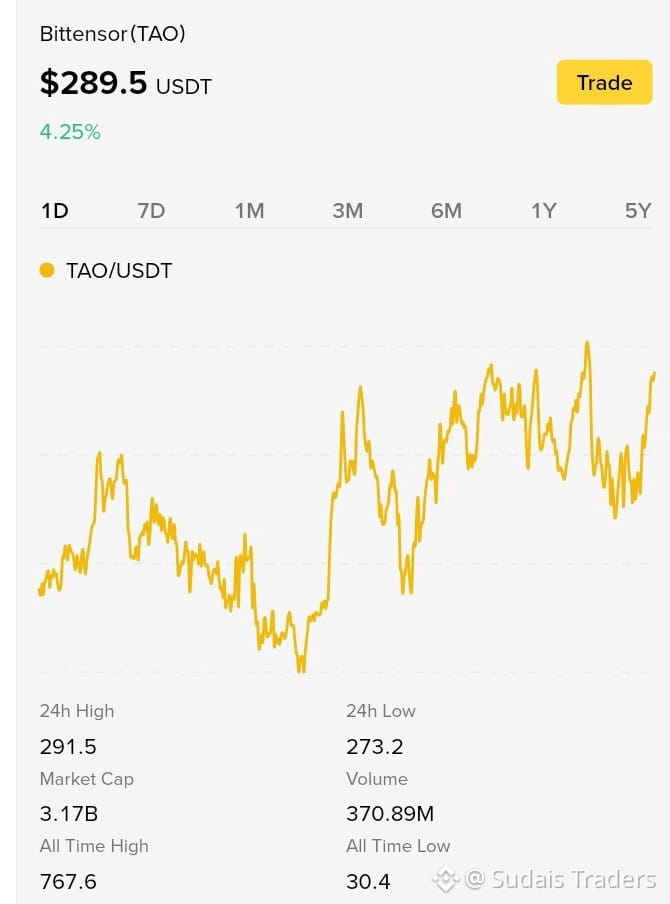
Bittensor ($TAO ) is flashing bullish signals today, currently trading at $289.5 USDT, marking a solid +4.25% gain in the last 24 hours!
{spot}(TAOUSDT)
Looking at the 1D chart, TAO successfully tested liquidity near the 24-hour low of $273.2 and formed a strong recovery pattern, pushing hard toward its daily high of $291.5.
📊 Key Numbers at a Glance:
Current Price: $289.5 USDT
24h High / Low: $291.5 / $273.2
Market Cap: $3.17 Billion
24h Volume: $370.89 Million
With the Decentralized AI sector gaining massive traction, TAO remains a powerhouse to watch. A clean break and close above the immediate resistance at $292 could quickly pave the way for a rally back toward psychological targets.
What's your move on TAO here? Are you accumulating on the dips, or waiting for a confirmed breakout? Let me know in the comments! 👇
#TAO #bittensor #CryptoAnalysis #BinanceSquare #DeAI
TAO Showing Strong Resiliency: Is Bittensor Preparing for a Major Breakout?
Bittensor ($TAO ) is flashing bullish signals today, currently trading at $289.5 USDT, marking a solid +4.25% gain in the last 24 hours!
Looking at the 1D chart, TAO successfully tested liquidity near the 24-hour low of $273.2 and formed a strong recovery pattern, pushing hard toward its daily high of $291.5.
📊 Key Numbers at a Glance:
Current Price: $289.5 USDT
24h High / Low: $291.5 / $273.2
Market Cap: $3.17 Billion
24h Volume: $370.89 Million
With the Decentralized AI sector gaining massive traction, TAO remains a powerhouse to watch. A clean break and close above the immediate resistance at $292 could quickly pave the way for a rally back toward psychological targets.
What's your move on TAO here? Are you accumulating on the dips, or waiting for a confirmed breakout? Let me know in the comments! 👇
#TAO #bittensor #CryptoAnalysis #BinanceSquare #DeAI
81
·
--
Article
橋接不是把資產搬個地方,是選擇讓它在哪個生態裡工作昨天我給了你 EVM Bridge 的三步操作。今天我想說一件更重要的事:為什麼要橋接進 OpenLedger,而不是把資產放在 ETH 或 BSC 上就好?
這個問題我想清楚之後,改變了我對整個生態的看法。
⚡ 先說一個很多人沒想到的事:橋接不只是搬錢。
【ETH 和 BSC 上的資產能做什麼】
放著生息,或是在現有的 DeFi 協議裡操作。這已經很好了,但有一個限制:你的資產只能和那條鏈上的工具互動。
【橋接進 OpenLedger 之後多了什麼】
@Openledger 是一條 AI 原生的 Layer 1 區塊鏈,和一般 EVM 鏈最大的不同是:鏈上的工具以 AI 執行為核心設計。
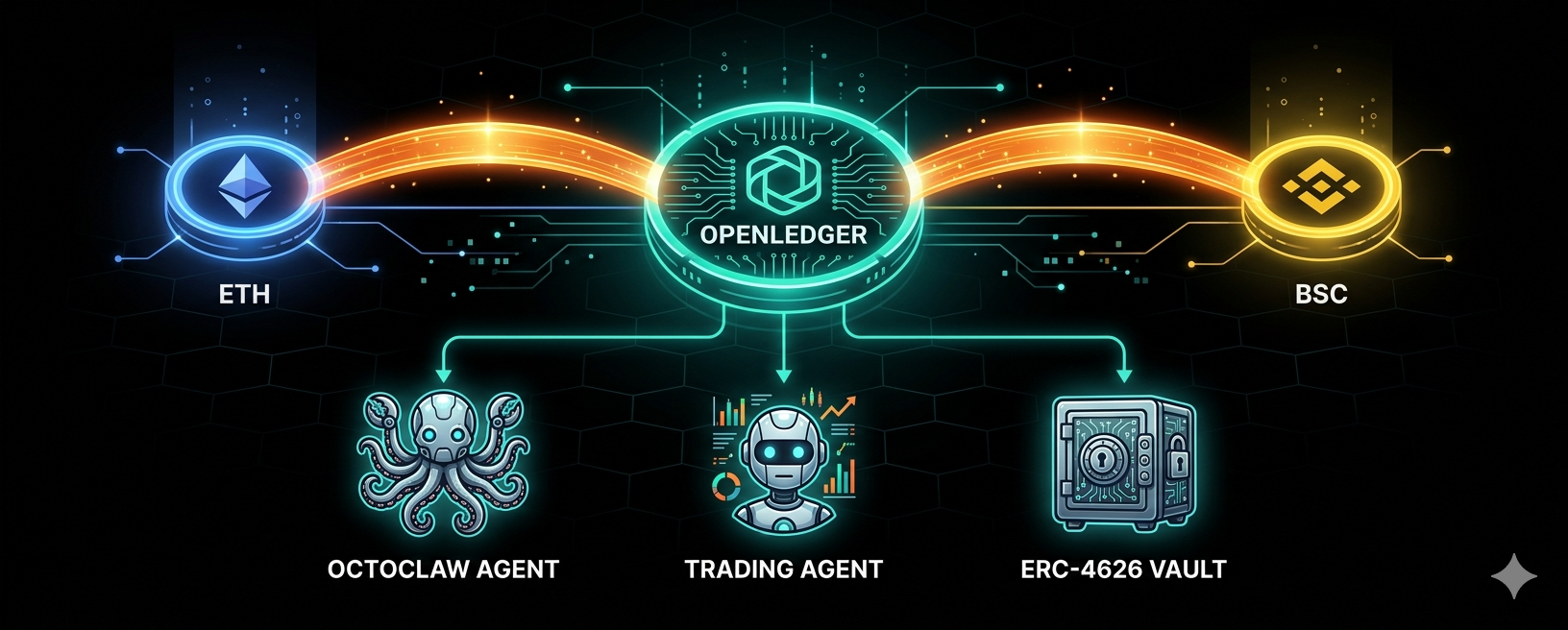
橋接進來的資產,可以直接被 OctoClaw 代理管理、被 Trading Agent 自動執行策略、被 ERC-4626 整合的金庫自動優化收益。這些在 ETH 或 BSC 上很難做到,因為那些鏈的工具不是為 AI 代理設計的。
【資金流入的生態意義】
每一筆橋接進 OpenLedger 的資金都在為這個生態的 TVL 做貢獻。TVL 是衡量一條鏈生命力的核心指標,資金量越大,開發者越願意在上面建工具,生態越完整,$OPEN 的實際效用就越高。
從另一個角度看,OpenLedger 的 Proof of Attribution 機制讓每一筆鏈上行為都有可追蹤的歸因記錄。你的資產在這個生態裡的互動,不是匿名的黑盒子。
📊 「橋接不是把資產搬個地方,是選擇讓它在哪個生態裡工作。」
你現在有多少資產放在 ETH 或 BSC 沒有在使用的?
A 超過一半 / B 少量 / C 幾乎全部都在使用
留言告訴我,轉發給也在管理跨鏈資產的朋友。
明天我會分享研究 OctoClaw 之後,最讓我意外的一個細節。
@Openledger #OpenLedger $OPEN #DeAI #defi #InfoFi
橋接不是把資產搬個地方,是選擇讓它在哪個生態裡工作
昨天我給了你 EVM Bridge 的三步操作。今天我想說一件更重要的事:為什麼要橋接進 OpenLedger,而不是把資產放在 ETH 或 BSC 上就好?
這個問題我想清楚之後,改變了我對整個生態的看法。
⚡ 先說一個很多人沒想到的事:橋接不只是搬錢。
【ETH 和 BSC 上的資產能做什麼】
放著生息,或是在現有的 DeFi 協議裡操作。這已經很好了,但有一個限制:你的資產只能和那條鏈上的工具互動。
【橋接進 OpenLedger 之後多了什麼】
@OpenLedger 是一條 AI 原生的 Layer 1 區塊鏈,和一般 EVM 鏈最大的不同是:鏈上的工具以 AI 執行為核心設計。
橋接進來的資產,可以直接被 OctoClaw 代理管理、被 Trading Agent 自動執行策略、被 ERC-4626 整合的金庫自動優化收益。這些在 ETH 或 BSC 上很難做到,因為那些鏈的工具不是為 AI 代理設計的。
【資金流入的生態意義】
每一筆橋接進 OpenLedger 的資金都在為這個生態的 TVL 做貢獻。TVL 是衡量一條鏈生命力的核心指標,資金量越大,開發者越願意在上面建工具,生態越完整,$OPEN 的實際效用就越高。
從另一個角度看,OpenLedger 的 Proof of Attribution 機制讓每一筆鏈上行為都有可追蹤的歸因記錄。你的資產在這個生態裡的互動,不是匿名的黑盒子。
📊 「橋接不是把資產搬個地方,是選擇讓它在哪個生態裡工作。」
你現在有多少資產放在 ETH 或 BSC 沒有在使用的?
A 超過一半 / B 少量 / C 幾乎全部都在使用
留言告訴我,轉發給也在管理跨鏈資產的朋友。
明天我會分享研究 OctoClaw 之後,最讓我意外的一個細節。
@OpenLedger #OpenLedger $OPEN #DeAI #defi #InfoFi
1
2
148

The Future of AI Isn't Big Tech—It's Decentralized: Why We Need OpenLedgerAs creators, developers, and internet users, we are living through the most explosive technological shift in history with Artificial Intelligence. But beneath the surface of all this innovation lies a massive, structural flaw: The Data Monopoly.
Right now, giant tech corporations are scraping our blogs, our code, our videos, and our digital footprints to train massive AI models. They build centralized, closed-source "black box" systems and capture 100% of the generated wealth. The users and creators who actually provided the foundational data get absolutely zero credit and zero compensation.
This broken system is exactly why @Openledger is stepping in to completely rewrite the rules of the AI economy.
🌐 What is OpenLedger?
Unlike generic crypto networks that simply slap "AI" onto their roadmap for hype, OpenLedger is a purpose-built, AI-native Layer-2 blockchain. It is designed from the ground up to solve the attribution problem and create a truly "Payable AI" ecosystem.
Here is how their infrastructure is changing the game:
Proof of Attribution (PoA): This is the core engine of the network. PoA is a revolutionary algorithm that tracks exactly how specific data influences an AI model’s output. If you contribute high-quality data to their community "Datanets," and a model uses your data to answer a prompt, you are mathematically credited and financially rewarded for it.
Monetizing Intelligence: OpenLedger transforms data, models, and AI agents into liquid, tradable assets. It takes AI out of closed corporate servers and turns it into a verifiable, community-owned economy powered by the $OPEN token.
Total Transparency: Centralized AI systems are black boxes—you never know where their answers come from. By recording the entire AI lifecycle on-chain (from data ingestion to model training), OpenLedger ensures that AI development is entirely transparent, auditable, and explainable.
Why the Narrative is Shifting
We are seeing a massive evolution in the Web3 space. The narrative is shifting from simply decentralizing compute (GPUs) to decentralizing the actual intelligence and data layers of AI.
The $OPEN token is positioned directly at the heart of this movement, serving as both the utility gas for the network and the automated reward mechanism for developers and data contributors.
The era of giving our data away to Big Tech for free is coming to an end. Decentralized AI is the future, and infrastructure that fairly monetizes human contribution will be the most valuable layer of the next internet.
What are your thoughts on the current state of AI monopolies? Do you think decentralized AI ecosystems can overtake traditional Big Tech models? Drop your thoughts in the comments below! 👇
#OpenLedger #Web3 #DecentralizedAI #DeAI
The Future of AI Isn't Big Tech—It's Decentralized: Why We Need OpenLedger
As creators, developers, and internet users, we are living through the most explosive technological shift in history with Artificial Intelligence. But beneath the surface of all this innovation lies a massive, structural flaw: The Data Monopoly.
Right now, giant tech corporations are scraping our blogs, our code, our videos, and our digital footprints to train massive AI models. They build centralized, closed-source "black box" systems and capture 100% of the generated wealth. The users and creators who actually provided the foundational data get absolutely zero credit and zero compensation.
This broken system is exactly why @OpenLedger is stepping in to completely rewrite the rules of the AI economy.
🌐 What is OpenLedger?
Unlike generic crypto networks that simply slap "AI" onto their roadmap for hype, OpenLedger is a purpose-built, AI-native Layer-2 blockchain. It is designed from the ground up to solve the attribution problem and create a truly "Payable AI" ecosystem.
Here is how their infrastructure is changing the game:
Proof of Attribution (PoA): This is the core engine of the network. PoA is a revolutionary algorithm that tracks exactly how specific data influences an AI model’s output. If you contribute high-quality data to their community "Datanets," and a model uses your data to answer a prompt, you are mathematically credited and financially rewarded for it.
Monetizing Intelligence: OpenLedger transforms data, models, and AI agents into liquid, tradable assets. It takes AI out of closed corporate servers and turns it into a verifiable, community-owned economy powered by the $OPEN token.
Total Transparency: Centralized AI systems are black boxes—you never know where their answers come from. By recording the entire AI lifecycle on-chain (from data ingestion to model training), OpenLedger ensures that AI development is entirely transparent, auditable, and explainable.
Why the Narrative is Shifting
We are seeing a massive evolution in the Web3 space. The narrative is shifting from simply decentralizing compute (GPUs) to decentralizing the actual intelligence and data layers of AI.
The $OPEN token is positioned directly at the heart of this movement, serving as both the utility gas for the network and the automated reward mechanism for developers and data contributors.
The era of giving our data away to Big Tech for free is coming to an end. Decentralized AI is the future, and infrastructure that fairly monetizes human contribution will be the most valuable layer of the next internet.
What are your thoughts on the current state of AI monopolies? Do you think decentralized AI ecosystems can overtake traditional Big Tech models? Drop your thoughts in the comments below! 👇
#OpenLedger #Web3 #DecentralizedAI #DeAI
53
·
--
我在研究 @Openledger 的 Vibecoding 功能時,試著用英文描述了一個使用場景:
「幫我建一個可以監控三個 DeFi 金庫年化變化、當差距超過 2% 時發出提醒的 AI 工具」
這種描述,在以前需要一個工程師花幾天建立。用 Vibecoding,AI 直接把它轉化成鏈上可執行的應用。
💡 這才是真正的門檻下移:不是讓工程師工作更快,而是讓沒有工程師的人也能建出有用的工具。
你最想用自然語言建的 AI 工具是什麼?留言告訴我。
@Openledger #OpenLedger $OPEN #DeAI #vibecoding
我在研究 @OpenLedger 的 Vibecoding 功能時,試著用英文描述了一個使用場景:
「幫我建一個可以監控三個 DeFi 金庫年化變化、當差距超過 2% 時發出提醒的 AI 工具」
這種描述,在以前需要一個工程師花幾天建立。用 Vibecoding,AI 直接把它轉化成鏈上可執行的應用。
💡 這才是真正的門檻下移:不是讓工程師工作更快,而是讓沒有工程師的人也能建出有用的工具。
你最想用自然語言建的 AI 工具是什麼?留言告訴我。
@OpenLedger #OpenLedger $OPEN #DeAI #vibecoding
「幫我建一個可以監控三個 DeFi 金庫年化變化、當差距超過 2% 時發出提醒的 AI 工具」
這種描述,在以前需要一個工程師花幾天建立。用 Vibecoding,AI 直接把它轉化成鏈上可執行的應用。
💡 這才是真正的門檻下移:不是讓工程師工作更快,而是讓沒有工程師的人也能建出有用的工具。
你最想用自然語言建的 AI 工具是什麼?留言告訴我。
@OpenLedger #OpenLedger $OPEN #DeAI #vibecoding

4
4
118

·
--

Article
The Era of Sovereign AI Data: Why OpenLedger Matters Right NowThe current state of artificial intelligence is experiencing a critical bottleneck that many retail investors easily overlook: data scarcity and centralized data control
Tech giants dominate the industry because they control the storage servers and the massive datasets required to train advanced machine learning models However
this centralized landscape creates zero incentives for everyday data contributors
This is exactly where openledger enters the conversation shifting the entire paradigm toward Decentralized AI (DeAI) @Openledger
A Purpose-Built Ecosystem for Decentralized Intelligence
Unlike generic data networks or multi-purpose Layer 1 blockchains, OpenLedger is engineered from the ground up as a specialized Ethereum Layer 2 data network. Its primary mission is to host distribute secure and verifiably train AI models at a global scale
By operating on a dedicated Layer 2 infrastructure it bypasses the massive scalability issues and high transaction fees of mainnet Ethereum offering a smooth production-ready pipeline for developers who require constant high-throughput data processing
Demystifying the Proof of Attribution Protocol
What makes OpenLedger uniquely valuable to the Web3 narrative is its proprietary Proof of Attribution mechanism
In typical web corporate structures user data is scraped and used for profit without consent or proper compensation
OpenLedger solves this by tracking the exact origin authenticity, and precise contribution of every piece of data injected into an AI model
Contributors are no longer invisible: they are fairly acknowledged and compensated
This protocol effectively turns raw digital information into a liquid yield-bearing asset class where ownership is fully preserved via blockchain ledger immutability
Exploring the Utility of the $OPEN Token
The network's native token $OPEN acts as the fundamental economic driver that binds the ecosystem together. It isn't just a speculative governance tool; it carries substantial utility:
Gas & Network Fees: It facilitates and secures every micro-transaction across the Layer 2 execution environmentNode Infrastructure Staking: Node operators must stake tokens to participate in data validation ensuring a high cost for malicious behaviorAccessing Premium AI Services: Developers and companies use the token to buy verified datasets or deploy localized AI applications directly
and finally
As the global tech industry transitions into an era where high-quality training data is valued like liquid gold a trustless network that seamlessly bridges individual data providers with corporate AI models is bound to gain massive organic traction
OpenLedger is structurally building that foundation today, providing a solid blueprint for what open-source decentralized intelligence ought to look like in the years to come.
#OpenLedger #CryptoAI #DeAI #Web3Tech
{spot}(OPENUSDT)
The Era of Sovereign AI Data: Why OpenLedger Matters Right Now
The current state of artificial intelligence is experiencing a critical bottleneck that many retail investors easily overlook: data scarcity and centralized data control
Tech giants dominate the industry because they control the storage servers and the massive datasets required to train advanced machine learning models However
this centralized landscape creates zero incentives for everyday data contributors
This is exactly where openledger enters the conversation shifting the entire paradigm toward Decentralized AI (DeAI) @OpenLedger
A Purpose-Built Ecosystem for Decentralized Intelligence
Unlike generic data networks or multi-purpose Layer 1 blockchains, OpenLedger is engineered from the ground up as a specialized Ethereum Layer 2 data network. Its primary mission is to host distribute secure and verifiably train AI models at a global scale
By operating on a dedicated Layer 2 infrastructure it bypasses the massive scalability issues and high transaction fees of mainnet Ethereum offering a smooth production-ready pipeline for developers who require constant high-throughput data processing
Demystifying the Proof of Attribution Protocol
What makes OpenLedger uniquely valuable to the Web3 narrative is its proprietary Proof of Attribution mechanism
In typical web corporate structures user data is scraped and used for profit without consent or proper compensation
OpenLedger solves this by tracking the exact origin authenticity, and precise contribution of every piece of data injected into an AI model
Contributors are no longer invisible: they are fairly acknowledged and compensated
This protocol effectively turns raw digital information into a liquid yield-bearing asset class where ownership is fully preserved via blockchain ledger immutability
Exploring the Utility of the $OPEN Token
The network's native token $OPEN acts as the fundamental economic driver that binds the ecosystem together. It isn't just a speculative governance tool; it carries substantial utility:
Gas & Network Fees: It facilitates and secures every micro-transaction across the Layer 2 execution environmentNode Infrastructure Staking: Node operators must stake tokens to participate in data validation ensuring a high cost for malicious behaviorAccessing Premium AI Services: Developers and companies use the token to buy verified datasets or deploy localized AI applications directly
and finally
As the global tech industry transitions into an era where high-quality training data is valued like liquid gold a trustless network that seamlessly bridges individual data providers with corporate AI models is bound to gain massive organic traction
OpenLedger is structurally building that foundation today, providing a solid blueprint for what open-source decentralized intelligence ought to look like in the years to come.
#OpenLedger #CryptoAI #DeAI #Web3Tech
95
Log in to explore more content
Join global crypto users on Binance Square
⚡️ Get latest and useful information about crypto.
💬 Trusted by the world’s largest crypto exchange.
👍 Discover real insights from verified creators.
Email / Phone number
Trending Topics
1
#AnthropicBreaksBelowIPOPriceAmidAISlump
42,642 views
509 Discussing
2
#Bitcoin'sReboundFadesBelow$60K
92,634 views
364 Discussing
3
#WillMarketsStageAThanksgivingReliefRally?
553,408 views
3,434 Discussing
4
#EthereumFoundationPlansShiftToHashBasedSignaturesBy2028
3,709 views
110 Discussing
5
#ADPWeeklyPrivatePayrollsSlowTo21000
10,032 views
196 Discussing
6
#WillOctCorePCEShiftFedHikeExpectations?
226,589 views
1,821 Discussing
7
#USReportedlyPreparesNewTariffsOn16TradingPartners
13,454 views
149 Discussing
8
#SouthKoreaDigitalAssetBillProposes20%ShareholderCap
1,419 views
16 Discussing
9
#SouthKoreaProposesBanksHoldOver50%OfStablecoinIssuers
616 views
14 Discussing
10
#EvolveAtBinanceBlockchainWeek
384,021 views
2,160 Discussing