
Skuf_BY
392 Posts

Skuf_BY
Report
Block User
2 Following
12 Followers
44 Liked
Posts
·
--
📉 $1.5 BILLION WITHDRAWN FROM USDS!
On November 19, more than $1.5 billion in USDC was withdrawn from Sky’s Peg Stability Module (PSM). According to CoinDesk, the market capitalization of the USDS stablecoin fell by more than 30% to approximately $3.2 billion.
The main outflow was linked to a large holder whose address analysts associate with Poloniex. It exchanged USDS for USDC through the PSM. However, the address’s association with Poloniex does not prove that the exchange itself carried out the transactions.
Important: this refers to a reduction in supply and reserve liquidity, NOT a collapse in the price of USDS. According to the report, the stablecoin maintained its peg at around $1. Sky’s founder said that the protocol remains operational and continues to be overcollateralized.
Source: CoinDesk, November 19, 2026.
#Stablecoins #DeFi
31
·
--
💰 OKX IS PREPARING ANTHROPIC STOCK TOKENS!
On November 19, crypto exchange OKX announced that it is preparing the xANT token, which will track the price of Anthropic shares after the company goes public on Nasdaq. At the same time, the exchange plans to convert existing pre-IPO stock contracts into perpetual futures tied to exchange-listed prices.
According to CoinDesk, before trading began, the OKX contract was valued at around 103 USDC — about 24% above the offering price of $83 per share. This is a valuation of a derivative before exchange trading opens, not the actual share price after the IPO.
The tokenized instrument does not give holders regular shareholder rights, including voting rights. OKX's announcement does not confirm that all the planned instruments are already available for trading.
Source: CoinDesk, November 19, 2026.
#Tokenization #Anthropic
5
·
--
⚖️ COULD HYPERLIQUID ENTER THE US MARKET?
On November 19, CFTC Chairman Michael Selig explained how onchain derivatives platforms, including Hyperliquid, could serve retail customers in the US. According to him, they would need to register as an exchange or partner with an already registered venue.
As an example, he cited Backpack, which earlier this week received three US licenses to operate in futures and clearing. Using blockchain technology does not, by itself, exempt trading platforms from exchange requirements.
This is a clarification of the regulator’s position, not an announcement that Hyperliquid has received a US license or actually launched trading for US customers.
Source: The Block, November 19, 2026.
#Hyperliquid #CryptoRegulation
1
·
--
Bearish
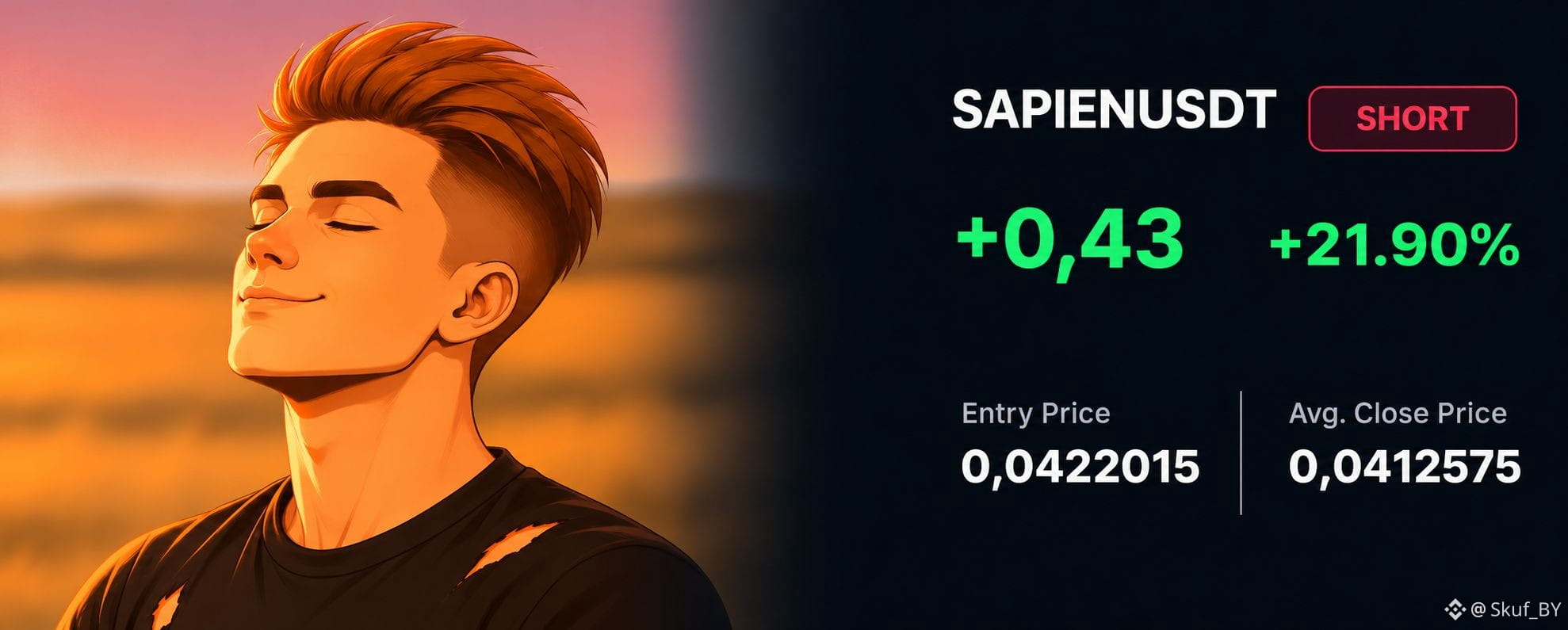
$SAPIEN worked out and finally covered the loss, so we're ending today in profit!
Now we just have to make sure we don't lose that profit 😅
$SAPIEN worked out and finally covered the loss, so we're ending today in profit!
Now we just have to make sure we don't lose that profit 😅
Now we just have to make sure we don't lose that profit 😅
60
·
--
⚖️ SEC WANTS TO RECONSIDER TOKENIZATION RULES
On November 19, SEC commissioner nominee Christine Johnson proposed at a U.S. Senate hearing that the agency consider a formal rulemaking process for tokenization, instead of the current approach of granting special exemptions from securities requirements.
She said that formal rulemaking would allow market participants to submit comments. Another nominee, Steven Levine, noted that temporary exemptions have been used in the history of financial regulation and later led to permanent rules.
Both nominees are still undergoing the confirmation process. No new SEC rules were adopted at the hearing.
Source: CoinDesk, U.S. Senate Banking Committee hearing, November 19, 2026.
#Tokenization #CryptoRegulation
·
--
Bearish
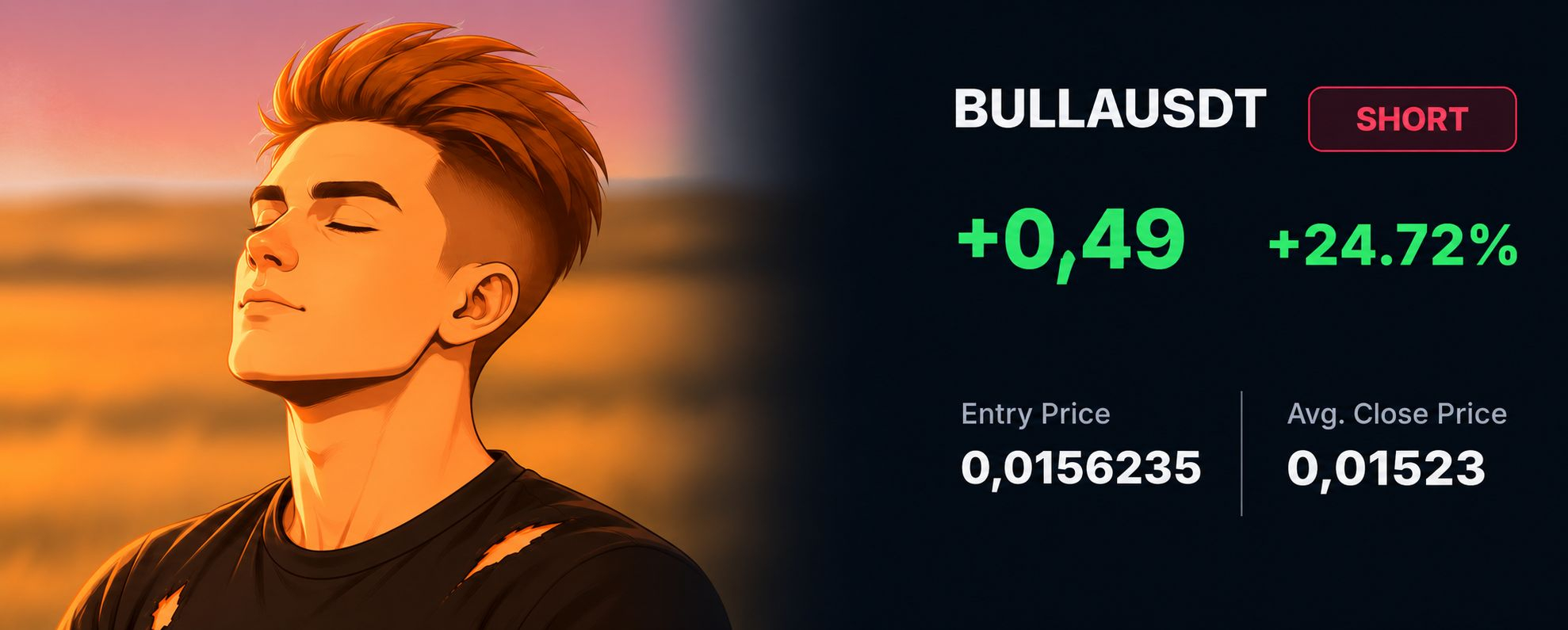
The best trade today (considering I’m trading with $1).
Such peace of mind from just 50 cents... Once I’ve fine-tuned my strategy, we’ll ramp things up.
The best trade today (considering I’m trading with $1).
Such peace of mind from just 50 cents... Once I’ve fine-tuned my strategy, we’ll ramp things up.
Such peace of mind from just 50 cents... Once I’ve fine-tuned my strategy, we’ll ramp things up.
122
·
--
Bearish
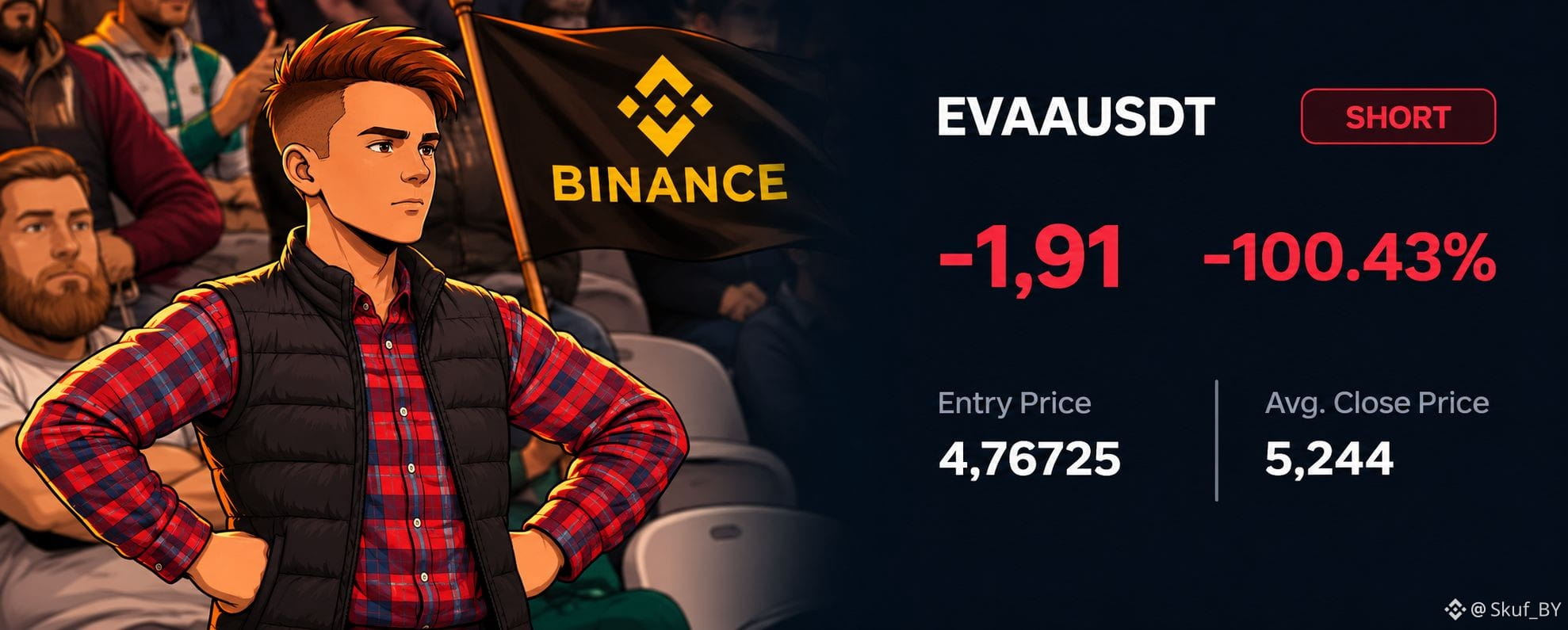
I decided to share a losing trade (I trade with $1) in this meme format 😅
After my stop-loss closed the trade, it dumped. That was exactly my reaction at the time 😕
I decided to share a losing trade (I trade with $1) in this meme format 😅
After my stop-loss closed the trade, it dumped. That was exactly my reaction at the time 😕
After my stop-loss closed the trade, it dumped. That was exactly my reaction at the time 😕
68
·
--
⚠️ QUANTUM CRYPTO HACK IN 5 YEARS?
On November 19, the International Organization of Securities Commissions (IOSCO) warned that quantum computers capable of breaking widely used financial cryptography could emerge within five years. This is an assessment of a potential risk, not a report of a hack that has already occurred.
A 63-page report published by the organization says that banks and blockchain projects are not yet sufficiently prepared to transition to quantum-resistant algorithms. This upgrade could take years.
The risks affect digital signatures in Bitcoin and Ethereum: in the future, powerful quantum computers could theoretically extract private keys from exposed public keys. No quantum computers with this capability are known to exist today.
Source: CoinDesk, IOSCO report. November 19, 2026.
#CryptoSecurity #QuantumComputing
21
·
--
Article
⚡ DAILY RECAP — NOVEMBER 19, 2026On November 19, Bitcoin continued to fluctuate near $64,000 in the crypto market, while attention remained focused on outflows from exchange-traded funds, US interest rate policy, and the recovery of funds after the Binance hack.
📉 BITCOIN AND ETH
On November 19, BTC traded around $63,700–63,800 after declining in previous days. According to CoinDesk, Bitcoin lost about 11% over the week. Ether was around $1,800. These are price reference points from publications on November 19, not quotes at the time of reading.
⚡ DAILY RECAP — NOVEMBER 19, 2026
On November 19, Bitcoin continued to fluctuate near $64,000 in the crypto market, while attention remained focused on outflows from exchange-traded funds, US interest rate policy, and the recovery of funds after the Binance hack.
📉 BITCOIN AND ETH
On November 19, BTC traded around $63,700–63,800 after declining in previous days. According to CoinDesk, Bitcoin lost about 11% over the week. Ether was around $1,800. These are price reference points from publications on November 19, not quotes at the time of reading.
📉 BITCOIN AND ETH
On November 19, BTC traded around $63,700–63,800 after declining in previous days. According to CoinDesk, Bitcoin lost about 11% over the week. Ether was around $1,800. These are price reference points from publications on November 19, not quotes at the time of reading.
8
·
--
⚖️ THE CLARITY ACT IS STALLED IN THE U.S. SENATE!
On November 19, Congressman French Hill and Senator Bernie Moreno said Congress had missed an opportunity to pass the Clarity Act, a bill to regulate the crypto market. The bill passed the House of Representatives, but its progress stalled after a failed Senate vote in September.
Moreno believes the SEC and CFTC can establish a significant portion of the rules through their own regulatory actions. Hill disagreed, arguing that such rules could be challenged in court and do not replace a comprehensive federal law.
Both lawmakers said the chances of passing the Clarity Act in the remaining weeks of the current session were low. These statements do not mean that a new law has been passed or that rules have been approved.
Source: The Block, November 19, 2026.
#CryptoRegulation #ClarityAct
3
·
--
🚀 HASHI LAUNCHES BITCOIN ON SUI!
On November 19, the Hashi protocol went live on the Sui mainnet. Users can deposit $BTC on the Bitcoin network and receive hBTC tokens backed by it on the Sui network at a 1:1 ratio.
hBTC is designed for use in DeFi, including as collateral for loans. The Fluid platform already accepts hBTC as collateral for USDC loans, while HoneyB has opened hBTC and USDC vaults on Upshift.
Institutional clients are expected to have access through the Porto wallet by Anchorage Digital. BitGo support is planned for early 2027, but has not launched yet.
Source: The Block, November 19, 2026.
#Bitcoin #DeFi
8
·
--
🚀 ANT INTERNATIONAL LAUNCHES WHALE PROTOCOL
On November 19, Ant International unveiled the Whale Orchestration Protocol, a settlement mechanism for tokenized bank deposits and tokenized money market funds. The solution runs on the WhaleRTP platform as part of BLOOM, an initiative of the Monetary Authority of Singapore.
The company reported successful pilot transactions with DBS and Franklin Templeton. The system links the transfer of investment tokens to payment on a delivery-versus-payment basis, reducing the risk of one-sided settlement.
This marks the launch of the protocol and the completion of pilot transactions, not confirmation of broad commercial deployment.
Source: The Block, November 19, 2026.
#Tokenization #RWA
ANT-6.60%
BENUS+0.43%
5
·
--
🚀 1INCH ADDED HYPERLIQUID FUTURES!
On November 19, the 1inch platform made Hyperliquid perpetual futures available through its web app and Android wallet to users in permitted regions. Markets include cryptocurrencies, stocks, commodities, and currencies.
To fund a futures position, users can select a token they already hold: the system converts it to USDC and transfers it to their Hyperliquid balance. Market and limit orders, TWAP, take-profit, and stop-loss are supported.
The wallet uses isolated margin by default, while the web app uses cross margin. An iOS wallet version is planned for the coming weeks but has not yet been released.
Source: The Block, 1inch announcement. November 19, 2026.
#DeFi #Hyperliquid
26
·
--
Bullish
Good afternoon, everyone!
I’d like to hear readers’ opinions on what they find most interesting to read on Binance Square. Share your suggestions in the comments.
Have a great day, everyone!
$BTC $ETH $XRP
Good afternoon, everyone!
I’d like to hear readers’ opinions on what they find most interesting to read on Binance Square. Share your suggestions in the comments.
Have a great day, everyone!
$BTC $ETH $XRP
I’d like to hear readers’ opinions on what they find most interesting to read on Binance Square. Share your suggestions in the comments.
Have a great day, everyone!
$BTC $ETH $XRP

;)
From Skuf_BY
31
·
--
Verified
📉 ROUNDHILL WITHDRAWS ETF FILINGS FOR SOL AND XRP!
Investment firm Roundhill filed requests with the SEC on November 18 to withdraw applications for two exchange-traded funds: the Solana Covered Call Strategy ETF and the XRP Covered Call Strategy ETF. These funds were intended to generate income from options strategies linked to $SOL and $XRP .
The applications had been under review for more than a year. Roundhill said it no longer plans to launch these products; shares of the funds were never sold. The documents did not state the reasons for the withdrawals.
For comparison, two existing income-generating competitor ETFs from Amplify, covering SOL and XRP, had a combined total of about $12.3 million in assets as of October, while U.S. spot ETFs for these cryptocurrencies had about $3.26 billion. These figures relate to different types of funds and do not explain Roundhill’s official reason for its decision.
Source: CoinDesk, SEC filings. November 19, 2026.
#Solana #XRP
1
99
·
--
Verified
📰 SINGAPORE ISSUES $77M IN DIGITAL BONDS
The Monetary Authority of Singapore (MAS) announced on November 19 the issuance of short-term tokenized bills worth 100 million Singapore dollars (about $77.5 million). The issuance took place on November 6, with a term of four weeks.
The securities were issued on the Singapore Dollar Test Network, with settlement carried out using wholesale central bank digital currency (CBDC). Five banks took part in the auction: DBS, HSBC, OCBC, UOB, and Standard Chartered. Demand more than doubled the size of the issuance.
MAS plans to expand the use of these securities in secured transactions and attract new participants. This is an institutional project, not a publicly available digital dollar.
Source: MAS, The Block. November 19, 2026.
#Tokenization #CBDC
1
2
·
--
Verified
📉 SOLD ALL BTC — AND STILL DON’T HAVE ENOUGH MONEY!
Hyperscale Data, a former Bitcoin miner, warned of a risk of insufficient funding to build an AI data center in Michigan. According to a company filing dated November 18, it needs to raise another $74.8 million by March.
The company sold its entire reserve — about 1 113 $BTC , worth approximately $74 million, since the end of July. At the end of September, it had $17 million in cash and short-term liabilities of $231 million.
The potential value of the AI infrastructure contract is estimated at $1.2 billion, but depends on the contract being renewed and on the company meeting its obligations. This is not guaranteed revenue.
Source: CoinDesk, Hyperscale Data report. November 19, 2026.
#Bitcoin #Mining
39
·
--

Article
⚡ WHILE WE WERE ASLEEP: BTC SLIDE, FED DECISION AND STABLECOINSWhat happened overnight on November 19:
📉 BITCOIN AND MAJOR ALTCOINS FELL
At the close of trading on November 18, BTC closed at around $63,068 (−2.89%) on Binance, while ETH closed at around $1,777 (−2.61%). According to a Goodman Macro roundup based on Binance spot candles, SOL and BNB also ended the day lower. Some quotes overnight on November 19 showed BTC below $63,000. Prices are for specific points in time and are not current quotes.
⚡ WHILE WE WERE ASLEEP: BTC SLIDE, FED DECISION AND STABLECOINS
What happened overnight on November 19:
📉 BITCOIN AND MAJOR ALTCOINS FELL
At the close of trading on November 18, BTC closed at around $63,068 (−2.89%) on Binance, while ETH closed at around $1,777 (−2.61%). According to a Goodman Macro roundup based on Binance spot candles, SOL and BNB also ended the day lower. Some quotes overnight on November 19 showed BTC below $63,000. Prices are for specific points in time and are not current quotes.
89
·
--
⚖️ U.S. SENATORS DEMAND EQUAL RIGHTS FOR STABLECOINS!
On November 18, six U.S. senators from both parties wrote to Treasury Secretary Scott Bessent. They called for equal transition conditions for state-regulated stablecoin issuers as the GENIUS Act is implemented.
Under current law, issuers with up to $10 billion in outstanding issuance may operate under state supervision if local rules are substantially similar to federal rules. The senators warn that the proposed transition exemptions protect applicants at the federal level but do not provide similar safeguards for companies with state licenses.
The lawmakers propose extending temporary protections to these issuers as well until the transition period ends. This is a request to the Treasury Department, not a rule change that has already been adopted.
Source: The Block, letter from U.S. senators. November 18, 2026.
#Stablecoins #Regulation
1
409
·
--
Verified
💰 SINGAPORE BANKS TESTED TRANSFERS OF TOKENIZED DEPOSITS!
Standard Chartered, OCBC, and StraitsX completed an interoperability test of tokenized bank deposit systems. This was announced on November 18. The test was conducted as part of the Monetary Authority of Singapore’s BLOOM initiative.
StraitsX’s infrastructure coordinated payments between the separate systems of the two banks, including compliance checks, available liquidity, and settlement confirmation. In controlled trials, dollar transfers between the systems took minutes, including outside normal banking hours.
This was a completed experiment, not the launch of a publicly available payment service. Before commercial deployment, participants still need to assess the legal, regulatory, and operational requirements.
Source: The Block, participant statements. November 18, 2026.
#Tokenization #Banking
1
86
Log in to explore more content
Join global crypto users on Binance Square
⚡️ Get latest and useful information about crypto.
💬 Trusted by the world’s largest crypto exchange.
👍 Discover real insights from verified creators.
Email / Phone number
Trending Topics
IsAnthropic’s$1.5TMarketCapJustified?
16,144 views
113 Discussing
Anthropic Set to Open at $105 in Record Nasdaq Debut
Binance News
·12 Likes
·16.7k views
BTCRemainsUnderPressureAfterHawkishFOMCMinutes
276,183 views
2,172 Discussing
NvidiaBoardReportedlySplitOverHuang’sReturn
135,804 views
1,172 Discussing