
token loken
1.6k Posts

token loken
Token Loken — циклология крипторынка,макроанализ и психология инвестора.Пишу просто о сложном. Без шума. По делу.

ATOM Holder
Frequent Trader
5.7 Years
21 Following
309 Followers
3.2K+ Liked
Posts
All
Quotes
Videos


token loken
·
--
ATOM: we didn’t predict the reversal—we just knew where we wanted to buy.
$ATOM : we didn’t predict the reversal—we just knew where we wanted to buy
Sometimes the most interesting part of a deal becomes visible not at the moment of purchase, but after some time.
On the chart $ATOM now one such example is clearly visible.
My average purchase price is 1,515.
Right now, ATOM is around 1.796.
Sometimes the most interesting part of a deal becomes visible not at the moment of purchase, but after some time.
On the chart $ATOM now one such example is clearly visible.
My average purchase price is 1,515.
Right now, ATOM is around 1.796.


token loken
·
--
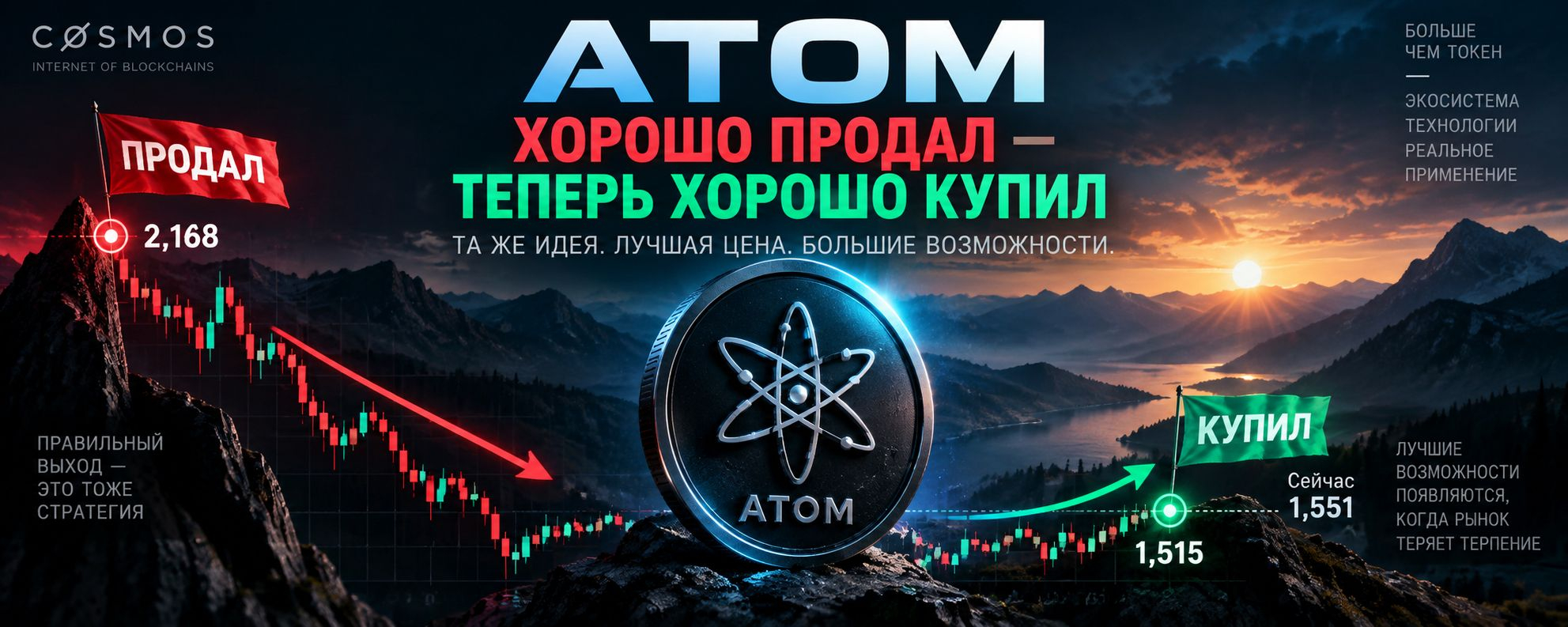
ATOM: sold well — now bought well
In the previous article, I explained why I consider selling $ATOM at an average price of 2.168 to be a good decision.
At the time, it just looked like an exit from the position. But for me, a sale never ends the moment you press the “Sell” button.
A much more interesting question is:
Will it ever be possible to buy this same asset back cheaper?
At the time, it just looked like an exit from the position. But for me, a sale never ends the moment you press the “Sell” button.
A much more interesting question is:
Will it ever be possible to buy this same asset back cheaper?
token loken
·
--
$KAITO — an interesting moment to observe 👀
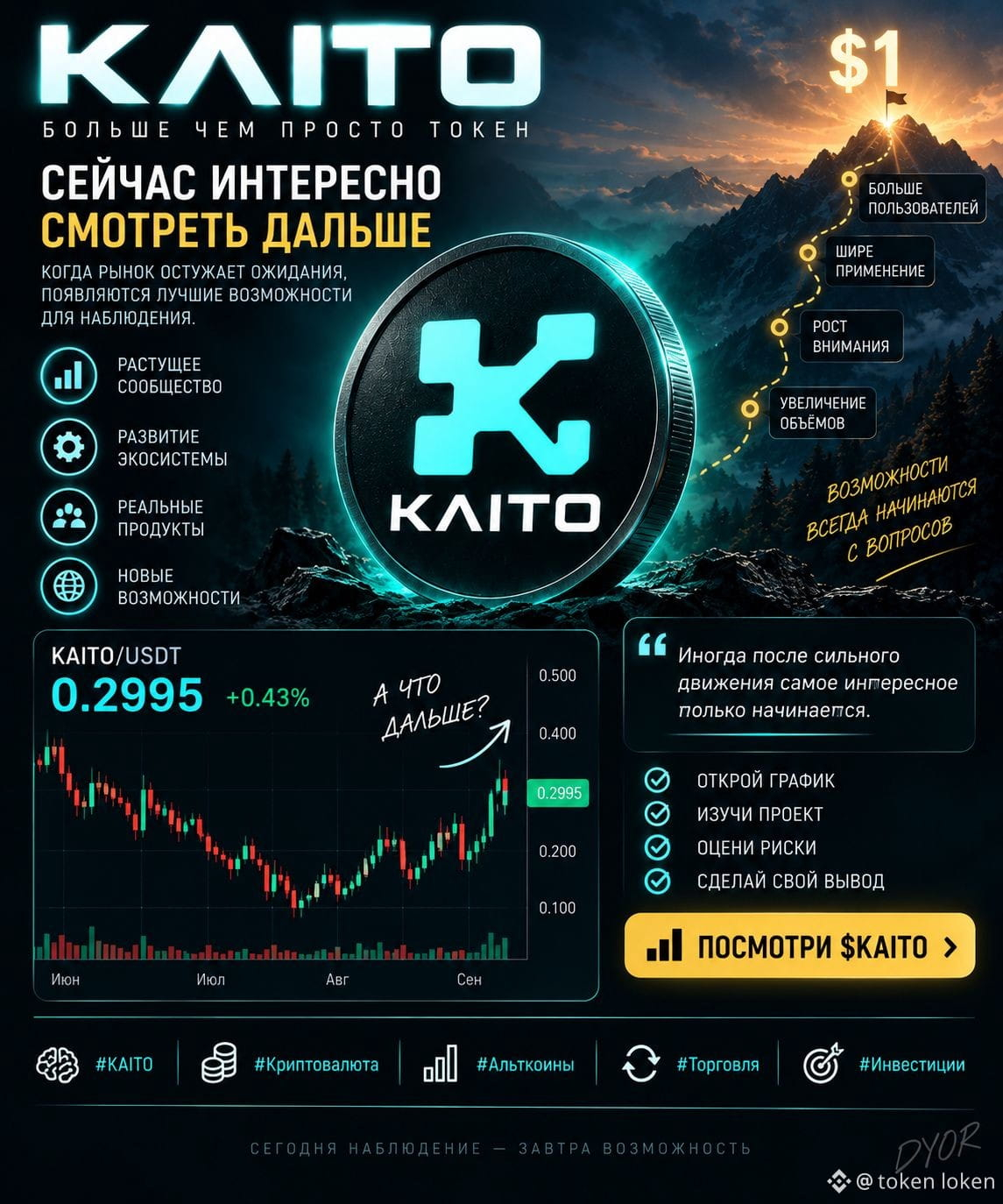
After the noticeable decline, the price is now in a completely different zone, and this is where it becomes interesting to look at the risk-to-potential-recovery ratio.
A return to $1 is neither a promise nor a forecast. For that, the project still needs to prove itself: users, volumes, ecosystem development, and market attention.
But these are exactly the situations I like to watch: when the market has already cooled expectations a lot, and the question becomes not “why did the price fall?” but “what needs to happen for it to return above?”
I already took a small package. Now it will be interesting to see what the market says next.
Open the chart $KAITO and look at it yourself. Sometimes after a big move, the most interesting part is only just beginning. 📊
#KAITO 🧠
#Криптовалюта 💰
#Альткоины 📈
#Торговля 🔄
#Инвестиции 🎯
After the noticeable decline, the price is now in a completely different zone, and this is where it becomes interesting to look at the risk-to-potential-recovery ratio.
A return to $1 is neither a promise nor a forecast. For that, the project still needs to prove itself: users, volumes, ecosystem development, and market attention.
But these are exactly the situations I like to watch: when the market has already cooled expectations a lot, and the question becomes not “why did the price fall?” but “what needs to happen for it to return above?”
I already took a small package. Now it will be interesting to see what the market says next.
Open the chart $KAITO and look at it yourself. Sometimes after a big move, the most interesting part is only just beginning. 📊
#KAITO 🧠
#Криптовалюта 💰
#Альткоины 📈
#Торговля 🔄
#Инвестиции 🎯
Duhast
·
--
🧠 KAITO — I decided to buy a little
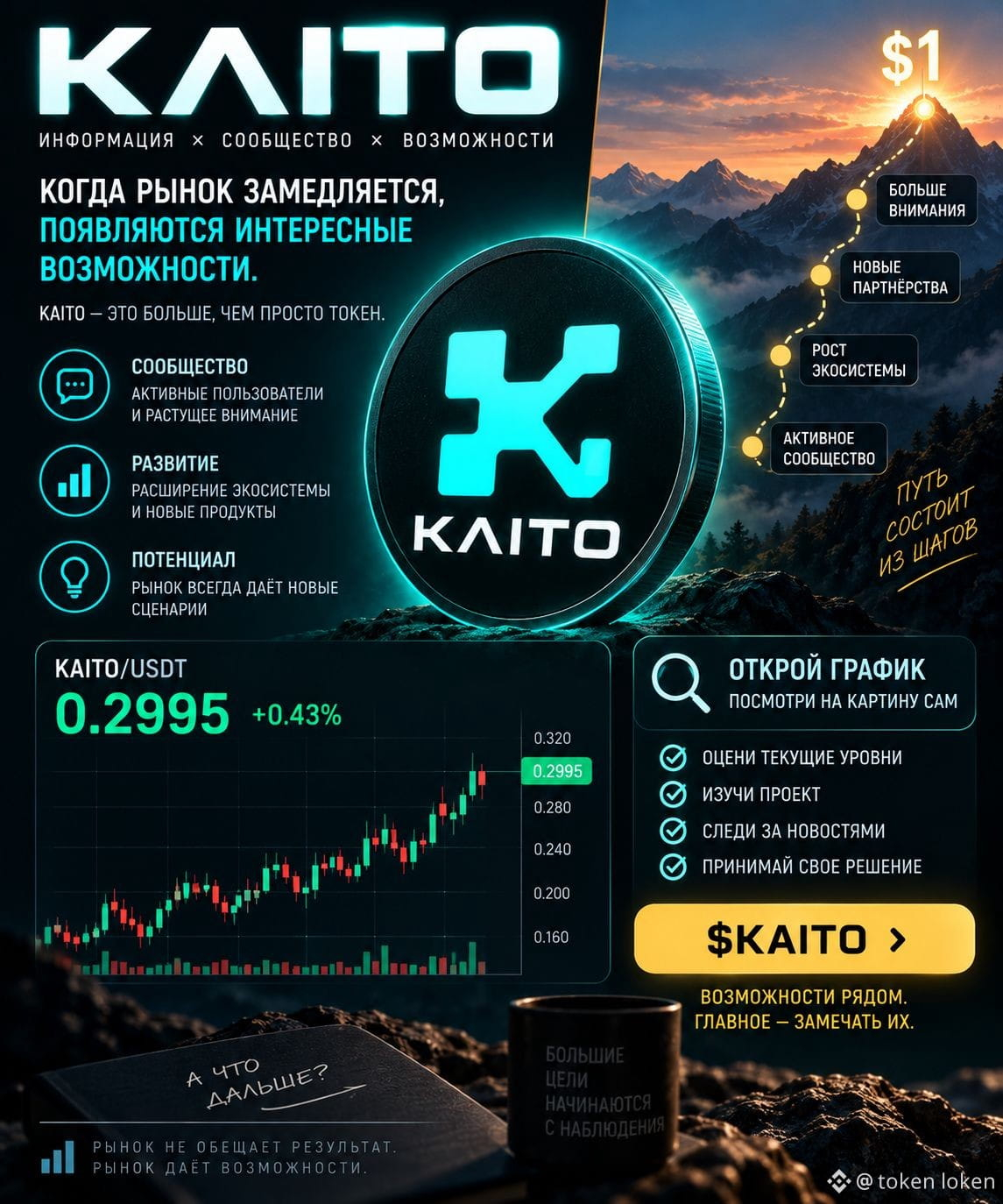
I don’t know about you, but I decided to get into KAITO right now. The price has noticeably dropped, and at these levels, it’s becoming more interesting for me to look not at panic, but at the prospects of recovery.
🎯 My personal bet is for KAITO to return to at least $1.
Of course, the market owes nothing to anyone, and along the way we may well see more pullbacks. But if the project keeps the interest of users, the volumes, and the attention of the market, then a recovery to $1 looks like a very realistic scenario to me.
I’m not trying to catch the absolute bottom. I just think that after a sharp drop, the risk/reward ratio becomes more attractive.
Let’s see if KAITO justifies my bet. 😉
I already took my small package—now I’ll be watching. 📈$KAITO
I don’t know about you, but I decided to get into KAITO right now. The price has noticeably dropped, and at these levels, it’s becoming more interesting for me to look not at panic, but at the prospects of recovery.
🎯 My personal bet is for KAITO to return to at least $1.
Of course, the market owes nothing to anyone, and along the way we may well see more pullbacks. But if the project keeps the interest of users, the volumes, and the attention of the market, then a recovery to $1 looks like a very realistic scenario to me.
I’m not trying to catch the absolute bottom. I just think that after a sharp drop, the risk/reward ratio becomes more attractive.
Let’s see if KAITO justifies my bet. 😉
I already took my small package—now I’ll be watching. 📈$KAITO

Professor Michael Official
·
--
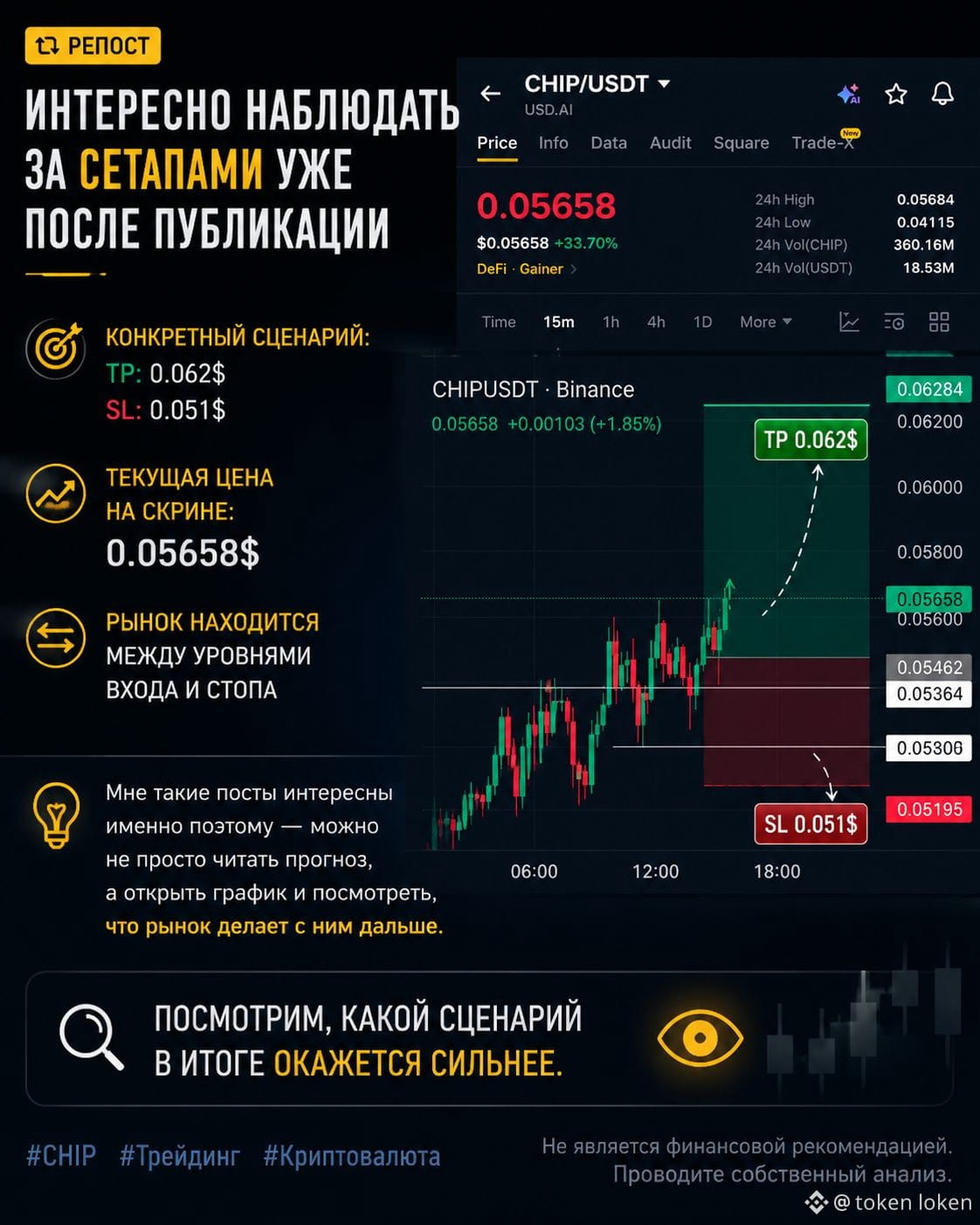
Didn't you take entry yet in $CHIP ??
Exactly as I updated you , started climbing Slowly !
Make sure your entry and trust the setup .
TP 0.062$
SL 0.051$
Exactly as I updated you , started climbing Slowly !
Make sure your entry and trust the setup .
TP 0.062$
SL 0.051$


Jia Lilly
·
--
If you lose your money like me then play with $AKE 😭😭
don't lose hope 🤞🏼 what you say? #trading
don't lose hope 🤞🏼 what you say? #trading
token loken
·
--
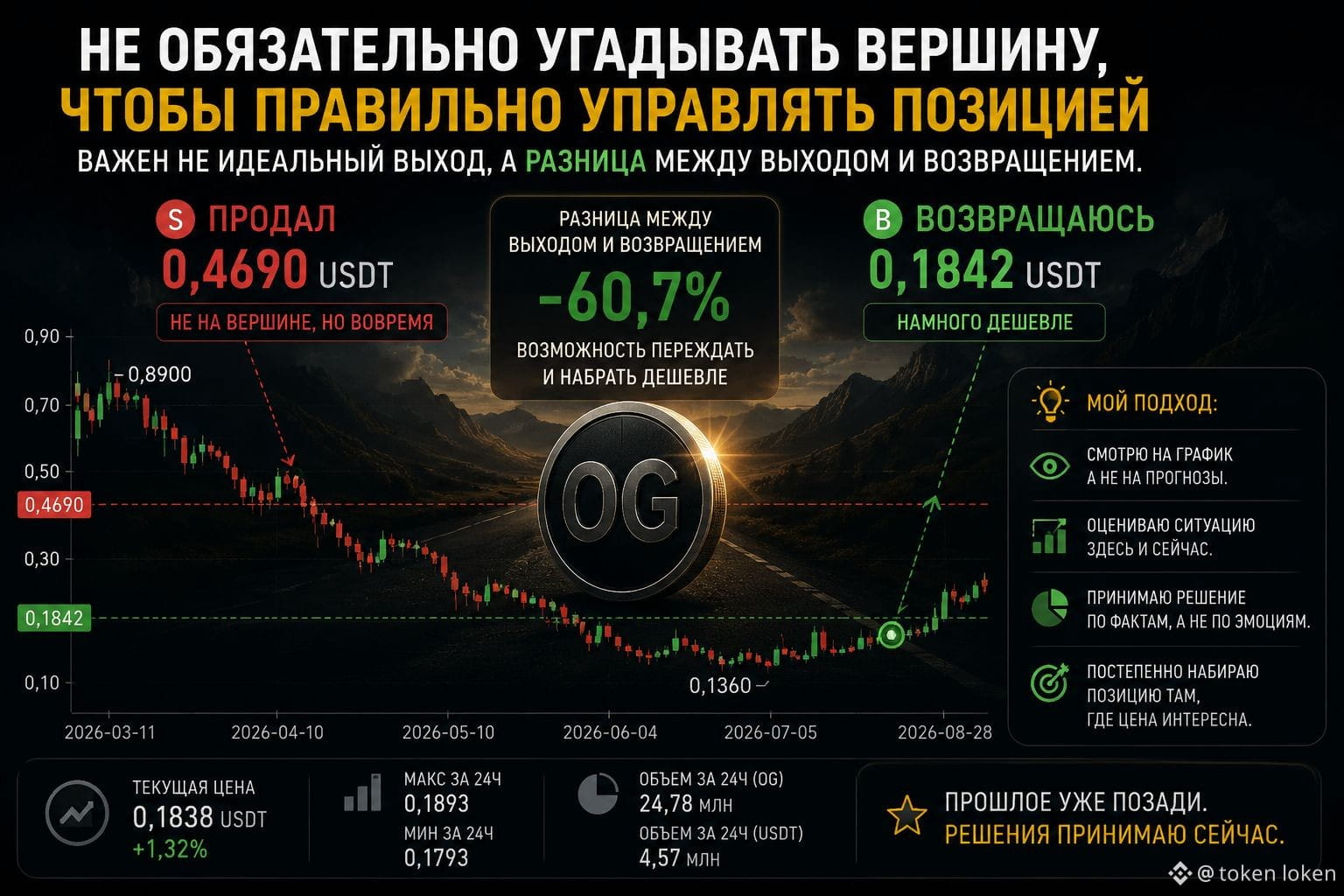
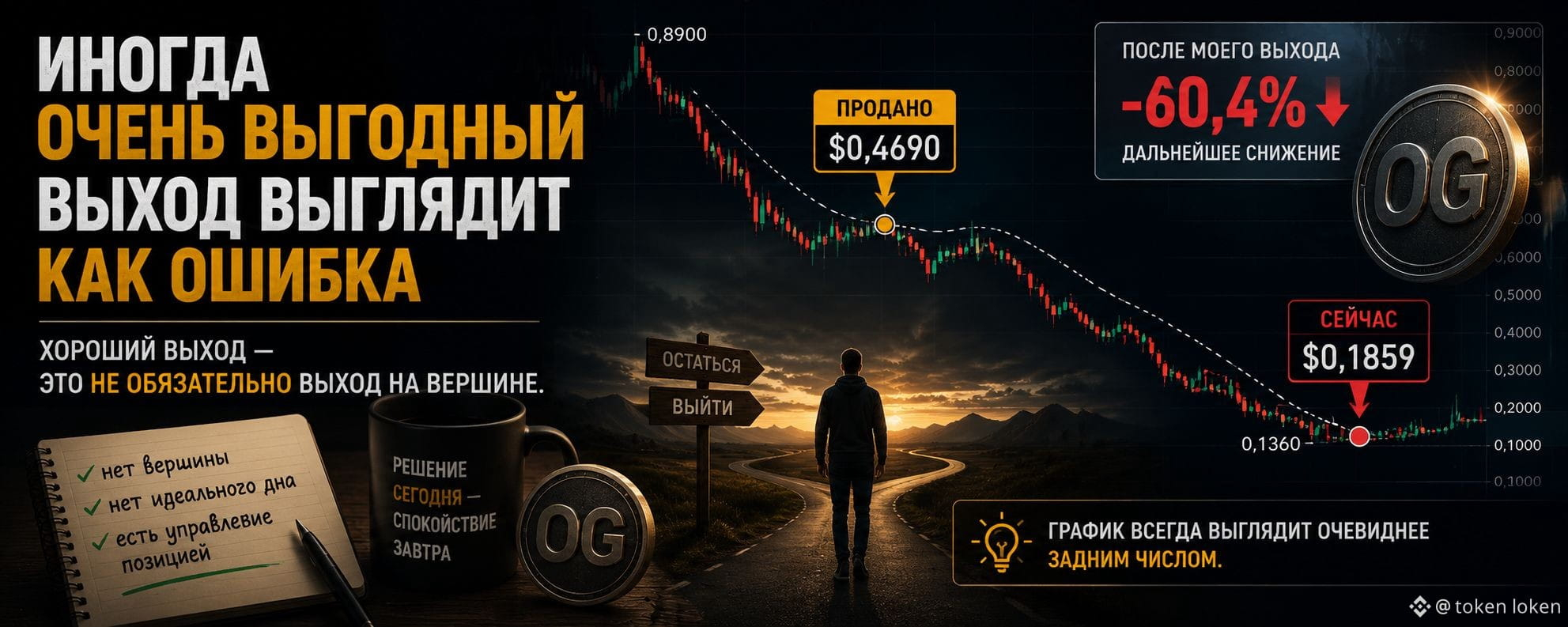
Sometimes a very profitable exit looks like a mistake.
I sold $0G at about 0.4690 USDT.
And yes—that wasn't the top.
In the chart, it's clearly visible that after my sale the price kept falling for a while. So, in hindsight, it's very easy to say:
"You should have waited. You could have sold even higher."
But the market doesn't show the future candle.
And yes—that wasn't the top.
In the chart, it's clearly visible that after my sale the price kept falling for a while. So, in hindsight, it's very easy to say:
"You should have waited. You could have sold even higher."
But the market doesn't show the future candle.
token loken
·
--
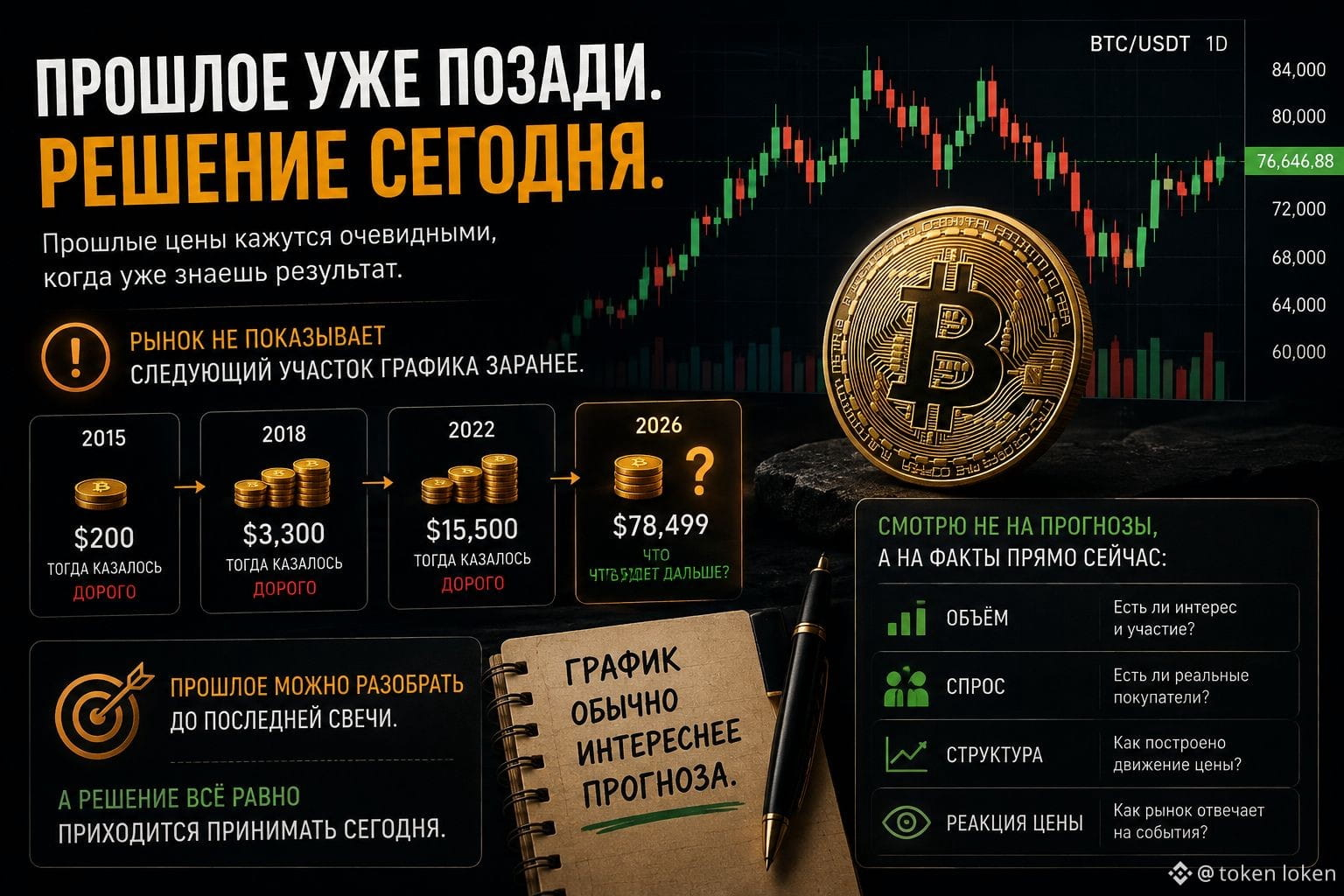
$BTC for $78 000 can really look cheap or expensive — but that will only be clear in hindsight.
Historical prices show what happened. They do much worse at answering the question of what to do now.
So instead of “you’ll regret it later,” I’d look at something else: what’s happening right now with volume, demand, and the structure of movement #BTC ?
Charts are usually more interesting than forecasts.
Historical prices show what happened. They do much worse at answering the question of what to do now.
So instead of “you’ll regret it later,” I’d look at something else: what’s happening right now with volume, demand, and the structure of movement #BTC ?
Charts are usually more interesting than forecasts.
token loken
·
--
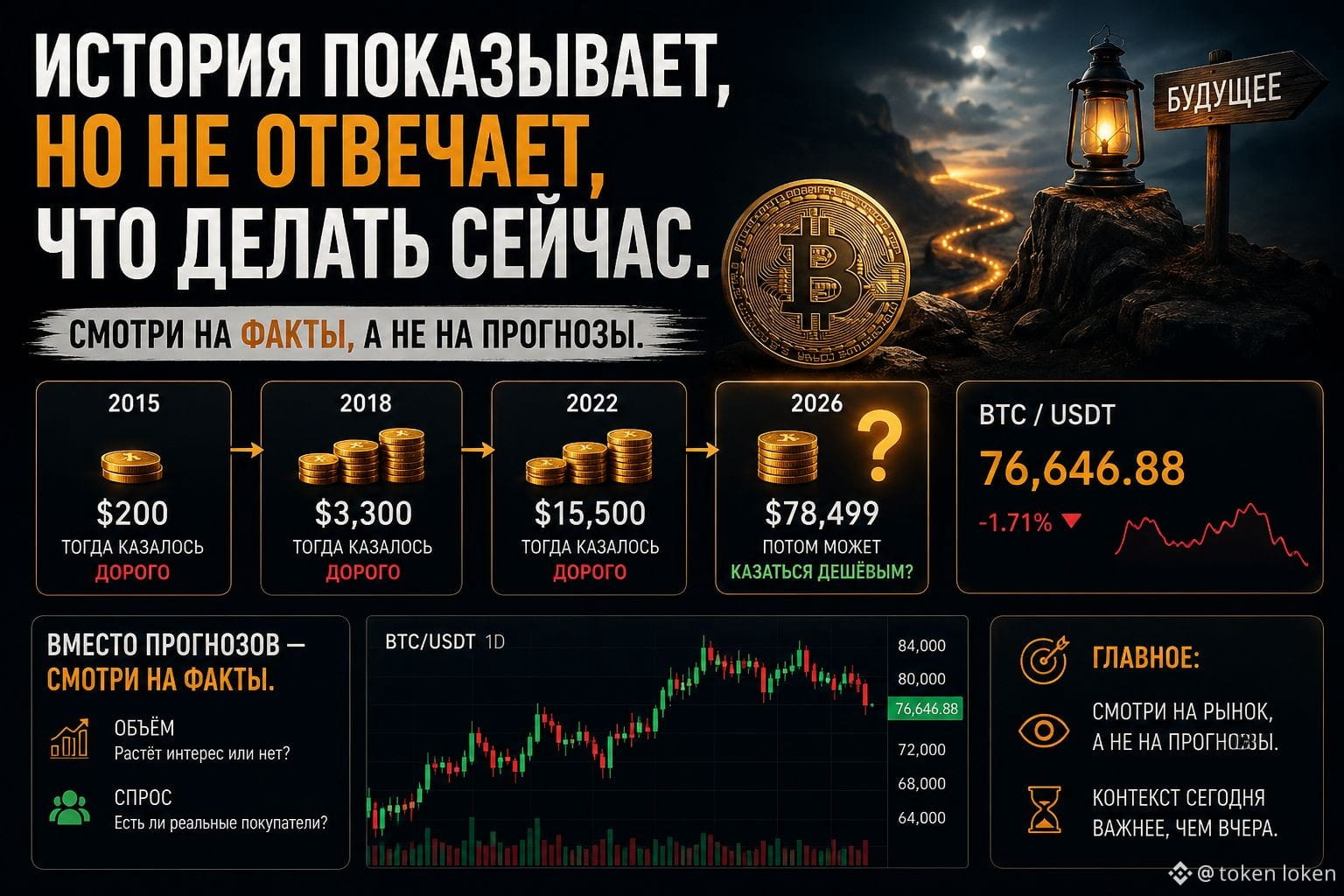
$BTC for $78 000 can really look cheap or expensive — but that will only be clear in hindsight.
Historical prices show what happened. They do much worse at answering the question of what to do now.
So instead of “you’ll regret it later,” I’d look at something else: what’s happening right now with volume, demand, and the structure of movement #BTC ?
Charts are usually more interesting than forecasts.
Historical prices show what happened. They do much worse at answering the question of what to do now.
So instead of “you’ll regret it later,” I’d look at something else: what’s happening right now with volume, demand, and the structure of movement #BTC ?
Charts are usually more interesting than forecasts.
token loken
·
--
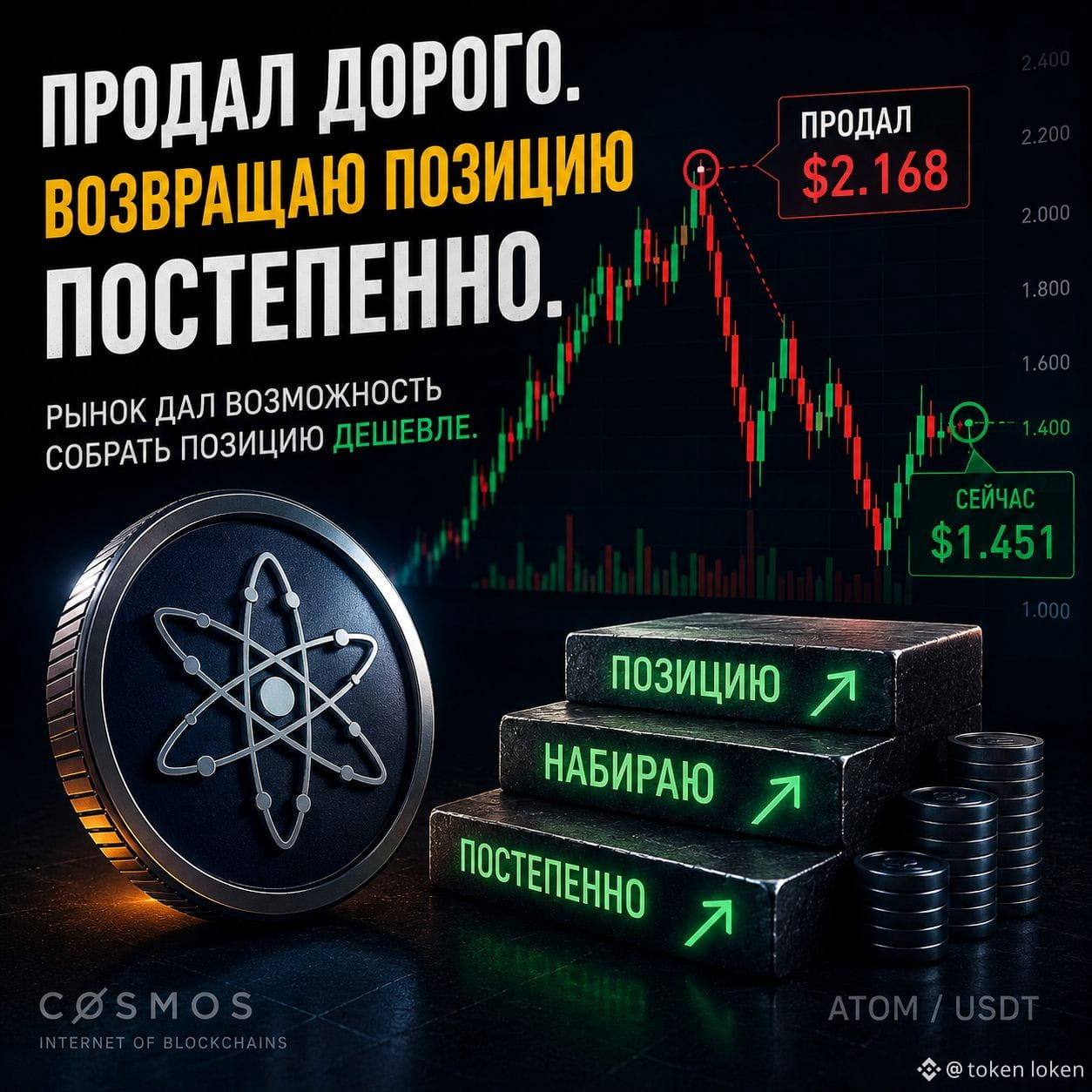
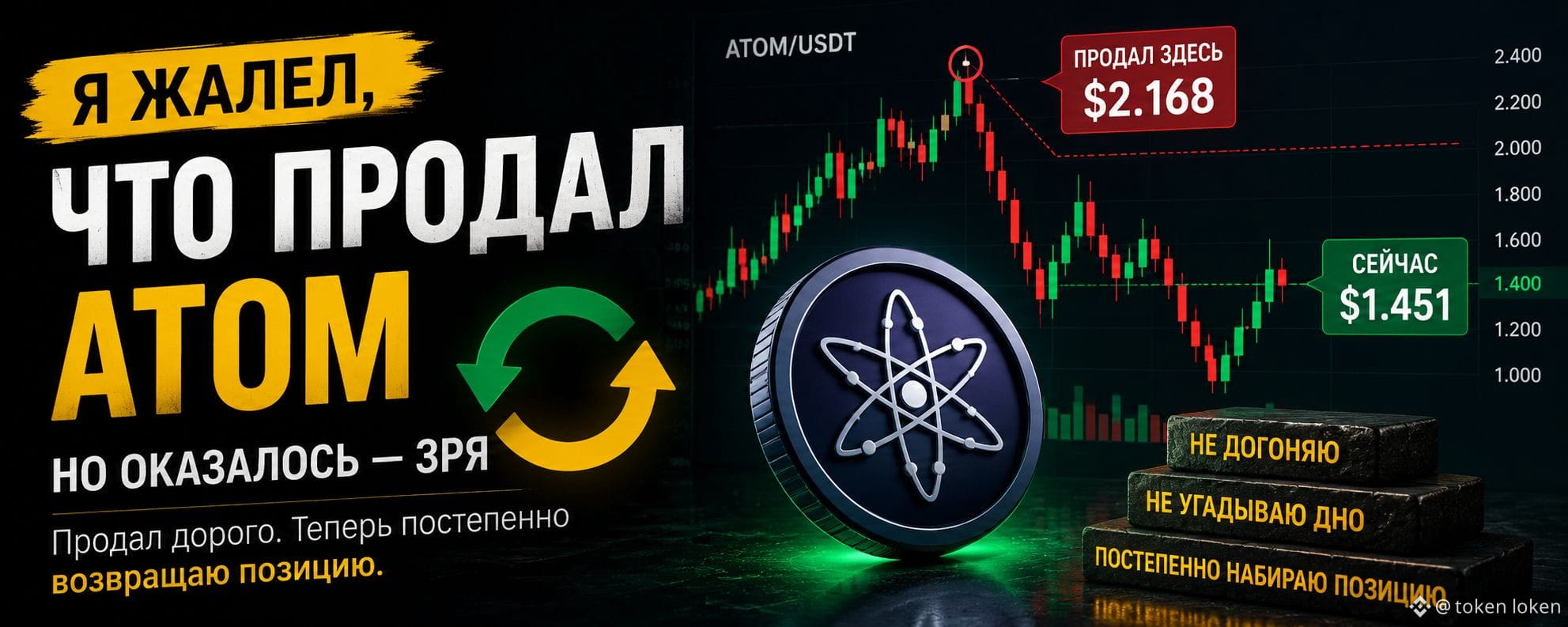
I regretted selling ATOM for a long time.
When the price went lower, it felt like I had simply given a good position away to the market. It was especially unpleasant to look at the chart after selling and think, “Why did I do that?”
But if you calmly look back today, the situation looks completely different.
My average selling price was around $2,168. Now $ATOM is trading significantly below that level.
But if you calmly look back today, the situation looks completely different.
My average selling price was around $2,168. Now $ATOM is trading significantly below that level.

AI Market Brief
·
--
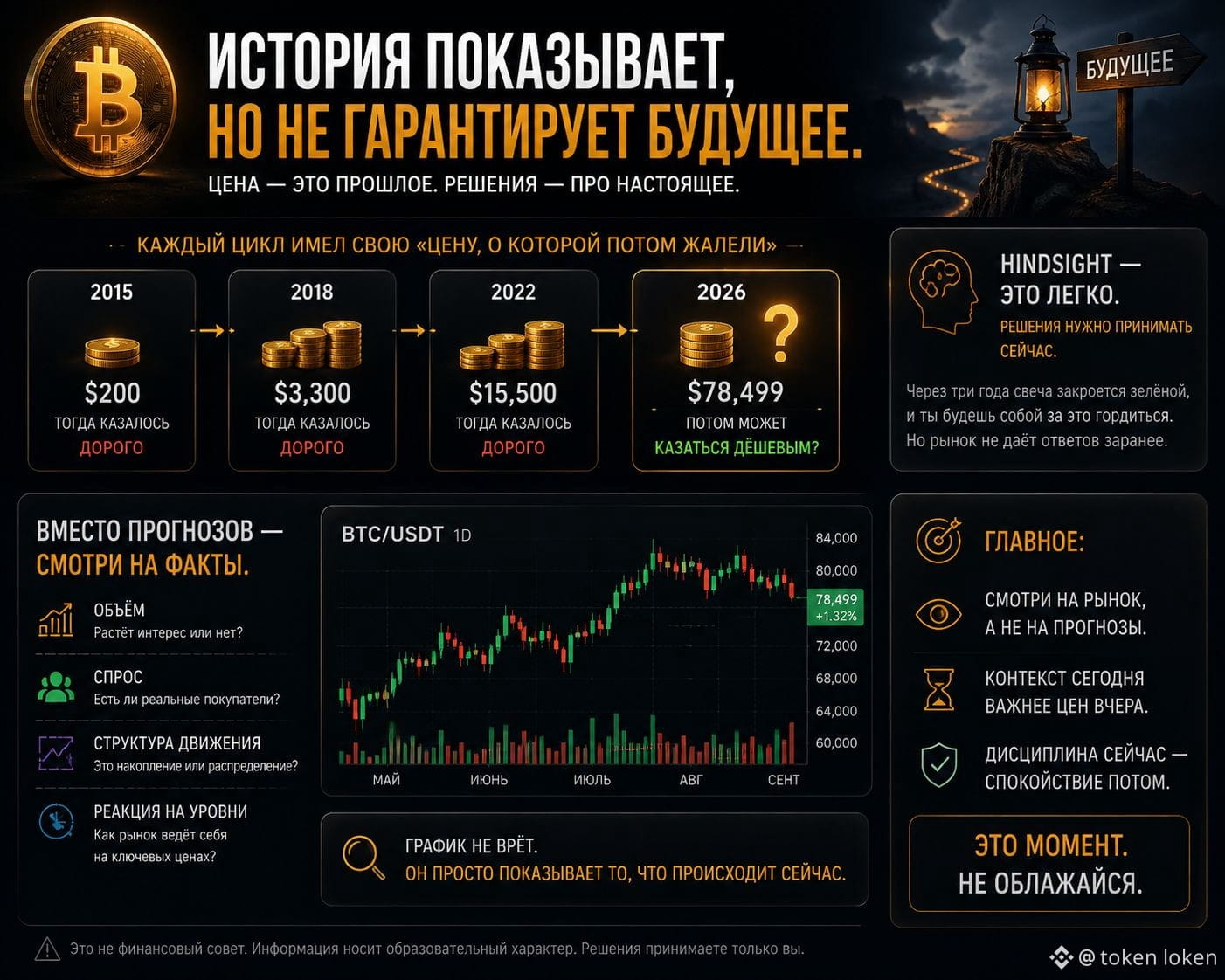
$BTC at $78,499 is the generational buy you'll regret missing in 2026.
Every cycle has one:
2015: $200
2018: $3,300
2022: $15,500
2026: You'll wish you bought at $62k
Three years from now this candle closes green and you'll be kicking yourself. The setup is obvious, the hindsight will be brutal.
This is the moment. Don't fumble it.
Every cycle has one:
2015: $200
2018: $3,300
2022: $15,500
2026: You'll wish you bought at $62k
Three years from now this candle closes green and you'll be kicking yourself. The setup is obvious, the hindsight will be brutal.
This is the moment. Don't fumble it.

Ledger Bull
·
--
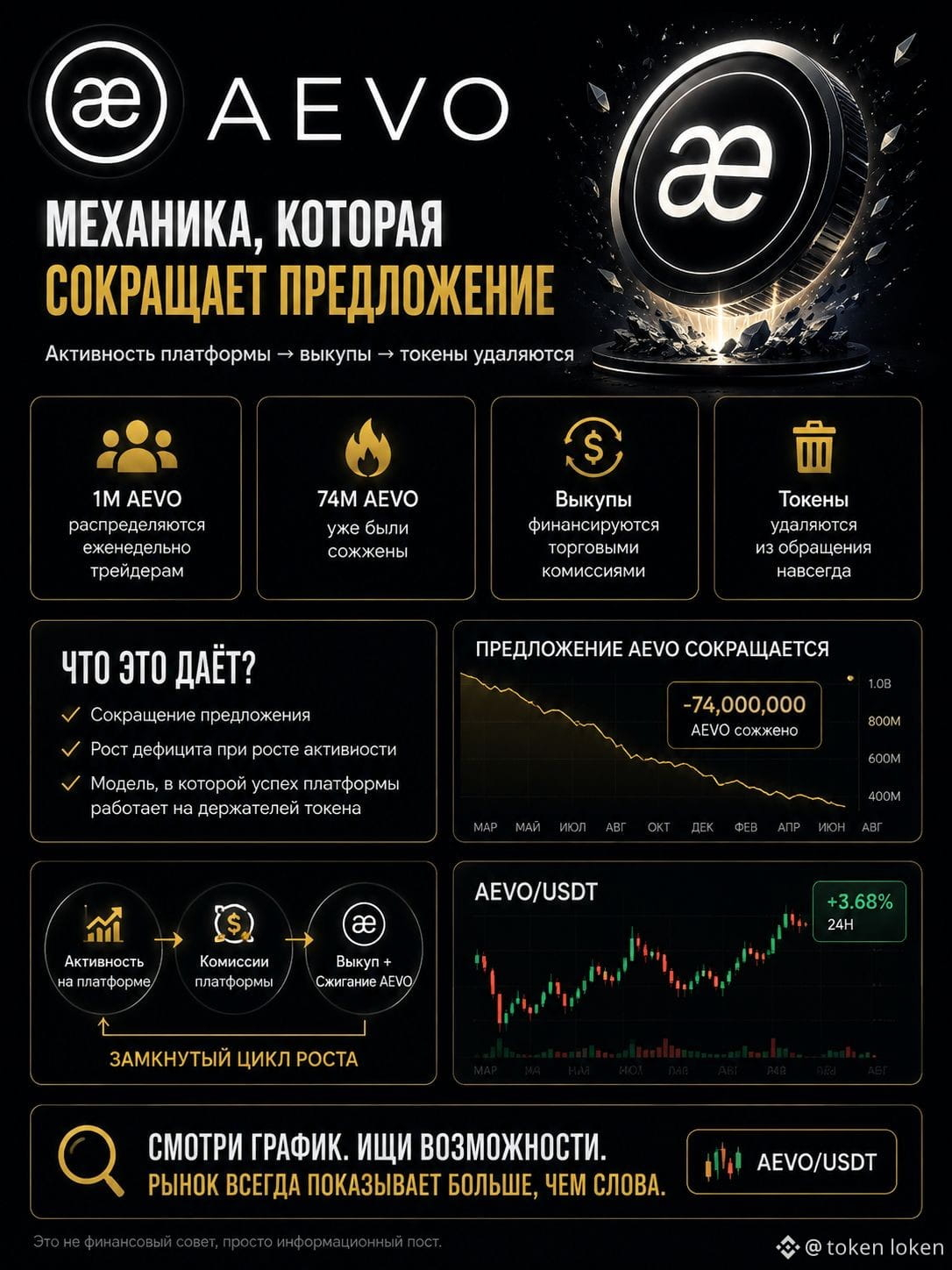
Bullish$AEVO has quietly rebuilt its token mechanics.
AEVO is the token behind Aevo.
74M AEVO has already been burned.
Monthly buybacks funded by trading fees continue to remove tokens from the supply.
That structure is what catches my attention.
$AAVE , $AVAX , and $DYDX all take different approaches to connecting their tokens with protocol activity.
AEVO has its own model: platform activity funds buybacks, and those tokens are permanently removed.
Even the 1M AEVO distributed weekly to traders comes from the fixed 1B supply, not new issuance.
Token mechanics tied to actual platform usage are becoming increasingly important in crypto.
Not financial advice, just information post.
#AEVO #Crypto #Tokenomics #Web3
AEVO is the token behind Aevo.
74M AEVO has already been burned.
Monthly buybacks funded by trading fees continue to remove tokens from the supply.
That structure is what catches my attention.
$AAVE , $AVAX , and $DYDX all take different approaches to connecting their tokens with protocol activity.
AEVO has its own model: platform activity funds buybacks, and those tokens are permanently removed.
Even the 1M AEVO distributed weekly to traders comes from the fixed 1B supply, not new issuance.
Token mechanics tied to actual platform usage are becoming increasingly important in crypto.
Not financial advice, just information post.
#AEVO #Crypto #Tokenomics #Web3

ERIIKA NOVA
·
--
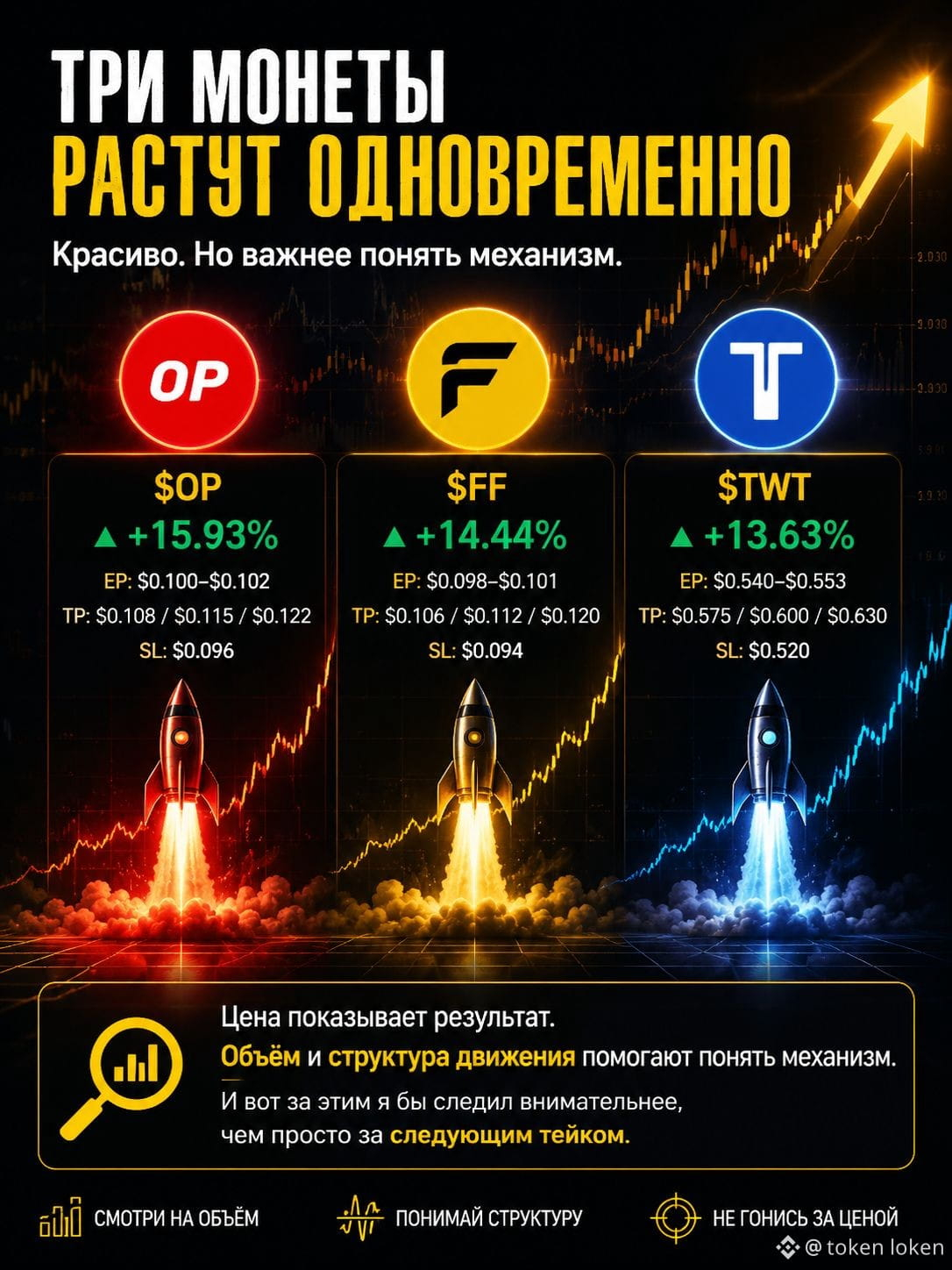
MARKET UPDATE — OP, FF & TWT ARE HEATING UP
$OP +15.93% — bulls are pushing hard.
EP: $0.100–$0.102
TP: $0.108 / $0.115 / $0.122
SL: $0.096
$FF +14.44% — momentum is exploding.
EP: $0.098–$0.101
TP: $0.106 / $0.112 / $0.120
SL: $0.094
$TWT +13.63% — breakout pressure is building.
EP: $0.540–$0.553
TP: $0.575 / $0.600 / $0.630
SL: $0.520
Three movers. One hot market. Watch volume confirmation before chasing the breakout.
$OP +15.93% — bulls are pushing hard.
EP: $0.100–$0.102
TP: $0.108 / $0.115 / $0.122
SL: $0.096
$FF +14.44% — momentum is exploding.
EP: $0.098–$0.101
TP: $0.106 / $0.112 / $0.120
SL: $0.094
$TWT +13.63% — breakout pressure is building.
EP: $0.540–$0.553
TP: $0.575 / $0.600 / $0.630
SL: $0.520
Three movers. One hot market. Watch volume confirmation before chasing the breakout.
token loken
·
--
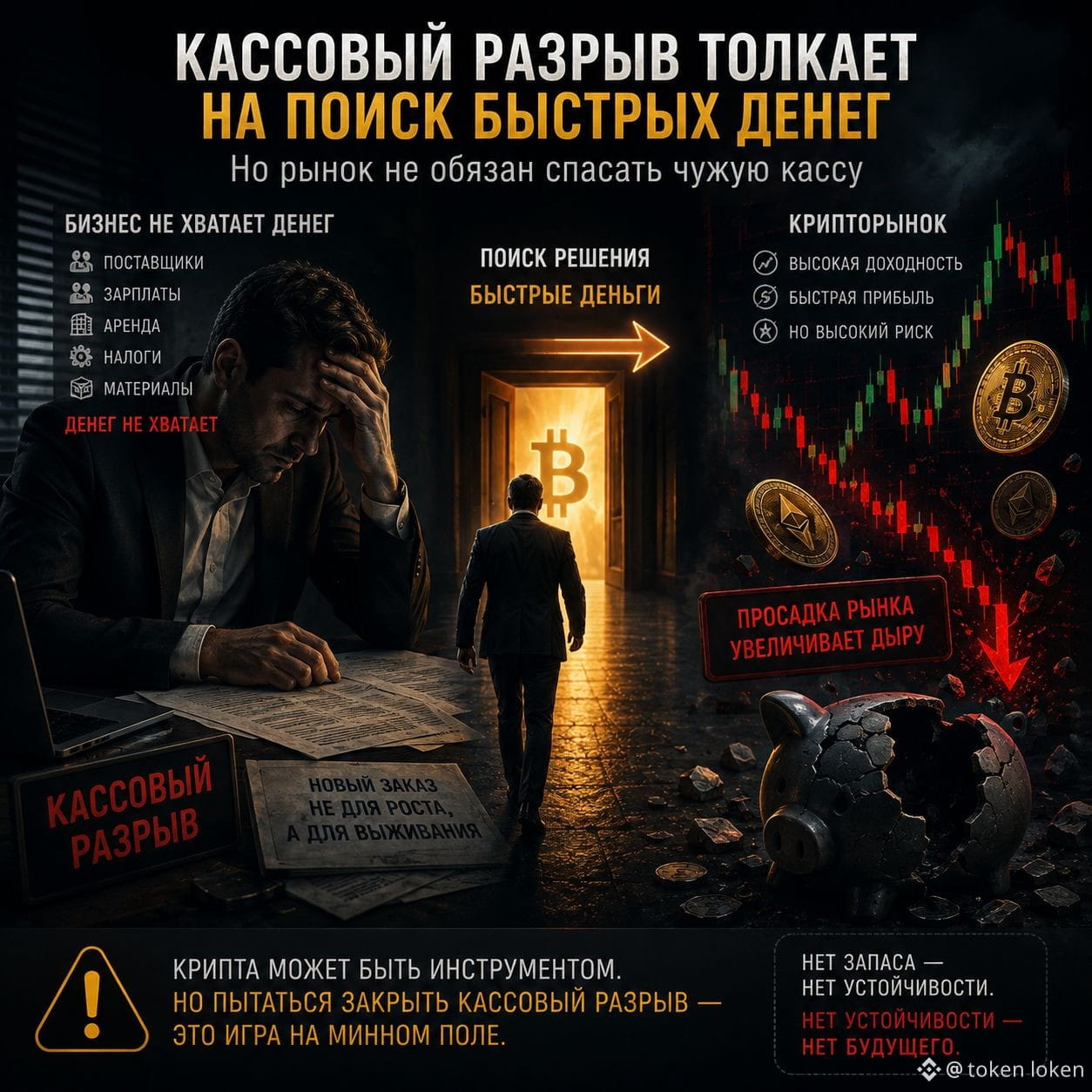
HOSTAGES OF CASH SHORTFALL
High turnover creates a dangerous illusion.
It seems that if money constantly passes through a business, then the business is earning.
But turnover is not profit.
And even the money that is in the account today still does not mean you can freely dispose of it.
This is exactly where many small businesses gradually become hostages to their own cash flow.
It seems that if money constantly passes through a business, then the business is earning.
But turnover is not profit.
And even the money that is in the account today still does not mean you can freely dispose of it.
This is exactly where many small businesses gradually become hostages to their own cash flow.

Log in to explore more content