
Nahuzz
1k Posts

Nahuzz
Report
Block User
Noticias cripto, proyectos, tecnología y movimientos del mercado.

BTC Holder
Occasional Trader
1.4 Years
98 Following
336 Followers
1.5K+ Liked
Posts
All
Quotes
PINNED
·
--
Bullish
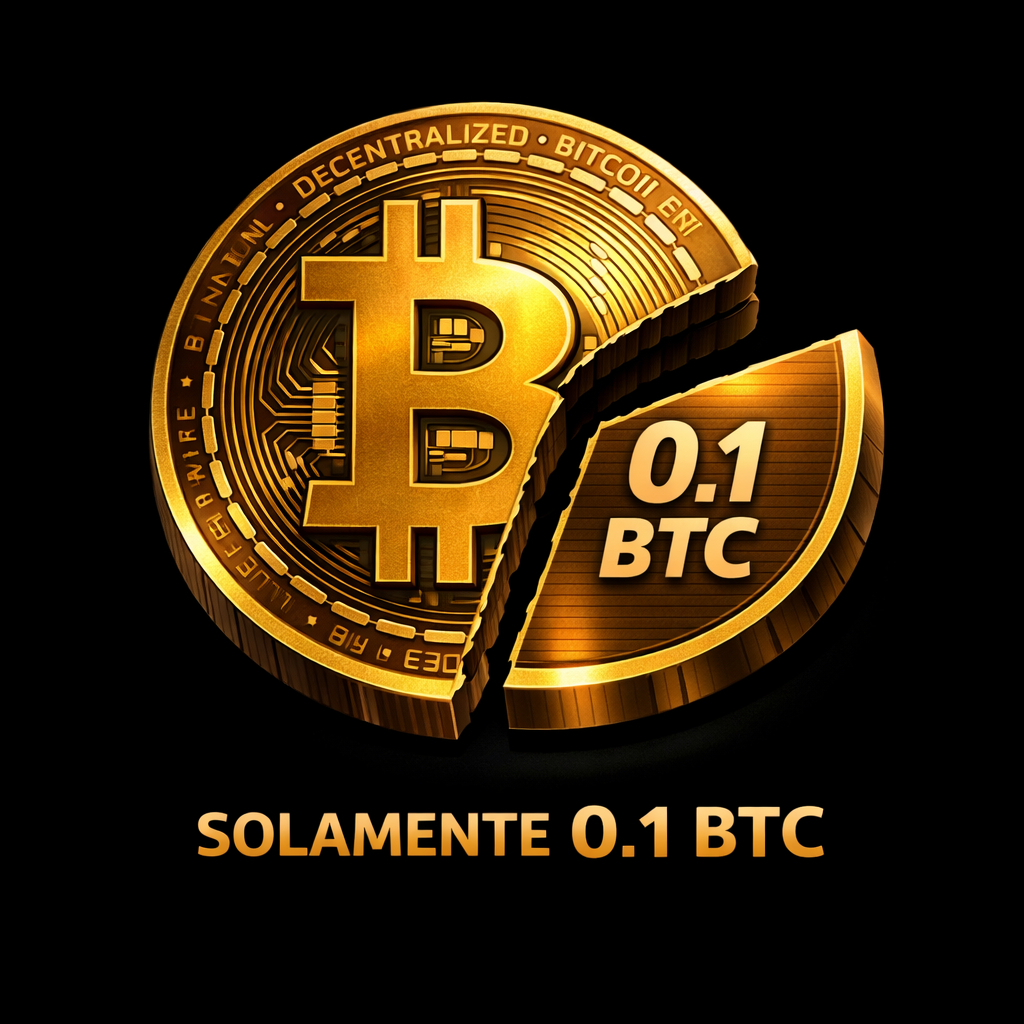
YOU ONLY NEED 0.1 $BTC 🪙.
The idea starts with something simple: the total amount of Bitcoin that will ever exist is capped at 21 million. There can never be more, EVER.
👉 If that figure were distributed among the entire global population, each person would only receive about 0.0026 BTC.
🔹️This means that WHOEVER HOLDS 0.1 BTC is already ABOVE more than 95% of the people in terms of holdings.
🤯 This theory is used to explain the potential scarcity of the asset.
Bitcoin is already consolidating as a global store of value, therefore, EVEN A FRACTION COULD HAVE SIGNIFICANT economic weight.
🤝 This is not a promise of profits, but a way to visualize the magnitude of the emission cap and its impact on supply.
🏛🏦👨💻 As more institutions and users continue to accumulate, each available unit will become harder to obtain.
That's why many within the ecosystem repeat that YOU DON'T NEED TO HAVE 1 WHOLE BITCOIN.
Sometimes, a small part already represents a strong position in a system where the total amount will never change.
#TrendingTopic #analysis #BTC #crypto #news
TRADE HERE 👇🏼
{spot}(BTCUSDT)
YOU ONLY NEED 0.1 $BTC 🪙.
The idea starts with something simple: the total amount of Bitcoin that will ever exist is capped at 21 million. There can never be more, EVER.
👉 If that figure were distributed among the entire global population, each person would only receive about 0.0026 BTC.
🔹️This means that WHOEVER HOLDS 0.1 BTC is already ABOVE more than 95% of the people in terms of holdings.
🤯 This theory is used to explain the potential scarcity of the asset.
Bitcoin is already consolidating as a global store of value, therefore, EVEN A FRACTION COULD HAVE SIGNIFICANT economic weight.
🤝 This is not a promise of profits, but a way to visualize the magnitude of the emission cap and its impact on supply.
🏛🏦👨💻 As more institutions and users continue to accumulate, each available unit will become harder to obtain.
That's why many within the ecosystem repeat that YOU DON'T NEED TO HAVE 1 WHOLE BITCOIN.
Sometimes, a small part already represents a strong position in a system where the total amount will never change.
#TrendingTopic #analysis #BTC #crypto #news
TRADE HERE 👇🏼
6
5
30
11.5k
·
--
Bullish
$AAVE
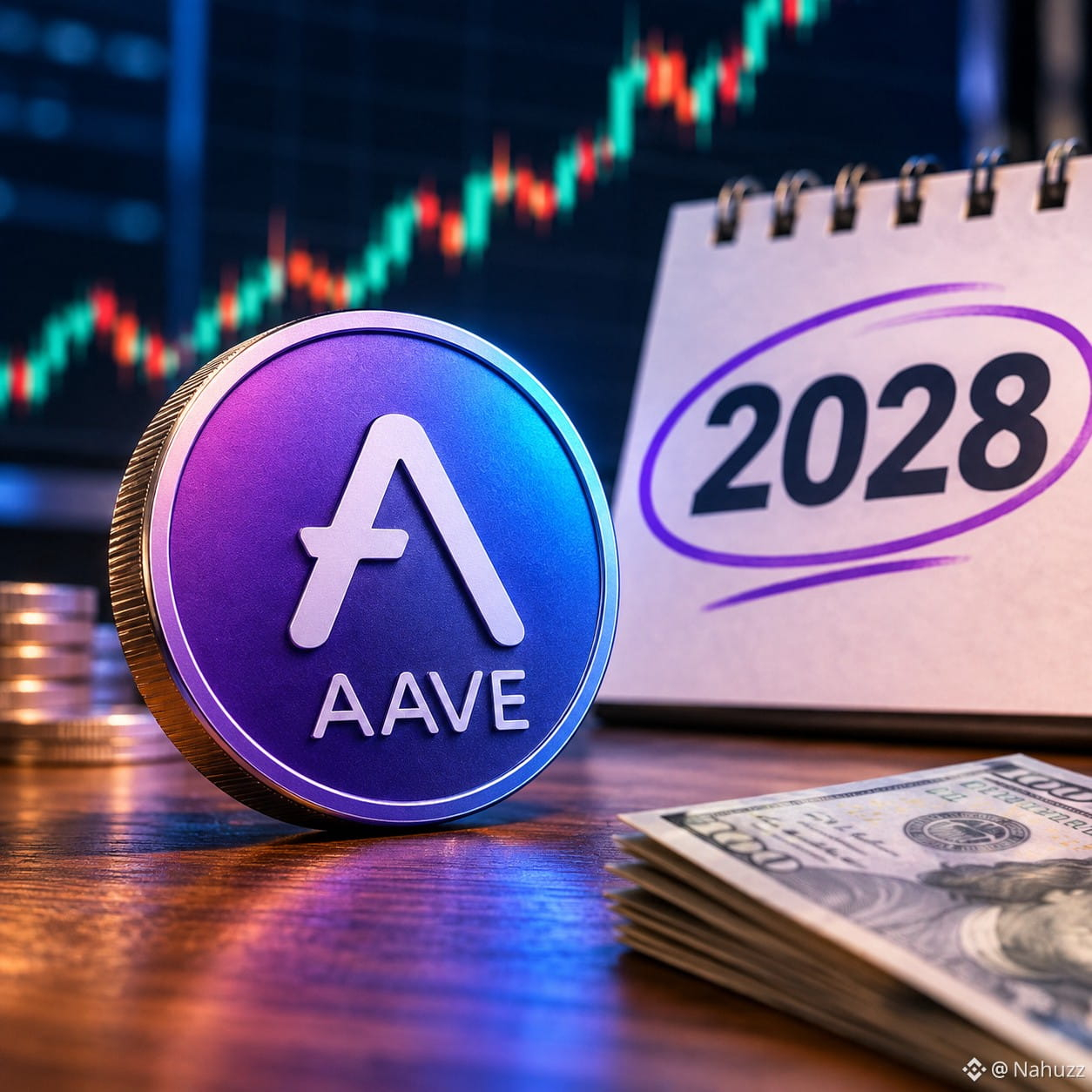
HOW MUCH WOULD $1,000 BE WORTH IN 2028?
Aave is trading near $132.67 and is still approximately 80% below its all-time high in 2021, when it reached $661.69.
The analysis outlines different scenarios for those who invest $1,000 in AAVE at current prices and hold their tokens until the end of 2028.
With that amount, they could buy about 7.54 AAVE.
- If the price reaches $200, the investment would be worth approximately $1,507.
- If it reaches $300, it would rise to $2,261.
- A price of $400 would bring the investment to about $3,015.
There is also a negative scenario: if AAVE falls to $65, that $1,000 would be reduced to about $490.
● Another important development is Aave Labs’ recent acquisition of Avon. The deal brings in fixed- and variable-rate lending technology, as well as an on-chain order book.
The financial details of the acquisition are not yet known, nor is how it could directly benefit AAVE holders.
For these improvements to affect the token, we’ll have to see how they are integrated into the protocol and what changes are made to its economic model.
TRADE HERE 👇
{spot}(AAVEUSDT)
#AAVE #crypto #TrendingTopic #TradingCommunity #defi
$AAVE
HOW MUCH WOULD $1,000 BE WORTH IN 2028?
Aave is trading near $132.67 and is still approximately 80% below its all-time high in 2021, when it reached $661.69.
The analysis outlines different scenarios for those who invest $1,000 in AAVE at current prices and hold their tokens until the end of 2028.
With that amount, they could buy about 7.54 AAVE.
- If the price reaches $200, the investment would be worth approximately $1,507.
- If it reaches $300, it would rise to $2,261.
- A price of $400 would bring the investment to about $3,015.
There is also a negative scenario: if AAVE falls to $65, that $1,000 would be reduced to about $490.
● Another important development is Aave Labs’ recent acquisition of Avon. The deal brings in fixed- and variable-rate lending technology, as well as an on-chain order book.
The financial details of the acquisition are not yet known, nor is how it could directly benefit AAVE holders.
For these improvements to affect the token, we’ll have to see how they are integrated into the protocol and what changes are made to its economic model.
TRADE HERE 👇
#AAVE #crypto #TrendingTopic #TradingCommunity #defi
475
·
--
Bullish
$INJ
INJECTIVE RINGS THE NASDAQ OPENING BELL.
Injective celebrated a new step in its move toward traditional financial markets: the arrival of $INJC on the Nasdaq, accompanied by the traditional opening bell of the U.S. stock exchange.
The event is related to an exchange-traded product tied to Injective, presented as a staking ETF. It aims to offer exposure to the ecosystem through an instrument that operates within traditional financial markets.
For Injective, this presence represents an opportunity to gain visibility among investors who do not yet participate directly in the crypto market.
It also highlights the growing interest in financial products linked to digital assets.
The team called the event a milestone for the project. Now, we’ll see how the market responds to the product, what trading volume it attracts, and whether it manages to spark interest among institutional investors.
TRADE HERE 👇
{spot}(INJUSDT)
#injective #crypto #TrendingTopic #TradingCommunity #altcoins
$INJ
INJECTIVE RINGS THE NASDAQ OPENING BELL.
Injective celebrated a new step in its move toward traditional financial markets: the arrival of $INJC on the Nasdaq, accompanied by the traditional opening bell of the U.S. stock exchange.
The event is related to an exchange-traded product tied to Injective, presented as a staking ETF. It aims to offer exposure to the ecosystem through an instrument that operates within traditional financial markets.
For Injective, this presence represents an opportunity to gain visibility among investors who do not yet participate directly in the crypto market.
It also highlights the growing interest in financial products linked to digital assets.
The team called the event a milestone for the project. Now, we’ll see how the market responds to the product, what trading volume it attracts, and whether it manages to spark interest among institutional investors.
TRADE HERE 👇
#injective #crypto #TrendingTopic #TradingCommunity #altcoins

1
172
·
--
Bullish
$WLFI WILL USE USD1 REVENUE TO BUY ITS TOKENS.
World Liberty Financial announced that it will begin using some of the revenue generated by USD1 reserves to buy WLFI tokens directly on the market.
The new plan links the performance of its stablecoin to purchases of its own token. The greater the activity in USD1, the more revenue may be available to fund these purchases.
WLFI already had a buyback program approved in September 2025. In that vote, 99.8% of participants supported using fees from certain liquidity operations to acquire tokens.
Since then, the project has made several purchases. One of the largest was worth approximately $10 million, with which it acquired around 59 million WLFI.
Now, the yield from USD1 reserves is being added as another source of funding. This change expands the resources available to buy the token.
It is not yet known how much money will be allocated to these purchases or how many WLFI tokens will be bought. It has also not been confirmed whether the acquired tokens will be taken out of circulation.
TRADE HERE 👇
{spot}(WLFIUSDT)
#WLFI #crypto #TrendingTopic #TradingCommunity #TRUMP
$WLFI WILL USE USD1 REVENUE TO BUY ITS TOKENS.
World Liberty Financial announced that it will begin using some of the revenue generated by USD1 reserves to buy WLFI tokens directly on the market.
The new plan links the performance of its stablecoin to purchases of its own token. The greater the activity in USD1, the more revenue may be available to fund these purchases.
WLFI already had a buyback program approved in September 2025. In that vote, 99.8% of participants supported using fees from certain liquidity operations to acquire tokens.
Since then, the project has made several purchases. One of the largest was worth approximately $10 million, with which it acquired around 59 million WLFI.
Now, the yield from USD1 reserves is being added as another source of funding. This change expands the resources available to buy the token.
It is not yet known how much money will be allocated to these purchases or how many WLFI tokens will be bought. It has also not been confirmed whether the acquired tokens will be taken out of circulation.
TRADE HERE 👇
#WLFI #crypto #TrendingTopic #TradingCommunity #TRUMP
1
318
·
--
Bullish
Partly True
$XLM
STELLAR RECORDS $291.4 MILLION GROWTH IN TOKENIZED FUNDS.
Stellar added $291.4 million in tokenized funds over the past 24 hours, the largest growth recorded among the blockchain networks tracked by the RWA Foundation.
That figure put the network far ahead of OP Mainnet, which ranked second with growth approximately 417 times lower over the same period.
This progress expands Stellar’s presence in the RWA market, where blockchain networks are used to represent traditional financial products.
Tokenization makes it possible to move these instruments into digital environments, with the potential to improve settlement processes, access, and transparency.
At the same time, XLM is showing a technical signal that is also drawing attention.
On the four-hour chart, the asset broke out of a falling wedge pattern.
Analyst Globe Of Crypto suggests a possible 35% to 40% upside move, with a target near $0.23.
For that scenario to take shape, XLM needs to hold above the breakout zone and overcome intermediate resistance levels. A drop below that level could weaken the recovery.
For now, Stellar combines notable activity in tokenized funds with a technical structure the market is watching.
TRADE HERE 👇
{spot}(XLMUSDT)
#XLM #crypto #TrendingTopic #TradingCommunity #RWA
$XLM
STELLAR RECORDS $291.4 MILLION GROWTH IN TOKENIZED FUNDS.
Stellar added $291.4 million in tokenized funds over the past 24 hours, the largest growth recorded among the blockchain networks tracked by the RWA Foundation.
That figure put the network far ahead of OP Mainnet, which ranked second with growth approximately 417 times lower over the same period.
This progress expands Stellar’s presence in the RWA market, where blockchain networks are used to represent traditional financial products.
Tokenization makes it possible to move these instruments into digital environments, with the potential to improve settlement processes, access, and transparency.
At the same time, XLM is showing a technical signal that is also drawing attention.
On the four-hour chart, the asset broke out of a falling wedge pattern.
Analyst Globe Of Crypto suggests a possible 35% to 40% upside move, with a target near $0.23.
For that scenario to take shape, XLM needs to hold above the breakout zone and overcome intermediate resistance levels. A drop below that level could weaken the recovery.
For now, Stellar combines notable activity in tokenized funds with a technical structure the market is watching.
TRADE HERE 👇
#XLM #crypto #TrendingTopic #TradingCommunity #RWA

1
821
·
--
Bearish
$SOL
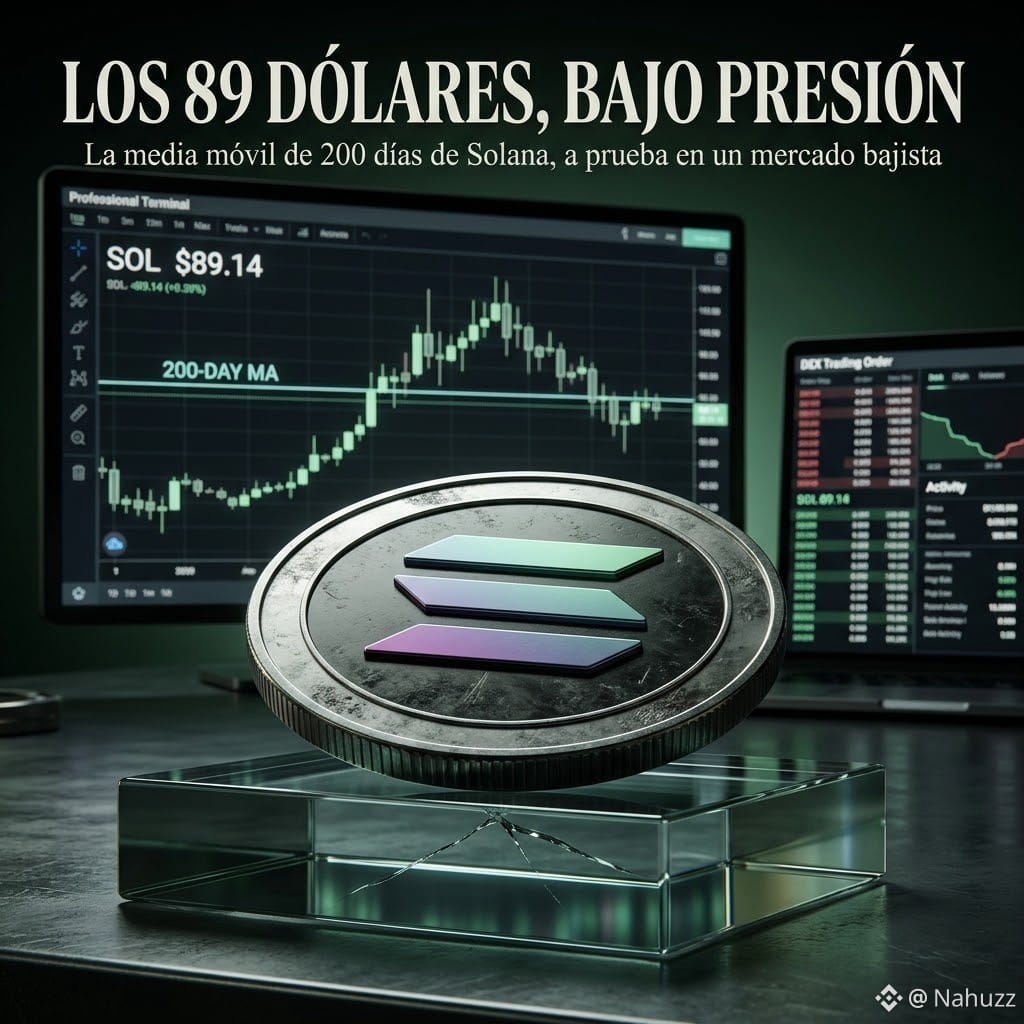
SOLANA TESTS KEY SUPPORT AFTER FALLING 6.5%.
Solana is trading near $89 after a difficult session, down 6.5% in 24 hours and 26% over the month.
The price touched $88.88, almost exactly at its 200-day moving average, which stands at $88.93.
This technical level is especially important because SOL has not recorded a daily close below that average since August 21.
While the price retreats, activity on Solana's decentralized exchanges is showing a different trend.
Trading volume over the past 24 hours reached $2.39 billion, an increase of 26.8%. Over seven days, it totaled $12.39 billion, up 37.6% from the previous week.
Other data point to reduced economic activity: network fees fell 40.3% over 30 days, to $364.2 million.
As for technical levels, the $87.65–$88.93 range is the main support zone.
If SOL manages to recover, it will face resistance at $95.51 and then at $98.74, where its 100-day moving average is located.
Attention is focused on how the price responds around $89.
TRADE HERE 👇
{spot}(SOLUSDT)
#solana #sol #crypto #TradingCommunity #TrendingTopic
$SOL
SOLANA TESTS KEY SUPPORT AFTER FALLING 6.5%.
Solana is trading near $89 after a difficult session, down 6.5% in 24 hours and 26% over the month.
The price touched $88.88, almost exactly at its 200-day moving average, which stands at $88.93.
This technical level is especially important because SOL has not recorded a daily close below that average since August 21.
While the price retreats, activity on Solana's decentralized exchanges is showing a different trend.
Trading volume over the past 24 hours reached $2.39 billion, an increase of 26.8%. Over seven days, it totaled $12.39 billion, up 37.6% from the previous week.
Other data point to reduced economic activity: network fees fell 40.3% over 30 days, to $364.2 million.
As for technical levels, the $87.65–$88.93 range is the main support zone.
If SOL manages to recover, it will face resistance at $95.51 and then at $98.74, where its 100-day moving average is located.
Attention is focused on how the price responds around $89.
TRADE HERE 👇
#solana #sol #crypto #TradingCommunity #TrendingTopic
2
917
·
--
Bearish
$BTC
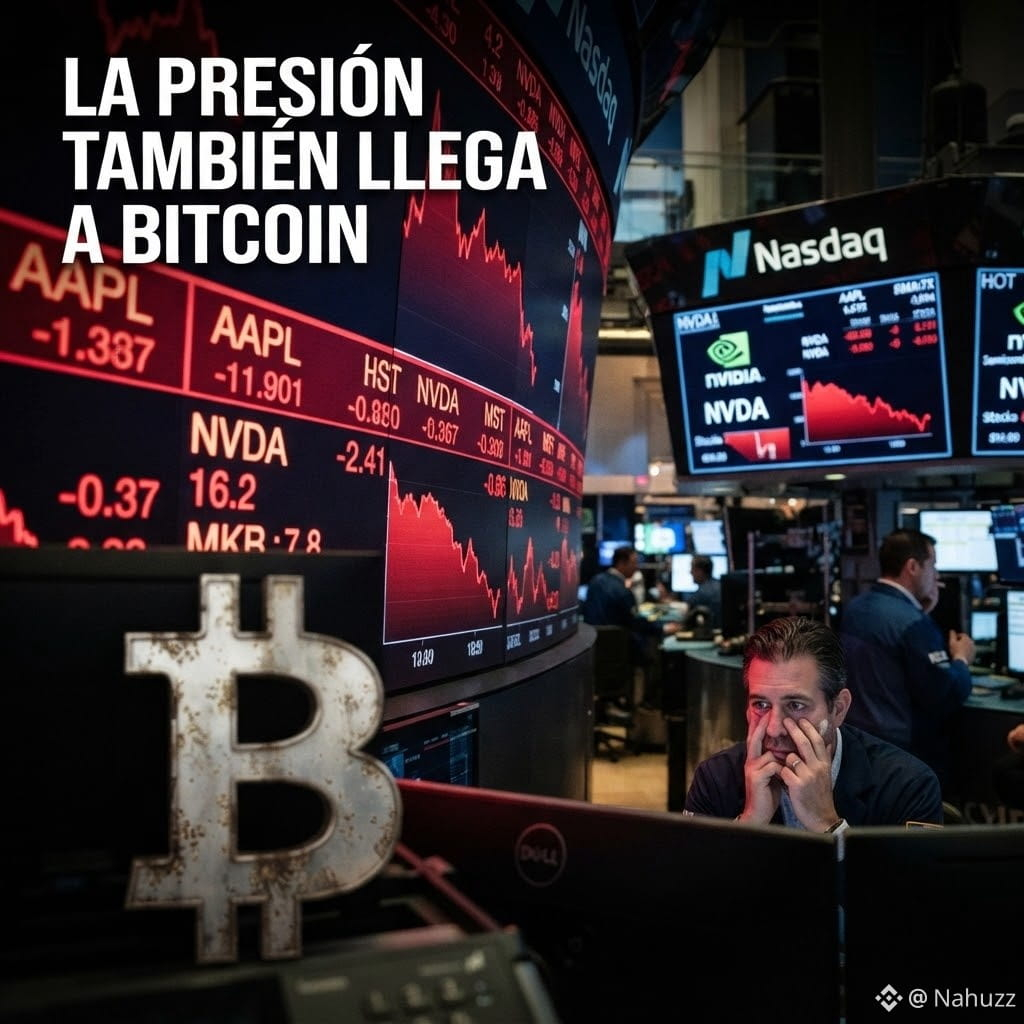
THE TECH STOCK SELLOFF ALSO HITS BITCOIN.
The November 5 Wall Street slump had a direct impact on the crypto market.
The Nasdaq entered correction territory, down more than 10% from its previous high, while semiconductor and artificial intelligence stocks posted steep declines.
- The PHLX Semiconductor Index fell as much as 11%.
- Nvidia and Broadcom fell around 6%, while Qualcomm lost 11%.
- Companies linked to AI infrastructure also suffered, including Nebius, which fell 13%, and Iren, which dropped 14%.
● Bitcoin came under selling pressure and fell more than $5,000 from its high.
One factor behind this reaction is the growing relationship between cryptocurrencies and tech stocks.
When large investors reduce their risk exposure, Bitcoin is also vulnerable to those sell-offs.
The forced closure of leveraged positions added to the pressure:
APPROXIMATELY $370 MILLION IN CRYPTO TRADES in one hour.
Uncertainty over investments in artificial intelligence, political decisions in the United States, and upcoming economic data are keeping the market focused on Wall Street and its impact on Bitcoin.
TRADE HERE 👇
{spot}(BTCUSDT)
#NASDAQ #BTC #WallStreet #crypto #TrendingTopic
$BTC
THE TECH STOCK SELLOFF ALSO HITS BITCOIN.
The November 5 Wall Street slump had a direct impact on the crypto market.
The Nasdaq entered correction territory, down more than 10% from its previous high, while semiconductor and artificial intelligence stocks posted steep declines.
- The PHLX Semiconductor Index fell as much as 11%.
- Nvidia and Broadcom fell around 6%, while Qualcomm lost 11%.
- Companies linked to AI infrastructure also suffered, including Nebius, which fell 13%, and Iren, which dropped 14%.
● Bitcoin came under selling pressure and fell more than $5,000 from its high.
One factor behind this reaction is the growing relationship between cryptocurrencies and tech stocks.
When large investors reduce their risk exposure, Bitcoin is also vulnerable to those sell-offs.
The forced closure of leveraged positions added to the pressure:
APPROXIMATELY $370 MILLION IN CRYPTO TRADES in one hour.
Uncertainty over investments in artificial intelligence, political decisions in the United States, and upcoming economic data are keeping the market focused on Wall Street and its impact on Bitcoin.
TRADE HERE 👇
#NASDAQ #BTC #WallStreet #crypto #TrendingTopic
1
475
·
--
Bullish
$ZEC $BTC $ETH
BITCOIN SURPASSES USD 80,000 AND ZCASH RISES NEARLY 12%.
Bitcoin once again surpassed USD 80,000 after falling as low as USD 75,700. The price reached around USD 80,484, up 5.7% over the past 24 hours.
Ethereum also performed well, gaining 8% to USD 2,425. XRP rose 4.7%, Solana 5.9%, and BNB 4.2%.
But one of the strongest moves came from Zcash, which gained 11.7% to USD 1,318, alongside trading volume of nearly USD 1.2 billion over 24 hours.
Bitcoin's rise coincided with a drop of more than 8% in Brent crude, gains in U.S. stock markets, and a weakening dollar.
The results of the legislative elections are also part of the broader picture, particularly because of their potential effects on the sector's regulation.
In this regard, the new Democratic majority in Congress could hinder the progress of the CLARITY Act and fuel debate about privacy-focused cryptocurrencies.
Zcash also has another date on its calendar: the NU7 upgrade, scheduled for Friday, which aims to reduce the interval between blocks from 75 to 25 seconds.
TRADE HERE 👇
{spot}(ZECUSDT)
{spot}(BTCUSDT)
{spot}(ETHUSDT)
#zec #BTC #crypto #TradingCommunity #TrendingTopic
$ZEC $BTC $ETH
BITCOIN SURPASSES USD 80,000 AND ZCASH RISES NEARLY 12%.
Bitcoin once again surpassed USD 80,000 after falling as low as USD 75,700. The price reached around USD 80,484, up 5.7% over the past 24 hours.
Ethereum also performed well, gaining 8% to USD 2,425. XRP rose 4.7%, Solana 5.9%, and BNB 4.2%.
But one of the strongest moves came from Zcash, which gained 11.7% to USD 1,318, alongside trading volume of nearly USD 1.2 billion over 24 hours.
Bitcoin's rise coincided with a drop of more than 8% in Brent crude, gains in U.S. stock markets, and a weakening dollar.
The results of the legislative elections are also part of the broader picture, particularly because of their potential effects on the sector's regulation.
In this regard, the new Democratic majority in Congress could hinder the progress of the CLARITY Act and fuel debate about privacy-focused cryptocurrencies.
Zcash also has another date on its calendar: the NU7 upgrade, scheduled for Friday, which aims to reduce the interval between blocks from 75 to 25 seconds.
TRADE HERE 👇
#zec #BTC #crypto #TradingCommunity #TrendingTopic
116
·
--
Bullish
$POL
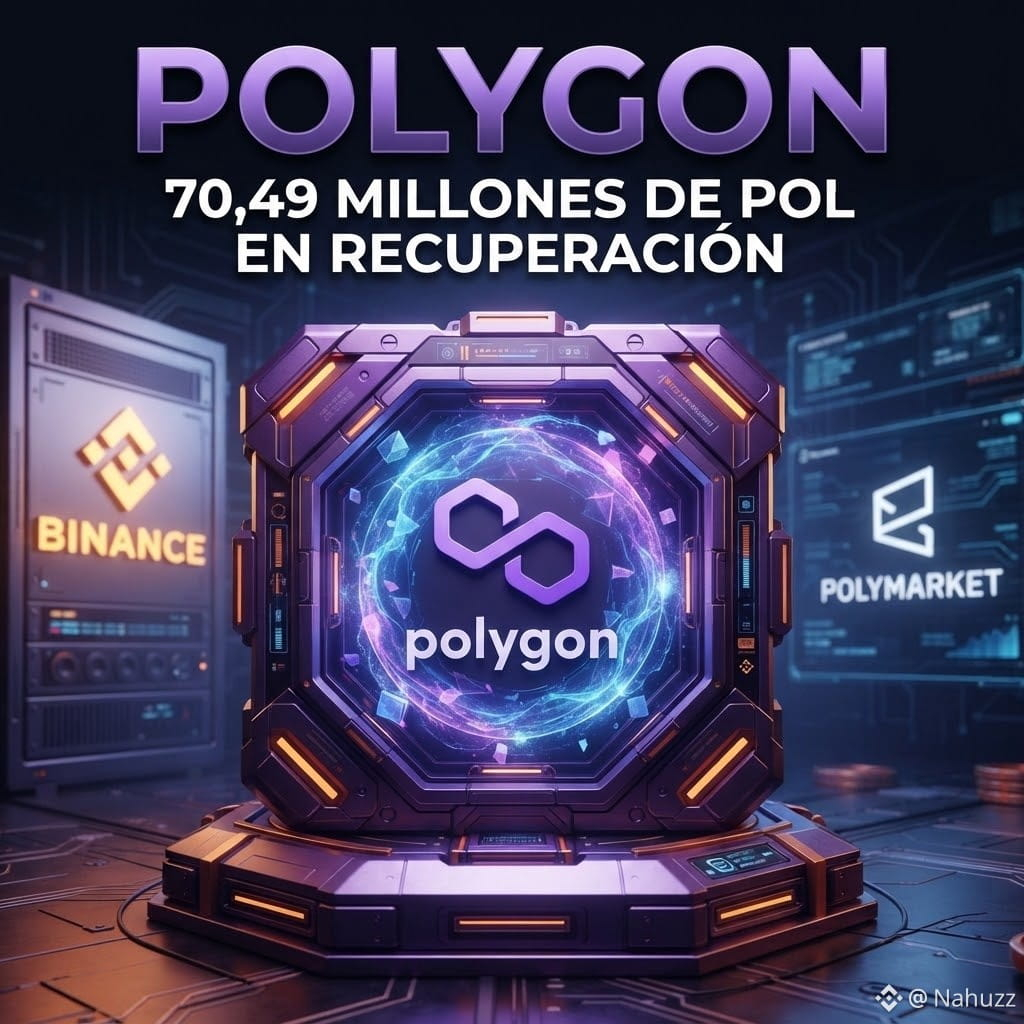
POLYGON PROPOSES RECOVERING 70.49 MILLION POL FOLLOWING ATTACKS ON BINANCE AND POLYMARKET.
Polygon submitted a proposal to upgrade its network and recover approximately 70.49 million POL linked to the attacks on Binance and Polymarket between October 29 and 30.
The funds are distributed across five identified addresses that have been blocked by Polygon PoS block producers.
- Of that total, approximately 23.86 million POL are related to the Polymarket incident and another 46.63 million to the attack on Binance.
The proposal calls for a hard fork to zero out the balances of those addresses and credit the same amounts to recovery wallets designated by the two companies.
The operation would be limited to the native POL identified in the document and would not change the token's total supply.
The measure aims to address a limitation of the current freeze: although the funds cannot be moved, they also cannot be returned to their owners. In addition, new attempts by the attackers to access these assets have been detected.
The plan will be presented on November 5 during Polygon's governance meeting. If approved, development and testing on the Amoy network are estimated to take about two weeks before proceeding to the mainnet.
The proposal also raises a sensitive issue: changing balances through protocol intervention without using the private keys of the affected addresses. For this reason, Polygon describes it as an exceptional measure limited to these two incidents.
TRADE HERE 👇
{spot}(POLUSDT)
#crypto #Polygon #TrendingTopic #TradingCommunity #AltSeasonComing
$POL
POLYGON PROPOSES RECOVERING 70.49 MILLION POL FOLLOWING ATTACKS ON BINANCE AND POLYMARKET.
Polygon submitted a proposal to upgrade its network and recover approximately 70.49 million POL linked to the attacks on Binance and Polymarket between October 29 and 30.
The funds are distributed across five identified addresses that have been blocked by Polygon PoS block producers.
- Of that total, approximately 23.86 million POL are related to the Polymarket incident and another 46.63 million to the attack on Binance.
The proposal calls for a hard fork to zero out the balances of those addresses and credit the same amounts to recovery wallets designated by the two companies.
The operation would be limited to the native POL identified in the document and would not change the token's total supply.
The measure aims to address a limitation of the current freeze: although the funds cannot be moved, they also cannot be returned to their owners. In addition, new attempts by the attackers to access these assets have been detected.
The plan will be presented on November 5 during Polygon's governance meeting. If approved, development and testing on the Amoy network are estimated to take about two weeks before proceeding to the mainnet.
The proposal also raises a sensitive issue: changing balances through protocol intervention without using the private keys of the affected addresses. For this reason, Polygon describes it as an exceptional measure limited to these two incidents.
TRADE HERE 👇
#crypto #Polygon #TrendingTopic #TradingCommunity #AltSeasonComing
2
393
·
--
$XRP
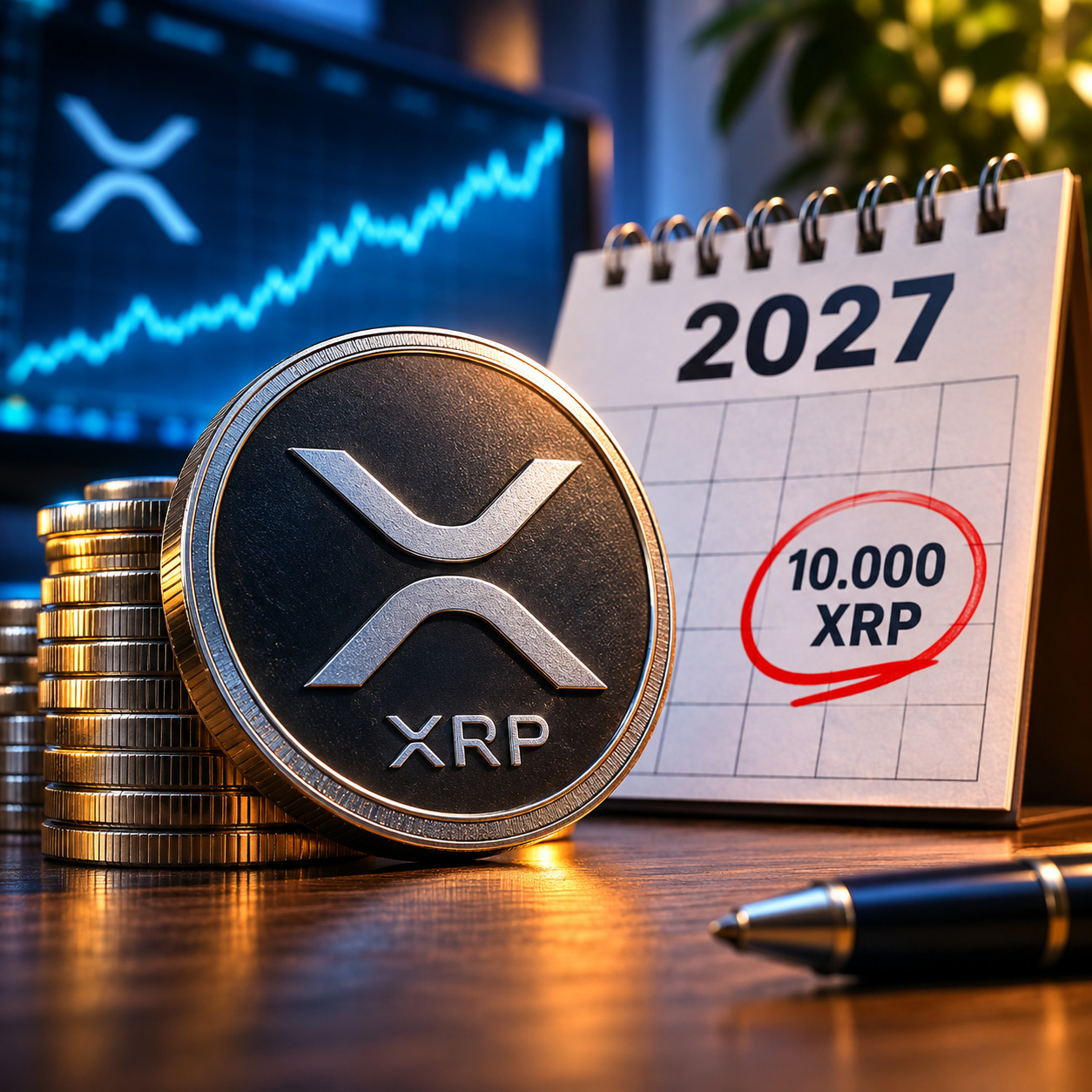
HOW MUCH DO YOU NEED TO INVEST EACH MONTH TO REACH 10,000 XRP IN 2027?
Accumulating 10,000 XRP before December 2027 requires a regular buying strategy.
At a reference price of USD 1.30, reaching that amount with a single purchase would cost USD 13,000.
However, spreading the investment over 14 monthly purchases starting in November 2026 makes it possible to spread out that cost.
The required contributions vary depending on how the price moves:
● If XRP falls to USD 1, you would need to invest USD 816 per month.
● If it stays at USD 1.30, the contribution would be USD 929.
● If it rises to USD 2, you would need USD 1,158 per month.
The estimated average purchase price in each scenario would be USD 1.14, USD 1.30, and USD 1.62, respectively.
XRP is trading 64.4% below its all-time high of USD 3.65, reached in July 2025.
During October, it fluctuated between USD 1.20 and USD 1.56. Over the past month, it fell by 13.8%, although it is still up 25.7% over the past 90 days.
Institutional demand is also significant.
- XRP spot ETFs have seen cumulative net inflows of USD 1.81 billion, but recent flows show a slowdown.
Yesterday, November 3, XRP was trading below its 50-day moving average (USD 1.39) and above its 200-day moving average (USD 1.27).
At these prices, the goal of accumulating 10,000 XRP requires considering both the monthly budget and the price at which purchases are made.
The difference between buying at USD 1.30 and buying at USD 2 considerably changes the total accumulation cost.
TRADE HERE 👇
{spot}(XRPUSDT)
#xrp #crypto #altcoins #TradingCommunity #TrendingTopic
$XRP
HOW MUCH DO YOU NEED TO INVEST EACH MONTH TO REACH 10,000 XRP IN 2027?
Accumulating 10,000 XRP before December 2027 requires a regular buying strategy.
At a reference price of USD 1.30, reaching that amount with a single purchase would cost USD 13,000.
However, spreading the investment over 14 monthly purchases starting in November 2026 makes it possible to spread out that cost.
The required contributions vary depending on how the price moves:
● If XRP falls to USD 1, you would need to invest USD 816 per month.
● If it stays at USD 1.30, the contribution would be USD 929.
● If it rises to USD 2, you would need USD 1,158 per month.
The estimated average purchase price in each scenario would be USD 1.14, USD 1.30, and USD 1.62, respectively.
XRP is trading 64.4% below its all-time high of USD 3.65, reached in July 2025.
During October, it fluctuated between USD 1.20 and USD 1.56. Over the past month, it fell by 13.8%, although it is still up 25.7% over the past 90 days.
Institutional demand is also significant.
- XRP spot ETFs have seen cumulative net inflows of USD 1.81 billion, but recent flows show a slowdown.
Yesterday, November 3, XRP was trading below its 50-day moving average (USD 1.39) and above its 200-day moving average (USD 1.27).
At these prices, the goal of accumulating 10,000 XRP requires considering both the monthly budget and the price at which purchases are made.
The difference between buying at USD 1.30 and buying at USD 2 considerably changes the total accumulation cost.
TRADE HERE 👇
#xrp #crypto #altcoins #TradingCommunity #TrendingTopic
1
1.1k
·
--
Bullish
$ETH
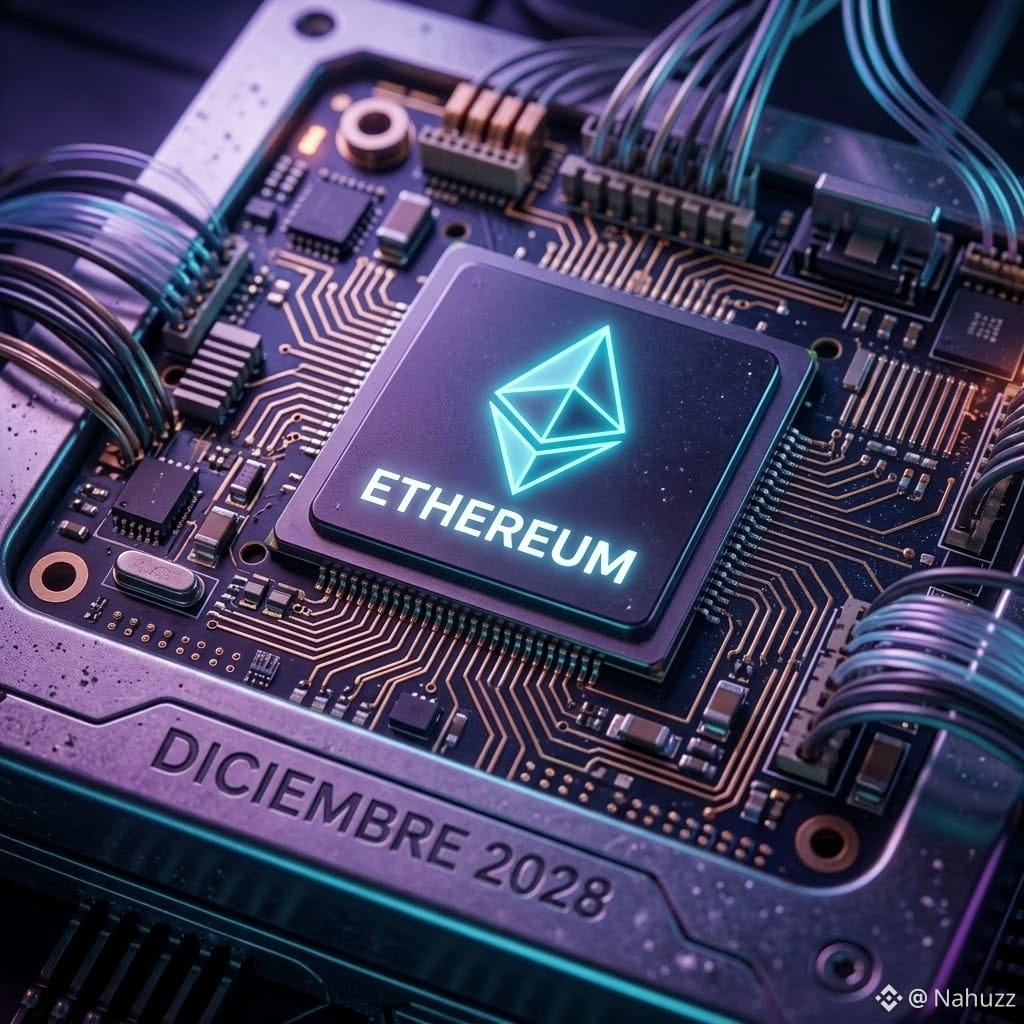
ETHEREUM AIMS TO COMPLETE ITS POST-QUANTUM TRANSITION IN 2028.
Ethereum has brought forward its quantum-computing security goals. Justin Drake, a researcher at the Ethereum Foundation, presented a new target timeline at Devcon: December 2028 to advance the network’s post-quantum transition, one year earlier than previously planned.
The proposal includes implementing protective mechanisms across Ethereum’s three main layers: execution, consensus, and data availability.
The goal is to prepare the entire infrastructure to withstand potential threats arising from future advances in quantum computing.
The technological developments mentioned include leanVM, whose end-to-end formal verification has been completed, and leanXMSS, a hash-based cryptographic signature scheme proposed as an alternative to the BLS signatures currently used in consensus.
The proposal also considers advances in artificial intelligence and rising global cybersecurity risks as factors accelerating the need to prepare the infrastructure.
The timeline is part of an engineering roadmap called Strawmap.
December 2028 is a development target, subject to coordination among technical teams and Ethereum’s governance processes.
TRADE HERE 👇
{spot}(ETHUSDT)
#ETH #crypto #TradingCommunity #TrendingTopic #news
$ETH
ETHEREUM AIMS TO COMPLETE ITS POST-QUANTUM TRANSITION IN 2028.
Ethereum has brought forward its quantum-computing security goals. Justin Drake, a researcher at the Ethereum Foundation, presented a new target timeline at Devcon: December 2028 to advance the network’s post-quantum transition, one year earlier than previously planned.
The proposal includes implementing protective mechanisms across Ethereum’s three main layers: execution, consensus, and data availability.
The goal is to prepare the entire infrastructure to withstand potential threats arising from future advances in quantum computing.
The technological developments mentioned include leanVM, whose end-to-end formal verification has been completed, and leanXMSS, a hash-based cryptographic signature scheme proposed as an alternative to the BLS signatures currently used in consensus.
The proposal also considers advances in artificial intelligence and rising global cybersecurity risks as factors accelerating the need to prepare the infrastructure.
The timeline is part of an engineering roadmap called Strawmap.
December 2028 is a development target, subject to coordination among technical teams and Ethereum’s governance processes.
TRADE HERE 👇
#ETH #crypto #TradingCommunity #TrendingTopic #news
1
148
·
--
Bullish
$SUI : SOLID BOUNCE AFTER DEFENDING KEY SUPPORT LEVELS.
● Current price: Around $0.90 USD, with positive daily momentum of more than 3.5%.
● Recent lows range: The price rebounded strongly after touching a lower support zone between $0.82 and $0.85 USD.
● Order dynamics: The order book shows dominant buying pressure, accounting for more than 56% of short-term demand relative to supply.
● Short-term technical indicators: The daily and hourly RSI show a clear pickup in buying strength (moving out of previously weak territory and rising above 60), accompanied by a move above the fast moving averages (short-term EMAs).
● Macro context and levels to watch: Despite a cumulative correction over the monthly timeframe, the current structure confirms a temporary bottom. The critical level to hold to sustain the uptrend is around $0.88 USD.
TRADE HERE 👇
{spot}(SUIUSDT)
#sui #crypto #TrendingTopic #TradingCommunity #AltSeasonComing
$SUI : SOLID BOUNCE AFTER DEFENDING KEY SUPPORT LEVELS.
● Current price: Around $0.90 USD, with positive daily momentum of more than 3.5%.
● Recent lows range: The price rebounded strongly after touching a lower support zone between $0.82 and $0.85 USD.
● Order dynamics: The order book shows dominant buying pressure, accounting for more than 56% of short-term demand relative to supply.
● Short-term technical indicators: The daily and hourly RSI show a clear pickup in buying strength (moving out of previously weak territory and rising above 60), accompanied by a move above the fast moving averages (short-term EMAs).
● Macro context and levels to watch: Despite a cumulative correction over the monthly timeframe, the current structure confirms a temporary bottom. The critical level to hold to sustain the uptrend is around $0.88 USD.
TRADE HERE 👇
#sui #crypto #TrendingTopic #TradingCommunity #AltSeasonComing

2
356
·
--
Bullish
Verified
$XRP : 33 VALIDATORS SUPPORT A KEY LEDGER UPDATE.
XRP broke out to the upside this Tuesday after trading within a narrow range for several days. Its price rose to $1.278, up 2.1% in 24 hours, while Bitcoin fell 0.7%.
The move comes as fixCleanup3_4_0 approaches, an XRP Ledger update scheduled to activate no earlier than Wednesday, November 4.
The proposal already has the support of 33 of the 35 trusted validators, well above the required minimum.
Its main goal is to fix an issue related to PaymentBurn permissions, which under certain circumstances could allow a delegate to carry out token issuance operations without the appropriate authorization.
The vulnerability affects assets issued on the ledger, such as stablecoins and other tokens, but does not directly put XRP at risk, as its supply cannot be increased through this mechanism.
Technically, the $1.2646 support level and $1.30 initial resistance level are drawing attention. A break below the first level could send the price back into its previous range, while a move above the second could open the way for a larger recovery.
The update represents a security improvement for the ecosystem, and price action will still need to confirm whether the recent advance can continue.
TRADE HERE 👇
{spot}(XRPUSDT)
#xrp #crypto #TradingCommunity #TrendingTopic #altcoins
$XRP : 33 VALIDATORS SUPPORT A KEY LEDGER UPDATE.
XRP broke out to the upside this Tuesday after trading within a narrow range for several days. Its price rose to $1.278, up 2.1% in 24 hours, while Bitcoin fell 0.7%.
The move comes as fixCleanup3_4_0 approaches, an XRP Ledger update scheduled to activate no earlier than Wednesday, November 4.
The proposal already has the support of 33 of the 35 trusted validators, well above the required minimum.
Its main goal is to fix an issue related to PaymentBurn permissions, which under certain circumstances could allow a delegate to carry out token issuance operations without the appropriate authorization.
The vulnerability affects assets issued on the ledger, such as stablecoins and other tokens, but does not directly put XRP at risk, as its supply cannot be increased through this mechanism.
Technically, the $1.2646 support level and $1.30 initial resistance level are drawing attention. A break below the first level could send the price back into its previous range, while a move above the second could open the way for a larger recovery.
The update represents a security improvement for the ecosystem, and price action will still need to confirm whether the recent advance can continue.
TRADE HERE 👇
#xrp #crypto #TradingCommunity #TrendingTopic #altcoins

1
743
·
--
Verified
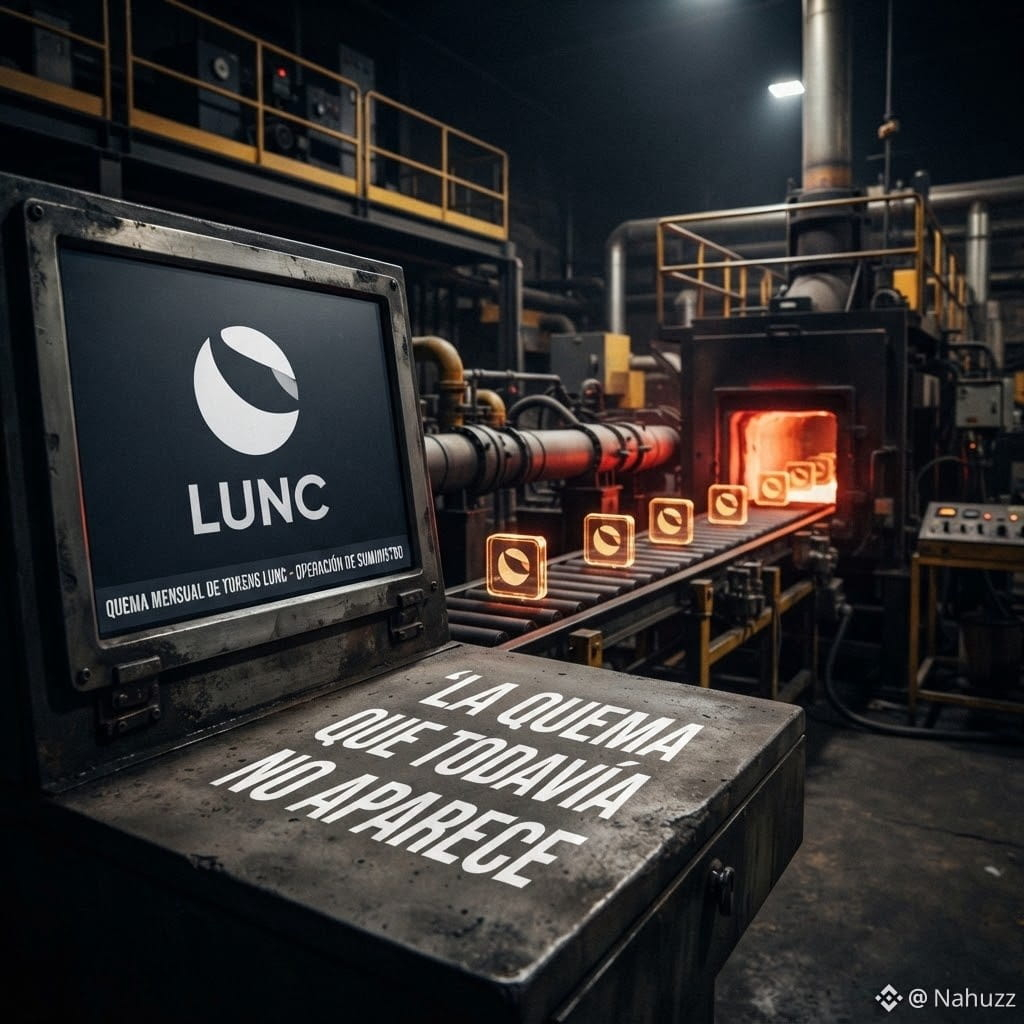
$LUNC : BINANCE'S NOVEMBER BURN HAS STILL NOT BEEN RECORDED.
The Terra Luna Classic monthly burn for November still does not appear in StatsBin's records.
The omission breaks a streak of 44 consecutive months with recorded transactions, which ran from March 2023 through October 2026.
The latest recorded transaction took place on October 1, when Binance removed 334.88 million LUNC from circulation.
According to the tracker data, Binance has burned a total of 88.1 billion LUNC in 50 transactions.
Monthly amounts have varied significantly: 275.65 million were recorded in August 2026, while the figure reached 5.3 billion tokens in January.
For now, the lack of a record does not confirm that Binance has suspended the mechanism. StatsBin also warns that a month with no visible transaction should not automatically be interpreted as a burn of zero.
Attention is focused on whether the November transaction appears late or Binance announces a change to its usual schedule. For the moment, the only confirmed fact is that the burn has not yet appeared on the tracker.
TRADE HERE 👇
{spot}(LUNCUSDT)
#LUNC #crypto #TradingCommunity #TrendingTopic #burn
$LUNC : BINANCE'S NOVEMBER BURN HAS STILL NOT BEEN RECORDED.
The Terra Luna Classic monthly burn for November still does not appear in StatsBin's records.
The omission breaks a streak of 44 consecutive months with recorded transactions, which ran from March 2023 through October 2026.
The latest recorded transaction took place on October 1, when Binance removed 334.88 million LUNC from circulation.
According to the tracker data, Binance has burned a total of 88.1 billion LUNC in 50 transactions.
Monthly amounts have varied significantly: 275.65 million were recorded in August 2026, while the figure reached 5.3 billion tokens in January.
For now, the lack of a record does not confirm that Binance has suspended the mechanism. StatsBin also warns that a month with no visible transaction should not automatically be interpreted as a burn of zero.
Attention is focused on whether the November transaction appears late or Binance announces a change to its usual schedule. For the moment, the only confirmed fact is that the burn has not yet appeared on the tracker.
TRADE HERE 👇
#LUNC #crypto #TradingCommunity #TrendingTopic #burn
1
1
787
·
--
Bearish
$ZEC
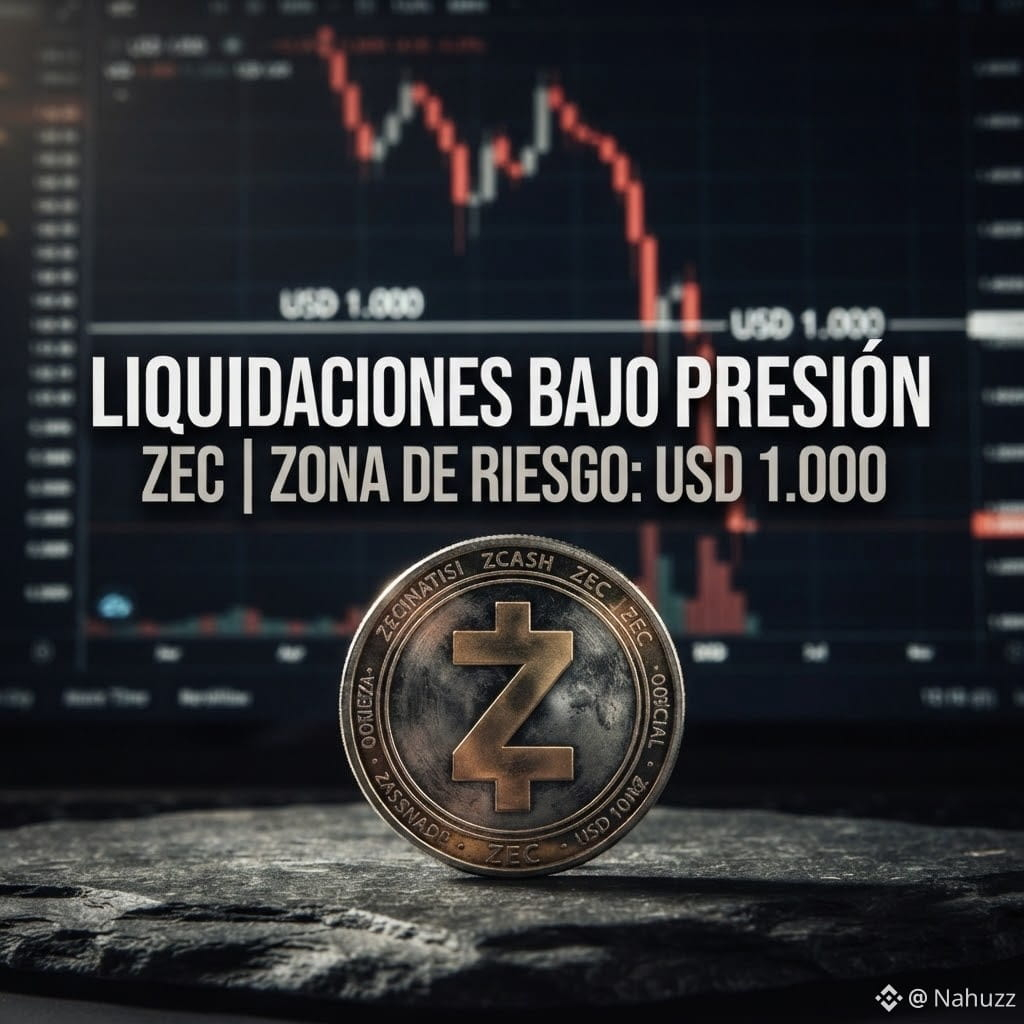
ZCASH FALLS SHARPLY AND $1,000 IS BACK ON THE RADAR.
ZEC is having a difficult day after recording a drop of nearly 11% over the past 24 hours.
The price is hovering around $1,140 after losing key support levels and breaking a trendline that had been sustaining its recovery.
The pressure is also reflected in the derivatives market.
Over the past 24 hours, $13.61 million in leveraged positions were liquidated, of which approximately $12.03 million were long positions.
- This represents about 88% of the total and shows the impact the drop had on traders betting on a rise.
Attention is now focused on $1,100. If ZEC loses that level on a daily close, the next significant support is near $1,001, an area that could increase pressure on larger leveraged positions.
Conversely, reclaiming $1,201 would be an initial sign of improvement and would make it possible to assess a potential return toward $1,319.
After reaching highs near $1,700 in September, Zcash is facing a correction that is once again putting its trend structure to the test.
TRADE HERE 👇
{spot}(ZECUSDT)
#zec #crypto #TrendingTopic #TradingCommunity #altcoins
$ZEC
ZCASH FALLS SHARPLY AND $1,000 IS BACK ON THE RADAR.
ZEC is having a difficult day after recording a drop of nearly 11% over the past 24 hours.
The price is hovering around $1,140 after losing key support levels and breaking a trendline that had been sustaining its recovery.
The pressure is also reflected in the derivatives market.
Over the past 24 hours, $13.61 million in leveraged positions were liquidated, of which approximately $12.03 million were long positions.
- This represents about 88% of the total and shows the impact the drop had on traders betting on a rise.
Attention is now focused on $1,100. If ZEC loses that level on a daily close, the next significant support is near $1,001, an area that could increase pressure on larger leveraged positions.
Conversely, reclaiming $1,201 would be an initial sign of improvement and would make it possible to assess a potential return toward $1,319.
After reaching highs near $1,700 in September, Zcash is facing a correction that is once again putting its trend structure to the test.
TRADE HERE 👇
#zec #crypto #TrendingTopic #TradingCommunity #altcoins
1
827
·
--
Article
DefiLlama: HOW TO USE ONE OF THE MOST IMPORTANT TOOLS FOR ANALYZING THE DEFI MARKETThe decentralized finance market generates a huge amount of information: capital deposited in protocols, transactions, fees, revenue, liquidity, and yields.
Interpreting all this data can be complicated without tools to organize and compare it.
In this context, DefiLlama has become a go-to platform for analyzing the DeFi ecosystem.
Its main advantage is that it lets you access information on hundreds of protocols and blockchains in one place, without having to register or pay to view their key statistics.
DefiLlama: HOW TO USE ONE OF THE MOST IMPORTANT TOOLS FOR ANALYZING THE DEFI MARKET
The decentralized finance market generates a huge amount of information: capital deposited in protocols, transactions, fees, revenue, liquidity, and yields.
Interpreting all this data can be complicated without tools to organize and compare it.
In this context, DefiLlama has become a go-to platform for analyzing the DeFi ecosystem.
Its main advantage is that it lets you access information on hundreds of protocols and blockchains in one place, without having to register or pay to view their key statistics.
578
·
--
Bullish
$PEPE $STX $HYPE
THREE ALTCOINS WITH IMPORTANT TECHNICAL LEVELS TO WATCH IN NOVEMBER.
November begins with the crypto market under pressure, with Bitcoin falling below $77,000. However, three altcoins are maintaining technical structures that could favor a recovery if they manage to defend their key support levels.
HYPERLIQUID: HYPE is trading around $84 and is testing an important zone at $85.19, corresponding to a Fibonacci level. Reclaiming that level could open the way toward $97.99, its all-time high. If weakness continues, the next significant support is at $75.14.
PEPE: The meme token is attempting to hold a breakout from a range that had constrained its price for several months. The $0.00000474 zone is important for maintaining that structure. If it manages to rebound, the next resistance levels are at $0.00000534 and $0.00000618.
STACKS: After a correction of nearly 42% from its October highs, STX recovered from $0.2852. It now faces resistance at $0.3248 and $0.34. Breaking above the latter level could pave the way for a recovery toward $0.3811.
The three tokens enter November at important technical levels. They need to break through resistance to confirm a recovery and reverse the recent trend.
TRADE HERE
{spot}(HYPEUSDT)
{spot}(PEPEUSDT)
{spot}(STXUSDT)
#altcoins #crypto #TradingCommunity #TrendingTopic #PEPE
$PEPE $STX $HYPE
THREE ALTCOINS WITH IMPORTANT TECHNICAL LEVELS TO WATCH IN NOVEMBER.
November begins with the crypto market under pressure, with Bitcoin falling below $77,000. However, three altcoins are maintaining technical structures that could favor a recovery if they manage to defend their key support levels.
HYPERLIQUID: HYPE is trading around $84 and is testing an important zone at $85.19, corresponding to a Fibonacci level. Reclaiming that level could open the way toward $97.99, its all-time high. If weakness continues, the next significant support is at $75.14.
PEPE: The meme token is attempting to hold a breakout from a range that had constrained its price for several months. The $0.00000474 zone is important for maintaining that structure. If it manages to rebound, the next resistance levels are at $0.00000534 and $0.00000618.
STACKS: After a correction of nearly 42% from its October highs, STX recovered from $0.2852. It now faces resistance at $0.3248 and $0.34. Breaking above the latter level could pave the way for a recovery toward $0.3811.
The three tokens enter November at important technical levels. They need to break through resistance to confirm a recovery and reverse the recent trend.
TRADE HERE
#altcoins #crypto #TradingCommunity #TrendingTopic #PEPE

282
·
--
$DOT
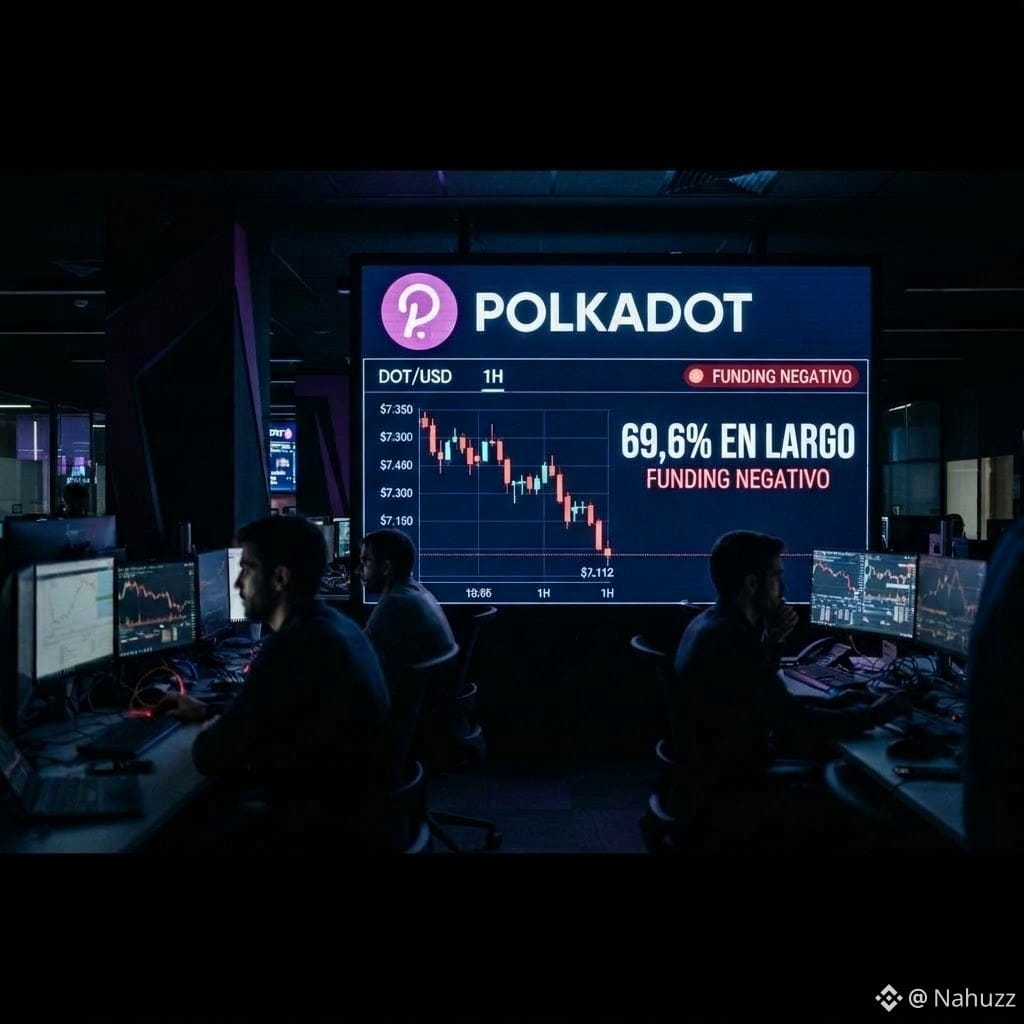
69% OF ACCOUNTS ARE BETTING ON A RISE, BUT THE MARKET IS SENDING A DIFFERENT SIGNAL.
Polkadot is trading near $0.94 after accumulating a 20.7% decline over the past 30 days. However, one of the most striking data points comes from the futures market.
On OKX, 69.6% of accounts with open DOT positions are maintaining bullish bets. The long/short ratio stands at 2.29, meaning there are more than two long accounts for every short account.
But the funding rate has turned negative. This indicates that perpetual contracts are trading below the spot price and that short positions are paying long positions.
The difference between the two indicators suggests that although more participants are betting on a recovery, bearish positions account for a greater volume of capital.
Another relevant data point is that 81% of the liquidations recorded on November 2 were long positions. In addition, open interest has fallen 13.7% since October 28, to $9.84 million.
For now, DOT remains below $1, and futures positioning reflects a market still weighed down by bearish pressure.
TRADE HERE 👇
{spot}(DOTUSDT)
#dot #crypto #TradingCommunity #TrendingTopic #news
$DOT
69% OF ACCOUNTS ARE BETTING ON A RISE, BUT THE MARKET IS SENDING A DIFFERENT SIGNAL.
Polkadot is trading near $0.94 after accumulating a 20.7% decline over the past 30 days. However, one of the most striking data points comes from the futures market.
On OKX, 69.6% of accounts with open DOT positions are maintaining bullish bets. The long/short ratio stands at 2.29, meaning there are more than two long accounts for every short account.
But the funding rate has turned negative. This indicates that perpetual contracts are trading below the spot price and that short positions are paying long positions.
The difference between the two indicators suggests that although more participants are betting on a recovery, bearish positions account for a greater volume of capital.
Another relevant data point is that 81% of the liquidations recorded on November 2 were long positions. In addition, open interest has fallen 13.7% since October 28, to $9.84 million.
For now, DOT remains below $1, and futures positioning reflects a market still weighed down by bearish pressure.
TRADE HERE 👇
#dot #crypto #TradingCommunity #TrendingTopic #news
1
731
·
--
Bearish
$DOGE
DOGECOIN RECORDS ITS FIRST DEATH CROSS OF 2026 AS WHALES REDUCE THEIR HOLDINGS.
Dogecoin is facing a challenging technical outlook.
On October 28, the first death cross of the year was confirmed, as the 50-day moving average fell below the 200-day moving average. This signal reflects a weakening medium-term trend.
This is compounded by a shift in the behavior of large holders.
- According to Santiment data, addresses holding between 10 and 100 million DOGE have reduced their holdings by approximately 120 million tokens since Thursday, equivalent to about $8.8 million.
Over the same period, smaller wallets accumulated around 100 million DOGE. The difference leaves a balance of 20 million tokens that these groups did not absorb.
The price also fell below support at $0.075 again, reaching around $0.0737. The next key levels are at $0.0731 and $0.0721, while the $0.068 zone appears to be a more significant support level.
For now, DOGE remains below its main moving averages and needs to reclaim $0.079 to begin showing technical improvement.
TRADE HERE 👇
{spot}(DOGEUSDT)
#DOGE #TradingCommunity #TrendingTopic #crypto #Whale.Alert
$DOGE
DOGECOIN RECORDS ITS FIRST DEATH CROSS OF 2026 AS WHALES REDUCE THEIR HOLDINGS.
Dogecoin is facing a challenging technical outlook.
On October 28, the first death cross of the year was confirmed, as the 50-day moving average fell below the 200-day moving average. This signal reflects a weakening medium-term trend.
This is compounded by a shift in the behavior of large holders.
- According to Santiment data, addresses holding between 10 and 100 million DOGE have reduced their holdings by approximately 120 million tokens since Thursday, equivalent to about $8.8 million.
Over the same period, smaller wallets accumulated around 100 million DOGE. The difference leaves a balance of 20 million tokens that these groups did not absorb.
The price also fell below support at $0.075 again, reaching around $0.0737. The next key levels are at $0.0731 and $0.0721, while the $0.068 zone appears to be a more significant support level.
For now, DOGE remains below its main moving averages and needs to reclaim $0.079 to begin showing technical improvement.
TRADE HERE 👇
#DOGE #TradingCommunity #TrendingTopic #crypto #Whale.Alert

1
556
·
--
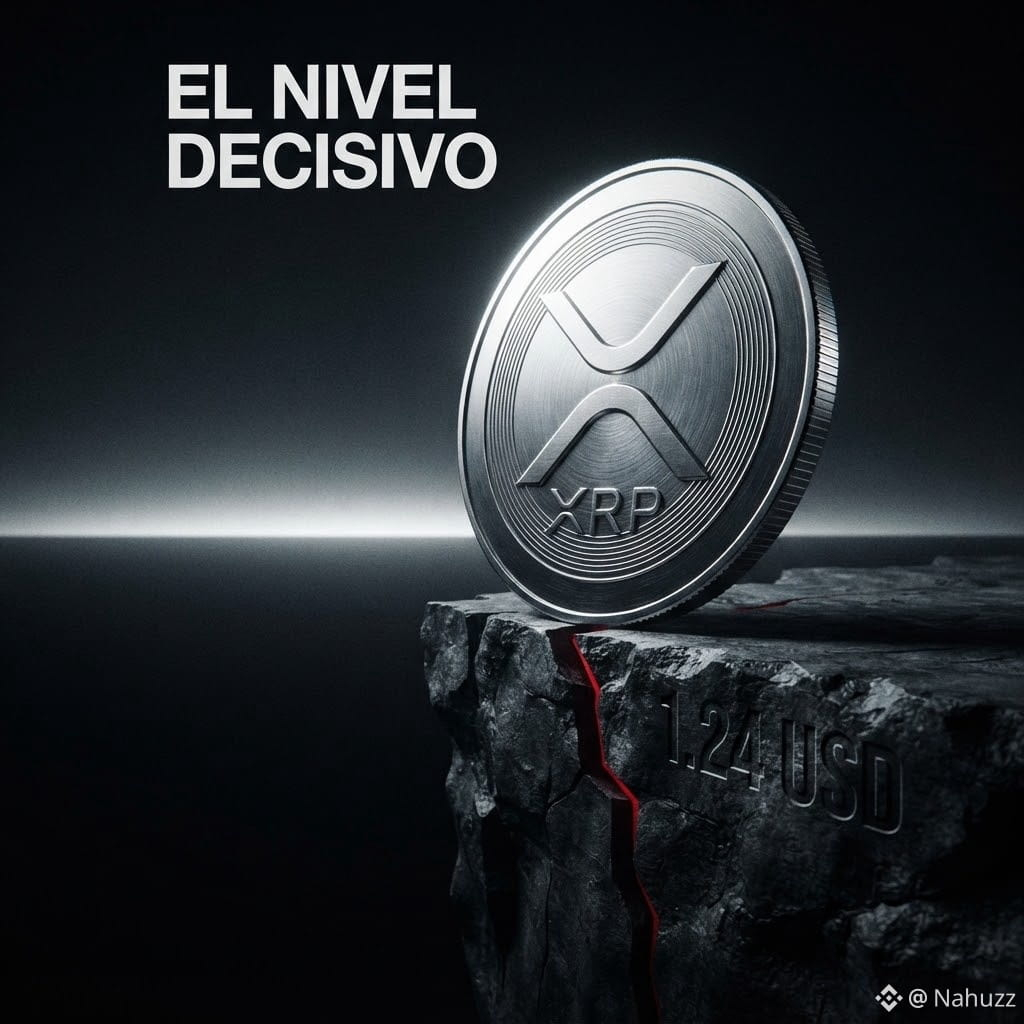
$XRP NEARS A LEVEL THAT COULD ACCELERATE LIQUIDATIONS.
The token is trading near $1.25, with a particularly important level at $1.24.
A break below that zone could increase selling pressure and trigger liquidations of leveraged positions.
Analyst Ali Martinez noted that the Bollinger Bands on the four-hour chart are compressed to a degree not seen since August.
- On that occasion, XRP rose 71% in just three days.
However, this indicator signals a possible expansion in volatility, but does not determine which direction it will take.
The levels he identifies are $1.27 to the upside and $1.23 to the downside. A four-hour candle above $1.27 would favor a bullish signal, while a close below $1.23 would indicate further weakness.
Meanwhile, Cryptoinsightuk warns of an increased risk of liquidations.
Open interest grew by 6.7% in both dollars and XRP, while the price fell 0.15%.
- This difference, together with positive funding rates, points to greater exposure to leveraged long positions.
The $1.24 zone thus remains an important level to watch for XRP's performance in the coming sessions.
TRADE HERE $XRP
{spot}(XRPUSDT)
#xrp #crypto #TradingCommunity #TrendingTopic #analysis
$XRP NEARS A LEVEL THAT COULD ACCELERATE LIQUIDATIONS.
The token is trading near $1.25, with a particularly important level at $1.24.
A break below that zone could increase selling pressure and trigger liquidations of leveraged positions.
Analyst Ali Martinez noted that the Bollinger Bands on the four-hour chart are compressed to a degree not seen since August.
- On that occasion, XRP rose 71% in just three days.
However, this indicator signals a possible expansion in volatility, but does not determine which direction it will take.
The levels he identifies are $1.27 to the upside and $1.23 to the downside. A four-hour candle above $1.27 would favor a bullish signal, while a close below $1.23 would indicate further weakness.
Meanwhile, Cryptoinsightuk warns of an increased risk of liquidations.
Open interest grew by 6.7% in both dollars and XRP, while the price fell 0.15%.
- This difference, together with positive funding rates, points to greater exposure to leveraged long positions.
The $1.24 zone thus remains an important level to watch for XRP's performance in the coming sessions.
TRADE HERE $XRP
#xrp #crypto #TradingCommunity #TrendingTopic #analysis
3
3.1k
Log in to explore more content
Join global crypto users on Binance Square
⚡️ Get latest and useful information about crypto.
💬 Trusted by the world’s largest crypto exchange.
👍 Discover real insights from verified creators.
Email / Phone number
Trending Topics
JobsReportRaisesHikeOdds
305,011 views
2,353 Discussing
TradFi News | US Adds 165,000 Jobs in October, More Than Double the 65,000 Forecast, as Unemployment Falls to 4.1%
Binance News
·38 Likes
·23.5k views
CPITestsDecemberRateOutlook
42,788 views
522 Discussing
BitcoinRebounds$75KAsChipsLead
25,025 views
240 Discussing