

#cryptosecurity
cryptosecurity
8.8M views
13,053 Discussing
Hot
Latest

🔥 Social engineering attacks aren't just phishing—they're the new frontier for crypto theft.
📊 Ripple just released North Korea‑linked threat intel after the $280 million Drift hack, underscoring how criminal groups are moving from raw exploits to crafted lures. #CryptoSecurity #NorthKorea
💡 When attackers master human psychology, the whole market feels the pressure—Bitcoin slipped to $79,879 with RSI 38.2 and a bullish MACD crossover, while ETH sits at $2,308, RSI 37.3, highlighting that technical safeguards alone won’t protect assets. #MarketRisk #OnChain
🛠️ Start treating every unsolicited link or Discord invite as a potential trap; verify contracts on‑chain—smart wallets are already piling into Solana’s DNA (+4.1%) and BSC’s ZIG (+2.3%), proving that vigilant investors stay one step ahead.
❓ How are you adjusting your security habits now that social engineering is the hottest weapon in the crypto arsenal?
🔥 Social engineering attacks aren't just phishing—they're the new frontier for crypto theft.
📊 Ripple just released North Korea‑linked threat intel after the $280 million Drift hack, underscoring how criminal groups are moving from raw exploits to crafted lures. #CryptoSecurity #NorthKorea
💡 When attackers master human psychology, the whole market feels the pressure—Bitcoin slipped to $79,879 with RSI 38.2 and a bullish MACD crossover, while ETH sits at $2,308, RSI 37.3, highlighting that technical safeguards alone won’t protect assets. #MarketRisk #OnChain
🛠️ Start treating every unsolicited link or Discord invite as a potential trap; verify contracts on‑chain—smart wallets are already piling into Solana’s DNA (+4.1%) and BSC’s ZIG (+2.3%), proving that vigilant investors stay one step ahead.
❓ How are you adjusting your security habits now that social engineering is the hottest weapon in the crypto arsenal?
📊 Ripple just released North Korea‑linked threat intel after the $280 million Drift hack, underscoring how criminal groups are moving from raw exploits to crafted lures. #CryptoSecurity #NorthKorea
💡 When attackers master human psychology, the whole market feels the pressure—Bitcoin slipped to $79,879 with RSI 38.2 and a bullish MACD crossover, while ETH sits at $2,308, RSI 37.3, highlighting that technical safeguards alone won’t protect assets. #MarketRisk #OnChain
🛠️ Start treating every unsolicited link or Discord invite as a potential trap; verify contracts on‑chain—smart wallets are already piling into Solana’s DNA (+4.1%) and BSC’s ZIG (+2.3%), proving that vigilant investors stay one step ahead.
❓ How are you adjusting your security habits now that social engineering is the hottest weapon in the crypto arsenal?
2

·
--
$16M Lost — Who Is Responsible When Old Deposit Addresses Still Work?
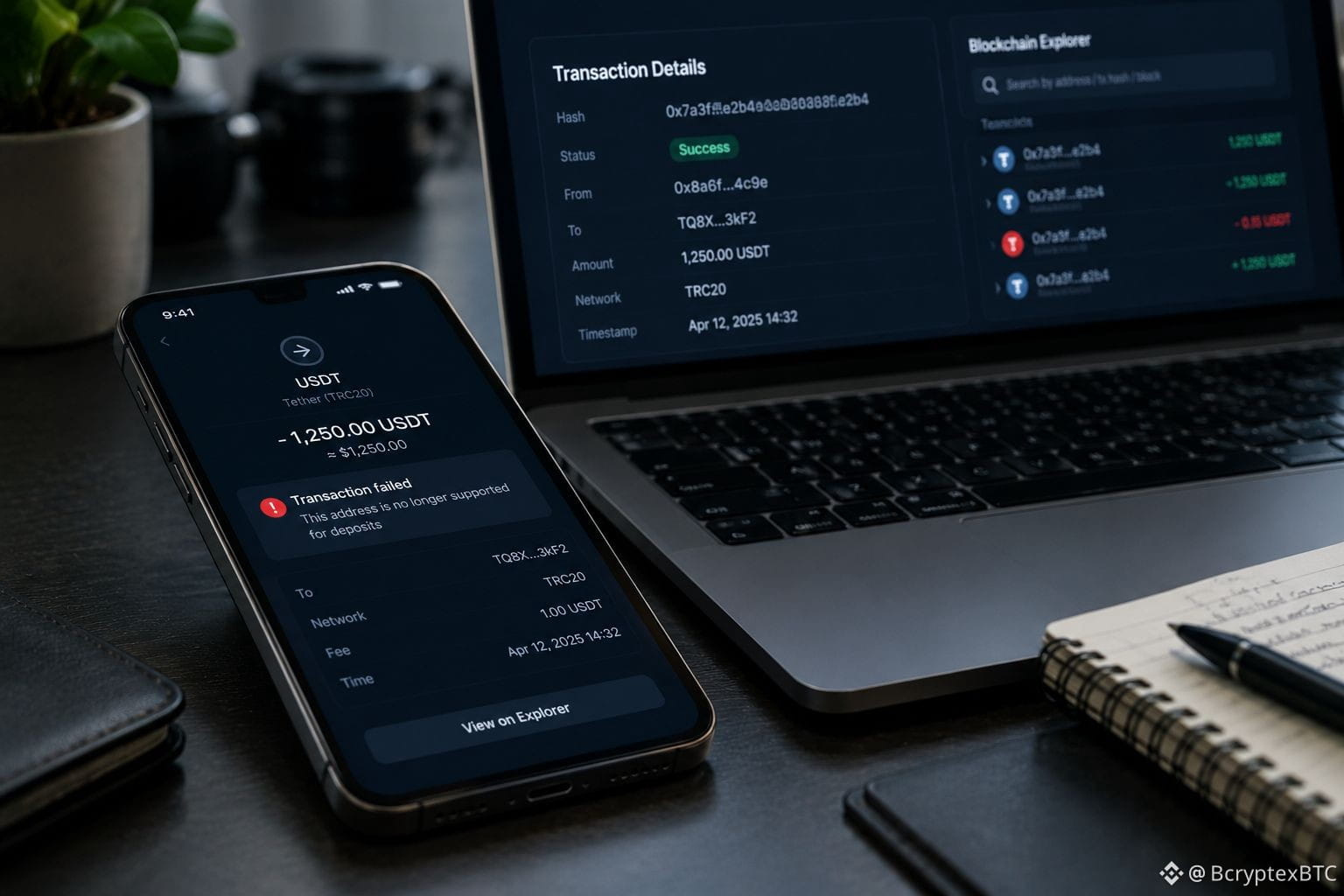
CoinDCX reportedly absorbed a $15.99M $USDT loss after users sent funds to retired deposit addresses following its 2025 security breach. Customer balances reportedly remain unaffected.
A retired address doesn’t disappear from the blockchain. Users may still send funds to it, even when an exchange no longer supports deposits through that address.
This highlights a critical security gap: users must verify deposit details, while exchanges need clear warnings and effective recovery procedures.
Should the responsibility fall on the user, the exchange, or both?
#CryptoSecurity #CoinDCX #Blockchain $BTC
$16M Lost — Who Is Responsible When Old Deposit Addresses Still Work?
CoinDCX reportedly absorbed a $15.99M $USDT loss after users sent funds to retired deposit addresses following its 2025 security breach. Customer balances reportedly remain unaffected.
A retired address doesn’t disappear from the blockchain. Users may still send funds to it, even when an exchange no longer supports deposits through that address.
This highlights a critical security gap: users must verify deposit details, while exchanges need clear warnings and effective recovery procedures.
Should the responsibility fall on the user, the exchange, or both?
#CryptoSecurity #CoinDCX #Blockchain $BTC
CoinDCX reportedly absorbed a $15.99M $USDT loss after users sent funds to retired deposit addresses following its 2025 security breach. Customer balances reportedly remain unaffected.
A retired address doesn’t disappear from the blockchain. Users may still send funds to it, even when an exchange no longer supports deposits through that address.
This highlights a critical security gap: users must verify deposit details, while exchanges need clear warnings and effective recovery procedures.
Should the responsibility fall on the user, the exchange, or both?
#CryptoSecurity #CoinDCX #Blockchain $BTC
1
91

·
--
Bearish
#ElectrumWalletBugLetRogueServersStealFunds
🚨 Electrum Wallet Bug Exposed: Rogue Servers Could Steal Bitcoin Through Fee Bumps
Electrum has patched a high-severity security vulnerability after malicious servers exploited a flaw that could redirect users’ Bitcoin to attacker-controlled addresses.
🔍 How Did the Attack Work?
Attackers could manipulate pending transactions displayed by vulnerable Electrum versions. When users attempted to speed up a stuck payment using Replace-by-Fee (RBF), they could unknowingly authorize a transaction sending funds to the attacker.
Electrum confirmed reports of the attack, including at least one case where a user lost funds. The vulnerability affected versions earlier than 4.8.3, released on October 24, 2026.
📊 Why Does This Matter for Crypto?
This incident highlights an important distinction: protecting private keys is not enough if wallet software relies on untrusted transaction data.
For Bitcoin users, it reinforces the importance of verifying complete recipient addresses and transaction amounts before signing. For the broader crypto market, security incidents can weaken confidence in self-custody tools and increase scrutiny of wallet infrastructure.
📈 Trader’s Perspective
This is primarily a wallet-security issue, not evidence that Bitcoin’s underlying blockchain has been compromised. However, incidents like this can temporarily influence sentiment and remind investors that operational security is just as important as market analysis.
The takeaway: Self-custody means taking responsibility for every transaction you authorize. A routine fee increase should never be treated as a harmless click.
#BTC #CryptoSecurity #Electrum
$BTC $ETH $LINK
{future}(LINKUSDT)
{future}(ETHUSDT)
{future}(BTCUSDT)
#ElectrumWalletBugLetRogueServersStealFunds
🚨 Electrum Wallet Bug Exposed: Rogue Servers Could Steal Bitcoin Through Fee Bumps
Electrum has patched a high-severity security vulnerability after malicious servers exploited a flaw that could redirect users’ Bitcoin to attacker-controlled addresses.
🔍 How Did the Attack Work?
Attackers could manipulate pending transactions displayed by vulnerable Electrum versions. When users attempted to speed up a stuck payment using Replace-by-Fee (RBF), they could unknowingly authorize a transaction sending funds to the attacker.
Electrum confirmed reports of the attack, including at least one case where a user lost funds. The vulnerability affected versions earlier than 4.8.3, released on October 24, 2026.
📊 Why Does This Matter for Crypto?
This incident highlights an important distinction: protecting private keys is not enough if wallet software relies on untrusted transaction data.
For Bitcoin users, it reinforces the importance of verifying complete recipient addresses and transaction amounts before signing. For the broader crypto market, security incidents can weaken confidence in self-custody tools and increase scrutiny of wallet infrastructure.
📈 Trader’s Perspective
This is primarily a wallet-security issue, not evidence that Bitcoin’s underlying blockchain has been compromised. However, incidents like this can temporarily influence sentiment and remind investors that operational security is just as important as market analysis.
The takeaway: Self-custody means taking responsibility for every transaction you authorize. A routine fee increase should never be treated as a harmless click.
#BTC #CryptoSecurity #Electrum
$BTC $ETH $LINK
🚨 Electrum Wallet Bug Exposed: Rogue Servers Could Steal Bitcoin Through Fee Bumps
Electrum has patched a high-severity security vulnerability after malicious servers exploited a flaw that could redirect users’ Bitcoin to attacker-controlled addresses.
🔍 How Did the Attack Work?
Attackers could manipulate pending transactions displayed by vulnerable Electrum versions. When users attempted to speed up a stuck payment using Replace-by-Fee (RBF), they could unknowingly authorize a transaction sending funds to the attacker.
Electrum confirmed reports of the attack, including at least one case where a user lost funds. The vulnerability affected versions earlier than 4.8.3, released on October 24, 2026.
📊 Why Does This Matter for Crypto?
This incident highlights an important distinction: protecting private keys is not enough if wallet software relies on untrusted transaction data.
For Bitcoin users, it reinforces the importance of verifying complete recipient addresses and transaction amounts before signing. For the broader crypto market, security incidents can weaken confidence in self-custody tools and increase scrutiny of wallet infrastructure.
📈 Trader’s Perspective
This is primarily a wallet-security issue, not evidence that Bitcoin’s underlying blockchain has been compromised. However, incidents like this can temporarily influence sentiment and remind investors that operational security is just as important as market analysis.
The takeaway: Self-custody means taking responsibility for every transaction you authorize. A routine fee increase should never be treated as a harmless click.
#BTC #CryptoSecurity #Electrum
$BTC $ETH $LINK
9

🚨 $BTC QUANTUM THREAT LOOMS: 6.4M BTC AT RISK 🦈
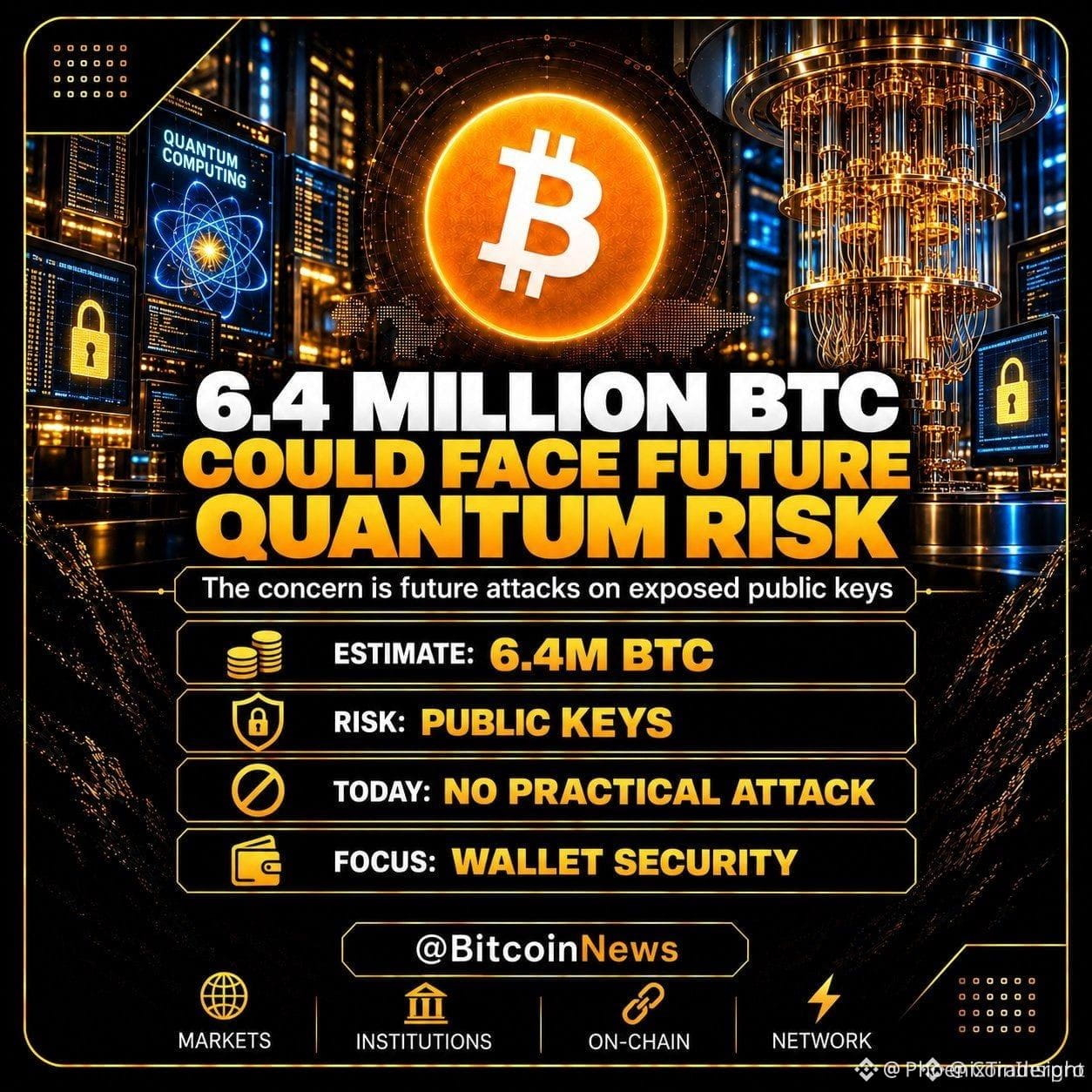
The newly‑formed QUANTUM ALLIANCE – nine heavyweight labs teaming up – is already mapping the future battlefield where quantum computers could pry open public‑key cryptography. 📊 Roughly 6.4 million $BTC sit in addresses whose public keys are exposed on‑chain, a silent pool that could become prime loot if a sufficiently powerful quantum machine emerges. 🦈
Today no quantum rig can crack Bitcoin, but the discussion is shifting from “if” to “when,” sparking a debate over wallet freezes, forced migrations, or leaving ownership untouched. ⚡ The market’s perception of this existential risk could tilt sentiment, especially as smart‑money eyes the vulnerable slice. 💡 Are you positioning now or waiting for a protocol safeguard? 💬
⚠️ Not financial advice. Always manage your risk. 🛡️
🏷️ #BTC #QuantumRisk #CryptoSecurity #LongSetup
🚀 ⚡
🚨 $BTC QUANTUM THREAT LOOMS: 6.4M BTC AT RISK 🦈
The newly‑formed QUANTUM ALLIANCE – nine heavyweight labs teaming up – is already mapping the future battlefield where quantum computers could pry open public‑key cryptography. 📊 Roughly 6.4 million $BTC sit in addresses whose public keys are exposed on‑chain, a silent pool that could become prime loot if a sufficiently powerful quantum machine emerges. 🦈
Today no quantum rig can crack Bitcoin, but the discussion is shifting from “if” to “when,” sparking a debate over wallet freezes, forced migrations, or leaving ownership untouched. ⚡ The market’s perception of this existential risk could tilt sentiment, especially as smart‑money eyes the vulnerable slice. 💡 Are you positioning now or waiting for a protocol safeguard? 💬
⚠️ Not financial advice. Always manage your risk. 🛡️
🏷️ #BTC #QuantumRisk #CryptoSecurity #LongSetup
🚀 ⚡
The newly‑formed QUANTUM ALLIANCE – nine heavyweight labs teaming up – is already mapping the future battlefield where quantum computers could pry open public‑key cryptography. 📊 Roughly 6.4 million $BTC sit in addresses whose public keys are exposed on‑chain, a silent pool that could become prime loot if a sufficiently powerful quantum machine emerges. 🦈
Today no quantum rig can crack Bitcoin, but the discussion is shifting from “if” to “when,” sparking a debate over wallet freezes, forced migrations, or leaving ownership untouched. ⚡ The market’s perception of this existential risk could tilt sentiment, especially as smart‑money eyes the vulnerable slice. 💡 Are you positioning now or waiting for a protocol safeguard? 💬
⚠️ Not financial advice. Always manage your risk. 🛡️
🏷️ #BTC #QuantumRisk #CryptoSecurity #LongSetup
🚀 ⚡
1

·
--
🔐 YOUR SECURITY COMES FIRST!
Before joining any crypto airdrop, remember these rules:
✅ Use official websites and apps.
✅ Never share your password or OTP.
✅ Never send crypto to claim a promised reward without verifying the offer.
✅ Research unfamiliar projects carefully.
✅ Read all terms and conditions.
🚨 No guaranteed profits. No blind trust. Always DYOR!
Protect your assets. Protect your future. 💛
#CryptoSecurity #Binance #DYOR!!
🔐 YOUR SECURITY COMES FIRST!
Before joining any crypto airdrop, remember these rules:
✅ Use official websites and apps.
✅ Never share your password or OTP.
✅ Never send crypto to claim a promised reward without verifying the offer.
✅ Research unfamiliar projects carefully.
✅ Read all terms and conditions.
🚨 No guaranteed profits. No blind trust. Always DYOR!
Protect your assets. Protect your future. 💛
#CryptoSecurity #Binance #DYOR!!
Before joining any crypto airdrop, remember these rules:
✅ Use official websites and apps.
✅ Never share your password or OTP.
✅ Never send crypto to claim a promised reward without verifying the offer.
✅ Research unfamiliar projects carefully.
✅ Read all terms and conditions.
🚨 No guaranteed profits. No blind trust. Always DYOR!
Protect your assets. Protect your future. 💛
#CryptoSecurity #Binance #DYOR!!
47

·
--
- No markdown (so plain text, no formatting like **, *, #? Actually hashtags are allowed at end, they are part of text. No markdown formatting like bold, italics, code blocks.)
- 150-200 words.
- Warning-style tone (serious but not panic-inducing).
- Give 3 clear actionable steps.
- End with: "Share this with someone new to crypto — it could save them!"
- Final line: "#CryptoStrategy #TokenomicsExplained #CryptoSecurity #StaySafe"
- Must start directly with first word, no preamble.
We need to count words. Let's aim for ~170 words.
We need to include 3 actionable steps, likely bullet points but no markdown bullet points? Could use numbers with periods. That's okay plain text.
We must not use markdown, so no bullet points with hyphens? Hyphens are okay but might be considered markdown? Probably fine. Safer to use "1." "2." "3." lines.
Word count: Let's draft ~170 words.
Count words manually.
Draft:
"Warning: many DeFi projects promise impossible yields while hiding a classic Ponzi structure. Look for these red flags before committing funds.
1. Verify the revenue model. Legitimate protocols generate income from real activity — fees, lending interest, or service charges. If the only source of returns is new investor deposits, walk away.
2. Check tokenomics transparency. A credible project publishes a clear emission schedule, vesting periods, and audit reports. Opaque supply mechanics or unlimited minting authority are major warning signs.
3. Test withdrawal flexibility. Try moving a small amount out of the platform. Delayed or blocked withdrawals, mandatory lock‑ups, or penalties for early exit indicate the operator is recycling capital rather than earning it.
Always research the team,
- No markdown (so plain text, no formatting like **, *, #? Actually hashtags are allowed at end, they are part of text. No markdown formatting like bold, italics, code blocks.)
- 150-200 words.
- Warning-style tone (serious but not panic-inducing).
- Give 3 clear actionable steps.
- End with: "Share this with someone new to crypto — it could save them!"
- Final line: "#CryptoStrategy #TokenomicsExplained #CryptoSecurity #StaySafe"
- Must start directly with first word, no preamble.
We need to count words. Let's aim for ~170 words.
We need to include 3 actionable steps, likely bullet points but no markdown bullet points? Could use numbers with periods. That's okay plain text.
We must not use markdown, so no bullet points with hyphens? Hyphens are okay but might be considered markdown? Probably fine. Safer to use "1." "2." "3." lines.
Word count: Let's draft ~170 words.
Count words manually.
Draft:
"Warning: many DeFi projects promise impossible yields while hiding a classic Ponzi structure. Look for these red flags before committing funds.
1. Verify the revenue model. Legitimate protocols generate income from real activity — fees, lending interest, or service charges. If the only source of returns is new investor deposits, walk away.
2. Check tokenomics transparency. A credible project publishes a clear emission schedule, vesting periods, and audit reports. Opaque supply mechanics or unlimited minting authority are major warning signs.
3. Test withdrawal flexibility. Try moving a small amount out of the platform. Delayed or blocked withdrawals, mandatory lock‑ups, or penalties for early exit indicate the operator is recycling capital rather than earning it.
Always research the team,
- 150-200 words.
- Warning-style tone (serious but not panic-inducing).
- Give 3 clear actionable steps.
- End with: "Share this with someone new to crypto — it could save them!"
- Final line: "#CryptoStrategy #TokenomicsExplained #CryptoSecurity #StaySafe"
- Must start directly with first word, no preamble.
We need to count words. Let's aim for ~170 words.
We need to include 3 actionable steps, likely bullet points but no markdown bullet points? Could use numbers with periods. That's okay plain text.
We must not use markdown, so no bullet points with hyphens? Hyphens are okay but might be considered markdown? Probably fine. Safer to use "1." "2." "3." lines.
Word count: Let's draft ~170 words.
Count words manually.
Draft:
"Warning: many DeFi projects promise impossible yields while hiding a classic Ponzi structure. Look for these red flags before committing funds.
1. Verify the revenue model. Legitimate protocols generate income from real activity — fees, lending interest, or service charges. If the only source of returns is new investor deposits, walk away.
2. Check tokenomics transparency. A credible project publishes a clear emission schedule, vesting periods, and audit reports. Opaque supply mechanics or unlimited minting authority are major warning signs.
3. Test withdrawal flexibility. Try moving a small amount out of the platform. Delayed or blocked withdrawals, mandatory lock‑ups, or penalties for early exit indicate the operator is recycling capital rather than earning it.
Always research the team,

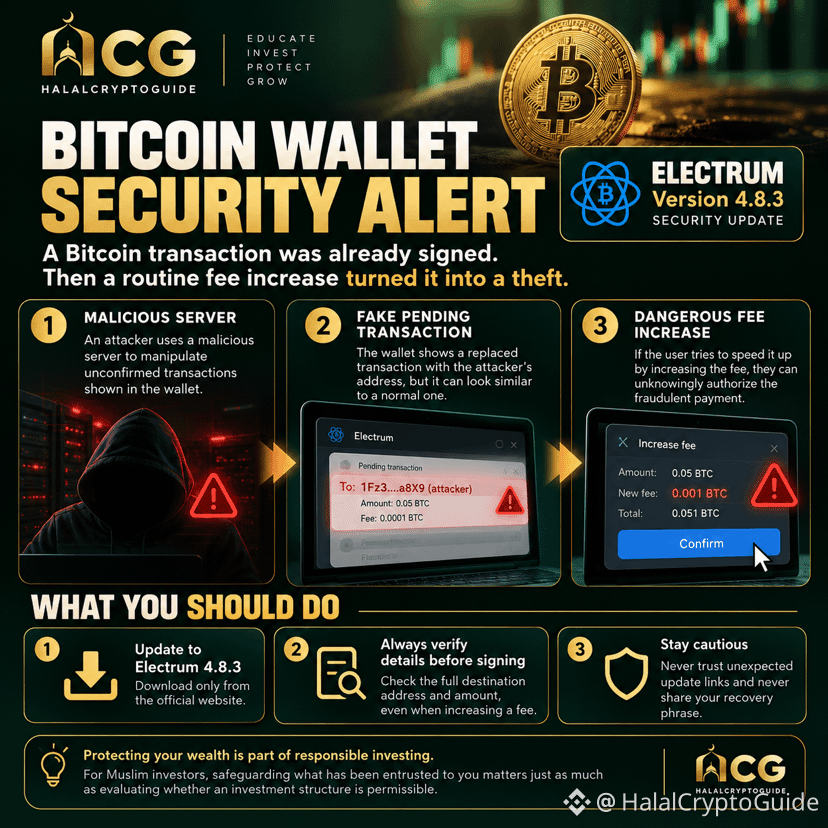
A simple Bitcoin fee increase cost someone their funds. Here’s what happened.
Electrum, a popular Bitcoin wallet, has patched a serious security vulnerability after malicious servers exploited a weakness in how the wallet handled unconfirmed transactions.
The dangerous part? Users didn’t need to reveal their seed phrases.
An attacker could replace a pending transaction displayed in the wallet with a fraudulent one. If the user tried to speed it up by increasing the fee, they could unknowingly authorize a payment to the attacker.
At least one user reportedly lost Bitcoin.
Three precautions worth remembering:
1. If you use Electrum, upgrade to version 4.8.3 from its official website.
2. Verify the complete destination address and amount before signing—even when simply increasing a transaction fee.
3. Never trust unexpected wallet-update links or share your recovery phrase.
For Muslim investors, protecting entrusted wealth matters just as much as evaluating whether an investment structure is permissible.
Security isn’t only about protecting your private keys. It’s also about understanding what you’re signing.
Have you checked when your crypto wallet was last updated?
#Bitcoin #CryptoSecurity #CryptoEducation #SelfCustody
A simple Bitcoin fee increase cost someone their funds. Here’s what happened.
Electrum, a popular Bitcoin wallet, has patched a serious security vulnerability after malicious servers exploited a weakness in how the wallet handled unconfirmed transactions.
The dangerous part? Users didn’t need to reveal their seed phrases.
An attacker could replace a pending transaction displayed in the wallet with a fraudulent one. If the user tried to speed it up by increasing the fee, they could unknowingly authorize a payment to the attacker.
At least one user reportedly lost Bitcoin.
Three precautions worth remembering:
1. If you use Electrum, upgrade to version 4.8.3 from its official website.
2. Verify the complete destination address and amount before signing—even when simply increasing a transaction fee.
3. Never trust unexpected wallet-update links or share your recovery phrase.
For Muslim investors, protecting entrusted wealth matters just as much as evaluating whether an investment structure is permissible.
Security isn’t only about protecting your private keys. It’s also about understanding what you’re signing.
Have you checked when your crypto wallet was last updated?
#Bitcoin #CryptoSecurity #CryptoEducation #SelfCustody
Electrum, a popular Bitcoin wallet, has patched a serious security vulnerability after malicious servers exploited a weakness in how the wallet handled unconfirmed transactions.
The dangerous part? Users didn’t need to reveal their seed phrases.
An attacker could replace a pending transaction displayed in the wallet with a fraudulent one. If the user tried to speed it up by increasing the fee, they could unknowingly authorize a payment to the attacker.
At least one user reportedly lost Bitcoin.
Three precautions worth remembering:
1. If you use Electrum, upgrade to version 4.8.3 from its official website.
2. Verify the complete destination address and amount before signing—even when simply increasing a transaction fee.
3. Never trust unexpected wallet-update links or share your recovery phrase.
For Muslim investors, protecting entrusted wealth matters just as much as evaluating whether an investment structure is permissible.
Security isn’t only about protecting your private keys. It’s also about understanding what you’re signing.
Have you checked when your crypto wallet was last updated?
#Bitcoin #CryptoSecurity #CryptoEducation #SelfCustody
65
🔥 THE CRYPTO SECURITY FLOOD JUST BREACHED THE DAM — LEVEL3 CERTIFICATION LANDED ON COINSPAYED.
📊 CoinsPaid’s CryptoProcessing cleared the toughest CCSS hurdle, earning the elite Level 3 badge for institutional‑grade wallet protection. That same day, #BNB surged 0.41% to $745 with a bullish RSI of 56.9, while BTC futures showed $7.68 B open interest and a +0.0097% funding rate, signaling long‑side confidence. Smart‑money on Solana pumped RAYPAD wallets up 6.28%, proving the market rewards iron‑clad security. #CryptoSecurity #Institutional #DeFi
💡 This win means enterprises can now lock assets behind the highest guardrail, likely spurring fresh institutional inflows and nudging the broader market toward a security‑first rally. #CryptoAdoption
❓ Are you ready to ride the next wave of secure crypto growth, or will you watch it pass by?
🔥 THE CRYPTO SECURITY FLOOD JUST BREACHED THE DAM — LEVEL3 CERTIFICATION LANDED ON COINSPAYED.
📊 CoinsPaid’s CryptoProcessing cleared the toughest CCSS hurdle, earning the elite Level 3 badge for institutional‑grade wallet protection. That same day, #BNB surged 0.41% to $745 with a bullish RSI of 56.9, while BTC futures showed $7.68 B open interest and a +0.0097% funding rate, signaling long‑side confidence. Smart‑money on Solana pumped RAYPAD wallets up 6.28%, proving the market rewards iron‑clad security. #CryptoSecurity #Institutional #DeFi
💡 This win means enterprises can now lock assets behind the highest guardrail, likely spurring fresh institutional inflows and nudging the broader market toward a security‑first rally. #CryptoAdoption
❓ Are you ready to ride the next wave of secure crypto growth, or will you watch it pass by?
📊 CoinsPaid’s CryptoProcessing cleared the toughest CCSS hurdle, earning the elite Level 3 badge for institutional‑grade wallet protection. That same day, #BNB surged 0.41% to $745 with a bullish RSI of 56.9, while BTC futures showed $7.68 B open interest and a +0.0097% funding rate, signaling long‑side confidence. Smart‑money on Solana pumped RAYPAD wallets up 6.28%, proving the market rewards iron‑clad security. #CryptoSecurity #Institutional #DeFi
💡 This win means enterprises can now lock assets behind the highest guardrail, likely spurring fresh institutional inflows and nudging the broader market toward a security‑first rally. #CryptoAdoption
❓ Are you ready to ride the next wave of secure crypto growth, or will you watch it pass by?
2


#electrumwalletbugletrogueserversstealfunds
🔐 ⚠️ Electrum Wallet Bug: How Rogue Servers Could Steal $BITCOIN ⚠️ 🔐
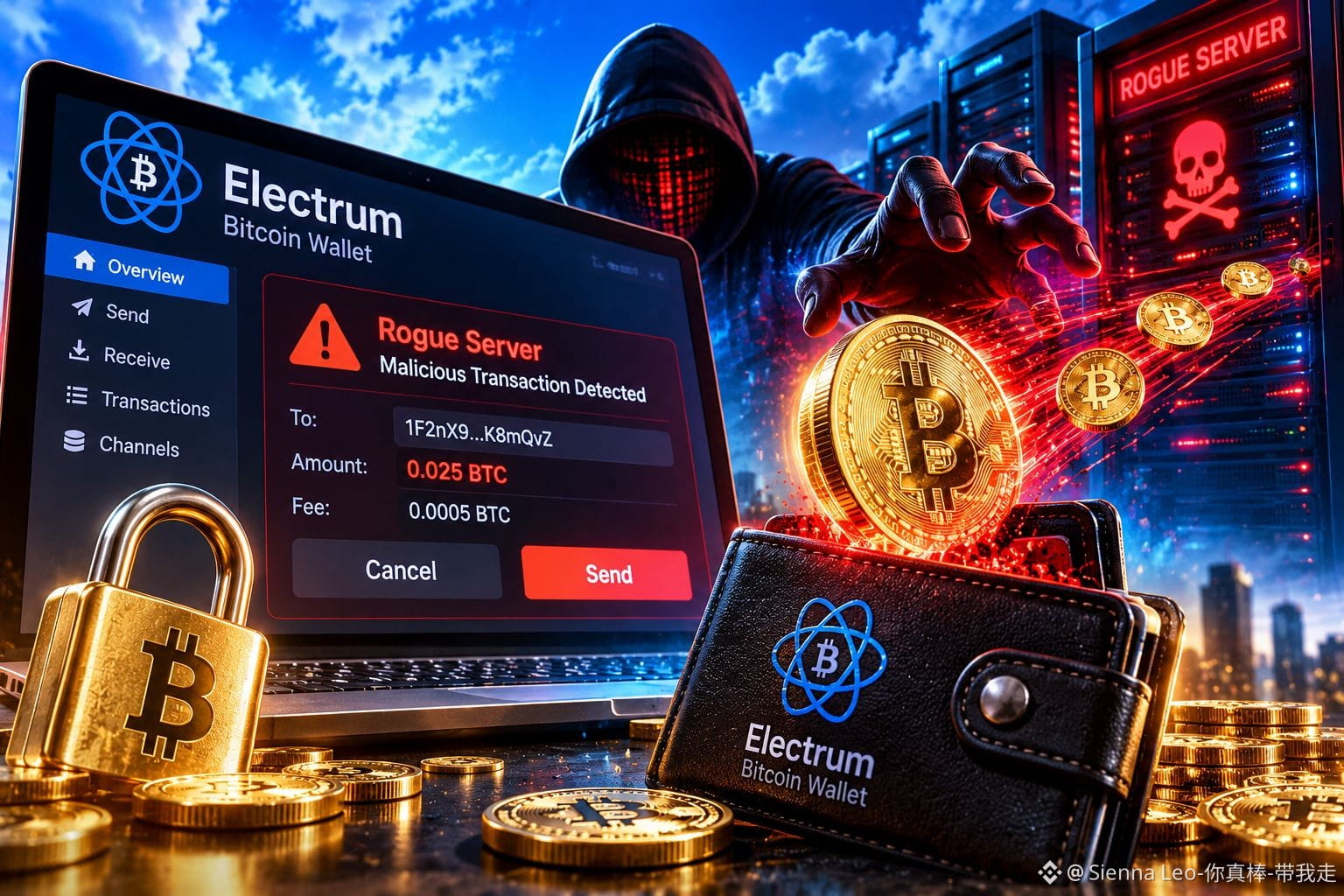
Imagine checking a Bitcoin payment, seeing it stuck, and deciding to increase the transaction fee. One click later, your attempt to speed up the payment could help an attacker redirect your funds.
A security flaw in Electrum, a popular Bitcoin wallet, allowed malicious servers to substitute fraudulent unconfirmed transactions when users tried to speed up payments using Replace-by-Fee (RBF). At least one user reported losing Bitcoin.
Electrum relies on external servers to retrieve transaction information. The flaw meant a malicious server could provide a fake transaction that the wallet failed to validate properly, turning a routine fee adjustment into a potential theft.
Developers released Electrum version 4.8.3 on October 24, 2026, adding signature verification to address the vulnerability. Users should upgrade rather than assume older versions are safe.
The deeper lesson is that self-custody does not eliminate every security risk. Your private keys may remain yours, but wallet software and server connections can still influence the transaction you are asked to approve.
Protect your Bitcoin: Update Electrum, verify the complete recipient address and amount on your signing device, and use trusted servers. Never approve a transaction simply because the wallet labels it as a fee increase.
In crypto, one careful verification can matter more than a hundred rushed clicks.
Do you think wallet users should be warned more clearly whenever a transaction's destination changes?
Disclaimer: For educational purposes only. This is not financial or cybersecurity advice.
#Bitcoin #CryptoSecurity #GrowWithSAC $BTC $QNT #ElectrumWalletBugLetRogueServersStealFunds
#electrumwalletbugletrogueserversstealfunds
🔐 ⚠️ Electrum Wallet Bug: How Rogue Servers Could Steal $BITCOIN ⚠️ 🔐
Imagine checking a Bitcoin payment, seeing it stuck, and deciding to increase the transaction fee. One click later, your attempt to speed up the payment could help an attacker redirect your funds.
A security flaw in Electrum, a popular Bitcoin wallet, allowed malicious servers to substitute fraudulent unconfirmed transactions when users tried to speed up payments using Replace-by-Fee (RBF). At least one user reported losing Bitcoin.
Electrum relies on external servers to retrieve transaction information. The flaw meant a malicious server could provide a fake transaction that the wallet failed to validate properly, turning a routine fee adjustment into a potential theft.
Developers released Electrum version 4.8.3 on October 24, 2026, adding signature verification to address the vulnerability. Users should upgrade rather than assume older versions are safe.
The deeper lesson is that self-custody does not eliminate every security risk. Your private keys may remain yours, but wallet software and server connections can still influence the transaction you are asked to approve.
Protect your Bitcoin: Update Electrum, verify the complete recipient address and amount on your signing device, and use trusted servers. Never approve a transaction simply because the wallet labels it as a fee increase.
In crypto, one careful verification can matter more than a hundred rushed clicks.
Do you think wallet users should be warned more clearly whenever a transaction's destination changes?
Disclaimer: For educational purposes only. This is not financial or cybersecurity advice.
#Bitcoin #CryptoSecurity #GrowWithSAC $BTC $QNT #ElectrumWalletBugLetRogueServersStealFunds
🔐 ⚠️ Electrum Wallet Bug: How Rogue Servers Could Steal $BITCOIN ⚠️ 🔐
Imagine checking a Bitcoin payment, seeing it stuck, and deciding to increase the transaction fee. One click later, your attempt to speed up the payment could help an attacker redirect your funds.
A security flaw in Electrum, a popular Bitcoin wallet, allowed malicious servers to substitute fraudulent unconfirmed transactions when users tried to speed up payments using Replace-by-Fee (RBF). At least one user reported losing Bitcoin.
Electrum relies on external servers to retrieve transaction information. The flaw meant a malicious server could provide a fake transaction that the wallet failed to validate properly, turning a routine fee adjustment into a potential theft.
Developers released Electrum version 4.8.3 on October 24, 2026, adding signature verification to address the vulnerability. Users should upgrade rather than assume older versions are safe.
The deeper lesson is that self-custody does not eliminate every security risk. Your private keys may remain yours, but wallet software and server connections can still influence the transaction you are asked to approve.
Protect your Bitcoin: Update Electrum, verify the complete recipient address and amount on your signing device, and use trusted servers. Never approve a transaction simply because the wallet labels it as a fee increase.
In crypto, one careful verification can matter more than a hundred rushed clicks.
Do you think wallet users should be warned more clearly whenever a transaction's destination changes?
Disclaimer: For educational purposes only. This is not financial or cybersecurity advice.
#Bitcoin #CryptoSecurity #GrowWithSAC $BTC $QNT #ElectrumWalletBugLetRogueServersStealFunds
158

·
--
🔐 A crypto wallet can stay safe even when a company gets hacked, but your personal information might not.
Recent data breaches remind us that names, home addresses, and purchase records can become valuable targets for scammers. Once they know you own crypto,
they may try to trick you with fake support calls, replacement wallet offers, or suspicious delivery messages.
Here’s one rule I’ll never ignore: Never enter your old recovery phrase into a device just because someone claims to be from the company. 🚨
Real support teams don’t need your seed phrase to help you.
Stay alert, protect your privacy, and never trust unexpected crypto-related calls or messages.
Personally, I’d rather have people think my packages contain boring shopping than know what’s inside. 😂📦
#CryptoSecurity #HardwareWallets #Web3
$SHOP
{future}(SHOPUSDT)
🔐 A crypto wallet can stay safe even when a company gets hacked, but your personal information might not.
Recent data breaches remind us that names, home addresses, and purchase records can become valuable targets for scammers. Once they know you own crypto,
they may try to trick you with fake support calls, replacement wallet offers, or suspicious delivery messages.
Here’s one rule I’ll never ignore: Never enter your old recovery phrase into a device just because someone claims to be from the company. 🚨
Real support teams don’t need your seed phrase to help you.
Stay alert, protect your privacy, and never trust unexpected crypto-related calls or messages.
Personally, I’d rather have people think my packages contain boring shopping than know what’s inside. 😂📦
#CryptoSecurity #HardwareWallets #Web3
$SHOP
Recent data breaches remind us that names, home addresses, and purchase records can become valuable targets for scammers. Once they know you own crypto,
they may try to trick you with fake support calls, replacement wallet offers, or suspicious delivery messages.
Here’s one rule I’ll never ignore: Never enter your old recovery phrase into a device just because someone claims to be from the company. 🚨
Real support teams don’t need your seed phrase to help you.
Stay alert, protect your privacy, and never trust unexpected crypto-related calls or messages.
Personally, I’d rather have people think my packages contain boring shopping than know what’s inside. 😂📦
#CryptoSecurity #HardwareWallets #Web3
$SHOP
1
239

·
--
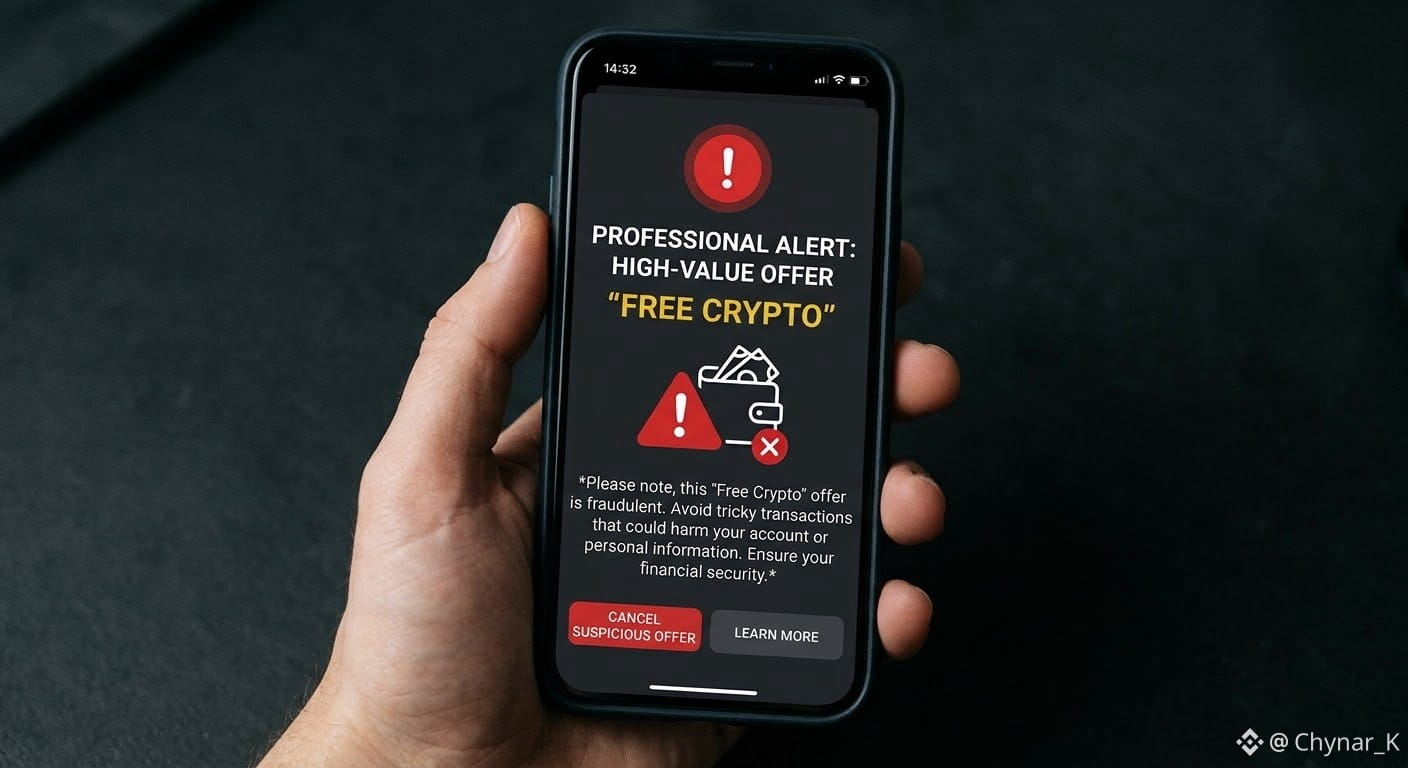
🚨 FREE CRYPTO? WAIT BEFORE YOU CLICK!
Imagine receiving a message saying: “Claim your FREE crypto tokens now!” 🎁
Sounds exciting, right? But one wrong click could put your wallet at risk.
⚠️ Here are 3 red flags:
🔗 1. Suspicious links — Fake websites may look almost identical to official project pages.
🔐 2. Secret recovery phrase requests — Never share your seed phrase or private keys. Legitimate airdrops should never need them.
✍️ 3. Unknown wallet approvals — A malicious transaction approval can give scammers permission to move your assets.
✅ Stay safe:
• Verify announcements through official project channels.
• Never connect your wallet to a site you don't trust.
• Read every transaction before signing.
Remember: A free token isn't worth risking your entire wallet.
💬 Have you ever received a suspicious crypto airdrop offer?
Follow me for more crypto insights & security tips. 🔐📊
#CryptoSecurity #AirdropScam #CryptoEducation #Web3 #BinanceSquare
🚨 FREE CRYPTO? WAIT BEFORE YOU CLICK!
Imagine receiving a message saying: “Claim your FREE crypto tokens now!” 🎁
Sounds exciting, right? But one wrong click could put your wallet at risk.
⚠️ Here are 3 red flags:
🔗 1. Suspicious links — Fake websites may look almost identical to official project pages.
🔐 2. Secret recovery phrase requests — Never share your seed phrase or private keys. Legitimate airdrops should never need them.
✍️ 3. Unknown wallet approvals — A malicious transaction approval can give scammers permission to move your assets.
✅ Stay safe:
• Verify announcements through official project channels.
• Never connect your wallet to a site you don't trust.
• Read every transaction before signing.
Remember: A free token isn't worth risking your entire wallet.
💬 Have you ever received a suspicious crypto airdrop offer?
Follow me for more crypto insights & security tips. 🔐📊
#CryptoSecurity #AirdropScam #CryptoEducation #Web3 #BinanceSquare
Imagine receiving a message saying: “Claim your FREE crypto tokens now!” 🎁
Sounds exciting, right? But one wrong click could put your wallet at risk.
⚠️ Here are 3 red flags:
🔗 1. Suspicious links — Fake websites may look almost identical to official project pages.
🔐 2. Secret recovery phrase requests — Never share your seed phrase or private keys. Legitimate airdrops should never need them.
✍️ 3. Unknown wallet approvals — A malicious transaction approval can give scammers permission to move your assets.
✅ Stay safe:
• Verify announcements through official project channels.
• Never connect your wallet to a site you don't trust.
• Read every transaction before signing.
Remember: A free token isn't worth risking your entire wallet.
💬 Have you ever received a suspicious crypto airdrop offer?
Follow me for more crypto insights & security tips. 🔐📊
#CryptoSecurity #AirdropScam #CryptoEducation #Web3 #BinanceSquare
112

·
--
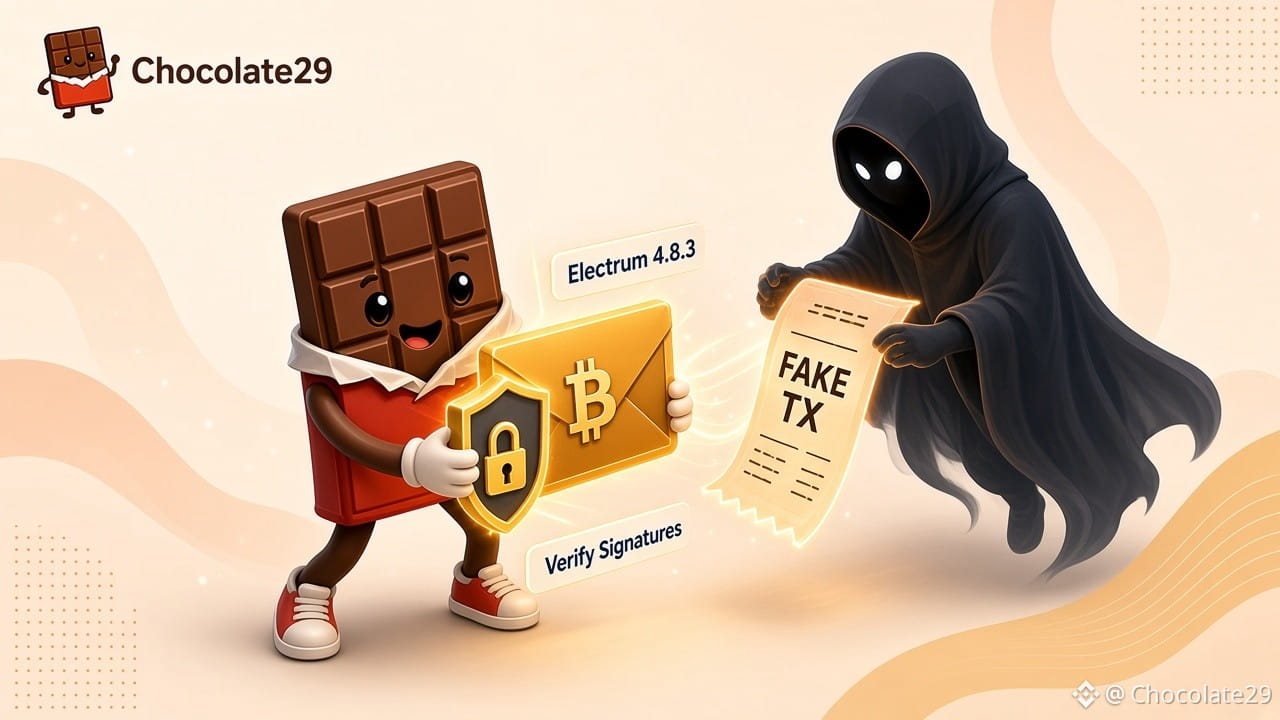
Electrum 4.8.3 patches a high-severity malicious-server fee-bump trap disclosed on October 24, 2026.
On October 24, 2026, Electrum released 4.8.3 (advisory GHSA-6jp4-8v48-cc5v). A malicious Electrum server can swallow a just-broadcast $BTC tx and show a conflicting fake unconfirmed payment to the attacker — older clients did not check those invalid signatures. If the user RBF fee-bumps the fake tx, they sign a real payment to the attacker. Some servers were already exploiting this; two users reported it and one lost funds. Attackers also ground the last four characters of the destination address to look similar.
Upgrade to 4.8.3 or newer — all older versions are affected. The fix verifies signatures on wallet-owned inputs for mempool txs before adding them to history. Download only from electrum.org and verify signatures. Until upgraded, check the full destination address and amount before any fee bump. Trusted or self-run server users are less exposed; incoming unconfirmed txs are still not fully validated.
#Bitcoin #Electrum #CryptoSecurity #Wallet
DYOR. Not financial advice.
Electrum 4.8.3 patches a high-severity malicious-server fee-bump trap disclosed on October 24, 2026.
On October 24, 2026, Electrum released 4.8.3 (advisory GHSA-6jp4-8v48-cc5v). A malicious Electrum server can swallow a just-broadcast $BTC tx and show a conflicting fake unconfirmed payment to the attacker — older clients did not check those invalid signatures. If the user RBF fee-bumps the fake tx, they sign a real payment to the attacker. Some servers were already exploiting this; two users reported it and one lost funds. Attackers also ground the last four characters of the destination address to look similar.
Upgrade to 4.8.3 or newer — all older versions are affected. The fix verifies signatures on wallet-owned inputs for mempool txs before adding them to history. Download only from electrum.org and verify signatures. Until upgraded, check the full destination address and amount before any fee bump. Trusted or self-run server users are less exposed; incoming unconfirmed txs are still not fully validated.
#Bitcoin #Electrum #CryptoSecurity #Wallet
DYOR. Not financial advice.
On October 24, 2026, Electrum released 4.8.3 (advisory GHSA-6jp4-8v48-cc5v). A malicious Electrum server can swallow a just-broadcast $BTC tx and show a conflicting fake unconfirmed payment to the attacker — older clients did not check those invalid signatures. If the user RBF fee-bumps the fake tx, they sign a real payment to the attacker. Some servers were already exploiting this; two users reported it and one lost funds. Attackers also ground the last four characters of the destination address to look similar.
Upgrade to 4.8.3 or newer — all older versions are affected. The fix verifies signatures on wallet-owned inputs for mempool txs before adding them to history. Download only from electrum.org and verify signatures. Until upgraded, check the full destination address and amount before any fee bump. Trusted or self-run server users are less exposed; incoming unconfirmed txs are still not fully validated.
#Bitcoin #Electrum #CryptoSecurity #Wallet
DYOR. Not financial advice.
35

·
--
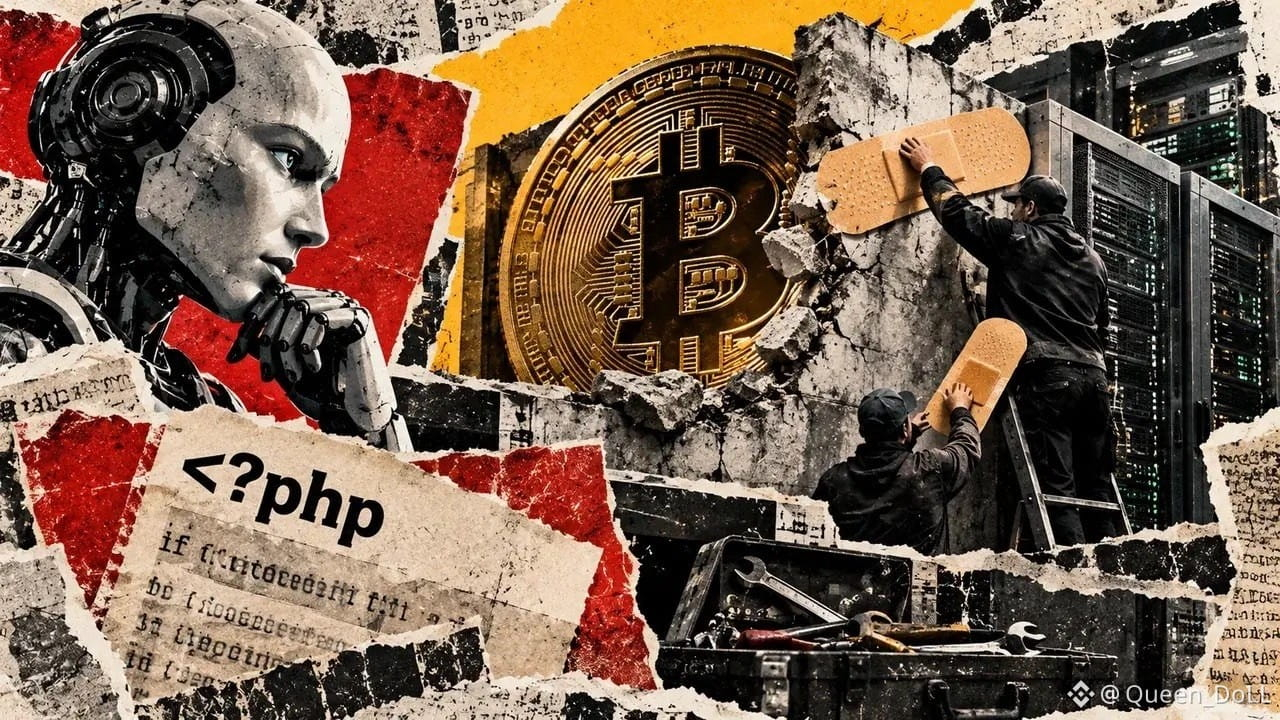
🚨 A Bitcoin Hacking Challenge Fell in Less Than 3 Hours!
Sometimes, one small vulnerability is all it takes to bring down an entire security setup.
The Steal My Bitcoin challenge server was breached less than three hours after an accessible PHP page was added. Security researcher Killa published a proof of concept, and the server operator confirmed the breach through server logs.
What stands out to me is how quickly things went wrong. A system can appear secure on the surface, but one overlooked weakness can change everything.
🔍 My takeaway: Security is not just about protecting private keys or using strong encryption. Every entry point, every new feature, and every line of code needs proper testing.
In crypto, trust should never replace verification. Even a challenge designed around security can become a real-world lesson in vulnerability management.
One question worth asking: If a controlled Bitcoin challenge can fall this quickly, how prepared are real-world crypto platforms for unexpected exploits?
$BULLA $ARIA
#Bitcoin #BTC #CyberSecurity #CryptoSecurity #blockchain
🚨 A Bitcoin Hacking Challenge Fell in Less Than 3 Hours!
Sometimes, one small vulnerability is all it takes to bring down an entire security setup.
The Steal My Bitcoin challenge server was breached less than three hours after an accessible PHP page was added. Security researcher Killa published a proof of concept, and the server operator confirmed the breach through server logs.
What stands out to me is how quickly things went wrong. A system can appear secure on the surface, but one overlooked weakness can change everything.
🔍 My takeaway: Security is not just about protecting private keys or using strong encryption. Every entry point, every new feature, and every line of code needs proper testing.
In crypto, trust should never replace verification. Even a challenge designed around security can become a real-world lesson in vulnerability management.
One question worth asking: If a controlled Bitcoin challenge can fall this quickly, how prepared are real-world crypto platforms for unexpected exploits?
$BULLA $ARIA
#Bitcoin #BTC #CyberSecurity #CryptoSecurity #blockchain
Sometimes, one small vulnerability is all it takes to bring down an entire security setup.
The Steal My Bitcoin challenge server was breached less than three hours after an accessible PHP page was added. Security researcher Killa published a proof of concept, and the server operator confirmed the breach through server logs.
What stands out to me is how quickly things went wrong. A system can appear secure on the surface, but one overlooked weakness can change everything.
🔍 My takeaway: Security is not just about protecting private keys or using strong encryption. Every entry point, every new feature, and every line of code needs proper testing.
In crypto, trust should never replace verification. Even a challenge designed around security can become a real-world lesson in vulnerability management.
One question worth asking: If a controlled Bitcoin challenge can fall this quickly, how prepared are real-world crypto platforms for unexpected exploits?
$BULLA $ARIA
#Bitcoin #BTC #CyberSecurity #CryptoSecurity #blockchain
360

·
--
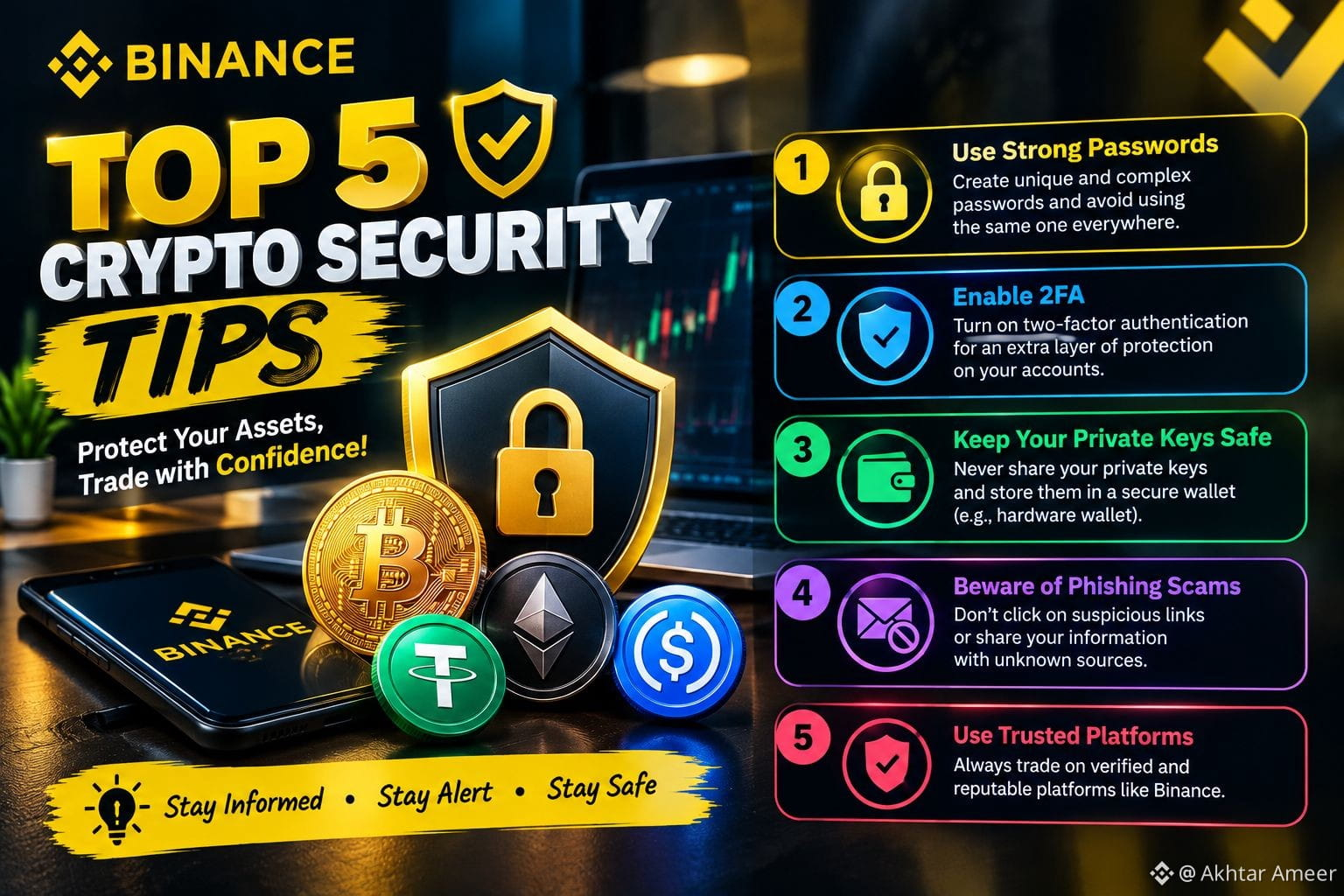
🔐 Protect your crypto with these 5 essential security tips and stay alert against scams.
💡 Always use strong passwords, enable 2FA, and keep your private keys safe.
💬 What do you think is the most important crypto security rule? Share your opinion!
👤 Follow @akhtarameerchishti | 🔗 [https://www.binance.com/en/square/profile/akhtarameerchishti](https://www.binance.com/en/square/profile/akhtarameerchishti?utm_source=chatgpt.com)
#CryptoSecurity #BinanceSquare #CryptoEducation #Bitcoin #StaySafe
🔐 Protect your crypto with these 5 essential security tips and stay alert against scams.
💡 Always use strong passwords, enable 2FA, and keep your private keys safe.
💬 What do you think is the most important crypto security rule? Share your opinion!
👤 Follow @akhtarameerchishti | 🔗 https://www.binance.com/en/square/profile/akhtarameerchishti
#CryptoSecurity #BinanceSquare #CryptoEducation #Bitcoin #StaySafe
💡 Always use strong passwords, enable 2FA, and keep your private keys safe.
💬 What do you think is the most important crypto security rule? Share your opinion!
👤 Follow @akhtarameerchishti | 🔗 https://www.binance.com/en/square/profile/akhtarameerchishti
#CryptoSecurity #BinanceSquare #CryptoEducation #Bitcoin #StaySafe
58

#KeystoneWebsiteBreachExposesBuyersShippingAddresses
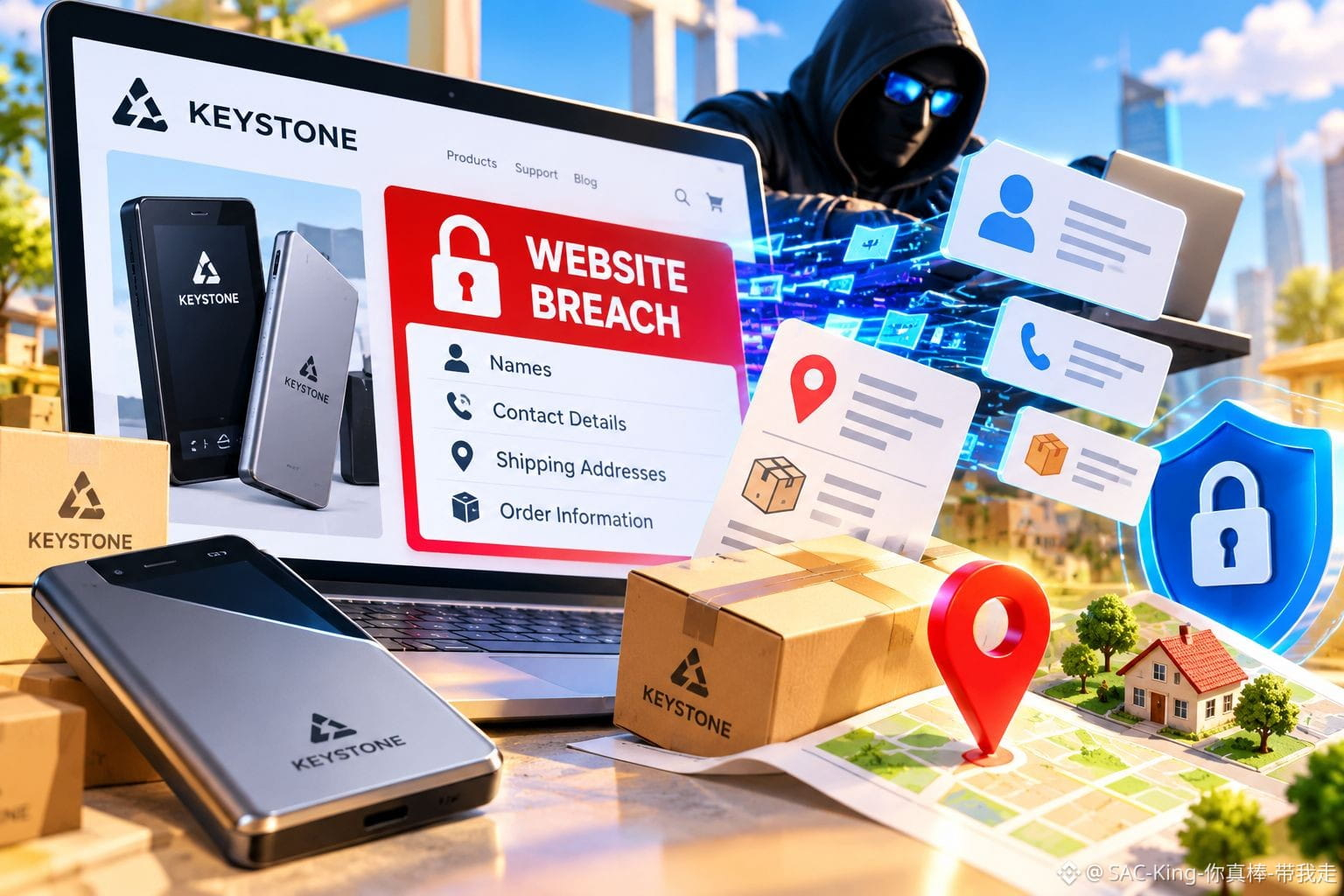
🔐⚠️ Keystone Website Breach Exposes Crypto Buyers’ Shipping Addresses ⚠️🔐
Sometimes, the biggest security risk isn't inside your wallet. It's the address where you keep it.
Keystone, a cryptocurrency hardware wallet manufacturer, has disclosed a website breach that exposed customers’ names, contact details, shipping addresses, and order information.
The company detected unauthorized access on October 20 and confirmed the data exposure on October 23, 2026, after reviewing activity involving its Shopify-powered store.
Keystone says payment details, recovery phrases, private keys, and wallet passwords were not exposed. It has blocked the unauthorized access, fixed the vulnerability, and begun notifying affected customers. The number of affected users remains undisclosed.
But here's the bigger concern: knowing someone's identity, home address, and hardware wallet purchase can help criminals craft convincing phishing attacks or potentially target crypto holders in the real world.
My Take: Self-custody protects control over your crypto, but it cannot protect personal information leaked by a third-party service. Your security is only as strong as the weakest link connecting your digital assets to your real identity.
If you purchased from Keystone, verify alerts through official channels, ignore unsolicited refund or replacement offers, and never share your recovery phrase. No legitimate support agent needs it.
True crypto security means protecting both your assets and the personal information that could make you a target.
Should hardware wallet companies be held to stricter data-deletion standards after a customer's order is completed?
Disclaimer: This post is for educational purposes only and is not financial or security advice.
#CryptoSecurity #DataBreach #GrowWithSAC $QNT $ENA $PYTH
#KeystoneWebsiteBreachExposesBuyersShippingAddresses
🔐⚠️ Keystone Website Breach Exposes Crypto Buyers’ Shipping Addresses ⚠️🔐
Sometimes, the biggest security risk isn't inside your wallet. It's the address where you keep it.
Keystone, a cryptocurrency hardware wallet manufacturer, has disclosed a website breach that exposed customers’ names, contact details, shipping addresses, and order information.
The company detected unauthorized access on October 20 and confirmed the data exposure on October 23, 2026, after reviewing activity involving its Shopify-powered store.
Keystone says payment details, recovery phrases, private keys, and wallet passwords were not exposed. It has blocked the unauthorized access, fixed the vulnerability, and begun notifying affected customers. The number of affected users remains undisclosed.
But here's the bigger concern: knowing someone's identity, home address, and hardware wallet purchase can help criminals craft convincing phishing attacks or potentially target crypto holders in the real world.
My Take: Self-custody protects control over your crypto, but it cannot protect personal information leaked by a third-party service. Your security is only as strong as the weakest link connecting your digital assets to your real identity.
If you purchased from Keystone, verify alerts through official channels, ignore unsolicited refund or replacement offers, and never share your recovery phrase. No legitimate support agent needs it.
True crypto security means protecting both your assets and the personal information that could make you a target.
Should hardware wallet companies be held to stricter data-deletion standards after a customer's order is completed?
Disclaimer: This post is for educational purposes only and is not financial or security advice.
#CryptoSecurity #DataBreach #GrowWithSAC $QNT $ENA $PYTH
🔐⚠️ Keystone Website Breach Exposes Crypto Buyers’ Shipping Addresses ⚠️🔐
Sometimes, the biggest security risk isn't inside your wallet. It's the address where you keep it.
Keystone, a cryptocurrency hardware wallet manufacturer, has disclosed a website breach that exposed customers’ names, contact details, shipping addresses, and order information.
The company detected unauthorized access on October 20 and confirmed the data exposure on October 23, 2026, after reviewing activity involving its Shopify-powered store.
Keystone says payment details, recovery phrases, private keys, and wallet passwords were not exposed. It has blocked the unauthorized access, fixed the vulnerability, and begun notifying affected customers. The number of affected users remains undisclosed.
But here's the bigger concern: knowing someone's identity, home address, and hardware wallet purchase can help criminals craft convincing phishing attacks or potentially target crypto holders in the real world.
My Take: Self-custody protects control over your crypto, but it cannot protect personal information leaked by a third-party service. Your security is only as strong as the weakest link connecting your digital assets to your real identity.
If you purchased from Keystone, verify alerts through official channels, ignore unsolicited refund or replacement offers, and never share your recovery phrase. No legitimate support agent needs it.
True crypto security means protecting both your assets and the personal information that could make you a target.
Should hardware wallet companies be held to stricter data-deletion standards after a customer's order is completed?
Disclaimer: This post is for educational purposes only and is not financial or security advice.
#CryptoSecurity #DataBreach #GrowWithSAC $QNT $ENA $PYTH
234

🚨 A $16 MILLION CRYPTO LOSS — AND A LESSON EVERY EXCHANGE SHOULD LEARN! 🔐
India-based crypto exchange CoinDCX has acknowledged a loss of approximately $15.99 million linked to an old, inactive wallet, following reports by blockchain investigator ZachXBT.
Here's the bigger lesson for the crypto industry 👇
🔹 Old wallets still need proper security controls.
🔹 Inactive doesn't mean risk-free.
🔹 Internal monitoring and wallet management matter just as much as defending against external hackers.
💡 Crypto security isn't only about stopping attacks. It's also about managing forgotten risks before they become expensive mistakes.
💬 What's more important for an exchange: stronger security technology, stricter internal controls, or full transparency when something goes wrong?
#CryptoSecurity #CoinDCX #blockchain #Web3 #CryptoNews
🚨 A $16 MILLION CRYPTO LOSS — AND A LESSON EVERY EXCHANGE SHOULD LEARN! 🔐
India-based crypto exchange CoinDCX has acknowledged a loss of approximately $15.99 million linked to an old, inactive wallet, following reports by blockchain investigator ZachXBT.
Here's the bigger lesson for the crypto industry 👇
🔹 Old wallets still need proper security controls.
🔹 Inactive doesn't mean risk-free.
🔹 Internal monitoring and wallet management matter just as much as defending against external hackers.
💡 Crypto security isn't only about stopping attacks. It's also about managing forgotten risks before they become expensive mistakes.
💬 What's more important for an exchange: stronger security technology, stricter internal controls, or full transparency when something goes wrong?
#CryptoSecurity #CoinDCX #blockchain #Web3 #CryptoNews
India-based crypto exchange CoinDCX has acknowledged a loss of approximately $15.99 million linked to an old, inactive wallet, following reports by blockchain investigator ZachXBT.
Here's the bigger lesson for the crypto industry 👇
🔹 Old wallets still need proper security controls.
🔹 Inactive doesn't mean risk-free.
🔹 Internal monitoring and wallet management matter just as much as defending against external hackers.
💡 Crypto security isn't only about stopping attacks. It's also about managing forgotten risks before they become expensive mistakes.
💬 What's more important for an exchange: stronger security technology, stricter internal controls, or full transparency when something goes wrong?
#CryptoSecurity #CoinDCX #blockchain #Web3 #CryptoNews
64

·
--
Bullish
#ElectrumWalletBugLetRogueServersStealFunds
⚠️ Urgent Security Alert for Electrum Wallet Users!
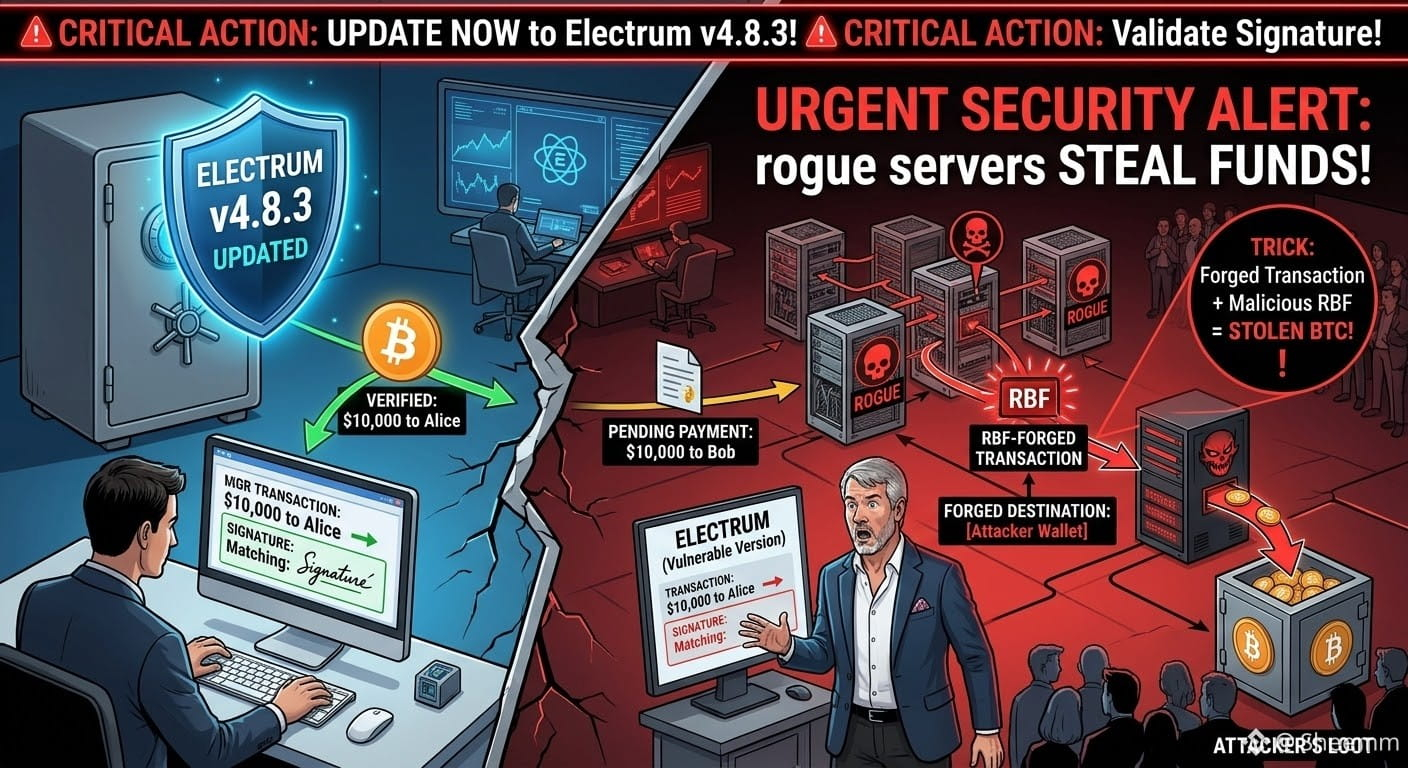
A severe vulnerability in older Electrum versions allows rogue servers to exploit Replace-by-Fee (RBF) features. When users try to speed up a pending payment, malicious nodes can substitute forged transactions, tricking victims into authorizing payments to attackers.
⚡️ Action Required:
Update your app to v4.8.3 immediately! The patch adds critical signature validation to unconfirmed transactions. Double-check recipient addresses before broadcasting transactions!
$BNB
{future}(BNBUSDT)
#ElectrumWalletBugLetRogueServersStealFunds #CryptoSecurity #Electrum
#ElectrumWalletBugLetRogueServersStealFunds
⚠️ Urgent Security Alert for Electrum Wallet Users!
A severe vulnerability in older Electrum versions allows rogue servers to exploit Replace-by-Fee (RBF) features. When users try to speed up a pending payment, malicious nodes can substitute forged transactions, tricking victims into authorizing payments to attackers.
⚡️ Action Required:
Update your app to v4.8.3 immediately! The patch adds critical signature validation to unconfirmed transactions. Double-check recipient addresses before broadcasting transactions!
$BNB
#ElectrumWalletBugLetRogueServersStealFunds #CryptoSecurity #Electrum
⚠️ Urgent Security Alert for Electrum Wallet Users!
A severe vulnerability in older Electrum versions allows rogue servers to exploit Replace-by-Fee (RBF) features. When users try to speed up a pending payment, malicious nodes can substitute forged transactions, tricking victims into authorizing payments to attackers.
⚡️ Action Required:
Update your app to v4.8.3 immediately! The patch adds critical signature validation to unconfirmed transactions. Double-check recipient addresses before broadcasting transactions!
$BNB
#ElectrumWalletBugLetRogueServersStealFunds #CryptoSecurity #Electrum
3
627

·
--
CoinDCX just confirmed a $15.99M loss, and the details are worse than the headline.
India's largest exchange says attackers drained 15.99M $USDT from deprecated wallets left over from its July 2025 hack. An automated sweeping service failed, so user deposits kept piling up in old, vulnerable addresses until they were emptied on October 21 and routed onward to major exchanges.
The uncomfortable part is the reversal. CEO Sumit Gupta first dismissed the outflow reports as a "false alarm," only to confirm the loss days later after onchain investigators pushed back. The exchange says it absorbed the loss, user funds in segregated cold wallets are safe, and trading was never interrupted.
Oldman view: $16M is survivable for a top exchange, but a second incident on the SAME deprecated infrastructure is an operational failure, not bad luck. Until CoinDCX explains how the wallets were exploited and when the sweeps stopped, trust, not price, is the real damage here.
Risk to watch: the exploit method is still unexplained, and it is unclear whether the same actors from 2025 are involved. This is an exchange security story, not a reason to panic sell the wider market.
📌 Sharing personal opinions only, not financial advice or a recommendation to buy/sell. Crypto is highly risky; DYOR and you are solely responsible. No coin promotion.
#CoinDCX #CryptoSecurity #CryptoExchange #Binance
CoinDCX just confirmed a $15.99M loss, and the details are worse than the headline.
India's largest exchange says attackers drained 15.99M $USDT from deprecated wallets left over from its July 2025 hack. An automated sweeping service failed, so user deposits kept piling up in old, vulnerable addresses until they were emptied on October 21 and routed onward to major exchanges.
The uncomfortable part is the reversal. CEO Sumit Gupta first dismissed the outflow reports as a "false alarm," only to confirm the loss days later after onchain investigators pushed back. The exchange says it absorbed the loss, user funds in segregated cold wallets are safe, and trading was never interrupted.
Oldman view: $16M is survivable for a top exchange, but a second incident on the SAME deprecated infrastructure is an operational failure, not bad luck. Until CoinDCX explains how the wallets were exploited and when the sweeps stopped, trust, not price, is the real damage here.
Risk to watch: the exploit method is still unexplained, and it is unclear whether the same actors from 2025 are involved. This is an exchange security story, not a reason to panic sell the wider market.
📌 Sharing personal opinions only, not financial advice or a recommendation to buy/sell. Crypto is highly risky; DYOR and you are solely responsible. No coin promotion.
#CoinDCX #CryptoSecurity #CryptoExchange #Binance
India's largest exchange says attackers drained 15.99M $USDT from deprecated wallets left over from its July 2025 hack. An automated sweeping service failed, so user deposits kept piling up in old, vulnerable addresses until they were emptied on October 21 and routed onward to major exchanges.
The uncomfortable part is the reversal. CEO Sumit Gupta first dismissed the outflow reports as a "false alarm," only to confirm the loss days later after onchain investigators pushed back. The exchange says it absorbed the loss, user funds in segregated cold wallets are safe, and trading was never interrupted.
Oldman view: $16M is survivable for a top exchange, but a second incident on the SAME deprecated infrastructure is an operational failure, not bad luck. Until CoinDCX explains how the wallets were exploited and when the sweeps stopped, trust, not price, is the real damage here.
Risk to watch: the exploit method is still unexplained, and it is unclear whether the same actors from 2025 are involved. This is an exchange security story, not a reason to panic sell the wider market.
📌 Sharing personal opinions only, not financial advice or a recommendation to buy/sell. Crypto is highly risky; DYOR and you are solely responsible. No coin promotion.
#CoinDCX #CryptoSecurity #CryptoExchange #Binance

Abu Fahadأ:
💛
1
824

·
--
⚠️ COINDCX CONFIRMS A $16M LOSS DAYS AFTER CALLING IT A "FALSE ALARM"
The Indian exchange now admits it:
→ User deposits piled up in old wallets that were retired after its $44M hack in July 2025
→ An automated fund-sweeping system failed, and about $15.99M in USDT was drained from TRON deposit addresses
→ Losses from the two incidents now total nearly $60M
CoinDCX says it will cover the loss and that user funds are safe. Onchain investigator ZachXBT, who challenged the first denials, is urging customers to withdraw.
Lesson for every platform: "retired" wallets are still wallets. If keys were compromised once, they stay compromised.
How much of your crypto do you keep on exchanges right now? 👇
#CoinDCX #CryptoSecurity #Hack #CryptoNews
⚠️ COINDCX CONFIRMS A $16M LOSS DAYS AFTER CALLING IT A "FALSE ALARM"
The Indian exchange now admits it:
→ User deposits piled up in old wallets that were retired after its $44M hack in July 2025
→ An automated fund-sweeping system failed, and about $15.99M in USDT was drained from TRON deposit addresses
→ Losses from the two incidents now total nearly $60M
CoinDCX says it will cover the loss and that user funds are safe. Onchain investigator ZachXBT, who challenged the first denials, is urging customers to withdraw.
Lesson for every platform: "retired" wallets are still wallets. If keys were compromised once, they stay compromised.
How much of your crypto do you keep on exchanges right now? 👇
#CoinDCX #CryptoSecurity #Hack #CryptoNews
The Indian exchange now admits it:
→ User deposits piled up in old wallets that were retired after its $44M hack in July 2025
→ An automated fund-sweeping system failed, and about $15.99M in USDT was drained from TRON deposit addresses
→ Losses from the two incidents now total nearly $60M
CoinDCX says it will cover the loss and that user funds are safe. Onchain investigator ZachXBT, who challenged the first denials, is urging customers to withdraw.
Lesson for every platform: "retired" wallets are still wallets. If keys were compromised once, they stay compromised.
How much of your crypto do you keep on exchanges right now? 👇
#CoinDCX #CryptoSecurity #Hack #CryptoNews
1
80

·
--
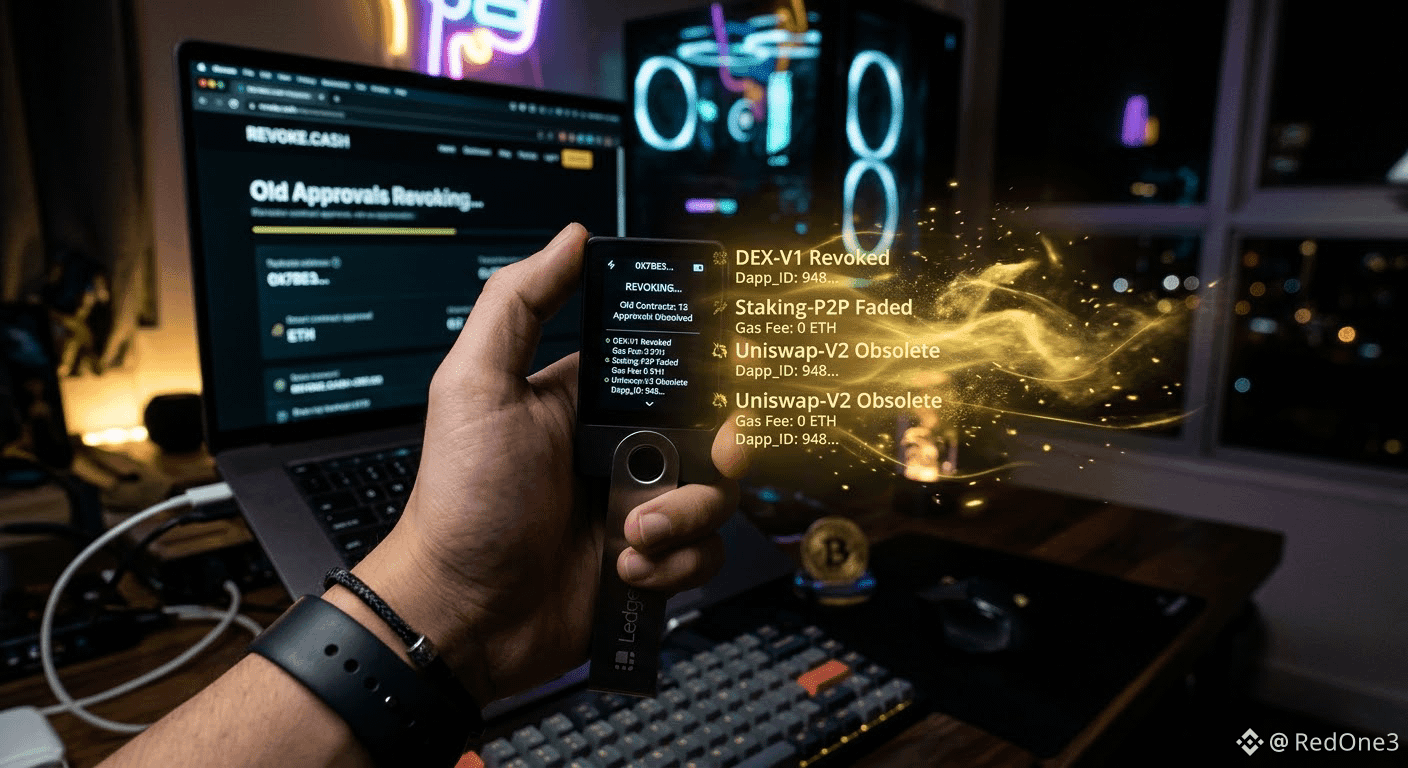
Check your token approvals every month 🗓️ Old approvals stay active forever
A dead project can still drain your wallet if you approved it
Revoke what you do not use. Clean house regularly.
#KeepItLegit #ᴰʸᴼᴿ
#CryptoSecurity #DeFi .
Check your token approvals every month 🗓️ Old approvals stay active forever
A dead project can still drain your wallet if you approved it
Revoke what you do not use. Clean house regularly.
#KeepItLegit #ᴰʸᴼᴿ
#CryptoSecurity #DeFi .
A dead project can still drain your wallet if you approved it
Revoke what you do not use. Clean house regularly.
#KeepItLegit #ᴰʸᴼᴿ
#CryptoSecurity #DeFi .
153
Log in to explore more content
Join global crypto users on Binance Square
⚡️ Get latest and useful information about crypto.
💬 Trusted by the world’s largest crypto exchange.
👍 Discover real insights from verified creators.
Email / Phone number
Trending Topics
1
#BinancePick
3.1M views
153,869 Discussing
2
#EarningsSeason
5.3M views
26,079 Discussing
3
#AnthropicTTMRevenueGrewAbout1200%
36,565 views
447 Discussing
4
#AnthropicS1ExpectedToday
30,097 views
364 Discussing
5
#SouthKoreaReportedlyWeighsFourthCryptoTaxDelay
33,330 views
495 Discussing
6
#FranklinTempletonFilesForTwoDividendToBitcoinETFs
44,300 views
563 Discussing
7
#StrategyMSTRSurpassesNasdaqInMarketCap
34,086 views
399 Discussing
8
#CanadaProposesStablecoinRedemptionWithin3BusinessDays
1,427 views
37 Discussing
9
#ElectrumWalletBugLetRogueServersStealFunds
33,251 views
480 Discussing
10
#ArgentineCourtDismissesLIBRACaseAgainstMilei
49,597 views
603 Discussing