
#tron
tron
5.9M views
22,239 Discussing
Hot
Latest

·
--
Bullish
⚡️ TRON ($TRX): The Undisputed King of USDT Transfers
While layer-1 networks battle for DeFi yields, $TRX quietly powers the most vital utility in crypto: global stablecoin settlements.
📌 Why $TRX Stays Strong
USDT Settlement Dominance: Over half of all circulating USDT operates on TRON, serving as the go-to network for low-cost transactions.
Deflationary Mechanics: Token burns driven by high network usage keep supply tight, supporting price resilience.
Institutional Moves: Expanding ecosystem growth and potential exchange-traded products continue to drive institutional awareness.
💬 Is $TRX a core long-term hold or just your transfer currency? Let’s hear your thoughts below! 👇
(DYOR. Not financial advice.)
#TRON #TRX #Crypto #BinanceSquare #Trading
⚡️ TRON ($TRX ): The Undisputed King of USDT Transfers
While layer-1 networks battle for DeFi yields, $TRX quietly powers the most vital utility in crypto: global stablecoin settlements.
📌 Why $TRX Stays Strong
USDT Settlement Dominance: Over half of all circulating USDT operates on TRON, serving as the go-to network for low-cost transactions.
Deflationary Mechanics: Token burns driven by high network usage keep supply tight, supporting price resilience.
Institutional Moves: Expanding ecosystem growth and potential exchange-traded products continue to drive institutional awareness.
💬 Is $TRX a core long-term hold or just your transfer currency? Let’s hear your thoughts below! 👇
(DYOR. Not financial advice.)
#TRON #TRX #Crypto #BinanceSquare #Trading
While layer-1 networks battle for DeFi yields, $TRX quietly powers the most vital utility in crypto: global stablecoin settlements.
📌 Why $TRX Stays Strong
USDT Settlement Dominance: Over half of all circulating USDT operates on TRON, serving as the go-to network for low-cost transactions.
Deflationary Mechanics: Token burns driven by high network usage keep supply tight, supporting price resilience.
Institutional Moves: Expanding ecosystem growth and potential exchange-traded products continue to drive institutional awareness.
💬 Is $TRX a core long-term hold or just your transfer currency? Let’s hear your thoughts below! 👇
(DYOR. Not financial advice.)
#TRON #TRX #Crypto #BinanceSquare #Trading
1
129

·
--
Bullish
Verified
⚡️ JUST IN: TRON Stablecoins Are Growing Fast! 🚀
TRON’s stablecoin market cap has surged by $4.8 BILLION in just 90 days. 📈🔥
💰 More stablecoin liquidity
🌐 Growing on-chain activity
🚀 Strong momentum for the TRON ecosystem
The crypto market is moving fast. 👀
#TRON #TRX #Stablecoin #Blockchain
$TRON.US
$TRX
{spot}(TRXUSDT)
⚡️ JUST IN: TRON Stablecoins Are Growing Fast! 🚀
TRON’s stablecoin market cap has surged by $4.8 BILLION in just 90 days. 📈🔥
💰 More stablecoin liquidity
🌐 Growing on-chain activity
🚀 Strong momentum for the TRON ecosystem
The crypto market is moving fast. 👀
#TRON #TRX #Stablecoin #Blockchain
$TRON.US
$TRX
TRON’s stablecoin market cap has surged by $4.8 BILLION in just 90 days. 📈🔥
💰 More stablecoin liquidity
🌐 Growing on-chain activity
🚀 Strong momentum for the TRON ecosystem
The crypto market is moving fast. 👀
#TRON #TRX #Stablecoin #Blockchain
$TRON.US
$TRX
38

·
--
Article
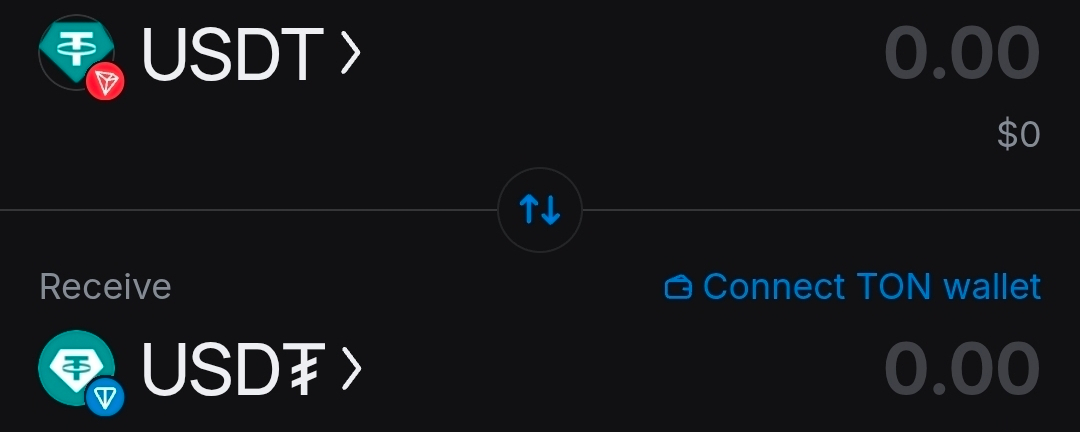
From TRON USDT to TON USDTFrom TRON USDT to TON USDT
Demystifying the Cross Chain Route
While they share the same dollar peg and ticker, TRC 20 USDT (TRON) and Jetton USDT (TON) are completely separate on chain assets. Because they exist on entirely different ledgers with distinct token standards, moving value between them is not a standard transfer or simple swap. It requires a synchronized settlement across two isolated blockchains.
Traditional bridges tackle this by locking assets in a shared vault and minting a wrapped synthetic token on the target chain. STON fi’s cross chain liquidity protocol, Omniston, takes a resolver driven route to skip wrapped assets entirely and deliver native liquidity directly.
Why USDT Is Not Just USDT Across Blockchains
On chain balances do not magically travel between networks. USDT on TRON relies on TRON’s virtual machine and ledger history, while USDT on TON exists as a native Jetton deeply integrated into TON’s asynchronous architecture.
Treating them as interchangeable inside a basic wallet transfer often results in permanent loss of funds. A true cross chain route must fulfill an exchange: trading your claims on the TRON network for genuine claims on the TON network.
How Omniston Powers Direct Settlement Under the Hood
Instead of relying on large, vulnerable bridge pools, Omniston operates as an intent based execution layer utilizing Resolvers and Hashed Timelock Contracts (HTLCs).
Intent & RFQ (Request for Quote): When you set up the trade—TRON USDT in, TON USDT out—Omniston broadcasts a request to professional market makers (resolvers), who compete to offer the best settlement rate.
Cryptographic Locking: Once you accept a quote, atomic settlement initiates. Linked HTLCs lock the funds on both TRON and TON using identical cryptographic conditions.
Atomic Zero Wrapping Execution: When you reveal the cryptographic secret to unlock native USDT on TON, that same secret allows the resolver to claim your locked TRON USDT.
Built in Refund Safeguards: If either party fails to settle within the designated time limit, the timelock mechanism expires and funds revert safely to their original owners.
Rather than the fragmented path of #Tron USDT → Wrapped Token → Manual Swap → TON USDT, the flow is direct:
TRC 20 USDT (TRON) → Native Jetton USDT (TON)
Critical Checks Before You Sign
Cross chain transactions cannot be undone once confirmed. Before approving the transaction in your wallet, make sure to verify:
Source & Destination Networks: Confirm the route explicitly shows TRON as your origin network and TON as the destination.
Receiving Wallet Address: Double check your destination TON wallet address to ensure it is accurate and configured to handle native Jettons.
Net Quoted Payout: Check the exact USDT output you are expected to receive on TON after resolver spreads and protocol fees are deducted.
Network Gas Balances: Ensure your TRON wallet holds sufficient TRX to broadcast the outbound transaction, and keep a small balance of TON ready for post bridge operations.
Receiving native #TON USDT removes the friction of secondary market swaps and unwrapping steps. The moment your transaction finalizes, the funds are immediately spendable across TON ready for liquidity provision, standard swaps on STON fi, or instant peer to peer transfers inside Telegram.
Omniston coordinates the complexity beneath the surface, letting cross chain liquidity feel like a single native swap.
From TRON USDT to TON USDT
From TRON USDT to TON USDT
Demystifying the Cross Chain Route
While they share the same dollar peg and ticker, TRC 20 USDT (TRON) and Jetton USDT (TON) are completely separate on chain assets. Because they exist on entirely different ledgers with distinct token standards, moving value between them is not a standard transfer or simple swap. It requires a synchronized settlement across two isolated blockchains.
Traditional bridges tackle this by locking assets in a shared vault and minting a wrapped synthetic token on the target chain. STON fi’s cross chain liquidity protocol, Omniston, takes a resolver driven route to skip wrapped assets entirely and deliver native liquidity directly.
Why USDT Is Not Just USDT Across Blockchains
On chain balances do not magically travel between networks. USDT on TRON relies on TRON’s virtual machine and ledger history, while USDT on TON exists as a native Jetton deeply integrated into TON’s asynchronous architecture.
Treating them as interchangeable inside a basic wallet transfer often results in permanent loss of funds. A true cross chain route must fulfill an exchange: trading your claims on the TRON network for genuine claims on the TON network.
How Omniston Powers Direct Settlement Under the Hood
Instead of relying on large, vulnerable bridge pools, Omniston operates as an intent based execution layer utilizing Resolvers and Hashed Timelock Contracts (HTLCs).
Intent & RFQ (Request for Quote): When you set up the trade—TRON USDT in, TON USDT out—Omniston broadcasts a request to professional market makers (resolvers), who compete to offer the best settlement rate.
Cryptographic Locking: Once you accept a quote, atomic settlement initiates. Linked HTLCs lock the funds on both TRON and TON using identical cryptographic conditions.
Atomic Zero Wrapping Execution: When you reveal the cryptographic secret to unlock native USDT on TON, that same secret allows the resolver to claim your locked TRON USDT.
Built in Refund Safeguards: If either party fails to settle within the designated time limit, the timelock mechanism expires and funds revert safely to their original owners.
Rather than the fragmented path of #Tron USDT → Wrapped Token → Manual Swap → TON USDT, the flow is direct:
TRC 20 USDT (TRON) → Native Jetton USDT (TON)
Critical Checks Before You Sign
Cross chain transactions cannot be undone once confirmed. Before approving the transaction in your wallet, make sure to verify:
Source & Destination Networks: Confirm the route explicitly shows TRON as your origin network and TON as the destination.
Receiving Wallet Address: Double check your destination TON wallet address to ensure it is accurate and configured to handle native Jettons.
Net Quoted Payout: Check the exact USDT output you are expected to receive on TON after resolver spreads and protocol fees are deducted.
Network Gas Balances: Ensure your TRON wallet holds sufficient TRX to broadcast the outbound transaction, and keep a small balance of TON ready for post bridge operations.
Receiving native #TON USDT removes the friction of secondary market swaps and unwrapping steps. The moment your transaction finalizes, the funds are immediately spendable across TON ready for liquidity provision, standard swaps on STON fi, or instant peer to peer transfers inside Telegram.
Omniston coordinates the complexity beneath the surface, letting cross chain liquidity feel like a single native swap.
Demystifying the Cross Chain Route
While they share the same dollar peg and ticker, TRC 20 USDT (TRON) and Jetton USDT (TON) are completely separate on chain assets. Because they exist on entirely different ledgers with distinct token standards, moving value between them is not a standard transfer or simple swap. It requires a synchronized settlement across two isolated blockchains.
Traditional bridges tackle this by locking assets in a shared vault and minting a wrapped synthetic token on the target chain. STON fi’s cross chain liquidity protocol, Omniston, takes a resolver driven route to skip wrapped assets entirely and deliver native liquidity directly.
Why USDT Is Not Just USDT Across Blockchains
On chain balances do not magically travel between networks. USDT on TRON relies on TRON’s virtual machine and ledger history, while USDT on TON exists as a native Jetton deeply integrated into TON’s asynchronous architecture.
Treating them as interchangeable inside a basic wallet transfer often results in permanent loss of funds. A true cross chain route must fulfill an exchange: trading your claims on the TRON network for genuine claims on the TON network.
How Omniston Powers Direct Settlement Under the Hood
Instead of relying on large, vulnerable bridge pools, Omniston operates as an intent based execution layer utilizing Resolvers and Hashed Timelock Contracts (HTLCs).
Intent & RFQ (Request for Quote): When you set up the trade—TRON USDT in, TON USDT out—Omniston broadcasts a request to professional market makers (resolvers), who compete to offer the best settlement rate.
Cryptographic Locking: Once you accept a quote, atomic settlement initiates. Linked HTLCs lock the funds on both TRON and TON using identical cryptographic conditions.
Atomic Zero Wrapping Execution: When you reveal the cryptographic secret to unlock native USDT on TON, that same secret allows the resolver to claim your locked TRON USDT.
Built in Refund Safeguards: If either party fails to settle within the designated time limit, the timelock mechanism expires and funds revert safely to their original owners.
Rather than the fragmented path of #Tron USDT → Wrapped Token → Manual Swap → TON USDT, the flow is direct:
TRC 20 USDT (TRON) → Native Jetton USDT (TON)
Critical Checks Before You Sign
Cross chain transactions cannot be undone once confirmed. Before approving the transaction in your wallet, make sure to verify:
Source & Destination Networks: Confirm the route explicitly shows TRON as your origin network and TON as the destination.
Receiving Wallet Address: Double check your destination TON wallet address to ensure it is accurate and configured to handle native Jettons.
Net Quoted Payout: Check the exact USDT output you are expected to receive on TON after resolver spreads and protocol fees are deducted.
Network Gas Balances: Ensure your TRON wallet holds sufficient TRX to broadcast the outbound transaction, and keep a small balance of TON ready for post bridge operations.
Receiving native #TON USDT removes the friction of secondary market swaps and unwrapping steps. The moment your transaction finalizes, the funds are immediately spendable across TON ready for liquidity provision, standard swaps on STON fi, or instant peer to peer transfers inside Telegram.
Omniston coordinates the complexity beneath the surface, letting cross chain liquidity feel like a single native swap.
66
·
--
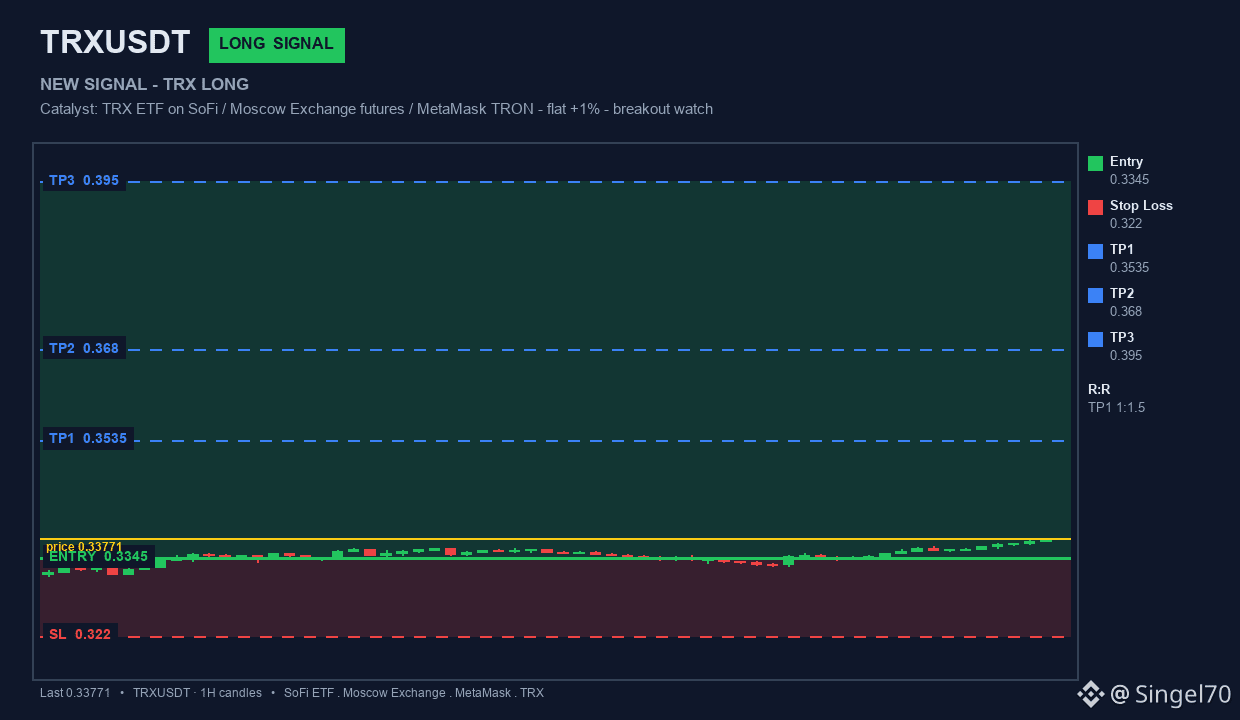
🚀 NEW SIGNAL • $TRX LONG
Why TRX is the most-watched name right now:
• TRX ETF filing surfaces on SoFi
• Moscow Exchange launches TRX futures
• MetaMask integration brings TRON to millions of wallets
Price is only +1% on the day — no blow-off, no overextension. TRX has been compressing inside a tight 0.32–0.35 range for weeks and is now pressing the top of it. Breakout fuel, not chase fuel.
📊 Entry: 0.333–0.336 (pullback zone)
🛑 SL: 0.322 | 10x leverage
🎯 TP1: 0.3535 (+5.7%)
🎯 TP2: 0.368 (+10%)
🎯 TP3: 0.395 (+18%)
Three structural targets off a flat base — R:R ~1.6 / 2.8 / 5.0 at 10x.
Will $TRX finally break its range to new local highs? 🤔
#TRX #Tron #Crypto
Not financial advice. Always DYOR.
🚀 NEW SIGNAL • $TRX LONG
Why TRX is the most-watched name right now:
• TRX ETF filing surfaces on SoFi
• Moscow Exchange launches TRX futures
• MetaMask integration brings TRON to millions of wallets
Price is only +1% on the day — no blow-off, no overextension. TRX has been compressing inside a tight 0.32–0.35 range for weeks and is now pressing the top of it. Breakout fuel, not chase fuel.
📊 Entry: 0.333–0.336 (pullback zone)
🛑 SL: 0.322 | 10x leverage
🎯 TP1: 0.3535 (+5.7%)
🎯 TP2: 0.368 (+10%)
🎯 TP3: 0.395 (+18%)
Three structural targets off a flat base — R:R ~1.6 / 2.8 / 5.0 at 10x.
Will $TRX finally break its range to new local highs? 🤔
#TRX #Tron #Crypto
Not financial advice. Always DYOR.
Why TRX is the most-watched name right now:
• TRX ETF filing surfaces on SoFi
• Moscow Exchange launches TRX futures
• MetaMask integration brings TRON to millions of wallets
Price is only +1% on the day — no blow-off, no overextension. TRX has been compressing inside a tight 0.32–0.35 range for weeks and is now pressing the top of it. Breakout fuel, not chase fuel.
📊 Entry: 0.333–0.336 (pullback zone)
🛑 SL: 0.322 | 10x leverage
🎯 TP1: 0.3535 (+5.7%)
🎯 TP2: 0.368 (+10%)
🎯 TP3: 0.395 (+18%)
Three structural targets off a flat base — R:R ~1.6 / 2.8 / 5.0 at 10x.
Will $TRX finally break its range to new local highs? 🤔
#TRX #Tron #Crypto
Not financial advice. Always DYOR.
1
13

·
--
Bullish
🚀 TRON Ecosystem Dominates 3 Major Fronts Today: AI Agents, Webull ETF Launch & Bitcoin-Backed DeFi!
While the broader crypto market consolidates, the TRON ($TRX) network is accelerating adoption across three massive sectors simultaneously. Here is a breakdown of today's triple milestone:
1️⃣ 🤖 Autonomous AI Agents & Justin Sun Prize
AI agents are now actively executing on-chain payments on TRON, leveraging its ultra-low fees and sub-second settlement. Simultaneously, the first 66 complex mathematical challenges for the @JustinSunPrize have gone live, establishing a groundbreaking benchmark to test the reasoning, problem-solving, and computational capabilities of cutting-edge AI models on blockchain.
2️⃣ 🏛 TradFi Institutional Gateway: Canary Staked TRX ETF on Webull
Institutional accessibility just took another leap forward — the Canary Staked TRX ETF ($TRXS) is officially available for trading on Webull. This provides millions of retail and institutional investors direct exposure to TRX staking rewards through traditional stock brokerage accounts without on-chain custody friction.
3️⃣ ⚡️ Ducat x TRON Integration: Unleashing Bitcoin-Backed DeFi
Ducat Protocol has integrated TRON to scale USDT settlement utility within its Bitcoin-native financial layer. Key highlights:
• USDT on TRON now serves as the primary settlement asset.
• Launch of wUNIT — the TRC-20 standard of the Bitcoin-backed dollar UNIT directly within the TRON ecosystem.
📊 Key Takeaway:
TRON is rapidly evolving beyond being the world's leading USDT rail into a core infrastructure hub connecting TradFi (Webull ETF), Autonomous AI economies, and Bitcoin DeFi.
💬 Which of these 3 milestones do you believe will drive the biggest on-chain growth for $TRX in 2026? Drop your thoughts below! 👇
#TRON #TRONGlobalFriends #TGF
{spot}(TRXUSDT)
{future}(TRXUSDT)
🚀 TRON Ecosystem Dominates 3 Major Fronts Today: AI Agents, Webull ETF Launch & Bitcoin-Backed DeFi!
While the broader crypto market consolidates, the TRON ($TRX ) network is accelerating adoption across three massive sectors simultaneously. Here is a breakdown of today's triple milestone:
1️⃣ 🤖 Autonomous AI Agents & Justin Sun Prize
AI agents are now actively executing on-chain payments on TRON, leveraging its ultra-low fees and sub-second settlement. Simultaneously, the first 66 complex mathematical challenges for the @JustinSunPrize have gone live, establishing a groundbreaking benchmark to test the reasoning, problem-solving, and computational capabilities of cutting-edge AI models on blockchain.
2️⃣ 🏛 TradFi Institutional Gateway: Canary Staked TRX ETF on Webull
Institutional accessibility just took another leap forward — the Canary Staked TRX ETF ($TRXS) is officially available for trading on Webull. This provides millions of retail and institutional investors direct exposure to TRX staking rewards through traditional stock brokerage accounts without on-chain custody friction.
3️⃣ ⚡️ Ducat x TRON Integration: Unleashing Bitcoin-Backed DeFi
Ducat Protocol has integrated TRON to scale USDT settlement utility within its Bitcoin-native financial layer. Key highlights:
• USDT on TRON now serves as the primary settlement asset.
• Launch of wUNIT — the TRC-20 standard of the Bitcoin-backed dollar UNIT directly within the TRON ecosystem.
📊 Key Takeaway:
TRON is rapidly evolving beyond being the world's leading USDT rail into a core infrastructure hub connecting TradFi (Webull ETF), Autonomous AI economies, and Bitcoin DeFi.
💬 Which of these 3 milestones do you believe will drive the biggest on-chain growth for $TRX in 2026? Drop your thoughts below! 👇
#TRON #TRONGlobalFriends #TGF
While the broader crypto market consolidates, the TRON ($TRX ) network is accelerating adoption across three massive sectors simultaneously. Here is a breakdown of today's triple milestone:
1️⃣ 🤖 Autonomous AI Agents & Justin Sun Prize
AI agents are now actively executing on-chain payments on TRON, leveraging its ultra-low fees and sub-second settlement. Simultaneously, the first 66 complex mathematical challenges for the @JustinSunPrize have gone live, establishing a groundbreaking benchmark to test the reasoning, problem-solving, and computational capabilities of cutting-edge AI models on blockchain.
2️⃣ 🏛 TradFi Institutional Gateway: Canary Staked TRX ETF on Webull
Institutional accessibility just took another leap forward — the Canary Staked TRX ETF ($TRXS) is officially available for trading on Webull. This provides millions of retail and institutional investors direct exposure to TRX staking rewards through traditional stock brokerage accounts without on-chain custody friction.
3️⃣ ⚡️ Ducat x TRON Integration: Unleashing Bitcoin-Backed DeFi
Ducat Protocol has integrated TRON to scale USDT settlement utility within its Bitcoin-native financial layer. Key highlights:
• USDT on TRON now serves as the primary settlement asset.
• Launch of wUNIT — the TRC-20 standard of the Bitcoin-backed dollar UNIT directly within the TRON ecosystem.
📊 Key Takeaway:
TRON is rapidly evolving beyond being the world's leading USDT rail into a core infrastructure hub connecting TradFi (Webull ETF), Autonomous AI economies, and Bitcoin DeFi.
💬 Which of these 3 milestones do you believe will drive the biggest on-chain growth for $TRX in 2026? Drop your thoughts below! 👇
#TRON #TRONGlobalFriends #TGF
1
84

·
--
Love solving math problems, or know a friend who does? This could be for you 👀💰
The Justin Sun Prize from @justinsuntron has released its first 66 problems, offering a chance to challenge yourself and win cash prizes.
The top prize is $1,000,000 — around 32 million baht! 💰
To get started, explore the problems and pick one to tackle. You’ll need a complete proof explaining why your solution is correct, in a format that can be machine-checked, before submitting it for review under the project’s rules.
You can use AI to help brainstorm ideas and explore approaches, but the final proof still needs to be complete and pass verification 🤖✅
If tough math problems are your thing, take a look! And if this reminds you of a math-loving friend, send it their way 😆
@TRONDAO @TronDao_THA
#TGF #TRON #TRONGlobalFreinds
Love solving math problems, or know a friend who does? This could be for you 👀💰
The Justin Sun Prize from @justinsuntron has released its first 66 problems, offering a chance to challenge yourself and win cash prizes.
The top prize is $1,000,000 — around 32 million baht! 💰
To get started, explore the problems and pick one to tackle. You’ll need a complete proof explaining why your solution is correct, in a format that can be machine-checked, before submitting it for review under the project’s rules.
You can use AI to help brainstorm ideas and explore approaches, but the final proof still needs to be complete and pass verification 🤖✅
If tough math problems are your thing, take a look! And if this reminds you of a math-loving friend, send it their way 😆
@TRON DAO @TronDao_THA
#TGF #TRON #TRONGlobalFreinds
The Justin Sun Prize from @justinsuntron has released its first 66 problems, offering a chance to challenge yourself and win cash prizes.
The top prize is $1,000,000 — around 32 million baht! 💰
To get started, explore the problems and pick one to tackle. You’ll need a complete proof explaining why your solution is correct, in a format that can be machine-checked, before submitting it for review under the project’s rules.
You can use AI to help brainstorm ideas and explore approaches, but the final proof still needs to be complete and pass verification 🤖✅
If tough math problems are your thing, take a look! And if this reminds you of a math-loving friend, send it their way 😆
@TRON DAO @TronDao_THA
#TGF #TRON #TRONGlobalFreinds

82

·
--
☀️ Good morning, everyone.
Yesterday I wrote about the Justin Sun Prize and why the interesting part isn’t just the prize money, but the idea of rewarding work that can actually be verified.
This morning, there’s another update worth watching 👀
Justin Sun has announced the first round of recognized winners, along with 66 prize problems built around a simple idea:
reward the solution, not the person.
That’s the part I find most interesting.
The focus is on the answer and the proof itself, whether it comes from a human, AI, or a collaboration between the two.
And that raises a bigger question.
In the AI era, should we care more about who produced the solution, or whether the result can actually be checked, reproduced, and verified?
Those two things are not always the same.
A proof that passes machine verification and a result that is formally accepted by the wider academic community may happen at different stages.
For me, that’s where this gets much more interesting than just “who won the prize.”
If AI starts contributing more seriously to mathematics and research, then verification may become just as important as discovery.
Coffee first, then back to following this story ☕️
I think this one still has a lot more to unfold.
@TRONDAO @TronDao_THA @justinsuntron
#TRONGlobalFriends #TGF #TRON #JustinSunPrize
☀️ Good morning, everyone.
Yesterday I wrote about the Justin Sun Prize and why the interesting part isn’t just the prize money, but the idea of rewarding work that can actually be verified.
This morning, there’s another update worth watching 👀
Justin Sun has announced the first round of recognized winners, along with 66 prize problems built around a simple idea:
reward the solution, not the person.
That’s the part I find most interesting.
The focus is on the answer and the proof itself, whether it comes from a human, AI, or a collaboration between the two.
And that raises a bigger question.
In the AI era, should we care more about who produced the solution, or whether the result can actually be checked, reproduced, and verified?
Those two things are not always the same.
A proof that passes machine verification and a result that is formally accepted by the wider academic community may happen at different stages.
For me, that’s where this gets much more interesting than just “who won the prize.”
If AI starts contributing more seriously to mathematics and research, then verification may become just as important as discovery.
Coffee first, then back to following this story ☕️
I think this one still has a lot more to unfold.
@TRON DAO @TronDao_THA @justinsuntron
#TRONGlobalFriends #TGF #TRON #JustinSunPrize
Yesterday I wrote about the Justin Sun Prize and why the interesting part isn’t just the prize money, but the idea of rewarding work that can actually be verified.
This morning, there’s another update worth watching 👀
Justin Sun has announced the first round of recognized winners, along with 66 prize problems built around a simple idea:
reward the solution, not the person.
That’s the part I find most interesting.
The focus is on the answer and the proof itself, whether it comes from a human, AI, or a collaboration between the two.
And that raises a bigger question.
In the AI era, should we care more about who produced the solution, or whether the result can actually be checked, reproduced, and verified?
Those two things are not always the same.
A proof that passes machine verification and a result that is formally accepted by the wider academic community may happen at different stages.
For me, that’s where this gets much more interesting than just “who won the prize.”
If AI starts contributing more seriously to mathematics and research, then verification may become just as important as discovery.
Coffee first, then back to following this story ☕️
I think this one still has a lot more to unfold.
@TRON DAO @TronDao_THA @justinsuntron
#TRONGlobalFriends #TGF #TRON #JustinSunPrize

1
64

⚡ ETHENA EXPANDS USDE TO TRON!
Ethena announced that USDe and sUSDe are coming to $TRON.US , expanding access to its stablecoin ecosystem. 💵⛓️
Another major move in the race for stablecoin adoption.
#Ethena #USDe #TRON #Stablecoins
{spot}(BTCUSDT)
{stock_us}(TRON.US)
⚡ ETHENA EXPANDS USDE TO TRON!
Ethena announced that USDe and sUSDe are coming to $TRON.US , expanding access to its stablecoin ecosystem. 💵⛓️
Another major move in the race for stablecoin adoption.
#Ethena #USDe #TRON #Stablecoins
Ethena announced that USDe and sUSDe are coming to $TRON.US , expanding access to its stablecoin ecosystem. 💵⛓️
Another major move in the race for stablecoin adoption.
#Ethena #USDe #TRON #Stablecoins
TRXUS+1.93%
1
101

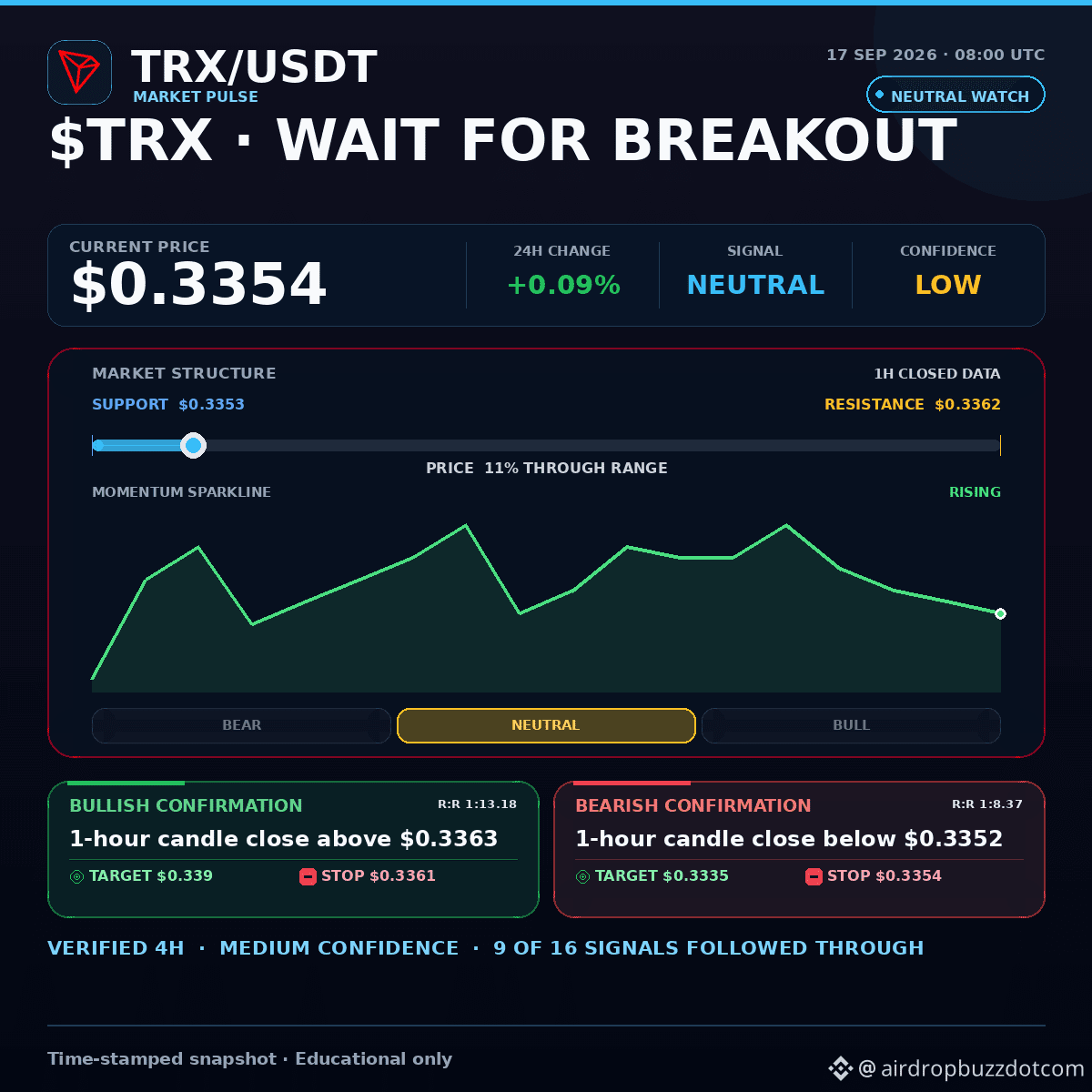
Is $TRX about to break—or fake out again?
📊 Snapshot
• Price: $0.3354
• 24H: +0.09%
• Bias: Neutral
📈 Bull Trigger
1-hour close above $0.3363 with open interest confirmation
📉 Bear Trigger
1-hour close below $0.3352 with open interest confirmation
🎯 Signal Read
Both triggers remain possible, but only a confirmed break turns the current noise into a directional read.
📌 Confidence
Low · Medium historical confidence · 9 of 16 directional moves were favorable
Signal Quality
- OI: Flat (0.00%)
- 4H: Neutral | 1D: Bearish (Mixed)
- ATR filter: 0.50 ATR ($0.0002214)
Wait for a closed candle—trigger levels confirm conditions; they do not predict targets.
Bull or bear first? Drop 🐂 or 🐻.
#TRX #TRON #CryptoTrading #MarketPulse
Educational only. Time-stamped market snapshot, not financial advice.
Is $TRX about to break—or fake out again?
📊 Snapshot
• Price: $0.3354
• 24H: +0.09%
• Bias: Neutral
📈 Bull Trigger
1-hour close above $0.3363 with open interest confirmation
📉 Bear Trigger
1-hour close below $0.3352 with open interest confirmation
🎯 Signal Read
Both triggers remain possible, but only a confirmed break turns the current noise into a directional read.
📌 Confidence
Low · Medium historical confidence · 9 of 16 directional moves were favorable
Signal Quality
- OI: Flat (0.00%)
- 4H: Neutral | 1D: Bearish (Mixed)
- ATR filter: 0.50 ATR ($0.0002214)
Wait for a closed candle—trigger levels confirm conditions; they do not predict targets.
Bull or bear first? Drop 🐂 or 🐻.
#TRX #TRON #CryptoTrading #MarketPulse
Educational only. Time-stamped market snapshot, not financial advice.
📊 Snapshot
• Price: $0.3354
• 24H: +0.09%
• Bias: Neutral
📈 Bull Trigger
1-hour close above $0.3363 with open interest confirmation
📉 Bear Trigger
1-hour close below $0.3352 with open interest confirmation
🎯 Signal Read
Both triggers remain possible, but only a confirmed break turns the current noise into a directional read.
📌 Confidence
Low · Medium historical confidence · 9 of 16 directional moves were favorable
Signal Quality
- OI: Flat (0.00%)
- 4H: Neutral | 1D: Bearish (Mixed)
- ATR filter: 0.50 ATR ($0.0002214)
Wait for a closed candle—trigger levels confirm conditions; they do not predict targets.
Bull or bear first? Drop 🐂 or 🐻.
#TRX #TRON #CryptoTrading #MarketPulse
Educational only. Time-stamped market snapshot, not financial advice.
6

·
--
🔥 Over 2.5 million TRX were burned in a single day
The TRON network burned 2,518,987 TRX on September 17, setting a new record and indicating the continued operation of the token burning mechanism within the network. 📊
🔥 What does this number mean?
Burning TRX means permanently removing these tokens from circulation, as part of the network’s economic mechanism—something worth following as activity and on-chain usage levels change.
📊 Key figures:
🔹 Amount burned in one day: 2,518,987 TRX
🔹 Data date: September 17, 2026
🌐 In my view as a TRON network ambassador, tracking burn operations alongside transactions, accounts, and stablecoin activity provides a broader picture of network movement and the TRX coin’s economy.
🚀 More than 2.5 million TRX left circulation in one day.. and the question remains: how will the burn rate evolve as TRON network activity continues to grow?
@JustinSun @TRONDAO
#TRON #TRX #TGF #TRONGlobalFriends
🔥 Over 2.5 million TRX were burned in a single day
The TRON network burned 2,518,987 TRX on September 17, setting a new record and indicating the continued operation of the token burning mechanism within the network. 📊
🔥 What does this number mean?
Burning TRX means permanently removing these tokens from circulation, as part of the network’s economic mechanism—something worth following as activity and on-chain usage levels change.
📊 Key figures:
🔹 Amount burned in one day: 2,518,987 TRX
🔹 Data date: September 17, 2026
🌐 In my view as a TRON network ambassador, tracking burn operations alongside transactions, accounts, and stablecoin activity provides a broader picture of network movement and the TRX coin’s economy.
🚀 More than 2.5 million TRX left circulation in one day.. and the question remains: how will the burn rate evolve as TRON network activity continues to grow?
@Justin Sun孙宇晨 @TRON DAO
#TRON #TRX #TGF #TRONGlobalFriends
The TRON network burned 2,518,987 TRX on September 17, setting a new record and indicating the continued operation of the token burning mechanism within the network. 📊
🔥 What does this number mean?
Burning TRX means permanently removing these tokens from circulation, as part of the network’s economic mechanism—something worth following as activity and on-chain usage levels change.
📊 Key figures:
🔹 Amount burned in one day: 2,518,987 TRX
🔹 Data date: September 17, 2026
🌐 In my view as a TRON network ambassador, tracking burn operations alongside transactions, accounts, and stablecoin activity provides a broader picture of network movement and the TRX coin’s economy.
🚀 More than 2.5 million TRX left circulation in one day.. and the question remains: how will the burn rate evolve as TRON network activity continues to grow?
@Justin Sun孙宇晨 @TRON DAO
#TRON #TRX #TGF #TRONGlobalFriends

2
93

·
--
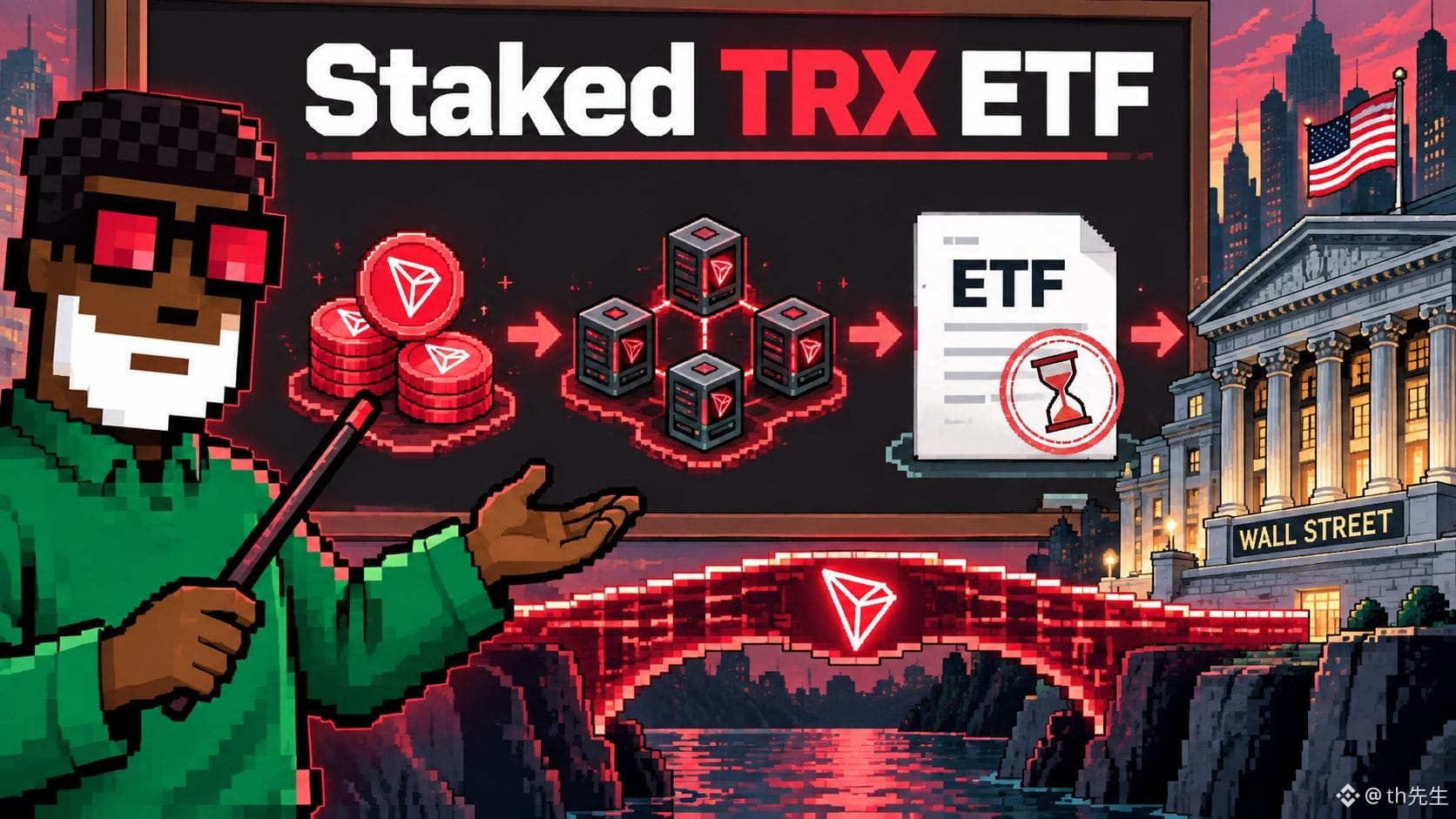
The US staking-type TRX ETF proposal is drawing renewed attention
In the United States, a plan to list a “Canary Staked TRX ETF” is currently underway 🇺🇸
The design is not only intended to track the TRX price, but also to stake the TRX held and pass the rewards back to investors.
If it comes to fruition, it would allow access to TRX and staking earnings without using a wallet.
However, as of now it has not yet received SEC approval, so the listing is not confirmed ⚠️
#TRONGlobalFriends #TGF #TRON
@JustinSun @TRONDAO
The US staking-type TRX ETF proposal is drawing renewed attention
In the United States, a plan to list a “Canary Staked TRX ETF” is currently underway 🇺🇸
The design is not only intended to track the TRX price, but also to stake the TRX held and pass the rewards back to investors.
If it comes to fruition, it would allow access to TRX and staking earnings without using a wallet.
However, as of now it has not yet received SEC approval, so the listing is not confirmed ⚠️
#TRONGlobalFriends #TGF #TRON
@Justin Sun孙宇晨 @TRON DAO
In the United States, a plan to list a “Canary Staked TRX ETF” is currently underway 🇺🇸
The design is not only intended to track the TRX price, but also to stake the TRX held and pass the rewards back to investors.
If it comes to fruition, it would allow access to TRX and staking earnings without using a wallet.
However, as of now it has not yet received SEC approval, so the listing is not confirmed ⚠️
#TRONGlobalFriends #TGF #TRON
@Justin Sun孙宇晨 @TRON DAO
129

·
--
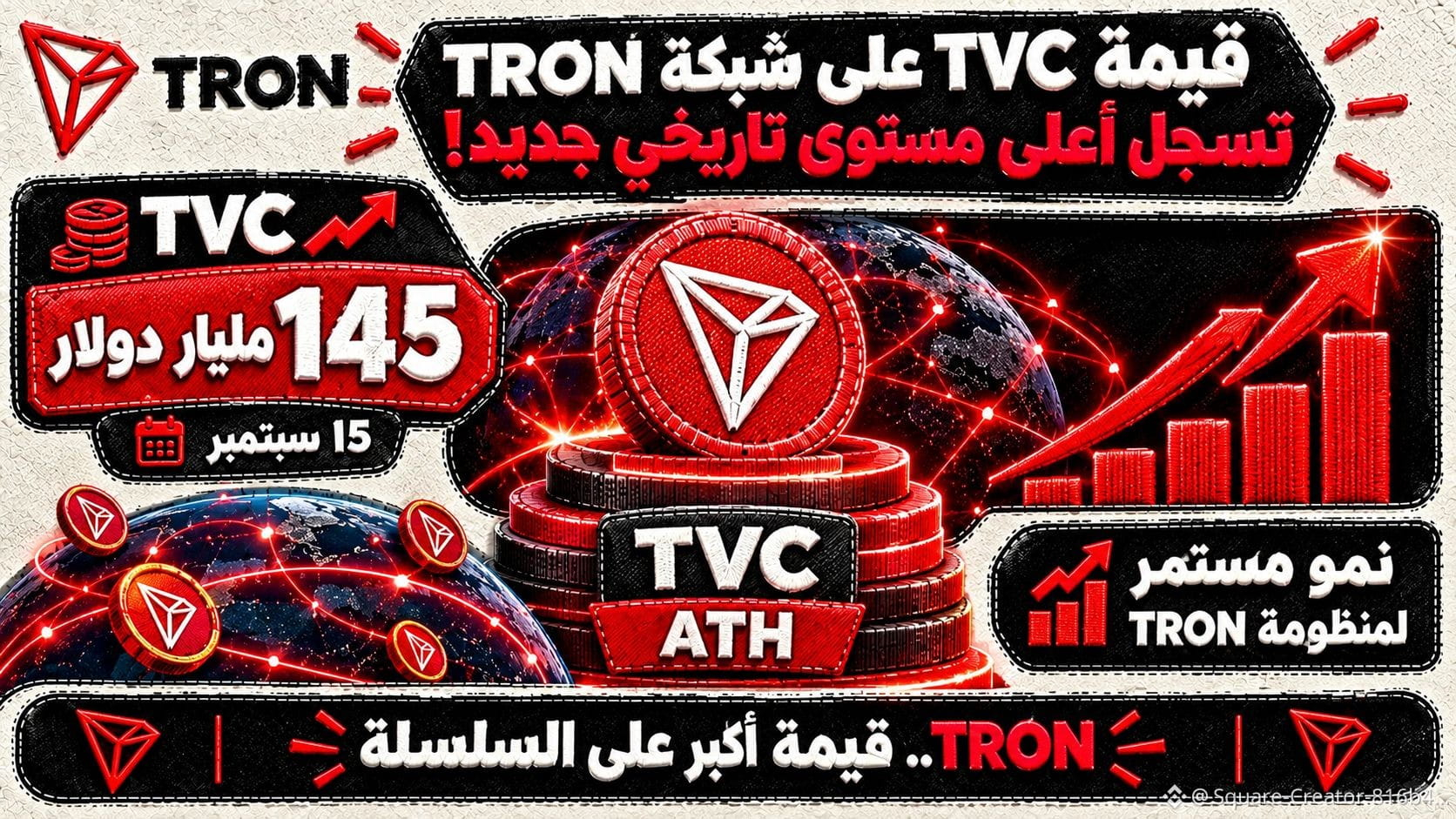
🚨 New ATH Puts TRON Under the Microscope! 🌐🔥
The network #TRON not only recorded high levels of activity, but also saw its Total Value on Chain (TVC) reach around $145 billion on September 15, setting an all-time high. 📈
This jump carries deeper meaning than just a record figure; TVC helps measure the amount of value present within the network ecosystem. Therefore, reaching a new peak reflects the expanding scale of capital and activity tied to TRON’s infrastructure.
As stablecoin usage, digital payments, transfers, and DeFi applications continue to grow, TRON’s importance as an infrastructure layer that can handle significant on-chain financial activity is increasing.
💡 This is where the true value of the data lies:
Price tells you where the asset is trading, while on-chain value indicators give you a different picture of the level of activity and the value moving within the ecosystem.
$145 billion isn’t just another milestone… it’s a figure that highlights the size of the economy being built and powered on the network #TRON.
📊 A new peak in TVC = new data worth tracking to understand the growth direction of the ecosystem in the next phase.
#TRON #TRX
🚨 New ATH Puts TRON Under the Microscope! 🌐🔥
The network #TRON not only recorded high levels of activity, but also saw its Total Value on Chain (TVC) reach around $145 billion on September 15, setting an all-time high. 📈
This jump carries deeper meaning than just a record figure; TVC helps measure the amount of value present within the network ecosystem. Therefore, reaching a new peak reflects the expanding scale of capital and activity tied to TRON’s infrastructure.
As stablecoin usage, digital payments, transfers, and DeFi applications continue to grow, TRON’s importance as an infrastructure layer that can handle significant on-chain financial activity is increasing.
💡 This is where the true value of the data lies:
Price tells you where the asset is trading, while on-chain value indicators give you a different picture of the level of activity and the value moving within the ecosystem.
$145 billion isn’t just another milestone… it’s a figure that highlights the size of the economy being built and powered on the network #TRON.
📊 A new peak in TVC = new data worth tracking to understand the growth direction of the ecosystem in the next phase.
#TRON #TRX
The network #TRON not only recorded high levels of activity, but also saw its Total Value on Chain (TVC) reach around $145 billion on September 15, setting an all-time high. 📈
This jump carries deeper meaning than just a record figure; TVC helps measure the amount of value present within the network ecosystem. Therefore, reaching a new peak reflects the expanding scale of capital and activity tied to TRON’s infrastructure.
As stablecoin usage, digital payments, transfers, and DeFi applications continue to grow, TRON’s importance as an infrastructure layer that can handle significant on-chain financial activity is increasing.
💡 This is where the true value of the data lies:
Price tells you where the asset is trading, while on-chain value indicators give you a different picture of the level of activity and the value moving within the ecosystem.
$145 billion isn’t just another milestone… it’s a figure that highlights the size of the economy being built and powered on the network #TRON.
📊 A new peak in TVC = new data worth tracking to understand the growth direction of the ecosystem in the next phase.
#TRON #TRX

1
109

Article
Ducat integrates with TRON, Bitcoin becomes collateral for stablecoin liquidity on-chainThe TRON ecosystem continues to expand beyond traditional USDT transfers. The Ducat protocol has announced integration with TRON and is bringing its wUNIT, a TRC-20 representation of its Bitcoin-backed digital dollar UNIT, into the network.
The integration idea consists of combining two major sources of cryptocurrency liquidity: Bitcoin is used as collateral, while TRON provides the infrastructure for issuing, circulating, and exchanging a dollar-denominated asset.
Ducat integrates with TRON, Bitcoin becomes collateral for stablecoin liquidity on-chain
The TRON ecosystem continues to expand beyond traditional USDT transfers. The Ducat protocol has announced integration with TRON and is bringing its wUNIT, a TRC-20 representation of its Bitcoin-backed digital dollar UNIT, into the network.
The integration idea consists of combining two major sources of cryptocurrency liquidity: Bitcoin is used as collateral, while TRON provides the infrastructure for issuing, circulating, and exchanging a dollar-denominated asset.
The integration idea consists of combining two major sources of cryptocurrency liquidity: Bitcoin is used as collateral, while TRON provides the infrastructure for issuing, circulating, and exchanging a dollar-denominated asset.
139

Rewards for participants in the first season of the TRON DeFi campaign were distributed via Binance Wallet 🚀
🔥 The first season has ended, but the opportunities haven’t!
The second season is ongoing, and users can continue exploring yield opportunities within the #TRON ecosystem using
🔹 #USDD
🔹 #JST
🔹 #SUN
🌐 The journey #DeFiSummer continues
💬 How much was your reward in the first season?
@TRONDAO @BinanceWallet
#TRONGlobalFriends #TRON #TGF
Rewards for participants in the first season of the TRON DeFi campaign were distributed via Binance Wallet 🚀
🔥 The first season has ended, but the opportunities haven’t!
The second season is ongoing, and users can continue exploring yield opportunities within the #TRON ecosystem using
🔹 #USDD
🔹 #JST
🔹 #SUN
🌐 The journey #DeFiSummer continues
💬 How much was your reward in the first season?
@TRON DAO @Binance Wallet
#TRONGlobalFriends #TRON #TGF
🔥 The first season has ended, but the opportunities haven’t!
The second season is ongoing, and users can continue exploring yield opportunities within the #TRON ecosystem using
🔹 #USDD
🔹 #JST
🔹 #SUN
🌐 The journey #DeFiSummer continues
💬 How much was your reward in the first season?
@TRON DAO @Binance Wallet
#TRONGlobalFriends #TRON #TGF

1
536

🔥 What happens when the value on the TRON network #TRON reaches a number it has never reached before?
On September 15, the TRON network set a new record milestone. 📈
💰 TVC surpasses 145 billion dollars
Meaning that Total Value on Chain on the network has reached its all-time high ATH.
But the number is not just a new value on the chart…
It reflects the size of the accumulated value and activity within the TRON ecosystem on-chain. 🌐
📊 145 billion dollars.
🚀 A new all-time record level added to the network’s history.
And as activity on-chain continues to grow and the TRON ecosystem’s usage expands, the value inside the network keeps recording new levels.
🔥 TRON reaches a new ATH in TVC… and the next milestone begins from here.
#TRON
#TGF
#TRONGlobalFriends
@TRONDAO
@justinsuntron
🔥 What happens when the value on the TRON network #TRON reaches a number it has never reached before?
On September 15, the TRON network set a new record milestone. 📈
💰 TVC surpasses 145 billion dollars
Meaning that Total Value on Chain on the network has reached its all-time high ATH.
But the number is not just a new value on the chart…
It reflects the size of the accumulated value and activity within the TRON ecosystem on-chain. 🌐
📊 145 billion dollars.
🚀 A new all-time record level added to the network’s history.
And as activity on-chain continues to grow and the TRON ecosystem’s usage expands, the value inside the network keeps recording new levels.
🔥 TRON reaches a new ATH in TVC… and the next milestone begins from here.
#TRON
#TGF
#TRONGlobalFriends
@TRON DAO
@justinsuntron
On September 15, the TRON network set a new record milestone. 📈
💰 TVC surpasses 145 billion dollars
Meaning that Total Value on Chain on the network has reached its all-time high ATH.
But the number is not just a new value on the chart…
It reflects the size of the accumulated value and activity within the TRON ecosystem on-chain. 🌐
📊 145 billion dollars.
🚀 A new all-time record level added to the network’s history.
And as activity on-chain continues to grow and the TRON ecosystem’s usage expands, the value inside the network keeps recording new levels.
🔥 TRON reaches a new ATH in TVC… and the next milestone begins from here.
#TRON
#TGF
#TRONGlobalFriends
@TRON DAO
@justinsuntron
218

Article
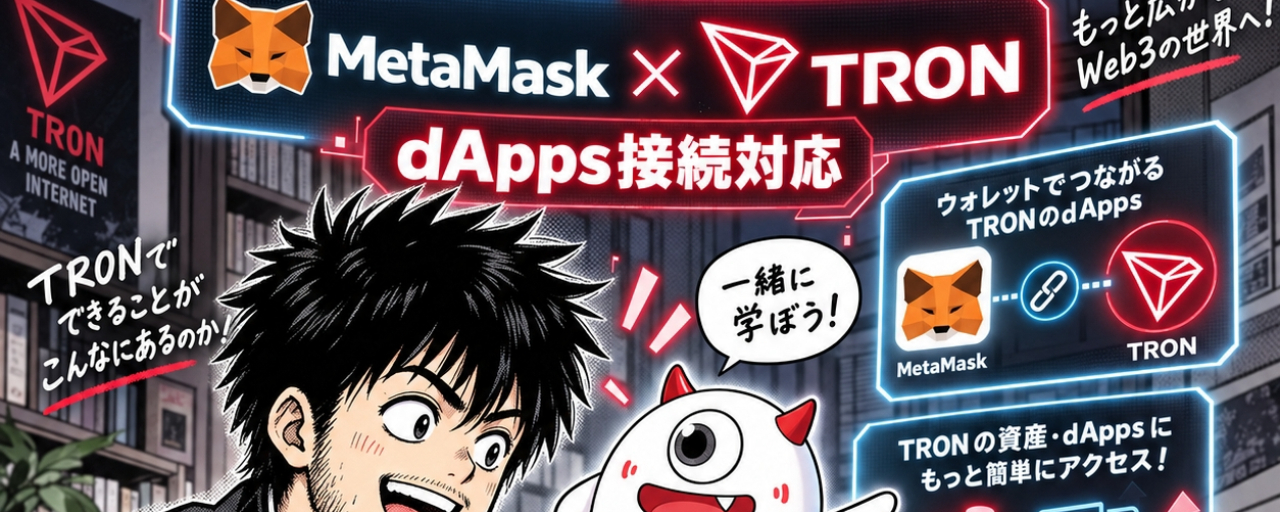
MetaMask × TRON dAppsToday's study theme is,
MetaMask × TRON dApps.
In September 2026, TRON ecosystem dApps will,
there were news reports that it became easier to connect from MetaMask.
This time, what was announced is,
✅ http://B.AI
✅ http://SUN.io
✅ JustLend DAO
✅ BitTorrent
...and other TRON-related dApps.
At first,
“Didn’t MetaMask already support TRON?”
I thought.
When I looked into it,
In January 2026, MetaMask announced native support for TRON,
MetaMask × TRON dApps
Today's study theme is,
MetaMask × TRON dApps.
In September 2026, TRON ecosystem dApps will,
there were news reports that it became easier to connect from MetaMask.
This time, what was announced is,
✅ http://B.AI
✅ http://SUN.io
✅ JustLend DAO
✅ BitTorrent
...and other TRON-related dApps.
At first,
“Didn’t MetaMask already support TRON?”
I thought.
When I looked into it,
In January 2026, MetaMask announced native support for TRON,
MetaMask × TRON dApps.
In September 2026, TRON ecosystem dApps will,
there were news reports that it became easier to connect from MetaMask.
This time, what was announced is,
✅ http://B.AI
✅ http://SUN.io
✅ JustLend DAO
✅ BitTorrent
...and other TRON-related dApps.
At first,
“Didn’t MetaMask already support TRON?”
I thought.
When I looked into it,
In January 2026, MetaMask announced native support for TRON,
63
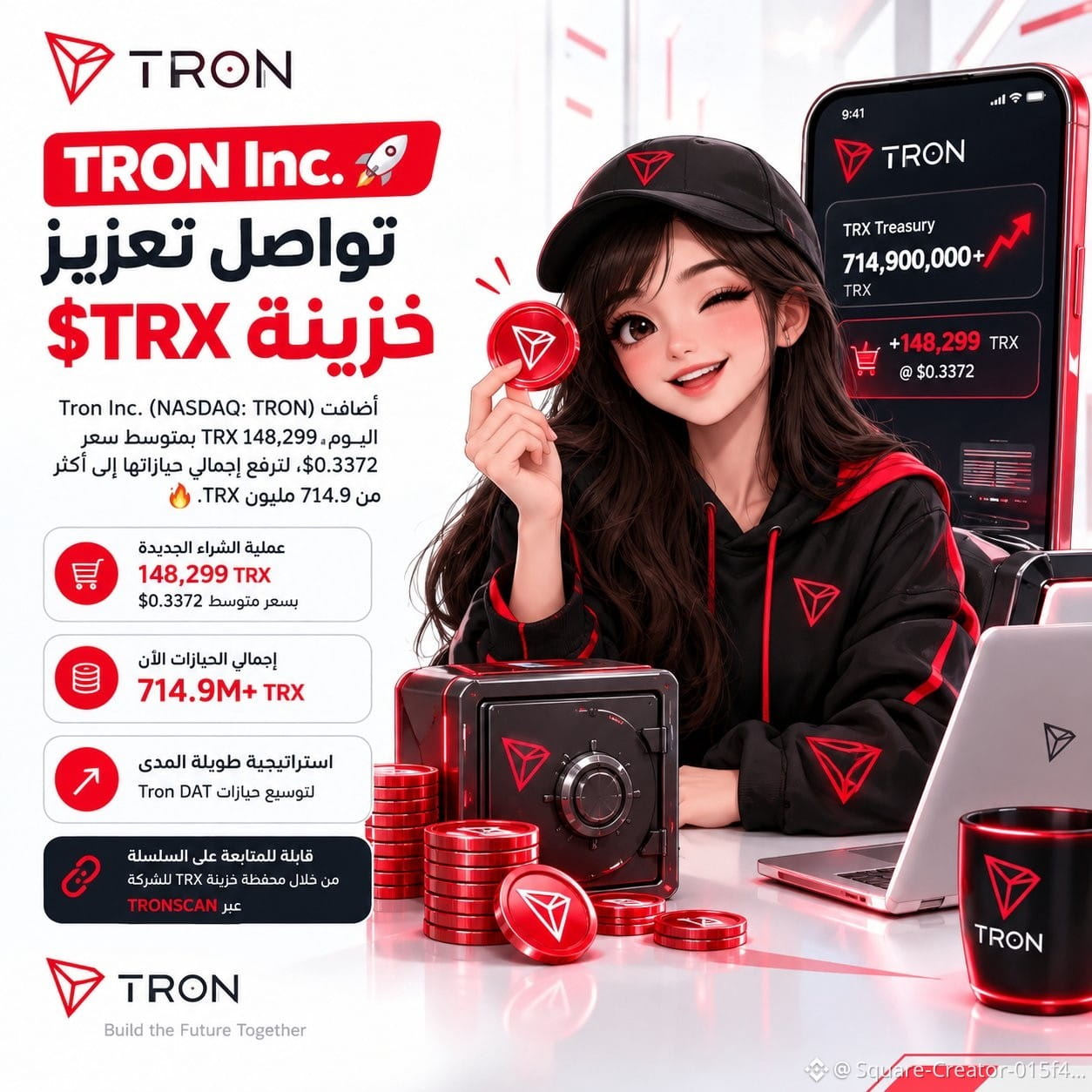
🚀 #TRON Inc. continues to strengthen the $TRX treasury
Tron Inc. (NASDAQ: TRON) added 148,299 TRX today at an average price of $0.3372, bringing its total holdings to more than 714.9 million TRX. 🔥
What’s notable here isn’t just a new buy… but the ongoing effort to continuously build the TRX treasury, as part of the company’s strategy to expand Tron DAT holdings in the long term.
📈 Over 714.9 million TRX is now in the treasury, and with every new purchase, Tron Inc.’s connection to the network’s core asset grows further.
And the best part? 👀
This activity can be followed directly on-chain through the TRX treasury wallet dedicated to the company via TRONSCAN
#TRON
#TGF
#TRONGlobalFriends
@JustinSun
@TRONDAO
🚀 #TRON Inc. continues to strengthen the $TRX treasury
Tron Inc. (NASDAQ: TRON) added 148,299 TRX today at an average price of $0.3372, bringing its total holdings to more than 714.9 million TRX. 🔥
What’s notable here isn’t just a new buy… but the ongoing effort to continuously build the TRX treasury, as part of the company’s strategy to expand Tron DAT holdings in the long term.
📈 Over 714.9 million TRX is now in the treasury, and with every new purchase, Tron Inc.’s connection to the network’s core asset grows further.
And the best part? 👀
This activity can be followed directly on-chain through the TRX treasury wallet dedicated to the company via TRONSCAN
#TRON
#TGF
#TRONGlobalFriends
@Justin Sun孙宇晨
@TRON DAO
Tron Inc. (NASDAQ: TRON) added 148,299 TRX today at an average price of $0.3372, bringing its total holdings to more than 714.9 million TRX. 🔥
What’s notable here isn’t just a new buy… but the ongoing effort to continuously build the TRX treasury, as part of the company’s strategy to expand Tron DAT holdings in the long term.
📈 Over 714.9 million TRX is now in the treasury, and with every new purchase, Tron Inc.’s connection to the network’s core asset grows further.
And the best part? 👀
This activity can be followed directly on-chain through the TRX treasury wallet dedicated to the company via TRONSCAN
#TRON
#TGF
#TRONGlobalFriends
@Justin Sun孙宇晨
@TRON DAO
1
88
·
--
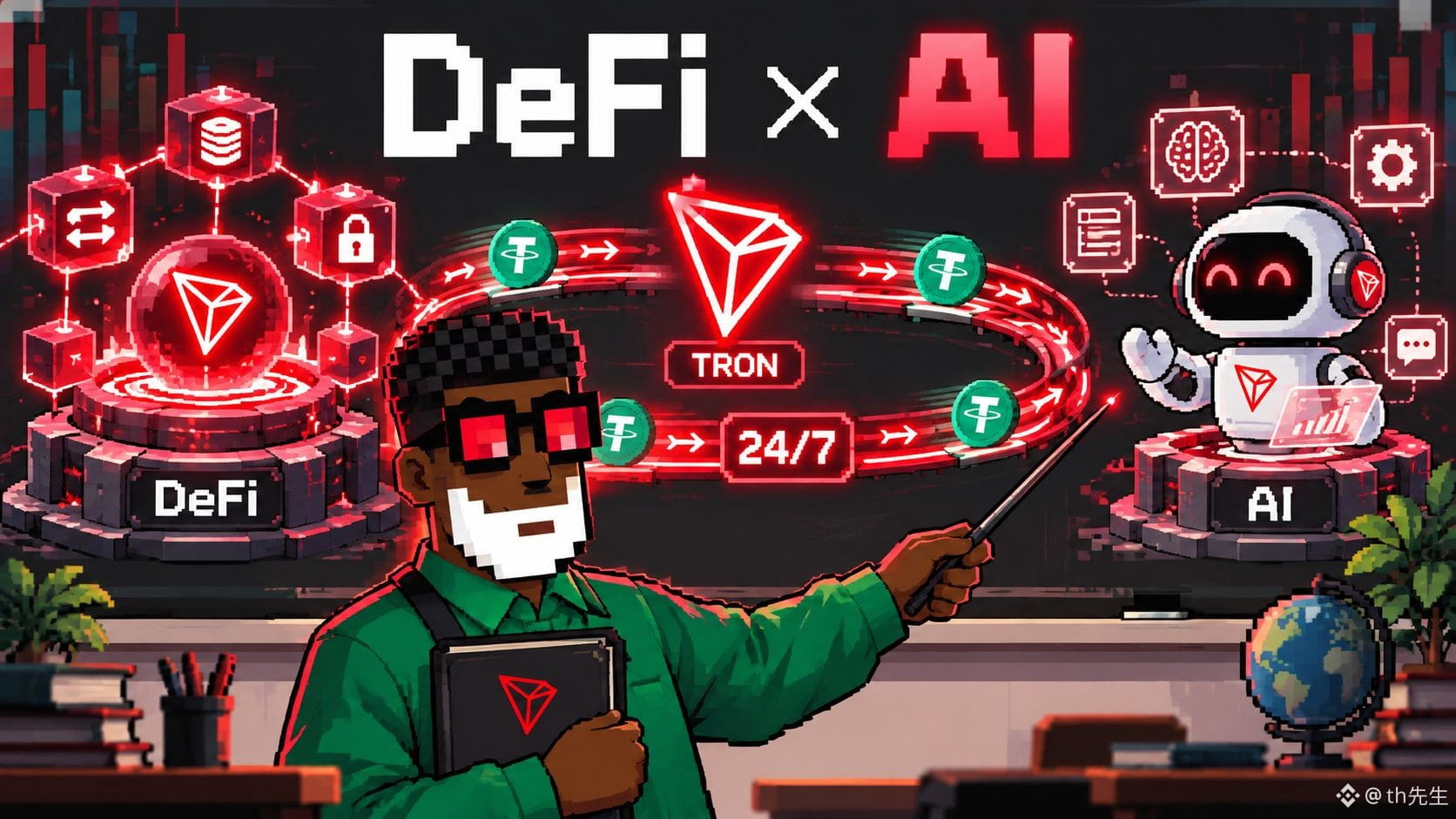
Place DeFi and AI in the next growth frontier
TRON emphasizes “DeFi×AI” as a growth theme for the first half of 2026 🤖
TRON’s strength isn’t the AI model itself, but
✅ 24/7 operation
✅ Global-scale USDT liquidity
✅ Fast value transfer
✅ Programmable payments
as a financial infrastructure.
As an era approaches where AI agents pay for themselves, all eyes are on whether TRON can become the settlement layer.
#TRONGlobalFriends #TGF #TRON
@JustinSun @TRONDAO
Place DeFi and AI in the next growth frontier
TRON emphasizes “DeFi×AI” as a growth theme for the first half of 2026 🤖
TRON’s strength isn’t the AI model itself, but
✅ 24/7 operation
✅ Global-scale USDT liquidity
✅ Fast value transfer
✅ Programmable payments
as a financial infrastructure.
As an era approaches where AI agents pay for themselves, all eyes are on whether TRON can become the settlement layer.
#TRONGlobalFriends #TGF #TRON
@Justin Sun孙宇晨 @TRON DAO
TRON emphasizes “DeFi×AI” as a growth theme for the first half of 2026 🤖
TRON’s strength isn’t the AI model itself, but
✅ 24/7 operation
✅ Global-scale USDT liquidity
✅ Fast value transfer
✅ Programmable payments
as a financial infrastructure.
As an era approaches where AI agents pay for themselves, all eyes are on whether TRON can become the settlement layer.
#TRONGlobalFriends #TGF #TRON
@Justin Sun孙宇晨 @TRON DAO
75
·
--
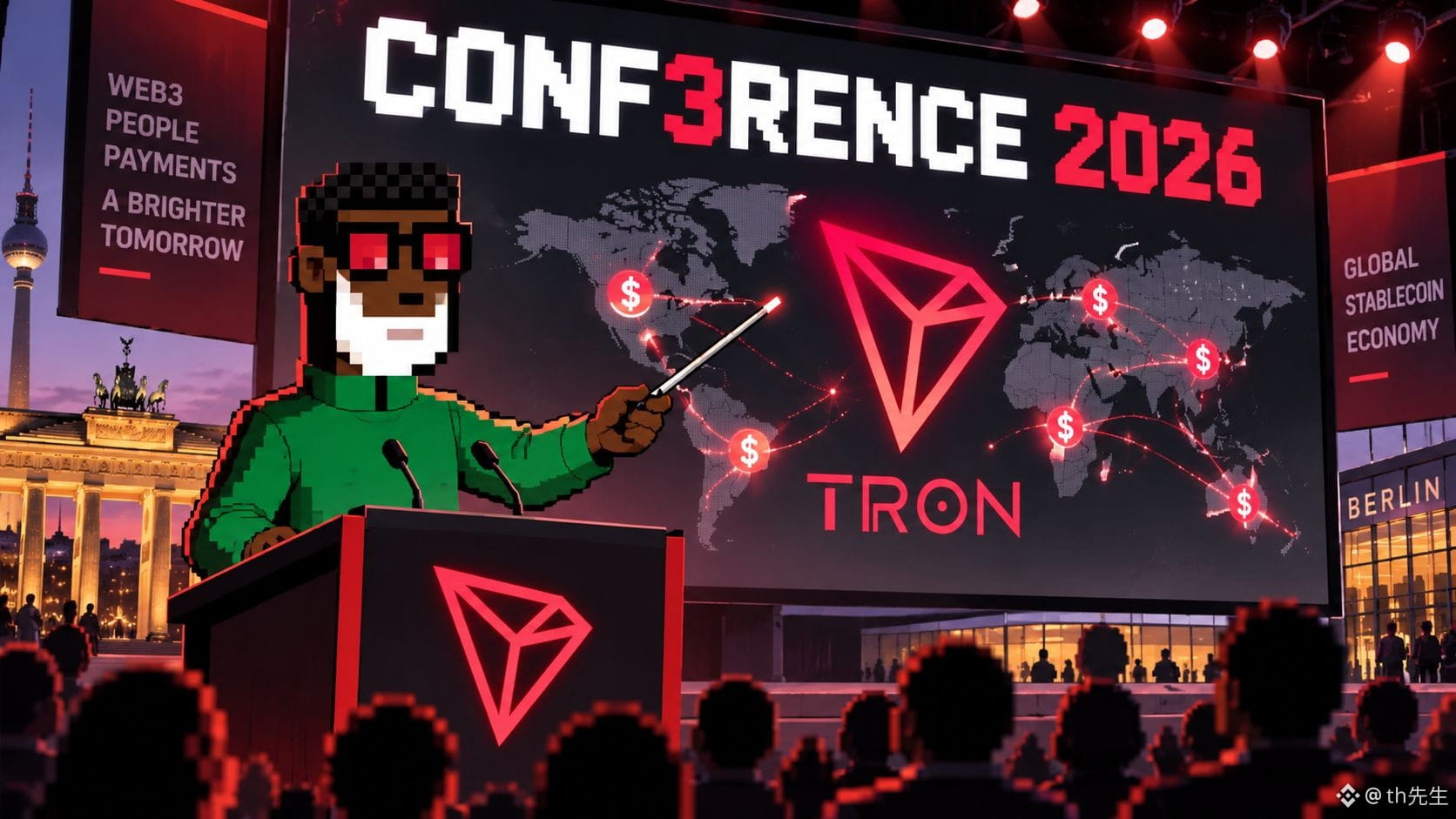
TRON DAO to Participate in CONF3RENCE 2026
TRON DAO will take part in “CONF3RENCE 2026” taking place in Germany 🌍
The theme is stablecoins that have already reached large-scale adoption.
In the Web3 industry, new technologies tend to draw attention, but what TRON is showing is the form of crypto assets that already operate in everyday life.
Instead of emphasizing novelty in technology, this is a TRON-style message that puts real-world demand for transfers and payments front and center.
#TRONGlobalFriends #TGF #TRON
@JustinSun @TRONDAO
TRON DAO to Participate in CONF3RENCE 2026
TRON DAO will take part in “CONF3RENCE 2026” taking place in Germany 🌍
The theme is stablecoins that have already reached large-scale adoption.
In the Web3 industry, new technologies tend to draw attention, but what TRON is showing is the form of crypto assets that already operate in everyday life.
Instead of emphasizing novelty in technology, this is a TRON-style message that puts real-world demand for transfers and payments front and center.
#TRONGlobalFriends #TGF #TRON
@Justin Sun孙宇晨 @TRON DAO
TRON DAO will take part in “CONF3RENCE 2026” taking place in Germany 🌍
The theme is stablecoins that have already reached large-scale adoption.
In the Web3 industry, new technologies tend to draw attention, but what TRON is showing is the form of crypto assets that already operate in everyday life.
Instead of emphasizing novelty in technology, this is a TRON-style message that puts real-world demand for transfers and payments front and center.
#TRONGlobalFriends #TGF #TRON
@Justin Sun孙宇晨 @TRON DAO
66
·
--
Article
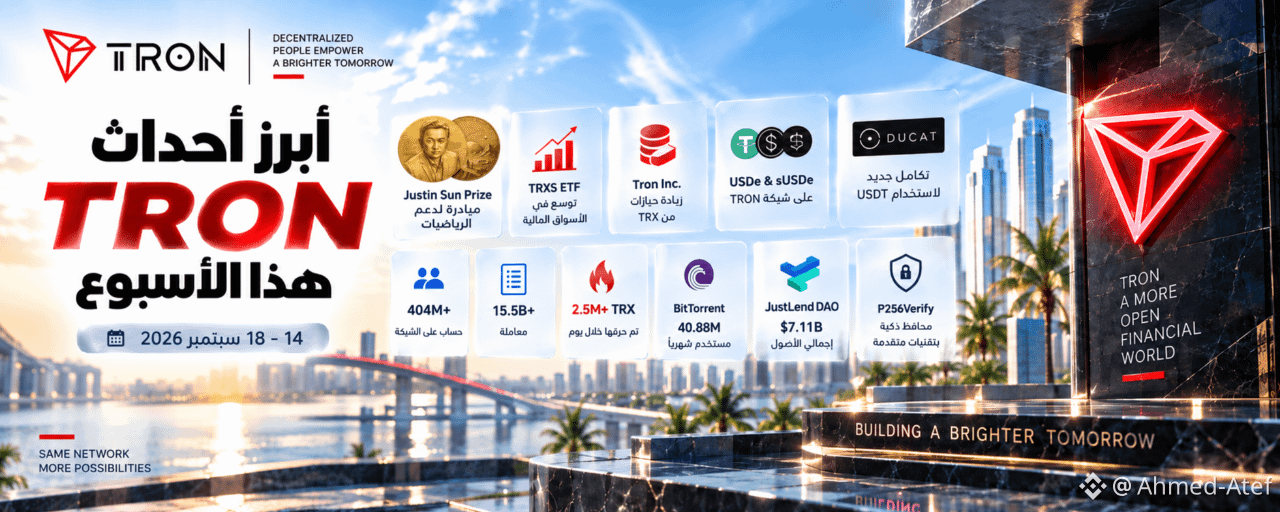
TRON network over the week | Financial and technical expansion.. and the Justin Sun Prize opens a new chapterDuring the period from Monday, September 14, to Friday, September 18, the TRON network witnessed a series of important developments that ranged from traditional financial markets and stablecoins to the growth of network indicators and technical integrations.
But one of the most notable events of this week came from outside the network’s direct financial use, with the launch of the Justin Sun Prize, presented by Justin Sun as one of his largest initiatives aimed at supporting mathematics and knowledge—linking it to automated verification and blockchain.
TRON network over the week | Financial and technical expansion.. and the Justin Sun Prize opens a new chapter
During the period from Monday, September 14, to Friday, September 18, the TRON network witnessed a series of important developments that ranged from traditional financial markets and stablecoins to the growth of network indicators and technical integrations.
But one of the most notable events of this week came from outside the network’s direct financial use, with the launch of the Justin Sun Prize, presented by Justin Sun as one of his largest initiatives aimed at supporting mathematics and knowledge—linking it to automated verification and blockchain.
But one of the most notable events of this week came from outside the network’s direct financial use, with the launch of the Justin Sun Prize, presented by Justin Sun as one of his largest initiatives aimed at supporting mathematics and knowledge—linking it to automated verification and blockchain.
2
75
Log in to explore more content
Join global crypto users on Binance Square
⚡️ Get latest and useful information about crypto.
💬 Trusted by the world’s largest crypto exchange.
👍 Discover real insights from verified creators.
Email / Phone number
Trending Topics
1
#BTCBreaks80K
66,381 views
1,436 Discussing
2
#比特币突破8万
62,656 views
228 Discussing
3
#BuffettBecomesBerkshireChairmanEmeritus
15,904 views
497 Discussing
4
#ZcashSpotETFTops$230MMonthlyInflow
4,507 views
73 Discussing
5
#HYPEJumpsOver11%
64,258 views
1,077 Discussing
6
#ZcashDevelopersTargetNU7MainnetActivationNov5
28,714 views
522 Discussing
7
#BitcoinSpotETFsNetInflow$159M
25,085 views
101 Discussing
8
#HKMAPlansWholesaleCBDCByYearEnd
46,350 views
922 Discussing
9
#NEARSurges26%Past$3.45
21,824 views
148 Discussing
10
#BOJHikesRatesTo31YearHigh
81,066 views
1,309 Discussing