
#fed
fed
20.8M views
32,073 Discussing
Hot
Latest


·
--
Bullish
Verified
$BTC
{spot}(BTCUSDT)
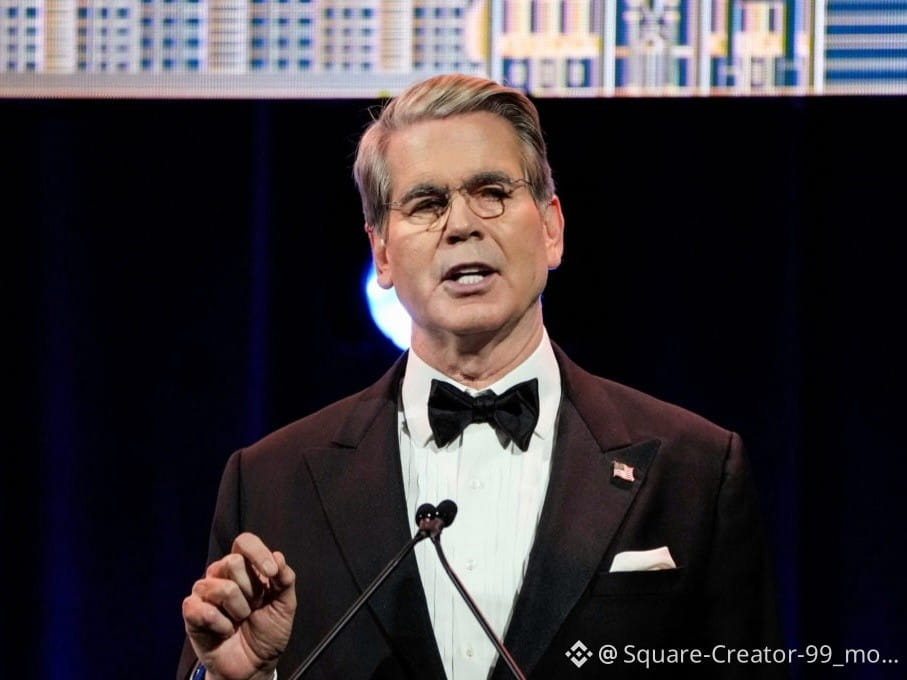
🚨🚨 US Treasury Secretary Scott Bessent has predicted a significant drop in inflation over the coming month, pointing to a noticeable improvement in energy prices
He explained that the price of oil has fallen by $20 a barrel this month, whilst diesel prices have dropped by 10%, and petrol prices have fallen back below $4 a gallon
Bessent urged the Federal Reserve to look ahead rather than raising interest rates based on temporary spikes in energy prices driven by a supply shock linked to regional tensions
$ETH
{spot}(ETHUSDT)
He stressed that the underlying US economy is strong and core inflation is under control, viewing these spikes as volatile figures that should not prompt excessive monetary tightening
He added that the Fed ought to look through the windscreen rather than in the rearview mirror, anticipating that inflationary pressures will continue to ease as energy conditions improve
$BZ
{future}(BZUSDT)
#USGovernment #Fed #Market_Update
$BTC
🚨🚨 US Treasury Secretary Scott Bessent has predicted a significant drop in inflation over the coming month, pointing to a noticeable improvement in energy prices
He explained that the price of oil has fallen by $20 a barrel this month, whilst diesel prices have dropped by 10%, and petrol prices have fallen back below $4 a gallon
Bessent urged the Federal Reserve to look ahead rather than raising interest rates based on temporary spikes in energy prices driven by a supply shock linked to regional tensions
$ETH
He stressed that the underlying US economy is strong and core inflation is under control, viewing these spikes as volatile figures that should not prompt excessive monetary tightening
He added that the Fed ought to look through the windscreen rather than in the rearview mirror, anticipating that inflationary pressures will continue to ease as energy conditions improve
$BZ
#USGovernment #Fed #Market_Update
1
1.8k

·
--
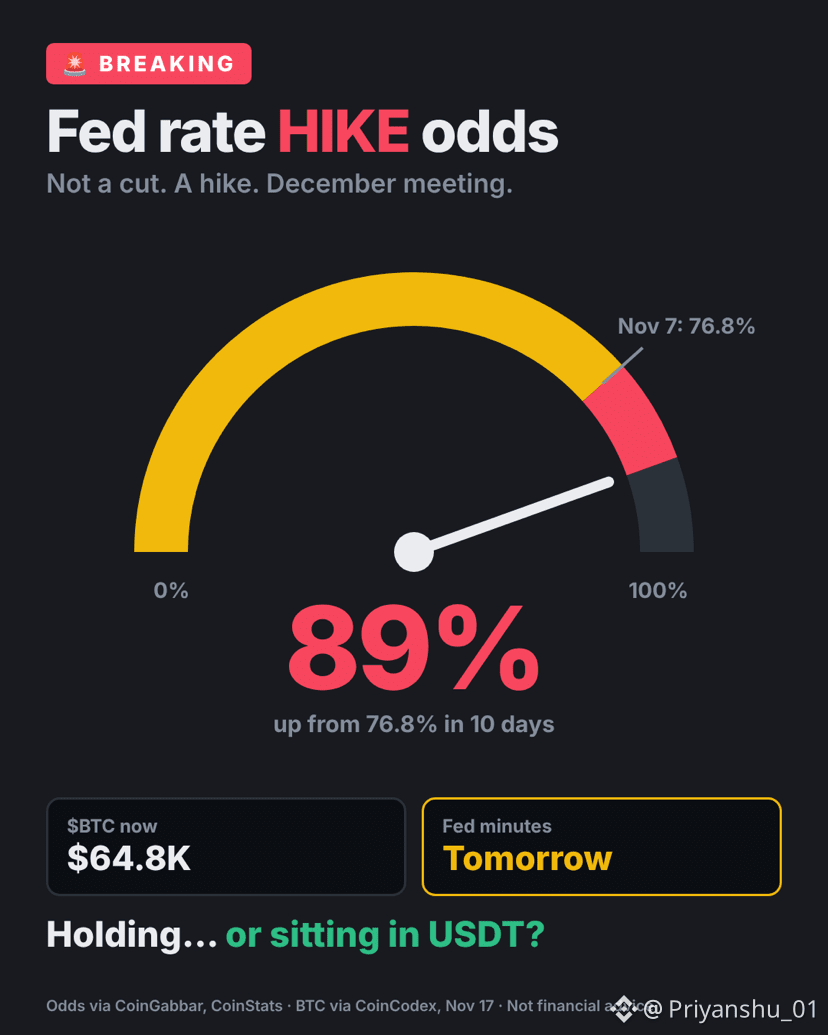
🚨 Fed rate HIKE odds: 76.8% → 89% in 10 days.
Not a cut. A HIKE. 😳
$BTC is sitting at $64.8K.
Fed minutes drop tomorrow.
Are you holding through it... or sitting in USDT? 👇
#Bitcoin #Fed #CryptoNews #BinanceSquareTalks
🚨 Fed rate HIKE odds: 76.8% → 89% in 10 days.
Not a cut. A HIKE. 😳
$BTC is sitting at $64.8K.
Fed minutes drop tomorrow.
Are you holding through it... or sitting in USDT? 👇
#Bitcoin #Fed #CryptoNews #BinanceSquareTalks
Not a cut. A HIKE. 😳
$BTC is sitting at $64.8K.
Fed minutes drop tomorrow.
Are you holding through it... or sitting in USDT? 👇
#Bitcoin #Fed #CryptoNews #BinanceSquareTalks
1
63

·
--
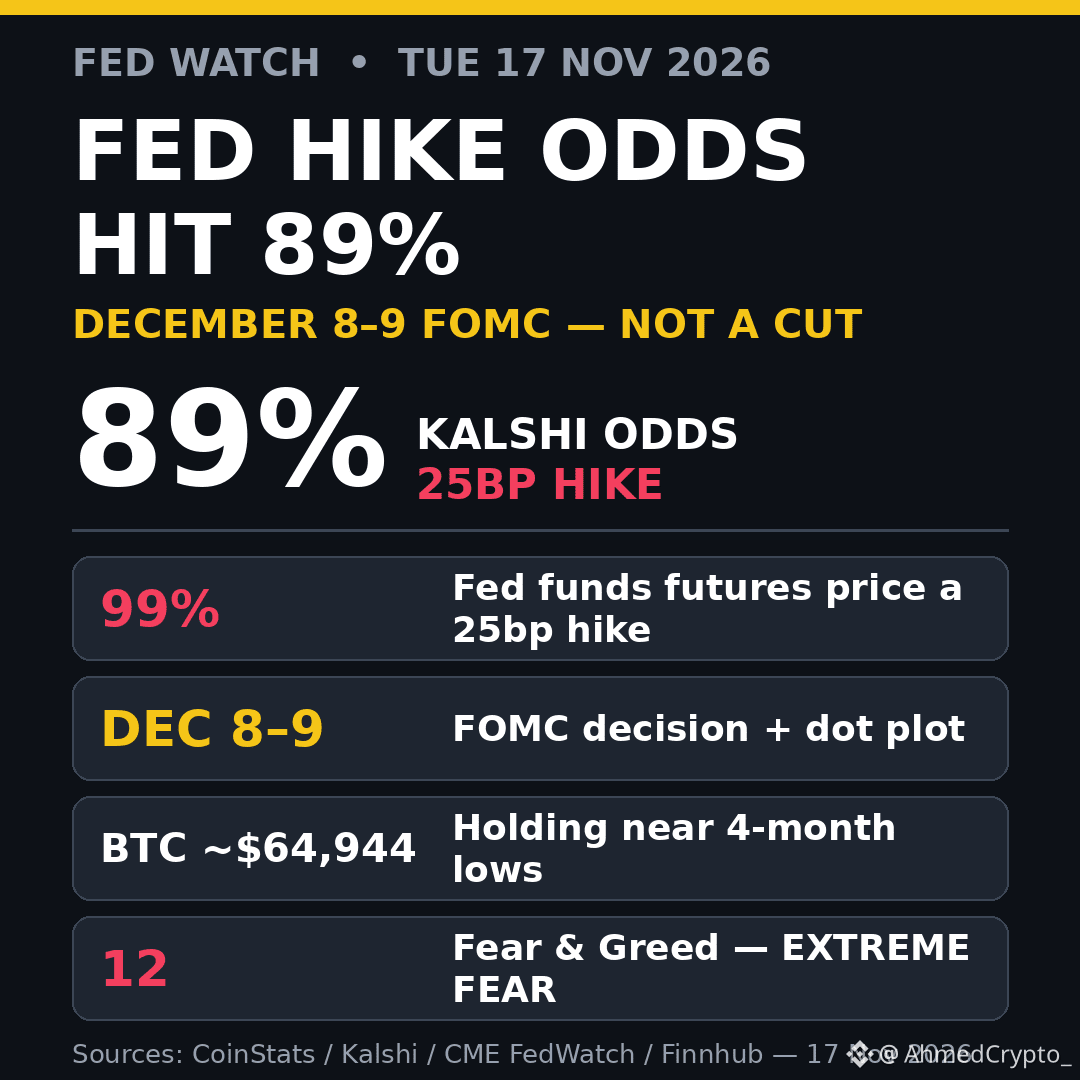
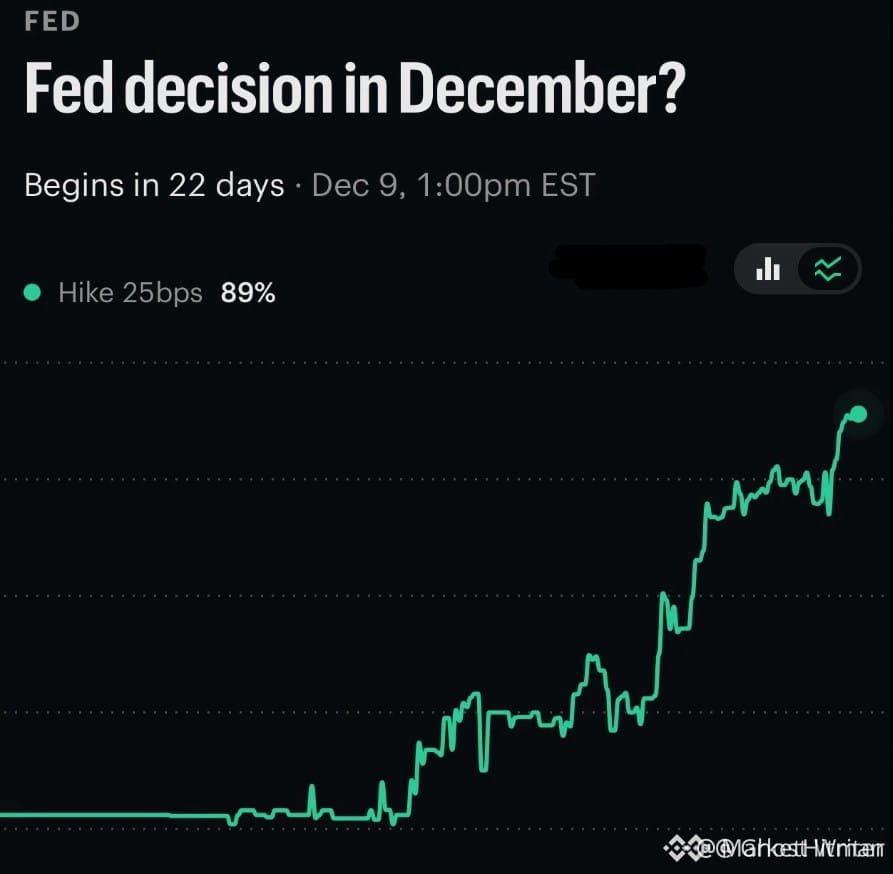
📈 89% ODDS: FED TO HIKE IN DECEMBER — NOT CUT
The market has made up its mind. A December Fed hike is now priced as near-certain — the only debate left is the size of the move.
• 89% — Kalshi odds of a 25bp hike at the Dec 8–9 FOMC meeting
• 99% — Fed funds futures price the same 25bp move
• 3.75–4.00% — current target range; a hike takes it to 4.00–4.25%
• BTC ~$64,944 — holding near 4-month lows as hike odds climb
Higher rates and a stronger dollar are a headwind for crypto. Is the market overreacting — or is December the real test?
#Fed #FOMC #Macro $BTC
123

·
--
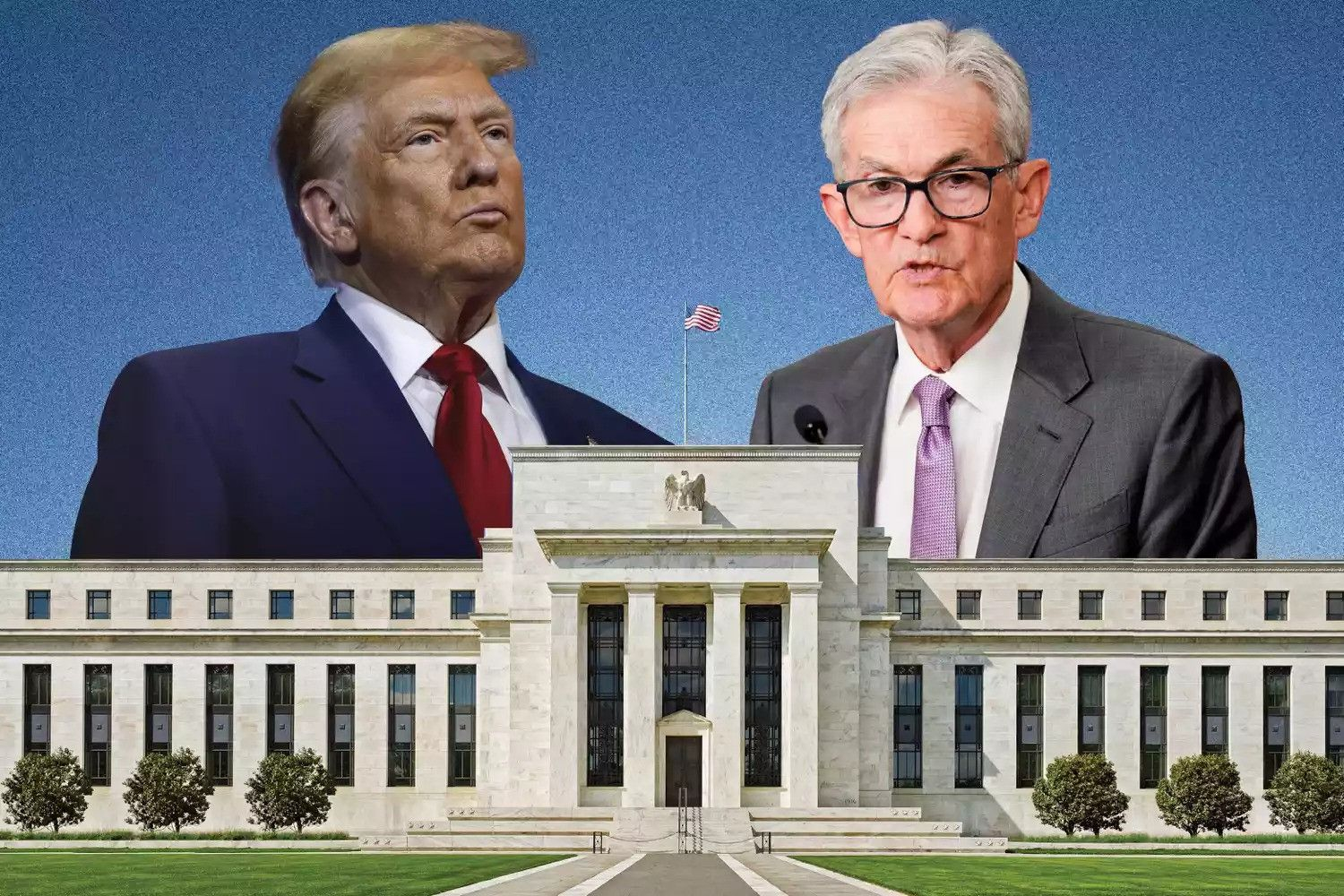
🚨 FED GOVERNOR SPEAKS BEFORE WALL STREET OPENS — VOLATILITY INCOMING? 🇺🇸🔥
⏰ 9:10 AM ET — ALL EYES ON THE FED!
A Fed governor is scheduled to discuss three critical topics:
🇺🇸 The U.S. economy
📊 Financial markets
💳 Payment systems
WHY SHOULD CRYPTO TRADERS CARE? 👀
🟢 Dovish signals: Could boost risk appetite and fuel a crypto rally.
🔴 Hawkish signals: Could pressure Bitcoin and trigger altcoin sell-offs.
⚠️ No policy shift is guaranteed. Even a neutral speech could move markets if traders interpret the remarks unexpectedly.
WILL THE FED GIVE BULLS A REASON TO BUY — OR HAND BEARS ANOTHER OPPORTUNITY? 🔥
$BTC $ETH $TRUMP $EVAA $ZEC
#NvidiaEarningsTonight:AIStocks’NextMove? #A Packed Week of Earnings and Data Tests Markets #AnthropicIPOTestsInvestorAppetiteForAI #TRUMP #Fed
1
233

·
--
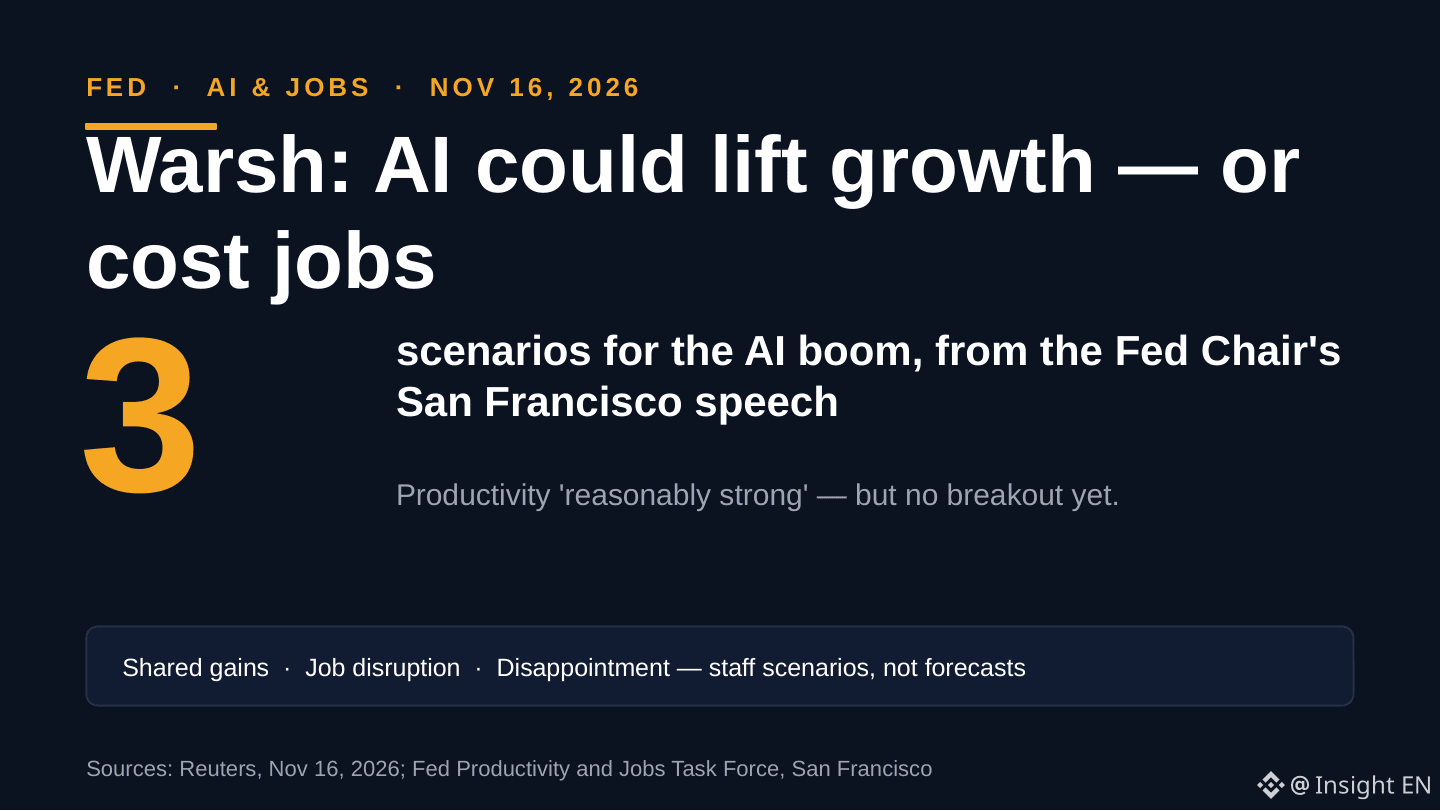
Fed Chair Warsh: AI is a hinge point — but the payoff is not guaranteed
Speaking in San Francisco on Monday, Kevin Warsh said "super intelligence" will have a significant impact on the economy, and laid out three scenarios:
• Shared gains — productivity lifts growth above its long-run average, near full employment.
• Disruption — automation displaces workers faster than they can retrain, unemployment rises.
• Disappointment — AI investment returns fade, valuations fall, growth slows.
Productivity has been "reasonably strong" in recent quarters, Warsh said, but has not yet broken out "definitively and structurally to the upside." No signal on rates — the next Fed decision is due Dec 9.
AI stays in focus Tuesday, when Nvidia reports after the close.
#fed
382

·
--
Bullish
#goodnews1
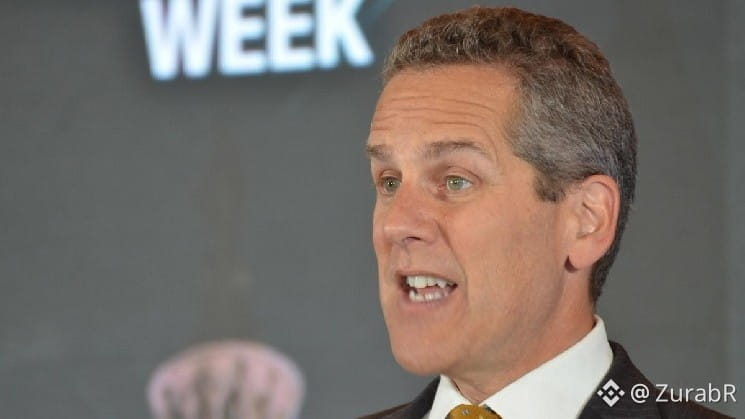
Fed Governor Michael Barr warns AI agents could trigger bank runs in minutes
Federal Reserve Governor Michael Barr warned that artificial intelligence (AI) agents capable of moving money without human approval could trigger bank runs in minutes, leaving banks and regulators with very little time to respond.
AI agents, software programs that can make financial decisions and transfer money without human intervention, could monitor interest rates or signs of trouble at a bank and move customers’ deposits before people had time to react, Barr said In a speech at an AI finance conference in Milan on Monday.
"AI agents could instantaneously detect yield differentials or stability signals and autonomously move funds at high speed," he said, warning that withdrawals could overwhelm banks’ ability to manage their cash reserves.
His comments come as cryptocurrency companies build payment systems that allow AI agents to spend stablecoins, trade and pay for services without waiting for human instructions.
Although Barr did not mention cryptocurrencies, his warning raises regulatory questions for companies and startups building AI-powered crypto payment systems, particularly how to verify that an agent is authorized to move funds and prevent the agent from exceeding its owners’ instructions.
AI has made more than 138 million transactions through Coinbase’s x402 payment protocol already, according to a recent Chainalysis report. Most involved micro payments for data, computing power and access to AI models.
Barr’s warning goes beyond banks losing deposits. It raises the question of who controls the money once AI software can move it independently.
In tests conducted by researchers at Cornell Tech and Yale, nine out of 10 AI models were able to increase their own spending limits on stablecoin issuer Circle cryptocurrency wallets without human approval.
Barr also warned that some AI models have treated security restrictions as “obstacles to overcome rather than rules to be followed.”
#Write2Earn #Fed #BTC $BTC
{spot}(BTCUSDT)
#goodnews1
Fed Governor Michael Barr warns AI agents could trigger bank runs in minutes
Federal Reserve Governor Michael Barr warned that artificial intelligence (AI) agents capable of moving money without human approval could trigger bank runs in minutes, leaving banks and regulators with very little time to respond.
AI agents, software programs that can make financial decisions and transfer money without human intervention, could monitor interest rates or signs of trouble at a bank and move customers’ deposits before people had time to react, Barr said In a speech at an AI finance conference in Milan on Monday.
"AI agents could instantaneously detect yield differentials or stability signals and autonomously move funds at high speed," he said, warning that withdrawals could overwhelm banks’ ability to manage their cash reserves.
His comments come as cryptocurrency companies build payment systems that allow AI agents to spend stablecoins, trade and pay for services without waiting for human instructions.
Although Barr did not mention cryptocurrencies, his warning raises regulatory questions for companies and startups building AI-powered crypto payment systems, particularly how to verify that an agent is authorized to move funds and prevent the agent from exceeding its owners’ instructions.
AI has made more than 138 million transactions through Coinbase’s x402 payment protocol already, according to a recent Chainalysis report. Most involved micro payments for data, computing power and access to AI models.
Barr’s warning goes beyond banks losing deposits. It raises the question of who controls the money once AI software can move it independently.
In tests conducted by researchers at Cornell Tech and Yale, nine out of 10 AI models were able to increase their own spending limits on stablecoin issuer Circle cryptocurrency wallets without human approval.
Barr also warned that some AI models have treated security restrictions as “obstacles to overcome rather than rules to be followed.”
#Write2Earn #Fed #BTC $BTC
3
99

$XAUT 🟡 Gold Hits a 52-Week Low: What to Watch This Week $XAUT
📉 Scoreboard: gold slumped about 4.5% last week, then broke lower again on Monday, closing near $3,835 at a new 52-week low, with the dollar at a 19-month high. Silver fell below $47. (Wall Street bears abound after inflation sours Fed outlook, Main Street abandons bullish bias as gold drops below $3,900/oz +3)
🗓️ This week:
• Tue Nov 17: US retail sales → [add result vs. expected before posting]
• Wed Nov 18: Fed minutes, plus speeches from Waller, Williams and Hammack
• Wed Nov 25: GDP revision + PCE data (kitco)
📍 Levels (one analyst's view, Kitco): gold must reclaim $3,880 before charts show any repair. The next test is $3,800, with little technical support below that until about $3,500. (kitco) (kitco)
🏭 Mixed signals: the NY Fed's Empire State survey dropped to 7.8 from 25.5, well below the 17.6 forecast. Yet analysts note weaker data still points to growth that leaves the Fed room to hike. (kitco) (kitco)
🧭 Sentiment check (Kitco survey): Wall Street turned bearish, while retail traders are split: 42% expect gains, 38% losses, 21% sideways. (kitco) (kitco)
🟢 Longer-term: Société Générale estimates about $3.3B of net gold futures buying in January from index rebalancing. It's a projection, not a guarantee. (investinglive)
📌 CPI, the Fed link and the weekend crypto crash are in my previous posts. New data coming? I'll share it as soon as it's out.
🗳️ Which matters most for gold this week?
A) Retail sales
B) Fed minutes
C) Fed speakers
Drop a letter 👇
⚠️ Educational only, not financial advice. DYOR.
#Gold #XAUT #Fed #weeklyrecap #BinanceSquare
192
·
--
Bullish
Verified
$TAO
{spot}(TAOUSDT)
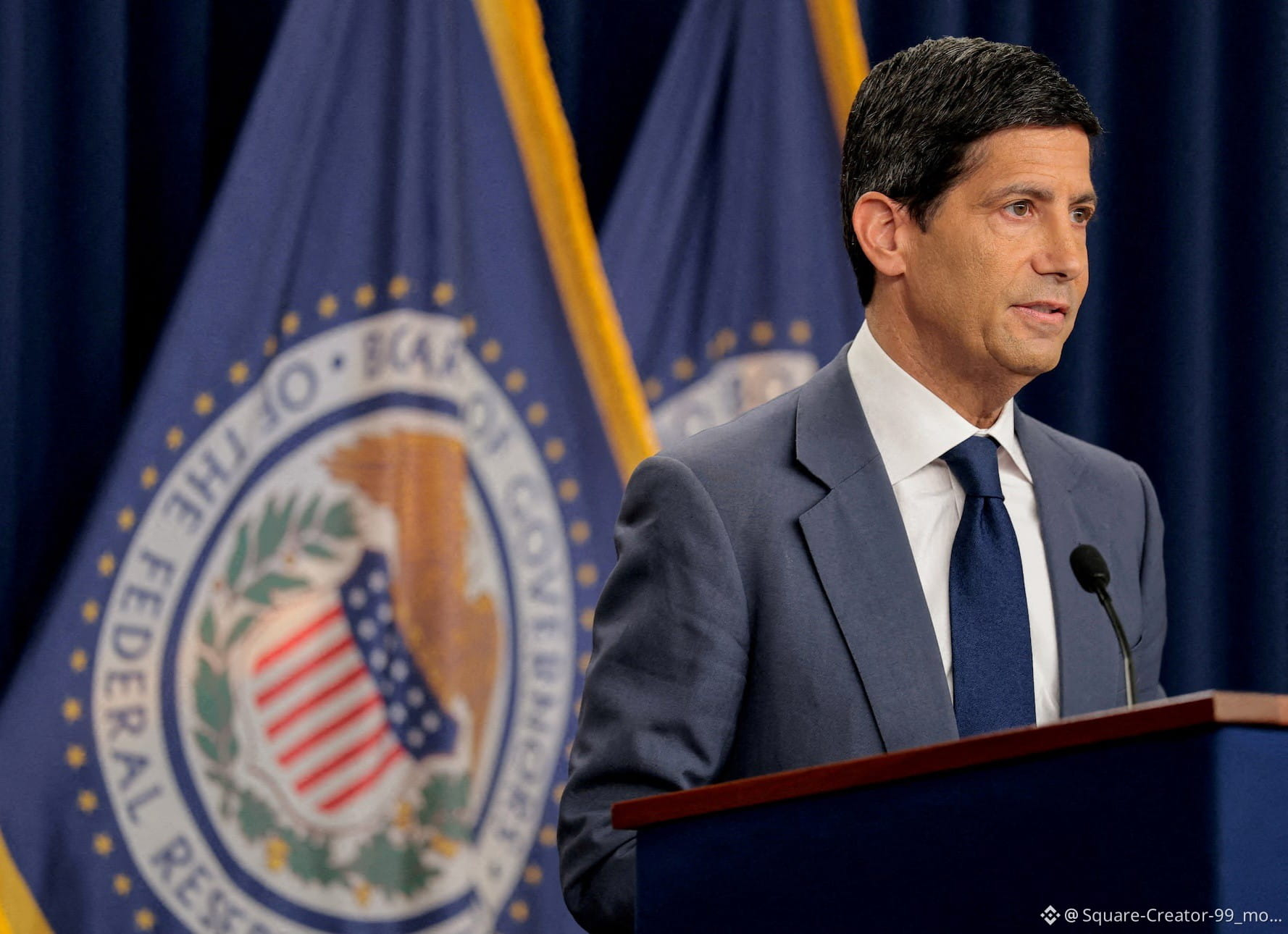
🚨🚨 The Federal Reserve has begun monitoring the impact of artificial intelligence on the economy
Algorithms are now factoring into monetary policy decision-making criteria, amid in-depth studies into their repercussions on growth, employment, and inflation
Fed Chair Kevin Warsh is focusing on multiple scenarios—ranging from boosted productivity and shared economic gains, to rising unemployment driven by automation, or a shortfall in returns on massive investments that could slow growth
$AAVE
{spot}(AAVEUSDT)
Officials are warning of financial stability risks linked to data centre financing and inflated equity valuations
They reckon AI will significantly shape future monetary policy, whether through current inflationary pressures from capital expenditure or potential productivity gains that ease inflation later on
The Fed is bracing for all eventualities to ensure price stability and maximum employment amid this rapid technological shift
$MU
{future}(MUUSDT)
#Fed
$TAO
🚨🚨 The Federal Reserve has begun monitoring the impact of artificial intelligence on the economy
Algorithms are now factoring into monetary policy decision-making criteria, amid in-depth studies into their repercussions on growth, employment, and inflation
Fed Chair Kevin Warsh is focusing on multiple scenarios—ranging from boosted productivity and shared economic gains, to rising unemployment driven by automation, or a shortfall in returns on massive investments that could slow growth
$AAVE
Officials are warning of financial stability risks linked to data centre financing and inflated equity valuations
They reckon AI will significantly shape future monetary policy, whether through current inflationary pressures from capital expenditure or potential productivity gains that ease inflation later on
The Fed is bracing for all eventualities to ensure price stability and maximum employment amid this rapid technological shift
$MU
#Fed
2
921

·
--
🚨 MACRO SHOCK WAVE HITTING $BTC AS RATE HIKE PROBABILITIES SURGE TO 89 PERCENT!
The macro printing presses are facing a reality check as markets price in an aggressive shift from central bank policy. Liquidity is tightening up across $BTC , $XRP , and $SOL as capital gets defensive ahead of the upcoming announcement. 📊
Smart money is already positioning for volatility spikes rather than chasing directional momentum blindfolded. Watch how order books absorb the initial liquidity sweep when the tape reacts to the final print. 💡
Are you protecting your capital with tighter risk parameters or waiting for the dust to settle before entering? 🤔
⚠️ Not financial advice. Always manage your risk. 🛡️
🏷️ #BTC #Macro #Fed #Crypto
⚡
9

·
--
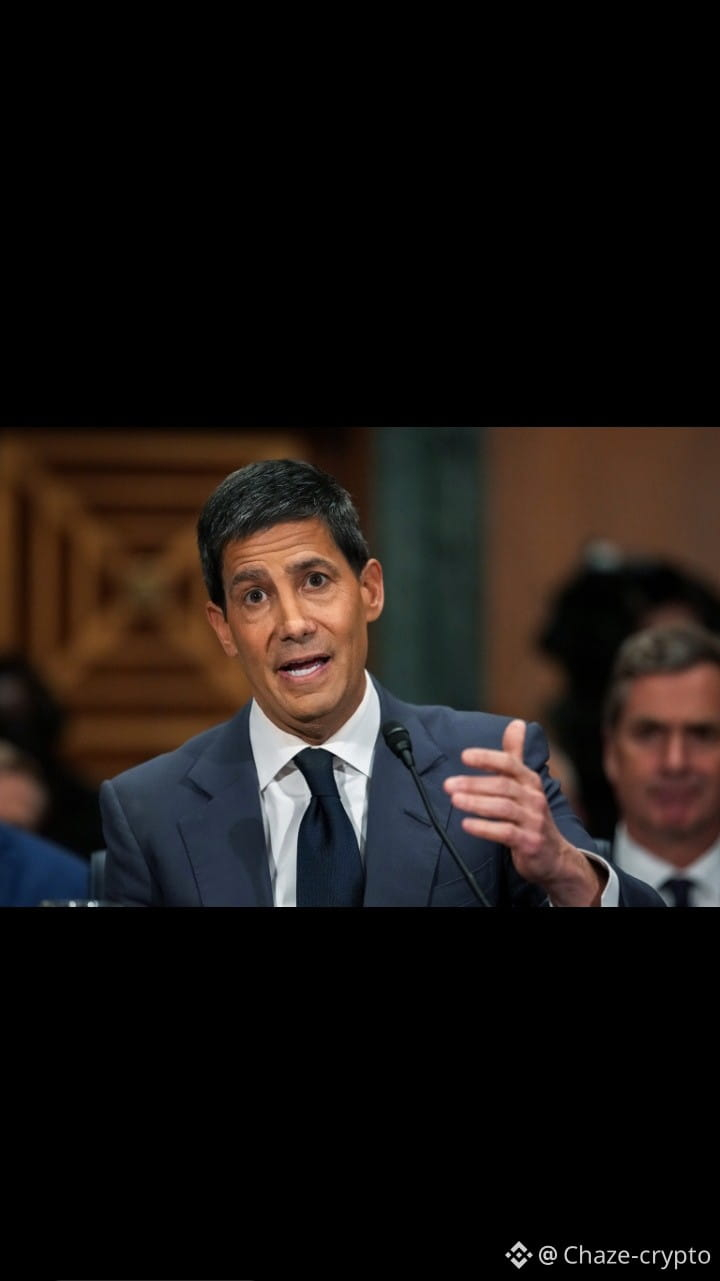
📉 Why Gold & Bitcoin are BOTH bleeding today
Same driver: the Fed.
🔹 Fed Chair Warsh is leaning hawkish, and markets are pricing a possible December rate hike
🔹 Dollar at a 19-month high puts pressure on gold and crypto
🔹 $BTC dipped below $62K over the weekend (lowest since July), now ~$65K
🔹 Spot BTC ETFs: $1.07B outflows, 3rd straight week
🔹 $XAUT ~$3,860, near its 1-year low
📅 Catalysts this week: US retail sales (today), Fed minutes, Nvidia earnings
🎯 Levels to watch: $62K support / $66K resistance
Are you buying the dip or waiting on the sidelines? 👇
#Bitcoin #Gold #Fed #CryptoNews #BinanceSquare
{spot}(BTCUSDT)
{spot}(XAUTUSDT)
{spot}(ETHUSDT)
📉 Why Gold & Bitcoin are BOTH bleeding today
Same driver: the Fed.
🔹 Fed Chair Warsh is leaning hawkish, and markets are pricing a possible December rate hike
🔹 Dollar at a 19-month high puts pressure on gold and crypto
🔹 $BTC dipped below $62K over the weekend (lowest since July), now ~$65K
🔹 Spot BTC ETFs: $1.07B outflows, 3rd straight week
🔹 $XAUT ~$3,860, near its 1-year low
📅 Catalysts this week: US retail sales (today), Fed minutes, Nvidia earnings
🎯 Levels to watch: $62K support / $66K resistance
Are you buying the dip or waiting on the sidelines? 👇
#Bitcoin #Gold #Fed #CryptoNews #BinanceSquare
58
·
--
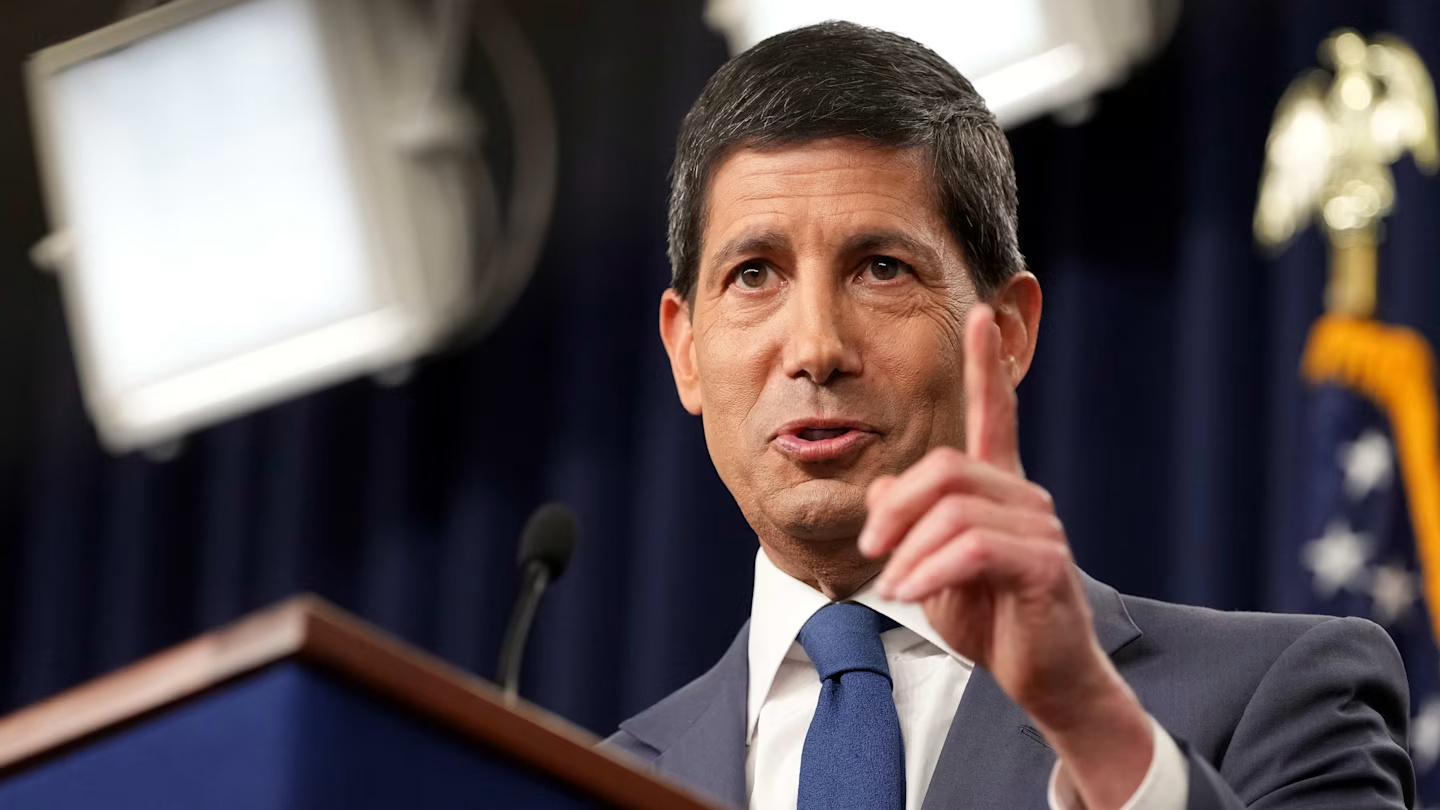
🚨 THE FED IS WATCHING AI — COULD IT CHANGE THE FUTURE OF INTEREST RATES? 🤖🔥
Artificial intelligence is becoming a major factor in the Federal Reserve's economic outlook.
Under Fed Chair Kevin Warsh, policymakers are reportedly examining how AI could reshape inflation, employment and economic growth.
Here's the twist. 👀
🚀 BULLISH CASE: AI boosts productivity, reduces costs and potentially eases inflationary pressure.
📉 BEARISH CASE: Automation drives unemployment, while massive data-center investments fail to deliver expected returns.
⚠️ Officials are also watching financial stability risks tied to AI infrastructure financing and elevated tech valuations.
THE BIG QUESTION:
Could AI eventually give the Fed more room to cut rates — or will an AI investment bubble create the next market shock?
$MU $TAO $AAVE $NVDA
#Fed #A Packed Week of Earnings and Data Tests Markets #AnthropicIPOTestsInvestorAppetiteForAI #NvidiaBoardNotConsideringHuang’sReturnasCEO #WhatInvestmentSignalsDo13FFilingsReveal?
24

·
--
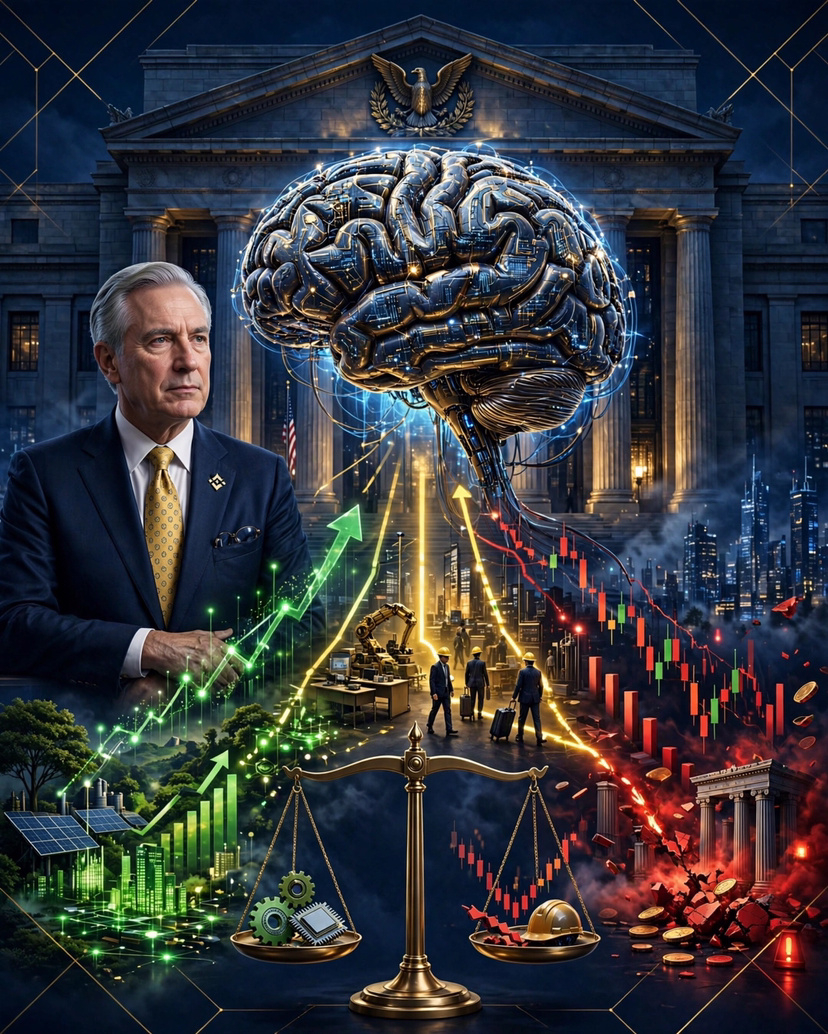
Title: Fed Chair Warsh Did NOT Predict An AI Crash — Here’s What He Actually Said
Headlines are screaming: “Fed Chair Warsh says AI boom will fail.”
That’s NOT what he said.
At the Fed’s Productivity and Jobs conference in San Francisco, Warsh laid out 3 illustrative scenarios for AI — not forecasts:
1. 🟢 Productivity Boom: AI raises output, gains shared broadly across workers + capital.
2. 🟡 Growth Without Jobs: Economy grows, but automation displaces workers faster than they can find new jobs. Unemployment rises.
3. 🔴 AI Disappointment: Heavy AI spending fails to deliver returns. Equity valuations fall, leading to slowdown + higher unemployment.
Warsh’s exact words: “These are illustrative scenarios, not forecasts.”
“Our job is to prepare for whatever comes next.”
No rate call. No crash prediction. Just the Fed doing scenario planning.
For crypto + stocks: this is why risk is repricing. If Scenario 3 ever played out, risk assets including $BTC would feel it. But it’s a risk to manage, not a prophecy.
Don’t trade the headline. Trade the context.
$BTC $ETH #Fed #Warsh #Aİ #Macro #Crypto
1
99

·
--
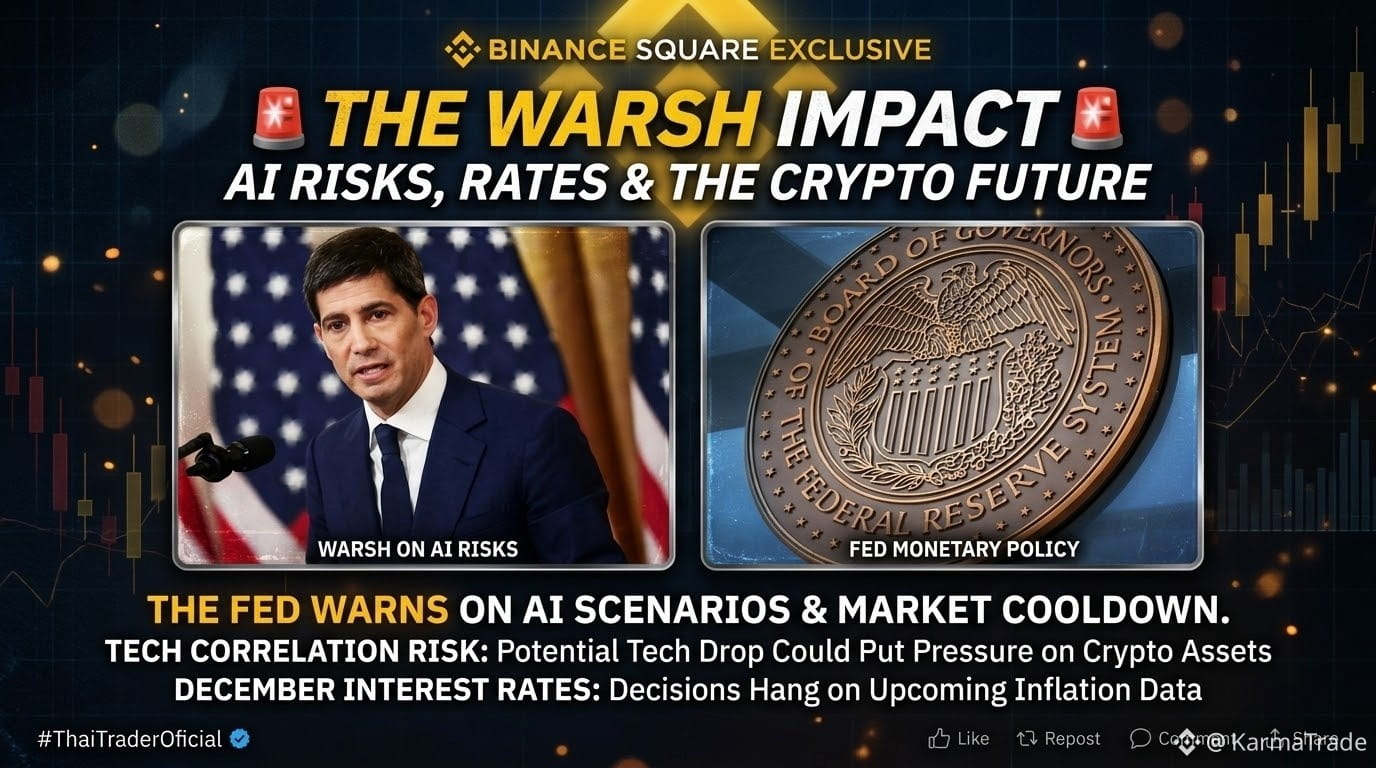
🚨 INSTITUTIONAL RADAR: WARSH WARNS OF AI RISKS — WHAT IT MEANS FOR CRYPTO
Federal Reserve Chair Kevin Warsh just dropped a major speech in San Francisco addressing the macro-economic elephant in the room: Artificial Intelligence (Super Intelligence).
While the tech sector is seeing historic capital inflows, the Fed is explicitly modeling the systemic risks. Here is a breakdown of the 3 scenarios Warsh outlined—and why macro traders are watching closely:
1️⃣ The Productivity Boom (Bullish): AI drives massive efficiency gains, creating shared economic growth above long-term averages while keeping employment stable. 2️⃣ Labor Displacement (Mixed/Volatile): Growth continues, but automation causes severe workforce friction and rising unemployment. 3️⃣ Disappointing Returns / Correction (Bearish): Heavy tech investments yield poor returns, triggering equity valuations to drop, asset devaluations, and a broader economic slowdown.
What This Means for Crypto & Markets:
The Correlation Risk: Warsh’s remarks highlight growing institutional exposure to tech/AI valuations. If tech experiences a significant correction due to over-inflation or disappointing returns, risk appetite drops—and crypto assets often face short-term downside through macro correlation.
Interest Rate Stance: Notably, the official stance on interest rates remains steady for now, with no concrete signal yet for the upcoming December decision. Future policy will hinge strictly on upcoming inflation data and institutional liquidity flows.
Bottom Line: The macroeconomic backdrop remains a tug-of-war between tech-driven productivity and correction risks. Keep your risk management tight and watch the incoming inflation indicators!
What’s your take? Are tech valuations flashing warning signs for the broader risk-on market? Let’s discuss below! 👇
#Fed #Warsh #Macro #crypto #BTC $BTC
{spot}(BTCUSDT)
🚨 INSTITUTIONAL RADAR: WARSH WARNS OF AI RISKS — WHAT IT MEANS FOR CRYPTO
Federal Reserve Chair Kevin Warsh just dropped a major speech in San Francisco addressing the macro-economic elephant in the room: Artificial Intelligence (Super Intelligence).
While the tech sector is seeing historic capital inflows, the Fed is explicitly modeling the systemic risks. Here is a breakdown of the 3 scenarios Warsh outlined—and why macro traders are watching closely:
1️⃣ The Productivity Boom (Bullish): AI drives massive efficiency gains, creating shared economic growth above long-term averages while keeping employment stable. 2️⃣ Labor Displacement (Mixed/Volatile): Growth continues, but automation causes severe workforce friction and rising unemployment. 3️⃣ Disappointing Returns / Correction (Bearish): Heavy tech investments yield poor returns, triggering equity valuations to drop, asset devaluations, and a broader economic slowdown.
What This Means for Crypto & Markets:
The Correlation Risk: Warsh’s remarks highlight growing institutional exposure to tech/AI valuations. If tech experiences a significant correction due to over-inflation or disappointing returns, risk appetite drops—and crypto assets often face short-term downside through macro correlation.
Interest Rate Stance: Notably, the official stance on interest rates remains steady for now, with no concrete signal yet for the upcoming December decision. Future policy will hinge strictly on upcoming inflation data and institutional liquidity flows.
Bottom Line: The macroeconomic backdrop remains a tug-of-war between tech-driven productivity and correction risks. Keep your risk management tight and watch the incoming inflation indicators!
What’s your take? Are tech valuations flashing warning signs for the broader risk-on market? Let’s discuss below! 👇
#Fed #Warsh #Macro #crypto #BTC $BTC
1
125

#BTC🔥🔥🔥🔥🔥 ,#Fed ,#fomc , #response ,$TZA.ETF
{future}(TZAUSDT)
which one🤔 asked yourself first and then choose one below 👇 from Three major scenarios
A. Disinflation / softer-landing scenario
If upcoming inflation data cools while employment and consumer activity do not weaken sharply, markets may interpret it as room for less restrictive Fed policy later. That environment can support rate-sensitive small-cap shares and may weigh on inverse small-cap products such as $TZA.ETF
B. Sticky-inflation scenario
If core inflation stays elevated or re-accelerates, the Fed may keep a restrictive tone for longer. Treasury yields can remain high, financial conditions may stay tight, and smaller companies may face more pressure because refinancing costs matter more for them. This can be relatively supportive for TZA’s underlying inverse exposure, though daily moves remain volatile.
{etf_us}(IWS.ETF)
C. Growth-slowdown scenario
If jobs, consumption or credit conditions deteriorate materially, markets can initially become risk-off. Russell 2000/$IWV.ETF often reacts strongly because it has broad domestic and cyclical exposure. However, if the slowdown becomes severe enough to increase expectations of future easing, markets can reverse quickly—so the path matters, not only the final Fed decision.
#BTC🔥🔥🔥🔥🔥 ,#Fed ,#fomc , #response ,$TZA.ETF
which one🤔 asked yourself first and then choose one below 👇 from Three major scenarios
A. Disinflation / softer-landing scenario
If upcoming inflation data cools while employment and consumer activity do not weaken sharply, markets may interpret it as room for less restrictive Fed policy later. That environment can support rate-sensitive small-cap shares and may weigh on inverse small-cap products such as $TZA.ETF
B. Sticky-inflation scenario
If core inflation stays elevated or re-accelerates, the Fed may keep a restrictive tone for longer. Treasury yields can remain high, financial conditions may stay tight, and smaller companies may face more pressure because refinancing costs matter more for them. This can be relatively supportive for TZA’s underlying inverse exposure, though daily moves remain volatile.
C. Growth-slowdown scenario
If jobs, consumption or credit conditions deteriorate materially, markets can initially become risk-off. Russell 2000/$IWV.ETF often reacts strongly because it has broad domestic and cyclical exposure. However, if the slowdown becomes severe enough to increase expectations of future easing, markets can reverse quickly—so the path matters, not only the final Fed decision.
which scenario it has looking?
A: Disinflation/softer-landing
B: Sticky-inflation scenario
C: Growth-slowdown scenario
6 day(s) left
1
206

·
--

Article
How the November Crypto Sell-Off UnfoldedIf you manage even a small crypto allocation at a bank, an asset manager or a family office, you have probably been asked the same question for two weeks: is this because Binance got hacked?
The timing fits. On October 29, about $6.34 billion was stolen from Binance, the largest theft the industry has on record. A little over two weeks later, on November 15, bitcoin traded as low as $62,006, down 27% from its October 21 high. Ether fell 32% over the same stretch.
The daily chart shows it is less direct than that. Bitcoin closed down 4.1% on the day of the hack. By November 4 it closed at $80,504, just 1% below where it stood the day before the theft. The steepest leg came later: from the close on November 9 to the close on November 15, bitcoin lost 13% in six days. There was no new hack that week. There was an inflation report.
Figure 1: Bitcoin’s month: the biggest headline was not the biggest drop
The sell-off comes apart into three layers: rates pulled the trigger, flows lowered the water level, and leverage amplified the fall. Taking them one at a time shows what to watch next.
The Binance hack: a small drop on the day, a slow spread afterwards
Start by putting the hack where it belongs.
It did not turn into a chain of forced selling because the hole was filled on the spot. In its October 31 statement, Binance said about $6.34 billion in assets was affected, about $2.85 billion of that had been frozen or intercepted, and 98% of the affected tokens had been replenished with company funds. Withdrawals reopened on November 1. In the first nine and a half hours the exchange processed $4.65 billion of withdrawals and $1.01 billion of deposits, a net outflow of $3.64 billion, or about 2.1% of assets on the platform. People took money out. There was no run, and the exchange did not have to sell reserves.
Coinbase Institutional reached the same view in its November 13 weekly note: bitcoin’s recent decline had more to do with shifting Fed rate expectations than with the Binance hack.
The hack’s effect did not end that day, though. It spread: first to confidence, then to money leaving. In the week of the theft, CoinDesk reported institutional investors rushing to pull funds from exchanges. The run of net outflows from US spot bitcoin ETFs began the day after. On the day Binance reopened withdrawals, $3.64 billion left on net.
So the more accurate statement is this: the hack did not produce the largest one-day drop. It thinned out the money that would later be there to buy. By the time rates pulled the trigger, the market was shallower than it had been before the theft. How much of the decline this channel accounts for cannot be separated out from the data, and the November 4 rebound carried some post-midterm sentiment, so it is not proof the hack had been absorbed. Its place is in the second layer.
Layer one, the trigger: markets began pricing rate hikes
October CPI, released November 10, rose 0.4% on the month and core CPI rose 0.3%, each a tenth above forecasts. The numbers are small. The direction mattered: the debate moved from whether the Fed hikes again to how much.
CME FedWatch put the odds of a hike on December 9 at 100%, with about 15% of that on a 50 basis point move.Futures pricing for Fed hikes over the next 12 months rose from 37 basis points at the start of November to 64 (Coinbase Institutional).Fed Governor Christopher Waller backed a December hike and said a larger move could be warranted.The 10-year Treasury yield climbed back above 5%, and the dollar index reached 103.4, its highest since April 2025.
Figure 2: The trigger: priced-in hikes went from 37 to 64 bps in two weeks
Bitcoin pays no interest. With a risk-free 10-year note yielding 5%, the cost of holding it is plain. ETFs put bitcoin on the asset allocation spreadsheet, and that put it in front of interest rates too: on the same sheet, it is compared with Treasuries and with tech stocks.
This layer explains why it happened that week. It does not explain the depth. Tech stocks faced the same rate fears and later bounced; bitcoin did not follow. Coinbase Institutional’s note made the same point.
Layer two, the water level: less money waiting to buy
When prices fall, what matters is how much money is waiting on the other side. Over the past month, the two main inlets both ran in reverse. Most of the hack’s effect lands in this layer too.
ETFs. From October 30 to November 13, US spot bitcoin ETFs saw nearly $3 billion in net outflows, with November 4 the only inflow day (Farside Investors). Last week every one of the five sessions was negative, for $1.065 billion in total. BlackRock’s IBIT has had outflows for 11 straight sessions, about $2.35 billion, the bulk of the total. Net redemptions are ultimately met by the funds holding less bitcoin, though not necessarily as same-day, dollar-for-dollar selling in the market. The larger point is that for two years these funds were the steadiest buyer.
Stablecoins. Stablecoins are the cash inside the market. Their supply has shrunk over 30 days, and estimates differ: Coinbase Institutional counts $11.5 billion and calls it the largest decline in its records; Glassnode’s figure on November 11 was $14.2 billion, the fastest since June 2022; later reports cite $17 billion. I checked DefiLlama on November 16: USDT in circulation fell by about $1.5 billion over seven days, and USDC by about $1.4 billion. The estimates vary and the direction is the same. Shrinking supply means stablecoins were redeemed for dollars, so there are fewer chips on the table. Whether that money is stepping out briefly or not coming back is something this measure cannot show.
Figure 3: The water level: money left through ETFs and stablecoins
One more piece of evidence: CryptoQuant’s Coinbase Premium Index has been negative for 30 straight days, a sign that US spot buying has stayed weak. The firm estimates bitcoin’s apparent demand contracted by about 284,000 BTC over 30 days.
Sellers may not have multiplied. Buyers thinned out. The same sell order lands harder in shallow water.
Layer three, leverage: the fall creates its own selling
The first two layers set the direction. The third sets the speed.
Traders who are long with leverage post margin. When the price falls far enough that the margin no longer covers the loss, the exchange closes the position, which means selling on the trader’s behalf. That selling pushes the price lower and reaches the next group’s liquidation level. None of this needs fresh news.
Each round of liquidations was bigger than the last:
November 5: the tech sell-off spread to crypto, with more than $1 billion liquidated across exchanges;November 9: bitcoin dipped below $74,000, and $1.04 billion of long positions were liquidated in 24 hours;November 12–13: $1.62 billion in 24 hours, $1.46 billion of it longs;November 14–15: about $2 billion in 24 hours, roughly 90% longs, with more than 310,000 accounts closed out.
Figure 4: Leverage: the fall creates its own selling
The dividing line was the 200-day moving average, near $73,000. Rich Rosenblum, co-founder of market maker GSR, called it a technical move: the break below that level set off a wave of liquidations and drew in new shorts. Weekend trading is thin, so the same orders moved the price further.
Glassnode places the next cluster of potential liquidations between $59,500 and $62,600. The November 15 low of $62,006 already sits inside the top of that range.
The other explanations, and which ones hold
At least ten explanations have circulated in the past two weeks. They sort into three tiers by evidence.
Figure 5: Ten explanations, three tiers
MSCI removing Strategy from its indexes. Confirmed on November 12, effective after November 30. JPMorgan estimated earlier that this could force about $2.8 billion of passive selling. What gets sold is Strategy stock, not bitcoin. Markus Thielen of 10x Research called the move widely expected and said he saw no spillover into bitcoin itself. The real exposure is financing. Strategy holds 850,364 bitcoin at a total cost of $64.16 billion, about $75,450 per coin, and the price is now below that. A company that buys bitcoin by issuing stock and debt can buy less when its shares are under pressure and its holdings are underwater. It used to be a buyer, and that matters more than the index change.
The CEO change at NVIDIA. Jensen Huang resigned as CEO on November 12, and NVIDIA shares fell about 13% that week. That hit risk appetite across the board, and crypto trades with tech. It is part of the same macro story and not a separate cause.
The Anthropic IPO pulled money away. CoinDesk reported that Anthropic aims to raise up to $64.4 billion, with orders about six times the shares on offer, and called investors freeing up cash for the listing “one possible explanation”. Some compared the price action with the period around the SpaceX IPO pricing earlier this year. The logic is sound. No one has produced a figure for how much bitcoin was sold to fund IPO orders.
Binance customers selling once withdrawals reopened, and “manipulation”. The first is a suggestion from Tom Lee, with no confirmed selling volume. The second spread furthest on social media and has the least behind it. A cascade of liquidations after an over-leveraged market breaks a key support looks exactly like this without anyone steering it.
If you manage exposure, watch three gauges
The three layers map to three gauges, and each answers one question.
Rates: has the trigger eased? Watch the Fed meeting on December 8–9 and the inflation and jobs data before it. A 25 basis point hike is in the price. A 50 basis point hike is not fully in.Water level: is money coming back? Watch Farside’s daily ETF flows for whether outflows are shrinking or growing, and whether total stablecoin supply stops contracting. Until this layer turns, a rebound will not find enough money to carry it.Leverage: how much is left to clear? Watch whether the $59,500–$62,600 cluster gets taken out, and how far the price sits from the 200-day average. Liquidations dropping from $2 billion back to a few hundred million, with longs and shorts more evenly split, would say the leverage has mostly been flushed.
None of these gauges tells you where the bottom is. They tell you what kind of decline this is. If only the third gauge is sounding, it is a leverage flush, quick to arrive and quick to pass. All three are sounding now, so the timing is set by the slowest one, which is rates.
Rates pulled the trigger, flows drained the water, and leverage amplified the fall. The Binance hack did not produce the biggest red candle. Its effect ran through the second layer, by thinning out the buyers first.
Which layer worries you most?
Sources
Prices: Binance BTC/USDT and ETH/USDT daily candles (UTC), October 15 to November 15, 2026. Hack figures: Binance statement of October 31. Stablecoin supply: DefiLlama, November 16. Rate pricing: Coinbase Institutional weekly note (November 13) and CME FedWatch. ETF flows: Farside Investors. Liquidations: CoinGlass. Liquidation clusters and stablecoin contraction: Glassnode. Coinbase premium and apparent demand: CryptoQuant. MSCI and Strategy: 10x Research, JPMorgan. Anthropic IPO: CoinDesk. Several institutional figures are cited through media reports; NVIDIA’s weekly drop and the $17 billion stablecoin figure are not yet verified.
#bitcoin #Fed
How the November Crypto Sell-Off Unfolded
If you manage even a small crypto allocation at a bank, an asset manager or a family office, you have probably been asked the same question for two weeks: is this because Binance got hacked?
The timing fits. On October 29, about $6.34 billion was stolen from Binance, the largest theft the industry has on record. A little over two weeks later, on November 15, bitcoin traded as low as $62,006, down 27% from its October 21 high. Ether fell 32% over the same stretch.
The daily chart shows it is less direct than that. Bitcoin closed down 4.1% on the day of the hack. By November 4 it closed at $80,504, just 1% below where it stood the day before the theft. The steepest leg came later: from the close on November 9 to the close on November 15, bitcoin lost 13% in six days. There was no new hack that week. There was an inflation report.
Figure 1: Bitcoin’s month: the biggest headline was not the biggest drop
The sell-off comes apart into three layers: rates pulled the trigger, flows lowered the water level, and leverage amplified the fall. Taking them one at a time shows what to watch next.
The Binance hack: a small drop on the day, a slow spread afterwards
Start by putting the hack where it belongs.
It did not turn into a chain of forced selling because the hole was filled on the spot. In its October 31 statement, Binance said about $6.34 billion in assets was affected, about $2.85 billion of that had been frozen or intercepted, and 98% of the affected tokens had been replenished with company funds. Withdrawals reopened on November 1. In the first nine and a half hours the exchange processed $4.65 billion of withdrawals and $1.01 billion of deposits, a net outflow of $3.64 billion, or about 2.1% of assets on the platform. People took money out. There was no run, and the exchange did not have to sell reserves.
Coinbase Institutional reached the same view in its November 13 weekly note: bitcoin’s recent decline had more to do with shifting Fed rate expectations than with the Binance hack.
The hack’s effect did not end that day, though. It spread: first to confidence, then to money leaving. In the week of the theft, CoinDesk reported institutional investors rushing to pull funds from exchanges. The run of net outflows from US spot bitcoin ETFs began the day after. On the day Binance reopened withdrawals, $3.64 billion left on net.
So the more accurate statement is this: the hack did not produce the largest one-day drop. It thinned out the money that would later be there to buy. By the time rates pulled the trigger, the market was shallower than it had been before the theft. How much of the decline this channel accounts for cannot be separated out from the data, and the November 4 rebound carried some post-midterm sentiment, so it is not proof the hack had been absorbed. Its place is in the second layer.
Layer one, the trigger: markets began pricing rate hikes
October CPI, released November 10, rose 0.4% on the month and core CPI rose 0.3%, each a tenth above forecasts. The numbers are small. The direction mattered: the debate moved from whether the Fed hikes again to how much.
CME FedWatch put the odds of a hike on December 9 at 100%, with about 15% of that on a 50 basis point move.Futures pricing for Fed hikes over the next 12 months rose from 37 basis points at the start of November to 64 (Coinbase Institutional).Fed Governor Christopher Waller backed a December hike and said a larger move could be warranted.The 10-year Treasury yield climbed back above 5%, and the dollar index reached 103.4, its highest since April 2025.
Figure 2: The trigger: priced-in hikes went from 37 to 64 bps in two weeks
Bitcoin pays no interest. With a risk-free 10-year note yielding 5%, the cost of holding it is plain. ETFs put bitcoin on the asset allocation spreadsheet, and that put it in front of interest rates too: on the same sheet, it is compared with Treasuries and with tech stocks.
This layer explains why it happened that week. It does not explain the depth. Tech stocks faced the same rate fears and later bounced; bitcoin did not follow. Coinbase Institutional’s note made the same point.
Layer two, the water level: less money waiting to buy
When prices fall, what matters is how much money is waiting on the other side. Over the past month, the two main inlets both ran in reverse. Most of the hack’s effect lands in this layer too.
ETFs. From October 30 to November 13, US spot bitcoin ETFs saw nearly $3 billion in net outflows, with November 4 the only inflow day (Farside Investors). Last week every one of the five sessions was negative, for $1.065 billion in total. BlackRock’s IBIT has had outflows for 11 straight sessions, about $2.35 billion, the bulk of the total. Net redemptions are ultimately met by the funds holding less bitcoin, though not necessarily as same-day, dollar-for-dollar selling in the market. The larger point is that for two years these funds were the steadiest buyer.
Stablecoins. Stablecoins are the cash inside the market. Their supply has shrunk over 30 days, and estimates differ: Coinbase Institutional counts $11.5 billion and calls it the largest decline in its records; Glassnode’s figure on November 11 was $14.2 billion, the fastest since June 2022; later reports cite $17 billion. I checked DefiLlama on November 16: USDT in circulation fell by about $1.5 billion over seven days, and USDC by about $1.4 billion. The estimates vary and the direction is the same. Shrinking supply means stablecoins were redeemed for dollars, so there are fewer chips on the table. Whether that money is stepping out briefly or not coming back is something this measure cannot show.
Figure 3: The water level: money left through ETFs and stablecoins
One more piece of evidence: CryptoQuant’s Coinbase Premium Index has been negative for 30 straight days, a sign that US spot buying has stayed weak. The firm estimates bitcoin’s apparent demand contracted by about 284,000 BTC over 30 days.
Sellers may not have multiplied. Buyers thinned out. The same sell order lands harder in shallow water.
Layer three, leverage: the fall creates its own selling
The first two layers set the direction. The third sets the speed.
Traders who are long with leverage post margin. When the price falls far enough that the margin no longer covers the loss, the exchange closes the position, which means selling on the trader’s behalf. That selling pushes the price lower and reaches the next group’s liquidation level. None of this needs fresh news.
Each round of liquidations was bigger than the last:
November 5: the tech sell-off spread to crypto, with more than $1 billion liquidated across exchanges;November 9: bitcoin dipped below $74,000, and $1.04 billion of long positions were liquidated in 24 hours;November 12–13: $1.62 billion in 24 hours, $1.46 billion of it longs;November 14–15: about $2 billion in 24 hours, roughly 90% longs, with more than 310,000 accounts closed out.
Figure 4: Leverage: the fall creates its own selling
The dividing line was the 200-day moving average, near $73,000. Rich Rosenblum, co-founder of market maker GSR, called it a technical move: the break below that level set off a wave of liquidations and drew in new shorts. Weekend trading is thin, so the same orders moved the price further.
Glassnode places the next cluster of potential liquidations between $59,500 and $62,600. The November 15 low of $62,006 already sits inside the top of that range.
The other explanations, and which ones hold
At least ten explanations have circulated in the past two weeks. They sort into three tiers by evidence.
Figure 5: Ten explanations, three tiers
MSCI removing Strategy from its indexes. Confirmed on November 12, effective after November 30. JPMorgan estimated earlier that this could force about $2.8 billion of passive selling. What gets sold is Strategy stock, not bitcoin. Markus Thielen of 10x Research called the move widely expected and said he saw no spillover into bitcoin itself. The real exposure is financing. Strategy holds 850,364 bitcoin at a total cost of $64.16 billion, about $75,450 per coin, and the price is now below that. A company that buys bitcoin by issuing stock and debt can buy less when its shares are under pressure and its holdings are underwater. It used to be a buyer, and that matters more than the index change.
The CEO change at NVIDIA. Jensen Huang resigned as CEO on November 12, and NVIDIA shares fell about 13% that week. That hit risk appetite across the board, and crypto trades with tech. It is part of the same macro story and not a separate cause.
The Anthropic IPO pulled money away. CoinDesk reported that Anthropic aims to raise up to $64.4 billion, with orders about six times the shares on offer, and called investors freeing up cash for the listing “one possible explanation”. Some compared the price action with the period around the SpaceX IPO pricing earlier this year. The logic is sound. No one has produced a figure for how much bitcoin was sold to fund IPO orders.
Binance customers selling once withdrawals reopened, and “manipulation”. The first is a suggestion from Tom Lee, with no confirmed selling volume. The second spread furthest on social media and has the least behind it. A cascade of liquidations after an over-leveraged market breaks a key support looks exactly like this without anyone steering it.
If you manage exposure, watch three gauges
The three layers map to three gauges, and each answers one question.
Rates: has the trigger eased? Watch the Fed meeting on December 8–9 and the inflation and jobs data before it. A 25 basis point hike is in the price. A 50 basis point hike is not fully in.Water level: is money coming back? Watch Farside’s daily ETF flows for whether outflows are shrinking or growing, and whether total stablecoin supply stops contracting. Until this layer turns, a rebound will not find enough money to carry it.Leverage: how much is left to clear? Watch whether the $59,500–$62,600 cluster gets taken out, and how far the price sits from the 200-day average. Liquidations dropping from $2 billion back to a few hundred million, with longs and shorts more evenly split, would say the leverage has mostly been flushed.
None of these gauges tells you where the bottom is. They tell you what kind of decline this is. If only the third gauge is sounding, it is a leverage flush, quick to arrive and quick to pass. All three are sounding now, so the timing is set by the slowest one, which is rates.
Rates pulled the trigger, flows drained the water, and leverage amplified the fall. The Binance hack did not produce the biggest red candle. Its effect ran through the second layer, by thinning out the buyers first.
Which layer worries you most?
Sources
Prices: Binance BTC/USDT and ETH/USDT daily candles (UTC), October 15 to November 15, 2026. Hack figures: Binance statement of October 31. Stablecoin supply: DefiLlama, November 16. Rate pricing: Coinbase Institutional weekly note (November 13) and CME FedWatch. ETF flows: Farside Investors. Liquidations: CoinGlass. Liquidation clusters and stablecoin contraction: Glassnode. Coinbase premium and apparent demand: CryptoQuant. MSCI and Strategy: 10x Research, JPMorgan. Anthropic IPO: CoinDesk. Several institutional figures are cited through media reports; NVIDIA’s weekly drop and the $17 billion stablecoin figure are not yet verified.
#bitcoin #Fed
290

Treasury vs the Fed — and spot BTC is caught in the middle.
Treasury Secretary Scott Bessent told the Fed to "look forward, not in the rearview mirror" — oil is down $20, gasoline near $3.85, core inflation near 2.5% and falling, so no need to hike into an energy shock.
The market isn't buying it: CME FedWatch still prices a 92% chance of a 25bp hike on Dec 9. Chicago Fed's Goolsbee pushed back too — he says price pressure goes well beyond energy.
$BTC sits at ~$64,964, flat after bouncing off the $62,006 weekend low, RSI ~24 deep oversold. Warsh speaks today — his words are the next test.
Not financial advice. DYOR.
#Bitcoin #Crypto #Fed
1

🇺🇸 NEW: FED Governor Michael S. Barr raises financial stability concerns over AI financing risks.
He flags over $3T in potential AI-related off-balance-sheet obligations.
#Crypto #Fed
🇺🇸 NEW: FED Governor Michael S. Barr raises financial stability concerns over AI financing risks.
He flags over $3T in potential AI-related off-balance-sheet obligations.
#Crypto #Fed
He flags over $3T in potential AI-related off-balance-sheet obligations.
#Crypto #Fed

7

·
--
🚨 🇺🇸 FED HAWKISH SIGNALS GROW — RATE HIKE EXPECTATIONS BACK IN FOCUS!
Several Federal Reserve officials are warning that inflation remains too high.
📌 Key developments:
🔹️ Fed's Jeff Schmid says inflation is moving in the wrong direction.
🔹️Mary Daly says further rate increases may be needed.
🔹️ Anna Paulson supports gradual monetary tightening.
🔹️ October FOMC minutes arrive November 18.
📊 Current Fed rate: 3.75%–4.00%...!!!!
$BTC $XAUT $CL
{future}(CLUSDT)
{spot}(XAUTUSDT)
{spot}(BTCUSDT)
#AnthropicIPOTestsInvestorAppetiteForAI #BitcoinExtendsLosingStreakToSixWeeks #HuangReportedlyConsidersReturnToNvidia #SP500AndNasdaqFuturesHitQuarterlyLows #Fed
🚨 🇺🇸 FED HAWKISH SIGNALS GROW — RATE HIKE EXPECTATIONS BACK IN FOCUS!
Several Federal Reserve officials are warning that inflation remains too high.
📌 Key developments:
🔹️ Fed's Jeff Schmid says inflation is moving in the wrong direction.
🔹️Mary Daly says further rate increases may be needed.
🔹️ Anna Paulson supports gradual monetary tightening.
🔹️ October FOMC minutes arrive November 18.
📊 Current Fed rate: 3.75%–4.00%...!!!!
$BTC $XAUT $CL
#AnthropicIPOTestsInvestorAppetiteForAI #BitcoinExtendsLosingStreakToSixWeeks #HuangReportedlyConsidersReturnToNvidia #SP500AndNasdaqFuturesHitQuarterlyLows #Fed
380

·
--
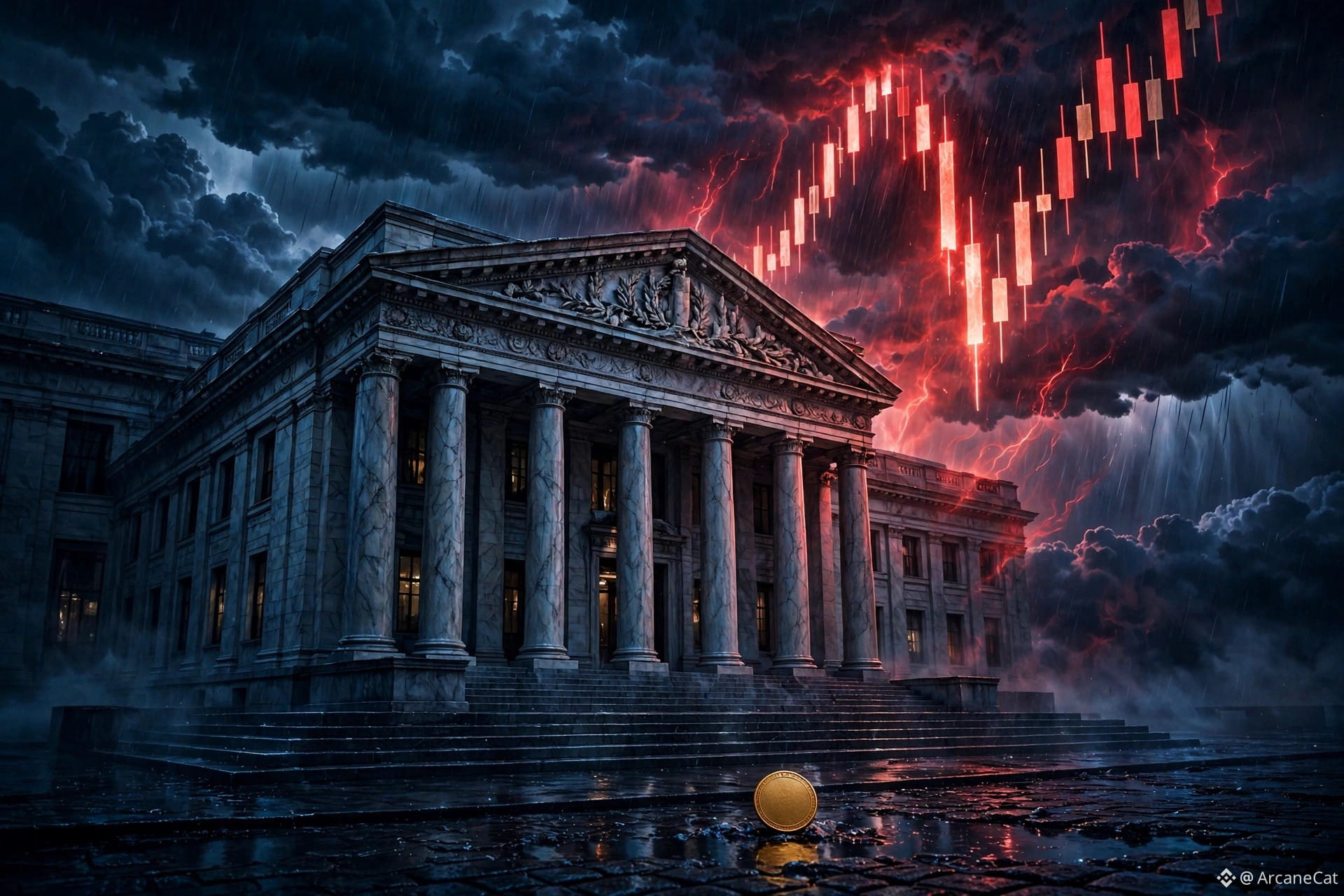
Fed Chair Warsh Speaks Tonight — Crypto Braces for the Verdict
Fed Chair Kevin Warsh opens the Fed's AI-inflation forum at 12:00 ET — the week's top macro event, with markets pricing a December Fed hike.
BTC trades near $64,400 after crashing to $62,000 over the weekend — its 6th straight weekly loss. U.S. spot BTC ETFs have bled ~$1.9B over 7 straight sessions.
A hawkish tone could pressure risk assets further; a softer one may calm the sell-off. Nvidia earnings land Tuesday, FOMC minutes Wednesday.
#Bitcoin #BTC #Fed
Not financial advice.
2

·
--
🧭 Liquidations collapsed — and that's the tell.
Only ~$566.5M was liquidated in the past 24h, hitting ~94,110 traders — down sharply from the ~$2.02B weekend flush. The forced selling is done for now; what's left is a market with no forced buyers either.
Now the calendar takes over:
- Fed minutes — Wed 18 Nov
- A December 25bp hike is 93.9% priced
- October PCE — 25 Nov
- MSCI removes Strategy (MSTR) — 30 Nov
- Fed decision — 8–9 Dec
With leverage flushed and flows still red, the next move is decided by macro and ETF prints, not by positioning. Watch Wednesday's minutes for any softening in the hike story.
NFA — analysis only, DYOR. Fed minutes or ETF flows — what moves BTC first this week? 👇
#bitcoin #BTC #Fed #CryptoMarket #BinanceSquare
98
Log in to explore more content
Join global crypto users on Binance Square
⚡️ Get latest and useful information about crypto.
💬 Trusted by the world’s largest crypto exchange.
👍 Discover real insights from verified creators.
Email / Phone number
Trending Topics
1
#NvidiaEarningsTonight:AIStocks’NextMove?
90,721 views
1,107 Discussing
2
#A Packed Week of Earnings and Data Tests Markets
132,323 views
632 Discussing
3
#AnthropicIPOTestsInvestorAppetiteForAI
294,276 views
2,760 Discussing
4
#NvidiaBoardNotConsideringHuang’sReturnasCEO
97,178 views
875 Discussing
5
#KOSPIFalls2.59%ToLowestCloseSinceFebruary
20,867 views
250 Discussing
6
#AnthropicClearedToListOnNasdaqAsANT
20,978 views
216 Discussing
7
#WhatInvestmentSignalsDo13FFilingsReveal?
50,259 views
613 Discussing
8
#TetherCapitalMakesStrategicInvestmentInStables
10,226 views
83 Discussing
9
#EvernorthRecords$505MImpairmentOnPreListingXRP
1,486 views
19 Discussing
10
#GoldmanSachsReports$1.22BInEtherETFHoldings
1,140 views
16 Discussing