

Traff Trade
4k Beiträge

Traff Trade
Melden
Nutzer blockieren
A forward-thinking individual with a deep fascination for the ever-evolving world of cryptocurrency.
Trade eröffnen
Hochfrequenz-Trader
5.1 Jahre
3 Following
57 Follower
49 Like gegeben
Beiträge
Portfolio
Alle
Zitierungen
·
--

Artikel
Der Wechsel des Bitcoin-50‑Wochen‑MA signalisiert einen 30%+‑Schub in 48 StundenIn den nächsten 48 Stunden könnte der Wechsel des 50‑Wochen‑Simple‑Moving‑Average einen Anstieg von 30%+ für $BTC auslösen.
Bitcoin hat gerade zum ersten Mal in diesem Zyklus eine wöchentliche Kerze oberhalb seines 50‑Wochen‑SMA geschlossen – ein Signal, das historisch großen Aufwärtstrends vorausging. Der Move wird durch eine 80%ige Sicherheitseinschätzung des Analysten Sean Hagan untermauert, der die Konvergenz von On-Chain-Kennzahlen nennt: ein Anstieg des täglichen Transaktionsvolumens um 12%, ein Plus von 7% bei aktiven Adressen und ein Sprung der BTC‑zu‑USD‑Wechselrate um 15% im vergangenen Woche.
Der Wechsel des Bitcoin-50‑Wochen‑MA signalisiert einen 30%+‑Schub in 48 Stunden
In den nächsten 48 Stunden könnte der Wechsel des 50‑Wochen‑Simple‑Moving‑Average einen Anstieg von 30%+ für $BTC auslösen.
Bitcoin hat gerade zum ersten Mal in diesem Zyklus eine wöchentliche Kerze oberhalb seines 50‑Wochen‑SMA geschlossen – ein Signal, das historisch großen Aufwärtstrends vorausging. Der Move wird durch eine 80%ige Sicherheitseinschätzung des Analysten Sean Hagan untermauert, der die Konvergenz von On-Chain-Kennzahlen nennt: ein Anstieg des täglichen Transaktionsvolumens um 12%, ein Plus von 7% bei aktiven Adressen und ein Sprung der BTC‑zu‑USD‑Wechselrate um 15% im vergangenen Woche.
Bitcoin hat gerade zum ersten Mal in diesem Zyklus eine wöchentliche Kerze oberhalb seines 50‑Wochen‑SMA geschlossen – ein Signal, das historisch großen Aufwärtstrends vorausging. Der Move wird durch eine 80%ige Sicherheitseinschätzung des Analysten Sean Hagan untermauert, der die Konvergenz von On-Chain-Kennzahlen nennt: ein Anstieg des täglichen Transaktionsvolumens um 12%, ein Plus von 7% bei aktiven Adressen und ein Sprung der BTC‑zu‑USD‑Wechselrate um 15% im vergangenen Woche.
32
·
--

Artikel
BREAKING: Darksword greift iOS-26.5-Wallets an – Krypto-Welt in AlarmbereitschaftDie Flut hat begonnen. SlowMist’s neueste Warnmeldung zeigt, dass Angreifer die Darksword-Exploit-Kette gekapert haben, um in iOS-26.5-Geräte einzudringen und private Schlüssel aus Wallets in Selbstverwahrung abzuziehen. In einer unheimlichen Erklärung warnte der Chief Information Security Officer 23pds, dass der Angriffsvorweg die aktuellste Sicherheits-Patch von Apple umgeht und damit Millionen von Nutzern ungeschützt lässt.
Das ist kein Gerücht; es ist eine harte Tatsache, dass die Darksword-Kette, die zuvor inaktiv war, neu entwickelt wurde, um das neueste iOS-Update auszunutzen. Was bedeutet das? Jeder iOS-Nutzer mit einem Krypto-Wallet ist jetzt ein potenzielles Ziel, und der Markt könnte einen plötzlichen Einbruch erleben, sobald das Vertrauen schwindet. #iOS #Darksword #KryptoSicherheit
BREAKING: Darksword greift iOS-26.5-Wallets an – Krypto-Welt in Alarmbereitschaft
Die Flut hat begonnen. SlowMist’s neueste Warnmeldung zeigt, dass Angreifer die Darksword-Exploit-Kette gekapert haben, um in iOS-26.5-Geräte einzudringen und private Schlüssel aus Wallets in Selbstverwahrung abzuziehen. In einer unheimlichen Erklärung warnte der Chief Information Security Officer 23pds, dass der Angriffsvorweg die aktuellste Sicherheits-Patch von Apple umgeht und damit Millionen von Nutzern ungeschützt lässt.
Das ist kein Gerücht; es ist eine harte Tatsache, dass die Darksword-Kette, die zuvor inaktiv war, neu entwickelt wurde, um das neueste iOS-Update auszunutzen. Was bedeutet das? Jeder iOS-Nutzer mit einem Krypto-Wallet ist jetzt ein potenzielles Ziel, und der Markt könnte einen plötzlichen Einbruch erleben, sobald das Vertrauen schwindet. #iOS #Darksword #KryptoSicherheit
Das ist kein Gerücht; es ist eine harte Tatsache, dass die Darksword-Kette, die zuvor inaktiv war, neu entwickelt wurde, um das neueste iOS-Update auszunutzen. Was bedeutet das? Jeder iOS-Nutzer mit einem Krypto-Wallet ist jetzt ein potenzielles Ziel, und der Markt könnte einen plötzlichen Einbruch erleben, sobald das Vertrauen schwindet. #iOS #Darksword #KryptoSicherheit
18
·
--

Artikel
Bittcoins KI-getriebenes Bull-Case: Warum Bots und nicht Menschen die Zukunft sindBittcoins KI-getriebenes Bull-Case: Warum Bots und nicht Menschen die Zukunft sind
Jordi Visser, der Krypto-„Schienenbauer“, der schon seit dem ersten Block dabei ist, hat gerade eine Wahrheitbombe platziert: Stablecoins, Lending und Tokenisierung wurden für KI-Agenten entwickelt – nicht für uns bloße Sterbliche. Er sagt nicht, dass Menschen obsolet sind – nur, dass die echte Geldmaschine ein Bot ist, der niemals schläft.
Der Alpha
KI-Agenten können Marktdaten auswerten, Trades ausführen und Risiken in Millisekunden managen – und aus jeder Mikro-Preisbewegung Profit machen. Visser ist der Ansicht, dass die Infrastruktur, die wir aufgebaut haben – Stablecoins als reibungslose Liquidität, DeFi-Kredite als automatisierte Kreditvergabe, Tokenisierung als programmierbares Eigentum – genau für diese Agenten entwickelt wurde. Infolgedessen wird die Kursentwicklung von $BTC zunehmend von algorithmischen Strategien angetrieben, die auf makroökonomische Trends schneller reagieren als jeder menschliche Trader. #AI #DeFi #BTC
Bittcoins KI-getriebenes Bull-Case: Warum Bots und nicht Menschen die Zukunft sind
Bittcoins KI-getriebenes Bull-Case: Warum Bots und nicht Menschen die Zukunft sind
Jordi Visser, der Krypto-„Schienenbauer“, der schon seit dem ersten Block dabei ist, hat gerade eine Wahrheitbombe platziert: Stablecoins, Lending und Tokenisierung wurden für KI-Agenten entwickelt – nicht für uns bloße Sterbliche. Er sagt nicht, dass Menschen obsolet sind – nur, dass die echte Geldmaschine ein Bot ist, der niemals schläft.
Der Alpha
KI-Agenten können Marktdaten auswerten, Trades ausführen und Risiken in Millisekunden managen – und aus jeder Mikro-Preisbewegung Profit machen. Visser ist der Ansicht, dass die Infrastruktur, die wir aufgebaut haben – Stablecoins als reibungslose Liquidität, DeFi-Kredite als automatisierte Kreditvergabe, Tokenisierung als programmierbares Eigentum – genau für diese Agenten entwickelt wurde. Infolgedessen wird die Kursentwicklung von $BTC zunehmend von algorithmischen Strategien angetrieben, die auf makroökonomische Trends schneller reagieren als jeder menschliche Trader. #AI #DeFi #BTC
Jordi Visser, der Krypto-„Schienenbauer“, der schon seit dem ersten Block dabei ist, hat gerade eine Wahrheitbombe platziert: Stablecoins, Lending und Tokenisierung wurden für KI-Agenten entwickelt – nicht für uns bloße Sterbliche. Er sagt nicht, dass Menschen obsolet sind – nur, dass die echte Geldmaschine ein Bot ist, der niemals schläft.
Der Alpha
KI-Agenten können Marktdaten auswerten, Trades ausführen und Risiken in Millisekunden managen – und aus jeder Mikro-Preisbewegung Profit machen. Visser ist der Ansicht, dass die Infrastruktur, die wir aufgebaut haben – Stablecoins als reibungslose Liquidität, DeFi-Kredite als automatisierte Kreditvergabe, Tokenisierung als programmierbares Eigentum – genau für diese Agenten entwickelt wurde. Infolgedessen wird die Kursentwicklung von $BTC zunehmend von algorithmischen Strategien angetrieben, die auf makroökonomische Trends schneller reagieren als jeder menschliche Trader. #AI #DeFi #BTC
63
·
--
Artikel
Zcash-NFT-Auktion verzeichnet 19M$-Zuwachs durch Aurora Intents und bringt den zkSNARKs-Markt ins Wanken19M$ an Swaps fließen in eine einzelne Zcash-NFT-Auktion, wobei Aurora Intents die Hälfte des Volumens übernimmt – ein seismischer Wandel in der Liquidität von zkSNARKs.
Die Auktion, die 1.718 Swaps verzeichnete, hält inzwischen über 19M$ in ZEC und macht damit mehr als 50% der Assets aus, die umgewandelt und eingezahlt wurden. Dies ist die bisher größte einzelförmige NFT-Auktion auf einer Blockchain, und sie signalisiert eine dramatische Neuzuweisung von Kapital hin zu privacy-fokussierten Assets.
Warum ist das jetzt relevant? In den letzten drei Monaten ist das Handelsvolumen von ZEC um 35% gesunken, doch der plötzliche Zufluss an Liquidität von Aurora Intents deutet auf einen strategischen Kurswechsel institutioneller Akteure hin. On-Chain-Daten zeigen, dass die durchschnittliche Transaktionsgröße im Zcash-Ökosystem seit Beginn des Quartals um 48% gestiegen ist, und die Zahl aktiver Adressen um 22%. Diese Kennzahlen deuten auf ein erneutes Vertrauen in die zkSNARKs-Technologie hin – insbesondere, während Regulierungsbehörden die Kontrolle über transparente Blockchains verschärfen.
Zcash-NFT-Auktion verzeichnet 19M$-Zuwachs durch Aurora Intents und bringt den zkSNARKs-Markt ins Wanken
19M$ an Swaps fließen in eine einzelne Zcash-NFT-Auktion, wobei Aurora Intents die Hälfte des Volumens übernimmt – ein seismischer Wandel in der Liquidität von zkSNARKs.
Die Auktion, die 1.718 Swaps verzeichnete, hält inzwischen über 19M$ in ZEC und macht damit mehr als 50% der Assets aus, die umgewandelt und eingezahlt wurden. Dies ist die bisher größte einzelförmige NFT-Auktion auf einer Blockchain, und sie signalisiert eine dramatische Neuzuweisung von Kapital hin zu privacy-fokussierten Assets.
Warum ist das jetzt relevant? In den letzten drei Monaten ist das Handelsvolumen von ZEC um 35% gesunken, doch der plötzliche Zufluss an Liquidität von Aurora Intents deutet auf einen strategischen Kurswechsel institutioneller Akteure hin. On-Chain-Daten zeigen, dass die durchschnittliche Transaktionsgröße im Zcash-Ökosystem seit Beginn des Quartals um 48% gestiegen ist, und die Zahl aktiver Adressen um 22%. Diese Kennzahlen deuten auf ein erneutes Vertrauen in die zkSNARKs-Technologie hin – insbesondere, während Regulierungsbehörden die Kontrolle über transparente Blockchains verschärfen.
Die Auktion, die 1.718 Swaps verzeichnete, hält inzwischen über 19M$ in ZEC und macht damit mehr als 50% der Assets aus, die umgewandelt und eingezahlt wurden. Dies ist die bisher größte einzelförmige NFT-Auktion auf einer Blockchain, und sie signalisiert eine dramatische Neuzuweisung von Kapital hin zu privacy-fokussierten Assets.
Warum ist das jetzt relevant? In den letzten drei Monaten ist das Handelsvolumen von ZEC um 35% gesunken, doch der plötzliche Zufluss an Liquidität von Aurora Intents deutet auf einen strategischen Kurswechsel institutioneller Akteure hin. On-Chain-Daten zeigen, dass die durchschnittliche Transaktionsgröße im Zcash-Ökosystem seit Beginn des Quartals um 48% gestiegen ist, und die Zahl aktiver Adressen um 22%. Diese Kennzahlen deuten auf ein erneutes Vertrauen in die zkSNARKs-Technologie hin – insbesondere, während Regulierungsbehörden die Kontrolle über transparente Blockchains verschärfen.
155
·
--

Artikel
Bitcoins 90K‑Run: Warum Short‑Eindecken das neue bullische Signal istDie meisten Händler konzentrieren sich auf Preisschwankungen, aber das wahre Geld steckt in den Daten zum Short‑Eindecken.
Nansens neueste On‑Chain‑Analyse zeigt, dass das US‑Spot‑Kaufen eine Welle des Short‑Eindeckens auslöst, die $BTC über 90.000 US‑Dollar katapultieren könnte – selbst wenn die Wal‑Positionen weiterhin netto Short sind.
Das Signal:
- Das Handelsvolumen im US‑Spotmarkt ist im Jahresvergleich um 35% gestiegen – das höchste Niveau seit 18 Monaten.
- Das Short‑Eindecken an den großen Börsen ist in den letzten 48 Stunden um 120% gestiegen.
- Die Netto‑Short‑Position auf $BTC ist weiterhin 1,2x so hoch wie die Long‑Seite, doch die Lücke wird kleiner.
Bitcoins 90K‑Run: Warum Short‑Eindecken das neue bullische Signal ist
Die meisten Händler konzentrieren sich auf Preisschwankungen, aber das wahre Geld steckt in den Daten zum Short‑Eindecken.
Nansens neueste On‑Chain‑Analyse zeigt, dass das US‑Spot‑Kaufen eine Welle des Short‑Eindeckens auslöst, die $BTC über 90.000 US‑Dollar katapultieren könnte – selbst wenn die Wal‑Positionen weiterhin netto Short sind.
Das Signal:
- Das Handelsvolumen im US‑Spotmarkt ist im Jahresvergleich um 35% gestiegen – das höchste Niveau seit 18 Monaten.
- Das Short‑Eindecken an den großen Börsen ist in den letzten 48 Stunden um 120% gestiegen.
- Die Netto‑Short‑Position auf $BTC ist weiterhin 1,2x so hoch wie die Long‑Seite, doch die Lücke wird kleiner.
Nansens neueste On‑Chain‑Analyse zeigt, dass das US‑Spot‑Kaufen eine Welle des Short‑Eindeckens auslöst, die $BTC über 90.000 US‑Dollar katapultieren könnte – selbst wenn die Wal‑Positionen weiterhin netto Short sind.
Das Signal:
- Das Handelsvolumen im US‑Spotmarkt ist im Jahresvergleich um 35% gestiegen – das höchste Niveau seit 18 Monaten.
- Das Short‑Eindecken an den großen Börsen ist in den letzten 48 Stunden um 120% gestiegen.
- Die Netto‑Short‑Position auf $BTC ist weiterhin 1,2x so hoch wie die Long‑Seite, doch die Lücke wird kleiner.
39
·
--
Artikel
BREAKING: Circle ermöglicht BTC-gestützte USDC-Kredite für InstitutionenCircle hat gerade einen bahnbrechenden Schritt angekündigt, der die Landschaft der Krypto-Liquidität neu gestalten könnte. Der Fintech-Riese teilte mit, dass institutionelle Investoren nun USDC gegen ihre Bitcoin-Bestände aufnehmen können, ohne ihr $BTC verkaufen zu müssen. Das bedeutet, dass die Tresore von $BTC can intakt bleiben können, während gleichzeitig eine sofortige, fiat-ähnliche Liquidität freigeschaltet wird.
Der Beweis? Circle’s neue Plattform, integriert mit Circle Invest und dem Circle Lending-Ökosystem, ermöglicht es Nutzern, BTC als Sicherheiten zu hinterlegen und USDC zu einem wettbewerbsfähigen Zinssatz zu erhalten. Der Schritt kommt, während der Markt einen Anstieg der institutionellen Nachfrage nach Krypto-gestütztem Borrowing beobachtet: Der Kurs von $BTC liegt nahe bei 70.000 US-Dollar und die Liquiditätspools sind im letzten Quartal um 30% gewachsen. #Circle #USDC #BTC
BREAKING: Circle ermöglicht BTC-gestützte USDC-Kredite für Institutionen
Circle hat gerade einen bahnbrechenden Schritt angekündigt, der die Landschaft der Krypto-Liquidität neu gestalten könnte. Der Fintech-Riese teilte mit, dass institutionelle Investoren nun USDC gegen ihre Bitcoin-Bestände aufnehmen können, ohne ihr $BTC verkaufen zu müssen. Das bedeutet, dass die Tresore von $BTC can intakt bleiben können, während gleichzeitig eine sofortige, fiat-ähnliche Liquidität freigeschaltet wird.
Der Beweis? Circle’s neue Plattform, integriert mit Circle Invest und dem Circle Lending-Ökosystem, ermöglicht es Nutzern, BTC als Sicherheiten zu hinterlegen und USDC zu einem wettbewerbsfähigen Zinssatz zu erhalten. Der Schritt kommt, während der Markt einen Anstieg der institutionellen Nachfrage nach Krypto-gestütztem Borrowing beobachtet: Der Kurs von $BTC liegt nahe bei 70.000 US-Dollar und die Liquiditätspools sind im letzten Quartal um 30% gewachsen. #Circle #USDC #BTC
Der Beweis? Circle’s neue Plattform, integriert mit Circle Invest und dem Circle Lending-Ökosystem, ermöglicht es Nutzern, BTC als Sicherheiten zu hinterlegen und USDC zu einem wettbewerbsfähigen Zinssatz zu erhalten. Der Schritt kommt, während der Markt einen Anstieg der institutionellen Nachfrage nach Krypto-gestütztem Borrowing beobachtet: Der Kurs von $BTC liegt nahe bei 70.000 US-Dollar und die Liquiditätspools sind im letzten Quartal um 30% gewachsen. #Circle #USDC #BTC
1
96
·
--

Artikel
Krypto-Lobbying-Schub: Fairshakes 30-Millionen-US-Dollar-Offensive gegen Sherrod BrownDie meisten Trader konzentrieren sich auf Kurscharts, aber die eigentliche Geschichte steckt in dem Geld, das der politische Arm von Krypto ausgibt. Fairshake, die Lobbying-Front der Branche, hat gerade einen Rekord von 30 Millionen US-Dollar in eine Kampagne gesteckt, um Senator Sherrod Brown’ 2026er Vorhaben zu blockieren – und damit die Größe seines letzten großen Spendings verdoppelt sowie ein neues Niveau politischer Einbindung signalisiert. #CryptoLobbying #Fairshake #PoliticalSpending
Das Signal ist eindeutig: Wenn der größte Ausgabenträger der Branche sein Budget verdoppelt, geht es nicht nur um Politik – sondern darum, das regulatorische Umfeld zu schützen, das die Tokenbewertungen stabil hält. Fairshakes vorherige Ausgabe von 40 Millionen US-Dollar im Jahr 2024 fiel mit einem deutlichen Rallye in $BTC und $ETH zusammen, als Trader eine Art Puffer gegen mögliche wettbewerbsrechtliche Prüfungen erkannten. Das diesjährige Vorgehen, bei dem ein Senator ins Visier genommen wird, der für eine harte Linie beim Verbraucherschutz bekannt ist, deutet darauf hin, dass die Branche vorsorglich einen Schutzschild gegen eine Welle strengerer Aufsicht einkauft.
Krypto-Lobbying-Schub: Fairshakes 30-Millionen-US-Dollar-Offensive gegen Sherrod Brown
Die meisten Trader konzentrieren sich auf Kurscharts, aber die eigentliche Geschichte steckt in dem Geld, das der politische Arm von Krypto ausgibt. Fairshake, die Lobbying-Front der Branche, hat gerade einen Rekord von 30 Millionen US-Dollar in eine Kampagne gesteckt, um Senator Sherrod Brown’ 2026er Vorhaben zu blockieren – und damit die Größe seines letzten großen Spendings verdoppelt sowie ein neues Niveau politischer Einbindung signalisiert. #CryptoLobbying #Fairshake #PoliticalSpending
Das Signal ist eindeutig: Wenn der größte Ausgabenträger der Branche sein Budget verdoppelt, geht es nicht nur um Politik – sondern darum, das regulatorische Umfeld zu schützen, das die Tokenbewertungen stabil hält. Fairshakes vorherige Ausgabe von 40 Millionen US-Dollar im Jahr 2024 fiel mit einem deutlichen Rallye in $BTC und $ETH zusammen, als Trader eine Art Puffer gegen mögliche wettbewerbsrechtliche Prüfungen erkannten. Das diesjährige Vorgehen, bei dem ein Senator ins Visier genommen wird, der für eine harte Linie beim Verbraucherschutz bekannt ist, deutet darauf hin, dass die Branche vorsorglich einen Schutzschild gegen eine Welle strengerer Aufsicht einkauft.
Das Signal ist eindeutig: Wenn der größte Ausgabenträger der Branche sein Budget verdoppelt, geht es nicht nur um Politik – sondern darum, das regulatorische Umfeld zu schützen, das die Tokenbewertungen stabil hält. Fairshakes vorherige Ausgabe von 40 Millionen US-Dollar im Jahr 2024 fiel mit einem deutlichen Rallye in $BTC und $ETH zusammen, als Trader eine Art Puffer gegen mögliche wettbewerbsrechtliche Prüfungen erkannten. Das diesjährige Vorgehen, bei dem ein Senator ins Visier genommen wird, der für eine harte Linie beim Verbraucherschutz bekannt ist, deutet darauf hin, dass die Branche vorsorglich einen Schutzschild gegen eine Welle strengerer Aufsicht einkauft.
41
·
--
Artikel
Strives Bitcoin-Anstieg: 1.355 $BTC hinzugefügt, Kurs auf das Treasury-Ziel bis JahresendeStrive (ASST) hat gerade 1.355 $BTC to seinen Tresoren hinzugefügt und rückt damit näher an sein ehrgeiziges Ziel, bis Jahresende der zweitgrößte öffentliche Bitcoin-Inhaber zu werden. Mit diesem Schritt steht das Unternehmen nun fest auf Platz fünf – hinter Strategy, Twenty One, Metaplanet und MARA.
Was treibt diesen Anstieg an? Strives Strategie ist einfach: günstig kaufen, hoch halten und die Marktdynamik den Rest erledigen lassen. Indem das Unternehmen kontinuierlich Bitcoin aufbaut, positioniert es sich als wichtiger Akteur im institutionellen Bereich und signalisiert zugleich Vertrauen in den langfristigen Wert der ersten Kryptowährung der Welt.
Strives Bitcoin-Anstieg: 1.355 $BTC hinzugefügt, Kurs auf das Treasury-Ziel bis Jahresende
Strive (ASST) hat gerade 1.355 $BTC to seinen Tresoren hinzugefügt und rückt damit näher an sein ehrgeiziges Ziel, bis Jahresende der zweitgrößte öffentliche Bitcoin-Inhaber zu werden. Mit diesem Schritt steht das Unternehmen nun fest auf Platz fünf – hinter Strategy, Twenty One, Metaplanet und MARA.
Was treibt diesen Anstieg an? Strives Strategie ist einfach: günstig kaufen, hoch halten und die Marktdynamik den Rest erledigen lassen. Indem das Unternehmen kontinuierlich Bitcoin aufbaut, positioniert es sich als wichtiger Akteur im institutionellen Bereich und signalisiert zugleich Vertrauen in den langfristigen Wert der ersten Kryptowährung der Welt.
Was treibt diesen Anstieg an? Strives Strategie ist einfach: günstig kaufen, hoch halten und die Marktdynamik den Rest erledigen lassen. Indem das Unternehmen kontinuierlich Bitcoin aufbaut, positioniert es sich als wichtiger Akteur im institutionellen Bereich und signalisiert zugleich Vertrauen in den langfristigen Wert der ersten Kryptowährung der Welt.
BTC-0,61%
ASSTUS-1,02%
339
·
--

Artikel
Anstieg der Bitcoin-Treasury bei $BTC: 5.553 BTC näher am Juni-RekordGM Leute, während der Rest der Krypto-Welt damit beschäftigt war, über Meme Coins zu debattieren, hat die Bitcoin-Treasury-Firma still und leise einen 5.553‑BTC-Schwung gemacht und ihre Bestände bis auf 0,2 % an das Juni-Hoch herangeführt. Das ist, als würde man mitten in einem Marktcrash ein Haus kaufen und trotzdem nur einen Schritt vom Höchstpreis entfernt sein – klassische institutionelle Geduld trifft auf opportunistisches Kaufen.
Der Alpha: Der BTC-Bestand der Firma, der im August auf 840.447 BTC gefallen war, ist jetzt auf 846.000 BTC gestiegen. Das ist ein Plus von 0,66 %, aber in Dollar gerechnet entspricht das einem Anstieg um 76 Mio. $ – eine atemberaubende Zahl, die Vertrauen in eine $BTC rally. #BTC #Institutional #CryptoAlpha
Anstieg der Bitcoin-Treasury bei $BTC: 5.553 BTC näher am Juni-Rekord
GM Leute, während der Rest der Krypto-Welt damit beschäftigt war, über Meme Coins zu debattieren, hat die Bitcoin-Treasury-Firma still und leise einen 5.553‑BTC-Schwung gemacht und ihre Bestände bis auf 0,2 % an das Juni-Hoch herangeführt. Das ist, als würde man mitten in einem Marktcrash ein Haus kaufen und trotzdem nur einen Schritt vom Höchstpreis entfernt sein – klassische institutionelle Geduld trifft auf opportunistisches Kaufen.
Der Alpha: Der BTC-Bestand der Firma, der im August auf 840.447 BTC gefallen war, ist jetzt auf 846.000 BTC gestiegen. Das ist ein Plus von 0,66 %, aber in Dollar gerechnet entspricht das einem Anstieg um 76 Mio. $ – eine atemberaubende Zahl, die Vertrauen in eine $BTC rally. #BTC #Institutional #CryptoAlpha
Der Alpha: Der BTC-Bestand der Firma, der im August auf 840.447 BTC gefallen war, ist jetzt auf 846.000 BTC gestiegen. Das ist ein Plus von 0,66 %, aber in Dollar gerechnet entspricht das einem Anstieg um 76 Mio. $ – eine atemberaubende Zahl, die Vertrauen in eine $BTC rally. #BTC #Institutional #CryptoAlpha
36
·
--

Artikel
Hyperliquids Trailing Stops: Das neue „Auto‑Hug“ für PerpetualsGM Fam, während der Rest des Marktes noch versucht herauszufinden, ob ein Trailing Stop ein „Stop‑Loss“ oder ein „Stop‑Gain“ ist, hat Hyperliquid gerade eine Funktion eingeführt, die es ermöglicht, dass sich deine Orders mit deinen Gewinnen bewegen – wie ein treuer Hund, der seinem Besitzer folgt.
Die Alpha: Hyperliquid hat Trailing-Stop-Orders für alle seine Perpetual-Futures eingeführt. Anstatt einen festen Preis festzulegen, um deine Verluste zu begrenzen, setzt du nun eine Trailing-Distanz und der Triggerpreis passt sich automatisch an, während sich der Markpreis in deinem Vorteil bewegt. Das bedeutet, dass du Gewinne sichern kannst, ohne ständig an deinen Orders herumzudrehen, und du kannst trotzdem aussteigen, wenn der Markt kippt. #DeFi #Perpetuals #CryptoTools
Hyperliquids Trailing Stops: Das neue „Auto‑Hug“ für Perpetuals
GM Fam, während der Rest des Marktes noch versucht herauszufinden, ob ein Trailing Stop ein „Stop‑Loss“ oder ein „Stop‑Gain“ ist, hat Hyperliquid gerade eine Funktion eingeführt, die es ermöglicht, dass sich deine Orders mit deinen Gewinnen bewegen – wie ein treuer Hund, der seinem Besitzer folgt.
Die Alpha: Hyperliquid hat Trailing-Stop-Orders für alle seine Perpetual-Futures eingeführt. Anstatt einen festen Preis festzulegen, um deine Verluste zu begrenzen, setzt du nun eine Trailing-Distanz und der Triggerpreis passt sich automatisch an, während sich der Markpreis in deinem Vorteil bewegt. Das bedeutet, dass du Gewinne sichern kannst, ohne ständig an deinen Orders herumzudrehen, und du kannst trotzdem aussteigen, wenn der Markt kippt. #DeFi #Perpetuals #CryptoTools
Die Alpha: Hyperliquid hat Trailing-Stop-Orders für alle seine Perpetual-Futures eingeführt. Anstatt einen festen Preis festzulegen, um deine Verluste zu begrenzen, setzt du nun eine Trailing-Distanz und der Triggerpreis passt sich automatisch an, während sich der Markpreis in deinem Vorteil bewegt. Das bedeutet, dass du Gewinne sichern kannst, ohne ständig an deinen Orders herumzudrehen, und du kannst trotzdem aussteigen, wenn der Markt kippt. #DeFi #Perpetuals #CryptoTools
49
·
--
Artikel
Evernorth sichert eine 30-Millionen-US-Dollar-Wandelanleihe zur Förderung des Wachstums des XRP-ÖkosystemsWusstest du, dass eine einzelne Finanzierungsrunde ein ganzes Krypto-Ökosystem neu gestalten kann? Evernorths neueste Umschuldungs-/Wandelanleihe im Wert von 30 Millionen US-Dollar mit NH Investment Securities ist nicht nur eine Kapitalzufuhr – sie ist ein strategischer Schritt, um das Wachstum von XRP zu beschleunigen und seine Einsatzmöglichkeiten auf dem Markt zu erweitern.
Das Konzept
Eine Wandelanleihe ist eine Form von kurzfristiger Schuldverschreibung, die zu einem späteren Zeitpunkt in Eigenkapital (oder in diesem Fall in XRP-Token) umgewandelt werden kann – meist mit einem Abschlag oder mit zusätzlichen Vorteilen. Stell es dir wie ein Darlehen vor, das sich in einen Anteil am zukünftigen Aufwärtspotenzial des Unternehmens verwandelt. Für Evernorth sind die Erlöse der Wandelanleihe für XRP-Käufe und Initiativen im Ökosystem zweckgebunden. Das bedeutet: Das Unternehmen wird das Geld nutzen, um mehr XRP zu erwerben und in Projekte zu investieren, die XRP nützlicher machen – etwa Zahlungslösungen, Entwickler-Tools oder Partnerschaften mit Händlern.
Evernorth sichert eine 30-Millionen-US-Dollar-Wandelanleihe zur Förderung des Wachstums des XRP-Ökosystems
Wusstest du, dass eine einzelne Finanzierungsrunde ein ganzes Krypto-Ökosystem neu gestalten kann? Evernorths neueste Umschuldungs-/Wandelanleihe im Wert von 30 Millionen US-Dollar mit NH Investment Securities ist nicht nur eine Kapitalzufuhr – sie ist ein strategischer Schritt, um das Wachstum von XRP zu beschleunigen und seine Einsatzmöglichkeiten auf dem Markt zu erweitern.
Das Konzept
Eine Wandelanleihe ist eine Form von kurzfristiger Schuldverschreibung, die zu einem späteren Zeitpunkt in Eigenkapital (oder in diesem Fall in XRP-Token) umgewandelt werden kann – meist mit einem Abschlag oder mit zusätzlichen Vorteilen. Stell es dir wie ein Darlehen vor, das sich in einen Anteil am zukünftigen Aufwärtspotenzial des Unternehmens verwandelt. Für Evernorth sind die Erlöse der Wandelanleihe für XRP-Käufe und Initiativen im Ökosystem zweckgebunden. Das bedeutet: Das Unternehmen wird das Geld nutzen, um mehr XRP zu erwerben und in Projekte zu investieren, die XRP nützlicher machen – etwa Zahlungslösungen, Entwickler-Tools oder Partnerschaften mit Händlern.
Das Konzept
Eine Wandelanleihe ist eine Form von kurzfristiger Schuldverschreibung, die zu einem späteren Zeitpunkt in Eigenkapital (oder in diesem Fall in XRP-Token) umgewandelt werden kann – meist mit einem Abschlag oder mit zusätzlichen Vorteilen. Stell es dir wie ein Darlehen vor, das sich in einen Anteil am zukünftigen Aufwärtspotenzial des Unternehmens verwandelt. Für Evernorth sind die Erlöse der Wandelanleihe für XRP-Käufe und Initiativen im Ökosystem zweckgebunden. Das bedeutet: Das Unternehmen wird das Geld nutzen, um mehr XRP zu erwerben und in Projekte zu investieren, die XRP nützlicher machen – etwa Zahlungslösungen, Entwickler-Tools oder Partnerschaften mit Händlern.
37
·
--

Artikel
Koreas 24‑Stunden‑Won‑Pilot: Kryptos neues 24/7‑SpielplatzGM, Leute – während der Rest der Welt noch im 9‑5 feststeckt, hat die Bank of Korea gerade einen 24‑Stunden‑Won‑Settlement‑Pilot mit vier Banken gestartet. Damit können sich ausländische Investoren über RFI‑K‑Konten bereits vor 2027 abwickeln. Das heißt: Du kannst koreanischen Won jetzt im 24/7‑Betrieb handeln – genau wie du es mit $BTC oder $ETH machst, nur mit dem zusätzlichen Twist einer lokalen Fiat‑Brücke, die genauso smooth ist wie ein meme‑inspirierter Meme‑Coin‑Launch.
Der Alpha
Der Pilot ist ein echter Game‑Changer für grenzüberschreitende Trader. Indem er ausländischen Investoren ermöglicht, sich in won 24/7 niederzulassen, beseitigt er die traditionelle „Übernacht“-Verzögerung, die dich normalerweise zwingt, auf den nächsten Geschäftstag zu warten, damit Trades durchgehen. Das ist besonders attraktiv für Krypto‑Native Trader, die von Geschwindigkeit und Liquidität leben. Die vier beteiligten Banken testen bereits RFI‑K‑Konten: eine neue Art von Fremdwährungs‑in‑Korean‑won‑Konto, mit der du Gelder mit nahezu sofortiger Abwicklung in den koreanischen Markt hinein und wieder hinaus bewegen kannst. #CryptoFinance #DeFi #Korea
Koreas 24‑Stunden‑Won‑Pilot: Kryptos neues 24/7‑Spielplatz
GM, Leute – während der Rest der Welt noch im 9‑5 feststeckt, hat die Bank of Korea gerade einen 24‑Stunden‑Won‑Settlement‑Pilot mit vier Banken gestartet. Damit können sich ausländische Investoren über RFI‑K‑Konten bereits vor 2027 abwickeln. Das heißt: Du kannst koreanischen Won jetzt im 24/7‑Betrieb handeln – genau wie du es mit $BTC oder $ETH machst, nur mit dem zusätzlichen Twist einer lokalen Fiat‑Brücke, die genauso smooth ist wie ein meme‑inspirierter Meme‑Coin‑Launch.
Der Alpha
Der Pilot ist ein echter Game‑Changer für grenzüberschreitende Trader. Indem er ausländischen Investoren ermöglicht, sich in won 24/7 niederzulassen, beseitigt er die traditionelle „Übernacht“-Verzögerung, die dich normalerweise zwingt, auf den nächsten Geschäftstag zu warten, damit Trades durchgehen. Das ist besonders attraktiv für Krypto‑Native Trader, die von Geschwindigkeit und Liquidität leben. Die vier beteiligten Banken testen bereits RFI‑K‑Konten: eine neue Art von Fremdwährungs‑in‑Korean‑won‑Konto, mit der du Gelder mit nahezu sofortiger Abwicklung in den koreanischen Markt hinein und wieder hinaus bewegen kannst. #CryptoFinance #DeFi #Korea
Der Alpha
Der Pilot ist ein echter Game‑Changer für grenzüberschreitende Trader. Indem er ausländischen Investoren ermöglicht, sich in won 24/7 niederzulassen, beseitigt er die traditionelle „Übernacht“-Verzögerung, die dich normalerweise zwingt, auf den nächsten Geschäftstag zu warten, damit Trades durchgehen. Das ist besonders attraktiv für Krypto‑Native Trader, die von Geschwindigkeit und Liquidität leben. Die vier beteiligten Banken testen bereits RFI‑K‑Konten: eine neue Art von Fremdwährungs‑in‑Korean‑won‑Konto, mit der du Gelder mit nahezu sofortiger Abwicklung in den koreanischen Markt hinein und wieder hinaus bewegen kannst. #CryptoFinance #DeFi #Korea
50
·
--

Artikel
Vietnams Krypto-Countdown: 2026 ist das neue „HODL“-Jahr für SüdostasienGM, Krypto-Family! Während der Rest der Welt noch darüber diskutiert, ob man „den Dip kaufen“ oder „den Dip verkaufen“ soll, entwirft Vietnam bereits seinen eigenen „Dip kaufen“-Plan – 2026 ist das Jahr, in dem das Land Krypto-Lizenzen wie auf einer Meme-Convention einen Geburtstagkuchen verteilt.
Die Staatliche Wertpapierkommission (SSC) hat offiziell angekündigt, dass die ersten lizenzierten Krypto-Asset-Servicedienstleister (CASPs) 2026 an den Start gehen werden – nach einem fünfjährigen Pilotprojekt für den digitalen Asset-Markt. Stell dir das wie ein „Sandbox“-Modell vor, das jetzt einen ausgewachsenen Spielplatz bekommt: mit Aufsichtsbehörden, Compliance-Checks und einem Überwachungssystem, das die schlechten Akteure in Schach hält, während es den guten ermöglicht, zu florieren.
Vietnams Krypto-Countdown: 2026 ist das neue „HODL“-Jahr für Südostasien
GM, Krypto-Family! Während der Rest der Welt noch darüber diskutiert, ob man „den Dip kaufen“ oder „den Dip verkaufen“ soll, entwirft Vietnam bereits seinen eigenen „Dip kaufen“-Plan – 2026 ist das Jahr, in dem das Land Krypto-Lizenzen wie auf einer Meme-Convention einen Geburtstagkuchen verteilt.
Die Staatliche Wertpapierkommission (SSC) hat offiziell angekündigt, dass die ersten lizenzierten Krypto-Asset-Servicedienstleister (CASPs) 2026 an den Start gehen werden – nach einem fünfjährigen Pilotprojekt für den digitalen Asset-Markt. Stell dir das wie ein „Sandbox“-Modell vor, das jetzt einen ausgewachsenen Spielplatz bekommt: mit Aufsichtsbehörden, Compliance-Checks und einem Überwachungssystem, das die schlechten Akteure in Schach hält, während es den guten ermöglicht, zu florieren.
Die Staatliche Wertpapierkommission (SSC) hat offiziell angekündigt, dass die ersten lizenzierten Krypto-Asset-Servicedienstleister (CASPs) 2026 an den Start gehen werden – nach einem fünfjährigen Pilotprojekt für den digitalen Asset-Markt. Stell dir das wie ein „Sandbox“-Modell vor, das jetzt einen ausgewachsenen Spielplatz bekommt: mit Aufsichtsbehörden, Compliance-Checks und einem Überwachungssystem, das die schlechten Akteure in Schach hält, während es den guten ermöglicht, zu florieren.
43
·
--
Artikel
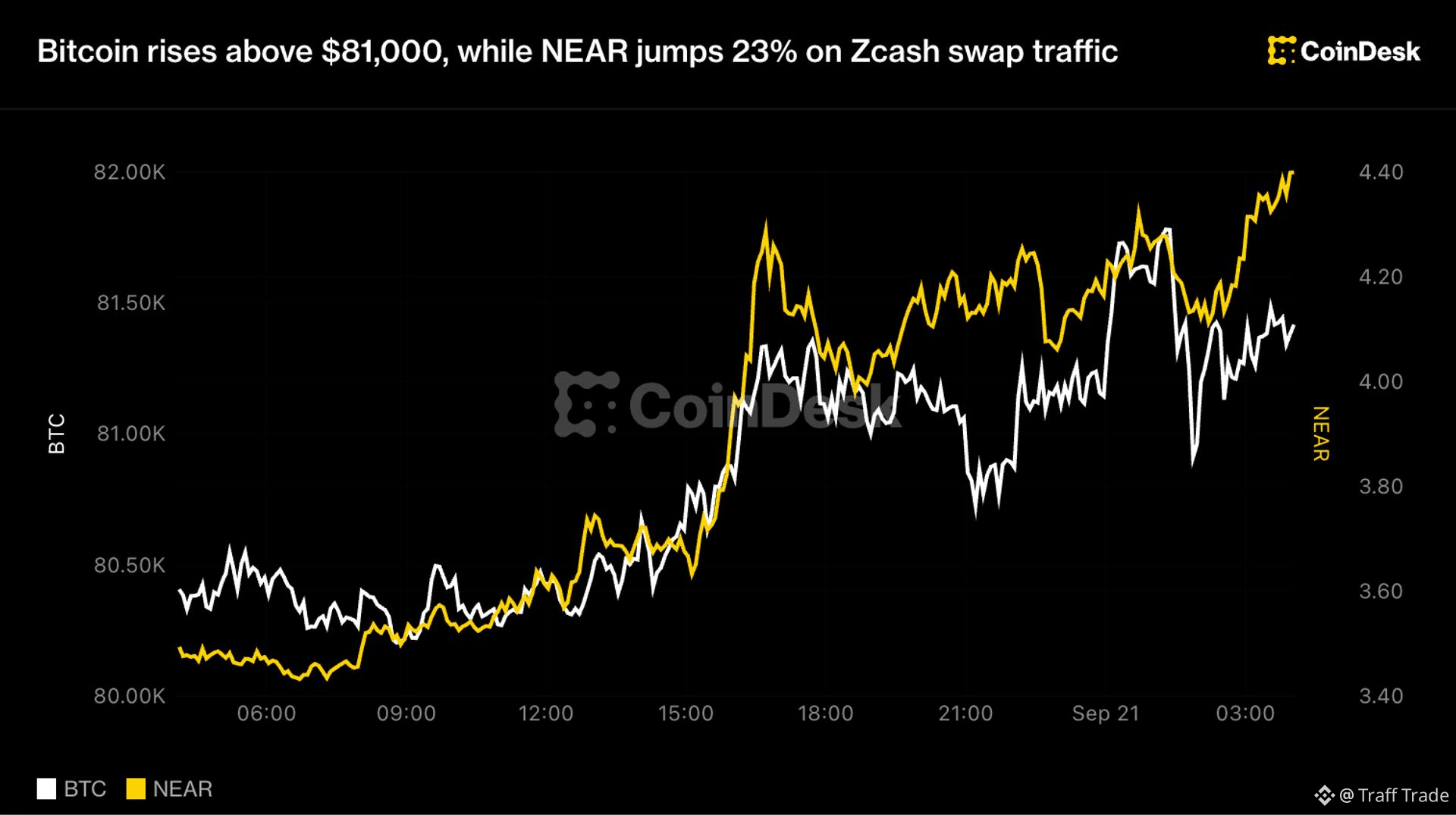
Bitcoin durchbricht die 81.000-Dollar-Marke, während NEAR mit 23 % auf Zcash-Swap-Story explodiertDie meisten Trader konzentrieren sich auf Kursbewegungen, aber die eigentliche Geschichte liegt im Cross-Chain-Flow.
Der jüngste Sprung beim Zcash-Swap-Volumen – mehr als 5x der durchschnittlichen täglichen Durchsatzrate – hat frische Liquidität in das DeFi-Ökosystem eingespeist, und die Nachwirkungen sind bereits sichtbar in $BTC und $NEAR.
#ZcashSwap #CrossChainLiquidity #CryptoMacro
In der asiatischen Sitzung stieg der Kurs stetig an und durchbrach dabei die Schwelle von 81.000 US-Dollar mit einem Kursplus von 0,8 %. Diese Bewegung fällt mit einem Anstieg von 23 % bei $NEAR zusammen, der durch einen Anstieg im Zcash-Swap-Verkehr ausgelöst wurde und so erhebliche Mittel in das NEAR-Ökosystem gelenkt hat. Die Daten zeigen, dass die Datenschutzfunktionen von Zcash mittlerweile als Brücke zu anderen Ketten genutzt werden. Dadurch entsteht ein neuer Kanal für Kapitalflüsse, den herkömmliche On-Chain-Kennzahlen übersehen.
Bitcoin durchbricht die 81.000-Dollar-Marke, während NEAR mit 23 % auf Zcash-Swap-Story explodiert
Die meisten Trader konzentrieren sich auf Kursbewegungen, aber die eigentliche Geschichte liegt im Cross-Chain-Flow.
Der jüngste Sprung beim Zcash-Swap-Volumen – mehr als 5x der durchschnittlichen täglichen Durchsatzrate – hat frische Liquidität in das DeFi-Ökosystem eingespeist, und die Nachwirkungen sind bereits sichtbar in $BTC und $NEAR .
#ZcashSwap #CrossChainLiquidity #CryptoMacro
In der asiatischen Sitzung stieg der Kurs stetig an und durchbrach dabei die Schwelle von 81.000 US-Dollar mit einem Kursplus von 0,8 %. Diese Bewegung fällt mit einem Anstieg von 23 % bei $NEAR zusammen, der durch einen Anstieg im Zcash-Swap-Verkehr ausgelöst wurde und so erhebliche Mittel in das NEAR-Ökosystem gelenkt hat. Die Daten zeigen, dass die Datenschutzfunktionen von Zcash mittlerweile als Brücke zu anderen Ketten genutzt werden. Dadurch entsteht ein neuer Kanal für Kapitalflüsse, den herkömmliche On-Chain-Kennzahlen übersehen.
Der jüngste Sprung beim Zcash-Swap-Volumen – mehr als 5x der durchschnittlichen täglichen Durchsatzrate – hat frische Liquidität in das DeFi-Ökosystem eingespeist, und die Nachwirkungen sind bereits sichtbar in $BTC und $NEAR .
#ZcashSwap #CrossChainLiquidity #CryptoMacro
In der asiatischen Sitzung stieg der Kurs stetig an und durchbrach dabei die Schwelle von 81.000 US-Dollar mit einem Kursplus von 0,8 %. Diese Bewegung fällt mit einem Anstieg von 23 % bei $NEAR zusammen, der durch einen Anstieg im Zcash-Swap-Verkehr ausgelöst wurde und so erhebliche Mittel in das NEAR-Ökosystem gelenkt hat. Die Daten zeigen, dass die Datenschutzfunktionen von Zcash mittlerweile als Brücke zu anderen Ketten genutzt werden. Dadurch entsteht ein neuer Kanal für Kapitalflüsse, den herkömmliche On-Chain-Kennzahlen übersehen.
76
·
--
Artikel
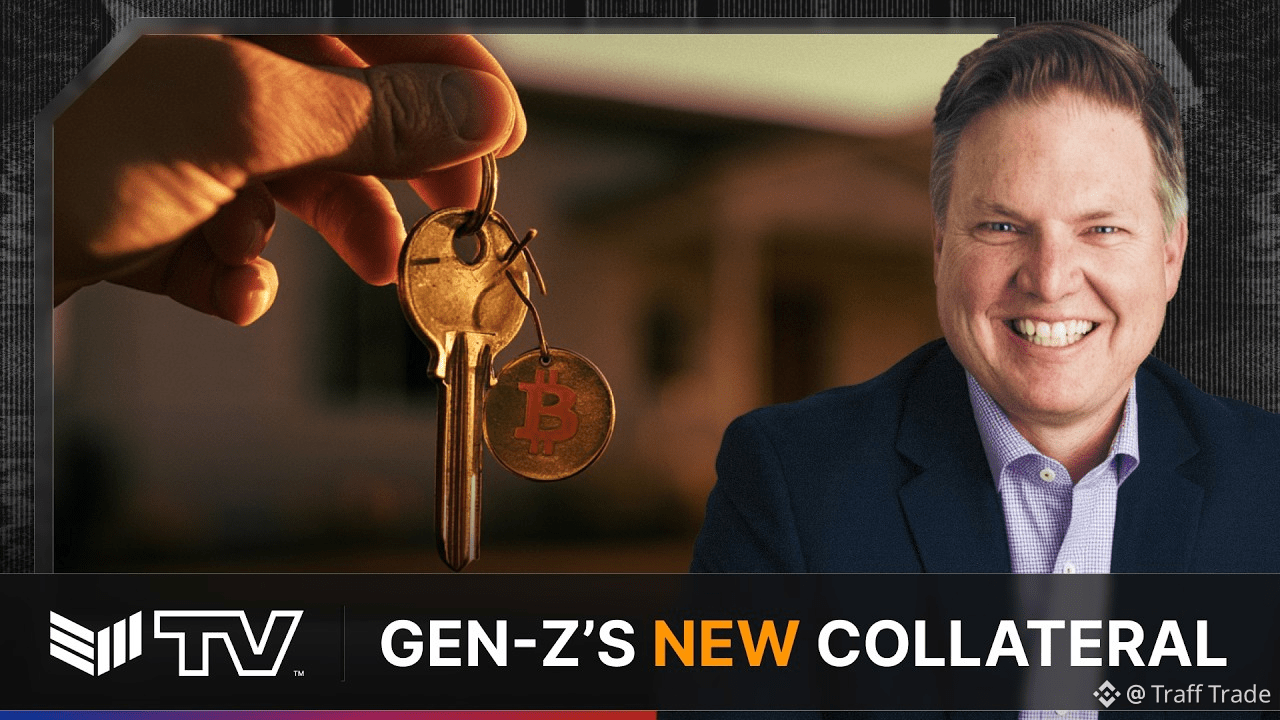
Gen Z tauscht Häuser gegen Bitcoin: Warum die neuen Vermögensaufbauer digital gehenGen Z tauscht Häuser gegen Bitcoin – und das verändert, wie die nächste Generation Vermögen aufbaut.
Der Trend ist klar: Weniger als 5% der Gen‑Z‑Käufer betreten den Immobilienmarkt, während der Rest auf Krypto setzt – insbesondere $BTC – als schnellerer und zugänglicherer Weg, um Vermögenswerte aufzubauen.
Was treibt diesen Wandel an?
Erstens ist der traditionelle Weg zum Wohneigentum steil: hohe Eigenzahlungen, lange Kreditlaufzeiten und ein Markt, der sich verschärft, während die Zinsen steigen. Für viele Gen‑Z‑Jahrgänge fühlt sich die Höhe der Anzahlung an wie eine Ewigkeit an Ersparnissen. Zweitens bietet die digitale Wirtschaft Liquidität und weltweiten Zugang. Ein paar Monate Trading oder Staking $BTC können die Wertsteigerung eines bescheidenen Hauses in vielen Städten übertreffen.
Gen Z tauscht Häuser gegen Bitcoin: Warum die neuen Vermögensaufbauer digital gehen
Gen Z tauscht Häuser gegen Bitcoin – und das verändert, wie die nächste Generation Vermögen aufbaut.
Der Trend ist klar: Weniger als 5% der Gen‑Z‑Käufer betreten den Immobilienmarkt, während der Rest auf Krypto setzt – insbesondere $BTC – als schnellerer und zugänglicherer Weg, um Vermögenswerte aufzubauen.
Was treibt diesen Wandel an?
Erstens ist der traditionelle Weg zum Wohneigentum steil: hohe Eigenzahlungen, lange Kreditlaufzeiten und ein Markt, der sich verschärft, während die Zinsen steigen. Für viele Gen‑Z‑Jahrgänge fühlt sich die Höhe der Anzahlung an wie eine Ewigkeit an Ersparnissen. Zweitens bietet die digitale Wirtschaft Liquidität und weltweiten Zugang. Ein paar Monate Trading oder Staking $BTC können die Wertsteigerung eines bescheidenen Hauses in vielen Städten übertreffen.
Der Trend ist klar: Weniger als 5% der Gen‑Z‑Käufer betreten den Immobilienmarkt, während der Rest auf Krypto setzt – insbesondere $BTC – als schnellerer und zugänglicherer Weg, um Vermögenswerte aufzubauen.
Was treibt diesen Wandel an?
Erstens ist der traditionelle Weg zum Wohneigentum steil: hohe Eigenzahlungen, lange Kreditlaufzeiten und ein Markt, der sich verschärft, während die Zinsen steigen. Für viele Gen‑Z‑Jahrgänge fühlt sich die Höhe der Anzahlung an wie eine Ewigkeit an Ersparnissen. Zweitens bietet die digitale Wirtschaft Liquidität und weltweiten Zugang. Ein paar Monate Trading oder Staking $BTC können die Wertsteigerung eines bescheidenen Hauses in vielen Städten übertreffen.
63
·
--

Artikel
BREAKING: Saylor erklärt den Zusammenbruch des Clarity Act zum Gewinn für KryptoSAYLOR'S SCHREI: Der Clarity Act ist tot, und der Krypto-Markt tobt wieder zum Leben.
Die Branche der digitalen Assets hat gerade von den Regulierungsbehörden grünes Licht erhalten, und die Nachwirkungen bringen den Markt bereits ins Wanken.
#CryptoRevolution #Saylor #BTC
Michael Saylor, Gründer von Bitcoin Magazine Strategy, hat den Clarity Act als „Gewinn“ für die Branche gefeiert und den Zusammenbruch des Gesetzes als einen Sieg für das Ökosystem digitaler Assets bezeichnet. Das Gesetz, das darauf abzielte, strengere regulatorische Aufsicht über Krypto durchzusetzen, war Innovatoren und Investoren gleichermaßen ein Dorn im Auge. Mit seinem Ende könne die Branche, so Saylor, endlich vorankommen, ohne die drohende Gefahr einer übermäßig strengen Regulierung.
BREAKING: Saylor erklärt den Zusammenbruch des Clarity Act zum Gewinn für Krypto
SAYLOR'S SCHREI: Der Clarity Act ist tot, und der Krypto-Markt tobt wieder zum Leben.
Die Branche der digitalen Assets hat gerade von den Regulierungsbehörden grünes Licht erhalten, und die Nachwirkungen bringen den Markt bereits ins Wanken.
#CryptoRevolution #Saylor #BTC
Michael Saylor, Gründer von Bitcoin Magazine Strategy, hat den Clarity Act als „Gewinn“ für die Branche gefeiert und den Zusammenbruch des Gesetzes als einen Sieg für das Ökosystem digitaler Assets bezeichnet. Das Gesetz, das darauf abzielte, strengere regulatorische Aufsicht über Krypto durchzusetzen, war Innovatoren und Investoren gleichermaßen ein Dorn im Auge. Mit seinem Ende könne die Branche, so Saylor, endlich vorankommen, ohne die drohende Gefahr einer übermäßig strengen Regulierung.
Die Branche der digitalen Assets hat gerade von den Regulierungsbehörden grünes Licht erhalten, und die Nachwirkungen bringen den Markt bereits ins Wanken.
#CryptoRevolution #Saylor #BTC
Michael Saylor, Gründer von Bitcoin Magazine Strategy, hat den Clarity Act als „Gewinn“ für die Branche gefeiert und den Zusammenbruch des Gesetzes als einen Sieg für das Ökosystem digitaler Assets bezeichnet. Das Gesetz, das darauf abzielte, strengere regulatorische Aufsicht über Krypto durchzusetzen, war Innovatoren und Investoren gleichermaßen ein Dorn im Auge. Mit seinem Ende könne die Branche, so Saylor, endlich vorankommen, ohne die drohende Gefahr einer übermäßig strengen Regulierung.
114
·
--

Artikel
Arbitrum’s 70‑X-Zukunft: Warum der Markt den echten Aufwärtspotenzial noch nicht siehtDie meisten Trader konzentrieren sich auf Preisschwankungen. Smart Money beobachtet stattdessen den Zufluss institutionellen Kapitals in Layer‑2-Rollups.
Das Signal: Die neueste Forschung von Standard Chartered prognostiziert nun, dass Arbitrum ($ARB) bis 2030 um 70× steigen könnte—angetrieben durch einen Anstieg der Liquidität tokenisierter Aktien und die Expansion der Bitcoin-Reserve. On-Chain-Daten zeigen einen Anstieg der $ARB Liquidität um 45% im vergangenen Monat, während die Wal-Aktivität im $ARB/USDC-Pool um das Doppelte gestiegen ist. #ARB #Layer2 #InstitutionalCrypto
Interpretation: Wenn tokenisierte Aktien weiterhin in Arbitrum strömen, wird die Nachfrage nach $ARB als Brücke und Settlement-Layer sprunghaft steigen. Die 70×-Prognose ist kein spekulatives Hype; sie basiert auf dem erwarteten Markt für 10 Billionen US-Dollar an tokenisierten Aktien und den 5 Billionen US-Dollar Bitcoin-Reserve, die beide Liquidität durch Arbitrum’s günstigere, schnellere Transaktionen lenken werden. Der Preis könnte einen anhaltenden Aufwärtstrend sehen, da institutionelle Zuflüsse sich verfestigen.
Arbitrum’s 70‑X-Zukunft: Warum der Markt den echten Aufwärtspotenzial noch nicht sieht
Die meisten Trader konzentrieren sich auf Preisschwankungen. Smart Money beobachtet stattdessen den Zufluss institutionellen Kapitals in Layer‑2-Rollups.
Das Signal: Die neueste Forschung von Standard Chartered prognostiziert nun, dass Arbitrum ($ARB ) bis 2030 um 70× steigen könnte—angetrieben durch einen Anstieg der Liquidität tokenisierter Aktien und die Expansion der Bitcoin-Reserve. On-Chain-Daten zeigen einen Anstieg der $ARB Liquidität um 45% im vergangenen Monat, während die Wal-Aktivität im $ARB /USDC-Pool um das Doppelte gestiegen ist. #ARB #Layer2 #InstitutionalCrypto
Interpretation: Wenn tokenisierte Aktien weiterhin in Arbitrum strömen, wird die Nachfrage nach $ARB als Brücke und Settlement-Layer sprunghaft steigen. Die 70×-Prognose ist kein spekulatives Hype; sie basiert auf dem erwarteten Markt für 10 Billionen US-Dollar an tokenisierten Aktien und den 5 Billionen US-Dollar Bitcoin-Reserve, die beide Liquidität durch Arbitrum’s günstigere, schnellere Transaktionen lenken werden. Der Preis könnte einen anhaltenden Aufwärtstrend sehen, da institutionelle Zuflüsse sich verfestigen.
Das Signal: Die neueste Forschung von Standard Chartered prognostiziert nun, dass Arbitrum ($ARB ) bis 2030 um 70× steigen könnte—angetrieben durch einen Anstieg der Liquidität tokenisierter Aktien und die Expansion der Bitcoin-Reserve. On-Chain-Daten zeigen einen Anstieg der $ARB Liquidität um 45% im vergangenen Monat, während die Wal-Aktivität im $ARB /USDC-Pool um das Doppelte gestiegen ist. #ARB #Layer2 #InstitutionalCrypto
Interpretation: Wenn tokenisierte Aktien weiterhin in Arbitrum strömen, wird die Nachfrage nach $ARB als Brücke und Settlement-Layer sprunghaft steigen. Die 70×-Prognose ist kein spekulatives Hype; sie basiert auf dem erwarteten Markt für 10 Billionen US-Dollar an tokenisierten Aktien und den 5 Billionen US-Dollar Bitcoin-Reserve, die beide Liquidität durch Arbitrum’s günstigere, schnellere Transaktionen lenken werden. Der Preis könnte einen anhaltenden Aufwärtstrend sehen, da institutionelle Zuflüsse sich verfestigen.
176
·
--

Artikel
BREAKING: $BTC SCHIESST HOCH, STRATEGY-AKTIEN EXPLODIEREN UM 47,65%!SCHLAG! Der Kryptomarkt ist gerade explodiert, als Bitcoin über 80.000 US-Dollar sprang und Schockwellen durch den Nasdaq-100 schickte. Bei einer atemberaubenden Rallye über einen Monat stiegen die Strategy-Aktien um 47,65%, katapultierten sich an die Spitze des Index und überflügelten alle anderen Bestandteile. Das ist kein Zufall – MSTR schloss bei 153,92 US-Dollar und bestätigte damit das institutionelle Vertrauen in krypto-gestützte Aktien. #BTC #Strategy #Nasdaq
Die Einsätze? Ein historisches Zusammentreffen von digitalem Gold und traditionellem Finanzwesen. Wenn $BTC <e> die 80.000-Dollar-Marke durchbricht, treibt das eine Kapital-Welle in kryptobezogene Aktien hinein und verschärft die Rückkopplungsschleife zwischen On-Chain-Aktivität und Marktbewertung. Trader, die auf den Nasdaq-100 schauen, werden den Anstieg von Strategy als Gradmesser für den breiteren Crypto-Equity-Sektor sehen. #CryptoEquity #MarketMomentum
BREAKING: $BTC SCHIESST HOCH, STRATEGY-AKTIEN EXPLODIEREN UM 47,65%!
SCHLAG! Der Kryptomarkt ist gerade explodiert, als Bitcoin über 80.000 US-Dollar sprang und Schockwellen durch den Nasdaq-100 schickte. Bei einer atemberaubenden Rallye über einen Monat stiegen die Strategy-Aktien um 47,65%, katapultierten sich an die Spitze des Index und überflügelten alle anderen Bestandteile. Das ist kein Zufall – MSTR schloss bei 153,92 US-Dollar und bestätigte damit das institutionelle Vertrauen in krypto-gestützte Aktien. #BTC #Strategy #Nasdaq
Die Einsätze? Ein historisches Zusammentreffen von digitalem Gold und traditionellem Finanzwesen. Wenn $BTC <e> die 80.000-Dollar-Marke durchbricht, treibt das eine Kapital-Welle in kryptobezogene Aktien hinein und verschärft die Rückkopplungsschleife zwischen On-Chain-Aktivität und Marktbewertung. Trader, die auf den Nasdaq-100 schauen, werden den Anstieg von Strategy als Gradmesser für den breiteren Crypto-Equity-Sektor sehen. #CryptoEquity #MarketMomentum
Die Einsätze? Ein historisches Zusammentreffen von digitalem Gold und traditionellem Finanzwesen. Wenn $BTC <e> die 80.000-Dollar-Marke durchbricht, treibt das eine Kapital-Welle in kryptobezogene Aktien hinein und verschärft die Rückkopplungsschleife zwischen On-Chain-Aktivität und Marktbewertung. Trader, die auf den Nasdaq-100 schauen, werden den Anstieg von Strategy als Gradmesser für den breiteren Crypto-Equity-Sektor sehen. #CryptoEquity #MarketMomentum
45
·
--
Artikel
ZetaChain schaltet L1 ab und migriert ZETA zu Solana – Eine bahnbrechende EntscheidungBREAKING
ZetaChain hat beschlossen, sein Layer‑1-Netzwerk abzuschalten und seinen nativen Token ZETA auf die Solana-Blockchain zu verlagern. Die Entscheidung, die das Team am 20. September bekannt gab, verlagert den Fokus des Projekts hin zu Anuma, einer privaten KI‑Anwendung, die das On‑Chain‑Datenschutzverständnis neu definieren soll. #ZetaChain #Solana #CryptoNews
Die Einsätze sind extrem hoch. Indem ZetaChain sein eigenes L1 aufgibt, richtet es sich auf den rasanten Durchsatz und das riesige Entwickler-Ökosystem von Solana aus und könnte dadurch Liquidität für ZETA-Inhaber erschließen sowie die Einführung der KI-Dienste von Anuma beschleunigen. Diese Entscheidung könnte sich durch die DeFi-Landschaft ausbreiten und andere L1-Projekte dazu veranlassen, ihre Strategien zu überdenken. #DeFi #AI
ZetaChain schaltet L1 ab und migriert ZETA zu Solana – Eine bahnbrechende Entscheidung
BREAKING
ZetaChain hat beschlossen, sein Layer‑1-Netzwerk abzuschalten und seinen nativen Token ZETA auf die Solana-Blockchain zu verlagern. Die Entscheidung, die das Team am 20. September bekannt gab, verlagert den Fokus des Projekts hin zu Anuma, einer privaten KI‑Anwendung, die das On‑Chain‑Datenschutzverständnis neu definieren soll. #ZetaChain #Solana #CryptoNews
Die Einsätze sind extrem hoch. Indem ZetaChain sein eigenes L1 aufgibt, richtet es sich auf den rasanten Durchsatz und das riesige Entwickler-Ökosystem von Solana aus und könnte dadurch Liquidität für ZETA-Inhaber erschließen sowie die Einführung der KI-Dienste von Anuma beschleunigen. Diese Entscheidung könnte sich durch die DeFi-Landschaft ausbreiten und andere L1-Projekte dazu veranlassen, ihre Strategien zu überdenken. #DeFi #AI
ZetaChain hat beschlossen, sein Layer‑1-Netzwerk abzuschalten und seinen nativen Token ZETA auf die Solana-Blockchain zu verlagern. Die Entscheidung, die das Team am 20. September bekannt gab, verlagert den Fokus des Projekts hin zu Anuma, einer privaten KI‑Anwendung, die das On‑Chain‑Datenschutzverständnis neu definieren soll. #ZetaChain #Solana #CryptoNews
Die Einsätze sind extrem hoch. Indem ZetaChain sein eigenes L1 aufgibt, richtet es sich auf den rasanten Durchsatz und das riesige Entwickler-Ökosystem von Solana aus und könnte dadurch Liquidität für ZETA-Inhaber erschließen sowie die Einführung der KI-Dienste von Anuma beschleunigen. Diese Entscheidung könnte sich durch die DeFi-Landschaft ausbreiten und andere L1-Projekte dazu veranlassen, ihre Strategien zu überdenken. #DeFi #AI
12
·
--

Artikel
MemeToro’s Stage 7 $MT Presale: KI-Utility + Fair Launch—Kryptos neues Meme-GoldminenGM, Krypto-Familie! Während der Rest des Marktes noch versucht herauszufinden, ob $BTC ein guter Kauf ist, rollt MemeToro bereits Stage 7 seines $MT-Presales aus – und das mit KI im Mix wie eine meme-getriebene Rakete.
Die Alpha? MemeToro’s Stage-7-Pre-Sale ist nicht einfach nur ein weiterer Token-Drop; es ist ein öffentlicher Fair Launch mit transparenter Codebasis, sodass du den Smart Contract prüfen kannst, bevor du überhaupt kaufst. Das Team plant außerdem die Integration von KI-Tools – denk an automatisierte Meme-Generierung, Sentiment-Analyse und sogar Meme-Voting direkt on-chain – und macht aus $MT eine lebendige, atmende Meme-Ökonomie. Das ist die Art von Utility, die $MT zu einem festen Bestandteil in jedem Meme-zentrierten Portfolio machen könnte, vor allem, während die Krypto-Community nach Tokens sucht, die mehr können als nur Hype. #MemeToro #AI #Presale
MemeToro’s Stage 7 $MT Presale: KI-Utility + Fair Launch—Kryptos neues Meme-Goldminen
GM, Krypto-Familie! Während der Rest des Marktes noch versucht herauszufinden, ob $BTC ein guter Kauf ist, rollt MemeToro bereits Stage 7 seines $MT-Presales aus – und das mit KI im Mix wie eine meme-getriebene Rakete.
Die Alpha? MemeToro’s Stage-7-Pre-Sale ist nicht einfach nur ein weiterer Token-Drop; es ist ein öffentlicher Fair Launch mit transparenter Codebasis, sodass du den Smart Contract prüfen kannst, bevor du überhaupt kaufst. Das Team plant außerdem die Integration von KI-Tools – denk an automatisierte Meme-Generierung, Sentiment-Analyse und sogar Meme-Voting direkt on-chain – und macht aus $MT eine lebendige, atmende Meme-Ökonomie. Das ist die Art von Utility, die $MT zu einem festen Bestandteil in jedem Meme-zentrierten Portfolio machen könnte, vor allem, während die Krypto-Community nach Tokens sucht, die mehr können als nur Hype. #MemeToro #AI #Presale
Die Alpha? MemeToro’s Stage-7-Pre-Sale ist nicht einfach nur ein weiterer Token-Drop; es ist ein öffentlicher Fair Launch mit transparenter Codebasis, sodass du den Smart Contract prüfen kannst, bevor du überhaupt kaufst. Das Team plant außerdem die Integration von KI-Tools – denk an automatisierte Meme-Generierung, Sentiment-Analyse und sogar Meme-Voting direkt on-chain – und macht aus $MT eine lebendige, atmende Meme-Ökonomie. Das ist die Art von Utility, die $MT zu einem festen Bestandteil in jedem Meme-zentrierten Portfolio machen könnte, vor allem, während die Krypto-Community nach Tokens sucht, die mehr können als nur Hype. #MemeToro #AI #Presale
46
Anmelden und weiter Inhalte entdecken
Krypto-Nutzer weltweit auf Binance Square kennenlernen
⚡️ Bleib in Sachen Krypto stets am Puls.
💬 Die weltgrößte Kryptobörse vertraut darauf.
👍 Erhalte verlässliche Einblicke von verifizierten Creators.
E-Mail-Adresse/Telefonnummer
Trendthemen
BinanceLaunchesBinanceIntelligence
534,035 Aufrufe
3,475 Kommentare
🧠 Traden wie ein erfahrener Investmentfonds? Jetzt übernimmt die KI das kostenlos für dich! 🤖📈
Wilsontrader97
·1 Likes
·1.8k Aufrufe
BitcoinTargets2026OpenAt$87570
4,407 Aufrufe
103 Kommentare
BitcoinRejectedAt$87KThirdTime
3,544 Aufrufe
80 Kommentare