
Muhammad Talha Rajpoot
210 Beiträge

Muhammad Talha Rajpoot
Melden
Nutzer blockieren
Trade eröffnen
Gelegenheitstrader
2.2 Monate
30 Following
35 Follower
19 Like gegeben
Beiträge
Portfolio
Übersetzung ansehen
{future}(BTCUSDT)
$BTC
🤖 AI DISCOVERS A BUG IN BITCOIN CORE — DEVELOPERS RELEASE A FIX
An interesting development in Bitcoin security!
An AI-powered code scanner called Loupe, developed by Block's Spiral team, identified a vulnerability in Bitcoin Core.
Here's what happened:
🔹 An attacker could repeat the same transaction ID up to 50,000 times in a message.
🔹 This could temporarily stop an affected Bitcoin node from processing other network messages.
🔹 Each malicious message could stall a node for more than 10 seconds.
🔹 $BTC Core released versions 30.5 and 31.3 to fix the issue.
The vulnerability was rated medium severity.
Why does this matter?
AI is becoming a useful tool for finding software vulnerabilities, while human developers remain essential for verifying and fixing them.
💬 Do you think AI will become one of the most important tools in blockchain security?
#Bitcoin #BTC #artificialintelligence #CyberSecurity #blockchains

39
{future}(BTCUSDT)
🚨 $BTC HONGKONG WILL DIE KRYPTOREGULIERUNG AUSWEITEN
Hongkong unternimmt einen weiteren bedeutenden Schritt zur Regulierung seiner Branche für digitale Vermögenswerte.
Am 20. November veröffentlichte die Regierung einen neuen Gesetzentwurf, der Lizenzierungs- oder Registrierungspflichten für vier weitere kryptobezogene Dienstleistungen vorsieht:
1. Handel — Krypto-Broker und -Händler.
2. Beratung — Unternehmen, die Anlageberatung zu Kryptowährungen anbieten.
3. Verwaltung — Unternehmen, die virtuelle Vermögenswerte verwalten.
4. Verwahrung — Unternehmen, die Krypto-Vermögenswerte für Kunden verwahren.
Die vorgeschlagenen Regeln würden diese Unternehmen der Aufsicht der Wertpapier- und Futures-Kommission Hongkongs (SFC) unterstellen.
📅 Die erste Lesung des Gesetzentwurfs ist für den 2. Dezember 2026 angesetzt.
Wichtig: Dies ist ein Gesetzesvorschlag und kein Gesetz, das bereits in Kraft getreten ist.
💬 Glaubst du, dass strengere Kryptoregulierung mehr institutionelle Anleger anziehen oder kleineren Kryptounternehmen das Leben erschweren wird?
#CryptoRegulation #HongKong #bitcoin #blockchain #CryptoNews

59
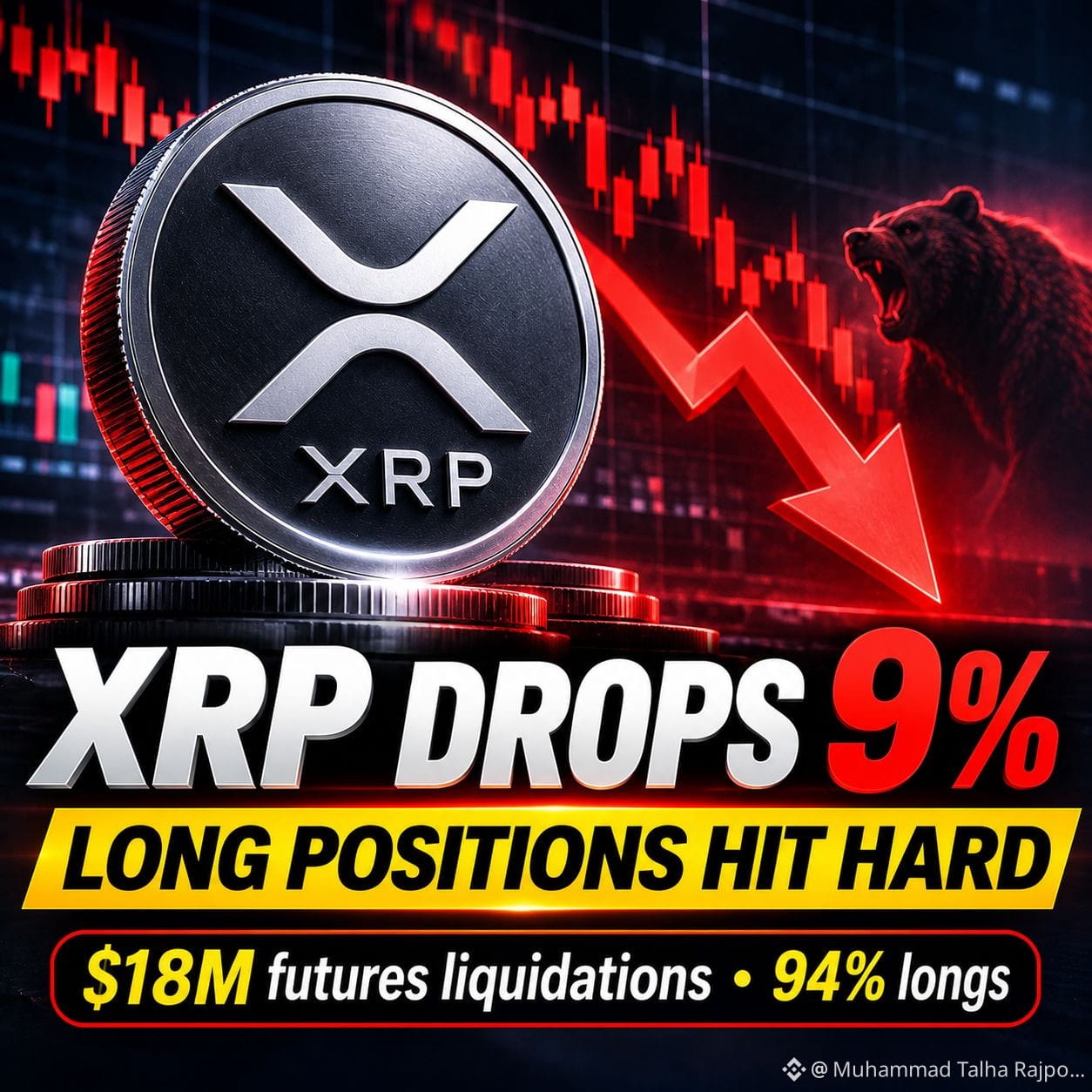
🚨 $XRP FÄLLT UM 9 % — LONG-TRADER ERLEIDEN SCHWERE VERLUSTE
{future}(XRPUSDT)
XRP erlebte am 21. November einen weiteren starken Ausverkauf.
Laut CoinDesk:
📉 $XRP fiel innerhalb von 24 Stunden um etwa 9 % und erreichte damit den niedrigsten Stand seit November 2024.
📊 XRP-Futures-Positionen im Wert von rund 18 Millionen US-Dollar wurden liquidiert.
⚠️ Etwa 94 % dieser Liquidationen betrafen LONG-Positionen – also Trader, die auf steigende Kurse gesetzt hatten.
Ein weiterer Grund zur Sorge: US-amerikanische XRP-Spot-ETFs verzeichneten am Freitag Nettoabflüsse von rund 4,97 Millionen US-Dollar.
Was sagt uns das?
Wenn die Kurse schnell fallen, können Trader mit Hebel, die auf eine Erholung setzen, zwangsliquidiert werden. Das kann den Verkaufsdruck zusätzlich verstärken.
💬 Glaubt ihr, dass sich XRP erholen kann, oder stehen weitere Verluste bevor?
#Xrp🔥🔥 #Ripple #CryptoMarkets #CryptoNews🚀🔥V
🚨 $XRP FÄLLT UM 9 % — LONG-TRADER ERLEIDEN SCHWERE VERLUSTE
XRP erlebte am 21. November einen weiteren starken Ausverkauf.
Laut CoinDesk:
📉 $XRP fiel innerhalb von 24 Stunden um etwa 9 % und erreichte damit den niedrigsten Stand seit November 2024.
📊 XRP-Futures-Positionen im Wert von rund 18 Millionen US-Dollar wurden liquidiert.
⚠️ Etwa 94 % dieser Liquidationen betrafen LONG-Positionen – also Trader, die auf steigende Kurse gesetzt hatten.
Ein weiterer Grund zur Sorge: US-amerikanische XRP-Spot-ETFs verzeichneten am Freitag Nettoabflüsse von rund 4,97 Millionen US-Dollar.
Was sagt uns das?
Wenn die Kurse schnell fallen, können Trader mit Hebel, die auf eine Erholung setzen, zwangsliquidiert werden. Das kann den Verkaufsdruck zusätzlich verstärken.
💬 Glaubt ihr, dass sich XRP erholen kann, oder stehen weitere Verluste bevor?
#Xrp🔥🔥 #Ripple #CryptoMarkets #CryptoNews🚀🔥V
137
{future}(USDCUSDT)
🏦$USDC DBS + CIRCLE: EIN NEUER SCHRITT FÜR $USDC IN ASIEN
Traditionelles Bankwesen und Stablecoins rücken näher zusammen.
Die singapurische DBS Bank und Circle, der Herausgeber von USDC, haben eine Partnerschaft angekündigt, die berechtigten institutionellen Kunden in Asien direkten Zugang dazu bietet, USDC über DBS zu prägen und einzulösen.
🔥 Was ist wichtig?
- USD–USDC-Abwicklung rund um die Uhr.
- Nahezu sofortige Umwandlung, laut den Unternehmen.
- Institutionen können auf USDC zugreifen, ohne sich vollständig auf Börsen des Sekundärmarkts verlassen zu müssen.
- Der Dienst ist für das Treasury-, Abwicklungs- und Liquiditätsmanagement konzipiert.
Dies ist keine Ankündigung eines Dienstes für alle privaten Kryptonutzer. Der Zugang ist berechtigten institutionellen Kunden vorbehalten.
Das große Ganze: Stablecoins werden zunehmend Teil der traditionellen Finanzinfrastruktur.
💬 Glaubst du, dass Banken zu wichtigen Akteuren in der Stablecoin-Branche werden?
#USDC #Circle #DBS #Stablecoins #CryptoNews

327
Übersetzung ansehen
{future}(BTCUSDT)
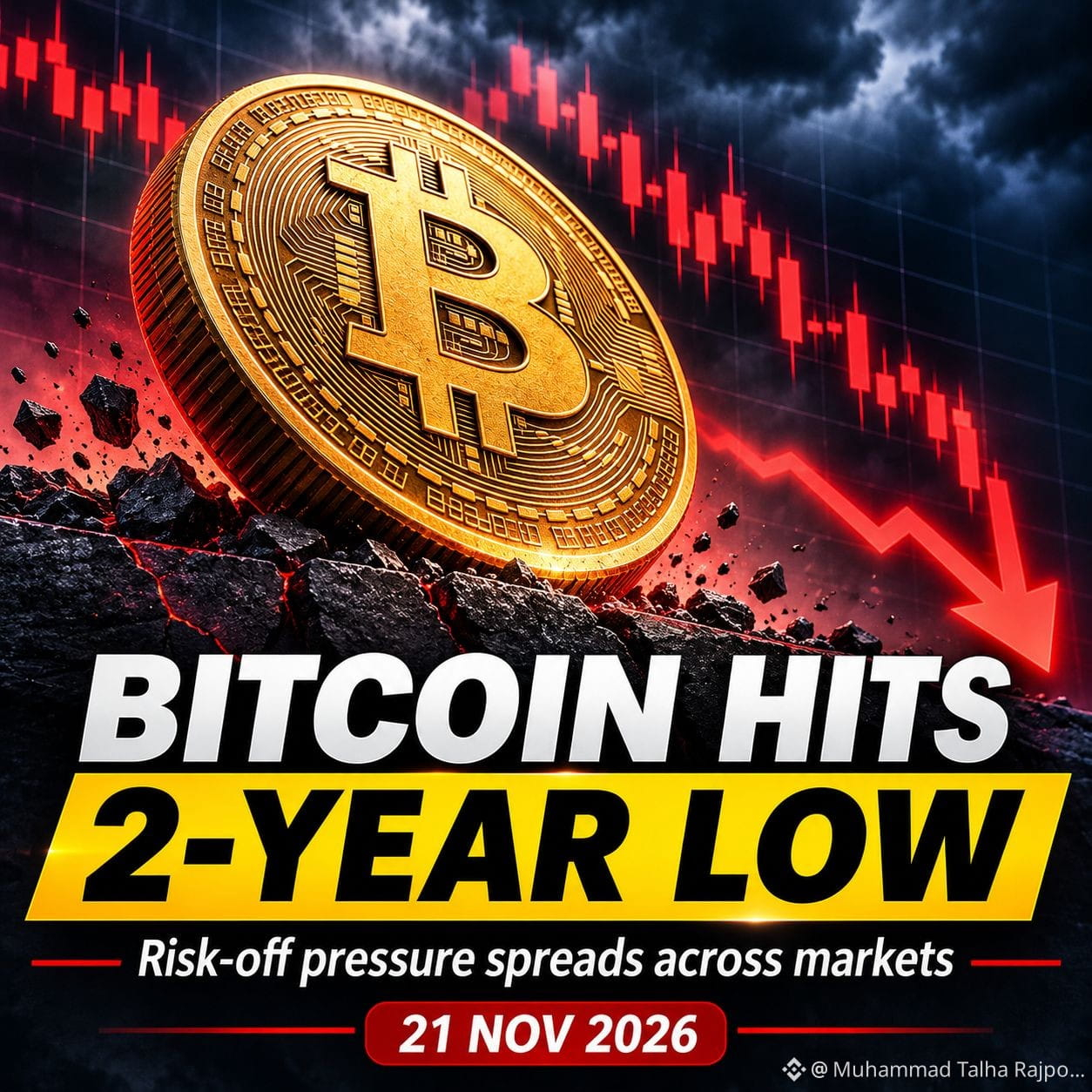
🚨 $BTC HITS A TWO-YEAR LOW — WHAT'S BEHIND THE SELL-OFF?
Bitcoin's decline has intensified.
According to Reuters, $BTC fell to approximately $55,830 on November 21, its lowest level since September 2024.
What's putting pressure on the market?
📉 Concerns over expensive AI-related stocks
📉 Rising borrowing costs
📉 Uncertainty around the broader financial markets
📉 Investors reducing exposure to risky assets
And this isn't just a crypto story. Traditional markets, including technology stocks and precious metals, have also faced selling pressure.
The big question now: Is this a temporary correction, or could the market face a longer recovery?
💬 What do you think — is Bitcoin's long-term outlook still strong?
#Bitcoin #BTC #CryptoMarket #CryptoNewss
92
{future}(SOLUSDT)
$SOL
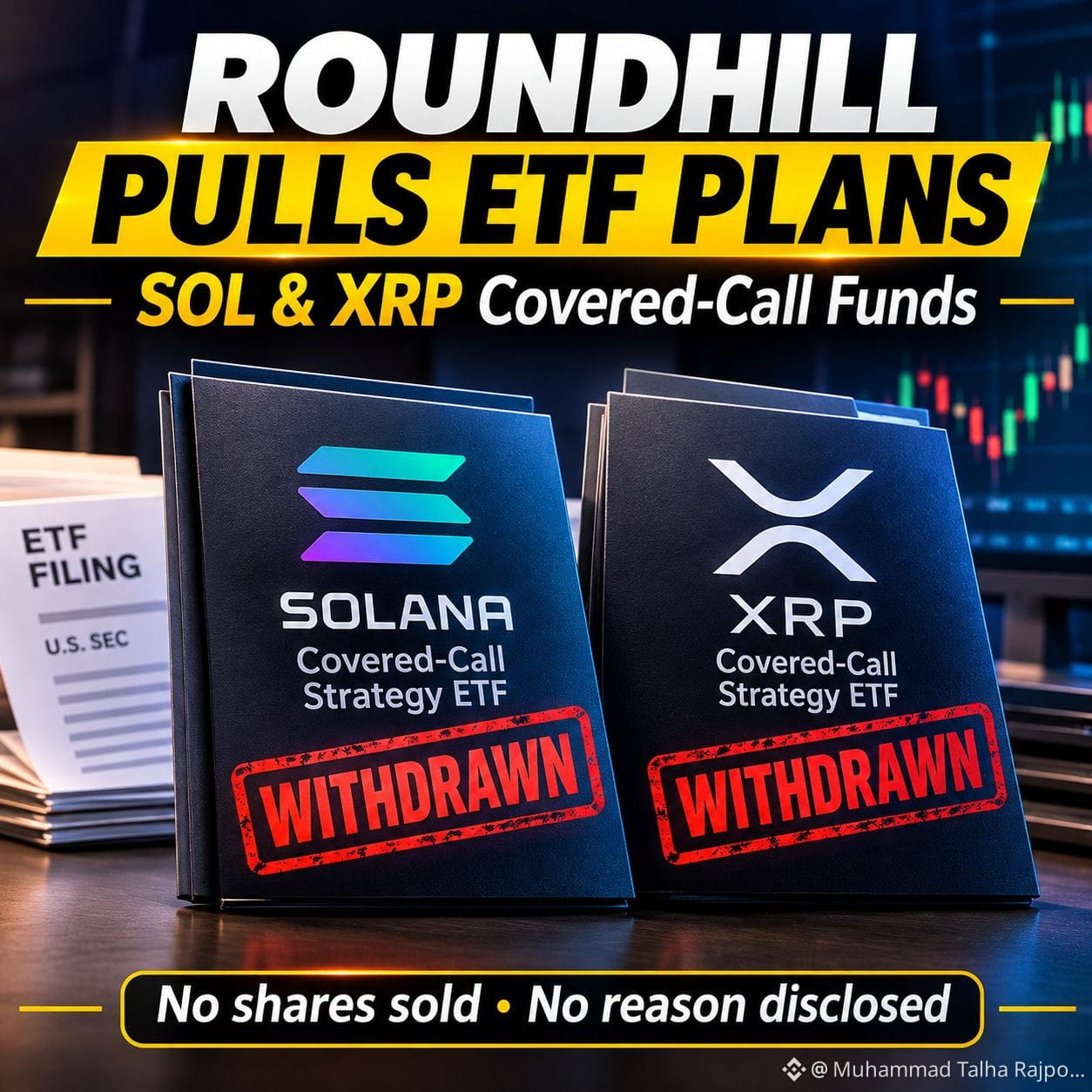
🚨 Roundhill zieht Solana- und $XRP -ETF-Pläne zurück
Eine neue Entwicklung auf dem Krypto-ETF-Markt:
Roundhill hat Anträge eingereicht, um seine geplanten Solana Covered Call Strategy ETFs und XRP Covered Call Strategy ETFs zurückzuziehen.
Hier die wichtigsten Details:
- Beide geplanten Fonds wurden vor ihrem Start zurückgezogen.
- Von keinem der beiden Fonds wurden Anteile verkauft.
- Roundhill nannte keinen konkreten Grund für den Rückzug.
- Es handelte sich um einen freiwilligen Rückzug des Emittenten, NICHT um eine Ablehnung von Solana oder XRP durch die SEC.
Dieser Schritt verdeutlicht einen wichtigen Unterschied: Nicht jedes Krypto-Anlageprodukt stößt auf gleich viel Nachfrage.
💬 Was denkt ihr? Werden Solana und XRP künftig mehr institutionelle Anlageprodukte sehen, oder bleiben die Emittenten vorsichtig?
#Solana #XRP #CryptoETF #CryptoNews
{future}(XRPUSDT)
$SOL
🚨 Roundhill zieht Solana- und $XRP -ETF-Pläne zurück
Eine neue Entwicklung auf dem Krypto-ETF-Markt:
Roundhill hat Anträge eingereicht, um seine geplanten Solana Covered Call Strategy ETFs und XRP Covered Call Strategy ETFs zurückzuziehen.
Hier die wichtigsten Details:
- Beide geplanten Fonds wurden vor ihrem Start zurückgezogen.
- Von keinem der beiden Fonds wurden Anteile verkauft.
- Roundhill nannte keinen konkreten Grund für den Rückzug.
- Es handelte sich um einen freiwilligen Rückzug des Emittenten, NICHT um eine Ablehnung von Solana oder XRP durch die SEC.
Dieser Schritt verdeutlicht einen wichtigen Unterschied: Nicht jedes Krypto-Anlageprodukt stößt auf gleich viel Nachfrage.
💬 Was denkt ihr? Werden Solana und XRP künftig mehr institutionelle Anlageprodukte sehen, oder bleiben die Emittenten vorsichtig?
#Solana #XRP #CryptoETF #CryptoNews
1
90
Übersetzung ansehen
{future}(BTCUSDT)
🔐 $BTC Bitcoin Wallet Security: A Warning
Every Crypto Holder Should Understand
A new research report has highlighted a serious security issue involving weak digital signatures.
Researchers recovered 3,620 private keys across six blockchains, including 3,278 on Bitcoin, by identifying reused signature nonces.
The historical peak balances associated with the vulnerable addresses were estimated at around $106 million. However, researchers did NOT confirm that this entire amount was stolen.
The lesson for every crypto holder:
- Never share your private keys or seed phrase.
- Use trusted wallets and keep software updated.
- Take wallet security seriously, even when your funds are not actively being traded.
💬 Question: Do you think most crypto users understand how important wallet security really is?
#Bitcoin #BTC #CryptoSecurity #Blockchain
17
Übersetzung ansehen
{future}(BTCUSDT)
$BTC
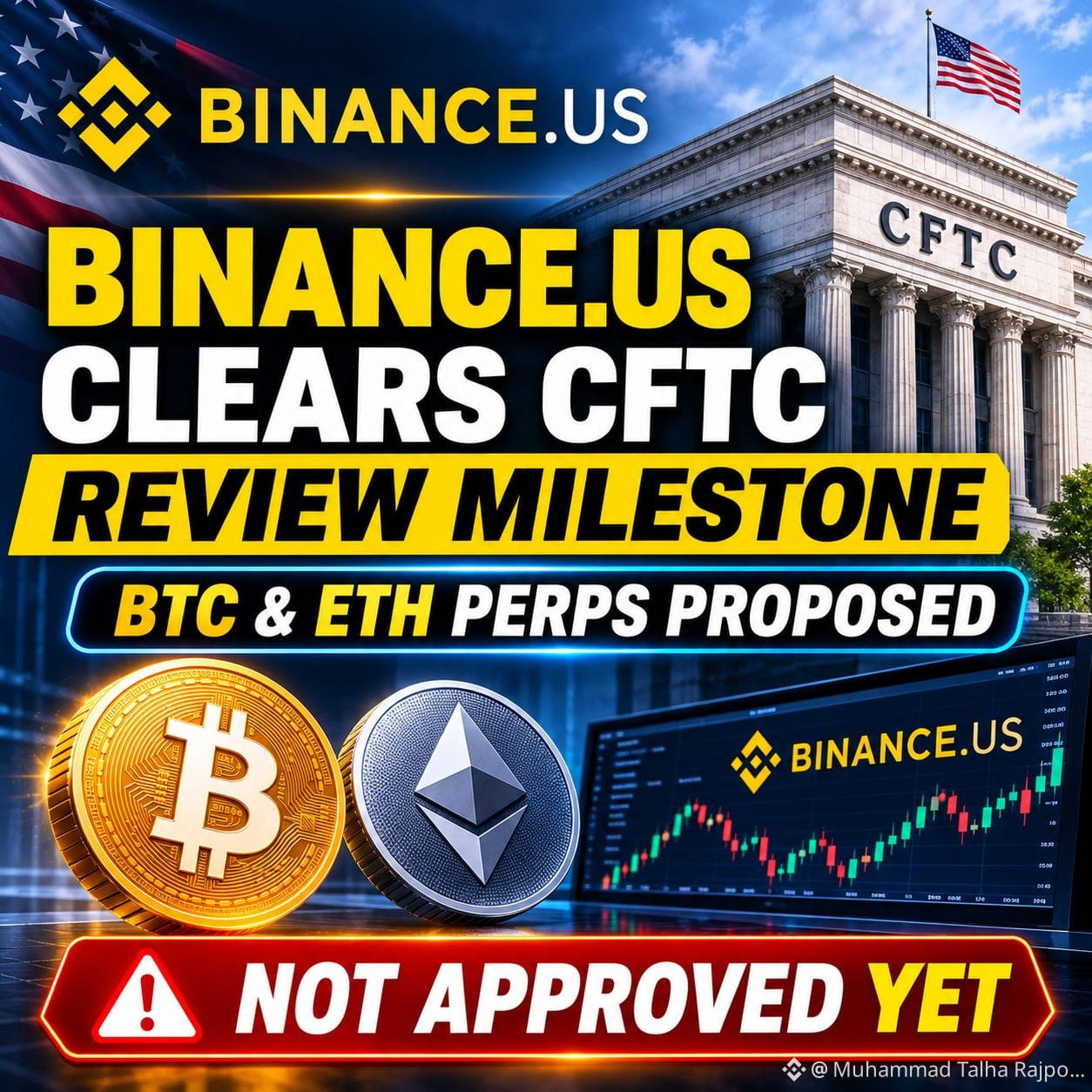
BINANCE.US TAKES A MAJOR STEP TOWARD REGULATED CRYPTO FUTURES IN AMERICA.
Binance.US announced that the US Commodity Futures Trading Commission (CFTC) has deemed its applications for exchange and clearinghouse registration materially complete.
Why does this matter?
The company wants to offer cash-settled perpetual futures contracts for Bitcoin and Ethereum to US customers.
The proposed contracts would allow traders to gain price exposure without directly holding the underlying crypto.
But there's one important detail: this is NOT final approval.
The CFTC will now move forward with its substantive review. Binance.US has confirmed that it does not currently offer these derivatives and will not launch them without the required registrations.
This could be an important step toward bringing more regulated crypto derivatives access to the US market.
Do you think regulated crypto futures will attract more institutional participation, or will strict oversight slow innovation?
Share your thoughts.
#BinanceUS #Bitcoin #Ethereum #CFTC #CryptoRegulation
40
Übersetzung ansehen
{future}(SOLUSDT)
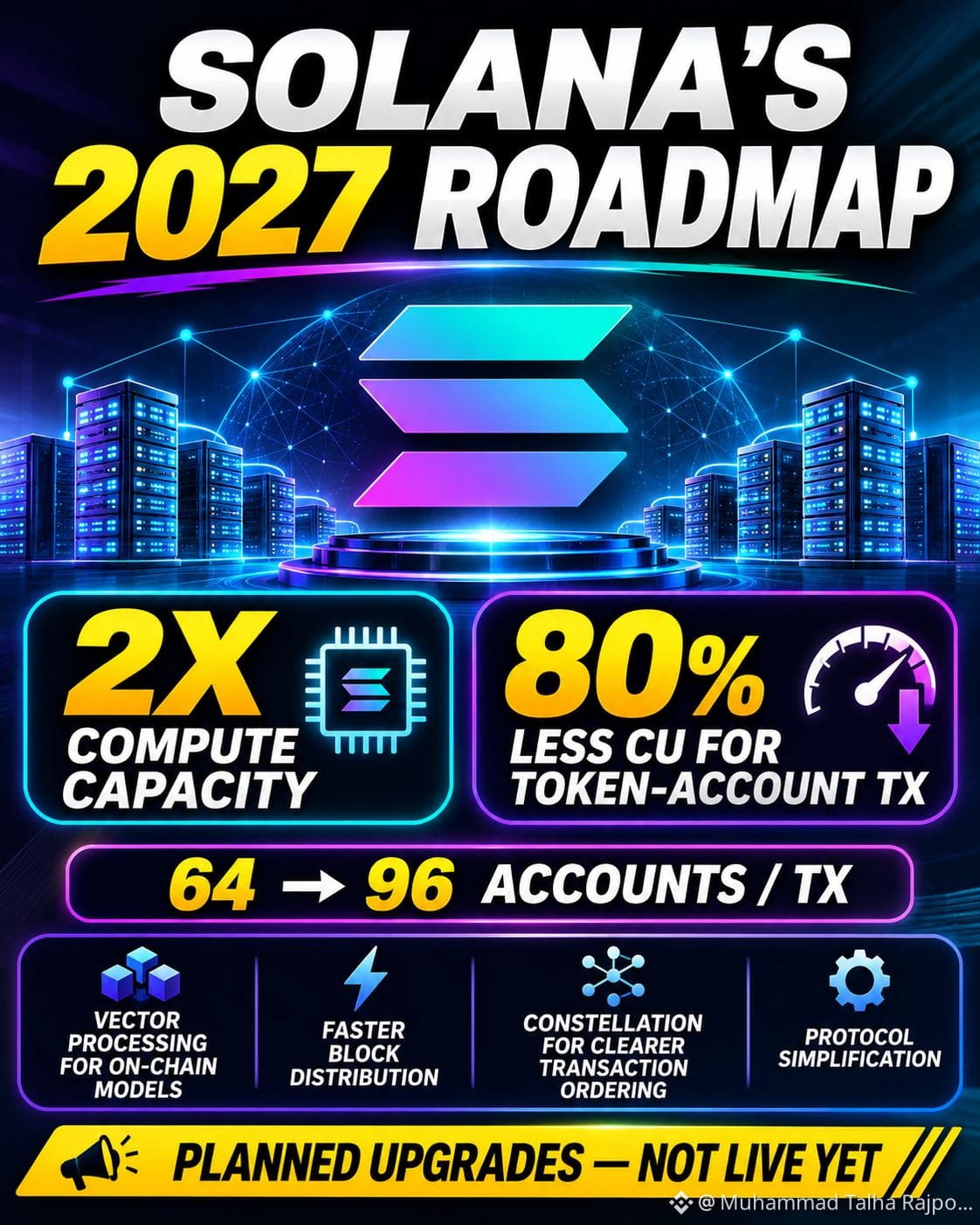
$SOL SOLANA IS AIMING FOR 2X COMPUTE CAPACITY IN 2027. Here's what the new roadmap could change.
Anza, the core engineering team behind Solana, has revealed an ambitious 2027 development roadmap.
The biggest targets include:
🚀 2X network compute capacity — aiming to double the network's processing capacity.
⚡ 80% less compute usage — token-account transactions are targeted to use 80% fewer Compute Units (CU).
🔗 64 to 96 accounts per transaction — allowing a single transaction to interact with more accounts.
🤖 On-chain AI models — vector processing is planned to support models running directly on the blockchain.
The roadmap also focuses on faster block distribution, clearer transaction-ordering rules through Constellation, and a simpler, more resilient protocol.
But there's an important detail: these are development targets, not upgrades that are already live. Anza has not announced individual release dates.
If delivered, these changes could make Solana more capable of handling complex applications and financial activity.
Is Solana positioning itself to become a stronger platform for the next generation of AI and DeFi applications?
What's your opinion?
#Solana #SOL #Blockchain #DeFi #AI
33
Übersetzung ansehen
{future}(SUIUSDT)
$BTC IS ENTERING DEFI ON SUI —
WITHOUT SELLING THE ORIGINAL BTC.
Sui's finance infrastructure, Hashi, has officially launched on mainnet with more than 20 partners.
Here's how it works:
1. Bitcoin holders deposit BTC through Hashi's infrastructure.
2. They receive hBTC, a token backed 1:1 by Bitcoin.
3. hBTC can be used as collateral on Sui.
4. Through Fluid, users can borrow USDC against their hBTC.
The interesting part? The underlying Bitcoin remains on the Bitcoin network while hBTC is used across Sui applications.
Partners include Anchorage Digital, Fluid, Upshift and HoneyB, with more integrations planned.
This could create new ways to use Bitcoin as productive collateral instead of simply holding it.
However, borrowing against crypto carries risks, including collateral liquidation and smart-contract or custody risks.
Would you use your Bitcoin as collateral to borrow USDC, or would you rather keep your BTC untouched?
#SUI #Bitcoin #BTC #DeFi #CryptoNews

111
Übersetzung ansehen
{future}(BTCUSDT)
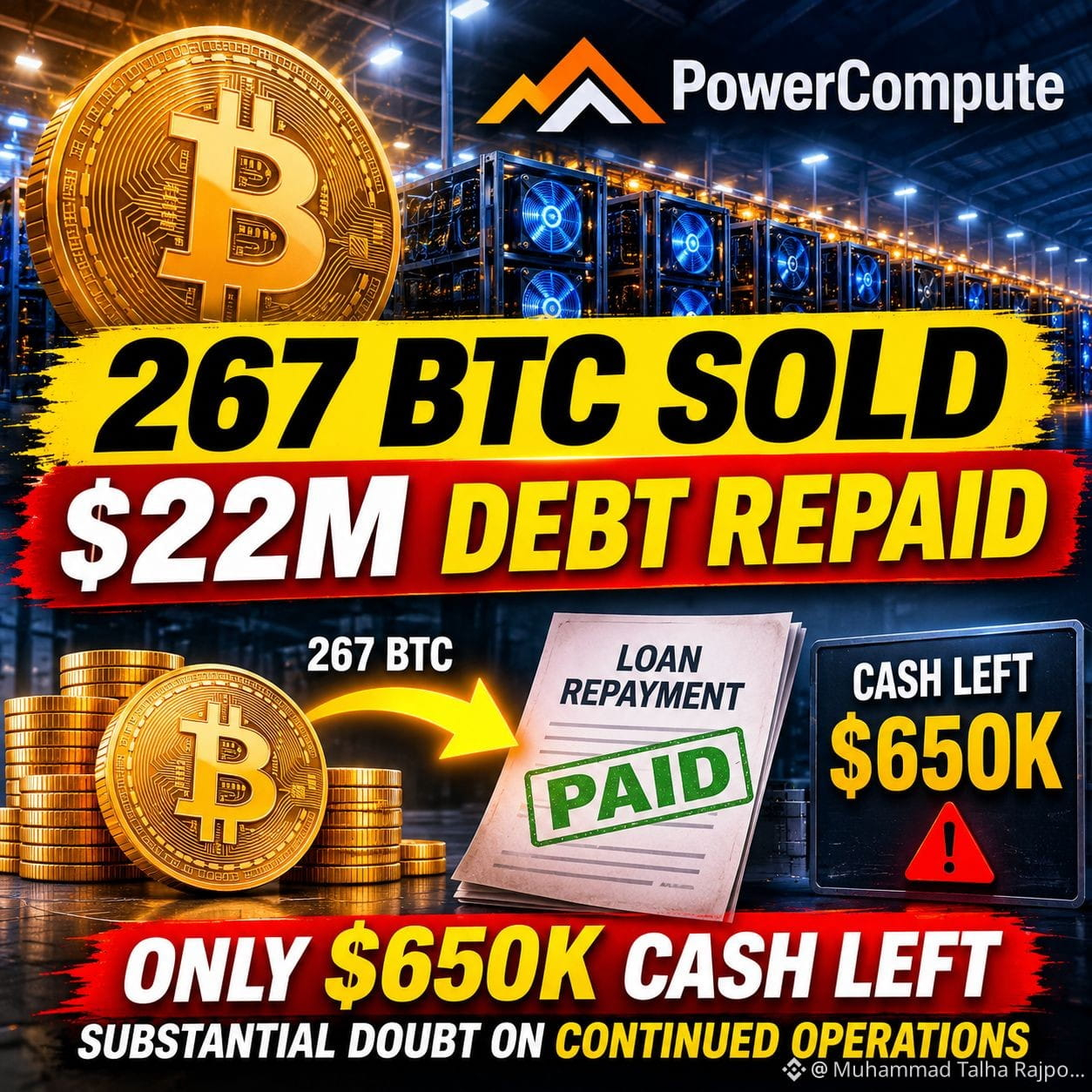
A $BTC miner sold 267 $BTC to escape $22 million in debt. But its biggest problem isn't over.
PowerCompute, a Nasdaq-listed Bitcoin mining company, directed the sale of approximately 267 pledged BTC on September 24 to repay nearly $22 million in loan principal.
The move reduced its secured debt from almost $24 million to just $1.25 million.
But there's a serious concern.
Its quarterly filing showed only around $650,000 in cash at the end of September, and the company warned that substantial doubt remained about its ability to continue operating.
Management is now looking at refinancing and additional stock sales to support the business.
This story highlights the financial pressure some Bitcoin miners face, even after reducing their debt.
Can PowerCompute survive this financial pressure, or is selling Bitcoin only a temporary solution?
What's your view?
#Bitcoin #BTC #BitcoinMining #CryptoNews #Mining
86
Übersetzung ansehen
{future}(BTCUSDT)
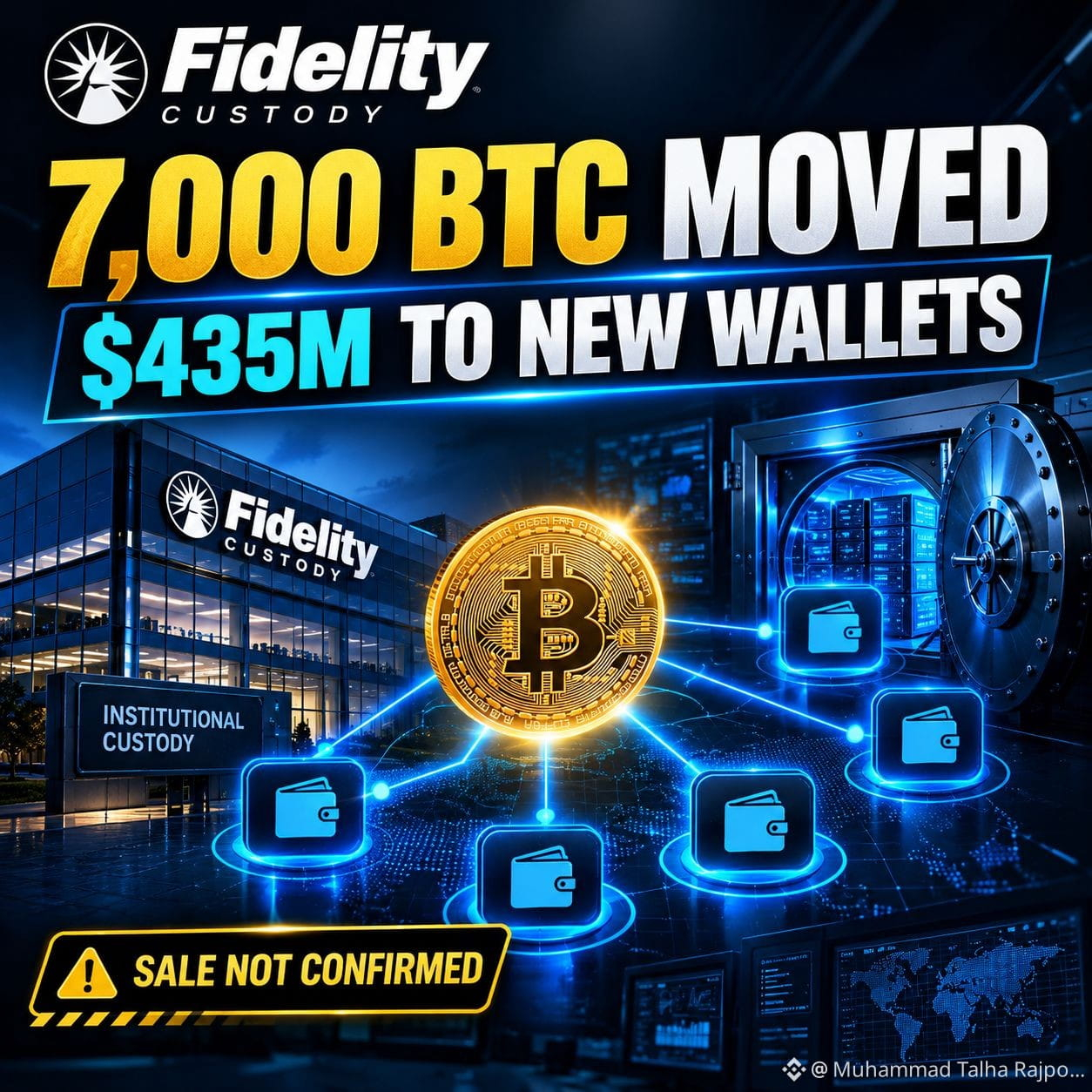
7,000 $BTC MOVED! A $435 MILLION TRANSFER FROM FIDELITY CUSTODY.
A major $BTC movement has caught the attention of the crypto community.
According to on-chain monitoring account Onchain Lens, Fidelity Custody transferred approximately 7,000 BTC, worth around $435 million, to multiple newly created wallets.
But here's the important detail: the Bitcoin is still sitting in those receiving wallets, and no further transfers have been observed so far.
Does this mean Fidelity is selling Bitcoin?
Not necessarily. A wallet transfer alone does not prove a sale. It could be an internal custody reorganisation, a change in storage arrangements, or another operational move.
There is currently no confirmed explanation for the transfer.
The market will be watching closely to see whether these wallets move the Bitcoin again or send it to exchanges.
What do you think is happening here — a routine custody transfer or something bigger?
#Bitcoin #BTC #Fidelity #CryptoNews #WhaleAlert
91
Übersetzung ansehen
{spot}(BTCUSDT)
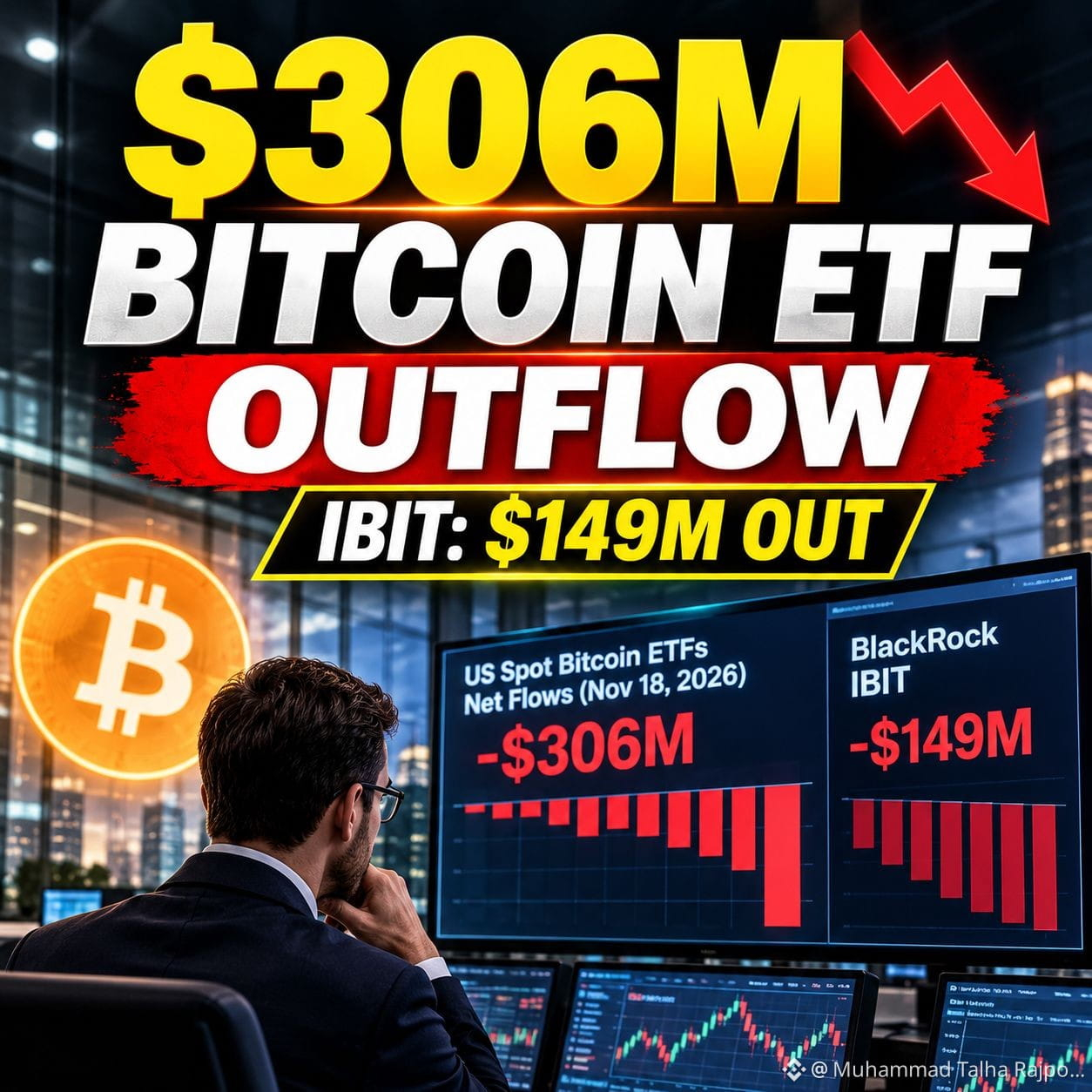
$306 MILLION LEFT SPOT $BTC BITCOIN ETFs IN A SINGLE DAY.
Institutional demand is facing another test.
On November 18, US spot $BTC ETFs recorded approximately $306 million in net outflows.
BlackRock's iShares Bitcoin Trust (IBIT) alone accounted for around $149 million of those withdrawals.
Ethereum ETFs also recorded approximately $39.83 million in net outflows on the same day.
Why does this matter?
ETF flows are closely watched because they offer insight into investor demand through regulated investment products. Persistent withdrawals can signal weaker institutional appetite, although one day's data cannot predict Bitcoin's next move.
The big question now is whether investors will return or continue reducing exposure.
Are these ETF outflows a temporary pause in institutional buying, or a warning sign of deeper market weakness?
What's your view?
#Bitcoin #BTC #BitcoinETF #BlackRock #CryptoNews
20
Übersetzung ansehen
{spot}(ETHUSDT)
A major crypto asset manager just made an interesting treasury move.
CoinShares has sold its entire corporate Ethereum treasury position and half of its corporate Solana holdings, raising a combined $19.3 million.
{spot}(SOLUSDT)
Here's where the money is going: the company plans to use the proceeds toward its share buyback program, which has been authorized for up to $40 million.
The breakdown:
- $16.6 million from Ethereum sales.
- $2.7 million from Solana sales.
- $19.3 million combined proceeds.
But don't misunderstand this move. CoinShares sold its own corporate treasury holdings, not the crypto assets it manages for clients.
Its CEO described the decision as capital discipline rather than a bearish prediction on $ETH or $SOL
.
What do you think: Is buying back its own shares a smarter use of capital than holding $ETH and SOL right now?
#CoinShares #Ethereum #Solana #CryptoNews
A major crypto asset manager just made an interesting treasury move.
CoinShares has sold its entire corporate Ethereum treasury position and half of its corporate Solana holdings, raising a combined $19.3 million.
Here's where the money is going: the company plans to use the proceeds toward its share buyback program, which has been authorized for up to $40 million.
The breakdown:
- $16.6 million from Ethereum sales.
- $2.7 million from Solana sales.
- $19.3 million combined proceeds.
But don't misunderstand this move. CoinShares sold its own corporate treasury holdings, not the crypto assets it manages for clients.
Its CEO described the decision as capital discipline rather than a bearish prediction on $ETH or $SOL
.
What do you think: Is buying back its own shares a smarter use of capital than holding $ETH and SOL right now?
#CoinShares #Ethereum #Solana #CryptoNews

16
Übersetzung ansehen
HISTORY IN THE AI INDUSTRY: ANTHROPIC GOES PUBLIC WITH A RECORD-BREAKING IPO.
Anthropic, the company behind Claude AI, has priced its IPO at $83 per share, putting its valuation at approximately $1.5 trillion.
The offering raised around $81.3 billion, making it one of the biggest public-market debuts ever.
The company is expected to trade on Nasdaq under the ticker ANT.
But there's more to this story than a huge valuation.
Anthropic is entering the public markets at a time when investors are questioning whether AI companies can turn massive spending on computing infrastructure into sustainable profits.
A successful IPO could strengthen confidence in the AI sector, but the real test begins after public trading starts.
Would you invest in an AI company at a $1.5 trillion valuation, or would you consider that too expensive?
Share your opinion.
#Anthropic #AI #IPO #ClaudeAI #StockMarket

Übersetzung ansehen
{spot}(BTCUSDT)
$BTC South Korea could open the door to corporate crypto investment — and around 3,500 firms are in focus.
South Korea's Financial Services Commission is reportedly preparing new guidelines that could allow listed companies and professional-investor corporations to invest in $BTC and other cryptocurrencies.
The proposed framework is expected alongside the government's draft Digital Asset Basic Act.
Why does this matter?
Until now, corporate crypto investment has faced regulatory and infrastructure barriers. Allowing businesses to participate could introduce a new source of institutional demand into the market.
But there is an important distinction: these are proposed guidelines, not permission for companies to start buying crypto immediately. The final rules and launch date have not yet been confirmed.
Could corporate investment become the next major driver of crypto adoption in South Korea?
What do you think?
#Bitcoin #SouthKorea #CryptoAdoption #InstitutionalInvestors

48
Übersetzung ansehen
NVIDIA's leadership crisis may not be over yet.
A new report by Semafor says some NVIDIA board members are pushing for former CEO Jensen Huang to return, even as the company's leadership has publicly indicated that it does not plan to reinstate him.
According to the report, three directors are reportedly advocating for his return.
This creates an unusual situation for one of the world's most influential AI companies: a leadership transition, disagreement over the former CEO's future, and questions about who will lead NVIDIA next.
It's important to remember that this reported board disagreement is based on sources familiar with the discussions, not an official announcement that Jensen Huang is returning.
Should NVIDIA reconsider bringing its founder back, or is it time for the company to move forward with new leadership?
What do you think?
#NVIDIA #JensenHuang #AI #Technology #StockMarket

100
Übersetzung ansehen
A $BTC miner sold its entire $BTC treasury to bet on AI. Now, it needs more money to finish the job.
Hyperscale Data, a former Bitcoin mining company, has sold approximately 1,113 BTC since late July, generating around $74 million.
But here's the surprising part: the company now says it needs another $74.8 million to complete its Michigan AI data-center project.
At the end of September, it reported just $17 million in unrestricted cash against $231 million in current liabilities.
The company says its AI infrastructure agreement could be worth up to $1.2 billion, but that figure depends on future contract extensions and successful project completion.
This highlights a major shift in crypto mining: companies are moving toward AI infrastructure, but the transition can require enormous capital.
Is the AI boom a bigger opportunity than Bitcoin mining, or are some companies taking too much financial risk?
Share your thoughts.
#Bitcoin #AI #CryptoMining #ArtificialIntelligence

50
Übersetzung ansehen
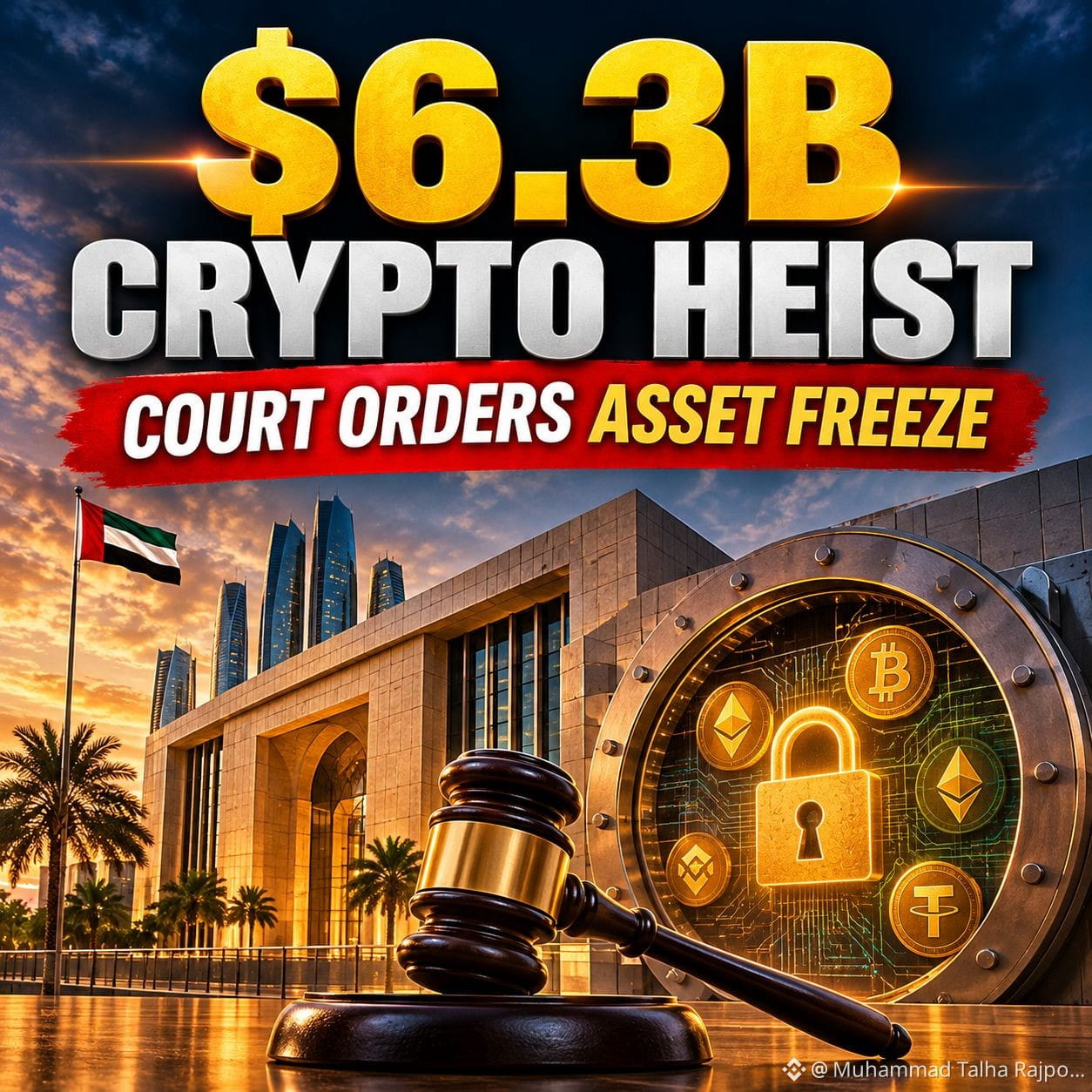
A major development in the $6.3 billion Binance crypto heist.
An Abu Dhabi court has ordered 18 cryptocurrency companies to keep digital assets linked to the October 29 theft frozen while legal proceedings continue.
According to Reuters, Binance says approximately $2.85 billion worth of stolen crypto has already been frozen or intercepted.
The order affects companies including Circle and World Liberty Financial. Importantly, the 18 companies named in the order are not accused of wrongdoing.
US authorities have attributed the original attack to North Korea. Binance says it has reimbursed affected customers and is continuing efforts to recover the stolen assets.
A further court hearing is scheduled for December 1.
Can coordinated action between exchanges, stablecoin issuers and courts become a stronger defense against large crypto hacks?
What's your take?
#Binance #CryptoSecurity #Blockchain #CryptoNews
270
Übersetzung ansehen
{spot}(BTCUSDT)
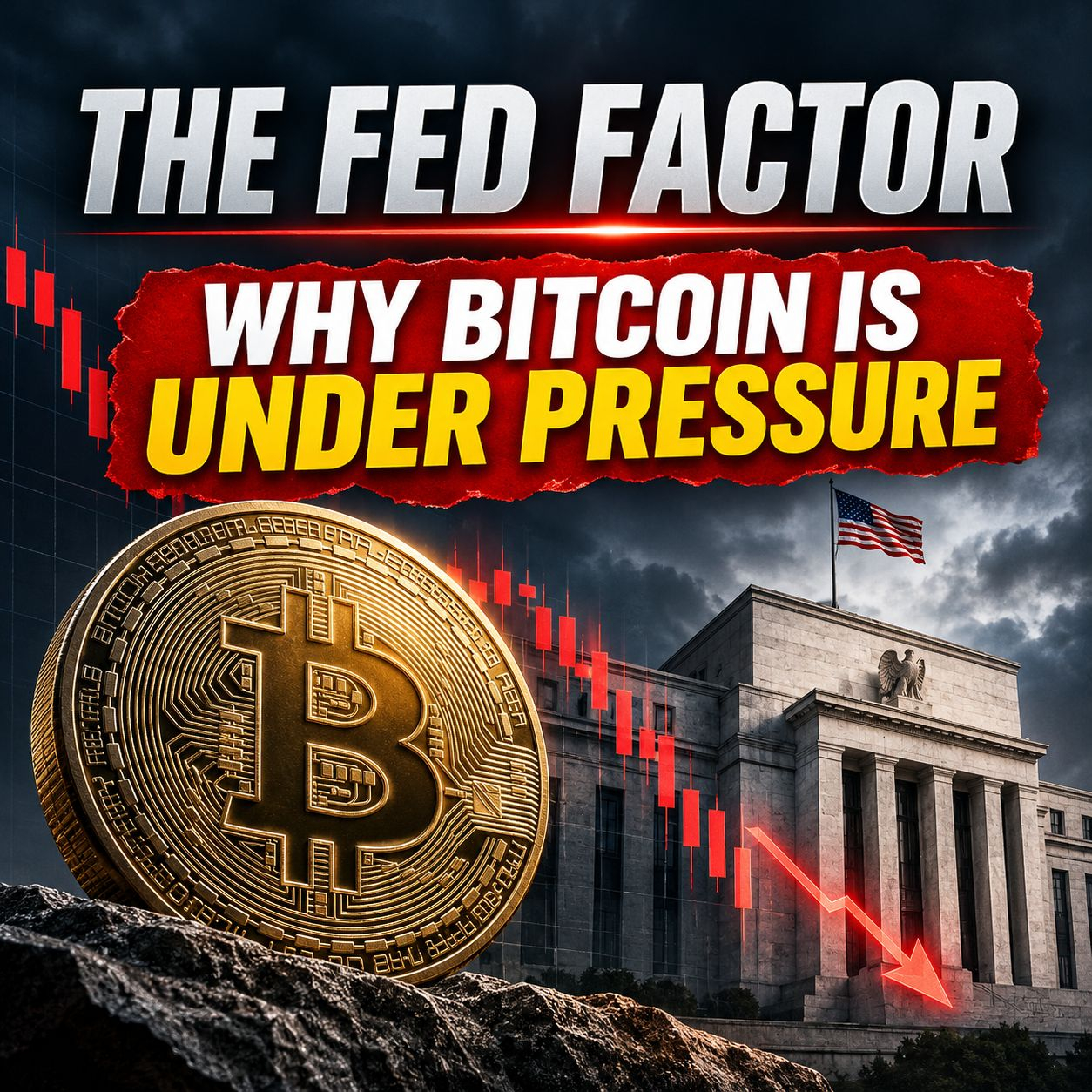
$BTC is facing pressure — and the Fed may be part of the reason.
The latest Federal Reserve meeting minutes have made investors more cautious. Almost all Fed officials believed further rate increases could still be necessary if inflation remains a problem.
Why does this matter for crypto?
Higher interest rates can make safer traditional investments more attractive, while reducing appetite for riskier assets like Bitcoin. At the same time, recent reports show continued outflows from spot Bitcoin ETFs.
This doesn't automatically mean Bitcoin will keep falling. Markets can change direction quickly, and the next inflation and Fed updates will matter.
The big question: Is this a temporary market correction, or are investors preparing for a longer period of uncertainty?
What do you think?
#Bitcoin #BTC #CryptoMarket #FederalReserve
79
Anmelden und weiter Inhalte entdecken
Krypto-Nutzer weltweit auf Binance Square kennenlernen
⚡️ Bleib in Sachen Krypto stets am Puls.
💬 Die weltgrößte Kryptobörse vertraut darauf.
👍 Erhalte verlässliche Einblicke von verifizierten Creators.
E-Mail-Adresse/Telefonnummer
Trendthemen
NvidiaLoses$2.7TrillionInMonthAndAHalf
1,183 Aufrufe
48 Kommentare
Nvidias 2,7-Billionen-Dollar-Absturz: Wenn die Erzählung wichtiger ist als die Zahlen 📉
Crypto With Faisal
·3 Likes
·1k Aufrufe
CanBTCReboundAfterFallingBelow60K?
550,336 Aufrufe
2,390 Kommentare
GlobalStocksFaceLongestLosingStreakSince2023
189,131 Aufrufe
1,651 Kommentare