

MT-X
176 Beiträge
MT-X
Melden
Nutzer blockieren
基于流动性、周期性及反人性的规模化量化交易。非暴力交易,提升存活率,抵御周期风险。
Trade eröffnen
Hochfrequenz-Trader
11.1 Monate
17 Following
234 Follower
52 Like gegeben
Beiträge
Portfolio
PINNED
·
--
Artikel
Übersetzung ansehen
Scope the key before you automate anythingIf you want something to act on your Binance account while you are not at the keyboard, the setting that decides everything is what the key you hand over is allowed to do. Which rule, which pairs, how much — all of it matters far less than that one dialog, because the rule you can change your mind about at any time, and the permission you granted is already out there. The screenshots here are the settings worth getting right.
What a key's permissions actually grant
Start with the permission list, before the tool. Roughly, a Binance API key can be allowed to:
- read your account — balances, positions, order history. On its own it cannot trade and cannot move anything.
- trade spot and margin.
- trade futures.
- move funds between your own wallets and accounts.
- withdraw to an external address.
Almost all automation needs exactly one of those: the ability to place and cancel the orders it manages. Everything else is surface you are handing over for no benefit. So read the list as a question — which of these does this tool actually need in order to do its job? — and grant that and nothing more. If a tool's setup guide is vague about why it wants a permission, that vagueness is the answer.
Leave withdrawal permission off
Leave withdrawal off. Not off for now — off. A key that can trade can move your position. A key that can withdraw can move the money out of the account. Those are different kinds of risk, and only one of them is recoverable by the person who still has the passwords.
This is also the cheapest filter you will ever apply to a trading tool. A tool that asks for withdrawal permission is telling you what it is. You do not have to work out whether it deserves the trust, because there is no reason for it to need it in the first place.
Restrict the key to one address
If the key is restricted to a single IP, a leaked key is not enough on its own — whoever holds it also has to be coming from that address. It is one field in the same dialog as the permissions, and it removes an entire class of accident.
It is worth knowing which address you are allowing. If the tool runs on your own machine, that is your connection. If it runs on someone else's server, the address you are allowlisting is theirs, not yours. That is not automatically a reason to refuse — plenty of useful things run on servers — but it is a reason to be able to say what that server is, and to be uneasy if nobody will tell you.
Keep it on a sub-account
Binance sub-accounts each get their own API key and their own wallet, so a tool pointed at one keeps the positions it manages separate from the ones you hold yourself. Fund the sub-account with only what you are willing to have the tool manage, and revoking its key takes the tool out of the picture without touching your main account. How many sub-accounts you can open depends on your account level.
The point is not tidiness. It is that "how much can this thing lose" becomes a number you chose in advance and can read off a balance, rather than something you work out afterwards by looking at what is left.
Worth noticing when you make one: withdrawal does not appear in a sub-account key's permission list at all. That particular risk is not on the table to begin with.
Know what a rule engine can and cannot do
A rule engine executes the rule you gave it. It does not predict anything and it has no view on where the market is going.
What it removes is the gap between the plan and the execution — the level that was meant to hold and got moved, the target that was meant to be taken and got waited on. Most people who trade their own account do not lose to a bad thesis. They lose to doing something different from what they decided, at the moment it got uncomfortable.
That is the only thing automation is good for here. If you want it for the other thing — knowing what to buy — it will not help you, and nothing that claims to is being straight with you.
It also does not decide the size, it does not know when to stop, and it will not notice that the world has changed underneath it. A rule is a fixed answer to a moving question; that is why it is consistent, and it is also the limit of what it can be.
The one I ended up running is called ArkTool. It sits server-side and reaches my own Binance USDT-M account through a trade-only key that I created; revoking that key is what stops it. It does one thing: takes profit on a pullback, rebalances on a rebound, sits idle in between. I picked the pairs and the size for each one, and it has never decided what to trade on its own. I watched it on simulated prices for a while before it went anywhere near a funded account.
What none of that changes
Being non-custodial is a floor, not a guarantee. Any tool you hand an API key to is a tool you are trusting — with a key that can trade, with code you probably have not read, on an account holding real money. Scoping the key tightly narrows what a mistake can cost. It does not make the tool correct, and it does not make the market kinder.
There are no signals here, nothing to follow, and no returns promised. A rule changes the discipline, not the risk. These are leveraged positions, and no automation turns a losing month into a winning one.
Know how to switch it off
A key you cannot revoke quickly is not a key you control. Find the page now, know the two clicks, and revoke it once while the size is tiny — before you need to. If the tool stops, or you revoke the key, an open position does not close itself; from that moment you are managing it by hand. It is much better to find out what that feels like on a small position than on a large one.
A checklist for any tool you are considering
- Does it ask for withdrawal permission? That is not a preference, it is a stop sign.
- Does it ask for your exchange password, a 2FA code, or access to your email? No tool acting through an API key needs any of those.
- Can you revoke its access in one action, from your exchange, without asking the tool first?
- Is it clear what it will do with the key — which endpoints it calls, which pairs it touches, how it sizes them?
- Does it promise returns, or describe a mechanism? Only one of those is an honest description of what software can do.
- What happens on a bad week, not a good one? If the answer is only about the good weeks, you have your answer.
None of this requires trusting a tool's own documentation. Permissions, revocability and the endpoints being called are all things you can check yourself, before anything is funded.
Before you point anything at a real account
Check the permissions twice. Confirm the allowlisted address is really where the tool runs. Fund only what you would accept losing in full. Watch it once on simulated or tiny size before it gets anything real. And be sceptical of anything that tells you the size stops mattering — leverage cuts both ways.
ArkTool is an independent third-party tool. It is not affiliated with, endorsed by, or connected to Binance. Nothing here is financial advice.
Scope the key before you automate anything
If you want something to act on your Binance account while you are not at the keyboard, the setting that decides everything is what the key you hand over is allowed to do. Which rule, which pairs, how much — all of it matters far less than that one dialog, because the rule you can change your mind about at any time, and the permission you granted is already out there. The screenshots here are the settings worth getting right.
What a key's permissions actually grant
Start with the permission list, before the tool. Roughly, a Binance API key can be allowed to:
- read your account — balances, positions, order history. On its own it cannot trade and cannot move anything.
- trade spot and margin.
- trade futures.
- move funds between your own wallets and accounts.
- withdraw to an external address.
Almost all automation needs exactly one of those: the ability to place and cancel the orders it manages. Everything else is surface you are handing over for no benefit. So read the list as a question — which of these does this tool actually need in order to do its job? — and grant that and nothing more. If a tool's setup guide is vague about why it wants a permission, that vagueness is the answer.
Leave withdrawal permission off
Leave withdrawal off. Not off for now — off. A key that can trade can move your position. A key that can withdraw can move the money out of the account. Those are different kinds of risk, and only one of them is recoverable by the person who still has the passwords.
This is also the cheapest filter you will ever apply to a trading tool. A tool that asks for withdrawal permission is telling you what it is. You do not have to work out whether it deserves the trust, because there is no reason for it to need it in the first place.
Restrict the key to one address
If the key is restricted to a single IP, a leaked key is not enough on its own — whoever holds it also has to be coming from that address. It is one field in the same dialog as the permissions, and it removes an entire class of accident.
It is worth knowing which address you are allowing. If the tool runs on your own machine, that is your connection. If it runs on someone else's server, the address you are allowlisting is theirs, not yours. That is not automatically a reason to refuse — plenty of useful things run on servers — but it is a reason to be able to say what that server is, and to be uneasy if nobody will tell you.
Keep it on a sub-account
Binance sub-accounts each get their own API key and their own wallet, so a tool pointed at one keeps the positions it manages separate from the ones you hold yourself. Fund the sub-account with only what you are willing to have the tool manage, and revoking its key takes the tool out of the picture without touching your main account. How many sub-accounts you can open depends on your account level.
The point is not tidiness. It is that "how much can this thing lose" becomes a number you chose in advance and can read off a balance, rather than something you work out afterwards by looking at what is left.
Worth noticing when you make one: withdrawal does not appear in a sub-account key's permission list at all. That particular risk is not on the table to begin with.
Know what a rule engine can and cannot do
A rule engine executes the rule you gave it. It does not predict anything and it has no view on where the market is going.
What it removes is the gap between the plan and the execution — the level that was meant to hold and got moved, the target that was meant to be taken and got waited on. Most people who trade their own account do not lose to a bad thesis. They lose to doing something different from what they decided, at the moment it got uncomfortable.
That is the only thing automation is good for here. If you want it for the other thing — knowing what to buy — it will not help you, and nothing that claims to is being straight with you.
It also does not decide the size, it does not know when to stop, and it will not notice that the world has changed underneath it. A rule is a fixed answer to a moving question; that is why it is consistent, and it is also the limit of what it can be.
The one I ended up running is called ArkTool. It sits server-side and reaches my own Binance USDT-M account through a trade-only key that I created; revoking that key is what stops it. It does one thing: takes profit on a pullback, rebalances on a rebound, sits idle in between. I picked the pairs and the size for each one, and it has never decided what to trade on its own. I watched it on simulated prices for a while before it went anywhere near a funded account.
What none of that changes
Being non-custodial is a floor, not a guarantee. Any tool you hand an API key to is a tool you are trusting — with a key that can trade, with code you probably have not read, on an account holding real money. Scoping the key tightly narrows what a mistake can cost. It does not make the tool correct, and it does not make the market kinder.
There are no signals here, nothing to follow, and no returns promised. A rule changes the discipline, not the risk. These are leveraged positions, and no automation turns a losing month into a winning one.
Know how to switch it off
A key you cannot revoke quickly is not a key you control. Find the page now, know the two clicks, and revoke it once while the size is tiny — before you need to. If the tool stops, or you revoke the key, an open position does not close itself; from that moment you are managing it by hand. It is much better to find out what that feels like on a small position than on a large one.
A checklist for any tool you are considering
- Does it ask for withdrawal permission? That is not a preference, it is a stop sign.
- Does it ask for your exchange password, a 2FA code, or access to your email? No tool acting through an API key needs any of those.
- Can you revoke its access in one action, from your exchange, without asking the tool first?
- Is it clear what it will do with the key — which endpoints it calls, which pairs it touches, how it sizes them?
- Does it promise returns, or describe a mechanism? Only one of those is an honest description of what software can do.
- What happens on a bad week, not a good one? If the answer is only about the good weeks, you have your answer.
None of this requires trusting a tool's own documentation. Permissions, revocability and the endpoints being called are all things you can check yourself, before anything is funded.
Before you point anything at a real account
Check the permissions twice. Confirm the allowlisted address is really where the tool runs. Fund only what you would accept losing in full. Watch it once on simulated or tiny size before it gets anything real. And be sceptical of anything that tells you the size stops mattering — leverage cuts both ways.
ArkTool is an independent third-party tool. It is not affiliated with, endorsed by, or connected to Binance. Nothing here is financial advice.
What a key's permissions actually grant
Start with the permission list, before the tool. Roughly, a Binance API key can be allowed to:
- read your account — balances, positions, order history. On its own it cannot trade and cannot move anything.
- trade spot and margin.
- trade futures.
- move funds between your own wallets and accounts.
- withdraw to an external address.
Almost all automation needs exactly one of those: the ability to place and cancel the orders it manages. Everything else is surface you are handing over for no benefit. So read the list as a question — which of these does this tool actually need in order to do its job? — and grant that and nothing more. If a tool's setup guide is vague about why it wants a permission, that vagueness is the answer.
Leave withdrawal permission off
Leave withdrawal off. Not off for now — off. A key that can trade can move your position. A key that can withdraw can move the money out of the account. Those are different kinds of risk, and only one of them is recoverable by the person who still has the passwords.
This is also the cheapest filter you will ever apply to a trading tool. A tool that asks for withdrawal permission is telling you what it is. You do not have to work out whether it deserves the trust, because there is no reason for it to need it in the first place.
Restrict the key to one address
If the key is restricted to a single IP, a leaked key is not enough on its own — whoever holds it also has to be coming from that address. It is one field in the same dialog as the permissions, and it removes an entire class of accident.
It is worth knowing which address you are allowing. If the tool runs on your own machine, that is your connection. If it runs on someone else's server, the address you are allowlisting is theirs, not yours. That is not automatically a reason to refuse — plenty of useful things run on servers — but it is a reason to be able to say what that server is, and to be uneasy if nobody will tell you.
Keep it on a sub-account
Binance sub-accounts each get their own API key and their own wallet, so a tool pointed at one keeps the positions it manages separate from the ones you hold yourself. Fund the sub-account with only what you are willing to have the tool manage, and revoking its key takes the tool out of the picture without touching your main account. How many sub-accounts you can open depends on your account level.
The point is not tidiness. It is that "how much can this thing lose" becomes a number you chose in advance and can read off a balance, rather than something you work out afterwards by looking at what is left.
Worth noticing when you make one: withdrawal does not appear in a sub-account key's permission list at all. That particular risk is not on the table to begin with.
Know what a rule engine can and cannot do
A rule engine executes the rule you gave it. It does not predict anything and it has no view on where the market is going.
What it removes is the gap between the plan and the execution — the level that was meant to hold and got moved, the target that was meant to be taken and got waited on. Most people who trade their own account do not lose to a bad thesis. They lose to doing something different from what they decided, at the moment it got uncomfortable.
That is the only thing automation is good for here. If you want it for the other thing — knowing what to buy — it will not help you, and nothing that claims to is being straight with you.
It also does not decide the size, it does not know when to stop, and it will not notice that the world has changed underneath it. A rule is a fixed answer to a moving question; that is why it is consistent, and it is also the limit of what it can be.
The one I ended up running is called ArkTool. It sits server-side and reaches my own Binance USDT-M account through a trade-only key that I created; revoking that key is what stops it. It does one thing: takes profit on a pullback, rebalances on a rebound, sits idle in between. I picked the pairs and the size for each one, and it has never decided what to trade on its own. I watched it on simulated prices for a while before it went anywhere near a funded account.
What none of that changes
Being non-custodial is a floor, not a guarantee. Any tool you hand an API key to is a tool you are trusting — with a key that can trade, with code you probably have not read, on an account holding real money. Scoping the key tightly narrows what a mistake can cost. It does not make the tool correct, and it does not make the market kinder.
There are no signals here, nothing to follow, and no returns promised. A rule changes the discipline, not the risk. These are leveraged positions, and no automation turns a losing month into a winning one.
Know how to switch it off
A key you cannot revoke quickly is not a key you control. Find the page now, know the two clicks, and revoke it once while the size is tiny — before you need to. If the tool stops, or you revoke the key, an open position does not close itself; from that moment you are managing it by hand. It is much better to find out what that feels like on a small position than on a large one.
A checklist for any tool you are considering
- Does it ask for withdrawal permission? That is not a preference, it is a stop sign.
- Does it ask for your exchange password, a 2FA code, or access to your email? No tool acting through an API key needs any of those.
- Can you revoke its access in one action, from your exchange, without asking the tool first?
- Is it clear what it will do with the key — which endpoints it calls, which pairs it touches, how it sizes them?
- Does it promise returns, or describe a mechanism? Only one of those is an honest description of what software can do.
- What happens on a bad week, not a good one? If the answer is only about the good weeks, you have your answer.
None of this requires trusting a tool's own documentation. Permissions, revocability and the endpoints being called are all things you can check yourself, before anything is funded.
Before you point anything at a real account
Check the permissions twice. Confirm the allowlisted address is really where the tool runs. Fund only what you would accept losing in full. Watch it once on simulated or tiny size before it gets anything real. And be sceptical of anything that tells you the size stops mattering — leverage cuts both ways.
ArkTool is an independent third-party tool. It is not affiliated with, endorsed by, or connected to Binance. Nothing here is financial advice.
2
1
13
·
--
Übersetzung ansehen
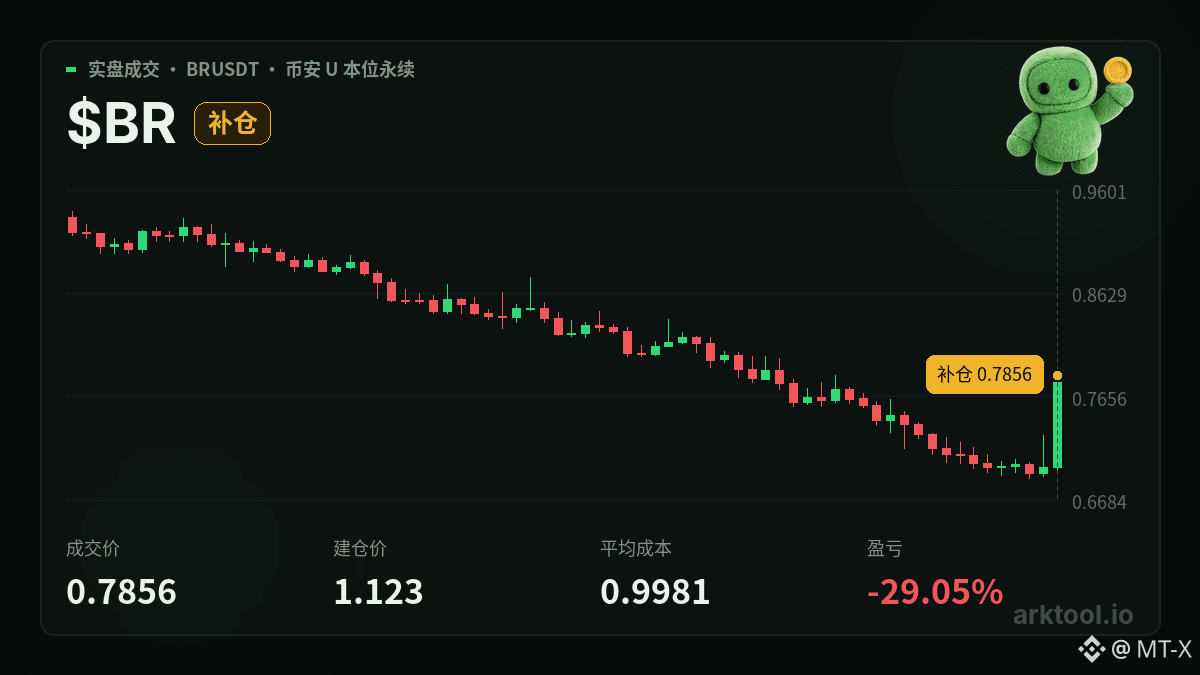
刚才在 $BR 上又补了一笔,仓位比之前更重了。
先说位置。这个标的在前面冲高之后回落,一直在下方磨,现在贴着前期的一个整数区域来回试探,跌不深也弹不高。整体市场这两天也是横着走,没有明确方向,资金都在等。这种环境下补仓,看的是它自己的结构,不是大盘给的信号。
看多的理由不复杂:前面那波拉升说明有资金真的进来过,回落过程里没有出现连续放量砸盘,属于正常的换手清洗。只要下方那个整数支撑不被有效跌破,筹码还在场内,往上重新测试前高的概率就还在。
要警惕的点也很清楚。第一,它现在的量比冲高时明显缩了,缩量横盘时间越长,越容易被一根大阴线直接打穿支撑。第二,整体市场如果突然转向往下,这类小市值品种的跌幅通常比主流资产大得多,弹性是双向的。第三,如果后面反弹时量还是起不来,那多半是弱势反抽,不是新一轮进攻。
叙事上,这个项目被市场关注靠的是链上交易和流动性这条线,本质上是在赌生态里的真实使用量能起来。这套故事前一阵被重新提起过,热度不算高但也没凉,属于有资金愿意在低位埋伏、但还没到集体追的阶段。换句话说,故事还在,只是市场暂时没给出溢价。
所以现在我做的事很简单:位置在相对低位,仓位已经加上去了,接下来看它能不能在支撑上方站稳并且重新放出量来。站得住,反弹的延续性才有基础。
刚才在 $BR 上又补了一笔,仓位比之前更重了。
先说位置。这个标的在前面冲高之后回落,一直在下方磨,现在贴着前期的一个整数区域来回试探,跌不深也弹不高。整体市场这两天也是横着走,没有明确方向,资金都在等。这种环境下补仓,看的是它自己的结构,不是大盘给的信号。
看多的理由不复杂:前面那波拉升说明有资金真的进来过,回落过程里没有出现连续放量砸盘,属于正常的换手清洗。只要下方那个整数支撑不被有效跌破,筹码还在场内,往上重新测试前高的概率就还在。
要警惕的点也很清楚。第一,它现在的量比冲高时明显缩了,缩量横盘时间越长,越容易被一根大阴线直接打穿支撑。第二,整体市场如果突然转向往下,这类小市值品种的跌幅通常比主流资产大得多,弹性是双向的。第三,如果后面反弹时量还是起不来,那多半是弱势反抽,不是新一轮进攻。
叙事上,这个项目被市场关注靠的是链上交易和流动性这条线,本质上是在赌生态里的真实使用量能起来。这套故事前一阵被重新提起过,热度不算高但也没凉,属于有资金愿意在低位埋伏、但还没到集体追的阶段。换句话说,故事还在,只是市场暂时没给出溢价。
所以现在我做的事很简单:位置在相对低位,仓位已经加上去了,接下来看它能不能在支撑上方站稳并且重新放出量来。站得住,反弹的延续性才有基础。
先说位置。这个标的在前面冲高之后回落,一直在下方磨,现在贴着前期的一个整数区域来回试探,跌不深也弹不高。整体市场这两天也是横着走,没有明确方向,资金都在等。这种环境下补仓,看的是它自己的结构,不是大盘给的信号。
看多的理由不复杂:前面那波拉升说明有资金真的进来过,回落过程里没有出现连续放量砸盘,属于正常的换手清洗。只要下方那个整数支撑不被有效跌破,筹码还在场内,往上重新测试前高的概率就还在。
要警惕的点也很清楚。第一,它现在的量比冲高时明显缩了,缩量横盘时间越长,越容易被一根大阴线直接打穿支撑。第二,整体市场如果突然转向往下,这类小市值品种的跌幅通常比主流资产大得多,弹性是双向的。第三,如果后面反弹时量还是起不来,那多半是弱势反抽,不是新一轮进攻。
叙事上,这个项目被市场关注靠的是链上交易和流动性这条线,本质上是在赌生态里的真实使用量能起来。这套故事前一阵被重新提起过,热度不算高但也没凉,属于有资金愿意在低位埋伏、但还没到集体追的阶段。换句话说,故事还在,只是市场暂时没给出溢价。
所以现在我做的事很简单:位置在相对低位,仓位已经加上去了,接下来看它能不能在支撑上方站稳并且重新放出量来。站得住,反弹的延续性才有基础。
118
·
--
Übersetzung ansehen
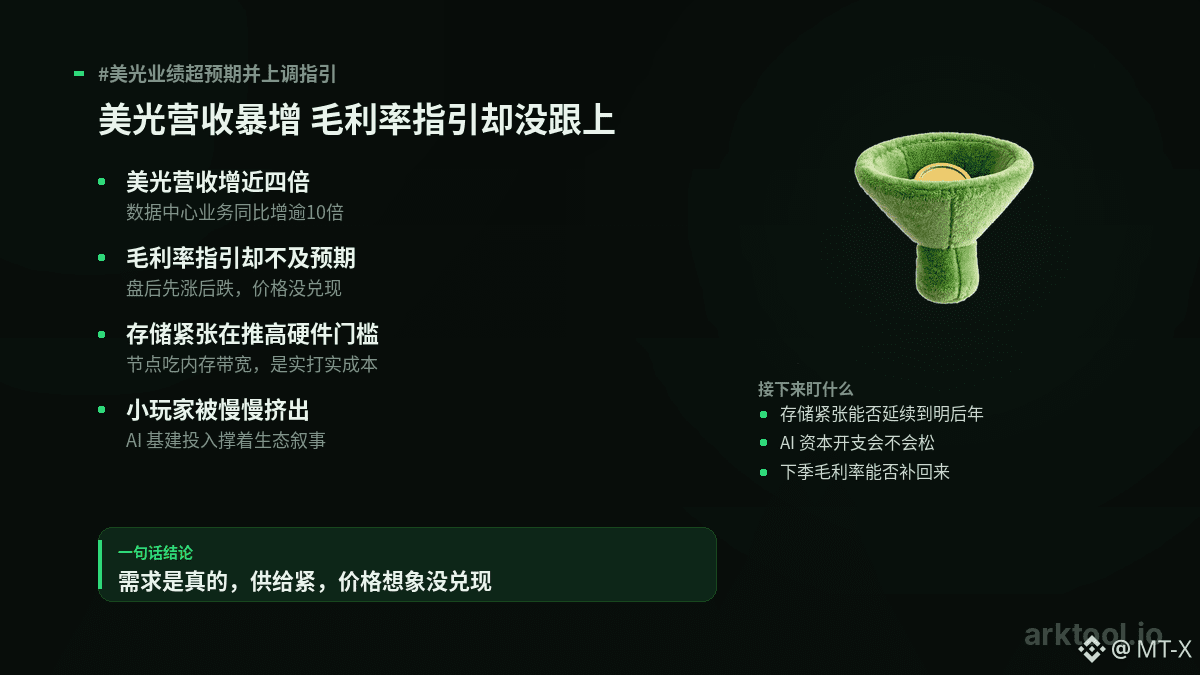
美光这份财报,数字很猛:单季营收同比增近四倍,数据中心那块核心业务的季度营收同比增长逾 10 倍,下一季度的收入指引也超了预期。但毛利率指引没跟上,盘后先涨后跌。
一句话概括:需求是真的,价格想象空间还没兑现。
市场想听的是"能卖多贵",公司给出的是"能卖多少"。CEO 提到明后年存储会更紧张,这句话的分量在于——不是需求见顶,是供给追不上。
这跟加密的关系在硬件这条线上。
$SOL 这类高吞吐公链,验证节点吃内存和带宽,硬件是实打实的运营成本。内存涨价、供货紧张,会慢慢抬升节点门槛,把中小参与者往外挤。同时 AI 是这条链生态里被反复讲的一条叙事,AI 基建的钱持续往里砸,它才有人接着讲下去。
接下来盯三件事:存储紧张能不能延续、AI 资本开支会不会松、毛利率下个季度能不能补回来。加密这边不直接挂钩,但科技股的风险偏好会先传导到整体市场,再传导到弹性更大的公链资产。
#美光业绩超预期并上调指引
美光这份财报,数字很猛:单季营收同比增近四倍,数据中心那块核心业务的季度营收同比增长逾 10 倍,下一季度的收入指引也超了预期。但毛利率指引没跟上,盘后先涨后跌。
一句话概括:需求是真的,价格想象空间还没兑现。
市场想听的是"能卖多贵",公司给出的是"能卖多少"。CEO 提到明后年存储会更紧张,这句话的分量在于——不是需求见顶,是供给追不上。
这跟加密的关系在硬件这条线上。
$SOL 这类高吞吐公链,验证节点吃内存和带宽,硬件是实打实的运营成本。内存涨价、供货紧张,会慢慢抬升节点门槛,把中小参与者往外挤。同时 AI 是这条链生态里被反复讲的一条叙事,AI 基建的钱持续往里砸,它才有人接着讲下去。
接下来盯三件事:存储紧张能不能延续、AI 资本开支会不会松、毛利率下个季度能不能补回来。加密这边不直接挂钩,但科技股的风险偏好会先传导到整体市场,再传导到弹性更大的公链资产。
#美光业绩超预期并上调指引
一句话概括:需求是真的,价格想象空间还没兑现。
市场想听的是"能卖多贵",公司给出的是"能卖多少"。CEO 提到明后年存储会更紧张,这句话的分量在于——不是需求见顶,是供给追不上。
这跟加密的关系在硬件这条线上。
$SOL 这类高吞吐公链,验证节点吃内存和带宽,硬件是实打实的运营成本。内存涨价、供货紧张,会慢慢抬升节点门槛,把中小参与者往外挤。同时 AI 是这条链生态里被反复讲的一条叙事,AI 基建的钱持续往里砸,它才有人接着讲下去。
接下来盯三件事:存储紧张能不能延续、AI 资本开支会不会松、毛利率下个季度能不能补回来。加密这边不直接挂钩,但科技股的风险偏好会先传导到整体市场,再传导到弹性更大的公链资产。
#美光业绩超预期并上调指引
72
·
--
Übersetzung ansehen
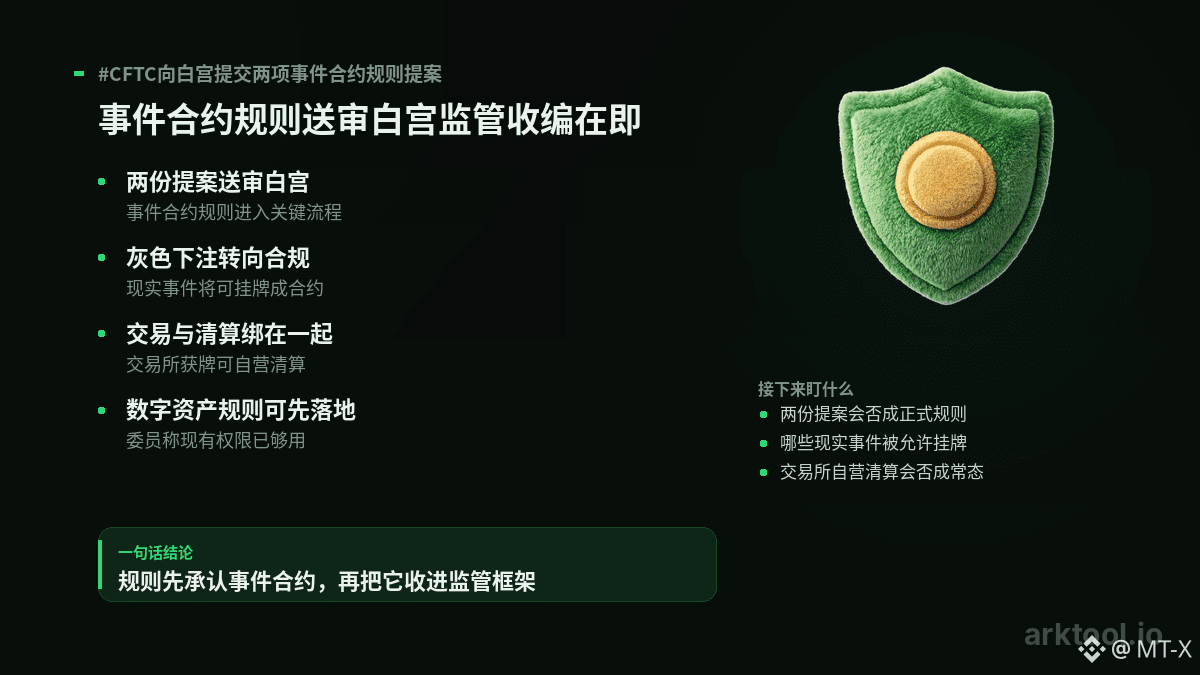
美国商品期货交易委员会把两份关于“事件合约”的规则提案送进了白宫。事件合约说白了,就是把现实里的事拿来下注——选举结果、政策走向、奖项归属都能做成合约。送到白宫是流程上的关键一步,意味着这类市场正在从灰色地带往正式监管里挪。
放在一起看还有两件事。一是 Coinbase 拿到了衍生品清算牌照,交易平台自己做清算,等于既开交易场所又管钱袋子,风险节点集中到了交易所身上。二是该机构在查有人押注与自己相关的政治结果,利益冲突第一次被摆到台面上。
再加上有委员公开说,SEC 和 CFTC 现有的权限就够给数字资产定规矩,不必干等国会立法。几件事指向同一个方向:规则在往前推,方式是先承认这类市场,再把它收编进框架。
对 $BTC 来说,衍生品和清算规则变清楚,长期是机构敢进场的条件;短期每换一次监管口径,波动就跟着来一次。接下来要盯的是,这两份提案会不会落成正式规则、哪些事件被允许挂牌、以及交易所自营清算会不会变成常态。
#CFTC向白宫提交两项事件合约规则提案
美国商品期货交易委员会把两份关于“事件合约”的规则提案送进了白宫。事件合约说白了,就是把现实里的事拿来下注——选举结果、政策走向、奖项归属都能做成合约。送到白宫是流程上的关键一步,意味着这类市场正在从灰色地带往正式监管里挪。
放在一起看还有两件事。一是 Coinbase 拿到了衍生品清算牌照,交易平台自己做清算,等于既开交易场所又管钱袋子,风险节点集中到了交易所身上。二是该机构在查有人押注与自己相关的政治结果,利益冲突第一次被摆到台面上。
再加上有委员公开说,SEC 和 CFTC 现有的权限就够给数字资产定规矩,不必干等国会立法。几件事指向同一个方向:规则在往前推,方式是先承认这类市场,再把它收编进框架。
对 $BTC 来说,衍生品和清算规则变清楚,长期是机构敢进场的条件;短期每换一次监管口径,波动就跟着来一次。接下来要盯的是,这两份提案会不会落成正式规则、哪些事件被允许挂牌、以及交易所自营清算会不会变成常态。
#CFTC向白宫提交两项事件合约规则提案
放在一起看还有两件事。一是 Coinbase 拿到了衍生品清算牌照,交易平台自己做清算,等于既开交易场所又管钱袋子,风险节点集中到了交易所身上。二是该机构在查有人押注与自己相关的政治结果,利益冲突第一次被摆到台面上。
再加上有委员公开说,SEC 和 CFTC 现有的权限就够给数字资产定规矩,不必干等国会立法。几件事指向同一个方向:规则在往前推,方式是先承认这类市场,再把它收编进框架。
对 $BTC 来说,衍生品和清算规则变清楚,长期是机构敢进场的条件;短期每换一次监管口径,波动就跟着来一次。接下来要盯的是,这两份提案会不会落成正式规则、哪些事件被允许挂牌、以及交易所自营清算会不会变成常态。
#CFTC向白宫提交两项事件合约规则提案
111
·
--
Übersetzung ansehen
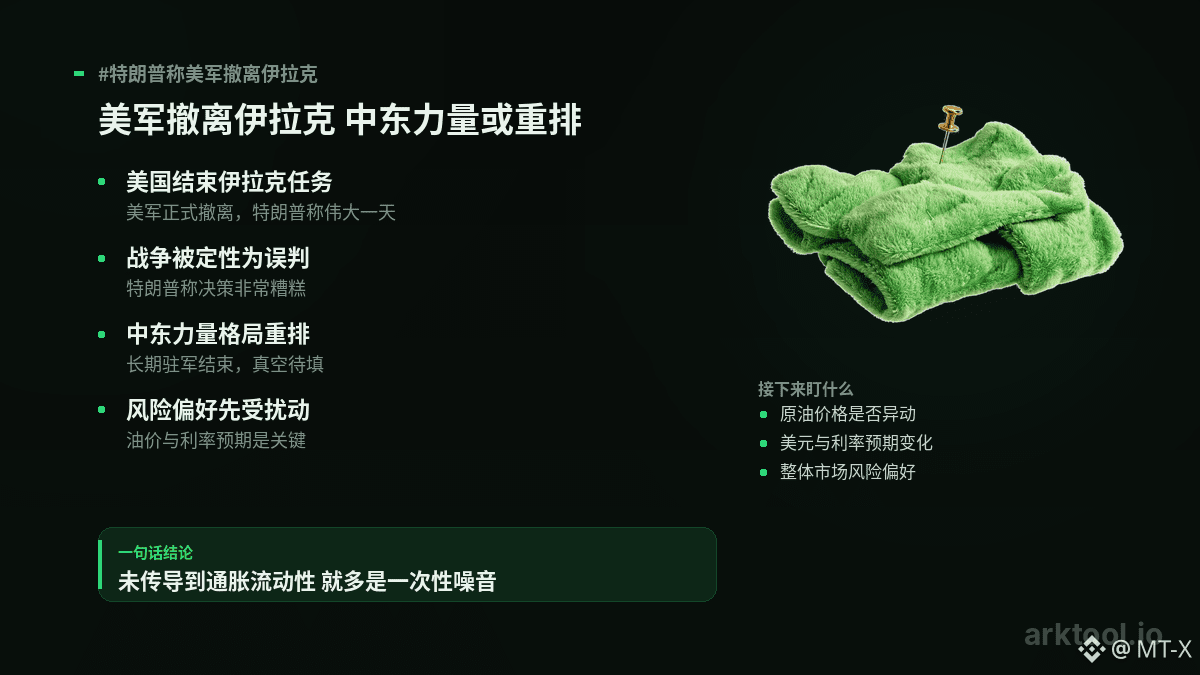
美军撤出伊拉克,分量不在撤走多少人,而在美国对中东的态度变了。特朗普同时把二十年前发动那场战争定性为“非常糟糕”,等于公开承认一次战略误判。长期驻军结束,往往意味着地区力量格局要重排。
对市场来说,这类消息先影响的是情绪,不是价格本身。中东军事存在收缩,短期看是地缘摩擦点少了一个,避险买盘的由头被削弱;另一面,真空出现后谁来填、油价会不会被搅动,都是新的不确定源。
这也是为什么 $BTC 常被当成温度计:它既被看作避险品,又被当成纯风险资产,两套逻辑打架,价格往往先动一下再找方向。
真正要盯的不是这条新闻,而是三件事——原油有没有异动、美元和利率预期有没有跟着变、整体市场的风险偏好是往上还是往下。
如果油价平静、利率不变,这类地缘消息基本就是一次性噪音;只有当地缘变化传导到通胀和流动性上,才会变成能持续交易的题材。该标的短期跟随大盘波动,这条新闻本身还不足以给方向定调。
#特朗普称美军撤离伊拉克
美军撤出伊拉克,分量不在撤走多少人,而在美国对中东的态度变了。特朗普同时把二十年前发动那场战争定性为“非常糟糕”,等于公开承认一次战略误判。长期驻军结束,往往意味着地区力量格局要重排。
对市场来说,这类消息先影响的是情绪,不是价格本身。中东军事存在收缩,短期看是地缘摩擦点少了一个,避险买盘的由头被削弱;另一面,真空出现后谁来填、油价会不会被搅动,都是新的不确定源。
这也是为什么 $BTC 常被当成温度计:它既被看作避险品,又被当成纯风险资产,两套逻辑打架,价格往往先动一下再找方向。
真正要盯的不是这条新闻,而是三件事——原油有没有异动、美元和利率预期有没有跟着变、整体市场的风险偏好是往上还是往下。
如果油价平静、利率不变,这类地缘消息基本就是一次性噪音;只有当地缘变化传导到通胀和流动性上,才会变成能持续交易的题材。该标的短期跟随大盘波动,这条新闻本身还不足以给方向定调。
#特朗普称美军撤离伊拉克
对市场来说,这类消息先影响的是情绪,不是价格本身。中东军事存在收缩,短期看是地缘摩擦点少了一个,避险买盘的由头被削弱;另一面,真空出现后谁来填、油价会不会被搅动,都是新的不确定源。
这也是为什么 $BTC 常被当成温度计:它既被看作避险品,又被当成纯风险资产,两套逻辑打架,价格往往先动一下再找方向。
真正要盯的不是这条新闻,而是三件事——原油有没有异动、美元和利率预期有没有跟着变、整体市场的风险偏好是往上还是往下。
如果油价平静、利率不变,这类地缘消息基本就是一次性噪音;只有当地缘变化传导到通胀和流动性上,才会变成能持续交易的题材。该标的短期跟随大盘波动,这条新闻本身还不足以给方向定调。
#特朗普称美军撤离伊拉克
168
·
--
Übersetzung ansehen
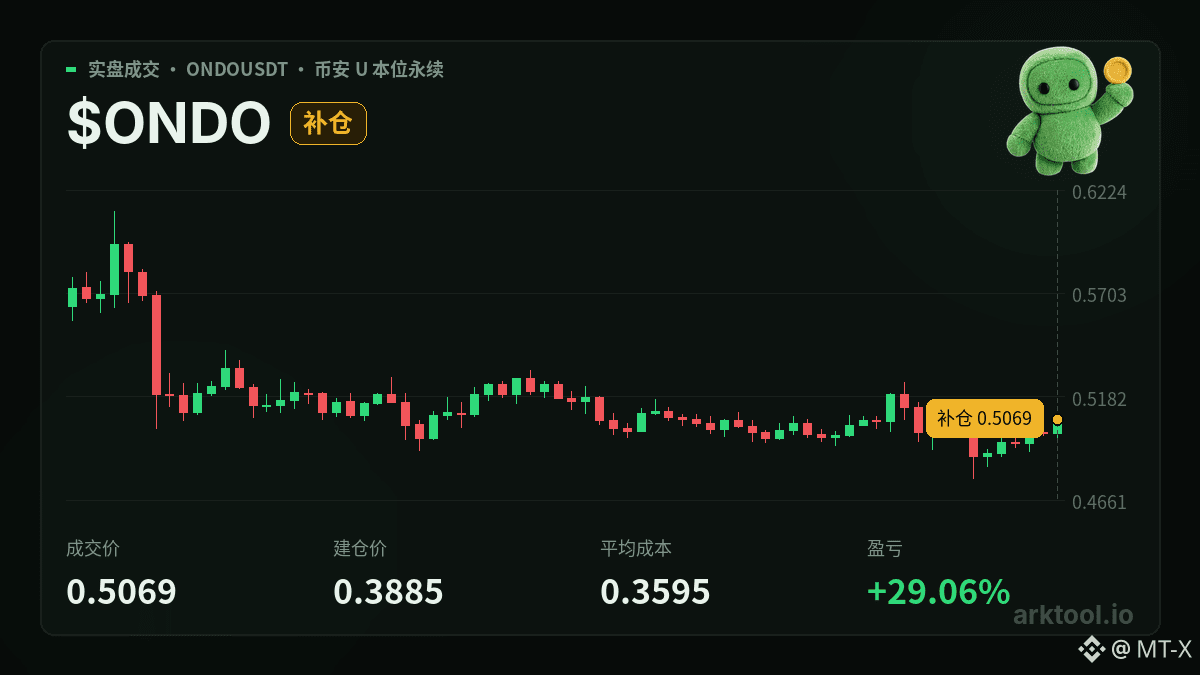
刚在 $ONDO 上补了一笔仓,仓位比之前更重了。
这个标的最近的走势属于典型的横盘磨人。前面那波拉升之后,价格在高位反复震荡,没走出新高,但也没跌破关键支撑,均线慢慢靠拢,波动收窄。这种形态通常意味着方向要重新选一次。我选择在这里加仓,是因为往下空间看得见,往上想象空间还在。
需要警惕的点也很清楚:整体市场情绪偏弱的时候,靠叙事撑估值的品种回撤更快。如果大盘继续走软,它很难独立走强,关键整数关口一旦失守,横盘就会变成下台阶。
叙事上,这个项目押的是现实资产上链这条主线。最近的消息正好强化了原来的故事,它把韩国股票代币化装进了自己的版图,代币化股票的锁仓规模也创出新高。这说明资金不只是在炒概念,而是真金白银往里放。现实资产上链这个主题从被反复提起,到现在进入有实际规模落地的阶段,属于叙事还在升温、但市场尚未完全定价的状态。
看多的核心是这个赛道有真实需求,也有机构愿意买单;看空的理由是赛道周期长,短期容易被大盘情绪带着走。当前位置更像一个区间下沿的观察点,能不能在整数关口上方站稳,是接下来最该盯的信号。
刚在 $ONDO 上补了一笔仓,仓位比之前更重了。
这个标的最近的走势属于典型的横盘磨人。前面那波拉升之后,价格在高位反复震荡,没走出新高,但也没跌破关键支撑,均线慢慢靠拢,波动收窄。这种形态通常意味着方向要重新选一次。我选择在这里加仓,是因为往下空间看得见,往上想象空间还在。
需要警惕的点也很清楚:整体市场情绪偏弱的时候,靠叙事撑估值的品种回撤更快。如果大盘继续走软,它很难独立走强,关键整数关口一旦失守,横盘就会变成下台阶。
叙事上,这个项目押的是现实资产上链这条主线。最近的消息正好强化了原来的故事,它把韩国股票代币化装进了自己的版图,代币化股票的锁仓规模也创出新高。这说明资金不只是在炒概念,而是真金白银往里放。现实资产上链这个主题从被反复提起,到现在进入有实际规模落地的阶段,属于叙事还在升温、但市场尚未完全定价的状态。
看多的核心是这个赛道有真实需求,也有机构愿意买单;看空的理由是赛道周期长,短期容易被大盘情绪带着走。当前位置更像一个区间下沿的观察点,能不能在整数关口上方站稳,是接下来最该盯的信号。
这个标的最近的走势属于典型的横盘磨人。前面那波拉升之后,价格在高位反复震荡,没走出新高,但也没跌破关键支撑,均线慢慢靠拢,波动收窄。这种形态通常意味着方向要重新选一次。我选择在这里加仓,是因为往下空间看得见,往上想象空间还在。
需要警惕的点也很清楚:整体市场情绪偏弱的时候,靠叙事撑估值的品种回撤更快。如果大盘继续走软,它很难独立走强,关键整数关口一旦失守,横盘就会变成下台阶。
叙事上,这个项目押的是现实资产上链这条主线。最近的消息正好强化了原来的故事,它把韩国股票代币化装进了自己的版图,代币化股票的锁仓规模也创出新高。这说明资金不只是在炒概念,而是真金白银往里放。现实资产上链这个主题从被反复提起,到现在进入有实际规模落地的阶段,属于叙事还在升温、但市场尚未完全定价的状态。
看多的核心是这个赛道有真实需求,也有机构愿意买单;看空的理由是赛道周期长,短期容易被大盘情绪带着走。当前位置更像一个区间下沿的观察点,能不能在整数关口上方站稳,是接下来最该盯的信号。
115
·
--
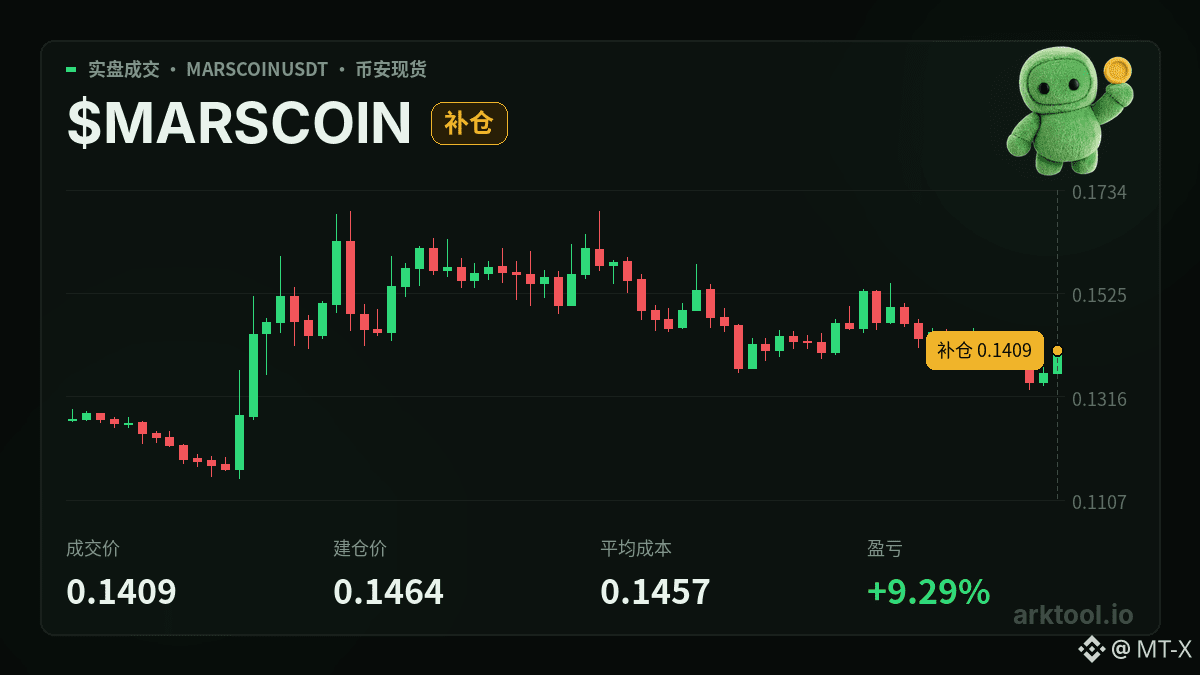
Gerade habe ich bei diesem Basiswert noch eine Position nachgekauft, die Gewichtung ist jetzt schwerer als zuvor. Die Ausführungsdetails und ein Kontosnapshot findest du auf dem Bild.
$MARSCOIN hat aktuell nach dem Anstieg eine stabile Form: Es ist zwar nicht „schief gegangen“, aber auch kein echter neuer Spielraum nach oben geöffnet. Die vorherige Rally hat es aus der unteren Range herausgezogen; nun pendelt es in der Nähe des bisherigen Hochs. Die kurzfristigen und mittelfristigen Durchschnitte zeigen weiterhin nach oben, und bei Rücksetzern ist es nicht unter die jüngste Konsolidierungszone gefallen. Oberhalb liegen rund um die ganze Zahl viele Orders/Anteile gebündelt. Solange darunter kein massives Volumen die Struktur nach unten aufreißt, ist das Gesamtbild noch intakt.
Die Story dahinter läuft über den Rotationszyklus im Meme-Board. Wenn der Gesamtmarkt keine klare Richtung hat, sucht Kapital in kleineren Werten nach mehr Bewegung (Hebel/Effekt). Diese Erzählung ist derzeit wieder aufgegriffen worden und befindet sich in einer Phase der Erwärmung—noch nicht in der Phase, in der alle es wissen und die Euphorie eskaliert. Das Kapital erkennt die Chance zwar an, aber nicht in voller Tiefe. Die heutige Meldung bestätigt das genau: Sie lässt es das gesamte Meme-Board anführen, was zeigt, dass wirklich Geld zufließt—nicht nur „Dampf auf dem Papier“. Gleichzeitig liegt darüber eine klar erkennbare Verkaufsdruck-Wand; frühe Gewinnmitnahmen und festgefahrene/gerettete Positionen stoßen am selben Bereich zum Ausladen. Stimmung und Positionsbestand kämpfen gegeneinander.
Solche Setups verlaufen typischerweise auf zwei Arten: Entweder es nimmt mit hohem Volumen den Verkaufsdruck in einem Zug auf und öffnet dadurch neuen Raum, oder es „reibt“ sich wiederholt durch—bis die Nachzügler die Geduld verlieren. Als Nächstes ist vor allem wichtig, ob das Volumen mitzieht und ob bei Rücksetzern jemand bereit ist, die Stücke aufzufangen. Wenn die Hitze im Sektor weiter anhält, bleibt noch Gesprächsstoff; sobald die Aufmerksamkeit/Hitze abkühlt, werden auch die Rücksetzer an dieser Stelle nicht langsam kommen.
Gerade habe ich bei diesem Basiswert noch eine Position nachgekauft, die Gewichtung ist jetzt schwerer als zuvor. Die Ausführungsdetails und ein Kontosnapshot findest du auf dem Bild.
$MARSCOIN hat aktuell nach dem Anstieg eine stabile Form: Es ist zwar nicht „schief gegangen“, aber auch kein echter neuer Spielraum nach oben geöffnet. Die vorherige Rally hat es aus der unteren Range herausgezogen; nun pendelt es in der Nähe des bisherigen Hochs. Die kurzfristigen und mittelfristigen Durchschnitte zeigen weiterhin nach oben, und bei Rücksetzern ist es nicht unter die jüngste Konsolidierungszone gefallen. Oberhalb liegen rund um die ganze Zahl viele Orders/Anteile gebündelt. Solange darunter kein massives Volumen die Struktur nach unten aufreißt, ist das Gesamtbild noch intakt.
Die Story dahinter läuft über den Rotationszyklus im Meme-Board. Wenn der Gesamtmarkt keine klare Richtung hat, sucht Kapital in kleineren Werten nach mehr Bewegung (Hebel/Effekt). Diese Erzählung ist derzeit wieder aufgegriffen worden und befindet sich in einer Phase der Erwärmung—noch nicht in der Phase, in der alle es wissen und die Euphorie eskaliert. Das Kapital erkennt die Chance zwar an, aber nicht in voller Tiefe. Die heutige Meldung bestätigt das genau: Sie lässt es das gesamte Meme-Board anführen, was zeigt, dass wirklich Geld zufließt—nicht nur „Dampf auf dem Papier“. Gleichzeitig liegt darüber eine klar erkennbare Verkaufsdruck-Wand; frühe Gewinnmitnahmen und festgefahrene/gerettete Positionen stoßen am selben Bereich zum Ausladen. Stimmung und Positionsbestand kämpfen gegeneinander.
Solche Setups verlaufen typischerweise auf zwei Arten: Entweder es nimmt mit hohem Volumen den Verkaufsdruck in einem Zug auf und öffnet dadurch neuen Raum, oder es „reibt“ sich wiederholt durch—bis die Nachzügler die Geduld verlieren. Als Nächstes ist vor allem wichtig, ob das Volumen mitzieht und ob bei Rücksetzern jemand bereit ist, die Stücke aufzufangen. Wenn die Hitze im Sektor weiter anhält, bleibt noch Gesprächsstoff; sobald die Aufmerksamkeit/Hitze abkühlt, werden auch die Rücksetzer an dieser Stelle nicht langsam kommen.
$MARSCOIN hat aktuell nach dem Anstieg eine stabile Form: Es ist zwar nicht „schief gegangen“, aber auch kein echter neuer Spielraum nach oben geöffnet. Die vorherige Rally hat es aus der unteren Range herausgezogen; nun pendelt es in der Nähe des bisherigen Hochs. Die kurzfristigen und mittelfristigen Durchschnitte zeigen weiterhin nach oben, und bei Rücksetzern ist es nicht unter die jüngste Konsolidierungszone gefallen. Oberhalb liegen rund um die ganze Zahl viele Orders/Anteile gebündelt. Solange darunter kein massives Volumen die Struktur nach unten aufreißt, ist das Gesamtbild noch intakt.
Die Story dahinter läuft über den Rotationszyklus im Meme-Board. Wenn der Gesamtmarkt keine klare Richtung hat, sucht Kapital in kleineren Werten nach mehr Bewegung (Hebel/Effekt). Diese Erzählung ist derzeit wieder aufgegriffen worden und befindet sich in einer Phase der Erwärmung—noch nicht in der Phase, in der alle es wissen und die Euphorie eskaliert. Das Kapital erkennt die Chance zwar an, aber nicht in voller Tiefe. Die heutige Meldung bestätigt das genau: Sie lässt es das gesamte Meme-Board anführen, was zeigt, dass wirklich Geld zufließt—nicht nur „Dampf auf dem Papier“. Gleichzeitig liegt darüber eine klar erkennbare Verkaufsdruck-Wand; frühe Gewinnmitnahmen und festgefahrene/gerettete Positionen stoßen am selben Bereich zum Ausladen. Stimmung und Positionsbestand kämpfen gegeneinander.
Solche Setups verlaufen typischerweise auf zwei Arten: Entweder es nimmt mit hohem Volumen den Verkaufsdruck in einem Zug auf und öffnet dadurch neuen Raum, oder es „reibt“ sich wiederholt durch—bis die Nachzügler die Geduld verlieren. Als Nächstes ist vor allem wichtig, ob das Volumen mitzieht und ob bei Rücksetzern jemand bereit ist, die Stücke aufzufangen. Wenn die Hitze im Sektor weiter anhält, bleibt noch Gesprächsstoff; sobald die Aufmerksamkeit/Hitze abkühlt, werden auch die Rücksetzer an dieser Stelle nicht langsam kommen.
433
·
--
Übersetzung ansehen
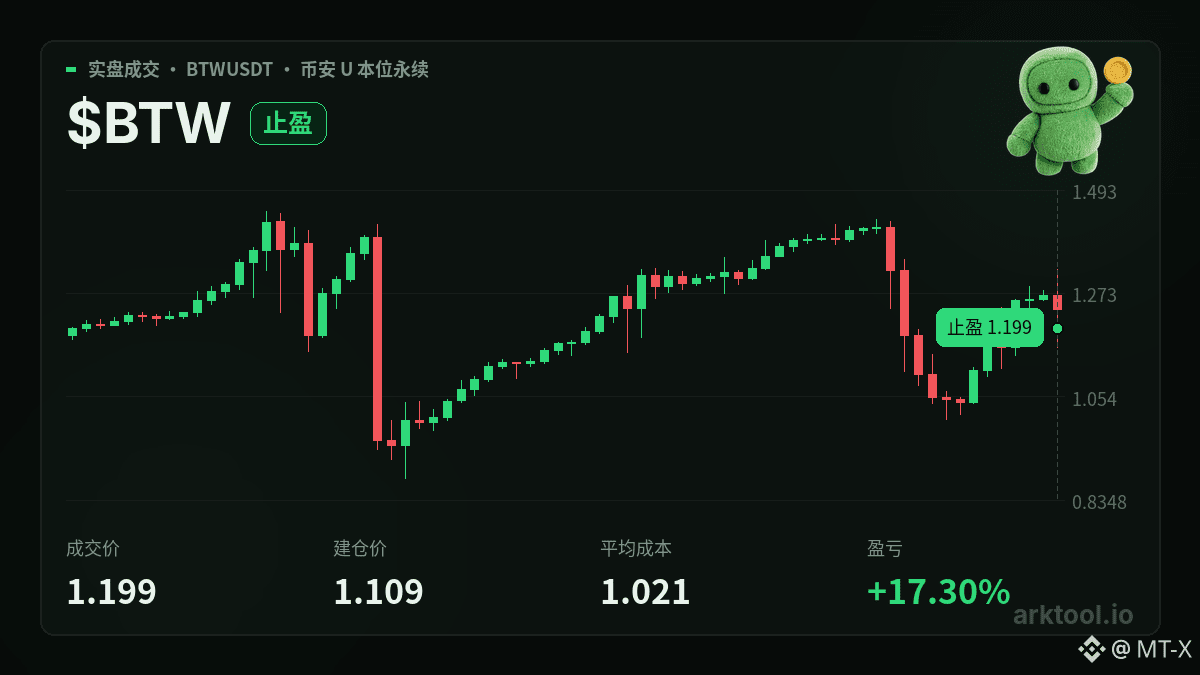
刚在 $BTW 上减了一部分仓位,剩下的还继续拿着,没有走。
这波冲得比较急,价格已经跑到短期均线上方一段距离,上攻过程中量能是放出来的,说明有资金在真金白银地接。但急涨之后一般都要消化,靠近前期高点或者整数关口,抛压会明显变重,现在追进去的性价比比前几天差不少。整体市场只要不突然转向,回踩守住关键位置,结构就还是完整的,怕的是缩量硬顶。
这个项目被市场关注,靠的不是基本面,而是小市值标的在情绪回暖时的资金轮动逻辑,谁盘子轻、弹性大,短线资金就往哪边挤。这套故事现在处在被反复提起的阶段,热度还在,但已经过了最早没人理的时候,越往后越要看大盘脸色。资金是认的,只是认得很短,来得快走得也快,这是最需要警惕的地方。
减仓不是因为不看好它,是因为这个位置往上和往下的赔率变了,先落一部分确定性,剩下的跟着趋势走。
接下来更值得盯的是,它能不能在放量之后把位置稳住,而不是只图一口气冲多远。
刚在 $BTW 上减了一部分仓位,剩下的还继续拿着,没有走。
这波冲得比较急,价格已经跑到短期均线上方一段距离,上攻过程中量能是放出来的,说明有资金在真金白银地接。但急涨之后一般都要消化,靠近前期高点或者整数关口,抛压会明显变重,现在追进去的性价比比前几天差不少。整体市场只要不突然转向,回踩守住关键位置,结构就还是完整的,怕的是缩量硬顶。
这个项目被市场关注,靠的不是基本面,而是小市值标的在情绪回暖时的资金轮动逻辑,谁盘子轻、弹性大,短线资金就往哪边挤。这套故事现在处在被反复提起的阶段,热度还在,但已经过了最早没人理的时候,越往后越要看大盘脸色。资金是认的,只是认得很短,来得快走得也快,这是最需要警惕的地方。
减仓不是因为不看好它,是因为这个位置往上和往下的赔率变了,先落一部分确定性,剩下的跟着趋势走。
接下来更值得盯的是,它能不能在放量之后把位置稳住,而不是只图一口气冲多远。
这波冲得比较急,价格已经跑到短期均线上方一段距离,上攻过程中量能是放出来的,说明有资金在真金白银地接。但急涨之后一般都要消化,靠近前期高点或者整数关口,抛压会明显变重,现在追进去的性价比比前几天差不少。整体市场只要不突然转向,回踩守住关键位置,结构就还是完整的,怕的是缩量硬顶。
这个项目被市场关注,靠的不是基本面,而是小市值标的在情绪回暖时的资金轮动逻辑,谁盘子轻、弹性大,短线资金就往哪边挤。这套故事现在处在被反复提起的阶段,热度还在,但已经过了最早没人理的时候,越往后越要看大盘脸色。资金是认的,只是认得很短,来得快走得也快,这是最需要警惕的地方。
减仓不是因为不看好它,是因为这个位置往上和往下的赔率变了,先落一部分确定性,剩下的跟着趋势走。
接下来更值得盯的是,它能不能在放量之后把位置稳住,而不是只图一口气冲多远。
578
·
--
Übersetzung ansehen
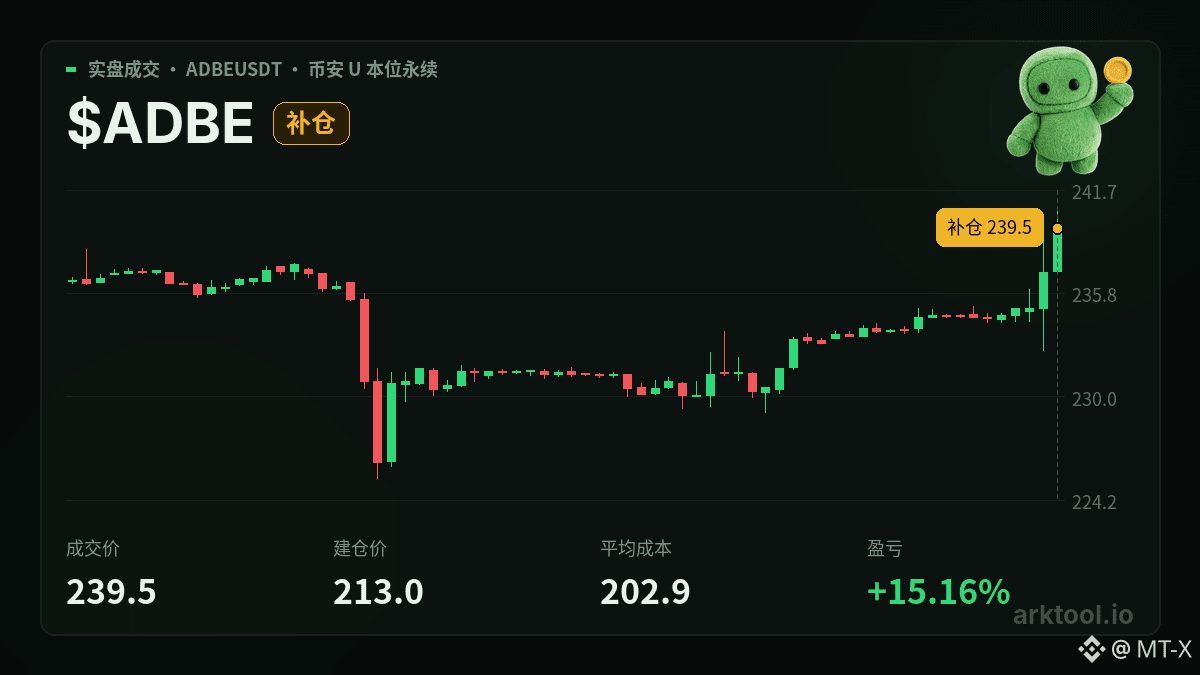
刚在 $ADBE 上又补了一笔,仓位比之前更大了。
先说位置。该标的这段时间一直在一个比较难受的区间里磨,上方有前期留下的密集成交压着,下方靠近整数关口才有人愿意接。整体市场情绪偏谨慎,科技类资产普遍没走出独立行情,所以这笔加仓本质是买一个偏左的位置,不是追已经起来的趋势。理由也直接:跌到这里,坏消息大体已经反映在价格里,继续往下和往上修复的空间并不对称。要警惕的是,如果整体市场再来一波杀估值,它大概率跟着走,不会因为便宜就抗跌。
再说故事。过去一年市场讲得最多的是这家公司"被 AI 干掉",创意软件的订阅模式被质疑会被生成式工具冲垮。现在这套叙事正在被重新提起——注意,不是反转,是重新被拿出来讨论:一边是 AI 功能到底能不能变成真金白银的新增收入,一边是换了掌舵人之后打法会不会变。今天市场上的声音也在往这个方向靠,有人开始把 AI 增长和新管理层当作重新给它估值的理由。这说明资金至少愿意坐下来听故事了,但远没到集体买单的程度。
补仓之后,我盯的不是今天涨不涨,而是它能不能在这个区间里把成交量缩下来、把底部横住。横得住,故事才有被重新定价的机会;横不住,就还是得等。
刚在 $ADBE 上又补了一笔,仓位比之前更大了。
先说位置。该标的这段时间一直在一个比较难受的区间里磨,上方有前期留下的密集成交压着,下方靠近整数关口才有人愿意接。整体市场情绪偏谨慎,科技类资产普遍没走出独立行情,所以这笔加仓本质是买一个偏左的位置,不是追已经起来的趋势。理由也直接:跌到这里,坏消息大体已经反映在价格里,继续往下和往上修复的空间并不对称。要警惕的是,如果整体市场再来一波杀估值,它大概率跟着走,不会因为便宜就抗跌。
再说故事。过去一年市场讲得最多的是这家公司"被 AI 干掉",创意软件的订阅模式被质疑会被生成式工具冲垮。现在这套叙事正在被重新提起——注意,不是反转,是重新被拿出来讨论:一边是 AI 功能到底能不能变成真金白银的新增收入,一边是换了掌舵人之后打法会不会变。今天市场上的声音也在往这个方向靠,有人开始把 AI 增长和新管理层当作重新给它估值的理由。这说明资金至少愿意坐下来听故事了,但远没到集体买单的程度。
补仓之后,我盯的不是今天涨不涨,而是它能不能在这个区间里把成交量缩下来、把底部横住。横得住,故事才有被重新定价的机会;横不住,就还是得等。
先说位置。该标的这段时间一直在一个比较难受的区间里磨,上方有前期留下的密集成交压着,下方靠近整数关口才有人愿意接。整体市场情绪偏谨慎,科技类资产普遍没走出独立行情,所以这笔加仓本质是买一个偏左的位置,不是追已经起来的趋势。理由也直接:跌到这里,坏消息大体已经反映在价格里,继续往下和往上修复的空间并不对称。要警惕的是,如果整体市场再来一波杀估值,它大概率跟着走,不会因为便宜就抗跌。
再说故事。过去一年市场讲得最多的是这家公司"被 AI 干掉",创意软件的订阅模式被质疑会被生成式工具冲垮。现在这套叙事正在被重新提起——注意,不是反转,是重新被拿出来讨论:一边是 AI 功能到底能不能变成真金白银的新增收入,一边是换了掌舵人之后打法会不会变。今天市场上的声音也在往这个方向靠,有人开始把 AI 增长和新管理层当作重新给它估值的理由。这说明资金至少愿意坐下来听故事了,但远没到集体买单的程度。
补仓之后,我盯的不是今天涨不涨,而是它能不能在这个区间里把成交量缩下来、把底部横住。横得住,故事才有被重新定价的机会;横不住,就还是得等。
66
·
--
Übersetzung ansehen
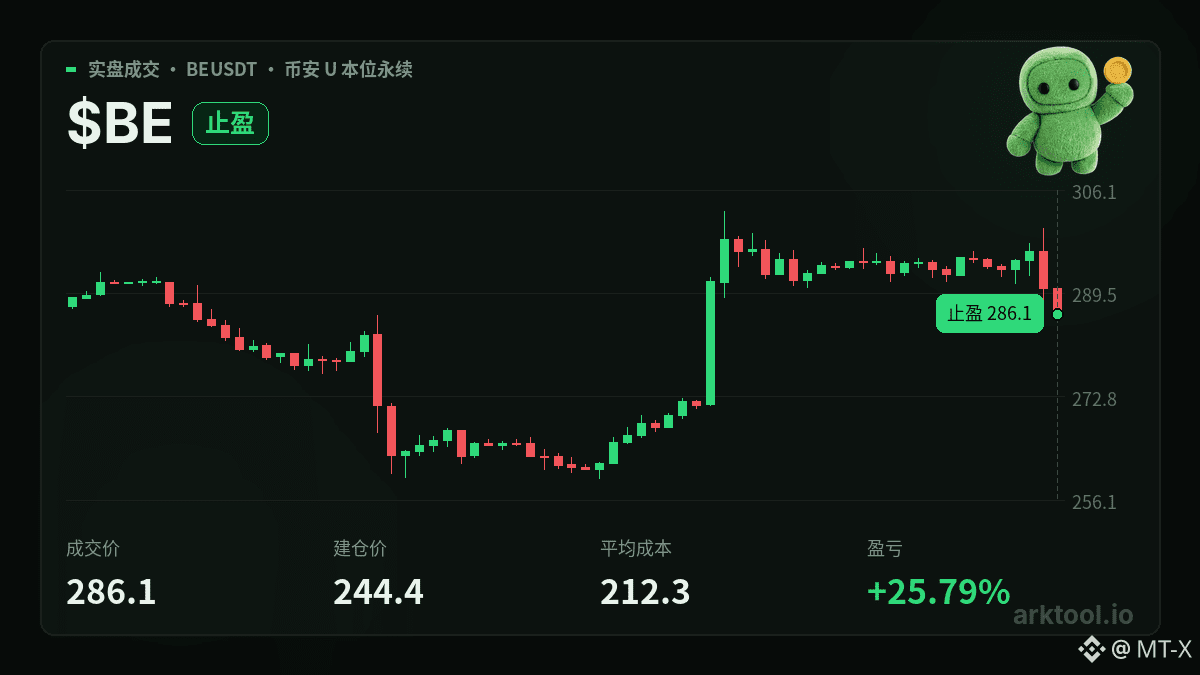
刚在 $BE 上减了一部分仓位,剩下的继续拿着。
盘面上,这个标的最近走得很急,现在到了需要消化的位置。上方前高附近套牢盘密集,再往上突破得有新的量能接;下方短期均线的支撑还在,只要不跌破这波起涨的平台,结构就没坏。整体市场偏暖的时候,它更容易被资金挑出来做弹性。
只减一部分、底仓不动,理由很直接:趋势还在,但短期涨得太快,先把浮盈收一点。
叙事上,它被盯住的核心不是燃料电池本身,而是电不够用这件事。数据中心和算力把用电需求顶上来,现场发电这类方向被重新定价。这套故事现在处在升温阶段,而且比纯概念扎实,开始有订单和业绩托底。
今天那条业绩创纪录、同时上调明年指引的消息,就是给这套叙事补了一块砖,说明资金认的不只是想象空间,短期情绪也更敢给高估值。要警惕的也在这里:业绩兑现的节奏一旦跟不上股价的斜率,或者大盘转弱,这种高弹性标的回撤会很快。
所以我的态度是,仓位继续拿,但不在这个位置追着加,先看它能不能把换手做干净。
刚在 $BE 上减了一部分仓位,剩下的继续拿着。
盘面上,这个标的最近走得很急,现在到了需要消化的位置。上方前高附近套牢盘密集,再往上突破得有新的量能接;下方短期均线的支撑还在,只要不跌破这波起涨的平台,结构就没坏。整体市场偏暖的时候,它更容易被资金挑出来做弹性。
只减一部分、底仓不动,理由很直接:趋势还在,但短期涨得太快,先把浮盈收一点。
叙事上,它被盯住的核心不是燃料电池本身,而是电不够用这件事。数据中心和算力把用电需求顶上来,现场发电这类方向被重新定价。这套故事现在处在升温阶段,而且比纯概念扎实,开始有订单和业绩托底。
今天那条业绩创纪录、同时上调明年指引的消息,就是给这套叙事补了一块砖,说明资金认的不只是想象空间,短期情绪也更敢给高估值。要警惕的也在这里:业绩兑现的节奏一旦跟不上股价的斜率,或者大盘转弱,这种高弹性标的回撤会很快。
所以我的态度是,仓位继续拿,但不在这个位置追着加,先看它能不能把换手做干净。
盘面上,这个标的最近走得很急,现在到了需要消化的位置。上方前高附近套牢盘密集,再往上突破得有新的量能接;下方短期均线的支撑还在,只要不跌破这波起涨的平台,结构就没坏。整体市场偏暖的时候,它更容易被资金挑出来做弹性。
只减一部分、底仓不动,理由很直接:趋势还在,但短期涨得太快,先把浮盈收一点。
叙事上,它被盯住的核心不是燃料电池本身,而是电不够用这件事。数据中心和算力把用电需求顶上来,现场发电这类方向被重新定价。这套故事现在处在升温阶段,而且比纯概念扎实,开始有订单和业绩托底。
今天那条业绩创纪录、同时上调明年指引的消息,就是给这套叙事补了一块砖,说明资金认的不只是想象空间,短期情绪也更敢给高估值。要警惕的也在这里:业绩兑现的节奏一旦跟不上股价的斜率,或者大盘转弱,这种高弹性标的回撤会很快。
所以我的态度是,仓位继续拿,但不在这个位置追着加,先看它能不能把换手做干净。
137
·
--
Übersetzung ansehen
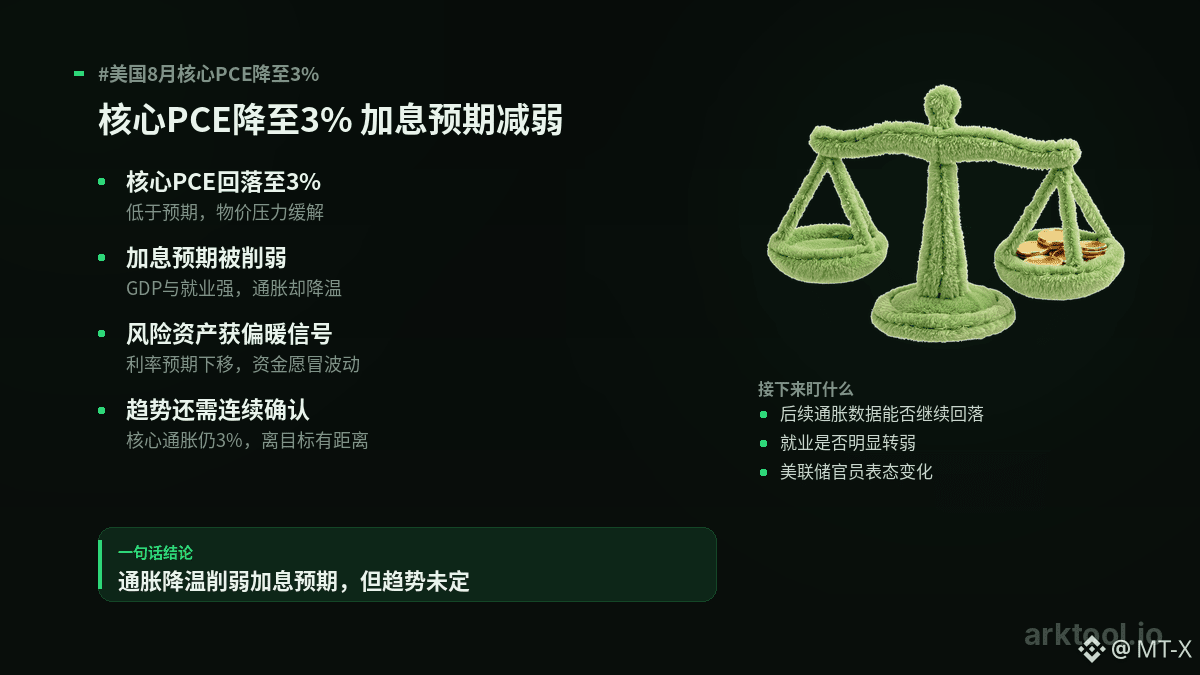
美国8月核心PCE降到3%。
这是美联储最看重的通胀指标,这次比预期回落,说明物价压力在往好的方向走。同一批数据里,上季度GDP增长2.2%高于预期,9月小非农也强于预期。经济没塌,通胀却在降温,这是市场最喜欢的组合。
数据出来后,加息预期被削弱,黄金涨到约4200美元/盎司。逻辑很直接:钱的价格可能要松了。
对 $BTC 这类风险资产来说,这是偏暖的信号。它不产生现金流,估值很大程度靠流动性预期撑着。利率预期往下走,拿着现金和债券的吸引力下降,资金才愿意往波动更大的地方挪。
但也别把它当成单边行情的起点。一个月的读数说明不了趋势,核心通胀还在3%,离目标仍有距离。接下来盯三件事:后面几个月的通胀数据能不能继续往下、就业会不会明显转弱、美联储官员的表态会不会从再等等变成可以动。
真正决定方向的,是这条线能不能连续,而不是某一次低于预期。
#美国8月核心PCE降至3%
美国8月核心PCE降到3%。
这是美联储最看重的通胀指标,这次比预期回落,说明物价压力在往好的方向走。同一批数据里,上季度GDP增长2.2%高于预期,9月小非农也强于预期。经济没塌,通胀却在降温,这是市场最喜欢的组合。
数据出来后,加息预期被削弱,黄金涨到约4200美元/盎司。逻辑很直接:钱的价格可能要松了。
对 $BTC 这类风险资产来说,这是偏暖的信号。它不产生现金流,估值很大程度靠流动性预期撑着。利率预期往下走,拿着现金和债券的吸引力下降,资金才愿意往波动更大的地方挪。
但也别把它当成单边行情的起点。一个月的读数说明不了趋势,核心通胀还在3%,离目标仍有距离。接下来盯三件事:后面几个月的通胀数据能不能继续往下、就业会不会明显转弱、美联储官员的表态会不会从再等等变成可以动。
真正决定方向的,是这条线能不能连续,而不是某一次低于预期。
#美国8月核心PCE降至3%
这是美联储最看重的通胀指标,这次比预期回落,说明物价压力在往好的方向走。同一批数据里,上季度GDP增长2.2%高于预期,9月小非农也强于预期。经济没塌,通胀却在降温,这是市场最喜欢的组合。
数据出来后,加息预期被削弱,黄金涨到约4200美元/盎司。逻辑很直接:钱的价格可能要松了。
对 $BTC 这类风险资产来说,这是偏暖的信号。它不产生现金流,估值很大程度靠流动性预期撑着。利率预期往下走,拿着现金和债券的吸引力下降,资金才愿意往波动更大的地方挪。
但也别把它当成单边行情的起点。一个月的读数说明不了趋势,核心通胀还在3%,离目标仍有距离。接下来盯三件事:后面几个月的通胀数据能不能继续往下、就业会不会明显转弱、美联储官员的表态会不会从再等等变成可以动。
真正决定方向的,是这条线能不能连续,而不是某一次低于预期。
#美国8月核心PCE降至3%
546
·
--
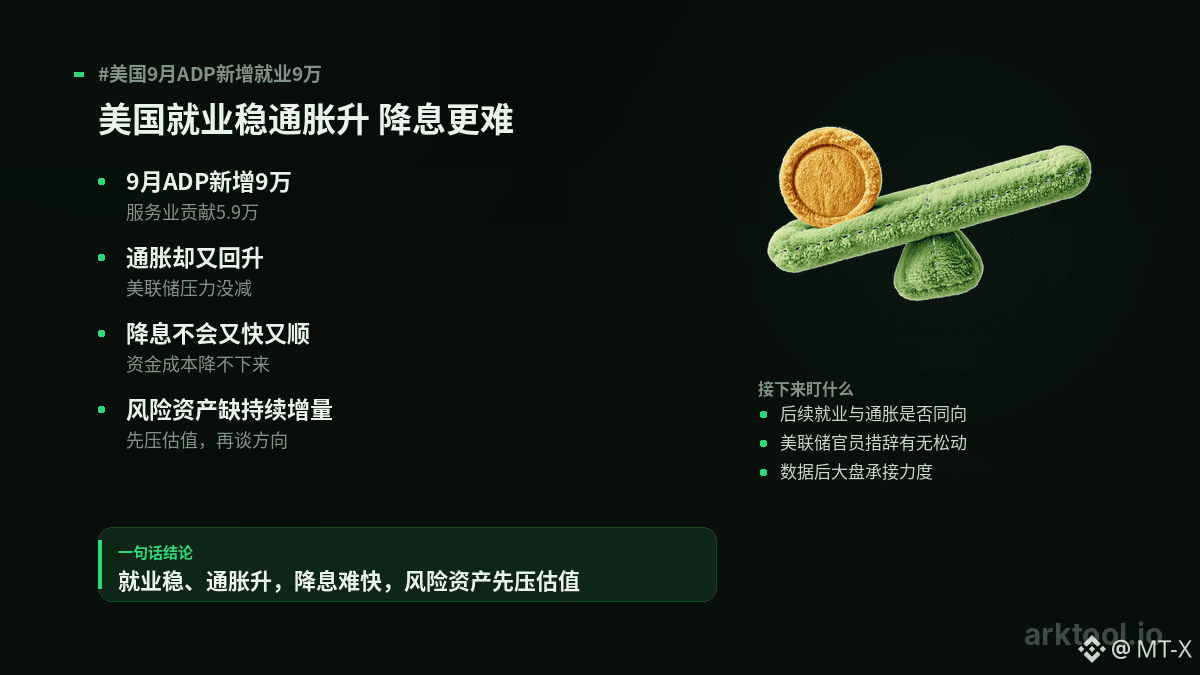
Im September schuf der US-ADP 90.000 neue Arbeitsplätze, davon trugen die Dienstleistungsbranche 59.000 Stellen bei。
Zwei Dinge passieren gleichzeitig: Die Beschäftigung kühlt sich nicht merklich ab, und die Dienstleistungsbranche stellt weiter ein; zugleich steigt die Inflation wieder, wodurch der Druck auf die US-Notenbank (Fed) nicht nachlässt。
Für den Markt ist das ein Knoten. Wenn der Arbeitsmarkt stabil bleibt, heißt das, dass die wirtschaftlichen Fundamentaldaten offenbar noch genug tragen und die „Rezessions-Trade“-Story vorerst beiseite gelegt werden kann. Doch wenn die Inflation wieder anzieht, bedeutet das, dass der Weg zu Zinssenkungen nicht schnell und reibungslos verläuft; die Finanzierungskosten sinken nicht, und riskante Vermögenswerte erhalten nur schwer eine fortlaufende zusätzliche Nachfrage.
$BTC -ähnliche Assets reagieren am empfindlichsten auf die Erwartungen bezüglich der Liquidität. Die mittelfristige Logik hat sich nicht verändert, die kurzfristige Preisbildung richtet sich jedoch vor allem nach dem Zeitplan der Zinssenkungen. Wenn die Daten eher stark ausfallen und die Inflation eher hoch ist, wird üblicherweise zuerst die Bewertung unter Druck gesetzt, bevor man über die Richtung spricht.
Als Nächstes gilt es, drei Punkte im Blick zu behalten: Ob die nachfolgenden Daten zu Beschäftigung und Inflation in dieselbe Richtung weisen, ob die Formulierungen der Fed-Vertreter nachsichtiger werden und wie stark der breite Markt die Daten nach der Veröffentlichung tatsächlich abfedert.
#美国9月ADP新增就业9万
Im September schuf der US-ADP 90.000 neue Arbeitsplätze, davon trugen die Dienstleistungsbranche 59.000 Stellen bei。
Zwei Dinge passieren gleichzeitig: Die Beschäftigung kühlt sich nicht merklich ab, und die Dienstleistungsbranche stellt weiter ein; zugleich steigt die Inflation wieder, wodurch der Druck auf die US-Notenbank (Fed) nicht nachlässt。
Für den Markt ist das ein Knoten. Wenn der Arbeitsmarkt stabil bleibt, heißt das, dass die wirtschaftlichen Fundamentaldaten offenbar noch genug tragen und die „Rezessions-Trade“-Story vorerst beiseite gelegt werden kann. Doch wenn die Inflation wieder anzieht, bedeutet das, dass der Weg zu Zinssenkungen nicht schnell und reibungslos verläuft; die Finanzierungskosten sinken nicht, und riskante Vermögenswerte erhalten nur schwer eine fortlaufende zusätzliche Nachfrage.
$BTC -ähnliche Assets reagieren am empfindlichsten auf die Erwartungen bezüglich der Liquidität. Die mittelfristige Logik hat sich nicht verändert, die kurzfristige Preisbildung richtet sich jedoch vor allem nach dem Zeitplan der Zinssenkungen. Wenn die Daten eher stark ausfallen und die Inflation eher hoch ist, wird üblicherweise zuerst die Bewertung unter Druck gesetzt, bevor man über die Richtung spricht.
Als Nächstes gilt es, drei Punkte im Blick zu behalten: Ob die nachfolgenden Daten zu Beschäftigung und Inflation in dieselbe Richtung weisen, ob die Formulierungen der Fed-Vertreter nachsichtiger werden und wie stark der breite Markt die Daten nach der Veröffentlichung tatsächlich abfedert.
#美国9月ADP新增就业9万
Zwei Dinge passieren gleichzeitig: Die Beschäftigung kühlt sich nicht merklich ab, und die Dienstleistungsbranche stellt weiter ein; zugleich steigt die Inflation wieder, wodurch der Druck auf die US-Notenbank (Fed) nicht nachlässt。
Für den Markt ist das ein Knoten. Wenn der Arbeitsmarkt stabil bleibt, heißt das, dass die wirtschaftlichen Fundamentaldaten offenbar noch genug tragen und die „Rezessions-Trade“-Story vorerst beiseite gelegt werden kann. Doch wenn die Inflation wieder anzieht, bedeutet das, dass der Weg zu Zinssenkungen nicht schnell und reibungslos verläuft; die Finanzierungskosten sinken nicht, und riskante Vermögenswerte erhalten nur schwer eine fortlaufende zusätzliche Nachfrage.
$BTC -ähnliche Assets reagieren am empfindlichsten auf die Erwartungen bezüglich der Liquidität. Die mittelfristige Logik hat sich nicht verändert, die kurzfristige Preisbildung richtet sich jedoch vor allem nach dem Zeitplan der Zinssenkungen. Wenn die Daten eher stark ausfallen und die Inflation eher hoch ist, wird üblicherweise zuerst die Bewertung unter Druck gesetzt, bevor man über die Richtung spricht.
Als Nächstes gilt es, drei Punkte im Blick zu behalten: Ob die nachfolgenden Daten zu Beschäftigung und Inflation in dieselbe Richtung weisen, ob die Formulierungen der Fed-Vertreter nachsichtiger werden und wie stark der breite Markt die Daten nach der Veröffentlichung tatsächlich abfedert.
#美国9月ADP新增就业9万
282
·
--
Übersetzung ansehen
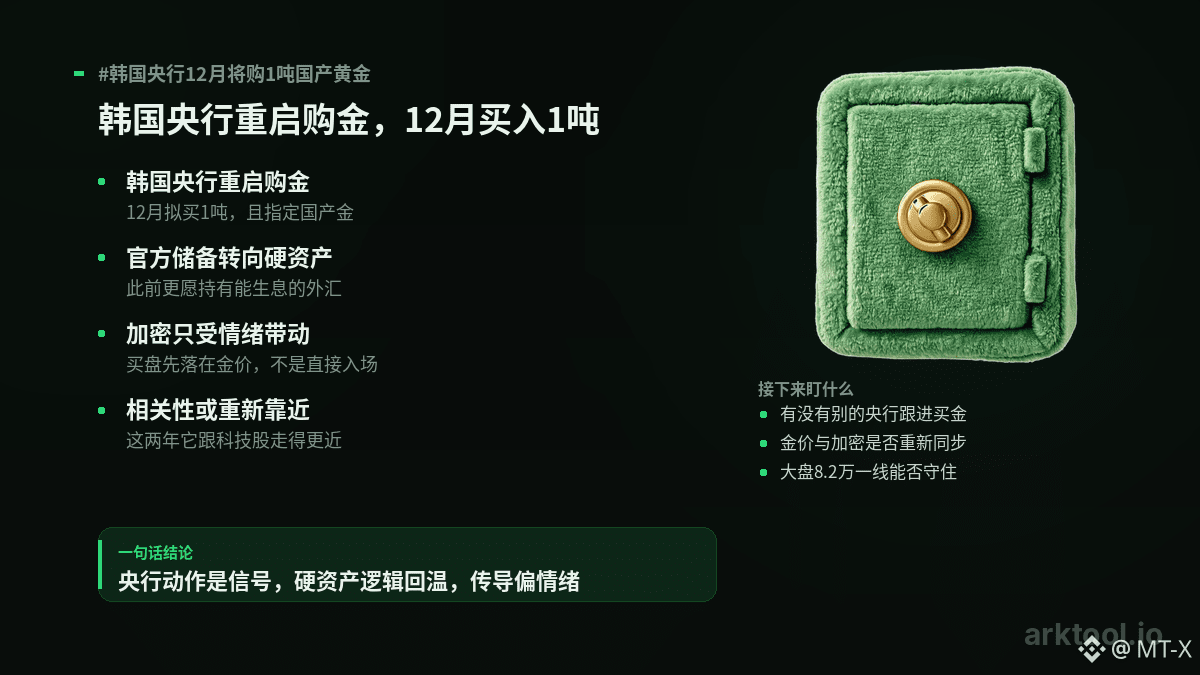
韩国央行要在12月买入1吨黄金,而且买的是国产金。这是它时隔13年重新回到金市。
1吨对一国储备来说不算多,规模本身不关键,动作才是信号:官方资金又开始把黄金当成储备的一部分。
过去十几年,不少央行更愿意持有能生息的外汇资产,黄金被放在一边。现在回头买,说明对货币信用、通胀和地缘风险的顾虑在上升。
这跟加密市场的关系在叙事上。$BTC 和黄金常被放进同一个框里:总量有限、不依赖某个机构背书。区别在于黄金是官方承认的储备,比特币是市场定价的风险资产。央行买金,先反应的是金价,对加密更多是情绪上的连带,而不是直接买盘。
该标的一直被叫"数字黄金",但这两年它跟科技股走得比跟金价更近。如果官方购金这条线延续下去,硬资产逻辑会被反复提起,两者的相关性值得重新观察。
接下来盯三件事:还有没有别的央行跟进买金;金价和加密资产会不会重新同步;整体市场眼下卡在8.2万附近,这条防线守不守得住,决定四季度的开局节奏。
#韩国央行12月将购1吨国产黄金
韩国央行要在12月买入1吨黄金,而且买的是国产金。这是它时隔13年重新回到金市。
1吨对一国储备来说不算多,规模本身不关键,动作才是信号:官方资金又开始把黄金当成储备的一部分。
过去十几年,不少央行更愿意持有能生息的外汇资产,黄金被放在一边。现在回头买,说明对货币信用、通胀和地缘风险的顾虑在上升。
这跟加密市场的关系在叙事上。$BTC 和黄金常被放进同一个框里:总量有限、不依赖某个机构背书。区别在于黄金是官方承认的储备,比特币是市场定价的风险资产。央行买金,先反应的是金价,对加密更多是情绪上的连带,而不是直接买盘。
该标的一直被叫"数字黄金",但这两年它跟科技股走得比跟金价更近。如果官方购金这条线延续下去,硬资产逻辑会被反复提起,两者的相关性值得重新观察。
接下来盯三件事:还有没有别的央行跟进买金;金价和加密资产会不会重新同步;整体市场眼下卡在8.2万附近,这条防线守不守得住,决定四季度的开局节奏。
#韩国央行12月将购1吨国产黄金
1吨对一国储备来说不算多,规模本身不关键,动作才是信号:官方资金又开始把黄金当成储备的一部分。
过去十几年,不少央行更愿意持有能生息的外汇资产,黄金被放在一边。现在回头买,说明对货币信用、通胀和地缘风险的顾虑在上升。
这跟加密市场的关系在叙事上。$BTC 和黄金常被放进同一个框里:总量有限、不依赖某个机构背书。区别在于黄金是官方承认的储备,比特币是市场定价的风险资产。央行买金,先反应的是金价,对加密更多是情绪上的连带,而不是直接买盘。
该标的一直被叫"数字黄金",但这两年它跟科技股走得比跟金价更近。如果官方购金这条线延续下去,硬资产逻辑会被反复提起,两者的相关性值得重新观察。
接下来盯三件事:还有没有别的央行跟进买金;金价和加密资产会不会重新同步;整体市场眼下卡在8.2万附近,这条防线守不守得住,决定四季度的开局节奏。
#韩国央行12月将购1吨国产黄金
300
·
--
Übersetzung ansehen
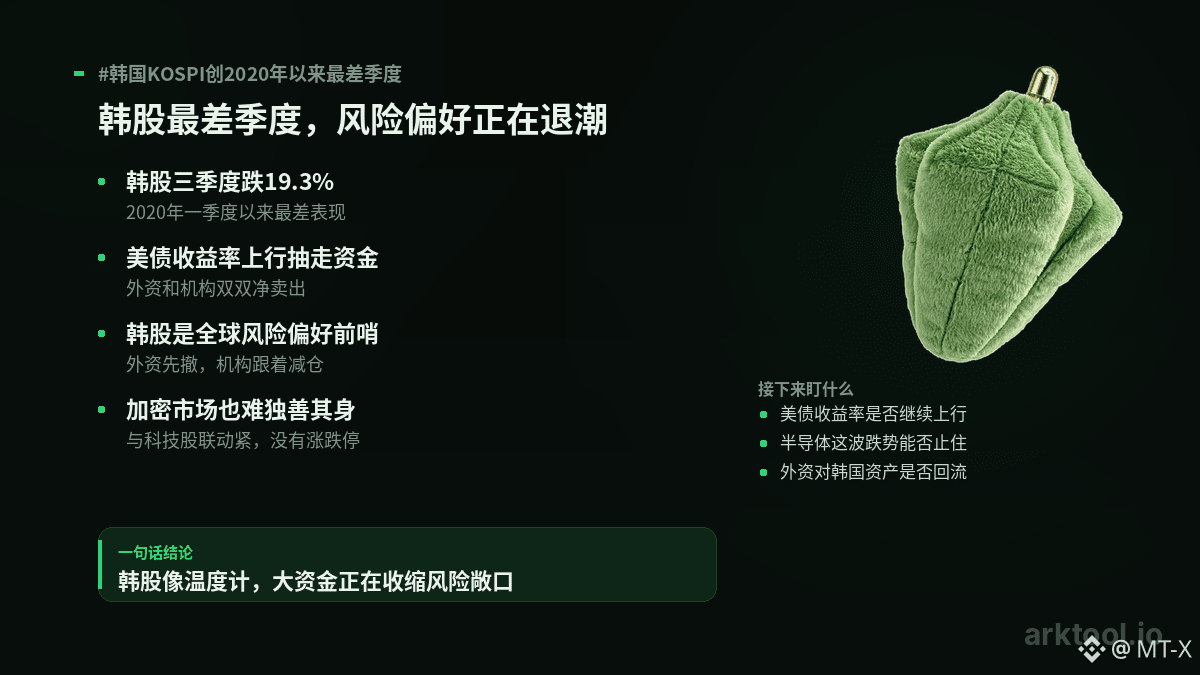
韩国股市刚交出一份很难看的季度成绩单:三季度累计下跌19.3%,是2020年一季度之后最差的三个月。跌得最急的一次,盘中一度下挫超过6%,直接触发了卖盘骤停。
压力来自两头。外面是美国半导体股走弱,把韩国权重最大的芯片板块一起拖下去;里面是美债收益率往上走,资金更愿意待在能生息的地方,外资和机构双双净卖出。买家不敢接、卖家急着走,指数只能一路往下找位置。
这件事的意义不止在韩国。韩国股市常被当作全球风险偏好的前哨,外资先撤、机构跟着减仓,说明大资金此刻在收缩风险敞口,而不是在抄底。
$BTC 也跑不出这套逻辑。它眼下和科技股的联动很紧,风险偏好像退潮时很难独善其身;加上加密市场没有涨跌停,情绪掉头时波动往往比股市更猛。所以别只盯着韩国指数本身,它更像是全球资金风险偏好的一个温度计。
接下来盯三件事:美债收益率还会不会继续往上冲;半导体这波跌势能不能止住;外资对韩国资产是继续撤,还是回头。
#韩国KOSPI创2020年以来最差季度
韩国股市刚交出一份很难看的季度成绩单:三季度累计下跌19.3%,是2020年一季度之后最差的三个月。跌得最急的一次,盘中一度下挫超过6%,直接触发了卖盘骤停。
压力来自两头。外面是美国半导体股走弱,把韩国权重最大的芯片板块一起拖下去;里面是美债收益率往上走,资金更愿意待在能生息的地方,外资和机构双双净卖出。买家不敢接、卖家急着走,指数只能一路往下找位置。
这件事的意义不止在韩国。韩国股市常被当作全球风险偏好的前哨,外资先撤、机构跟着减仓,说明大资金此刻在收缩风险敞口,而不是在抄底。
$BTC 也跑不出这套逻辑。它眼下和科技股的联动很紧,风险偏好像退潮时很难独善其身;加上加密市场没有涨跌停,情绪掉头时波动往往比股市更猛。所以别只盯着韩国指数本身,它更像是全球资金风险偏好的一个温度计。
接下来盯三件事:美债收益率还会不会继续往上冲;半导体这波跌势能不能止住;外资对韩国资产是继续撤,还是回头。
#韩国KOSPI创2020年以来最差季度
压力来自两头。外面是美国半导体股走弱,把韩国权重最大的芯片板块一起拖下去;里面是美债收益率往上走,资金更愿意待在能生息的地方,外资和机构双双净卖出。买家不敢接、卖家急着走,指数只能一路往下找位置。
这件事的意义不止在韩国。韩国股市常被当作全球风险偏好的前哨,外资先撤、机构跟着减仓,说明大资金此刻在收缩风险敞口,而不是在抄底。
$BTC 也跑不出这套逻辑。它眼下和科技股的联动很紧,风险偏好像退潮时很难独善其身;加上加密市场没有涨跌停,情绪掉头时波动往往比股市更猛。所以别只盯着韩国指数本身,它更像是全球资金风险偏好的一个温度计。
接下来盯三件事:美债收益率还会不会继续往上冲;半导体这波跌势能不能止住;外资对韩国资产是继续撤,还是回头。
#韩国KOSPI创2020年以来最差季度
385
·
--
Übersetzung ansehen
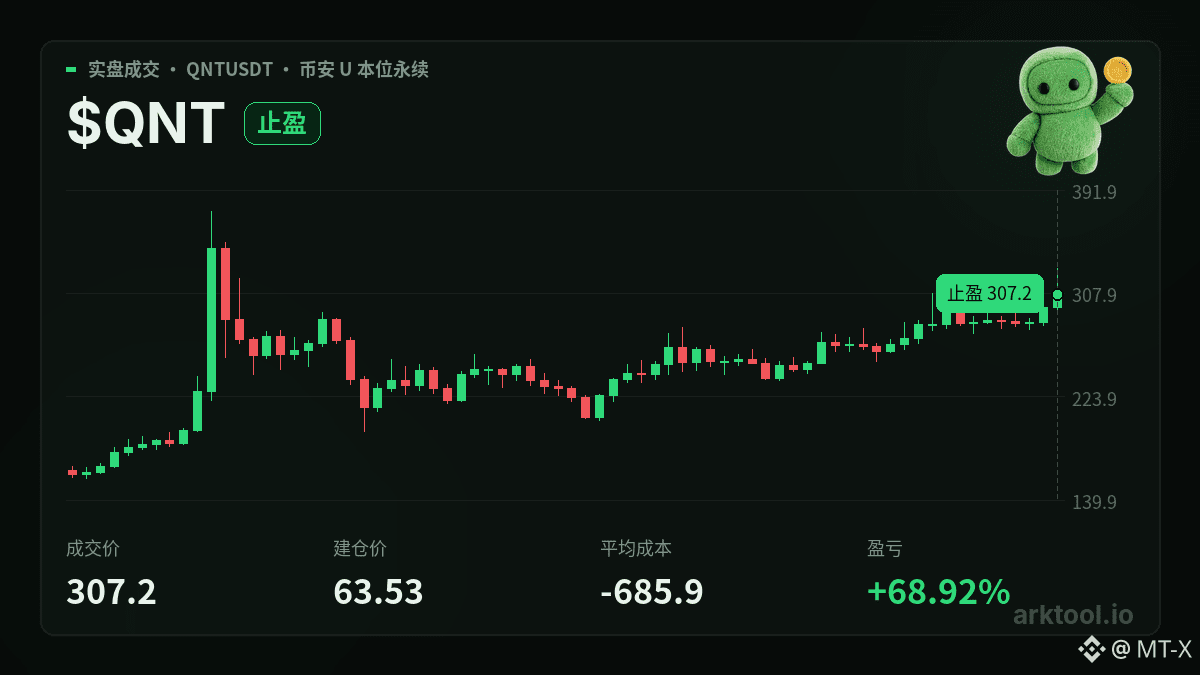
$QNT 这波冲高,我先减了一部分仓位,把一段利润收进来,剩下的仓位继续拿着。
盘面上,短期涨速太陡,价格和均线拉开了不小距离,已经是情绪推到高位的位置。趋势还没坏,量能也还在,但越是这种走法,回踩来得越急。上方的整数关口是心理压力,下方前期的密集成交区才是真正能扛住的地方。现在这个位置,看多的人赌的是趋势延续,怕的是获利盘一松手就形成连锁反应。
叙事上,该标的一直靠跨链互操作和企业级结算这套老故事吃饭,讲的是给传统金融机构和央行场景铺一条合规通道。这轮它被重新提起,原因更多是资金在找弹性大、流通盘不算臃肿的标的,而不是真有订单落地。所以这套故事目前在升温,但升的是情绪,不是基本面。资金认的是短期博弈的空间,不是长期价值。
今天链上有大额筹码在匿名地址之间搬家,这种转移不必然等于卖出,但筹码在换手是事实。急涨之后出现这种动作,往往意味着早期获利盘开始重新分配,短期抛压的隐患变大。它没有削弱原来的故事,但对情绪算个提醒。
接下来真正要看的是这波能不能在高位横住,横住了趋势就还在,横不住,回踩的节奏通常不会温和。
$QNT 这波冲高,我先减了一部分仓位,把一段利润收进来,剩下的仓位继续拿着。
盘面上,短期涨速太陡,价格和均线拉开了不小距离,已经是情绪推到高位的位置。趋势还没坏,量能也还在,但越是这种走法,回踩来得越急。上方的整数关口是心理压力,下方前期的密集成交区才是真正能扛住的地方。现在这个位置,看多的人赌的是趋势延续,怕的是获利盘一松手就形成连锁反应。
叙事上,该标的一直靠跨链互操作和企业级结算这套老故事吃饭,讲的是给传统金融机构和央行场景铺一条合规通道。这轮它被重新提起,原因更多是资金在找弹性大、流通盘不算臃肿的标的,而不是真有订单落地。所以这套故事目前在升温,但升的是情绪,不是基本面。资金认的是短期博弈的空间,不是长期价值。
今天链上有大额筹码在匿名地址之间搬家,这种转移不必然等于卖出,但筹码在换手是事实。急涨之后出现这种动作,往往意味着早期获利盘开始重新分配,短期抛压的隐患变大。它没有削弱原来的故事,但对情绪算个提醒。
接下来真正要看的是这波能不能在高位横住,横住了趋势就还在,横不住,回踩的节奏通常不会温和。
盘面上,短期涨速太陡,价格和均线拉开了不小距离,已经是情绪推到高位的位置。趋势还没坏,量能也还在,但越是这种走法,回踩来得越急。上方的整数关口是心理压力,下方前期的密集成交区才是真正能扛住的地方。现在这个位置,看多的人赌的是趋势延续,怕的是获利盘一松手就形成连锁反应。
叙事上,该标的一直靠跨链互操作和企业级结算这套老故事吃饭,讲的是给传统金融机构和央行场景铺一条合规通道。这轮它被重新提起,原因更多是资金在找弹性大、流通盘不算臃肿的标的,而不是真有订单落地。所以这套故事目前在升温,但升的是情绪,不是基本面。资金认的是短期博弈的空间,不是长期价值。
今天链上有大额筹码在匿名地址之间搬家,这种转移不必然等于卖出,但筹码在换手是事实。急涨之后出现这种动作,往往意味着早期获利盘开始重新分配,短期抛压的隐患变大。它没有削弱原来的故事,但对情绪算个提醒。
接下来真正要看的是这波能不能在高位横住,横住了趋势就还在,横不住,回踩的节奏通常不会温和。
198
·
--
Übersetzung ansehen
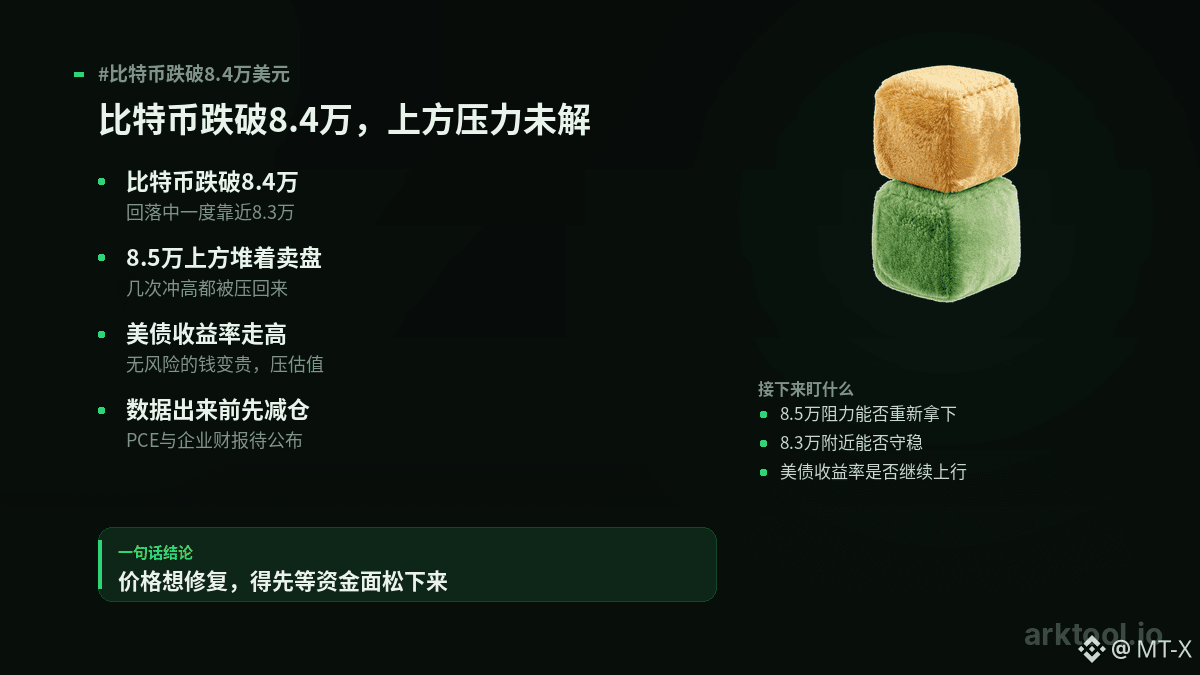
比特币跌破了 8.4 万美元,回落过程中一度靠近 8.3 万。
关键不在于跌了多少,而在于上方 8.5 万附近这道关口。这一轮反弹几次冲上去都被压回来,说明那个位置堆着不小的卖盘,短线已经变成明确的阻力位。
另一头是宏观。美债收益率走高,意味着无风险的钱变贵了,愿意去冒风险的资金就变少,不只是加密,整体市场的估值都会被压。这才是这波回落的背景。
时间点也很要命。PCE 通胀数据和企业财报都在前面等着。前者决定市场怎么理解通胀和后续的利率路径,后者是科技板块景气的直接读数。结果出来之前,资金普遍倾向先减仓、少下注,波动容易被放大。
对 $BTC 来说,接下来盯三件事:8.5 万这道阻力能不能重新拿下,8.3 万附近能不能守稳,美债收益率会不会继续往上走。前两个看价格结构,第三个看资金面。价格想修复,得先等资金面松下来。
数据落地前后本来就是行情最容易变脸的时候,方向没走出来之前,任何结论都还太早。
#比特币跌破8.4万美元
比特币跌破了 8.4 万美元,回落过程中一度靠近 8.3 万。
关键不在于跌了多少,而在于上方 8.5 万附近这道关口。这一轮反弹几次冲上去都被压回来,说明那个位置堆着不小的卖盘,短线已经变成明确的阻力位。
另一头是宏观。美债收益率走高,意味着无风险的钱变贵了,愿意去冒风险的资金就变少,不只是加密,整体市场的估值都会被压。这才是这波回落的背景。
时间点也很要命。PCE 通胀数据和企业财报都在前面等着。前者决定市场怎么理解通胀和后续的利率路径,后者是科技板块景气的直接读数。结果出来之前,资金普遍倾向先减仓、少下注,波动容易被放大。
对 $BTC 来说,接下来盯三件事:8.5 万这道阻力能不能重新拿下,8.3 万附近能不能守稳,美债收益率会不会继续往上走。前两个看价格结构,第三个看资金面。价格想修复,得先等资金面松下来。
数据落地前后本来就是行情最容易变脸的时候,方向没走出来之前,任何结论都还太早。
#比特币跌破8.4万美元
关键不在于跌了多少,而在于上方 8.5 万附近这道关口。这一轮反弹几次冲上去都被压回来,说明那个位置堆着不小的卖盘,短线已经变成明确的阻力位。
另一头是宏观。美债收益率走高,意味着无风险的钱变贵了,愿意去冒风险的资金就变少,不只是加密,整体市场的估值都会被压。这才是这波回落的背景。
时间点也很要命。PCE 通胀数据和企业财报都在前面等着。前者决定市场怎么理解通胀和后续的利率路径,后者是科技板块景气的直接读数。结果出来之前,资金普遍倾向先减仓、少下注,波动容易被放大。
对 $BTC 来说,接下来盯三件事:8.5 万这道阻力能不能重新拿下,8.3 万附近能不能守稳,美债收益率会不会继续往上走。前两个看价格结构,第三个看资金面。价格想修复,得先等资金面松下来。
数据落地前后本来就是行情最容易变脸的时候,方向没走出来之前,任何结论都还太早。
#比特币跌破8.4万美元
19
·
--
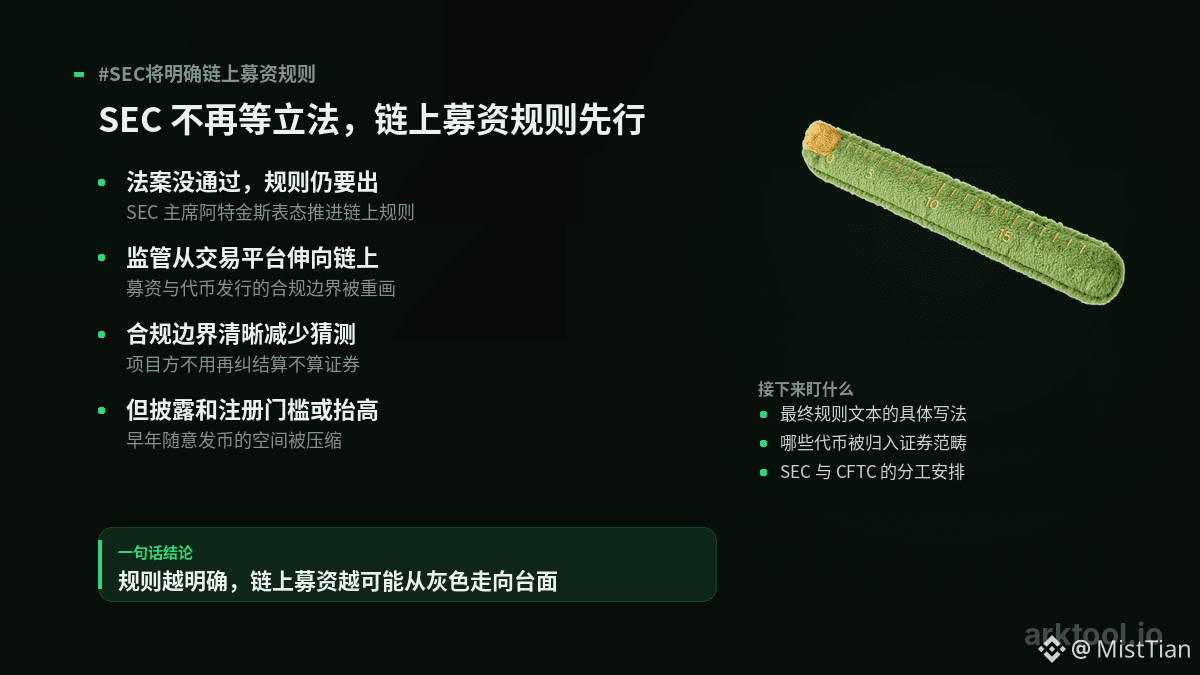
Die Maßgaben der US-Wertpapieraufsicht verschieben sich von „erst Gesetze schaffen, dann regeln“ hin zu „zuerst die Regeln auf die Kette bringen“.
Zwar wurden die betreffenden Gesetzesvorhaben noch nicht verabschiedet, doch der SEC-Vorsitzende Paul Atkins hat dennoch signalisiert, dass entsprechende aufsichtsrechtliche Regeln für die Blockchain eingeführt werden sollen; zugleich treiben die SEC und die CFTC Krypto-Regeln mit Nachdruck voran und haben bereits 9 Maßnahmen ergriffen.
Es gibt zwei entscheidende Punkte: Erstens könnte die Compliance-Grenze für Mittelbeschaffung und Token-Emission neu gezogen werden; zweitens richtet sich die Aufsicht nicht mehr nur auf Handelsplattformen, sondern erstreckt sich auf die Aktivitäten selbst auf der Kette.
Für $ETH ist das keine einfache Positiv- oder Negativnachricht. Ethereum ist der am stärksten konzentrierte Ort für On-Chain-Finanzierung, Smart Contracts und die Emission großer Mengen an Tokens. Sobald die Regeln klar sind, müssen Projektteams nicht mehr raten, „ob das als Wertpapier gilt oder nicht“; damit dürften Compliance-Kosten und Unsicherheiten sinken. Klarheit bedeutet jedoch auch, dass Schwellen wie Offenlegung, Registrierung und Anlegerschutz womöglich höher gesetzt werden, wodurch der Spielraum für früher eher beiläufige Token-Emissionspraktiken weiter eingeschränkt wird.
Als Nächstes gilt es, darauf zu achten: Wie der endgültige Regeltext formuliert wird, welche Tokens in den Bereich der Wertpapiere fallen, wie SEC und CFTC die Zuständigkeiten aufteilen und wie viele der 9 Maßnahmen tatsächlich umgesetzt werden.
Je eindeutiger die Regeln, desto wahrscheinlicher wird, dass On-Chain-Mittelbeschaffung vom Graubereich auf die öffentliche Bühne rückt; Tempo und Maßstab hängen jedoch weiterhin von den nachfolgenden Durchführungsbestimmungen ab.
#SEC将明确链上募资规则
Die Maßgaben der US-Wertpapieraufsicht verschieben sich von „erst Gesetze schaffen, dann regeln“ hin zu „zuerst die Regeln auf die Kette bringen“.
Zwar wurden die betreffenden Gesetzesvorhaben noch nicht verabschiedet, doch der SEC-Vorsitzende Paul Atkins hat dennoch signalisiert, dass entsprechende aufsichtsrechtliche Regeln für die Blockchain eingeführt werden sollen; zugleich treiben die SEC und die CFTC Krypto-Regeln mit Nachdruck voran und haben bereits 9 Maßnahmen ergriffen.
Es gibt zwei entscheidende Punkte: Erstens könnte die Compliance-Grenze für Mittelbeschaffung und Token-Emission neu gezogen werden; zweitens richtet sich die Aufsicht nicht mehr nur auf Handelsplattformen, sondern erstreckt sich auf die Aktivitäten selbst auf der Kette.
Für $ETH ist das keine einfache Positiv- oder Negativnachricht. Ethereum ist der am stärksten konzentrierte Ort für On-Chain-Finanzierung, Smart Contracts und die Emission großer Mengen an Tokens. Sobald die Regeln klar sind, müssen Projektteams nicht mehr raten, „ob das als Wertpapier gilt oder nicht“; damit dürften Compliance-Kosten und Unsicherheiten sinken. Klarheit bedeutet jedoch auch, dass Schwellen wie Offenlegung, Registrierung und Anlegerschutz womöglich höher gesetzt werden, wodurch der Spielraum für früher eher beiläufige Token-Emissionspraktiken weiter eingeschränkt wird.
Als Nächstes gilt es, darauf zu achten: Wie der endgültige Regeltext formuliert wird, welche Tokens in den Bereich der Wertpapiere fallen, wie SEC und CFTC die Zuständigkeiten aufteilen und wie viele der 9 Maßnahmen tatsächlich umgesetzt werden.
Je eindeutiger die Regeln, desto wahrscheinlicher wird, dass On-Chain-Mittelbeschaffung vom Graubereich auf die öffentliche Bühne rückt; Tempo und Maßstab hängen jedoch weiterhin von den nachfolgenden Durchführungsbestimmungen ab.
#SEC将明确链上募资规则
Zwar wurden die betreffenden Gesetzesvorhaben noch nicht verabschiedet, doch der SEC-Vorsitzende Paul Atkins hat dennoch signalisiert, dass entsprechende aufsichtsrechtliche Regeln für die Blockchain eingeführt werden sollen; zugleich treiben die SEC und die CFTC Krypto-Regeln mit Nachdruck voran und haben bereits 9 Maßnahmen ergriffen.
Es gibt zwei entscheidende Punkte: Erstens könnte die Compliance-Grenze für Mittelbeschaffung und Token-Emission neu gezogen werden; zweitens richtet sich die Aufsicht nicht mehr nur auf Handelsplattformen, sondern erstreckt sich auf die Aktivitäten selbst auf der Kette.
Für $ETH ist das keine einfache Positiv- oder Negativnachricht. Ethereum ist der am stärksten konzentrierte Ort für On-Chain-Finanzierung, Smart Contracts und die Emission großer Mengen an Tokens. Sobald die Regeln klar sind, müssen Projektteams nicht mehr raten, „ob das als Wertpapier gilt oder nicht“; damit dürften Compliance-Kosten und Unsicherheiten sinken. Klarheit bedeutet jedoch auch, dass Schwellen wie Offenlegung, Registrierung und Anlegerschutz womöglich höher gesetzt werden, wodurch der Spielraum für früher eher beiläufige Token-Emissionspraktiken weiter eingeschränkt wird.
Als Nächstes gilt es, darauf zu achten: Wie der endgültige Regeltext formuliert wird, welche Tokens in den Bereich der Wertpapiere fallen, wie SEC und CFTC die Zuständigkeiten aufteilen und wie viele der 9 Maßnahmen tatsächlich umgesetzt werden.
Je eindeutiger die Regeln, desto wahrscheinlicher wird, dass On-Chain-Mittelbeschaffung vom Graubereich auf die öffentliche Bühne rückt; Tempo und Maßstab hängen jedoch weiterhin von den nachfolgenden Durchführungsbestimmungen ab.
#SEC将明确链上募资规则
1
233
·
--
Übersetzung ansehen
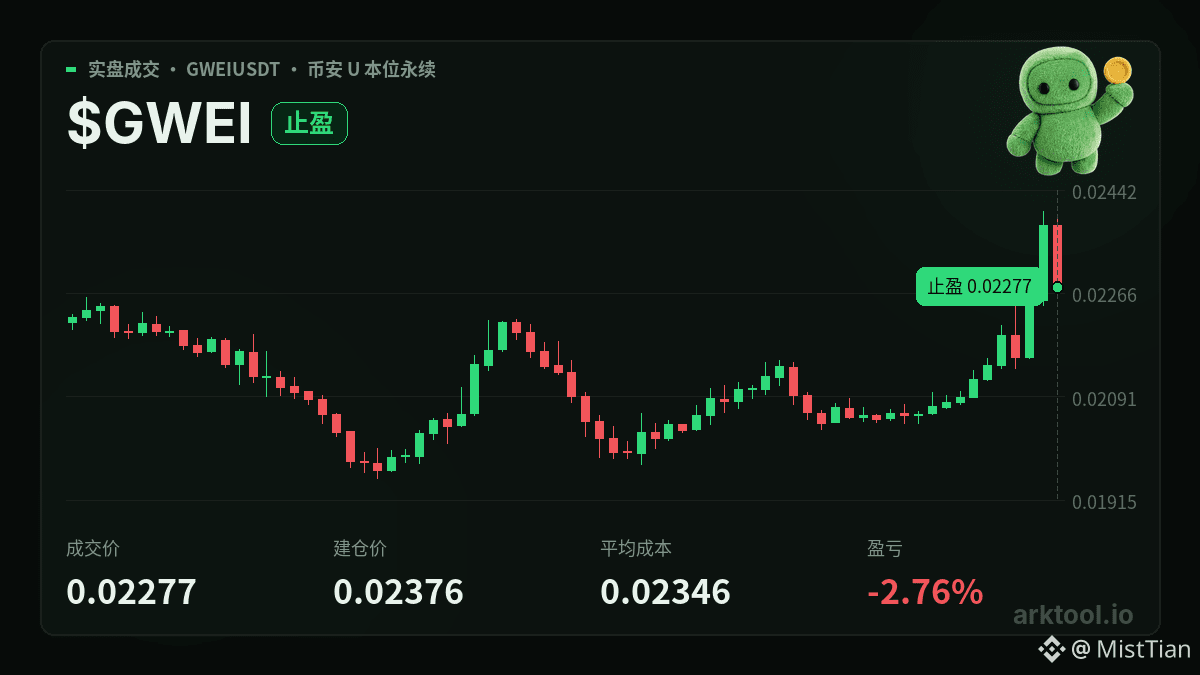
刚在 $GWEI 上减了一部分仓位,仓位还在,剩下的继续拿着。
减仓不是看空,是短线涨得太急,先把一部分浮盈收进来,留个余地。
盘面上,这波拉升已经把它带离了前期的密集成交区,短线冲高动作很猛,最近几根K线的上影开始变多,说明追高的力量在衰减。整体市场还在震荡格局里,这种盘子不大的题材弹性会被放大——涨得急,回得也急。看多的理由还在:低点一步步抬高的结构没有被破坏,只要回踩不带着放量砸穿上一个平台,趋势就还成立。需要警惕的是位置,现在离短中期均线拉得有点远,量能一旦接不上,很容易出现快速回补,追在高处的人容易被卡在半山腰。
叙事上,它被市场注意到,靠的是一个非常符号化的名字,容易被当成某个老话题的替身重新讲一遍。这类故事的好处是传播快、记忆点强,坏处是没有业绩可以验证,全靠资金接力。现在这套叙事处在被重新提起、情绪刚被点燃的阶段,资金是认账的,但认的是短线弹性,不是长期价值。
接下来真正要看的,是它回踩时能不能把量缩下来、再放量往上顶;如果只是横着磨,题材热度会掉得比价格更快。
刚在 $GWEI 上减了一部分仓位,仓位还在,剩下的继续拿着。
减仓不是看空,是短线涨得太急,先把一部分浮盈收进来,留个余地。
盘面上,这波拉升已经把它带离了前期的密集成交区,短线冲高动作很猛,最近几根K线的上影开始变多,说明追高的力量在衰减。整体市场还在震荡格局里,这种盘子不大的题材弹性会被放大——涨得急,回得也急。看多的理由还在:低点一步步抬高的结构没有被破坏,只要回踩不带着放量砸穿上一个平台,趋势就还成立。需要警惕的是位置,现在离短中期均线拉得有点远,量能一旦接不上,很容易出现快速回补,追在高处的人容易被卡在半山腰。
叙事上,它被市场注意到,靠的是一个非常符号化的名字,容易被当成某个老话题的替身重新讲一遍。这类故事的好处是传播快、记忆点强,坏处是没有业绩可以验证,全靠资金接力。现在这套叙事处在被重新提起、情绪刚被点燃的阶段,资金是认账的,但认的是短线弹性,不是长期价值。
接下来真正要看的,是它回踩时能不能把量缩下来、再放量往上顶;如果只是横着磨,题材热度会掉得比价格更快。
减仓不是看空,是短线涨得太急,先把一部分浮盈收进来,留个余地。
盘面上,这波拉升已经把它带离了前期的密集成交区,短线冲高动作很猛,最近几根K线的上影开始变多,说明追高的力量在衰减。整体市场还在震荡格局里,这种盘子不大的题材弹性会被放大——涨得急,回得也急。看多的理由还在:低点一步步抬高的结构没有被破坏,只要回踩不带着放量砸穿上一个平台,趋势就还成立。需要警惕的是位置,现在离短中期均线拉得有点远,量能一旦接不上,很容易出现快速回补,追在高处的人容易被卡在半山腰。
叙事上,它被市场注意到,靠的是一个非常符号化的名字,容易被当成某个老话题的替身重新讲一遍。这类故事的好处是传播快、记忆点强,坏处是没有业绩可以验证,全靠资金接力。现在这套叙事处在被重新提起、情绪刚被点燃的阶段,资金是认账的,但认的是短线弹性,不是长期价值。
接下来真正要看的,是它回踩时能不能把量缩下来、再放量往上顶;如果只是横着磨,题材热度会掉得比价格更快。
305
·
--
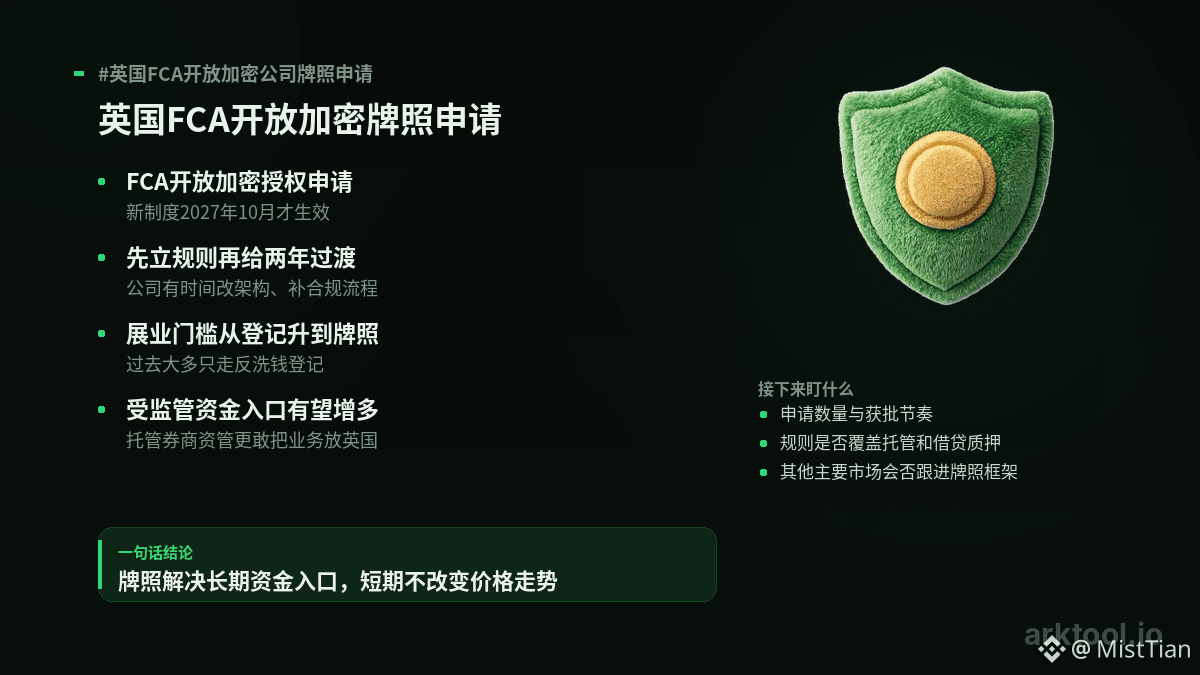
Die britische Finanzaufsichtsbehörde hat die Zulassungsanträge für Krypto-Unternehmen geöffnet. Das neue System tritt erst im Oktober 2027 offiziell in Kraft.
Entscheidend sind die zwei Worte „Zulassung“. Früher liefen Krypto-Geschäfte in Großbritannien überwiegend über reine Anti-Geldwäsche-Registrierungen, die Hürden waren niedrig; jetzt braucht man eine offizielle Lizenz. Wer regelkonform Geschäft betreiben darf, muss zuerst diese Hürde nehmen.
Das Antragsfenster ist bereits geöffnet, die Wirksamkeit wird jedoch auf zwei Jahre später verschoben. Das zeigt, dass die Aufsicht zuerst die Regeln sauber etablieren will, damit Unternehmen Zeit haben, ihre Strukturen anzupassen und Compliance-Prozesse nachzubessern.
Für $BTC ist die Stoßrichtung eher positiv. Wenn die Regeln klar sind, trauen sich Institutionen wie Verwahrer, Broker und Vermögensverwalter erst, ihr Geschäft nach Großbritannien zu verlagern. Und Bitcoin ist eine der am häufigsten institutionell gehaltenen Vermögensklassen – dadurch können zusätzliche, regulierte Geldzuflüsse entstehen. Der Preis dafür ist ein Anstieg der Compliance-Kosten: Kleine Teams werden eher herausgedrängt, die Branche wird noch stärker konsolidiert.
Als Nächstes sind drei Punkte im Blick: die Anzahl der Anträge und der Zeitplan der Genehmigungen; ob die Regeln im Detail Verwahrung oder auch Lombard-/Kreditbesicherungen abdecken; und ob andere wichtige Märkte ein ähnliches Lizenzrahmenwerk nachziehen.
Eine Lizenz klärt die Frage, ob langfristiges Kapital hereinkommen kann – sie ändert die Preisentwicklung kurzfristig nicht.
#英国FCA开放加密公司牌照申请
Die britische Finanzaufsichtsbehörde hat die Zulassungsanträge für Krypto-Unternehmen geöffnet. Das neue System tritt erst im Oktober 2027 offiziell in Kraft.
Entscheidend sind die zwei Worte „Zulassung“. Früher liefen Krypto-Geschäfte in Großbritannien überwiegend über reine Anti-Geldwäsche-Registrierungen, die Hürden waren niedrig; jetzt braucht man eine offizielle Lizenz. Wer regelkonform Geschäft betreiben darf, muss zuerst diese Hürde nehmen.
Das Antragsfenster ist bereits geöffnet, die Wirksamkeit wird jedoch auf zwei Jahre später verschoben. Das zeigt, dass die Aufsicht zuerst die Regeln sauber etablieren will, damit Unternehmen Zeit haben, ihre Strukturen anzupassen und Compliance-Prozesse nachzubessern.
Für $BTC ist die Stoßrichtung eher positiv. Wenn die Regeln klar sind, trauen sich Institutionen wie Verwahrer, Broker und Vermögensverwalter erst, ihr Geschäft nach Großbritannien zu verlagern. Und Bitcoin ist eine der am häufigsten institutionell gehaltenen Vermögensklassen – dadurch können zusätzliche, regulierte Geldzuflüsse entstehen. Der Preis dafür ist ein Anstieg der Compliance-Kosten: Kleine Teams werden eher herausgedrängt, die Branche wird noch stärker konsolidiert.
Als Nächstes sind drei Punkte im Blick: die Anzahl der Anträge und der Zeitplan der Genehmigungen; ob die Regeln im Detail Verwahrung oder auch Lombard-/Kreditbesicherungen abdecken; und ob andere wichtige Märkte ein ähnliches Lizenzrahmenwerk nachziehen.
Eine Lizenz klärt die Frage, ob langfristiges Kapital hereinkommen kann – sie ändert die Preisentwicklung kurzfristig nicht.
#英国FCA开放加密公司牌照申请
Entscheidend sind die zwei Worte „Zulassung“. Früher liefen Krypto-Geschäfte in Großbritannien überwiegend über reine Anti-Geldwäsche-Registrierungen, die Hürden waren niedrig; jetzt braucht man eine offizielle Lizenz. Wer regelkonform Geschäft betreiben darf, muss zuerst diese Hürde nehmen.
Das Antragsfenster ist bereits geöffnet, die Wirksamkeit wird jedoch auf zwei Jahre später verschoben. Das zeigt, dass die Aufsicht zuerst die Regeln sauber etablieren will, damit Unternehmen Zeit haben, ihre Strukturen anzupassen und Compliance-Prozesse nachzubessern.
Für $BTC ist die Stoßrichtung eher positiv. Wenn die Regeln klar sind, trauen sich Institutionen wie Verwahrer, Broker und Vermögensverwalter erst, ihr Geschäft nach Großbritannien zu verlagern. Und Bitcoin ist eine der am häufigsten institutionell gehaltenen Vermögensklassen – dadurch können zusätzliche, regulierte Geldzuflüsse entstehen. Der Preis dafür ist ein Anstieg der Compliance-Kosten: Kleine Teams werden eher herausgedrängt, die Branche wird noch stärker konsolidiert.
Als Nächstes sind drei Punkte im Blick: die Anzahl der Anträge und der Zeitplan der Genehmigungen; ob die Regeln im Detail Verwahrung oder auch Lombard-/Kreditbesicherungen abdecken; und ob andere wichtige Märkte ein ähnliches Lizenzrahmenwerk nachziehen.
Eine Lizenz klärt die Frage, ob langfristiges Kapital hereinkommen kann – sie ändert die Preisentwicklung kurzfristig nicht.
#英国FCA开放加密公司牌照申请
2
8
5.1k
·
--
Übersetzung ansehen
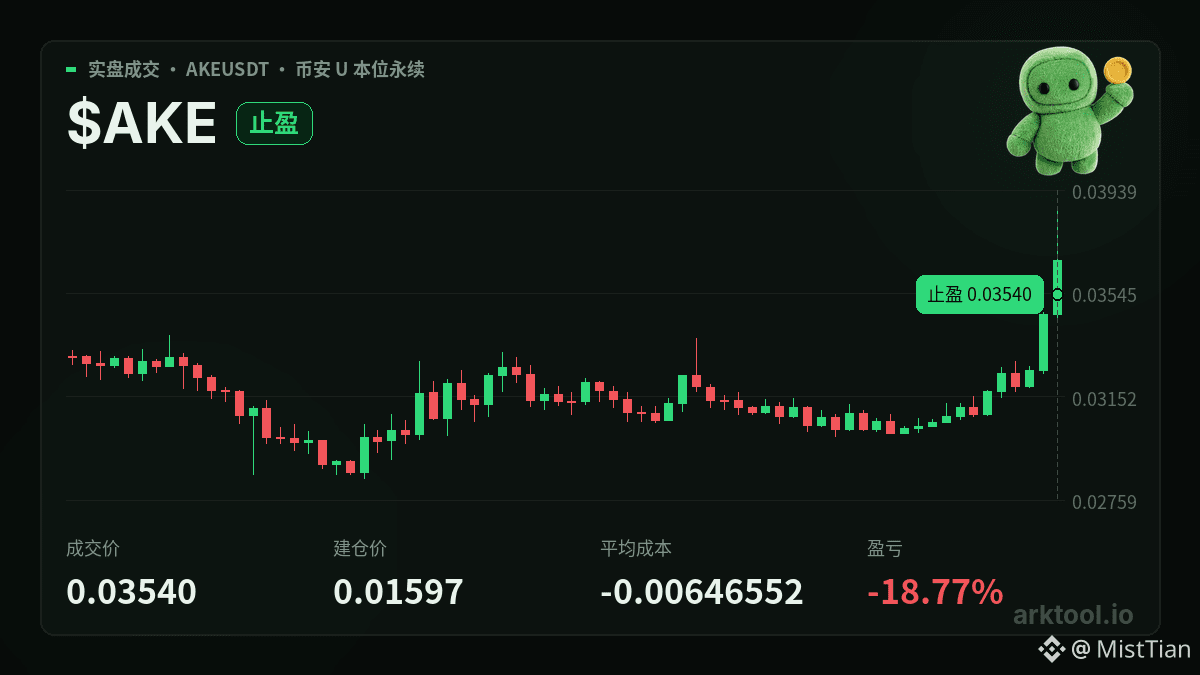
刚在 $AKE 上减了一部分仓位,把这一段的一部分利润先兑现,剩下的仓位继续拿着。
盘面上,它走的是小市值标的典型节奏:拉得急、回撤也急,一根阳线能顶好几天,一根阴线也能吐回去不少。现在整体市场情绪不算亢奋,资金更愿意在少数强势品种里抱团。该标的能贴着前期高点下方反复震荡,说明还有人愿意接,但往上每走一步,都要靠新增买盘去啃前面的套牢区。
看多的理由是位置:只要不跌破这波起涨的平台,形态就还算强势整理,回踩更像换手而不是转向。要警惕的是量能配合——缩量上推、放量下跌,那多半是有人借着热度往外派发。
叙事上,它靠的还是新项目加上合约流动性这一套老故事,眼下处在被重新提起的阶段,不是新故事,也还没到讲不动的时候。资金认不认这套,看的是有没有持续的主动性买盘往上打,而不是看谁喊得响。
今天有海外数据平台把该标的的行情页单独拿出来做跟踪展示,这种页面本身不构成利好,但它说明这个标的正在进入更多人的观察列表,短期情绪偏暖,也就仅此而已。
而这种偏暖的情绪,恰恰最容易让人追在高处。我更愿意看它回踩之后能不能自己重新站起来,那才是这个位置真正有没有下一段的答案。
刚在 $AKE 上减了一部分仓位,把这一段的一部分利润先兑现,剩下的仓位继续拿着。
盘面上,它走的是小市值标的典型节奏:拉得急、回撤也急,一根阳线能顶好几天,一根阴线也能吐回去不少。现在整体市场情绪不算亢奋,资金更愿意在少数强势品种里抱团。该标的能贴着前期高点下方反复震荡,说明还有人愿意接,但往上每走一步,都要靠新增买盘去啃前面的套牢区。
看多的理由是位置:只要不跌破这波起涨的平台,形态就还算强势整理,回踩更像换手而不是转向。要警惕的是量能配合——缩量上推、放量下跌,那多半是有人借着热度往外派发。
叙事上,它靠的还是新项目加上合约流动性这一套老故事,眼下处在被重新提起的阶段,不是新故事,也还没到讲不动的时候。资金认不认这套,看的是有没有持续的主动性买盘往上打,而不是看谁喊得响。
今天有海外数据平台把该标的的行情页单独拿出来做跟踪展示,这种页面本身不构成利好,但它说明这个标的正在进入更多人的观察列表,短期情绪偏暖,也就仅此而已。
而这种偏暖的情绪,恰恰最容易让人追在高处。我更愿意看它回踩之后能不能自己重新站起来,那才是这个位置真正有没有下一段的答案。
盘面上,它走的是小市值标的典型节奏:拉得急、回撤也急,一根阳线能顶好几天,一根阴线也能吐回去不少。现在整体市场情绪不算亢奋,资金更愿意在少数强势品种里抱团。该标的能贴着前期高点下方反复震荡,说明还有人愿意接,但往上每走一步,都要靠新增买盘去啃前面的套牢区。
看多的理由是位置:只要不跌破这波起涨的平台,形态就还算强势整理,回踩更像换手而不是转向。要警惕的是量能配合——缩量上推、放量下跌,那多半是有人借着热度往外派发。
叙事上,它靠的还是新项目加上合约流动性这一套老故事,眼下处在被重新提起的阶段,不是新故事,也还没到讲不动的时候。资金认不认这套,看的是有没有持续的主动性买盘往上打,而不是看谁喊得响。
今天有海外数据平台把该标的的行情页单独拿出来做跟踪展示,这种页面本身不构成利好,但它说明这个标的正在进入更多人的观察列表,短期情绪偏暖,也就仅此而已。
而这种偏暖的情绪,恰恰最容易让人追在高处。我更愿意看它回踩之后能不能自己重新站起来,那才是这个位置真正有没有下一段的答案。
1
690
Anmelden und weiter Inhalte entdecken
Krypto-Nutzer weltweit auf Binance Square kennenlernen
⚡️ Bleib in Sachen Krypto stets am Puls.
💬 Die weltgrößte Kryptobörse vertraut darauf.
👍 Erhalte verlässliche Einblicke von verifizierten Creators.
E-Mail-Adresse/Telefonnummer
Trendthemen
MicronBeatsEarningsLiftsGuidance
87 Aufrufe
18 Kommentare
🚨 BREAKING: Micron SCHLÄGT die Erwartungen - Rekord-Quartal mit 54,23 Mrd. $!
Micron Q4 FY2026 Sept 30 2026:
💥 Umsatz 54,23 Mrd. $ (+379% YoY) vs. 51,07 Mrd. $ erwartet – 6. Rekordquartal in Folge!
💥 EPS 33,42 $ vs. 31,61 $ erwartet, höher als 3,03 $ im Vorjahr
💥 Bruttomarge 87% vs. 86,2% erwartet
💥 Operatives Ergebnis 44,64 Mrd. $, Cashflow 43,97 Mrd. $
Segment BOOM: Data Center 18 Mrd. $ (+1042% YoY), Cloud 16,28 Mrd. $ (+258%), Auto 6,82 Mrd. $ übertrifft 4,73 Mrd. $ Prognose – Edge-AI-Superzyklus!
Guidance ANGEHOBEN: Q1 FY27 Umsatz 61,5 Mrd. $ vs. 56,3 Mrd. $ erwartet, EPS 38,15 $ vs. 36,02 $ erwartet. HBM3E/HBM4-Nachfrage übersteigt bis 2027 das Angebot.
Aktie 1.015 $ (+266% YTD), Website nach dem Bericht abgestürzt! Ziel 1.510 $.
AI-Memory-Crunchen = bullish für $NVDA $MU $AMD ? 👇
#micronbeatsearningsliftsguidance #Micron #Earnings #KI #HBM #Halbleiter #EarningSession
True News
·2 Likes
·236 Aufrufe
CFTCSubmitsTwoEventContractRulesToWhiteHouse
1,072 Aufrufe
58 Kommentare
BitcoinClears$85200
21,152 Aufrufe
267 Kommentare