
NT Tech plus
20 Beiträge

NT Tech plus
Melden
Nutzer blockieren
0 Following
0 Follower
0 Like gegeben
Beiträge
·
--
Übersetzung ansehen
WHAT IS AN NFT?
Create a colorful futuristic Binance Square infographic explaining NFTs (Non-Fungible Tokens). Show digital artwork, collectible cards, gaming assets and blockchain ownership records. Explain uniqueness, digital ownership and NFT marketplaces.
WHAT IS AN NFT?
Create a colorful futuristic Binance Square infographic explaining NFTs (Non-Fungible Tokens). Show digital artwork, collectible cards, gaming assets and blockchain ownership records. Explain uniqueness, digital ownership and NFT marketplaces.
Create a colorful futuristic Binance Square infographic explaining NFTs (Non-Fungible Tokens). Show digital artwork, collectible cards, gaming assets and blockchain ownership records. Explain uniqueness, digital ownership and NFT marketplaces.
3
·
--
Übersetzung ansehen
HOW TO STAY SAFE IN CRYPTO
Create a professional crypto security infographic. Show a digital shield, secure wallet, password protection and a smartphone with two-factor authentication. Explain strong passwords, 2FA, phishing protection, seed phrase safety and scam awareness.
HOW TO STAY SAFE IN CRYPTO
Create a professional crypto security infographic. Show a digital shield, secure wallet, password protection and a smartphone with two-factor authentication. Explain strong passwords, 2FA, phishing protection, seed phrase safety and scam awareness.
Create a professional crypto security infographic. Show a digital shield, secure wallet, password protection and a smartphone with two-factor authentication. Explain strong passwords, 2FA, phishing protection, seed phrase safety and scam awareness.
6
·
--
Übersetzung ansehen
WHAT IS DEFI?
Create a futuristic educational infographic explaining Decentralized Finance (DeFi). Show digital financial networks, lending, borrowing and decentralized exchanges. Explain how blockchain-based financial services can operate without traditional intermediaries. Use blue neon and golden highlights.
Create a futuristic educational infographic explaining Decentralized Finance (DeFi). Show digital financial networks, lending, borrowing and decentralized exchanges. Explain how blockchain-based financial services can operate without traditional intermediaries. Use blue neon and golden highlights.
7
·
--
Übersetzung ansehen
WHAT IS A STABLECOIN?
Create an educational infographic explaining stablecoins. Show USDT, USDC and DAI as digital coins. Explain how stablecoins are designed to maintain a stable value by tracking another asset, commonly the US dollar. Include a simple comparison with Bitcoin.
WHAT IS A STABLECOIN?
Create an educational infographic explaining stablecoins. Show USDT, USDC and DAI as digital coins. Explain how stablecoins are designed to maintain a stable value by tracking another asset, commonly the US dollar. Include a simple comparison with Bitcoin.
Create an educational infographic explaining stablecoins. Show USDT, USDC and DAI as digital coins. Explain how stablecoins are designed to maintain a stable value by tracking another asset, commonly the US dollar. Include a simple comparison with Bitcoin.
8
·
--
Übersetzung ansehen
HOW TO BUY CRYPTO ON BINANCE
Create a beginner-friendly educational infographic showing how to buy cryptocurrency. Include account creation, identity verification, depositing funds and purchasing crypto. Show a smartphone with a crypto trading interface. Use black, yellow and gold colors.
HOW TO BUY CRYPTO ON BINANCE
Create a beginner-friendly educational infographic showing how to buy cryptocurrency. Include account creation, identity verification, depositing funds and purchasing crypto. Show a smartphone with a crypto trading interface. Use black, yellow and gold colors.
Create a beginner-friendly educational infographic showing how to buy cryptocurrency. Include account creation, identity verification, depositing funds and purchasing crypto. Show a smartphone with a crypto trading interface. Use black, yellow and gold colors.
36
·
--
Übersetzung ansehen
WHAT IS BLOCKCHAIN?
Create a professional Binance Square educational infographic explaining blockchain technology. Show interconnected glowing digital blocks, security locks and transaction networks. Explain decentralized ledger, transparency, security and transaction records. Use black and golden colors, 3D elements and readable text.
Create a professional Binance Square educational infographic explaining blockchain technology. Show interconnected glowing digital blocks, security locks and transaction networks. Explain decentralized ledger, transparency, security and transaction records. Use black and golden colors, 3D elements and readable text.
35
·
--
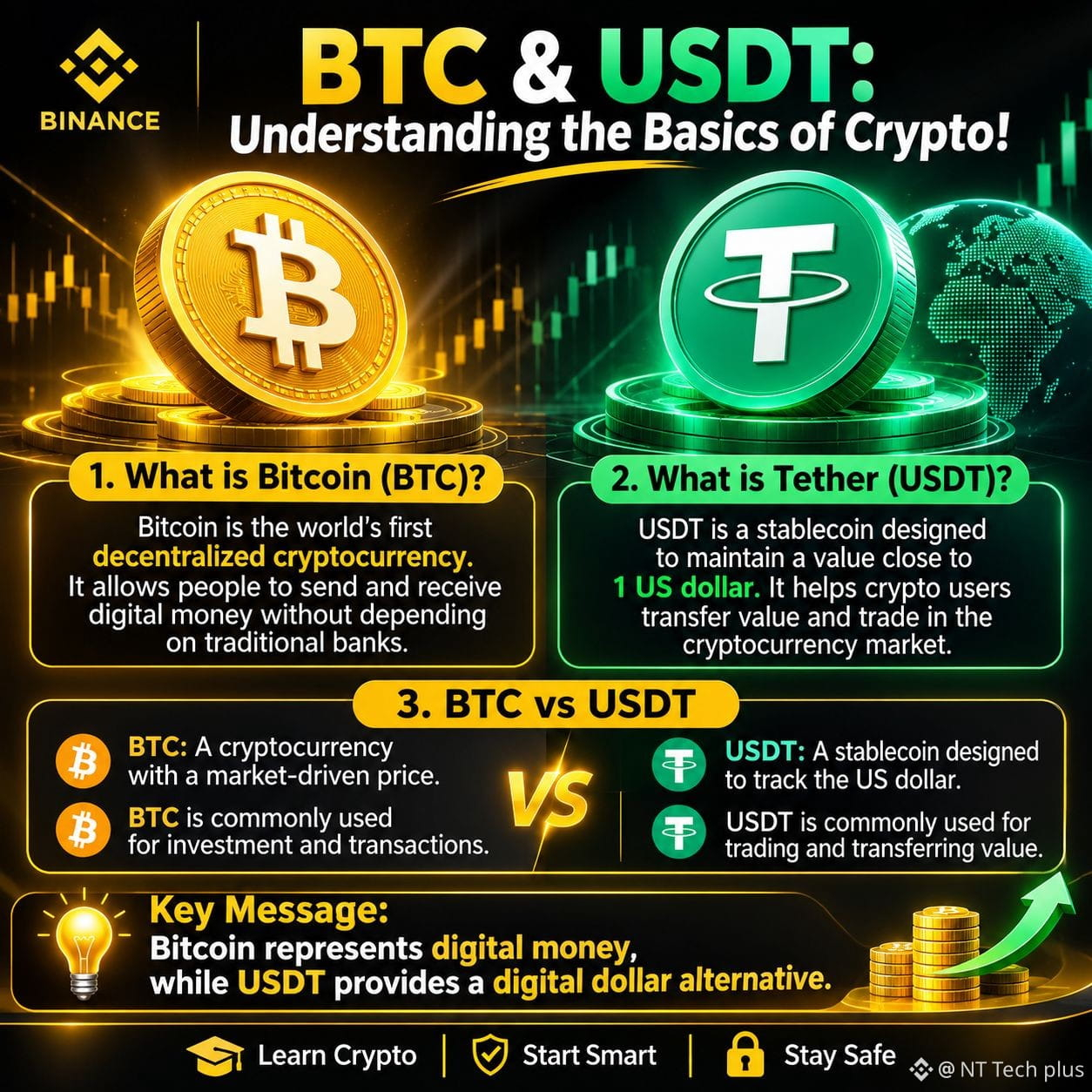
Erstelle einen hochwertigen, professionellen Beitrag zur Krypto-Bildung für Binance Square mit dem Titel:
„BTC & USDT: Die Grundlagen von Kryptowährungen verstehen!“
Gestalte eine moderne, futuristische Grafik zum Thema Kryptowährungen mit schwarzem Hintergrund, goldenem Bitcoin-Symbol (₿) und grünem USDT-Symbol (₮).
Hauptinhalt:
1. Was ist Bitcoin (BTC)?
Bitcoin ist die erste dezentrale Kryptowährung der Welt. Damit können Menschen digitales Geld senden und empfangen, ohne auf traditionelle Banken angewiesen zu sein.
2. Was ist Tether (USDT)?
USDT ist ein Stablecoin, der seinen Wert möglichst nahe bei einem US-Dollar halten soll. Er hilft Krypto-Nutzern dabei, Werte zu übertragen und auf dem Kryptowährungsmarkt zu handeln.
3. BTC im Vergleich zu USDT
- BTC: Eine Kryptowährung mit einem marktabhängigen Preis.
- USDT: Ein Stablecoin, der den US-Dollar abbilden soll.
- BTC wird häufig für Investitionen und Transaktionen verwendet.
- USDT wird häufig für den Handel und die Übertragung von Werten verwendet.
Kernaussage:
Bitcoin steht für digitales Geld, während USDT eine digitale Alternative zum Dollar bietet.
Gestaltungsvorgaben:
- Professionelle Ästhetik im Stil von Binance Square.
- Große, ansprechende BTC- und USDT-Logos.
- Goldene und grüne Neonbeleuchtung.
- Klare Typografie und gut lesbarer Text.
- Hochwertige 3D-Elemente rund um Kryptowährungen.
- Quadratisches Seitenverhältnis von 1:1.
- Lehrreiches, einsteigerfreundliches Layout.
- Kleine Fußzeile hinzufügen: „Krypto lernen | Clever starten | Sicher bleiben“
#BTC #Crypto #Binance #USDT
108
·
--
Bullisch
Übersetzung ansehen
Crypto markets move fast—research should move slower.
Before engaging with any asset, understand its use case, token supply, liquidity, security model, and the risks involved. Volatility is part of the market.
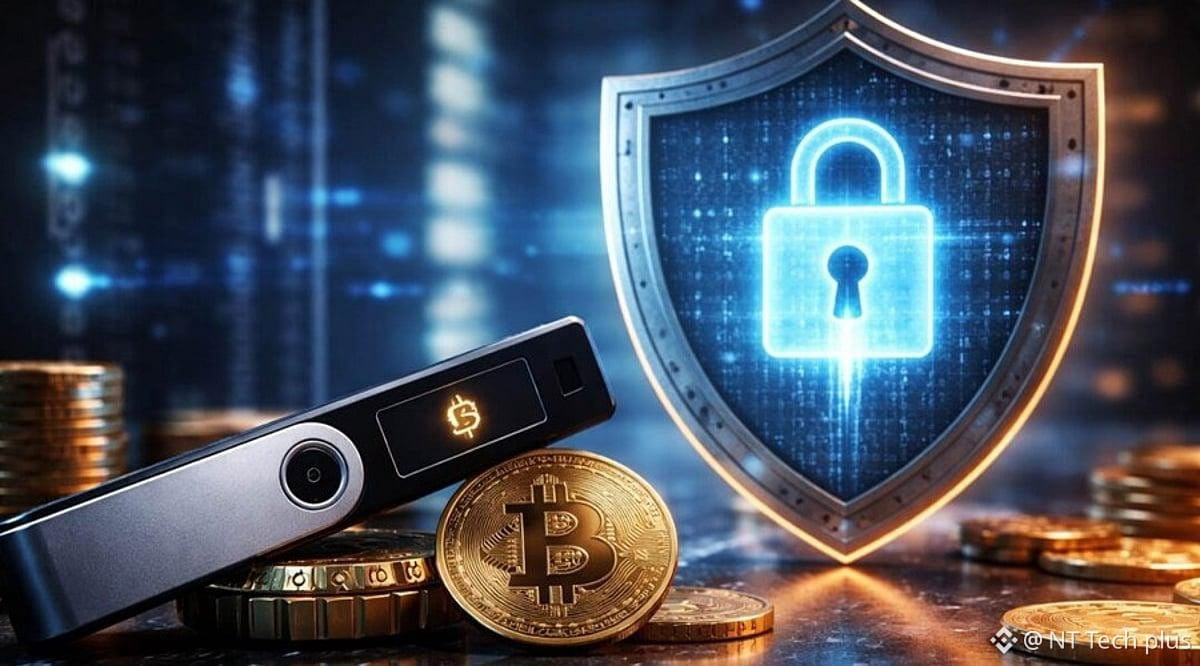
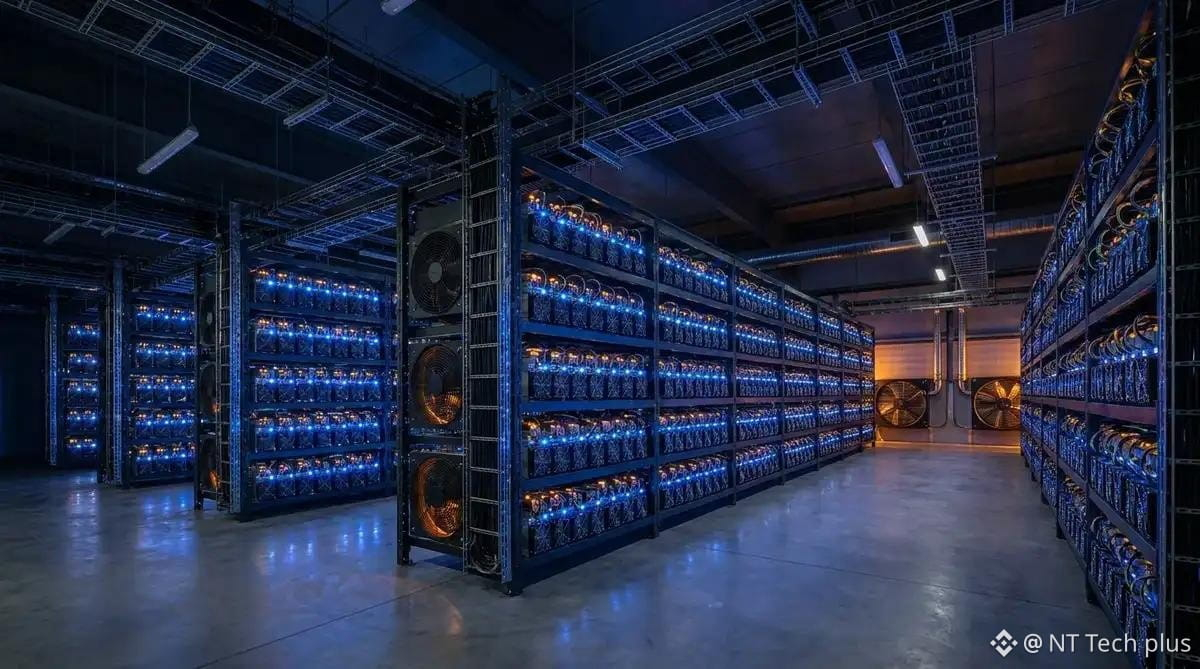
Image brief: A person studying crypto charts and project documents at a desk.
#CryptoEducation #DYOR #Web3
Before engaging with any asset, understand its use case, token supply, liquidity, security model, and the risks involved. Volatility is part of the market.
Image brief: A person studying crypto charts and project documents at a desk.
#CryptoEducation #DYOR #Web3
88
·
--
Übersetzung ansehen
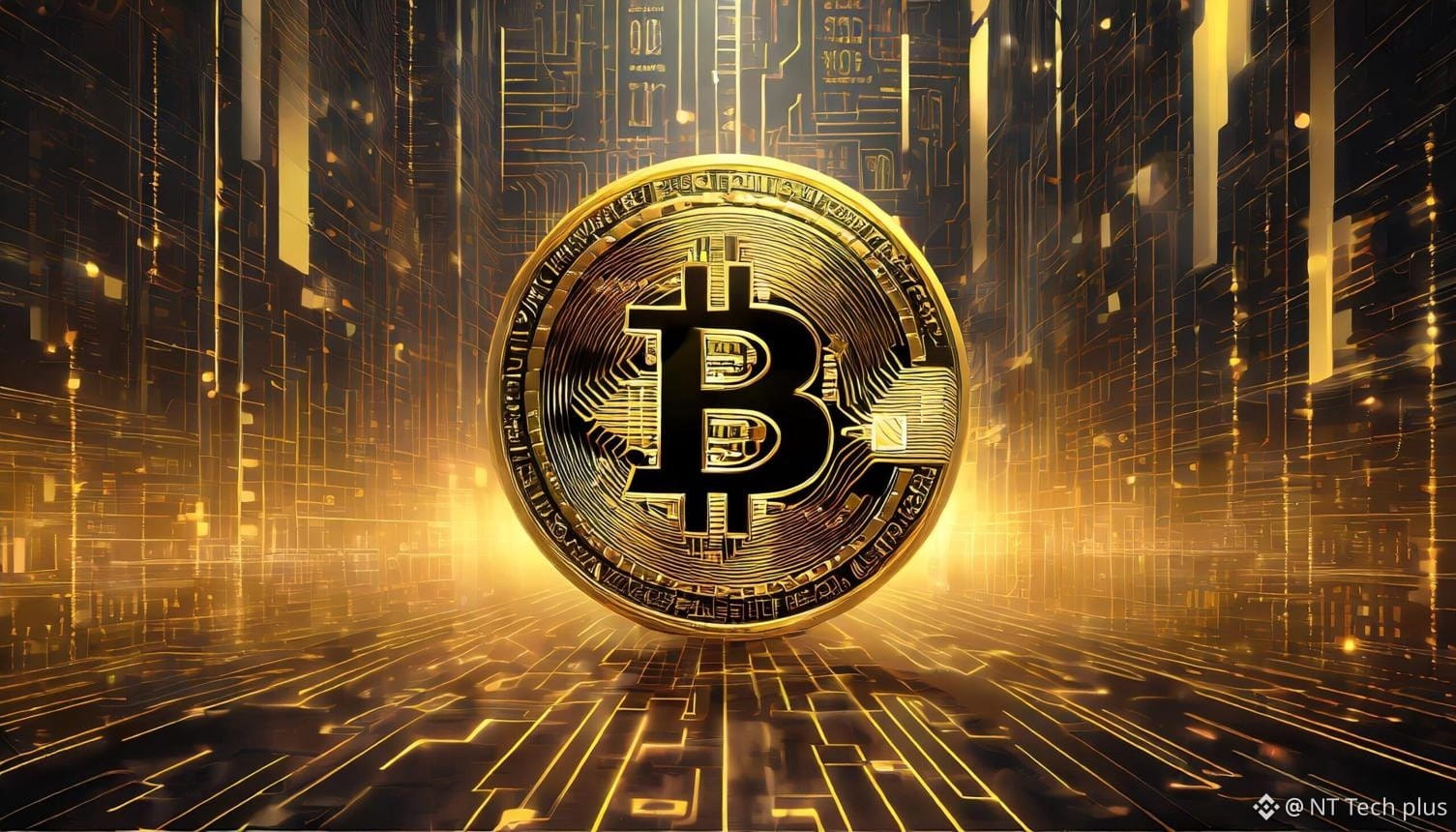
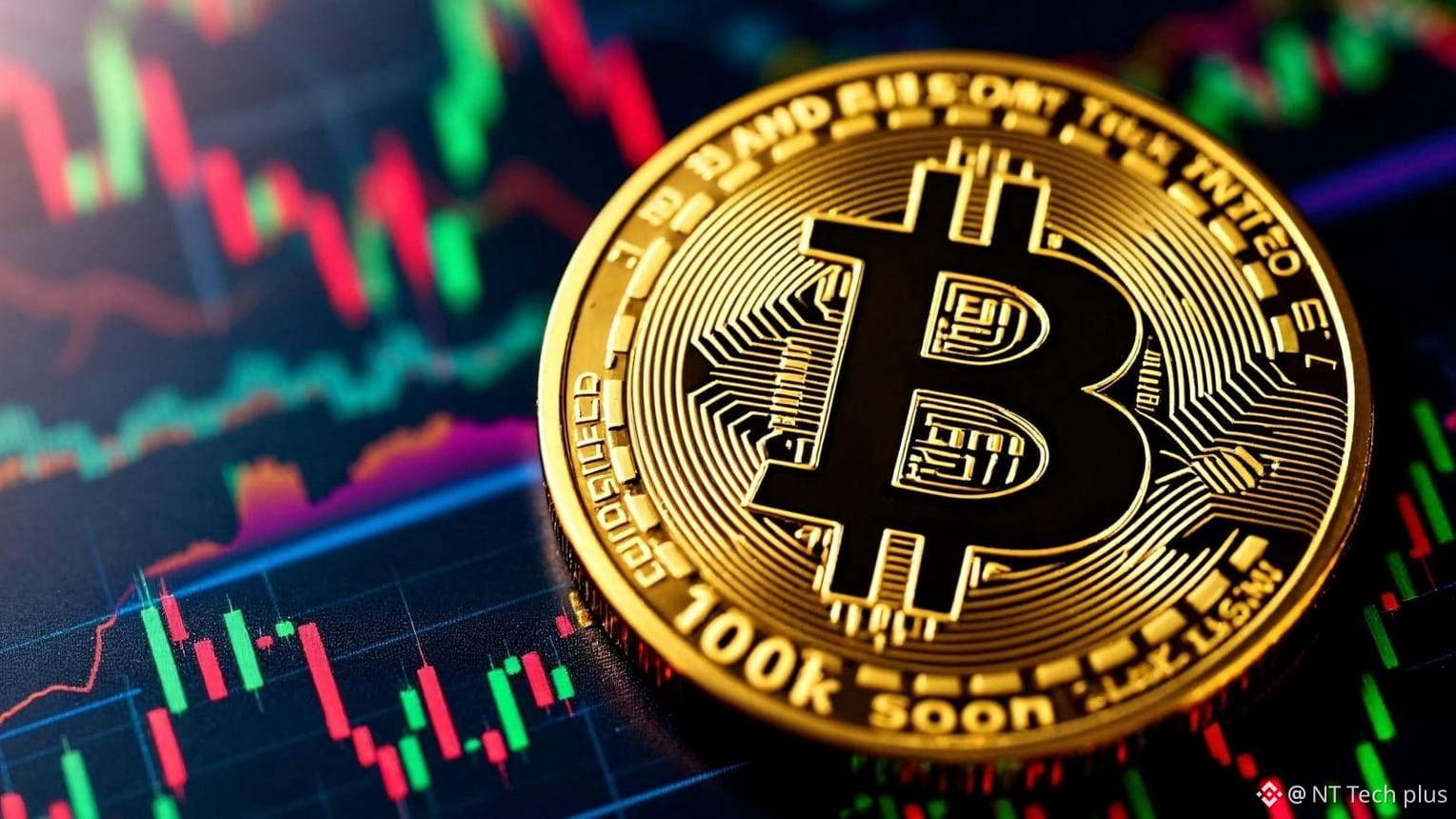
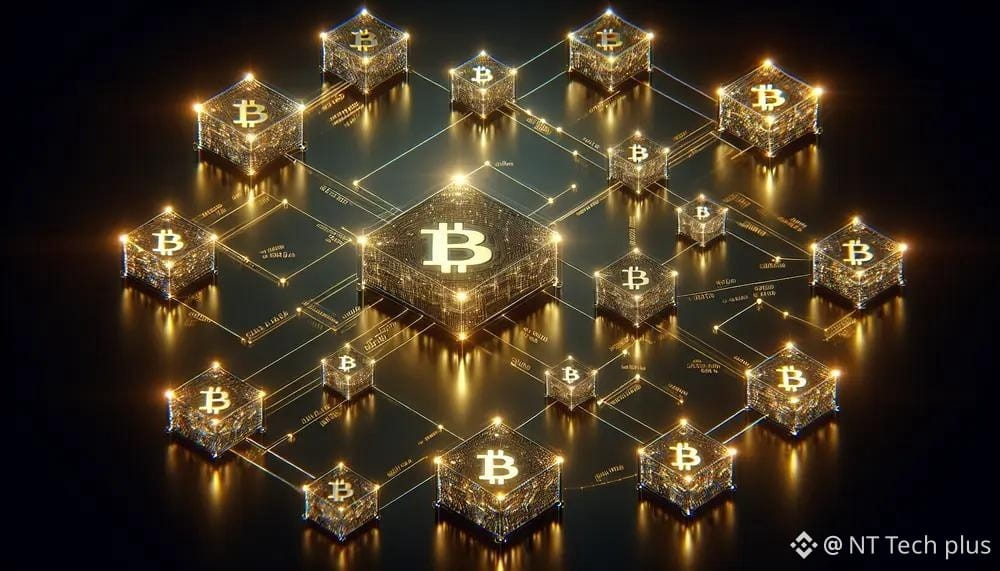
Bitcoin introduced a way to transfer value globally without relying on a central intermediary. Its fixed supply and transparent network are why it remains central to the crypto conversation.
Image brief: A glowing Bitcoin coin over a global digital network.
#Bitcoin #Crypto #Blockchain
Bitcoin introduced a way to transfer value globally without relying on a central intermediary. Its fixed supply and transparent network are why it remains central to the crypto conversation.
Image brief: A glowing Bitcoin coin over a global digital network.
#Bitcoin #Crypto #Blockchain
Image brief: A glowing Bitcoin coin over a global digital network.
#Bitcoin #Crypto #Blockchain
138
·
--
Übersetzung ansehen
🔥 5 AMAZING BITCOIN FACTS EVERY BEGINNER SHOULD KNOW!
Did you know?
1. Bitcoin launched in 2009.
2. Its maximum supply is 21 million BTC.
3. One Bitcoin can be divided into 100 million satoshis.
4. Bitcoin uses Proof of Work.
5. Anyone can independently verify Bitcoin transactions using the network.
Bitcoin is more than just a digital coin. It is an entire financial technology system.
Question: Which Bitcoin fact surprised you the most?
#BitcoinFacts #BTC #CryptoKnowledge #BitcoinEducation
13
·
--
Übersetzung ansehen
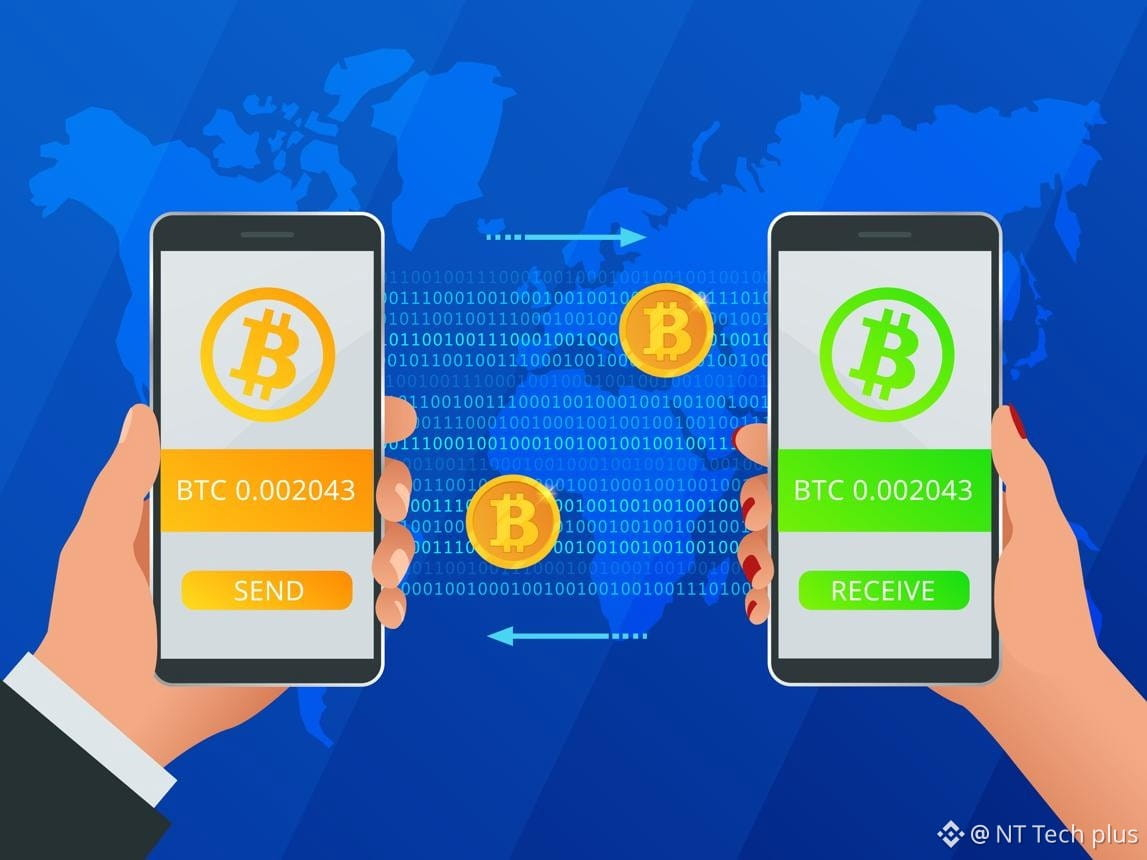
📲 CAN YOU SEND BITCOIN WITHOUT A BANK?
Yes! Bitcoin is designed as a peer-to-peer payment network.
How does a transaction work?
1️⃣ Open your Bitcoin wallet.
2️⃣ Enter the receiver's Bitcoin address.
3️⃣ Enter the amount.
4️⃣ Review the network fee and details.
5️⃣ Confirm and broadcast the transaction.
The Bitcoin network processes and confirms valid transactions.
Always double-check the receiving address before sending.
Question: Have you ever made a Bitcoin transaction?
#Bitcoin #BTC #CryptoWallet #BlockchainTechnology
16
·
--
Übersetzung ansehen
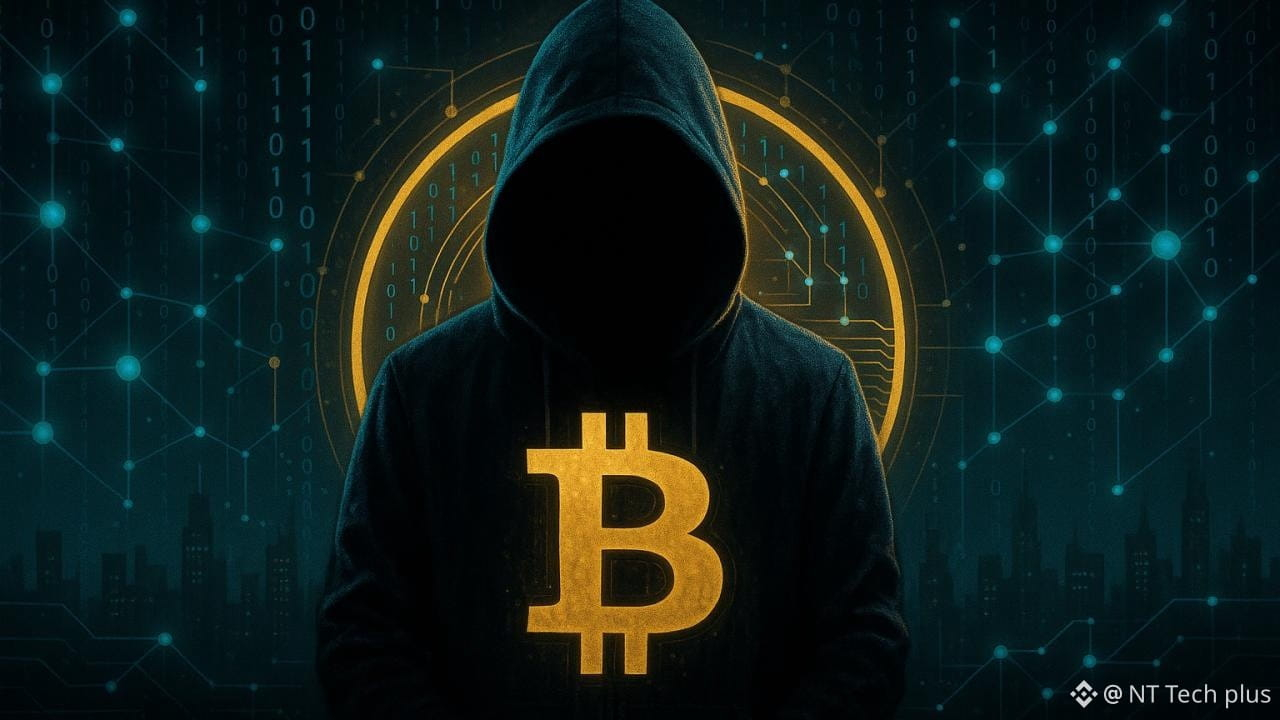
🕵️ WHO CREATED BITCOIN? THE MYSTERY OF SATOSHI NAKAMOTO!
Bitcoin was introduced in 2008 through a whitepaper published under the name Satoshi Nakamoto.
Interesting facts:
1. Bitcoin launched in January 2009.
2. Satoshi Nakamoto is a pseudonym.
3. The real-world identity remains unconfirmed.
4. Bitcoin introduced a peer-to-peer electronic cash system.
5. Its network operates without a central controller.
A revolutionary technology that changed the conversation about money!
Question: Do you think we will ever discover who Satoshi Nakamoto really is?
#SatoshiNakamoto #Bitcoin #BTC #CryptoHistory
17
·
--
Übersetzung ansehen
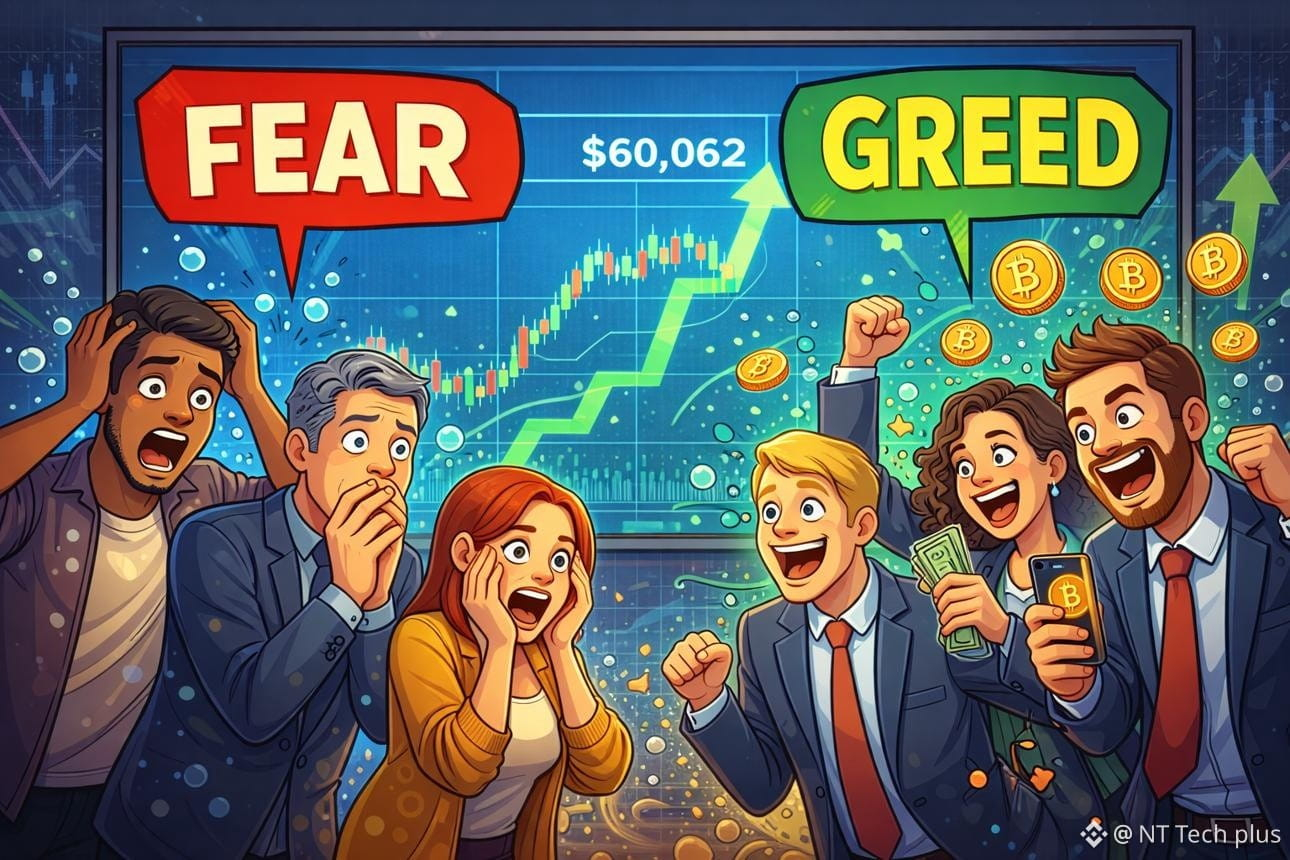
🧠 THE BIGGEST ENEMY OF A CRYPTO TRADER? EMOTIONS!
Many beginners make mistakes because of fear and greed.
Remember these lessons:
🔹 Don't panic during every market dip.
🔹 Don't buy simply because everyone is buying.
🔹 Don't follow random social media signals.
🔹 Learn risk management.
🔹 Always research before making decisions.
Successful trading starts with discipline, not luck.
Question: What is harder in crypto: controlling fear or controlling greed?
#Bitcoin #TradingPsychology #CryptoTrading #BTC
16
·
--
Übersetzung ansehen
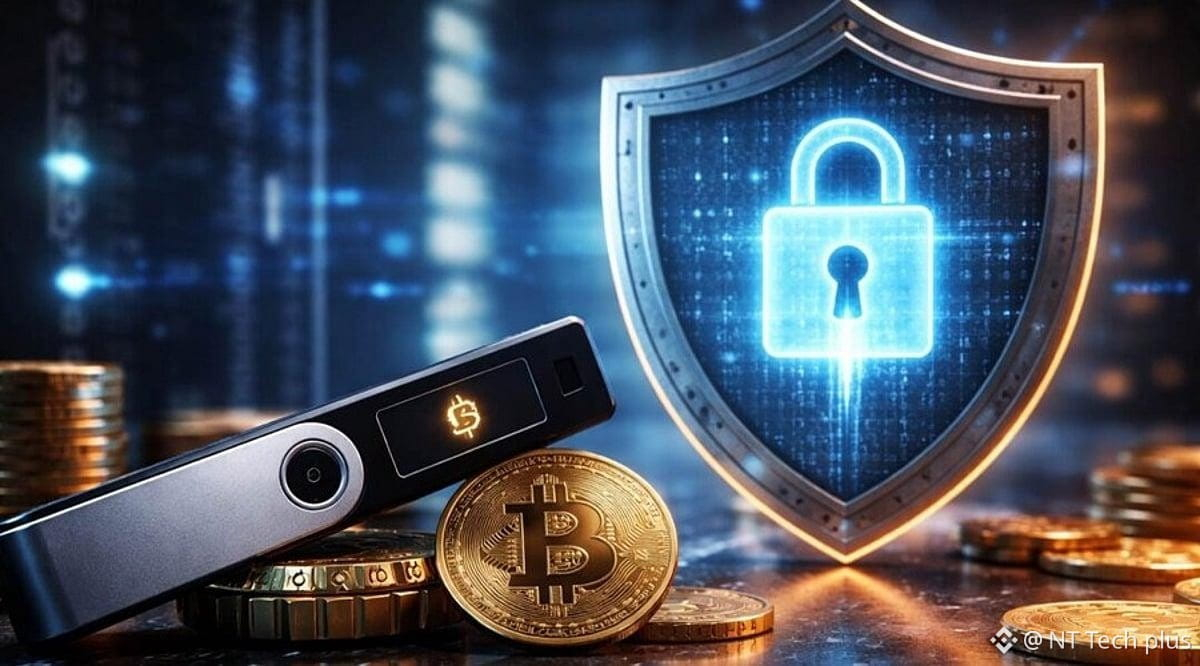
🔐 YOUR CRYPTO SECURITY STARTS WITH YOU!
Did you know that losing access to your wallet recovery phrase can mean permanently losing access to your crypto?
Follow these 5 important security rules:
✅ Keep your recovery phrase private.
✅ Never share your private keys.
✅ Use two-factor authentication.
✅ Double-check wallet addresses.
✅ Avoid unknown links and suspicious offers.
Remember: No legitimate support agent needs your wallet recovery phrase.
Protect your assets before thinking about profits!
Question: What is your number one crypto security habit?
#CryptoSecurity #Bitcoin #BTC #CryptoTips #BinanceSquare
2
·
--
Übersetzung ansehen
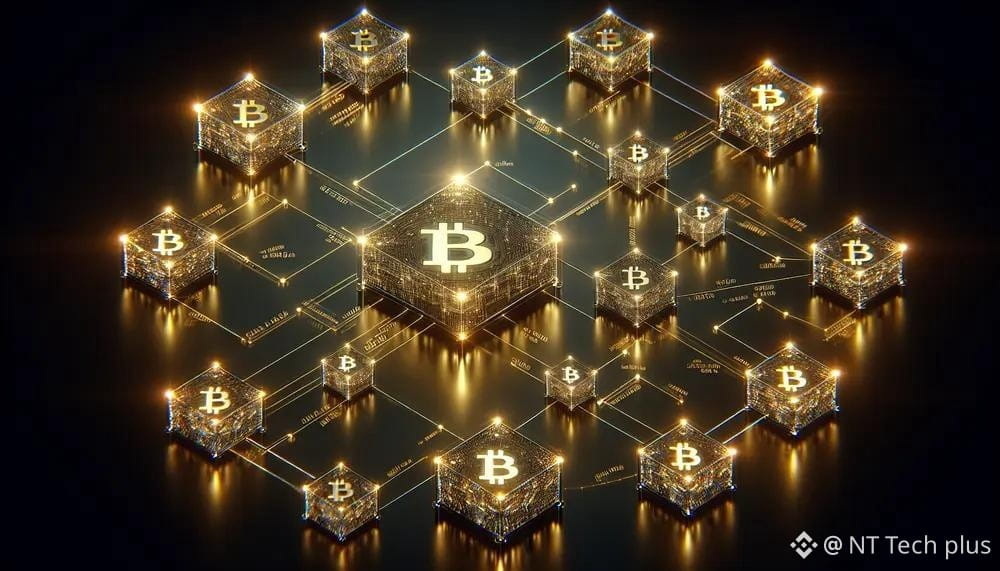
💡 WHY IS BITCOIN LIMITED TO 21 MILLION COINS?
One of Bitcoin's most interesting features is its limited supply.
Unlike traditional currencies, Bitcoin has a maximum supply of 21 million BTC.
Why does this matter?
1️⃣ Bitcoin has a predictable issuance schedule.
2️⃣ New BTC enters circulation through mining rewards.
3️⃣ The reward is reduced through events called halvings.
4️⃣ Its limited supply is one reason people compare Bitcoin to digital gold.
However, limited supply does not guarantee a higher price.
Question: Is Bitcoin's limited supply its biggest advantage?
#Bitcoin #BTC #CryptoEducation #DigitalGold #Blockchain
29
·
--
Übersetzung ansehen
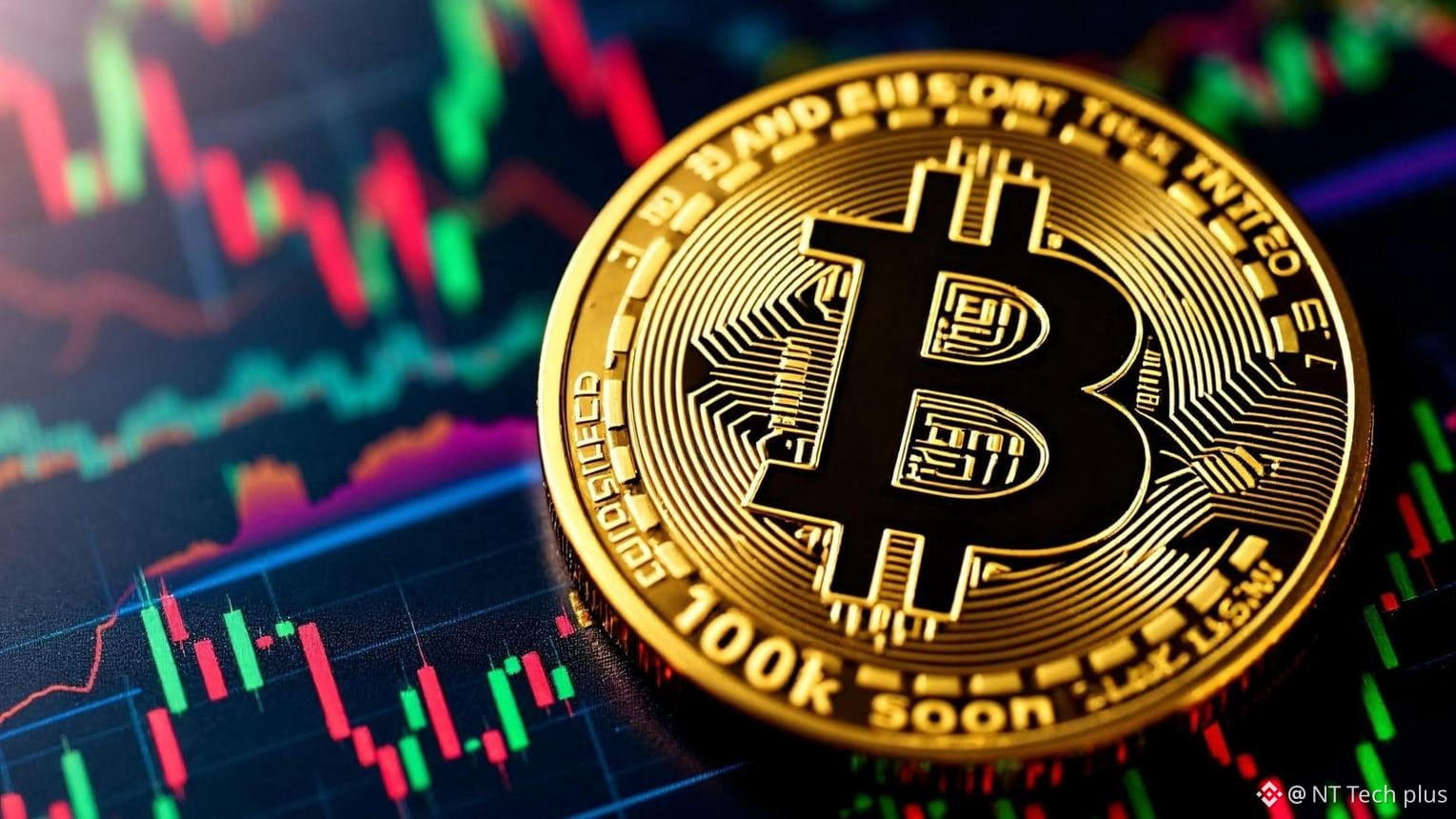
🚨 BITCOIN MARKET UPDATE: ETF OUTFLOWS RAISE QUESTIONS!
Bitcoin investors are watching institutional money flows closely.
According to reported data, US spot Bitcoin ETFs recorded approximately $411.9 million in net outflows on November 6.
What does this mean?
🔹 Investors may be reducing exposure.
🔹 Institutional demand can influence market sentiment.
🔹 ETF flows are an important metric to monitor.
🔹 Outflows do not automatically mean Bitcoin will crash.
The crypto market always requires careful research.
Question: Do you think institutional investors will return to Bitcoin?
#Bitcoin #BTC #CryptoNews #BitcoinETF #BinanceSquare
93
·
--
Übersetzung ansehen
What Makes Bitcoin Different From Traditional Money?
Bitcoin is a digital currency that operates without a central bank.
Here are 5 interesting facts:
1. Bitcoin has a maximum supply of 21 million coins.
2. It operates on blockchain technology.
3. Transactions are recorded on a public ledger.
4. Bitcoin can be transferred globally.
5. No single person controls the Bitcoin network.
Bitcoin introduced a new way of thinking about digital money.
Question: Do you believe Bitcoin will play a bigger role in the future?
For more informations use these links :
www.youtube.com/hashtag/Bitcoin www.youtube.com/hashtag/BTC www.youtube.com/hashtag/CryptoEducation www.youtube.com/hashtag/Blockchain
87
·
--
Übersetzung ansehen
🚀 Bitcoin is more than just a cryptocurrency. It's a new way to think about money, freedom, and financial independence.
The future of finance is evolving, and Bitcoin is leading an important part of that journey.
Are you ready for the future?
#Bitcoin #BTC #Crypto #Binance #Blockchain
🚀 Bitcoin is more than just a cryptocurrency. It's a new way to think about money, freedom, and financial independence.
The future of finance is evolving, and Bitcoin is leading an important part of that journey.
Are you ready for the future?
#Bitcoin #BTC #Crypto #Binance #Blockchain
The future of finance is evolving, and Bitcoin is leading an important part of that journey.
Are you ready for the future?
#Bitcoin #BTC #Crypto #Binance #Blockchain
1
116
Anmelden und weiter Inhalte entdecken
Krypto-Nutzer weltweit auf Binance Square kennenlernen
⚡️ Bleib in Sachen Krypto stets am Puls.
💬 Die weltgrößte Kryptobörse vertraut darauf.
👍 Erhalte verlässliche Einblicke von verifizierten Creators.
E-Mail-Adresse/Telefonnummer
Trendthemen
CanBTCReboundAfterFallingBelow60K?
78,784 Aufrufe
422 Kommentare
Bitcoin-News | Bitcoin fällt erstmals seit Juli unter 60.000 US-Dollar, während IBIT einen Rekordabfluss von 541 Millionen US-Dollar verzeichnet
Binance News
·38 Likes
·63.6k Aufrufe
GlobalStocksFaceLongestLosingStreakSince2023
40,835 Aufrufe
455 Kommentare
AnthropicPlungesTowardIPOPriceonDay2
10,469 Aufrufe
160 Kommentare