

Fateemah090
64 Beiträge

Fateemah090
Melden
Nutzer blockieren
Content Writer | Spot Trader | web3 Leaner | Community Manager BP-9EA7ABE38842
2.3 Jahre
67 Following
79 Follower
104 Like gegeben
Beiträge
Alle
Zitierungen
·
--
Bullisch
STONfi’s Stoncat: So minteierst du deinen eigenen NFT
Dieses STONfi-Update führt Stoncat ein, einen sich weiterentwickelnden NFT-Begleiter, den du mit GEMSTON erstellen und anpassen kannst.
Aber was bedeutet das genau – und wie bekommst du einen?
Schritt für Schritt: So minteierst du deinen Stoncat
1. Besuche die offizielle Stoncat-Website
Gehe zu stoncat.com und verbinde deine kompatible $TON Wallet.
2. Minte deinen Basis-Stoncat
Beginne damit, einen Basis-Stoncat NFT zu minteiern. So erhältst du deine Startkatze, die du weiterentwickeln und anpassen kannst.
3. Nutze GEMSTON, um deinen Stoncat zu füttern
GEMSTON ist Teil des Stoncat-Fortschrittssystems. Du kannst es verwenden, um deinen Stoncat zu füttern und ihm dabei zu helfen, sich weiterzuentwickeln.
4. Würfle für Purrks
Purrks sind Eigenschaften oder Merkmale, die das Aussehen und die Seltenheit deines Stoncat verändern können.
Hier wird aus jedem Stoncat etwas Einzigartiges.
5. Rüste deine Purrks aus
Wähle, welche Traits du ausrüstest, und gestalte damit das Aussehen deiner Katze.
Einige Purrks sind seltener als andere, daher können die Traits, die du erhältst, die allgemeine Seltenheit deines Stoncat beeinflussen.
6. Beobachte, wie dein Stoncat sich entwickelt
Während dein Stoncat verschiedene Phasen durchläuft, werden neue Traits verfügbar.
Deine Entscheidungen helfen dabei, zu bestimmen, wie sich dein Begleiter entwickelt.
7. Prüfe die Seltenheits-Rangliste
Je seltener die Purrks sind, die du ausrüstest, desto höher kann dein Stoncat potenziell im Seltenheitssystem ranken.
Du mintest also nicht einfach einen NFT und lässt ihn dann liegen – du baust und personalisierst deinen eigenen sich entwickelnden Begleiter.
Die einfache Idee
Stell es dir so vor:
Mint → Feed → Roll Purrks → Equip traits → Evolve → Build rarity
Das Spannende ist, dass zwei Menschen mit einem Basis-Stoncat starten können und am Ende völlig unterschiedliche Begleiter haben – je nachdem, welche Traits sie erhalten und ausrüsten.
Damit ist Stoncat mehr als nur ein statischer NFT. Es kombiniert NFT-Eigentum, Anpassung, Fortschritt, Seltenheit und GEMSTON-Utility zu einem einzigen Erlebnis.
Wenn du neu bist, starte mit dem Basis-Mint und lerne jeden Schritt, bevor du mehr GEMSTON ausgibst.
Dein Stoncat. Deine Traits. Deine Entscheidungen.
🔗 Mint: [stoncat.com](https://stoncat.com/?utm_source=chatgpt.com)
#STONfi #Stoncat #GEMSTON #TON #NFT
STONfi’s Stoncat: So minteierst du deinen eigenen NFT
Dieses STONfi-Update führt Stoncat ein, einen sich weiterentwickelnden NFT-Begleiter, den du mit GEMSTON erstellen und anpassen kannst.
Aber was bedeutet das genau – und wie bekommst du einen?
Schritt für Schritt: So minteierst du deinen Stoncat
1. Besuche die offizielle Stoncat-Website
Gehe zu stoncat.com und verbinde deine kompatible $TON Wallet.
2. Minte deinen Basis-Stoncat
Beginne damit, einen Basis-Stoncat NFT zu minteiern. So erhältst du deine Startkatze, die du weiterentwickeln und anpassen kannst.
3. Nutze GEMSTON, um deinen Stoncat zu füttern
GEMSTON ist Teil des Stoncat-Fortschrittssystems. Du kannst es verwenden, um deinen Stoncat zu füttern und ihm dabei zu helfen, sich weiterzuentwickeln.
4. Würfle für Purrks
Purrks sind Eigenschaften oder Merkmale, die das Aussehen und die Seltenheit deines Stoncat verändern können.
Hier wird aus jedem Stoncat etwas Einzigartiges.
5. Rüste deine Purrks aus
Wähle, welche Traits du ausrüstest, und gestalte damit das Aussehen deiner Katze.
Einige Purrks sind seltener als andere, daher können die Traits, die du erhältst, die allgemeine Seltenheit deines Stoncat beeinflussen.
6. Beobachte, wie dein Stoncat sich entwickelt
Während dein Stoncat verschiedene Phasen durchläuft, werden neue Traits verfügbar.
Deine Entscheidungen helfen dabei, zu bestimmen, wie sich dein Begleiter entwickelt.
7. Prüfe die Seltenheits-Rangliste
Je seltener die Purrks sind, die du ausrüstest, desto höher kann dein Stoncat potenziell im Seltenheitssystem ranken.
Du mintest also nicht einfach einen NFT und lässt ihn dann liegen – du baust und personalisierst deinen eigenen sich entwickelnden Begleiter.
Die einfache Idee
Stell es dir so vor:
Mint → Feed → Roll Purrks → Equip traits → Evolve → Build rarity
Das Spannende ist, dass zwei Menschen mit einem Basis-Stoncat starten können und am Ende völlig unterschiedliche Begleiter haben – je nachdem, welche Traits sie erhalten und ausrüsten.
Damit ist Stoncat mehr als nur ein statischer NFT. Es kombiniert NFT-Eigentum, Anpassung, Fortschritt, Seltenheit und GEMSTON-Utility zu einem einzigen Erlebnis.
Wenn du neu bist, starte mit dem Basis-Mint und lerne jeden Schritt, bevor du mehr GEMSTON ausgibst.
Dein Stoncat. Deine Traits. Deine Entscheidungen.
🔗 Mint: [stoncat.com](https://stoncat.com/?utm_source=chatgpt.com)
#STONfi #Stoncat #GEMSTON #TON #NFT
Dieses STONfi-Update führt Stoncat ein, einen sich weiterentwickelnden NFT-Begleiter, den du mit GEMSTON erstellen und anpassen kannst.
Aber was bedeutet das genau – und wie bekommst du einen?
Schritt für Schritt: So minteierst du deinen Stoncat
1. Besuche die offizielle Stoncat-Website
Gehe zu stoncat.com und verbinde deine kompatible $TON Wallet.
2. Minte deinen Basis-Stoncat
Beginne damit, einen Basis-Stoncat NFT zu minteiern. So erhältst du deine Startkatze, die du weiterentwickeln und anpassen kannst.
3. Nutze GEMSTON, um deinen Stoncat zu füttern
GEMSTON ist Teil des Stoncat-Fortschrittssystems. Du kannst es verwenden, um deinen Stoncat zu füttern und ihm dabei zu helfen, sich weiterzuentwickeln.
4. Würfle für Purrks
Purrks sind Eigenschaften oder Merkmale, die das Aussehen und die Seltenheit deines Stoncat verändern können.
Hier wird aus jedem Stoncat etwas Einzigartiges.
5. Rüste deine Purrks aus
Wähle, welche Traits du ausrüstest, und gestalte damit das Aussehen deiner Katze.
Einige Purrks sind seltener als andere, daher können die Traits, die du erhältst, die allgemeine Seltenheit deines Stoncat beeinflussen.
6. Beobachte, wie dein Stoncat sich entwickelt
Während dein Stoncat verschiedene Phasen durchläuft, werden neue Traits verfügbar.
Deine Entscheidungen helfen dabei, zu bestimmen, wie sich dein Begleiter entwickelt.
7. Prüfe die Seltenheits-Rangliste
Je seltener die Purrks sind, die du ausrüstest, desto höher kann dein Stoncat potenziell im Seltenheitssystem ranken.
Du mintest also nicht einfach einen NFT und lässt ihn dann liegen – du baust und personalisierst deinen eigenen sich entwickelnden Begleiter.
Die einfache Idee
Stell es dir so vor:
Mint → Feed → Roll Purrks → Equip traits → Evolve → Build rarity
Das Spannende ist, dass zwei Menschen mit einem Basis-Stoncat starten können und am Ende völlig unterschiedliche Begleiter haben – je nachdem, welche Traits sie erhalten und ausrüsten.
Damit ist Stoncat mehr als nur ein statischer NFT. Es kombiniert NFT-Eigentum, Anpassung, Fortschritt, Seltenheit und GEMSTON-Utility zu einem einzigen Erlebnis.
Wenn du neu bist, starte mit dem Basis-Mint und lerne jeden Schritt, bevor du mehr GEMSTON ausgibst.
Dein Stoncat. Deine Traits. Deine Entscheidungen.
🔗 Mint: [stoncat.com](https://stoncat.com/?utm_source=chatgpt.com)
#STONfi #Stoncat #GEMSTON #TON #NFT
1
9
·
--
Übersetzung ansehen
I'm super bullish on Stonfi
I'm super bullish on Stonfi
Fateemah090
·
--
STON.fi × Stonks: Verbindung der Token-Launch-Reise
Ein TON-Ökosystem-Update, das mehr Aufmerksamkeit verdient:
Stonks hat sich mit der STON.fi-Infrastruktur integriert.
Zunächst könnte das wie einfach nur noch eine weitere Partnerschaft aussehen.
Aber das Interessante ist, was mit einem Token passiert, nachdem er erstellt wurde.
Stonks baut eine On-Chain-Umgebung, in der Teams Projekte entwickeln, starten, tokenisieren und handeln können. Die Plattform meldet derzeit 2.170 gestartete Projekte und 12.000+ monatlich aktive Nutzer.
Verbinde das jetzt mit STON.fi.
1. Es beginnt mit dem Token-Launch
Ein Projekt kann auf Stonks beginnen, indem es eine Idee entwickelt und einen Token erstellt.
Stonks hat sich mit der STON.fi-Infrastruktur integriert.
Zunächst könnte das wie einfach nur noch eine weitere Partnerschaft aussehen.
Aber das Interessante ist, was mit einem Token passiert, nachdem er erstellt wurde.
Stonks baut eine On-Chain-Umgebung, in der Teams Projekte entwickeln, starten, tokenisieren und handeln können. Die Plattform meldet derzeit 2.170 gestartete Projekte und 12.000+ monatlich aktive Nutzer.
Verbinde das jetzt mit STON.fi.
1. Es beginnt mit dem Token-Launch
Ein Projekt kann auf Stonks beginnen, indem es eine Idee entwickelt und einen Token erstellt.
1
2
3
·
--
Artikel
STON.fi × Stonks: Verbindung der Token-Launch-ReiseEin TON-Ökosystem-Update, das mehr Aufmerksamkeit verdient:
Stonks hat sich mit der STON.fi-Infrastruktur integriert.
Zunächst könnte das wie einfach nur noch eine weitere Partnerschaft aussehen.
Aber das Interessante ist, was mit einem Token passiert, nachdem er erstellt wurde.
Stonks baut eine On-Chain-Umgebung, in der Teams Projekte entwickeln, starten, tokenisieren und handeln können. Die Plattform meldet derzeit 2.170 gestartete Projekte und 12.000+ monatlich aktive Nutzer.
Verbinde das jetzt mit STON.fi.
1. Es beginnt mit dem Token-Launch
Ein Projekt kann auf Stonks beginnen, indem es eine Idee entwickelt und einen Token erstellt.
STON.fi × Stonks: Verbindung der Token-Launch-Reise
Ein TON-Ökosystem-Update, das mehr Aufmerksamkeit verdient:
Stonks hat sich mit der STON.fi-Infrastruktur integriert.
Zunächst könnte das wie einfach nur noch eine weitere Partnerschaft aussehen.
Aber das Interessante ist, was mit einem Token passiert, nachdem er erstellt wurde.
Stonks baut eine On-Chain-Umgebung, in der Teams Projekte entwickeln, starten, tokenisieren und handeln können. Die Plattform meldet derzeit 2.170 gestartete Projekte und 12.000+ monatlich aktive Nutzer.
Verbinde das jetzt mit STON.fi.
1. Es beginnt mit dem Token-Launch
Ein Projekt kann auf Stonks beginnen, indem es eine Idee entwickelt und einen Token erstellt.
Stonks hat sich mit der STON.fi-Infrastruktur integriert.
Zunächst könnte das wie einfach nur noch eine weitere Partnerschaft aussehen.
Aber das Interessante ist, was mit einem Token passiert, nachdem er erstellt wurde.
Stonks baut eine On-Chain-Umgebung, in der Teams Projekte entwickeln, starten, tokenisieren und handeln können. Die Plattform meldet derzeit 2.170 gestartete Projekte und 12.000+ monatlich aktive Nutzer.
Verbinde das jetzt mit STON.fi.
1. Es beginnt mit dem Token-Launch
Ein Projekt kann auf Stonks beginnen, indem es eine Idee entwickelt und einen Token erstellt.
1
2
17
·
--
Artikel
STON.fi + Arc: Ein weiterer Schritt hin zu verbundener Stablecoin-LiquiditätSTON.fi + Arc: Ein weiterer Schritt hin zu verbundener Stablecoin-Liquidität
Circles Arc-Netzwerk wurde jetzt zur @ston_fi Cross-Chain-Swap-Infrastruktur hinzugefügt, sodass Nutzer USDC auf Arc mit unterstützten Assets über andere verbundene Netzwerke hinweg tauschen können.
Aber der wichtige Teil dieses Updates geht über das bloße Hinzufügen einer weiteren Chain hinaus.
🔹 Was ist Arc?
Arc ist eine EVM-kompatible Layer-1, die rund um stablecoin-basierte Finanzen entwickelt wurde. USDC wird als natives Gas-Asset verwendet, und das Netzwerk ist für Anwendungsfälle wie Zahlungen, FX, Kapitalmärkte und tokenisierte Assets ausgelegt.
STON.fi + Arc: Ein weiterer Schritt hin zu verbundener Stablecoin-Liquidität
STON.fi + Arc: Ein weiterer Schritt hin zu verbundener Stablecoin-Liquidität
Circles Arc-Netzwerk wurde jetzt zur @ston_fi Cross-Chain-Swap-Infrastruktur hinzugefügt, sodass Nutzer USDC auf Arc mit unterstützten Assets über andere verbundene Netzwerke hinweg tauschen können.
Aber der wichtige Teil dieses Updates geht über das bloße Hinzufügen einer weiteren Chain hinaus.
🔹 Was ist Arc?
Arc ist eine EVM-kompatible Layer-1, die rund um stablecoin-basierte Finanzen entwickelt wurde. USDC wird als natives Gas-Asset verwendet, und das Netzwerk ist für Anwendungsfälle wie Zahlungen, FX, Kapitalmärkte und tokenisierte Assets ausgelegt.
Circles Arc-Netzwerk wurde jetzt zur @ston_fi Cross-Chain-Swap-Infrastruktur hinzugefügt, sodass Nutzer USDC auf Arc mit unterstützten Assets über andere verbundene Netzwerke hinweg tauschen können.
Aber der wichtige Teil dieses Updates geht über das bloße Hinzufügen einer weiteren Chain hinaus.
🔹 Was ist Arc?
Arc ist eine EVM-kompatible Layer-1, die rund um stablecoin-basierte Finanzen entwickelt wurde. USDC wird als natives Gas-Asset verwendet, und das Netzwerk ist für Anwendungsfälle wie Zahlungen, FX, Kapitalmärkte und tokenisierte Assets ausgelegt.
2
102
·
--
Artikel
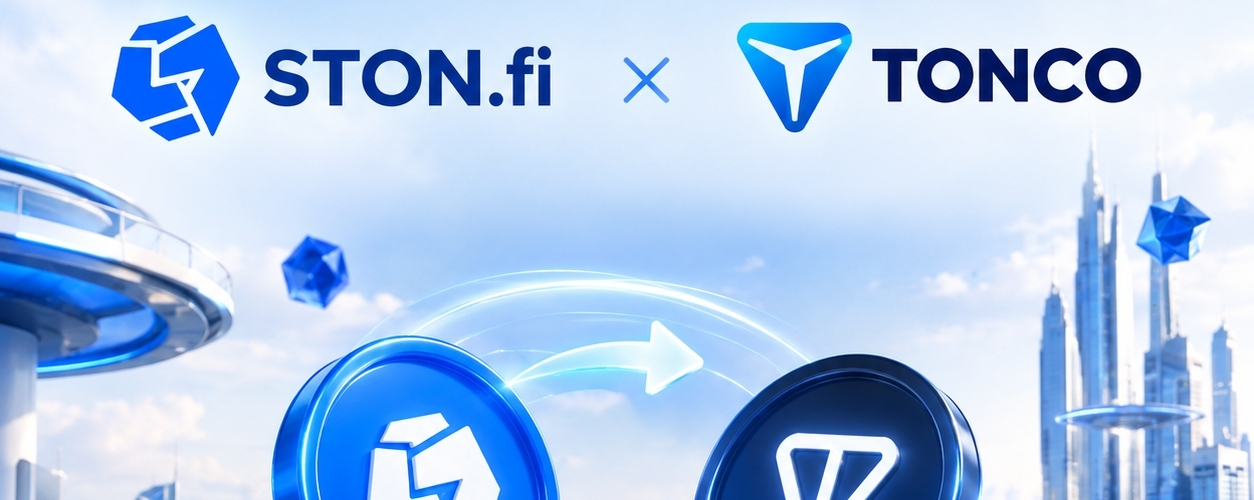
STON.fi × TONCO: Plattformübergreifende Swaps zugänglicher machenSTON.fi × TONCO: Plattformübergreifende Swaps zugänglicher machen
STON.fi hat noch eine weitere interessante Ökosystem-Integration: TONCO hat jetzt Omniston-Cross-Chain-Swaps direkt in seiner Benutzeroberfläche integriert.
Aber was bedeutet das eigentlich für Nutzer und Builder?
Zuerst: Was ist TONCO?
TONCO ist eine dezentrale Börse auf $TON , die konzentrierte Liquidität nutzt.
Anstatt Liquidität über alle möglichen Preise hinweg gleichmäßig zu verteilen, können Liquiditätsanbieter ihr Kapital um bestimmte Preisspannen konzentrieren.
Ziel ist es, Kapital effizienter einzusetzen und Tradern Zugang zu tieferer Liquidität bei potenziell geringerem Price Impact zu geben.
STON.fi × TONCO: Plattformübergreifende Swaps zugänglicher machen
STON.fi × TONCO: Plattformübergreifende Swaps zugänglicher machen
STON.fi hat noch eine weitere interessante Ökosystem-Integration: TONCO hat jetzt Omniston-Cross-Chain-Swaps direkt in seiner Benutzeroberfläche integriert.
Aber was bedeutet das eigentlich für Nutzer und Builder?
Zuerst: Was ist TONCO?
TONCO ist eine dezentrale Börse auf $TON , die konzentrierte Liquidität nutzt.
Anstatt Liquidität über alle möglichen Preise hinweg gleichmäßig zu verteilen, können Liquiditätsanbieter ihr Kapital um bestimmte Preisspannen konzentrieren.
Ziel ist es, Kapital effizienter einzusetzen und Tradern Zugang zu tieferer Liquidität bei potenziell geringerem Price Impact zu geben.
STON.fi hat noch eine weitere interessante Ökosystem-Integration: TONCO hat jetzt Omniston-Cross-Chain-Swaps direkt in seiner Benutzeroberfläche integriert.
Aber was bedeutet das eigentlich für Nutzer und Builder?
Zuerst: Was ist TONCO?
TONCO ist eine dezentrale Börse auf $TON , die konzentrierte Liquidität nutzt.
Anstatt Liquidität über alle möglichen Preise hinweg gleichmäßig zu verteilen, können Liquiditätsanbieter ihr Kapital um bestimmte Preisspannen konzentrieren.
Ziel ist es, Kapital effizienter einzusetzen und Tradern Zugang zu tieferer Liquidität bei potenziell geringerem Price Impact zu geben.
2
61
·
--
Bullisch
STON.fi Education Warum TVL im DeFi wichtig ist
Was sagt TVL uns tatsächlich über ein DeFi-Protokoll?
TVL steht für Total Value Locked (Gesamtsperrwert) – der geschätzte Wert der Vermögenswerte, die in den Liquiditätspools eines Protokolls sowie in anderen unterstützten DeFi-Mechanismen hinterlegt sind.
Bei einem DEX wie STON.fi kann TVL helfen, das Ausmaß der Liquidität innerhalb seines Ökosystems zu verstehen.
Warum ist das wichtig?
🔹 Mehr Liquidität kann helfen, größere Trades zu unterstützen.
🔹 Tiefer liegende Pools können potenziell den Preisimpact reduzieren.
🔹 Aktive Liquidität macht Märkte für Trader besser nutzbar.
🔹 Wachsende TVL kann auf eine zunehmende Beteiligung von Kapital hindeuten.
Aber hier ist der wichtige Teil:
TVL ist keine Garantie für Protokollqualität oder Rentabilität.
TVL kann sich ändern, wenn sich die Token-Preise bewegen und wenn Nutzer Liquidität hinzufügen oder entfernen. Außerdem sagt es Ihnen nicht alles über Handelsvolumen, Liquiditätsverteilung oder Risiko.
Wenn Sie also STON.fi oder irgendein anderes DeFi-Protokoll recherchieren, schauen Sie nicht nur auf TVL.
Betrachten Sie das größere Ganze:
TVL + Volumen + Liquiditätstiefe + Nutzer + Protokollaktivität + Risiken.
Die eigentliche Erkenntnis:
Eine große TVL-Zahl ist zwar interessant, aber zu verstehen, wo diese Liquidität sitzt und wie sie eingesetzt wird, ist viel aussagekräftiger.
Im DeFi erzählt selten nur eine Kennzahl die ganze Geschichte.
#STONfi #STON #TON #DeFi #TVL #Liquidity #CryptoEducation
STON.fi Education Warum TVL im DeFi wichtig ist
Was sagt TVL uns tatsächlich über ein DeFi-Protokoll?
TVL steht für Total Value Locked (Gesamtsperrwert) – der geschätzte Wert der Vermögenswerte, die in den Liquiditätspools eines Protokolls sowie in anderen unterstützten DeFi-Mechanismen hinterlegt sind.
Bei einem DEX wie STON.fi kann TVL helfen, das Ausmaß der Liquidität innerhalb seines Ökosystems zu verstehen.
Warum ist das wichtig?
🔹 Mehr Liquidität kann helfen, größere Trades zu unterstützen.
🔹 Tiefer liegende Pools können potenziell den Preisimpact reduzieren.
🔹 Aktive Liquidität macht Märkte für Trader besser nutzbar.
🔹 Wachsende TVL kann auf eine zunehmende Beteiligung von Kapital hindeuten.
Aber hier ist der wichtige Teil:
TVL ist keine Garantie für Protokollqualität oder Rentabilität.
TVL kann sich ändern, wenn sich die Token-Preise bewegen und wenn Nutzer Liquidität hinzufügen oder entfernen. Außerdem sagt es Ihnen nicht alles über Handelsvolumen, Liquiditätsverteilung oder Risiko.
Wenn Sie also STON.fi oder irgendein anderes DeFi-Protokoll recherchieren, schauen Sie nicht nur auf TVL.
Betrachten Sie das größere Ganze:
TVL + Volumen + Liquiditätstiefe + Nutzer + Protokollaktivität + Risiken.
Die eigentliche Erkenntnis:
Eine große TVL-Zahl ist zwar interessant, aber zu verstehen, wo diese Liquidität sitzt und wie sie eingesetzt wird, ist viel aussagekräftiger.
Im DeFi erzählt selten nur eine Kennzahl die ganze Geschichte.
#STONfi #STON #TON #DeFi #TVL #Liquidity #CryptoEducation
Was sagt TVL uns tatsächlich über ein DeFi-Protokoll?
TVL steht für Total Value Locked (Gesamtsperrwert) – der geschätzte Wert der Vermögenswerte, die in den Liquiditätspools eines Protokolls sowie in anderen unterstützten DeFi-Mechanismen hinterlegt sind.
Bei einem DEX wie STON.fi kann TVL helfen, das Ausmaß der Liquidität innerhalb seines Ökosystems zu verstehen.
Warum ist das wichtig?
🔹 Mehr Liquidität kann helfen, größere Trades zu unterstützen.
🔹 Tiefer liegende Pools können potenziell den Preisimpact reduzieren.
🔹 Aktive Liquidität macht Märkte für Trader besser nutzbar.
🔹 Wachsende TVL kann auf eine zunehmende Beteiligung von Kapital hindeuten.
Aber hier ist der wichtige Teil:
TVL ist keine Garantie für Protokollqualität oder Rentabilität.
TVL kann sich ändern, wenn sich die Token-Preise bewegen und wenn Nutzer Liquidität hinzufügen oder entfernen. Außerdem sagt es Ihnen nicht alles über Handelsvolumen, Liquiditätsverteilung oder Risiko.
Wenn Sie also STON.fi oder irgendein anderes DeFi-Protokoll recherchieren, schauen Sie nicht nur auf TVL.
Betrachten Sie das größere Ganze:
TVL + Volumen + Liquiditätstiefe + Nutzer + Protokollaktivität + Risiken.
Die eigentliche Erkenntnis:
Eine große TVL-Zahl ist zwar interessant, aber zu verstehen, wo diese Liquidität sitzt und wie sie eingesetzt wird, ist viel aussagekräftiger.
Im DeFi erzählt selten nur eine Kennzahl die ganze Geschichte.
#STONfi #STON #TON #DeFi #TVL #Liquidity #CryptoEducation
2
83
·
--
Artikel
STON.fi Weekly Round-Up: STON.fi Weekly Round-Up: Mehr als nur Zahlen
Das neueste wöchentliche Update von STON.fi zeigt, wie schnell sich die $TON DeFi-Landschaft mit Telegram-Integrationen, Cross-Chain-Infrastruktur, neuer Wallet-Zugänglichkeit und wachsender DeFi-Aktivität verbindet – alles entwickelt sich gleichzeitig.
Lassen wir aufschlüsseln, was dieses Update tatsächlich bedeutet. 👇
1. Das neueste Meilenstein-Update von STON.fi
Laut dem Update rangiert STON.fi:
#4 unter 100 $TON Apps nach monatlich finanziell aktiven Wallets
#1 unter TON-DeFi-Protokollen
Das ist ein wichtiger Kennwert, weil finanziell aktive Wallets zeigen, dass Nutzer die Finanzanwendungen tatsächlich verwenden – nicht nur Vermögenswerte halten.
STON.fi Weekly Round-Up:
STON.fi Weekly Round-Up: Mehr als nur Zahlen
Das neueste wöchentliche Update von STON.fi zeigt, wie schnell sich die $TON DeFi-Landschaft mit Telegram-Integrationen, Cross-Chain-Infrastruktur, neuer Wallet-Zugänglichkeit und wachsender DeFi-Aktivität verbindet – alles entwickelt sich gleichzeitig.
Lassen wir aufschlüsseln, was dieses Update tatsächlich bedeutet. 👇
1. Das neueste Meilenstein-Update von STON.fi
Laut dem Update rangiert STON.fi:
#4 unter 100 $TON Apps nach monatlich finanziell aktiven Wallets
#1 unter TON-DeFi-Protokollen
Das ist ein wichtiger Kennwert, weil finanziell aktive Wallets zeigen, dass Nutzer die Finanzanwendungen tatsächlich verwenden – nicht nur Vermögenswerte halten.
Das neueste wöchentliche Update von STON.fi zeigt, wie schnell sich die $TON DeFi-Landschaft mit Telegram-Integrationen, Cross-Chain-Infrastruktur, neuer Wallet-Zugänglichkeit und wachsender DeFi-Aktivität verbindet – alles entwickelt sich gleichzeitig.
Lassen wir aufschlüsseln, was dieses Update tatsächlich bedeutet. 👇
1. Das neueste Meilenstein-Update von STON.fi
Laut dem Update rangiert STON.fi:
#4 unter 100 $TON Apps nach monatlich finanziell aktiven Wallets
#1 unter TON-DeFi-Protokollen
Das ist ein wichtiger Kennwert, weil finanziell aktive Wallets zeigen, dass Nutzer die Finanzanwendungen tatsächlich verwenden – nicht nur Vermögenswerte halten.
2
77
·
--
Bullisch
Was passiert, wenn DeFi-Liquidität über viele Ketten hinweg fragmentiert wird?
Stell dir vor, du möchtest $USDT von einem Netzwerk in $USDC in einem anderen tauschen.
Die Assets existieren möglicherweise.
Die Liquidität existieren möglicherweise.
Aber die richtige Route zu finden, kann kompliziert werden.
Dies ist eines der Probleme, das die Cross-Chain-Aggregation zu lösen versucht.
Mit Omniston baut STON.fi eine Infrastruktur, die Cross-Chain-Swap-Routen von der Kursstellung bis zur Abwicklung über unterstützte Netzwerke hinweg koordinieren kann.
Das bedeutet, dass sich der Nutzer auf das eigentliche Ziel konzentrieren kann:
„Ich möchte dieses Asset gegen dieses andere Asset tauschen.“
Anstatt manuell darüber nachzudenken:
🔹 Auf welcher Chain ist die Liquidität?
🔹 Welche DEX soll ich verwenden?
🔹 Welche Route ist besser?
🔹 Wie verschiebe ich meine Assets zwischen Netzwerken?
Die Infrastruktur übernimmt einen Großteil dieser Komplexität darunter.
Und das wird zunehmend wichtiger, sobald TON mit mehr Ökosystemen verbunden wird.
Die Zukunft von Cross-Chain-DeFi geht nicht unbedingt darum, Nutzer darin besser zu machen, Blockchains zu navigieren.
Es geht darum, Infrastruktur zu bauen, die die Fragmentierung von Blockchains weniger auffällig macht.
Das beste Cross-Chain-Erlebnis könnte sich am Ende als dasjenige herausstellen, bei dem Nutzer nicht einmal darüber nachdenken müssen, welche Chain sie verwenden.
Mehr vernetzte Liquidität. Weniger Reibung. Bessere DeFi-Erlebnisse.
#STONfi #STON #TON #Omniston #DeFi #CrossChain #Liquidity #Web3
Was passiert, wenn DeFi-Liquidität über viele Ketten hinweg fragmentiert wird?
Stell dir vor, du möchtest $USDT von einem Netzwerk in $USDC in einem anderen tauschen.
Die Assets existieren möglicherweise.
Die Liquidität existieren möglicherweise.
Aber die richtige Route zu finden, kann kompliziert werden.
Dies ist eines der Probleme, das die Cross-Chain-Aggregation zu lösen versucht.
Mit Omniston baut STON.fi eine Infrastruktur, die Cross-Chain-Swap-Routen von der Kursstellung bis zur Abwicklung über unterstützte Netzwerke hinweg koordinieren kann.
Das bedeutet, dass sich der Nutzer auf das eigentliche Ziel konzentrieren kann:
„Ich möchte dieses Asset gegen dieses andere Asset tauschen.“
Anstatt manuell darüber nachzudenken:
🔹 Auf welcher Chain ist die Liquidität?
🔹 Welche DEX soll ich verwenden?
🔹 Welche Route ist besser?
🔹 Wie verschiebe ich meine Assets zwischen Netzwerken?
Die Infrastruktur übernimmt einen Großteil dieser Komplexität darunter.
Und das wird zunehmend wichtiger, sobald TON mit mehr Ökosystemen verbunden wird.
Die Zukunft von Cross-Chain-DeFi geht nicht unbedingt darum, Nutzer darin besser zu machen, Blockchains zu navigieren.
Es geht darum, Infrastruktur zu bauen, die die Fragmentierung von Blockchains weniger auffällig macht.
Das beste Cross-Chain-Erlebnis könnte sich am Ende als dasjenige herausstellen, bei dem Nutzer nicht einmal darüber nachdenken müssen, welche Chain sie verwenden.
Mehr vernetzte Liquidität. Weniger Reibung. Bessere DeFi-Erlebnisse.
#STONfi #STON #TON #Omniston #DeFi #CrossChain #Liquidity #Web3
Stell dir vor, du möchtest $USDT von einem Netzwerk in $USDC in einem anderen tauschen.
Die Assets existieren möglicherweise.
Die Liquidität existieren möglicherweise.
Aber die richtige Route zu finden, kann kompliziert werden.
Dies ist eines der Probleme, das die Cross-Chain-Aggregation zu lösen versucht.
Mit Omniston baut STON.fi eine Infrastruktur, die Cross-Chain-Swap-Routen von der Kursstellung bis zur Abwicklung über unterstützte Netzwerke hinweg koordinieren kann.
Das bedeutet, dass sich der Nutzer auf das eigentliche Ziel konzentrieren kann:
„Ich möchte dieses Asset gegen dieses andere Asset tauschen.“
Anstatt manuell darüber nachzudenken:
🔹 Auf welcher Chain ist die Liquidität?
🔹 Welche DEX soll ich verwenden?
🔹 Welche Route ist besser?
🔹 Wie verschiebe ich meine Assets zwischen Netzwerken?
Die Infrastruktur übernimmt einen Großteil dieser Komplexität darunter.
Und das wird zunehmend wichtiger, sobald TON mit mehr Ökosystemen verbunden wird.
Die Zukunft von Cross-Chain-DeFi geht nicht unbedingt darum, Nutzer darin besser zu machen, Blockchains zu navigieren.
Es geht darum, Infrastruktur zu bauen, die die Fragmentierung von Blockchains weniger auffällig macht.
Das beste Cross-Chain-Erlebnis könnte sich am Ende als dasjenige herausstellen, bei dem Nutzer nicht einmal darüber nachdenken müssen, welche Chain sie verwenden.
Mehr vernetzte Liquidität. Weniger Reibung. Bessere DeFi-Erlebnisse.
#STONfi #STON #TON #Omniston #DeFi #CrossChain #Liquidity #Web3
1
84
·
--
Artikel
Omniston bringt DeFi näher an die Wallet Omniston bringt DeFi näher an die Wallet
STON.fi hat gerade eine weitere wichtige Integration der Infrastruktur geteilt: My Wallet hat Omniston direkt in seinen Tausch-Aggregator integriert.
Aber was bedeutet das eigentlich für Nutzer und Builder?
Lass uns das aufschlüsseln 👇
1️⃣ Was ist My Wallet?
My Wallet ist eine Non-Custodial-Web3-Wallet, die $TON und andere Netzwerke unterstützt, einschließlich Ethereum und Solana.
Non-Custodial bedeutet, dass Nutzer die Kontrolle über ihre Assets und Wallet-Schlüssel behalten, statt die Verwahrung an eine zentrale Börse abzugeben.
Omniston bringt DeFi näher an die Wallet
Omniston bringt DeFi näher an die Wallet
STON.fi hat gerade eine weitere wichtige Integration der Infrastruktur geteilt: My Wallet hat Omniston direkt in seinen Tausch-Aggregator integriert.
Aber was bedeutet das eigentlich für Nutzer und Builder?
Lass uns das aufschlüsseln 👇
1️⃣ Was ist My Wallet?
My Wallet ist eine Non-Custodial-Web3-Wallet, die $TON und andere Netzwerke unterstützt, einschließlich Ethereum und Solana.
Non-Custodial bedeutet, dass Nutzer die Kontrolle über ihre Assets und Wallet-Schlüssel behalten, statt die Verwahrung an eine zentrale Börse abzugeben.
STON.fi hat gerade eine weitere wichtige Integration der Infrastruktur geteilt: My Wallet hat Omniston direkt in seinen Tausch-Aggregator integriert.
Aber was bedeutet das eigentlich für Nutzer und Builder?
Lass uns das aufschlüsseln 👇
1️⃣ Was ist My Wallet?
My Wallet ist eine Non-Custodial-Web3-Wallet, die $TON und andere Netzwerke unterstützt, einschließlich Ethereum und Solana.
Non-Custodial bedeutet, dass Nutzer die Kontrolle über ihre Assets und Wallet-Schlüssel behalten, statt die Verwahrung an eine zentrale Börse abzugeben.
1
89
·
--
Bullisch
Eines der schwierigsten Probleme im regulierten Finanzwesen ist nicht nur das Verschieben von Vermögenswerten auf der On-Chain-Ebene.
Es geht darum zu wissen, wer berechtigt ist, darauf zuzugreifen, ohne dabei unnötige personenbezogene Informationen offenzulegen.
Hier wird Citadel zu einem interessanten Bestandteil der @Dusk_Foundation -Architektur.
Citadel ist als Identitäts- und Zugriffsschicht konzipiert, die selektive Offenlegung unterstützt. Anstatt von einem Nutzer zu verlangen, jede einzelne Information über ihn preiszugeben, kann das System ermöglichen, dass bestimmte Attribute dann nachgewiesen werden können, wenn sie relevant sind.
Denken Sie an eine regulierte Geldanlage:
Eine Anwendung muss möglicherweise wissen, ob jemand eine bestimmte Eignungsvoraussetzung erfüllt. Aber braucht die Anwendung wirklich Zugriff auf das gesamte Identitätsprofil der Person?
Nicht unbedingt.
Bei selektiver Offenlegung besteht das Ziel darin, das offenzulegen, was verifiziert werden muss, ohne mehr preiszugeben als notwendig.
Das schafft eine wichtige Balance zwischen zwei Anforderungen, die manchmal miteinander im Konflikt zu stehen scheinen:
• Schutz sensibler Informationen
• Nachweis der für die Einhaltung von Vorschriften erforderlichen Angaben
Bei regulierten digitalen Vermögenswerten sind Identität und Zugriff keine Nebenfunktionen. Sie können Teil des finanziellen Workflows selbst sein.
Deshalb ist Citadel ein wichtiger Baustein der umfassenderen Infrastruktur von Dusk: Es verbindet Identität, Privatsphäre und kontrollierten Zugriff, ohne „Compliance“ als Rechtfertigung dafür zu behandeln, alles offenzulegen.
Die Zukunft des Onchain-Finanzwesens geht möglicherweise nicht darum, alles öffentlich zu machen.
Es geht vielleicht darum, die richtigen Informationen zur richtigen Zeit für die richtigen Personen überprüfbar zu machen.
#dusk $DUSK
Eines der schwierigsten Probleme im regulierten Finanzwesen ist nicht nur das Verschieben von Vermögenswerten auf der On-Chain-Ebene.
Es geht darum zu wissen, wer berechtigt ist, darauf zuzugreifen, ohne dabei unnötige personenbezogene Informationen offenzulegen.
Hier wird Citadel zu einem interessanten Bestandteil der @Dusk -Architektur.
Citadel ist als Identitäts- und Zugriffsschicht konzipiert, die selektive Offenlegung unterstützt. Anstatt von einem Nutzer zu verlangen, jede einzelne Information über ihn preiszugeben, kann das System ermöglichen, dass bestimmte Attribute dann nachgewiesen werden können, wenn sie relevant sind.
Denken Sie an eine regulierte Geldanlage:
Eine Anwendung muss möglicherweise wissen, ob jemand eine bestimmte Eignungsvoraussetzung erfüllt. Aber braucht die Anwendung wirklich Zugriff auf das gesamte Identitätsprofil der Person?
Nicht unbedingt.
Bei selektiver Offenlegung besteht das Ziel darin, das offenzulegen, was verifiziert werden muss, ohne mehr preiszugeben als notwendig.
Das schafft eine wichtige Balance zwischen zwei Anforderungen, die manchmal miteinander im Konflikt zu stehen scheinen:
• Schutz sensibler Informationen
• Nachweis der für die Einhaltung von Vorschriften erforderlichen Angaben
Bei regulierten digitalen Vermögenswerten sind Identität und Zugriff keine Nebenfunktionen. Sie können Teil des finanziellen Workflows selbst sein.
Deshalb ist Citadel ein wichtiger Baustein der umfassenderen Infrastruktur von Dusk: Es verbindet Identität, Privatsphäre und kontrollierten Zugriff, ohne „Compliance“ als Rechtfertigung dafür zu behandeln, alles offenzulegen.
Die Zukunft des Onchain-Finanzwesens geht möglicherweise nicht darum, alles öffentlich zu machen.
Es geht vielleicht darum, die richtigen Informationen zur richtigen Zeit für die richtigen Personen überprüfbar zu machen.
#dusk $DUSK
Es geht darum zu wissen, wer berechtigt ist, darauf zuzugreifen, ohne dabei unnötige personenbezogene Informationen offenzulegen.
Hier wird Citadel zu einem interessanten Bestandteil der @Dusk -Architektur.
Citadel ist als Identitäts- und Zugriffsschicht konzipiert, die selektive Offenlegung unterstützt. Anstatt von einem Nutzer zu verlangen, jede einzelne Information über ihn preiszugeben, kann das System ermöglichen, dass bestimmte Attribute dann nachgewiesen werden können, wenn sie relevant sind.
Denken Sie an eine regulierte Geldanlage:
Eine Anwendung muss möglicherweise wissen, ob jemand eine bestimmte Eignungsvoraussetzung erfüllt. Aber braucht die Anwendung wirklich Zugriff auf das gesamte Identitätsprofil der Person?
Nicht unbedingt.
Bei selektiver Offenlegung besteht das Ziel darin, das offenzulegen, was verifiziert werden muss, ohne mehr preiszugeben als notwendig.
Das schafft eine wichtige Balance zwischen zwei Anforderungen, die manchmal miteinander im Konflikt zu stehen scheinen:
• Schutz sensibler Informationen
• Nachweis der für die Einhaltung von Vorschriften erforderlichen Angaben
Bei regulierten digitalen Vermögenswerten sind Identität und Zugriff keine Nebenfunktionen. Sie können Teil des finanziellen Workflows selbst sein.
Deshalb ist Citadel ein wichtiger Baustein der umfassenderen Infrastruktur von Dusk: Es verbindet Identität, Privatsphäre und kontrollierten Zugriff, ohne „Compliance“ als Rechtfertigung dafür zu behandeln, alles offenzulegen.
Die Zukunft des Onchain-Finanzwesens geht möglicherweise nicht darum, alles öffentlich zu machen.
Es geht vielleicht darum, die richtigen Informationen zur richtigen Zeit für die richtigen Personen überprüfbar zu machen.
#dusk $DUSK

1
1
77
·
--
Bullisch
Was macht einen DEX nützlich – auch über das Trading hinaus?
Ein dezentraler Exchange ist nicht einfach nur ein Ort, an dem Menschen Tokens tauschen.
Ein starker DEX kann zur Infrastruktur für ein ganzes Ökosystem werden.
Denke an alles, was mit genau einem Swap verbunden ist:
🔹 Liquidität gibt Tradern Zugang zu Märkten.
🔹 Smart Contracts automatisieren die Ausführung.
🔹 Routing hilft, passende Liquidität zu finden.
🔹 Self-Custody ermöglicht es Nutzern, die Kontrolle über ihre Assets zu behalten.
🔹 Cross-Chain-Infrastruktur kann Liquidität über verschiedene Netzwerke hinweg verbinden.
Genau hier wird STON.fi innerhalb von $TON interessant.
Seine Rolle besteht nicht nur darin, einen Handelsplatz bereitzustellen. Das übergeordnete Ziel ist es, Infrastruktur aufzubauen, die dezentrale Liquidität zugänglicher und besser vernetzt macht.
Die wichtigste Erkenntnis:
Die wichtigsten DeFi-Protokolle sind nicht unbedingt die mit den meisten Features.
Es sind die, die den Zugriff auf das Ökosystem erleichtern, den Aufbau darauf vereinfachen und es stärker vernetzen.
Und während sich $TON weiter ausdehnt, könnte diese Infrastruktur-Schicht zunehmend wichtiger werden.
DeFi geht nicht nur ums Token-Swapping. Es geht darum, ein offenes Finanzsystem rund um sie aufzubauen.
#STONfi #STON #TON #DeFi #Omniston #Web3 #CryptoEducation
Was macht einen DEX nützlich – auch über das Trading hinaus?
Ein dezentraler Exchange ist nicht einfach nur ein Ort, an dem Menschen Tokens tauschen.
Ein starker DEX kann zur Infrastruktur für ein ganzes Ökosystem werden.
Denke an alles, was mit genau einem Swap verbunden ist:
🔹 Liquidität gibt Tradern Zugang zu Märkten.
🔹 Smart Contracts automatisieren die Ausführung.
🔹 Routing hilft, passende Liquidität zu finden.
🔹 Self-Custody ermöglicht es Nutzern, die Kontrolle über ihre Assets zu behalten.
🔹 Cross-Chain-Infrastruktur kann Liquidität über verschiedene Netzwerke hinweg verbinden.
Genau hier wird STON.fi innerhalb von $TON interessant.
Seine Rolle besteht nicht nur darin, einen Handelsplatz bereitzustellen. Das übergeordnete Ziel ist es, Infrastruktur aufzubauen, die dezentrale Liquidität zugänglicher und besser vernetzt macht.
Die wichtigste Erkenntnis:
Die wichtigsten DeFi-Protokolle sind nicht unbedingt die mit den meisten Features.
Es sind die, die den Zugriff auf das Ökosystem erleichtern, den Aufbau darauf vereinfachen und es stärker vernetzen.
Und während sich $TON weiter ausdehnt, könnte diese Infrastruktur-Schicht zunehmend wichtiger werden.
DeFi geht nicht nur ums Token-Swapping. Es geht darum, ein offenes Finanzsystem rund um sie aufzubauen.
#STONfi #STON #TON #DeFi #Omniston #Web3 #CryptoEducation
Ein dezentraler Exchange ist nicht einfach nur ein Ort, an dem Menschen Tokens tauschen.
Ein starker DEX kann zur Infrastruktur für ein ganzes Ökosystem werden.
Denke an alles, was mit genau einem Swap verbunden ist:
🔹 Liquidität gibt Tradern Zugang zu Märkten.
🔹 Smart Contracts automatisieren die Ausführung.
🔹 Routing hilft, passende Liquidität zu finden.
🔹 Self-Custody ermöglicht es Nutzern, die Kontrolle über ihre Assets zu behalten.
🔹 Cross-Chain-Infrastruktur kann Liquidität über verschiedene Netzwerke hinweg verbinden.
Genau hier wird STON.fi innerhalb von $TON interessant.
Seine Rolle besteht nicht nur darin, einen Handelsplatz bereitzustellen. Das übergeordnete Ziel ist es, Infrastruktur aufzubauen, die dezentrale Liquidität zugänglicher und besser vernetzt macht.
Die wichtigste Erkenntnis:
Die wichtigsten DeFi-Protokolle sind nicht unbedingt die mit den meisten Features.
Es sind die, die den Zugriff auf das Ökosystem erleichtern, den Aufbau darauf vereinfachen und es stärker vernetzen.
Und während sich $TON weiter ausdehnt, könnte diese Infrastruktur-Schicht zunehmend wichtiger werden.
DeFi geht nicht nur ums Token-Swapping. Es geht darum, ein offenes Finanzsystem rund um sie aufzubauen.
#STONfi #STON #TON #DeFi #Omniston #Web3 #CryptoEducation
2
69
·
--
Bullisch
Eine Blockchain muss nicht automatisch eine einzige Art des Aufbaus bedeuten.
Das ist ein interessanter Teil der Architektur von @Dusk_Foundation .
Dusk bietet zwei unterschiedliche Ausführungsumgebungen: DuskVM und DuskEVM.
DuskVM ist die native Ausführungsumgebung – konzipiert für Anwendungen, die direkten Zugriff auf die Möglichkeiten von Dusk möchten, einschließlich seiner Datenschutz- und Zero-Knowledge-Funktionen.
DuskEVM verfolgt einen anderen Ansatz. Es bietet Entwicklern eine EVM-kompatible Umgebung, sodass sich bekannte Ethereum-Entwicklungstools und -sprachen nutzen lassen, während man innerhalb des Dusk-Ökosystems entwickelt.
Warum ist das wichtig?
Weil Entwickler unterschiedliche Bedürfnisse haben.
Einige Anwendungen können von den nativen Fähigkeiten von Dusk und der tieferen Integration in das Protokoll profitieren. Andere möchten vielleicht die Vertrautheit der Ethereum-Entwicklungsumgebung und die bestehenden Werkzeuge.
Statt jeden Entwickler in ein einziges Entwicklungsmodell zu zwingen, eröffnet Dusk verschiedene Wege in dieselbe breitere Infrastruktur.
Und das Gesamtbild ist wichtig: Diese Ausführungsumgebungen sind in einer Blockchain verankert, die für regulierte digitale Assets und Finanzen entwickelt wurde – in der Datenschutz, kontrollierter Zugang und Abwicklung genauso bedeutsam sein können wie die Funktionalität von Smart Contracts.
Dusk fragt also nicht nur:
„Was könnt ihr bauen?“
Es fragt auch:
„Wie können Entwickler es in der Umgebung bauen, die am besten zu ihrer Anwendung passt?“
Diese Flexibilität könnte wichtig werden, wenn immer mehr Finanzanwendungen on-chain gehen.
#dusk $DUSK
Eine Blockchain muss nicht automatisch eine einzige Art des Aufbaus bedeuten.
Das ist ein interessanter Teil der Architektur von @Dusk .
Dusk bietet zwei unterschiedliche Ausführungsumgebungen: DuskVM und DuskEVM.
DuskVM ist die native Ausführungsumgebung – konzipiert für Anwendungen, die direkten Zugriff auf die Möglichkeiten von Dusk möchten, einschließlich seiner Datenschutz- und Zero-Knowledge-Funktionen.
DuskEVM verfolgt einen anderen Ansatz. Es bietet Entwicklern eine EVM-kompatible Umgebung, sodass sich bekannte Ethereum-Entwicklungstools und -sprachen nutzen lassen, während man innerhalb des Dusk-Ökosystems entwickelt.
Warum ist das wichtig?
Weil Entwickler unterschiedliche Bedürfnisse haben.
Einige Anwendungen können von den nativen Fähigkeiten von Dusk und der tieferen Integration in das Protokoll profitieren. Andere möchten vielleicht die Vertrautheit der Ethereum-Entwicklungsumgebung und die bestehenden Werkzeuge.
Statt jeden Entwickler in ein einziges Entwicklungsmodell zu zwingen, eröffnet Dusk verschiedene Wege in dieselbe breitere Infrastruktur.
Und das Gesamtbild ist wichtig: Diese Ausführungsumgebungen sind in einer Blockchain verankert, die für regulierte digitale Assets und Finanzen entwickelt wurde – in der Datenschutz, kontrollierter Zugang und Abwicklung genauso bedeutsam sein können wie die Funktionalität von Smart Contracts.
Dusk fragt also nicht nur:
„Was könnt ihr bauen?“
Es fragt auch:
„Wie können Entwickler es in der Umgebung bauen, die am besten zu ihrer Anwendung passt?“
Diese Flexibilität könnte wichtig werden, wenn immer mehr Finanzanwendungen on-chain gehen.
#dusk $DUSK
Das ist ein interessanter Teil der Architektur von @Dusk .
Dusk bietet zwei unterschiedliche Ausführungsumgebungen: DuskVM und DuskEVM.
DuskVM ist die native Ausführungsumgebung – konzipiert für Anwendungen, die direkten Zugriff auf die Möglichkeiten von Dusk möchten, einschließlich seiner Datenschutz- und Zero-Knowledge-Funktionen.
DuskEVM verfolgt einen anderen Ansatz. Es bietet Entwicklern eine EVM-kompatible Umgebung, sodass sich bekannte Ethereum-Entwicklungstools und -sprachen nutzen lassen, während man innerhalb des Dusk-Ökosystems entwickelt.
Warum ist das wichtig?
Weil Entwickler unterschiedliche Bedürfnisse haben.
Einige Anwendungen können von den nativen Fähigkeiten von Dusk und der tieferen Integration in das Protokoll profitieren. Andere möchten vielleicht die Vertrautheit der Ethereum-Entwicklungsumgebung und die bestehenden Werkzeuge.
Statt jeden Entwickler in ein einziges Entwicklungsmodell zu zwingen, eröffnet Dusk verschiedene Wege in dieselbe breitere Infrastruktur.
Und das Gesamtbild ist wichtig: Diese Ausführungsumgebungen sind in einer Blockchain verankert, die für regulierte digitale Assets und Finanzen entwickelt wurde – in der Datenschutz, kontrollierter Zugang und Abwicklung genauso bedeutsam sein können wie die Funktionalität von Smart Contracts.
Dusk fragt also nicht nur:
„Was könnt ihr bauen?“
Es fragt auch:
„Wie können Entwickler es in der Umgebung bauen, die am besten zu ihrer Anwendung passt?“
Diese Flexibilität könnte wichtig werden, wenn immer mehr Finanzanwendungen on-chain gehen.
#dusk $DUSK

2
95
·
--
Bullisch
Tokenisierung wird oft einfach als das Platzieren realer Vermögenswerte auf einer Blockchain beschrieben.
Doch die Erstellung eines Tokens ist nur der Anfang.
Ein echter Finanzmarkt benötigt außerdem auch das Onboarding von Investoren, Eignungsprüfungen, kontrollierte Übertragungen, die Koordination von Zahlungen, Offenlegung und Abwicklung. Ohne diese Bausteine kann ein tokenisierter Vermögenswert zwar on-chain existieren, aber es fehlt die vollständige Infrastruktur, die für einen regulierten Markt erforderlich ist.
Hier wird @Dusk_Foundation interessant.
Dusk Trade wird als Anwendungsschicht für tokenisierte Finanzwerte entwickelt und konzentriert sich auf echte Markt-Workflows wie Investor-Onboarding, Wallet-Bindung, kontrollierte Übertragungen und rechtskonforme Abwicklung.
Die größere Idee ist, dass Tokenisierung nicht damit enden sollte, nur digitale Darstellungen von Vermögenswerten zu erstellen.
Der gesamte Lebenszyklus eines Vermögenswerts – von der Frage, wer darauf zugreifen kann, bis hin dazu, wie er übertragen werden kann und wie Transaktionen abgewickelt werden – muss als Zusammenspiel funktionieren.
Dusk baut auf dieses Modell hin, indem es regulierte Asset-Infrastruktur mit Datenschutz, selektiver Offenlegung und deterministischer Abwicklung kombiniert.
Das könnte Tokenisierung viel mehr machen als „Vermögenswerte on-chain zu stellen“.
Es geht dann darum, einen echten Finanzmarkt on-chain aufzubauen.
#dusk $DUSK
Tokenisierung wird oft einfach als das Platzieren realer Vermögenswerte auf einer Blockchain beschrieben.
Doch die Erstellung eines Tokens ist nur der Anfang.
Ein echter Finanzmarkt benötigt außerdem auch das Onboarding von Investoren, Eignungsprüfungen, kontrollierte Übertragungen, die Koordination von Zahlungen, Offenlegung und Abwicklung. Ohne diese Bausteine kann ein tokenisierter Vermögenswert zwar on-chain existieren, aber es fehlt die vollständige Infrastruktur, die für einen regulierten Markt erforderlich ist.
Hier wird @Dusk interessant.
Dusk Trade wird als Anwendungsschicht für tokenisierte Finanzwerte entwickelt und konzentriert sich auf echte Markt-Workflows wie Investor-Onboarding, Wallet-Bindung, kontrollierte Übertragungen und rechtskonforme Abwicklung.
Die größere Idee ist, dass Tokenisierung nicht damit enden sollte, nur digitale Darstellungen von Vermögenswerten zu erstellen.
Der gesamte Lebenszyklus eines Vermögenswerts – von der Frage, wer darauf zugreifen kann, bis hin dazu, wie er übertragen werden kann und wie Transaktionen abgewickelt werden – muss als Zusammenspiel funktionieren.
Dusk baut auf dieses Modell hin, indem es regulierte Asset-Infrastruktur mit Datenschutz, selektiver Offenlegung und deterministischer Abwicklung kombiniert.
Das könnte Tokenisierung viel mehr machen als „Vermögenswerte on-chain zu stellen“.
Es geht dann darum, einen echten Finanzmarkt on-chain aufzubauen.
#dusk $DUSK
Doch die Erstellung eines Tokens ist nur der Anfang.
Ein echter Finanzmarkt benötigt außerdem auch das Onboarding von Investoren, Eignungsprüfungen, kontrollierte Übertragungen, die Koordination von Zahlungen, Offenlegung und Abwicklung. Ohne diese Bausteine kann ein tokenisierter Vermögenswert zwar on-chain existieren, aber es fehlt die vollständige Infrastruktur, die für einen regulierten Markt erforderlich ist.
Hier wird @Dusk interessant.
Dusk Trade wird als Anwendungsschicht für tokenisierte Finanzwerte entwickelt und konzentriert sich auf echte Markt-Workflows wie Investor-Onboarding, Wallet-Bindung, kontrollierte Übertragungen und rechtskonforme Abwicklung.
Die größere Idee ist, dass Tokenisierung nicht damit enden sollte, nur digitale Darstellungen von Vermögenswerten zu erstellen.
Der gesamte Lebenszyklus eines Vermögenswerts – von der Frage, wer darauf zugreifen kann, bis hin dazu, wie er übertragen werden kann und wie Transaktionen abgewickelt werden – muss als Zusammenspiel funktionieren.
Dusk baut auf dieses Modell hin, indem es regulierte Asset-Infrastruktur mit Datenschutz, selektiver Offenlegung und deterministischer Abwicklung kombiniert.
Das könnte Tokenisierung viel mehr machen als „Vermögenswerte on-chain zu stellen“.
Es geht dann darum, einen echten Finanzmarkt on-chain aufzubauen.
#dusk $DUSK

1
62
·
--
Bullisch
Wer darf einen DeFi-Protokoll prägen?
Eine der interessanten Ideen hinter dezentraler Finanzierung (DeFi) ist, dass Nutzer mehr sein können als nur Kunden.
Durch DAO-Governance können berechtigte Mitglieder der Community an Entscheidungen teilnehmen, die beeinflussen, wie sich ein Protokoll entwickelt.
Für das STON.fi-Ökosystem kann STON-Staking den Zugang zur Governance-Teilnahme über ARKENSTON ermöglichen und Token-Inhaber mit der STONfi-DAO verbinden.
Dadurch entsteht ein wichtiger Wandel:
Ein Protokoll zu nutzen ist das eine. Dabei zu helfen, seine Zukunft zu gestalten, etwas anderes.
Doch Governance funktioniert nur, wenn die Teilnehmenden die Vorschläge, über die sie abstimmen, verstehen und über kurzfristige Interessen hinausdenken.
Die größere Erkenntnis:
Dezentralisierung bedeutet nicht einfach, eine zentrale Autorität zu entfernen.
Es geht auch darum, Mechanismen zu schaffen, die es einer Community ermöglichen, teilzunehmen, sich abzustimmen und Verantwortung für die Ausrichtung eines Ökosystems zu übernehmen.
Die Technologie kann Governance ermöglichen, aber erst eine informierte Beteiligung verleiht ihr Bedeutung.
#STONfi #STON #TON #DAO #DeFi #Governance #Web3 #CryptoEducation
Wer darf einen DeFi-Protokoll prägen?
Eine der interessanten Ideen hinter dezentraler Finanzierung (DeFi) ist, dass Nutzer mehr sein können als nur Kunden.
Durch DAO-Governance können berechtigte Mitglieder der Community an Entscheidungen teilnehmen, die beeinflussen, wie sich ein Protokoll entwickelt.
Für das STON.fi-Ökosystem kann STON-Staking den Zugang zur Governance-Teilnahme über ARKENSTON ermöglichen und Token-Inhaber mit der STONfi-DAO verbinden.
Dadurch entsteht ein wichtiger Wandel:
Ein Protokoll zu nutzen ist das eine. Dabei zu helfen, seine Zukunft zu gestalten, etwas anderes.
Doch Governance funktioniert nur, wenn die Teilnehmenden die Vorschläge, über die sie abstimmen, verstehen und über kurzfristige Interessen hinausdenken.
Die größere Erkenntnis:
Dezentralisierung bedeutet nicht einfach, eine zentrale Autorität zu entfernen.
Es geht auch darum, Mechanismen zu schaffen, die es einer Community ermöglichen, teilzunehmen, sich abzustimmen und Verantwortung für die Ausrichtung eines Ökosystems zu übernehmen.
Die Technologie kann Governance ermöglichen, aber erst eine informierte Beteiligung verleiht ihr Bedeutung.
#STONfi #STON #TON #DAO #DeFi #Governance #Web3 #CryptoEducation
Eine der interessanten Ideen hinter dezentraler Finanzierung (DeFi) ist, dass Nutzer mehr sein können als nur Kunden.
Durch DAO-Governance können berechtigte Mitglieder der Community an Entscheidungen teilnehmen, die beeinflussen, wie sich ein Protokoll entwickelt.
Für das STON.fi-Ökosystem kann STON-Staking den Zugang zur Governance-Teilnahme über ARKENSTON ermöglichen und Token-Inhaber mit der STONfi-DAO verbinden.
Dadurch entsteht ein wichtiger Wandel:
Ein Protokoll zu nutzen ist das eine. Dabei zu helfen, seine Zukunft zu gestalten, etwas anderes.
Doch Governance funktioniert nur, wenn die Teilnehmenden die Vorschläge, über die sie abstimmen, verstehen und über kurzfristige Interessen hinausdenken.
Die größere Erkenntnis:
Dezentralisierung bedeutet nicht einfach, eine zentrale Autorität zu entfernen.
Es geht auch darum, Mechanismen zu schaffen, die es einer Community ermöglichen, teilzunehmen, sich abzustimmen und Verantwortung für die Ausrichtung eines Ökosystems zu übernehmen.
Die Technologie kann Governance ermöglichen, aber erst eine informierte Beteiligung verleiht ihr Bedeutung.
#STONfi #STON #TON #DAO #DeFi #Governance #Web3 #CryptoEducation
1
86
·
--
Die meisten Menschen hören „Privatsphäre“ und denken sofort daran, Informationen zu verbergen.
Doch @Dusk_Foundation nähert sich der Privatsphäre aus einem anderen Blickwinkel.
Das Ziel ist, die blockchainbasierte Finanzinfrastruktur praxisnäher für regulierte Märkte zu machen, in denen Privatsphäre, Compliance und Transparenz zusammen funktionieren müssen.
Das ist wichtig, weil Institutionen nicht immer jedes einzelne Stück sensibler Finanzdaten vollständig öffentlich zugänglich machen können.
DUSK baut eine Infrastruktur, in der Transaktionen und finanzielle Vermögenswerte von Privatsphäre profitieren können, während gleichzeitig die Anforderungen regulierter Umgebungen unterstützt werden.
Das macht die größere Idee besonders interessant:
Die Einführung von Blockchain geht nicht nur darum, schneller zu werden.
Es geht auch darum, Systeme zu schaffen, in denen Privatsphäre, Verifikation und Compliance nebeneinander existieren können.
Darum beobachte ich das DUSK-Ökosystem besonders genau.
#dusk $DUSK
Die meisten Menschen hören „Privatsphäre“ und denken sofort daran, Informationen zu verbergen.
Doch @Dusk nähert sich der Privatsphäre aus einem anderen Blickwinkel.
Das Ziel ist, die blockchainbasierte Finanzinfrastruktur praxisnäher für regulierte Märkte zu machen, in denen Privatsphäre, Compliance und Transparenz zusammen funktionieren müssen.
Das ist wichtig, weil Institutionen nicht immer jedes einzelne Stück sensibler Finanzdaten vollständig öffentlich zugänglich machen können.
DUSK baut eine Infrastruktur, in der Transaktionen und finanzielle Vermögenswerte von Privatsphäre profitieren können, während gleichzeitig die Anforderungen regulierter Umgebungen unterstützt werden.
Das macht die größere Idee besonders interessant:
Die Einführung von Blockchain geht nicht nur darum, schneller zu werden.
Es geht auch darum, Systeme zu schaffen, in denen Privatsphäre, Verifikation und Compliance nebeneinander existieren können.
Darum beobachte ich das DUSK-Ökosystem besonders genau.
#dusk $DUSK
Doch @Dusk nähert sich der Privatsphäre aus einem anderen Blickwinkel.
Das Ziel ist, die blockchainbasierte Finanzinfrastruktur praxisnäher für regulierte Märkte zu machen, in denen Privatsphäre, Compliance und Transparenz zusammen funktionieren müssen.
Das ist wichtig, weil Institutionen nicht immer jedes einzelne Stück sensibler Finanzdaten vollständig öffentlich zugänglich machen können.
DUSK baut eine Infrastruktur, in der Transaktionen und finanzielle Vermögenswerte von Privatsphäre profitieren können, während gleichzeitig die Anforderungen regulierter Umgebungen unterstützt werden.
Das macht die größere Idee besonders interessant:
Die Einführung von Blockchain geht nicht nur darum, schneller zu werden.
Es geht auch darum, Systeme zu schaffen, in denen Privatsphäre, Verifikation und Compliance nebeneinander existieren können.
Darum beobachte ich das DUSK-Ökosystem besonders genau.
#dusk $DUSK
2
3
84
·
--
Du drückst „Swap“. Was passiert als Nächstes?
Eine DeFi-Transaktion kann unglaublich einfach aussehen:
Einen Token auswählen → einen Betrag eingeben → „Swap“ drücken → warten.
Doch unter dieser einfachen Oberfläche laufen auf der Blockchain mehrere Dinge ab.
Deine Transaktion wird an das Netzwerk gesendet, die Smart Contracts verarbeiten die Anweisungen, der Swap wird gemäß den Regeln des Protokolls ausgeführt, und die Blockchain bestätigt das Ergebnis.
Hier wird die Abwicklung (Settlement) wichtig.
Eine Transaktion ist nicht wirklich nützlich, nur weil sie gesendet wurde. Nutzer brauchen die Gewissheit, dass die Blockchain sie verarbeitet hat und dass der endgültige Zustand erfasst wurde.
Das ist einer der Gründe, warum Blockchain-Infrastruktur für DeFi so entscheidend ist.
Mit STON.fi auf $TON interagieren Nutzer über eine einfache Oberfläche, während die zugrunde liegende Blockchain- und Protokollinfrastruktur die komplexe Ausführung übernimmt.
Stell dir das so vor:
Je einfacher DeFi zu nutzen wird, desto wichtiger wird die Technologie, die im Hintergrund arbeitet.
Du siehst den Button.
Die Infrastruktur erledigt die Arbeit.
Und genau das zu verstehen ist der Weg, von der bloßen Nutzung von DeFi hin zu einem echten Verständnis von DeFi.
#STONfi #STON #TON #DeFi #Web3 #CryptoEducation #Blockchain
Du drückst „Swap“. Was passiert als Nächstes?
Eine DeFi-Transaktion kann unglaublich einfach aussehen:
Einen Token auswählen → einen Betrag eingeben → „Swap“ drücken → warten.
Doch unter dieser einfachen Oberfläche laufen auf der Blockchain mehrere Dinge ab.
Deine Transaktion wird an das Netzwerk gesendet, die Smart Contracts verarbeiten die Anweisungen, der Swap wird gemäß den Regeln des Protokolls ausgeführt, und die Blockchain bestätigt das Ergebnis.
Hier wird die Abwicklung (Settlement) wichtig.
Eine Transaktion ist nicht wirklich nützlich, nur weil sie gesendet wurde. Nutzer brauchen die Gewissheit, dass die Blockchain sie verarbeitet hat und dass der endgültige Zustand erfasst wurde.
Das ist einer der Gründe, warum Blockchain-Infrastruktur für DeFi so entscheidend ist.
Mit STON.fi auf $TON interagieren Nutzer über eine einfache Oberfläche, während die zugrunde liegende Blockchain- und Protokollinfrastruktur die komplexe Ausführung übernimmt.
Stell dir das so vor:
Je einfacher DeFi zu nutzen wird, desto wichtiger wird die Technologie, die im Hintergrund arbeitet.
Du siehst den Button.
Die Infrastruktur erledigt die Arbeit.
Und genau das zu verstehen ist der Weg, von der bloßen Nutzung von DeFi hin zu einem echten Verständnis von DeFi.
#STONfi #STON #TON #DeFi #Web3 #CryptoEducation #Blockchain
Eine DeFi-Transaktion kann unglaublich einfach aussehen:
Einen Token auswählen → einen Betrag eingeben → „Swap“ drücken → warten.
Doch unter dieser einfachen Oberfläche laufen auf der Blockchain mehrere Dinge ab.
Deine Transaktion wird an das Netzwerk gesendet, die Smart Contracts verarbeiten die Anweisungen, der Swap wird gemäß den Regeln des Protokolls ausgeführt, und die Blockchain bestätigt das Ergebnis.
Hier wird die Abwicklung (Settlement) wichtig.
Eine Transaktion ist nicht wirklich nützlich, nur weil sie gesendet wurde. Nutzer brauchen die Gewissheit, dass die Blockchain sie verarbeitet hat und dass der endgültige Zustand erfasst wurde.
Das ist einer der Gründe, warum Blockchain-Infrastruktur für DeFi so entscheidend ist.
Mit STON.fi auf $TON interagieren Nutzer über eine einfache Oberfläche, während die zugrunde liegende Blockchain- und Protokollinfrastruktur die komplexe Ausführung übernimmt.
Stell dir das so vor:
Je einfacher DeFi zu nutzen wird, desto wichtiger wird die Technologie, die im Hintergrund arbeitet.
Du siehst den Button.
Die Infrastruktur erledigt die Arbeit.
Und genau das zu verstehen ist der Weg, von der bloßen Nutzung von DeFi hin zu einem echten Verständnis von DeFi.
#STONfi #STON #TON #DeFi #Web3 #CryptoEducation #Blockchain
2
62
·
--
Bullisch
Datenschutz bedeutet nicht, alles zu verbergen.
Das ist eine der Ideen, die @Dusk_Foundation interessant macht.
Finanzmärkte brauchen Vertraulichkeit, aber sie brauchen auch Compliance und Verifizierung. Dusk ist so konzipiert, dass beides durch Datenschutztechnologien und selektive Offenlegung unterstützt wird.
Mit Moonlight, das transparente Kontoflüsse unterstützt, und Phoenix, das vertrauliche Übertragungen ermöglicht, verfolgt Dusk einen flexiblen Ansatz dafür, wie Finanzinformationen On-Chain gehandhabt werden.
Anstatt alles öffentlich offenzulegen oder alles vollständig zu verbergen, ist das Ziel, sensible Informationen zu schützen und gleichzeitig autorisierten Parteien zu ermöglichen, das zu verifizieren, was sie benötigen.
Das ist besonders relevant für regulierte digitale Vermögenswerte und tokenisierte Wertpapiere, bei denen Datenschutz, Zugriffskontrolle und eine zuverlässige Abwicklung allesamt eine Rolle spielen.
Öffentlich, wenn Transparenz nützlich ist. Privat, wenn Vertraulichkeit erforderlich ist. Selektiv offengelegt, wenn Verifizierung benötigt wird.
Das ist ein leistungsstarkes Modell, um regulierte Finanzen On-Chain zu bringen.
#dusk $DUSK
Datenschutz bedeutet nicht, alles zu verbergen.
Das ist eine der Ideen, die @Dusk interessant macht.
Finanzmärkte brauchen Vertraulichkeit, aber sie brauchen auch Compliance und Verifizierung. Dusk ist so konzipiert, dass beides durch Datenschutztechnologien und selektive Offenlegung unterstützt wird.
Mit Moonlight, das transparente Kontoflüsse unterstützt, und Phoenix, das vertrauliche Übertragungen ermöglicht, verfolgt Dusk einen flexiblen Ansatz dafür, wie Finanzinformationen On-Chain gehandhabt werden.
Anstatt alles öffentlich offenzulegen oder alles vollständig zu verbergen, ist das Ziel, sensible Informationen zu schützen und gleichzeitig autorisierten Parteien zu ermöglichen, das zu verifizieren, was sie benötigen.
Das ist besonders relevant für regulierte digitale Vermögenswerte und tokenisierte Wertpapiere, bei denen Datenschutz, Zugriffskontrolle und eine zuverlässige Abwicklung allesamt eine Rolle spielen.
Öffentlich, wenn Transparenz nützlich ist. Privat, wenn Vertraulichkeit erforderlich ist. Selektiv offengelegt, wenn Verifizierung benötigt wird.
Das ist ein leistungsstarkes Modell, um regulierte Finanzen On-Chain zu bringen.
#dusk $DUSK
Das ist eine der Ideen, die @Dusk interessant macht.
Finanzmärkte brauchen Vertraulichkeit, aber sie brauchen auch Compliance und Verifizierung. Dusk ist so konzipiert, dass beides durch Datenschutztechnologien und selektive Offenlegung unterstützt wird.
Mit Moonlight, das transparente Kontoflüsse unterstützt, und Phoenix, das vertrauliche Übertragungen ermöglicht, verfolgt Dusk einen flexiblen Ansatz dafür, wie Finanzinformationen On-Chain gehandhabt werden.
Anstatt alles öffentlich offenzulegen oder alles vollständig zu verbergen, ist das Ziel, sensible Informationen zu schützen und gleichzeitig autorisierten Parteien zu ermöglichen, das zu verifizieren, was sie benötigen.
Das ist besonders relevant für regulierte digitale Vermögenswerte und tokenisierte Wertpapiere, bei denen Datenschutz, Zugriffskontrolle und eine zuverlässige Abwicklung allesamt eine Rolle spielen.
Öffentlich, wenn Transparenz nützlich ist. Privat, wenn Vertraulichkeit erforderlich ist. Selektiv offengelegt, wenn Verifizierung benötigt wird.
Das ist ein leistungsstarkes Modell, um regulierte Finanzen On-Chain zu bringen.
#dusk $DUSK

1
1
81
·
--
Bullisch
Warum On-Chain-Transparenz in DeFi wichtig ist
Einer der größten Unterschiede zwischen traditionellem Finanzwesen und DeFi ist die Transparenz.
In einer Blockchain können Transaktionen und die Aktivität von Smart Contracts öffentlich aufgezeichnet und direkt auf der Kette verifiziert werden. So können Nutzer die Vorgänge einsehen, statt sich vollständig auf eine zentrale Institution zu verlassen, die ihnen sagt, was passiert ist.
Für eine dezentrale Börse wie STON.fi ist diese Transparenz ein wichtiger Bestandteil des umfassenderen DeFi-Modells.
Doch Transparenz bedeutet nicht, dass du allem, was du siehst, blind vertrauen solltest.
Nutzer müssen das Protokoll weiterhin verstehen, Transaktionsdetails prüfen, Contract-Interaktionen verifizieren und ihre Wallets verantwortungsvoll verwalten.
Heutige Lektion:
Nutze DeFi nicht nur – lerne, es zu verifizieren.
Die Möglichkeit, On-Chain-Aktivitäten unabhängig zu prüfen, ist eine der Grundlagen, die dezentrale Finanzen von traditionellen Systemen unterscheidet.
Je besser du verstehst, was hinter einer Transaktion passiert, desto sicherer kannst du dich in Web3 bewegen.
#STONfi #STON #TON #DeFi #Web3 #CryptoEducation #Blockchain #OnChain
Warum On-Chain-Transparenz in DeFi wichtig ist
Einer der größten Unterschiede zwischen traditionellem Finanzwesen und DeFi ist die Transparenz.
In einer Blockchain können Transaktionen und die Aktivität von Smart Contracts öffentlich aufgezeichnet und direkt auf der Kette verifiziert werden. So können Nutzer die Vorgänge einsehen, statt sich vollständig auf eine zentrale Institution zu verlassen, die ihnen sagt, was passiert ist.
Für eine dezentrale Börse wie STON.fi ist diese Transparenz ein wichtiger Bestandteil des umfassenderen DeFi-Modells.
Doch Transparenz bedeutet nicht, dass du allem, was du siehst, blind vertrauen solltest.
Nutzer müssen das Protokoll weiterhin verstehen, Transaktionsdetails prüfen, Contract-Interaktionen verifizieren und ihre Wallets verantwortungsvoll verwalten.
Heutige Lektion:
Nutze DeFi nicht nur – lerne, es zu verifizieren.
Die Möglichkeit, On-Chain-Aktivitäten unabhängig zu prüfen, ist eine der Grundlagen, die dezentrale Finanzen von traditionellen Systemen unterscheidet.
Je besser du verstehst, was hinter einer Transaktion passiert, desto sicherer kannst du dich in Web3 bewegen.
#STONfi #STON #TON #DeFi #Web3 #CryptoEducation #Blockchain #OnChain
Einer der größten Unterschiede zwischen traditionellem Finanzwesen und DeFi ist die Transparenz.
In einer Blockchain können Transaktionen und die Aktivität von Smart Contracts öffentlich aufgezeichnet und direkt auf der Kette verifiziert werden. So können Nutzer die Vorgänge einsehen, statt sich vollständig auf eine zentrale Institution zu verlassen, die ihnen sagt, was passiert ist.
Für eine dezentrale Börse wie STON.fi ist diese Transparenz ein wichtiger Bestandteil des umfassenderen DeFi-Modells.
Doch Transparenz bedeutet nicht, dass du allem, was du siehst, blind vertrauen solltest.
Nutzer müssen das Protokoll weiterhin verstehen, Transaktionsdetails prüfen, Contract-Interaktionen verifizieren und ihre Wallets verantwortungsvoll verwalten.
Heutige Lektion:
Nutze DeFi nicht nur – lerne, es zu verifizieren.
Die Möglichkeit, On-Chain-Aktivitäten unabhängig zu prüfen, ist eine der Grundlagen, die dezentrale Finanzen von traditionellen Systemen unterscheidet.
Je besser du verstehst, was hinter einer Transaktion passiert, desto sicherer kannst du dich in Web3 bewegen.
#STONfi #STON #TON #DeFi #Web3 #CryptoEducation #Blockchain #OnChain
3
73
·
--
Bullisch
Warum existiert Dusk?
Das Platzieren eines Assets auf einer Blockchain ist nur ein Teil davon, Finanzmärkte auf die Kette zu bringen. Für echte Finanzinfrastruktur werden außerdem Datenschutz, Compliance, Zugriffssteuerungen, vorhersehbare Abwicklung und die Fähigkeit benötigt, Informationen nur dann offenzulegen, wenn es nötig ist.
Genau dieses Problem @Dusk_Foundation is ist dafür ausgelegt, zu adressieren.
Dusk ist Infrastruktur für regulierte digitale Assets und Finanzen. Statt jede Transaktion entweder als vollständig öffentlich oder vollständig privat zu behandeln, bietet Dusk verschiedene Möglichkeiten, mit Informationen umzugehen – je nach den Anforderungen des Workflows.
Die Architektur kombiniert öffentliche Kontoflüsse über Moonlight, verschleierte Überweisungen über Phoenix, Zero-Knowledge-Technologie und selektive Offenlegung. So können sensible Informationen geschützt bleiben, während autorisierte Parteien die Informationen erhalten können, die sie legitim benötigen.
Dusk trennt außerdem die Abwicklung von der Ausführung durch Komponenten wie DuskDS, DuskVM und DuskEVM. So erhalten Entwickler unterschiedliche Wege zum Aufbau von Anwendungen, während Dusk seinen Fokus auf regulierte Märkte und deterministische Abwicklung beibehält.
Die größere Idee ist einfach:
Finanzmärkte sollten nicht zwischen Transparenz, Datenschutz, Compliance und programmierbarer Abwicklung wählen müssen.
Dusk baut Infrastruktur, in der diese Anforderungen gemeinsam on-chain funktionieren können.
Das macht Dusk mehr als nur eine weitere Blockchain. Es ist der Versuch, Marklinfrastruktur für eine finanzielle Welt aufzubauen, in der digitale Assets, Regulierung, Datenschutz und Abwicklung gemeinsam funktionieren müssen.
#dusk $DUSK
Warum existiert Dusk?
Das Platzieren eines Assets auf einer Blockchain ist nur ein Teil davon, Finanzmärkte auf die Kette zu bringen. Für echte Finanzinfrastruktur werden außerdem Datenschutz, Compliance, Zugriffssteuerungen, vorhersehbare Abwicklung und die Fähigkeit benötigt, Informationen nur dann offenzulegen, wenn es nötig ist.
Genau dieses Problem @Dusk is ist dafür ausgelegt, zu adressieren.
Dusk ist Infrastruktur für regulierte digitale Assets und Finanzen. Statt jede Transaktion entweder als vollständig öffentlich oder vollständig privat zu behandeln, bietet Dusk verschiedene Möglichkeiten, mit Informationen umzugehen – je nach den Anforderungen des Workflows.
Die Architektur kombiniert öffentliche Kontoflüsse über Moonlight, verschleierte Überweisungen über Phoenix, Zero-Knowledge-Technologie und selektive Offenlegung. So können sensible Informationen geschützt bleiben, während autorisierte Parteien die Informationen erhalten können, die sie legitim benötigen.
Dusk trennt außerdem die Abwicklung von der Ausführung durch Komponenten wie DuskDS, DuskVM und DuskEVM. So erhalten Entwickler unterschiedliche Wege zum Aufbau von Anwendungen, während Dusk seinen Fokus auf regulierte Märkte und deterministische Abwicklung beibehält.
Die größere Idee ist einfach:
Finanzmärkte sollten nicht zwischen Transparenz, Datenschutz, Compliance und programmierbarer Abwicklung wählen müssen.
Dusk baut Infrastruktur, in der diese Anforderungen gemeinsam on-chain funktionieren können.
Das macht Dusk mehr als nur eine weitere Blockchain. Es ist der Versuch, Marklinfrastruktur für eine finanzielle Welt aufzubauen, in der digitale Assets, Regulierung, Datenschutz und Abwicklung gemeinsam funktionieren müssen.
#dusk $DUSK
Das Platzieren eines Assets auf einer Blockchain ist nur ein Teil davon, Finanzmärkte auf die Kette zu bringen. Für echte Finanzinfrastruktur werden außerdem Datenschutz, Compliance, Zugriffssteuerungen, vorhersehbare Abwicklung und die Fähigkeit benötigt, Informationen nur dann offenzulegen, wenn es nötig ist.
Genau dieses Problem @Dusk is ist dafür ausgelegt, zu adressieren.
Dusk ist Infrastruktur für regulierte digitale Assets und Finanzen. Statt jede Transaktion entweder als vollständig öffentlich oder vollständig privat zu behandeln, bietet Dusk verschiedene Möglichkeiten, mit Informationen umzugehen – je nach den Anforderungen des Workflows.
Die Architektur kombiniert öffentliche Kontoflüsse über Moonlight, verschleierte Überweisungen über Phoenix, Zero-Knowledge-Technologie und selektive Offenlegung. So können sensible Informationen geschützt bleiben, während autorisierte Parteien die Informationen erhalten können, die sie legitim benötigen.
Dusk trennt außerdem die Abwicklung von der Ausführung durch Komponenten wie DuskDS, DuskVM und DuskEVM. So erhalten Entwickler unterschiedliche Wege zum Aufbau von Anwendungen, während Dusk seinen Fokus auf regulierte Märkte und deterministische Abwicklung beibehält.
Die größere Idee ist einfach:
Finanzmärkte sollten nicht zwischen Transparenz, Datenschutz, Compliance und programmierbarer Abwicklung wählen müssen.
Dusk baut Infrastruktur, in der diese Anforderungen gemeinsam on-chain funktionieren können.
Das macht Dusk mehr als nur eine weitere Blockchain. Es ist der Versuch, Marklinfrastruktur für eine finanzielle Welt aufzubauen, in der digitale Assets, Regulierung, Datenschutz und Abwicklung gemeinsam funktionieren müssen.
#dusk $DUSK

1
2
90
·
--
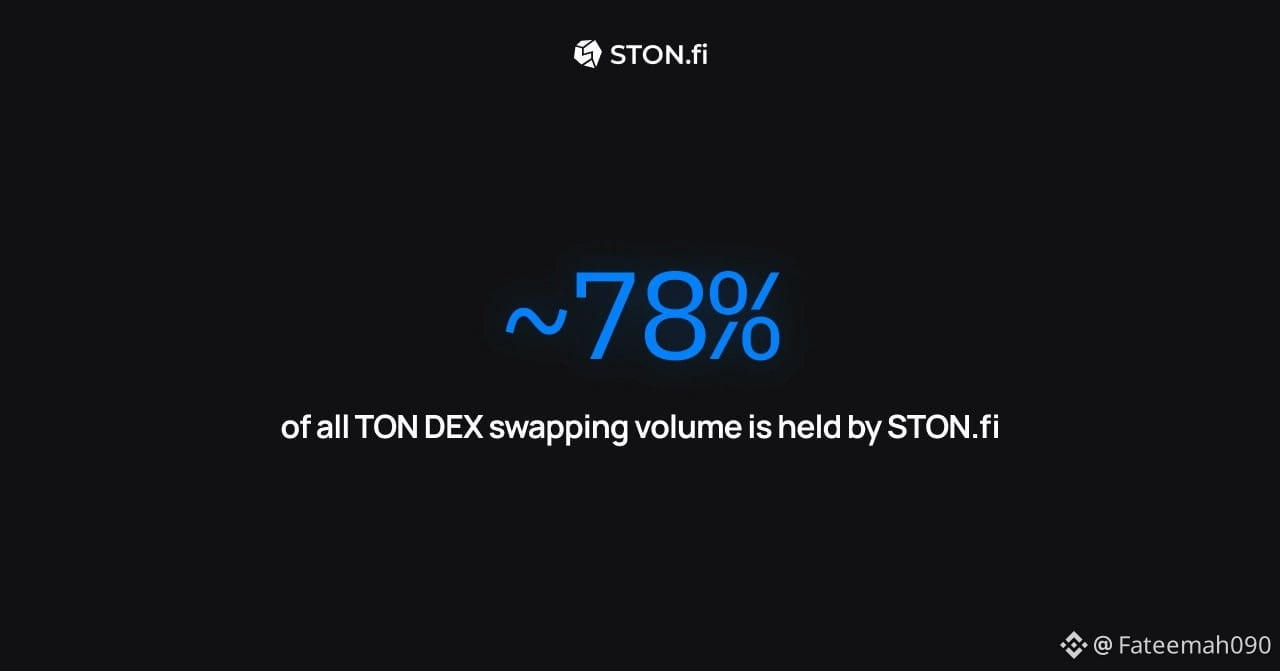
Warum die TON DEX-Zahlen von STON.fi wichtig sind
Ein aktueller Blick auf die TON-DeFi-Aktivität zeigt, dass STON.fi etwa 78 % des DEX-Swap-Volumens abwickelt, während sein Nutzeranteil ungefähr 59 % beträgt.
Diese Zahlen sind beeindruckend, aber die wichtigere Frage ist:
Was sagen sie uns über das Ökosystem?
Ein hohes Handelsvolumen bedeutet, dass erhebliche Aktivitäten durch das Protokoll fließen. Ein großer Nutzeranteil deutet zudem darauf hin, dass STON.fi für viele Menschen zu einer wichtigen Anlaufstelle geworden ist, um Assets auf $TON zu tauschen.
Doch da gibt es noch einen Punkt, der nicht übersehen werden sollte: Omniston.
Omniston ist darauf ausgelegt, Liquidität aus mehreren Quellen zu bündeln und die Ausführung von Swaps über verbundene Netzwerke hinweg zu koordinieren. Das bedeutet: Die Rolle von STON.fi kann über das hinausgehen, was traditionelle DEX-Statistiken einer einzelnen Börse zeigen.
Stell es dir so vor:
Ein starkes DeFi-Ökosystem braucht mehr als nur Nutzer und Handelsvolumen.
Es braucht Liquidität + Infrastruktur + effiziente Ausführung + Entwickler + Nutzer, die gemeinsam arbeiten.
Die aktuelle Position von STON.fi in $TON DeFi zeigt, wie wichtig Infrastruktur werden kann, wenn ein Ökosystem wächst.
Und die echte Chance liegt nicht einfach darin, die heutigen Zahlen aufrechtzuerhalten.
Es geht darum, die Infrastruktur weiterzuentwickeln, die die Nutzer, Anwendungen und die Liquidität von morgen unterstützen kann.
$TON DeFi wächst. Die Infrastruktur, die es unterstützt, ist genauso wichtig wie die Zahlen.
#STONfi #STON #TON #DeFi #Omniston #Web3 #CryptoEducation #Blockchain #TONCommunity
Warum die TON DEX-Zahlen von STON.fi wichtig sind
Ein aktueller Blick auf die TON-DeFi-Aktivität zeigt, dass STON.fi etwa 78 % des DEX-Swap-Volumens abwickelt, während sein Nutzeranteil ungefähr 59 % beträgt.
Diese Zahlen sind beeindruckend, aber die wichtigere Frage ist:
Was sagen sie uns über das Ökosystem?
Ein hohes Handelsvolumen bedeutet, dass erhebliche Aktivitäten durch das Protokoll fließen. Ein großer Nutzeranteil deutet zudem darauf hin, dass STON.fi für viele Menschen zu einer wichtigen Anlaufstelle geworden ist, um Assets auf $TON zu tauschen.
Doch da gibt es noch einen Punkt, der nicht übersehen werden sollte: Omniston.
Omniston ist darauf ausgelegt, Liquidität aus mehreren Quellen zu bündeln und die Ausführung von Swaps über verbundene Netzwerke hinweg zu koordinieren. Das bedeutet: Die Rolle von STON.fi kann über das hinausgehen, was traditionelle DEX-Statistiken einer einzelnen Börse zeigen.
Stell es dir so vor:
Ein starkes DeFi-Ökosystem braucht mehr als nur Nutzer und Handelsvolumen.
Es braucht Liquidität + Infrastruktur + effiziente Ausführung + Entwickler + Nutzer, die gemeinsam arbeiten.
Die aktuelle Position von STON.fi in $TON DeFi zeigt, wie wichtig Infrastruktur werden kann, wenn ein Ökosystem wächst.
Und die echte Chance liegt nicht einfach darin, die heutigen Zahlen aufrechtzuerhalten.
Es geht darum, die Infrastruktur weiterzuentwickeln, die die Nutzer, Anwendungen und die Liquidität von morgen unterstützen kann.
$TON DeFi wächst. Die Infrastruktur, die es unterstützt, ist genauso wichtig wie die Zahlen.
#STONfi #STON #TON #DeFi #Omniston #Web3 #CryptoEducation #Blockchain #TONCommunity
Ein aktueller Blick auf die TON-DeFi-Aktivität zeigt, dass STON.fi etwa 78 % des DEX-Swap-Volumens abwickelt, während sein Nutzeranteil ungefähr 59 % beträgt.
Diese Zahlen sind beeindruckend, aber die wichtigere Frage ist:
Was sagen sie uns über das Ökosystem?
Ein hohes Handelsvolumen bedeutet, dass erhebliche Aktivitäten durch das Protokoll fließen. Ein großer Nutzeranteil deutet zudem darauf hin, dass STON.fi für viele Menschen zu einer wichtigen Anlaufstelle geworden ist, um Assets auf $TON zu tauschen.
Doch da gibt es noch einen Punkt, der nicht übersehen werden sollte: Omniston.
Omniston ist darauf ausgelegt, Liquidität aus mehreren Quellen zu bündeln und die Ausführung von Swaps über verbundene Netzwerke hinweg zu koordinieren. Das bedeutet: Die Rolle von STON.fi kann über das hinausgehen, was traditionelle DEX-Statistiken einer einzelnen Börse zeigen.
Stell es dir so vor:
Ein starkes DeFi-Ökosystem braucht mehr als nur Nutzer und Handelsvolumen.
Es braucht Liquidität + Infrastruktur + effiziente Ausführung + Entwickler + Nutzer, die gemeinsam arbeiten.
Die aktuelle Position von STON.fi in $TON DeFi zeigt, wie wichtig Infrastruktur werden kann, wenn ein Ökosystem wächst.
Und die echte Chance liegt nicht einfach darin, die heutigen Zahlen aufrechtzuerhalten.
Es geht darum, die Infrastruktur weiterzuentwickeln, die die Nutzer, Anwendungen und die Liquidität von morgen unterstützen kann.
$TON DeFi wächst. Die Infrastruktur, die es unterstützt, ist genauso wichtig wie die Zahlen.
#STONfi #STON #TON #DeFi #Omniston #Web3 #CryptoEducation #Blockchain #TONCommunity
1
70
Anmelden und weiter Inhalte entdecken
Krypto-Nutzer weltweit auf Binance Square kennenlernen
⚡️ Bleib in Sachen Krypto stets am Puls.
💬 Die weltgrößte Kryptobörse vertraut darauf.
👍 Erhalte verlässliche Einblicke von verifizierten Creators.
E-Mail-Adresse/Telefonnummer
Trendthemen
UKFCAWinsCourtOrderToRecover851400Pounds
33,332 Aufrufe
776 Kommentare
🚨 KRYPTOREGULIERUNG BETRITT JETZT EINE NEUE PHASE: SIE SCHREIBEN NICHT NUR REGELN — SIE HOLEN GELD ZURÜCK.
Die britische FCA hat eine weitere gerichtlich gestützte Vermögensrückgewinnung gesichert und verstärkt damit einen breiteren Durchsetzungsansatz gegen unbefugte Finanz- und Kryptoaktivitäten.
Und schau dir an, was gleichzeitig passiert:
🇬🇧 FCA → Durchsetzung + Vermögensrückgewinnung
🇺🇸 SEC → klarere Regeln für funktionale Krypto-Assets
🇺🇸 Fed → formale Stablecoin-Aufsicht unter dem GENIUS Act
Diese Kombination ist entscheidend.
Regulierungsbehörden debattieren nicht länger, ob Krypto in das Finanzsystem gehört.
Stattdessen entscheiden sie zunehmend, wer Zugang bekommt, welche Regeln gilt, und was passiert, wenn diese Regeln gebrochen werden.
Der nächste Krypto-Zyklus könnte nicht „Regulierung vs. Innovation“ sein.
Er könnte reguliertes Krypto sein — im Gegensatz zu allen, die den Standard nicht erfüllen können. 👀
$COIN $CRCL $BTC
#ukfcawinscourtordertorecover851400pounds #ChainlinkLaunchesCCIP2WithEnterpriseVerification #GoldFallsTo$4144 #QNTFallsOver40%FromMorningHigh #USDTAdds845900HoldersInPast7Days
KimHotbae
·3 Likes
·4.3k Aufrufe
ChainlinkLaunchesCCIP2WithEnterpriseVerification
46,834 Aufrufe
950 Kommentare
GoldFallsTo$4144
16,182 Aufrufe
164 Kommentare