
EtherGlyph
8 Beiträge
EtherGlyph
Trade eröffnen
Gelegenheitstrader
6.4 Jahre
0 Following
19 Follower
34 Like gegeben
Beiträge
Portfolio
Jeder wartet auf den nächsten Bullenmarkt, aber ich glaube, viele schauen auf die falschen Indikatoren.
Nur der Preis allein erzählt nicht die ganze Geschichte.
Wichtig ist, ob weiterhin Kapital in das Ökosystem fließt, ob Entwickler auch in ruhigen Märkten weiterbauen und ob die Blockchain-Nutzung über Spekulation hinaus wächst.
Der nächste große Zyklus wird vielleicht nicht nur von Memes angetrieben. KI, tokenisierte reale Vermögenswerte, Stablecoins und institutionelle Infrastruktur werden zu größeren Bestandteilen der Krypto-Wirtschaft. Die Projekte, die überleben, werden nicht unbedingt die lautesten sein – sondern die, die echte Probleme lösen.
Die Geschichte hat gezeigt, dass jeder Zyklus neue Anführer hervorbringt, während viele frühere Favoriten verblassen. Deshalb kann das blinde Folgen von Narrativen gefährlicher sein als eine vorübergehende Marktvolatilität.
Statt zu fragen: „Welche Coin wird 100x?“
Eine bessere Frage ist:
„Welche Ökosysteme gewinnen still Nutzer, Entwickler, Liquidität und echte Akzeptanz, bevor die Masse es bemerkt?“
Märkte belohnen Geduld viel häufiger als Emotionen.
Welcher eine Sektor wird deiner Meinung nach den nächsten Krypto-Zyklus anführen?
Nur der Preis allein erzählt nicht die ganze Geschichte.
Wichtig ist, ob weiterhin Kapital in das Ökosystem fließt, ob Entwickler auch in ruhigen Märkten weiterbauen und ob die Blockchain-Nutzung über Spekulation hinaus wächst.
Der nächste große Zyklus wird vielleicht nicht nur von Memes angetrieben. KI, tokenisierte reale Vermögenswerte, Stablecoins und institutionelle Infrastruktur werden zu größeren Bestandteilen der Krypto-Wirtschaft. Die Projekte, die überleben, werden nicht unbedingt die lautesten sein – sondern die, die echte Probleme lösen.
Die Geschichte hat gezeigt, dass jeder Zyklus neue Anführer hervorbringt, während viele frühere Favoriten verblassen. Deshalb kann das blinde Folgen von Narrativen gefährlicher sein als eine vorübergehende Marktvolatilität.
Statt zu fragen: „Welche Coin wird 100x?“
Eine bessere Frage ist:
„Welche Ökosysteme gewinnen still Nutzer, Entwickler, Liquidität und echte Akzeptanz, bevor die Masse es bemerkt?“
Märkte belohnen Geduld viel häufiger als Emotionen.
Welcher eine Sektor wird deiner Meinung nach den nächsten Krypto-Zyklus anführen?
🌐 Ist es an der Zeit, den „Select Network“-Krieg in Web3 zu beenden? 🧠⛓️
Wie oft hast du dich beim Übertragen von Krypto unruhig gefühlt, aus Angst, das falsche Netzwerk auszuwählen? Wie vielen Nutzern wurde vorübergehend oder dauerhaft der Zugriff auf ihre Gelder entzogen, nur weil die Blockchain-Infrastruktur noch immer wie voneinander isolierte Inseln funktioniert?
Der aktuelle Zustand von Krypto ist wie zu versuchen, eine E-Mail zu verschicken, aber gezwungen zu sein, den exakten Servertyp des Empfängers zu kennen, nur um sie zuzustellen! Diese Komplexität in der User Experience (UX) ist das größte Hindernis für die massenhafte globale Akzeptanz.
🔮 Betritt die Revolution: Künstliche Intelligenz und „Chain Abstraction“:
Die Zukunft erfordert nicht, alle Blockchains zu einem einzigen Netzwerk zu verschmelzen. Stattdessen braucht es eine „Unified AI Intelligence Layer“, die nahtlos im Hintergrund arbeitet.
💡 Meine Vision für das nächste große Web3-Projekt:
Stell dir ein KI-gesteuertes Smart-Protokoll vor, das das Chaos für den Nutzer verwaltet:
1. Auto-Erkennung: Es liest sofort die Ziel-Wallet-Adresse und ihre zugrunde liegende Architektur aus.
2. Versteuertes Routing: Es wählt automatisch den sichersten, schnellsten und günstigsten Weg über Cross-Chain-Bridges im Hintergrund.
3. Einheitliche Erfahrung: Der Nutzer klickt einfach auf „Send“, während die KI die kryptografischen und Interoperabilitäts-Komplexitäten hinter den Kulissen übernimmt.
Wenn wir wirklich die nächsten Milliarden Nutzer erreichen wollen, muss Web3 so intuitiv sein wie das Surfen im Internet heute. Der Satz „Select a supported network“ muss vollständig aus den Benutzeroberflächen verschwinden.
Was denkst du? Ist die Integration von KI in das Blockchain-Routing die ultimative Lösung für dieses Problem? Lass es uns in den Kommentaren diskutieren! 👇
#Binance #Web3 #AI #ArtificialIntelligence #Blockchain
Wie oft hast du dich beim Übertragen von Krypto unruhig gefühlt, aus Angst, das falsche Netzwerk auszuwählen? Wie vielen Nutzern wurde vorübergehend oder dauerhaft der Zugriff auf ihre Gelder entzogen, nur weil die Blockchain-Infrastruktur noch immer wie voneinander isolierte Inseln funktioniert?
Der aktuelle Zustand von Krypto ist wie zu versuchen, eine E-Mail zu verschicken, aber gezwungen zu sein, den exakten Servertyp des Empfängers zu kennen, nur um sie zuzustellen! Diese Komplexität in der User Experience (UX) ist das größte Hindernis für die massenhafte globale Akzeptanz.
🔮 Betritt die Revolution: Künstliche Intelligenz und „Chain Abstraction“:
Die Zukunft erfordert nicht, alle Blockchains zu einem einzigen Netzwerk zu verschmelzen. Stattdessen braucht es eine „Unified AI Intelligence Layer“, die nahtlos im Hintergrund arbeitet.
💡 Meine Vision für das nächste große Web3-Projekt:
Stell dir ein KI-gesteuertes Smart-Protokoll vor, das das Chaos für den Nutzer verwaltet:
1. Auto-Erkennung: Es liest sofort die Ziel-Wallet-Adresse und ihre zugrunde liegende Architektur aus.
2. Versteuertes Routing: Es wählt automatisch den sichersten, schnellsten und günstigsten Weg über Cross-Chain-Bridges im Hintergrund.
3. Einheitliche Erfahrung: Der Nutzer klickt einfach auf „Send“, während die KI die kryptografischen und Interoperabilitäts-Komplexitäten hinter den Kulissen übernimmt.
Wenn wir wirklich die nächsten Milliarden Nutzer erreichen wollen, muss Web3 so intuitiv sein wie das Surfen im Internet heute. Der Satz „Select a supported network“ muss vollständig aus den Benutzeroberflächen verschwinden.
Was denkst du? Ist die Integration von KI in das Blockchain-Routing die ultimative Lösung für dieses Problem? Lass es uns in den Kommentaren diskutieren! 👇
#Binance #Web3 #AI #ArtificialIntelligence #Blockchain
Wir alle betreten diesen Raum, um denselben Traum zu verfolgen: das Luxusauto am Strand, das perfekte Zuhause und absolute finanzielle Freiheit.
Ich gebe es ehrlich zu – ich bin in diese digitale Welt eingestiegen, um online Geld zu verdienen und mir dieses perfekte Leben aufzubauen. Aber die Realität schlägt hart zu. Ich habe etwas zu spät realisiert, dass ich nicht genug Kernwissen oder einen klaren Ausgangspunkt in diesem riesigen Ozean hatte. In letzter Zeit hatte ich sogar das Gefühl, dass jeder Schritt, den ich mache, gegen mich geht, trotz eines hartnäckigen Bauchgefühls, dass der Erfolg schon lange auf mich gewartet hat. Ich war fast bereit zu klagen, dass ich keinen einzigen Cent verdient habe, bis ich meinen Weg genauer betrachtete und erkannte, dass meine tatsächlichen Durchbrüche eher aus NFTs als aus regulären Tokens kamen.
Obwohl die Beträge sehr klein waren, ließ es mich erkennen, dass der NFT-Raum immer noch voller ungenutzter Möglichkeiten ist. Es gibt jedoch eine klare strukturelle Disconnect im Markt. Wir sehen fast 20 verschiedene Ethereum-kompatible Netzwerke nahtlos in dominanten globalen Marktplätzen wie OpenSea integriert, während das BNB Chain-Ökosystem oft isoliert von diesen Mainstream-Cross-Chain-Scheinwerfern wirkt. Während es spezialisierte Nischenplattformen für BNB NFTs gibt, unterdrückt die Trennung von den größten globalen Handelszentren natürlich ihren Wert und schränkt die Sichtbarkeit bei internationalen Sammlern ein.
Diese Liquiditätslücke effektiv zu überbrücken, könnte massiven latenten Wert für Kreatoren und Trader freisetzen. Es lässt mich ehrlich fragen, ob es in diesen Ecken der Web3-Welt noch echte, leidenschaftliche Menschen gibt, die traden, oder ob der Raum zu fragmentiert geworden ist, um zu überleben. Vielleicht, nur vielleicht, werden diese globalen Brücken helfen, diese fernen Träume eines Tages in die Realität umzusetzen. 😉
Was sind deine Gedanken dazu, wie wir isolierte NFT-Ökosysteme besser mit dem globalen Markt verbinden können? Lass uns Perspektiven in den Kommentaren teilen.
#Web3 #NFTs #BNBChain #MarketAnalysis
Ich gebe es ehrlich zu – ich bin in diese digitale Welt eingestiegen, um online Geld zu verdienen und mir dieses perfekte Leben aufzubauen. Aber die Realität schlägt hart zu. Ich habe etwas zu spät realisiert, dass ich nicht genug Kernwissen oder einen klaren Ausgangspunkt in diesem riesigen Ozean hatte. In letzter Zeit hatte ich sogar das Gefühl, dass jeder Schritt, den ich mache, gegen mich geht, trotz eines hartnäckigen Bauchgefühls, dass der Erfolg schon lange auf mich gewartet hat. Ich war fast bereit zu klagen, dass ich keinen einzigen Cent verdient habe, bis ich meinen Weg genauer betrachtete und erkannte, dass meine tatsächlichen Durchbrüche eher aus NFTs als aus regulären Tokens kamen.
Obwohl die Beträge sehr klein waren, ließ es mich erkennen, dass der NFT-Raum immer noch voller ungenutzter Möglichkeiten ist. Es gibt jedoch eine klare strukturelle Disconnect im Markt. Wir sehen fast 20 verschiedene Ethereum-kompatible Netzwerke nahtlos in dominanten globalen Marktplätzen wie OpenSea integriert, während das BNB Chain-Ökosystem oft isoliert von diesen Mainstream-Cross-Chain-Scheinwerfern wirkt. Während es spezialisierte Nischenplattformen für BNB NFTs gibt, unterdrückt die Trennung von den größten globalen Handelszentren natürlich ihren Wert und schränkt die Sichtbarkeit bei internationalen Sammlern ein.
Diese Liquiditätslücke effektiv zu überbrücken, könnte massiven latenten Wert für Kreatoren und Trader freisetzen. Es lässt mich ehrlich fragen, ob es in diesen Ecken der Web3-Welt noch echte, leidenschaftliche Menschen gibt, die traden, oder ob der Raum zu fragmentiert geworden ist, um zu überleben. Vielleicht, nur vielleicht, werden diese globalen Brücken helfen, diese fernen Träume eines Tages in die Realität umzusetzen. 😉
Was sind deine Gedanken dazu, wie wir isolierte NFT-Ökosysteme besser mit dem globalen Markt verbinden können? Lass uns Perspektiven in den Kommentaren teilen.
#Web3 #NFTs #BNBChain #MarketAnalysis
In der Krypto-Welt am Leben zu bleiben, ist um ein Vielfaches besser, als schnelles Geld zu jagen und alles zu verlieren.
Lass uns mal ein einfaches Rechenbeispiel anschauen, das meine Sichtweise auf das Trading komplett verändert hat. Stell dir vor, Bitcoin steht bei 60.000 $. Wenn du Bitcoin im Spot für 60.000 $ kaufst und der Preis auf 55.000 $ sinkt, bist du auf dem Papier 5.000 $ im Minus. Aber du besitzt immer noch das echte Asset. Du kannst es halten, die stürmische Zeit überstehen oder mehr zu einem Rabatt kaufen. Du kaufst dir die Zeit.
Jetzt schauen wir uns Margin an. Du nutzt 20.000 $ mit 3x Leverage, um die gleiche 60.000 $ Position zu kontrollieren. Bitcoin fällt wieder auf 55.000 $. Aufgrund des 3x Leverage trifft dich der Marktrückgang von 5.000 $ dreimal härter. Du hast gerade 15.000 $ von deinen 20.000 $ verloren. Ein weiterer kleiner Rückgang, und dein gesamtes Guthaben ist weg. Margin und Leverage sind fortgeschrittene Werkzeuge, die für große Institutionen entwickelt wurden, um Liquidität zu managen, nicht um die Marktbewegungen zu erraten.
Wenn du fortschrittliche Technologien sicher nutzen willst, schau dir automatisierte Tools wie Grid Bots an. Diese kaufen niedrig und verkaufen hoch für dich, basierend auf strengen Regeln, und beseitigen menschliche Emotionen. Im Markt zu überleben bedeutet, zu wissen, wann man das echte Asset im Spot halten und wann man automatisierte Tools die schwere Arbeit erledigen lässt.
Wie balancierst du dein Portfolio zwischen Spot-Trading und automatisierten Bots? Lass uns in den Kommentaren darüber reden.
#Binance #Trading #Crypto #MarketAnalysis
Lass uns mal ein einfaches Rechenbeispiel anschauen, das meine Sichtweise auf das Trading komplett verändert hat. Stell dir vor, Bitcoin steht bei 60.000 $. Wenn du Bitcoin im Spot für 60.000 $ kaufst und der Preis auf 55.000 $ sinkt, bist du auf dem Papier 5.000 $ im Minus. Aber du besitzt immer noch das echte Asset. Du kannst es halten, die stürmische Zeit überstehen oder mehr zu einem Rabatt kaufen. Du kaufst dir die Zeit.
Jetzt schauen wir uns Margin an. Du nutzt 20.000 $ mit 3x Leverage, um die gleiche 60.000 $ Position zu kontrollieren. Bitcoin fällt wieder auf 55.000 $. Aufgrund des 3x Leverage trifft dich der Marktrückgang von 5.000 $ dreimal härter. Du hast gerade 15.000 $ von deinen 20.000 $ verloren. Ein weiterer kleiner Rückgang, und dein gesamtes Guthaben ist weg. Margin und Leverage sind fortgeschrittene Werkzeuge, die für große Institutionen entwickelt wurden, um Liquidität zu managen, nicht um die Marktbewegungen zu erraten.
Wenn du fortschrittliche Technologien sicher nutzen willst, schau dir automatisierte Tools wie Grid Bots an. Diese kaufen niedrig und verkaufen hoch für dich, basierend auf strengen Regeln, und beseitigen menschliche Emotionen. Im Markt zu überleben bedeutet, zu wissen, wann man das echte Asset im Spot halten und wann man automatisierte Tools die schwere Arbeit erledigen lässt.
Wie balancierst du dein Portfolio zwischen Spot-Trading und automatisierten Bots? Lass uns in den Kommentaren darüber reden.
#Binance #Trading #Crypto #MarketAnalysis
Die Konvergenz von Pionierkapital und KI-Infrastruktur stellt die nächste strukturelle Evolution für Web3 dar.
Aktuelle Branchenupdates, die den Übergang von grundlegenden Entwicklern in passive Investorenrollen hervorheben, bieten einen klaren Ausblick auf die langfristige Richtung des Marktes. Was mir auffällt, ist der bewusste Fokus auf die Schnittstelle von künstlicher Intelligenz und dezentralen Netzwerken. Dieser strategische Schritt geht direkt auf Missverständnisse über die grundlegende Führung ein und zeigt, dass reife Ökosysteme nicht mehr auf tägliches Unternehmensmanagement angewiesen sind, sondern stattdessen auf skalierbare, automatisierte technologische Rahmenbedingungen gedeihen.
Aus analytischer Sicht dient die Investition von Kapital in KI-gesteuerte Web3-Infrastruktur als wichtiger Katalysator für die globale Marktreife. Wenn sich frühe Pioniere rein als passive Tech-Investoren positionieren, beschleunigt dies das institutionelle Vertrauen sowohl in den östlichen als auch in den westlichen Märkten. Indem zukünftiges Wachstum an greifbare technologische Nutzen - wie dezentrale Datenverarbeitung und autonome KI-Agenten - gebunden wird, entkoppelt sich die Branche effektiv von individuellen Persönlichkeiten und ebnet den Weg für selbsttragende Netzwerke, die von internationalen Produktstandards getrieben werden.
Wie sehen Sie die Integration von KI, die die nächste Generation dezentraler Infrastruktur prägen wird? Lassen Sie uns Ihre Einblicke in den Kommentaren unten diskutieren.
#Binance #Web3 #artificialintelligence #Marktanalyse
Aktuelle Branchenupdates, die den Übergang von grundlegenden Entwicklern in passive Investorenrollen hervorheben, bieten einen klaren Ausblick auf die langfristige Richtung des Marktes. Was mir auffällt, ist der bewusste Fokus auf die Schnittstelle von künstlicher Intelligenz und dezentralen Netzwerken. Dieser strategische Schritt geht direkt auf Missverständnisse über die grundlegende Führung ein und zeigt, dass reife Ökosysteme nicht mehr auf tägliches Unternehmensmanagement angewiesen sind, sondern stattdessen auf skalierbare, automatisierte technologische Rahmenbedingungen gedeihen.
Aus analytischer Sicht dient die Investition von Kapital in KI-gesteuerte Web3-Infrastruktur als wichtiger Katalysator für die globale Marktreife. Wenn sich frühe Pioniere rein als passive Tech-Investoren positionieren, beschleunigt dies das institutionelle Vertrauen sowohl in den östlichen als auch in den westlichen Märkten. Indem zukünftiges Wachstum an greifbare technologische Nutzen - wie dezentrale Datenverarbeitung und autonome KI-Agenten - gebunden wird, entkoppelt sich die Branche effektiv von individuellen Persönlichkeiten und ebnet den Weg für selbsttragende Netzwerke, die von internationalen Produktstandards getrieben werden.
Wie sehen Sie die Integration von KI, die die nächste Generation dezentraler Infrastruktur prägen wird? Lassen Sie uns Ihre Einblicke in den Kommentaren unten diskutieren.
#Binance #Web3 #artificialintelligence #Marktanalyse
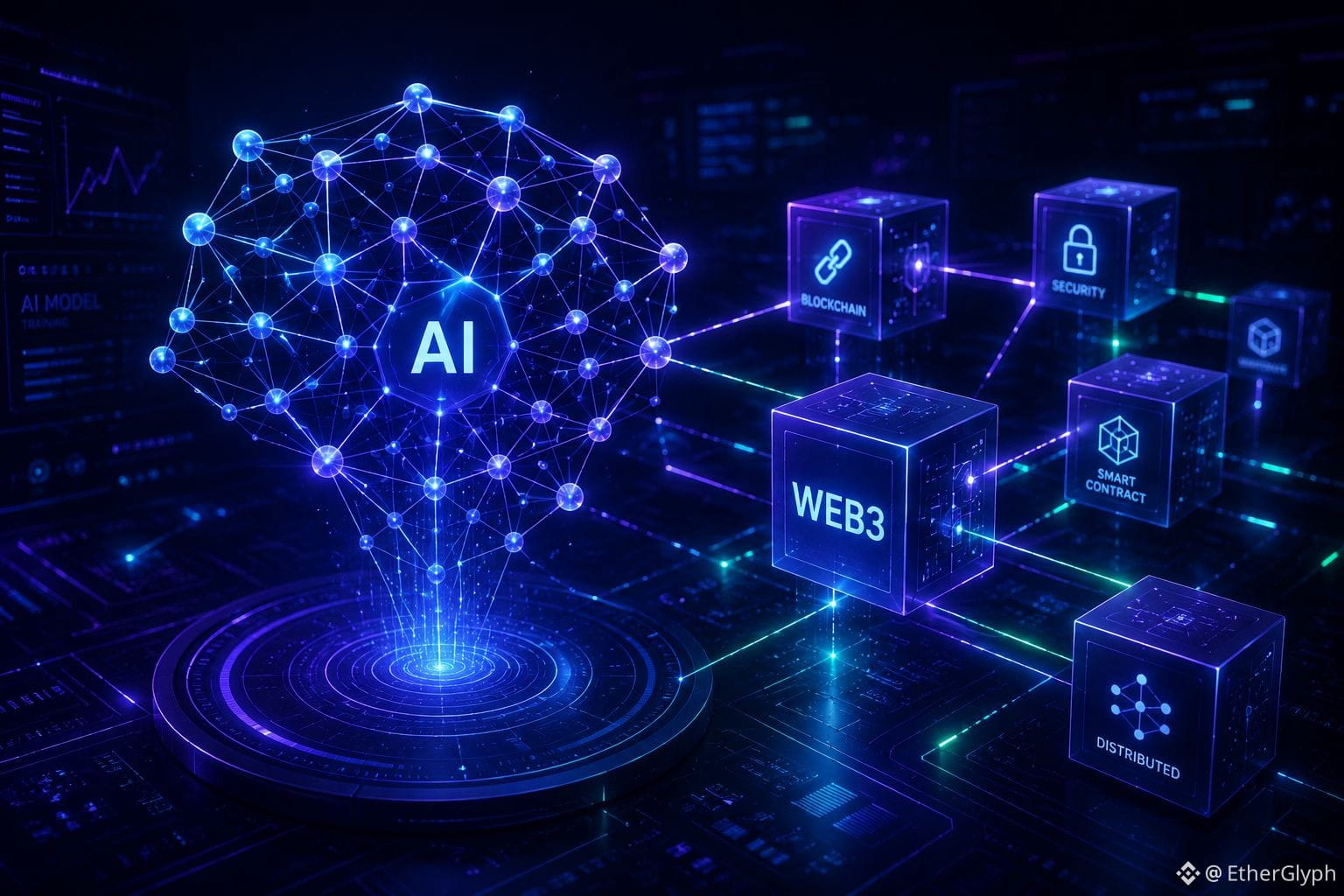
Hast du jemals das Gefühl gehabt, der Markt beobachtet dich? 👀
Fast jeder Trader hat das schon erlebt — du verkaufst einen Coin, und direkt danach pumpt der Preis wie verrückt.
Es fühlt sich unrealistisch an. Du denkst: „Warum passiert das immer mir?“
Klar, wir könnten es Pech nennen… aber manchmal fühlt es sich tiefer an als das.
Hast du jemals bemerkt, wie einige Trades, die du so gut planst, einfach scheitern, während zufällige plötzlich gewinnen?
Oder wie es sich anfühlt, als wären deine Schritte im Markt nicht ganz deine eigenen — als würde dich immer etwas in die falsche Richtung drängen?
Selbst mit Jahren an Erfahrung, soliden Strategien und vollem Marktverständnis können manche Leute nicht einmal $0.00001 echten Gewinn erzielen.
Es lässt einen nachdenken — ist es nur Emotion und Timing… oder gibt es etwas Größeres, das wir noch nicht ganz verstehen? 🤔
Fast jeder Trader hat das schon erlebt — du verkaufst einen Coin, und direkt danach pumpt der Preis wie verrückt.
Es fühlt sich unrealistisch an. Du denkst: „Warum passiert das immer mir?“
Klar, wir könnten es Pech nennen… aber manchmal fühlt es sich tiefer an als das.
Hast du jemals bemerkt, wie einige Trades, die du so gut planst, einfach scheitern, während zufällige plötzlich gewinnen?
Oder wie es sich anfühlt, als wären deine Schritte im Markt nicht ganz deine eigenen — als würde dich immer etwas in die falsche Richtung drängen?
Selbst mit Jahren an Erfahrung, soliden Strategien und vollem Marktverständnis können manche Leute nicht einmal $0.00001 echten Gewinn erzielen.
Es lässt einen nachdenken — ist es nur Emotion und Timing… oder gibt es etwas Größeres, das wir noch nicht ganz verstehen? 🤔
Warum Litecoin (LTC) sich immer noch unterbewertet anfühlt 🤔
Jetzt weiß ich, dass es nicht so einfach ist. Die Gesamtversorgung von Litecoin beträgt 84 Millionen — das sind 4× mehr als bei Bitcoin — und natürlich beeinflussen viele andere Faktoren wie Liquidität, Nachfrage und Marktkapitalisierung den Preis.
Aber nur zum Spaß habe ich versucht, sie nur nach Angebot zu vergleichen.
Wenn Bitcoin wie Gold ist, dann könnte Litecoin wie Silber sein.
Gold ist etwa 80-mal wertvoller als Silber…
Und doch ist Bitcoin rund 1.178-mal wertvoller als Litecoin!
Das hat mich neugierig gemacht — wenn LTC einem ähnlichen „Silber-zu-Gold“-Muster folgen würde, könnte es heute etwa 1.350 $ wert sein.
Natürlich ist das nur ein einfacher Gedanke, keine echte Analyse — aber es hat mich wirklich stutzig gemacht, warum Litecoin nie die Aufmerksamkeit oder das Wachstum bekommt, das es verdient.
Die Leute nutzen LTC immer noch, um schnell und günstig Geld zwischen Börsen zu bewegen. Es ist vertrauenswürdig, alt, und eine der wenigen Münzen, die tatsächlich für den täglichen Gebrauch funktioniert.
Trotzdem lag sein Allzeithoch nur bei 412,96 $, und in diesem Zyklus hat es nicht einmal 140 $ überschritten.
Also teile ich einfach diese kleine, vielleicht unrealistische Idee — aber sie hat mich zum Nachdenken gebracht:
Warum ist Litecoin nicht gestiegen oder hat den Respekt erhalten, den es im Markt wirklich verdient?
Jetzt weiß ich, dass es nicht so einfach ist. Die Gesamtversorgung von Litecoin beträgt 84 Millionen — das sind 4× mehr als bei Bitcoin — und natürlich beeinflussen viele andere Faktoren wie Liquidität, Nachfrage und Marktkapitalisierung den Preis.
Aber nur zum Spaß habe ich versucht, sie nur nach Angebot zu vergleichen.
Wenn Bitcoin wie Gold ist, dann könnte Litecoin wie Silber sein.
Gold ist etwa 80-mal wertvoller als Silber…
Und doch ist Bitcoin rund 1.178-mal wertvoller als Litecoin!
Das hat mich neugierig gemacht — wenn LTC einem ähnlichen „Silber-zu-Gold“-Muster folgen würde, könnte es heute etwa 1.350 $ wert sein.
Natürlich ist das nur ein einfacher Gedanke, keine echte Analyse — aber es hat mich wirklich stutzig gemacht, warum Litecoin nie die Aufmerksamkeit oder das Wachstum bekommt, das es verdient.
Die Leute nutzen LTC immer noch, um schnell und günstig Geld zwischen Börsen zu bewegen. Es ist vertrauenswürdig, alt, und eine der wenigen Münzen, die tatsächlich für den täglichen Gebrauch funktioniert.
Trotzdem lag sein Allzeithoch nur bei 412,96 $, und in diesem Zyklus hat es nicht einmal 140 $ überschritten.
Also teile ich einfach diese kleine, vielleicht unrealistische Idee — aber sie hat mich zum Nachdenken gebracht:
Warum ist Litecoin nicht gestiegen oder hat den Respekt erhalten, den es im Markt wirklich verdient?
Warum haben die Leute aufgehört, NFTs wie früher zu traden? 🤔
In letzter Zeit habe ich das Gefühl, dass die NFT-Welt zu ruhig geworden ist.
Früher hat jeder jeden Tag NFTs gekauft und verkauft. Jetzt sieht es so aus, als hätten die meisten das Interesse verloren.
Es gibt zu viele NFT-Projekte, aber die meisten haben nicht wirklich eine klare Bedeutung oder einen echten Nutzen. Es ist, als ob sie nur existieren, um gekauft und verkauft zu werden, nicht um etwas Nützliches für die Community aufzubauen.
Ich denke, die großen Plattformen (wie Binance und andere) könnten mehr tun, um die Funktionsweise von NFTs zu verbessern — um sie effizienter und wertvoller im echten Leben zu machen, nicht nur etwas, das ohne Grund rauf oder runter geht.
Manchmal habe ich das Gefühl, dass NFTs ein größeres Potenzial haben als viele Coins, aber das Problem ist... selbst wenn der Preis verrückt hoch geht, findest du vielleicht später niemanden, der es kauft. Zu wenig Nachfrage, zu viele willkürliche Projekte.
Was denkst du? Können NFTs wieder stark werden, oder ist diese Zeit schon vorbei?
In letzter Zeit habe ich das Gefühl, dass die NFT-Welt zu ruhig geworden ist.
Früher hat jeder jeden Tag NFTs gekauft und verkauft. Jetzt sieht es so aus, als hätten die meisten das Interesse verloren.
Es gibt zu viele NFT-Projekte, aber die meisten haben nicht wirklich eine klare Bedeutung oder einen echten Nutzen. Es ist, als ob sie nur existieren, um gekauft und verkauft zu werden, nicht um etwas Nützliches für die Community aufzubauen.
Ich denke, die großen Plattformen (wie Binance und andere) könnten mehr tun, um die Funktionsweise von NFTs zu verbessern — um sie effizienter und wertvoller im echten Leben zu machen, nicht nur etwas, das ohne Grund rauf oder runter geht.
Manchmal habe ich das Gefühl, dass NFTs ein größeres Potenzial haben als viele Coins, aber das Problem ist... selbst wenn der Preis verrückt hoch geht, findest du vielleicht später niemanden, der es kauft. Zu wenig Nachfrage, zu viele willkürliche Projekte.
Was denkst du? Können NFTs wieder stark werden, oder ist diese Zeit schon vorbei?
Anmelden und weiter Inhalte entdecken