
Cavil Zevran
12.8k Beiträge

Cavil Zevran
 Square Verified+
Melden
Nutzer blockieren
Decoding the Markets. Delivering the Alpha
Trade eröffnen
Regelmäßiger Trader
5.6 Jahre
88 Following
31.0K+ Follower
46.3K+ Like gegeben
Beiträge
Portfolio
Alle
Zitierungen
Videos
Live
·
--
Verifiziert
Wenn Sie eine App entwickeln, die Transaktionen an Dusk L1 übermittelt, wirkt eine erfolgreiche Antwort vom Node wie der naheliegende Moment, um dem Nutzer mitzuteilen, dass die Aktion funktioniert hat.
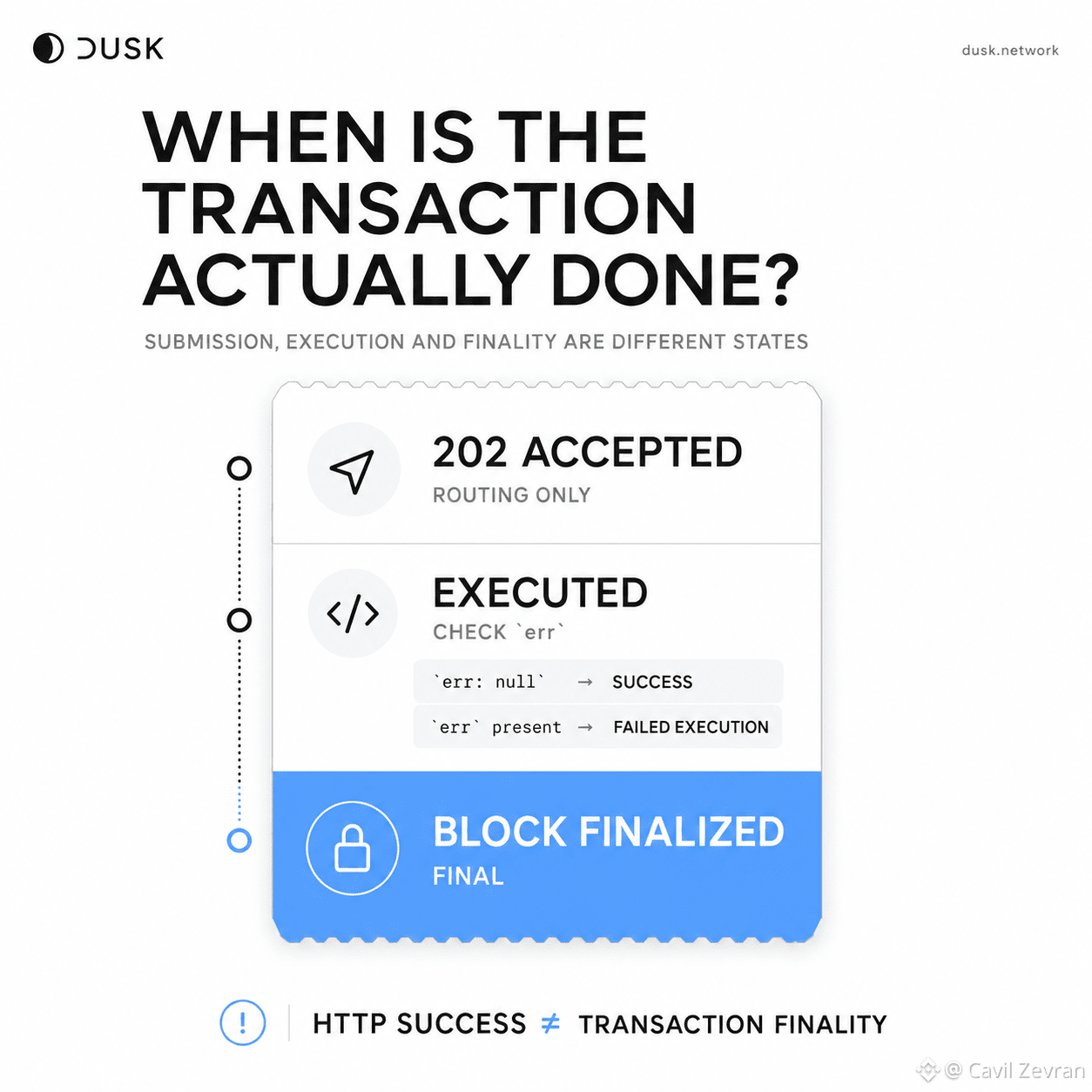
Ich habe das zunächst genauso gelesen, bis ich den Transaktionslebenszyklus von Dusk genauer verfolgt habe. Ein `202 Accepted` vom Propagation-Endpoint bedeutet nur, dass der Node die Transaktion zur Weiterleitung akzeptiert hat. Das heißt nicht, dass die Transaktion einen Block erreicht, erfolgreich ausgeführt wurde oder final ist.
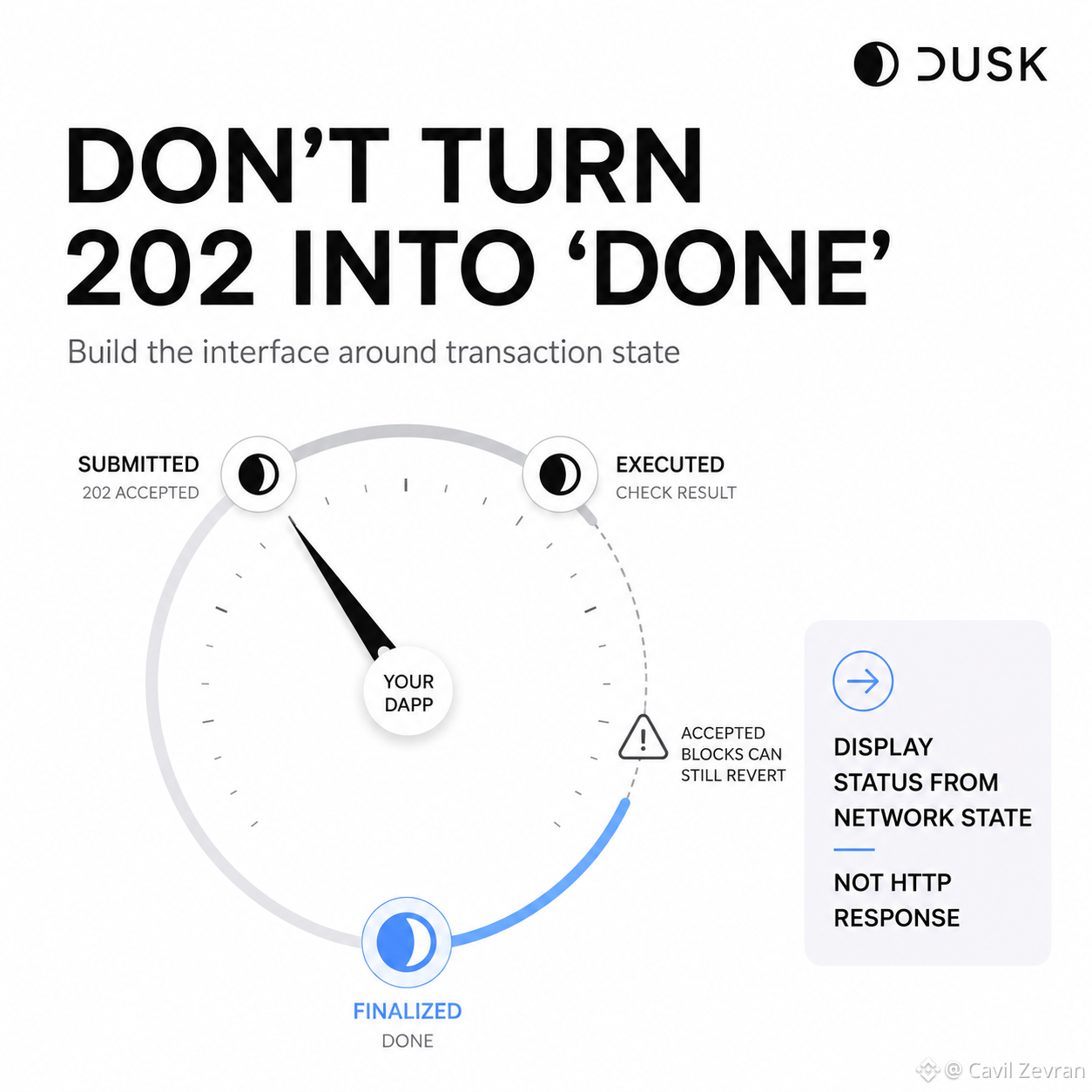
Dadurch wird aus einer vermeintlich einfachen „Transaktion senden“-Integration eher eine Sache der Zustandsverfolgung. Sobald eine Transaktion ausgeführt wurde, macht Dusk ein `err`-Feld verfügbar, wobei `null` bedeutet, dass die Ausführung erfolgreich war. Selbst dann kann aber ein akzeptierter Block noch rückgängig gemacht werden. Die Finalität tritt ein, wenn der Block den Status `finalized` erreicht.
Ich denke, das ordnet die Aufgabe des Builders in einer nützlichen Weise neu.
Sie verdrahten nicht einfach nur einen Button mit einem Endpoint und warten auf einen HTTP-Erfolg. Sie entscheiden, welchen Netzwerkzustand Ihre Anwendung tatsächlich als „abgeschlossen“ für die Person zählt, die sie benutzt.
„Submitted“ ist ein Zustand.
„Executed successfully“ ist ein anderer.
„Final“ ist der, der den Kreis schließt.
@Dusk_Foundation $DUSK #dusk
Wenn Sie eine App entwickeln, die Transaktionen an Dusk L1 übermittelt, wirkt eine erfolgreiche Antwort vom Node wie der naheliegende Moment, um dem Nutzer mitzuteilen, dass die Aktion funktioniert hat.
Ich habe das zunächst genauso gelesen, bis ich den Transaktionslebenszyklus von Dusk genauer verfolgt habe. Ein `202 Accepted` vom Propagation-Endpoint bedeutet nur, dass der Node die Transaktion zur Weiterleitung akzeptiert hat. Das heißt nicht, dass die Transaktion einen Block erreicht, erfolgreich ausgeführt wurde oder final ist.
Dadurch wird aus einer vermeintlich einfachen „Transaktion senden“-Integration eher eine Sache der Zustandsverfolgung. Sobald eine Transaktion ausgeführt wurde, macht Dusk ein `err`-Feld verfügbar, wobei `null` bedeutet, dass die Ausführung erfolgreich war. Selbst dann kann aber ein akzeptierter Block noch rückgängig gemacht werden. Die Finalität tritt ein, wenn der Block den Status `finalized` erreicht.
Ich denke, das ordnet die Aufgabe des Builders in einer nützlichen Weise neu.
Sie verdrahten nicht einfach nur einen Button mit einem Endpoint und warten auf einen HTTP-Erfolg. Sie entscheiden, welchen Netzwerkzustand Ihre Anwendung tatsächlich als „abgeschlossen“ für die Person zählt, die sie benutzt.
„Submitted“ ist ein Zustand.
„Executed successfully“ ist ein anderer.
„Final“ ist der, der den Kreis schließt.
@Dusk $DUSK #dusk
Ich habe das zunächst genauso gelesen, bis ich den Transaktionslebenszyklus von Dusk genauer verfolgt habe. Ein `202 Accepted` vom Propagation-Endpoint bedeutet nur, dass der Node die Transaktion zur Weiterleitung akzeptiert hat. Das heißt nicht, dass die Transaktion einen Block erreicht, erfolgreich ausgeführt wurde oder final ist.
Dadurch wird aus einer vermeintlich einfachen „Transaktion senden“-Integration eher eine Sache der Zustandsverfolgung. Sobald eine Transaktion ausgeführt wurde, macht Dusk ein `err`-Feld verfügbar, wobei `null` bedeutet, dass die Ausführung erfolgreich war. Selbst dann kann aber ein akzeptierter Block noch rückgängig gemacht werden. Die Finalität tritt ein, wenn der Block den Status `finalized` erreicht.
Ich denke, das ordnet die Aufgabe des Builders in einer nützlichen Weise neu.
Sie verdrahten nicht einfach nur einen Button mit einem Endpoint und warten auf einen HTTP-Erfolg. Sie entscheiden, welchen Netzwerkzustand Ihre Anwendung tatsächlich als „abgeschlossen“ für die Person zählt, die sie benutzt.
„Submitted“ ist ein Zustand.
„Executed successfully“ ist ein anderer.
„Final“ ist der, der den Kreis schließt.
@Dusk $DUSK #dusk
2
7
1.3k
·
--
Verifiziert
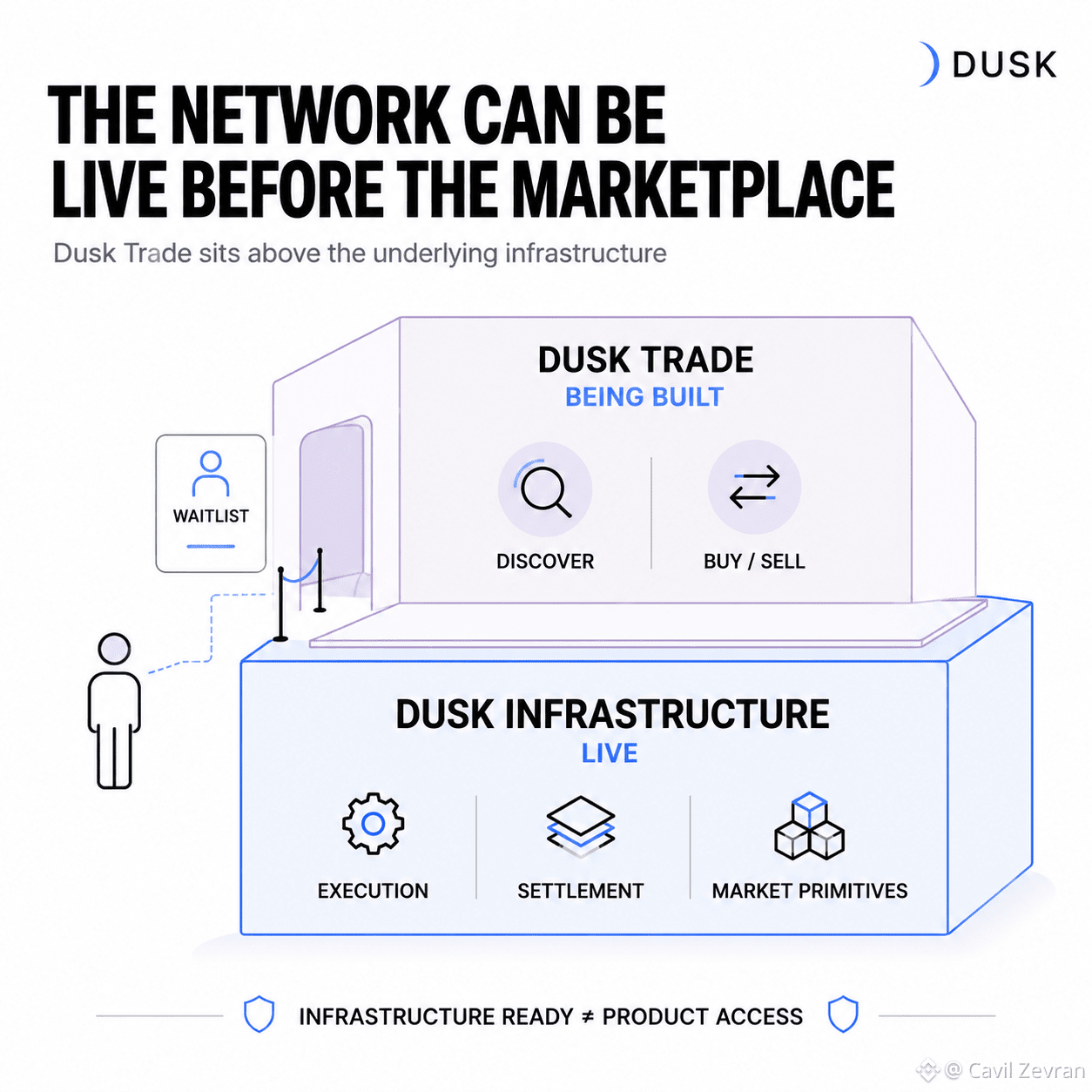
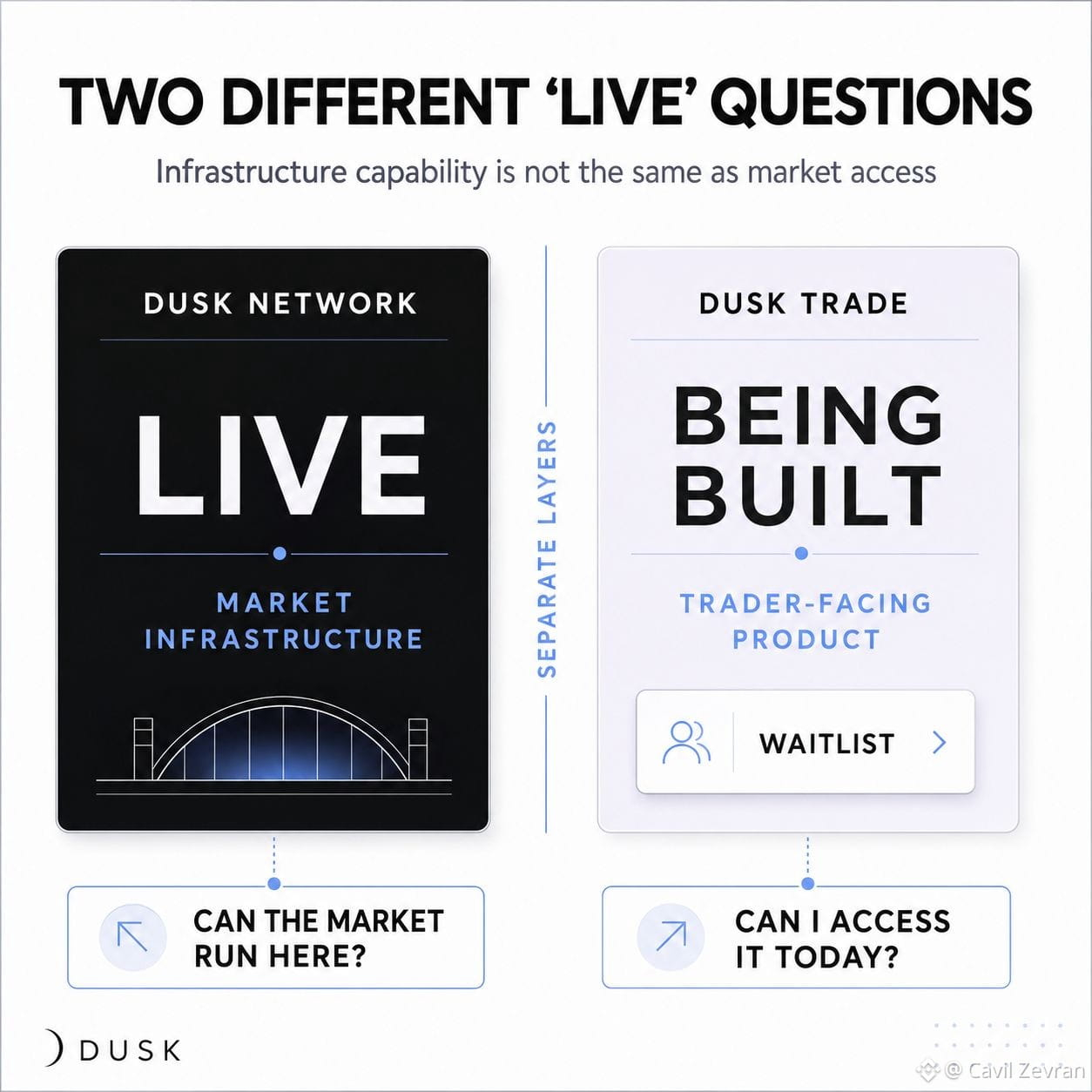
Und hier habe ich aufgehört, „dass die Infrastruktur existiert“ und „dass ich die Assets handeln kann“ als dasselbe Meilenstein-Ziel zu betrachten. Das Dusk-Base-Netzwerk ist live, aber Dusk Trade sitzt darüber als separate Anwendungsschicht und wird noch weiterentwickelt.
Die aktuelle Produktoberfläche ist eine Warteliste, wobei Dusk den künftigen Händler-Workflow beschreibt: rund um das Auffinden, den Kauf und den Verkauf regulierter tokenisierter Assets. Ich finde, diese Trennung lohnt es sich, sichtbar zu halten. Eine Blockchain kann bereits Abwicklung, Ausführung und die Grundbausteine für regulierte Märkte bereitstellen, während die konkrete Handelsumgebung, mit der ein Trader interagiert, erst noch entsteht.
Dusk macht diese Trennlinie im Stack ungewöhnlich explizit: DuskDS und die Ausführungsschichten liefern die Infrastruktur darunter, während Dusk Trade dafür gedacht ist, diese Bausteine in den nutzerseitigen Markt-Workflow zu übersetzen.
Das verhindert, dass ich jede Ankündigung zur Tokenisierung sofort als unmittelige Liquidität oder als unmittelbaren Zugang lese. Für einen Trader sind das unterschiedliche Fragen. Kann die Infrastruktur den Markt unterstützen? Und ist das Handelsprodukt tatsächlich heute verfügbar? Aktuell hat Dusk auf die erste Frage eine klarere Antwort als auf die zweite. Diese Unterscheidung macht die Roadmap leichter zu bewerten, ohne so zu tun, als wäre die Ziellinie bereits erreicht. @Dusk_Foundation $DUSK #dusk
Und hier habe ich aufgehört, „dass die Infrastruktur existiert“ und „dass ich die Assets handeln kann“ als dasselbe Meilenstein-Ziel zu betrachten. Das Dusk-Base-Netzwerk ist live, aber Dusk Trade sitzt darüber als separate Anwendungsschicht und wird noch weiterentwickelt.
Die aktuelle Produktoberfläche ist eine Warteliste, wobei Dusk den künftigen Händler-Workflow beschreibt: rund um das Auffinden, den Kauf und den Verkauf regulierter tokenisierter Assets. Ich finde, diese Trennung lohnt es sich, sichtbar zu halten. Eine Blockchain kann bereits Abwicklung, Ausführung und die Grundbausteine für regulierte Märkte bereitstellen, während die konkrete Handelsumgebung, mit der ein Trader interagiert, erst noch entsteht.
Dusk macht diese Trennlinie im Stack ungewöhnlich explizit: DuskDS und die Ausführungsschichten liefern die Infrastruktur darunter, während Dusk Trade dafür gedacht ist, diese Bausteine in den nutzerseitigen Markt-Workflow zu übersetzen.
Das verhindert, dass ich jede Ankündigung zur Tokenisierung sofort als unmittelige Liquidität oder als unmittelbaren Zugang lese. Für einen Trader sind das unterschiedliche Fragen. Kann die Infrastruktur den Markt unterstützen? Und ist das Handelsprodukt tatsächlich heute verfügbar? Aktuell hat Dusk auf die erste Frage eine klarere Antwort als auf die zweite. Diese Unterscheidung macht die Roadmap leichter zu bewerten, ohne so zu tun, als wäre die Ziellinie bereits erreicht. @Dusk $DUSK #dusk
Die aktuelle Produktoberfläche ist eine Warteliste, wobei Dusk den künftigen Händler-Workflow beschreibt: rund um das Auffinden, den Kauf und den Verkauf regulierter tokenisierter Assets. Ich finde, diese Trennung lohnt es sich, sichtbar zu halten. Eine Blockchain kann bereits Abwicklung, Ausführung und die Grundbausteine für regulierte Märkte bereitstellen, während die konkrete Handelsumgebung, mit der ein Trader interagiert, erst noch entsteht.
Dusk macht diese Trennlinie im Stack ungewöhnlich explizit: DuskDS und die Ausführungsschichten liefern die Infrastruktur darunter, während Dusk Trade dafür gedacht ist, diese Bausteine in den nutzerseitigen Markt-Workflow zu übersetzen.
Das verhindert, dass ich jede Ankündigung zur Tokenisierung sofort als unmittelige Liquidität oder als unmittelbaren Zugang lese. Für einen Trader sind das unterschiedliche Fragen. Kann die Infrastruktur den Markt unterstützen? Und ist das Handelsprodukt tatsächlich heute verfügbar? Aktuell hat Dusk auf die erste Frage eine klarere Antwort als auf die zweite. Diese Unterscheidung macht die Roadmap leichter zu bewerten, ohne so zu tun, als wäre die Ziellinie bereits erreicht. @Dusk $DUSK #dusk
8
11
1.6k
·
--
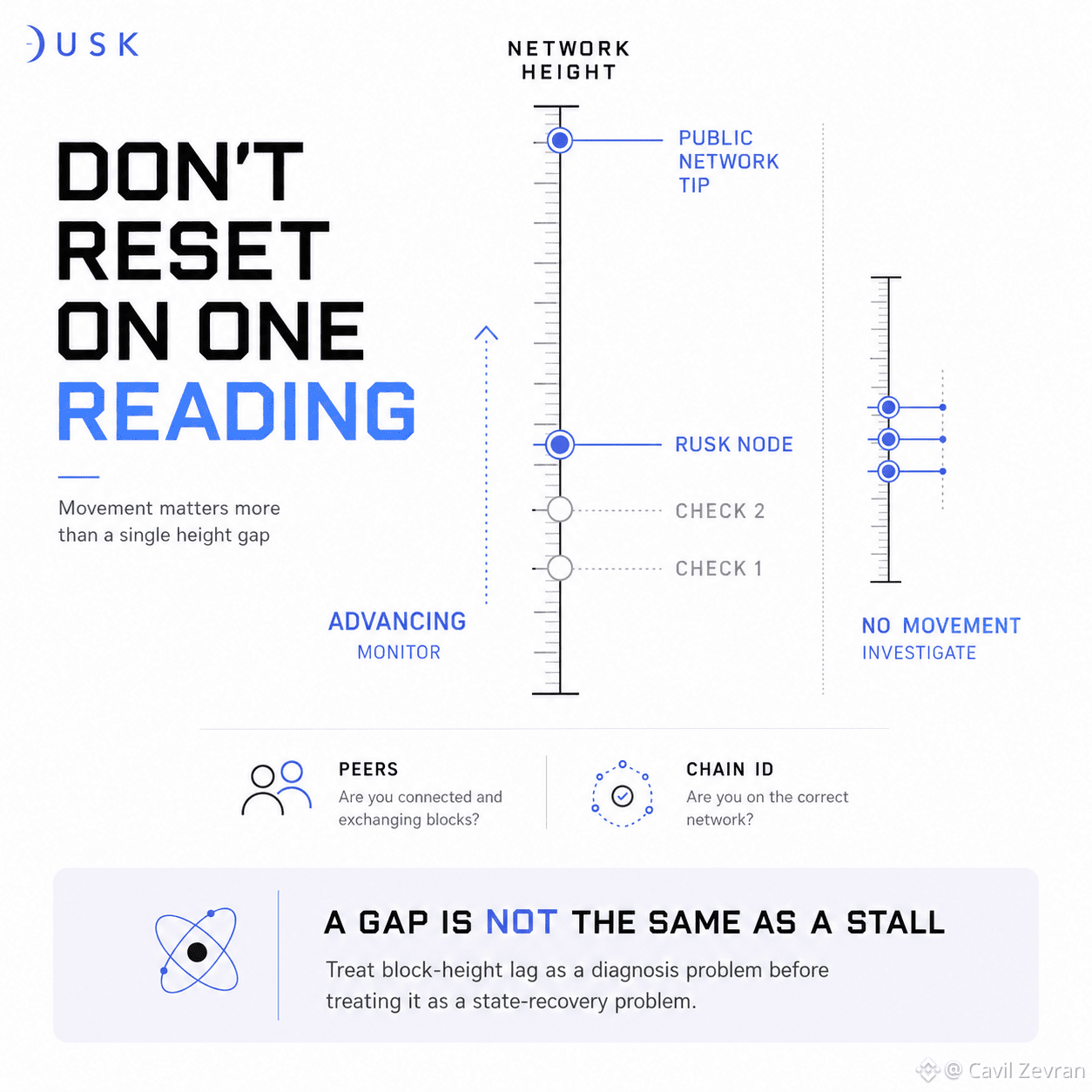
Ich dachte früher, dass ein deutlich hinter dem Netzwerk zurückfallender Dusk-Node bereits ein Wiederherstellungsproblem sei. Genau hinschauen auf den Operator-Flow hat das geändert: Dusk trennt explizit „hinterher“ von „hängengeblieben“, und dieser Unterschied entscheidet, ob der Node überhaupt ein Eingreifen benötigt.
Bevor ein Operator den Zustand ersetzt, kann er die ausgewählte Chain und die Peer-Konnektivität prüfen und dann `ruskquery block-height` mehr als einmal abfragen, um zu sehen, ob die lokale Höhe weiterhin vorankommt. Diese lokale Bewegung lässt sich außerdem mit dem passenden öffentlichen Network-Tip vergleichen. Wenn die Node zwar hinterher ist, aber weiter nach vorn arbeitet, lautet die eigentliche Anleitung von Dusk: weiter beobachten, statt die Verzögerung selbst als Beweis zu behandeln, dass der Zustand defekt ist.
Ich mag diese Unterscheidung, weil Wiederherstellungsmaßnahmen ihre eigenen operativen Kosten haben. Ein Node-Operator muss nicht jede Lücke in der Blockhöhe in eine Reparaturaufgabe verwandeln, wenn die Belege dafür sprechen, dass die Node normal weiterhin aufholt.
Die hilfreiche Entlastung ist also die Diagnose.
Prüfe zuerst, ob der Fortschritt tatsächlich gestoppt wurde, und entscheide dann, ob eine Wiederherstellung gerechtfertigt ist.
Für jemanden, der Infrastruktur wartet, kann es ebenso wertvoll sein zu wissen, wann man einen gesunden Zustand nicht anfassen sollte, wie zu wissen, wie man ihn wiederherstellt.
@Dusk_Foundation $DUSK #dusk
Ich dachte früher, dass ein deutlich hinter dem Netzwerk zurückfallender Dusk-Node bereits ein Wiederherstellungsproblem sei. Genau hinschauen auf den Operator-Flow hat das geändert: Dusk trennt explizit „hinterher“ von „hängengeblieben“, und dieser Unterschied entscheidet, ob der Node überhaupt ein Eingreifen benötigt.
Bevor ein Operator den Zustand ersetzt, kann er die ausgewählte Chain und die Peer-Konnektivität prüfen und dann `ruskquery block-height` mehr als einmal abfragen, um zu sehen, ob die lokale Höhe weiterhin vorankommt. Diese lokale Bewegung lässt sich außerdem mit dem passenden öffentlichen Network-Tip vergleichen. Wenn die Node zwar hinterher ist, aber weiter nach vorn arbeitet, lautet die eigentliche Anleitung von Dusk: weiter beobachten, statt die Verzögerung selbst als Beweis zu behandeln, dass der Zustand defekt ist.
Ich mag diese Unterscheidung, weil Wiederherstellungsmaßnahmen ihre eigenen operativen Kosten haben. Ein Node-Operator muss nicht jede Lücke in der Blockhöhe in eine Reparaturaufgabe verwandeln, wenn die Belege dafür sprechen, dass die Node normal weiterhin aufholt.
Die hilfreiche Entlastung ist also die Diagnose.
Prüfe zuerst, ob der Fortschritt tatsächlich gestoppt wurde, und entscheide dann, ob eine Wiederherstellung gerechtfertigt ist.
Für jemanden, der Infrastruktur wartet, kann es ebenso wertvoll sein zu wissen, wann man einen gesunden Zustand nicht anfassen sollte, wie zu wissen, wie man ihn wiederherstellt.
@Dusk $DUSK #dusk
Bevor ein Operator den Zustand ersetzt, kann er die ausgewählte Chain und die Peer-Konnektivität prüfen und dann `ruskquery block-height` mehr als einmal abfragen, um zu sehen, ob die lokale Höhe weiterhin vorankommt. Diese lokale Bewegung lässt sich außerdem mit dem passenden öffentlichen Network-Tip vergleichen. Wenn die Node zwar hinterher ist, aber weiter nach vorn arbeitet, lautet die eigentliche Anleitung von Dusk: weiter beobachten, statt die Verzögerung selbst als Beweis zu behandeln, dass der Zustand defekt ist.
Ich mag diese Unterscheidung, weil Wiederherstellungsmaßnahmen ihre eigenen operativen Kosten haben. Ein Node-Operator muss nicht jede Lücke in der Blockhöhe in eine Reparaturaufgabe verwandeln, wenn die Belege dafür sprechen, dass die Node normal weiterhin aufholt.
Die hilfreiche Entlastung ist also die Diagnose.
Prüfe zuerst, ob der Fortschritt tatsächlich gestoppt wurde, und entscheide dann, ob eine Wiederherstellung gerechtfertigt ist.
Für jemanden, der Infrastruktur wartet, kann es ebenso wertvoll sein zu wissen, wann man einen gesunden Zustand nicht anfassen sollte, wie zu wissen, wie man ihn wiederherstellt.
@Dusk $DUSK #dusk
9
7
459
·
--
Verifiziert
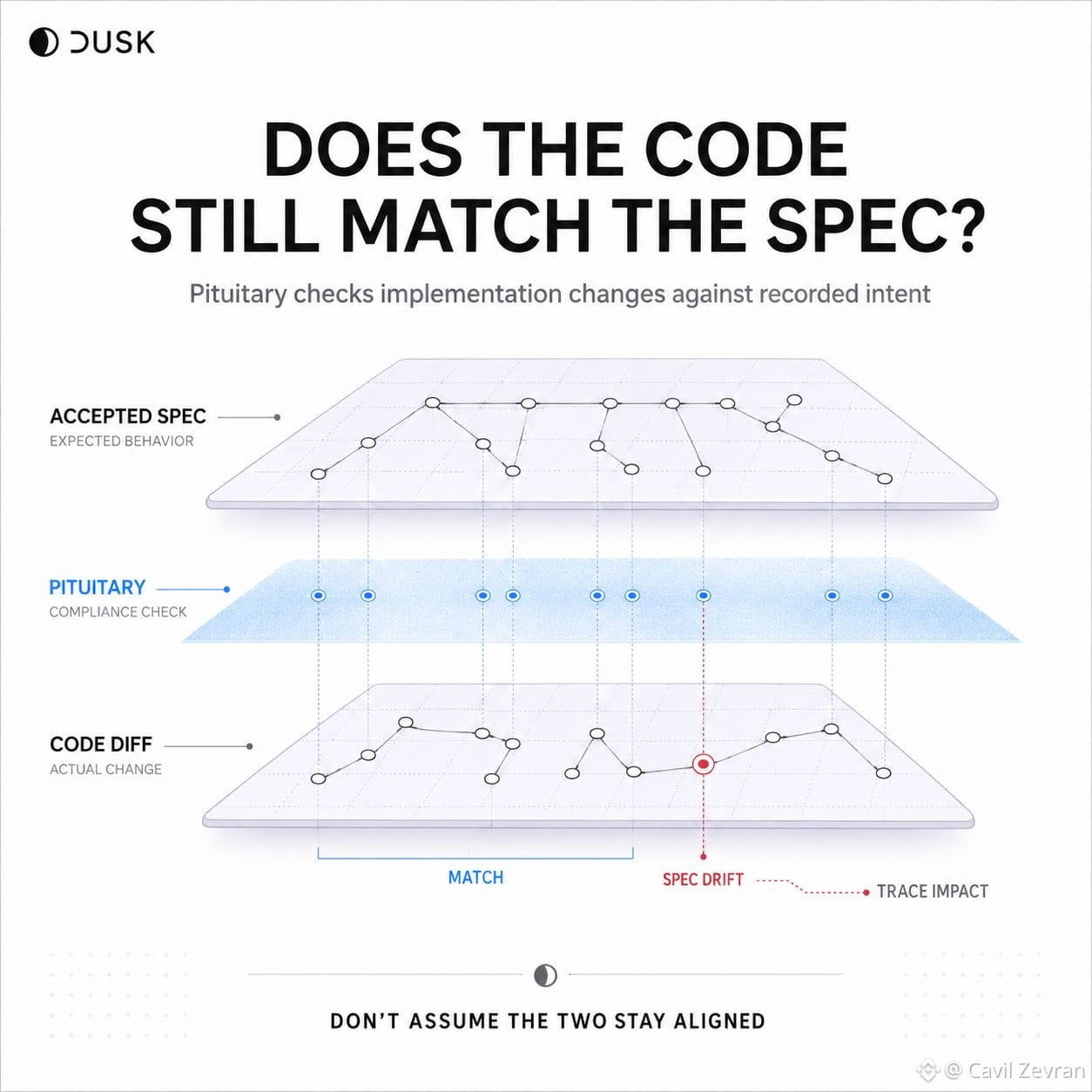
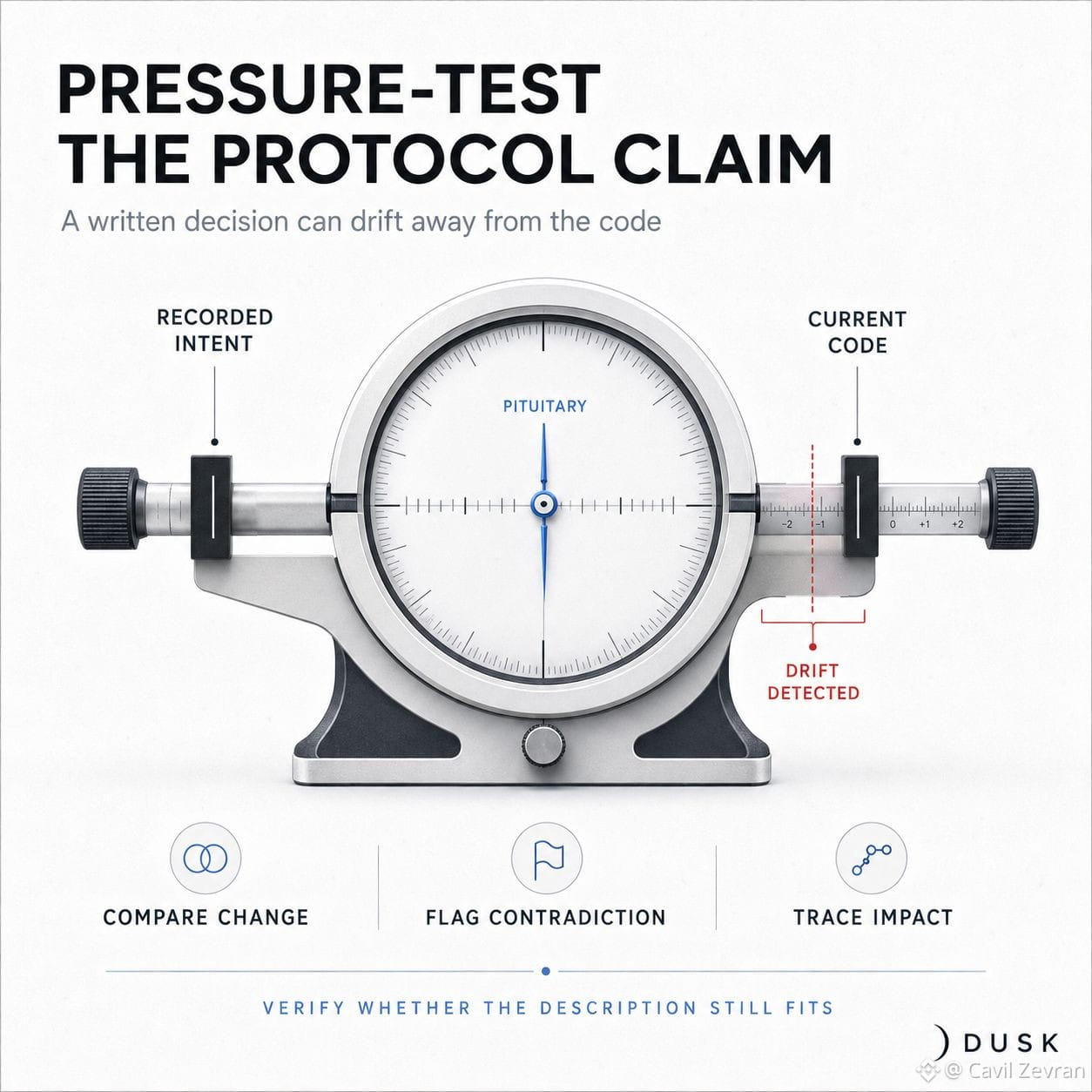
Die Hypophyse kann einen Code-Diff nehmen und prüfen, ob er mit einer akzeptierten Spezifikation in Konflikt steht, bevor diese Änderung zusammengeführt wird.
Diese Einzelheit hat meine Denkweise verändert, wenn es darum geht, ein Protokoll wie Dusk zu erforschen, denn das Lesen dessen, was ein System angeblich tun soll, bringt einen nur bis zur Hälfte.
Dusk baute die Hypophyse, nachdem man sich intern mit Spezifikationsdrift auseinandergesetzt hatte, bei dem Entscheidungen, Terminologie und Implementierung mit der Zeit so auseinanderlaufen können, dass sie nicht mehr miteinander übereinstimmen, während sich eine Codebasis weiterentwickelt. Das Tool indexiert diese dokumentierte Absicht, kann Implementierungsänderungen markieren, die ihr widersprechen, und kann nachverfolgen, welche verwandten Bereiche betroffen sind, wenn sich eine Entscheidung ändert. Standardmäßig ist es außerdem deterministisch. Für mich schafft das einen nützlichen Belastungstest für die Protokollforschung: Wenn ich aus einer architektonischen Behauptung zu einer Schlussfolgerung gelange, möchte ich eine Möglichkeit haben, zu bemerken, wenn sich der Code bewegt hat, während die Behauptung unverändert geblieben ist.
Eine Spezifikation kann das beabsichtigte System beschreiben.
Die Implementierung entscheidet, ob diese Beschreibung noch wahr ist.
Diese Lücke lohnt sich zu prüfen.
@Dusk_Foundation $DUSK #dusk
Die Hypophyse kann einen Code-Diff nehmen und prüfen, ob er mit einer akzeptierten Spezifikation in Konflikt steht, bevor diese Änderung zusammengeführt wird.
Diese Einzelheit hat meine Denkweise verändert, wenn es darum geht, ein Protokoll wie Dusk zu erforschen, denn das Lesen dessen, was ein System angeblich tun soll, bringt einen nur bis zur Hälfte.
Dusk baute die Hypophyse, nachdem man sich intern mit Spezifikationsdrift auseinandergesetzt hatte, bei dem Entscheidungen, Terminologie und Implementierung mit der Zeit so auseinanderlaufen können, dass sie nicht mehr miteinander übereinstimmen, während sich eine Codebasis weiterentwickelt. Das Tool indexiert diese dokumentierte Absicht, kann Implementierungsänderungen markieren, die ihr widersprechen, und kann nachverfolgen, welche verwandten Bereiche betroffen sind, wenn sich eine Entscheidung ändert. Standardmäßig ist es außerdem deterministisch. Für mich schafft das einen nützlichen Belastungstest für die Protokollforschung: Wenn ich aus einer architektonischen Behauptung zu einer Schlussfolgerung gelange, möchte ich eine Möglichkeit haben, zu bemerken, wenn sich der Code bewegt hat, während die Behauptung unverändert geblieben ist.
Eine Spezifikation kann das beabsichtigte System beschreiben.
Die Implementierung entscheidet, ob diese Beschreibung noch wahr ist.
Diese Lücke lohnt sich zu prüfen.
@Dusk $DUSK #dusk
Diese Einzelheit hat meine Denkweise verändert, wenn es darum geht, ein Protokoll wie Dusk zu erforschen, denn das Lesen dessen, was ein System angeblich tun soll, bringt einen nur bis zur Hälfte.
Dusk baute die Hypophyse, nachdem man sich intern mit Spezifikationsdrift auseinandergesetzt hatte, bei dem Entscheidungen, Terminologie und Implementierung mit der Zeit so auseinanderlaufen können, dass sie nicht mehr miteinander übereinstimmen, während sich eine Codebasis weiterentwickelt. Das Tool indexiert diese dokumentierte Absicht, kann Implementierungsänderungen markieren, die ihr widersprechen, und kann nachverfolgen, welche verwandten Bereiche betroffen sind, wenn sich eine Entscheidung ändert. Standardmäßig ist es außerdem deterministisch. Für mich schafft das einen nützlichen Belastungstest für die Protokollforschung: Wenn ich aus einer architektonischen Behauptung zu einer Schlussfolgerung gelange, möchte ich eine Möglichkeit haben, zu bemerken, wenn sich der Code bewegt hat, während die Behauptung unverändert geblieben ist.
Eine Spezifikation kann das beabsichtigte System beschreiben.
Die Implementierung entscheidet, ob diese Beschreibung noch wahr ist.
Diese Lücke lohnt sich zu prüfen.
@Dusk $DUSK #dusk
5
5
408
·
--
Verifiziert
Ein Rauchmelder ist weniger beruhigend, wenn man ihn nur einmal testet.
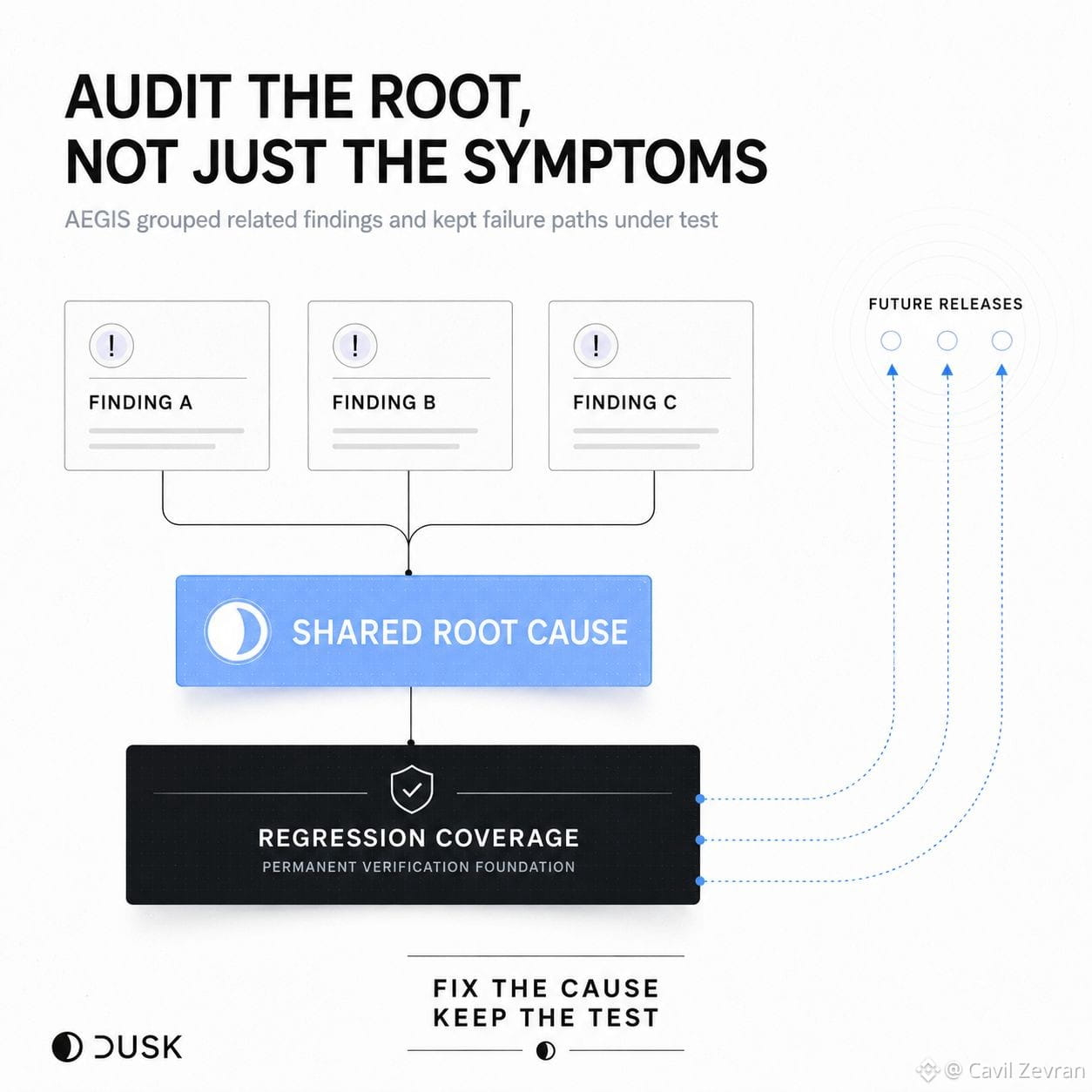
So ungefähr habe ich angefangen, mir Dusk’ AEGIS-Arbeit anzusehen. Die Schlagzeile war die „Remediation“-Welle, aber die leisere Einzelheit, die ich bemerkte, liegt hinter den Fixes.
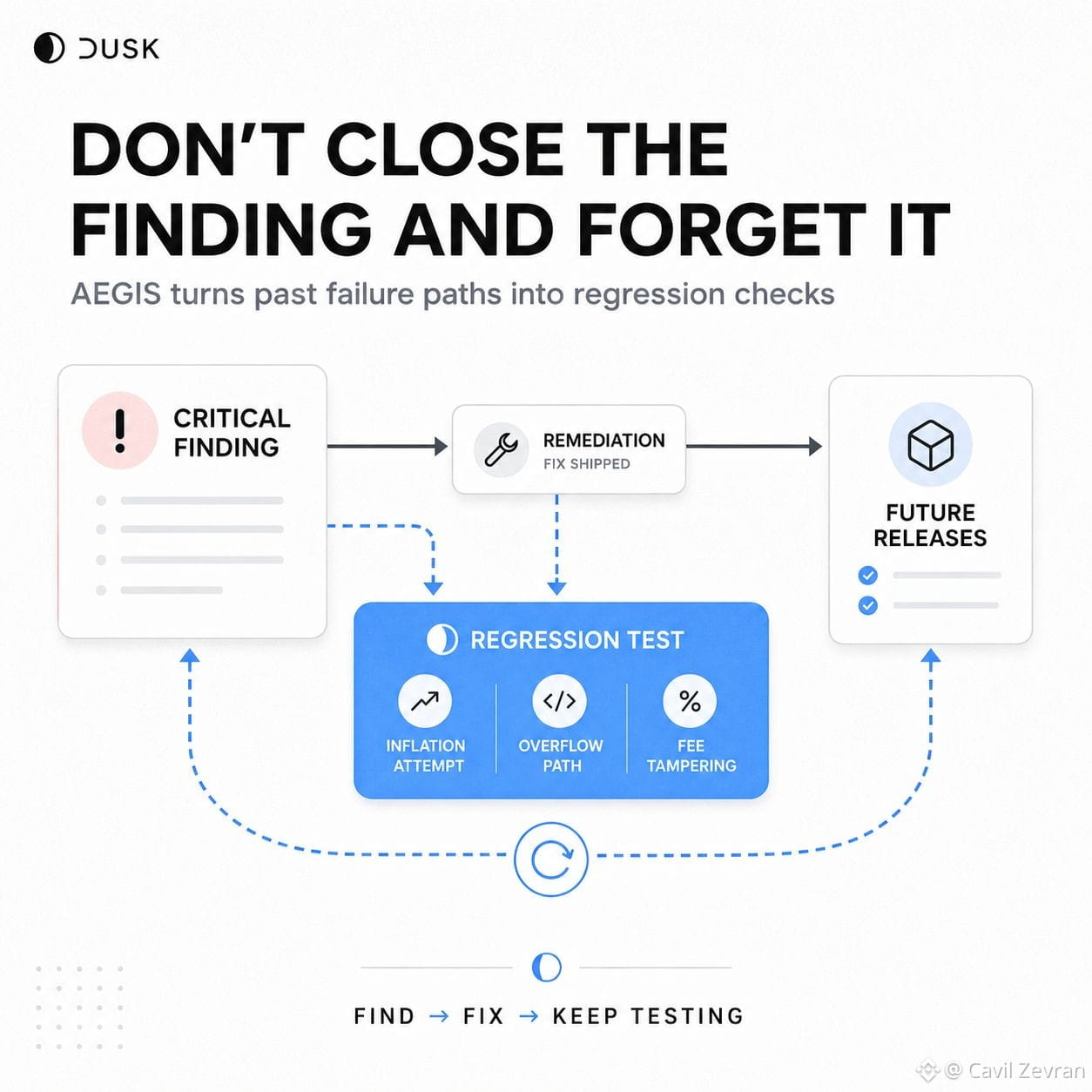
AEGIS hat Fixes für 39 Audit-Findings ausgeliefert, darunter 7, die als kritisch klassifiziert wurden.
Aber das Schließen eines Findings ist nur ein Moment im Job eines Auditors.
Dusk hat außerdem Regressionsabdeckung hinzugefügt, die um die tatsächlichen Fehlerbilder herum gebaut ist, die während des Audits aufgedeckt wurden. Für die Probleme rund um die Phoenix-Gebühr und Erstattungen umfasste das Tests für Inflationsversuche, Overflow-Pfade und das Manipulieren von Gebühren.
Das finde ich nützlicher, als „resolved“ als den endgültigen Status zu behandeln.
Ein behobener Bug kann später wieder auftauchen – durch Refactoring, Abhängigkeitsänderungen oder einen anderen Codepfad. Ein Regressions-Test hält den alten Fehlerfall innerhalb des Verifikationsprozesses präsent.
Dusk hat die nachgelagerte Arbeit außerdem nach der Ursache gruppiert, weil mehrere Findings wirklich unterschiedliche Symptome desselben zugrunde liegenden Problems waren.
Das ist die Ebene, auf die ich als Auditor achten würde.
Der Bericht dokumentiert, was falsch war.
Das stärkere Artefakt ist eine Test-Suite, die immer wieder fragt, ob es zurückgekommen ist.
@Dusk_Foundation $DUSK #dusk
Ein Rauchmelder ist weniger beruhigend, wenn man ihn nur einmal testet.
So ungefähr habe ich angefangen, mir Dusk’ AEGIS-Arbeit anzusehen. Die Schlagzeile war die „Remediation“-Welle, aber die leisere Einzelheit, die ich bemerkte, liegt hinter den Fixes.
AEGIS hat Fixes für 39 Audit-Findings ausgeliefert, darunter 7, die als kritisch klassifiziert wurden.
Aber das Schließen eines Findings ist nur ein Moment im Job eines Auditors.
Dusk hat außerdem Regressionsabdeckung hinzugefügt, die um die tatsächlichen Fehlerbilder herum gebaut ist, die während des Audits aufgedeckt wurden. Für die Probleme rund um die Phoenix-Gebühr und Erstattungen umfasste das Tests für Inflationsversuche, Overflow-Pfade und das Manipulieren von Gebühren.
Das finde ich nützlicher, als „resolved“ als den endgültigen Status zu behandeln.
Ein behobener Bug kann später wieder auftauchen – durch Refactoring, Abhängigkeitsänderungen oder einen anderen Codepfad. Ein Regressions-Test hält den alten Fehlerfall innerhalb des Verifikationsprozesses präsent.
Dusk hat die nachgelagerte Arbeit außerdem nach der Ursache gruppiert, weil mehrere Findings wirklich unterschiedliche Symptome desselben zugrunde liegenden Problems waren.
Das ist die Ebene, auf die ich als Auditor achten würde.
Der Bericht dokumentiert, was falsch war.
Das stärkere Artefakt ist eine Test-Suite, die immer wieder fragt, ob es zurückgekommen ist.
@Dusk $DUSK #dusk
So ungefähr habe ich angefangen, mir Dusk’ AEGIS-Arbeit anzusehen. Die Schlagzeile war die „Remediation“-Welle, aber die leisere Einzelheit, die ich bemerkte, liegt hinter den Fixes.
AEGIS hat Fixes für 39 Audit-Findings ausgeliefert, darunter 7, die als kritisch klassifiziert wurden.
Aber das Schließen eines Findings ist nur ein Moment im Job eines Auditors.
Dusk hat außerdem Regressionsabdeckung hinzugefügt, die um die tatsächlichen Fehlerbilder herum gebaut ist, die während des Audits aufgedeckt wurden. Für die Probleme rund um die Phoenix-Gebühr und Erstattungen umfasste das Tests für Inflationsversuche, Overflow-Pfade und das Manipulieren von Gebühren.
Das finde ich nützlicher, als „resolved“ als den endgültigen Status zu behandeln.
Ein behobener Bug kann später wieder auftauchen – durch Refactoring, Abhängigkeitsänderungen oder einen anderen Codepfad. Ein Regressions-Test hält den alten Fehlerfall innerhalb des Verifikationsprozesses präsent.
Dusk hat die nachgelagerte Arbeit außerdem nach der Ursache gruppiert, weil mehrere Findings wirklich unterschiedliche Symptome desselben zugrunde liegenden Problems waren.
Das ist die Ebene, auf die ich als Auditor achten würde.
Der Bericht dokumentiert, was falsch war.
Das stärkere Artefakt ist eine Test-Suite, die immer wieder fragt, ob es zurückgekommen ist.
@Dusk $DUSK #dusk
13
19
2.3k
·
--
Verifiziert
Neues Release. Stoppe den Node. Ersetze die Binaries. Und dann herausfinden, ob das, was du heruntergeladen hast, tatsächlich auch richtig war.
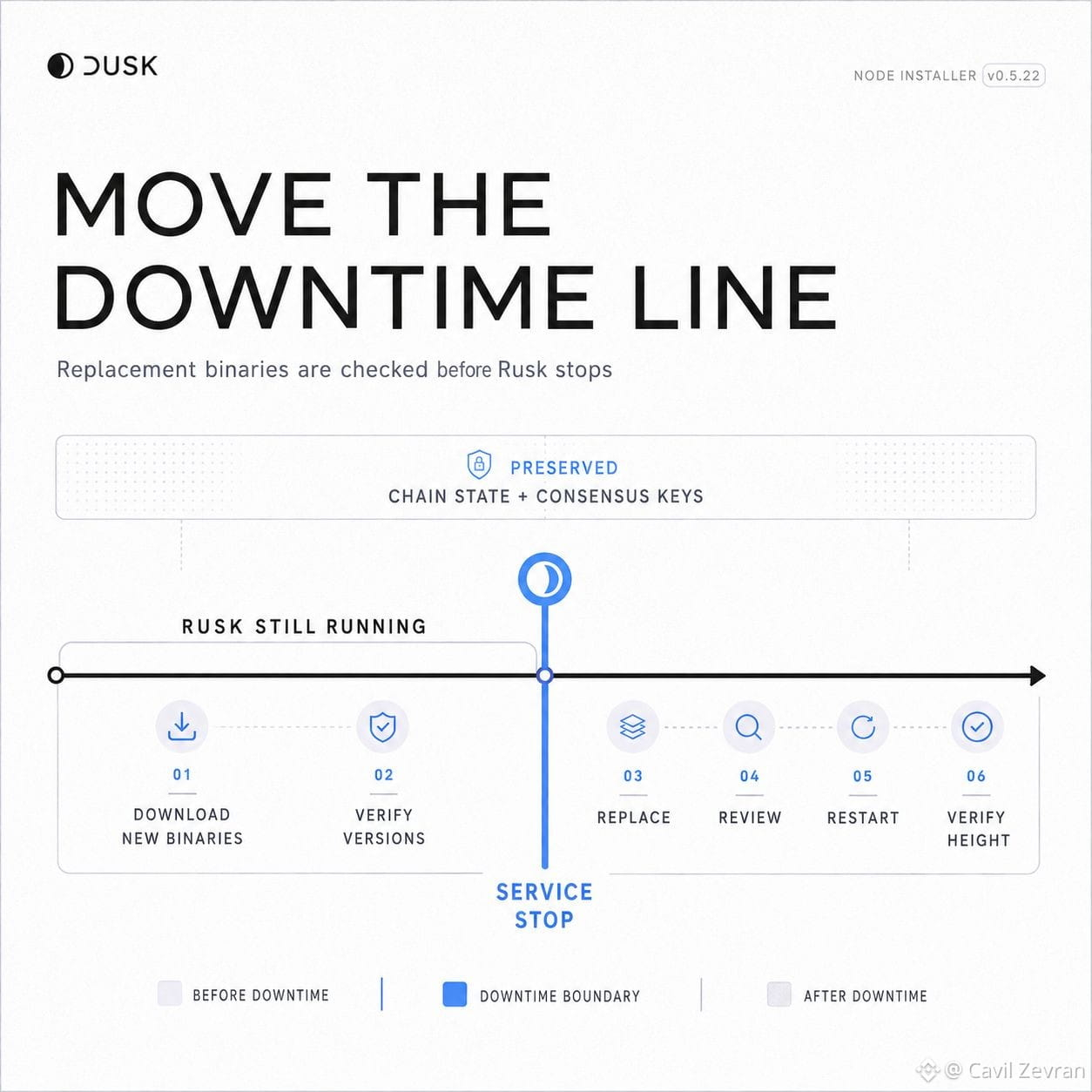
So eine Wartungsroutine hatte ich erwartet, die Dusk-Operatoren einfach sorgfältig im Griff haben müssen. Aber der neueste Ablauf des Node-Installers hat eine Kleinigkeit geändert, die meiner Meinung nach wichtiger ist, als sie klingt. Version 0.5.22 hat Upgrades so gehärtet, dass Ersatz-Artefakte zwischengestapelt und verifiziert werden, bevor die Live-Dateien ersetzt werden. Dusk’ Upgrade-Verfahren folgt derselben Reihenfolge: Der Installer lädt die unterstützten Rusk- und Wallet-Binaries herunter, prüft sie und erst dann stoppt er den laufenden Rusk-Dienst. Außerdem bewahrt es den Chain-Status des Operators, die Consensus-Keys und die beabsichtigten Service-Overrides auf, statt ein Upgrade wie eine frische Node-Installation zu behandeln. Der Dienst bleibt danach gestoppt, sodass der Operator die neu generierte Konfiguration überprüfen, Rusk gezielt starten und bestätigen kann, dass Peers und Block-Height-Fortschritt stimmen, bevor er den Job als abgeschlossen meldet.
Das ist ein kleines, aber nützliches operatives Meilenstein.
Das Upgrade-Fenster beginnt jetzt, nachdem der Ersatz bereit ist—nicht während der Operator noch herausfindet, ob er überhaupt verwendbar ist.
Für Infrastruktur, die verfügbar bleiben soll, ist diese Reihenfolge mehr wert als ein weiterer bequemer Befehl.
@Dusk_Foundation $DUSK #dusk
Neues Release. Stoppe den Node. Ersetze die Binaries. Und dann herausfinden, ob das, was du heruntergeladen hast, tatsächlich auch richtig war.
So eine Wartungsroutine hatte ich erwartet, die Dusk-Operatoren einfach sorgfältig im Griff haben müssen. Aber der neueste Ablauf des Node-Installers hat eine Kleinigkeit geändert, die meiner Meinung nach wichtiger ist, als sie klingt. Version 0.5.22 hat Upgrades so gehärtet, dass Ersatz-Artefakte zwischengestapelt und verifiziert werden, bevor die Live-Dateien ersetzt werden. Dusk’ Upgrade-Verfahren folgt derselben Reihenfolge: Der Installer lädt die unterstützten Rusk- und Wallet-Binaries herunter, prüft sie und erst dann stoppt er den laufenden Rusk-Dienst. Außerdem bewahrt es den Chain-Status des Operators, die Consensus-Keys und die beabsichtigten Service-Overrides auf, statt ein Upgrade wie eine frische Node-Installation zu behandeln. Der Dienst bleibt danach gestoppt, sodass der Operator die neu generierte Konfiguration überprüfen, Rusk gezielt starten und bestätigen kann, dass Peers und Block-Height-Fortschritt stimmen, bevor er den Job als abgeschlossen meldet.
Das ist ein kleines, aber nützliches operatives Meilenstein.
Das Upgrade-Fenster beginnt jetzt, nachdem der Ersatz bereit ist—nicht während der Operator noch herausfindet, ob er überhaupt verwendbar ist.
Für Infrastruktur, die verfügbar bleiben soll, ist diese Reihenfolge mehr wert als ein weiterer bequemer Befehl.
@Dusk $DUSK #dusk
So eine Wartungsroutine hatte ich erwartet, die Dusk-Operatoren einfach sorgfältig im Griff haben müssen. Aber der neueste Ablauf des Node-Installers hat eine Kleinigkeit geändert, die meiner Meinung nach wichtiger ist, als sie klingt. Version 0.5.22 hat Upgrades so gehärtet, dass Ersatz-Artefakte zwischengestapelt und verifiziert werden, bevor die Live-Dateien ersetzt werden. Dusk’ Upgrade-Verfahren folgt derselben Reihenfolge: Der Installer lädt die unterstützten Rusk- und Wallet-Binaries herunter, prüft sie und erst dann stoppt er den laufenden Rusk-Dienst. Außerdem bewahrt es den Chain-Status des Operators, die Consensus-Keys und die beabsichtigten Service-Overrides auf, statt ein Upgrade wie eine frische Node-Installation zu behandeln. Der Dienst bleibt danach gestoppt, sodass der Operator die neu generierte Konfiguration überprüfen, Rusk gezielt starten und bestätigen kann, dass Peers und Block-Height-Fortschritt stimmen, bevor er den Job als abgeschlossen meldet.
Das ist ein kleines, aber nützliches operatives Meilenstein.
Das Upgrade-Fenster beginnt jetzt, nachdem der Ersatz bereit ist—nicht während der Operator noch herausfindet, ob er überhaupt verwendbar ist.
Für Infrastruktur, die verfügbar bleiben soll, ist diese Reihenfolge mehr wert als ein weiterer bequemer Befehl.
@Dusk $DUSK #dusk
25
1
22
4.3k
·
--
Einen Paketlieferung an der Haustür abzustellen ist etwas anderes, als dem Lieferwagen hinterherzujagen.
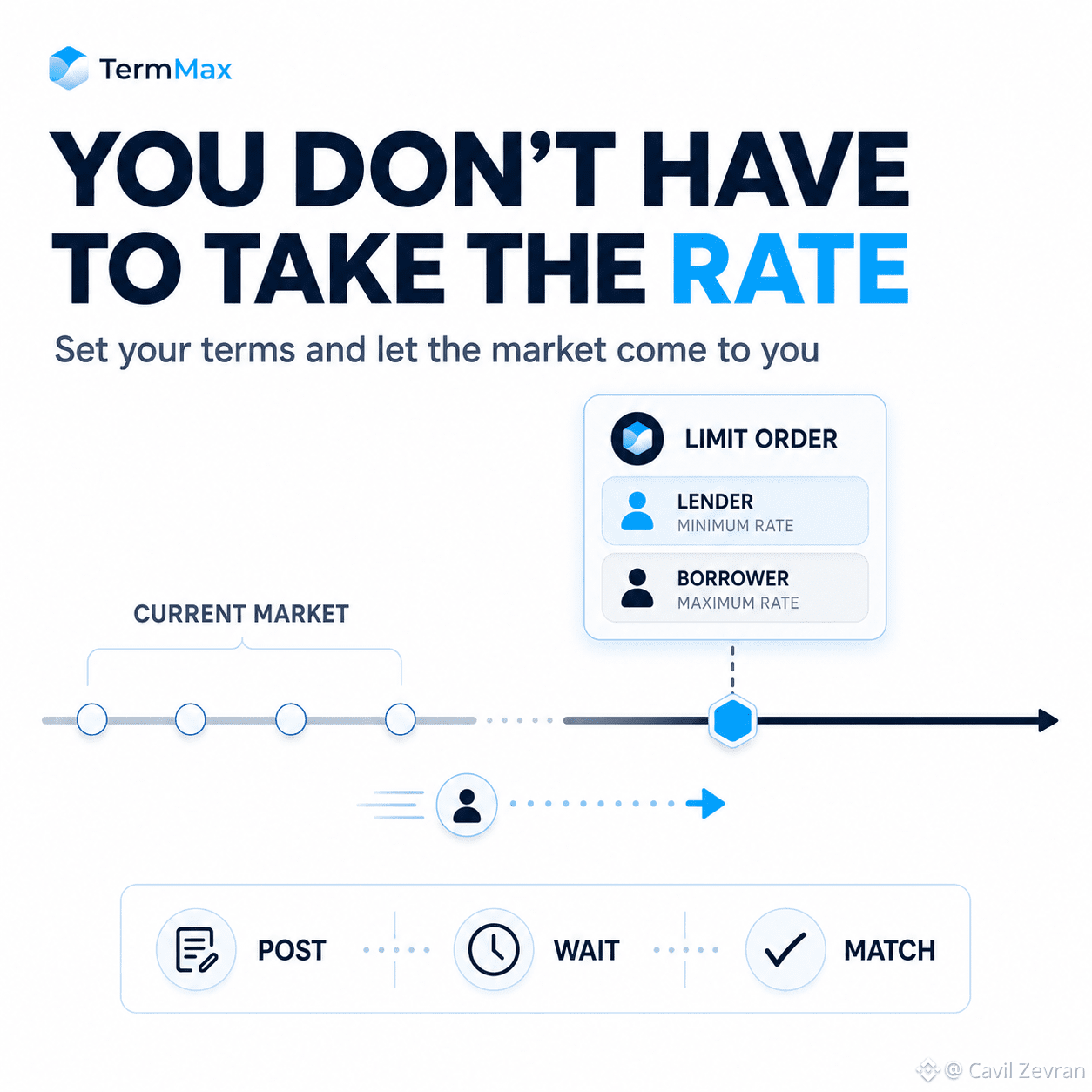
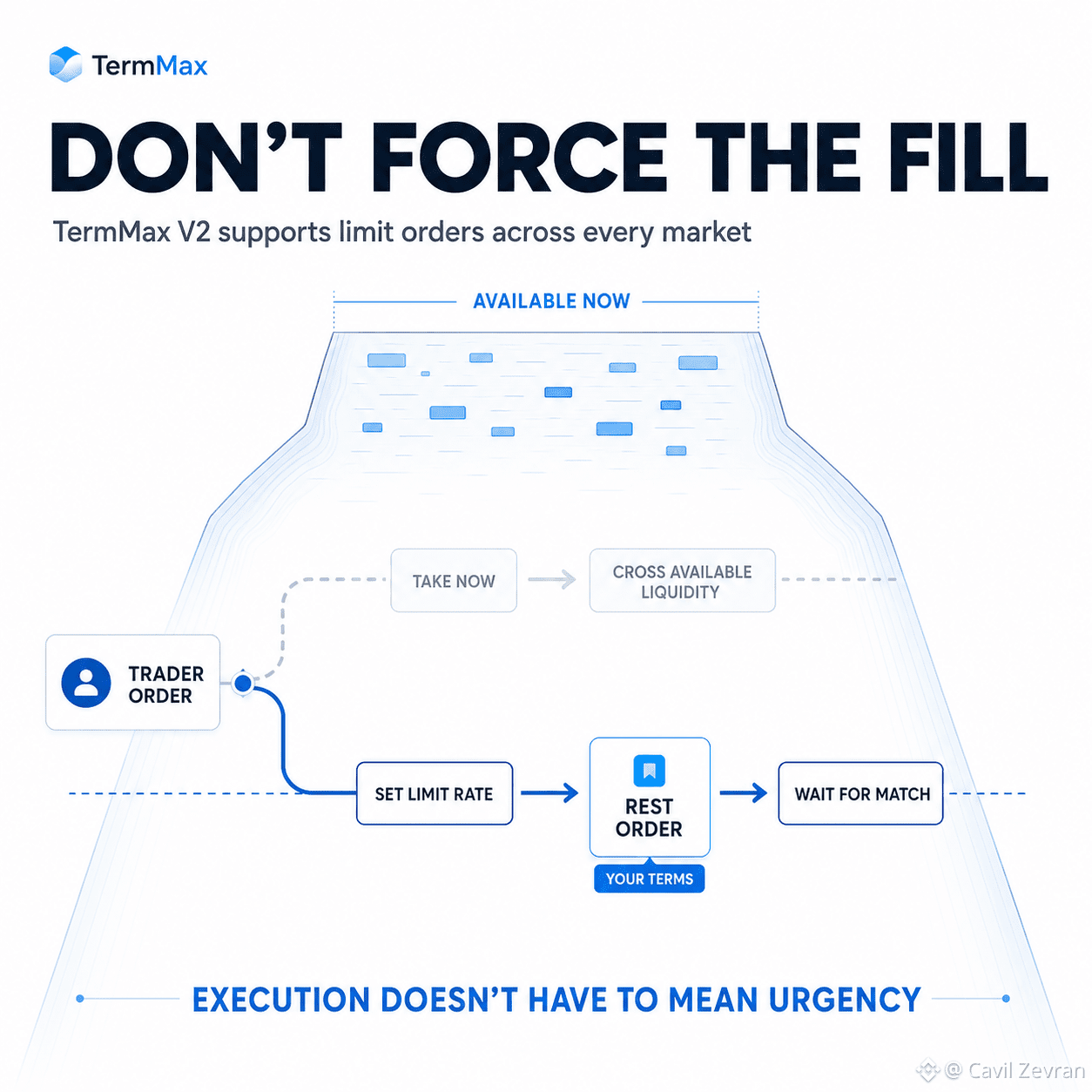
Daran habe ich immer wieder gedacht, als ich mir eine ruhigere Änderung innerhalb von TermMax V2 angesehen habe. Limit Orders sind jetzt in jedem TermMax-Markt verfügbar. Ein Kreditgeber kann die Mindestrendite festlegen, die er akzeptieren möchte, während ein Kreditnehmer die maximale Rendite setzen kann. Wenn die Liquidität dünn ist oder der aktuelle Kurs einfach nicht die Mühe wert ist, muss der Trader nicht über das hinweggehen, was gerade dort liegt. Er kann stattdessen eigene Konditionen einstellen und warten, bis sich auf der anderen Seite jemand findet. Ich denke, das wird umso wichtiger, wenn die Positionsgröße wächst, denn eine sofortige Ausführung kann teuer werden, wenn die verfügbare Liquidität den Auftrag nicht sauber aufnehmen kann. Die offensichtliche Funktion ist, dass ein Trade ausgeführt wird. Die weniger offensichtliche ist, dass man eine schlechte Ausführung ablehnen kann, ohne den Markt ganz zu verlassen. V1 bot Limit Orders nur in einem Teil der Märkte an. Wenn sie markzweite verfügbar sind, wird Geduld zu einer echten Ausführungsentscheidung – statt zu etwas, das der Trader außerhalb des Protokolls managen muss.
Nicht jede Position muss jetzt sofort übernommen werden.
Manchmal ist das bessere Handelswerkzeug ein Kurs, auf den man bereit ist zu warten.
@termmax #TermMax
Einen Paketlieferung an der Haustür abzustellen ist etwas anderes, als dem Lieferwagen hinterherzujagen.
Daran habe ich immer wieder gedacht, als ich mir eine ruhigere Änderung innerhalb von TermMax V2 angesehen habe. Limit Orders sind jetzt in jedem TermMax-Markt verfügbar. Ein Kreditgeber kann die Mindestrendite festlegen, die er akzeptieren möchte, während ein Kreditnehmer die maximale Rendite setzen kann. Wenn die Liquidität dünn ist oder der aktuelle Kurs einfach nicht die Mühe wert ist, muss der Trader nicht über das hinweggehen, was gerade dort liegt. Er kann stattdessen eigene Konditionen einstellen und warten, bis sich auf der anderen Seite jemand findet. Ich denke, das wird umso wichtiger, wenn die Positionsgröße wächst, denn eine sofortige Ausführung kann teuer werden, wenn die verfügbare Liquidität den Auftrag nicht sauber aufnehmen kann. Die offensichtliche Funktion ist, dass ein Trade ausgeführt wird. Die weniger offensichtliche ist, dass man eine schlechte Ausführung ablehnen kann, ohne den Markt ganz zu verlassen. V1 bot Limit Orders nur in einem Teil der Märkte an. Wenn sie markzweite verfügbar sind, wird Geduld zu einer echten Ausführungsentscheidung – statt zu etwas, das der Trader außerhalb des Protokolls managen muss.
Nicht jede Position muss jetzt sofort übernommen werden.
Manchmal ist das bessere Handelswerkzeug ein Kurs, auf den man bereit ist zu warten.
@TermMax #TermMax
Daran habe ich immer wieder gedacht, als ich mir eine ruhigere Änderung innerhalb von TermMax V2 angesehen habe. Limit Orders sind jetzt in jedem TermMax-Markt verfügbar. Ein Kreditgeber kann die Mindestrendite festlegen, die er akzeptieren möchte, während ein Kreditnehmer die maximale Rendite setzen kann. Wenn die Liquidität dünn ist oder der aktuelle Kurs einfach nicht die Mühe wert ist, muss der Trader nicht über das hinweggehen, was gerade dort liegt. Er kann stattdessen eigene Konditionen einstellen und warten, bis sich auf der anderen Seite jemand findet. Ich denke, das wird umso wichtiger, wenn die Positionsgröße wächst, denn eine sofortige Ausführung kann teuer werden, wenn die verfügbare Liquidität den Auftrag nicht sauber aufnehmen kann. Die offensichtliche Funktion ist, dass ein Trade ausgeführt wird. Die weniger offensichtliche ist, dass man eine schlechte Ausführung ablehnen kann, ohne den Markt ganz zu verlassen. V1 bot Limit Orders nur in einem Teil der Märkte an. Wenn sie markzweite verfügbar sind, wird Geduld zu einer echten Ausführungsentscheidung – statt zu etwas, das der Trader außerhalb des Protokolls managen muss.
Nicht jede Position muss jetzt sofort übernommen werden.
Manchmal ist das bessere Handelswerkzeug ein Kurs, auf den man bereit ist zu warten.
@TermMax #TermMax
1
2
214
·
--
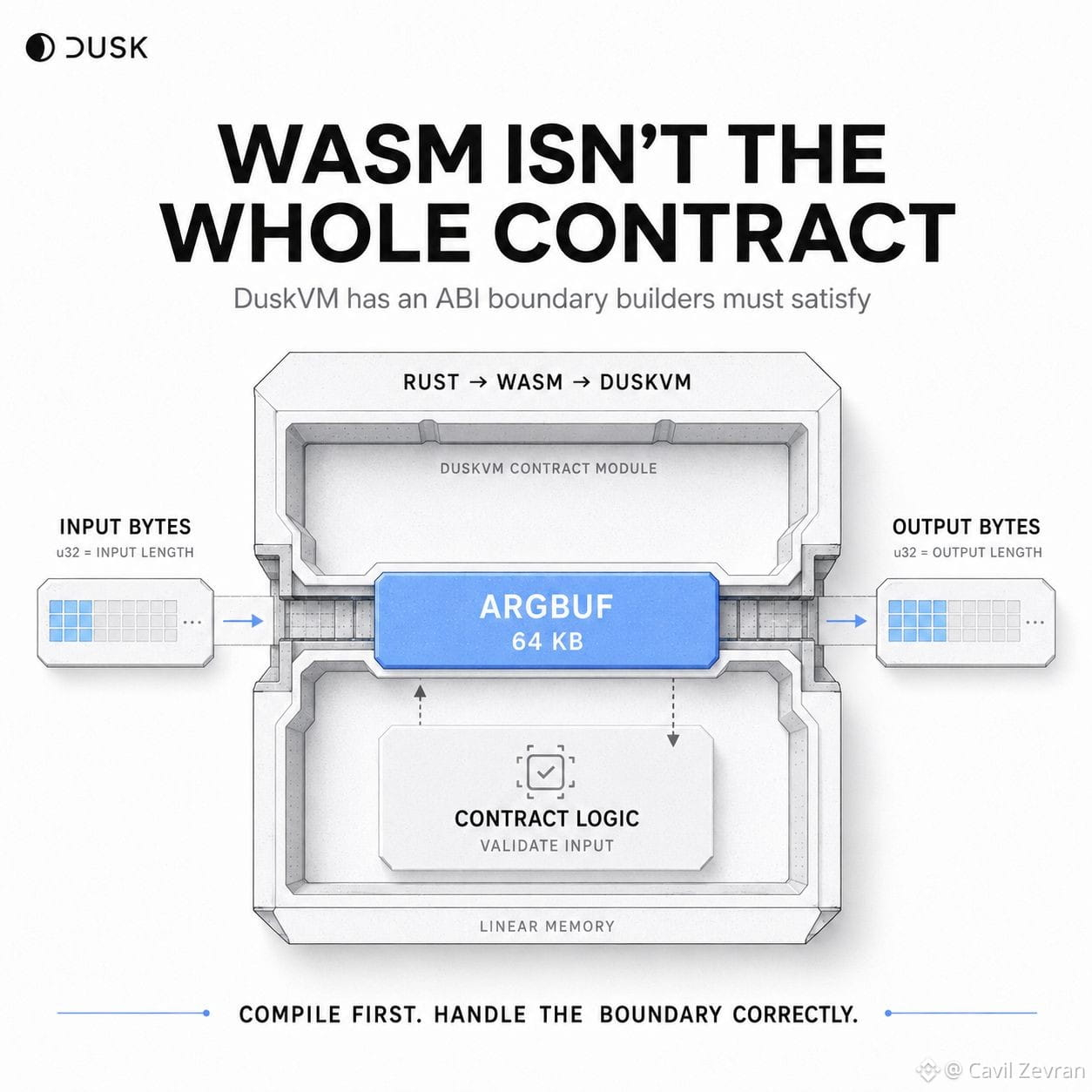
DuskVM gibt jedem Vertrag einen 64-KB-Argumentpuffer.
Das ist ein viel aufschlussreicheres Builder-Detail als „unterstützt Rust und WASM“.
Zunächst habe ich die native WASM-Ausführung als eine ziemlich offene Tür gelesen. Wenn man genauer hinsieht, hat DuskVM eine konkrete Grenze, die jeder Vertrag einhalten muss.
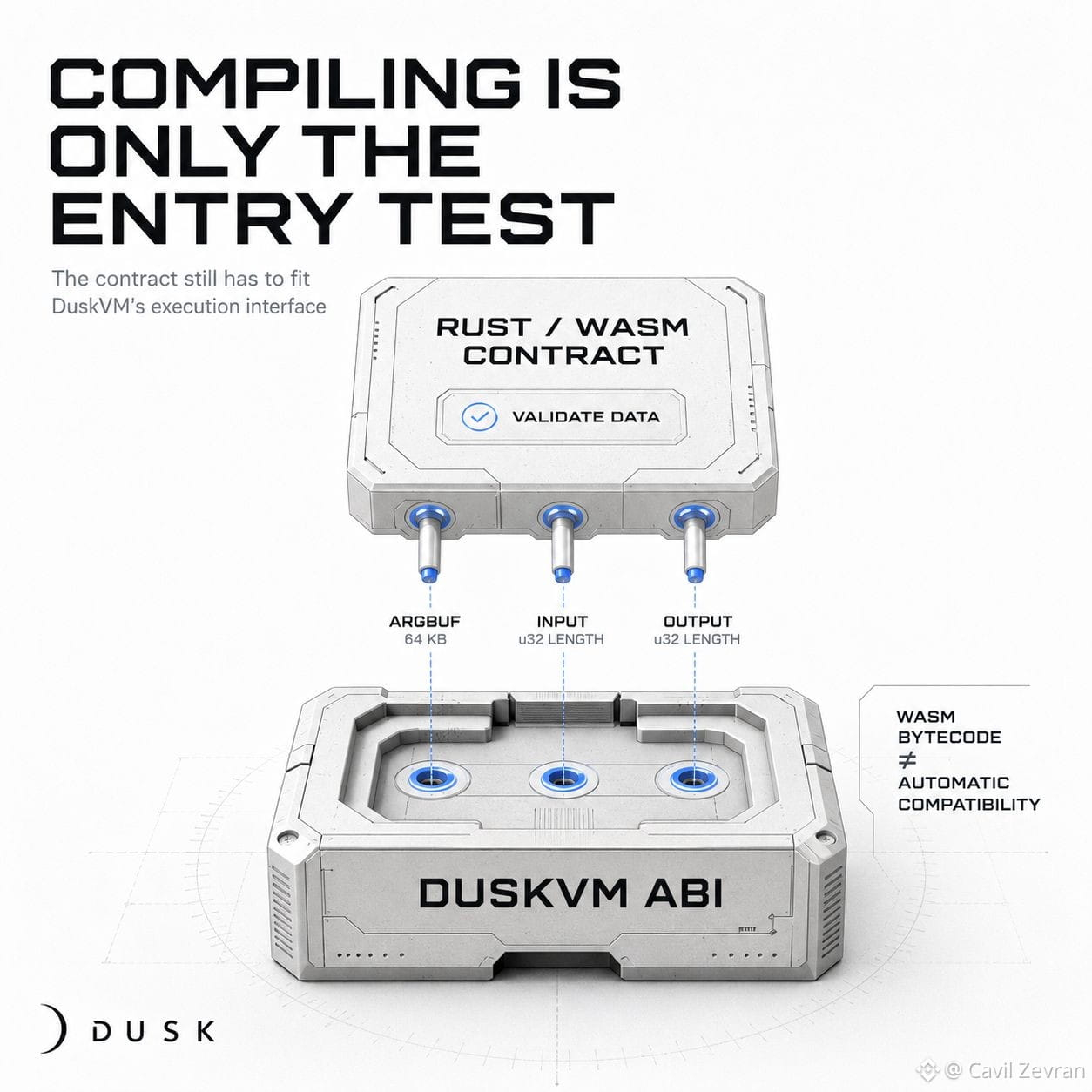
Der Vertrag muss einen argbuf offenlegen, in dem die Aufrufdaten abgelegt werden. Auch die bereitgestellten Funktionen folgen der DuskVM-Konvention fn foo(u32) -> u32: Der eingehende Wert beschreibt, wie viele Bytes gelesen werden sollen, und der Rückgabewert beschreibt, welche Ausgabe zurückgeschrieben wird.
Und DuskVM macht die Eingabe des Vertrags nicht für ihn korrekt.
Der Smart Contract bleibt dafür verantwortlich, zu validieren, was in diesen Puffer gelangt, und es sicher zu verarbeiten.
Das ist der Belastungstest, den ich Buildern beim Wählen des nativen Pfads abverlangen würde.
Rust so zu kompilieren, dass es in WASM läuft, beweist an sich nur sehr wenig. Der Vertrag muss sich trotzdem bei jeder Überschreitung dieser ABI-Grenze von DuskVM mit externen Daten korrekt verhalten.
Die native Ausführung gibt Buildern direkten Zugriff auf die Dusk-L1-Fähigkeiten.
Aber der 64-KB-Puffer ist der Ort, an dem sich die abstrakte Architektur in sehr gewöhnliche Ingenieursarbeit verwandelt: Es kommen Bytes herein, und dein Vertrag muss ganz genau wissen, was damit zu tun ist.
@Dusk_Foundation $DUSK #dusk
DuskVM gibt jedem Vertrag einen 64-KB-Argumentpuffer.
Das ist ein viel aufschlussreicheres Builder-Detail als „unterstützt Rust und WASM“.
Zunächst habe ich die native WASM-Ausführung als eine ziemlich offene Tür gelesen. Wenn man genauer hinsieht, hat DuskVM eine konkrete Grenze, die jeder Vertrag einhalten muss.
Der Vertrag muss einen argbuf offenlegen, in dem die Aufrufdaten abgelegt werden. Auch die bereitgestellten Funktionen folgen der DuskVM-Konvention fn foo(u32) -> u32: Der eingehende Wert beschreibt, wie viele Bytes gelesen werden sollen, und der Rückgabewert beschreibt, welche Ausgabe zurückgeschrieben wird.
Und DuskVM macht die Eingabe des Vertrags nicht für ihn korrekt.
Der Smart Contract bleibt dafür verantwortlich, zu validieren, was in diesen Puffer gelangt, und es sicher zu verarbeiten.
Das ist der Belastungstest, den ich Buildern beim Wählen des nativen Pfads abverlangen würde.
Rust so zu kompilieren, dass es in WASM läuft, beweist an sich nur sehr wenig. Der Vertrag muss sich trotzdem bei jeder Überschreitung dieser ABI-Grenze von DuskVM mit externen Daten korrekt verhalten.
Die native Ausführung gibt Buildern direkten Zugriff auf die Dusk-L1-Fähigkeiten.
Aber der 64-KB-Puffer ist der Ort, an dem sich die abstrakte Architektur in sehr gewöhnliche Ingenieursarbeit verwandelt: Es kommen Bytes herein, und dein Vertrag muss ganz genau wissen, was damit zu tun ist.
@Dusk $DUSK #dusk
Das ist ein viel aufschlussreicheres Builder-Detail als „unterstützt Rust und WASM“.
Zunächst habe ich die native WASM-Ausführung als eine ziemlich offene Tür gelesen. Wenn man genauer hinsieht, hat DuskVM eine konkrete Grenze, die jeder Vertrag einhalten muss.
Der Vertrag muss einen argbuf offenlegen, in dem die Aufrufdaten abgelegt werden. Auch die bereitgestellten Funktionen folgen der DuskVM-Konvention fn foo(u32) -> u32: Der eingehende Wert beschreibt, wie viele Bytes gelesen werden sollen, und der Rückgabewert beschreibt, welche Ausgabe zurückgeschrieben wird.
Und DuskVM macht die Eingabe des Vertrags nicht für ihn korrekt.
Der Smart Contract bleibt dafür verantwortlich, zu validieren, was in diesen Puffer gelangt, und es sicher zu verarbeiten.
Das ist der Belastungstest, den ich Buildern beim Wählen des nativen Pfads abverlangen würde.
Rust so zu kompilieren, dass es in WASM läuft, beweist an sich nur sehr wenig. Der Vertrag muss sich trotzdem bei jeder Überschreitung dieser ABI-Grenze von DuskVM mit externen Daten korrekt verhalten.
Die native Ausführung gibt Buildern direkten Zugriff auf die Dusk-L1-Fähigkeiten.
Aber der 64-KB-Puffer ist der Ort, an dem sich die abstrakte Architektur in sehr gewöhnliche Ingenieursarbeit verwandelt: Es kommen Bytes herein, und dein Vertrag muss ganz genau wissen, was damit zu tun ist.
@Dusk $DUSK #dusk
10
10
371
·
--
Und das macht das Fälligkeitsdatum komplizierter, als es auf den ersten Blick aussieht.
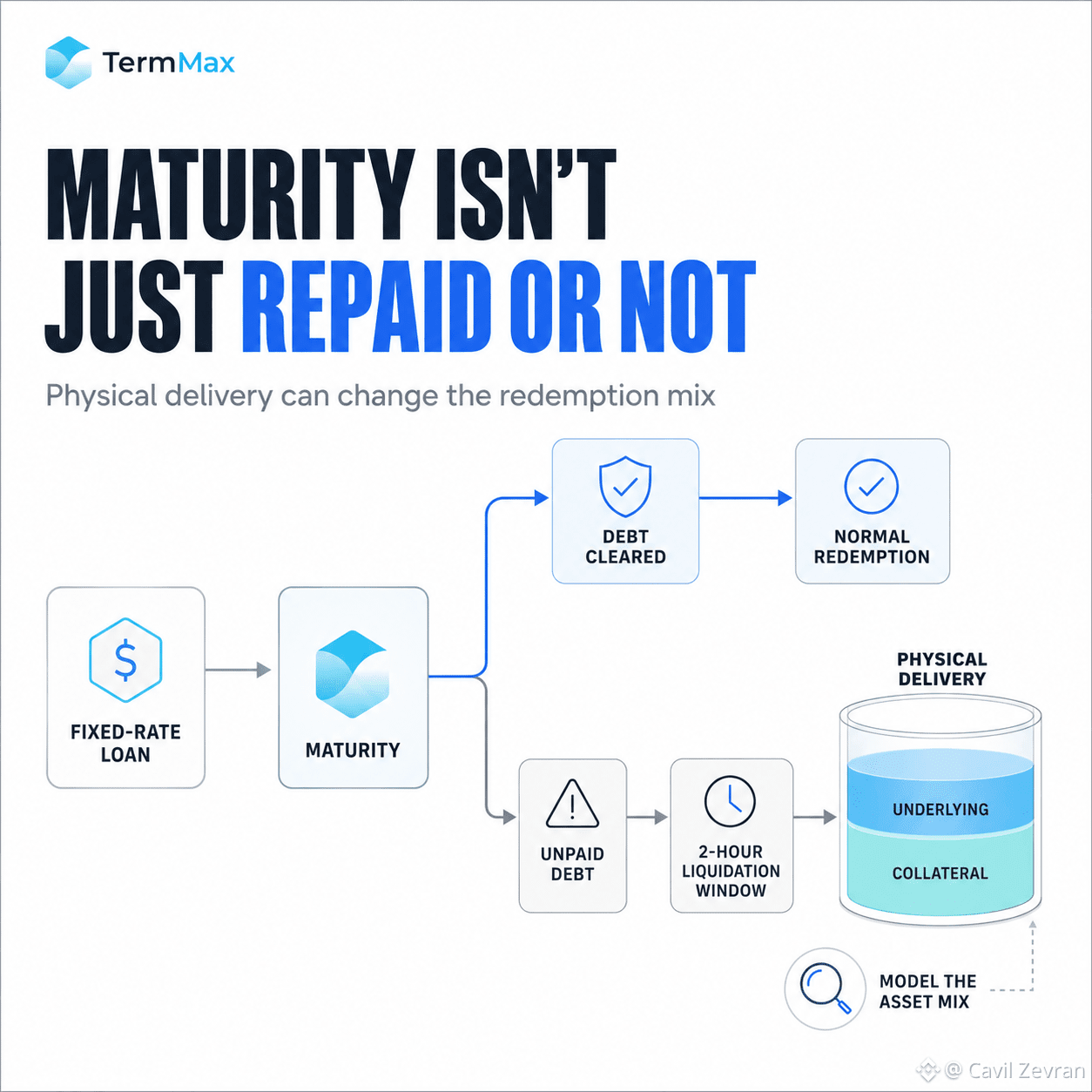
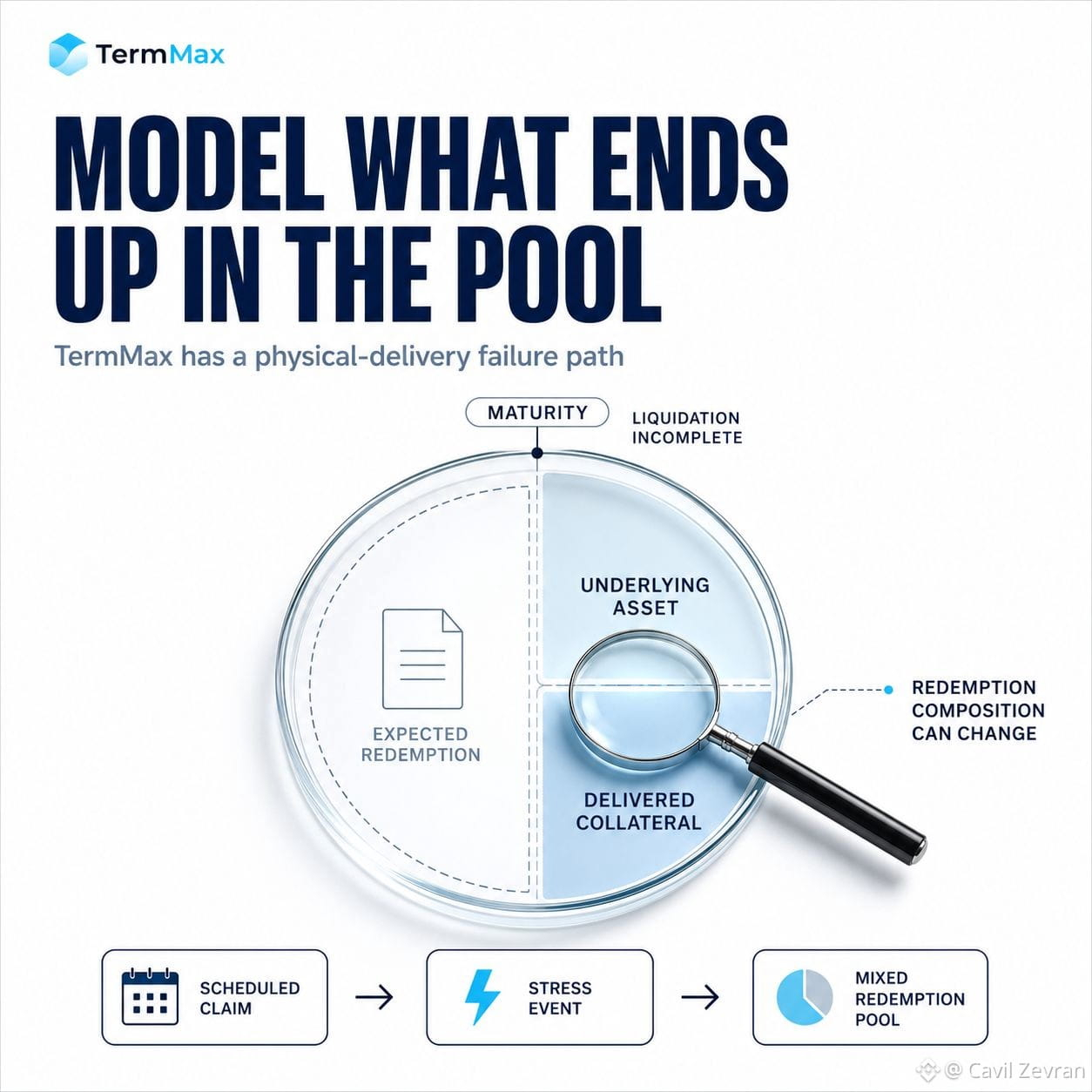
Ich habe den Liquidationsablauf von TermMax anfangs als ziemlich vertraut gelesen: Die Schuld erreicht die Fälligkeit, nicht beglichene Positionen werden liquidiert, und das Sicherheitenvermögen deckt ab, was die Kreditnehmer nicht zurückgezahlt haben. Aber der Mechanismus endet nicht zwangsläufig dort. Wenn ein Kreditnehmer die Rückzahlung verpasst, öffnet TermMax ein zweistündiges Liquidationsfenster. Wenn die Schuld nach diesem Zeitraum noch immer nicht beglichen ist oder nur teilweise liquidiert wurde, beginnt die physische Lieferung, und der Redemption-Pool kann sowohl den zugrunde liegenden Vermögenswert als auch Sicherheiten enthalten. FT-Inhaber lösen dann anteilig aus diesem gemischten Pool ein.
Für eine Forscherin, einen Forscher denke ich, verändert das, worauf es beim Vergleich von Märkten mit festem Zinssatz ankommt. Nur den versprochenen Fälligkeitswert zu betrachten verfehlt den Zustand, den das System annehmen kann, wenn die Liquidation die Schuld nicht vollständig bereinigen kann. Das Endergebnis ist nicht mehr nur „zurückgezahlt“ versus „in Verzug geraten“. Die Zusammensetzung dessen, was die Einlösung absichert, kann sich ändern.
Das ist besonders relevant, wenn man Märkte untersucht, deren Sicherheiten sich unter Stress sehr unterschiedlich vom Schuldvermögenswert verhalten können.
Eine TermMax-Fälligkeit hat also noch eine weitere Variable, die es wert ist, modelliert zu werden: Was könnte tatsächlich im Redemption-Pool sitzen, wenn der normale Liquidationspfad keinen Platz mehr hat?
Ein fester Zinssatz sagt dir die geplanten wirtschaftlichen Rahmenbedingungen.
Die physische Lieferung zeigt dir, warum der Pfad des Scheiterns ein eigenes Modell verdient.
@termmax #TermMax
Und das macht das Fälligkeitsdatum komplizierter, als es auf den ersten Blick aussieht.
Ich habe den Liquidationsablauf von TermMax anfangs als ziemlich vertraut gelesen: Die Schuld erreicht die Fälligkeit, nicht beglichene Positionen werden liquidiert, und das Sicherheitenvermögen deckt ab, was die Kreditnehmer nicht zurückgezahlt haben. Aber der Mechanismus endet nicht zwangsläufig dort. Wenn ein Kreditnehmer die Rückzahlung verpasst, öffnet TermMax ein zweistündiges Liquidationsfenster. Wenn die Schuld nach diesem Zeitraum noch immer nicht beglichen ist oder nur teilweise liquidiert wurde, beginnt die physische Lieferung, und der Redemption-Pool kann sowohl den zugrunde liegenden Vermögenswert als auch Sicherheiten enthalten. FT-Inhaber lösen dann anteilig aus diesem gemischten Pool ein.
Für eine Forscherin, einen Forscher denke ich, verändert das, worauf es beim Vergleich von Märkten mit festem Zinssatz ankommt. Nur den versprochenen Fälligkeitswert zu betrachten verfehlt den Zustand, den das System annehmen kann, wenn die Liquidation die Schuld nicht vollständig bereinigen kann. Das Endergebnis ist nicht mehr nur „zurückgezahlt“ versus „in Verzug geraten“. Die Zusammensetzung dessen, was die Einlösung absichert, kann sich ändern.
Das ist besonders relevant, wenn man Märkte untersucht, deren Sicherheiten sich unter Stress sehr unterschiedlich vom Schuldvermögenswert verhalten können.
Eine TermMax-Fälligkeit hat also noch eine weitere Variable, die es wert ist, modelliert zu werden: Was könnte tatsächlich im Redemption-Pool sitzen, wenn der normale Liquidationspfad keinen Platz mehr hat?
Ein fester Zinssatz sagt dir die geplanten wirtschaftlichen Rahmenbedingungen.
Die physische Lieferung zeigt dir, warum der Pfad des Scheiterns ein eigenes Modell verdient.
@TermMax #TermMax
Ich habe den Liquidationsablauf von TermMax anfangs als ziemlich vertraut gelesen: Die Schuld erreicht die Fälligkeit, nicht beglichene Positionen werden liquidiert, und das Sicherheitenvermögen deckt ab, was die Kreditnehmer nicht zurückgezahlt haben. Aber der Mechanismus endet nicht zwangsläufig dort. Wenn ein Kreditnehmer die Rückzahlung verpasst, öffnet TermMax ein zweistündiges Liquidationsfenster. Wenn die Schuld nach diesem Zeitraum noch immer nicht beglichen ist oder nur teilweise liquidiert wurde, beginnt die physische Lieferung, und der Redemption-Pool kann sowohl den zugrunde liegenden Vermögenswert als auch Sicherheiten enthalten. FT-Inhaber lösen dann anteilig aus diesem gemischten Pool ein.
Für eine Forscherin, einen Forscher denke ich, verändert das, worauf es beim Vergleich von Märkten mit festem Zinssatz ankommt. Nur den versprochenen Fälligkeitswert zu betrachten verfehlt den Zustand, den das System annehmen kann, wenn die Liquidation die Schuld nicht vollständig bereinigen kann. Das Endergebnis ist nicht mehr nur „zurückgezahlt“ versus „in Verzug geraten“. Die Zusammensetzung dessen, was die Einlösung absichert, kann sich ändern.
Das ist besonders relevant, wenn man Märkte untersucht, deren Sicherheiten sich unter Stress sehr unterschiedlich vom Schuldvermögenswert verhalten können.
Eine TermMax-Fälligkeit hat also noch eine weitere Variable, die es wert ist, modelliert zu werden: Was könnte tatsächlich im Redemption-Pool sitzen, wenn der normale Liquidationspfad keinen Platz mehr hat?
Ein fester Zinssatz sagt dir die geplanten wirtschaftlichen Rahmenbedingungen.
Die physische Lieferung zeigt dir, warum der Pfad des Scheiterns ein eigenes Modell verdient.
@TermMax #TermMax
11
13
1.8k
·
--
Der Kauf eines Konzerttickets und tatsächlich auch das Erhalten des Tickets sind zwei verschiedene Ereignisse.
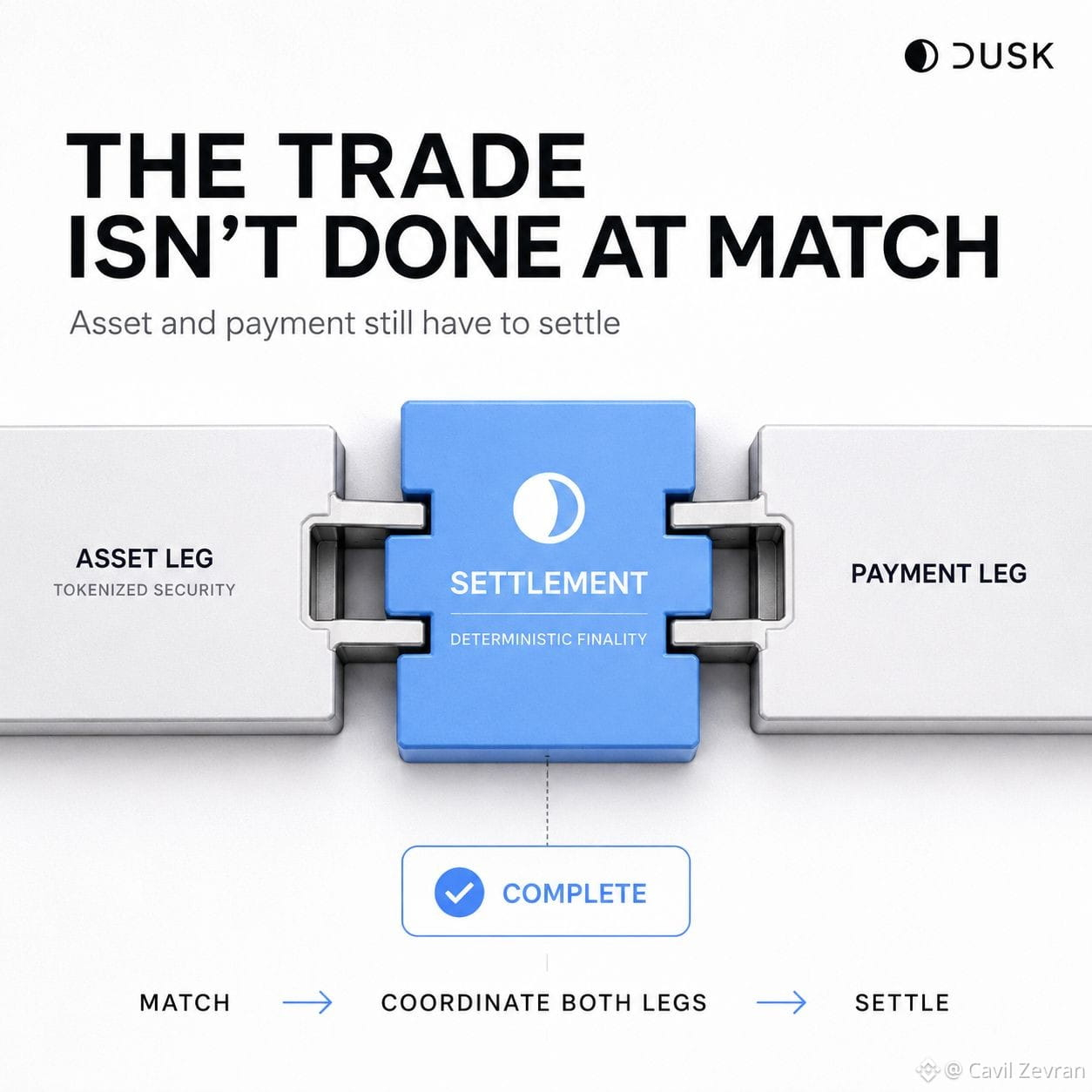
Ich habe diese Unterscheidung immer wieder bedacht, während ich mir ansah, wie Dusk regulierten Handel umsetzt, denn ein gematchter Trade ist nicht das Ende des Workflows.
Das Asset muss noch eine Seite erreichen und die Zahlung die andere. DuskDS stellt darunter einen deterministischen Finalitätsmechanismus bereit, während die Marktarchitektur von Dusk dafür ausgelegt ist, die Asset- und die Zahlungsseite für ein Settlement im Sinne „Delivery-versus-Payment“ zu koordinieren. Das erklärt auch, warum mich die NPEX-Arbeit neben der Tokenisierungs-Schlagzeile besonders angesprochen hat. Dusk beschreibt die Zusammenarbeit rund um Emission, Handel, Offenlegung und Settlement als einen zusammenhängenden Workflow. Für einen Trader ist die ruhigere Ebene das, was passiert, nachdem die Order „fertig“ meldet.
Wenn sich die Bewegung des Assets und die Zahlung noch in getrennten Systemen befinden, sind Abgleich- und Settlement-Risiken nicht einfach verschwunden, nur weil der Trade selbst onchain weitergelaufen ist.
Daher würde ich den Settlement-Pfad genauso genau beobachten wie die Handelsoberfläche.
Ausführung rückt in den Fokus.
Erst die Vollendung macht den Trade wirklich.
@Dusk_Foundation $DUSK #dusk
Der Kauf eines Konzerttickets und tatsächlich auch das Erhalten des Tickets sind zwei verschiedene Ereignisse.
Ich habe diese Unterscheidung immer wieder bedacht, während ich mir ansah, wie Dusk regulierten Handel umsetzt, denn ein gematchter Trade ist nicht das Ende des Workflows.
Das Asset muss noch eine Seite erreichen und die Zahlung die andere. DuskDS stellt darunter einen deterministischen Finalitätsmechanismus bereit, während die Marktarchitektur von Dusk dafür ausgelegt ist, die Asset- und die Zahlungsseite für ein Settlement im Sinne „Delivery-versus-Payment“ zu koordinieren. Das erklärt auch, warum mich die NPEX-Arbeit neben der Tokenisierungs-Schlagzeile besonders angesprochen hat. Dusk beschreibt die Zusammenarbeit rund um Emission, Handel, Offenlegung und Settlement als einen zusammenhängenden Workflow. Für einen Trader ist die ruhigere Ebene das, was passiert, nachdem die Order „fertig“ meldet.
Wenn sich die Bewegung des Assets und die Zahlung noch in getrennten Systemen befinden, sind Abgleich- und Settlement-Risiken nicht einfach verschwunden, nur weil der Trade selbst onchain weitergelaufen ist.
Daher würde ich den Settlement-Pfad genauso genau beobachten wie die Handelsoberfläche.
Ausführung rückt in den Fokus.
Erst die Vollendung macht den Trade wirklich.
@Dusk $DUSK #dusk
Ich habe diese Unterscheidung immer wieder bedacht, während ich mir ansah, wie Dusk regulierten Handel umsetzt, denn ein gematchter Trade ist nicht das Ende des Workflows.
Das Asset muss noch eine Seite erreichen und die Zahlung die andere. DuskDS stellt darunter einen deterministischen Finalitätsmechanismus bereit, während die Marktarchitektur von Dusk dafür ausgelegt ist, die Asset- und die Zahlungsseite für ein Settlement im Sinne „Delivery-versus-Payment“ zu koordinieren. Das erklärt auch, warum mich die NPEX-Arbeit neben der Tokenisierungs-Schlagzeile besonders angesprochen hat. Dusk beschreibt die Zusammenarbeit rund um Emission, Handel, Offenlegung und Settlement als einen zusammenhängenden Workflow. Für einen Trader ist die ruhigere Ebene das, was passiert, nachdem die Order „fertig“ meldet.
Wenn sich die Bewegung des Assets und die Zahlung noch in getrennten Systemen befinden, sind Abgleich- und Settlement-Risiken nicht einfach verschwunden, nur weil der Trade selbst onchain weitergelaufen ist.
Daher würde ich den Settlement-Pfad genauso genau beobachten wie die Handelsoberfläche.
Ausführung rückt in den Fokus.
Erst die Vollendung macht den Trade wirklich.
@Dusk $DUSK #dusk
22
18
320
·
--
Öffnen Sie die Sicherheitsseite. Finden Sie die Audit-Namen. Öffnen Sie einen weiteren Tab, um herauszufinden, was tatsächlich geprüft wurde.
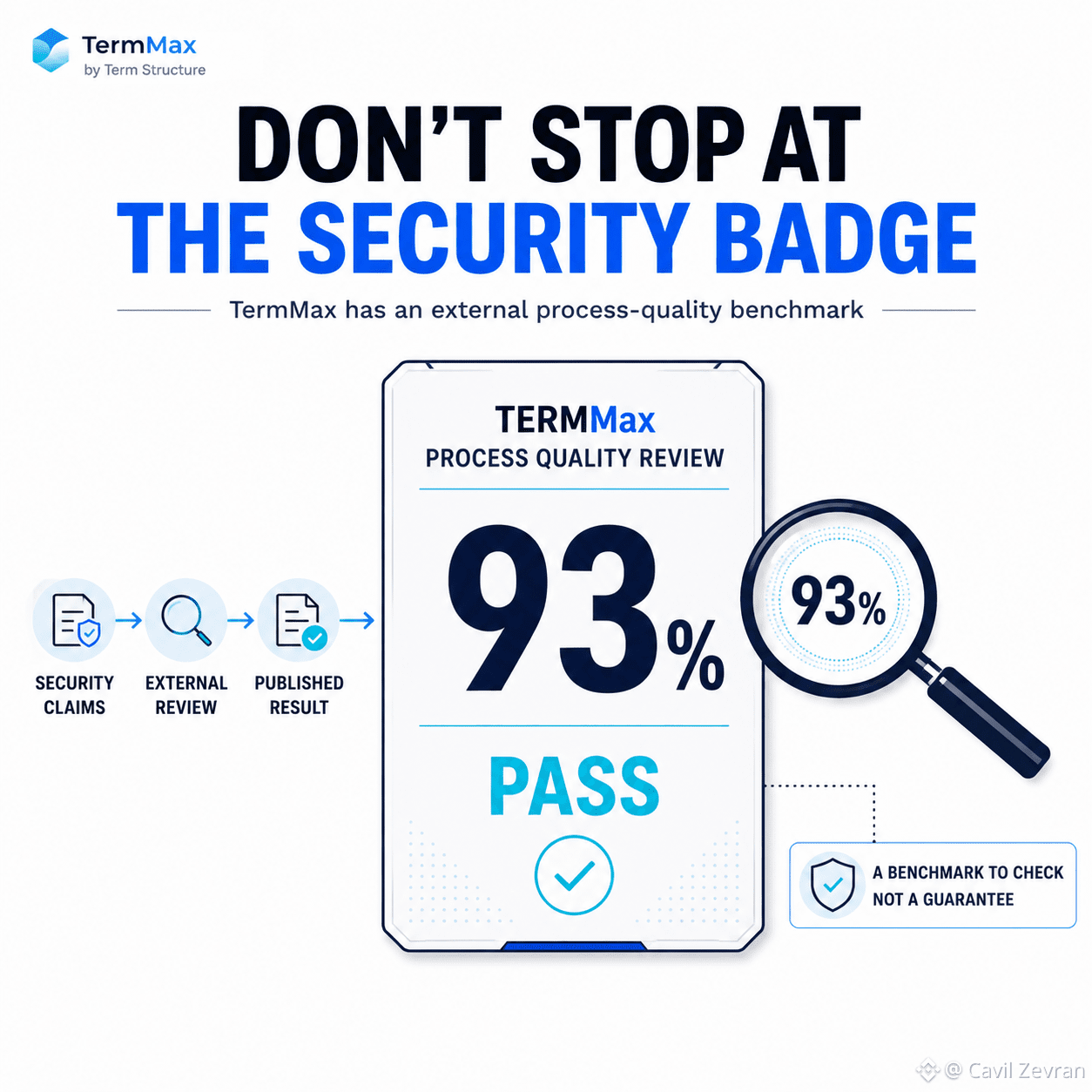
Genau diese Routine ist es, warum mich die 93% DeFiSafety Process Quality Review von TermMax angesprochen hat.
Ich habe genug Sicherheitsseiten gesehen, auf denen die Badges leichter zu finden sind als die Nachweise dahinter.
Hier gibt es ein externes Ergebnis, das Sie überprüfen können.
TermMax erhielt von DeFiSafety durch seine PQR-Bewertung eine PASS-Bewertung.
Für einen Verifizierer bedeutet das eine kleine Änderung der Aufgabe.
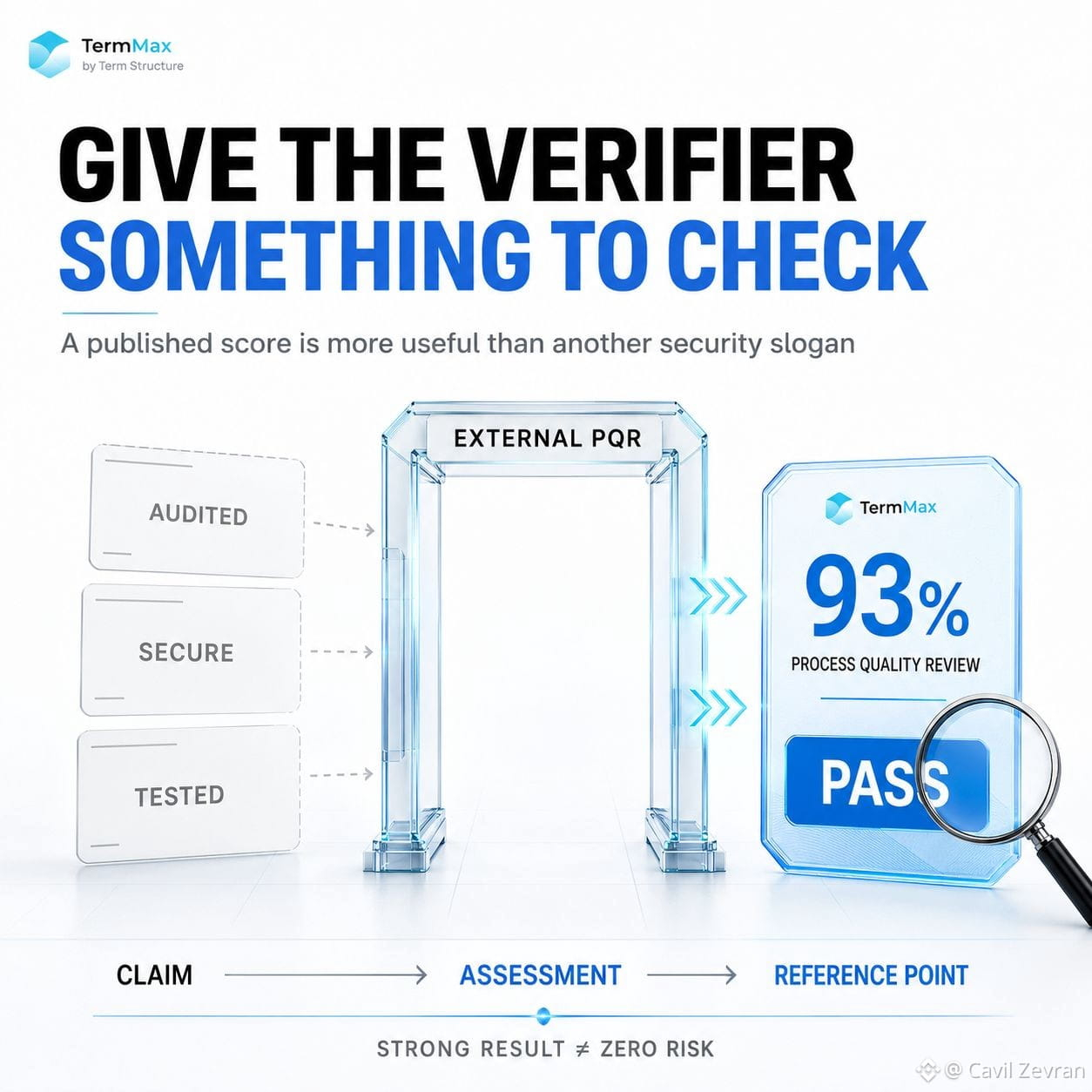
„Sicherheit wird ernst genommen“ ist nur eine Behauptung.
Eine benotete externe Prüfung gibt Ihnen etwas Konkretes, das Sie hinterfragen können. Sie können die eigene Sicherheits-Sprache des Protokolls mit einer Bewertung vergleichen, die seine Prozessqualität unter die Lupe genommen hat und zu einem messbaren Ergebnis gekommen ist.
Das bedeutet jedoch immer noch nicht, dass TermMax risikofrei ist.
Ein Score von 93% kann nicht garantieren, dass zukünftige Verträge, Oracle-Eingaben oder operative Änderungen niemals fehlschlagen. Das beweist die Zahl nicht.
Aber sie gibt der Verifizierung einen Ausgangspunkt, der schwieriger zu übergehen ist als Marketing-Claims.
Und ich denke, das ist der hilfreiche Schlüsselmoment.
Der Verifizierer hat jetzt nicht mehr nur eine Sammlung von Sicherheitsbehauptungen, die er durchforsten muss.
Daneben steht jetzt ein veröffentlichter Benchmark.
93% ist nicht das Ende der Prüfung.
Es macht die nächste Runde der Prüfung fundierter.
@termmax #TermMax
Öffnen Sie die Sicherheitsseite. Finden Sie die Audit-Namen. Öffnen Sie einen weiteren Tab, um herauszufinden, was tatsächlich geprüft wurde.
Genau diese Routine ist es, warum mich die 93% DeFiSafety Process Quality Review von TermMax angesprochen hat.
Ich habe genug Sicherheitsseiten gesehen, auf denen die Badges leichter zu finden sind als die Nachweise dahinter.
Hier gibt es ein externes Ergebnis, das Sie überprüfen können.
TermMax erhielt von DeFiSafety durch seine PQR-Bewertung eine PASS-Bewertung.
Für einen Verifizierer bedeutet das eine kleine Änderung der Aufgabe.
„Sicherheit wird ernst genommen“ ist nur eine Behauptung.
Eine benotete externe Prüfung gibt Ihnen etwas Konkretes, das Sie hinterfragen können. Sie können die eigene Sicherheits-Sprache des Protokolls mit einer Bewertung vergleichen, die seine Prozessqualität unter die Lupe genommen hat und zu einem messbaren Ergebnis gekommen ist.
Das bedeutet jedoch immer noch nicht, dass TermMax risikofrei ist.
Ein Score von 93% kann nicht garantieren, dass zukünftige Verträge, Oracle-Eingaben oder operative Änderungen niemals fehlschlagen. Das beweist die Zahl nicht.
Aber sie gibt der Verifizierung einen Ausgangspunkt, der schwieriger zu übergehen ist als Marketing-Claims.
Und ich denke, das ist der hilfreiche Schlüsselmoment.
Der Verifizierer hat jetzt nicht mehr nur eine Sammlung von Sicherheitsbehauptungen, die er durchforsten muss.
Daneben steht jetzt ein veröffentlichter Benchmark.
93% ist nicht das Ende der Prüfung.
Es macht die nächste Runde der Prüfung fundierter.
@TermMax #TermMax
Genau diese Routine ist es, warum mich die 93% DeFiSafety Process Quality Review von TermMax angesprochen hat.
Ich habe genug Sicherheitsseiten gesehen, auf denen die Badges leichter zu finden sind als die Nachweise dahinter.
Hier gibt es ein externes Ergebnis, das Sie überprüfen können.
TermMax erhielt von DeFiSafety durch seine PQR-Bewertung eine PASS-Bewertung.
Für einen Verifizierer bedeutet das eine kleine Änderung der Aufgabe.
„Sicherheit wird ernst genommen“ ist nur eine Behauptung.
Eine benotete externe Prüfung gibt Ihnen etwas Konkretes, das Sie hinterfragen können. Sie können die eigene Sicherheits-Sprache des Protokolls mit einer Bewertung vergleichen, die seine Prozessqualität unter die Lupe genommen hat und zu einem messbaren Ergebnis gekommen ist.
Das bedeutet jedoch immer noch nicht, dass TermMax risikofrei ist.
Ein Score von 93% kann nicht garantieren, dass zukünftige Verträge, Oracle-Eingaben oder operative Änderungen niemals fehlschlagen. Das beweist die Zahl nicht.
Aber sie gibt der Verifizierung einen Ausgangspunkt, der schwieriger zu übergehen ist als Marketing-Claims.
Und ich denke, das ist der hilfreiche Schlüsselmoment.
Der Verifizierer hat jetzt nicht mehr nur eine Sammlung von Sicherheitsbehauptungen, die er durchforsten muss.
Daneben steht jetzt ein veröffentlichter Benchmark.
93% ist nicht das Ende der Prüfung.
Es macht die nächste Runde der Prüfung fundierter.
@TermMax #TermMax
25
15
376
·
--
Der Knoten fällt zurück. Überprüfen Sie die Höhe. Überprüfen Sie die Peers. Stellen Sie den Zustand wieder her. Und dann verbringen Sie mehr Zeit damit, zuzusehen, wie er aufholt.
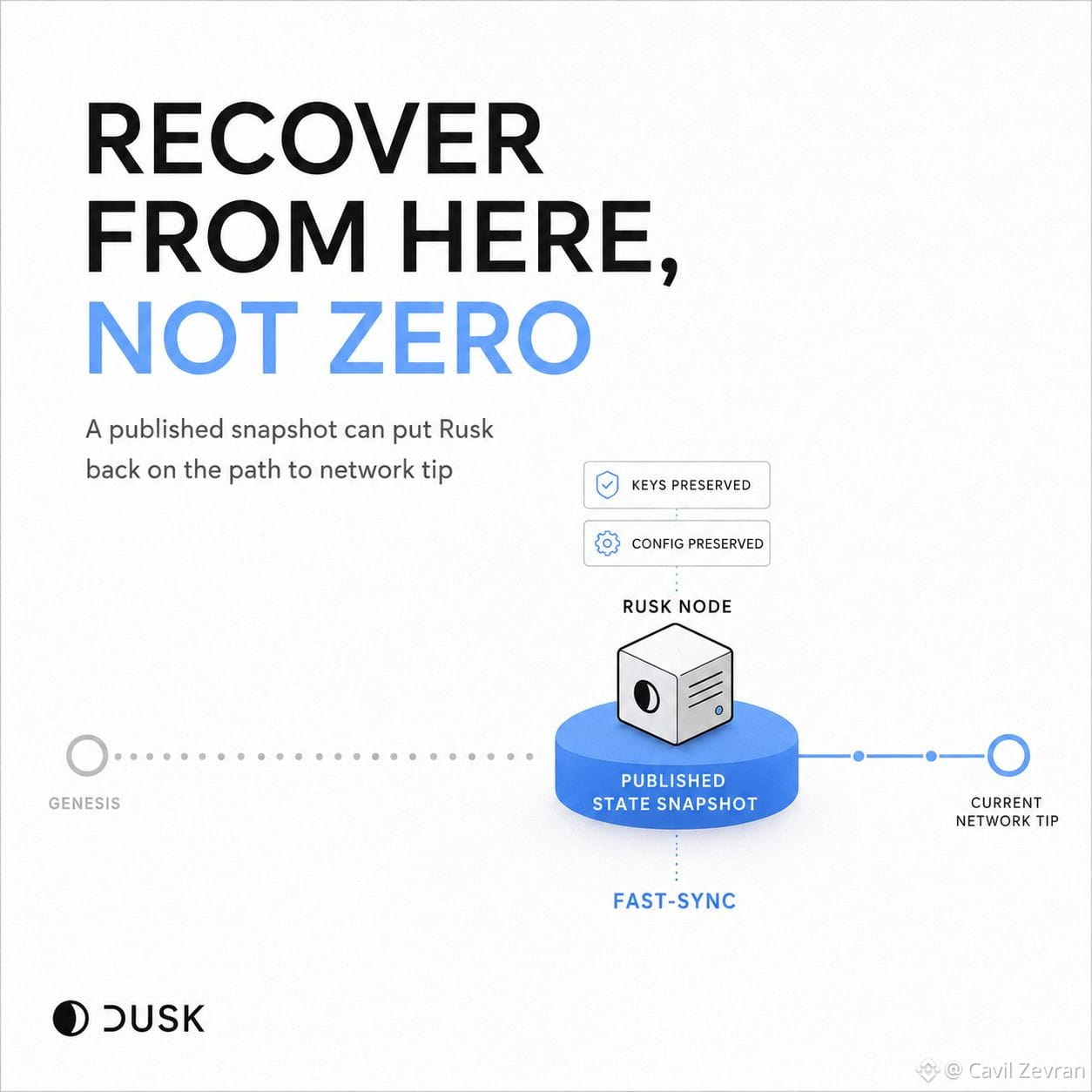
Ich ging davon aus, dass so eine Wiederherstellung bedeuten würde, viel mehr der Kette neu aufzubauen, als nötig ist. Dusk’s Fast-Sync-Pfad hat mich dazu gebracht, die Wartung von Knoten anders zu betrachten.
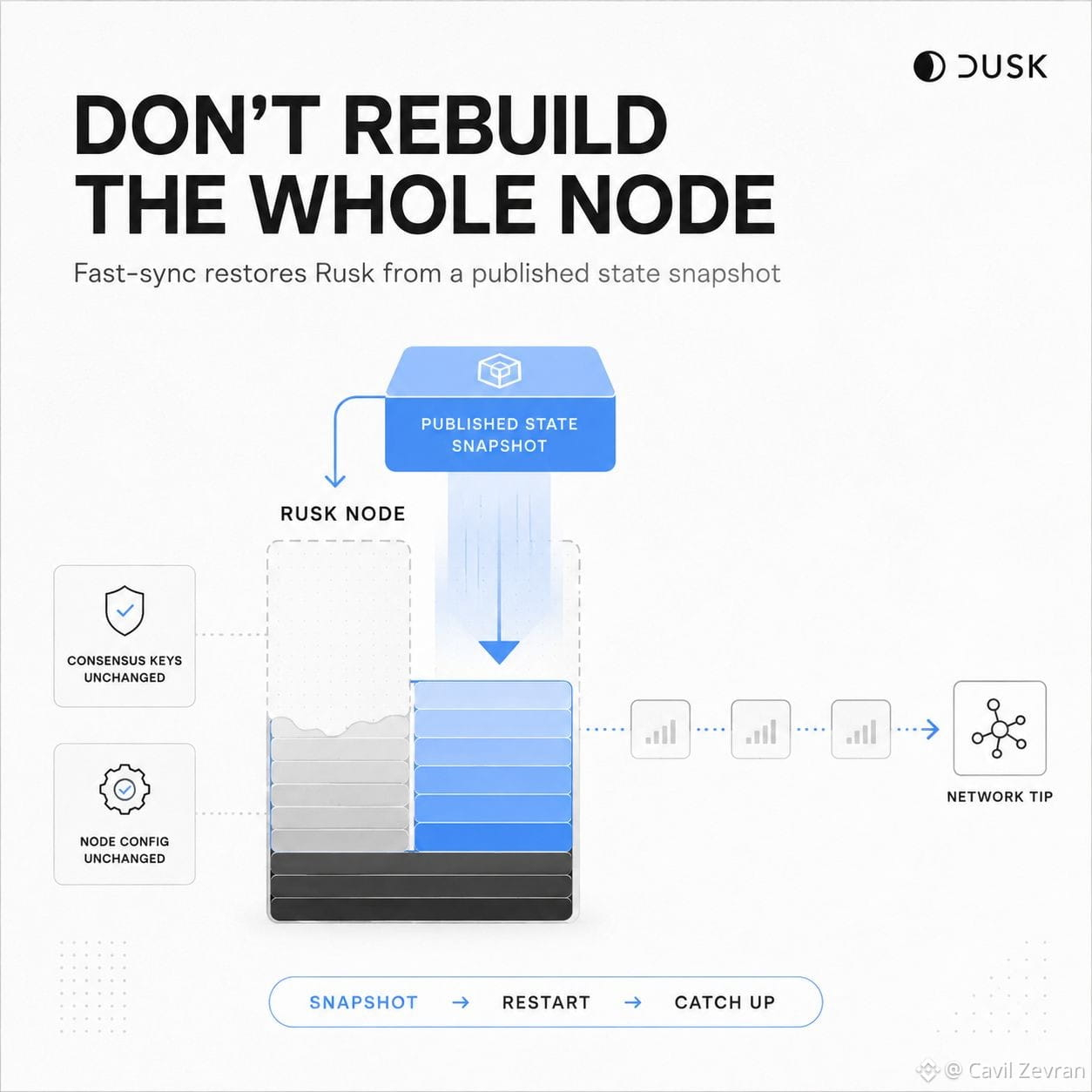
Das Node-Installationsprogramm enthält jetzt download_state für Mainnet und Testnet.
Für einen Standard-Rusk-Knoten kann es einen veröffentlichten Status-Snapshot abrufen und den lokalen Kettenstatus und die Datenbank ersetzen. Der Betreiber startet Rusk anschließend neu und überprüft, dass die Blockhöhe sich in Richtung des aktuellen Netzwerk-Tipps bewegt.
Was meine Aufmerksamkeit geweckt hat, ist das, was der Prozess unberührt lässt.
Fast-Sync ersetzt die Konsensschlüssel oder die Konfiguration des Knotens nicht.
Daher ist die Wiederherstellung nicht automatisch ein vollständiger Neustart des Knotens.
Das ist eine praktische Freigabe für jemanden, der erwartet, die Infrastruktur verfügbar zu halten. Wenn der lokale Status unbrauchbar wird, hat der Betreiber einen unterstützten Weg zurück zur Live-Kette, ohne das komplette Setup erneut zu starten.
Hier gibt es keine spektakuläre Funktion.
Nur eine Wartungsaufgabe, die deutlich weniger schmerzhaft werden kann, wenn etwas schiefgeht.
@Dusk_Foundation $DUSK #dusk
Der Knoten fällt zurück. Überprüfen Sie die Höhe. Überprüfen Sie die Peers. Stellen Sie den Zustand wieder her. Und dann verbringen Sie mehr Zeit damit, zuzusehen, wie er aufholt.
Ich ging davon aus, dass so eine Wiederherstellung bedeuten würde, viel mehr der Kette neu aufzubauen, als nötig ist. Dusk’s Fast-Sync-Pfad hat mich dazu gebracht, die Wartung von Knoten anders zu betrachten.
Das Node-Installationsprogramm enthält jetzt download_state für Mainnet und Testnet.
Für einen Standard-Rusk-Knoten kann es einen veröffentlichten Status-Snapshot abrufen und den lokalen Kettenstatus und die Datenbank ersetzen. Der Betreiber startet Rusk anschließend neu und überprüft, dass die Blockhöhe sich in Richtung des aktuellen Netzwerk-Tipps bewegt.
Was meine Aufmerksamkeit geweckt hat, ist das, was der Prozess unberührt lässt.
Fast-Sync ersetzt die Konsensschlüssel oder die Konfiguration des Knotens nicht.
Daher ist die Wiederherstellung nicht automatisch ein vollständiger Neustart des Knotens.
Das ist eine praktische Freigabe für jemanden, der erwartet, die Infrastruktur verfügbar zu halten. Wenn der lokale Status unbrauchbar wird, hat der Betreiber einen unterstützten Weg zurück zur Live-Kette, ohne das komplette Setup erneut zu starten.
Hier gibt es keine spektakuläre Funktion.
Nur eine Wartungsaufgabe, die deutlich weniger schmerzhaft werden kann, wenn etwas schiefgeht.
@Dusk $DUSK #dusk
Ich ging davon aus, dass so eine Wiederherstellung bedeuten würde, viel mehr der Kette neu aufzubauen, als nötig ist. Dusk’s Fast-Sync-Pfad hat mich dazu gebracht, die Wartung von Knoten anders zu betrachten.
Das Node-Installationsprogramm enthält jetzt download_state für Mainnet und Testnet.
Für einen Standard-Rusk-Knoten kann es einen veröffentlichten Status-Snapshot abrufen und den lokalen Kettenstatus und die Datenbank ersetzen. Der Betreiber startet Rusk anschließend neu und überprüft, dass die Blockhöhe sich in Richtung des aktuellen Netzwerk-Tipps bewegt.
Was meine Aufmerksamkeit geweckt hat, ist das, was der Prozess unberührt lässt.
Fast-Sync ersetzt die Konsensschlüssel oder die Konfiguration des Knotens nicht.
Daher ist die Wiederherstellung nicht automatisch ein vollständiger Neustart des Knotens.
Das ist eine praktische Freigabe für jemanden, der erwartet, die Infrastruktur verfügbar zu halten. Wenn der lokale Status unbrauchbar wird, hat der Betreiber einen unterstützten Weg zurück zur Live-Kette, ohne das komplette Setup erneut zu starten.
Hier gibt es keine spektakuläre Funktion.
Nur eine Wartungsaufgabe, die deutlich weniger schmerzhaft werden kann, wenn etwas schiefgeht.
@Dusk $DUSK #dusk
36
24
310
·
--
Verifiziert
Ich ging früher davon aus, dass der nervige Teil des Festzins-Handels einfach darin besteht, den gewünschten Satz zu finden.
Dann bemerkte ich, was TermMax in V2 geändert hat.
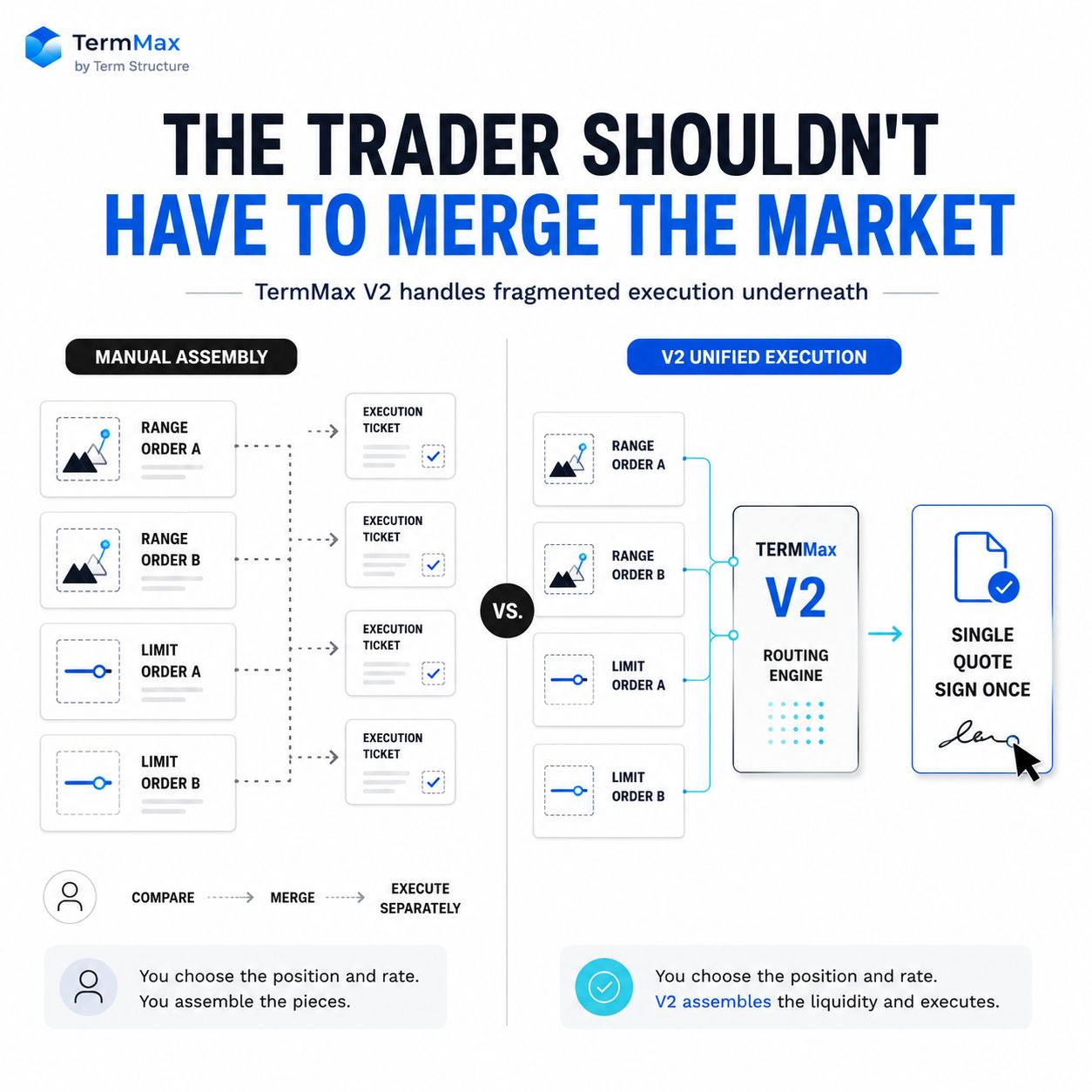
Das schwierigere Problem war die fragmentierte Ausführung.
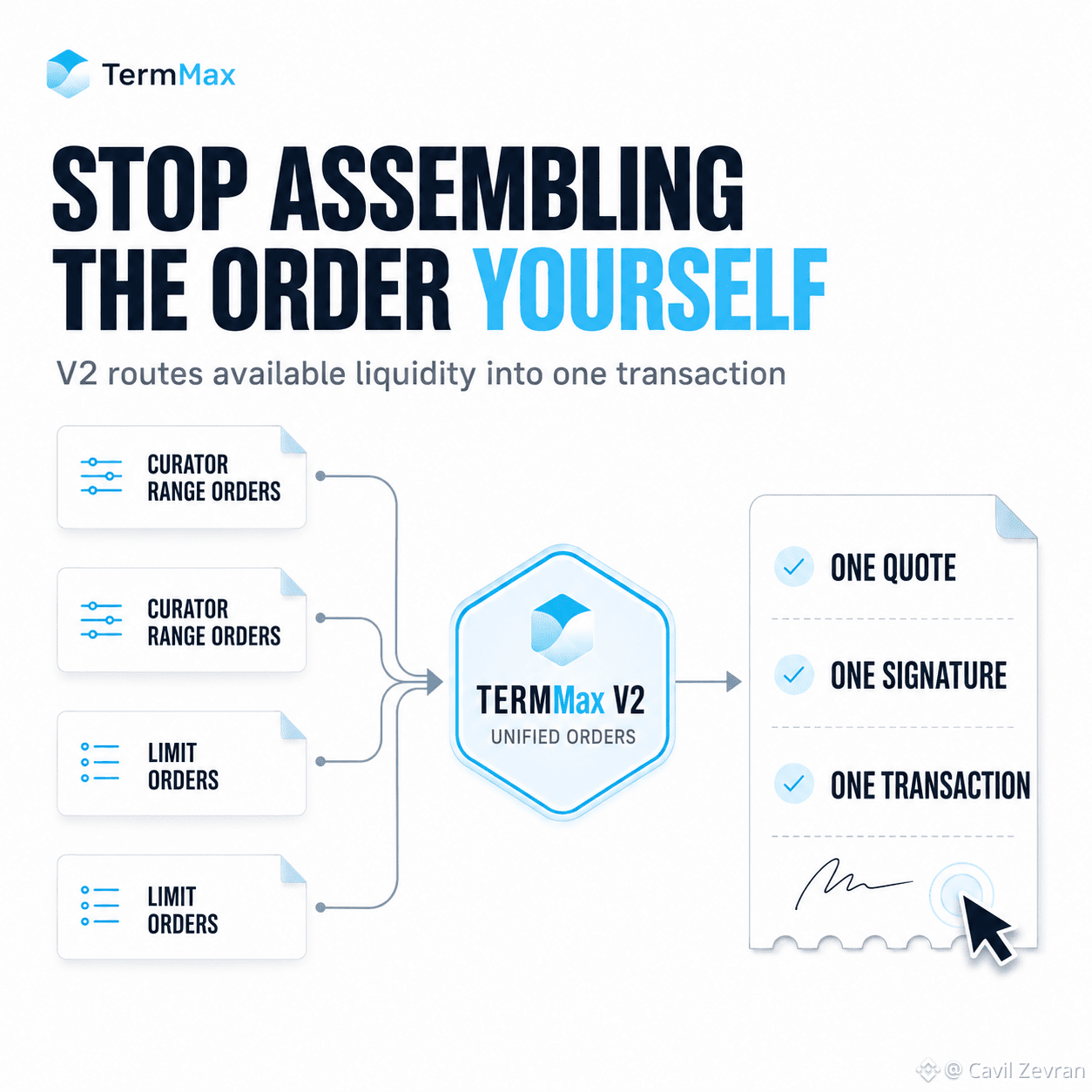
Ein Händler konnte Liquidität in Curator-Range-Orders bereithalten und zusätzlich Liquidität in einzelnen Limit-Orders. Das waren separate Quellen.
Um die bessere Ausführung zu erhalten, musste man also einen Teil der Routing-Arbeit selbst übernehmen.
Vergleichen Sie die Orders. Ermitteln Sie, wo sich die nutzbringende Liquidität befindet. Nehmen Sie sie einzeln vor.
V2 entfernt dieses kleine Stück der manuellen Marktzusammenstellung.
Wenn ein Händler leiht oder borgt, greift Unified Orders auf die verfügbaren Curator-Ranges und einzelnen Limit-Orders in diesem Markt zu und kombiniert dann die Ausführung zu einer einzigen Transaktion.
Ein Angebot.
Eine Signatur.
Das Routing passiert im Hintergrund.
Ich mag das, weil es ein eher wenig glamouröses Problem löst. Bessere Marktinfrastruktur ist nicht immer schon eine weitere Strategie oder ein weiteres Asset.
Manchmal besteht sie einfach darin, eine Entscheidung zu entfernen, die der Händler niemals manuell treffen musste.
Der Händler entscheidet weiterhin, ob Satz und Position sinnvoll sind. TermMax V2 verhindert nur, dass es die Liquiditätskarte neu zusammensetzt, bevor es auf diese Entscheidung reagiert.
Das ist eine deutlich klarere Stellenbeschreibung für die Person auf der anderen Seite des Bildschirms.
@termmax #TermMax
Ich ging früher davon aus, dass der nervige Teil des Festzins-Handels einfach darin besteht, den gewünschten Satz zu finden.
Dann bemerkte ich, was TermMax in V2 geändert hat.
Das schwierigere Problem war die fragmentierte Ausführung.
Ein Händler konnte Liquidität in Curator-Range-Orders bereithalten und zusätzlich Liquidität in einzelnen Limit-Orders. Das waren separate Quellen.
Um die bessere Ausführung zu erhalten, musste man also einen Teil der Routing-Arbeit selbst übernehmen.
Vergleichen Sie die Orders. Ermitteln Sie, wo sich die nutzbringende Liquidität befindet. Nehmen Sie sie einzeln vor.
V2 entfernt dieses kleine Stück der manuellen Marktzusammenstellung.
Wenn ein Händler leiht oder borgt, greift Unified Orders auf die verfügbaren Curator-Ranges und einzelnen Limit-Orders in diesem Markt zu und kombiniert dann die Ausführung zu einer einzigen Transaktion.
Ein Angebot.
Eine Signatur.
Das Routing passiert im Hintergrund.
Ich mag das, weil es ein eher wenig glamouröses Problem löst. Bessere Marktinfrastruktur ist nicht immer schon eine weitere Strategie oder ein weiteres Asset.
Manchmal besteht sie einfach darin, eine Entscheidung zu entfernen, die der Händler niemals manuell treffen musste.
Der Händler entscheidet weiterhin, ob Satz und Position sinnvoll sind. TermMax V2 verhindert nur, dass es die Liquiditätskarte neu zusammensetzt, bevor es auf diese Entscheidung reagiert.
Das ist eine deutlich klarere Stellenbeschreibung für die Person auf der anderen Seite des Bildschirms.
@TermMax #TermMax
Dann bemerkte ich, was TermMax in V2 geändert hat.
Das schwierigere Problem war die fragmentierte Ausführung.
Ein Händler konnte Liquidität in Curator-Range-Orders bereithalten und zusätzlich Liquidität in einzelnen Limit-Orders. Das waren separate Quellen.
Um die bessere Ausführung zu erhalten, musste man also einen Teil der Routing-Arbeit selbst übernehmen.
Vergleichen Sie die Orders. Ermitteln Sie, wo sich die nutzbringende Liquidität befindet. Nehmen Sie sie einzeln vor.
V2 entfernt dieses kleine Stück der manuellen Marktzusammenstellung.
Wenn ein Händler leiht oder borgt, greift Unified Orders auf die verfügbaren Curator-Ranges und einzelnen Limit-Orders in diesem Markt zu und kombiniert dann die Ausführung zu einer einzigen Transaktion.
Ein Angebot.
Eine Signatur.
Das Routing passiert im Hintergrund.
Ich mag das, weil es ein eher wenig glamouröses Problem löst. Bessere Marktinfrastruktur ist nicht immer schon eine weitere Strategie oder ein weiteres Asset.
Manchmal besteht sie einfach darin, eine Entscheidung zu entfernen, die der Händler niemals manuell treffen musste.
Der Händler entscheidet weiterhin, ob Satz und Position sinnvoll sind. TermMax V2 verhindert nur, dass es die Liquiditätskarte neu zusammensetzt, bevor es auf diese Entscheidung reagiert.
Das ist eine deutlich klarere Stellenbeschreibung für die Person auf der anderen Seite des Bildschirms.
@TermMax #TermMax
36
31
1.6k
·
--
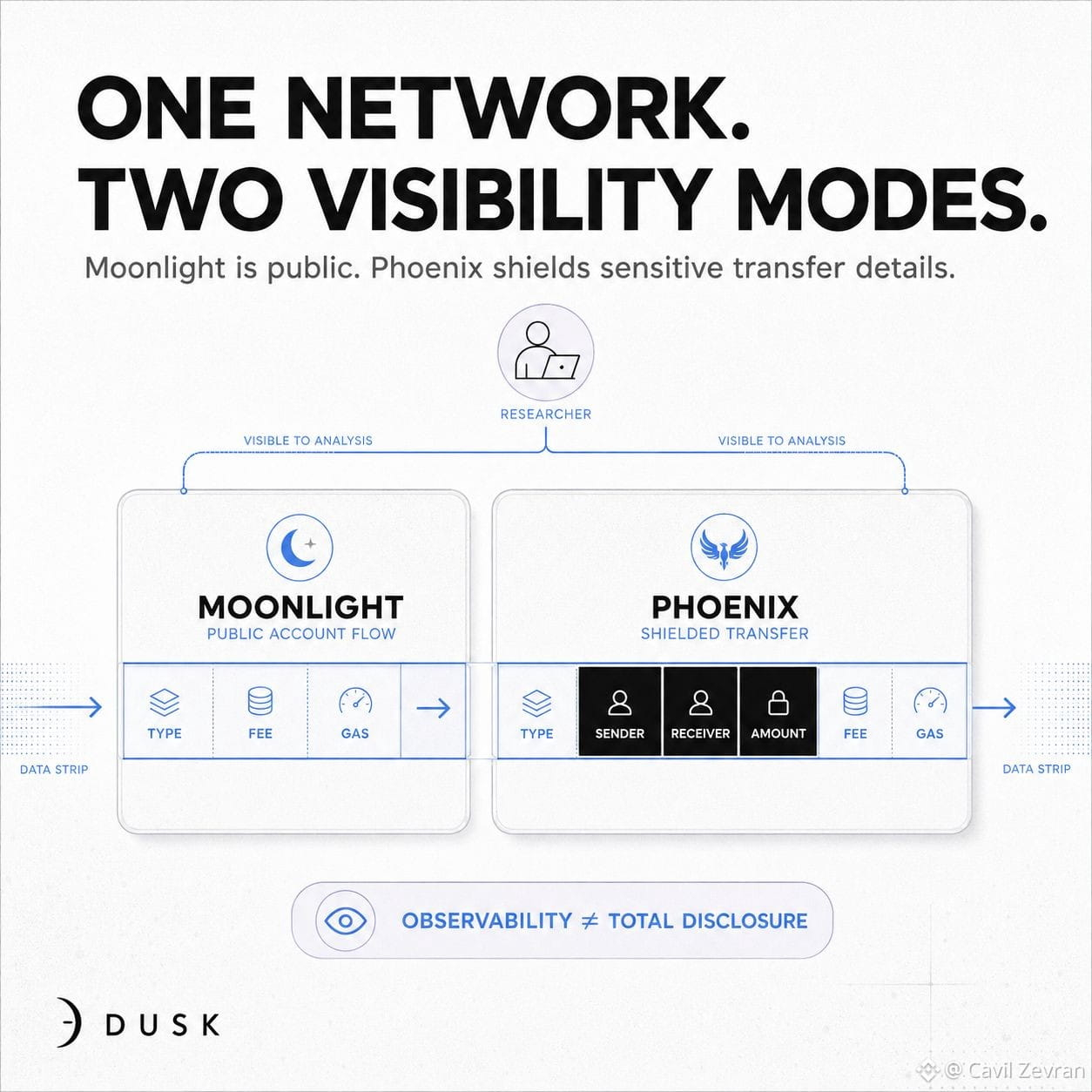
Ich glaube, hier wird es zu ungenau, Dusk schlicht als „private Blockchain“ zu bezeichnen.
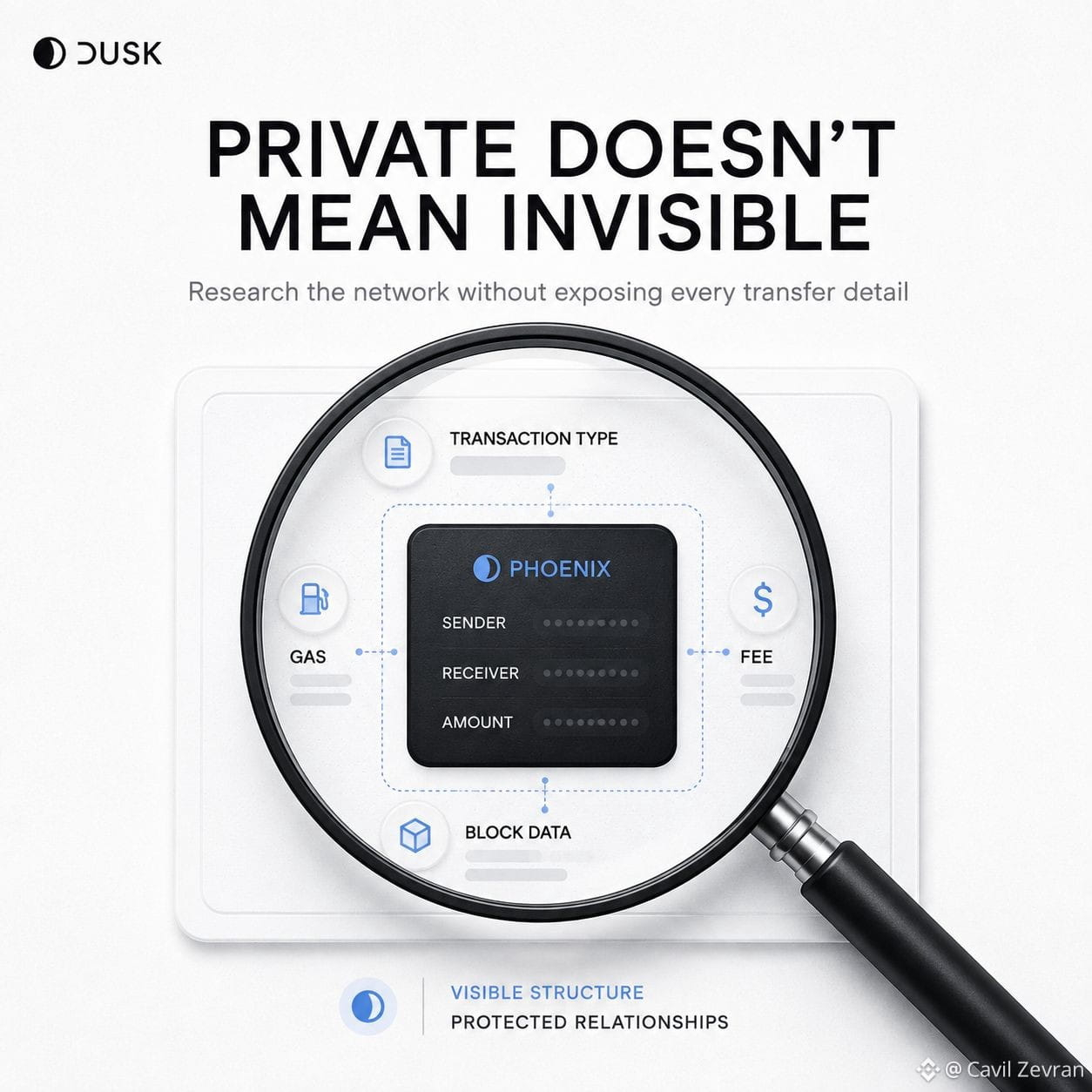
Wenn ich mir anschaue, was ein Forschender tatsächlich inspizieren kann, ist mir aufgefallen, dass Dusk die Beobachtbarkeit nicht als Alles-oder-Nichts-Entscheidung gestaltet. Moonlight gibt dem Netzwerk ein öffentliches kontobasiertes Transaktionsmodell, während Phoenix geschützte Transfers übernimmt. Der offizielle Explorer macht weiterhin öffentliche Netzwerkinformationen wie Blöcke, Verträge, Provisioner, Gebühren und die Nutzung von Gas sichtbar – und er kann Transaktionstypen sowie verfügbare Metadaten identifizieren.
Phoenix zieht die Grenze an einer spezifischeren Stelle.
Bei diesen geschützten Transfers werden Absender, Empfänger und der übertragene Betrag für gewöhnliche Beobachter nicht offengelegt. So kann ein Forschender die sichtbare Struktur des Netzwerks weiterhin untersuchen, ohne automatisch eine Karte sämtlicher vertraulicher finanzieller Beziehungen zu erhalten, die dahinterstecken.
Dieser Kontrast ist für mich nützlicher, als Privatsphäre mit einer undurchsichtigen Kette gleichzusetzen.
Forschung braucht beobachtbare Signale. Finanzielle Vertraulichkeit muss manchmal bestimmte Felder außerhalb dieser Signale halten.
Die Transaktionsmodelle von Dusk lassen beide Bedingungen im selben Netzwerk existieren. Das bedeutet, dass die Untersuchung von Aktivitäten nicht zwangsläufig erfordert, alle Übertragungsdetails jedes einzelnen Nutzers in öffentliches Forschungsmaterial zu verwandeln.
@Dusk_Foundation $DUSK #dusk
Ich glaube, hier wird es zu ungenau, Dusk schlicht als „private Blockchain“ zu bezeichnen.
Wenn ich mir anschaue, was ein Forschender tatsächlich inspizieren kann, ist mir aufgefallen, dass Dusk die Beobachtbarkeit nicht als Alles-oder-Nichts-Entscheidung gestaltet. Moonlight gibt dem Netzwerk ein öffentliches kontobasiertes Transaktionsmodell, während Phoenix geschützte Transfers übernimmt. Der offizielle Explorer macht weiterhin öffentliche Netzwerkinformationen wie Blöcke, Verträge, Provisioner, Gebühren und die Nutzung von Gas sichtbar – und er kann Transaktionstypen sowie verfügbare Metadaten identifizieren.
Phoenix zieht die Grenze an einer spezifischeren Stelle.
Bei diesen geschützten Transfers werden Absender, Empfänger und der übertragene Betrag für gewöhnliche Beobachter nicht offengelegt. So kann ein Forschender die sichtbare Struktur des Netzwerks weiterhin untersuchen, ohne automatisch eine Karte sämtlicher vertraulicher finanzieller Beziehungen zu erhalten, die dahinterstecken.
Dieser Kontrast ist für mich nützlicher, als Privatsphäre mit einer undurchsichtigen Kette gleichzusetzen.
Forschung braucht beobachtbare Signale. Finanzielle Vertraulichkeit muss manchmal bestimmte Felder außerhalb dieser Signale halten.
Die Transaktionsmodelle von Dusk lassen beide Bedingungen im selben Netzwerk existieren. Das bedeutet, dass die Untersuchung von Aktivitäten nicht zwangsläufig erfordert, alle Übertragungsdetails jedes einzelnen Nutzers in öffentliches Forschungsmaterial zu verwandeln.
@Dusk $DUSK #dusk
Wenn ich mir anschaue, was ein Forschender tatsächlich inspizieren kann, ist mir aufgefallen, dass Dusk die Beobachtbarkeit nicht als Alles-oder-Nichts-Entscheidung gestaltet. Moonlight gibt dem Netzwerk ein öffentliches kontobasiertes Transaktionsmodell, während Phoenix geschützte Transfers übernimmt. Der offizielle Explorer macht weiterhin öffentliche Netzwerkinformationen wie Blöcke, Verträge, Provisioner, Gebühren und die Nutzung von Gas sichtbar – und er kann Transaktionstypen sowie verfügbare Metadaten identifizieren.
Phoenix zieht die Grenze an einer spezifischeren Stelle.
Bei diesen geschützten Transfers werden Absender, Empfänger und der übertragene Betrag für gewöhnliche Beobachter nicht offengelegt. So kann ein Forschender die sichtbare Struktur des Netzwerks weiterhin untersuchen, ohne automatisch eine Karte sämtlicher vertraulicher finanzieller Beziehungen zu erhalten, die dahinterstecken.
Dieser Kontrast ist für mich nützlicher, als Privatsphäre mit einer undurchsichtigen Kette gleichzusetzen.
Forschung braucht beobachtbare Signale. Finanzielle Vertraulichkeit muss manchmal bestimmte Felder außerhalb dieser Signale halten.
Die Transaktionsmodelle von Dusk lassen beide Bedingungen im selben Netzwerk existieren. Das bedeutet, dass die Untersuchung von Aktivitäten nicht zwangsläufig erfordert, alle Übertragungsdetails jedes einzelnen Nutzers in öffentliches Forschungsmaterial zu verwandeln.
@Dusk $DUSK #dusk
36
34
413
·
--
Ein Bahnticket ist im Grunde ein kleines Versprechen, das an ein Ziel und eine Zeit gebunden ist.
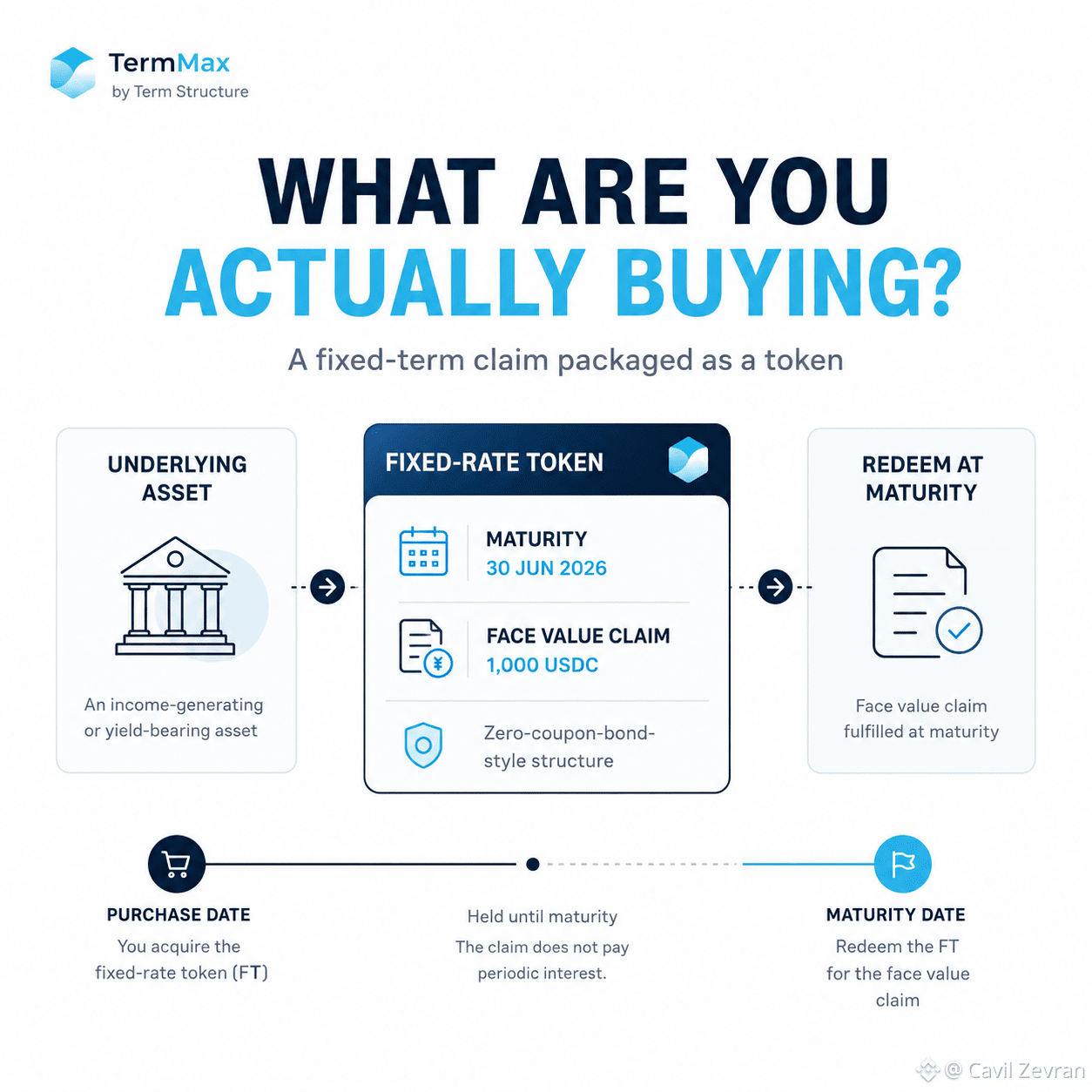
Wenn ich TermMax genauer ansehe, denke ich, dass sein Fixed-rate Token mehr konzeptionelle Arbeit leistet, als die Headline „fixed-rate lending“ vermuten lässt.
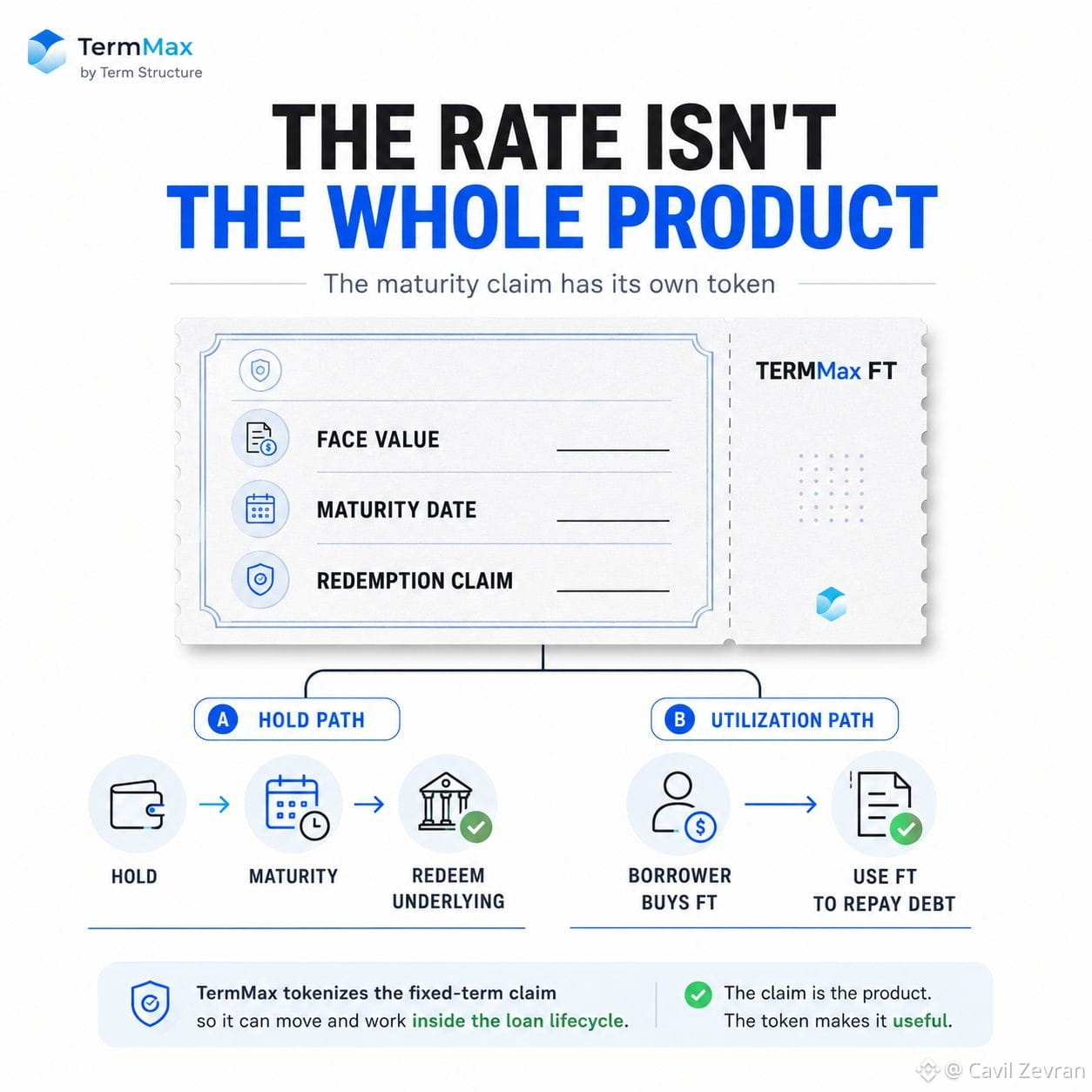
Ein FT steht für das Recht, den Nennwert einer Schuldposition bei Fälligkeit zurückzulösen. Das klingt nach Technik.
Für einen Käufer verändert das, was tatsächlich gekauft wird.
Du hinterlegst nicht einfach nur einen Vermögenswert und schaust zu, wie eine APY-Zahl stumm auf einem Dashboard sitzt. Die Festlaufzeit-Forderung selbst ist tokenisiert.
Halte das FT bis zur Fälligkeit und es kann gegen den zugrunde liegenden Wert eingelöst werden, den es repräsentiert. Das Protokoll beschreibt es in Begriffen von Zero-Coupon-Bonds.
Ich finde, das ist wichtiger als allein die Bezeichnung „fixed-rate“.
Denn sobald eine zukünftige Forderung als Token existiert, kann TermMax dieses FT auch an anderer Stelle im Kredit-Lebenszyklus verwenden. Kreditnehmer können entsprechende FTs vor der Fälligkeit erwerben und sie nutzen, um Schulden zurückzuzahlen – statt die Position so zu behandeln, als würde sie erst am Fälligkeitstag „verschwinden“.
Also der ruhigere Punkt hier ist die Tokenisierung der Laufzeit selbst.
Das Fälligkeitsdatum, die Rücklöseforderung und die fixed-rate-Ökonomik werden in etwas verpackt, das das Protokoll tatsächlich über seinen Markt bewegen kann.
Für einen Käufer macht das das Produkt leichter einzuordnen.
Nicht „welcher Ertrag wird heute beworben?“
Eher: „Welche Forderung kaufe ich – und was wird daraus bei Fälligkeit?“
Dieser Unterschied ist in der Oberfläche eher klein. Strukturell leistet er jedoch sehr viel Arbeit.
@termmax #TermMax
Ein Bahnticket ist im Grunde ein kleines Versprechen, das an ein Ziel und eine Zeit gebunden ist.
Wenn ich TermMax genauer ansehe, denke ich, dass sein Fixed-rate Token mehr konzeptionelle Arbeit leistet, als die Headline „fixed-rate lending“ vermuten lässt.
Ein FT steht für das Recht, den Nennwert einer Schuldposition bei Fälligkeit zurückzulösen. Das klingt nach Technik.
Für einen Käufer verändert das, was tatsächlich gekauft wird.
Du hinterlegst nicht einfach nur einen Vermögenswert und schaust zu, wie eine APY-Zahl stumm auf einem Dashboard sitzt. Die Festlaufzeit-Forderung selbst ist tokenisiert.
Halte das FT bis zur Fälligkeit und es kann gegen den zugrunde liegenden Wert eingelöst werden, den es repräsentiert. Das Protokoll beschreibt es in Begriffen von Zero-Coupon-Bonds.
Ich finde, das ist wichtiger als allein die Bezeichnung „fixed-rate“.
Denn sobald eine zukünftige Forderung als Token existiert, kann TermMax dieses FT auch an anderer Stelle im Kredit-Lebenszyklus verwenden. Kreditnehmer können entsprechende FTs vor der Fälligkeit erwerben und sie nutzen, um Schulden zurückzuzahlen – statt die Position so zu behandeln, als würde sie erst am Fälligkeitstag „verschwinden“.
Also der ruhigere Punkt hier ist die Tokenisierung der Laufzeit selbst.
Das Fälligkeitsdatum, die Rücklöseforderung und die fixed-rate-Ökonomik werden in etwas verpackt, das das Protokoll tatsächlich über seinen Markt bewegen kann.
Für einen Käufer macht das das Produkt leichter einzuordnen.
Nicht „welcher Ertrag wird heute beworben?“
Eher: „Welche Forderung kaufe ich – und was wird daraus bei Fälligkeit?“
Dieser Unterschied ist in der Oberfläche eher klein. Strukturell leistet er jedoch sehr viel Arbeit.
@TermMax #TermMax
Wenn ich TermMax genauer ansehe, denke ich, dass sein Fixed-rate Token mehr konzeptionelle Arbeit leistet, als die Headline „fixed-rate lending“ vermuten lässt.
Ein FT steht für das Recht, den Nennwert einer Schuldposition bei Fälligkeit zurückzulösen. Das klingt nach Technik.
Für einen Käufer verändert das, was tatsächlich gekauft wird.
Du hinterlegst nicht einfach nur einen Vermögenswert und schaust zu, wie eine APY-Zahl stumm auf einem Dashboard sitzt. Die Festlaufzeit-Forderung selbst ist tokenisiert.
Halte das FT bis zur Fälligkeit und es kann gegen den zugrunde liegenden Wert eingelöst werden, den es repräsentiert. Das Protokoll beschreibt es in Begriffen von Zero-Coupon-Bonds.
Ich finde, das ist wichtiger als allein die Bezeichnung „fixed-rate“.
Denn sobald eine zukünftige Forderung als Token existiert, kann TermMax dieses FT auch an anderer Stelle im Kredit-Lebenszyklus verwenden. Kreditnehmer können entsprechende FTs vor der Fälligkeit erwerben und sie nutzen, um Schulden zurückzuzahlen – statt die Position so zu behandeln, als würde sie erst am Fälligkeitstag „verschwinden“.
Also der ruhigere Punkt hier ist die Tokenisierung der Laufzeit selbst.
Das Fälligkeitsdatum, die Rücklöseforderung und die fixed-rate-Ökonomik werden in etwas verpackt, das das Protokoll tatsächlich über seinen Markt bewegen kann.
Für einen Käufer macht das das Produkt leichter einzuordnen.
Nicht „welcher Ertrag wird heute beworben?“
Eher: „Welche Forderung kaufe ich – und was wird daraus bei Fälligkeit?“
Dieser Unterschied ist in der Oberfläche eher klein. Strukturell leistet er jedoch sehr viel Arbeit.
@TermMax #TermMax
35
31
366
·
--
Verifiziert
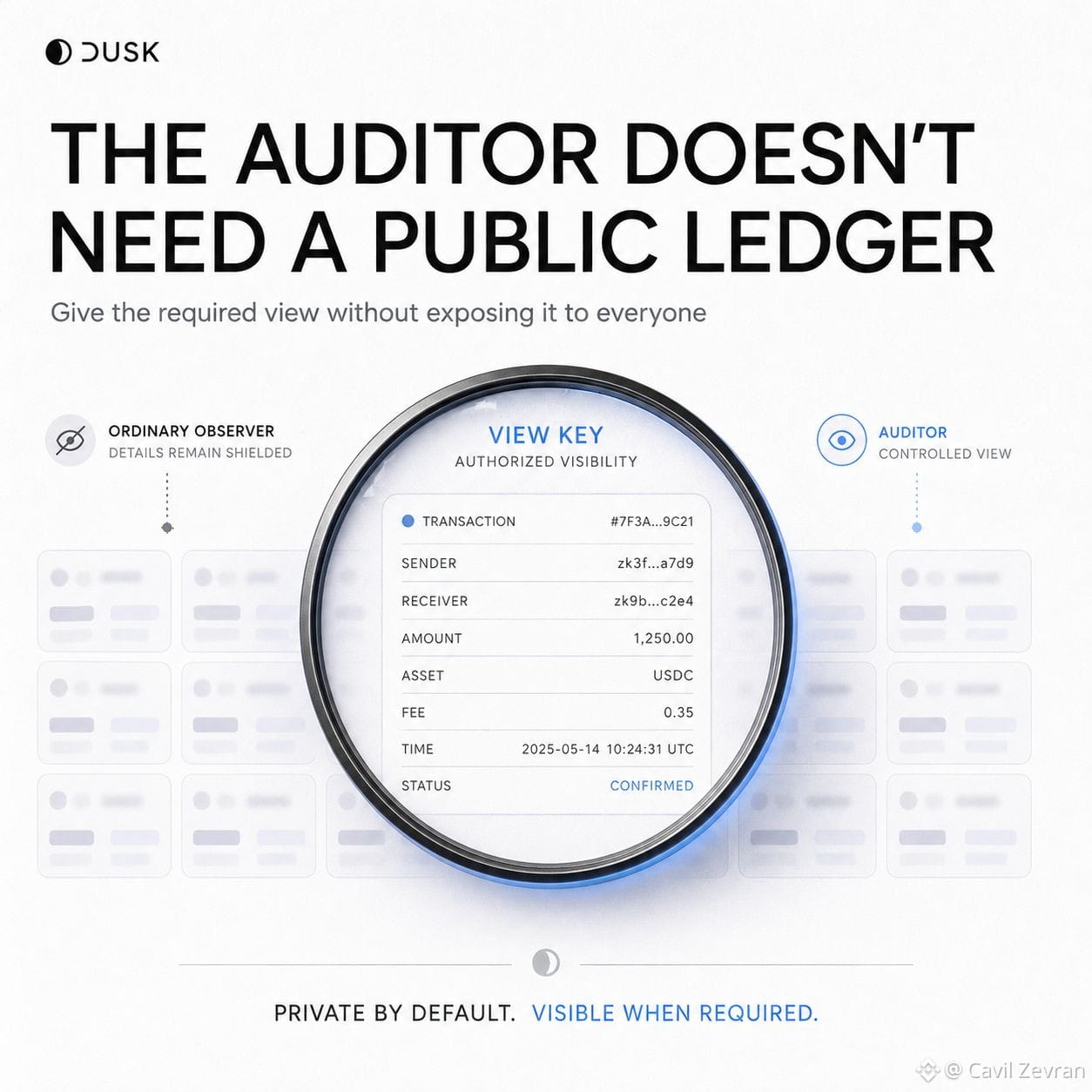
Ich dachte früher, dass vertrauliche Onchain-Transaktionen Auditoren vor zwei schlechten Optionen stellen.
Die Transaktion öffentlich machen, oder die Fähigkeit verlieren, sie zu prüfen.
Phoenix hat mich das neu denken lassen.
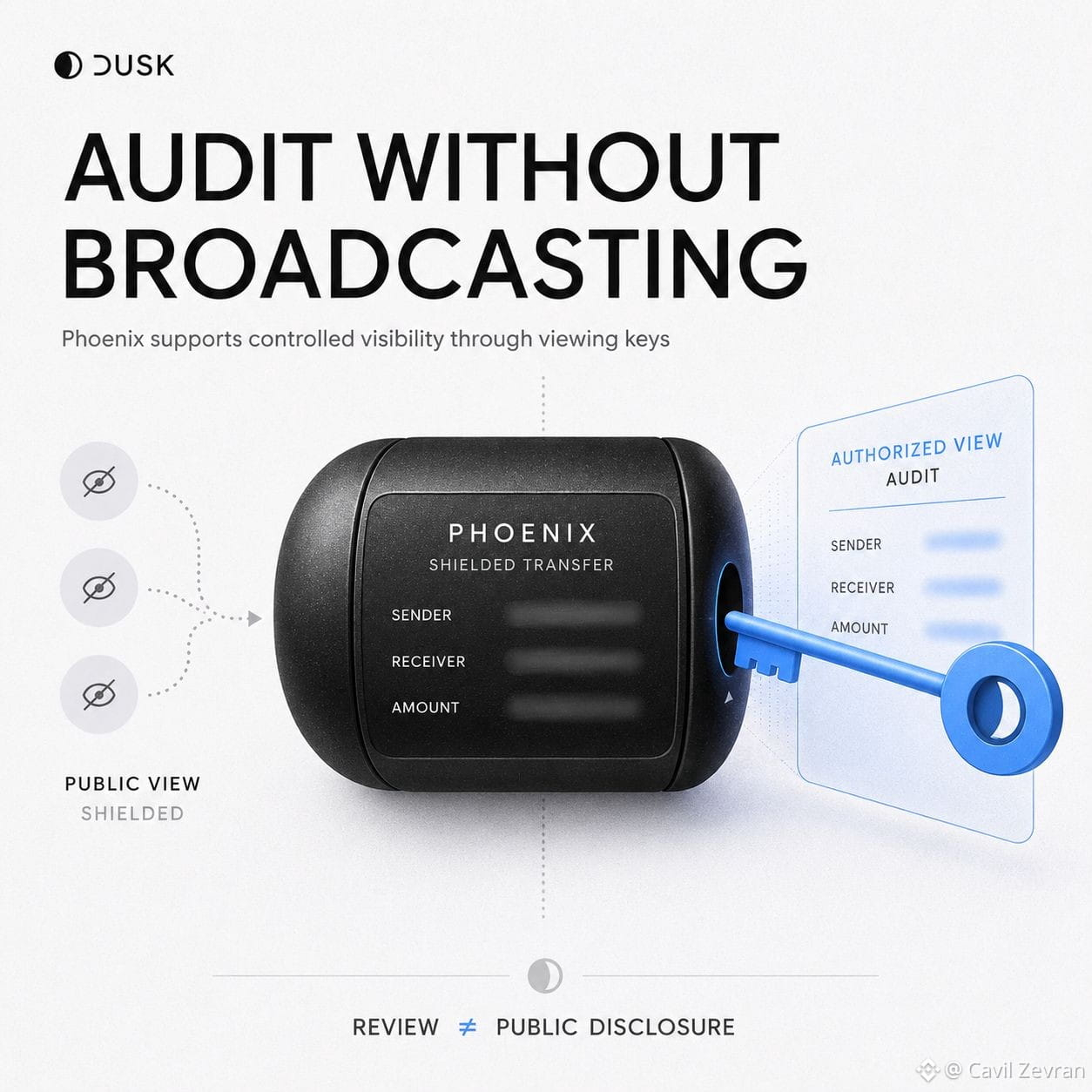
Das verschlüsselte Transaktionsmodell von Dusk hält Gelder in verschlüsselten Notizen und nutzt Zero-Knowledge-Beweise, um zu beweisen, dass eine Übertragung gültig ist, ohne öffentlich den Betrag oder die beteiligten Parteien offenzulegen.
Doch privat bedeutet nicht dauerhaft unlesbar.
Phoenix unterstützt View-Keys, sodass Transaktionsinformationen selektiv offengelegt werden können, wenn Regulierung oder Audits das erfordern.
Ich glaube, diese Unterscheidung löst ein ganz spezifisches Problem für Auditoren.
Die Öffentlichkeit muss nicht automatisch die gleiche Sichtbarkeit haben wie ein Auditor, nur weil ein Audit stattfinden muss.
Eine Phoenix-Transaktion kann für gewöhnliche Beobachter abgeschirmt bleiben, während jemand mit dem passenden View-Key die Informationen abrufen kann, die für die Prüfung benötigt werden.
Das ist ein klareres Verhältnis zwischen Vertraulichkeit und Aufsicht, als einfach jede finanzielle Bewegung von Tag eins an öffentlich zu machen.
Für einen Auditor ist die Entlastung nicht weniger Evidenz.
Es ist Evidenz zu bekommen, ohne dass alle anderen sie ebenfalls erhalten müssen.
@Dusk_Foundation $DUSK #dusk
Ich dachte früher, dass vertrauliche Onchain-Transaktionen Auditoren vor zwei schlechten Optionen stellen.
Die Transaktion öffentlich machen, oder die Fähigkeit verlieren, sie zu prüfen.
Phoenix hat mich das neu denken lassen.
Das verschlüsselte Transaktionsmodell von Dusk hält Gelder in verschlüsselten Notizen und nutzt Zero-Knowledge-Beweise, um zu beweisen, dass eine Übertragung gültig ist, ohne öffentlich den Betrag oder die beteiligten Parteien offenzulegen.
Doch privat bedeutet nicht dauerhaft unlesbar.
Phoenix unterstützt View-Keys, sodass Transaktionsinformationen selektiv offengelegt werden können, wenn Regulierung oder Audits das erfordern.
Ich glaube, diese Unterscheidung löst ein ganz spezifisches Problem für Auditoren.
Die Öffentlichkeit muss nicht automatisch die gleiche Sichtbarkeit haben wie ein Auditor, nur weil ein Audit stattfinden muss.
Eine Phoenix-Transaktion kann für gewöhnliche Beobachter abgeschirmt bleiben, während jemand mit dem passenden View-Key die Informationen abrufen kann, die für die Prüfung benötigt werden.
Das ist ein klareres Verhältnis zwischen Vertraulichkeit und Aufsicht, als einfach jede finanzielle Bewegung von Tag eins an öffentlich zu machen.
Für einen Auditor ist die Entlastung nicht weniger Evidenz.
Es ist Evidenz zu bekommen, ohne dass alle anderen sie ebenfalls erhalten müssen.
@Dusk $DUSK #dusk
Die Transaktion öffentlich machen, oder die Fähigkeit verlieren, sie zu prüfen.
Phoenix hat mich das neu denken lassen.
Das verschlüsselte Transaktionsmodell von Dusk hält Gelder in verschlüsselten Notizen und nutzt Zero-Knowledge-Beweise, um zu beweisen, dass eine Übertragung gültig ist, ohne öffentlich den Betrag oder die beteiligten Parteien offenzulegen.
Doch privat bedeutet nicht dauerhaft unlesbar.
Phoenix unterstützt View-Keys, sodass Transaktionsinformationen selektiv offengelegt werden können, wenn Regulierung oder Audits das erfordern.
Ich glaube, diese Unterscheidung löst ein ganz spezifisches Problem für Auditoren.
Die Öffentlichkeit muss nicht automatisch die gleiche Sichtbarkeit haben wie ein Auditor, nur weil ein Audit stattfinden muss.
Eine Phoenix-Transaktion kann für gewöhnliche Beobachter abgeschirmt bleiben, während jemand mit dem passenden View-Key die Informationen abrufen kann, die für die Prüfung benötigt werden.
Das ist ein klareres Verhältnis zwischen Vertraulichkeit und Aufsicht, als einfach jede finanzielle Bewegung von Tag eins an öffentlich zu machen.
Für einen Auditor ist die Entlastung nicht weniger Evidenz.
Es ist Evidenz zu bekommen, ohne dass alle anderen sie ebenfalls erhalten müssen.
@Dusk $DUSK #dusk
44
44
3.3k
·
--
Verifiziert
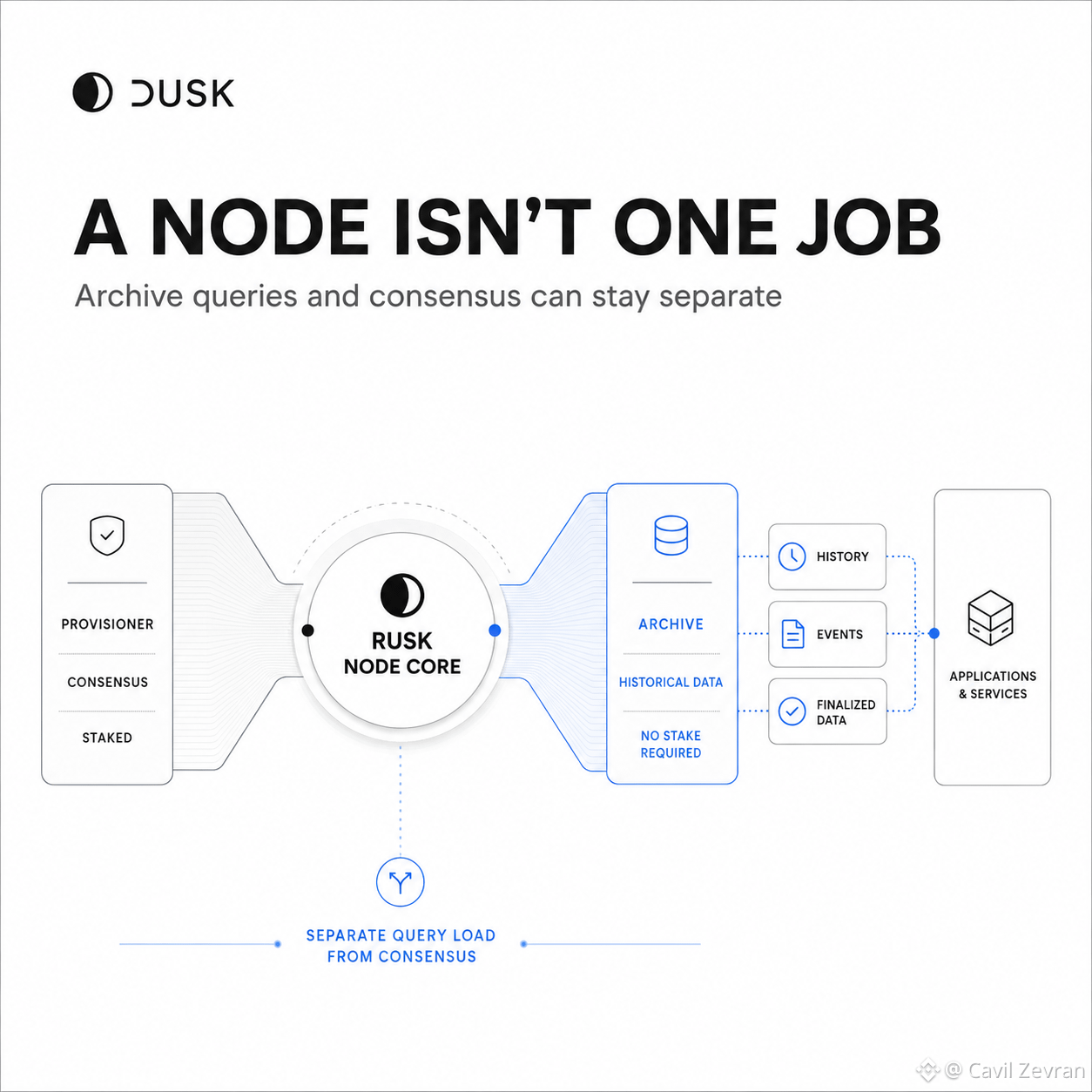
Wenn Sie Infrastruktur für eine App betreiben, die historische Chain-Daten benötigt, ist „einen Validator laufen lassen“ nicht automatisch die passende Jobbeschreibung.
Zuerst habe ich den Betrieb von Dusk-Node-Instanzen in diese übliche Schublade gesteckt. Bei genauerem Hinsehen war das zu grob.
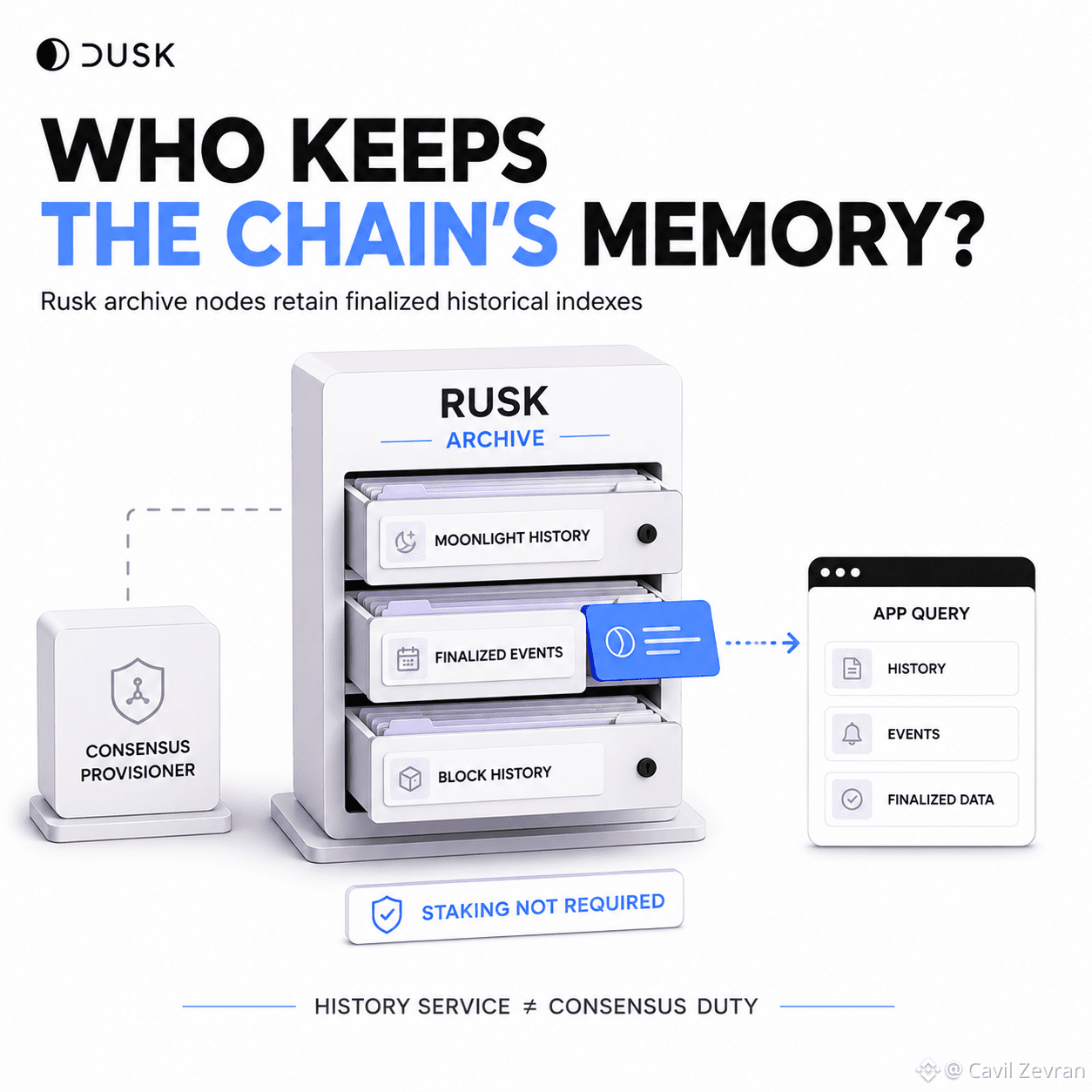
Dusk verfügt über einen Archivmodus für Rusk, der finale historische Indizes neben dem normalen Chain-Status vorhält. Anwendungen können dieses Archiv für historische Moonlight-Aktivitäten und finale Events abfragen.
Ein Archivbetreiber muss jedoch nicht staken oder am Konsens teilnehmen.
Diese Unterscheidung verändert, wie ich die Rolle einordne.
Dusk empfiehlt tatsächlich, die Produktions-API-Infrastruktur von den Aufgaben eines Provisioners zu trennen. Die Query-Last und die Archivpflege können dann von der Node ferngehalten werden, die für den Konsens zuständig ist.
So kann ein Operator für die Anwendungsebene nützlich sein, ohne automatisch zum Validator zu werden.
Das ist eine deutlich engere Aufgabe als „das Netzwerk absichern“, aber keine triviale.
Historische Salden, Events und Transaktionsaktivität müssen dennoch irgendwo zuverlässig abgefragt werden können.
Bei Dusk ist das Betreiben einer Node nicht eine einzige Rolle mit unterschiedlichen Einstellungen.
Ein Archivbetreiber kann den „Speicher“ der Chain für Anwendungen bereitstellen, während Provisioner den Konsens irgendwo anders übernehmen.
@Dusk_Foundation $DUSK #dusk
Wenn Sie Infrastruktur für eine App betreiben, die historische Chain-Daten benötigt, ist „einen Validator laufen lassen“ nicht automatisch die passende Jobbeschreibung.
Zuerst habe ich den Betrieb von Dusk-Node-Instanzen in diese übliche Schublade gesteckt. Bei genauerem Hinsehen war das zu grob.
Dusk verfügt über einen Archivmodus für Rusk, der finale historische Indizes neben dem normalen Chain-Status vorhält. Anwendungen können dieses Archiv für historische Moonlight-Aktivitäten und finale Events abfragen.
Ein Archivbetreiber muss jedoch nicht staken oder am Konsens teilnehmen.
Diese Unterscheidung verändert, wie ich die Rolle einordne.
Dusk empfiehlt tatsächlich, die Produktions-API-Infrastruktur von den Aufgaben eines Provisioners zu trennen. Die Query-Last und die Archivpflege können dann von der Node ferngehalten werden, die für den Konsens zuständig ist.
So kann ein Operator für die Anwendungsebene nützlich sein, ohne automatisch zum Validator zu werden.
Das ist eine deutlich engere Aufgabe als „das Netzwerk absichern“, aber keine triviale.
Historische Salden, Events und Transaktionsaktivität müssen dennoch irgendwo zuverlässig abgefragt werden können.
Bei Dusk ist das Betreiben einer Node nicht eine einzige Rolle mit unterschiedlichen Einstellungen.
Ein Archivbetreiber kann den „Speicher“ der Chain für Anwendungen bereitstellen, während Provisioner den Konsens irgendwo anders übernehmen.
@Dusk $DUSK #dusk
Zuerst habe ich den Betrieb von Dusk-Node-Instanzen in diese übliche Schublade gesteckt. Bei genauerem Hinsehen war das zu grob.
Dusk verfügt über einen Archivmodus für Rusk, der finale historische Indizes neben dem normalen Chain-Status vorhält. Anwendungen können dieses Archiv für historische Moonlight-Aktivitäten und finale Events abfragen.
Ein Archivbetreiber muss jedoch nicht staken oder am Konsens teilnehmen.
Diese Unterscheidung verändert, wie ich die Rolle einordne.
Dusk empfiehlt tatsächlich, die Produktions-API-Infrastruktur von den Aufgaben eines Provisioners zu trennen. Die Query-Last und die Archivpflege können dann von der Node ferngehalten werden, die für den Konsens zuständig ist.
So kann ein Operator für die Anwendungsebene nützlich sein, ohne automatisch zum Validator zu werden.
Das ist eine deutlich engere Aufgabe als „das Netzwerk absichern“, aber keine triviale.
Historische Salden, Events und Transaktionsaktivität müssen dennoch irgendwo zuverlässig abgefragt werden können.
Bei Dusk ist das Betreiben einer Node nicht eine einzige Rolle mit unterschiedlichen Einstellungen.
Ein Archivbetreiber kann den „Speicher“ der Chain für Anwendungen bereitstellen, während Provisioner den Konsens irgendwo anders übernehmen.
@Dusk $DUSK #dusk
49
49
6.2k
·
--
Verifiziert
Eine großartige Kamera wird schnell nervig, wenn für jedes Objektiv ein handgefertigter Adapter nötig ist.
Ich hatte eine ähnliche Idee, als ich DuskVM genauer unter die Lupe nahm. Vertrauliche Smart Contracts sind zwar die naheliegende Schlagzeile, aber ich bin immer wieder auf etwas viel weniger Glamouröses zurückgekommen: Data Driver.
Für jemanden, der eine native Dusk-Anwendung veröffentlicht, ist das Schreiben des Contracts nur ein Teil der Arbeit. Die umgebende App muss weiterhin verstehen, wie Eingaben formatiert werden, wie Ausgaben interpretiert werden und wie Contract-Methoden in etwas verwandelt werden, mit dem ein Nutzer tatsächlich interagieren kann.
Dusk hat diese Übersetzungsarbeit in seine Tools eingebaut. Forge kann ABI-Exports, Schemata und Data Driver aus annotiertem Rust erzeugen, während diese Driver die Kodierung und Dekodierung von Contract-Daten übernehmen. Dusk Connect kann dann den Driver laden, wenn eine native dApp Aufrufe vorbereitet und schreibt.
Ich finde, diese Ebene verdient genau deshalb mehr Aufmerksamkeit, weil Nutzer sie kaum bemerken sollten. Ein Creator kann weniger Aufwand dafür investieren, dieselbe Contract-zu-Interface-Verkabelung neu aufzubauen, und mehr Aufmerksamkeit darauf verwenden, was die Anwendung eigentlich tun soll.
Privatsphäre ist vielleicht das, was Dusk zuerst ins Gespräch bringt. Aber Creator müssen auch etwas ausliefern, das Menschen nutzen können, und genau diese stillen Bestandteile helfen nativen DuskVM-Contracts, den Sprung von ausführbarem Code zu einer realen Schnittstelle zu schaffen.
@Dusk_Foundation $DUSK #dusk
Eine großartige Kamera wird schnell nervig, wenn für jedes Objektiv ein handgefertigter Adapter nötig ist.
Ich hatte eine ähnliche Idee, als ich DuskVM genauer unter die Lupe nahm. Vertrauliche Smart Contracts sind zwar die naheliegende Schlagzeile, aber ich bin immer wieder auf etwas viel weniger Glamouröses zurückgekommen: Data Driver.
Für jemanden, der eine native Dusk-Anwendung veröffentlicht, ist das Schreiben des Contracts nur ein Teil der Arbeit. Die umgebende App muss weiterhin verstehen, wie Eingaben formatiert werden, wie Ausgaben interpretiert werden und wie Contract-Methoden in etwas verwandelt werden, mit dem ein Nutzer tatsächlich interagieren kann.
Dusk hat diese Übersetzungsarbeit in seine Tools eingebaut. Forge kann ABI-Exports, Schemata und Data Driver aus annotiertem Rust erzeugen, während diese Driver die Kodierung und Dekodierung von Contract-Daten übernehmen. Dusk Connect kann dann den Driver laden, wenn eine native dApp Aufrufe vorbereitet und schreibt.
Ich finde, diese Ebene verdient genau deshalb mehr Aufmerksamkeit, weil Nutzer sie kaum bemerken sollten. Ein Creator kann weniger Aufwand dafür investieren, dieselbe Contract-zu-Interface-Verkabelung neu aufzubauen, und mehr Aufmerksamkeit darauf verwenden, was die Anwendung eigentlich tun soll.
Privatsphäre ist vielleicht das, was Dusk zuerst ins Gespräch bringt. Aber Creator müssen auch etwas ausliefern, das Menschen nutzen können, und genau diese stillen Bestandteile helfen nativen DuskVM-Contracts, den Sprung von ausführbarem Code zu einer realen Schnittstelle zu schaffen.
@Dusk $DUSK #dusk
Ich hatte eine ähnliche Idee, als ich DuskVM genauer unter die Lupe nahm. Vertrauliche Smart Contracts sind zwar die naheliegende Schlagzeile, aber ich bin immer wieder auf etwas viel weniger Glamouröses zurückgekommen: Data Driver.
Für jemanden, der eine native Dusk-Anwendung veröffentlicht, ist das Schreiben des Contracts nur ein Teil der Arbeit. Die umgebende App muss weiterhin verstehen, wie Eingaben formatiert werden, wie Ausgaben interpretiert werden und wie Contract-Methoden in etwas verwandelt werden, mit dem ein Nutzer tatsächlich interagieren kann.
Dusk hat diese Übersetzungsarbeit in seine Tools eingebaut. Forge kann ABI-Exports, Schemata und Data Driver aus annotiertem Rust erzeugen, während diese Driver die Kodierung und Dekodierung von Contract-Daten übernehmen. Dusk Connect kann dann den Driver laden, wenn eine native dApp Aufrufe vorbereitet und schreibt.
Ich finde, diese Ebene verdient genau deshalb mehr Aufmerksamkeit, weil Nutzer sie kaum bemerken sollten. Ein Creator kann weniger Aufwand dafür investieren, dieselbe Contract-zu-Interface-Verkabelung neu aufzubauen, und mehr Aufmerksamkeit darauf verwenden, was die Anwendung eigentlich tun soll.
Privatsphäre ist vielleicht das, was Dusk zuerst ins Gespräch bringt. Aber Creator müssen auch etwas ausliefern, das Menschen nutzen können, und genau diese stillen Bestandteile helfen nativen DuskVM-Contracts, den Sprung von ausführbarem Code zu einer realen Schnittstelle zu schaffen.
@Dusk $DUSK #dusk
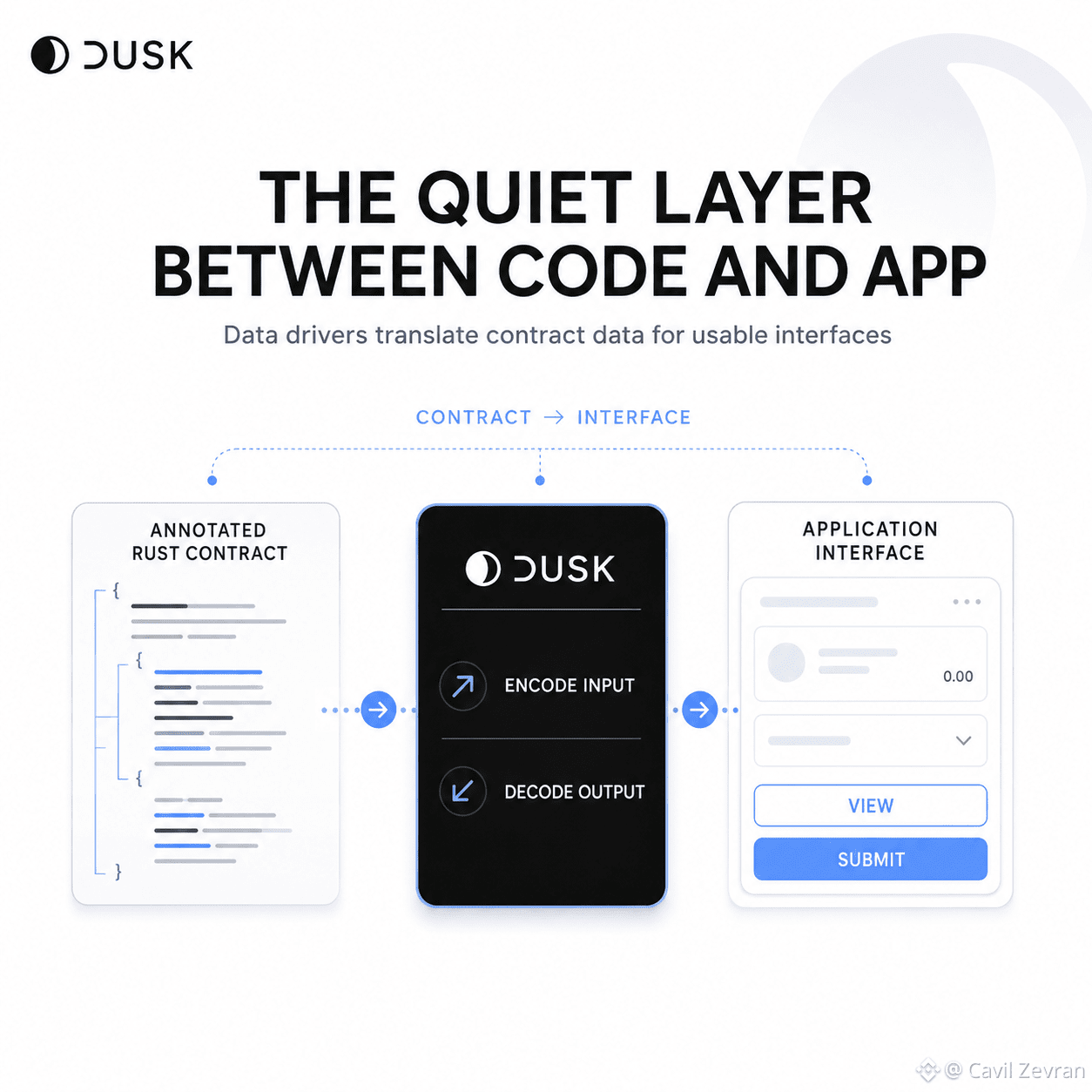
12
6
830
·
--
Verifiziert
Öffne eine App. Wechsle zu einer separaten Wallet. Wechsle zurück. Genehmige. Wiederhole.
Diese kleine Schleife wird schnell langweilig. Wenn man sich den Wallet-Stack von Dusk genau ansieht, ist das der Meilenstein, der meiner Meinung nach wichtiger ist als eine weitere breite Datenschutzbehauptung.
Dusk verfügt jetzt über eine offizielle, selbstverwaltete Browser-Erweiterung, die direkt mit kompatiblen Anwendungen verbindet. Eine App kann Kontozugriff, Signaturen und Transaktionen anfordern, während der Nutzer die Genehmigung in der Wallet selbst vornimmt.
Und was mich besonders aufgefallen ist, ist das, was Dusk hinter diesem vertrauten Ablauf bereithält.
Umselbe Wallet verwaltet sowohl public als auch shielded DUSK. Daher muss die Nutzung von Dusk’s Privacy-Modell nicht bedeuten, dass man zuerst eine völlig fremde Wallet-Erfahrung akzeptiert.
Das verändert meine Einschätzung der Veröffentlichung.
Datenschutz ist auf Protokoll-Ebene nützlich. Aber für Nutzer muss er auch die langweilige Wiederholung überstehen, bei der man tatsächlich mit Anwendungen interagiert.
Eine Wallet-Erweiterung, die Verbindungsanfragen handhaben kann und gleichzeitig Dusk’s öffentliche und shielded Transaktionspfade unterstützt, beseitigt eine dieser wiederholten Umwege.
Ich würde das nicht zu einer Behauptung über eine breite Übernahme ausweiten. Der konkrete Durchbruch ist einfacher.
Der Privacy-Stack von Dusk hat jetzt eine nutzerseitige Wallet-Oberfläche, in die kompatible Anwendungen einstecken können, anstatt Datenschutz als etwas zu belassen, das Nutzer meist eher unterhalb der Benutzeroberfläche erleben.
@Dusk_Foundation $DUSK #dusk
Öffne eine App. Wechsle zu einer separaten Wallet. Wechsle zurück. Genehmige. Wiederhole.
Diese kleine Schleife wird schnell langweilig. Wenn man sich den Wallet-Stack von Dusk genau ansieht, ist das der Meilenstein, der meiner Meinung nach wichtiger ist als eine weitere breite Datenschutzbehauptung.
Dusk verfügt jetzt über eine offizielle, selbstverwaltete Browser-Erweiterung, die direkt mit kompatiblen Anwendungen verbindet. Eine App kann Kontozugriff, Signaturen und Transaktionen anfordern, während der Nutzer die Genehmigung in der Wallet selbst vornimmt.
Und was mich besonders aufgefallen ist, ist das, was Dusk hinter diesem vertrauten Ablauf bereithält.
Umselbe Wallet verwaltet sowohl public als auch shielded DUSK. Daher muss die Nutzung von Dusk’s Privacy-Modell nicht bedeuten, dass man zuerst eine völlig fremde Wallet-Erfahrung akzeptiert.
Das verändert meine Einschätzung der Veröffentlichung.
Datenschutz ist auf Protokoll-Ebene nützlich. Aber für Nutzer muss er auch die langweilige Wiederholung überstehen, bei der man tatsächlich mit Anwendungen interagiert.
Eine Wallet-Erweiterung, die Verbindungsanfragen handhaben kann und gleichzeitig Dusk’s öffentliche und shielded Transaktionspfade unterstützt, beseitigt eine dieser wiederholten Umwege.
Ich würde das nicht zu einer Behauptung über eine breite Übernahme ausweiten. Der konkrete Durchbruch ist einfacher.
Der Privacy-Stack von Dusk hat jetzt eine nutzerseitige Wallet-Oberfläche, in die kompatible Anwendungen einstecken können, anstatt Datenschutz als etwas zu belassen, das Nutzer meist eher unterhalb der Benutzeroberfläche erleben.
@Dusk $DUSK #dusk
Diese kleine Schleife wird schnell langweilig. Wenn man sich den Wallet-Stack von Dusk genau ansieht, ist das der Meilenstein, der meiner Meinung nach wichtiger ist als eine weitere breite Datenschutzbehauptung.
Dusk verfügt jetzt über eine offizielle, selbstverwaltete Browser-Erweiterung, die direkt mit kompatiblen Anwendungen verbindet. Eine App kann Kontozugriff, Signaturen und Transaktionen anfordern, während der Nutzer die Genehmigung in der Wallet selbst vornimmt.
Und was mich besonders aufgefallen ist, ist das, was Dusk hinter diesem vertrauten Ablauf bereithält.
Umselbe Wallet verwaltet sowohl public als auch shielded DUSK. Daher muss die Nutzung von Dusk’s Privacy-Modell nicht bedeuten, dass man zuerst eine völlig fremde Wallet-Erfahrung akzeptiert.
Das verändert meine Einschätzung der Veröffentlichung.
Datenschutz ist auf Protokoll-Ebene nützlich. Aber für Nutzer muss er auch die langweilige Wiederholung überstehen, bei der man tatsächlich mit Anwendungen interagiert.
Eine Wallet-Erweiterung, die Verbindungsanfragen handhaben kann und gleichzeitig Dusk’s öffentliche und shielded Transaktionspfade unterstützt, beseitigt eine dieser wiederholten Umwege.
Ich würde das nicht zu einer Behauptung über eine breite Übernahme ausweiten. Der konkrete Durchbruch ist einfacher.
Der Privacy-Stack von Dusk hat jetzt eine nutzerseitige Wallet-Oberfläche, in die kompatible Anwendungen einstecken können, anstatt Datenschutz als etwas zu belassen, das Nutzer meist eher unterhalb der Benutzeroberfläche erleben.
@Dusk $DUSK #dusk
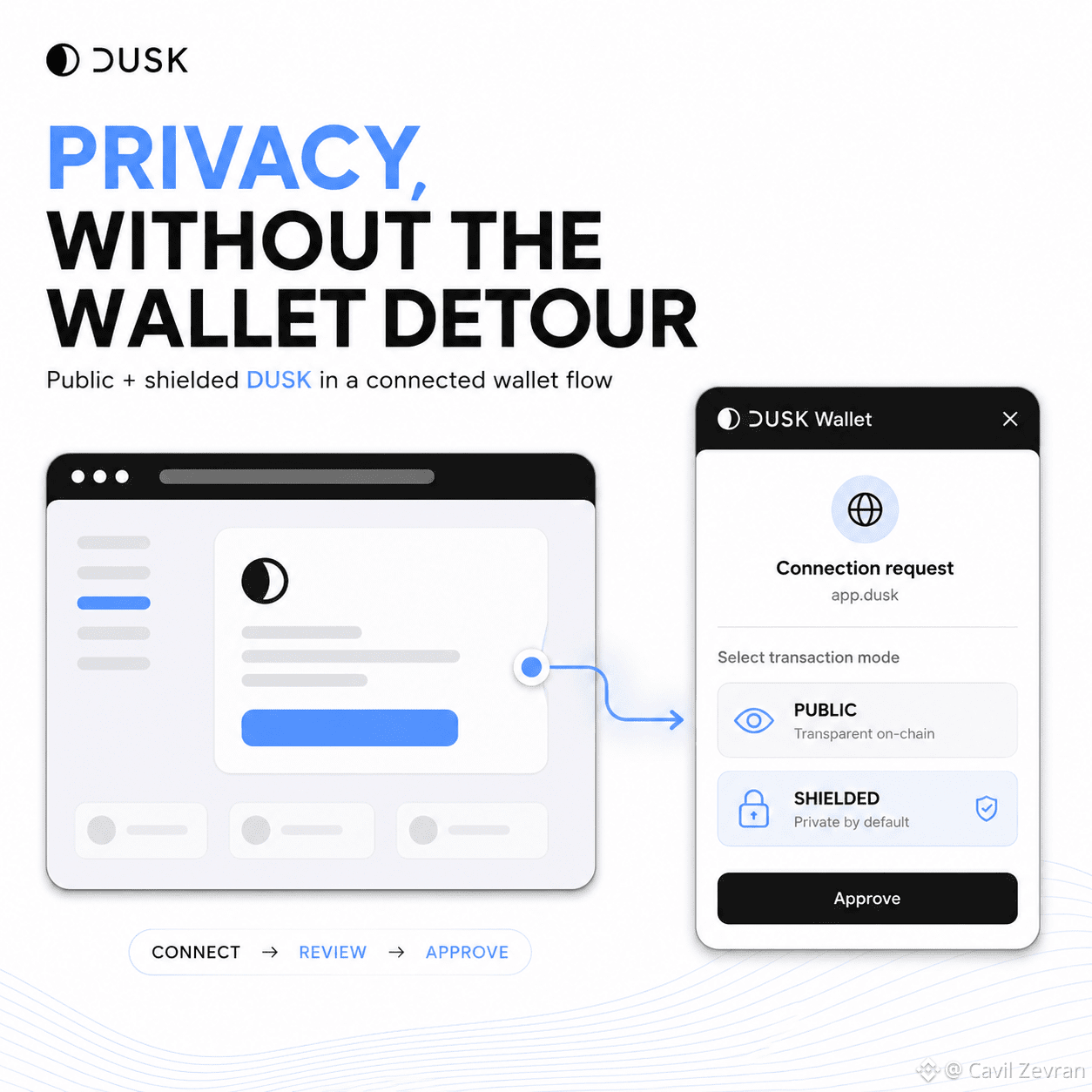
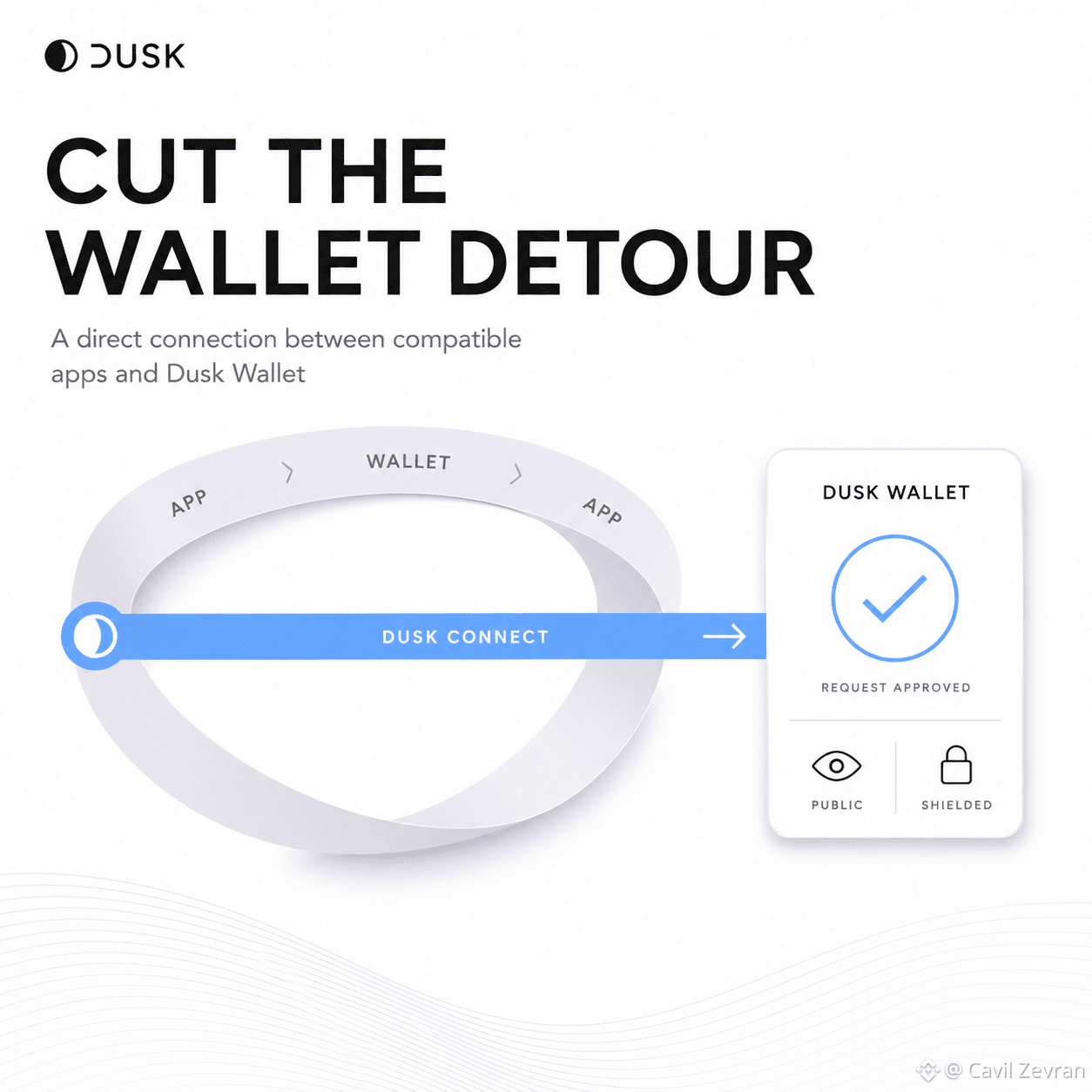
40
34
6.2k
·
--
Verifiziert
Und hier hört ein Borrowing-Rate auf, nur eine kleine Einzelheit zu sein.
Ich hatte die Vault-Arbeit von Babylon hauptsächlich als eine Verwahrfrage behandelt.
Kann natives BTC Kredite ermöglichen, ohne eingewickelt, gebridget oder an einen Custodian übergeben zu werden?
Die geplante Aegis-Integration schafft eine weitere Unterscheidung.
Babylon Trustless Bitcoin Vaults würden die native BTC-Kollateralstruktur bereitstellen. Aave v4 würde den Kreditmarkt bereitstellen. Aegis würde eine Kreditvergabe mit Fixzins hinzufügen.
Das Produkt wird voraussichtlich im Q4 2026 verfügbar sein, abhängig von Entwicklung und Tests. Das ist also noch kein Live-Trading-Tool.
Aber das Design verändert, was ein Trader wissen kann, bevor er geliehenes Kapital einsetzt.
Schulden mit variablem Zinssatz können teurer werden, während die Position noch offen ist. Damit wird die Finanzierungskosten-Komponente ein weiterer, sich verändernder Faktor neben Einstieg, Ausstieg und Marktvolatilität.
Ein Fixzins würde diese Unsicherheit in eine im Voraus festgelegte Zahl verwandeln.
Der Trader könnte die vollständigen Finanzierungskosten mit der beabsichtigten Nutzung der Stablecoin-Liquidität vergleichen, bevor er BTC einsetzt.
Ich finde, das ist ein schärferer Gegensatz als nur zu sagen, dass Bitcoin „produktiv“ wird.
Das BTC würde weiterhin nativ und selbst verwahrt bleiben, während die Schuld für einen fest definierten Zeitraum einen vorhersehbaren Zinssatz trägt.
Das eine bewahrt die Asset-Struktur.
Das andere macht die Verbindlichkeit leichter zu bewerten.
Wenn das geplante Produkt wie beschrieben in die Produktion geht, würde Babylon Tradern nicht nur die Möglichkeit geben, sich Geld zu leihen, ohne ihr BTC umzuwandeln. Es würde ihnen auch die Finanzierungskosten liefern, die sie in die Berechnung des Trades einbeziehen können, bevor die Position überhaupt existiert.
@babylonlabs_io $BABY #baby
Und hier hört ein Borrowing-Rate auf, nur eine kleine Einzelheit zu sein.
Ich hatte die Vault-Arbeit von Babylon hauptsächlich als eine Verwahrfrage behandelt.
Kann natives BTC Kredite ermöglichen, ohne eingewickelt, gebridget oder an einen Custodian übergeben zu werden?
Die geplante Aegis-Integration schafft eine weitere Unterscheidung.
Babylon Trustless Bitcoin Vaults würden die native BTC-Kollateralstruktur bereitstellen. Aave v4 würde den Kreditmarkt bereitstellen. Aegis würde eine Kreditvergabe mit Fixzins hinzufügen.
Das Produkt wird voraussichtlich im Q4 2026 verfügbar sein, abhängig von Entwicklung und Tests. Das ist also noch kein Live-Trading-Tool.
Aber das Design verändert, was ein Trader wissen kann, bevor er geliehenes Kapital einsetzt.
Schulden mit variablem Zinssatz können teurer werden, während die Position noch offen ist. Damit wird die Finanzierungskosten-Komponente ein weiterer, sich verändernder Faktor neben Einstieg, Ausstieg und Marktvolatilität.
Ein Fixzins würde diese Unsicherheit in eine im Voraus festgelegte Zahl verwandeln.
Der Trader könnte die vollständigen Finanzierungskosten mit der beabsichtigten Nutzung der Stablecoin-Liquidität vergleichen, bevor er BTC einsetzt.
Ich finde, das ist ein schärferer Gegensatz als nur zu sagen, dass Bitcoin „produktiv“ wird.
Das BTC würde weiterhin nativ und selbst verwahrt bleiben, während die Schuld für einen fest definierten Zeitraum einen vorhersehbaren Zinssatz trägt.
Das eine bewahrt die Asset-Struktur.
Das andere macht die Verbindlichkeit leichter zu bewerten.
Wenn das geplante Produkt wie beschrieben in die Produktion geht, würde Babylon Tradern nicht nur die Möglichkeit geben, sich Geld zu leihen, ohne ihr BTC umzuwandeln. Es würde ihnen auch die Finanzierungskosten liefern, die sie in die Berechnung des Trades einbeziehen können, bevor die Position überhaupt existiert.
@BabylonLabs_io $BABY #baby
Ich hatte die Vault-Arbeit von Babylon hauptsächlich als eine Verwahrfrage behandelt.
Kann natives BTC Kredite ermöglichen, ohne eingewickelt, gebridget oder an einen Custodian übergeben zu werden?
Die geplante Aegis-Integration schafft eine weitere Unterscheidung.
Babylon Trustless Bitcoin Vaults würden die native BTC-Kollateralstruktur bereitstellen. Aave v4 würde den Kreditmarkt bereitstellen. Aegis würde eine Kreditvergabe mit Fixzins hinzufügen.
Das Produkt wird voraussichtlich im Q4 2026 verfügbar sein, abhängig von Entwicklung und Tests. Das ist also noch kein Live-Trading-Tool.
Aber das Design verändert, was ein Trader wissen kann, bevor er geliehenes Kapital einsetzt.
Schulden mit variablem Zinssatz können teurer werden, während die Position noch offen ist. Damit wird die Finanzierungskosten-Komponente ein weiterer, sich verändernder Faktor neben Einstieg, Ausstieg und Marktvolatilität.
Ein Fixzins würde diese Unsicherheit in eine im Voraus festgelegte Zahl verwandeln.
Der Trader könnte die vollständigen Finanzierungskosten mit der beabsichtigten Nutzung der Stablecoin-Liquidität vergleichen, bevor er BTC einsetzt.
Ich finde, das ist ein schärferer Gegensatz als nur zu sagen, dass Bitcoin „produktiv“ wird.
Das BTC würde weiterhin nativ und selbst verwahrt bleiben, während die Schuld für einen fest definierten Zeitraum einen vorhersehbaren Zinssatz trägt.
Das eine bewahrt die Asset-Struktur.
Das andere macht die Verbindlichkeit leichter zu bewerten.
Wenn das geplante Produkt wie beschrieben in die Produktion geht, würde Babylon Tradern nicht nur die Möglichkeit geben, sich Geld zu leihen, ohne ihr BTC umzuwandeln. Es würde ihnen auch die Finanzierungskosten liefern, die sie in die Berechnung des Trades einbeziehen können, bevor die Position überhaupt existiert.
@BabylonLabs_io $BABY #baby
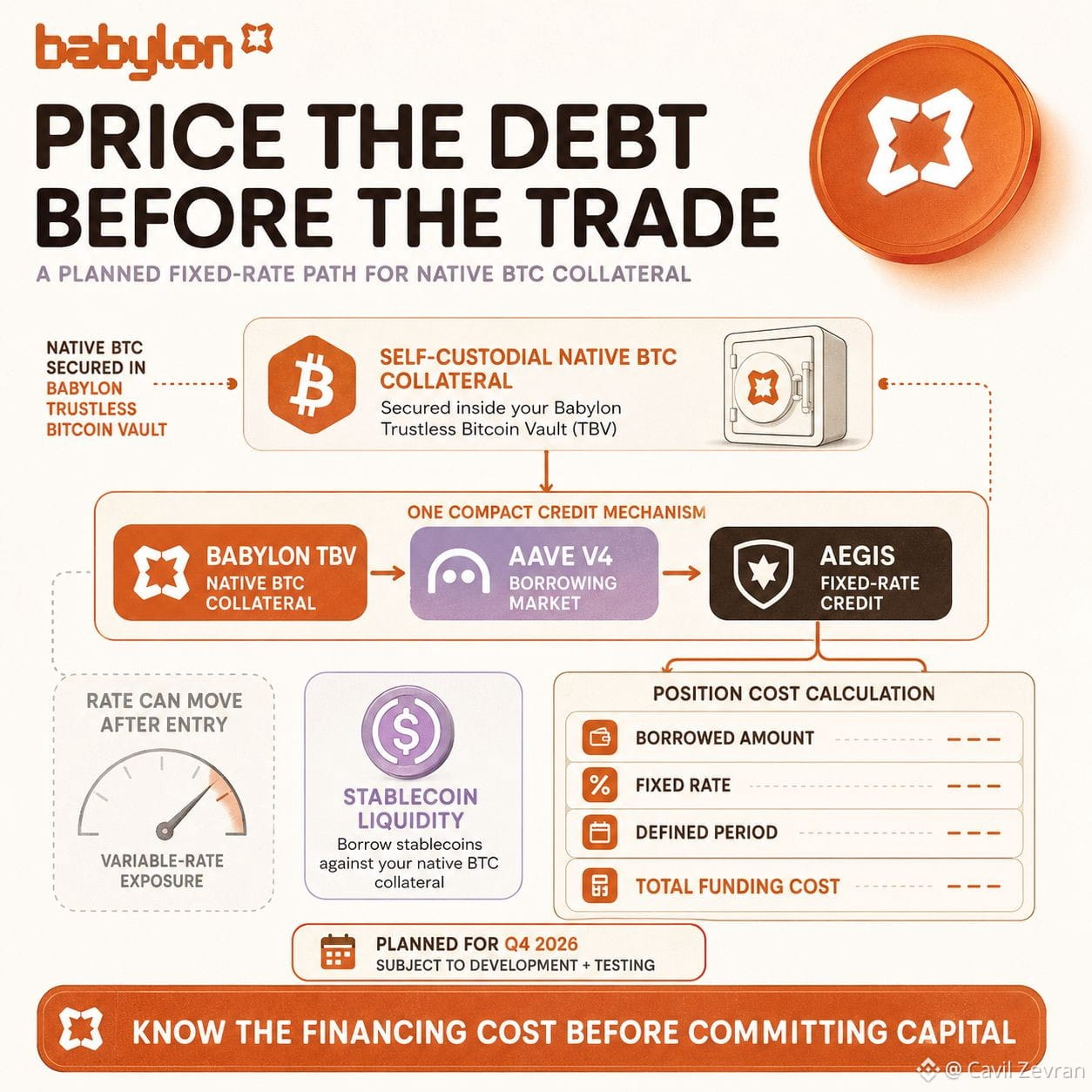
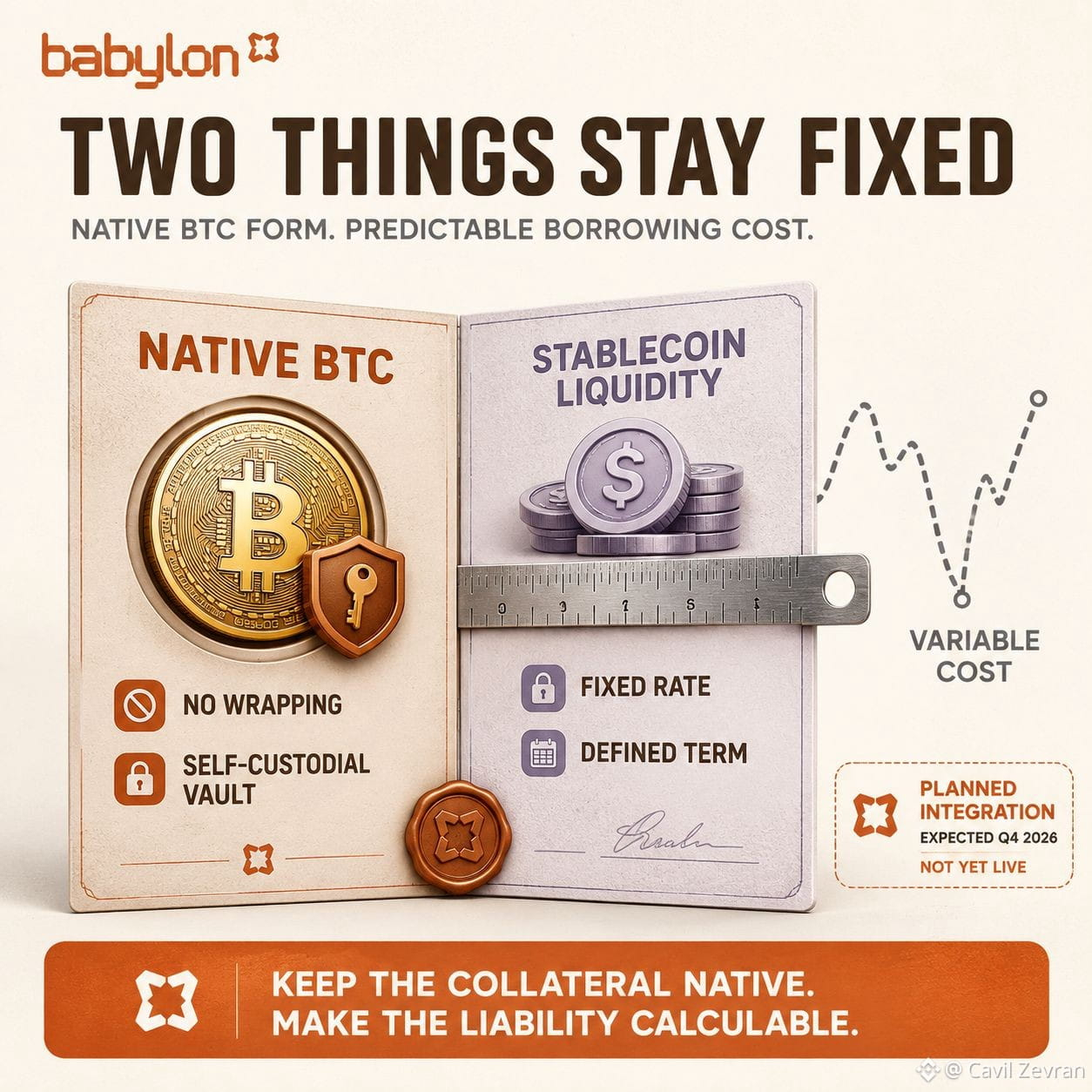
31
28
5.8k
Anmelden und weiter Inhalte entdecken
Krypto-Nutzer weltweit auf Binance Square kennenlernen
⚡️ Bleib in Sachen Krypto stets am Puls.
💬 Die weltgrößte Kryptobörse vertraut darauf.
👍 Erhalte verlässliche Einblicke von verifizierten Creators.
E-Mail-Adresse/Telefonnummer
Trendthemen
SECReceivesGrayscaleLitecoinTrustETFFiling
16,147 Aufrufe
351 Kommentare
💎 Institutionelle Aufmerksamkeit erreicht Litecoin
Die ETF-Anmeldung von Grayscale hat $LTC in eine größere Diskussion gebracht. Für Spot-Trader sind Entwicklungen wie diese eine Erinnerung daran, starke Assets zu prüfen, bevor man einen Einstieg tätigt.
#secreceivesgrayscalelitecointrustetffiling
CryptoMahibaloch
·1 Likes
·945 Aufrufe
ClarityActFacesProceduralVoteSept15
115,344 Aufrufe
1,331 Kommentare
US10YearTreasuryYieldNears5%
39,722 Aufrufe
680 Kommentare