

Arkiv_Posts
354 Beiträge

Arkiv_Posts
Melden
Nutzer blockieren
I'm a nerd!
Trade eröffnen
Regelmäßiger Trader
4.4 Jahre
8 Following
100 Follower
219 Like gegeben
Beiträge
Portfolio
Alle
Zitierungen
PINNED
·
--

Artikel
Übersetzung ansehen
Why $CASH Is Interesting Beyond the RewardI have been looking at $CASH from a different angle lately.
A lot of crypto campaigns immediately become about the reward. How much can you get, how quickly can you qualify, and what numbers do you need to hit.
But I think the more useful question is whether the campaign actually gives people a reason to create something worth reading.
The current Plaza Cash Creator Program is built around that idea. The requirement is simple. Create an original public post, include $CASH, meet the account and holding requirements, and submit it for review.
The interesting part is that the rules do not require everyone to say positive things about the project. The current rules specifically allow dissenting opinions when they are supported by evidence.
That matters.
A campaign becomes more useful when creators are allowed to explain what they actually think instead of simply repeating promotional language.
For someone researching $CASH, I would focus on a few basic questions before writing anything.
What problem is the project trying to solve
What is actually happening on chain
Who is building or maintaining the project
What is the token used for
What are the risks
And perhaps most importantly, what information can be independently verified
Those questions are much more useful than simply asking whether a token is going up.
The current program also makes an important distinction between automatic verification and human review. Passing the automatic checks does not mean that a post has been confirmed as authentic or original. The project team still reviews the content before the reward is distributed.
That means creating a thoughtful post is still more important than trying to satisfy a checklist.
The current basic reward is 1 BNCB after approval, while a small percentage of approved posts can receive additional rewards. The published rules say those additional rewards can reach 7 BNCB, but meeting the stated activity thresholds does not guarantee an additional reward.
So I would not approach this as a guaranteed earning opportunity.
I would approach it as an opportunity to research $CASH, form an actual opinion, and share something another person can learn from.
If you are participating, my advice is simple.
Do your own research.
Use information you can verify.
Explain your reasoning instead of making empty claims.
If you disagree with something, explain why and show the evidence.
And do not write something just because you think it will sound bullish.
Good crypto content does not need to shout.
Sometimes the most valuable post is simply one that helps another person understand what they are looking at before they make their own decision.
That is the kind of content I want to see more of on Square.
Why I structured it this way
I deliberately did not make it a fake bullish advertisement.
Your supplied rules explicitly say dissenting opinions with supporting evidence are allowed and that positive feedback is not required.
I also avoided claims such as "this will pump", "guaranteed reward", "best project", or "easy money." That fits better with Binance's guidance around useful, authentic content and avoiding misleading or manipulative material.
And I would not add a pile of hashtags. Binance's guidelines specifically warn against hashtag abuse and irrelevant hashtags. Your campaign's own rule requires $CASH, so that one should remain exactly as required.
One thing I strongly recommend before publishing
Add 2 to 4 genuinely personal observations from your own research. For example:
"I noticed..."
"What surprised me was..."
"One thing I still cannot verify is..."
"I initially thought X, but after looking at Y, I changed my view..."
That will make it sound much more like a real Square creator and less like a polished generic article. Don't invent personal experiences or research you haven't actually done.
SR-6AA166D59CE914EEE09E501D
Why $CASH Is Interesting Beyond the Reward
I have been looking at $CASH from a different angle lately.
A lot of crypto campaigns immediately become about the reward. How much can you get, how quickly can you qualify, and what numbers do you need to hit.
But I think the more useful question is whether the campaign actually gives people a reason to create something worth reading.
The current Plaza Cash Creator Program is built around that idea. The requirement is simple. Create an original public post, include $CASH, meet the account and holding requirements, and submit it for review.
The interesting part is that the rules do not require everyone to say positive things about the project. The current rules specifically allow dissenting opinions when they are supported by evidence.
That matters.
A campaign becomes more useful when creators are allowed to explain what they actually think instead of simply repeating promotional language.
For someone researching $CASH, I would focus on a few basic questions before writing anything.
What problem is the project trying to solve
What is actually happening on chain
Who is building or maintaining the project
What is the token used for
What are the risks
And perhaps most importantly, what information can be independently verified
Those questions are much more useful than simply asking whether a token is going up.
The current program also makes an important distinction between automatic verification and human review. Passing the automatic checks does not mean that a post has been confirmed as authentic or original. The project team still reviews the content before the reward is distributed.
That means creating a thoughtful post is still more important than trying to satisfy a checklist.
The current basic reward is 1 BNCB after approval, while a small percentage of approved posts can receive additional rewards. The published rules say those additional rewards can reach 7 BNCB, but meeting the stated activity thresholds does not guarantee an additional reward.
So I would not approach this as a guaranteed earning opportunity.
I would approach it as an opportunity to research $CASH, form an actual opinion, and share something another person can learn from.
If you are participating, my advice is simple.
Do your own research.
Use information you can verify.
Explain your reasoning instead of making empty claims.
If you disagree with something, explain why and show the evidence.
And do not write something just because you think it will sound bullish.
Good crypto content does not need to shout.
Sometimes the most valuable post is simply one that helps another person understand what they are looking at before they make their own decision.
That is the kind of content I want to see more of on Square.
Why I structured it this way
I deliberately did not make it a fake bullish advertisement.
Your supplied rules explicitly say dissenting opinions with supporting evidence are allowed and that positive feedback is not required.
I also avoided claims such as "this will pump", "guaranteed reward", "best project", or "easy money." That fits better with Binance's guidance around useful, authentic content and avoiding misleading or manipulative material.
And I would not add a pile of hashtags. Binance's guidelines specifically warn against hashtag abuse and irrelevant hashtags. Your campaign's own rule requires $CASH, so that one should remain exactly as required.
One thing I strongly recommend before publishing
Add 2 to 4 genuinely personal observations from your own research. For example:
"I noticed..."
"What surprised me was..."
"One thing I still cannot verify is..."
"I initially thought X, but after looking at Y, I changed my view..."
That will make it sound much more like a real Square creator and less like a polished generic article. Don't invent personal experiences or research you haven't actually done.
SR-6AA166D59CE914EEE09E501D
A lot of crypto campaigns immediately become about the reward. How much can you get, how quickly can you qualify, and what numbers do you need to hit.
But I think the more useful question is whether the campaign actually gives people a reason to create something worth reading.
The current Plaza Cash Creator Program is built around that idea. The requirement is simple. Create an original public post, include $CASH, meet the account and holding requirements, and submit it for review.
The interesting part is that the rules do not require everyone to say positive things about the project. The current rules specifically allow dissenting opinions when they are supported by evidence.
That matters.
A campaign becomes more useful when creators are allowed to explain what they actually think instead of simply repeating promotional language.
For someone researching $CASH, I would focus on a few basic questions before writing anything.
What problem is the project trying to solve
What is actually happening on chain
Who is building or maintaining the project
What is the token used for
What are the risks
And perhaps most importantly, what information can be independently verified
Those questions are much more useful than simply asking whether a token is going up.
The current program also makes an important distinction between automatic verification and human review. Passing the automatic checks does not mean that a post has been confirmed as authentic or original. The project team still reviews the content before the reward is distributed.
That means creating a thoughtful post is still more important than trying to satisfy a checklist.
The current basic reward is 1 BNCB after approval, while a small percentage of approved posts can receive additional rewards. The published rules say those additional rewards can reach 7 BNCB, but meeting the stated activity thresholds does not guarantee an additional reward.
So I would not approach this as a guaranteed earning opportunity.
I would approach it as an opportunity to research $CASH, form an actual opinion, and share something another person can learn from.
If you are participating, my advice is simple.
Do your own research.
Use information you can verify.
Explain your reasoning instead of making empty claims.
If you disagree with something, explain why and show the evidence.
And do not write something just because you think it will sound bullish.
Good crypto content does not need to shout.
Sometimes the most valuable post is simply one that helps another person understand what they are looking at before they make their own decision.
That is the kind of content I want to see more of on Square.
Why I structured it this way
I deliberately did not make it a fake bullish advertisement.
Your supplied rules explicitly say dissenting opinions with supporting evidence are allowed and that positive feedback is not required.
I also avoided claims such as "this will pump", "guaranteed reward", "best project", or "easy money." That fits better with Binance's guidance around useful, authentic content and avoiding misleading or manipulative material.
And I would not add a pile of hashtags. Binance's guidelines specifically warn against hashtag abuse and irrelevant hashtags. Your campaign's own rule requires $CASH, so that one should remain exactly as required.
One thing I strongly recommend before publishing
Add 2 to 4 genuinely personal observations from your own research. For example:
"I noticed..."
"What surprised me was..."
"One thing I still cannot verify is..."
"I initially thought X, but after looking at Y, I changed my view..."
That will make it sound much more like a real Square creator and less like a polished generic article. Don't invent personal experiences or research you haven't actually done.
SR-6AA166D59CE914EEE09E501D
78
PINNED
·
--
Artikel
Was man beim Futures-Handel NICHT tun sollte – Von Neuling-Fehlern bis Profi-Fallen🧃 ANFÄNGERPHASE: Wo Unschuld auf Liquidation trifft
❌ 1. Verwechsele Futures nicht mit Spot
Du kaufst keine Münzen – du kaufst Wetten auf die Preisrichtung. Futures = Hebel, Fälligkeitsdaten (in einigen Fällen) und viel höheres Risiko. Behandle es wie ein Casino mit Konsequenzen.
❌ 2. Handeln niemals, bevor du „Liquidation“ verstanden hast
Der Satz „100x Hebel klingt cool“ geht oft einer finanziellen Vernichtung voraus. Lerne deinen Liquidationspreis kennen und gehe davon aus, dass der Markt ihn erreichen will.
❌ 3. Gehe nicht ohne einen Stop-Loss rein
Was man beim Futures-Handel NICHT tun sollte – Von Neuling-Fehlern bis Profi-Fallen
🧃 ANFÄNGERPHASE: Wo Unschuld auf Liquidation trifft
❌ 1. Verwechsele Futures nicht mit Spot
Du kaufst keine Münzen – du kaufst Wetten auf die Preisrichtung. Futures = Hebel, Fälligkeitsdaten (in einigen Fällen) und viel höheres Risiko. Behandle es wie ein Casino mit Konsequenzen.
❌ 2. Handeln niemals, bevor du „Liquidation“ verstanden hast
Der Satz „100x Hebel klingt cool“ geht oft einer finanziellen Vernichtung voraus. Lerne deinen Liquidationspreis kennen und gehe davon aus, dass der Markt ihn erreichen will.
❌ 3. Gehe nicht ohne einen Stop-Loss rein
❌ 1. Verwechsele Futures nicht mit Spot
Du kaufst keine Münzen – du kaufst Wetten auf die Preisrichtung. Futures = Hebel, Fälligkeitsdaten (in einigen Fällen) und viel höheres Risiko. Behandle es wie ein Casino mit Konsequenzen.
❌ 2. Handeln niemals, bevor du „Liquidation“ verstanden hast
Der Satz „100x Hebel klingt cool“ geht oft einer finanziellen Vernichtung voraus. Lerne deinen Liquidationspreis kennen und gehe davon aus, dass der Markt ihn erreichen will.
❌ 3. Gehe nicht ohne einen Stop-Loss rein
8
7
54
30.9k
·
--
Artikel
Übersetzung ansehen
The $CASH Reward Is Almost the Least Interesting Part1 BNCB.
Up to 7 BNCB.
7 followers.
Post something.
Add $CASH.
Done.
But after going through the current $CASH Creator Program rules, I think that's actually the least interesting way to look at it.
Because this isn't really a test of whether someone can write 40 characters.
It's a test of whether giving creators an incentive can produce something worth reading.
And those are two very different things.
The current rules are straightforward: a creator needs at least 7 followers, an original public post of at least 40 characters, the $CASH tag, and a receiving wallet holding at least 1111 CASH at both submission and approval. The current base approved creator reward is 1 BNCB, with rewards up to 7 BNCB possible under the program's conditions.
None of that guarantees that the resulting post is interesting.
That's where the real experiment begins.
A requirement can produce a post. It can't produce an idea.
Imagine 1,000 creators all see the same campaign.
If all 1,000 simply rewrite the campaign announcement, the platform gets 1,000 versions of basically the same sentence.
Technically, they're posts.
Practically, they're noise.
Now imagine those same 1,000 people approach the campaign from completely different angles.
One examines the reward mechanics.
Another looks at the on-chain side.
Another asks whether creator incentives actually improve information quality.
Another explains the campaign to someone who has never used Square.
Another looks at what happens when criticism is allowed instead of requiring positive sentiment.
Suddenly, the same campaign produces completely different information.
That's the part I find worth discussing.
The scoring system makes this even more interesting
There's a number floating around in the campaign material that can easily be misunderstood:
140.
But 140 isn't simply a quality grade that you unlock by writing an exceptionally good article.
The current reference formula starts at 100 and adds separate components based on followers and engagement, with a maximum of 140. The campaign documentation explicitly says this is a reference score, not an official Binance rating and not a guarantee of reward.
That's an important distinction.
A creator with a small audience isn't going to magically reach the maximum just because they discovered the perfect paragraph.
And there isn't some secret sentence that turns a post into “140.”
The better question is what you can actually control.
You can control whether the idea is original.
You can control whether the information is accurate.
You can control whether you're adding something instead of repeating the campaign page.
And you can control whether your post gives another person a reason to stop scrolling.
Those things matter.
Binance's own CreatorPad documentation says its system evaluates creativity, professionalism and relevance, with originality and meaningful analysis specifically emphasized. It also warns that shallow, repetitive, copied or heavily AI-generated material can be deweighted.
There's a detail I think deserves more attention
The current $CASH rules don't require creators to be blindly positive.
They explicitly state that reasoned criticism is welcome and positive opinions are not a condition of eligibility.
That changes the character of the campaign.
Because a real creator shouldn't have to turn every campaign into:
“This is amazing.
Everyone should participate.
Don't miss this opportunity.”
That's not analysis.
It's advertising.
If something about the mechanics is confusing, say it's confusing.
If something is interesting, explain why.
If something isn't supported by the available information, don't pretend it is.
That approach is much more useful to the reader.
And Binance's own Square guidance encourages creators to do their own research, provide clear logic and structure, share personal views honestly, and avoid misleading or exaggerated information.
The reward creates the incentive. The creator decides what happens next.
This is where I think the $CASH campaign becomes more interesting than the number attached to the reward.
The reward is measurable.
The quality of the information isn't.
You can count BNCB.
You can count followers.
You can count views.
You can count likes.
But you can't reduce a genuinely useful insight to one number quite as easily.
That's why I don't think the smartest way to approach a creator campaign is to ask:
“What do I need to say to get rewarded?”
I'd rather ask:
“What can I say that wouldn't have existed on Square if I hadn't written it?”
That's a much harder question.
It's also a much better standard.
Because if the answer is nothing, then I'm probably just adding another copy of the announcement to the feed.
And this is where $CASH matters
The $CASH tag is a requirement for this campaign.
But the tag itself isn't the content.
That's an easy distinction to forget.
A post doesn't become insightful because $CASH appears at the bottom.
The tag tells the system what the post is about.
The actual writing has to tell the reader why they should care.
That's the difference between participating in a campaign and actually creating something.
One more thing: don't confuse engagement with value
This is probably the easiest trap in creator campaigns.
A post gets views, so it must be good.
A post gets comments, so it must be useful.
Not necessarily.
Binance itself says engagement farming can be detected and that authentic interaction matters; its guidance also warns against repetitive or artificial engagement.
A hundred meaningless comments aren't the same as one person reading something, disagreeing with it, and adding an intelligent point.
The second one actually creates a conversation.
And that's what a creator platform should ultimately be trying to produce.
Not just more posts.
Better conversations.
So, what is the $CASH Creator Program really testing?
On the surface, it's testing whether creators can meet a set of campaign requirements.
Underneath that, I think there's a more interesting test:
Can an incentive create better information instead of simply creating more information?
That's something worth watching.
Because the reward can attract people to the campaign.
But it can't decide what those people contribute.
That's still up to the creator.
And maybe that's the part worth remembering.
The BNCB is the reward.
The post is the work.
And if the work is genuinely useful, the reward becomes the smallest part of the story.
$CASH
#binance #cash #bncb #Write2Earn
The $CASH Reward Is Almost the Least Interesting Part
1 BNCB.
Up to 7 BNCB.
7 followers.
Post something.
Add $CASH.
Done.
But after going through the current $CASH Creator Program rules, I think that's actually the least interesting way to look at it.
Because this isn't really a test of whether someone can write 40 characters.
It's a test of whether giving creators an incentive can produce something worth reading.
And those are two very different things.
The current rules are straightforward: a creator needs at least 7 followers, an original public post of at least 40 characters, the $CASH tag, and a receiving wallet holding at least 1111 CASH at both submission and approval. The current base approved creator reward is 1 BNCB, with rewards up to 7 BNCB possible under the program's conditions.
None of that guarantees that the resulting post is interesting.
That's where the real experiment begins.
A requirement can produce a post. It can't produce an idea.
Imagine 1,000 creators all see the same campaign.
If all 1,000 simply rewrite the campaign announcement, the platform gets 1,000 versions of basically the same sentence.
Technically, they're posts.
Practically, they're noise.
Now imagine those same 1,000 people approach the campaign from completely different angles.
One examines the reward mechanics.
Another looks at the on-chain side.
Another asks whether creator incentives actually improve information quality.
Another explains the campaign to someone who has never used Square.
Another looks at what happens when criticism is allowed instead of requiring positive sentiment.
Suddenly, the same campaign produces completely different information.
That's the part I find worth discussing.
The scoring system makes this even more interesting
There's a number floating around in the campaign material that can easily be misunderstood:
140.
But 140 isn't simply a quality grade that you unlock by writing an exceptionally good article.
The current reference formula starts at 100 and adds separate components based on followers and engagement, with a maximum of 140. The campaign documentation explicitly says this is a reference score, not an official Binance rating and not a guarantee of reward.
That's an important distinction.
A creator with a small audience isn't going to magically reach the maximum just because they discovered the perfect paragraph.
And there isn't some secret sentence that turns a post into “140.”
The better question is what you can actually control.
You can control whether the idea is original.
You can control whether the information is accurate.
You can control whether you're adding something instead of repeating the campaign page.
And you can control whether your post gives another person a reason to stop scrolling.
Those things matter.
Binance's own CreatorPad documentation says its system evaluates creativity, professionalism and relevance, with originality and meaningful analysis specifically emphasized. It also warns that shallow, repetitive, copied or heavily AI-generated material can be deweighted.
There's a detail I think deserves more attention
The current $CASH rules don't require creators to be blindly positive.
They explicitly state that reasoned criticism is welcome and positive opinions are not a condition of eligibility.
That changes the character of the campaign.
Because a real creator shouldn't have to turn every campaign into:
“This is amazing.
Everyone should participate.
Don't miss this opportunity.”
That's not analysis.
It's advertising.
If something about the mechanics is confusing, say it's confusing.
If something is interesting, explain why.
If something isn't supported by the available information, don't pretend it is.
That approach is much more useful to the reader.
And Binance's own Square guidance encourages creators to do their own research, provide clear logic and structure, share personal views honestly, and avoid misleading or exaggerated information.
The reward creates the incentive. The creator decides what happens next.
This is where I think the $CASH campaign becomes more interesting than the number attached to the reward.
The reward is measurable.
The quality of the information isn't.
You can count BNCB.
You can count followers.
You can count views.
You can count likes.
But you can't reduce a genuinely useful insight to one number quite as easily.
That's why I don't think the smartest way to approach a creator campaign is to ask:
“What do I need to say to get rewarded?”
I'd rather ask:
“What can I say that wouldn't have existed on Square if I hadn't written it?”
That's a much harder question.
It's also a much better standard.
Because if the answer is nothing, then I'm probably just adding another copy of the announcement to the feed.
And this is where $CASH matters
The $CASH tag is a requirement for this campaign.
But the tag itself isn't the content.
That's an easy distinction to forget.
A post doesn't become insightful because $CASH appears at the bottom.
The tag tells the system what the post is about.
The actual writing has to tell the reader why they should care.
That's the difference between participating in a campaign and actually creating something.
One more thing: don't confuse engagement with value
This is probably the easiest trap in creator campaigns.
A post gets views, so it must be good.
A post gets comments, so it must be useful.
Not necessarily.
Binance itself says engagement farming can be detected and that authentic interaction matters; its guidance also warns against repetitive or artificial engagement.
A hundred meaningless comments aren't the same as one person reading something, disagreeing with it, and adding an intelligent point.
The second one actually creates a conversation.
And that's what a creator platform should ultimately be trying to produce.
Not just more posts.
Better conversations.
So, what is the $CASH Creator Program really testing?
On the surface, it's testing whether creators can meet a set of campaign requirements.
Underneath that, I think there's a more interesting test:
Can an incentive create better information instead of simply creating more information?
That's something worth watching.
Because the reward can attract people to the campaign.
But it can't decide what those people contribute.
That's still up to the creator.
And maybe that's the part worth remembering.
The BNCB is the reward.
The post is the work.
And if the work is genuinely useful, the reward becomes the smallest part of the story.
$CASH
#binance #cash #bncb #Write2Earn
Up to 7 BNCB.
7 followers.
Post something.
Add $CASH.
Done.
But after going through the current $CASH Creator Program rules, I think that's actually the least interesting way to look at it.
Because this isn't really a test of whether someone can write 40 characters.
It's a test of whether giving creators an incentive can produce something worth reading.
And those are two very different things.
The current rules are straightforward: a creator needs at least 7 followers, an original public post of at least 40 characters, the $CASH tag, and a receiving wallet holding at least 1111 CASH at both submission and approval. The current base approved creator reward is 1 BNCB, with rewards up to 7 BNCB possible under the program's conditions.
None of that guarantees that the resulting post is interesting.
That's where the real experiment begins.
A requirement can produce a post. It can't produce an idea.
Imagine 1,000 creators all see the same campaign.
If all 1,000 simply rewrite the campaign announcement, the platform gets 1,000 versions of basically the same sentence.
Technically, they're posts.
Practically, they're noise.
Now imagine those same 1,000 people approach the campaign from completely different angles.
One examines the reward mechanics.
Another looks at the on-chain side.
Another asks whether creator incentives actually improve information quality.
Another explains the campaign to someone who has never used Square.
Another looks at what happens when criticism is allowed instead of requiring positive sentiment.
Suddenly, the same campaign produces completely different information.
That's the part I find worth discussing.
The scoring system makes this even more interesting
There's a number floating around in the campaign material that can easily be misunderstood:
140.
But 140 isn't simply a quality grade that you unlock by writing an exceptionally good article.
The current reference formula starts at 100 and adds separate components based on followers and engagement, with a maximum of 140. The campaign documentation explicitly says this is a reference score, not an official Binance rating and not a guarantee of reward.
That's an important distinction.
A creator with a small audience isn't going to magically reach the maximum just because they discovered the perfect paragraph.
And there isn't some secret sentence that turns a post into “140.”
The better question is what you can actually control.
You can control whether the idea is original.
You can control whether the information is accurate.
You can control whether you're adding something instead of repeating the campaign page.
And you can control whether your post gives another person a reason to stop scrolling.
Those things matter.
Binance's own CreatorPad documentation says its system evaluates creativity, professionalism and relevance, with originality and meaningful analysis specifically emphasized. It also warns that shallow, repetitive, copied or heavily AI-generated material can be deweighted.
There's a detail I think deserves more attention
The current $CASH rules don't require creators to be blindly positive.
They explicitly state that reasoned criticism is welcome and positive opinions are not a condition of eligibility.
That changes the character of the campaign.
Because a real creator shouldn't have to turn every campaign into:
“This is amazing.
Everyone should participate.
Don't miss this opportunity.”
That's not analysis.
It's advertising.
If something about the mechanics is confusing, say it's confusing.
If something is interesting, explain why.
If something isn't supported by the available information, don't pretend it is.
That approach is much more useful to the reader.
And Binance's own Square guidance encourages creators to do their own research, provide clear logic and structure, share personal views honestly, and avoid misleading or exaggerated information.
The reward creates the incentive. The creator decides what happens next.
This is where I think the $CASH campaign becomes more interesting than the number attached to the reward.
The reward is measurable.
The quality of the information isn't.
You can count BNCB.
You can count followers.
You can count views.
You can count likes.
But you can't reduce a genuinely useful insight to one number quite as easily.
That's why I don't think the smartest way to approach a creator campaign is to ask:
“What do I need to say to get rewarded?”
I'd rather ask:
“What can I say that wouldn't have existed on Square if I hadn't written it?”
That's a much harder question.
It's also a much better standard.
Because if the answer is nothing, then I'm probably just adding another copy of the announcement to the feed.
And this is where $CASH matters
The $CASH tag is a requirement for this campaign.
But the tag itself isn't the content.
That's an easy distinction to forget.
A post doesn't become insightful because $CASH appears at the bottom.
The tag tells the system what the post is about.
The actual writing has to tell the reader why they should care.
That's the difference between participating in a campaign and actually creating something.
One more thing: don't confuse engagement with value
This is probably the easiest trap in creator campaigns.
A post gets views, so it must be good.
A post gets comments, so it must be useful.
Not necessarily.
Binance itself says engagement farming can be detected and that authentic interaction matters; its guidance also warns against repetitive or artificial engagement.
A hundred meaningless comments aren't the same as one person reading something, disagreeing with it, and adding an intelligent point.
The second one actually creates a conversation.
And that's what a creator platform should ultimately be trying to produce.
Not just more posts.
Better conversations.
So, what is the $CASH Creator Program really testing?
On the surface, it's testing whether creators can meet a set of campaign requirements.
Underneath that, I think there's a more interesting test:
Can an incentive create better information instead of simply creating more information?
That's something worth watching.
Because the reward can attract people to the campaign.
But it can't decide what those people contribute.
That's still up to the creator.
And maybe that's the part worth remembering.
The BNCB is the reward.
The post is the work.
And if the work is genuinely useful, the reward becomes the smallest part of the story.
$CASH
#binance #cash #bncb #Write2Earn
150
·
--

Artikel
Übersetzung ansehen
The Part of a BSC Loss That the Chart Does Not ShowI used to look at a losing trade in a very simple way.
The price went down.
I lost money.
End of story.
After spending more time looking at what actually happens when a trade is executed on BSC, I think that explanation is too simple.
A trading loss is not always just the distance between two numbers on a chart.
There is the price shown on the screen, but there is also the price at which an order can actually execute. There is available liquidity. There is price impact. There is the difference between what someone expects to receive and what the transaction actually settles for.
That distinction became much more obvious to me after experiencing a recent loss on BSC.
What bothered me most was not simply seeing the position go against me.
It was realizing how easy it is to focus on the chart and ignore the mechanics underneath it.
A candle can look perfectly clear after the fact.
The actual trade is not a candle.
It is a transaction happening against available liquidity at a particular moment.
That is an important difference.
Research into cryptocurrency markets has repeatedly looked at liquidity, trading activity, spreads and price impact because these factors affect how markets behave beyond the headline price itself.
During periods of stress, liquidity can deteriorate quickly. When that happens, getting out of a position can become more expensive than the chart initially suggests.
That is one of the lessons I took from my own experience.
I also learned that a cheap blockchain transaction does not necessarily mean a cheap trade.
The network fee is only one part of the equation.
If the asset has thin liquidity or the market moves quickly, the execution itself can matter much more than the network fee.
This is where I think a lot of newer traders misunderstand on chain trading.
They see a low transaction fee and think the transaction is inexpensive.
But the bigger question can be what happens between the price you expect and the price you actually receive.
There is another problem that is even less technical.
After taking a loss, there is a very strong temptation to immediately win it back.
That is where one bad trade can become a series of bad decisions.
Instead of asking whether the next trade is actually good, the mind starts asking how quickly the previous loss can be recovered.
That is not analysis.
That is emotion trying to repair a number on a screen.
I do not think there is anything impressive about pretending a losing trade never happened.
The useful part is understanding it.
What did I assume before entering?
What information did I ignore?
How much liquidity was actually available?
Did I understand the execution conditions?
Was I reacting to the market or reacting to my previous loss?
Those questions are much more useful to me now than simply asking whether the next candle will be green.
And this is also why I am not writing this post as a prediction about $CASH.
I am not going to tell anyone that $CASH will recover a loss.
I am not going to promise profit.
I am not going to turn a community aid program into a trading signal.
A loss is a loss.
The only thing I can honestly take from it is the lesson.
For anyone trading on BSC, I think one of the most useful habits is to look beyond the chart before entering a position.
Look at the liquidity.
Look at the expected execution.
Think about what happens if the market moves quickly.
Understand the transaction you are actually signing.
And perhaps most importantly, know when you are making a decision because the setup makes sense and when you are making it because you want to recover yesterday's mistake.
My recent loss did not teach me how to predict the market.
It taught me that I understood less about execution than I thought I did.
That lesson cost me money.
I would rather learn it once than keep paying for it.
$CASH
This version is deliberately not begging for aid, not promising anything, not pretending the loss proves something about CASH, and not stuffing the article with hashtags. That fits the current Square environment much better: Binance's published guidance emphasizes useful, authentic content and prohibits dishonest or low-quality activity.
One thing you should add yourself if it is true is one concrete sentence from your actual trade, such as the real token, approximate date, and what happened during execution. That is the missing piece that makes this genuinely yours rather than manufactured.
The Part of a BSC Loss That the Chart Does Not Show
I used to look at a losing trade in a very simple way.
The price went down.
I lost money.
End of story.
After spending more time looking at what actually happens when a trade is executed on BSC, I think that explanation is too simple.
A trading loss is not always just the distance between two numbers on a chart.
There is the price shown on the screen, but there is also the price at which an order can actually execute. There is available liquidity. There is price impact. There is the difference between what someone expects to receive and what the transaction actually settles for.
That distinction became much more obvious to me after experiencing a recent loss on BSC.
What bothered me most was not simply seeing the position go against me.
It was realizing how easy it is to focus on the chart and ignore the mechanics underneath it.
A candle can look perfectly clear after the fact.
The actual trade is not a candle.
It is a transaction happening against available liquidity at a particular moment.
That is an important difference.
Research into cryptocurrency markets has repeatedly looked at liquidity, trading activity, spreads and price impact because these factors affect how markets behave beyond the headline price itself.
During periods of stress, liquidity can deteriorate quickly. When that happens, getting out of a position can become more expensive than the chart initially suggests.
That is one of the lessons I took from my own experience.
I also learned that a cheap blockchain transaction does not necessarily mean a cheap trade.
The network fee is only one part of the equation.
If the asset has thin liquidity or the market moves quickly, the execution itself can matter much more than the network fee.
This is where I think a lot of newer traders misunderstand on chain trading.
They see a low transaction fee and think the transaction is inexpensive.
But the bigger question can be what happens between the price you expect and the price you actually receive.
There is another problem that is even less technical.
After taking a loss, there is a very strong temptation to immediately win it back.
That is where one bad trade can become a series of bad decisions.
Instead of asking whether the next trade is actually good, the mind starts asking how quickly the previous loss can be recovered.
That is not analysis.
That is emotion trying to repair a number on a screen.
I do not think there is anything impressive about pretending a losing trade never happened.
The useful part is understanding it.
What did I assume before entering?
What information did I ignore?
How much liquidity was actually available?
Did I understand the execution conditions?
Was I reacting to the market or reacting to my previous loss?
Those questions are much more useful to me now than simply asking whether the next candle will be green.
And this is also why I am not writing this post as a prediction about $CASH.
I am not going to tell anyone that $CASH will recover a loss.
I am not going to promise profit.
I am not going to turn a community aid program into a trading signal.
A loss is a loss.
The only thing I can honestly take from it is the lesson.
For anyone trading on BSC, I think one of the most useful habits is to look beyond the chart before entering a position.
Look at the liquidity.
Look at the expected execution.
Think about what happens if the market moves quickly.
Understand the transaction you are actually signing.
And perhaps most importantly, know when you are making a decision because the setup makes sense and when you are making it because you want to recover yesterday's mistake.
My recent loss did not teach me how to predict the market.
It taught me that I understood less about execution than I thought I did.
That lesson cost me money.
I would rather learn it once than keep paying for it.
$CASH
This version is deliberately not begging for aid, not promising anything, not pretending the loss proves something about CASH, and not stuffing the article with hashtags. That fits the current Square environment much better: Binance's published guidance emphasizes useful, authentic content and prohibits dishonest or low-quality activity.
One thing you should add yourself if it is true is one concrete sentence from your actual trade, such as the real token, approximate date, and what happened during execution. That is the missing piece that makes this genuinely yours rather than manufactured.
The price went down.
I lost money.
End of story.
After spending more time looking at what actually happens when a trade is executed on BSC, I think that explanation is too simple.
A trading loss is not always just the distance between two numbers on a chart.
There is the price shown on the screen, but there is also the price at which an order can actually execute. There is available liquidity. There is price impact. There is the difference between what someone expects to receive and what the transaction actually settles for.
That distinction became much more obvious to me after experiencing a recent loss on BSC.
What bothered me most was not simply seeing the position go against me.
It was realizing how easy it is to focus on the chart and ignore the mechanics underneath it.
A candle can look perfectly clear after the fact.
The actual trade is not a candle.
It is a transaction happening against available liquidity at a particular moment.
That is an important difference.
Research into cryptocurrency markets has repeatedly looked at liquidity, trading activity, spreads and price impact because these factors affect how markets behave beyond the headline price itself.
During periods of stress, liquidity can deteriorate quickly. When that happens, getting out of a position can become more expensive than the chart initially suggests.
That is one of the lessons I took from my own experience.
I also learned that a cheap blockchain transaction does not necessarily mean a cheap trade.
The network fee is only one part of the equation.
If the asset has thin liquidity or the market moves quickly, the execution itself can matter much more than the network fee.
This is where I think a lot of newer traders misunderstand on chain trading.
They see a low transaction fee and think the transaction is inexpensive.
But the bigger question can be what happens between the price you expect and the price you actually receive.
There is another problem that is even less technical.
After taking a loss, there is a very strong temptation to immediately win it back.
That is where one bad trade can become a series of bad decisions.
Instead of asking whether the next trade is actually good, the mind starts asking how quickly the previous loss can be recovered.
That is not analysis.
That is emotion trying to repair a number on a screen.
I do not think there is anything impressive about pretending a losing trade never happened.
The useful part is understanding it.
What did I assume before entering?
What information did I ignore?
How much liquidity was actually available?
Did I understand the execution conditions?
Was I reacting to the market or reacting to my previous loss?
Those questions are much more useful to me now than simply asking whether the next candle will be green.
And this is also why I am not writing this post as a prediction about $CASH.
I am not going to tell anyone that $CASH will recover a loss.
I am not going to promise profit.
I am not going to turn a community aid program into a trading signal.
A loss is a loss.
The only thing I can honestly take from it is the lesson.
For anyone trading on BSC, I think one of the most useful habits is to look beyond the chart before entering a position.
Look at the liquidity.
Look at the expected execution.
Think about what happens if the market moves quickly.
Understand the transaction you are actually signing.
And perhaps most importantly, know when you are making a decision because the setup makes sense and when you are making it because you want to recover yesterday's mistake.
My recent loss did not teach me how to predict the market.
It taught me that I understood less about execution than I thought I did.
That lesson cost me money.
I would rather learn it once than keep paying for it.
$CASH
This version is deliberately not begging for aid, not promising anything, not pretending the loss proves something about CASH, and not stuffing the article with hashtags. That fits the current Square environment much better: Binance's published guidance emphasizes useful, authentic content and prohibits dishonest or low-quality activity.
One thing you should add yourself if it is true is one concrete sentence from your actual trade, such as the real token, approximate date, and what happened during execution. That is the missing piece that makes this genuinely yours rather than manufactured.
65
·
--
[Binance WORD OF THE DAY is RUSH](https://www.binance.com/activity/word-of-the-day/G1231476812483747840/shared?shareParam=eyJhY3Rpdml0eUlkIjoiRzEyMzE0NzY4MTI0ODM3NDc4NDAiLCJuZXdzSWQiOjc2NDU5NTAxOTE2NjAxNjA4MDIsInJvdW5kIjowLCJ1c2VyS2V5IjoiV1UxMjMyNzQ3Mzg0MDI5MDg5NzkyIn0=)
Binance WORD OF THE DAY is RUSH
16
·
--
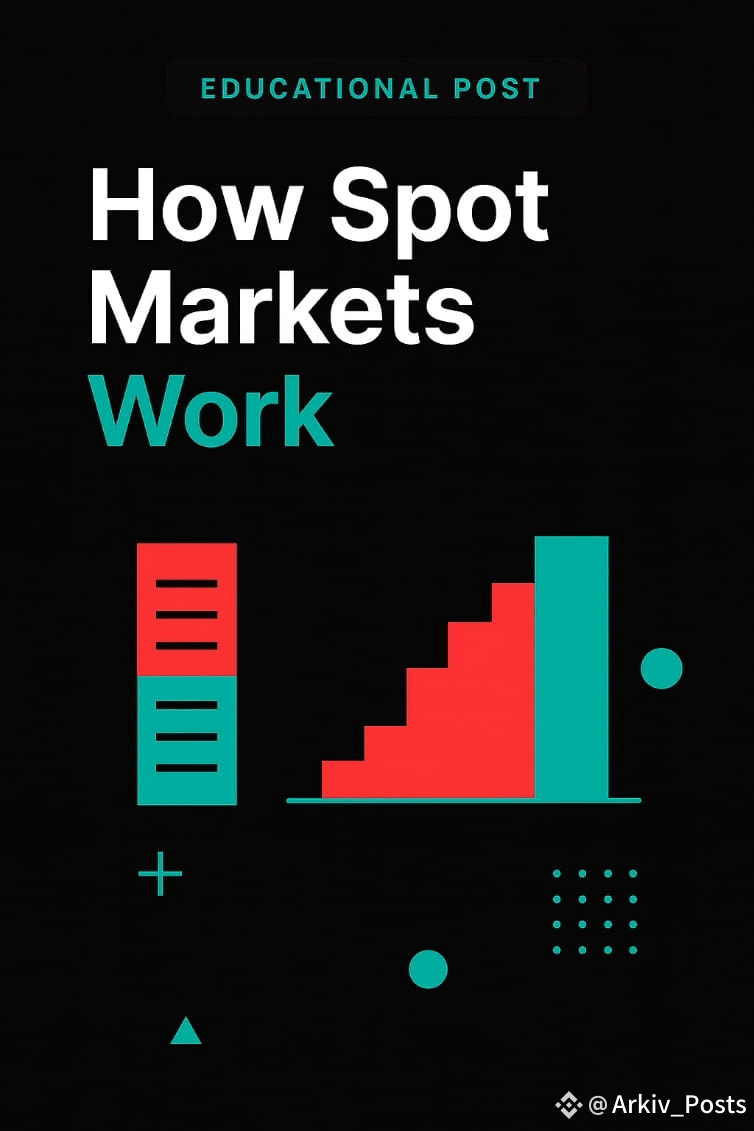
📚 Spot Trading Masterclass — Episode 2
Thema: Wie Spotmärkte funktionieren
Spotmärkte sind Orte, an denen Vermögenswerte für **sofortige Lieferung** gehandelt werden — kein Warten, keine Verträge. Du kaufst, du besitzt. Du verkaufst, du wirst bezahlt.
🧠 So funktioniert es:
- Käufer und Verkäufer platzieren Aufträge im **Orderbuch**
- Der Markt ordnet sie basierend auf Preis und Volumen zu
- Geschäfte werden zum **Spotpreis** ausgeführt — dem Echtzeitwert
💡 Beispiel:
Du platzierst einen KAUF-Auftrag für $ETH zu 3.600. Wenn jemand zu diesem Preis verkauft, geschieht der Handel sofort. Das ist Spot Trading.
Spotmärkte werden auch **Barkmärkte** genannt, da der Austausch direkt und schnell ist. Kein Hebel, keine Ablauffrist — nur pure Kursbewegung.
#TrendingTopic #Write2Earn #CryptoEducation #BinanceSquare $BTC $ETH $BNB
📚 Spot Trading Masterclass — Episode 2
Thema: Wie Spotmärkte funktionieren
Spotmärkte sind Orte, an denen Vermögenswerte für **sofortige Lieferung** gehandelt werden — kein Warten, keine Verträge. Du kaufst, du besitzt. Du verkaufst, du wirst bezahlt.
🧠 So funktioniert es:
- Käufer und Verkäufer platzieren Aufträge im **Orderbuch**
- Der Markt ordnet sie basierend auf Preis und Volumen zu
- Geschäfte werden zum **Spotpreis** ausgeführt — dem Echtzeitwert
💡 Beispiel:
Du platzierst einen KAUF-Auftrag für $ETH zu 3.600. Wenn jemand zu diesem Preis verkauft, geschieht der Handel sofort. Das ist Spot Trading.
Spotmärkte werden auch **Barkmärkte** genannt, da der Austausch direkt und schnell ist. Kein Hebel, keine Ablauffrist — nur pure Kursbewegung.
#TrendingTopic #Write2Earn #CryptoEducation #BinanceSquare $BTC $ETH $BNB
Thema: Wie Spotmärkte funktionieren
Spotmärkte sind Orte, an denen Vermögenswerte für **sofortige Lieferung** gehandelt werden — kein Warten, keine Verträge. Du kaufst, du besitzt. Du verkaufst, du wirst bezahlt.
🧠 So funktioniert es:
- Käufer und Verkäufer platzieren Aufträge im **Orderbuch**
- Der Markt ordnet sie basierend auf Preis und Volumen zu
- Geschäfte werden zum **Spotpreis** ausgeführt — dem Echtzeitwert
💡 Beispiel:
Du platzierst einen KAUF-Auftrag für $ETH zu 3.600. Wenn jemand zu diesem Preis verkauft, geschieht der Handel sofort. Das ist Spot Trading.
Spotmärkte werden auch **Barkmärkte** genannt, da der Austausch direkt und schnell ist. Kein Hebel, keine Ablauffrist — nur pure Kursbewegung.
#TrendingTopic #Write2Earn #CryptoEducation #BinanceSquare $BTC $ETH $BNB
78
·
--
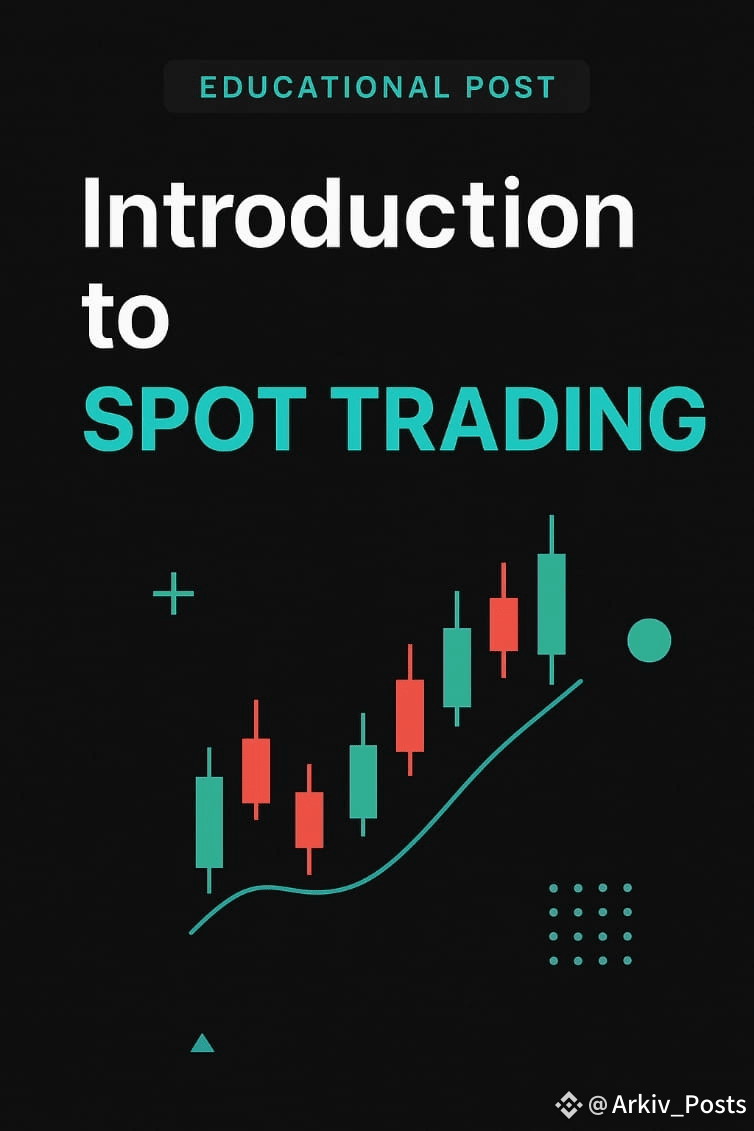
📚 Spot Trading Masterclass — Episode 1
Thema: Was ist Spot-Trading?
Spot-Trading ist die **reinste Form des Handels** — der Kauf oder Verkauf eines Vermögenswerts zum aktuellen Marktpreis für sofortige Lieferung. Keine Verträge. Keine Verfallsdaten. Nur sofortiges Eigentum.
✅ Du kaufst → Du besitzt es sofort
✅ Du verkaufst → Du wirst sofort bezahlt
Spot-Trading findet in Märkten statt wie:
- $BTC / $ETH / $BNB (Krypto)
- Forex-Paare wie EUR/USD
- Rohstoffe wie Gold oder Öl
- Aktien wie AAPL oder TSLA
💡 Warum Anfänger es lieben:
- Einfach zu verstehen
- Transparente Preisgestaltung
- Kein Hebel = geringeres Risiko
- Sofortiger Zugang zu deinem Vermögenswert
Diese Serie wird dich von grundlegenden Konzepten zu Profi-Strategien führen — einschließlich technischer Analyse, Risikomanagement und Live-Handelsanalysen.
#TrendingTopic #Write2Earn #CryptoEducation #BinanceSquare $BNB
{spot}(BNBUSDT)
📚 Spot Trading Masterclass — Episode 1
Thema: Was ist Spot-Trading?
Spot-Trading ist die **reinste Form des Handels** — der Kauf oder Verkauf eines Vermögenswerts zum aktuellen Marktpreis für sofortige Lieferung. Keine Verträge. Keine Verfallsdaten. Nur sofortiges Eigentum.
✅ Du kaufst → Du besitzt es sofort
✅ Du verkaufst → Du wirst sofort bezahlt
Spot-Trading findet in Märkten statt wie:
- $BTC / $ETH / $BNB (Krypto)
- Forex-Paare wie EUR/USD
- Rohstoffe wie Gold oder Öl
- Aktien wie AAPL oder TSLA
💡 Warum Anfänger es lieben:
- Einfach zu verstehen
- Transparente Preisgestaltung
- Kein Hebel = geringeres Risiko
- Sofortiger Zugang zu deinem Vermögenswert
Diese Serie wird dich von grundlegenden Konzepten zu Profi-Strategien führen — einschließlich technischer Analyse, Risikomanagement und Live-Handelsanalysen.
#TrendingTopic #Write2Earn #CryptoEducation #BinanceSquare $BNB
Thema: Was ist Spot-Trading?
Spot-Trading ist die **reinste Form des Handels** — der Kauf oder Verkauf eines Vermögenswerts zum aktuellen Marktpreis für sofortige Lieferung. Keine Verträge. Keine Verfallsdaten. Nur sofortiges Eigentum.
✅ Du kaufst → Du besitzt es sofort
✅ Du verkaufst → Du wirst sofort bezahlt
Spot-Trading findet in Märkten statt wie:
- $BTC / $ETH / $BNB (Krypto)
- Forex-Paare wie EUR/USD
- Rohstoffe wie Gold oder Öl
- Aktien wie AAPL oder TSLA
💡 Warum Anfänger es lieben:
- Einfach zu verstehen
- Transparente Preisgestaltung
- Kein Hebel = geringeres Risiko
- Sofortiger Zugang zu deinem Vermögenswert
Diese Serie wird dich von grundlegenden Konzepten zu Profi-Strategien führen — einschließlich technischer Analyse, Risikomanagement und Live-Handelsanalysen.
#TrendingTopic #Write2Earn #CryptoEducation #BinanceSquare $BNB
64
·
--
Bullisch
📚 Bildungsbeitrag
Thema: Wie man den RSI für profitable Krypto-Trades verwendet
Der **Relative Strength Index (RSI)** ist eines der leistungsstärksten Werkzeuge, um Ein- und Ausstiegspunkte im Krypto-Markt zu erkennen. Er misst das Momentum und zeigt an, wann ein Vermögenswert **überkauft** (wahrscheinlich sinken) oder **überverkauft** (wahrscheinlich steigen) ist.
✅ RSI unter 30 = Überverkauft → Möglicher KAUF
✅ RSI über 70 = Überkauft → Möglicher VERKAUF
Beispiel:
$BTC fiel kürzlich unter RSI 30 im 1-Stunden-Chart und erholte sich innerhalb von 2 Stunden. Trader, die es frühzeitig bemerkten, erzielten solide Gewinne.
💡 Tipp: Kombinieren Sie RSI mit Unterstützungs-/Widerstandsbereichen für eine stärkere Bestätigung.
#TrendingTopic #Write2Earn #CryptoEducation #BinanceSquare $ETH
{spot}(ETHUSDT)
$BNB
{spot}(BNBUSDT)
📚 Bildungsbeitrag
Thema: Wie man den RSI für profitable Krypto-Trades verwendet
Der **Relative Strength Index (RSI)** ist eines der leistungsstärksten Werkzeuge, um Ein- und Ausstiegspunkte im Krypto-Markt zu erkennen. Er misst das Momentum und zeigt an, wann ein Vermögenswert **überkauft** (wahrscheinlich sinken) oder **überverkauft** (wahrscheinlich steigen) ist.
✅ RSI unter 30 = Überverkauft → Möglicher KAUF
✅ RSI über 70 = Überkauft → Möglicher VERKAUF
Beispiel:
$BTC fiel kürzlich unter RSI 30 im 1-Stunden-Chart und erholte sich innerhalb von 2 Stunden. Trader, die es frühzeitig bemerkten, erzielten solide Gewinne.
💡 Tipp: Kombinieren Sie RSI mit Unterstützungs-/Widerstandsbereichen für eine stärkere Bestätigung.
#TrendingTopic #Write2Earn #CryptoEducation #BinanceSquare $ETH
$BNB
Thema: Wie man den RSI für profitable Krypto-Trades verwendet
Der **Relative Strength Index (RSI)** ist eines der leistungsstärksten Werkzeuge, um Ein- und Ausstiegspunkte im Krypto-Markt zu erkennen. Er misst das Momentum und zeigt an, wann ein Vermögenswert **überkauft** (wahrscheinlich sinken) oder **überverkauft** (wahrscheinlich steigen) ist.
✅ RSI unter 30 = Überverkauft → Möglicher KAUF
✅ RSI über 70 = Überkauft → Möglicher VERKAUF
Beispiel:
$BTC fiel kürzlich unter RSI 30 im 1-Stunden-Chart und erholte sich innerhalb von 2 Stunden. Trader, die es frühzeitig bemerkten, erzielten solide Gewinne.
💡 Tipp: Kombinieren Sie RSI mit Unterstützungs-/Widerstandsbereichen für eine stärkere Bestätigung.
#TrendingTopic #Write2Earn #CryptoEducation #BinanceSquare $ETH
$BNB
75
·
--
Was wäre, wenn das Abfragen von Blockchain-Daten blitzschnell und dezentral wäre? Lagrange macht es möglich. Ein großes Dankeschön an @lagrangedev für das Entsperren von modularer Magie mit $LA ! Ein Game-Changer für Entwickler, Validatoren und das gesamte Web3-Ökosystem. #lagrange 💡
Was wäre, wenn das Abfragen von Blockchain-Daten blitzschnell und dezentral wäre? Lagrange macht es möglich. Ein großes Dankeschön an @Lagrange Official für das Entsperren von modularer Magie mit $LA ! Ein Game-Changer für Entwickler, Validatoren und das gesamte Web3-Ökosystem. #lagrange 💡

244
·
--
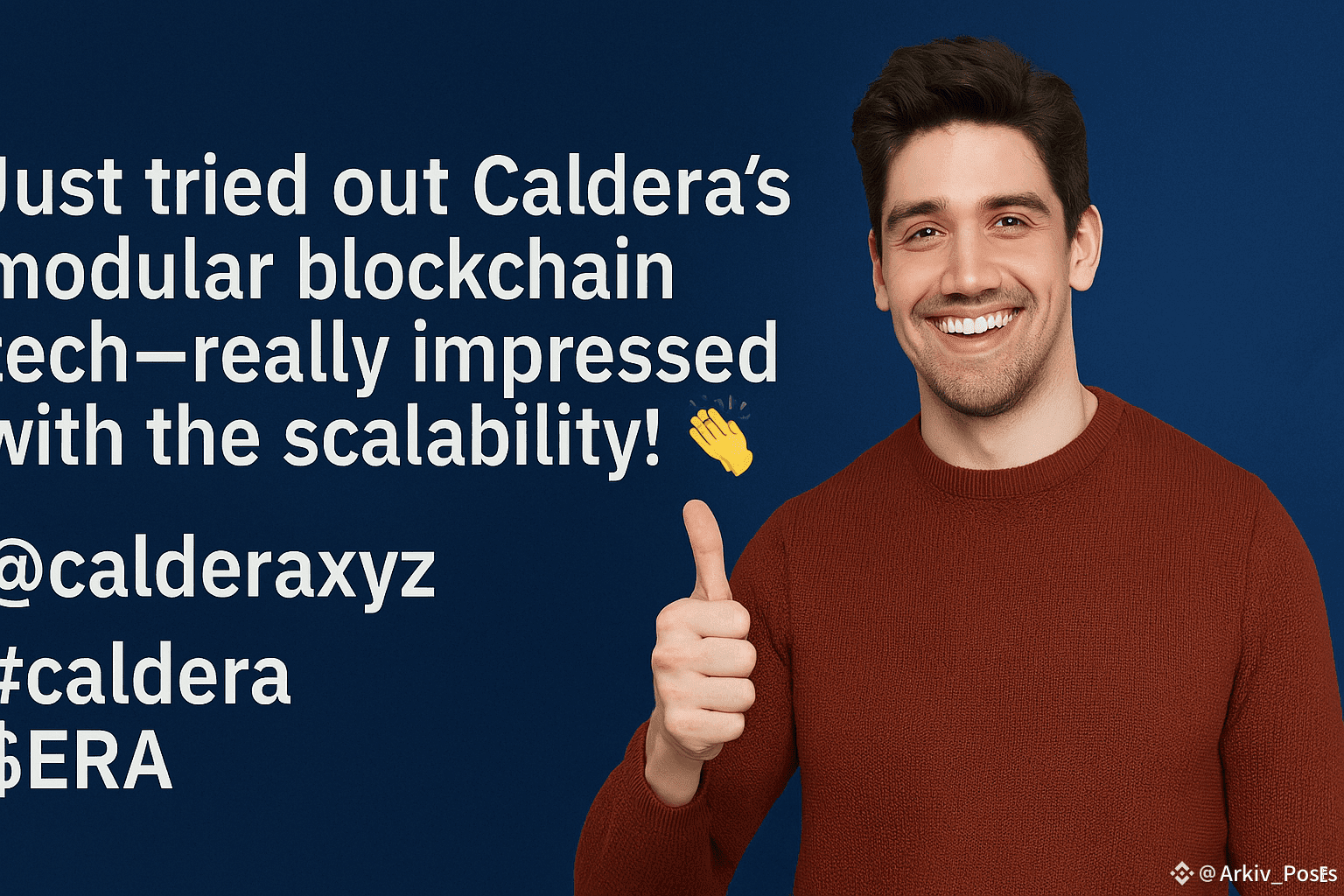
Hast du jemals das Gefühl, dass die Blockchain-Technologie zu schnell voranschreitet, um Schritt zu halten? Caldera macht es einfach – modular, blitzschnell und wirklich entwicklerfreundlich. Große Liebe an @Calderaxyz für den Aufbau der Zukunft von Web3, Block für Block skalierbar. Angetrieben von $ERA 💥 #caldera
Hast du jemals das Gefühl, dass die Blockchain-Technologie zu schnell voranschreitet, um Schritt zu halten? Caldera macht es einfach – modular, blitzschnell und wirklich entwicklerfreundlich. Große Liebe an @Calderaxyz für den Aufbau der Zukunft von Web3, Block für Block skalierbar. Angetrieben von $ERA 💥 #caldera
1
140
·
--
#BinanceTurns8 Schließen Sie sich uns an der #BinanceTurns8 Feier an und gewinnen Sie einen Anteil von bis zu 888.888 $ in BNB!
#BinanceTurns8 Schließen Sie sich uns an der #BinanceTurns8 Feier an und gewinnen Sie einen Anteil von bis zu 888.888 $ in BNB!
20
·
--

Artikel
Scalping-Strategie: Die Kunst des Mikroprofits in Minuten meisternIn der hochoktanigen Welt des Krypto-Handels sticht Scalping als eine der intensivsten und lohnendsten Strategien hervor - wenn es richtig gemacht wird. Es geht nicht darum, die große Welle zu erwischen; es geht darum, Dutzende kleiner Wellen mit Präzision, Geschwindigkeit und Disziplin zu reiten.
Lass uns aufschlüsseln, was Scalping wirklich ist, wie es funktioniert und wie die besten Trader das Chaos bewältigen.
🧠 Was ist Scalping?
Scalping ist eine Hochfrequenz-Handelsstrategie, bei der Trader versuchen, aus kleinen Preisbewegungen Profit zu schlagen - oft innerhalb von Sekunden oder Minuten. Im Gegensatz zum Swing- oder Positionshandel interessieren sich Scalper nicht für langfristige Trends. Sie gedeihen in Volatilität, Liquidität und Momentum.
Scalping-Strategie: Die Kunst des Mikroprofits in Minuten meistern
In der hochoktanigen Welt des Krypto-Handels sticht Scalping als eine der intensivsten und lohnendsten Strategien hervor - wenn es richtig gemacht wird. Es geht nicht darum, die große Welle zu erwischen; es geht darum, Dutzende kleiner Wellen mit Präzision, Geschwindigkeit und Disziplin zu reiten.
Lass uns aufschlüsseln, was Scalping wirklich ist, wie es funktioniert und wie die besten Trader das Chaos bewältigen.
🧠 Was ist Scalping?
Scalping ist eine Hochfrequenz-Handelsstrategie, bei der Trader versuchen, aus kleinen Preisbewegungen Profit zu schlagen - oft innerhalb von Sekunden oder Minuten. Im Gegensatz zum Swing- oder Positionshandel interessieren sich Scalper nicht für langfristige Trends. Sie gedeihen in Volatilität, Liquidität und Momentum.
Lass uns aufschlüsseln, was Scalping wirklich ist, wie es funktioniert und wie die besten Trader das Chaos bewältigen.
🧠 Was ist Scalping?
Scalping ist eine Hochfrequenz-Handelsstrategie, bei der Trader versuchen, aus kleinen Preisbewegungen Profit zu schlagen - oft innerhalb von Sekunden oder Minuten. Im Gegensatz zum Swing- oder Positionshandel interessieren sich Scalper nicht für langfristige Trends. Sie gedeihen in Volatilität, Liquidität und Momentum.
106
·
--
Artikel
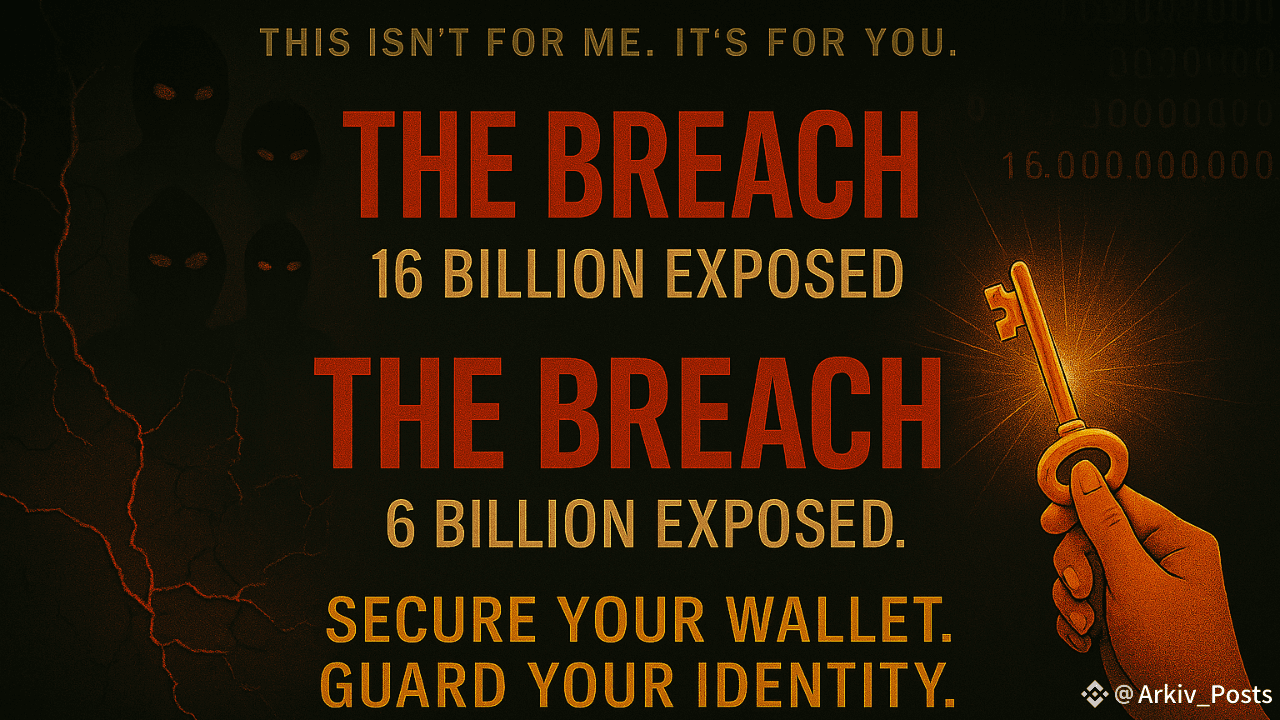
16 Milliarden Passwörter geleakt: Warum ich das von den Dächern schreie (immer wieder und immer wieder)21. Juni 2025
Ich habe es schon einmal gesagt.
Ich sage es jetzt.
Und ich werde es weiter sagen, bis jeder von euch sicher ist.
Denn das ist nicht nur ein weiteres Datenleck.
Das ist der größte Passwort-Leak in der Internetgeschichte – und es wird bereits genutzt, um Leben zu zerstören, Wallets zu plündern und Identitäten zu übernehmen.
🧨 Was ist gerade passiert?
Über 16 Milliarden Anmeldeinformationen – ja, 16.000.000.000+ – wurden geleakt und zirkulieren jetzt im Dark Web. Dazu gehören:
🔴 Benutzernamen
🔴 Passwörter
🔴 Sitzungscookies
16 Milliarden Passwörter geleakt: Warum ich das von den Dächern schreie (immer wieder und immer wieder)
21. Juni 2025
Ich habe es schon einmal gesagt.
Ich sage es jetzt.
Und ich werde es weiter sagen, bis jeder von euch sicher ist.
Denn das ist nicht nur ein weiteres Datenleck.
Das ist der größte Passwort-Leak in der Internetgeschichte – und es wird bereits genutzt, um Leben zu zerstören, Wallets zu plündern und Identitäten zu übernehmen.
🧨 Was ist gerade passiert?
Über 16 Milliarden Anmeldeinformationen – ja, 16.000.000.000+ – wurden geleakt und zirkulieren jetzt im Dark Web. Dazu gehören:
🔴 Benutzernamen
🔴 Passwörter
🔴 Sitzungscookies
Ich habe es schon einmal gesagt.
Ich sage es jetzt.
Und ich werde es weiter sagen, bis jeder von euch sicher ist.
Denn das ist nicht nur ein weiteres Datenleck.
Das ist der größte Passwort-Leak in der Internetgeschichte – und es wird bereits genutzt, um Leben zu zerstören, Wallets zu plündern und Identitäten zu übernehmen.
🧨 Was ist gerade passiert?
Über 16 Milliarden Anmeldeinformationen – ja, 16.000.000.000+ – wurden geleakt und zirkulieren jetzt im Dark Web. Dazu gehören:
🔴 Benutzernamen
🔴 Passwörter
🔴 Sitzungscookies
1
264
·
--
Artikel
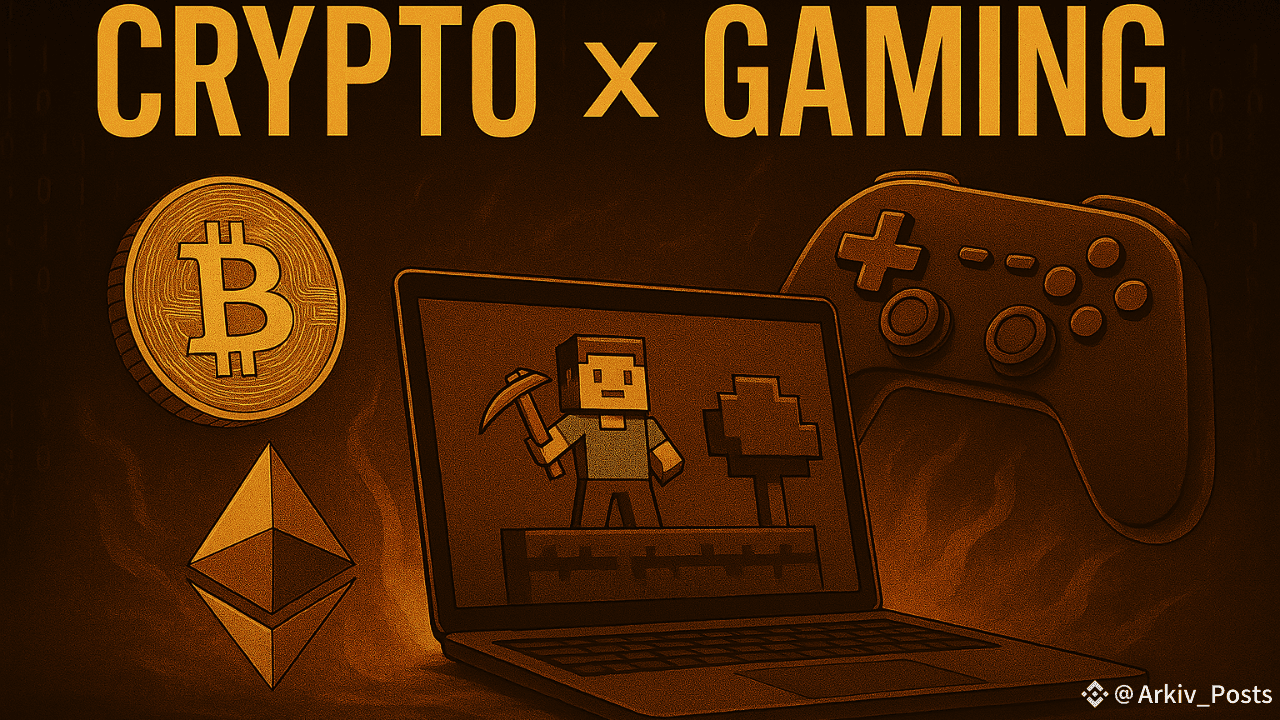
Krypto x Gaming: Die echte Revolution, die bereits stattfindetIm Jahr 2025 ist die Fusion von Krypto und Gaming kein futuristisches Konzept mehr – es ist ein lebendiges, atmendes Ökosystem, das verändert, wie wir spielen, verdienen und besitzen. Das ist keine Spekulation. Das ist reale Störung, unterstützt von Millionen von Nutzern, Milliarden im Volumen und einer neuen Generation digitaler Ökonomien.
Lass uns in die echten Geschichten, echte Plattformen und die echte Wirkung dieser unaufhaltsamen Konvergenz eintauchen.
🧬 1. Von Pixeln zu Gewinnen: Der Aufstieg von Play-to-Earn
Der Wendepunkt kam 2024, als Spiele wie Hamster Combat und Pixels in Telegram- und Web3-Plattformen explodierten. Das waren keine einfachen Spiele – sie waren finanzielle Ökosysteme.
Krypto x Gaming: Die echte Revolution, die bereits stattfindet
Im Jahr 2025 ist die Fusion von Krypto und Gaming kein futuristisches Konzept mehr – es ist ein lebendiges, atmendes Ökosystem, das verändert, wie wir spielen, verdienen und besitzen. Das ist keine Spekulation. Das ist reale Störung, unterstützt von Millionen von Nutzern, Milliarden im Volumen und einer neuen Generation digitaler Ökonomien.
Lass uns in die echten Geschichten, echte Plattformen und die echte Wirkung dieser unaufhaltsamen Konvergenz eintauchen.
🧬 1. Von Pixeln zu Gewinnen: Der Aufstieg von Play-to-Earn
Der Wendepunkt kam 2024, als Spiele wie Hamster Combat und Pixels in Telegram- und Web3-Plattformen explodierten. Das waren keine einfachen Spiele – sie waren finanzielle Ökosysteme.
Lass uns in die echten Geschichten, echte Plattformen und die echte Wirkung dieser unaufhaltsamen Konvergenz eintauchen.
🧬 1. Von Pixeln zu Gewinnen: Der Aufstieg von Play-to-Earn
Der Wendepunkt kam 2024, als Spiele wie Hamster Combat und Pixels in Telegram- und Web3-Plattformen explodierten. Das waren keine einfachen Spiele – sie waren finanzielle Ökosysteme.
540
·
--
Bärisch
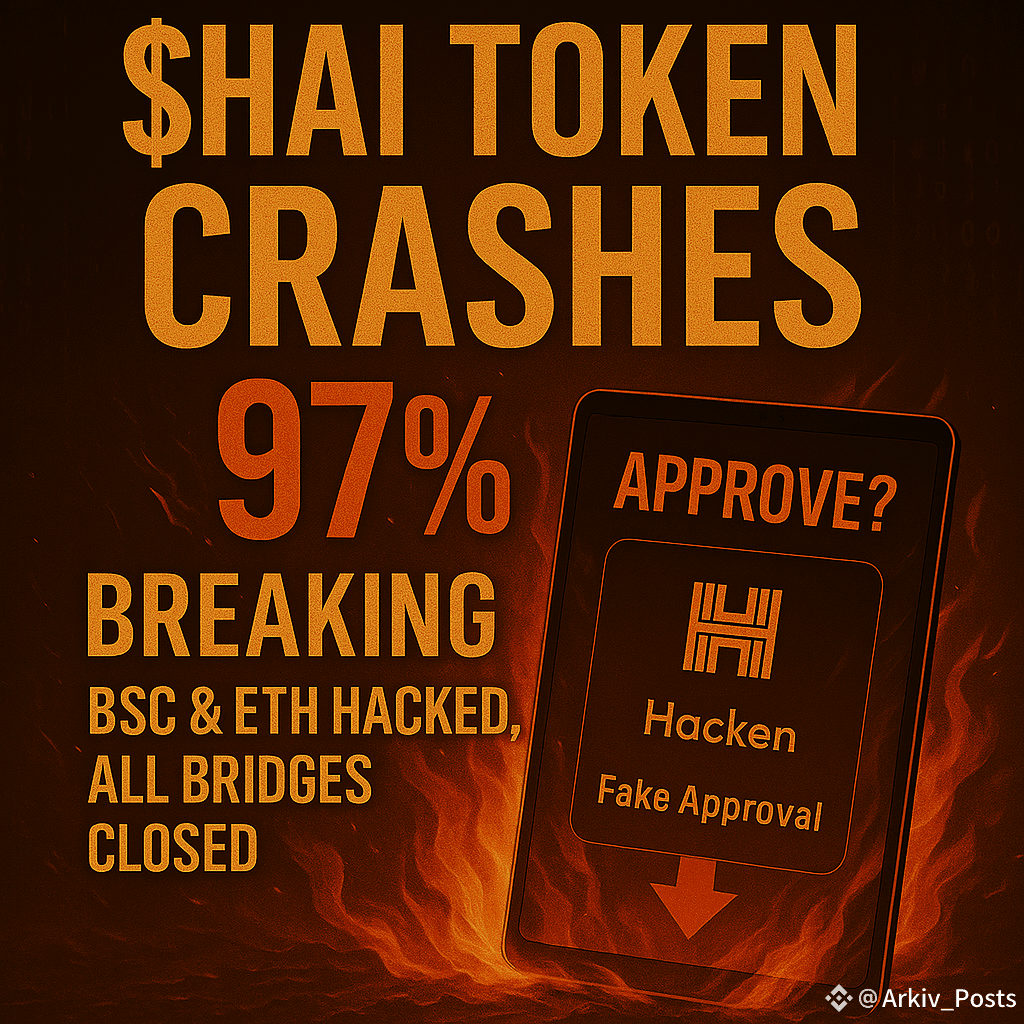
🚨 BREAKING: Hackens $HAI Token stürzt um 97% ab aufgrund von Cross-Chain Bridge Stilllegungen 🚨
Das auf Cybersicherheit fokussierte Krypto-Projekt Hacken ($HAI) hat einen verheerenden Preisrückgang von 97% erlitten, nachdem ein schwerwiegender Sicherheitsvorfall sowohl seine BSC- als auch Ethereum-Brücken betroffen hat. Infolgedessen wurden alle Cross-Chain-Brücken ausgesetzt, wobei VeChain nun das einzige gültige und sichere Netzwerk für HAI-Transaktionen ist.
⚠️ Was Sie wissen müssen
🔴 $HAI-Token ist von ~$0.47 auf ~$0.015 gefallen, was nahezu den gesamten Marktwert ausradiert hat
🔴 BSC- und ETH-Brücken kompromittiert—Benutzer werden aufgefordert, Transaktionen auf diesen Chains zu vermeiden
🔴 Nur VeChain bleibt für HAI-Transfers operational und sicher
🔴 Falsche Genehmigungen und Phishing-Pop-ups werden gemeldet—genehmigen Sie KEINE Wallet-Aufforderungen, es sei denn, sie sind verifiziert
🛡️ Sofortige Maßnahmen für HAI-Inhaber
✅ Interagieren Sie NICHT mit BSC- oder ETH-Verträgen, die mit HAI zu tun haben
✅ Widerrufen Sie alle kürzlichen Genehmigungen mit Tools wie Revoke.cash
✅ Bewegen Sie Ihre HAI nach Möglichkeit zu VeChain
✅ Halten Sie sich von verdächtigen dApps oder Pop-ups fern—Deepfake-ähnliches Phishing nimmt zu
✅ Überwachen Sie die offiziellen Kanäle von Hacken für verifizierte Updates
🙏 Letztes Wort
Das ist nicht nur ein Preisrückgang—es ist eine vollumfängliche Sicherheitskrise. Wenn Sie $HAI halten, handeln Sie schnell, bleiben Sie aufmerksam und beten Sie um Schutz in dieser von KI gesteuerten Bedrohungslandschaft.
„In einer Welt der Smart Contracts, bleiben Sie schlauer. In einer Welt der Deepfakes, bleiben Sie tiefer in der Wahrheit.“
$HAI
#HAIHack #CryptoAlert #BridgeExploit #VeChainSafe #BinanceSquare #Write2Earn
🚨 BREAKING: Hackens $HAI Token stürzt um 97% ab aufgrund von Cross-Chain Bridge Stilllegungen 🚨
Das auf Cybersicherheit fokussierte Krypto-Projekt Hacken ($HAI) hat einen verheerenden Preisrückgang von 97% erlitten, nachdem ein schwerwiegender Sicherheitsvorfall sowohl seine BSC- als auch Ethereum-Brücken betroffen hat. Infolgedessen wurden alle Cross-Chain-Brücken ausgesetzt, wobei VeChain nun das einzige gültige und sichere Netzwerk für HAI-Transaktionen ist.
⚠️ Was Sie wissen müssen
🔴 $HAI-Token ist von ~$0.47 auf ~$0.015 gefallen, was nahezu den gesamten Marktwert ausradiert hat
🔴 BSC- und ETH-Brücken kompromittiert—Benutzer werden aufgefordert, Transaktionen auf diesen Chains zu vermeiden
🔴 Nur VeChain bleibt für HAI-Transfers operational und sicher
🔴 Falsche Genehmigungen und Phishing-Pop-ups werden gemeldet—genehmigen Sie KEINE Wallet-Aufforderungen, es sei denn, sie sind verifiziert
🛡️ Sofortige Maßnahmen für HAI-Inhaber
✅ Interagieren Sie NICHT mit BSC- oder ETH-Verträgen, die mit HAI zu tun haben
✅ Widerrufen Sie alle kürzlichen Genehmigungen mit Tools wie Revoke.cash
✅ Bewegen Sie Ihre HAI nach Möglichkeit zu VeChain
✅ Halten Sie sich von verdächtigen dApps oder Pop-ups fern—Deepfake-ähnliches Phishing nimmt zu
✅ Überwachen Sie die offiziellen Kanäle von Hacken für verifizierte Updates
🙏 Letztes Wort
Das ist nicht nur ein Preisrückgang—es ist eine vollumfängliche Sicherheitskrise. Wenn Sie $HAI halten, handeln Sie schnell, bleiben Sie aufmerksam und beten Sie um Schutz in dieser von KI gesteuerten Bedrohungslandschaft.
„In einer Welt der Smart Contracts, bleiben Sie schlauer. In einer Welt der Deepfakes, bleiben Sie tiefer in der Wahrheit.“
$HAI
#HAIHack #CryptoAlert #BridgeExploit #VeChainSafe #BinanceSquare #Write2Earn
Das auf Cybersicherheit fokussierte Krypto-Projekt Hacken ($HAI) hat einen verheerenden Preisrückgang von 97% erlitten, nachdem ein schwerwiegender Sicherheitsvorfall sowohl seine BSC- als auch Ethereum-Brücken betroffen hat. Infolgedessen wurden alle Cross-Chain-Brücken ausgesetzt, wobei VeChain nun das einzige gültige und sichere Netzwerk für HAI-Transaktionen ist.
⚠️ Was Sie wissen müssen
🔴 $HAI-Token ist von ~$0.47 auf ~$0.015 gefallen, was nahezu den gesamten Marktwert ausradiert hat
🔴 BSC- und ETH-Brücken kompromittiert—Benutzer werden aufgefordert, Transaktionen auf diesen Chains zu vermeiden
🔴 Nur VeChain bleibt für HAI-Transfers operational und sicher
🔴 Falsche Genehmigungen und Phishing-Pop-ups werden gemeldet—genehmigen Sie KEINE Wallet-Aufforderungen, es sei denn, sie sind verifiziert
🛡️ Sofortige Maßnahmen für HAI-Inhaber
✅ Interagieren Sie NICHT mit BSC- oder ETH-Verträgen, die mit HAI zu tun haben
✅ Widerrufen Sie alle kürzlichen Genehmigungen mit Tools wie Revoke.cash
✅ Bewegen Sie Ihre HAI nach Möglichkeit zu VeChain
✅ Halten Sie sich von verdächtigen dApps oder Pop-ups fern—Deepfake-ähnliches Phishing nimmt zu
✅ Überwachen Sie die offiziellen Kanäle von Hacken für verifizierte Updates
🙏 Letztes Wort
Das ist nicht nur ein Preisrückgang—es ist eine vollumfängliche Sicherheitskrise. Wenn Sie $HAI halten, handeln Sie schnell, bleiben Sie aufmerksam und beten Sie um Schutz in dieser von KI gesteuerten Bedrohungslandschaft.
„In einer Welt der Smart Contracts, bleiben Sie schlauer. In einer Welt der Deepfakes, bleiben Sie tiefer in der Wahrheit.“
$HAI
#HAIHack #CryptoAlert #BridgeExploit #VeChainSafe #BinanceSquare #Write2Earn
221
·
--
Bullisch
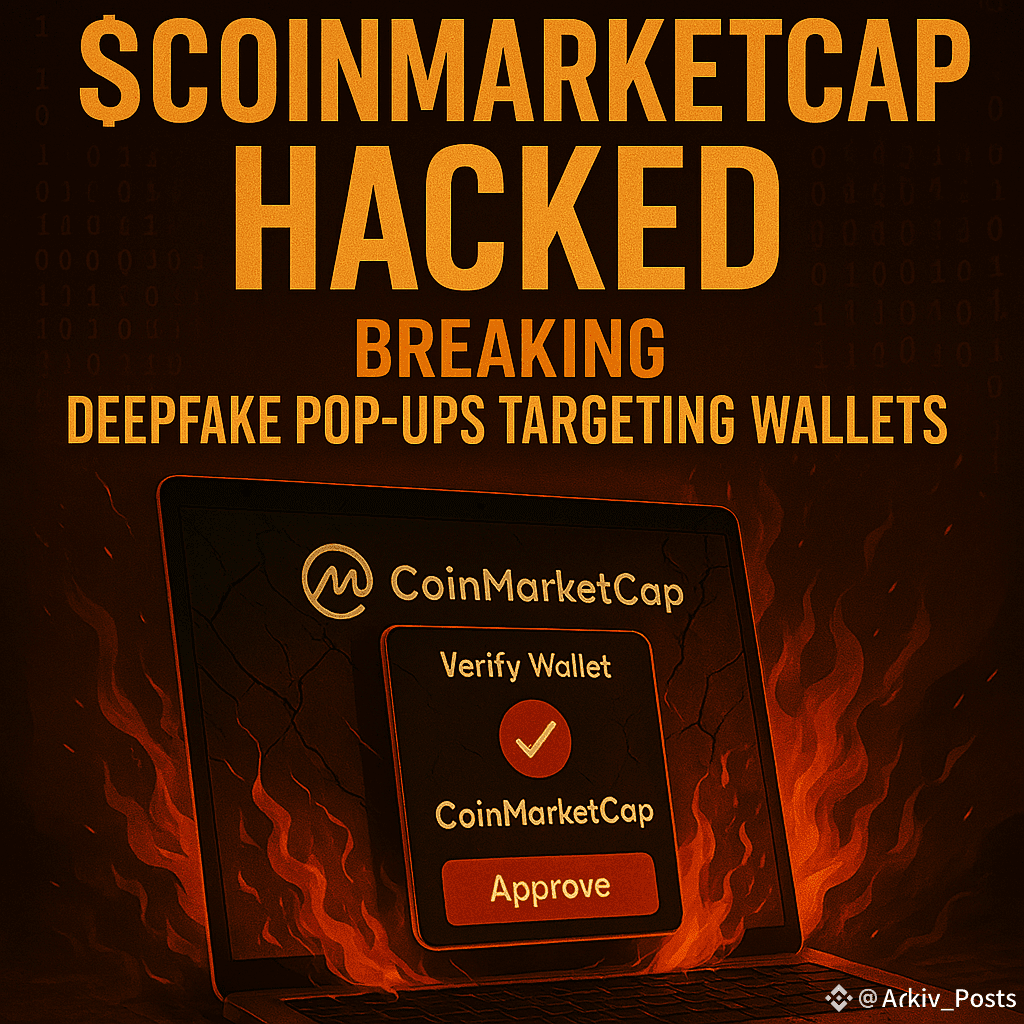
🚨 BREAKING: CoinMarketCap gehackt — Deepfake-Pop-ups zielen auf Wallets ab 🚨
Ein schwerer Sicherheitsvorfall hat die Krypto-Welt erschüttert. CoinMarketCap, einer der vertrauenswürdigsten Namen im Bereich Krypto-Daten, wurde gehackt und hat Millionen von Nutzern bösartigen Deepfake-Pop-ups ausgesetzt, die darauf abzielen, Wallets zu entleeren.
⚠️ Was ist passiert?
🔴 Nutzer, die CoinMarketCap besuchten, sahen gefälschte "Wallet verifizieren"-Pop-ups, die sie aufforderten, ihre Wallets zu verbinden und den Zugriff zu genehmigen. Diese Pop-ups ahmten legitime Wallet-Aufforderungen mit Deepfake-ähnlichen UI-Overlays nach.
🔴 Sobald sie geklickt wurden, genehmigten die Nutzer unwissentlich den Zugriff auf ERC-20-Token, was es Angreifern ermöglichte, Gelder direkt aus den Wallets abzuziehen.
🔴 Wallet-Anbieter wie MetaMask und Phantom kennzeichneten die Seite sofort als unsicher und warnten die Nutzer davor, mit irgendwelchen Aufforderungen zu interagieren.
🧠 Warum das so gefährlich ist
Die Pop-ups schienen authentisch zu sein und täuschten selbst erfahrene Nutzer.
Opfer glaubten, sie genehmigten App-Updates oder Sicherheitsprüfungen.
Sobald genehmigt, wurden die Wallets sofort kompromittiert.
🛡️ Was Sie JETZT UNBEDINGT tun müssen
✅ Genehmigen Sie KEINE Pop-ups auf CoinMarketCap oder ähnlichen Seiten.
✅ Aktualisieren Sie Apps nur über den Play Store oder App Store – niemals über Browser-Pop-ups.
✅ Führen Sie einen Malware-Scan durch und widerrufen Sie alle verdächtigen Wallet-Berechtigungen.
✅ Überprüfen Sie Ihre Wallet-Aktivitäten und verwenden Sie Tools wie Revoke.cash, um unbefugte Genehmigungen zu entfernen.
✅ Beten Sie um Schutz – denn in dieser von KI gesteuerten Ära können sogar Ihre Instinkte getäuscht werden.
🙏 Letztes Wort
Das ist nicht nur ein Hack. Es ist ein Weckruf.
KI wird jetzt verwendet, um Vertrauen zu imitieren, Gewohnheiten auszunutzen und Identitäten zu stehlen.
Wir müssen wachsam, informiert und in der Wahrheit verwurzelt bleiben.
Möge Gott Ihre Vermögenswerte, Ihre Identität und Ihre Seelenruhe schützen.
Bleiben Sie sicher. Bleiben Sie scharf. Bleiben Sie souverän.
#Write2Earn
#CoinMarketCapHack #CryptoSecurity #DeepfakeAlert
🚨 BREAKING: CoinMarketCap gehackt — Deepfake-Pop-ups zielen auf Wallets ab 🚨
Ein schwerer Sicherheitsvorfall hat die Krypto-Welt erschüttert. CoinMarketCap, einer der vertrauenswürdigsten Namen im Bereich Krypto-Daten, wurde gehackt und hat Millionen von Nutzern bösartigen Deepfake-Pop-ups ausgesetzt, die darauf abzielen, Wallets zu entleeren.
⚠️ Was ist passiert?
🔴 Nutzer, die CoinMarketCap besuchten, sahen gefälschte "Wallet verifizieren"-Pop-ups, die sie aufforderten, ihre Wallets zu verbinden und den Zugriff zu genehmigen. Diese Pop-ups ahmten legitime Wallet-Aufforderungen mit Deepfake-ähnlichen UI-Overlays nach.
🔴 Sobald sie geklickt wurden, genehmigten die Nutzer unwissentlich den Zugriff auf ERC-20-Token, was es Angreifern ermöglichte, Gelder direkt aus den Wallets abzuziehen.
🔴 Wallet-Anbieter wie MetaMask und Phantom kennzeichneten die Seite sofort als unsicher und warnten die Nutzer davor, mit irgendwelchen Aufforderungen zu interagieren.
🧠 Warum das so gefährlich ist
Die Pop-ups schienen authentisch zu sein und täuschten selbst erfahrene Nutzer.
Opfer glaubten, sie genehmigten App-Updates oder Sicherheitsprüfungen.
Sobald genehmigt, wurden die Wallets sofort kompromittiert.
🛡️ Was Sie JETZT UNBEDINGT tun müssen
✅ Genehmigen Sie KEINE Pop-ups auf CoinMarketCap oder ähnlichen Seiten.
✅ Aktualisieren Sie Apps nur über den Play Store oder App Store – niemals über Browser-Pop-ups.
✅ Führen Sie einen Malware-Scan durch und widerrufen Sie alle verdächtigen Wallet-Berechtigungen.
✅ Überprüfen Sie Ihre Wallet-Aktivitäten und verwenden Sie Tools wie Revoke.cash, um unbefugte Genehmigungen zu entfernen.
✅ Beten Sie um Schutz – denn in dieser von KI gesteuerten Ära können sogar Ihre Instinkte getäuscht werden.
🙏 Letztes Wort
Das ist nicht nur ein Hack. Es ist ein Weckruf.
KI wird jetzt verwendet, um Vertrauen zu imitieren, Gewohnheiten auszunutzen und Identitäten zu stehlen.
Wir müssen wachsam, informiert und in der Wahrheit verwurzelt bleiben.
Möge Gott Ihre Vermögenswerte, Ihre Identität und Ihre Seelenruhe schützen.
Bleiben Sie sicher. Bleiben Sie scharf. Bleiben Sie souverän.
#Write2Earn
#CoinMarketCapHack #CryptoSecurity #DeepfakeAlert
Ein schwerer Sicherheitsvorfall hat die Krypto-Welt erschüttert. CoinMarketCap, einer der vertrauenswürdigsten Namen im Bereich Krypto-Daten, wurde gehackt und hat Millionen von Nutzern bösartigen Deepfake-Pop-ups ausgesetzt, die darauf abzielen, Wallets zu entleeren.
⚠️ Was ist passiert?
🔴 Nutzer, die CoinMarketCap besuchten, sahen gefälschte "Wallet verifizieren"-Pop-ups, die sie aufforderten, ihre Wallets zu verbinden und den Zugriff zu genehmigen. Diese Pop-ups ahmten legitime Wallet-Aufforderungen mit Deepfake-ähnlichen UI-Overlays nach.
🔴 Sobald sie geklickt wurden, genehmigten die Nutzer unwissentlich den Zugriff auf ERC-20-Token, was es Angreifern ermöglichte, Gelder direkt aus den Wallets abzuziehen.
🔴 Wallet-Anbieter wie MetaMask und Phantom kennzeichneten die Seite sofort als unsicher und warnten die Nutzer davor, mit irgendwelchen Aufforderungen zu interagieren.
🧠 Warum das so gefährlich ist
Die Pop-ups schienen authentisch zu sein und täuschten selbst erfahrene Nutzer.
Opfer glaubten, sie genehmigten App-Updates oder Sicherheitsprüfungen.
Sobald genehmigt, wurden die Wallets sofort kompromittiert.
🛡️ Was Sie JETZT UNBEDINGT tun müssen
✅ Genehmigen Sie KEINE Pop-ups auf CoinMarketCap oder ähnlichen Seiten.
✅ Aktualisieren Sie Apps nur über den Play Store oder App Store – niemals über Browser-Pop-ups.
✅ Führen Sie einen Malware-Scan durch und widerrufen Sie alle verdächtigen Wallet-Berechtigungen.
✅ Überprüfen Sie Ihre Wallet-Aktivitäten und verwenden Sie Tools wie Revoke.cash, um unbefugte Genehmigungen zu entfernen.
✅ Beten Sie um Schutz – denn in dieser von KI gesteuerten Ära können sogar Ihre Instinkte getäuscht werden.
🙏 Letztes Wort
Das ist nicht nur ein Hack. Es ist ein Weckruf.
KI wird jetzt verwendet, um Vertrauen zu imitieren, Gewohnheiten auszunutzen und Identitäten zu stehlen.
Wir müssen wachsam, informiert und in der Wahrheit verwurzelt bleiben.
Möge Gott Ihre Vermögenswerte, Ihre Identität und Ihre Seelenruhe schützen.
Bleiben Sie sicher. Bleiben Sie scharf. Bleiben Sie souverän.
#Write2Earn
#CoinMarketCapHack #CryptoSecurity #DeepfakeAlert
38
Anmelden und weiter Inhalte entdecken
Krypto-Nutzer weltweit auf Binance Square kennenlernen
⚡️ Bleib in Sachen Krypto stets am Puls.
💬 Die weltgrößte Kryptobörse vertraut darauf.
👍 Erhalte verlässliche Einblicke von verifizierten Creators.
E-Mail-Adresse/Telefonnummer