
Eaglesky
53 Beiträge

Eaglesky
Melden
Nutzer blockieren
Passionate about cryptocurrencies, wisignificant experience using Binance. Constantly learning and staying updated on crypto developments and market trends.

#BinanceTurns7
Trade eröffnen

DOGE Halter
Hochfrequenz-Trader
6.2 Jahre
13 Following
21 Follower
49 Like gegeben
1 Abzeichen
Beiträge
Portfolio
Alle
Zitierungen
·
--
Binance-Marktnachricht: 24h-Spitzenreiter und Meme-Coin-MomentumBinance-Marktnachricht — eine datenbasierte Momentaufnahme der stärksten USDT-Paare der letzten 24 Stunden.
Top-Gewinner der letzten 24 Stunden:
$SYN: +158.78% in 24 Stunden, letzter Preis 0.20708 USDT, 24h-Volumen 33,883,803 USDT
$LSK: +70.10% in 24 Stunden, letzter Preis 0.6508 USDT, 24h-Volumen 53,252,738 USDT
Meme-Coin-Momentum-Beobachtungsliste, sortiert nach 24h USDT-Volumen:
$DOGE: -3.32% in 24 Stunden, letzter Preis 0.07997 USDT, 24h-Volumen 67,541,567 USDT
Die Gewinnerliste ist nach der gemeldeten 24-Stunden-Preisänderung sortiert. Die Meme-Coin-Liste ist eine Beobachtungsliste, sortiert nach aktuellem USDT-Volumen, wobei die Kursentwicklung als Entscheidungskriterium bei Gleichstand dient. Die Volatilität kann sich schnell ändern, daher handelt es sich um Marktkommentare und nicht um Finanzberatung. Machen Sie Ihre eigenen Recherchen, bevor Sie handeln.
Binance-Marktnachricht: 24h-Spitzenreiter und Meme-Coin-Momentum
Binance-Marktnachricht — eine datenbasierte Momentaufnahme der stärksten USDT-Paare der letzten 24 Stunden.
Top-Gewinner der letzten 24 Stunden:
$SYN : +158.78% in 24 Stunden, letzter Preis 0.20708 USDT, 24h-Volumen 33,883,803 USDT
$LSK : +70.10% in 24 Stunden, letzter Preis 0.6508 USDT, 24h-Volumen 53,252,738 USDT
Meme-Coin-Momentum-Beobachtungsliste, sortiert nach 24h USDT-Volumen:
$DOGE : -3.32% in 24 Stunden, letzter Preis 0.07997 USDT, 24h-Volumen 67,541,567 USDT
Die Gewinnerliste ist nach der gemeldeten 24-Stunden-Preisänderung sortiert. Die Meme-Coin-Liste ist eine Beobachtungsliste, sortiert nach aktuellem USDT-Volumen, wobei die Kursentwicklung als Entscheidungskriterium bei Gleichstand dient. Die Volatilität kann sich schnell ändern, daher handelt es sich um Marktkommentare und nicht um Finanzberatung. Machen Sie Ihre eigenen Recherchen, bevor Sie handeln.
Top-Gewinner der letzten 24 Stunden:
$SYN : +158.78% in 24 Stunden, letzter Preis 0.20708 USDT, 24h-Volumen 33,883,803 USDT
$LSK : +70.10% in 24 Stunden, letzter Preis 0.6508 USDT, 24h-Volumen 53,252,738 USDT
Meme-Coin-Momentum-Beobachtungsliste, sortiert nach 24h USDT-Volumen:
$DOGE : -3.32% in 24 Stunden, letzter Preis 0.07997 USDT, 24h-Volumen 67,541,567 USDT
Die Gewinnerliste ist nach der gemeldeten 24-Stunden-Preisänderung sortiert. Die Meme-Coin-Liste ist eine Beobachtungsliste, sortiert nach aktuellem USDT-Volumen, wobei die Kursentwicklung als Entscheidungskriterium bei Gleichstand dient. Die Volatilität kann sich schnell ändern, daher handelt es sich um Marktkommentare und nicht um Finanzberatung. Machen Sie Ihre eigenen Recherchen, bevor Sie handeln.
214
·
--

Artikel
Digitale souveräne InfrastrukturDigitale souveräne Infrastruktur (#signdigitalsovereigninfra) stellt einen transformativen Ansatz für die nationale digitale Strategie dar, der es Ländern ermöglicht, ihre kritischen Technologien und Datenökosysteme vollständig zu kontrollieren. Im Gegensatz zur konventionellen Abhängigkeit von ausländischen Cloud-Anbietern oder internationalen Plattformen gibt die souveräne Infrastruktur den Regierungen Autonomie über digitale Operationen, wodurch sichergestellt wird, dass sensible Informationen, öffentliche Dienstleistungen und wirtschaftliche Systeme sicher bleiben und unter nationaler Aufsicht stehen. In einer Ära wachsender Cyberbedrohungen, Bedenken hinsichtlich des Datenschutzes und globaler politischer Spannungen wird dieser selbstständige Ansatz zunehmend als wesentlich für die nationale Resilienz angesehen.
Digitale souveräne Infrastruktur
Digitale souveräne Infrastruktur (#signdigitalsovereigninfra) stellt einen transformativen Ansatz für die nationale digitale Strategie dar, der es Ländern ermöglicht, ihre kritischen Technologien und Datenökosysteme vollständig zu kontrollieren. Im Gegensatz zur konventionellen Abhängigkeit von ausländischen Cloud-Anbietern oder internationalen Plattformen gibt die souveräne Infrastruktur den Regierungen Autonomie über digitale Operationen, wodurch sichergestellt wird, dass sensible Informationen, öffentliche Dienstleistungen und wirtschaftliche Systeme sicher bleiben und unter nationaler Aufsicht stehen. In einer Ära wachsender Cyberbedrohungen, Bedenken hinsichtlich des Datenschutzes und globaler politischer Spannungen wird dieser selbstständige Ansatz zunehmend als wesentlich für die nationale Resilienz angesehen.
1
65
·
--
Übersetzung ansehen
#signdigitalsovereigninfra $SIGN
Digital Sovereign Infrastructure (#signdigitalsovereigninfra) represents a strategic foundation enabling countries to fully control their data and digital services without relying on external providers. This infrastructure ensures the integration of digital identity systems, payments, and sovereign cloud computing, while enhancing cybersecurity and privacy protection. Its goal is to support national digital sovereignty, foster innovation, and reduce technological dependence. It relies on open standards, strong encryption, and transparent governance mechanisms that build trust among citizens and government entities. Through this framework, any nation can develop a reliable, scalable, and resilient digital system that improves public services and strengthens economic competitiveness.
{future}(SIGNUSDT)
#signdigitalsovereigninfra $SIGN
Digital Sovereign Infrastructure (#signdigitalsovereigninfra) represents a strategic foundation enabling countries to fully control their data and digital services without relying on external providers. This infrastructure ensures the integration of digital identity systems, payments, and sovereign cloud computing, while enhancing cybersecurity and privacy protection. Its goal is to support national digital sovereignty, foster innovation, and reduce technological dependence. It relies on open standards, strong encryption, and transparent governance mechanisms that build trust among citizens and government entities. Through this framework, any nation can develop a reliable, scalable, and resilient digital system that improves public services and strengthens economic competitiveness.
Digital Sovereign Infrastructure (#signdigitalsovereigninfra) represents a strategic foundation enabling countries to fully control their data and digital services without relying on external providers. This infrastructure ensures the integration of digital identity systems, payments, and sovereign cloud computing, while enhancing cybersecurity and privacy protection. Its goal is to support national digital sovereignty, foster innovation, and reduce technological dependence. It relies on open standards, strong encryption, and transparent governance mechanisms that build trust among citizens and government entities. Through this framework, any nation can develop a reliable, scalable, and resilient digital system that improves public services and strengthens economic competitiveness.
4
·
--

Artikel
Übersetzung ansehen
Digital Sovereignty Infrastructure: The Next Frontier of Global Power#signdigitalsovereigninfra $SIGN
In the evolving digital economy, the concept of sovereignty is no longer confined to physical borders. A new paradigm is emerging—Digital Sovereignty Infrastructure (DSI)—where nations, organizations, and even individuals seek control over their data, digital assets, and technological dependencies.
At its core, digital sovereignty refers to the ability to operate independently in cyberspace without overreliance on external platforms or foreign-controlled systems. This shift is being driven by growing concerns around data privacy, cybersecurity risks, and geopolitical tensions in the technology sector.
Blockchain technology plays a central role in enabling this transformation. By design, decentralized networks eliminate the need for centralized authorities, allowing users to retain ownership and control over their digital identities and assets. This aligns directly with the principles of sovereignty—autonomy, transparency, and resilience.
One of the most critical components of Digital Sovereignty Infrastructure is decentralized identity (DID). Instead of relying on centralized databases, individuals can manage their identity credentials through cryptographic proofs stored on blockchain networks. This reduces exposure to data breaches and enhances user privacy.
In parallel, decentralized storage solutions are gaining traction. Traditional cloud providers concentrate data in centralized servers, creating single points of failure. In contrast, distributed storage networks ensure redundancy, censorship resistance, and greater system integrity.
Financial sovereignty is another key pillar. With the rise of cryptocurrencies and decentralized finance (DeFi), users can transact, save, and invest without intermediaries. This reduces dependency on traditional banking systems and enables borderless economic participation.
However, the transition toward digital sovereignty is not without challenges. Regulatory frameworks remain fragmented, and interoperability between systems is still evolving. Additionally, scalability and user experience must improve to support mass adoption.
Looking ahead, Digital Sovereignty Infrastructure will likely become a strategic priority for governments and enterprises alike. Countries investing in local data centers, sovereign cloud solutions, and blockchain ecosystems are positioning themselves for long-term digital independence.
In conclusion, Digital Sovereignty Infrastructure represents more than a technological shift—it is a redefinition of control in the digital age. As adoption accelerates, those who embrace decentralized, secure, and self-sovereign systems will play a leading role in shaping the future of global digital power.
#DigitalSovereignty #Blockchain #DeFi #Web3 #DigitalSovereignty #Blockchain #DeFi #Web3 #signdigitalsovereigninfra
{spot}(SIGNUSDT)
$BTC $USDC
Digital Sovereignty Infrastructure: The Next Frontier of Global Power
#signdigitalsovereigninfra $SIGN
In the evolving digital economy, the concept of sovereignty is no longer confined to physical borders. A new paradigm is emerging—Digital Sovereignty Infrastructure (DSI)—where nations, organizations, and even individuals seek control over their data, digital assets, and technological dependencies.
At its core, digital sovereignty refers to the ability to operate independently in cyberspace without overreliance on external platforms or foreign-controlled systems. This shift is being driven by growing concerns around data privacy, cybersecurity risks, and geopolitical tensions in the technology sector.
Blockchain technology plays a central role in enabling this transformation. By design, decentralized networks eliminate the need for centralized authorities, allowing users to retain ownership and control over their digital identities and assets. This aligns directly with the principles of sovereignty—autonomy, transparency, and resilience.
One of the most critical components of Digital Sovereignty Infrastructure is decentralized identity (DID). Instead of relying on centralized databases, individuals can manage their identity credentials through cryptographic proofs stored on blockchain networks. This reduces exposure to data breaches and enhances user privacy.
In parallel, decentralized storage solutions are gaining traction. Traditional cloud providers concentrate data in centralized servers, creating single points of failure. In contrast, distributed storage networks ensure redundancy, censorship resistance, and greater system integrity.
Financial sovereignty is another key pillar. With the rise of cryptocurrencies and decentralized finance (DeFi), users can transact, save, and invest without intermediaries. This reduces dependency on traditional banking systems and enables borderless economic participation.
However, the transition toward digital sovereignty is not without challenges. Regulatory frameworks remain fragmented, and interoperability between systems is still evolving. Additionally, scalability and user experience must improve to support mass adoption.
Looking ahead, Digital Sovereignty Infrastructure will likely become a strategic priority for governments and enterprises alike. Countries investing in local data centers, sovereign cloud solutions, and blockchain ecosystems are positioning themselves for long-term digital independence.
In conclusion, Digital Sovereignty Infrastructure represents more than a technological shift—it is a redefinition of control in the digital age. As adoption accelerates, those who embrace decentralized, secure, and self-sovereign systems will play a leading role in shaping the future of global digital power.
#DigitalSovereignty #Blockchain #DeFi #Web3 #DigitalSovereignty #Blockchain #DeFi #Web3 #signdigitalsovereigninfra
$BTC $USDC
In the evolving digital economy, the concept of sovereignty is no longer confined to physical borders. A new paradigm is emerging—Digital Sovereignty Infrastructure (DSI)—where nations, organizations, and even individuals seek control over their data, digital assets, and technological dependencies.
At its core, digital sovereignty refers to the ability to operate independently in cyberspace without overreliance on external platforms or foreign-controlled systems. This shift is being driven by growing concerns around data privacy, cybersecurity risks, and geopolitical tensions in the technology sector.
Blockchain technology plays a central role in enabling this transformation. By design, decentralized networks eliminate the need for centralized authorities, allowing users to retain ownership and control over their digital identities and assets. This aligns directly with the principles of sovereignty—autonomy, transparency, and resilience.
One of the most critical components of Digital Sovereignty Infrastructure is decentralized identity (DID). Instead of relying on centralized databases, individuals can manage their identity credentials through cryptographic proofs stored on blockchain networks. This reduces exposure to data breaches and enhances user privacy.
In parallel, decentralized storage solutions are gaining traction. Traditional cloud providers concentrate data in centralized servers, creating single points of failure. In contrast, distributed storage networks ensure redundancy, censorship resistance, and greater system integrity.
Financial sovereignty is another key pillar. With the rise of cryptocurrencies and decentralized finance (DeFi), users can transact, save, and invest without intermediaries. This reduces dependency on traditional banking systems and enables borderless economic participation.
However, the transition toward digital sovereignty is not without challenges. Regulatory frameworks remain fragmented, and interoperability between systems is still evolving. Additionally, scalability and user experience must improve to support mass adoption.
Looking ahead, Digital Sovereignty Infrastructure will likely become a strategic priority for governments and enterprises alike. Countries investing in local data centers, sovereign cloud solutions, and blockchain ecosystems are positioning themselves for long-term digital independence.
In conclusion, Digital Sovereignty Infrastructure represents more than a technological shift—it is a redefinition of control in the digital age. As adoption accelerates, those who embrace decentralized, secure, and self-sovereign systems will play a leading role in shaping the future of global digital power.
#DigitalSovereignty #Blockchain #DeFi #Web3 #DigitalSovereignty #Blockchain #DeFi #Web3 #signdigitalsovereigninfra
$BTC $USDC
2
61
·
--
Artikel
Übersetzung ansehen
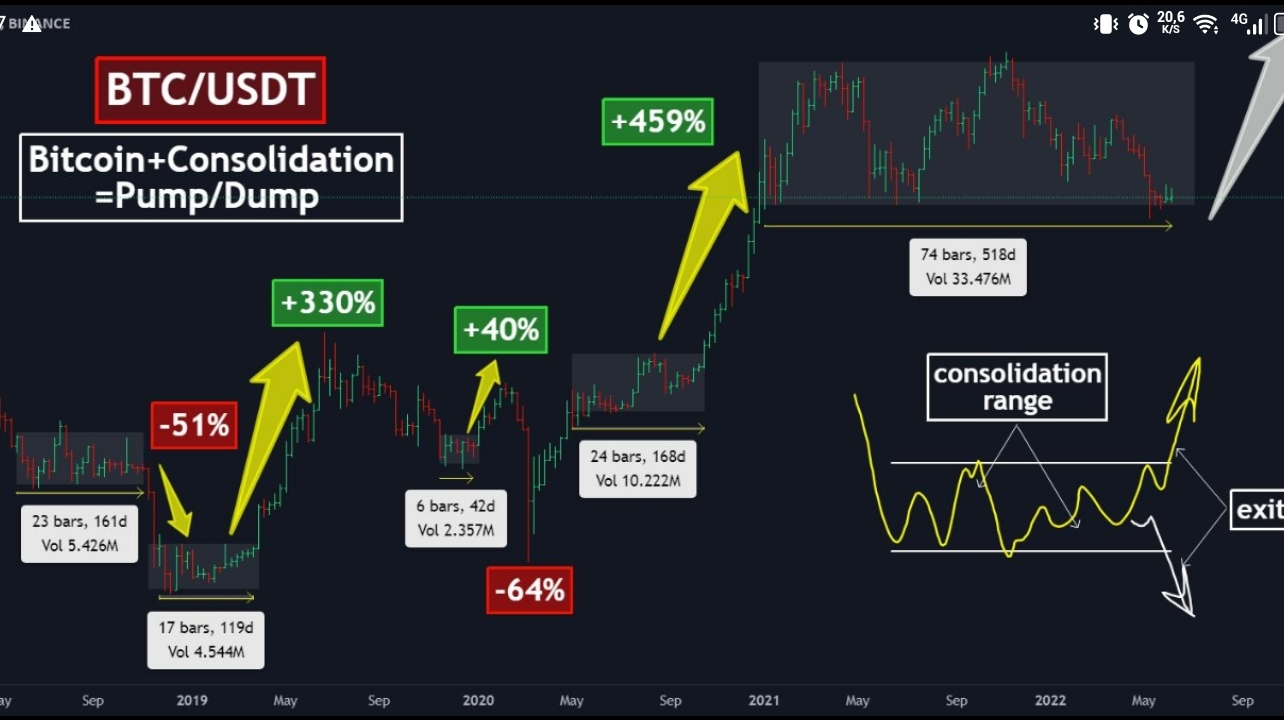
The Future of Crypto Adoption: From Speculation to Real UtilityThe cryptocurrency market has evolved significantly over the past decade. What started as a niche experiment driven by early adopters and technologists has now become a global financial ecosystem attracting institutions, governments, and millions of retail users. However, the real transformation of crypto is only just beginning.
In its early stages, the market was heavily driven by speculation. Price volatility, hype cycles, and short-term trading dominated user behavior. While this phase played a role in attracting attention and liquidity, it also overshadowed the true potential of blockchain technology.
Today, we are witnessing a shift toward real-world utility. Decentralized Finance (DeFi) is enabling users to access financial services without intermediaries. From lending and borrowing to yield generation, these systems are creating a parallel financial infrastructure that operates 24/7, globally, and transparently.
Another key area of growth is tokenization. Real-world assets such as real estate, commodities, and even intellectual property are being digitized and traded on blockchain networks. This has the potential to unlock liquidity in traditionally illiquid markets and democratize investment opportunities.
Moreover, the integration of blockchain into everyday applications is accelerating. Payment systems, gaming ecosystems, and digital identity solutions are increasingly leveraging crypto technologies. As user experience improves and regulatory frameworks become clearer, adoption barriers are gradually being reduced.
However, challenges remain. Scalability, security risks, and regulatory uncertainty continue to impact the pace of adoption. Education also plays a critical role, as many users still lack a clear understanding of how to safely and effectively interact with crypto platforms.
Looking ahead, the future of crypto will depend on its ability to deliver tangible value. Projects that focus on solving real problems, improving efficiency, and enhancing user trust are more likely to succeed in the long term.
In conclusion, the crypto industry is transitioning from a speculative market to a utility-driven ecosystem. This evolution marks a critical phase that will define the next generation of financial innovation. For users, investors, and builders alike, the opportunity lies in identifying and supporting solutions that create sustainable and meaningful impact.
#Btc
$BTC $ETH $BNB
{future}(ETHUSDT)
[BTC/USDT](https://www.binance.com/en/trade/btc_usdt?type=spot)
The Future of Crypto Adoption: From Speculation to Real Utility
The cryptocurrency market has evolved significantly over the past decade. What started as a niche experiment driven by early adopters and technologists has now become a global financial ecosystem attracting institutions, governments, and millions of retail users. However, the real transformation of crypto is only just beginning.
In its early stages, the market was heavily driven by speculation. Price volatility, hype cycles, and short-term trading dominated user behavior. While this phase played a role in attracting attention and liquidity, it also overshadowed the true potential of blockchain technology.
Today, we are witnessing a shift toward real-world utility. Decentralized Finance (DeFi) is enabling users to access financial services without intermediaries. From lending and borrowing to yield generation, these systems are creating a parallel financial infrastructure that operates 24/7, globally, and transparently.
Another key area of growth is tokenization. Real-world assets such as real estate, commodities, and even intellectual property are being digitized and traded on blockchain networks. This has the potential to unlock liquidity in traditionally illiquid markets and democratize investment opportunities.
Moreover, the integration of blockchain into everyday applications is accelerating. Payment systems, gaming ecosystems, and digital identity solutions are increasingly leveraging crypto technologies. As user experience improves and regulatory frameworks become clearer, adoption barriers are gradually being reduced.
However, challenges remain. Scalability, security risks, and regulatory uncertainty continue to impact the pace of adoption. Education also plays a critical role, as many users still lack a clear understanding of how to safely and effectively interact with crypto platforms.
Looking ahead, the future of crypto will depend on its ability to deliver tangible value. Projects that focus on solving real problems, improving efficiency, and enhancing user trust are more likely to succeed in the long term.
In conclusion, the crypto industry is transitioning from a speculative market to a utility-driven ecosystem. This evolution marks a critical phase that will define the next generation of financial innovation. For users, investors, and builders alike, the opportunity lies in identifying and supporting solutions that create sustainable and meaningful impact.
#Btc
$BTC $ETH $BNB
BTC/USDT
In its early stages, the market was heavily driven by speculation. Price volatility, hype cycles, and short-term trading dominated user behavior. While this phase played a role in attracting attention and liquidity, it also overshadowed the true potential of blockchain technology.
Today, we are witnessing a shift toward real-world utility. Decentralized Finance (DeFi) is enabling users to access financial services without intermediaries. From lending and borrowing to yield generation, these systems are creating a parallel financial infrastructure that operates 24/7, globally, and transparently.
Another key area of growth is tokenization. Real-world assets such as real estate, commodities, and even intellectual property are being digitized and traded on blockchain networks. This has the potential to unlock liquidity in traditionally illiquid markets and democratize investment opportunities.
Moreover, the integration of blockchain into everyday applications is accelerating. Payment systems, gaming ecosystems, and digital identity solutions are increasingly leveraging crypto technologies. As user experience improves and regulatory frameworks become clearer, adoption barriers are gradually being reduced.
However, challenges remain. Scalability, security risks, and regulatory uncertainty continue to impact the pace of adoption. Education also plays a critical role, as many users still lack a clear understanding of how to safely and effectively interact with crypto platforms.
Looking ahead, the future of crypto will depend on its ability to deliver tangible value. Projects that focus on solving real problems, improving efficiency, and enhancing user trust are more likely to succeed in the long term.
In conclusion, the crypto industry is transitioning from a speculative market to a utility-driven ecosystem. This evolution marks a critical phase that will define the next generation of financial innovation. For users, investors, and builders alike, the opportunity lies in identifying and supporting solutions that create sustainable and meaningful impact.
#Btc
$BTC $ETH $BNB
BTC/USDT
1
104
·
--
Übersetzung ansehen
#2025withBinance Commencez votre histoire crypto avec la rétrospective annuelle @Binance et partagez vos moments forts ! #2025withBinance.
👉 Inscrivez-vous avec mon lien et obtenez 100 USD de récompenses ! https://www.binance.com/year-in-review/2025-with-binance?ref=44216238
#2025withBinance Commencez votre histoire crypto avec la rétrospective annuelle @Binance et partagez vos moments forts ! #2025withBinance.
👉 Inscrivez-vous avec mon lien et obtenez 100 USD de récompenses ! https://www.binance.com/year-in-review/2025-with-binance?ref=44216238
👉 Inscrivez-vous avec mon lien et obtenez 100 USD de récompenses ! https://www.binance.com/year-in-review/2025-with-binance?ref=44216238
·
--
📉 **Volatilitätsrisiko bei Kryptowährungspreisen — Beispiel Ethereum (ETH)** ⚡
Kryptowährungen wie Ethereum sind hochvolatile Vermögenswerte.
Ihre Preise können sich in kurzen Zeiträumen stark schwanken aufgrund von:
- 🌍 Marktsentiment und globalen Nachrichten
- 🧠 Anlegerpsychologie und Spekulation
- 🏦 Regulierungsentscheidungen und makroökonomischen Ereignissen
📊 Diese Volatilität schafft sowohl **Chancen** als auch **Risiken** — während Händler von schnellen Bewegungen profitieren können, müssen Anleger sich der potenziellen Verluste bewusst bleiben.
Risikomanagement und kontinuierliche Überwachung sind entscheidend im Umgang mit Vermögenswerten wie ETH. 🔐#ETH #btc #BNB_Market_Update
📉 **Volatilitätsrisiko bei Kryptowährungspreisen — Beispiel Ethereum (ETH)** ⚡
Kryptowährungen wie Ethereum sind hochvolatile Vermögenswerte.
Ihre Preise können sich in kurzen Zeiträumen stark schwanken aufgrund von:
- 🌍 Marktsentiment und globalen Nachrichten
- 🧠 Anlegerpsychologie und Spekulation
- 🏦 Regulierungsentscheidungen und makroökonomischen Ereignissen
📊 Diese Volatilität schafft sowohl **Chancen** als auch **Risiken** — während Händler von schnellen Bewegungen profitieren können, müssen Anleger sich der potenziellen Verluste bewusst bleiben.
Risikomanagement und kontinuierliche Überwachung sind entscheidend im Umgang mit Vermögenswerten wie ETH. 🔐#ETH #btc #BNB_Market_Update
Kryptowährungen wie Ethereum sind hochvolatile Vermögenswerte.
Ihre Preise können sich in kurzen Zeiträumen stark schwanken aufgrund von:
- 🌍 Marktsentiment und globalen Nachrichten
- 🧠 Anlegerpsychologie und Spekulation
- 🏦 Regulierungsentscheidungen und makroökonomischen Ereignissen
📊 Diese Volatilität schafft sowohl **Chancen** als auch **Risiken** — während Händler von schnellen Bewegungen profitieren können, müssen Anleger sich der potenziellen Verluste bewusst bleiben.
Risikomanagement und kontinuierliche Überwachung sind entscheidend im Umgang mit Vermögenswerten wie ETH. 🔐#ETH #btc #BNB_Market_Update
1
33
·
--
Übersetzung ansehen
Invite Friends and Share a $430K Prize Pool – Win Up to $10K+ Personally! https://www.binance.com/activity/trading-competition/referral-carnival
Invite Friends and Share a $430K Prize Pool – Win Up to $10K+ Personally! https://www.binance.com/activity/trading-competition/referral-carnival
2
·
--
Übersetzung ansehen
🐉 听说 @holoworldai 用 $HOLO 创造了一个“聪明到让人害怕”的AI 😳
#HoloworldAI 🤖 我试着和它聊天,结果它劝我先喝杯茶☕️冷静一下 😂
看来在元宇宙里,连AI都懂礼仪,知道先请客再谈未来 🧧🍵
希望下次它能教我炒币,不然我只能继续吃泡面 🍜
不过话说回来,这项目真的挺有戏——有点东方智慧的味道 🀄️
📣 关注 @holoworldai,让我们一起笑着迎接AI的新时代!😉
🐉 听说 @holoworldai 用 $HOLO 创造了一个“聪明到让人害怕”的AI 😳
#HoloworldAI 🤖 我试着和它聊天,结果它劝我先喝杯茶☕️冷静一下 😂
看来在元宇宙里,连AI都懂礼仪,知道先请客再谈未来 🧧🍵
希望下次它能教我炒币,不然我只能继续吃泡面 🍜
不过话说回来,这项目真的挺有戏——有点东方智慧的味道 🀄️
📣 关注 @holoworldai,让我们一起笑着迎接AI的新时代!😉
#HoloworldAI 🤖 我试着和它聊天,结果它劝我先喝杯茶☕️冷静一下 😂
看来在元宇宙里,连AI都懂礼仪,知道先请客再谈未来 🧧🍵
希望下次它能教我炒币,不然我只能继续吃泡面 🍜
不过话说回来,这项目真的挺有戏——有点东方智慧的味道 🀄️
📣 关注 @holoworldai,让我们一起笑着迎接AI的新时代!😉

17
·
--
Übersetzung ansehen
$BNB
### 🧭 Part 6: Final Takeaway
BNB breaking its **All-Time High** marks a new chapter in its market cycle.
The key question isn’t *if* it can hold the level — but *how* it will build stability above it.
👉 Long-term investors should monitor volume and ecosystem fundamentals.
👉 Short-term traders should focus on support levels and trend strength.
**BNB’s new ATH isn’t the end — it’s the beginning of a new discovery phase. 🌐🔥**
$BNB
### 🧭 Part 6: Final Takeaway
BNB breaking its **All-Time High** marks a new chapter in its market cycle.
The key question isn’t *if* it can hold the level — but *how* it will build stability above it.
👉 Long-term investors should monitor volume and ecosystem fundamentals.
👉 Short-term traders should focus on support levels and trend strength.
**BNB’s new ATH isn’t the end — it’s the beginning of a new discovery phase. 🌐🔥**
### 🧭 Part 6: Final Takeaway
BNB breaking its **All-Time High** marks a new chapter in its market cycle.
The key question isn’t *if* it can hold the level — but *how* it will build stability above it.
👉 Long-term investors should monitor volume and ecosystem fundamentals.
👉 Short-term traders should focus on support levels and trend strength.
**BNB’s new ATH isn’t the end — it’s the beginning of a new discovery phase. 🌐🔥**
·
--
Übersetzung ansehen
### 🧭 Part 6: Final Takeaway
BNB breaking its **All-Time High** marks a new chapter in its market cycle.
The key question isn’t *if* it can hold the level — but *how* it will build stability above it.
👉 Long-term investors should monitor volume and ecosystem fundamentals.
👉 Short-term traders should focus on support levels and trend strength.
**BNB’s new ATH isn’t the end — it’s the beginning of a new discovery phase. 🌐🔥**$BNB
### 🧭 Part 6: Final Takeaway
BNB breaking its **All-Time High** marks a new chapter in its market cycle.
The key question isn’t *if* it can hold the level — but *how* it will build stability above it.
👉 Long-term investors should monitor volume and ecosystem fundamentals.
👉 Short-term traders should focus on support levels and trend strength.
**BNB’s new ATH isn’t the end — it’s the beginning of a new discovery phase. 🌐🔥**$BNB
BNB breaking its **All-Time High** marks a new chapter in its market cycle.
The key question isn’t *if* it can hold the level — but *how* it will build stability above it.
👉 Long-term investors should monitor volume and ecosystem fundamentals.
👉 Short-term traders should focus on support levels and trend strength.
**BNB’s new ATH isn’t the end — it’s the beginning of a new discovery phase. 🌐🔥**$BNB
1
22
·
--
### ⚠️ Teil 4: Wichtige Risiken zu beachten
1. 📉 **Preis erschöpfung (Überkauft Zone)**
Technische Indikatoren können überkaufte Signale zeigen, die auf eine kurzfristige Korrektur hindeuten.
2. 💵 **Gewinnmitnahmen in der Nähe des ATH**
Einige Investoren könnten auf Rekordniveau verkaufen, was temporären Widerstand erzeugt.
3. 🌍 **Makro- und regulatorische Faktoren**
Globale Vorschriften oder wirtschaftliche Straffungen könnten die Liquidität und Stimmung beeinflussen.
4. 🔄 **Fehlgeschlagener Test der Unterstützung**
Wenn BNB es nicht schafft, über $1,000 zu bleiben, könnte es in den Bereich von $900–$950 fallen, bevor es sich erholt.$BNB
### ⚠️ Teil 4: Wichtige Risiken zu beachten
1. 📉 **Preis erschöpfung (Überkauft Zone)**
Technische Indikatoren können überkaufte Signale zeigen, die auf eine kurzfristige Korrektur hindeuten.
2. 💵 **Gewinnmitnahmen in der Nähe des ATH**
Einige Investoren könnten auf Rekordniveau verkaufen, was temporären Widerstand erzeugt.
3. 🌍 **Makro- und regulatorische Faktoren**
Globale Vorschriften oder wirtschaftliche Straffungen könnten die Liquidität und Stimmung beeinflussen.
4. 🔄 **Fehlgeschlagener Test der Unterstützung**
Wenn BNB es nicht schafft, über $1,000 zu bleiben, könnte es in den Bereich von $900–$950 fallen, bevor es sich erholt.$BNB
1. 📉 **Preis erschöpfung (Überkauft Zone)**
Technische Indikatoren können überkaufte Signale zeigen, die auf eine kurzfristige Korrektur hindeuten.
2. 💵 **Gewinnmitnahmen in der Nähe des ATH**
Einige Investoren könnten auf Rekordniveau verkaufen, was temporären Widerstand erzeugt.
3. 🌍 **Makro- und regulatorische Faktoren**
Globale Vorschriften oder wirtschaftliche Straffungen könnten die Liquidität und Stimmung beeinflussen.
4. 🔄 **Fehlgeschlagener Test der Unterstützung**
Wenn BNB es nicht schafft, über $1,000 zu bleiben, könnte es in den Bereich von $900–$950 fallen, bevor es sich erholt.$BNB
1
11
·
--
Übersetzung ansehen
### 💰 Part 3: Opportunities Ahead
1. 🚀 **Positive Momentum After the Breakout**
Sustained high volume after the ATH breakout could push BNB into uncharted territory with higher price discovery.
2. 🏦 **Institutional Entry**
Reports of fund accumulation and corporate exposure suggest long-term interest, not just short-term speculation.
3. 🔥 **Utility Growth in Binance Ecosystem**
Every burn, staking pool, and transaction made in BNB adds intrinsic value to the asset.$BNB
### 💰 Part 3: Opportunities Ahead
1. 🚀 **Positive Momentum After the Breakout**
Sustained high volume after the ATH breakout could push BNB into uncharted territory with higher price discovery.
2. 🏦 **Institutional Entry**
Reports of fund accumulation and corporate exposure suggest long-term interest, not just short-term speculation.
3. 🔥 **Utility Growth in Binance Ecosystem**
Every burn, staking pool, and transaction made in BNB adds intrinsic value to the asset.$BNB
1. 🚀 **Positive Momentum After the Breakout**
Sustained high volume after the ATH breakout could push BNB into uncharted territory with higher price discovery.
2. 🏦 **Institutional Entry**
Reports of fund accumulation and corporate exposure suggest long-term interest, not just short-term speculation.
3. 🔥 **Utility Growth in Binance Ecosystem**
Every burn, staking pool, and transaction made in BNB adds intrinsic value to the asset.$BNB
1
14
·
--
Übersetzung ansehen
### 📊 Part 2: Current Market Context
Recent data shows **BNB has surged above $1,000**, reaching a new historical high.
According to market analysts, this breakout was fueled by **institutional demand**, **network activity**, and **high trading volumes**.
- 🔸 Key resistance: $1,100 and above
- 🔹 Major support: $900–$950 range
- 📈 Strong inflows from Binance ecosystem usage (fees, burns, staking)$BNB
### 📊 Part 2: Current Market Context
Recent data shows **BNB has surged above $1,000**, reaching a new historical high.
According to market analysts, this breakout was fueled by **institutional demand**, **network activity**, and **high trading volumes**.
- 🔸 Key resistance: $1,100 and above
- 🔹 Major support: $900–$950 range
- 📈 Strong inflows from Binance ecosystem usage (fees, burns, staking)$BNB
Recent data shows **BNB has surged above $1,000**, reaching a new historical high.
According to market analysts, this breakout was fueled by **institutional demand**, **network activity**, and **high trading volumes**.
- 🔸 Key resistance: $1,100 and above
- 🔹 Major support: $900–$950 range
- 📈 Strong inflows from Binance ecosystem usage (fees, burns, staking)$BNB
1
8
·
--
Übersetzung ansehen
### 🟢 Part 1: What Does “BNB Break ATH” Mean?
When we say **BNB has broken its ATH (All-Time High)**, it means the token has surpassed its previous historical peak — a key technical and psychological resistance.
💡 This signals strong buying pressure, market confidence, and a potential shift from accumulation to price discovery.
However, a break of ATH doesn’t guarantee continuous growth — it opens multiple scenarios depending on **volume, momentum, and market context**.$BNB
### 🟢 Part 1: What Does “BNB Break ATH” Mean?
When we say **BNB has broken its ATH (All-Time High)**, it means the token has surpassed its previous historical peak — a key technical and psychological resistance.
💡 This signals strong buying pressure, market confidence, and a potential shift from accumulation to price discovery.
However, a break of ATH doesn’t guarantee continuous growth — it opens multiple scenarios depending on **volume, momentum, and market context**.$BNB
When we say **BNB has broken its ATH (All-Time High)**, it means the token has surpassed its previous historical peak — a key technical and psychological resistance.
💡 This signals strong buying pressure, market confidence, and a potential shift from accumulation to price discovery.
However, a break of ATH doesn’t guarantee continuous growth — it opens multiple scenarios depending on **volume, momentum, and market context**.$BNB
1
23
·
--
# 🧭 5. Fazit
Zcash (ZEC) ist weiterhin Vorreiter in der Blockchain-Datenschutztechnologie. 🔐
Die Kombination aus fortschrittlicher Kryptographie, Dezentralisierung und kontinuierlicher Forschung hebt es in einer wettbewerbsintensiven Landschaft hervor. 🌍
Die nächsten zwei Jahre werden entscheidend sein — das **NU7-Upgrade** und der **Übergang des Dev Fund** im Jahr 2025 werden die Evolution von Zcash prägen.
Wenn es erfolgreich umgesetzt wird, könnte ZEC zu einer **universellen Datenschicht** im Bereich DeFi und Web3 werden. ✨
*Geschrieben im Jahr 2025 — Zusammenfassung des aktuellen Marktes und der technologischen Perspektiven von Zcash.*$ZEC
# 🧭 5. Fazit
Zcash (ZEC) ist weiterhin Vorreiter in der Blockchain-Datenschutztechnologie. 🔐
Die Kombination aus fortschrittlicher Kryptographie, Dezentralisierung und kontinuierlicher Forschung hebt es in einer wettbewerbsintensiven Landschaft hervor. 🌍
Die nächsten zwei Jahre werden entscheidend sein — das **NU7-Upgrade** und der **Übergang des Dev Fund** im Jahr 2025 werden die Evolution von Zcash prägen.
Wenn es erfolgreich umgesetzt wird, könnte ZEC zu einer **universellen Datenschicht** im Bereich DeFi und Web3 werden. ✨
*Geschrieben im Jahr 2025 — Zusammenfassung des aktuellen Marktes und der technologischen Perspektiven von Zcash.*$ZEC
Zcash (ZEC) ist weiterhin Vorreiter in der Blockchain-Datenschutztechnologie. 🔐
Die Kombination aus fortschrittlicher Kryptographie, Dezentralisierung und kontinuierlicher Forschung hebt es in einer wettbewerbsintensiven Landschaft hervor. 🌍
Die nächsten zwei Jahre werden entscheidend sein — das **NU7-Upgrade** und der **Übergang des Dev Fund** im Jahr 2025 werden die Evolution von Zcash prägen.
Wenn es erfolgreich umgesetzt wird, könnte ZEC zu einer **universellen Datenschicht** im Bereich DeFi und Web3 werden. ✨
*Geschrieben im Jahr 2025 — Zusammenfassung des aktuellen Marktes und der technologischen Perspektiven von Zcash.*$ZEC
1
426
·
--
Übersetzung ansehen
# 🔮 4. Future Outlook and Roadmap
## ⏳ Short to Mid-Term (2025–2027)
- 🚀 Launch of **NU7** and new governance model.
- 💸 Wider shielded transaction usage through improved UX.
- 🌉 Deployment of **Zcash Shielded Assets (ZSA)**.
- 🔗 Expansion of cross-chain bridges to Ethereum and Avalanche.
## 🌌 Long-Term (Beyond 2027)
- 🔁 Transition to **hybrid PoW/PoS consensus**.
- ⚙️ Improved scalability with next-gen ZK systems (Halo 2+).
- 🗳️ Stronger community-driven governance.
- 💼 Integration into **DeFi & Web3 privacy layers**.$ZEC
# 🔮 4. Future Outlook and Roadmap
## ⏳ Short to Mid-Term (2025–2027)
- 🚀 Launch of **NU7** and new governance model.
- 💸 Wider shielded transaction usage through improved UX.
- 🌉 Deployment of **Zcash Shielded Assets (ZSA)**.
- 🔗 Expansion of cross-chain bridges to Ethereum and Avalanche.
## 🌌 Long-Term (Beyond 2027)
- 🔁 Transition to **hybrid PoW/PoS consensus**.
- ⚙️ Improved scalability with next-gen ZK systems (Halo 2+).
- 🗳️ Stronger community-driven governance.
- 💼 Integration into **DeFi & Web3 privacy layers**.$ZEC
## ⏳ Short to Mid-Term (2025–2027)
- 🚀 Launch of **NU7** and new governance model.
- 💸 Wider shielded transaction usage through improved UX.
- 🌉 Deployment of **Zcash Shielded Assets (ZSA)**.
- 🔗 Expansion of cross-chain bridges to Ethereum and Avalanche.
## 🌌 Long-Term (Beyond 2027)
- 🔁 Transition to **hybrid PoW/PoS consensus**.
- ⚙️ Improved scalability with next-gen ZK systems (Halo 2+).
- 🗳️ Stronger community-driven governance.
- 💼 Integration into **DeFi & Web3 privacy layers**.$ZEC
·
--
Übersetzung ansehen
# 🔮 4. Future Outlook and Roadmap
## ⏳ Short to Mid-Term (2025–2027)
- 🚀 Launch of **NU7** and new governance model.
- 💸 Wider shielded transaction usage through improved UX.
- 🌉 Deployment of **Zcash Shielded Assets (ZSA)**.
- 🔗 Expansion of cross-chain bridges to Ethereum and Avalanche.
## 🌌 Long-Term (Beyond 2027)
- 🔁 Transition to **hybrid PoW/PoS consensus**.
- ⚙️ Improved scalability with next-gen ZK systems (Halo 2+).
- 🗳️ Stronger community-driven governance.
- 💼 Integration into **DeFi & Web3 privacy layers**.$ZEC
# 🔮 4. Future Outlook and Roadmap
## ⏳ Short to Mid-Term (2025–2027)
- 🚀 Launch of **NU7** and new governance model.
- 💸 Wider shielded transaction usage through improved UX.
- 🌉 Deployment of **Zcash Shielded Assets (ZSA)**.
- 🔗 Expansion of cross-chain bridges to Ethereum and Avalanche.
## 🌌 Long-Term (Beyond 2027)
- 🔁 Transition to **hybrid PoW/PoS consensus**.
- ⚙️ Improved scalability with next-gen ZK systems (Halo 2+).
- 🗳️ Stronger community-driven governance.
- 💼 Integration into **DeFi & Web3 privacy layers**.$ZEC
## ⏳ Short to Mid-Term (2025–2027)
- 🚀 Launch of **NU7** and new governance model.
- 💸 Wider shielded transaction usage through improved UX.
- 🌉 Deployment of **Zcash Shielded Assets (ZSA)**.
- 🔗 Expansion of cross-chain bridges to Ethereum and Avalanche.
## 🌌 Long-Term (Beyond 2027)
- 🔁 Transition to **hybrid PoW/PoS consensus**.
- ⚙️ Improved scalability with next-gen ZK systems (Halo 2+).
- 🗳️ Stronger community-driven governance.
- 💼 Integration into **DeFi & Web3 privacy layers**.$ZEC
1
111
·
--
Übersetzung ansehen
# ⚠️ 3. Key Challenges
1. 🕵️ Low adoption of shielded transactions reduces privacy strength.
2. ⚔️ Strong competition from Monero (XMR) and zk-based blockchains.
3. ⚖️ Regulatory pressure on privacy-oriented assets.
4. 🧩 Governance uncertainty after 2025’s Dev Fund expiration.
5. 🚧 Scalability and computational limits of zk-proofs.
Despite these issues, Zcash remains a leading project for those who believe **privacy is a financial right**. 🕊️$ZEC
# ⚠️ 3. Key Challenges
1. 🕵️ Low adoption of shielded transactions reduces privacy strength.
2. ⚔️ Strong competition from Monero (XMR) and zk-based blockchains.
3. ⚖️ Regulatory pressure on privacy-oriented assets.
4. 🧩 Governance uncertainty after 2025’s Dev Fund expiration.
5. 🚧 Scalability and computational limits of zk-proofs.
Despite these issues, Zcash remains a leading project for those who believe **privacy is a financial right**. 🕊️$ZEC
1. 🕵️ Low adoption of shielded transactions reduces privacy strength.
2. ⚔️ Strong competition from Monero (XMR) and zk-based blockchains.
3. ⚖️ Regulatory pressure on privacy-oriented assets.
4. 🧩 Governance uncertainty after 2025’s Dev Fund expiration.
5. 🚧 Scalability and computational limits of zk-proofs.
Despite these issues, Zcash remains a leading project for those who believe **privacy is a financial right**. 🕊️$ZEC
1
134
·
--
Übersetzung ansehen
# 📊 2. Current Market Overview (2025)
As of 2025, **ZEC trades near $145**. Despite short-term volatility, it remains one of the top privacy coins on exchanges like Binance and Coinbase. 💹
## 🧩 Adoption & Ecosystem
- 🔸 Only a small portion of transactions use full privacy.
- 📱 The **Zashi wallet** simplifies private transfers for mobile users.
- 🌉 Work continues on **bridges** to Ethereum and Avalanche.
- 🏛️ The community is preparing a **new development fund** after November 2025.
## ⚙️ Technical Progress
- 🔧 **NU7 upgrade** scheduled for 2025–2026 with key governance updates.
- 🧩 **Legacy cleanup:** Replacing the old `zcashd` client with modular nodes.
- 🔬 **Research projects:** FROST signatures, Shielded Assets (ZSA), hybrid PoW/PoS models.
# 📊 2. Current Market Overview (2025)
As of 2025, **ZEC trades near $145**. Despite short-term volatility, it remains one of the top privacy coins on exchanges like Binance and Coinbase. 💹
## 🧩 Adoption & Ecosystem
- 🔸 Only a small portion of transactions use full privacy.
- 📱 The **Zashi wallet** simplifies private transfers for mobile users.
- 🌉 Work continues on **bridges** to Ethereum and Avalanche.
- 🏛️ The community is preparing a **new development fund** after November 2025.
## ⚙️ Technical Progress
- 🔧 **NU7 upgrade** scheduled for 2025–2026 with key governance updates.
- 🧩 **Legacy cleanup:** Replacing the old `zcashd` client with modular nodes.
- 🔬 **Research projects:** FROST signatures, Shielded Assets (ZSA), hybrid PoW/PoS models.
As of 2025, **ZEC trades near $145**. Despite short-term volatility, it remains one of the top privacy coins on exchanges like Binance and Coinbase. 💹
## 🧩 Adoption & Ecosystem
- 🔸 Only a small portion of transactions use full privacy.
- 📱 The **Zashi wallet** simplifies private transfers for mobile users.
- 🌉 Work continues on **bridges** to Ethereum and Avalanche.
- 🏛️ The community is preparing a **new development fund** after November 2025.
## ⚙️ Technical Progress
- 🔧 **NU7 upgrade** scheduled for 2025–2026 with key governance updates.
- 🧩 **Legacy cleanup:** Replacing the old `zcashd` client with modular nodes.
- 🔬 **Research projects:** FROST signatures, Shielded Assets (ZSA), hybrid PoW/PoS models.
1
171
Anmelden und weiter Inhalte entdecken
Krypto-Nutzer weltweit auf Binance Square kennenlernen
⚡️ Bleib in Sachen Krypto stets am Puls.
💬 Die weltgrößte Kryptobörse vertraut darauf.
👍 Erhalte verlässliche Einblicke von verifizierten Creators.
E-Mail-Adresse/Telefonnummer
Trendthemen
FedRateWatch
1.3M Aufrufe
6,396 Kommentare
Teile & gewinne Traffic-Belohnungen in unserer Kampagne mit angesagtem Hashtag
✨Thema: FOMC September, Was ist der nächste Schritt der Fed?
👉So nimmst du teil:
Veröffentliche einen kurzen Beitrag oder Artikel mit dem Hashtag #FedRateWatch
Erstelle Inhalte basierend auf den folgenden Blickwinkeln:
- Der August-Core-CPI stieg um 0,3% im Monatsvergleich, und die Wahrscheinlichkeit für eine 25bp-Erhöhung diese Woche liegt nun bei fast 90%. Erwartest du diese Woche eine Zinserhöhung? Handelt es sich um einen einmaligen Schritt oder den Beginn eines längeren Zinserhöhungszyklus?
- Wenn die Erhöhung erfolgt: Wie entwickelt sich das für BTC, Tech-Aktien und Gold? Aufwärts- oder abwärtsgerichtet?
- Wie planst du als Nächstes zu handeln? Teile deinen BTC-, Aktien- oder Gold-Trade/Bestände mit unserem Trade-Sharing-Widget.
⏰Kampagnenzeitraum:
- 2026-09-15 11:00 - 2026-09-17 3:00 UTC
🎁Belohnung:
- Qualifizierte Beiträge, die die oben genannten Richtlinien erfüllen und mehr als 100 Wörter enthalten, werden überprüft und erhalten möglicherweise einen zufälligen Traffic-Boost von 500 bis 3.000 Aufrufen. Du erhältst eine Benachrichtigung von deiner Feed-Secretary, wenn dein Beitrag ausgewählt wird.
- Erhalte die Chance, dass dein Artikel auf Binance Square Official vorgestellt wird
Du brauchst Ideen für deinen Beitrag? Besuche die Themenseite #FedRateWatch oder die Square Guide on How to Post for Better Reach.
Binance Square Official
·633 Likes
·1.6M Aufrufe
ZcashRises6%
32,277 Aufrufe
512 Kommentare
XRPSinks10%
21,118 Aufrufe
336 Kommentare