
Ammar1112_
6k Beiträge

Ammar1112_
 Square Verified
Melden
Nutzer blockieren
Everything in your life is rewards from God. Love to people, what are you praying for. Then rewards of god gonna come to you, Just be pure
1.1K+ Following
30.4K+ Follower
39.9K+ Like gegeben
Beiträge
Alle
Zitierungen
Live
·
--
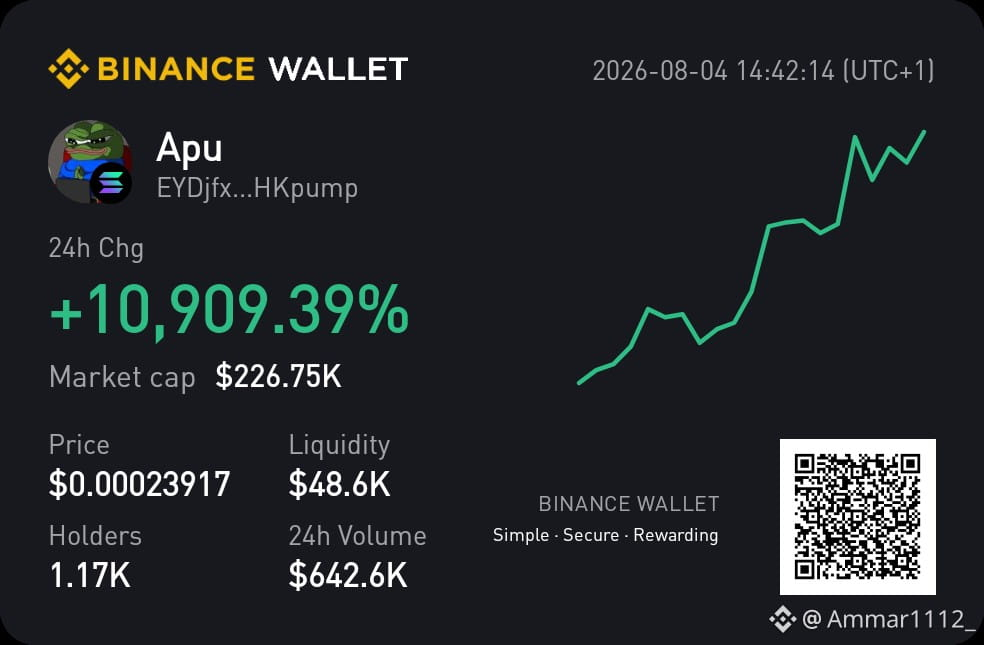
Dies ist die 1. Plattform, die du nur wie ein Wallet nutzen solltest oder für P2P... aber in Wahrheit gibt es eine Unterscheidung zwischen Nutzern und Regionen sowie Betrügern... Pass auf, sei sicher!💢
.
.
.@Binance_Angels
@Binance_Italy @BinanceAfrica @Binance_Square_Official
@Binance_Labs
@Binance_French
@BinanceCN @BinanceSquareCN
@binancezh
@Square-Creator-e8d6af9e7ea3c
@CZ
@heyi
@richardteng
..
$BNB
.
Dies ist die 1. Plattform, die du nur wie ein Wallet nutzen solltest oder für P2P... aber in Wahrheit gibt es eine Unterscheidung zwischen Nutzern und Regionen sowie Betrügern... Pass auf, sei sicher!💢
.
.
.@Binance Angels
@Binance Italy @Binance Africa @Binance Square Official
@Binance Labs
@Binance French
@币安中文社区 @币安广场
@币安Binance华语
@幣安Binance繁中
@CZ
@Yi He
@Richard Teng
..
$BNB
.
.
.
.@Binance Angels
@Binance Italy @Binance Africa @Binance Square Official
@Binance Labs
@Binance French
@币安中文社区 @币安广场
@币安Binance华语
@幣安Binance繁中
@CZ
@Yi He
@Richard Teng
..
$BNB
.
2
52
·
--
wenn du nur diese Müll-User hinterherläufst, die wirklich nur Zocker/Spieler mit & KI sind und den Markt nicht lesen können, während da klare Dynamik ist, komm 😆...
$AKE
{future}(AKEUSDT)
wenn du nur diese Müll-User hinterherläufst, die wirklich nur Zocker/Spieler mit & KI sind und den Markt nicht lesen können, während da klare Dynamik ist, komm 😆...
$AKE
$AKE
Ammar1112_
·
--
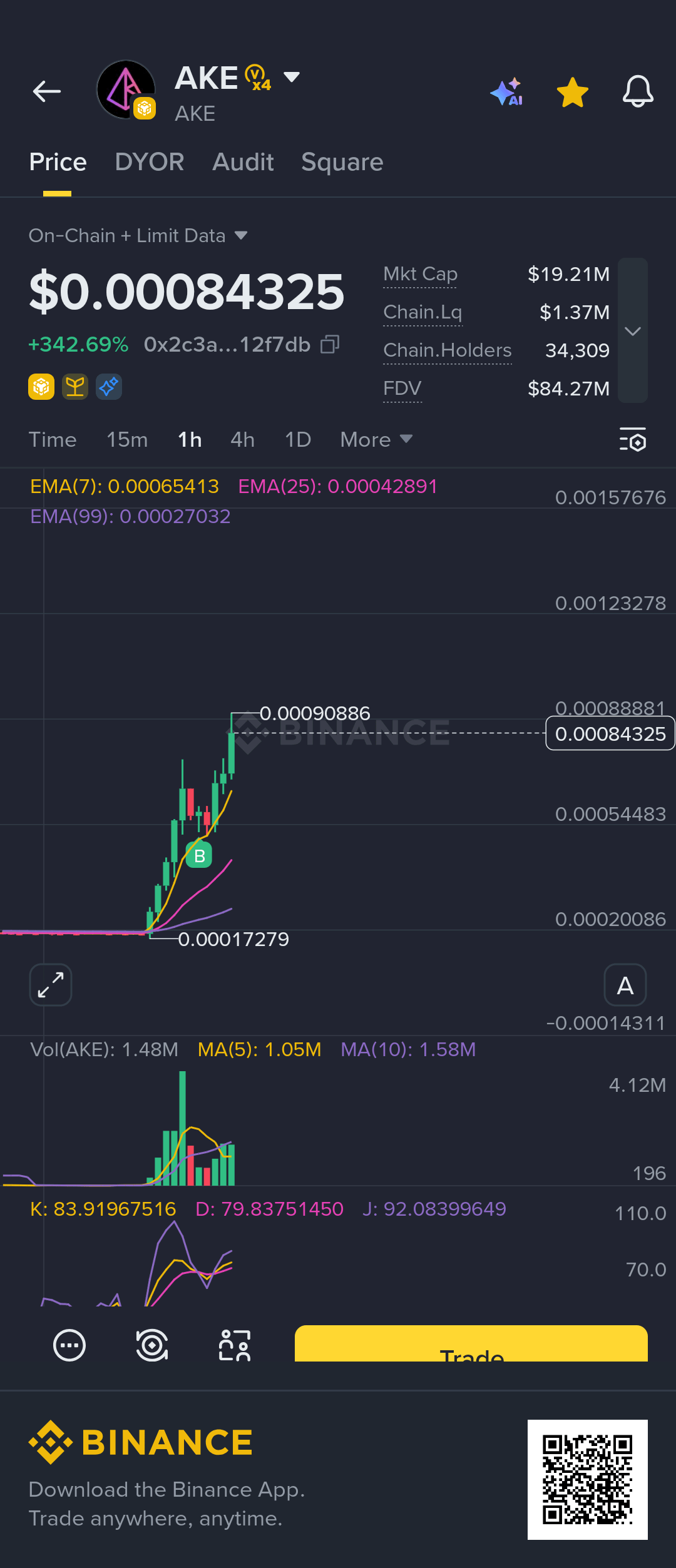
Wenn du’s länger machen willst, trade es auf Alpha – ich denke, die Zeit für den ATH ist im Anmarsch, mach dich bereit 💥
$AKE
$AKE
2
205
·
--
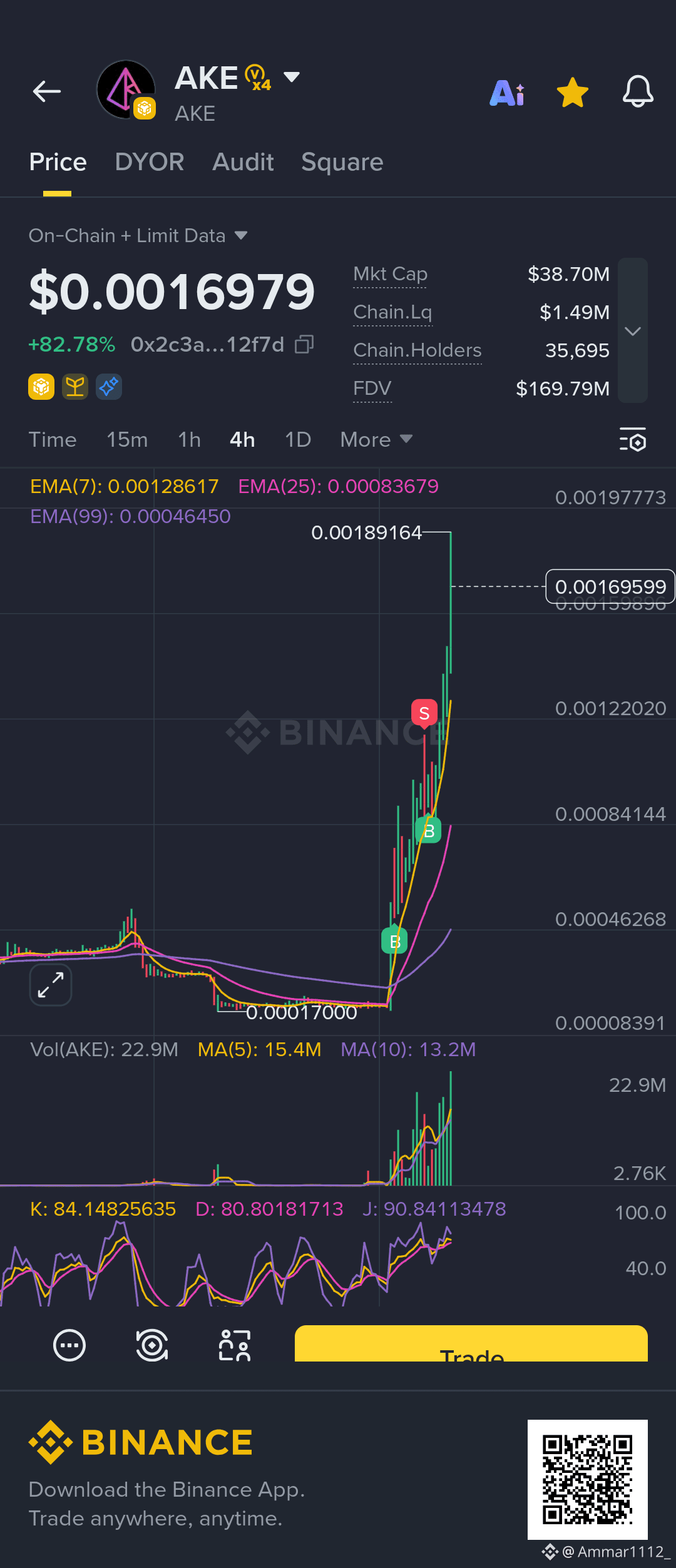
Ich sagte, ich sollte es lange behalten, seit 0,0005, aber wer hat zugehört 😂😂 Du bist widerlichen Signalen gefolgt für kurz 😂😂 Das ist, was du bekommst $AKE
{future}(AKEUSDT)
Ich sagte, ich sollte es lange behalten, seit 0,0005, aber wer hat zugehört 😂😂 Du bist widerlichen Signalen gefolgt für kurz 😂😂 Das ist, was du bekommst $AKE
2
97
·
--
{future}(AKEUSDT) sie zeigen nur so ein paar kurze sh/it-ideen oder gar keine echte analyse über tokens, die ich für em gehört denke, mit sicherheit bricht es .003 🔥😂 wie du es shortest
$AKE
sie zeigen nur so ein paar kurze sh/it-ideen oder gar keine echte analyse über tokens, die ich für em gehört denke, mit sicherheit bricht es .003 🔥😂 wie du es shortest
$AKE
$AKE
Ammar1112_
·
--
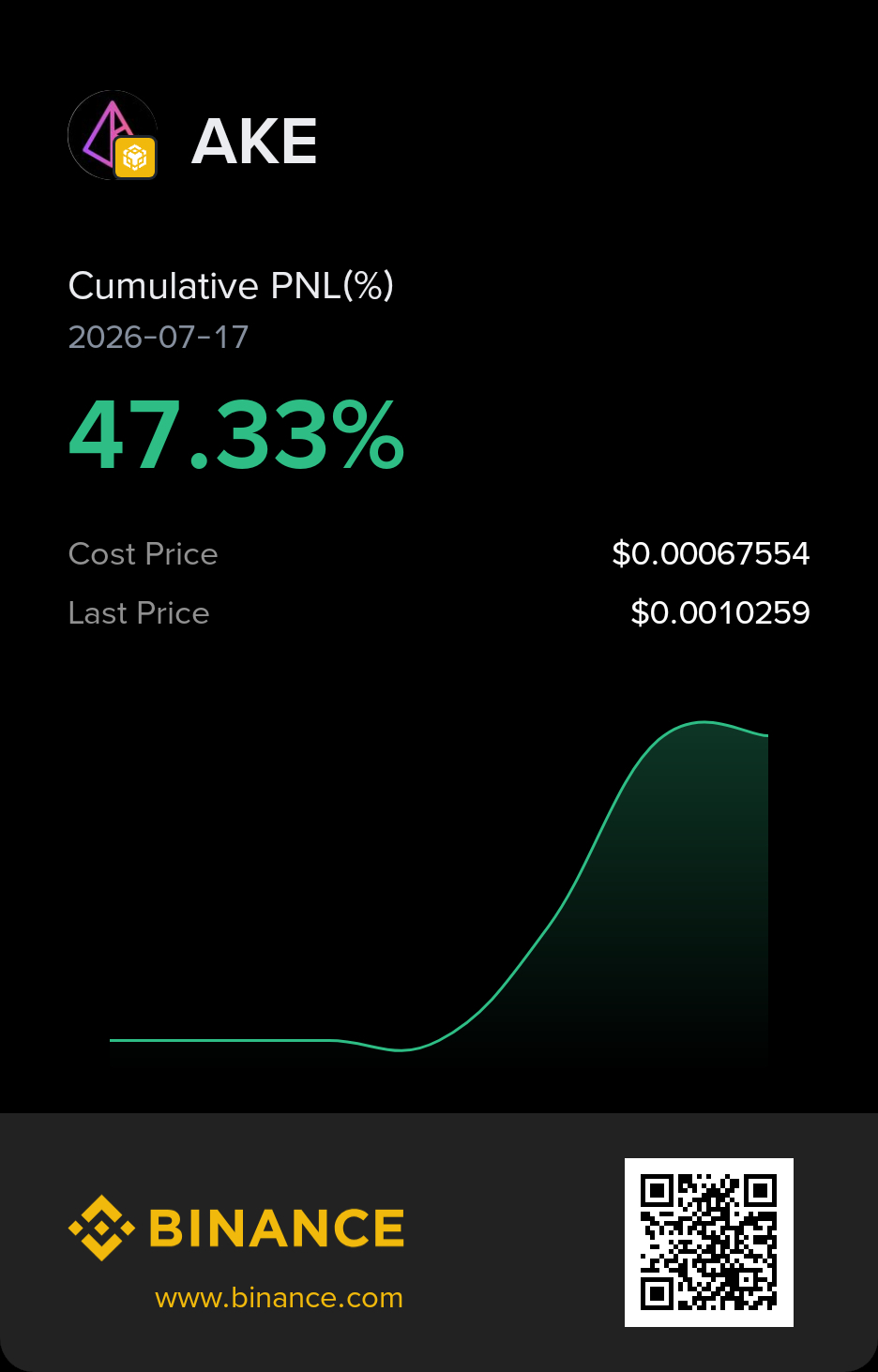
Ich hab dir schon vorher gesagt, dass es zu lange dauert! Oder kauf und halte es viele Tage ... 👌🔥$AKE bis 0,01 oder mehr?
2
162
·
--
Ich hab dir schon vorher gesagt, dass es zu lange dauert! Oder kauf und halte es viele Tage ... 👌🔥$AKE bis 0,01 oder mehr?
{future}(AKEUSDT)
Ich hab dir schon vorher gesagt, dass es zu lange dauert! Oder kauf und halte es viele Tage ... 👌🔥$AKE bis 0,01 oder mehr?
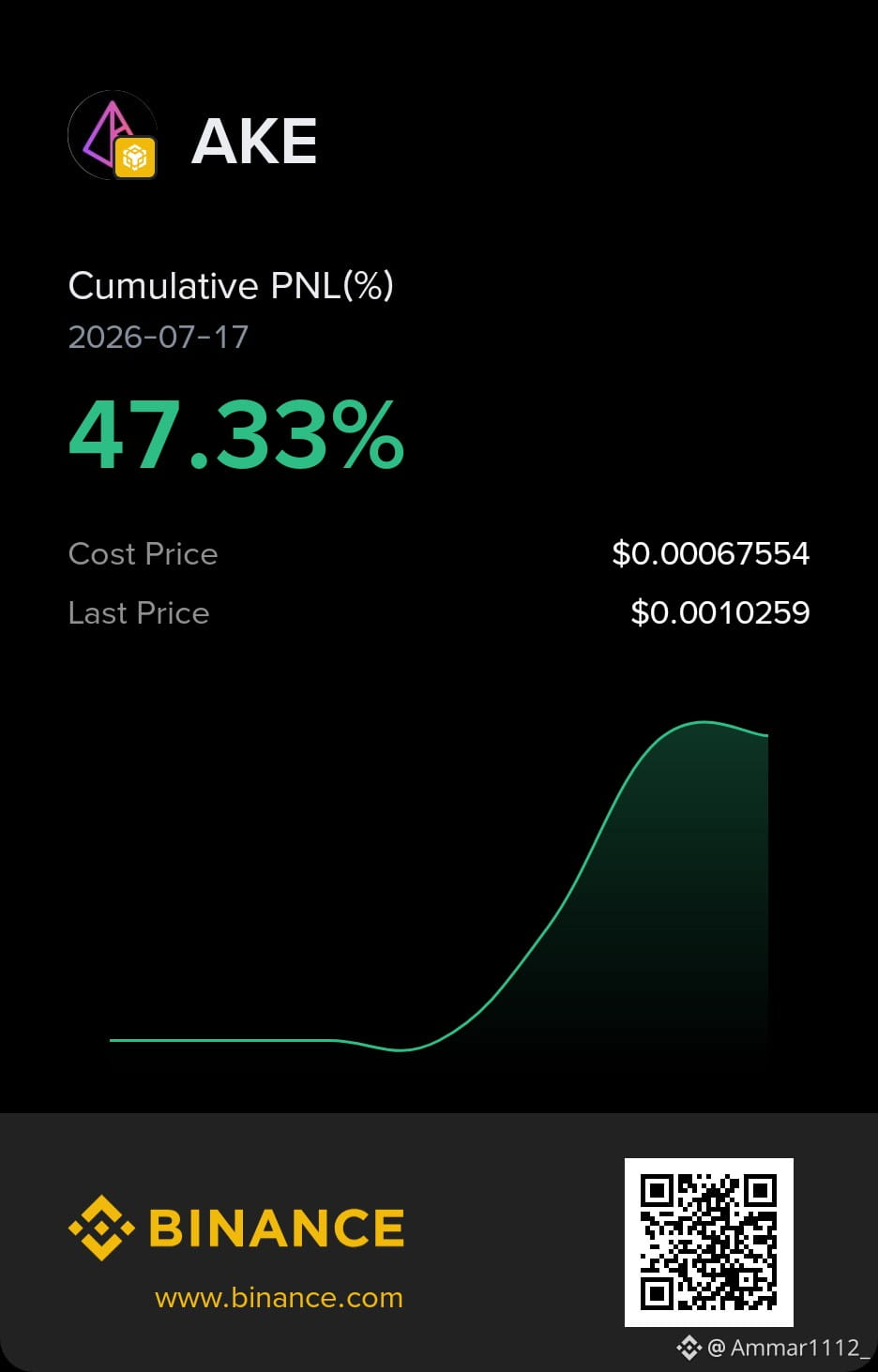
Ammar1112_
·
--
Wenn du’s länger machen willst, trade es auf Alpha – ich denke, die Zeit für den ATH ist im Anmarsch, mach dich bereit 💥
$AKE
$AKE
1
2
151
·
--
Wenn du’s länger machen willst, trade es auf Alpha – ich denke, die Zeit für den ATH ist im Anmarsch, mach dich bereit 💥
$AKE
{future}(AKEUSDT)
Wenn du’s länger machen willst, trade es auf Alpha – ich denke, die Zeit für den ATH ist im Anmarsch, mach dich bereit 💥
$AKE
$AKE
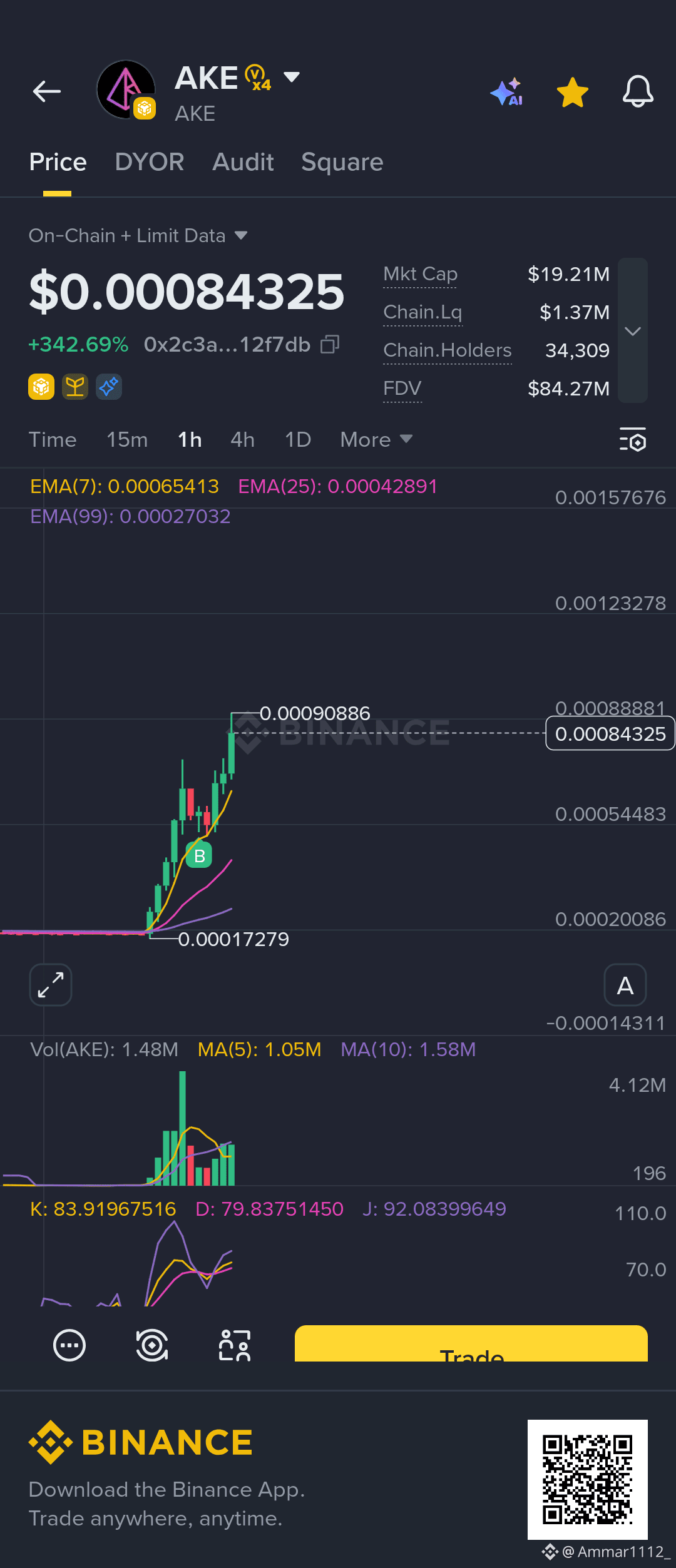
2
2
101
·
--
Teilweise korrekt
Artikel
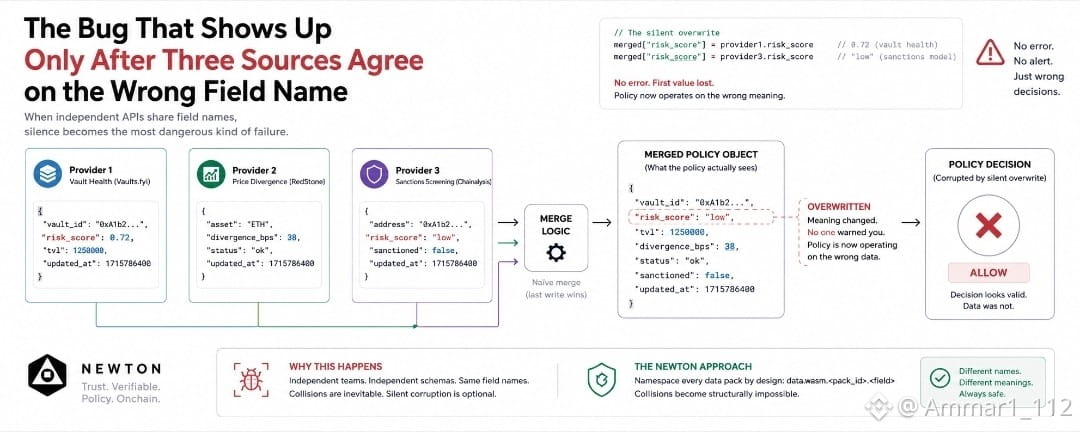
Der Fehler, der erst dann sichtbar wird, wenn drei Datenquellen über den falschen Feldnamen übereinstimmenIch hatte drei Pakete in Newtons Richtlinieneditor geöffnet, vaults.fyi, RedStone und Chainalysis, um zu prüfen, ob eine Tresoraktion ausgeführt werden darf.
Vaults.fyi gab einen risk_score von 0,72 zurück. RedStone gab eine divergence_bps von 38 zurück. Chainalysis gab seinen eigenen risk_score, „low“, plus ein genehmigtes Flag zurück, das auf false gesetzt war.
Zwei dieser drei Antworten verwenden exakt denselben Feldnamen, risk_score, für zwei völlig unterschiedliche Dinge. Das eine ist eine numerische Bewertung der Tresorgesundheit. Das andere ist eine kategorische Bezeichnung für Sanktionen. In keinem der JSONs wird Sie im Voraus gewarnt, weil weder das eine noch das andere Team sein Schema so entwickelt hat, dass es das jeweils andere kannte.
Der Fehler, der erst dann sichtbar wird, wenn drei Datenquellen über den falschen Feldnamen übereinstimmen
Ich hatte drei Pakete in Newtons Richtlinieneditor geöffnet, vaults.fyi, RedStone und Chainalysis, um zu prüfen, ob eine Tresoraktion ausgeführt werden darf.
Vaults.fyi gab einen risk_score von 0,72 zurück. RedStone gab eine divergence_bps von 38 zurück. Chainalysis gab seinen eigenen risk_score, „low“, plus ein genehmigtes Flag zurück, das auf false gesetzt war.
Zwei dieser drei Antworten verwenden exakt denselben Feldnamen, risk_score, für zwei völlig unterschiedliche Dinge. Das eine ist eine numerische Bewertung der Tresorgesundheit. Das andere ist eine kategorische Bezeichnung für Sanktionen. In keinem der JSONs wird Sie im Voraus gewarnt, weil weder das eine noch das andere Team sein Schema so entwickelt hat, dass es das jeweils andere kannte.
Vaults.fyi gab einen risk_score von 0,72 zurück. RedStone gab eine divergence_bps von 38 zurück. Chainalysis gab seinen eigenen risk_score, „low“, plus ein genehmigtes Flag zurück, das auf false gesetzt war.
Zwei dieser drei Antworten verwenden exakt denselben Feldnamen, risk_score, für zwei völlig unterschiedliche Dinge. Das eine ist eine numerische Bewertung der Tresorgesundheit. Das andere ist eine kategorische Bezeichnung für Sanktionen. In keinem der JSONs wird Sie im Voraus gewarnt, weil weder das eine noch das andere Team sein Schema so entwickelt hat, dass es das jeweils andere kannte.
1
2
130
·
--
Artikel
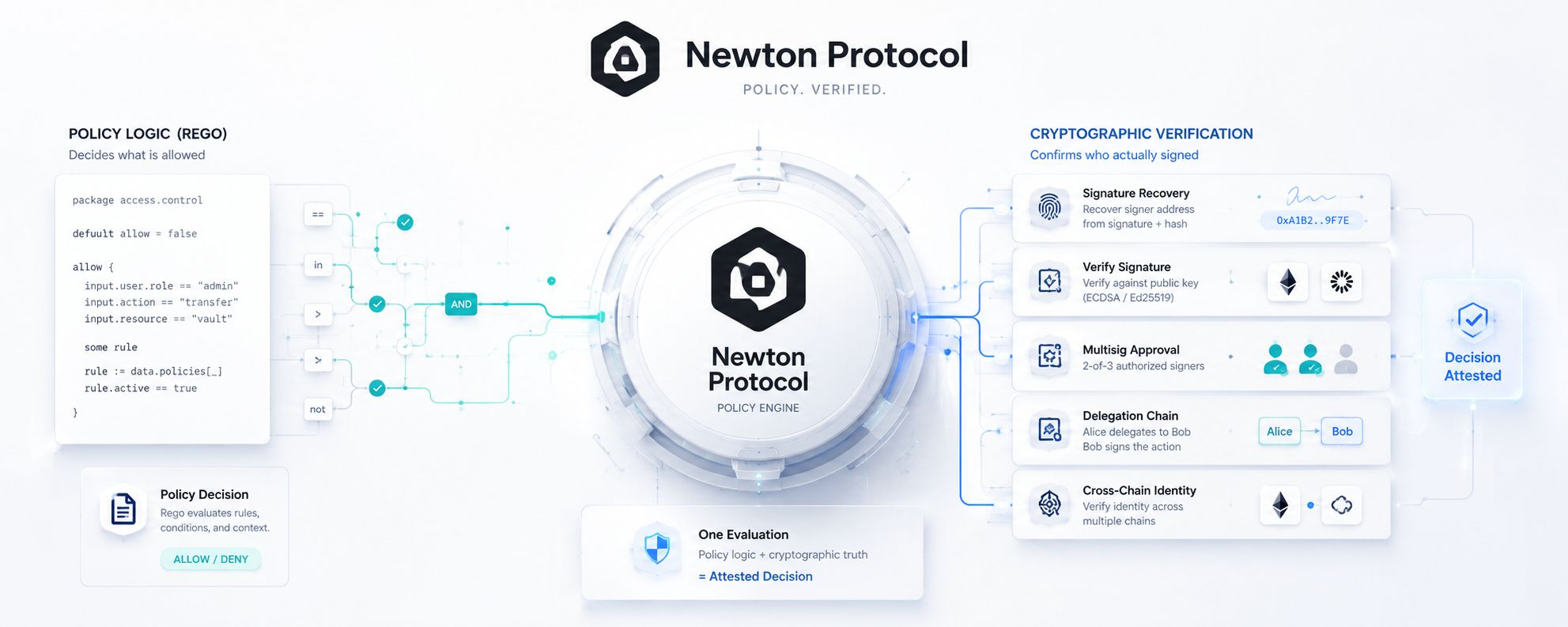
Die eine Frage, die Rego nicht allein beantworten konnteSeit 2016 ist Open Policy Agent die Sprache, mit der Unternehmen Zugriffsregeln schreiben. Kubernetes Admission Control, API-Gateways, CI/CD-Pipelines, Cloud-Infrastruktur überall. Zehn Jahre Regeln schreiben, die entscheiden, wer was tun darf.
In all der Zeit konnte Rego nie eine einzige konkrete Frage ganz für sich beantworten.
Wer hat das eigentlich unterschrieben?
Das klingt nach etwas, das eine Policiesprache doch offensichtlich handhaben können müsste. Kann sie nicht, nicht nativ. Rego vergleicht Werte, prüft die Zugehörigkeit zu Listen, kombiniert Bedingungen mit boolescher Logik. Eine Adresse aus einer Signatur zurückzugewinnen oder zu bestätigen, dass eine Signatur zu einem bestimmten öffentlichen Schlüssel passt, erfordert kryptografische Mathematik, für die die Sprache nie gebaut wurde. Jedes Team, das diese Prüfung brauchte, musste sie irgendwo anders aufbauen—außerhalb der Policy—und dann Rego ein Ja oder Nein geben, das es nicht aus eigener Kraft verifizieren konnte.
Die eine Frage, die Rego nicht allein beantworten konnte
Seit 2016 ist Open Policy Agent die Sprache, mit der Unternehmen Zugriffsregeln schreiben. Kubernetes Admission Control, API-Gateways, CI/CD-Pipelines, Cloud-Infrastruktur überall. Zehn Jahre Regeln schreiben, die entscheiden, wer was tun darf.
In all der Zeit konnte Rego nie eine einzige konkrete Frage ganz für sich beantworten.
Wer hat das eigentlich unterschrieben?
Das klingt nach etwas, das eine Policiesprache doch offensichtlich handhaben können müsste. Kann sie nicht, nicht nativ. Rego vergleicht Werte, prüft die Zugehörigkeit zu Listen, kombiniert Bedingungen mit boolescher Logik. Eine Adresse aus einer Signatur zurückzugewinnen oder zu bestätigen, dass eine Signatur zu einem bestimmten öffentlichen Schlüssel passt, erfordert kryptografische Mathematik, für die die Sprache nie gebaut wurde. Jedes Team, das diese Prüfung brauchte, musste sie irgendwo anders aufbauen—außerhalb der Policy—und dann Rego ein Ja oder Nein geben, das es nicht aus eigener Kraft verifizieren konnte.
In all der Zeit konnte Rego nie eine einzige konkrete Frage ganz für sich beantworten.
Wer hat das eigentlich unterschrieben?
Das klingt nach etwas, das eine Policiesprache doch offensichtlich handhaben können müsste. Kann sie nicht, nicht nativ. Rego vergleicht Werte, prüft die Zugehörigkeit zu Listen, kombiniert Bedingungen mit boolescher Logik. Eine Adresse aus einer Signatur zurückzugewinnen oder zu bestätigen, dass eine Signatur zu einem bestimmten öffentlichen Schlüssel passt, erfordert kryptografische Mathematik, für die die Sprache nie gebaut wurde. Jedes Team, das diese Prüfung brauchte, musste sie irgendwo anders aufbauen—außerhalb der Policy—und dann Rego ein Ja oder Nein geben, das es nicht aus eigener Kraft verifizieren konnte.
4
2
167
·
--
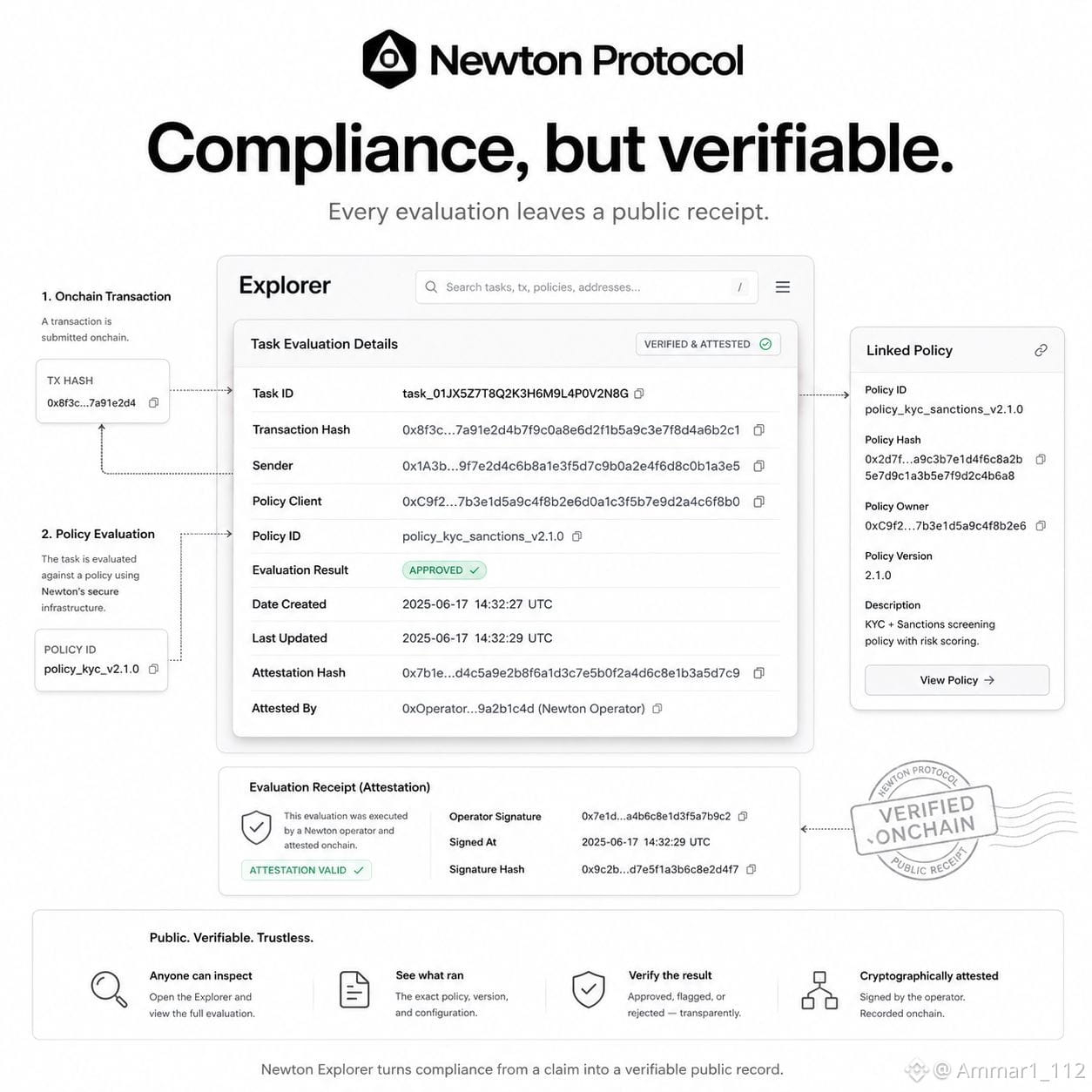
Jede Compliance-Behauptung im Krypto-Bereich verlangte bisher von dir, jemandem zu vertrauen. Der Newton Protocol Explorer entfernt die Worte „Vertraut mir“ aus diesem Satz vollständig.
Ein Protokoll sagt, es prüfe auf Sanktionen. Ein Team kündigt ein Audit an. Ein Blogbeitrag behauptet, eine Transaktion sei überprüft worden. Keines davon ist beweisbar. Es ist ein Satz, den jemand veröffentlicht hat, und alle, die danach folgen, müssen entscheiden, ob sie ihm glauben.
Ich habe mir angesehen, was Newton dir tatsächlich vorlegt, statt nur einer Behauptung.
Newton Explorer ist ein öffentliches Verzeichnis jeder Aufgabe, die das Netzwerk verarbeitet. Eine Aufgabe ist eine Transaktion, gekoppelt mit der exakten Richtlinie, gegen die sie bewertet wurde. Jeder kann gerade jetzt eine konkrete Bewertung öffnen und sie direkt sehen. Nicht eine Zusammenfassung, die danach erstellt wurde. Keine Pressemitteilung, die beschreibt, was angeblich passiert ist. Der Datensatz selbst.
Das verändert, was eine Compliance-Behauptung überhaupt bedeutet, sobald Newton ins Spiel kommt.
Ein Protokoll, das Newton nutzt, sagt nicht: „Vertraut darauf, dass wir das geprüft haben.“ Es verweist auf eine Seite, die jeder öffnen und bestätigen kann, dass die Prüfung stattgefunden hat, welche Richtlinie lief und was dabei herauskam.
Ich vergleiche das weiterhin mit jeder anderen Compliance-Behauptung, die ich in Krypto gelesen habe. Immer ein Tweet. Immer eine Whitepaper-Zeile. Immer etwas, das außerhalb des Teams niemand wirklich bestätigen konnte. Newton Explorer ersetzt die Ankündigung durch das, was tatsächlich vorliegt.
Der Unterschied zwischen „Wir haben das gemacht“ und „Hier, schau dir das an“ ist der gesamte Unterschied zwischen Marketing und Beweis.
Newton wählte den Beweis.
@NewtonProtocol #Newt $NEWT
Jede Compliance-Behauptung im Krypto-Bereich verlangte bisher von dir, jemandem zu vertrauen. Der Newton Protocol Explorer entfernt die Worte „Vertraut mir“ aus diesem Satz vollständig.
Ein Protokoll sagt, es prüfe auf Sanktionen. Ein Team kündigt ein Audit an. Ein Blogbeitrag behauptet, eine Transaktion sei überprüft worden. Keines davon ist beweisbar. Es ist ein Satz, den jemand veröffentlicht hat, und alle, die danach folgen, müssen entscheiden, ob sie ihm glauben.
Ich habe mir angesehen, was Newton dir tatsächlich vorlegt, statt nur einer Behauptung.
Newton Explorer ist ein öffentliches Verzeichnis jeder Aufgabe, die das Netzwerk verarbeitet. Eine Aufgabe ist eine Transaktion, gekoppelt mit der exakten Richtlinie, gegen die sie bewertet wurde. Jeder kann gerade jetzt eine konkrete Bewertung öffnen und sie direkt sehen. Nicht eine Zusammenfassung, die danach erstellt wurde. Keine Pressemitteilung, die beschreibt, was angeblich passiert ist. Der Datensatz selbst.
Das verändert, was eine Compliance-Behauptung überhaupt bedeutet, sobald Newton ins Spiel kommt.
Ein Protokoll, das Newton nutzt, sagt nicht: „Vertraut darauf, dass wir das geprüft haben.“ Es verweist auf eine Seite, die jeder öffnen und bestätigen kann, dass die Prüfung stattgefunden hat, welche Richtlinie lief und was dabei herauskam.
Ich vergleiche das weiterhin mit jeder anderen Compliance-Behauptung, die ich in Krypto gelesen habe. Immer ein Tweet. Immer eine Whitepaper-Zeile. Immer etwas, das außerhalb des Teams niemand wirklich bestätigen konnte. Newton Explorer ersetzt die Ankündigung durch das, was tatsächlich vorliegt.
Der Unterschied zwischen „Wir haben das gemacht“ und „Hier, schau dir das an“ ist der gesamte Unterschied zwischen Marketing und Beweis.
Newton wählte den Beweis.
@NewtonProtocol #Newt $NEWT
Ein Protokoll sagt, es prüfe auf Sanktionen. Ein Team kündigt ein Audit an. Ein Blogbeitrag behauptet, eine Transaktion sei überprüft worden. Keines davon ist beweisbar. Es ist ein Satz, den jemand veröffentlicht hat, und alle, die danach folgen, müssen entscheiden, ob sie ihm glauben.
Ich habe mir angesehen, was Newton dir tatsächlich vorlegt, statt nur einer Behauptung.
Newton Explorer ist ein öffentliches Verzeichnis jeder Aufgabe, die das Netzwerk verarbeitet. Eine Aufgabe ist eine Transaktion, gekoppelt mit der exakten Richtlinie, gegen die sie bewertet wurde. Jeder kann gerade jetzt eine konkrete Bewertung öffnen und sie direkt sehen. Nicht eine Zusammenfassung, die danach erstellt wurde. Keine Pressemitteilung, die beschreibt, was angeblich passiert ist. Der Datensatz selbst.
Das verändert, was eine Compliance-Behauptung überhaupt bedeutet, sobald Newton ins Spiel kommt.
Ein Protokoll, das Newton nutzt, sagt nicht: „Vertraut darauf, dass wir das geprüft haben.“ Es verweist auf eine Seite, die jeder öffnen und bestätigen kann, dass die Prüfung stattgefunden hat, welche Richtlinie lief und was dabei herauskam.
Ich vergleiche das weiterhin mit jeder anderen Compliance-Behauptung, die ich in Krypto gelesen habe. Immer ein Tweet. Immer eine Whitepaper-Zeile. Immer etwas, das außerhalb des Teams niemand wirklich bestätigen konnte. Newton Explorer ersetzt die Ankündigung durch das, was tatsächlich vorliegt.
Der Unterschied zwischen „Wir haben das gemacht“ und „Hier, schau dir das an“ ist der gesamte Unterschied zwischen Marketing und Beweis.
Newton wählte den Beweis.
@NewtonProtocol #Newt $NEWT
1
3
181
·
--
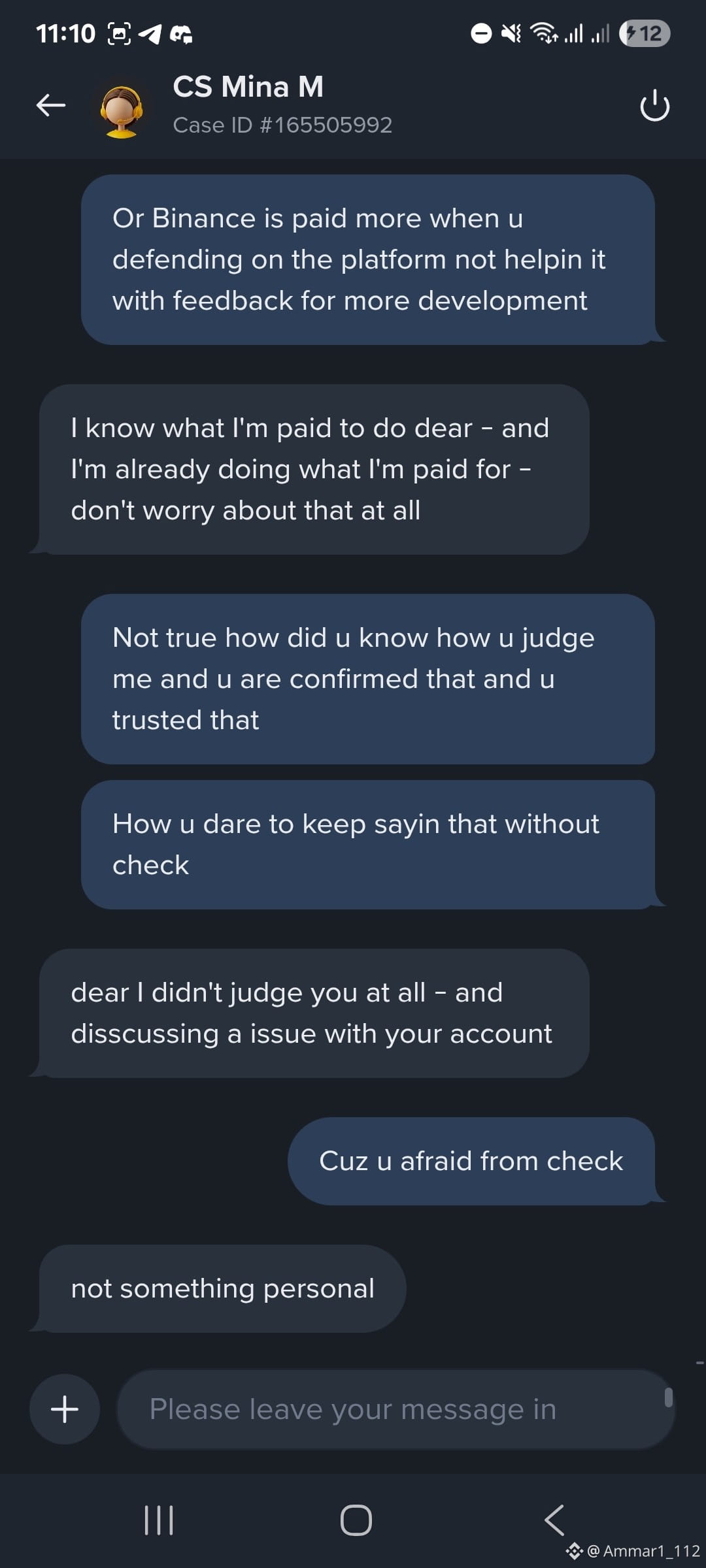
Ich entdecke, dass Binance Gott ist und wird keine Fehler machen; ich bezahle Agenten, um ihn zu verteidigen, selbst was passiert ist.
.
.
@binancezh
Ich entdecke, dass Binance Gott ist und wird keine Fehler machen; ich bezahle Agenten, um ihn zu verteidigen, selbst was passiert ist.
.
.
@币安Binance华语
.
.
@币安Binance华语
2
54
·
--
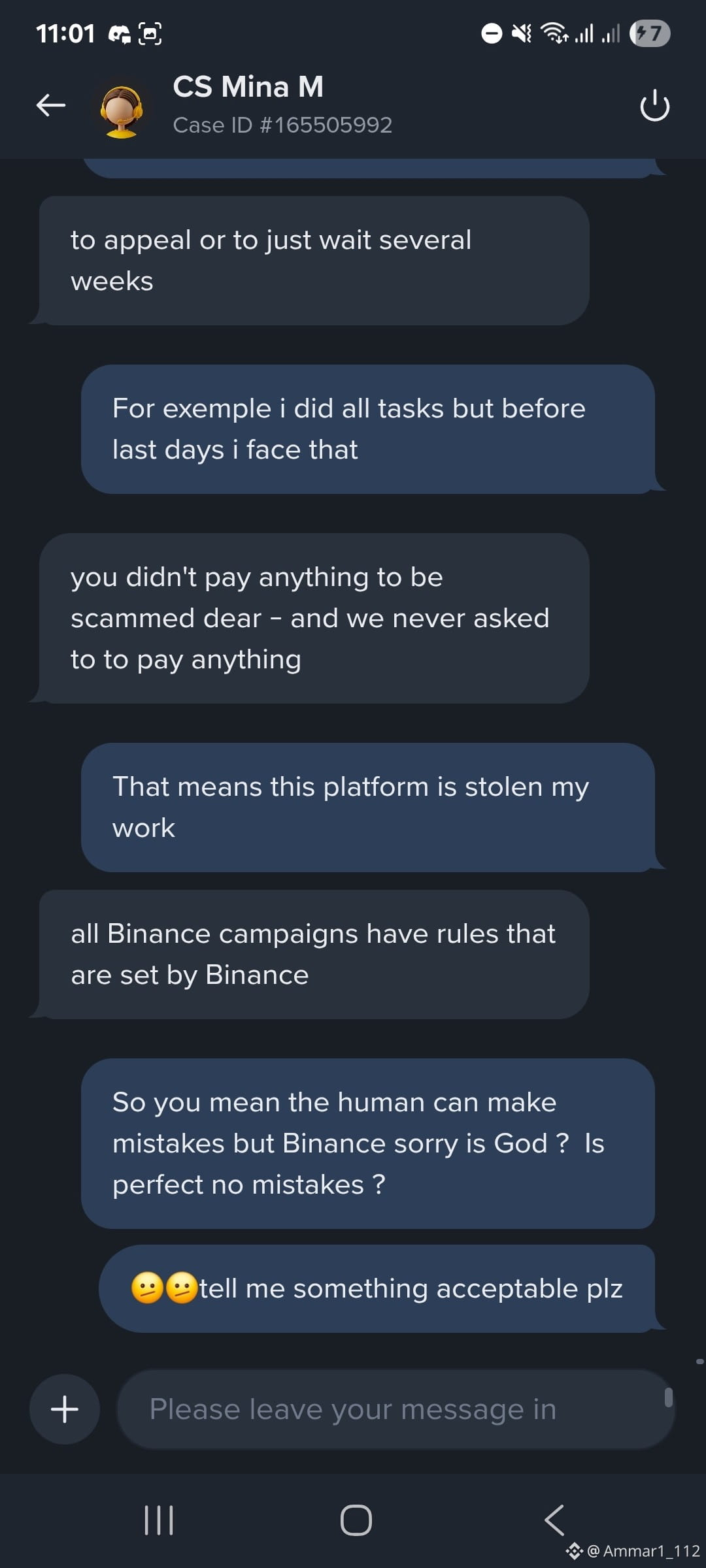
Macht @binancezh is Gott keine Fehler? Und bezahlt man Agenten, die nur noch 😂 verteidigen?
Macht @币安Binance华语 is Gott keine Fehler? Und bezahlt man Agenten, die nur noch 😂 verteidigen?
1
59
·
--
🙂🤏Go Gamb/ler machen Fußball mit der FIFA noch schlimmer
🙂🤏Go Gamb/ler machen Fußball mit der FIFA noch schlimmer

Binance Wallet
·
--
⚽ Der größte Fußballmoment der Welt ist da!
Wettmärkte sind jetzt live.
Studieren Sie die Teams. Lesen Sie das Spiel. Handeln Sie Ihre Ansichten.
Noch mehr aufregende Spiele kommen auf Sie zu:
📱 Open in App
💻 Open in Web
Wettmärkte sind jetzt live.
Studieren Sie die Teams. Lesen Sie das Spiel. Handeln Sie Ihre Ansichten.
Noch mehr aufregende Spiele kommen auf Sie zu:
📱 Open in App
💻 Open in Web

1
42
·
--
Teilweise korrekt
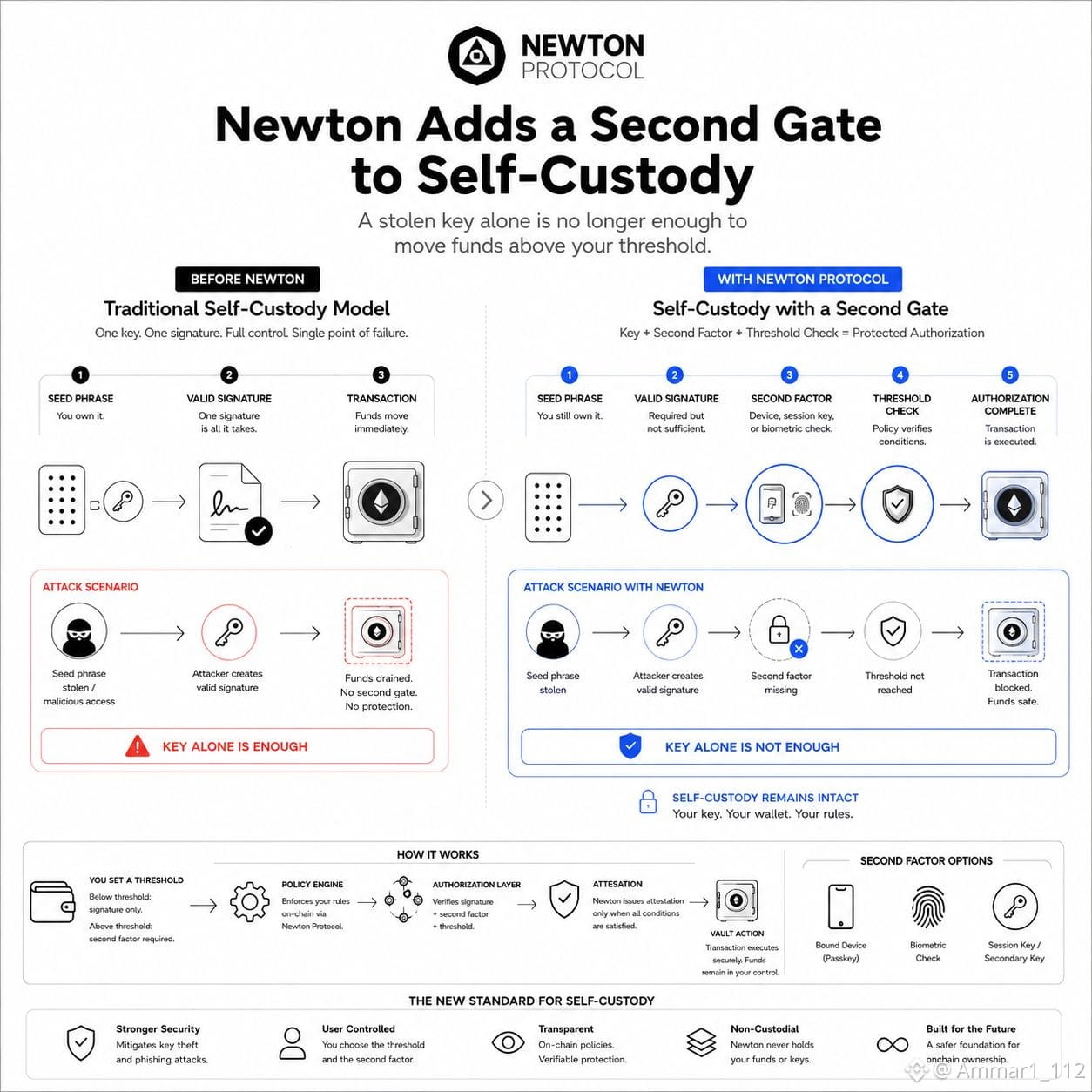
Seit fünfzehn Jahren behandelt die Blockchain eine gültige Signatur als den endgültigen Beweis für die Absicht. Das Newton ProtOcol trennt Authentifizierung von Autorisierung.
Ich habe in Newton genau den Mechanismus gefunden, der dafür sorgt, dass eine gestohlene Seed-Phrase allein nicht mehr ausreicht.
Du setzt eine Schwelle. Unterhalb davon bewegt deine Signatur allein weiterhin Gelder – genauso wie bei jedem Wallet heute. Darüber hinaus verlangt die Policy-Engine von Newton etwas mehr, bevor die Transaktion ausgeführt werden kann.
Nicht stattdessen deines Schlüssels. Zusätzlich zu ihm.
Der Ablauf führt zuerst eine Signatur aus, dann einen zweiten Faktor, ein gebundenes Gerät, einen Passkey, eine biometrische Prüfung oder einen Session-Key – je nachdem, was du konfiguriert hast – und anschließend bestätigt eine Schwellenprüfung, dass die Bedingungen tatsächlich mit dem übereinstimmen, was du festgelegt hast. Erst wenn alle drei zusammenpassen, stellt Newton eine Attestation aus. Keine Attestation, keine Ausführung. Die Vault-Aktion läuft dann einfach nicht durch.
Diese Reihenfolge ist der Teil, zu dem ich immer wieder zurückkomme.
Wenn jemand deine Seed-Phrase angelt, läuft er trotzdem mit einer gültigen Signatur davon. Die Autorisierungsebene von Newton kümmert sich nicht darum, ob die Signatur gültig ist. Sie prüft, ob auch der zweite Faktor und die Schwellenbedingung erfüllt sind, und wenn einer von beiden fehlt, wird die Attestation niemals ausgestellt.
Der Schlüssel war schon immer das gesamte Schloss in der Selbstverwahrung. Ein Faktor, volle Kontrolle, eine einzige Fehlerstelle.
Newton nimmt dir diese Kontrolle nicht weg. Du hältst den Schlüssel weiterhin, das Wallet gehört weiterhin dir, hier ist nichts treuhänderisch. Was sich ändert, ist, dass ab der Grenze, die du gezogen hast, der Schlüssel allein nicht mehr ausreicht.
Ein gestohlener Schlüssel ohne zweiten Faktor stößt jetzt auf eine Schwellenprüfung, die er nicht bestehen kann.
@NewtonProtocol #Newt $NEWT
Seit fünfzehn Jahren behandelt die Blockchain eine gültige Signatur als den endgültigen Beweis für die Absicht. Das Newton ProtOcol trennt Authentifizierung von Autorisierung.
Ich habe in Newton genau den Mechanismus gefunden, der dafür sorgt, dass eine gestohlene Seed-Phrase allein nicht mehr ausreicht.
Du setzt eine Schwelle. Unterhalb davon bewegt deine Signatur allein weiterhin Gelder – genauso wie bei jedem Wallet heute. Darüber hinaus verlangt die Policy-Engine von Newton etwas mehr, bevor die Transaktion ausgeführt werden kann.
Nicht stattdessen deines Schlüssels. Zusätzlich zu ihm.
Der Ablauf führt zuerst eine Signatur aus, dann einen zweiten Faktor, ein gebundenes Gerät, einen Passkey, eine biometrische Prüfung oder einen Session-Key – je nachdem, was du konfiguriert hast – und anschließend bestätigt eine Schwellenprüfung, dass die Bedingungen tatsächlich mit dem übereinstimmen, was du festgelegt hast. Erst wenn alle drei zusammenpassen, stellt Newton eine Attestation aus. Keine Attestation, keine Ausführung. Die Vault-Aktion läuft dann einfach nicht durch.
Diese Reihenfolge ist der Teil, zu dem ich immer wieder zurückkomme.
Wenn jemand deine Seed-Phrase angelt, läuft er trotzdem mit einer gültigen Signatur davon. Die Autorisierungsebene von Newton kümmert sich nicht darum, ob die Signatur gültig ist. Sie prüft, ob auch der zweite Faktor und die Schwellenbedingung erfüllt sind, und wenn einer von beiden fehlt, wird die Attestation niemals ausgestellt.
Der Schlüssel war schon immer das gesamte Schloss in der Selbstverwahrung. Ein Faktor, volle Kontrolle, eine einzige Fehlerstelle.
Newton nimmt dir diese Kontrolle nicht weg. Du hältst den Schlüssel weiterhin, das Wallet gehört weiterhin dir, hier ist nichts treuhänderisch. Was sich ändert, ist, dass ab der Grenze, die du gezogen hast, der Schlüssel allein nicht mehr ausreicht.
Ein gestohlener Schlüssel ohne zweiten Faktor stößt jetzt auf eine Schwellenprüfung, die er nicht bestehen kann.
@NewtonProtocol #Newt $NEWT
Ich habe in Newton genau den Mechanismus gefunden, der dafür sorgt, dass eine gestohlene Seed-Phrase allein nicht mehr ausreicht.
Du setzt eine Schwelle. Unterhalb davon bewegt deine Signatur allein weiterhin Gelder – genauso wie bei jedem Wallet heute. Darüber hinaus verlangt die Policy-Engine von Newton etwas mehr, bevor die Transaktion ausgeführt werden kann.
Nicht stattdessen deines Schlüssels. Zusätzlich zu ihm.
Der Ablauf führt zuerst eine Signatur aus, dann einen zweiten Faktor, ein gebundenes Gerät, einen Passkey, eine biometrische Prüfung oder einen Session-Key – je nachdem, was du konfiguriert hast – und anschließend bestätigt eine Schwellenprüfung, dass die Bedingungen tatsächlich mit dem übereinstimmen, was du festgelegt hast. Erst wenn alle drei zusammenpassen, stellt Newton eine Attestation aus. Keine Attestation, keine Ausführung. Die Vault-Aktion läuft dann einfach nicht durch.
Diese Reihenfolge ist der Teil, zu dem ich immer wieder zurückkomme.
Wenn jemand deine Seed-Phrase angelt, läuft er trotzdem mit einer gültigen Signatur davon. Die Autorisierungsebene von Newton kümmert sich nicht darum, ob die Signatur gültig ist. Sie prüft, ob auch der zweite Faktor und die Schwellenbedingung erfüllt sind, und wenn einer von beiden fehlt, wird die Attestation niemals ausgestellt.
Der Schlüssel war schon immer das gesamte Schloss in der Selbstverwahrung. Ein Faktor, volle Kontrolle, eine einzige Fehlerstelle.
Newton nimmt dir diese Kontrolle nicht weg. Du hältst den Schlüssel weiterhin, das Wallet gehört weiterhin dir, hier ist nichts treuhänderisch. Was sich ändert, ist, dass ab der Grenze, die du gezogen hast, der Schlüssel allein nicht mehr ausreicht.
Ein gestohlener Schlüssel ohne zweiten Faktor stößt jetzt auf eine Schwellenprüfung, die er nicht bestehen kann.
@NewtonProtocol #Newt $NEWT
3
1
148
·
--
Artikel
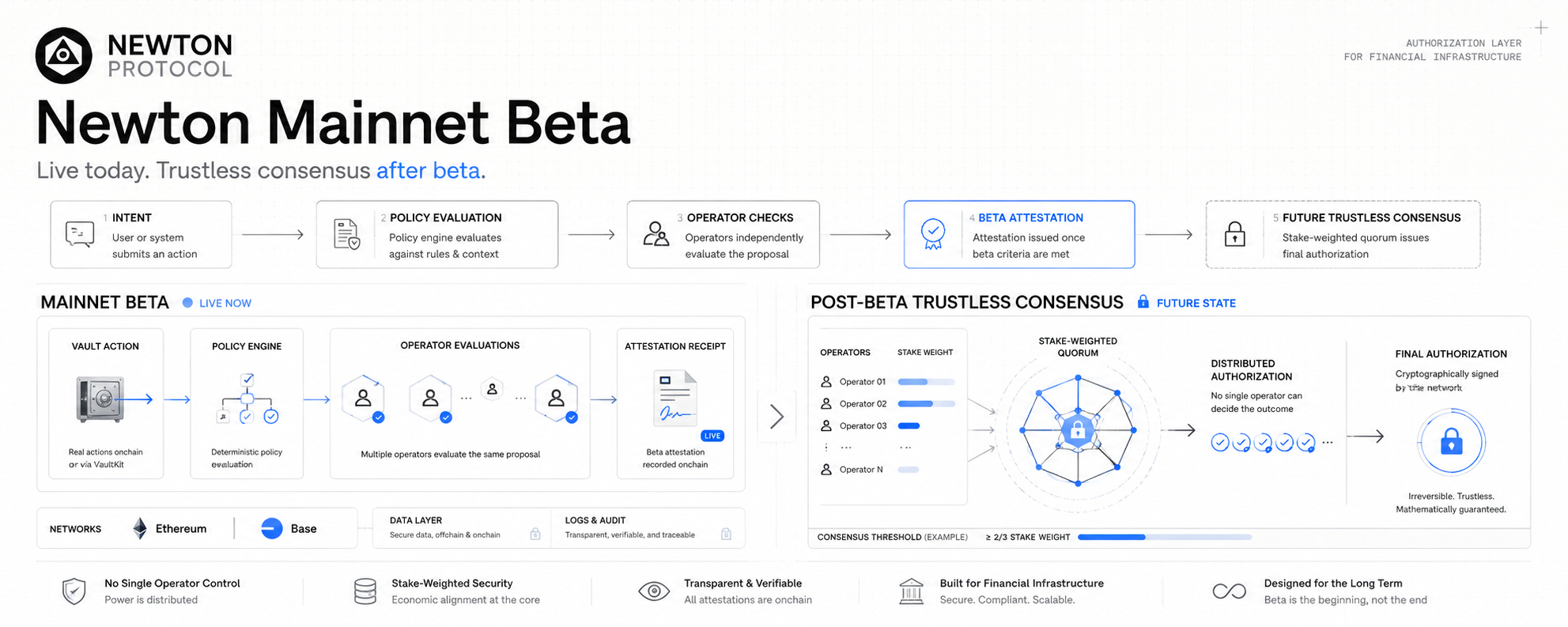
Newton Mainnet Beta ist live. Der vertrauenslose Teil kommt nach der Beta.Ich habe nachgesehen, wie die Newton-Mainnet-Beta tatsächlich eine Bestätigung (Attestation) bestätigt. Ich erwartete dieselbe Quorum-Mathematik aus dem Whitepaper. Viele Operatoren, ein stärkegewichteter Schwellwert, und keiner von ihnen kann allein etwas entscheiden.
Das ist das Design. Was ich gefunden habe, war jedoch noch konkreter in Bezug darauf, was gerade jetzt tatsächlich läuft.
Newtonseigene Erklärung seiner Autorisierungsschicht sagt das ganz offen: Kein einzelner Operator entscheidet über das Ergebnis; das ist Teil des Designs. Dann sagt es noch etwas anderes: Viele Operatoren bewerten denselben Vorschlag unabhängig voneinander, und das Netzwerk stellt die Autorisierung erst dann aus, wenn genug von ihnen zustimmen. So musst du nie einer einzelnen Person vertrauen. Diese konkrete Zusicherung wird als etwas beschrieben, das passiert, sobald Newton die Beta-Phase verlassen hat.
Newton Mainnet Beta ist live. Der vertrauenslose Teil kommt nach der Beta.
Ich habe nachgesehen, wie die Newton-Mainnet-Beta tatsächlich eine Bestätigung (Attestation) bestätigt. Ich erwartete dieselbe Quorum-Mathematik aus dem Whitepaper. Viele Operatoren, ein stärkegewichteter Schwellwert, und keiner von ihnen kann allein etwas entscheiden.
Das ist das Design. Was ich gefunden habe, war jedoch noch konkreter in Bezug darauf, was gerade jetzt tatsächlich läuft.
Newtonseigene Erklärung seiner Autorisierungsschicht sagt das ganz offen: Kein einzelner Operator entscheidet über das Ergebnis; das ist Teil des Designs. Dann sagt es noch etwas anderes: Viele Operatoren bewerten denselben Vorschlag unabhängig voneinander, und das Netzwerk stellt die Autorisierung erst dann aus, wenn genug von ihnen zustimmen. So musst du nie einer einzelnen Person vertrauen. Diese konkrete Zusicherung wird als etwas beschrieben, das passiert, sobald Newton die Beta-Phase verlassen hat.
Das ist das Design. Was ich gefunden habe, war jedoch noch konkreter in Bezug darauf, was gerade jetzt tatsächlich läuft.
Newtonseigene Erklärung seiner Autorisierungsschicht sagt das ganz offen: Kein einzelner Operator entscheidet über das Ergebnis; das ist Teil des Designs. Dann sagt es noch etwas anderes: Viele Operatoren bewerten denselben Vorschlag unabhängig voneinander, und das Netzwerk stellt die Autorisierung erst dann aus, wenn genug von ihnen zustimmen. So musst du nie einer einzelnen Person vertrauen. Diese konkrete Zusicherung wird als etwas beschrieben, das passiert, sobald Newton die Beta-Phase verlassen hat.
6
3
126
·
--
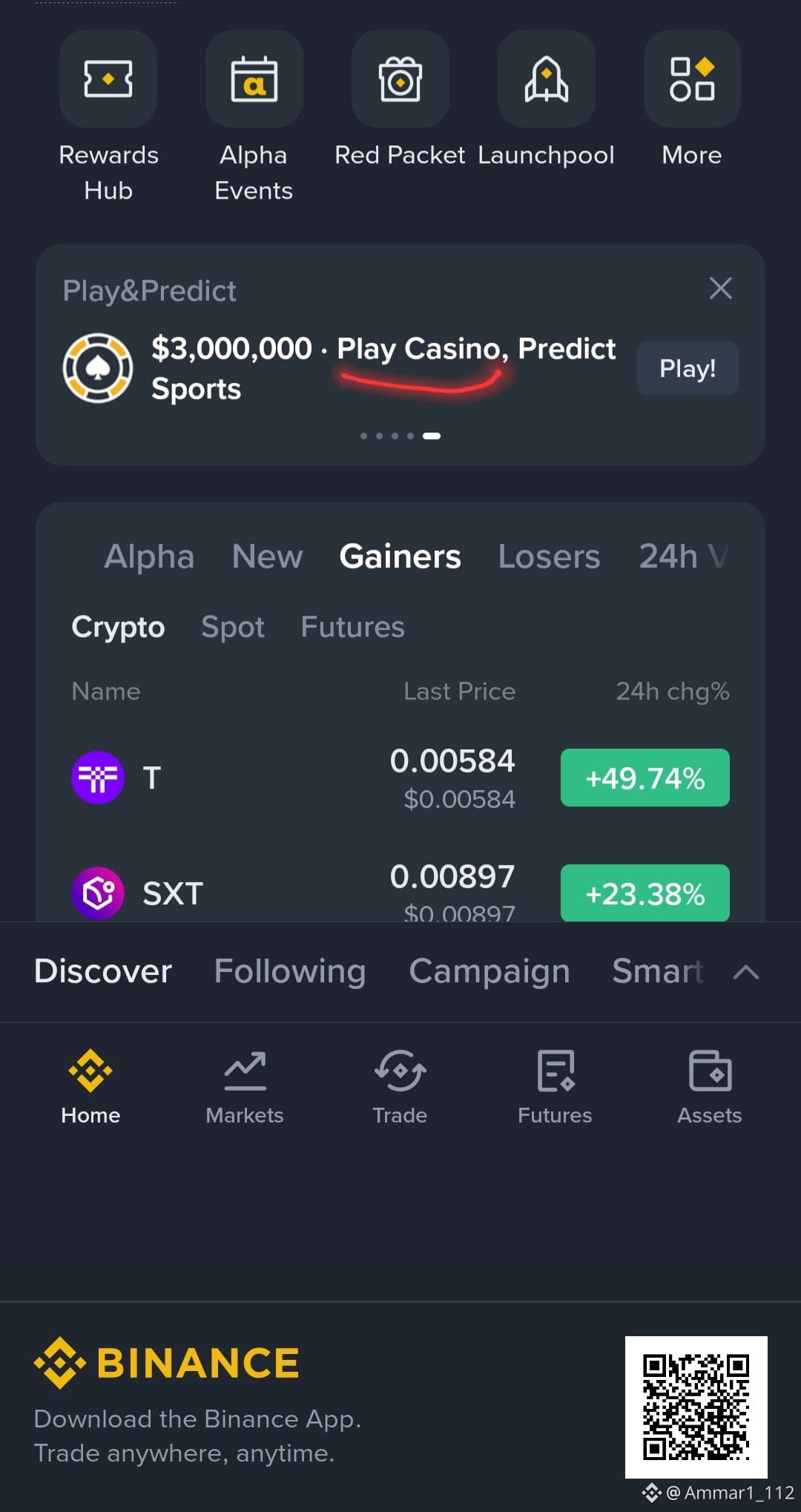
Ich erinnere mich an einen Tag, an dem ich dieses Wort in einem Artikel als Beispiel verwendet habe, also wurde ich ausgeblendet, weil es als Verstoß galt. Ich war gerade dabei, gebannt zu werden, jetzt ist es ein legales Wort – wow 🫢@Binance_Square_Official
Ich erinnere mich an einen Tag, an dem ich dieses Wort in einem Artikel als Beispiel verwendet habe, also wurde ich ausgeblendet, weil es als Verstoß galt. Ich war gerade dabei, gebannt zu werden, jetzt ist es ein legales Wort – wow 🫢@Binance Square Official
1
51
·
--
Artikel
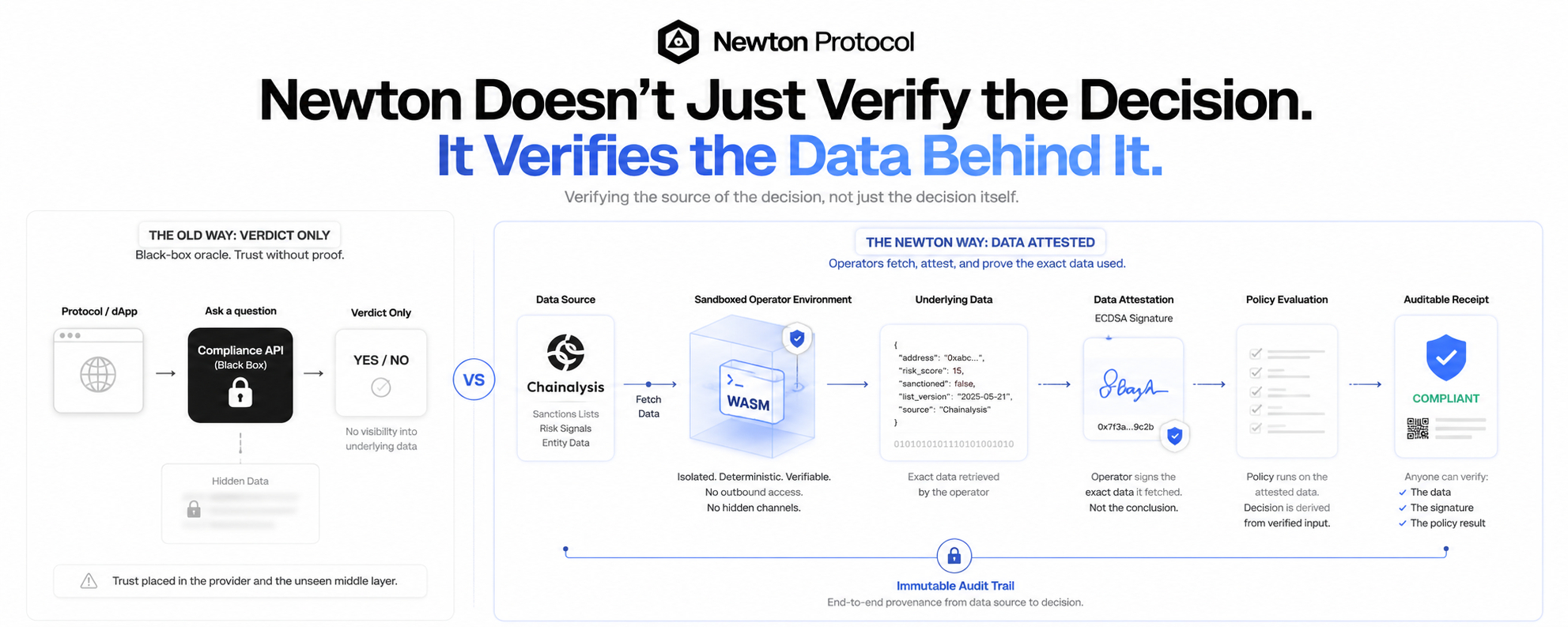
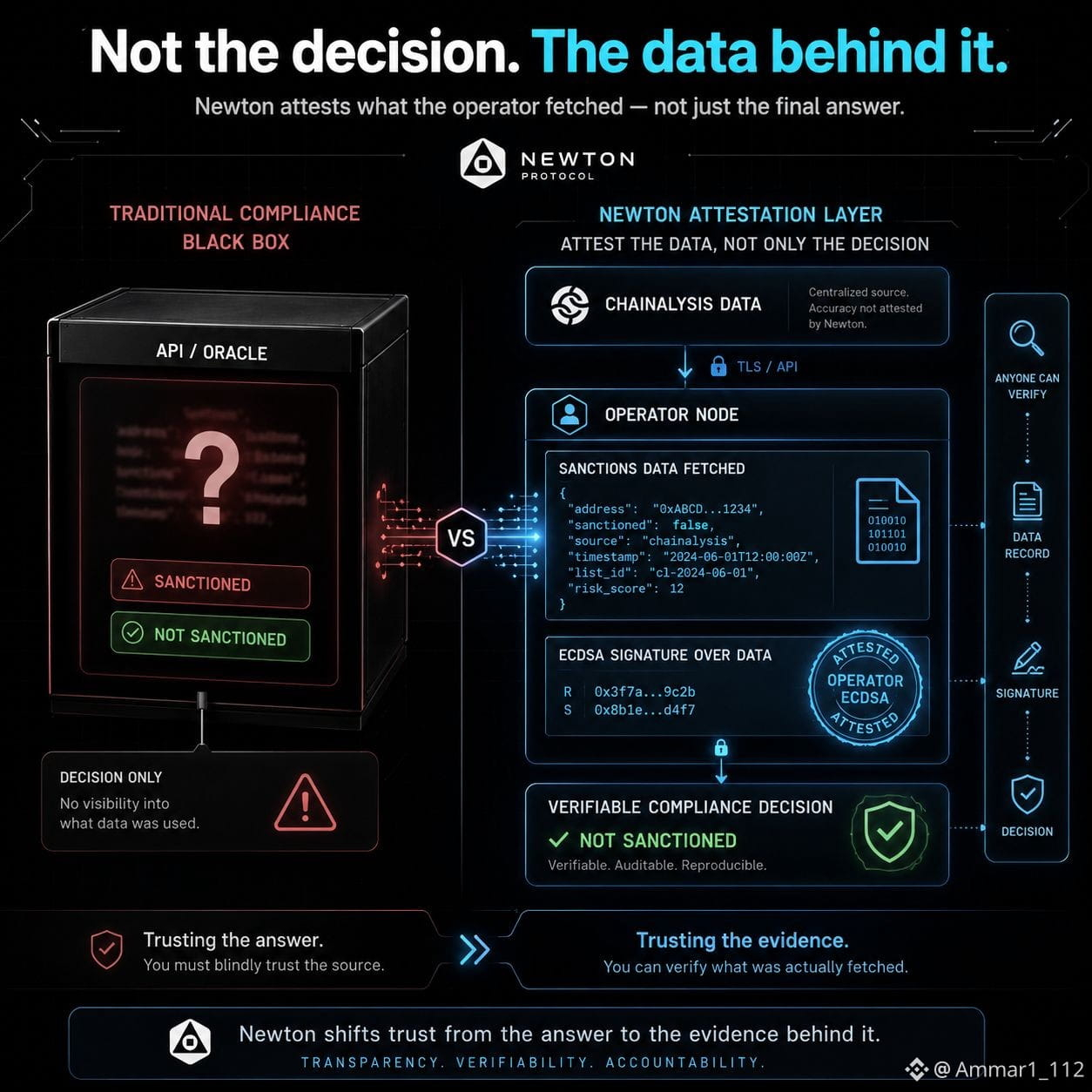
Newton Prüft Nicht Nur die Entscheidung. Es Prüft die Daten Dahinter.Ich habe nachgesehen, wie das Newton Protocol tatsächlich Chainalysis nutzt, und dabei eine normale Oracle-Beziehung erwartet. Man stellt eine Frage, bekommt eine Antwort, und behandelt die Antwort als Wahrheit.
So funktionieren die meisten Compliance-Integrationen in Krypto. Ein Protokoll ruft eine API auf. Die API gibt ja oder nein zurück. Das Protokoll übernimmt das und macht weiter. Niemand in der Folge kann prüfen, was die API tatsächlich zurückgegeben hat, sondern nur, was jemand behauptet, dass sie zurückgegeben hat.
Newton baut seine Chainalysis-Integration nicht auf diese Weise.
Innerhalb von Newton läuft ein Datenanbieter wie Chainalysis als isolierte (sandboxed) Komponente, die ein Operator direkt ausführt. Der Operator erhält nicht einfach nur ein Urteil. Er holt die zugrunde liegenden Daten selbst ab und signiert dann eine Attestation über genau diese konkreten Daten. Eine ECDSA-Signatur, die an das gebunden ist, was tatsächlich abgerufen wurde – nicht nur an die daraus gezogene Schlussfolgerung.
Newton Prüft Nicht Nur die Entscheidung. Es Prüft die Daten Dahinter.
Ich habe nachgesehen, wie das Newton Protocol tatsächlich Chainalysis nutzt, und dabei eine normale Oracle-Beziehung erwartet. Man stellt eine Frage, bekommt eine Antwort, und behandelt die Antwort als Wahrheit.
So funktionieren die meisten Compliance-Integrationen in Krypto. Ein Protokoll ruft eine API auf. Die API gibt ja oder nein zurück. Das Protokoll übernimmt das und macht weiter. Niemand in der Folge kann prüfen, was die API tatsächlich zurückgegeben hat, sondern nur, was jemand behauptet, dass sie zurückgegeben hat.
Newton baut seine Chainalysis-Integration nicht auf diese Weise.
Innerhalb von Newton läuft ein Datenanbieter wie Chainalysis als isolierte (sandboxed) Komponente, die ein Operator direkt ausführt. Der Operator erhält nicht einfach nur ein Urteil. Er holt die zugrunde liegenden Daten selbst ab und signiert dann eine Attestation über genau diese konkreten Daten. Eine ECDSA-Signatur, die an das gebunden ist, was tatsächlich abgerufen wurde – nicht nur an die daraus gezogene Schlussfolgerung.
So funktionieren die meisten Compliance-Integrationen in Krypto. Ein Protokoll ruft eine API auf. Die API gibt ja oder nein zurück. Das Protokoll übernimmt das und macht weiter. Niemand in der Folge kann prüfen, was die API tatsächlich zurückgegeben hat, sondern nur, was jemand behauptet, dass sie zurückgegeben hat.
Newton baut seine Chainalysis-Integration nicht auf diese Weise.
Innerhalb von Newton läuft ein Datenanbieter wie Chainalysis als isolierte (sandboxed) Komponente, die ein Operator direkt ausführt. Der Operator erhält nicht einfach nur ein Urteil. Er holt die zugrunde liegenden Daten selbst ab und signiert dann eine Attestation über genau diese konkreten Daten. Eine ECDSA-Signatur, die an das gebunden ist, was tatsächlich abgerufen wurde – nicht nur an die daraus gezogene Schlussfolgerung.
3
2
141
·
--
lass dich nicht nervös werden @BinanceCN cuz du mit einem A gam/bling-Platform beginnst !
lass dich nicht nervös werden @币安中文社区 cuz du mit einem A gam/bling-Platform beginnst !
2
84
·
--
Ich bin immer wieder davon ausgegangen, dass das Newton Protocol einfach Chainalysis genauso vertraut wie die meisten Protokolle einem Orakel vertrauen.
Eine Frage stellen, eine Antwort bekommen, weitergehen.
So läuft es aber nicht.
Wenn ein Operator des NEWTon Protocol eine Wallet anhand der Chainalysis-Daten prüft, reicht es nicht, einfach „sanktionsbelastet“ oder „nicht sanktionsbelastet“ durchzureichen. Der Operator signiert eine Bestätigung über die tatsächlichen Daten, die er abgerufen hat. Eine ECDSA-Signatur, die an die konkreten Daten gebunden ist, die er geholt hat – nicht nur an das Ergebnis, zu dem er gekommen ist.
Dieser Unterschied ist mir länger nachgegangen, als ich erwartet hatte.
Die meisten Compliance-Prüfungen in Krypto funktionieren wie eine Black Box. Die API sagt ja oder nein, und alle nachgelagerten Systeme akzeptieren die Antwort. Niemand kann nachvollziehen, was die API tatsächlich zurückgegeben hat – nur, was sie behauptet zurückgegeben zu haben.
Newton lässt den Operator damit nicht durchkommen.
Wenn der Operator sagt: „Diese Adresse hat die Sanktionsprüfung bestanden“, dann muss er außerdem kryptografisch nachweisen, welche Daten er genau gesehen hat, um zu dieser Antwort zu gelangen. Entscheidung und die Daten, die der Entscheidung zugrunde liegen, liegen beide auf dem Protokoll.
Damit hört die eigentliche Frage auf zu lauten: „Hat die Prüfung funktioniert?“
Stattdessen lautet sie: „Kann irgendjemand die Daten, die diese Antwort erzeugt haben, unabhängig verifizieren?“
Ich denke immer noch darüber nach, was das konkret für Chainalysis bedeutet, denn Chainalysis selbst ist nicht dezentralisiert. Ich meine: NEWT, also Newton Protocol, kann bestätigen, welche Daten ein Operator erhalten hat. Es kann jedoch nicht bestätigen, ob die eigene Liste von Chainalysis an diesem Tag korrekt war.
Das Vertrauen hat sich verlagert. Es ist nicht verschwunden.
Was bedeutet es eigentlich, Daten zu bestätigen – statt eine Entscheidung zu bestätigen.
{future}(NEWTUSDT)
@NewtonProtocol #Newt $NEWT
Ich bin immer wieder davon ausgegangen, dass das Newton Protocol einfach Chainalysis genauso vertraut wie die meisten Protokolle einem Orakel vertrauen.
Eine Frage stellen, eine Antwort bekommen, weitergehen.
So läuft es aber nicht.
Wenn ein Operator des NEWTon Protocol eine Wallet anhand der Chainalysis-Daten prüft, reicht es nicht, einfach „sanktionsbelastet“ oder „nicht sanktionsbelastet“ durchzureichen. Der Operator signiert eine Bestätigung über die tatsächlichen Daten, die er abgerufen hat. Eine ECDSA-Signatur, die an die konkreten Daten gebunden ist, die er geholt hat – nicht nur an das Ergebnis, zu dem er gekommen ist.
Dieser Unterschied ist mir länger nachgegangen, als ich erwartet hatte.
Die meisten Compliance-Prüfungen in Krypto funktionieren wie eine Black Box. Die API sagt ja oder nein, und alle nachgelagerten Systeme akzeptieren die Antwort. Niemand kann nachvollziehen, was die API tatsächlich zurückgegeben hat – nur, was sie behauptet zurückgegeben zu haben.
Newton lässt den Operator damit nicht durchkommen.
Wenn der Operator sagt: „Diese Adresse hat die Sanktionsprüfung bestanden“, dann muss er außerdem kryptografisch nachweisen, welche Daten er genau gesehen hat, um zu dieser Antwort zu gelangen. Entscheidung und die Daten, die der Entscheidung zugrunde liegen, liegen beide auf dem Protokoll.
Damit hört die eigentliche Frage auf zu lauten: „Hat die Prüfung funktioniert?“
Stattdessen lautet sie: „Kann irgendjemand die Daten, die diese Antwort erzeugt haben, unabhängig verifizieren?“
Ich denke immer noch darüber nach, was das konkret für Chainalysis bedeutet, denn Chainalysis selbst ist nicht dezentralisiert. Ich meine: NEWT, also Newton Protocol, kann bestätigen, welche Daten ein Operator erhalten hat. Es kann jedoch nicht bestätigen, ob die eigene Liste von Chainalysis an diesem Tag korrekt war.
Das Vertrauen hat sich verlagert. Es ist nicht verschwunden.
Was bedeutet es eigentlich, Daten zu bestätigen – statt eine Entscheidung zu bestätigen.
@NewtonProtocol #Newt $NEWT
Eine Frage stellen, eine Antwort bekommen, weitergehen.
So läuft es aber nicht.
Wenn ein Operator des NEWTon Protocol eine Wallet anhand der Chainalysis-Daten prüft, reicht es nicht, einfach „sanktionsbelastet“ oder „nicht sanktionsbelastet“ durchzureichen. Der Operator signiert eine Bestätigung über die tatsächlichen Daten, die er abgerufen hat. Eine ECDSA-Signatur, die an die konkreten Daten gebunden ist, die er geholt hat – nicht nur an das Ergebnis, zu dem er gekommen ist.
Dieser Unterschied ist mir länger nachgegangen, als ich erwartet hatte.
Die meisten Compliance-Prüfungen in Krypto funktionieren wie eine Black Box. Die API sagt ja oder nein, und alle nachgelagerten Systeme akzeptieren die Antwort. Niemand kann nachvollziehen, was die API tatsächlich zurückgegeben hat – nur, was sie behauptet zurückgegeben zu haben.
Newton lässt den Operator damit nicht durchkommen.
Wenn der Operator sagt: „Diese Adresse hat die Sanktionsprüfung bestanden“, dann muss er außerdem kryptografisch nachweisen, welche Daten er genau gesehen hat, um zu dieser Antwort zu gelangen. Entscheidung und die Daten, die der Entscheidung zugrunde liegen, liegen beide auf dem Protokoll.
Damit hört die eigentliche Frage auf zu lauten: „Hat die Prüfung funktioniert?“
Stattdessen lautet sie: „Kann irgendjemand die Daten, die diese Antwort erzeugt haben, unabhängig verifizieren?“
Ich denke immer noch darüber nach, was das konkret für Chainalysis bedeutet, denn Chainalysis selbst ist nicht dezentralisiert. Ich meine: NEWT, also Newton Protocol, kann bestätigen, welche Daten ein Operator erhalten hat. Es kann jedoch nicht bestätigen, ob die eigene Liste von Chainalysis an diesem Tag korrekt war.
Das Vertrauen hat sich verlagert. Es ist nicht verschwunden.
Was bedeutet es eigentlich, Daten zu bestätigen – statt eine Entscheidung zu bestätigen.
@NewtonProtocol #Newt $NEWT
1
1
129
·
--
Die meisten Teams, die in Krypto „Kritische Infrastruktur“ aufbauen, haben zuvor noch nie Infrastruktur betrieben, die jemand am Tag der Veröffentlichung tatsächlich genutzt hat.
Das ist der Punkt, den ich immer wieder geprüft habe, als ich mir angesehen habe, wer gerade Newton entwickelt.
Magic Labs — das Kernentwicklungsteam für das NEWT-Newton-Protokoll — hat hier nicht bei null angefangen. Sie haben Embedded-Wallet-Infrastruktur gebaut, die heute hinter 57 Millionen Wallets läuft, von über 200.000 Entwicklern genutzt wird, darunter die Wallet-Schicht, die Polymarket antreibt. PayPal Ventures hat sie über Jahre unterstützt, bevor Newton überhaupt als Idee existierte.
Das ist eine ganz bestimmte Art von Referenz, die die meisten Infrastrukturprojekte nicht vorweisen können.
Für Newton ist das sogar noch wichtiger als für ein typisches DeFi-Protokoll, weil Newton an einer entscheidenden Stelle sitzt. Fällt ein Lending-Markt für eine Stunde aus, ist das ein schlechter Tag. Fällt dagegen eine Autorisierungsebene für eine Stunde aus, bedeutet das: Jede Transaktion, die dahinterliegt und davon gesteuert wird, stoppt — nichts wird ausgeführt, ohne eine Bestätigung (Attestation). Das NEWT Protocol ist per Design im kritischen Pfad.
Das Team, das diesen kritischen Pfad aufbaut, hat bereits Infrastruktur betrieben, bei der „Millionen von Menschen verlassen sich darauf, dass es nicht kaputtgeht“ die tägliche Voraussetzung war — nicht ein zukünftiges Ziel.
Ich behandle das nicht als Beweis dafür, dass Newton skaliert, wie es anstrebt. Wallet-Infrastruktur für Polymarket zu betreiben und eine dezentrale Policy-Engine zu betreiben, die Sanktionsprüfungen über mehrere Chains hinweg bewertet, sind unterschiedliche operative Herausforderungen mit unterschiedlichen Ausfallmodi.
Aber „Das ist unser erstes Produktion-System“ und „Wir betreiben bereits eines mit 57 Millionen Wallets“ sind unterschiedliche Ausgangspunkte für das Ausführungsrisiko. Die Infrastruktur-Erzählungen in Krypto machen diese Unterscheidung selten klar genug.
Was senkt das Ausführungsrisiko für Infrastrukturprotokolle wirklich?
{future}(NEWTUSDT)
Überträgt sich der Wallet-Track-Record von Magic Labs tatsächlich auf das schwerere Problem von Newton — oder startet jedes Infrastrukturprojekt sein Ausführungsrisiko unabhängig von der bisherigen Historie bei null?
@NewtonProtocol
#Newt
$NEWT
Die meisten Teams, die in Krypto „Kritische Infrastruktur“ aufbauen, haben zuvor noch nie Infrastruktur betrieben, die jemand am Tag der Veröffentlichung tatsächlich genutzt hat.
Das ist der Punkt, den ich immer wieder geprüft habe, als ich mir angesehen habe, wer gerade Newton entwickelt.
Magic Labs — das Kernentwicklungsteam für das NEWT-Newton-Protokoll — hat hier nicht bei null angefangen. Sie haben Embedded-Wallet-Infrastruktur gebaut, die heute hinter 57 Millionen Wallets läuft, von über 200.000 Entwicklern genutzt wird, darunter die Wallet-Schicht, die Polymarket antreibt. PayPal Ventures hat sie über Jahre unterstützt, bevor Newton überhaupt als Idee existierte.
Das ist eine ganz bestimmte Art von Referenz, die die meisten Infrastrukturprojekte nicht vorweisen können.
Für Newton ist das sogar noch wichtiger als für ein typisches DeFi-Protokoll, weil Newton an einer entscheidenden Stelle sitzt. Fällt ein Lending-Markt für eine Stunde aus, ist das ein schlechter Tag. Fällt dagegen eine Autorisierungsebene für eine Stunde aus, bedeutet das: Jede Transaktion, die dahinterliegt und davon gesteuert wird, stoppt — nichts wird ausgeführt, ohne eine Bestätigung (Attestation). Das NEWT Protocol ist per Design im kritischen Pfad.
Das Team, das diesen kritischen Pfad aufbaut, hat bereits Infrastruktur betrieben, bei der „Millionen von Menschen verlassen sich darauf, dass es nicht kaputtgeht“ die tägliche Voraussetzung war — nicht ein zukünftiges Ziel.
Ich behandle das nicht als Beweis dafür, dass Newton skaliert, wie es anstrebt. Wallet-Infrastruktur für Polymarket zu betreiben und eine dezentrale Policy-Engine zu betreiben, die Sanktionsprüfungen über mehrere Chains hinweg bewertet, sind unterschiedliche operative Herausforderungen mit unterschiedlichen Ausfallmodi.
Aber „Das ist unser erstes Produktion-System“ und „Wir betreiben bereits eines mit 57 Millionen Wallets“ sind unterschiedliche Ausgangspunkte für das Ausführungsrisiko. Die Infrastruktur-Erzählungen in Krypto machen diese Unterscheidung selten klar genug.
Was senkt das Ausführungsrisiko für Infrastrukturprotokolle wirklich?
Überträgt sich der Wallet-Track-Record von Magic Labs tatsächlich auf das schwerere Problem von Newton — oder startet jedes Infrastrukturprojekt sein Ausführungsrisiko unabhängig von der bisherigen Historie bei null?
@NewtonProtocol
#Newt
$NEWT
Das ist der Punkt, den ich immer wieder geprüft habe, als ich mir angesehen habe, wer gerade Newton entwickelt.
Magic Labs — das Kernentwicklungsteam für das NEWT-Newton-Protokoll — hat hier nicht bei null angefangen. Sie haben Embedded-Wallet-Infrastruktur gebaut, die heute hinter 57 Millionen Wallets läuft, von über 200.000 Entwicklern genutzt wird, darunter die Wallet-Schicht, die Polymarket antreibt. PayPal Ventures hat sie über Jahre unterstützt, bevor Newton überhaupt als Idee existierte.
Das ist eine ganz bestimmte Art von Referenz, die die meisten Infrastrukturprojekte nicht vorweisen können.
Für Newton ist das sogar noch wichtiger als für ein typisches DeFi-Protokoll, weil Newton an einer entscheidenden Stelle sitzt. Fällt ein Lending-Markt für eine Stunde aus, ist das ein schlechter Tag. Fällt dagegen eine Autorisierungsebene für eine Stunde aus, bedeutet das: Jede Transaktion, die dahinterliegt und davon gesteuert wird, stoppt — nichts wird ausgeführt, ohne eine Bestätigung (Attestation). Das NEWT Protocol ist per Design im kritischen Pfad.
Das Team, das diesen kritischen Pfad aufbaut, hat bereits Infrastruktur betrieben, bei der „Millionen von Menschen verlassen sich darauf, dass es nicht kaputtgeht“ die tägliche Voraussetzung war — nicht ein zukünftiges Ziel.
Ich behandle das nicht als Beweis dafür, dass Newton skaliert, wie es anstrebt. Wallet-Infrastruktur für Polymarket zu betreiben und eine dezentrale Policy-Engine zu betreiben, die Sanktionsprüfungen über mehrere Chains hinweg bewertet, sind unterschiedliche operative Herausforderungen mit unterschiedlichen Ausfallmodi.
Aber „Das ist unser erstes Produktion-System“ und „Wir betreiben bereits eines mit 57 Millionen Wallets“ sind unterschiedliche Ausgangspunkte für das Ausführungsrisiko. Die Infrastruktur-Erzählungen in Krypto machen diese Unterscheidung selten klar genug.
Was senkt das Ausführungsrisiko für Infrastrukturprotokolle wirklich?
Überträgt sich der Wallet-Track-Record von Magic Labs tatsächlich auf das schwerere Problem von Newton — oder startet jedes Infrastrukturprojekt sein Ausführungsrisiko unabhängig von der bisherigen Historie bei null?
@NewtonProtocol
#Newt
$NEWT
🏗️ prior production scale
0%
📄 technical whitepaper depth
0%
💰 funding & backers
0%
👥 current developer adoption
0%
0 Stimmen • Abstimmung beendet
1
1
129
Anmelden und weiter Inhalte entdecken
Krypto-Nutzer weltweit auf Binance Square kennenlernen
⚡️ Bleib in Sachen Krypto stets am Puls.
💬 Die weltgrößte Kryptobörse vertraut darauf.
👍 Erhalte verlässliche Einblicke von verifizierten Creators.
E-Mail-Adresse/Telefonnummer
Trendthemen
FortitudeRaisesCreditLineTo$50M
180 Aufrufe
34 Kommentare
#FortitudeRaisesCreditLineTo$50M
Fortitude erweitert die Kreditlinie auf 50 Mio. US-Dollar – Die ZEC-Finanzierungsdetails sind entscheidend
Fortitude Mining hat seine Kreditfazilität mit dem Konzern Digital Currency Group von 26 Millionen US-Dollar auf 50 Millionen US-Dollar erweitert. Die Änderung fügt 24 Millionen US-Dollar zum Engagement hinzu und belässt damit rund 31 Millionen US-Dollar zum Aufnehmen, vorbehaltlich der Bedingungen der Fazilität.
Fortitude erwartet, dass die verbleibende Verfügbarkeit in ZEC finanziert wird, und plant, diese Token zu verkaufen, um Bergbauausrüstung, Anlagen und die Expansion zu finanzieren. Die Kredite bleiben in US-Dollar denominiert und in US-Dollar zurückzahlbar.
Es wird erwartet, dass vor dem Ende des Septembers rund 7 Millionen US-Dollar in Anspruch genommen werden, um zuvor angekündigte Bestellungen für 9.000 Mining-Maschinen zu bezahlen.
Mein Fazit: Hier wird der Ausbau der Infrastruktur mit möglichen Token-Verkäufen verknüpft. Mehr Finanzierung könnte dazu beitragen, Maschinen schneller in Betrieb zu nehmen, während die Marktauswirkung des Verkaufs von ZEC von Zeitpunkt, Umsetzung und verfügbarer Liquidität abhängen würde.
Der betriebliche Test lautet, ob die neue Kapazität genügend Cashflow erzeugt, um die Kosten für Ausrüstung, Strom und Finanzierung zu rechtfertigen. Ich würde mir tatsächliche Ziehungen, Meilensteine bei der Bereitstellung und operative Margen ansehen, bevor ich eine höhere Kreditobergrenze als Hinweis auf eine verbesserte Profitabilität werte.
Für ZEC-Inhaber wird der Zeitpunkt der Kapitalbereitstellung und der Token-Verkäufe helfen zu erklären, wie diese Finanzierung in Marktaktivität übersetzt wird.
Was ist hier für ZEC wichtiger: der Mining-Ausbau oder wie die geplanten Token-Verkäufe gesteuert werden?
#zcash #CryptoMining
$ZEC $NOM $LSK
Blockchain Boss X
·0 Likes
·244 Aufrufe
USWeighsPromotingDollarStablecoinsAbroad
5,804 Aufrufe
409 Kommentare
US10YTreasuryYieldHits19YearHigh
5,057 Aufrufe
316 Kommentare