

SKATS
878 Paylaşımlar
SKATS
Şikayət et
İstifadəçini blokla
Açıq ticarət

AUCTION sahibi
Daimi treyder
1.7 il
4 İzlənilir
369 İzləyicilər
1.3K+ Bəyəndi
Postlar
Portfel
Hamısı
Sitatlar
Videolar
Canlı
BƏRKİDİLDİ
·
--
2021Bu sadəcə bir portfel deyil. Bu, araşdırma, səbr və davamlı öyrənmə üzərində qurulmuş bir səyahətdir. 📊
2021
Bu sadəcə bir portfel deyil. Bu, araşdırma, səbr və davamlı öyrənmə üzərində qurulmuş bir səyahətdir. 📊
1
9
3.3k
·
--
Tokenlaşdırmada diqqətimi çəkən məsələ sadəcə aktivlərin blokçeynə keçirilməsi deyil. Mülkiyyət hüququ rəqəmsallaşmazdan əvvəl qiymət formalaşmasının rəqəmsallaşmasıdır.
Məncə, maliyyə infrastrukturundakı dəyişikliklərin ardıcıllığı düzgün başa düşülmür. Bazarlar əvvəlcə mülkiyyəti deyil, qiymət ekspozisiyasını rəqəmsallaşdırır. Sintetik məhsullar və müddətsiz müqavilə strukturları aktivin iqtisadi dinamikasını artıq blokçeynə daşıya bilir, halbuki faktiki mülkiyyət, aktivlərin saxlanması və hesablaşma infrastrukturu daha sonra gəlir.
Bu isə məni fərqli nəticəyə gətirir.
Gələcəkdə üstünlük ən çox aktivi tokenlaşdıran platformaya məxsus olmaya bilər. Bu üstünlük sintetik qiymət formalaşması ilə real mülkiyyət arasındakı fərqi aradan qaldıra bilən infrastruktura məxsus ola bilər.
Çünki qiymət formalaşması bir yerdə, mülkiyyət başqa yerdə, girov isə daha başqa yerdədirsə, sistem hələ də parçalanmış vəziyyətdədir. Bu təbəqələr bir-birinə yaxınlaşdıqca, blokçeyn əsaslı maliyyə sadəcə başqa bir məhsul kateqoriyası olmaqdan çıxıb, real bazar infrastrukturuna çevrilir.
Məncə, əsl yarış növbəti tokenlaşdırılacaq səhm uğrunda deyil.
Məsələ qiymət formalaşmasını və real mülkiyyəti mümkün qədər eyni təbəqəyə yaxınlaşdıra bilməkdir.
Məncə, növbəti böyük maliyyə təbəqəsi məhz orada qurulacaq.
#Tokenization #OnchainFinance #MarketStructure
Tokenlaşdırmada diqqətimi çəkən məsələ sadəcə aktivlərin blokçeynə keçirilməsi deyil. Mülkiyyət hüququ rəqəmsallaşmazdan əvvəl qiymət formalaşmasının rəqəmsallaşmasıdır.
Məncə, maliyyə infrastrukturundakı dəyişikliklərin ardıcıllığı düzgün başa düşülmür. Bazarlar əvvəlcə mülkiyyəti deyil, qiymət ekspozisiyasını rəqəmsallaşdırır. Sintetik məhsullar və müddətsiz müqavilə strukturları aktivin iqtisadi dinamikasını artıq blokçeynə daşıya bilir, halbuki faktiki mülkiyyət, aktivlərin saxlanması və hesablaşma infrastrukturu daha sonra gəlir.
Bu isə məni fərqli nəticəyə gətirir.
Gələcəkdə üstünlük ən çox aktivi tokenlaşdıran platformaya məxsus olmaya bilər. Bu üstünlük sintetik qiymət formalaşması ilə real mülkiyyət arasındakı fərqi aradan qaldıra bilən infrastruktura məxsus ola bilər.
Çünki qiymət formalaşması bir yerdə, mülkiyyət başqa yerdə, girov isə daha başqa yerdədirsə, sistem hələ də parçalanmış vəziyyətdədir. Bu təbəqələr bir-birinə yaxınlaşdıqca, blokçeyn əsaslı maliyyə sadəcə başqa bir məhsul kateqoriyası olmaqdan çıxıb, real bazar infrastrukturuna çevrilir.
Məncə, əsl yarış növbəti tokenlaşdırılacaq səhm uğrunda deyil.
Məsələ qiymət formalaşmasını və real mülkiyyəti mümkün qədər eyni təbəqəyə yaxınlaşdıra bilməkdir.
Məncə, növbəti böyük maliyyə təbəqəsi məhz orada qurulacaq.
#Tokenization #OnchainFinance #MarketStructure
Məncə, maliyyə infrastrukturundakı dəyişikliklərin ardıcıllığı düzgün başa düşülmür. Bazarlar əvvəlcə mülkiyyəti deyil, qiymət ekspozisiyasını rəqəmsallaşdırır. Sintetik məhsullar və müddətsiz müqavilə strukturları aktivin iqtisadi dinamikasını artıq blokçeynə daşıya bilir, halbuki faktiki mülkiyyət, aktivlərin saxlanması və hesablaşma infrastrukturu daha sonra gəlir.
Bu isə məni fərqli nəticəyə gətirir.
Gələcəkdə üstünlük ən çox aktivi tokenlaşdıran platformaya məxsus olmaya bilər. Bu üstünlük sintetik qiymət formalaşması ilə real mülkiyyət arasındakı fərqi aradan qaldıra bilən infrastruktura məxsus ola bilər.
Çünki qiymət formalaşması bir yerdə, mülkiyyət başqa yerdə, girov isə daha başqa yerdədirsə, sistem hələ də parçalanmış vəziyyətdədir. Bu təbəqələr bir-birinə yaxınlaşdıqca, blokçeyn əsaslı maliyyə sadəcə başqa bir məhsul kateqoriyası olmaqdan çıxıb, real bazar infrastrukturuna çevrilir.
Məncə, əsl yarış növbəti tokenlaşdırılacaq səhm uğrunda deyil.
Məsələ qiymət formalaşmasını və real mülkiyyəti mümkün qədər eyni təbəqəyə yaxınlaşdıra bilməkdir.
Məncə, növbəti böyük maliyyə təbəqəsi məhz orada qurulacaq.
#Tokenization #OnchainFinance #MarketStructure
1
136
·
--
Artım
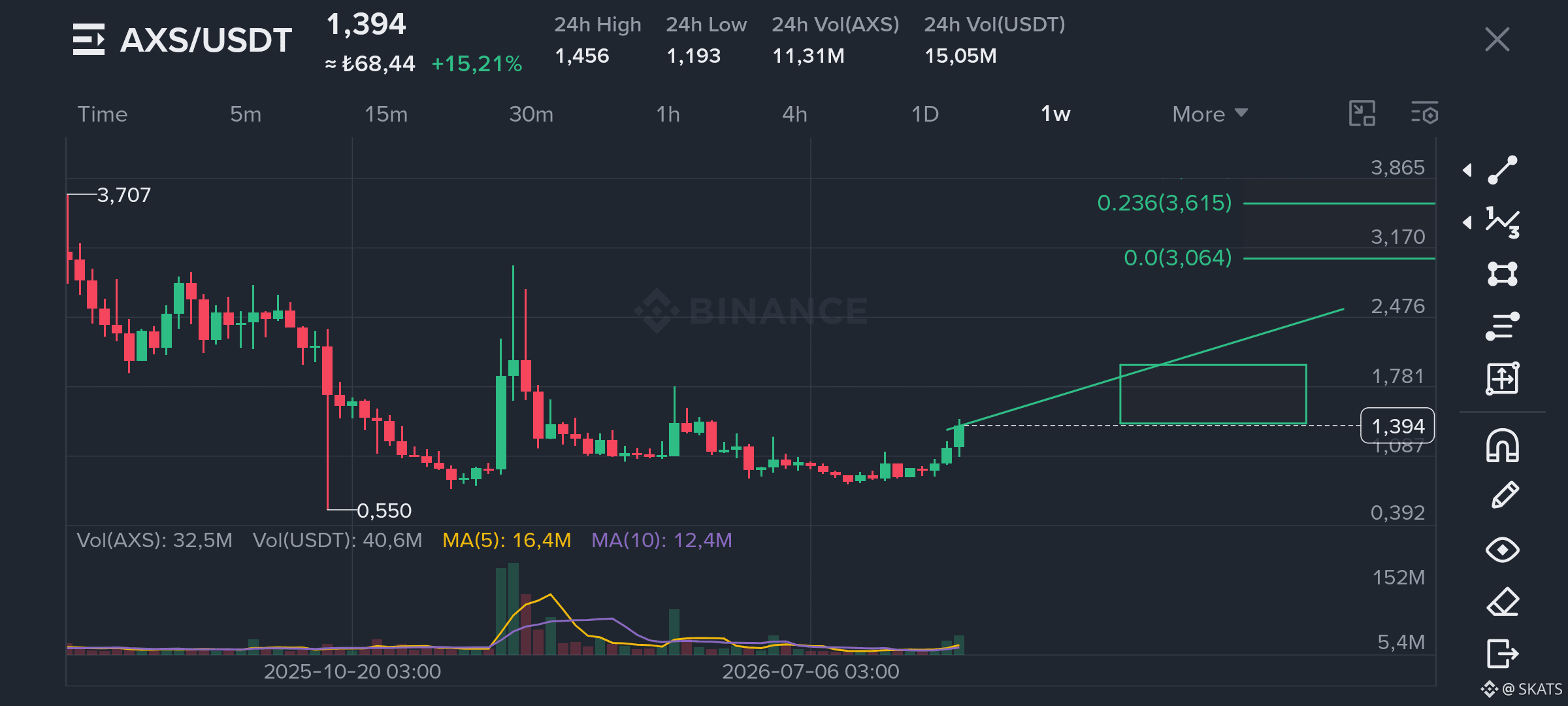
AXS-də mənim üçün vacib olan şey sıçrayışın özü deyil. Əhəmiyyətli olan odur ki, artıq eyni mənfi təzyiq eyni düşmə uzanmasını yaratmır
Uzun müddət struktur bir istiqamətdə işləyirdi. Zəiflik qiyməti daha aşağı zonalara itələyirdi. İndi isə həmin cavab öz effektivliyini itirməyə başlayır. Təkidlə geri çəkilmələr daha məhdud olur, müsbət impulslar isə daha çox məsafə qət edir
Mən buna cavab asimmetriyası deyirəm
Bazar eyni təzyiqə eyni şəkildə reaksiya verməyi dayandıranda, həqiqi dəyişiklik artıq şamın üzərində deyil, strukturun daxilində baş verə bilər
Ona görə də mən 1.40–1.50 ətrafındakı hərəkəti sadəcə növbəti güclü itələmə kimi oxumuram. Mənim üçün vacib olan budur ki, qiyməti aşağıya məcbur edən mexanizm artıq eyni nəticəni vermir
Əgər 1.50-dən yuxarı qəbul davam edərsə, 1.70–1.80 zonası kritik sınaq sahəsinə çevrilir. Əgər bu zonaya yeni istinad sahəsi kimi çevrilərsə, 2 dollar artıq mənim üçün sadəcə hədəf deyil. Qiymətlərin yenidən qiymətləndirilməsi prosesində növbəti təbii mərhələ olur
AXS-də indi mən bunu izləyirəm
Trendlər qiymət yüksəlməyə başlayanda həmişə dəyişmir
Bəzən trend köhnə təzyiqin köhnə nəticəni verməyi dayandırdığı zaman dəyişir
#AXS #TufanSalur #CryptoMarket #Binance
AXS-də mənim üçün vacib olan şey sıçrayışın özü deyil. Əhəmiyyətli olan odur ki, artıq eyni mənfi təzyiq eyni düşmə uzanmasını yaratmır
Uzun müddət struktur bir istiqamətdə işləyirdi. Zəiflik qiyməti daha aşağı zonalara itələyirdi. İndi isə həmin cavab öz effektivliyini itirməyə başlayır. Təkidlə geri çəkilmələr daha məhdud olur, müsbət impulslar isə daha çox məsafə qət edir
Mən buna cavab asimmetriyası deyirəm
Bazar eyni təzyiqə eyni şəkildə reaksiya verməyi dayandıranda, həqiqi dəyişiklik artıq şamın üzərində deyil, strukturun daxilində baş verə bilər
Ona görə də mən 1.40–1.50 ətrafındakı hərəkəti sadəcə növbəti güclü itələmə kimi oxumuram. Mənim üçün vacib olan budur ki, qiyməti aşağıya məcbur edən mexanizm artıq eyni nəticəni vermir
Əgər 1.50-dən yuxarı qəbul davam edərsə, 1.70–1.80 zonası kritik sınaq sahəsinə çevrilir. Əgər bu zonaya yeni istinad sahəsi kimi çevrilərsə, 2 dollar artıq mənim üçün sadəcə hədəf deyil. Qiymətlərin yenidən qiymətləndirilməsi prosesində növbəti təbii mərhələ olur
AXS-də indi mən bunu izləyirəm
Trendlər qiymət yüksəlməyə başlayanda həmişə dəyişmir
Bəzən trend köhnə təzyiqin köhnə nəticəni verməyi dayandırdığı zaman dəyişir
#AXS #TufanSalur #CryptoMarket #Binance
Uzun müddət struktur bir istiqamətdə işləyirdi. Zəiflik qiyməti daha aşağı zonalara itələyirdi. İndi isə həmin cavab öz effektivliyini itirməyə başlayır. Təkidlə geri çəkilmələr daha məhdud olur, müsbət impulslar isə daha çox məsafə qət edir
Mən buna cavab asimmetriyası deyirəm
Bazar eyni təzyiqə eyni şəkildə reaksiya verməyi dayandıranda, həqiqi dəyişiklik artıq şamın üzərində deyil, strukturun daxilində baş verə bilər
Ona görə də mən 1.40–1.50 ətrafındakı hərəkəti sadəcə növbəti güclü itələmə kimi oxumuram. Mənim üçün vacib olan budur ki, qiyməti aşağıya məcbur edən mexanizm artıq eyni nəticəni vermir
Əgər 1.50-dən yuxarı qəbul davam edərsə, 1.70–1.80 zonası kritik sınaq sahəsinə çevrilir. Əgər bu zonaya yeni istinad sahəsi kimi çevrilərsə, 2 dollar artıq mənim üçün sadəcə hədəf deyil. Qiymətlərin yenidən qiymətləndirilməsi prosesində növbəti təbii mərhələ olur
AXS-də indi mən bunu izləyirəm
Trendlər qiymət yüksəlməyə başlayanda həmişə dəyişmir
Bəzən trend köhnə təzyiqin köhnə nəticəni verməyi dayandırdığı zaman dəyişir
#AXS #TufanSalur #CryptoMarket #Binance
1
1.2k
·
--
Artım
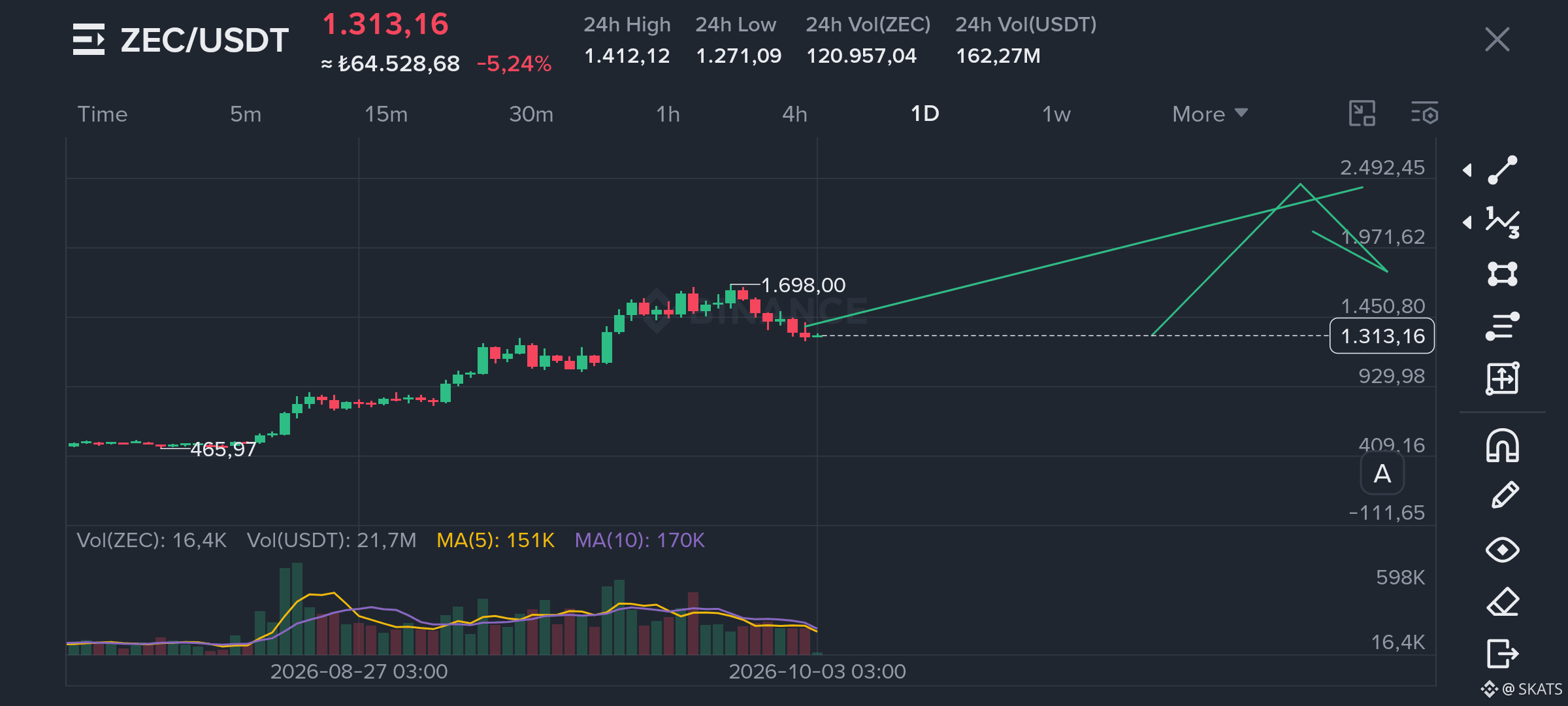
ZEC-də mənim üçün vacib olan 1,698 yüksəkliyi deyil. Məsələ budur ki, bu hərəkətdən sonra qiymətə zaman necə təsir edir
465 zonasından başlayan genişlənmə güclü oldu. Ardınca korrektə gəldi, amma qiymət köhnə struktura tam qayıtmadı. 1,300 civarındakı sıxılma isə bazarın daha yüksək qiymət rejimini tamamilə rədd etmədiyini göstərir
Mən müqaviməti sabit bir xətt kimi görmürəm. Onu zamanla zəifləyə bilən təklif (supply) qatından ibarət kimi görürəm. Əgər qiymət həmin eyni zonanın altında tutub qalırsa və daha aşağıda yeni bir balans qurmaqdan imtina edirsə, əsas sual artıq 1,700-ün qırılıb-qırılmaması deyil. Suallardan biri budur ki, oradakı təklifin (supply) həqiqətən nə qədər hissəsi hələ də qalıb
Ona görə də ZEC-dəki indiki sıxılmanı sadəcə zəiflik kimi oxumuram. Zaman, qiymət hərəkətinin göstərdiyindən daha səssiz şəkildə, üstdəki təklifi tədricən köhnəldə bilər. Mənim üçün əsas məqam təkcə 1,450–1,700 zonasının keçilməsi deyil, həm də bazarın onu yeni istinad (reference) zonası kimi qəbul etməsidir
Əgər bu baş verərsə, 2,000 sadəcə bir hədəq olmaqdan çıxır. O, növbəti yenidən qiymətlənmə (repricing) mərhələsinin ilk təbii sahəsi olur
Hələlik ZEC üzrə yüksəliş tezisini saxlayıram
Bəzən müqavimət bir böyük şamla qırılmır. Sadəcə, onun arxasındakı təklif tükəndikcə zəifləyir
#ZEC #CryptoMarket #MarketStructure
ZEC-də mənim üçün vacib olan 1,698 yüksəkliyi deyil. Məsələ budur ki, bu hərəkətdən sonra qiymətə zaman necə təsir edir
465 zonasından başlayan genişlənmə güclü oldu. Ardınca korrektə gəldi, amma qiymət köhnə struktura tam qayıtmadı. 1,300 civarındakı sıxılma isə bazarın daha yüksək qiymət rejimini tamamilə rədd etmədiyini göstərir
Mən müqaviməti sabit bir xətt kimi görmürəm. Onu zamanla zəifləyə bilən təklif (supply) qatından ibarət kimi görürəm. Əgər qiymət həmin eyni zonanın altında tutub qalırsa və daha aşağıda yeni bir balans qurmaqdan imtina edirsə, əsas sual artıq 1,700-ün qırılıb-qırılmaması deyil. Suallardan biri budur ki, oradakı təklifin (supply) həqiqətən nə qədər hissəsi hələ də qalıb
Ona görə də ZEC-dəki indiki sıxılmanı sadəcə zəiflik kimi oxumuram. Zaman, qiymət hərəkətinin göstərdiyindən daha səssiz şəkildə, üstdəki təklifi tədricən köhnəldə bilər. Mənim üçün əsas məqam təkcə 1,450–1,700 zonasının keçilməsi deyil, həm də bazarın onu yeni istinad (reference) zonası kimi qəbul etməsidir
Əgər bu baş verərsə, 2,000 sadəcə bir hədəq olmaqdan çıxır. O, növbəti yenidən qiymətlənmə (repricing) mərhələsinin ilk təbii sahəsi olur
Hələlik ZEC üzrə yüksəliş tezisini saxlayıram
Bəzən müqavimət bir böyük şamla qırılmır. Sadəcə, onun arxasındakı təklif tükəndikcə zəifləyir
#ZEC #CryptoMarket #MarketStructure
465 zonasından başlayan genişlənmə güclü oldu. Ardınca korrektə gəldi, amma qiymət köhnə struktura tam qayıtmadı. 1,300 civarındakı sıxılma isə bazarın daha yüksək qiymət rejimini tamamilə rədd etmədiyini göstərir
Mən müqaviməti sabit bir xətt kimi görmürəm. Onu zamanla zəifləyə bilən təklif (supply) qatından ibarət kimi görürəm. Əgər qiymət həmin eyni zonanın altında tutub qalırsa və daha aşağıda yeni bir balans qurmaqdan imtina edirsə, əsas sual artıq 1,700-ün qırılıb-qırılmaması deyil. Suallardan biri budur ki, oradakı təklifin (supply) həqiqətən nə qədər hissəsi hələ də qalıb
Ona görə də ZEC-dəki indiki sıxılmanı sadəcə zəiflik kimi oxumuram. Zaman, qiymət hərəkətinin göstərdiyindən daha səssiz şəkildə, üstdəki təklifi tədricən köhnəldə bilər. Mənim üçün əsas məqam təkcə 1,450–1,700 zonasının keçilməsi deyil, həm də bazarın onu yeni istinad (reference) zonası kimi qəbul etməsidir
Əgər bu baş verərsə, 2,000 sadəcə bir hədəq olmaqdan çıxır. O, növbəti yenidən qiymətlənmə (repricing) mərhələsinin ilk təbii sahəsi olur
Hələlik ZEC üzrə yüksəliş tezisini saxlayıram
Bəzən müqavimət bir böyük şamla qırılmır. Sadəcə, onun arxasındakı təklif tükəndikcə zəifləyir
#ZEC #CryptoMarket #MarketStructure
3
2
363
·
--
Məncə, süni intellekt bazarları daha ağıllı etməzdən əvvəl onları daha sinxron edə bilər.
İnsanların çoxu sürətə, analitik gücə və avtomatlaşdırmaya diqqət yetirir. Mən isə fərqli bir riskə baxıram.
Keçmişdə minlərlə investorun eyni nəticəyə gəlməsi üçün vaxt lazım olurdu. Hətta eyni məlumatlara baxsalar belə, şərh ilə icra arasındakı vaxt fərqli idi.
Bu boşluq getdikcə azalır.
İndi minlərlə qərar mühərriki eyni informasiyanı oxuyub saniyələr içində oxşar nəticələrə çata bilir. Əsl problem hamının eyni aktivi tutması deyil.
Problemin mahiyyəti budur ki, hamı eyni ideyanı eyni anda formalaşdıra bilər.
Mən buna qərar sıxılmasını (decision compression) deyirəm.
Eyni siqnal demək olar ki, dərhal oxşar mövqelərə çevrilirsə, bazarların daha çox kapitala və ya daha çox levericə (borc əmsalı) ehtiyacı olmadan daha şiddətli ola bilmə ehtimalı var.
Bəzən daha qısa qərar dövrü kifayət edir.
Risk həmişə mövqelərin həcminin böyüklüyündən gəlmir. Həm də minlərlə müstəqil qərarın eyni anda eyni davranışa çökməsindən yarana bilər.
Mən düşünmürəm ki, gələcəyin izdihamlı ticarəti milyonlarla insanın eyni şeyi düşündüyü vəziyyət olacaq.
Bu, eyni şeyi eyni saniyədə düşünən milyonlarla qərar mühərriki ola bilər.
Süni intellekt bazarları ən çox daha yaxşı proqnozlarla dəyişməyə bilər.
Əsl dönüş müstəqil qərarlar arasındakı zaman fərqini aradan qaldıranda başlaya bilər.
#ArtificialIntelligence #MarketStructure
#TufanSalur
Məncə, süni intellekt bazarları daha ağıllı etməzdən əvvəl onları daha sinxron edə bilər.
İnsanların çoxu sürətə, analitik gücə və avtomatlaşdırmaya diqqət yetirir. Mən isə fərqli bir riskə baxıram.
Keçmişdə minlərlə investorun eyni nəticəyə gəlməsi üçün vaxt lazım olurdu. Hətta eyni məlumatlara baxsalar belə, şərh ilə icra arasındakı vaxt fərqli idi.
Bu boşluq getdikcə azalır.
İndi minlərlə qərar mühərriki eyni informasiyanı oxuyub saniyələr içində oxşar nəticələrə çata bilir. Əsl problem hamının eyni aktivi tutması deyil.
Problemin mahiyyəti budur ki, hamı eyni ideyanı eyni anda formalaşdıra bilər.
Mən buna qərar sıxılmasını (decision compression) deyirəm.
Eyni siqnal demək olar ki, dərhal oxşar mövqelərə çevrilirsə, bazarların daha çox kapitala və ya daha çox levericə (borc əmsalı) ehtiyacı olmadan daha şiddətli ola bilmə ehtimalı var.
Bəzən daha qısa qərar dövrü kifayət edir.
Risk həmişə mövqelərin həcminin böyüklüyündən gəlmir. Həm də minlərlə müstəqil qərarın eyni anda eyni davranışa çökməsindən yarana bilər.
Mən düşünmürəm ki, gələcəyin izdihamlı ticarəti milyonlarla insanın eyni şeyi düşündüyü vəziyyət olacaq.
Bu, eyni şeyi eyni saniyədə düşünən milyonlarla qərar mühərriki ola bilər.
Süni intellekt bazarları ən çox daha yaxşı proqnozlarla dəyişməyə bilər.
Əsl dönüş müstəqil qərarlar arasındakı zaman fərqini aradan qaldıranda başlaya bilər.
#ArtificialIntelligence #MarketStructure
#TufanSalur
İnsanların çoxu sürətə, analitik gücə və avtomatlaşdırmaya diqqət yetirir. Mən isə fərqli bir riskə baxıram.
Keçmişdə minlərlə investorun eyni nəticəyə gəlməsi üçün vaxt lazım olurdu. Hətta eyni məlumatlara baxsalar belə, şərh ilə icra arasındakı vaxt fərqli idi.
Bu boşluq getdikcə azalır.
İndi minlərlə qərar mühərriki eyni informasiyanı oxuyub saniyələr içində oxşar nəticələrə çata bilir. Əsl problem hamının eyni aktivi tutması deyil.
Problemin mahiyyəti budur ki, hamı eyni ideyanı eyni anda formalaşdıra bilər.
Mən buna qərar sıxılmasını (decision compression) deyirəm.
Eyni siqnal demək olar ki, dərhal oxşar mövqelərə çevrilirsə, bazarların daha çox kapitala və ya daha çox levericə (borc əmsalı) ehtiyacı olmadan daha şiddətli ola bilmə ehtimalı var.
Bəzən daha qısa qərar dövrü kifayət edir.
Risk həmişə mövqelərin həcminin böyüklüyündən gəlmir. Həm də minlərlə müstəqil qərarın eyni anda eyni davranışa çökməsindən yarana bilər.
Mən düşünmürəm ki, gələcəyin izdihamlı ticarəti milyonlarla insanın eyni şeyi düşündüyü vəziyyət olacaq.
Bu, eyni şeyi eyni saniyədə düşünən milyonlarla qərar mühərriki ola bilər.
Süni intellekt bazarları ən çox daha yaxşı proqnozlarla dəyişməyə bilər.
Əsl dönüş müstəqil qərarlar arasındakı zaman fərqini aradan qaldıranda başlaya bilər.
#ArtificialIntelligence #MarketStructure
#TufanSalur
1
99
·
--
Azalma
MUBARAK ilə mən müqavimətdən daha xüsusi bir şeyi izləyirəm
Düşünürəm ki, bazar mən “qəbul borcu” adlandırdığım bir şey formalaşdırır
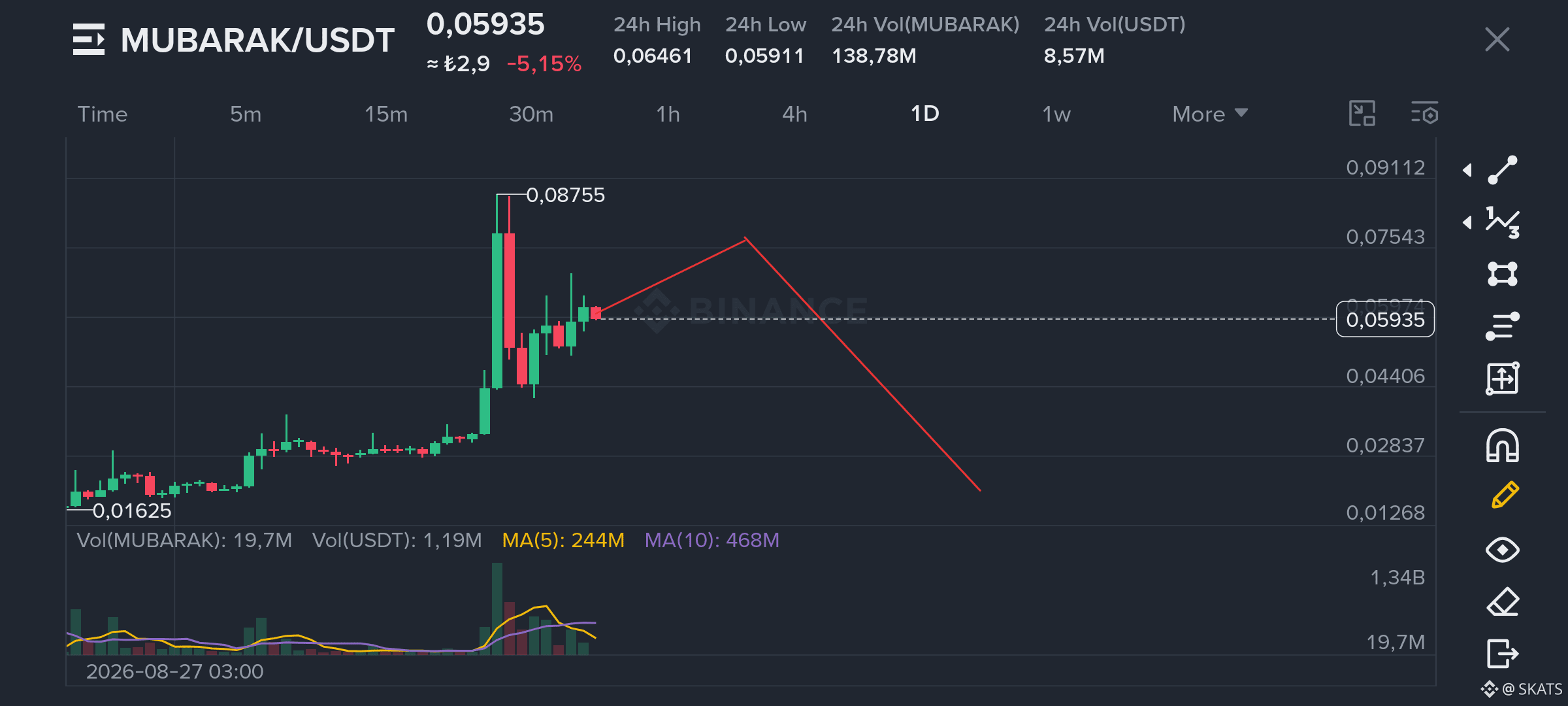
0.08755 istiqamətindəki hərəkət o qədər tez baş verdi ki, qiymət real balans qurmaq üçün orada kifayət qədər vaxt sərf etmədən bir neçə zonadan keçdi
Mənə görə sürət həmişə güc demək deyil. Bəzən sadəcə tam yoxlanılmamış qiymət zonalarını geridə qoyur
Ona görə də hətta MUBARAK 0.07–0.075 sahəsinə doğru uzanarsa belə, bunu avtomatik olaraq davam kimi oxumaram
İlk impulsdan sonra həcm artıq daralıb. Əgər qiymət geniş iştirak olmadan yuxarı hərəkət edərsə, struktur möhkəmlənməkdən daha çox seyrəkləşə bilər
Məhz bu səbəbdən qrafikdə qırmızı xətt var
Mən dəqiq zirvəni proqnozlaşdırmağa çalışmıram
Mən bazarın heç vaxt tam qəbul etmədiyi səviyyələri müəyyənləşdirməyə çalışıram
Əgər 0.05–0.06 sahəsi davamlı istinad zonası kimi formalaşmasa, mənim üçün indiki qiymətləmə hələ də natamam görünür və daha dərin korreksiyanın baş verməsi təəccüblü olmaz
Sürətli yüksəlişlər həmişə gücün hara yönəldiyini demir
Bəzən sadəcə bazarın sonra geri qayıdıb sual verməli olduğu sahələri geridə qoyur $MUBARAK
#TufanSalur #Binance #MUBARAK
MUBARAK ilə mən müqavimətdən daha xüsusi bir şeyi izləyirəm
Düşünürəm ki, bazar mən “qəbul borcu” adlandırdığım bir şey formalaşdırır
0.08755 istiqamətindəki hərəkət o qədər tez baş verdi ki, qiymət real balans qurmaq üçün orada kifayət qədər vaxt sərf etmədən bir neçə zonadan keçdi
Mənə görə sürət həmişə güc demək deyil. Bəzən sadəcə tam yoxlanılmamış qiymət zonalarını geridə qoyur
Ona görə də hətta MUBARAK 0.07–0.075 sahəsinə doğru uzanarsa belə, bunu avtomatik olaraq davam kimi oxumaram
İlk impulsdan sonra həcm artıq daralıb. Əgər qiymət geniş iştirak olmadan yuxarı hərəkət edərsə, struktur möhkəmlənməkdən daha çox seyrəkləşə bilər
Məhz bu səbəbdən qrafikdə qırmızı xətt var
Mən dəqiq zirvəni proqnozlaşdırmağa çalışmıram
Mən bazarın heç vaxt tam qəbul etmədiyi səviyyələri müəyyənləşdirməyə çalışıram
Əgər 0.05–0.06 sahəsi davamlı istinad zonası kimi formalaşmasa, mənim üçün indiki qiymətləmə hələ də natamam görünür və daha dərin korreksiyanın baş verməsi təəccüblü olmaz
Sürətli yüksəlişlər həmişə gücün hara yönəldiyini demir
Bəzən sadəcə bazarın sonra geri qayıdıb sual verməli olduğu sahələri geridə qoyur $MUBARAK
#TufanSalur #Binance #MUBARAK
Düşünürəm ki, bazar mən “qəbul borcu” adlandırdığım bir şey formalaşdırır
0.08755 istiqamətindəki hərəkət o qədər tez baş verdi ki, qiymət real balans qurmaq üçün orada kifayət qədər vaxt sərf etmədən bir neçə zonadan keçdi
Mənə görə sürət həmişə güc demək deyil. Bəzən sadəcə tam yoxlanılmamış qiymət zonalarını geridə qoyur
Ona görə də hətta MUBARAK 0.07–0.075 sahəsinə doğru uzanarsa belə, bunu avtomatik olaraq davam kimi oxumaram
İlk impulsdan sonra həcm artıq daralıb. Əgər qiymət geniş iştirak olmadan yuxarı hərəkət edərsə, struktur möhkəmlənməkdən daha çox seyrəkləşə bilər
Məhz bu səbəbdən qrafikdə qırmızı xətt var
Mən dəqiq zirvəni proqnozlaşdırmağa çalışmıram
Mən bazarın heç vaxt tam qəbul etmədiyi səviyyələri müəyyənləşdirməyə çalışıram
Əgər 0.05–0.06 sahəsi davamlı istinad zonası kimi formalaşmasa, mənim üçün indiki qiymətləmə hələ də natamam görünür və daha dərin korreksiyanın baş verməsi təəccüblü olmaz
Sürətli yüksəlişlər həmişə gücün hara yönəldiyini demir
Bəzən sadəcə bazarın sonra geri qayıdıb sual verməli olduğu sahələri geridə qoyur $MUBARAK
#TufanSalur #Binance #MUBARAK
2
12.8k
·
--
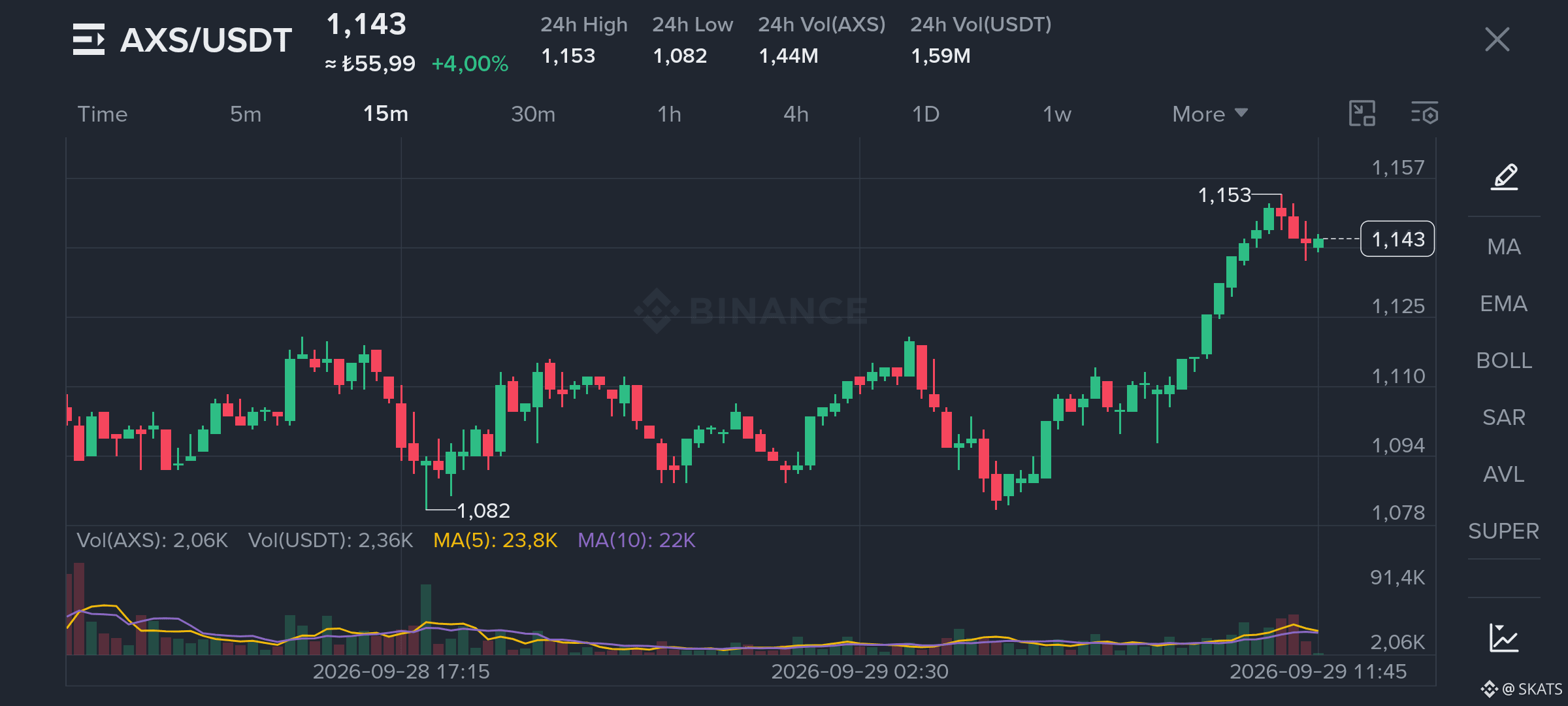
Mən elə indi AXS-ə baxıram və 15 dəqiqəlik qrafiki açmışam. 1.236-dan sonra satış təzyiqi onu 1.154 zonasına itələdi və indi 1.16 ətrafında saxlanmağa çalışır. Qısa müddətli bir təzyiq var, amma mən yalnız şamlara fokuslanmıram.
Məncə bazar hələ də AXS-i köhnə yüksək-mükafat, yüksək-satış-təzyiq dövrü ilə oxuya bilər. Amma bu günün strukturu eyni deyil.
Mənim önəm verdiyim təkcə AXS-in nə qədər mövcud olması deyil. Mən AXS-in mükafat tərəfdən real satış təzyiqinə nə qədər tez keçməsinə baxıram.
Bu fərq önəmlidir. Hətta token sayı dəyişməsə də, satış təzyiqinə çevrilmənin daha yavaş olması bazarın alışdığı balansı dəyişə bilər.
Qrafikdəki geri çəkilməyə baxmayaraq, hələlik yuxarı potensiala izləyirəm. Əgər tələb güclənirsə və təklif əvvəlkindən daha yavaş şəkildə satış təzyiqinə çevrilirsə, bazarın reaksiyası insanların gözlədiyindən çox fərqli görünə bilər.
Məncə AXS-də kor nöqtə budur.
Bəzən bir hərəkət təklif az olduğu üçün başlamır. Elə həmin təklif daha yavaş şəkildə bazara çatdığı üçün başlayır.
#AXS #CryptoMarket #Tokenomics
Mən elə indi AXS-ə baxıram və 15 dəqiqəlik qrafiki açmışam. 1.236-dan sonra satış təzyiqi onu 1.154 zonasına itələdi və indi 1.16 ətrafında saxlanmağa çalışır. Qısa müddətli bir təzyiq var, amma mən yalnız şamlara fokuslanmıram.
Məncə bazar hələ də AXS-i köhnə yüksək-mükafat, yüksək-satış-təzyiq dövrü ilə oxuya bilər. Amma bu günün strukturu eyni deyil.
Mənim önəm verdiyim təkcə AXS-in nə qədər mövcud olması deyil. Mən AXS-in mükafat tərəfdən real satış təzyiqinə nə qədər tez keçməsinə baxıram.
Bu fərq önəmlidir. Hətta token sayı dəyişməsə də, satış təzyiqinə çevrilmənin daha yavaş olması bazarın alışdığı balansı dəyişə bilər.
Qrafikdəki geri çəkilməyə baxmayaraq, hələlik yuxarı potensiala izləyirəm. Əgər tələb güclənirsə və təklif əvvəlkindən daha yavaş şəkildə satış təzyiqinə çevrilirsə, bazarın reaksiyası insanların gözlədiyindən çox fərqli görünə bilər.
Məncə AXS-də kor nöqtə budur.
Bəzən bir hərəkət təklif az olduğu üçün başlamır. Elə həmin təklif daha yavaş şəkildə bazara çatdığı üçün başlayır.
#AXS #CryptoMarket #Tokenomics
Məncə bazar hələ də AXS-i köhnə yüksək-mükafat, yüksək-satış-təzyiq dövrü ilə oxuya bilər. Amma bu günün strukturu eyni deyil.
Mənim önəm verdiyim təkcə AXS-in nə qədər mövcud olması deyil. Mən AXS-in mükafat tərəfdən real satış təzyiqinə nə qədər tez keçməsinə baxıram.
Bu fərq önəmlidir. Hətta token sayı dəyişməsə də, satış təzyiqinə çevrilmənin daha yavaş olması bazarın alışdığı balansı dəyişə bilər.
Qrafikdəki geri çəkilməyə baxmayaraq, hələlik yuxarı potensiala izləyirəm. Əgər tələb güclənirsə və təklif əvvəlkindən daha yavaş şəkildə satış təzyiqinə çevrilirsə, bazarın reaksiyası insanların gözlədiyindən çox fərqli görünə bilər.
Məncə AXS-də kor nöqtə budur.
Bəzən bir hərəkət təklif az olduğu üçün başlamır. Elə həmin təklif daha yavaş şəkildə bazara çatdığı üçün başlayır.
#AXS #CryptoMarket #Tokenomics
1
8.3k
·
--
Artım
$AUCTION stola üzərində qalır.
Mən $TRB və $MUBARAK barədə də qeydlər etdim.
Gəlin 2030-cu ildə bu yazıya qayıdaq
#SKATS
$AUCTION stola üzərində qalır.
Mən $TRB və $MUBARAK barədə də qeydlər etdim.
Gəlin 2030-cu ildə bu yazıya qayıdaq
#SKATS
Mən $TRB və $MUBARAK barədə də qeydlər etdim.
Gəlin 2030-cu ildə bu yazıya qayıdaq
#SKATS
Spot portfelim
2 / 300
Minimum 10 USDT
İctimai
7 günlük PnL
(USDT)
-113.48
7 günlük ROI
-1.49%
AUM
$8896.36
Qazanma faizi
66.22%
2
301
·
--
Düşünürəm ki biz oracle təhlükəsizliyini səhv ölçülərlə ölçürük
Çox adamlar sürətə, məlumat mənbələrinin sayına və ya yeniləmənin zəncirə nə qədər tez çatmasına diqqət yetirir
Tellor haqqında məni maraqlandıran isə başqa bir sualdır
Yanlış məlumatı real iqtisadi nəticə yaratmaq üçün kifayət qədər uzun müddət canlı saxlamaq nə qədər bahalıdır
Hücumçu əbədi yaşamaq üçün yalanın özünə ehtiyac duymur. Bəzən bir neçə blok, bir likvidasiya və ya tək bir kritik tranzaksiya kifayət edə bilər
Ona görə də mən Tellor-a yalnız məlumat çatdıran bir sistem kimi baxmıram
Mən daha çox onun dizaynının yanlış cavabı, əhəmiyyət kəsb edəcək qədər uzun müddət diri saxlamağı iqtisadi baxımdan mümkünsüz edə biləcəyini düşündürür
Mənim üçün bu, təkcə sürətdən daha mühüm bir sınaqdir
Çünki ən güclü oracle ilk dəfə düzgün cavab verən oracle olmaya bilər
Səhv cavabı iqtisadi baxımdan dayanıqsız edən oracle ola bilər
Mənim daha maraqlı hesab etdiyim Tellor tezisi budur
$TRB
#BinanceSquareFamily #TradingTales #TellorTributes
Düşünürəm ki biz oracle təhlükəsizliyini səhv ölçülərlə ölçürük
Çox adamlar sürətə, məlumat mənbələrinin sayına və ya yeniləmənin zəncirə nə qədər tez çatmasına diqqət yetirir
Tellor haqqında məni maraqlandıran isə başqa bir sualdır
Yanlış məlumatı real iqtisadi nəticə yaratmaq üçün kifayət qədər uzun müddət canlı saxlamaq nə qədər bahalıdır
Hücumçu əbədi yaşamaq üçün yalanın özünə ehtiyac duymur. Bəzən bir neçə blok, bir likvidasiya və ya tək bir kritik tranzaksiya kifayət edə bilər
Ona görə də mən Tellor-a yalnız məlumat çatdıran bir sistem kimi baxmıram
Mən daha çox onun dizaynının yanlış cavabı, əhəmiyyət kəsb edəcək qədər uzun müddət diri saxlamağı iqtisadi baxımdan mümkünsüz edə biləcəyini düşündürür
Mənim üçün bu, təkcə sürətdən daha mühüm bir sınaqdir
Çünki ən güclü oracle ilk dəfə düzgün cavab verən oracle olmaya bilər
Səhv cavabı iqtisadi baxımdan dayanıqsız edən oracle ola bilər
Mənim daha maraqlı hesab etdiyim Tellor tezisi budur
$TRB
#BinanceSquareFamily #TradingTales #TellorTributes
Çox adamlar sürətə, məlumat mənbələrinin sayına və ya yeniləmənin zəncirə nə qədər tez çatmasına diqqət yetirir
Tellor haqqında məni maraqlandıran isə başqa bir sualdır
Yanlış məlumatı real iqtisadi nəticə yaratmaq üçün kifayət qədər uzun müddət canlı saxlamaq nə qədər bahalıdır
Hücumçu əbədi yaşamaq üçün yalanın özünə ehtiyac duymur. Bəzən bir neçə blok, bir likvidasiya və ya tək bir kritik tranzaksiya kifayət edə bilər
Ona görə də mən Tellor-a yalnız məlumat çatdıran bir sistem kimi baxmıram
Mən daha çox onun dizaynının yanlış cavabı, əhəmiyyət kəsb edəcək qədər uzun müddət diri saxlamağı iqtisadi baxımdan mümkünsüz edə biləcəyini düşündürür
Mənim üçün bu, təkcə sürətdən daha mühüm bir sınaqdir
Çünki ən güclü oracle ilk dəfə düzgün cavab verən oracle olmaya bilər
Səhv cavabı iqtisadi baxımdan dayanıqsız edən oracle ola bilər
Mənim daha maraqlı hesab etdiyim Tellor tezisi budur
$TRB
#BinanceSquareFamily #TradingTales #TellorTributes
2
7.5k
·
--
19 avqust tarixində Bitcoin təxminən 64,000 ABŞ dolları ətrafında ticarət edirdi və avqustun 25-nə qədər 81,000 ABŞ dollarından yuxarı yüksəlib
İndi isə yenə oxşar bir ssenari görürük: qiymət 75,000 ABŞ dolları zonasından çıxaraq 86,000 ABŞ dollarından yuxarı gedib
İlk baxışdan bu iki yüksəliş bir-birinə bənzəyir. Məncə, onlar eyni deyil
Bu dəfə altcoin bazarının bəzi hissələri də sürətlənir; eyni zamanda güclü ETF tələbi və əhəmiyyətli short-covering (short mövqelərin bağlanması) hərəkətə əlavə bir təbəqə qatır
Məni düşündürən məsələ 86,000 səviyyəsinin özünə aid deyil
Əsl sual budur: buradan kapital nə qədər uzağa, Bitcoin-dən kənara yayıla bilər
İki yüksəliş eyni tipli qrafik yarada bilər, amma eyni bazar strukturu əmələ gətirməyə bilər
Birində likvidlik lider aktivdə cəmlənmiş qalır
Digərində isə risk iştahı daha geniş bazara doğru dönməyə başlayır
Mənim üçün real təsdiq daha geniş altcoin iştirakının olması, BTC dominansının azalması və spot həcm kütləvi şəkildə bazar üzrə genişlənməsidir
Mən bunu məhz burada, sadəcə növbəti bir qiymət reaksiyası yox, həqiqi kapital rotasiyası kimi oxumağa başlayardım
Bəlkə də real hekayə bu yüksəlişin harada dayanacağında deyil, kapitalın növbəti olaraq hara axacağındadır
#Bitcoin #Altcoins #CryptoMarket
#TufanSalur
19 avqust tarixində Bitcoin təxminən 64,000 ABŞ dolları ətrafında ticarət edirdi və avqustun 25-nə qədər 81,000 ABŞ dollarından yuxarı yüksəlib
İndi isə yenə oxşar bir ssenari görürük: qiymət 75,000 ABŞ dolları zonasından çıxaraq 86,000 ABŞ dollarından yuxarı gedib
İlk baxışdan bu iki yüksəliş bir-birinə bənzəyir. Məncə, onlar eyni deyil
Bu dəfə altcoin bazarının bəzi hissələri də sürətlənir; eyni zamanda güclü ETF tələbi və əhəmiyyətli short-covering (short mövqelərin bağlanması) hərəkətə əlavə bir təbəqə qatır
Məni düşündürən məsələ 86,000 səviyyəsinin özünə aid deyil
Əsl sual budur: buradan kapital nə qədər uzağa, Bitcoin-dən kənara yayıla bilər
İki yüksəliş eyni tipli qrafik yarada bilər, amma eyni bazar strukturu əmələ gətirməyə bilər
Birində likvidlik lider aktivdə cəmlənmiş qalır
Digərində isə risk iştahı daha geniş bazara doğru dönməyə başlayır
Mənim üçün real təsdiq daha geniş altcoin iştirakının olması, BTC dominansının azalması və spot həcm kütləvi şəkildə bazar üzrə genişlənməsidir
Mən bunu məhz burada, sadəcə növbəti bir qiymət reaksiyası yox, həqiqi kapital rotasiyası kimi oxumağa başlayardım
Bəlkə də real hekayə bu yüksəlişin harada dayanacağında deyil, kapitalın növbəti olaraq hara axacağındadır
#Bitcoin #Altcoins #CryptoMarket
#TufanSalur
İndi isə yenə oxşar bir ssenari görürük: qiymət 75,000 ABŞ dolları zonasından çıxaraq 86,000 ABŞ dollarından yuxarı gedib
İlk baxışdan bu iki yüksəliş bir-birinə bənzəyir. Məncə, onlar eyni deyil
Bu dəfə altcoin bazarının bəzi hissələri də sürətlənir; eyni zamanda güclü ETF tələbi və əhəmiyyətli short-covering (short mövqelərin bağlanması) hərəkətə əlavə bir təbəqə qatır
Məni düşündürən məsələ 86,000 səviyyəsinin özünə aid deyil
Əsl sual budur: buradan kapital nə qədər uzağa, Bitcoin-dən kənara yayıla bilər
İki yüksəliş eyni tipli qrafik yarada bilər, amma eyni bazar strukturu əmələ gətirməyə bilər
Birində likvidlik lider aktivdə cəmlənmiş qalır
Digərində isə risk iştahı daha geniş bazara doğru dönməyə başlayır
Mənim üçün real təsdiq daha geniş altcoin iştirakının olması, BTC dominansının azalması və spot həcm kütləvi şəkildə bazar üzrə genişlənməsidir
Mən bunu məhz burada, sadəcə növbəti bir qiymət reaksiyası yox, həqiqi kapital rotasiyası kimi oxumağa başlayardım
Bəlkə də real hekayə bu yüksəlişin harada dayanacağında deyil, kapitalın növbəti olaraq hara axacağındadır
#Bitcoin #Altcoins #CryptoMarket
#TufanSalur
2
19.5k
·
--
Artım
Doğrulanıb
Hər kəs AI səhmləri ətrafında eyni məsələləri müzakirə edir
Bu artım nə qədər davam edə bilər
Mən başqa yerə baxıram
Texnologiya miqyaslandıqca o, nəyi bol edir və nəyi daha dəyərli edir
Nvidia ötən rübdə 96,2 milyard dollar gəlir əldə edib, bunun 89 milyardı Data Center-dan gəlir—tələbə nə qədər güclü olduğunu artıq göstərir. Broadcom-un AI yarımkeçirici gəlirlərinin 16,7 milyard dollara çatması da eyni istiqaməti göstərir
Amma mən artıq yalnız məhsulun özünə fokuslanmıram
Bu artımın keçməli olduğu dar keçidləri nəzərdən keçirirəm
Proqram təminatı miqyaslana bilər. Kod kopyalana bilər. Modellər inkişaf edə bilər
Elektrik tutumu, şəbəkəyə çıxış, qabaqcıl yaddaş, paketləmə və soyutma isə eyni sürətlə genişlənə bilməz
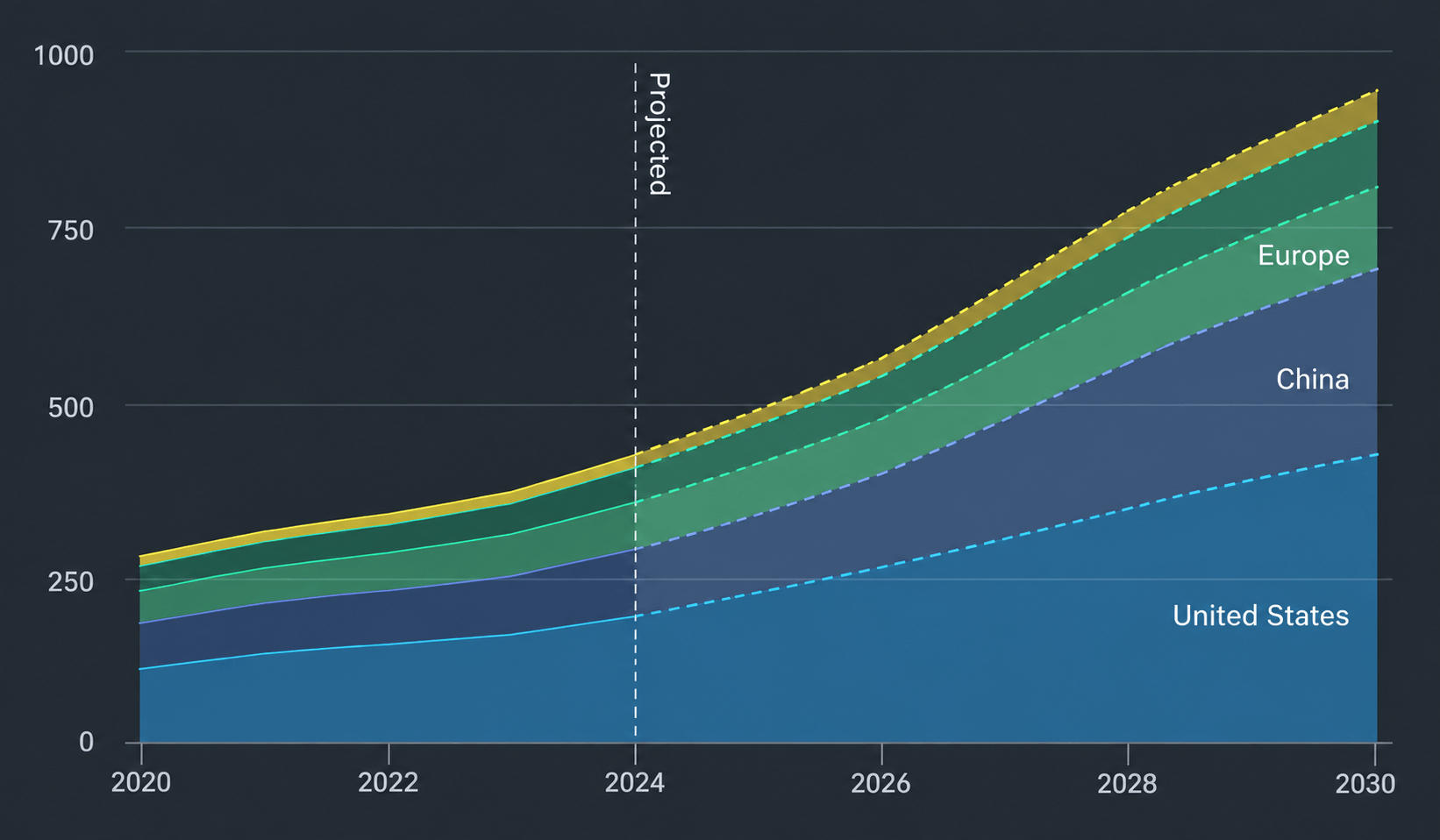
IEA məlumat mərkəzlərinin elektrik istehlakının 2025-də təxminən 485 TWh-dən 2030-cu ilə yaxın 950 TWh-ə yüksələcəyini gözləyir
Ona görə bu sahəyə nikbinəm, amma mən AI etiketi olan hər bir şirkətə eyni cür baxmıram
Mən daha çox bu texnologiyanın asanlıqla çoxalda bilmədiyi şeylərə maraq göstərirəm
Çünki artım nə qədər sürətlənirsə, fiziki məhdudiyyətlər də bir o qədər aydın görünür
Və bəzən ən güclü qiymət formalaşdırma gücü hər kəsin danışdığı məhsulun yanında olmur
O, bütün genişlənmənin keçməli olduğu dar nöqtədə dayanır
Məncə birinci mərhələ kəşfiyyat yaratmaq yarışı idi
Növbəti mərhələ isə kəşfiyyatın işləmədiyi resurslara kim nəzarət edir sualı ola bilər
Beləliklə, mənim növbəti imkanım başqa bir AI hekayəsi tapmaqla bağlı deyil
Bu, artım davam etdikcə yox olmayan qıtlığı tapmaq haqqındadır
Çünki texnologiya nə qədər miqyaslanırsa, onunla ayaqlaşa bilməyən şeylər bir o qədər dəyərli olur @Binance_Square_Official
#AIStocksWhatNext #AIInfrastructure #Nvidia #Binance #TufanSalur
Hər kəs AI səhmləri ətrafında eyni məsələləri müzakirə edir
Bu artım nə qədər davam edə bilər
Mən başqa yerə baxıram
Texnologiya miqyaslandıqca o, nəyi bol edir və nəyi daha dəyərli edir
Nvidia ötən rübdə 96,2 milyard dollar gəlir əldə edib, bunun 89 milyardı Data Center-dan gəlir—tələbə nə qədər güclü olduğunu artıq göstərir. Broadcom-un AI yarımkeçirici gəlirlərinin 16,7 milyard dollara çatması da eyni istiqaməti göstərir
Amma mən artıq yalnız məhsulun özünə fokuslanmıram
Bu artımın keçməli olduğu dar keçidləri nəzərdən keçirirəm
Proqram təminatı miqyaslana bilər. Kod kopyalana bilər. Modellər inkişaf edə bilər
Elektrik tutumu, şəbəkəyə çıxış, qabaqcıl yaddaş, paketləmə və soyutma isə eyni sürətlə genişlənə bilməz
IEA məlumat mərkəzlərinin elektrik istehlakının 2025-də təxminən 485 TWh-dən 2030-cu ilə yaxın 950 TWh-ə yüksələcəyini gözləyir
Ona görə bu sahəyə nikbinəm, amma mən AI etiketi olan hər bir şirkətə eyni cür baxmıram
Mən daha çox bu texnologiyanın asanlıqla çoxalda bilmədiyi şeylərə maraq göstərirəm
Çünki artım nə qədər sürətlənirsə, fiziki məhdudiyyətlər də bir o qədər aydın görünür
Və bəzən ən güclü qiymət formalaşdırma gücü hər kəsin danışdığı məhsulun yanında olmur
O, bütün genişlənmənin keçməli olduğu dar nöqtədə dayanır
Məncə birinci mərhələ kəşfiyyat yaratmaq yarışı idi
Növbəti mərhələ isə kəşfiyyatın işləmədiyi resurslara kim nəzarət edir sualı ola bilər
Beləliklə, mənim növbəti imkanım başqa bir AI hekayəsi tapmaqla bağlı deyil
Bu, artım davam etdikcə yox olmayan qıtlığı tapmaq haqqındadır
Çünki texnologiya nə qədər miqyaslanırsa, onunla ayaqlaşa bilməyən şeylər bir o qədər dəyərli olur @Binance Square Official
#AIStocksWhatNext #AIInfrastructure #Nvidia #Binance #TufanSalur
Bu artım nə qədər davam edə bilər
Mən başqa yerə baxıram
Texnologiya miqyaslandıqca o, nəyi bol edir və nəyi daha dəyərli edir
Nvidia ötən rübdə 96,2 milyard dollar gəlir əldə edib, bunun 89 milyardı Data Center-dan gəlir—tələbə nə qədər güclü olduğunu artıq göstərir. Broadcom-un AI yarımkeçirici gəlirlərinin 16,7 milyard dollara çatması da eyni istiqaməti göstərir
Amma mən artıq yalnız məhsulun özünə fokuslanmıram
Bu artımın keçməli olduğu dar keçidləri nəzərdən keçirirəm
Proqram təminatı miqyaslana bilər. Kod kopyalana bilər. Modellər inkişaf edə bilər
Elektrik tutumu, şəbəkəyə çıxış, qabaqcıl yaddaş, paketləmə və soyutma isə eyni sürətlə genişlənə bilməz
IEA məlumat mərkəzlərinin elektrik istehlakının 2025-də təxminən 485 TWh-dən 2030-cu ilə yaxın 950 TWh-ə yüksələcəyini gözləyir
Ona görə bu sahəyə nikbinəm, amma mən AI etiketi olan hər bir şirkətə eyni cür baxmıram
Mən daha çox bu texnologiyanın asanlıqla çoxalda bilmədiyi şeylərə maraq göstərirəm
Çünki artım nə qədər sürətlənirsə, fiziki məhdudiyyətlər də bir o qədər aydın görünür
Və bəzən ən güclü qiymət formalaşdırma gücü hər kəsin danışdığı məhsulun yanında olmur
O, bütün genişlənmənin keçməli olduğu dar nöqtədə dayanır
Məncə birinci mərhələ kəşfiyyat yaratmaq yarışı idi
Növbəti mərhələ isə kəşfiyyatın işləmədiyi resurslara kim nəzarət edir sualı ola bilər
Beləliklə, mənim növbəti imkanım başqa bir AI hekayəsi tapmaqla bağlı deyil
Bu, artım davam etdikcə yox olmayan qıtlığı tapmaq haqqındadır
Çünki texnologiya nə qədər miqyaslanırsa, onunla ayaqlaşa bilməyən şeylər bir o qədər dəyərli olur @Binance Square Official
#AIStocksWhatNext #AIInfrastructure #Nvidia #Binance #TufanSalur
2
16k
·
--
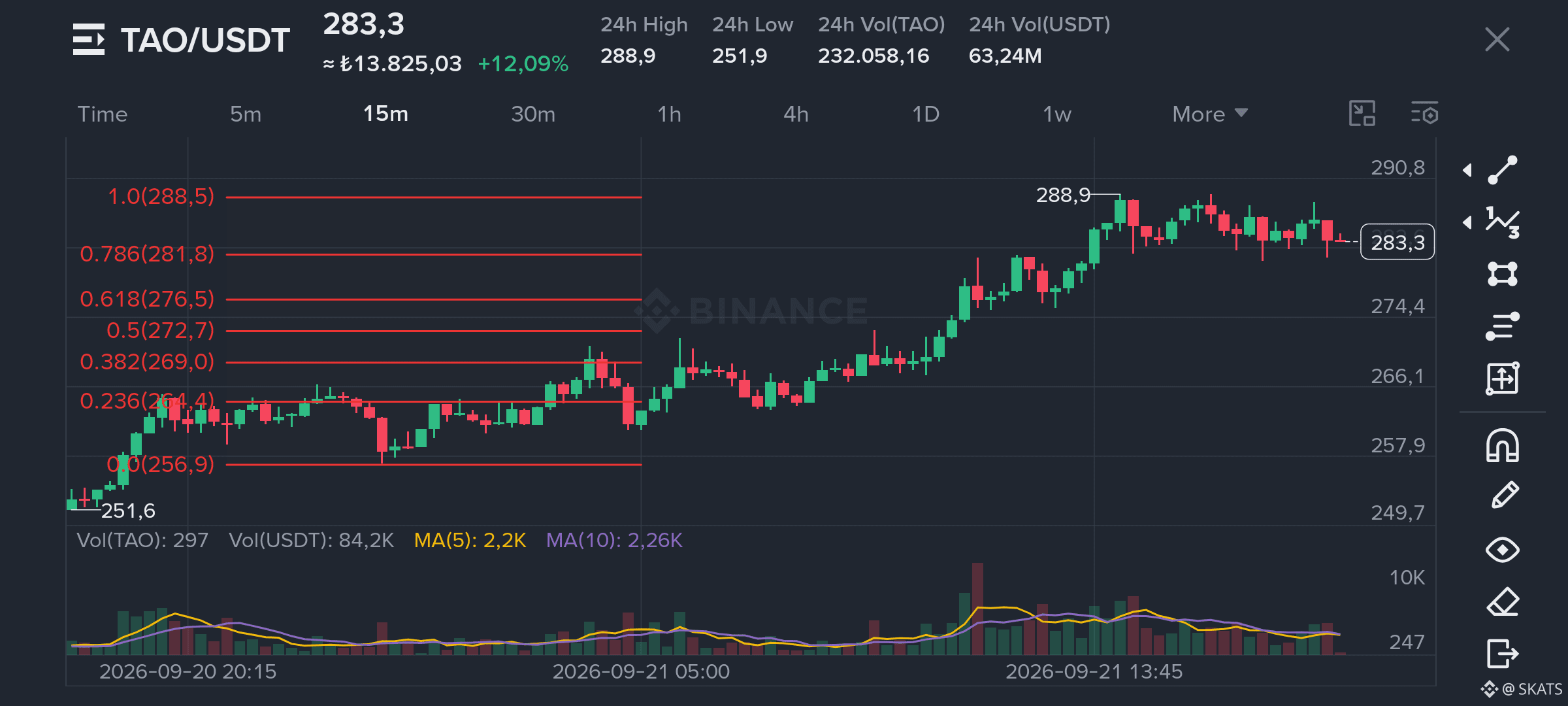
TAO qrafikinə baxanda qiyməti izah etməklə maraqlanmıram. Hər kəs bunu artıq görür.
Mənim düşündüyüm məsələ ondan ibarətdir ki, zamanla kapital Bittensor daxilində qərarlar verməyə başlaya bilər.
Güclü texnologiya qurmaq bəlkə də yetərli olmaya bilər. Müxtəlif subnetlər də diqqət və kapital üçün yarışır və bu mənim üçün daha maraqlı bir problem yaradır.
Əgər sistem onsuz da ən güclü görünən şeyi mükafatlandırmağa davam etsə, özünü yetərincə sübut etmək üçün sadəcə kifayət qədər vaxtı olmayan nəyisə itirə bilər.
Kapital təbii olaraq artıq nəticə göstərmiş tərəfə doğru hərəkət edir. Amma eyni seçim təkrar-təkrar davam edəndə qaliblər daha çox kapital cəlb edir, daha çox görünürlük qazanır və sonra yenə də daha çox kapital cəlb edir.
Bir məqamda Bittensor təkcə nəyin ən yaxşı olduğunu seçməyə yox, həm də insanların artıq ən yaxşı hesab etdiyi şeyi daha da gücləndirməyə başlaya bilər.
Mən TAO ilə baxdığım balans budur.
Şəbəkənin uzunmüddətli keyfiyyəti yalnız ən güclü subnetlərə nə qədər yaxşı mükafat verdiyindən asılı olmaya bilər. O, həm də hələ erkən mərhələdə olan, qeyri-müəyyən olan və ya sadəcə fərqli fikirlər üçün nə qədər yer buraxmasından asılı ola bilər.
Əgər kapital çox tez eyni qənaətə gəlsə, sistem səmərəli görünə bilər, amma yeni bir şeyi kəşf etmək qabiliyyətini yavaş-yavaş itirə bilər.
Konsensus kapitala daha təhlükəsiz hiss etdirə bilər, amma yeni dəyər tez-tez konsensus yaranmadan əvvəl tapılır.
Ona görə də TAO-ya baxanda təkcə şəbəkənin hansı hissəsinin diqqət qazandığını düşünmürəm.
Mən düşünürəm ki, Bittensor bazar tam anladığa qədər nə qədər vaxt fərqli bir ideyanın yaşamasına icazə verə bilər.
Çünki bəlkə də şəbəkənin keyfiyyəti hər kəsin eyni nəticəyə nə qədər tez çatdığı ilə ölçülmür.
Bəlkə də o, yoxlanılmamış bir ideyanın özünü sübut etməsi üçün nə qədər imkan (yer) verdiyinə görə ölçülür.$TAO
#TAO #Bittensor #Crypto #Binance
#TufanSalur
TAO qrafikinə baxanda qiyməti izah etməklə maraqlanmıram. Hər kəs bunu artıq görür.
Mənim düşündüyüm məsələ ondan ibarətdir ki, zamanla kapital Bittensor daxilində qərarlar verməyə başlaya bilər.
Güclü texnologiya qurmaq bəlkə də yetərli olmaya bilər. Müxtəlif subnetlər də diqqət və kapital üçün yarışır və bu mənim üçün daha maraqlı bir problem yaradır.
Əgər sistem onsuz da ən güclü görünən şeyi mükafatlandırmağa davam etsə, özünü yetərincə sübut etmək üçün sadəcə kifayət qədər vaxtı olmayan nəyisə itirə bilər.
Kapital təbii olaraq artıq nəticə göstərmiş tərəfə doğru hərəkət edir. Amma eyni seçim təkrar-təkrar davam edəndə qaliblər daha çox kapital cəlb edir, daha çox görünürlük qazanır və sonra yenə də daha çox kapital cəlb edir.
Bir məqamda Bittensor təkcə nəyin ən yaxşı olduğunu seçməyə yox, həm də insanların artıq ən yaxşı hesab etdiyi şeyi daha da gücləndirməyə başlaya bilər.
Mən TAO ilə baxdığım balans budur.
Şəbəkənin uzunmüddətli keyfiyyəti yalnız ən güclü subnetlərə nə qədər yaxşı mükafat verdiyindən asılı olmaya bilər. O, həm də hələ erkən mərhələdə olan, qeyri-müəyyən olan və ya sadəcə fərqli fikirlər üçün nə qədər yer buraxmasından asılı ola bilər.
Əgər kapital çox tez eyni qənaətə gəlsə, sistem səmərəli görünə bilər, amma yeni bir şeyi kəşf etmək qabiliyyətini yavaş-yavaş itirə bilər.
Konsensus kapitala daha təhlükəsiz hiss etdirə bilər, amma yeni dəyər tez-tez konsensus yaranmadan əvvəl tapılır.
Ona görə də TAO-ya baxanda təkcə şəbəkənin hansı hissəsinin diqqət qazandığını düşünmürəm.
Mən düşünürəm ki, Bittensor bazar tam anladığa qədər nə qədər vaxt fərqli bir ideyanın yaşamasına icazə verə bilər.
Çünki bəlkə də şəbəkənin keyfiyyəti hər kəsin eyni nəticəyə nə qədər tez çatdığı ilə ölçülmür.
Bəlkə də o, yoxlanılmamış bir ideyanın özünü sübut etməsi üçün nə qədər imkan (yer) verdiyinə görə ölçülür.$TAO
#TAO #Bittensor #Crypto #Binance
#TufanSalur
Mənim düşündüyüm məsələ ondan ibarətdir ki, zamanla kapital Bittensor daxilində qərarlar verməyə başlaya bilər.
Güclü texnologiya qurmaq bəlkə də yetərli olmaya bilər. Müxtəlif subnetlər də diqqət və kapital üçün yarışır və bu mənim üçün daha maraqlı bir problem yaradır.
Əgər sistem onsuz da ən güclü görünən şeyi mükafatlandırmağa davam etsə, özünü yetərincə sübut etmək üçün sadəcə kifayət qədər vaxtı olmayan nəyisə itirə bilər.
Kapital təbii olaraq artıq nəticə göstərmiş tərəfə doğru hərəkət edir. Amma eyni seçim təkrar-təkrar davam edəndə qaliblər daha çox kapital cəlb edir, daha çox görünürlük qazanır və sonra yenə də daha çox kapital cəlb edir.
Bir məqamda Bittensor təkcə nəyin ən yaxşı olduğunu seçməyə yox, həm də insanların artıq ən yaxşı hesab etdiyi şeyi daha da gücləndirməyə başlaya bilər.
Mən TAO ilə baxdığım balans budur.
Şəbəkənin uzunmüddətli keyfiyyəti yalnız ən güclü subnetlərə nə qədər yaxşı mükafat verdiyindən asılı olmaya bilər. O, həm də hələ erkən mərhələdə olan, qeyri-müəyyən olan və ya sadəcə fərqli fikirlər üçün nə qədər yer buraxmasından asılı ola bilər.
Əgər kapital çox tez eyni qənaətə gəlsə, sistem səmərəli görünə bilər, amma yeni bir şeyi kəşf etmək qabiliyyətini yavaş-yavaş itirə bilər.
Konsensus kapitala daha təhlükəsiz hiss etdirə bilər, amma yeni dəyər tez-tez konsensus yaranmadan əvvəl tapılır.
Ona görə də TAO-ya baxanda təkcə şəbəkənin hansı hissəsinin diqqət qazandığını düşünmürəm.
Mən düşünürəm ki, Bittensor bazar tam anladığa qədər nə qədər vaxt fərqli bir ideyanın yaşamasına icazə verə bilər.
Çünki bəlkə də şəbəkənin keyfiyyəti hər kəsin eyni nəticəyə nə qədər tez çatdığı ilə ölçülmür.
Bəlkə də o, yoxlanılmamış bir ideyanın özünü sübut etməsi üçün nə qədər imkan (yer) verdiyinə görə ölçülür.$TAO
#TAO #Bittensor #Crypto #Binance
#TufanSalur
3
10.5k
·
--
Çox güman ki, insanların çoxu S&P Global-ın OpenZeppelin-i ələ keçirməsini ənənəvi maliyyənin kriptoya yaxınlaşmasının başqa bir əlaməti kimi görəcək
Mən buna fərqli rakursdan baxıram
Maliyyə məhsulları proqramlaşdırıla biləndə, riskin ölçülmə qaydasının da dəyişməli ola biləcəyini düşünürəm
Ənənəvi maliyyədə adətən emitenti, balans vərəqini, təminatı və kimin qəyyumluğunda (custody) saxlandığını nəzərdən keçiririk. On-chain (zəncirdaxili) maliyyə isə bunların hamısına başqa bir qat əlavə edir: kodun özü
Tokenləşdirilmiş istiqraz güclü emitentə, cəlbedici gəlirə və möhkəm təminata malik ola bilər, amma mülkiyyəti, köçürmələri və ya çıxışı idarə edən ağıllı müqavilədə kritik zəiflik varsa, riskin bir hissəsi ənənəvi analizin tam əhatə etmədiyi bir yerdə qala bilər
Məhz buna görə S&P Global-ın OpenZeppelin-i satın almaq barədə razılaşması mənə maraqlıdır. Sadəcə başqa bir böyük maliyyə şirkətinin kriptoya yaxınlaşması olduğu üçün deyil, daha əsas bir şeyə işarə etdiyi üçün
Maliyyə proqramlaşdırıla bilən hala gəldikcə, kodun keyfiyyəti texniki detal olmaqdan çıxıb maliyyə məhsulunun özünün bir hissəsinə çevrilə bilər
Bu da kapital ayırmazdan əvvəl institutların verdiyi sualları dəyişə bilər. Artıq söhbət təkcə aktivin kim tərəfindən buraxıldığından yox, həm də arxasında duran kodun kim tərəfindən yoxlanıldığından gedə bilər
Tokenləşdirmə çox vaxt səhm, istiqraz, fondlar və digər aktivlərin blokçeyn infrastrukturuna keçirilməsi kimi təsvir olunur. Amma aktivin zəncirə salınması onun riskinin avtomatik olaraq daha asan başa düşülməsi demək deyil
Bu, kapitalın hələ də öyrənməli olduğu yeni bir risk növü yarada bilər
Beləliklə, bəlkə də on-chain maliyyənin növbəti mərhələsi sadəcə daha çox aktivin blokçeynə daşınması ilə bağlı deyil
Bu, kodun içindəki risklərin böyük kapital üçün kifayət qədər ölçülə bilən hala gətirilməsi ilə bağlı ola bilər ki, onlar buna etibar edə bilsinlər
Əgər bu baş versə, maliyyə kodunu yoxlayan infrastruktur zamanla onu icra edən infrastruktur qədər vacib ola bilər
#Tokenization #DigitalAssets #SmartContracts #Binance
Çox güman ki, insanların çoxu S&P Global-ın OpenZeppelin-i ələ keçirməsini ənənəvi maliyyənin kriptoya yaxınlaşmasının başqa bir əlaməti kimi görəcək
Mən buna fərqli rakursdan baxıram
Maliyyə məhsulları proqramlaşdırıla biləndə, riskin ölçülmə qaydasının da dəyişməli ola biləcəyini düşünürəm
Ənənəvi maliyyədə adətən emitenti, balans vərəqini, təminatı və kimin qəyyumluğunda (custody) saxlandığını nəzərdən keçiririk. On-chain (zəncirdaxili) maliyyə isə bunların hamısına başqa bir qat əlavə edir: kodun özü
Tokenləşdirilmiş istiqraz güclü emitentə, cəlbedici gəlirə və möhkəm təminata malik ola bilər, amma mülkiyyəti, köçürmələri və ya çıxışı idarə edən ağıllı müqavilədə kritik zəiflik varsa, riskin bir hissəsi ənənəvi analizin tam əhatə etmədiyi bir yerdə qala bilər
Məhz buna görə S&P Global-ın OpenZeppelin-i satın almaq barədə razılaşması mənə maraqlıdır. Sadəcə başqa bir böyük maliyyə şirkətinin kriptoya yaxınlaşması olduğu üçün deyil, daha əsas bir şeyə işarə etdiyi üçün
Maliyyə proqramlaşdırıla bilən hala gəldikcə, kodun keyfiyyəti texniki detal olmaqdan çıxıb maliyyə məhsulunun özünün bir hissəsinə çevrilə bilər
Bu da kapital ayırmazdan əvvəl institutların verdiyi sualları dəyişə bilər. Artıq söhbət təkcə aktivin kim tərəfindən buraxıldığından yox, həm də arxasında duran kodun kim tərəfindən yoxlanıldığından gedə bilər
Tokenləşdirmə çox vaxt səhm, istiqraz, fondlar və digər aktivlərin blokçeyn infrastrukturuna keçirilməsi kimi təsvir olunur. Amma aktivin zəncirə salınması onun riskinin avtomatik olaraq daha asan başa düşülməsi demək deyil
Bu, kapitalın hələ də öyrənməli olduğu yeni bir risk növü yarada bilər
Beləliklə, bəlkə də on-chain maliyyənin növbəti mərhələsi sadəcə daha çox aktivin blokçeynə daşınması ilə bağlı deyil
Bu, kodun içindəki risklərin böyük kapital üçün kifayət qədər ölçülə bilən hala gətirilməsi ilə bağlı ola bilər ki, onlar buna etibar edə bilsinlər
Əgər bu baş versə, maliyyə kodunu yoxlayan infrastruktur zamanla onu icra edən infrastruktur qədər vacib ola bilər
#Tokenization #DigitalAssets #SmartContracts #Binance
Mən buna fərqli rakursdan baxıram
Maliyyə məhsulları proqramlaşdırıla biləndə, riskin ölçülmə qaydasının da dəyişməli ola biləcəyini düşünürəm
Ənənəvi maliyyədə adətən emitenti, balans vərəqini, təminatı və kimin qəyyumluğunda (custody) saxlandığını nəzərdən keçiririk. On-chain (zəncirdaxili) maliyyə isə bunların hamısına başqa bir qat əlavə edir: kodun özü
Tokenləşdirilmiş istiqraz güclü emitentə, cəlbedici gəlirə və möhkəm təminata malik ola bilər, amma mülkiyyəti, köçürmələri və ya çıxışı idarə edən ağıllı müqavilədə kritik zəiflik varsa, riskin bir hissəsi ənənəvi analizin tam əhatə etmədiyi bir yerdə qala bilər
Məhz buna görə S&P Global-ın OpenZeppelin-i satın almaq barədə razılaşması mənə maraqlıdır. Sadəcə başqa bir böyük maliyyə şirkətinin kriptoya yaxınlaşması olduğu üçün deyil, daha əsas bir şeyə işarə etdiyi üçün
Maliyyə proqramlaşdırıla bilən hala gəldikcə, kodun keyfiyyəti texniki detal olmaqdan çıxıb maliyyə məhsulunun özünün bir hissəsinə çevrilə bilər
Bu da kapital ayırmazdan əvvəl institutların verdiyi sualları dəyişə bilər. Artıq söhbət təkcə aktivin kim tərəfindən buraxıldığından yox, həm də arxasında duran kodun kim tərəfindən yoxlanıldığından gedə bilər
Tokenləşdirmə çox vaxt səhm, istiqraz, fondlar və digər aktivlərin blokçeyn infrastrukturuna keçirilməsi kimi təsvir olunur. Amma aktivin zəncirə salınması onun riskinin avtomatik olaraq daha asan başa düşülməsi demək deyil
Bu, kapitalın hələ də öyrənməli olduğu yeni bir risk növü yarada bilər
Beləliklə, bəlkə də on-chain maliyyənin növbəti mərhələsi sadəcə daha çox aktivin blokçeynə daşınması ilə bağlı deyil
Bu, kodun içindəki risklərin böyük kapital üçün kifayət qədər ölçülə bilən hala gətirilməsi ilə bağlı ola bilər ki, onlar buna etibar edə bilsinlər
Əgər bu baş versə, maliyyə kodunu yoxlayan infrastruktur zamanla onu icra edən infrastruktur qədər vacib ola bilər
#Tokenization #DigitalAssets #SmartContracts #Binance
2
23.1k
·
--
Artım
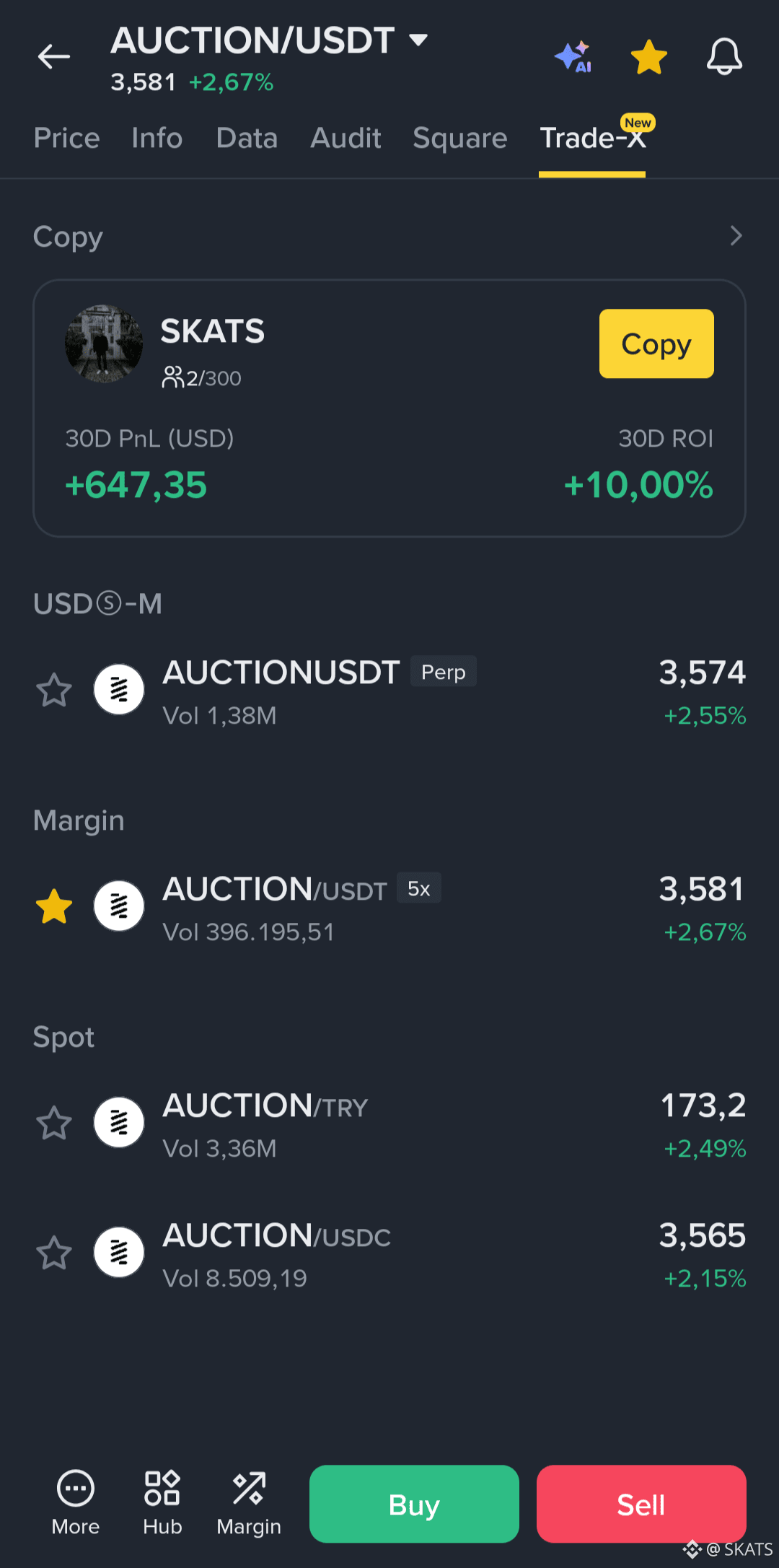
Mənim HƏRRAC strategiyam artıq “Kopyalama” bölməsində aktivdir.
Rəqəmlər ekranda artıq göründüyünə görə onların üstündə epik bir mətn yazmayacağam. Bazar artıq kifayət qədər dramatikdir 😄
$AUCTION #Binance
Mənim HƏRRAC strategiyam artıq “Kopyalama” bölməsində aktivdir.
Rəqəmlər ekranda artıq göründüyünə görə onların üstündə epik bir mətn yazmayacağam. Bazar artıq kifayət qədər dramatikdir 😄
$AUCTION #Binance
Rəqəmlər ekranda artıq göründüyünə görə onların üstündə epik bir mətn yazmayacağam. Bazar artıq kifayət qədər dramatikdir 😄
$AUCTION #Binance
2
18.2k
·
--
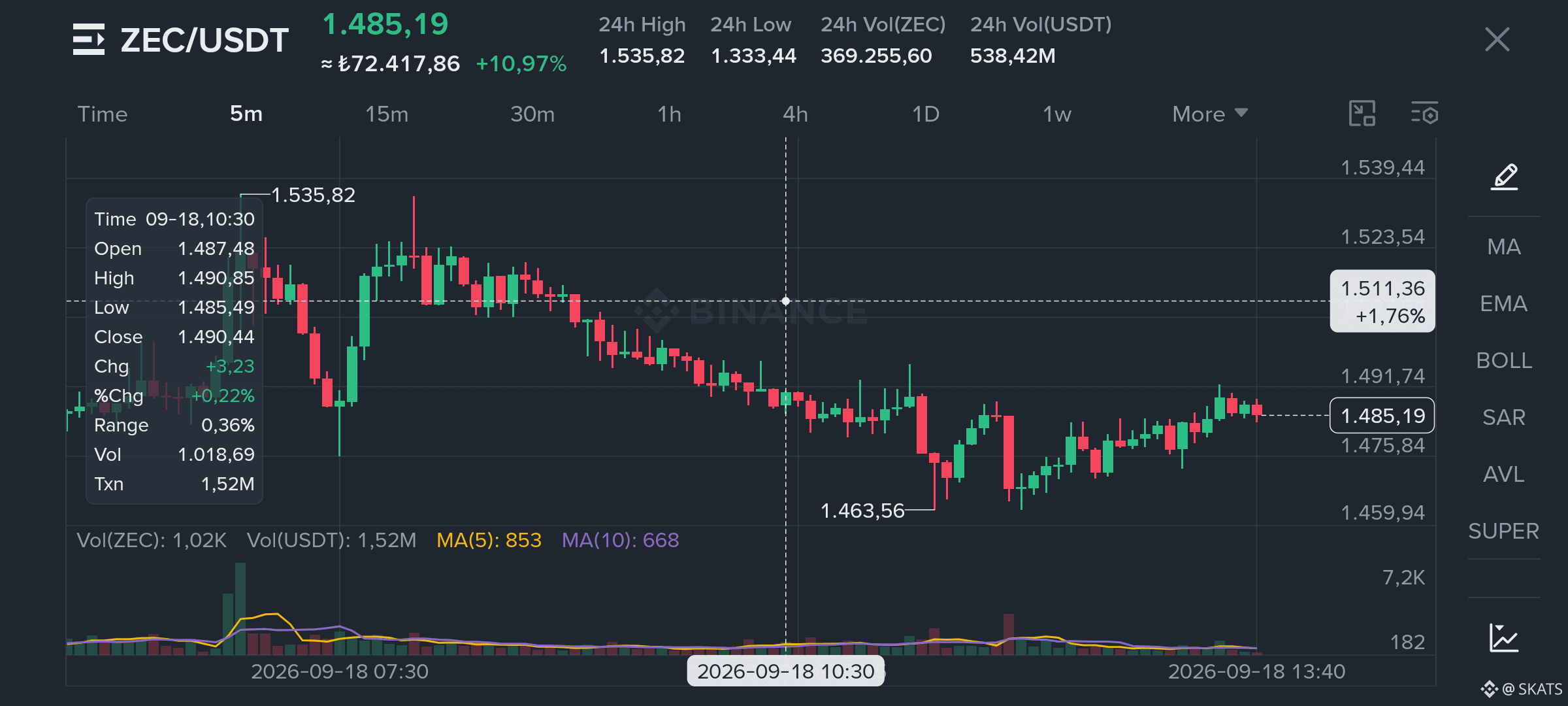
ZEC ilə mən qiymətin nə qədər sürətlə hərəkət etməsi ilə deyil, bu hərəkətin bazar üzrə mövqeləri necə yenidən paylaması ilə daha çox maraqlanıram.
24 saat ərzində iki rəqəmli bir artım gördük, həcmdə aydın genişlənmə var və qiymət 1,535 səviyyəsini test edib, 1,485 ətrafında sabitləşdi.
Qısa likvidasiyalar bu hərəkətin bir hissəsini sürətləndirmiş ola bilər.
Amma mən bu bütöv hərəkəti yalnız bununla izah etməzdim.
Çünki bir neçə şey eyni anda dəyişib.
Daha aşağıda yerləşdirilmiş kapital indi əhəmiyyətli mənfəətlər üzərində oturur.
Hərəkəti qaçırmaq istəməyən yeni pul isə daha yüksək maliyyət bazası ilə daxil olub.
Və qısa tərəfdə bəzi mövqelər məcburən çıxarılıb və ya risklərini azaldıb.
Beləliklə, qiymət dəyişərkən, onunla birlikdə başqa bir şey də dəyişib:
Müxtəlif iştirakçıların narahat olmağa başladığı səviyyə.
Mənim üçün indi daha vacib olan budur.
Güclü bir hərəkətdən sonra qiymət həmişə daha çox pula ehtiyac duymur ki, hərəkət davam etsin.
Bəzən sadəcə mövcud mövqelərin fərqli davranmağa başlaması kifayətdir.
Əvvəlki alıcılar mənfəəti götürməyə tələsmirsə, yeni alıcılar ilk geri çəkilməyə dözə bilir və qısalar dərhal aqressiv ekspozisiyanı yenidən qurмursa, bazar daha yüksək qiymət aralığını qəbul etməyə başlaya bilər.
Amma əks vəziyyət də elə sürətlə baş verə bilər.
Gec daxil olan alıcılar ilk dəfə inamını itirsə, bu gün güclü görünən şey çox tez kövrək ola bilər.
Ona görə də mən ZEC-ə baxıb belə düşünmürəm:
“Qısalar likvidasiya olundu, deməli daha da yuxarı gedir.”
Mən fərqli bir sual verirəm.
Əvvəlcə qərarını dəyişməyə ən çox məcbur olacaq kimdir?
Mənfəət üzərində oturan daha erkən kapital?
Yüksək qiymətlə daxil olan daha yeni kapital?
Yoxsa ekspozisiyanı yenidən qurmağa çalışan qısa tərəf?
Çünki bəzən növbəti hərəkət ən güclü tərəf tərəfindən müəyyən edilmir.
Onu ilk narahat olana çevrilən tərəf müəyyən edir.
#ZEC #MarketStructure #Binance
ZEC ilə mən qiymətin nə qədər sürətlə hərəkət etməsi ilə deyil, bu hərəkətin bazar üzrə mövqeləri necə yenidən paylaması ilə daha çox maraqlanıram.
24 saat ərzində iki rəqəmli bir artım gördük, həcmdə aydın genişlənmə var və qiymət 1,535 səviyyəsini test edib, 1,485 ətrafında sabitləşdi.
Qısa likvidasiyalar bu hərəkətin bir hissəsini sürətləndirmiş ola bilər.
Amma mən bu bütöv hərəkəti yalnız bununla izah etməzdim.
Çünki bir neçə şey eyni anda dəyişib.
Daha aşağıda yerləşdirilmiş kapital indi əhəmiyyətli mənfəətlər üzərində oturur.
Hərəkəti qaçırmaq istəməyən yeni pul isə daha yüksək maliyyət bazası ilə daxil olub.
Və qısa tərəfdə bəzi mövqelər məcburən çıxarılıb və ya risklərini azaldıb.
Beləliklə, qiymət dəyişərkən, onunla birlikdə başqa bir şey də dəyişib:
Müxtəlif iştirakçıların narahat olmağa başladığı səviyyə.
Mənim üçün indi daha vacib olan budur.
Güclü bir hərəkətdən sonra qiymət həmişə daha çox pula ehtiyac duymur ki, hərəkət davam etsin.
Bəzən sadəcə mövcud mövqelərin fərqli davranmağa başlaması kifayətdir.
Əvvəlki alıcılar mənfəəti götürməyə tələsmirsə, yeni alıcılar ilk geri çəkilməyə dözə bilir və qısalar dərhal aqressiv ekspozisiyanı yenidən qurмursa, bazar daha yüksək qiymət aralığını qəbul etməyə başlaya bilər.
Amma əks vəziyyət də elə sürətlə baş verə bilər.
Gec daxil olan alıcılar ilk dəfə inamını itirsə, bu gün güclü görünən şey çox tez kövrək ola bilər.
Ona görə də mən ZEC-ə baxıb belə düşünmürəm:
“Qısalar likvidasiya olundu, deməli daha da yuxarı gedir.”
Mən fərqli bir sual verirəm.
Əvvəlcə qərarını dəyişməyə ən çox məcbur olacaq kimdir?
Mənfəət üzərində oturan daha erkən kapital?
Yüksək qiymətlə daxil olan daha yeni kapital?
Yoxsa ekspozisiyanı yenidən qurmağa çalışan qısa tərəf?
Çünki bəzən növbəti hərəkət ən güclü tərəf tərəfindən müəyyən edilmir.
Onu ilk narahat olana çevrilən tərəf müəyyən edir.
#ZEC #MarketStructure #Binance
24 saat ərzində iki rəqəmli bir artım gördük, həcmdə aydın genişlənmə var və qiymət 1,535 səviyyəsini test edib, 1,485 ətrafında sabitləşdi.
Qısa likvidasiyalar bu hərəkətin bir hissəsini sürətləndirmiş ola bilər.
Amma mən bu bütöv hərəkəti yalnız bununla izah etməzdim.
Çünki bir neçə şey eyni anda dəyişib.
Daha aşağıda yerləşdirilmiş kapital indi əhəmiyyətli mənfəətlər üzərində oturur.
Hərəkəti qaçırmaq istəməyən yeni pul isə daha yüksək maliyyət bazası ilə daxil olub.
Və qısa tərəfdə bəzi mövqelər məcburən çıxarılıb və ya risklərini azaldıb.
Beləliklə, qiymət dəyişərkən, onunla birlikdə başqa bir şey də dəyişib:
Müxtəlif iştirakçıların narahat olmağa başladığı səviyyə.
Mənim üçün indi daha vacib olan budur.
Güclü bir hərəkətdən sonra qiymət həmişə daha çox pula ehtiyac duymur ki, hərəkət davam etsin.
Bəzən sadəcə mövcud mövqelərin fərqli davranmağa başlaması kifayətdir.
Əvvəlki alıcılar mənfəəti götürməyə tələsmirsə, yeni alıcılar ilk geri çəkilməyə dözə bilir və qısalar dərhal aqressiv ekspozisiyanı yenidən qurмursa, bazar daha yüksək qiymət aralığını qəbul etməyə başlaya bilər.
Amma əks vəziyyət də elə sürətlə baş verə bilər.
Gec daxil olan alıcılar ilk dəfə inamını itirsə, bu gün güclü görünən şey çox tez kövrək ola bilər.
Ona görə də mən ZEC-ə baxıb belə düşünmürəm:
“Qısalar likvidasiya olundu, deməli daha da yuxarı gedir.”
Mən fərqli bir sual verirəm.
Əvvəlcə qərarını dəyişməyə ən çox məcbur olacaq kimdir?
Mənfəət üzərində oturan daha erkən kapital?
Yüksək qiymətlə daxil olan daha yeni kapital?
Yoxsa ekspozisiyanı yenidən qurmağa çalışan qısa tərəf?
Çünki bəzən növbəti hərəkət ən güclü tərəf tərəfindən müəyyən edilmir.
Onu ilk narahat olana çevrilən tərəf müəyyən edir.
#ZEC #MarketStructure #Binance
2
5.3k
·
--
Doğrulanıb
Kriptovalyutanın ən erkən ideyalarından biri sadə idi:
Əgər açarları saxlayırsansa, həqiqətən də aktivə sahib olursan.
Bu fikir maliyyə məsuliyyətini institutlardan uzaqlaşdırıb fərdin üzərinə qoydu.
illər sonra isə əks istiqamətdə maraqlı bir şey baş verir.
Deutsche Bank institusional müştərilər üçün rəqəmsal aktivlərin kənarlaşmasına (custody) xidmət hazırlayır. Plana görə, Bitcoin, Ether və seçilmiş stablecoin-lər üçün pul kisələrinin (wallet) idarə edilməsi və şəxsi açarların (private keys) saxlanması bankın təqdim etdiyi xidmətin bir hissəsi olacaq.
Amma diqqətimi cəlb edən Bitcoin deyil.
Mənim diqqətimi cəlb edən odur ki, bir bank açarların məsuliyyətini öz üzərinə götürməyə hazırlaşır.
Fərd üçün açarlara nəzarət müstəqillik demək ola bilər. İnstitut üçün isə bu, məsuliyyət deməkdir.
Kim girişə (access) nəzarət edir və nəsə səhv gedəndə məsuliyyəti kim daşıyır?
Bir məqamdan sonra problem artıq sadəcə aktivin saxlanması ilə bağlı olmur.
Siz həm də məsuliyyəti custody etməlisiniz.
Düşünürəm ki, bu, institusional kriptoda çox az diqqət yetirilən məqamlardan biridir.
illərdir biz bankların Bitcoin alıb-almayacağını, onu balanslarında saxlayıb-saxlamayacağını və ya müştərilərə ona çıxış verib-verməyəcəyini soruşurduq.
Bəlkə də daha böyük dəyişiklik başqa yerdə baş verir.
Banklar sadəcə kriptoya adaptasiya etmir. Onlar kriptodan doğan yeni bir məsuliyyət növünü maliyyə xidmətinə çevirməyə hazırlaşa bilərlər.
Və bu, səhmlər, istiqrazlar, fondlar və digər aktivlər tədricən on-çeyn (on-chain) infrastrukturuna köçdükcə daha da maraqlı olur.
Bu dünyada kənarlaşma (custody) sadəcə belə demək olmaya bilər:
“Aktivləriniz burda saxlanılır.”
Daha dəyərli vəd isə belə ola bilər:
“Açarların məsuliyyətini biz üzərimizə götürürük.”
Deməli, Deutsche Bankın bu addımı ilə mən onun gələcəkdə nə qədər Bitcoin-i custody etməsinə baxmıram.
Mən başqa nəyə baxıram.
Kripto infrastruktur olanda banklar nəyi satmağa başlayır?
Çünki kriptovalyutanın ən erkən suallarından biri belə idi:
“Bəs mənə niyə banka ehtiyacım var?”
İnstitusional sual isə sonda belə olarsa:
“Bu məsuliyyəti kiminlə paylaşa, hansına etibar edə bilərəm?”
#DigitalAssetCustody #Bitcoin #InstitutionalCrypto #Binance
Kriptovalyutanın ən erkən ideyalarından biri sadə idi:
Əgər açarları saxlayırsansa, həqiqətən də aktivə sahib olursan.
Bu fikir maliyyə məsuliyyətini institutlardan uzaqlaşdırıb fərdin üzərinə qoydu.
illər sonra isə əks istiqamətdə maraqlı bir şey baş verir.
Deutsche Bank institusional müştərilər üçün rəqəmsal aktivlərin kənarlaşmasına (custody) xidmət hazırlayır. Plana görə, Bitcoin, Ether və seçilmiş stablecoin-lər üçün pul kisələrinin (wallet) idarə edilməsi və şəxsi açarların (private keys) saxlanması bankın təqdim etdiyi xidmətin bir hissəsi olacaq.
Amma diqqətimi cəlb edən Bitcoin deyil.
Mənim diqqətimi cəlb edən odur ki, bir bank açarların məsuliyyətini öz üzərinə götürməyə hazırlaşır.
Fərd üçün açarlara nəzarət müstəqillik demək ola bilər. İnstitut üçün isə bu, məsuliyyət deməkdir.
Kim girişə (access) nəzarət edir və nəsə səhv gedəndə məsuliyyəti kim daşıyır?
Bir məqamdan sonra problem artıq sadəcə aktivin saxlanması ilə bağlı olmur.
Siz həm də məsuliyyəti custody etməlisiniz.
Düşünürəm ki, bu, institusional kriptoda çox az diqqət yetirilən məqamlardan biridir.
illərdir biz bankların Bitcoin alıb-almayacağını, onu balanslarında saxlayıb-saxlamayacağını və ya müştərilərə ona çıxış verib-verməyəcəyini soruşurduq.
Bəlkə də daha böyük dəyişiklik başqa yerdə baş verir.
Banklar sadəcə kriptoya adaptasiya etmir. Onlar kriptodan doğan yeni bir məsuliyyət növünü maliyyə xidmətinə çevirməyə hazırlaşa bilərlər.
Və bu, səhmlər, istiqrazlar, fondlar və digər aktivlər tədricən on-çeyn (on-chain) infrastrukturuna köçdükcə daha da maraqlı olur.
Bu dünyada kənarlaşma (custody) sadəcə belə demək olmaya bilər:
“Aktivləriniz burda saxlanılır.”
Daha dəyərli vəd isə belə ola bilər:
“Açarların məsuliyyətini biz üzərimizə götürürük.”
Deməli, Deutsche Bankın bu addımı ilə mən onun gələcəkdə nə qədər Bitcoin-i custody etməsinə baxmıram.
Mən başqa nəyə baxıram.
Kripto infrastruktur olanda banklar nəyi satmağa başlayır?
Çünki kriptovalyutanın ən erkən suallarından biri belə idi:
“Bəs mənə niyə banka ehtiyacım var?”
İnstitusional sual isə sonda belə olarsa:
“Bu məsuliyyəti kiminlə paylaşa, hansına etibar edə bilərəm?”
#DigitalAssetCustody #Bitcoin #InstitutionalCrypto #Binance
Əgər açarları saxlayırsansa, həqiqətən də aktivə sahib olursan.
Bu fikir maliyyə məsuliyyətini institutlardan uzaqlaşdırıb fərdin üzərinə qoydu.
illər sonra isə əks istiqamətdə maraqlı bir şey baş verir.
Deutsche Bank institusional müştərilər üçün rəqəmsal aktivlərin kənarlaşmasına (custody) xidmət hazırlayır. Plana görə, Bitcoin, Ether və seçilmiş stablecoin-lər üçün pul kisələrinin (wallet) idarə edilməsi və şəxsi açarların (private keys) saxlanması bankın təqdim etdiyi xidmətin bir hissəsi olacaq.
Amma diqqətimi cəlb edən Bitcoin deyil.
Mənim diqqətimi cəlb edən odur ki, bir bank açarların məsuliyyətini öz üzərinə götürməyə hazırlaşır.
Fərd üçün açarlara nəzarət müstəqillik demək ola bilər. İnstitut üçün isə bu, məsuliyyət deməkdir.
Kim girişə (access) nəzarət edir və nəsə səhv gedəndə məsuliyyəti kim daşıyır?
Bir məqamdan sonra problem artıq sadəcə aktivin saxlanması ilə bağlı olmur.
Siz həm də məsuliyyəti custody etməlisiniz.
Düşünürəm ki, bu, institusional kriptoda çox az diqqət yetirilən məqamlardan biridir.
illərdir biz bankların Bitcoin alıb-almayacağını, onu balanslarında saxlayıb-saxlamayacağını və ya müştərilərə ona çıxış verib-verməyəcəyini soruşurduq.
Bəlkə də daha böyük dəyişiklik başqa yerdə baş verir.
Banklar sadəcə kriptoya adaptasiya etmir. Onlar kriptodan doğan yeni bir məsuliyyət növünü maliyyə xidmətinə çevirməyə hazırlaşa bilərlər.
Və bu, səhmlər, istiqrazlar, fondlar və digər aktivlər tədricən on-çeyn (on-chain) infrastrukturuna köçdükcə daha da maraqlı olur.
Bu dünyada kənarlaşma (custody) sadəcə belə demək olmaya bilər:
“Aktivləriniz burda saxlanılır.”
Daha dəyərli vəd isə belə ola bilər:
“Açarların məsuliyyətini biz üzərimizə götürürük.”
Deməli, Deutsche Bankın bu addımı ilə mən onun gələcəkdə nə qədər Bitcoin-i custody etməsinə baxmıram.
Mən başqa nəyə baxıram.
Kripto infrastruktur olanda banklar nəyi satmağa başlayır?
Çünki kriptovalyutanın ən erkən suallarından biri belə idi:
“Bəs mənə niyə banka ehtiyacım var?”
İnstitusional sual isə sonda belə olarsa:
“Bu məsuliyyəti kiminlə paylaşa, hansına etibar edə bilərəm?”
#DigitalAssetCustody #Bitcoin #InstitutionalCrypto #Binance
3
12.7k
·
--
Məqalə
İnstitusional pullar nəyə güvənirKriptoya dair institusional maraq gündəmə gələndə, insanların çoxu eyni şeyə baxmağa meyillidir: nə qədər pul daxil olur?
Son vaxtlar daha bir addım geri gedərək bunun səbəblərini araşdırıram.
Bu pullar qərar verə bilməsi üçün nəyə inanmalıdır?
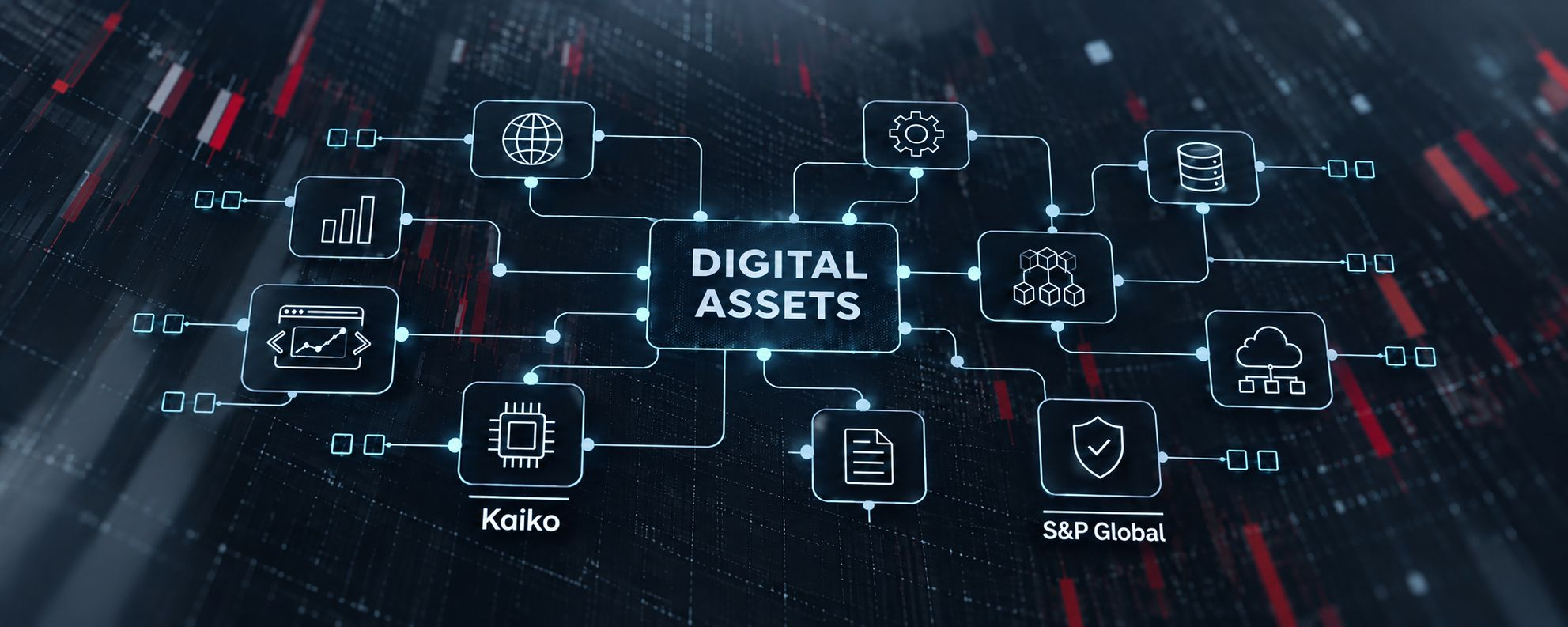
Ona görə də diqqətimi S&P Global-ın Kaiko-nun B Seriyasını 110 milyon dollara qədər uzadan strateji investisiyası çəkdi. Kaiko kripto və onçeyn bazarları üçün məlumat infrastrukturunu təmin edir.
Bu, təcrid olunmuş bir inkişaf deyil. S&P Dow Jones Indices və Kaiko da rəqəmsal aktiv indekslərini ortaq bir çərçivə altında birləşdiriblər.
İnstitusional pullar nəyə güvənir
Kriptoya dair institusional maraq gündəmə gələndə, insanların çoxu eyni şeyə baxmağa meyillidir: nə qədər pul daxil olur?
Son vaxtlar daha bir addım geri gedərək bunun səbəblərini araşdırıram.
Bu pullar qərar verə bilməsi üçün nəyə inanmalıdır?
Ona görə də diqqətimi S&P Global-ın Kaiko-nun B Seriyasını 110 milyon dollara qədər uzadan strateji investisiyası çəkdi. Kaiko kripto və onçeyn bazarları üçün məlumat infrastrukturunu təmin edir.
Bu, təcrid olunmuş bir inkişaf deyil. S&P Dow Jones Indices və Kaiko da rəqəmsal aktiv indekslərini ortaq bir çərçivə altında birləşdiriblər.
Son vaxtlar daha bir addım geri gedərək bunun səbəblərini araşdırıram.
Bu pullar qərar verə bilməsi üçün nəyə inanmalıdır?
Ona görə də diqqətimi S&P Global-ın Kaiko-nun B Seriyasını 110 milyon dollara qədər uzadan strateji investisiyası çəkdi. Kaiko kripto və onçeyn bazarları üçün məlumat infrastrukturunu təmin edir.
Bu, təcrid olunmuş bir inkişaf deyil. S&P Dow Jones Indices və Kaiko da rəqəmsal aktiv indekslərini ortaq bir çərçivə altında birləşdiriblər.
2
5.1k
·
--
Doğrulanıb
Federal Ehtiyat Sisteminin iclası yaxınlaşdıqca hər kəs eyni sualı nəzərdə tutur: 25bp faiz artımı alacağıqmı?
Bu dəfə mən qərarın özünə o qədər də fokuslanmıram, daha çox isə Fed elan etməzdən əvvəl nələrin baş verdiyinə baxıram.
Çünki istiqraz bazarı Fed-i gözləmədi.
ABŞ-ın 10 illik Xəzinə istiqrazının gəliri təxminən 5% ətrafındadır və 25bp artım artıq böyük ölçüdə qiymətə daxil edilib.
Yəni Fed sabah faizləri qaldırsa belə, bunu mütləq sərtləşmənin yeni mərhələsinin başlanğıcı kimi görməyəcəyəm.
Başqa bir ehtimal da var.
Fed, sadəcə, istiqraz bazarının artıq başlatdığı sərtləşməni rəsmiləşdirə bilər.
Məncə bu fərq önəmlidir.
Çünki korporativ kredit götürmə xərclərindən tutmuş investorların riskə getmək istəklərinə qədər hər şey Fed-in müəyyən etdiyi faiz dərəcəsindən daha çox şeydən asılıdır. Uzunmüddətli gəlirlər də kapital üçün mövcud olan alternativlərin dəyərini dəyişir.
Ona görə də məncə yalnız qərara baxmaq BTC, texnologiya səhmləri və qızıl üçün mənzərənin bir hissəsini qaçırır.
Mənim üçün daha maraqlı məlumat qərardan sonradır.
25bp artımdan sonra 10 illik Xəzinə istiqrazının gəliri nə olacaq?
Geriyə çəkiləcək?
Yoxsa yüksəlmiş səviyyədə qalacaq və Fed-dən asılı olmadan maliyyə şərtlərini sərt saxlayacaq?
İkinci ssenari isə daha da maraqlı bir vəziyyət yaradardı.
Fed bir dəfə artıra bilər, amma bazar iqtisadiyyata çox daha böyük sərtləşmə gətirər.
Ona görə də sabah ekrandakı ilk reaksiyanı təxmin etməyə çalışmayacağam.
İlk bir neçə dəqiqədə BTC-nin hansı istiqamətdə hərəkət etməsi mənim üçün daha az maraqlı olacaq; qərardan sonra kapitalın qəbul etdiyi faiz dərəcələrinin səviyyəsi isə daha çox maraqlı olacaq.
Çünki mənim üçün sabahın ən vacib sualı Fed-in faizləri artırıb-artırmaması deyil.
Fed hələ də maliyyə şərtlərinə rəhbərlik edir?
Yoxsa sadəcə, artıq ondan qabağa keçmiş istiqraz bazarına çatır?
#FedRateWatch #BTC #Fed #Binance
Federal Ehtiyat Sisteminin iclası yaxınlaşdıqca hər kəs eyni sualı nəzərdə tutur: 25bp faiz artımı alacağıqmı?
Bu dəfə mən qərarın özünə o qədər də fokuslanmıram, daha çox isə Fed elan etməzdən əvvəl nələrin baş verdiyinə baxıram.
Çünki istiqraz bazarı Fed-i gözləmədi.
ABŞ-ın 10 illik Xəzinə istiqrazının gəliri təxminən 5% ətrafındadır və 25bp artım artıq böyük ölçüdə qiymətə daxil edilib.
Yəni Fed sabah faizləri qaldırsa belə, bunu mütləq sərtləşmənin yeni mərhələsinin başlanğıcı kimi görməyəcəyəm.
Başqa bir ehtimal da var.
Fed, sadəcə, istiqraz bazarının artıq başlatdığı sərtləşməni rəsmiləşdirə bilər.
Məncə bu fərq önəmlidir.
Çünki korporativ kredit götürmə xərclərindən tutmuş investorların riskə getmək istəklərinə qədər hər şey Fed-in müəyyən etdiyi faiz dərəcəsindən daha çox şeydən asılıdır. Uzunmüddətli gəlirlər də kapital üçün mövcud olan alternativlərin dəyərini dəyişir.
Ona görə də məncə yalnız qərara baxmaq BTC, texnologiya səhmləri və qızıl üçün mənzərənin bir hissəsini qaçırır.
Mənim üçün daha maraqlı məlumat qərardan sonradır.
25bp artımdan sonra 10 illik Xəzinə istiqrazının gəliri nə olacaq?
Geriyə çəkiləcək?
Yoxsa yüksəlmiş səviyyədə qalacaq və Fed-dən asılı olmadan maliyyə şərtlərini sərt saxlayacaq?
İkinci ssenari isə daha da maraqlı bir vəziyyət yaradardı.
Fed bir dəfə artıra bilər, amma bazar iqtisadiyyata çox daha böyük sərtləşmə gətirər.
Ona görə də sabah ekrandakı ilk reaksiyanı təxmin etməyə çalışmayacağam.
İlk bir neçə dəqiqədə BTC-nin hansı istiqamətdə hərəkət etməsi mənim üçün daha az maraqlı olacaq; qərardan sonra kapitalın qəbul etdiyi faiz dərəcələrinin səviyyəsi isə daha çox maraqlı olacaq.
Çünki mənim üçün sabahın ən vacib sualı Fed-in faizləri artırıb-artırmaması deyil.
Fed hələ də maliyyə şərtlərinə rəhbərlik edir?
Yoxsa sadəcə, artıq ondan qabağa keçmiş istiqraz bazarına çatır?
#FedRateWatch #BTC #Fed #Binance
Bu dəfə mən qərarın özünə o qədər də fokuslanmıram, daha çox isə Fed elan etməzdən əvvəl nələrin baş verdiyinə baxıram.
Çünki istiqraz bazarı Fed-i gözləmədi.
ABŞ-ın 10 illik Xəzinə istiqrazının gəliri təxminən 5% ətrafındadır və 25bp artım artıq böyük ölçüdə qiymətə daxil edilib.
Yəni Fed sabah faizləri qaldırsa belə, bunu mütləq sərtləşmənin yeni mərhələsinin başlanğıcı kimi görməyəcəyəm.
Başqa bir ehtimal da var.
Fed, sadəcə, istiqraz bazarının artıq başlatdığı sərtləşməni rəsmiləşdirə bilər.
Məncə bu fərq önəmlidir.
Çünki korporativ kredit götürmə xərclərindən tutmuş investorların riskə getmək istəklərinə qədər hər şey Fed-in müəyyən etdiyi faiz dərəcəsindən daha çox şeydən asılıdır. Uzunmüddətli gəlirlər də kapital üçün mövcud olan alternativlərin dəyərini dəyişir.
Ona görə də məncə yalnız qərara baxmaq BTC, texnologiya səhmləri və qızıl üçün mənzərənin bir hissəsini qaçırır.
Mənim üçün daha maraqlı məlumat qərardan sonradır.
25bp artımdan sonra 10 illik Xəzinə istiqrazının gəliri nə olacaq?
Geriyə çəkiləcək?
Yoxsa yüksəlmiş səviyyədə qalacaq və Fed-dən asılı olmadan maliyyə şərtlərini sərt saxlayacaq?
İkinci ssenari isə daha da maraqlı bir vəziyyət yaradardı.
Fed bir dəfə artıra bilər, amma bazar iqtisadiyyata çox daha böyük sərtləşmə gətirər.
Ona görə də sabah ekrandakı ilk reaksiyanı təxmin etməyə çalışmayacağam.
İlk bir neçə dəqiqədə BTC-nin hansı istiqamətdə hərəkət etməsi mənim üçün daha az maraqlı olacaq; qərardan sonra kapitalın qəbul etdiyi faiz dərəcələrinin səviyyəsi isə daha çox maraqlı olacaq.
Çünki mənim üçün sabahın ən vacib sualı Fed-in faizləri artırıb-artırmaması deyil.
Fed hələ də maliyyə şərtlərinə rəhbərlik edir?
Yoxsa sadəcə, artıq ondan qabağa keçmiş istiqraz bazarına çatır?
#FedRateWatch #BTC #Fed #Binance
2
2.4k
·
--
Son vaxtlar sabitkoinlər haqqında məni ən çox düşündürən onların bazar kapitallaşması deyil.
Söhbət bankların davranışından gedir.
ABŞ-da bankçılıq sənayesi getdikcə daha çox narahatdır ki, sabitkoinlər bank depozitləri ilə birbaşa rəqabət apara bilər. Müzakirələr artıq təkcə tənzimləmə məsələsi və ya kriptoda təhlükəsizlik olub-olmaması ilə bağlı deyil.
Bu, daha çox sualın cavabıdır: pul harada saxlanılacaq.
Ona görə də sabitkoin sahiblərinə təklif olunan gəlirlər və mükafatlar da ciddi mübahisənin bir hissəsinə çevrilib.
Amma eyni zamanda, başqa bir şey də baş verir.
21 əsas maliyyə institutundan ibarət bir qrup — Bank of America, Citi, Goldman Sachs və Deutsche Bank daxil olmaqla — 2027-ci ilin birinci yarısında özünün dollar əsaslı sabitkoin həllini işə salmağa hazırlaşır.
Burada maraqlı bir ziddiyyət görürəm.
Bir tərəfdə depozitlərlə sabitkoinlərin rəqabət aparacağından narahat olan bank sistemi var. Digər tərəfdə isə həmin sistemin içindəki ən böyük oyunçulardan bəziləri sabitkoin infrastrukturuna özləri də daxil olmağa hazırlaşır.
Bəlkə də sabitkoinlərin maliyyədəki əhəmiyyətini yalnız dövriyyədəki dollarların sayı ilə ölçmək daha böyük bir şeyi qaçırır.
Mən başqa bir şeyi izləyirəm.
Mövcud sistem özü-özünün davranışını dəyişməyə başlayıb?
Çünki real rəqabət həmişə yeni bir məhsul köhnə sistemi əvəz edəndə başlamır.
Bəzən köhnə sistem yeni sistemin ortaya çıxması səbəbindən mövqeyini dəyişməyə başlayanda rəqabət başlayır.
Ona görə də yaxın dövrdə mən təkcə sabitkoin bazarının nə qədər böyüdüyünə baxmayacağam.
Mən həm də bankların sabitkoinlər barədə dedikləri ilə öz müştəriləri üçün qurduqları arasında nə qədər məsafə olduğunu izləyəcəyəm.
Çünki siqnal bəlkə də məhz burada olacaq.
Bəzən maliyyə innovasiyasının nə qədər güclü olduğunun ən aydın göstəricisi onun içində kiminsə yatırım etməsi deyil, bunun səbəb olduğu davranış dəyişikliyinə məcbur qalanların kim olmasıdır.
#Stablecoins #Crypto #Binance #TufanSalur
Son vaxtlar sabitkoinlər haqqında məni ən çox düşündürən onların bazar kapitallaşması deyil.
Söhbət bankların davranışından gedir.
ABŞ-da bankçılıq sənayesi getdikcə daha çox narahatdır ki, sabitkoinlər bank depozitləri ilə birbaşa rəqabət apara bilər. Müzakirələr artıq təkcə tənzimləmə məsələsi və ya kriptoda təhlükəsizlik olub-olmaması ilə bağlı deyil.
Bu, daha çox sualın cavabıdır: pul harada saxlanılacaq.
Ona görə də sabitkoin sahiblərinə təklif olunan gəlirlər və mükafatlar da ciddi mübahisənin bir hissəsinə çevrilib.
Amma eyni zamanda, başqa bir şey də baş verir.
21 əsas maliyyə institutundan ibarət bir qrup — Bank of America, Citi, Goldman Sachs və Deutsche Bank daxil olmaqla — 2027-ci ilin birinci yarısında özünün dollar əsaslı sabitkoin həllini işə salmağa hazırlaşır.
Burada maraqlı bir ziddiyyət görürəm.
Bir tərəfdə depozitlərlə sabitkoinlərin rəqabət aparacağından narahat olan bank sistemi var. Digər tərəfdə isə həmin sistemin içindəki ən böyük oyunçulardan bəziləri sabitkoin infrastrukturuna özləri də daxil olmağa hazırlaşır.
Bəlkə də sabitkoinlərin maliyyədəki əhəmiyyətini yalnız dövriyyədəki dollarların sayı ilə ölçmək daha böyük bir şeyi qaçırır.
Mən başqa bir şeyi izləyirəm.
Mövcud sistem özü-özünün davranışını dəyişməyə başlayıb?
Çünki real rəqabət həmişə yeni bir məhsul köhnə sistemi əvəz edəndə başlamır.
Bəzən köhnə sistem yeni sistemin ortaya çıxması səbəbindən mövqeyini dəyişməyə başlayanda rəqabət başlayır.
Ona görə də yaxın dövrdə mən təkcə sabitkoin bazarının nə qədər böyüdüyünə baxmayacağam.
Mən həm də bankların sabitkoinlər barədə dedikləri ilə öz müştəriləri üçün qurduqları arasında nə qədər məsafə olduğunu izləyəcəyəm.
Çünki siqnal bəlkə də məhz burada olacaq.
Bəzən maliyyə innovasiyasının nə qədər güclü olduğunun ən aydın göstəricisi onun içində kiminsə yatırım etməsi deyil, bunun səbəb olduğu davranış dəyişikliyinə məcbur qalanların kim olmasıdır.
#Stablecoins #Crypto #Binance #TufanSalur
Söhbət bankların davranışından gedir.
ABŞ-da bankçılıq sənayesi getdikcə daha çox narahatdır ki, sabitkoinlər bank depozitləri ilə birbaşa rəqabət apara bilər. Müzakirələr artıq təkcə tənzimləmə məsələsi və ya kriptoda təhlükəsizlik olub-olmaması ilə bağlı deyil.
Bu, daha çox sualın cavabıdır: pul harada saxlanılacaq.
Ona görə də sabitkoin sahiblərinə təklif olunan gəlirlər və mükafatlar da ciddi mübahisənin bir hissəsinə çevrilib.
Amma eyni zamanda, başqa bir şey də baş verir.
21 əsas maliyyə institutundan ibarət bir qrup — Bank of America, Citi, Goldman Sachs və Deutsche Bank daxil olmaqla — 2027-ci ilin birinci yarısında özünün dollar əsaslı sabitkoin həllini işə salmağa hazırlaşır.
Burada maraqlı bir ziddiyyət görürəm.
Bir tərəfdə depozitlərlə sabitkoinlərin rəqabət aparacağından narahat olan bank sistemi var. Digər tərəfdə isə həmin sistemin içindəki ən böyük oyunçulardan bəziləri sabitkoin infrastrukturuna özləri də daxil olmağa hazırlaşır.
Bəlkə də sabitkoinlərin maliyyədəki əhəmiyyətini yalnız dövriyyədəki dollarların sayı ilə ölçmək daha böyük bir şeyi qaçırır.
Mən başqa bir şeyi izləyirəm.
Mövcud sistem özü-özünün davranışını dəyişməyə başlayıb?
Çünki real rəqabət həmişə yeni bir məhsul köhnə sistemi əvəz edəndə başlamır.
Bəzən köhnə sistem yeni sistemin ortaya çıxması səbəbindən mövqeyini dəyişməyə başlayanda rəqabət başlayır.
Ona görə də yaxın dövrdə mən təkcə sabitkoin bazarının nə qədər böyüdüyünə baxmayacağam.
Mən həm də bankların sabitkoinlər barədə dedikləri ilə öz müştəriləri üçün qurduqları arasında nə qədər məsafə olduğunu izləyəcəyəm.
Çünki siqnal bəlkə də məhz burada olacaq.
Bəzən maliyyə innovasiyasının nə qədər güclü olduğunun ən aydın göstəricisi onun içində kiminsə yatırım etməsi deyil, bunun səbəb olduğu davranış dəyişikliyinə məcbur qalanların kim olmasıdır.
#Stablecoins #Crypto #Binance #TufanSalur
2
3
749
·
--
Gələcəkdə birja məntəqəsinin açılış zəngi qiymət kəşfinin başlanğıcı kimi hələ də rol oynayacaqmı?
Son vaxtlar tokenləşdirmə ətrafındakı müzakirələrin çoxu sutka boyunca 24 saat ticarət etmək imkanına yönəlib.
Məni maraqlandıran isə bundan daha böyük bir ehtimaldır.
Çünki əgər qiymət kəşfi artıq bazarın açıq olduğu saatlarla məhdudlaşmırsa, o zaman ənənəvi birjanın açılışı bu günkü mənasını zamanla itirə bilər.
Biz artıq buna çox kiçik, amma olduqca maraqlı bir nümunə görürük.
Binance Research-ə görə, bStocks tərəfindən həftəsonlarında formalaşan qiymət, bazar ertəsi açılışında yaranan qiymət fərqinin (gap) 92%-lik medianını əks etdirib.
Daha da maraqlısı: müşahidə olunan 41 halın hamısında, açılış gap-i 3%-dən böyük olanda istiqamət düzgün olub.
Mənim üçün vacib olan 92% və ya 41-dən 41-i deyil.
Vacib olan budur ki, qiymət hələ ənənəvi bazar açılmamış formalaşmağa başlayır.
Çünki bazar cümə günü bağlananda dünya dayanmır.
Xəbərlər gəlməyə davam edir.
Şirkətlər açıqlamalar verməyə davam edir.
Makroiqtisadi şərait dəyişməyə davam edir.
İnvestor gözləntiləri dəyişməyə davam edir.
Əvvəllər bütün bunların qiymətdə real əksini tapmaq üçün bazar ertəsinə qədər gözləmək lazım idi.
Əgər tokenləşdirmə bu gözləmə müddətini aradan qaldırmağa başlayarsa, məncə dəyişəcək tək şey ticarət saatları olmayacaq.
Qiymətin ilk dəfə harada kəşf edilməsi yeri də dəyişə bilər.
Ona görə Nasdaq-ın Payward-a 100 milyon dollarlıq investisiyasını bu qədər maraqlı hesab edirəm.
Çünki sual artıq “Səhmləri blokçeynə yerləşdirə bilərikmi?” deyil.
Söhbət ondan gedir ki, qiymət kəşfi, ticarət və hesablaşma blokçeyn infrastrukturu ətrafında yenidən dizayn olunarsa, maliyyənin ənənəvi strukturu ilə nə baş verir.
Bəlkə də gələcəkdə bazar ertəsi açılışı yeni qiymətin kəşf edildiyi an olmayacaq.
Sadəcə həftəsonu kəşf olunmuş qiymətin ənənəvi bazarda yerini tapdığı an olacaq.
Məncə tokenləşdirmədə əsl sıçrayış məhz burada baş verə bilər.
#RWA #Tokenization #Crypto #bStocks
Gələcəkdə birja məntəqəsinin açılış zəngi qiymət kəşfinin başlanğıcı kimi hələ də rol oynayacaqmı?
Son vaxtlar tokenləşdirmə ətrafındakı müzakirələrin çoxu sutka boyunca 24 saat ticarət etmək imkanına yönəlib.
Məni maraqlandıran isə bundan daha böyük bir ehtimaldır.
Çünki əgər qiymət kəşfi artıq bazarın açıq olduğu saatlarla məhdudlaşmırsa, o zaman ənənəvi birjanın açılışı bu günkü mənasını zamanla itirə bilər.
Biz artıq buna çox kiçik, amma olduqca maraqlı bir nümunə görürük.
Binance Research-ə görə, bStocks tərəfindən həftəsonlarında formalaşan qiymət, bazar ertəsi açılışında yaranan qiymət fərqinin (gap) 92%-lik medianını əks etdirib.
Daha da maraqlısı: müşahidə olunan 41 halın hamısında, açılış gap-i 3%-dən böyük olanda istiqamət düzgün olub.
Mənim üçün vacib olan 92% və ya 41-dən 41-i deyil.
Vacib olan budur ki, qiymət hələ ənənəvi bazar açılmamış formalaşmağa başlayır.
Çünki bazar cümə günü bağlananda dünya dayanmır.
Xəbərlər gəlməyə davam edir.
Şirkətlər açıqlamalar verməyə davam edir.
Makroiqtisadi şərait dəyişməyə davam edir.
İnvestor gözləntiləri dəyişməyə davam edir.
Əvvəllər bütün bunların qiymətdə real əksini tapmaq üçün bazar ertəsinə qədər gözləmək lazım idi.
Əgər tokenləşdirmə bu gözləmə müddətini aradan qaldırmağa başlayarsa, məncə dəyişəcək tək şey ticarət saatları olmayacaq.
Qiymətin ilk dəfə harada kəşf edilməsi yeri də dəyişə bilər.
Ona görə Nasdaq-ın Payward-a 100 milyon dollarlıq investisiyasını bu qədər maraqlı hesab edirəm.
Çünki sual artıq “Səhmləri blokçeynə yerləşdirə bilərikmi?” deyil.
Söhbət ondan gedir ki, qiymət kəşfi, ticarət və hesablaşma blokçeyn infrastrukturu ətrafında yenidən dizayn olunarsa, maliyyənin ənənəvi strukturu ilə nə baş verir.
Bəlkə də gələcəkdə bazar ertəsi açılışı yeni qiymətin kəşf edildiyi an olmayacaq.
Sadəcə həftəsonu kəşf olunmuş qiymətin ənənəvi bazarda yerini tapdığı an olacaq.
Məncə tokenləşdirmədə əsl sıçrayış məhz burada baş verə bilər.
#RWA #Tokenization #Crypto #bStocks
Son vaxtlar tokenləşdirmə ətrafındakı müzakirələrin çoxu sutka boyunca 24 saat ticarət etmək imkanına yönəlib.
Məni maraqlandıran isə bundan daha böyük bir ehtimaldır.
Çünki əgər qiymət kəşfi artıq bazarın açıq olduğu saatlarla məhdudlaşmırsa, o zaman ənənəvi birjanın açılışı bu günkü mənasını zamanla itirə bilər.
Biz artıq buna çox kiçik, amma olduqca maraqlı bir nümunə görürük.
Binance Research-ə görə, bStocks tərəfindən həftəsonlarında formalaşan qiymət, bazar ertəsi açılışında yaranan qiymət fərqinin (gap) 92%-lik medianını əks etdirib.
Daha da maraqlısı: müşahidə olunan 41 halın hamısında, açılış gap-i 3%-dən böyük olanda istiqamət düzgün olub.
Mənim üçün vacib olan 92% və ya 41-dən 41-i deyil.
Vacib olan budur ki, qiymət hələ ənənəvi bazar açılmamış formalaşmağa başlayır.
Çünki bazar cümə günü bağlananda dünya dayanmır.
Xəbərlər gəlməyə davam edir.
Şirkətlər açıqlamalar verməyə davam edir.
Makroiqtisadi şərait dəyişməyə davam edir.
İnvestor gözləntiləri dəyişməyə davam edir.
Əvvəllər bütün bunların qiymətdə real əksini tapmaq üçün bazar ertəsinə qədər gözləmək lazım idi.
Əgər tokenləşdirmə bu gözləmə müddətini aradan qaldırmağa başlayarsa, məncə dəyişəcək tək şey ticarət saatları olmayacaq.
Qiymətin ilk dəfə harada kəşf edilməsi yeri də dəyişə bilər.
Ona görə Nasdaq-ın Payward-a 100 milyon dollarlıq investisiyasını bu qədər maraqlı hesab edirəm.
Çünki sual artıq “Səhmləri blokçeynə yerləşdirə bilərikmi?” deyil.
Söhbət ondan gedir ki, qiymət kəşfi, ticarət və hesablaşma blokçeyn infrastrukturu ətrafında yenidən dizayn olunarsa, maliyyənin ənənəvi strukturu ilə nə baş verir.
Bəlkə də gələcəkdə bazar ertəsi açılışı yeni qiymətin kəşf edildiyi an olmayacaq.
Sadəcə həftəsonu kəşf olunmuş qiymətin ənənəvi bazarda yerini tapdığı an olacaq.
Məncə tokenləşdirmədə əsl sıçrayış məhz burada baş verə bilər.
#RWA #Tokenization #Crypto #bStocks
2
1.2k
Daha çox kontent araşdırmaq üçün daxil olun
Binance Square-də qlobal kriptovalyuta istifadəçilərinə qoşulun
⚡️ Kriptovalyuta haqqında ən son və faydalı məlumatları əldə edin.
💬 Dünyanın ən böyük kriptovalyuta birjası tərəfindən etibar edilir.
👍 Doğrulanmış yaradıcılardan gələn real məlumatları kəşf edin.
E-poçt/Telefon nömrəsi
Trenddə olan mövzular
BinanceLaunchesBinanceIntelligence
654,464 baxış
Müzakirə edir: 4,004
🧠 Təcrübəli investisiya fondu kimi treydinq etmək? İndi süni intellekt bunu sənin üçün pulsuz edir! 🤖📈
Wilsontrader97
·10 bəyənmə
·11.3k baxış
BTCFallsBelow$84K
11,658 baxış
Müzakirə edir: 49
DubaiVARAIssuesReserveAssetAuditCircular
367 baxış
Müzakirə edir: 60