

OnchainSani
77 Paylaşımlar

OnchainSani
Şikayət et
İstifadəçini blokla
9 İzlənilir
15 İzləyicilər
92 Bəyəndi
Postlar
Hamısı
Sitatlar
·
--
Artım
Tərcüməyə bax
TON Users Could Access EVM Products Without Manually Managing the Cross-Chain Flow.
A new STON.fi open-source example caught my attention because it approaches cross-chain from a different direction.
Instead of starting with:
“How do I bridge my assets?”
it starts with:
“How can a TON user access an EVM-native product?”
The example shows how this can work inside a Telegram Mini App.
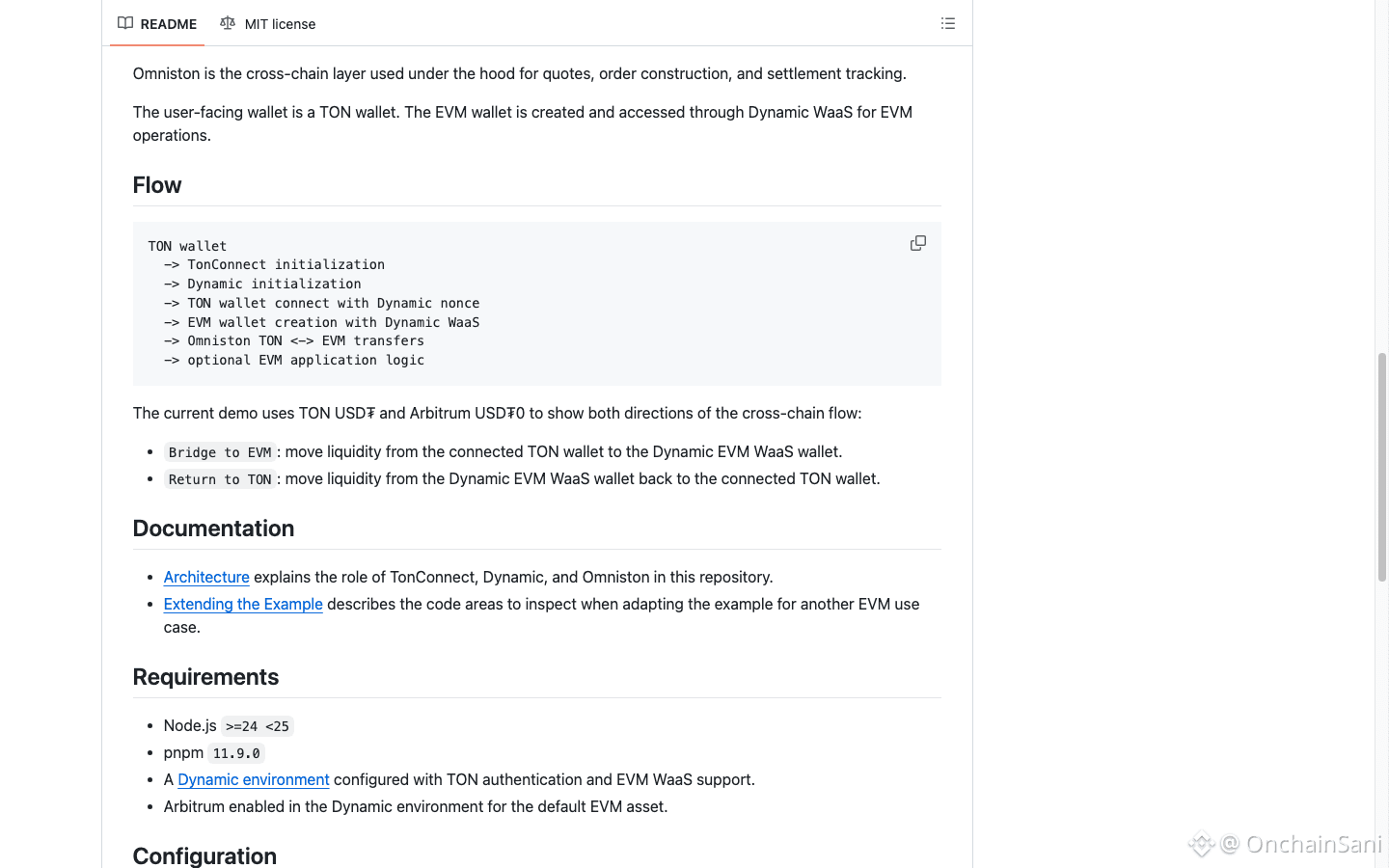
A TON user connects through TonConnect, while a Dynamic embedded EVM wallet is created behind the scenes.
Omniston handles the cross-chain execution.
The example route is:
TON USDT ↔ Arbitrum USDT0
What I find interesting is the UX.
The user doesn't necessarily need to manually coordinate the TON and EVM sides before using the product.
The application can abstract much of that complexity.
And this isn't only theoretical.
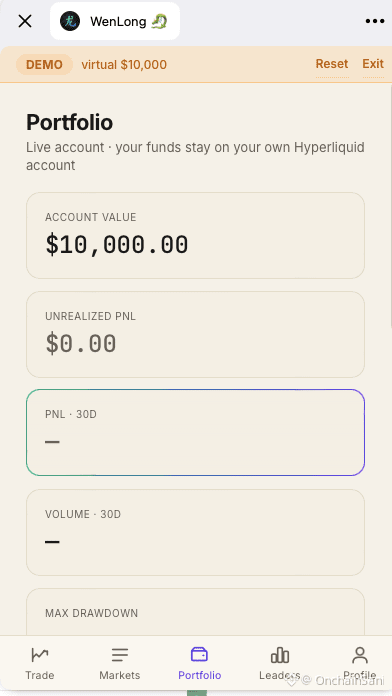
STON.fi points to examples such as Predict with Polymarket and WenLong, where cross-chain infrastructure is used to connect TON users with EVM-based products.
For builders, that's probably the bigger story.
An EVM-native product doesn't necessarily have to rebuild itself as a TON-native application just to make its experience accessible to TON users.
The integration pattern is now available publicly for developers to inspect and build from.
[Open the GitHub example](https://github.com/ston-fi/omniston-ton-evm-miniapp-example?utm_source=chatgpt.com)
TON Users Could Access EVM Products Without Manually Managing the Cross-Chain Flow.
A new STON.fi open-source example caught my attention because it approaches cross-chain from a different direction.
Instead of starting with:
“How do I bridge my assets?”
it starts with:
“How can a TON user access an EVM-native product?”
The example shows how this can work inside a Telegram Mini App.
A TON user connects through TonConnect, while a Dynamic embedded EVM wallet is created behind the scenes.
Omniston handles the cross-chain execution.
The example route is:
TON USDT ↔ Arbitrum USDT0
What I find interesting is the UX.
The user doesn't necessarily need to manually coordinate the TON and EVM sides before using the product.
The application can abstract much of that complexity.
And this isn't only theoretical.
STON.fi points to examples such as Predict with Polymarket and WenLong, where cross-chain infrastructure is used to connect TON users with EVM-based products.
For builders, that's probably the bigger story.
An EVM-native product doesn't necessarily have to rebuild itself as a TON-native application just to make its experience accessible to TON users.
The integration pattern is now available publicly for developers to inspect and build from.
Open the GitHub example
A new STON.fi open-source example caught my attention because it approaches cross-chain from a different direction.
Instead of starting with:
“How do I bridge my assets?”
it starts with:
“How can a TON user access an EVM-native product?”
The example shows how this can work inside a Telegram Mini App.
A TON user connects through TonConnect, while a Dynamic embedded EVM wallet is created behind the scenes.
Omniston handles the cross-chain execution.
The example route is:
TON USDT ↔ Arbitrum USDT0
What I find interesting is the UX.
The user doesn't necessarily need to manually coordinate the TON and EVM sides before using the product.
The application can abstract much of that complexity.
And this isn't only theoretical.
STON.fi points to examples such as Predict with Polymarket and WenLong, where cross-chain infrastructure is used to connect TON users with EVM-based products.
For builders, that's probably the bigger story.
An EVM-native product doesn't necessarily have to rebuild itself as a TON-native application just to make its experience accessible to TON users.
The integration pattern is now available publicly for developers to inspect and build from.
Open the GitHub example
63
·
--
Artım
Tərcüməyə bax
I Tested a Polygon → TON Cross-Chain Route on STON.fi
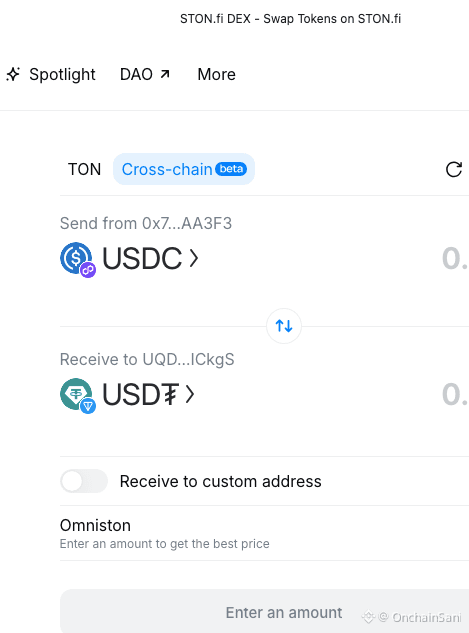
I wanted to see what it actually feels like to move USDC from Polygon to USDT on TON through STON.fi.
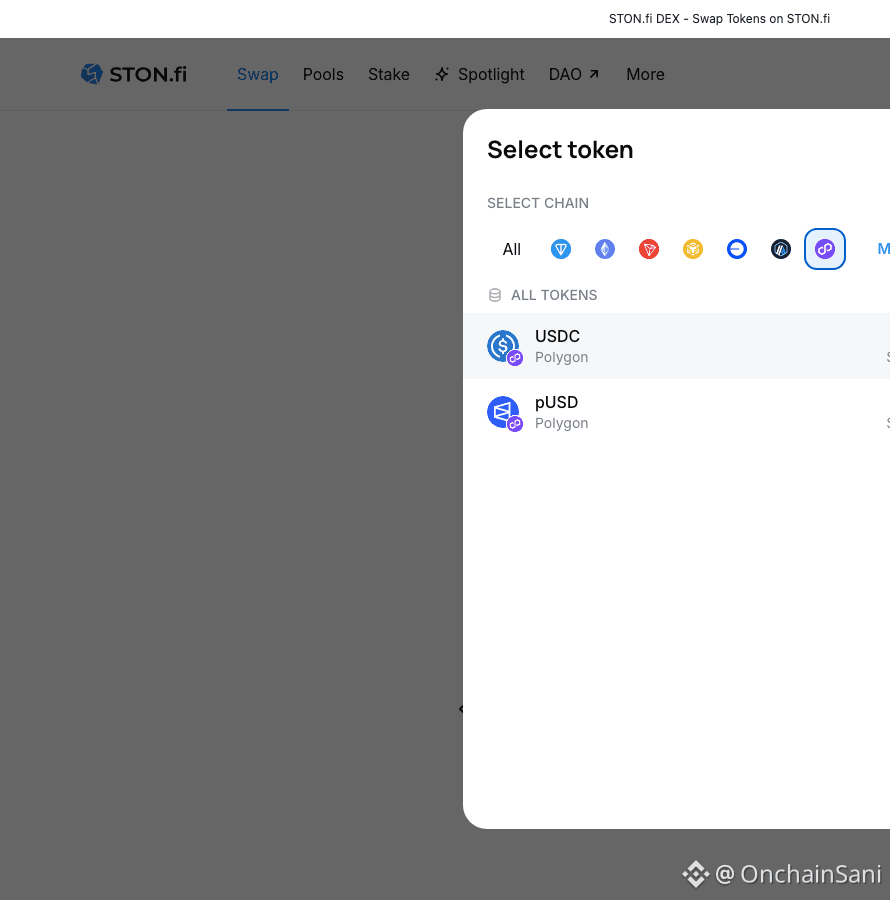
I started by selecting USDC as my source asset.
The first thing I checked was the network because USDC exists across multiple chains.
Then I selected USDT on TON as the destination
At this point, the route was easy to understand.
I wasn't manually moving the USDC somewhere first and then trying to figure out the next step.
Before confirming, I checked the quote and transaction details.
That's an important part of the process for me.
I want to know:
Where the asset is coming from Where it's going What I'm expected to receive What fees or other transaction details are shown
The basic flow is:
USDC on Polygon → STON.fi → USDT on TON
The interesting part isn't just that the assets are on different networks.
It's that the user experience can present that cross-chain movement as one understandable flow instead of making the user manually coordinate every step.
I Tested a Polygon → TON Cross-Chain Route on STON.fi
I wanted to see what it actually feels like to move USDC from Polygon to USDT on TON through STON.fi.
I started by selecting USDC as my source asset.
The first thing I checked was the network because USDC exists across multiple chains.
Then I selected USDT on TON as the destination
At this point, the route was easy to understand.
I wasn't manually moving the USDC somewhere first and then trying to figure out the next step.
Before confirming, I checked the quote and transaction details.
That's an important part of the process for me.
I want to know:
Where the asset is coming from Where it's going What I'm expected to receive What fees or other transaction details are shown
The basic flow is:
USDC on Polygon → STON.fi → USDT on TON
The interesting part isn't just that the assets are on different networks.
It's that the user experience can present that cross-chain movement as one understandable flow instead of making the user manually coordinate every step.
I wanted to see what it actually feels like to move USDC from Polygon to USDT on TON through STON.fi.
I started by selecting USDC as my source asset.
The first thing I checked was the network because USDC exists across multiple chains.
Then I selected USDT on TON as the destination
At this point, the route was easy to understand.
I wasn't manually moving the USDC somewhere first and then trying to figure out the next step.
Before confirming, I checked the quote and transaction details.
That's an important part of the process for me.
I want to know:
Where the asset is coming from Where it's going What I'm expected to receive What fees or other transaction details are shown
The basic flow is:
USDC on Polygon → STON.fi → USDT on TON
The interesting part isn't just that the assets are on different networks.
It's that the user experience can present that cross-chain movement as one understandable flow instead of making the user manually coordinate every step.
63
·
--
Artım
TON-da daha böyük swap etməzdən əvvəl qiymət təsirini necə yoxlayıram
TON-da daha böyük swap edəndə təkcə tokenin qiymətinə baxmıram.
Mən swap etdiyim məbləğ müqabilində əslində hansı qiyməti alacağımı bilmək istəyirəm.
Ona görə də, təsdiq etməzdən əvvəl STON.fi üzərində Price Impact-i yoxlayıram.
Mənim prosesim sadədir:
1. Mənim həqiqətən swap etmək istədiyim məbləği daxil edirəm.
2. Alacağım gözlənilən məbləği yoxlayıram.
3. Price Impact-i yoxlayıram.
4. Məbləği azaldıb, təsirin yüksək görünüb-görünmədiyini müqayisə edirəm.
5. Başqa marşrutun olub-olmadığını yoxlayıram.
Əgər məbləği əhəmiyyətli dərəcədə azaltmaq Price Impact-i xeyli yaxşılaşdırırsa, bu faydalı məlumatdır. Bu, əməliyyatın ölçüsünün icra prosesinə mənalı təsir göstərdiyini deməkdir.
Etmədiyim bir şey də odur ki, Price Impact yüksəkdir deyə avtomatik slippage-i artırmıram.
Price Impact ilə slippage eyni şey deyil.
Price Impact sizin ticarətinizin mövcud likvidliyə təsiri ilə bağlıdır; slippage isə bazar/icra dəyişiklikləri səbəbilə gözlənilən və faktiki icra arasındakı fərqə aiddir.
Mənim üçün əsas nəticə sadədir:
Təkcə “Tokenin qiyməti nədir?” deyə soruşmayın.
Soruşun:
“Trade ölçüm üçün əslində hansı qiyməti alıram?”
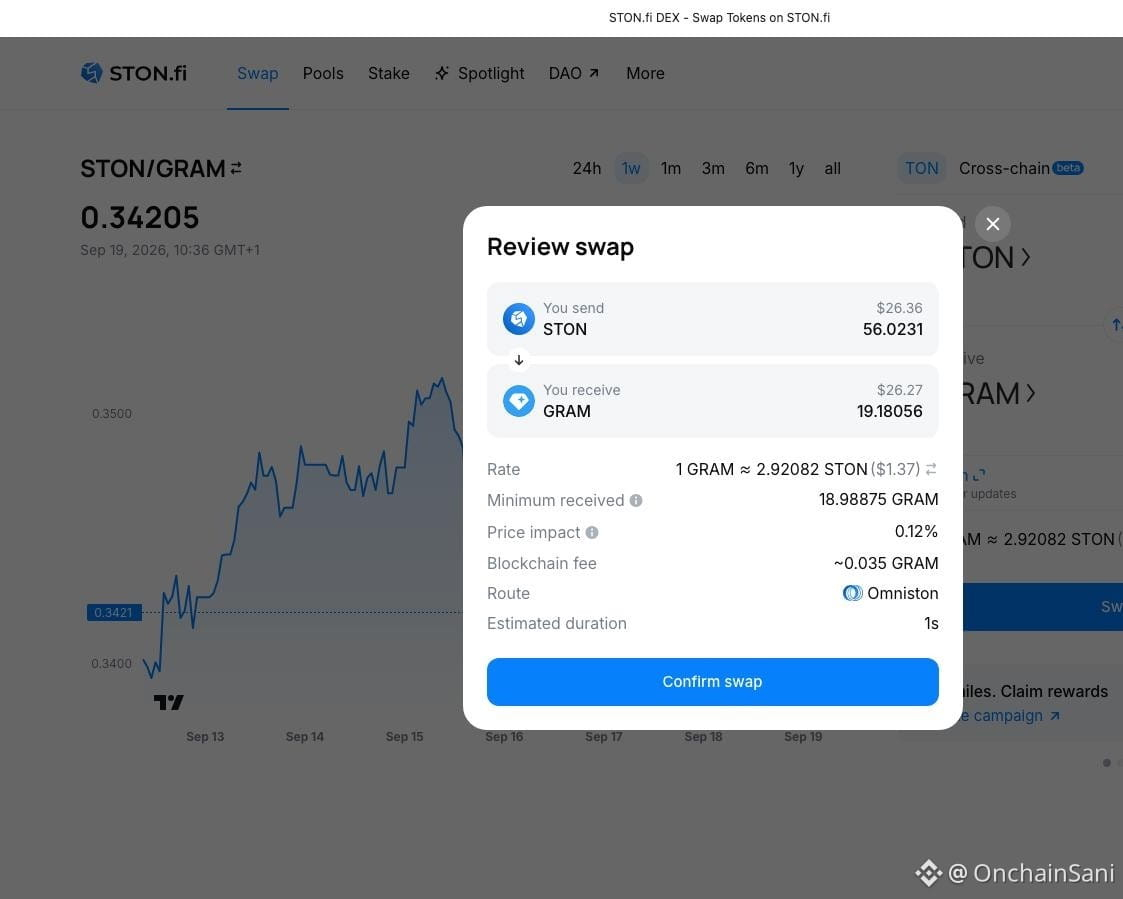
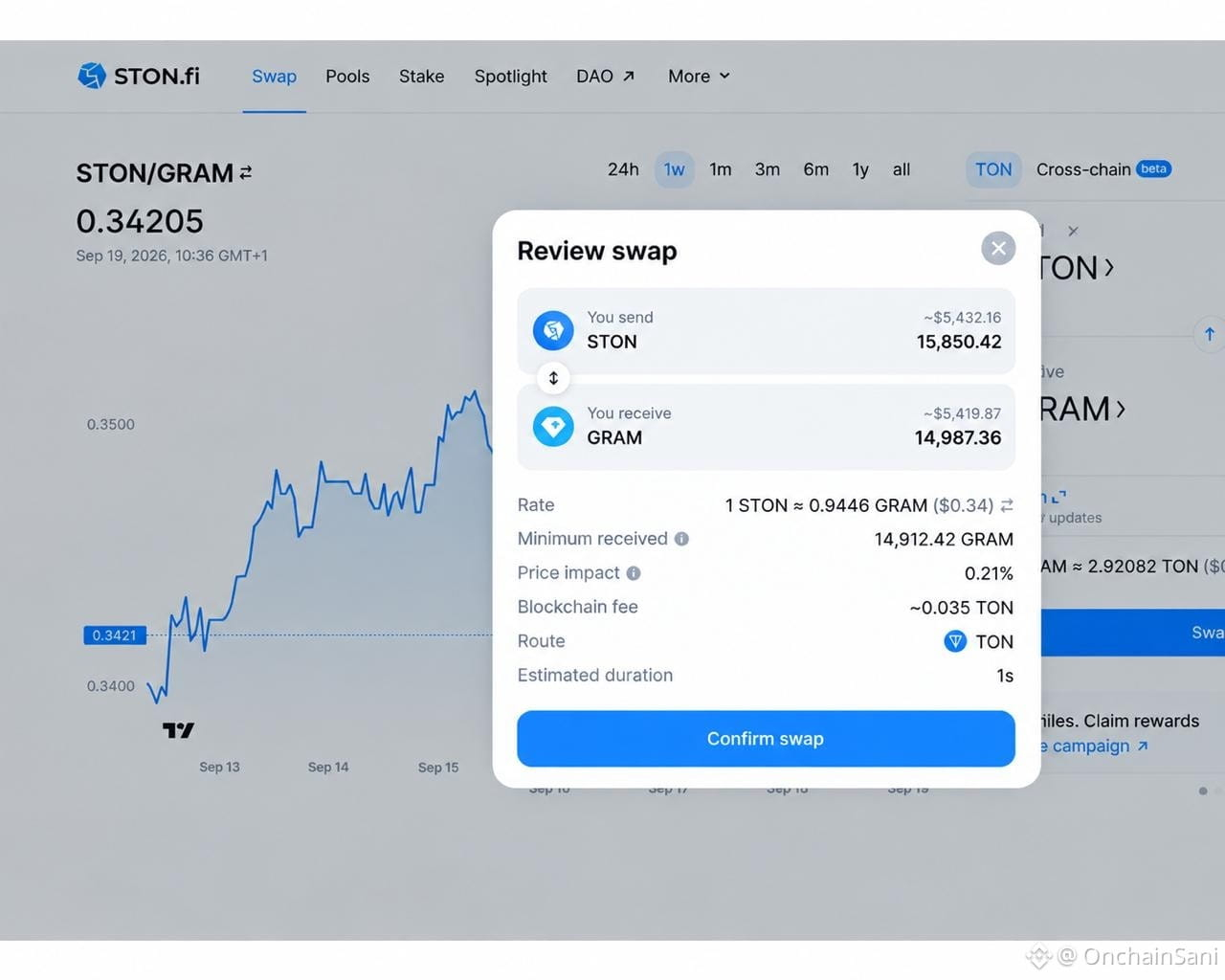
Təsdiqləmədən əvvəl özünüz STON.fi-də qiymət kotirovkası yoxlaya bilərsiniz:
TON-da daha böyük swap etməzdən əvvəl qiymət təsirini necə yoxlayıram
TON-da daha böyük swap edəndə təkcə tokenin qiymətinə baxmıram.
Mən swap etdiyim məbləğ müqabilində əslində hansı qiyməti alacağımı bilmək istəyirəm.
Ona görə də, təsdiq etməzdən əvvəl STON.fi üzərində Price Impact-i yoxlayıram.
Mənim prosesim sadədir:
1. Mənim həqiqətən swap etmək istədiyim məbləği daxil edirəm.
2. Alacağım gözlənilən məbləği yoxlayıram.
3. Price Impact-i yoxlayıram.
4. Məbləği azaldıb, təsirin yüksək görünüb-görünmədiyini müqayisə edirəm.
5. Başqa marşrutun olub-olmadığını yoxlayıram.
Əgər məbləği əhəmiyyətli dərəcədə azaltmaq Price Impact-i xeyli yaxşılaşdırırsa, bu faydalı məlumatdır. Bu, əməliyyatın ölçüsünün icra prosesinə mənalı təsir göstərdiyini deməkdir.
Etmədiyim bir şey də odur ki, Price Impact yüksəkdir deyə avtomatik slippage-i artırmıram.
Price Impact ilə slippage eyni şey deyil.
Price Impact sizin ticarətinizin mövcud likvidliyə təsiri ilə bağlıdır; slippage isə bazar/icra dəyişiklikləri səbəbilə gözlənilən və faktiki icra arasındakı fərqə aiddir.
Mənim üçün əsas nəticə sadədir:
Təkcə “Tokenin qiyməti nədir?” deyə soruşmayın.
Soruşun:
“Trade ölçüm üçün əslində hansı qiyməti alıram?”
Təsdiqləmədən əvvəl özünüz STON.fi-də qiymət kotirovkası yoxlaya bilərsiniz:
TON-da daha böyük swap edəndə təkcə tokenin qiymətinə baxmıram.
Mən swap etdiyim məbləğ müqabilində əslində hansı qiyməti alacağımı bilmək istəyirəm.
Ona görə də, təsdiq etməzdən əvvəl STON.fi üzərində Price Impact-i yoxlayıram.
Mənim prosesim sadədir:
1. Mənim həqiqətən swap etmək istədiyim məbləği daxil edirəm.
2. Alacağım gözlənilən məbləği yoxlayıram.
3. Price Impact-i yoxlayıram.
4. Məbləği azaldıb, təsirin yüksək görünüb-görünmədiyini müqayisə edirəm.
5. Başqa marşrutun olub-olmadığını yoxlayıram.
Əgər məbləği əhəmiyyətli dərəcədə azaltmaq Price Impact-i xeyli yaxşılaşdırırsa, bu faydalı məlumatdır. Bu, əməliyyatın ölçüsünün icra prosesinə mənalı təsir göstərdiyini deməkdir.
Etmədiyim bir şey də odur ki, Price Impact yüksəkdir deyə avtomatik slippage-i artırmıram.
Price Impact ilə slippage eyni şey deyil.
Price Impact sizin ticarətinizin mövcud likvidliyə təsiri ilə bağlıdır; slippage isə bazar/icra dəyişiklikləri səbəbilə gözlənilən və faktiki icra arasındakı fərqə aiddir.
Mənim üçün əsas nəticə sadədir:
Təkcə “Tokenin qiyməti nədir?” deyə soruşmayın.
Soruşun:
“Trade ölçüm üçün əslində hansı qiyməti alıram?”
Təsdiqləmədən əvvəl özünüz STON.fi-də qiymət kotirovkası yoxlaya bilərsiniz:
324
·
--
Artım
Tərcüməyə bax
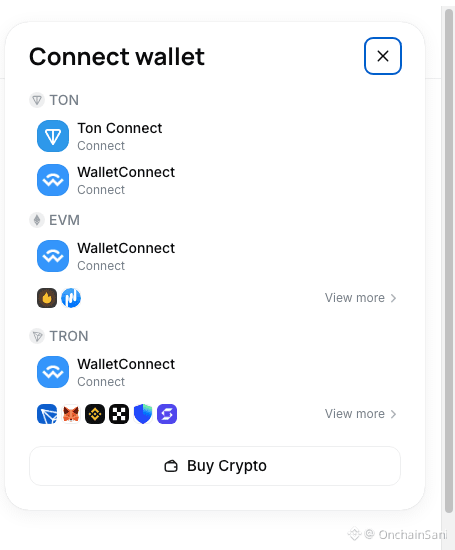
I tested connecting to STON.fi through WalletConnect
I wanted to see how complicated it would actually be to connect a supported multi-chain wallet to STON.fi through WalletConnect.
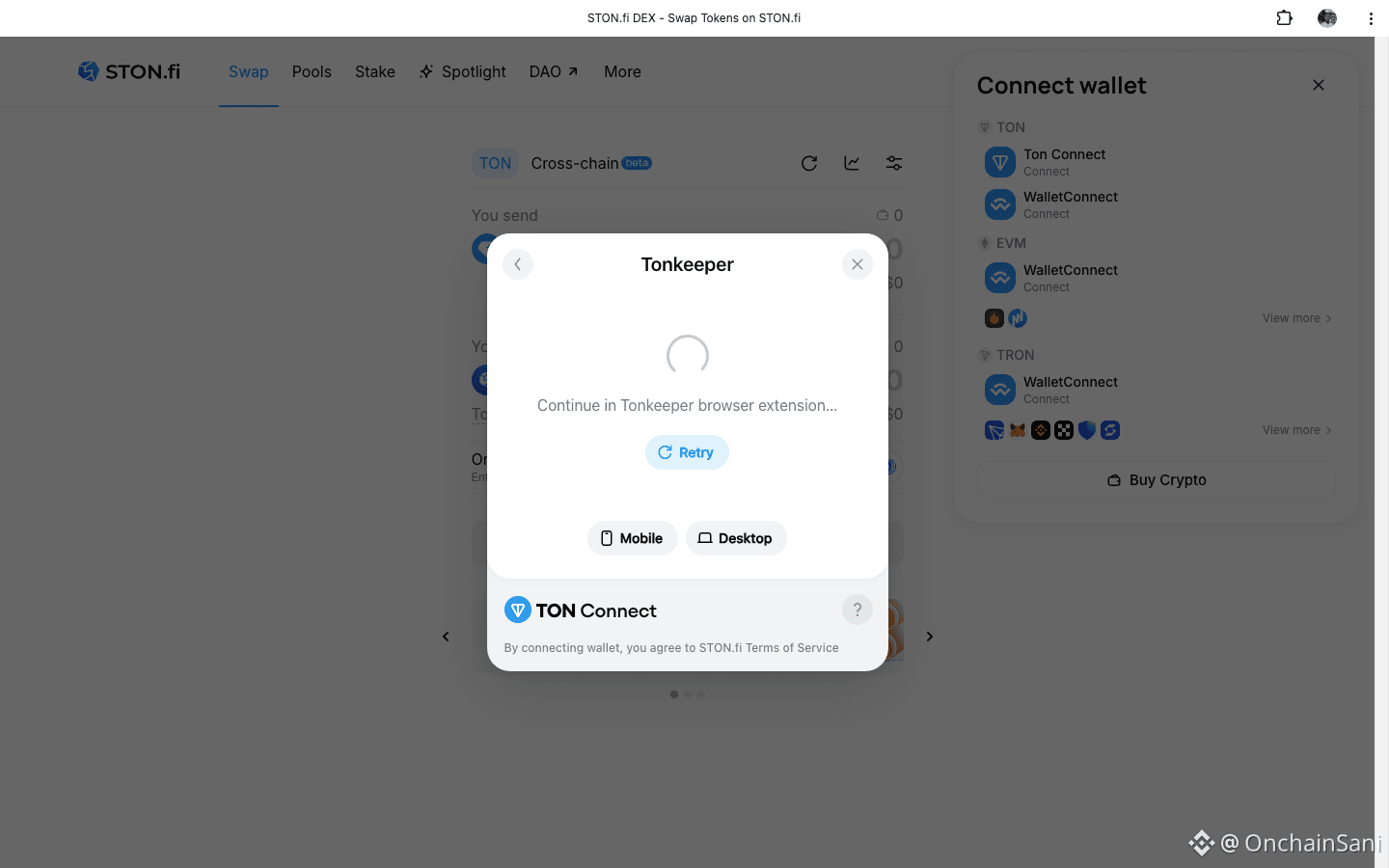
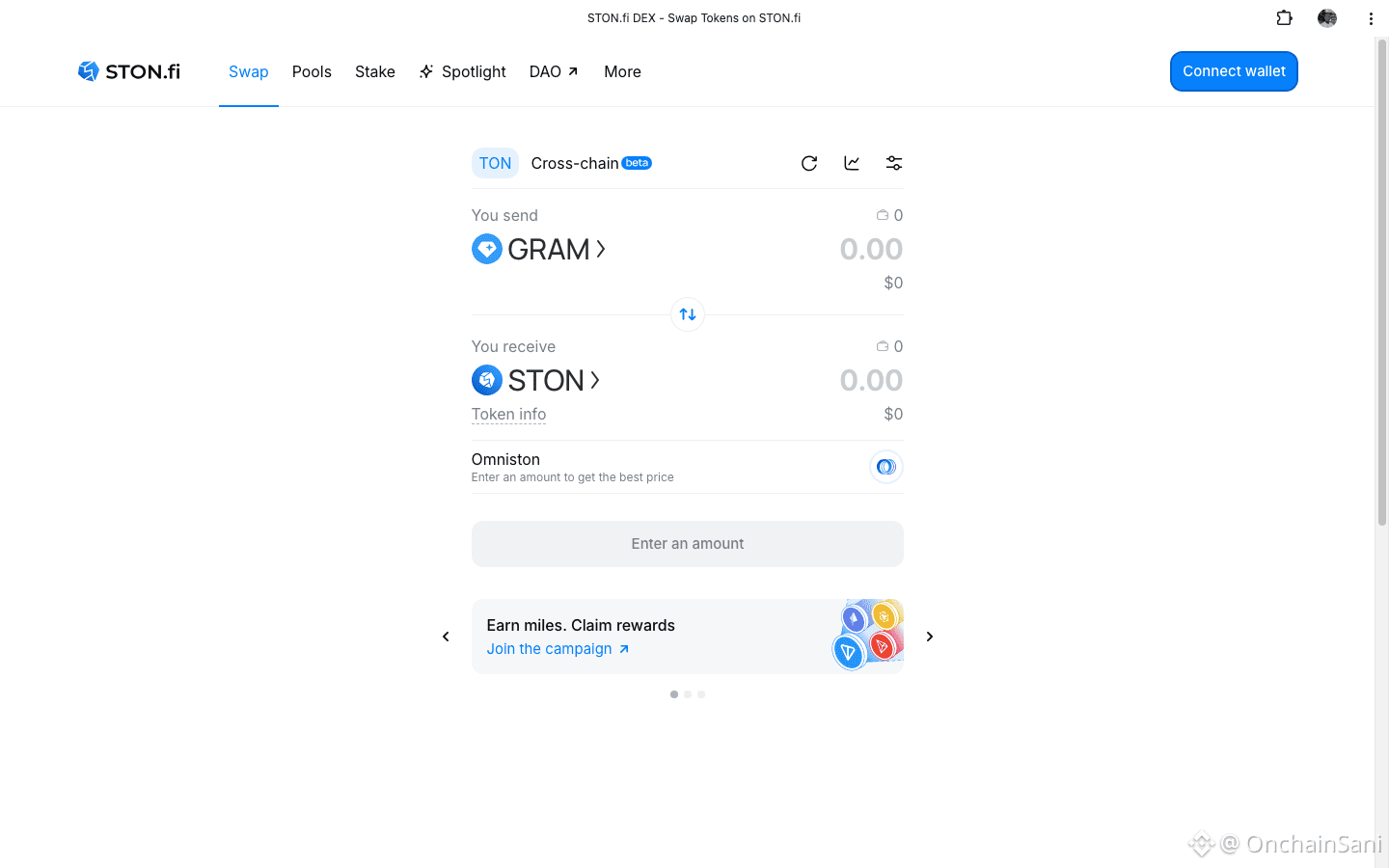
The flow was:
Connect Wallet → View all wallets → WalletConnect → Connect
STON.fi says WalletConnect's TON integration allows supported wallets to interact with TON dApps without switching to a TON-native wallet.
What I liked was the simplicity of the process.
I wasn't learning a new DEX interface.
I was simply connecting the wallet I already use and continuing with the STON.fi interface.
For something as basic as wallet connection, that's good UX.
I tested connecting to STON.fi through WalletConnect
I wanted to see how complicated it would actually be to connect a supported multi-chain wallet to STON.fi through WalletConnect.
The flow was:
Connect Wallet → View all wallets → WalletConnect → Connect
STON.fi says WalletConnect's TON integration allows supported wallets to interact with TON dApps without switching to a TON-native wallet.
What I liked was the simplicity of the process.
I wasn't learning a new DEX interface.
I was simply connecting the wallet I already use and continuing with the STON.fi interface.
For something as basic as wallet connection, that's good UX.
I wanted to see how complicated it would actually be to connect a supported multi-chain wallet to STON.fi through WalletConnect.
The flow was:
Connect Wallet → View all wallets → WalletConnect → Connect
STON.fi says WalletConnect's TON integration allows supported wallets to interact with TON dApps without switching to a TON-native wallet.
What I liked was the simplicity of the process.
I wasn't learning a new DEX interface.
I was simply connecting the wallet I already use and continuing with the STON.fi interface.
For something as basic as wallet connection, that's good UX.
58
·
--
Artım
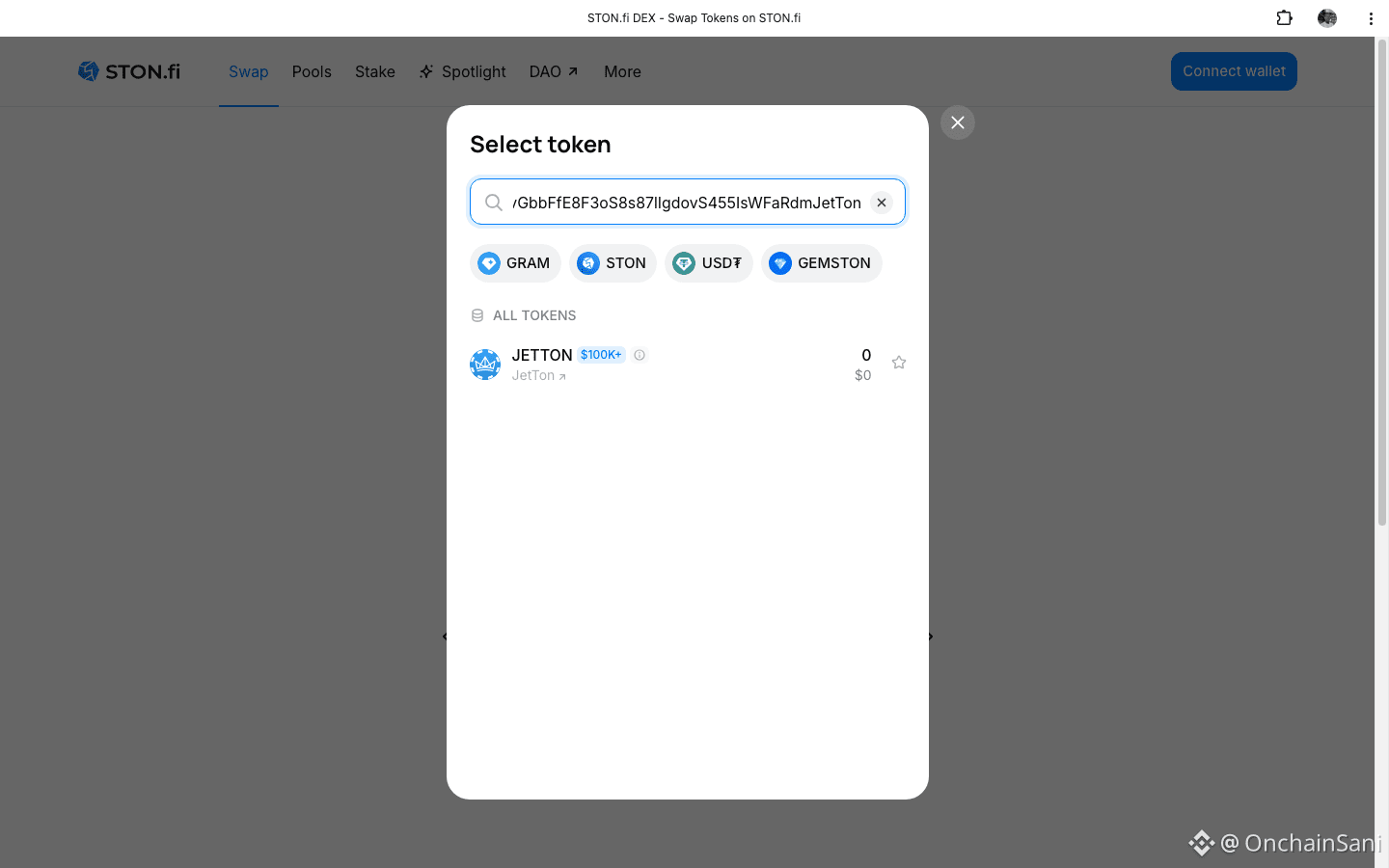
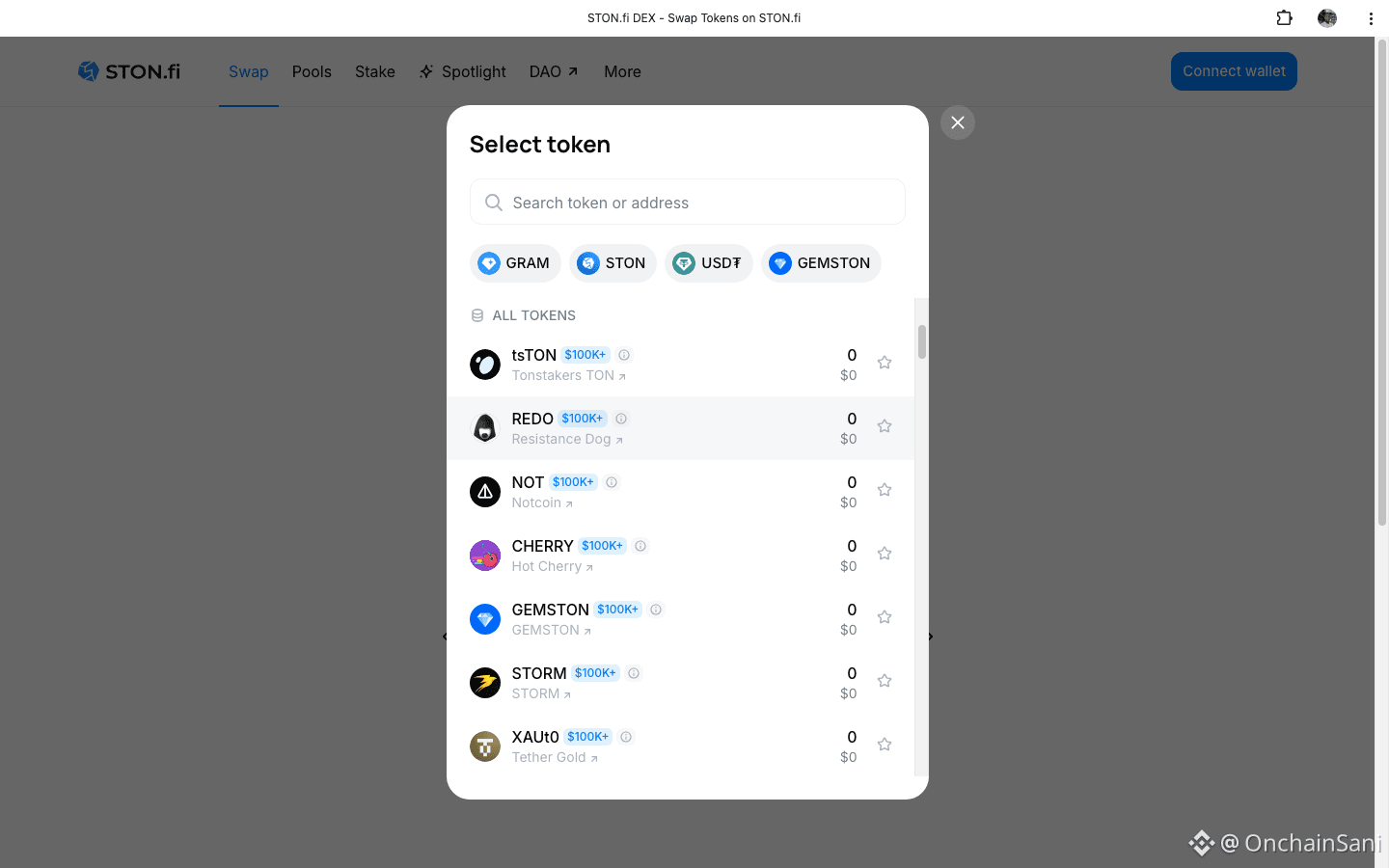
Bir xırda vərdiş mənim tanımadığım tokenləri necə dəyişdirməyimi dəyişdi
Əvvəllər tokeni adla axtarır, seçir və birbaşa sitata keçirdim.
İndi əvvəl bir az əlavə yoxlama edirəm:
kontrakt ünvanı.
Tanımadığı aktivlərlə işləyəndə token adları kifayət etmir.
STON.fi-də mənim prosesim indi belədir:
Rəsmi kontrakt → tokeni tap → yoxla → sitatı yoxla → swap.
STON.fi-nin öz bələdçisi izah edir ki, bəzi tokenlər adi ad axtarışı zamanı görünməyə bilər, amma onların kontrakt ünvanı ilə əldə etmək mümkündür; eyni zamanda bəzi saxta və ya məhdudlaşdırılmış tokenlər interfeysdən gizlədilə və ya bloklana bilər.
Mən bunu tokenin təhlükəsiz olduğuna zəmanət kimi qəbul etmirəm.
Sadəcə, mənim öz yoxlama prosesimə əlavə bir qatdır.
Mənim üçün əsas dərs:
Tanış görünən token adı sizi kontrakt-ünvan yoxlamasını atlamağa vadar etməsin.
Bir neçə saniyəlik yoxlama dəyər.
Bir xırda vərdiş mənim tanımadığım tokenləri necə dəyişdirməyimi dəyişdi
Əvvəllər tokeni adla axtarır, seçir və birbaşa sitata keçirdim.
İndi əvvəl bir az əlavə yoxlama edirəm:
kontrakt ünvanı.
Tanımadığı aktivlərlə işləyəndə token adları kifayət etmir.
STON.fi-də mənim prosesim indi belədir:
Rəsmi kontrakt → tokeni tap → yoxla → sitatı yoxla → swap.
STON.fi-nin öz bələdçisi izah edir ki, bəzi tokenlər adi ad axtarışı zamanı görünməyə bilər, amma onların kontrakt ünvanı ilə əldə etmək mümkündür; eyni zamanda bəzi saxta və ya məhdudlaşdırılmış tokenlər interfeysdən gizlədilə və ya bloklana bilər.
Mən bunu tokenin təhlükəsiz olduğuna zəmanət kimi qəbul etmirəm.
Sadəcə, mənim öz yoxlama prosesimə əlavə bir qatdır.
Mənim üçün əsas dərs:
Tanış görünən token adı sizi kontrakt-ünvan yoxlamasını atlamağa vadar etməsin.
Bir neçə saniyəlik yoxlama dəyər.
Əvvəllər tokeni adla axtarır, seçir və birbaşa sitata keçirdim.
İndi əvvəl bir az əlavə yoxlama edirəm:
kontrakt ünvanı.
Tanımadığı aktivlərlə işləyəndə token adları kifayət etmir.
STON.fi-də mənim prosesim indi belədir:
Rəsmi kontrakt → tokeni tap → yoxla → sitatı yoxla → swap.
STON.fi-nin öz bələdçisi izah edir ki, bəzi tokenlər adi ad axtarışı zamanı görünməyə bilər, amma onların kontrakt ünvanı ilə əldə etmək mümkündür; eyni zamanda bəzi saxta və ya məhdudlaşdırılmış tokenlər interfeysdən gizlədilə və ya bloklana bilər.
Mən bunu tokenin təhlükəsiz olduğuna zəmanət kimi qəbul etmirəm.
Sadəcə, mənim öz yoxlama prosesimə əlavə bir qatdır.
Mənim üçün əsas dərs:
Tanış görünən token adı sizi kontrakt-ünvan yoxlamasını atlamağa vadar etməsin.
Bir neçə saniyəlik yoxlama dəyər.
98
·
--
BNB Chain → STON.fi-də X Layer marşrutunu sınadım
Yeni X Layer inteqrasiyasının realda necə hiss verdiyini görmək istədim, ona görə də STON.fi-də BNB Chain → X Layer cross-chain (zənşirlerarası) swapını araşdırdım.
Ən dərhal xoşuma gələn odur ki, bridging (körpüləmə) ilə swapping (mübadilə) arasını tamamilə ayrı təcrübələr kimi düşünməyə ehtiyac yox idi.
Marşrut cross-chain swap interfeysi vasitəsilə təqdim olunurdu.
Və burada Omnistonun rolu xüsusilə önəmlidir.
STON.fi-nin Omniston execution (icra) səviyyəsi sitatdan (quote) settlement-ə (hesablaşmaya) qədər cross-chain axınının koordinasiyasını edir, alt tərəfdəki mürəkkəb yönləndirməni idarə edir.
Təsdiq etməzdən əvvəl gözlənilən məbləği və istiqaməti yoxladım.
Çox güman ki, hər bir zənşirlerarası əməliyyat üçün qoruyacağım vərdiş budur:
Sadəcə təsdiqləmə. Əslində nə aldığını yoxla.
STON.fi nə qədər çox şəbəkəni birləşdirirsə, bu tip infrastruktur bir o qədər faydalı olur.
Hər zənciri ayrıca düşünmək əvəzinə, məqsəd nəticədə sadəcə aktivi və təyinatı seçmək, icra səviyyəsinin qalanını idarə etməsinə icazə verməkdir.
Mənə X Layer inteqrasiyası ilə bağlı ən maraqlı görünən hissə budur.
@ston_fi
#STONfi #TON #CrossChain #Omniston #DeFi
BNB Chain → STON.fi-də X Layer marşrutunu sınadım
Yeni X Layer inteqrasiyasının realda necə hiss verdiyini görmək istədim, ona görə də STON.fi-də BNB Chain → X Layer cross-chain (zənşirlerarası) swapını araşdırdım.
Ən dərhal xoşuma gələn odur ki, bridging (körpüləmə) ilə swapping (mübadilə) arasını tamamilə ayrı təcrübələr kimi düşünməyə ehtiyac yox idi.
Marşrut cross-chain swap interfeysi vasitəsilə təqdim olunurdu.
Və burada Omnistonun rolu xüsusilə önəmlidir.
STON.fi-nin Omniston execution (icra) səviyyəsi sitatdan (quote) settlement-ə (hesablaşmaya) qədər cross-chain axınının koordinasiyasını edir, alt tərəfdəki mürəkkəb yönləndirməni idarə edir.
Təsdiq etməzdən əvvəl gözlənilən məbləği və istiqaməti yoxladım.
Çox güman ki, hər bir zənşirlerarası əməliyyat üçün qoruyacağım vərdiş budur:
Sadəcə təsdiqləmə. Əslində nə aldığını yoxla.
STON.fi nə qədər çox şəbəkəni birləşdirirsə, bu tip infrastruktur bir o qədər faydalı olur.
Hər zənciri ayrıca düşünmək əvəzinə, məqsəd nəticədə sadəcə aktivi və təyinatı seçmək, icra səviyyəsinin qalanını idarə etməsinə icazə verməkdir.
Mənə X Layer inteqrasiyası ilə bağlı ən maraqlı görünən hissə budur.
@ston_fi
#STONfi #TON #CrossChain #Omniston #DeFi
Yeni X Layer inteqrasiyasının realda necə hiss verdiyini görmək istədim, ona görə də STON.fi-də BNB Chain → X Layer cross-chain (zənşirlerarası) swapını araşdırdım.
Ən dərhal xoşuma gələn odur ki, bridging (körpüləmə) ilə swapping (mübadilə) arasını tamamilə ayrı təcrübələr kimi düşünməyə ehtiyac yox idi.
Marşrut cross-chain swap interfeysi vasitəsilə təqdim olunurdu.
Və burada Omnistonun rolu xüsusilə önəmlidir.
STON.fi-nin Omniston execution (icra) səviyyəsi sitatdan (quote) settlement-ə (hesablaşmaya) qədər cross-chain axınının koordinasiyasını edir, alt tərəfdəki mürəkkəb yönləndirməni idarə edir.
Təsdiq etməzdən əvvəl gözlənilən məbləği və istiqaməti yoxladım.
Çox güman ki, hər bir zənşirlerarası əməliyyat üçün qoruyacağım vərdiş budur:
Sadəcə təsdiqləmə. Əslində nə aldığını yoxla.
STON.fi nə qədər çox şəbəkəni birləşdirirsə, bu tip infrastruktur bir o qədər faydalı olur.
Hər zənciri ayrıca düşünmək əvəzinə, məqsəd nəticədə sadəcə aktivi və təyinatı seçmək, icra səviyyəsinin qalanını idarə etməsinə icazə verməkdir.
Mənə X Layer inteqrasiyası ilə bağlı ən maraqlı görünən hissə budur.
@ston_fi
#STONfi #TON #CrossChain #Omniston #DeFi

1
89
·
--
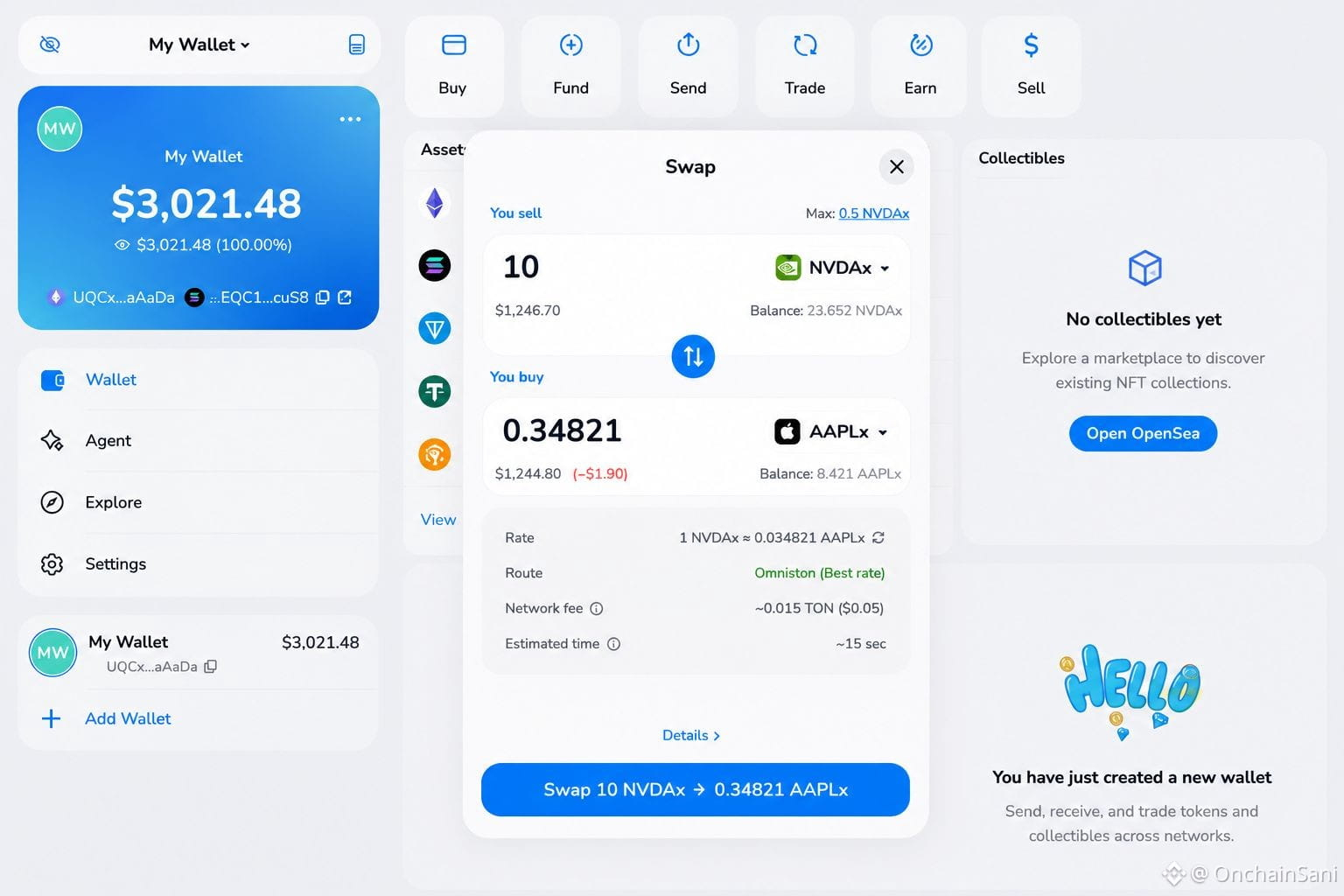
Sadə bir NVDAx → AAPLx mübadiləsinin arxasına baxdım
My Wallet-də mübadilə təcrübəsini araşdırırdım və əsl token cütlüyünün o tayına nəzər salmağa qərar verdim.
İnterfeys prosesi sadə göstərir:
NVDAx → AAPLx
Məbləği daxil edirsiniz, qiyməti yoxlayır və əməliyyat detalları ilə tanış olursunuz.
Amma bir detal diqqətimi çəkdi:
Marşrut: Omniston
Elə burada STON.fi işə düşür.
Omniston, STON.fi tərəfindən hazırlanmış icra və likvidlik- yönləndirmə infrastrukturudur.
İstifadəçilərin müxtəlif DEX marşrutlarını əl ilə axtarmasının əvəzinə, mövcud likvidliyi yoxlaya və mübadiləni icra etmək üçün səmərəli yolu tapmağa kömək edə bilər.
Bu maraqlıdır, çünki istifadəçi təcrübəsi bu mürəkkəbliyin hamısını üzə çıxarmağa ehtiyac duymur.
Siz sadəcə aktivləri, qiymət təklifini, təxmini komissiyanı və gözlənilən çıxışı görürsünüz.
İnfrastruktur alt tərəfdəki çətin işləri özü görür.
Məncə, bu DeFi üçün vacib bir istiqamətdir.
Ən yaxşı infrastruktur həmişə istifadəçilərin gördüyü infrastruktur olmur.
Bəzən elə istifadəçilərin cüzvi prosesini sadə hiss etdirməyə imkan verən infrastruktur olur.
Mən əsasən real ticarət icra etməkdənsə axını araşdırırdım, amma mübadilə təcrübəsinin altında Omnistonun dayandığını görmək STON.fi inteqrasiyasını çox daha asan başa düşməyə kömək etdi.
Və NVDAx və AAPLx kimi tokenləşdirilmiş aktivlər bu təcrübəni daha da maraqlı edir.
Wallet → likvidlik → yönləndirmə → icra.
İstifadəçiyə yalnız yekun təcrübə göstərilməlidir.
@ston_fi
#STONfi #TON #DeFi #xStocks
Sadə bir NVDAx → AAPLx mübadiləsinin arxasına baxdım
My Wallet-də mübadilə təcrübəsini araşdırırdım və əsl token cütlüyünün o tayına nəzər salmağa qərar verdim.
İnterfeys prosesi sadə göstərir:
NVDAx → AAPLx
Məbləği daxil edirsiniz, qiyməti yoxlayır və əməliyyat detalları ilə tanış olursunuz.
Amma bir detal diqqətimi çəkdi:
Marşrut: Omniston
Elə burada STON.fi işə düşür.
Omniston, STON.fi tərəfindən hazırlanmış icra və likvidlik- yönləndirmə infrastrukturudur.
İstifadəçilərin müxtəlif DEX marşrutlarını əl ilə axtarmasının əvəzinə, mövcud likvidliyi yoxlaya və mübadiləni icra etmək üçün səmərəli yolu tapmağa kömək edə bilər.
Bu maraqlıdır, çünki istifadəçi təcrübəsi bu mürəkkəbliyin hamısını üzə çıxarmağa ehtiyac duymur.
Siz sadəcə aktivləri, qiymət təklifini, təxmini komissiyanı və gözlənilən çıxışı görürsünüz.
İnfrastruktur alt tərəfdəki çətin işləri özü görür.
Məncə, bu DeFi üçün vacib bir istiqamətdir.
Ən yaxşı infrastruktur həmişə istifadəçilərin gördüyü infrastruktur olmur.
Bəzən elə istifadəçilərin cüzvi prosesini sadə hiss etdirməyə imkan verən infrastruktur olur.
Mən əsasən real ticarət icra etməkdənsə axını araşdırırdım, amma mübadilə təcrübəsinin altında Omnistonun dayandığını görmək STON.fi inteqrasiyasını çox daha asan başa düşməyə kömək etdi.
Və NVDAx və AAPLx kimi tokenləşdirilmiş aktivlər bu təcrübəni daha da maraqlı edir.
Wallet → likvidlik → yönləndirmə → icra.
İstifadəçiyə yalnız yekun təcrübə göstərilməlidir.
@ston_fi
#STONfi #TON #DeFi #xStocks
My Wallet-də mübadilə təcrübəsini araşdırırdım və əsl token cütlüyünün o tayına nəzər salmağa qərar verdim.
İnterfeys prosesi sadə göstərir:
NVDAx → AAPLx
Məbləği daxil edirsiniz, qiyməti yoxlayır və əməliyyat detalları ilə tanış olursunuz.
Amma bir detal diqqətimi çəkdi:
Marşrut: Omniston
Elə burada STON.fi işə düşür.
Omniston, STON.fi tərəfindən hazırlanmış icra və likvidlik- yönləndirmə infrastrukturudur.
İstifadəçilərin müxtəlif DEX marşrutlarını əl ilə axtarmasının əvəzinə, mövcud likvidliyi yoxlaya və mübadiləni icra etmək üçün səmərəli yolu tapmağa kömək edə bilər.
Bu maraqlıdır, çünki istifadəçi təcrübəsi bu mürəkkəbliyin hamısını üzə çıxarmağa ehtiyac duymur.
Siz sadəcə aktivləri, qiymət təklifini, təxmini komissiyanı və gözlənilən çıxışı görürsünüz.
İnfrastruktur alt tərəfdəki çətin işləri özü görür.
Məncə, bu DeFi üçün vacib bir istiqamətdir.
Ən yaxşı infrastruktur həmişə istifadəçilərin gördüyü infrastruktur olmur.
Bəzən elə istifadəçilərin cüzvi prosesini sadə hiss etdirməyə imkan verən infrastruktur olur.
Mən əsasən real ticarət icra etməkdənsə axını araşdırırdım, amma mübadilə təcrübəsinin altında Omnistonun dayandığını görmək STON.fi inteqrasiyasını çox daha asan başa düşməyə kömək etdi.
Və NVDAx və AAPLx kimi tokenləşdirilmiş aktivlər bu təcrübəni daha da maraqlı edir.
Wallet → likvidlik → yönləndirmə → icra.
İstifadəçiyə yalnız yekun təcrübə göstərilməlidir.
@ston_fi
#STONfi #TON #DeFi #xStocks
1
92
·
--
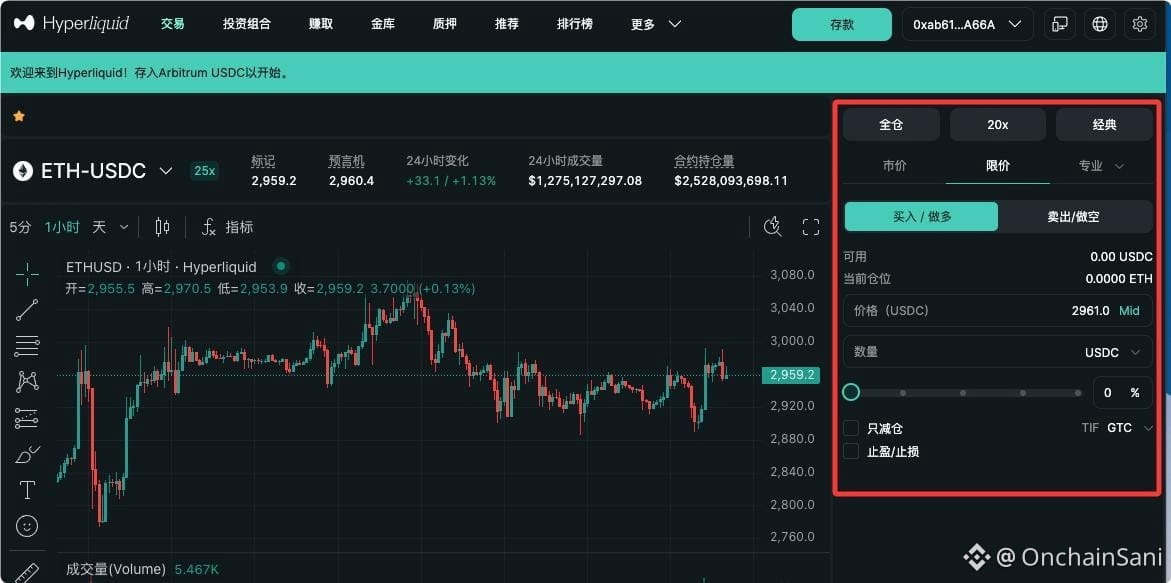
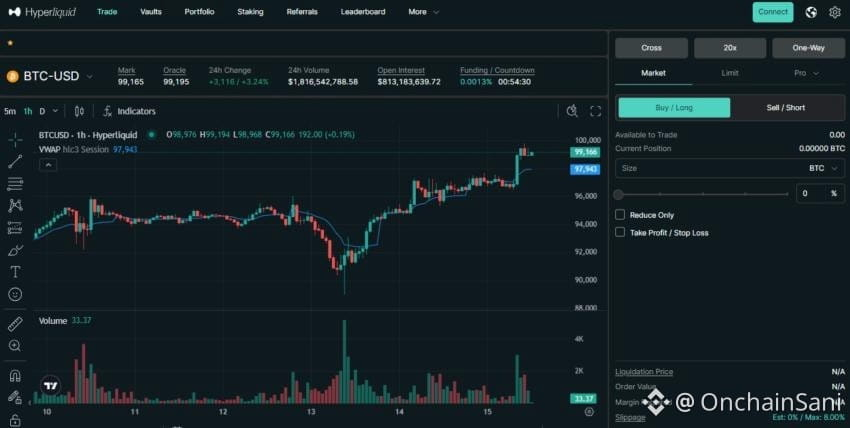
Sadə WenLong təcrübəsinin arxasında nə baş verir?
Mən Telegram içində WenLong-u araşdırırdım və əvvəlcə diqqətimi Hyperliquid ticarət interfeysinin açıq hissəsinə yönəltmişdim.
Amma daha maraqlı hissə budur ki, ticarət Hyperliquid-ə çatana qədər nə baş verir.
İstifadəçi TON üzərində USDT-dən başlaya bilər, halbuki Hyperliquid axını Arbitrum üzərində USDC tələb edir.
Deməli, bu mühitlər arasında keçid üçün bir yol olmalıdır.
Bu yerdə STON.fi-nin Omniston-u rol oynayır.
Omniston, swap hissəsi üçün cross-chain yönləndirmə və icra infrastrukturunu təmin edir; beləliklə, istifadəçi hər addımı əl ilə bir-bir yığmağa məcbur qalmır.
Sadələşdirilmiş axın belədir:
TON üzərində USDT
↓
Omniston
↓
Arbitrum üzərində USDC
↓
Hyperliquid
Bu yanaşmada bəyəndiyim əsas məqam məsuliyyətlərin ayrılmasıdır.
WenLong istifadəçilərə Telegram-da ticarət təcrübəsi verməyə fokuslanır.
STON.fi tərəfindən hazırlanmış Omniston isə arxada cross-chain icranı idarə edir.
İstifadəçi daha sadə bir yol qət edir, mürəkkəb infrastruktur isə arxa planda qalır.
Məncə, cross-chain UX-in hədəfi məhz budur.
Mütləq istifadəçilərin daha çox infrastruktur anlayıb-düşünməsini istəmək deyil — infrastrukturun daha yaxşı işləməsini təmin etməkdir ki, istifadəçi bunun barədə daha az düşünməli olsun.
@ston_fi
DYOR, xüsusən də leveriched (borc edilmiş) məhsullarla qarşılıqlı əlaqə qurarkən.
Sadə WenLong təcrübəsinin arxasında nə baş verir?
Mən Telegram içində WenLong-u araşdırırdım və əvvəlcə diqqətimi Hyperliquid ticarət interfeysinin açıq hissəsinə yönəltmişdim.
Amma daha maraqlı hissə budur ki, ticarət Hyperliquid-ə çatana qədər nə baş verir.
İstifadəçi TON üzərində USDT-dən başlaya bilər, halbuki Hyperliquid axını Arbitrum üzərində USDC tələb edir.
Deməli, bu mühitlər arasında keçid üçün bir yol olmalıdır.
Bu yerdə STON.fi-nin Omniston-u rol oynayır.
Omniston, swap hissəsi üçün cross-chain yönləndirmə və icra infrastrukturunu təmin edir; beləliklə, istifadəçi hər addımı əl ilə bir-bir yığmağa məcbur qalmır.
Sadələşdirilmiş axın belədir:
TON üzərində USDT
↓
Omniston
↓
Arbitrum üzərində USDC
↓
Hyperliquid
Bu yanaşmada bəyəndiyim əsas məqam məsuliyyətlərin ayrılmasıdır.
WenLong istifadəçilərə Telegram-da ticarət təcrübəsi verməyə fokuslanır.
STON.fi tərəfindən hazırlanmış Omniston isə arxada cross-chain icranı idarə edir.
İstifadəçi daha sadə bir yol qət edir, mürəkkəb infrastruktur isə arxa planda qalır.
Məncə, cross-chain UX-in hədəfi məhz budur.
Mütləq istifadəçilərin daha çox infrastruktur anlayıb-düşünməsini istəmək deyil — infrastrukturun daha yaxşı işləməsini təmin etməkdir ki, istifadəçi bunun barədə daha az düşünməli olsun.
@ston_fi
DYOR, xüsusən də leveriched (borc edilmiş) məhsullarla qarşılıqlı əlaqə qurarkən.
Mən Telegram içində WenLong-u araşdırırdım və əvvəlcə diqqətimi Hyperliquid ticarət interfeysinin açıq hissəsinə yönəltmişdim.
Amma daha maraqlı hissə budur ki, ticarət Hyperliquid-ə çatana qədər nə baş verir.
İstifadəçi TON üzərində USDT-dən başlaya bilər, halbuki Hyperliquid axını Arbitrum üzərində USDC tələb edir.
Deməli, bu mühitlər arasında keçid üçün bir yol olmalıdır.
Bu yerdə STON.fi-nin Omniston-u rol oynayır.
Omniston, swap hissəsi üçün cross-chain yönləndirmə və icra infrastrukturunu təmin edir; beləliklə, istifadəçi hər addımı əl ilə bir-bir yığmağa məcbur qalmır.
Sadələşdirilmiş axın belədir:
TON üzərində USDT
↓
Omniston
↓
Arbitrum üzərində USDC
↓
Hyperliquid
Bu yanaşmada bəyəndiyim əsas məqam məsuliyyətlərin ayrılmasıdır.
WenLong istifadəçilərə Telegram-da ticarət təcrübəsi verməyə fokuslanır.
STON.fi tərəfindən hazırlanmış Omniston isə arxada cross-chain icranı idarə edir.
İstifadəçi daha sadə bir yol qət edir, mürəkkəb infrastruktur isə arxa planda qalır.
Məncə, cross-chain UX-in hədəfi məhz budur.
Mütləq istifadəçilərin daha çox infrastruktur anlayıb-düşünməsini istəmək deyil — infrastrukturun daha yaxşı işləməsini təmin etməkdir ki, istifadəçi bunun barədə daha az düşünməli olsun.
@ston_fi
DYOR, xüsusən də leveriched (borc edilmiş) məhsullarla qarşılıqlı əlaqə qurarkən.
1
109
·
--
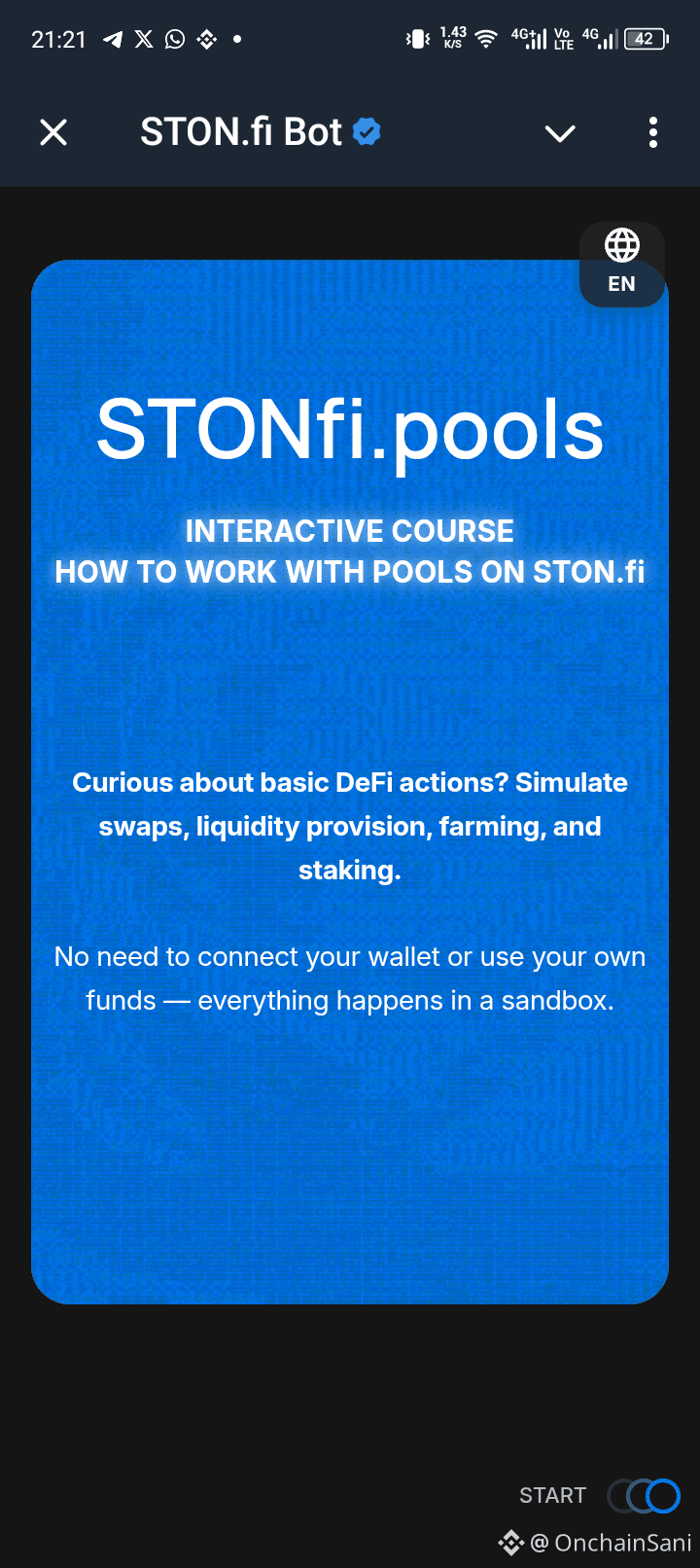
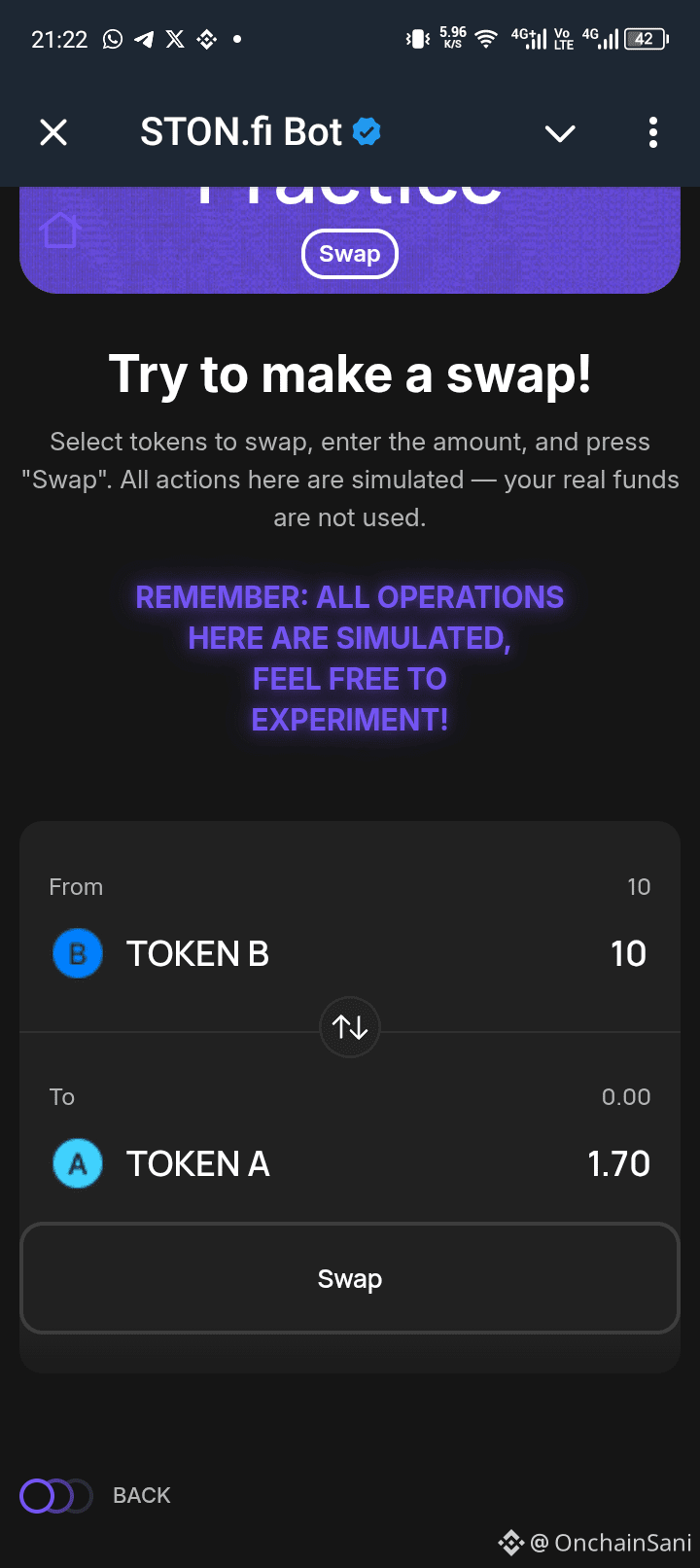
Siz STON.fi-da Real Vəsaitlərdən İstifadə Etmədən DeFi-ni Təcrübə Edə Bilərsiniz
Son zamanlar STON.fi-da araşdırdığım şeylərdən biri STONfi.pools interaktiv kursu oldu.
Diqqətimi çəkən məqam budur ki, sizə pul kisəsi (wallet) qoşmaq və ya öz vəsaitlərinizi istifadə etmək lazım deyil.
Bunun əvəzinə, siz simulyator daxilində məşq edirsiniz.
Kurs sizə bunları araşdırmağa imkan verir:
Svoplar
Likvidliyin təmin edilməsi
Fermerlik
Staking
Məncə, bu, xüsusilə başlanğıclar üçün faydalıdır, çünki DeFi ilk dəfə tanımadığınız bir interfeyslə qarşılaşanda mürəkkəb görünə bilər.
Hələ öyrənərkən real vəsaitdən istifadə etmək lazımsız təzyiq yaradır.
Simulyatorla siz prosesin hər addımını klikləyərək izləyə, hər addımın nə etdiyini anlaya və real əməliyyatlara keçməzdən əvvəl iş axınına alışa bilərsiniz.
Əlbəttə, simulyasiya real DeFi risklərini aradan qaldırmır.
Real vəsaitdən istifadə etməzdən əvvəl siz yenə də slippage (sürüşmə), impermanent loss (müvəqqəti itki), smart-kontrakt riski, komissiyalar (haqlar) və bazar volatilliyi kimi məsələləri anlamalısınız.
Amma əvvəlcə interfeysi öyrənmək bütün prosesi daha az qorxuducu edə bilər.
Mənim üçün fikir sadədir:
Əvvəl prosesi öyrənin. Sonra ona pul qoyun.
@ston_fi
#STONfi #TON #defi
Siz STON.fi-da Real Vəsaitlərdən İstifadə Etmədən DeFi-ni Təcrübə Edə Bilərsiniz
Son zamanlar STON.fi-da araşdırdığım şeylərdən biri STONfi.pools interaktiv kursu oldu.
Diqqətimi çəkən məqam budur ki, sizə pul kisəsi (wallet) qoşmaq və ya öz vəsaitlərinizi istifadə etmək lazım deyil.
Bunun əvəzinə, siz simulyator daxilində məşq edirsiniz.
Kurs sizə bunları araşdırmağa imkan verir:
Svoplar
Likvidliyin təmin edilməsi
Fermerlik
Staking
Məncə, bu, xüsusilə başlanğıclar üçün faydalıdır, çünki DeFi ilk dəfə tanımadığınız bir interfeyslə qarşılaşanda mürəkkəb görünə bilər.
Hələ öyrənərkən real vəsaitdən istifadə etmək lazımsız təzyiq yaradır.
Simulyatorla siz prosesin hər addımını klikləyərək izləyə, hər addımın nə etdiyini anlaya və real əməliyyatlara keçməzdən əvvəl iş axınına alışa bilərsiniz.
Əlbəttə, simulyasiya real DeFi risklərini aradan qaldırmır.
Real vəsaitdən istifadə etməzdən əvvəl siz yenə də slippage (sürüşmə), impermanent loss (müvəqqəti itki), smart-kontrakt riski, komissiyalar (haqlar) və bazar volatilliyi kimi məsələləri anlamalısınız.
Amma əvvəlcə interfeysi öyrənmək bütün prosesi daha az qorxuducu edə bilər.
Mənim üçün fikir sadədir:
Əvvəl prosesi öyrənin. Sonra ona pul qoyun.
@ston_fi
#STONfi #TON #defi
Son zamanlar STON.fi-da araşdırdığım şeylərdən biri STONfi.pools interaktiv kursu oldu.
Diqqətimi çəkən məqam budur ki, sizə pul kisəsi (wallet) qoşmaq və ya öz vəsaitlərinizi istifadə etmək lazım deyil.
Bunun əvəzinə, siz simulyator daxilində məşq edirsiniz.
Kurs sizə bunları araşdırmağa imkan verir:
Svoplar
Likvidliyin təmin edilməsi
Fermerlik
Staking
Məncə, bu, xüsusilə başlanğıclar üçün faydalıdır, çünki DeFi ilk dəfə tanımadığınız bir interfeyslə qarşılaşanda mürəkkəb görünə bilər.
Hələ öyrənərkən real vəsaitdən istifadə etmək lazımsız təzyiq yaradır.
Simulyatorla siz prosesin hər addımını klikləyərək izləyə, hər addımın nə etdiyini anlaya və real əməliyyatlara keçməzdən əvvəl iş axınına alışa bilərsiniz.
Əlbəttə, simulyasiya real DeFi risklərini aradan qaldırmır.
Real vəsaitdən istifadə etməzdən əvvəl siz yenə də slippage (sürüşmə), impermanent loss (müvəqqəti itki), smart-kontrakt riski, komissiyalar (haqlar) və bazar volatilliyi kimi məsələləri anlamalısınız.
Amma əvvəlcə interfeysi öyrənmək bütün prosesi daha az qorxuducu edə bilər.
Mənim üçün fikir sadədir:
Əvvəl prosesi öyrənin. Sonra ona pul qoyun.
@ston_fi
#STONfi #TON #defi
1
87
·
--
STON.fi Likidlik hovuzlarını müqayisə edərək nə öyrəndim
Mən bir müddət STON.fi-də Hovuzlar bölməsini araşdırmağa vaxt ayırdım; sadəcə ən yüksək APR olan hovuzu axtarmaqdansa.
İlk diqqətimi çəkən odur ki, rəqəmlər nə qədər fərqli ola bilər.
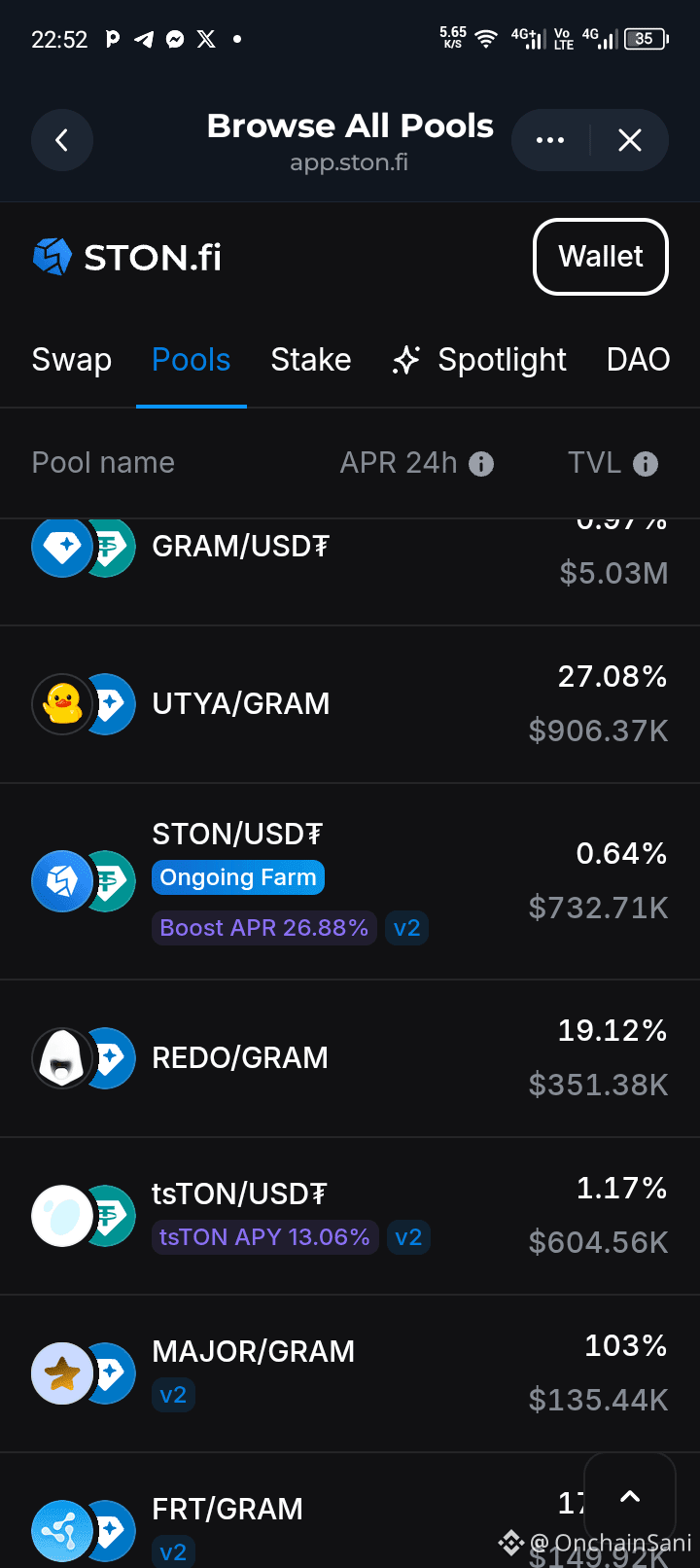
Məsələn, hovuzlara baxanda REDO/GRAM 25.59% APR göstərirdi, halbuki STON/USDT 0.13% göstərirdi.
İlk baxışdan daha böyük rəqəmin avtomatik olaraq daha cəlbedici olduğunu düşünmək asan olardı.
Amma hovuzları açmaq mənə daha çox kontekst verdi.
STON/USDT hovuzu göstərirdi:
• 24h APR: 0.13%
• 7d APR: 0.4%
• 30d APR: 1.01%
• TVL: təxminən $727K
• 24h həcm: təxminən $1.32K
Sonra GEMSTON/USDT-yə baxdım, orada göstərilirdi:
• 24h APR: 0.75%
• 7d APR: 0.92%
• 30d APR: 1.39%
• TVL: təxminən $209K
• 24h həcm: təxminən $2.14K
Bu müqayisə mənə bunu aydın etdi:
APR kontekstdən asılıdır.
TVL mənə hovuzun ölçüsü barədə məlumat verir, həcm isə yaxın dövrdəki ticarət aktivliyini anlamağa kömək edir. Müxtəlif APR dövrlərinə baxmaq da tək bir faizdən daha çox məlumat verir.
Bundan əlavə, token cütlüyünün özü və əlaqəli risklər var — o cümlədən qeyri-müvəqqəti zərərin (impermanent loss) mümkünlüyü.
Beləliklə, indi mənim yanaşmam sadədir:
APR → TVL → həcm → APR tarixçəsi → token cütlüyü → risklər
Mən bunu hovuzu hansı birini seçmək lazım olduğunu demək üçün istifadə etmirəm.
Sadəcə öz araşdırmamı aparmaq üçün daha yaxşı başlanğıc nöqtəsi verir.
Real hovuzu araşdırmaq, sadəcə ən böyük rəqəni arxasınca getməkdən daha faydalı oldu.
@ston_fi
#STONfi #TON #DeFi #liquidity
STON.fi Likidlik hovuzlarını müqayisə edərək nə öyrəndim
Mən bir müddət STON.fi-də Hovuzlar bölməsini araşdırmağa vaxt ayırdım; sadəcə ən yüksək APR olan hovuzu axtarmaqdansa.
İlk diqqətimi çəkən odur ki, rəqəmlər nə qədər fərqli ola bilər.
Məsələn, hovuzlara baxanda REDO/GRAM 25.59% APR göstərirdi, halbuki STON/USDT 0.13% göstərirdi.
İlk baxışdan daha böyük rəqəmin avtomatik olaraq daha cəlbedici olduğunu düşünmək asan olardı.
Amma hovuzları açmaq mənə daha çox kontekst verdi.
STON/USDT hovuzu göstərirdi:
• 24h APR: 0.13%
• 7d APR: 0.4%
• 30d APR: 1.01%
• TVL: təxminən $727K
• 24h həcm: təxminən $1.32K
Sonra GEMSTON/USDT-yə baxdım, orada göstərilirdi:
• 24h APR: 0.75%
• 7d APR: 0.92%
• 30d APR: 1.39%
• TVL: təxminən $209K
• 24h həcm: təxminən $2.14K
Bu müqayisə mənə bunu aydın etdi:
APR kontekstdən asılıdır.
TVL mənə hovuzun ölçüsü barədə məlumat verir, həcm isə yaxın dövrdəki ticarət aktivliyini anlamağa kömək edir. Müxtəlif APR dövrlərinə baxmaq da tək bir faizdən daha çox məlumat verir.
Bundan əlavə, token cütlüyünün özü və əlaqəli risklər var — o cümlədən qeyri-müvəqqəti zərərin (impermanent loss) mümkünlüyü.
Beləliklə, indi mənim yanaşmam sadədir:
APR → TVL → həcm → APR tarixçəsi → token cütlüyü → risklər
Mən bunu hovuzu hansı birini seçmək lazım olduğunu demək üçün istifadə etmirəm.
Sadəcə öz araşdırmamı aparmaq üçün daha yaxşı başlanğıc nöqtəsi verir.
Real hovuzu araşdırmaq, sadəcə ən böyük rəqəni arxasınca getməkdən daha faydalı oldu.
@ston_fi
#STONfi #TON #DeFi #liquidity
Mən bir müddət STON.fi-də Hovuzlar bölməsini araşdırmağa vaxt ayırdım; sadəcə ən yüksək APR olan hovuzu axtarmaqdansa.
İlk diqqətimi çəkən odur ki, rəqəmlər nə qədər fərqli ola bilər.
Məsələn, hovuzlara baxanda REDO/GRAM 25.59% APR göstərirdi, halbuki STON/USDT 0.13% göstərirdi.
İlk baxışdan daha böyük rəqəmin avtomatik olaraq daha cəlbedici olduğunu düşünmək asan olardı.
Amma hovuzları açmaq mənə daha çox kontekst verdi.
STON/USDT hovuzu göstərirdi:
• 24h APR: 0.13%
• 7d APR: 0.4%
• 30d APR: 1.01%
• TVL: təxminən $727K
• 24h həcm: təxminən $1.32K
Sonra GEMSTON/USDT-yə baxdım, orada göstərilirdi:
• 24h APR: 0.75%
• 7d APR: 0.92%
• 30d APR: 1.39%
• TVL: təxminən $209K
• 24h həcm: təxminən $2.14K
Bu müqayisə mənə bunu aydın etdi:
APR kontekstdən asılıdır.
TVL mənə hovuzun ölçüsü barədə məlumat verir, həcm isə yaxın dövrdəki ticarət aktivliyini anlamağa kömək edir. Müxtəlif APR dövrlərinə baxmaq da tək bir faizdən daha çox məlumat verir.
Bundan əlavə, token cütlüyünün özü və əlaqəli risklər var — o cümlədən qeyri-müvəqqəti zərərin (impermanent loss) mümkünlüyü.
Beləliklə, indi mənim yanaşmam sadədir:
APR → TVL → həcm → APR tarixçəsi → token cütlüyü → risklər
Mən bunu hovuzu hansı birini seçmək lazım olduğunu demək üçün istifadə etmirəm.
Sadəcə öz araşdırmamı aparmaq üçün daha yaxşı başlanğıc nöqtəsi verir.
Real hovuzu araşdırmaq, sadəcə ən böyük rəqəni arxasınca getməkdən daha faydalı oldu.
@ston_fi
#STONfi #TON #DeFi #liquidity
1
218
·
--
STON.fi’nin Özel Adres Seçimini Dəyərləndirdim
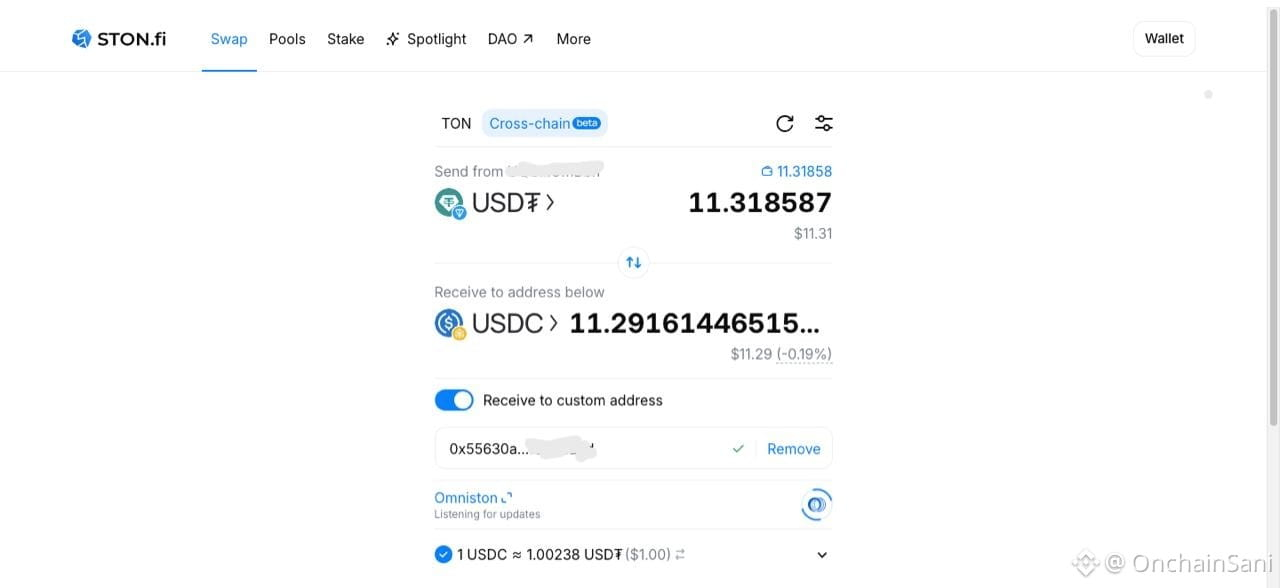
STON.fi-nin cross-chain swap funksiyasında yeni “Receive to custom address” (xüsusi ünvana qəbul et) seçimini sınadım.
Faydalı hissə olduqca sadədir: swap etdiyiniz wallet-ə qoşulursunuz, amma yaranan tokenləri həmin destination wallet-i dApp-a qoşmadan başqa bir wallet-ə göndərə bilərsiniz.
Prosesə baxdım və fərqli wallet-lərdə aktivləri saxladığınız vəziyyətlərdə bunu faydalı hesab etdim.
Təsdiq etməzdən əvvəl destination ünvanını və şəbəkəni diqqətlə yoxlamaq lazımdır. Mən də hər dəfə bunu ikiqat yoxlayardım.
Kiçik bir əlavədir, amma cross-chain swap-lara bir az daha çox çeviklik verir.
@ston_fi
#STONfi #TON #DeFi #CrossChain
STON.fi’nin Özel Adres Seçimini Dəyərləndirdim
STON.fi-nin cross-chain swap funksiyasında yeni “Receive to custom address” (xüsusi ünvana qəbul et) seçimini sınadım.
Faydalı hissə olduqca sadədir: swap etdiyiniz wallet-ə qoşulursunuz, amma yaranan tokenləri həmin destination wallet-i dApp-a qoşmadan başqa bir wallet-ə göndərə bilərsiniz.
Prosesə baxdım və fərqli wallet-lərdə aktivləri saxladığınız vəziyyətlərdə bunu faydalı hesab etdim.
Təsdiq etməzdən əvvəl destination ünvanını və şəbəkəni diqqətlə yoxlamaq lazımdır. Mən də hər dəfə bunu ikiqat yoxlayardım.
Kiçik bir əlavədir, amma cross-chain swap-lara bir az daha çox çeviklik verir.
@ston_fi
#STONfi #TON #DeFi #CrossChain
STON.fi-nin cross-chain swap funksiyasında yeni “Receive to custom address” (xüsusi ünvana qəbul et) seçimini sınadım.
Faydalı hissə olduqca sadədir: swap etdiyiniz wallet-ə qoşulursunuz, amma yaranan tokenləri həmin destination wallet-i dApp-a qoşmadan başqa bir wallet-ə göndərə bilərsiniz.
Prosesə baxdım və fərqli wallet-lərdə aktivləri saxladığınız vəziyyətlərdə bunu faydalı hesab etdim.
Təsdiq etməzdən əvvəl destination ünvanını və şəbəkəni diqqətlə yoxlamaq lazımdır. Mən də hər dəfə bunu ikiqat yoxlayardım.
Kiçik bir əlavədir, amma cross-chain swap-lara bir az daha çox çeviklik verir.
@ston_fi
#STONfi #TON #DeFi #CrossChain
1
97
·
--
Məqalə
DeFi Qərarlarını Daha Yaxşı Verməyə Kömək Edə Biləcək 3 Pulsuz STON_fi AlətiVaxt keçdikcə öyrəndiyim bir şey budur ki, bir çox DeFi səhvi hətta siz tranzaksiya etməzdən əvvəl baş verir.
Bəzən biz mümkün gəlirləri hesablamadan likvidlik təmin edirik. Digər vaxtlar isə riskləri tam anlamadan yüksək APR-i təqib edirik. Məlumatlı qərarlar adətən düzgün məlumatın olmasından başlayır.
Elə buna görə də STON.fi-nin aktivlərinizi öhdəliyə götürməzdən əvvəl istifadəçilərə imkanları qiymətləndirməyə kömək etmək üçün üç pulsuz alət təqdim etdiyini görəndə sevindim.
1. APR Kalkulyatoru
APR Kalkulyatoru öz daxil etdiyiniz məlumatlara əsasən potensial gəlirləri təxmin etməyə kömək edir.
DeFi Qərarlarını Daha Yaxşı Verməyə Kömək Edə Biləcək 3 Pulsuz STON_fi Aləti
Vaxt keçdikcə öyrəndiyim bir şey budur ki, bir çox DeFi səhvi hətta siz tranzaksiya etməzdən əvvəl baş verir.
Bəzən biz mümkün gəlirləri hesablamadan likvidlik təmin edirik. Digər vaxtlar isə riskləri tam anlamadan yüksək APR-i təqib edirik. Məlumatlı qərarlar adətən düzgün məlumatın olmasından başlayır.
Elə buna görə də STON.fi-nin aktivlərinizi öhdəliyə götürməzdən əvvəl istifadəçilərə imkanları qiymətləndirməyə kömək etmək üçün üç pulsuz alət təqdim etdiyini görəndə sevindim.
1. APR Kalkulyatoru
APR Kalkulyatoru öz daxil etdiyiniz məlumatlara əsasən potensial gəlirləri təxmin etməyə kömək edir.
Bəzən biz mümkün gəlirləri hesablamadan likvidlik təmin edirik. Digər vaxtlar isə riskləri tam anlamadan yüksək APR-i təqib edirik. Məlumatlı qərarlar adətən düzgün məlumatın olmasından başlayır.
Elə buna görə də STON.fi-nin aktivlərinizi öhdəliyə götürməzdən əvvəl istifadəçilərə imkanları qiymətləndirməyə kömək etmək üçün üç pulsuz alət təqdim etdiyini görəndə sevindim.
1. APR Kalkulyatoru
APR Kalkulyatoru öz daxil etdiyiniz məlumatlara əsasən potensial gəlirləri təxmin etməyə kömək edir.
1
20
·
--
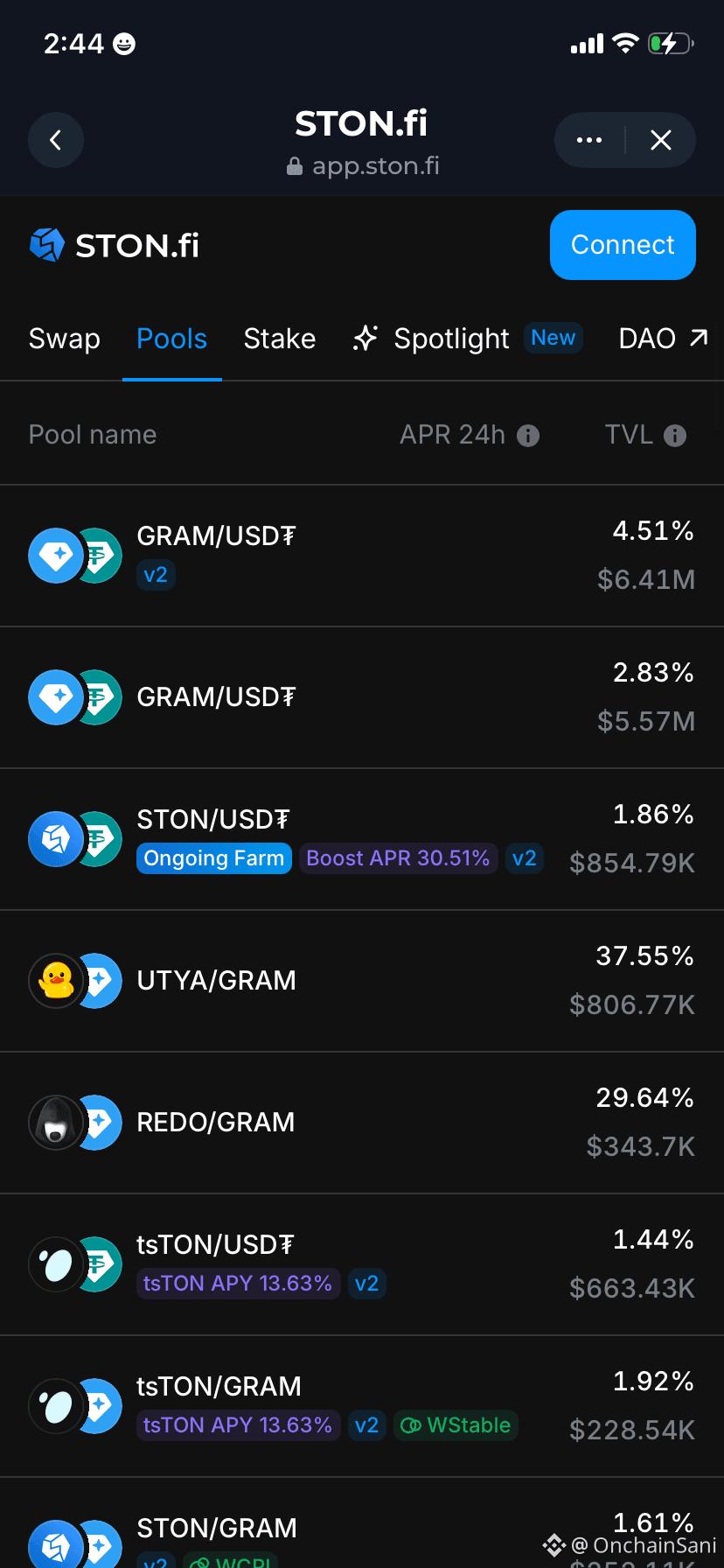
Bugün STON.fi üzərindən müxtəlif likvidlik hovuzlarını bircə hovuzla məşğul olmaq əvəzinə bir müddət nəzərdən keçirdim.
Bir neçə fərqli hovuz səhifəsini açmaq platformada token cütləşmələrinin necə dəyişdiyini anlamağıma kömək etdi.
Mən “ən yaxşı” hovuzu axtarmırdım, “Hovuzlar” bölməsinin necə təşkil olunduğunu başa düşməyə çalışırdım.
Bu kiçik vərdiş ekosistemi araşdırmağı çox daha maraqlı edib, çünki hər müqayisə mənə nəsə yeni öyrədir.
Bugün STON.fi üzərindən müxtəlif likvidlik hovuzlarını bircə hovuzla məşğul olmaq əvəzinə bir müddət nəzərdən keçirdim.
Bir neçə fərqli hovuz səhifəsini açmaq platformada token cütləşmələrinin necə dəyişdiyini anlamağıma kömək etdi.
Mən “ən yaxşı” hovuzu axtarmırdım, “Hovuzlar” bölməsinin necə təşkil olunduğunu başa düşməyə çalışırdım.
Bu kiçik vərdiş ekosistemi araşdırmağı çox daha maraqlı edib, çünki hər müqayisə mənə nəsə yeni öyrədir.
Bir neçə fərqli hovuz səhifəsini açmaq platformada token cütləşmələrinin necə dəyişdiyini anlamağıma kömək etdi.
Mən “ən yaxşı” hovuzu axtarmırdım, “Hovuzlar” bölməsinin necə təşkil olunduğunu başa düşməyə çalışırdım.
Bu kiçik vərdiş ekosistemi araşdırmağı çox daha maraqlı edib, çünki hər müqayisə mənə nəsə yeni öyrədir.
1
184
·
--
#newt Newton Protokol Mainnet Beta, əməliyyatların icrasından əvvəl onları yoxlayan onçeyn səlahiyyət (authorization) qatını təqdim edir.
Risklər baş verdikdən sonra reaksiya vermək əvəzinə, müxtəlif zəncirlər üzrə real vaxtda proqramlaşdırıla bilən uyğunluq (compliance) qaydaları tətbiq edir və onçeyn fəaliyyətini daha nəzarətli və yoxlana bilən edir.
@NewtonProtocol $NEWT #Newt $NEWT
#newt $NEWT
#newt Newton Protokol Mainnet Beta, əməliyyatların icrasından əvvəl onları yoxlayan onçeyn səlahiyyət (authorization) qatını təqdim edir.
Risklər baş verdikdən sonra reaksiya vermək əvəzinə, müxtəlif zəncirlər üzrə real vaxtda proqramlaşdırıla bilən uyğunluq (compliance) qaydaları tətbiq edir və onçeyn fəaliyyətini daha nəzarətli və yoxlana bilən edir.
@NewtonProtocol $NEWT #Newt $NEWT
#newt $NEWT
Risklər baş verdikdən sonra reaksiya vermək əvəzinə, müxtəlif zəncirlər üzrə real vaxtda proqramlaşdırıla bilən uyğunluq (compliance) qaydaları tətbiq edir və onçeyn fəaliyyətini daha nəzarətli və yoxlana bilən edir.
@NewtonProtocol $NEWT #Newt $NEWT
#newt $NEWT

1
59
·
--
#newt Newton Protokolunun Mainnet Beta versiyası onkain səlahiyyət (authorization) qatını təqdim edir; bu qat əməliyyatları icra edilməzdən əvvəl yoxlayır.
Risklər baş verdikdən sonra reaksiya vermək əvəzinə, o, müxtəlif zəncirlər üzrə real vaxtda proqramlaşdırıla bilən uyğunluq (compliance) qaydaları tətbiq edir və onkain fəaliyyəti daha nəzarətli və yoxlanıla bilən edir.
@NewtonProtocol $NEWT #Newt $NEWT
#newt Newton Protokolunun Mainnet Beta versiyası onkain səlahiyyət (authorization) qatını təqdim edir; bu qat əməliyyatları icra edilməzdən əvvəl yoxlayır.
Risklər baş verdikdən sonra reaksiya vermək əvəzinə, o, müxtəlif zəncirlər üzrə real vaxtda proqramlaşdırıla bilən uyğunluq (compliance) qaydaları tətbiq edir və onkain fəaliyyəti daha nəzarətli və yoxlanıla bilən edir.
@NewtonProtocol $NEWT #Newt $NEWT
Risklər baş verdikdən sonra reaksiya vermək əvəzinə, o, müxtəlif zəncirlər üzrə real vaxtda proqramlaşdırıla bilən uyğunluq (compliance) qaydaları tətbiq edir və onkain fəaliyyəti daha nəzarətli və yoxlanıla bilən edir.
@NewtonProtocol $NEWT #Newt $NEWT

1
84
·
--
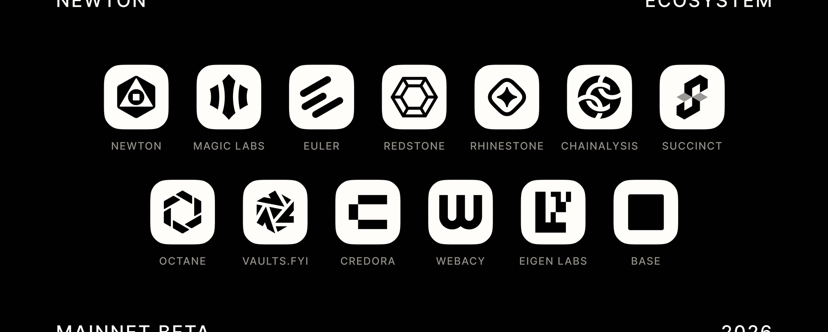
Məqalə
NEWTON MAINNET BETANewton Protocol Mainnet Beta, onlayn əməliyyatların yerləşdirilməsinə icazə verilməzdən əvvəl qiymətləndirildiyi əvvəlcədən icazələndirmə qatını təqdim edir. Yalnız post-transaction (əməliyyatdan sonra) monitorinqə arxalanmaq əvəzinə, hər bir əməliyyat icra olunmazdan əvvəl proqramlaşdırıla bilən uyğunluq (komplayns) qaydalarına qarşı yoxlanılır.
Bu qaydalar şəxsiyyətin təsdiqi, yurisdiksiya məhdudiyyətləri, köçürmə limitləri və riskə əsaslanan nəzarətləri də əhatə edə bilər. Əməliyyat təqdim edildikdə, Newton siyasət şərtlərinin ödənildiyini təsdiqləyən yoxlanıla bilən (verifiable) attestasya yaradır. Daha sonra smart kontraktlar həmin attestasiyanı birbaşa əməliyyatı icra etməzdən dərhal öncə tətbiq edə bilər.
NEWTON MAINNET BETA
Newton Protocol Mainnet Beta, onlayn əməliyyatların yerləşdirilməsinə icazə verilməzdən əvvəl qiymətləndirildiyi əvvəlcədən icazələndirmə qatını təqdim edir. Yalnız post-transaction (əməliyyatdan sonra) monitorinqə arxalanmaq əvəzinə, hər bir əməliyyat icra olunmazdan əvvəl proqramlaşdırıla bilən uyğunluq (komplayns) qaydalarına qarşı yoxlanılır.
Bu qaydalar şəxsiyyətin təsdiqi, yurisdiksiya məhdudiyyətləri, köçürmə limitləri və riskə əsaslanan nəzarətləri də əhatə edə bilər. Əməliyyat təqdim edildikdə, Newton siyasət şərtlərinin ödənildiyini təsdiqləyən yoxlanıla bilən (verifiable) attestasya yaradır. Daha sonra smart kontraktlar həmin attestasiyanı birbaşa əməliyyatı icra etməzdən dərhal öncə tətbiq edə bilər.
Bu qaydalar şəxsiyyətin təsdiqi, yurisdiksiya məhdudiyyətləri, köçürmə limitləri və riskə əsaslanan nəzarətləri də əhatə edə bilər. Əməliyyat təqdim edildikdə, Newton siyasət şərtlərinin ödənildiyini təsdiqləyən yoxlanıla bilən (verifiable) attestasya yaradır. Daha sonra smart kontraktlar həmin attestasiyanı birbaşa əməliyyatı icra etməzdən dərhal öncə tətbiq edə bilər.
1
82
·
--
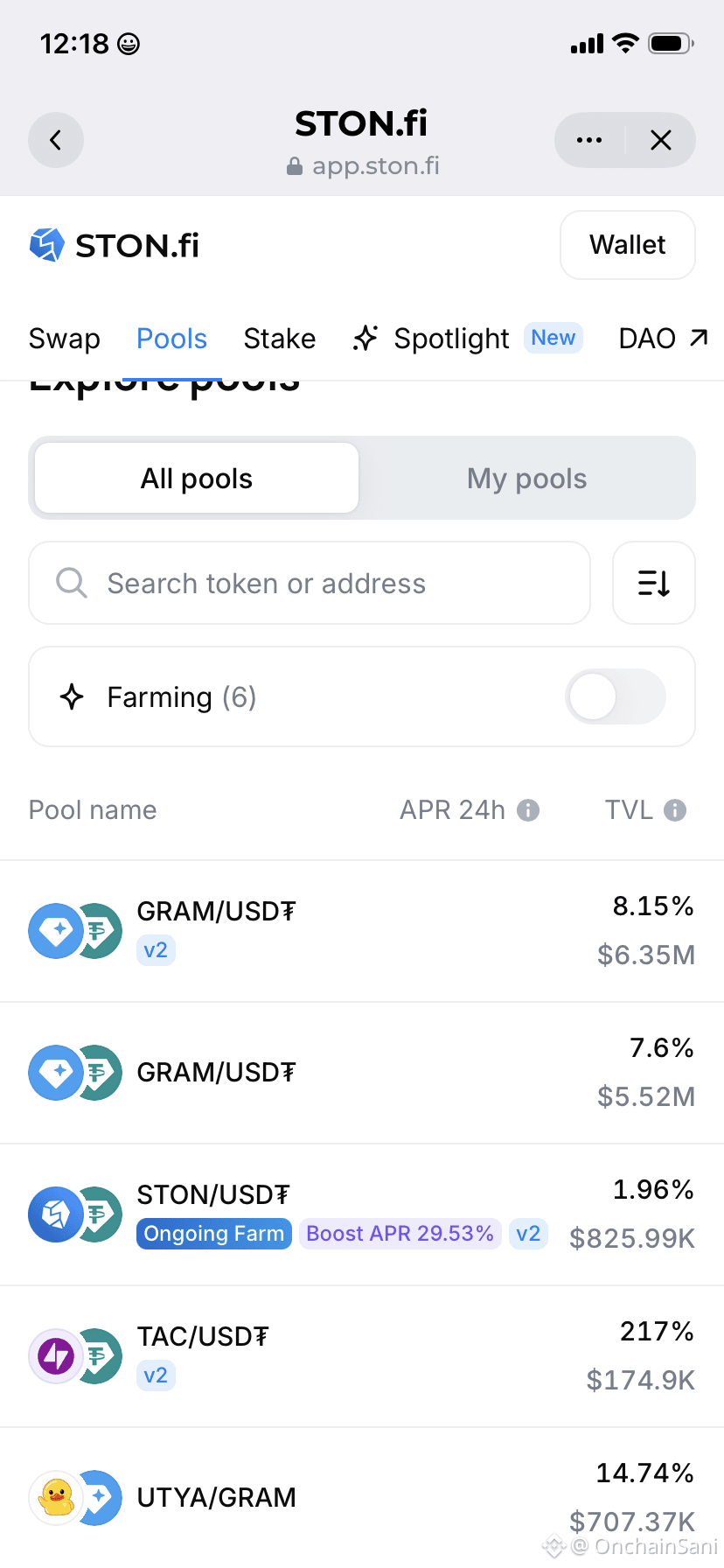
Bugün STON.fi-dəki “Pools” bölməsini açdım, tez bir nəzər salacağımı düşünürdüm.
Amma əvəzində, bir neçə fərqli cütləşmədə eyni aktivlərin göründüyünü fərq etdiyim üçün ayrı-ayrı pool-ları açmağa vaxt sərf etdim.
Bu da məni ekosistemdə müxtəlif layihələrin necə bir-biri ilə bağlı olduğuna maraqlandırdı.
Maraqlı tərəfi odur ki, artıq fürsətlər axtarmırdım.
Mən nümunələr axtarırdım.
Bəzən pool-lara baxmaq, sadəcə token qiymətlərinə baxmaqdan daha çox ekosistem fəaliyyətini sizə göstərə bilər.
Bugün STON.fi-dəki “Pools” bölməsini açdım, tez bir nəzər salacağımı düşünürdüm.
Amma əvəzində, bir neçə fərqli cütləşmədə eyni aktivlərin göründüyünü fərq etdiyim üçün ayrı-ayrı pool-ları açmağa vaxt sərf etdim.
Bu da məni ekosistemdə müxtəlif layihələrin necə bir-biri ilə bağlı olduğuna maraqlandırdı.
Maraqlı tərəfi odur ki, artıq fürsətlər axtarmırdım.
Mən nümunələr axtarırdım.
Bəzən pool-lara baxmaq, sadəcə token qiymətlərinə baxmaqdan daha çox ekosistem fəaliyyətini sizə göstərə bilər.
Amma əvəzində, bir neçə fərqli cütləşmədə eyni aktivlərin göründüyünü fərq etdiyim üçün ayrı-ayrı pool-ları açmağa vaxt sərf etdim.
Bu da məni ekosistemdə müxtəlif layihələrin necə bir-biri ilə bağlı olduğuna maraqlandırdı.
Maraqlı tərəfi odur ki, artıq fürsətlər axtarmırdım.
Mən nümunələr axtarırdım.
Bəzən pool-lara baxmaq, sadəcə token qiymətlərinə baxmaqdan daha çox ekosistem fəaliyyətini sizə göstərə bilər.
1
242
·
--
Artım
Bugün STON.fi-dən istifadə edərkən, sadəcə tanış olduğum bir swap marşrutuna sadiq qalmayıb müxtəlif token cütləri ilə qarşılıqlı əlaqə qurmağa bir az vaxt ayırdım.
Mənim diqqətimi çəkən bir məqam budur ki, DeFi haqqında oxumaqdan fərqli olaraq, swap-ları müntəzəm şəkildə icra etməyə başlayanda sənin DeFi qavrayışın ciddi şəkildə dəyişir.
Bu artıq “hansı tokeni alım?” sualı ilə bağlı olmur; daha çox icranın nə qədər hamar keçməsi və prosesin nə dərəcədə proqnozlaşdırıla bilən görünməsi ön plana çıxır.
Mənim üçün önə çıxan təcrübə elə bu oldu.
Tokenlərin özləri deyil, onların arxasındakı qarşılıqlı əlaqə axını.
Zaman keçdikcə başa düşürsən ki, daim yeni və sabit olmayan fürsətləri qovmaqdan daha çox icra ardıcıllığı önəmlidir.
Bugün STON.fi-dən istifadə edərkən, sadəcə tanış olduğum bir swap marşrutuna sadiq qalmayıb müxtəlif token cütləri ilə qarşılıqlı əlaqə qurmağa bir az vaxt ayırdım.
Mənim diqqətimi çəkən bir məqam budur ki, DeFi haqqında oxumaqdan fərqli olaraq, swap-ları müntəzəm şəkildə icra etməyə başlayanda sənin DeFi qavrayışın ciddi şəkildə dəyişir.
Bu artıq “hansı tokeni alım?” sualı ilə bağlı olmur; daha çox icranın nə qədər hamar keçməsi və prosesin nə dərəcədə proqnozlaşdırıla bilən görünməsi ön plana çıxır.
Mənim üçün önə çıxan təcrübə elə bu oldu.
Tokenlərin özləri deyil, onların arxasındakı qarşılıqlı əlaqə axını.
Zaman keçdikcə başa düşürsən ki, daim yeni və sabit olmayan fürsətləri qovmaqdan daha çox icra ardıcıllığı önəmlidir.
Mənim diqqətimi çəkən bir məqam budur ki, DeFi haqqında oxumaqdan fərqli olaraq, swap-ları müntəzəm şəkildə icra etməyə başlayanda sənin DeFi qavrayışın ciddi şəkildə dəyişir.
Bu artıq “hansı tokeni alım?” sualı ilə bağlı olmur; daha çox icranın nə qədər hamar keçməsi və prosesin nə dərəcədə proqnozlaşdırıla bilən görünməsi ön plana çıxır.
Mənim üçün önə çıxan təcrübə elə bu oldu.
Tokenlərin özləri deyil, onların arxasındakı qarşılıqlı əlaqə axını.
Zaman keçdikcə başa düşürsən ki, daim yeni və sabit olmayan fürsətləri qovmaqdan daha çox icra ardıcıllığı önəmlidir.
1
140
·
--
Artım
Ekosistem Dayanıqlığını Nə Yaradır?
Son vaxtlar DeFi ekosisteminin aktiv və sakit dövrlərdə necə dayanıqlı olduğunu düşünürəm.
Bazarlarda həyəcanlandıqda metrikalara diqqət yetirmək asandır.
Amma dayanıqlıq çox vaxt daha dərin bir şeydən gəlir:
davamlı istifadəçilər,
aktiv icmalar,
və infrastruktur ki, istifadəçilər bazar şərtlərindən asılı olmayaraq istifadə etməyə davam edirlər.
Bu, STON.fi və daha geniş TON ekosistemində vaxt keçirdikcə daha çox qiymətləndirməyə başladığım bir şeydir.
Ekosistem Dayanıqlığını Nə Yaradır?
Son vaxtlar DeFi ekosisteminin aktiv və sakit dövrlərdə necə dayanıqlı olduğunu düşünürəm.
Bazarlarda həyəcanlandıqda metrikalara diqqət yetirmək asandır.
Amma dayanıqlıq çox vaxt daha dərin bir şeydən gəlir:
davamlı istifadəçilər,
aktiv icmalar,
və infrastruktur ki, istifadəçilər bazar şərtlərindən asılı olmayaraq istifadə etməyə davam edirlər.
Bu, STON.fi və daha geniş TON ekosistemində vaxt keçirdikcə daha çox qiymətləndirməyə başladığım bir şeydir.
Son vaxtlar DeFi ekosisteminin aktiv və sakit dövrlərdə necə dayanıqlı olduğunu düşünürəm.
Bazarlarda həyəcanlandıqda metrikalara diqqət yetirmək asandır.
Amma dayanıqlıq çox vaxt daha dərin bir şeydən gəlir:
davamlı istifadəçilər,
aktiv icmalar,
və infrastruktur ki, istifadəçilər bazar şərtlərindən asılı olmayaraq istifadə etməyə davam edirlər.
Bu, STON.fi və daha geniş TON ekosistemində vaxt keçirdikcə daha çox qiymətləndirməyə başladığım bir şeydir.
1
106
·
--
TON DeFi-də daha çox vaxt sərf etdikcə, infrastrukturla qarşılıqlı əlaqə qurmağın və infrastrukturun başa düşülməsinin fərqini daha çox qiymətləndirirəm.
DEX-dən istifadə etmək sadədir.
Likitliyin haradan gəldiyini, hovuzların iştirakçıları necə cəlb etdiyini və icranın necə səmərəli qaldığını anlamaq tamamilə fərqli bir öyrənmə qatıdır.
Bu, STON.fi-dən istifadə edərkən tədricən qiymətləndirdiyim bir şeydir.
Görünən təcrübə önəmlidir.
Amma altında yatan görünməz sistemlər daha maraqlı hekayəni tez-tez danışır.
TON DeFi-də daha çox vaxt sərf etdikcə, infrastrukturla qarşılıqlı əlaqə qurmağın və infrastrukturun başa düşülməsinin fərqini daha çox qiymətləndirirəm.
DEX-dən istifadə etmək sadədir.
Likitliyin haradan gəldiyini, hovuzların iştirakçıları necə cəlb etdiyini və icranın necə səmərəli qaldığını anlamaq tamamilə fərqli bir öyrənmə qatıdır.
Bu, STON.fi-dən istifadə edərkən tədricən qiymətləndirdiyim bir şeydir.
Görünən təcrübə önəmlidir.
Amma altında yatan görünməz sistemlər daha maraqlı hekayəni tez-tez danışır.
DEX-dən istifadə etmək sadədir.
Likitliyin haradan gəldiyini, hovuzların iştirakçıları necə cəlb etdiyini və icranın necə səmərəli qaldığını anlamaq tamamilə fərqli bir öyrənmə qatıdır.
Bu, STON.fi-dən istifadə edərkən tədricən qiymətləndirdiyim bir şeydir.
Görünən təcrübə önəmlidir.
Amma altında yatan görünməz sistemlər daha maraqlı hekayəni tez-tez danışır.
1
2
619
Daha çox kontent araşdırmaq üçün daxil olun
Binance Square-də qlobal kriptovalyuta istifadəçilərinə qoşulun
⚡️ Kriptovalyuta haqqında ən son və faydalı məlumatları əldə edin.
💬 Dünyanın ən böyük kriptovalyuta birjası tərəfindən etibar edilir.
👍 Doğrulanmış yaradıcılardan gələn real məlumatları kəşf edin.
E-poçt/Telefon nömrəsi
Trenddə olan mövzular
CircleMints500MUSDCOnSolana
4,233 baxış
Müzakirə edir: 274
💰 BÖYÜK: Circle Solanada $500M $USDC mint etdi!
Circle cəmi 2 tranzaksiyada ( $250M + $250M ) sentyabrın 25-də Solanada 500 Milyon $USDC mint edib — cəmi 5,5 saata! 🚀
Solanada indi $7.48B+ $USDC üstünlüyü var — $14.7B stabilkoin təchizatının 50%-dən çoxu.
Niyə Solana?
⚡️ Sürət: 65k TPS
💸 Aşağı komissiya: $0.00025
🔥 DeFi Mərkəzi: Jupiter, Raydium yüksəlir
Bu, ən böyük tək günlük mintlərdən biridir & Solana ekosistemi üçün GÜCLÜ institusional tələbin siqnaldır.
$SOL üçün bullish? 👇
#Circle #USDC #Solana #Stablecoin #DeFi#circlemints500musdconsolana
True News
·8 bəyənmə
·3.6k baxış
PolymarketBankFailureBetsDrawFDICConcern
17,350 baxış
Müzakirə edir: 506
BlackRockBuildsTokenizedPortfoliosForOndo
13,281 baxış
Müzakirə edir: 348