

Sadikul
34 منشورات

Sadikul
إبلاغ
حظر المُستخدم
BP-7090224186CF
72 تتابع
63 المتابعون
145 إعجاب
منشورات
الكل
اقتباسات
·
--
صاعد
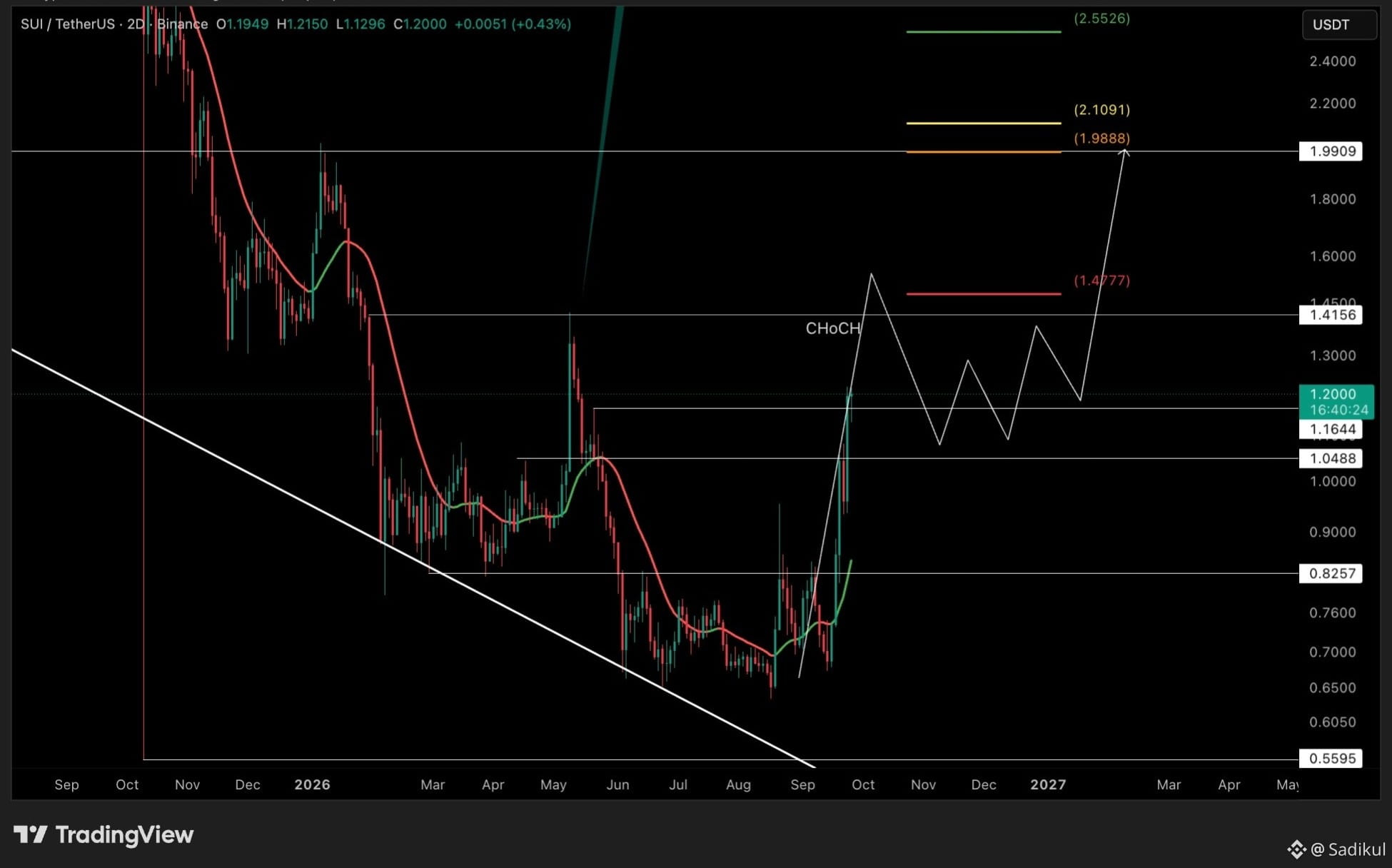
إذا تمكن SUI من إحداث تحول هيكلي صحيح، فقد نرى قمة مرتفعة أخرى بعد إعادة الاختبار.👀👀
لنرَ كيف تتطور حركة السعر.
إذا تمكن SUI من إحداث تحول هيكلي صحيح، فقد نرى قمة مرتفعة أخرى بعد إعادة الاختبار.👀👀
لنرَ كيف تتطور حركة السعر.
لنرَ كيف تتطور حركة السعر.
1
106
·
--
عرض الترجمة
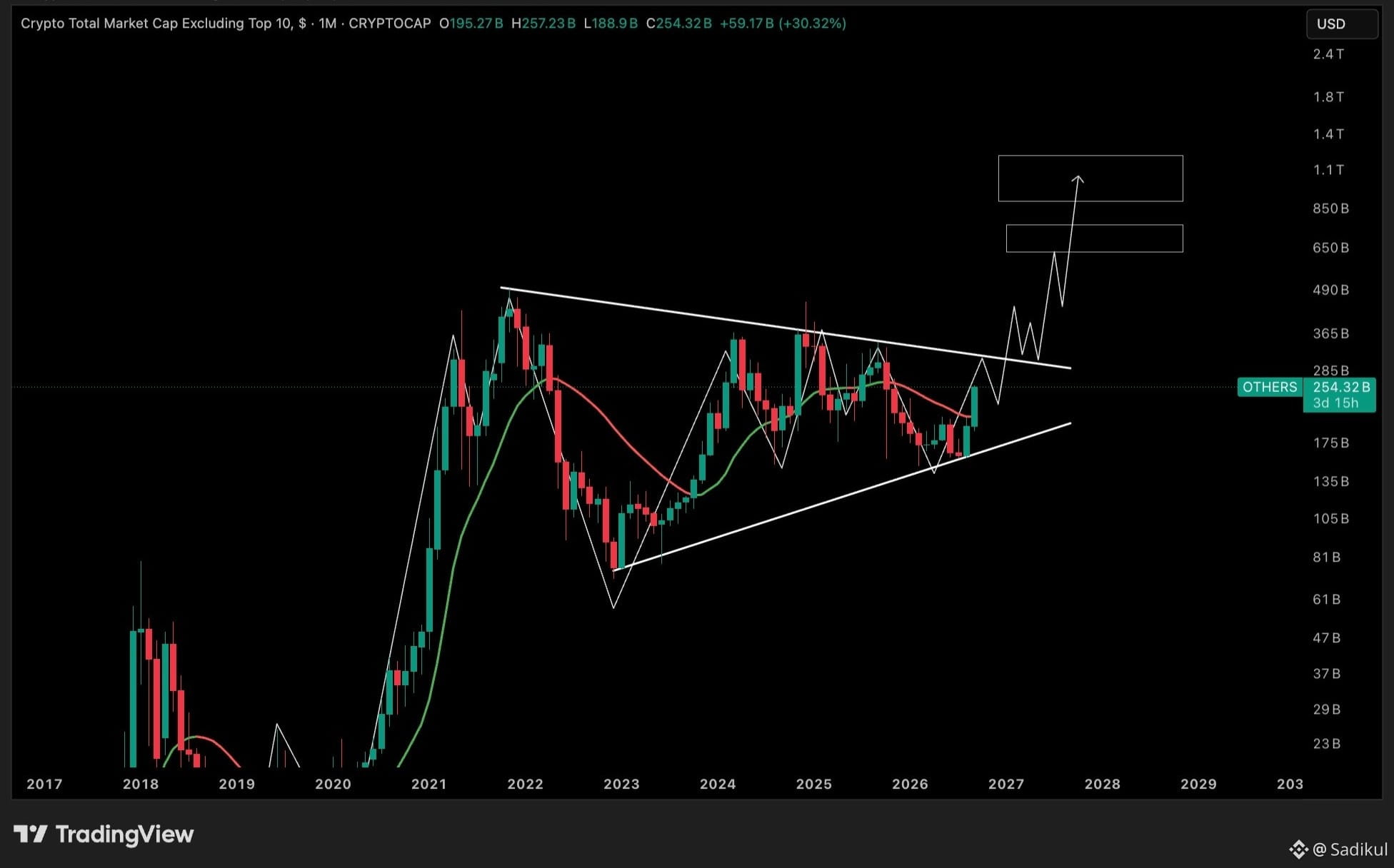
Is This Bullish Pennant Pattern on $OTHERS ? what do you think?
Is This Bullish Pennant Pattern on $OTHERS ? what do you think?
1
65
·
--
لم أكن أولي اهتمامًا كبيرًا لـ TermMax في البداية.
بروتوكول DeFi آخر، قصة عائد أخرى… صحيح؟
لكن بعد النظر بعمق، أعتقد أنني كنت أنظر إليه من زاوية خاطئة.
الأمر المثير للاهتمام ليس "كم العائد السنوي (APY) يمكنني الحصول عليه؟"
بل:
هل يمكنني فعلًا معرفة ما الذي سأحصل عليه، ولِمُدة كم يستمر، والتخطيط بناءً عليه؟
هنا تبدأ الأسواق ذات الفترات الثابتة بالتحول إلى شيء مثير للاهتمام.
لقد قضت DeFi سنوات وهي تعمل على تحسين السيولة.
ربما الخطوة التالية هي تحسين اليقين.
هذه هي زاوية TermMax التي أنا الأكثر فضولًا لمعرفة المزيد عنها.
@termmax x #termmax
لم أكن أولي اهتمامًا كبيرًا لـ TermMax في البداية.
بروتوكول DeFi آخر، قصة عائد أخرى… صحيح؟
لكن بعد النظر بعمق، أعتقد أنني كنت أنظر إليه من زاوية خاطئة.
الأمر المثير للاهتمام ليس "كم العائد السنوي (APY) يمكنني الحصول عليه؟"
بل:
هل يمكنني فعلًا معرفة ما الذي سأحصل عليه، ولِمُدة كم يستمر، والتخطيط بناءً عليه؟
هنا تبدأ الأسواق ذات الفترات الثابتة بالتحول إلى شيء مثير للاهتمام.
لقد قضت DeFi سنوات وهي تعمل على تحسين السيولة.
ربما الخطوة التالية هي تحسين اليقين.
هذه هي زاوية TermMax التي أنا الأكثر فضولًا لمعرفة المزيد عنها.
@TermMax x #termmax
بروتوكول DeFi آخر، قصة عائد أخرى… صحيح؟
لكن بعد النظر بعمق، أعتقد أنني كنت أنظر إليه من زاوية خاطئة.
الأمر المثير للاهتمام ليس "كم العائد السنوي (APY) يمكنني الحصول عليه؟"
بل:
هل يمكنني فعلًا معرفة ما الذي سأحصل عليه، ولِمُدة كم يستمر، والتخطيط بناءً عليه؟
هنا تبدأ الأسواق ذات الفترات الثابتة بالتحول إلى شيء مثير للاهتمام.
لقد قضت DeFi سنوات وهي تعمل على تحسين السيولة.
ربما الخطوة التالية هي تحسين اليقين.
هذه هي زاوية TermMax التي أنا الأكثر فضولًا لمعرفة المزيد عنها.
@TermMax x #termmax
92
·
--
عرض الترجمة
Everyone is talking about the $TMX rewards.
But I’m more interested in what happens after the rewards stop.
That’s the real test for @TermMaxFi.
The interesting part isn’t just another lending protocol.
TermMax is building around fixed-rate borrowing/lending, defined maturities and options — basically trying to make DeFi capital markets more structured.
If users can actually use it for things like predictable borrowing costs, fixed-term strategies and more advanced positions…
then the product has a reason to exist beyond an incentive campaign.
The rewards can bring users in.
Utility is what keeps them.
That’s the part I’ll be watching.
@termmax #TermMax
Everyone is talking about the $TMX rewards.
But I’m more interested in what happens after the rewards stop.
That’s the real test for @TermMaxFi.
The interesting part isn’t just another lending protocol.
TermMax is building around fixed-rate borrowing/lending, defined maturities and options — basically trying to make DeFi capital markets more structured.
If users can actually use it for things like predictable borrowing costs, fixed-term strategies and more advanced positions…
then the product has a reason to exist beyond an incentive campaign.
The rewards can bring users in.
Utility is what keeps them.
That’s the part I’ll be watching.
@TermMax #TermMax
But I’m more interested in what happens after the rewards stop.
That’s the real test for @TermMaxFi.
The interesting part isn’t just another lending protocol.
TermMax is building around fixed-rate borrowing/lending, defined maturities and options — basically trying to make DeFi capital markets more structured.
If users can actually use it for things like predictable borrowing costs, fixed-term strategies and more advanced positions…
then the product has a reason to exist beyond an incentive campaign.
The rewards can bring users in.
Utility is what keeps them.
That’s the part I’ll be watching.
@TermMax #TermMax
1
76
·
--
عرض الترجمة
One thing I’m realizing about DeFi yield:
APY is probably one of the least interesting numbers by itself.
The more important question is how that APY is being produced.
Looking at @termmax is Vault and Curator model made this much clearer to me.
Capital isn’t simply deposited and left to chase the highest return.
Someone has to decide where the capital goes, which maturity to take, what liquidity trade-off is acceptable, and how much risk the strategy should carry.
That changes how I think about fixed-rate lending.
A higher yield can look attractive until you consider:
• liquidity
• maturity
• market conditions
• capital concentration
• withdrawal timing
A vault can make the experience passive for the user, but the underlying decisions are anything but passive.
And that’s the part I find interesting about TermMax.
The real test won’t be when markets are calm and liquidity is abundant.
It will be when volatility spikes, maturities diverge, and many users want their capital back at the same time.
That’s when the difference between a good-looking APY and a well-designed strategy becomes obvious.
@termmax #termmax
One thing I’m realizing about DeFi yield:
APY is probably one of the least interesting numbers by itself.
The more important question is how that APY is being produced.
Looking at @TermMax is Vault and Curator model made this much clearer to me.
Capital isn’t simply deposited and left to chase the highest return.
Someone has to decide where the capital goes, which maturity to take, what liquidity trade-off is acceptable, and how much risk the strategy should carry.
That changes how I think about fixed-rate lending.
A higher yield can look attractive until you consider:
• liquidity
• maturity
• market conditions
• capital concentration
• withdrawal timing
A vault can make the experience passive for the user, but the underlying decisions are anything but passive.
And that’s the part I find interesting about TermMax.
The real test won’t be when markets are calm and liquidity is abundant.
It will be when volatility spikes, maturities diverge, and many users want their capital back at the same time.
That’s when the difference between a good-looking APY and a well-designed strategy becomes obvious.
@TermMax #termmax
APY is probably one of the least interesting numbers by itself.
The more important question is how that APY is being produced.
Looking at @TermMax is Vault and Curator model made this much clearer to me.
Capital isn’t simply deposited and left to chase the highest return.
Someone has to decide where the capital goes, which maturity to take, what liquidity trade-off is acceptable, and how much risk the strategy should carry.
That changes how I think about fixed-rate lending.
A higher yield can look attractive until you consider:
• liquidity
• maturity
• market conditions
• capital concentration
• withdrawal timing
A vault can make the experience passive for the user, but the underlying decisions are anything but passive.
And that’s the part I find interesting about TermMax.
The real test won’t be when markets are calm and liquidity is abundant.
It will be when volatility spikes, maturities diverge, and many users want their capital back at the same time.
That’s when the difference between a good-looking APY and a well-designed strategy becomes obvious.
@TermMax #termmax
2
67
·
--
عرض الترجمة
The RWA Question
Everyone talks about bringing real-world assets on-chain.
But I think there’s a more important question:
What happens after the token is created?
If the underlying asset is still difficult to sell, putting it on a blockchain doesn’t automatically solve the liquidity problem.
That’s why TermMax caught my attention.
Its physical delivery approach introduces a different way to think about collateral.
Instead of assuming every loan must eventually be settled through an open-market liquidation, the underlying asset itself can have a role in resolving the obligation.
For RWAs, that distinction could matter a lot.
The future of RWA lending probably won’t be decided by tokenization alone.
It will be decided by what happens when the borrower can’t pay.
@termmax #termmax
The RWA Question
Everyone talks about bringing real-world assets on-chain.
But I think there’s a more important question:
What happens after the token is created?
If the underlying asset is still difficult to sell, putting it on a blockchain doesn’t automatically solve the liquidity problem.
That’s why TermMax caught my attention.
Its physical delivery approach introduces a different way to think about collateral.
Instead of assuming every loan must eventually be settled through an open-market liquidation, the underlying asset itself can have a role in resolving the obligation.
For RWAs, that distinction could matter a lot.
The future of RWA lending probably won’t be decided by tokenization alone.
It will be decided by what happens when the borrower can’t pay.
@TermMax #termmax
Everyone talks about bringing real-world assets on-chain.
But I think there’s a more important question:
What happens after the token is created?
If the underlying asset is still difficult to sell, putting it on a blockchain doesn’t automatically solve the liquidity problem.
That’s why TermMax caught my attention.
Its physical delivery approach introduces a different way to think about collateral.
Instead of assuming every loan must eventually be settled through an open-market liquidation, the underlying asset itself can have a role in resolving the obligation.
For RWAs, that distinction could matter a lot.
The future of RWA lending probably won’t be decided by tokenization alone.
It will be decided by what happens when the borrower can’t pay.
@TermMax #termmax
1
7
·
--
عرض الترجمة
Liquidity Isn’t Everything
One thing I’ve started thinking differently about in DeFi:
Collateral doesn’t always need to be instantly sellable to be useful.
For liquid assets, liquidation is simple.
But what happens when the collateral is a real-world asset with limited secondary liquidity?
That’s where @termmax gets interesting.
The physical delivery mechanism creates another possibility: instead of relying entirely on market liquidity, the collateral can potentially be transferred directly to the lender when certain conditions are met.
That feels much more relevant for RWAs than simply putting an asset on-chain.
Tokenization creates digital representation.
But the real question is:
Can the asset actually support credit when things go wrong?
That’s the part I’m watching.
@termmax #termmax
Liquidity Isn’t Everything
One thing I’ve started thinking differently about in DeFi:
Collateral doesn’t always need to be instantly sellable to be useful.
For liquid assets, liquidation is simple.
But what happens when the collateral is a real-world asset with limited secondary liquidity?
That’s where @TermMax gets interesting.
The physical delivery mechanism creates another possibility: instead of relying entirely on market liquidity, the collateral can potentially be transferred directly to the lender when certain conditions are met.
That feels much more relevant for RWAs than simply putting an asset on-chain.
Tokenization creates digital representation.
But the real question is:
Can the asset actually support credit when things go wrong?
That’s the part I’m watching.
@TermMax #termmax
One thing I’ve started thinking differently about in DeFi:
Collateral doesn’t always need to be instantly sellable to be useful.
For liquid assets, liquidation is simple.
But what happens when the collateral is a real-world asset with limited secondary liquidity?
That’s where @TermMax gets interesting.
The physical delivery mechanism creates another possibility: instead of relying entirely on market liquidity, the collateral can potentially be transferred directly to the lender when certain conditions are met.
That feels much more relevant for RWAs than simply putting an asset on-chain.
Tokenization creates digital representation.
But the real question is:
Can the asset actually support credit when things go wrong?
That’s the part I’m watching.
@TermMax #termmax
1
2
·
--
عرض الترجمة
The Hard Part of RWA
The easy part of RWAs is creating the token.
The hard part is everything that happens after.
How is it valued?
How is the loan structured?
What happens if the borrower defaults?
And most importantly:
How does the lender actually recover value?
That last question becomes difficult when the underlying asset has limited liquidity.
This is why I find @termmax worth watching.
Its physical delivery mechanism suggests that collateral recovery doesn’t necessarily have to depend entirely on selling the asset into a thin market.
That could become particularly interesting as lending moves beyond highly liquid crypto assets.
RWAs need more than tokenization.
They need infrastructure that understands the reality of the assets underneath.
That’s the bigger opportunity I see.
@termmax x #termmax
The Hard Part of RWA
The easy part of RWAs is creating the token.
The hard part is everything that happens after.
How is it valued?
How is the loan structured?
What happens if the borrower defaults?
And most importantly:
How does the lender actually recover value?
That last question becomes difficult when the underlying asset has limited liquidity.
This is why I find @TermMax worth watching.
Its physical delivery mechanism suggests that collateral recovery doesn’t necessarily have to depend entirely on selling the asset into a thin market.
That could become particularly interesting as lending moves beyond highly liquid crypto assets.
RWAs need more than tokenization.
They need infrastructure that understands the reality of the assets underneath.
That’s the bigger opportunity I see.
@TermMax x #termmax
The easy part of RWAs is creating the token.
The hard part is everything that happens after.
How is it valued?
How is the loan structured?
What happens if the borrower defaults?
And most importantly:
How does the lender actually recover value?
That last question becomes difficult when the underlying asset has limited liquidity.
This is why I find @TermMax worth watching.
Its physical delivery mechanism suggests that collateral recovery doesn’t necessarily have to depend entirely on selling the asset into a thin market.
That could become particularly interesting as lending moves beyond highly liquid crypto assets.
RWAs need more than tokenization.
They need infrastructure that understands the reality of the assets underneath.
That’s the bigger opportunity I see.
@TermMax x #termmax
1
33
·
--
ما الذي يحمي المُقرِض؟
عندما أنظر إلى الإقراض بسعر فائدة ثابت، لا أنظر فقط إلى العائد السنوي (APY).
أطرح سؤالًا أبسط بكثير:
ما الذي يحمي المُقرِض إذا تخلف المقترض عن السداد؟
مع BTC أو ETH أو العملات المستقرة، تكون الإجابة سهلة نسبيًا.
هناك سوق نشط.
لكن مع الأصول العقارية الواقعية غير السائلة، قد تصبح التصفية أكثر تعقيدًا بكثير.
وهنا يتجه @termmax نحو تصميم مثير للاهتمام.
يوفّر التسليم المادي للمُرتهَن مسارًا إضافيًا بدل الاعتماد على سيولة السوق الفورية وحدها.
وهذا يجعل حديث الإقراض بالـ RWA أكثر عملية.
لأن الابتكار الحقيقي ليس فقط:
“ضع أصلًا على السلسلة.”
بل هو:
“اجعل هذا الأصل قابلاً للاستخدام كمُرتهَن موثوق.”
وهذه مشكلة أصعب بكثير.
@termmax #termmax
ما الذي يحمي المُقرِض؟
عندما أنظر إلى الإقراض بسعر فائدة ثابت، لا أنظر فقط إلى العائد السنوي (APY).
أطرح سؤالًا أبسط بكثير:
ما الذي يحمي المُقرِض إذا تخلف المقترض عن السداد؟
مع BTC أو ETH أو العملات المستقرة، تكون الإجابة سهلة نسبيًا.
هناك سوق نشط.
لكن مع الأصول العقارية الواقعية غير السائلة، قد تصبح التصفية أكثر تعقيدًا بكثير.
وهنا يتجه @TermMax نحو تصميم مثير للاهتمام.
يوفّر التسليم المادي للمُرتهَن مسارًا إضافيًا بدل الاعتماد على سيولة السوق الفورية وحدها.
وهذا يجعل حديث الإقراض بالـ RWA أكثر عملية.
لأن الابتكار الحقيقي ليس فقط:
“ضع أصلًا على السلسلة.”
بل هو:
“اجعل هذا الأصل قابلاً للاستخدام كمُرتهَن موثوق.”
وهذه مشكلة أصعب بكثير.
@TermMax #termmax
عندما أنظر إلى الإقراض بسعر فائدة ثابت، لا أنظر فقط إلى العائد السنوي (APY).
أطرح سؤالًا أبسط بكثير:
ما الذي يحمي المُقرِض إذا تخلف المقترض عن السداد؟
مع BTC أو ETH أو العملات المستقرة، تكون الإجابة سهلة نسبيًا.
هناك سوق نشط.
لكن مع الأصول العقارية الواقعية غير السائلة، قد تصبح التصفية أكثر تعقيدًا بكثير.
وهنا يتجه @TermMax نحو تصميم مثير للاهتمام.
يوفّر التسليم المادي للمُرتهَن مسارًا إضافيًا بدل الاعتماد على سيولة السوق الفورية وحدها.
وهذا يجعل حديث الإقراض بالـ RWA أكثر عملية.
لأن الابتكار الحقيقي ليس فقط:
“ضع أصلًا على السلسلة.”
بل هو:
“اجعل هذا الأصل قابلاً للاستخدام كمُرتهَن موثوق.”
وهذه مشكلة أصعب بكثير.
@TermMax #termmax
1
84
·
--
@termmax #termmax
كنت أعتقد أن الإقراض على السلسلة لا يعمل بشكل جيد إلا عندما تكون الضمانات عالية السيولة.
ETH وBTC والـ stablecoins — أصول يمكن تسعيرها باستمرار وبيعها تقريبًا فورًا عندما تسوء الحالة.
ولهذا كنت متشككًا بشأن الإقراض مقابل أصول العالم الحقيقي غير السائلة.
ثم نظرت بعمق إلى @TermMax وآلية التسليم المادي الخاصة به.
الجزء المثير للاهتمام ليس مجرد وضع RWA على السلسلة.
بل ما يحدث عندما تسير الأمور بشكل خاطئ.
إذا كان لأصلٍ ما سيولة محدودة في السوق الثانوية، فقد لا يكون إجبار البيع في السوق دائمًا هو أفضل حل. يخلق التسليم المادي مسارًا آخر: في بعض الحالات، يمكن نقل الضمان نفسه مباشرة إلى المُقرض.
قد يبدو ذلك آلية صغيرة، لكنني أعتقد أنه يعالج مشكلة أكبر بكثير.
الترميز لا يخلق السيولة بطريقة سحرية.
وضع أصل من العالم الحقيقي على بلوكشين يمكن أن يحسن الملكية والتسوية والشفافية وإمكانية الوصول — لكن إذا ظل الأصل الأساسي صعب البيع، فلن تختفي مشكلة السيولة.
وهنا يصبح الإقراض بسعر ثابت أكثر إثارة للاهتمام.
المُقرض لا يطرح سؤالًا واحدًا فقط:
«كم مقدار الفائدة التي سأكسبها؟»
بل يحتاج أيضًا إلى معرفة:
«ما الذي يحمي رأسمالي بالضبط إذا تخلف المقترض عن السداد؟»
بالنسبة للـ crypto السائل، تكون الإجابة غالبًا واضحة: بيع الضمان.
أما بالنسبة لـ RWAs غير السائلة حقًا، فقد تحتاج الإجابة إلى أن تكون مختلفة.
ولهذا فإن آلية التسليم المادي هي الجزء في TermMax الذي أراقبه عن كثب.
الاختبار الحقيقي لن يكون مدى نجاحه مع الأصول التي تكون سائلة بالفعل.
الاختبار الحقيقي هو ما إذا كان يمكنه جعل الإقراض مقابل أصول العالم الحقيقي غير السائلة عمليًا أكثر.
ترميز RWA سهل الحديث عنه.
أما جعل الأصل الأساسي قابلًا للاستخدام كضمان حقيقي، فهذه هي المشكلة الأصعب.
وهنا أعتقد أن لدى TermMax شيئًا يستحق المتابعة.
@TermMax #termmax
كنت أعتقد أن الإقراض على السلسلة لا يعمل بشكل جيد إلا عندما تكون الضمانات عالية السيولة.
ETH وBTC والـ stablecoins — أصول يمكن تسعيرها باستمرار وبيعها تقريبًا فورًا عندما تسوء الحالة.
ولهذا كنت متشككًا بشأن الإقراض مقابل أصول العالم الحقيقي غير السائلة.
ثم نظرت بعمق إلى @TermMax وآلية التسليم المادي الخاصة به.
الجزء المثير للاهتمام ليس مجرد وضع RWA على السلسلة.
بل ما يحدث عندما تسير الأمور بشكل خاطئ.
إذا كان لأصلٍ ما سيولة محدودة في السوق الثانوية، فقد لا يكون إجبار البيع في السوق دائمًا هو أفضل حل. يخلق التسليم المادي مسارًا آخر: في بعض الحالات، يمكن نقل الضمان نفسه مباشرة إلى المُقرض.
قد يبدو ذلك آلية صغيرة، لكنني أعتقد أنه يعالج مشكلة أكبر بكثير.
الترميز لا يخلق السيولة بطريقة سحرية.
وضع أصل من العالم الحقيقي على بلوكشين يمكن أن يحسن الملكية والتسوية والشفافية وإمكانية الوصول — لكن إذا ظل الأصل الأساسي صعب البيع، فلن تختفي مشكلة السيولة.
وهنا يصبح الإقراض بسعر ثابت أكثر إثارة للاهتمام.
المُقرض لا يطرح سؤالًا واحدًا فقط:
«كم مقدار الفائدة التي سأكسبها؟»
بل يحتاج أيضًا إلى معرفة:
«ما الذي يحمي رأسمالي بالضبط إذا تخلف المقترض عن السداد؟»
بالنسبة للـ crypto السائل، تكون الإجابة غالبًا واضحة: بيع الضمان.
أما بالنسبة لـ RWAs غير السائلة حقًا، فقد تحتاج الإجابة إلى أن تكون مختلفة.
ولهذا فإن آلية التسليم المادي هي الجزء في TermMax الذي أراقبه عن كثب.
الاختبار الحقيقي لن يكون مدى نجاحه مع الأصول التي تكون سائلة بالفعل.
الاختبار الحقيقي هو ما إذا كان يمكنه جعل الإقراض مقابل أصول العالم الحقيقي غير السائلة عمليًا أكثر.
ترميز RWA سهل الحديث عنه.
أما جعل الأصل الأساسي قابلًا للاستخدام كضمان حقيقي، فهذه هي المشكلة الأصعب.
وهنا أعتقد أن لدى TermMax شيئًا يستحق المتابعة.
كنت أعتقد أن الإقراض على السلسلة لا يعمل بشكل جيد إلا عندما تكون الضمانات عالية السيولة.
ETH وBTC والـ stablecoins — أصول يمكن تسعيرها باستمرار وبيعها تقريبًا فورًا عندما تسوء الحالة.
ولهذا كنت متشككًا بشأن الإقراض مقابل أصول العالم الحقيقي غير السائلة.
ثم نظرت بعمق إلى @TermMax وآلية التسليم المادي الخاصة به.
الجزء المثير للاهتمام ليس مجرد وضع RWA على السلسلة.
بل ما يحدث عندما تسير الأمور بشكل خاطئ.
إذا كان لأصلٍ ما سيولة محدودة في السوق الثانوية، فقد لا يكون إجبار البيع في السوق دائمًا هو أفضل حل. يخلق التسليم المادي مسارًا آخر: في بعض الحالات، يمكن نقل الضمان نفسه مباشرة إلى المُقرض.
قد يبدو ذلك آلية صغيرة، لكنني أعتقد أنه يعالج مشكلة أكبر بكثير.
الترميز لا يخلق السيولة بطريقة سحرية.
وضع أصل من العالم الحقيقي على بلوكشين يمكن أن يحسن الملكية والتسوية والشفافية وإمكانية الوصول — لكن إذا ظل الأصل الأساسي صعب البيع، فلن تختفي مشكلة السيولة.
وهنا يصبح الإقراض بسعر ثابت أكثر إثارة للاهتمام.
المُقرض لا يطرح سؤالًا واحدًا فقط:
«كم مقدار الفائدة التي سأكسبها؟»
بل يحتاج أيضًا إلى معرفة:
«ما الذي يحمي رأسمالي بالضبط إذا تخلف المقترض عن السداد؟»
بالنسبة للـ crypto السائل، تكون الإجابة غالبًا واضحة: بيع الضمان.
أما بالنسبة لـ RWAs غير السائلة حقًا، فقد تحتاج الإجابة إلى أن تكون مختلفة.
ولهذا فإن آلية التسليم المادي هي الجزء في TermMax الذي أراقبه عن كثب.
الاختبار الحقيقي لن يكون مدى نجاحه مع الأصول التي تكون سائلة بالفعل.
الاختبار الحقيقي هو ما إذا كان يمكنه جعل الإقراض مقابل أصول العالم الحقيقي غير السائلة عمليًا أكثر.
ترميز RWA سهل الحديث عنه.
أما جعل الأصل الأساسي قابلًا للاستخدام كضمان حقيقي، فهذه هي المشكلة الأصعب.
وهنا أعتقد أن لدى TermMax شيئًا يستحق المتابعة.
1
87
·
--
عرض الترجمة
One thing I’m watching closely with @termmax :
RWA + DeFi lending.
Tokenized real-world assets are becoming more important, but the real opportunity comes when those assets can actually be used inside DeFi.
TermMax is working toward that direction through RWA-focused lending markets and vaults.
Not just tokenizing assets.
Making them useful.
That’s the part worth watching.
#TermMax #RWA
One thing I’m watching closely with @TermMax :
RWA + DeFi lending.
Tokenized real-world assets are becoming more important, but the real opportunity comes when those assets can actually be used inside DeFi.
TermMax is working toward that direction through RWA-focused lending markets and vaults.
Not just tokenizing assets.
Making them useful.
That’s the part worth watching.
#TermMax #RWA
RWA + DeFi lending.
Tokenized real-world assets are becoming more important, but the real opportunity comes when those assets can actually be used inside DeFi.
TermMax is working toward that direction through RWA-focused lending markets and vaults.
Not just tokenizing assets.
Making them useful.
That’s the part worth watching.
#TermMax #RWA
1
52
·
--
عرض الترجمة
DeFi usually makes you adapt to the market.
TermMax takes a different approach.
Instead of constantly worrying about changing borrowing rates, fixed-rate markets let you know the cost upfront.
That makes planning a strategy much easier.
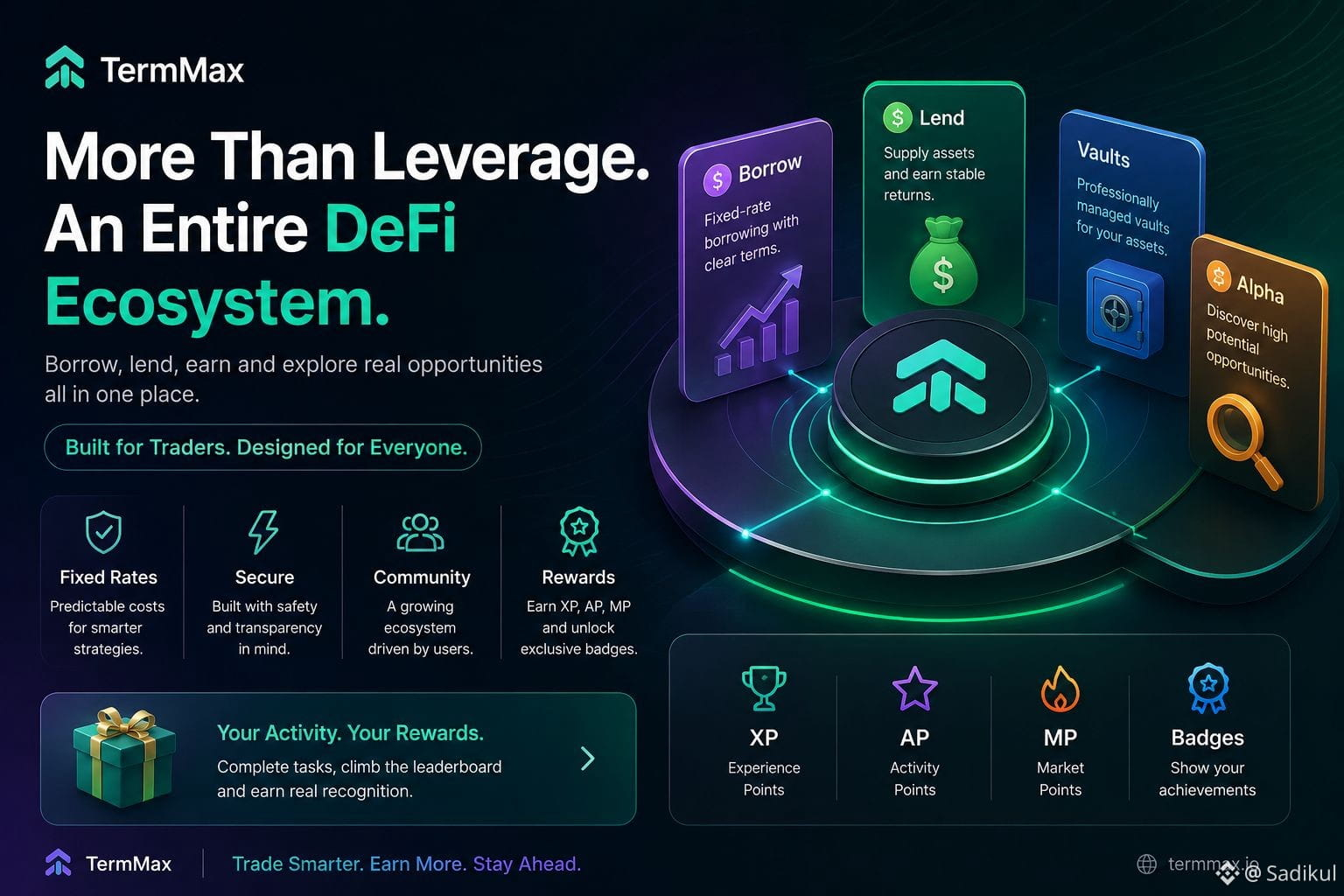
For me, the interesting part of @termmax isn’t just leverage.
It’s the idea of bringing more predictability into DeFi.
#TermMax
DeFi usually makes you adapt to the market.
TermMax takes a different approach.
Instead of constantly worrying about changing borrowing rates, fixed-rate markets let you know the cost upfront.
That makes planning a strategy much easier.
For me, the interesting part of @TermMax isn’t just leverage.
It’s the idea of bringing more predictability into DeFi.
#TermMax
TermMax takes a different approach.
Instead of constantly worrying about changing borrowing rates, fixed-rate markets let you know the cost upfront.
That makes planning a strategy much easier.
For me, the interesting part of @TermMax isn’t just leverage.
It’s the idea of bringing more predictability into DeFi.
#TermMax
1
2
78
·
--
عرض الترجمة
🚀 TermMax Booster Campaign is LIVE!
A new opportunity for eligible Binance users to join the 2,000,000 TMX reward pool 🎁
✅ Eligibility: Binance users with 2+ Alpha Points
⚡ Participation cost: 2 Alpha Points
🔒 Booster rewards may be subject to a project-defined lock-up period
If you're eligible, check the campaign details and participate carefully.
Join via Mobile: [https://www.binance.com/en/web3-campaign/airdrop/5179500589338386433](https://www.binance.com/en/web3-campaign/airdrop/5179500589338386433)
Join via Web: [https://web3.binance.com/en/booster/227/5179500589338386433?chain=bsc](https://web3.binance.com/en/booster/227/5179500589338386433?chain=bsc)
@termmax #TermMax
🚀 TermMax Booster Campaign is LIVE!
A new opportunity for eligible Binance users to join the 2,000,000 TMX reward pool 🎁
✅ Eligibility: Binance users with 2+ Alpha Points
⚡ Participation cost: 2 Alpha Points
🔒 Booster rewards may be subject to a project-defined lock-up period
If you're eligible, check the campaign details and participate carefully.
Join via Mobile: https://www.binance.com/en/web3-campaign/airdrop/5179500589338386433
Join via Web: https://web3.binance.com/en/booster/227/5179500589338386433?chain=bsc
@TermMax #TermMax
A new opportunity for eligible Binance users to join the 2,000,000 TMX reward pool 🎁
✅ Eligibility: Binance users with 2+ Alpha Points
⚡ Participation cost: 2 Alpha Points
🔒 Booster rewards may be subject to a project-defined lock-up period
If you're eligible, check the campaign details and participate carefully.
Join via Mobile: https://www.binance.com/en/web3-campaign/airdrop/5179500589338386433
Join via Web: https://web3.binance.com/en/booster/227/5179500589338386433?chain=bsc
@TermMax #TermMax

1
2
·
--
عرض الترجمة
Fixed rates. Smarter DeFi.
DeFi doesn’t always have to mean unpredictable rates.
That’s what makes TermMax interesting.
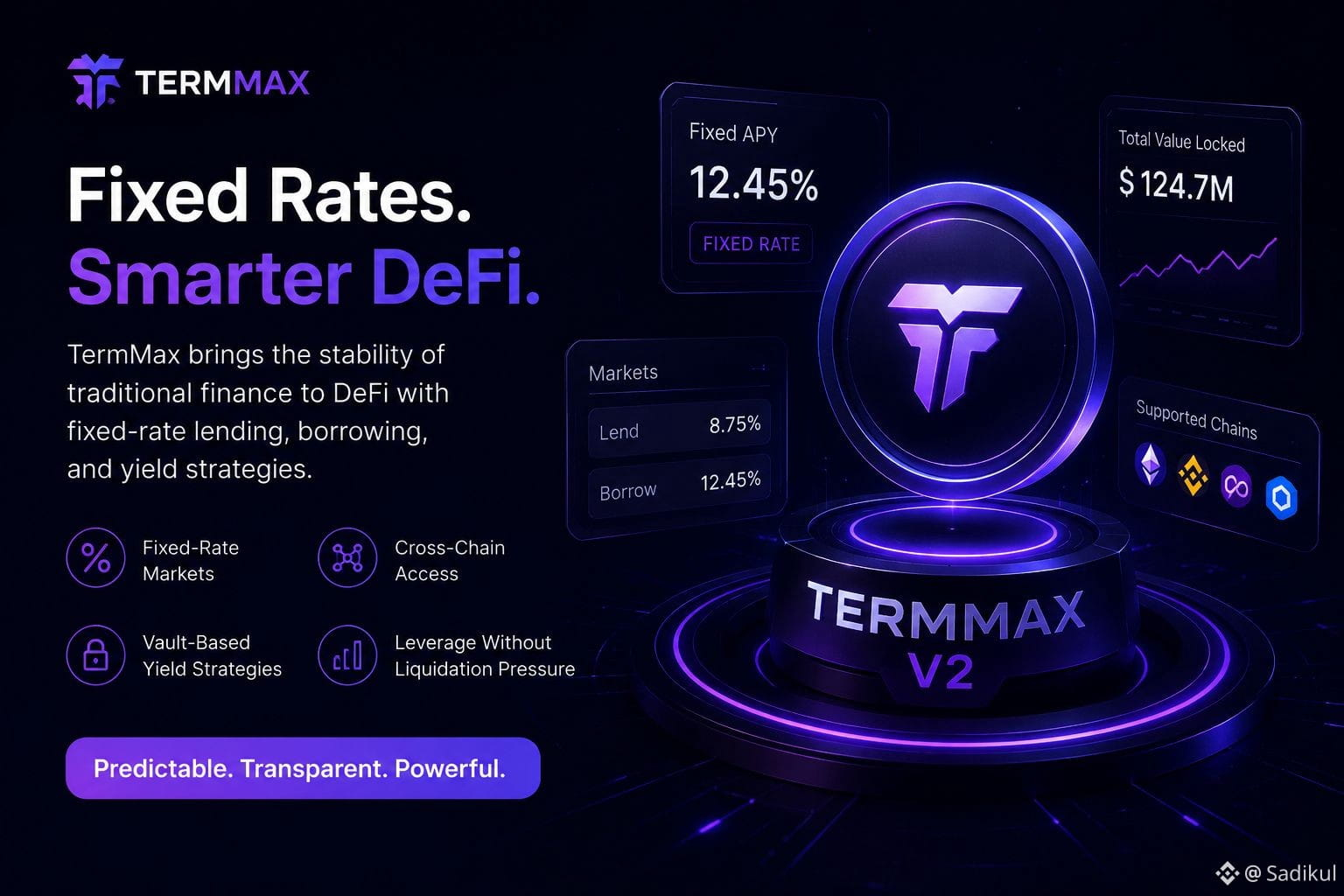
With fixed-rate lending & borrowing, users can know their expected rate upfront instead of constantly worrying about changing market rates.
And with TermMax V2, everything feels more connected: 🔹 One app across multiple chains
🔹 Unified orders & better execution
🔹 Fixed-rate markets
🔹 Vault-based yield strategies
🔹 Leverage without traditional liquidation pressure
The bigger picture is what excites me most:
TermMax is trying to bring the predictability of traditional fixed-income markets into DeFi.
As DeFi becomes more mature, predictable rates could become a very important piece of the puzzle.
I’m watching TermMax closely.
#DeFi #FixedRate #Web3
#termmax @termmax
Fixed rates. Smarter DeFi.
DeFi doesn’t always have to mean unpredictable rates.
That’s what makes TermMax interesting.
With fixed-rate lending & borrowing, users can know their expected rate upfront instead of constantly worrying about changing market rates.
And with TermMax V2, everything feels more connected: 🔹 One app across multiple chains
🔹 Unified orders & better execution
🔹 Fixed-rate markets
🔹 Vault-based yield strategies
🔹 Leverage without traditional liquidation pressure
The bigger picture is what excites me most:
TermMax is trying to bring the predictability of traditional fixed-income markets into DeFi.
As DeFi becomes more mature, predictable rates could become a very important piece of the puzzle.
I’m watching TermMax closely.
#DeFi #FixedRate #Web3
#termmax @TermMax
DeFi doesn’t always have to mean unpredictable rates.
That’s what makes TermMax interesting.
With fixed-rate lending & borrowing, users can know their expected rate upfront instead of constantly worrying about changing market rates.
And with TermMax V2, everything feels more connected: 🔹 One app across multiple chains
🔹 Unified orders & better execution
🔹 Fixed-rate markets
🔹 Vault-based yield strategies
🔹 Leverage without traditional liquidation pressure
The bigger picture is what excites me most:
TermMax is trying to bring the predictability of traditional fixed-income markets into DeFi.
As DeFi becomes more mature, predictable rates could become a very important piece of the puzzle.
I’m watching TermMax closely.
#DeFi #FixedRate #Web3
#termmax @TermMax
2
5
57
·
--
عرض الترجمة
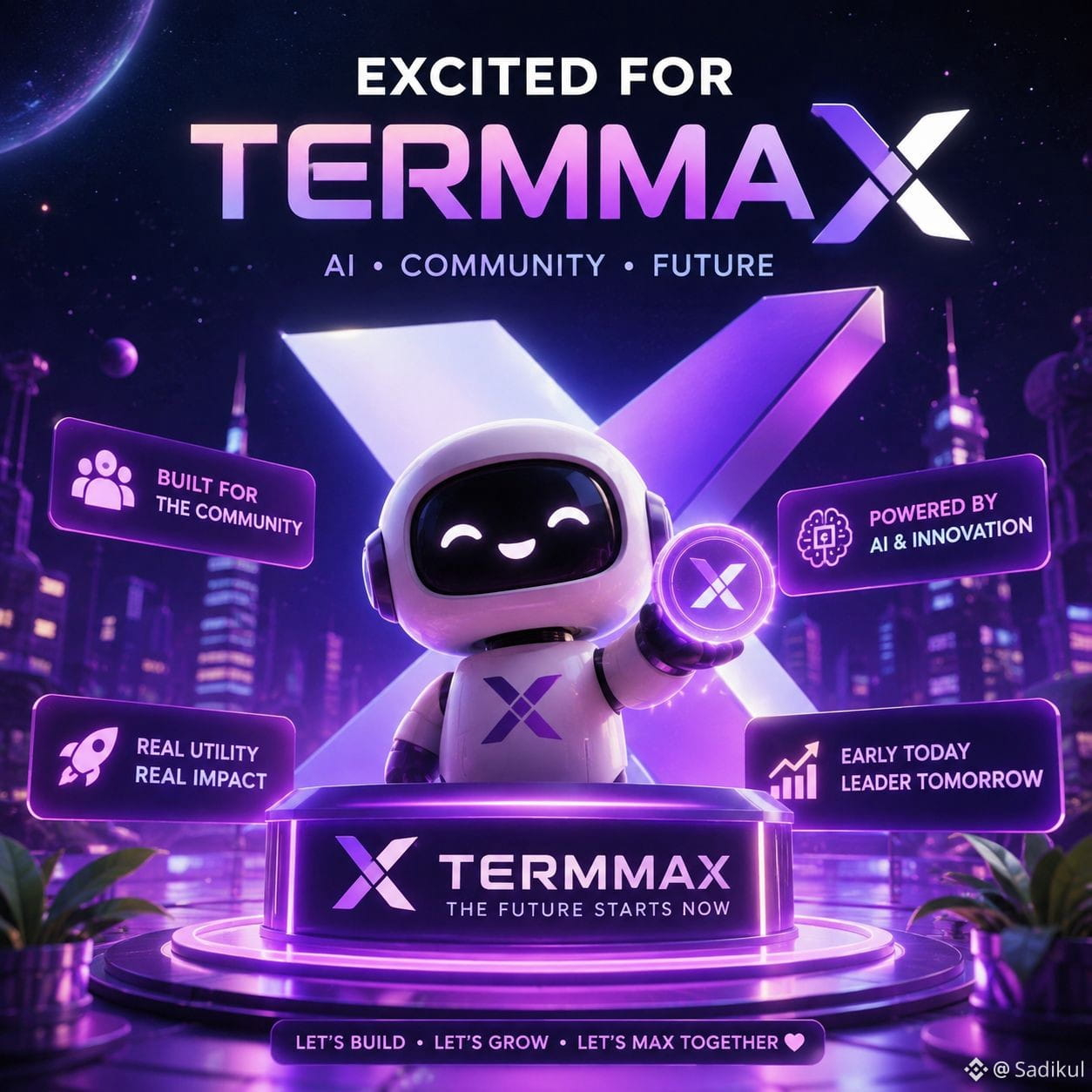
🚀 TermMax is building something different
The more I explore TermMax, the more interesting it gets.
Instead of just focusing on hype, TermMax is creating an ecosystem where AI, community and on-chain activity can work together in a meaningful way.
What I like most is the potential for users to actually participate early and grow with the ecosystem.
Early users often have one advantage: they get to understand the product before everyone starts talking about it.
I’m keeping an eye on TermMax 👀
Let’s see how far this ecosystem can go.
#TermMax @termmax
🚀 TermMax is building something different
The more I explore TermMax, the more interesting it gets.
Instead of just focusing on hype, TermMax is creating an ecosystem where AI, community and on-chain activity can work together in a meaningful way.
What I like most is the potential for users to actually participate early and grow with the ecosystem.
Early users often have one advantage: they get to understand the product before everyone starts talking about it.
I’m keeping an eye on TermMax 👀
Let’s see how far this ecosystem can go.
#TermMax @TermMax
The more I explore TermMax, the more interesting it gets.
Instead of just focusing on hype, TermMax is creating an ecosystem where AI, community and on-chain activity can work together in a meaningful way.
What I like most is the potential for users to actually participate early and grow with the ecosystem.
Early users often have one advantage: they get to understand the product before everyone starts talking about it.
I’m keeping an eye on TermMax 👀
Let’s see how far this ecosystem can go.
#TermMax @TermMax
2
41
·
--
عرض الترجمة
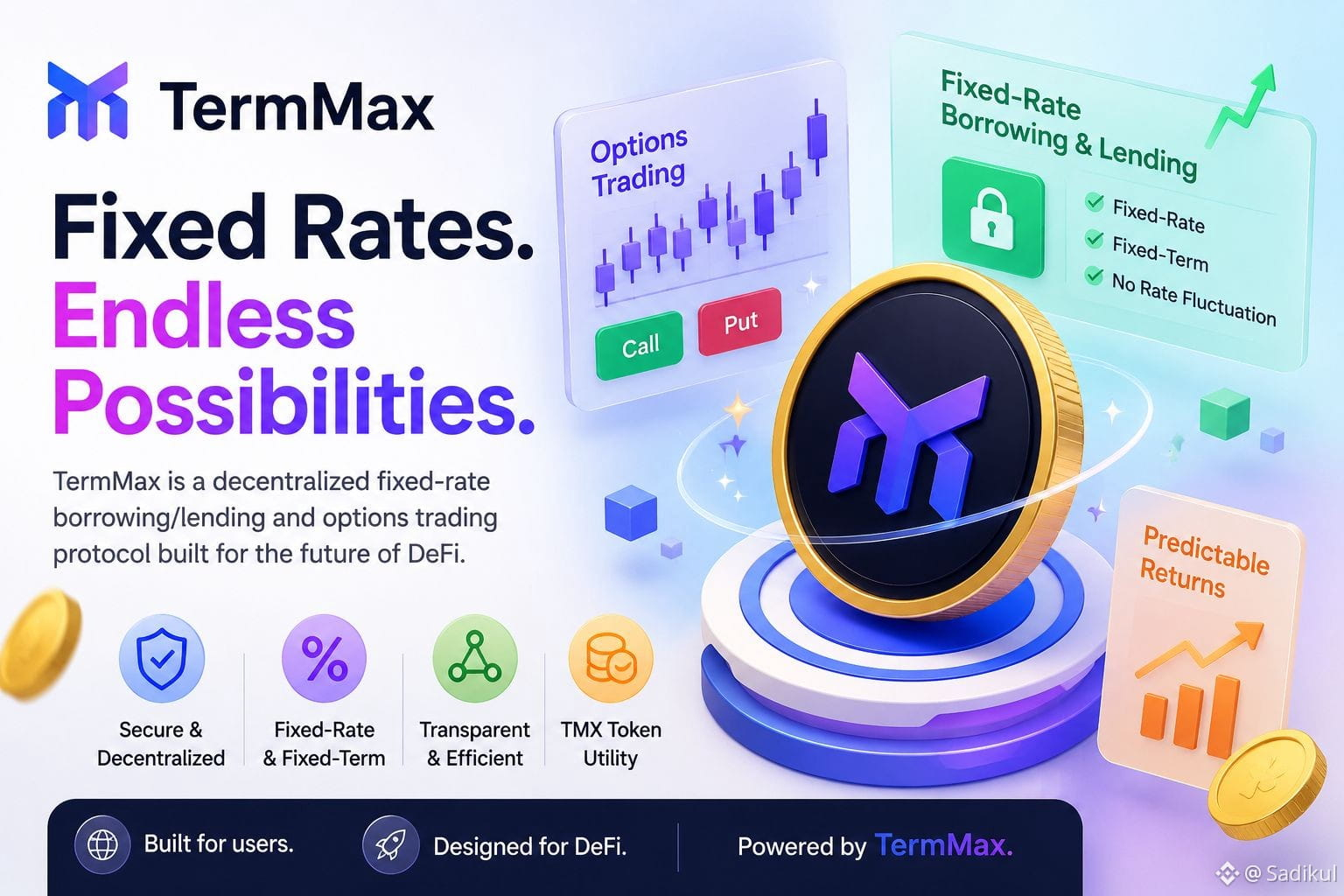
One thing I find interesting about @termmax ax is its focus on giving DeFi users more predictable financial terms. Instead of relying only on changing rates, TermMax combines fixed-rate and fixed-term borrowing and lending with options trading. That creates an interesting framework for managing liquidity, planning positions, and exploring different strategies across DeFi. The combination of lending, borrowing, and options makes #TermMax a project worth keeping an eye on as decentralized finance continues to evolve.
One thing I find interesting about @TermMax ax is its focus on giving DeFi users more predictable financial terms. Instead of relying only on changing rates, TermMax combines fixed-rate and fixed-term borrowing and lending with options trading. That creates an interesting framework for managing liquidity, planning positions, and exploring different strategies across DeFi. The combination of lending, borrowing, and options makes #TermMax a project worth keeping an eye on as decentralized finance continues to evolve.
1
2
65
·
--
عرض الترجمة
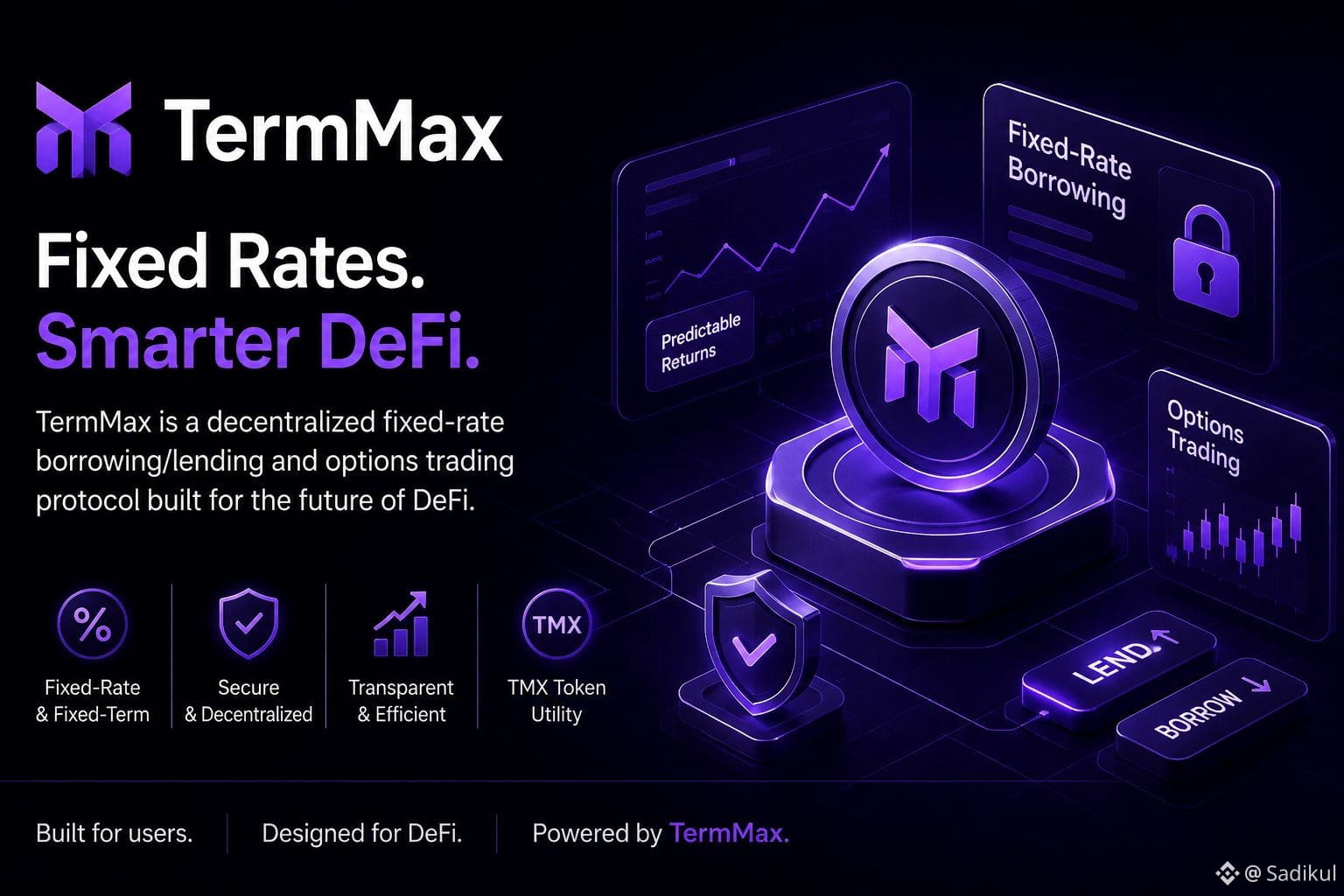
TermMax: Fixed-Rate DeFi Is Worth Watching
DeFi borrowing and lending doesn’t always have to mean unpredictable rates. @termmax is building a decentralized fixed-rate borrowing/lending and options trading protocol, giving users a different way to approach crypto financial markets. Its fixed-rate and fixed-term model is an interesting concept for users who value clearer terms and predictable costs. The TMX token also plays a role in TermMax governance and ecosystem utility. I’ll be watching how the TermMax ecosystem develops. #termmax
TermMax: Fixed-Rate DeFi Is Worth Watching
DeFi borrowing and lending doesn’t always have to mean unpredictable rates. @TermMax is building a decentralized fixed-rate borrowing/lending and options trading protocol, giving users a different way to approach crypto financial markets. Its fixed-rate and fixed-term model is an interesting concept for users who value clearer terms and predictable costs. The TMX token also plays a role in TermMax governance and ecosystem utility. I’ll be watching how the TermMax ecosystem develops. #termmax
DeFi borrowing and lending doesn’t always have to mean unpredictable rates. @TermMax is building a decentralized fixed-rate borrowing/lending and options trading protocol, giving users a different way to approach crypto financial markets. Its fixed-rate and fixed-term model is an interesting concept for users who value clearer terms and predictable costs. The TMX token also plays a role in TermMax governance and ecosystem utility. I’ll be watching how the TermMax ecosystem develops. #termmax
2
3
70


·
--
حملة GRVT Booster تعمل رسميًا!
تم الآن فتح حملة Binance Booster الحصرية.
🎁 إجمالي الجوائز
💰 1,500,000 GRVT
📝 طريقة المشاركة:
• امتلك ما لا يقل عن 2 من نقاط Binance Alpha
• انضم إلى حملة الـ Booster من هنا
• أكد مشاركتك
⚠️ مهم:
• سيؤدي الانضمام إلى الحملة إلى خصم 2 من نقاط Alpha.
• قد تخضع رموز GRVT من هذه الحملة لفترة قفل تحددها إدارة المشروع.
#grvt @grvt_io
حملة GRVT Booster تعمل رسميًا!
تم الآن فتح حملة Binance Booster الحصرية.
🎁 إجمالي الجوائز
💰 1,500,000 GRVT
📝 طريقة المشاركة:
• امتلك ما لا يقل عن 2 من نقاط Binance Alpha
• انضم إلى حملة الـ Booster من هنا
• أكد مشاركتك
⚠️ مهم:
• سيؤدي الانضمام إلى الحملة إلى خصم 2 من نقاط Alpha.
• قد تخضع رموز GRVT من هذه الحملة لفترة قفل تحددها إدارة المشروع.
#grvt @grvt_io
تم الآن فتح حملة Binance Booster الحصرية.
🎁 إجمالي الجوائز
💰 1,500,000 GRVT
📝 طريقة المشاركة:
• امتلك ما لا يقل عن 2 من نقاط Binance Alpha
• انضم إلى حملة الـ Booster من هنا
• أكد مشاركتك
⚠️ مهم:
• سيؤدي الانضمام إلى الحملة إلى خصم 2 من نقاط Alpha.
• قد تخضع رموز GRVT من هذه الحملة لفترة قفل تحددها إدارة المشروع.
#grvt @grvt_io
1
56
سجّل الدخول لاستكشاف المزيد من المُحتوى
انضم إلى مُستخدمي العملات الرقمية حول العالم على Binance Square
⚡️ احصل على أحدث المعلومات المفيدة عن العملات الرقمية.
💬 موثوقة من قبل أكبر منصّة لتداول العملات الرقمية في العالم.
👍 اكتشف الرؤى الحقيقية من صنّاع المُحتوى الموثوقين.
البريد الإلكتروني / رقم الهاتف
المواضيع الرائجة
UKFCAWinsCourtOrderToRecover851400Pounds
1,225 مشاهدات
209 يقومون بالنقاش
#UKFCAWinsCourtOrderToRecover851400Pounds � خبر مهم: FCA تستعيد أموالًا من ضحايا احتيال العملات الرقمية
هيئة السلوك المالي البريطانية FCA أعلنت اليوم عن أوامر مصادرة قضائية لاسترداد حوالي £851,402 لصالح ضحايا عملية احتيال استثماري بالعملات الرقمية.
💰 Raymondip Bedi: £603,404.28
💰 Patrick Mavanga: £247,997.99
بحسب FCA، خسر 65 مستثمرًا على الأقل نحو £1.54 مليون في المخطط الاحتيالي، وستُعاد الأموال المستردة إلى الضحايا.
⚠️ الرسالة المهمة للمتداولين:
قبل ما تحط فلوسك في أي مشروع كريبتو، تأكد من الجهة والمنصة ولا تثق في وعود الأرباح السريعة.
👀 هل تشوف تشديد الرقابة على مشاريع الكريبتو شيء مهم؟
#Crypto #Binance #FCA #Bitcoin #Ethereum #العملات_الرقمية #تداول #CryptoNews
الجوكر قناص العملات الرقمية a1
·1 إعجاب
·56 مشاهدات
ChainlinkLaunchesCCIP2WithEnterpriseVerification
10,578 مشاهدات
509 يقومون بالنقاش
GoldFallsTo$4144
5,390 مشاهدات
105 يقومون بالنقاش