

Fateemah090
63 منشورات

Fateemah090
إبلاغ
حظر المُستخدم
Content Writer | Spot Trader | web3 Leaner | Community Manager BP-9EA7ABE38842
2.3 سنوات
67 تتابع
79 المتابعون
102 إعجاب
منشورات
الكل
اقتباسات
·
--
صاعد
STONfi’s Stoncat: كيفية سكّ NFT خاص بك
يُقدّم تحديث STONfi الجديد Stoncat، وهو رفيق NFT يتطور باستمرار يمكنك إنشاؤه وتخصيصه باستخدام GEMSTON.
لكن ماذا يعني ذلك فعليًا، وكيف يمكنك الحصول على واحد؟
خطوة بخطوة: كيفية سكّ Stoncat الخاص بك
1. قم بزيارة الموقع الرسمي لـ Stoncat
انتقل إلى stoncat.com وقم بتوصيل محفظتك المتوافقة $TON .
2. سكّ Stoncat الأساسي
ابدأ بسكّ NFT Stoncat أساسي. يمنحك ذلك قطتك كبداية، والتي يمكنك تطويرها وتخصيصها.
3. استخدم GEMSTON لإطعام Stoncat الخاص بك
يُعد GEMSTON جزءًا من نظام تقدم Stoncat. يمكنك استخدامه لإطعام Stoncat الخاص بك ومساعدته على التطور.
4. رول للحصول على Purrks
Purrks هي سمات أو خصائص يمكنها تغيير مظهر Stoncat وندرتها.
وهنا يمكن أن تصبح كل Stoncat مختلفة.
5. جهّز Purrks الخاصة بك
اختر السمات التي تريد تجهيزها وشكّل مظهر قطتك.
بعض Purrks أكثر ندرة من غيرها، لذا فإن السمات التي تحصل عليها يمكن أن تؤثر في الندرة الإجمالية لـ Stoncat.
6. شاهد Stoncat الخاص بك وهو يتطور
مع تقدم Stoncat خلال مراحل مختلفة، قد تصبح سمات جديدة متاحة.
خياراتك تساعد في تحديد كيفية تطور رفيقك.
7. راجع لوحة صدارة الندرة
كلما كانت Purrks التي جهزتها أكثر ندرة، زادت احتمالية حصول Stoncat الخاص بك على ترتيب أعلى ضمن نظام الندرة.
لذا فأنت لا تقوم فقط بسكّ NFT وتركه هناك، بل أنت تبني وتخصص رفيقك المتطور بنفسك.
الفكرة البسيطة
تخيلها مثل:
سكّ → إطعام → رول Purrks → تجهيز السمات → تطور → بناء الندرة
الجزء المثير هو أن شخصين يمكنهما البدء بـ Stoncat أساسي والانتهاء بI رفقاء مختلفين تمامًا اعتمادًا على السمات التي يحصلون عليها ويجهزونها.
وهذا يجعل Stoncat أكثر من مجرد NFT ثابت. فهو يجمع بين ملكية NFT، والتخصيص، والتقدم، والندرة، وفائدة GEMSTON في تجربة واحدة.
إذا كنت جديدًا، ابدأ بالسكّ الأساسي وتعلم كل خطوة قبل إنفاق المزيد من GEMSTON.
Stoncat الخاص بك. سماتك. اختياراتك.
🔗 سكّ: [stoncat.com](https://stoncat.com/?utm_source=chatgpt.com)
#STONfi #Stoncat #GEMSTON #TON #NFT
STONfi’s Stoncat: كيفية سكّ NFT خاص بك
يُقدّم تحديث STONfi الجديد Stoncat، وهو رفيق NFT يتطور باستمرار يمكنك إنشاؤه وتخصيصه باستخدام GEMSTON.
لكن ماذا يعني ذلك فعليًا، وكيف يمكنك الحصول على واحد؟
خطوة بخطوة: كيفية سكّ Stoncat الخاص بك
1. قم بزيارة الموقع الرسمي لـ Stoncat
انتقل إلى stoncat.com وقم بتوصيل محفظتك المتوافقة $TON .
2. سكّ Stoncat الأساسي
ابدأ بسكّ NFT Stoncat أساسي. يمنحك ذلك قطتك كبداية، والتي يمكنك تطويرها وتخصيصها.
3. استخدم GEMSTON لإطعام Stoncat الخاص بك
يُعد GEMSTON جزءًا من نظام تقدم Stoncat. يمكنك استخدامه لإطعام Stoncat الخاص بك ومساعدته على التطور.
4. رول للحصول على Purrks
Purrks هي سمات أو خصائص يمكنها تغيير مظهر Stoncat وندرتها.
وهنا يمكن أن تصبح كل Stoncat مختلفة.
5. جهّز Purrks الخاصة بك
اختر السمات التي تريد تجهيزها وشكّل مظهر قطتك.
بعض Purrks أكثر ندرة من غيرها، لذا فإن السمات التي تحصل عليها يمكن أن تؤثر في الندرة الإجمالية لـ Stoncat.
6. شاهد Stoncat الخاص بك وهو يتطور
مع تقدم Stoncat خلال مراحل مختلفة، قد تصبح سمات جديدة متاحة.
خياراتك تساعد في تحديد كيفية تطور رفيقك.
7. راجع لوحة صدارة الندرة
كلما كانت Purrks التي جهزتها أكثر ندرة، زادت احتمالية حصول Stoncat الخاص بك على ترتيب أعلى ضمن نظام الندرة.
لذا فأنت لا تقوم فقط بسكّ NFT وتركه هناك، بل أنت تبني وتخصص رفيقك المتطور بنفسك.
الفكرة البسيطة
تخيلها مثل:
سكّ → إطعام → رول Purrks → تجهيز السمات → تطور → بناء الندرة
الجزء المثير هو أن شخصين يمكنهما البدء بـ Stoncat أساسي والانتهاء بI رفقاء مختلفين تمامًا اعتمادًا على السمات التي يحصلون عليها ويجهزونها.
وهذا يجعل Stoncat أكثر من مجرد NFT ثابت. فهو يجمع بين ملكية NFT، والتخصيص، والتقدم، والندرة، وفائدة GEMSTON في تجربة واحدة.
إذا كنت جديدًا، ابدأ بالسكّ الأساسي وتعلم كل خطوة قبل إنفاق المزيد من GEMSTON.
Stoncat الخاص بك. سماتك. اختياراتك.
🔗 سكّ: [stoncat.com](https://stoncat.com/?utm_source=chatgpt.com)
#STONfi #Stoncat #GEMSTON #TON #NFT
يُقدّم تحديث STONfi الجديد Stoncat، وهو رفيق NFT يتطور باستمرار يمكنك إنشاؤه وتخصيصه باستخدام GEMSTON.
لكن ماذا يعني ذلك فعليًا، وكيف يمكنك الحصول على واحد؟
خطوة بخطوة: كيفية سكّ Stoncat الخاص بك
1. قم بزيارة الموقع الرسمي لـ Stoncat
انتقل إلى stoncat.com وقم بتوصيل محفظتك المتوافقة $TON .
2. سكّ Stoncat الأساسي
ابدأ بسكّ NFT Stoncat أساسي. يمنحك ذلك قطتك كبداية، والتي يمكنك تطويرها وتخصيصها.
3. استخدم GEMSTON لإطعام Stoncat الخاص بك
يُعد GEMSTON جزءًا من نظام تقدم Stoncat. يمكنك استخدامه لإطعام Stoncat الخاص بك ومساعدته على التطور.
4. رول للحصول على Purrks
Purrks هي سمات أو خصائص يمكنها تغيير مظهر Stoncat وندرتها.
وهنا يمكن أن تصبح كل Stoncat مختلفة.
5. جهّز Purrks الخاصة بك
اختر السمات التي تريد تجهيزها وشكّل مظهر قطتك.
بعض Purrks أكثر ندرة من غيرها، لذا فإن السمات التي تحصل عليها يمكن أن تؤثر في الندرة الإجمالية لـ Stoncat.
6. شاهد Stoncat الخاص بك وهو يتطور
مع تقدم Stoncat خلال مراحل مختلفة، قد تصبح سمات جديدة متاحة.
خياراتك تساعد في تحديد كيفية تطور رفيقك.
7. راجع لوحة صدارة الندرة
كلما كانت Purrks التي جهزتها أكثر ندرة، زادت احتمالية حصول Stoncat الخاص بك على ترتيب أعلى ضمن نظام الندرة.
لذا فأنت لا تقوم فقط بسكّ NFT وتركه هناك، بل أنت تبني وتخصص رفيقك المتطور بنفسك.
الفكرة البسيطة
تخيلها مثل:
سكّ → إطعام → رول Purrks → تجهيز السمات → تطور → بناء الندرة
الجزء المثير هو أن شخصين يمكنهما البدء بـ Stoncat أساسي والانتهاء بI رفقاء مختلفين تمامًا اعتمادًا على السمات التي يحصلون عليها ويجهزونها.
وهذا يجعل Stoncat أكثر من مجرد NFT ثابت. فهو يجمع بين ملكية NFT، والتخصيص، والتقدم، والندرة، وفائدة GEMSTON في تجربة واحدة.
إذا كنت جديدًا، ابدأ بالسكّ الأساسي وتعلم كل خطوة قبل إنفاق المزيد من GEMSTON.
Stoncat الخاص بك. سماتك. اختياراتك.
🔗 سكّ: [stoncat.com](https://stoncat.com/?utm_source=chatgpt.com)
#STONfi #Stoncat #GEMSTON #TON #NFT
8
·
--
عرض الترجمة
I'm super bullish on Stonfi
I'm super bullish on Stonfi
Fateemah090
·
--
STON.fi × Stonks: Connecting the Token Launch Journey
A TON ecosystem update that deserves more attention:
Stonks has integrated with STON.fi infrastructure.
At first, this might look like just another partnership.
But the interesting part is what happens to a token after it is created.
Stonks is building an on-chain environment where teams can build, launch, tokenize and trade projects. Its platform currently reports 2,170 projects launched and 12,000+ monthly active users.
Now connect that with STON.fi.
1. It starts with the token launch
A project can begin on Stonks by developing an idea and creating a token.
Stonks supports token launches and custom tokenomics, including bonding-curve based launches.
A bonding curve is a mechanism where the price of a token changes according to buying and selling activity according to predefined rules.
So the token can have an initial market structure before it reaches a traditional liquidity pool.
2. Then comes the liquidity transition
This is where the STON.fi integration becomes interesting.
Instead of treating the launch and the DEX as completely separate stages, the integration creates a path from:
Launch → Bonding Curve → Trading → Liquidity → STON.fi
Once liquidity is seeded into STON.fi pools, users can interact with that liquidity through STON.fi's swap infrastructure.
STON.fi already supports token swaps, liquidity provision and farming, while its developer infrastructure allows other applications to integrate its swap functionality.
3. Why Omniston matters
There is another important layer here:
Omniston.
Omniston is STON.fi's liquidity aggregation and execution infrastructure. It can connect applications to available liquidity sources and handle routing rather than forcing every application to build its own routing system from scratch.
For developers, this matters because building a swap system is much more than adding a “Swap” button.
You need to think about:
• Finding liquidity
• Comparing routes
• Executing trades
• Managing integrations
• Maintaining infrastructure
• Providing a smooth user experience
STON.fi's SDK/API and Omniston are designed to reduce that infrastructure burden for builders.
4. What this means for builders
The bigger idea is composability.
Stonks doesn't have to build every piece of DeFi infrastructure itself.
STON.fi doesn't have to build every token-launch application itself.
Instead, different protocols can specialize in different parts of the ecosystem and connect their infrastructure together.
That is one of the important ideas behind DeFi:
Build one useful layer, then make it possible for other applications to build on top of it.
5. What this means for the TON ecosystem
Think about the complete journey of a token:
Someone has an idea.
↓
The project builds and launches.
↓
The token starts trading.
↓
Liquidity develops.
↓
The token can move into deeper DeFi infrastructure.
↓
Users can interact with that liquidity through connected applications.
The Stonks × STON.fi integration helps connect different parts of that journey instead of keeping them isolated.
And that is more meaningful than simply saying:
“Another project integrated with STON.fi.”
It shows how $TON DeFi infrastructure is becoming increasingly composable.
One application can focus on launching and building.
Another can focus on liquidity and swaps.
Infrastructure such as Omniston can help connect those experiences.
That is how an ecosystem becomes more interconnected over time.
The real update isn't just about one integration.
It's about reducing the distance between creating a token and giving that to
ken access to DeFi liquidity.
That is the part I'm watching.
#STONfi #TON #Stonks #Omniston #DeFi #Web3
Stonks has integrated with STON.fi infrastructure.
At first, this might look like just another partnership.
But the interesting part is what happens to a token after it is created.
Stonks is building an on-chain environment where teams can build, launch, tokenize and trade projects. Its platform currently reports 2,170 projects launched and 12,000+ monthly active users.
Now connect that with STON.fi.
1. It starts with the token launch
A project can begin on Stonks by developing an idea and creating a token.
Stonks supports token launches and custom tokenomics, including bonding-curve based launches.
A bonding curve is a mechanism where the price of a token changes according to buying and selling activity according to predefined rules.
So the token can have an initial market structure before it reaches a traditional liquidity pool.
2. Then comes the liquidity transition
This is where the STON.fi integration becomes interesting.
Instead of treating the launch and the DEX as completely separate stages, the integration creates a path from:
Launch → Bonding Curve → Trading → Liquidity → STON.fi
Once liquidity is seeded into STON.fi pools, users can interact with that liquidity through STON.fi's swap infrastructure.
STON.fi already supports token swaps, liquidity provision and farming, while its developer infrastructure allows other applications to integrate its swap functionality.
3. Why Omniston matters
There is another important layer here:
Omniston.
Omniston is STON.fi's liquidity aggregation and execution infrastructure. It can connect applications to available liquidity sources and handle routing rather than forcing every application to build its own routing system from scratch.
For developers, this matters because building a swap system is much more than adding a “Swap” button.
You need to think about:
• Finding liquidity
• Comparing routes
• Executing trades
• Managing integrations
• Maintaining infrastructure
• Providing a smooth user experience
STON.fi's SDK/API and Omniston are designed to reduce that infrastructure burden for builders.
4. What this means for builders
The bigger idea is composability.
Stonks doesn't have to build every piece of DeFi infrastructure itself.
STON.fi doesn't have to build every token-launch application itself.
Instead, different protocols can specialize in different parts of the ecosystem and connect their infrastructure together.
That is one of the important ideas behind DeFi:
Build one useful layer, then make it possible for other applications to build on top of it.
5. What this means for the TON ecosystem
Think about the complete journey of a token:
Someone has an idea.
↓
The project builds and launches.
↓
The token starts trading.
↓
Liquidity develops.
↓
The token can move into deeper DeFi infrastructure.
↓
Users can interact with that liquidity through connected applications.
The Stonks × STON.fi integration helps connect different parts of that journey instead of keeping them isolated.
And that is more meaningful than simply saying:
“Another project integrated with STON.fi.”
It shows how $TON DeFi infrastructure is becoming increasingly composable.
One application can focus on launching and building.
Another can focus on liquidity and swaps.
Infrastructure such as Omniston can help connect those experiences.
That is how an ecosystem becomes more interconnected over time.
The real update isn't just about one integration.
It's about reducing the distance between creating a token and giving that to
ken access to DeFi liquidity.
That is the part I'm watching.
#STONfi #TON #Stonks #Omniston #DeFi #Web3
1
2
3
·
--
مقالة
عرض الترجمة
STON.fi × Stonks: Connecting the Token Launch JourneyA TON ecosystem update that deserves more attention:
Stonks has integrated with STON.fi infrastructure.
At first, this might look like just another partnership.
But the interesting part is what happens to a token after it is created.
Stonks is building an on-chain environment where teams can build, launch, tokenize and trade projects. Its platform currently reports 2,170 projects launched and 12,000+ monthly active users.
Now connect that with STON.fi.
1. It starts with the token launch
A project can begin on Stonks by developing an idea and creating a token.
Stonks supports token launches and custom tokenomics, including bonding-curve based launches.
A bonding curve is a mechanism where the price of a token changes according to buying and selling activity according to predefined rules.
So the token can have an initial market structure before it reaches a traditional liquidity pool.
2. Then comes the liquidity transition
This is where the STON.fi integration becomes interesting.
Instead of treating the launch and the DEX as completely separate stages, the integration creates a path from:
Launch → Bonding Curve → Trading → Liquidity → STON.fi
Once liquidity is seeded into STON.fi pools, users can interact with that liquidity through STON.fi's swap infrastructure.
STON.fi already supports token swaps, liquidity provision and farming, while its developer infrastructure allows other applications to integrate its swap functionality.
3. Why Omniston matters
There is another important layer here:
Omniston.
Omniston is STON.fi's liquidity aggregation and execution infrastructure. It can connect applications to available liquidity sources and handle routing rather than forcing every application to build its own routing system from scratch.
For developers, this matters because building a swap system is much more than adding a “Swap” button.
You need to think about:
• Finding liquidity
• Comparing routes
• Executing trades
• Managing integrations
• Maintaining infrastructure
• Providing a smooth user experience
STON.fi's SDK/API and Omniston are designed to reduce that infrastructure burden for builders.
4. What this means for builders
The bigger idea is composability.
Stonks doesn't have to build every piece of DeFi infrastructure itself.
STON.fi doesn't have to build every token-launch application itself.
Instead, different protocols can specialize in different parts of the ecosystem and connect their infrastructure together.
That is one of the important ideas behind DeFi:
Build one useful layer, then make it possible for other applications to build on top of it.
5. What this means for the TON ecosystem
Think about the complete journey of a token:
Someone has an idea.
↓
The project builds and launches.
↓
The token starts trading.
↓
Liquidity develops.
↓
The token can move into deeper DeFi infrastructure.
↓
Users can interact with that liquidity through connected applications.
The Stonks × STON.fi integration helps connect different parts of that journey instead of keeping them isolated.
And that is more meaningful than simply saying:
“Another project integrated with STON.fi.”
It shows how $TON DeFi infrastructure is becoming increasingly composable.
One application can focus on launching and building.
Another can focus on liquidity and swaps.
Infrastructure such as Omniston can help connect those experiences.
That is how an ecosystem becomes more interconnected over time.
The real update isn't just about one integration.
It's about reducing the distance between creating a token and giving that to
ken access to DeFi liquidity.
That is the part I'm watching.
#STONfi #TON #Stonks #Omniston #DeFi #Web3
STON.fi × Stonks: Connecting the Token Launch Journey
A TON ecosystem update that deserves more attention:
Stonks has integrated with STON.fi infrastructure.
At first, this might look like just another partnership.
But the interesting part is what happens to a token after it is created.
Stonks is building an on-chain environment where teams can build, launch, tokenize and trade projects. Its platform currently reports 2,170 projects launched and 12,000+ monthly active users.
Now connect that with STON.fi.
1. It starts with the token launch
A project can begin on Stonks by developing an idea and creating a token.
Stonks supports token launches and custom tokenomics, including bonding-curve based launches.
A bonding curve is a mechanism where the price of a token changes according to buying and selling activity according to predefined rules.
So the token can have an initial market structure before it reaches a traditional liquidity pool.
2. Then comes the liquidity transition
This is where the STON.fi integration becomes interesting.
Instead of treating the launch and the DEX as completely separate stages, the integration creates a path from:
Launch → Bonding Curve → Trading → Liquidity → STON.fi
Once liquidity is seeded into STON.fi pools, users can interact with that liquidity through STON.fi's swap infrastructure.
STON.fi already supports token swaps, liquidity provision and farming, while its developer infrastructure allows other applications to integrate its swap functionality.
3. Why Omniston matters
There is another important layer here:
Omniston.
Omniston is STON.fi's liquidity aggregation and execution infrastructure. It can connect applications to available liquidity sources and handle routing rather than forcing every application to build its own routing system from scratch.
For developers, this matters because building a swap system is much more than adding a “Swap” button.
You need to think about:
• Finding liquidity
• Comparing routes
• Executing trades
• Managing integrations
• Maintaining infrastructure
• Providing a smooth user experience
STON.fi's SDK/API and Omniston are designed to reduce that infrastructure burden for builders.
4. What this means for builders
The bigger idea is composability.
Stonks doesn't have to build every piece of DeFi infrastructure itself.
STON.fi doesn't have to build every token-launch application itself.
Instead, different protocols can specialize in different parts of the ecosystem and connect their infrastructure together.
That is one of the important ideas behind DeFi:
Build one useful layer, then make it possible for other applications to build on top of it.
5. What this means for the TON ecosystem
Think about the complete journey of a token:
Someone has an idea.
↓
The project builds and launches.
↓
The token starts trading.
↓
Liquidity develops.
↓
The token can move into deeper DeFi infrastructure.
↓
Users can interact with that liquidity through connected applications.
The Stonks × STON.fi integration helps connect different parts of that journey instead of keeping them isolated.
And that is more meaningful than simply saying:
“Another project integrated with STON.fi.”
It shows how $TON DeFi infrastructure is becoming increasingly composable.
One application can focus on launching and building.
Another can focus on liquidity and swaps.
Infrastructure such as Omniston can help connect those experiences.
That is how an ecosystem becomes more interconnected over time.
The real update isn't just about one integration.
It's about reducing the distance between creating a token and giving that to
ken access to DeFi liquidity.
That is the part I'm watching.
#STONfi #TON #Stonks #Omniston #DeFi #Web3
Stonks has integrated with STON.fi infrastructure.
At first, this might look like just another partnership.
But the interesting part is what happens to a token after it is created.
Stonks is building an on-chain environment where teams can build, launch, tokenize and trade projects. Its platform currently reports 2,170 projects launched and 12,000+ monthly active users.
Now connect that with STON.fi.
1. It starts with the token launch
A project can begin on Stonks by developing an idea and creating a token.
Stonks supports token launches and custom tokenomics, including bonding-curve based launches.
A bonding curve is a mechanism where the price of a token changes according to buying and selling activity according to predefined rules.
So the token can have an initial market structure before it reaches a traditional liquidity pool.
2. Then comes the liquidity transition
This is where the STON.fi integration becomes interesting.
Instead of treating the launch and the DEX as completely separate stages, the integration creates a path from:
Launch → Bonding Curve → Trading → Liquidity → STON.fi
Once liquidity is seeded into STON.fi pools, users can interact with that liquidity through STON.fi's swap infrastructure.
STON.fi already supports token swaps, liquidity provision and farming, while its developer infrastructure allows other applications to integrate its swap functionality.
3. Why Omniston matters
There is another important layer here:
Omniston.
Omniston is STON.fi's liquidity aggregation and execution infrastructure. It can connect applications to available liquidity sources and handle routing rather than forcing every application to build its own routing system from scratch.
For developers, this matters because building a swap system is much more than adding a “Swap” button.
You need to think about:
• Finding liquidity
• Comparing routes
• Executing trades
• Managing integrations
• Maintaining infrastructure
• Providing a smooth user experience
STON.fi's SDK/API and Omniston are designed to reduce that infrastructure burden for builders.
4. What this means for builders
The bigger idea is composability.
Stonks doesn't have to build every piece of DeFi infrastructure itself.
STON.fi doesn't have to build every token-launch application itself.
Instead, different protocols can specialize in different parts of the ecosystem and connect their infrastructure together.
That is one of the important ideas behind DeFi:
Build one useful layer, then make it possible for other applications to build on top of it.
5. What this means for the TON ecosystem
Think about the complete journey of a token:
Someone has an idea.
↓
The project builds and launches.
↓
The token starts trading.
↓
Liquidity develops.
↓
The token can move into deeper DeFi infrastructure.
↓
Users can interact with that liquidity through connected applications.
The Stonks × STON.fi integration helps connect different parts of that journey instead of keeping them isolated.
And that is more meaningful than simply saying:
“Another project integrated with STON.fi.”
It shows how $TON DeFi infrastructure is becoming increasingly composable.
One application can focus on launching and building.
Another can focus on liquidity and swaps.
Infrastructure such as Omniston can help connect those experiences.
That is how an ecosystem becomes more interconnected over time.
The real update isn't just about one integration.
It's about reducing the distance between creating a token and giving that to
ken access to DeFi liquidity.
That is the part I'm watching.
#STONfi #TON #Stonks #Omniston #DeFi #Web3
1
2
17
·
--
مقالة
STON.fi + Arc: خطوة أخرى نحو سيولة العملات المستقرة المتصلةSTON.fi + Arc: خطوة أخرى نحو سيولة العملات المستقرة المتصلة
تمت الآن إضافة شبكة قوس الدائرة (Circle’s Arc) إلى بنية التبادل عبر السلاسل لدى @ston_fi، مما يتيح للمستخدمين مبادلة USDC على Arc بأصول مدعومة عبر الشبكات الأخرى المتصلة.
لكن الجزء الأهم في هذا التحديث أكبر من مجرد إضافة سلسلة أخرى.
🔹 ما هي Arc؟
Arc هي طبقة أولى (Layer-1) متوافقة مع EVM ومصممة حول التمويل القائم على العملات المستقرة. يتم استخدام USDC كأصل غازها الأصلي، وتم تصميم الشبكة لسيناريوهات مثل المدفوعات وFX والأسواق الرأسمالية والأصول المرمّزة.
STON.fi + Arc: خطوة أخرى نحو سيولة العملات المستقرة المتصلة
STON.fi + Arc: خطوة أخرى نحو سيولة العملات المستقرة المتصلة
تمت الآن إضافة شبكة قوس الدائرة (Circle’s Arc) إلى بنية التبادل عبر السلاسل لدى @ston_fi، مما يتيح للمستخدمين مبادلة USDC على Arc بأصول مدعومة عبر الشبكات الأخرى المتصلة.
لكن الجزء الأهم في هذا التحديث أكبر من مجرد إضافة سلسلة أخرى.
🔹 ما هي Arc؟
Arc هي طبقة أولى (Layer-1) متوافقة مع EVM ومصممة حول التمويل القائم على العملات المستقرة. يتم استخدام USDC كأصل غازها الأصلي، وتم تصميم الشبكة لسيناريوهات مثل المدفوعات وFX والأسواق الرأسمالية والأصول المرمّزة.
تمت الآن إضافة شبكة قوس الدائرة (Circle’s Arc) إلى بنية التبادل عبر السلاسل لدى @ston_fi، مما يتيح للمستخدمين مبادلة USDC على Arc بأصول مدعومة عبر الشبكات الأخرى المتصلة.
لكن الجزء الأهم في هذا التحديث أكبر من مجرد إضافة سلسلة أخرى.
🔹 ما هي Arc؟
Arc هي طبقة أولى (Layer-1) متوافقة مع EVM ومصممة حول التمويل القائم على العملات المستقرة. يتم استخدام USDC كأصل غازها الأصلي، وتم تصميم الشبكة لسيناريوهات مثل المدفوعات وFX والأسواق الرأسمالية والأصول المرمّزة.
2
102
·
--
مقالة
عرض الترجمة
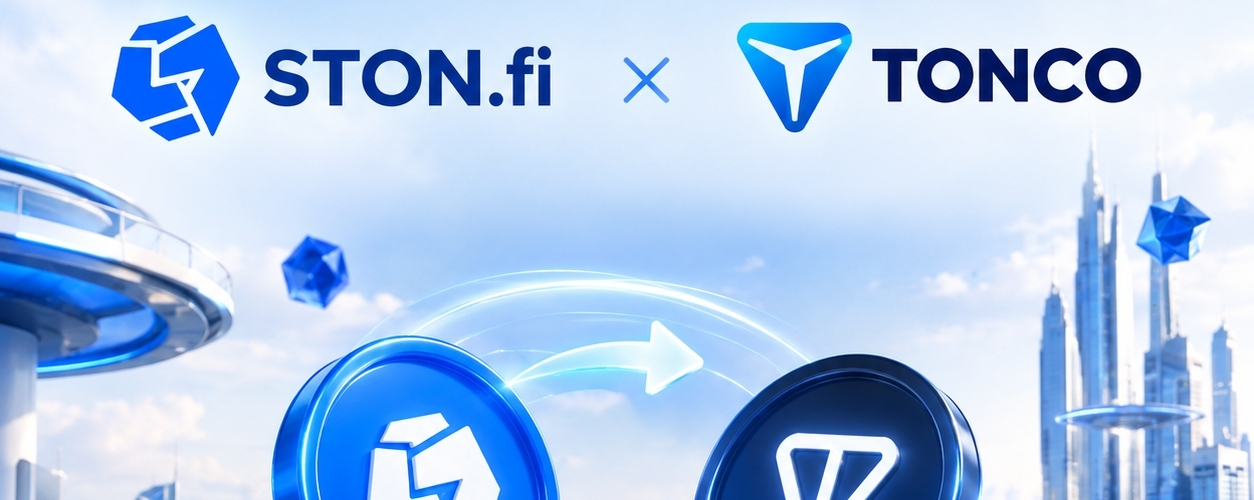
STON.fi × TONCO: Making Cross-Chain Swaps More Accessible STON.fi × TONCO: Making Cross-Chain Swaps More Accessible
STON.fi has another interesting ecosystem integration: TONCO now has Omniston cross-chain swaps built directly into its interface.
But what does that actually mean for users and builders?
First, what is TONCO?
TONCO is a decentralized exchange on $TON that uses concentrated liquidity.
Instead of spreading liquidity evenly across every possible price, liquidity providers can concentrate their capital around specific price ranges.
The goal is to make capital more efficient and give traders access to deeper liquidity with potentially lower price impact.
What changed with Omniston?
TONCO users can now access cross-chain swaps directly through TONCO.
So users aren't limited to swapping only within the $TON ecosystem. For supported assets and networks, Omniston provides the infrastructure needed to connect the swap with liquidity and execution across chains.
The important part is that TONCO doesn't have to build an entire cross-chain execution system from zero.
That's where Omniston comes in.
STON.fi and TONCO are also connected on the liquidity side
There's another important detail in the announcement:
TONCO pools are available on STON.fi, while TONCO is now integrating Omniston on its own platform.
So the relationship isn't simply about putting a button on another DEX.
It's about connecting different pieces of TON's DeFi infrastructure.
Why should builders care?
This is perhaps the biggest takeaway.
A wallet, DeFi app, or other $TON product that wants to offer cross-chain swaps doesn't necessarily need to build every component itself.
With STON.fi SDK + Omniston, builders can integrate existing infrastructure and focus more on creating their own user experience.
Think of it as:
Builder → integrates infrastructure → users get access to more liquidity and swap routes
The bigger picture
DeFi doesn't need every application to rebuild the same infrastructure.
If different products can connect to shared liquidity and execution infrastructure, users can access more functionality from the applications they already use.
That's what makes this TONCO integration interesting.
More integrations can mean more entry points into cross-chain DeFi, while builders spend less time reinventing the underlying infrastructure.
#STONfi #TONCO #Omniston #TON #DeFi #CrossChain
STON.fi × TONCO: Making Cross-Chain Swaps More Accessible
STON.fi × TONCO: Making Cross-Chain Swaps More Accessible
STON.fi has another interesting ecosystem integration: TONCO now has Omniston cross-chain swaps built directly into its interface.
But what does that actually mean for users and builders?
First, what is TONCO?
TONCO is a decentralized exchange on $TON that uses concentrated liquidity.
Instead of spreading liquidity evenly across every possible price, liquidity providers can concentrate their capital around specific price ranges.
The goal is to make capital more efficient and give traders access to deeper liquidity with potentially lower price impact.
What changed with Omniston?
TONCO users can now access cross-chain swaps directly through TONCO.
So users aren't limited to swapping only within the $TON ecosystem. For supported assets and networks, Omniston provides the infrastructure needed to connect the swap with liquidity and execution across chains.
The important part is that TONCO doesn't have to build an entire cross-chain execution system from zero.
That's where Omniston comes in.
STON.fi and TONCO are also connected on the liquidity side
There's another important detail in the announcement:
TONCO pools are available on STON.fi, while TONCO is now integrating Omniston on its own platform.
So the relationship isn't simply about putting a button on another DEX.
It's about connecting different pieces of TON's DeFi infrastructure.
Why should builders care?
This is perhaps the biggest takeaway.
A wallet, DeFi app, or other $TON product that wants to offer cross-chain swaps doesn't necessarily need to build every component itself.
With STON.fi SDK + Omniston, builders can integrate existing infrastructure and focus more on creating their own user experience.
Think of it as:
Builder → integrates infrastructure → users get access to more liquidity and swap routes
The bigger picture
DeFi doesn't need every application to rebuild the same infrastructure.
If different products can connect to shared liquidity and execution infrastructure, users can access more functionality from the applications they already use.
That's what makes this TONCO integration interesting.
More integrations can mean more entry points into cross-chain DeFi, while builders spend less time reinventing the underlying infrastructure.
#STONfi #TONCO #Omniston #TON #DeFi #CrossChain
STON.fi has another interesting ecosystem integration: TONCO now has Omniston cross-chain swaps built directly into its interface.
But what does that actually mean for users and builders?
First, what is TONCO?
TONCO is a decentralized exchange on $TON that uses concentrated liquidity.
Instead of spreading liquidity evenly across every possible price, liquidity providers can concentrate their capital around specific price ranges.
The goal is to make capital more efficient and give traders access to deeper liquidity with potentially lower price impact.
What changed with Omniston?
TONCO users can now access cross-chain swaps directly through TONCO.
So users aren't limited to swapping only within the $TON ecosystem. For supported assets and networks, Omniston provides the infrastructure needed to connect the swap with liquidity and execution across chains.
The important part is that TONCO doesn't have to build an entire cross-chain execution system from zero.
That's where Omniston comes in.
STON.fi and TONCO are also connected on the liquidity side
There's another important detail in the announcement:
TONCO pools are available on STON.fi, while TONCO is now integrating Omniston on its own platform.
So the relationship isn't simply about putting a button on another DEX.
It's about connecting different pieces of TON's DeFi infrastructure.
Why should builders care?
This is perhaps the biggest takeaway.
A wallet, DeFi app, or other $TON product that wants to offer cross-chain swaps doesn't necessarily need to build every component itself.
With STON.fi SDK + Omniston, builders can integrate existing infrastructure and focus more on creating their own user experience.
Think of it as:
Builder → integrates infrastructure → users get access to more liquidity and swap routes
The bigger picture
DeFi doesn't need every application to rebuild the same infrastructure.
If different products can connect to shared liquidity and execution infrastructure, users can access more functionality from the applications they already use.
That's what makes this TONCO integration interesting.
More integrations can mean more entry points into cross-chain DeFi, while builders spend less time reinventing the underlying infrastructure.
#STONfi #TONCO #Omniston #TON #DeFi #CrossChain
2
61
·
--
صاعد
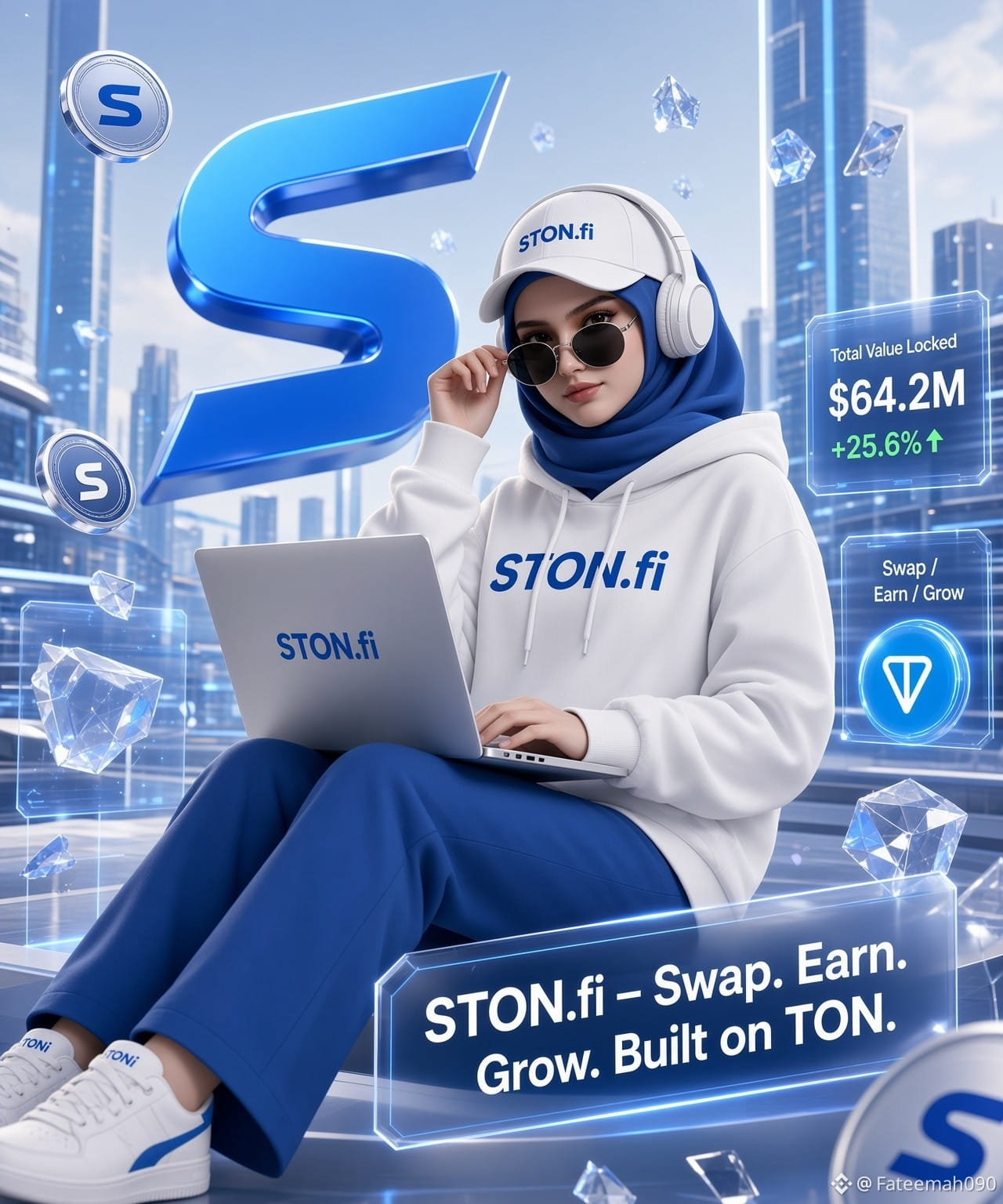
STON.fi التعليم لماذا تعتبر TVL مهمة في DeFi
ماذا تخبرنا TVL فعليًا عن بروتوكول DeFi؟
TVL تعني القيمة الإجمالية المقفلة (Total Value Locked)، وهي القيمة التقديرية للأصول المودعة في مجمّعات سيولة البروتوكول وآليات DeFi الأخرى المدعومة.
بالنسبة إلى DEX مثل STON.fi، يمكن أن تساعدنا TVL في فهم حجم السيولة المتاحة داخل نظامه البيئي.
لماذا هذا مهم؟
🔹 يمكن أن تساعد السيولة الأكبر في دعم صفقات أكبر.
🔹 قد تقلّل المجمّعات الأعمق من أثر تغيّر السعر (price impact).
🔹 تجعل السيولة النشطة الأسواق أكثر قابلية للاستخدام بالنسبة للمتداولين.
🔹 يمكن أن تشير زيادة TVL إلى تزايد مشاركة رأس المال.
ولكن إليك الجزء المهم:
TVL ليست ضمانًا لجودة البروتوكول أو ربحيةِه.
قد تتغير TVL مع تحرك أسعار الرموز ومع قيام المستخدمين بإضافة السيولة أو سحبها. كما أنها لا تخبرك بكل شيء عن حجم التداول أو توزيع السيولة أو المخاطر.
لذلك عند البحث عن STON.fi أو أي بروتوكول آخر في DeFi، لا تنظر إلى TVL وحدها.
انظر إلى الصورة الأكبر:
TVL + حجم التداول + عمق السيولة + عدد المستخدمين + نشاط البروتوكول + المخاطر.
الدرس الحقيقي:
رقم كبير من TVL أمر مثير للاهتمام، لكن فهم مكان وجود هذه السيولة وكيف يتم استخدامها هو أكثر أهمية بكثير.
في DeFi، نادرًا ما تخبرنا قيمة معيار واحد بالقصة كاملة.
#STONfi #STON #TON #DeFi #TVL #Liquidity #CryptoEducation
STON.fi التعليم لماذا تعتبر TVL مهمة في DeFi
ماذا تخبرنا TVL فعليًا عن بروتوكول DeFi؟
TVL تعني القيمة الإجمالية المقفلة (Total Value Locked)، وهي القيمة التقديرية للأصول المودعة في مجمّعات سيولة البروتوكول وآليات DeFi الأخرى المدعومة.
بالنسبة إلى DEX مثل STON.fi، يمكن أن تساعدنا TVL في فهم حجم السيولة المتاحة داخل نظامه البيئي.
لماذا هذا مهم؟
🔹 يمكن أن تساعد السيولة الأكبر في دعم صفقات أكبر.
🔹 قد تقلّل المجمّعات الأعمق من أثر تغيّر السعر (price impact).
🔹 تجعل السيولة النشطة الأسواق أكثر قابلية للاستخدام بالنسبة للمتداولين.
🔹 يمكن أن تشير زيادة TVL إلى تزايد مشاركة رأس المال.
ولكن إليك الجزء المهم:
TVL ليست ضمانًا لجودة البروتوكول أو ربحيةِه.
قد تتغير TVL مع تحرك أسعار الرموز ومع قيام المستخدمين بإضافة السيولة أو سحبها. كما أنها لا تخبرك بكل شيء عن حجم التداول أو توزيع السيولة أو المخاطر.
لذلك عند البحث عن STON.fi أو أي بروتوكول آخر في DeFi، لا تنظر إلى TVL وحدها.
انظر إلى الصورة الأكبر:
TVL + حجم التداول + عمق السيولة + عدد المستخدمين + نشاط البروتوكول + المخاطر.
الدرس الحقيقي:
رقم كبير من TVL أمر مثير للاهتمام، لكن فهم مكان وجود هذه السيولة وكيف يتم استخدامها هو أكثر أهمية بكثير.
في DeFi، نادرًا ما تخبرنا قيمة معيار واحد بالقصة كاملة.
#STONfi #STON #TON #DeFi #TVL #Liquidity #CryptoEducation
ماذا تخبرنا TVL فعليًا عن بروتوكول DeFi؟
TVL تعني القيمة الإجمالية المقفلة (Total Value Locked)، وهي القيمة التقديرية للأصول المودعة في مجمّعات سيولة البروتوكول وآليات DeFi الأخرى المدعومة.
بالنسبة إلى DEX مثل STON.fi، يمكن أن تساعدنا TVL في فهم حجم السيولة المتاحة داخل نظامه البيئي.
لماذا هذا مهم؟
🔹 يمكن أن تساعد السيولة الأكبر في دعم صفقات أكبر.
🔹 قد تقلّل المجمّعات الأعمق من أثر تغيّر السعر (price impact).
🔹 تجعل السيولة النشطة الأسواق أكثر قابلية للاستخدام بالنسبة للمتداولين.
🔹 يمكن أن تشير زيادة TVL إلى تزايد مشاركة رأس المال.
ولكن إليك الجزء المهم:
TVL ليست ضمانًا لجودة البروتوكول أو ربحيةِه.
قد تتغير TVL مع تحرك أسعار الرموز ومع قيام المستخدمين بإضافة السيولة أو سحبها. كما أنها لا تخبرك بكل شيء عن حجم التداول أو توزيع السيولة أو المخاطر.
لذلك عند البحث عن STON.fi أو أي بروتوكول آخر في DeFi، لا تنظر إلى TVL وحدها.
انظر إلى الصورة الأكبر:
TVL + حجم التداول + عمق السيولة + عدد المستخدمين + نشاط البروتوكول + المخاطر.
الدرس الحقيقي:
رقم كبير من TVL أمر مثير للاهتمام، لكن فهم مكان وجود هذه السيولة وكيف يتم استخدامها هو أكثر أهمية بكثير.
في DeFi، نادرًا ما تخبرنا قيمة معيار واحد بالقصة كاملة.
#STONfi #STON #TON #DeFi #TVL #Liquidity #CryptoEducation
2
83
·
--
مقالة
ملخص STON.fi الأسبوعي:ملخص STON.fi الأسبوعي: أكثر من مجرد أرقام
توضح أحدث المراجعة الأسبوعية لـ STON.fi مدى السرعة التي أصبح بها مشهد $TON DeFi أكثر ترابطًا مع تكاملات تيليجرام والبنية التحتية عبر السلاسل وإتاحة محافظ جديدة ونشاط DeFi المتزايد، وكل ذلك يتحرك معًا.
لنتناول ما الذي يعنيه هذا التحديث فعليًا. 👇
1. أحدث إنجازات STON.fi
وفقًا للتحديث، تحتل STON.fi الترتيب:
#4 ضمن 100 $TON تطبيق حسب عدد المحافظ النشطة ماليًا شهريًا
#1 بين بروتوكولات TON DeFi
هذه إحصائية مهمة لأن المحافظ النشطة ماليًا تشير إلى أن المستخدمين يتفاعلون فعليًا مع تطبيقات مالية وليس فقط يقومون بحيازة الأصول.
ملخص STON.fi الأسبوعي:
ملخص STON.fi الأسبوعي: أكثر من مجرد أرقام
توضح أحدث المراجعة الأسبوعية لـ STON.fi مدى السرعة التي أصبح بها مشهد $TON DeFi أكثر ترابطًا مع تكاملات تيليجرام والبنية التحتية عبر السلاسل وإتاحة محافظ جديدة ونشاط DeFi المتزايد، وكل ذلك يتحرك معًا.
لنتناول ما الذي يعنيه هذا التحديث فعليًا. 👇
1. أحدث إنجازات STON.fi
وفقًا للتحديث، تحتل STON.fi الترتيب:
#4 ضمن 100 $TON تطبيق حسب عدد المحافظ النشطة ماليًا شهريًا
#1 بين بروتوكولات TON DeFi
هذه إحصائية مهمة لأن المحافظ النشطة ماليًا تشير إلى أن المستخدمين يتفاعلون فعليًا مع تطبيقات مالية وليس فقط يقومون بحيازة الأصول.
توضح أحدث المراجعة الأسبوعية لـ STON.fi مدى السرعة التي أصبح بها مشهد $TON DeFi أكثر ترابطًا مع تكاملات تيليجرام والبنية التحتية عبر السلاسل وإتاحة محافظ جديدة ونشاط DeFi المتزايد، وكل ذلك يتحرك معًا.
لنتناول ما الذي يعنيه هذا التحديث فعليًا. 👇
1. أحدث إنجازات STON.fi
وفقًا للتحديث، تحتل STON.fi الترتيب:
#4 ضمن 100 $TON تطبيق حسب عدد المحافظ النشطة ماليًا شهريًا
#1 بين بروتوكولات TON DeFi
هذه إحصائية مهمة لأن المحافظ النشطة ماليًا تشير إلى أن المستخدمين يتفاعلون فعليًا مع تطبيقات مالية وليس فقط يقومون بحيازة الأصول.
2
77
·
--
صاعد
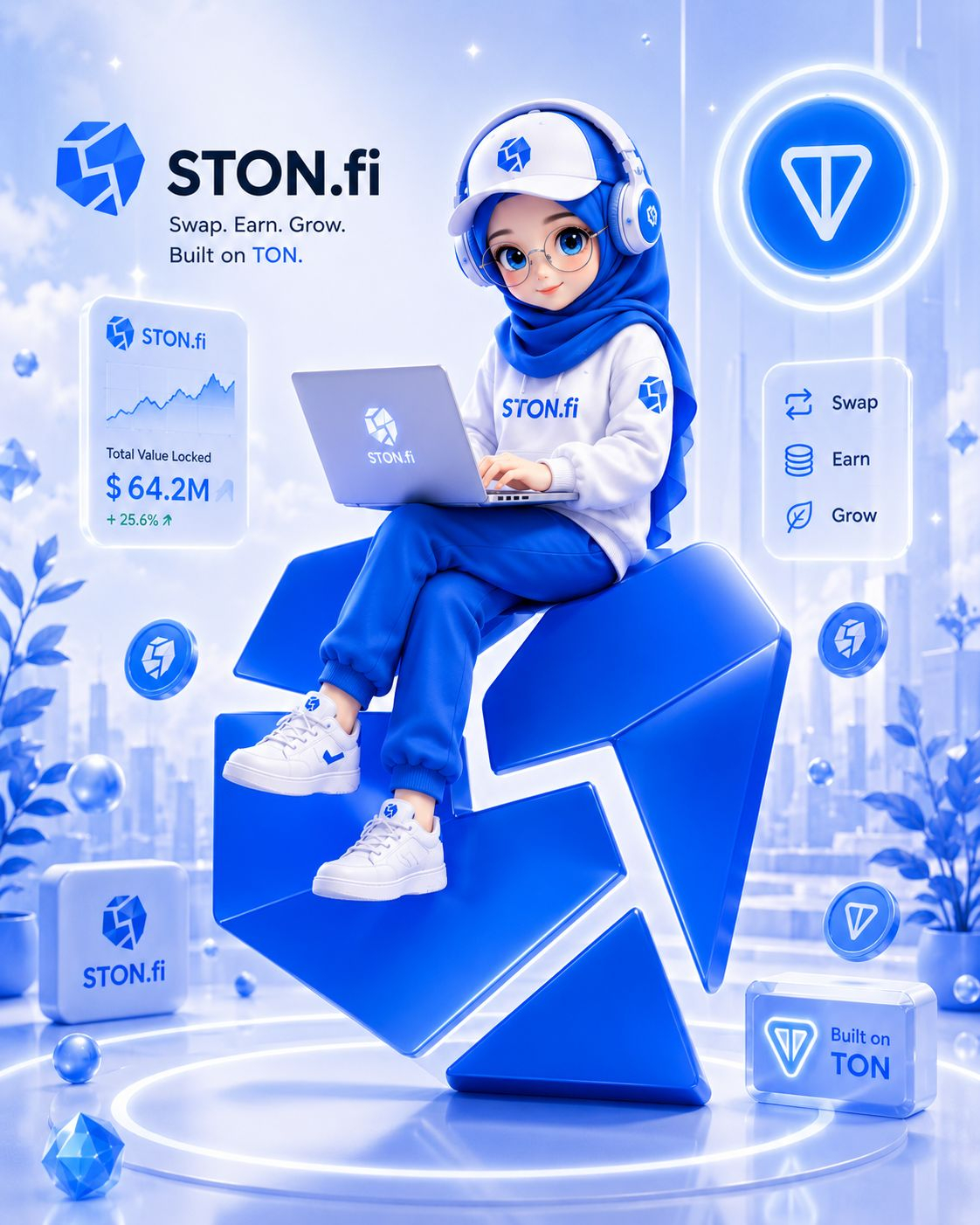
ماذا يحدث عندما تتجزأ سيولة التمويل اللامركزي (DeFi) عبر العديد من السلاسل؟
تخيّل أنك تريد تبديل $USDT من شبكة إلى $USDC على شبكة أخرى.
قد تكون الأصول موجودة.
قد تكون السيولة موجودة.
لكن العثور على المسار الصحيح قد يصبح أمرًا معقّدًا.
هذه إحدى المشكلات التي يحاول التجميع عبر السلاسل (cross-chain aggregation) حلّها.
باستخدام Omniston، تعمل STON.fi على بناء بنية تحتية يمكنها تنسيق مسارات التبادل عبر السلاسل من مرحلة عرض السعر (quote) إلى مرحلة التسوية (settlement) عبر الشبكات المدعومة.
وهذا يعني أن بإمكان المستخدم التركيز على الهدف الحقيقي:
“أريد تبديل هذا الأصل بذلك الأصل.”
بدلًا من الاضطرار إلى التفكير يدويًا في:
🔹 أي سلسلة تحتوي على السيولة؟
🔹 أي DEX يجب أن أستخدم؟
🔹 أي مسار أفضل؟
🔹 كيف أنقل أصولي بين الشبكات؟
تتولى البنية التحتية التعامل مع معظم هذا التعقيد في الخلفية.
وتصبح هذه النقطة أكثر أهمية مع استمرار اتصال TON بمزيد من الأنظمة البيئية.
مستقبل التمويل اللامركزي عبر السلاسل ليس بالضرورة يتعلق بجعل المستخدمين أفضل في التنقل بين سلاسل الكتل.
بل يتعلق ببناء بنية تحتية تجعل تجزؤ سلاسل الكتل أقل وضوحًا.
قد تكون أفضل تجربة عبر السلاسل في النهاية هي التي لا يحتاج فيها المستخدمون حتى إلى التفكير في السلسلة التي يستخدمونها.
سيولة أكثر ترابطًا. احتكاك أقل. تجارب DeFi أفضل.
#STONfi #STON #TON #Omniston #DeFi #CrossChain #Liquidity #Web3
ماذا يحدث عندما تتجزأ سيولة التمويل اللامركزي (DeFi) عبر العديد من السلاسل؟
تخيّل أنك تريد تبديل $USDT من شبكة إلى $USDC على شبكة أخرى.
قد تكون الأصول موجودة.
قد تكون السيولة موجودة.
لكن العثور على المسار الصحيح قد يصبح أمرًا معقّدًا.
هذه إحدى المشكلات التي يحاول التجميع عبر السلاسل (cross-chain aggregation) حلّها.
باستخدام Omniston، تعمل STON.fi على بناء بنية تحتية يمكنها تنسيق مسارات التبادل عبر السلاسل من مرحلة عرض السعر (quote) إلى مرحلة التسوية (settlement) عبر الشبكات المدعومة.
وهذا يعني أن بإمكان المستخدم التركيز على الهدف الحقيقي:
“أريد تبديل هذا الأصل بذلك الأصل.”
بدلًا من الاضطرار إلى التفكير يدويًا في:
🔹 أي سلسلة تحتوي على السيولة؟
🔹 أي DEX يجب أن أستخدم؟
🔹 أي مسار أفضل؟
🔹 كيف أنقل أصولي بين الشبكات؟
تتولى البنية التحتية التعامل مع معظم هذا التعقيد في الخلفية.
وتصبح هذه النقطة أكثر أهمية مع استمرار اتصال TON بمزيد من الأنظمة البيئية.
مستقبل التمويل اللامركزي عبر السلاسل ليس بالضرورة يتعلق بجعل المستخدمين أفضل في التنقل بين سلاسل الكتل.
بل يتعلق ببناء بنية تحتية تجعل تجزؤ سلاسل الكتل أقل وضوحًا.
قد تكون أفضل تجربة عبر السلاسل في النهاية هي التي لا يحتاج فيها المستخدمون حتى إلى التفكير في السلسلة التي يستخدمونها.
سيولة أكثر ترابطًا. احتكاك أقل. تجارب DeFi أفضل.
#STONfi #STON #TON #Omniston #DeFi #CrossChain #Liquidity #Web3
تخيّل أنك تريد تبديل $USDT من شبكة إلى $USDC على شبكة أخرى.
قد تكون الأصول موجودة.
قد تكون السيولة موجودة.
لكن العثور على المسار الصحيح قد يصبح أمرًا معقّدًا.
هذه إحدى المشكلات التي يحاول التجميع عبر السلاسل (cross-chain aggregation) حلّها.
باستخدام Omniston، تعمل STON.fi على بناء بنية تحتية يمكنها تنسيق مسارات التبادل عبر السلاسل من مرحلة عرض السعر (quote) إلى مرحلة التسوية (settlement) عبر الشبكات المدعومة.
وهذا يعني أن بإمكان المستخدم التركيز على الهدف الحقيقي:
“أريد تبديل هذا الأصل بذلك الأصل.”
بدلًا من الاضطرار إلى التفكير يدويًا في:
🔹 أي سلسلة تحتوي على السيولة؟
🔹 أي DEX يجب أن أستخدم؟
🔹 أي مسار أفضل؟
🔹 كيف أنقل أصولي بين الشبكات؟
تتولى البنية التحتية التعامل مع معظم هذا التعقيد في الخلفية.
وتصبح هذه النقطة أكثر أهمية مع استمرار اتصال TON بمزيد من الأنظمة البيئية.
مستقبل التمويل اللامركزي عبر السلاسل ليس بالضرورة يتعلق بجعل المستخدمين أفضل في التنقل بين سلاسل الكتل.
بل يتعلق ببناء بنية تحتية تجعل تجزؤ سلاسل الكتل أقل وضوحًا.
قد تكون أفضل تجربة عبر السلاسل في النهاية هي التي لا يحتاج فيها المستخدمون حتى إلى التفكير في السلسلة التي يستخدمونها.
سيولة أكثر ترابطًا. احتكاك أقل. تجارب DeFi أفضل.
#STONfi #STON #TON #Omniston #DeFi #CrossChain #Liquidity #Web3
1
84
·
--
مقالة
Omniston يقرّب DeFi أكثر من المحفظةOmniston يقرّب DeFi أكثر من المحفظة
قامت STON.fi للتو بمشاركة تكامل بنية تحتية مهم آخر: لقد قامت محفظتي بدمج Omniston مباشرةً في مُجمّع عمليات التبادل (swap aggregator).
لكن ماذا يعني ذلك فعليًا بالنسبة للمستخدمين والـمُطوّرين؟
لنحلل الأمر خطوة بخطوة 👇
1️⃣ ما هي محفظتي؟
محفظتي هي محفظة Web3 غير خاضعة للوصاية تدعم $TON والشبكات الأخرى، بما في ذلك Ethereum وSolana.
غير خاضعة للوصاية تعني أن المستخدمين يحتفظون بالتحكم بأصولهم ومفاتيح محافظهم بدلاً من تسليم الحضانة إلى منصة تبادل مركزية.
Omniston يقرّب DeFi أكثر من المحفظة
Omniston يقرّب DeFi أكثر من المحفظة
قامت STON.fi للتو بمشاركة تكامل بنية تحتية مهم آخر: لقد قامت محفظتي بدمج Omniston مباشرةً في مُجمّع عمليات التبادل (swap aggregator).
لكن ماذا يعني ذلك فعليًا بالنسبة للمستخدمين والـمُطوّرين؟
لنحلل الأمر خطوة بخطوة 👇
1️⃣ ما هي محفظتي؟
محفظتي هي محفظة Web3 غير خاضعة للوصاية تدعم $TON والشبكات الأخرى، بما في ذلك Ethereum وSolana.
غير خاضعة للوصاية تعني أن المستخدمين يحتفظون بالتحكم بأصولهم ومفاتيح محافظهم بدلاً من تسليم الحضانة إلى منصة تبادل مركزية.
قامت STON.fi للتو بمشاركة تكامل بنية تحتية مهم آخر: لقد قامت محفظتي بدمج Omniston مباشرةً في مُجمّع عمليات التبادل (swap aggregator).
لكن ماذا يعني ذلك فعليًا بالنسبة للمستخدمين والـمُطوّرين؟
لنحلل الأمر خطوة بخطوة 👇
1️⃣ ما هي محفظتي؟
محفظتي هي محفظة Web3 غير خاضعة للوصاية تدعم $TON والشبكات الأخرى، بما في ذلك Ethereum وSolana.
غير خاضعة للوصاية تعني أن المستخدمين يحتفظون بالتحكم بأصولهم ومفاتيح محافظهم بدلاً من تسليم الحضانة إلى منصة تبادل مركزية.
1
89
·
--
صاعد
إحدى أصعب المشكلات في التمويل الخاضع للتنظيم ليست فقط نقل الأصول على السلسلة.
بل هي معرفة من يُسمح له بالوصول إليها دون تعريض معلومات شخصية غير ضرورية.
وهنا تصبح “سيتادِل” جزءًا مثيرًا للاهتمام ضمن بنية @Dusk_Foundation .
صُممت “سيتادِل” كطبقة هوية وإتاحة تدعم الإفصاح الانتقائي. بدلًا من مطالبة المستخدم بكشف كل جزء من المعلومات الشخصية، يمكن للنظام أن يتيح إثبات سمات محددة عند الحاجة.
تخيّل استثمارًا خاضعًا للتنظيم:
قد يحتاج تطبيق ما إلى معرفة ما إذا كان شخص ما يستوفي شرط أهلية معيّن. لكن هل يحتاج التطبيق فعلًا إلى الوصول إلى الملف التعريفي الكامل للشخص؟
ليس بالضرورة.
مع الإفصاح الانتقائي، تتمثل الفكرة في إظهار ما يجب التحقق منه دون الكشف عن أكثر مما يلزم.
وهذا يخلق توازنًا مهمًا بين متطلبين قد يبدوان أحيانًا وكأنهما يتعارضان:
• حماية المعلومات الحساسة
• إثبات المعلومات المطلوبة للامتثال
بالنسبة للأصول الرقمية الخاضعة للتنظيم، ليست الهوية والإتاحة ميزات ثانوية. بل قد تكون جزءًا من سير العمل المالي نفسه.
ولهذا تُعد “سيتادِل” عنصرًا مهمًا ضمن البنية التحتية الأوسع لـ“داسك”: فهي تربط الهوية والخصوصية والوصول المُتحكم به دون اعتبار “الامتثال” سببًا للكشف عن كل شيء.
قد لا يتمحور مستقبل التمويل على السلسلة حول جعل كل شيء علنيًا.
قد يتمحور حول جعل المعلومات الصحيحة قابلة للتحقق لدى الأشخاص المناسبين وفي الوقت المناسب.
#dusk $DUSK
إحدى أصعب المشكلات في التمويل الخاضع للتنظيم ليست فقط نقل الأصول على السلسلة.
بل هي معرفة من يُسمح له بالوصول إليها دون تعريض معلومات شخصية غير ضرورية.
وهنا تصبح “سيتادِل” جزءًا مثيرًا للاهتمام ضمن بنية @Dusk .
صُممت “سيتادِل” كطبقة هوية وإتاحة تدعم الإفصاح الانتقائي. بدلًا من مطالبة المستخدم بكشف كل جزء من المعلومات الشخصية، يمكن للنظام أن يتيح إثبات سمات محددة عند الحاجة.
تخيّل استثمارًا خاضعًا للتنظيم:
قد يحتاج تطبيق ما إلى معرفة ما إذا كان شخص ما يستوفي شرط أهلية معيّن. لكن هل يحتاج التطبيق فعلًا إلى الوصول إلى الملف التعريفي الكامل للشخص؟
ليس بالضرورة.
مع الإفصاح الانتقائي، تتمثل الفكرة في إظهار ما يجب التحقق منه دون الكشف عن أكثر مما يلزم.
وهذا يخلق توازنًا مهمًا بين متطلبين قد يبدوان أحيانًا وكأنهما يتعارضان:
• حماية المعلومات الحساسة
• إثبات المعلومات المطلوبة للامتثال
بالنسبة للأصول الرقمية الخاضعة للتنظيم، ليست الهوية والإتاحة ميزات ثانوية. بل قد تكون جزءًا من سير العمل المالي نفسه.
ولهذا تُعد “سيتادِل” عنصرًا مهمًا ضمن البنية التحتية الأوسع لـ“داسك”: فهي تربط الهوية والخصوصية والوصول المُتحكم به دون اعتبار “الامتثال” سببًا للكشف عن كل شيء.
قد لا يتمحور مستقبل التمويل على السلسلة حول جعل كل شيء علنيًا.
قد يتمحور حول جعل المعلومات الصحيحة قابلة للتحقق لدى الأشخاص المناسبين وفي الوقت المناسب.
#dusk $DUSK
بل هي معرفة من يُسمح له بالوصول إليها دون تعريض معلومات شخصية غير ضرورية.
وهنا تصبح “سيتادِل” جزءًا مثيرًا للاهتمام ضمن بنية @Dusk .
صُممت “سيتادِل” كطبقة هوية وإتاحة تدعم الإفصاح الانتقائي. بدلًا من مطالبة المستخدم بكشف كل جزء من المعلومات الشخصية، يمكن للنظام أن يتيح إثبات سمات محددة عند الحاجة.
تخيّل استثمارًا خاضعًا للتنظيم:
قد يحتاج تطبيق ما إلى معرفة ما إذا كان شخص ما يستوفي شرط أهلية معيّن. لكن هل يحتاج التطبيق فعلًا إلى الوصول إلى الملف التعريفي الكامل للشخص؟
ليس بالضرورة.
مع الإفصاح الانتقائي، تتمثل الفكرة في إظهار ما يجب التحقق منه دون الكشف عن أكثر مما يلزم.
وهذا يخلق توازنًا مهمًا بين متطلبين قد يبدوان أحيانًا وكأنهما يتعارضان:
• حماية المعلومات الحساسة
• إثبات المعلومات المطلوبة للامتثال
بالنسبة للأصول الرقمية الخاضعة للتنظيم، ليست الهوية والإتاحة ميزات ثانوية. بل قد تكون جزءًا من سير العمل المالي نفسه.
ولهذا تُعد “سيتادِل” عنصرًا مهمًا ضمن البنية التحتية الأوسع لـ“داسك”: فهي تربط الهوية والخصوصية والوصول المُتحكم به دون اعتبار “الامتثال” سببًا للكشف عن كل شيء.
قد لا يتمحور مستقبل التمويل على السلسلة حول جعل كل شيء علنيًا.
قد يتمحور حول جعل المعلومات الصحيحة قابلة للتحقق لدى الأشخاص المناسبين وفي الوقت المناسب.
#dusk $DUSK

1
1
77
·
--
صاعد
ما الذي يجعل DEX مفيدًا أكثر من مجرد التداول؟
الاستبدال اللامركزي (DEX) ليس مجرد مكان يقوم فيه الناس بتبادل الرموز.
يمكن لـ DEX قوي أن يصبح بنية تحتية لِمنظومة كاملة.
فكّر في كل ما يرتبط بعملية استبدال واحدة:
🔹 السيولة تمنح المتداولين إمكانية الوصول إلى الأسواق.
🔹 العقود الذكية تُؤتمت عملية التنفيذ.
🔹 التوجيه يساعد في العثور على السيولة المناسبة.
🔹 الاحتفاظ بالسيطرة الذاتية يتيح للمستخدمين البقاء أصحاب سيطرتهم على أصولهم.
🔹 البنية التحتية عبر السلاسل يمكن أن تربط السيولة بين الشبكات.
هنا يصبح STON.fi مثيرًا للاهتمام ضمن $TON.
دوره ليس فقط توفير مكان للتداول. الهدف الأوسع هو بناء بنية تحتية تجعل السيولة اللامركزية أكثر إتاحة وترابطًا.
والدرس الأكبر:
ليست أهم بروتوكولات DeFi بالضرورة تلك التي تمتلك أكبر عدد من الميزات.
بل هي التي تجعل الوصول إلى المنظومة أسهل، والبناء عليها أسهل، وأكثر ترابطًا.
ومع استمرار توسّع $TON، قد تصبح طبقة البنية التحتية هذه أكثر أهمية بشكل متزايد.
إن DeFi لا يتعلق فقط بتبادل الرموز. بل يتعلق ببناء نظام مالي مفتوح حولها.
#STONfi #STON #TON #DeFi #Omniston #Web3 #CryptoEducation
ما الذي يجعل DEX مفيدًا أكثر من مجرد التداول؟
الاستبدال اللامركزي (DEX) ليس مجرد مكان يقوم فيه الناس بتبادل الرموز.
يمكن لـ DEX قوي أن يصبح بنية تحتية لِمنظومة كاملة.
فكّر في كل ما يرتبط بعملية استبدال واحدة:
🔹 السيولة تمنح المتداولين إمكانية الوصول إلى الأسواق.
🔹 العقود الذكية تُؤتمت عملية التنفيذ.
🔹 التوجيه يساعد في العثور على السيولة المناسبة.
🔹 الاحتفاظ بالسيطرة الذاتية يتيح للمستخدمين البقاء أصحاب سيطرتهم على أصولهم.
🔹 البنية التحتية عبر السلاسل يمكن أن تربط السيولة بين الشبكات.
هنا يصبح STON.fi مثيرًا للاهتمام ضمن $TON.
دوره ليس فقط توفير مكان للتداول. الهدف الأوسع هو بناء بنية تحتية تجعل السيولة اللامركزية أكثر إتاحة وترابطًا.
والدرس الأكبر:
ليست أهم بروتوكولات DeFi بالضرورة تلك التي تمتلك أكبر عدد من الميزات.
بل هي التي تجعل الوصول إلى المنظومة أسهل، والبناء عليها أسهل، وأكثر ترابطًا.
ومع استمرار توسّع $TON، قد تصبح طبقة البنية التحتية هذه أكثر أهمية بشكل متزايد.
إن DeFi لا يتعلق فقط بتبادل الرموز. بل يتعلق ببناء نظام مالي مفتوح حولها.
#STONfi #STON #TON #DeFi #Omniston #Web3 #CryptoEducation
الاستبدال اللامركزي (DEX) ليس مجرد مكان يقوم فيه الناس بتبادل الرموز.
يمكن لـ DEX قوي أن يصبح بنية تحتية لِمنظومة كاملة.
فكّر في كل ما يرتبط بعملية استبدال واحدة:
🔹 السيولة تمنح المتداولين إمكانية الوصول إلى الأسواق.
🔹 العقود الذكية تُؤتمت عملية التنفيذ.
🔹 التوجيه يساعد في العثور على السيولة المناسبة.
🔹 الاحتفاظ بالسيطرة الذاتية يتيح للمستخدمين البقاء أصحاب سيطرتهم على أصولهم.
🔹 البنية التحتية عبر السلاسل يمكن أن تربط السيولة بين الشبكات.
هنا يصبح STON.fi مثيرًا للاهتمام ضمن $TON.
دوره ليس فقط توفير مكان للتداول. الهدف الأوسع هو بناء بنية تحتية تجعل السيولة اللامركزية أكثر إتاحة وترابطًا.
والدرس الأكبر:
ليست أهم بروتوكولات DeFi بالضرورة تلك التي تمتلك أكبر عدد من الميزات.
بل هي التي تجعل الوصول إلى المنظومة أسهل، والبناء عليها أسهل، وأكثر ترابطًا.
ومع استمرار توسّع $TON، قد تصبح طبقة البنية التحتية هذه أكثر أهمية بشكل متزايد.
إن DeFi لا يتعلق فقط بتبادل الرموز. بل يتعلق ببناء نظام مالي مفتوح حولها.
#STONfi #STON #TON #DeFi #Omniston #Web3 #CryptoEducation
2
69
·
--
صاعد
لا يعني وجود بلوك تشين واحد بالضرورة اتباع طريقة واحدة في البناء.
هذا جزء مثير للاهتمام من معمارية @Dusk_Foundation .
يوفر Dusk بيئتين مختلفتين للتنفيذ: DuskVM و DuskEVM.
تُعد DuskVM بيئة التنفيذ الأصلية، وهي مصممة للتطبيقات التي تريد وصولًا مباشرًا إلى قدرات Dusk، بما في ذلك ميزات الخصوصية وإثباتات المعرفة الصفرية.
أما DuskEVM فيعتمد نهجًا مختلفًا. فهو يمنح المطورين بيئة متوافقة مع EVM، مما يجعل من الممكن استخدام أدوات ولغات تطوير Ethereum المألوفة أثناء البناء ضمن منظومة Dusk.
لماذا هذا مهم؟
لأن لدى المطورين احتياجات مختلفة.
قد تستفيد بعض التطبيقات من القدرات الأصلية لـ Dusk والتكامل الأعمق مع البروتوكول. بينما قد يفضّل آخرون الاعتياد على بيئة تطوير Ethereum والأدوات الحالية.
بدلًا من إجبار كل مطور على نموذج تطوير واحد، يوفر Dusk مسارات مختلفة للدخول إلى نفس البنية التحتية الأوسع.
والصورة الأكبر مهمة أيضًا: تقع بيئات التنفيذ هذه ضمن بلوك تشين مصمم للأصول الرقمية الخاضعة للتنظيم والتمويل، حيث قد تكون الخصوصية والتحكم في الوصول والتسوية بنفس أهمية وظائف العقود الذكية.
لذا لا يكتفي Dusk بالسؤال:
“ماذا يمكنك أن تبني؟”
بل يطرح أيضًا:
“كيف يمكن للمطورين البناء في البيئة التي تناسب تطبيقهم بأفضل شكل؟”
قد تصبح هذه المرونة مهمة مع انتقال المزيد من التطبيقات المالية إلى السلسلة.
#dusk $DUSK
لا يعني وجود بلوك تشين واحد بالضرورة اتباع طريقة واحدة في البناء.
هذا جزء مثير للاهتمام من معمارية @Dusk .
يوفر Dusk بيئتين مختلفتين للتنفيذ: DuskVM و DuskEVM.
تُعد DuskVM بيئة التنفيذ الأصلية، وهي مصممة للتطبيقات التي تريد وصولًا مباشرًا إلى قدرات Dusk، بما في ذلك ميزات الخصوصية وإثباتات المعرفة الصفرية.
أما DuskEVM فيعتمد نهجًا مختلفًا. فهو يمنح المطورين بيئة متوافقة مع EVM، مما يجعل من الممكن استخدام أدوات ولغات تطوير Ethereum المألوفة أثناء البناء ضمن منظومة Dusk.
لماذا هذا مهم؟
لأن لدى المطورين احتياجات مختلفة.
قد تستفيد بعض التطبيقات من القدرات الأصلية لـ Dusk والتكامل الأعمق مع البروتوكول. بينما قد يفضّل آخرون الاعتياد على بيئة تطوير Ethereum والأدوات الحالية.
بدلًا من إجبار كل مطور على نموذج تطوير واحد، يوفر Dusk مسارات مختلفة للدخول إلى نفس البنية التحتية الأوسع.
والصورة الأكبر مهمة أيضًا: تقع بيئات التنفيذ هذه ضمن بلوك تشين مصمم للأصول الرقمية الخاضعة للتنظيم والتمويل، حيث قد تكون الخصوصية والتحكم في الوصول والتسوية بنفس أهمية وظائف العقود الذكية.
لذا لا يكتفي Dusk بالسؤال:
“ماذا يمكنك أن تبني؟”
بل يطرح أيضًا:
“كيف يمكن للمطورين البناء في البيئة التي تناسب تطبيقهم بأفضل شكل؟”
قد تصبح هذه المرونة مهمة مع انتقال المزيد من التطبيقات المالية إلى السلسلة.
#dusk $DUSK
هذا جزء مثير للاهتمام من معمارية @Dusk .
يوفر Dusk بيئتين مختلفتين للتنفيذ: DuskVM و DuskEVM.
تُعد DuskVM بيئة التنفيذ الأصلية، وهي مصممة للتطبيقات التي تريد وصولًا مباشرًا إلى قدرات Dusk، بما في ذلك ميزات الخصوصية وإثباتات المعرفة الصفرية.
أما DuskEVM فيعتمد نهجًا مختلفًا. فهو يمنح المطورين بيئة متوافقة مع EVM، مما يجعل من الممكن استخدام أدوات ولغات تطوير Ethereum المألوفة أثناء البناء ضمن منظومة Dusk.
لماذا هذا مهم؟
لأن لدى المطورين احتياجات مختلفة.
قد تستفيد بعض التطبيقات من القدرات الأصلية لـ Dusk والتكامل الأعمق مع البروتوكول. بينما قد يفضّل آخرون الاعتياد على بيئة تطوير Ethereum والأدوات الحالية.
بدلًا من إجبار كل مطور على نموذج تطوير واحد، يوفر Dusk مسارات مختلفة للدخول إلى نفس البنية التحتية الأوسع.
والصورة الأكبر مهمة أيضًا: تقع بيئات التنفيذ هذه ضمن بلوك تشين مصمم للأصول الرقمية الخاضعة للتنظيم والتمويل، حيث قد تكون الخصوصية والتحكم في الوصول والتسوية بنفس أهمية وظائف العقود الذكية.
لذا لا يكتفي Dusk بالسؤال:
“ماذا يمكنك أن تبني؟”
بل يطرح أيضًا:
“كيف يمكن للمطورين البناء في البيئة التي تناسب تطبيقهم بأفضل شكل؟”
قد تصبح هذه المرونة مهمة مع انتقال المزيد من التطبيقات المالية إلى السلسلة.
#dusk $DUSK

2
95
·
--
صاعد
غالبًا ما يُوصف الترقيم بالقول إنه مجرد وضع الأصول الواقعية على سلسلة الكتل.
ولكن إنشاء الرمز هو مجرد البداية.
فالسوق المالية الحقيقية تحتاج أيضًا إلى إتمام تسجيل المستثمرين، وفحوصات الأهلية، والتحويلات المُتحكم بها، وتنسيق المدفوعات، والإفصاح، والتسوية. وبدون هذه العناصر، يمكن أن توجد الأصول المُرمّزة على السلسلة دون امتلاك البنية التحتية الكاملة المطلوبة لسوق مُنظَّم.
وهنا يصبح @Dusk_Foundation مثيرًا للاهتمام.
يتم بناء Dusk Trade كطبقة تطبيقية للأصول المالية المُرمّزة، مع التركيز على سير العمل الواقعي في السوق مثل تسجيل المستثمرين، وربط المحفظة، والتحويلات المُتحكم بها، والتسوية المتوافقة.
والفكرة الأكبر هي أن الترقيم لا ينبغي أن يتوقف عند إنشاء تمثيلات رقمية للأصول.
فالدورة الكاملة للأصل من حيث من يمكنه الوصول إليه، إلى كيفية نقله، إلى كيفية تسوية المعاملات يجب أن تعمل معًا.
تعمل Dusk على الوصول إلى هذا النموذج عبر دمج البنية التحتية للأصول المُنظَّمة مع الخصوصية والإفصاح الانتقائي والتسوية الحتمية.
وقد يجعل ذلك الترقيم أكثر بكثير من مجرد "وضع الأصول على السلسلة".
بل يصبح الأمر متعلقًا ببناء سوق مالية حقيقية على السلسلة.
#dusk $DUSK
غالبًا ما يُوصف الترقيم بالقول إنه مجرد وضع الأصول الواقعية على سلسلة الكتل.
ولكن إنشاء الرمز هو مجرد البداية.
فالسوق المالية الحقيقية تحتاج أيضًا إلى إتمام تسجيل المستثمرين، وفحوصات الأهلية، والتحويلات المُتحكم بها، وتنسيق المدفوعات، والإفصاح، والتسوية. وبدون هذه العناصر، يمكن أن توجد الأصول المُرمّزة على السلسلة دون امتلاك البنية التحتية الكاملة المطلوبة لسوق مُنظَّم.
وهنا يصبح @Dusk مثيرًا للاهتمام.
يتم بناء Dusk Trade كطبقة تطبيقية للأصول المالية المُرمّزة، مع التركيز على سير العمل الواقعي في السوق مثل تسجيل المستثمرين، وربط المحفظة، والتحويلات المُتحكم بها، والتسوية المتوافقة.
والفكرة الأكبر هي أن الترقيم لا ينبغي أن يتوقف عند إنشاء تمثيلات رقمية للأصول.
فالدورة الكاملة للأصل من حيث من يمكنه الوصول إليه، إلى كيفية نقله، إلى كيفية تسوية المعاملات يجب أن تعمل معًا.
تعمل Dusk على الوصول إلى هذا النموذج عبر دمج البنية التحتية للأصول المُنظَّمة مع الخصوصية والإفصاح الانتقائي والتسوية الحتمية.
وقد يجعل ذلك الترقيم أكثر بكثير من مجرد "وضع الأصول على السلسلة".
بل يصبح الأمر متعلقًا ببناء سوق مالية حقيقية على السلسلة.
#dusk $DUSK
ولكن إنشاء الرمز هو مجرد البداية.
فالسوق المالية الحقيقية تحتاج أيضًا إلى إتمام تسجيل المستثمرين، وفحوصات الأهلية، والتحويلات المُتحكم بها، وتنسيق المدفوعات، والإفصاح، والتسوية. وبدون هذه العناصر، يمكن أن توجد الأصول المُرمّزة على السلسلة دون امتلاك البنية التحتية الكاملة المطلوبة لسوق مُنظَّم.
وهنا يصبح @Dusk مثيرًا للاهتمام.
يتم بناء Dusk Trade كطبقة تطبيقية للأصول المالية المُرمّزة، مع التركيز على سير العمل الواقعي في السوق مثل تسجيل المستثمرين، وربط المحفظة، والتحويلات المُتحكم بها، والتسوية المتوافقة.
والفكرة الأكبر هي أن الترقيم لا ينبغي أن يتوقف عند إنشاء تمثيلات رقمية للأصول.
فالدورة الكاملة للأصل من حيث من يمكنه الوصول إليه، إلى كيفية نقله، إلى كيفية تسوية المعاملات يجب أن تعمل معًا.
تعمل Dusk على الوصول إلى هذا النموذج عبر دمج البنية التحتية للأصول المُنظَّمة مع الخصوصية والإفصاح الانتقائي والتسوية الحتمية.
وقد يجعل ذلك الترقيم أكثر بكثير من مجرد "وضع الأصول على السلسلة".
بل يصبح الأمر متعلقًا ببناء سوق مالية حقيقية على السلسلة.
#dusk $DUSK

1
62
·
--
صاعد
من يحق له تشكيل بروتوكول في التمويل اللامركزي؟
من بين الأفكار المثيرة للاهتمام الكامنة وراء التمويل اللامركزي أن المستخدمين يمكن أن يصبحوا أكثر من مجرد عملاء.
من خلال حوكمة الـ DAO، يمكن لأعضاء المجتمع المؤهلين المشاركة في اتخاذ قرارات تؤثر في كيفية تطور البروتوكول.
وبالنسبة إلى منظومة STON.fi، يمكن لخاصية حجز/استيك $STON أن توفر وصولًا إلى المشاركة في الحوكمة عبر ARKENSTON، مما يربط حاملي التوكن مع STONfi DAO.
وهذا يخلق تحولًا مهمًا:
استخدام بروتوكول هو شيء. المساعدة في تشكيل مستقبله شيء آخر.
لكن الحوكمة لا تعمل إلا عندما يفهم المشاركون المقترحات التي يصوّتون عليها ويفكرون بما يتجاوز المصالح قصيرة المدى.
الدرس الأكبر:
اللامركزية ليست مجرد إزالة سلطة مركزية.
بل هي أيضًا إنشاء آليات تُمكّن المجتمع من المشاركة والتنسيق وتحمل المسؤولية عن اتجاه منظومة كاملة.
قد تمكّن التكنولوجيا من الحوكمة، لكن المشاركة المستنيرة هي ما يمنحها المعنى.
#STONfi #STON #TON #DAO #DeFi #Governance #Web3 #CryptoEducation
من يحق له تشكيل بروتوكول في التمويل اللامركزي؟
من بين الأفكار المثيرة للاهتمام الكامنة وراء التمويل اللامركزي أن المستخدمين يمكن أن يصبحوا أكثر من مجرد عملاء.
من خلال حوكمة الـ DAO، يمكن لأعضاء المجتمع المؤهلين المشاركة في اتخاذ قرارات تؤثر في كيفية تطور البروتوكول.
وبالنسبة إلى منظومة STON.fi، يمكن لخاصية حجز/استيك $STON أن توفر وصولًا إلى المشاركة في الحوكمة عبر ARKENSTON، مما يربط حاملي التوكن مع STONfi DAO.
وهذا يخلق تحولًا مهمًا:
استخدام بروتوكول هو شيء. المساعدة في تشكيل مستقبله شيء آخر.
لكن الحوكمة لا تعمل إلا عندما يفهم المشاركون المقترحات التي يصوّتون عليها ويفكرون بما يتجاوز المصالح قصيرة المدى.
الدرس الأكبر:
اللامركزية ليست مجرد إزالة سلطة مركزية.
بل هي أيضًا إنشاء آليات تُمكّن المجتمع من المشاركة والتنسيق وتحمل المسؤولية عن اتجاه منظومة كاملة.
قد تمكّن التكنولوجيا من الحوكمة، لكن المشاركة المستنيرة هي ما يمنحها المعنى.
#STONfi #STON #TON #DAO #DeFi #Governance #Web3 #CryptoEducation
من بين الأفكار المثيرة للاهتمام الكامنة وراء التمويل اللامركزي أن المستخدمين يمكن أن يصبحوا أكثر من مجرد عملاء.
من خلال حوكمة الـ DAO، يمكن لأعضاء المجتمع المؤهلين المشاركة في اتخاذ قرارات تؤثر في كيفية تطور البروتوكول.
وبالنسبة إلى منظومة STON.fi، يمكن لخاصية حجز/استيك $STON أن توفر وصولًا إلى المشاركة في الحوكمة عبر ARKENSTON، مما يربط حاملي التوكن مع STONfi DAO.
وهذا يخلق تحولًا مهمًا:
استخدام بروتوكول هو شيء. المساعدة في تشكيل مستقبله شيء آخر.
لكن الحوكمة لا تعمل إلا عندما يفهم المشاركون المقترحات التي يصوّتون عليها ويفكرون بما يتجاوز المصالح قصيرة المدى.
الدرس الأكبر:
اللامركزية ليست مجرد إزالة سلطة مركزية.
بل هي أيضًا إنشاء آليات تُمكّن المجتمع من المشاركة والتنسيق وتحمل المسؤولية عن اتجاه منظومة كاملة.
قد تمكّن التكنولوجيا من الحوكمة، لكن المشاركة المستنيرة هي ما يمنحها المعنى.
#STONfi #STON #TON #DAO #DeFi #Governance #Web3 #CryptoEducation
1
86
·
--
معظم الناس يسمعون كلمة “الخصوصية” فيفكرون فورًا في إخفاء المعلومات.
لكن @Dusk_Foundation يقترب من مفهوم الخصوصية من زاوية مختلفة.
الهدف هو جعل البنية التحتية المالية المبنية على البلوك تشين أكثر عملية للأسواق الخاضعة للتنظيم، حيث يجب أن تعمل الخصوصية والامتثال والشفافية معًا.
وهذا مهم لأن المؤسسات لا تستطيع دائمًا وضع كل جزء من البيانات المالية الحساسة في العلن بالكامل.
تقوم DUSK ببناء بنية تحتية يمكن للمعاملات والأصول المالية أن تستفيد فيها من الخصوصية مع الاستمرار في دعم متطلبات البيئات المنظمة.
وهذا يجعل الفكرة الأكبر أكثر إثارة للاهتمام:
إن تبني البلوك تشين ليس فقط بهدف التحرك بشكل أسرع.
بل أيضًا بهدف إنشاء أنظمة يمكن فيها التعايش بين الخصوصية والتحقق والامتثال.
وهذه إحدى الأسباب التي تجعلني أتابع منظومة DUSK عن كثب.
#dusk $DUSK
معظم الناس يسمعون كلمة “الخصوصية” فيفكرون فورًا في إخفاء المعلومات.
لكن @Dusk يقترب من مفهوم الخصوصية من زاوية مختلفة.
الهدف هو جعل البنية التحتية المالية المبنية على البلوك تشين أكثر عملية للأسواق الخاضعة للتنظيم، حيث يجب أن تعمل الخصوصية والامتثال والشفافية معًا.
وهذا مهم لأن المؤسسات لا تستطيع دائمًا وضع كل جزء من البيانات المالية الحساسة في العلن بالكامل.
تقوم DUSK ببناء بنية تحتية يمكن للمعاملات والأصول المالية أن تستفيد فيها من الخصوصية مع الاستمرار في دعم متطلبات البيئات المنظمة.
وهذا يجعل الفكرة الأكبر أكثر إثارة للاهتمام:
إن تبني البلوك تشين ليس فقط بهدف التحرك بشكل أسرع.
بل أيضًا بهدف إنشاء أنظمة يمكن فيها التعايش بين الخصوصية والتحقق والامتثال.
وهذه إحدى الأسباب التي تجعلني أتابع منظومة DUSK عن كثب.
#dusk $DUSK
لكن @Dusk يقترب من مفهوم الخصوصية من زاوية مختلفة.
الهدف هو جعل البنية التحتية المالية المبنية على البلوك تشين أكثر عملية للأسواق الخاضعة للتنظيم، حيث يجب أن تعمل الخصوصية والامتثال والشفافية معًا.
وهذا مهم لأن المؤسسات لا تستطيع دائمًا وضع كل جزء من البيانات المالية الحساسة في العلن بالكامل.
تقوم DUSK ببناء بنية تحتية يمكن للمعاملات والأصول المالية أن تستفيد فيها من الخصوصية مع الاستمرار في دعم متطلبات البيئات المنظمة.
وهذا يجعل الفكرة الأكبر أكثر إثارة للاهتمام:
إن تبني البلوك تشين ليس فقط بهدف التحرك بشكل أسرع.
بل أيضًا بهدف إنشاء أنظمة يمكن فيها التعايش بين الخصوصية والتحقق والامتثال.
وهذه إحدى الأسباب التي تجعلني أتابع منظومة DUSK عن كثب.
#dusk $DUSK
2
3
84
·
--
أنت تضغط “Swap.” ماذا يحدث بعد ذلك؟
قد تبدو معاملة DeFi بسيطة للغاية:
اختر توكنًا → أدخل مبلغًا → اضغط Swap → انتظر.
لكن تحت واجهة المستخدم البسيطة هذه، تحدث عدة أشياء على السلسلة.
يتم إرسال معاملتك إلى الشبكة، وتقوم العقود الذكية بمعالجة التعليمات، ويتم تنفيذ عملية المبادلة وفقًا لقواعد البروتوكول، ثم تؤكد البلوكتشين النتيجة.
هنا تصبح أهمية التسوية واضحة.
لا تُعد المعاملة مفيدة فعليًا لمجرد أنها تم إرسالها. يحتاج المستخدمون إلى الثقة بأن البلوكتشين قد قامت بمعالجتها وأن الحالة النهائية قد تم تسجيلها.
لهذا السبب تحديدًا تعتبر بنية البلوكتشين التحتية مهمة جدًا بالنسبة إلى DeFi.
باستخدام STON.fi على $TON ، يتفاعل المستخدمون مع واجهة بسيطة، بينما تتولى البلوكتشين والبنية التحتية للبروتوكول التنفيذ المعقد.
فكّر في الأمر بهذه الطريقة:
كلما أصبح استخدام DeFi أسهل، زادت أهمية التكنولوجيا التي تعمل خلف الشاشة.
أنت ترى الزر.
والبنية التحتية تقوم بالعمل.
وفهم هذا الفرق هو الطريقة التي تنتقل بها من مجرد استخدام DeFi إلى فهم DeFi بالفعل.
#STONfi #STON #TON #DeFi #Web3 #CryptoEducation #Blockchain
أنت تضغط “Swap.” ماذا يحدث بعد ذلك؟
قد تبدو معاملة DeFi بسيطة للغاية:
اختر توكنًا → أدخل مبلغًا → اضغط Swap → انتظر.
لكن تحت واجهة المستخدم البسيطة هذه، تحدث عدة أشياء على السلسلة.
يتم إرسال معاملتك إلى الشبكة، وتقوم العقود الذكية بمعالجة التعليمات، ويتم تنفيذ عملية المبادلة وفقًا لقواعد البروتوكول، ثم تؤكد البلوكتشين النتيجة.
هنا تصبح أهمية التسوية واضحة.
لا تُعد المعاملة مفيدة فعليًا لمجرد أنها تم إرسالها. يحتاج المستخدمون إلى الثقة بأن البلوكتشين قد قامت بمعالجتها وأن الحالة النهائية قد تم تسجيلها.
لهذا السبب تحديدًا تعتبر بنية البلوكتشين التحتية مهمة جدًا بالنسبة إلى DeFi.
باستخدام STON.fi على $TON ، يتفاعل المستخدمون مع واجهة بسيطة، بينما تتولى البلوكتشين والبنية التحتية للبروتوكول التنفيذ المعقد.
فكّر في الأمر بهذه الطريقة:
كلما أصبح استخدام DeFi أسهل، زادت أهمية التكنولوجيا التي تعمل خلف الشاشة.
أنت ترى الزر.
والبنية التحتية تقوم بالعمل.
وفهم هذا الفرق هو الطريقة التي تنتقل بها من مجرد استخدام DeFi إلى فهم DeFi بالفعل.
#STONfi #STON #TON #DeFi #Web3 #CryptoEducation #Blockchain
قد تبدو معاملة DeFi بسيطة للغاية:
اختر توكنًا → أدخل مبلغًا → اضغط Swap → انتظر.
لكن تحت واجهة المستخدم البسيطة هذه، تحدث عدة أشياء على السلسلة.
يتم إرسال معاملتك إلى الشبكة، وتقوم العقود الذكية بمعالجة التعليمات، ويتم تنفيذ عملية المبادلة وفقًا لقواعد البروتوكول، ثم تؤكد البلوكتشين النتيجة.
هنا تصبح أهمية التسوية واضحة.
لا تُعد المعاملة مفيدة فعليًا لمجرد أنها تم إرسالها. يحتاج المستخدمون إلى الثقة بأن البلوكتشين قد قامت بمعالجتها وأن الحالة النهائية قد تم تسجيلها.
لهذا السبب تحديدًا تعتبر بنية البلوكتشين التحتية مهمة جدًا بالنسبة إلى DeFi.
باستخدام STON.fi على $TON ، يتفاعل المستخدمون مع واجهة بسيطة، بينما تتولى البلوكتشين والبنية التحتية للبروتوكول التنفيذ المعقد.
فكّر في الأمر بهذه الطريقة:
كلما أصبح استخدام DeFi أسهل، زادت أهمية التكنولوجيا التي تعمل خلف الشاشة.
أنت ترى الزر.
والبنية التحتية تقوم بالعمل.
وفهم هذا الفرق هو الطريقة التي تنتقل بها من مجرد استخدام DeFi إلى فهم DeFi بالفعل.
#STONfi #STON #TON #DeFi #Web3 #CryptoEducation #Blockchain
2
62
·
--
صاعد
الخصوصية لا تعني إخفاء كل شيء.
إحدى الأفكار التي تجعل @Dusk_Foundation مثيرة للاهتمام.
تحتاج الأسواق المالية إلى السرية، لكنها تحتاج أيضًا إلى الامتثال والتحقق. تم تصميم Dusk لدعم كلا الأمرين عبر تقنيات الخصوصية والإفصاح الانتقائي.
ومع دعم Moonlight لتدفقات حساب شفافة، وتمكين Phoenix لتحويلات سرية، تتبع Dusk نهجًا مرنًا لكيفية التعامل مع المعلومات المالية على السلسلة.
بدلًا من كشف كل شيء علنًا أو إخفاء كل شيء تمامًا، تتمثل الفكرة في حماية المعلومات الحساسة مع السماح للأطراف المصرّح لها بالتحقق مما يحتاجون إليه.
وهذا مهم بشكل خاص بالنسبة للأصول الرقمية الخاضعة للتنظيم والأوراق المالية المرمّزة، حيث تهم الخصوصية والتحكم في الوصول والتسوية الموثوقة جميعها.
عام عندما تكون الشفافية مفيدة. خاص عندما تكون هناك حاجة إلى السرية. إفصاح انتقائي عندما يلزم التحقق.
هذا نموذج قوي لإدخال التمويل الخاضع للتنظيم على السلسلة.
#dusk $DUSK
الخصوصية لا تعني إخفاء كل شيء.
إحدى الأفكار التي تجعل @Dusk مثيرة للاهتمام.
تحتاج الأسواق المالية إلى السرية، لكنها تحتاج أيضًا إلى الامتثال والتحقق. تم تصميم Dusk لدعم كلا الأمرين عبر تقنيات الخصوصية والإفصاح الانتقائي.
ومع دعم Moonlight لتدفقات حساب شفافة، وتمكين Phoenix لتحويلات سرية، تتبع Dusk نهجًا مرنًا لكيفية التعامل مع المعلومات المالية على السلسلة.
بدلًا من كشف كل شيء علنًا أو إخفاء كل شيء تمامًا، تتمثل الفكرة في حماية المعلومات الحساسة مع السماح للأطراف المصرّح لها بالتحقق مما يحتاجون إليه.
وهذا مهم بشكل خاص بالنسبة للأصول الرقمية الخاضعة للتنظيم والأوراق المالية المرمّزة، حيث تهم الخصوصية والتحكم في الوصول والتسوية الموثوقة جميعها.
عام عندما تكون الشفافية مفيدة. خاص عندما تكون هناك حاجة إلى السرية. إفصاح انتقائي عندما يلزم التحقق.
هذا نموذج قوي لإدخال التمويل الخاضع للتنظيم على السلسلة.
#dusk $DUSK
إحدى الأفكار التي تجعل @Dusk مثيرة للاهتمام.
تحتاج الأسواق المالية إلى السرية، لكنها تحتاج أيضًا إلى الامتثال والتحقق. تم تصميم Dusk لدعم كلا الأمرين عبر تقنيات الخصوصية والإفصاح الانتقائي.
ومع دعم Moonlight لتدفقات حساب شفافة، وتمكين Phoenix لتحويلات سرية، تتبع Dusk نهجًا مرنًا لكيفية التعامل مع المعلومات المالية على السلسلة.
بدلًا من كشف كل شيء علنًا أو إخفاء كل شيء تمامًا، تتمثل الفكرة في حماية المعلومات الحساسة مع السماح للأطراف المصرّح لها بالتحقق مما يحتاجون إليه.
وهذا مهم بشكل خاص بالنسبة للأصول الرقمية الخاضعة للتنظيم والأوراق المالية المرمّزة، حيث تهم الخصوصية والتحكم في الوصول والتسوية الموثوقة جميعها.
عام عندما تكون الشفافية مفيدة. خاص عندما تكون هناك حاجة إلى السرية. إفصاح انتقائي عندما يلزم التحقق.
هذا نموذج قوي لإدخال التمويل الخاضع للتنظيم على السلسلة.
#dusk $DUSK

1
1
81
·
--
صاعد
لماذا تهم الشفافية على السلسلة في التمويل اللامركزي (DeFi)
تُعدّ الشفافية واحدة من أكبر الفروقات بين التمويل التقليدي وDeFi.
على بلوكتشين، يمكن تسجيل المعاملات ونشاط العقود الذكية بشكلٍ علني والتحقق منه على السلسلة. يتيح ذلك للمستخدمين الاطلاع على النشاط بدلًا من الاعتماد بالكامل على جهة مركزية لإخبارهم بما حدث.
بالنسبة لبورصة لامركزية مثل STON.fi، تُعدّ هذه الشفافية جزءًا مهمًا من نموذج DeFi الأوسع.
لكن الشفافية لا تعني أنك يجب أن تثق بكل ما تراه بشكل أعمى.
ما يزال على المستخدمين فهم البروتوكول، والتحقق من تفاصيل المعاملات، والتأكد من تفاعلات العقود، وإدارة محافظهم بمسؤولية.
درس اليوم:
لا تكتفِ باستخدام DeFi—تعلّم كيف تتحقق منه.
إن القدرة على فحص نشاط السلسلة بشكل مستقل هي أحد الأسس التي تجعل التمويل اللامركزي مختلفًا عن الأنظمة التقليدية.
كلما فهمت أكثر ما يحدث خلف كل معاملة، زادت ثقتك في التنقل داخل Web3.
#STONfi #STON #TON #DeFi #Web3 #CryptoEducation #Blockchain #OnChain
لماذا تهم الشفافية على السلسلة في التمويل اللامركزي (DeFi)
تُعدّ الشفافية واحدة من أكبر الفروقات بين التمويل التقليدي وDeFi.
على بلوكتشين، يمكن تسجيل المعاملات ونشاط العقود الذكية بشكلٍ علني والتحقق منه على السلسلة. يتيح ذلك للمستخدمين الاطلاع على النشاط بدلًا من الاعتماد بالكامل على جهة مركزية لإخبارهم بما حدث.
بالنسبة لبورصة لامركزية مثل STON.fi، تُعدّ هذه الشفافية جزءًا مهمًا من نموذج DeFi الأوسع.
لكن الشفافية لا تعني أنك يجب أن تثق بكل ما تراه بشكل أعمى.
ما يزال على المستخدمين فهم البروتوكول، والتحقق من تفاصيل المعاملات، والتأكد من تفاعلات العقود، وإدارة محافظهم بمسؤولية.
درس اليوم:
لا تكتفِ باستخدام DeFi—تعلّم كيف تتحقق منه.
إن القدرة على فحص نشاط السلسلة بشكل مستقل هي أحد الأسس التي تجعل التمويل اللامركزي مختلفًا عن الأنظمة التقليدية.
كلما فهمت أكثر ما يحدث خلف كل معاملة، زادت ثقتك في التنقل داخل Web3.
#STONfi #STON #TON #DeFi #Web3 #CryptoEducation #Blockchain #OnChain
تُعدّ الشفافية واحدة من أكبر الفروقات بين التمويل التقليدي وDeFi.
على بلوكتشين، يمكن تسجيل المعاملات ونشاط العقود الذكية بشكلٍ علني والتحقق منه على السلسلة. يتيح ذلك للمستخدمين الاطلاع على النشاط بدلًا من الاعتماد بالكامل على جهة مركزية لإخبارهم بما حدث.
بالنسبة لبورصة لامركزية مثل STON.fi، تُعدّ هذه الشفافية جزءًا مهمًا من نموذج DeFi الأوسع.
لكن الشفافية لا تعني أنك يجب أن تثق بكل ما تراه بشكل أعمى.
ما يزال على المستخدمين فهم البروتوكول، والتحقق من تفاصيل المعاملات، والتأكد من تفاعلات العقود، وإدارة محافظهم بمسؤولية.
درس اليوم:
لا تكتفِ باستخدام DeFi—تعلّم كيف تتحقق منه.
إن القدرة على فحص نشاط السلسلة بشكل مستقل هي أحد الأسس التي تجعل التمويل اللامركزي مختلفًا عن الأنظمة التقليدية.
كلما فهمت أكثر ما يحدث خلف كل معاملة، زادت ثقتك في التنقل داخل Web3.
#STONfi #STON #TON #DeFi #Web3 #CryptoEducation #Blockchain #OnChain
3
73
·
--
صاعد
لماذا يوجد Dusk؟
وضع أصل على سلسلة بلوكتشين هو جزء واحد فقط من نقل الأسواق المالية إلى السلسلة. إلا أن البنية التحتية المالية الفعلية تحتاج أيضًا إلى الخصوصية والامتثال وضوابط الوصول وتسويةٍ يمكن التنبؤ بها، والقدرة على الكشف عن المعلومات فقط عند الضرورة.
هذه هي المشكلة التي صُمم @Dusk_Foundation لمعالجتها.
Dusk هي بنية تحتية للأصول الرقمية والتمويل الخاضعين للوائح. بدلًا من التعامل مع كل معاملة على أنها إما عامة بالكامل أو خاصة بالكامل، يوفّر Dusk طرقًا مختلفة للتعامل مع المعلومات وفقًا لمتطلبات سير العمل.
وتجمع معماريته بين مسارات الحسابات العامة عبر Moonlight، والتحويلات المحجوبة عبر Phoenix، وتقنيات المعرفة الصفرية، والإفصاح الانتقائي. يتيح ذلك بقاء المعلومات الحساسة محمية بينما يمكن للأطراف المصرّح لها الاستمرار في تلقي المعلومات التي يحتاجونها بشكل مشروع.
كما يفصل Dusk بين التسوية والتنفيذ عبر مكونات مثل DuskDS وDuskVM وDuskEVM. يمنح ذلك المطورين مسارات مختلفة لبناء التطبيقات مع الحفاظ على تركيز Dusk على الأسواق الخاضعة للوائح وعلى التسوية الحتمية.
إن الفكرة الأكبر بسيطة:
لا ينبغي على الأسواق المالية أن تضطر للاختيار بين الشفافية والخصوصية والامتثال والتسوية القابلة للبرمجة.
إن Dusk يقوم ببناء بنية تحتية يمكن لهذه المتطلبات أن تعمل معًا على السلسلة.
وهذا يجعل Dusk أكثر من مجرد بلوكتشين آخر. إنها محاولة لبناء بنية تحتية للأسواق لعالم مالي تتعين فيه أن تعمل الأصول الرقمية واللوائح والخصوصية والتسوية معًا.
#dusk $DUSK
لماذا يوجد Dusk؟
وضع أصل على سلسلة بلوكتشين هو جزء واحد فقط من نقل الأسواق المالية إلى السلسلة. إلا أن البنية التحتية المالية الفعلية تحتاج أيضًا إلى الخصوصية والامتثال وضوابط الوصول وتسويةٍ يمكن التنبؤ بها، والقدرة على الكشف عن المعلومات فقط عند الضرورة.
هذه هي المشكلة التي صُمم @Dusk لمعالجتها.
Dusk هي بنية تحتية للأصول الرقمية والتمويل الخاضعين للوائح. بدلًا من التعامل مع كل معاملة على أنها إما عامة بالكامل أو خاصة بالكامل، يوفّر Dusk طرقًا مختلفة للتعامل مع المعلومات وفقًا لمتطلبات سير العمل.
وتجمع معماريته بين مسارات الحسابات العامة عبر Moonlight، والتحويلات المحجوبة عبر Phoenix، وتقنيات المعرفة الصفرية، والإفصاح الانتقائي. يتيح ذلك بقاء المعلومات الحساسة محمية بينما يمكن للأطراف المصرّح لها الاستمرار في تلقي المعلومات التي يحتاجونها بشكل مشروع.
كما يفصل Dusk بين التسوية والتنفيذ عبر مكونات مثل DuskDS وDuskVM وDuskEVM. يمنح ذلك المطورين مسارات مختلفة لبناء التطبيقات مع الحفاظ على تركيز Dusk على الأسواق الخاضعة للوائح وعلى التسوية الحتمية.
إن الفكرة الأكبر بسيطة:
لا ينبغي على الأسواق المالية أن تضطر للاختيار بين الشفافية والخصوصية والامتثال والتسوية القابلة للبرمجة.
إن Dusk يقوم ببناء بنية تحتية يمكن لهذه المتطلبات أن تعمل معًا على السلسلة.
وهذا يجعل Dusk أكثر من مجرد بلوكتشين آخر. إنها محاولة لبناء بنية تحتية للأسواق لعالم مالي تتعين فيه أن تعمل الأصول الرقمية واللوائح والخصوصية والتسوية معًا.
#dusk $DUSK
وضع أصل على سلسلة بلوكتشين هو جزء واحد فقط من نقل الأسواق المالية إلى السلسلة. إلا أن البنية التحتية المالية الفعلية تحتاج أيضًا إلى الخصوصية والامتثال وضوابط الوصول وتسويةٍ يمكن التنبؤ بها، والقدرة على الكشف عن المعلومات فقط عند الضرورة.
هذه هي المشكلة التي صُمم @Dusk لمعالجتها.
Dusk هي بنية تحتية للأصول الرقمية والتمويل الخاضعين للوائح. بدلًا من التعامل مع كل معاملة على أنها إما عامة بالكامل أو خاصة بالكامل، يوفّر Dusk طرقًا مختلفة للتعامل مع المعلومات وفقًا لمتطلبات سير العمل.
وتجمع معماريته بين مسارات الحسابات العامة عبر Moonlight، والتحويلات المحجوبة عبر Phoenix، وتقنيات المعرفة الصفرية، والإفصاح الانتقائي. يتيح ذلك بقاء المعلومات الحساسة محمية بينما يمكن للأطراف المصرّح لها الاستمرار في تلقي المعلومات التي يحتاجونها بشكل مشروع.
كما يفصل Dusk بين التسوية والتنفيذ عبر مكونات مثل DuskDS وDuskVM وDuskEVM. يمنح ذلك المطورين مسارات مختلفة لبناء التطبيقات مع الحفاظ على تركيز Dusk على الأسواق الخاضعة للوائح وعلى التسوية الحتمية.
إن الفكرة الأكبر بسيطة:
لا ينبغي على الأسواق المالية أن تضطر للاختيار بين الشفافية والخصوصية والامتثال والتسوية القابلة للبرمجة.
إن Dusk يقوم ببناء بنية تحتية يمكن لهذه المتطلبات أن تعمل معًا على السلسلة.
وهذا يجعل Dusk أكثر من مجرد بلوكتشين آخر. إنها محاولة لبناء بنية تحتية للأسواق لعالم مالي تتعين فيه أن تعمل الأصول الرقمية واللوائح والخصوصية والتسوية معًا.
#dusk $DUSK

1
2
90
·
--
لماذا تعتبر أرقام STON.fi على TON DEX مهمة
تُظهر نظرة حديثة على نشاط TON DeFi أن STON.fi تتعامل مع حوالي 78% من حجم تداول مبادلات DEX، بينما تبلغ حصة مستخدميها قرابة 59%.
تلك الأرقام مُلفتة، لكن السؤال الأهم هو:
ماذا تخبرنا هذه الأرقام عن النظام البيئي؟
يعني ارتفاع حجم التداول وجود نشاط كبير يتدفق عبر البروتوكول. كما تشير حصة المستخدمين الكبيرة إلى أن STON.fi أصبحت وجهة رئيسية للأشخاص الذين يتطلعون إلى مبادلة الأصول على $TON .
لكن هناك جزءًا آخر لا ينبغي تجاهله: Omniston.
تم تصميم Omniston لتجميع السيولة من مصادر متعددة والتنسيق بين تنفيذ عمليات المبادلة عبر الشبكات المتصلة. وهذا يعني أن دور STON.fi يمكن أن يمتد إلى ما يتجاوز ما تظهره إحصاءات DEX التقليدية ذات منصة واحدة.
تخيّل الأمر بهذه الطريقة:
يحتاج النظام البيئي القوي لـ DeFi إلى أكثر من مجرد المستخدمين وحجم التداول.
إنه يحتاج إلى سيولة + بنية تحتية + تنفيذ فعّال + مطورين + مستخدمين يعملون معًا.
يوضح موقع STON.fi الحالي في $TON DeFi مدى أهمية البنية التحتية عندما ينمو النظام البيئي.
والفرصة الحقيقية ليست فقط في الحفاظ على الأرقام الحالية.
بل في الاستمرار في بناء البنية التحتية التي يمكنها دعم مستخدمي الغد وتطبيقاته وسيولته.
$TON DeFi ينمو. إن البنية التحتية التي تدعمه مهمة بقدر أهمية الأرقام.
#STONfi #STON #TON #DeFi #Omniston #Web3 #CryptoEducation #Blockchain #TONCommunity
لماذا تعتبر أرقام STON.fi على TON DEX مهمة
تُظهر نظرة حديثة على نشاط TON DeFi أن STON.fi تتعامل مع حوالي 78% من حجم تداول مبادلات DEX، بينما تبلغ حصة مستخدميها قرابة 59%.
تلك الأرقام مُلفتة، لكن السؤال الأهم هو:
ماذا تخبرنا هذه الأرقام عن النظام البيئي؟
يعني ارتفاع حجم التداول وجود نشاط كبير يتدفق عبر البروتوكول. كما تشير حصة المستخدمين الكبيرة إلى أن STON.fi أصبحت وجهة رئيسية للأشخاص الذين يتطلعون إلى مبادلة الأصول على $TON .
لكن هناك جزءًا آخر لا ينبغي تجاهله: Omniston.
تم تصميم Omniston لتجميع السيولة من مصادر متعددة والتنسيق بين تنفيذ عمليات المبادلة عبر الشبكات المتصلة. وهذا يعني أن دور STON.fi يمكن أن يمتد إلى ما يتجاوز ما تظهره إحصاءات DEX التقليدية ذات منصة واحدة.
تخيّل الأمر بهذه الطريقة:
يحتاج النظام البيئي القوي لـ DeFi إلى أكثر من مجرد المستخدمين وحجم التداول.
إنه يحتاج إلى سيولة + بنية تحتية + تنفيذ فعّال + مطورين + مستخدمين يعملون معًا.
يوضح موقع STON.fi الحالي في $TON DeFi مدى أهمية البنية التحتية عندما ينمو النظام البيئي.
والفرصة الحقيقية ليست فقط في الحفاظ على الأرقام الحالية.
بل في الاستمرار في بناء البنية التحتية التي يمكنها دعم مستخدمي الغد وتطبيقاته وسيولته.
$TON DeFi ينمو. إن البنية التحتية التي تدعمه مهمة بقدر أهمية الأرقام.
#STONfi #STON #TON #DeFi #Omniston #Web3 #CryptoEducation #Blockchain #TONCommunity
تُظهر نظرة حديثة على نشاط TON DeFi أن STON.fi تتعامل مع حوالي 78% من حجم تداول مبادلات DEX، بينما تبلغ حصة مستخدميها قرابة 59%.
تلك الأرقام مُلفتة، لكن السؤال الأهم هو:
ماذا تخبرنا هذه الأرقام عن النظام البيئي؟
يعني ارتفاع حجم التداول وجود نشاط كبير يتدفق عبر البروتوكول. كما تشير حصة المستخدمين الكبيرة إلى أن STON.fi أصبحت وجهة رئيسية للأشخاص الذين يتطلعون إلى مبادلة الأصول على $TON .
لكن هناك جزءًا آخر لا ينبغي تجاهله: Omniston.
تم تصميم Omniston لتجميع السيولة من مصادر متعددة والتنسيق بين تنفيذ عمليات المبادلة عبر الشبكات المتصلة. وهذا يعني أن دور STON.fi يمكن أن يمتد إلى ما يتجاوز ما تظهره إحصاءات DEX التقليدية ذات منصة واحدة.
تخيّل الأمر بهذه الطريقة:
يحتاج النظام البيئي القوي لـ DeFi إلى أكثر من مجرد المستخدمين وحجم التداول.
إنه يحتاج إلى سيولة + بنية تحتية + تنفيذ فعّال + مطورين + مستخدمين يعملون معًا.
يوضح موقع STON.fi الحالي في $TON DeFi مدى أهمية البنية التحتية عندما ينمو النظام البيئي.
والفرصة الحقيقية ليست فقط في الحفاظ على الأرقام الحالية.
بل في الاستمرار في بناء البنية التحتية التي يمكنها دعم مستخدمي الغد وتطبيقاته وسيولته.
$TON DeFi ينمو. إن البنية التحتية التي تدعمه مهمة بقدر أهمية الأرقام.
#STONfi #STON #TON #DeFi #Omniston #Web3 #CryptoEducation #Blockchain #TONCommunity
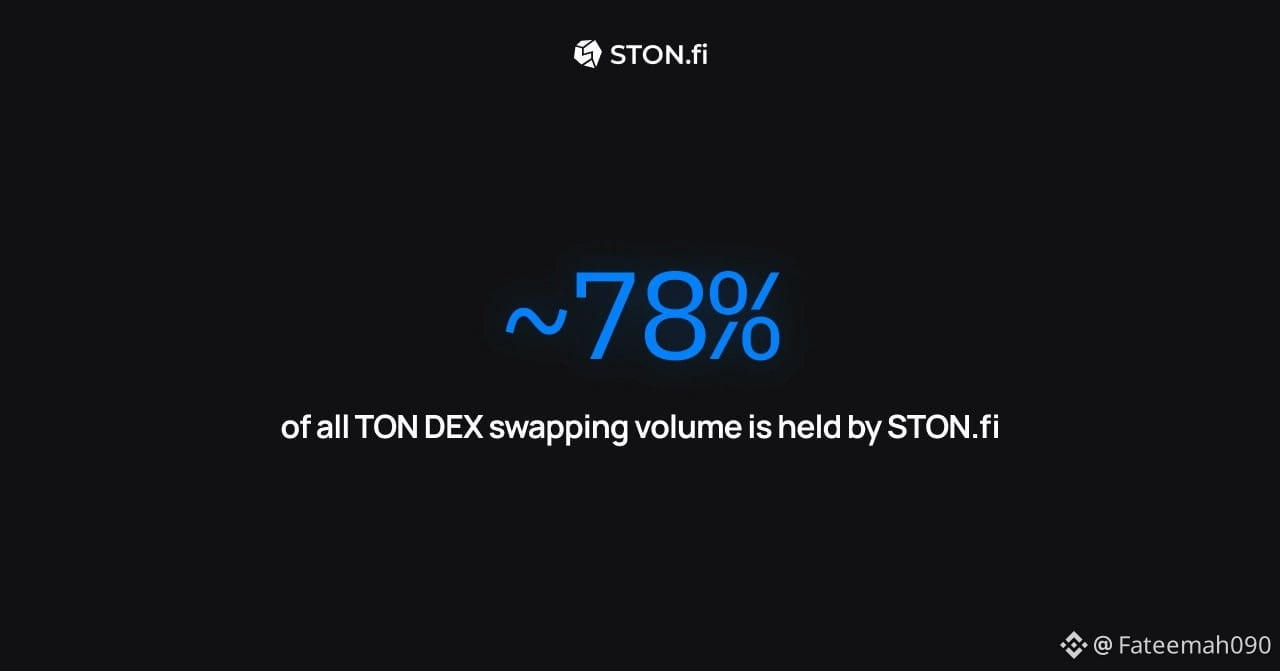
1
70
سجّل الدخول لاستكشاف المزيد من المُحتوى
انضم إلى مُستخدمي العملات الرقمية حول العالم على Binance Square
⚡️ احصل على أحدث المعلومات المفيدة عن العملات الرقمية.
💬 موثوقة من قبل أكبر منصّة لتداول العملات الرقمية في العالم.
👍 اكتشف الرؤى الحقيقية من صنّاع المُحتوى الموثوقين.
البريد الإلكتروني / رقم الهاتف
المواضيع الرائجة
ChainlinkLaunchesCCIP2WithEnterpriseVerification
3,198 مشاهدات
255 يقومون بالنقاش
#ChainlinkLaunchesCCIP2WithEnterpriseVerification
🔥 Chainlink تطلق CCIP 2.0 — هل هذه بداية مرحلة جديدة؟
اليوم 28 سبتمبر، أعلنت Chainlink إطلاق CCIP 2.0، مع تركيز أكبر على استخدام المؤسسات للأصول الرقمية ونقلها بين سلاسل البلوكشين.
من أبرز الأشياء الجديدة:
🔐 طبقات تحقق إضافية
⚡ تحويلات أسرع ومرنة
🛡️ أدوات أمن وامتثال للمؤسسات
🌐 ربط الأصول الرقمية عبر عدة شبكات
السؤال الأهم 👀
هل تعتقدون أن CCIP 2.0 ممكن يزيد استخدام Chainlink وLINK على المدى الطويل؟
اكتبوا رأيكم تحت 👇
#Chainlink #LINK #CCIP #Crypto #العملات_الرقمية #Bitcoin
الجوكر قناص العملات الرقمية a1
·2 إعجاب
·76 مشاهدات
GoldFallsTo$4144
2,872 مشاهدات
78 يقومون بالنقاش
QNTFallsOver40%FromMorningHigh
25,627 مشاهدات
683 يقومون بالنقاش