

Crypto Saagaa - Official
455 منشورات

Crypto Saagaa - Official
إبلاغ
حظر المُستخدم
I am Crypto Saaga: A Youtube Channel! We are dedicated to bring the most recent most insightful updates that are authentic about crypto on this BINANCE platform
فتح تداول
مُتداول مُتكرر
8.8 سنوات
46 تتابع
779 المتابعون
618 إعجاب
منشورات
الحافظة الاستثمارية
الكل
اقتباسات
مقاطع فيديو
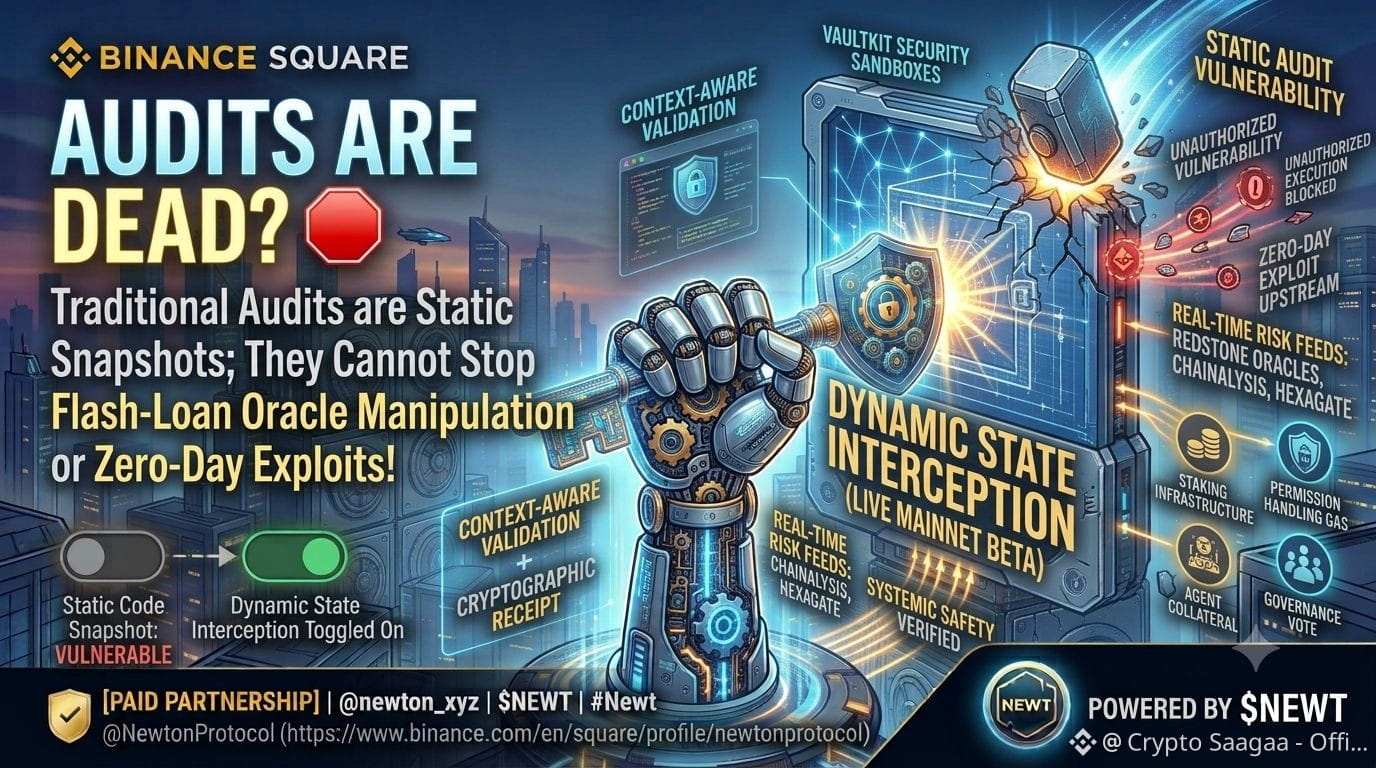
الخلل الجوهري في تدقيقات Web3 التقليدية هو أنها تكون ثابتة بالكامل. إن تدقيق عقد ذكي عالي التكلفة ليس سوى لقطة كود يتم التقاطها في فراغ. فهو يفشل تمامًا في أخذ الشذوذات الاقتصادية الديناميكية بعين الاعتبار، أو عمليات التلاعب بالمؤشرات التي يسببها الاقتراض السريع، أو استغلالات الثغرات التي لم تُكتشف بعد.
تغيّر النسخة التجريبية لـ Newton Mainnet Beta هذا الواقع عبر الانتقال من قواعد الكود الثابت إلى اعتراض الحالة الديناميكية (Dynamic State Interception). من خلال تغليف الأصول داخل حواجز عازلة Sandbox آمنة من VaultKit، يقوم البروتوكول بتقييم سياق المعاملة في الوقت الفعلي قبل حدوث التنفيذ.
وبسحب موجزات مخاطر آنية من دعائم البنية التحتية مثل RedStone وChainalysis وHexagate، يتحقق الإطار من السلامة النظامية داخل البيئات التنفيذية المعزولة خارج السلسلة (off-chain TEEs) قبل أن تتمكن أي معاملة من تغيير السجل. ومع توسّع طبقة الأمان الاستباقية هذه لحماية المزوّدات الآلية (automated vaults) وسير عمل وكلاء الذكاء الاصطناعي المعقّد، فإن الفائدة البنيوية لـ $NEWT as بوصفها رمزًا لآلية الإجماع على مستوى الشبكة المكلفة بـ staking وإدارة الصلاحيات تكبر جنبًا إلى جنب معها. @NewtonProtocol o#Newt
#newt $NEWT
الخلل الجوهري في تدقيقات Web3 التقليدية هو أنها تكون ثابتة بالكامل. إن تدقيق عقد ذكي عالي التكلفة ليس سوى لقطة كود يتم التقاطها في فراغ. فهو يفشل تمامًا في أخذ الشذوذات الاقتصادية الديناميكية بعين الاعتبار، أو عمليات التلاعب بالمؤشرات التي يسببها الاقتراض السريع، أو استغلالات الثغرات التي لم تُكتشف بعد.
تغيّر النسخة التجريبية لـ Newton Mainnet Beta هذا الواقع عبر الانتقال من قواعد الكود الثابت إلى اعتراض الحالة الديناميكية (Dynamic State Interception). من خلال تغليف الأصول داخل حواجز عازلة Sandbox آمنة من VaultKit، يقوم البروتوكول بتقييم سياق المعاملة في الوقت الفعلي قبل حدوث التنفيذ.
وبسحب موجزات مخاطر آنية من دعائم البنية التحتية مثل RedStone وChainalysis وHexagate، يتحقق الإطار من السلامة النظامية داخل البيئات التنفيذية المعزولة خارج السلسلة (off-chain TEEs) قبل أن تتمكن أي معاملة من تغيير السجل. ومع توسّع طبقة الأمان الاستباقية هذه لحماية المزوّدات الآلية (automated vaults) وسير عمل وكلاء الذكاء الاصطناعي المعقّد، فإن الفائدة البنيوية لـ $NEWT as بوصفها رمزًا لآلية الإجماع على مستوى الشبكة المكلفة بـ staking وإدارة الصلاحيات تكبر جنبًا إلى جنب معها. @NewtonProtocol o#Newt
#newt $NEWT
تغيّر النسخة التجريبية لـ Newton Mainnet Beta هذا الواقع عبر الانتقال من قواعد الكود الثابت إلى اعتراض الحالة الديناميكية (Dynamic State Interception). من خلال تغليف الأصول داخل حواجز عازلة Sandbox آمنة من VaultKit، يقوم البروتوكول بتقييم سياق المعاملة في الوقت الفعلي قبل حدوث التنفيذ.
وبسحب موجزات مخاطر آنية من دعائم البنية التحتية مثل RedStone وChainalysis وHexagate، يتحقق الإطار من السلامة النظامية داخل البيئات التنفيذية المعزولة خارج السلسلة (off-chain TEEs) قبل أن تتمكن أي معاملة من تغيير السجل. ومع توسّع طبقة الأمان الاستباقية هذه لحماية المزوّدات الآلية (automated vaults) وسير عمل وكلاء الذكاء الاصطناعي المعقّد، فإن الفائدة البنيوية لـ $NEWT as بوصفها رمزًا لآلية الإجماع على مستوى الشبكة المكلفة بـ staking وإدارة الصلاحيات تكبر جنبًا إلى جنب معها. @NewtonProtocol o#Newt
#newt $NEWT
1
73
مقالة
اعتراض الحالة الديناميكية: لماذا لم يعد تدقيق عقود الذكية كافياً في Web3في المشهد الحالي لتقنية Web3، لطالما كان التدقيق الأمني من طرف جهة ثالثة هو العلامة النهائية على الأمان. إذ تنفق البروتوكولات مئات الآلاف من الدولارات لضمان خلوّ كودها من أخطاء منطقية. ومع ذلك، نشهد بشكل روتيني استنزاف خزائن بملايين الدولارات، رغم تدقيقها، خلال عدد قليل من الكتل.
إن العيب البنيوي لا يتمثل بالضرورة في جودة عمليات التدقيق؛ بل في طبيعتها الثابتة. فالتدقيق هو لقطة من الكود داخل فراغ. ولا يمكنه التنبؤ بالشذوذات الاقتصادية الديناميكية، أو عمليات التلاعب بالمزودات (الاوراكل) الناجمة عن القروض السريعة، أو السلوك غير المنتظم لصفحات المعاملات (mempool) المرتبط برأس مال سريع الحركة.
اعتراض الحالة الديناميكية: لماذا لم يعد تدقيق عقود الذكية كافياً في Web3
في المشهد الحالي لتقنية Web3، لطالما كان التدقيق الأمني من طرف جهة ثالثة هو العلامة النهائية على الأمان. إذ تنفق البروتوكولات مئات الآلاف من الدولارات لضمان خلوّ كودها من أخطاء منطقية. ومع ذلك، نشهد بشكل روتيني استنزاف خزائن بملايين الدولارات، رغم تدقيقها، خلال عدد قليل من الكتل.
إن العيب البنيوي لا يتمثل بالضرورة في جودة عمليات التدقيق؛ بل في طبيعتها الثابتة. فالتدقيق هو لقطة من الكود داخل فراغ. ولا يمكنه التنبؤ بالشذوذات الاقتصادية الديناميكية، أو عمليات التلاعب بالمزودات (الاوراكل) الناجمة عن القروض السريعة، أو السلوك غير المنتظم لصفحات المعاملات (mempool) المرتبط برأس مال سريع الحركة.
إن العيب البنيوي لا يتمثل بالضرورة في جودة عمليات التدقيق؛ بل في طبيعتها الثابتة. فالتدقيق هو لقطة من الكود داخل فراغ. ولا يمكنه التنبؤ بالشذوذات الاقتصادية الديناميكية، أو عمليات التلاعب بالمزودات (الاوراكل) الناجمة عن القروض السريعة، أو السلوك غير المنتظم لصفحات المعاملات (mempool) المرتبط برأس مال سريع الحركة.
1
88
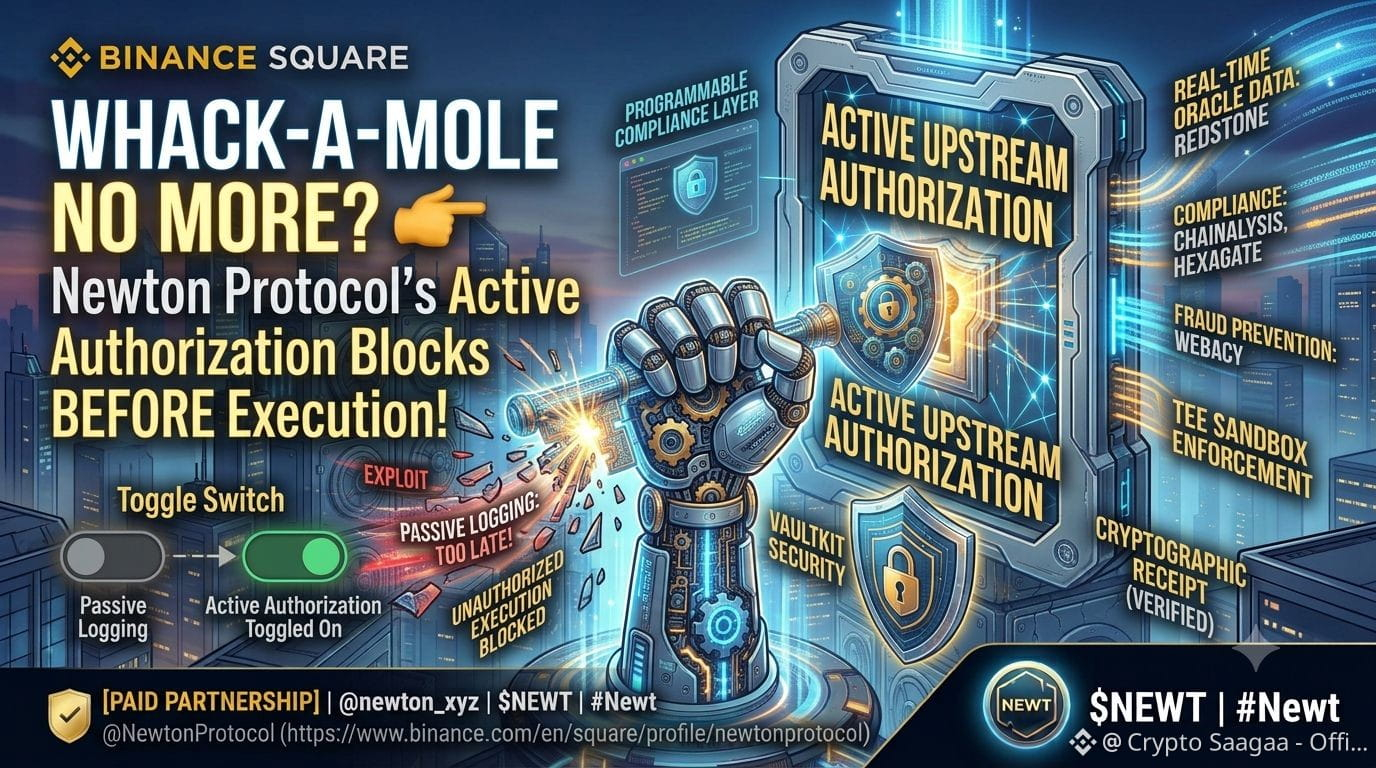
السبب الحقيقي الذي يجعل أمن التمويل اللامركزي (DeFi) يبدو وكأنه لعبة لا تنتهي من "الضرب على المجرى" ليس هو كود العقود الذكية الجيد أو السيئ—بل هو واقع التسجيل السلبي. في الوقت الحالي، يخبرك البنية التحتية كيف تم استغلالك بعد أن تكون الأموال قد اختفت بالفعل.
تقوم النسخة التجريبية الحية من شبكة نيوتن الرئيسية (Newton Mainnet Beta) بقلب هذا التسلسل بالكامل. من خلال إنشاء طبقة تقييد علوي باستخدام وحدات TEEs، @NewtonProtocol l ينقل النموذج من التدقيق السلبي إلى تفويض نشط، في وقت المعاملة.
ومع قيام VaultKit بتقييد المخاطر بشكل فعّال عبر سحب تدفقات الشروط الحية من شركاء مثل RedStone، يمكن للبروتوكولات أخيرًا حظر التنفيذ غير المصرح به قبل أن يصل إلى دفتر الأستاذ. ومع توسّع هذه البيئات الآمنة (secure sandboxes) للتعامل مع خزائن مؤسساتية وسير عمل وكلاء ذكاء اصطناعي آلي، فإن الفائدة البنيوية لـ $NEWT as كمُنسِّق أساسي وتوكن غاز للأذونات تتوسع معه تمامًا. #Newt
#newt $NEWT
السبب الحقيقي الذي يجعل أمن التمويل اللامركزي (DeFi) يبدو وكأنه لعبة لا تنتهي من "الضرب على المجرى" ليس هو كود العقود الذكية الجيد أو السيئ—بل هو واقع التسجيل السلبي. في الوقت الحالي، يخبرك البنية التحتية كيف تم استغلالك بعد أن تكون الأموال قد اختفت بالفعل.
تقوم النسخة التجريبية الحية من شبكة نيوتن الرئيسية (Newton Mainnet Beta) بقلب هذا التسلسل بالكامل. من خلال إنشاء طبقة تقييد علوي باستخدام وحدات TEEs، @NewtonProtocol l ينقل النموذج من التدقيق السلبي إلى تفويض نشط، في وقت المعاملة.
ومع قيام VaultKit بتقييد المخاطر بشكل فعّال عبر سحب تدفقات الشروط الحية من شركاء مثل RedStone، يمكن للبروتوكولات أخيرًا حظر التنفيذ غير المصرح به قبل أن يصل إلى دفتر الأستاذ. ومع توسّع هذه البيئات الآمنة (secure sandboxes) للتعامل مع خزائن مؤسساتية وسير عمل وكلاء ذكاء اصطناعي آلي، فإن الفائدة البنيوية لـ $NEWT as كمُنسِّق أساسي وتوكن غاز للأذونات تتوسع معه تمامًا. #Newt
#newt $NEWT
تقوم النسخة التجريبية الحية من شبكة نيوتن الرئيسية (Newton Mainnet Beta) بقلب هذا التسلسل بالكامل. من خلال إنشاء طبقة تقييد علوي باستخدام وحدات TEEs، @NewtonProtocol l ينقل النموذج من التدقيق السلبي إلى تفويض نشط، في وقت المعاملة.
ومع قيام VaultKit بتقييد المخاطر بشكل فعّال عبر سحب تدفقات الشروط الحية من شركاء مثل RedStone، يمكن للبروتوكولات أخيرًا حظر التنفيذ غير المصرح به قبل أن يصل إلى دفتر الأستاذ. ومع توسّع هذه البيئات الآمنة (secure sandboxes) للتعامل مع خزائن مؤسساتية وسير عمل وكلاء ذكاء اصطناعي آلي، فإن الفائدة البنيوية لـ $NEWT as كمُنسِّق أساسي وتوكن غاز للأذونات تتوسع معه تمامًا. #Newt
#newt $NEWT
55
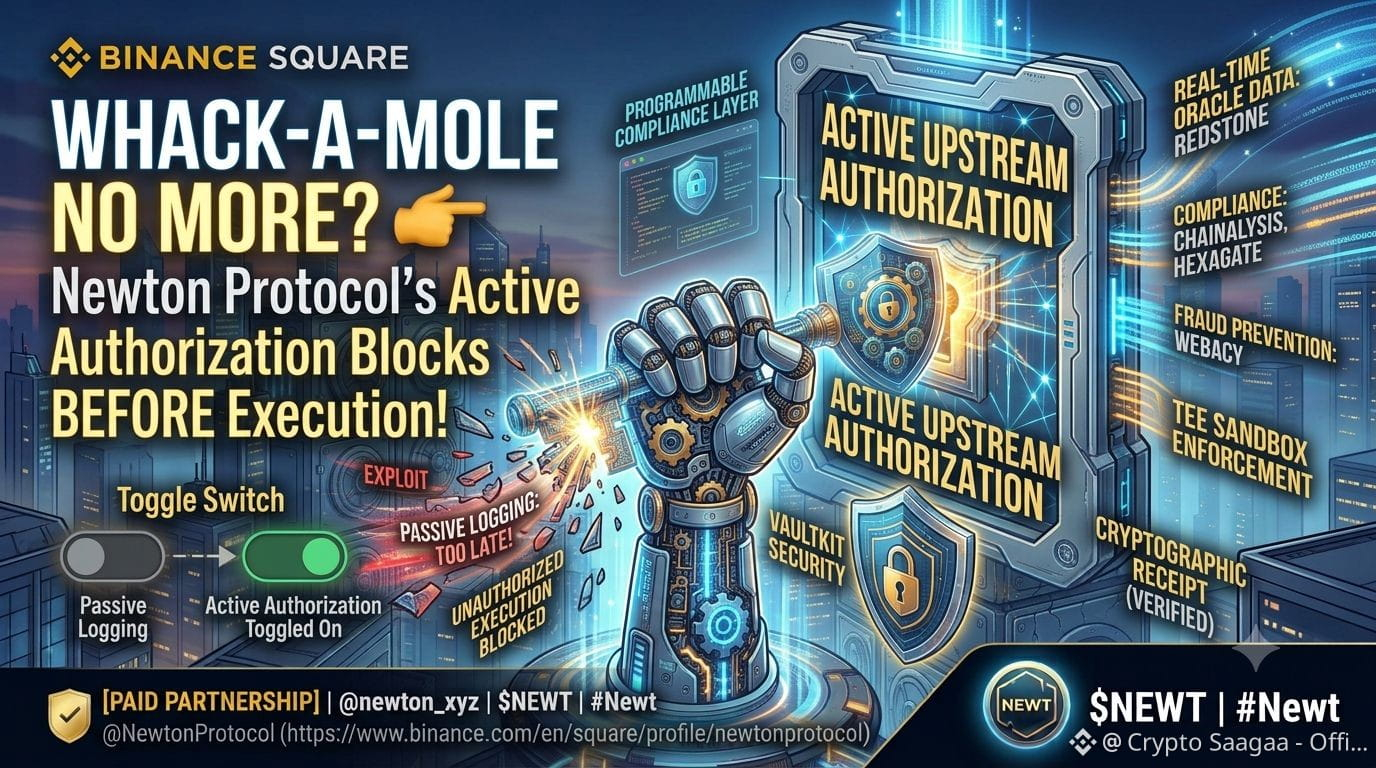
السبب الحقيقي وراء شعور أمان DeFi وكأنه لعبة لا تنتهي من الضرب على الأشياء بشكل عشوائي ليس لأن كود العقود الذكية سيئ—بل لأن الواقع هو “التسجيل السلبي”. في الوقت الحالي، يخبرك البنية التحتية كيف تم استغلالك بعد أن تكون الأموال قد اختفت بالفعل.
الآن، يغيّر الإصدار المباشر من Newton Mainnet Beta هذا التسلسل تمامًا. من خلال إنشاء طبقة قيود منبع باستخدام الـ TEEs، يغيّر @NewtonProtocol shifts النموذج من “مراجعة سلبية” إلى “تفويض فعّال، أثناء وقت المعاملة”.
ومع قيام VaultKit بتقييد المخاطر بشكل فعّال عبر سحب تغذيات الشروط المباشرة من شركاء مثل RedStone، يمكن للبروتوكولات أخيرًا حظر التنفيذ غير المصرح به قبل أن يصل إلى دفتر الأستاذ.
ومع توسّع بيئات الحماية الآمنة هذه للتعامل مع خزائن المؤسسات وسير عمل وكلاء الذكاء الاصطناعي الآلي، تزداد القيمة الهيكلية لـ $NEWT as كـ “غاز” للتنسيق والتفويض في الوقت نفسه. #Newt
السبب الحقيقي وراء شعور أمان DeFi وكأنه لعبة لا تنتهي من الضرب على الأشياء بشكل عشوائي ليس لأن كود العقود الذكية سيئ—بل لأن الواقع هو “التسجيل السلبي”. في الوقت الحالي، يخبرك البنية التحتية كيف تم استغلالك بعد أن تكون الأموال قد اختفت بالفعل.
الآن، يغيّر الإصدار المباشر من Newton Mainnet Beta هذا التسلسل تمامًا. من خلال إنشاء طبقة قيود منبع باستخدام الـ TEEs، يغيّر @NewtonProtocol shifts النموذج من “مراجعة سلبية” إلى “تفويض فعّال، أثناء وقت المعاملة”.
ومع قيام VaultKit بتقييد المخاطر بشكل فعّال عبر سحب تغذيات الشروط المباشرة من شركاء مثل RedStone، يمكن للبروتوكولات أخيرًا حظر التنفيذ غير المصرح به قبل أن يصل إلى دفتر الأستاذ.
ومع توسّع بيئات الحماية الآمنة هذه للتعامل مع خزائن المؤسسات وسير عمل وكلاء الذكاء الاصطناعي الآلي، تزداد القيمة الهيكلية لـ $NEWT as كـ “غاز” للتنسيق والتفويض في الوقت نفسه. #Newt
الآن، يغيّر الإصدار المباشر من Newton Mainnet Beta هذا التسلسل تمامًا. من خلال إنشاء طبقة قيود منبع باستخدام الـ TEEs، يغيّر @NewtonProtocol shifts النموذج من “مراجعة سلبية” إلى “تفويض فعّال، أثناء وقت المعاملة”.
ومع قيام VaultKit بتقييد المخاطر بشكل فعّال عبر سحب تغذيات الشروط المباشرة من شركاء مثل RedStone، يمكن للبروتوكولات أخيرًا حظر التنفيذ غير المصرح به قبل أن يصل إلى دفتر الأستاذ.
ومع توسّع بيئات الحماية الآمنة هذه للتعامل مع خزائن المؤسسات وسير عمل وكلاء الذكاء الاصطناعي الآلي، تزداد القيمة الهيكلية لـ $NEWT as كـ “غاز” للتنسيق والتفويض في الوقت نفسه. #Newt
2
81
مقالة
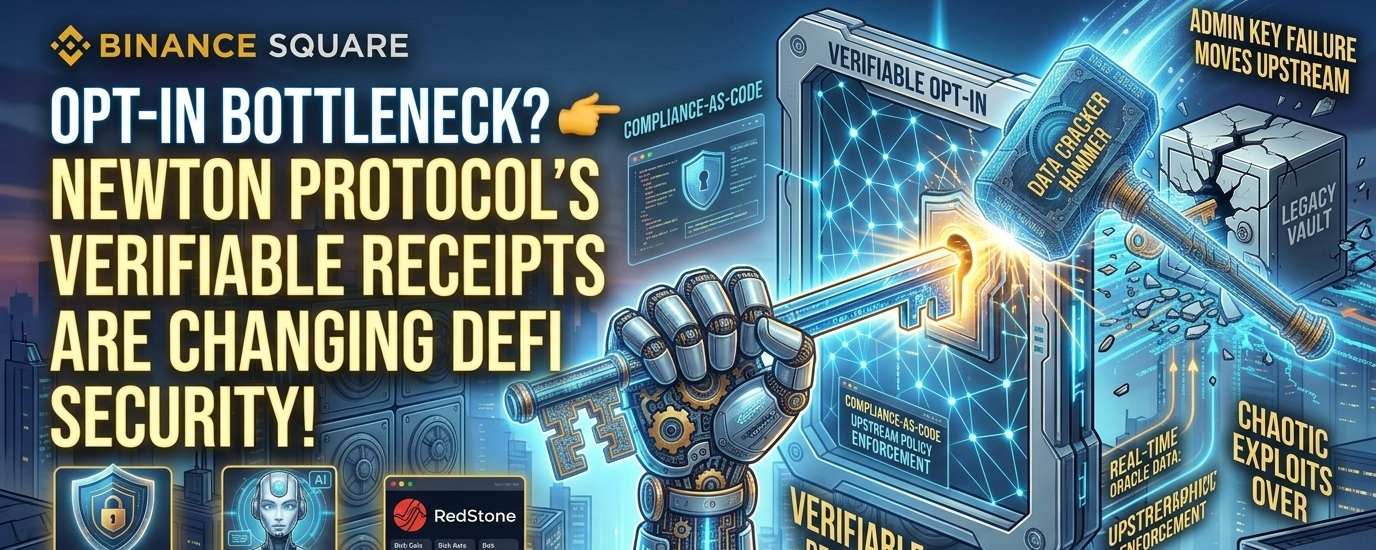
ما وراء سجلّ الأمان: هندسة القيود في Newton Mainnet Betaعندما تتحدث منصات البنية التحتية عن الأمن، فإنها تكاد دائمًا ما تفترض أن المقصود هو التشفير أو كود قابل للتدقيق أو إعدادات متعددة التواقيع. وعلى الرغم من أن هذه اللبنات الأساسية ضرورية، فإنها جميعًا تعمل وفق افتراض مشترك لكنه معيب: وهو أن دور العقد الذكي يقتصر فقط على تنفيذ معاملة بمجرد منح الأذونات. فهي تتعامل مع الأمن كقفل على الباب، لكنها لا تقدم شيئًا لتنظيم السلوك بمجرد دخول المستخدم أو نظام مستقل إلى الغرفة.
إن وصول Newton Mainnet Beta إلى Base وEthereum يمثل خروجًا واضحًا عن هذا النوع من التفكير. ومن خلال بناء ما يمكن وصفه كـ "طبقة قيود" معيارية، @NewtonProtocol لا يقومون بإنشاء سلسلة بلوكشين جديدة للمنافسة على سرعة التنفيذ. بدلًا من ذلك، يقومون بإرسال إطار سياسات منبع يعيد تعريف العلاقة بين تنفيذ الكود والحدود التشغيلية.
ما وراء سجلّ الأمان: هندسة القيود في Newton Mainnet Beta
عندما تتحدث منصات البنية التحتية عن الأمن، فإنها تكاد دائمًا ما تفترض أن المقصود هو التشفير أو كود قابل للتدقيق أو إعدادات متعددة التواقيع. وعلى الرغم من أن هذه اللبنات الأساسية ضرورية، فإنها جميعًا تعمل وفق افتراض مشترك لكنه معيب: وهو أن دور العقد الذكي يقتصر فقط على تنفيذ معاملة بمجرد منح الأذونات. فهي تتعامل مع الأمن كقفل على الباب، لكنها لا تقدم شيئًا لتنظيم السلوك بمجرد دخول المستخدم أو نظام مستقل إلى الغرفة.
إن وصول Newton Mainnet Beta إلى Base وEthereum يمثل خروجًا واضحًا عن هذا النوع من التفكير. ومن خلال بناء ما يمكن وصفه كـ "طبقة قيود" معيارية، @NewtonProtocol لا يقومون بإنشاء سلسلة بلوكشين جديدة للمنافسة على سرعة التنفيذ. بدلًا من ذلك، يقومون بإرسال إطار سياسات منبع يعيد تعريف العلاقة بين تنفيذ الكود والحدود التشغيلية.
إن وصول Newton Mainnet Beta إلى Base وEthereum يمثل خروجًا واضحًا عن هذا النوع من التفكير. ومن خلال بناء ما يمكن وصفه كـ "طبقة قيود" معيارية، @NewtonProtocol لا يقومون بإنشاء سلسلة بلوكشين جديدة للمنافسة على سرعة التنفيذ. بدلًا من ذلك، يقومون بإرسال إطار سياسات منبع يعيد تعريف العلاقة بين تنفيذ الكود والحدود التشغيلية.
1
86
مقالة
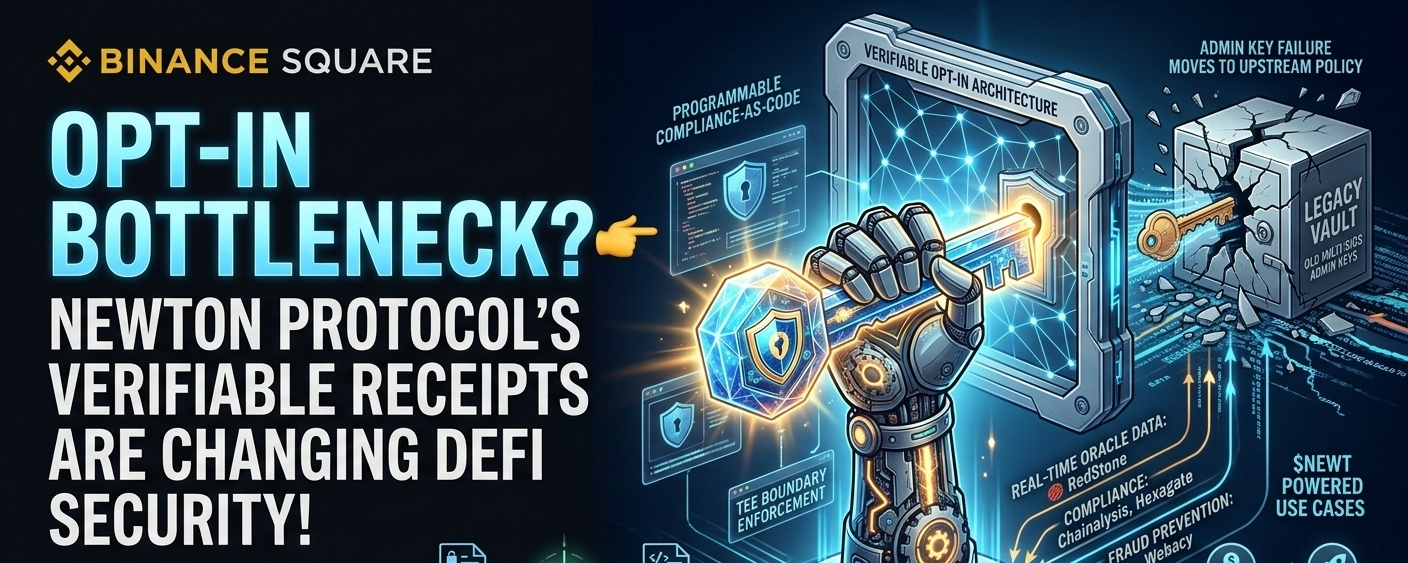
الواقع البنيوي خلف Newton Mainnet Beta وVaultKitعندما تُسقِط إحدى مشاريع البنية التحتية الكبرى شبكتها الرئيسية، يميل مجتمع العملات المشفرة إلى توقع مفتاح سحري: هجرة فورية على مستوى النظام البيئي إلى نموذج أكثر أمانًا. ومع ذلك، لا تكمن القيمة الحقيقية للبنية التحتية اللامركزية في فرض تلقائي شامل، بل في دقتها ودرجة تفصيلها.
مع الإطلاق الأخير لـ Newton Mainnet Beta على Ethereum وBase، تكشف عمليات طرح أداة المطورين المميزة—Newton VaultKit—عن بنية تعالج ثغرة بنيوية في التمويل اللامركزي: الانتقال من "الأمان القائم على الأمل" إلى امتثال فعّال وقابل للبرمجة بصفته كودًا.
الواقع البنيوي خلف Newton Mainnet Beta وVaultKit
عندما تُسقِط إحدى مشاريع البنية التحتية الكبرى شبكتها الرئيسية، يميل مجتمع العملات المشفرة إلى توقع مفتاح سحري: هجرة فورية على مستوى النظام البيئي إلى نموذج أكثر أمانًا. ومع ذلك، لا تكمن القيمة الحقيقية للبنية التحتية اللامركزية في فرض تلقائي شامل، بل في دقتها ودرجة تفصيلها.
مع الإطلاق الأخير لـ Newton Mainnet Beta على Ethereum وBase، تكشف عمليات طرح أداة المطورين المميزة—Newton VaultKit—عن بنية تعالج ثغرة بنيوية في التمويل اللامركزي: الانتقال من "الأمان القائم على الأمل" إلى امتثال فعّال وقابل للبرمجة بصفته كودًا.
مع الإطلاق الأخير لـ Newton Mainnet Beta على Ethereum وBase، تكشف عمليات طرح أداة المطورين المميزة—Newton VaultKit—عن بنية تعالج ثغرة بنيوية في التمويل اللامركزي: الانتقال من "الأمان القائم على الأمل" إلى امتثال فعّال وقابل للبرمجة بصفته كودًا.
132
مقالة
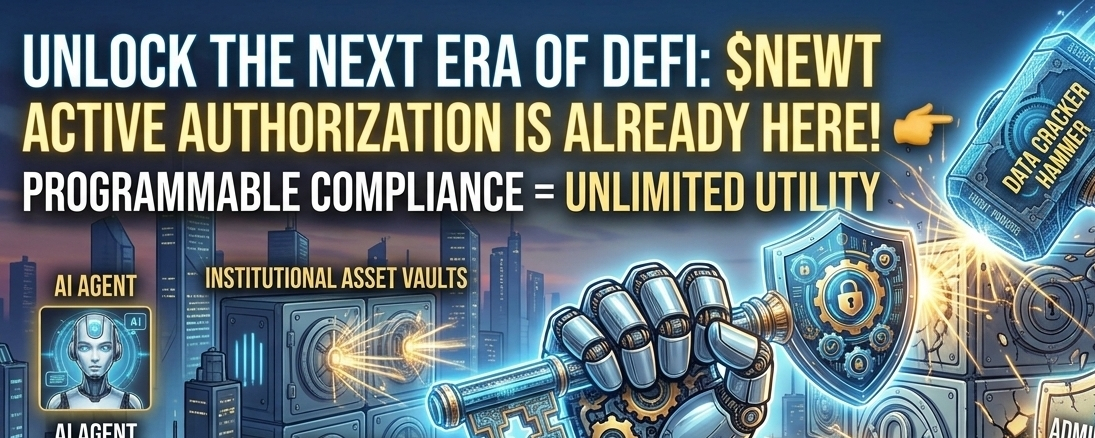
لماذا يستكشف Newton Mainnet Beta "طبقة القيود" على السلسلةتركز معظم المناقشات حول ترقيات البنية التحتية بالكامل على سرعة التنفيذ أو تحسين الغاز أو جسور السيولة عبر السلاسل. ورغم أهمية هذه المعايير، فإنها تتجاهل مشكلة معمارية أساسية ابتليت بها التمويل اللامركزي منذ يومه الأول: غياب كامل لطبقة تفويض نشطة على السلسلة.
حاليًا، عندما يتفاعل المدير مع عقد ذكي، يفترض النظام امتلاك جميع الصلاحيات ما لم يتم إيقاف ذلك صراحةً بواسطة قاعدة ثابتة داخلية أو مفتاح إداري يدوي. إذا تم اختراق مفتاح المدير، أو أظهر وكيل مستقل منطقًا غير منتظم، تكتمل المعاملة على أي حال. هذه هي الفجوة البنيوية التي يهدف @NewtonProtocol إلى معالجتها من خلال شبكته الجديدة المنشورة: Newton Mainnet Beta.
لماذا يستكشف Newton Mainnet Beta "طبقة القيود" على السلسلة
تركز معظم المناقشات حول ترقيات البنية التحتية بالكامل على سرعة التنفيذ أو تحسين الغاز أو جسور السيولة عبر السلاسل. ورغم أهمية هذه المعايير، فإنها تتجاهل مشكلة معمارية أساسية ابتليت بها التمويل اللامركزي منذ يومه الأول: غياب كامل لطبقة تفويض نشطة على السلسلة.
حاليًا، عندما يتفاعل المدير مع عقد ذكي، يفترض النظام امتلاك جميع الصلاحيات ما لم يتم إيقاف ذلك صراحةً بواسطة قاعدة ثابتة داخلية أو مفتاح إداري يدوي. إذا تم اختراق مفتاح المدير، أو أظهر وكيل مستقل منطقًا غير منتظم، تكتمل المعاملة على أي حال. هذه هي الفجوة البنيوية التي يهدف @NewtonProtocol إلى معالجتها من خلال شبكته الجديدة المنشورة: Newton Mainnet Beta.
حاليًا، عندما يتفاعل المدير مع عقد ذكي، يفترض النظام امتلاك جميع الصلاحيات ما لم يتم إيقاف ذلك صراحةً بواسطة قاعدة ثابتة داخلية أو مفتاح إداري يدوي. إذا تم اختراق مفتاح المدير، أو أظهر وكيل مستقل منطقًا غير منتظم، تكتمل المعاملة على أي حال. هذه هي الفجوة البنيوية التي يهدف @NewtonProtocol إلى معالجتها من خلال شبكته الجديدة المنشورة: Newton Mainnet Beta.
50
"الوسيط غير المرئي" !!
يعشق قطاع البنية التحتية للعملات المشفرة مناقشة سرعة التنفيذ والإنتاجية، لكن ماذا يحدث بين نية المستخدم والتسوية؟ في الوقت الحالي، إنها في الأساس لعبة ثقة.
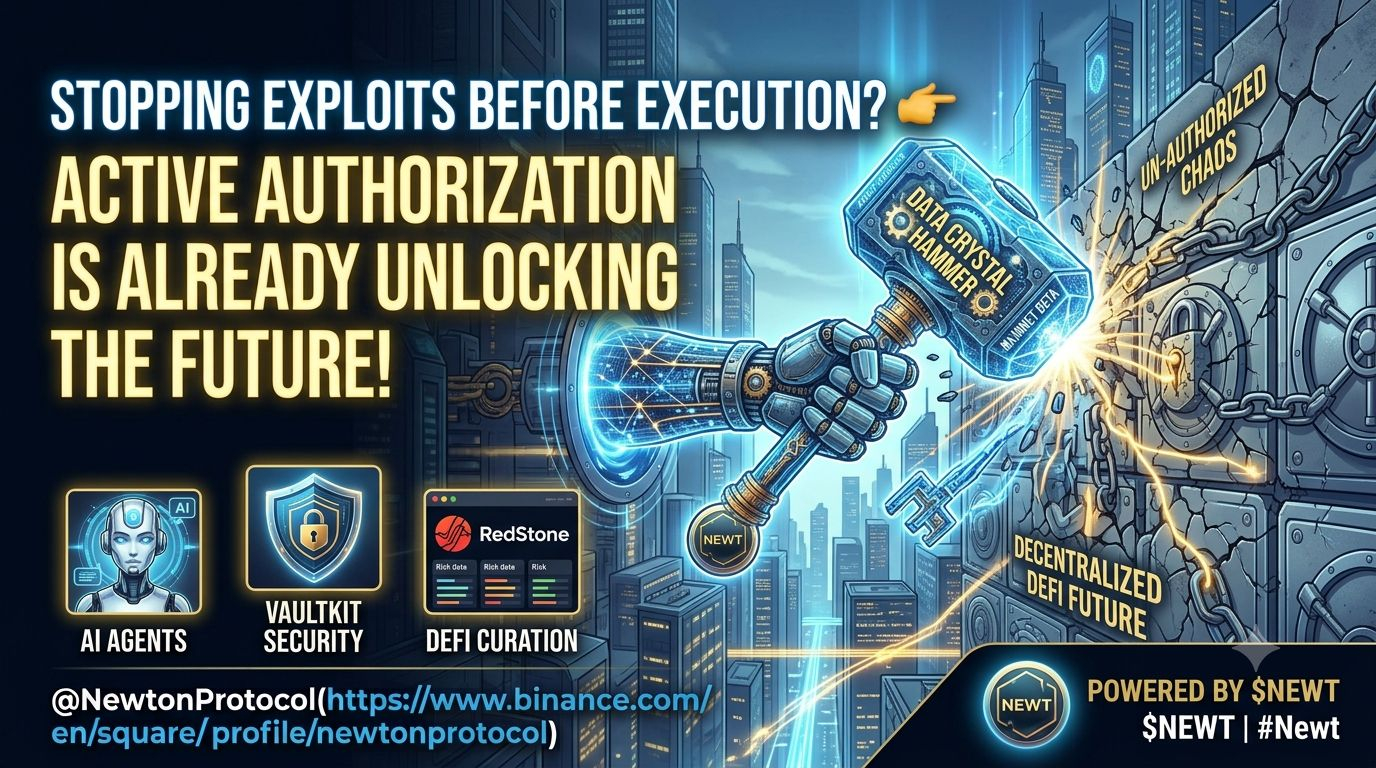
إن بيتا الشبكة الرئيسية المباشرة (Newton Mainnet Beta) تقدم محرك سياسات لامركزيًا يجلس فعليًا في المنبع من التنفيذ. من خلال تغليف منطق المعاملات داخل "صندوق قيود" قابل للتحقق باستخدام بيئات التنفيذ الموثوق (TEEs)، يضمن @NewtonProtocol أن الامتثال يعمل كـ "كود" لا كفكرة لاحقة.
ومع الإطلاقات الأولى لمجموعة أدوات VaultKit SDK التي تحمي مراكز آلية معقدة عبر مدخلات بيانات آنية من RedStone، نحن أمام تحول معماري. يجعل المرفق الشبكي $NEWT الذي يدعم غاز الرهن والتـأمين ومعالجة الأذونات إطارًا بنيويًا عالي التأثير يستحق المتابعة بدقة.
#newt $NEWT
"الوسيط غير المرئي" !!
يعشق قطاع البنية التحتية للعملات المشفرة مناقشة سرعة التنفيذ والإنتاجية، لكن ماذا يحدث بين نية المستخدم والتسوية؟ في الوقت الحالي، إنها في الأساس لعبة ثقة.
إن بيتا الشبكة الرئيسية المباشرة (Newton Mainnet Beta) تقدم محرك سياسات لامركزيًا يجلس فعليًا في المنبع من التنفيذ. من خلال تغليف منطق المعاملات داخل "صندوق قيود" قابل للتحقق باستخدام بيئات التنفيذ الموثوق (TEEs)، يضمن @NewtonProtocol أن الامتثال يعمل كـ "كود" لا كفكرة لاحقة.
ومع الإطلاقات الأولى لمجموعة أدوات VaultKit SDK التي تحمي مراكز آلية معقدة عبر مدخلات بيانات آنية من RedStone، نحن أمام تحول معماري. يجعل المرفق الشبكي $NEWT الذي يدعم غاز الرهن والتـأمين ومعالجة الأذونات إطارًا بنيويًا عالي التأثير يستحق المتابعة بدقة.
#newt $NEWT
يعشق قطاع البنية التحتية للعملات المشفرة مناقشة سرعة التنفيذ والإنتاجية، لكن ماذا يحدث بين نية المستخدم والتسوية؟ في الوقت الحالي، إنها في الأساس لعبة ثقة.
إن بيتا الشبكة الرئيسية المباشرة (Newton Mainnet Beta) تقدم محرك سياسات لامركزيًا يجلس فعليًا في المنبع من التنفيذ. من خلال تغليف منطق المعاملات داخل "صندوق قيود" قابل للتحقق باستخدام بيئات التنفيذ الموثوق (TEEs)، يضمن @NewtonProtocol أن الامتثال يعمل كـ "كود" لا كفكرة لاحقة.
ومع الإطلاقات الأولى لمجموعة أدوات VaultKit SDK التي تحمي مراكز آلية معقدة عبر مدخلات بيانات آنية من RedStone، نحن أمام تحول معماري. يجعل المرفق الشبكي $NEWT الذي يدعم غاز الرهن والتـأمين ومعالجة الأذونات إطارًا بنيويًا عالي التأثير يستحق المتابعة بدقة.
#newt $NEWT
1
79
مقالة
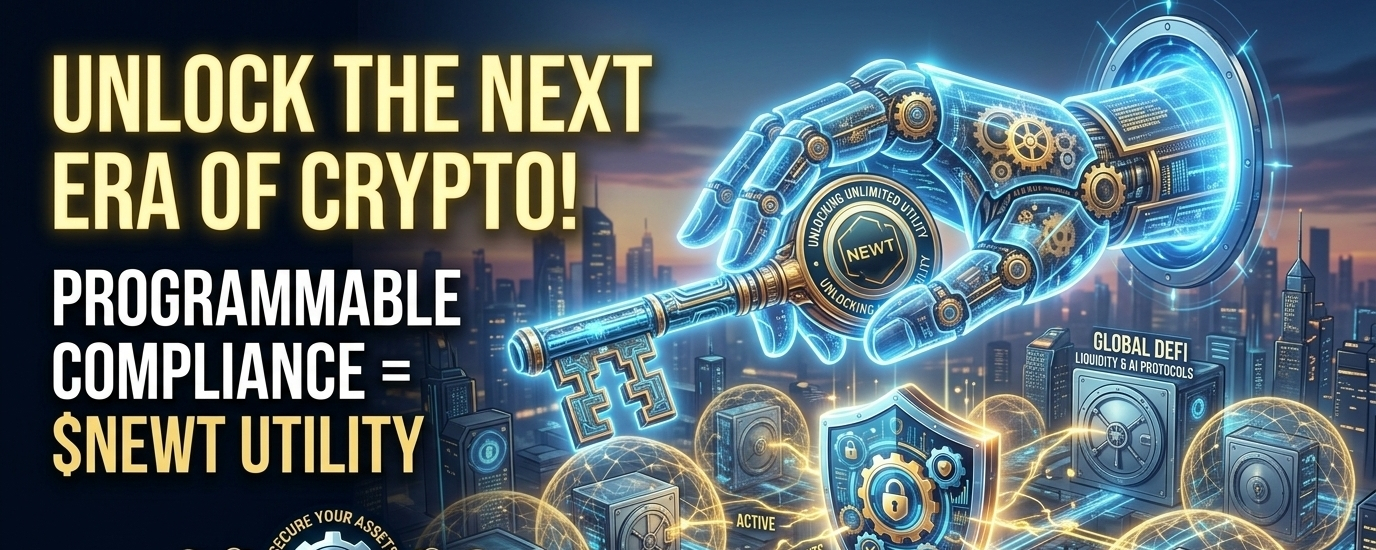
غيّر التسلسل: لماذا يستكشف نيوتن مين نت بيتا "طبقة قيود" على السلسلةتركّز معظم المناقشات حول ترقيات البنية التحتية بالكامل على سرعة التنفيذ أو تحسين الغاز أو الربط بسلاسل أخرى عبر السيولة. ورغم أن هذه المعايير مهمة، فإنها تتجاهل مشكلة معمارية أساسية ظلّت تؤرّق التمويل اللامركزي منذ يومه الأول: انعدام كامل لطبقة تفويض نشطة على السلسلة.
حاليًا، عندما تتفاعل الأموال مع عقد ذكي، تفترض المنظومة وجود إذن كامل ما لم يتم إيقافها صراحةً بواسطة قاعدة مضمّنة بشكل ثابت أو مفتاح إداري يدوي. إذا تم اختراق مفتاح المدير، أو أظهر وكيلٌ مستقل منطقًا غير منتظم، فإن المعاملة تُستكمل على أي حال. هذه هي الفجوة البنيوية التي
غيّر التسلسل: لماذا يستكشف نيوتن مين نت بيتا "طبقة قيود" على السلسلة
تركّز معظم المناقشات حول ترقيات البنية التحتية بالكامل على سرعة التنفيذ أو تحسين الغاز أو الربط بسلاسل أخرى عبر السيولة. ورغم أن هذه المعايير مهمة، فإنها تتجاهل مشكلة معمارية أساسية ظلّت تؤرّق التمويل اللامركزي منذ يومه الأول: انعدام كامل لطبقة تفويض نشطة على السلسلة.
حاليًا، عندما تتفاعل الأموال مع عقد ذكي، تفترض المنظومة وجود إذن كامل ما لم يتم إيقافها صراحةً بواسطة قاعدة مضمّنة بشكل ثابت أو مفتاح إداري يدوي. إذا تم اختراق مفتاح المدير، أو أظهر وكيلٌ مستقل منطقًا غير منتظم، فإن المعاملة تُستكمل على أي حال. هذه هي الفجوة البنيوية التي
حاليًا، عندما تتفاعل الأموال مع عقد ذكي، تفترض المنظومة وجود إذن كامل ما لم يتم إيقافها صراحةً بواسطة قاعدة مضمّنة بشكل ثابت أو مفتاح إداري يدوي. إذا تم اختراق مفتاح المدير، أو أظهر وكيلٌ مستقل منطقًا غير منتظم، فإن المعاملة تُستكمل على أي حال. هذه هي الفجوة البنيوية التي
11
84
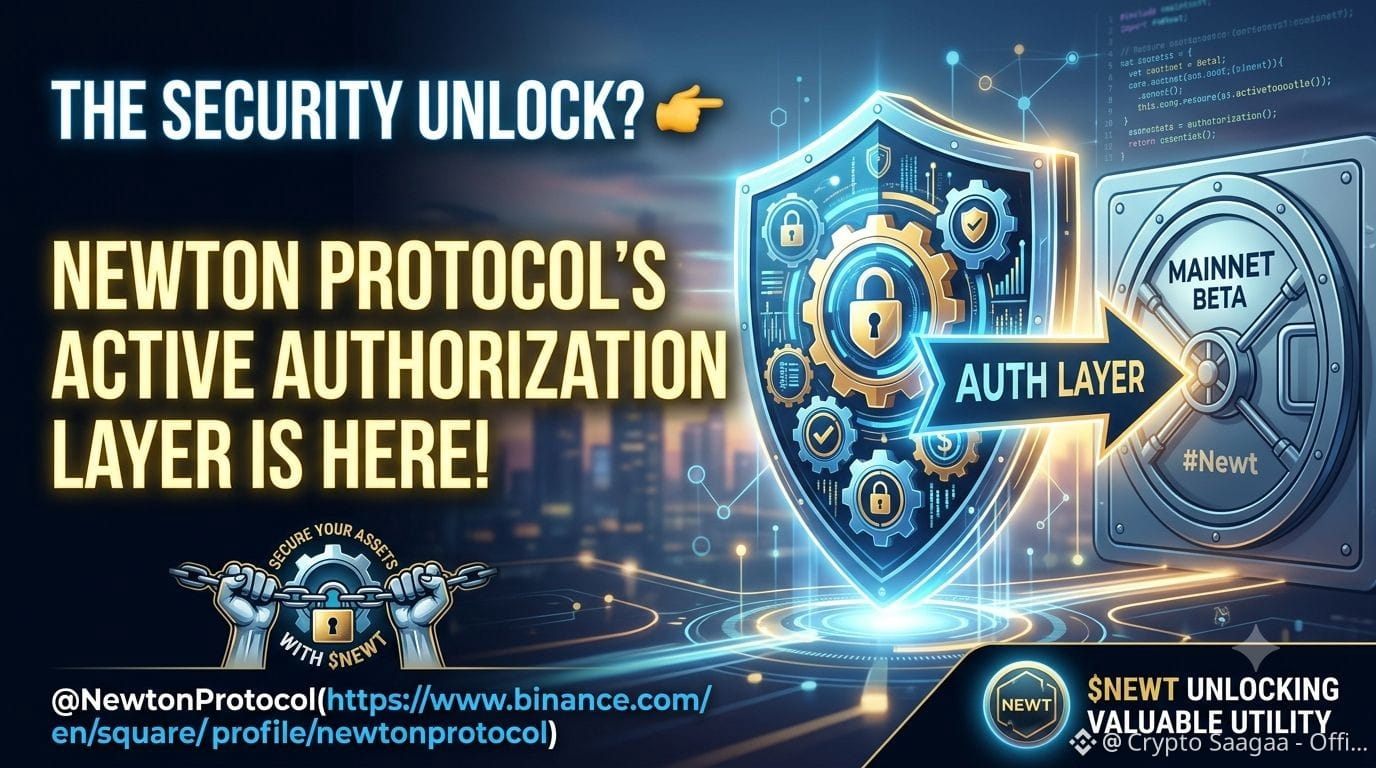
تفترض DeFi التقليدية أن المعاملة تكون غير خاضعة لأي إذن بالكامل حتى تصل إلى عقد ذكي، لكن @NewtonProtocol(https://www.binance.com/en/square/profile/newtonprotocol) يغيّر هذا التسلسل بشكل جوهري.
مع إطلاق Newton Mainnet Beta الآن على Base وEthereum، يقدّمون طبقة تفويض نشطة تقوم بتقييم النية مسبقًا، قبل أن تستقر المعاملة.
من خلال الاستفادة من البيئات التنفيذية الموثوقة (TEEs) وأدوات مثل VaultKit، يمكن للمطوّرين تنفيذ امتثالٍ برمجي وقابلٍ للتحقق كقواعد جاهزة (compliance-as-code) أخيرًا دون المساس بمبدأ اللامركزية.
وهذا يمنح المطورين تحكمًا كاملًا في من يمكنه التصرف، ومتى، وتحت أي ظروف دقيقة. تزداد فائدة $NEWT token مع تعزيزها لحوسبة هذه الشبكة. متحمّس لرؤية كيف تتوسع عمليات التكامل عبر مراكز DeFi الرئيسية. #Newt
#newt $NEWT
تفترض DeFi التقليدية أن المعاملة تكون غير خاضعة لأي إذن بالكامل حتى تصل إلى عقد ذكي، لكن @NewtonProtocol(https://www.binance.com/en/square/profile/newtonprotocol) يغيّر هذا التسلسل بشكل جوهري.
مع إطلاق Newton Mainnet Beta الآن على Base وEthereum، يقدّمون طبقة تفويض نشطة تقوم بتقييم النية مسبقًا، قبل أن تستقر المعاملة.
من خلال الاستفادة من البيئات التنفيذية الموثوقة (TEEs) وأدوات مثل VaultKit، يمكن للمطوّرين تنفيذ امتثالٍ برمجي وقابلٍ للتحقق كقواعد جاهزة (compliance-as-code) أخيرًا دون المساس بمبدأ اللامركزية.
وهذا يمنح المطورين تحكمًا كاملًا في من يمكنه التصرف، ومتى، وتحت أي ظروف دقيقة. تزداد فائدة $NEWT token مع تعزيزها لحوسبة هذه الشبكة. متحمّس لرؤية كيف تتوسع عمليات التكامل عبر مراكز DeFi الرئيسية. #Newt
#newt $NEWT
مع إطلاق Newton Mainnet Beta الآن على Base وEthereum، يقدّمون طبقة تفويض نشطة تقوم بتقييم النية مسبقًا، قبل أن تستقر المعاملة.
من خلال الاستفادة من البيئات التنفيذية الموثوقة (TEEs) وأدوات مثل VaultKit، يمكن للمطوّرين تنفيذ امتثالٍ برمجي وقابلٍ للتحقق كقواعد جاهزة (compliance-as-code) أخيرًا دون المساس بمبدأ اللامركزية.
وهذا يمنح المطورين تحكمًا كاملًا في من يمكنه التصرف، ومتى، وتحت أي ظروف دقيقة. تزداد فائدة $NEWT token مع تعزيزها لحوسبة هذه الشبكة. متحمّس لرؤية كيف تتوسع عمليات التكامل عبر مراكز DeFi الرئيسية. #Newt
#newt $NEWT
16
5
104
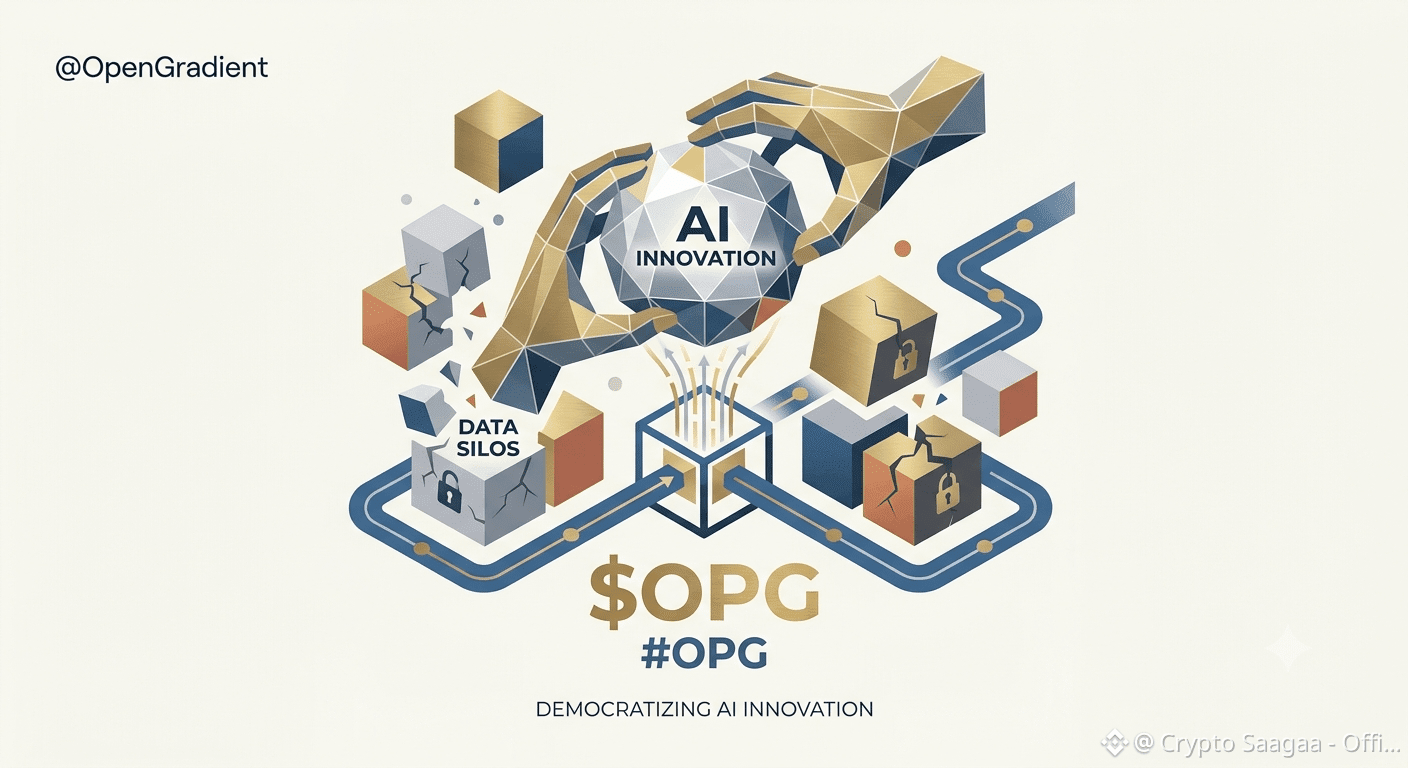
تطوير الذكاء الاصطناعي يواجه جدارًا، وهذا الجدار هو جزر البيانات. 🛑 على الرغم من امتلاك المطورين لخوارزميات مذهلة، إلا أن الوصول إلى مجموعات بيانات عالية الجودة ومتنوعة غالبًا ما يكون محجوبًا بسبب أنظمة ملكية مغلقة أو مخاطر خصوصية هائلة. وهذا يركز القوة في أيدي عدد قليل من عمالقة التكنولوجيا.
$OPG تم تصميمه لهدم هذه الجدران وإتاحة الابتكار في مجال الذكاء الاصطناعي للجميع.
توفر الشبكة بنية تحتية قابلة للتحقق وتحافظ على الخصوصية، حيث يمكن للبيانات أن تتدفق بأمان، ما يسمح للنماذج بالتعلم دون المساس بخصوصية المستخدم.
ومن خلال فتح منظومات البيانات المغلقة سابقًا، تُمكّن @OpenGradient جيلًا جديدًا من نماذج ذكاء اصطناعي شديدة التخصص وعالية الأداء—من الطب الدقيق إلى التمويل اللامركزي.
نحن نشهد بزوغ فجر ذكاء اصطناعي حقيقي ومفتوح المصدر. 🌍
#OPG $OPG
تطوير الذكاء الاصطناعي يواجه جدارًا، وهذا الجدار هو جزر البيانات. 🛑 على الرغم من امتلاك المطورين لخوارزميات مذهلة، إلا أن الوصول إلى مجموعات بيانات عالية الجودة ومتنوعة غالبًا ما يكون محجوبًا بسبب أنظمة ملكية مغلقة أو مخاطر خصوصية هائلة. وهذا يركز القوة في أيدي عدد قليل من عمالقة التكنولوجيا.
$OPG تم تصميمه لهدم هذه الجدران وإتاحة الابتكار في مجال الذكاء الاصطناعي للجميع.
توفر الشبكة بنية تحتية قابلة للتحقق وتحافظ على الخصوصية، حيث يمكن للبيانات أن تتدفق بأمان، ما يسمح للنماذج بالتعلم دون المساس بخصوصية المستخدم.
ومن خلال فتح منظومات البيانات المغلقة سابقًا، تُمكّن @OpenGradient جيلًا جديدًا من نماذج ذكاء اصطناعي شديدة التخصص وعالية الأداء—من الطب الدقيق إلى التمويل اللامركزي.
نحن نشهد بزوغ فجر ذكاء اصطناعي حقيقي ومفتوح المصدر. 🌍
#OPG $OPG
$OPG تم تصميمه لهدم هذه الجدران وإتاحة الابتكار في مجال الذكاء الاصطناعي للجميع.
توفر الشبكة بنية تحتية قابلة للتحقق وتحافظ على الخصوصية، حيث يمكن للبيانات أن تتدفق بأمان، ما يسمح للنماذج بالتعلم دون المساس بخصوصية المستخدم.
ومن خلال فتح منظومات البيانات المغلقة سابقًا، تُمكّن @OpenGradient جيلًا جديدًا من نماذج ذكاء اصطناعي شديدة التخصص وعالية الأداء—من الطب الدقيق إلى التمويل اللامركزي.
نحن نشهد بزوغ فجر ذكاء اصطناعي حقيقي ومفتوح المصدر. 🌍
#OPG $OPG
6
93
نسجت الذكاء الاصطناعي نفسه بسرعة في روتيننا اليومي، لكن الأدوات القياسية تأتي مع عيب كبير: فنحن نتنازل باستمرار عن بياناتنا الشخصية وسجل البحث مقابل الراحة.
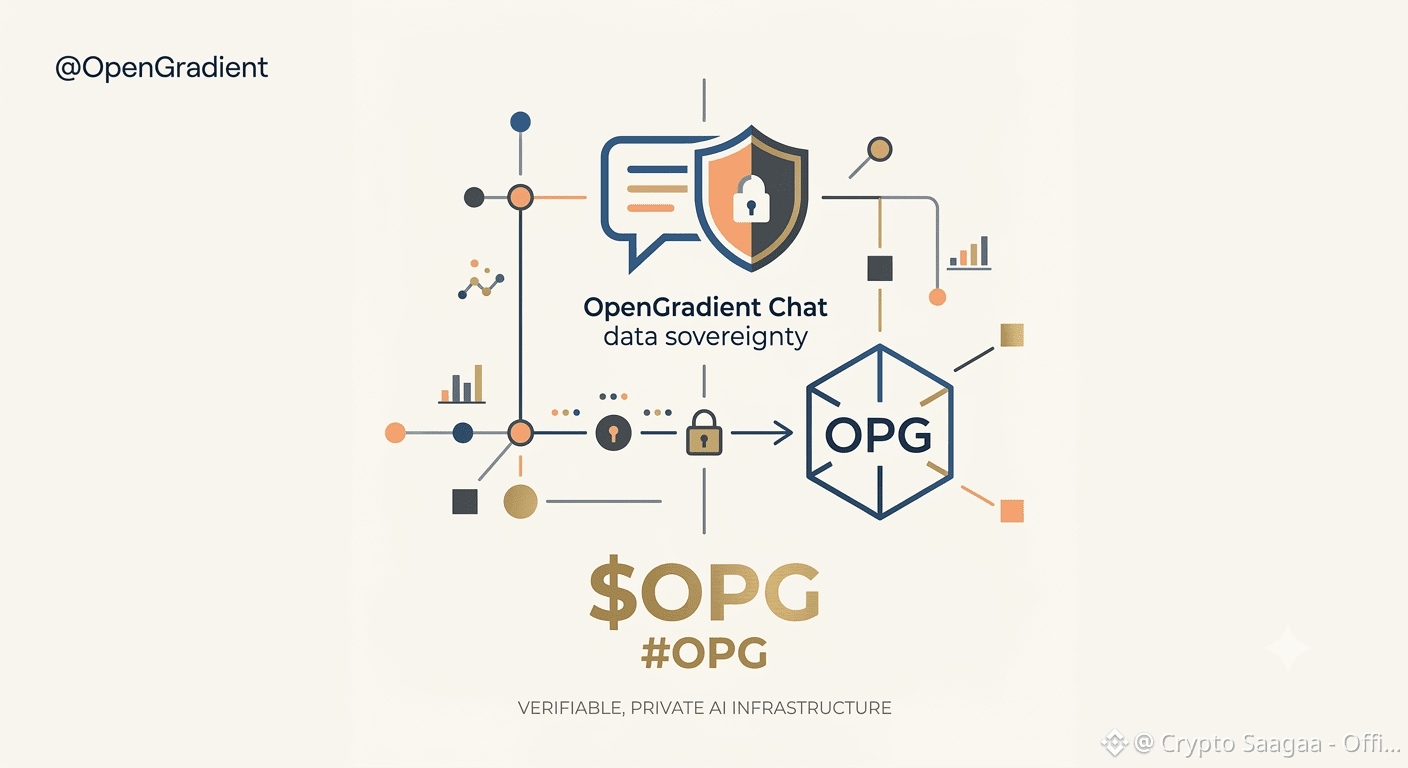
وهذا بالضبط ما يجعل البنية الكامنة وراء @OpenGradient t اختراقًا حقيقيًا. مع OpenGradient Chat، لن تضطر إلى الاختيار بين قدرات الذكاء الاصطناعي المتقدمة والخصوصية المطلقة. فمن خلال إدخال بنية لامركزية مدعومة ببيئات التنفيذ الموثوق (TEEs) والتشفير المحلي، يضمن أن تبقى طلباتك وبياناتك محمية بالكامل وغير مرتبطة نهائيًا بهويتك. إنها خطوة ضخمة إلى الأمام نحو سيادة البيانات الحقيقية في Web3. مع متابعة $OPG as عن كثب بينما يقودون الطريق نحو بنية تحتية للذكاء الاصطناعي قابلة للتحقق وخصوصية.
#OPG
#opg $OPG
نسجت الذكاء الاصطناعي نفسه بسرعة في روتيننا اليومي، لكن الأدوات القياسية تأتي مع عيب كبير: فنحن نتنازل باستمرار عن بياناتنا الشخصية وسجل البحث مقابل الراحة.
وهذا بالضبط ما يجعل البنية الكامنة وراء @OpenGradient t اختراقًا حقيقيًا. مع OpenGradient Chat، لن تضطر إلى الاختيار بين قدرات الذكاء الاصطناعي المتقدمة والخصوصية المطلقة. فمن خلال إدخال بنية لامركزية مدعومة ببيئات التنفيذ الموثوق (TEEs) والتشفير المحلي، يضمن أن تبقى طلباتك وبياناتك محمية بالكامل وغير مرتبطة نهائيًا بهويتك. إنها خطوة ضخمة إلى الأمام نحو سيادة البيانات الحقيقية في Web3. مع متابعة $OPG as عن كثب بينما يقودون الطريق نحو بنية تحتية للذكاء الاصطناعي قابلة للتحقق وخصوصية.
#OPG
#opg $OPG
وهذا بالضبط ما يجعل البنية الكامنة وراء @OpenGradient t اختراقًا حقيقيًا. مع OpenGradient Chat، لن تضطر إلى الاختيار بين قدرات الذكاء الاصطناعي المتقدمة والخصوصية المطلقة. فمن خلال إدخال بنية لامركزية مدعومة ببيئات التنفيذ الموثوق (TEEs) والتشفير المحلي، يضمن أن تبقى طلباتك وبياناتك محمية بالكامل وغير مرتبطة نهائيًا بهويتك. إنها خطوة ضخمة إلى الأمام نحو سيادة البيانات الحقيقية في Web3. مع متابعة $OPG as عن كثب بينما يقودون الطريق نحو بنية تحتية للذكاء الاصطناعي قابلة للتحقق وخصوصية.
#OPG
#opg $OPG
7
1
101
رأي غير شائع!! 👇
أكبر عائد على الاستثمار هو عمل حقيقي تبنيه.
ليس أي وسيلة استثمار أخرى، سواء كانت أسهم، أو مخططات بونزي، أو كريبتو!!
#bitcoin #CrudeFuturesSink #STRCBelowParSlowsStrategyBTCBuys
رأي غير شائع!! 👇
أكبر عائد على الاستثمار هو عمل حقيقي تبنيه.
ليس أي وسيلة استثمار أخرى، سواء كانت أسهم، أو مخططات بونزي، أو كريبتو!!
#bitcoin #CrudeFuturesSink #STRCBelowParSlowsStrategyBTCBuys
أكبر عائد على الاستثمار هو عمل حقيقي تبنيه.
ليس أي وسيلة استثمار أخرى، سواء كانت أسهم، أو مخططات بونزي، أو كريبتو!!
#bitcoin #CrudeFuturesSink #STRCBelowParSlowsStrategyBTCBuys
27
ما هي أفضل نصيحة أو درس واحد في مجال العملات الرقمية (كريبتو) واجهته وجعلتك تكسب مالاً أكثر من أي شيء آخر؟
ما هي أفضل نصيحة أو درس واحد في مجال العملات الرقمية (كريبتو) واجهته وجعلتك تكسب مالاً أكثر من أي شيء آخر؟
79
هل فكرت يومًا في كمية البيانات الحساسة التي تُدخلها في الذكاء الاصطناعي كل يوم؟ التوقعات المالية، الأسئلة الصحية، منطق البرمجة - كل ذلك موجود على خوادم مركزية، تنتظر خرقًا.
لهذا السبب بالضبط، تتحول حركة الذكاء الاصطناعي اللامركزية إلى مستوى جديد، و @OpenGradient تقود هذه الحملة.
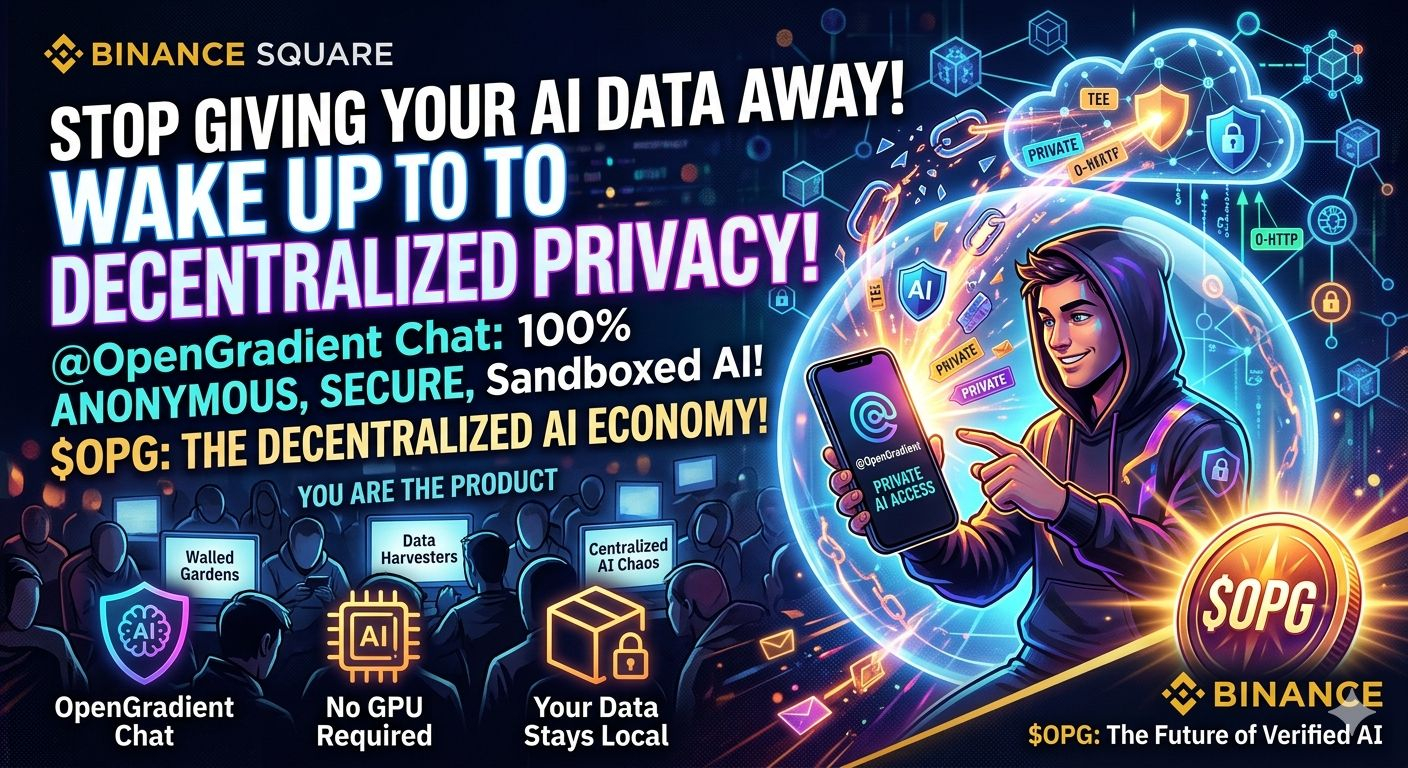
مع OpenGradient Chat، ستحصل على درع خصوصية كامل للتفاعلات مع الذكاء الاصطناعي. بدلاً من ربط أسئلتك في وقت متأخر من الليل أو بياناتك الملكية بهويتك الحقيقية، تستخدم OpenGradient بروتوكول HTTP غير المعروف (RFC 9458) وبيئات التنفيذ الموثوقة (TEEs). هذا يضمن أن مطالباتك مفصولة تمامًا عن هويتك قبل أن تصل إلى نماذج متقدمة مثل ChatGPT وClaude وGemini. بالإضافة إلى ذلك، يمكنك تشغيل وكيل ذكاء اصطناعي في بيئة محلية مباشرة على جهازك - بدون الحاجة إلى وحدة معالجة الرسوميات، وملفاتك لا تغادر جهازك أبدًا.
في قلب هذه البنية التحتية يوجد $OPG، الذي يدعم حوسبة الذكاء الاصطناعي اللامركزية القابلة للتحقق تشفيرياً والتي تتوسع دون التضحية بالخصوصية. من خلال معالجة التنفيذ خارج السلسلة على عقد GPU والتحقق من الإثباتات التشفيرية على مستوى الإجماع، تحل الشبكة مشكلة "صندوق الأسود للذكاء الاصطناعي" مع الحفاظ على سرعات Web2 السريعة للغاية.
توقف عن إعطاء أثر بياناتك مجانًا. جرب طريقة خاصة ومجهولة للوصول إلى الذكاء الاصطناعي من الدرجة الأولى.
#opg $OPG
هل فكرت يومًا في كمية البيانات الحساسة التي تُدخلها في الذكاء الاصطناعي كل يوم؟ التوقعات المالية، الأسئلة الصحية، منطق البرمجة - كل ذلك موجود على خوادم مركزية، تنتظر خرقًا.
لهذا السبب بالضبط، تتحول حركة الذكاء الاصطناعي اللامركزية إلى مستوى جديد، و @OpenGradient تقود هذه الحملة.
مع OpenGradient Chat، ستحصل على درع خصوصية كامل للتفاعلات مع الذكاء الاصطناعي. بدلاً من ربط أسئلتك في وقت متأخر من الليل أو بياناتك الملكية بهويتك الحقيقية، تستخدم OpenGradient بروتوكول HTTP غير المعروف (RFC 9458) وبيئات التنفيذ الموثوقة (TEEs). هذا يضمن أن مطالباتك مفصولة تمامًا عن هويتك قبل أن تصل إلى نماذج متقدمة مثل ChatGPT وClaude وGemini. بالإضافة إلى ذلك، يمكنك تشغيل وكيل ذكاء اصطناعي في بيئة محلية مباشرة على جهازك - بدون الحاجة إلى وحدة معالجة الرسوميات، وملفاتك لا تغادر جهازك أبدًا.
في قلب هذه البنية التحتية يوجد $OPG ، الذي يدعم حوسبة الذكاء الاصطناعي اللامركزية القابلة للتحقق تشفيرياً والتي تتوسع دون التضحية بالخصوصية. من خلال معالجة التنفيذ خارج السلسلة على عقد GPU والتحقق من الإثباتات التشفيرية على مستوى الإجماع، تحل الشبكة مشكلة "صندوق الأسود للذكاء الاصطناعي" مع الحفاظ على سرعات Web2 السريعة للغاية.
توقف عن إعطاء أثر بياناتك مجانًا. جرب طريقة خاصة ومجهولة للوصول إلى الذكاء الاصطناعي من الدرجة الأولى.
#opg $OPG
لهذا السبب بالضبط، تتحول حركة الذكاء الاصطناعي اللامركزية إلى مستوى جديد، و @OpenGradient تقود هذه الحملة.
مع OpenGradient Chat، ستحصل على درع خصوصية كامل للتفاعلات مع الذكاء الاصطناعي. بدلاً من ربط أسئلتك في وقت متأخر من الليل أو بياناتك الملكية بهويتك الحقيقية، تستخدم OpenGradient بروتوكول HTTP غير المعروف (RFC 9458) وبيئات التنفيذ الموثوقة (TEEs). هذا يضمن أن مطالباتك مفصولة تمامًا عن هويتك قبل أن تصل إلى نماذج متقدمة مثل ChatGPT وClaude وGemini. بالإضافة إلى ذلك، يمكنك تشغيل وكيل ذكاء اصطناعي في بيئة محلية مباشرة على جهازك - بدون الحاجة إلى وحدة معالجة الرسوميات، وملفاتك لا تغادر جهازك أبدًا.
في قلب هذه البنية التحتية يوجد $OPG ، الذي يدعم حوسبة الذكاء الاصطناعي اللامركزية القابلة للتحقق تشفيرياً والتي تتوسع دون التضحية بالخصوصية. من خلال معالجة التنفيذ خارج السلسلة على عقد GPU والتحقق من الإثباتات التشفيرية على مستوى الإجماع، تحل الشبكة مشكلة "صندوق الأسود للذكاء الاصطناعي" مع الحفاظ على سرعات Web2 السريعة للغاية.
توقف عن إعطاء أثر بياناتك مجانًا. جرب طريقة خاصة ومجهولة للوصول إلى الذكاء الاصطناعي من الدرجة الأولى.
#opg $OPG
5
111
معظم الوقت لن ترى أرباح 🥲
هل تعرف لماذا؟
لأنك استثمرت في شيء لم تكن متأكدًا منه ولكن شخصًا ما كان متأكدًا منه، وهو من وثقت به.
لا تثق بأحد!
إنها الكريبتو!
95% من الناس يحققون أرباحًا على خسائر الآخرين.
ابتعد عن التلاعبات.
تعلم الكريبتو بالطريقة الصعبة واكسب أموالًا حقيقية 🤑
بالطريقة البطيئة
بالطريقة المضمونة!!
#IranMandatesHormuzShipInsurance #THORChainRecoveryEntersFinalPhase #BitcoinETFWeeklyOutflowsDrop87%
معظم الوقت لن ترى أرباح 🥲
هل تعرف لماذا؟
لأنك استثمرت في شيء لم تكن متأكدًا منه ولكن شخصًا ما كان متأكدًا منه، وهو من وثقت به.
لا تثق بأحد!
إنها الكريبتو!
95% من الناس يحققون أرباحًا على خسائر الآخرين.
ابتعد عن التلاعبات.
تعلم الكريبتو بالطريقة الصعبة واكسب أموالًا حقيقية 🤑
بالطريقة البطيئة
بالطريقة المضمونة!!
#IranMandatesHormuzShipInsurance #THORChainRecoveryEntersFinalPhase #BitcoinETFWeeklyOutflowsDrop87%
هل تعرف لماذا؟
لأنك استثمرت في شيء لم تكن متأكدًا منه ولكن شخصًا ما كان متأكدًا منه، وهو من وثقت به.
لا تثق بأحد!
إنها الكريبتو!
95% من الناس يحققون أرباحًا على خسائر الآخرين.
ابتعد عن التلاعبات.
تعلم الكريبتو بالطريقة الصعبة واكسب أموالًا حقيقية 🤑
بالطريقة البطيئة
بالطريقة المضمونة!!
#IranMandatesHormuzShipInsurance #THORChainRecoveryEntersFinalPhase #BitcoinETFWeeklyOutflowsDrop87%
72
سخرية الحياة هي أن!!!
$BTC هي العملة الوحيدة في عالم الكريبتو التي لديها القدرة على جلب الثروة لك بدون الحاجة إلى التعلّم أو الاستثمار أو البحث عن أي شيء عن الكريبتو!!
الأمر بهذه البساطة، ومع ذلك لا يزال الناس لا يشترونها!!!
سخرية الحياة هي أن!!!
$BTC هي العملة الوحيدة في عالم الكريبتو التي لديها القدرة على جلب الثروة لك بدون الحاجة إلى التعلّم أو الاستثمار أو البحث عن أي شيء عن الكريبتو!!
الأمر بهذه البساطة، ومع ذلك لا يزال الناس لا يشترونها!!!
$BTC هي العملة الوحيدة في عالم الكريبتو التي لديها القدرة على جلب الثروة لك بدون الحاجة إلى التعلّم أو الاستثمار أو البحث عن أي شيء عن الكريبتو!!
الأمر بهذه البساطة، ومع ذلك لا يزال الناس لا يشترونها!!!
29
سجّل الدخول لاستكشاف المزيد من المُحتوى
انضم إلى مُستخدمي العملات الرقمية حول العالم على Binance Square
⚡️ احصل على أحدث المعلومات المفيدة عن العملات الرقمية.
💬 موثوقة من قبل أكبر منصّة لتداول العملات الرقمية في العالم.
👍 اكتشف الرؤى الحقيقية من صنّاع المُحتوى الموثوقين.
البريد الإلكتروني / رقم الهاتف
المواضيع الرائجة
BinancePick
3M مشاهدات
152,524 يقومون بالنقاش
انضم إلى #موسم_الأرباح: توقّع الأرباح على Binance Pick وشاركنا رأيك على Binance Square!
Binance Square Official
·409 إعجاب
·342.9k مشاهدات
EarningsSeason
5.3M مشاهدات
25,941 يقومون بالنقاش
AnthropicTTMRevenueGrewAbout1200%
27,197 مشاهدات
390 يقومون بالنقاش