

RICKEE 1
89 منشورات

RICKEE 1
إبلاغ
حظر المُستخدم
Let us know — curious how big the squad is!
0 تتابع
0 المتابعون
1 إعجاب
منشورات
·
--
إعادة الموازنة عبر سلاسل الكتل: دليل تشغيلي
إعادة الموازنة تعيد ضبط أوزان المحفظة التي تم اختيارها مسبقًا. إنها صيانة وليست توقعًا. عندما تكون الأصول موجودة على سلاسل كتل مختلفة، تصبح الحسابات البسيطة مشكلة تنفيذ: كل انتقال عبر السلاسل يضيف رسومًا، وقيود سيولة، ومعاملات، ومخاطر تشغيلية.
يضيف التنفيذ عبر السلاسل تعقيدًا لأن كل شبكة لها رسومها وسيولتها وعملة الغاز المحلية الخاصة بها. قد يصبح المسار مكلفًا عندما تُجمع رسوم غاز المصدر والغاز في الوجهة ورسوم التوجيه وتأثير السعر. كما أن رسوم الشبكة ثابتة نسبيًا لكل معاملة، لذلك قد تتحمل التحويلات الصغيرة تكاليف أعلى كنسبة مئوية. قِس التكلفة الكاملة للمسار الفعلي.
قد يتطلب المسار اليدوي استخدام جسر، وإعتمادات (approvals)، وتأكيدًا، وطلب صرف (claim)، ومبادلة على الوجهة. قد تشمل مرحلة واحدة عدة واجهات، وعملتيْ غاز، وست معاملات أو أكثر. كلما زادت الخطوات زادت فرص التأخير، والإيداع غير الصحيح للأصل، وخطأ المستخدم.
يمكن لطبقة تنفيذ أن تختصر سير العمل هذا إلى طلب مُوقّع واحد. يستخدم Omniston من STON.fi التنفيذ القائم على المحلِّلات (resolver) مع HTLCs مقترنة. يوفّر المُحلِّل الأصل في الوجهة، بينما تُقفل أموال المستخدم على جانب المصدر ضمن قفل زمني مرتبط. ينسّق سرّ مشترك (secret) التسوية، بحيث تكتمل المبادلة على الجانبين أو تُلغى بعد انقضاء الموعد النهائي. تبقى مخاطر العقود الذكية.
قبل التوقيع، تحقّق من ثلاث نقاط: المسار، والرسوم، وأصل الوجهة. أكّد أن السلاسل والرموز المدعومة صحيحة، راجع الحدود وانتهاء صلاحية الاقتباس (quote expiry)، احسب غاز المصدر + رسوم المسار + غاز الوجهة + تأثير السعر، وتأكد من أن الأصل وعنوان العقد الدقيقين المتوقع وصولهما هما ما ستصله.
تُعد إعادة موازنة عبر السلاسل بإتقان إجراءً تشغيليًا: حدّد الأوزان المستهدفة، ضع سقفًا للتكلفة، قارن بين المسارات القابلة للتنفيذ، تحقّق من أصل الوجهة، احفظ تجزئة (hashes) المعاملات، وأعد حساب المحفظة بعد التسوية. الهدف هو إعادة ضبط التعرض على الخطة بخطوات أقل ومفاجآت أقل. كن دقيقًا.
#BTC $ETH
إعادة الموازنة عبر سلاسل الكتل: دليل تشغيلي
إعادة الموازنة تعيد ضبط أوزان المحفظة التي تم اختيارها مسبقًا. إنها صيانة وليست توقعًا. عندما تكون الأصول موجودة على سلاسل كتل مختلفة، تصبح الحسابات البسيطة مشكلة تنفيذ: كل انتقال عبر السلاسل يضيف رسومًا، وقيود سيولة، ومعاملات، ومخاطر تشغيلية.
يضيف التنفيذ عبر السلاسل تعقيدًا لأن كل شبكة لها رسومها وسيولتها وعملة الغاز المحلية الخاصة بها. قد يصبح المسار مكلفًا عندما تُجمع رسوم غاز المصدر والغاز في الوجهة ورسوم التوجيه وتأثير السعر. كما أن رسوم الشبكة ثابتة نسبيًا لكل معاملة، لذلك قد تتحمل التحويلات الصغيرة تكاليف أعلى كنسبة مئوية. قِس التكلفة الكاملة للمسار الفعلي.
قد يتطلب المسار اليدوي استخدام جسر، وإعتمادات (approvals)، وتأكيدًا، وطلب صرف (claim)، ومبادلة على الوجهة. قد تشمل مرحلة واحدة عدة واجهات، وعملتيْ غاز، وست معاملات أو أكثر. كلما زادت الخطوات زادت فرص التأخير، والإيداع غير الصحيح للأصل، وخطأ المستخدم.
يمكن لطبقة تنفيذ أن تختصر سير العمل هذا إلى طلب مُوقّع واحد. يستخدم Omniston من STON.fi التنفيذ القائم على المحلِّلات (resolver) مع HTLCs مقترنة. يوفّر المُحلِّل الأصل في الوجهة، بينما تُقفل أموال المستخدم على جانب المصدر ضمن قفل زمني مرتبط. ينسّق سرّ مشترك (secret) التسوية، بحيث تكتمل المبادلة على الجانبين أو تُلغى بعد انقضاء الموعد النهائي. تبقى مخاطر العقود الذكية.
قبل التوقيع، تحقّق من ثلاث نقاط: المسار، والرسوم، وأصل الوجهة. أكّد أن السلاسل والرموز المدعومة صحيحة، راجع الحدود وانتهاء صلاحية الاقتباس (quote expiry)، احسب غاز المصدر + رسوم المسار + غاز الوجهة + تأثير السعر، وتأكد من أن الأصل وعنوان العقد الدقيقين المتوقع وصولهما هما ما ستصله.
تُعد إعادة موازنة عبر السلاسل بإتقان إجراءً تشغيليًا: حدّد الأوزان المستهدفة، ضع سقفًا للتكلفة، قارن بين المسارات القابلة للتنفيذ، تحقّق من أصل الوجهة، احفظ تجزئة (hashes) المعاملات، وأعد حساب المحفظة بعد التسوية. الهدف هو إعادة ضبط التعرض على الخطة بخطوات أقل ومفاجآت أقل. كن دقيقًا.
#BTC $ETH
إعادة الموازنة تعيد ضبط أوزان المحفظة التي تم اختيارها مسبقًا. إنها صيانة وليست توقعًا. عندما تكون الأصول موجودة على سلاسل كتل مختلفة، تصبح الحسابات البسيطة مشكلة تنفيذ: كل انتقال عبر السلاسل يضيف رسومًا، وقيود سيولة، ومعاملات، ومخاطر تشغيلية.
يضيف التنفيذ عبر السلاسل تعقيدًا لأن كل شبكة لها رسومها وسيولتها وعملة الغاز المحلية الخاصة بها. قد يصبح المسار مكلفًا عندما تُجمع رسوم غاز المصدر والغاز في الوجهة ورسوم التوجيه وتأثير السعر. كما أن رسوم الشبكة ثابتة نسبيًا لكل معاملة، لذلك قد تتحمل التحويلات الصغيرة تكاليف أعلى كنسبة مئوية. قِس التكلفة الكاملة للمسار الفعلي.
قد يتطلب المسار اليدوي استخدام جسر، وإعتمادات (approvals)، وتأكيدًا، وطلب صرف (claim)، ومبادلة على الوجهة. قد تشمل مرحلة واحدة عدة واجهات، وعملتيْ غاز، وست معاملات أو أكثر. كلما زادت الخطوات زادت فرص التأخير، والإيداع غير الصحيح للأصل، وخطأ المستخدم.
يمكن لطبقة تنفيذ أن تختصر سير العمل هذا إلى طلب مُوقّع واحد. يستخدم Omniston من STON.fi التنفيذ القائم على المحلِّلات (resolver) مع HTLCs مقترنة. يوفّر المُحلِّل الأصل في الوجهة، بينما تُقفل أموال المستخدم على جانب المصدر ضمن قفل زمني مرتبط. ينسّق سرّ مشترك (secret) التسوية، بحيث تكتمل المبادلة على الجانبين أو تُلغى بعد انقضاء الموعد النهائي. تبقى مخاطر العقود الذكية.
قبل التوقيع، تحقّق من ثلاث نقاط: المسار، والرسوم، وأصل الوجهة. أكّد أن السلاسل والرموز المدعومة صحيحة، راجع الحدود وانتهاء صلاحية الاقتباس (quote expiry)، احسب غاز المصدر + رسوم المسار + غاز الوجهة + تأثير السعر، وتأكد من أن الأصل وعنوان العقد الدقيقين المتوقع وصولهما هما ما ستصله.
تُعد إعادة موازنة عبر السلاسل بإتقان إجراءً تشغيليًا: حدّد الأوزان المستهدفة، ضع سقفًا للتكلفة، قارن بين المسارات القابلة للتنفيذ، تحقّق من أصل الوجهة، احفظ تجزئة (hashes) المعاملات، وأعد حساب المحفظة بعد التسوية. الهدف هو إعادة ضبط التعرض على الخطة بخطوات أقل ومفاجآت أقل. كن دقيقًا.
#BTC $ETH

77
·
--
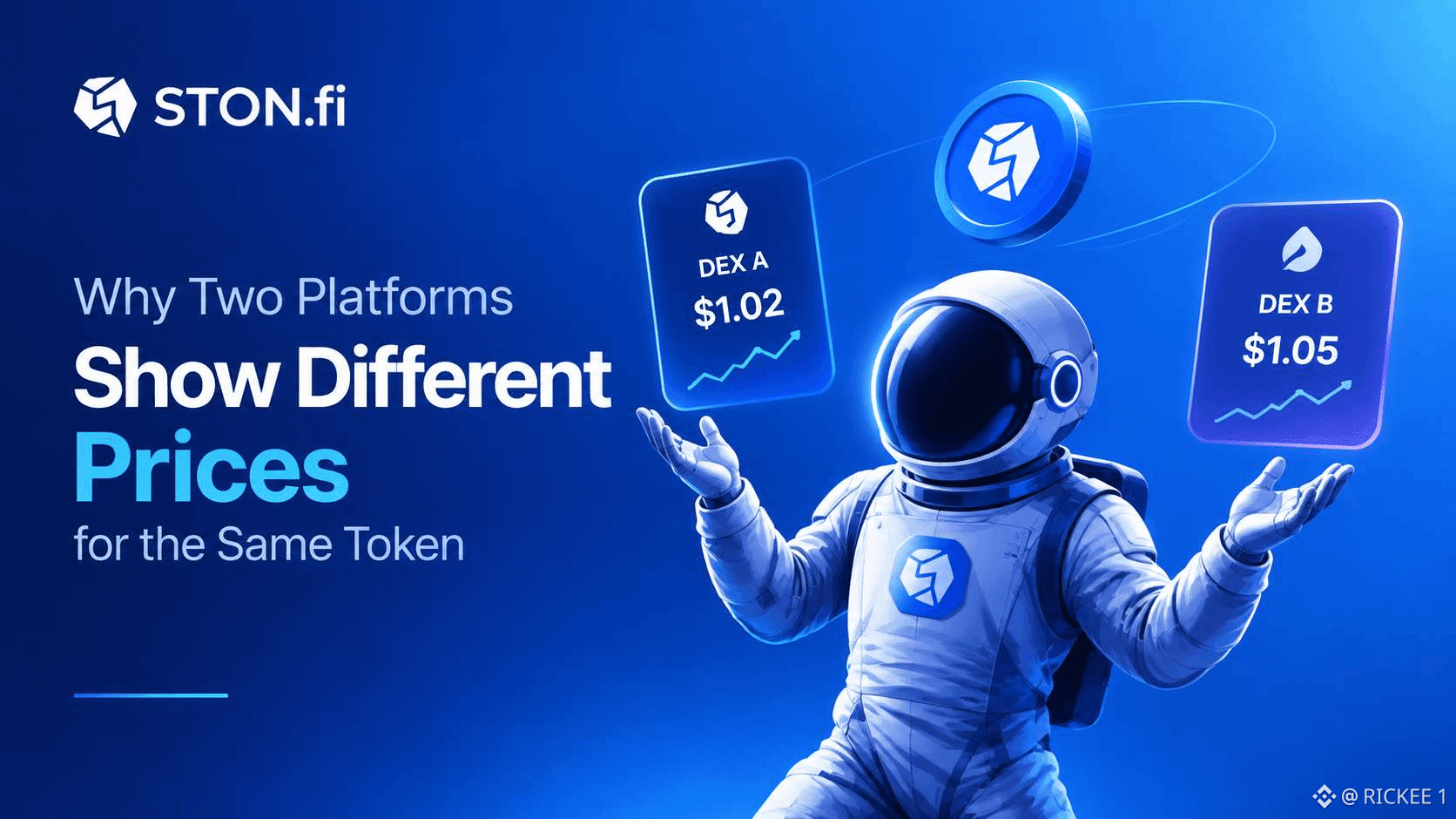
لماذا قد تعرض منصّتان للعملات المشفّرة أسعارًا مختلفة لنفس التوكن؟
لا يعني اختلاف الأسعار لنفس التوكن بالضرورة أن إحدى المنصّات مخطئة. في الأسواق اللامركزية، يتشكل السعر حسب السيولة، وأرصدة المجمّع، ونشاط التداول، ومصادر البيانات.
على TON، تستمد AMM مثل STON.fi سعر المجمّع من الأصول الموجودة داخل ذلك المجمّع. وبما أن المجمّعات قد تحتوي على احتياطيات مختلفة، فقد تعرض منصّتان مختلفتان أسعارًا مختلفة لنفس زوج TOKEN/USDT. كل صفقة تغيّر تلك الاحتياطيات، لذلك يمكن أن يتحرك السعر. كما تحدد STON.fi TVL وحجم المبادلات كمقاييس مفيدة للمجمّعات.
عمق السيولة يهم خصوصًا للصفقات الكبيرة. قد يتعرض المجمّع الضحل لتأثير سعر أكبر لأن أمرًا كبيرًا يستهلك سيولة متاحة أكبر. أما المجمّع الأعمق فقد يمتصّ نفس المعاملة بتحرك أقل. لذلك، فإن المنصّة التي تعرض أعلى سعر ظاهريًا ليست بالضرورة تقدم أفضل صفقة.
يمكن أن تنشأ فروق الأسعار أيضًا من التوقيت ومصادر البيانات. قد تقوم إحدى المنصّات بالتحديث من مجمّع مباشر (live)، بينما قد تستخدم أخرى بيانات سوق مجمعة أو أقدم. قد يصف سعر مرجعي حالة السوق، لكنه لا يضمن ما سيحصل عليه المتداول.
أفضل مقارنة هي المبلغ القابل للتنفيذ. احتفظ بإدخال التوكن والإخراج واتجاه التداول كما هو، ثم قارن الاقتباس النهائي بعد الرسوم وتأثير السعر. قد تعرض إحدى المنصّات معدلًا أفضل لكنها تعيد توكنات أقل لنفس مبادلة 10,000 دولار. الأهم هو الناتج النهائي، وليس السعر العنواني.
هنا يصبح Omniston مفيدًا. بدلًا من التحقق يدويًا من عدة DEXs على TON، يمكن لطبقة التجميع أن تفحص DEXs وسيولة RFQ المرتبطة للعثور على مسارات تنافسية. تصف STON.fi Omniston بأنه بروتوكول تجميع سيولة على TON يستعلم عدة مصادر، ويقارن الاقتباسات ويوجّه المبادلات عبر السيولة المتاحة.
الدرس الأساسي بسيط: لا يوجد لسِمة واحدة (توكن) سعر عالمي واحد على السلسلة. قد تنتج المجمّعات المختلفة أسعارًا مختلفة لأن سيولتها تختلف.
#Cryptoadz $USDT
لماذا قد تعرض منصّتان للعملات المشفّرة أسعارًا مختلفة لنفس التوكن؟
لا يعني اختلاف الأسعار لنفس التوكن بالضرورة أن إحدى المنصّات مخطئة. في الأسواق اللامركزية، يتشكل السعر حسب السيولة، وأرصدة المجمّع، ونشاط التداول، ومصادر البيانات.
على TON، تستمد AMM مثل STON.fi سعر المجمّع من الأصول الموجودة داخل ذلك المجمّع. وبما أن المجمّعات قد تحتوي على احتياطيات مختلفة، فقد تعرض منصّتان مختلفتان أسعارًا مختلفة لنفس زوج TOKEN/USDT. كل صفقة تغيّر تلك الاحتياطيات، لذلك يمكن أن يتحرك السعر. كما تحدد STON.fi TVL وحجم المبادلات كمقاييس مفيدة للمجمّعات.
عمق السيولة يهم خصوصًا للصفقات الكبيرة. قد يتعرض المجمّع الضحل لتأثير سعر أكبر لأن أمرًا كبيرًا يستهلك سيولة متاحة أكبر. أما المجمّع الأعمق فقد يمتصّ نفس المعاملة بتحرك أقل. لذلك، فإن المنصّة التي تعرض أعلى سعر ظاهريًا ليست بالضرورة تقدم أفضل صفقة.
يمكن أن تنشأ فروق الأسعار أيضًا من التوقيت ومصادر البيانات. قد تقوم إحدى المنصّات بالتحديث من مجمّع مباشر (live)، بينما قد تستخدم أخرى بيانات سوق مجمعة أو أقدم. قد يصف سعر مرجعي حالة السوق، لكنه لا يضمن ما سيحصل عليه المتداول.
أفضل مقارنة هي المبلغ القابل للتنفيذ. احتفظ بإدخال التوكن والإخراج واتجاه التداول كما هو، ثم قارن الاقتباس النهائي بعد الرسوم وتأثير السعر. قد تعرض إحدى المنصّات معدلًا أفضل لكنها تعيد توكنات أقل لنفس مبادلة 10,000 دولار. الأهم هو الناتج النهائي، وليس السعر العنواني.
هنا يصبح Omniston مفيدًا. بدلًا من التحقق يدويًا من عدة DEXs على TON، يمكن لطبقة التجميع أن تفحص DEXs وسيولة RFQ المرتبطة للعثور على مسارات تنافسية. تصف STON.fi Omniston بأنه بروتوكول تجميع سيولة على TON يستعلم عدة مصادر، ويقارن الاقتباسات ويوجّه المبادلات عبر السيولة المتاحة.
الدرس الأساسي بسيط: لا يوجد لسِمة واحدة (توكن) سعر عالمي واحد على السلسلة. قد تنتج المجمّعات المختلفة أسعارًا مختلفة لأن سيولتها تختلف.
#Cryptoadz $USDT
لا يعني اختلاف الأسعار لنفس التوكن بالضرورة أن إحدى المنصّات مخطئة. في الأسواق اللامركزية، يتشكل السعر حسب السيولة، وأرصدة المجمّع، ونشاط التداول، ومصادر البيانات.
على TON، تستمد AMM مثل STON.fi سعر المجمّع من الأصول الموجودة داخل ذلك المجمّع. وبما أن المجمّعات قد تحتوي على احتياطيات مختلفة، فقد تعرض منصّتان مختلفتان أسعارًا مختلفة لنفس زوج TOKEN/USDT. كل صفقة تغيّر تلك الاحتياطيات، لذلك يمكن أن يتحرك السعر. كما تحدد STON.fi TVL وحجم المبادلات كمقاييس مفيدة للمجمّعات.
عمق السيولة يهم خصوصًا للصفقات الكبيرة. قد يتعرض المجمّع الضحل لتأثير سعر أكبر لأن أمرًا كبيرًا يستهلك سيولة متاحة أكبر. أما المجمّع الأعمق فقد يمتصّ نفس المعاملة بتحرك أقل. لذلك، فإن المنصّة التي تعرض أعلى سعر ظاهريًا ليست بالضرورة تقدم أفضل صفقة.
يمكن أن تنشأ فروق الأسعار أيضًا من التوقيت ومصادر البيانات. قد تقوم إحدى المنصّات بالتحديث من مجمّع مباشر (live)، بينما قد تستخدم أخرى بيانات سوق مجمعة أو أقدم. قد يصف سعر مرجعي حالة السوق، لكنه لا يضمن ما سيحصل عليه المتداول.
أفضل مقارنة هي المبلغ القابل للتنفيذ. احتفظ بإدخال التوكن والإخراج واتجاه التداول كما هو، ثم قارن الاقتباس النهائي بعد الرسوم وتأثير السعر. قد تعرض إحدى المنصّات معدلًا أفضل لكنها تعيد توكنات أقل لنفس مبادلة 10,000 دولار. الأهم هو الناتج النهائي، وليس السعر العنواني.
هنا يصبح Omniston مفيدًا. بدلًا من التحقق يدويًا من عدة DEXs على TON، يمكن لطبقة التجميع أن تفحص DEXs وسيولة RFQ المرتبطة للعثور على مسارات تنافسية. تصف STON.fi Omniston بأنه بروتوكول تجميع سيولة على TON يستعلم عدة مصادر، ويقارن الاقتباسات ويوجّه المبادلات عبر السيولة المتاحة.
الدرس الأساسي بسيط: لا يوجد لسِمة واحدة (توكن) سعر عالمي واحد على السلسلة. قد تنتج المجمّعات المختلفة أسعارًا مختلفة لأن سيولتها تختلف.
#Cryptoadz $USDT
78
·
--
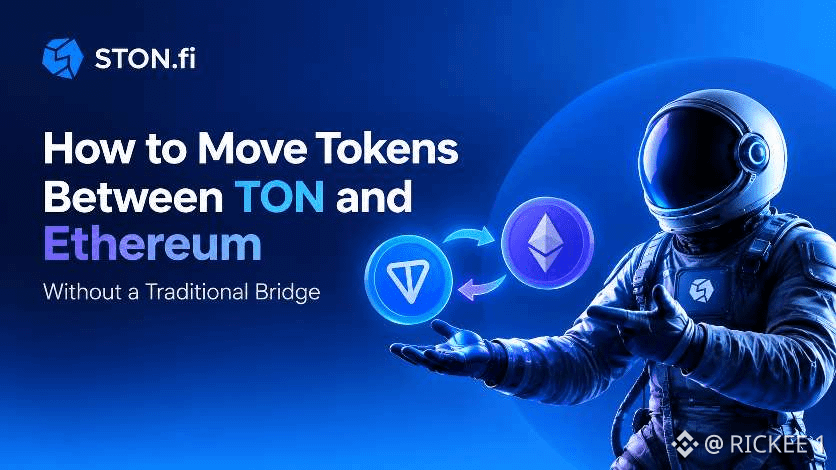
كيفية نقل الرموز بين TON وEthereum دون جسر تقليدي
لا يتطلب نقل القيمة بين TON وEthereum دائمًا وجود جسر. غالبًا ما يقوم نموذج يعتمد على الجسر أولًا بنقل أصل بين الشبكات، مما قد يؤدي إلى ترك تمثيل مُغلف يحتاج إلى عملية مبادلة أخرى.
يبدأ نموذج المبادلة أولًا من النتيجة المطلوبة: الأصل الذي يرغب المستخدم في الحصول عليه على سلسلة الوجهة.
وهذا هو المبدأ وراء Omniston، البنية التحتية للاتصال عبر السلاسل لدى STON.fi.
لنأخذ مثال Ethereum USDT → TON USDT. بدلًا من الجسر أولًا ثم المبادلة لاحقًا، يختار المستخدم Ethereum/USDT كمصدر وTON/USDT كوجهة. يحصل Omniston على عروض أسعار من مُحلّلات توفر سيولة على جهة الوجهة.
المحلّلات هي مزوّدو سيولة يتنافسون على تلبية طلبات الربط عبر السلاسل. بعد قبول العرض، يمكن تنسيق الصفقة عبر عقود Hashed Timelock Contracts (HTLCs) مترابطة. يتم قفل كلا المبلغين تحت شروط تشفيرية مرتبطة.
يربط بين الجهتين تجزئة سرية. عند نجاح التنفيذ، يؤدي كشف السر إلى تمكين المطالبات. توفر مؤقتات الإلغاء مسار استرداد في حال عدم تحقق شروط التسوية.
تتمثل النتيجة في تصميم تسوية من نوع كلٌّ أو لا شيء: تهدف المبادلة إلى الاكتمال وفق الشروط المتفق عليها، بدلًا من الاعتماد على جسر تقليدي لإصدار تمثيل أو تحريره على سلسلة الوجهة.
بالنسبة للمستخدمين، يكمن الفرق الرئيسي في تنفيذ موجّه نحو الوجهة. بدلًا من السؤال: "كيف أنقل هذه الحصة الرمزية عبر الشبكات؟" تصبح الأسئلة: "ما الأصل الذي أريد تلقيه؟"
مع STON.fi وOmniston، تكون العملية بسيطة: اختر شبكات وموجودات المصدر والوجهة، راجع العرض والرسوم، تحقق من محفظة الاستلام، ثم أكد.
قبل التوقيع، تحقق من الشبكة والرمز وعنوان الوجهة والمبلغ المعروض ورسوم الغاز. بعد الإرسال، تابع المعاملة بدلًا من إعادة الإرسال بشكل أعمى.
يُظهر Omniston كيف يمكن لمبادلات عبر السلاسل استهداف أصل الوجهة مباشرةً دون سير عمل يعتمد على الجسر أولًا.
$BNB $USDT
كيفية نقل الرموز بين TON وEthereum دون جسر تقليدي
لا يتطلب نقل القيمة بين TON وEthereum دائمًا وجود جسر. غالبًا ما يقوم نموذج يعتمد على الجسر أولًا بنقل أصل بين الشبكات، مما قد يؤدي إلى ترك تمثيل مُغلف يحتاج إلى عملية مبادلة أخرى.
يبدأ نموذج المبادلة أولًا من النتيجة المطلوبة: الأصل الذي يرغب المستخدم في الحصول عليه على سلسلة الوجهة.
وهذا هو المبدأ وراء Omniston، البنية التحتية للاتصال عبر السلاسل لدى STON.fi.
لنأخذ مثال Ethereum USDT → TON USDT. بدلًا من الجسر أولًا ثم المبادلة لاحقًا، يختار المستخدم Ethereum/USDT كمصدر وTON/USDT كوجهة. يحصل Omniston على عروض أسعار من مُحلّلات توفر سيولة على جهة الوجهة.
المحلّلات هي مزوّدو سيولة يتنافسون على تلبية طلبات الربط عبر السلاسل. بعد قبول العرض، يمكن تنسيق الصفقة عبر عقود Hashed Timelock Contracts (HTLCs) مترابطة. يتم قفل كلا المبلغين تحت شروط تشفيرية مرتبطة.
يربط بين الجهتين تجزئة سرية. عند نجاح التنفيذ، يؤدي كشف السر إلى تمكين المطالبات. توفر مؤقتات الإلغاء مسار استرداد في حال عدم تحقق شروط التسوية.
تتمثل النتيجة في تصميم تسوية من نوع كلٌّ أو لا شيء: تهدف المبادلة إلى الاكتمال وفق الشروط المتفق عليها، بدلًا من الاعتماد على جسر تقليدي لإصدار تمثيل أو تحريره على سلسلة الوجهة.
بالنسبة للمستخدمين، يكمن الفرق الرئيسي في تنفيذ موجّه نحو الوجهة. بدلًا من السؤال: "كيف أنقل هذه الحصة الرمزية عبر الشبكات؟" تصبح الأسئلة: "ما الأصل الذي أريد تلقيه؟"
مع STON.fi وOmniston، تكون العملية بسيطة: اختر شبكات وموجودات المصدر والوجهة، راجع العرض والرسوم، تحقق من محفظة الاستلام، ثم أكد.
قبل التوقيع، تحقق من الشبكة والرمز وعنوان الوجهة والمبلغ المعروض ورسوم الغاز. بعد الإرسال، تابع المعاملة بدلًا من إعادة الإرسال بشكل أعمى.
يُظهر Omniston كيف يمكن لمبادلات عبر السلاسل استهداف أصل الوجهة مباشرةً دون سير عمل يعتمد على الجسر أولًا.
$BNB $USDT
لا يتطلب نقل القيمة بين TON وEthereum دائمًا وجود جسر. غالبًا ما يقوم نموذج يعتمد على الجسر أولًا بنقل أصل بين الشبكات، مما قد يؤدي إلى ترك تمثيل مُغلف يحتاج إلى عملية مبادلة أخرى.
يبدأ نموذج المبادلة أولًا من النتيجة المطلوبة: الأصل الذي يرغب المستخدم في الحصول عليه على سلسلة الوجهة.
وهذا هو المبدأ وراء Omniston، البنية التحتية للاتصال عبر السلاسل لدى STON.fi.
لنأخذ مثال Ethereum USDT → TON USDT. بدلًا من الجسر أولًا ثم المبادلة لاحقًا، يختار المستخدم Ethereum/USDT كمصدر وTON/USDT كوجهة. يحصل Omniston على عروض أسعار من مُحلّلات توفر سيولة على جهة الوجهة.
المحلّلات هي مزوّدو سيولة يتنافسون على تلبية طلبات الربط عبر السلاسل. بعد قبول العرض، يمكن تنسيق الصفقة عبر عقود Hashed Timelock Contracts (HTLCs) مترابطة. يتم قفل كلا المبلغين تحت شروط تشفيرية مرتبطة.
يربط بين الجهتين تجزئة سرية. عند نجاح التنفيذ، يؤدي كشف السر إلى تمكين المطالبات. توفر مؤقتات الإلغاء مسار استرداد في حال عدم تحقق شروط التسوية.
تتمثل النتيجة في تصميم تسوية من نوع كلٌّ أو لا شيء: تهدف المبادلة إلى الاكتمال وفق الشروط المتفق عليها، بدلًا من الاعتماد على جسر تقليدي لإصدار تمثيل أو تحريره على سلسلة الوجهة.
بالنسبة للمستخدمين، يكمن الفرق الرئيسي في تنفيذ موجّه نحو الوجهة. بدلًا من السؤال: "كيف أنقل هذه الحصة الرمزية عبر الشبكات؟" تصبح الأسئلة: "ما الأصل الذي أريد تلقيه؟"
مع STON.fi وOmniston، تكون العملية بسيطة: اختر شبكات وموجودات المصدر والوجهة، راجع العرض والرسوم، تحقق من محفظة الاستلام، ثم أكد.
قبل التوقيع، تحقق من الشبكة والرمز وعنوان الوجهة والمبلغ المعروض ورسوم الغاز. بعد الإرسال، تابع المعاملة بدلًا من إعادة الإرسال بشكل أعمى.
يُظهر Omniston كيف يمكن لمبادلات عبر السلاسل استهداف أصل الوجهة مباشرةً دون سير عمل يعتمد على الجسر أولًا.
$BNB $USDT
68
·
--
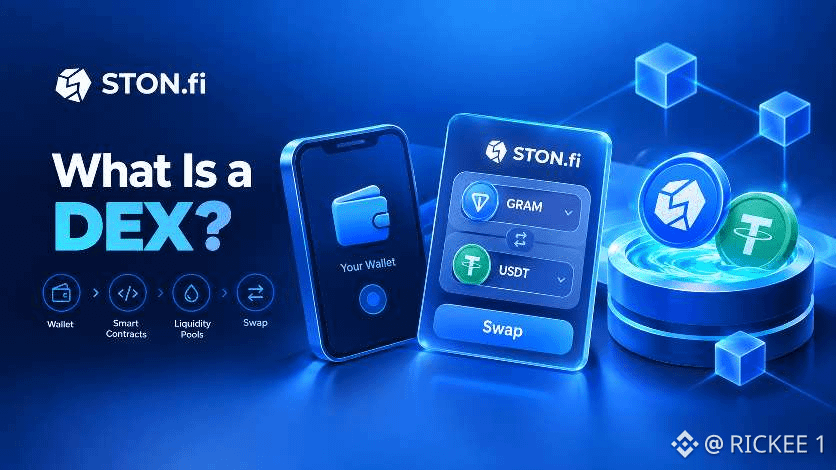
ما هو الـ DEX وكيف يعمل؟
الـ DEX (بورصة لامركزية) هو نظام يتيح للمستخدمين تبادل الأصول الرقمية دون جهة وصاية مركزية. يقوم المستخدمون بتوصيل محفظة غير وصاية (self-custodial) وتفويض معاملات العقود الذكية.
تعني الـ self-custody أن المستخدم يتحكم بمفاتيح المحفظة ويوافق على المعاملات مباشرةً. تُطبّق العقود الذكية قواعد التبادل، بينما يسجل البلوكشين النتيجة ويُجري التسوية. على TON، تستخدم عمليات نقل الرموز والتبادلات رسائل البلوكشين ومنطق العقود.
تستخدم العديد من الـ DEXs آليات صناع السوق الآليين (AMMs). بدلًا من مطابقة المشترين والبائعين عبر دفتر أوامر (order book)، تعتمد الـ AMMs على مجمعات سيولة (liquidity pools) يتم تمويلها من قِبل مزوّدي السيولة. يتبع التسعير حالة المجمع ونموذجه الرياضي. قد تؤثر قيمة الصفقة والسيولة والرسوم على التنفيذ، بينما يمكن للصفقات الأكبر أن تُحدث أثرًا أكبر في السعر (price impact).
يعمل نموذج دفتر الأوامر بشكل مختلف: يقدّم المتداولون عروض الشراء (bids) وعروض البيع (asks)، وتتم مطابقة الأوامر المتوافقة. تتيح الـ AMM للمستخدمين التداول مباشرةً مقابل السيولة المجمّعة. كلاهما يتطلب سيولة، لكن ينظّمها بشكل مختلف.
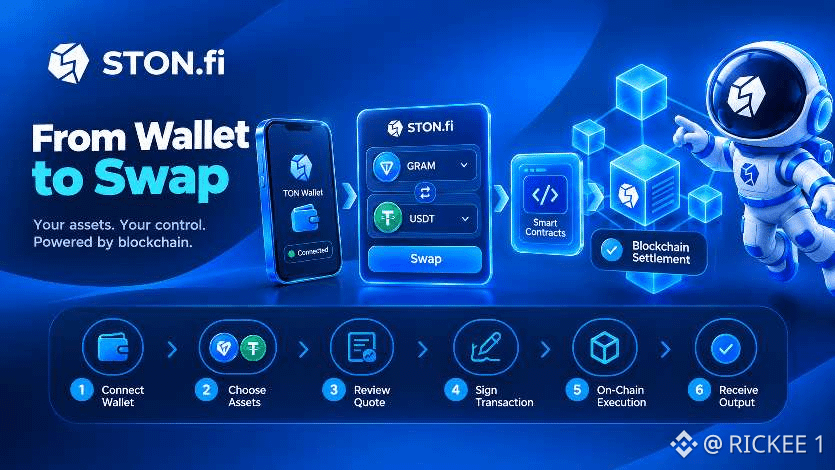
مسار تبديل الـ DEX:
اتصل بالمحفظة → اختر الأصول → احصل على عرض سعر (quote) → راجع الرسوم والانزلاق (slippage) والأثر في السعر → وقّع → تنفّذ العقود الذكية → استلم أصل الإخراج.
تقدّم STON.fi مثالًا عمليًا على TON. يقوم المستخدم بتوصيل محفظة TON، واختيار الأصول، ومراجعة عرض السعر والاشتراطات، ثم الموافقة على المعاملة. تنفّذ البنية التحتية على السلسلة عملية التبادل وتسلّم النتيجة إلى المحفظة.
توضح STON.fi أيضًا أن الـ DEX أكثر من مجرد واجهة للتبادل. توفر مجمعات السيولة رأس مال للتداول، ويزوّد مزوّدو السيولة الأصول، ويمكن لبنية التوجيه (routing) ربط مصادر السيولة المتاحة.
التمييز الأساسي بسيط: تُظهر STON.fi مبادئ الـ DEX في التطبيق العملي؛ فهي ليست تعريفًا للـ DEX.
بشكل جوهري، تجمع الـ DEX بين الحيازة الذاتية (self-custody)، وتسوية البلوكشين، وتنفيذ العقود الذكية، وآليات السيولة والتسعير. زر “Swap” هو الواجهة لعملية تحدث على السلسلة.
$GRAM $BTC
ما هو الـ DEX وكيف يعمل؟
الـ DEX (بورصة لامركزية) هو نظام يتيح للمستخدمين تبادل الأصول الرقمية دون جهة وصاية مركزية. يقوم المستخدمون بتوصيل محفظة غير وصاية (self-custodial) وتفويض معاملات العقود الذكية.
تعني الـ self-custody أن المستخدم يتحكم بمفاتيح المحفظة ويوافق على المعاملات مباشرةً. تُطبّق العقود الذكية قواعد التبادل، بينما يسجل البلوكشين النتيجة ويُجري التسوية. على TON، تستخدم عمليات نقل الرموز والتبادلات رسائل البلوكشين ومنطق العقود.
تستخدم العديد من الـ DEXs آليات صناع السوق الآليين (AMMs). بدلًا من مطابقة المشترين والبائعين عبر دفتر أوامر (order book)، تعتمد الـ AMMs على مجمعات سيولة (liquidity pools) يتم تمويلها من قِبل مزوّدي السيولة. يتبع التسعير حالة المجمع ونموذجه الرياضي. قد تؤثر قيمة الصفقة والسيولة والرسوم على التنفيذ، بينما يمكن للصفقات الأكبر أن تُحدث أثرًا أكبر في السعر (price impact).
يعمل نموذج دفتر الأوامر بشكل مختلف: يقدّم المتداولون عروض الشراء (bids) وعروض البيع (asks)، وتتم مطابقة الأوامر المتوافقة. تتيح الـ AMM للمستخدمين التداول مباشرةً مقابل السيولة المجمّعة. كلاهما يتطلب سيولة، لكن ينظّمها بشكل مختلف.
مسار تبديل الـ DEX:
اتصل بالمحفظة → اختر الأصول → احصل على عرض سعر (quote) → راجع الرسوم والانزلاق (slippage) والأثر في السعر → وقّع → تنفّذ العقود الذكية → استلم أصل الإخراج.
تقدّم STON.fi مثالًا عمليًا على TON. يقوم المستخدم بتوصيل محفظة TON، واختيار الأصول، ومراجعة عرض السعر والاشتراطات، ثم الموافقة على المعاملة. تنفّذ البنية التحتية على السلسلة عملية التبادل وتسلّم النتيجة إلى المحفظة.
توضح STON.fi أيضًا أن الـ DEX أكثر من مجرد واجهة للتبادل. توفر مجمعات السيولة رأس مال للتداول، ويزوّد مزوّدو السيولة الأصول، ويمكن لبنية التوجيه (routing) ربط مصادر السيولة المتاحة.
التمييز الأساسي بسيط: تُظهر STON.fi مبادئ الـ DEX في التطبيق العملي؛ فهي ليست تعريفًا للـ DEX.
بشكل جوهري، تجمع الـ DEX بين الحيازة الذاتية (self-custody)، وتسوية البلوكشين، وتنفيذ العقود الذكية، وآليات السيولة والتسعير. زر “Swap” هو الواجهة لعملية تحدث على السلسلة.
$GRAM $BTC
الـ DEX (بورصة لامركزية) هو نظام يتيح للمستخدمين تبادل الأصول الرقمية دون جهة وصاية مركزية. يقوم المستخدمون بتوصيل محفظة غير وصاية (self-custodial) وتفويض معاملات العقود الذكية.
تعني الـ self-custody أن المستخدم يتحكم بمفاتيح المحفظة ويوافق على المعاملات مباشرةً. تُطبّق العقود الذكية قواعد التبادل، بينما يسجل البلوكشين النتيجة ويُجري التسوية. على TON، تستخدم عمليات نقل الرموز والتبادلات رسائل البلوكشين ومنطق العقود.
تستخدم العديد من الـ DEXs آليات صناع السوق الآليين (AMMs). بدلًا من مطابقة المشترين والبائعين عبر دفتر أوامر (order book)، تعتمد الـ AMMs على مجمعات سيولة (liquidity pools) يتم تمويلها من قِبل مزوّدي السيولة. يتبع التسعير حالة المجمع ونموذجه الرياضي. قد تؤثر قيمة الصفقة والسيولة والرسوم على التنفيذ، بينما يمكن للصفقات الأكبر أن تُحدث أثرًا أكبر في السعر (price impact).
يعمل نموذج دفتر الأوامر بشكل مختلف: يقدّم المتداولون عروض الشراء (bids) وعروض البيع (asks)، وتتم مطابقة الأوامر المتوافقة. تتيح الـ AMM للمستخدمين التداول مباشرةً مقابل السيولة المجمّعة. كلاهما يتطلب سيولة، لكن ينظّمها بشكل مختلف.
مسار تبديل الـ DEX:
اتصل بالمحفظة → اختر الأصول → احصل على عرض سعر (quote) → راجع الرسوم والانزلاق (slippage) والأثر في السعر → وقّع → تنفّذ العقود الذكية → استلم أصل الإخراج.
تقدّم STON.fi مثالًا عمليًا على TON. يقوم المستخدم بتوصيل محفظة TON، واختيار الأصول، ومراجعة عرض السعر والاشتراطات، ثم الموافقة على المعاملة. تنفّذ البنية التحتية على السلسلة عملية التبادل وتسلّم النتيجة إلى المحفظة.
توضح STON.fi أيضًا أن الـ DEX أكثر من مجرد واجهة للتبادل. توفر مجمعات السيولة رأس مال للتداول، ويزوّد مزوّدو السيولة الأصول، ويمكن لبنية التوجيه (routing) ربط مصادر السيولة المتاحة.
التمييز الأساسي بسيط: تُظهر STON.fi مبادئ الـ DEX في التطبيق العملي؛ فهي ليست تعريفًا للـ DEX.
بشكل جوهري، تجمع الـ DEX بين الحيازة الذاتية (self-custody)، وتسوية البلوكشين، وتنفيذ العقود الذكية، وآليات السيولة والتسعير. زر “Swap” هو الواجهة لعملية تحدث على السلسلة.
$GRAM $BTC
63
·
--
لماذا فشلت معاملة STON.fi الخاصة بي؟
لا يعني فشل معاملة STON.fi أن البروتوكول معطّل. من الأسباب مشاكل المحفظة، الرسوم، تحرّك السوق، شروط التوكن أو تنفيذها على السلسلة. حدّد السبب أولاً.
1. حدّد العملية
تأكد مما إذا كنت تقوم بالمبادلة (swap)، أو إضافة سيولة، أو إزالة سيولة، أو الزراعة (farming)، أو التفاعل مع توكن مخصّص.
2. تحقّق من رصيدك $GRAM
تتطلب معاملات STON.fi $GRAM لتغطية رسوم شبكة TON. تأكد أن محفظتك تحتوي على كمية كافية من $GRAM.
3. راجع شروط المبادلة
تحقق من السعر المُقتبس، وتأثير السعر (price impact)، والحد الأدنى الذي ستحصل عليه (minimum received)، وتحمل الانزلاق (slippage tolerance). يوضح تأثير السعر كيف يؤثر التداول على السيولة المتاحة، بينما يحمي الانزلاق من تغيّر السعر بين لحظة الاقتباس والتنفيذ. قد تؤدي الصفقات الكبيرة أو الأسواق المتقلبة إلى خروج التنفيذ عن الحدود المقبولة. زيادة الانزلاق بشكل عشوائي قد تقبل سعراً أسوأ.
4. تأكد من تحذيرات التوكن
للتوكنات غير المألوفة، تحقّق من عنوان العقد الرسمي وراجع التحذيرات. لا يثبت الاسم المألوف أو الشعار أن التوكن حقيقي. راجع مصدره والسيولة.
5. راجع معاملة TON
ابحث عن تجزئة المعاملة (hash) أو رابط المستكشف (explorer) وتحقق مما إذا كانت قد أُرسلت. إذا كانت موجودة، فافحص نتيجة السلسلة لمعرفة ما إذا كانت ناجحة أم فاشلة أم تم “إرجاعها” (bounced). إذا لم توجد معاملة، فافحص مرحلة المحفظة أو التوقيع أو الاتصال بدلًا من ذلك.
6. عزل السبب
أعد الاتصال بالمحفظة، وعند الحاجة جرّب باستخدام محفظة TON متوافقة أخرى. يساعد ذلك على تحديد مشاكل خاصة بالمحفظة.
7. أعد المحاولة فقط بعد التشخيص
لا تتابع إرسال نفس المعاملة مرارًا دون فهم سبب الفشل. أصلح السبب المحتمل أولاً.
للحصول على الدعم، قدّم عنوان المحفظة، تجزئة المعاملة، نوع العملية، زوج التوكن، المبلغ، الوقت، رسالة الخطأ، المحفظة المستخدمة، ولقطات الشاشة. لا تشارك أبدًا عبارة الاسترداد (seed phrase) أو المفتاح الخاص.
دوّن السبب قبل إعادة تنفيذ العملية.
حدّد → تحقّق → تأكد → افحص → صحّح → أعد المحاولة.
#تحليل سعر BTC#
لماذا فشلت معاملة STON.fi الخاصة بي؟
لا يعني فشل معاملة STON.fi أن البروتوكول معطّل. من الأسباب مشاكل المحفظة، الرسوم، تحرّك السوق، شروط التوكن أو تنفيذها على السلسلة. حدّد السبب أولاً.
1. حدّد العملية
تأكد مما إذا كنت تقوم بالمبادلة (swap)، أو إضافة سيولة، أو إزالة سيولة، أو الزراعة (farming)، أو التفاعل مع توكن مخصّص.
2. تحقّق من رصيدك $GRAM
تتطلب معاملات STON.fi $GRAM لتغطية رسوم شبكة TON. تأكد أن محفظتك تحتوي على كمية كافية من $GRAM.
3. راجع شروط المبادلة
تحقق من السعر المُقتبس، وتأثير السعر (price impact)، والحد الأدنى الذي ستحصل عليه (minimum received)، وتحمل الانزلاق (slippage tolerance). يوضح تأثير السعر كيف يؤثر التداول على السيولة المتاحة، بينما يحمي الانزلاق من تغيّر السعر بين لحظة الاقتباس والتنفيذ. قد تؤدي الصفقات الكبيرة أو الأسواق المتقلبة إلى خروج التنفيذ عن الحدود المقبولة. زيادة الانزلاق بشكل عشوائي قد تقبل سعراً أسوأ.
4. تأكد من تحذيرات التوكن
للتوكنات غير المألوفة، تحقّق من عنوان العقد الرسمي وراجع التحذيرات. لا يثبت الاسم المألوف أو الشعار أن التوكن حقيقي. راجع مصدره والسيولة.
5. راجع معاملة TON
ابحث عن تجزئة المعاملة (hash) أو رابط المستكشف (explorer) وتحقق مما إذا كانت قد أُرسلت. إذا كانت موجودة، فافحص نتيجة السلسلة لمعرفة ما إذا كانت ناجحة أم فاشلة أم تم “إرجاعها” (bounced). إذا لم توجد معاملة، فافحص مرحلة المحفظة أو التوقيع أو الاتصال بدلًا من ذلك.
6. عزل السبب
أعد الاتصال بالمحفظة، وعند الحاجة جرّب باستخدام محفظة TON متوافقة أخرى. يساعد ذلك على تحديد مشاكل خاصة بالمحفظة.
7. أعد المحاولة فقط بعد التشخيص
لا تتابع إرسال نفس المعاملة مرارًا دون فهم سبب الفشل. أصلح السبب المحتمل أولاً.
للحصول على الدعم، قدّم عنوان المحفظة، تجزئة المعاملة، نوع العملية، زوج التوكن، المبلغ، الوقت، رسالة الخطأ، المحفظة المستخدمة، ولقطات الشاشة. لا تشارك أبدًا عبارة الاسترداد (seed phrase) أو المفتاح الخاص.
دوّن السبب قبل إعادة تنفيذ العملية.
حدّد → تحقّق → تأكد → افحص → صحّح → أعد المحاولة.
#تحليل سعر BTC#
لا يعني فشل معاملة STON.fi أن البروتوكول معطّل. من الأسباب مشاكل المحفظة، الرسوم، تحرّك السوق، شروط التوكن أو تنفيذها على السلسلة. حدّد السبب أولاً.
1. حدّد العملية
تأكد مما إذا كنت تقوم بالمبادلة (swap)، أو إضافة سيولة، أو إزالة سيولة، أو الزراعة (farming)، أو التفاعل مع توكن مخصّص.
2. تحقّق من رصيدك $GRAM
تتطلب معاملات STON.fi $GRAM لتغطية رسوم شبكة TON. تأكد أن محفظتك تحتوي على كمية كافية من $GRAM.
3. راجع شروط المبادلة
تحقق من السعر المُقتبس، وتأثير السعر (price impact)، والحد الأدنى الذي ستحصل عليه (minimum received)، وتحمل الانزلاق (slippage tolerance). يوضح تأثير السعر كيف يؤثر التداول على السيولة المتاحة، بينما يحمي الانزلاق من تغيّر السعر بين لحظة الاقتباس والتنفيذ. قد تؤدي الصفقات الكبيرة أو الأسواق المتقلبة إلى خروج التنفيذ عن الحدود المقبولة. زيادة الانزلاق بشكل عشوائي قد تقبل سعراً أسوأ.
4. تأكد من تحذيرات التوكن
للتوكنات غير المألوفة، تحقّق من عنوان العقد الرسمي وراجع التحذيرات. لا يثبت الاسم المألوف أو الشعار أن التوكن حقيقي. راجع مصدره والسيولة.
5. راجع معاملة TON
ابحث عن تجزئة المعاملة (hash) أو رابط المستكشف (explorer) وتحقق مما إذا كانت قد أُرسلت. إذا كانت موجودة، فافحص نتيجة السلسلة لمعرفة ما إذا كانت ناجحة أم فاشلة أم تم “إرجاعها” (bounced). إذا لم توجد معاملة، فافحص مرحلة المحفظة أو التوقيع أو الاتصال بدلًا من ذلك.
6. عزل السبب
أعد الاتصال بالمحفظة، وعند الحاجة جرّب باستخدام محفظة TON متوافقة أخرى. يساعد ذلك على تحديد مشاكل خاصة بالمحفظة.
7. أعد المحاولة فقط بعد التشخيص
لا تتابع إرسال نفس المعاملة مرارًا دون فهم سبب الفشل. أصلح السبب المحتمل أولاً.
للحصول على الدعم، قدّم عنوان المحفظة، تجزئة المعاملة، نوع العملية، زوج التوكن، المبلغ، الوقت، رسالة الخطأ، المحفظة المستخدمة، ولقطات الشاشة. لا تشارك أبدًا عبارة الاسترداد (seed phrase) أو المفتاح الخاص.
دوّن السبب قبل إعادة تنفيذ العملية.
حدّد → تحقّق → تأكد → افحص → صحّح → أعد المحاولة.
#تحليل سعر BTC#
62
·
--
كيفية استيراد توكن مخصص عبر عنوان العقد على STON.fi
يتيح STON.fi للمستخدمين استيراد التوكنات غير المتاحة في البحث القياسي. إن استيراد توكن لا يعني أن STON.fi توصي به أو تتحقق منه أو تضمنه.
1. احصل على عنوان العقد الصحيح
احصل على عنوان عقد البلوك الذكي الخاص بالتوكن من مصدر رسمي، مثل الموقع الإلكتروني الخاص بالمشروع. لا تعتمد فقط على الاسم أو الرمز أو الشعار أو منشورًا على وسائل التواصل الاجتماعي، لأن التوكنات الخبيثة قد تقلّد الأصول الشرعية. يحدد عنوان العقد التوكن.
2. افتح بحث التوكن أو الاستيراد
افتح واجهة Swap على STON.fi ومنتقي التوكنات. استخدم خيار البحث أو استيراد التوكن المخصص لإدخال عنوان العقد.
3. الصق وتحقّق
الصق العنوان الكامل في حقل البحث. يمكن لـ STON.fi عرض بيانات وصفية مثل اسم التوكن والرمز وعدد المنازل العشرية. قارن هذه التفاصيل مع معلومات المشروع الرسمية. لا ينبغي أن يحلّ الشعار أو الرمز المألوف محلّ التحقق من عنوان العقد.
4. راجع التحذيرات
قبل التأكيد، تحقق من التحذيرات أو الملصقات أو القيود التي يعرضها STON.fi. توفّر هذه الإشارات سياقًا، لكنها ليست تدقيقًا أمنيًا.
الأهم: لا يُعدّ الاستيراد اليدوي تأييدًا للسلامة. إن استيراد أصل ما لا يعني إلا أنه يصبح متاحًا عبر الواجهة. ولا يثبت ذلك أن التوكن شرعي أو آمن أو مناسب للتداول. ابحث في التوكن بشكل مستقل قبل استخدامه.
5. تحقق من السيولة قبل إجراء عملية التبديل
بعد استيراد التوكن، تحقق من السيولة المتاحة وظروف التبديل المتوقعة. قد تؤدي السيولة المنخفضة إلى زيادة تأثير السعر والانزلاق وسوء التنفيذ، خاصة في الصفقات الكبيرة. راجع عمق المجمع وحجم الصفقة والمخرجات المقدّرة وتأثير السعر قبل الموافقة على المعاملة.
تدفق العمل الدقيق بسيط: تحقّق من العنوان، استورده، أكّد البيانات الوصفية، راجع التحذيرات، وابحث في التوكن، ثم تحقق من السيولة قبل إجراء التبديل.
في DeFi، لا تعني إمكانية الوصول الثقة. يوفّر STON.fi الواجهة، بينما يجب على المستخدمين التحقق من الأصل وفهم المخاطر قبل التوقيع.
$BTC #BNBChain#
كيفية استيراد توكن مخصص عبر عنوان العقد على STON.fi
يتيح STON.fi للمستخدمين استيراد التوكنات غير المتاحة في البحث القياسي. إن استيراد توكن لا يعني أن STON.fi توصي به أو تتحقق منه أو تضمنه.
1. احصل على عنوان العقد الصحيح
احصل على عنوان عقد البلوك الذكي الخاص بالتوكن من مصدر رسمي، مثل الموقع الإلكتروني الخاص بالمشروع. لا تعتمد فقط على الاسم أو الرمز أو الشعار أو منشورًا على وسائل التواصل الاجتماعي، لأن التوكنات الخبيثة قد تقلّد الأصول الشرعية. يحدد عنوان العقد التوكن.
2. افتح بحث التوكن أو الاستيراد
افتح واجهة Swap على STON.fi ومنتقي التوكنات. استخدم خيار البحث أو استيراد التوكن المخصص لإدخال عنوان العقد.
3. الصق وتحقّق
الصق العنوان الكامل في حقل البحث. يمكن لـ STON.fi عرض بيانات وصفية مثل اسم التوكن والرمز وعدد المنازل العشرية. قارن هذه التفاصيل مع معلومات المشروع الرسمية. لا ينبغي أن يحلّ الشعار أو الرمز المألوف محلّ التحقق من عنوان العقد.
4. راجع التحذيرات
قبل التأكيد، تحقق من التحذيرات أو الملصقات أو القيود التي يعرضها STON.fi. توفّر هذه الإشارات سياقًا، لكنها ليست تدقيقًا أمنيًا.
الأهم: لا يُعدّ الاستيراد اليدوي تأييدًا للسلامة. إن استيراد أصل ما لا يعني إلا أنه يصبح متاحًا عبر الواجهة. ولا يثبت ذلك أن التوكن شرعي أو آمن أو مناسب للتداول. ابحث في التوكن بشكل مستقل قبل استخدامه.
5. تحقق من السيولة قبل إجراء عملية التبديل
بعد استيراد التوكن، تحقق من السيولة المتاحة وظروف التبديل المتوقعة. قد تؤدي السيولة المنخفضة إلى زيادة تأثير السعر والانزلاق وسوء التنفيذ، خاصة في الصفقات الكبيرة. راجع عمق المجمع وحجم الصفقة والمخرجات المقدّرة وتأثير السعر قبل الموافقة على المعاملة.
تدفق العمل الدقيق بسيط: تحقّق من العنوان، استورده، أكّد البيانات الوصفية، راجع التحذيرات، وابحث في التوكن، ثم تحقق من السيولة قبل إجراء التبديل.
في DeFi، لا تعني إمكانية الوصول الثقة. يوفّر STON.fi الواجهة، بينما يجب على المستخدمين التحقق من الأصل وفهم المخاطر قبل التوقيع.
$BTC #BNBChain#
يتيح STON.fi للمستخدمين استيراد التوكنات غير المتاحة في البحث القياسي. إن استيراد توكن لا يعني أن STON.fi توصي به أو تتحقق منه أو تضمنه.
1. احصل على عنوان العقد الصحيح
احصل على عنوان عقد البلوك الذكي الخاص بالتوكن من مصدر رسمي، مثل الموقع الإلكتروني الخاص بالمشروع. لا تعتمد فقط على الاسم أو الرمز أو الشعار أو منشورًا على وسائل التواصل الاجتماعي، لأن التوكنات الخبيثة قد تقلّد الأصول الشرعية. يحدد عنوان العقد التوكن.
2. افتح بحث التوكن أو الاستيراد
افتح واجهة Swap على STON.fi ومنتقي التوكنات. استخدم خيار البحث أو استيراد التوكن المخصص لإدخال عنوان العقد.
3. الصق وتحقّق
الصق العنوان الكامل في حقل البحث. يمكن لـ STON.fi عرض بيانات وصفية مثل اسم التوكن والرمز وعدد المنازل العشرية. قارن هذه التفاصيل مع معلومات المشروع الرسمية. لا ينبغي أن يحلّ الشعار أو الرمز المألوف محلّ التحقق من عنوان العقد.
4. راجع التحذيرات
قبل التأكيد، تحقق من التحذيرات أو الملصقات أو القيود التي يعرضها STON.fi. توفّر هذه الإشارات سياقًا، لكنها ليست تدقيقًا أمنيًا.
الأهم: لا يُعدّ الاستيراد اليدوي تأييدًا للسلامة. إن استيراد أصل ما لا يعني إلا أنه يصبح متاحًا عبر الواجهة. ولا يثبت ذلك أن التوكن شرعي أو آمن أو مناسب للتداول. ابحث في التوكن بشكل مستقل قبل استخدامه.
5. تحقق من السيولة قبل إجراء عملية التبديل
بعد استيراد التوكن، تحقق من السيولة المتاحة وظروف التبديل المتوقعة. قد تؤدي السيولة المنخفضة إلى زيادة تأثير السعر والانزلاق وسوء التنفيذ، خاصة في الصفقات الكبيرة. راجع عمق المجمع وحجم الصفقة والمخرجات المقدّرة وتأثير السعر قبل الموافقة على المعاملة.
تدفق العمل الدقيق بسيط: تحقّق من العنوان، استورده، أكّد البيانات الوصفية، راجع التحذيرات، وابحث في التوكن، ثم تحقق من السيولة قبل إجراء التبديل.
في DeFi، لا تعني إمكانية الوصول الثقة. يوفّر STON.fi الواجهة، بينما يجب على المستخدمين التحقق من الأصل وفهم المخاطر قبل التوقيع.
$BTC #BNBChain#
108
·
--
ما هو Omniston وكيف يُحسّن عمليات تبادل STON.fi
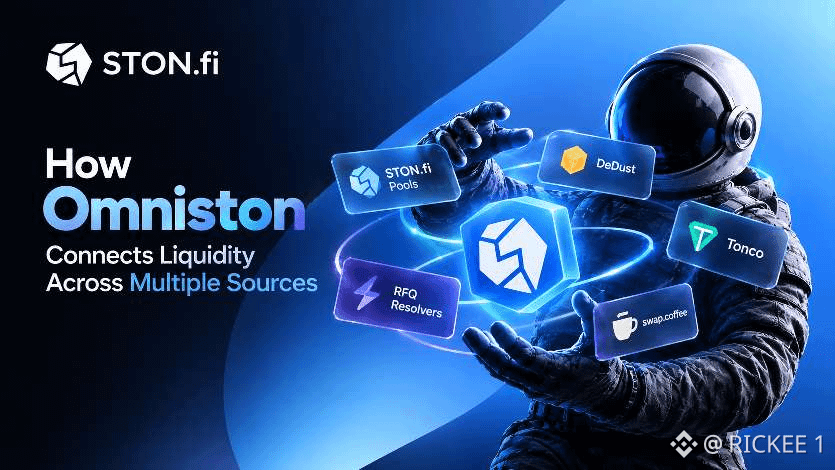
في التمويل اللامركزي، تتوزع السيولة عبر مجمعات (Pools) وDEXs ومقدمي السيولة بشكل متقطع. وهذا قد يجعل العثور على تنفيذ تبادل جيد أمرًا صعبًا. يعالج Omniston هذه المشكلة بوصفه طبقة تجميع السيولة والتنفيذ خلف عمليات تبادل STON.fi.
بدلًا من حصر عملية التداول في مجمع واحد، يمكن لـ Omniston طلب عروض أسعار (Quotes) متنافسة، ومقارنة المسارات عبر مصادر مترابطة، واختيار أقوى تنفيذ صالح. يمنح ذلك المستخدمين وصولًا أوسع إلى السيولة مع الحفاظ على بساطة STON.fi.
كيف يعمل Omniston
يبدأ التبادل عندما يختار المستخدم الأصول والمبلغ. تعيد مصادر السيولة المتصلة وRFQ resolvers مسارات أو عروض أسعار. يقوم Omniston بمقارنة هذه الخيارات وتحديد أقوى مسار صالح. بعد أن يوافق المستخدم على العرض، يتم بناء المسار المختار داخل معاملة المحفظة.
لا يلزم أن يكون المسار مباشرًا. قد يتم توجيه الرمز A إلى الرمز B عبر TON عندما يوفّر مسار متعدد القفزات تنفيذًا أفضل.
لماذا يهمّ التجميع
قد تفوت DEX واحدة مجمعًا أعمق، أو مسارًا أفضل متعدد القفزات، أو عرض أسعار من resolver منافس. لا يقوم Omniston بإنشاء سيولة. بل يجعل السيولة الموجودة أكثر إمكانية للوصول والمقارنة عبر واجهة STON.fi.
يمكن للتبادل الاستفادة من مجمعات STON.fi، وDEXs متصلة على TON مثل DeDust وTonco وswap.coffee أو سيولة resolvers. يمكن أن يؤدي توفر منافسة أكبر إلى إتاحة التداولات الأكبر لسيولة أعمق وربما تقليل أثر تغيّر السعر.
المزايا والحدود
يوفر Omniston وصولًا أوسع إلى السيولة، واكتشاف مسارات أكثر ذكاءً، وعروض أسعار متنافسة، ومسار تنفيذ أبسط. قد يحلّ عرض أقوى محل عرض سابق بينما تبقى الطلبية نشطة.
الصورة الأكبر
يساعد Omniston على تحويل السيولة المتجزئة إلى سوق أكثر ترابطًا. بدلًا من التحقق يدويًا من عدة مجمعات وDEXs، يمكن للمستخدمين الوصول إلى توجيه ذكي عبر تجربة @ston_fi واحدة.
تخلق السيولة المتصلة إمكانيات أكثر. يساعد التوجيه الأذكى هذه الإمكانيات على التنافس على كل عملية تبادل.
$BTC
ما هو Omniston وكيف يُحسّن عمليات تبادل STON.fi
في التمويل اللامركزي، تتوزع السيولة عبر مجمعات (Pools) وDEXs ومقدمي السيولة بشكل متقطع. وهذا قد يجعل العثور على تنفيذ تبادل جيد أمرًا صعبًا. يعالج Omniston هذه المشكلة بوصفه طبقة تجميع السيولة والتنفيذ خلف عمليات تبادل STON.fi.
بدلًا من حصر عملية التداول في مجمع واحد، يمكن لـ Omniston طلب عروض أسعار (Quotes) متنافسة، ومقارنة المسارات عبر مصادر مترابطة، واختيار أقوى تنفيذ صالح. يمنح ذلك المستخدمين وصولًا أوسع إلى السيولة مع الحفاظ على بساطة STON.fi.
كيف يعمل Omniston
يبدأ التبادل عندما يختار المستخدم الأصول والمبلغ. تعيد مصادر السيولة المتصلة وRFQ resolvers مسارات أو عروض أسعار. يقوم Omniston بمقارنة هذه الخيارات وتحديد أقوى مسار صالح. بعد أن يوافق المستخدم على العرض، يتم بناء المسار المختار داخل معاملة المحفظة.
لا يلزم أن يكون المسار مباشرًا. قد يتم توجيه الرمز A إلى الرمز B عبر TON عندما يوفّر مسار متعدد القفزات تنفيذًا أفضل.
لماذا يهمّ التجميع
قد تفوت DEX واحدة مجمعًا أعمق، أو مسارًا أفضل متعدد القفزات، أو عرض أسعار من resolver منافس. لا يقوم Omniston بإنشاء سيولة. بل يجعل السيولة الموجودة أكثر إمكانية للوصول والمقارنة عبر واجهة STON.fi.
يمكن للتبادل الاستفادة من مجمعات STON.fi، وDEXs متصلة على TON مثل DeDust وTonco وswap.coffee أو سيولة resolvers. يمكن أن يؤدي توفر منافسة أكبر إلى إتاحة التداولات الأكبر لسيولة أعمق وربما تقليل أثر تغيّر السعر.
المزايا والحدود
يوفر Omniston وصولًا أوسع إلى السيولة، واكتشاف مسارات أكثر ذكاءً، وعروض أسعار متنافسة، ومسار تنفيذ أبسط. قد يحلّ عرض أقوى محل عرض سابق بينما تبقى الطلبية نشطة.
الصورة الأكبر
يساعد Omniston على تحويل السيولة المتجزئة إلى سوق أكثر ترابطًا. بدلًا من التحقق يدويًا من عدة مجمعات وDEXs، يمكن للمستخدمين الوصول إلى توجيه ذكي عبر تجربة @ston_fi واحدة.
تخلق السيولة المتصلة إمكانيات أكثر. يساعد التوجيه الأذكى هذه الإمكانيات على التنافس على كل عملية تبادل.
$BTC
في التمويل اللامركزي، تتوزع السيولة عبر مجمعات (Pools) وDEXs ومقدمي السيولة بشكل متقطع. وهذا قد يجعل العثور على تنفيذ تبادل جيد أمرًا صعبًا. يعالج Omniston هذه المشكلة بوصفه طبقة تجميع السيولة والتنفيذ خلف عمليات تبادل STON.fi.
بدلًا من حصر عملية التداول في مجمع واحد، يمكن لـ Omniston طلب عروض أسعار (Quotes) متنافسة، ومقارنة المسارات عبر مصادر مترابطة، واختيار أقوى تنفيذ صالح. يمنح ذلك المستخدمين وصولًا أوسع إلى السيولة مع الحفاظ على بساطة STON.fi.
كيف يعمل Omniston
يبدأ التبادل عندما يختار المستخدم الأصول والمبلغ. تعيد مصادر السيولة المتصلة وRFQ resolvers مسارات أو عروض أسعار. يقوم Omniston بمقارنة هذه الخيارات وتحديد أقوى مسار صالح. بعد أن يوافق المستخدم على العرض، يتم بناء المسار المختار داخل معاملة المحفظة.
لا يلزم أن يكون المسار مباشرًا. قد يتم توجيه الرمز A إلى الرمز B عبر TON عندما يوفّر مسار متعدد القفزات تنفيذًا أفضل.
لماذا يهمّ التجميع
قد تفوت DEX واحدة مجمعًا أعمق، أو مسارًا أفضل متعدد القفزات، أو عرض أسعار من resolver منافس. لا يقوم Omniston بإنشاء سيولة. بل يجعل السيولة الموجودة أكثر إمكانية للوصول والمقارنة عبر واجهة STON.fi.
يمكن للتبادل الاستفادة من مجمعات STON.fi، وDEXs متصلة على TON مثل DeDust وTonco وswap.coffee أو سيولة resolvers. يمكن أن يؤدي توفر منافسة أكبر إلى إتاحة التداولات الأكبر لسيولة أعمق وربما تقليل أثر تغيّر السعر.
المزايا والحدود
يوفر Omniston وصولًا أوسع إلى السيولة، واكتشاف مسارات أكثر ذكاءً، وعروض أسعار متنافسة، ومسار تنفيذ أبسط. قد يحلّ عرض أقوى محل عرض سابق بينما تبقى الطلبية نشطة.
الصورة الأكبر
يساعد Omniston على تحويل السيولة المتجزئة إلى سوق أكثر ترابطًا. بدلًا من التحقق يدويًا من عدة مجمعات وDEXs، يمكن للمستخدمين الوصول إلى توجيه ذكي عبر تجربة @ston_fi واحدة.
تخلق السيولة المتصلة إمكانيات أكثر. يساعد التوجيه الأذكى هذه الإمكانيات على التنافس على كل عملية تبادل.
$BTC
50
·
--
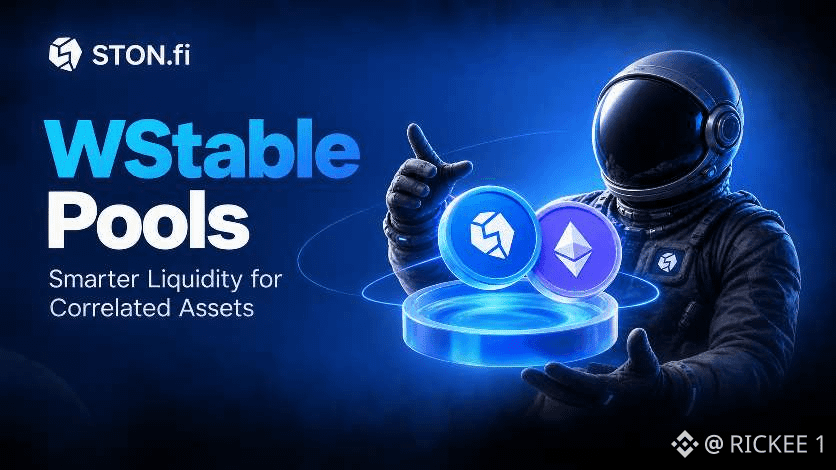
برك WStable على STON.fi: شرح المبادلة المستقرة الموزونة
لا تحتاج كل أزواج التمويل اللامركزي إلى صانع سوق 50/50. بعض الأصول مترابطة بشكل وثيق. يمكن لرمز الرهن السائل أن يتتبع أصله الأساسي بينما تتغير قيمته مع تراكم المكافآت.
WStable، أو Weighted Stable Swap (WSS)، هو نموذج البرك في STON.fi لهذا الاستخدام. يجمع بين تسعير بأسلوب StableSwap مع أوزان مخصصة ومعدل نسبي، ما يسمح للسيولة بأن تعكس علاقة تتطور بدلًا من نسبة ثابتة 1:1.
كيف تعمل WStable
يمكن لـ AMM المنتج الثابت (constant product) أن يسبب أثرًا سعريًا في الصفقات الأكبر. يسطّح تسعير بأسلوب StableSwap المنحنى حول العلاقة بين الأصول المترابطة. تضيف WStable مرونة عبر أوزان غير متساوية ومعدل.
أهم المعلمات الآن:
• amp = يتحكم في تضخيم المنحنى.
• rate = يمثل علاقة التبادل النسبية.
• w0 = يحدد وزن أحد الأصول.
• rate_setter = يدير المعدل.
لماذا تهم الأوزان
الأصول المترابطة لا تتطلب دائمًا سيولة متساوية. يمكن لبركة WStable استخدام بنية 75%/25%، مع تركيز سيولة أكبر في أحد الأصول مع الحفاظ على الآخر.
مثال tsTON
قدّمت STON.fi WStable عبر بركة تجمع بين tsTON والأصل الأصلي، ثم تم لاحقًا إعادة تسميته إلى Gram ( $GRAM ). تصف STON.fi ذلك بأنه 75% tsTON و25% GRAM. يمنح أولوية للأصل الذي يحقق عائدًا مع دعم عمليات التبادل.
WStable مقابل WCPI
كلاهما يستخدم الأوزان، لكن نماذج التسعير مختلفة. يعني WCPI Weighted Constant Product Invariant: تقوم الأوزان بتعديل تسعير المنتج الثابت. تستخدم WStable تسعيرًا بأسلوب StableSwap مع أوزان ومعدل نسبي للأصول المترابطة.
ما يجب أن يعرفه المستخدمون
قد تحسن WStable كفاءة رأس المال وتقلل أثر السعر حول العلاقة، لكنها لا تلغي المخاطر. ما تزال عمق البركة، وحجم التداول، والانزلاق (slippage)، وتغيرات الترابط، ودقة المعدل، والخسارة غير الدائمة (impermanent loss)، وخطر العقود الذكية عوامل مهمة.
في النهاية، تعد WStable عبارة عن AMM لأصول مترابطة يمكن أن تتطور علاقتهما دون الحاجة إلى بنية 50/50.
#تحليل سعر BTC# $BTC
برك WStable على STON.fi: شرح المبادلة المستقرة الموزونة
لا تحتاج كل أزواج التمويل اللامركزي إلى صانع سوق 50/50. بعض الأصول مترابطة بشكل وثيق. يمكن لرمز الرهن السائل أن يتتبع أصله الأساسي بينما تتغير قيمته مع تراكم المكافآت.
WStable، أو Weighted Stable Swap (WSS)، هو نموذج البرك في STON.fi لهذا الاستخدام. يجمع بين تسعير بأسلوب StableSwap مع أوزان مخصصة ومعدل نسبي، ما يسمح للسيولة بأن تعكس علاقة تتطور بدلًا من نسبة ثابتة 1:1.
كيف تعمل WStable
يمكن لـ AMM المنتج الثابت (constant product) أن يسبب أثرًا سعريًا في الصفقات الأكبر. يسطّح تسعير بأسلوب StableSwap المنحنى حول العلاقة بين الأصول المترابطة. تضيف WStable مرونة عبر أوزان غير متساوية ومعدل.
أهم المعلمات الآن:
• amp = يتحكم في تضخيم المنحنى.
• rate = يمثل علاقة التبادل النسبية.
• w0 = يحدد وزن أحد الأصول.
• rate_setter = يدير المعدل.
لماذا تهم الأوزان
الأصول المترابطة لا تتطلب دائمًا سيولة متساوية. يمكن لبركة WStable استخدام بنية 75%/25%، مع تركيز سيولة أكبر في أحد الأصول مع الحفاظ على الآخر.
مثال tsTON
قدّمت STON.fi WStable عبر بركة تجمع بين tsTON والأصل الأصلي، ثم تم لاحقًا إعادة تسميته إلى Gram ( $GRAM ). تصف STON.fi ذلك بأنه 75% tsTON و25% GRAM. يمنح أولوية للأصل الذي يحقق عائدًا مع دعم عمليات التبادل.
WStable مقابل WCPI
كلاهما يستخدم الأوزان، لكن نماذج التسعير مختلفة. يعني WCPI Weighted Constant Product Invariant: تقوم الأوزان بتعديل تسعير المنتج الثابت. تستخدم WStable تسعيرًا بأسلوب StableSwap مع أوزان ومعدل نسبي للأصول المترابطة.
ما يجب أن يعرفه المستخدمون
قد تحسن WStable كفاءة رأس المال وتقلل أثر السعر حول العلاقة، لكنها لا تلغي المخاطر. ما تزال عمق البركة، وحجم التداول، والانزلاق (slippage)، وتغيرات الترابط، ودقة المعدل، والخسارة غير الدائمة (impermanent loss)، وخطر العقود الذكية عوامل مهمة.
في النهاية، تعد WStable عبارة عن AMM لأصول مترابطة يمكن أن تتطور علاقتهما دون الحاجة إلى بنية 50/50.
#تحليل سعر BTC# $BTC
لا تحتاج كل أزواج التمويل اللامركزي إلى صانع سوق 50/50. بعض الأصول مترابطة بشكل وثيق. يمكن لرمز الرهن السائل أن يتتبع أصله الأساسي بينما تتغير قيمته مع تراكم المكافآت.
WStable، أو Weighted Stable Swap (WSS)، هو نموذج البرك في STON.fi لهذا الاستخدام. يجمع بين تسعير بأسلوب StableSwap مع أوزان مخصصة ومعدل نسبي، ما يسمح للسيولة بأن تعكس علاقة تتطور بدلًا من نسبة ثابتة 1:1.
كيف تعمل WStable
يمكن لـ AMM المنتج الثابت (constant product) أن يسبب أثرًا سعريًا في الصفقات الأكبر. يسطّح تسعير بأسلوب StableSwap المنحنى حول العلاقة بين الأصول المترابطة. تضيف WStable مرونة عبر أوزان غير متساوية ومعدل.
أهم المعلمات الآن:
• amp = يتحكم في تضخيم المنحنى.
• rate = يمثل علاقة التبادل النسبية.
• w0 = يحدد وزن أحد الأصول.
• rate_setter = يدير المعدل.
لماذا تهم الأوزان
الأصول المترابطة لا تتطلب دائمًا سيولة متساوية. يمكن لبركة WStable استخدام بنية 75%/25%، مع تركيز سيولة أكبر في أحد الأصول مع الحفاظ على الآخر.
مثال tsTON
قدّمت STON.fi WStable عبر بركة تجمع بين tsTON والأصل الأصلي، ثم تم لاحقًا إعادة تسميته إلى Gram ( $GRAM ). تصف STON.fi ذلك بأنه 75% tsTON و25% GRAM. يمنح أولوية للأصل الذي يحقق عائدًا مع دعم عمليات التبادل.
WStable مقابل WCPI
كلاهما يستخدم الأوزان، لكن نماذج التسعير مختلفة. يعني WCPI Weighted Constant Product Invariant: تقوم الأوزان بتعديل تسعير المنتج الثابت. تستخدم WStable تسعيرًا بأسلوب StableSwap مع أوزان ومعدل نسبي للأصول المترابطة.
ما يجب أن يعرفه المستخدمون
قد تحسن WStable كفاءة رأس المال وتقلل أثر السعر حول العلاقة، لكنها لا تلغي المخاطر. ما تزال عمق البركة، وحجم التداول، والانزلاق (slippage)، وتغيرات الترابط، ودقة المعدل، والخسارة غير الدائمة (impermanent loss)، وخطر العقود الذكية عوامل مهمة.
في النهاية، تعد WStable عبارة عن AMM لأصول مترابطة يمكن أن تتطور علاقتهما دون الحاجة إلى بنية 50/50.
#تحليل سعر BTC# $BTC
64
·
--
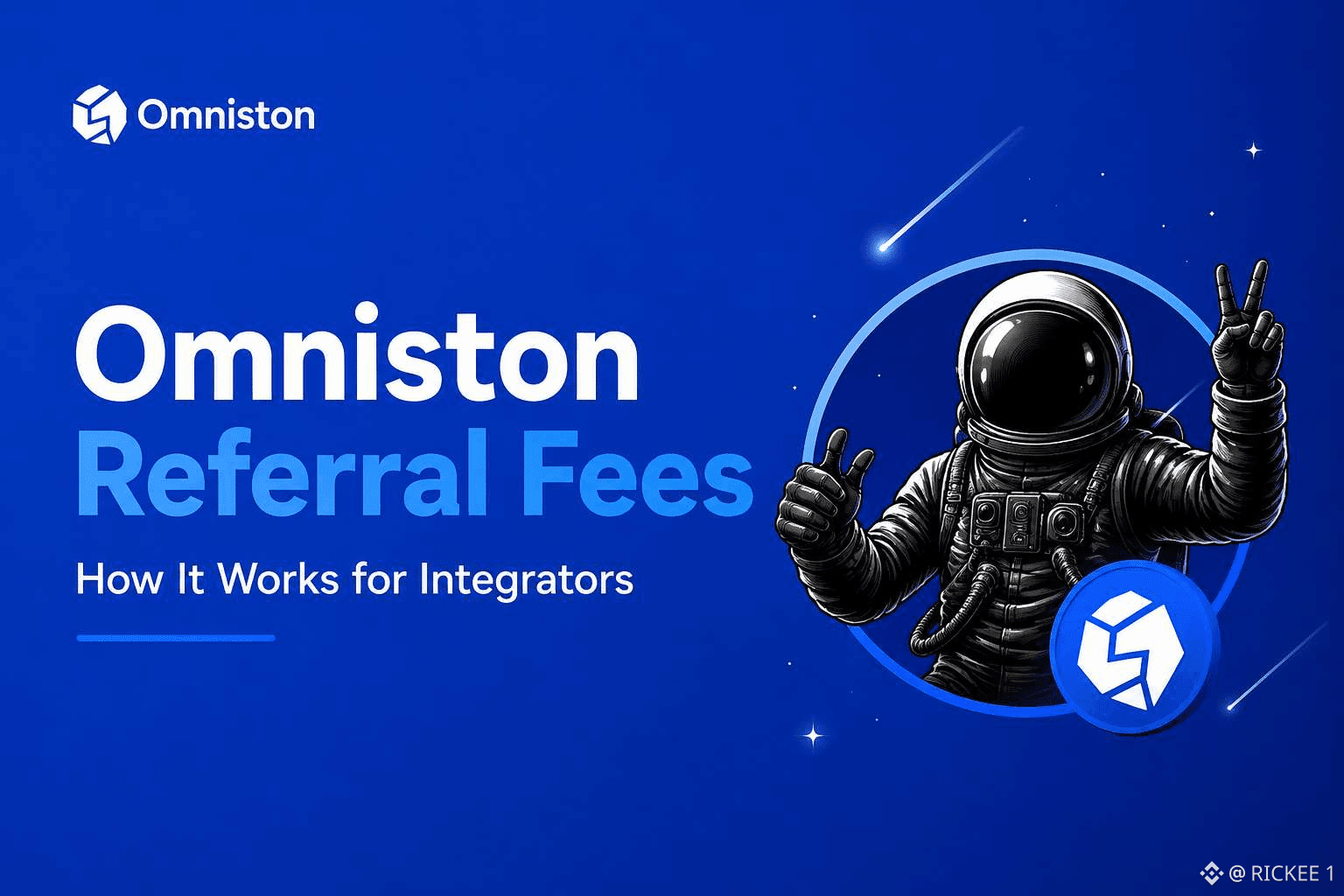
كيف يتعامل Omniston مع رسوم الإحالة للمُدمِجين
يتيح Omniston، بروتوكول تجميع سيولة TON، للمحافظ وواجهات التداول والروبوتات تحقيق إيرادات من عمليات التبادل التي تقوم بتوجيهها عبره. يرفق المُدمِّجون عنوان إحالة ومعدل رسوم بطلب عرض السعر؛ يقوم Omniston بإدخال تلك الرسوم في العرض قبل أن يتنافس المُحلِّلون (resolvers)، لذلك يكون المعدّل ثابتًا قبل أن يوقّع المتداول.
Post image
إعداد ذلك
يوجد حقلا الرسوم: referrer_address (محفظة TON التي ستُدفع) و referrer_fee_bps، حيث تساوي 1 bps 0.01% — و10 bps هي 0.1%، و50 bps هي 0.5%. تستخدم الـ SDKs referrerAddress/referrerFeeBps؛ وتُحاكي الأداة هذه الحقول.
من العرض إلى التسوية
1. يختار المتداول الأصول والمبلغ.
2. تطلب التطبيق عرضًا للسعر مع إرفاق بيانات الإحالة.
3. يتنافس المُحلِّلون، والرسوم مُسعّرة مسبقًا.
4. يوقّع المتداول عرض السعر الفائز.
5. يقوم مصدر السيولة الفائز بتسوية الرسوم.
لماذا يهم اختيار المسار
DEX v1 يدفع 0.1% ثابتة فورًا في عملية التبادل. يدعم DEX v2 نطاق 0.01%–1%، لكن تتراكم الرسوم في محافظ لكل توكن ويتم استردادها يدويًا أو عبر الـ SDK. يدفع DeDust وTonco وCoffeeSwap رسوم TON فورًا لكن يحفظون رسوم الـ jetton في محافظ منفصلة تحتاج إلى استدعاءات على السلسلة. تستخدم Escrow عقود محافظ متميزة بالكامل.
رسوم مرنة
flexible_referrer_fee، مغلق افتراضيًا، يتيح لـ Omniston خفض رسوم الإحالة أو عدم زيادتها أبدًا، حتى يمكن لمسار v1 بسعر أفضل أن يفوز عندما يكون معدل الإحالة الذي طلبته أعلى من سقف 10 bps الخاص بـ v1.
تتبّع الإيرادات
لا تكفي أرصدة المحافظ وحدها لمعرفة الرسوم المحفوظة في المحافظ. تغطي واجهة STON.fi API الخاصة بـ DEX v2 المحافظ فقط؛ بينما تحتاج رسوم DeDust وTonco وCoffeeSwap وEscrow إلى فحوصات على السلسلة أو فهرسة مخصصة إلى أن تصل واجهة موحّدة.
الاختيار الحقيقي
معدل صارم يعطي إيرادات يمكن التنبؤ بها لكنه قد يستبعد أفضل مسار v1. الرسوم المرنة تحمي جودة التنفيذ مع الاستمرار في دفع الحد الأقصى لرسوم المسار. أيهما أفضل لمستخدميك: معدل صارم أم رسوم مرنة؟
#BTC $BTC $BASE
كيف يتعامل Omniston مع رسوم الإحالة للمُدمِجين
يتيح Omniston، بروتوكول تجميع سيولة TON، للمحافظ وواجهات التداول والروبوتات تحقيق إيرادات من عمليات التبادل التي تقوم بتوجيهها عبره. يرفق المُدمِّجون عنوان إحالة ومعدل رسوم بطلب عرض السعر؛ يقوم Omniston بإدخال تلك الرسوم في العرض قبل أن يتنافس المُحلِّلون (resolvers)، لذلك يكون المعدّل ثابتًا قبل أن يوقّع المتداول.
Post image
إعداد ذلك
يوجد حقلا الرسوم: referrer_address (محفظة TON التي ستُدفع) و referrer_fee_bps، حيث تساوي 1 bps 0.01% — و10 bps هي 0.1%، و50 bps هي 0.5%. تستخدم الـ SDKs referrerAddress/referrerFeeBps؛ وتُحاكي الأداة هذه الحقول.
من العرض إلى التسوية
1. يختار المتداول الأصول والمبلغ.
2. تطلب التطبيق عرضًا للسعر مع إرفاق بيانات الإحالة.
3. يتنافس المُحلِّلون، والرسوم مُسعّرة مسبقًا.
4. يوقّع المتداول عرض السعر الفائز.
5. يقوم مصدر السيولة الفائز بتسوية الرسوم.
لماذا يهم اختيار المسار
DEX v1 يدفع 0.1% ثابتة فورًا في عملية التبادل. يدعم DEX v2 نطاق 0.01%–1%، لكن تتراكم الرسوم في محافظ لكل توكن ويتم استردادها يدويًا أو عبر الـ SDK. يدفع DeDust وTonco وCoffeeSwap رسوم TON فورًا لكن يحفظون رسوم الـ jetton في محافظ منفصلة تحتاج إلى استدعاءات على السلسلة. تستخدم Escrow عقود محافظ متميزة بالكامل.
رسوم مرنة
flexible_referrer_fee، مغلق افتراضيًا، يتيح لـ Omniston خفض رسوم الإحالة أو عدم زيادتها أبدًا، حتى يمكن لمسار v1 بسعر أفضل أن يفوز عندما يكون معدل الإحالة الذي طلبته أعلى من سقف 10 bps الخاص بـ v1.
تتبّع الإيرادات
لا تكفي أرصدة المحافظ وحدها لمعرفة الرسوم المحفوظة في المحافظ. تغطي واجهة STON.fi API الخاصة بـ DEX v2 المحافظ فقط؛ بينما تحتاج رسوم DeDust وTonco وCoffeeSwap وEscrow إلى فحوصات على السلسلة أو فهرسة مخصصة إلى أن تصل واجهة موحّدة.
الاختيار الحقيقي
معدل صارم يعطي إيرادات يمكن التنبؤ بها لكنه قد يستبعد أفضل مسار v1. الرسوم المرنة تحمي جودة التنفيذ مع الاستمرار في دفع الحد الأقصى لرسوم المسار. أيهما أفضل لمستخدميك: معدل صارم أم رسوم مرنة؟
#BTC $BTC $BASE
يتيح Omniston، بروتوكول تجميع سيولة TON، للمحافظ وواجهات التداول والروبوتات تحقيق إيرادات من عمليات التبادل التي تقوم بتوجيهها عبره. يرفق المُدمِّجون عنوان إحالة ومعدل رسوم بطلب عرض السعر؛ يقوم Omniston بإدخال تلك الرسوم في العرض قبل أن يتنافس المُحلِّلون (resolvers)، لذلك يكون المعدّل ثابتًا قبل أن يوقّع المتداول.
Post image
إعداد ذلك
يوجد حقلا الرسوم: referrer_address (محفظة TON التي ستُدفع) و referrer_fee_bps، حيث تساوي 1 bps 0.01% — و10 bps هي 0.1%، و50 bps هي 0.5%. تستخدم الـ SDKs referrerAddress/referrerFeeBps؛ وتُحاكي الأداة هذه الحقول.
من العرض إلى التسوية
1. يختار المتداول الأصول والمبلغ.
2. تطلب التطبيق عرضًا للسعر مع إرفاق بيانات الإحالة.
3. يتنافس المُحلِّلون، والرسوم مُسعّرة مسبقًا.
4. يوقّع المتداول عرض السعر الفائز.
5. يقوم مصدر السيولة الفائز بتسوية الرسوم.
لماذا يهم اختيار المسار
DEX v1 يدفع 0.1% ثابتة فورًا في عملية التبادل. يدعم DEX v2 نطاق 0.01%–1%، لكن تتراكم الرسوم في محافظ لكل توكن ويتم استردادها يدويًا أو عبر الـ SDK. يدفع DeDust وTonco وCoffeeSwap رسوم TON فورًا لكن يحفظون رسوم الـ jetton في محافظ منفصلة تحتاج إلى استدعاءات على السلسلة. تستخدم Escrow عقود محافظ متميزة بالكامل.
رسوم مرنة
flexible_referrer_fee، مغلق افتراضيًا، يتيح لـ Omniston خفض رسوم الإحالة أو عدم زيادتها أبدًا، حتى يمكن لمسار v1 بسعر أفضل أن يفوز عندما يكون معدل الإحالة الذي طلبته أعلى من سقف 10 bps الخاص بـ v1.
تتبّع الإيرادات
لا تكفي أرصدة المحافظ وحدها لمعرفة الرسوم المحفوظة في المحافظ. تغطي واجهة STON.fi API الخاصة بـ DEX v2 المحافظ فقط؛ بينما تحتاج رسوم DeDust وTonco وCoffeeSwap وEscrow إلى فحوصات على السلسلة أو فهرسة مخصصة إلى أن تصل واجهة موحّدة.
الاختيار الحقيقي
معدل صارم يعطي إيرادات يمكن التنبؤ بها لكنه قد يستبعد أفضل مسار v1. الرسوم المرنة تحمي جودة التنفيذ مع الاستمرار في دفع الحد الأقصى لرسوم المسار. أيهما أفضل لمستخدميك: معدل صارم أم رسوم مرنة؟
#BTC $BTC $BASE
65
·
--
هل يمكن لطلب Jetton خبيث أن يؤثر على مستخدم STON.fi؟
نعم. يمكن لطلب jetton خبيث أن يؤثر على مستخدم STON.fi، لكن غالبًا ما يُساء فهم مستوى المخاطر. لا تستخدم جتّونات TON القياسية نموذج الموافقة (approve) والبدل/الحد المسموح (allowance) الشائع مع ERC-20.
وفقًا لـ TEP-74، لا يوجد معيار للموافقة (approve) أو allowance أو دالة transferFrom. يقوم نقل jetton العادي بتفويض معاملة محددة.
أين تكمن المخاطر الحقيقية؟
الخطر الرئيسي هو توقيع معاملة دون التحقق مما تفعله فعليًا.
قد يقوم موقع ويب مزيف بنسخ STON.fi وطلب نقل jetton إلى عنوان المهاجم. قد يبدو كأنه تبديل/Swap عادي بينما يتم إرسال الأموال إلى مكان آخر.
يمكن لـ TON Connect أيضًا طلب رسالة صادرة واحدة أو أكثر.
تتطلب ملحقات Wallet V5 أيضًا عناية، لأنها قد توفر إمكانيات أوسع على مستوى المحفظة مقارنةً بتحويل لمرة واحدة.
كيف يعمل تبديل STON.fi؟
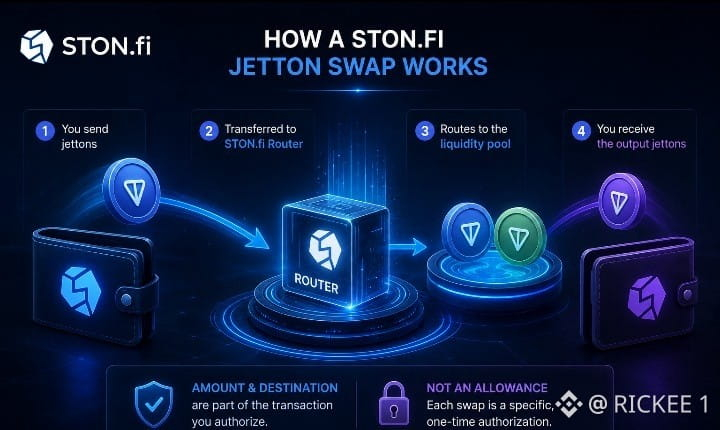
في تبديل عادي من jetton إلى jetton على STON.fi، تدخل jettons الخاصة بالمستخدم إلى مسار Router عبر تحويل محدد. يوضح الحمولة (payload) للـ Router كيفية معالجة الطلب، ثم يتفاعل الـ Router مع المجموعة (pool) ذات الصلة.
المبلغ جزء من المعاملة التي يقوم المستخدم بتوقيعها. وهذا يختلف عن منح STON.fi بدلًا دائمًا أو غير محدود من TEP-74.
ماذا يجب أن تتحقق منه؟
قبل التوقيع، أكد الـ jetton والمبلغ الدقيق والوجهة وتفاصيل المعاملة.
بالنسبة للـ jettons غير المألوفة، تحقّق من عنوان معلم/master التوكن الرسمي. لا تثق فقط بالاسم أو الرمز أو الشعار أو موقع الويب، لأن التوكنات المزيفة يمكنها نسخها.
تمييز مهم
قد يؤدي تحويل لمرة واحدة خبيث إلى ضياع المبلغ المُعتمد. لكن ذلك لا ينشئ تلقائيًا بدلًا قابلاً لإعادة الاستخدام من نوع TEP-74 لعمليات تبديل مستقبلية على STON.fi.
الخطر الأكبر يأتي من محفظة مخترقة. قد يتيح تسريب عبارة البذور (seed phrase) أو المفتاح الخاص، أو ملحق قوي، للمهاجم تفويض معاملات مستقبلية.
قد تحتوي الـ jettons غير القياسية أيضًا على منطق إضافي يتجاوز سلوك TEP-74 الأساسي.
استكشف المزيد على STON.FI: app.ston.fi
$BTC $STON
#Market
هل يمكن لطلب Jetton خبيث أن يؤثر على مستخدم STON.fi؟
نعم. يمكن لطلب jetton خبيث أن يؤثر على مستخدم STON.fi، لكن غالبًا ما يُساء فهم مستوى المخاطر. لا تستخدم جتّونات TON القياسية نموذج الموافقة (approve) والبدل/الحد المسموح (allowance) الشائع مع ERC-20.
وفقًا لـ TEP-74، لا يوجد معيار للموافقة (approve) أو allowance أو دالة transferFrom. يقوم نقل jetton العادي بتفويض معاملة محددة.
أين تكمن المخاطر الحقيقية؟
الخطر الرئيسي هو توقيع معاملة دون التحقق مما تفعله فعليًا.
قد يقوم موقع ويب مزيف بنسخ STON.fi وطلب نقل jetton إلى عنوان المهاجم. قد يبدو كأنه تبديل/Swap عادي بينما يتم إرسال الأموال إلى مكان آخر.
يمكن لـ TON Connect أيضًا طلب رسالة صادرة واحدة أو أكثر.
تتطلب ملحقات Wallet V5 أيضًا عناية، لأنها قد توفر إمكانيات أوسع على مستوى المحفظة مقارنةً بتحويل لمرة واحدة.
كيف يعمل تبديل STON.fi؟
في تبديل عادي من jetton إلى jetton على STON.fi، تدخل jettons الخاصة بالمستخدم إلى مسار Router عبر تحويل محدد. يوضح الحمولة (payload) للـ Router كيفية معالجة الطلب، ثم يتفاعل الـ Router مع المجموعة (pool) ذات الصلة.
المبلغ جزء من المعاملة التي يقوم المستخدم بتوقيعها. وهذا يختلف عن منح STON.fi بدلًا دائمًا أو غير محدود من TEP-74.
ماذا يجب أن تتحقق منه؟
قبل التوقيع، أكد الـ jetton والمبلغ الدقيق والوجهة وتفاصيل المعاملة.
بالنسبة للـ jettons غير المألوفة، تحقّق من عنوان معلم/master التوكن الرسمي. لا تثق فقط بالاسم أو الرمز أو الشعار أو موقع الويب، لأن التوكنات المزيفة يمكنها نسخها.
تمييز مهم
قد يؤدي تحويل لمرة واحدة خبيث إلى ضياع المبلغ المُعتمد. لكن ذلك لا ينشئ تلقائيًا بدلًا قابلاً لإعادة الاستخدام من نوع TEP-74 لعمليات تبديل مستقبلية على STON.fi.
الخطر الأكبر يأتي من محفظة مخترقة. قد يتيح تسريب عبارة البذور (seed phrase) أو المفتاح الخاص، أو ملحق قوي، للمهاجم تفويض معاملات مستقبلية.
قد تحتوي الـ jettons غير القياسية أيضًا على منطق إضافي يتجاوز سلوك TEP-74 الأساسي.
استكشف المزيد على STON.FI: app.ston.fi
$BTC $STON
#Market
نعم. يمكن لطلب jetton خبيث أن يؤثر على مستخدم STON.fi، لكن غالبًا ما يُساء فهم مستوى المخاطر. لا تستخدم جتّونات TON القياسية نموذج الموافقة (approve) والبدل/الحد المسموح (allowance) الشائع مع ERC-20.
وفقًا لـ TEP-74، لا يوجد معيار للموافقة (approve) أو allowance أو دالة transferFrom. يقوم نقل jetton العادي بتفويض معاملة محددة.
أين تكمن المخاطر الحقيقية؟
الخطر الرئيسي هو توقيع معاملة دون التحقق مما تفعله فعليًا.
قد يقوم موقع ويب مزيف بنسخ STON.fi وطلب نقل jetton إلى عنوان المهاجم. قد يبدو كأنه تبديل/Swap عادي بينما يتم إرسال الأموال إلى مكان آخر.
يمكن لـ TON Connect أيضًا طلب رسالة صادرة واحدة أو أكثر.
تتطلب ملحقات Wallet V5 أيضًا عناية، لأنها قد توفر إمكانيات أوسع على مستوى المحفظة مقارنةً بتحويل لمرة واحدة.
كيف يعمل تبديل STON.fi؟
في تبديل عادي من jetton إلى jetton على STON.fi، تدخل jettons الخاصة بالمستخدم إلى مسار Router عبر تحويل محدد. يوضح الحمولة (payload) للـ Router كيفية معالجة الطلب، ثم يتفاعل الـ Router مع المجموعة (pool) ذات الصلة.
المبلغ جزء من المعاملة التي يقوم المستخدم بتوقيعها. وهذا يختلف عن منح STON.fi بدلًا دائمًا أو غير محدود من TEP-74.
ماذا يجب أن تتحقق منه؟
قبل التوقيع، أكد الـ jetton والمبلغ الدقيق والوجهة وتفاصيل المعاملة.
بالنسبة للـ jettons غير المألوفة، تحقّق من عنوان معلم/master التوكن الرسمي. لا تثق فقط بالاسم أو الرمز أو الشعار أو موقع الويب، لأن التوكنات المزيفة يمكنها نسخها.
تمييز مهم
قد يؤدي تحويل لمرة واحدة خبيث إلى ضياع المبلغ المُعتمد. لكن ذلك لا ينشئ تلقائيًا بدلًا قابلاً لإعادة الاستخدام من نوع TEP-74 لعمليات تبديل مستقبلية على STON.fi.
الخطر الأكبر يأتي من محفظة مخترقة. قد يتيح تسريب عبارة البذور (seed phrase) أو المفتاح الخاص، أو ملحق قوي، للمهاجم تفويض معاملات مستقبلية.
قد تحتوي الـ jettons غير القياسية أيضًا على منطق إضافي يتجاوز سلوك TEP-74 الأساسي.
استكشف المزيد على STON.FI: app.ston.fi
$BTC $STON
#Market
70
·
--
تقدم STON.fi ميزة Omniston نموذجًا مختلفًا للتمويل اللامركزي عبر السلاسل: تبادل القيمة بين سلاسل بلوكشين مستقلة دون إنشاء نسخة مُغلّفة من الأصل المصدر.
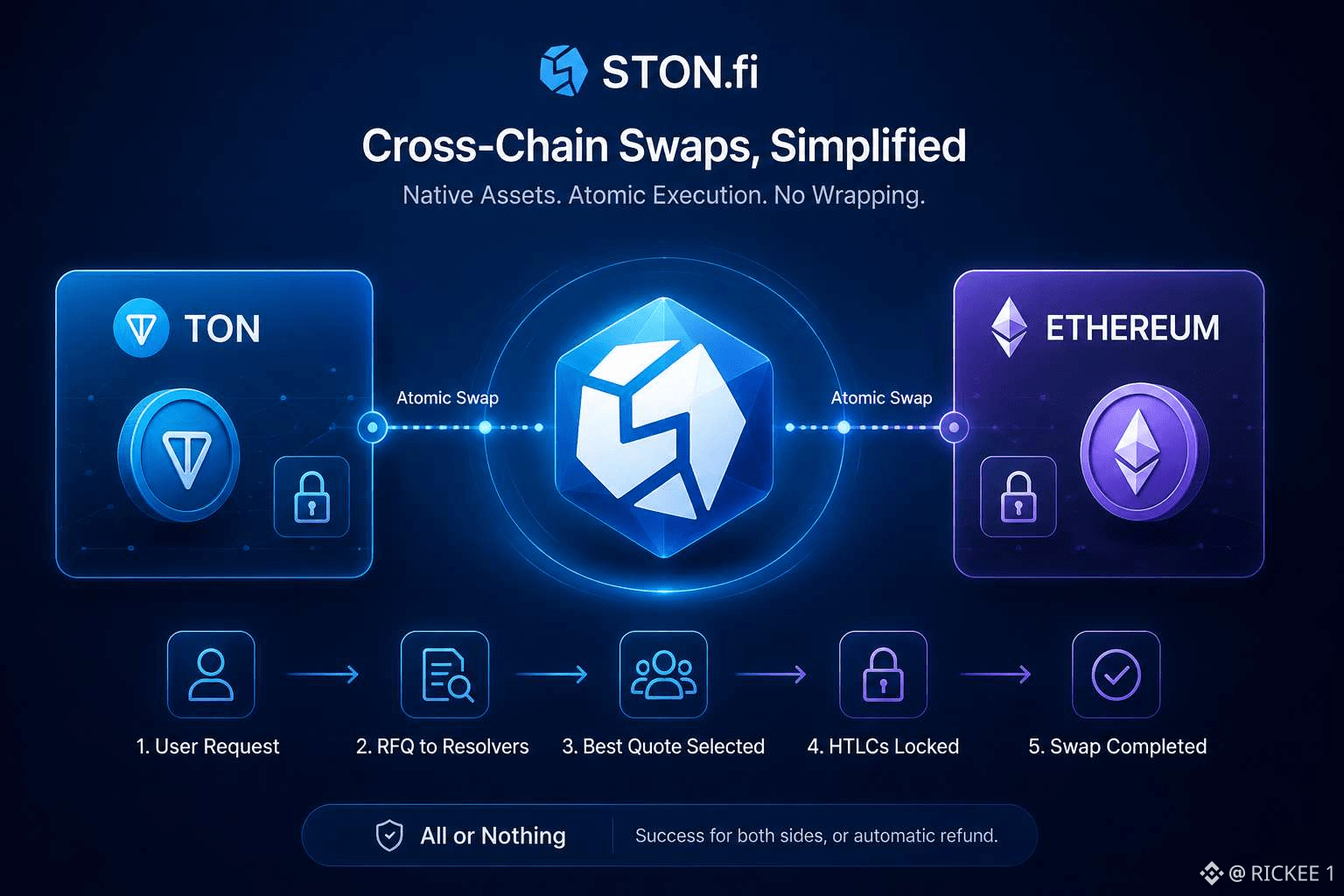
تعمل TON وEthereum بشكل مستقل، لذلك لا يمكن للأصول الأصلية أن تنتقل بينهما ببساطة. تنسق Omniston عمليات المبادلة عبر المُحلِّين (resolvers) وطلب عرض السعر (RFQ) وعقود التوقيت المُهشّاة (HTLCs).
المُحلّون هم مزوّدو سيولة يتنافسون على تنفيذ الأوامر. يحدد المستخدم الأصل المصدر والكمية والأصل الوجهة ومحفظة الاستلام. ترسل Omniston طلب عرض السعر إلى المُحلّين المتاحين، والذين يعيدون اقتباسات قابلة للتنفيذ. يلتزم المُحلّ المختار بسيولة الوجهة، ما يخلق حافزًا لإكمال الصفقة.
توفّر HTLCs طبقة التسوية المشفّرة. يرتبط الطرفان بنفس السرّ وبشرط التجزئة نفسه. عندما يُكشف السر، يمكن للمستخدم المطالبة بأصل الوجهة، بينما يمكن للمحلّ المطالبة بالأصل المصدر. تضيف مهلة زمنية حماية: إذا لم يكتمل التسوية في الوقت المحدد، يصبح مسار الاسترداد متاحًا.
التدفق بسيط: اختر الأصول والمحفظة، اطلب عروض الأسعار، راجع المخرجات والتكاليف، وافق على معاملة المصدر، واترك المُحلّ يلتزم بسيولة الوجهة، ثم أكمل التسوية. إذا انتهت الشروط، يتم تطبيق آلية الاسترداد.
الفرق الرئيسي عن الجسر التقليدي هو نموذج الأصل. قد يقوم الجسر التقليدي بتأمين الأصل (Asset A) وإصدار أصل مُغلّف (Wrapped Asset A) على سلسلة أخرى. تسعى Omniston بدلًا من ذلك إلى:
الأصل A → مبادلة ذرّية عبر السلاسل → الأصل B الأصلي
يأتي أصل الوجهة من سيولة المُحلّ، وليس من تمثيل مُغلف للأصل المصدر.
ينشئ المُحلّون سوقًا تنافسيًا. يمكن أيضًا للطلبات الأكبر استخدام تعبئة جزئية.
قبل التأكيد، تحقق بعناية من المخرجات والرسوم وشبكة الوجهة وعنوان الاستلام وغاز الشبكة المطلوب.
تقوم Omniston بربط TON والشبكات مثل Ethereum عبر سيولة تنافسية وأصول وجهة أصلية وتسوية مشفّرة وشروط استرداد محددة.
تقدم STON.fi ميزة Omniston نموذجًا مختلفًا للتمويل اللامركزي عبر السلاسل: تبادل القيمة بين سلاسل بلوكشين مستقلة دون إنشاء نسخة مُغلّفة من الأصل المصدر.
تعمل TON وEthereum بشكل مستقل، لذلك لا يمكن للأصول الأصلية أن تنتقل بينهما ببساطة. تنسق Omniston عمليات المبادلة عبر المُحلِّين (resolvers) وطلب عرض السعر (RFQ) وعقود التوقيت المُهشّاة (HTLCs).
المُحلّون هم مزوّدو سيولة يتنافسون على تنفيذ الأوامر. يحدد المستخدم الأصل المصدر والكمية والأصل الوجهة ومحفظة الاستلام. ترسل Omniston طلب عرض السعر إلى المُحلّين المتاحين، والذين يعيدون اقتباسات قابلة للتنفيذ. يلتزم المُحلّ المختار بسيولة الوجهة، ما يخلق حافزًا لإكمال الصفقة.
توفّر HTLCs طبقة التسوية المشفّرة. يرتبط الطرفان بنفس السرّ وبشرط التجزئة نفسه. عندما يُكشف السر، يمكن للمستخدم المطالبة بأصل الوجهة، بينما يمكن للمحلّ المطالبة بالأصل المصدر. تضيف مهلة زمنية حماية: إذا لم يكتمل التسوية في الوقت المحدد، يصبح مسار الاسترداد متاحًا.
التدفق بسيط: اختر الأصول والمحفظة، اطلب عروض الأسعار، راجع المخرجات والتكاليف، وافق على معاملة المصدر، واترك المُحلّ يلتزم بسيولة الوجهة، ثم أكمل التسوية. إذا انتهت الشروط، يتم تطبيق آلية الاسترداد.
الفرق الرئيسي عن الجسر التقليدي هو نموذج الأصل. قد يقوم الجسر التقليدي بتأمين الأصل (Asset A) وإصدار أصل مُغلّف (Wrapped Asset A) على سلسلة أخرى. تسعى Omniston بدلًا من ذلك إلى:
الأصل A → مبادلة ذرّية عبر السلاسل → الأصل B الأصلي
يأتي أصل الوجهة من سيولة المُحلّ، وليس من تمثيل مُغلف للأصل المصدر.
ينشئ المُحلّون سوقًا تنافسيًا. يمكن أيضًا للطلبات الأكبر استخدام تعبئة جزئية.
قبل التأكيد، تحقق بعناية من المخرجات والرسوم وشبكة الوجهة وعنوان الاستلام وغاز الشبكة المطلوب.
تقوم Omniston بربط TON والشبكات مثل Ethereum عبر سيولة تنافسية وأصول وجهة أصلية وتسوية مشفّرة وشروط استرداد محددة.
تعمل TON وEthereum بشكل مستقل، لذلك لا يمكن للأصول الأصلية أن تنتقل بينهما ببساطة. تنسق Omniston عمليات المبادلة عبر المُحلِّين (resolvers) وطلب عرض السعر (RFQ) وعقود التوقيت المُهشّاة (HTLCs).
المُحلّون هم مزوّدو سيولة يتنافسون على تنفيذ الأوامر. يحدد المستخدم الأصل المصدر والكمية والأصل الوجهة ومحفظة الاستلام. ترسل Omniston طلب عرض السعر إلى المُحلّين المتاحين، والذين يعيدون اقتباسات قابلة للتنفيذ. يلتزم المُحلّ المختار بسيولة الوجهة، ما يخلق حافزًا لإكمال الصفقة.
توفّر HTLCs طبقة التسوية المشفّرة. يرتبط الطرفان بنفس السرّ وبشرط التجزئة نفسه. عندما يُكشف السر، يمكن للمستخدم المطالبة بأصل الوجهة، بينما يمكن للمحلّ المطالبة بالأصل المصدر. تضيف مهلة زمنية حماية: إذا لم يكتمل التسوية في الوقت المحدد، يصبح مسار الاسترداد متاحًا.
التدفق بسيط: اختر الأصول والمحفظة، اطلب عروض الأسعار، راجع المخرجات والتكاليف، وافق على معاملة المصدر، واترك المُحلّ يلتزم بسيولة الوجهة، ثم أكمل التسوية. إذا انتهت الشروط، يتم تطبيق آلية الاسترداد.
الفرق الرئيسي عن الجسر التقليدي هو نموذج الأصل. قد يقوم الجسر التقليدي بتأمين الأصل (Asset A) وإصدار أصل مُغلّف (Wrapped Asset A) على سلسلة أخرى. تسعى Omniston بدلًا من ذلك إلى:
الأصل A → مبادلة ذرّية عبر السلاسل → الأصل B الأصلي
يأتي أصل الوجهة من سيولة المُحلّ، وليس من تمثيل مُغلف للأصل المصدر.
ينشئ المُحلّون سوقًا تنافسيًا. يمكن أيضًا للطلبات الأكبر استخدام تعبئة جزئية.
قبل التأكيد، تحقق بعناية من المخرجات والرسوم وشبكة الوجهة وعنوان الاستلام وغاز الشبكة المطلوب.
تقوم Omniston بربط TON والشبكات مثل Ethereum عبر سيولة تنافسية وأصول وجهة أصلية وتسوية مشفّرة وشروط استرداد محددة.
63
·
--
مخاطر الجسر مقابل نموذج المبادلة الذرية من Omniston
التداول عبر السلاسل ليس مجرد نقل الأصول بين الشبكات؛ بل يتعلق أيضًا بافتراضات الثقة الكامنة وراء هذا النقل. غالبًا ما تعتمد الجسور التقليدية على احتياطيات مُجمّعة، أو أصول مُغلّفة، أو مُتحقّقين، أو مُرحّلين (relayers)، أو أنظمة القفل-والْمِنت (lock-and-mint)، مما يخلق نقاط فشل إضافية.
تبدأ مخاطر الجسر بالبنية التحتية المشتركة. يمكن لعقود الاحتياطي الكبيرة أن تُركز القيمة وتصبح أهدافًا للهجوم. يضيف المُتحقّقون والمُرحّلون افتراضات ثقة عبر التحقق من الرسائل أو تفويض الإجراءات بين السلاسل. تُدخل الأصول المُغلّفة مخاطر تمثيل، لأن قيمتها تعتمد على أن الجسر يحافظ على الدعم المتوقّع. يمكن أن تؤثر الأخطاء في منطق القفل أو المِنت أو التحقق أو سحب الأموال على العديد من المستخدمين في آن واحد.
يستخدم نموذج المبادلة الذرية من Omniston بنية مختلفة. بدلًا من وجود احتياطي جسر مشترك، يوفّر مُحرّك السيولة الخاص بالمُحلِّل (resolver) جهة الوجهة (destination) في كل مبادلة فردية. تربط عقود قفل الوقت المُتجانس المُتجزئة (Hashed Timelock Contracts - HTLCs) الجانبين عبر نفس قيمة الهاش (hashlock).
تكون العملية مباشرة:
1. يحدد الطلب الأصول والمبالغ وشروط التسوية، بما في ذلك قيمة الهاش المشتركة.
2. يتم قفل أصول المصدر لدى المستخدم في HTLC واحد.
3. يقوم المُحلِّل بقفل سيولة الوجهة في HTLC ثانٍ باستخدام نفس الهاش.
4. يتيح كشف السر المطلوب إجراء التسوية. إذا لم تُستوفَ الشروط قبل انتهاء مدة المؤقت (timelock)، توفر العقود مسارًا لاسترداد الأموال (refund) وفقًا لقواعدها.
وهذا يخلق المبدأ الذري: تتم التسوية عندما تتحقق الشروط المشتركة، أو تصبح الأصول المقفلة قابلة للاسترداد بعد انتهاء المدة.
لا يلغي التسوية الذرية المخاطر. ما تزال مخاطر عقود ذكية، وسلسلة بلوكتشين، والمُحلِّل (resolver)، والاقتباس (quote)، والمحفظة (wallet)، واختيار الأصول قائمة.
قبل التوقيع، تحقّق من الأصل، والشبكة، والمبلغ، والاقتباس، والمسار (route)، والشروط، ومسار الاسترداد.
لا يجعل Omniston التداول بلا مخاطر. بل يغيّر نموذج الفشل عبر استبدال افتراضات الجسر المشترك بسيولة المُحلِّل وتسوية HTLC.
$SOL $STNE
مخاطر الجسر مقابل نموذج المبادلة الذرية من Omniston
التداول عبر السلاسل ليس مجرد نقل الأصول بين الشبكات؛ بل يتعلق أيضًا بافتراضات الثقة الكامنة وراء هذا النقل. غالبًا ما تعتمد الجسور التقليدية على احتياطيات مُجمّعة، أو أصول مُغلّفة، أو مُتحقّقين، أو مُرحّلين (relayers)، أو أنظمة القفل-والْمِنت (lock-and-mint)، مما يخلق نقاط فشل إضافية.
تبدأ مخاطر الجسر بالبنية التحتية المشتركة. يمكن لعقود الاحتياطي الكبيرة أن تُركز القيمة وتصبح أهدافًا للهجوم. يضيف المُتحقّقون والمُرحّلون افتراضات ثقة عبر التحقق من الرسائل أو تفويض الإجراءات بين السلاسل. تُدخل الأصول المُغلّفة مخاطر تمثيل، لأن قيمتها تعتمد على أن الجسر يحافظ على الدعم المتوقّع. يمكن أن تؤثر الأخطاء في منطق القفل أو المِنت أو التحقق أو سحب الأموال على العديد من المستخدمين في آن واحد.
يستخدم نموذج المبادلة الذرية من Omniston بنية مختلفة. بدلًا من وجود احتياطي جسر مشترك، يوفّر مُحرّك السيولة الخاص بالمُحلِّل (resolver) جهة الوجهة (destination) في كل مبادلة فردية. تربط عقود قفل الوقت المُتجانس المُتجزئة (Hashed Timelock Contracts - HTLCs) الجانبين عبر نفس قيمة الهاش (hashlock).
تكون العملية مباشرة:
1. يحدد الطلب الأصول والمبالغ وشروط التسوية، بما في ذلك قيمة الهاش المشتركة.
2. يتم قفل أصول المصدر لدى المستخدم في HTLC واحد.
3. يقوم المُحلِّل بقفل سيولة الوجهة في HTLC ثانٍ باستخدام نفس الهاش.
4. يتيح كشف السر المطلوب إجراء التسوية. إذا لم تُستوفَ الشروط قبل انتهاء مدة المؤقت (timelock)، توفر العقود مسارًا لاسترداد الأموال (refund) وفقًا لقواعدها.
وهذا يخلق المبدأ الذري: تتم التسوية عندما تتحقق الشروط المشتركة، أو تصبح الأصول المقفلة قابلة للاسترداد بعد انتهاء المدة.
لا يلغي التسوية الذرية المخاطر. ما تزال مخاطر عقود ذكية، وسلسلة بلوكتشين، والمُحلِّل (resolver)، والاقتباس (quote)، والمحفظة (wallet)، واختيار الأصول قائمة.
قبل التوقيع، تحقّق من الأصل، والشبكة، والمبلغ، والاقتباس، والمسار (route)، والشروط، ومسار الاسترداد.
لا يجعل Omniston التداول بلا مخاطر. بل يغيّر نموذج الفشل عبر استبدال افتراضات الجسر المشترك بسيولة المُحلِّل وتسوية HTLC.
$SOL $STNE
التداول عبر السلاسل ليس مجرد نقل الأصول بين الشبكات؛ بل يتعلق أيضًا بافتراضات الثقة الكامنة وراء هذا النقل. غالبًا ما تعتمد الجسور التقليدية على احتياطيات مُجمّعة، أو أصول مُغلّفة، أو مُتحقّقين، أو مُرحّلين (relayers)، أو أنظمة القفل-والْمِنت (lock-and-mint)، مما يخلق نقاط فشل إضافية.
تبدأ مخاطر الجسر بالبنية التحتية المشتركة. يمكن لعقود الاحتياطي الكبيرة أن تُركز القيمة وتصبح أهدافًا للهجوم. يضيف المُتحقّقون والمُرحّلون افتراضات ثقة عبر التحقق من الرسائل أو تفويض الإجراءات بين السلاسل. تُدخل الأصول المُغلّفة مخاطر تمثيل، لأن قيمتها تعتمد على أن الجسر يحافظ على الدعم المتوقّع. يمكن أن تؤثر الأخطاء في منطق القفل أو المِنت أو التحقق أو سحب الأموال على العديد من المستخدمين في آن واحد.
يستخدم نموذج المبادلة الذرية من Omniston بنية مختلفة. بدلًا من وجود احتياطي جسر مشترك، يوفّر مُحرّك السيولة الخاص بالمُحلِّل (resolver) جهة الوجهة (destination) في كل مبادلة فردية. تربط عقود قفل الوقت المُتجانس المُتجزئة (Hashed Timelock Contracts - HTLCs) الجانبين عبر نفس قيمة الهاش (hashlock).
تكون العملية مباشرة:
1. يحدد الطلب الأصول والمبالغ وشروط التسوية، بما في ذلك قيمة الهاش المشتركة.
2. يتم قفل أصول المصدر لدى المستخدم في HTLC واحد.
3. يقوم المُحلِّل بقفل سيولة الوجهة في HTLC ثانٍ باستخدام نفس الهاش.
4. يتيح كشف السر المطلوب إجراء التسوية. إذا لم تُستوفَ الشروط قبل انتهاء مدة المؤقت (timelock)، توفر العقود مسارًا لاسترداد الأموال (refund) وفقًا لقواعدها.
وهذا يخلق المبدأ الذري: تتم التسوية عندما تتحقق الشروط المشتركة، أو تصبح الأصول المقفلة قابلة للاسترداد بعد انتهاء المدة.
لا يلغي التسوية الذرية المخاطر. ما تزال مخاطر عقود ذكية، وسلسلة بلوكتشين، والمُحلِّل (resolver)، والاقتباس (quote)، والمحفظة (wallet)، واختيار الأصول قائمة.
قبل التوقيع، تحقّق من الأصل، والشبكة، والمبلغ، والاقتباس، والمسار (route)، والشروط، ومسار الاسترداد.
لا يجعل Omniston التداول بلا مخاطر. بل يغيّر نموذج الفشل عبر استبدال افتراضات الجسر المشترك بسيولة المُحلِّل وتسوية HTLC.
$SOL $STNE
64
·
--
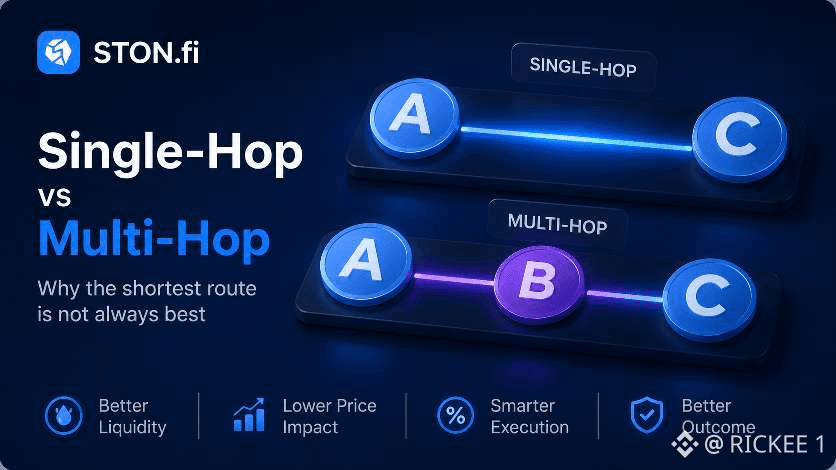
مقايضة مسار خطوة واحدة مقابل مسارات متعددة على STON.fi: لماذا لا تكون أقصر مسار دائمًا الأفضل
قد تبدو المقايضة المباشرة الأفضل لأنها تستخدم تحويلاً أقل. لكن على STON.fi، لا يكون المسار الأقصر دائمًا هو الأكثر كفاءة.
تقوم المقايضة ذات الخطوة الواحدة بتحويل الرمز A مباشرةً إلى الرمز C. أما المقايضة متعددة الخطوات فتصل إلى نفس الوجهة عبر أصل وسيط: الرمز A → الرمز B → الرمز C. تشير الخطوة إلى تحويل أصل
لماذا قد تفوز المقايضة متعددة الخطوات؟
غالبًا ما تكون السيولة العامل الحاسم. قد يكون تجمع A/C المباشر رقيقًا، ما يسبب تأثيرًا سعريًا أكبر في الصفقات الأكبر. قد تكون تجمعات A/B وB/C أكثر عمقًا، مما يقلل الانزلاق بما يكفي لتعويض تكاليف التحويل الإضافية وأتعاب التجمع.
لذا، لا تعني قلة عدد الخطوات تلقائيًا تكلفة أقل. المقياس الحقيقي هو المبلغ النهائي المستلم بعد مراعاة السيولة والرسوم وتأثير السعر وتكاليف التنفيذ.
كيف يتعامل STON.fi مع التوجيه؟
يدعم STON.fi DEX v2 المقايضات المتسلسلة على نفس Router وأيضًا عبر Routers مختلفة من v2، مما يسمح باستخدام الأصول الوسيطة عندما توفر نتيجة تنفيذية أقوى.
يقوم Omniston، المفعّل افتراضيًا في تطبيق STON.fi dApp، بتقييم مصادر السيولة المتصلة، وطلب عروض الأسعار، ثم مقارنة المسارات القابلة للتنفيذ. يمكنه تجاوز الزوج المباشر عند تحديد مسار كفؤ.
عدد الخطوات وعدد مصادر السيولة مفهومان مختلفان.
ما الذي يجب على المستخدمين التحقق منه؟
قبل تأكيد مقايضة، راجع:
- الناتج المتوقع
- الحد الأدنى المستلم
- تأثير السعر
- بنية المسار
- تكاليف تنفيذ الشبكة
حجم الصفقة مهم: قد يصبح المسار المباشر أقل جاذبية مع زيادة حجم الأمر.
الخلاصة العملية
قارن A → C مع A → B → C. إذا كان التجمع المباشر ضحلًا بينما تكون التجمعات الوسيطة أعمق، فقد تضيف المقايضة متعددة الخطوات رسمًا—لكنها ما زالت قد توفر المزيد من الرمز C.
أفضل مسار على STON.fi هو الذي يحقق أقوى نتيجة نهائية قابلة للتنفيذ.
احكم على النتيجة لا على طول المسار. قارن المبلغ النهائي المعروض بعد جميع التكاليف ذات الصلة.
$D $LTC $STON
#BTC #gram
مقايضة مسار خطوة واحدة مقابل مسارات متعددة على STON.fi: لماذا لا تكون أقصر مسار دائمًا الأفضل
قد تبدو المقايضة المباشرة الأفضل لأنها تستخدم تحويلاً أقل. لكن على STON.fi، لا يكون المسار الأقصر دائمًا هو الأكثر كفاءة.
تقوم المقايضة ذات الخطوة الواحدة بتحويل الرمز A مباشرةً إلى الرمز C. أما المقايضة متعددة الخطوات فتصل إلى نفس الوجهة عبر أصل وسيط: الرمز A → الرمز B → الرمز C. تشير الخطوة إلى تحويل أصل
لماذا قد تفوز المقايضة متعددة الخطوات؟
غالبًا ما تكون السيولة العامل الحاسم. قد يكون تجمع A/C المباشر رقيقًا، ما يسبب تأثيرًا سعريًا أكبر في الصفقات الأكبر. قد تكون تجمعات A/B وB/C أكثر عمقًا، مما يقلل الانزلاق بما يكفي لتعويض تكاليف التحويل الإضافية وأتعاب التجمع.
لذا، لا تعني قلة عدد الخطوات تلقائيًا تكلفة أقل. المقياس الحقيقي هو المبلغ النهائي المستلم بعد مراعاة السيولة والرسوم وتأثير السعر وتكاليف التنفيذ.
كيف يتعامل STON.fi مع التوجيه؟
يدعم STON.fi DEX v2 المقايضات المتسلسلة على نفس Router وأيضًا عبر Routers مختلفة من v2، مما يسمح باستخدام الأصول الوسيطة عندما توفر نتيجة تنفيذية أقوى.
يقوم Omniston، المفعّل افتراضيًا في تطبيق STON.fi dApp، بتقييم مصادر السيولة المتصلة، وطلب عروض الأسعار، ثم مقارنة المسارات القابلة للتنفيذ. يمكنه تجاوز الزوج المباشر عند تحديد مسار كفؤ.
عدد الخطوات وعدد مصادر السيولة مفهومان مختلفان.
ما الذي يجب على المستخدمين التحقق منه؟
قبل تأكيد مقايضة، راجع:
- الناتج المتوقع
- الحد الأدنى المستلم
- تأثير السعر
- بنية المسار
- تكاليف تنفيذ الشبكة
حجم الصفقة مهم: قد يصبح المسار المباشر أقل جاذبية مع زيادة حجم الأمر.
الخلاصة العملية
قارن A → C مع A → B → C. إذا كان التجمع المباشر ضحلًا بينما تكون التجمعات الوسيطة أعمق، فقد تضيف المقايضة متعددة الخطوات رسمًا—لكنها ما زالت قد توفر المزيد من الرمز C.
أفضل مسار على STON.fi هو الذي يحقق أقوى نتيجة نهائية قابلة للتنفيذ.
احكم على النتيجة لا على طول المسار. قارن المبلغ النهائي المعروض بعد جميع التكاليف ذات الصلة.
$D $LTC $STON
#BTC #gram
قد تبدو المقايضة المباشرة الأفضل لأنها تستخدم تحويلاً أقل. لكن على STON.fi، لا يكون المسار الأقصر دائمًا هو الأكثر كفاءة.
تقوم المقايضة ذات الخطوة الواحدة بتحويل الرمز A مباشرةً إلى الرمز C. أما المقايضة متعددة الخطوات فتصل إلى نفس الوجهة عبر أصل وسيط: الرمز A → الرمز B → الرمز C. تشير الخطوة إلى تحويل أصل
لماذا قد تفوز المقايضة متعددة الخطوات؟
غالبًا ما تكون السيولة العامل الحاسم. قد يكون تجمع A/C المباشر رقيقًا، ما يسبب تأثيرًا سعريًا أكبر في الصفقات الأكبر. قد تكون تجمعات A/B وB/C أكثر عمقًا، مما يقلل الانزلاق بما يكفي لتعويض تكاليف التحويل الإضافية وأتعاب التجمع.
لذا، لا تعني قلة عدد الخطوات تلقائيًا تكلفة أقل. المقياس الحقيقي هو المبلغ النهائي المستلم بعد مراعاة السيولة والرسوم وتأثير السعر وتكاليف التنفيذ.
كيف يتعامل STON.fi مع التوجيه؟
يدعم STON.fi DEX v2 المقايضات المتسلسلة على نفس Router وأيضًا عبر Routers مختلفة من v2، مما يسمح باستخدام الأصول الوسيطة عندما توفر نتيجة تنفيذية أقوى.
يقوم Omniston، المفعّل افتراضيًا في تطبيق STON.fi dApp، بتقييم مصادر السيولة المتصلة، وطلب عروض الأسعار، ثم مقارنة المسارات القابلة للتنفيذ. يمكنه تجاوز الزوج المباشر عند تحديد مسار كفؤ.
عدد الخطوات وعدد مصادر السيولة مفهومان مختلفان.
ما الذي يجب على المستخدمين التحقق منه؟
قبل تأكيد مقايضة، راجع:
- الناتج المتوقع
- الحد الأدنى المستلم
- تأثير السعر
- بنية المسار
- تكاليف تنفيذ الشبكة
حجم الصفقة مهم: قد يصبح المسار المباشر أقل جاذبية مع زيادة حجم الأمر.
الخلاصة العملية
قارن A → C مع A → B → C. إذا كان التجمع المباشر ضحلًا بينما تكون التجمعات الوسيطة أعمق، فقد تضيف المقايضة متعددة الخطوات رسمًا—لكنها ما زالت قد توفر المزيد من الرمز C.
أفضل مسار على STON.fi هو الذي يحقق أقوى نتيجة نهائية قابلة للتنفيذ.
احكم على النتيجة لا على طول المسار. قارن المبلغ النهائي المعروض بعد جميع التكاليف ذات الصلة.
$D $LTC $STON
#BTC #gram
65
·
--
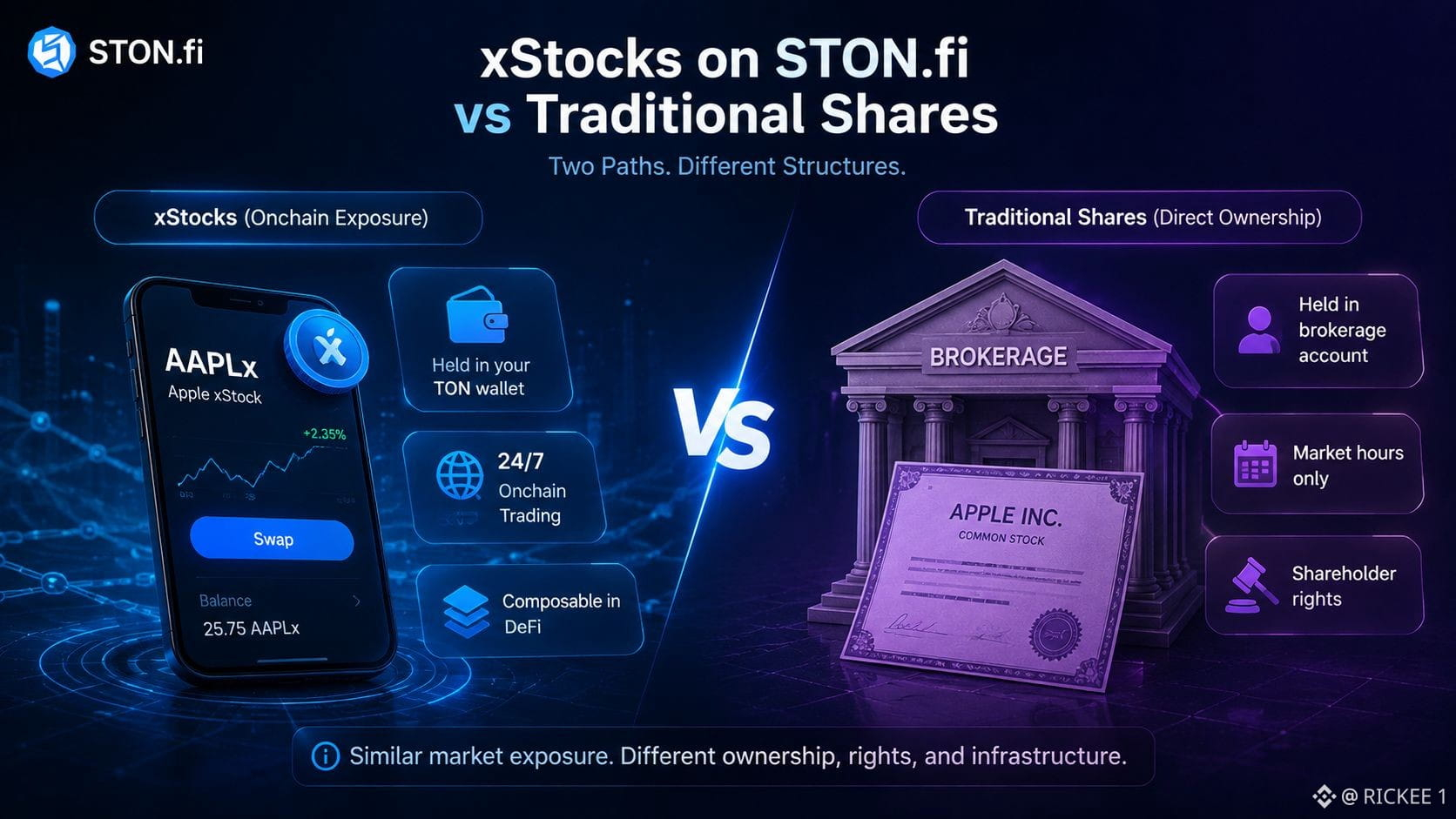
أسهم xStocks على STONfi مقابل الأسهم التقليدية: ما الذي يختلف فعلاً؟ يمكن لـ xStock مثل $AAPLX أو $TSLAX تتبّع سعر سهم شركة ما، لكنّه لا يُعدّ نفس الأداة القانونية مثل امتلاك سهم عادي. إن xStock هو شهادة مُرقمنة (Tokenized) تتتبّع ورقةً ماليةً مُشارًا إليها. تُحفظ هذه الشهادة في محفظة TON، بينما تبقى الأوراق المالية محفوظة في الحفظ (Custody). أنت تمتلك الأداة المُرقمنة، وليس حقوق ملكية مباشرة في الشركة. الملكية القانونية تمثل الأسهم التقليدية ملكيةً حقوقية في رأس المال وقد توفر حق التصويت. لا تمنح xStocks حامليها حقوق تصويت مباشرة في الشركة الأساسية. التعرض للسعر لا يعني ملكيةً متطابقة. التوزيعات (Dividends) قد يتلقى المساهمون التقليديون توزيعات أرباح عبر وسيط (Brokerage). مع xStocks، يمكن عكس اقتصاديات التوزيعات عبر إعادة التحجيم/إعادة الإسناد (Token rebasing)، بحيث تزداد قيمة رصيد الرمز بدلًا من دفع نقد. ويمكن أيضًا التعامل مع الإجراءات المؤسسية من خلال بنية الرمز. الحفظ والتسوية تعمل الأسهم التقليدية عبر الوسطاء (Brokers) وأمناء الحفظ (Custodians) وأنظمة المقاصة والتسوية. عادةً ما تُسوى الأوراق المالية الأمريكية على أساس T+1. تستخدم xStocks معاملات بلوكتشين للتحويل ويمكن أن تتحرك على مدار الساعة، رغم أن السيولة والتسعير قد يختلفان خارج أوقات العمل. على STONfi، يمكن تبديل xStocks المدعومة عبر سيولة TON والتوجيه (Routing). توفر STONfi بنيةً تحتية للتداول، وليست إصدارًا أو وساطة. لماذا تهم عملية الترميز يمكن الاحتفاظ بـ xStock في محفظة TON ذاتية الحفظ (Self-custodial) وبحيث يتم الدعم، التفاعل مع تطبيقات البلوكتشين. وهذا يتيح قابلية النقل. كما أن الترميز يضيف مخاطر المُصدر والحفظ والعقود الذكية والسيولة والتنظيم. الفرق الرئيسي تعطي الأسهم التقليدية الأولوية للملكية الحقوقية في رأس المال وحقوق المساهمين. بينما تعطي xStocks الأولوية للتعرض الاقتصادي المُرقمن، والحفظ الذاتي، وقابلية التحويل عبر البلوكتشين، والمنفعة/الإمكانية داخل السلسلة (Onchain). قبل استخدام xStock، راجع المُصدر، والبنية القانونية، والأصل المُشار إليه، والضمان/التغطية (Backing)، وآليات التوزيعات، والأهلية، والسيولة، والقيود المتعلقة بالاختصاص القضائي (Jurisdictional restrictions).
أسهم xStocks على STONfi مقابل الأسهم التقليدية: ما الذي يختلف فعلاً؟ يمكن لـ xStock مثل $AAPLX أو $TSLAX تتبّع سعر سهم شركة ما، لكنّه لا يُعدّ نفس الأداة القانونية مثل امتلاك سهم عادي. إن xStock هو شهادة مُرقمنة (Tokenized) تتتبّع ورقةً ماليةً مُشارًا إليها. تُحفظ هذه الشهادة في محفظة TON، بينما تبقى الأوراق المالية محفوظة في الحفظ (Custody). أنت تمتلك الأداة المُرقمنة، وليس حقوق ملكية مباشرة في الشركة. الملكية القانونية تمثل الأسهم التقليدية ملكيةً حقوقية في رأس المال وقد توفر حق التصويت. لا تمنح xStocks حامليها حقوق تصويت مباشرة في الشركة الأساسية. التعرض للسعر لا يعني ملكيةً متطابقة. التوزيعات (Dividends) قد يتلقى المساهمون التقليديون توزيعات أرباح عبر وسيط (Brokerage). مع xStocks، يمكن عكس اقتصاديات التوزيعات عبر إعادة التحجيم/إعادة الإسناد (Token rebasing)، بحيث تزداد قيمة رصيد الرمز بدلًا من دفع نقد. ويمكن أيضًا التعامل مع الإجراءات المؤسسية من خلال بنية الرمز. الحفظ والتسوية تعمل الأسهم التقليدية عبر الوسطاء (Brokers) وأمناء الحفظ (Custodians) وأنظمة المقاصة والتسوية. عادةً ما تُسوى الأوراق المالية الأمريكية على أساس T+1. تستخدم xStocks معاملات بلوكتشين للتحويل ويمكن أن تتحرك على مدار الساعة، رغم أن السيولة والتسعير قد يختلفان خارج أوقات العمل. على STONfi، يمكن تبديل xStocks المدعومة عبر سيولة TON والتوجيه (Routing). توفر STONfi بنيةً تحتية للتداول، وليست إصدارًا أو وساطة. لماذا تهم عملية الترميز يمكن الاحتفاظ بـ xStock في محفظة TON ذاتية الحفظ (Self-custodial) وبحيث يتم الدعم، التفاعل مع تطبيقات البلوكتشين. وهذا يتيح قابلية النقل. كما أن الترميز يضيف مخاطر المُصدر والحفظ والعقود الذكية والسيولة والتنظيم. الفرق الرئيسي تعطي الأسهم التقليدية الأولوية للملكية الحقوقية في رأس المال وحقوق المساهمين. بينما تعطي xStocks الأولوية للتعرض الاقتصادي المُرقمن، والحفظ الذاتي، وقابلية التحويل عبر البلوكتشين، والمنفعة/الإمكانية داخل السلسلة (Onchain). قبل استخدام xStock، راجع المُصدر، والبنية القانونية، والأصل المُشار إليه، والضمان/التغطية (Backing)، وآليات التوزيعات، والأهلية، والسيولة، والقيود المتعلقة بالاختصاص القضائي (Jurisdictional restrictions).
76
·
--
كيف يتعامل Omniston مع عمليات المبادلة من EVM إلى EVM على STON.fi يعامل Omniston التداول من EVM إلى EVM باعتباره طلبًا عبر السلاسل يتم تنسيقه عبر RFQ (طلب عرض سعر) والمُحلِّلات (Resolvers) وعمليات HTLC المزدوجة. طلب واحد عبر الشبكات بدلًا من خطوات منفصلة للجسر وDEX، يحوّل Omniston الطلب إلى نية تداول واحدة. يتنافس المُحلِّلون لتقديم عروض الأسعار والسيولة. تشمل المرحلة 1 شبكات Ethereum وBNB Chain وBase وPolygon. لا تحتاج TON إلى أن تكون شبكة وسيطة. نموذج RFQ وسيولة المُحلِّل يتيح نموذج RFQ للمحلّلين المنافسة بدلًا من الاعتماد على تجمع سيولة واحد. يمكن أن تساعد عمليات الملء الجزئي الطلبات الأكبر عندما لا يستطيع مُحلِّل واحد توفير المبلغ كاملًا. كيف تعمل HTLC المزدوجة على شبكة المصدر، يتم قفل الأصل الخاص بالتاجر في HTLC مع hashlock وtimelock. يقوم المُحلِّل بقفل الأصل تحت شرط تشفيري مطابق. تربط “السرّية” بين الجانبين. يؤدي الكشف عنها للمطالبة بأحد الجانبين إلى تمكين المطالبة المقابلة على الجانب الآخر. إذا فشل التسوية، توفر الـtimelocks مسار استرداد وفقًا لقواعد العقد. لماذا يختلف ذلك عن DEX عادي يعمل DEX القياسي على سلسلة واحدة، حيث تشترك الأصول في دفتر الأستاذ نفسه. تتضمن مبادلات EVM إلى EVM شبكات مستقلة، لذا لا يمكن أن تكون معاملة واحدة. يقدّم Omniston طلبًا موحدًا بينما تُنفَّذ العقود المنفصلة على كل شبكة. تأتي “الذرّية” من قواعد منسقة، وتطابق hashlocks وtimelocks—وليس من معاملة واحدة أو من مسار وسيط عبر TON. ما يزال الأمر مهمًا ما زالت جودة العرض، وتكاليف الغاز، والسيولة، وظروف الشبكة تؤثر على التنفيذ. الصورة الأوسع يحوّل Omniston التداول عبر السلاسل إلى عملية قائمة على النية: يحدد المستخدم جهة التبادل، ويتنافس المُحلِّلون على التنفيذ، وتنسّق HTLC التسوية أو عمليات الاسترداد. يعثر RFQ على تنفيذ تنافسي، ويقدم المُحلِّلون السيولة، وتربط HTLC المزدوجة التسوية عبر سلاسل مستقلة. مسار واحد يخفي تعقيد التداول عبر السلاسل. $POL $SOL $TRX
كيف يتعامل Omniston مع عمليات المبادلة من EVM إلى EVM على STON.fi يعامل Omniston التداول من EVM إلى EVM باعتباره طلبًا عبر السلاسل يتم تنسيقه عبر RFQ (طلب عرض سعر) والمُحلِّلات (Resolvers) وعمليات HTLC المزدوجة. طلب واحد عبر الشبكات بدلًا من خطوات منفصلة للجسر وDEX، يحوّل Omniston الطلب إلى نية تداول واحدة. يتنافس المُحلِّلون لتقديم عروض الأسعار والسيولة. تشمل المرحلة 1 شبكات Ethereum وBNB Chain وBase وPolygon. لا تحتاج TON إلى أن تكون شبكة وسيطة. نموذج RFQ وسيولة المُحلِّل يتيح نموذج RFQ للمحلّلين المنافسة بدلًا من الاعتماد على تجمع سيولة واحد. يمكن أن تساعد عمليات الملء الجزئي الطلبات الأكبر عندما لا يستطيع مُحلِّل واحد توفير المبلغ كاملًا. كيف تعمل HTLC المزدوجة على شبكة المصدر، يتم قفل الأصل الخاص بالتاجر في HTLC مع hashlock وtimelock. يقوم المُحلِّل بقفل الأصل تحت شرط تشفيري مطابق. تربط “السرّية” بين الجانبين. يؤدي الكشف عنها للمطالبة بأحد الجانبين إلى تمكين المطالبة المقابلة على الجانب الآخر. إذا فشل التسوية، توفر الـtimelocks مسار استرداد وفقًا لقواعد العقد. لماذا يختلف ذلك عن DEX عادي يعمل DEX القياسي على سلسلة واحدة، حيث تشترك الأصول في دفتر الأستاذ نفسه. تتضمن مبادلات EVM إلى EVM شبكات مستقلة، لذا لا يمكن أن تكون معاملة واحدة. يقدّم Omniston طلبًا موحدًا بينما تُنفَّذ العقود المنفصلة على كل شبكة. تأتي “الذرّية” من قواعد منسقة، وتطابق hashlocks وtimelocks—وليس من معاملة واحدة أو من مسار وسيط عبر TON. ما يزال الأمر مهمًا ما زالت جودة العرض، وتكاليف الغاز، والسيولة، وظروف الشبكة تؤثر على التنفيذ. الصورة الأوسع يحوّل Omniston التداول عبر السلاسل إلى عملية قائمة على النية: يحدد المستخدم جهة التبادل، ويتنافس المُحلِّلون على التنفيذ، وتنسّق HTLC التسوية أو عمليات الاسترداد. يعثر RFQ على تنفيذ تنافسي، ويقدم المُحلِّلون السيولة، وتربط HTLC المزدوجة التسوية عبر سلاسل مستقلة. مسار واحد يخفي تعقيد التداول عبر السلاسل. $POL $SOL $TRX
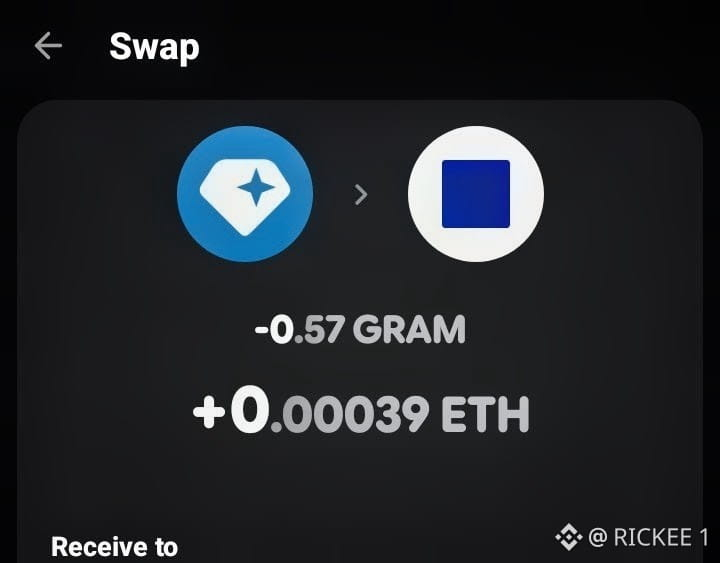
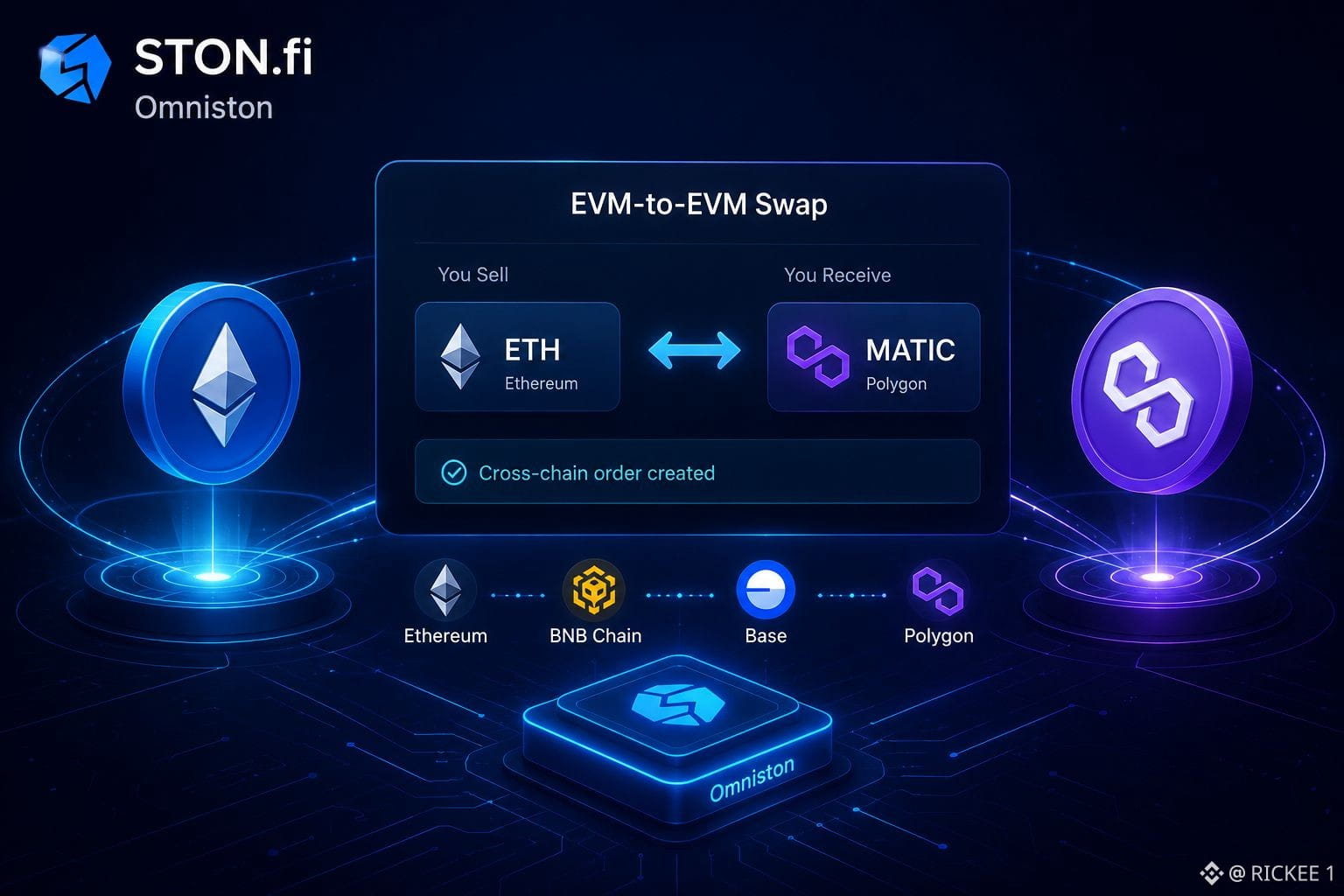
86
·
--
كيف يتعامل STONfi مع العناوين القابلة للارتداد وغير القابلة للارتداد على TON
يمكن أن تبدو عناوين TON مختلفة بينما تشير إلى نفس الحساب على السلسلة. EQ... هي الصيغة القابلة للارتداد، بينما UQ... هي الصيغة غير القابلة للارتداد. عندما تكون مجموعة العُملات (workchain) ومعرّف الحساب متطابقين، يمكن لكلا الصيغتين تمثيل نفس الحساب.
ماذا يعني القابلية للارتداد
تشير القابلية للارتداد إلى سلوك الرسالة، وليس خاصية دائمة للحساب. يتضمن عنوان TON القابل للاستخدام بواسطة المستخدم علامات (flags) تساعد البرامج على تحديد كيفية التعامل مع الرسالة.
مع التسليم القابل للارتداد، إذا فشل المعالجة تحت ظروف قابلة للتطبيق، يمكن أن يعود المبلغ المتبقي باتجاه المُرسِل. وهذا يجعل الرسائل القابلة للارتداد مناسبة لتفاعلات العقود الذكية.
يُعد التسليم غير القابل للارتداد مفيدًا عند تمويل حساب لم تتم تهيئته بعد. على TON، تتمثل المحافظ بعقود ذكية، ويمكن معرفة عناوينها قبل النشر. يمكن أن يؤدي سلوك الارتداد غير المناسب للوجهة غير المُهيّأة إلى فشل عملية النقل بدلًا من تمويل الحساب.
كيف يستخدم STONfi العناوين
قد يشمل تبديل STONfi محفظة المستخدم المتصلة، ومراكز Jetton (Jetton masters)، والـ routers، والمسابح (pools)، والمستلم (receiver)، وعناوين الاسترداد (refund) والزيادة (excess).
تتمثل الوجهة المستهدفة للمعاملة الأولية في العقد الذي يستقبل رسالة المحفظة. يمكن أن تنتقل عناوين أخرى داخل الحمولة (payload) كقيم لعناوين TON.
منذ STONfi SDK v0.5.0، تستخدم معلمات الإخراج عناوين قابلة للارتداد لأن عقود البروتوكول يُفترض وجودها وتنفيذ المنطق. يتماشى ذلك مع ممارسة TON لتفاعلات العقود القائمة.
لماذا يجب على المطورين تحليل العناوين
خطأ شائع هو مقارنة EQ... و UQ... كسلاسل نصية عادية وافتراض أنهما محافظ مختلفة. بدلًا من ذلك، قم بتحليلها إلى كائنات Address مناسبة في TON ثم قارن مجموعة العُملات (workchain) ومعرّف الحساب الأساسي.
هذا مهم لعمليات التكامل والتحقق وبناء المعاملات. يجب على المطورين الحفاظ على workchain والاعتماد على أدوات TON الموثوقة لترميز العناوين.
$STON $RAY
#تحليل سعر BTC#
كيف يتعامل STONfi مع العناوين القابلة للارتداد وغير القابلة للارتداد على TON
يمكن أن تبدو عناوين TON مختلفة بينما تشير إلى نفس الحساب على السلسلة. EQ... هي الصيغة القابلة للارتداد، بينما UQ... هي الصيغة غير القابلة للارتداد. عندما تكون مجموعة العُملات (workchain) ومعرّف الحساب متطابقين، يمكن لكلا الصيغتين تمثيل نفس الحساب.
ماذا يعني القابلية للارتداد
تشير القابلية للارتداد إلى سلوك الرسالة، وليس خاصية دائمة للحساب. يتضمن عنوان TON القابل للاستخدام بواسطة المستخدم علامات (flags) تساعد البرامج على تحديد كيفية التعامل مع الرسالة.
مع التسليم القابل للارتداد، إذا فشل المعالجة تحت ظروف قابلة للتطبيق، يمكن أن يعود المبلغ المتبقي باتجاه المُرسِل. وهذا يجعل الرسائل القابلة للارتداد مناسبة لتفاعلات العقود الذكية.
يُعد التسليم غير القابل للارتداد مفيدًا عند تمويل حساب لم تتم تهيئته بعد. على TON، تتمثل المحافظ بعقود ذكية، ويمكن معرفة عناوينها قبل النشر. يمكن أن يؤدي سلوك الارتداد غير المناسب للوجهة غير المُهيّأة إلى فشل عملية النقل بدلًا من تمويل الحساب.
كيف يستخدم STONfi العناوين
قد يشمل تبديل STONfi محفظة المستخدم المتصلة، ومراكز Jetton (Jetton masters)، والـ routers، والمسابح (pools)، والمستلم (receiver)، وعناوين الاسترداد (refund) والزيادة (excess).
تتمثل الوجهة المستهدفة للمعاملة الأولية في العقد الذي يستقبل رسالة المحفظة. يمكن أن تنتقل عناوين أخرى داخل الحمولة (payload) كقيم لعناوين TON.
منذ STONfi SDK v0.5.0، تستخدم معلمات الإخراج عناوين قابلة للارتداد لأن عقود البروتوكول يُفترض وجودها وتنفيذ المنطق. يتماشى ذلك مع ممارسة TON لتفاعلات العقود القائمة.
لماذا يجب على المطورين تحليل العناوين
خطأ شائع هو مقارنة EQ... و UQ... كسلاسل نصية عادية وافتراض أنهما محافظ مختلفة. بدلًا من ذلك، قم بتحليلها إلى كائنات Address مناسبة في TON ثم قارن مجموعة العُملات (workchain) ومعرّف الحساب الأساسي.
هذا مهم لعمليات التكامل والتحقق وبناء المعاملات. يجب على المطورين الحفاظ على workchain والاعتماد على أدوات TON الموثوقة لترميز العناوين.
$STON $RAY
#تحليل سعر BTC#
يمكن أن تبدو عناوين TON مختلفة بينما تشير إلى نفس الحساب على السلسلة. EQ... هي الصيغة القابلة للارتداد، بينما UQ... هي الصيغة غير القابلة للارتداد. عندما تكون مجموعة العُملات (workchain) ومعرّف الحساب متطابقين، يمكن لكلا الصيغتين تمثيل نفس الحساب.
ماذا يعني القابلية للارتداد
تشير القابلية للارتداد إلى سلوك الرسالة، وليس خاصية دائمة للحساب. يتضمن عنوان TON القابل للاستخدام بواسطة المستخدم علامات (flags) تساعد البرامج على تحديد كيفية التعامل مع الرسالة.
مع التسليم القابل للارتداد، إذا فشل المعالجة تحت ظروف قابلة للتطبيق، يمكن أن يعود المبلغ المتبقي باتجاه المُرسِل. وهذا يجعل الرسائل القابلة للارتداد مناسبة لتفاعلات العقود الذكية.
يُعد التسليم غير القابل للارتداد مفيدًا عند تمويل حساب لم تتم تهيئته بعد. على TON، تتمثل المحافظ بعقود ذكية، ويمكن معرفة عناوينها قبل النشر. يمكن أن يؤدي سلوك الارتداد غير المناسب للوجهة غير المُهيّأة إلى فشل عملية النقل بدلًا من تمويل الحساب.
كيف يستخدم STONfi العناوين
قد يشمل تبديل STONfi محفظة المستخدم المتصلة، ومراكز Jetton (Jetton masters)، والـ routers، والمسابح (pools)، والمستلم (receiver)، وعناوين الاسترداد (refund) والزيادة (excess).
تتمثل الوجهة المستهدفة للمعاملة الأولية في العقد الذي يستقبل رسالة المحفظة. يمكن أن تنتقل عناوين أخرى داخل الحمولة (payload) كقيم لعناوين TON.
منذ STONfi SDK v0.5.0، تستخدم معلمات الإخراج عناوين قابلة للارتداد لأن عقود البروتوكول يُفترض وجودها وتنفيذ المنطق. يتماشى ذلك مع ممارسة TON لتفاعلات العقود القائمة.
لماذا يجب على المطورين تحليل العناوين
خطأ شائع هو مقارنة EQ... و UQ... كسلاسل نصية عادية وافتراض أنهما محافظ مختلفة. بدلًا من ذلك، قم بتحليلها إلى كائنات Address مناسبة في TON ثم قارن مجموعة العُملات (workchain) ومعرّف الحساب الأساسي.
هذا مهم لعمليات التكامل والتحقق وبناء المعاملات. يجب على المطورين الحفاظ على workchain والاعتماد على أدوات TON الموثوقة لترميز العناوين.
$STON $RAY
#تحليل سعر BTC#
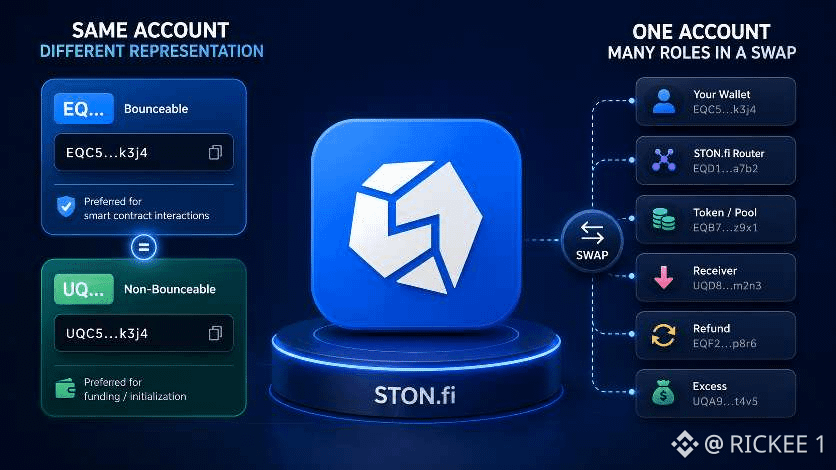
74
·
--
كيفية مبادلة الأسهم المُرمّزة على STON.fi باستخدام xStocks يتيح STON.fi للمستخدمين المؤهلين التعرض الاقتصادي المبني على تقنية البلوك تشين لأسهم مختارة وصناديق ETFs عبر xStocks. وبدلًا من تدفقات الوساطة (brokerage)، يتم تنفيذ المبادلة على السلسلة (on-chain) باستخدام محفظة TON، وquotе (عرض سعري)، ثم الموافقة النهائية. ما هي xStocks تعد xStocks شهادات تتبّع (tracker certificates) تصدرها Backed Assets (JE) Limited. يتم ضمان كل رمز بنسبة 1:1 عبر الضمان المتمثل في الأصل الأساسي، ويُحتفظ به بشكل منفصل. تعكس هذه الرموز الأداء الاقتصادي للأصل المشار إليه، لكنها لا تمنح حقوق تصويت أو ملكية أسهم مباشرة. على TON، تُعد xStocks jettons للتداول الثانوي على مدار الساعة 7/24. كيف تعمل عملية المبادلة افتح قسم xStocks واختر سهمًا مُرمّزًا مثل $AAPLX أو $TSLAX أو $NVDAX . اختر الأصل الذي ترغب في إنفاقه، مثل TON أو $USDT ، وأدخل المبلغ. قبل التأكيد، راجع عرض Omniston بعناية لأنه يحدد شروط الصفقة. ثم قم بتوصيل محفظة TON عبر TON Connect، ووافق داخل محفظتك، ثم انتظر التسوية. عند اكتمال العملية، ستصل xStock إلى محفظتك كـ jetton. أمور مهمة يجب التحقق منها الأهلية ضرورية. لا تتوفر xStocks في جميع الولايات القضائية، بما في ذلك الولايات المتحدة، والاتحاد الأوروبي/المنطقة الاقتصادية الأوروبية، والمملكة المتحدة، وكندا، وغيرها من المناطق المُقيّدة. كما أنها تحصل على وضع “متتبّع” وليس “سهمًا مُسجّلًا”. كما أن مراجعة الـ quote مهمة، خصوصًا عندما تكون الأسواق مغلقة وقد تتباين الأسعار عن سعر السهم. كما يلزم توفر رصيد صغير من TON لتكاليف الشبكة. لماذا يهم الـ Quote يستخدم STON.fi Omniston لتجميع السيولة (liquidity aggregation)، مما يساعد على توجيه المبادلات بكفاءة وقد يتضمن تنفيذًا بأسلوب يشبه “الحجز” (escrow-style execution). وبسبب الطلب وظروف السيولة وعمليات التوجيه، قد يختلف السعر الثانوي لـ xStock عن السعر اللحظي للسهم. غالبًا ما يكون هذا الفارق أوضح خارج أوقات السوق. الخلاصة العملية بسيطة: تبدو مبادلة xStocks مثل صفقة jetton عادية، لكنها ما زالت تتطلب الانتباه إلى البنية (structure)، والأهلية، والتسعير، والتنفيذ قبل تأكيد المبادلة في تطبيق DeFi app.ston.fi
كيفية مبادلة الأسهم المُرمّزة على STON.fi باستخدام xStocks يتيح STON.fi للمستخدمين المؤهلين التعرض الاقتصادي المبني على تقنية البلوك تشين لأسهم مختارة وصناديق ETFs عبر xStocks. وبدلًا من تدفقات الوساطة (brokerage)، يتم تنفيذ المبادلة على السلسلة (on-chain) باستخدام محفظة TON، وquotе (عرض سعري)، ثم الموافقة النهائية. ما هي xStocks تعد xStocks شهادات تتبّع (tracker certificates) تصدرها Backed Assets (JE) Limited. يتم ضمان كل رمز بنسبة 1:1 عبر الضمان المتمثل في الأصل الأساسي، ويُحتفظ به بشكل منفصل. تعكس هذه الرموز الأداء الاقتصادي للأصل المشار إليه، لكنها لا تمنح حقوق تصويت أو ملكية أسهم مباشرة. على TON، تُعد xStocks jettons للتداول الثانوي على مدار الساعة 7/24. كيف تعمل عملية المبادلة افتح قسم xStocks واختر سهمًا مُرمّزًا مثل $AAPLX أو $TSLAX أو $NVDAX . اختر الأصل الذي ترغب في إنفاقه، مثل TON أو $USDT ، وأدخل المبلغ. قبل التأكيد، راجع عرض Omniston بعناية لأنه يحدد شروط الصفقة. ثم قم بتوصيل محفظة TON عبر TON Connect، ووافق داخل محفظتك، ثم انتظر التسوية. عند اكتمال العملية، ستصل xStock إلى محفظتك كـ jetton. أمور مهمة يجب التحقق منها الأهلية ضرورية. لا تتوفر xStocks في جميع الولايات القضائية، بما في ذلك الولايات المتحدة، والاتحاد الأوروبي/المنطقة الاقتصادية الأوروبية، والمملكة المتحدة، وكندا، وغيرها من المناطق المُقيّدة. كما أنها تحصل على وضع “متتبّع” وليس “سهمًا مُسجّلًا”. كما أن مراجعة الـ quote مهمة، خصوصًا عندما تكون الأسواق مغلقة وقد تتباين الأسعار عن سعر السهم. كما يلزم توفر رصيد صغير من TON لتكاليف الشبكة. لماذا يهم الـ Quote يستخدم STON.fi Omniston لتجميع السيولة (liquidity aggregation)، مما يساعد على توجيه المبادلات بكفاءة وقد يتضمن تنفيذًا بأسلوب يشبه “الحجز” (escrow-style execution). وبسبب الطلب وظروف السيولة وعمليات التوجيه، قد يختلف السعر الثانوي لـ xStock عن السعر اللحظي للسهم. غالبًا ما يكون هذا الفارق أوضح خارج أوقات السوق. الخلاصة العملية بسيطة: تبدو مبادلة xStocks مثل صفقة jetton عادية، لكنها ما زالت تتطلب الانتباه إلى البنية (structure)، والأهلية، والتسعير، والتنفيذ قبل تأكيد المبادلة في تطبيق DeFi app.ston.fi
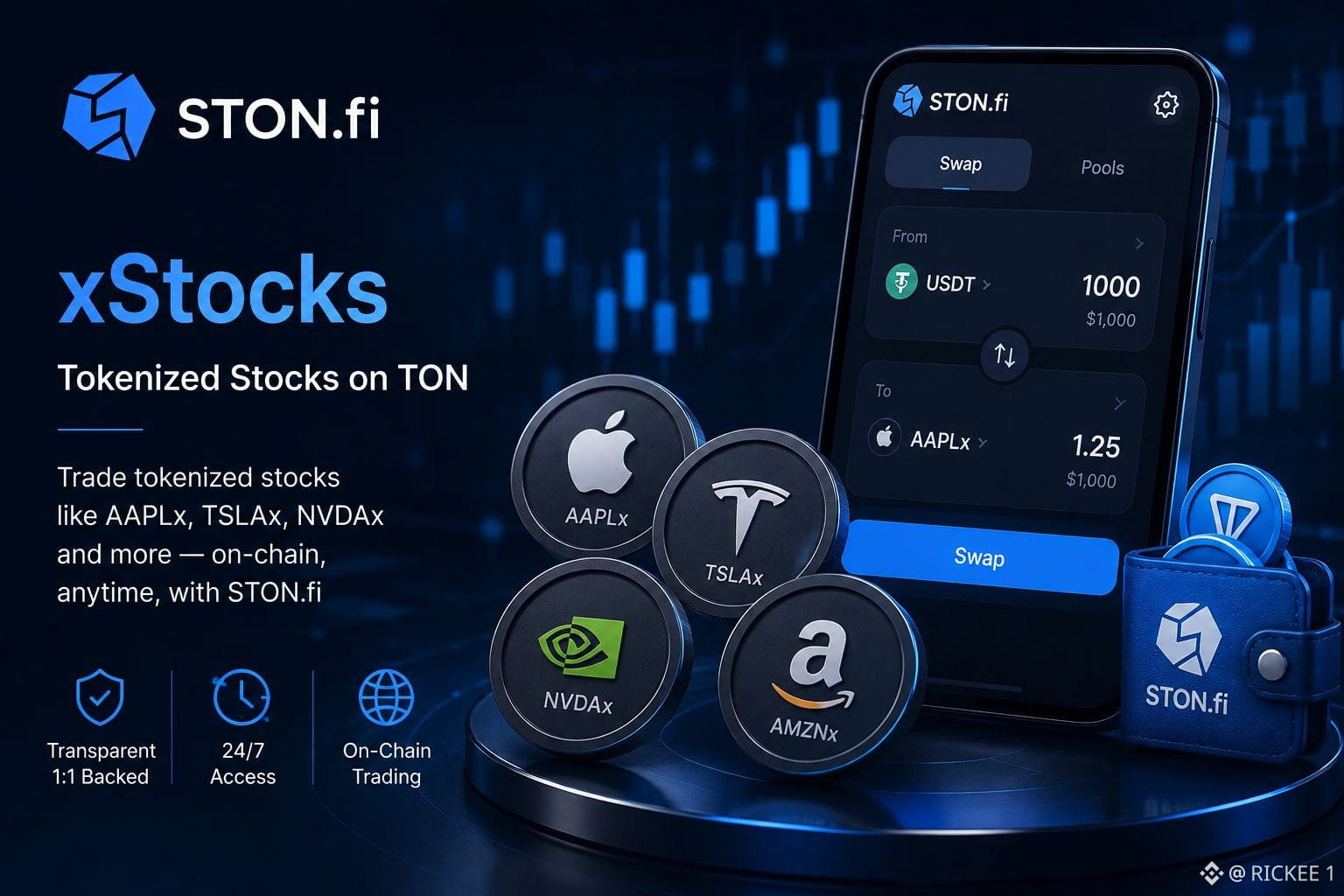
71
·
--
غالبًا ما تبدأ مشكلات أمان العملات المشفرة قبل وقت طويل من حدوث أي صفقة. في معظم الحالات، يكون الخطأ الحقيقي قد حدث قبل ذلك بأشهر، عندما يتم حفظ عبارة الاسترداد (seed phrase) في المكان غير الصحيح، ويُفترض أن المستخدم سيتعامل معها لاحقًا.
باستخدام محفظة ذاتية الحفظ مثل Tonkeeper، أنت تتحكم بالأصول لأنك تتحكم بالمفاتيح. يمنحك ذلك ملكية كاملة، لكن هذا يعني أيضًا أن مسؤولية حماية الوصول تقع بالكامل على عاتقك. يمكن لمراجعة أمنية قصيرة أن تُحدث فرقًا كبيرًا.
مرّ على الأساسيات: احتفظ بعبارة الاسترداد بنسخة احتياطية مُؤمّنة دون اتصال بالإنترنت؛ ولا تخزّنها أبدًا في محركات الأقراص السحابية أو تطبيقات الملاحظات أو لقطات الشاشة أو رسائل البريد الإلكتروني أو الرسائل المحفوظة؛ فعّل حماية PIN على محفظتك؛ راجع أي الأجهزة التي لديها وصول حاليًا، وتحقق مرة أخرى من معلومات الاسترداد بينما لا تزال تملك التحكم في الحساب.
كن أيضًا حذرًا مع كل اتصال بمحفظة ومع كل موافقة على المعاملة. قبل التوقيع على أي شيء، تأكد من الموقع الإلكتروني والتطبيق والرمز (token) والمبلغ. لا تُدخل عبارة الاسترداد في أي موقع “فقط للتحقق” أو “لمزامنة” محفظتك. لن يطلبها أي خدمة شرعية.
سؤال يطرحه المستخدمون كثيرًا هو ما إذا كان فريق Tonkeeper يستطيع استعادة عبارة الاسترداد المفقودة. الإجابة هي لا. إذا ضاعت عبارة الاسترداد ولم تكن هناك نسخة احتياطية، فلا أحد — بما في ذلك Tonkeeper — يمكنه استعادة الوصول إلى المحفظة. وهذا أحد المبادئ الأساسية للحفظ الذاتي.
ومع زيادة عدد الأشخاص الذين يستكشفون TON عبر المحافظ وMini Apps ومنصات DeFi وبروتوكولات السيولة مثل @ston_fi ، تصبح عادات الأمان مهمة بقدر أهمية فهم النظام البيئي نفسه. يمكن أن يمنع بضع دقائق تقضيها اليوم في مراجعة محفظتك مشكلة أكبر بكثير غدًا. الأمان الجيد ليس معقدًا؛ إنه أمرٌ ثابت.
اعرف المزيد على tonkeeper.com/ و blog.ston.fi/.
أفضل وقت لتأمين محفظة هو قبل أن يشعر أي شيء بالإلحاح. الوقاية أسهل من الاسترداد، والعادات الجيدة تهم في كل مرة تقوم فيها بتمويل المحفظة أو فتحها أو ربطها. تحقق قبل أن توقع. احتفظ بنسخة احتياطية قبل أن تحتاجها
$CMC20
#Macro Insights#
غالبًا ما تبدأ مشكلات أمان العملات المشفرة قبل وقت طويل من حدوث أي صفقة. في معظم الحالات، يكون الخطأ الحقيقي قد حدث قبل ذلك بأشهر، عندما يتم حفظ عبارة الاسترداد (seed phrase) في المكان غير الصحيح، ويُفترض أن المستخدم سيتعامل معها لاحقًا.
باستخدام محفظة ذاتية الحفظ مثل Tonkeeper، أنت تتحكم بالأصول لأنك تتحكم بالمفاتيح. يمنحك ذلك ملكية كاملة، لكن هذا يعني أيضًا أن مسؤولية حماية الوصول تقع بالكامل على عاتقك. يمكن لمراجعة أمنية قصيرة أن تُحدث فرقًا كبيرًا.
مرّ على الأساسيات: احتفظ بعبارة الاسترداد بنسخة احتياطية مُؤمّنة دون اتصال بالإنترنت؛ ولا تخزّنها أبدًا في محركات الأقراص السحابية أو تطبيقات الملاحظات أو لقطات الشاشة أو رسائل البريد الإلكتروني أو الرسائل المحفوظة؛ فعّل حماية PIN على محفظتك؛ راجع أي الأجهزة التي لديها وصول حاليًا، وتحقق مرة أخرى من معلومات الاسترداد بينما لا تزال تملك التحكم في الحساب.
كن أيضًا حذرًا مع كل اتصال بمحفظة ومع كل موافقة على المعاملة. قبل التوقيع على أي شيء، تأكد من الموقع الإلكتروني والتطبيق والرمز (token) والمبلغ. لا تُدخل عبارة الاسترداد في أي موقع “فقط للتحقق” أو “لمزامنة” محفظتك. لن يطلبها أي خدمة شرعية.
سؤال يطرحه المستخدمون كثيرًا هو ما إذا كان فريق Tonkeeper يستطيع استعادة عبارة الاسترداد المفقودة. الإجابة هي لا. إذا ضاعت عبارة الاسترداد ولم تكن هناك نسخة احتياطية، فلا أحد — بما في ذلك Tonkeeper — يمكنه استعادة الوصول إلى المحفظة. وهذا أحد المبادئ الأساسية للحفظ الذاتي.
ومع زيادة عدد الأشخاص الذين يستكشفون TON عبر المحافظ وMini Apps ومنصات DeFi وبروتوكولات السيولة مثل @ston_fi ، تصبح عادات الأمان مهمة بقدر أهمية فهم النظام البيئي نفسه. يمكن أن يمنع بضع دقائق تقضيها اليوم في مراجعة محفظتك مشكلة أكبر بكثير غدًا. الأمان الجيد ليس معقدًا؛ إنه أمرٌ ثابت.
اعرف المزيد على tonkeeper.com/ و blog.ston.fi/.
أفضل وقت لتأمين محفظة هو قبل أن يشعر أي شيء بالإلحاح. الوقاية أسهل من الاسترداد، والعادات الجيدة تهم في كل مرة تقوم فيها بتمويل المحفظة أو فتحها أو ربطها. تحقق قبل أن توقع. احتفظ بنسخة احتياطية قبل أن تحتاجها
$CMC20
#Macro Insights#
باستخدام محفظة ذاتية الحفظ مثل Tonkeeper، أنت تتحكم بالأصول لأنك تتحكم بالمفاتيح. يمنحك ذلك ملكية كاملة، لكن هذا يعني أيضًا أن مسؤولية حماية الوصول تقع بالكامل على عاتقك. يمكن لمراجعة أمنية قصيرة أن تُحدث فرقًا كبيرًا.
مرّ على الأساسيات: احتفظ بعبارة الاسترداد بنسخة احتياطية مُؤمّنة دون اتصال بالإنترنت؛ ولا تخزّنها أبدًا في محركات الأقراص السحابية أو تطبيقات الملاحظات أو لقطات الشاشة أو رسائل البريد الإلكتروني أو الرسائل المحفوظة؛ فعّل حماية PIN على محفظتك؛ راجع أي الأجهزة التي لديها وصول حاليًا، وتحقق مرة أخرى من معلومات الاسترداد بينما لا تزال تملك التحكم في الحساب.
كن أيضًا حذرًا مع كل اتصال بمحفظة ومع كل موافقة على المعاملة. قبل التوقيع على أي شيء، تأكد من الموقع الإلكتروني والتطبيق والرمز (token) والمبلغ. لا تُدخل عبارة الاسترداد في أي موقع “فقط للتحقق” أو “لمزامنة” محفظتك. لن يطلبها أي خدمة شرعية.
سؤال يطرحه المستخدمون كثيرًا هو ما إذا كان فريق Tonkeeper يستطيع استعادة عبارة الاسترداد المفقودة. الإجابة هي لا. إذا ضاعت عبارة الاسترداد ولم تكن هناك نسخة احتياطية، فلا أحد — بما في ذلك Tonkeeper — يمكنه استعادة الوصول إلى المحفظة. وهذا أحد المبادئ الأساسية للحفظ الذاتي.
ومع زيادة عدد الأشخاص الذين يستكشفون TON عبر المحافظ وMini Apps ومنصات DeFi وبروتوكولات السيولة مثل @ston_fi ، تصبح عادات الأمان مهمة بقدر أهمية فهم النظام البيئي نفسه. يمكن أن يمنع بضع دقائق تقضيها اليوم في مراجعة محفظتك مشكلة أكبر بكثير غدًا. الأمان الجيد ليس معقدًا؛ إنه أمرٌ ثابت.
اعرف المزيد على tonkeeper.com/ و blog.ston.fi/.
أفضل وقت لتأمين محفظة هو قبل أن يشعر أي شيء بالإلحاح. الوقاية أسهل من الاسترداد، والعادات الجيدة تهم في كل مرة تقوم فيها بتمويل المحفظة أو فتحها أو ربطها. تحقق قبل أن توقع. احتفظ بنسخة احتياطية قبل أن تحتاجها
$CMC20
#Macro Insights#
76
·
--
STON.fi مقابل DEXs على BNB Chain: الرسوم والسيولة وإتاحة الربط عبر السلاسل
تخدم DEXs على STON.fi وBNB Chain احتياجات تداول مختلفة. تُعد STON.fi غالبًا الاختيار الأكثر طبيعية لنشاطات TON الأصلية، بينما تكون DEXs على BNB Chain أقوى عندما تكون الأصول بالفعل موجودة على BNB Smart Chain وتريد وصولًا واسعًا عبر BEP-20، ورسوم شبكة منخفضة جدًا، وسيولة أعمق.
مقارنة الرسوم
تستخدم مجمعات STON.fi رسوم تداول قابلة للتكوين، مع رسوم افتراضية موثّقة بنسبة 0.3% تُقسّم بين مزوّدي السيولة والبروتوكول. على BNB Chain، تختلف الرسوم حسب المنصة ونوع المجمع. تتراوح شرائح رسوم PancakeSwap V3 بين 0.01% و1%، بينما تفرض مجمعات V2 رسومًا قدرها 0.25% لكل قفزة.
تؤثر تكاليف الشبكة أيضًا. تُشكّل رسوم TON عبر تتبّع المعاملة بالكامل، بينما يتم دفع غاز BSC بـ BNB وغالبًا يكون منخفضًا جدًا. ليست أفضل صفقة دائمًا تلك ذات أقل رسوم ظاهرية، بل تلك التي تحقق أفضل تنفيذ إجمالي.
ملف السيولة
عادةً ما توفر BNB Smart Chain قاعدة سيولة أكبر واختيارًا أوسع للرموز، خصوصًا لأصول BEP-20. تركز STON.fi أكثر على أصول TON وتُحسّن التوجيه عبر Omniston، الذي يجمع العروض من مصادر سيولة متعددة على TON ومن مُحلِّلات RFQ. تكون السيولة دائمًا خاصة بكل زوج، لذا لا يضمن إجمالي TVL وحده أفضل عرض.
الاختلاف عبر السلاسل
تظل صفقة DEX على BNB Chain العادية داخل BSC. يمكن لـ STON.fi تنسيق مقايضات ذرّية (atomic swaps) بين TON وشبكات EVM المدعومة، بما في ذلك BNB Chain، وتوصيل أصل الوجهة الأصلي عبر Omniston.
الخلاصة العملية
تؤثر رسوم المجمعات ورسوم الغاز والأثر السعري والتوجيه والجسر على إجمالي المبلغ النهائي المستلم. اختر STON.fi عندما يبدأ التداول على TON أو عندما تحتاج إلى مسار ذري مدعوم. اختر DEX على BNB Chain عندما تكون الأصول بالفعل موجودة على BSC وتريد البقاء أصليًا داخل تلك السلسلة.
باختصار، تُعد STON.fi الأفضل للتدفقات عبر السلاسل الأصلية لـ TON وللتبادلات الذرّية، بينما تكون DEXs على BNB Chain الأفضل للبقاء أصليًا على BSC مع وصول واسع عبر BEP-20 وسيولة عميقة.
استكشف app.ston.fi
#تحليل سعر BTC#
$BNB $STON
STON.fi مقابل DEXs على BNB Chain: الرسوم والسيولة وإتاحة الربط عبر السلاسل
تخدم DEXs على STON.fi وBNB Chain احتياجات تداول مختلفة. تُعد STON.fi غالبًا الاختيار الأكثر طبيعية لنشاطات TON الأصلية، بينما تكون DEXs على BNB Chain أقوى عندما تكون الأصول بالفعل موجودة على BNB Smart Chain وتريد وصولًا واسعًا عبر BEP-20، ورسوم شبكة منخفضة جدًا، وسيولة أعمق.
مقارنة الرسوم
تستخدم مجمعات STON.fi رسوم تداول قابلة للتكوين، مع رسوم افتراضية موثّقة بنسبة 0.3% تُقسّم بين مزوّدي السيولة والبروتوكول. على BNB Chain، تختلف الرسوم حسب المنصة ونوع المجمع. تتراوح شرائح رسوم PancakeSwap V3 بين 0.01% و1%، بينما تفرض مجمعات V2 رسومًا قدرها 0.25% لكل قفزة.
تؤثر تكاليف الشبكة أيضًا. تُشكّل رسوم TON عبر تتبّع المعاملة بالكامل، بينما يتم دفع غاز BSC بـ BNB وغالبًا يكون منخفضًا جدًا. ليست أفضل صفقة دائمًا تلك ذات أقل رسوم ظاهرية، بل تلك التي تحقق أفضل تنفيذ إجمالي.
ملف السيولة
عادةً ما توفر BNB Smart Chain قاعدة سيولة أكبر واختيارًا أوسع للرموز، خصوصًا لأصول BEP-20. تركز STON.fi أكثر على أصول TON وتُحسّن التوجيه عبر Omniston، الذي يجمع العروض من مصادر سيولة متعددة على TON ومن مُحلِّلات RFQ. تكون السيولة دائمًا خاصة بكل زوج، لذا لا يضمن إجمالي TVL وحده أفضل عرض.
الاختلاف عبر السلاسل
تظل صفقة DEX على BNB Chain العادية داخل BSC. يمكن لـ STON.fi تنسيق مقايضات ذرّية (atomic swaps) بين TON وشبكات EVM المدعومة، بما في ذلك BNB Chain، وتوصيل أصل الوجهة الأصلي عبر Omniston.
الخلاصة العملية
تؤثر رسوم المجمعات ورسوم الغاز والأثر السعري والتوجيه والجسر على إجمالي المبلغ النهائي المستلم. اختر STON.fi عندما يبدأ التداول على TON أو عندما تحتاج إلى مسار ذري مدعوم. اختر DEX على BNB Chain عندما تكون الأصول بالفعل موجودة على BSC وتريد البقاء أصليًا داخل تلك السلسلة.
باختصار، تُعد STON.fi الأفضل للتدفقات عبر السلاسل الأصلية لـ TON وللتبادلات الذرّية، بينما تكون DEXs على BNB Chain الأفضل للبقاء أصليًا على BSC مع وصول واسع عبر BEP-20 وسيولة عميقة.
استكشف app.ston.fi
#تحليل سعر BTC#
$BNB $STON
تخدم DEXs على STON.fi وBNB Chain احتياجات تداول مختلفة. تُعد STON.fi غالبًا الاختيار الأكثر طبيعية لنشاطات TON الأصلية، بينما تكون DEXs على BNB Chain أقوى عندما تكون الأصول بالفعل موجودة على BNB Smart Chain وتريد وصولًا واسعًا عبر BEP-20، ورسوم شبكة منخفضة جدًا، وسيولة أعمق.
مقارنة الرسوم
تستخدم مجمعات STON.fi رسوم تداول قابلة للتكوين، مع رسوم افتراضية موثّقة بنسبة 0.3% تُقسّم بين مزوّدي السيولة والبروتوكول. على BNB Chain، تختلف الرسوم حسب المنصة ونوع المجمع. تتراوح شرائح رسوم PancakeSwap V3 بين 0.01% و1%، بينما تفرض مجمعات V2 رسومًا قدرها 0.25% لكل قفزة.
تؤثر تكاليف الشبكة أيضًا. تُشكّل رسوم TON عبر تتبّع المعاملة بالكامل، بينما يتم دفع غاز BSC بـ BNB وغالبًا يكون منخفضًا جدًا. ليست أفضل صفقة دائمًا تلك ذات أقل رسوم ظاهرية، بل تلك التي تحقق أفضل تنفيذ إجمالي.
ملف السيولة
عادةً ما توفر BNB Smart Chain قاعدة سيولة أكبر واختيارًا أوسع للرموز، خصوصًا لأصول BEP-20. تركز STON.fi أكثر على أصول TON وتُحسّن التوجيه عبر Omniston، الذي يجمع العروض من مصادر سيولة متعددة على TON ومن مُحلِّلات RFQ. تكون السيولة دائمًا خاصة بكل زوج، لذا لا يضمن إجمالي TVL وحده أفضل عرض.
الاختلاف عبر السلاسل
تظل صفقة DEX على BNB Chain العادية داخل BSC. يمكن لـ STON.fi تنسيق مقايضات ذرّية (atomic swaps) بين TON وشبكات EVM المدعومة، بما في ذلك BNB Chain، وتوصيل أصل الوجهة الأصلي عبر Omniston.
الخلاصة العملية
تؤثر رسوم المجمعات ورسوم الغاز والأثر السعري والتوجيه والجسر على إجمالي المبلغ النهائي المستلم. اختر STON.fi عندما يبدأ التداول على TON أو عندما تحتاج إلى مسار ذري مدعوم. اختر DEX على BNB Chain عندما تكون الأصول بالفعل موجودة على BSC وتريد البقاء أصليًا داخل تلك السلسلة.
باختصار، تُعد STON.fi الأفضل للتدفقات عبر السلاسل الأصلية لـ TON وللتبادلات الذرّية، بينما تكون DEXs على BNB Chain الأفضل للبقاء أصليًا على BSC مع وصول واسع عبر BEP-20 وسيولة عميقة.
استكشف app.ston.fi
#تحليل سعر BTC#
$BNB $STON
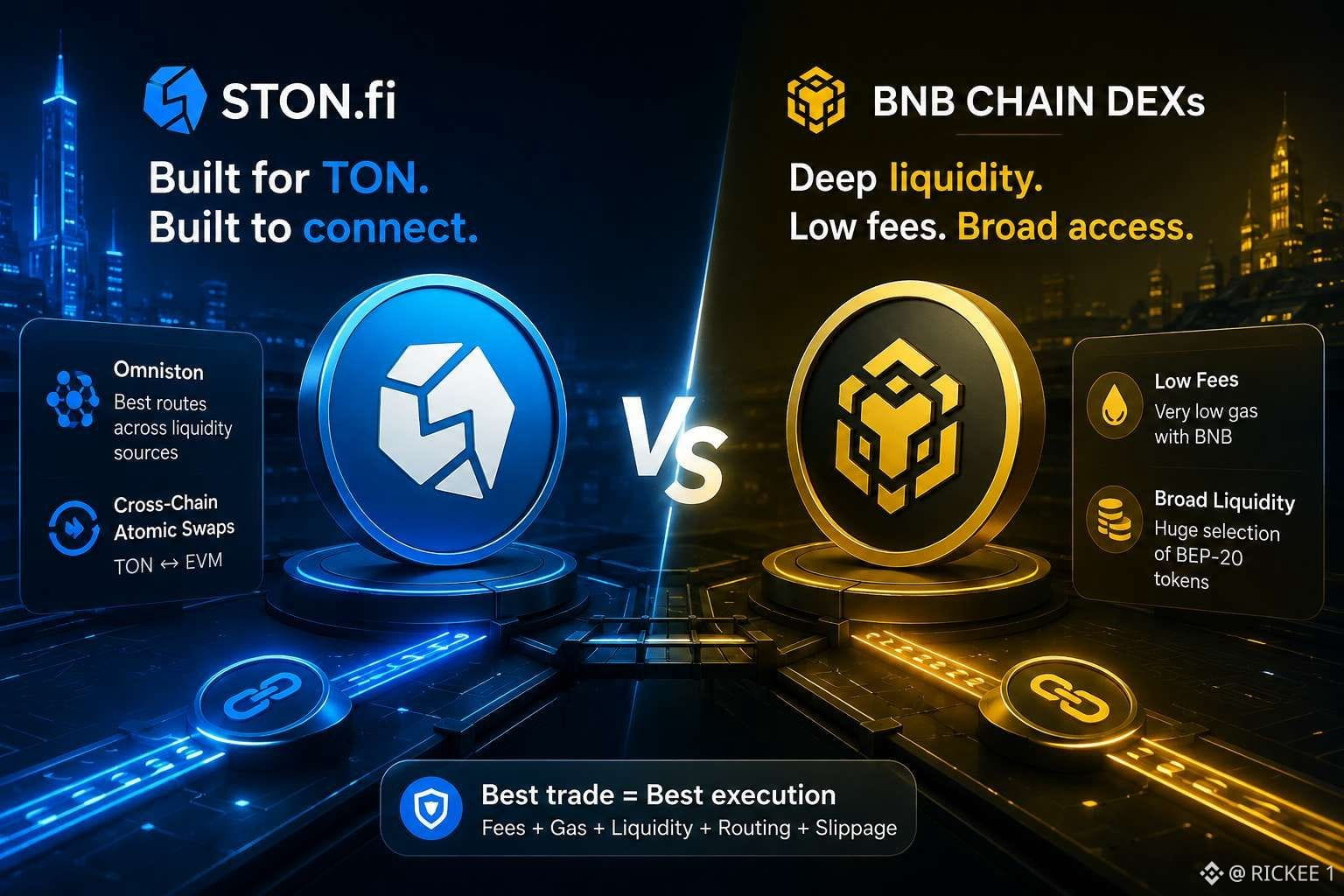
69
·
--
ماذا يعني خطر العقود الذكية لمستخدمي STON.fi
خطر العقود الذكية هو احتمال أن يحتوي كود البلوكشين المسؤول عن عملية تبديل (swap) أو إجراء السيولة (liquidity) أو عملية ذات صلة على ضعف، أو يتصرف بشكل غير متوقع، أو يتفاعل بشكل غير مناسب مع عقد آخر. بالنسبة لمستخدمي STON.fi، فهذا ليس هو نفسه فقدان إمكانية الوصول إلى المحفظة، ولا هو نفسه تقلب سعر الرمز. إنه خطر الكود والتنفيذ.
STON.fi غير احتجازي (non-custodial)، لذا فإنه لا يحتفظ أبدًا بمفاتيحك الخاصة. ومع ذلك، ما تزال كل معاملة يتم توقيعها تعتمد على تنفيذ العقود الذكية بشكل صحيح. يضمن DEX ذاتي الحيازة حماية الملكية، لكنه لا يزيل خطر احتمال فشل منطق العقد أو استغلاله، أو إنتاج نتيجة تختلف عمّا يقصده المستخدم.
يمر تبديل STON.fi بعدة مراحل داخل العقود. أولًا، تراجع عرض السعر (quote) وتفوض تحويل Jetton باستخدام حمولة (payload) خاصة بـ DEX. بعد ذلك، يستلم Router الإشعار و& يرسله إلى الـ Pool الصحيح. ثم يطبق الـ Pool منطق التبديل ويتحقق من الحد الأدنى لمقدار الإخراج. أخيرًا، تقوم العقود بتسليم النتيجة أو تشغيل آليات رد الأموال والتعامل مع حالات الفشل. كل مرحلة مهمة، لأن النتيجة النهائية تعتمد على سلامة مسار العقود بالكامل.
يقلل STON.fi هذا الخطر بطرق عدة. خضعت عقود DEX v2 لمراجعة أمنية مستقلة من Trail of Bits في يناير 2025. كما يوفر المشروع توثيقًا تقنيًا عامًا للـ Router وPool وVault والمكوّنات ذات الصلة. بالإضافة إلى ذلك، يحافظ STON.fi على برنامج مكافآت للأخطاء (bug bounty) نشط لدى HackenProof ومراقبة من CertiK.
ومع ذلك، لا يمكن لأي تدقيق (audit) القضاء على كل نقاط الضعف المستقبلية أو كل مخاطر الرمز الخارجية. تُحسن مراجعات الأمان الثقة عند نقطة زمنية محددة، لكنها لا تضمن السلامة الدائمة.
بالنسبة للمستخدمين، الدرس العملي بسيط: قبل الالتزام بأموال ذات قيمة معتبرة، تأكد من الواجهة الرسمية، وافحص تفاصيل المعاملة، راجع إعداد الحد الأدنى للإخراج، وحدد حجم المراكز بعناية. في التمويل اللامركزي (DeFi)، فإن الانتباه الدقيق جزء من الأمن.
$DRIFT $USDT $BNB
ماذا يعني خطر العقود الذكية لمستخدمي STON.fi
خطر العقود الذكية هو احتمال أن يحتوي كود البلوكشين المسؤول عن عملية تبديل (swap) أو إجراء السيولة (liquidity) أو عملية ذات صلة على ضعف، أو يتصرف بشكل غير متوقع، أو يتفاعل بشكل غير مناسب مع عقد آخر. بالنسبة لمستخدمي STON.fi، فهذا ليس هو نفسه فقدان إمكانية الوصول إلى المحفظة، ولا هو نفسه تقلب سعر الرمز. إنه خطر الكود والتنفيذ.
STON.fi غير احتجازي (non-custodial)، لذا فإنه لا يحتفظ أبدًا بمفاتيحك الخاصة. ومع ذلك، ما تزال كل معاملة يتم توقيعها تعتمد على تنفيذ العقود الذكية بشكل صحيح. يضمن DEX ذاتي الحيازة حماية الملكية، لكنه لا يزيل خطر احتمال فشل منطق العقد أو استغلاله، أو إنتاج نتيجة تختلف عمّا يقصده المستخدم.
يمر تبديل STON.fi بعدة مراحل داخل العقود. أولًا، تراجع عرض السعر (quote) وتفوض تحويل Jetton باستخدام حمولة (payload) خاصة بـ DEX. بعد ذلك، يستلم Router الإشعار و& يرسله إلى الـ Pool الصحيح. ثم يطبق الـ Pool منطق التبديل ويتحقق من الحد الأدنى لمقدار الإخراج. أخيرًا، تقوم العقود بتسليم النتيجة أو تشغيل آليات رد الأموال والتعامل مع حالات الفشل. كل مرحلة مهمة، لأن النتيجة النهائية تعتمد على سلامة مسار العقود بالكامل.
يقلل STON.fi هذا الخطر بطرق عدة. خضعت عقود DEX v2 لمراجعة أمنية مستقلة من Trail of Bits في يناير 2025. كما يوفر المشروع توثيقًا تقنيًا عامًا للـ Router وPool وVault والمكوّنات ذات الصلة. بالإضافة إلى ذلك، يحافظ STON.fi على برنامج مكافآت للأخطاء (bug bounty) نشط لدى HackenProof ومراقبة من CertiK.
ومع ذلك، لا يمكن لأي تدقيق (audit) القضاء على كل نقاط الضعف المستقبلية أو كل مخاطر الرمز الخارجية. تُحسن مراجعات الأمان الثقة عند نقطة زمنية محددة، لكنها لا تضمن السلامة الدائمة.
بالنسبة للمستخدمين، الدرس العملي بسيط: قبل الالتزام بأموال ذات قيمة معتبرة، تأكد من الواجهة الرسمية، وافحص تفاصيل المعاملة، راجع إعداد الحد الأدنى للإخراج، وحدد حجم المراكز بعناية. في التمويل اللامركزي (DeFi)، فإن الانتباه الدقيق جزء من الأمن.
$DRIFT $USDT $BNB
خطر العقود الذكية هو احتمال أن يحتوي كود البلوكشين المسؤول عن عملية تبديل (swap) أو إجراء السيولة (liquidity) أو عملية ذات صلة على ضعف، أو يتصرف بشكل غير متوقع، أو يتفاعل بشكل غير مناسب مع عقد آخر. بالنسبة لمستخدمي STON.fi، فهذا ليس هو نفسه فقدان إمكانية الوصول إلى المحفظة، ولا هو نفسه تقلب سعر الرمز. إنه خطر الكود والتنفيذ.
STON.fi غير احتجازي (non-custodial)، لذا فإنه لا يحتفظ أبدًا بمفاتيحك الخاصة. ومع ذلك، ما تزال كل معاملة يتم توقيعها تعتمد على تنفيذ العقود الذكية بشكل صحيح. يضمن DEX ذاتي الحيازة حماية الملكية، لكنه لا يزيل خطر احتمال فشل منطق العقد أو استغلاله، أو إنتاج نتيجة تختلف عمّا يقصده المستخدم.
يمر تبديل STON.fi بعدة مراحل داخل العقود. أولًا، تراجع عرض السعر (quote) وتفوض تحويل Jetton باستخدام حمولة (payload) خاصة بـ DEX. بعد ذلك، يستلم Router الإشعار و& يرسله إلى الـ Pool الصحيح. ثم يطبق الـ Pool منطق التبديل ويتحقق من الحد الأدنى لمقدار الإخراج. أخيرًا، تقوم العقود بتسليم النتيجة أو تشغيل آليات رد الأموال والتعامل مع حالات الفشل. كل مرحلة مهمة، لأن النتيجة النهائية تعتمد على سلامة مسار العقود بالكامل.
يقلل STON.fi هذا الخطر بطرق عدة. خضعت عقود DEX v2 لمراجعة أمنية مستقلة من Trail of Bits في يناير 2025. كما يوفر المشروع توثيقًا تقنيًا عامًا للـ Router وPool وVault والمكوّنات ذات الصلة. بالإضافة إلى ذلك، يحافظ STON.fi على برنامج مكافآت للأخطاء (bug bounty) نشط لدى HackenProof ومراقبة من CertiK.
ومع ذلك، لا يمكن لأي تدقيق (audit) القضاء على كل نقاط الضعف المستقبلية أو كل مخاطر الرمز الخارجية. تُحسن مراجعات الأمان الثقة عند نقطة زمنية محددة، لكنها لا تضمن السلامة الدائمة.
بالنسبة للمستخدمين، الدرس العملي بسيط: قبل الالتزام بأموال ذات قيمة معتبرة، تأكد من الواجهة الرسمية، وافحص تفاصيل المعاملة، راجع إعداد الحد الأدنى للإخراج، وحدد حجم المراكز بعناية. في التمويل اللامركزي (DeFi)، فإن الانتباه الدقيق جزء من الأمن.
$DRIFT $USDT $BNB
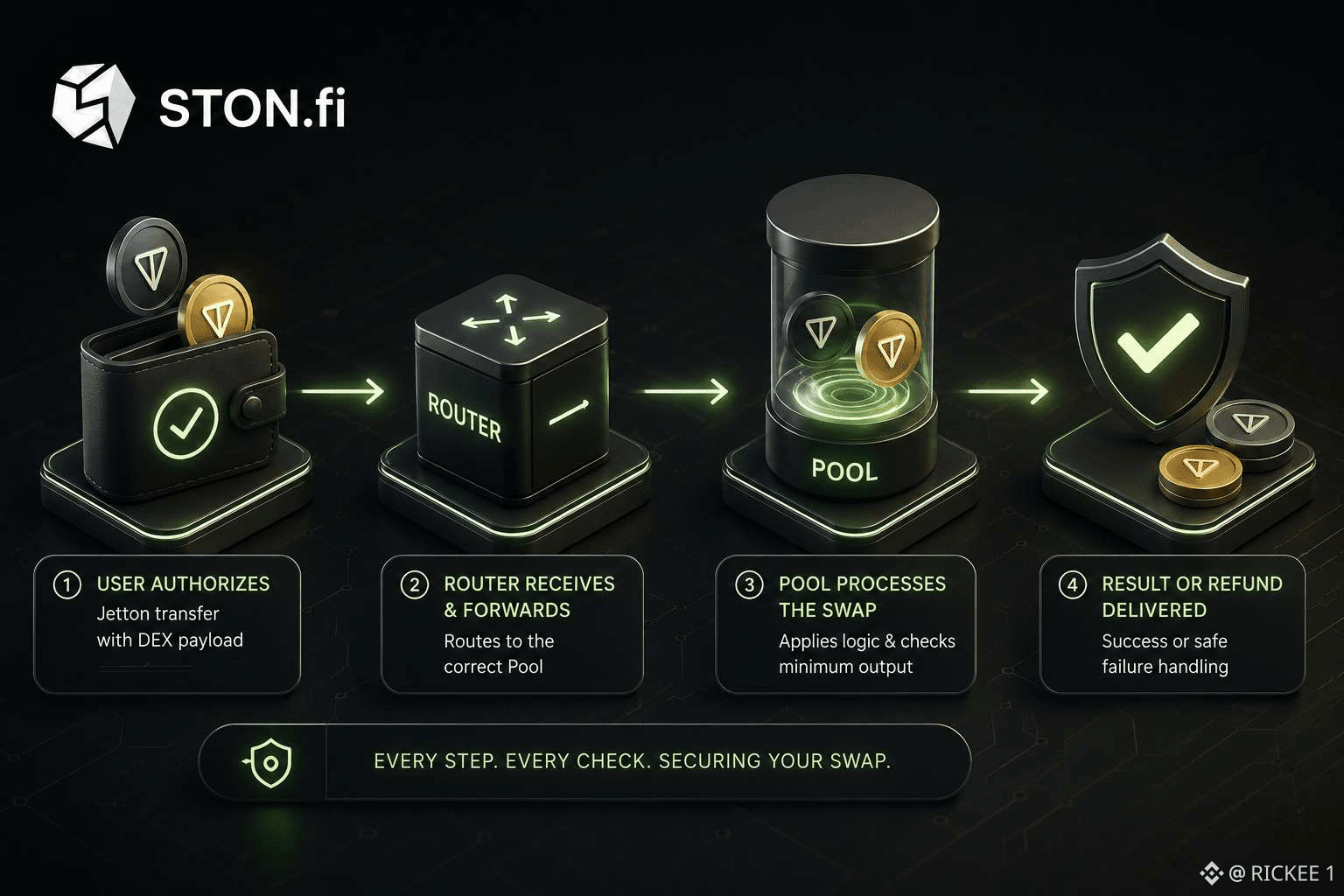
75
سجّل الدخول لاستكشاف المزيد من المُحتوى
انضم إلى مُستخدمي العملات الرقمية حول العالم على Binance Square
⚡️ احصل على أحدث المعلومات المفيدة عن العملات الرقمية.
💬 موثوقة من قبل أكبر منصّة لتداول العملات الرقمية في العالم.
👍 اكتشف الرؤى الحقيقية من صنّاع المُحتوى الموثوقين.
البريد الإلكتروني / رقم الهاتف
المواضيع الرائجة
MetaMaskExitsLidoValidatorsAfterSecurityIncident
3,172 مشاهدات
162 يقومون بالنقاش
🚨 بدأت MetaMask للتو في إخراج مُدقّقي ETH بعد حادث أمني.
تقول MetaMask إن حادثًا أمنيًا مستمرًا أصاب جزءًا من بنيتها التحتية، ما دفعها إلى الخروج بشكل استباقي من المُدقّقين المتأثرين ضمن عمليات الستاكينغ غير الحافظة. وتؤكد الشركة أنها لم تجد حتى الآن أي تهديدًا وشيكًا لمحافظ MetaMask.
ما التفاصيل الأساسية؟
هذه المُدقّقات مرتبطة بعملية الستاكينغ عبر Lido، وقد تؤدي عملية الخروج إلى إزالة ETH مؤقتًا من الستاكينغ بينما يستمر التحقيق. وتشير التقارير المتعلقة بـ Lido إلى أن دورة الخروج الكامل، والسحب، ثم إعادة الدخول قد تستغرق حتى قرابة 45 يومًا.
وهذا يعني أن السوق يجب أن يفصل بين نقطتين:
لا يتم حاليًا إبلاغ مستخدمي المحافظ بأنهم معرضون لخطر فوري.
لكن البنية التحتية للمُدقّقين كانت بالتأكيد خطيرة بما يكفي لإطلاق خروج طارئ.
وعندما يبدأ أحد أكبر ماركات محافظ Ethereum في سحب المُدقّقين كإجراء احترازي، ينتبه المتداولون.
لا تحتاج حوادث الأمن إلى أموال مسروقة كي تصبح مُحرّكة للسوق.
أحيانًا تكون ردة الفعل نفسها هي الإشارة. 👀
$ETH $LDO
#metamaskexitslidovalidatorsaftersecurityincident
KimHotbae
·0 إعجاب
·1.3k مشاهدات
MicronBeatsEarningsLiftsGuidance
6,453 مشاهدات
179 يقومون بالنقاش
CFTCSubmitsTwoEventContractRulesToWhiteHouse
6,968 مشاهدات
185 يقومون بالنقاش