
#usgovernment
usgovernment
5.9M مشاهدات
4,803 يقومون بالنقاش
رائج
جديد


·
--
صاعد
$BTC
{spot}(BTCUSDT)
أخيرًا، هناك بعض الأخبار الجيدة للسوق، صحيح؟ حسنًا، خلّينا ندخل في الموضوع!
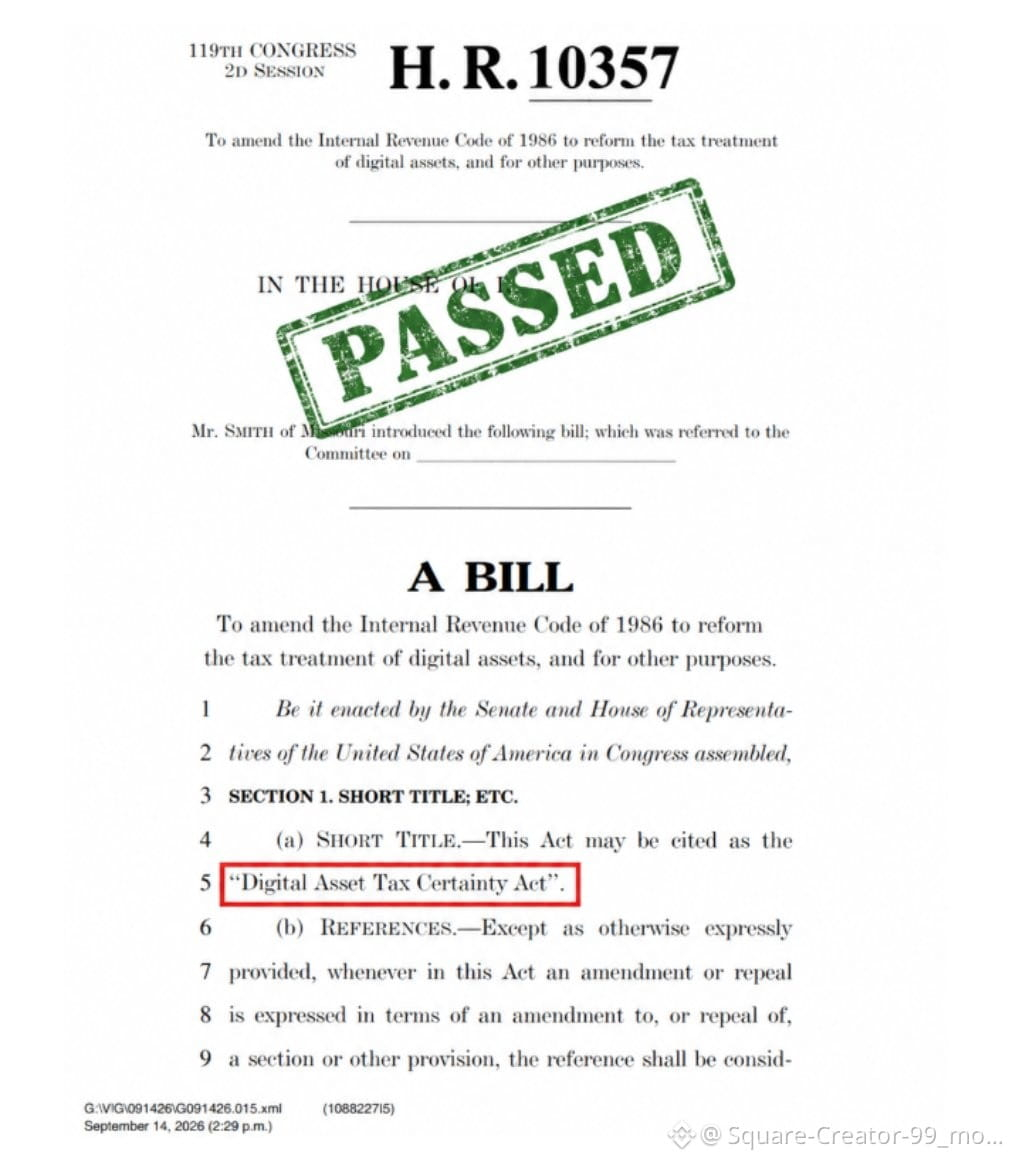
لجنة مجلس النواب للطرق والوسائل للتّشريع قدّمت للتو مشروع قانون ضريبة العملات المشفرة بنسبة 38-5. إنه يُلغي متطلبات الإبلاغ الضريبي عن المدفوعات الصغيرة بالعملات المشفرة التي تقل عن عشرة جنيهات، وهذا خطوة محترمة وجيدة جدًا نحو استخدام العملات المشفرة فعليًا في إنفاقك اليومي
$SOL
{spot}(SOLUSDT)
$ETH
{spot}(ETHUSDT)
#TrumpCryptoSupport #USGovernment
$BTC
أخيرًا، هناك بعض الأخبار الجيدة للسوق، صحيح؟ حسنًا، خلّينا ندخل في الموضوع!
لجنة مجلس النواب للطرق والوسائل للتّشريع قدّمت للتو مشروع قانون ضريبة العملات المشفرة بنسبة 38-5. إنه يُلغي متطلبات الإبلاغ الضريبي عن المدفوعات الصغيرة بالعملات المشفرة التي تقل عن عشرة جنيهات، وهذا خطوة محترمة وجيدة جدًا نحو استخدام العملات المشفرة فعليًا في إنفاقك اليومي
$SOL
$ETH
#TrumpCryptoSupport #USGovernment
أخيرًا، هناك بعض الأخبار الجيدة للسوق، صحيح؟ حسنًا، خلّينا ندخل في الموضوع!
لجنة مجلس النواب للطرق والوسائل للتّشريع قدّمت للتو مشروع قانون ضريبة العملات المشفرة بنسبة 38-5. إنه يُلغي متطلبات الإبلاغ الضريبي عن المدفوعات الصغيرة بالعملات المشفرة التي تقل عن عشرة جنيهات، وهذا خطوة محترمة وجيدة جدًا نحو استخدام العملات المشفرة فعليًا في إنفاقك اليومي
$SOL
$ETH
#TrumpCryptoSupport #USGovernment
AngelOfCrypto_-:
nice
4
3
1.4k
·
--
صاعد
$BTC
{spot}(BTCUSDT)
زوج من فواتير التشفير الكبيرة والراسخة تمرر عبر لجان مجلس النواب، صدقني
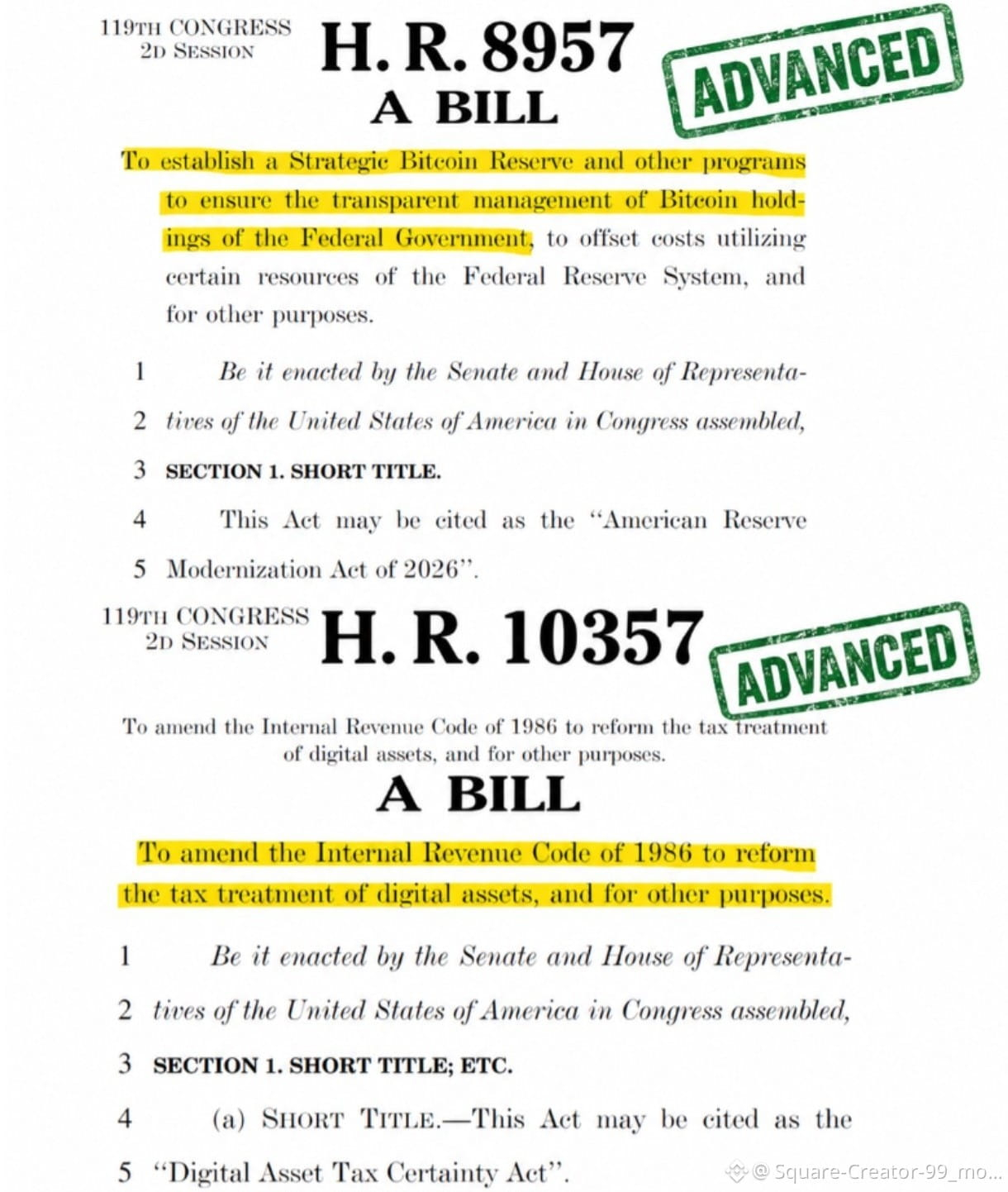
قانون تحديث الاحتياطي الأمريكي لعام 2026
قانون اليقين الضريبي للأصول الرقمية
كلاهما الآن في طريقه إلى تصويت كامل في مجلس النواب، ثم يتجه مباشرة إلى البيت الكبير (مجلس الشيوخ) إذا ما نجحا، انتبه
حتى مع تعثر قانون CLARITY بالكامل، ما زال النواب في الكونغرس يواصلون المضي قدمًا بأشياء كبرى أخرى خاصة بالتشفير. رجال هيئة الأوراق المالية والبورصات (SEC) ولجنة تداول السلع الآجلة (CFTC) يمضون في وضع قواعد التشفير تحت القوانين القديمة على أي حال
هذا الطرح قد يعطي للتشفير دفعة حقيقية—يوفر للمتداولين قواعد ضريبية واضحة ويجعل البيتكوين يبدو كأنه احتياطي ذهب “مناسب” لسام العم سام
أبرز بنود قانون تحديث الاحتياطي الأمريكي 2026:
يهيئ احتياطي بيتكوين استراتيجي أمريكي رسمي
لا بد أن يبقى بيتكوين العم سام في مكانه مدة لا تقل عن 20 عامًا، دون مساس
على جميع مسؤولي الحكومة الكشف عن ممتلكاتهم من البيتكوين والتشفير
يجب على الخزانة نشر تقارير منتظمة وإجراء مراجعات دقيقة
أي تشفير آخر تمتلكه الحكومة يمكن بيعه لشراء المزيد من البيتكوين أو لتسوية بعض الديون
سيتوصلون إلى طرق ملتوية للحصول على المزيد من البيتكوين دون رفع الضرائب أو الاقتراض ولو “شلن” واحد
يرتب حقك في شراء بيتكوين وحيازته ونقله والاحتفاظ به بأمان في محفظتك الخاصة.
الحكومة الأمريكية تراكمت لديها نحو 328,000 بيتكوين، وهذا القانون يضمن بقاء هذا المخزون محبوسًا لسنوات طويلة دون المساس به، بينما يسمح لهم بالتكديس أكثر
أبرز بنود قانون اليقين الضريبي للأصول الرقمية:
لا توجد متاعب ضريبية على الرسوم التشفيرية الصغيرة التي تقل عن 10 دولارات
قواعد جديدة لكيفية تحقيق دخل من التعدين والستيكينغ
قواعد ضريبية واضحة وملائمة للـ stablecoins، بدون تعقيدات.
قواعد ضريبة “الغسل” المطبقة الآن على التشفير أيضًا
إقراض التشفير يُعامل تمامًا مثل إقراض الأسهم التقليدي القديم
قدر من “الهزّ” لكيفية ما يجب على وسطاء التشفير الإبلاغ عنه للمصلحة الضريبية
$ETH
{spot}(ETHUSDT)
$BNB
{spot}(BNBUSDT)
#USGovernment #BTC🔥🔥🔥🔥🔥
$BTC
زوج من فواتير التشفير الكبيرة والراسخة تمرر عبر لجان مجلس النواب، صدقني
قانون تحديث الاحتياطي الأمريكي لعام 2026
قانون اليقين الضريبي للأصول الرقمية
كلاهما الآن في طريقه إلى تصويت كامل في مجلس النواب، ثم يتجه مباشرة إلى البيت الكبير (مجلس الشيوخ) إذا ما نجحا، انتبه
حتى مع تعثر قانون CLARITY بالكامل، ما زال النواب في الكونغرس يواصلون المضي قدمًا بأشياء كبرى أخرى خاصة بالتشفير. رجال هيئة الأوراق المالية والبورصات (SEC) ولجنة تداول السلع الآجلة (CFTC) يمضون في وضع قواعد التشفير تحت القوانين القديمة على أي حال
هذا الطرح قد يعطي للتشفير دفعة حقيقية—يوفر للمتداولين قواعد ضريبية واضحة ويجعل البيتكوين يبدو كأنه احتياطي ذهب “مناسب” لسام العم سام
أبرز بنود قانون تحديث الاحتياطي الأمريكي 2026:
يهيئ احتياطي بيتكوين استراتيجي أمريكي رسمي
لا بد أن يبقى بيتكوين العم سام في مكانه مدة لا تقل عن 20 عامًا، دون مساس
على جميع مسؤولي الحكومة الكشف عن ممتلكاتهم من البيتكوين والتشفير
يجب على الخزانة نشر تقارير منتظمة وإجراء مراجعات دقيقة
أي تشفير آخر تمتلكه الحكومة يمكن بيعه لشراء المزيد من البيتكوين أو لتسوية بعض الديون
سيتوصلون إلى طرق ملتوية للحصول على المزيد من البيتكوين دون رفع الضرائب أو الاقتراض ولو “شلن” واحد
يرتب حقك في شراء بيتكوين وحيازته ونقله والاحتفاظ به بأمان في محفظتك الخاصة.
الحكومة الأمريكية تراكمت لديها نحو 328,000 بيتكوين، وهذا القانون يضمن بقاء هذا المخزون محبوسًا لسنوات طويلة دون المساس به، بينما يسمح لهم بالتكديس أكثر
أبرز بنود قانون اليقين الضريبي للأصول الرقمية:
لا توجد متاعب ضريبية على الرسوم التشفيرية الصغيرة التي تقل عن 10 دولارات
قواعد جديدة لكيفية تحقيق دخل من التعدين والستيكينغ
قواعد ضريبية واضحة وملائمة للـ stablecoins، بدون تعقيدات.
قواعد ضريبة “الغسل” المطبقة الآن على التشفير أيضًا
إقراض التشفير يُعامل تمامًا مثل إقراض الأسهم التقليدي القديم
قدر من “الهزّ” لكيفية ما يجب على وسطاء التشفير الإبلاغ عنه للمصلحة الضريبية
$ETH
$BNB
#USGovernment #BTC🔥🔥🔥🔥🔥
زوج من فواتير التشفير الكبيرة والراسخة تمرر عبر لجان مجلس النواب، صدقني
قانون تحديث الاحتياطي الأمريكي لعام 2026
قانون اليقين الضريبي للأصول الرقمية
كلاهما الآن في طريقه إلى تصويت كامل في مجلس النواب، ثم يتجه مباشرة إلى البيت الكبير (مجلس الشيوخ) إذا ما نجحا، انتبه
حتى مع تعثر قانون CLARITY بالكامل، ما زال النواب في الكونغرس يواصلون المضي قدمًا بأشياء كبرى أخرى خاصة بالتشفير. رجال هيئة الأوراق المالية والبورصات (SEC) ولجنة تداول السلع الآجلة (CFTC) يمضون في وضع قواعد التشفير تحت القوانين القديمة على أي حال
هذا الطرح قد يعطي للتشفير دفعة حقيقية—يوفر للمتداولين قواعد ضريبية واضحة ويجعل البيتكوين يبدو كأنه احتياطي ذهب “مناسب” لسام العم سام
أبرز بنود قانون تحديث الاحتياطي الأمريكي 2026:
يهيئ احتياطي بيتكوين استراتيجي أمريكي رسمي
لا بد أن يبقى بيتكوين العم سام في مكانه مدة لا تقل عن 20 عامًا، دون مساس
على جميع مسؤولي الحكومة الكشف عن ممتلكاتهم من البيتكوين والتشفير
يجب على الخزانة نشر تقارير منتظمة وإجراء مراجعات دقيقة
أي تشفير آخر تمتلكه الحكومة يمكن بيعه لشراء المزيد من البيتكوين أو لتسوية بعض الديون
سيتوصلون إلى طرق ملتوية للحصول على المزيد من البيتكوين دون رفع الضرائب أو الاقتراض ولو “شلن” واحد
يرتب حقك في شراء بيتكوين وحيازته ونقله والاحتفاظ به بأمان في محفظتك الخاصة.
الحكومة الأمريكية تراكمت لديها نحو 328,000 بيتكوين، وهذا القانون يضمن بقاء هذا المخزون محبوسًا لسنوات طويلة دون المساس به، بينما يسمح لهم بالتكديس أكثر
أبرز بنود قانون اليقين الضريبي للأصول الرقمية:
لا توجد متاعب ضريبية على الرسوم التشفيرية الصغيرة التي تقل عن 10 دولارات
قواعد جديدة لكيفية تحقيق دخل من التعدين والستيكينغ
قواعد ضريبية واضحة وملائمة للـ stablecoins، بدون تعقيدات.
قواعد ضريبة “الغسل” المطبقة الآن على التشفير أيضًا
إقراض التشفير يُعامل تمامًا مثل إقراض الأسهم التقليدي القديم
قدر من “الهزّ” لكيفية ما يجب على وسطاء التشفير الإبلاغ عنه للمصلحة الضريبية
$ETH
$BNB
#USGovernment #BTC🔥🔥🔥🔥🔥
AngelOfCrypto_-:
nice
1
1.1k

·
--
$TRUMP
{future}(TRUMPUSDT)
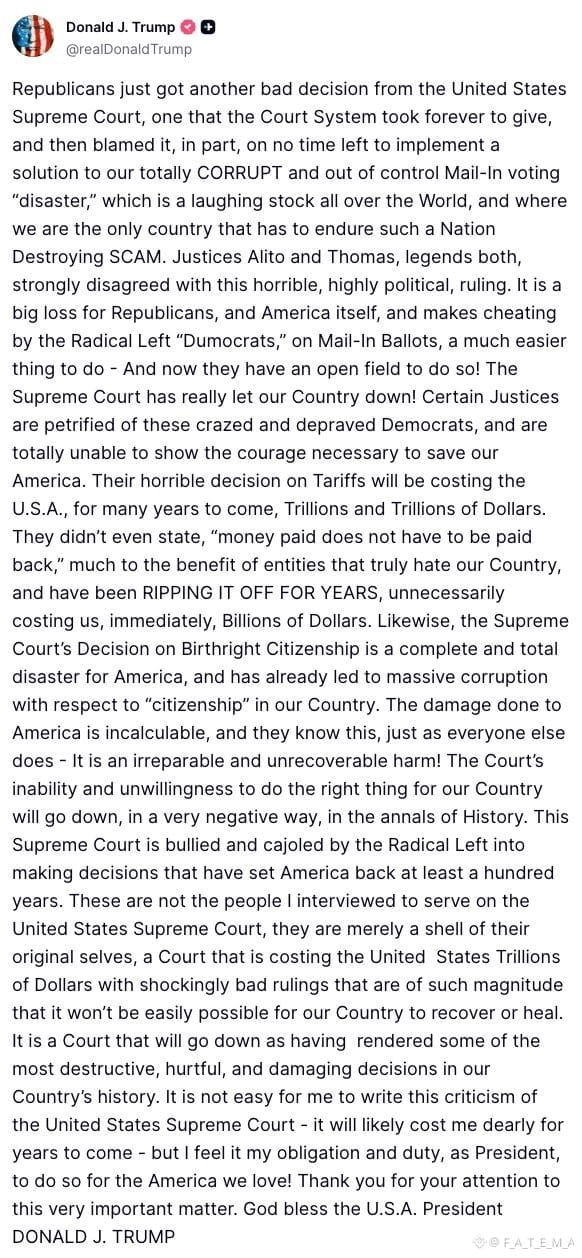
🚨🇺🇸 ترامب للتو أعلن الحرب على المحكمة العليا التي بنَاها...
يقول إن القضاة عطلوا معركة بطاقات الاقتراع بالبريد حتى فوات الأوان لإصلاح الأمر، واصفًا ذلك بأنه "احتيال يدمّر الأمة"، ثم حمّل المسؤولية للتقويم.
الطعن أَلِيتو وتوماس كانا مخالفين للرأي. وأضاف أن قرار التعريفة والجنسية بالولادة هما كوارث ستكلف تريليونات وستغرق البلاد بأوراق مزورة.
وبحسب روايته، فإن المحكمة "مرعوبة" من الديمقراطيين وباتت مجرد ظل للمقعد الذي كان يعتقد أنه قد عيّنه...
المصدر: Truth Social
#FedRateWatch #USGovernment
$TRUMP
🚨🇺🇸 ترامب للتو أعلن الحرب على المحكمة العليا التي بنَاها...
يقول إن القضاة عطلوا معركة بطاقات الاقتراع بالبريد حتى فوات الأوان لإصلاح الأمر، واصفًا ذلك بأنه "احتيال يدمّر الأمة"، ثم حمّل المسؤولية للتقويم.
الطعن أَلِيتو وتوماس كانا مخالفين للرأي. وأضاف أن قرار التعريفة والجنسية بالولادة هما كوارث ستكلف تريليونات وستغرق البلاد بأوراق مزورة.
وبحسب روايته، فإن المحكمة "مرعوبة" من الديمقراطيين وباتت مجرد ظل للمقعد الذي كان يعتقد أنه قد عيّنه...
المصدر: Truth Social
#FedRateWatch #USGovernment
🚨🇺🇸 ترامب للتو أعلن الحرب على المحكمة العليا التي بنَاها...
يقول إن القضاة عطلوا معركة بطاقات الاقتراع بالبريد حتى فوات الأوان لإصلاح الأمر، واصفًا ذلك بأنه "احتيال يدمّر الأمة"، ثم حمّل المسؤولية للتقويم.
الطعن أَلِيتو وتوماس كانا مخالفين للرأي. وأضاف أن قرار التعريفة والجنسية بالولادة هما كوارث ستكلف تريليونات وستغرق البلاد بأوراق مزورة.
وبحسب روايته، فإن المحكمة "مرعوبة" من الديمقراطيين وباتت مجرد ظل للمقعد الذي كان يعتقد أنه قد عيّنه...
المصدر: Truth Social
#FedRateWatch #USGovernment
350
مقالة
عرض الترجمة
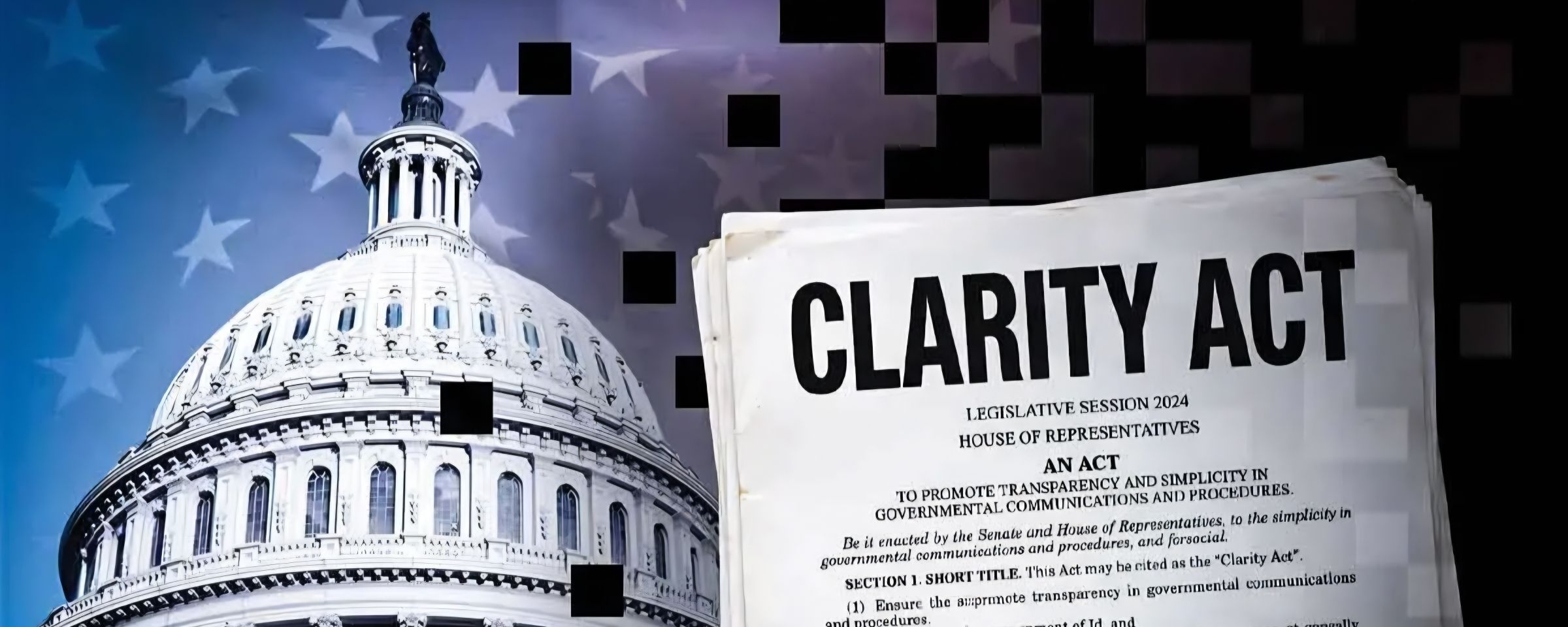
CLARITY Act Fails in the Senate: What Actually Happened and Why It MattersThe U.S. Senate failed to advance the CLARITY Act on September 15. The final tally on the cloture vote was 49-50. The bill needed 60 votes to move forward, and it didn’t get them.
This wasn’t a vote on the full content of the bill. It was only a procedural vote to decide whether the Senate would even start debating it. Once that vote failed, the legislation was effectively put on hold.
What Went Wrong
Every Democrat who voted opposed moving the bill forward. Four Republicans also voted no: Susan Collins, Josh Hawley, Jerry Moran, and Thom Tillis. Tillis switched his vote from yes to no at the last minute so he could file a motion to reconsider. That keeps a small technical door open, but most people following the process believe the realistic chances for this year are now very low.
The disagreements that sank the vote weren’t small. Key points of tension included ethics rules around public officials holding crypto, concerns from the banking sector about stablecoin rewards, and the ongoing fight over how much power the SEC should have versus the CFTC.
Even after last-minute changes to the text, the bill couldn’t find enough support.
What This Means Right Now
In the short term, one of the biggest potential regulatory catalysts for U.S. crypto is off the table. Markets reacted mildly negative after the vote, which was expected.
That doesn’t mean regulation disappears. The SEC and CFTC still have authority to write rules on their own, and both agencies have already indicated they plan to keep moving. Agency rules are easier to change later and can be challenged in court, so they’re not as solid as actual legislation. Still, they’re the most likely path forward for the rest of 2026.
JPMorgan’s note after the vote summed it up well: the bill isn’t completely dead, but the window left this year is extremely narrow.
The Bigger Picture
The crypto industry has been pushing for clear federal market structure rules for years. The CLARITY Act was the closest attempt so far at creating a proper framework that would define which assets fall under the SEC and which under the CFTC.
Its failure doesn’t end the conversation. It just pushes the timeline further out. Most of the focus will now shift back to agency actions, court cases, and whatever happens after the midterm elections.
For traders, the practical takeaway is straightforward. Don’t expect a major regulatory breakthrough from Congress in the next few months. Price action will continue to be driven more by liquidity, macro conditions, and individual project developments than by legislation.
The next few weeks will show whether anyone tries to revive the bill before Congress leaves, or whether the industry simply moves on and waits for the next window.
Either way, the regulatory story is far from over. #CLARITYAct #USGovernment #crypto
Follow Us 🙏 For more updates
CLARITY Act Fails in the Senate: What Actually Happened and Why It Matters
The U.S. Senate failed to advance the CLARITY Act on September 15. The final tally on the cloture vote was 49-50. The bill needed 60 votes to move forward, and it didn’t get them.
This wasn’t a vote on the full content of the bill. It was only a procedural vote to decide whether the Senate would even start debating it. Once that vote failed, the legislation was effectively put on hold.
What Went Wrong
Every Democrat who voted opposed moving the bill forward. Four Republicans also voted no: Susan Collins, Josh Hawley, Jerry Moran, and Thom Tillis. Tillis switched his vote from yes to no at the last minute so he could file a motion to reconsider. That keeps a small technical door open, but most people following the process believe the realistic chances for this year are now very low.
The disagreements that sank the vote weren’t small. Key points of tension included ethics rules around public officials holding crypto, concerns from the banking sector about stablecoin rewards, and the ongoing fight over how much power the SEC should have versus the CFTC.
Even after last-minute changes to the text, the bill couldn’t find enough support.
What This Means Right Now
In the short term, one of the biggest potential regulatory catalysts for U.S. crypto is off the table. Markets reacted mildly negative after the vote, which was expected.
That doesn’t mean regulation disappears. The SEC and CFTC still have authority to write rules on their own, and both agencies have already indicated they plan to keep moving. Agency rules are easier to change later and can be challenged in court, so they’re not as solid as actual legislation. Still, they’re the most likely path forward for the rest of 2026.
JPMorgan’s note after the vote summed it up well: the bill isn’t completely dead, but the window left this year is extremely narrow.
The Bigger Picture
The crypto industry has been pushing for clear federal market structure rules for years. The CLARITY Act was the closest attempt so far at creating a proper framework that would define which assets fall under the SEC and which under the CFTC.
Its failure doesn’t end the conversation. It just pushes the timeline further out. Most of the focus will now shift back to agency actions, court cases, and whatever happens after the midterm elections.
For traders, the practical takeaway is straightforward. Don’t expect a major regulatory breakthrough from Congress in the next few months. Price action will continue to be driven more by liquidity, macro conditions, and individual project developments than by legislation.
The next few weeks will show whether anyone tries to revive the bill before Congress leaves, or whether the industry simply moves on and waits for the next window.
Either way, the regulatory story is far from over. #CLARITYAct #USGovernment #crypto
Follow Us 🙏 For more updates
This wasn’t a vote on the full content of the bill. It was only a procedural vote to decide whether the Senate would even start debating it. Once that vote failed, the legislation was effectively put on hold.
What Went Wrong
Every Democrat who voted opposed moving the bill forward. Four Republicans also voted no: Susan Collins, Josh Hawley, Jerry Moran, and Thom Tillis. Tillis switched his vote from yes to no at the last minute so he could file a motion to reconsider. That keeps a small technical door open, but most people following the process believe the realistic chances for this year are now very low.
The disagreements that sank the vote weren’t small. Key points of tension included ethics rules around public officials holding crypto, concerns from the banking sector about stablecoin rewards, and the ongoing fight over how much power the SEC should have versus the CFTC.
Even after last-minute changes to the text, the bill couldn’t find enough support.
What This Means Right Now
In the short term, one of the biggest potential regulatory catalysts for U.S. crypto is off the table. Markets reacted mildly negative after the vote, which was expected.
That doesn’t mean regulation disappears. The SEC and CFTC still have authority to write rules on their own, and both agencies have already indicated they plan to keep moving. Agency rules are easier to change later and can be challenged in court, so they’re not as solid as actual legislation. Still, they’re the most likely path forward for the rest of 2026.
JPMorgan’s note after the vote summed it up well: the bill isn’t completely dead, but the window left this year is extremely narrow.
The Bigger Picture
The crypto industry has been pushing for clear federal market structure rules for years. The CLARITY Act was the closest attempt so far at creating a proper framework that would define which assets fall under the SEC and which under the CFTC.
Its failure doesn’t end the conversation. It just pushes the timeline further out. Most of the focus will now shift back to agency actions, court cases, and whatever happens after the midterm elections.
For traders, the practical takeaway is straightforward. Don’t expect a major regulatory breakthrough from Congress in the next few months. Price action will continue to be driven more by liquidity, macro conditions, and individual project developments than by legislation.
The next few weeks will show whether anyone tries to revive the bill before Congress leaves, or whether the industry simply moves on and waits for the next window.
Either way, the regulatory story is far from over. #CLARITYAct #USGovernment #crypto
Follow Us 🙏 For more updates
1
35

·
--
صاعد
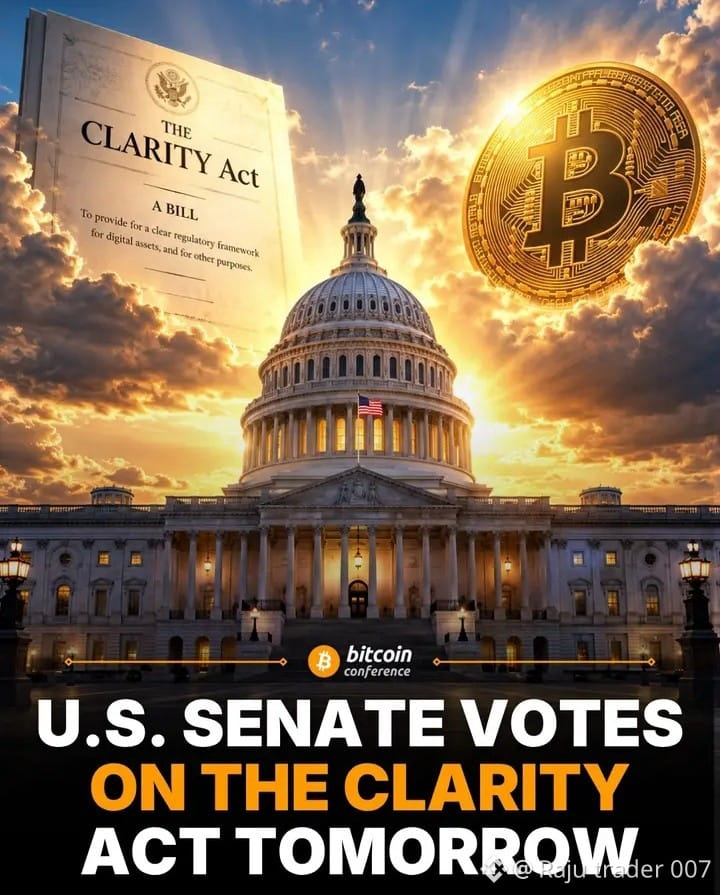
🇺🇸 جمهوريون في مجلس الشيوخ أصدروا مسودة قانون “CLARITY” “النهائية” قبل تصويت الغد
أعلن كلٌّ من السيناتورين سينثيا لوميس وجون بوزمان والسيناتور تيم سكوت عن أحدث نص قانون CLARITY قبل التصويت الإجرائي يوم الثلاثاء.
ويُزعم أن المسودة الجديدة تتضمن 126 تغييرًا جوهريًا طلبتها الديمقراطيون.
✅ لغة جديدة للأخلاقيات
✅ دور إنفاذ قانون المدعي العام على مستوى الولاية
✅ ضوابط لحماية مسار الإيداع/الفرار في العملات المستقرة
✅ حماية المطورين
✅ ضوابط لحماية المستهلكين
✅ قواعد تضارب المصالح
تصويت الغد ليس إقرارًا نهائيًا.
إنه تصويت إجرائي لبدء النقاش، ويحتاج إلى 60 صوتًا للتمضي.
الوقت لِلوضوح هو الآن #USGovernment
🇺🇸 جمهوريون في مجلس الشيوخ أصدروا مسودة قانون “CLARITY” “النهائية” قبل تصويت الغد
أعلن كلٌّ من السيناتورين سينثيا لوميس وجون بوزمان والسيناتور تيم سكوت عن أحدث نص قانون CLARITY قبل التصويت الإجرائي يوم الثلاثاء.
ويُزعم أن المسودة الجديدة تتضمن 126 تغييرًا جوهريًا طلبتها الديمقراطيون.
✅ لغة جديدة للأخلاقيات
✅ دور إنفاذ قانون المدعي العام على مستوى الولاية
✅ ضوابط لحماية مسار الإيداع/الفرار في العملات المستقرة
✅ حماية المطورين
✅ ضوابط لحماية المستهلكين
✅ قواعد تضارب المصالح
تصويت الغد ليس إقرارًا نهائيًا.
إنه تصويت إجرائي لبدء النقاش، ويحتاج إلى 60 صوتًا للتمضي.
الوقت لِلوضوح هو الآن #USGovernment
أعلن كلٌّ من السيناتورين سينثيا لوميس وجون بوزمان والسيناتور تيم سكوت عن أحدث نص قانون CLARITY قبل التصويت الإجرائي يوم الثلاثاء.
ويُزعم أن المسودة الجديدة تتضمن 126 تغييرًا جوهريًا طلبتها الديمقراطيون.
✅ لغة جديدة للأخلاقيات
✅ دور إنفاذ قانون المدعي العام على مستوى الولاية
✅ ضوابط لحماية مسار الإيداع/الفرار في العملات المستقرة
✅ حماية المطورين
✅ ضوابط لحماية المستهلكين
✅ قواعد تضارب المصالح
تصويت الغد ليس إقرارًا نهائيًا.
إنه تصويت إجرائي لبدء النقاش، ويحتاج إلى 60 صوتًا للتمضي.
الوقت لِلوضوح هو الآن #USGovernment
7

·
--
🚨 عاجل: 🇺🇸 السناتور سينثيا لوممس بشأن قانون وضوح التشفير:
“إذا فشل اليوم، انتهينا. انتهى الأمر.”
“إما الآن أو لا أبدًا.” 🔥
صناعة العملات المشفرة تترقب. 🇺🇸
#clarityact #sec #USGovernment
🚨 عاجل: 🇺🇸 السناتور سينثيا لوممس بشأن قانون وضوح التشفير:
“إذا فشل اليوم، انتهينا. انتهى الأمر.”
“إما الآن أو لا أبدًا.” 🔥
صناعة العملات المشفرة تترقب. 🇺🇸
#clarityact #sec #USGovernment
“إذا فشل اليوم، انتهينا. انتهى الأمر.”
“إما الآن أو لا أبدًا.” 🔥
صناعة العملات المشفرة تترقب. 🇺🇸
#clarityact #sec #USGovernment
Rafia Imran:
Solid update. Lummis’ “now or never” framing highlights the political urgency, but the tape will care more about the actual vote and what happens afterward. I’d watch BTC’s reaction alongside spot volume and futures OI—headline volatility can fade quickly if positioning doesn’t confirm it.
1
1
9
7.3k
·
--
مقالة
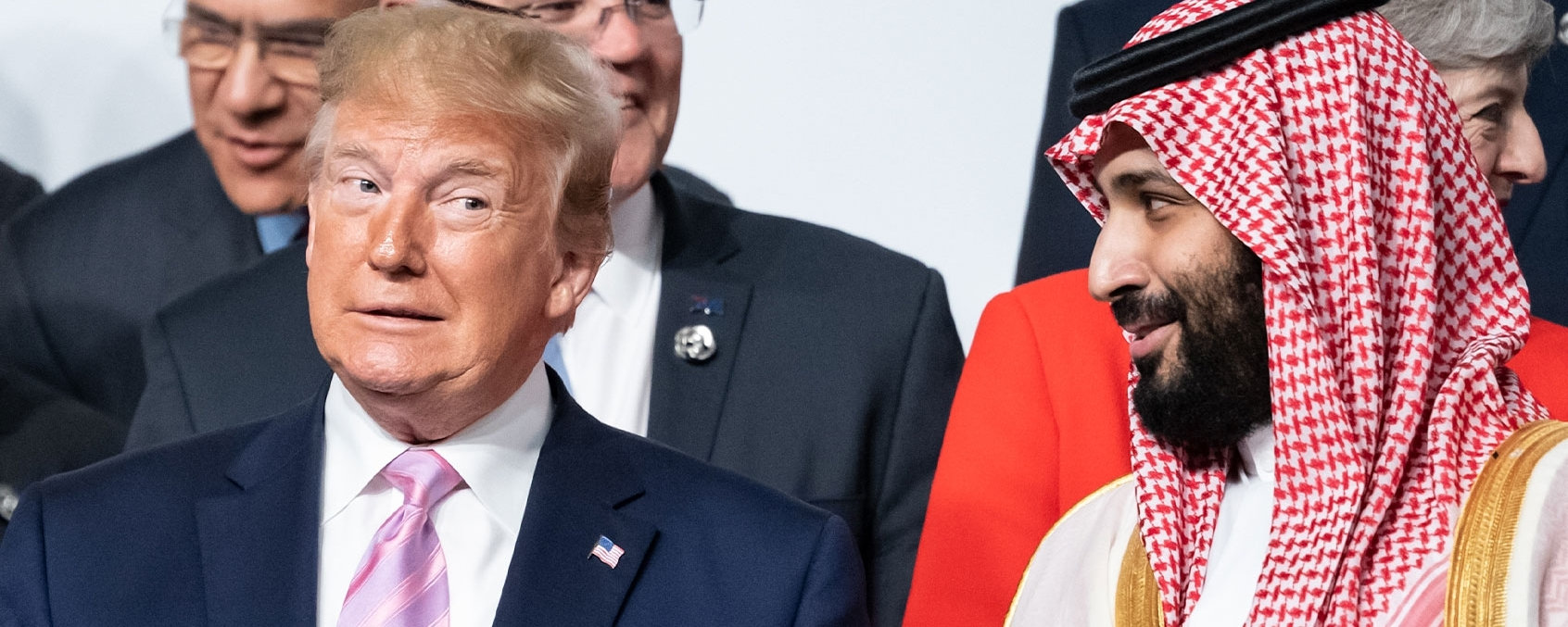
لا يمكنك شراء الخروج من الجغرافيا: الحساب الاستراتيجي النهائي للسعوديةتتعلم السعودية درساً لا يمكن للمال ولا للأسلحة الأمريكية أن تمحوه أبداً: لا يمكنك أن تشتري طريقك للخروج من الجغرافيا.
لسنوات، تصرفت الرياض كما لو أن ثروة نفطها وتحالفها مع واشنطن يجعلانها بمنأى عن عواقب سياساتها الإقليمية.
تراكمت الأسلحة، وأوتت قوات أجنبية، وصبت مليارات في مغامرات عسكرية، بينما كانت تعامل إيران باعتبارها عدواً يجب احتواؤه.
والآن، وصل الحساب.
مع خنق مضيق هرمز فعلياً وتعطيل خط أنابيب النفط الحيوي بين الشرق والغرب لدى المملكة المؤدي إلى البحر الأحمر، تم تقييد قدرة السعودية بشكل شديد على نقل أكثر سلعها قيمة.
لا يمكنك شراء الخروج من الجغرافيا: الحساب الاستراتيجي النهائي للسعودية
تتعلم السعودية درساً لا يمكن للمال ولا للأسلحة الأمريكية أن تمحوه أبداً: لا يمكنك أن تشتري طريقك للخروج من الجغرافيا.
لسنوات، تصرفت الرياض كما لو أن ثروة نفطها وتحالفها مع واشنطن يجعلانها بمنأى عن عواقب سياساتها الإقليمية.
تراكمت الأسلحة، وأوتت قوات أجنبية، وصبت مليارات في مغامرات عسكرية، بينما كانت تعامل إيران باعتبارها عدواً يجب احتواؤه.
والآن، وصل الحساب.
مع خنق مضيق هرمز فعلياً وتعطيل خط أنابيب النفط الحيوي بين الشرق والغرب لدى المملكة المؤدي إلى البحر الأحمر، تم تقييد قدرة السعودية بشكل شديد على نقل أكثر سلعها قيمة.
لسنوات، تصرفت الرياض كما لو أن ثروة نفطها وتحالفها مع واشنطن يجعلانها بمنأى عن عواقب سياساتها الإقليمية.
تراكمت الأسلحة، وأوتت قوات أجنبية، وصبت مليارات في مغامرات عسكرية، بينما كانت تعامل إيران باعتبارها عدواً يجب احتواؤه.
والآن، وصل الحساب.
مع خنق مضيق هرمز فعلياً وتعطيل خط أنابيب النفط الحيوي بين الشرق والغرب لدى المملكة المؤدي إلى البحر الأحمر، تم تقييد قدرة السعودية بشكل شديد على نقل أكثر سلعها قيمة.
104
·
--
📢تسعى وزارة العدل الأمريكية إلى الاستيلاء على 61 مليون دولار من العملات المشفرة المزعوم ارتباطها بمبيعات نفط إيرانية غير قانونية وغُسلت عبر باينانس.
#USGovernment #USDT #BTC #BinanceSquareTalks #Trump's
📢تسعى وزارة العدل الأمريكية إلى الاستيلاء على 61 مليون دولار من العملات المشفرة المزعوم ارتباطها بمبيعات نفط إيرانية غير قانونية وغُسلت عبر باينانس.
#USGovernment #USDT #BTC #BinanceSquareTalks #Trump's
#USGovernment #USDT #BTC #BinanceSquareTalks #Trump's
68
·
--
$TRUMP
{future}(TRUMPUSDT)
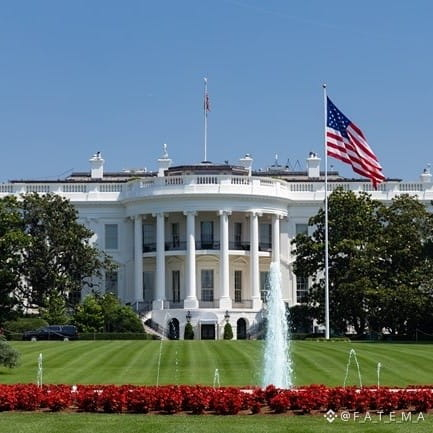
🚨 المحكمة العليا تمنع قيود التصويت بالبريد
وفقًا لتقارير حديثة من CNBC، قررت المحكمة العليا الأمريكية مساء الاثنين رفض طلبًا تقدمت به إدارة ترامب.
كان هدفهم رفع حظر قضائي قائم على قاعدة مثيرة للجدل تهدف إلى تقييد التصويت بالبريد في الانتخابات النصفية المقبلة.
ما رأيك في كيفية تأثير ذلك على الانتخابات؟
#MailInVoting #SupremeCourtVictory #USGovernment #VotingRights #CurrentEvents
$TRUMP
🚨 المحكمة العليا تمنع قيود التصويت بالبريد
وفقًا لتقارير حديثة من CNBC، قررت المحكمة العليا الأمريكية مساء الاثنين رفض طلبًا تقدمت به إدارة ترامب.
كان هدفهم رفع حظر قضائي قائم على قاعدة مثيرة للجدل تهدف إلى تقييد التصويت بالبريد في الانتخابات النصفية المقبلة.
ما رأيك في كيفية تأثير ذلك على الانتخابات؟
#MailInVoting #SupremeCourtVictory #USGovernment #VotingRights #CurrentEvents
🚨 المحكمة العليا تمنع قيود التصويت بالبريد
وفقًا لتقارير حديثة من CNBC، قررت المحكمة العليا الأمريكية مساء الاثنين رفض طلبًا تقدمت به إدارة ترامب.
كان هدفهم رفع حظر قضائي قائم على قاعدة مثيرة للجدل تهدف إلى تقييد التصويت بالبريد في الانتخابات النصفية المقبلة.
ما رأيك في كيفية تأثير ذلك على الانتخابات؟
#MailInVoting #SupremeCourtVictory #USGovernment #VotingRights #CurrentEvents
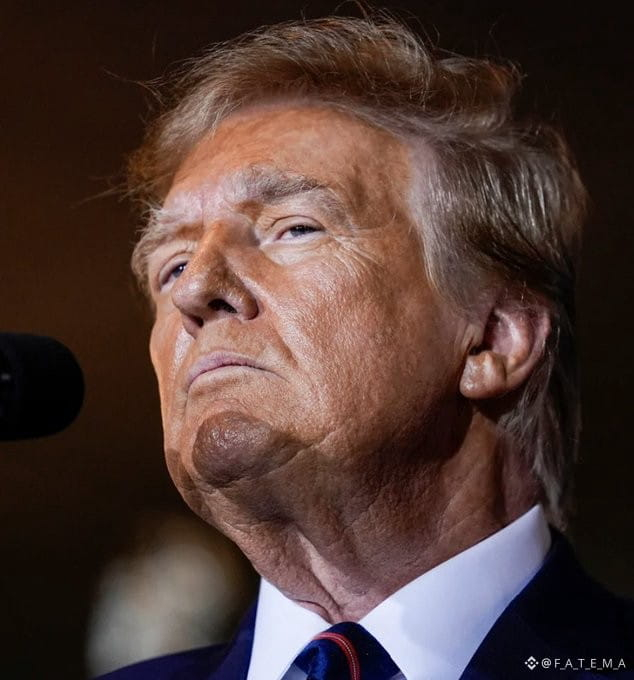
238

·
--
$TRUMP
{future}(TRUMPUSDT)
🇺🇲🇦🇷 وزارة الخارجية تبيع الأرجنتين أربع مروحيات بلاك هوك مُجدَّدة وذات صلة ومعدات مرتبطة مقابل 140 مليون دولار.
يهدف البيع إلى تعزيز قدرة الدولة على التصدي للتهديدات الحالية والمستقبلية.
تأتي الصفقة بعد أن قال ترامب إنه لن يدعم بريطانيا في صراع مع الأرجنتين حول جزر فوكلاند.
التوقيت هو كل شيء!
المصدر: بلومبرغ
#crypto #USGovernment #usarmy #worldnews
$TRUMP
🇺🇲🇦🇷 وزارة الخارجية تبيع الأرجنتين أربع مروحيات بلاك هوك مُجدَّدة وذات صلة ومعدات مرتبطة مقابل 140 مليون دولار.
يهدف البيع إلى تعزيز قدرة الدولة على التصدي للتهديدات الحالية والمستقبلية.
تأتي الصفقة بعد أن قال ترامب إنه لن يدعم بريطانيا في صراع مع الأرجنتين حول جزر فوكلاند.
التوقيت هو كل شيء!
المصدر: بلومبرغ
#crypto #USGovernment #usarmy #worldnews
🇺🇲🇦🇷 وزارة الخارجية تبيع الأرجنتين أربع مروحيات بلاك هوك مُجدَّدة وذات صلة ومعدات مرتبطة مقابل 140 مليون دولار.
يهدف البيع إلى تعزيز قدرة الدولة على التصدي للتهديدات الحالية والمستقبلية.
تأتي الصفقة بعد أن قال ترامب إنه لن يدعم بريطانيا في صراع مع الأرجنتين حول جزر فوكلاند.
التوقيت هو كل شيء!
المصدر: بلومبرغ
#crypto #USGovernment #usarmy #worldnews

1
425

·
--
صاعد
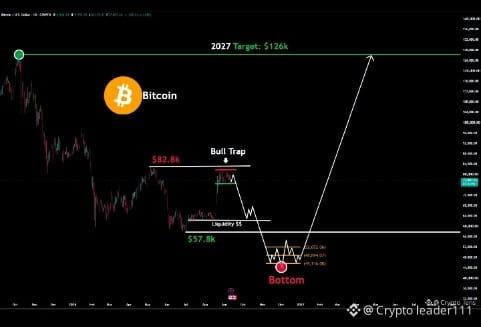
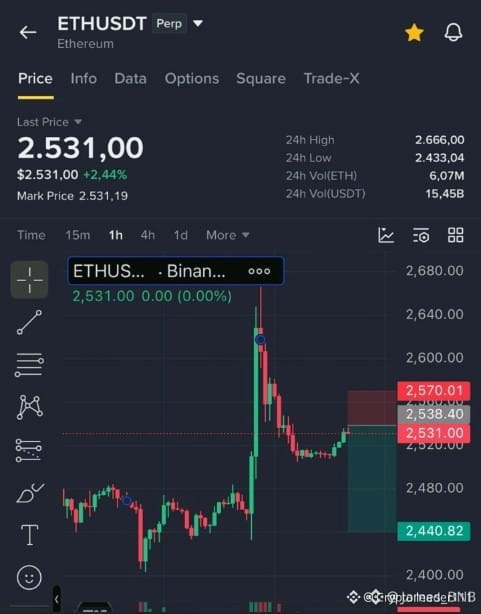
#US10YearTreasuryYieldNears5%
المدّة 10 سنوات هي في الأساس معيار "خالٍ من المخاطر". عندما تدفع باتجاه 5%، يصبح المال أغلى في كل مكان. إليك كيف تتسرب هذه الأثرات:
*1. العملات الرقمية*
- *ضغط "تجنب المخاطر"*: تتداول العملات الرقمية كثيرًا مثل أسهم التكنولوجيا. عندما ترتفع عوائد سندات الخزانة إلى ∼5% مع شبه انعدام مخاطر، يسأل المستثمرون: "لماذا أراهن على $BTC /$ETH بتذبذب 10-20% بينما يمكنني الحصول على 5% مضمون؟" هذا يسحب الدولارات من الأصول عالية المخاطر.
- *ارتفاع تكلفة رأس المال*: تستدين الشركات الناشئة وصناديق العملات الرقمية مقابل سندات الخزانة. يجعل معيار 5% تمويل الشركات الناشئة، والتعدين، وإقراض الـDeFi أكثر تكلفة
- *قوة الدولار*: ارتفاع العوائد → صعود الدولار الأمريكي. معظم العملات الرقمية تُسعَّر بالدولار، لذا فإن الدولار الأقوى يصبح عائقًا (headwind) لعملات مثل BTC/ETH من منظور غير بالدولار.
- *الوجه الآخر*: يرى بعض المشاركين في مجال العملات الرقمية أنه إذا قفزت العوائد بسبب التضخم + العجز المالي + مخاوف ديون أمريكية بقيمة 40 تريليون دولار، فهذا يدعم سردية "بيتكوين كبديل للنقود". لكن على المدى القصير، غالبًا ما يبيع السوق المخاطر أولًا.
الخلاصة من موجة البيع الأخيرة: أشارت تقارير المحللين تحديدًا إلى أن الاختراق فوق 5% قد يجعل السندات منافِسة بما يكفي لسحب الأموال من الأسهم، وغالبًا ما تتحرك العملات الرقمية مع الأسهم في هذا السيناريو.
*2. العالم / الأسواق العالمية*
- *بيع السندات عالميًا*: هذه ليست قصة أمريكية فقط. العوائد في طوكيو وسيدني ولندن ونيويورك جميعها عند أعلى مستوياتها منذ عقود طويلة. قامت المصارف المركزية الأوروبية للتو برفع أسعار الفائدة وحذّرت من أن التضخم قد يظل لزجًا.
- *لماذا يحدث ذلك؟*
- *النفط >$100 للبرميل* - سجل برنت $107، وسعر الخام الأمريكي $102. هذا يغذي مخاوف التضخم.
- *توقعات رفع الفائدة* - كل من PPI وCPI ساخنة. اجتماع الفيدرالي الأسبوع القادم لديه ∼90% احتمالات بأن يكون رفع الفائدة مُضمَّنًا في التسعير.
- *العجز المالي* - "تزايد الاقتراض الحكومي عبر الأسواق المتقدمة". جاءت عمليات إعادة شراء سندات الخزانة أقل من المتوقع.
- *الأثر على أرض الواقع*:
- *الرهون & الديون*: العوائد السيادية هي المرجع لكل شيء. ارتفاع عوائد 10 سنوات يعني رُهونًا أكثر ارتفاعًا بالنسبة للمستهلكين وأسهمًا/قرارات إنفاق أصعب للحكومات مع صعود تكاليف الدين.
#US10YearTreasuryYieldNears5%
#BTC
#Ethereum
#USGovernment
{spot}(BTCUSDT)
{spot}(ETHUSDT)
#US10YearTreasuryYieldNears5%
المدّة 10 سنوات هي في الأساس معيار "خالٍ من المخاطر". عندما تدفع باتجاه 5%، يصبح المال أغلى في كل مكان. إليك كيف تتسرب هذه الأثرات:
*1. العملات الرقمية*
- *ضغط "تجنب المخاطر"*: تتداول العملات الرقمية كثيرًا مثل أسهم التكنولوجيا. عندما ترتفع عوائد سندات الخزانة إلى ∼5% مع شبه انعدام مخاطر، يسأل المستثمرون: "لماذا أراهن على $BTC /$ETH بتذبذب 10-20% بينما يمكنني الحصول على 5% مضمون؟" هذا يسحب الدولارات من الأصول عالية المخاطر.
- *ارتفاع تكلفة رأس المال*: تستدين الشركات الناشئة وصناديق العملات الرقمية مقابل سندات الخزانة. يجعل معيار 5% تمويل الشركات الناشئة، والتعدين، وإقراض الـDeFi أكثر تكلفة
- *قوة الدولار*: ارتفاع العوائد → صعود الدولار الأمريكي. معظم العملات الرقمية تُسعَّر بالدولار، لذا فإن الدولار الأقوى يصبح عائقًا (headwind) لعملات مثل BTC/ETH من منظور غير بالدولار.
- *الوجه الآخر*: يرى بعض المشاركين في مجال العملات الرقمية أنه إذا قفزت العوائد بسبب التضخم + العجز المالي + مخاوف ديون أمريكية بقيمة 40 تريليون دولار، فهذا يدعم سردية "بيتكوين كبديل للنقود". لكن على المدى القصير، غالبًا ما يبيع السوق المخاطر أولًا.
الخلاصة من موجة البيع الأخيرة: أشارت تقارير المحللين تحديدًا إلى أن الاختراق فوق 5% قد يجعل السندات منافِسة بما يكفي لسحب الأموال من الأسهم، وغالبًا ما تتحرك العملات الرقمية مع الأسهم في هذا السيناريو.
*2. العالم / الأسواق العالمية*
- *بيع السندات عالميًا*: هذه ليست قصة أمريكية فقط. العوائد في طوكيو وسيدني ولندن ونيويورك جميعها عند أعلى مستوياتها منذ عقود طويلة. قامت المصارف المركزية الأوروبية للتو برفع أسعار الفائدة وحذّرت من أن التضخم قد يظل لزجًا.
- *لماذا يحدث ذلك؟*
- *النفط >$100 للبرميل* - سجل برنت $107، وسعر الخام الأمريكي $102. هذا يغذي مخاوف التضخم.
- *توقعات رفع الفائدة* - كل من PPI وCPI ساخنة. اجتماع الفيدرالي الأسبوع القادم لديه ∼90% احتمالات بأن يكون رفع الفائدة مُضمَّنًا في التسعير.
- *العجز المالي* - "تزايد الاقتراض الحكومي عبر الأسواق المتقدمة". جاءت عمليات إعادة شراء سندات الخزانة أقل من المتوقع.
- *الأثر على أرض الواقع*:
- *الرهون & الديون*: العوائد السيادية هي المرجع لكل شيء. ارتفاع عوائد 10 سنوات يعني رُهونًا أكثر ارتفاعًا بالنسبة للمستهلكين وأسهمًا/قرارات إنفاق أصعب للحكومات مع صعود تكاليف الدين.
#US10YearTreasuryYieldNears5%
#BTC
#Ethereum
#USGovernment
المدّة 10 سنوات هي في الأساس معيار "خالٍ من المخاطر". عندما تدفع باتجاه 5%، يصبح المال أغلى في كل مكان. إليك كيف تتسرب هذه الأثرات:
*1. العملات الرقمية*
- *ضغط "تجنب المخاطر"*: تتداول العملات الرقمية كثيرًا مثل أسهم التكنولوجيا. عندما ترتفع عوائد سندات الخزانة إلى ∼5% مع شبه انعدام مخاطر، يسأل المستثمرون: "لماذا أراهن على $BTC /$ETH بتذبذب 10-20% بينما يمكنني الحصول على 5% مضمون؟" هذا يسحب الدولارات من الأصول عالية المخاطر.
- *ارتفاع تكلفة رأس المال*: تستدين الشركات الناشئة وصناديق العملات الرقمية مقابل سندات الخزانة. يجعل معيار 5% تمويل الشركات الناشئة، والتعدين، وإقراض الـDeFi أكثر تكلفة
- *قوة الدولار*: ارتفاع العوائد → صعود الدولار الأمريكي. معظم العملات الرقمية تُسعَّر بالدولار، لذا فإن الدولار الأقوى يصبح عائقًا (headwind) لعملات مثل BTC/ETH من منظور غير بالدولار.
- *الوجه الآخر*: يرى بعض المشاركين في مجال العملات الرقمية أنه إذا قفزت العوائد بسبب التضخم + العجز المالي + مخاوف ديون أمريكية بقيمة 40 تريليون دولار، فهذا يدعم سردية "بيتكوين كبديل للنقود". لكن على المدى القصير، غالبًا ما يبيع السوق المخاطر أولًا.
الخلاصة من موجة البيع الأخيرة: أشارت تقارير المحللين تحديدًا إلى أن الاختراق فوق 5% قد يجعل السندات منافِسة بما يكفي لسحب الأموال من الأسهم، وغالبًا ما تتحرك العملات الرقمية مع الأسهم في هذا السيناريو.
*2. العالم / الأسواق العالمية*
- *بيع السندات عالميًا*: هذه ليست قصة أمريكية فقط. العوائد في طوكيو وسيدني ولندن ونيويورك جميعها عند أعلى مستوياتها منذ عقود طويلة. قامت المصارف المركزية الأوروبية للتو برفع أسعار الفائدة وحذّرت من أن التضخم قد يظل لزجًا.
- *لماذا يحدث ذلك؟*
- *النفط >$100 للبرميل* - سجل برنت $107، وسعر الخام الأمريكي $102. هذا يغذي مخاوف التضخم.
- *توقعات رفع الفائدة* - كل من PPI وCPI ساخنة. اجتماع الفيدرالي الأسبوع القادم لديه ∼90% احتمالات بأن يكون رفع الفائدة مُضمَّنًا في التسعير.
- *العجز المالي* - "تزايد الاقتراض الحكومي عبر الأسواق المتقدمة". جاءت عمليات إعادة شراء سندات الخزانة أقل من المتوقع.
- *الأثر على أرض الواقع*:
- *الرهون & الديون*: العوائد السيادية هي المرجع لكل شيء. ارتفاع عوائد 10 سنوات يعني رُهونًا أكثر ارتفاعًا بالنسبة للمستهلكين وأسهمًا/قرارات إنفاق أصعب للحكومات مع صعود تكاليف الدين.
#US10YearTreasuryYieldNears5%
#BTC
#Ethereum
#USGovernment
71

·
--
صاعد
إعادة شراء سندات الخزانة الأمريكية: إشارة سيولة كبيرة؟ 🇺🇸💰
يُقال إن وزارة الخزانة الأمريكية تتحرّك لشراء ما يصل إلى 6 مليارات دولار من الدَّين طويل الأجل — خطوة كبيرة مقارنة بالعمليات السابقة. 📈
قبل أسابيع فقط، أشارت الخزانة إلى أنها ستزيد عمليات إعادة الشراء إلى ما لا يقل عن 4 مليارات دولار لكل عملية. والآن ارتفع الحجم أكثر، ما يسلّط الضوء مجددًا على السيولة، واستقرار سوق السندات، والأصول الخطِرة بشكل أوسع.
بالنسبة إلى العملات الرقمية، هنا تصبح الأمور أكثر إثارة للاهتمام. 👀
💵 المزيد من نشاط الخزانة
📊 السيولة في سوق السندات محل اهتمام
₿ انعكاسات محتملة على البيتكوين ومعنويات سوق العملات الرقمية
🔥 قد تظل عملات بديلة مثل $SOL و$TRUMP و$WLD حساسة للتغيرات في السيولة وتحمّل المخاطر.
السؤال المحوري: هل هذا مجرد استراتيجية لإدارة الديون، أم يمكن أن يصبح ذيلًا مساعدًا إضافيًا للسيولة للأصول الخطِرة؟
ستراقب الأسواق ذلك عن كثب. 👀🔥
#USGovernment #Bitcoin #Crypto #SOL #TRUMP #WLD
إعادة شراء سندات الخزانة الأمريكية: إشارة سيولة كبيرة؟ 🇺🇸💰
يُقال إن وزارة الخزانة الأمريكية تتحرّك لشراء ما يصل إلى 6 مليارات دولار من الدَّين طويل الأجل — خطوة كبيرة مقارنة بالعمليات السابقة. 📈
قبل أسابيع فقط، أشارت الخزانة إلى أنها ستزيد عمليات إعادة الشراء إلى ما لا يقل عن 4 مليارات دولار لكل عملية. والآن ارتفع الحجم أكثر، ما يسلّط الضوء مجددًا على السيولة، واستقرار سوق السندات، والأصول الخطِرة بشكل أوسع.
بالنسبة إلى العملات الرقمية، هنا تصبح الأمور أكثر إثارة للاهتمام. 👀
💵 المزيد من نشاط الخزانة
📊 السيولة في سوق السندات محل اهتمام
₿ انعكاسات محتملة على البيتكوين ومعنويات سوق العملات الرقمية
🔥 قد تظل عملات بديلة مثل $SOL و$TRUMP و$WLD حساسة للتغيرات في السيولة وتحمّل المخاطر.
السؤال المحوري: هل هذا مجرد استراتيجية لإدارة الديون، أم يمكن أن يصبح ذيلًا مساعدًا إضافيًا للسيولة للأصول الخطِرة؟
ستراقب الأسواق ذلك عن كثب. 👀🔥
#USGovernment #Bitcoin #Crypto #SOL #TRUMP #WLD
يُقال إن وزارة الخزانة الأمريكية تتحرّك لشراء ما يصل إلى 6 مليارات دولار من الدَّين طويل الأجل — خطوة كبيرة مقارنة بالعمليات السابقة. 📈
قبل أسابيع فقط، أشارت الخزانة إلى أنها ستزيد عمليات إعادة الشراء إلى ما لا يقل عن 4 مليارات دولار لكل عملية. والآن ارتفع الحجم أكثر، ما يسلّط الضوء مجددًا على السيولة، واستقرار سوق السندات، والأصول الخطِرة بشكل أوسع.
بالنسبة إلى العملات الرقمية، هنا تصبح الأمور أكثر إثارة للاهتمام. 👀
💵 المزيد من نشاط الخزانة
📊 السيولة في سوق السندات محل اهتمام
₿ انعكاسات محتملة على البيتكوين ومعنويات سوق العملات الرقمية
🔥 قد تظل عملات بديلة مثل $SOL و$TRUMP و$WLD حساسة للتغيرات في السيولة وتحمّل المخاطر.
السؤال المحوري: هل هذا مجرد استراتيجية لإدارة الديون، أم يمكن أن يصبح ذيلًا مساعدًا إضافيًا للسيولة للأصول الخطِرة؟
ستراقب الأسواق ذلك عن كثب. 👀🔥
#USGovernment #Bitcoin #Crypto #SOL #TRUMP #WLD

1
13

·
--
صاعد
تمّ التحقق
🚨 حركة ماكرو كبيرة! 🇺🇸🔥
يُقال إن وزارة الخزانة الأمريكية تخطط لعمليات إعادة شراء ديون طويلة الأجل بقيمة 6 مليارات دولار — مقارنةً بهدف 4 مليارات دولار لكل عملية الذي تم الإعلان عنه في 19 أغسطس.
هذا قفزة كبيرة خلال 3 أسابيع فقط. توقعات السيولة تتصاعد، وقد يتفاعل سوق العملات الرقمية بسرعة. 👀
$WLD SOL
99.86
-1.29%
#USGovernment #CPIWatch
{spot}(WLDUSDT)
$TRUMP
{spot}(TRUMPUSDT)
$SOL
{spot}(SOLUSDT)
🚨 حركة ماكرو كبيرة! 🇺🇸🔥
يُقال إن وزارة الخزانة الأمريكية تخطط لعمليات إعادة شراء ديون طويلة الأجل بقيمة 6 مليارات دولار — مقارنةً بهدف 4 مليارات دولار لكل عملية الذي تم الإعلان عنه في 19 أغسطس.
هذا قفزة كبيرة خلال 3 أسابيع فقط. توقعات السيولة تتصاعد، وقد يتفاعل سوق العملات الرقمية بسرعة. 👀
$WLD SOL
99.86
-1.29%
#USGovernment #CPIWatch
$TRUMP
$SOL
يُقال إن وزارة الخزانة الأمريكية تخطط لعمليات إعادة شراء ديون طويلة الأجل بقيمة 6 مليارات دولار — مقارنةً بهدف 4 مليارات دولار لكل عملية الذي تم الإعلان عنه في 19 أغسطس.
هذا قفزة كبيرة خلال 3 أسابيع فقط. توقعات السيولة تتصاعد، وقد يتفاعل سوق العملات الرقمية بسرعة. 👀
$WLD SOL
99.86
-1.29%
#USGovernment #CPIWatch
$TRUMP
$SOL

5
990
تمّ التحقق
$WLD
{future}(WLDUSDT)
أعلنت وزارة الخزانة الأمريكية للتو أنها ستقوم بإعادة شراء ستة مليارات دولار من السندات طويلة الأجل — بما يعادل ثلاثة أضعاف المستويات التي كانت ملاحَظة قبل التصريح الأخير بشأن التدخل، هل تفهم
في 19 أغسطس، أعلنت الخزانة الأمريكية أنها ستضاعف عمليات إعادة الشراء إلى «حد أدنى أربعة مليارات لكل عملية
مرّت ثلاثة أسابيع، وتم رسميًا مضاعفة عمليات إعادة الشراء ثلاث مرات، يا صاح
$TRUMP
{future}(TRUMPUSDT)
$SOL
{spot}(SOLUSDT)
#USGovernment
$WLD
أعلنت وزارة الخزانة الأمريكية للتو أنها ستقوم بإعادة شراء ستة مليارات دولار من السندات طويلة الأجل — بما يعادل ثلاثة أضعاف المستويات التي كانت ملاحَظة قبل التصريح الأخير بشأن التدخل، هل تفهم
في 19 أغسطس، أعلنت الخزانة الأمريكية أنها ستضاعف عمليات إعادة الشراء إلى «حد أدنى أربعة مليارات لكل عملية
مرّت ثلاثة أسابيع، وتم رسميًا مضاعفة عمليات إعادة الشراء ثلاث مرات، يا صاح
$TRUMP
$SOL
#USGovernment
أعلنت وزارة الخزانة الأمريكية للتو أنها ستقوم بإعادة شراء ستة مليارات دولار من السندات طويلة الأجل — بما يعادل ثلاثة أضعاف المستويات التي كانت ملاحَظة قبل التصريح الأخير بشأن التدخل، هل تفهم
في 19 أغسطس، أعلنت الخزانة الأمريكية أنها ستضاعف عمليات إعادة الشراء إلى «حد أدنى أربعة مليارات لكل عملية
مرّت ثلاثة أسابيع، وتم رسميًا مضاعفة عمليات إعادة الشراء ثلاث مرات، يا صاح
$TRUMP
$SOL
#USGovernment

3
2.2k
·
--
$TRUMP
{future}(TRUMPUSDT)
🇮🇷 🇺🇸 لا تحتاج إيران إلى غرق حاملة طائرات؛ بل تحتاج إلى أدميرال يفكر بأن بإمكانه ذلك...
الصواريخ التي أُطلقت على الفرقاطتين Delbert D. Black وJohn Paul Jones أخطأت الهدف. كل محاولة في هذه الحرب باءت بالفشل.
ومع ذلك، لم يمنع ذلك صحيفة “Journal” من الإبلاغ عن أن واشنطن باتت تشتبه في أن الصين أو روسيا تزود إيران بإحداثيات، إذ يقول نائب الأدميرال المتقاعد جون ميلر إن رادارات إيران لم تعد قادرة على تحديد موقع سفينة في بحر العرب من تلقاء نفسها.
وقد وثقت صحيفة “Financial Times” أن مهندسين روسًا يساعدون في بناء صاروخ ramjet مُصمّم خصيصًا لهذا النوع من الأهداف.
لم تكن الردع يتطلب إصابة. لقد كان يتطلب الشكّ.
الحاملة التي يتعين عليها أن تبقى أبعد، وتتحرك أكثر كثيرًا، وتحرق اعتراضات في كل اقتراب—إنها حاملة تعمل أقل، وفي المقابل توجد 19 سفينة حربية هناك، بينما مخزونات باتريوت تصل إلى 36%.
حتى كل إخفاق ما يزال يعيد تحريك الأسطول إلى الخلف، وتحصل طهران على ذلك بسعر صاروخ.
المصدر: صحيفة “The Wall Street Journal”، و“Financial Times”
#OilMarket #IranIsraelConflict #USGovernment #CryptoNews #worldnews
$TRUMP
🇮🇷 🇺🇸 لا تحتاج إيران إلى غرق حاملة طائرات؛ بل تحتاج إلى أدميرال يفكر بأن بإمكانه ذلك...
الصواريخ التي أُطلقت على الفرقاطتين Delbert D. Black وJohn Paul Jones أخطأت الهدف. كل محاولة في هذه الحرب باءت بالفشل.
ومع ذلك، لم يمنع ذلك صحيفة “Journal” من الإبلاغ عن أن واشنطن باتت تشتبه في أن الصين أو روسيا تزود إيران بإحداثيات، إذ يقول نائب الأدميرال المتقاعد جون ميلر إن رادارات إيران لم تعد قادرة على تحديد موقع سفينة في بحر العرب من تلقاء نفسها.
وقد وثقت صحيفة “Financial Times” أن مهندسين روسًا يساعدون في بناء صاروخ ramjet مُصمّم خصيصًا لهذا النوع من الأهداف.
لم تكن الردع يتطلب إصابة. لقد كان يتطلب الشكّ.
الحاملة التي يتعين عليها أن تبقى أبعد، وتتحرك أكثر كثيرًا، وتحرق اعتراضات في كل اقتراب—إنها حاملة تعمل أقل، وفي المقابل توجد 19 سفينة حربية هناك، بينما مخزونات باتريوت تصل إلى 36%.
حتى كل إخفاق ما يزال يعيد تحريك الأسطول إلى الخلف، وتحصل طهران على ذلك بسعر صاروخ.
المصدر: صحيفة “The Wall Street Journal”، و“Financial Times”
#OilMarket #IranIsraelConflict #USGovernment #CryptoNews #worldnews
🇮🇷 🇺🇸 لا تحتاج إيران إلى غرق حاملة طائرات؛ بل تحتاج إلى أدميرال يفكر بأن بإمكانه ذلك...
الصواريخ التي أُطلقت على الفرقاطتين Delbert D. Black وJohn Paul Jones أخطأت الهدف. كل محاولة في هذه الحرب باءت بالفشل.
ومع ذلك، لم يمنع ذلك صحيفة “Journal” من الإبلاغ عن أن واشنطن باتت تشتبه في أن الصين أو روسيا تزود إيران بإحداثيات، إذ يقول نائب الأدميرال المتقاعد جون ميلر إن رادارات إيران لم تعد قادرة على تحديد موقع سفينة في بحر العرب من تلقاء نفسها.
وقد وثقت صحيفة “Financial Times” أن مهندسين روسًا يساعدون في بناء صاروخ ramjet مُصمّم خصيصًا لهذا النوع من الأهداف.
لم تكن الردع يتطلب إصابة. لقد كان يتطلب الشكّ.
الحاملة التي يتعين عليها أن تبقى أبعد، وتتحرك أكثر كثيرًا، وتحرق اعتراضات في كل اقتراب—إنها حاملة تعمل أقل، وفي المقابل توجد 19 سفينة حربية هناك، بينما مخزونات باتريوت تصل إلى 36%.
حتى كل إخفاق ما يزال يعيد تحريك الأسطول إلى الخلف، وتحصل طهران على ذلك بسعر صاروخ.
المصدر: صحيفة “The Wall Street Journal”، و“Financial Times”
#OilMarket #IranIsraelConflict #USGovernment #CryptoNews #worldnews

341

·
--
تمّ التحقق
تخطط وزارة الخزانة الأمريكية الآن لإجراء عملية شراءٍ معادٍ بقيمة 6 مليارات دولار من الديون طويلة الأجل — وهو ما يعادل تقريبًا 3 أضعاف المستويات التي كنا نراها قبل إعلان التدخل الأخير.
في 19 أغسطس، قالت وزارة الخزانة إنها سترفع عمليات الشراء إلى ما لا يقل عن 4 مليارات دولار لكل عملية.
وبعد ثلاثة أسابيع فقط، قفز الحجم مرة أخرى.
هذه خطوة كبيرة من الخزانة — ومن المؤكد أن الأسواق ستراقب ما سيأتي بعد ذلك. 👀
$TRUMP $WLD $SOL #USGovernment
تخطط وزارة الخزانة الأمريكية الآن لإجراء عملية شراءٍ معادٍ بقيمة 6 مليارات دولار من الديون طويلة الأجل — وهو ما يعادل تقريبًا 3 أضعاف المستويات التي كنا نراها قبل إعلان التدخل الأخير.
في 19 أغسطس، قالت وزارة الخزانة إنها سترفع عمليات الشراء إلى ما لا يقل عن 4 مليارات دولار لكل عملية.
وبعد ثلاثة أسابيع فقط، قفز الحجم مرة أخرى.
هذه خطوة كبيرة من الخزانة — ومن المؤكد أن الأسواق ستراقب ما سيأتي بعد ذلك. 👀
$TRUMP $WLD $SOL #USGovernment
في 19 أغسطس، قالت وزارة الخزانة إنها سترفع عمليات الشراء إلى ما لا يقل عن 4 مليارات دولار لكل عملية.
وبعد ثلاثة أسابيع فقط، قفز الحجم مرة أخرى.
هذه خطوة كبيرة من الخزانة — ومن المؤكد أن الأسواق ستراقب ما سيأتي بعد ذلك. 👀
$TRUMP $WLD $SOL #USGovernment

748

🚨 أسبوع تاريخي لبيتكوين وسوق العملات الرقمية! 🚨
التقارير تؤكد أن مجلس الشيوخ الأمريكي يعقد تصويتًا إجرائيًا حاسمًا على قانون CLARITY في 15 سبتمبر. قد تكون هذه هي اللحظة التنظيمية الأكثر حسمًا للأصول الرقمية في تاريخ الولايات المتحدة.
لماذا يغيّر هذا كل شيء:
CFTC vs. SEC: حدود تنظيمية واضحة تفصل بين السلع الرقمية والأوراق المالية.
بوابات تدفق المؤسسات: يزيل الغموض القانوني، مانحًا لصناديق تقليدية ضخمة الضوء الأخضر لدخول السوق.
التأثير الدومينو العالمي: يضع معيارًا عالميًا لتنظيم العملات الرقمية، متبعًا أطرًا مثل MiCA.
إذا نجح عتبة إنهاء النقاش بتصويتات 60، فقد نشهد تحولًا غير مسبوق في بنية السوق والسيولة.
15 سبتمبر هو اليوم الذي يجب مراقبته. 👀🔥
💬 استطلاع المجتمع:
إلى أين تتجه بيتكوين بعد تصويت 15 سبتمبر؟
🚀 أم 📉؟
اكتب توقعاتك للسعر لـ $BTC and $XRP في الأسفل!👇
#btc #xrp #USGovernment
{spot}(XRPUSDT)
{spot}(BTCUSDT)
🚨 أسبوع تاريخي لبيتكوين وسوق العملات الرقمية! 🚨
التقارير تؤكد أن مجلس الشيوخ الأمريكي يعقد تصويتًا إجرائيًا حاسمًا على قانون CLARITY في 15 سبتمبر. قد تكون هذه هي اللحظة التنظيمية الأكثر حسمًا للأصول الرقمية في تاريخ الولايات المتحدة.
لماذا يغيّر هذا كل شيء:
CFTC vs. SEC: حدود تنظيمية واضحة تفصل بين السلع الرقمية والأوراق المالية.
بوابات تدفق المؤسسات: يزيل الغموض القانوني، مانحًا لصناديق تقليدية ضخمة الضوء الأخضر لدخول السوق.
التأثير الدومينو العالمي: يضع معيارًا عالميًا لتنظيم العملات الرقمية، متبعًا أطرًا مثل MiCA.
إذا نجح عتبة إنهاء النقاش بتصويتات 60، فقد نشهد تحولًا غير مسبوق في بنية السوق والسيولة.
15 سبتمبر هو اليوم الذي يجب مراقبته. 👀🔥
💬 استطلاع المجتمع:
إلى أين تتجه بيتكوين بعد تصويت 15 سبتمبر؟
🚀 أم 📉؟
اكتب توقعاتك للسعر لـ $BTC and $XRP في الأسفل!👇
#btc #xrp #USGovernment
التقارير تؤكد أن مجلس الشيوخ الأمريكي يعقد تصويتًا إجرائيًا حاسمًا على قانون CLARITY في 15 سبتمبر. قد تكون هذه هي اللحظة التنظيمية الأكثر حسمًا للأصول الرقمية في تاريخ الولايات المتحدة.
لماذا يغيّر هذا كل شيء:
CFTC vs. SEC: حدود تنظيمية واضحة تفصل بين السلع الرقمية والأوراق المالية.
بوابات تدفق المؤسسات: يزيل الغموض القانوني، مانحًا لصناديق تقليدية ضخمة الضوء الأخضر لدخول السوق.
التأثير الدومينو العالمي: يضع معيارًا عالميًا لتنظيم العملات الرقمية، متبعًا أطرًا مثل MiCA.
إذا نجح عتبة إنهاء النقاش بتصويتات 60، فقد نشهد تحولًا غير مسبوق في بنية السوق والسيولة.
15 سبتمبر هو اليوم الذي يجب مراقبته. 👀🔥
💬 استطلاع المجتمع:
إلى أين تتجه بيتكوين بعد تصويت 15 سبتمبر؟
🚀 أم 📉؟
اكتب توقعاتك للسعر لـ $BTC and $XRP في الأسفل!👇
#btc #xrp #USGovernment
1
1
78
·
--
$TRUMP
{future}(TRUMPUSDT)
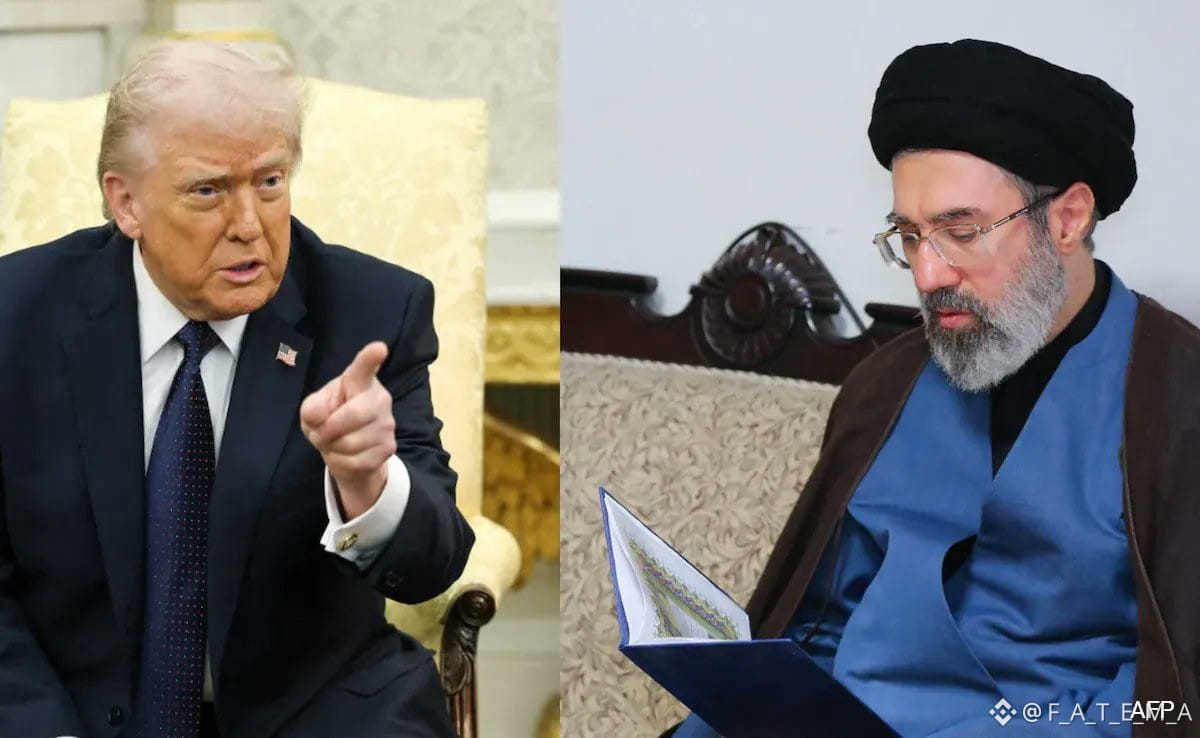
🚨🇺🇸🇮🇷 وزير الطاقة الأمريكي كريس رايت يقول إنه قد لا توجد أي اتفاقية نووية مع إيران على الإطلاق، مضيفًا أن البديل لدى واشنطن هو تدمير قدرة إيران على تطوير وتقديم سلاح نووي.
وتأتي تصريحاته وسط تصاعد القتال بين الولايات المتحدة وإيران حول مضيق هرمز مرة أخرى، إذ شنت واشنطن ضربات على ناقلات نفط مرتبطة بإيران، في حين هددت طهران بالرد بتصعيد أكبر على أي هجمات أمريكية أخرى.
وفي الوقت نفسه، يزعم أن تدفقات النفط عبر هرمز قد تعافت لتتجاوز 9 ملايين برميل يوميًا بمتوسط سبعة أيام، على الرغم من أنها لا تزال أقل بكثير من مستويات ما قبل الحرب.
المصدر: كردستان24، ABC News
#USGovernment #USIranTradeTankerStrikesEscalate
$TRUMP
🚨🇺🇸🇮🇷 وزير الطاقة الأمريكي كريس رايت يقول إنه قد لا توجد أي اتفاقية نووية مع إيران على الإطلاق، مضيفًا أن البديل لدى واشنطن هو تدمير قدرة إيران على تطوير وتقديم سلاح نووي.
وتأتي تصريحاته وسط تصاعد القتال بين الولايات المتحدة وإيران حول مضيق هرمز مرة أخرى، إذ شنت واشنطن ضربات على ناقلات نفط مرتبطة بإيران، في حين هددت طهران بالرد بتصعيد أكبر على أي هجمات أمريكية أخرى.
وفي الوقت نفسه، يزعم أن تدفقات النفط عبر هرمز قد تعافت لتتجاوز 9 ملايين برميل يوميًا بمتوسط سبعة أيام، على الرغم من أنها لا تزال أقل بكثير من مستويات ما قبل الحرب.
المصدر: كردستان24، ABC News
#USGovernment #USIranTradeTankerStrikesEscalate
🚨🇺🇸🇮🇷 وزير الطاقة الأمريكي كريس رايت يقول إنه قد لا توجد أي اتفاقية نووية مع إيران على الإطلاق، مضيفًا أن البديل لدى واشنطن هو تدمير قدرة إيران على تطوير وتقديم سلاح نووي.
وتأتي تصريحاته وسط تصاعد القتال بين الولايات المتحدة وإيران حول مضيق هرمز مرة أخرى، إذ شنت واشنطن ضربات على ناقلات نفط مرتبطة بإيران، في حين هددت طهران بالرد بتصعيد أكبر على أي هجمات أمريكية أخرى.
وفي الوقت نفسه، يزعم أن تدفقات النفط عبر هرمز قد تعافت لتتجاوز 9 ملايين برميل يوميًا بمتوسط سبعة أيام، على الرغم من أنها لا تزال أقل بكثير من مستويات ما قبل الحرب.
المصدر: كردستان24، ABC News
#USGovernment #USIranTradeTankerStrikesEscalate
172
·
--
$TRUMP
{future}(TRUMPUSDT)
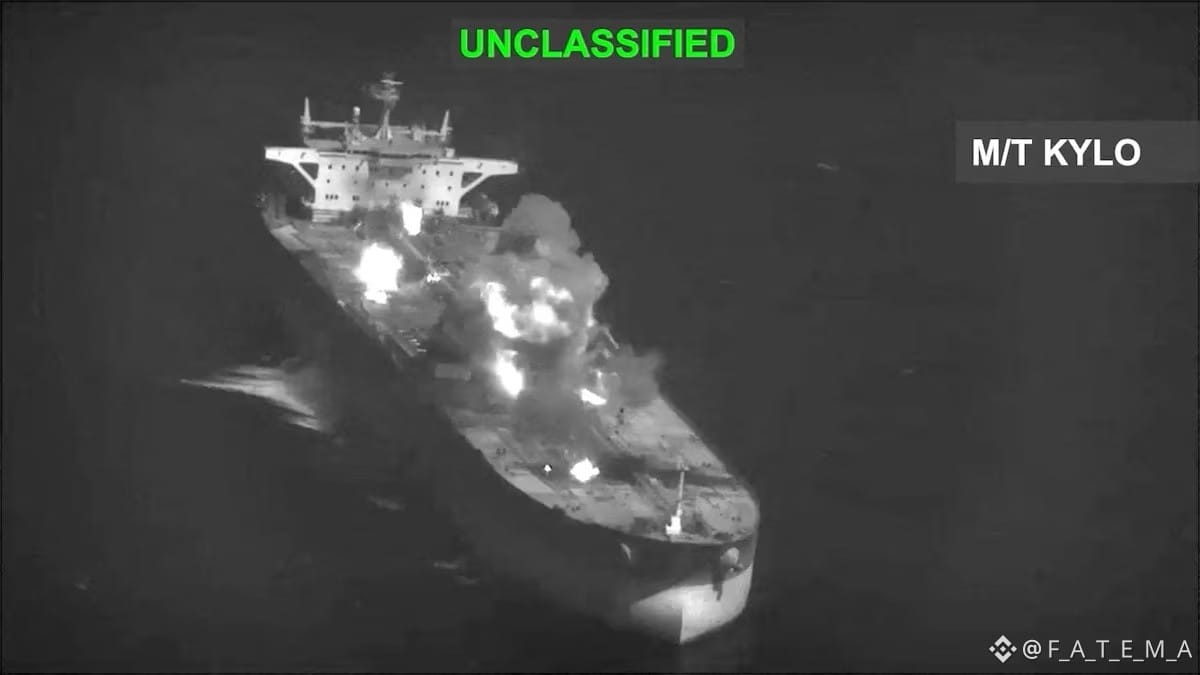
🇮🇷🇺🇸 تقول إيران إنها ستعلن خلال الأيام المقبلة عن منطقة مقيدة جديدة خارج مضيق هرمز، محذرةً من أن أي سفينة تدخلها ستواجه عقوبات.
وتأتي هذه الخطوة بعد أن استهدفت القيادة المركزية الأميركية 3 ناقلات نفط إيرانية يوم السبت، وذلك عقب هجمات صاروخية باليستية إيرانية على سفينتين تابعتين للبحرية الأميركية.
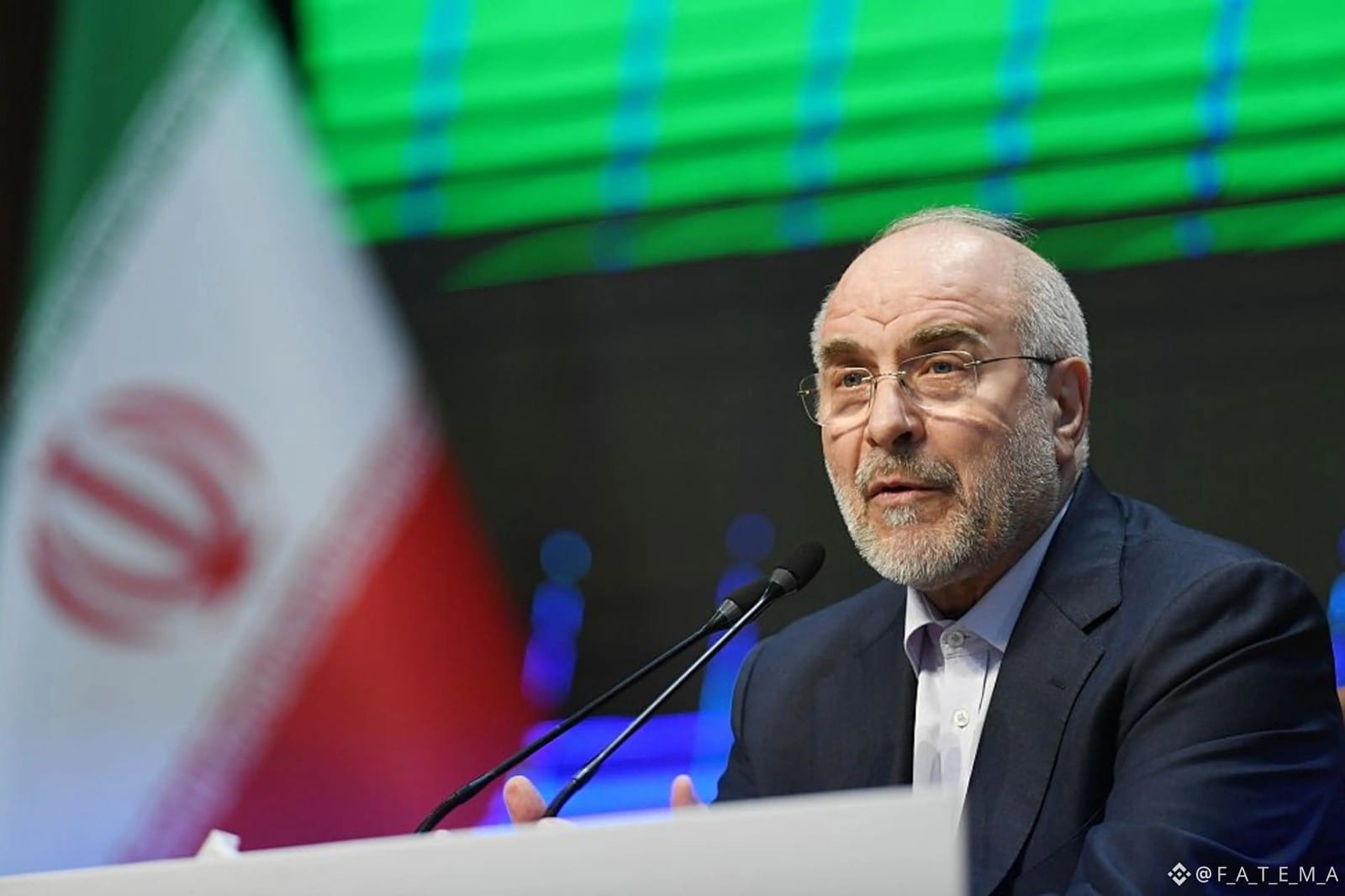
يقول رئيس البرلمان محمد باقر قاليباف إن «القواعد قد تغيرت»، متعهدًا برد «أسرع وأثقل وأكثر إيلامًا» على أي هجوم مستقبلي.
وفي الوقت نفسه، يرزح الاقتصاد الإيراني تحت وطأة العقوبات، مع تفاقم اضطراب العملة والتضخم والبطالة.
ويؤكد المسؤولون أن الضغوط لن تغير مسار طهران.
وقد تعرضت جزيرة خارك، وهي مركز تصدير النفط الرئيسي في إيران، لما يُقال إنه نحو 550 ضربة وما تزال تعمل.
المصدر: رويترز
#IranSaysItHit3USShips3Tankers #USGovernment #worldnews
$TRUMP
🇮🇷🇺🇸 تقول إيران إنها ستعلن خلال الأيام المقبلة عن منطقة مقيدة جديدة خارج مضيق هرمز، محذرةً من أن أي سفينة تدخلها ستواجه عقوبات.
وتأتي هذه الخطوة بعد أن استهدفت القيادة المركزية الأميركية 3 ناقلات نفط إيرانية يوم السبت، وذلك عقب هجمات صاروخية باليستية إيرانية على سفينتين تابعتين للبحرية الأميركية.
يقول رئيس البرلمان محمد باقر قاليباف إن «القواعد قد تغيرت»، متعهدًا برد «أسرع وأثقل وأكثر إيلامًا» على أي هجوم مستقبلي.
وفي الوقت نفسه، يرزح الاقتصاد الإيراني تحت وطأة العقوبات، مع تفاقم اضطراب العملة والتضخم والبطالة.
ويؤكد المسؤولون أن الضغوط لن تغير مسار طهران.
وقد تعرضت جزيرة خارك، وهي مركز تصدير النفط الرئيسي في إيران، لما يُقال إنه نحو 550 ضربة وما تزال تعمل.
المصدر: رويترز
#IranSaysItHit3USShips3Tankers #USGovernment #worldnews
🇮🇷🇺🇸 تقول إيران إنها ستعلن خلال الأيام المقبلة عن منطقة مقيدة جديدة خارج مضيق هرمز، محذرةً من أن أي سفينة تدخلها ستواجه عقوبات.
وتأتي هذه الخطوة بعد أن استهدفت القيادة المركزية الأميركية 3 ناقلات نفط إيرانية يوم السبت، وذلك عقب هجمات صاروخية باليستية إيرانية على سفينتين تابعتين للبحرية الأميركية.
يقول رئيس البرلمان محمد باقر قاليباف إن «القواعد قد تغيرت»، متعهدًا برد «أسرع وأثقل وأكثر إيلامًا» على أي هجوم مستقبلي.
وفي الوقت نفسه، يرزح الاقتصاد الإيراني تحت وطأة العقوبات، مع تفاقم اضطراب العملة والتضخم والبطالة.
ويؤكد المسؤولون أن الضغوط لن تغير مسار طهران.
وقد تعرضت جزيرة خارك، وهي مركز تصدير النفط الرئيسي في إيران، لما يُقال إنه نحو 550 ضربة وما تزال تعمل.
المصدر: رويترز
#IranSaysItHit3USShips3Tankers #USGovernment #worldnews
141
·
--
هابط
تمّ التحقق
$BTC
{spot}(BTCUSDT)
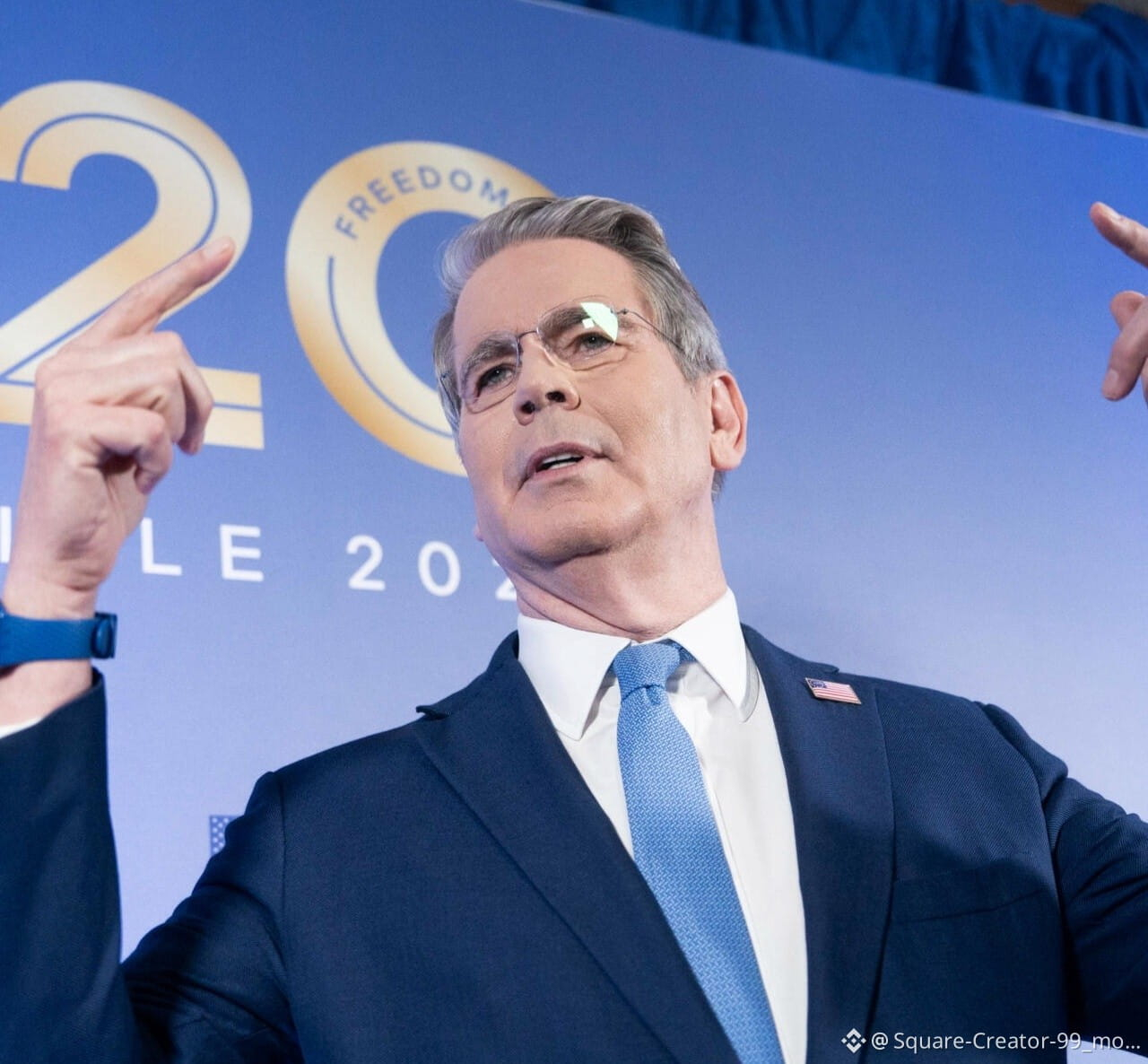
🚨🇺🇲 وزير الخزانة سكوت بيسنت قد قام للتو بفرض عقوبات على بنك تركي، ما أدى إلى عزله بالكامل بسبب مساعدته للنظام الإيراني بمبالغ تصل إلى عشرات الملايين—متابعًا 📢
لتنفيذ تهديداته التي أطلقها في قمة مجموعة العشرين، يا صاح.
بيسنت قاتلٌ مطلق 🤔
تم تصنيف بنك Golden Global Yatirim Bankasi Anonim Sirketi رسميًا من قبل OFAC. تم الأمر بشكل صحيح. بنك آخر، إلى جانب شركاته التابعة، قد اكتشف للتو 👀
بيسنت 🗣 'نحن نعرف من أنت، ونعرف أين أنت، وسنواصل اتخاذ الإجراءات إلى جانب حلفائنا وشركائنا حتى ندفن رأس الأفعى الإيرانية دفنًا كاملًا.'
لقد نشر هذا قبل أيام قليلة ⬇️
'نحن نعرف من أنت، أنت تعرف من أنت، ومن المرجح أننا سنعلن عن عقوبة على بنك هذا الأسبوع، مع أخرى قادمة في الأسبوع الذي يليه 📢
#iran #USGovernment
$ETH
{spot}(ETHUSDT)
$BZ
{future}(BZUSDT)
$BTC
🚨🇺🇲 وزير الخزانة سكوت بيسنت قد قام للتو بفرض عقوبات على بنك تركي، ما أدى إلى عزله بالكامل بسبب مساعدته للنظام الإيراني بمبالغ تصل إلى عشرات الملايين—متابعًا 📢
لتنفيذ تهديداته التي أطلقها في قمة مجموعة العشرين، يا صاح.
بيسنت قاتلٌ مطلق 🤔
تم تصنيف بنك Golden Global Yatirim Bankasi Anonim Sirketi رسميًا من قبل OFAC. تم الأمر بشكل صحيح. بنك آخر، إلى جانب شركاته التابعة، قد اكتشف للتو 👀
بيسنت 🗣 'نحن نعرف من أنت، ونعرف أين أنت، وسنواصل اتخاذ الإجراءات إلى جانب حلفائنا وشركائنا حتى ندفن رأس الأفعى الإيرانية دفنًا كاملًا.'
لقد نشر هذا قبل أيام قليلة ⬇️
'نحن نعرف من أنت، أنت تعرف من أنت، ومن المرجح أننا سنعلن عن عقوبة على بنك هذا الأسبوع، مع أخرى قادمة في الأسبوع الذي يليه 📢
#iran #USGovernment
$ETH
$BZ
🚨🇺🇲 وزير الخزانة سكوت بيسنت قد قام للتو بفرض عقوبات على بنك تركي، ما أدى إلى عزله بالكامل بسبب مساعدته للنظام الإيراني بمبالغ تصل إلى عشرات الملايين—متابعًا 📢
لتنفيذ تهديداته التي أطلقها في قمة مجموعة العشرين، يا صاح.
بيسنت قاتلٌ مطلق 🤔
تم تصنيف بنك Golden Global Yatirim Bankasi Anonim Sirketi رسميًا من قبل OFAC. تم الأمر بشكل صحيح. بنك آخر، إلى جانب شركاته التابعة، قد اكتشف للتو 👀
بيسنت 🗣 'نحن نعرف من أنت، ونعرف أين أنت، وسنواصل اتخاذ الإجراءات إلى جانب حلفائنا وشركائنا حتى ندفن رأس الأفعى الإيرانية دفنًا كاملًا.'
لقد نشر هذا قبل أيام قليلة ⬇️
'نحن نعرف من أنت، أنت تعرف من أنت، ومن المرجح أننا سنعلن عن عقوبة على بنك هذا الأسبوع، مع أخرى قادمة في الأسبوع الذي يليه 📢
#iran #USGovernment
$ETH
$BZ
309
سجّل الدخول لاستكشاف المزيد من المُحتوى
انضم إلى مُستخدمي العملات الرقمية حول العالم على Binance Square
⚡️ احصل على أحدث المعلومات المفيدة عن العملات الرقمية.
💬 موثوقة من قبل أكبر منصّة لتداول العملات الرقمية في العالم.
👍 اكتشف الرؤى الحقيقية من صنّاع المُحتوى الموثوقين.
البريد الإلكتروني / رقم الهاتف
المواضيع الرائجة
1
#ElSalvadorBTCHoldingsRiseTo7777
1,983 مشاهدات
82 يقومون بالنقاش
2
#MemeLaunchpads82%OfArcDayOneVolume
10,748 مشاهدات
307 يقومون بالنقاش
3
#OstiumLoanDisputeHearingSetInNYFederalCourt
10,939 مشاهدات
261 يقومون بالنقاش
4
#HyperliquidUSDCSupplyOvertakesSolana
1,668 مشاهدات
87 يقومون بالنقاش
5
#SKPoliceRefer18PolymarketUsersToProsecutors
8,447 مشاهدات
265 يقومون بالنقاش
6
#FedSEPProjects2026RateAt4.1%
20,702 مشاهدات
369 يقومون بالنقاش
7
#USHouseAdvancesBitcoinReserveBill
10,570 مشاهدات
247 يقومون بالنقاش
8
#AmazonGetsWarrantsToBuyGeneracStock
10,233 مشاهدات
224 يقومون بالنقاش
9
#DotPlotSignalsOneMoreHikeIn2026
35,085 مشاهدات
616 يقومون بالنقاش
10
#RobinhoodToSupportCircleArcNetwork
12,461 مشاهدات
229 يقومون بالنقاش