

#usdt
usdt
2.9G مشاهدات
12.7M يقومون بالنقاش
رائج
جديد

💵 دولار P2P اليوم · الاثنين 26 أكتوبر
استقر سعر USDT عبر P2P؛ سأنتظر قليلًا قبل ملاحقة السعر.
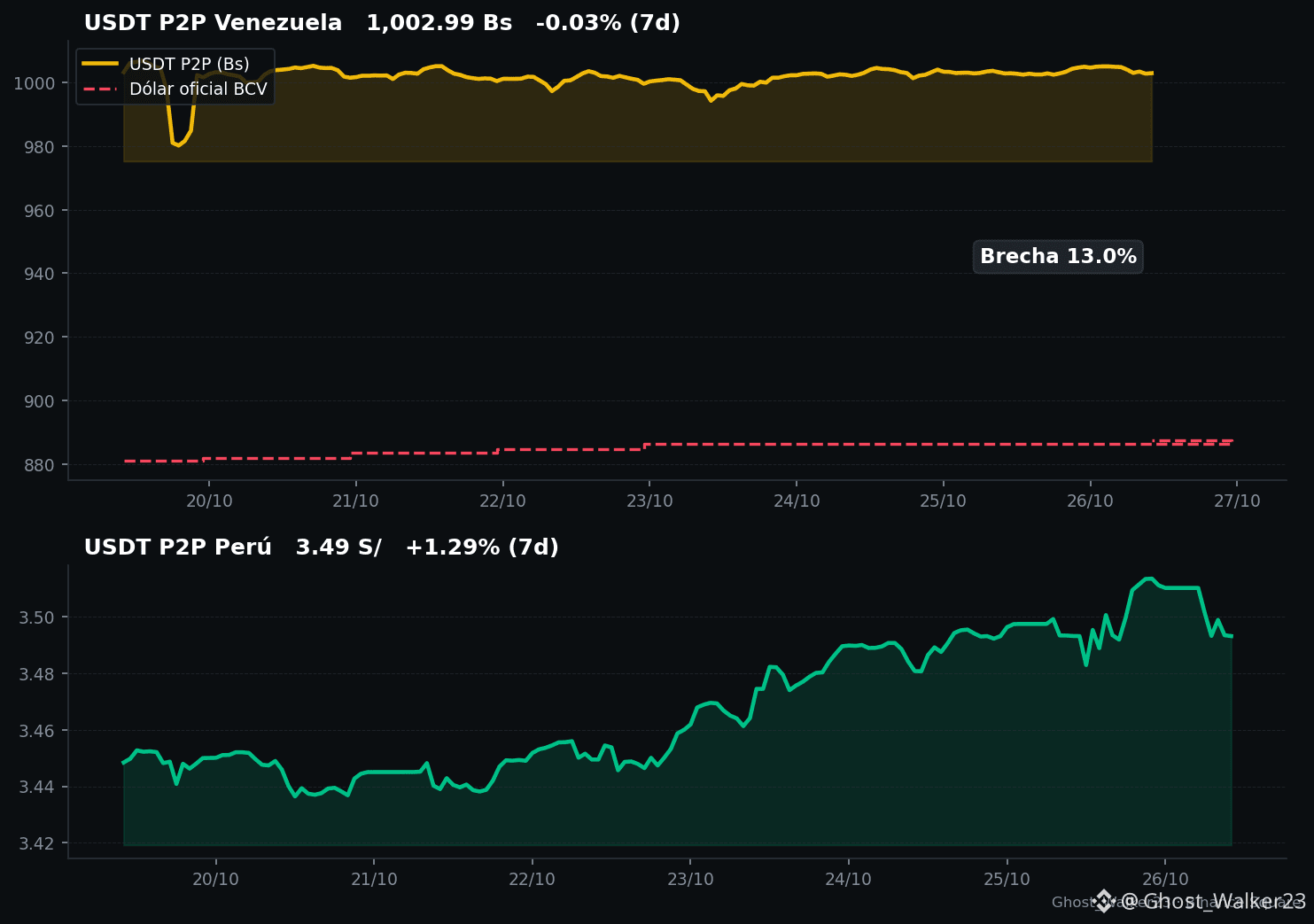
- فنزويلا: 1,002.95 بوليفارًا لكل USDT؛ التغير خلال 24 ساعة -0.07% وخلال 7 أيام +0.13%.
- بيرو: 3.49 سولًا لكل USDT؛ التغير خلال 24 ساعة -0.06% وخلال 7 أيام +1.31%.
هذه متوسطات لتحويل 1,000 USDT. وبالمقارنة مع سعر BCV البالغ 887.30 بوليفارًا، يبلغ الفارق +13.0%: إذا كنت تتقاضى أجرك بالبوليفار وفق السعر الرسمي، فستحتاج إلى بوليفارات أكثر لشراء الكمية نفسها من USDT عبر P2P.
أرفقتُ مخطط الأسبوع.
تحقق من هوية المشتري، ولا تُفرج عن USDT حتى تتأكد من إيداع المبلغ في حسابك، ولا تكتفِ بإيصال الدفع.
بأي سعر اشتريتم أو بعتم اليوم في فنزويلا أو بيرو؟
📌 أنشر سعر دولار P2P كل صباح الساعة 10 (بيرو) / 11 (فنزويلا). تابعني لتعرفه أولًا.
#P2P #USDT
💵 دولار P2P اليوم · الاثنين 26 أكتوبر
استقر سعر USDT عبر P2P؛ سأنتظر قليلًا قبل ملاحقة السعر.
- فنزويلا: 1,002.95 بوليفارًا لكل USDT؛ التغير خلال 24 ساعة -0.07% وخلال 7 أيام +0.13%.
- بيرو: 3.49 سولًا لكل USDT؛ التغير خلال 24 ساعة -0.06% وخلال 7 أيام +1.31%.
هذه متوسطات لتحويل 1,000 USDT. وبالمقارنة مع سعر BCV البالغ 887.30 بوليفارًا، يبلغ الفارق +13.0%: إذا كنت تتقاضى أجرك بالبوليفار وفق السعر الرسمي، فستحتاج إلى بوليفارات أكثر لشراء الكمية نفسها من USDT عبر P2P.
أرفقتُ مخطط الأسبوع.
تحقق من هوية المشتري، ولا تُفرج عن USDT حتى تتأكد من إيداع المبلغ في حسابك، ولا تكتفِ بإيصال الدفع.
بأي سعر اشتريتم أو بعتم اليوم في فنزويلا أو بيرو؟
📌 أنشر سعر دولار P2P كل صباح الساعة 10 (بيرو) / 11 (فنزويلا). تابعني لتعرفه أولًا.
#P2P #USDT
استقر سعر USDT عبر P2P؛ سأنتظر قليلًا قبل ملاحقة السعر.
- فنزويلا: 1,002.95 بوليفارًا لكل USDT؛ التغير خلال 24 ساعة -0.07% وخلال 7 أيام +0.13%.
- بيرو: 3.49 سولًا لكل USDT؛ التغير خلال 24 ساعة -0.06% وخلال 7 أيام +1.31%.
هذه متوسطات لتحويل 1,000 USDT. وبالمقارنة مع سعر BCV البالغ 887.30 بوليفارًا، يبلغ الفارق +13.0%: إذا كنت تتقاضى أجرك بالبوليفار وفق السعر الرسمي، فستحتاج إلى بوليفارات أكثر لشراء الكمية نفسها من USDT عبر P2P.
أرفقتُ مخطط الأسبوع.
تحقق من هوية المشتري، ولا تُفرج عن USDT حتى تتأكد من إيداع المبلغ في حسابك، ولا تكتفِ بإيصال الدفع.
بأي سعر اشتريتم أو بعتم اليوم في فنزويلا أو بيرو؟
📌 أنشر سعر دولار P2P كل صباح الساعة 10 (بيرو) / 11 (فنزويلا). تابعني لتعرفه أولًا.
#P2P #USDT
452

🚨 $USDT يطلق مركز تعدين مدعومًا بالذكاء الاصطناعي، ويعيد تشكيل البنية التحتية $BTC 🦈
تجمع طبقة الذكاء الاصطناعي مفتوحة المصدر من تيذر بين Bitmain وCanaan وBitdeer وF2Pool ضمن شبكة قيادة واحدة، لتقضي على مشهد كتل الأوامر المعزول الحالي. 📊 تخفّض منصة التحكم الموحدة الاحتكاك التشغيلي فورًا، وتحول قوة التجزئة المجزأة إلى مجمع سيولة منسق يمكن توجيهه بحوافز مدعومة بـUSDT.
من المرجح أن ينجذب مشغلو الأموال الذكية إلى المنصة، لأن واجهة API المشتركة تصبح كتلة الأوامر الجديدة لرأس المال التعديني، ما يمنح تيذر أداة حوكمة هادئة لكنها حاسمة للتحكم في سلسلة إنتاج $BTC . 🦈 توقّع أن تسهم المنظومة المعفاة من الرسوم في تعزيز الطلب على USDT، مع استبدال المعدّنين أرباحهم بعملات مستقرة.
💬 كيف ترى أن هذا التوحيد المدفوع بالذكاء الاصطناعي سيعيد تشكيل اقتصاديات التعدين وديناميكيات العرض $BTC ؟ 👇
⚠️ هذه ليست نصيحة مالية. احرص دائمًا على إدارة المخاطر. 🛡️
🏷️ #USDT #MiningIntegration #SmartMoney #CryptoInfrastructure
🔥 💎
🚨 $USDT يطلق مركز تعدين مدعومًا بالذكاء الاصطناعي، ويعيد تشكيل البنية التحتية $BTC 🦈
تجمع طبقة الذكاء الاصطناعي مفتوحة المصدر من تيذر بين Bitmain وCanaan وBitdeer وF2Pool ضمن شبكة قيادة واحدة، لتقضي على مشهد كتل الأوامر المعزول الحالي. 📊 تخفّض منصة التحكم الموحدة الاحتكاك التشغيلي فورًا، وتحول قوة التجزئة المجزأة إلى مجمع سيولة منسق يمكن توجيهه بحوافز مدعومة بـUSDT.
من المرجح أن ينجذب مشغلو الأموال الذكية إلى المنصة، لأن واجهة API المشتركة تصبح كتلة الأوامر الجديدة لرأس المال التعديني، ما يمنح تيذر أداة حوكمة هادئة لكنها حاسمة للتحكم في سلسلة إنتاج $BTC . 🦈 توقّع أن تسهم المنظومة المعفاة من الرسوم في تعزيز الطلب على USDT، مع استبدال المعدّنين أرباحهم بعملات مستقرة.
💬 كيف ترى أن هذا التوحيد المدفوع بالذكاء الاصطناعي سيعيد تشكيل اقتصاديات التعدين وديناميكيات العرض $BTC ؟ 👇
⚠️ هذه ليست نصيحة مالية. احرص دائمًا على إدارة المخاطر. 🛡️
🏷️ #USDT #MiningIntegration #SmartMoney #CryptoInfrastructure
🔥 💎
تجمع طبقة الذكاء الاصطناعي مفتوحة المصدر من تيذر بين Bitmain وCanaan وBitdeer وF2Pool ضمن شبكة قيادة واحدة، لتقضي على مشهد كتل الأوامر المعزول الحالي. 📊 تخفّض منصة التحكم الموحدة الاحتكاك التشغيلي فورًا، وتحول قوة التجزئة المجزأة إلى مجمع سيولة منسق يمكن توجيهه بحوافز مدعومة بـUSDT.
من المرجح أن ينجذب مشغلو الأموال الذكية إلى المنصة، لأن واجهة API المشتركة تصبح كتلة الأوامر الجديدة لرأس المال التعديني، ما يمنح تيذر أداة حوكمة هادئة لكنها حاسمة للتحكم في سلسلة إنتاج $BTC . 🦈 توقّع أن تسهم المنظومة المعفاة من الرسوم في تعزيز الطلب على USDT، مع استبدال المعدّنين أرباحهم بعملات مستقرة.
💬 كيف ترى أن هذا التوحيد المدفوع بالذكاء الاصطناعي سيعيد تشكيل اقتصاديات التعدين وديناميكيات العرض $BTC ؟ 👇
⚠️ هذه ليست نصيحة مالية. احرص دائمًا على إدارة المخاطر. 🛡️
🏷️ #USDT #MiningIntegration #SmartMoney #CryptoInfrastructure
🔥 💎

·
--
عرض الترجمة
⚡ ÚLTIMA HORA | $USDT $BTC
📰 De la normalización administrada a una transición: la proyección de Polis Consultores para 2027
📌 Contexto Rápido:
Polis Consultores destaca que para 2027 hay dos agendas compitiendo: la agenda de la normalización y la agenda del cambio político y transición. "Por ahora, va perdieron esta última", dice Benigno Alarcón, su socio director.
💡 Análisis & Criterio Trader:
Análisis Macroeconómico Venezuela: Evento clave para el monitoreo del tipo de cambio y la liquidez comercial en el país. En momentos de cambio normativo o fiscal, el arbitraje en Binance P2P (USDT/VES) suele experimentar aumentos notables en spread y rotación de órdenes.
🔗 Leer noticia completa y fuente oficial:
https://talcualdigital.com/noticias/de-la-normalizacion-administrada-a-una-transicion-la-proyeccion-de-polis-consultores-para-2027/
💬 DEBATE:
¿Crees que este evento impulsará con fuerza el precio de USDT o el mercado ya lo descontó? ¡Comenta tu lectura abajo! 👇
La gestión de riesgo siempre primero: ¿qué postura estás tomando hoy?
#BinanceSquare #Venezuela #USDT
⚡ ÚLTIMA HORA | $USDT $BTC
📰 De la normalización administrada a una transición: la proyección de Polis Consultores para 2027
📌 Contexto Rápido:
Polis Consultores destaca que para 2027 hay dos agendas compitiendo: la agenda de la normalización y la agenda del cambio político y transición. "Por ahora, va perdieron esta última", dice Benigno Alarcón, su socio director.
💡 Análisis & Criterio Trader:
Análisis Macroeconómico Venezuela: Evento clave para el monitoreo del tipo de cambio y la liquidez comercial en el país. En momentos de cambio normativo o fiscal, el arbitraje en Binance P2P (USDT/VES) suele experimentar aumentos notables en spread y rotación de órdenes.
🔗 Leer noticia completa y fuente oficial:
https://talcualdigital.com/noticias/de-la-normalizacion-administrada-a-una-transicion-la-proyeccion-de-polis-consultores-para-2027/
💬 DEBATE:
¿Crees que este evento impulsará con fuerza el precio de USDT o el mercado ya lo descontó? ¡Comenta tu lectura abajo! 👇
La gestión de riesgo siempre primero: ¿qué postura estás tomando hoy?
#BinanceSquare #Venezuela #USDT
📰 De la normalización administrada a una transición: la proyección de Polis Consultores para 2027
📌 Contexto Rápido:
Polis Consultores destaca que para 2027 hay dos agendas compitiendo: la agenda de la normalización y la agenda del cambio político y transición. "Por ahora, va perdieron esta última", dice Benigno Alarcón, su socio director.
💡 Análisis & Criterio Trader:
Análisis Macroeconómico Venezuela: Evento clave para el monitoreo del tipo de cambio y la liquidez comercial en el país. En momentos de cambio normativo o fiscal, el arbitraje en Binance P2P (USDT/VES) suele experimentar aumentos notables en spread y rotación de órdenes.
🔗 Leer noticia completa y fuente oficial:
https://talcualdigital.com/noticias/de-la-normalizacion-administrada-a-una-transicion-la-proyeccion-de-polis-consultores-para-2027/
💬 DEBATE:
¿Crees que este evento impulsará con fuerza el precio de USDT o el mercado ya lo descontó? ¡Comenta tu lectura abajo! 👇
La gestión de riesgo siempre primero: ¿qué postura estás tomando hoy?
#BinanceSquare #Venezuela #USDT
1

·
--
مقالة
عرض الترجمة
266 ofertas y prima de 14,51%: lectura P2P de hoyLunes, 26 de octubre de 2026. El P2P amanece con un dato que no es solo precio: 266 ofertas activas y una prima de 14,51% frente al BCV de Bs. 887,30. Traducción rápida: comprar $USDT te cuesta Bs. 1.016,00 y venderlo te deja Bs. 974,80. Entre esos dos extremos hay un spread de Bs. 41,20, equivalente a 4,23%.
¿Por qué importa? Porque el precio de tablero no cuenta toda la historia. Si vas a entrar o salir de USDT, el spread se convierte en el costo real de hacer el cambio. No es una ganancia: es la diferencia que pagas por operar. Y con 266 ofertas, la liquidez se ve activa, pero eso no significa que cualquier método de pago esté igual de disponible. Los bancos dominantes aparecen como N/A en la data de hoy, así que antes de tomar una oferta revisa método, límites, reputación y tiempo de respuesta.
En Binance P2P, la referencia de compra ronda Bs. 1.007,47 y la de venta Bs. 1.004,72. Ojo: son referencias del momento, no una promesa. El resultado estimado de cualquier operación depende del spread, las comisiones y el tipo de cambio del momento. Si estás pensando en moverte, compara tu monto neto, no solo la tasa grande del anuncio.
Mi lectura de hoy: la prima alta invita a mirar dos veces antes de correr. Verifica la oferta, calcula el neto y no operes por impulso. El mercado cambia rápido; tu checklist debe estar lista.
📊 Tasas y análisis en vivo en https://pitbullchain.com
$USDT #USDT #P2P #Venezuela #BinanceSquare #Cripto
266 ofertas y prima de 14,51%: lectura P2P de hoy
Lunes, 26 de octubre de 2026. El P2P amanece con un dato que no es solo precio: 266 ofertas activas y una prima de 14,51% frente al BCV de Bs. 887,30. Traducción rápida: comprar $USDT te cuesta Bs. 1.016,00 y venderlo te deja Bs. 974,80. Entre esos dos extremos hay un spread de Bs. 41,20, equivalente a 4,23%.
¿Por qué importa? Porque el precio de tablero no cuenta toda la historia. Si vas a entrar o salir de USDT, el spread se convierte en el costo real de hacer el cambio. No es una ganancia: es la diferencia que pagas por operar. Y con 266 ofertas, la liquidez se ve activa, pero eso no significa que cualquier método de pago esté igual de disponible. Los bancos dominantes aparecen como N/A en la data de hoy, así que antes de tomar una oferta revisa método, límites, reputación y tiempo de respuesta.
En Binance P2P, la referencia de compra ronda Bs. 1.007,47 y la de venta Bs. 1.004,72. Ojo: son referencias del momento, no una promesa. El resultado estimado de cualquier operación depende del spread, las comisiones y el tipo de cambio del momento. Si estás pensando en moverte, compara tu monto neto, no solo la tasa grande del anuncio.
Mi lectura de hoy: la prima alta invita a mirar dos veces antes de correr. Verifica la oferta, calcula el neto y no operes por impulso. El mercado cambia rápido; tu checklist debe estar lista.
📊 Tasas y análisis en vivo en https://pitbullchain.com
$USDT #USDT #P2P #Venezuela #BinanceSquare #Cripto
¿Por qué importa? Porque el precio de tablero no cuenta toda la historia. Si vas a entrar o salir de USDT, el spread se convierte en el costo real de hacer el cambio. No es una ganancia: es la diferencia que pagas por operar. Y con 266 ofertas, la liquidez se ve activa, pero eso no significa que cualquier método de pago esté igual de disponible. Los bancos dominantes aparecen como N/A en la data de hoy, así que antes de tomar una oferta revisa método, límites, reputación y tiempo de respuesta.
En Binance P2P, la referencia de compra ronda Bs. 1.007,47 y la de venta Bs. 1.004,72. Ojo: son referencias del momento, no una promesa. El resultado estimado de cualquier operación depende del spread, las comisiones y el tipo de cambio del momento. Si estás pensando en moverte, compara tu monto neto, no solo la tasa grande del anuncio.
Mi lectura de hoy: la prima alta invita a mirar dos veces antes de correr. Verifica la oferta, calcula el neto y no operes por impulso. El mercado cambia rápido; tu checklist debe estar lista.
📊 Tasas y análisis en vivo en https://pitbullchain.com
$USDT #USDT #P2P #Venezuela #BinanceSquare #Cripto
2

·
--
مقالة
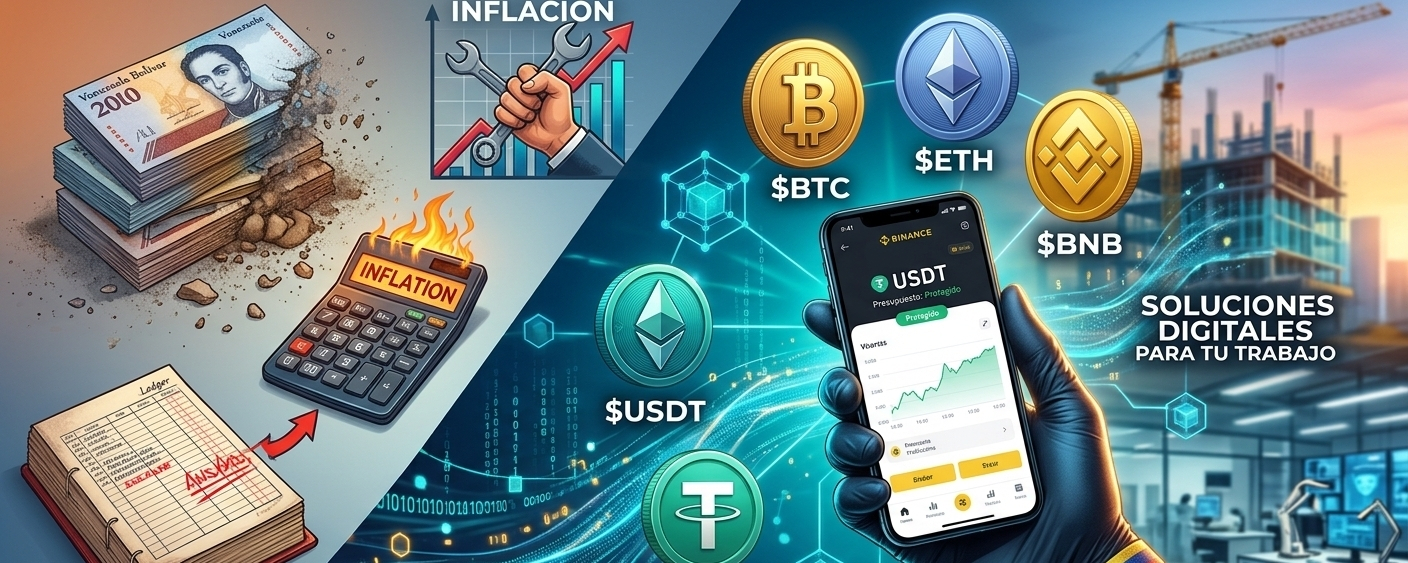
الميزانيات والتكاليف والسيولة: كيف تُحدث تقنيات العملات المشفرة تحولًا في سير العمل المهني؟#USDT #USDC #BTC #ETH
في بيئات تتسم بتقلبات حادة في أسعار الصرف وتضخم مستمر، لا يقتصر أحد أكبر التحديات التي تواجه المهنيين والفنيين والمخترعين والشركات الصغيرة على تقديم خدمة أو تصنيع منتج، بل يشمل أيضًا حماية السيولة وإعداد ميزانيات تحافظ على قيمتها الحقيقية بمرور الوقت.
تقليديًا، تؤدي الفجوة الزمنية بين إصدار عرض السعر واستلام دفعة مقدمة وشراء المدخلات أو المواد إلى اختلال مالي كبير. وفي هذا السياق، لم يعد اعتماد تقنية البلوك تشين والعملات المستقرة خيارًا للمضاربة، بل أصبح أداة تشغيلية أساسية.
الميزانيات والتكاليف والسيولة: كيف تُحدث تقنيات العملات المشفرة تحولًا في سير العمل المهني؟
#USDT #USDC #BTC #ETH
في بيئات تتسم بتقلبات حادة في أسعار الصرف وتضخم مستمر، لا يقتصر أحد أكبر التحديات التي تواجه المهنيين والفنيين والمخترعين والشركات الصغيرة على تقديم خدمة أو تصنيع منتج، بل يشمل أيضًا حماية السيولة وإعداد ميزانيات تحافظ على قيمتها الحقيقية بمرور الوقت.
تقليديًا، تؤدي الفجوة الزمنية بين إصدار عرض السعر واستلام دفعة مقدمة وشراء المدخلات أو المواد إلى اختلال مالي كبير. وفي هذا السياق، لم يعد اعتماد تقنية البلوك تشين والعملات المستقرة خيارًا للمضاربة، بل أصبح أداة تشغيلية أساسية.
في بيئات تتسم بتقلبات حادة في أسعار الصرف وتضخم مستمر، لا يقتصر أحد أكبر التحديات التي تواجه المهنيين والفنيين والمخترعين والشركات الصغيرة على تقديم خدمة أو تصنيع منتج، بل يشمل أيضًا حماية السيولة وإعداد ميزانيات تحافظ على قيمتها الحقيقية بمرور الوقت.
تقليديًا، تؤدي الفجوة الزمنية بين إصدار عرض السعر واستلام دفعة مقدمة وشراء المدخلات أو المواد إلى اختلال مالي كبير. وفي هذا السياق، لم يعد اعتماد تقنية البلوك تشين والعملات المستقرة خيارًا للمضاربة، بل أصبح أداة تشغيلية أساسية.
90

أكدت منصة تداول العملات المشفرة الهندية CoinDCX خسارة نحو 15.99 مليون وحدة من $USDT بسبب ثغرة في محفظة قديمة. ولا تكمن أهمية الحادثة في «مدى براعة الهجوم الجديد»، بل في الإخفاق في أساسيات التعامل مع المحافظ القديمة وإدارة المفاتيح. بالنسبة إلى منصات التداول، يجب تطبيق الفصل بين الإيداع والسحب، وتقسيم المحافظ إلى باردة وساخنة، والإفصاح عن الثغرات وتتبع المعاملات على السلسلة في آنٍ واحد؛ أما بالنسبة إلى المستخدمين، فما زال توزيع الأصول الكبيرة على أماكن متعددة، وتجديد أذونات الوصول دوريًا، وتفعيل القائمة البيضاء للسحب، إجراءات ضرورية للحد من مخاطر الطرف المقابل. غالبًا لا تقع الحوادث الأمنية فجأة، بل يُفعَّل دين قديم في لحظة واحدة. #CoinDCX #加密安全 #USDT
أكدت منصة تداول العملات المشفرة الهندية CoinDCX خسارة نحو 15.99 مليون وحدة من $USDT بسبب ثغرة في محفظة قديمة. ولا تكمن أهمية الحادثة في «مدى براعة الهجوم الجديد»، بل في الإخفاق في أساسيات التعامل مع المحافظ القديمة وإدارة المفاتيح. بالنسبة إلى منصات التداول، يجب تطبيق الفصل بين الإيداع والسحب، وتقسيم المحافظ إلى باردة وساخنة، والإفصاح عن الثغرات وتتبع المعاملات على السلسلة في آنٍ واحد؛ أما بالنسبة إلى المستخدمين، فما زال توزيع الأصول الكبيرة على أماكن متعددة، وتجديد أذونات الوصول دوريًا، وتفعيل القائمة البيضاء للسحب، إجراءات ضرورية للحد من مخاطر الطرف المقابل. غالبًا لا تقع الحوادث الأمنية فجأة، بل يُفعَّل دين قديم في لحظة واحدة. #CoinDCX #加密安全 #USDT
3

·
--
في 21 أكتوبر، لاحظ أحدهم على السلسلة تحويل 15.99 مليون USDT دفعة واحدة من المحفظة الساخنة لـCoinDCX وعدة عناوين إيداع إلى عنوان Tron واحد. وبعد ثلاث ساعات، ردّ الرئيس التنفيذي Sumit Gupta قائلًا: «هذا غير صحيح، لم نتعرض للاختراق. ذلك عنوان قديم أُوقف استخدامه في يوليو 2025». بدا الأمر وكأنه تنصّل من المسؤولية.
لكن في 25 أكتوبر، أقرت CoinDCX بنفسها في تدوينة: لقد خسرنا فعلًا 15.99 مليون USDT، وستتحمل الشركة الخسارة، ولم يتضرر المستخدمون. لكن الحقيقة التي يجدر بالناس العاديين تذكّرها أكثر هي أن——
المشكلة كانت في «تعطّل التحويل التلقائي للأموال (sweep) + استمرار استقبال الإيداعات على عناوين مهجورة»: كان من المفترض أن تنقل المنصة إيداعات المستخدمين تلقائيًا إلى محفظة باردة، لكن هذه الآلية توقفت فترةً من الزمن. ونتيجة لذلك، أرسل بعضهم الأموال إلى «عناوين قديمة أُوقف استخدامها منذ زمن»، فبقيت الأموال هناك، ثم وقّع المخترق على تحويلها باستخدام مفاتيح قديمة حصل عليها منذ 2025. وأضاف محقق البلوكشين ZachXBT معلومة أخرى: ظل ذلك العنوان القديم يستقبل إيداعات المستخدمين حتى أبريل ومايو 2026.
ثلاث نقاط ينبغي أن يعرفها الناس العاديون:
تحقق دائمًا من «عنوان الإيداع الحالي» الذي تزودك به المنصة قبل الإيداع. فقد يكون العنوان القديم قد أُوقف منذ زمن، وربما لا يزال مستهدفًا.
قول المنصة «أموال المستخدمين آمنة» لا يعني أنها آمنة فعلًا. فقد نفى الرئيس التنفيذي ذلك بنفسه، ثم انقلبت الرواية خلال 3 أيام.
جمّدت Tether هذه المرة 9 عناوين، فيها نحو 2.2 مليون USDT، لكن أكثر من 14 مليونًا من الباقي وُزعت بالفعل على OKX / Binance / Gate. التجميد ليس حلًا سحريًا (تذكيرًا بموضوع الحلقة السابقة).
ما رأيك: هل تشعر براحة أكبر حين تترك عملاتك على المنصة، أم حين تدير محفظتك بنفسك؟ اختر طرفًا في التعليقات وأخبرنا أين تحتفظ بعملاتك الآن.
#比特币 #交易所安全 #USDT
$BTC
{spot}(BTCUSDT)
في 21 أكتوبر، لاحظ أحدهم على السلسلة تحويل 15.99 مليون USDT دفعة واحدة من المحفظة الساخنة لـCoinDCX وعدة عناوين إيداع إلى عنوان Tron واحد. وبعد ثلاث ساعات، ردّ الرئيس التنفيذي Sumit Gupta قائلًا: «هذا غير صحيح، لم نتعرض للاختراق. ذلك عنوان قديم أُوقف استخدامه في يوليو 2025». بدا الأمر وكأنه تنصّل من المسؤولية.
لكن في 25 أكتوبر، أقرت CoinDCX بنفسها في تدوينة: لقد خسرنا فعلًا 15.99 مليون USDT، وستتحمل الشركة الخسارة، ولم يتضرر المستخدمون. لكن الحقيقة التي يجدر بالناس العاديين تذكّرها أكثر هي أن——
المشكلة كانت في «تعطّل التحويل التلقائي للأموال (sweep) + استمرار استقبال الإيداعات على عناوين مهجورة»: كان من المفترض أن تنقل المنصة إيداعات المستخدمين تلقائيًا إلى محفظة باردة، لكن هذه الآلية توقفت فترةً من الزمن. ونتيجة لذلك، أرسل بعضهم الأموال إلى «عناوين قديمة أُوقف استخدامها منذ زمن»، فبقيت الأموال هناك، ثم وقّع المخترق على تحويلها باستخدام مفاتيح قديمة حصل عليها منذ 2025. وأضاف محقق البلوكشين ZachXBT معلومة أخرى: ظل ذلك العنوان القديم يستقبل إيداعات المستخدمين حتى أبريل ومايو 2026.
ثلاث نقاط ينبغي أن يعرفها الناس العاديون:
تحقق دائمًا من «عنوان الإيداع الحالي» الذي تزودك به المنصة قبل الإيداع. فقد يكون العنوان القديم قد أُوقف منذ زمن، وربما لا يزال مستهدفًا.
قول المنصة «أموال المستخدمين آمنة» لا يعني أنها آمنة فعلًا. فقد نفى الرئيس التنفيذي ذلك بنفسه، ثم انقلبت الرواية خلال 3 أيام.
جمّدت Tether هذه المرة 9 عناوين، فيها نحو 2.2 مليون USDT، لكن أكثر من 14 مليونًا من الباقي وُزعت بالفعل على OKX / Binance / Gate. التجميد ليس حلًا سحريًا (تذكيرًا بموضوع الحلقة السابقة).
ما رأيك: هل تشعر براحة أكبر حين تترك عملاتك على المنصة، أم حين تدير محفظتك بنفسك؟ اختر طرفًا في التعليقات وأخبرنا أين تحتفظ بعملاتك الآن.
#比特币 #交易所安全 #USDT
$BTC
لكن في 25 أكتوبر، أقرت CoinDCX بنفسها في تدوينة: لقد خسرنا فعلًا 15.99 مليون USDT، وستتحمل الشركة الخسارة، ولم يتضرر المستخدمون. لكن الحقيقة التي يجدر بالناس العاديين تذكّرها أكثر هي أن——
المشكلة كانت في «تعطّل التحويل التلقائي للأموال (sweep) + استمرار استقبال الإيداعات على عناوين مهجورة»: كان من المفترض أن تنقل المنصة إيداعات المستخدمين تلقائيًا إلى محفظة باردة، لكن هذه الآلية توقفت فترةً من الزمن. ونتيجة لذلك، أرسل بعضهم الأموال إلى «عناوين قديمة أُوقف استخدامها منذ زمن»، فبقيت الأموال هناك، ثم وقّع المخترق على تحويلها باستخدام مفاتيح قديمة حصل عليها منذ 2025. وأضاف محقق البلوكشين ZachXBT معلومة أخرى: ظل ذلك العنوان القديم يستقبل إيداعات المستخدمين حتى أبريل ومايو 2026.
ثلاث نقاط ينبغي أن يعرفها الناس العاديون:
تحقق دائمًا من «عنوان الإيداع الحالي» الذي تزودك به المنصة قبل الإيداع. فقد يكون العنوان القديم قد أُوقف منذ زمن، وربما لا يزال مستهدفًا.
قول المنصة «أموال المستخدمين آمنة» لا يعني أنها آمنة فعلًا. فقد نفى الرئيس التنفيذي ذلك بنفسه، ثم انقلبت الرواية خلال 3 أيام.
جمّدت Tether هذه المرة 9 عناوين، فيها نحو 2.2 مليون USDT، لكن أكثر من 14 مليونًا من الباقي وُزعت بالفعل على OKX / Binance / Gate. التجميد ليس حلًا سحريًا (تذكيرًا بموضوع الحلقة السابقة).
ما رأيك: هل تشعر براحة أكبر حين تترك عملاتك على المنصة، أم حين تدير محفظتك بنفسك؟ اختر طرفًا في التعليقات وأخبرنا أين تحتفظ بعملاتك الآن.
#比特币 #交易所安全 #USDT
$BTC
205

·
--
#BTC $BTC $USDT
سوق الأسهم البرازيلي هبط إلى الحد الأدنى اليوم، فلماذا لم تنهَر أسعار العملات المشفرة معه؟ 🇧🇷
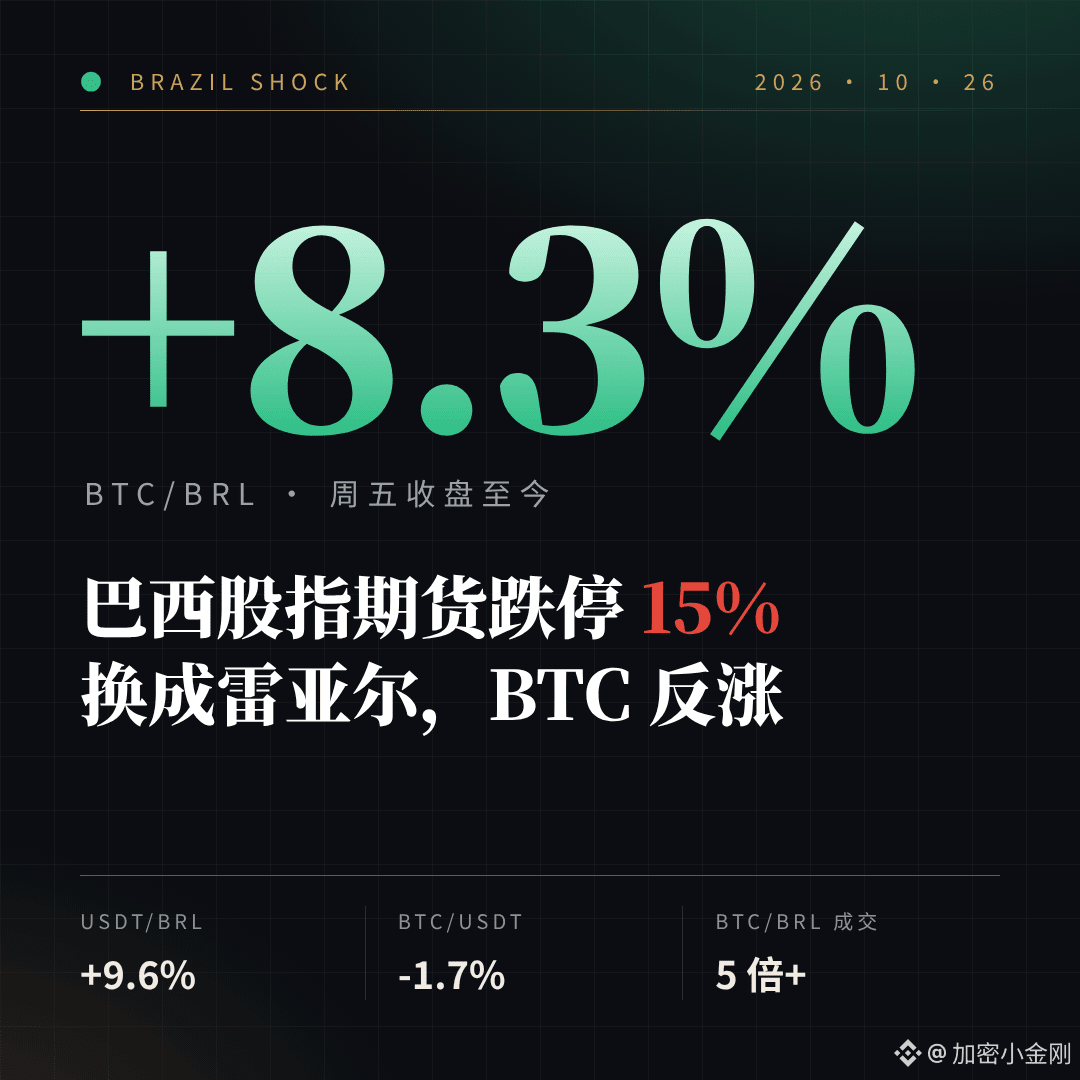
بعد فوز لولا بنسبة 51.79%، قفز سعر الدولار مقابل الريال من 4.99 إلى 5.42 عند افتتاح التداول يوم الاثنين، وهبط الريال بأكثر من 8%، فيما تراجعت العقود الآجلة لمؤشر الأسهم 15% وبلغت الحد الأدنى.
تحققت من الأسعار الفورية على بينانس (إغلاق الجمعة ← الآن):
🔹 BTC/USDT: من 80,888 إلى نحو 79,500، بانخفاض 1.7%
🔹 BTC/BRL: من 405 آلاف إلى نحو 439 ألف ريال، بارتفاع 8.3%
🔹 USDT/BRL: من 5.01 إلى نحو 5.49، بارتفاع 9.6%
🔹 تجاوز حجم تداول BTC/BRL اليوم خمسة أضعاف إجمالي تداول يوم الجمعة
وهناك تفصيل آخر: ما إن انتهى التصويت في البرازيل مساء الأحد حتى قفز USDT/BRL من 4.97 إلى 5.23 خلال ساعتين. أما العقود الآجلة في B3 فلم يبدأ تداولها إلا الساعة 9 صباحًا يوم الاثنين، بينما كانت أسواق العملات المشفرة قد سعّرت النتيجة قبل ذلك بأكثر من عشر ساعات.
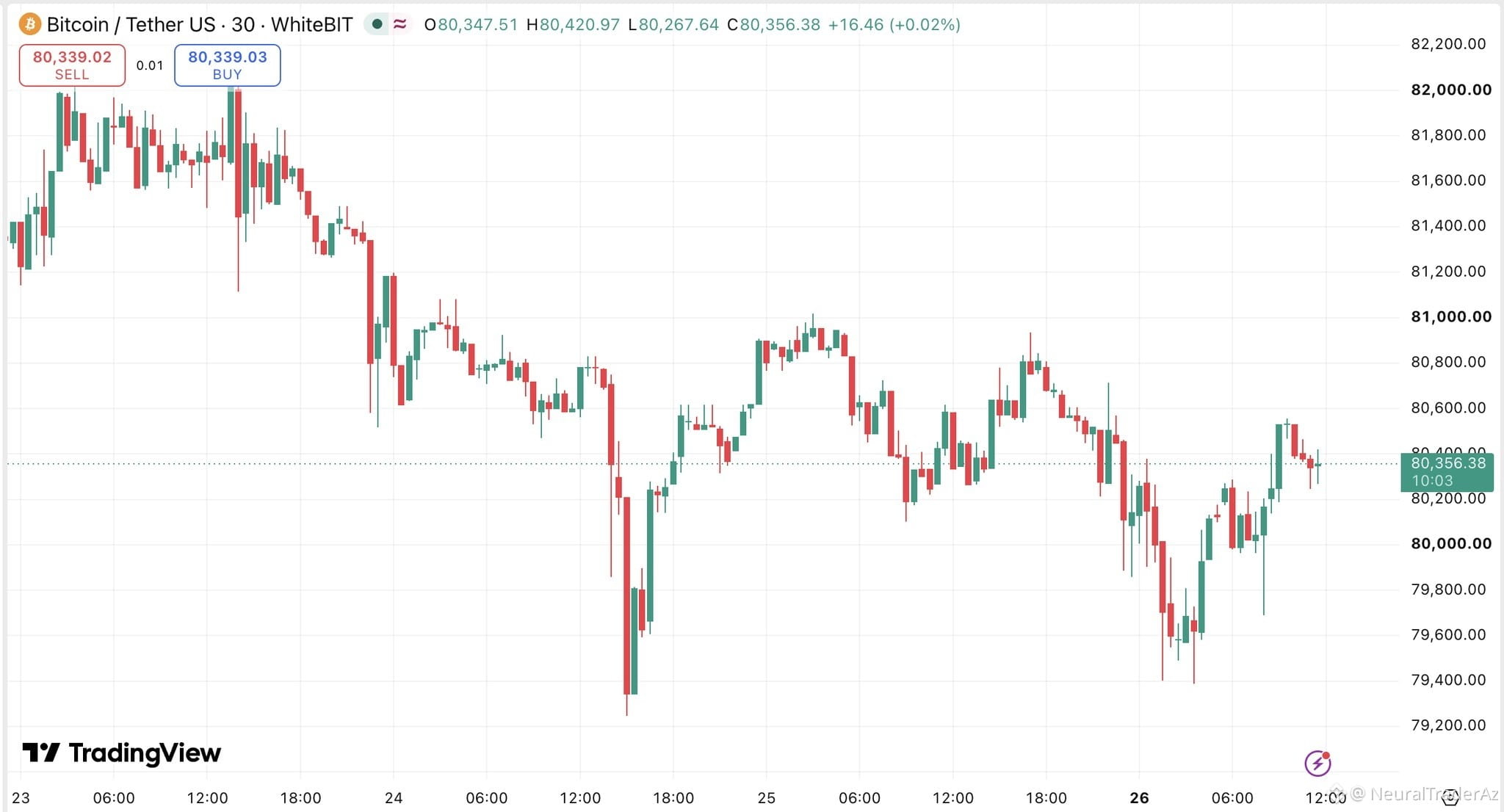
بالنسبة إلى البرازيليين، لم يتغير سعر العملة المشفرة تقريبًا عند احتسابه بالدولار، لكنه ارتفع 8% عند تحويله إلى العملة المحلية: الذي ارتفع هو الدولار، والذي هبط هو الريال. من احتفظوا بـ USDT تجنبوا هذه الضربة، لكن هذا لا يثبت سوى أن العملات المستقرة يمكنها التحوط من انخفاض قيمة العملة المحلية، أما BTC نفسه فلم يشهد ارتفاعًا.
هل تعرف أشخاصًا من حولك يستخدمون USDT للتحوط من انخفاض قيمة عملتهم المحلية؟
لأغراض الاطلاع فقط، ولا يُعدّ ذلك نصيحة استثمارية. أجرِ بحثك بنفسك (DYOR).
#USDT #稳定币 #巴西 #سوق_العملات_المشفرة
#BTC $BTC $USDT
سوق الأسهم البرازيلي هبط إلى الحد الأدنى اليوم، فلماذا لم تنهَر أسعار العملات المشفرة معه؟ 🇧🇷
بعد فوز لولا بنسبة 51.79%، قفز سعر الدولار مقابل الريال من 4.99 إلى 5.42 عند افتتاح التداول يوم الاثنين، وهبط الريال بأكثر من 8%، فيما تراجعت العقود الآجلة لمؤشر الأسهم 15% وبلغت الحد الأدنى.
تحققت من الأسعار الفورية على بينانس (إغلاق الجمعة ← الآن):
🔹 BTC/USDT: من 80,888 إلى نحو 79,500، بانخفاض 1.7%
🔹 BTC/BRL: من 405 آلاف إلى نحو 439 ألف ريال، بارتفاع 8.3%
🔹 USDT/BRL: من 5.01 إلى نحو 5.49، بارتفاع 9.6%
🔹 تجاوز حجم تداول BTC/BRL اليوم خمسة أضعاف إجمالي تداول يوم الجمعة
وهناك تفصيل آخر: ما إن انتهى التصويت في البرازيل مساء الأحد حتى قفز USDT/BRL من 4.97 إلى 5.23 خلال ساعتين. أما العقود الآجلة في B3 فلم يبدأ تداولها إلا الساعة 9 صباحًا يوم الاثنين، بينما كانت أسواق العملات المشفرة قد سعّرت النتيجة قبل ذلك بأكثر من عشر ساعات.
بالنسبة إلى البرازيليين، لم يتغير سعر العملة المشفرة تقريبًا عند احتسابه بالدولار، لكنه ارتفع 8% عند تحويله إلى العملة المحلية: الذي ارتفع هو الدولار، والذي هبط هو الريال. من احتفظوا بـ USDT تجنبوا هذه الضربة، لكن هذا لا يثبت سوى أن العملات المستقرة يمكنها التحوط من انخفاض قيمة العملة المحلية، أما BTC نفسه فلم يشهد ارتفاعًا.
هل تعرف أشخاصًا من حولك يستخدمون USDT للتحوط من انخفاض قيمة عملتهم المحلية؟
لأغراض الاطلاع فقط، ولا يُعدّ ذلك نصيحة استثمارية. أجرِ بحثك بنفسك (DYOR).
#USDT #稳定币 #巴西 #سوق_العملات_المشفرة
سوق الأسهم البرازيلي هبط إلى الحد الأدنى اليوم، فلماذا لم تنهَر أسعار العملات المشفرة معه؟ 🇧🇷
بعد فوز لولا بنسبة 51.79%، قفز سعر الدولار مقابل الريال من 4.99 إلى 5.42 عند افتتاح التداول يوم الاثنين، وهبط الريال بأكثر من 8%، فيما تراجعت العقود الآجلة لمؤشر الأسهم 15% وبلغت الحد الأدنى.
تحققت من الأسعار الفورية على بينانس (إغلاق الجمعة ← الآن):
🔹 BTC/USDT: من 80,888 إلى نحو 79,500، بانخفاض 1.7%
🔹 BTC/BRL: من 405 آلاف إلى نحو 439 ألف ريال، بارتفاع 8.3%
🔹 USDT/BRL: من 5.01 إلى نحو 5.49، بارتفاع 9.6%
🔹 تجاوز حجم تداول BTC/BRL اليوم خمسة أضعاف إجمالي تداول يوم الجمعة
وهناك تفصيل آخر: ما إن انتهى التصويت في البرازيل مساء الأحد حتى قفز USDT/BRL من 4.97 إلى 5.23 خلال ساعتين. أما العقود الآجلة في B3 فلم يبدأ تداولها إلا الساعة 9 صباحًا يوم الاثنين، بينما كانت أسواق العملات المشفرة قد سعّرت النتيجة قبل ذلك بأكثر من عشر ساعات.
بالنسبة إلى البرازيليين، لم يتغير سعر العملة المشفرة تقريبًا عند احتسابه بالدولار، لكنه ارتفع 8% عند تحويله إلى العملة المحلية: الذي ارتفع هو الدولار، والذي هبط هو الريال. من احتفظوا بـ USDT تجنبوا هذه الضربة، لكن هذا لا يثبت سوى أن العملات المستقرة يمكنها التحوط من انخفاض قيمة العملة المحلية، أما BTC نفسه فلم يشهد ارتفاعًا.
هل تعرف أشخاصًا من حولك يستخدمون USDT للتحوط من انخفاض قيمة عملتهم المحلية؟
لأغراض الاطلاع فقط، ولا يُعدّ ذلك نصيحة استثمارية. أجرِ بحثك بنفسك (DYOR).
#USDT #稳定币 #巴西 #سوق_العملات_المشفرة
176
·
--
مقالة
فارق P2P ينخفض إلى 1,99%: العلاوة عند 14,65% اليومانخفض فارق التداول بين البيع والشراء في سوق P2P إلى 19,81 بوليفار (1,99%)، وتراجع العلاوة مقارنة بسعر BCV إلى 14,65%؛ فالفجوة التي تجاوزت 17% قبل أسابيع باتت اليوم مختلفة. هل هو هدوء حقيقي أم استراحة قبل قفزة جديدة؟
📉 الرقم الذي يحكم اليوم
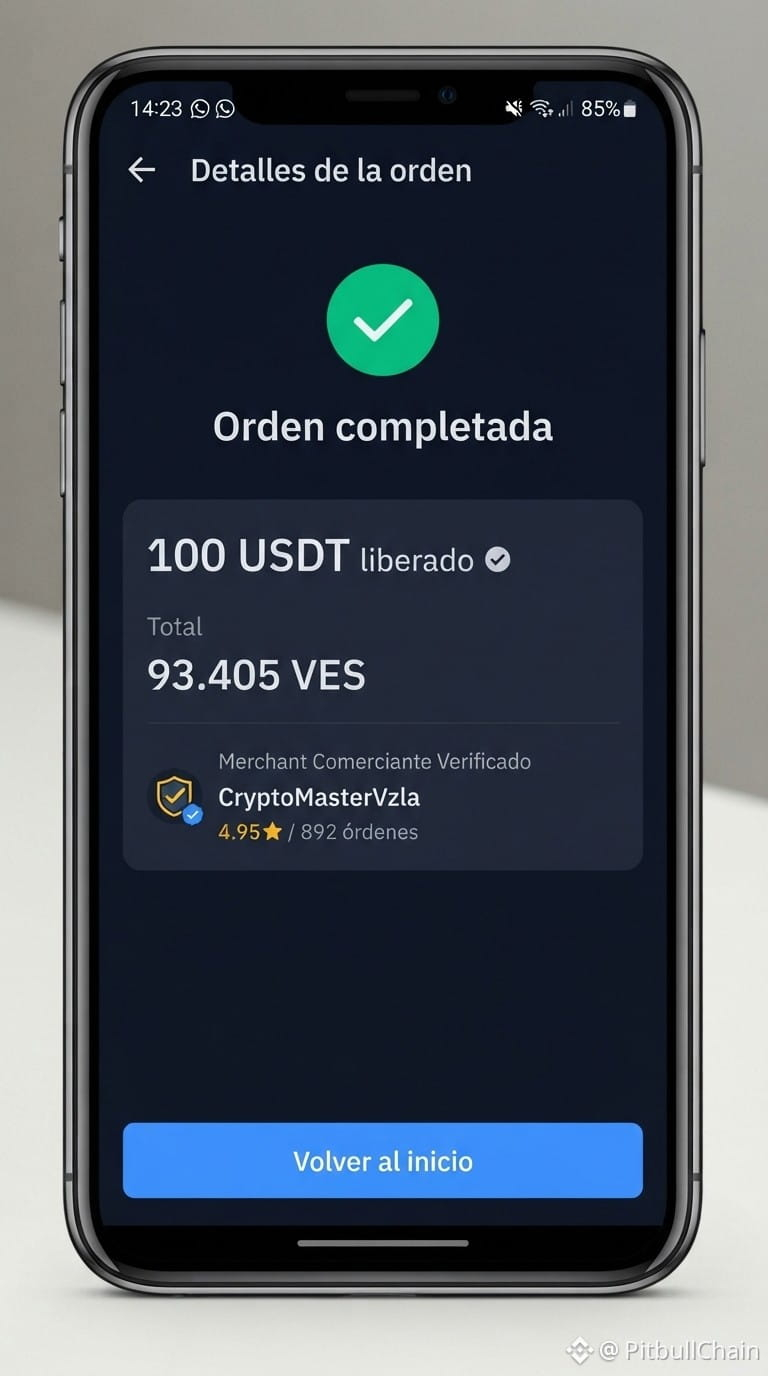
يبلغ سعر شراء $USDT عبر Binance P2P 1017,27 بوليفار، وسعر بيعه 997,47 بوليفار. الفرق: 19,81 بوليفار، أي 1,99%. ومع بلوغ سعر BCV 887,30 بوليفار، تصبح علاوة P2P 14,65%. باختصار: من يشتري اليوم يدفع ما يقارب 15% فوق سعر الدولار الرسمي، ومن يبيع يحتفظ بهامش الربح نفسه.
فارق P2P ينخفض إلى 1,99%: العلاوة عند 14,65% اليوم
انخفض فارق التداول بين البيع والشراء في سوق P2P إلى 19,81 بوليفار (1,99%)، وتراجع العلاوة مقارنة بسعر BCV إلى 14,65%؛ فالفجوة التي تجاوزت 17% قبل أسابيع باتت اليوم مختلفة. هل هو هدوء حقيقي أم استراحة قبل قفزة جديدة؟
📉 الرقم الذي يحكم اليوم
يبلغ سعر شراء $USDT عبر Binance P2P 1017,27 بوليفار، وسعر بيعه 997,47 بوليفار. الفرق: 19,81 بوليفار، أي 1,99%. ومع بلوغ سعر BCV 887,30 بوليفار، تصبح علاوة P2P 14,65%. باختصار: من يشتري اليوم يدفع ما يقارب 15% فوق سعر الدولار الرسمي، ومن يبيع يحتفظ بهامش الربح نفسه.
📉 الرقم الذي يحكم اليوم
يبلغ سعر شراء $USDT عبر Binance P2P 1017,27 بوليفار، وسعر بيعه 997,47 بوليفار. الفرق: 19,81 بوليفار، أي 1,99%. ومع بلوغ سعر BCV 887,30 بوليفار، تصبح علاوة P2P 14,65%. باختصار: من يشتري اليوم يدفع ما يقارب 15% فوق سعر الدولار الرسمي، ومن يبيع يحتفظ بهامش الربح نفسه.
9

🚀 $USDT ركوب موجة السيولة 🌊
📊 ارتفعت التدفقات الواردة إلى USDT على السلسلة بنسبة 12% خلال آخر 24 ساعة، ما يشير إلى موجة جديدة من إيداعات الأموال الذكية في منصة تداول رائدة. 🦈 يصمد حاليًا مستوى أوامر الشراء عند التراجع عند 1.001 دولار، فيما تستنزف عودة الحيتان القوية ضغوط البيع. 📈 توقّع انتعاشًا على المدى القصير مع سعي متصيدي السيولة للاستفادة من تقلّص الفارق، لكن راقب نطاق 0.998–0.995 دولار لاحتمال عودة السيطرة إلى البائعين.
💬 كيف تتمركز حول مستوى 1.001 دولار—هل تكدّس أوامر الشراء أم تنتظر تراجعًا؟ 👇
⚠️ هذه ليست نصيحة مالية. احرص دائمًا على إدارة المخاطر. 🛡️
🏷️ #USDT #Liquidity #SmartMoney #Crypto
🚀 💎
🚀 $USDT ركوب موجة السيولة 🌊
📊 ارتفعت التدفقات الواردة إلى USDT على السلسلة بنسبة 12% خلال آخر 24 ساعة، ما يشير إلى موجة جديدة من إيداعات الأموال الذكية في منصة تداول رائدة. 🦈 يصمد حاليًا مستوى أوامر الشراء عند التراجع عند 1.001 دولار، فيما تستنزف عودة الحيتان القوية ضغوط البيع. 📈 توقّع انتعاشًا على المدى القصير مع سعي متصيدي السيولة للاستفادة من تقلّص الفارق، لكن راقب نطاق 0.998–0.995 دولار لاحتمال عودة السيطرة إلى البائعين.
💬 كيف تتمركز حول مستوى 1.001 دولار—هل تكدّس أوامر الشراء أم تنتظر تراجعًا؟ 👇
⚠️ هذه ليست نصيحة مالية. احرص دائمًا على إدارة المخاطر. 🛡️
🏷️ #USDT #Liquidity #SmartMoney #Crypto
🚀 💎
📊 ارتفعت التدفقات الواردة إلى USDT على السلسلة بنسبة 12% خلال آخر 24 ساعة، ما يشير إلى موجة جديدة من إيداعات الأموال الذكية في منصة تداول رائدة. 🦈 يصمد حاليًا مستوى أوامر الشراء عند التراجع عند 1.001 دولار، فيما تستنزف عودة الحيتان القوية ضغوط البيع. 📈 توقّع انتعاشًا على المدى القصير مع سعي متصيدي السيولة للاستفادة من تقلّص الفارق، لكن راقب نطاق 0.998–0.995 دولار لاحتمال عودة السيطرة إلى البائعين.
💬 كيف تتمركز حول مستوى 1.001 دولار—هل تكدّس أوامر الشراء أم تنتظر تراجعًا؟ 👇
⚠️ هذه ليست نصيحة مالية. احرص دائمًا على إدارة المخاطر. 🛡️
🏷️ #USDT #Liquidity #SmartMoney #Crypto
🚀 💎
9
·
--
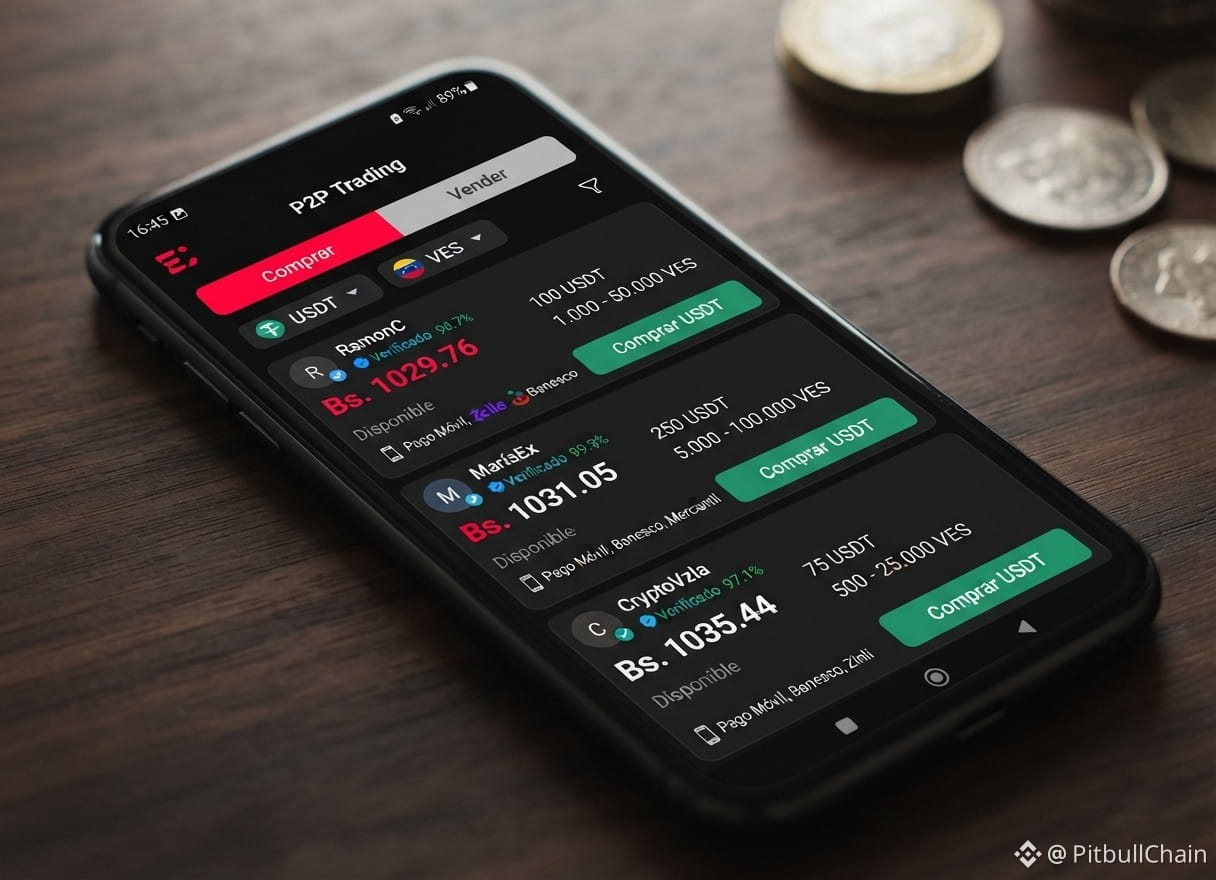
يبلغ فرق سعر $USDT اليوم Bs. 39,68 (4,01%)، وتصل العلاوة مقارنةً بـ BCV إلى 16,05%. ومع وجود 217 عرضًا نشطًا، ينتهي الأمر بمن لا يتحقق من السعر قبل التداول إلى الشراء بسعر مرتفع في سوق P2P.
اليوم: الشراء Bs. 1.029,76 | البيع Bs. 990,07 | BCV Bs. 887,30.
تحقق دائمًا من المبلغ الدقيق الذي ستتلقاه قبل التأكيد.
📊 الأسعار والتحليلات المباشرة على https://pitbullchain.com
$USDT $BTC #USDT #P2P #Venezuela #BinanceSquare #العملات_المشفرة
يبلغ فرق سعر $USDT اليوم Bs. 39,68 (4,01%)، وتصل العلاوة مقارنةً بـ BCV إلى 16,05%. ومع وجود 217 عرضًا نشطًا، ينتهي الأمر بمن لا يتحقق من السعر قبل التداول إلى الشراء بسعر مرتفع في سوق P2P.
اليوم: الشراء Bs. 1.029,76 | البيع Bs. 990,07 | BCV Bs. 887,30.
تحقق دائمًا من المبلغ الدقيق الذي ستتلقاه قبل التأكيد.
📊 الأسعار والتحليلات المباشرة على https://pitbullchain.com
$USDT $BTC #USDT #P2P #Venezuela #BinanceSquare #العملات_المشفرة
اليوم: الشراء Bs. 1.029,76 | البيع Bs. 990,07 | BCV Bs. 887,30.
تحقق دائمًا من المبلغ الدقيق الذي ستتلقاه قبل التأكيد.
📊 الأسعار والتحليلات المباشرة على https://pitbullchain.com
$USDT $BTC #USDT #P2P #Venezuela #BinanceSquare #العملات_المشفرة
20
·
--
مقالة
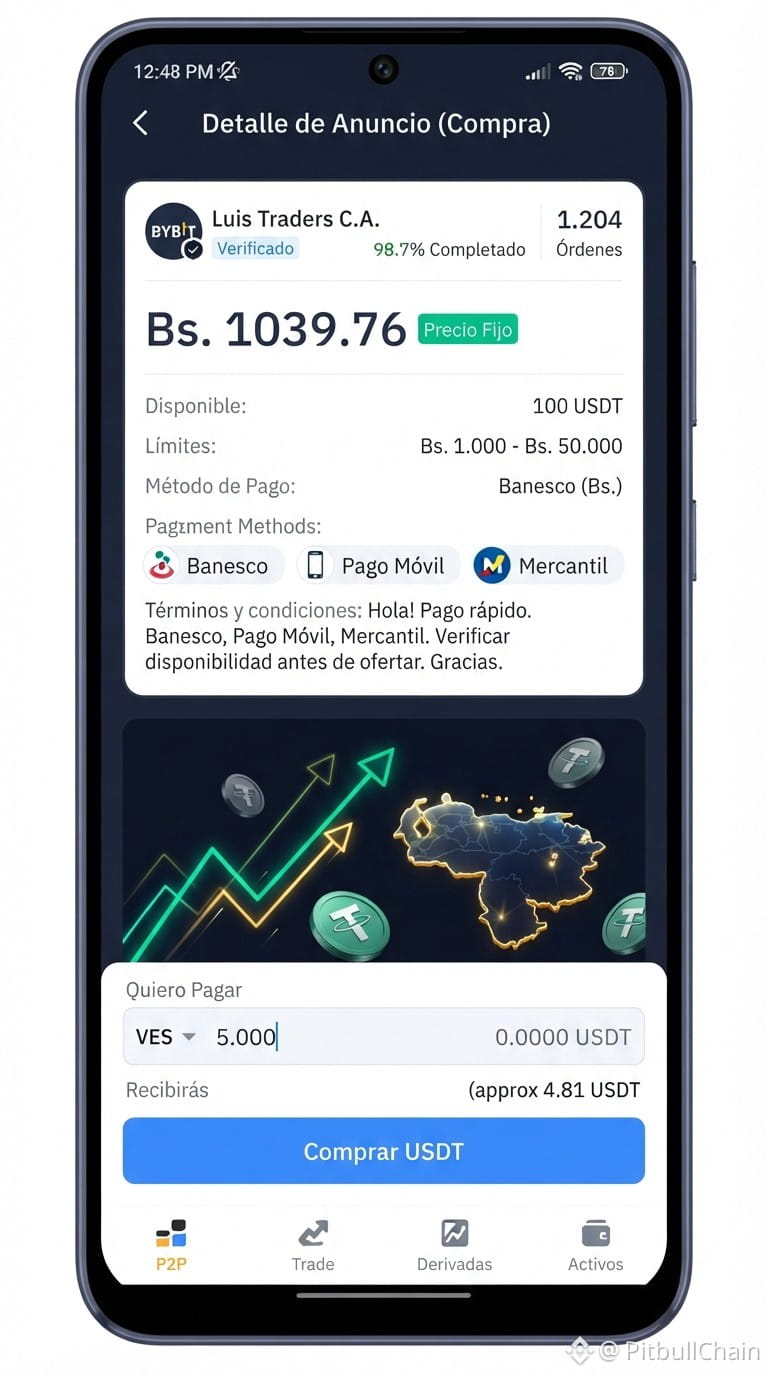
علاوة USDT تبلغ 17,18%: اتساع الفارق إلى 70 بوليفارًابدأ تداول USDT هذا الاثنين عند 1.039,76 بوليفار، وقفزت العلاوة مقارنةً بسعر BCV إلى 17,18%. هذا هو الرقم الذي يتحكم اليوم في سوق التداول بين الأفراد (P2P) في فنزويلا. 👀
قبل أسابيع، كانت العلاوة تتراجع، واحتفل كثيرون بانحسار الفجوة. أما اليوم، فتحكي الأرقام قصة أخرى: يحدد BCV السعر عند 887,30 بوليفار، بينما يُباع الدولار الرقمي بسعر يزيد بنحو 152 بوليفارًا. ليست هذه ضجة عابرة ليوم واحد، بل صورة لسوق يرزح تحت الضغط.
📌 ما تقوله الأرقام
• شراء $USDT: 1.039,76 بوليفار
• بيع $USDT: 969,61 بوليفار
علاوة USDT تبلغ 17,18%: اتساع الفارق إلى 70 بوليفارًا
بدأ تداول USDT هذا الاثنين عند 1.039,76 بوليفار، وقفزت العلاوة مقارنةً بسعر BCV إلى 17,18%. هذا هو الرقم الذي يتحكم اليوم في سوق التداول بين الأفراد (P2P) في فنزويلا. 👀
قبل أسابيع، كانت العلاوة تتراجع، واحتفل كثيرون بانحسار الفجوة. أما اليوم، فتحكي الأرقام قصة أخرى: يحدد BCV السعر عند 887,30 بوليفار، بينما يُباع الدولار الرقمي بسعر يزيد بنحو 152 بوليفارًا. ليست هذه ضجة عابرة ليوم واحد، بل صورة لسوق يرزح تحت الضغط.
📌 ما تقوله الأرقام
• شراء $USDT: 1.039,76 بوليفار
• بيع $USDT: 969,61 بوليفار
قبل أسابيع، كانت العلاوة تتراجع، واحتفل كثيرون بانحسار الفجوة. أما اليوم، فتحكي الأرقام قصة أخرى: يحدد BCV السعر عند 887,30 بوليفار، بينما يُباع الدولار الرقمي بسعر يزيد بنحو 152 بوليفارًا. ليست هذه ضجة عابرة ليوم واحد، بل صورة لسوق يرزح تحت الضغط.
📌 ما تقوله الأرقام
• شراء $USDT: 1.039,76 بوليفار
• بيع $USDT: 969,61 بوليفار
4

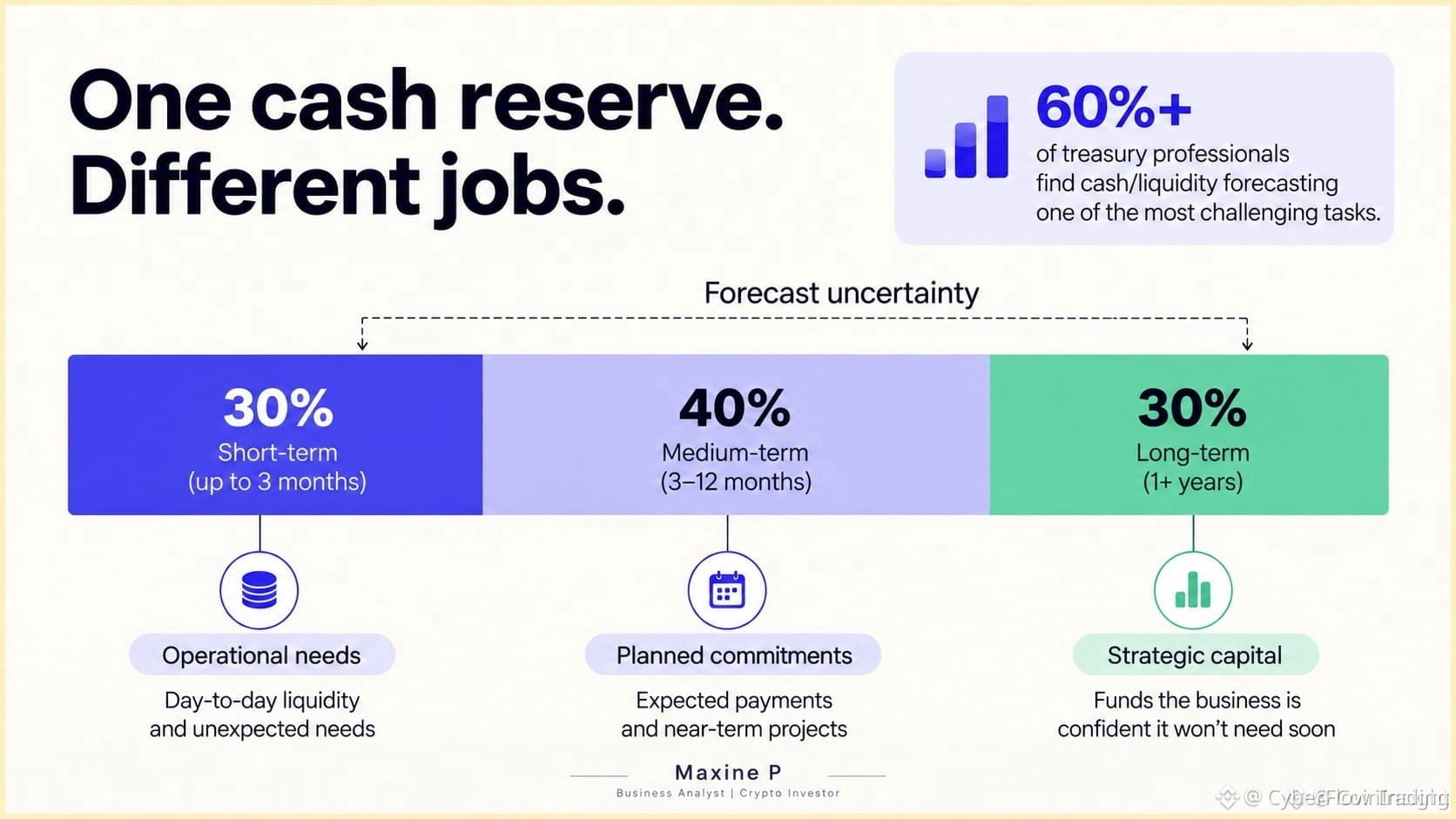
🚀 $USDT LIQUIDITY PLAYBOOK: إتقان تخصيص السيولة النقدية في العملات المشفرة 🟢
📊 يعترف ما يقرب من نصف المتخصصين في مجال التمويل بأن التنبؤ بالتدفق النقدي هو أصعب مهمة. إن تقسيم الخزانة إلى صناديق تشغيلية واحتياطية واستراتيجية طويلة الأجل يتيح لك تخصيص وسائد سيولة مميزة — فكر في احتياطي J.P. Morgan لمدة 6 أشهر مقابل مخزون استراتيجي لمدة عام. 📌
🦈 إن مواءمة آجال الاستحقاق مع كل صندوق يضيف مرونة؛ إذ أصبحت المنصات على إحدى البورصات من الدرجة الأولى تقدم الآن خطط إقراض للعملات المشفرة من 10 أيام إلى سنوات، بدءًا من 600k USDT. ضع حدودًا صارمة الآن حتى لا تُفاجأ عندما يتغير السوق. 💡
💬 كيف توازن بين احتياجاتك الفورية من السيولة والتعرض طويل الأجل للعملات المشفرة؟ 👇
⚠️ هذه ليست نصيحة مالية. قم دائمًا بإدارة مخاطرِك. 🛡️
🏷️ #USDT #LiquidityManagement #Crypto #FundAllocation
🔥 💎
🚀 $USDT LIQUIDITY PLAYBOOK: إتقان تخصيص السيولة النقدية في العملات المشفرة 🟢
📊 يعترف ما يقرب من نصف المتخصصين في مجال التمويل بأن التنبؤ بالتدفق النقدي هو أصعب مهمة. إن تقسيم الخزانة إلى صناديق تشغيلية واحتياطية واستراتيجية طويلة الأجل يتيح لك تخصيص وسائد سيولة مميزة — فكر في احتياطي J.P. Morgan لمدة 6 أشهر مقابل مخزون استراتيجي لمدة عام. 📌
🦈 إن مواءمة آجال الاستحقاق مع كل صندوق يضيف مرونة؛ إذ أصبحت المنصات على إحدى البورصات من الدرجة الأولى تقدم الآن خطط إقراض للعملات المشفرة من 10 أيام إلى سنوات، بدءًا من 600k USDT. ضع حدودًا صارمة الآن حتى لا تُفاجأ عندما يتغير السوق. 💡
💬 كيف توازن بين احتياجاتك الفورية من السيولة والتعرض طويل الأجل للعملات المشفرة؟ 👇
⚠️ هذه ليست نصيحة مالية. قم دائمًا بإدارة مخاطرِك. 🛡️
🏷️ #USDT #LiquidityManagement #Crypto #FundAllocation
🔥 💎
📊 يعترف ما يقرب من نصف المتخصصين في مجال التمويل بأن التنبؤ بالتدفق النقدي هو أصعب مهمة. إن تقسيم الخزانة إلى صناديق تشغيلية واحتياطية واستراتيجية طويلة الأجل يتيح لك تخصيص وسائد سيولة مميزة — فكر في احتياطي J.P. Morgan لمدة 6 أشهر مقابل مخزون استراتيجي لمدة عام. 📌
🦈 إن مواءمة آجال الاستحقاق مع كل صندوق يضيف مرونة؛ إذ أصبحت المنصات على إحدى البورصات من الدرجة الأولى تقدم الآن خطط إقراض للعملات المشفرة من 10 أيام إلى سنوات، بدءًا من 600k USDT. ضع حدودًا صارمة الآن حتى لا تُفاجأ عندما يتغير السوق. 💡
💬 كيف توازن بين احتياجاتك الفورية من السيولة والتعرض طويل الأجل للعملات المشفرة؟ 👇
⚠️ هذه ليست نصيحة مالية. قم دائمًا بإدارة مخاطرِك. 🛡️
🏷️ #USDT #LiquidityManagement #Crypto #FundAllocation
🔥 💎
14

·
--
تدفّق 12.73 مليار دولار إلى خارج العملات المستقرة خلال 3 أسابيع
تراجع سوق العملات المستقرة إلى 300.36 مليار دولار؛ وتصدّر كلٌّ من Tether USDT وCircle USDC التدفقات الخارجة، إذ خسر USDC مبلغ 4.69 مليار دولار خلال 30 يومًا.
قد يؤدي تقلّص السيولة إلى تشديد التمويل في سوق العملات المشفرة.
#USDT
تدفّق 12.73 مليار دولار إلى خارج العملات المستقرة خلال 3 أسابيع
تراجع سوق العملات المستقرة إلى 300.36 مليار دولار؛ وتصدّر كلٌّ من Tether USDT وCircle USDC التدفقات الخارجة، إذ خسر USDC مبلغ 4.69 مليار دولار خلال 30 يومًا.
قد يؤدي تقلّص السيولة إلى تشديد التمويل في سوق العملات المشفرة.
#USDT
تراجع سوق العملات المستقرة إلى 300.36 مليار دولار؛ وتصدّر كلٌّ من Tether USDT وCircle USDC التدفقات الخارجة، إذ خسر USDC مبلغ 4.69 مليار دولار خلال 30 يومًا.
قد يؤدي تقلّص السيولة إلى تشديد التمويل في سوق العملات المشفرة.
#USDT
232
·
--
العملات المستقرة «تنكمش»: انخفضت 5.5 مليار دولار خلال 19 يومًا. 📉
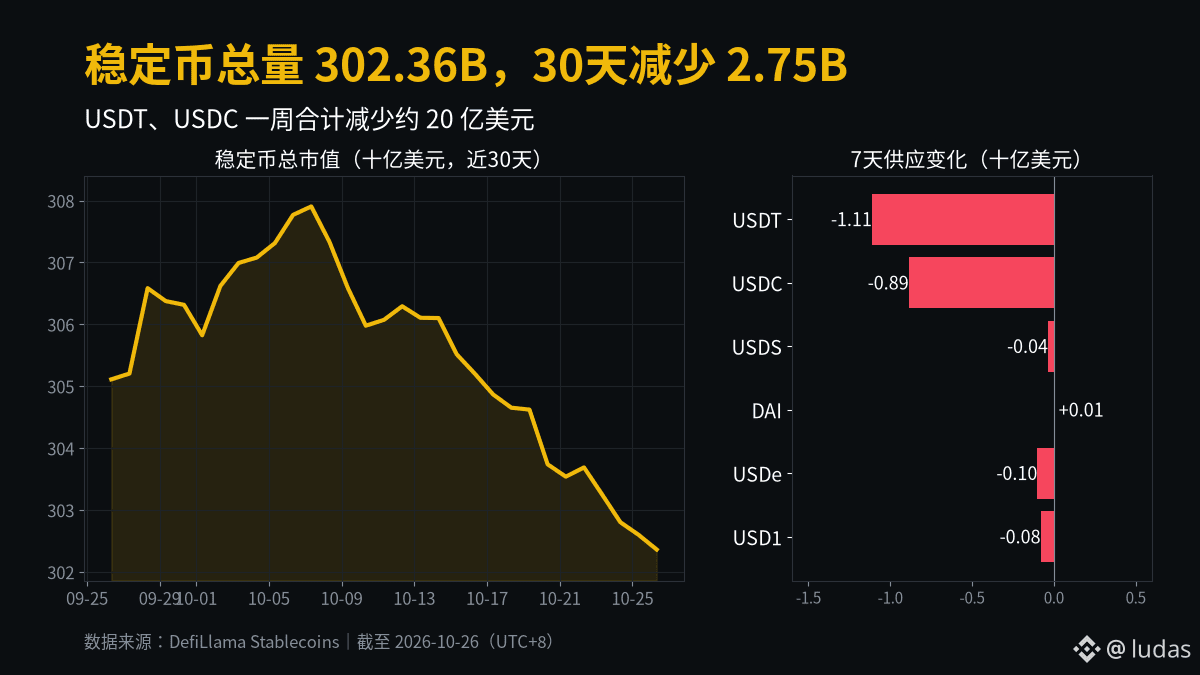
📊 وفقًا لـ DefiLlama، بلغت القيمة السوقية الإجمالية للعملات المستقرة ذروتها عند نحو 307.9 مليار دولار في 7 أكتوبر، ثم تراجعت إلى نحو 302.36 مليار دولار في 26 أكتوبر، بصافي انخفاض يقارب 2.75 مليار دولار خلال 30 يومًا.
🔻 التدفقات الخارجة تتركز في العملات الكبرى: خلال الأيام السبعة الماضية، انخفض $USDT بنحو 1.11 مليار دولار (إلى نحو 182.27 مليارًا حاليًا)، وانخفض $USDC بنحو 890 مليون دولار (إلى نحو 71.69 مليارًا حاليًا).
🟢 استثناءات صغيرة: ارتفع PYUSD بمقدار 110 ملايين دولار خلال أسبوع، وUSDG بمقدار 50 مليونًا، لكن حجمهما صغير جدًا بحيث لا يغيّر الاتجاه العام.
🌐 بحسب الشبكة، تبلغ القيمة نحو 142.7 مليار دولار على إيثيريوم، و93.9 مليارًا على ترون، و15.6 مليارًا على Solana، و13.1 مليارًا على BSC؛ وما تزال هذه الشبكات الأربع معاقل العملات المستقرة الرئيسية.
💡 وجهة نظري: العملات المستقرة بمثابة «ذخيرة جافة» داخل السوق؛ وعندما يستمر المعروض في التراجع، غالبًا ما تصبح عودة السوق للارتفاع أصعب. وهذا يتوافق مع حركة BTC هذا الأسبوع، إذ عاد إلى ما دون 80 ألفًا. سأنتظر حتى يعود الإجمالي إلى الارتفاع، ثم أعتبر ذلك إشارة إلى عودة تدفق الأموال. (ليس نصيحة استثمارية)
برأيكم، هل يعني هذا خروج الأموال من السوق، أم أنها انتقلت فحسب إلى خارج السلسلة أو إلى منتجات الاستثمار؟ شاركونا آراءكم 👇
#稳定币 #链上数据 #USDT $USDT $USDC
العملات المستقرة «تنكمش»: انخفضت 5.5 مليار دولار خلال 19 يومًا. 📉
📊 وفقًا لـ DefiLlama، بلغت القيمة السوقية الإجمالية للعملات المستقرة ذروتها عند نحو 307.9 مليار دولار في 7 أكتوبر، ثم تراجعت إلى نحو 302.36 مليار دولار في 26 أكتوبر، بصافي انخفاض يقارب 2.75 مليار دولار خلال 30 يومًا.
🔻 التدفقات الخارجة تتركز في العملات الكبرى: خلال الأيام السبعة الماضية، انخفض $USDT بنحو 1.11 مليار دولار (إلى نحو 182.27 مليارًا حاليًا)، وانخفض $USDC بنحو 890 مليون دولار (إلى نحو 71.69 مليارًا حاليًا).
🟢 استثناءات صغيرة: ارتفع PYUSD بمقدار 110 ملايين دولار خلال أسبوع، وUSDG بمقدار 50 مليونًا، لكن حجمهما صغير جدًا بحيث لا يغيّر الاتجاه العام.
🌐 بحسب الشبكة، تبلغ القيمة نحو 142.7 مليار دولار على إيثيريوم، و93.9 مليارًا على ترون، و15.6 مليارًا على Solana، و13.1 مليارًا على BSC؛ وما تزال هذه الشبكات الأربع معاقل العملات المستقرة الرئيسية.
💡 وجهة نظري: العملات المستقرة بمثابة «ذخيرة جافة» داخل السوق؛ وعندما يستمر المعروض في التراجع، غالبًا ما تصبح عودة السوق للارتفاع أصعب. وهذا يتوافق مع حركة BTC هذا الأسبوع، إذ عاد إلى ما دون 80 ألفًا. سأنتظر حتى يعود الإجمالي إلى الارتفاع، ثم أعتبر ذلك إشارة إلى عودة تدفق الأموال. (ليس نصيحة استثمارية)
برأيكم، هل يعني هذا خروج الأموال من السوق، أم أنها انتقلت فحسب إلى خارج السلسلة أو إلى منتجات الاستثمار؟ شاركونا آراءكم 👇
#稳定币 #链上数据 #USDT $USDT $USDC
📊 وفقًا لـ DefiLlama، بلغت القيمة السوقية الإجمالية للعملات المستقرة ذروتها عند نحو 307.9 مليار دولار في 7 أكتوبر، ثم تراجعت إلى نحو 302.36 مليار دولار في 26 أكتوبر، بصافي انخفاض يقارب 2.75 مليار دولار خلال 30 يومًا.
🔻 التدفقات الخارجة تتركز في العملات الكبرى: خلال الأيام السبعة الماضية، انخفض $USDT بنحو 1.11 مليار دولار (إلى نحو 182.27 مليارًا حاليًا)، وانخفض $USDC بنحو 890 مليون دولار (إلى نحو 71.69 مليارًا حاليًا).
🟢 استثناءات صغيرة: ارتفع PYUSD بمقدار 110 ملايين دولار خلال أسبوع، وUSDG بمقدار 50 مليونًا، لكن حجمهما صغير جدًا بحيث لا يغيّر الاتجاه العام.
🌐 بحسب الشبكة، تبلغ القيمة نحو 142.7 مليار دولار على إيثيريوم، و93.9 مليارًا على ترون، و15.6 مليارًا على Solana، و13.1 مليارًا على BSC؛ وما تزال هذه الشبكات الأربع معاقل العملات المستقرة الرئيسية.
💡 وجهة نظري: العملات المستقرة بمثابة «ذخيرة جافة» داخل السوق؛ وعندما يستمر المعروض في التراجع، غالبًا ما تصبح عودة السوق للارتفاع أصعب. وهذا يتوافق مع حركة BTC هذا الأسبوع، إذ عاد إلى ما دون 80 ألفًا. سأنتظر حتى يعود الإجمالي إلى الارتفاع، ثم أعتبر ذلك إشارة إلى عودة تدفق الأموال. (ليس نصيحة استثمارية)
برأيكم، هل يعني هذا خروج الأموال من السوق، أم أنها انتقلت فحسب إلى خارج السلسلة أو إلى منتجات الاستثمار؟ شاركونا آراءكم 👇
#稳定币 #链上数据 #USDT $USDT $USDC
1
62

·
--
خسارة محفظة CoinDCX القديمة 15.99 مليون USDT؛ لا تعاود استخدام عناوين الإيداع السابقة
قالت CoinDCX إنها تحمّلت الخسارة، لكن ذلك لا يعني أن العناوين القديمة أصبحت آمنة مجدداً. إذا كنت تستخدم المنصة، فتوقف عن إعادة استخدام عناوين الإيداع السابقة، وتحقق من أحدث عنوان عبر التطبيق الرسمي قبل كل إيداع.
في إعلان صدر في 25 أكتوبر، قالت المنصة إنها رصدت نشاطاً غير طبيعي في 21 أكتوبر، ثم اكتشفت في 22 أكتوبر تحركات غير اعتيادية للأموال في محفظة قديمة. وقد تعطلت خدمة تحويل الأموال تلقائياً، فتراكمت الإيداعات في العنوان القديم، ما أدى إلى خسارة 15.99 مليون USDT. وكان هذا النظام القديم قد تضرر في حادثة كُشف عنها في يوليو 2025.
أهم ما ينبغي الانتباه إليه هو تسلسل الخطوتين: وفقاً لما ذكرته الشركة، تُقيّد المنصة المبلغ أولاً في حساب المستخدم، ثم تنقل العملات من العنوان القديم. إتمام الخطوة الأولى لا يعني نجاح الثانية؛ وظهور الرصيد بشكل طبيعي في الحساب لا يكفي وحده للتحقق من سلامة إجراءات حفظ الأموال في الأنظمة الخلفية.
وقالت الشركة إن المحافظ المستخدمة حالياً والتداول وأرصدة المستخدمين لم تتأثر، لكن ذلك لا يُعد تدقيقاً أمنياً مستقلاً. وأظهر التحقق على السلسلة الذي حدّثته Bitquery في 23 أكتوبر استمرار نشاط تجميع الأموال في العناوين القديمة المعنية يوم وقوع الحادث. لذا، لا ينبغي فهم «إيقافها» على أنه يعني انعدام حركة الأموال.
خلال الساعات الـ72 المقبلة، سأراقب ما إذا كانت الشركة ستكشف عن فترة الإخفاق، ونطاق العناوين المتأثرة، ونتائج التحقق من الإصلاح. وإذا امتد الخلل إلى المحافظ المستخدمة حالياً أو إلى عمليات السحب الاعتيادية، فسأوسّع تقييم المخاطر؛ ولن أخفض مستوى التحذير إلا إذا أمكن التحقق من نتائج الإصلاح ومطابقة أموال المستخدمين. تحديث العنوان إجراء وقائي من جانب المستخدم، لكنه لا يعفي المنصة من مسؤولية مراقبة النظام القديم.
#资产安全 #CoinDCX #USDT
خسارة محفظة CoinDCX القديمة 15.99 مليون USDT؛ لا تعاود استخدام عناوين الإيداع السابقة
قالت CoinDCX إنها تحمّلت الخسارة، لكن ذلك لا يعني أن العناوين القديمة أصبحت آمنة مجدداً. إذا كنت تستخدم المنصة، فتوقف عن إعادة استخدام عناوين الإيداع السابقة، وتحقق من أحدث عنوان عبر التطبيق الرسمي قبل كل إيداع.
في إعلان صدر في 25 أكتوبر، قالت المنصة إنها رصدت نشاطاً غير طبيعي في 21 أكتوبر، ثم اكتشفت في 22 أكتوبر تحركات غير اعتيادية للأموال في محفظة قديمة. وقد تعطلت خدمة تحويل الأموال تلقائياً، فتراكمت الإيداعات في العنوان القديم، ما أدى إلى خسارة 15.99 مليون USDT. وكان هذا النظام القديم قد تضرر في حادثة كُشف عنها في يوليو 2025.
أهم ما ينبغي الانتباه إليه هو تسلسل الخطوتين: وفقاً لما ذكرته الشركة، تُقيّد المنصة المبلغ أولاً في حساب المستخدم، ثم تنقل العملات من العنوان القديم. إتمام الخطوة الأولى لا يعني نجاح الثانية؛ وظهور الرصيد بشكل طبيعي في الحساب لا يكفي وحده للتحقق من سلامة إجراءات حفظ الأموال في الأنظمة الخلفية.
وقالت الشركة إن المحافظ المستخدمة حالياً والتداول وأرصدة المستخدمين لم تتأثر، لكن ذلك لا يُعد تدقيقاً أمنياً مستقلاً. وأظهر التحقق على السلسلة الذي حدّثته Bitquery في 23 أكتوبر استمرار نشاط تجميع الأموال في العناوين القديمة المعنية يوم وقوع الحادث. لذا، لا ينبغي فهم «إيقافها» على أنه يعني انعدام حركة الأموال.
خلال الساعات الـ72 المقبلة، سأراقب ما إذا كانت الشركة ستكشف عن فترة الإخفاق، ونطاق العناوين المتأثرة، ونتائج التحقق من الإصلاح. وإذا امتد الخلل إلى المحافظ المستخدمة حالياً أو إلى عمليات السحب الاعتيادية، فسأوسّع تقييم المخاطر؛ ولن أخفض مستوى التحذير إلا إذا أمكن التحقق من نتائج الإصلاح ومطابقة أموال المستخدمين. تحديث العنوان إجراء وقائي من جانب المستخدم، لكنه لا يعفي المنصة من مسؤولية مراقبة النظام القديم.
#资产安全 #CoinDCX #USDT
قالت CoinDCX إنها تحمّلت الخسارة، لكن ذلك لا يعني أن العناوين القديمة أصبحت آمنة مجدداً. إذا كنت تستخدم المنصة، فتوقف عن إعادة استخدام عناوين الإيداع السابقة، وتحقق من أحدث عنوان عبر التطبيق الرسمي قبل كل إيداع.
في إعلان صدر في 25 أكتوبر، قالت المنصة إنها رصدت نشاطاً غير طبيعي في 21 أكتوبر، ثم اكتشفت في 22 أكتوبر تحركات غير اعتيادية للأموال في محفظة قديمة. وقد تعطلت خدمة تحويل الأموال تلقائياً، فتراكمت الإيداعات في العنوان القديم، ما أدى إلى خسارة 15.99 مليون USDT. وكان هذا النظام القديم قد تضرر في حادثة كُشف عنها في يوليو 2025.
أهم ما ينبغي الانتباه إليه هو تسلسل الخطوتين: وفقاً لما ذكرته الشركة، تُقيّد المنصة المبلغ أولاً في حساب المستخدم، ثم تنقل العملات من العنوان القديم. إتمام الخطوة الأولى لا يعني نجاح الثانية؛ وظهور الرصيد بشكل طبيعي في الحساب لا يكفي وحده للتحقق من سلامة إجراءات حفظ الأموال في الأنظمة الخلفية.
وقالت الشركة إن المحافظ المستخدمة حالياً والتداول وأرصدة المستخدمين لم تتأثر، لكن ذلك لا يُعد تدقيقاً أمنياً مستقلاً. وأظهر التحقق على السلسلة الذي حدّثته Bitquery في 23 أكتوبر استمرار نشاط تجميع الأموال في العناوين القديمة المعنية يوم وقوع الحادث. لذا، لا ينبغي فهم «إيقافها» على أنه يعني انعدام حركة الأموال.
خلال الساعات الـ72 المقبلة، سأراقب ما إذا كانت الشركة ستكشف عن فترة الإخفاق، ونطاق العناوين المتأثرة، ونتائج التحقق من الإصلاح. وإذا امتد الخلل إلى المحافظ المستخدمة حالياً أو إلى عمليات السحب الاعتيادية، فسأوسّع تقييم المخاطر؛ ولن أخفض مستوى التحذير إلا إذا أمكن التحقق من نتائج الإصلاح ومطابقة أموال المستخدمين. تحديث العنوان إجراء وقائي من جانب المستخدم، لكنه لا يعفي المنصة من مسؤولية مراقبة النظام القديم.
#资产安全 #CoinDCX #USDT
60

·
--
🎯 ملك التداول اليوم ليس BTC فعلًا
📰 بلغ إجمالي تداول USDT وUSDC معًا 31.8 مليارًا، أي 2.2 ضعف تداول BTC. وبلغ إجمالي التداول في السوق خلال 24 ساعة 42.8 مليارًا فقط، ما يعادل 1.6% من القيمة السوقية؛ والسيولة تكاد تنفد.
💬 باختصار، الأموال تتحرك ذهابًا وإيابًا بين خزائن العملات المستقرة، فلا أحد يدخل السوق فعليًا ولا أحد يخرج منه فعلًا. هذا النشاط الظاهري زائف، وعمق دفتر الأوامر أضعف بكثير مما يبدو.
🏷️ #稳定币 #USDT #流动性 #حجم التداول
🎯 ملك التداول اليوم ليس BTC فعلًا
📰 بلغ إجمالي تداول USDT وUSDC معًا 31.8 مليارًا، أي 2.2 ضعف تداول BTC. وبلغ إجمالي التداول في السوق خلال 24 ساعة 42.8 مليارًا فقط، ما يعادل 1.6% من القيمة السوقية؛ والسيولة تكاد تنفد.
💬 باختصار، الأموال تتحرك ذهابًا وإيابًا بين خزائن العملات المستقرة، فلا أحد يدخل السوق فعليًا ولا أحد يخرج منه فعلًا. هذا النشاط الظاهري زائف، وعمق دفتر الأوامر أضعف بكثير مما يبدو.
🏷️ #稳定币 #USDT #流动性 #حجم التداول
📰 بلغ إجمالي تداول USDT وUSDC معًا 31.8 مليارًا، أي 2.2 ضعف تداول BTC. وبلغ إجمالي التداول في السوق خلال 24 ساعة 42.8 مليارًا فقط، ما يعادل 1.6% من القيمة السوقية؛ والسيولة تكاد تنفد.
💬 باختصار، الأموال تتحرك ذهابًا وإيابًا بين خزائن العملات المستقرة، فلا أحد يدخل السوق فعليًا ولا أحد يخرج منه فعلًا. هذا النشاط الظاهري زائف، وعمق دفتر الأوامر أضعف بكثير مما يبدو.
🏷️ #稳定币 #USDT #流动性 #حجم التداول
34
·
--
🎯 العملات المستقرة تتفوق على الجميع، وحجم تداولها ثلاثة أضعاف العملات البديلة
📰 بلغ حجم تداول USDT نحو 25.8 مليارًا، وUSDC نحو 5.6 مليارات؛ ومجموعهما يعادل حجم تداول ثلاثة SOL. تراجع BNB بنسبة 0.02% وارتفع TRX بنسبة 0.31%، وهذان وحدهما يصمدان.
💬 هذه إشارة لافتة. أصول المخاطر كلها بلا زخم، والأموال محتشدة عند بوابة العبور تترقب، ولا أحد يريد أن يدخل السوق أولًا. أصبح الاستقرار أسلوب الهجوم في الوقت الراهن.
🏷️ #稳定币 #USDT #USDC #تدفقات الأموال
🎯 العملات المستقرة تتفوق على الجميع، وحجم تداولها ثلاثة أضعاف العملات البديلة
📰 بلغ حجم تداول USDT نحو 25.8 مليارًا، وUSDC نحو 5.6 مليارات؛ ومجموعهما يعادل حجم تداول ثلاثة SOL. تراجع BNB بنسبة 0.02% وارتفع TRX بنسبة 0.31%، وهذان وحدهما يصمدان.
💬 هذه إشارة لافتة. أصول المخاطر كلها بلا زخم، والأموال محتشدة عند بوابة العبور تترقب، ولا أحد يريد أن يدخل السوق أولًا. أصبح الاستقرار أسلوب الهجوم في الوقت الراهن.
🏷️ #稳定币 #USDT #USDC #تدفقات الأموال
📰 بلغ حجم تداول USDT نحو 25.8 مليارًا، وUSDC نحو 5.6 مليارات؛ ومجموعهما يعادل حجم تداول ثلاثة SOL. تراجع BNB بنسبة 0.02% وارتفع TRX بنسبة 0.31%، وهذان وحدهما يصمدان.
💬 هذه إشارة لافتة. أصول المخاطر كلها بلا زخم، والأموال محتشدة عند بوابة العبور تترقب، ولا أحد يريد أن يدخل السوق أولًا. أصبح الاستقرار أسلوب الهجوم في الوقت الراهن.
🏷️ #稳定币 #USDT #USDC #تدفقات الأموال
58
·
--
في خسارة CoinDCX التي بلغت نحو 15.99 مليون $USDT هذه المرة، لم تكن المشكلة في المحفظة الجديدة، بل في «عنوان قديم لم يُوقف بالكامل». ووفقًا لبيان CoinDCX الصادر في 25 أكتوبر، استُخدمت محفظة تشغيل قديمة كانت قد أُهملت بعد الحادثة الأمنية في يوليو 2025، لكن بعض المستخدمين ظلوا يودعون الأموال في العنوان القديم، بينما «تعطّل لفترة من الزمن» البرنامج الآلي المسؤول عن تحويل هذه الإيداعات إلى المحفظة الآمنة. فتراكمت الأموال في العنوان القديم، إلى أن سُرقت في نهاية المطاف. وتحمّلت المنصة الخسائر، وقد أُضيفت الأرصدة إلى حسابات المستخدمين. وفي 22 أكتوبر عند الساعة 22:45 بالتوقيت العالمي المنسق (UTC)، جمّدت Tether تسعة عناوين TRON ذات صلة، بلغ مجموع أرصدتها نحو 2.21 مليون USDT. ووفقًا لبيانات Bitquery، حدث التجميد بعد نحو 31 ساعة من التحويل الرئيسي، ولم يشمل سوى نحو 14% من الأموال؛ إذ كان قد وصل قبل ذلك نحو 5.46 مليون دولار إلى OKX، ونحو 2.61 مليون دولار إلى Binance، ونحو 1.39 مليون دولار إلى Gate. والدرس البسيط للمستخدمين العاديين هو: أعِد التحقق من أحدث عنوان للإيداع في التطبيق قبل كل عملية إيداع، ولا تعتمد على سجل سابق أو لقطة شاشة قديمة. أما المنصات، فمن الأفضل أن توقف نهائيًا استخدام العناوين التي سبق تسريبها، بدلًا من «مواصلة استقبال الأموال ثم تحويلها إلى مكان آخر».
#链上安全 #USDT #稳定币 #TRON
في خسارة CoinDCX التي بلغت نحو 15.99 مليون $USDT هذه المرة، لم تكن المشكلة في المحفظة الجديدة، بل في «عنوان قديم لم يُوقف بالكامل». ووفقًا لبيان CoinDCX الصادر في 25 أكتوبر، استُخدمت محفظة تشغيل قديمة كانت قد أُهملت بعد الحادثة الأمنية في يوليو 2025، لكن بعض المستخدمين ظلوا يودعون الأموال في العنوان القديم، بينما «تعطّل لفترة من الزمن» البرنامج الآلي المسؤول عن تحويل هذه الإيداعات إلى المحفظة الآمنة. فتراكمت الأموال في العنوان القديم، إلى أن سُرقت في نهاية المطاف. وتحمّلت المنصة الخسائر، وقد أُضيفت الأرصدة إلى حسابات المستخدمين. وفي 22 أكتوبر عند الساعة 22:45 بالتوقيت العالمي المنسق (UTC)، جمّدت Tether تسعة عناوين TRON ذات صلة، بلغ مجموع أرصدتها نحو 2.21 مليون USDT. ووفقًا لبيانات Bitquery، حدث التجميد بعد نحو 31 ساعة من التحويل الرئيسي، ولم يشمل سوى نحو 14% من الأموال؛ إذ كان قد وصل قبل ذلك نحو 5.46 مليون دولار إلى OKX، ونحو 2.61 مليون دولار إلى Binance، ونحو 1.39 مليون دولار إلى Gate. والدرس البسيط للمستخدمين العاديين هو: أعِد التحقق من أحدث عنوان للإيداع في التطبيق قبل كل عملية إيداع، ولا تعتمد على سجل سابق أو لقطة شاشة قديمة. أما المنصات، فمن الأفضل أن توقف نهائيًا استخدام العناوين التي سبق تسريبها، بدلًا من «مواصلة استقبال الأموال ثم تحويلها إلى مكان آخر».
#链上安全 #USDT #稳定币 #TRON
#链上安全 #USDT #稳定币 #TRON
1
82
·
--
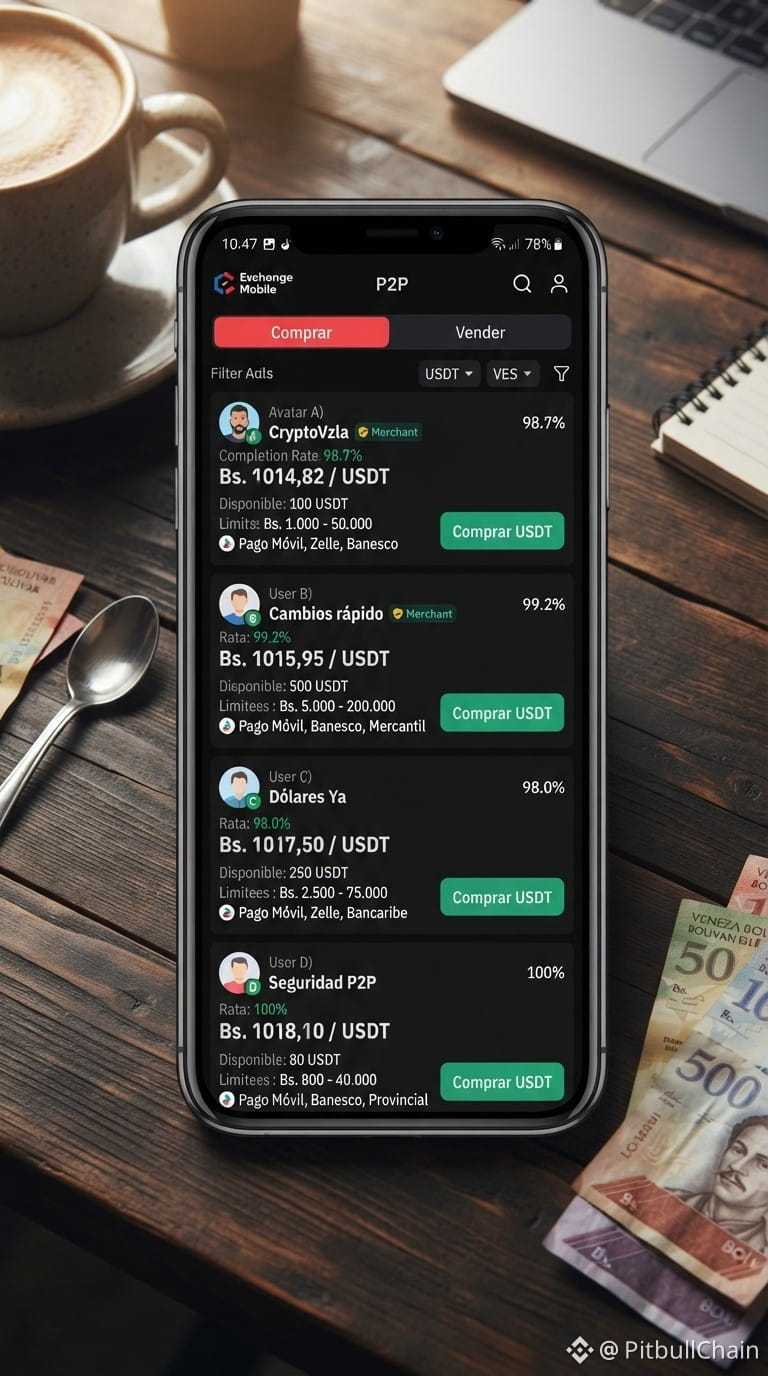
يفتتح سوق P2P هذا الأحد وسعر USDT يبلغ 1.014,82 بوليفار للشراء و975,37 بوليفار للبيع: فارق سعري 4,04% وعلاوة 14,37% مقارنةً بسعر BCV (887,30 بوليفار). 📊
مع 233 عرضًا نشطًا فقط، دفتر الطلبات ضعيف السيولة: تحقّق من سمعة التاجر والحد الأدنى للمبلغ والبنك قبل تحويل أي بوليفار. لا يرحم $USDT العجلة.
📊 الأسعار والتحليلات مباشرةً على https://pitbullchain.com
$USDT #USDT #P2P #Venezuela #BinanceSquare #DolarVenezuela
يفتتح سوق P2P هذا الأحد وسعر USDT يبلغ 1.014,82 بوليفار للشراء و975,37 بوليفار للبيع: فارق سعري 4,04% وعلاوة 14,37% مقارنةً بسعر BCV (887,30 بوليفار). 📊
مع 233 عرضًا نشطًا فقط، دفتر الطلبات ضعيف السيولة: تحقّق من سمعة التاجر والحد الأدنى للمبلغ والبنك قبل تحويل أي بوليفار. لا يرحم $USDT العجلة.
📊 الأسعار والتحليلات مباشرةً على https://pitbullchain.com
$USDT #USDT #P2P #Venezuela #BinanceSquare #DolarVenezuela
مع 233 عرضًا نشطًا فقط، دفتر الطلبات ضعيف السيولة: تحقّق من سمعة التاجر والحد الأدنى للمبلغ والبنك قبل تحويل أي بوليفار. لا يرحم $USDT العجلة.
📊 الأسعار والتحليلات مباشرةً على https://pitbullchain.com
$USDT #USDT #P2P #Venezuela #BinanceSquare #DolarVenezuela
1
277
سجّل الدخول لاستكشاف المزيد من المُحتوى
انضم إلى مُستخدمي العملات الرقمية حول العالم على Binance Square
⚡️ احصل على أحدث المعلومات المفيدة عن العملات الرقمية.
💬 موثوقة من قبل أكبر منصّة لتداول العملات الرقمية في العالم.
👍 اكتشف الرؤى الحقيقية من صنّاع المُحتوى الموثوقين.
البريد الإلكتروني / رقم الهاتف
المواضيع الرائجة
1
#BinancePick
3M مشاهدات
152,590 يقومون بالنقاش
2
#EarningsSeason
5.3M مشاهدات
25,956 يقومون بالنقاش
3
#AnthropicTTMRevenueGrewAbout1200%
27,752 مشاهدات
397 يقومون بالنقاش
4
#AnthropicS1ExpectedToday
25,059 مشاهدات
331 يقومون بالنقاش
5
#SouthKoreaReportedlyWeighsFourthCryptoTaxDelay
29,709 مشاهدات
455 يقومون بالنقاش
6
#FranklinTempletonFilesForTwoDividendToBitcoinETFs
39,106 مشاهدات
529 يقومون بالنقاش
7
#StrategyMSTRSurpassesNasdaqInMarketCap
29,595 مشاهدات
380 يقومون بالنقاش
8
#CanadaProposesStablecoinRedemptionWithin3BusinessDays
1,304 مشاهدات
36 يقومون بالنقاش
9
#ElectrumWalletBugLetRogueServersStealFunds
30,562 مشاهدات
457 يقومون بالنقاش
10
#ArgentineCourtDismissesLIBRACaseAgainstMilei
45,809 مشاهدات
569 يقومون بالنقاش