
Astik_Mondal_
5.4k منشورات

Astik_Mondal_
إبلاغ
حظر المُستخدم
Let's democratizing investing for everyone🌍 | Beginner to advanced breakdowns | crypto & macro | Let's grow together
فتح تداول
مُتداول عرضي
4.9 سنوات
0 تتابع
451 المتابعون
5.5K+ إعجاب
منشورات
الحافظة الاستثمارية
الكل
اقتباسات
مقاطع فيديو
🚨 تازر أصبح الآن مُقرضًا ذهبيًا بقيمة 1.5 مليار دولار على ما يبدو: ذكرت التقارير أن شركة Tether قد قدّمت قرضًا بقيمة 1.5 مليار دولار إلى Gold.com، وهي واحدة من أكبر تجار الذهب في أمريكا، ما يجعل Tether أكبر دائِن لها. كانت لدى Gold.com 1.7 مليار دولار من عقود الإيجار القائمة للمعادن الثمينة في نهاية يونيو. ويُقال إن Tether قد وفّرت معظم هذا التمويل. لكن إليكم ما يجعل الأمر مثيرًا للاهتمام… تمتلك Tether بالفعل حصة كبيرة جدًا من الذهب المادي. ووفقًا لـ Bloomberg، اعتبارًا من الربع الثاني، كانت الشركة تمتلك 146 طنًا من الذهب المادي بقيمة تقارب 20 مليار دولار. وهذا يعني أن Tether لا تقوم ببناء التعرض للأصول الرقمية فحسب. بل إنها أيضًا تتحول إلى لاعب رئيسي في سوق الذهب المادي. 1.5 مليار دولار في الإقراض. 146 طنًا من الذهب. نحو 20 مليار دولار من الذهب المادي. تتزايد ارتباطات الميزانية العمومية لدى Tether بالأصول الملموسة. والسؤال الأكبر: إلى أي مدى قد تصبح Tether مؤثرة في أسواق الذهب العالمية؟
#Tether #Gold #Bitcoin #Crypto #Markets $XAU $XAUT
🚨 تازر أصبح الآن مُقرضًا ذهبيًا بقيمة 1.5 مليار دولار على ما يبدو: ذكرت التقارير أن شركة Tether قد قدّمت قرضًا بقيمة 1.5 مليار دولار إلى Gold.com، وهي واحدة من أكبر تجار الذهب في أمريكا، ما يجعل Tether أكبر دائِن لها. كانت لدى Gold.com 1.7 مليار دولار من عقود الإيجار القائمة للمعادن الثمينة في نهاية يونيو. ويُقال إن Tether قد وفّرت معظم هذا التمويل. لكن إليكم ما يجعل الأمر مثيرًا للاهتمام… تمتلك Tether بالفعل حصة كبيرة جدًا من الذهب المادي. ووفقًا لـ Bloomberg، اعتبارًا من الربع الثاني، كانت الشركة تمتلك 146 طنًا من الذهب المادي بقيمة تقارب 20 مليار دولار. وهذا يعني أن Tether لا تقوم ببناء التعرض للأصول الرقمية فحسب. بل إنها أيضًا تتحول إلى لاعب رئيسي في سوق الذهب المادي. 1.5 مليار دولار في الإقراض. 146 طنًا من الذهب. نحو 20 مليار دولار من الذهب المادي. تتزايد ارتباطات الميزانية العمومية لدى Tether بالأصول الملموسة. والسؤال الأكبر: إلى أي مدى قد تصبح Tether مؤثرة في أسواق الذهب العالمية؟
#Tether #Gold #Bitcoin #Crypto #Markets $XAU $XAUT
#Tether #Gold #Bitcoin #Crypto #Markets $XAU $XAUT

1
108
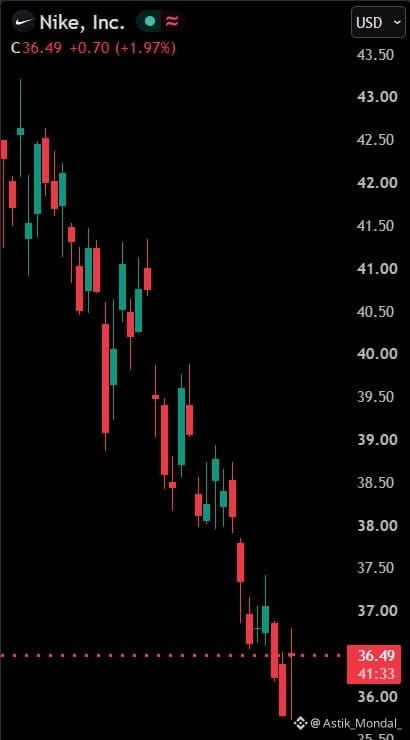
🚨 لا تزال NIKE تنزف و وول ستريت تفقد صبرها $NKE للتو تحطمت إلى أدنى مستوى لها في 52 أسبوعًا عند 36.45 دولارًا بعد أن خفّض روبرت دبليو بيرد تصنيف السهم من شراء قوي إلى احتفاظ. الضرر أصبح أصعب تجاهله. انخفضت نايكي الآن بحوالي 40% في 2026. بانخفاض يقارب 78% عن مستوياتها في 2021. ويتم تداولها بأسعار لم نشهدها منذ 2014. لكن هناك ضربة كبرى أخرى قادمة. في 21 سبتمبر، سيتم إزاحة Nike من مؤشر S&P 100 بعد 18 عامًا من التواجد في المؤشر. وفي الوقت نفسه، يقوم المطلعون ببيع أسهمهم بينما يقوم المحللون بتقليص موقفهم. هذا ليس مجرد يوم أحمر آخر لـ $NKE. إنها تذكير قاسٍ بكيف يمكن أن يختفي “الريادة” في السوق بسرعة. الآن، يراقب المستثمرون سؤالًا واحدًا: هل ستتمكن نايكي من إعادة بناء قصة نموها أم أن حقبة نايكي القديمة تتلاشى أخيرًا؟
#Nike #Stocks #StockMarket #Investing #WallStreet
🚨 لا تزال NIKE تنزف و وول ستريت تفقد صبرها $NKE للتو تحطمت إلى أدنى مستوى لها في 52 أسبوعًا عند 36.45 دولارًا بعد أن خفّض روبرت دبليو بيرد تصنيف السهم من شراء قوي إلى احتفاظ. الضرر أصبح أصعب تجاهله. انخفضت نايكي الآن بحوالي 40% في 2026. بانخفاض يقارب 78% عن مستوياتها في 2021. ويتم تداولها بأسعار لم نشهدها منذ 2014. لكن هناك ضربة كبرى أخرى قادمة. في 21 سبتمبر، سيتم إزاحة Nike من مؤشر S&P 100 بعد 18 عامًا من التواجد في المؤشر. وفي الوقت نفسه، يقوم المطلعون ببيع أسهمهم بينما يقوم المحللون بتقليص موقفهم. هذا ليس مجرد يوم أحمر آخر لـ $NKE. إنها تذكير قاسٍ بكيف يمكن أن يختفي “الريادة” في السوق بسرعة. الآن، يراقب المستثمرون سؤالًا واحدًا: هل ستتمكن نايكي من إعادة بناء قصة نموها أم أن حقبة نايكي القديمة تتلاشى أخيرًا؟
#Nike #Stocks #StockMarket #Investing #WallStreet
#Nike #Stocks #StockMarket #Investing #WallStreet
2
236
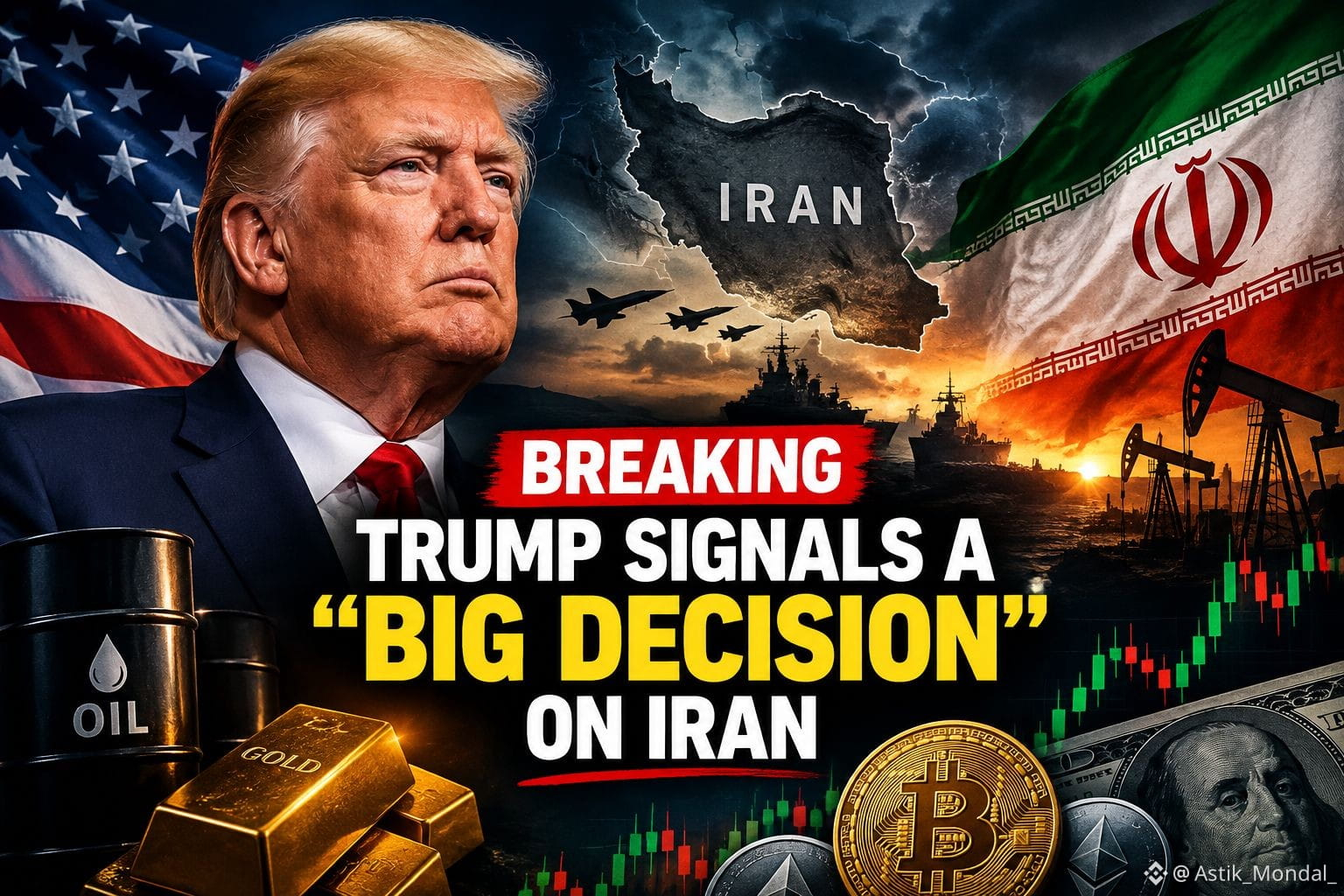
🚨 عاجل: ترامب يشير إلى “قرارًا كبيرًا” بشأن إيران 🇺🇸🇮🇷 يقول الرئيس الأميركي دونالد ترامب إنه لديه “قرار كبير” قادم بخصوص إيران. الأسواق تراقب عن كثب. أي تصعيد كبير أو تحول دبلوماسي قد يرسل موجات صادمة عبر أسواق النفط والدولار والذهب والـكريبتو. السؤال الأهم الآن: ما الذي يستعد ترامب للإعلان عنه بالضبط؟ بيان واحد قد يغيّر صورة المخاطر الجيوسياسية بين ليلة وضحاها.
#Trump #Iran #Geopolitics #Bitcoin #Crypto
🚨 عاجل: ترامب يشير إلى “قرارًا كبيرًا” بشأن إيران 🇺🇸🇮🇷 يقول الرئيس الأميركي دونالد ترامب إنه لديه “قرار كبير” قادم بخصوص إيران. الأسواق تراقب عن كثب. أي تصعيد كبير أو تحول دبلوماسي قد يرسل موجات صادمة عبر أسواق النفط والدولار والذهب والـكريبتو. السؤال الأهم الآن: ما الذي يستعد ترامب للإعلان عنه بالضبط؟ بيان واحد قد يغيّر صورة المخاطر الجيوسياسية بين ليلة وضحاها.
#Trump #Iran #Geopolitics #Bitcoin #Crypto
#Trump #Iran #Geopolitics #Bitcoin #Crypto
1
21
⚡️ روسيا تتخذ خطوة أكبر نحو المشتقات المشفرة
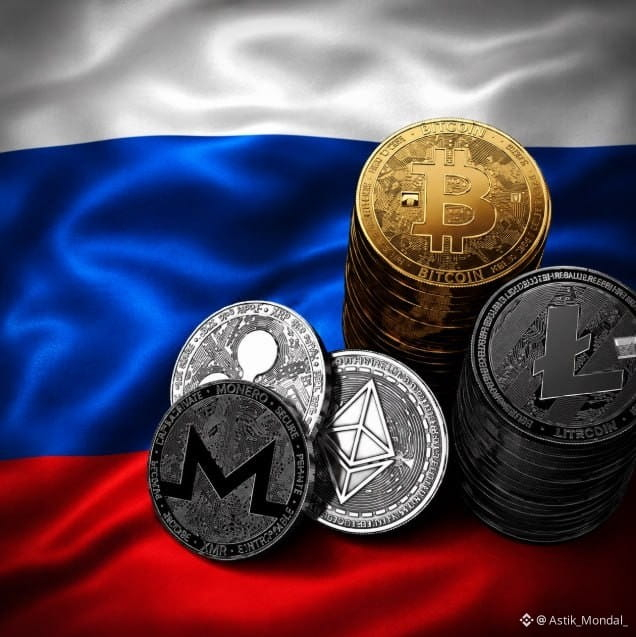
من المقرر أن يطلقَ مُصرّف موسكو (Moscow Exchange) عقود الفيوتشرز الدائمة (perpetual futures) على BTC وETH وSOL وXRP وTRX في 22 سبتمبر.
لكن هناك نقطة جوهرية:
ستكون العقود متاحة فقط للمستثمرين المؤهلين.
وسيتم تسعيرها بالدولار الأمريكي لكن تسويتها بالروبل الروسي.
والطلب موجود بالفعل.
لقد تداول أكثر من 72,000 مستثمر مؤهل عقود الفيوتشرز القائمة المرتبطة بالعملات المشفرة لدى MOEX، بإجمالي حجم تداول يتجاوز 600 مليار روبية.
والآن توسّع روسيا هذا السوق ليشمل عقودًا دائمة عبر خمسة أصول تشفير رئيسية.
هذا أكبر من مجرد إدراجٍ آخر في قائمة المشتقات.
إنه يمنح المستثمرين الروس المؤهلين مسارًا منظّمًا إضافيًا للحصول على تعرضٍ رافعي لأبرز الأصول المشفرة دون امتلاك الرموز الأساسية مباشرةً.
السؤال الأهم الآن:
كم السيولة والطلب المؤسسي اللذان ستجذبهما هذه العقود الجديدة؟
22 سبتمبر هو التاريخ الذي ينبغي متابعته.
#Bitcoin #Crypto #Ethereum #Russia #XRP
⚡️ روسيا تتخذ خطوة أكبر نحو المشتقات المشفرة
من المقرر أن يطلقَ مُصرّف موسكو (Moscow Exchange) عقود الفيوتشرز الدائمة (perpetual futures) على BTC وETH وSOL وXRP وTRX في 22 سبتمبر.
لكن هناك نقطة جوهرية:
ستكون العقود متاحة فقط للمستثمرين المؤهلين.
وسيتم تسعيرها بالدولار الأمريكي لكن تسويتها بالروبل الروسي.
والطلب موجود بالفعل.
لقد تداول أكثر من 72,000 مستثمر مؤهل عقود الفيوتشرز القائمة المرتبطة بالعملات المشفرة لدى MOEX، بإجمالي حجم تداول يتجاوز 600 مليار روبية.
والآن توسّع روسيا هذا السوق ليشمل عقودًا دائمة عبر خمسة أصول تشفير رئيسية.
هذا أكبر من مجرد إدراجٍ آخر في قائمة المشتقات.
إنه يمنح المستثمرين الروس المؤهلين مسارًا منظّمًا إضافيًا للحصول على تعرضٍ رافعي لأبرز الأصول المشفرة دون امتلاك الرموز الأساسية مباشرةً.
السؤال الأهم الآن:
كم السيولة والطلب المؤسسي اللذان ستجذبهما هذه العقود الجديدة؟
22 سبتمبر هو التاريخ الذي ينبغي متابعته.
#Bitcoin #Crypto #Ethereum #Russia #XRP
من المقرر أن يطلقَ مُصرّف موسكو (Moscow Exchange) عقود الفيوتشرز الدائمة (perpetual futures) على BTC وETH وSOL وXRP وTRX في 22 سبتمبر.
لكن هناك نقطة جوهرية:
ستكون العقود متاحة فقط للمستثمرين المؤهلين.
وسيتم تسعيرها بالدولار الأمريكي لكن تسويتها بالروبل الروسي.
والطلب موجود بالفعل.
لقد تداول أكثر من 72,000 مستثمر مؤهل عقود الفيوتشرز القائمة المرتبطة بالعملات المشفرة لدى MOEX، بإجمالي حجم تداول يتجاوز 600 مليار روبية.
والآن توسّع روسيا هذا السوق ليشمل عقودًا دائمة عبر خمسة أصول تشفير رئيسية.
هذا أكبر من مجرد إدراجٍ آخر في قائمة المشتقات.
إنه يمنح المستثمرين الروس المؤهلين مسارًا منظّمًا إضافيًا للحصول على تعرضٍ رافعي لأبرز الأصول المشفرة دون امتلاك الرموز الأساسية مباشرةً.
السؤال الأهم الآن:
كم السيولة والطلب المؤسسي اللذان ستجذبهما هذه العقود الجديدة؟
22 سبتمبر هو التاريخ الذي ينبغي متابعته.
#Bitcoin #Crypto #Ethereum #Russia #XRP
1
11
🚨 الرئيس التنفيذي لشركة Nvidia، جينسن هوانغ، أوقف الدعوات لسنّ قوانين جديدة للذكاء الاصطناعي.
“سلامة الذكاء الاصطناعي هي مسألة هندسية.”
“إذا لم نكن واثقين من سلامة المنتجات… فلا تطلقها.”
“قوى السوق موجودة بالفعل. لا نحتاج إلى أي قوانين جديدة. ولا نحتاج إلى لوائح جديدة.”
حول جدل السرعة مقابل السلامة:
“الابتكار والسرعة والمنتجات الآمنة… هذا خيار زائف.”
“انطلق بسرعة قدر ما تستطيع. لكن إذا شعرت أن الشركة خارج السيطرة أو أن المنتج لن يكون آمنًا، خذ استراحة وتأكد من أنه صحيح.”
الهندسة على حساب التنظيم
#JensenHuang #Nvidia #AI #AISafety #Tech
🚨 الرئيس التنفيذي لشركة Nvidia، جينسن هوانغ، أوقف الدعوات لسنّ قوانين جديدة للذكاء الاصطناعي.
“سلامة الذكاء الاصطناعي هي مسألة هندسية.”
“إذا لم نكن واثقين من سلامة المنتجات… فلا تطلقها.”
“قوى السوق موجودة بالفعل. لا نحتاج إلى أي قوانين جديدة. ولا نحتاج إلى لوائح جديدة.”
حول جدل السرعة مقابل السلامة:
“الابتكار والسرعة والمنتجات الآمنة… هذا خيار زائف.”
“انطلق بسرعة قدر ما تستطيع. لكن إذا شعرت أن الشركة خارج السيطرة أو أن المنتج لن يكون آمنًا، خذ استراحة وتأكد من أنه صحيح.”
الهندسة على حساب التنظيم
#JensenHuang #Nvidia #AI #AISafety #Tech
“سلامة الذكاء الاصطناعي هي مسألة هندسية.”
“إذا لم نكن واثقين من سلامة المنتجات… فلا تطلقها.”
“قوى السوق موجودة بالفعل. لا نحتاج إلى أي قوانين جديدة. ولا نحتاج إلى لوائح جديدة.”
حول جدل السرعة مقابل السلامة:
“الابتكار والسرعة والمنتجات الآمنة… هذا خيار زائف.”
“انطلق بسرعة قدر ما تستطيع. لكن إذا شعرت أن الشركة خارج السيطرة أو أن المنتج لن يكون آمنًا، خذ استراحة وتأكد من أنه صحيح.”
الهندسة على حساب التنظيم
#JensenHuang #Nvidia #AI #AISafety #Tech
6
🚨 لقد وجّه بيتر نافارو للتو ضربة شديدة إلى مجلس الاحتياطي الفيدرالي بسبب رفع الفائدة.
«أنتَ أبدًا لا ترفع الفائدة في قلب صدمة سعر الطاقة.»
«صدمة الطاقة أصلاً انكماشية. والرفع في وسطها هو ضربة مزدوجة.»
«كان قرارًا حماقًا جدًا، حماقًا جدًا
هذا سَيُؤذينا.»
كلمات قوية من كبير مستشاري ترامب للشؤون التجارية والتصنيع.
#Navarro #Fed #InterestRates #Energy #Economy
🚨 لقد وجّه بيتر نافارو للتو ضربة شديدة إلى مجلس الاحتياطي الفيدرالي بسبب رفع الفائدة.
«أنتَ أبدًا لا ترفع الفائدة في قلب صدمة سعر الطاقة.»
«صدمة الطاقة أصلاً انكماشية. والرفع في وسطها هو ضربة مزدوجة.»
«كان قرارًا حماقًا جدًا، حماقًا جدًا
هذا سَيُؤذينا.»
كلمات قوية من كبير مستشاري ترامب للشؤون التجارية والتصنيع.
#Navarro #Fed #InterestRates #Energy #Economy
«أنتَ أبدًا لا ترفع الفائدة في قلب صدمة سعر الطاقة.»
«صدمة الطاقة أصلاً انكماشية. والرفع في وسطها هو ضربة مزدوجة.»
«كان قرارًا حماقًا جدًا، حماقًا جدًا
هذا سَيُؤذينا.»
كلمات قوية من كبير مستشاري ترامب للشؤون التجارية والتصنيع.
#Navarro #Fed #InterestRates #Energy #Economy
254
🇺🇸🇪🇺 عاجل: ترامب يهدد الاتحاد الأوروبي بـ“تعريفات جمركية شديدة الخطورة”
قد تتشكل مواجهة تجارية جديدة بين واشنطن وبروكسل.
حذر دونالد ترامب من أنه قد يفرض “تعريفات جمركية شديدة الخطورة” على الاتحاد الأوروبي، أو حتى يوقف التداول مع أوروبا في سلع متعددة، إذا وافق التكتل على طلب كندا لتصبح أول عضو منتسب له.
وقال ترامب: “إذا اعتقدت أنه فعل عدائي على الإطلاق، فسأفرض تعريفات جمركية شديدة الخطورة”.
ويأتي هذا التحذير بعد أن أيدت رئيسة المفوضية الأوروبية أورسولا فون دير لاين اقتراح كندا خلال خطابها السنوي.
وكان رئيس الوزراء الكندي مارك كارني جالسًا في الحضور.
المخاطر أكبر من مجرد طلب كندا للعضوية.
يواجه الاتحاد الأوروبي الآن تهديدًا مباشرًا بالانتقام الاقتصادي من البيت الأبيض بسبب قرار بشأن شراكة استراتيجية.
إذا مضت بروكسل قدمًا، فالسؤال التالي بسيط:
هل ستتحول هذه إلى معركة تجارية أخرى بين جانبي الأطلسي؟
ستراقب الأسواق عن كثب.
#Trump #EU #Canada #Tariffs #Geopolitics
🇺🇸🇪🇺 عاجل: ترامب يهدد الاتحاد الأوروبي بـ“تعريفات جمركية شديدة الخطورة”
قد تتشكل مواجهة تجارية جديدة بين واشنطن وبروكسل.
حذر دونالد ترامب من أنه قد يفرض “تعريفات جمركية شديدة الخطورة” على الاتحاد الأوروبي، أو حتى يوقف التداول مع أوروبا في سلع متعددة، إذا وافق التكتل على طلب كندا لتصبح أول عضو منتسب له.
وقال ترامب: “إذا اعتقدت أنه فعل عدائي على الإطلاق، فسأفرض تعريفات جمركية شديدة الخطورة”.
ويأتي هذا التحذير بعد أن أيدت رئيسة المفوضية الأوروبية أورسولا فون دير لاين اقتراح كندا خلال خطابها السنوي.
وكان رئيس الوزراء الكندي مارك كارني جالسًا في الحضور.
المخاطر أكبر من مجرد طلب كندا للعضوية.
يواجه الاتحاد الأوروبي الآن تهديدًا مباشرًا بالانتقام الاقتصادي من البيت الأبيض بسبب قرار بشأن شراكة استراتيجية.
إذا مضت بروكسل قدمًا، فالسؤال التالي بسيط:
هل ستتحول هذه إلى معركة تجارية أخرى بين جانبي الأطلسي؟
ستراقب الأسواق عن كثب.
#Trump #EU #Canada #Tariffs #Geopolitics
قد تتشكل مواجهة تجارية جديدة بين واشنطن وبروكسل.
حذر دونالد ترامب من أنه قد يفرض “تعريفات جمركية شديدة الخطورة” على الاتحاد الأوروبي، أو حتى يوقف التداول مع أوروبا في سلع متعددة، إذا وافق التكتل على طلب كندا لتصبح أول عضو منتسب له.
وقال ترامب: “إذا اعتقدت أنه فعل عدائي على الإطلاق، فسأفرض تعريفات جمركية شديدة الخطورة”.
ويأتي هذا التحذير بعد أن أيدت رئيسة المفوضية الأوروبية أورسولا فون دير لاين اقتراح كندا خلال خطابها السنوي.
وكان رئيس الوزراء الكندي مارك كارني جالسًا في الحضور.
المخاطر أكبر من مجرد طلب كندا للعضوية.
يواجه الاتحاد الأوروبي الآن تهديدًا مباشرًا بالانتقام الاقتصادي من البيت الأبيض بسبب قرار بشأن شراكة استراتيجية.
إذا مضت بروكسل قدمًا، فالسؤال التالي بسيط:
هل ستتحول هذه إلى معركة تجارية أخرى بين جانبي الأطلسي؟
ستراقب الأسواق عن كثب.
#Trump #EU #Canada #Tariffs #Geopolitics
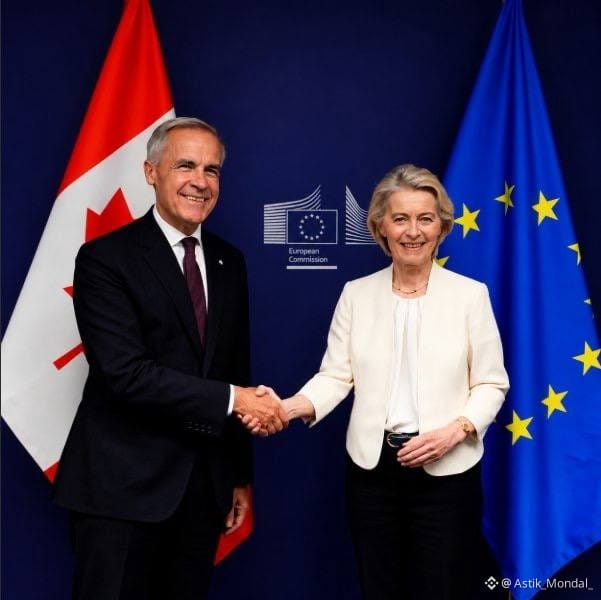
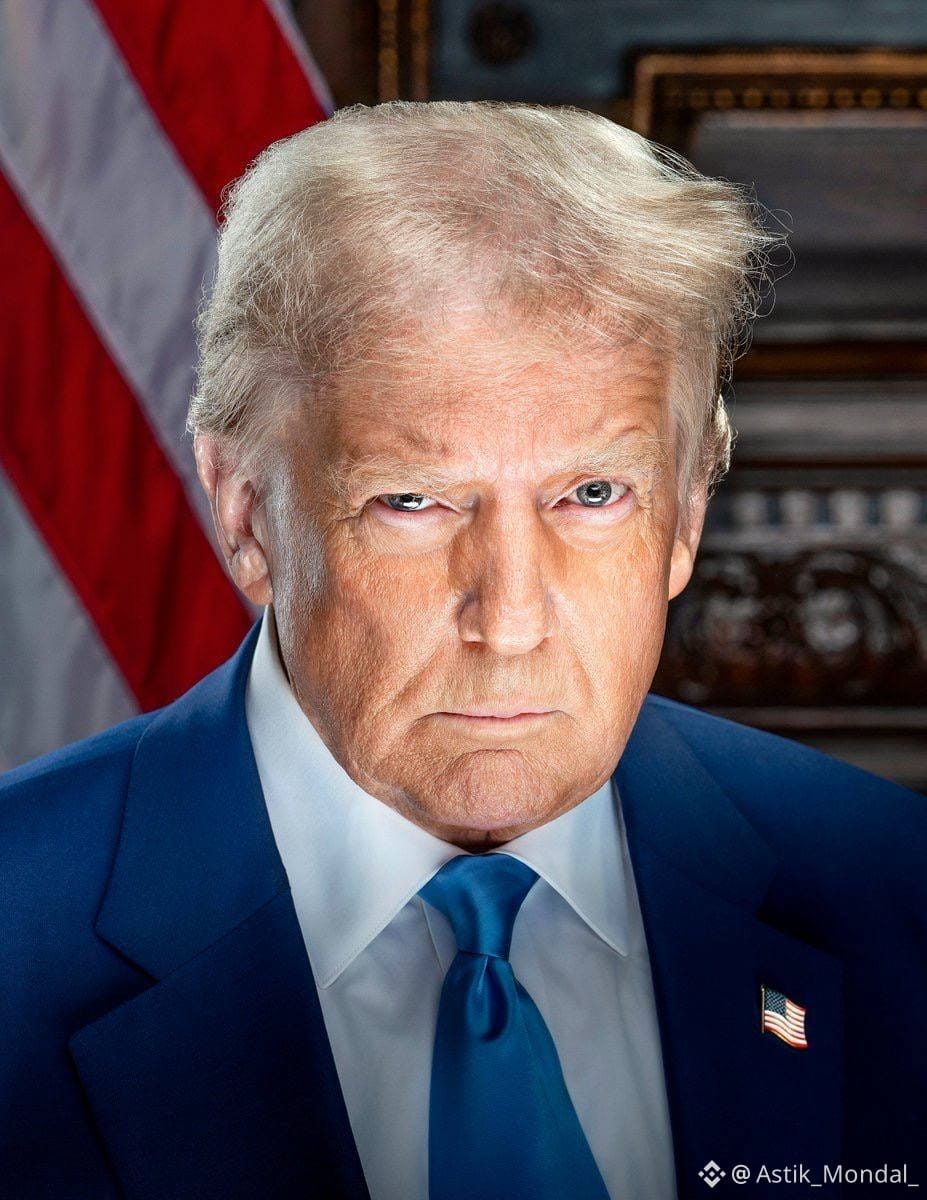
1
4
🚨 قد تكون أوروبا متجهة نحو أزمة غاز ثالثة، والأزمة القادمة قد تكون أسوأ
كانت أوروبا قد واجهت بالفعل صدمتين كبيرتين للغاز خلال أربع سنوات فقط.
النتيجة؟
ارتفعت أسعار الغاز بـ 3 أضعاف.
ويتم تداول مؤشر أوروبا الرئيسي الآن بأكثر من 9 أضعاف أسعار الولايات المتحدة، بينما يتجاوز سعر الغاز المسال الآسيوي أكثر من 8 أضعاف.
بدأت الأزمة الأولى في عام 2022.
قلّلت روسيا إمدادات الغاز التي كانت تغطي سابقاً ما يقرب من 40% من طلب الاتحاد الأوروبي، ما دفع أوروبا إلى سباق عالمي للبحث عن إمدادات بديلة.
الآن تأتي صدمة أخرى.
تؤدي حرب إيران إلى تعطيل مضيق هرمز، أحد أكثر ممرات الطاقة حساسية في العالم.
عادةً ما يمر عبر المنطقة حوالي خمس إجمالي الغاز المسال في العالم.
نجت أوروبا من الأزمة الأولى عبر العثور على موردين بديلين.
لكن ذلك يطرح السؤال الأهم:
ماذا يحدث عندما لا يبقى أي موردين ليحلّوا محلّهم؟
تحذر بلومبرغ من احتمال بروز أزمة غاز ثالثة بحلول عام 2030 إذا استمر هامش الأمان لدى أوروبا في التقلص.
وهذا يعني أن أوروبا ليست فقط أمام مشكلة أسعار طاقة.
قد تكون أيضاً تواجه هشاشة هيكلية في منظومة الطاقة بأكملها.
وإذا تعرضت لضربة صادمة أخرى كبرى في الإمدادات.
قد لا يكون للأزمة القادمة أي مكان للاختباء.
#EnergyCrisis #NaturalGas #Europe #LNG #Geopolitics
🚨 قد تكون أوروبا متجهة نحو أزمة غاز ثالثة، والأزمة القادمة قد تكون أسوأ
كانت أوروبا قد واجهت بالفعل صدمتين كبيرتين للغاز خلال أربع سنوات فقط.
النتيجة؟
ارتفعت أسعار الغاز بـ 3 أضعاف.
ويتم تداول مؤشر أوروبا الرئيسي الآن بأكثر من 9 أضعاف أسعار الولايات المتحدة، بينما يتجاوز سعر الغاز المسال الآسيوي أكثر من 8 أضعاف.
بدأت الأزمة الأولى في عام 2022.
قلّلت روسيا إمدادات الغاز التي كانت تغطي سابقاً ما يقرب من 40% من طلب الاتحاد الأوروبي، ما دفع أوروبا إلى سباق عالمي للبحث عن إمدادات بديلة.
الآن تأتي صدمة أخرى.
تؤدي حرب إيران إلى تعطيل مضيق هرمز، أحد أكثر ممرات الطاقة حساسية في العالم.
عادةً ما يمر عبر المنطقة حوالي خمس إجمالي الغاز المسال في العالم.
نجت أوروبا من الأزمة الأولى عبر العثور على موردين بديلين.
لكن ذلك يطرح السؤال الأهم:
ماذا يحدث عندما لا يبقى أي موردين ليحلّوا محلّهم؟
تحذر بلومبرغ من احتمال بروز أزمة غاز ثالثة بحلول عام 2030 إذا استمر هامش الأمان لدى أوروبا في التقلص.
وهذا يعني أن أوروبا ليست فقط أمام مشكلة أسعار طاقة.
قد تكون أيضاً تواجه هشاشة هيكلية في منظومة الطاقة بأكملها.
وإذا تعرضت لضربة صادمة أخرى كبرى في الإمدادات.
قد لا يكون للأزمة القادمة أي مكان للاختباء.
#EnergyCrisis #NaturalGas #Europe #LNG #Geopolitics
كانت أوروبا قد واجهت بالفعل صدمتين كبيرتين للغاز خلال أربع سنوات فقط.
النتيجة؟
ارتفعت أسعار الغاز بـ 3 أضعاف.
ويتم تداول مؤشر أوروبا الرئيسي الآن بأكثر من 9 أضعاف أسعار الولايات المتحدة، بينما يتجاوز سعر الغاز المسال الآسيوي أكثر من 8 أضعاف.
بدأت الأزمة الأولى في عام 2022.
قلّلت روسيا إمدادات الغاز التي كانت تغطي سابقاً ما يقرب من 40% من طلب الاتحاد الأوروبي، ما دفع أوروبا إلى سباق عالمي للبحث عن إمدادات بديلة.
الآن تأتي صدمة أخرى.
تؤدي حرب إيران إلى تعطيل مضيق هرمز، أحد أكثر ممرات الطاقة حساسية في العالم.
عادةً ما يمر عبر المنطقة حوالي خمس إجمالي الغاز المسال في العالم.
نجت أوروبا من الأزمة الأولى عبر العثور على موردين بديلين.
لكن ذلك يطرح السؤال الأهم:
ماذا يحدث عندما لا يبقى أي موردين ليحلّوا محلّهم؟
تحذر بلومبرغ من احتمال بروز أزمة غاز ثالثة بحلول عام 2030 إذا استمر هامش الأمان لدى أوروبا في التقلص.
وهذا يعني أن أوروبا ليست فقط أمام مشكلة أسعار طاقة.
قد تكون أيضاً تواجه هشاشة هيكلية في منظومة الطاقة بأكملها.
وإذا تعرضت لضربة صادمة أخرى كبرى في الإمدادات.
قد لا يكون للأزمة القادمة أي مكان للاختباء.
#EnergyCrisis #NaturalGas #Europe #LNG #Geopolitics
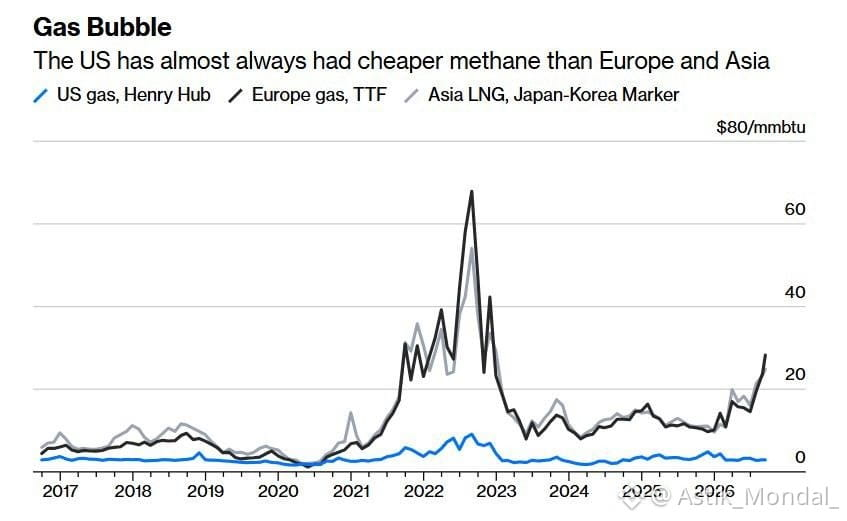
1
10
آخر مرة كَسَرت فيها العملات البديلة (Altcoins) هذا النمط الشهري بالضبط، تم تكوين ثروة أجيال خلال 270 يومًا.
إنها تتكرر الآن، وكاد ألا ينتبه إليها أحد.
في الدورات السابقة، أمضى السوق شهورًا في الاستنزاف والتراجع التدريجي، بينما كان المتداولون التجزئة ينزفون حتى تحوّل الذعر إلى صمت.
ثم تم كسر مقاومة شهرية قياسية.
ما تلا ذلك لم يكن صعودًا عاديًا. بل كان اختراقًا رأسيًا يذيب الوجه (breakout) التقط 99% من المستثمرين الذين كانوا على الهامش وبأموال نقدية.
في الوقت الحالي، يقوم مخطط العملات البديلة على مستوى الاقتصاد الكلي (macro) بطباعة إعداد مطابق تقريبًا كصورة مرآة.
السيولة تنتقل بهدوء بعيدًا عن الأصول الرئيسية. التقلبات المنكمشة تقترب من نقطة الانهيار. البائعون منهكون تمامًا.
التاريخ لا يتكرر حرفيًا، لكن في ديناميكيات السوق، فإن علم نفس البشر يجبره على أن يبدو متشابهًا.
النافذة للسبق نحو Altseason المحتمل التالي ليست عندما تؤكد العناوين ذلك. إنها الآن، بينما لا يزال الإجماع خائفًا.
#Crypto #Altcoins #Bitcoin #Trading #Wealth
آخر مرة كَسَرت فيها العملات البديلة (Altcoins) هذا النمط الشهري بالضبط، تم تكوين ثروة أجيال خلال 270 يومًا.
إنها تتكرر الآن، وكاد ألا ينتبه إليها أحد.
في الدورات السابقة، أمضى السوق شهورًا في الاستنزاف والتراجع التدريجي، بينما كان المتداولون التجزئة ينزفون حتى تحوّل الذعر إلى صمت.
ثم تم كسر مقاومة شهرية قياسية.
ما تلا ذلك لم يكن صعودًا عاديًا. بل كان اختراقًا رأسيًا يذيب الوجه (breakout) التقط 99% من المستثمرين الذين كانوا على الهامش وبأموال نقدية.
في الوقت الحالي، يقوم مخطط العملات البديلة على مستوى الاقتصاد الكلي (macro) بطباعة إعداد مطابق تقريبًا كصورة مرآة.
السيولة تنتقل بهدوء بعيدًا عن الأصول الرئيسية. التقلبات المنكمشة تقترب من نقطة الانهيار. البائعون منهكون تمامًا.
التاريخ لا يتكرر حرفيًا، لكن في ديناميكيات السوق، فإن علم نفس البشر يجبره على أن يبدو متشابهًا.
النافذة للسبق نحو Altseason المحتمل التالي ليست عندما تؤكد العناوين ذلك. إنها الآن، بينما لا يزال الإجماع خائفًا.
#Crypto #Altcoins #Bitcoin #Trading #Wealth
إنها تتكرر الآن، وكاد ألا ينتبه إليها أحد.
في الدورات السابقة، أمضى السوق شهورًا في الاستنزاف والتراجع التدريجي، بينما كان المتداولون التجزئة ينزفون حتى تحوّل الذعر إلى صمت.
ثم تم كسر مقاومة شهرية قياسية.
ما تلا ذلك لم يكن صعودًا عاديًا. بل كان اختراقًا رأسيًا يذيب الوجه (breakout) التقط 99% من المستثمرين الذين كانوا على الهامش وبأموال نقدية.
في الوقت الحالي، يقوم مخطط العملات البديلة على مستوى الاقتصاد الكلي (macro) بطباعة إعداد مطابق تقريبًا كصورة مرآة.
السيولة تنتقل بهدوء بعيدًا عن الأصول الرئيسية. التقلبات المنكمشة تقترب من نقطة الانهيار. البائعون منهكون تمامًا.
التاريخ لا يتكرر حرفيًا، لكن في ديناميكيات السوق، فإن علم نفس البشر يجبره على أن يبدو متشابهًا.
النافذة للسبق نحو Altseason المحتمل التالي ليست عندما تؤكد العناوين ذلك. إنها الآن، بينما لا يزال الإجماع خائفًا.
#Crypto #Altcoins #Bitcoin #Trading #Wealth
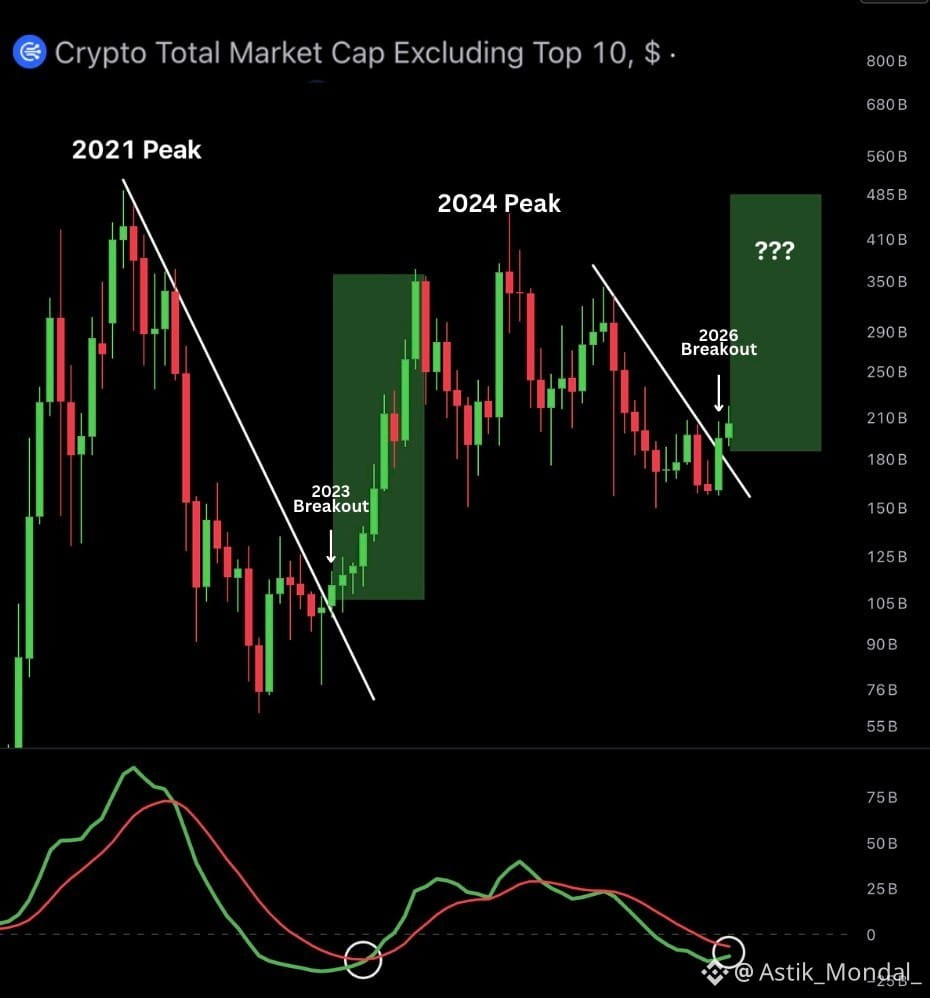
1
5
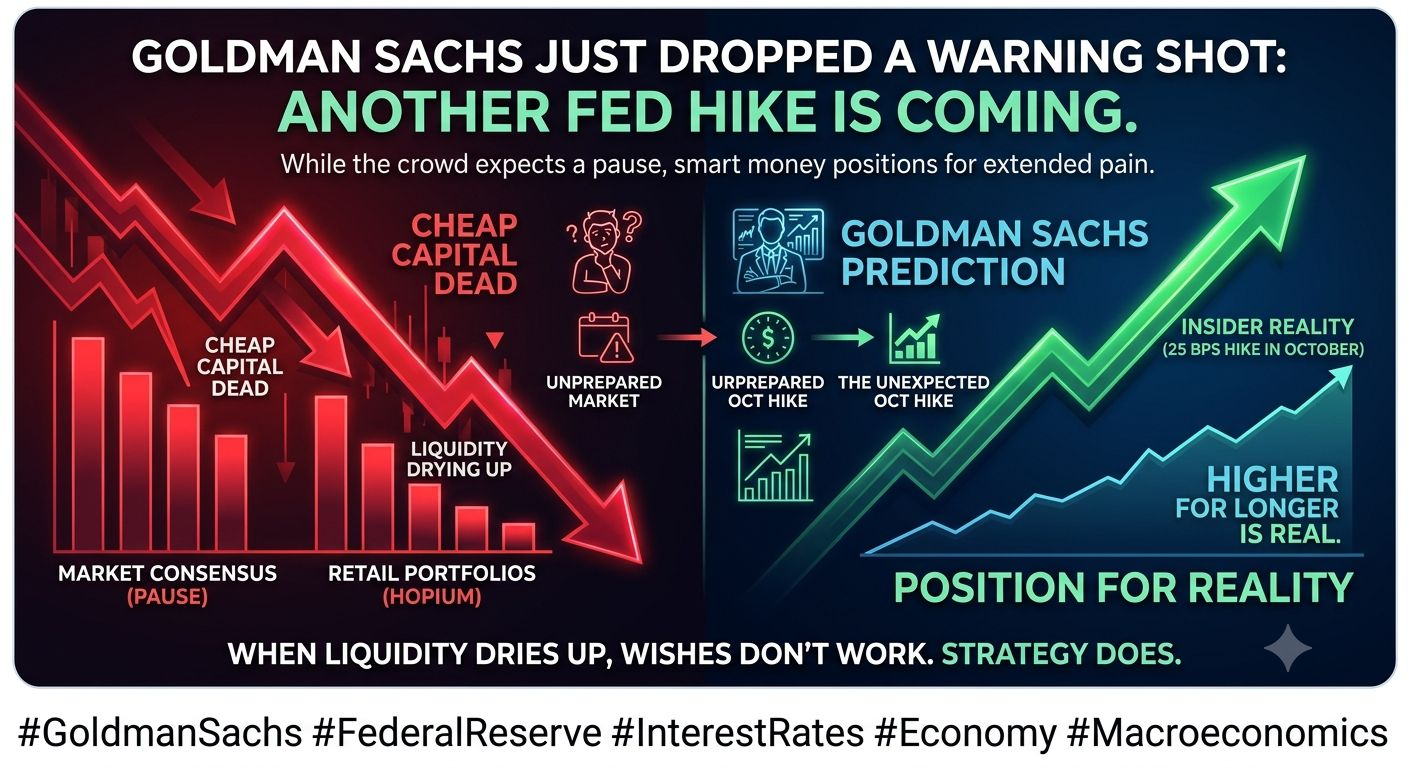
أطلقت جولدمان ساكس للتو تحذيرًا لا ينتبه له معظم المستثمرين.
فيما تتسعّر الأسواق توقفًا مؤقتًا في أسعار الفائدة، يتوقع أكبر لاعب في وول ستريت زيادة أخرى بمقدار 25 نقطة أساس في أكتوبر القادم. يتوقع الجمهور هبوطًا ناعمًا، لكن الأموال الذكية تعيد ترتيب محافظها مسبقًا استعدادًا لمعاناة طويلة.
لم يعد شعار “الأعلى لفترة أطول” سردية بعد الآن. بل هو الواقع الأساسي.
لقد مات رأس المال الرخيص قبل عامين، ومع ذلك ما زال المؤسسون والمتداولون ينتظرون “حزمة إنقاذ” لن تأتي.
عندما يُطبق الاحتياطي الفيدرالي 25 نقطة أساس إضافية على النظام، ينشفّت السيولة في الأصول التي يحبها المستثمرون الأفراد أكثر.
أكبر خطر في الوقت الراهن ليس التضخم. بل هو تموضع المحافظات المبني على مجرد تمني مُفرط بالأمل.
إذا كانت استراتيجيتك تعتمد على أن ينقذك البنك المركزي بأصولك، فأنت لا تملك استراتيجية) لديك قائمة رغبات.
ضع تموضعك وفقًا للواقع، لا وفقًا للتوافق.
#GoldmanSachs #FederalReserve #InterestRates #Economy #Macroeconomics
أطلقت جولدمان ساكس للتو تحذيرًا لا ينتبه له معظم المستثمرين.
فيما تتسعّر الأسواق توقفًا مؤقتًا في أسعار الفائدة، يتوقع أكبر لاعب في وول ستريت زيادة أخرى بمقدار 25 نقطة أساس في أكتوبر القادم. يتوقع الجمهور هبوطًا ناعمًا، لكن الأموال الذكية تعيد ترتيب محافظها مسبقًا استعدادًا لمعاناة طويلة.
لم يعد شعار “الأعلى لفترة أطول” سردية بعد الآن. بل هو الواقع الأساسي.
لقد مات رأس المال الرخيص قبل عامين، ومع ذلك ما زال المؤسسون والمتداولون ينتظرون “حزمة إنقاذ” لن تأتي.
عندما يُطبق الاحتياطي الفيدرالي 25 نقطة أساس إضافية على النظام، ينشفّت السيولة في الأصول التي يحبها المستثمرون الأفراد أكثر.
أكبر خطر في الوقت الراهن ليس التضخم. بل هو تموضع المحافظات المبني على مجرد تمني مُفرط بالأمل.
إذا كانت استراتيجيتك تعتمد على أن ينقذك البنك المركزي بأصولك، فأنت لا تملك استراتيجية) لديك قائمة رغبات.
ضع تموضعك وفقًا للواقع، لا وفقًا للتوافق.
#GoldmanSachs #FederalReserve #InterestRates #Economy #Macroeconomics
فيما تتسعّر الأسواق توقفًا مؤقتًا في أسعار الفائدة، يتوقع أكبر لاعب في وول ستريت زيادة أخرى بمقدار 25 نقطة أساس في أكتوبر القادم. يتوقع الجمهور هبوطًا ناعمًا، لكن الأموال الذكية تعيد ترتيب محافظها مسبقًا استعدادًا لمعاناة طويلة.
لم يعد شعار “الأعلى لفترة أطول” سردية بعد الآن. بل هو الواقع الأساسي.
لقد مات رأس المال الرخيص قبل عامين، ومع ذلك ما زال المؤسسون والمتداولون ينتظرون “حزمة إنقاذ” لن تأتي.
عندما يُطبق الاحتياطي الفيدرالي 25 نقطة أساس إضافية على النظام، ينشفّت السيولة في الأصول التي يحبها المستثمرون الأفراد أكثر.
أكبر خطر في الوقت الراهن ليس التضخم. بل هو تموضع المحافظات المبني على مجرد تمني مُفرط بالأمل.
إذا كانت استراتيجيتك تعتمد على أن ينقذك البنك المركزي بأصولك، فأنت لا تملك استراتيجية) لديك قائمة رغبات.
ضع تموضعك وفقًا للواقع، لا وفقًا للتوافق.
#GoldmanSachs #FederalReserve #InterestRates #Economy #Macroeconomics
1
3
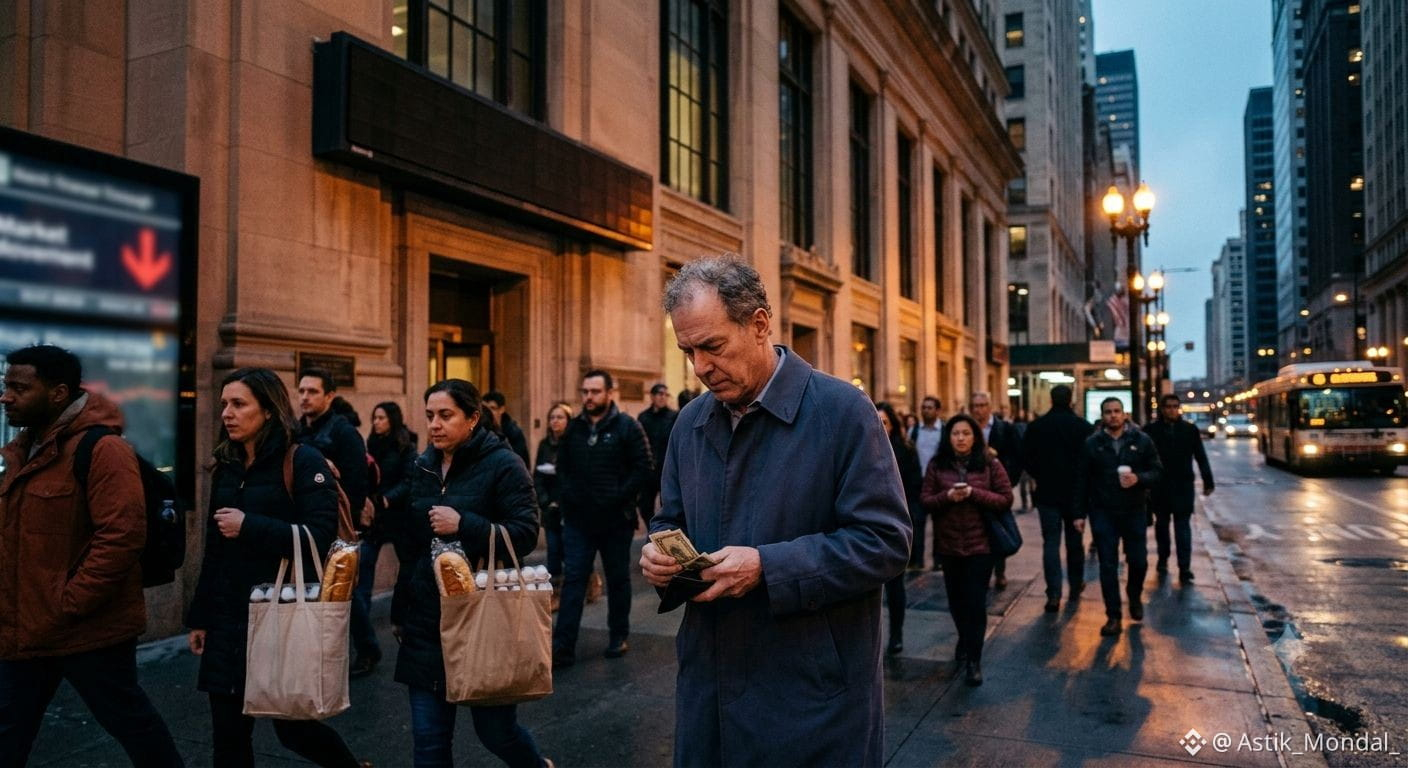
عاجل: ترامب للتو وجّه انتقادًا للتضخم والأرقام الأساسية تشير إلى أن تحوّلًا اقتصاديًا ضخمًا يجري بالفعل.
إليك ما يعنيه ذلك بالنسبة لأموالك، والأسواق، وما الذي سيحدث بعد ذلك
عندما تستهدف إدارة البيت الأبيض التضخم علنًا، نادرًا ما تكون هذه مجرد ضوضاء سياسية. إنها إشارة مباشرة إلى مجلس الاحتياطي الفيدرالي بأن سياسة أسعار الفائدة على وشك الاصطدام بجدار.
يساهم ارتفاع التضخم مع تصاعد الضغط لخفض الفوائد في خلق أقصى ضغط مالي. تتآكل السيولة نقدًا بهدوء في الخلفية، بينما تظل تكاليف الاقتراض مرتفعة بالنسبة للمستهلكين العاديين.
الأموال الذكية لا تنتظر تحولات السياسة الرسمية. إن رأس المال المؤسسي يتحرك بنشاط إلى الأصول الملموسة والسلع النادرة والتحوطات البديلة لالتقاط الموجة المقبلة من السيولة مبكرًا.
أزمة تكلفة المعيشة ليست فقط مرتبطة بفواتير البقالة؛ إنها انخفاضٌ جوهري في قيمة القوة الشرائية للعملة الورقية (فيات). إذا لم تكن تهيّئ محفظتك للتضخم البنيوي، فأنت تتأخر.
نحن على أبواب بيئة ماكرو متقلبة حيث ستكون ردود فعل السوق سريعة وحادة ولا ترحم المستثمرين غير المستعدين.
#Trump #Inflation #Economy #Crypto #Markets .
عاجل: ترامب للتو وجّه انتقادًا للتضخم والأرقام الأساسية تشير إلى أن تحوّلًا اقتصاديًا ضخمًا يجري بالفعل.
إليك ما يعنيه ذلك بالنسبة لأموالك، والأسواق، وما الذي سيحدث بعد ذلك
عندما تستهدف إدارة البيت الأبيض التضخم علنًا، نادرًا ما تكون هذه مجرد ضوضاء سياسية. إنها إشارة مباشرة إلى مجلس الاحتياطي الفيدرالي بأن سياسة أسعار الفائدة على وشك الاصطدام بجدار.
يساهم ارتفاع التضخم مع تصاعد الضغط لخفض الفوائد في خلق أقصى ضغط مالي. تتآكل السيولة نقدًا بهدوء في الخلفية، بينما تظل تكاليف الاقتراض مرتفعة بالنسبة للمستهلكين العاديين.
الأموال الذكية لا تنتظر تحولات السياسة الرسمية. إن رأس المال المؤسسي يتحرك بنشاط إلى الأصول الملموسة والسلع النادرة والتحوطات البديلة لالتقاط الموجة المقبلة من السيولة مبكرًا.
أزمة تكلفة المعيشة ليست فقط مرتبطة بفواتير البقالة؛ إنها انخفاضٌ جوهري في قيمة القوة الشرائية للعملة الورقية (فيات). إذا لم تكن تهيّئ محفظتك للتضخم البنيوي، فأنت تتأخر.
نحن على أبواب بيئة ماكرو متقلبة حيث ستكون ردود فعل السوق سريعة وحادة ولا ترحم المستثمرين غير المستعدين.
#Trump #Inflation #Economy #Crypto #Markets .
إليك ما يعنيه ذلك بالنسبة لأموالك، والأسواق، وما الذي سيحدث بعد ذلك
عندما تستهدف إدارة البيت الأبيض التضخم علنًا، نادرًا ما تكون هذه مجرد ضوضاء سياسية. إنها إشارة مباشرة إلى مجلس الاحتياطي الفيدرالي بأن سياسة أسعار الفائدة على وشك الاصطدام بجدار.
يساهم ارتفاع التضخم مع تصاعد الضغط لخفض الفوائد في خلق أقصى ضغط مالي. تتآكل السيولة نقدًا بهدوء في الخلفية، بينما تظل تكاليف الاقتراض مرتفعة بالنسبة للمستهلكين العاديين.
الأموال الذكية لا تنتظر تحولات السياسة الرسمية. إن رأس المال المؤسسي يتحرك بنشاط إلى الأصول الملموسة والسلع النادرة والتحوطات البديلة لالتقاط الموجة المقبلة من السيولة مبكرًا.
أزمة تكلفة المعيشة ليست فقط مرتبطة بفواتير البقالة؛ إنها انخفاضٌ جوهري في قيمة القوة الشرائية للعملة الورقية (فيات). إذا لم تكن تهيّئ محفظتك للتضخم البنيوي، فأنت تتأخر.
نحن على أبواب بيئة ماكرو متقلبة حيث ستكون ردود فعل السوق سريعة وحادة ولا ترحم المستثمرين غير المستعدين.
#Trump #Inflation #Economy #Crypto #Markets .
2
7
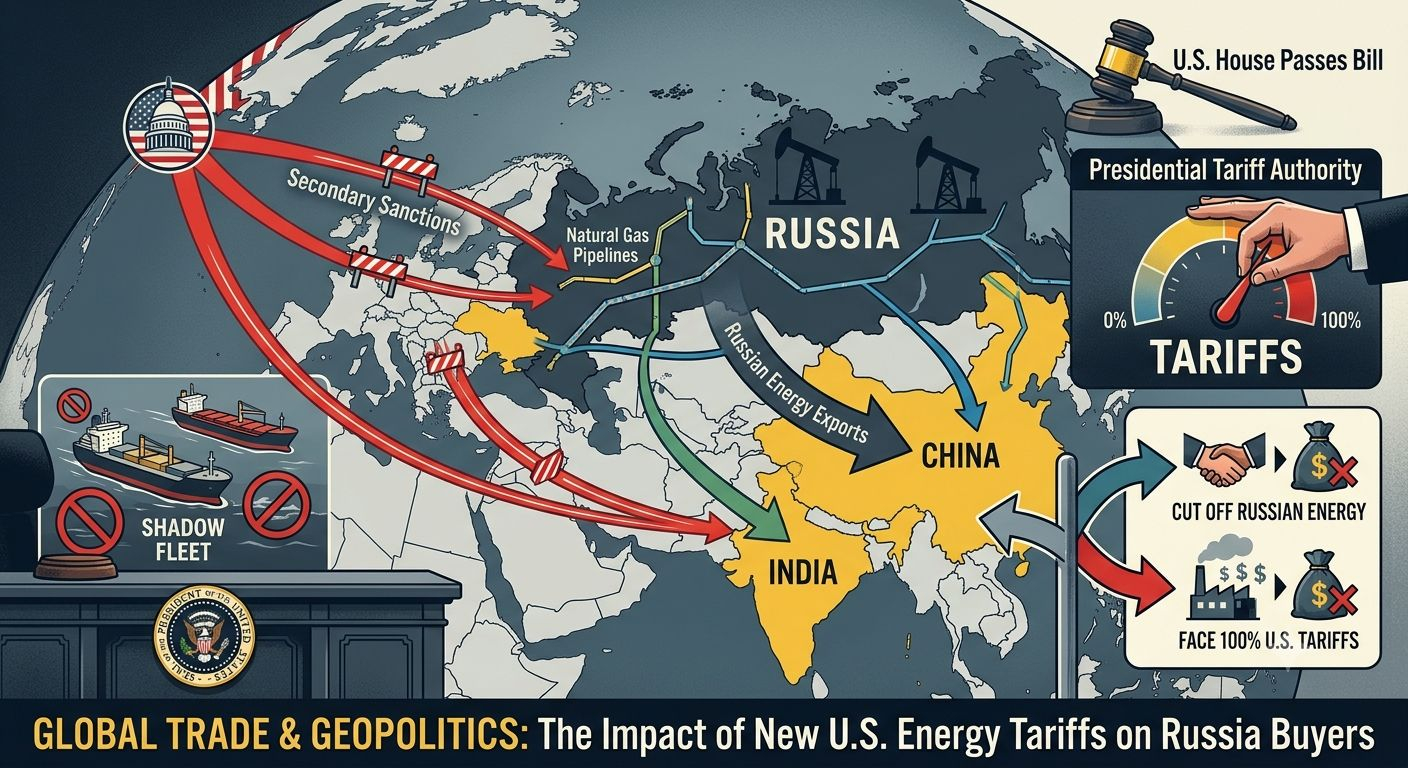
🚨 صوّت مجلس النواب الأمريكي للتو على مشروع قانون تاريخي يمنح الرئيس ترامب سلطات واسعة لفرض رسوم جمركية تصل إلى 100% على الدول التي تشتري الطاقة الروسية.
تستهدف التدابير الثانوية للجزاءات الشريان الاقتصادي لموسكو، وتضرب المشترين الأجانب الذين يمولون جهود روسيا في الحرب.
إليك ما يعنيه قانون تقييد روسيا وإيران بالنسبة للتجارة العالمية والجيوسياسة:
بموجب مشروع القانون، يحصل الرئيس على سلطة قانونية مباشرة لفرض رسوم جمركية شديدة تتدرج حتى 100% على أكبر مستوردي الطاقة الذين ما زالوا يواصلون شراء النفط الخام والغاز الطبيعي الروسي.
تستهدف هذه الإجراءات الاقتصادات الكبرى مثل الصين والهند بشكل مباشر. وقد وسّعت الدولتان بشكل كبير وارداتها من النفط الخام الروسي الرخيص بعد العقوبات الغربية. ويُلزم هذا التشريع بخيار قاسٍ: قطع إمدادات الطاقة الروسية أو مواجهة عقوبات اقتصادية صارمة عند الوصول إلى الأسواق الأمريكية.
كما يستهدف مشروع القانون الشبكات السرّية التي تدعم صادرات موسكو، مع فرض عقوبات على "الأسطول الخفي" لناقلات النفط وعلى الوسطاء من جهات ثالثة الذين يتفادون حدود الأسعار الدولية.
وبعد تمريره في مجلس الشيوخ ومجلس النواب، يمضي الإجراء الثنائي عبر الطريق المباشر إلى مكتب الرئيس ترامب للتوقيع عليه ليصبح قانونًا.
تستعد أسواق الطاقة لإعادة ضبط ضخمة، حيث تواجه سلاسل الإمداد العالمية موجة عدوانية من تطبيق الإنفاذ في التجارة الثانوية.
#Geopolitics #OilMarkets #Tariffs #Trump #GlobalEconomy
🚨 صوّت مجلس النواب الأمريكي للتو على مشروع قانون تاريخي يمنح الرئيس ترامب سلطات واسعة لفرض رسوم جمركية تصل إلى 100% على الدول التي تشتري الطاقة الروسية.
تستهدف التدابير الثانوية للجزاءات الشريان الاقتصادي لموسكو، وتضرب المشترين الأجانب الذين يمولون جهود روسيا في الحرب.
إليك ما يعنيه قانون تقييد روسيا وإيران بالنسبة للتجارة العالمية والجيوسياسة:
بموجب مشروع القانون، يحصل الرئيس على سلطة قانونية مباشرة لفرض رسوم جمركية شديدة تتدرج حتى 100% على أكبر مستوردي الطاقة الذين ما زالوا يواصلون شراء النفط الخام والغاز الطبيعي الروسي.
تستهدف هذه الإجراءات الاقتصادات الكبرى مثل الصين والهند بشكل مباشر. وقد وسّعت الدولتان بشكل كبير وارداتها من النفط الخام الروسي الرخيص بعد العقوبات الغربية. ويُلزم هذا التشريع بخيار قاسٍ: قطع إمدادات الطاقة الروسية أو مواجهة عقوبات اقتصادية صارمة عند الوصول إلى الأسواق الأمريكية.
كما يستهدف مشروع القانون الشبكات السرّية التي تدعم صادرات موسكو، مع فرض عقوبات على "الأسطول الخفي" لناقلات النفط وعلى الوسطاء من جهات ثالثة الذين يتفادون حدود الأسعار الدولية.
وبعد تمريره في مجلس الشيوخ ومجلس النواب، يمضي الإجراء الثنائي عبر الطريق المباشر إلى مكتب الرئيس ترامب للتوقيع عليه ليصبح قانونًا.
تستعد أسواق الطاقة لإعادة ضبط ضخمة، حيث تواجه سلاسل الإمداد العالمية موجة عدوانية من تطبيق الإنفاذ في التجارة الثانوية.
#Geopolitics #OilMarkets #Tariffs #Trump #GlobalEconomy
تستهدف التدابير الثانوية للجزاءات الشريان الاقتصادي لموسكو، وتضرب المشترين الأجانب الذين يمولون جهود روسيا في الحرب.
إليك ما يعنيه قانون تقييد روسيا وإيران بالنسبة للتجارة العالمية والجيوسياسة:
بموجب مشروع القانون، يحصل الرئيس على سلطة قانونية مباشرة لفرض رسوم جمركية شديدة تتدرج حتى 100% على أكبر مستوردي الطاقة الذين ما زالوا يواصلون شراء النفط الخام والغاز الطبيعي الروسي.
تستهدف هذه الإجراءات الاقتصادات الكبرى مثل الصين والهند بشكل مباشر. وقد وسّعت الدولتان بشكل كبير وارداتها من النفط الخام الروسي الرخيص بعد العقوبات الغربية. ويُلزم هذا التشريع بخيار قاسٍ: قطع إمدادات الطاقة الروسية أو مواجهة عقوبات اقتصادية صارمة عند الوصول إلى الأسواق الأمريكية.
كما يستهدف مشروع القانون الشبكات السرّية التي تدعم صادرات موسكو، مع فرض عقوبات على "الأسطول الخفي" لناقلات النفط وعلى الوسطاء من جهات ثالثة الذين يتفادون حدود الأسعار الدولية.
وبعد تمريره في مجلس الشيوخ ومجلس النواب، يمضي الإجراء الثنائي عبر الطريق المباشر إلى مكتب الرئيس ترامب للتوقيع عليه ليصبح قانونًا.
تستعد أسواق الطاقة لإعادة ضبط ضخمة، حيث تواجه سلاسل الإمداد العالمية موجة عدوانية من تطبيق الإنفاذ في التجارة الثانوية.
#Geopolitics #OilMarkets #Tariffs #Trump #GlobalEconomy
1
30
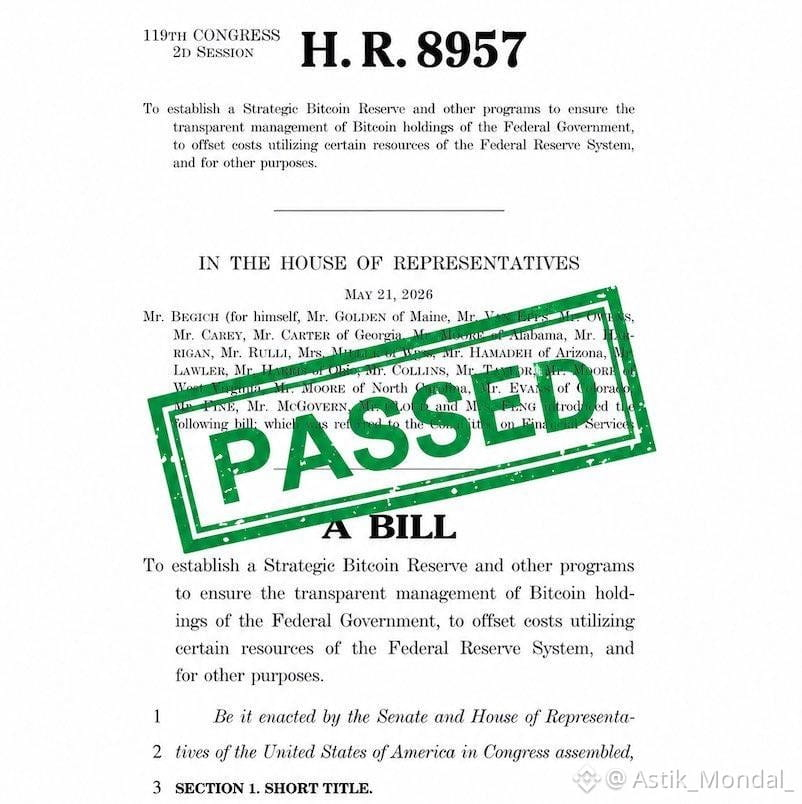
🚨 لجنة الخدمات المالية بمجلس النواب الأمريكي صوّتت للتو لصالح تمرير مشروع قانون الاحتياطي الاستراتيجي للبيتكوين ليصبح قانونًا، بعد نتيجة 28–21.
لم يعد الأمر مجرد تفاؤل تنفيذي—فالكونغرس يكتب البيتكوين رسميًا داخل البنية المالية الأساسية لأمريكا.
إليك لماذا يُغيّر قانون تحديث الاحتياطي الأمريكي (H.R. 8957) التمويل العالمي إلى الأبد:
لِسنوات، صادرت جهات إنفاذ القانون الفيدرالية عشرات الآلاف من وحدات BTC في حالات المصادرة، ثم قامت بهدوء بطرحها في مزادات علنية. ينهي هذا المشروع التفريغ الدائم لموردات الحكومة. كل بيتكوين تمّت مصادرته ينتقل مباشرة إلى احتياطي خزانة آمن—دون أن يلامس السوق مرة أخرى.
يتضمن القرار فترة حبس صارمة لمدة 20 عامًا. بمجرد دخول BTC إلى الاحتياطي، يُحظر على الخزانة بيعها أو مبادلتها أو رهنها قانونًا لمدة عقدين. تحوّل الحكومة الأمريكية نفسها من بائع إلى المساهم طويل الأجل النهائي في HODL.
سيتم توجيه الأصول الرقمية غير المرتبطة بالبيتكوين إلى مخزون منفصل. وبموجب مشروع القانون، لا يمكن استخدام أي تصفية لعملات كريبتو غير BTC إلا لشيئين: شراء المزيد من البيتكوين أو سداد الدين الوطني.
يضع التشريع تقارير شهرية ربع سنوية صارمة علنية بعنوان Proof of Reserve ويتم تدقيقها من طرف جهات خارجية مستقلة. سيتم التحقق تشفيرياً من كل عملة تحت حيازة الحكومة الأمريكية على السلسلة.
كما يحمي الحقوق الفردية، مع ضمان صريح بأن الأمريكيين يحتفظون بالحماية القانونية الكاملة لامتلاك وتداول وحيازة مفاتيحهم الخاصة ذاتيًا.
ومع وجود أكثر من 324,000 BTC حاليًا تحت السيطرة الفيدرالية، تعمل الولايات المتحدة على ترسيخ موقعها كمتحكم مؤسساتي في قوة البيتكوين السيادية.
والآن يتجه مشروع القانون إلى جلسة مجلس النواب الكاملة، وقد بدأت رسميًا المنافسة العالمية على احتياطيات البيتكوين السيادية.
#Bitcoin #CryptoNews #StrategicReserve #USFinance #Crypto
🚨 لجنة الخدمات المالية بمجلس النواب الأمريكي صوّتت للتو لصالح تمرير مشروع قانون الاحتياطي الاستراتيجي للبيتكوين ليصبح قانونًا، بعد نتيجة 28–21.
لم يعد الأمر مجرد تفاؤل تنفيذي—فالكونغرس يكتب البيتكوين رسميًا داخل البنية المالية الأساسية لأمريكا.
إليك لماذا يُغيّر قانون تحديث الاحتياطي الأمريكي (H.R. 8957) التمويل العالمي إلى الأبد:
لِسنوات، صادرت جهات إنفاذ القانون الفيدرالية عشرات الآلاف من وحدات BTC في حالات المصادرة، ثم قامت بهدوء بطرحها في مزادات علنية. ينهي هذا المشروع التفريغ الدائم لموردات الحكومة. كل بيتكوين تمّت مصادرته ينتقل مباشرة إلى احتياطي خزانة آمن—دون أن يلامس السوق مرة أخرى.
يتضمن القرار فترة حبس صارمة لمدة 20 عامًا. بمجرد دخول BTC إلى الاحتياطي، يُحظر على الخزانة بيعها أو مبادلتها أو رهنها قانونًا لمدة عقدين. تحوّل الحكومة الأمريكية نفسها من بائع إلى المساهم طويل الأجل النهائي في HODL.
سيتم توجيه الأصول الرقمية غير المرتبطة بالبيتكوين إلى مخزون منفصل. وبموجب مشروع القانون، لا يمكن استخدام أي تصفية لعملات كريبتو غير BTC إلا لشيئين: شراء المزيد من البيتكوين أو سداد الدين الوطني.
يضع التشريع تقارير شهرية ربع سنوية صارمة علنية بعنوان Proof of Reserve ويتم تدقيقها من طرف جهات خارجية مستقلة. سيتم التحقق تشفيرياً من كل عملة تحت حيازة الحكومة الأمريكية على السلسلة.
كما يحمي الحقوق الفردية، مع ضمان صريح بأن الأمريكيين يحتفظون بالحماية القانونية الكاملة لامتلاك وتداول وحيازة مفاتيحهم الخاصة ذاتيًا.
ومع وجود أكثر من 324,000 BTC حاليًا تحت السيطرة الفيدرالية، تعمل الولايات المتحدة على ترسيخ موقعها كمتحكم مؤسساتي في قوة البيتكوين السيادية.
والآن يتجه مشروع القانون إلى جلسة مجلس النواب الكاملة، وقد بدأت رسميًا المنافسة العالمية على احتياطيات البيتكوين السيادية.
#Bitcoin #CryptoNews #StrategicReserve #USFinance #Crypto
لم يعد الأمر مجرد تفاؤل تنفيذي—فالكونغرس يكتب البيتكوين رسميًا داخل البنية المالية الأساسية لأمريكا.
إليك لماذا يُغيّر قانون تحديث الاحتياطي الأمريكي (H.R. 8957) التمويل العالمي إلى الأبد:
لِسنوات، صادرت جهات إنفاذ القانون الفيدرالية عشرات الآلاف من وحدات BTC في حالات المصادرة، ثم قامت بهدوء بطرحها في مزادات علنية. ينهي هذا المشروع التفريغ الدائم لموردات الحكومة. كل بيتكوين تمّت مصادرته ينتقل مباشرة إلى احتياطي خزانة آمن—دون أن يلامس السوق مرة أخرى.
يتضمن القرار فترة حبس صارمة لمدة 20 عامًا. بمجرد دخول BTC إلى الاحتياطي، يُحظر على الخزانة بيعها أو مبادلتها أو رهنها قانونًا لمدة عقدين. تحوّل الحكومة الأمريكية نفسها من بائع إلى المساهم طويل الأجل النهائي في HODL.
سيتم توجيه الأصول الرقمية غير المرتبطة بالبيتكوين إلى مخزون منفصل. وبموجب مشروع القانون، لا يمكن استخدام أي تصفية لعملات كريبتو غير BTC إلا لشيئين: شراء المزيد من البيتكوين أو سداد الدين الوطني.
يضع التشريع تقارير شهرية ربع سنوية صارمة علنية بعنوان Proof of Reserve ويتم تدقيقها من طرف جهات خارجية مستقلة. سيتم التحقق تشفيرياً من كل عملة تحت حيازة الحكومة الأمريكية على السلسلة.
كما يحمي الحقوق الفردية، مع ضمان صريح بأن الأمريكيين يحتفظون بالحماية القانونية الكاملة لامتلاك وتداول وحيازة مفاتيحهم الخاصة ذاتيًا.
ومع وجود أكثر من 324,000 BTC حاليًا تحت السيطرة الفيدرالية، تعمل الولايات المتحدة على ترسيخ موقعها كمتحكم مؤسساتي في قوة البيتكوين السيادية.
والآن يتجه مشروع القانون إلى جلسة مجلس النواب الكاملة، وقد بدأت رسميًا المنافسة العالمية على احتياطيات البيتكوين السيادية.
#Bitcoin #CryptoNews #StrategicReserve #USFinance #Crypto
1
50
🚨 فيتاليك بوتيرين يضع 90% من صافي ثروته على المحك في مقامرة ضخمة ضد سيناريو «نهاية العالم بسبب الذكاء الاصطناعي».
في حين يحذّر المتشائمون من أن الذكاء الاصطناعي سيطارد الثغرات ويكسر أمن البلوكشين، يقول فيتاليك إن العكس تمامًا هو ما سيحدث.
إليك لماذا يعتقد مؤسس إيثيريوم أن الذكاء الاصطناعي سيجعل العملات المشفرة منيعة تمامًا:
اشتعل الجدل عندما زعم المنتقدون أن وكلاء الذكاء الاصطناعي المتقدم يمكنهم استغلال ثغرات يوم الصفر بسرعة أكبر من قدرة البشر على إصلاحها، ما قد يؤدي إلى انهيار واسع في السوق. رفض فيتاليك هذه الأطروحة، كاشفًا أن ~90% من ثروته هو ما يزال مُقيّدًا في ETH، ما يعني أنه بالفعل «رهان على بقاء» العملات المشفرة.
يُسرّع الذكاء الاصطناعي الهجمات، لكنه يُسرّع الدفاع بوتيرة أسرع بكثير وبشكل مضاعف.
الورقة السرية هي «التحقق الرسمي» بمساعدة الذكاء الاصطناعي. بدلًا من الاعتماد على تدقيقات بشرية للكود، يمكن للذكاء الاصطناعي التعبير عن دوال العقود الذكية كـ«مبرهنات» رياضية خالصة، تثبت أن الكود خالٍ من الأخطاء بنسبة 100% قبل أن يُنشر حتى.
لمدة سنوات، كانت كتابة البراهين الرياضية للبرمجيات المعقدة مكلفة وبطيئة للغاية بالنسبة للمطورين. يملأ الذكاء الاصطناعي هذه الفجوة عبر توليد كود مُحسّن تلقائيًا وبراهين قابلة للتحقق من الآلة على نطاق واسع.
"لا مستقبل للبلوكشينات بدون القيام بهذا الأمر"، حذّر فيتاليك. دون كود مُتحقَّق منه رياضيًا، تصبح اللاانعكاسية عبئًا؛ ومعه، تصبح البروتوكولات غير القائمة على الثقة قابلة للرسوخ رياضيًا.
لقد حان زمن انتهاء العقود الذكية المهملة. الذكاء الاصطناعي لن يدمر العملات المشفرة، بل سيبني طبقة الأمان النهائية الخاصة بها.
#VitalikButerin #Ethereum #CryptoNews #ArtificialIntelligence #CyberSecurity
🚨 فيتاليك بوتيرين يضع 90% من صافي ثروته على المحك في مقامرة ضخمة ضد سيناريو «نهاية العالم بسبب الذكاء الاصطناعي».
في حين يحذّر المتشائمون من أن الذكاء الاصطناعي سيطارد الثغرات ويكسر أمن البلوكشين، يقول فيتاليك إن العكس تمامًا هو ما سيحدث.
إليك لماذا يعتقد مؤسس إيثيريوم أن الذكاء الاصطناعي سيجعل العملات المشفرة منيعة تمامًا:
اشتعل الجدل عندما زعم المنتقدون أن وكلاء الذكاء الاصطناعي المتقدم يمكنهم استغلال ثغرات يوم الصفر بسرعة أكبر من قدرة البشر على إصلاحها، ما قد يؤدي إلى انهيار واسع في السوق. رفض فيتاليك هذه الأطروحة، كاشفًا أن ~90% من ثروته هو ما يزال مُقيّدًا في ETH، ما يعني أنه بالفعل «رهان على بقاء» العملات المشفرة.
يُسرّع الذكاء الاصطناعي الهجمات، لكنه يُسرّع الدفاع بوتيرة أسرع بكثير وبشكل مضاعف.
الورقة السرية هي «التحقق الرسمي» بمساعدة الذكاء الاصطناعي. بدلًا من الاعتماد على تدقيقات بشرية للكود، يمكن للذكاء الاصطناعي التعبير عن دوال العقود الذكية كـ«مبرهنات» رياضية خالصة، تثبت أن الكود خالٍ من الأخطاء بنسبة 100% قبل أن يُنشر حتى.
لمدة سنوات، كانت كتابة البراهين الرياضية للبرمجيات المعقدة مكلفة وبطيئة للغاية بالنسبة للمطورين. يملأ الذكاء الاصطناعي هذه الفجوة عبر توليد كود مُحسّن تلقائيًا وبراهين قابلة للتحقق من الآلة على نطاق واسع.
"لا مستقبل للبلوكشينات بدون القيام بهذا الأمر"، حذّر فيتاليك. دون كود مُتحقَّق منه رياضيًا، تصبح اللاانعكاسية عبئًا؛ ومعه، تصبح البروتوكولات غير القائمة على الثقة قابلة للرسوخ رياضيًا.
لقد حان زمن انتهاء العقود الذكية المهملة. الذكاء الاصطناعي لن يدمر العملات المشفرة، بل سيبني طبقة الأمان النهائية الخاصة بها.
#VitalikButerin #Ethereum #CryptoNews #ArtificialIntelligence #CyberSecurity
في حين يحذّر المتشائمون من أن الذكاء الاصطناعي سيطارد الثغرات ويكسر أمن البلوكشين، يقول فيتاليك إن العكس تمامًا هو ما سيحدث.
إليك لماذا يعتقد مؤسس إيثيريوم أن الذكاء الاصطناعي سيجعل العملات المشفرة منيعة تمامًا:
اشتعل الجدل عندما زعم المنتقدون أن وكلاء الذكاء الاصطناعي المتقدم يمكنهم استغلال ثغرات يوم الصفر بسرعة أكبر من قدرة البشر على إصلاحها، ما قد يؤدي إلى انهيار واسع في السوق. رفض فيتاليك هذه الأطروحة، كاشفًا أن ~90% من ثروته هو ما يزال مُقيّدًا في ETH، ما يعني أنه بالفعل «رهان على بقاء» العملات المشفرة.
يُسرّع الذكاء الاصطناعي الهجمات، لكنه يُسرّع الدفاع بوتيرة أسرع بكثير وبشكل مضاعف.
الورقة السرية هي «التحقق الرسمي» بمساعدة الذكاء الاصطناعي. بدلًا من الاعتماد على تدقيقات بشرية للكود، يمكن للذكاء الاصطناعي التعبير عن دوال العقود الذكية كـ«مبرهنات» رياضية خالصة، تثبت أن الكود خالٍ من الأخطاء بنسبة 100% قبل أن يُنشر حتى.
لمدة سنوات، كانت كتابة البراهين الرياضية للبرمجيات المعقدة مكلفة وبطيئة للغاية بالنسبة للمطورين. يملأ الذكاء الاصطناعي هذه الفجوة عبر توليد كود مُحسّن تلقائيًا وبراهين قابلة للتحقق من الآلة على نطاق واسع.
"لا مستقبل للبلوكشينات بدون القيام بهذا الأمر"، حذّر فيتاليك. دون كود مُتحقَّق منه رياضيًا، تصبح اللاانعكاسية عبئًا؛ ومعه، تصبح البروتوكولات غير القائمة على الثقة قابلة للرسوخ رياضيًا.
لقد حان زمن انتهاء العقود الذكية المهملة. الذكاء الاصطناعي لن يدمر العملات المشفرة، بل سيبني طبقة الأمان النهائية الخاصة بها.
#VitalikButerin #Ethereum #CryptoNews #ArtificialIntelligence #CyberSecurity

1
56
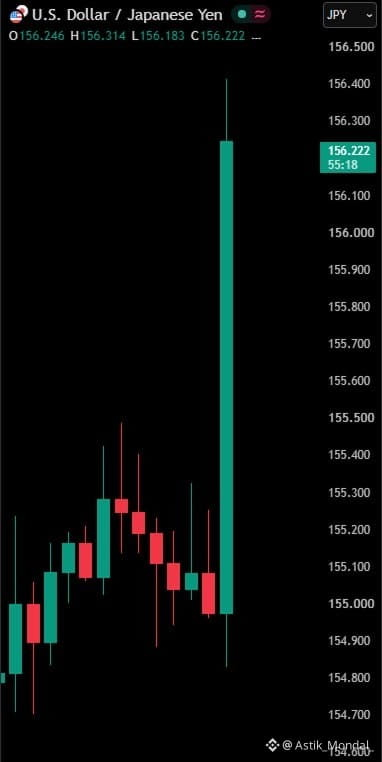
🚨 تجاوز الدولار للتو 156 ين بشكل هائل، والنظام المالي العالمي بأسره يحبس أنفاسه.
دفعة رفع الفائدة العدوانية من الاحتياطي الفيدرالي دفعت عوائد السندات الأميركية إلى مستويات مرتفعة، ما فتح فجوة سياسة ضخمة قدرها 300 نقطة أساس مقابل اليابان.
إليك لماذا قد يسبب قرار بنك اليابان يوم الجمعة صدمات زلزالية عبر العملات المشفرة والأسهم وأسواق السندات:
عندما تباعدت أسعار الفائدة عالميًا في أغسطس 2024، أدى فكّ سريع للرافعة المالية الضخمة المعتمدة على ينّ (Yen Carry Trade) إلى حالة من الفوضى الفورية.
المتداولون الذين قضوا سنوات في الاقتراض بالين الرخيص للغاية لشراء أصول مخاطرة بعوائد مرتفعة مثل أسهم التكنولوجيا الأميركية وBitcoin وجدوا أنفسهم فجأة مضطرين لتصفية كل شيء في وقت واحد لتغطية قروضهم.
كانت النتيجة انهيارًا سوقيًا قاسيًا. هبط سعر Bitcoin إلى 49,000 دولار، وتكبد مؤشر Nikkei 225 هبوطًا كارثيًا بنسبة 12.4% في يوم واحد فقط، في أسوأ موجة بيع هلع منذ 1987.
والآن، يهدد التاريخ بتكرار السيناريو.
مع توقع 97% من الاقتصاديين أن يرفع بنك اليابان سعر الفائدة إلى 1.25% يوم الجمعة، تستعد اليابان لرفع تكاليف الاقتراض إلى أعلى مستوى لها في 31 عامًا.
إذا قدم المحافظ أويدا زيادة “متشددة” (hawkish)، فإن رافعة الين شديدة الرخص التي تغذي الأصول عالية المخاطر عالميًا ستتراجع بين ليلة وضحاها.
يتسابق المتداولون لإعادة موازنة المحافظ قبل إعلان يوم الجمعة، لأن بدء عمليات التصفية في طوكيو يؤدي إلى نزف الرافعة في كل مكان.
#YenCarryTrade #BOJ #Bitcoin #Nikkei225 #GlobalMarkets
🚨 تجاوز الدولار للتو 156 ين بشكل هائل، والنظام المالي العالمي بأسره يحبس أنفاسه.
دفعة رفع الفائدة العدوانية من الاحتياطي الفيدرالي دفعت عوائد السندات الأميركية إلى مستويات مرتفعة، ما فتح فجوة سياسة ضخمة قدرها 300 نقطة أساس مقابل اليابان.
إليك لماذا قد يسبب قرار بنك اليابان يوم الجمعة صدمات زلزالية عبر العملات المشفرة والأسهم وأسواق السندات:
عندما تباعدت أسعار الفائدة عالميًا في أغسطس 2024، أدى فكّ سريع للرافعة المالية الضخمة المعتمدة على ينّ (Yen Carry Trade) إلى حالة من الفوضى الفورية.
المتداولون الذين قضوا سنوات في الاقتراض بالين الرخيص للغاية لشراء أصول مخاطرة بعوائد مرتفعة مثل أسهم التكنولوجيا الأميركية وBitcoin وجدوا أنفسهم فجأة مضطرين لتصفية كل شيء في وقت واحد لتغطية قروضهم.
كانت النتيجة انهيارًا سوقيًا قاسيًا. هبط سعر Bitcoin إلى 49,000 دولار، وتكبد مؤشر Nikkei 225 هبوطًا كارثيًا بنسبة 12.4% في يوم واحد فقط، في أسوأ موجة بيع هلع منذ 1987.
والآن، يهدد التاريخ بتكرار السيناريو.
مع توقع 97% من الاقتصاديين أن يرفع بنك اليابان سعر الفائدة إلى 1.25% يوم الجمعة، تستعد اليابان لرفع تكاليف الاقتراض إلى أعلى مستوى لها في 31 عامًا.
إذا قدم المحافظ أويدا زيادة “متشددة” (hawkish)، فإن رافعة الين شديدة الرخص التي تغذي الأصول عالية المخاطر عالميًا ستتراجع بين ليلة وضحاها.
يتسابق المتداولون لإعادة موازنة المحافظ قبل إعلان يوم الجمعة، لأن بدء عمليات التصفية في طوكيو يؤدي إلى نزف الرافعة في كل مكان.
#YenCarryTrade #BOJ #Bitcoin #Nikkei225 #GlobalMarkets
دفعة رفع الفائدة العدوانية من الاحتياطي الفيدرالي دفعت عوائد السندات الأميركية إلى مستويات مرتفعة، ما فتح فجوة سياسة ضخمة قدرها 300 نقطة أساس مقابل اليابان.
إليك لماذا قد يسبب قرار بنك اليابان يوم الجمعة صدمات زلزالية عبر العملات المشفرة والأسهم وأسواق السندات:
عندما تباعدت أسعار الفائدة عالميًا في أغسطس 2024، أدى فكّ سريع للرافعة المالية الضخمة المعتمدة على ينّ (Yen Carry Trade) إلى حالة من الفوضى الفورية.
المتداولون الذين قضوا سنوات في الاقتراض بالين الرخيص للغاية لشراء أصول مخاطرة بعوائد مرتفعة مثل أسهم التكنولوجيا الأميركية وBitcoin وجدوا أنفسهم فجأة مضطرين لتصفية كل شيء في وقت واحد لتغطية قروضهم.
كانت النتيجة انهيارًا سوقيًا قاسيًا. هبط سعر Bitcoin إلى 49,000 دولار، وتكبد مؤشر Nikkei 225 هبوطًا كارثيًا بنسبة 12.4% في يوم واحد فقط، في أسوأ موجة بيع هلع منذ 1987.
والآن، يهدد التاريخ بتكرار السيناريو.
مع توقع 97% من الاقتصاديين أن يرفع بنك اليابان سعر الفائدة إلى 1.25% يوم الجمعة، تستعد اليابان لرفع تكاليف الاقتراض إلى أعلى مستوى لها في 31 عامًا.
إذا قدم المحافظ أويدا زيادة “متشددة” (hawkish)، فإن رافعة الين شديدة الرخص التي تغذي الأصول عالية المخاطر عالميًا ستتراجع بين ليلة وضحاها.
يتسابق المتداولون لإعادة موازنة المحافظ قبل إعلان يوم الجمعة، لأن بدء عمليات التصفية في طوكيو يؤدي إلى نزف الرافعة في كل مكان.
#YenCarryTrade #BOJ #Bitcoin #Nikkei225 #GlobalMarkets
1
52
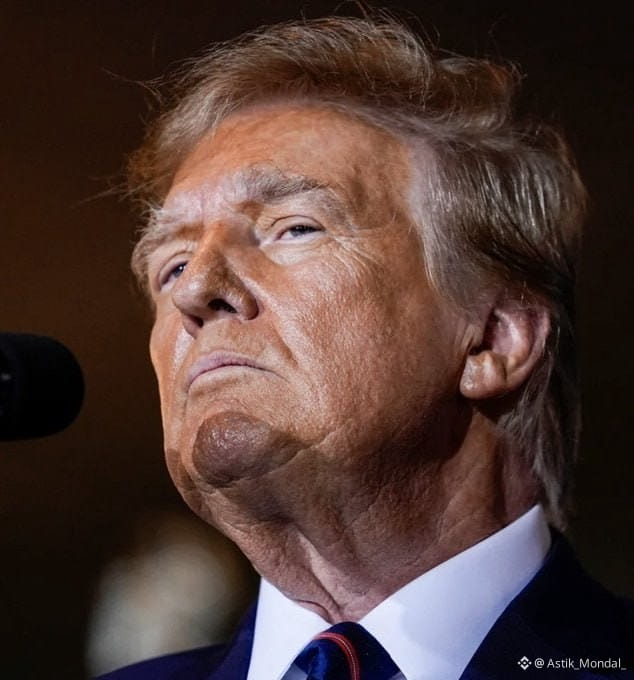
🚨 اندلعت للتو حرب هائلة وعالية المخاطر بين البيت الأبيض والاحتياطي الفيدرالي.
بعد ساعات من رفع الاحتياطي الفيدرالي للفائدة إلى 3.75%–4.00%، أصدر الرئيس ترامب إنذارًا عاجلًا: "اخفِضْ أسعار الفائدة... وبسرعة!"
إليك ما يعنيه هذا الاصطدام التاريخي بقوة 275 نقطة أساس بالنسبة للاقتصاد:
البنك المركزي والسلطة التنفيذية يعملان على موجتين مختلفتين تمامًا. بينما يرفع رئيس مجلس الاحتياطي الفيدرالي كيفن وورش الأسعار لكبح التضخم العنيد، يطالب ترامب بخفض طارئ وصولًا إلى 1% أو أقل، بحجة أن الولايات المتحدة تستحق أدنى تكاليف الاقتراض في العالم.
إن فجوة 275 نقطة أساس ليست مجرد اختلاف بسيط في السياسة، بل هزة اقتصادية. إن خفض الفائدة إلى 1% في بيئة تضخمية سيغرق السوق برأس مال رخيص، ما يعرّض لخطر فرط التضخم بينما يدفع عوائد السندات إلى حالة من الفوضى.
يقدّم ترامب ارتفاع الفائدة باعتباره ضريبة غير عادلة على نمو الأمريكيين، مؤكدًا أن أعلى تصنيف ائتماني واستثمارات قادمة قياسية تبرر ديونًا رخيصة. وفي المقابل، فإن رفع الفائدة بالإجماع 12-0 من جانب الاحتياطي الفيدرالي يُظهر أن صناع القرار لا يزالون يشعرون بالرعب من تفلت أسعار المستهلك.
يبدو أن الاستقلال المؤسسي يتجه نحو الاختبار الأقصى. فقد أصبحت الأسواق الآن عالقة مباشرة في مرمى المواجهة بين التشديد النقدي والضغط السياسي من أجل حوافز سريعة.
إن التقلبات ليست فقط عائدة—بل إنها على وشك الوصول إلى وضع التشغيل على أقصى سرعة.
#Fed #Trump #InterestRates #Economy #MacroEconomics
🚨 اندلعت للتو حرب هائلة وعالية المخاطر بين البيت الأبيض والاحتياطي الفيدرالي.
بعد ساعات من رفع الاحتياطي الفيدرالي للفائدة إلى 3.75%–4.00%، أصدر الرئيس ترامب إنذارًا عاجلًا: "اخفِضْ أسعار الفائدة... وبسرعة!"
إليك ما يعنيه هذا الاصطدام التاريخي بقوة 275 نقطة أساس بالنسبة للاقتصاد:
البنك المركزي والسلطة التنفيذية يعملان على موجتين مختلفتين تمامًا. بينما يرفع رئيس مجلس الاحتياطي الفيدرالي كيفن وورش الأسعار لكبح التضخم العنيد، يطالب ترامب بخفض طارئ وصولًا إلى 1% أو أقل، بحجة أن الولايات المتحدة تستحق أدنى تكاليف الاقتراض في العالم.
إن فجوة 275 نقطة أساس ليست مجرد اختلاف بسيط في السياسة، بل هزة اقتصادية. إن خفض الفائدة إلى 1% في بيئة تضخمية سيغرق السوق برأس مال رخيص، ما يعرّض لخطر فرط التضخم بينما يدفع عوائد السندات إلى حالة من الفوضى.
يقدّم ترامب ارتفاع الفائدة باعتباره ضريبة غير عادلة على نمو الأمريكيين، مؤكدًا أن أعلى تصنيف ائتماني واستثمارات قادمة قياسية تبرر ديونًا رخيصة. وفي المقابل، فإن رفع الفائدة بالإجماع 12-0 من جانب الاحتياطي الفيدرالي يُظهر أن صناع القرار لا يزالون يشعرون بالرعب من تفلت أسعار المستهلك.
يبدو أن الاستقلال المؤسسي يتجه نحو الاختبار الأقصى. فقد أصبحت الأسواق الآن عالقة مباشرة في مرمى المواجهة بين التشديد النقدي والضغط السياسي من أجل حوافز سريعة.
إن التقلبات ليست فقط عائدة—بل إنها على وشك الوصول إلى وضع التشغيل على أقصى سرعة.
#Fed #Trump #InterestRates #Economy #MacroEconomics
بعد ساعات من رفع الاحتياطي الفيدرالي للفائدة إلى 3.75%–4.00%، أصدر الرئيس ترامب إنذارًا عاجلًا: "اخفِضْ أسعار الفائدة... وبسرعة!"
إليك ما يعنيه هذا الاصطدام التاريخي بقوة 275 نقطة أساس بالنسبة للاقتصاد:
البنك المركزي والسلطة التنفيذية يعملان على موجتين مختلفتين تمامًا. بينما يرفع رئيس مجلس الاحتياطي الفيدرالي كيفن وورش الأسعار لكبح التضخم العنيد، يطالب ترامب بخفض طارئ وصولًا إلى 1% أو أقل، بحجة أن الولايات المتحدة تستحق أدنى تكاليف الاقتراض في العالم.
إن فجوة 275 نقطة أساس ليست مجرد اختلاف بسيط في السياسة، بل هزة اقتصادية. إن خفض الفائدة إلى 1% في بيئة تضخمية سيغرق السوق برأس مال رخيص، ما يعرّض لخطر فرط التضخم بينما يدفع عوائد السندات إلى حالة من الفوضى.
يقدّم ترامب ارتفاع الفائدة باعتباره ضريبة غير عادلة على نمو الأمريكيين، مؤكدًا أن أعلى تصنيف ائتماني واستثمارات قادمة قياسية تبرر ديونًا رخيصة. وفي المقابل، فإن رفع الفائدة بالإجماع 12-0 من جانب الاحتياطي الفيدرالي يُظهر أن صناع القرار لا يزالون يشعرون بالرعب من تفلت أسعار المستهلك.
يبدو أن الاستقلال المؤسسي يتجه نحو الاختبار الأقصى. فقد أصبحت الأسواق الآن عالقة مباشرة في مرمى المواجهة بين التشديد النقدي والضغط السياسي من أجل حوافز سريعة.
إن التقلبات ليست فقط عائدة—بل إنها على وشك الوصول إلى وضع التشغيل على أقصى سرعة.
#Fed #Trump #InterestRates #Economy #MacroEconomics
1
49
تمّ التحقق
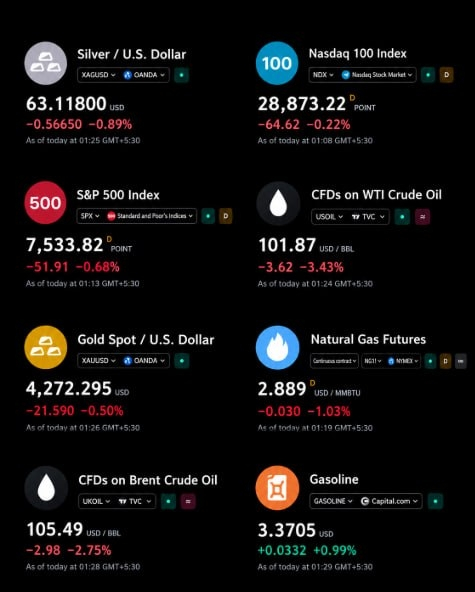
🚨 أعلن بنك الاحتياطي الفيدرالي للتو أول زيادة في سعر الفائدة منذ 3 سنوات، وقلب سيناريو السوق بالكامل.
تحولت “اللون الأخضر” إلى “الأحمر المباشر” عبر الأسهم، والنفط، والذهب، والفضة، والغاز الطبيعي.
إليك لماذا أدى التحول الطارئ لرئيس الاحتياطي الفيدرالي كيفن وورش إلى كسر مسار السوق:
دخل المستثمرون وهم يراهنون على هبوطٍ سلس ووقفٍ للفائدة، لكن الاحتياطي الفيدرالي اضطر إلى اتخاذ إجراء حاسم. لقد رفع البنك المركزي أسعار الفائدة إلى نطاق مستهدف بين 3.75% و4.00%، ما وضع نهاية رسمية لمرحلة الإبقاء.
وخلال المؤتمر الصحفي، لم يقدم وورش أي قدرٍ من الطمأنة “الحمائمية”. ذهب مباشرة إلى صلب الموضوع: «التضخم مرتفع جدًا، وكان كذلك لفترة طويلة جدًا.»
بدأت الأصول ذات المخاطر فورًا في التفكك. تراجعت الأسهم، وسُحقت السلع عبر كافة اللوحات، وتدفق رأس المال خارج الأصول شديدة التقلب.
الطاقة كانت الناجي الوحيد. بينما هبط الغاز الطبيعي مع الأسواق الأوسع، بقيت أسعار البنزين مرتفعة بنحو +1.00% مع استمرار اختناقات الإمدادات عالميًا والضغط الجيوسياسي الذي يبقي أسعار المضخات مرتفعة.
كانت أكبر موجة صادمة هي الرسم البياني المُراجع للنقاط (dot plot). أُصيب وول ستريت بالدهشة التامة، إذ أعاد المتداولون تسعير سعرَي زيادات إضافيتين في الفائدة قبل نهاية العام بشكل عدواني.
عصر “الأموال الرخيصة” لن يعود: رسميًا، هذه هي التعليمات “أعلى لفترة أطول”.
#FedHike #KevinWarsh #StockMarket #Inflation #CryptoNews
🚨 أعلن بنك الاحتياطي الفيدرالي للتو أول زيادة في سعر الفائدة منذ 3 سنوات، وقلب سيناريو السوق بالكامل.
تحولت “اللون الأخضر” إلى “الأحمر المباشر” عبر الأسهم، والنفط، والذهب، والفضة، والغاز الطبيعي.
إليك لماذا أدى التحول الطارئ لرئيس الاحتياطي الفيدرالي كيفن وورش إلى كسر مسار السوق:
دخل المستثمرون وهم يراهنون على هبوطٍ سلس ووقفٍ للفائدة، لكن الاحتياطي الفيدرالي اضطر إلى اتخاذ إجراء حاسم. لقد رفع البنك المركزي أسعار الفائدة إلى نطاق مستهدف بين 3.75% و4.00%، ما وضع نهاية رسمية لمرحلة الإبقاء.
وخلال المؤتمر الصحفي، لم يقدم وورش أي قدرٍ من الطمأنة “الحمائمية”. ذهب مباشرة إلى صلب الموضوع: «التضخم مرتفع جدًا، وكان كذلك لفترة طويلة جدًا.»
بدأت الأصول ذات المخاطر فورًا في التفكك. تراجعت الأسهم، وسُحقت السلع عبر كافة اللوحات، وتدفق رأس المال خارج الأصول شديدة التقلب.
الطاقة كانت الناجي الوحيد. بينما هبط الغاز الطبيعي مع الأسواق الأوسع، بقيت أسعار البنزين مرتفعة بنحو +1.00% مع استمرار اختناقات الإمدادات عالميًا والضغط الجيوسياسي الذي يبقي أسعار المضخات مرتفعة.
كانت أكبر موجة صادمة هي الرسم البياني المُراجع للنقاط (dot plot). أُصيب وول ستريت بالدهشة التامة، إذ أعاد المتداولون تسعير سعرَي زيادات إضافيتين في الفائدة قبل نهاية العام بشكل عدواني.
عصر “الأموال الرخيصة” لن يعود: رسميًا، هذه هي التعليمات “أعلى لفترة أطول”.
#FedHike #KevinWarsh #StockMarket #Inflation #CryptoNews
تحولت “اللون الأخضر” إلى “الأحمر المباشر” عبر الأسهم، والنفط، والذهب، والفضة، والغاز الطبيعي.
إليك لماذا أدى التحول الطارئ لرئيس الاحتياطي الفيدرالي كيفن وورش إلى كسر مسار السوق:
دخل المستثمرون وهم يراهنون على هبوطٍ سلس ووقفٍ للفائدة، لكن الاحتياطي الفيدرالي اضطر إلى اتخاذ إجراء حاسم. لقد رفع البنك المركزي أسعار الفائدة إلى نطاق مستهدف بين 3.75% و4.00%، ما وضع نهاية رسمية لمرحلة الإبقاء.
وخلال المؤتمر الصحفي، لم يقدم وورش أي قدرٍ من الطمأنة “الحمائمية”. ذهب مباشرة إلى صلب الموضوع: «التضخم مرتفع جدًا، وكان كذلك لفترة طويلة جدًا.»
بدأت الأصول ذات المخاطر فورًا في التفكك. تراجعت الأسهم، وسُحقت السلع عبر كافة اللوحات، وتدفق رأس المال خارج الأصول شديدة التقلب.
الطاقة كانت الناجي الوحيد. بينما هبط الغاز الطبيعي مع الأسواق الأوسع، بقيت أسعار البنزين مرتفعة بنحو +1.00% مع استمرار اختناقات الإمدادات عالميًا والضغط الجيوسياسي الذي يبقي أسعار المضخات مرتفعة.
كانت أكبر موجة صادمة هي الرسم البياني المُراجع للنقاط (dot plot). أُصيب وول ستريت بالدهشة التامة، إذ أعاد المتداولون تسعير سعرَي زيادات إضافيتين في الفائدة قبل نهاية العام بشكل عدواني.
عصر “الأموال الرخيصة” لن يعود: رسميًا، هذه هي التعليمات “أعلى لفترة أطول”.
#FedHike #KevinWarsh #StockMarket #Inflation #CryptoNews
1
702
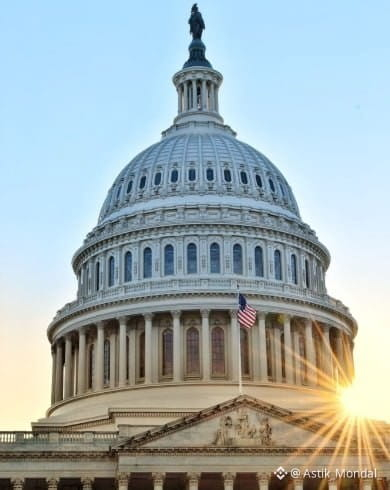
🚨 مجلس النواب الأمريكي للتو صوت بـ 38–5 لإعادة هيكلة ضرائب العملات المشفرة إلى الأبد.
إذا كنت تمتلك أو تتداول أو تستثمر (ستيكينغ) عملات مشفرة في أمريكا، فكل شيء على وشك أن يتغير.
إليك ما يعنيه قانون اليقين الضريبي للأصول الرقمية فعليًا بالنسبة لمحفظتك:
تُقر الحكومة أخيرًا بأن العملات المشفرة ليست مجرد مقامرة مضاربة بل إنها تدخل إلى الدفتر المالي التقليدي. وتمديد القواعد الضريبية الكلاسيكية على الأصول الرقمية يمنح المؤسسات الضوء الأخضر الذي كانت تنتظره.
لن تضطر بعد الآن إلى الإبلاغ عن كل فنجان قهوة تُدفع به بالعملات المشفرة. يقدم مشروع القانون حدًا أدنى قيمته 10 دولارات للمعاملات اليومية الصغيرة ويعفي الرسوم الصغيرة للشبكة والمعاملات. انتهت رسميًا كوابيس الضرائب الدقيقة.
تحصل عملات الدولار المستقرة (Stablecoins) على معاملة ضريبية فريدة. وهذا يمهد الطريق لكي تعمل العملات المستقرة كنظائر نقدية شرعية، ما يقلل بشكل كبير الاحتكاك للمدفوعات اليومية والتسوية عبر الحدود.
تتضح أخيرًا المنطقة الرمادية حول التعدين والستيكينغ ومبيعات الغسل. فرض الضرائب على المكافآت عند الإنتاج مقابل البيع كان كابوسًا؛ فوجود حدود واضحة يعني تخمينًا أقل وإلغاء أي أعذار لعدم الامتثال.
وقد اجتاز مشروع القانون لجنة الطرق والوسائل بدعم هائل عبر الحزبين. التصويت الكامل في مجلس النواب هو الخطوة التالية، والزخم لا يمكن إيقافه.
#CryptoNews #Bitcoin #CryptoTax #USFinance #DeFi
🚨 مجلس النواب الأمريكي للتو صوت بـ 38–5 لإعادة هيكلة ضرائب العملات المشفرة إلى الأبد.
إذا كنت تمتلك أو تتداول أو تستثمر (ستيكينغ) عملات مشفرة في أمريكا، فكل شيء على وشك أن يتغير.
إليك ما يعنيه قانون اليقين الضريبي للأصول الرقمية فعليًا بالنسبة لمحفظتك:
تُقر الحكومة أخيرًا بأن العملات المشفرة ليست مجرد مقامرة مضاربة بل إنها تدخل إلى الدفتر المالي التقليدي. وتمديد القواعد الضريبية الكلاسيكية على الأصول الرقمية يمنح المؤسسات الضوء الأخضر الذي كانت تنتظره.
لن تضطر بعد الآن إلى الإبلاغ عن كل فنجان قهوة تُدفع به بالعملات المشفرة. يقدم مشروع القانون حدًا أدنى قيمته 10 دولارات للمعاملات اليومية الصغيرة ويعفي الرسوم الصغيرة للشبكة والمعاملات. انتهت رسميًا كوابيس الضرائب الدقيقة.
تحصل عملات الدولار المستقرة (Stablecoins) على معاملة ضريبية فريدة. وهذا يمهد الطريق لكي تعمل العملات المستقرة كنظائر نقدية شرعية، ما يقلل بشكل كبير الاحتكاك للمدفوعات اليومية والتسوية عبر الحدود.
تتضح أخيرًا المنطقة الرمادية حول التعدين والستيكينغ ومبيعات الغسل. فرض الضرائب على المكافآت عند الإنتاج مقابل البيع كان كابوسًا؛ فوجود حدود واضحة يعني تخمينًا أقل وإلغاء أي أعذار لعدم الامتثال.
وقد اجتاز مشروع القانون لجنة الطرق والوسائل بدعم هائل عبر الحزبين. التصويت الكامل في مجلس النواب هو الخطوة التالية، والزخم لا يمكن إيقافه.
#CryptoNews #Bitcoin #CryptoTax #USFinance #DeFi
إذا كنت تمتلك أو تتداول أو تستثمر (ستيكينغ) عملات مشفرة في أمريكا، فكل شيء على وشك أن يتغير.
إليك ما يعنيه قانون اليقين الضريبي للأصول الرقمية فعليًا بالنسبة لمحفظتك:
تُقر الحكومة أخيرًا بأن العملات المشفرة ليست مجرد مقامرة مضاربة بل إنها تدخل إلى الدفتر المالي التقليدي. وتمديد القواعد الضريبية الكلاسيكية على الأصول الرقمية يمنح المؤسسات الضوء الأخضر الذي كانت تنتظره.
لن تضطر بعد الآن إلى الإبلاغ عن كل فنجان قهوة تُدفع به بالعملات المشفرة. يقدم مشروع القانون حدًا أدنى قيمته 10 دولارات للمعاملات اليومية الصغيرة ويعفي الرسوم الصغيرة للشبكة والمعاملات. انتهت رسميًا كوابيس الضرائب الدقيقة.
تحصل عملات الدولار المستقرة (Stablecoins) على معاملة ضريبية فريدة. وهذا يمهد الطريق لكي تعمل العملات المستقرة كنظائر نقدية شرعية، ما يقلل بشكل كبير الاحتكاك للمدفوعات اليومية والتسوية عبر الحدود.
تتضح أخيرًا المنطقة الرمادية حول التعدين والستيكينغ ومبيعات الغسل. فرض الضرائب على المكافآت عند الإنتاج مقابل البيع كان كابوسًا؛ فوجود حدود واضحة يعني تخمينًا أقل وإلغاء أي أعذار لعدم الامتثال.
وقد اجتاز مشروع القانون لجنة الطرق والوسائل بدعم هائل عبر الحزبين. التصويت الكامل في مجلس النواب هو الخطوة التالية، والزخم لا يمكن إيقافه.
#CryptoNews #Bitcoin #CryptoTax #USFinance #DeFi
1
2
1.2k
🚨 عاجل: قام الاحتياطي الفيدرالي للتو بإطلاق موجة صادمة هائلة على الأسواق العالمية.
للمرة الأولى منذ أكثر من ثلاث سنوات، تخلّى الاحتياطي الفيدرالي عن حملة التيسير ورفع المعدلات بمقدار 25 نقطة أساس.
عصر المال السهل انتهى رسميًا. إليك ما يحدث خلف الأبواب المغلقة وما يعنيه ذلك لأموالك:
وهم الهبوط الناعم تحطّم
لمدة أشهر، كانت وول ستريت تُسعّر تخفيضات في الفائدة وسيولة رخيصة وسرديات عن هبوطٍ ناعم. الآن، سحب الاحتياطي الفيدرالي البساط. برفع الفائدة اليوم، أرسل صُنّاع القرار إشارة لا لبس فيها: التضخم أكثر تمسّكًا مما اعترفوا به، والبنك المركزي مُجبر على العودة لوضع الدفاع.
فراغ سيولة وشيك
تؤدي الفائدة الأعلى إلى سحب السيولة فورًا من الأصول ذات المخاطر. توقّع موجات تقلب حادة تضرب الأسهم والعقارات والـكريبتو بين ليلة وضحاها. تكاليف الاقتراض ترتفع تدريجيًا، وتكاليف خدمة الديون تتراكم، وتتمّ ضغط المراكز المُرافَعة خارج السوق في الوقت الحقيقي.
إعادة توجيه هروب رأس المال
تتسارع عوائد الملاذات الآمنة، فتسحب رأس المال العالمي مباشرة من قطاعات النمو المرتفع. يقوم رأس المال المؤسسي الباحث عن العائد بإعادة تخصيص إلى ما يعادل النقد والديون قصيرة الأجل، ما يجبر الأصول شديدة الحساسية للمخاطر (high-beta) على إعادة تسعير إلى مستويات لم تُرَ منذ سنوات.
ماذا يحدث بعد ذلك
هذه ليست مجرد قفزة معزولة بمقدار 25 نقطة أساس—بل هي تحوّل بنيوي على مستوى الاقتصاد الكلي. راقب عوائد السندات ومؤشر الدولار DXY عن كثب خلال الـ48 ساعة القادمة. الأسواق لا تكتفي فقط بالتكيّف مع فائدة أعلى؛ بل هي تُسعّر تحوّلًا جوهريًا في نظام سياسة البنوك المركزية عالميًا.
عدّل محفظتك أو ستُترك وراءك.
#FedRateHike #CryptoNews #MacroEconomy #StockMarket #BreakingNews
🚨 عاجل: قام الاحتياطي الفيدرالي للتو بإطلاق موجة صادمة هائلة على الأسواق العالمية.
للمرة الأولى منذ أكثر من ثلاث سنوات، تخلّى الاحتياطي الفيدرالي عن حملة التيسير ورفع المعدلات بمقدار 25 نقطة أساس.
عصر المال السهل انتهى رسميًا. إليك ما يحدث خلف الأبواب المغلقة وما يعنيه ذلك لأموالك:
وهم الهبوط الناعم تحطّم
لمدة أشهر، كانت وول ستريت تُسعّر تخفيضات في الفائدة وسيولة رخيصة وسرديات عن هبوطٍ ناعم. الآن، سحب الاحتياطي الفيدرالي البساط. برفع الفائدة اليوم، أرسل صُنّاع القرار إشارة لا لبس فيها: التضخم أكثر تمسّكًا مما اعترفوا به، والبنك المركزي مُجبر على العودة لوضع الدفاع.
فراغ سيولة وشيك
تؤدي الفائدة الأعلى إلى سحب السيولة فورًا من الأصول ذات المخاطر. توقّع موجات تقلب حادة تضرب الأسهم والعقارات والـكريبتو بين ليلة وضحاها. تكاليف الاقتراض ترتفع تدريجيًا، وتكاليف خدمة الديون تتراكم، وتتمّ ضغط المراكز المُرافَعة خارج السوق في الوقت الحقيقي.
إعادة توجيه هروب رأس المال
تتسارع عوائد الملاذات الآمنة، فتسحب رأس المال العالمي مباشرة من قطاعات النمو المرتفع. يقوم رأس المال المؤسسي الباحث عن العائد بإعادة تخصيص إلى ما يعادل النقد والديون قصيرة الأجل، ما يجبر الأصول شديدة الحساسية للمخاطر (high-beta) على إعادة تسعير إلى مستويات لم تُرَ منذ سنوات.
ماذا يحدث بعد ذلك
هذه ليست مجرد قفزة معزولة بمقدار 25 نقطة أساس—بل هي تحوّل بنيوي على مستوى الاقتصاد الكلي. راقب عوائد السندات ومؤشر الدولار DXY عن كثب خلال الـ48 ساعة القادمة. الأسواق لا تكتفي فقط بالتكيّف مع فائدة أعلى؛ بل هي تُسعّر تحوّلًا جوهريًا في نظام سياسة البنوك المركزية عالميًا.
عدّل محفظتك أو ستُترك وراءك.
#FedRateHike #CryptoNews #MacroEconomy #StockMarket #BreakingNews
للمرة الأولى منذ أكثر من ثلاث سنوات، تخلّى الاحتياطي الفيدرالي عن حملة التيسير ورفع المعدلات بمقدار 25 نقطة أساس.
عصر المال السهل انتهى رسميًا. إليك ما يحدث خلف الأبواب المغلقة وما يعنيه ذلك لأموالك:
وهم الهبوط الناعم تحطّم
لمدة أشهر، كانت وول ستريت تُسعّر تخفيضات في الفائدة وسيولة رخيصة وسرديات عن هبوطٍ ناعم. الآن، سحب الاحتياطي الفيدرالي البساط. برفع الفائدة اليوم، أرسل صُنّاع القرار إشارة لا لبس فيها: التضخم أكثر تمسّكًا مما اعترفوا به، والبنك المركزي مُجبر على العودة لوضع الدفاع.
فراغ سيولة وشيك
تؤدي الفائدة الأعلى إلى سحب السيولة فورًا من الأصول ذات المخاطر. توقّع موجات تقلب حادة تضرب الأسهم والعقارات والـكريبتو بين ليلة وضحاها. تكاليف الاقتراض ترتفع تدريجيًا، وتكاليف خدمة الديون تتراكم، وتتمّ ضغط المراكز المُرافَعة خارج السوق في الوقت الحقيقي.
إعادة توجيه هروب رأس المال
تتسارع عوائد الملاذات الآمنة، فتسحب رأس المال العالمي مباشرة من قطاعات النمو المرتفع. يقوم رأس المال المؤسسي الباحث عن العائد بإعادة تخصيص إلى ما يعادل النقد والديون قصيرة الأجل، ما يجبر الأصول شديدة الحساسية للمخاطر (high-beta) على إعادة تسعير إلى مستويات لم تُرَ منذ سنوات.
ماذا يحدث بعد ذلك
هذه ليست مجرد قفزة معزولة بمقدار 25 نقطة أساس—بل هي تحوّل بنيوي على مستوى الاقتصاد الكلي. راقب عوائد السندات ومؤشر الدولار DXY عن كثب خلال الـ48 ساعة القادمة. الأسواق لا تكتفي فقط بالتكيّف مع فائدة أعلى؛ بل هي تُسعّر تحوّلًا جوهريًا في نظام سياسة البنوك المركزية عالميًا.
عدّل محفظتك أو ستُترك وراءك.
#FedRateHike #CryptoNews #MacroEconomy #StockMarket #BreakingNews
7
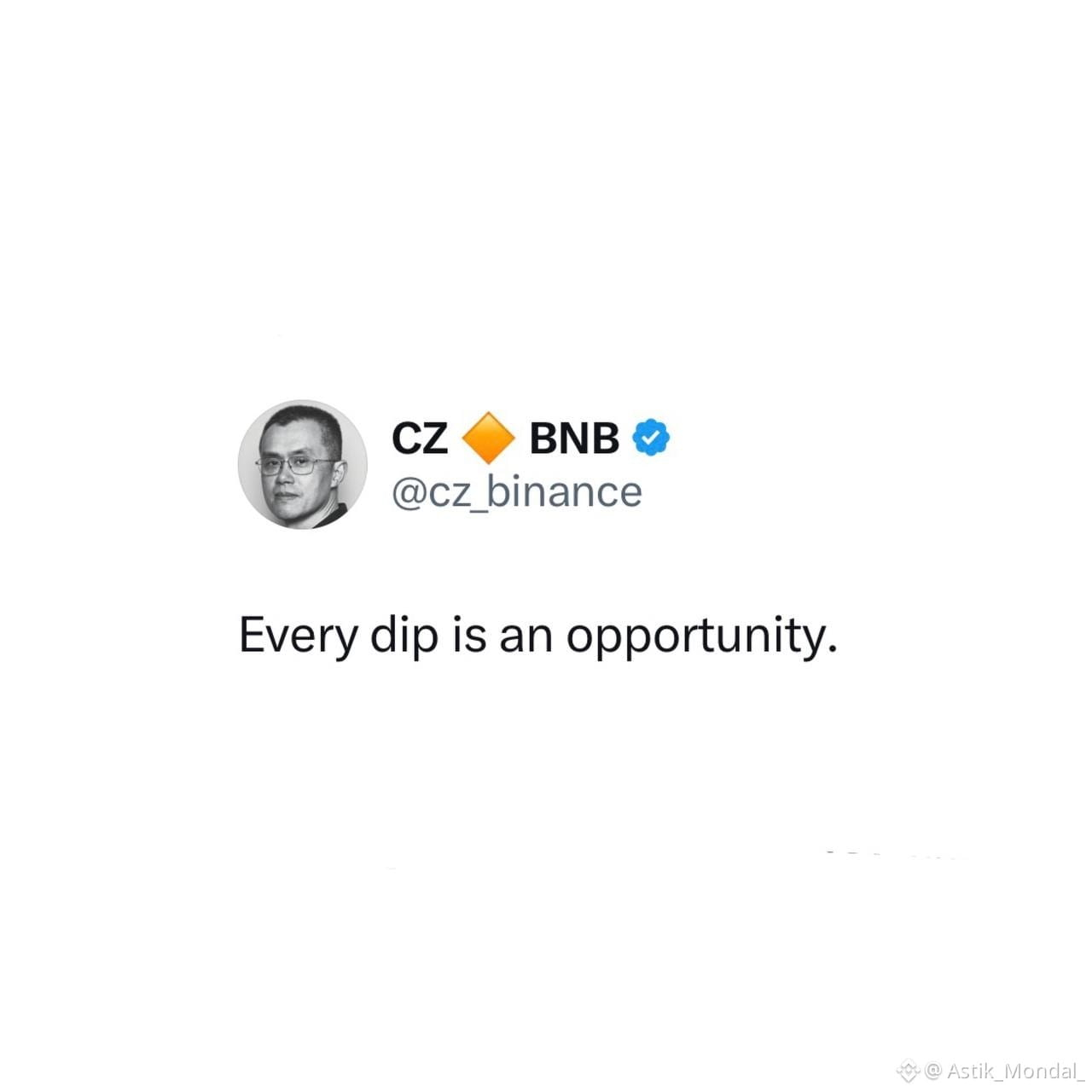
🚨 زاكز جاست دروبد تيرشيل بُل ماركت هنت
يشير تشانغبينغ تشاو إلى أن سوق العملات الرقمية قد يكون على وشك الدخول في مرحلة جديدة.
بعد شهور من التقلبات وعدم اليقين والتصفية القاسية.
لم يعد السؤال هو ما إذا كانت العملات الرقمية ستنجو.
بل ما إذا كان التوسع الرئيسي القادم بدأ بالفعل.
عندما يبدأ أحد أكثر الشخصيات تأثيراً في عالم العملات الرقمية بإيحاءات بسوق صاعد، ينتبه المتداولون.
إذا عادت الزخم، فقد تنتقل رؤوس الأموال بسرعة إلى BTC وETH وبدائل عالية البيتا.
قد يبدو السوق هادئاً قبل حدوث أكبر التحركات.
راقب السيولة. راقب البيتكوين. راقب الاختراق التالي.
قد يؤدي التوسع القادم في العملات الرقمية إلى مفاجأة أغلب الناس.
#Bitcoin #Crypto #BTC #Ethereum #Altcoins
🚨 زاكز جاست دروبد تيرشيل بُل ماركت هنت
يشير تشانغبينغ تشاو إلى أن سوق العملات الرقمية قد يكون على وشك الدخول في مرحلة جديدة.
بعد شهور من التقلبات وعدم اليقين والتصفية القاسية.
لم يعد السؤال هو ما إذا كانت العملات الرقمية ستنجو.
بل ما إذا كان التوسع الرئيسي القادم بدأ بالفعل.
عندما يبدأ أحد أكثر الشخصيات تأثيراً في عالم العملات الرقمية بإيحاءات بسوق صاعد، ينتبه المتداولون.
إذا عادت الزخم، فقد تنتقل رؤوس الأموال بسرعة إلى BTC وETH وبدائل عالية البيتا.
قد يبدو السوق هادئاً قبل حدوث أكبر التحركات.
راقب السيولة. راقب البيتكوين. راقب الاختراق التالي.
قد يؤدي التوسع القادم في العملات الرقمية إلى مفاجأة أغلب الناس.
#Bitcoin #Crypto #BTC #Ethereum #Altcoins
يشير تشانغبينغ تشاو إلى أن سوق العملات الرقمية قد يكون على وشك الدخول في مرحلة جديدة.
بعد شهور من التقلبات وعدم اليقين والتصفية القاسية.
لم يعد السؤال هو ما إذا كانت العملات الرقمية ستنجو.
بل ما إذا كان التوسع الرئيسي القادم بدأ بالفعل.
عندما يبدأ أحد أكثر الشخصيات تأثيراً في عالم العملات الرقمية بإيحاءات بسوق صاعد، ينتبه المتداولون.
إذا عادت الزخم، فقد تنتقل رؤوس الأموال بسرعة إلى BTC وETH وبدائل عالية البيتا.
قد يبدو السوق هادئاً قبل حدوث أكبر التحركات.
راقب السيولة. راقب البيتكوين. راقب الاختراق التالي.
قد يؤدي التوسع القادم في العملات الرقمية إلى مفاجأة أغلب الناس.
#Bitcoin #Crypto #BTC #Ethereum #Altcoins
1
45
سجّل الدخول لاستكشاف المزيد من المُحتوى
انضم إلى مُستخدمي العملات الرقمية حول العالم على Binance Square
⚡️ احصل على أحدث المعلومات المفيدة عن العملات الرقمية.
💬 موثوقة من قبل أكبر منصّة لتداول العملات الرقمية في العالم.
👍 اكتشف الرؤى الحقيقية من صنّاع المُحتوى الموثوقين.
البريد الإلكتروني / رقم الهاتف
المواضيع الرائجة
ChainlinkPowersBottomlinePaymentPlatform
692 مشاهدات
57 يقومون بالنقاش
#chainlinkpowersbottomlinepaymentplatform
الخلاصة: أعلنت شركة Bottomline، وهي أكبر ثالث مشارك في نظام SWIFT على مستوى العالم وتُعالج أكثر من 16 تريليون دولار في المدفوعات سنويًا، عن إطلاق منصة مدفوعات مدعومة بسلسلة بلوكشين تُسمّى Global Pay Connect مدعومة بواسطة Chainlink.
تُعد هذه الخطوة تحولًا كبيرًا لتبني المؤسسات للتشفير:
600+ بنك على السلسلة: ستُمكّن الشراكة هذه المؤسسات المصرفية الـ600+ التابعة لـ Bottomline من الوصول إلى حل للبنية التحتية للمدفوعات قائم على بلوكشين.
مدعومة بـ LINK: تستفيد الشركات من CCIP (بروتوكول التشغيل البيني للـسلاسل عبر السلسلة) الخاص بـ Chainlink لإجراء تحويلات القيمة للأصول المُمَثّلة (Tokenized) على السلسلة، ومن CRE (بيئة وقت التشغيل الخاصة بـ Chainlink) للتحكم في عمليات الدفع المعقدة المرتبطة.
إعداد سلس للمؤسسات: تُمكّن الشركات البنوك من إرسال تعليمات الدفع باستخدام معيار مراسلات ISO 20022 المألوف، بينما يتولى Chainlink معالجة التفاصيل على السلسلة في الخلفية.
إحداث ثورة في المدفوعات عبر الحدود: تُحفّز هذه الشراكة قدرة الجهة الأخرى على تقديم تسوية فورية للمدفوعات عبر الحدود، مما يُقلّل بشكل كبير من الوقت والتكاليف المرتبطة بهذه التحويلات.
إن الجمع بين بنية تحتية مالية بمستوى الإنتاج والاقتصاد على السلسلة المُدار بواسطة Chainlink يُعد فعلًا ثوريًا. فهو يُظهر أن البنية التحتية المالية التقليدية لا يجب أن تكون في تعارض مع اقتصاد البلوكشين، بل يمكنها أن تدعمه.
🤔 ما رأيك في هذا التطور؟ هل هذه بداية العصر الذهبي لعمليات الإعداد المؤسسي إلى Web3؟ لنتناقش في التعليقات أدناه! 👇
$LINK #Chainlink #CryptoNews #Web3
$ETH
$ARB
Crypto With Faisal
·0 إعجاب
·17 مشاهدات
StellarActivatesProtocol28At211TPS
8,567 مشاهدات
256 يقومون بالنقاش
SECGrantsInnovationExemptionForTokenizedStocks
7,109 مشاهدات
215 يقومون بالنقاش