

#web3research
web3research
4,483 مشاهدات
49 يقومون بالنقاش
رائج
جديد

·
--
زلزال الأرض
لقد بدأ الطوفان: اللاعبون الكبار في نظام إيثريوم يقومون بدعم مركز أبحاث جديد، إيثلابس.
مدعومون من كبار الشركات مثل شارب لينك وبيتماين، ومدعومين من الرئيس التنفيذي لكونسنسس، جو لوبي، تشير هذه الخطوة إلى تحول تاريخي في تطوير إيثريوم، متجاوزةً سيطرة المؤسسة لأول مرة. #EthereumDevelopment #ETHInnovation #Web3Research
المخاطر عالية حيث أن توسع إيثريوم إلى مراكز أبحاث مدعومة من الشركات يشير إلى نقطة تحول ضخمة في الاعتماد العالمي على تقنية البلوكشين، مما قد يعيد تشكيل مشهد العملات الرقمية للأفضل. #Web3Evolution
هل حان الوقت لاستثمارك في مستقبل إيثريوم؟ استعد لركوب الموجة وانضم إلى صفوف المستثمرين الأوائل الذين يحققون أرباحًا كبيرة في هذه الأراضي غير المستكشفة.
زلزال الأرض
لقد بدأ الطوفان: اللاعبون الكبار في نظام إيثريوم يقومون بدعم مركز أبحاث جديد، إيثلابس.
مدعومون من كبار الشركات مثل شارب لينك وبيتماين، ومدعومين من الرئيس التنفيذي لكونسنسس، جو لوبي، تشير هذه الخطوة إلى تحول تاريخي في تطوير إيثريوم، متجاوزةً سيطرة المؤسسة لأول مرة. #EthereumDevelopment #ETHInnovation #Web3Research
المخاطر عالية حيث أن توسع إيثريوم إلى مراكز أبحاث مدعومة من الشركات يشير إلى نقطة تحول ضخمة في الاعتماد العالمي على تقنية البلوكشين، مما قد يعيد تشكيل مشهد العملات الرقمية للأفضل. #Web3Evolution
هل حان الوقت لاستثمارك في مستقبل إيثريوم؟ استعد لركوب الموجة وانضم إلى صفوف المستثمرين الأوائل الذين يحققون أرباحًا كبيرة في هذه الأراضي غير المستكشفة.
لقد بدأ الطوفان: اللاعبون الكبار في نظام إيثريوم يقومون بدعم مركز أبحاث جديد، إيثلابس.
مدعومون من كبار الشركات مثل شارب لينك وبيتماين، ومدعومين من الرئيس التنفيذي لكونسنسس، جو لوبي، تشير هذه الخطوة إلى تحول تاريخي في تطوير إيثريوم، متجاوزةً سيطرة المؤسسة لأول مرة. #EthereumDevelopment #ETHInnovation #Web3Research
المخاطر عالية حيث أن توسع إيثريوم إلى مراكز أبحاث مدعومة من الشركات يشير إلى نقطة تحول ضخمة في الاعتماد العالمي على تقنية البلوكشين، مما قد يعيد تشكيل مشهد العملات الرقمية للأفضل. #Web3Evolution
هل حان الوقت لاستثمارك في مستقبل إيثريوم؟ استعد لركوب الموجة وانضم إلى صفوف المستثمرين الأوائل الذين يحققون أرباحًا كبيرة في هذه الأراضي غير المستكشفة.
29
·
--
🧵 **#DUSK RESEARCH 4 — الرهان ليس مالًا مجانيًا**
“ارهن DUSK واحصل على مكافآت.”
سهل.
لكن اقتصاديات البروتوكول أعقد من ذلك بكثير.
$DUSK يستخدمون الرهان لتأمين توافق الشبكة، مع
{spot}(DUSKUSDT)
حيث يحصلون على مكافآت من اقتصاديات الشبكة.
السؤال المهم ليس فقط:
**ما هو عائد الرهان؟**
بل:
**من أين يأتي العائد في النهاية؟**
إذا كانت رسوم الشبكة صغيرة، فقد تعتمد المكافآت بشكل كبير على انبعاثات الرموز.
وقد يكون ذلك مفيدًا لبدء تأمين الشبكة.
لكن على المدى الطويل، يجب أن تولّد الشبكة الصحية نشاطًا اقتصاديًا متزايدًا.
لذا أراقب ثلاثة أشياء:
→ الرهان النشط
→ رسوم الشبكة
→ المشاركة
ليس مجرد APR.
لأن الأمان المستدام يعتمد في النهاية على ما إذا كانت الشبكة تولّد نشاطًا اقتصاديًا كافيًا لتبرير تكاليف أمانها.
هذه هي القصة الحقيقية للرهان.
@Dusk_Foundation
#DUSK #Staking #Web3Research #0xSignal
🧵 **#DUSK RESEARCH 4 — الرهان ليس مالًا مجانيًا**
“ارهن DUSK واحصل على مكافآت.”
سهل.
لكن اقتصاديات البروتوكول أعقد من ذلك بكثير.
$DUSK يستخدمون الرهان لتأمين توافق الشبكة، مع
حيث يحصلون على مكافآت من اقتصاديات الشبكة.
السؤال المهم ليس فقط:
**ما هو عائد الرهان؟**
بل:
**من أين يأتي العائد في النهاية؟**
إذا كانت رسوم الشبكة صغيرة، فقد تعتمد المكافآت بشكل كبير على انبعاثات الرموز.
وقد يكون ذلك مفيدًا لبدء تأمين الشبكة.
لكن على المدى الطويل، يجب أن تولّد الشبكة الصحية نشاطًا اقتصاديًا متزايدًا.
لذا أراقب ثلاثة أشياء:
→ الرهان النشط
→ رسوم الشبكة
→ المشاركة
ليس مجرد APR.
لأن الأمان المستدام يعتمد في النهاية على ما إذا كانت الشبكة تولّد نشاطًا اقتصاديًا كافيًا لتبرير تكاليف أمانها.
هذه هي القصة الحقيقية للرهان.
@Dusk
#DUSK #Staking #Web3Research #0xSignal
“ارهن DUSK واحصل على مكافآت.”
سهل.
لكن اقتصاديات البروتوكول أعقد من ذلك بكثير.
$DUSK يستخدمون الرهان لتأمين توافق الشبكة، مع
حيث يحصلون على مكافآت من اقتصاديات الشبكة.
السؤال المهم ليس فقط:
**ما هو عائد الرهان؟**
بل:
**من أين يأتي العائد في النهاية؟**
إذا كانت رسوم الشبكة صغيرة، فقد تعتمد المكافآت بشكل كبير على انبعاثات الرموز.
وقد يكون ذلك مفيدًا لبدء تأمين الشبكة.
لكن على المدى الطويل، يجب أن تولّد الشبكة الصحية نشاطًا اقتصاديًا متزايدًا.
لذا أراقب ثلاثة أشياء:
→ الرهان النشط
→ رسوم الشبكة
→ المشاركة
ليس مجرد APR.
لأن الأمان المستدام يعتمد في النهاية على ما إذا كانت الشبكة تولّد نشاطًا اقتصاديًا كافيًا لتبرير تكاليف أمانها.
هذه هي القصة الحقيقية للرهان.
@Dusk
#DUSK #Staking #Web3Research #0xSignal
1
2
71

تتبدّل قيادة السوق؛ ومع الملاحظة المستمرة يتضح التحوّل.
الأكثر رواجًا الآن:
$QNT | $LIT | $MOVR | ZRO | PENGU | GRASS | CCD | PUMP | HBAR | ONDO
تحلَّ بالصبر عندما تكون الإشارة غير مكتملة.
#Web3Research #LiquidityWatch #VolumeAnalysis
تتبدّل قيادة السوق؛ ومع الملاحظة المستمرة يتضح التحوّل.
الأكثر رواجًا الآن:
$QNT | $LIT | $MOVR | ZRO | PENGU | GRASS | CCD | PUMP | HBAR | ONDO
تحلَّ بالصبر عندما تكون الإشارة غير مكتملة.
#Web3Research #LiquidityWatch #VolumeAnalysis
الأكثر رواجًا الآن:
$QNT | $LIT | $MOVR | ZRO | PENGU | GRASS | CCD | PUMP | HBAR | ONDO
تحلَّ بالصبر عندما تكون الإشارة غير مكتملة.
#Web3Research #LiquidityWatch #VolumeAnalysis
1.7k
فهم اتجاه السوق أفضل من التخمين.
الأكثر تداولًا الآن:
$ASTRO | $AURORA | $EDEL | PRL | NEAR | BTC | PENGU | TAO | SUI | VVV
السوق يقدّر الاستعداد.
#CryptoUpdates #Web3Research #LiquidityWatch
فهم اتجاه السوق أفضل من التخمين.
الأكثر تداولًا الآن:
$ASTRO | $AURORA | $EDEL | PRL | NEAR | BTC | PENGU | TAO | SUI | VVV
السوق يقدّر الاستعداد.
#CryptoUpdates #Web3Research #LiquidityWatch
الأكثر تداولًا الآن:
$ASTRO | $AURORA | $EDEL | PRL | NEAR | BTC | PENGU | TAO | SUI | VVV
السوق يقدّر الاستعداد.
#CryptoUpdates #Web3Research #LiquidityWatch
1
330
تساعد العملية المنضبطة في تحديد ما قد تتجاهله الجماهير.
الأكثر تداولًا الآن:
$PONS | $AKE | $LAPTOP | ARB | BTC | STANDARD | PENGU | ZEC | STONK | VVV
حافظ على توقعات واقعية عندما ترتفع التقلبات.
#Web3Research #LiquidityWatch #VolumeAnalysis
تساعد العملية المنضبطة في تحديد ما قد تتجاهله الجماهير.
الأكثر تداولًا الآن:
$PONS | $AKE | $LAPTOP | ARB | BTC | STANDARD | PENGU | ZEC | STONK | VVV
حافظ على توقعات واقعية عندما ترتفع التقلبات.
#Web3Research #LiquidityWatch #VolumeAnalysis
الأكثر تداولًا الآن:
$PONS | $AKE | $LAPTOP | ARB | BTC | STANDARD | PENGU | ZEC | STONK | VVV
حافظ على توقعات واقعية عندما ترتفع التقلبات.
#Web3Research #LiquidityWatch #VolumeAnalysis
557
المرحلة 1 – البحث، طرح الأفكار، و& تأسيس اقتصاديات الرموز🚀 من الفكرة إلى الكود: المرحلة 1 من تطوير العملات المشفّرة!
كل بروتوكول Web3 رائد يبدأ بأبحاث صارمة وتصميم متين لاقتصاديات الرموز وخريطة طريق معمارية واضحة. وقبل كتابة سطر واحد من كود العقود الذكية، يجب على المطورين حل معضلة الثالوث المتمثل في الأمان وقابلية التوسع واللامركزية.
💡 ما أهم المقاييس التي تبحث عنها خلال مرحلة أبحاث البذرة في المشروع؟ أخبرنا أدناه!
#Binance #CryptoDevelopment #Tokenomics #Web3Research #BlockchainArchitecture
الميكانيكيات المعمارية للبروتوكولات المبكرة في Web3:
المرحلة 1 – البحث، طرح الأفكار، و& تأسيس اقتصاديات الرموز
🚀 من الفكرة إلى الكود: المرحلة 1 من تطوير العملات المشفّرة!
كل بروتوكول Web3 رائد يبدأ بأبحاث صارمة وتصميم متين لاقتصاديات الرموز وخريطة طريق معمارية واضحة. وقبل كتابة سطر واحد من كود العقود الذكية، يجب على المطورين حل معضلة الثالوث المتمثل في الأمان وقابلية التوسع واللامركزية.
💡 ما أهم المقاييس التي تبحث عنها خلال مرحلة أبحاث البذرة في المشروع؟ أخبرنا أدناه!
#Binance #CryptoDevelopment #Tokenomics #Web3Research #BlockchainArchitecture
الميكانيكيات المعمارية للبروتوكولات المبكرة في Web3:
كل بروتوكول Web3 رائد يبدأ بأبحاث صارمة وتصميم متين لاقتصاديات الرموز وخريطة طريق معمارية واضحة. وقبل كتابة سطر واحد من كود العقود الذكية، يجب على المطورين حل معضلة الثالوث المتمثل في الأمان وقابلية التوسع واللامركزية.
💡 ما أهم المقاييس التي تبحث عنها خلال مرحلة أبحاث البذرة في المشروع؟ أخبرنا أدناه!
#Binance #CryptoDevelopment #Tokenomics #Web3Research #BlockchainArchitecture
الميكانيكيات المعمارية للبروتوكولات المبكرة في Web3:
71
كل جلسة سوق تقدم بيانات جديدة، ولا تضمن نتائج.
الأكثر تداولاً الآن:
$CHUMP | $BTC | $ETH | XRP | LINK | XAUT | WLD | SUI | LTC | DOT
ابقَ على اطلاع واترك الأدلة تقود القرار التالي.
#CryptoUpdates #Web3Research #LiquidityWatch
كل جلسة سوق تقدم بيانات جديدة، ولا تضمن نتائج.
الأكثر تداولاً الآن:
$CHUMP | $BTC | $ETH | XRP | LINK | XAUT | WLD | SUI | LTC | DOT
ابقَ على اطلاع واترك الأدلة تقود القرار التالي.
#CryptoUpdates #Web3Research #LiquidityWatch
الأكثر تداولاً الآن:
$CHUMP | $BTC | $ETH | XRP | LINK | XAUT | WLD | SUI | LTC | DOT
ابقَ على اطلاع واترك الأدلة تقود القرار التالي.
#CryptoUpdates #Web3Research #LiquidityWatch
2
360

تمّ التحقق
مقالة
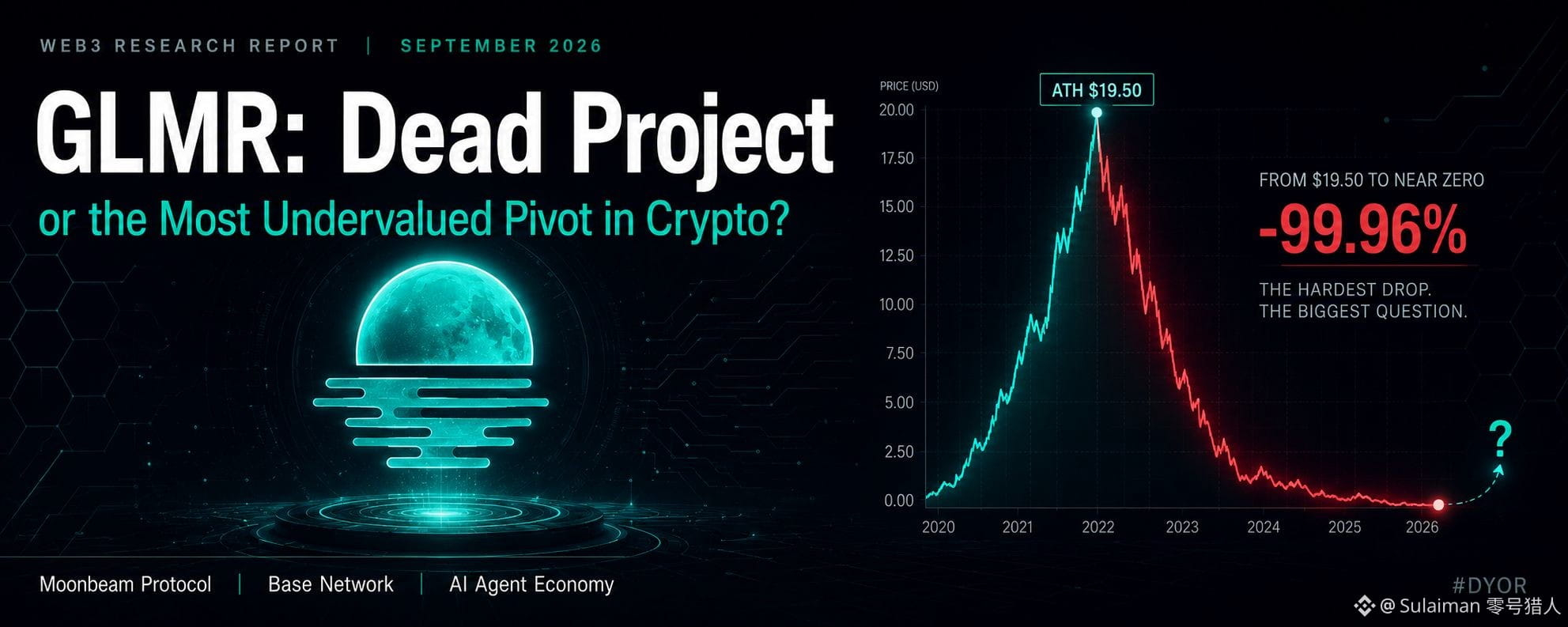
$GLMR (Moonbeam) — هل هذا مشروع ميت أم أكثر تحول مُهمَل القيمة في الكريبتو حاليًا؟بحث ZERO HUNTER 001 | سبتمبر 2026
يا جماعة، معظم الناس يتحدثون عن $GLMR دون أن يفهموا ما الذي حدث له فعليًا في عام 2026.
هذا ليس تحليلًا عاديًا لمشروع منخفض القيمة السوقية. لقد مرّ Moonbeam للتو بأحد أكثر التحولات جذرية التي حاولها أي مشروع كريبتو راسخ — إيقاف سلسلة بلوكتشين كاملة وإعادة بنائها من الصفر على شبكة مختلفة تمامًا وبأطروحة مختلفة تمامًا.
دعني أوضح الأمر بشكل صحيح.
ما كان Moonbeam من قبل؟
أُطلق Moonbeam كسلسلة باراشين للعقود الذكية متوافقة مع Ethereum على Polkadot. وكانت قيمته المقترحة بسيطة: تمكين المطورين من نقل تطبيقات Ethereum اللامركزية إلى Polkadot دون إعادة كتابة الشيفرة. وكان GLMR يدفع رسوم الغاز، وكان collators يقومون بتخزينه لتأمين السلسلة.
$GLMR (Moonbeam) — هل هذا مشروع ميت أم أكثر تحول مُهمَل القيمة في الكريبتو حاليًا؟
بحث ZERO HUNTER 001 | سبتمبر 2026
يا جماعة، معظم الناس يتحدثون عن $GLMR دون أن يفهموا ما الذي حدث له فعليًا في عام 2026.
هذا ليس تحليلًا عاديًا لمشروع منخفض القيمة السوقية. لقد مرّ Moonbeam للتو بأحد أكثر التحولات جذرية التي حاولها أي مشروع كريبتو راسخ — إيقاف سلسلة بلوكتشين كاملة وإعادة بنائها من الصفر على شبكة مختلفة تمامًا وبأطروحة مختلفة تمامًا.
دعني أوضح الأمر بشكل صحيح.
ما كان Moonbeam من قبل؟
أُطلق Moonbeam كسلسلة باراشين للعقود الذكية متوافقة مع Ethereum على Polkadot. وكانت قيمته المقترحة بسيطة: تمكين المطورين من نقل تطبيقات Ethereum اللامركزية إلى Polkadot دون إعادة كتابة الشيفرة. وكان GLMR يدفع رسوم الغاز، وكان collators يقومون بتخزينه لتأمين السلسلة.
يا جماعة، معظم الناس يتحدثون عن $GLMR دون أن يفهموا ما الذي حدث له فعليًا في عام 2026.
هذا ليس تحليلًا عاديًا لمشروع منخفض القيمة السوقية. لقد مرّ Moonbeam للتو بأحد أكثر التحولات جذرية التي حاولها أي مشروع كريبتو راسخ — إيقاف سلسلة بلوكتشين كاملة وإعادة بنائها من الصفر على شبكة مختلفة تمامًا وبأطروحة مختلفة تمامًا.
دعني أوضح الأمر بشكل صحيح.
ما كان Moonbeam من قبل؟
أُطلق Moonbeam كسلسلة باراشين للعقود الذكية متوافقة مع Ethereum على Polkadot. وكانت قيمته المقترحة بسيطة: تمكين المطورين من نقل تطبيقات Ethereum اللامركزية إلى Polkadot دون إعادة كتابة الشيفرة. وكان GLMR يدفع رسوم الغاز، وكان collators يقومون بتخزينه لتأمين السلسلة.
2
7
421
تحسّن ذكاء السوق عندما تظل العملية ثابتة.
الأكثر تداولًا الآن:
$BTC | $FLOCK | $SKR | ETH | ZORA | XRP | PI | HEMI | 0G | PONS
ارجع للتحديث التالي مع تطوّر صورة السوق.
#Web3Research #LiquidityWatch #VolumeAnalysis
تحسّن ذكاء السوق عندما تظل العملية ثابتة.
الأكثر تداولًا الآن:
$BTC | $FLOCK | $SKR | ETH | ZORA | XRP | PI | HEMI | 0G | PONS
ارجع للتحديث التالي مع تطوّر صورة السوق.
#Web3Research #LiquidityWatch #VolumeAnalysis
الأكثر تداولًا الآن:
$BTC | $FLOCK | $SKR | ETH | ZORA | XRP | PI | HEMI | 0G | PONS
ارجع للتحديث التالي مع تطوّر صورة السوق.
#Web3Research #LiquidityWatch #VolumeAnalysis
2
2.1k
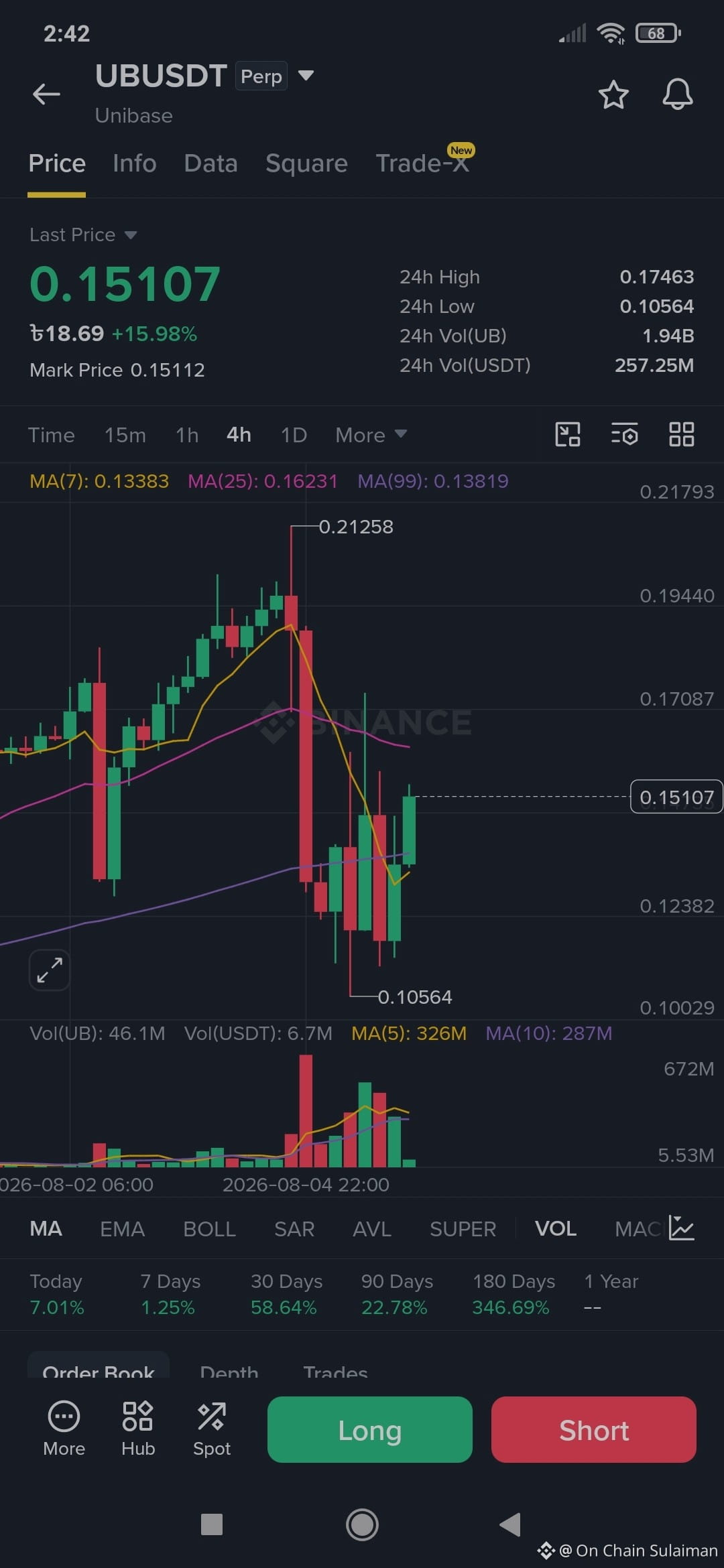
$UB (Unibase) — الإشارة: هبوطية (تأكيد الانهيار)
سعر السوق الحالي: ~$0.1188 — $0.1432 (تباين عبر البورصات)
ملاحظة تقنية:
قامت UB بالانهيار بحوالي ~40% في يوم واحد. فقد السعر أدنى من خط الاتجاه الصاعد في 4 أغسطس، وفشل في استعادة منطقة $0.1399 كدعم — بل تحوّلت بدلًا من ذلك إلى مقاومة. وهذا نمط كلاسيكي لانهيار-إعادة اختبار-رفض، ما يشير إلى مزيد من الهبوط.
المستويات الرئيسية:
· المقاومة: $0.1399 (منطقة إعادة اختبار فاشلة)→ $0.1500
· الدعم: $0.1138 (أول دعم مؤكد)→ $0.1056 (فيبوناتشي 0.618)
الاستراتيجية:
· دخول بيع: عند الرفض من $0.135 – $0.140
· الهدف 1: $0.1138
· الهدف 2: $0.1056 (فيبوناتشي 0.618)
· وقف الخسارة: أعلى $0.1500
· بديل: الانتظار لإعادة الاستحواذ على $0.140 مع حجم تداول قبل التفكير في مراكز شراء
محفز هبوطي: سيطرت Binance وOKX على حجم تداول العقود خلال موجة البيع، مع $1.83M في عمليات التصفية خلال 24 ساعة. تم الإمساك بالشراء أولًا — وقد تضغط المراكز القصيرة لأسفل أكثر.
#Web3Research #Unibase #UB #CryptoFutures
$UB (Unibase) — الإشارة: هبوطية (تأكيد الانهيار)
سعر السوق الحالي: ~$0.1188 — $0.1432 (تباين عبر البورصات)
ملاحظة تقنية:
قامت UB بالانهيار بحوالي ~40% في يوم واحد. فقد السعر أدنى من خط الاتجاه الصاعد في 4 أغسطس، وفشل في استعادة منطقة $0.1399 كدعم — بل تحوّلت بدلًا من ذلك إلى مقاومة. وهذا نمط كلاسيكي لانهيار-إعادة اختبار-رفض، ما يشير إلى مزيد من الهبوط.
المستويات الرئيسية:
· المقاومة: $0.1399 (منطقة إعادة اختبار فاشلة)→ $0.1500
· الدعم: $0.1138 (أول دعم مؤكد)→ $0.1056 (فيبوناتشي 0.618)
الاستراتيجية:
· دخول بيع: عند الرفض من $0.135 – $0.140
· الهدف 1: $0.1138
· الهدف 2: $0.1056 (فيبوناتشي 0.618)
· وقف الخسارة: أعلى $0.1500
· بديل: الانتظار لإعادة الاستحواذ على $0.140 مع حجم تداول قبل التفكير في مراكز شراء
محفز هبوطي: سيطرت Binance وOKX على حجم تداول العقود خلال موجة البيع، مع $1.83M في عمليات التصفية خلال 24 ساعة. تم الإمساك بالشراء أولًا — وقد تضغط المراكز القصيرة لأسفل أكثر.
#Web3Research #Unibase #UB #CryptoFutures
سعر السوق الحالي: ~$0.1188 — $0.1432 (تباين عبر البورصات)
ملاحظة تقنية:
قامت UB بالانهيار بحوالي ~40% في يوم واحد. فقد السعر أدنى من خط الاتجاه الصاعد في 4 أغسطس، وفشل في استعادة منطقة $0.1399 كدعم — بل تحوّلت بدلًا من ذلك إلى مقاومة. وهذا نمط كلاسيكي لانهيار-إعادة اختبار-رفض، ما يشير إلى مزيد من الهبوط.
المستويات الرئيسية:
· المقاومة: $0.1399 (منطقة إعادة اختبار فاشلة)→ $0.1500
· الدعم: $0.1138 (أول دعم مؤكد)→ $0.1056 (فيبوناتشي 0.618)
الاستراتيجية:
· دخول بيع: عند الرفض من $0.135 – $0.140
· الهدف 1: $0.1138
· الهدف 2: $0.1056 (فيبوناتشي 0.618)
· وقف الخسارة: أعلى $0.1500
· بديل: الانتظار لإعادة الاستحواذ على $0.140 مع حجم تداول قبل التفكير في مراكز شراء
محفز هبوطي: سيطرت Binance وOKX على حجم تداول العقود خلال موجة البيع، مع $1.83M في عمليات التصفية خلال 24 ساعة. تم الإمساك بالشراء أولًا — وقد تضغط المراكز القصيرة لأسفل أكثر.
#Web3Research #Unibase #UB #CryptoFutures
1
154
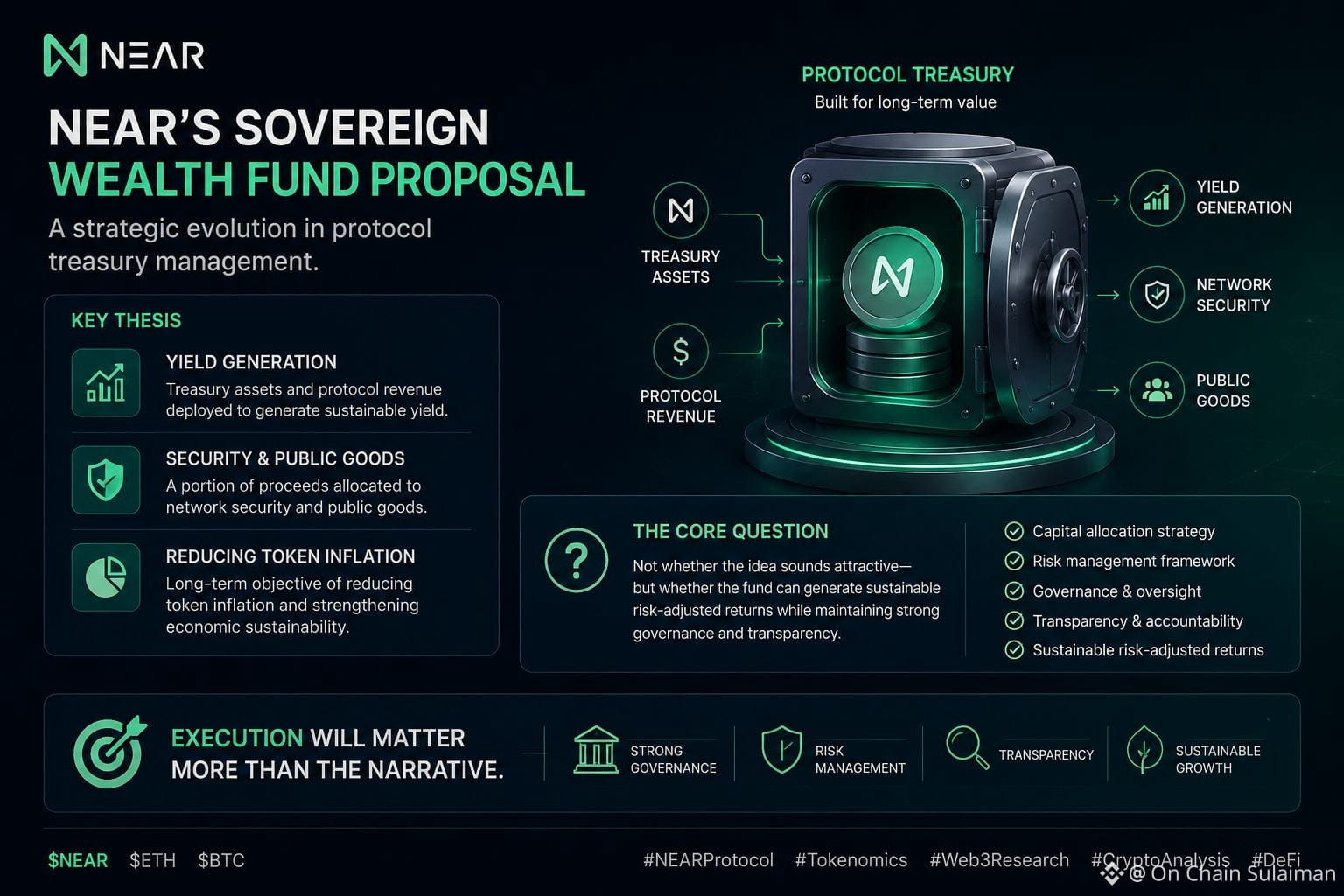
تشير مقترحات صندوق الثروة السيادية التابع لشركة NEAR إلى احتمال حدوث تحول نحو نموذج خزانة أكثر كفاءة في استخدام رأس المال.
ومن خلال نشر أصول الخزانة وإيرادات البروتوكول لتوليد عائد، يهدف هذا الإطار إلى دعم أمن الشبكة، وتمويل السلع العامة، وربما تقليل الضغوط التضخمية طويلة الأجل.
ستعتمد حالة الاستثمار بدرجة أقل على العنوان وأكثر على الآليات الكامنة: استراتيجية تخصيص رأس المال، وإدارة المخاطر، وتصميم الحوكمة، ومعايير الشفافية، والقدرة على تحقيق عوائد مستدامة معدلة بالمخاطر.
إذا نُفّذ المقترح بفعالية، فقد يعزز ذلك استدامة نموذج NEAR الاقتصادي على المدى الطويل.
$NEAR $ETH
#NEARProtocol #Tokenomics #Web3Research #CryptoAnalysis #DeFi
تشير مقترحات صندوق الثروة السيادية التابع لشركة NEAR إلى احتمال حدوث تحول نحو نموذج خزانة أكثر كفاءة في استخدام رأس المال.
ومن خلال نشر أصول الخزانة وإيرادات البروتوكول لتوليد عائد، يهدف هذا الإطار إلى دعم أمن الشبكة، وتمويل السلع العامة، وربما تقليل الضغوط التضخمية طويلة الأجل.
ستعتمد حالة الاستثمار بدرجة أقل على العنوان وأكثر على الآليات الكامنة: استراتيجية تخصيص رأس المال، وإدارة المخاطر، وتصميم الحوكمة، ومعايير الشفافية، والقدرة على تحقيق عوائد مستدامة معدلة بالمخاطر.
إذا نُفّذ المقترح بفعالية، فقد يعزز ذلك استدامة نموذج NEAR الاقتصادي على المدى الطويل.
$NEAR $ETH
#NEARProtocol #Tokenomics #Web3Research #CryptoAnalysis #DeFi
ومن خلال نشر أصول الخزانة وإيرادات البروتوكول لتوليد عائد، يهدف هذا الإطار إلى دعم أمن الشبكة، وتمويل السلع العامة، وربما تقليل الضغوط التضخمية طويلة الأجل.
ستعتمد حالة الاستثمار بدرجة أقل على العنوان وأكثر على الآليات الكامنة: استراتيجية تخصيص رأس المال، وإدارة المخاطر، وتصميم الحوكمة، ومعايير الشفافية، والقدرة على تحقيق عوائد مستدامة معدلة بالمخاطر.
إذا نُفّذ المقترح بفعالية، فقد يعزز ذلك استدامة نموذج NEAR الاقتصادي على المدى الطويل.
$NEAR $ETH
#NEARProtocol #Tokenomics #Web3Research #CryptoAnalysis #DeFi
3
138
·
--
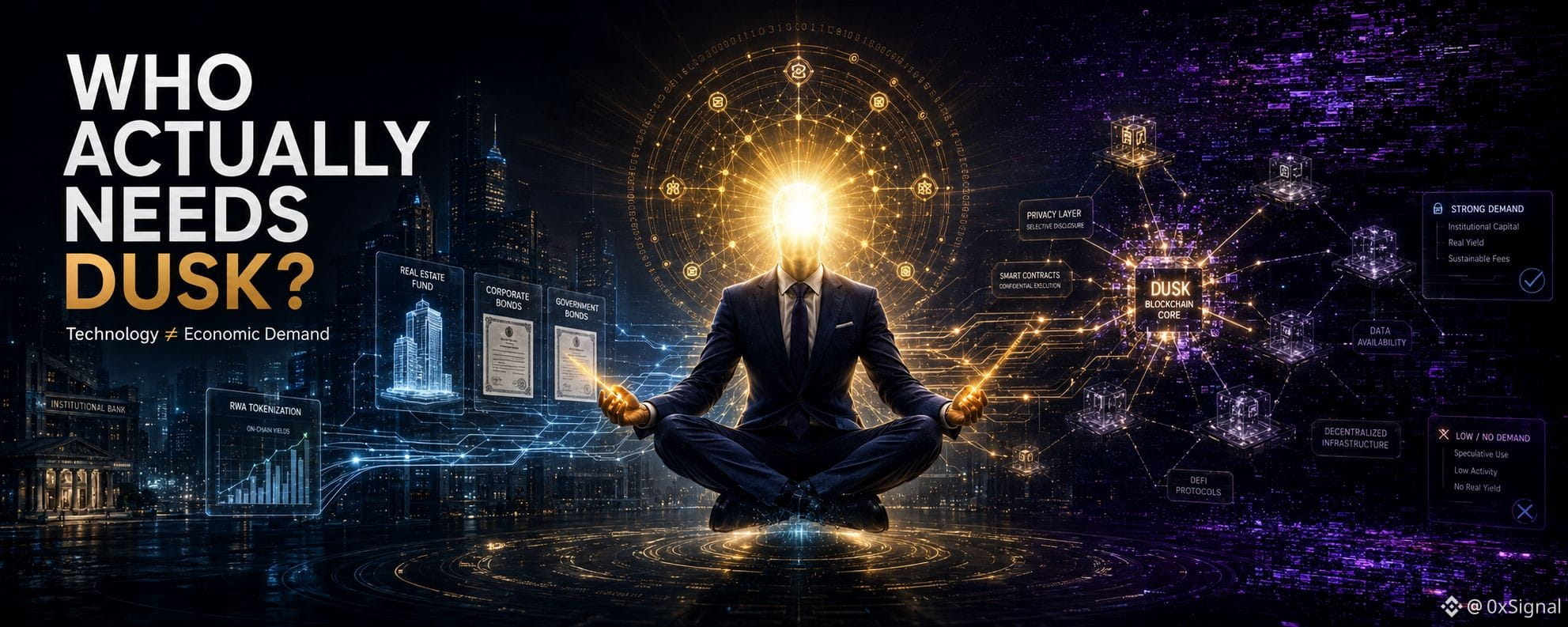
🧵 **#DUSK بحث 7 — الخصوصية ليست القصة كاملة**
يصف معظم الناس Dusk بأنها بلوك تشين للخصوصية.
لكن التمويل المؤسسي يحتاج شيئًا أكثر تعقيدًا:
**الخصوصية + الامتثال.**
تم تصميم بنية Dusk على فكرة إبقاء المعلومات خاصة مع السماح بالإفصاح المصرّح به عند الحاجة.
وهذا طرح أكثر إثارة للاهتمام للأصول الخاضعة للتنظيم.
بلوك تشين عامة:
**كل شيء ظاهر.**
خصوصية خالصة:
**كل شيء مخفي.**
النموذج المؤسسي:
**خصوصي افتراضيًا + إفصاح عند الحاجة.**
لكن هذا يثير سؤالًا آخر.
**من يتحكم في عملية الإفصاح؟**
يمكن للتشفير حماية المعلومات.
يحدد الحوكمة من يمكنه الوصول إليها.
تلك المسألة تفرق.
قد يكون لدى Dusk إجابة تقنية قوية بخصوص الخصوصية.
تستحق طبقة الحوكمة والامتثال تدقيقًا مماثلًا.
وهنا تصبح خصوصية المؤسسات معقدة.
@Dusk_Foundation
#dusk #Privacy #0xSignal #Web3Research
🧵 **#DUSK بحث 7 — الخصوصية ليست القصة كاملة**
يصف معظم الناس Dusk بأنها بلوك تشين للخصوصية.
لكن التمويل المؤسسي يحتاج شيئًا أكثر تعقيدًا:
**الخصوصية + الامتثال.**
تم تصميم بنية Dusk على فكرة إبقاء المعلومات خاصة مع السماح بالإفصاح المصرّح به عند الحاجة.
وهذا طرح أكثر إثارة للاهتمام للأصول الخاضعة للتنظيم.
بلوك تشين عامة:
**كل شيء ظاهر.**
خصوصية خالصة:
**كل شيء مخفي.**
النموذج المؤسسي:
**خصوصي افتراضيًا + إفصاح عند الحاجة.**
لكن هذا يثير سؤالًا آخر.
**من يتحكم في عملية الإفصاح؟**
يمكن للتشفير حماية المعلومات.
يحدد الحوكمة من يمكنه الوصول إليها.
تلك المسألة تفرق.
قد يكون لدى Dusk إجابة تقنية قوية بخصوص الخصوصية.
تستحق طبقة الحوكمة والامتثال تدقيقًا مماثلًا.
وهنا تصبح خصوصية المؤسسات معقدة.
@Dusk
#dusk #Privacy #0xSignal #Web3Research
يصف معظم الناس Dusk بأنها بلوك تشين للخصوصية.
لكن التمويل المؤسسي يحتاج شيئًا أكثر تعقيدًا:
**الخصوصية + الامتثال.**
تم تصميم بنية Dusk على فكرة إبقاء المعلومات خاصة مع السماح بالإفصاح المصرّح به عند الحاجة.
وهذا طرح أكثر إثارة للاهتمام للأصول الخاضعة للتنظيم.
بلوك تشين عامة:
**كل شيء ظاهر.**
خصوصية خالصة:
**كل شيء مخفي.**
النموذج المؤسسي:
**خصوصي افتراضيًا + إفصاح عند الحاجة.**
لكن هذا يثير سؤالًا آخر.
**من يتحكم في عملية الإفصاح؟**
يمكن للتشفير حماية المعلومات.
يحدد الحوكمة من يمكنه الوصول إليها.
تلك المسألة تفرق.
قد يكون لدى Dusk إجابة تقنية قوية بخصوص الخصوصية.
تستحق طبقة الحوكمة والامتثال تدقيقًا مماثلًا.
وهنا تصبح خصوصية المؤسسات معقدة.
@Dusk
#dusk #Privacy #0xSignal #Web3Research
1
2
52
·
--
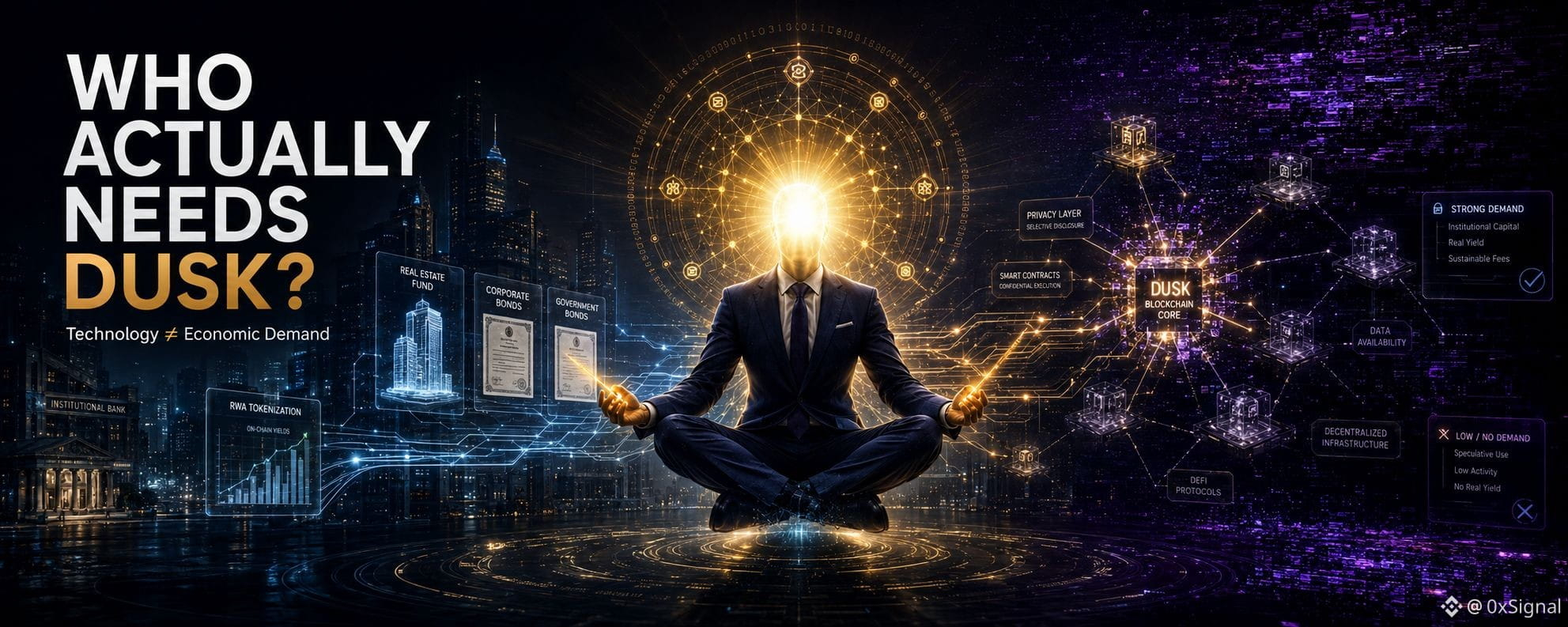
🧵 **#DUSK بحث 12 — تجارة الغسق**
إن تحويل أحد الأصول إلى رمز هو البداية فقط.
الجزء الصعب هو كل ما يحيط به:
إدخال المستثمرين
الأهلية
التداول
المدفوعات
التسوية
الامتثال
هنا تصبح تجارة الغسق مثيرة للاهتمام.
يقوم Dusk بوضعه كبنية تحتية للأصول المالية المنظمة، وليس مجرد أداة أخرى لتحويل الأصول إلى رموز.
والفرضية هي:
**الأصل → المستثمر → الصفقة → التسوية**
ضمن سير عمل منظم واحد.
قد يكون ذلك ذا قيمة.
لكن هناك فرقًا كبيرًا بين:
**بناء القضبان**
و
**استخدام المؤسسات لهذه القضبان.**
لذا أسئلتي بسيطة:
كم عدد الأصول الحقيقية؟
كم عدد المستثمرين؟
كم حجم التداول؟
كم مقدار نشاط التسوية؟
وأخيرًا:
**كم قيمة تصل إلى DUSK؟**
حتى تصبح هذه الأرقام ذات معنى، أعتبر تجارة الغسق قصة تنفيذ واعدة—لكنها ليست مثبتة.
$DUSK
{spot}(DUSKUSDT)
@Dusk_Foundation
#dusk #RWA #Tokenization #Web3Research
🧵 **#DUSK بحث 12 — تجارة الغسق**
إن تحويل أحد الأصول إلى رمز هو البداية فقط.
الجزء الصعب هو كل ما يحيط به:
إدخال المستثمرين
الأهلية
التداول
المدفوعات
التسوية
الامتثال
هنا تصبح تجارة الغسق مثيرة للاهتمام.
يقوم Dusk بوضعه كبنية تحتية للأصول المالية المنظمة، وليس مجرد أداة أخرى لتحويل الأصول إلى رموز.
والفرضية هي:
**الأصل → المستثمر → الصفقة → التسوية**
ضمن سير عمل منظم واحد.
قد يكون ذلك ذا قيمة.
لكن هناك فرقًا كبيرًا بين:
**بناء القضبان**
و
**استخدام المؤسسات لهذه القضبان.**
لذا أسئلتي بسيطة:
كم عدد الأصول الحقيقية؟
كم عدد المستثمرين؟
كم حجم التداول؟
كم مقدار نشاط التسوية؟
وأخيرًا:
**كم قيمة تصل إلى DUSK؟**
حتى تصبح هذه الأرقام ذات معنى، أعتبر تجارة الغسق قصة تنفيذ واعدة—لكنها ليست مثبتة.
$DUSK
@Dusk
#dusk #RWA #Tokenization #Web3Research
إن تحويل أحد الأصول إلى رمز هو البداية فقط.
الجزء الصعب هو كل ما يحيط به:
إدخال المستثمرين
الأهلية
التداول
المدفوعات
التسوية
الامتثال
هنا تصبح تجارة الغسق مثيرة للاهتمام.
يقوم Dusk بوضعه كبنية تحتية للأصول المالية المنظمة، وليس مجرد أداة أخرى لتحويل الأصول إلى رموز.
والفرضية هي:
**الأصل → المستثمر → الصفقة → التسوية**
ضمن سير عمل منظم واحد.
قد يكون ذلك ذا قيمة.
لكن هناك فرقًا كبيرًا بين:
**بناء القضبان**
و
**استخدام المؤسسات لهذه القضبان.**
لذا أسئلتي بسيطة:
كم عدد الأصول الحقيقية؟
كم عدد المستثمرين؟
كم حجم التداول؟
كم مقدار نشاط التسوية؟
وأخيرًا:
**كم قيمة تصل إلى DUSK؟**
حتى تصبح هذه الأرقام ذات معنى، أعتبر تجارة الغسق قصة تنفيذ واعدة—لكنها ليست مثبتة.
$DUSK
@Dusk
#dusk #RWA #Tokenization #Web3Research
3
75
·
--
🧵 **#DUSK RESEARCH 11 — خريطة الطريق مقابل الواقع**
خرائط الطريق تُظهر المستقبل.
الباحثون أيضًا ينظرون إلى الوراء.
**ما الذي كان مُوعَدًا؟
ما الذي تم تسليمه؟
ما الذي تغيّر؟**
استراتيجية Dusk تطوّرت مع مرور الوقت.
ركز النظام البيئي بشكل متزايد على:
→ DuskEVM
→ تداول مُنظّم
→ بنية تحتية لـ RWA
→ الأسواق المؤسسية
تغييرات الاستراتيجية ليست بالضرورة أمرًا سيئًا.
البروتوكولات تحتاج إلى التكيّف.
لكن من منظور المستثمر، توجد مؤشرات أخرى:
**اتساق التنفيذ.**
خريطة الطريق تكون مفيدة فقط عندما نقارن التوقعات بالتسليم.
لهذا السبب لا أتعامل مع كل ميزة تم الإعلان عنها باعتبارها منتجًا مكتملًا.
أريد أن أُميّز:
**المخطط**
عن
**المُنجز**
عن
**المستخدم**
تُصبح هذه الفروق بالغة الأهمية عند تقييم Dusk.
التالي:
**Dusk Trade.**
هل هو مجرد سردية أخرى حول RWA؟
أم شيء أكثر من ذلك؟
$DUSK
{spot}(DUSKUSDT)
@Dusk_Foundation
#dusk #Web3Research #crypto #0xSignal
🧵 **#DUSK RESEARCH 11 — خريطة الطريق مقابل الواقع**
خرائط الطريق تُظهر المستقبل.
الباحثون أيضًا ينظرون إلى الوراء.
**ما الذي كان مُوعَدًا؟
ما الذي تم تسليمه؟
ما الذي تغيّر؟**
استراتيجية Dusk تطوّرت مع مرور الوقت.
ركز النظام البيئي بشكل متزايد على:
→ DuskEVM
→ تداول مُنظّم
→ بنية تحتية لـ RWA
→ الأسواق المؤسسية
تغييرات الاستراتيجية ليست بالضرورة أمرًا سيئًا.
البروتوكولات تحتاج إلى التكيّف.
لكن من منظور المستثمر، توجد مؤشرات أخرى:
**اتساق التنفيذ.**
خريطة الطريق تكون مفيدة فقط عندما نقارن التوقعات بالتسليم.
لهذا السبب لا أتعامل مع كل ميزة تم الإعلان عنها باعتبارها منتجًا مكتملًا.
أريد أن أُميّز:
**المخطط**
عن
**المُنجز**
عن
**المستخدم**
تُصبح هذه الفروق بالغة الأهمية عند تقييم Dusk.
التالي:
**Dusk Trade.**
هل هو مجرد سردية أخرى حول RWA؟
أم شيء أكثر من ذلك؟
$DUSK
@Dusk
#dusk #Web3Research #crypto #0xSignal
خرائط الطريق تُظهر المستقبل.
الباحثون أيضًا ينظرون إلى الوراء.
**ما الذي كان مُوعَدًا؟
ما الذي تم تسليمه؟
ما الذي تغيّر؟**
استراتيجية Dusk تطوّرت مع مرور الوقت.
ركز النظام البيئي بشكل متزايد على:
→ DuskEVM
→ تداول مُنظّم
→ بنية تحتية لـ RWA
→ الأسواق المؤسسية
تغييرات الاستراتيجية ليست بالضرورة أمرًا سيئًا.
البروتوكولات تحتاج إلى التكيّف.
لكن من منظور المستثمر، توجد مؤشرات أخرى:
**اتساق التنفيذ.**
خريطة الطريق تكون مفيدة فقط عندما نقارن التوقعات بالتسليم.
لهذا السبب لا أتعامل مع كل ميزة تم الإعلان عنها باعتبارها منتجًا مكتملًا.
أريد أن أُميّز:
**المخطط**
عن
**المُنجز**
عن
**المستخدم**
تُصبح هذه الفروق بالغة الأهمية عند تقييم Dusk.
التالي:
**Dusk Trade.**
هل هو مجرد سردية أخرى حول RWA؟
أم شيء أكثر من ذلك؟
$DUSK
@Dusk
#dusk #Web3Research #crypto #0xSignal
2
4
83
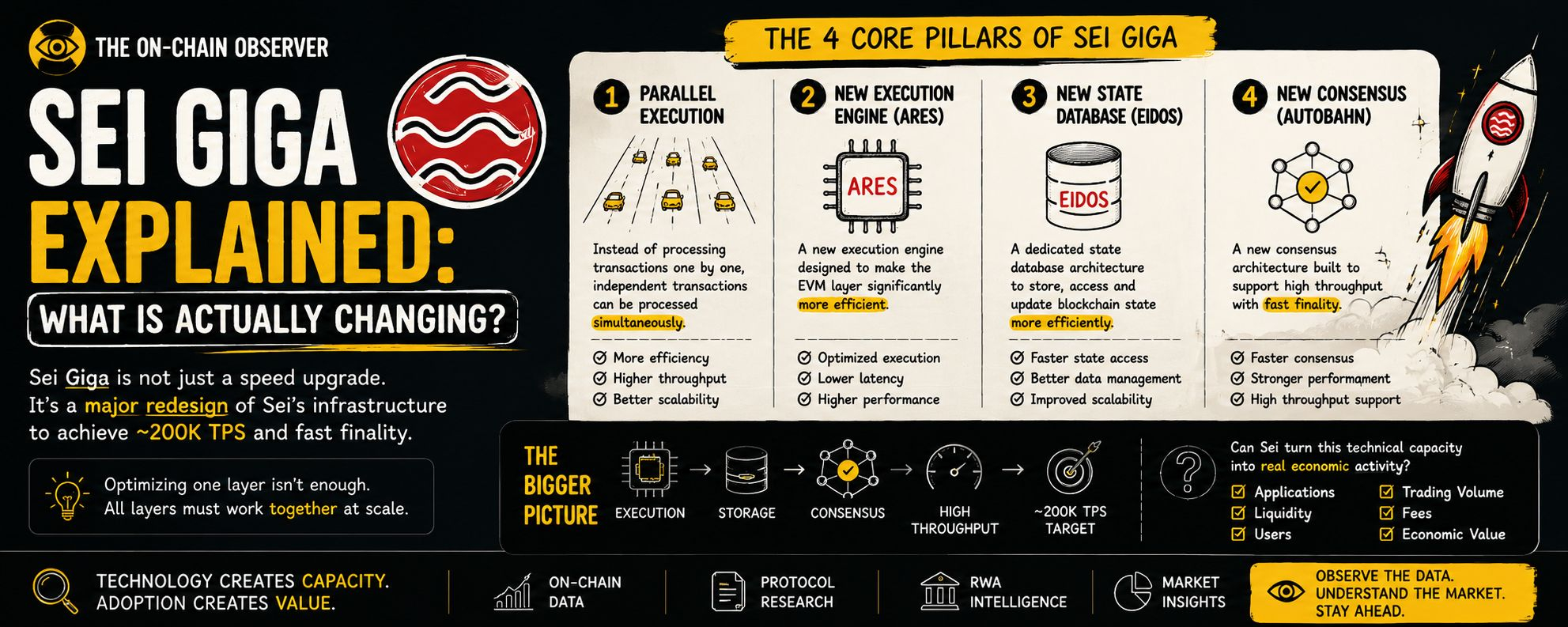
مقالة
🚀 شرح سي جيجا: ما الذي يتغير بالفعل؟أمس، طرحت سؤالًا بسيطًا:
يبدو أن لدى سي (SEI) 200 ألف TPS أمرٌ مثير للإعجاب—لكن ماذا يعني ذلك فعليًا؟
الجزء المهم هو هذا:
200 ألف TPS هدفٌ للقدرة التقنية.
لذا، بطبيعة الحال، السؤال التالي هو:
كيف تحاول سي (Sei) الوصول إلى ذلك؟
هنا تصبح جيجا سي (Sei Giga) مهمة. 👇
⚙️ ما هي سي جيجا (Sei Giga)؟
جيجا ليست مجرد “ترقية في السرعة”.
إنها تمثل إعادة تصميم كبرى للبنية التحتية تحت منصة سي، بهدف جعل الشبكة قادرة على التعامل مع سعة معاملات أعلى بكثير وتحقيق نهائية سريعة جدًا.
🚀 شرح سي جيجا: ما الذي يتغير بالفعل؟
أمس، طرحت سؤالًا بسيطًا:
يبدو أن لدى سي (SEI) 200 ألف TPS أمرٌ مثير للإعجاب—لكن ماذا يعني ذلك فعليًا؟
الجزء المهم هو هذا:
200 ألف TPS هدفٌ للقدرة التقنية.
لذا، بطبيعة الحال، السؤال التالي هو:
كيف تحاول سي (Sei) الوصول إلى ذلك؟
هنا تصبح جيجا سي (Sei Giga) مهمة. 👇
⚙️ ما هي سي جيجا (Sei Giga)؟
جيجا ليست مجرد “ترقية في السرعة”.
إنها تمثل إعادة تصميم كبرى للبنية التحتية تحت منصة سي، بهدف جعل الشبكة قادرة على التعامل مع سعة معاملات أعلى بكثير وتحقيق نهائية سريعة جدًا.
يبدو أن لدى سي (SEI) 200 ألف TPS أمرٌ مثير للإعجاب—لكن ماذا يعني ذلك فعليًا؟
الجزء المهم هو هذا:
200 ألف TPS هدفٌ للقدرة التقنية.
لذا، بطبيعة الحال، السؤال التالي هو:
كيف تحاول سي (Sei) الوصول إلى ذلك؟
هنا تصبح جيجا سي (Sei Giga) مهمة. 👇
⚙️ ما هي سي جيجا (Sei Giga)؟
جيجا ليست مجرد “ترقية في السرعة”.
إنها تمثل إعادة تصميم كبرى للبنية التحتية تحت منصة سي، بهدف جعل الشبكة قادرة على التعامل مع سعة معاملات أعلى بكثير وتحقيق نهائية سريعة جدًا.
2
104
يؤكد الحجم على وجود اهتمام، بينما تحدد السيولة مخاطر التنفيذ.
الأكثر تداولًا الآن:
$PUMP | $ZEC | $BTC | PIPEDOG | TRUMP | ALIGN | HYPE | LIT | XRP | SOL
راقب ما يعزز الاتجاه، لكن تابع أيضًا ما يبدأ في الضعف.
#Web3Research #LiquidityWatch #تحليل_الحجم
يؤكد الحجم على وجود اهتمام، بينما تحدد السيولة مخاطر التنفيذ.
الأكثر تداولًا الآن:
$PUMP | $ZEC | $BTC | PIPEDOG | TRUMP | ALIGN | HYPE | LIT | XRP | SOL
راقب ما يعزز الاتجاه، لكن تابع أيضًا ما يبدأ في الضعف.
#Web3Research #LiquidityWatch #تحليل_الحجم
الأكثر تداولًا الآن:
$PUMP | $ZEC | $BTC | PIPEDOG | TRUMP | ALIGN | HYPE | LIT | XRP | SOL
راقب ما يعزز الاتجاه، لكن تابع أيضًا ما يبدأ في الضعف.
#Web3Research #LiquidityWatch #تحليل_الحجم
1
520
·
--
🧵 **#DUSK بحث 8 — التحقق الواقعي من أمن البلوك تشين**
لا أحكم على أمن البلوك تشين من خلال عدد عمليات التدقيق وحدها.
أركز على ما يحدث عندما يقع خطأ فعلاً.
في يناير 2026، كشفت Dusk عن اختراق يتعلق بمحفظة توقيع خاصة بعملية الجسر.
تمييز مهم:
**لم يكن ذلك فشلًا في إجماع Dusk.**
بل كان حادثًا يتعلق بأمن التشغيل الخاص بالجسر.
لكن هذا التمييز لا يجعل المخاطر غير ذات صلة.
إذا نقل المستخدمون الأصول عبر جسر، يصبح أمن الجسر جزءًا من أمن النظام البيئي ككل.
استجابت Dusk عبر إعادة تصميم وتقوية أجزاء من معمارية الجسر لديها.
وتلك الاستجابة تهم.
خلاصتي:
**أمن البروتوكول ≠ أمن النظام البيئي.**
بالنسبة للتمويل المؤسسي، تشمل مساحة الهجوم:
→ العقود الذكية
→ الجسور
→ المحافظ
→ بنية البنية/البنية التحتية للتوقيع
→ إدارة المفاتيح
كلما كبرت قاعدة رأس المال، ازدادت أهمية هذه الطبقات.
$DUSK
{future}(DUSKUSDT)
@Dusk_Foundation
#dusk #CryptoSecurity #Web3Research #0xSignal
🧵 **#DUSK بحث 8 — التحقق الواقعي من أمن البلوك تشين**
لا أحكم على أمن البلوك تشين من خلال عدد عمليات التدقيق وحدها.
أركز على ما يحدث عندما يقع خطأ فعلاً.
في يناير 2026، كشفت Dusk عن اختراق يتعلق بمحفظة توقيع خاصة بعملية الجسر.
تمييز مهم:
**لم يكن ذلك فشلًا في إجماع Dusk.**
بل كان حادثًا يتعلق بأمن التشغيل الخاص بالجسر.
لكن هذا التمييز لا يجعل المخاطر غير ذات صلة.
إذا نقل المستخدمون الأصول عبر جسر، يصبح أمن الجسر جزءًا من أمن النظام البيئي ككل.
استجابت Dusk عبر إعادة تصميم وتقوية أجزاء من معمارية الجسر لديها.
وتلك الاستجابة تهم.
خلاصتي:
**أمن البروتوكول ≠ أمن النظام البيئي.**
بالنسبة للتمويل المؤسسي، تشمل مساحة الهجوم:
→ العقود الذكية
→ الجسور
→ المحافظ
→ بنية البنية/البنية التحتية للتوقيع
→ إدارة المفاتيح
كلما كبرت قاعدة رأس المال، ازدادت أهمية هذه الطبقات.
$DUSK
@Dusk
#dusk #CryptoSecurity #Web3Research #0xSignal
لا أحكم على أمن البلوك تشين من خلال عدد عمليات التدقيق وحدها.
أركز على ما يحدث عندما يقع خطأ فعلاً.
في يناير 2026، كشفت Dusk عن اختراق يتعلق بمحفظة توقيع خاصة بعملية الجسر.
تمييز مهم:
**لم يكن ذلك فشلًا في إجماع Dusk.**
بل كان حادثًا يتعلق بأمن التشغيل الخاص بالجسر.
لكن هذا التمييز لا يجعل المخاطر غير ذات صلة.
إذا نقل المستخدمون الأصول عبر جسر، يصبح أمن الجسر جزءًا من أمن النظام البيئي ككل.
استجابت Dusk عبر إعادة تصميم وتقوية أجزاء من معمارية الجسر لديها.
وتلك الاستجابة تهم.
خلاصتي:
**أمن البروتوكول ≠ أمن النظام البيئي.**
بالنسبة للتمويل المؤسسي، تشمل مساحة الهجوم:
→ العقود الذكية
→ الجسور
→ المحافظ
→ بنية البنية/البنية التحتية للتوقيع
→ إدارة المفاتيح
كلما كبرت قاعدة رأس المال، ازدادت أهمية هذه الطبقات.
$DUSK
@Dusk
#dusk #CryptoSecurity #Web3Research #0xSignal
2
4
·
--
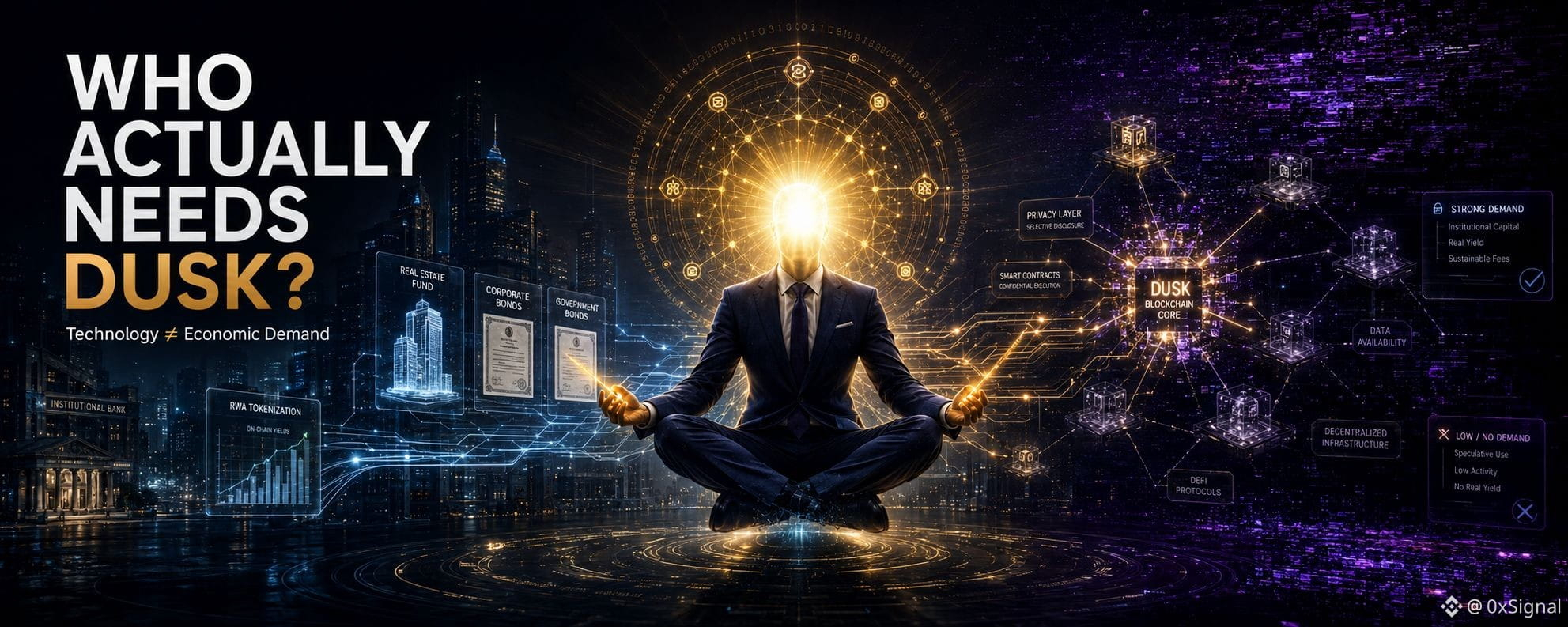
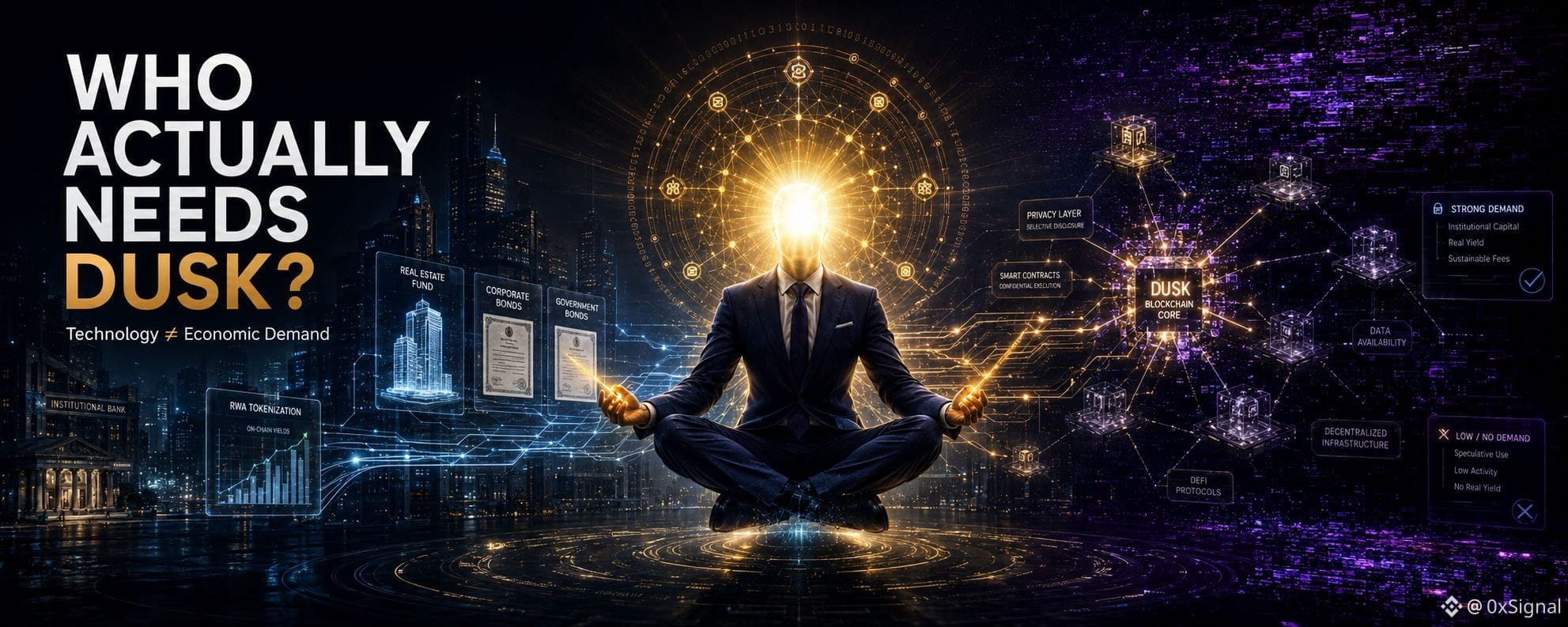
🧵 #DUSK RESEARCH 20 — الحكم النهائي
بعد 20 منشور بحثي، هذا هو المكان الذي أستقر عنده بشأن DUSK.
لا أعتقد أنه مجرد توكن خصوصية آخر.
التكنولوجيا مثيرة للاهتمام.
والتموضع المؤسسي مثير للاهتمام.
وأطروحة RWA مثيرة للاهتمام.
لكنني أيضًا لا أستطيع القول إن Dusk هي بلوكتشين مؤسسية مُثبتة بعد.
إطاري الحالي:
🟢 الخصوصية
🟢 تموضع الامتثال
🟢 DuskEVM
🟢 بنية RWA التحتية
🟢 التوجه المؤسسي
لكن:
🔴 التبني ما زال يحتاج إلى دليل
🔴 السيولة لا تزال مصدر قلق
🔴 التنفيذ يحتاج إلى متابعة
🔴 تعقيد الأمان لا يزال قائمًا
🔴 الاستحواذ على قيمة التوكن غير مُثبت بالكامل
إذًا استنتاجي بسيط:
بنية تحتية عالية الإمكانات.
مخاطر تنفيذ عالية.
أكبر سؤال ليس:
“هل يمكن لـ Dusk بناء التقنية؟”
لقد فعلت ذلك بالفعل.
السؤال الحقيقي هو:
هل يمكن لـ Dusk تحويل هذه التقنية إلى نشاط مالي حقيقي؟
إذا أصبحت الإجابة واضحة في البيانات، تتغير الأطروحة.
وإلى ذلك الحين:
لا مبالغة. لا تخويف.
فقط بحث.
$DUSK
{future}(DUSKUSDT)
@Dusk_Foundation
#DuskNetwork #Web3Research #RWA #Tokenomics
🧵 #DUSK RESEARCH 20 — الحكم النهائي
بعد 20 منشور بحثي، هذا هو المكان الذي أستقر عنده بشأن DUSK.
لا أعتقد أنه مجرد توكن خصوصية آخر.
التكنولوجيا مثيرة للاهتمام.
والتموضع المؤسسي مثير للاهتمام.
وأطروحة RWA مثيرة للاهتمام.
لكنني أيضًا لا أستطيع القول إن Dusk هي بلوكتشين مؤسسية مُثبتة بعد.
إطاري الحالي:
🟢 الخصوصية
🟢 تموضع الامتثال
🟢 DuskEVM
🟢 بنية RWA التحتية
🟢 التوجه المؤسسي
لكن:
🔴 التبني ما زال يحتاج إلى دليل
🔴 السيولة لا تزال مصدر قلق
🔴 التنفيذ يحتاج إلى متابعة
🔴 تعقيد الأمان لا يزال قائمًا
🔴 الاستحواذ على قيمة التوكن غير مُثبت بالكامل
إذًا استنتاجي بسيط:
بنية تحتية عالية الإمكانات.
مخاطر تنفيذ عالية.
أكبر سؤال ليس:
“هل يمكن لـ Dusk بناء التقنية؟”
لقد فعلت ذلك بالفعل.
السؤال الحقيقي هو:
هل يمكن لـ Dusk تحويل هذه التقنية إلى نشاط مالي حقيقي؟
إذا أصبحت الإجابة واضحة في البيانات، تتغير الأطروحة.
وإلى ذلك الحين:
لا مبالغة. لا تخويف.
فقط بحث.
$DUSK
@Dusk
#DuskNetwork #Web3Research #RWA #Tokenomics
بعد 20 منشور بحثي، هذا هو المكان الذي أستقر عنده بشأن DUSK.
لا أعتقد أنه مجرد توكن خصوصية آخر.
التكنولوجيا مثيرة للاهتمام.
والتموضع المؤسسي مثير للاهتمام.
وأطروحة RWA مثيرة للاهتمام.
لكنني أيضًا لا أستطيع القول إن Dusk هي بلوكتشين مؤسسية مُثبتة بعد.
إطاري الحالي:
🟢 الخصوصية
🟢 تموضع الامتثال
🟢 DuskEVM
🟢 بنية RWA التحتية
🟢 التوجه المؤسسي
لكن:
🔴 التبني ما زال يحتاج إلى دليل
🔴 السيولة لا تزال مصدر قلق
🔴 التنفيذ يحتاج إلى متابعة
🔴 تعقيد الأمان لا يزال قائمًا
🔴 الاستحواذ على قيمة التوكن غير مُثبت بالكامل
إذًا استنتاجي بسيط:
بنية تحتية عالية الإمكانات.
مخاطر تنفيذ عالية.
أكبر سؤال ليس:
“هل يمكن لـ Dusk بناء التقنية؟”
لقد فعلت ذلك بالفعل.
السؤال الحقيقي هو:
هل يمكن لـ Dusk تحويل هذه التقنية إلى نشاط مالي حقيقي؟
إذا أصبحت الإجابة واضحة في البيانات، تتغير الأطروحة.
وإلى ذلك الحين:
لا مبالغة. لا تخويف.
فقط بحث.
$DUSK
@Dusk
#DuskNetwork #Web3Research #RWA #Tokenomics
3
19
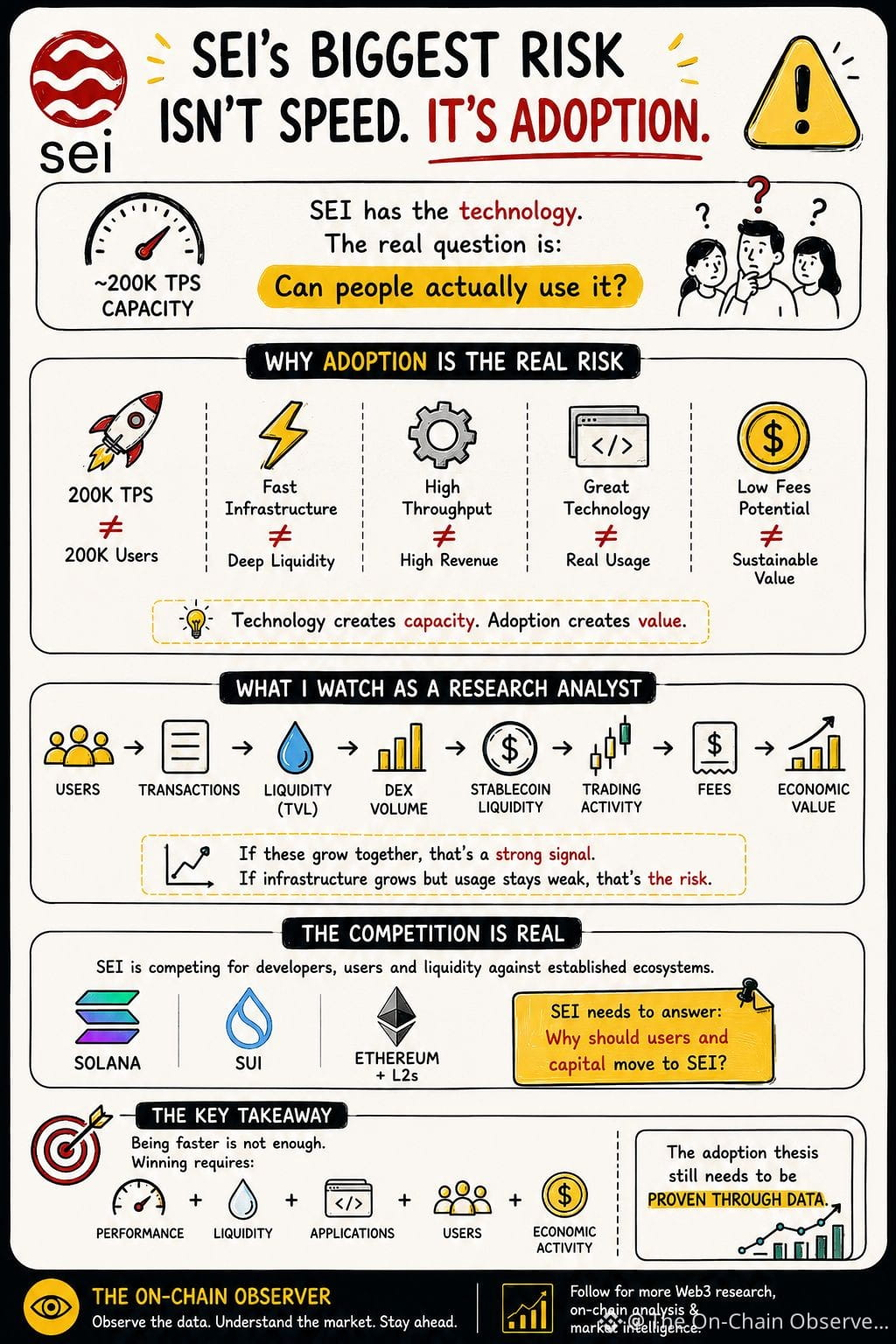
⚠️ أكبر مخاطر SEI ليست السرعة. بل التبنّي.
لقد تحدثنا عن طموح SEI لتحقيق ~200K TPS والتكنولوجيا وراء Giga.
لكن السؤال الأهم هو:
هل تستطيع SEI تحويل القدرة التقنية إلى نشاط اقتصادي حقيقي؟
لأن:
200K TPS ≠ 200K مستخدم
بنية تحتية سريعة ≠ سيولة عميقة
نسبة إنتاجية عالية ≠ إيرادات مرتفعة
كأن محلل أبحاث في Web3، سأراقب:
👥 المستخدمون
💧 السيولة
📈 حجم تداول DEX
💰 الرسوم
🏗️ التطبيقات
الاختبار الحقيقي بسيط:
هل تستطيع SEI جذب واستدامة مستخدمين حقيقيين وسيولة ونشاطًا اقتصاديًا؟
التكنولوجيا تُنشئ القدرة.
والتبنّي يُنشئ القيمة.
👁️ تابع @SulemaOFCrypto للمزيد من الأبحاث التعليمية في Web3، والبيانات على السلسلة & تحليل البروتوكولات.
لا تتابع السرد فقط. راقب البيانات.
#TheOnChainObserver #SEI #Web3Research #OnChainData #writetoearn
⚠️ أكبر مخاطر SEI ليست السرعة. بل التبنّي.
لقد تحدثنا عن طموح SEI لتحقيق ~200K TPS والتكنولوجيا وراء Giga.
لكن السؤال الأهم هو:
هل تستطيع SEI تحويل القدرة التقنية إلى نشاط اقتصادي حقيقي؟
لأن:
200K TPS ≠ 200K مستخدم
بنية تحتية سريعة ≠ سيولة عميقة
نسبة إنتاجية عالية ≠ إيرادات مرتفعة
كأن محلل أبحاث في Web3، سأراقب:
👥 المستخدمون
💧 السيولة
📈 حجم تداول DEX
💰 الرسوم
🏗️ التطبيقات
الاختبار الحقيقي بسيط:
هل تستطيع SEI جذب واستدامة مستخدمين حقيقيين وسيولة ونشاطًا اقتصاديًا؟
التكنولوجيا تُنشئ القدرة.
والتبنّي يُنشئ القيمة.
👁️ تابع @Sulaiman 零号猎人 للمزيد من الأبحاث التعليمية في Web3، والبيانات على السلسلة & تحليل البروتوكولات.
لا تتابع السرد فقط. راقب البيانات.
#TheOnChainObserver #SEI #Web3Research #OnChainData #writetoearn
لقد تحدثنا عن طموح SEI لتحقيق ~200K TPS والتكنولوجيا وراء Giga.
لكن السؤال الأهم هو:
هل تستطيع SEI تحويل القدرة التقنية إلى نشاط اقتصادي حقيقي؟
لأن:
200K TPS ≠ 200K مستخدم
بنية تحتية سريعة ≠ سيولة عميقة
نسبة إنتاجية عالية ≠ إيرادات مرتفعة
كأن محلل أبحاث في Web3، سأراقب:
👥 المستخدمون
💧 السيولة
📈 حجم تداول DEX
💰 الرسوم
🏗️ التطبيقات
الاختبار الحقيقي بسيط:
هل تستطيع SEI جذب واستدامة مستخدمين حقيقيين وسيولة ونشاطًا اقتصاديًا؟
التكنولوجيا تُنشئ القدرة.
والتبنّي يُنشئ القيمة.
👁️ تابع @Sulaiman 零号猎人 للمزيد من الأبحاث التعليمية في Web3، والبيانات على السلسلة & تحليل البروتوكولات.
لا تتابع السرد فقط. راقب البيانات.
#TheOnChainObserver #SEI #Web3Research #OnChainData #writetoearn
3
194
المعرفة تتغلب على الضجيج.
الأكثر تداولًا الآن:
$PENGU | $LINK | $ETHFI | ICP | ACE | XRP | PUMP | ETH | BTC | LAB
يُعدّ النجاح خيارًا.
#wpo_report #CryptoUpdates #Web3Research
المعرفة تتغلب على الضجيج.
الأكثر تداولًا الآن:
$PENGU | $LINK | $ETHFI | ICP | ACE | XRP | PUMP | ETH | BTC | LAB
يُعدّ النجاح خيارًا.
#wpo_report #CryptoUpdates #Web3Research
الأكثر تداولًا الآن:
$PENGU | $LINK | $ETHFI | ICP | ACE | XRP | PUMP | ETH | BTC | LAB
يُعدّ النجاح خيارًا.
#wpo_report #CryptoUpdates #Web3Research
3
514
سجّل الدخول لاستكشاف المزيد من المُحتوى
انضم إلى مُستخدمي العملات الرقمية حول العالم على Binance Square
⚡️ احصل على أحدث المعلومات المفيدة عن العملات الرقمية.
💬 موثوقة من قبل أكبر منصّة لتداول العملات الرقمية في العالم.
👍 اكتشف الرؤى الحقيقية من صنّاع المُحتوى الموثوقين.
البريد الإلكتروني / رقم الهاتف
المواضيع الرائجة
1
#BitcoinClears$85200
5,242 مشاهدات
141 يقومون بالنقاش
2
#AltcoinSeasonIndexHoldsAbove60For5Days
30,760 مشاهدات
892 يقومون بالنقاش
3
#USADPAdds90000JobsInSeptember
13,296 مشاهدات
509 يقومون بالنقاش
4
#USCorePCEEasesTo3%InAugust
10,565 مشاهدات
412 يقومون بالنقاش
5
#KospiPostsWorstQuarterSince2020
8,124 مشاهدات
415 يقومون بالنقاش
6
#SECToClarifyOnChainFundraisingRules
19,589 مشاهدات
584 يقومون بالنقاش
7
#UKFCAOpensCryptoFirmAuthorization
20,745 مشاهدات
505 يقومون بالنقاش
8
#JapanMOFStudyGroupOnTokenizedGovtBonds
16,900 مشاهدات
403 يقومون بالنقاش
9
#QNTRises287%
74,132 مشاهدات
854 يقومون بالنقاش
10
#TrumpRejectsAIRulesForVoluntaryAudits
45,014 مشاهدات
758 يقومون بالنقاش