
#babylon
babylon
703,167 مشاهدات
2,594 يقومون بالنقاش
رائج
جديد

·
--
على المدى القصير، فإن ضغط $BABY يأتي أساسًا من أحداث السيولة، وليس من ضعف لوحة التداول بشكلٍ مباشر. علّقت Upbit عمليات الإيداع والسحب المرتبطة بترقية شبكة Babylon؛ وبعد أن ضاقت قنوات التداول، قد لا تتمكن بعض الأموال من التحويل بحرية، فتكون مشاعر السوق بطبيعة الحال أكثر حذرًا.
عادةً ما تُفضي مثل هذه الترقية إلى ضغط بيع مرحلي: إذ يقلق حاملو العملات من حالة عدم اليقين، وقد تُخفض الأموال قصيرة الأجل مراكزها أولًا. وبالإضافة إلى ذلك، فإن القيمة السوقية لديها تبلغ نحو 3.33 مليون دولار فقط، وبيانات حجم التداول خلال 24 ساعة غير متوفرة؛ ما يعني أن أوامر قليلة قد تؤدي إلى تضخيم التقلبات، ولذلك يصبح السعر أكثر حساسية تجاه تطورات الأخبار.
التركيز لاحقًا يكون على ثلاث نقاط: مدة استئناف الإيداع والسحب، ما إذا كانت ترقية الشبكة قد اكتملت بنجاح، وهل يمكن لأموال ما بعد الاستئناف أن تعود إلى السوق. وقبل إعادة فتح القنوات، لا يُنصح باستخلاص اتجاه بناءً على ارتفاعات أو هبوطات طفيفة فقط؛ بل يجب أيضًا الحذر من التقلبات غير الطبيعية الناتجة عن نقص السيولة.
#BABY #Upbit #Babylon
على المدى القصير، فإن ضغط $BABY يأتي أساسًا من أحداث السيولة، وليس من ضعف لوحة التداول بشكلٍ مباشر. علّقت Upbit عمليات الإيداع والسحب المرتبطة بترقية شبكة Babylon؛ وبعد أن ضاقت قنوات التداول، قد لا تتمكن بعض الأموال من التحويل بحرية، فتكون مشاعر السوق بطبيعة الحال أكثر حذرًا.
عادةً ما تُفضي مثل هذه الترقية إلى ضغط بيع مرحلي: إذ يقلق حاملو العملات من حالة عدم اليقين، وقد تُخفض الأموال قصيرة الأجل مراكزها أولًا. وبالإضافة إلى ذلك، فإن القيمة السوقية لديها تبلغ نحو 3.33 مليون دولار فقط، وبيانات حجم التداول خلال 24 ساعة غير متوفرة؛ ما يعني أن أوامر قليلة قد تؤدي إلى تضخيم التقلبات، ولذلك يصبح السعر أكثر حساسية تجاه تطورات الأخبار.
التركيز لاحقًا يكون على ثلاث نقاط: مدة استئناف الإيداع والسحب، ما إذا كانت ترقية الشبكة قد اكتملت بنجاح، وهل يمكن لأموال ما بعد الاستئناف أن تعود إلى السوق. وقبل إعادة فتح القنوات، لا يُنصح باستخلاص اتجاه بناءً على ارتفاعات أو هبوطات طفيفة فقط؛ بل يجب أيضًا الحذر من التقلبات غير الطبيعية الناتجة عن نقص السيولة.
#BABY #Upbit #Babylon
عادةً ما تُفضي مثل هذه الترقية إلى ضغط بيع مرحلي: إذ يقلق حاملو العملات من حالة عدم اليقين، وقد تُخفض الأموال قصيرة الأجل مراكزها أولًا. وبالإضافة إلى ذلك، فإن القيمة السوقية لديها تبلغ نحو 3.33 مليون دولار فقط، وبيانات حجم التداول خلال 24 ساعة غير متوفرة؛ ما يعني أن أوامر قليلة قد تؤدي إلى تضخيم التقلبات، ولذلك يصبح السعر أكثر حساسية تجاه تطورات الأخبار.
التركيز لاحقًا يكون على ثلاث نقاط: مدة استئناف الإيداع والسحب، ما إذا كانت ترقية الشبكة قد اكتملت بنجاح، وهل يمكن لأموال ما بعد الاستئناف أن تعود إلى السوق. وقبل إعادة فتح القنوات، لا يُنصح باستخلاص اتجاه بناءً على ارتفاعات أو هبوطات طفيفة فقط؛ بل يجب أيضًا الحذر من التقلبات غير الطبيعية الناتجة عن نقص السيولة.
#BABY #Upbit #Babylon
5

·
--
$BABY تَأثّرها مؤخرًا تحت ضغط، والسبب الأساسي ليس فقط تراجعًا في حركة السوق، بل قيام بورصة كوريا Upbit بتعليق عمليات إيداع وأحكام هذا الأصل. ويكمن وراء ذلك ترقية شبكة Babylon، ما أدى إلى تقييد السيولة على السلسلة بشكل مرحلي. وفي الأجل القصير، تصاعدت مشاعر تجنّب المخاطر لدى الأموال المتداولة.
بالنسبة لهذه الرموز ذات القيمة السوقية الصغيرة، فإن إغلاق قنوات الإيداع والسحب يؤثر مباشرة على عمليات المراجحة بين الأسواق وعلى السيولة الفورية، فتكون الأسعار أكثر قابلية لحدوث تقلبات تضخيمية. تبلغ القيمة السوقية حاليًا نحو 3.33万 دولار، وما زالت السيولة في السوق رقيقة، لذا يجب التعامل بحذر من ناحية المعطيات النفسية.
في الفترة اللاحقة، ركّز على إشارتين: أولًا، توقيت اكتمال الترقية الشبكية واستئناف Upbit لعمليات الإيداع والسحب؛ وثانيًا، ما إذا كانت أحجام التداول ستعود إلى الارتفاع بعد الاستعادة. إذا جرى إصلاح السيولة، فقد يخفّ الضغط على المدى القصير؛ أما إذا تم تأجيل الترقية، فقد تستمر حالة التذبذب.
#BABY #Babylon #Upbit
$BABY تَأثّرها مؤخرًا تحت ضغط، والسبب الأساسي ليس فقط تراجعًا في حركة السوق، بل قيام بورصة كوريا Upbit بتعليق عمليات إيداع وأحكام هذا الأصل. ويكمن وراء ذلك ترقية شبكة Babylon، ما أدى إلى تقييد السيولة على السلسلة بشكل مرحلي. وفي الأجل القصير، تصاعدت مشاعر تجنّب المخاطر لدى الأموال المتداولة.
بالنسبة لهذه الرموز ذات القيمة السوقية الصغيرة، فإن إغلاق قنوات الإيداع والسحب يؤثر مباشرة على عمليات المراجحة بين الأسواق وعلى السيولة الفورية، فتكون الأسعار أكثر قابلية لحدوث تقلبات تضخيمية. تبلغ القيمة السوقية حاليًا نحو 3.33万 دولار، وما زالت السيولة في السوق رقيقة، لذا يجب التعامل بحذر من ناحية المعطيات النفسية.
في الفترة اللاحقة، ركّز على إشارتين: أولًا، توقيت اكتمال الترقية الشبكية واستئناف Upbit لعمليات الإيداع والسحب؛ وثانيًا، ما إذا كانت أحجام التداول ستعود إلى الارتفاع بعد الاستعادة. إذا جرى إصلاح السيولة، فقد يخفّ الضغط على المدى القصير؛ أما إذا تم تأجيل الترقية، فقد تستمر حالة التذبذب.
#BABY #Babylon #Upbit
بالنسبة لهذه الرموز ذات القيمة السوقية الصغيرة، فإن إغلاق قنوات الإيداع والسحب يؤثر مباشرة على عمليات المراجحة بين الأسواق وعلى السيولة الفورية، فتكون الأسعار أكثر قابلية لحدوث تقلبات تضخيمية. تبلغ القيمة السوقية حاليًا نحو 3.33万 دولار، وما زالت السيولة في السوق رقيقة، لذا يجب التعامل بحذر من ناحية المعطيات النفسية.
في الفترة اللاحقة، ركّز على إشارتين: أولًا، توقيت اكتمال الترقية الشبكية واستئناف Upbit لعمليات الإيداع والسحب؛ وثانيًا، ما إذا كانت أحجام التداول ستعود إلى الارتفاع بعد الاستعادة. إذا جرى إصلاح السيولة، فقد يخفّ الضغط على المدى القصير؛ أما إذا تم تأجيل الترقية، فقد تستمر حالة التذبذب.
#BABY #Babylon #Upbit
7
$BABY تشهد الضغوط مؤخرًا، والمتغيرات الأساسية تأتي من تعليق Upbit للإيداع والسحب: خلال ترقية شبكة Babylon، تَقيَّد مؤقتًا السيولة عبر الجهات؛ وبالتالي لا تستطيع الأموال قصيرة الأجل أن تُنقَل بحرية كما اعتادت في السابق، فتتحول شهية السوق إلى الحذر بشكل طبيعي.
عادةً تكون مثل هذه الأحداث تأثيرًا قصير الأجل أكثر، ولا تغيّر التقدم على السلسلة للمشروع نفسه بشكل مباشر؛ لكن بالنسبة للأصول ذات القيمة السوقية الصغيرة، عندما تصبح السيولة أرقّ، تتضخم التقلبات بوضوح، ويصبح من السهل الوقوع في الخسارة عند ملاحقة الارتفاع أو البيع عند الذعر. يُنصح بالتركيز على مراقبة مدة استعادة الإيداع والسحب، وإعلانات اكتمال ترقية الشبكة، وما إذا كانت أحجام التداول قادرة على الانتعاش مجددًا، ثم تقييم ما إذا كانت المعنويات قد تعافت. عمليًا، يُفضَّل ضبط حجم المراكز وانتظار تحقق الوضوح قبل اتخاذ القرار.
#BABY #Babylon #Upbit
$BABY تشهد الضغوط مؤخرًا، والمتغيرات الأساسية تأتي من تعليق Upbit للإيداع والسحب: خلال ترقية شبكة Babylon، تَقيَّد مؤقتًا السيولة عبر الجهات؛ وبالتالي لا تستطيع الأموال قصيرة الأجل أن تُنقَل بحرية كما اعتادت في السابق، فتتحول شهية السوق إلى الحذر بشكل طبيعي.
عادةً تكون مثل هذه الأحداث تأثيرًا قصير الأجل أكثر، ولا تغيّر التقدم على السلسلة للمشروع نفسه بشكل مباشر؛ لكن بالنسبة للأصول ذات القيمة السوقية الصغيرة، عندما تصبح السيولة أرقّ، تتضخم التقلبات بوضوح، ويصبح من السهل الوقوع في الخسارة عند ملاحقة الارتفاع أو البيع عند الذعر. يُنصح بالتركيز على مراقبة مدة استعادة الإيداع والسحب، وإعلانات اكتمال ترقية الشبكة، وما إذا كانت أحجام التداول قادرة على الانتعاش مجددًا، ثم تقييم ما إذا كانت المعنويات قد تعافت. عمليًا، يُفضَّل ضبط حجم المراكز وانتظار تحقق الوضوح قبل اتخاذ القرار.
#BABY #Babylon #Upbit
عادةً تكون مثل هذه الأحداث تأثيرًا قصير الأجل أكثر، ولا تغيّر التقدم على السلسلة للمشروع نفسه بشكل مباشر؛ لكن بالنسبة للأصول ذات القيمة السوقية الصغيرة، عندما تصبح السيولة أرقّ، تتضخم التقلبات بوضوح، ويصبح من السهل الوقوع في الخسارة عند ملاحقة الارتفاع أو البيع عند الذعر. يُنصح بالتركيز على مراقبة مدة استعادة الإيداع والسحب، وإعلانات اكتمال ترقية الشبكة، وما إذا كانت أحجام التداول قادرة على الانتعاش مجددًا، ثم تقييم ما إذا كانت المعنويات قد تعافت. عمليًا، يُفضَّل ضبط حجم المراكز وانتظار تحقق الوضوح قبل اتخاذ القرار.
#BABY #Babylon #Upbit
43

·
--
صاعد
عرض الترجمة
$BABY اذهب شراء 🚀🚀🚀
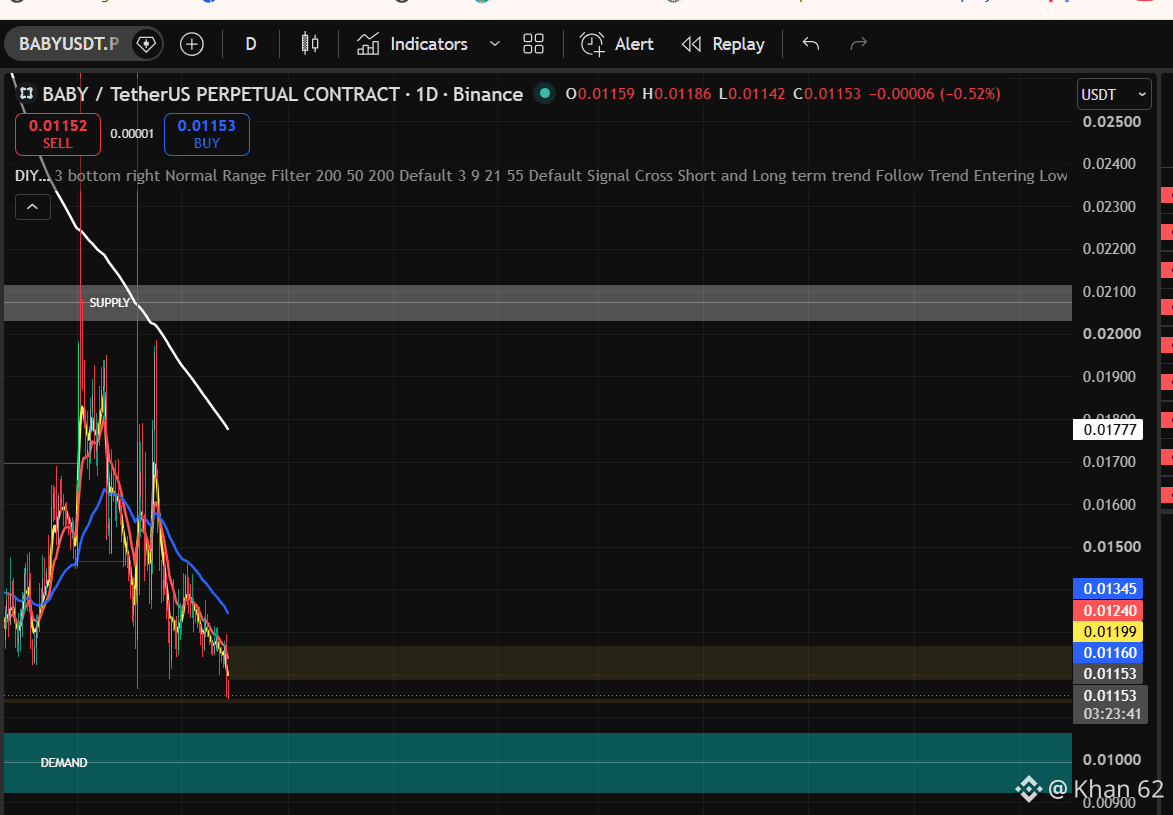
السعر: 0.0111$ _0.0110$
الأهداف:
0.0115$ → 0.0120$ → 0.0128$
وقف الخسارة: 0.0105$
.
قم ببحثك الخاص او تداول هنا: — $BABY
{future}(BABYUSDT)
التحليل:
Babylon — بروتوكول BTC Staking، ترقية 14 سبتمبر، تريند صاعد قوي!
أتابع أيضاً:
$WLD عند 0.398$ — LONG، أهداف 0.42$ → 0.45$ →
{future}(WLDUSDT)
$LDO عند 0.3733$ — LONG، أهداف 0.39$ → 0.42$ → 0.45$!
{future}(LDOUSDT)
أتطلع إلى وصول BTC إلى 80,000$ — إذا حدث، BABY ستطير لـ 0.018$!
ادر مخاطرك ولا تخاطر بأكثر من 1–2% من محفظتك. احترم حدود الصفقة واجني أرباحاً ومعرفة.
#BTC #Babylon
$BABY اذهب شراء 🚀🚀🚀
السعر: 0.0111$ _0.0110$
الأهداف:
0.0115$ → 0.0120$ → 0.0128$
وقف الخسارة: 0.0105$
.
قم ببحثك الخاص او تداول هنا: — $BABY
التحليل:
Babylon — بروتوكول BTC Staking، ترقية 14 سبتمبر، تريند صاعد قوي!
أتابع أيضاً:
$WLD عند 0.398$ — LONG، أهداف 0.42$ → 0.45$ →
$LDO عند 0.3733$ — LONG، أهداف 0.39$ → 0.42$ → 0.45$!
أتطلع إلى وصول BTC إلى 80,000$ — إذا حدث، BABY ستطير لـ 0.018$!
ادر مخاطرك ولا تخاطر بأكثر من 1–2% من محفظتك. احترم حدود الصفقة واجني أرباحاً ومعرفة.
#BTC #Babylon
السعر: 0.0111$ _0.0110$
الأهداف:
0.0115$ → 0.0120$ → 0.0128$
وقف الخسارة: 0.0105$
.
قم ببحثك الخاص او تداول هنا: — $BABY
التحليل:
Babylon — بروتوكول BTC Staking، ترقية 14 سبتمبر، تريند صاعد قوي!
أتابع أيضاً:
$WLD عند 0.398$ — LONG، أهداف 0.42$ → 0.45$ →
$LDO عند 0.3733$ — LONG، أهداف 0.39$ → 0.42$ → 0.45$!
أتطلع إلى وصول BTC إلى 80,000$ — إذا حدث، BABY ستطير لـ 0.018$!
ادر مخاطرك ولا تخاطر بأكثر من 1–2% من محفظتك. احترم حدود الصفقة واجني أرباحاً ومعرفة.
#BTC #Babylon
1
2
73
·
--
تمّ التحقق
عملة Babylon (BABY): تخزين بيتكوين ومستقبل التمويل اللامركزي#Babylon عملة (BABY) هي الرمز الأصلي لنظام Babylon البيئي، وهو مشروع بلوكشين يركز على جلب أمان بيتكوين ورأس ماله إلى عالم التمويل اللامركزي (DeFi) الأوسع. وتتمثل إحدى الأفكار الرئيسية لدى Babylon في تخزين بيتكوين، والذي يتيح لحاملي بيتكوين المساهمة في الأمان الاقتصادي لشبكات إثبات الحصة مع الحفاظ على نموذج الأمان القائم على بيتكوين.
تم تصميم رمز BABY لدعم النشاط عبر نظام Babylon البيئي، ويمكن استخدامه للمشاركة في الشبكة والوظائف المتعلقة بالحوكمة. وقد حظي المشروع باهتمام لأن بيتكوين هو أكبر الأصول المشفرة وأكثرها رسوخًا، بينما أصبح التخزين (staking) جزءًا مهمًا من العديد من أنظمة البلوكشين البيئية.
عملة Babylon (BABY): تخزين بيتكوين ومستقبل التمويل اللامركزي
#Babylon عملة (BABY) هي الرمز الأصلي لنظام Babylon البيئي، وهو مشروع بلوكشين يركز على جلب أمان بيتكوين ورأس ماله إلى عالم التمويل اللامركزي (DeFi) الأوسع. وتتمثل إحدى الأفكار الرئيسية لدى Babylon في تخزين بيتكوين، والذي يتيح لحاملي بيتكوين المساهمة في الأمان الاقتصادي لشبكات إثبات الحصة مع الحفاظ على نموذج الأمان القائم على بيتكوين.
تم تصميم رمز BABY لدعم النشاط عبر نظام Babylon البيئي، ويمكن استخدامه للمشاركة في الشبكة والوظائف المتعلقة بالحوكمة. وقد حظي المشروع باهتمام لأن بيتكوين هو أكبر الأصول المشفرة وأكثرها رسوخًا، بينما أصبح التخزين (staking) جزءًا مهمًا من العديد من أنظمة البلوكشين البيئية.
تم تصميم رمز BABY لدعم النشاط عبر نظام Babylon البيئي، ويمكن استخدامه للمشاركة في الشبكة والوظائف المتعلقة بالحوكمة. وقد حظي المشروع باهتمام لأن بيتكوين هو أكبر الأصول المشفرة وأكثرها رسوخًا، بينما أصبح التخزين (staking) جزءًا مهمًا من العديد من أنظمة البلوكشين البيئية.
2
235

·
--
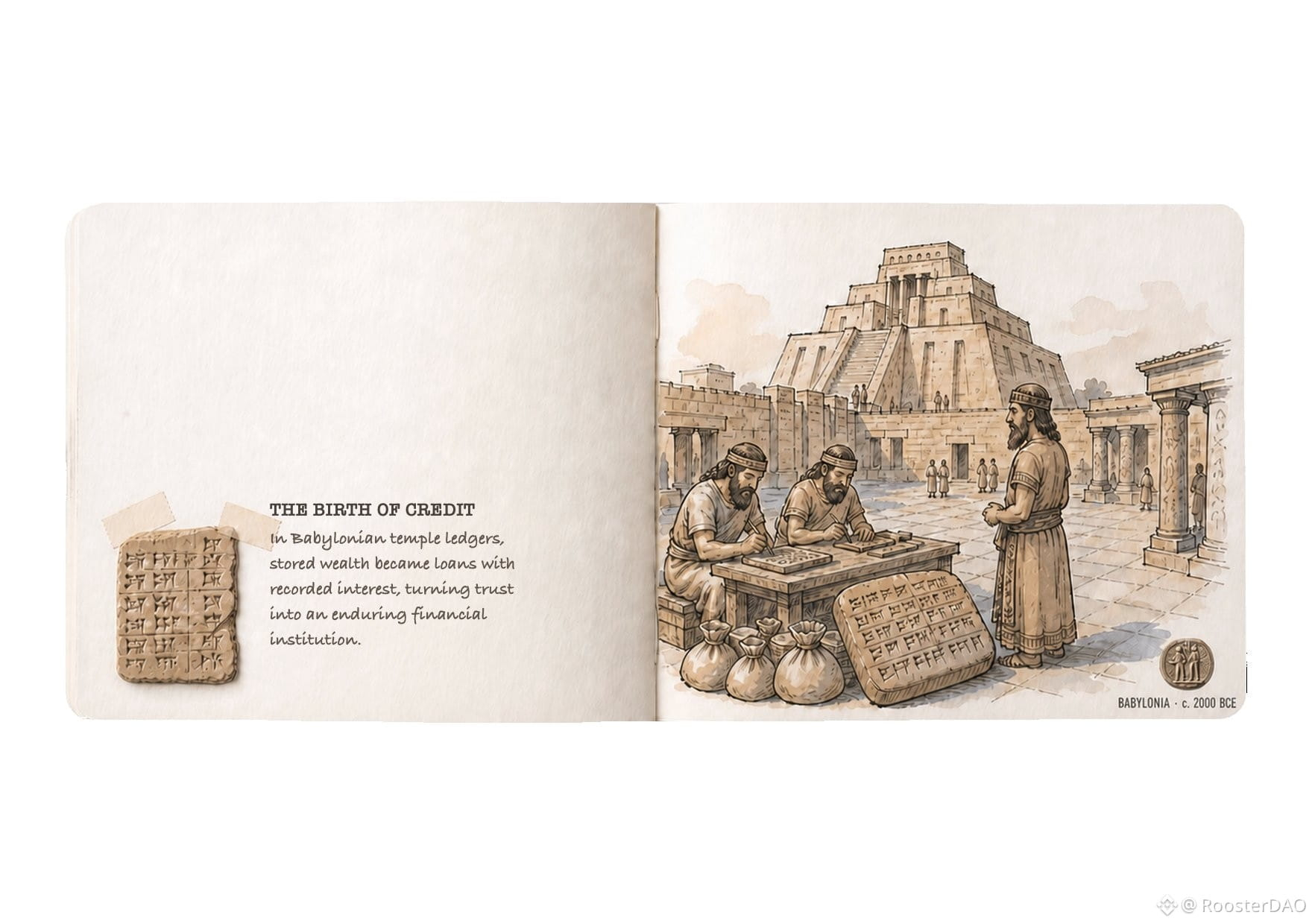
قبل أن تملك البنوك قاعات رخامية، كانت المعابد تحفظ الفضة والحبوب والوعود.
حوّلَت السجلات الطينية في بابل الثروةَ المخزّنة إلى قروضٍ مُسجّلة—والثقة إلى مؤسسة. كُتب الفصل الأول من التمويل في الطين.
#FinancialHistory #Credit #Babylon #ROOFUND
قبل أن تملك البنوك قاعات رخامية، كانت المعابد تحفظ الفضة والحبوب والوعود.
حوّلَت السجلات الطينية في بابل الثروةَ المخزّنة إلى قروضٍ مُسجّلة—والثقة إلى مؤسسة. كُتب الفصل الأول من التمويل في الطين.
#FinancialHistory #Credit #Babylon #ROOFUND
حوّلَت السجلات الطينية في بابل الثروةَ المخزّنة إلى قروضٍ مُسجّلة—والثقة إلى مؤسسة. كُتب الفصل الأول من التمويل في الطين.
#FinancialHistory #Credit #Babylon #ROOFUND
3
551

·
--
تمّ التحقق
أصبحت البراهين الصفرية المعرفة (Zero-knowledge proofs) أكثر صلة ببيتكوين، لكن هناك سؤال عملي غالبًا ما يُتغاضى عنه:
ما مدى رخص تكلفة بيتكوين في التحقق من هذه البراهين؟
هنا تصبح «بابيلون» BABE مثيرة للاهتمام.
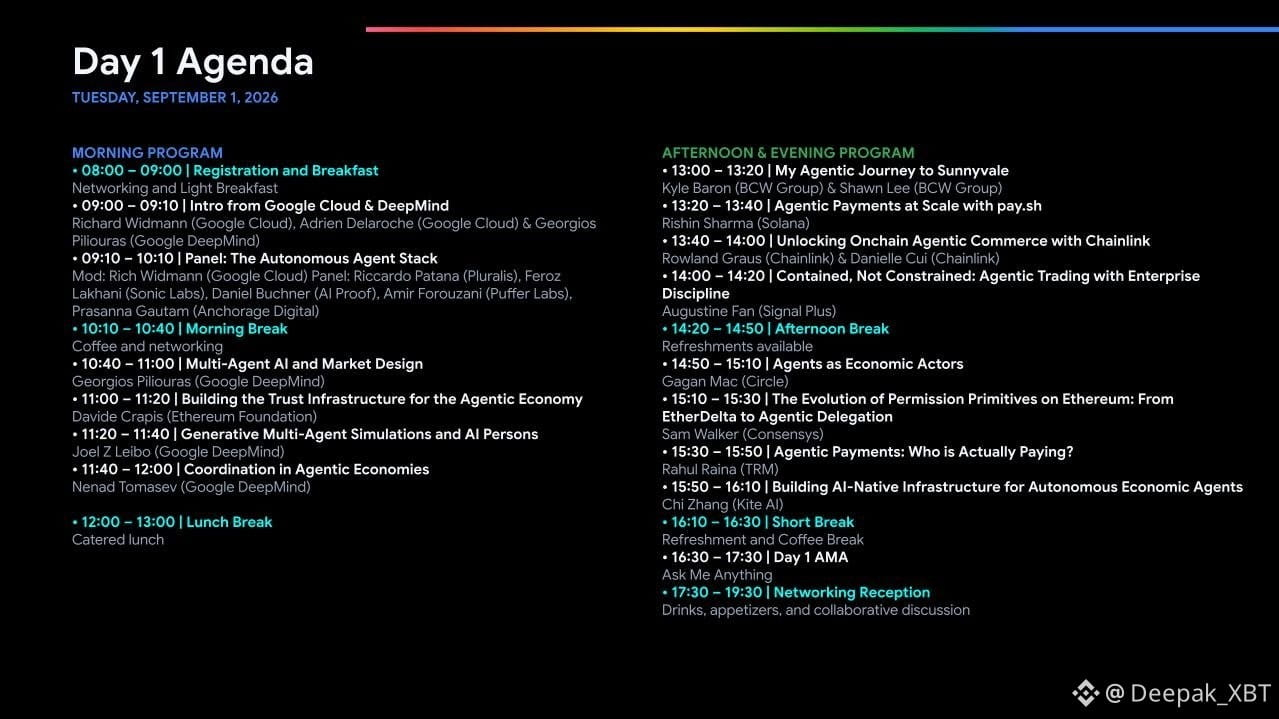
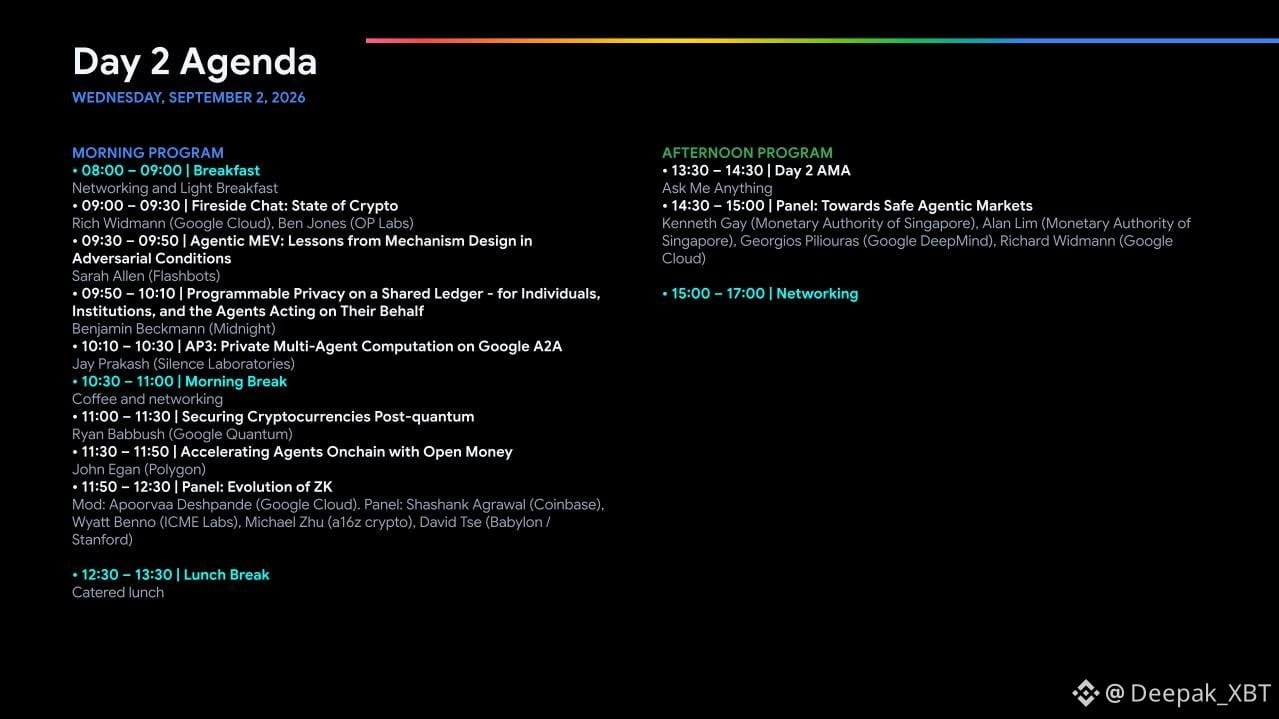
في اليوم، في مؤتمر Google Web3 x AI Summit 2026، سينضم مؤسس بابيلون المشارك ديفيد تسِيه إلى نقاش مع مايكل زو من a16z، ووايت بينو من ICME Labs، وشاشانك أغروال من Coinbase لبحث تطور براهين ZK.
ومن المتوقع أن يوضح ديفيد كيف يمكن لـ BABE جعل التحقق من براهين ZK على بيتكوين أرخص بـ 1,000 مرة. وتصف الأبحاث الأساسية BABE كبرتوكول للتحقق من براهين Groth16 على بيتكوين مع تقليل التكاليف المرتبطة بشكل كبير.
ما يثير اهتمامي هنا ليس رقم «1,000 مرة» فقط.
إذا أصبح التحقق رخيصًا بما يكفي، فقد تصبح براهين ZK أكثر عملية بكثير لتطبيقات مبنية على بيتكوين، حيث يحتاج بيتكوين نفسه إلى التحقق من نشاط أو حالة من نظام آخر.
وقد يكون ذلك مهمًا لأشياء مثل خزائن بيتكوين عديمة الثقة (trustless)، حيث يمكن ربط عمليات السحب بالتحقق من حالة محددة للعقد الذكي على بيتكوين.
بالنسبة لي، فإن BABE مثيرة للاهتمام لأنها تعالج عنق الزجاجة الأقل وضوحًا: جعل التحقق التشفيري أمرًا ممكنًا اقتصاديًا على بيتكوين.
أود سماع شرح ديفيد اليوم.
@babylonlabs_io $BABY
{future}(BABYUSDT)
#Babylon #bitcoin.” #zkProofs #Web3
أصبحت البراهين الصفرية المعرفة (Zero-knowledge proofs) أكثر صلة ببيتكوين، لكن هناك سؤال عملي غالبًا ما يُتغاضى عنه:
ما مدى رخص تكلفة بيتكوين في التحقق من هذه البراهين؟
هنا تصبح «بابيلون» BABE مثيرة للاهتمام.
في اليوم، في مؤتمر Google Web3 x AI Summit 2026، سينضم مؤسس بابيلون المشارك ديفيد تسِيه إلى نقاش مع مايكل زو من a16z، ووايت بينو من ICME Labs، وشاشانك أغروال من Coinbase لبحث تطور براهين ZK.
ومن المتوقع أن يوضح ديفيد كيف يمكن لـ BABE جعل التحقق من براهين ZK على بيتكوين أرخص بـ 1,000 مرة. وتصف الأبحاث الأساسية BABE كبرتوكول للتحقق من براهين Groth16 على بيتكوين مع تقليل التكاليف المرتبطة بشكل كبير.
ما يثير اهتمامي هنا ليس رقم «1,000 مرة» فقط.
إذا أصبح التحقق رخيصًا بما يكفي، فقد تصبح براهين ZK أكثر عملية بكثير لتطبيقات مبنية على بيتكوين، حيث يحتاج بيتكوين نفسه إلى التحقق من نشاط أو حالة من نظام آخر.
وقد يكون ذلك مهمًا لأشياء مثل خزائن بيتكوين عديمة الثقة (trustless)، حيث يمكن ربط عمليات السحب بالتحقق من حالة محددة للعقد الذكي على بيتكوين.
بالنسبة لي، فإن BABE مثيرة للاهتمام لأنها تعالج عنق الزجاجة الأقل وضوحًا: جعل التحقق التشفيري أمرًا ممكنًا اقتصاديًا على بيتكوين.
أود سماع شرح ديفيد اليوم.
@BabylonLabs_io $BABY
#Babylon #bitcoin.” #zkProofs #Web3
ما مدى رخص تكلفة بيتكوين في التحقق من هذه البراهين؟
هنا تصبح «بابيلون» BABE مثيرة للاهتمام.
في اليوم، في مؤتمر Google Web3 x AI Summit 2026، سينضم مؤسس بابيلون المشارك ديفيد تسِيه إلى نقاش مع مايكل زو من a16z، ووايت بينو من ICME Labs، وشاشانك أغروال من Coinbase لبحث تطور براهين ZK.
ومن المتوقع أن يوضح ديفيد كيف يمكن لـ BABE جعل التحقق من براهين ZK على بيتكوين أرخص بـ 1,000 مرة. وتصف الأبحاث الأساسية BABE كبرتوكول للتحقق من براهين Groth16 على بيتكوين مع تقليل التكاليف المرتبطة بشكل كبير.
ما يثير اهتمامي هنا ليس رقم «1,000 مرة» فقط.
إذا أصبح التحقق رخيصًا بما يكفي، فقد تصبح براهين ZK أكثر عملية بكثير لتطبيقات مبنية على بيتكوين، حيث يحتاج بيتكوين نفسه إلى التحقق من نشاط أو حالة من نظام آخر.
وقد يكون ذلك مهمًا لأشياء مثل خزائن بيتكوين عديمة الثقة (trustless)، حيث يمكن ربط عمليات السحب بالتحقق من حالة محددة للعقد الذكي على بيتكوين.
بالنسبة لي، فإن BABE مثيرة للاهتمام لأنها تعالج عنق الزجاجة الأقل وضوحًا: جعل التحقق التشفيري أمرًا ممكنًا اقتصاديًا على بيتكوين.
أود سماع شرح ديفيد اليوم.
@BabylonLabs_io $BABY
#Babylon #bitcoin.” #zkProofs #Web3
195

·
--
تمّ التحقق
قضى بروتوكول أشهرًا في بناء “السباكة” التي تسمح لبيتكوين الخاملة بالعمل كضمان دون أن تغادر شبكة بيتكوين مطلقًا. وقد يتوقف ما إذا كانت هذه “السباكة” ستحظى بحجم تداول حقيقي قريبًا على تصويت واحد فقط في أحد أكبر أسواق الإقراض في التمويل اللامركزي (DeFi).
تنتظر “خزائن بيتكوين بابيلون” غير الخاضعة للثقة (Trustless) تقديم مقترح حوكمة على Aave V4 سيسمح بأن تعمل عملة BTC الأصلية المودعة عبر بابيلون كضمان تمويلي لامركزي غير وصائي (non-custodial) — دون توكنات مُلتفة (wrapped)، ودون أمناء حفظ. ما زال الطلب ينتظر الموافقة. وبدون ذلك، كان BABY إلى حد كبير يتتبع الارتفاع الأوسع في بيتكوين والاتجاه العام للاقتصاد الكلي (macro) أكثر من تحركه استنادًا إلى أخبار خاصة به.
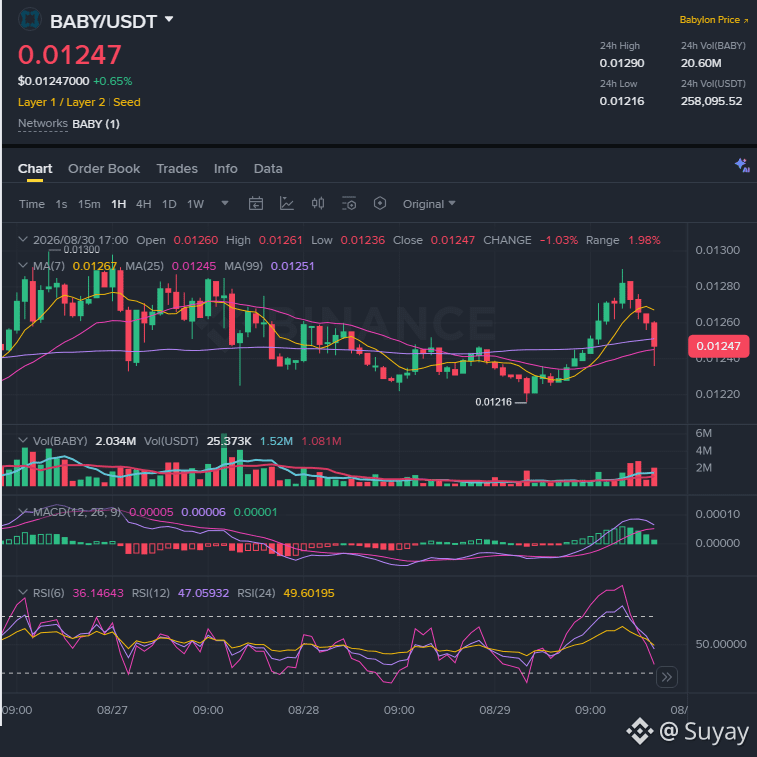
على مخطط 1H، تحرك BABY لأيام ضمن نطاق بين 0.0122 و0.0130، ثم صعد نحو قمة ذلك النطاق، قبل أن يعكس اتجاهه بشكل حاد في الساعات الأخيرة، لينخفض عبر MA7 (0.01267) إلى مستواه الحالي 0.01247 — فوق MA25 مباشرةً (0.01245). انخفض مؤشر RSI(6) إلى تشبع بيع قصير الأجل عند 36.14، بينما يظل RSI(24) محايدًا عند 49.60، ولا يظهر مدرج تذبذب MACD إلا بإيجابية طفيفة بعد سلسلة من القراءات السلبية.
تصدر تصويتات الحوكمة للبروتوكولات الكبرى خلال أسابيع لا خلال ساعات، لذا فإن تكامل Aave ليس “محفزًا” لهذا الأسبوع حتى لو تم تمريره. وعلى إطار 1H، عادةً ما يشير هذا التشبع البيعي إلى نهاية سحب سريع — لكن الأهم هنا هو ما إذا كان السعر سيحافظ على MA25 الذي يقف عليه حاليًا، أو ينكسر إلى أسفل منه إلى الجزء الأدنى من نطاق الأسبوع.
ليست نصيحة مالية — لأغراض إعلامية فقط.
$BABY #Babylon #bitcoin #Binance
{spot}(BABYUSDT)
قضى بروتوكول أشهرًا في بناء “السباكة” التي تسمح لبيتكوين الخاملة بالعمل كضمان دون أن تغادر شبكة بيتكوين مطلقًا. وقد يتوقف ما إذا كانت هذه “السباكة” ستحظى بحجم تداول حقيقي قريبًا على تصويت واحد فقط في أحد أكبر أسواق الإقراض في التمويل اللامركزي (DeFi).
تنتظر “خزائن بيتكوين بابيلون” غير الخاضعة للثقة (Trustless) تقديم مقترح حوكمة على Aave V4 سيسمح بأن تعمل عملة BTC الأصلية المودعة عبر بابيلون كضمان تمويلي لامركزي غير وصائي (non-custodial) — دون توكنات مُلتفة (wrapped)، ودون أمناء حفظ. ما زال الطلب ينتظر الموافقة. وبدون ذلك، كان BABY إلى حد كبير يتتبع الارتفاع الأوسع في بيتكوين والاتجاه العام للاقتصاد الكلي (macro) أكثر من تحركه استنادًا إلى أخبار خاصة به.
على مخطط 1H، تحرك BABY لأيام ضمن نطاق بين 0.0122 و0.0130، ثم صعد نحو قمة ذلك النطاق، قبل أن يعكس اتجاهه بشكل حاد في الساعات الأخيرة، لينخفض عبر MA7 (0.01267) إلى مستواه الحالي 0.01247 — فوق MA25 مباشرةً (0.01245). انخفض مؤشر RSI(6) إلى تشبع بيع قصير الأجل عند 36.14، بينما يظل RSI(24) محايدًا عند 49.60، ولا يظهر مدرج تذبذب MACD إلا بإيجابية طفيفة بعد سلسلة من القراءات السلبية.
تصدر تصويتات الحوكمة للبروتوكولات الكبرى خلال أسابيع لا خلال ساعات، لذا فإن تكامل Aave ليس “محفزًا” لهذا الأسبوع حتى لو تم تمريره. وعلى إطار 1H، عادةً ما يشير هذا التشبع البيعي إلى نهاية سحب سريع — لكن الأهم هنا هو ما إذا كان السعر سيحافظ على MA25 الذي يقف عليه حاليًا، أو ينكسر إلى أسفل منه إلى الجزء الأدنى من نطاق الأسبوع.
ليست نصيحة مالية — لأغراض إعلامية فقط.
$BABY #Babylon #bitcoin #Binance
تنتظر “خزائن بيتكوين بابيلون” غير الخاضعة للثقة (Trustless) تقديم مقترح حوكمة على Aave V4 سيسمح بأن تعمل عملة BTC الأصلية المودعة عبر بابيلون كضمان تمويلي لامركزي غير وصائي (non-custodial) — دون توكنات مُلتفة (wrapped)، ودون أمناء حفظ. ما زال الطلب ينتظر الموافقة. وبدون ذلك، كان BABY إلى حد كبير يتتبع الارتفاع الأوسع في بيتكوين والاتجاه العام للاقتصاد الكلي (macro) أكثر من تحركه استنادًا إلى أخبار خاصة به.
على مخطط 1H، تحرك BABY لأيام ضمن نطاق بين 0.0122 و0.0130، ثم صعد نحو قمة ذلك النطاق، قبل أن يعكس اتجاهه بشكل حاد في الساعات الأخيرة، لينخفض عبر MA7 (0.01267) إلى مستواه الحالي 0.01247 — فوق MA25 مباشرةً (0.01245). انخفض مؤشر RSI(6) إلى تشبع بيع قصير الأجل عند 36.14، بينما يظل RSI(24) محايدًا عند 49.60، ولا يظهر مدرج تذبذب MACD إلا بإيجابية طفيفة بعد سلسلة من القراءات السلبية.
تصدر تصويتات الحوكمة للبروتوكولات الكبرى خلال أسابيع لا خلال ساعات، لذا فإن تكامل Aave ليس “محفزًا” لهذا الأسبوع حتى لو تم تمريره. وعلى إطار 1H، عادةً ما يشير هذا التشبع البيعي إلى نهاية سحب سريع — لكن الأهم هنا هو ما إذا كان السعر سيحافظ على MA25 الذي يقف عليه حاليًا، أو ينكسر إلى أسفل منه إلى الجزء الأدنى من نطاق الأسبوع.
ليست نصيحة مالية — لأغراض إعلامية فقط.
$BABY #Babylon #bitcoin #Binance
2
253
·
--
BABY APDAT$BABY 🚀 Babylon ($BABY): Bitcoin ko Web3 tak le jana Bitcoin Security ki tarah
Babylon ka mission Bitcoin ko sirf value store ke taur par nahi, balki Web3 security ke liye bhi use karna hai. Babylon Genesis mein BABY ek important role play karta hai — ye network fees ke liye gas token, governance ke liye voting token aur network security ke liye staking asset ke taur par use hota hai.
Babylon ka unique dual-staking model BTC aur BABY dono ko ecosystem ki security mein contribute karne ka opportunity deta hai. Users BABY stake karke network ko secure kar sakte hain aur rewards earn kar sakte hain, jabke BTC staking Babylon ke Bitcoin-powered security model ko strengthen karti hai. BABY governance mein bhi important hai, kyunki BABY holders protocol upgrades aur network parameters par voting ke through Babylon ke future ko shape kar sakte hain. Babylon ecosystem mein Trustless Bitcoin Vaults aur doosre products ke expand hone ke saath BABY ka role aur bhi important ho sakta hai.
BABY APDAT
$BABY 🚀 Babylon ($BABY ): Bitcoin ko Web3 tak le jana Bitcoin Security ki tarah
Babylon ka mission Bitcoin ko sirf value store ke taur par nahi, balki Web3 security ke liye bhi use karna hai. Babylon Genesis mein BABY ek important role play karta hai — ye network fees ke liye gas token, governance ke liye voting token aur network security ke liye staking asset ke taur par use hota hai.
Babylon ka unique dual-staking model BTC aur BABY dono ko ecosystem ki security mein contribute karne ka opportunity deta hai. Users BABY stake karke network ko secure kar sakte hain aur rewards earn kar sakte hain, jabke BTC staking Babylon ke Bitcoin-powered security model ko strengthen karti hai. BABY governance mein bhi important hai, kyunki BABY holders protocol upgrades aur network parameters par voting ke through Babylon ke future ko shape kar sakte hain. Babylon ecosystem mein Trustless Bitcoin Vaults aur doosre products ke expand hone ke saath BABY ka role aur bhi important ho sakta hai.
Babylon ka mission Bitcoin ko sirf value store ke taur par nahi, balki Web3 security ke liye bhi use karna hai. Babylon Genesis mein BABY ek important role play karta hai — ye network fees ke liye gas token, governance ke liye voting token aur network security ke liye staking asset ke taur par use hota hai.
Babylon ka unique dual-staking model BTC aur BABY dono ko ecosystem ki security mein contribute karne ka opportunity deta hai. Users BABY stake karke network ko secure kar sakte hain aur rewards earn kar sakte hain, jabke BTC staking Babylon ke Bitcoin-powered security model ko strengthen karti hai. BABY governance mein bhi important hai, kyunki BABY holders protocol upgrades aur network parameters par voting ke through Babylon ke future ko shape kar sakte hain. Babylon ecosystem mein Trustless Bitcoin Vaults aur doosre products ke expand hone ke saath BABY ka role aur bhi important ho sakta hai.
72

·
--
#baby $BABY لسنوات، كنت أعتقد أن أأمن مكان لبيتكوين لدي هو ببساطة إبقاؤها في محفظتي. كان الاحتفاظ بها يجعلني أشعر بالمسؤولية، لكنني كنت أتساءل في كثير من الأحيان إن كان بإمكان عمل BTC أن يفعل المزيد دون التخلي عن الأمان الذي جعلني أثق فيه من الأساس.
تغيّر ذلك عندما بدأت أقرأ عن خزائن بيتكوين غير موثوقة (Trustless) التابعة لـ Babylon (TBV).
ما جذب انتباهي لم يكن وعد العوائد الأعلى. بل كانت الفكرة القائلة إن بيتكوين الأصلية يمكنها المشاركة في التمويل اللامركزي (DeFi) دون لفّها أو تسليم الحيازة لشخص آخر. هذا يبدو تحولًا ذا معنى.
يوضح التكامل الأول مع Aave v4 أن TBV ليست مجرد الاقتراض. إنها تتعلق بإنشاء أساس غير موثوق حيث يمكن لسيولة بيتكوين الانتقال بين التطبيقات مع البقاء مؤمّنة بواسطة بيتكوين نفسه.
السؤال الحقيقي بالنسبة لي ليس مقدار BTC الذي سيُودع في اليوم الأول.
بل ما إذا كانت بيتكوين ستواصل إيجاد استخدامات منتجة بعد أن تخفت الحوافز.
إذا استمرت السيولة بالتدفق لأن البنية التحتية تتحسن فعلًا في تنسيق رأس المال، فقد تصبح Babylon أكثر بكثير من مجرد بروتوكول DeFi آخر. قد تساعد في تحويل بيتكوين من مجرد مدخرات خاملة إلى رأس مال منتج وغير خاضع للثقة.
هذا هو المستقبل الذي أراقبه.
#Babylon #BABY #Bitcoin #BTCFi $BABY
{future}(BABYUSDT)
@babylonlabs_io $RIVER
{future}(RIVERUSDT)
#baby $BABY لسنوات، كنت أعتقد أن أأمن مكان لبيتكوين لدي هو ببساطة إبقاؤها في محفظتي. كان الاحتفاظ بها يجعلني أشعر بالمسؤولية، لكنني كنت أتساءل في كثير من الأحيان إن كان بإمكان عمل BTC أن يفعل المزيد دون التخلي عن الأمان الذي جعلني أثق فيه من الأساس.
تغيّر ذلك عندما بدأت أقرأ عن خزائن بيتكوين غير موثوقة (Trustless) التابعة لـ Babylon (TBV).
ما جذب انتباهي لم يكن وعد العوائد الأعلى. بل كانت الفكرة القائلة إن بيتكوين الأصلية يمكنها المشاركة في التمويل اللامركزي (DeFi) دون لفّها أو تسليم الحيازة لشخص آخر. هذا يبدو تحولًا ذا معنى.
يوضح التكامل الأول مع Aave v4 أن TBV ليست مجرد الاقتراض. إنها تتعلق بإنشاء أساس غير موثوق حيث يمكن لسيولة بيتكوين الانتقال بين التطبيقات مع البقاء مؤمّنة بواسطة بيتكوين نفسه.
السؤال الحقيقي بالنسبة لي ليس مقدار BTC الذي سيُودع في اليوم الأول.
بل ما إذا كانت بيتكوين ستواصل إيجاد استخدامات منتجة بعد أن تخفت الحوافز.
إذا استمرت السيولة بالتدفق لأن البنية التحتية تتحسن فعلًا في تنسيق رأس المال، فقد تصبح Babylon أكثر بكثير من مجرد بروتوكول DeFi آخر. قد تساعد في تحويل بيتكوين من مجرد مدخرات خاملة إلى رأس مال منتج وغير خاضع للثقة.
هذا هو المستقبل الذي أراقبه.
#Babylon #BABY #Bitcoin #BTCFi $BABY
@BabylonLabs_io $RIVER
تغيّر ذلك عندما بدأت أقرأ عن خزائن بيتكوين غير موثوقة (Trustless) التابعة لـ Babylon (TBV).
ما جذب انتباهي لم يكن وعد العوائد الأعلى. بل كانت الفكرة القائلة إن بيتكوين الأصلية يمكنها المشاركة في التمويل اللامركزي (DeFi) دون لفّها أو تسليم الحيازة لشخص آخر. هذا يبدو تحولًا ذا معنى.
يوضح التكامل الأول مع Aave v4 أن TBV ليست مجرد الاقتراض. إنها تتعلق بإنشاء أساس غير موثوق حيث يمكن لسيولة بيتكوين الانتقال بين التطبيقات مع البقاء مؤمّنة بواسطة بيتكوين نفسه.
السؤال الحقيقي بالنسبة لي ليس مقدار BTC الذي سيُودع في اليوم الأول.
بل ما إذا كانت بيتكوين ستواصل إيجاد استخدامات منتجة بعد أن تخفت الحوافز.
إذا استمرت السيولة بالتدفق لأن البنية التحتية تتحسن فعلًا في تنسيق رأس المال، فقد تصبح Babylon أكثر بكثير من مجرد بروتوكول DeFi آخر. قد تساعد في تحويل بيتكوين من مجرد مدخرات خاملة إلى رأس مال منتج وغير خاضع للثقة.
هذا هو المستقبل الذي أراقبه.
#Babylon #BABY #Bitcoin #BTCFi $BABY
@BabylonLabs_io $RIVER
16
8
253

·
--
يواصل نظام بيتكوين البيئي التطور، وتقدم بابل نهجًا جديدًا قد يوسع دور بيتكوين في مساحة البلوك تشين الأوسع. وبدلًا من التعامل مع BTC فقط باعتباره استثمارًا طويل الأجل، تستكشف بابل طرقًا لتمكين بيتكوين من المساهمة في أمان الشبكات اللامركزية مع الحفاظ على أسسه القوية. يبرز هذا النوع من الابتكار كيف يمكن لبيتكوين دعم حالات استخدام جديدة دون فقدان الصفات التي جعلته العملة الرقمية الرائدة في العالم. ومع بناء المزيد من المطورين حول بيتكوين، قد تلعب المشاريع التي تركز على الأمان والوظائف (utility) واللامركزية دورًا مهمًا في مستقبل Web3. أنا متحمس لمتابعة تقدم بابل ورؤية كيف يساعد في تشكيل الفصل التالي من ابتكار بيتكوين.
#baby $BABY @babylonlabs_io #Babylon $BTC $BNB #BinanceSquare
ما رأيك ما هي أكبر ميزة لدى بابل؟
يواصل نظام بيتكوين البيئي التطور، وتقدم بابل نهجًا جديدًا قد يوسع دور بيتكوين في مساحة البلوك تشين الأوسع. وبدلًا من التعامل مع BTC فقط باعتباره استثمارًا طويل الأجل، تستكشف بابل طرقًا لتمكين بيتكوين من المساهمة في أمان الشبكات اللامركزية مع الحفاظ على أسسه القوية. يبرز هذا النوع من الابتكار كيف يمكن لبيتكوين دعم حالات استخدام جديدة دون فقدان الصفات التي جعلته العملة الرقمية الرائدة في العالم. ومع بناء المزيد من المطورين حول بيتكوين، قد تلعب المشاريع التي تركز على الأمان والوظائف (utility) واللامركزية دورًا مهمًا في مستقبل Web3. أنا متحمس لمتابعة تقدم بابل ورؤية كيف يساعد في تشكيل الفصل التالي من ابتكار بيتكوين.
#baby $BABY @BabylonLabs_io #Babylon $BTC $BNB #BinanceSquare
ما رأيك ما هي أكبر ميزة لدى بابل؟
#baby $BABY @BabylonLabs_io #Babylon $BTC $BNB #BinanceSquare
ما رأيك ما هي أكبر ميزة لدى بابل؟
Strong Bitcoin Security
0%
Bitcoin Staking
0%
Expanding Web3 Utility
0%
Long-Term Growth Potential
0%
0 الأصوات • تمّ إغلاق التصويت
80
التعليم والاستكشاف
تُعد حملة Babylon الجديدة فرصة مثالية لاكتشاف كيف يُؤمّن استيكينغ بيتكوين سلاسل PoS. نموذج اقتصادي مبتكر يجمع بين حماية الأموال وتراكم المكافآت. انضم إلى المغامرة دون تأخير! 💡#Babylon $BABY
التعليم والاستكشاف
تُعد حملة Babylon الجديدة فرصة مثالية لاكتشاف كيف يُؤمّن استيكينغ بيتكوين سلاسل PoS. نموذج اقتصادي مبتكر يجمع بين حماية الأموال وتراكم المكافآت. انضم إلى المغامرة دون تأخير! 💡#Babylon $BABY
تُعد حملة Babylon الجديدة فرصة مثالية لاكتشاف كيف يُؤمّن استيكينغ بيتكوين سلاسل PoS. نموذج اقتصادي مبتكر يجمع بين حماية الأموال وتراكم المكافآت. انضم إلى المغامرة دون تأخير! 💡#Babylon $BABY
10

·
--
صاعد
مرحباً يا أصدقائي، كيف حالكم جميعاً؟ اليوم سنناقش مشروع كريبتو $BABY مع مستقبلٍ مشرق 😎 👇🏼
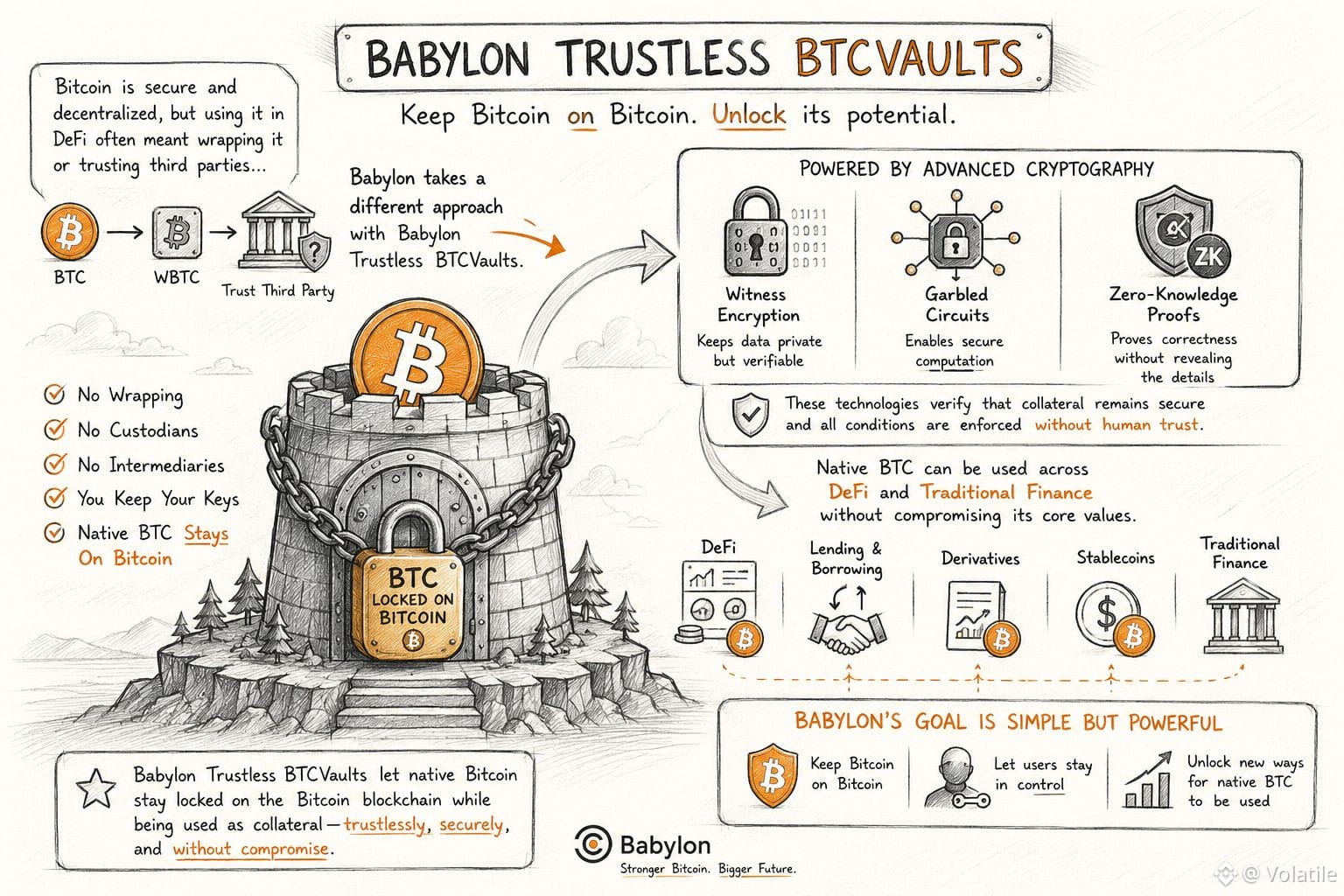
لطالما عُرفت البيتكوين بأمانها لا مركزيّتها، لكن استخدامَها في التمويل اللامركزي غالباً كان يعني لفّها (wrapping) أو الثقة بجهاتٍ طرف ثالث. تتبع بابيلون نهجاً مختلفاً مع خزائن BTCVaults اللامركزية بابيلون. بدل نقل البيتكوين خارج شبكتها الأصلية، تتيح خزائن BTCVaults ✓ بقاء البيتكوين الأصلية مؤمَّنة داخل سلسلة البيتكوين بينما لا تزال تُستخدم كضمان. لا يوجد لفّ، ولا أمناء حفظ (custodians)، ولا وسطاء على الإطلاق. يحافظ المستخدمون على التحكم بمفاتيحهم الخاصة، ولا تتحول البيتكوين إلى أصلٍ آخر. تساعد التقنيات التشفيرية المتقدمة، بما في ذلك تشفير الشهود (witness encryption) والدوائر المختلطة (garbled circuits) وإثباتات المعرفة الصفرية، على التحقق من أن الضمان يظل آمناً وأن جميع الشروط تُطبَّق دون الاعتماد على الثقة البشرية. وهذا يعني أنه يمكن استخدام البيتكوين عبر الأنظمة المالية اللامركزية وحتى التقليدية مع الحفاظ على مبادئ “عدم الثقة” التي جعلتها قيّمة من الأساس. إن هدف بابيلون بسيط لكنه قوي: إبقاء البيتكوين على البيتكوين، والسماح للمستخدمين بالبقاء تحت السيطرة وإطلاق طرق جديدة لاستخدام $BTC الأصلية دون المساس بقيمها الأساسية.
أتمنى لكم يوماً سعيداً، اعتنوا بأنفسكم 😀
#baby @babylonlabs_io #Babylon #Babylonchain #BabylonLabs_io
{future}(BTCUSDT)
{future}(BABYUSDT)
مرحباً يا أصدقائي، كيف حالكم جميعاً؟ اليوم سنناقش مشروع كريبتو $BABY مع مستقبلٍ مشرق 😎 👇🏼
لطالما عُرفت البيتكوين بأمانها لا مركزيّتها، لكن استخدامَها في التمويل اللامركزي غالباً كان يعني لفّها (wrapping) أو الثقة بجهاتٍ طرف ثالث. تتبع بابيلون نهجاً مختلفاً مع خزائن BTCVaults اللامركزية بابيلون. بدل نقل البيتكوين خارج شبكتها الأصلية، تتيح خزائن BTCVaults ✓ بقاء البيتكوين الأصلية مؤمَّنة داخل سلسلة البيتكوين بينما لا تزال تُستخدم كضمان. لا يوجد لفّ، ولا أمناء حفظ (custodians)، ولا وسطاء على الإطلاق. يحافظ المستخدمون على التحكم بمفاتيحهم الخاصة، ولا تتحول البيتكوين إلى أصلٍ آخر. تساعد التقنيات التشفيرية المتقدمة، بما في ذلك تشفير الشهود (witness encryption) والدوائر المختلطة (garbled circuits) وإثباتات المعرفة الصفرية، على التحقق من أن الضمان يظل آمناً وأن جميع الشروط تُطبَّق دون الاعتماد على الثقة البشرية. وهذا يعني أنه يمكن استخدام البيتكوين عبر الأنظمة المالية اللامركزية وحتى التقليدية مع الحفاظ على مبادئ “عدم الثقة” التي جعلتها قيّمة من الأساس. إن هدف بابيلون بسيط لكنه قوي: إبقاء البيتكوين على البيتكوين، والسماح للمستخدمين بالبقاء تحت السيطرة وإطلاق طرق جديدة لاستخدام $BTC الأصلية دون المساس بقيمها الأساسية.
أتمنى لكم يوماً سعيداً، اعتنوا بأنفسكم 😀
#baby @BabylonLabs_io #Babylon #Babylonchain #BabylonLabs_io
لطالما عُرفت البيتكوين بأمانها لا مركزيّتها، لكن استخدامَها في التمويل اللامركزي غالباً كان يعني لفّها (wrapping) أو الثقة بجهاتٍ طرف ثالث. تتبع بابيلون نهجاً مختلفاً مع خزائن BTCVaults اللامركزية بابيلون. بدل نقل البيتكوين خارج شبكتها الأصلية، تتيح خزائن BTCVaults ✓ بقاء البيتكوين الأصلية مؤمَّنة داخل سلسلة البيتكوين بينما لا تزال تُستخدم كضمان. لا يوجد لفّ، ولا أمناء حفظ (custodians)، ولا وسطاء على الإطلاق. يحافظ المستخدمون على التحكم بمفاتيحهم الخاصة، ولا تتحول البيتكوين إلى أصلٍ آخر. تساعد التقنيات التشفيرية المتقدمة، بما في ذلك تشفير الشهود (witness encryption) والدوائر المختلطة (garbled circuits) وإثباتات المعرفة الصفرية، على التحقق من أن الضمان يظل آمناً وأن جميع الشروط تُطبَّق دون الاعتماد على الثقة البشرية. وهذا يعني أنه يمكن استخدام البيتكوين عبر الأنظمة المالية اللامركزية وحتى التقليدية مع الحفاظ على مبادئ “عدم الثقة” التي جعلتها قيّمة من الأساس. إن هدف بابيلون بسيط لكنه قوي: إبقاء البيتكوين على البيتكوين، والسماح للمستخدمين بالبقاء تحت السيطرة وإطلاق طرق جديدة لاستخدام $BTC الأصلية دون المساس بقيمها الأساسية.
أتمنى لكم يوماً سعيداً، اعتنوا بأنفسكم 😀
#baby @BabylonLabs_io #Babylon #Babylonchain #BabylonLabs_io
10
5
95

·
--
#baby $BABY تطور البيتكوين القادم: من مخزن للقيمة إلى بنية ثقة
على مدار أكثر من عقد من الزمن، كان يُنظر إلى البيتكوين على أنها أكثر أشكال “الذهب الرقمي” موثوقية، لكنها تعاني أيضًا من مشكلة طويلة الأمد: إذ يتم حبس جزء كبير من قيمتها الأمنية، ومع ذلك يصبح من الصعب أن تشارك بشكل مباشر في النظام البيئي الأوسع لسلاسل الكتل.
وفي هذا السياق، تحاول Babylon تغيير الوضع.
ومن خلال Babylon Trustless Bitcoin Vaults (TBV)، يمكن لحائزي البيتكوين تمكين البيتكوين ليصبح طبقة ضمان أمان لشبكات لامركزية، دون التخلي عن الأمان الأصلي لـ BTC.
وهذا يعني أن البيتكوين لم يعد مجرد أصل “مستقر بانتظار ارتفاع القيمة”، بل قد يصبح بنية تحتية للأمان في عالم Web3 بأكمله.
وتكمن قيمة Babylon ليس فقط في تحرير سيولة BTC، بل أيضًا في استكشاف نموذج جديد:
تمكين البيتكوين الأكبر من حيث القيمة السوقية والأعلى من حيث الأمان، ليمنح الثقة لشبكات لامركزية أخرى.
إن المنافسة المستقبلية بين سلاسل الكتل لن تكون فقط على سرعة المعاملات وحجم النظام البيئي، بل أيضًا على الأمان وتكلفة بناء الثقة.
إذا تمكن البيتكوين من أن يصبح قاعدة أمان لمزيد من الشبكات، فقد يرتقي دور BTC من “الذهب الرقمي” إلى “طبقة أمان لامركزية” أكثر تطورًا.
نتطلع إلى استمرار الابتكار من @BabylonLabs_io في اتجاه BTCFi.
$BABY
#Babylon
#比特币
#baby $BABY تطور البيتكوين القادم: من مخزن للقيمة إلى بنية ثقة
على مدار أكثر من عقد من الزمن، كان يُنظر إلى البيتكوين على أنها أكثر أشكال “الذهب الرقمي” موثوقية، لكنها تعاني أيضًا من مشكلة طويلة الأمد: إذ يتم حبس جزء كبير من قيمتها الأمنية، ومع ذلك يصبح من الصعب أن تشارك بشكل مباشر في النظام البيئي الأوسع لسلاسل الكتل.
وفي هذا السياق، تحاول Babylon تغيير الوضع.
ومن خلال Babylon Trustless Bitcoin Vaults (TBV)، يمكن لحائزي البيتكوين تمكين البيتكوين ليصبح طبقة ضمان أمان لشبكات لامركزية، دون التخلي عن الأمان الأصلي لـ BTC.
وهذا يعني أن البيتكوين لم يعد مجرد أصل “مستقر بانتظار ارتفاع القيمة”، بل قد يصبح بنية تحتية للأمان في عالم Web3 بأكمله.
وتكمن قيمة Babylon ليس فقط في تحرير سيولة BTC، بل أيضًا في استكشاف نموذج جديد:
تمكين البيتكوين الأكبر من حيث القيمة السوقية والأعلى من حيث الأمان، ليمنح الثقة لشبكات لامركزية أخرى.
إن المنافسة المستقبلية بين سلاسل الكتل لن تكون فقط على سرعة المعاملات وحجم النظام البيئي، بل أيضًا على الأمان وتكلفة بناء الثقة.
إذا تمكن البيتكوين من أن يصبح قاعدة أمان لمزيد من الشبكات، فقد يرتقي دور BTC من “الذهب الرقمي” إلى “طبقة أمان لامركزية” أكثر تطورًا.
نتطلع إلى استمرار الابتكار من @BabylonLabs_io في اتجاه BTCFi.
$BABY
#Babylon
#比特币
على مدار أكثر من عقد من الزمن، كان يُنظر إلى البيتكوين على أنها أكثر أشكال “الذهب الرقمي” موثوقية، لكنها تعاني أيضًا من مشكلة طويلة الأمد: إذ يتم حبس جزء كبير من قيمتها الأمنية، ومع ذلك يصبح من الصعب أن تشارك بشكل مباشر في النظام البيئي الأوسع لسلاسل الكتل.
وفي هذا السياق، تحاول Babylon تغيير الوضع.
ومن خلال Babylon Trustless Bitcoin Vaults (TBV)، يمكن لحائزي البيتكوين تمكين البيتكوين ليصبح طبقة ضمان أمان لشبكات لامركزية، دون التخلي عن الأمان الأصلي لـ BTC.
وهذا يعني أن البيتكوين لم يعد مجرد أصل “مستقر بانتظار ارتفاع القيمة”، بل قد يصبح بنية تحتية للأمان في عالم Web3 بأكمله.
وتكمن قيمة Babylon ليس فقط في تحرير سيولة BTC، بل أيضًا في استكشاف نموذج جديد:
تمكين البيتكوين الأكبر من حيث القيمة السوقية والأعلى من حيث الأمان، ليمنح الثقة لشبكات لامركزية أخرى.
إن المنافسة المستقبلية بين سلاسل الكتل لن تكون فقط على سرعة المعاملات وحجم النظام البيئي، بل أيضًا على الأمان وتكلفة بناء الثقة.
إذا تمكن البيتكوين من أن يصبح قاعدة أمان لمزيد من الشبكات، فقد يرتقي دور BTC من “الذهب الرقمي” إلى “طبقة أمان لامركزية” أكثر تطورًا.
نتطلع إلى استمرار الابتكار من @BabylonLabs_io في اتجاه BTCFi.
$BABY
#Babylon
#比特币
41

·
--
صاعد
#baby $BABY @babylonlabs_io الجميع يتحدث عن سعر البيتكوين.. بالكاد يتحدث أي شخص عن ما يمكن أن يفعله البيتكوين بالفعل.
👀 في البداية اعتقدت أن البيتكوين جيد لشيئين فقط:
✅ أنت تمسك به.
✅ تنتظر أن يرتفع السعر.
ثم حدث شيء جعلني أفكر.
🍋 الشيء الذي يُفترض أنه الأصل الرقمي في العالم يجلس هناك طوال أغلب الوقت ولا يفعل شيئًا.
لم يكن ذلك منطقيًا بالنسبة لي.
في كل مرة يرتفع فيها السوق، يضع الناس مليارات الدولارات في أشياء DeFi هذه التي تكون محفوفة بالمخاطر للغاية فقط من أجل الحصول على عائد أعلى.. البيتكوين، وهو الشيء الذي يثق به الناس أكثر عادة، يبقى في الجهة الجانبية لأن استخدامه يتطلب لفّه أو ربطه عبر جسور أو الثقة بشخص آخر ليمسك به نيابةً عنك.
هذا يبدو أمرًا خاطئًا.
💥 لذلك بدأت بالبحث عن طريقة لإنجاز الأمور.
ماذا لو كان بإمكان البيتكوين أن يبقى في مكانه كما هو، ومع ذلك يظل مفيدًا؟
هذه هي الفكرة التي لفتت انتباهي.
الهدف ليس التخلص من الطريقة التي يحفظ بها البيتكوين أموال الناس بأمان. الهدف هو البناء فوقها.
السؤال ليس: "كيف يمكن أن يكون البيتكوين مثل كل رموز DeFi؟"
بل هو: "كيف يمكن أن يعمل DeFi مع البيتكوين؟"
هذا يغيّر كل شيء.
🌕 إذا كان بإمكان استخدام البيتكوين للإقراض أو الإيداع (staking) أو تأمين الشبكات دون أن يضطر الناس إلى التخلي عن السيطرة على أموالهم، فقد لا تكون أكبر فرصة هي إنشاء أصل جديد.
قد تكون ببساطة تحقيق أقصى استفادة من الأصل الذي نملكه بالفعل.
ما زلنا في الأيام الأولى، وعلى الناس أن يكونوا حذرين قبل أن يضعوا أموالهم في أي شيء.
أعتقد أن الشيء الكبير التالي بالنسبة للبيتكوين لن يكون مجرد الحديث عن السعر.
بل سيكون عن ما يمكن أن يفعله البيتكوين.
🍋 برأيك، ما الذي سيحدث أولًا بالنسبة للبيتكوين: هل سيصعد السعر أم سيتوصل الناس إلى طرق لاستخدامه؟
#bitcoin #blockchain #cryptoeducation #Babylon
$BABY $BTC
#baby $BABY @BabylonLabs_io الجميع يتحدث عن سعر البيتكوين.. بالكاد يتحدث أي شخص عن ما يمكن أن يفعله البيتكوين بالفعل.
👀 في البداية اعتقدت أن البيتكوين جيد لشيئين فقط:
✅ أنت تمسك به.
✅ تنتظر أن يرتفع السعر.
ثم حدث شيء جعلني أفكر.
🍋 الشيء الذي يُفترض أنه الأصل الرقمي في العالم يجلس هناك طوال أغلب الوقت ولا يفعل شيئًا.
لم يكن ذلك منطقيًا بالنسبة لي.
في كل مرة يرتفع فيها السوق، يضع الناس مليارات الدولارات في أشياء DeFi هذه التي تكون محفوفة بالمخاطر للغاية فقط من أجل الحصول على عائد أعلى.. البيتكوين، وهو الشيء الذي يثق به الناس أكثر عادة، يبقى في الجهة الجانبية لأن استخدامه يتطلب لفّه أو ربطه عبر جسور أو الثقة بشخص آخر ليمسك به نيابةً عنك.
هذا يبدو أمرًا خاطئًا.
💥 لذلك بدأت بالبحث عن طريقة لإنجاز الأمور.
ماذا لو كان بإمكان البيتكوين أن يبقى في مكانه كما هو، ومع ذلك يظل مفيدًا؟
هذه هي الفكرة التي لفتت انتباهي.
الهدف ليس التخلص من الطريقة التي يحفظ بها البيتكوين أموال الناس بأمان. الهدف هو البناء فوقها.
السؤال ليس: "كيف يمكن أن يكون البيتكوين مثل كل رموز DeFi؟"
بل هو: "كيف يمكن أن يعمل DeFi مع البيتكوين؟"
هذا يغيّر كل شيء.
🌕 إذا كان بإمكان استخدام البيتكوين للإقراض أو الإيداع (staking) أو تأمين الشبكات دون أن يضطر الناس إلى التخلي عن السيطرة على أموالهم، فقد لا تكون أكبر فرصة هي إنشاء أصل جديد.
قد تكون ببساطة تحقيق أقصى استفادة من الأصل الذي نملكه بالفعل.
ما زلنا في الأيام الأولى، وعلى الناس أن يكونوا حذرين قبل أن يضعوا أموالهم في أي شيء.
أعتقد أن الشيء الكبير التالي بالنسبة للبيتكوين لن يكون مجرد الحديث عن السعر.
بل سيكون عن ما يمكن أن يفعله البيتكوين.
🍋 برأيك، ما الذي سيحدث أولًا بالنسبة للبيتكوين: هل سيصعد السعر أم سيتوصل الناس إلى طرق لاستخدامه؟
#bitcoin #blockchain #cryptoeducation #Babylon
$BABY $BTC
👀 في البداية اعتقدت أن البيتكوين جيد لشيئين فقط:
✅ أنت تمسك به.
✅ تنتظر أن يرتفع السعر.
ثم حدث شيء جعلني أفكر.
🍋 الشيء الذي يُفترض أنه الأصل الرقمي في العالم يجلس هناك طوال أغلب الوقت ولا يفعل شيئًا.
لم يكن ذلك منطقيًا بالنسبة لي.
في كل مرة يرتفع فيها السوق، يضع الناس مليارات الدولارات في أشياء DeFi هذه التي تكون محفوفة بالمخاطر للغاية فقط من أجل الحصول على عائد أعلى.. البيتكوين، وهو الشيء الذي يثق به الناس أكثر عادة، يبقى في الجهة الجانبية لأن استخدامه يتطلب لفّه أو ربطه عبر جسور أو الثقة بشخص آخر ليمسك به نيابةً عنك.
هذا يبدو أمرًا خاطئًا.
💥 لذلك بدأت بالبحث عن طريقة لإنجاز الأمور.
ماذا لو كان بإمكان البيتكوين أن يبقى في مكانه كما هو، ومع ذلك يظل مفيدًا؟
هذه هي الفكرة التي لفتت انتباهي.
الهدف ليس التخلص من الطريقة التي يحفظ بها البيتكوين أموال الناس بأمان. الهدف هو البناء فوقها.
السؤال ليس: "كيف يمكن أن يكون البيتكوين مثل كل رموز DeFi؟"
بل هو: "كيف يمكن أن يعمل DeFi مع البيتكوين؟"
هذا يغيّر كل شيء.
🌕 إذا كان بإمكان استخدام البيتكوين للإقراض أو الإيداع (staking) أو تأمين الشبكات دون أن يضطر الناس إلى التخلي عن السيطرة على أموالهم، فقد لا تكون أكبر فرصة هي إنشاء أصل جديد.
قد تكون ببساطة تحقيق أقصى استفادة من الأصل الذي نملكه بالفعل.
ما زلنا في الأيام الأولى، وعلى الناس أن يكونوا حذرين قبل أن يضعوا أموالهم في أي شيء.
أعتقد أن الشيء الكبير التالي بالنسبة للبيتكوين لن يكون مجرد الحديث عن السعر.
بل سيكون عن ما يمكن أن يفعله البيتكوين.
🍋 برأيك، ما الذي سيحدث أولًا بالنسبة للبيتكوين: هل سيصعد السعر أم سيتوصل الناس إلى طرق لاستخدامه؟
#bitcoin #blockchain #cryptoeducation #Babylon
$BABY $BTC
118

·
--
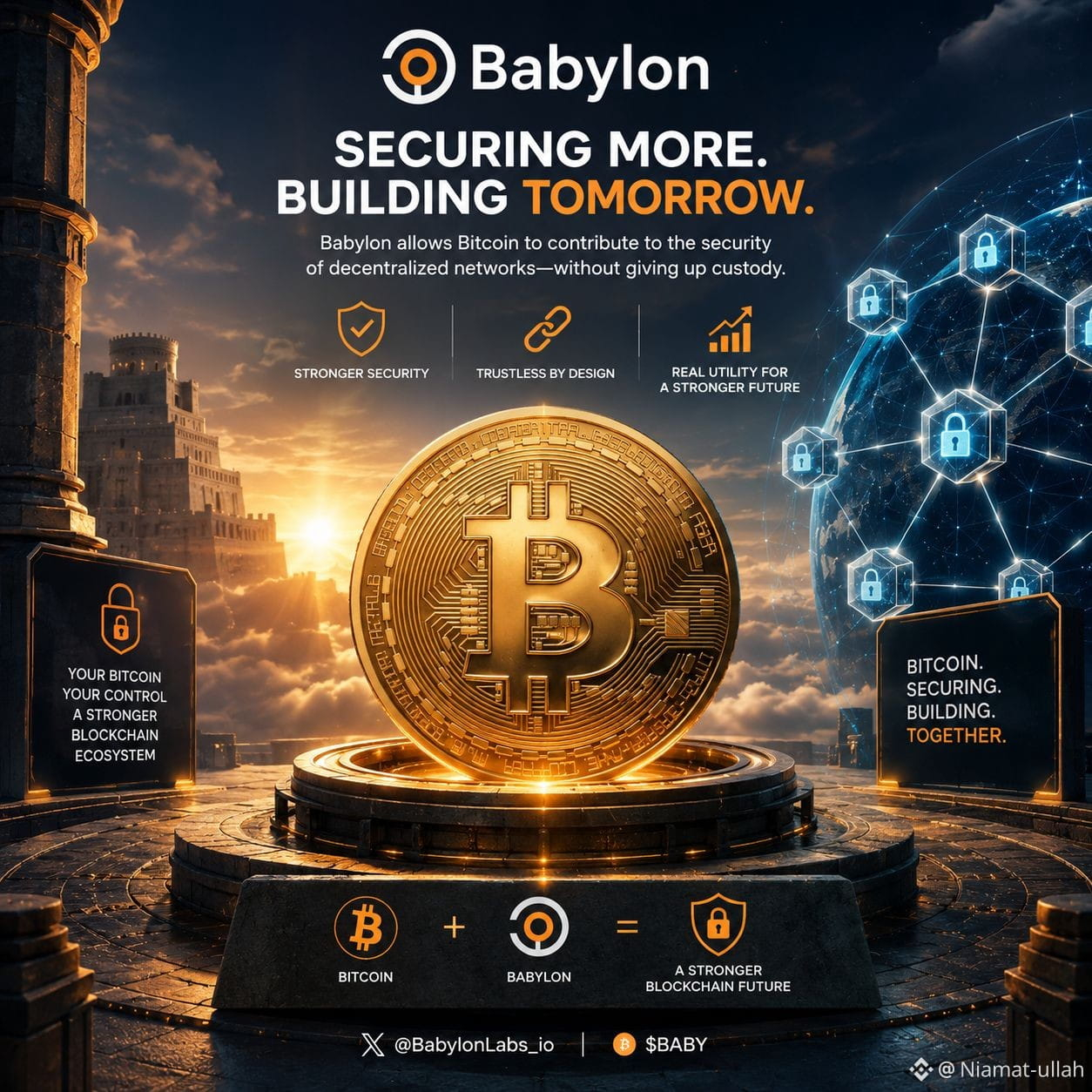
لقد تم دائمًا الوثوق بـ #Bitcoin لسمعة أمنه، و #Babylon يستكشف طرقًا جديدة لتمديد هذا المستوى من القوة عبر النظام البيئي الأوسع لسلسلة الكتل.
من خلال تمكين حاملي #Bitcoin من المشاركة في تأمين الشبكات اللامركزية دون التنازل عن حيازة الأصول الخاصة بهم $BTC
{spot}(BTCUSDT)
، @babylonlabs_io (Babylon) يقدم نهجًا عمليًا للابتكار طويل الأمد في البلوك تشين. إن الأمن القوي، والتصميم القائم على انعدام الثقة، والفائدة الحقيقية هي ما يجعل هذا المشروع جديرًا بالمتابعة. نتطلع إلى رؤية كيفية استمرار تطور منظومة Babylon.
#baby @babylonlabs_io #BinanceSquareFamily
$BABY
{spot}(BABYUSDT)
لقد تم دائمًا الوثوق بـ #Bitcoin لسمعة أمنه، و #Babylon يستكشف طرقًا جديدة لتمديد هذا المستوى من القوة عبر النظام البيئي الأوسع لسلسلة الكتل.
من خلال تمكين حاملي #Bitcoin من المشاركة في تأمين الشبكات اللامركزية دون التنازل عن حيازة الأصول الخاصة بهم $BTC
، @BabylonLabs_io (Babylon) يقدم نهجًا عمليًا للابتكار طويل الأمد في البلوك تشين. إن الأمن القوي، والتصميم القائم على انعدام الثقة، والفائدة الحقيقية هي ما يجعل هذا المشروع جديرًا بالمتابعة. نتطلع إلى رؤية كيفية استمرار تطور منظومة Babylon.
#baby @BabylonLabs_io #BinanceSquareFamily
$BABY
من خلال تمكين حاملي #Bitcoin من المشاركة في تأمين الشبكات اللامركزية دون التنازل عن حيازة الأصول الخاصة بهم $BTC
، @BabylonLabs_io (Babylon) يقدم نهجًا عمليًا للابتكار طويل الأمد في البلوك تشين. إن الأمن القوي، والتصميم القائم على انعدام الثقة، والفائدة الحقيقية هي ما يجعل هذا المشروع جديرًا بالمتابعة. نتطلع إلى رؤية كيفية استمرار تطور منظومة Babylon.
#baby @BabylonLabs_io #BinanceSquareFamily
$BABY
1
1
101

·
--
#baby $BABY
لا أعتقد أن كل مشروع كريبتو يحتاج إلى الوعد بإحداث ثورة ليكون جديرًا بالمتابعة.
أحيانًا يأتي أهم تقدم من مشاريع تركز على حل مشكلة واحدة مهمة بشكل ممتاز. لهذا السبب لفت انتباهي مشروع Babylon.
بدلًا من محاولة تغيير بيتكوين، يستكشف Babylon كيف يمكن لأمان بيتكوين أن يدعم نظامًا بيئيًا أوسع لسلسلة بلوكشين بينما يبقى المستخدمون متحكمين في BTC. أجد هذا النهج عمليًا لأنه يبني على أكبر قوة لدى بيتكوين بدلًا من استبدالها.
بالطبع، لا يحقق أي مشروع نجاحًا طويل الأمد بين ليلة وضحاها. سيحدد في النهاية مدى تقدم Babylon: التبني، ونشاط المطورين، وثقة المجتمع. لكنني دائمًا أقدّر المشاريع التي تركز على البناء قبل المطاردة وراء الضجيج.
ما زلت أتابع تقدمه وأتعلم المزيد كل يوم. وحتى الآن، فهو بالتأكيد واحد من أكثر المشاريع إثارة للاهتمام في مجال BTCFi.
ما أول شيء تنظر إليه قبل دعم مشروع كريبتو؟
🟠 فائدة حقيقية
🔵 أمان قوي
🟢 رؤية طويلة الأمد
🟣 نمو المجتمع
#Babylon #baby #bitcoin #BTC #BİNANCESQUARE #Crypto #Web3
$BABY
{future}(BABYUSDT)
#baby $BABY
لا أعتقد أن كل مشروع كريبتو يحتاج إلى الوعد بإحداث ثورة ليكون جديرًا بالمتابعة.
أحيانًا يأتي أهم تقدم من مشاريع تركز على حل مشكلة واحدة مهمة بشكل ممتاز. لهذا السبب لفت انتباهي مشروع Babylon.
بدلًا من محاولة تغيير بيتكوين، يستكشف Babylon كيف يمكن لأمان بيتكوين أن يدعم نظامًا بيئيًا أوسع لسلسلة بلوكشين بينما يبقى المستخدمون متحكمين في BTC. أجد هذا النهج عمليًا لأنه يبني على أكبر قوة لدى بيتكوين بدلًا من استبدالها.
بالطبع، لا يحقق أي مشروع نجاحًا طويل الأمد بين ليلة وضحاها. سيحدد في النهاية مدى تقدم Babylon: التبني، ونشاط المطورين، وثقة المجتمع. لكنني دائمًا أقدّر المشاريع التي تركز على البناء قبل المطاردة وراء الضجيج.
ما زلت أتابع تقدمه وأتعلم المزيد كل يوم. وحتى الآن، فهو بالتأكيد واحد من أكثر المشاريع إثارة للاهتمام في مجال BTCFi.
ما أول شيء تنظر إليه قبل دعم مشروع كريبتو؟
🟠 فائدة حقيقية
🔵 أمان قوي
🟢 رؤية طويلة الأمد
🟣 نمو المجتمع
#Babylon #baby #bitcoin #BTC #BİNANCESQUARE #Crypto #Web3
$BABY
لا أعتقد أن كل مشروع كريبتو يحتاج إلى الوعد بإحداث ثورة ليكون جديرًا بالمتابعة.
أحيانًا يأتي أهم تقدم من مشاريع تركز على حل مشكلة واحدة مهمة بشكل ممتاز. لهذا السبب لفت انتباهي مشروع Babylon.
بدلًا من محاولة تغيير بيتكوين، يستكشف Babylon كيف يمكن لأمان بيتكوين أن يدعم نظامًا بيئيًا أوسع لسلسلة بلوكشين بينما يبقى المستخدمون متحكمين في BTC. أجد هذا النهج عمليًا لأنه يبني على أكبر قوة لدى بيتكوين بدلًا من استبدالها.
بالطبع، لا يحقق أي مشروع نجاحًا طويل الأمد بين ليلة وضحاها. سيحدد في النهاية مدى تقدم Babylon: التبني، ونشاط المطورين، وثقة المجتمع. لكنني دائمًا أقدّر المشاريع التي تركز على البناء قبل المطاردة وراء الضجيج.
ما زلت أتابع تقدمه وأتعلم المزيد كل يوم. وحتى الآن، فهو بالتأكيد واحد من أكثر المشاريع إثارة للاهتمام في مجال BTCFi.
ما أول شيء تنظر إليه قبل دعم مشروع كريبتو؟
🟠 فائدة حقيقية
🔵 أمان قوي
🟢 رؤية طويلة الأمد
🟣 نمو المجتمع
#Babylon #baby #bitcoin #BTC #BİNANCESQUARE #Crypto #Web3
$BABY
87

#baby $BABY تحظى لعبة بابيلون (BABY) باهتمام متزايد مع استمرار جذب الستاكينغ المرتبط بالبيتكوين للمجتمع التشفيري. إذا ظلّ التبنّي في نمو، فقد يصبح BABY أحد المشاريع التي يجب متابعتها خلال الأشهر المقبلة. دائمًا أدرِس المخاطر وقم بإجراء بحثك الخاص.
#Babylon #BABY #Bitcoin #Crypto #BinanceSquare #BTC #Altcoins #CryptoNe
{spot}(BABYUSDT)
#baby $BABY تحظى لعبة بابيلون (BABY) باهتمام متزايد مع استمرار جذب الستاكينغ المرتبط بالبيتكوين للمجتمع التشفيري. إذا ظلّ التبنّي في نمو، فقد يصبح BABY أحد المشاريع التي يجب متابعتها خلال الأشهر المقبلة. دائمًا أدرِس المخاطر وقم بإجراء بحثك الخاص.
#Babylon #BABY #Bitcoin #Crypto #BinanceSquare #BTC #Altcoins #CryptoNe
#Babylon #BABY #Bitcoin #Crypto #BinanceSquare #BTC #Altcoins #CryptoNe
29

·
--
صاعد
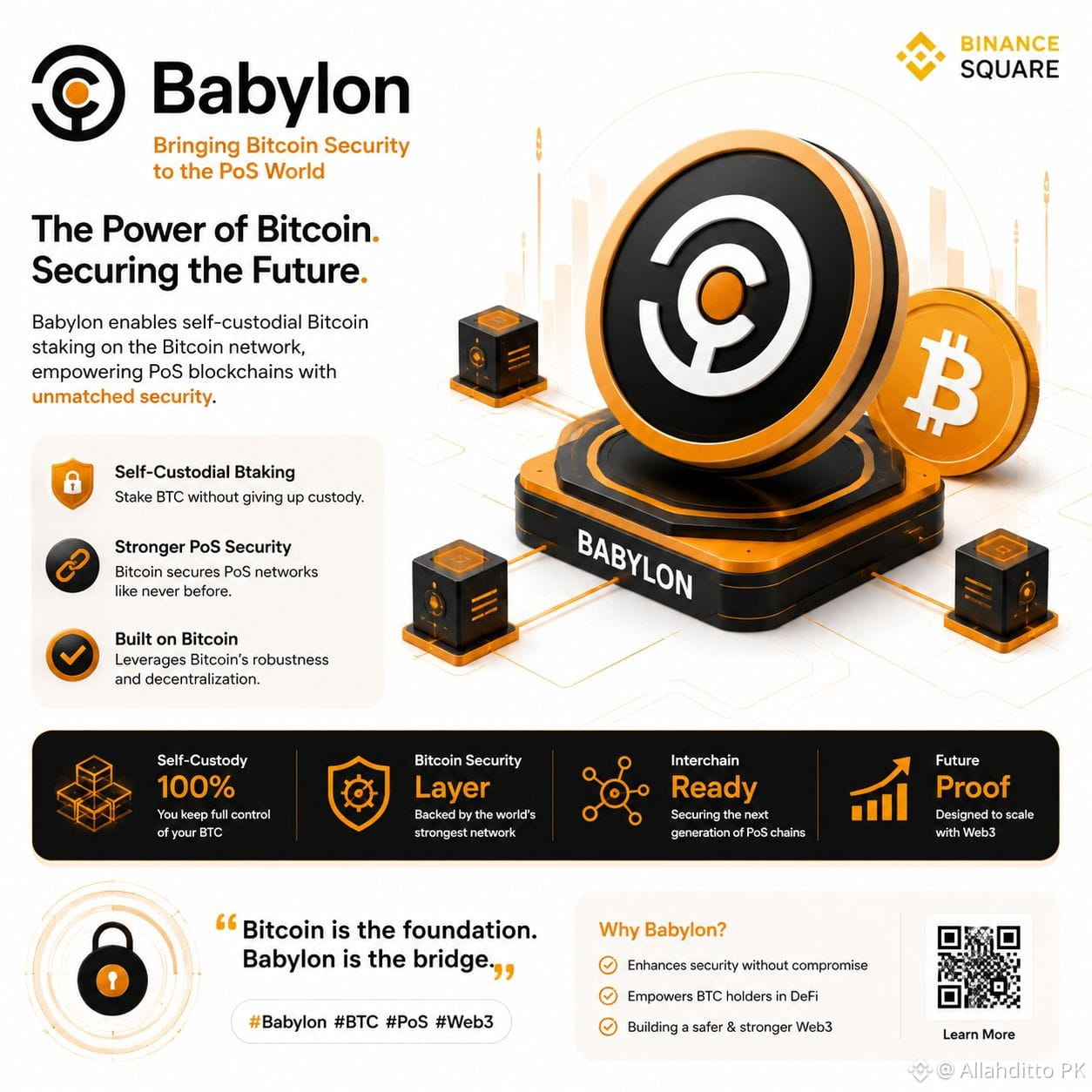
#baby $BABY بابل (BABY): ربط أمان البيتكوين بمنظومة إثبات الحصة
تم تصميم بابل حول فكرة بسيطة لكنها مهمة: يمكن لأمان البيتكوين أن يؤدي دورًا أوسع في نظام البلوك تشين البيئي. من خلال تمكين حيازة البيتكوين الذاتية مع الاستيك (staking)، تهدف بابل إلى منح حاملي BTC فرصة المشاركة في تأمين شبكات إثبات الحصة (PoS) دون التخلي عن الحيازة المباشرة لبيتكوينهم.
تجمع هذه الفكرة بين نموذج أمان البيتكوين الراسخ والاحتياجات المتزايدة لسلاسل PoS. وقد يساعد ذلك في تعزيز أمن الشبكات مع خلق فائدة إضافية لـ BTC ضمن مشهد Web3 الأوسع.
المجالات الرئيسية التي يسلط عليها هذا التصوّر البصري هي الحيازة الذاتية، والأمان المدعوم بالبيتكوين، وقابلية التشغيل البيني، وقابلية التوسع المستقبلية. ويثير هذا النهج الاهتمام لأنه يركّز على استخدام البيتكوين كطبقة أمنية أساس لا بوصفه مجرد مخزنًا للقيمة.
ومع ذلك، وكما هو الحال مع أي بنية تحتية ناشئة، تظل عوامل مثل التبنّي والتنفيذ التقني وتكامل النظام البيئي أمورًا مهمة يجب مراقبتها.
هل يمكن أن يصبح الأمان المبني على البيتكوين أساسًا رئيسيًا لجيل الشبكات القادمة من إثبات الحصة؟
#Babylon #bitcoin #PoS #web3_binance
#baby $BABY بابل (BABY): ربط أمان البيتكوين بمنظومة إثبات الحصة
تم تصميم بابل حول فكرة بسيطة لكنها مهمة: يمكن لأمان البيتكوين أن يؤدي دورًا أوسع في نظام البلوك تشين البيئي. من خلال تمكين حيازة البيتكوين الذاتية مع الاستيك (staking)، تهدف بابل إلى منح حاملي BTC فرصة المشاركة في تأمين شبكات إثبات الحصة (PoS) دون التخلي عن الحيازة المباشرة لبيتكوينهم.
تجمع هذه الفكرة بين نموذج أمان البيتكوين الراسخ والاحتياجات المتزايدة لسلاسل PoS. وقد يساعد ذلك في تعزيز أمن الشبكات مع خلق فائدة إضافية لـ BTC ضمن مشهد Web3 الأوسع.
المجالات الرئيسية التي يسلط عليها هذا التصوّر البصري هي الحيازة الذاتية، والأمان المدعوم بالبيتكوين، وقابلية التشغيل البيني، وقابلية التوسع المستقبلية. ويثير هذا النهج الاهتمام لأنه يركّز على استخدام البيتكوين كطبقة أمنية أساس لا بوصفه مجرد مخزنًا للقيمة.
ومع ذلك، وكما هو الحال مع أي بنية تحتية ناشئة، تظل عوامل مثل التبنّي والتنفيذ التقني وتكامل النظام البيئي أمورًا مهمة يجب مراقبتها.
هل يمكن أن يصبح الأمان المبني على البيتكوين أساسًا رئيسيًا لجيل الشبكات القادمة من إثبات الحصة؟
#Babylon #bitcoin #PoS #web3_binance
تم تصميم بابل حول فكرة بسيطة لكنها مهمة: يمكن لأمان البيتكوين أن يؤدي دورًا أوسع في نظام البلوك تشين البيئي. من خلال تمكين حيازة البيتكوين الذاتية مع الاستيك (staking)، تهدف بابل إلى منح حاملي BTC فرصة المشاركة في تأمين شبكات إثبات الحصة (PoS) دون التخلي عن الحيازة المباشرة لبيتكوينهم.
تجمع هذه الفكرة بين نموذج أمان البيتكوين الراسخ والاحتياجات المتزايدة لسلاسل PoS. وقد يساعد ذلك في تعزيز أمن الشبكات مع خلق فائدة إضافية لـ BTC ضمن مشهد Web3 الأوسع.
المجالات الرئيسية التي يسلط عليها هذا التصوّر البصري هي الحيازة الذاتية، والأمان المدعوم بالبيتكوين، وقابلية التشغيل البيني، وقابلية التوسع المستقبلية. ويثير هذا النهج الاهتمام لأنه يركّز على استخدام البيتكوين كطبقة أمنية أساس لا بوصفه مجرد مخزنًا للقيمة.
ومع ذلك، وكما هو الحال مع أي بنية تحتية ناشئة، تظل عوامل مثل التبنّي والتنفيذ التقني وتكامل النظام البيئي أمورًا مهمة يجب مراقبتها.
هل يمكن أن يصبح الأمان المبني على البيتكوين أساسًا رئيسيًا لجيل الشبكات القادمة من إثبات الحصة؟
#Babylon #bitcoin #PoS #web3_binance
5
11
165
سجّل الدخول لاستكشاف المزيد من المُحتوى
انضم إلى مُستخدمي العملات الرقمية حول العالم على Binance Square
⚡️ احصل على أحدث المعلومات المفيدة عن العملات الرقمية.
💬 موثوقة من قبل أكبر منصّة لتداول العملات الرقمية في العالم.
👍 اكتشف الرؤى الحقيقية من صنّاع المُحتوى الموثوقين.
البريد الإلكتروني / رقم الهاتف
المواضيع الرائجة
1
#MemeLaunchpads82%OfArcDayOneVolume
4,083 مشاهدات
182 يقومون بالنقاش
2
#OstiumLoanDisputeHearingSetInNYFederalCourt
5,388 مشاهدات
173 يقومون بالنقاش
3
#HyperliquidUSDCSupplyOvertakesSolana
48 مشاهدات
22 يقومون بالنقاش
4
#SKPoliceRefer18PolymarketUsersToProsecutors
5,392 مشاهدات
215 يقومون بالنقاش
5
#FedSEPProjects2026RateAt4.1%
12,730 مشاهدات
303 يقومون بالنقاش
6
#USHouseAdvancesBitcoinReserveBill
7,327 مشاهدات
217 يقومون بالنقاش
7
#AmazonGetsWarrantsToBuyGeneracStock
8,079 مشاهدات
212 يقومون بالنقاش
8
#DotPlotSignalsOneMoreHikeIn2026
30,431 مشاهدات
582 يقومون بالنقاش
9
#RobinhoodToSupportCircleArcNetwork
10,675 مشاهدات
208 يقومون بالنقاش
10
#FedHikes25BpsUSStocksClose
44,239 مشاهدات
496 يقومون بالنقاش