

#europe
europe
944,649 مشاهدات
1,774 يقومون بالنقاش
رائج
جديد

·
--
صاعد
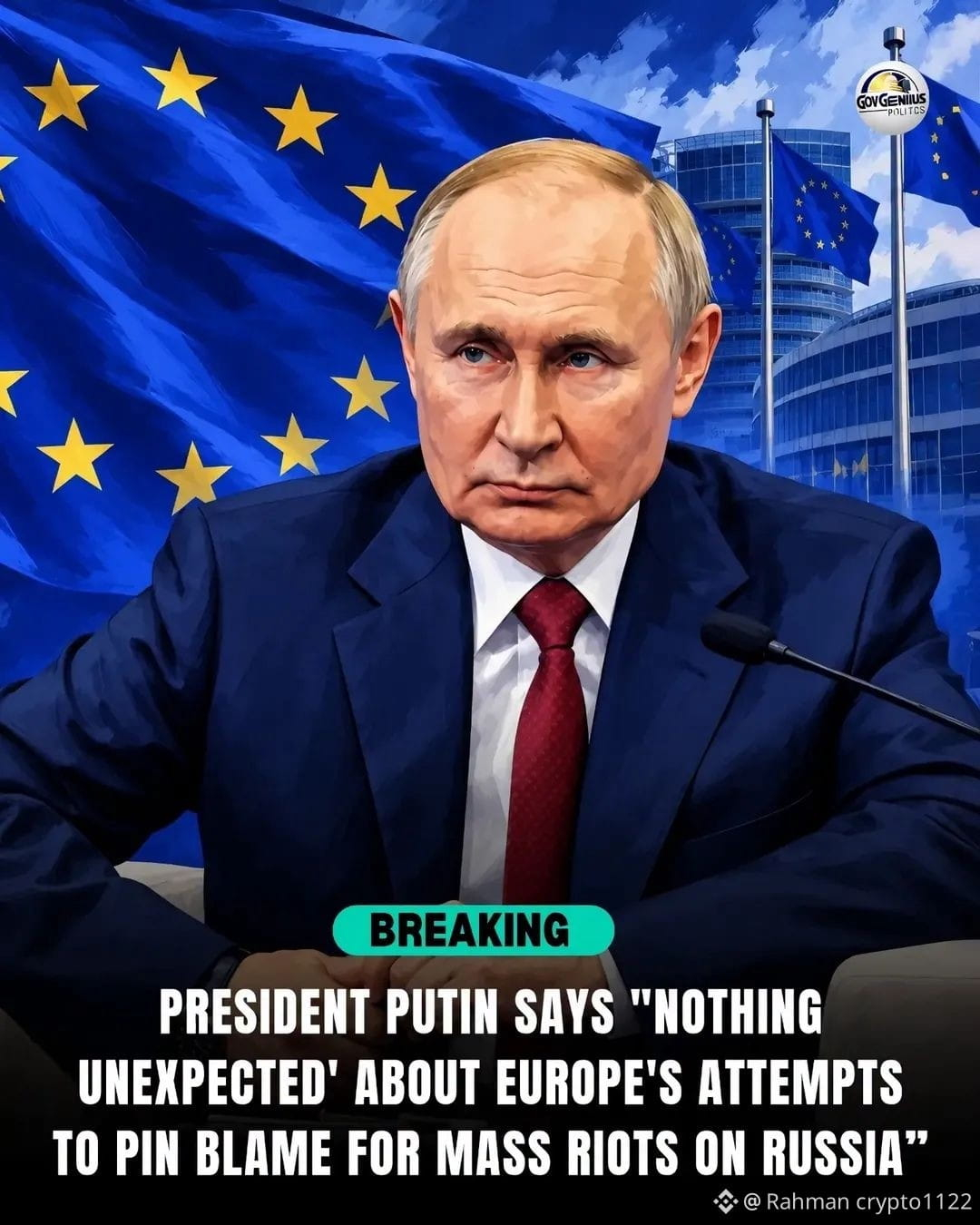
🚨 عاجل: بوتين يردّ على اتهامات أوروبا لروسيا
🇷🇺 نفى الرئيس الروسي فلاديمير بوتين الادعاءات بأن موسكو تؤجّج الاحتجاجات الحاشدة في المدن الأوروبية، واصفًا هذه المزاعم بأنها «مبالغة واضحة».
واتهم بوتين بعض القادة الأوروبيين بإلقاء اللوم على روسيا بدلًا من معالجة الأسباب الكامنة وراء الاضطرابات الداخلية.
تأتي هذه التصريحات وسط تصاعد التوتر بين موسكو والحكومات الأوروبية بشأن مزاعم التدخل الأجنبي في الاحتجاجات المستمرة.
📌 المرجع:
وكالة الأناضول، 25 أكتوبر 2026، وتقرير لوكالة رويترز نشرته صحيفة ذا نيوز إنترناشونال في 26 أكتوبر 2026.
🔗 المصدر: https://www.aa.com.tr/en/eurasia/putin-says-accusations-of-russia-provoking-european-protests-are-clear-overkill-/4100251
#Putin #Russia #Europe #BreakingNews #Geopolitics
$TSLL $TSLAB $AVGOB
{future}(TSLLUSDT)
{spot}(AVGOBUSDT)
🚨 عاجل: بوتين يردّ على اتهامات أوروبا لروسيا
🇷🇺 نفى الرئيس الروسي فلاديمير بوتين الادعاءات بأن موسكو تؤجّج الاحتجاجات الحاشدة في المدن الأوروبية، واصفًا هذه المزاعم بأنها «مبالغة واضحة».
واتهم بوتين بعض القادة الأوروبيين بإلقاء اللوم على روسيا بدلًا من معالجة الأسباب الكامنة وراء الاضطرابات الداخلية.
تأتي هذه التصريحات وسط تصاعد التوتر بين موسكو والحكومات الأوروبية بشأن مزاعم التدخل الأجنبي في الاحتجاجات المستمرة.
📌 المرجع:
وكالة الأناضول، 25 أكتوبر 2026، وتقرير لوكالة رويترز نشرته صحيفة ذا نيوز إنترناشونال في 26 أكتوبر 2026.
🔗 المصدر: https://www.aa.com.tr/en/eurasia/putin-says-accusations-of-russia-provoking-european-protests-are-clear-overkill-/4100251
#Putin #Russia #Europe #BreakingNews #Geopolitics
$TSLL $TSLAB $AVGOB
651

·
--
مقالة
عرض الترجمة
Europe is taking to the streets with massive protests against his government?current Market impact🇫🇷 Europe Is Taking to the Streets, and France Is at the Center of the Storm. But the Real Lesson Is Not What You Think.
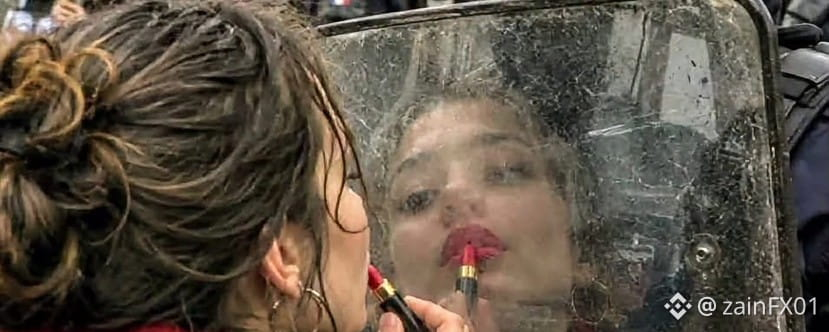
France has witnessed massive protests, thousands of arrests, clashes with security forces, and growing public anger.
On Saturday, the French government deployed nearly 70,000 security personnel, including specialized counterterrorism units. Military forces were stationed near sensitive buildings, helicopters and armored vehicles were on standby, the Louvre Museum was closed, shops were boarded up, and a PSG match was postponed.
More than 110,000 people gathered outside Paris. The Interior Ministry reported around 300,000 demonstrators nationwide, while the labor union CGT claimed the number reached 800,000.
But why are people protesting?
The real issue is not education. It is the economy, government spending, and the growing pressure on ordinary citizens.
The proposed 2027 budget includes €54 billion in spending cuts, while public-sector salaries have reportedly remained frozen for the fourth consecutive year.
The protests have also raised serious concerns about police conduct. Human rights organizations have reported injuries among young demonstrators, including children. Amnesty International has criticized the use of force, while the United Nations has called for restraint.
And France is not alone.
🇪🇸 SPAIN: Teachers in Madrid are protesting over working conditions and salaries. With a minimum wage of €1,221 and rents approaching €1,130, the cost-of-living crisis is putting enormous pressure on ordinary people.
🇮🇹 ITALY: Protests have spread across the country, with hundreds reportedly detained in Milan. A growing movement is calling for continued demonstrations.
🇦🇱 ALBANIA: Students are demanding the resignation of Prime Minister Edi Rama.
🇵🇹 🇧🇪 🇬🇷 PORTUGAL, BELGIUM & GREECE: Demonstrations and public discontent continue.
🇷🇸 SERBIA: Student-led political activism is challenging the country’s established political leadership.
Meanwhile, France is approaching another major political moment, with the 2027 presidential election becoming an increasingly important part of the national debate.
🧠 THE REAL LESSON
These are wealthy, established European democracies.
Yet ordinary citizens are still taking to the streets because they feel their voices are not being heard.
The difference is what happens after the protests.
When public anger grows, institutions face pressure to respond. Governments are questioned. Investigations are demanded. Political organizations negotiate. Elections provide another opportunity for citizens to express their decisions.
The real test of democracy is not whether people protest. It is how the state responds when people demand accountability.
A protest is not automatically a solution.
But ignoring public frustration can turn an economic problem into a political crisis.
And when people lose confidence in institutions, even the strongest economies can face serious instability.
The question is not simply why people are on the streets.
The question is:
Why do ordinary citizens feel that the streets are the only place where their voices can finally be heard?
That is a lesson every country should pay attention to.
📌 Source: The Irish Times, Al Jazeera, Fortune, Human Rights Watch, and the French Ministry of the Interior. Reports dated October 17–2 #Europe #Politics #EarningsSeason
Europe is taking to the streets with massive protests against his government?current Market impact
🇫🇷 Europe Is Taking to the Streets, and France Is at the Center of the Storm. But the Real Lesson Is Not What You Think.
France has witnessed massive protests, thousands of arrests, clashes with security forces, and growing public anger.
On Saturday, the French government deployed nearly 70,000 security personnel, including specialized counterterrorism units. Military forces were stationed near sensitive buildings, helicopters and armored vehicles were on standby, the Louvre Museum was closed, shops were boarded up, and a PSG match was postponed.
More than 110,000 people gathered outside Paris. The Interior Ministry reported around 300,000 demonstrators nationwide, while the labor union CGT claimed the number reached 800,000.
But why are people protesting?
The real issue is not education. It is the economy, government spending, and the growing pressure on ordinary citizens.
The proposed 2027 budget includes €54 billion in spending cuts, while public-sector salaries have reportedly remained frozen for the fourth consecutive year.
The protests have also raised serious concerns about police conduct. Human rights organizations have reported injuries among young demonstrators, including children. Amnesty International has criticized the use of force, while the United Nations has called for restraint.
And France is not alone.
🇪🇸 SPAIN: Teachers in Madrid are protesting over working conditions and salaries. With a minimum wage of €1,221 and rents approaching €1,130, the cost-of-living crisis is putting enormous pressure on ordinary people.
🇮🇹 ITALY: Protests have spread across the country, with hundreds reportedly detained in Milan. A growing movement is calling for continued demonstrations.
🇦🇱 ALBANIA: Students are demanding the resignation of Prime Minister Edi Rama.
🇵🇹 🇧🇪 🇬🇷 PORTUGAL, BELGIUM & GREECE: Demonstrations and public discontent continue.
🇷🇸 SERBIA: Student-led political activism is challenging the country’s established political leadership.
Meanwhile, France is approaching another major political moment, with the 2027 presidential election becoming an increasingly important part of the national debate.
🧠 THE REAL LESSON
These are wealthy, established European democracies.
Yet ordinary citizens are still taking to the streets because they feel their voices are not being heard.
The difference is what happens after the protests.
When public anger grows, institutions face pressure to respond. Governments are questioned. Investigations are demanded. Political organizations negotiate. Elections provide another opportunity for citizens to express their decisions.
The real test of democracy is not whether people protest. It is how the state responds when people demand accountability.
A protest is not automatically a solution.
But ignoring public frustration can turn an economic problem into a political crisis.
And when people lose confidence in institutions, even the strongest economies can face serious instability.
The question is not simply why people are on the streets.
The question is:
Why do ordinary citizens feel that the streets are the only place where their voices can finally be heard?
That is a lesson every country should pay attention to.
📌 Source: The Irish Times, Al Jazeera, Fortune, Human Rights Watch, and the French Ministry of the Interior. Reports dated October 17–2 #Europe #Politics #EarningsSeason
227

أعلنت ستاندرد آند بورز غلوبال اليوم البيانات الأولية لمؤشر مديري المشتريات (PMI) في فرنسا لشهر أكتوبر. وأظهرت البيانات أن القراءة الأولية لمؤشر مديري المشتريات الصناعي الفرنسي لشهر أكتوبر سجلت 49.3، متراجعةً بوضوح إلى ما دون عتبة 50 الفاصلة بين النمو والانكماش، وجاءت أدنى بكثير من توقعات السوق البالغة 50.5 والقراءة السابقة البالغة 50.6. كما هبط مؤشر مديري المشتريات لقطاع الخدمات من 51.2 في القراءة السابقة إلى 48.4، ما دفع القراءة الأولية للمؤشر المركب إلى 48.4 فقط.
وباعتبار فرنسا ثاني أكبر اقتصاد في منطقة اليورو، فإن تراجع جميع مؤشرات مديري المشتريات الأساسية فيها إلى منطقة الانكماش يشكل تدهوراً حاداً يبدد بوضوح التوقعات المعتدلة السابقة باستقرار الاقتصاد الأوروبي وتعافيه. وتشير هذه الإشارة بوضوح إلى أن مخاطر تراجع أساسيات الاقتصادات الأوروبية الرئيسية تتفاقم بوتيرة متسارعة تحت وطأة الضغوط المزدوجة للسياسة النقدية التقييدية وضعف الطلب الخارجي، فيما يُتوقع أن تحتدم مجدداً رهانات السوق على الخطوات المقبلة للبنك المركزي الأوروبي بشأن خفض أسعار الفائدة.
في أسواق المال الكلية، تراجع اليورو أمام الدولار لفترة وجيزة بعد صدور البيانات، وهبط دون مستوى 1.12، مسجلاً انخفاضاً يومياً قدره 0.12%. وقد يؤدي التسارع في فقدان الزخم الاقتصادي إلى زيادة الضغوط الهبوطية على عوائد السندات الأوروبية، كما يسلط الضوء على متانة الأصول الدولارية النسبية بوصفها ملاذاً آمناً في مواجهة الرياح المعاكسة للاقتصاد الكلي. وتواجه أسواق العملات الأجنبية والسندات السيادية العالمية إعادة تشكيل للتوقعات.
أما بالنسبة إلى سوق العملات المشفرة، فإن الضعف الشامل في البيانات الاقتصادية الأوروبية يزيد المخاوف من ركود النمو الاقتصادي العالمي. وفي ظل الضغوط المزدوجة على السيولة والأساسيات، تتراجع شهية المستثمرين للمخاطرة بوضوح، وتميل الأموال أكثر إلى الترقب أو العودة إلى الأصول الأعلى من حيث اليقين. وقد تواجه الأصول عالية المخاطر، وعلى رأسها BTC، ضغوطاً مستمرة على السيولة واختبارات متقلبة على المدى القصير.
#MacroEconomics #PMI #Europe #CryptoLiquidity
70

·
--
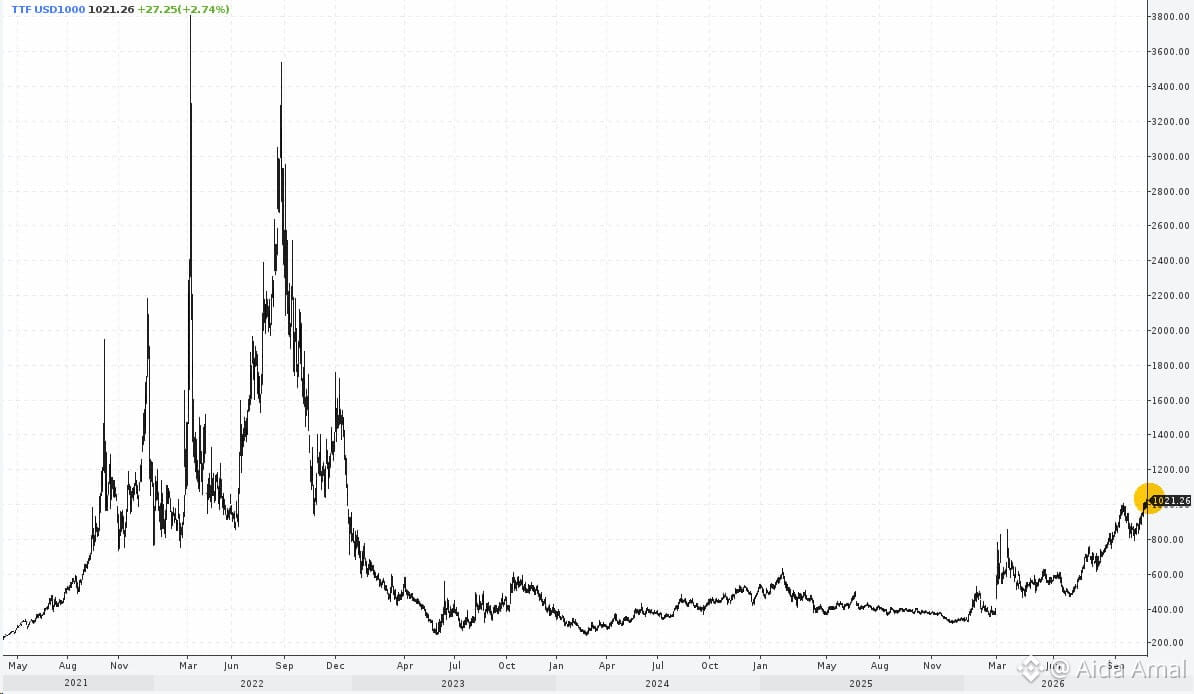
بلغت مستويات تخزين الغاز في أوروبا أدنى مستوى تاريخي لها عند 74.1% في منتصف أكتوبر، وسط الانتقال من الصيف إلى الشتاء. وتشهد عدة دول في الاتحاد الأوروبي بالفعل انخفاضًا صافيًا، إذ يُسحب من المخزونات غاز أكثر مما يُضخ إليها. وهذا يسلط الضوء على التحديات المستمرة في سوق الغاز، في ظل بقاء الأسعار مرتفعة باستمرار. ووفقًا للسيد ميلر، لا تزال أسعار الغاز في أوروبا عند أعلى مستوياتها منذ أربع سنوات، وقد علّق على وضع مخزونات الغاز استعدادًا لموسم الشتاء. #Europe #Miller #usa
بلغت مستويات تخزين الغاز في أوروبا أدنى مستوى تاريخي لها عند 74.1% في منتصف أكتوبر، وسط الانتقال من الصيف إلى الشتاء. وتشهد عدة دول في الاتحاد الأوروبي بالفعل انخفاضًا صافيًا، إذ يُسحب من المخزونات غاز أكثر مما يُضخ إليها. وهذا يسلط الضوء على التحديات المستمرة في سوق الغاز، في ظل بقاء الأسعار مرتفعة باستمرار. ووفقًا للسيد ميلر، لا تزال أسعار الغاز في أوروبا عند أعلى مستوياتها منذ أربع سنوات، وقد علّق على وضع مخزونات الغاز استعدادًا لموسم الشتاء. #Europe #Miller #usa
1
110
·
--
صاعد
🚨 أوروبا تحت الضغط: هل تشكّل احتجاجات فرنسا جرس إنذار؟ 🇫🇷🇪🇺
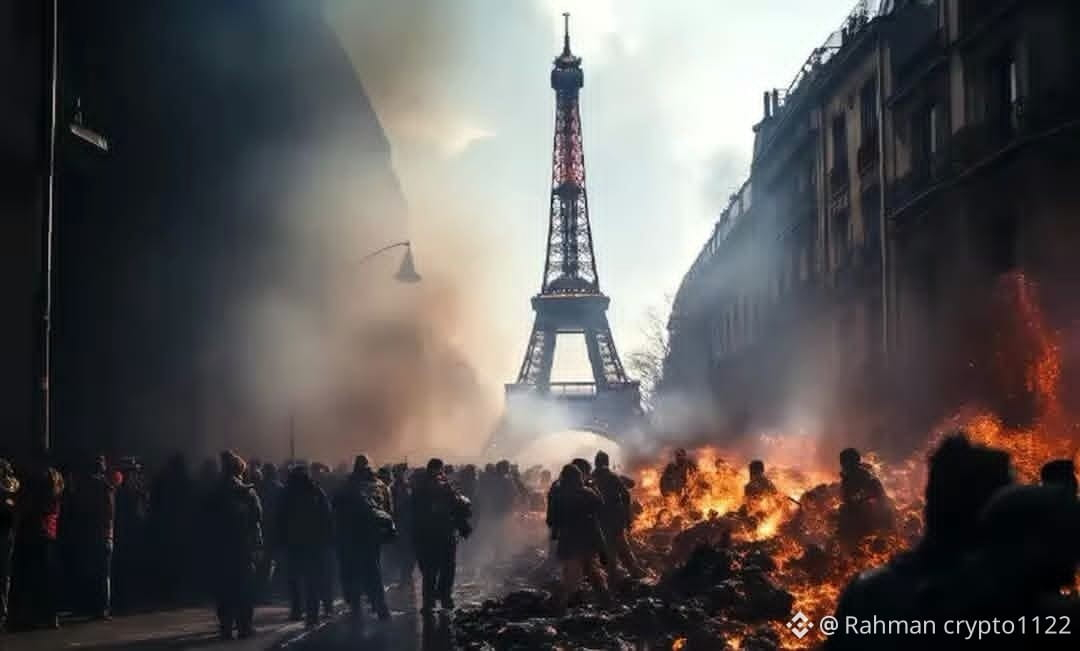
شهدت فرنسا احتجاجات واسعة النطاق في 17 أكتوبر 2026، بسبب ارتفاع تكاليف المعيشة وتدهور الخدمات العامة. ووفقًا للتقارير، أعلنت السلطات عن نحو 1,200 عملية اعتقال، وإصابة 150 من أفراد الشرطة والدرك. كما تسببت أعمال العنف في إلحاق أضرار بالمباني العامة والشركات. "المصدر: لوموند" (https://www.lemonde.fr/en/france/article/2026/10/18/october-17-french-protests-crowds-marched-through-the-streets-before-violence-looting-and-chaos-broke-out_6758725_7.html)
وفي الوقت نفسه، رفع مجلس الاحتياطي الفيدرالي الأمريكي أسعار الفائدة بمقدار 0.25 نقطة مئوية في سبتمبر، لتصبح النطاق المستهدف 3.75%–4%. "المصدر: مجلس الاحتياطي الفيدرالي" (https://www.federalreserve.gov/newsevents/pressreleases/monetary20260916a.htm)
📉 السؤال الأهم: هل يمكن لارتفاع تكاليف المعيشة والضغوط الاقتصادية والاستياء السياسي أن تؤجج مزيدًا من الاضطرابات في أنحاء أوروبا؟
مع أن السياسة النقدية الأمريكية قد تؤثر في تدفقات رأس المال العالمية، فلا توجد أدلة موثوقة على أن واشنطن دبّرت احتجاجات فرنسا. يستحق عدم اليقين الاقتصادي تحليلًا جادًا، لا ادعاءات مؤامرة لا تستند إلى أدلة.
ما رأيكم: هل تواجه أوروبا أزمة اقتصادية وسياسية أعمق؟
#France #Europe #Economy #FederalReserve
$NVDAB $SNDKB $TSLAB
180

🇪🇺 موجة الاحتجاجات في أوروبا: الحقيقة مقابل التهويل
لم يكن يوم السبت 17 أكتوبر حركةً واحدة، بل عدة احتجاجات منفصلة في الوقت نفسه، وكلها مدفوعة بغلاء المعيشة والسكن والتعليم.
🇫🇷 فرنسا: تظاهر نحو 550K شخص (بحسب وزارة الداخلية؛ ويقول المنظمون إن العدد بلغ نحو 800K). أكثر من 1,800 اعتقال، وإضرام النار في مبنى بلدية ليموج، وإصابة أكثر من 500 من عناصر الشرطة ورجال الإطفاء.
🇮🇹 إيطاليا: اشتباكات في ساحة الدومو بميلانو بسبب غلاء المعيشة والإنفاق على الحرب.
🇧🇪 بلجيكا: تظاهر نحو 30K شخص في بروكسل، واحتُجز 21 شخصًا احتجاجًا على خفض الميزانية.
🇵🇹 البرتغال: عشرات الآلاف احتجوا على تكاليف السكن، وكانت الاحتجاجات سلمية إلى حد كبير.
🇦🇱 ألبانيا: اضطرابات مناهضة للحكومة قادها الطلاب، واستخدمت فيها الرصاصات المطاطية.
🇪🇸 إسبانيا: مسيرات احتجاجًا على أزمة السكن.
⚠️ ألمانيا والنمسا؟ حتى الآن، ليس هناك سوى تحذير من محلل، ولم يتأكد الأمر.
#Europe #Protests #Macro #Bitcoin #BinanceSquare
$IOST $PARTI $NEAR
{future}(NEARUSDT)
{future}(PARTIUSDT)
{future}(IOSTUSDT)
📊 إذا استمرت الاضطرابات في الانتشار، إلى أين تتدفق الأموال أولًا؟
🇪🇺 موجة الاحتجاجات في أوروبا: الحقيقة مقابل التهويل
لم يكن يوم السبت 17 أكتوبر حركةً واحدة، بل عدة احتجاجات منفصلة في الوقت نفسه، وكلها مدفوعة بغلاء المعيشة والسكن والتعليم.
🇫🇷 فرنسا: تظاهر نحو 550K شخص (بحسب وزارة الداخلية؛ ويقول المنظمون إن العدد بلغ نحو 800K). أكثر من 1,800 اعتقال، وإضرام النار في مبنى بلدية ليموج، وإصابة أكثر من 500 من عناصر الشرطة ورجال الإطفاء.
🇮🇹 إيطاليا: اشتباكات في ساحة الدومو بميلانو بسبب غلاء المعيشة والإنفاق على الحرب.
🇧🇪 بلجيكا: تظاهر نحو 30K شخص في بروكسل، واحتُجز 21 شخصًا احتجاجًا على خفض الميزانية.
🇵🇹 البرتغال: عشرات الآلاف احتجوا على تكاليف السكن، وكانت الاحتجاجات سلمية إلى حد كبير.
🇦🇱 ألبانيا: اضطرابات مناهضة للحكومة قادها الطلاب، واستخدمت فيها الرصاصات المطاطية.
🇪🇸 إسبانيا: مسيرات احتجاجًا على أزمة السكن.
⚠️ ألمانيا والنمسا؟ حتى الآن، ليس هناك سوى تحذير من محلل، ولم يتأكد الأمر.
#Europe #Protests #Macro #Bitcoin #BinanceSquare
$IOST $PARTI $NEAR
📊 إذا استمرت الاضطرابات في الانتشار، إلى أين تتدفق الأموال أولًا؟
🟠 Bitcoin
79%
🟢 Stablecoins
7%
🟡 Gold / safe havens
14%
14 الأصوات • تمّ إغلاق التصويت
2
448


·
--
صاعد
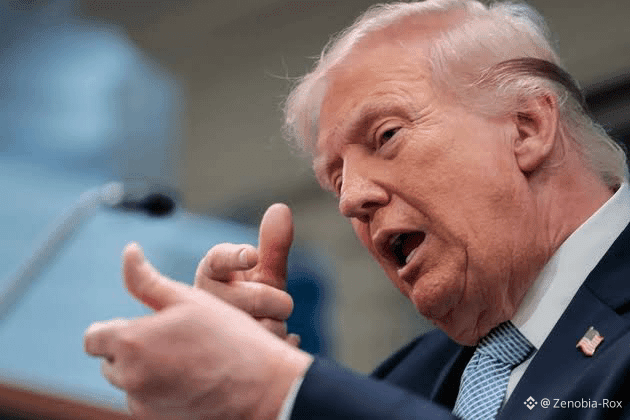
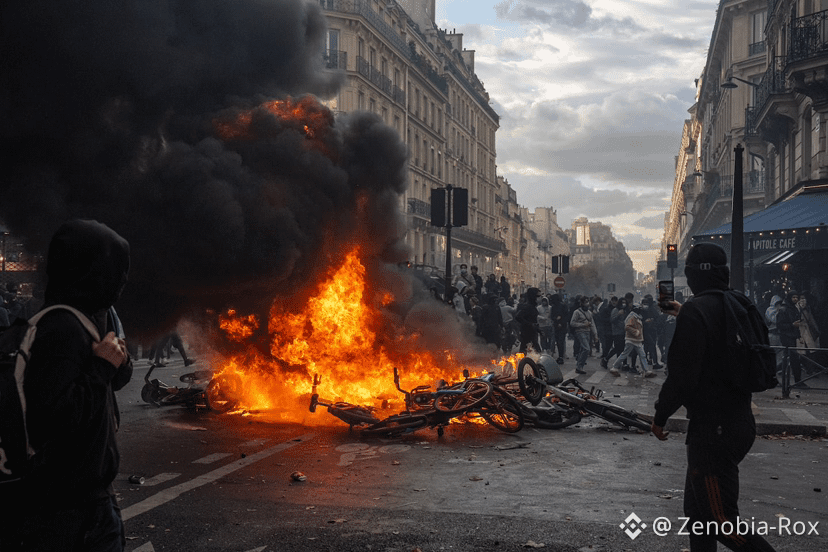
🚨🇪🇺 تحذير ترامب الصادم بشأن أوروبا يثير الاستغراب!
🇺🇸 أفادت تقارير بأن دونالد ترامب حذّر من أن أوروبا قد تواجه عواقب وخيمة إذا واصلت السير في مسارها الحالي.
«إذا واصلوا على هذا النحو، فستُدمَّر أوروبا بالكامل قريبًا!»
أثار هذا التصريح نقاشًا حول المستقبل السياسي لأوروبا وعلاقتها بالولايات المتحدة. لكن ماذا قصد ترامب تحديدًا، وما الذي قد يعنيه ذلك للأسواق العالمية؟ نحتاج إلى مزيد من السياق قبل استخلاص النتائج.
🌍 هل يمكن أن يشير هذا التحذير إلى انقسام أعمق بين الولايات المتحدة وأوروبا؟
#TRUMP #EUROPE #CryptoNews #EarningsSeasonBuzz
$XRP
{spot}(XRPUSDT)
$GNS
{spot}(GNSUSDT)
$VELODROME
{future}(VELODROMEUSDT)
🚨🇪🇺 تحذير ترامب الصادم بشأن أوروبا يثير الاستغراب!
🇺🇸 أفادت تقارير بأن دونالد ترامب حذّر من أن أوروبا قد تواجه عواقب وخيمة إذا واصلت السير في مسارها الحالي.
«إذا واصلوا على هذا النحو، فستُدمَّر أوروبا بالكامل قريبًا!»
أثار هذا التصريح نقاشًا حول المستقبل السياسي لأوروبا وعلاقتها بالولايات المتحدة. لكن ماذا قصد ترامب تحديدًا، وما الذي قد يعنيه ذلك للأسواق العالمية؟ نحتاج إلى مزيد من السياق قبل استخلاص النتائج.
🌍 هل يمكن أن يشير هذا التحذير إلى انقسام أعمق بين الولايات المتحدة وأوروبا؟
#TRUMP #EUROPE #CryptoNews #EarningsSeasonBuzz
$XRP
$GNS
$VELODROME
104
❗️🇪🇺#Europe #economy #reporting
منطقة اليورو - الإنتاج الصناعي (أغسطس)
على أساس شهري = -0.5% (المتوقع 0% / السابق -0.1%) على أساس سنوي = -1.1% (المتوقع -0.1% / السابق 0%)
الوضع في أوروبا يزداد سوءًا: الإنتاج الصناعي يتراجع، بينما ترتفع الأسعار كل شهر.
❗️🇪🇺#Europe #economy #reporting
منطقة اليورو - الإنتاج الصناعي (أغسطس)
على أساس شهري = -0.5% (المتوقع 0% / السابق -0.1%) على أساس سنوي = -1.1% (المتوقع -0.1% / السابق 0%)
الوضع في أوروبا يزداد سوءًا: الإنتاج الصناعي يتراجع، بينما ترتفع الأسعار كل شهر.
منطقة اليورو - الإنتاج الصناعي (أغسطس)
على أساس شهري = -0.5% (المتوقع 0% / السابق -0.1%) على أساس سنوي = -1.1% (المتوقع -0.1% / السابق 0%)
الوضع في أوروبا يزداد سوءًا: الإنتاج الصناعي يتراجع، بينما ترتفع الأسعار كل شهر.
25

مقالة
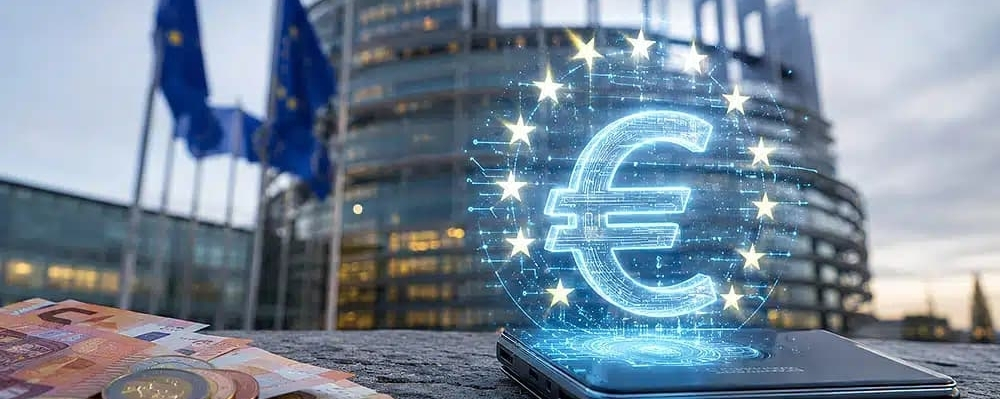
أوروبا تطوّر شبكة مدفوعات ENP لتفادي الاعتماد على Visa وMastercardتبحث أوروبا عن سبل لتحقيق الاستقلال التكنولوجي وفي قطاعات أخرى تأمل أن تتميز فيها عن بقية الدول. وقد رأينا ذلك بوضوح في حالات مثل التشريعين DSA وDMA، اللذين يعالجان الشفافية في الشركات ويوفران مرونة ومزايا أكبر للمواطنين. وبالمثل، تسعى أوروبا إلى تحقيق «السيادة الأوروبية على المدفوعات»، ولتفادي الاعتماد على Visa وMastercard، ستفرض نظامها الخاص، وهو شبكة المدفوعات ENP.
أوروبا تطوّر شبكة مدفوعات ENP لتفادي الاعتماد على Visa وMastercard
تبحث أوروبا عن سبل لتحقيق الاستقلال التكنولوجي وفي قطاعات أخرى تأمل أن تتميز فيها عن بقية الدول. وقد رأينا ذلك بوضوح في حالات مثل التشريعين DSA وDMA، اللذين يعالجان الشفافية في الشركات ويوفران مرونة ومزايا أكبر للمواطنين. وبالمثل، تسعى أوروبا إلى تحقيق «السيادة الأوروبية على المدفوعات»، ولتفادي الاعتماد على Visa وMastercard، ستفرض نظامها الخاص، وهو شبكة المدفوعات ENP.
52

·
--
$BTC $BNB 🌍 تغيير مفاجئ في أوروبا
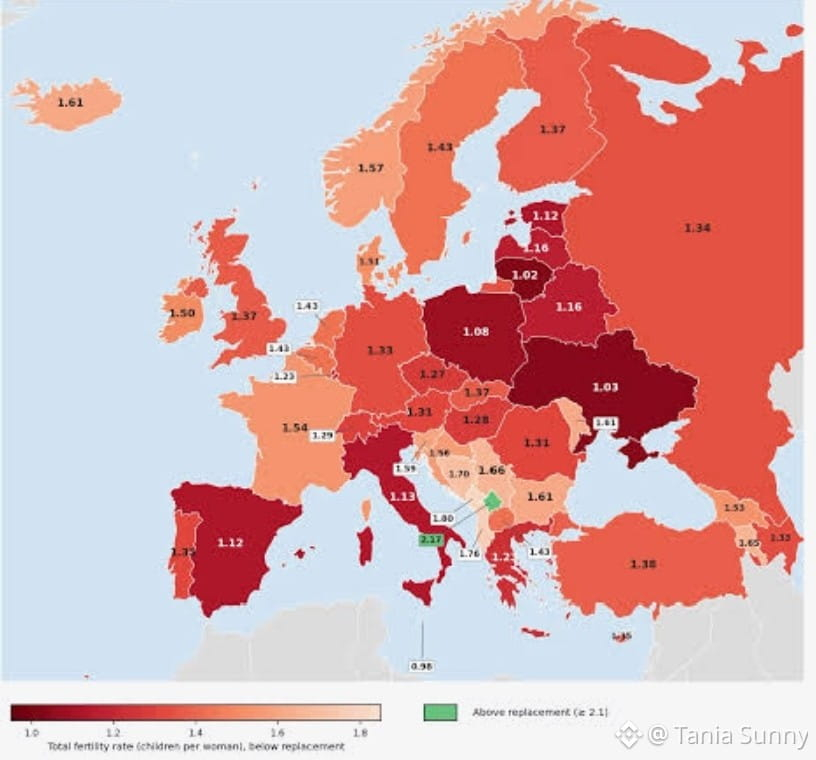
يتصدر كوسوفو عناوين الأخبار لسبب غير متوقع. يُقال إن معدل الخصوبة فيه ارتفع مجددًا إلى ما فوق مستوى الإحلال، ما يعني أن البلاد تشهد معدل مواليد قويًا بما يكفي للحفاظ على استقرار عدد سكانها.
في وقت تواجه فيه دول أوروبية كثيرة انخفاضًا في معدلات المواليد وشيخوخة السكان، فإن هذا أمر يستحق المتابعة بالتأكيد. 📈
قد لا تؤثر التحولات الديموغرافية في الأسواق بين ليلة وضحاها، لكن الاتجاهات السكانية الكبرى يمكن أن تؤثر في الاقتصادات والوظائف والإنفاق والنمو على المدى الطويل.
ما رأيك—هل يستطيع كوسوفو الحفاظ على هذا الاتجاه في السنوات المقبلة؟ 👀
#Kosovo #Europe #Economy #Markets #Crypto
1
345

عرض الترجمة
🇪🇺 طلب أوروبي متزايد على البيتكوين يثير الاهتمام في الأسواق
تشير التقارير إلى أن الاهتمام بالبيتكوين في أوروبا قد تجاوز نظيره في الولايات المتحدة مؤخرًا، مدفوعًا بوضوح الإطار التنظيمي وتوفر المنتجات المالية المبتكرة في المنطقة. هذا التحول قد يعيد تشكيل ديناميكيات السوق العالمية للعملة الرقمية الأولى.
━━━━━━━━━━━━━━
📊 التأثير: 📈 مرتفع
🏷️ BITCOIN
#Bitcoin #Europe #MarketDynamics #CryptoNews #Regulation
📰 المصدر: cryptobriefing.com
40

أوروبا تريد تشديد الإشراف على العملات المشفّرة
طلبت هيئة الأوراق المالية والأسواق الأوروبية (ESMA) إجراء تغييرات على الإطار التنظيمي MiCA.
ومن بين مقترحاتها فرض متطلبات أعلى للشفافية، وقواعد محددة بشأن الستاكينغ والإقراض والاقتراض، وفرض ضوابط أكثر صرامة على الترويج لأصول التشفير من خلال المؤثرين والأطراف الثالثة.
كما طرحت ESMA السعي إلى تطوير سوق أوروبية متكاملة للأصول المرمّزة (tokenized) والتسوية عبر السلسلة (on-chain).
تسعى أوروبا إلى أن يتقدم الابتكار في مجال العملات المشفّرة ضمن إطار تنظيمي أكثر تحديدًا.
#MiCA #CryptoRegulation #defi #Europe

129

·
--
تمّ التحقق
🚨 عَاجِل: 🇪🇺 $DEFT يطلق أحد أوائل ETPs الخاصة بـ Zcash $ZEC في أوروبا عبر @ValourFunds.
يمكن للمستثمرين التقليديين الآن الحصول على تعرّض مباشر لـ Zcash عبر أسواق منظّمة.
#zec #Europe
🚨 عَاجِل: 🇪🇺 $DEFT يطلق أحد أوائل ETPs الخاصة بـ Zcash $ZEC في أوروبا عبر @ValourFunds.
يمكن للمستثمرين التقليديين الآن الحصول على تعرّض مباشر لـ Zcash عبر أسواق منظّمة.
#zec #Europe
يمكن للمستثمرين التقليديين الآن الحصول على تعرّض مباشر لـ Zcash عبر أسواق منظّمة.
#zec #Europe

1
300
يُحوِّل توكنيَّة “يوروپا” أنابيبها المالية لإغلاق منافذ الهروب
“اختار حاكم بنك إسبانيا الكلمة كما لو كان سيُطلق سهمًا وأصاب المفهوم بالضبط. الودائع البنكية المُحوَّلة إلى توكنات، قال خوسيه لويس إيسكريفيا، هي «بديل واضح للعملات المشفّرة».
بديلٌ لمن؟ نُسائلنا نحن.
بديلٌ لِماذا؟
أليست العملات المشفّرة، على وجه التحديد، هي البديل؟”
🔎 اقرأ التحليل الكامل .
لم يعد السؤال هو ما إذا كانت الـ stablecoins ستصل إلى البنوك، بل من سيتحكم بها 🏦
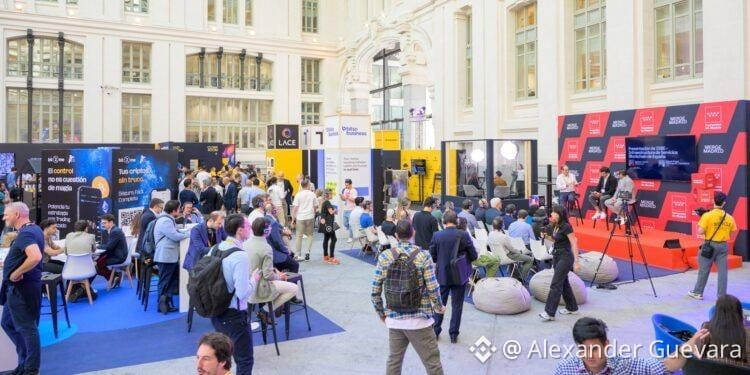
تقوم “سانتاندير” و“بي بي في آ” و“وسترن يونيون” بعرض مشاريعها في MERGE مدريد 2026 الخاصة بالمال الرقمي باليورو والدولار، في خضم النقاش الأوروبي حول السيادة النقدية واليورو الرقمي.
من 27 إلى 29 أكتوبر في مدريد.
اطّلع على جميع التفاصيل هنا.
#Europe #Tokenization #Stablecoins #español #WesternUnion $WDC $BTC
{web3_wallet_create}(CT_501HVWf8JmLoHs99Lw8Psf3fyqAtA4crWxCPkrmSdNjhNH3)
يُحوِّل توكنيَّة “يوروپا” أنابيبها المالية لإغلاق منافذ الهروب
“اختار حاكم بنك إسبانيا الكلمة كما لو كان سيُطلق سهمًا وأصاب المفهوم بالضبط. الودائع البنكية المُحوَّلة إلى توكنات، قال خوسيه لويس إيسكريفيا، هي «بديل واضح للعملات المشفّرة».
بديلٌ لمن؟ نُسائلنا نحن.
بديلٌ لِماذا؟
أليست العملات المشفّرة، على وجه التحديد، هي البديل؟”
🔎 اقرأ التحليل الكامل .
لم يعد السؤال هو ما إذا كانت الـ stablecoins ستصل إلى البنوك، بل من سيتحكم بها 🏦
تقوم “سانتاندير” و“بي بي في آ” و“وسترن يونيون” بعرض مشاريعها في MERGE مدريد 2026 الخاصة بالمال الرقمي باليورو والدولار، في خضم النقاش الأوروبي حول السيادة النقدية واليورو الرقمي.
من 27 إلى 29 أكتوبر في مدريد.
اطّلع على جميع التفاصيل هنا.
#Europe #Tokenization #Stablecoins #español #WesternUnion $WDC $BTC

74
أوروبا تقوم بمراجعة جزء مهم من قواعد العملات المستقرة (stablecoins).
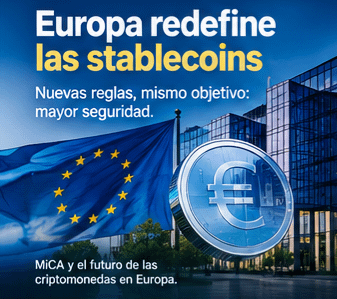
طرح البنك المركزي الأوروبي والبنوك المركزية الوطنية في الاتحاد الأوروبي تغييرات تتعلق بتكوين احتياطيات المصدرين ضمن إطار MiCA.
يدور النقاش حول مسألة محورية:
كيف يمكن أن تنمو العملات المستقرة دون خلق مخاطر جديدة على النظام المصرفي؟
لم تعد اللوائح تتعامل مع العملات المشفرة باعتبارها ظاهرة هامشية.
الآن تتم مناقشة كيفية دمجها ضمن البنية المالية القائمة.
#MiCA #Stablecoins #Europe #CryptoRegulationBattle #DigitalAssets
19

تمّ التحقق
مقالة
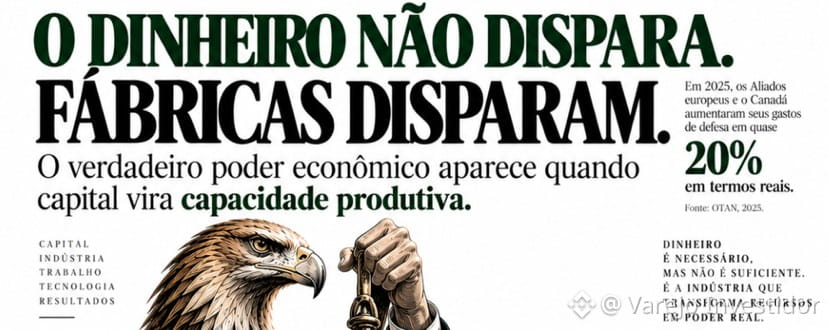
رأس المال مقابل الإنتاجيةالمال لا يُطلق النار مباشرة، لكنه يستطيع تمويل من يُطلق النار. تظهر القوة الاقتصادية عندما لا يعود رأس المال مجرد مورد مالي، بل يصبح قدرةً إنتاجية. والمنطق بسيط: الميزانية والديْن والضرائب والقروض والدعم تُضع الموارد في جهة؛ أما المصانع والناس والمكوّنات واللوجستيات والمعدات والتكنولوجيا فتُضع القدرة في الجهة الأخرى. بالنسبة للمستثمر، لا تشرح الموارد وحدها قوة اقتصاد. الذي يغيّر واقع اللعبة الحالية هو قدرة تحويل الموارد إلى إنتاج!!
رأس المال مقابل الإنتاجية
المال لا يُطلق النار مباشرة، لكنه يستطيع تمويل من يُطلق النار. تظهر القوة الاقتصادية عندما لا يعود رأس المال مجرد مورد مالي، بل يصبح قدرةً إنتاجية. والمنطق بسيط: الميزانية والديْن والضرائب والقروض والدعم تُضع الموارد في جهة؛ أما المصانع والناس والمكوّنات واللوجستيات والمعدات والتكنولوجيا فتُضع القدرة في الجهة الأخرى. بالنسبة للمستثمر، لا تشرح الموارد وحدها قوة اقتصاد. الذي يغيّر واقع اللعبة الحالية هو قدرة تحويل الموارد إلى إنتاج!!
3
212
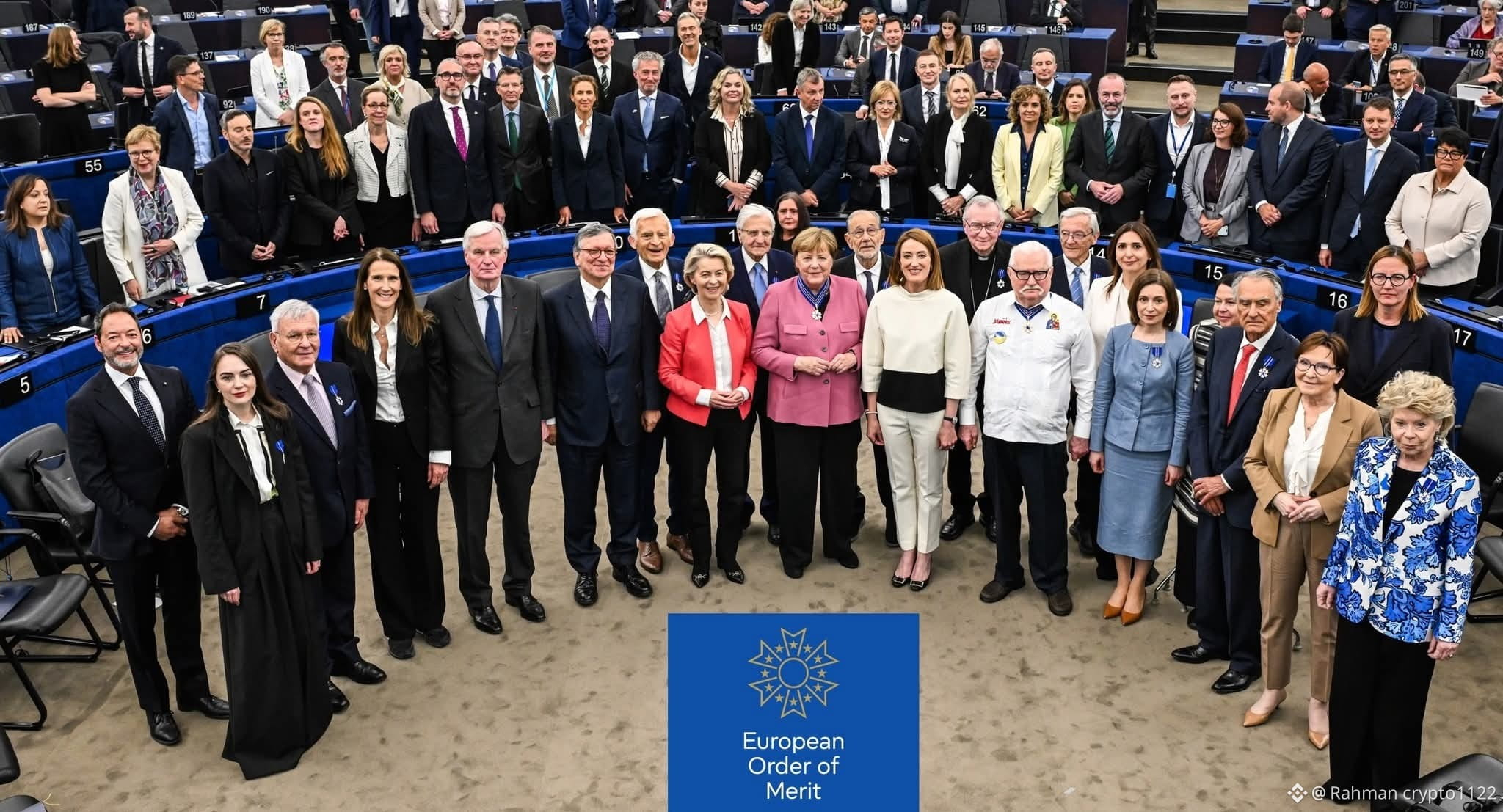
🇪🇺 للناس الذين يبنون أوروبا — من خلال الشجاعة، والرؤية، والوحدة، والتفاني للقيم الديمقراطية.
وسام الاستحقاق الأوروبي يكرم أولئك الذين يستمر عملهم والتزامهم في تشكيل أوروبا أقوى وأكثر اتحادًا للأجيال القادمة. 👏
مرجع: مبادرة البرلمان الأوروبي التي تعترف بأول الحائزين على وسام الاستحقاق الأوروبي 2026.
#EuropeanOrderOfMerit #Europe #EuropeanParliament #EU
$BNB $ETH $XRP
وسام الاستحقاق الأوروبي يكرم أولئك الذين يستمر عملهم والتزامهم في تشكيل أوروبا أقوى وأكثر اتحادًا للأجيال القادمة. 👏
مرجع: مبادرة البرلمان الأوروبي التي تعترف بأول الحائزين على وسام الاستحقاق الأوروبي 2026.
#EuropeanOrderOfMerit #Europe #EuropeanParliament #EU
$BNB $ETH $XRP
68

مقالة
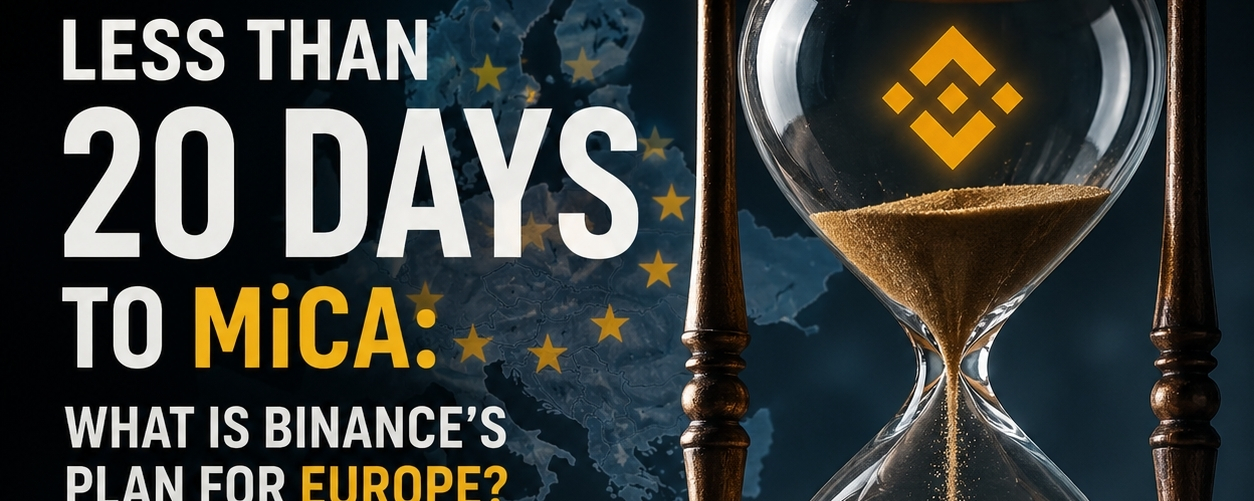
🇪🇺 أقل من 16 يومًا على MiCA: ما هي خطة باينانس لأوروبا؟أنا لا أنشر FUD. أنا مستخدم لباينانس وأبحث ببساطة عن الشفافية قبل 1 يوليو.
باينانس، نحن الآن أقل من 16 يومًا من انتهاء فترة انتقال MiCA في أوروبا.
لا يزال العديد من مستخدمي الاتحاد الأوروبي لا يعرفون ماذا يتوقعون بعد 1 يوليو.
هل يمكن لباينانس نشر تحديث رسمي يغطي:
• حالة ترخيص MiCA
• تقدم تفويض اليونان
• تأثير على التداول الفوري
• تأثير على الهامش
• تأثير على التخزين
• تأثير على Alpha / Launchpool
• سياسة العملات المستقرة
لا دراما، فقط شفافية.
شكرًا لك.
🇪🇺 أقل من 16 يومًا على MiCA: ما هي خطة باينانس لأوروبا؟
أنا لا أنشر FUD. أنا مستخدم لباينانس وأبحث ببساطة عن الشفافية قبل 1 يوليو.
باينانس، نحن الآن أقل من 16 يومًا من انتهاء فترة انتقال MiCA في أوروبا.
لا يزال العديد من مستخدمي الاتحاد الأوروبي لا يعرفون ماذا يتوقعون بعد 1 يوليو.
هل يمكن لباينانس نشر تحديث رسمي يغطي:
• حالة ترخيص MiCA
• تقدم تفويض اليونان
• تأثير على التداول الفوري
• تأثير على الهامش
• تأثير على التخزين
• تأثير على Alpha / Launchpool
• سياسة العملات المستقرة
لا دراما، فقط شفافية.
شكرًا لك.
7
2
143
·
--
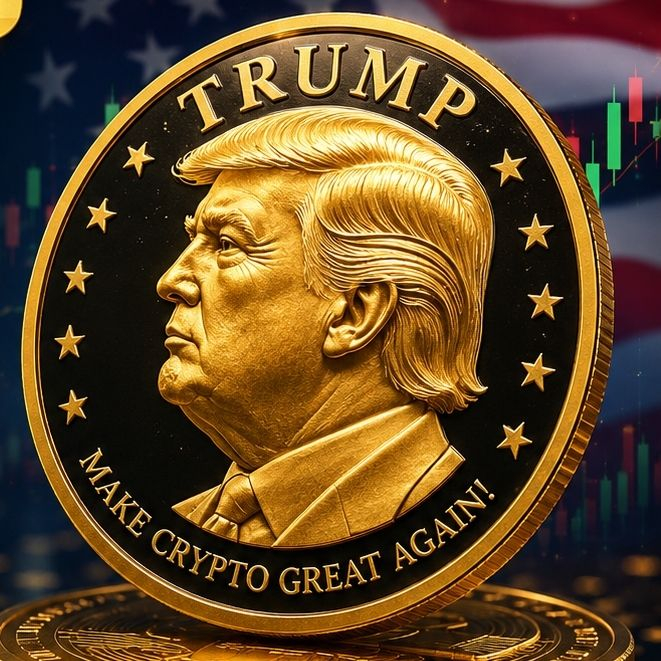
🚨 الموعد النهائي لـ MiCA يضرب أوروبا: تبدأ موجة تغييرات كبرى في عالم العملات الرقمية.
تنتهي رسميًا فترة الانتقال الخاصة بـ MiCA في أوروبا في 1 يوليو 2026، وقد وضّح المنظمون نقطة واحدة: لن تكون هناك أي تمديدات.$BNB
⚠️ يُقدَّر أن 80% تقريبًا من مزوّدي خدمات العملات الرقمية المسجّلين في أوروبا (أكثر من 3,000) ما زالوا ينتظرون الموافقة الكاملة، ما يخلق حالة كبيرة من عدم اليقين داخل القطاع.
📉 أثر السوق • علّقت بعض البورصات، بما فيها Binance، أو قيّدت بعض الخدمات داخل الاتحاد الأوروبي. • ويُبلَغ عن أن أكثر من 400 مليون دولار في عمليات سحب من المستخدمين قد تم تحفيزها وسط حالة عدم اليقين التنظيمي. • أطلقت الهيئة المصرفية الأوروبية (EBA) إطارًا أقسى لإنفاذ القواعد، مع غرامات محتملة تصل إلى 12.5% من الإيرادات السنوية للجهات المُصدِرة غير الملتزمة.$ETH
💡 ماذا يعني ذلك قد تعيد الأسابيع المقبلة تشكيل مشهد العملات الرقمية في أوروبا. قد تحصل الشركات المرخّصة بالكامل على ميزة تنافسية، بينما يواجه المزوّدون غير المرخّصين خطر تعطل الخدمات أو الغرامات أو الخروج من السوق.$BTC
📊 Trading View: توقّع تقلبًا أعلى للشركات العاملة في قطاع العملات الرقمية الموجهة لأوروبا. على المدى الطويل، قد يعزز التنظيم الأكثر وضوحًا ثقة المؤسسات، لكن من المرجح أن يبقى الانتقال على المدى القصير متقلبًا.
#Crypto #Bitcoin #MiCA #Europe
{spot}(BTCUSDT)
{spot}(ETHUSDT)
{spot}(BNBUSDT)
🚨 الموعد النهائي لـ MiCA يضرب أوروبا: تبدأ موجة تغييرات كبرى في عالم العملات الرقمية.
تنتهي رسميًا فترة الانتقال الخاصة بـ MiCA في أوروبا في 1 يوليو 2026، وقد وضّح المنظمون نقطة واحدة: لن تكون هناك أي تمديدات.$BNB
⚠️ يُقدَّر أن 80% تقريبًا من مزوّدي خدمات العملات الرقمية المسجّلين في أوروبا (أكثر من 3,000) ما زالوا ينتظرون الموافقة الكاملة، ما يخلق حالة كبيرة من عدم اليقين داخل القطاع.
📉 أثر السوق • علّقت بعض البورصات، بما فيها Binance، أو قيّدت بعض الخدمات داخل الاتحاد الأوروبي. • ويُبلَغ عن أن أكثر من 400 مليون دولار في عمليات سحب من المستخدمين قد تم تحفيزها وسط حالة عدم اليقين التنظيمي. • أطلقت الهيئة المصرفية الأوروبية (EBA) إطارًا أقسى لإنفاذ القواعد، مع غرامات محتملة تصل إلى 12.5% من الإيرادات السنوية للجهات المُصدِرة غير الملتزمة.$ETH
💡 ماذا يعني ذلك قد تعيد الأسابيع المقبلة تشكيل مشهد العملات الرقمية في أوروبا. قد تحصل الشركات المرخّصة بالكامل على ميزة تنافسية، بينما يواجه المزوّدون غير المرخّصين خطر تعطل الخدمات أو الغرامات أو الخروج من السوق.$BTC
📊 Trading View: توقّع تقلبًا أعلى للشركات العاملة في قطاع العملات الرقمية الموجهة لأوروبا. على المدى الطويل، قد يعزز التنظيم الأكثر وضوحًا ثقة المؤسسات، لكن من المرجح أن يبقى الانتقال على المدى القصير متقلبًا.
#Crypto #Bitcoin #MiCA #Europe
82

#crypto #regulation #europe #Virtualtraders
قال المنظم المالي الإسباني (CNMV) إنه لن تكون هناك استثناءات أو تمديدات لفترة الترخيص الخاصة بـ MiCA، والتي تنتهي في نهاية يونيو في الاتحاد الأوروبي. ويجب على شركات العملات المشفرة غير المرخصة إما الحصول على إذن أو إيقاف عملياتها في الاتحاد الأوروبي — RTRS
قال المنظم المالي الإسباني (CNMV) إنه لن تكون هناك استثناءات أو تمديدات لفترة الترخيص الخاصة بـ MiCA، والتي تنتهي في نهاية يونيو في الاتحاد الأوروبي. ويجب على شركات العملات المشفرة غير المرخصة إما الحصول على إذن أو إيقاف عملياتها في الاتحاد الأوروبي — RTRS
2
1.1k
سجّل الدخول لاستكشاف المزيد من المُحتوى
انضم إلى مُستخدمي العملات الرقمية حول العالم على Binance Square
⚡️ احصل على أحدث المعلومات المفيدة عن العملات الرقمية.
💬 موثوقة من قبل أكبر منصّة لتداول العملات الرقمية في العالم.
👍 اكتشف الرؤى الحقيقية من صنّاع المُحتوى الموثوقين.
البريد الإلكتروني / رقم الهاتف
المواضيع الرائجة
1
#BinancePick
3M مشاهدات
151,670 يقومون بالنقاش
2
#EarningsSeason
5.2M مشاهدات
25,788 يقومون بالنقاش
3
#AnthropicTTMRevenueGrewAbout1200%
18,994 مشاهدات
332 يقومون بالنقاش
4
#AnthropicS1ExpectedToday
20,461 مشاهدات
296 يقومون بالنقاش
5
#SouthKoreaReportedlyWeighsFourthCryptoTaxDelay
25,433 مشاهدات
416 يقومون بالنقاش
6
#FranklinTempletonFilesForTwoDividendToBitcoinETFs
33,156 مشاهدات
511 يقومون بالنقاش
7
#StrategyMSTRSurpassesNasdaqInMarketCap
25,513 مشاهدات
371 يقومون بالنقاش
8
#CanadaProposesStablecoinRedemptionWithin3BusinessDays
1,177 مشاهدات
34 يقومون بالنقاش
9
#ElectrumWalletBugLetRogueServersStealFunds
27,339 مشاهدات
448 يقومون بالنقاش
10
#ArgentineCourtDismissesLIBRACaseAgainstMilei
41,564 مشاهدات
553 يقومون بالنقاش