

Hitmans Lounge
6.7k منشورات

Hitmans Lounge
X: @hitmans_lounge | 5.5 Yrs Experience in Trading Financial Markets | Technical Analysis | Digital Marketing | Community Management | Crypto Native
فتح تداول
مُتداول عرضي
5.7 سنوات
447 تتابع
28.8K+ المتابعون
20.8K+ إعجاب
منشورات
الحافظة الاستثمارية
الكل
اقتباسات
Live
PINNED

地球村GVL–磊哥
·
--
ما مدى ثراء هؤلاء الأشخاص الخمسة؟

路人1688luren
·
--
بروتوكول جديد مدعوم بسهم BNC من باينانس؟
هل تستعد المؤسسات مسبقًا؟
$bcnb قادم قريبًا.
هل تستعد المؤسسات مسبقًا؟
$bcnb قادم قريبًا.
苏菲亚 Sophia
·
--
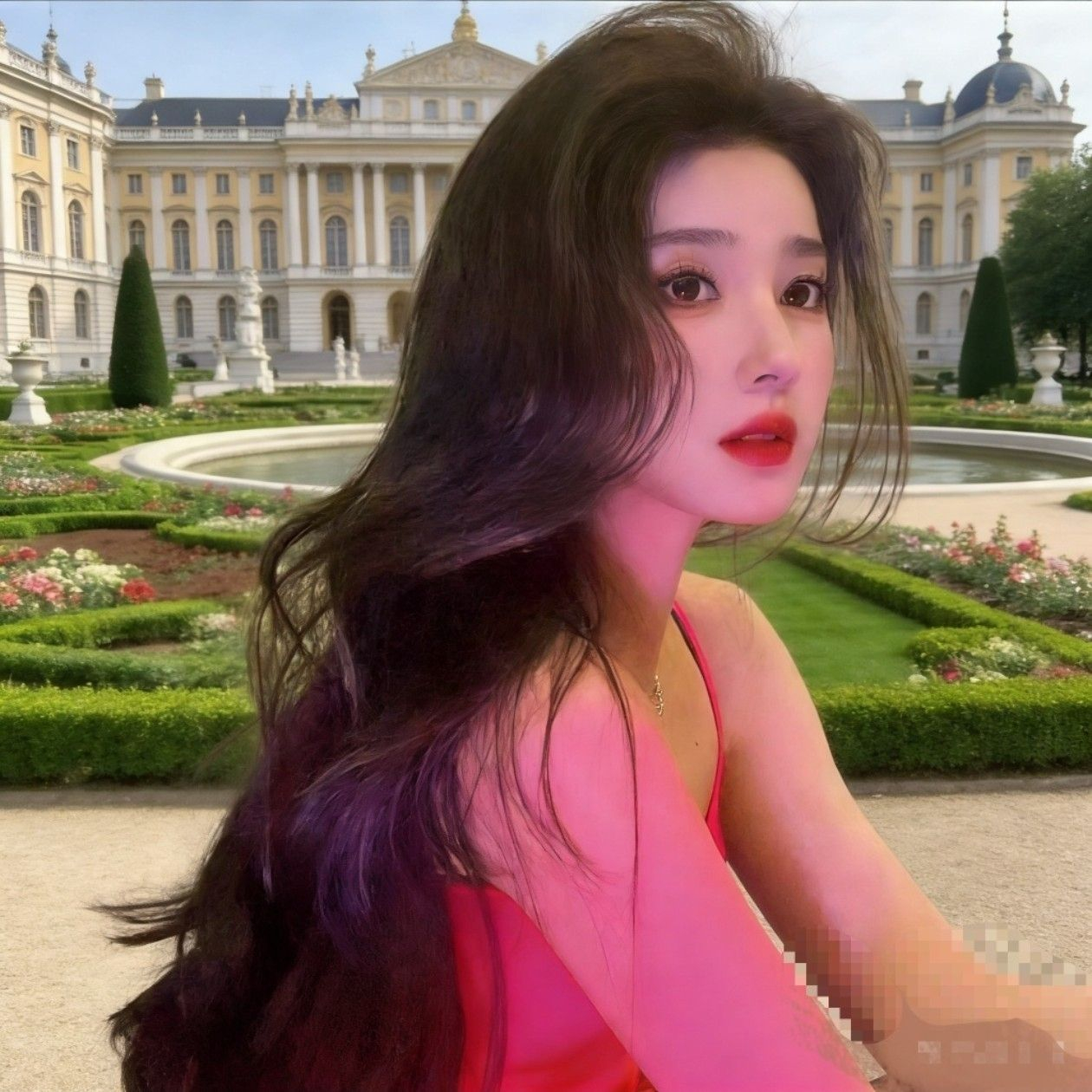
تُبرز الخلفية الداكنة بريق الألماس، الذي يمتد عبر التاج والأقراط وقلادة العنق وزخارف الثياب، ليكون روح التكوين بأكمله.
الألماس صافٍ وصلب، يعكس وهجًا باردًا متلألئًا، ويرمز إلى الخلود والقيمة. وتحيط بالشخصية طبقات متراكبة من الألماس المتلألئ؛ فهي ليست مجرد زينة فاخرة، بل ترمز أيضًا إلى البريق الداخلي والقوة الراسخة التي لا تتزعزع.
بريق الصمت يفوق ضجيج الصخب. فالنفاسة تحمل في جوهرها حدّتها الخاصة.$QQQB $TSLAB $SPCXB #btc70k
#以太坊跌破2500美元 #meme板块关注热点 #OP代币今日上涨19.98% #美国以太坊ETF连续10日净流出
الألماس صافٍ وصلب، يعكس وهجًا باردًا متلألئًا، ويرمز إلى الخلود والقيمة. وتحيط بالشخصية طبقات متراكبة من الألماس المتلألئ؛ فهي ليست مجرد زينة فاخرة، بل ترمز أيضًا إلى البريق الداخلي والقوة الراسخة التي لا تتزعزع.
بريق الصمت يفوق ضجيج الصخب. فالنفاسة تحمل في جوهرها حدّتها الخاصة.$QQQB $TSLAB $SPCXB #btc70k
#以太坊跌破2500美元 #meme板块关注热点 #OP代币今日上涨19.98% #美国以太坊ETF连续10日净流出
王婷-光明社区
·
--
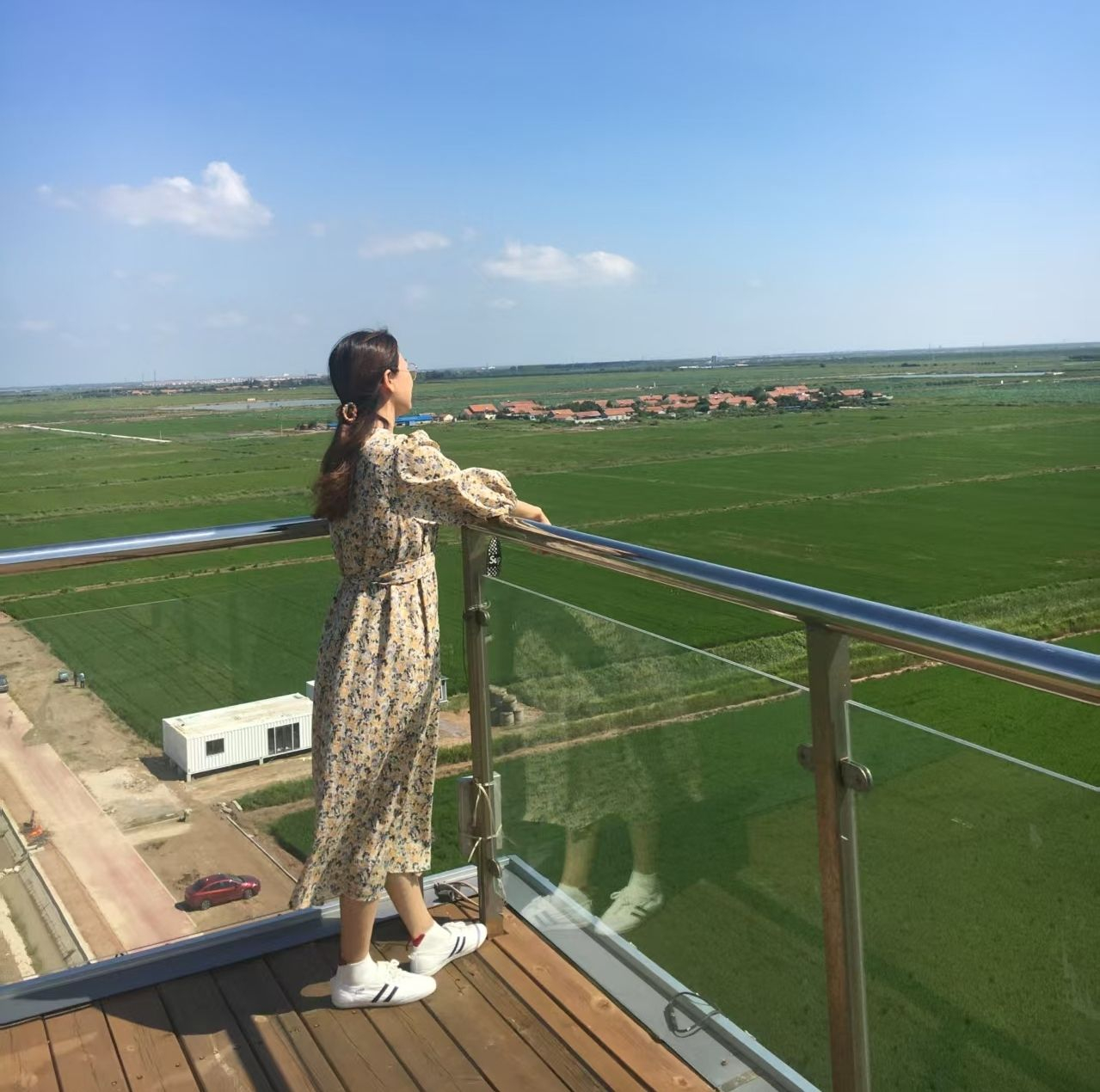
صاعدللوهلة الأولى، أترى هؤلاء جنودًا وقادةً سماويين هبطوا إلى الأرض؟
وعند التدقيق، تكتشف أن البحر والسماء قد امتزجا في لون واحد!
#以太坊跌破2500美元
وعند التدقيق، تكتشف أن البحر والسماء قد امتزجا في لون واحد!
#以太坊跌破2500美元

Ezra_Insight
·
--
🧧 من مستعد لمفاجأة صغيرة؟ ❤️
مشاركة العملات الرقمية تجعلها أكثر متعة، وظرف Binance الأحمر طريقة رائعة لنشر الحماس! 🎁
👇 اضغط على الظرف الأحمر، واحصل على حصتك، واستمتع باللحظة! $METAB $ETH
مشاركة العملات الرقمية تجعلها أكثر متعة، وظرف Binance الأحمر طريقة رائعة لنشر الحماس! 🎁
👇 اضغط على الظرف الأحمر، واحصل على حصتك، واستمتع باللحظة! $METAB $ETH
饼哥HODL
·
--
كلما عزمت على بذل قصارى جهدي
ينتهي بي الأمر وقد نالوا مني 😂
ينتهي بي الأمر وقد نالوا مني 😂

Mahi_玛希BNB
·
--
🚀 **بيتكوين (BTC): السوق يترقّب! ₿**
تواصل بيتكوين جذب الأنظار بينما يراقب المتداولون مستويات الدعم والمقاومة الرئيسية. 📊 هل ستشهد BTC تحركها الكبير التالي، أم أن تراجعًا قصير الأمد يلوح في الأفق؟ 👀
يتحلى المتداولون الأذكياء بالصبر، ويديرون المخاطر، ويتابعون السوق لا الضجة! 🔥
ما رأيك: **صعودي 📈 أم هبوطي 📉؟**
$BTC $BTCUSDT $ETH $BNB $SOL
#BitcoinDunyamiz #btc70k #CryptoMarketMoves #BinanceSquareFamily #cryptotrading
تواصل بيتكوين جذب الأنظار بينما يراقب المتداولون مستويات الدعم والمقاومة الرئيسية. 📊 هل ستشهد BTC تحركها الكبير التالي، أم أن تراجعًا قصير الأمد يلوح في الأفق؟ 👀
يتحلى المتداولون الأذكياء بالصبر، ويديرون المخاطر، ويتابعون السوق لا الضجة! 🔥
ما رأيك: **صعودي 📈 أم هبوطي 📉؟**
$BTC $BTCUSDT $ETH $BNB $SOL
#BitcoinDunyamiz #btc70k #CryptoMarketMoves #BinanceSquareFamily #cryptotrading
Sheemm
·
--
🎁🎁🎁🎁🎁
مساء الخير يا عائلتي 💕
أعجبوا أعيدوا النشر علّقوا
ثم احصلوا على 🎁🎁🎁🎁🎁
$BNB 🎁🎁🎁🎁🎁
$BLUR
$OSMO
#EtherTook60%OfCryptoLiquidations
#ClaimYourFortune
مساء الخير يا عائلتي 💕
أعجبوا أعيدوا النشر علّقوا
ثم احصلوا على 🎁🎁🎁🎁🎁
$BNB 🎁🎁🎁🎁🎁
$BLUR
$OSMO
#EtherTook60%OfCryptoLiquidations
#ClaimYourFortune

美琳 Měi Lín
·
--
صاعد🚨 ترقّبوا عقود العملات الرقمية الآجلة: العملات البديلة تنفجر صعودًا!
تُظهر قائمة العملات الأكثر ارتفاعًا في العقود الآجلة زخمًا صعوديًا قويًا، مع تسجيل عدة عملات بديلة مكاسب من خانتين. لكن هناك حركة واحدة تتفوق على البقية 👀
🚀 أبرز التحركات:
🥇 $USUSDT: +121.74%
🥈 $JCTUSDT: +57.88%
🥉 $RLCUSDT: +44.77%
🔥 $KAIAUSDT: +40.67%
⚡ $STRKUSDT: +29.70%
💎 $AIOTUSDT: +23.43%
📊 $SKLUSDT: +21.78%
🚀 $QUSDT: +20.32%
✨ $MAGICUSDT: +18.83%
📈 $SECZUSDT: +15.90%
📊 تعليق السوق
تتصدر $USUSDT القائمة بارتفاع هائل بلغ +121.74%، بينما تُظهر كل من $JCTUSDT و$RLCUSDT زخمًا صعوديًا قويًا أيضًا. ويشير تركز المكاسب الحادة عبر عدة أزواج من العقود الآجلة إلى اهتمام مضاربي مكثف بهذه العملات.
⚠️ لكن المكاسب الكبيرة بالنسب المئوية وحدها لا تؤكد حدوث اختراق مستدام. بعد مثل هذه التحركات السريعة، ينبغي للمتداولين مراقبة ما يلي:
- تأكيد حجم التداول: هل يزداد نشاط الشراء بالتوازي مع ارتفاع السعر؟
- المقاومة الرئيسية: هل يستطيع السعر الاختراق والثبات فوق القمم الأخيرة؟
- إعادة الاختبار والدعم: هل يصمد مستوى الاختراق بعد التراجع؟
- حجم المراكز المفتوحة ومعدلات التمويل: هل أصبح استخدام الرافعة المالية مفرطًا؟
🎯 التوقعات التداولية: تجنبوا ملاحقة الشموع الصاعدة الحادة. انتظروا التأكيد، وحددوا مستوى إبطال الصفقة، وحافظوا على أحجام مراكز منضبطة. فقد تتحول العملة التي تحقق مكاسب قوية إلى انعكاس حاد بالسرعة نفسها، خصوصًا في العقود الآجلة ذات الرافعة المالية.
🔥 قائمة المراقبة: $USUSDT | $JCTUSDT | $RLCUSDT | $KAIAUSDT
💬 برأيكم، أي عملة لديها أقوى مؤشرات للحركة التالية؟
تُظهر قائمة العملات الأكثر ارتفاعًا في العقود الآجلة زخمًا صعوديًا قويًا، مع تسجيل عدة عملات بديلة مكاسب من خانتين. لكن هناك حركة واحدة تتفوق على البقية 👀
🚀 أبرز التحركات:
🥇 $USUSDT: +121.74%
🥈 $JCTUSDT: +57.88%
🥉 $RLCUSDT: +44.77%
🔥 $KAIAUSDT: +40.67%
⚡ $STRKUSDT: +29.70%
💎 $AIOTUSDT: +23.43%
📊 $SKLUSDT: +21.78%
🚀 $QUSDT: +20.32%
✨ $MAGICUSDT: +18.83%
📈 $SECZUSDT: +15.90%
📊 تعليق السوق
تتصدر $USUSDT القائمة بارتفاع هائل بلغ +121.74%، بينما تُظهر كل من $JCTUSDT و$RLCUSDT زخمًا صعوديًا قويًا أيضًا. ويشير تركز المكاسب الحادة عبر عدة أزواج من العقود الآجلة إلى اهتمام مضاربي مكثف بهذه العملات.
⚠️ لكن المكاسب الكبيرة بالنسب المئوية وحدها لا تؤكد حدوث اختراق مستدام. بعد مثل هذه التحركات السريعة، ينبغي للمتداولين مراقبة ما يلي:
- تأكيد حجم التداول: هل يزداد نشاط الشراء بالتوازي مع ارتفاع السعر؟
- المقاومة الرئيسية: هل يستطيع السعر الاختراق والثبات فوق القمم الأخيرة؟
- إعادة الاختبار والدعم: هل يصمد مستوى الاختراق بعد التراجع؟
- حجم المراكز المفتوحة ومعدلات التمويل: هل أصبح استخدام الرافعة المالية مفرطًا؟
🎯 التوقعات التداولية: تجنبوا ملاحقة الشموع الصاعدة الحادة. انتظروا التأكيد، وحددوا مستوى إبطال الصفقة، وحافظوا على أحجام مراكز منضبطة. فقد تتحول العملة التي تحقق مكاسب قوية إلى انعكاس حاد بالسرعة نفسها، خصوصًا في العقود الآجلة ذات الرافعة المالية.
🔥 قائمة المراقبة: $USUSDT | $JCTUSDT | $RLCUSDT | $KAIAUSDT
💬 برأيكم، أي عملة لديها أقوى مؤشرات للحركة التالية؟

Ahmed Ali Nizamani
·
--
❤️🎁 أصدقائي يدعمونني هنا من أجل 👇
الفئة: صانع المحتوى الصاعد لهذا العام ✨
يسألني الكثيرون عن كيفية ترشيحي، إليكم الدليل الكامل:
استخدموا الرابط لفتح استمارة الترشيحات:
https://www.binance.com/en/square/blockchain-100-2026
انقروا على «الترشيحات»:
السؤال #1
هل ترشّح نفسك؟
اختاروا «لا».
السؤال #2
هل تمثّل شخصًا أو شركة في هذه الترشيحات؟
اختاروا «نعم»، ثم اكتبوا في الخانة:
أحمد علي نظاماني
السؤال #3
من ترغب في ترشيحه؟
أحمد علي نظاماني
السؤال #4
يرجى تقديم رابط الملف الشخصي للمرشّح على وسائل التواصل الاجتماعي:
[https://app.binance.com/uni-qr/cpro/AhmedAliNizamani ](https://app.binance.com/uni-qr/cpro/AhmedAliNizamani )
السؤال #5
لأي فئة ترشّحه؟
صانع المحتوى الصاعد لهذا العام ⭐
السؤال #6
يرجى توضيح سبب ترشيحك لـ...........؟
لأنني وجدت محتوى تعليميًا مفيدًا جدًا عن بينانس في حساباته، وتعلمت الكثير عن بينانس والعملات الرقمية.
السؤال #7
السؤال #8
تخطّوا كليهما.
السؤال #9
- يرجى تقديم معلومات الاتصال بالمرشّح.
اختاروا الخيار الأخير:
أفضل عدم الإفصاح
السؤال #10
كيف تودّون أن نخاطبكم؟
اكتبوا اسمكم.
اسم الشخص الذي يملأ هذه الاستمارة.
السؤال #11
اختاروا الخيار الأخير:
أفضل عدم الإفصاح
السؤال #12
هل هناك أي شيء آخر ينبغي أن نعرفه؟
اكتبوا: لا شيء على الإطلاق. وبذلك تكونون قد انتهيتم.
أرسلوا الاستمارة.
انقروا على «إرسال».
ولا تنسوا أيضًا ذكر اسم من رشّحني في التعليقات.
الفئة: صانع المحتوى الصاعد لهذا العام ✨
يسألني الكثيرون عن كيفية ترشيحي، إليكم الدليل الكامل:
استخدموا الرابط لفتح استمارة الترشيحات:
https://www.binance.com/en/square/blockchain-100-2026
انقروا على «الترشيحات»:
السؤال #1
هل ترشّح نفسك؟
اختاروا «لا».
السؤال #2
هل تمثّل شخصًا أو شركة في هذه الترشيحات؟
اختاروا «نعم»، ثم اكتبوا في الخانة:
أحمد علي نظاماني
السؤال #3
من ترغب في ترشيحه؟
أحمد علي نظاماني
السؤال #4
يرجى تقديم رابط الملف الشخصي للمرشّح على وسائل التواصل الاجتماعي:
[https://app.binance.com/uni-qr/cpro/AhmedAliNizamani ](https://app.binance.com/uni-qr/cpro/AhmedAliNizamani )
السؤال #5
لأي فئة ترشّحه؟
صانع المحتوى الصاعد لهذا العام ⭐
السؤال #6
يرجى توضيح سبب ترشيحك لـ...........؟
لأنني وجدت محتوى تعليميًا مفيدًا جدًا عن بينانس في حساباته، وتعلمت الكثير عن بينانس والعملات الرقمية.
السؤال #7
السؤال #8
تخطّوا كليهما.
السؤال #9
- يرجى تقديم معلومات الاتصال بالمرشّح.
اختاروا الخيار الأخير:
أفضل عدم الإفصاح
السؤال #10
كيف تودّون أن نخاطبكم؟
اكتبوا اسمكم.
اسم الشخص الذي يملأ هذه الاستمارة.
السؤال #11
اختاروا الخيار الأخير:
أفضل عدم الإفصاح
السؤال #12
هل هناك أي شيء آخر ينبغي أن نعرفه؟
اكتبوا: لا شيء على الإطلاق. وبذلك تكونون قد انتهيتم.
أرسلوا الاستمارة.
انقروا على «إرسال».
ولا تنسوا أيضًا ذكر اسم من رشّحني في التعليقات.
I R F A N _ A L Y²
·
--
لا تتابع التمرير❎️ ركّز هنا👀
احصل على مكافأتك من سولانا🎁🎁
1' أعجب
2' شارك
3' أعد النشر
$BTC
احصل على مكافأتك من سولانا🎁🎁
1' أعجب
2' شارك
3' أعد النشر
$BTC

E L E X A
·
--
🚨 إنه متاح الآن 🚨
المشاهدة سهلة… لكن الفائزين يبادرون 👀
🎁 هل تريد USDT مجانًا؟
💬 علّق بـ 888
❤️ أعجبني
🔁 شارك
➕ تابع
⏳ لا تفوّت فرصتك — الأماكن محدودة!
اكتب 888 أدناه وانضم الآن 🚀
#Crypto #USDT #Giveaway
المشاهدة سهلة… لكن الفائزين يبادرون 👀
🎁 هل تريد USDT مجانًا؟
💬 علّق بـ 888
❤️ أعجبني
🔁 شارك
➕ تابع
⏳ لا تفوّت فرصتك — الأماكن محدودة!
اكتب 888 أدناه وانضم الآن 🚀
#Crypto #USDT #Giveaway


YUNA萌4
·
--
🍉 احصل على مكافأتك أدناه! 🎁💚
يتحرك BTC، لكن طفل البطيخ الصغير هذا لديه هموم أخرى 😭😂🍉
سعر $BTC هو 82,994 دولارًا… هل يمكن لأحد أن يشرح ما الذي يحدث؟ 👀📉
علّق بـ 🍉 واحصل على مكافأتك! 🎁💙
#Bitcoin #BTC
يتحرك BTC، لكن طفل البطيخ الصغير هذا لديه هموم أخرى 😭😂🍉
سعر $BTC هو 82,994 دولارًا… هل يمكن لأحد أن يشرح ما الذي يحدث؟ 👀📉
علّق بـ 🍉 واحصل على مكافأتك! 🎁💙
#Bitcoin #BTC

奕泽YIZZE
·
--
اشتدت تقلبات سوق العملات المشفرة اليوم! هبط سعر البيتكوين خلال التداولات إلى نحو 81 ألف دولار، ثم عاد ليتجاوز 83 ألف دولار؛ كما تواجه الإيثيريوم وبعض العملات البديلة ضغوطًا تصحيحية. ويؤثر ضعف أسهم التكنولوجيا وتغير تدفقات الأموال في معنويات السوق.
فيما يلي ثلاثة محاور تستحق المتابعة:
BTC: هل سيصمد عند منطقة السعر الرئيسية؟
ETH: راقب أداءه النسبي واستمرارية الارتداد.
العملات البديلة: انتبه لتغيرات حجم التداول، واحذر التقلبات الحادة الناجمة عن نقص السيولة.
كلما زادت اضطرابات السوق، ازدادت أهمية الحفاظ على الهدوء. لا تندفع وراء الأسعار المرتفعة بسبب صعود قصير الأجل، ولا تفقد قدرتك على التقييم بسبب هبوط مفاجئ. إدارة حجم المراكز والتحكم في مخاطر التداول أهم من تخمين حركة الشمعة التالية.
تابع كلب ماسك على المريخ👇🏼👇🏼
فيما يلي ثلاثة محاور تستحق المتابعة:
BTC: هل سيصمد عند منطقة السعر الرئيسية؟
ETH: راقب أداءه النسبي واستمرارية الارتداد.
العملات البديلة: انتبه لتغيرات حجم التداول، واحذر التقلبات الحادة الناجمة عن نقص السيولة.
كلما زادت اضطرابات السوق، ازدادت أهمية الحفاظ على الهدوء. لا تندفع وراء الأسعار المرتفعة بسبب صعود قصير الأجل، ولا تفقد قدرتك على التقييم بسبب هبوط مفاجئ. إدارة حجم المراكز والتحكم في مخاطر التداول أهم من تخمين حركة الشمعة التالية.
تابع كلب ماسك على المريخ👇🏼👇🏼
龟龟财神到
·
--
اختر نسخ التداول بنسبة ثابتة. جرّب المحاكاة وأضِفها إلى المفضلة أولًا. يُنصح بالبدء بنسخ الصفقات بمبلغ 1000u، ومضاعفة رأس المال قبل سحبه، والسعي إلى تحقيق عائد 10 أضعاف بحلول رأس السنة الصينية. لنشهد معًا رحلة غويغوي نحو القمة!

BLOCK Rayne
·
--
هدية كبيرة 🎁 مني لمجتمعنا الرائع. ❤️
احصل على مكافأتك $DOGE واستمتع!
أسرعوا جميعًا! 🔥
احصل على مكافأتك $DOGE واستمتع!
أسرعوا جميعًا! 🔥

光明社区-阿波罗
·
--
点击提名
1. لا
2. لا
3. مجتمع النور - مينغداو
4. 复制链接
5. شخصية مؤثرة في المجتمع
6. مؤسس مجتمع النور‖ناشر ثقافة مجتمع النور‖مؤمن بتوافق BTC-BNB-LUCiC الفائق‖مناصر راسخ للإيثار‖
7. اختياري
8. الصورة أدناه
9. BTC_VIP-UU
10. اسمك المستعار
11. يمكنك تعبئته، أو اختيار عدم الإفصاح
12. مجتمع النور - مينغداو، مؤسس مجتمع النور، له باع طويل في عالم العملات الرقمية. تتوافق الكثير من أفكاره بدرجة كبيرة مع أبرز الشخصيات في المجال، كما يتمتع بقدرة أشبه بالتنبؤ الإلهي بحركة السوق. يقود مجتمع النور إلى الإيمان بعملة LUCiC، ويواصل شق طريقه رغم الصعاب، ولن يهدأ حتى تُدرج العملة في منصة بينانس.
1. لا
2. لا
3. مجتمع النور - مينغداو
4. 复制链接
5. شخصية مؤثرة في المجتمع
6. مؤسس مجتمع النور‖ناشر ثقافة مجتمع النور‖مؤمن بتوافق BTC-BNB-LUCiC الفائق‖مناصر راسخ للإيثار‖
7. اختياري
8. الصورة أدناه
9. BTC_VIP-UU
10. اسمك المستعار
11. يمكنك تعبئته، أو اختيار عدم الإفصاح
12. مجتمع النور - مينغداو، مؤسس مجتمع النور، له باع طويل في عالم العملات الرقمية. تتوافق الكثير من أفكاره بدرجة كبيرة مع أبرز الشخصيات في المجال، كما يتمتع بقدرة أشبه بالتنبؤ الإلهي بحركة السوق. يقود مجتمع النور إلى الإيمان بعملة LUCiC، ويواصل شق طريقه رغم الصعاب، ولن يهدأ حتى تُدرج العملة في منصة بينانس.

AW-离火
·
--
$BTC $AAPLB $PEPE استلم ظرفًا أحمر 🌹 ردّ بـ 888🎁
#9月CPI来袭原油美债走势如何 #BTC #比特币再次跌破8.3万美元 #pepe
#9月CPI来袭原油美债走势如何 #BTC #比特币再次跌破8.3万美元 #pepe
سجّل الدخول لاستكشاف المزيد من المُحتوى