
Crypto Roadmap27
120 貼文

Crypto Roadmap27
舉報
封鎖用戶
🚀 Daily Crypto Market Insights | Bitcoin • Ethereum • Solana • AI • RWA | Simple Analysis, No Hype | DYOR 📈
4 關注
1 粉絲
4 點讚數
貼文
全部
引用
Zcash 剛剛突破 800 美元——ZEC 會成爲加密貨幣下一個 ETF 突破嗎?Zcash 突然又回到了聚光燈下。
這款注重隱私的加密貨幣在市場中實現了最強勁的反彈之一,突破 800 美元,並一度觸及 850 美元附近——這是自 2018 年以來的最高水平。
但價格暴漲只是故事的一部分。
在這次動作背後,有三個主要催化劑:
🏦 灰度推動現貨 ZEC ETF
🔐 人們重新對注重隱私的加密貨幣產生興趣
📊 ZEC 衍生品活動規模達數十億美元
所以真正的問題並不只是:
“ZEC還能繼續瘋狂上漲嗎?”
Zcash 剛剛突破 800 美元——ZEC 會成爲加密貨幣下一個 ETF 突破嗎?
Zcash 突然又回到了聚光燈下。
這款注重隱私的加密貨幣在市場中實現了最強勁的反彈之一,突破 800 美元,並一度觸及 850 美元附近——這是自 2018 年以來的最高水平。
但價格暴漲只是故事的一部分。
在這次動作背後,有三個主要催化劑:
🏦 灰度推動現貨 ZEC ETF
🔐 人們重新對注重隱私的加密貨幣產生興趣
📊 ZEC 衍生品活動規模達數十億美元
所以真正的問題並不只是:
“ZEC還能繼續瘋狂上漲嗎?”
這款注重隱私的加密貨幣在市場中實現了最強勁的反彈之一,突破 800 美元,並一度觸及 850 美元附近——這是自 2018 年以來的最高水平。
但價格暴漲只是故事的一部分。
在這次動作背後,有三個主要催化劑:
🏦 灰度推動現貨 ZEC ETF
🔐 人們重新對注重隱私的加密貨幣產生興趣
📊 ZEC 衍生品活動規模達數十億美元
所以真正的問題並不只是:
“ZEC還能繼續瘋狂上漲嗎?”
205
文章
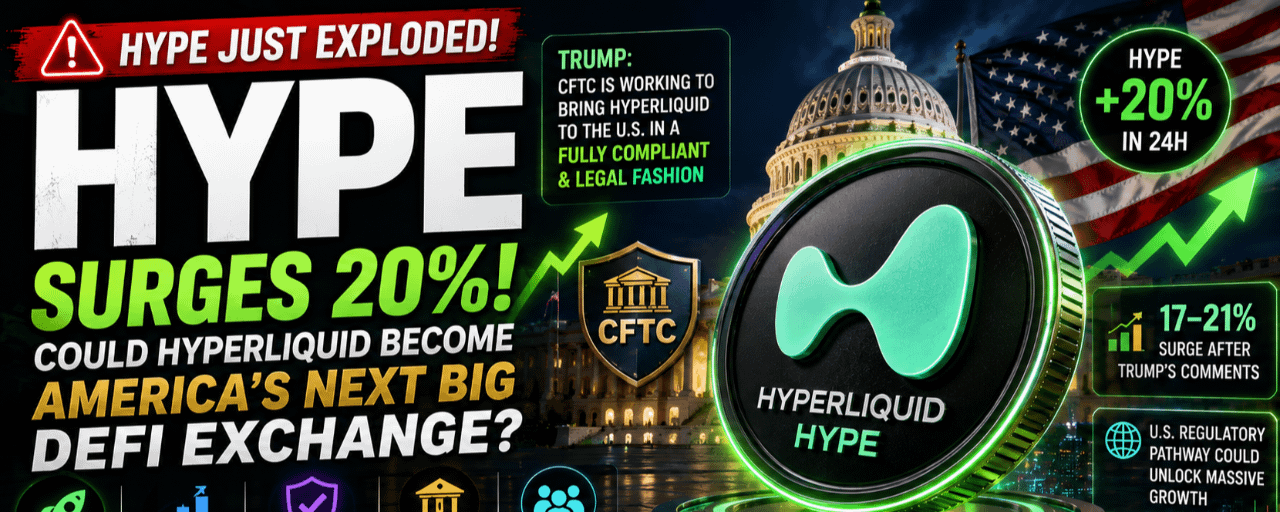
HYPE 突然大爆發 20%——Hyperliquid 能成為美國下一個大型 DeFi 交易所嗎?Hyperliquid 突然成為加密圈最大監管新聞之一的焦點。
在美國總統唐納・川普表示,CFTC 主席 Michael Selig 正在制定一條路徑,將 Hyperliquid 以完全合規且合法的方式引入美國之後,HYPE 急劇飆升。
市場立刻做出反應。
HYPE 在 24 小時內飆升超過 17%,同時其他與 Hyperliquid 相關的資產也大幅走強。
但真正關鍵的問題是:
HYPE 的反彈只是另一波加密貨幣的拉盤——還是說 Hyperliquid 真的可能成為美國主要的受監管衍生品平台?
HYPE 突然大爆發 20%——Hyperliquid 能成為美國下一個大型 DeFi 交易所嗎?
Hyperliquid 突然成為加密圈最大監管新聞之一的焦點。
在美國總統唐納・川普表示,CFTC 主席 Michael Selig 正在制定一條路徑,將 Hyperliquid 以完全合規且合法的方式引入美國之後,HYPE 急劇飆升。
市場立刻做出反應。
HYPE 在 24 小時內飆升超過 17%,同時其他與 Hyperliquid 相關的資產也大幅走強。
但真正關鍵的問題是:
HYPE 的反彈只是另一波加密貨幣的拉盤——還是說 Hyperliquid 真的可能成為美國主要的受監管衍生品平台?
在美國總統唐納・川普表示,CFTC 主席 Michael Selig 正在制定一條路徑,將 Hyperliquid 以完全合規且合法的方式引入美國之後,HYPE 急劇飆升。
市場立刻做出反應。
HYPE 在 24 小時內飆升超過 17%,同時其他與 Hyperliquid 相關的資產也大幅走強。
但真正關鍵的問題是:
HYPE 的反彈只是另一波加密貨幣的拉盤——還是說 Hyperliquid 真的可能成為美國主要的受監管衍生品平台?
1
143
文章
查看翻譯
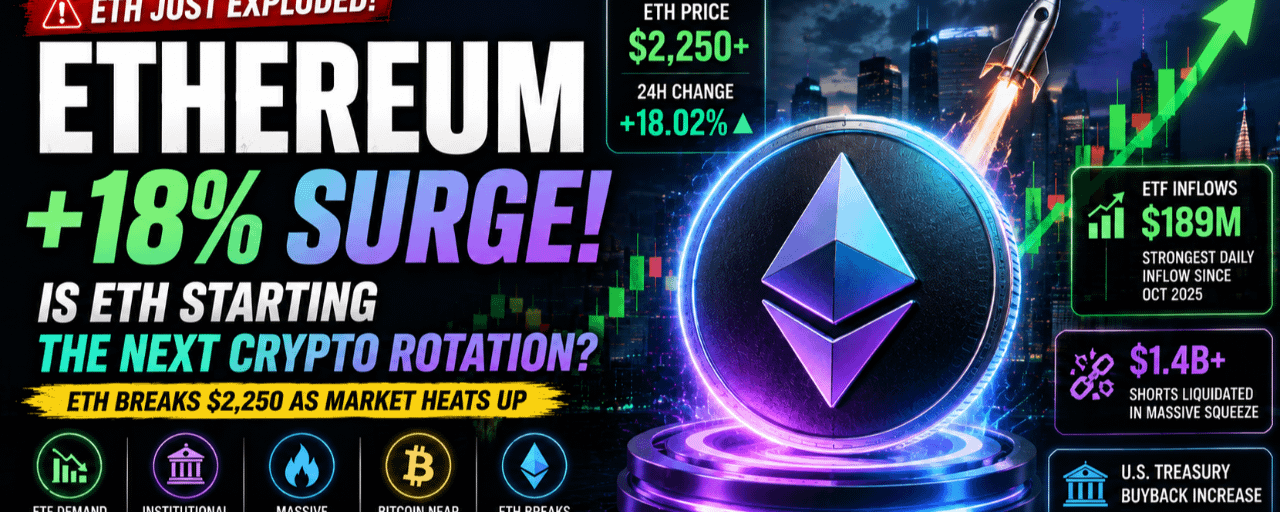
Ethereum Just Exploded 18% — Is ETH Starting the Next Crypto Rotation?Ethereum is moving again. And this time, the market has a lot more to talk about than just a green candle.
ETH surged roughly 18%, breaking above the $2,000 level and reaching around $2,250 as the broader crypto market entered a powerful rally. Bitcoin also pushed toward $69,000, while nearly $1.4 billion in crypto short positions were wiped out.
But here's the question:
Is this simply a massive short squeeze—or is Ethereum finally starting a much bigger trend reversal?
🔥 ETH Suddenly Became the Market's Center of Attention
For weeks, Ethereum had been struggling to generate convincing upside momentum.
That changed dramatically this week.
ETH broke through the psychologically important $2,000 level, then accelerated higher as leveraged short positions were forced to close.
The move was significant enough to make Ethereum one of the strongest performers among major cryptocurrencies during the rally.
The interesting part is that ETH wasn't moving alone.
Bitcoin was also pushing higher, meaning this wasn't simply an isolated Ethereum pump.
The broader market was repricing risk.
🏦 Institutional Money Is Back in the Conversation
One of the strongest pieces of the current ETH story is ETF demand.
U.S. spot Ether ETFs recorded approximately $189 million of net inflows on August 19, their strongest daily inflow since October 2025.
That matters because the rally isn't being supported only by leveraged traders.
There is also evidence of spot institutional demand returning.
And that creates a much more interesting setup.
If ETF inflows continue while ETH remains above $2,000, the market could start treating the recent rally as something more than a temporary short squeeze.
💥 But the Short Squeeze Cannot Be Ignored
This is where traders need to be careful.
A huge portion of the move came from forced buying.
When ETH started moving higher, traders positioned for a decline were forced to close their short positions.
That creates additional buying pressure.
Then the higher price triggers more liquidations.
And the cycle can accelerate:
Price rises → shorts liquidate → forced buying → price rises further → more shorts liquidate.
This is one reason ETH's move was so explosive.
Recent reports put total crypto short liquidations at well over $1 billion, with overall liquidations approaching $1.4 billion during the broader rally.
So the key question now is:
What happens after the forced buying disappears?
💰 The Macro Catalyst Is Also Important
Another major piece of the puzzle is the U.S. Treasury.
The Treasury announced an increase in its longer-term government bond buybacks from roughly $2 billion to $4 billion, a move that helped ease pressure in the long-duration Treasury market.
Falling long-term yields and improved liquidity conditions can make risk assets more attractive.
And crypto is one of the markets that tends to react strongly when liquidity expectations change.
So the current ETH rally has several ingredients:
🏦 ETF inflows
💰 Better liquidity expectations
📉 Lower Treasury yields
💥 Short liquidations
📈 Bitcoin strength
🔥 Ethereum breakout
That's a much stronger combination than a random altcoin pump.
⚔️ ETH vs BTC: Could the Rotation Finally Begin?
This is probably the biggest question for crypto traders right now.
Bitcoin remains the market leader.
But Ethereum is showing something different:
higher beta.
When the market turns risk-on, ETH can move substantially faster than BTC.
And that's exactly what we're seeing.
Bitcoin moved above $69,000, while ETH posted a much larger percentage move.
If this continues, capital could gradually rotate from:
BTC → ETH → larger altcoins → higher-risk assets.
That would be a classic crypto-market rotation.
But we're not there yet.
🧠 The $2,000 Level Could Become Extremely Important
ETH's move above $2,000 is psychologically significant.
Before the breakout, $2,000 represented a major resistance zone.
Now traders will want to know whether it can become support.
That's the difference between:
a breakout
and
a breakout that fails.
If ETH pulls back and buyers defend the $2,000 region, the recent move could gain much more credibility.
But if ETH quickly falls back below the breakout area, the market may conclude that the move was primarily driven by leverage and liquidations.
📊 What Would Confirm a Real ETH Trend Reversal?
For me, there are several things to watch.
1️⃣ ETF inflows
If the $189M inflow is followed by additional strong inflows, institutional demand becomes much more convincing.
2️⃣ ETH holds above $2,000
This would show that buyers are willing to defend the breakout.
3️⃣ Volume remains strong
A rally supported by sustained spot volume is healthier than one driven primarily by derivatives.
4️⃣ ETH/BTC strengthens
If Ethereum starts outperforming Bitcoin consistently, that could be an early sign of broader altcoin rotation.
5️⃣ Liquidations cool down
Ironically, this is important.
If ETH can continue rising after the short squeeze fades, the rally becomes more credible.
⚠️ The Biggest Risk: This Could Still Be a Short-Squeeze Top
There's a reason not to become overly bullish too quickly.
A rapid 18% move creates a lot of profit-taking pressure.
Some traders who bought lower will naturally take profits.
Meanwhile, traders who missed the initial move may chase the rally.
That can create extremely volatile price action.
So the next few sessions could be more important than the initial breakout.
A strong rally is exciting.
A strong rally that survives its first pullback is much more meaningful.
🌐 Ethereum's Bigger Fundamental Story
There is also a longer-term reason investors continue watching ETH.
Ethereum remains a major infrastructure layer for:
StablecoinsDeFiTokenized assetsLayer-2 networksInstitutional blockchain applications
The long-term ETH thesis therefore isn't based only on price speculation.
The bigger question is whether increasing blockchain activity eventually translates into sustainable economic value for ETH.
That connection still needs to be proven.
But if institutional capital continues entering Ethereum products while network activity expands, the long-term setup becomes increasingly interesting.
🚀 So, Is Ethereum Starting the Next Crypto Rotation?
Maybe—but the market needs confirmation.
The current move has several bullish ingredients:
ETH +18%
$2,000 reclaimed
$189M Ether ETF inflow
Bitcoin near $69K
Massive short liquidations
Improved liquidity expectations
That's an impressive combination.
But the next stage is harder.
Ethereum now has to prove that buyers remain interested after the short squeeze ends.
If ETH holds its breakout and ETF demand remains strong, we could be looking at the early stages of a broader BTC → ETH → altcoin rotation.
If the price quickly loses its breakout level, however, the market may decide that leverage—not fundamental demand—was responsible for most of the move.
👀 My Take
I'm less interested in the fact that ETH just jumped 18%.
I'm more interested in what happens next.
If ETH can consolidate above $2,000, maintain strong ETF inflows and continue outperforming BTC, the current rally could start looking much more structural.
But if ETF demand fades and ETH falls back below its breakout zone, caution becomes necessary.
The short squeeze started the move.
Institutional demand could determine whether it continues.
And that's the real Ethereum story right now. 👀
💬 What Do YOU Think?
ETH just exploded 18% — what's next?
🟢 ETH leads the next crypto rotation 🚀
🔵 BTC remains the king
🔴 This is mostly a short squeeze
🟡 Too early to tell
👇 Vote and tell me your reason.
#Ethereum #ETH #Bitcoin #BTC #Crypto #EthereumETF #Altcoins #DeFi #CryptoMarket #CryptoNews #BinanceSquare
Ethereum Just Exploded 18% — Is ETH Starting the Next Crypto Rotation?
Ethereum is moving again. And this time, the market has a lot more to talk about than just a green candle.
ETH surged roughly 18%, breaking above the $2,000 level and reaching around $2,250 as the broader crypto market entered a powerful rally. Bitcoin also pushed toward $69,000, while nearly $1.4 billion in crypto short positions were wiped out.
But here's the question:
Is this simply a massive short squeeze—or is Ethereum finally starting a much bigger trend reversal?
🔥 ETH Suddenly Became the Market's Center of Attention
For weeks, Ethereum had been struggling to generate convincing upside momentum.
That changed dramatically this week.
ETH broke through the psychologically important $2,000 level, then accelerated higher as leveraged short positions were forced to close.
The move was significant enough to make Ethereum one of the strongest performers among major cryptocurrencies during the rally.
The interesting part is that ETH wasn't moving alone.
Bitcoin was also pushing higher, meaning this wasn't simply an isolated Ethereum pump.
The broader market was repricing risk.
🏦 Institutional Money Is Back in the Conversation
One of the strongest pieces of the current ETH story is ETF demand.
U.S. spot Ether ETFs recorded approximately $189 million of net inflows on August 19, their strongest daily inflow since October 2025.
That matters because the rally isn't being supported only by leveraged traders.
There is also evidence of spot institutional demand returning.
And that creates a much more interesting setup.
If ETF inflows continue while ETH remains above $2,000, the market could start treating the recent rally as something more than a temporary short squeeze.
💥 But the Short Squeeze Cannot Be Ignored
This is where traders need to be careful.
A huge portion of the move came from forced buying.
When ETH started moving higher, traders positioned for a decline were forced to close their short positions.
That creates additional buying pressure.
Then the higher price triggers more liquidations.
And the cycle can accelerate:
Price rises → shorts liquidate → forced buying → price rises further → more shorts liquidate.
This is one reason ETH's move was so explosive.
Recent reports put total crypto short liquidations at well over $1 billion, with overall liquidations approaching $1.4 billion during the broader rally.
So the key question now is:
What happens after the forced buying disappears?
💰 The Macro Catalyst Is Also Important
Another major piece of the puzzle is the U.S. Treasury.
The Treasury announced an increase in its longer-term government bond buybacks from roughly $2 billion to $4 billion, a move that helped ease pressure in the long-duration Treasury market.
Falling long-term yields and improved liquidity conditions can make risk assets more attractive.
And crypto is one of the markets that tends to react strongly when liquidity expectations change.
So the current ETH rally has several ingredients:
🏦 ETF inflows
💰 Better liquidity expectations
📉 Lower Treasury yields
💥 Short liquidations
📈 Bitcoin strength
🔥 Ethereum breakout
That's a much stronger combination than a random altcoin pump.
⚔️ ETH vs BTC: Could the Rotation Finally Begin?
This is probably the biggest question for crypto traders right now.
Bitcoin remains the market leader.
But Ethereum is showing something different:
higher beta.
When the market turns risk-on, ETH can move substantially faster than BTC.
And that's exactly what we're seeing.
Bitcoin moved above $69,000, while ETH posted a much larger percentage move.
If this continues, capital could gradually rotate from:
BTC → ETH → larger altcoins → higher-risk assets.
That would be a classic crypto-market rotation.
But we're not there yet.
🧠 The $2,000 Level Could Become Extremely Important
ETH's move above $2,000 is psychologically significant.
Before the breakout, $2,000 represented a major resistance zone.
Now traders will want to know whether it can become support.
That's the difference between:
a breakout
and
a breakout that fails.
If ETH pulls back and buyers defend the $2,000 region, the recent move could gain much more credibility.
But if ETH quickly falls back below the breakout area, the market may conclude that the move was primarily driven by leverage and liquidations.
📊 What Would Confirm a Real ETH Trend Reversal?
For me, there are several things to watch.
1️⃣ ETF inflows
If the $189M inflow is followed by additional strong inflows, institutional demand becomes much more convincing.
2️⃣ ETH holds above $2,000
This would show that buyers are willing to defend the breakout.
3️⃣ Volume remains strong
A rally supported by sustained spot volume is healthier than one driven primarily by derivatives.
4️⃣ ETH/BTC strengthens
If Ethereum starts outperforming Bitcoin consistently, that could be an early sign of broader altcoin rotation.
5️⃣ Liquidations cool down
Ironically, this is important.
If ETH can continue rising after the short squeeze fades, the rally becomes more credible.
⚠️ The Biggest Risk: This Could Still Be a Short-Squeeze Top
There's a reason not to become overly bullish too quickly.
A rapid 18% move creates a lot of profit-taking pressure.
Some traders who bought lower will naturally take profits.
Meanwhile, traders who missed the initial move may chase the rally.
That can create extremely volatile price action.
So the next few sessions could be more important than the initial breakout.
A strong rally is exciting.
A strong rally that survives its first pullback is much more meaningful.
🌐 Ethereum's Bigger Fundamental Story
There is also a longer-term reason investors continue watching ETH.
Ethereum remains a major infrastructure layer for:
StablecoinsDeFiTokenized assetsLayer-2 networksInstitutional blockchain applications
The long-term ETH thesis therefore isn't based only on price speculation.
The bigger question is whether increasing blockchain activity eventually translates into sustainable economic value for ETH.
That connection still needs to be proven.
But if institutional capital continues entering Ethereum products while network activity expands, the long-term setup becomes increasingly interesting.
🚀 So, Is Ethereum Starting the Next Crypto Rotation?
Maybe—but the market needs confirmation.
The current move has several bullish ingredients:
ETH +18%
$2,000 reclaimed
$189M Ether ETF inflow
Bitcoin near $69K
Massive short liquidations
Improved liquidity expectations
That's an impressive combination.
But the next stage is harder.
Ethereum now has to prove that buyers remain interested after the short squeeze ends.
If ETH holds its breakout and ETF demand remains strong, we could be looking at the early stages of a broader BTC → ETH → altcoin rotation.
If the price quickly loses its breakout level, however, the market may decide that leverage—not fundamental demand—was responsible for most of the move.
👀 My Take
I'm less interested in the fact that ETH just jumped 18%.
I'm more interested in what happens next.
If ETH can consolidate above $2,000, maintain strong ETF inflows and continue outperforming BTC, the current rally could start looking much more structural.
But if ETF demand fades and ETH falls back below its breakout zone, caution becomes necessary.
The short squeeze started the move.
Institutional demand could determine whether it continues.
And that's the real Ethereum story right now. 👀
💬 What Do YOU Think?
ETH just exploded 18% — what's next?
🟢 ETH leads the next crypto rotation 🚀
🔵 BTC remains the king
🔴 This is mostly a short squeeze
🟡 Too early to tell
👇 Vote and tell me your reason.
#Ethereum #ETH #Bitcoin #BTC #Crypto #EthereumETF #Altcoins #DeFi #CryptoMarket #CryptoNews #BinanceSquare
ETH surged roughly 18%, breaking above the $2,000 level and reaching around $2,250 as the broader crypto market entered a powerful rally. Bitcoin also pushed toward $69,000, while nearly $1.4 billion in crypto short positions were wiped out.
But here's the question:
Is this simply a massive short squeeze—or is Ethereum finally starting a much bigger trend reversal?
🔥 ETH Suddenly Became the Market's Center of Attention
For weeks, Ethereum had been struggling to generate convincing upside momentum.
That changed dramatically this week.
ETH broke through the psychologically important $2,000 level, then accelerated higher as leveraged short positions were forced to close.
The move was significant enough to make Ethereum one of the strongest performers among major cryptocurrencies during the rally.
The interesting part is that ETH wasn't moving alone.
Bitcoin was also pushing higher, meaning this wasn't simply an isolated Ethereum pump.
The broader market was repricing risk.
🏦 Institutional Money Is Back in the Conversation
One of the strongest pieces of the current ETH story is ETF demand.
U.S. spot Ether ETFs recorded approximately $189 million of net inflows on August 19, their strongest daily inflow since October 2025.
That matters because the rally isn't being supported only by leveraged traders.
There is also evidence of spot institutional demand returning.
And that creates a much more interesting setup.
If ETF inflows continue while ETH remains above $2,000, the market could start treating the recent rally as something more than a temporary short squeeze.
💥 But the Short Squeeze Cannot Be Ignored
This is where traders need to be careful.
A huge portion of the move came from forced buying.
When ETH started moving higher, traders positioned for a decline were forced to close their short positions.
That creates additional buying pressure.
Then the higher price triggers more liquidations.
And the cycle can accelerate:
Price rises → shorts liquidate → forced buying → price rises further → more shorts liquidate.
This is one reason ETH's move was so explosive.
Recent reports put total crypto short liquidations at well over $1 billion, with overall liquidations approaching $1.4 billion during the broader rally.
So the key question now is:
What happens after the forced buying disappears?
💰 The Macro Catalyst Is Also Important
Another major piece of the puzzle is the U.S. Treasury.
The Treasury announced an increase in its longer-term government bond buybacks from roughly $2 billion to $4 billion, a move that helped ease pressure in the long-duration Treasury market.
Falling long-term yields and improved liquidity conditions can make risk assets more attractive.
And crypto is one of the markets that tends to react strongly when liquidity expectations change.
So the current ETH rally has several ingredients:
🏦 ETF inflows
💰 Better liquidity expectations
📉 Lower Treasury yields
💥 Short liquidations
📈 Bitcoin strength
🔥 Ethereum breakout
That's a much stronger combination than a random altcoin pump.
⚔️ ETH vs BTC: Could the Rotation Finally Begin?
This is probably the biggest question for crypto traders right now.
Bitcoin remains the market leader.
But Ethereum is showing something different:
higher beta.
When the market turns risk-on, ETH can move substantially faster than BTC.
And that's exactly what we're seeing.
Bitcoin moved above $69,000, while ETH posted a much larger percentage move.
If this continues, capital could gradually rotate from:
BTC → ETH → larger altcoins → higher-risk assets.
That would be a classic crypto-market rotation.
But we're not there yet.
🧠 The $2,000 Level Could Become Extremely Important
ETH's move above $2,000 is psychologically significant.
Before the breakout, $2,000 represented a major resistance zone.
Now traders will want to know whether it can become support.
That's the difference between:
a breakout
and
a breakout that fails.
If ETH pulls back and buyers defend the $2,000 region, the recent move could gain much more credibility.
But if ETH quickly falls back below the breakout area, the market may conclude that the move was primarily driven by leverage and liquidations.
📊 What Would Confirm a Real ETH Trend Reversal?
For me, there are several things to watch.
1️⃣ ETF inflows
If the $189M inflow is followed by additional strong inflows, institutional demand becomes much more convincing.
2️⃣ ETH holds above $2,000
This would show that buyers are willing to defend the breakout.
3️⃣ Volume remains strong
A rally supported by sustained spot volume is healthier than one driven primarily by derivatives.
4️⃣ ETH/BTC strengthens
If Ethereum starts outperforming Bitcoin consistently, that could be an early sign of broader altcoin rotation.
5️⃣ Liquidations cool down
Ironically, this is important.
If ETH can continue rising after the short squeeze fades, the rally becomes more credible.
⚠️ The Biggest Risk: This Could Still Be a Short-Squeeze Top
There's a reason not to become overly bullish too quickly.
A rapid 18% move creates a lot of profit-taking pressure.
Some traders who bought lower will naturally take profits.
Meanwhile, traders who missed the initial move may chase the rally.
That can create extremely volatile price action.
So the next few sessions could be more important than the initial breakout.
A strong rally is exciting.
A strong rally that survives its first pullback is much more meaningful.
🌐 Ethereum's Bigger Fundamental Story
There is also a longer-term reason investors continue watching ETH.
Ethereum remains a major infrastructure layer for:
StablecoinsDeFiTokenized assetsLayer-2 networksInstitutional blockchain applications
The long-term ETH thesis therefore isn't based only on price speculation.
The bigger question is whether increasing blockchain activity eventually translates into sustainable economic value for ETH.
That connection still needs to be proven.
But if institutional capital continues entering Ethereum products while network activity expands, the long-term setup becomes increasingly interesting.
🚀 So, Is Ethereum Starting the Next Crypto Rotation?
Maybe—but the market needs confirmation.
The current move has several bullish ingredients:
ETH +18%
$2,000 reclaimed
$189M Ether ETF inflow
Bitcoin near $69K
Massive short liquidations
Improved liquidity expectations
That's an impressive combination.
But the next stage is harder.
Ethereum now has to prove that buyers remain interested after the short squeeze ends.
If ETH holds its breakout and ETF demand remains strong, we could be looking at the early stages of a broader BTC → ETH → altcoin rotation.
If the price quickly loses its breakout level, however, the market may decide that leverage—not fundamental demand—was responsible for most of the move.
👀 My Take
I'm less interested in the fact that ETH just jumped 18%.
I'm more interested in what happens next.
If ETH can consolidate above $2,000, maintain strong ETF inflows and continue outperforming BTC, the current rally could start looking much more structural.
But if ETF demand fades and ETH falls back below its breakout zone, caution becomes necessary.
The short squeeze started the move.
Institutional demand could determine whether it continues.
And that's the real Ethereum story right now. 👀
💬 What Do YOU Think?
ETH just exploded 18% — what's next?
🟢 ETH leads the next crypto rotation 🚀
🔵 BTC remains the king
🔴 This is mostly a short squeeze
🟡 Too early to tell
👇 Vote and tell me your reason.
#Ethereum #ETH #Bitcoin #BTC #Crypto #EthereumETF #Altcoins #DeFi #CryptoMarket #CryptoNews #BinanceSquare
86
文章
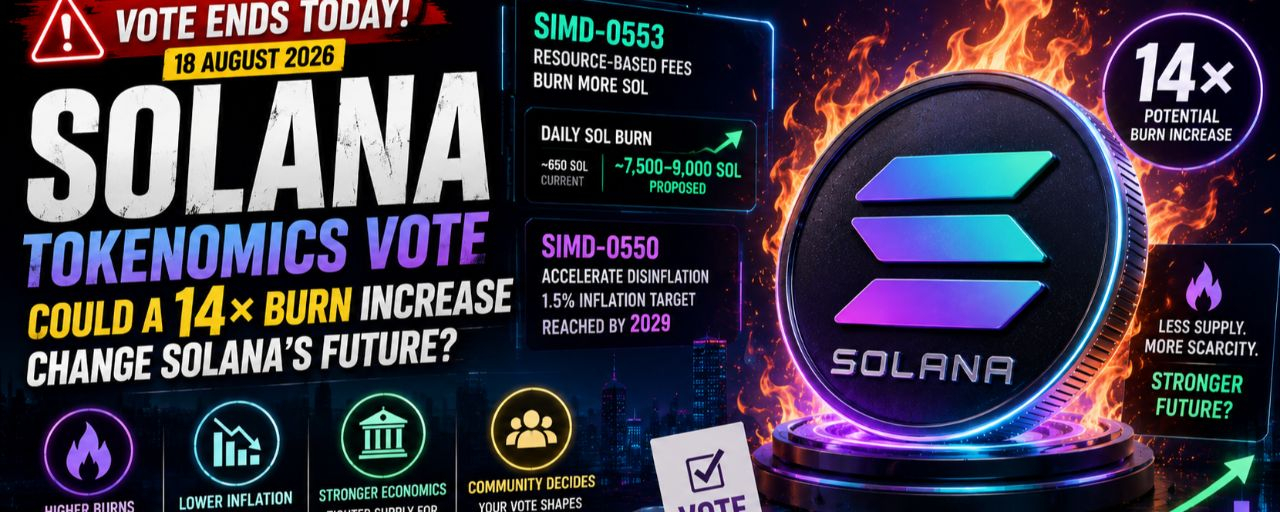
SOL 今日面臨重大代幣經濟學投票——14× 的銷燬增幅能否讓 Solana 永遠改變?Solana 正接近一個可能至關重要的轉折點。
今天 8 月 18 日,針對旨在改變 SOL 供應經濟學的提案的治理窗口即將關閉。
其中一個提案可能會通過交易費用大幅增加被銷燬的 SOL 數量,另一個提案則會加速網絡在長期內減少新 SOL 發行的進程。
乍一看,這聽起來非常看漲。
但有個問題:
更多的銷燬並不自動意味着 SOL 會在一夜之間變成通縮。
這也是真正故事開始的地方。
SOL 今日面臨重大代幣經濟學投票——14× 的銷燬增幅能否讓 Solana 永遠改變?
Solana 正接近一個可能至關重要的轉折點。
今天 8 月 18 日,針對旨在改變 SOL 供應經濟學的提案的治理窗口即將關閉。
其中一個提案可能會通過交易費用大幅增加被銷燬的 SOL 數量,另一個提案則會加速網絡在長期內減少新 SOL 發行的進程。
乍一看,這聽起來非常看漲。
但有個問題:
更多的銷燬並不自動意味着 SOL 會在一夜之間變成通縮。
這也是真正故事開始的地方。
今天 8 月 18 日,針對旨在改變 SOL 供應經濟學的提案的治理窗口即將關閉。
其中一個提案可能會通過交易費用大幅增加被銷燬的 SOL 數量,另一個提案則會加速網絡在長期內減少新 SOL 發行的進程。
乍一看,這聽起來非常看漲。
但有個問題:
更多的銷燬並不自動意味着 SOL 會在一夜之間變成通縮。
這也是真正故事開始的地方。
54
加密貨幣產業正在超越「交易」而演進。
使用者正轉向更廣泛的市場,使用穩定幣作為金融基礎設施,並且日益將加密貨幣用於日常生活。
當創新能讓人們以實用、安全且有意義的方式,取得機會時,它就最為重要。
加密貨幣產業正在超越「交易」而演進。
使用者正轉向更廣泛的市場,使用穩定幣作為金融基礎設施,並且日益將加密貨幣用於日常生活。
當創新能讓人們以實用、安全且有意義的方式,取得機會時,它就最為重要。
使用者正轉向更廣泛的市場,使用穩定幣作為金融基礎設施,並且日益將加密貨幣用於日常生活。
當創新能讓人們以實用、安全且有意義的方式,取得機會時,它就最為重要。
42
🚨 熱度正在轉移……但真正的故事可能是 RWA 👀
比特幣仍徘徊在 63K–64K 美元區間附近,但本週 Hyperliquid(HYPE)正在獲得新的關注。
我覺得有意思的是這部分:
🏦 RWA 相關活動在 2026 年上半年吸引了 169K 個錢包
📊 與 RWA 相關的活動佔新進入 Hyperliquid 用戶的 31.7%
🔥 在 BTC 仍然盤整的情況下,HYPE 展現出更強的動能。
所以問題不只是:
“HYPE 能不能拉昇?”
而是:
“現實世界資產(RWA)會不會成爲 Hyperliquid 下一個重大發展引擎?” 👀
🟢 是的——RWA 可能會非常巨大
🔴 競爭太激烈
🟡 還太早
你怎麼看?👇
#HYPE #Hyperliquid #RWA #Crypto #Altcoins #DeFi #Bitcoin #CryptoMarket #BinanceSquare
🚨 熱度正在轉移……但真正的故事可能是 RWA 👀
比特幣仍徘徊在 63K–64K 美元區間附近,但本週 Hyperliquid(HYPE)正在獲得新的關注。
我覺得有意思的是這部分:
🏦 RWA 相關活動在 2026 年上半年吸引了 169K 個錢包
📊 與 RWA 相關的活動佔新進入 Hyperliquid 用戶的 31.7%
🔥 在 BTC 仍然盤整的情況下,HYPE 展現出更強的動能。
所以問題不只是:
“HYPE 能不能拉昇?”
而是:
“現實世界資產(RWA)會不會成爲 Hyperliquid 下一個重大發展引擎?” 👀
🟢 是的——RWA 可能會非常巨大
🔴 競爭太激烈
🟡 還太早
你怎麼看?👇
#HYPE #Hyperliquid #RWA #Crypto #Altcoins #DeFi #Bitcoin #CryptoMarket #BinanceSquare
比特幣仍徘徊在 63K–64K 美元區間附近,但本週 Hyperliquid(HYPE)正在獲得新的關注。
我覺得有意思的是這部分:
🏦 RWA 相關活動在 2026 年上半年吸引了 169K 個錢包
📊 與 RWA 相關的活動佔新進入 Hyperliquid 用戶的 31.7%
🔥 在 BTC 仍然盤整的情況下,HYPE 展現出更強的動能。
所以問題不只是:
“HYPE 能不能拉昇?”
而是:
“現實世界資產(RWA)會不會成爲 Hyperliquid 下一個重大發展引擎?” 👀
🟢 是的——RWA 可能會非常巨大
🔴 競爭太激烈
🟡 還太早
你怎麼看?👇
#HYPE #Hyperliquid #RWA #Crypto #Altcoins #DeFi #Bitcoin #CryptoMarket #BinanceSquare
131
文章
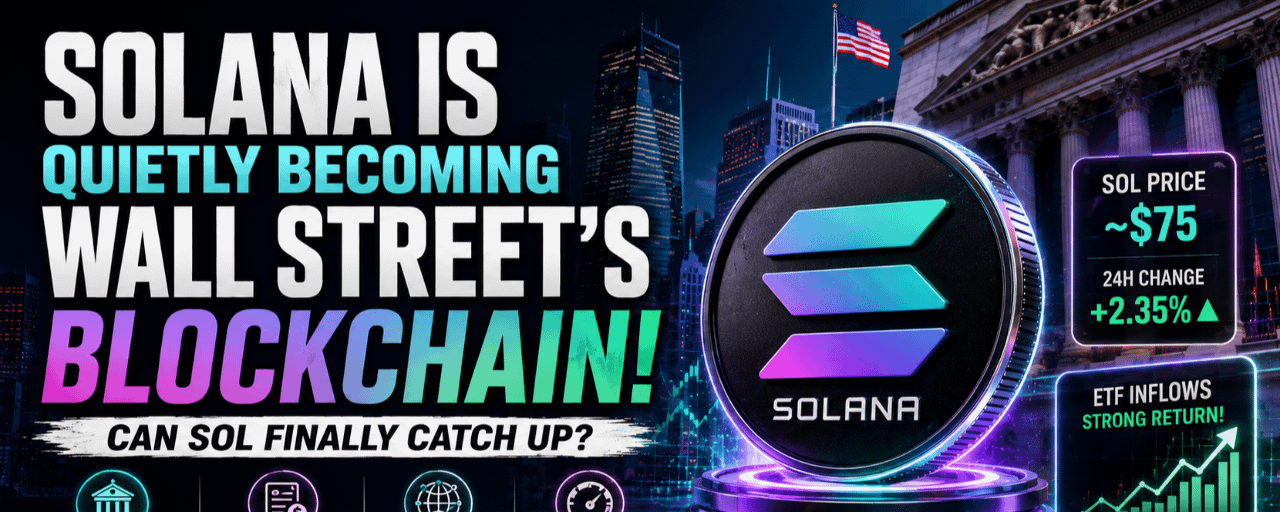
Solana正在悄然成爲華爾街的區塊鏈——SOL最終能追上嗎?索拉納的價格目前並沒有出現爆炸式的波動。
但在價格走勢圖之下,可能正在發生一些更有意思的事情。
機構資金正在迴流。
代幣化的現實世界資產正在擴張。
而Solana也在繼續升級其基礎設施。
這引出了一個重要問題:
當網絡默默打造加密領域最強的機構敘事之一時,SOL是不是被忽視了?
🏦 ETF需求正在迴歸
吸引交易者注意力的最大信號之一,是對Solana投資產品的需求重新增長。
Solana正在悄然成爲華爾街的區塊鏈——SOL最終能追上嗎?
索拉納的價格目前並沒有出現爆炸式的波動。
但在價格走勢圖之下,可能正在發生一些更有意思的事情。
機構資金正在迴流。
代幣化的現實世界資產正在擴張。
而Solana也在繼續升級其基礎設施。
這引出了一個重要問題:
當網絡默默打造加密領域最強的機構敘事之一時,SOL是不是被忽視了?
🏦 ETF需求正在迴歸
吸引交易者注意力的最大信號之一,是對Solana投資產品的需求重新增長。
但在價格走勢圖之下,可能正在發生一些更有意思的事情。
機構資金正在迴流。
代幣化的現實世界資產正在擴張。
而Solana也在繼續升級其基礎設施。
這引出了一個重要問題:
當網絡默默打造加密領域最強的機構敘事之一時,SOL是不是被忽視了?
🏦 ETF需求正在迴歸
吸引交易者注意力的最大信號之一,是對Solana投資產品的需求重新增長。
82
🚨 比特幣很安靜……但 SOL 正在引起關注 👀
BTC 仍在約 $63K 區間附近掙扎。
與此同時,Solana 因領跑每週加密貨幣 ETF 資金流入而脫穎而出。🏦🔥
這引發了一個有趣的問題:
如果下一輪山寨幣輪動開始,SOL 能否跑贏比特幣?
🟢 SOL 領跑下一步 🚀
🔴 BTC 仍佔主導 📈
🟡 山寨幣需要更多確認
🔵 市場仍在橫盤
你更看好哪一個?👇
#Solana #SOL #Bitcoin #BTC #Crypto #Altcoins #CryptoMarket #BinanceSquare
🚨 比特幣很安靜……但 SOL 正在引起關注 👀
BTC 仍在約 $63K 區間附近掙扎。
與此同時,Solana 因領跑每週加密貨幣 ETF 資金流入而脫穎而出。🏦🔥
這引發了一個有趣的問題:
如果下一輪山寨幣輪動開始,SOL 能否跑贏比特幣?
🟢 SOL 領跑下一步 🚀
🔴 BTC 仍佔主導 📈
🟡 山寨幣需要更多確認
🔵 市場仍在橫盤
你更看好哪一個?👇
#Solana #SOL #Bitcoin #BTC #Crypto #Altcoins #CryptoMarket #BinanceSquare
BTC 仍在約 $63K 區間附近掙扎。
與此同時,Solana 因領跑每週加密貨幣 ETF 資金流入而脫穎而出。🏦🔥
這引發了一個有趣的問題:
如果下一輪山寨幣輪動開始,SOL 能否跑贏比特幣?
🟢 SOL 領跑下一步 🚀
🔴 BTC 仍佔主導 📈
🟡 山寨幣需要更多確認
🔵 市場仍在橫盤
你更看好哪一個?👇
#Solana #SOL #Bitcoin #BTC #Crypto #Altcoins #CryptoMarket #BinanceSquare
69
文章
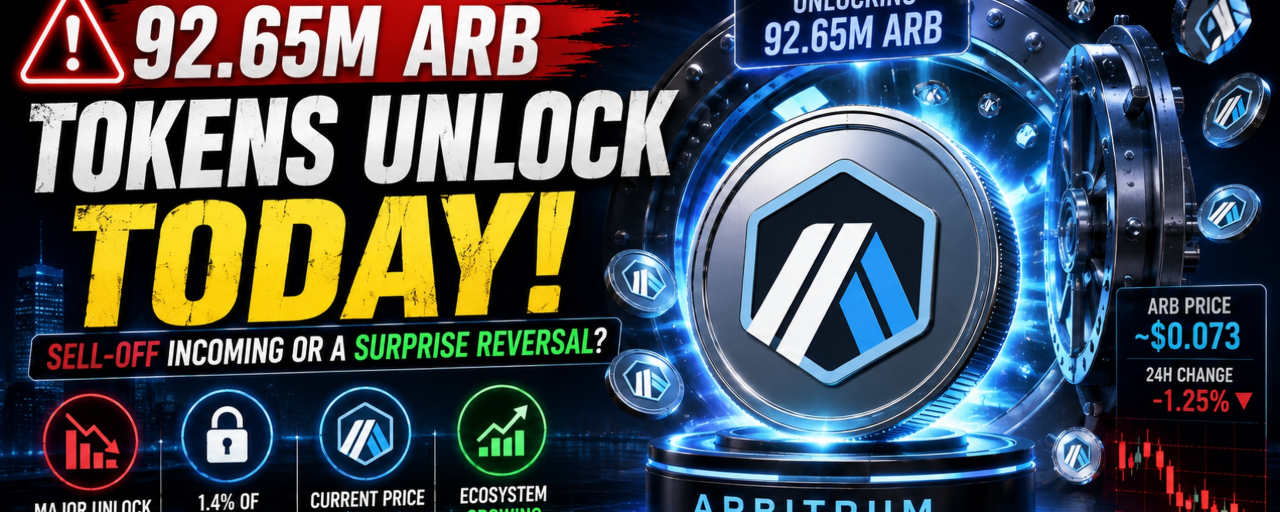
今天解鎖 9265 萬枚 ARB 代幣——拋售將至,還是 Arbitrum 終於接近反轉?Arbitrum 正面臨另一輪重大的供應測試。
據報道,大約有 9265 萬枚 ARB 代幣將於 8 月 16 日左右釋放,按當前價格摺合約 700 萬美元。這相當於流通供應量的約 1.4%,使得今天這一事件成爲 ARB 交易者短期內的關鍵催化劑之一。
但有意思的是:
ARB 目前已經在接近 0.07 美元附近交易——接近歷史上被壓低的水平。
所以問題並不只是解鎖是否偏空。
更大的問題是:
市場已經計入新的供應了嗎?
今天解鎖 9265 萬枚 ARB 代幣——拋售將至,還是 Arbitrum 終於接近反轉?
Arbitrum 正面臨另一輪重大的供應測試。
據報道,大約有 9265 萬枚 ARB 代幣將於 8 月 16 日左右釋放,按當前價格摺合約 700 萬美元。這相當於流通供應量的約 1.4%,使得今天這一事件成爲 ARB 交易者短期內的關鍵催化劑之一。
但有意思的是:
ARB 目前已經在接近 0.07 美元附近交易——接近歷史上被壓低的水平。
所以問題並不只是解鎖是否偏空。
更大的問題是:
市場已經計入新的供應了嗎?
據報道,大約有 9265 萬枚 ARB 代幣將於 8 月 16 日左右釋放,按當前價格摺合約 700 萬美元。這相當於流通供應量的約 1.4%,使得今天這一事件成爲 ARB 交易者短期內的關鍵催化劑之一。
但有意思的是:
ARB 目前已經在接近 0.07 美元附近交易——接近歷史上被壓低的水平。
所以問題並不只是解鎖是否偏空。
更大的問題是:
市場已經計入新的供應了嗎?
130
🚨 比特幣並不是因爲通脹在下跌……那到底是什麼拖住了 BTC?👀
儘管美國通脹數據偏弱,BTC 仍在約 63,000 美元附近徘徊。
現在有兩件事正吸引交易者的注意力:
📉 ETF 需求走弱
🏛️ SEC 加密規則會議取消
市場已經得到了它想要的宏觀利好——但比特幣仍無法建立強勁的上行動能。
監管 + 弱勢的機構需求,是否正在成爲 BTC 更大的問題?
🟢 暫時走弱——突破即將到來 🚀
🔴 先迎來更多下跌 📉
🟡 BTC 仍維持區間震盪
你怎麼看?👇
#Bitcoin #BTC #Crypto #BitcoinETF #SEC #CryptoMarket #BinanceSquare
🚨 比特幣並不是因爲通脹在下跌……那到底是什麼拖住了 BTC?👀
儘管美國通脹數據偏弱,BTC 仍在約 63,000 美元附近徘徊。
現在有兩件事正吸引交易者的注意力:
📉 ETF 需求走弱
🏛️ SEC 加密規則會議取消
市場已經得到了它想要的宏觀利好——但比特幣仍無法建立強勁的上行動能。
監管 + 弱勢的機構需求,是否正在成爲 BTC 更大的問題?
🟢 暫時走弱——突破即將到來 🚀
🔴 先迎來更多下跌 📉
🟡 BTC 仍維持區間震盪
你怎麼看?👇
#Bitcoin #BTC #Crypto #BitcoinETF #SEC #CryptoMarket #BinanceSquare
儘管美國通脹數據偏弱,BTC 仍在約 63,000 美元附近徘徊。
現在有兩件事正吸引交易者的注意力:
📉 ETF 需求走弱
🏛️ SEC 加密規則會議取消
市場已經得到了它想要的宏觀利好——但比特幣仍無法建立強勁的上行動能。
監管 + 弱勢的機構需求,是否正在成爲 BTC 更大的問題?
🟢 暫時走弱——突破即將到來 🚀
🔴 先迎來更多下跌 📉
🟡 BTC 仍維持區間震盪
你怎麼看?👇
#Bitcoin #BTC #Crypto #BitcoinETF #SEC #CryptoMarket #BinanceSquare
71
文章
比特幣未能因良好的通脹數據而反彈——ETF資金外流纔是現在真正的問題嗎?比特幣獲得了宏觀催化劑。但市場依然選擇了拋售。
比特幣本週以一個明確的催化劑開局。
通脹數據相對友好。
美國7月CPI同比錄得3.4%,而生產者價格指數在7月保持不變,而不是像經濟學家預期的那樣上漲。這本應爲風險資產創造更有利的環境。
但比特幣並沒有給出多頭等待的突破。
相反,BTC已回落至約62.8K美元,抹去了上週大部分的反彈成果。
這也引出了一個更重要的問題:
比特幣未能因良好的通脹數據而反彈——ETF資金外流纔是現在真正的問題嗎?
比特幣獲得了宏觀催化劑。但市場依然選擇了拋售。
比特幣本週以一個明確的催化劑開局。
通脹數據相對友好。
美國7月CPI同比錄得3.4%,而生產者價格指數在7月保持不變,而不是像經濟學家預期的那樣上漲。這本應爲風險資產創造更有利的環境。
但比特幣並沒有給出多頭等待的突破。
相反,BTC已回落至約62.8K美元,抹去了上週大部分的反彈成果。
這也引出了一個更重要的問題:
比特幣本週以一個明確的催化劑開局。
通脹數據相對友好。
美國7月CPI同比錄得3.4%,而生產者價格指數在7月保持不變,而不是像經濟學家預期的那樣上漲。這本應爲風險資產創造更有利的環境。
但比特幣並沒有給出多頭等待的突破。
相反,BTC已回落至約62.8K美元,抹去了上週大部分的反彈成果。
這也引出了一個更重要的問題:
74
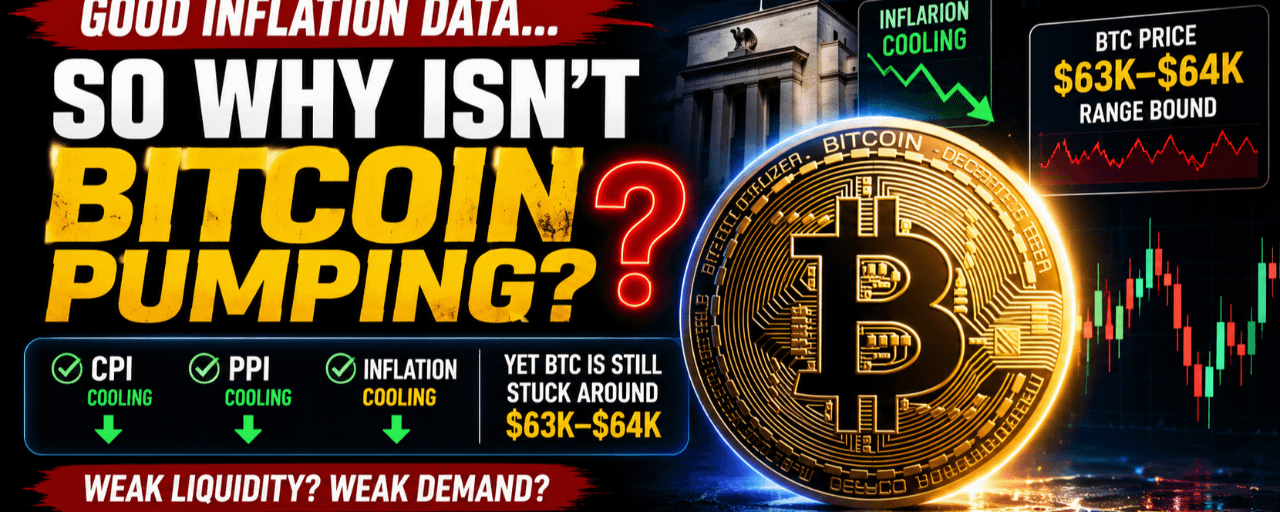
🚨 比特幣得到了良好的通脹數據……那爲什麼 BTC 沒有上漲?👀
CPI ✅
PPI ✅
通脹正在降溫 ✅
但比特幣仍在大約 6.3 萬–6.4 萬美元附近掙扎。
這纔是關鍵。
如果利好宏觀消息都推不動 BTC 更高,那更大的問題是否正在變成流動性和需求偏弱?📉
接下來的動作可能比當前價格更重要。
👇 你怎麼看?
🟢 突破即將到來 🚀
🔴 先來一波回落
🟡 繼續震盪
#Bitcoin #BTC #Crypto #CryptoMarket #BitcoinETF #Altcoins #BinanceSquare
🚨 比特幣得到了良好的通脹數據……那爲什麼 BTC 沒有上漲?👀
CPI ✅
PPI ✅
通脹正在降溫 ✅
但比特幣仍在大約 6.3 萬–6.4 萬美元附近掙扎。
這纔是關鍵。
如果利好宏觀消息都推不動 BTC 更高,那更大的問題是否正在變成流動性和需求偏弱?📉
接下來的動作可能比當前價格更重要。
👇 你怎麼看?
🟢 突破即將到來 🚀
🔴 先來一波回落
🟡 繼續震盪
#Bitcoin #BTC #Crypto #CryptoMarket #BitcoinETF #Altcoins #BinanceSquare
CPI ✅
PPI ✅
通脹正在降溫 ✅
但比特幣仍在大約 6.3 萬–6.4 萬美元附近掙扎。
這纔是關鍵。
如果利好宏觀消息都推不動 BTC 更高,那更大的問題是否正在變成流動性和需求偏弱?📉
接下來的動作可能比當前價格更重要。
👇 你怎麼看?
🟢 突破即將到來 🚀
🔴 先來一波回落
🟡 繼續震盪
#Bitcoin #BTC #Crypto #CryptoMarket #BitcoinETF #Altcoins #BinanceSquare
58

文章
Hyperliquid 想進入美國市場——這會是 HYPE 迄今爲止最大的催化劑嗎?加密領域增長最快的交易網絡之一,可能正在開啓新的篇章
Hyperliquid 最初是一家加密原生的永續期貨平臺。
現在它試圖解決一個更大的問題:
一個去中心化的衍生品平臺,如何在不失去其成功所依賴的優勢的情況下進入美國市場?
近期報道稱,Hyperliquid 正在與美國監管機構探討一條合規路徑,這可能使受監管的公司能夠向美國交易者提供其永續期貨。
如果這條路線取得成功,它可能會極大擴大 Hyperliquid 的可觸達市場。
Hyperliquid 想進入美國市場——這會是 HYPE 迄今爲止最大的催化劑嗎?
加密領域增長最快的交易網絡之一,可能正在開啓新的篇章
Hyperliquid 最初是一家加密原生的永續期貨平臺。
現在它試圖解決一個更大的問題:
一個去中心化的衍生品平臺,如何在不失去其成功所依賴的優勢的情況下進入美國市場?
近期報道稱,Hyperliquid 正在與美國監管機構探討一條合規路徑,這可能使受監管的公司能夠向美國交易者提供其永續期貨。
如果這條路線取得成功,它可能會極大擴大 Hyperliquid 的可觸達市場。
Hyperliquid 最初是一家加密原生的永續期貨平臺。
現在它試圖解決一個更大的問題:
一個去中心化的衍生品平臺,如何在不失去其成功所依賴的優勢的情況下進入美國市場?
近期報道稱,Hyperliquid 正在與美國監管機構探討一條合規路徑,這可能使受監管的公司能夠向美國交易者提供其永續期貨。
如果這條路線取得成功,它可能會極大擴大 Hyperliquid 的可觸達市場。
103
BTC 仍在約 $63K–$64K 區間內橫盤整理。
但今天有一條山寨幣敘事格外引人注目:
🔥 Hyperliquid(HYPE)
隨着市場對 Hyperliquid 進軍美國永續合約市場的推動關注度不斷升高,交易者正在觀察:在主流幣依然沉寂之際,HYPE 是否還能繼續跑贏。
當 BTC 處於整固階段時,HYPE 會成爲下一個值得關注的山寨幣嗎?👀
🟢 是——HYPE 纔剛剛開始
🔴 否——下一步由 BTC 主導
👇 你怎麼看?
#HYPE #Hyperliquid #Crypto #Altcoins #BTC #BinanceSquare
BTC 仍在約 $63K–$64K 區間內橫盤整理。
但今天有一條山寨幣敘事格外引人注目:
🔥 Hyperliquid(HYPE)
隨着市場對 Hyperliquid 進軍美國永續合約市場的推動關注度不斷升高,交易者正在觀察:在主流幣依然沉寂之際,HYPE 是否還能繼續跑贏。
當 BTC 處於整固階段時,HYPE 會成爲下一個值得關注的山寨幣嗎?👀
🟢 是——HYPE 纔剛剛開始
🔴 否——下一步由 BTC 主導
👇 你怎麼看?
#HYPE #Hyperliquid #Crypto #Altcoins #BTC #BinanceSquare
但今天有一條山寨幣敘事格外引人注目:
🔥 Hyperliquid(HYPE)
隨着市場對 Hyperliquid 進軍美國永續合約市場的推動關注度不斷升高,交易者正在觀察:在主流幣依然沉寂之際,HYPE 是否還能繼續跑贏。
當 BTC 處於整固階段時,HYPE 會成爲下一個值得關注的山寨幣嗎?👀
🟢 是——HYPE 纔剛剛開始
🔴 否——下一步由 BTC 主導
👇 你怎麼看?
#HYPE #Hyperliquid #Crypto #Altcoins #BTC #BinanceSquare
109
文章
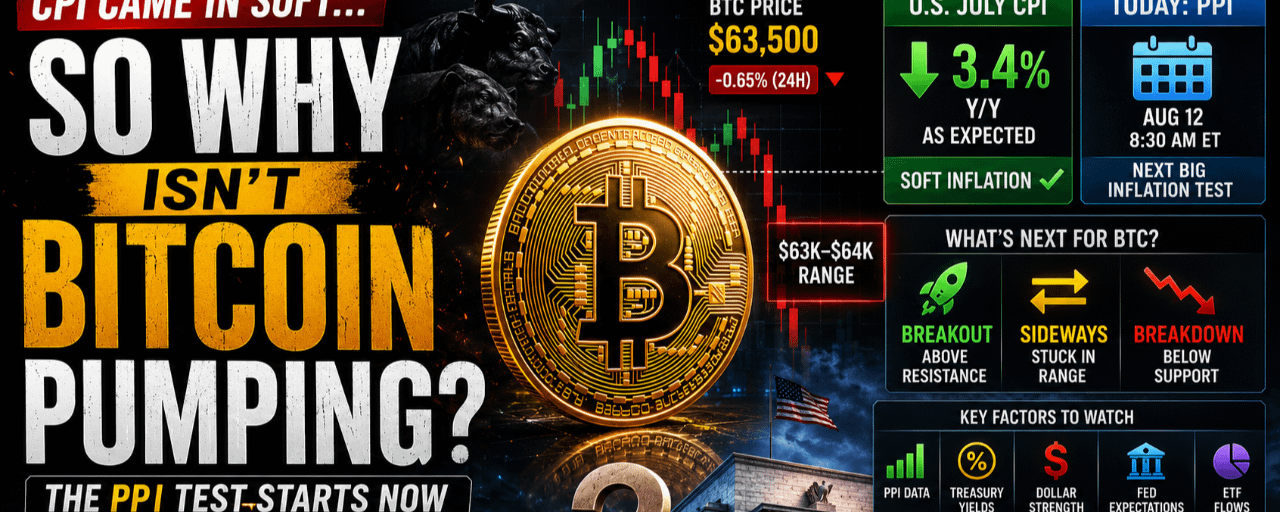
CPI數據偏軟——那爲什麼比特幣沒有大漲?PPI測試現在開始🚨 CPI數據偏軟——那爲什麼比特幣沒有大漲?
這份通脹報告是利好的。比特幣仍然沒有突破。以下是市場可能忽略的地方。
比特幣交易者一直在等待美國CPI報告,爲下一輪重大行情提供催化劑。
數字終於來了。
7月頭部CPI同比錄得3.4%,總體符合預期。
但在沒有出現大規模比特幣行情的情況下,BTC仍徘徊在63,000至64,000美元附近。
這種反應在告訴我們一些重要的事情:
僅憑一個更低的通脹數據,或許不再足以推動比特幣上漲。
CPI數據偏軟——那爲什麼比特幣沒有大漲?PPI測試現在開始
🚨 CPI數據偏軟——那爲什麼比特幣沒有大漲?
這份通脹報告是利好的。比特幣仍然沒有突破。以下是市場可能忽略的地方。
比特幣交易者一直在等待美國CPI報告,爲下一輪重大行情提供催化劑。
數字終於來了。
7月頭部CPI同比錄得3.4%,總體符合預期。
但在沒有出現大規模比特幣行情的情況下,BTC仍徘徊在63,000至64,000美元附近。
這種反應在告訴我們一些重要的事情:
僅憑一個更低的通脹數據,或許不再足以推動比特幣上漲。
這份通脹報告是利好的。比特幣仍然沒有突破。以下是市場可能忽略的地方。
比特幣交易者一直在等待美國CPI報告,爲下一輪重大行情提供催化劑。
數字終於來了。
7月頭部CPI同比錄得3.4%,總體符合預期。
但在沒有出現大規模比特幣行情的情況下,BTC仍徘徊在63,000至64,000美元附近。
這種反應在告訴我們一些重要的事情:
僅憑一個更低的通脹數據,或許不再足以推動比特幣上漲。
91
🚨 比特幣正在等待 CPI 觸發信號 👀
BTC 仍被困在約 63K 美元附近,交易者正等待今天美國的通脹數據。
有意思的是?
ETF 需求在提供支撐,但宏觀不確定性讓買家保持謹慎。
只要 CPI 出現意外,市場情緒可能會很快改變。 ⚡
今天 BTC 最終會突破盤整區間嗎?
🟢 看漲突破
🔴 跌破
🟡 更多橫盤走勢
#Bitcoin #BTC #CPI #CryptoMarket #BitcoinETF #BinanceSquare
🚨 比特幣正在等待 CPI 觸發信號 👀
BTC 仍被困在約 63K 美元附近,交易者正等待今天美國的通脹數據。
有意思的是?
ETF 需求在提供支撐,但宏觀不確定性讓買家保持謹慎。
只要 CPI 出現意外,市場情緒可能會很快改變。 ⚡
今天 BTC 最終會突破盤整區間嗎?
🟢 看漲突破
🔴 跌破
🟡 更多橫盤走勢
#Bitcoin #BTC #CPI #CryptoMarket #BitcoinETF #BinanceSquare
BTC 仍被困在約 63K 美元附近,交易者正等待今天美國的通脹數據。
有意思的是?
ETF 需求在提供支撐,但宏觀不確定性讓買家保持謹慎。
只要 CPI 出現意外,市場情緒可能會很快改變。 ⚡
今天 BTC 最終會突破盤整區間嗎?
🟢 看漲突破
🔴 跌破
🟡 更多橫盤走勢
#Bitcoin #BTC #CPI #CryptoMarket #BitcoinETF #BinanceSquare
64

文章
CPI 終於來了——比特幣能否突破其 62,000–66,000 美元的區間陷阱?🚨 CPI 終於來了——比特幣能否突破其 62,000–66,000 美元的區間陷阱?
比特幣正在等待本週最重大的宏觀催化劑之一
比特幣正進入一個關鍵的市場時段。
比特幣目前約在 63,000 美元附近交易,而更廣泛的市場正等待今天的美國7月CPI報告。
數據定於美東時間8月12日上午8:30發佈,經濟學家預計:headline通脹同比約3.4%,核心CPI約2.5%。 citeturn0search12turn0news4
這意味着,今天的CPI數據可能會成爲推動比特幣、以太坊以及更廣泛加密貨幣市場的重要催化劑。
CPI 終於來了——比特幣能否突破其 62,000–66,000 美元的區間陷阱?
🚨 CPI 終於來了——比特幣能否突破其 62,000–66,000 美元的區間陷阱?
比特幣正在等待本週最重大的宏觀催化劑之一
比特幣正進入一個關鍵的市場時段。
比特幣目前約在 63,000 美元附近交易,而更廣泛的市場正等待今天的美國7月CPI報告。
數據定於美東時間8月12日上午8:30發佈,經濟學家預計:headline通脹同比約3.4%,核心CPI約2.5%。 citeturn0search12turn0news4
這意味着,今天的CPI數據可能會成爲推動比特幣、以太坊以及更廣泛加密貨幣市場的重要催化劑。
比特幣正在等待本週最重大的宏觀催化劑之一
比特幣正進入一個關鍵的市場時段。
比特幣目前約在 63,000 美元附近交易,而更廣泛的市場正等待今天的美國7月CPI報告。
數據定於美東時間8月12日上午8:30發佈,經濟學家預計:headline通脹同比約3.4%,核心CPI約2.5%。 citeturn0search12turn0news4
這意味着,今天的CPI數據可能會成爲推動比特幣、以太坊以及更廣泛加密貨幣市場的重要催化劑。
79
🚨 比特幣在美國 CPI 之後會發生什麼?👀
🟢 BTC 噴發 🚀
🔴 BTC 暴跌 📉
🟡 盤整/沒有大行情
🔵 太難預測
字幕:
BTC 正在 64K 美元附近承壓,而交易者正等待 CPI 數據出爐。單一報告就可能迅速改變市場情緒。👀
你怎麼看?👇
#Bitcoin #BTC #CPI #Crypto #CryptoMarket #BinanceSquare
🚨 比特幣在美國 CPI 之後會發生什麼?👀
🟢 BTC 噴發 🚀
🔴 BTC 暴跌 📉
🟡 盤整/沒有大行情
🔵 太難預測
字幕:
BTC 正在 64K 美元附近承壓,而交易者正等待 CPI 數據出爐。單一報告就可能迅速改變市場情緒。👀
你怎麼看?👇
#Bitcoin #BTC #CPI #Crypto #CryptoMarket #BinanceSquare
🟢 BTC 噴發 🚀
🔴 BTC 暴跌 📉
🟡 盤整/沒有大行情
🔵 太難預測
字幕:
BTC 正在 64K 美元附近承壓,而交易者正等待 CPI 數據出爐。單一報告就可能迅速改變市場情緒。👀
你怎麼看?👇
#Bitcoin #BTC #CPI #Crypto #CryptoMarket #BinanceSquare
54
🚨 加密交易員正在等待一個數字 👀
比特幣跌破 6.4 萬美元,因爲交易員在週三美國 CPI 報告公佈前變得謹慎。
與此同時,比特幣 ETF 剛剛出現 1.446 億美元的淨流出:此前連續五個交易日爲淨流入。
現在最關鍵的問題:
🔥 CPI 會觸發下一輪 BTC 突破 —— 還是引發新一輪拋售?
我正在密切關注 BTC + ETF 資金流向 + 通脹。
👇 CPI 之後看漲還是看跌?
#Bitcoin #BTC #CPI #CryptoMarket #BitcoinETF #BinanceSquare
🚨 加密交易員正在等待一個數字 👀
比特幣跌破 6.4 萬美元,因爲交易員在週三美國 CPI 報告公佈前變得謹慎。
與此同時,比特幣 ETF 剛剛出現 1.446 億美元的淨流出:此前連續五個交易日爲淨流入。
現在最關鍵的問題:
🔥 CPI 會觸發下一輪 BTC 突破 —— 還是引發新一輪拋售?
我正在密切關注 BTC + ETF 資金流向 + 通脹。
👇 CPI 之後看漲還是看跌?
#Bitcoin #BTC #CPI #CryptoMarket #BitcoinETF #BinanceSquare
比特幣跌破 6.4 萬美元,因爲交易員在週三美國 CPI 報告公佈前變得謹慎。
與此同時,比特幣 ETF 剛剛出現 1.446 億美元的淨流出:此前連續五個交易日爲淨流入。
現在最關鍵的問題:
🔥 CPI 會觸發下一輪 BTC 突破 —— 還是引發新一輪拋售?
我正在密切關注 BTC + ETF 資金流向 + 通脹。
👇 CPI 之後看漲還是看跌?
#Bitcoin #BTC #CPI #CryptoMarket #BitcoinETF #BinanceSquare
62
文章
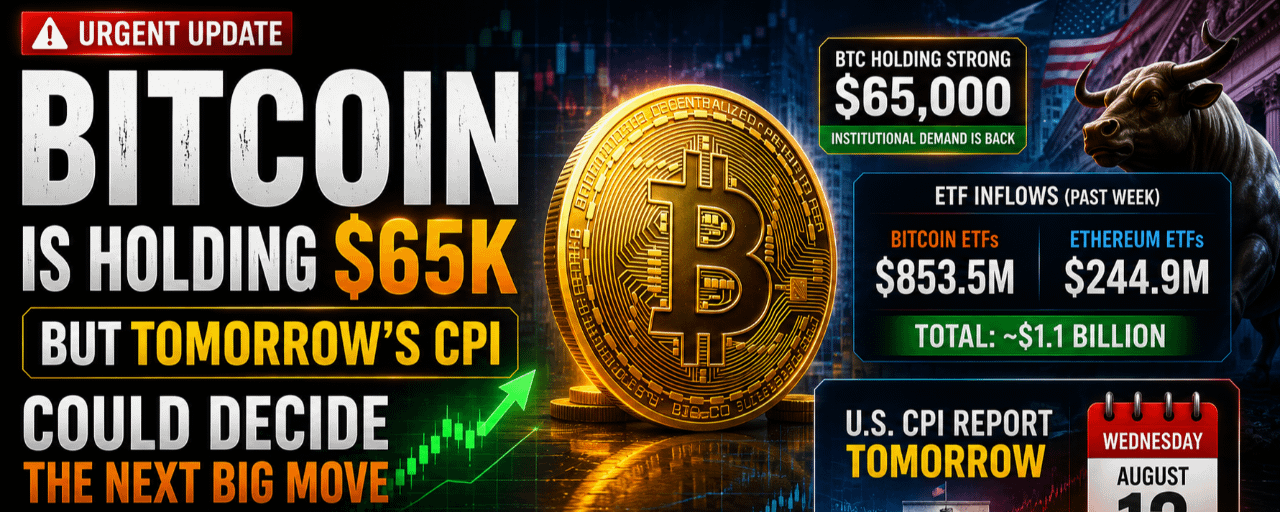
比特幣守住6.5萬美元——但明天的CPI可能決定下一次重大走勢加密市場正在進入一個關鍵的宏觀周。
比特幣目前大約在6.5萬美元附近徘徊,而近期的機構資金流入已經改善了市場情緒。
但交易員現在還有另一個重要事件需要關注:
即將發佈的美國CPI報告。
這可能成爲比特幣、以太坊以及更廣泛加密市場最重大的短期催化因素之一。
💰 機構買盤迴來了
最有趣的發展之一是資金重新流入美國現貨加密ETF。
據近期市場報道,比特幣和以太坊ETF合計在過去一週吸引了約11億美元的淨流入。
比特幣守住6.5萬美元——但明天的CPI可能決定下一次重大走勢
加密市場正在進入一個關鍵的宏觀周。
比特幣目前大約在6.5萬美元附近徘徊,而近期的機構資金流入已經改善了市場情緒。
但交易員現在還有另一個重要事件需要關注:
即將發佈的美國CPI報告。
這可能成爲比特幣、以太坊以及更廣泛加密市場最重大的短期催化因素之一。
💰 機構買盤迴來了
最有趣的發展之一是資金重新流入美國現貨加密ETF。
據近期市場報道,比特幣和以太坊ETF合計在過去一週吸引了約11億美元的淨流入。
比特幣目前大約在6.5萬美元附近徘徊,而近期的機構資金流入已經改善了市場情緒。
但交易員現在還有另一個重要事件需要關注:
即將發佈的美國CPI報告。
這可能成爲比特幣、以太坊以及更廣泛加密市場最重大的短期催化因素之一。
💰 機構買盤迴來了
最有趣的發展之一是資金重新流入美國現貨加密ETF。
據近期市場報道,比特幣和以太坊ETF合計在過去一週吸引了約11億美元的淨流入。
71
登入以探索更多內容
加入幣安廣場中的全球加密貨幣用戶
⚡️ 獲取加密貨幣的最新和實用資訊。
💬 受到全球最大加密貨幣交易所的信任。
👍 發掘來自經過驗證創作者的真實見解。
電子郵件 / 電話號碼
熱門話題
比特币64亿美元期权将到期
10,685 次瀏覽
184 討論中
週五 BTC 有 64 億美元期權到期,波動可能要放大了 ⚠️
本週五 16:00,約 8.17 萬枚 BTC 期權將在 Deribit 到期,名義價值約 64.4 億美元。
其中看漲期權多於看跌期權,Put/Call 比 0.83,整體情緒偏多。
簡單說:
週五可能會比較刺激。😂
目前市場關注的兩個位置是:
👉 7.5 萬美元
👉 8 萬美元
大量期權集中在這兩個價位。
所以這幾天 BTC 可能會出現比較大的上下波動。
偏多,但不代表只漲不跌。
週五這波期權到期,值得重點盯一下。
币赢资本-六年零冻老商家
·2 人按讚
·2.8k 次瀏覽
XRP一周上涨44%
14,468 次瀏覽
178 討論中
加密恐惧贪婪指数升至74
13,011 次瀏覽
160 討論中