

Brainrot Labs
802 貼文

Brainrot Labs
舉報
封鎖用戶
🇺🇸 🇯🇵 🇻🇳 🇨🇳your daily dose of digital schizophrenia
AI girls • memes • crypto • chaos
99% research. 1% sleep.
Think for yourself -Not your advisor
250 關注
3.6K+ 粉絲
530 點讚數
貼文
全部
引用
影片
置頂

文章
週三晨間簡報:加密貨幣安全漏洞、美聯儲決議與 Anthropic 的 IPO 競速早上好,幣圈推特。☕💀
週三晨間簡報:加密貨幣安全漏洞、美聯儲決議與 Anthropic 的 IPO 競速
1/ 📅 今日美聯儲成爲焦點
據報道,市場認爲美聯儲在今天的聯邦公開市場委員會(FOMC)會議上將利率維持在 3.75%–4.00% 的概率約爲 90%。
重要事項:
🏦 美東時間 14:00:FOMC 利率決議
🎙️ 美東時間 14:30:美聯儲主席新聞發佈會
在能源推動的通脹持續不退之際,市場也已將 12 月可能採取更鷹派立場的預期計入價格。
📌 市場關注:美聯儲若立場鷹派,可能支撐美元和美國國債收益率,並給黃金和風險資產帶來壓力。政策聲明和前瞻指引,比單看概率預測更重要。
週三晨間簡報:加密貨幣安全漏洞、美聯儲決議與 Anthropic 的 IPO 競速
早上好,幣圈推特。☕💀
週三晨間簡報:加密貨幣安全漏洞、美聯儲決議與 Anthropic 的 IPO 競速
1/ 📅 今日美聯儲成爲焦點
據報道,市場認爲美聯儲在今天的聯邦公開市場委員會(FOMC)會議上將利率維持在 3.75%–4.00% 的概率約爲 90%。
重要事項:
🏦 美東時間 14:00:FOMC 利率決議
🎙️ 美東時間 14:30:美聯儲主席新聞發佈會
在能源推動的通脹持續不退之際,市場也已將 12 月可能採取更鷹派立場的預期計入價格。
📌 市場關注:美聯儲若立場鷹派,可能支撐美元和美國國債收益率,並給黃金和風險資產帶來壓力。政策聲明和前瞻指引,比單看概率預測更重要。
週三晨間簡報:加密貨幣安全漏洞、美聯儲決議與 Anthropic 的 IPO 競速
1/ 📅 今日美聯儲成爲焦點
據報道,市場認爲美聯儲在今天的聯邦公開市場委員會(FOMC)會議上將利率維持在 3.75%–4.00% 的概率約爲 90%。
重要事項:
🏦 美東時間 14:00:FOMC 利率決議
🎙️ 美東時間 14:30:美聯儲主席新聞發佈會
在能源推動的通脹持續不退之際,市場也已將 12 月可能採取更鷹派立場的預期計入價格。
📌 市場關注:美聯儲若立場鷹派,可能支撐美元和美國國債收益率,並給黃金和風險資產帶來壓力。政策聲明和前瞻指引,比單看概率預測更重要。
1
972
查看翻譯
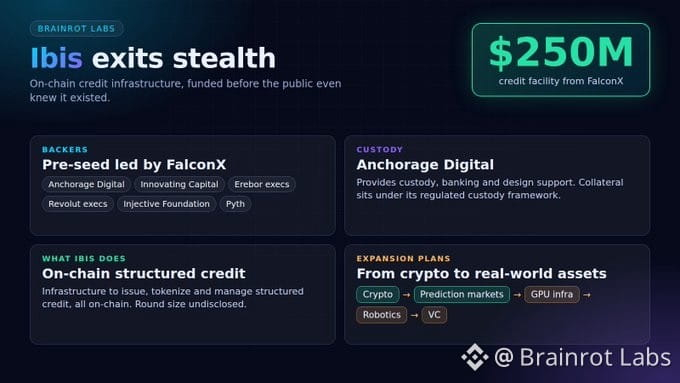
$250M in credit before the public even knew you existed. DeFi really said, “Build first, explain later.”
Ibis has emerged from stealth with a $250M credit facility from FalconX and a completed pre-seed round led by FalconX. The funding amount remains undisclosed.
Here’s what’s behind the deal:
Backers: Anchorage Digital, Innovating Capital, and executives from Erebor, Revolut, Injective Foundation, Pyth, and others.
Custody: Anchorage Digital provides custody, banking, and design support, with collateral held under its regulated custody framework.
What Ibis does: On-chain credit infrastructure for issuing, tokenizing, and managing structured credit.
Expansion plans: Starting with crypto and prediction markets, then potentially moving into GPU infrastructure, robotics, and venture capital.
The interesting part isn’t just the credit line. It’s the attempt to bring structured credit on-chain while keeping collateral within a regulated custody setup. The real test will be underwriting quality, risk management, and whether demand for this credit is sustainable.
Ibis stayed anonymous, raised institutional backing, and walked out with a $250M credit line. Meanwhile, some of us still need three business days to get approved for a credit card.
Will on-chain credit become a major DeFi sector, or will risk management be the real boss fight?
39
真實
現在連黃金都上鍊了。你奶奶最愛的避險資產,剛剛加入 Sui 生態。
受香港監管的代幣化黃金 XAUa 已在 Sui 上線。
由 AlphaToken 發行、TBook 在鏈上分銷,並由存放在香港的實物黃金提供支持。
有意思的是,Sui 的許可資產標準(PAS)將合規規則嵌入交易政策中。未通過必要檢查的轉賬,會在結算前被拒絕。
TBook 還基於 PAS 重建了代幣化國債發行平臺,未來或將爲更多合規的現實世界資產進入 Sui 打開大門。
黃金金條在香港。代幣在 Sui 上。每筆轉賬都要經過合規檢查。
哥們本來想買黃金,結果現在黃金有了區塊鏈,還有人把門。
合規的代幣化資產會成爲 SUI$0.00 的重要應用場景嗎?還是說傳統黃金買家仍會選擇實物黃金?
受香港監管的代幣化黃金 XAUa 已在 Sui 上線。
由 AlphaToken 發行、TBook 在鏈上分銷,並由存放在香港的實物黃金提供支持。
有意思的是,Sui 的許可資產標準(PAS)將合規規則嵌入交易政策中。未通過必要檢查的轉賬,會在結算前被拒絕。
TBook 還基於 PAS 重建了代幣化國債發行平臺,未來或將爲更多合規的現實世界資產進入 Sui 打開大門。
黃金金條在香港。代幣在 Sui 上。每筆轉賬都要經過合規檢查。
哥們本來想買黃金,結果現在黃金有了區塊鏈,還有人把門。
合規的代幣化資產會成爲 SUI$0.00 的重要應用場景嗎?還是說傳統黃金買家仍會選擇實物黃金?

205
蘋果財報發佈後股價可能波動 4.3%。期權交易者正支付溢價,押注股價走向。
蘋果(AAPL$345.39)定於 11 月 2 日美國股市收盤後公佈財報,而期權市場預期的股價波動遠高於往常。
情況如下:
$347.10:AAPL 10 月 27 日的收盤價。
±4.3% 的隱含波動幅度:11 月 4 日到期的期權顯示,股價可能在約 $332 至 $362 之間波動。
2% 的平均波幅:蘋果此前八次財報發佈後的次日平均波幅,其中有六個交易日收跌。
5.2% 的隱含波動幅度:11 月 13 日到期的期權反映出更大的潛在波動。
問題在於:買入期權不只是猜漲跌方向。
即使你正確預測 AAPL 會上漲,但如果實際漲幅太小,你仍可能虧錢,因爲期權費可能太貴。這就是財報發佈後隱含波動率驟降的風險,通常稱爲“波動率崩塌”。
我的看法是:市場問的不只是蘋果能否超出盈利預期,而是業績是否會足夠亮眼,能證明交易者爲套期保值和投機所支付的價格物有所值。
華爾街即使正確預測了方向,也仍可能輸掉這筆交易。莊家手裏總還有另一份電子表格。
蘋果能否帶來足夠大的驚喜,超出期權市場的預期?還是說,波動率溢價已經貴得離譜?

87
華爾街剛剛對 Robinhood 表態:“業務不錯,但預期要調低。”
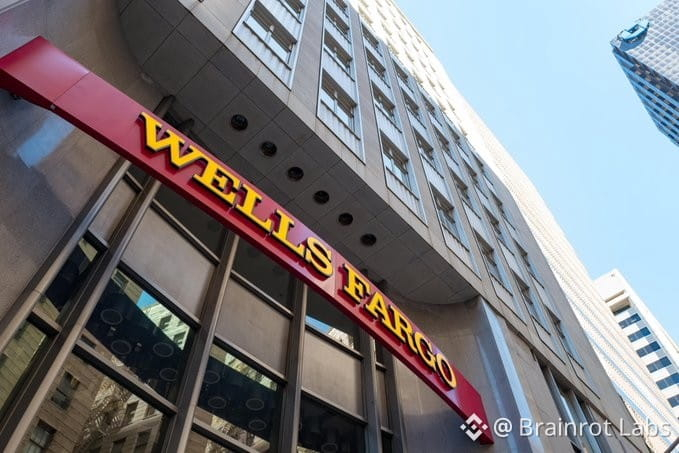
富國銀行將 $HOOD 的目標價從 120 美元下調至 100 美元,降幅爲 16.7%。
但這家銀行並非對所有股票都看空:
• BA$0.121(波音):250 美元 → 210 美元
• UPS$104.56(UPS):110 美元 → 112 美元
• NET$318.44(Cloudflare):380 美元 → 400 美元
三項下調或上調,背後是三種不同的情況。這些只是分析師對目標價的調整,並不保證股票實際會以何種價格交易。
預期一變,目標價就可能迅速調整。對於 Robinhood,接下來的問題是,它的業務表現能否支撐市場對其增長的預期。
分析師改了數字。現在輪到市場決定是否認同。
1
141
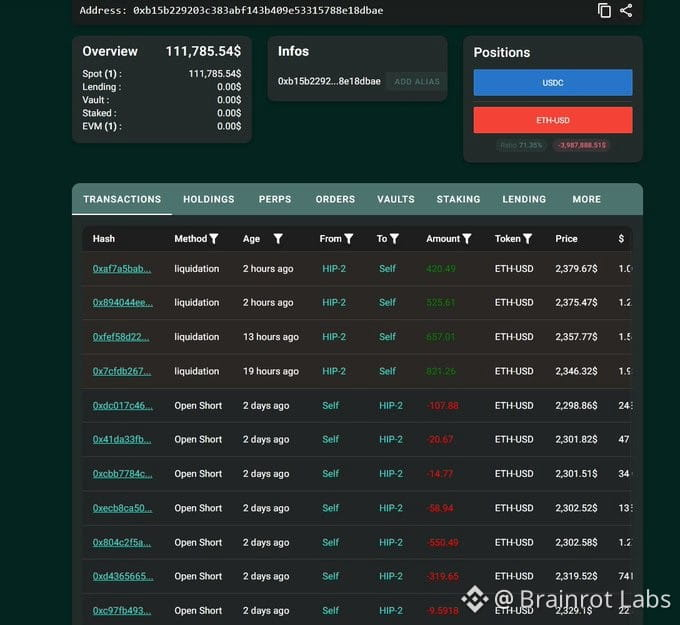
兄弟9天內被強平了13次。現在,ETH成了他的全職工作。
據Lookonchain稱,一名交易員向一個新創建的錢包存入了125萬USDC,隨後開始做空ETH。
損失情況:
9天內被強平13次
被強平的倉位共計18,080 ETH,價值約4,390萬美元
已實現虧損約114萬美元
兄弟一直做空ETH,彷彿ETH欠他錢似的。
事到如今,市場已經不是在拿走他的錢了——而是在收訂閱費。
兄弟9天內被強平了13次。現在,ETH成了他的全職工作。
據Lookonchain稱,一名交易員向一個新創建的錢包存入了125萬USDC,隨後開始做空ETH。
損失情況:
9天內被強平13次
被強平的倉位共計18,080 ETH,價值約4,390萬美元
已實現虧損約114萬美元
兄弟一直做空ETH,彷彿ETH欠他錢似的。
事到如今,市場已經不是在拿走他的錢了——而是在收訂閱費。
據Lookonchain稱,一名交易員向一個新創建的錢包存入了125萬USDC,隨後開始做空ETH。
損失情況:
9天內被強平13次
被強平的倉位共計18,080 ETH,價值約4,390萬美元
已實現虧損約114萬美元
兄弟一直做空ETH,彷彿ETH欠他錢似的。
事到如今,市場已經不是在拿走他的錢了——而是在收訂閱費。
121
查看翻譯
The Bloom Trading hacker is playing blockchain hide-and-seek with $954K. The entire internet is now chasing 2,152 wallets.
Specter reports that the attacker behind the Bloom Trading exploit is carrying out large-scale money laundering, using automated transfers across thousands of addresses and multiple blockchains.
Here’s what on-chain tracking has uncovered:
• $954K: Approximately this amount was reportedly stolen from 49 Bloom Trading user wallets.
• 2,152 addresses: Used for routing and receiving funds, including 1,326 Solana addresses, 822 EVM addresses, and 5 Zcash addresses.
• Cross-chain movements: Funds are repeatedly split, consolidated, and moved between networks.
• 26,099 ZEC: Reportedly transferred into Zcash’s Sapling shielded pool, where transaction privacy can make tracing more difficult.
My take: the use of thousands of addresses and cross-chain transfers suggests a highly automated laundering operation. But moving funds through privacy tools doesn't automatically mean the attacker has successfully cashed out or made the money untraceable.
Bro turned one wallet hack into a 2,152-address side quest.
Can blockchain investigators track the funds before they disappear into the privacy maze, or will the attacker stay one step ahead?

74
cryptoBilis 黑客剛剛把 278 萬美元轉進了加密貨幣版的洗衣機。
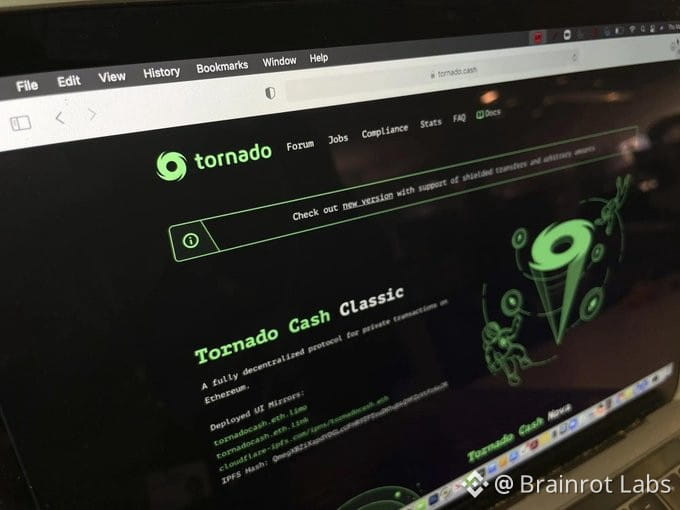
據 Salus 稱,攻擊者於 10 月 27 日將 1,200 ETH(價值約 278 萬美元)轉入 Tornado Cash,按當時價格計算,ETH 約爲 2,369.55 美元。
這些資金被分散到兩個新錢包中,隨後在約 2.5 分鐘內分別進行了 12 筆存款,每筆 100 ETH。
據 Bitquery 援引的估算,10 月 9 日發生的原始事件據稱導致多個區塊鏈上的損失約達 1.02 億美元。
想象一下,你買了一個硬件錢包來保護加密資產,結果供應鏈攻擊卻讓安全防護變成了一場恐怖片。
冷錢包本應將黑客拒之門外。現在,所有人都在問:誰來確保硬件本身靠得住?
據 Salus 稱,攻擊者於 10 月 27 日將 1,200 ETH(價值約 278 萬美元)轉入 Tornado Cash,按當時價格計算,ETH 約爲 2,369.55 美元。
這些資金被分散到兩個新錢包中,隨後在約 2.5 分鐘內分別進行了 12 筆存款,每筆 100 ETH。
據 Bitquery 援引的估算,10 月 9 日發生的原始事件據稱導致多個區塊鏈上的損失約達 1.02 億美元。
想象一下,你買了一個硬件錢包來保護加密資產,結果供應鏈攻擊卻讓安全防護變成了一場恐怖片。
冷錢包本應將黑客拒之門外。現在,所有人都在問:誰來確保硬件本身靠得住?
289
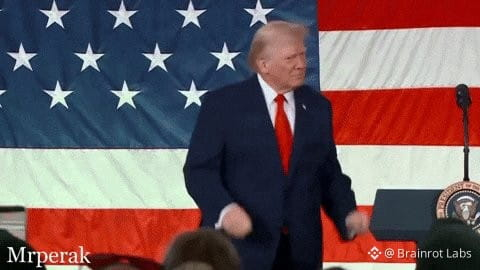
特朗普的支持率回升至 32%。老兄的支持率回升了 1 個百分點,就說這是王者歸來。
根據路透社/益普索的一項最新民調:
特朗普支持率:32%,較上週的歷史低點上升 1 個百分點。
民主黨:如果現在舉行國會選舉,47% 的登記選民會支持他們。
共和黨:36%。
尚未決定:11%。
與此同時,預測市場認為共和黨在期中選舉之夜將面臨苦戰。
Kashi 預測市場賠率:
民主黨橫掃國會:62%
民主黨贏得眾議院:90%
民主黨贏得參議院:64%
共和黨贏得眾議院:10%
共和黨贏得參議院:36%
民調顯示,民主黨在登記選民中的支持度領先共和黨 11 個百分點;預測市場則看好民主黨拿下眾議院和參議院。這兩者衡量的是不同的事情:民調反映選民表達的偏好,市場賠率則反映交易者的預期。
特朗普支持率:+1%。民主黨拿下眾議院的賠率:90%。
共和黨人盯著圖表,活像加密貨幣交易員盯著爆倉長陰線。
民主黨真的能拿下兩院嗎?還是共和黨能在 11 月 3 日前扭轉局勢?
1
106
部分真實
查看翻譯
FOMC DAY. Time to get financially educated against our will.
Decision: 18:00 UTC
Vietnam: 01:00 AM (Oct 29)
Japan: 03:00 AM (Oct 29)
Powell speaks 30 minutes later.
The Fed talks. Bitcoin panics. Traders lose sleep.
FOMC DAY. Time to get financially educated against our will.
Decision: 18:00 UTC
Vietnam: 01:00 AM (Oct 29)
Japan: 03:00 AM (Oct 29)
Powell speaks 30 minutes later.
The Fed talks. Bitcoin panics. Traders lose sleep.
Decision: 18:00 UTC
Vietnam: 01:00 AM (Oct 29)
Japan: 03:00 AM (Oct 29)
Powell speaks 30 minutes later.
The Fed talks. Bitcoin panics. Traders lose sleep.

100
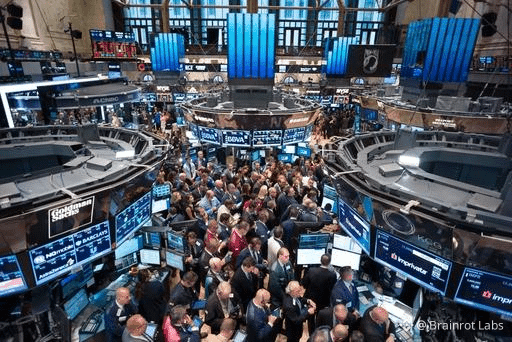
比特幣 ETF 剛剛吸引了 1.76 億美元資金流入。以太坊和 Solana 呢?仍在持續流出。
10 月 27 日,機構加密貨幣資金流向出現明顯分化:
比特幣 ETF:淨流入 1.76 億美元。
貝萊德 IBIT$46.10:流入 1.515 億美元,是最大貢獻者。
富達 FBTC$81,472.00:流入 2450 萬美元。
以太坊 ETF:流出 6470 萬美元,其中貝萊德 ETHA$17.83 流出 9330 萬美元,居首。
Solana ETF:流出 1920 萬美元,全部來自灰度 $GSOL。
我的看法:資金正在迴流比特幣,但更廣泛的加密貨幣市場並未獲得同等待遇。目前來看,機構需求似乎有所選擇,並非全面重返風險資產。
華爾街選中了它最寵愛的孩子。ETH 的消息被已讀不回,SOL 甚至連回復都沒收到。
比特幣是否又開始與市場其他部分拉開距離了?
626
查看翻譯
Wall Street wants tokenized stocks. Regulators gave it a 5-year trial. Billionaires said: “What happens after the trial expires?”
Robinhood CEO Vlad Tenev says uncertainty around US crypto regulation could stop investors from putting serious money into tokenized securities.
The SEC’s 5-year innovation exemption announced in September was a welcome step, but Tenev argues that long-term regulatory clarity still needs proper rulemaking or legislation.
Here’s the catch:
• Regulatory clock: Investors may hesitate to commit large amounts if the rules could change after five years.
• 200 tokenized securities: Robinhood offers roughly 200 tokenized securities linked to underlying stocks, structured as tokenized debt that provides economic exposure but not shareholder voting rights or dividends.
• Different rules, different markets: Robinhood plans to launch tokenized private-company securities overseas while exploring a compliant route for eligible investors in the US.
• Big expectations: Binance Research projects the tokenized securities market could reach $349B by 2030, compared with around $4.43B on September 15.
My take: tokenization can make traditional assets easier to access and trade, but institutional capital needs more than blockchain technology. It needs clear ownership rights, enforceable rules, and confidence that the legal framework won't disappear halfway through the game.
Imagine buying the future of Wall Street, only to discover your regulatory certainty comes with a free trial.
Will clearer US rules unlock the next wave of tokenized assets, or will regulatory uncertainty keep the biggest investors on the sidelines?

721
SK海力士的內存產能實際上已售罄至2029年。AI硬件競賽正變得愈發白熱化。
據報道,SK海力士表示,未來三年的DRAM和高帶寬內存(HBM)產能大部分已被預訂。隨着AI基礎設施需求持續增長,這表明公司長期營收的可見度進一步增強。
關鍵進展:
據報道,直至2029年的DRAM和HBM產能幾乎已全部分配。
公司已於第二季度完成下一代HBM4E樣品的交付。
HBM4的開發和客戶驗證工作仍按計劃推進。
AI加速器和數據中心擴張正推動對先進內存的需求。
市場視角:當內存產能提前數年被預訂一空時,AI發展的瓶頸就不再侷限於GPU,也延伸到了高性能內存的供應。這可能提升SK海力士營收的可見度,同時也意味着客戶將面臨供應緊張和價格壓力。
AI熱潮需要的不只是更智能的芯片——還需要充足的內存爲芯片提供支持。
如果內存產能已經被預訂至2029年,AI硬件供應鏈還能在多大程度上繼續擴張?
284
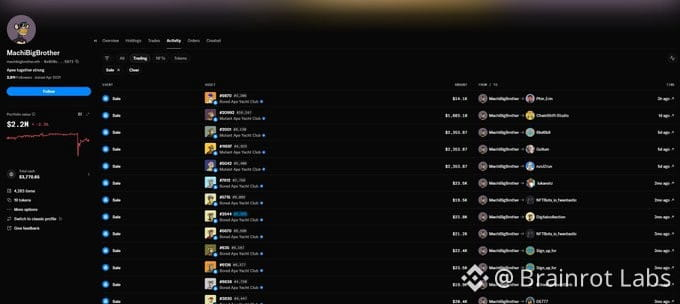
兄弟賣了 60 多個 NFT 來給槓桿交易籌錢,結果還是虧了 1,000 ETH,摺合 2,352.09 美元。
據報道,MachiBigBrother 在過去六個月裏賣出了 60 多個 NFT,爲高槓杆永續合約交易籌集資金,結果虧損超過 1,000 ETH,價值約 235 萬美元。
無聊猿本該是傳世財富。兄弟卻把它們變成了追加保證金時的救命流動性。
想象一下,你賣掉自己的數字藝術收藏,只爲給一個不斷吞噬你整個投資組合的交易倉位續命。
從“猿人齊心,其力斷金”到“猿人齊心,一起破產”。
兄弟賣了 60 多個 NFT 來給槓桿交易籌錢,結果還是虧了 1,000 ETH,摺合 2,352.09 美元。
據報道,MachiBigBrother 在過去六個月裏賣出了 60 多個 NFT,爲高槓杆永續合約交易籌集資金,結果虧損超過 1,000 ETH,價值約 235 萬美元。
無聊猿本該是傳世財富。兄弟卻把它們變成了追加保證金時的救命流動性。
想象一下,你賣掉自己的數字藝術收藏,只爲給一個不斷吞噬你整個投資組合的交易倉位續命。
從“猿人齊心,其力斷金”到“猿人齊心,一起破產”。
據報道,MachiBigBrother 在過去六個月裏賣出了 60 多個 NFT,爲高槓杆永續合約交易籌集資金,結果虧損超過 1,000 ETH,價值約 235 萬美元。
無聊猿本該是傳世財富。兄弟卻把它們變成了追加保證金時的救命流動性。
想象一下,你賣掉自己的數字藝術收藏,只爲給一個不斷吞噬你整個投資組合的交易倉位續命。
從“猿人齊心,其力斷金”到“猿人齊心,一起破產”。
350
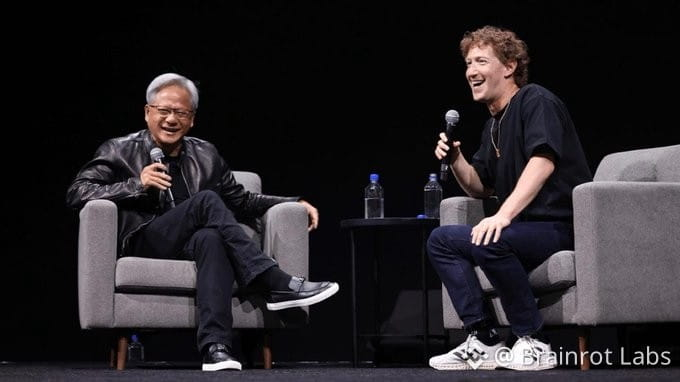
Nvidia 和 Meta 正在將雙方的 AI 合作關係提升到新的層次。顯然,光買 GPU 還不夠——現在他們還在談股權、基礎設施和模型。
據報道,Nvidia 正向 Meta 進行一筆 30 億美元的股權投資,同時兩家科技巨頭也在硬件、基礎設施和模型開發等領域擴大 AI 合作。
合作內容包括:
AI 基礎設施:擴大部署 Nvidia 的 Vera Rubin 平臺、Vera CPU、Spectrum-X 和 BlueField-4。
AI 架構:有望圍繞 OpenShell 和 Nvidia Sentry 展開合作。
AI 模型:深化與 Meta 的 MUSE 模型系列相關的合作。
我的看法:AI 競賽已不再只是比誰能打造出最好的模型,也關乎誰能掌控背後的芯片、網絡、算力基礎設施和資本。這樣的合作可能會鞏固雙方的地位,但執行情況以及鉅額 AI 投資能否帶來回報,仍然至關重要。
Nvidia 提供引擎,Meta 打造 AI 帝國,而我們其他人只是在想辦法買到價格實惠的內存條。
這樣的合作模式會成爲 AI 的未來嗎?還是說,最大的科技公司正變得過度依賴彼此?
35
真實
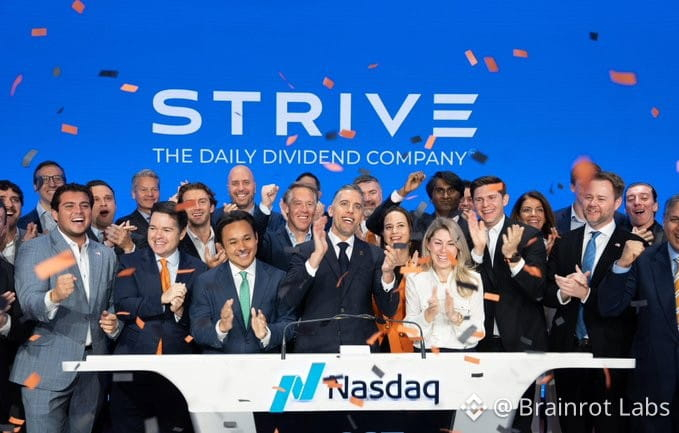
SASST$0.00目標價上調34%——Strive的比特幣策略再次成爲焦點。
據一份日期爲10月26日的報告,StoneX據稱將Strive(SASST$0.00)的目標價從32美元上調至43美元,並維持“買入”評級。
₿ 主要進展:
據稱,Strive在10月17日至23日期間增持了6,182枚BTC。
截至10月23日,據報道其持倉總量約爲43,000枚BTC。
據報道,其比特幣平均買入價約爲每枚82,732美元。
報告稱,Strive還宣佈計劃通過SATS進行10億美元的按市價發行(ATM)。
市場觀察:更高的目標價反映的是StoneX據報道的展望,並不代表股價必然達到該水平。Strive的策略使其股票表現與比特幣敞口、融資、股份稀釋,以及其BTC持倉的市值緊密相連。
不斷擴大的比特幣儲備可能放大上漲空間——但融資結構與持有的比特幣數量同樣重要。
你會主要根據SASST$0.00的BTC持倉來評估它,還是看它募集資金以增持比特幣的效率?
1k
塔可日快樂!
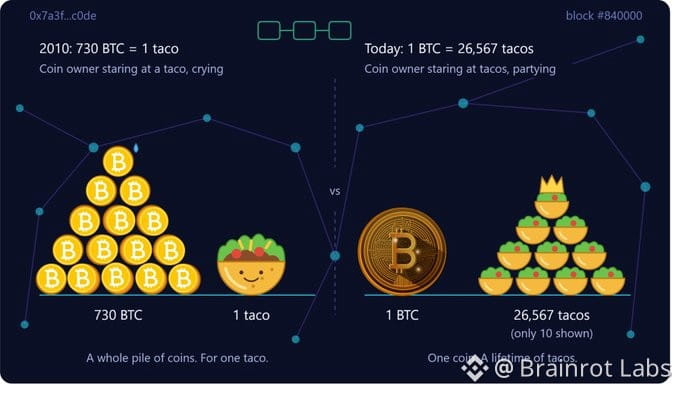
2010 年,1 枚 BTC 大約值 0.0041 美元。按每個塔可 3 美元計算,你需要大約 730 枚 BTC 才能買一個塔可。
如今,BTC 價值 79,700 美元,一枚比特幣大約可以買 26,500 個塔可。
還是同樣的比特幣,還是同樣的塔可。只是財務狀況稍微有那麼一點不同。
想象一下,2010 年花 730 枚 BTC 買午餐,還告訴未來的自己這筆交易很划算。
故事的寓意:永遠不要低估一個塔可。它可能是你買過卻渾然不知的最貴的一頓午餐。
祝所有一直持有 BTC 的人塔可日快樂……也向那個把全部身家都花在午餐上的哥們表示慰問。
塔可日快樂!
2010 年,1 枚 BTC 大約值 0.0041 美元。按每個塔可 3 美元計算,你需要大約 730 枚 BTC 才能買一個塔可。
如今,BTC 價值 79,700 美元,一枚比特幣大約可以買 26,500 個塔可。
還是同樣的比特幣,還是同樣的塔可。只是財務狀況稍微有那麼一點不同。
想象一下,2010 年花 730 枚 BTC 買午餐,還告訴未來的自己這筆交易很划算。
故事的寓意:永遠不要低估一個塔可。它可能是你買過卻渾然不知的最貴的一頓午餐。
祝所有一直持有 BTC 的人塔可日快樂……也向那個把全部身家都花在午餐上的哥們表示慰問。
2010 年,1 枚 BTC 大約值 0.0041 美元。按每個塔可 3 美元計算,你需要大約 730 枚 BTC 才能買一個塔可。
如今,BTC 價值 79,700 美元,一枚比特幣大約可以買 26,500 個塔可。
還是同樣的比特幣,還是同樣的塔可。只是財務狀況稍微有那麼一點不同。
想象一下,2010 年花 730 枚 BTC 買午餐,還告訴未來的自己這筆交易很划算。
故事的寓意:永遠不要低估一個塔可。它可能是你買過卻渾然不知的最貴的一頓午餐。
祝所有一直持有 BTC 的人塔可日快樂……也向那個把全部身家都花在午餐上的哥們表示慰問。
124
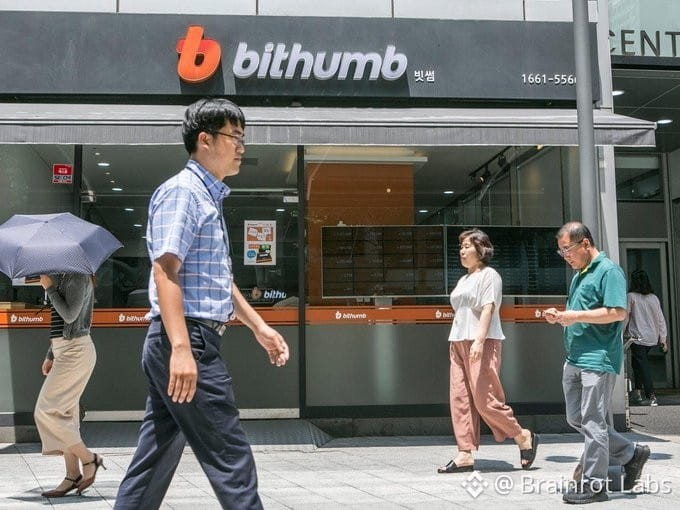
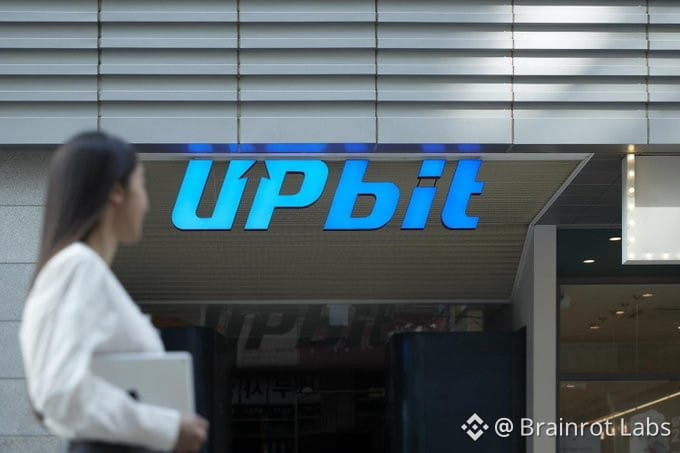
韓國可能會要求加密貨幣交易所繳納教育稅。
如果根據擬議的《數字資產基本法》,加密貨幣交易所被重新歸類爲金融機構,它們可能會面臨額外的稅務負擔。
根據現行稅率,估算如下:
• Upbit 的運營商 Dunamu:₩10.2B(約合 710 萬美元)
• Bithumb:₩3.2B(約合 220 萬美元)
假設擬議的分類方式和現行稅額計算方法適用,潛在稅額合計爲 ₩13.4B(約合 930 萬美元)。
目前一切尚未定案。實際金額將取決於法律規定、計稅基礎以及加密貨幣交易所的分類方式。
加密貨幣正越來越多地被視爲傳統金融的一部分,而隨之而來的不只有機構資金,也可能有規模堪比機構的稅單。
加密行業想在金融領域佔有一席之地。稅務機關也搬來了一把椅子。
加密貨幣交易所是否應該像傳統金融機構一樣納稅?
36
加密貨幣 ETF 發出的信號喜憂參半:資金正在輪動,而非朝單一方向流動。
截至 10 月 26 日的數據:在美國上市的加密貨幣 ETF 在多個資產中呈現出截然不同的資金流向:
SOL$100.52:淨流入 823 萬美元,其中 Bitwise BSOL 貢獻了 722 萬美元。
NEAR$4.43:淨流入 14.044 萬美元,來自 Bitwise NRR。
ZEC$1,221.43:據報告,淨流入 19.582 萬美元。
HYPE$77.71:淨流出 430 萬美元,其中 Bitwise BHYP 佔 311 萬美元。
XRP$1.30:淨流出 36.101 萬美元,來自 Bitwise 的 XRP 基金。
在這些資產中,SOL 的報告淨流入最強勁,而 HYPE 和 XRP 則出現資金流出。但單日 ETF 資金流向不足以確定持續趨勢,也無法預測價格走勢。
機構資金並非像一大羣牛一般齊步移動——不同資產在同一天也可能呈現截然不同的情況。
ETF 資金流向是否正成爲追蹤加密貨幣資金輪動的更有用信號?還是說,日度數據仍然太過嘈雜?

332
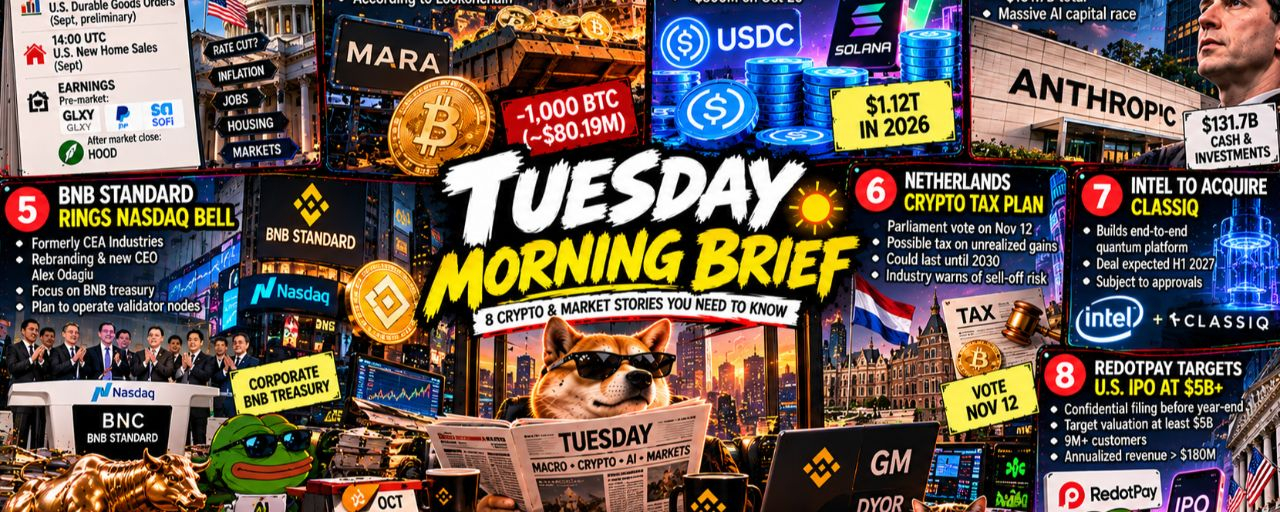
文章
週二晨報:宏觀數據、比特幣資金流出與 AI 資本競賽📅 1. 宏觀日曆與財報關注
🇺🇸 美國經濟數據
• 12:30 UTC:9月耐用品訂單(初值)
• 14:00 UTC:9月新屋銷售
📊 財報
• 盤前:Galaxy Digital ($GLXY)、PayPal ($PYPL)、SoFi ($SOFI)
• 盤後:Robinhood ($HOOD)
🌐 市場快照:美元/日元 157.636,黃金 $4,009/盎司,WTI 原油 $101.89,布倫特原油 $114.75,數據基於已公佈數據。請查看實時價格以獲取最新信息。
市場關注:經濟數據可能影響市場對美國經濟增長和利率的預期;加密貨幣和金融科技公司的財報則可能揭示交易活動和消費者需求的變化。
週二晨報:宏觀數據、比特幣資金流出與 AI 資本競賽
📅 1. 宏觀日曆與財報關注
🇺🇸 美國經濟數據
• 12:30 UTC:9月耐用品訂單(初值)
• 14:00 UTC:9月新屋銷售
📊 財報
• 盤前:Galaxy Digital ($GLXY)、PayPal ($PYPL)、SoFi ($SOFI)
• 盤後:Robinhood ($HOOD)
🌐 市場快照:美元/日元 157.636,黃金 $4,009/盎司,WTI 原油 $101.89,布倫特原油 $114.75,數據基於已公佈數據。請查看實時價格以獲取最新信息。
市場關注:經濟數據可能影響市場對美國經濟增長和利率的預期;加密貨幣和金融科技公司的財報則可能揭示交易活動和消費者需求的變化。
🇺🇸 美國經濟數據
• 12:30 UTC:9月耐用品訂單(初值)
• 14:00 UTC:9月新屋銷售
📊 財報
• 盤前:Galaxy Digital ($GLXY)、PayPal ($PYPL)、SoFi ($SOFI)
• 盤後:Robinhood ($HOOD)
🌐 市場快照:美元/日元 157.636,黃金 $4,009/盎司,WTI 原油 $101.89,布倫特原油 $114.75,數據基於已公佈數據。請查看實時價格以獲取最新信息。
市場關注:經濟數據可能影響市場對美國經濟增長和利率的預期;加密貨幣和金融科技公司的財報則可能揭示交易活動和消費者需求的變化。
200
登入以探索更多內容
加入幣安廣場中的全球加密貨幣用戶
⚡️ 獲取加密貨幣的最新和實用資訊。
💬 受到全球最大加密貨幣交易所的信任。
👍 發掘來自經過驗證創作者的真實見解。
電子郵件 / 電話號碼