

Robayat Al Raji
4.1k 貼文

Robayat Al Raji
舉報
封鎖用戶
Do not take my post seriously. Do your own research first . Happy earning..somethings can be not my words and they might be copied
0 關注
3.4K+ 粉絲
12.1K+ 點讚數
貼文
全部
引用
影片
$BTC
{future}(BTCUSDT)
🚨 𝐒𝐓𝐎𝐏… 𝐒𝐓𝐎𝐏… 𝐒𝐓𝐎𝐏. 😂
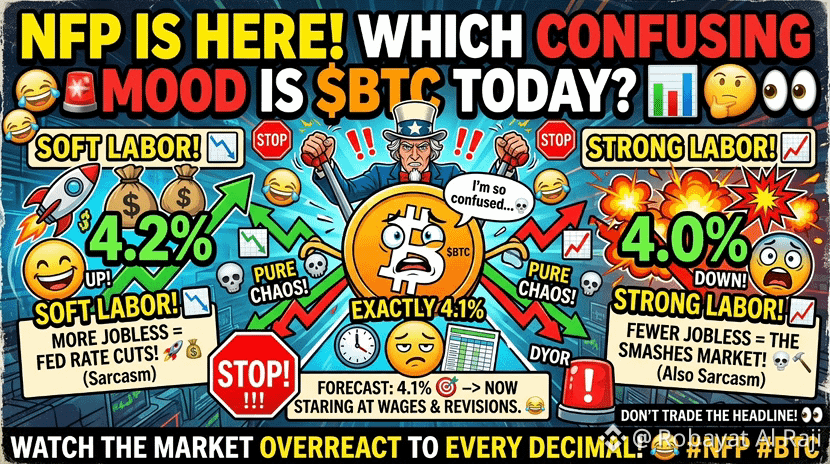
$BTC 🇺🇸 現在就來選擇今天市場情緒的——就業報告來了。 👀
📊 失業率
上次:4.1%
預期:4.1%
接下來就看市場怎麼會因爲每一個小數點而過度反應:
🔺 高於 4.1% → 勞動力看起來更弱 → 美聯儲降息的希望可能會升溫。
🔻 低於 4.1% → 勞動力看起來更強 → 更鷹派的美聯儲預期可能會捲土重來。
🎯 恰好 4.1% → 恭喜,現在大家就開始盯着 NFP、工資以及修正數據了。 😂
別忘了……
BTC 的第一反應可能會純屬混亂。 💀📉📈
別把頭條新聞當成全部故事來交易。
$SAND
#BTC #crypto #NFP #JobsReport #NFPWatch
{future}(SANDUSDT)
$XRP
{future}(XRPUSDT)
$BTC
🚨 𝐒𝐓𝐎𝐏… 𝐒𝐓𝐎𝐏… 𝐒𝐓𝐎𝐏. 😂
$BTC 🇺🇸 現在就來選擇今天市場情緒的——就業報告來了。 👀
📊 失業率
上次:4.1%
預期:4.1%
接下來就看市場怎麼會因爲每一個小數點而過度反應:
🔺 高於 4.1% → 勞動力看起來更弱 → 美聯儲降息的希望可能會升溫。
🔻 低於 4.1% → 勞動力看起來更強 → 更鷹派的美聯儲預期可能會捲土重來。
🎯 恰好 4.1% → 恭喜,現在大家就開始盯着 NFP、工資以及修正數據了。 😂
別忘了……
BTC 的第一反應可能會純屬混亂。 💀📉📈
別把頭條新聞當成全部故事來交易。
$SAND
#BTC #crypto #NFP #JobsReport #NFPWatch
$XRP
🚨 𝐒𝐓𝐎𝐏… 𝐒𝐓𝐎𝐏… 𝐒𝐓𝐎𝐏. 😂
$BTC 🇺🇸 現在就來選擇今天市場情緒的——就業報告來了。 👀
📊 失業率
上次:4.1%
預期:4.1%
接下來就看市場怎麼會因爲每一個小數點而過度反應:
🔺 高於 4.1% → 勞動力看起來更弱 → 美聯儲降息的希望可能會升溫。
🔻 低於 4.1% → 勞動力看起來更強 → 更鷹派的美聯儲預期可能會捲土重來。
🎯 恰好 4.1% → 恭喜,現在大家就開始盯着 NFP、工資以及修正數據了。 😂
別忘了……
BTC 的第一反應可能會純屬混亂。 💀📉📈
別把頭條新聞當成全部故事來交易。
$SAND
#BTC #crypto #NFP #JobsReport #NFPWatch
$XRP
69
$BTC
{future}(BTCUSDT)
🚨 哦耶… 另一個“牛市陷阱”集會。沒什麼可看的。😂🐂
據說,比特幣正處在牛市陷阱的最終BOSS階段。👀
下週,派對可能就結束了——BTC 也可能被狠狠打回到 6.5 萬美元附近的本地低點。
📉 8.6萬 → 7.5萬 → 7.3萬 → 6.5萬
最後再來一波“甩籽”清洗……因爲市場似乎在下一次牛市來臨前,還需要再把每個人都“虐”一次來治癒創傷。😭
所有人:“我們要漲了!🚀”
BTC:“當然……差不多。”💀
把這帖子存起來。幾周後回來看看,到底誰被困住了。👀🍿
DYOR。
$ETH
{future}(ETHUSDT)
$SOL
{future}(SOLUSDT)
#btc #bitcoin
$BTC
🚨 哦耶… 另一個“牛市陷阱”集會。沒什麼可看的。😂🐂
據說,比特幣正處在牛市陷阱的最終BOSS階段。👀
下週,派對可能就結束了——BTC 也可能被狠狠打回到 6.5 萬美元附近的本地低點。
📉 8.6萬 → 7.5萬 → 7.3萬 → 6.5萬
最後再來一波“甩籽”清洗……因爲市場似乎在下一次牛市來臨前,還需要再把每個人都“虐”一次來治癒創傷。😭
所有人:“我們要漲了!🚀”
BTC:“當然……差不多。”💀
把這帖子存起來。幾周後回來看看,到底誰被困住了。👀🍿
DYOR。
$ETH
$SOL
#btc #bitcoin
🚨 哦耶… 另一個“牛市陷阱”集會。沒什麼可看的。😂🐂
據說,比特幣正處在牛市陷阱的最終BOSS階段。👀
下週,派對可能就結束了——BTC 也可能被狠狠打回到 6.5 萬美元附近的本地低點。
📉 8.6萬 → 7.5萬 → 7.3萬 → 6.5萬
最後再來一波“甩籽”清洗……因爲市場似乎在下一次牛市來臨前,還需要再把每個人都“虐”一次來治癒創傷。😭
所有人:“我們要漲了!🚀”
BTC:“當然……差不多。”💀
把這帖子存起來。幾周後回來看看,到底誰被困住了。👀🍿
DYOR。
$ETH
$SOL
#btc #bitcoin

72
$XRP
{future}(XRPUSDT)
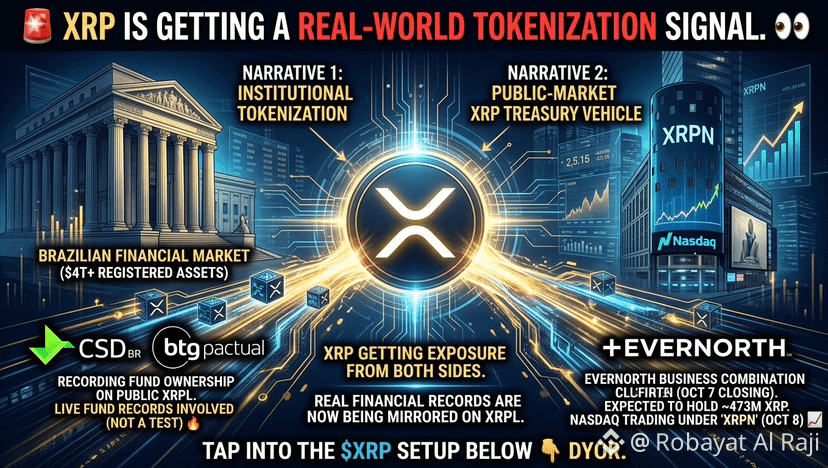
🚨 XRP 正在釋放真實世界代幣化信號。👀
一家監管了超過 4 萬億美元註冊資產的巴西金融市場運營商,現正記錄其部分 BTG Pactual 基金持有情況到公開的 XRP Ledger 上。
CSD BR 正在使用 XRPL 作爲一個可公開驗證的輔助記錄,而其現有數據庫仍然是官方法律記錄。而這並不只是測試——已經有真實基金記錄參與其中。🔥
但這還不是唯一被關注的 XRP 催化劑……
Evernorth 股東已批准業務合併,預計將於 10 月 7 日完成。若完成,Evernorth 預計將持有約 4.73 億枚 XRP;同時,預計在滿足剩餘條件後,10 月 8 日 Nasdaq 上交易代碼爲 XRPN 的相關交易將開始。
兩個重要敘事正在匯合:
🏦 機構級代幣化
💰 一個主要的公開市場 XRP 措施型資金工具
XRP 正在從雙方同時獲得關注與敞口。
🚨 真實的金融記錄現在正在被鏡像到 XRPL 上。
點擊下方的 $XRP setup 🫵🏻,並留意接下來會發生什麼。
自行研究(DYOR)。
$SAND
{future}(SANDUSDT)
$NIGHT
{future}(NIGHTUSDT)
#xrp #G7PlansToReleaseUpTo100MBarrelsOilDiesel #ICBASuesOCCOverCryptoBankCharters #BitcoinFundingRateTriplesTo10% #XRPPostsFirstThreeGreenMonthsInQ3
$XRP
🚨 XRP 正在釋放真實世界代幣化信號。👀
一家監管了超過 4 萬億美元註冊資產的巴西金融市場運營商,現正記錄其部分 BTG Pactual 基金持有情況到公開的 XRP Ledger 上。
CSD BR 正在使用 XRPL 作爲一個可公開驗證的輔助記錄,而其現有數據庫仍然是官方法律記錄。而這並不只是測試——已經有真實基金記錄參與其中。🔥
但這還不是唯一被關注的 XRP 催化劑……
Evernorth 股東已批准業務合併,預計將於 10 月 7 日完成。若完成,Evernorth 預計將持有約 4.73 億枚 XRP;同時,預計在滿足剩餘條件後,10 月 8 日 Nasdaq 上交易代碼爲 XRPN 的相關交易將開始。
兩個重要敘事正在匯合:
🏦 機構級代幣化
💰 一個主要的公開市場 XRP 措施型資金工具
XRP 正在從雙方同時獲得關注與敞口。
🚨 真實的金融記錄現在正在被鏡像到 XRPL 上。
點擊下方的 $XRP setup 🫵🏻,並留意接下來會發生什麼。
自行研究(DYOR)。
$SAND
$NIGHT
#xrp #G7PlansToReleaseUpTo100MBarrelsOilDiesel #ICBASuesOCCOverCryptoBankCharters #BitcoinFundingRateTriplesTo10% #XRPPostsFirstThreeGreenMonthsInQ3
🚨 XRP 正在釋放真實世界代幣化信號。👀
一家監管了超過 4 萬億美元註冊資產的巴西金融市場運營商,現正記錄其部分 BTG Pactual 基金持有情況到公開的 XRP Ledger 上。
CSD BR 正在使用 XRPL 作爲一個可公開驗證的輔助記錄,而其現有數據庫仍然是官方法律記錄。而這並不只是測試——已經有真實基金記錄參與其中。🔥
但這還不是唯一被關注的 XRP 催化劑……
Evernorth 股東已批准業務合併,預計將於 10 月 7 日完成。若完成,Evernorth 預計將持有約 4.73 億枚 XRP;同時,預計在滿足剩餘條件後,10 月 8 日 Nasdaq 上交易代碼爲 XRPN 的相關交易將開始。
兩個重要敘事正在匯合:
🏦 機構級代幣化
💰 一個主要的公開市場 XRP 措施型資金工具
XRP 正在從雙方同時獲得關注與敞口。
🚨 真實的金融記錄現在正在被鏡像到 XRPL 上。
點擊下方的 $XRP setup 🫵🏻,並留意接下來會發生什麼。
自行研究(DYOR)。
$SAND
$NIGHT
#xrp #G7PlansToReleaseUpTo100MBarrelsOilDiesel #ICBASuesOCCOverCryptoBankCharters #BitcoinFundingRateTriplesTo10% #XRPPostsFirstThreeGreenMonthsInQ3
107
$BTC
{future}(BTCUSDT)
🚨 這次救援行情可能是陷阱。👀
比特幣可能正在進入牛市陷阱的最後階段。
如果這個劇本成真,下週可能會帶來許多人意想不到的洗盤——BTC 可能會跌向 6.5 萬美元的本地低點。
📉 8.6 萬→7.5 萬→7.3 萬→6.5 萬
在市場再一次迎來下一輪主要牛市之前,最後再來一次“沖刷”。🔥
把這條帖子保存下來。幾周後回來看看結果如何。👀
自行研究(DYOR)。
$ETH
{future}(ETHUSDT)
$SOL
{future}(SOLUSDT)
#btc #bitcoin
$BTC
🚨 這次救援行情可能是陷阱。👀
比特幣可能正在進入牛市陷阱的最後階段。
如果這個劇本成真,下週可能會帶來許多人意想不到的洗盤——BTC 可能會跌向 6.5 萬美元的本地低點。
📉 8.6 萬→7.5 萬→7.3 萬→6.5 萬
在市場再一次迎來下一輪主要牛市之前,最後再來一次“沖刷”。🔥
把這條帖子保存下來。幾周後回來看看結果如何。👀
自行研究(DYOR)。
$ETH
$SOL
#btc #bitcoin
🚨 這次救援行情可能是陷阱。👀
比特幣可能正在進入牛市陷阱的最後階段。
如果這個劇本成真,下週可能會帶來許多人意想不到的洗盤——BTC 可能會跌向 6.5 萬美元的本地低點。
📉 8.6 萬→7.5 萬→7.3 萬→6.5 萬
在市場再一次迎來下一輪主要牛市之前,最後再來一次“沖刷”。🔥
把這條帖子保存下來。幾周後回來看看結果如何。👀
自行研究(DYOR)。
$ETH
$SOL
#btc #bitcoin

89
$UNI
{future}(UNIUSDT)
$TAO
{future}(TAOUSDT)
$XRP
{future}(XRPUSDT)
🔥 你不需要更大的“綠色周”。你需要知道真正創造價值的是什麼。
忘掉噪音。去掉代碼牌,看看下面的本質。👀
💰 $UNI ——約 ~$5.6B 的交易所代幣
🧠 $TAO ——約 ~$3.4B 的網絡代幣
Uniswap 已經在運營該場所,而且它的費率切換已啓用。據稱,9 月的銷燬額約達 $14.7M。
市場對如何給這類活動定價,框架相對清晰。
Bittensor 也已經在搭建自己的市場,並且子網已經上線。但它的估值敘事更多聚焦於網絡未來的經濟,而不是單純的直給式手續費流。
這就形成了一個有趣的對比:
🔥 UNI:通過由交易活動驅動的供應銷燬來實現價值迴流。
⚡ TAO:價值高度依賴持續的子網需求,以及產出的工作是否有真實買家。
下面是個讓人不舒服的問題:
刪掉代碼牌。需求消失時,究竟是什麼會停止運轉?
如果 Uniswap 交易量崩塌 → 銷燬會隨之減少。
如果子網需求消失 → 單靠 2100 萬枚 TAO 的上限本身並不會產生需求。
大多數 CT 會追逐哪張圖製造的噪音最多。
但更深的問題是:當時間線變得安靜時,是什麼機制仍在持續創造價值?👀
你持有的是哪一個——並且你能清楚解釋“誰在爲你買單”嗎?
非財務建議(NFA)| 自行盡調(DYOR) #nfa #NFPWatch
$UNI
$TAO
$XRP
🔥 你不需要更大的“綠色周”。你需要知道真正創造價值的是什麼。
忘掉噪音。去掉代碼牌,看看下面的本質。👀
💰 $UNI ——約 ~$5.6B 的交易所代幣
🧠 $TAO ——約 ~$3.4B 的網絡代幣
Uniswap 已經在運營該場所,而且它的費率切換已啓用。據稱,9 月的銷燬額約達 $14.7M。
市場對如何給這類活動定價,框架相對清晰。
Bittensor 也已經在搭建自己的市場,並且子網已經上線。但它的估值敘事更多聚焦於網絡未來的經濟,而不是單純的直給式手續費流。
這就形成了一個有趣的對比:
🔥 UNI:通過由交易活動驅動的供應銷燬來實現價值迴流。
⚡ TAO:價值高度依賴持續的子網需求,以及產出的工作是否有真實買家。
下面是個讓人不舒服的問題:
刪掉代碼牌。需求消失時,究竟是什麼會停止運轉?
如果 Uniswap 交易量崩塌 → 銷燬會隨之減少。
如果子網需求消失 → 單靠 2100 萬枚 TAO 的上限本身並不會產生需求。
大多數 CT 會追逐哪張圖製造的噪音最多。
但更深的問題是:當時間線變得安靜時,是什麼機制仍在持續創造價值?👀
你持有的是哪一個——並且你能清楚解釋“誰在爲你買單”嗎?
非財務建議(NFA)| 自行盡調(DYOR) #nfa #NFPWatch
$TAO
$XRP
🔥 你不需要更大的“綠色周”。你需要知道真正創造價值的是什麼。
忘掉噪音。去掉代碼牌,看看下面的本質。👀
💰 $UNI ——約 ~$5.6B 的交易所代幣
🧠 $TAO ——約 ~$3.4B 的網絡代幣
Uniswap 已經在運營該場所,而且它的費率切換已啓用。據稱,9 月的銷燬額約達 $14.7M。
市場對如何給這類活動定價,框架相對清晰。
Bittensor 也已經在搭建自己的市場,並且子網已經上線。但它的估值敘事更多聚焦於網絡未來的經濟,而不是單純的直給式手續費流。
這就形成了一個有趣的對比:
🔥 UNI:通過由交易活動驅動的供應銷燬來實現價值迴流。
⚡ TAO:價值高度依賴持續的子網需求,以及產出的工作是否有真實買家。
下面是個讓人不舒服的問題:
刪掉代碼牌。需求消失時,究竟是什麼會停止運轉?
如果 Uniswap 交易量崩塌 → 銷燬會隨之減少。
如果子網需求消失 → 單靠 2100 萬枚 TAO 的上限本身並不會產生需求。
大多數 CT 會追逐哪張圖製造的噪音最多。
但更深的問題是:當時間線變得安靜時,是什麼機制仍在持續創造價值?👀
你持有的是哪一個——並且你能清楚解釋“誰在爲你買單”嗎?
非財務建議(NFA)| 自行盡調(DYOR) #nfa #NFPWatch

466
$MANA
{future}(MANAUSDT)
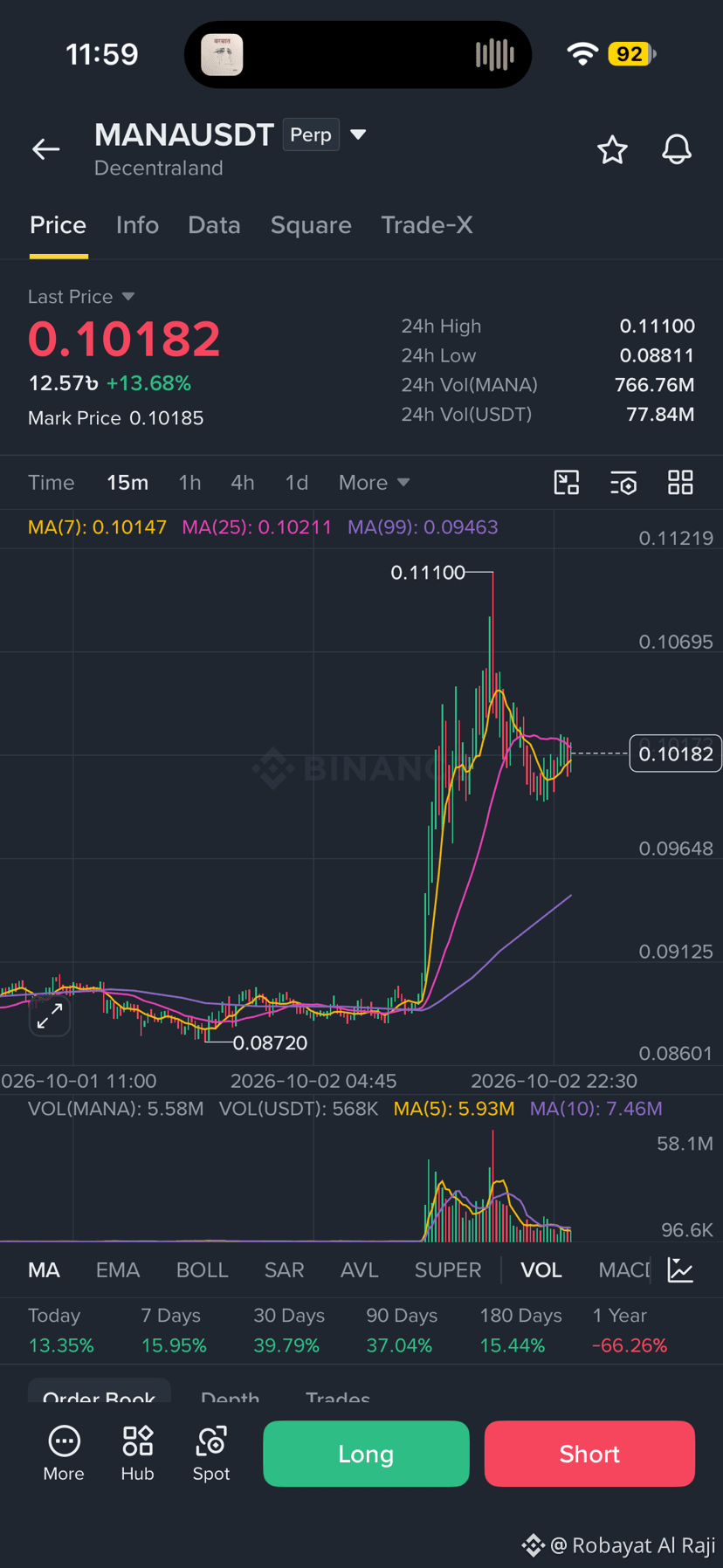
🚨 $MANA 正在守住支撐並出現反彈裝載信號?👀
$MANA 正在守住$0.0996的支撐區域,並顯示出恢復跡象。如果買家繼續守住這一水平,多頭設置仍然有效。
⚡ 做多設置:
在支撐附近尋找入場機會,而不是追漲。
🎯 入場:$0.1005 – $0.1025
📈 目標:
• $0.1050
• $0.1080
• $0.1120
🛑 止損:$0.0985
關鍵位是$0.0996。守住它,反彈可能會延續;跌破它,設置將完全改變。👀
不要FOMO。管理風險。自行研究(DYOR)。
#mana
$MANA
🚨 $MANA 正在守住支撐並出現反彈裝載信號?👀
$MANA 正在守住$0.0996的支撐區域,並顯示出恢復跡象。如果買家繼續守住這一水平,多頭設置仍然有效。
⚡ 做多設置:
在支撐附近尋找入場機會,而不是追漲。
🎯 入場:$0.1005 – $0.1025
📈 目標:
• $0.1050
• $0.1080
• $0.1120
🛑 止損:$0.0985
關鍵位是$0.0996。守住它,反彈可能會延續;跌破它,設置將完全改變。👀
不要FOMO。管理風險。自行研究(DYOR)。
#mana
🚨 $MANA 正在守住支撐並出現反彈裝載信號?👀
$MANA 正在守住$0.0996的支撐區域,並顯示出恢復跡象。如果買家繼續守住這一水平,多頭設置仍然有效。
⚡ 做多設置:
在支撐附近尋找入場機會,而不是追漲。
🎯 入場:$0.1005 – $0.1025
📈 目標:
• $0.1050
• $0.1080
• $0.1120
🛑 止損:$0.0985
關鍵位是$0.0996。守住它,反彈可能會延續;跌破它,設置將完全改變。👀
不要FOMO。管理風險。自行研究(DYOR)。
#mana
102
$ZRO
{future}(ZROUSDT)
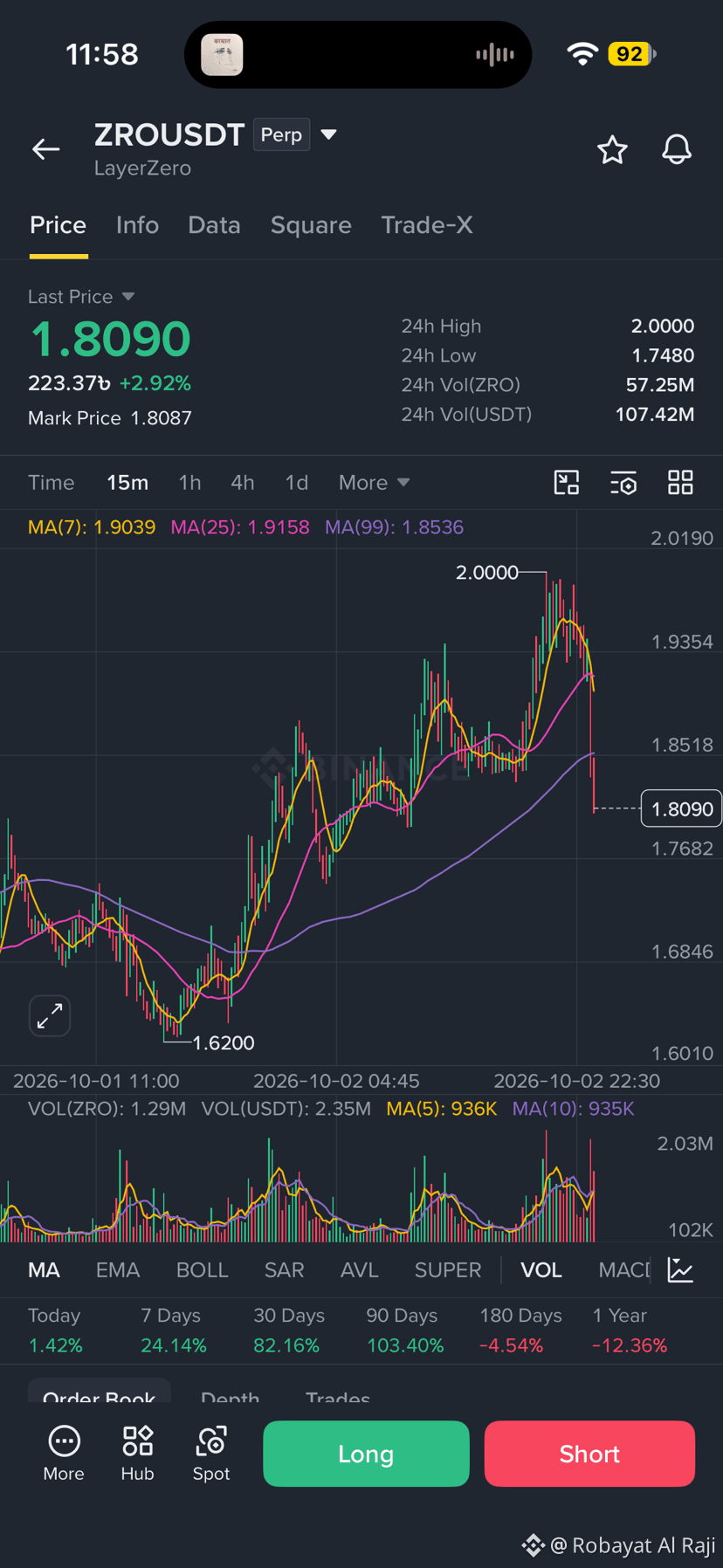
🚨 $ZRO 正在猛烈回落……但這會是一次反轉的“加載中”嗎?👀
$ZRO 正承受沉重的賣壓,但這次急拉回落可能正在構建一個有趣的反彈區域。
⚡ 多頭佈局:關注$1.84–$1.86區域,看看是否會出現潛在反應。
🎯 目標位:
• $1.90
• $1.94
• $1.97
🛑 止損:$1.69
關鍵問題:這次下跌會不會變成發射臺,還是$ZRO 還會有更多下行空間?👀
請謹慎管理風險並自行做研究(DYOR)。
#zro
$ZRO
🚨 $ZRO 正在猛烈回落……但這會是一次反轉的“加載中”嗎?👀
$ZRO 正承受沉重的賣壓,但這次急拉回落可能正在構建一個有趣的反彈區域。
⚡ 多頭佈局:關注$1.84–$1.86區域,看看是否會出現潛在反應。
🎯 目標位:
• $1.90
• $1.94
• $1.97
🛑 止損:$1.69
關鍵問題:這次下跌會不會變成發射臺,還是$ZRO 還會有更多下行空間?👀
請謹慎管理風險並自行做研究(DYOR)。
#zro
🚨 $ZRO 正在猛烈回落……但這會是一次反轉的“加載中”嗎?👀
$ZRO 正承受沉重的賣壓,但這次急拉回落可能正在構建一個有趣的反彈區域。
⚡ 多頭佈局:關注$1.84–$1.86區域,看看是否會出現潛在反應。
🎯 目標位:
• $1.90
• $1.94
• $1.97
🛑 止損:$1.69
關鍵問題:這次下跌會不會變成發射臺,還是$ZRO 還會有更多下行空間?👀
請謹慎管理風險並自行做研究(DYOR)。
#zro
134
$TIA
{future}(TIAUSDT)
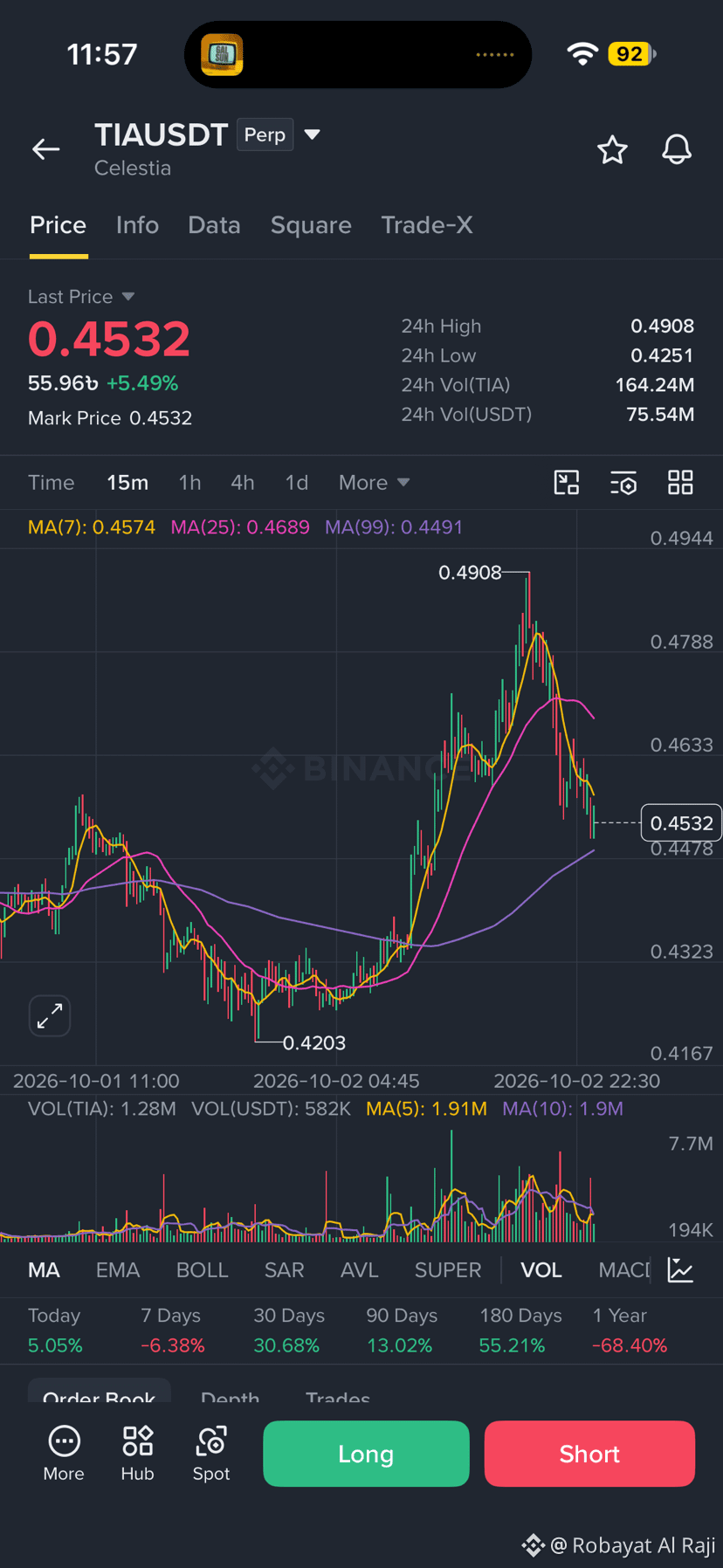
🚨 $TIA 在拒絕高點之後正在消退… 👀
$TIA 在觸及高點被拒後仍在繼續下滑,而賣壓似乎還沒有結束。
⚠️ 空頭設置即將到來:如果看跌動能繼續,可能還會出現下一段下行。
🎯 入場區:0.4548 – 0.4569
📉 目標位:
• 0.4480
• 0.4410
• 0.4353
🛑 止損:0.4698
關鍵問題現在是:$TIA 會失守入場區並加速下跌,還是賣方即將被困住? 👀
進行該設置交易,管理你的風險,並自行做研究(DYOR)。#tia
$TIA
🚨 $TIA 在拒絕高點之後正在消退… 👀
$TIA 在觸及高點被拒後仍在繼續下滑,而賣壓似乎還沒有結束。
⚠️ 空頭設置即將到來:如果看跌動能繼續,可能還會出現下一段下行。
🎯 入場區:0.4548 – 0.4569
📉 目標位:
• 0.4480
• 0.4410
• 0.4353
🛑 止損:0.4698
關鍵問題現在是:$TIA 會失守入場區並加速下跌,還是賣方即將被困住? 👀
進行該設置交易,管理你的風險,並自行做研究(DYOR)。#tia
🚨 $TIA 在拒絕高點之後正在消退… 👀
$TIA 在觸及高點被拒後仍在繼續下滑,而賣壓似乎還沒有結束。
⚠️ 空頭設置即將到來:如果看跌動能繼續,可能還會出現下一段下行。
🎯 入場區:0.4548 – 0.4569
📉 目標位:
• 0.4480
• 0.4410
• 0.4353
🛑 止損:0.4698
關鍵問題現在是:$TIA 會失守入場區並加速下跌,還是賣方即將被困住? 👀
進行該設置交易,管理你的風險,並自行做研究(DYOR)。#tia
102
$XRP
{future}(XRPUSDT)
$BTC
{future}(BTCUSDT)
$ETH
{future}(ETHUSDT)
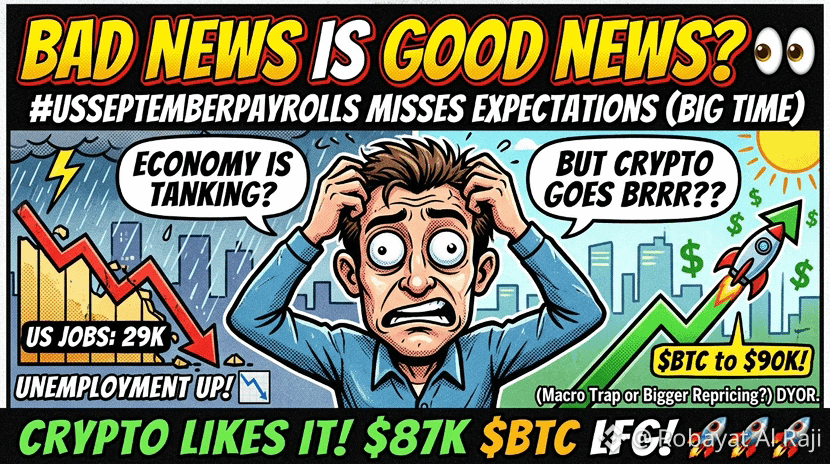
🚨 #USSeptemberPayrolls — 新增 2.9 萬個工作崗位,失業率升至 4.2% 👀
📉 壞消息… 但加密貨幣喜歡它?
9 月美國非農就業人數僅爲 2.9 萬人,預期爲 8.4 萬人;與此同時,失業率攀升至 4.2%。
本該引發恐慌,但疲弱的就業數據反而推動 10 年期美債收益率下跌 0.77%——風險資產也因此受到追捧。👀
🔥 $BTC 推向 8.7 萬美元附近,而 $ETH 則表現出強勁的上行動能。
🧠 爲何“弱數據”反而偏多?
➡️ 加息壓力減弱:勞動力市場降溫可能會降低對進一步更嚴格的美聯儲政策需求。
➡️ 收益率下行:更低的美債收益率會讓債券吸引力下降,資金可能轉向 BTC、ETH 等風險資產。
➡️ 流動性預期上升:交易員可能開始定價未來的貨幣寬鬆以及潛在的降息。
🚀 $BTC 重點關注:
8.7 萬美元是關鍵戰場。若有效突破 8.74 萬美元,流動性可能上探至具有心理關口意義的 9 萬美元區域。
⚡ $ETH 重點關注:
更低的收益率預期與不斷改善的 DeFi 情緒,可能讓以太坊生態的動能持續累積。
⚠️ 但關鍵在這裏:
槓桿可能把由宏觀驅動的反彈變成劇烈的“洗盤”。波動率仍然偏高,因此風險管理很重要。
這會是更大級別的加密貨幣重新定價的開始…還是另一個宏觀陷阱?👀👇
DYOR. #xrp #BTC #eth
$XRP
$BTC
$ETH
🚨 #USSeptemberPayrolls — 新增 2.9 萬個工作崗位,失業率升至 4.2% 👀
📉 壞消息… 但加密貨幣喜歡它?
9 月美國非農就業人數僅爲 2.9 萬人,預期爲 8.4 萬人;與此同時,失業率攀升至 4.2%。
本該引發恐慌,但疲弱的就業數據反而推動 10 年期美債收益率下跌 0.77%——風險資產也因此受到追捧。👀
🔥 $BTC 推向 8.7 萬美元附近,而 $ETH 則表現出強勁的上行動能。
🧠 爲何“弱數據”反而偏多?
➡️ 加息壓力減弱:勞動力市場降溫可能會降低對進一步更嚴格的美聯儲政策需求。
➡️ 收益率下行:更低的美債收益率會讓債券吸引力下降,資金可能轉向 BTC、ETH 等風險資產。
➡️ 流動性預期上升:交易員可能開始定價未來的貨幣寬鬆以及潛在的降息。
🚀 $BTC 重點關注:
8.7 萬美元是關鍵戰場。若有效突破 8.74 萬美元,流動性可能上探至具有心理關口意義的 9 萬美元區域。
⚡ $ETH 重點關注:
更低的收益率預期與不斷改善的 DeFi 情緒,可能讓以太坊生態的動能持續累積。
⚠️ 但關鍵在這裏:
槓桿可能把由宏觀驅動的反彈變成劇烈的“洗盤”。波動率仍然偏高,因此風險管理很重要。
這會是更大級別的加密貨幣重新定價的開始…還是另一個宏觀陷阱?👀👇
DYOR. #xrp #BTC #eth
$BTC
$ETH
🚨 #USSeptemberPayrolls — 新增 2.9 萬個工作崗位,失業率升至 4.2% 👀
📉 壞消息… 但加密貨幣喜歡它?
9 月美國非農就業人數僅爲 2.9 萬人,預期爲 8.4 萬人;與此同時,失業率攀升至 4.2%。
本該引發恐慌,但疲弱的就業數據反而推動 10 年期美債收益率下跌 0.77%——風險資產也因此受到追捧。👀
🔥 $BTC 推向 8.7 萬美元附近,而 $ETH 則表現出強勁的上行動能。
🧠 爲何“弱數據”反而偏多?
➡️ 加息壓力減弱:勞動力市場降溫可能會降低對進一步更嚴格的美聯儲政策需求。
➡️ 收益率下行:更低的美債收益率會讓債券吸引力下降,資金可能轉向 BTC、ETH 等風險資產。
➡️ 流動性預期上升:交易員可能開始定價未來的貨幣寬鬆以及潛在的降息。
🚀 $BTC 重點關注:
8.7 萬美元是關鍵戰場。若有效突破 8.74 萬美元,流動性可能上探至具有心理關口意義的 9 萬美元區域。
⚡ $ETH 重點關注:
更低的收益率預期與不斷改善的 DeFi 情緒,可能讓以太坊生態的動能持續累積。
⚠️ 但關鍵在這裏:
槓桿可能把由宏觀驅動的反彈變成劇烈的“洗盤”。波動率仍然偏高,因此風險管理很重要。
這會是更大級別的加密貨幣重新定價的開始…還是另一個宏觀陷阱?👀👇
DYOR. #xrp #BTC #eth
84
$BTC
{future}(BTCUSDT)
$ETH
{future}(ETHUSDT)
$XRP
{future}(XRPUSDT)
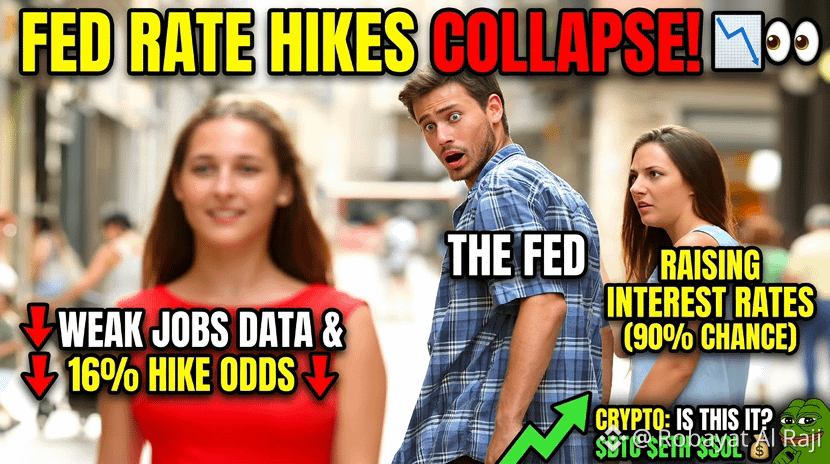
🚨 美聯儲加息押注剛剛崩了 👀
不到一週,下一次美聯儲加息的概率已因失業率走高、就業增長不及預期而驟降至僅 16%。 📉
這讓焦點重新回到可能的暫停——甚至是降息——如果勞動力市場繼續走弱的話。
那對於加密貨幣呢?這可能會變得非常有意思。 👀
較低的加息預期可以緩解對風險資產的壓力,並改善流動性狀況。
💰 $BTC 可能會因風險偏好回暖而受益
⚡ $ETH 隨着 DeFi 情緒改善,可能會迎來一波提振
🔥 $SOL 如果投機資金重新輪動回數字資產,可能會迎來更大行情
美聯儲敘事剛剛變了。現在的問題是:誰能最先獲得流動性? 🧐
自行調研(DYOR)。
#btc #ETH #sol #Xrp🔥🔥
$BTC
$ETH
$XRP
🚨 美聯儲加息押注剛剛崩了 👀
不到一週,下一次美聯儲加息的概率已因失業率走高、就業增長不及預期而驟降至僅 16%。 📉
這讓焦點重新回到可能的暫停——甚至是降息——如果勞動力市場繼續走弱的話。
那對於加密貨幣呢?這可能會變得非常有意思。 👀
較低的加息預期可以緩解對風險資產的壓力,並改善流動性狀況。
💰 $BTC 可能會因風險偏好回暖而受益
⚡ $ETH 隨着 DeFi 情緒改善,可能會迎來一波提振
🔥 $SOL 如果投機資金重新輪動回數字資產,可能會迎來更大行情
美聯儲敘事剛剛變了。現在的問題是:誰能最先獲得流動性? 🧐
自行調研(DYOR)。
#btc #ETH #sol #Xrp🔥🔥
$ETH
$XRP
🚨 美聯儲加息押注剛剛崩了 👀
不到一週,下一次美聯儲加息的概率已因失業率走高、就業增長不及預期而驟降至僅 16%。 📉
這讓焦點重新回到可能的暫停——甚至是降息——如果勞動力市場繼續走弱的話。
那對於加密貨幣呢?這可能會變得非常有意思。 👀
較低的加息預期可以緩解對風險資產的壓力,並改善流動性狀況。
💰 $BTC 可能會因風險偏好回暖而受益
⚡ $ETH 隨着 DeFi 情緒改善,可能會迎來一波提振
🔥 $SOL 如果投機資金重新輪動回數字資產,可能會迎來更大行情
美聯儲敘事剛剛變了。現在的問題是:誰能最先獲得流動性? 🧐
自行調研(DYOR)。
#btc #ETH #sol #Xrp🔥🔥
67
$BTC
{future}(BTCUSDT)
$ETH
{future}(ETHUSDT)
$XRP
{future}(XRPUSDT)
🚨🇺🇸 NFP 剛剛公佈——而且結果很糟! 👀
美國就業市場剛剛帶來一個重大意外:
📉 9 月 NFP:+29K
🎯 預期:+90K
📊 失業率:4.2%
⬇️ 8 月修正:+133K
這意味着招聘明顯放緩——而市場已經開始反應。 ⚡
對於加密交易者來說,關鍵問題是這將如何影響美聯儲下一步。
📉 就業數據走弱 → 降低加息預期
📉 美國國債收益率 → 往下移動
👀 $BTC + $ETH + 黃金 + 股票 → 再次回到關注焦點
但請記住:就業走弱 ≠ 自動推動 BTC 上漲。
需要盯緊的鏈條是:
NFP → 美聯儲 → 利率 → 流動性 → 加密 🚀
這會是更“加密友好”宏觀環境的開端嗎? 👀
#NFP #BTC #ETH #Fed #Markets
$BTC
$ETH
$XRP
🚨🇺🇸 NFP 剛剛公佈——而且結果很糟! 👀
美國就業市場剛剛帶來一個重大意外:
📉 9 月 NFP:+29K
🎯 預期:+90K
📊 失業率:4.2%
⬇️ 8 月修正:+133K
這意味着招聘明顯放緩——而市場已經開始反應。 ⚡
對於加密交易者來說,關鍵問題是這將如何影響美聯儲下一步。
📉 就業數據走弱 → 降低加息預期
📉 美國國債收益率 → 往下移動
👀 $BTC + $ETH + 黃金 + 股票 → 再次回到關注焦點
但請記住:就業走弱 ≠ 自動推動 BTC 上漲。
需要盯緊的鏈條是:
NFP → 美聯儲 → 利率 → 流動性 → 加密 🚀
這會是更“加密友好”宏觀環境的開端嗎? 👀
#NFP #BTC #ETH #Fed #Markets
$ETH
$XRP
🚨🇺🇸 NFP 剛剛公佈——而且結果很糟! 👀
美國就業市場剛剛帶來一個重大意外:
📉 9 月 NFP:+29K
🎯 預期:+90K
📊 失業率:4.2%
⬇️ 8 月修正:+133K
這意味着招聘明顯放緩——而市場已經開始反應。 ⚡
對於加密交易者來說,關鍵問題是這將如何影響美聯儲下一步。
📉 就業數據走弱 → 降低加息預期
📉 美國國債收益率 → 往下移動
👀 $BTC + $ETH + 黃金 + 股票 → 再次回到關注焦點
但請記住:就業走弱 ≠ 自動推動 BTC 上漲。
需要盯緊的鏈條是:
NFP → 美聯儲 → 利率 → 流動性 → 加密 🚀
這會是更“加密友好”宏觀環境的開端嗎? 👀
#NFP #BTC #ETH #Fed #Markets

50
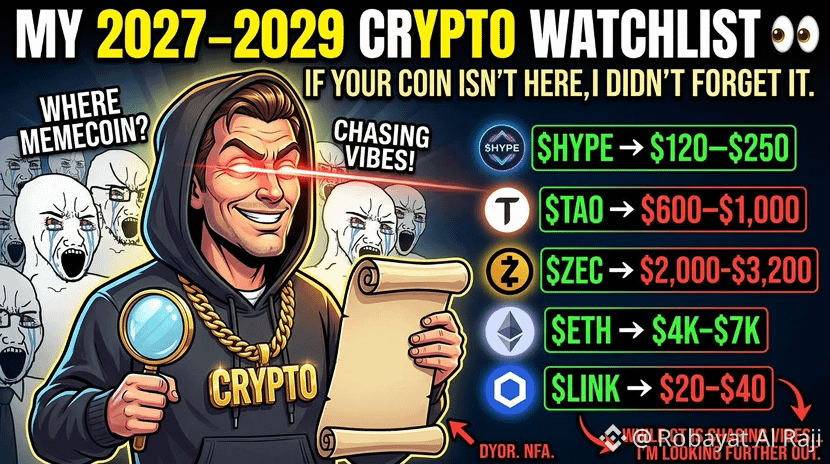
🚨 我的 2027–2029 加密貨幣觀察清單 👀
如果你的幣不在這裏,我沒有忘記它。只是這些名稱,是我願意爲其附上跨多年的目標區間。
📌 可能的 2027–2029 區間:
$HYPE → $120–$250 | 2.1x–4.4x
$ONDO → $1.50–$2.50 | 1.9x–3.2x
$TAO → $600–$1,000 | 1.6x–2.7x
$ETH → $4K–$7K | 1.5x–2.6x
$LINK → $20–$40 | 1.3x–2.5x
$ZEC → $2,000–$3,200 | 1.4x–2.3x
$SUI → $1.50–$3.00 | 1.1x–2.2x
$BNB → $900–$1,400 | 1.2x–1.9x
儘管 CT 仍在追逐敘事與情緒,但我在更遠的地方看。 👀
並不是每一種代幣都會有 3 年的論點。
這些是我正在密切關注的。 🔎
DYOR。非財務建議(NFA)。
{future}(TAOUSDT)
{future}(ONDOUSDT)
{future}(HYPEUSDT)
#hype #TAO #ONDO
🚨 我的 2027–2029 加密貨幣觀察清單 👀
如果你的幣不在這裏,我沒有忘記它。只是這些名稱,是我願意爲其附上跨多年的目標區間。
📌 可能的 2027–2029 區間:
$HYPE → $120–$250 | 2.1x–4.4x
$ONDO → $1.50–$2.50 | 1.9x–3.2x
$TAO → $600–$1,000 | 1.6x–2.7x
$ETH → $4K–$7K | 1.5x–2.6x
$LINK → $20–$40 | 1.3x–2.5x
$ZEC → $2,000–$3,200 | 1.4x–2.3x
$SUI → $1.50–$3.00 | 1.1x–2.2x
$BNB → $900–$1,400 | 1.2x–1.9x
儘管 CT 仍在追逐敘事與情緒,但我在更遠的地方看。 👀
並不是每一種代幣都會有 3 年的論點。
這些是我正在密切關注的。 🔎
DYOR。非財務建議(NFA)。
#hype #TAO #ONDO
如果你的幣不在這裏,我沒有忘記它。只是這些名稱,是我願意爲其附上跨多年的目標區間。
📌 可能的 2027–2029 區間:
$HYPE → $120–$250 | 2.1x–4.4x
$ONDO → $1.50–$2.50 | 1.9x–3.2x
$TAO → $600–$1,000 | 1.6x–2.7x
$ETH → $4K–$7K | 1.5x–2.6x
$LINK → $20–$40 | 1.3x–2.5x
$ZEC → $2,000–$3,200 | 1.4x–2.3x
$SUI → $1.50–$3.00 | 1.1x–2.2x
$BNB → $900–$1,400 | 1.2x–1.9x
儘管 CT 仍在追逐敘事與情緒,但我在更遠的地方看。 👀
並不是每一種代幣都會有 3 年的論點。
這些是我正在密切關注的。 🔎
DYOR。非財務建議(NFA)。
#hype #TAO #ONDO
429
$BTC
{future}(BTCUSDT)
$TRUMP
{future}(TRUMPUSDT)
$WLFI
{future}(WLFIUSDT)
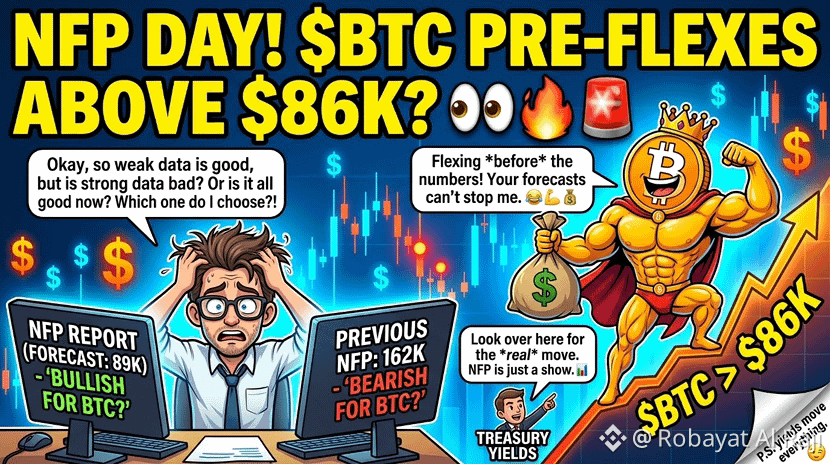
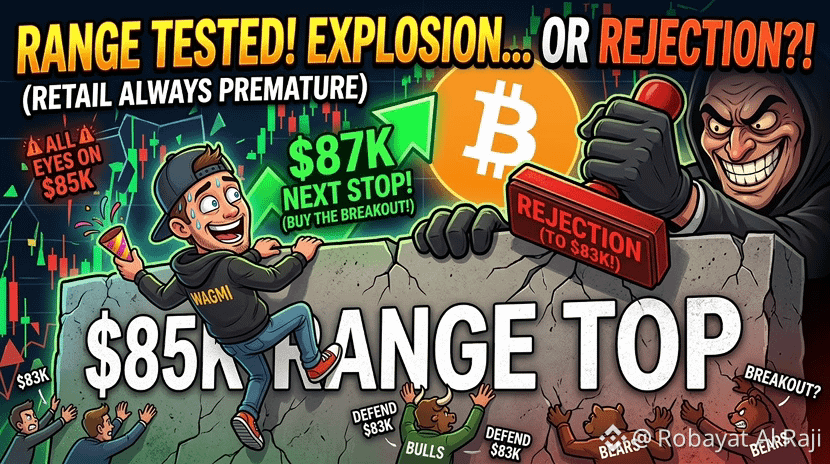
🚨 NFP日來了——而$BTC 已經在8.6萬美元上方大幅拉昇 👀🔥
今天的就業報告可能成爲第四季度之前推動美聯儲預期與加密市場的重要催化劑。
🔹 NFP:12:30 UTC
🔹 預測:新增89K就業崗位(此前爲162K)
🔹 $BTC:已經衝上8.6萬美元以上
🔹 數據強勁:可能降低降息預期,並對風險資產形成壓力
🔹 數據疲弱:可能強化降息押注,並支撐BTC
⚠️ 但關鍵在於:NFP本身並不總是會讓比特幣出現顯著大幅波動。更大的反應往往來自之後美國國債收益率和利率預期的變化。
👀 那接下來會怎樣——NFP會助推BTC上漲,還是引發一輪難看的“洗盤”?
讓我們看看數據會帶來什麼。📊🔥
#nfp #brc20s #NFPWatch
$BTC
$TRUMP
$WLFI
🚨 NFP日來了——而$BTC 已經在8.6萬美元上方大幅拉昇 👀🔥
今天的就業報告可能成爲第四季度之前推動美聯儲預期與加密市場的重要催化劑。
🔹 NFP:12:30 UTC
🔹 預測:新增89K就業崗位(此前爲162K)
🔹 $BTC :已經衝上8.6萬美元以上
🔹 數據強勁:可能降低降息預期,並對風險資產形成壓力
🔹 數據疲弱:可能強化降息押注,並支撐BTC
⚠️ 但關鍵在於:NFP本身並不總是會讓比特幣出現顯著大幅波動。更大的反應往往來自之後美國國債收益率和利率預期的變化。
👀 那接下來會怎樣——NFP會助推BTC上漲,還是引發一輪難看的“洗盤”?
讓我們看看數據會帶來什麼。📊🔥
#nfp #brc20s #NFPWatch
$TRUMP
$WLFI
🚨 NFP日來了——而$BTC 已經在8.6萬美元上方大幅拉昇 👀🔥
今天的就業報告可能成爲第四季度之前推動美聯儲預期與加密市場的重要催化劑。
🔹 NFP:12:30 UTC
🔹 預測:新增89K就業崗位(此前爲162K)
🔹 $BTC :已經衝上8.6萬美元以上
🔹 數據強勁:可能降低降息預期,並對風險資產形成壓力
🔹 數據疲弱:可能強化降息押注,並支撐BTC
⚠️ 但關鍵在於:NFP本身並不總是會讓比特幣出現顯著大幅波動。更大的反應往往來自之後美國國債收益率和利率預期的變化。
👀 那接下來會怎樣——NFP會助推BTC上漲,還是引發一輪難看的“洗盤”?
讓我們看看數據會帶來什麼。📊🔥
#nfp #brc20s #NFPWatch
459
真實
$TRUMP
{future}(TRUMPUSDT)
$WLFI
{future}(WLFIUSDT)
$WLD
{future}(WLDUSDT)
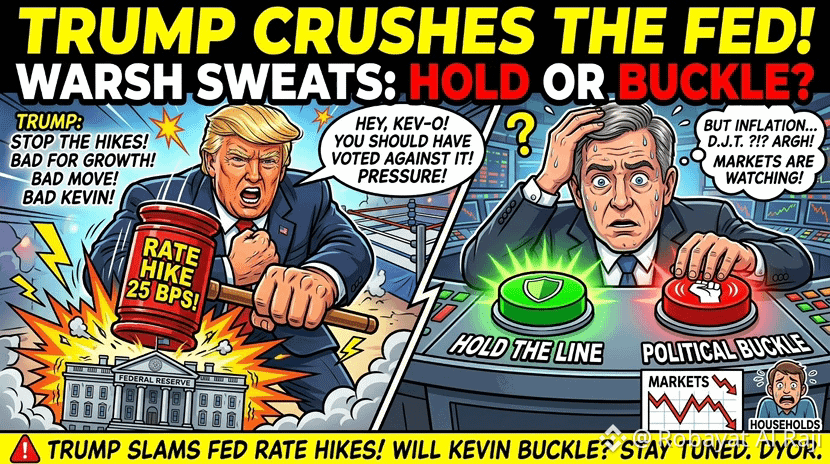
🚨 特朗普猛烈抨擊美聯儲最新加息 ⚡
唐納德·特朗普批評美聯儲最近上調25個基點的利率,稱此舉可能對經濟增長和家庭生活造成壓力。他還表示,美聯儲主席凱文·沃什應當在加息時投反對票。
與此同時,美聯儲指出通脹仍然頑固,並暗示進一步收緊政策仍可能在考慮之中。
更關鍵的問題是:
👀 美聯儲會堅持不變,還是在政治壓力和不斷上升的借貸成本影響下改變前路?
市場正密切關注每一步。📉⚡
敬請關注。DYOR。
#trump #WLFI #WLD #TrumpNFT #Trump2024
$TRUMP
$WLFI
$WLD
🚨 特朗普猛烈抨擊美聯儲最新加息 ⚡
唐納德·特朗普批評美聯儲最近上調25個基點的利率,稱此舉可能對經濟增長和家庭生活造成壓力。他還表示,美聯儲主席凱文·沃什應當在加息時投反對票。
與此同時,美聯儲指出通脹仍然頑固,並暗示進一步收緊政策仍可能在考慮之中。
更關鍵的問題是:
👀 美聯儲會堅持不變,還是在政治壓力和不斷上升的借貸成本影響下改變前路?
市場正密切關注每一步。📉⚡
敬請關注。DYOR。
#trump #WLFI #WLD #TrumpNFT #Trump2024
$WLFI
$WLD
🚨 特朗普猛烈抨擊美聯儲最新加息 ⚡
唐納德·特朗普批評美聯儲最近上調25個基點的利率,稱此舉可能對經濟增長和家庭生活造成壓力。他還表示,美聯儲主席凱文·沃什應當在加息時投反對票。
與此同時,美聯儲指出通脹仍然頑固,並暗示進一步收緊政策仍可能在考慮之中。
更關鍵的問題是:
👀 美聯儲會堅持不變,還是在政治壓力和不斷上升的借貸成本影響下改變前路?
市場正密切關注每一步。📉⚡
敬請關注。DYOR。
#trump #WLFI #WLD #TrumpNFT #Trump2024
554
$TAO
{future}(TAOUSDT)
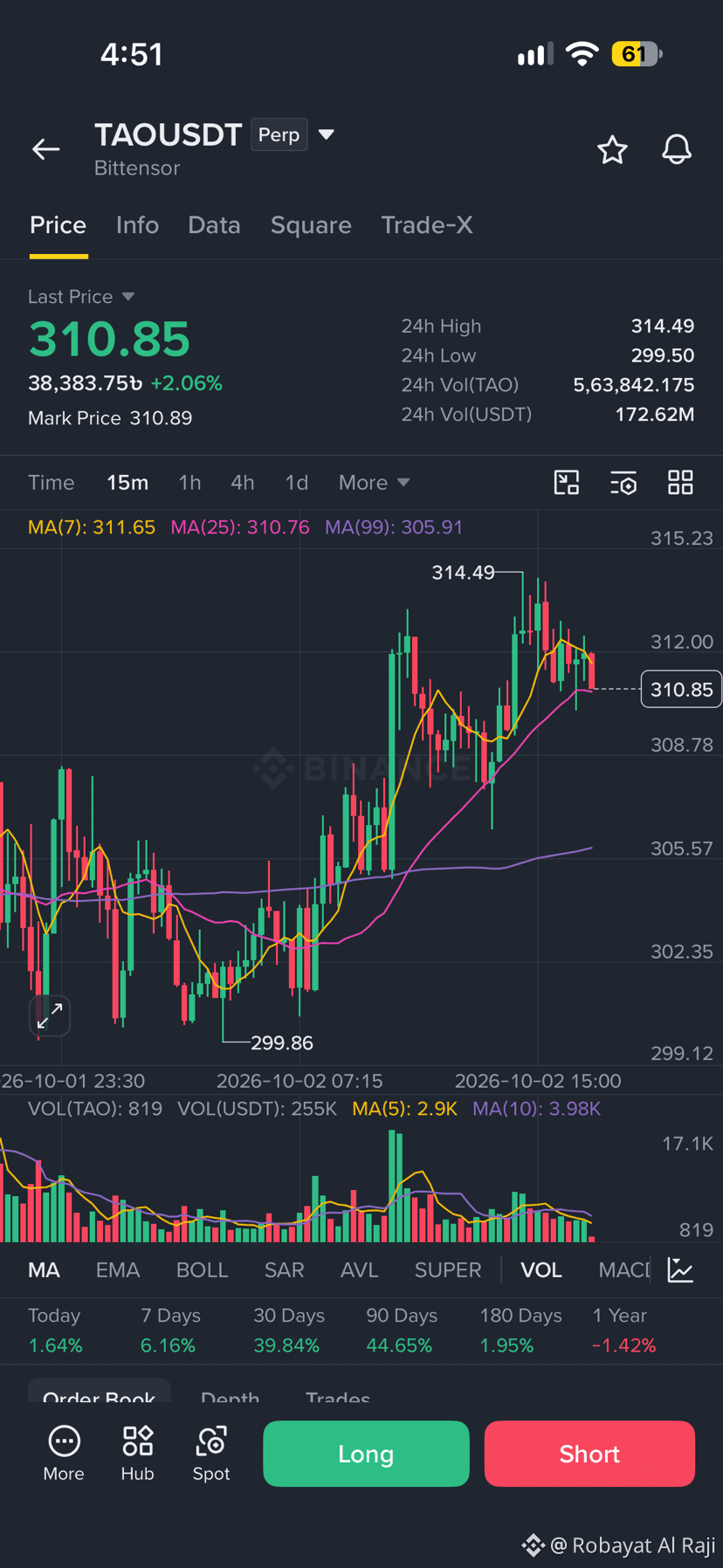
🚨 $TAO — 拒絕區已到 👀📉
經過急漲後,$TAO 目前正在測試約 $313–$316 的阻力位。
如果賣方守住該區域,價格可能會出現向下的回撤走勢,轉向更低的水平。 🔻
🔴 空單進場:$313–$316
🛑 止損:$328
🎯 TP1:$305
🎯 TP2:$300
🎯 TP3:$290
$TAO 會突破阻力——還是再次被拒絕? 👀
自行研究。非財務建議。
#tao
$TAO
🚨 $TAO — 拒絕區已到 👀📉
經過急漲後,$TAO 目前正在測試約 $313–$316 的阻力位。
如果賣方守住該區域,價格可能會出現向下的回撤走勢,轉向更低的水平。 🔻
🔴 空單進場:$313–$316
🛑 止損:$328
🎯 TP1:$305
🎯 TP2:$300
🎯 TP3:$290
$TAO 會突破阻力——還是再次被拒絕? 👀
自行研究。非財務建議。
#tao
🚨 $TAO — 拒絕區已到 👀📉
經過急漲後,$TAO 目前正在測試約 $313–$316 的阻力位。
如果賣方守住該區域,價格可能會出現向下的回撤走勢,轉向更低的水平。 🔻
🔴 空單進場:$313–$316
🛑 止損:$328
🎯 TP1:$305
🎯 TP2:$300
🎯 TP3:$290
$TAO 會突破阻力——還是再次被拒絕? 👀
自行研究。非財務建議。
#tao
17
$ZEC
{future}(ZECUSDT)
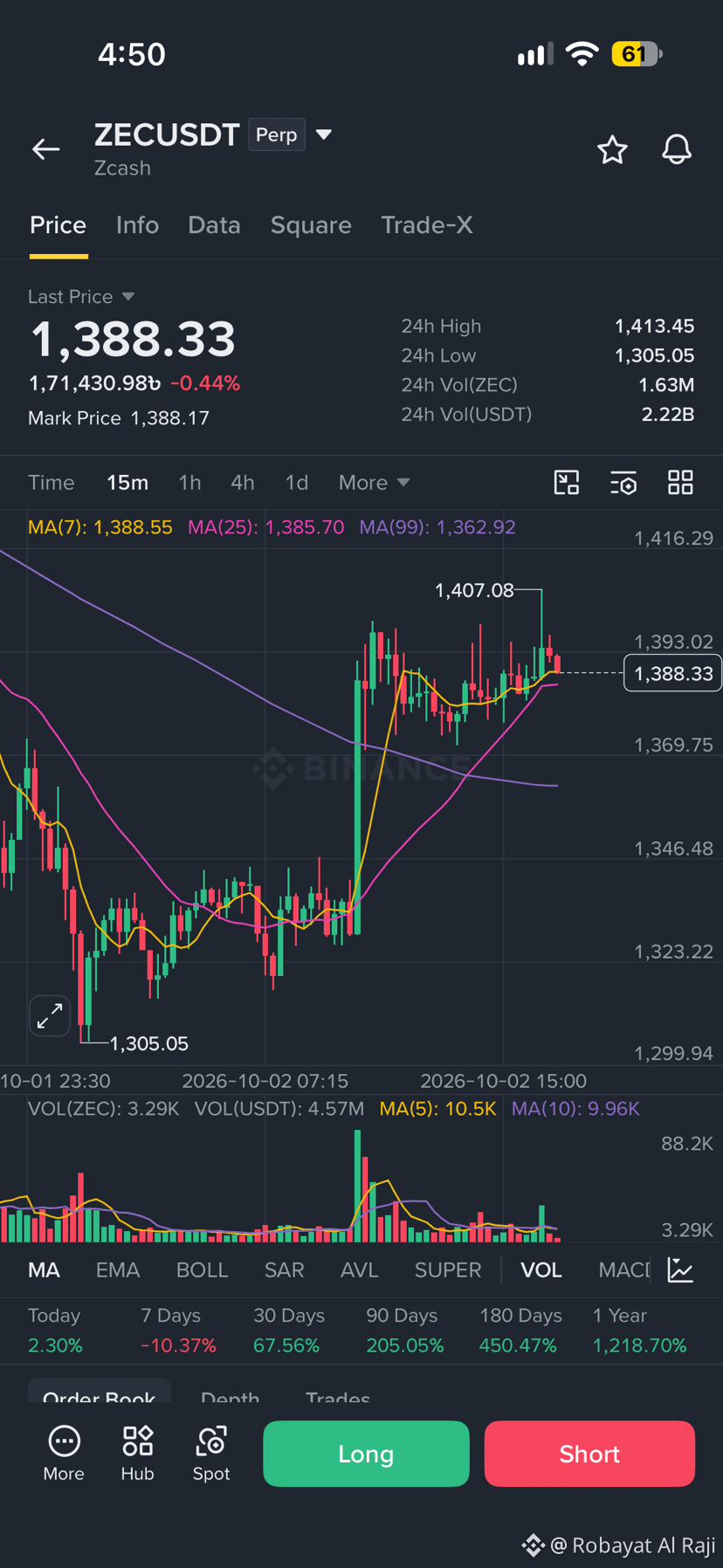
🚨 $ZEC ——反彈模式還是其他崩盤?👀
$ZEC 在近期回調後正在企穩,但$1,350是需要重點關注的關鍵位。
如果支撐守住,可能會出現反彈並測試阻力區域的機會。📈
🟢 多單進場:$1,375–$1,385
🛑 止損:$1,307
🎯 TP1:$1,420
🎯 TP2:$1,470
🎯 TP3:$1,520
圍繞$1,350的市場反應可能會揭示接下來會發生什麼。買家會捍衛它——還是地板會被打穿?👀
自行研究(DYOR)。不構成財務建議(NFA)。
#zec
$ZEC
🚨 $ZEC ——反彈模式還是其他崩盤?👀
$ZEC 在近期回調後正在企穩,但$1,350是需要重點關注的關鍵位。
如果支撐守住,可能會出現反彈並測試阻力區域的機會。📈
🟢 多單進場:$1,375–$1,385
🛑 止損:$1,307
🎯 TP1:$1,420
🎯 TP2:$1,470
🎯 TP3:$1,520
圍繞$1,350的市場反應可能會揭示接下來會發生什麼。買家會捍衛它——還是地板會被打穿?👀
自行研究(DYOR)。不構成財務建議(NFA)。
#zec
🚨 $ZEC ——反彈模式還是其他崩盤?👀
$ZEC 在近期回調後正在企穩,但$1,350是需要重點關注的關鍵位。
如果支撐守住,可能會出現反彈並測試阻力區域的機會。📈
🟢 多單進場:$1,375–$1,385
🛑 止損:$1,307
🎯 TP1:$1,420
🎯 TP2:$1,470
🎯 TP3:$1,520
圍繞$1,350的市場反應可能會揭示接下來會發生什麼。買家會捍衛它——還是地板會被打穿?👀
自行研究(DYOR)。不構成財務建議(NFA)。
#zec
196
$SAND
{future}(SANDUSDT)
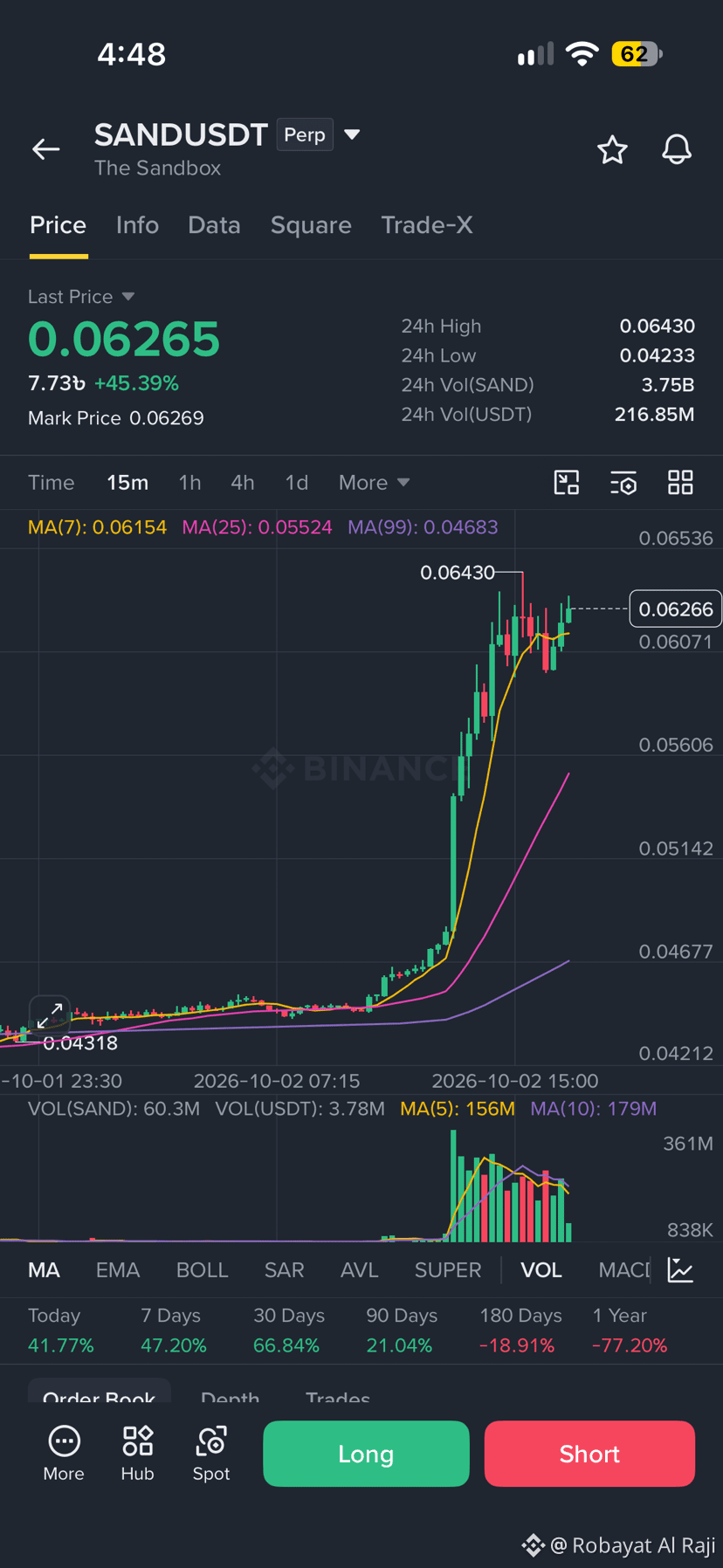
🚨 $SAND —— 最高點可能正在反擊 👀📉
在迅猛拉昇至 0.065 美元附近之後,$SAND 顯示出從高位被拒絕的跡象。
這只是冷卻階段——還是即將出現更深的回調?🧐
接下來的幾步可能會揭示:多頭能否重新奪回動能……還是賣方即將掌控局面。🔻
⚠️ 保持警惕。密切關注關鍵價位。
DYOR。NFA。#sand
$SAND
🚨 $SAND —— 最高點可能正在反擊 👀📉
在迅猛拉昇至 0.065 美元附近之後,$SAND 顯示出從高位被拒絕的跡象。
這只是冷卻階段——還是即將出現更深的回調?🧐
接下來的幾步可能會揭示:多頭能否重新奪回動能……還是賣方即將掌控局面。🔻
⚠️ 保持警惕。密切關注關鍵價位。
DYOR。NFA。#sand
🚨 $SAND —— 最高點可能正在反擊 👀📉
在迅猛拉昇至 0.065 美元附近之後,$SAND 顯示出從高位被拒絕的跡象。
這只是冷卻階段——還是即將出現更深的回調?🧐
接下來的幾步可能會揭示:多頭能否重新奪回動能……還是賣方即將掌控局面。🔻
⚠️ 保持警惕。密切關注關鍵價位。
DYOR。NFA。#sand
184
$SAND
{future}(SANDUSDT)
$MANA
{future}(MANAUSDT)
$MAGIC
{future}(MAGICUSDT)
🚨 SEC託管規則剛變得有趣了 👀
美國證管會(SEC)提出了對投資顧問與受監管基金的託管規則變更——但真正的重點可能在於「允許自我託管」所附帶的條件。
有三個細節特別引人注意:
1️⃣ 當顧問認定「沒有合格託管機構可用」時,自我託管可能被允許。關鍵問題是:到底由誰來決定託管機構是否真的可用?
2️⃣ 將適用嚴格的防護措施——包括資安控管、託管保護專業、客戶揭露以及持續的審查;而一旦出現合格託管機構,自我託管的路徑可能就會實質消失。
3️⃣ 由州註冊的信託公司可能成為合格託管機構,進而有可能擴大能夠提供託管服務的機構數量。
👀 現在最大的問題是:SEC 是否會明確定義「沒有託管機構可用」的判斷標準——還是把它留給解釋空間?
這些細節可能比標題本身更重要。
DYOR。非財務建議。
#Regulation #SEC
$SAND
$MANA
$MAGIC
🚨 SEC託管規則剛變得有趣了 👀
美國證管會(SEC)提出了對投資顧問與受監管基金的託管規則變更——但真正的重點可能在於「允許自我託管」所附帶的條件。
有三個細節特別引人注意:
1️⃣ 當顧問認定「沒有合格託管機構可用」時,自我託管可能被允許。關鍵問題是:到底由誰來決定託管機構是否真的可用?
2️⃣ 將適用嚴格的防護措施——包括資安控管、託管保護專業、客戶揭露以及持續的審查;而一旦出現合格託管機構,自我託管的路徑可能就會實質消失。
3️⃣ 由州註冊的信託公司可能成為合格託管機構,進而有可能擴大能夠提供託管服務的機構數量。
👀 現在最大的問題是:SEC 是否會明確定義「沒有託管機構可用」的判斷標準——還是把它留給解釋空間?
這些細節可能比標題本身更重要。
DYOR。非財務建議。
#Regulation #SEC
$MANA
$MAGIC
🚨 SEC託管規則剛變得有趣了 👀
美國證管會(SEC)提出了對投資顧問與受監管基金的託管規則變更——但真正的重點可能在於「允許自我託管」所附帶的條件。
有三個細節特別引人注意:
1️⃣ 當顧問認定「沒有合格託管機構可用」時,自我託管可能被允許。關鍵問題是:到底由誰來決定託管機構是否真的可用?
2️⃣ 將適用嚴格的防護措施——包括資安控管、託管保護專業、客戶揭露以及持續的審查;而一旦出現合格託管機構,自我託管的路徑可能就會實質消失。
3️⃣ 由州註冊的信託公司可能成為合格託管機構,進而有可能擴大能夠提供託管服務的機構數量。
👀 現在最大的問題是:SEC 是否會明確定義「沒有託管機構可用」的判斷標準——還是把它留給解釋空間?
這些細節可能比標題本身更重要。
DYOR。非財務建議。
#Regulation #SEC

318
$XRP
{future}(XRPUSDT)
$SAND
{future}(SANDUSDT)
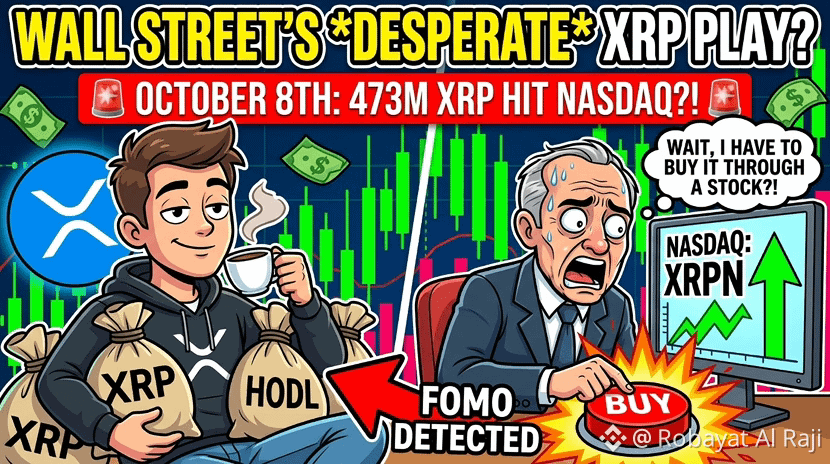
🚨 $XRP — 4.73億 XRP 可能很快進入華爾街的視野 👀
Evernorth 的合併已獲批准,預計將於10月8日在納斯達克以 <b>$XRPN</b> 開始交易。
交割時,公司預計將持有約 4.73 億 XRP,這可能使其成爲最大的公開上市純 XRP 庫存公司。 🏦💧
據報道,該交易及相關的私募融資已籌集超過 10 億美元,參與方包括 Ripple、Pantera、Kraken、SBI Group 等。
如今,投資者或許還能找到另一條獲得 XRP 曝光的路徑:
💧 直接買入 XRP
📊 買入 XRP ETF
🏦 購買一傢俱備圍繞 XRP 曝光的、在納斯達克上市的公司
第三種選擇可能讓 XRP 直接面向傳統股票投資者,而無需他們去穿越加密資產的交易通道。
👀 10月8日或將揭示,市場對這家以 XRP 爲核心的上市公司的需求有多大。
#xrp #Ripple
$XRP
$SAND
🚨 $XRP — 4.73億 XRP 可能很快進入華爾街的視野 👀
Evernorth 的合併已獲批准,預計將於10月8日在納斯達克以 <b>$XRPN</b> 開始交易。
交割時,公司預計將持有約 4.73 億 XRP,這可能使其成爲最大的公開上市純 XRP 庫存公司。 🏦💧
據報道,該交易及相關的私募融資已籌集超過 10 億美元,參與方包括 Ripple、Pantera、Kraken、SBI Group 等。
如今,投資者或許還能找到另一條獲得 XRP 曝光的路徑:
💧 直接買入 XRP
📊 買入 XRP ETF
🏦 購買一傢俱備圍繞 XRP 曝光的、在納斯達克上市的公司
第三種選擇可能讓 XRP 直接面向傳統股票投資者,而無需他們去穿越加密資產的交易通道。
👀 10月8日或將揭示,市場對這家以 XRP 爲核心的上市公司的需求有多大。
#xrp #Ripple
$SAND
🚨 $XRP — 4.73億 XRP 可能很快進入華爾街的視野 👀
Evernorth 的合併已獲批准,預計將於10月8日在納斯達克以 <b>$XRPN</b> 開始交易。
交割時,公司預計將持有約 4.73 億 XRP,這可能使其成爲最大的公開上市純 XRP 庫存公司。 🏦💧
據報道,該交易及相關的私募融資已籌集超過 10 億美元,參與方包括 Ripple、Pantera、Kraken、SBI Group 等。
如今,投資者或許還能找到另一條獲得 XRP 曝光的路徑:
💧 直接買入 XRP
📊 買入 XRP ETF
🏦 購買一傢俱備圍繞 XRP 曝光的、在納斯達克上市的公司
第三種選擇可能讓 XRP 直接面向傳統股票投資者,而無需他們去穿越加密資產的交易通道。
👀 10月8日或將揭示,市場對這家以 XRP 爲核心的上市公司的需求有多大。
#xrp #Ripple
212
登入以探索更多內容
加入幣安廣場中的全球加密貨幣用戶
⚡️ 獲取加密貨幣的最新和實用資訊。
💬 受到全球最大加密貨幣交易所的信任。
👍 發掘來自經過驗證創作者的真實見解。
電子郵件 / 電話號碼
熱門話題
比特币涨至8.65万美元后回落
85,740 次瀏覽
186 討論中
大餅瀑布了!接下來怎麼做?
大餅昨日一波上漲,來到了87000附近,晚間又是在非農利多的情況下,直接打到前高附近,開始下行,目前關鍵位置85288被帶量跌破了!所以上行趨勢又被扼殺在搖籃裏面了!
大餅又重新回到了盤整區間,這一波還能到89000附近嗎?
個人來看,回踩只要不破82000-83000這個區間,那麼還是有機會的,如果跌破了,大餅的深度回踩就要開始了,回踩就要看75000-78000這個區間!
接我們晚間在羣裏給到的位置,已經到達74500附近,可頭倉做個多單,可以博弈一下!帶止損!$BTC
#比特币升至8.5万美元附近
K线暴徒
·10 人按讚
·22.8k 次瀏覽
Cerebras股价跌近20%据报OpenAI转用英伟达
15,181 次瀏覽
88 討論中
SEC拟修订加密资产托管规则
56,231 次瀏覽
123 討論中