

MeharAhmad23
16 貼文

MeharAhmad23
舉報
封鎖用戶
實盤交易
低頻交易者
2.2 年
3 關注
8 粉絲
8 點讚數
貼文
投資組合
·
--

文章
Binance Qafila 2026:🚀 Binance Qafila 2026:100 萬美元 #USDC 獎勵活動
今日加密貨幣動態聚焦 Binance Qafila 2026 活動。該活動設有總額 100 萬美元的獎勵池,獎勵以 <t-16/>#USDC 代幣代金券的形式發放。符合條件的用戶可以參與多種活動,包括交易挑戰、申購 Earn 產品和邀請好友,獎勵將視活動規則及個人資格而定。活動預計持續至 2026 年 11 月 30 日,但並非所有參與者都能保證獲得獎勵。參與前,請查看 Binance 官方公告瞭解完整詳情。"htt$ps://www.binance.com/en/support/announcement/detail/ade351b5d80842b69784d836e0338a6d" (https://www.binance.com/en/support/announcement/detail/ade351b5d80842b69784d836e0338a6d)
Binance Qafila 2026:
🚀 Binance Qafila 2026:100 萬美元 #USDC 獎勵活動
今日加密貨幣動態聚焦 Binance Qafila 2026 活動。該活動設有總額 100 萬美元的獎勵池,獎勵以 <t-16/>#USDC 代幣代金券的形式發放。符合條件的用戶可以參與多種活動,包括交易挑戰、申購 Earn 產品和邀請好友,獎勵將視活動規則及個人資格而定。活動預計持續至 2026 年 11 月 30 日,但並非所有參與者都能保證獲得獎勵。參與前,請查看 Binance 官方公告瞭解完整詳情。"htt$ps://www.binance.com/en/support/announcement/detail/ade351b5d80842b69784d836e0338a6d" (https://www.binance.com/en/support/announcement/detail/ade351b5d80842b69784d836e0338a6d)
今日加密貨幣動態聚焦 Binance Qafila 2026 活動。該活動設有總額 100 萬美元的獎勵池,獎勵以 <t-16/>#USDC 代幣代金券的形式發放。符合條件的用戶可以參與多種活動,包括交易挑戰、申購 Earn 產品和邀請好友,獎勵將視活動規則及個人資格而定。活動預計持續至 2026 年 11 月 30 日,但並非所有參與者都能保證獲得獎勵。參與前,請查看 Binance 官方公告瞭解完整詳情。"htt$ps://www.binance.com/en/support/announcement/detail/ade351b5d80842b69784d836e0338a6d" (https://www.binance.com/en/support/announcement/detail/ade351b5d80842b69784d836e0338a6d)
78
·
--
Binance Qafila 爲加密貨幣社區帶來了令人振奮的機會,獎勵池高達 1,000,000 USDC。活動將於 2026 年 10 月 20 日開始,用戶屆時可以瞭解活動及其相關內容。參與前,請查閱 Binance 官方規則,瞭解參與資格和獎勵詳情。
#Binance #Qafila #USDC #CryptoRewards
https://www.binance.com/en/ti/act/Qafila
Binance Qafila 爲加密貨幣社區帶來了令人振奮的機會,獎勵池高達 1,000,000 USDC。活動將於 2026 年 10 月 20 日開始,用戶屆時可以瞭解活動及其相關內容。參與前,請查閱 Binance 官方規則,瞭解參與資格和獎勵詳情。
#Binance #Qafila #USDC #CryptoRewards
https://www.binance.com/en/ti/act/Qafila
#Binance #Qafila #USDC #CryptoRewards
https://www.binance.com/en/ti/act/Qafila

89
·
--
#pixel $PIXEL
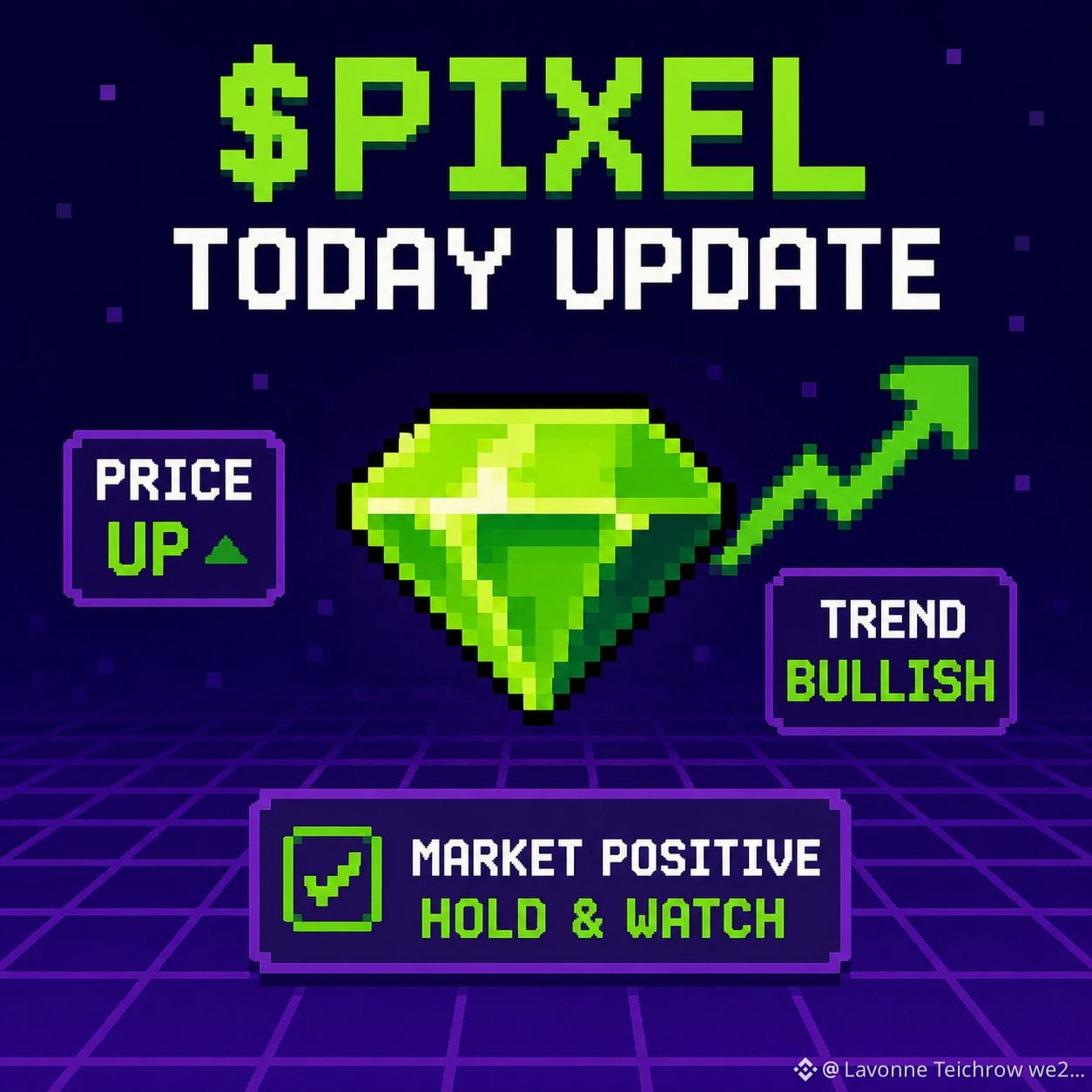
PIXEL ($PIXEL L) – 今日市場更新
PIXEL ($PIXEL
{spot}(PIXELUSDT)
EL) 的價格走勢今天顯示出市場的新興趣,交易量明顯增加,短期動能也在上升。買家在經過一段整合期後逐漸入場,表明交易者的信心正在緩慢恢復。這一波上漲可能受到圍繞遊戲和元宇宙相關代幣關注度增加的影響,PIXEL 繼續在這一領域保持相關性。在較低時間框架上,圖表反映出更高的低點形成,如果這種趨勢得以維持,通常被視爲看漲信號。然而,市場仍然對整體加密情緒敏感,這意味着比特幣的任何重大波動都可能影響 PIXEL 的方向。
從更廣泛的角度來看,PIXEL 正在受益於社區參與度的提升和不斷推進的生態系統發展,這些都有助於保持其在市場波動中的相關性。社交媒體對該代幣的提及和交易討論有所增加,暗示着投機興趣上升。儘管這並不保證強勁的反彈,但確實爲潛在的波動性和短期機會創造了條件。交易者密切關注關鍵阻力位,突破這些區域可能會觸發更明顯的上升走勢。在下行方面,維持當前支撐位至關重要,以避免再次回調,使得今天的交易時段對於近期的市場走向至關重要。
#pixel $PIXEL
PIXEL ($PIXEL L) – 今日市場更新
PIXEL ($PIXEL
EL) 的價格走勢今天顯示出市場的新興趣,交易量明顯增加,短期動能也在上升。買家在經過一段整合期後逐漸入場,表明交易者的信心正在緩慢恢復。這一波上漲可能受到圍繞遊戲和元宇宙相關代幣關注度增加的影響,PIXEL 繼續在這一領域保持相關性。在較低時間框架上,圖表反映出更高的低點形成,如果這種趨勢得以維持,通常被視爲看漲信號。然而,市場仍然對整體加密情緒敏感,這意味着比特幣的任何重大波動都可能影響 PIXEL 的方向。
從更廣泛的角度來看,PIXEL 正在受益於社區參與度的提升和不斷推進的生態系統發展,這些都有助於保持其在市場波動中的相關性。社交媒體對該代幣的提及和交易討論有所增加,暗示着投機興趣上升。儘管這並不保證強勁的反彈,但確實爲潛在的波動性和短期機會創造了條件。交易者密切關注關鍵阻力位,突破這些區域可能會觸發更明顯的上升走勢。在下行方面,維持當前支撐位至關重要,以避免再次回調,使得今天的交易時段對於近期的市場走向至關重要。
1
87
·
--
#CHIPPricePump
#CHIP 價格拉升(簡單解釋):
「價格拉升」指的是當某個幣或代幣(這裡是CHIP)的價格突然快速上漲。這通常發生在很多人同時開始買入的時候。
原因可能包括:
高需求(更多人在買)
正面的消息或更新
大型投資者進入市場
有時候是炒作或謠言
簡單來說:當買家多於賣家時,價格就會拉升。
#CHIPPricePump
#CHIP 價格拉升(簡單解釋):
「價格拉升」指的是當某個幣或代幣(這裡是CHIP)的價格突然快速上漲。這通常發生在很多人同時開始買入的時候。
原因可能包括:
高需求(更多人在買)
正面的消息或更新
大型投資者進入市場
有時候是炒作或謠言
簡單來說:當買家多於賣家時,價格就會拉升。
#CHIP 價格拉升(簡單解釋):
「價格拉升」指的是當某個幣或代幣(這裡是CHIP)的價格突然快速上漲。這通常發生在很多人同時開始買入的時候。
原因可能包括:
高需求(更多人在買)
正面的消息或更新
大型投資者進入市場
有時候是炒作或謠言
簡單來說:當買家多於賣家時,價格就會拉升。
269
·
--
查看翻譯
Solana/usdt trending trading???Solana has become one of the fastest-growing blockchain networks, and $SOL /USDT is now a trending pair among traders. Its high-speed transactions and low fees attract developers and investors, which directly impacts its market demand. This pair is known for strong upward rallies followed by quick corrections.
Currently, $SOL /USDT is considered a high-momentum trading pair. It’s ideal for traders who like volatility and quick profits, but it also carries higher risk compared to BTC and ETH. News about ecosystem growth or outages can significantly impact price, so staying updated is essential.
Solana/usdt trending trading???
Solana has become one of the fastest-growing blockchain networks, and $SOL /USDT is now a trending pair among traders. Its high-speed transactions and low fees attract developers and investors, which directly impacts its market demand. This pair is known for strong upward rallies followed by quick corrections.
Currently, $SOL /USDT is considered a high-momentum trading pair. It’s ideal for traders who like volatility and quick profits, but it also carries higher risk compared to BTC and ETH. News about ecosystem growth or outages can significantly impact price, so staying updated is essential.
Currently, $SOL /USDT is considered a high-momentum trading pair. It’s ideal for traders who like volatility and quick profits, but it also carries higher risk compared to BTC and ETH. News about ecosystem growth or outages can significantly impact price, so staying updated is essential.
34
·
--
查看翻譯
Bitcoin treding trading???BTC/USDT ($BITCOIN )
$BITCOIN remains the most dominant asset in crypto trading, and the BTC/USDT pair consistently records the highest volume globally. Traders prefer this pair because it offers deep liquidity, meaning you can enter and exit trades بسهولة without large price slippage. It’s widely used for scalping, day trading, and even long-term accumulation, especially during market uncertainty when Bitcoin acts as a “digital gold.”
Recently, BTC/USDT has seen strong momentum due to institutional inflows and global adoption trends. Large investors and hedge funds continue to accumulate Bitcoin, which keeps volatility high but structured. This makes it ideal for both beginners and experienced traders who want relatively safer exposure compared to smaller altcoins.
Bitcoin treding trading???
BTC/USDT ($BITCOIN )
$BITCOIN remains the most dominant asset in crypto trading, and the BTC/USDT pair consistently records the highest volume globally. Traders prefer this pair because it offers deep liquidity, meaning you can enter and exit trades بسهولة without large price slippage. It’s widely used for scalping, day trading, and even long-term accumulation, especially during market uncertainty when Bitcoin acts as a “digital gold.”
Recently, BTC/USDT has seen strong momentum due to institutional inflows and global adoption trends. Large investors and hedge funds continue to accumulate Bitcoin, which keeps volatility high but structured. This makes it ideal for both beginners and experienced traders who want relatively safer exposure compared to smaller altcoins.
70
·
--
更新PRL價格拉昇今天的市場對$PRL 表現出謹慎的態度,價格在$0.220左右,下降了大約7.5%。儘管下跌,訂單簿顯示雙方仍然有活躍的興趣,買賣牆相對平衡。像這樣的短期波動很常見,特別是在近期的動盪之後,它通常反映了交易者快速獲利,而不是全面情緒的轉變。如果勢頭從當前水平上升,小幅反彈或“迷你拉昇”可能會發生,但可能需要更強的成交量來維持任何向上的走勢。
更新PRL價格拉昇
今天的市場對$PRL 表現出謹慎的態度,價格在$0.220左右,下降了大約7.5%。儘管下跌,訂單簿顯示雙方仍然有活躍的興趣,買賣牆相對平衡。像這樣的短期波動很常見,特別是在近期的動盪之後,它通常反映了交易者快速獲利,而不是全面情緒的轉變。如果勢頭從當前水平上升,小幅反彈或“迷你拉昇”可能會發生,但可能需要更強的成交量來維持任何向上的走勢。
372
·
--
查看翻譯
why BNB pice pump's???The recent price pump in $BNB (Binance Coin) is being driven by a combination of short-term trading momentum and broader market confidence around Binance. From today’s chart, BNB briefly touched the $630–$631 range, which suggests strong intraday buying pressure rather than a slow organic climb. One key factor is increased trading volume—when more traders enter the market, especially with leveraged positions, price moves become sharper. Another driver is the general bullish sentiment across the crypto market. When major assets like Bitcoin and Ethereum show strength, capital often rotates into large-cap altcoins like BNB. Additionally, $BNB has a unique role within the Binance ecosystem: it’s used for fee discounts, staking, and participation in token launches. When platform activity rises, demand for BNB naturally increases. Today’s move also shows signs of a technical rebound—price dipped earlier and then sharply recovered, which often happens when traders buy the “dip” near support levels like the moving average (MA60 shown on your chart). This creates a quick upward spike as sell pressure gets absorbed.
On a deeper level, BNB’s strength today is also tied to ongoing ecosystem growth and investor expectations. Binance continues to expand services, including DeFi, staking, and layer-2 integrations, which increases long-term utility for $BNB . Even rumors or anticipation of upgrades can trigger buying behavior before any official announcements. Another important factor is tokenomics—BNB has periodic token burns that reduce supply over time, making it more attractive during bullish phases. Market psychology also plays a big role: once traders see a breakout above a certain level (like $630), it can trigger FOMO (fear of missing out), bringing in more buyers and pushing price higher in the short term. However, it’s worth noting that this kind of pump doesn’t always mean a sustained uptrend. The chart you shared shows volatility, with quick drops and rebounds, which suggests traders are actively taking profits. So while today’s pump is real, it’s likely driven by a mix of technical bounce, strong trading volume, and positive sentiment around Binance rather than a single major news event.
why BNB pice pump's???
The recent price pump in $BNB (Binance Coin) is being driven by a combination of short-term trading momentum and broader market confidence around Binance. From today’s chart, BNB briefly touched the $630–$631 range, which suggests strong intraday buying pressure rather than a slow organic climb. One key factor is increased trading volume—when more traders enter the market, especially with leveraged positions, price moves become sharper. Another driver is the general bullish sentiment across the crypto market. When major assets like Bitcoin and Ethereum show strength, capital often rotates into large-cap altcoins like BNB. Additionally, $BNB has a unique role within the Binance ecosystem: it’s used for fee discounts, staking, and participation in token launches. When platform activity rises, demand for BNB naturally increases. Today’s move also shows signs of a technical rebound—price dipped earlier and then sharply recovered, which often happens when traders buy the “dip” near support levels like the moving average (MA60 shown on your chart). This creates a quick upward spike as sell pressure gets absorbed.
On a deeper level, BNB’s strength today is also tied to ongoing ecosystem growth and investor expectations. Binance continues to expand services, including DeFi, staking, and layer-2 integrations, which increases long-term utility for $BNB . Even rumors or anticipation of upgrades can trigger buying behavior before any official announcements. Another important factor is tokenomics—BNB has periodic token burns that reduce supply over time, making it more attractive during bullish phases. Market psychology also plays a big role: once traders see a breakout above a certain level (like $630), it can trigger FOMO (fear of missing out), bringing in more buyers and pushing price higher in the short term. However, it’s worth noting that this kind of pump doesn’t always mean a sustained uptrend. The chart you shared shows volatility, with quick drops and rebounds, which suggests traders are actively taking profits. So while today’s pump is real, it’s likely driven by a mix of technical bounce, strong trading volume, and positive sentiment around Binance rather than a single major news event.
On a deeper level, BNB’s strength today is also tied to ongoing ecosystem growth and investor expectations. Binance continues to expand services, including DeFi, staking, and layer-2 integrations, which increases long-term utility for $BNB . Even rumors or anticipation of upgrades can trigger buying behavior before any official announcements. Another important factor is tokenomics—BNB has periodic token burns that reduce supply over time, making it more attractive during bullish phases. Market psychology also plays a big role: once traders see a breakout above a certain level (like $630), it can trigger FOMO (fear of missing out), bringing in more buyers and pushing price higher in the short term. However, it’s worth noting that this kind of pump doesn’t always mean a sustained uptrend. The chart you shared shows volatility, with quick drops and rebounds, which suggests traders are actively taking profits. So while today’s pump is real, it’s likely driven by a mix of technical bounce, strong trading volume, and positive sentiment around Binance rather than a single major news event.
33
·
--
文章
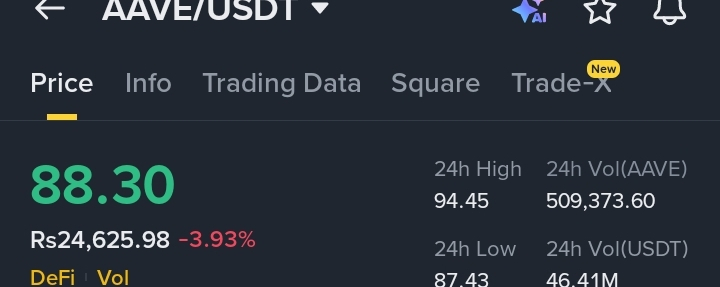
爲什麼AAVE USDT價格上漲???最近,$AAVE 的USDT市場價格飆升與更廣泛的加密貨幣勢頭和協議特定的需求變化有關。首先,當去中心化金融中的整體流動性擴大時,Aave受益匪淺,這正是目前發生的事情。隨着交易者將資金重新投入DeFi,借貸活動激增——尤其是對像Tether (USDT)這樣的穩定幣,它們廣泛用於槓桿和套利。當更多用戶希望在Aave上借入USDT時,利用率上升,這推動了利率的提高。更高的利率吸引了更多尋求收益的貸款人,增加了對Aave池的需求,並間接提升了協議的總鎖定價值(TVL)。此外,鯨魚錢包和機構投資者似乎正在爲短期機會進行佈局,借入USDT以投入到其他交易中,如ETH或山寨幣突破。這種活動創造了一個反饋循環:更多借貸 → 更高利率 → 更多存款 → 更強的協議指標 → 對Aave的積極情緒。同時,加密貨幣的更廣泛宏觀情緒已轉爲看漲,比特幣和以太坊顯示出強勁表現,這通常會提升像AAVE這樣的DeFi代幣,因爲投資者在風險曲線上進一步移動。社交媒體的炒作和交易量的激增也放大了這一走勢,零售交易者一旦看到強勁的價格行動就會涌入。
爲什麼AAVE USDT價格上漲???
最近,$AAVE 的USDT市場價格飆升與更廣泛的加密貨幣勢頭和協議特定的需求變化有關。首先,當去中心化金融中的整體流動性擴大時,Aave受益匪淺,這正是目前發生的事情。隨着交易者將資金重新投入DeFi,借貸活動激增——尤其是對像Tether (USDT)這樣的穩定幣,它們廣泛用於槓桿和套利。當更多用戶希望在Aave上借入USDT時,利用率上升,這推動了利率的提高。更高的利率吸引了更多尋求收益的貸款人,增加了對Aave池的需求,並間接提升了協議的總鎖定價值(TVL)。此外,鯨魚錢包和機構投資者似乎正在爲短期機會進行佈局,借入USDT以投入到其他交易中,如ETH或山寨幣突破。這種活動創造了一個反饋循環:更多借貸 → 更高利率 → 更多存款 → 更強的協議指標 → 對Aave的積極情緒。同時,加密貨幣的更廣泛宏觀情緒已轉爲看漲,比特幣和以太坊顯示出強勁表現,這通常會提升像AAVE這樣的DeFi代幣,因爲投資者在風險曲線上進一步移動。社交媒體的炒作和交易量的激增也放大了這一走勢,零售交易者一旦看到強勁的價格行動就會涌入。
60
·
--
爲什麼 APT 價格會上漲???Aptos ($APT ) 今天的上漲主要是由於市場動量和新的生態系統催化劑的結合。最大的驅動力之一是投資者對第一層區塊鏈的新興趣,因爲資金從像比特幣和以太坊這樣的市值較大的加密貨幣轉向中型市值的替代幣。交易者們在追逐更高的回報,而以高速度架構和 Move 編程語言而聞名的 Aptos 正在從這一變化中受益。此外,關於生態系統發展的討論也在增加,包括新的 DeFi 集成、NFT 活動以及潛在的合作伙伴關係,這些都表明實際使用的增加。社會情緒也有所上升,這通常會推動短期反彈,因爲散戶交易者紛紛涌入。
爲什麼 APT 價格會上漲???
Aptos ($APT ) 今天的上漲主要是由於市場動量和新的生態系統催化劑的結合。最大的驅動力之一是投資者對第一層區塊鏈的新興趣,因爲資金從像比特幣和以太坊這樣的市值較大的加密貨幣轉向中型市值的替代幣。交易者們在追逐更高的回報,而以高速度架構和 Move 編程語言而聞名的 Aptos 正在從這一變化中受益。此外,關於生態系統發展的討論也在增加,包括新的 DeFi 集成、NFT 活動以及潛在的合作伙伴關係,這些都表明實際使用的增加。社會情緒也有所上升,這通常會推動短期反彈,因爲散戶交易者紛紛涌入。
1
149
·
--
文章
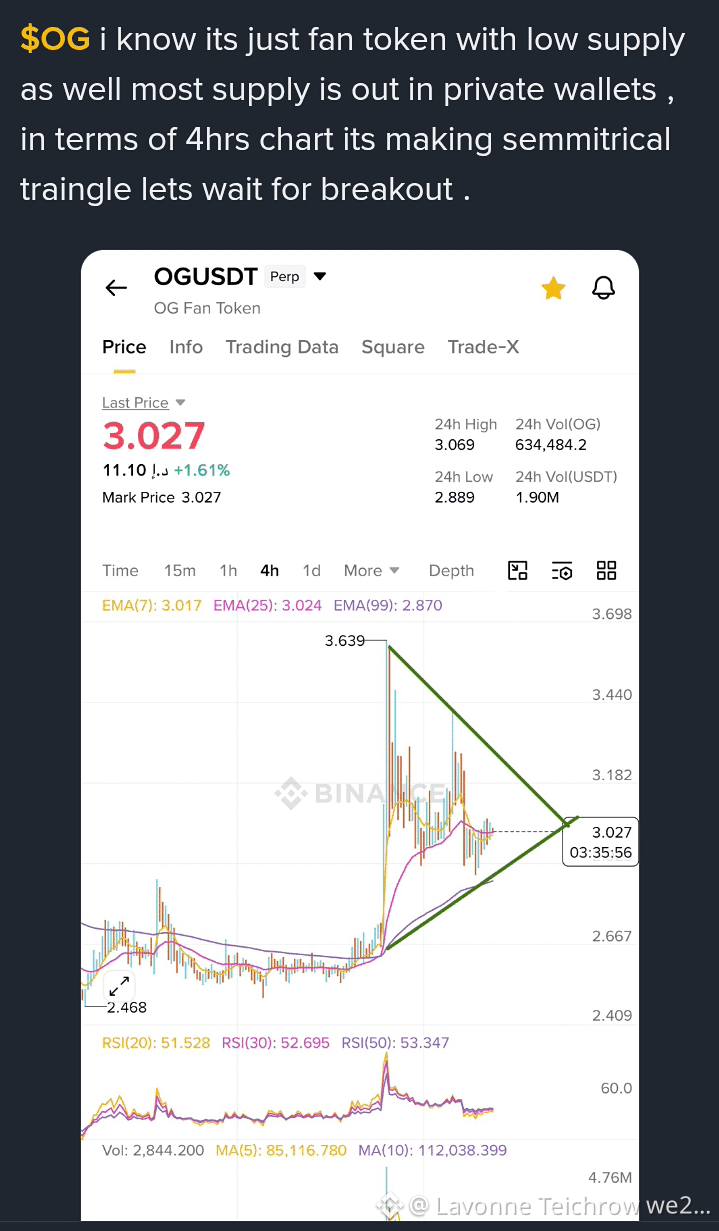
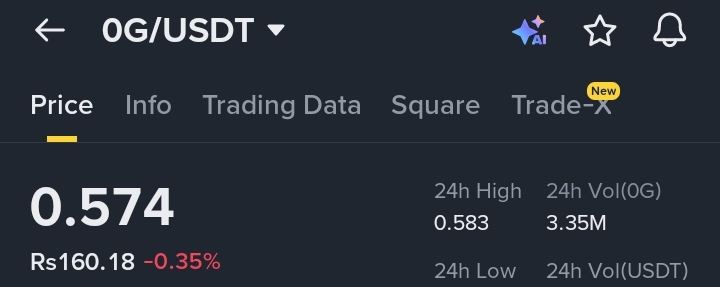
爲什麼OG價格拉昇???最近Tether(通常稱爲$OG USDT”)的拉昇通常是由短期需求激增、流動性失衡或臨時脫鉤恐懼驅動的,而不是確實的價值增長,因爲它的設計是保持在1美元附近。
今天的市場波動可能反映了加密市場的波動性和交易壓力(例如,比特幣的變化或交易流動),而不是根本性的價格上漲——因此任何“拉昇”通常都是短暫的並自我修正的。
爲什麼OG價格拉昇???
最近Tether(通常稱爲$OG USDT”)的拉昇通常是由短期需求激增、流動性失衡或臨時脫鉤恐懼驅動的,而不是確實的價值增長,因爲它的設計是保持在1美元附近。
今天的市場波動可能反映了加密市場的波動性和交易壓力(例如,比特幣的變化或交易流動),而不是根本性的價格上漲——因此任何“拉昇”通常都是短暫的並自我修正的。
今天的市場波動可能反映了加密市場的波動性和交易壓力(例如,比特幣的變化或交易流動),而不是根本性的價格上漲——因此任何“拉昇”通常都是短暫的並自我修正的。
169
·
--
文章
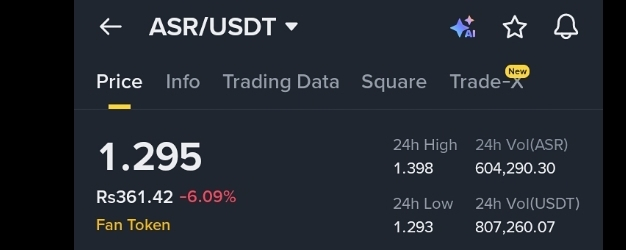
爲什麼 ASR/usdt 價格會暴漲???$ASR /USDT (AS Roma 球迷代幣) 通常會因其低市值、高波動性的特性而上漲,因此即使是小規模的購買壓力也能迅速推動價格。最近的數據表明,其交易量急劇上升(約 +90% 在 24 小時內),這表明市場上出現了新需求。當交易量像這樣上升時——通常是由於交易者、大鯨魚或短期炒作——即使沒有重大新聞,價格也可以急劇上漲。此外,像 $ASR 這樣的球迷代幣受到整體加密貨幣情緒和社交媒體活動的強烈影響,這意味着快速上漲和下跌是正常的行爲。
爲什麼 ASR/usdt 價格會暴漲???
$ASR /USDT (AS Roma 球迷代幣) 通常會因其低市值、高波動性的特性而上漲,因此即使是小規模的購買壓力也能迅速推動價格。最近的數據表明,其交易量急劇上升(約 +90% 在 24 小時內),這表明市場上出現了新需求。當交易量像這樣上升時——通常是由於交易者、大鯨魚或短期炒作——即使沒有重大新聞,價格也可以急劇上漲。此外,像 $ASR 這樣的球迷代幣受到整體加密貨幣情緒和社交媒體活動的強烈影響,這意味着快速上漲和下跌是正常的行爲。
345
·
--
文章
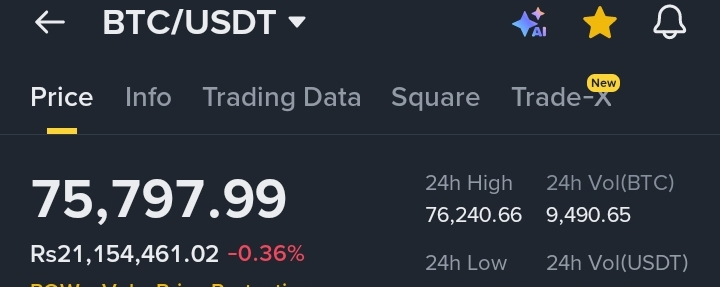
爲什麼比特幣價格會上漲?$BITCOIN 當需求突然超出供應時,價格通常會“上漲”。這可能是因爲大型機構購買(如ETF或大型基金累積BTC)、積極的宏觀新聞(例如,利率預期或美元走弱),或主要的採用信號,例如公司將$BITCOIN 添加到他們的資產負債表中。由於比特幣的供應是固定的,即使是適度的需求增加也會迅速推高價格,特別是在流動性稀薄的市場中。短期擠壓也起到作用——當押注比特幣下跌的交易者被迫以更高的價格回購時,會加速價格的上升。
爲什麼比特幣價格會上漲?
$BITCOIN 當需求突然超出供應時,價格通常會“上漲”。這可能是因爲大型機構購買(如ETF或大型基金累積BTC)、積極的宏觀新聞(例如,利率預期或美元走弱),或主要的採用信號,例如公司將$BITCOIN 添加到他們的資產負債表中。由於比特幣的供應是固定的,即使是適度的需求增加也會迅速推高價格,特別是在流動性稀薄的市場中。短期擠壓也起到作用——當押注比特幣下跌的交易者被迫以更高的價格回購時,會加速價格的上升。
1
122
·
--
文章
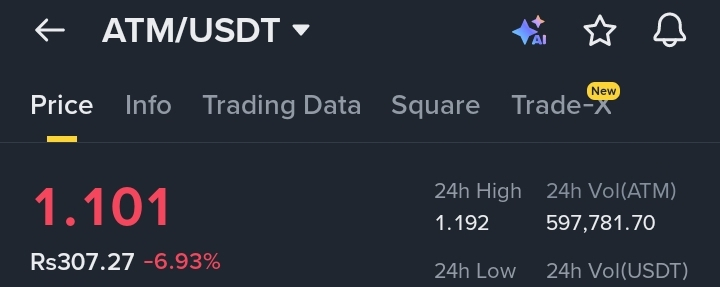
爲什麼ATM/usdt價格暴漲???人們所指的“$ATM USDT價格暴漲”通常是指在交易所中與Tether(USDT)配對的代幣的突然激增,而不是USDT本身(因爲它被設計爲保持在$1附近)。這些暴漲通常發生在流動性快速流入特定交易對時——無論是由於炒作、新聞還是協調購買。持有USDT(穩定幣)的交易者可以迅速將其投入到山寨幣中,造成價格的急劇上升。低市值代幣尤其敏感,因此即使是適度的購買壓力也可以迅速推高價格。有時,這也受到交易所之間套利的驅動,價格差異會觸發自動買賣。
爲什麼ATM/usdt價格暴漲???
人們所指的“$ATM USDT價格暴漲”通常是指在交易所中與Tether(USDT)配對的代幣的突然激增,而不是USDT本身(因爲它被設計爲保持在$1附近)。這些暴漲通常發生在流動性快速流入特定交易對時——無論是由於炒作、新聞還是協調購買。持有USDT(穩定幣)的交易者可以迅速將其投入到山寨幣中,造成價格的急劇上升。低市值代幣尤其敏感,因此即使是適度的購買壓力也可以迅速推高價格。有時,這也受到交易所之間套利的驅動,價格差異會觸發自動買賣。
1
2
94
·
--
文章
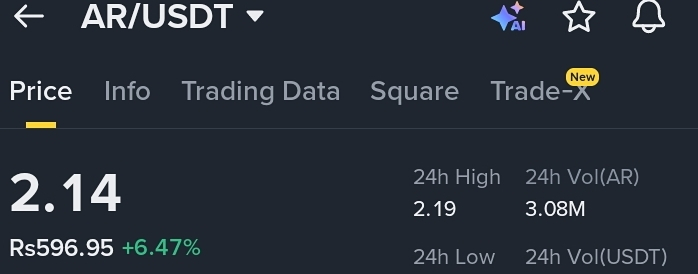
爲什麼AR/usdt漲價?最近$Arweave對Tether的漲幅主要是由於敘事勢頭和生態系統特定發展的綜合影響。由於對去中心化存儲和“永久網”應用的興趣日益增長,Arweave重新受到了關注,特別是隨著AI和數據永久性成爲加密貨幣中的熱門話題。任何與Arweave基礎設施相關的公告、夥伴關係或升級——例如數據可訪問性的改善或與Web3平臺的整合——往往會引發投機需求。此外,當整體市場情緒轉向看漲時,中型市值代幣如$AR 通常因其較低的流動性和更高的上行潛力而表現更佳,擴大價格波動。
爲什麼AR/usdt漲價?
最近$Arweave對Tether的漲幅主要是由於敘事勢頭和生態系統特定發展的綜合影響。由於對去中心化存儲和“永久網”應用的興趣日益增長,Arweave重新受到了關注,特別是隨著AI和數據永久性成爲加密貨幣中的熱門話題。任何與Arweave基礎設施相關的公告、夥伴關係或升級——例如數據可訪問性的改善或與Web3平臺的整合——往往會引發投機需求。此外,當整體市場情緒轉向看漲時,中型市值代幣如$AR 通常因其較低的流動性和更高的上行潛力而表現更佳,擴大價格波動。
5
401
登入以探索更多內容
加入幣安廣場中的全球加密貨幣用戶
⚡️ 獲取加密貨幣的最新和實用資訊。
💬 受到全球最大加密貨幣交易所的信任。
👍 發掘來自經過驗證創作者的真實見解。
電子郵件 / 電話號碼