
Paul Nguyen
586 貼文

Paul Nguyen
舉報
封鎖用戶
Crypto OG, managing Vietnam Blockchain Community.
67 關注
148 粉絲
561 點讚數
貼文
全部
引用
·
--
部分真實
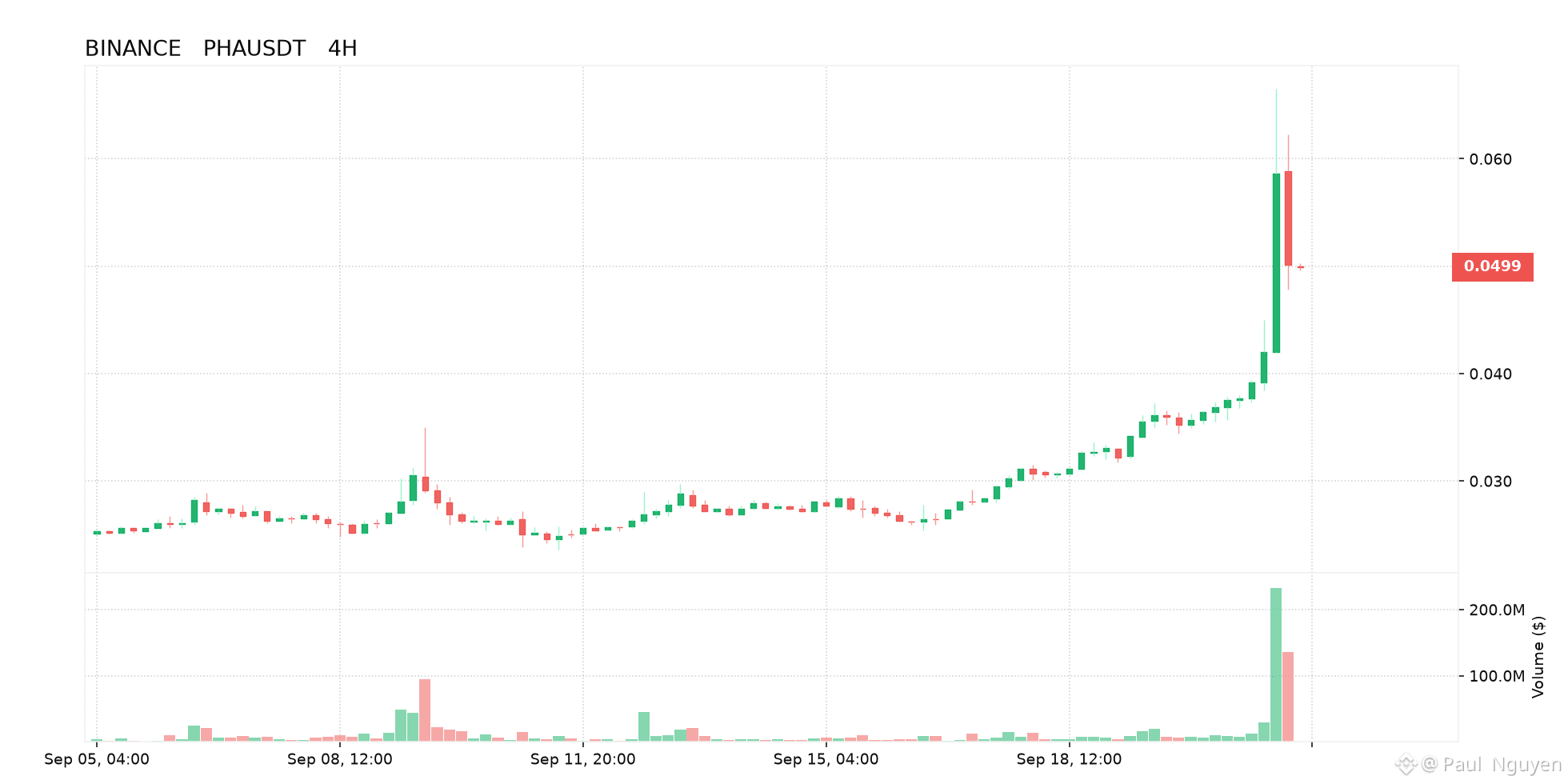
PHA 在幣安宣佈 Phala Network 作爲其最新的 HODLer Airdrop 後正在加速推進,讓 BNB 持有者能夠賺取 PHA。幣安的助推 + AI/TEE 敘事引發了大量買入。
$PHA #PHA
非財務建議。請對自己的財務決策負責。
PHA 在幣安宣佈 Phala Network 作爲其最新的 HODLer Airdrop 後正在加速推進,讓 BNB 持有者能夠賺取 PHA。幣安的助推 + AI/TEE 敘事引發了大量買入。
$PHA #PHA
非財務建議。請對自己的財務決策負責。
$PHA #PHA
非財務建議。請對自己的財務決策負責。
612
·
--
部分真實
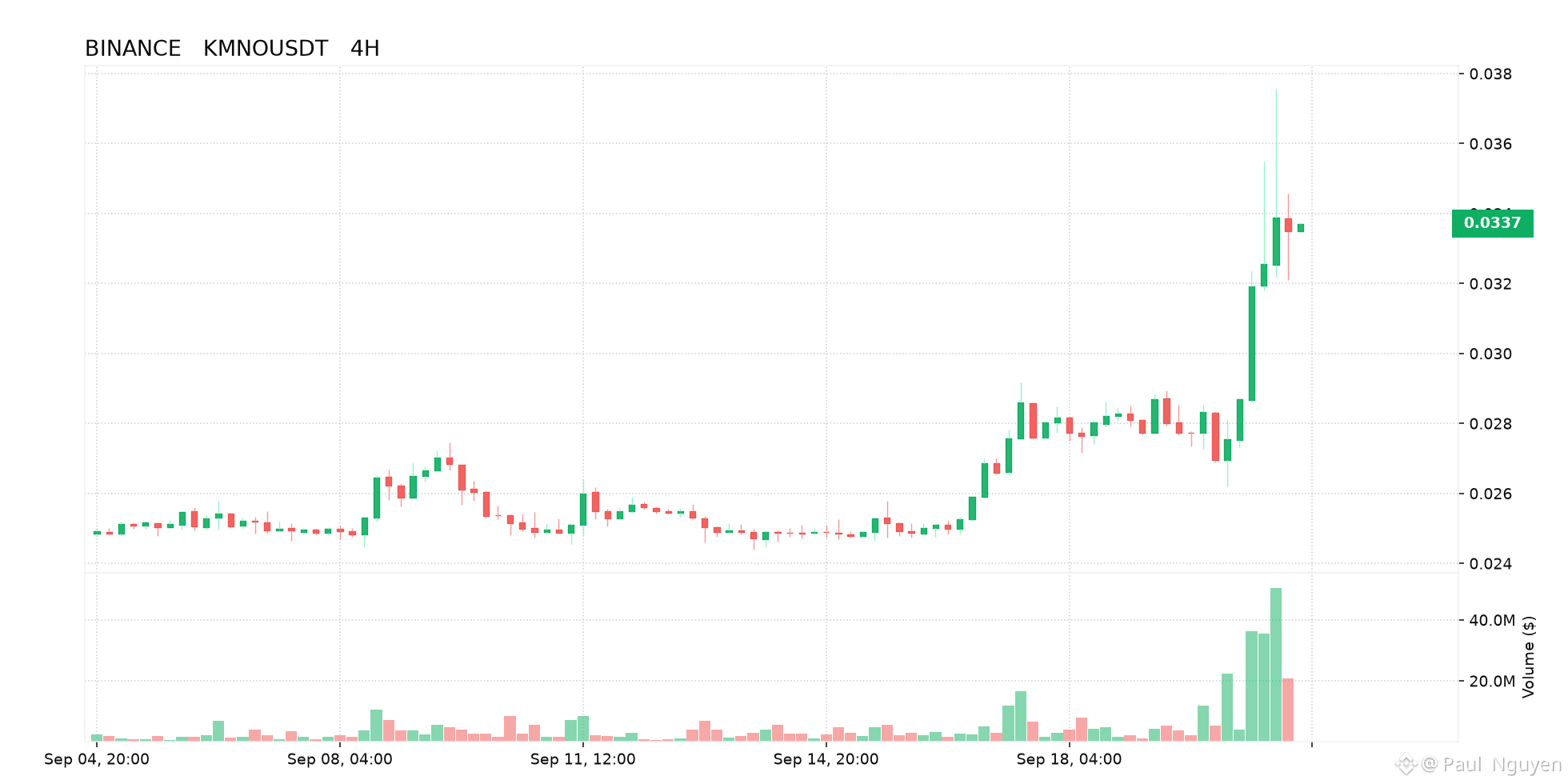
KMNO 在 Binance 將 Kamino 命名爲下一屆 HODLer Airdrop 的獲獎者後迅速走高,將獎勵 BNB 持有者並聚焦 Solana 的 DeFi 代幣。交易者正因這則消息涌入。
$KMNO #KMNO
這不是金融建議。請對自己的財務決定負責。
KMNO 在 Binance 將 Kamino 命名爲下一屆 HODLer Airdrop 的獲獎者後迅速走高,將獎勵 BNB 持有者並聚焦 Solana 的 DeFi 代幣。交易者正因這則消息涌入。
$KMNO #KMNO
這不是金融建議。請對自己的財務決定負責。
$KMNO #KMNO
這不是金融建議。請對自己的財務決定負責。
1
2k
·
--
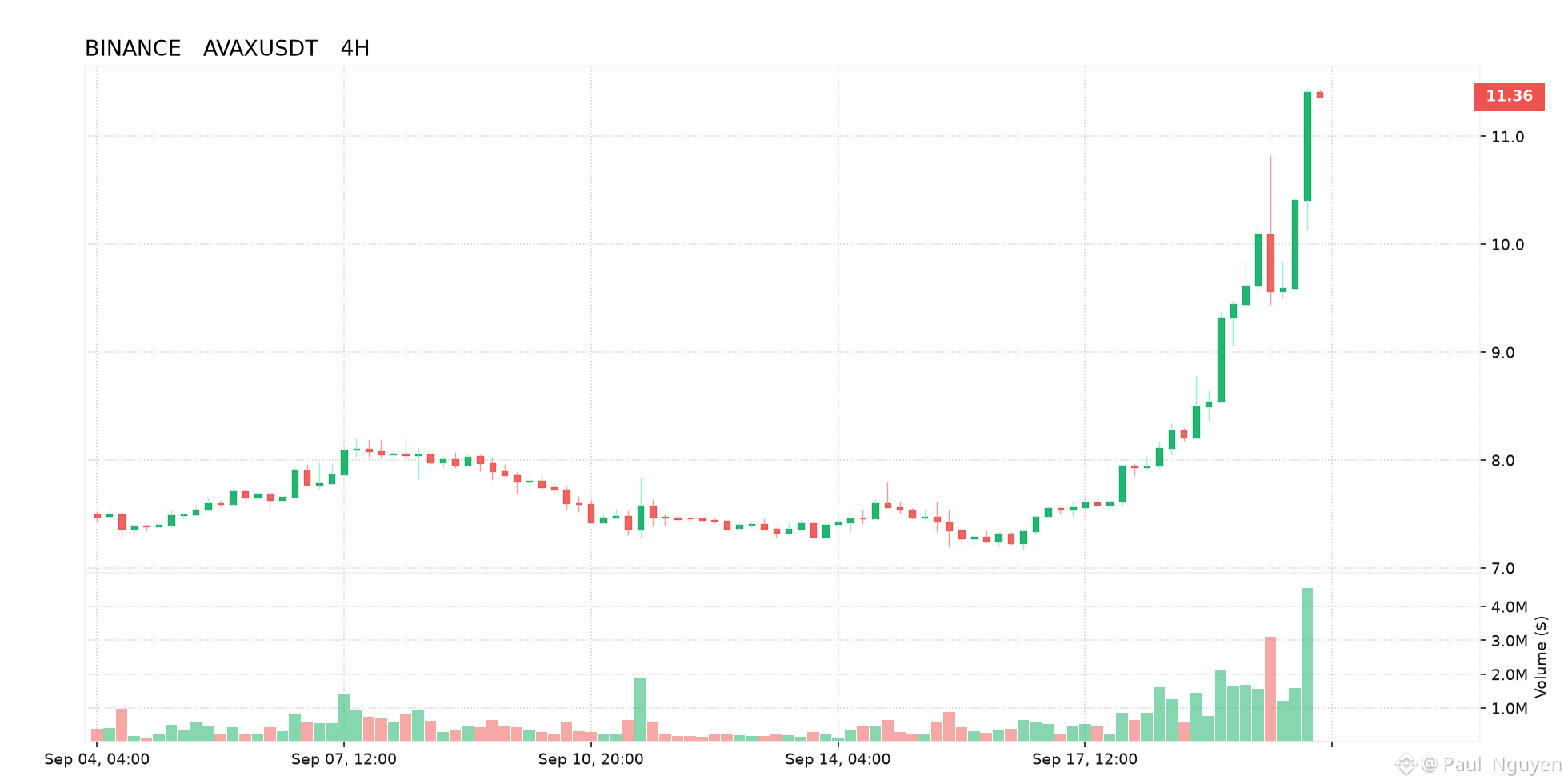
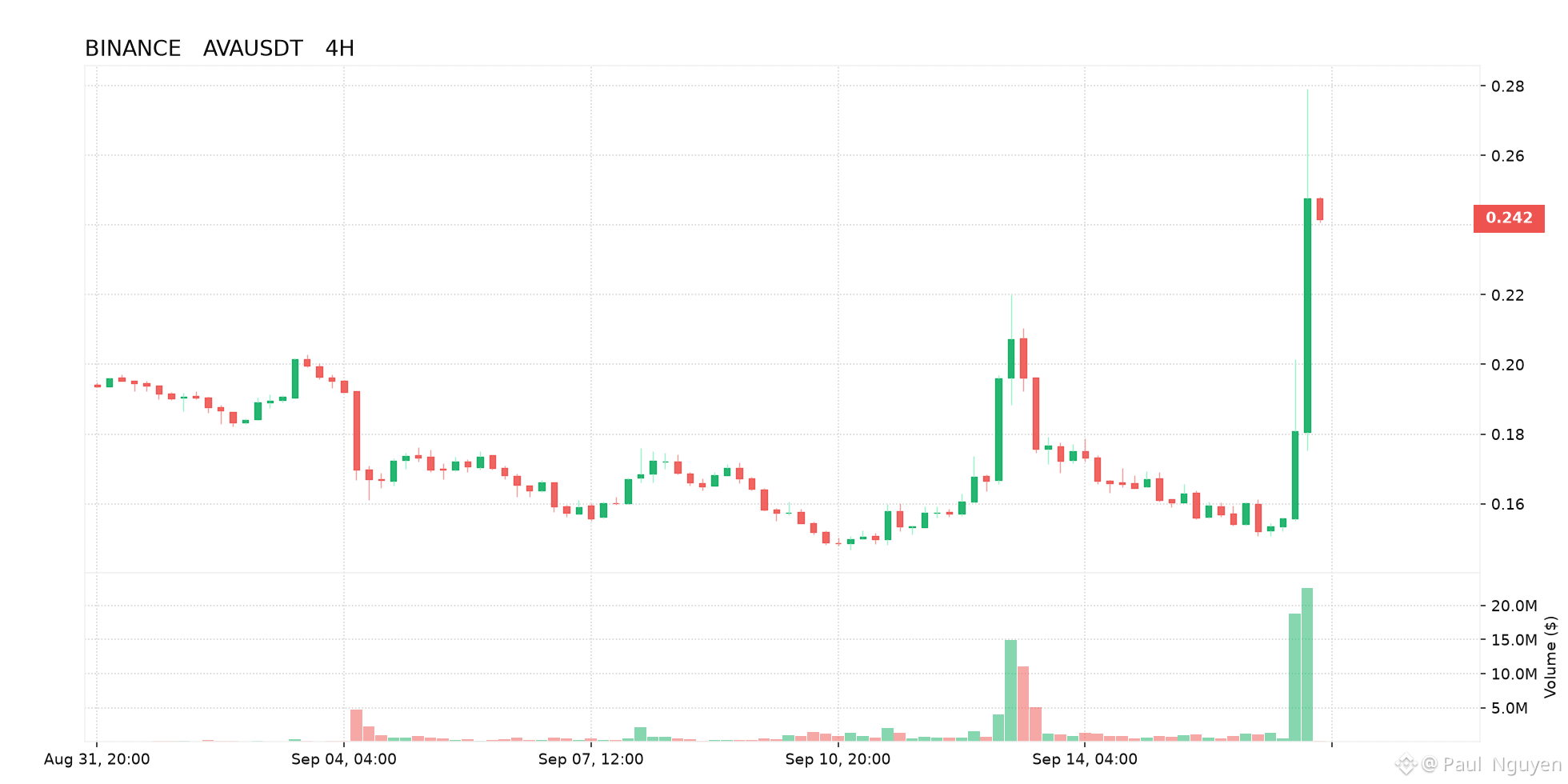
AVAX因新一輪Avalanche消息引發成交量飆升,正在出現在Binance的漲幅榜前列。我無法覈實實時新聞——請查看官方渠道以確認確切的催化因素。
$AVAX #AVAX
非金融建議。請對自己的財務決策負責。
AVAX因新一輪Avalanche消息引發成交量飆升,正在出現在Binance的漲幅榜前列。我無法覈實實時新聞——請查看官方渠道以確認確切的催化因素。
$AVAX #AVAX
非金融建議。請對自己的財務決策負責。
$AVAX #AVAX
非金融建議。請對自己的財務決策負責。
131
·
--
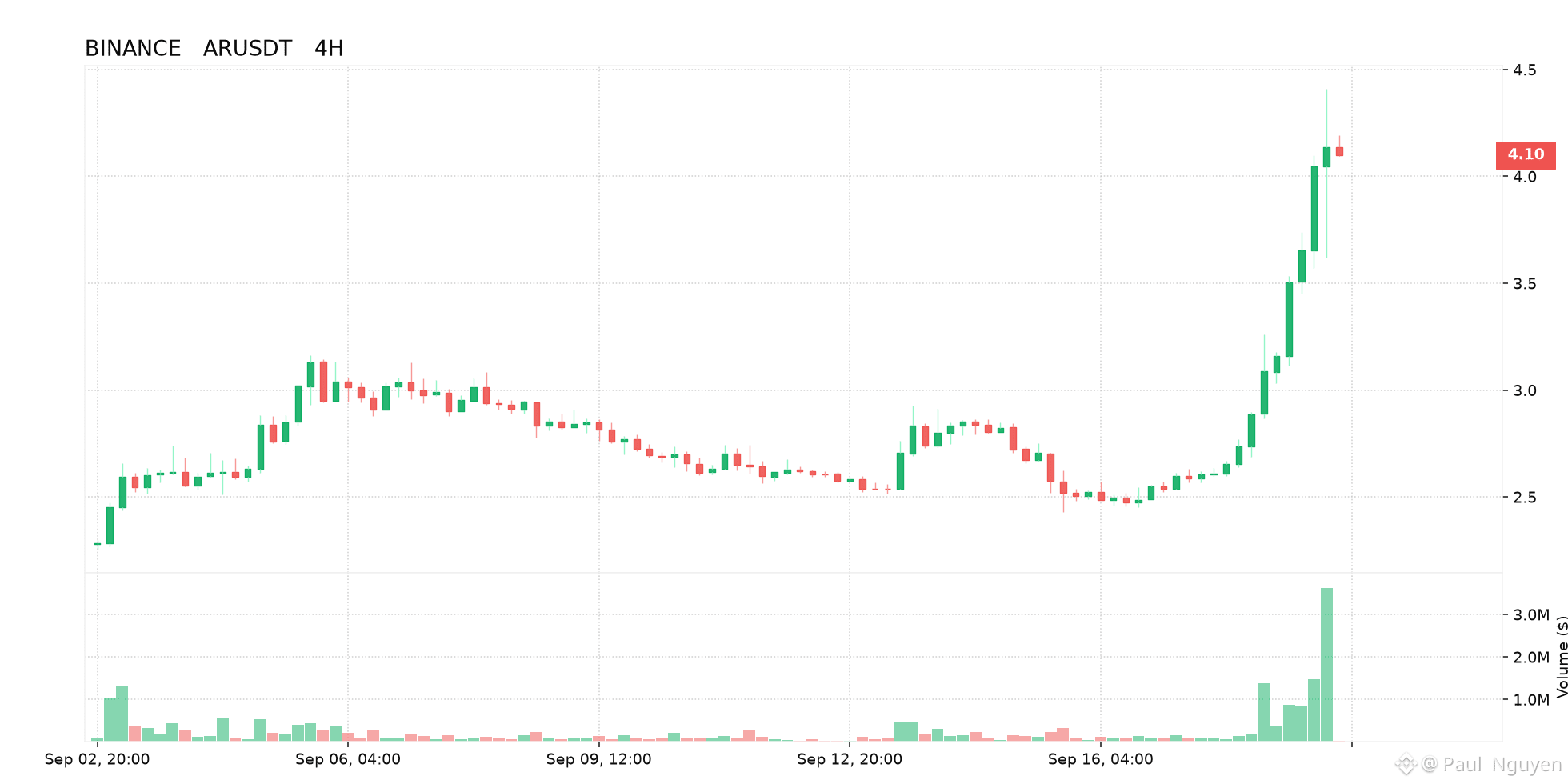
AR正在Binance上加速上漲:隨着全新的AO質押消息以及AI數據需求的再度升溫,Arweave重新引發關注。交易者買入AR以賺取AO——流動性偏薄正在放大這一走勢。
$AR #AR
這不是財務建議。請對自己的財務決策負責。
AR正在Binance上加速上漲:隨着全新的AO質押消息以及AI數據需求的再度升溫,Arweave重新引發關注。交易者買入AR以賺取AO——流動性偏薄正在放大這一走勢。
$AR #AR
這不是財務建議。請對自己的財務決策負責。
$AR #AR
這不是財務建議。請對自己的財務決策負責。
1
212
·
--
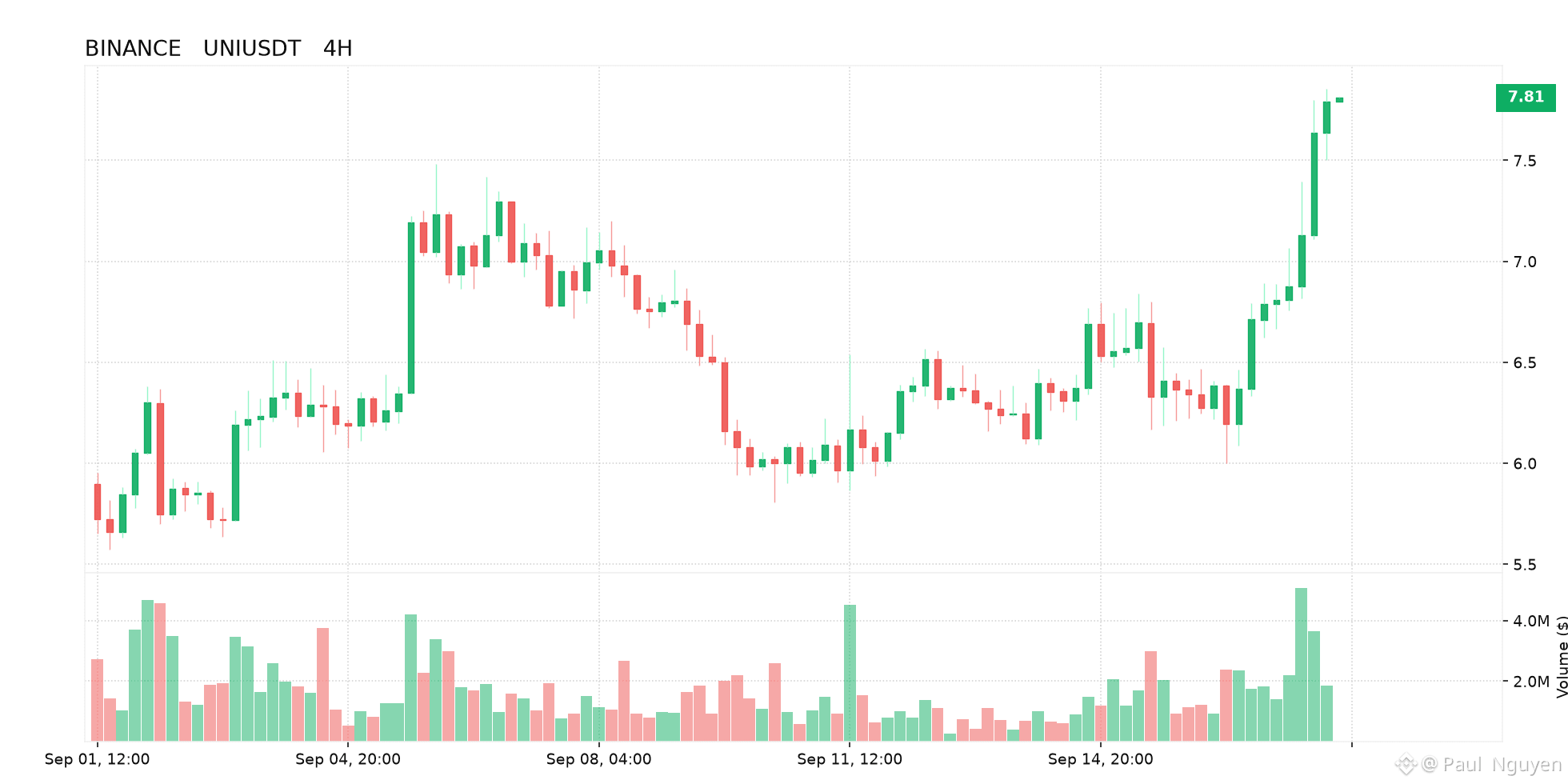
隨着 Uniswap 的“費用切換/回購”計劃獲得追捧,UNI 正在加速上漲——協議費用有望回饋持有者並銷燬 UNI。這種代幣經濟學的轉變正推動幣安的拉昇。
$UNI #UNI
不構成財務建議。請爲自己的財務決策負責。
隨着 Uniswap 的“費用切換/回購”計劃獲得追捧,UNI 正在加速上漲——協議費用有望回饋持有者並銷燬 UNI。這種代幣經濟學的轉變正推動幣安的拉昇。
$UNI #UNI
不構成財務建議。請爲自己的財務決策負責。
$UNI #UNI
不構成財務建議。請爲自己的財務決策負責。
161
·
--
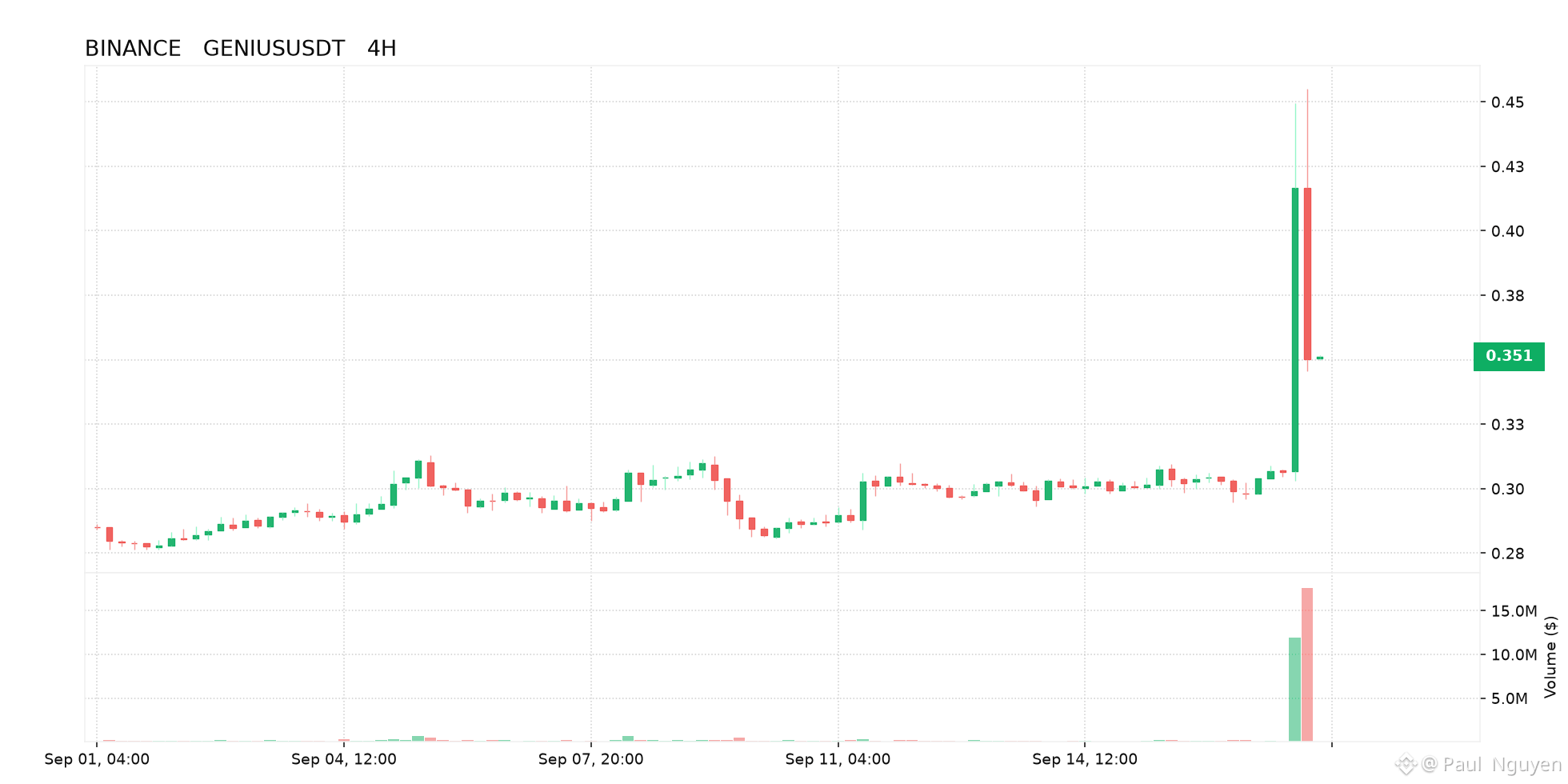
在 Binance Alpha 上市並且 Binance Futures 推出 GENIUSUSDT 永續合約(25 倍槓桿)之後,GENIUS 正在強勁上漲。新的接入與流動性正在推動 24 小時的拉昇。
$GENIUS #GENIUS
這不構成金融建議。請對你自己的財務決策負責。
在 Binance Alpha 上市並且 Binance Futures 推出 GENIUSUSDT 永續合約(25 倍槓桿)之後,GENIUS 正在強勁上漲。新的接入與流動性正在推動 24 小時的拉昇。
$GENIUS #GENIUS
這不構成金融建議。請對你自己的財務決策負責。
$GENIUS #GENIUS
這不構成金融建議。請對你自己的財務決策負責。
1
358
·
--
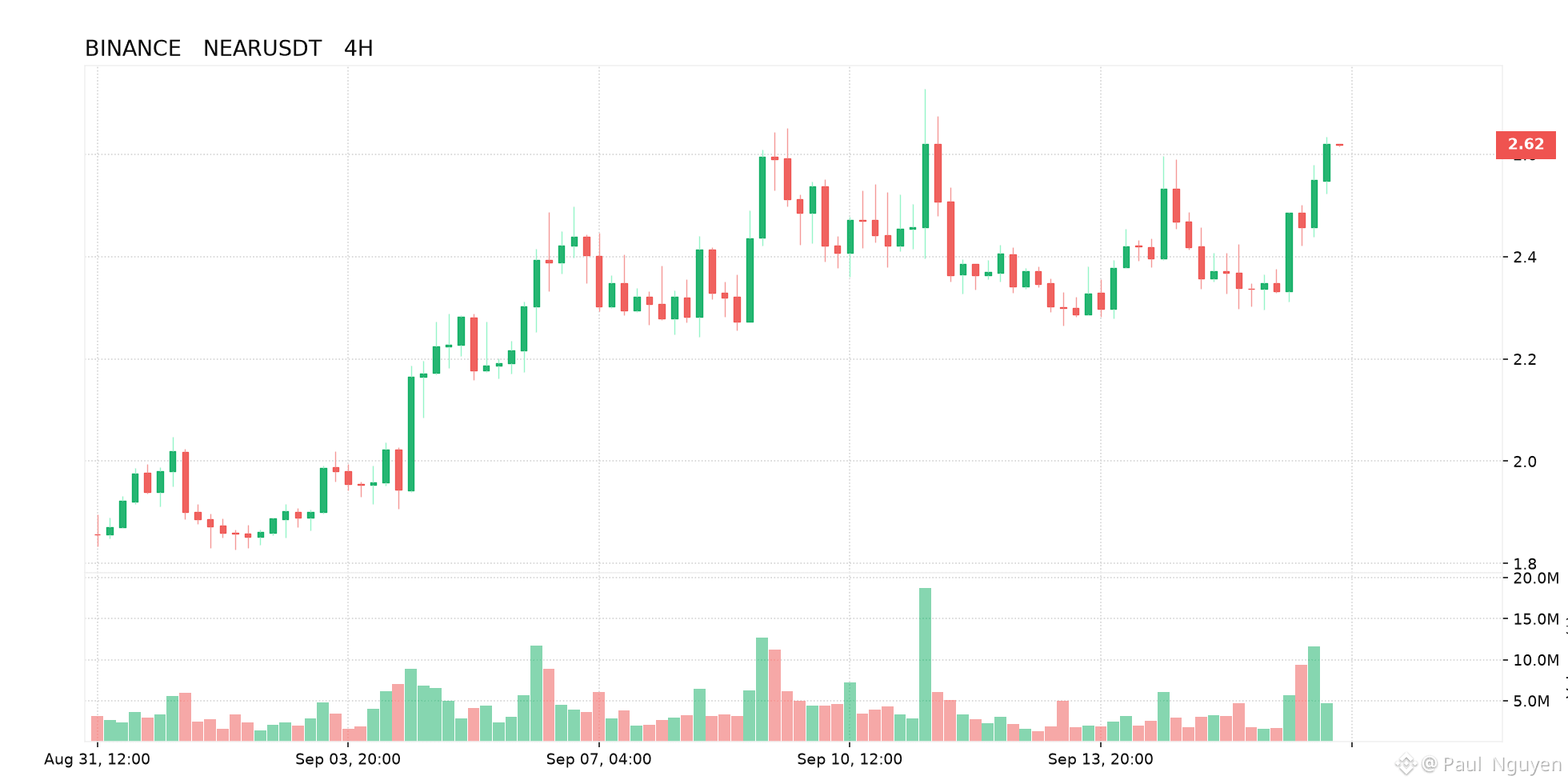
NEAR 以其“AI + 鏈抽象”敘事在幣安上備受追捧,因爲交易者正在追逐這一主題,但我無法在離線環境中核實今天的確切催化因素。購買前請查看 Binance/CoinDesk。
$NEAR #NEAR
這不是金融建議。請爲自己的財務決策負責。
NEAR 以其“AI + 鏈抽象”敘事在幣安上備受追捧,因爲交易者正在追逐這一主題,但我無法在離線環境中核實今天的確切催化因素。購買前請查看 Binance/CoinDesk。
$NEAR #NEAR
這不是金融建議。請爲自己的財務決策負責。
$NEAR #NEAR
這不是金融建議。請爲自己的財務決策負責。
171
·
--
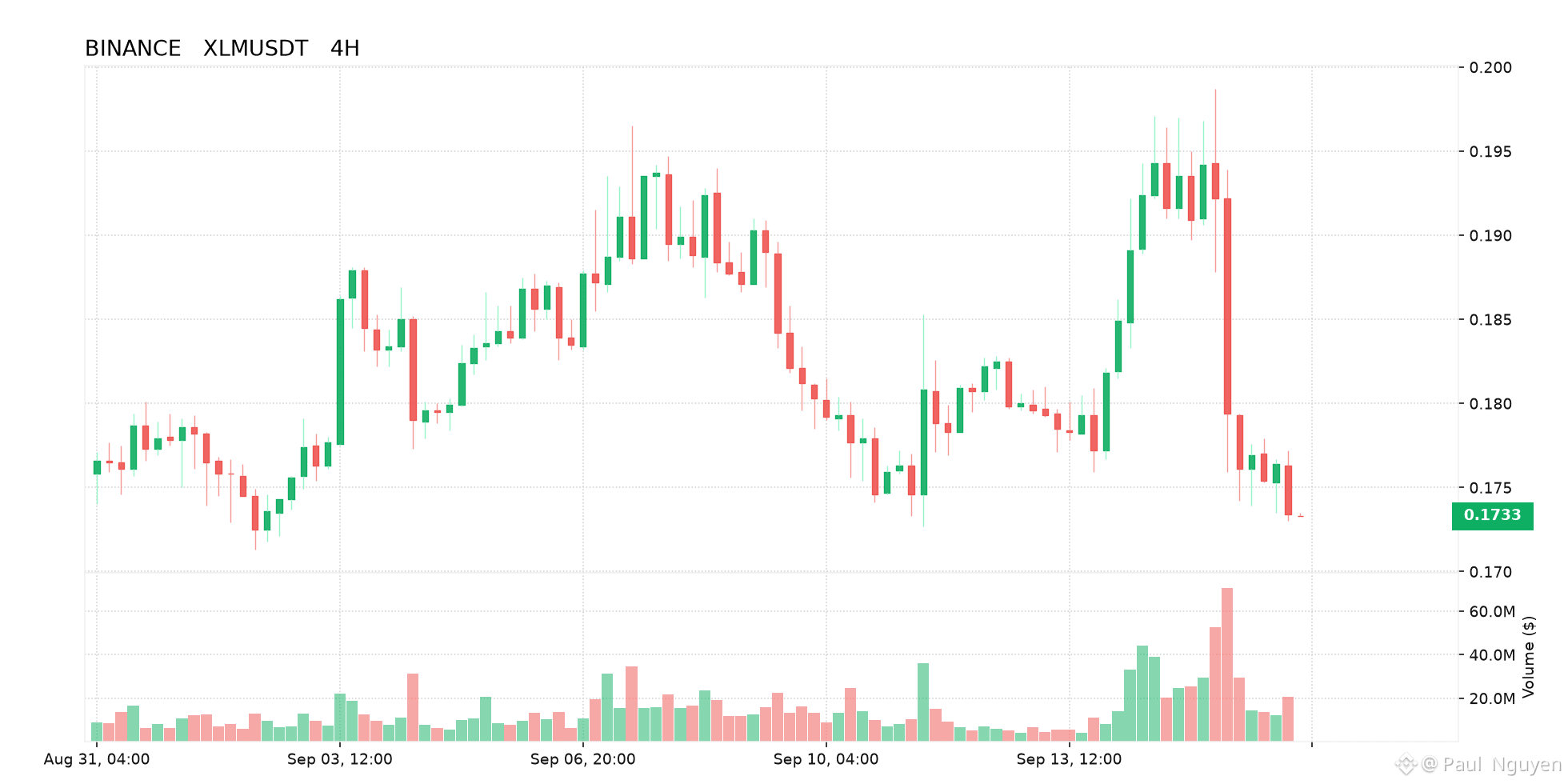
XLM 是幣安當前最火熱的 24 小時漲跌之一:Stellar 的 RWA/Soroban 動能加上最新的網絡新聞推動了放量突破。薄流動性正在放大這次行情。
$XLM #XLM
非財務建議。請對自己的財務決策負責。
XLM 是幣安當前最火熱的 24 小時漲跌之一:Stellar 的 RWA/Soroban 動能加上最新的網絡新聞推動了放量突破。薄流動性正在放大這次行情。
$XLM #XLM
非財務建議。請對自己的財務決策負責。
$XLM #XLM
非財務建議。請對自己的財務決策負責。
288
·
--
美聯儲決策日怎麼看:
- 目前期貨交易員定價顯示,美聯儲公開市場委員會(FOMC)將把聯邦基金利率上調25個基點至3.75%–4.00%的目標區間的概率爲93%。這將是自2023年以來的首次加息。結合你這次的CPI數據來看,這套邏輯是說得通的:CPI印證了“通脹仍粘”、同時就業市場依舊穩定——這正是促使在降息週期之後轉向鷹派的組合。我不認爲這會是“一次性”的動作。美聯儲不會因爲單一數據點就立刻改弦更張,除非它預期需要不止一次調整。9月會議也會配套更新的點陣圖(dot plot),而那纔是判斷這是“只加一次(one and done)”,還是開啓一段短暫加息週期的關鍵線索。我會更關注2027年中位數點陣(median 2027 dot),而不是報文本身的表述。
- 我對BTC、科技股、黃金的坦誠看法;這不是預測:如果在市場已經被“將要寬鬆(easing)”的預期所調適之後,出現確認的加息,那麼短期就是風險偏好(risk-off)。BTC和高估值/高倍數的科技股對利率最敏感——“更高更久”的利率會壓制建立在未來現金流基礎上的估值。因此我會在最初的、情緒化的反應層面偏空。但真正的方向性變化會來自新聞發佈會的語氣,而不是這25個基點本身。黃金則是最有意思的部分——通常加息意味着更高的實際利率(對不產生收益的資產不利),但如果這表明美聯儲在通脹問題上落後於形勢,黃金也可能作爲對衝而獲得買盤。這一週值得盯緊的就是這種張力。
#FedRateWatch
美聯儲決策日怎麼看:
- 目前期貨交易員定價顯示,美聯儲公開市場委員會(FOMC)將把聯邦基金利率上調25個基點至3.75%–4.00%的目標區間的概率爲93%。這將是自2023年以來的首次加息。結合你這次的CPI數據來看,這套邏輯是說得通的:CPI印證了“通脹仍粘”、同時就業市場依舊穩定——這正是促使在降息週期之後轉向鷹派的組合。我不認爲這會是“一次性”的動作。美聯儲不會因爲單一數據點就立刻改弦更張,除非它預期需要不止一次調整。9月會議也會配套更新的點陣圖(dot plot),而那纔是判斷這是“只加一次(one and done)”,還是開啓一段短暫加息週期的關鍵線索。我會更關注2027年中位數點陣(median 2027 dot),而不是報文本身的表述。
- 我對BTC、科技股、黃金的坦誠看法;這不是預測:如果在市場已經被“將要寬鬆(easing)”的預期所調適之後,出現確認的加息,那麼短期就是風險偏好(risk-off)。BTC和高估值/高倍數的科技股對利率最敏感——“更高更久”的利率會壓制建立在未來現金流基礎上的估值。因此我會在最初的、情緒化的反應層面偏空。但真正的方向性變化會來自新聞發佈會的語氣,而不是這25個基點本身。黃金則是最有意思的部分——通常加息意味着更高的實際利率(對不產生收益的資產不利),但如果這表明美聯儲在通脹問題上落後於形勢,黃金也可能作爲對衝而獲得買盤。這一週值得盯緊的就是這種張力。
#FedRateWatch
- 目前期貨交易員定價顯示,美聯儲公開市場委員會(FOMC)將把聯邦基金利率上調25個基點至3.75%–4.00%的目標區間的概率爲93%。這將是自2023年以來的首次加息。結合你這次的CPI數據來看,這套邏輯是說得通的:CPI印證了“通脹仍粘”、同時就業市場依舊穩定——這正是促使在降息週期之後轉向鷹派的組合。我不認爲這會是“一次性”的動作。美聯儲不會因爲單一數據點就立刻改弦更張,除非它預期需要不止一次調整。9月會議也會配套更新的點陣圖(dot plot),而那纔是判斷這是“只加一次(one and done)”,還是開啓一段短暫加息週期的關鍵線索。我會更關注2027年中位數點陣(median 2027 dot),而不是報文本身的表述。
- 我對BTC、科技股、黃金的坦誠看法;這不是預測:如果在市場已經被“將要寬鬆(easing)”的預期所調適之後,出現確認的加息,那麼短期就是風險偏好(risk-off)。BTC和高估值/高倍數的科技股對利率最敏感——“更高更久”的利率會壓制建立在未來現金流基礎上的估值。因此我會在最初的、情緒化的反應層面偏空。但真正的方向性變化會來自新聞發佈會的語氣,而不是這25個基點本身。黃金則是最有意思的部分——通常加息意味着更高的實際利率(對不產生收益的資產不利),但如果這表明美聯儲在通脹問題上落後於形勢,黃金也可能作爲對衝而獲得買盤。這一週值得盯緊的就是這種張力。
#FedRateWatch
70
登入以探索更多內容
加入幣安廣場中的全球加密貨幣用戶
⚡️ 獲取加密貨幣的最新和實用資訊。
💬 受到全球最大加密貨幣交易所的信任。
👍 發掘來自經過驗證創作者的真實見解。
電子郵件 / 電話號碼
熱門話題
NEAR一周涨近80%
4,993 次瀏覽
52 討論中
$NEAR 說一說重倉它的原因吧,我重倉了一個品種就是near,我是2.3附近進入的,當時因爲我之前只持有sol這一個幣子,漲幅已經超過了百分之五60吧,因爲牛市啓動了,想一直持有sol,後面又沒事看一些幣子的結構,因爲near那時候是先啓動的,漲的很猛,後來就一直回踩,走了出了一個周線二買,而且指標macd月線金叉,這種月線指標金叉➕周線二踩➕周線即將迎來b段高潮段上漲,然後我就果斷清倉了sol,在2.3附近介入enar,之後就起飛了,同樣結構的幣種還有ar,inj jto,都是周線二踩,現在只有jto還在底部徘徊,預計下週應該直線上衝了,還有一個ondo底部盤整夠久,應該也要突破了。還有enar這個牛市至少也的去9刀,突破9刀去前高也屬於正常。
林哥专注缠论分析
·4 人按讚
·8.6k 次瀏覽
MultiversX计划协调硬分叉恢复
6,906 次瀏覽
60 討論中
Circle推出机构比特币抵押借贷
22,462 次瀏覽
134 討論中