
MacroMicro
46 貼文

MacroMicro
舉報
封鎖用戶
Global Data and AI Decision Platform. Over 100 million data points and years of research to help you make smarter decisions: https://en.macromicro.me
0 關注
369 粉絲
91 點讚數
貼文
置頂
·
--
👋🏻 認識 MacroMicro——全球數據與AI決策平臺
成立於2015年,我們一開始就懷揣一個信念:經濟數據不應只屬於少數人——它應該直觀、可視化,並讓每個人都能輕鬆訪問。
從宏觀數據平臺起步,我們已發展爲一站式的金融決策生態系統;如今,藉助AI將經濟基本面與行業趨勢以及公司財務數據連接起來。
📊 1億+ 數據點,90萬+ 交互式圖表
🌍 全球 60萬+ 用戶,950萬+ 月訪問量
🤝 獲150+家全球公司信任,包括臺積電(TSMC)、moomoo 和 Yahoo Finance。
我們幫助你超越價格圖表,理解市場爲何會波動,而不僅僅是“它們已經波動”。從央行政策到AI資本開支(capex)週期,再到全球供應鏈,我們將宏觀基本面、行業與公司數據之間的關聯串聯起來。
🔗 探索 MacroMicro: https://en.macromicro.me/
#MacroMicro #MacroEconomics #AI #DataDriven #GlobalMarkets
👋🏻 認識 MacroMicro——全球數據與AI決策平臺
成立於2015年,我們一開始就懷揣一個信念:經濟數據不應只屬於少數人——它應該直觀、可視化,並讓每個人都能輕鬆訪問。
從宏觀數據平臺起步,我們已發展爲一站式的金融決策生態系統;如今,藉助AI將經濟基本面與行業趨勢以及公司財務數據連接起來。
📊 1億+ 數據點,90萬+ 交互式圖表
🌍 全球 60萬+ 用戶,950萬+ 月訪問量
🤝 獲150+家全球公司信任,包括臺積電(TSMC)、moomoo 和 Yahoo Finance。
我們幫助你超越價格圖表,理解市場爲何會波動,而不僅僅是“它們已經波動”。從央行政策到AI資本開支(capex)週期,再到全球供應鏈,我們將宏觀基本面、行業與公司數據之間的關聯串聯起來。
🔗 探索 MacroMicro: https://en.macromicro.me/
#MacroMicro #MacroEconomics #AI #DataDriven #GlobalMarkets
成立於2015年,我們一開始就懷揣一個信念:經濟數據不應只屬於少數人——它應該直觀、可視化,並讓每個人都能輕鬆訪問。
從宏觀數據平臺起步,我們已發展爲一站式的金融決策生態系統;如今,藉助AI將經濟基本面與行業趨勢以及公司財務數據連接起來。
📊 1億+ 數據點,90萬+ 交互式圖表
🌍 全球 60萬+ 用戶,950萬+ 月訪問量
🤝 獲150+家全球公司信任,包括臺積電(TSMC)、moomoo 和 Yahoo Finance。
我們幫助你超越價格圖表,理解市場爲何會波動,而不僅僅是“它們已經波動”。從央行政策到AI資本開支(capex)週期,再到全球供應鏈,我們將宏觀基本面、行業與公司數據之間的關聯串聯起來。
🔗 探索 MacroMicro: https://en.macromicro.me/
#MacroMicro #MacroEconomics #AI #DataDriven #GlobalMarkets

1
5
6.3k
·
--
真實
🔥 2026年9月FOMC會議:關鍵要點 🔎
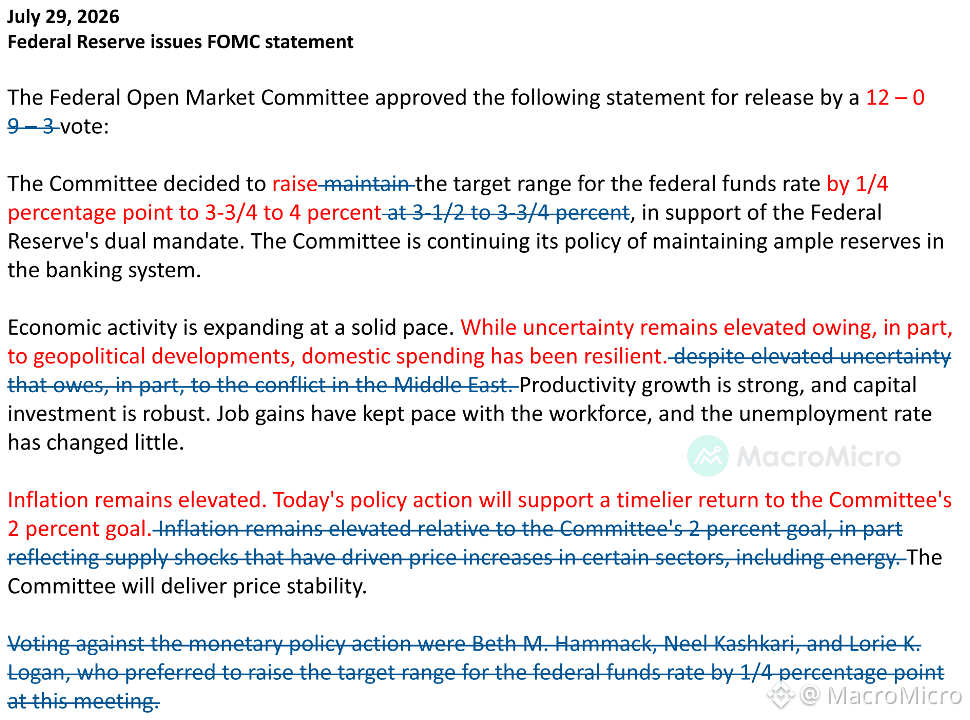
📌 美聯儲將利率上調25個基點至3.75%-4.00%,全體一致(12-0)。其理由是經濟增長穩健,並推動加快實現2%通脹目標的進程。
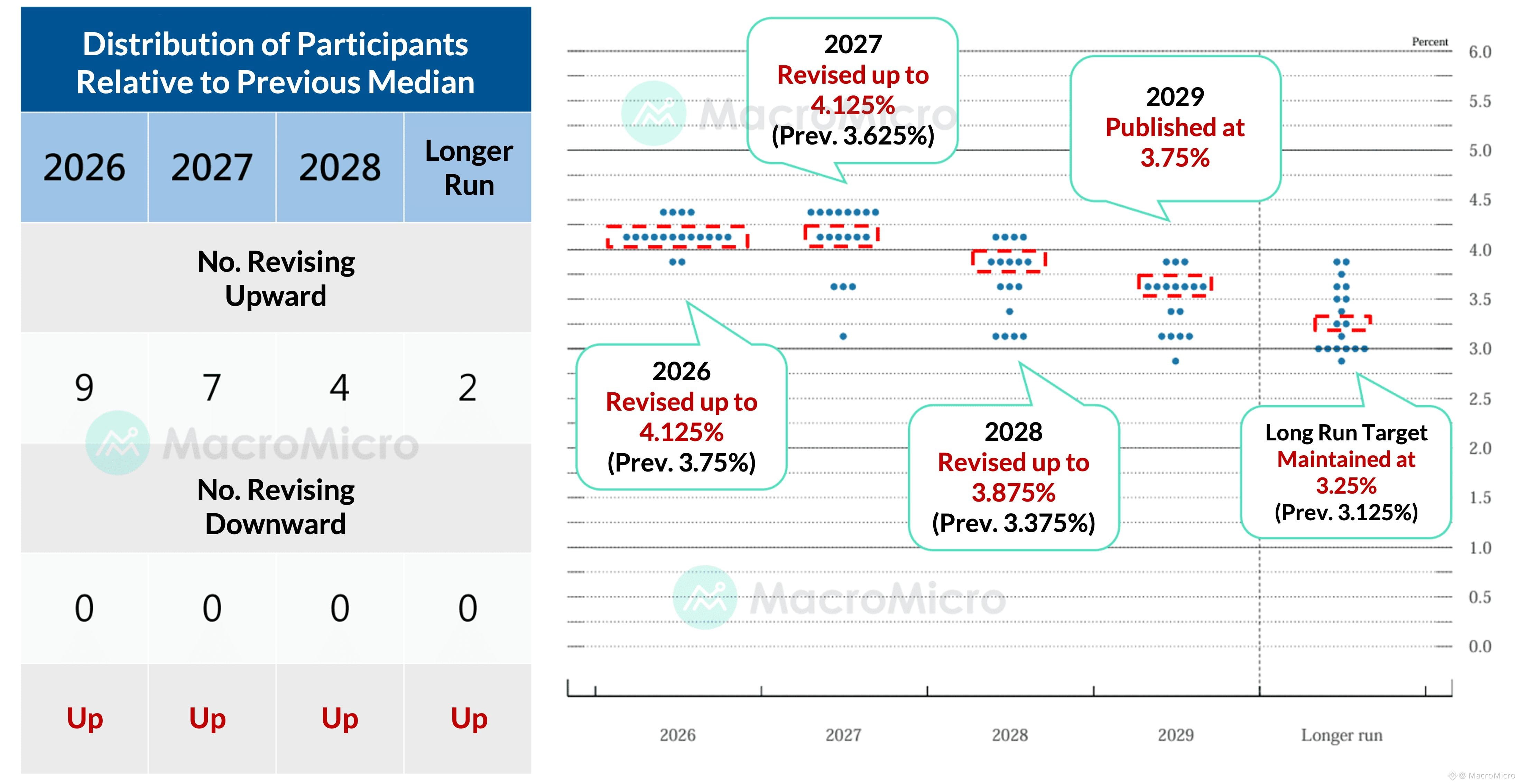
📌 點陣圖明顯轉向更“鷹”:2026-2027年的中位數利率預測躍升至4.00%-4.25%。分別有16位和14位成員支持進一步加息,這意味着在今年和明年利率路徑再次下調之前,仍可能還有1-2次加息,最終利率將逐步轉向更高的長期利率3.25%。
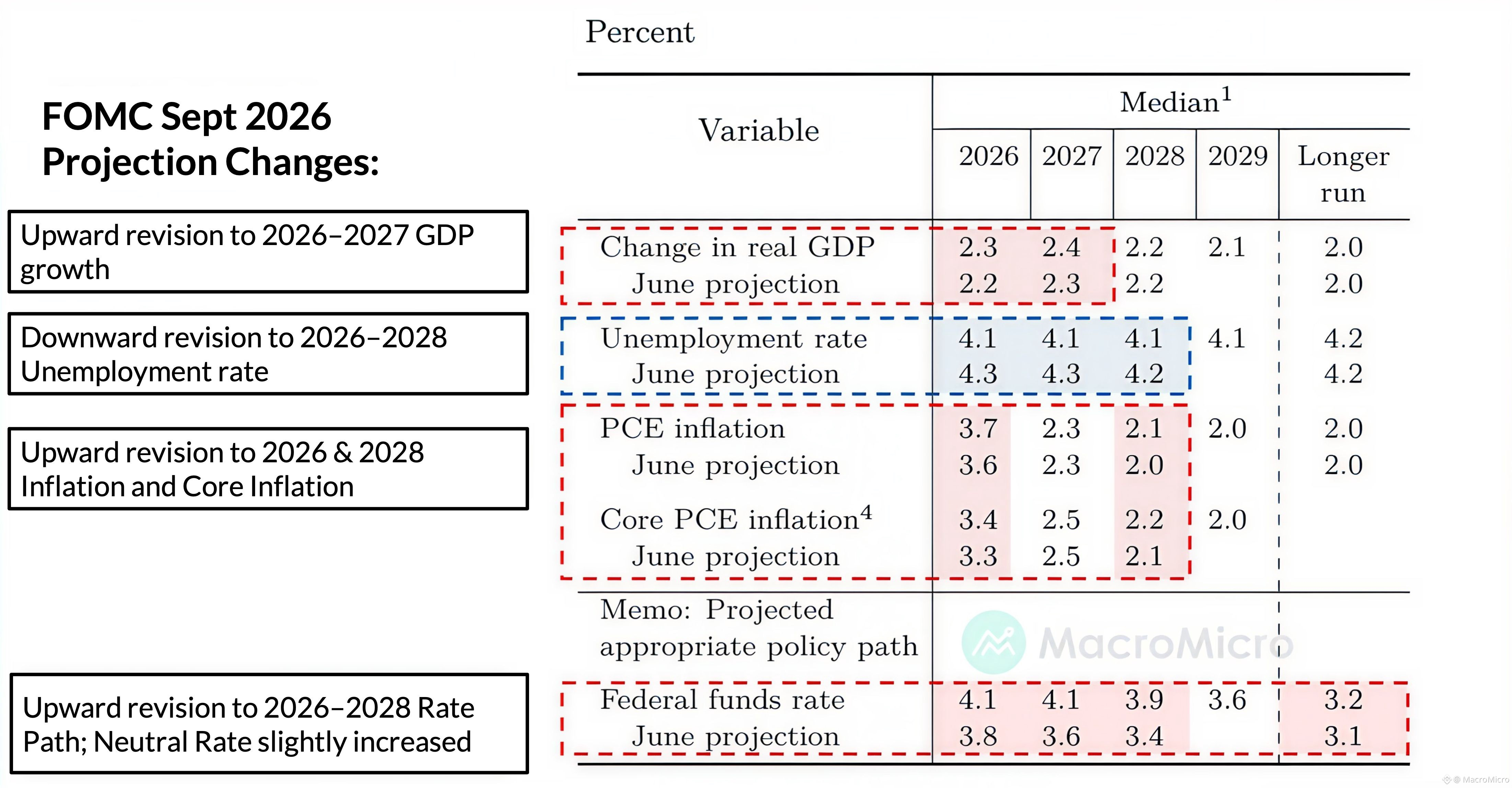
📌 9月預測顯示美聯儲在各項指標上整體更偏“鷹”派:2026-2027年GDP上調至2.3%和2.4%;失業率降至4.1%(此前爲4.3%,低於長期平均)。而通脹與核心通脹分別上修至3.7%和3.4%(此前爲3.6%和3.3%)。
📌 沃什表示,經濟處於充分就業狀態,美聯儲雙重目標之間沒有衝突。他還指出,很難將當前的金融條件描述爲具有“限制性”,並給出三點支持加息的原因:韌性的勞動力數據、尚未解決的潛在通脹趨勢、以及上升的地緣政治風險。
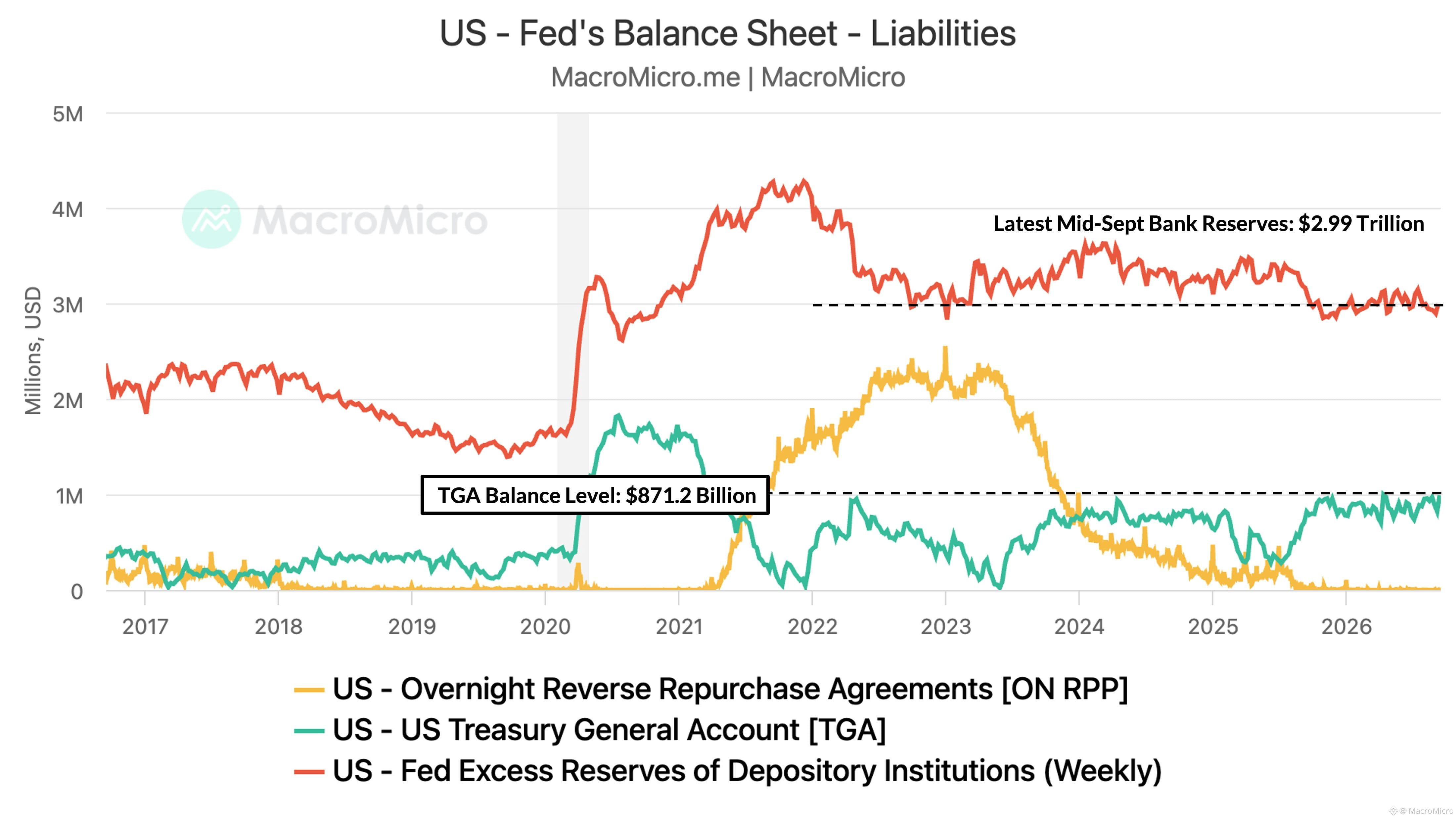
📌 8月結束短期國庫券購買後,美聯儲重申其充裕準備金政策。銀行準備金維持在接近2.99萬億美元的水平;預計TGA將在9月-10月接近1萬億美元,來自企業所得稅繳款,並對照年末目標8500億美元——這意味着將釋放約100-2000億美元的流動性,以繼續支撐準備金水平。
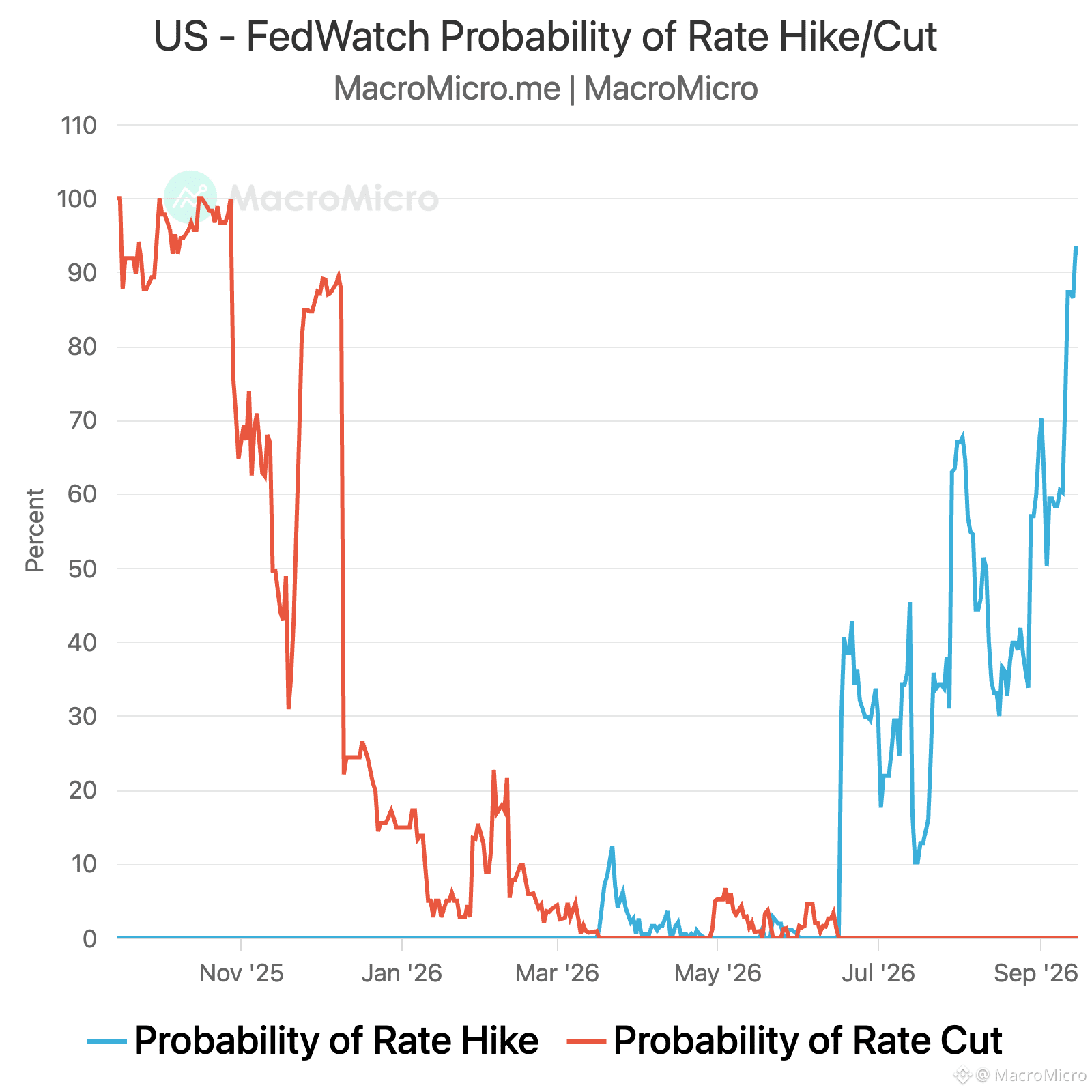
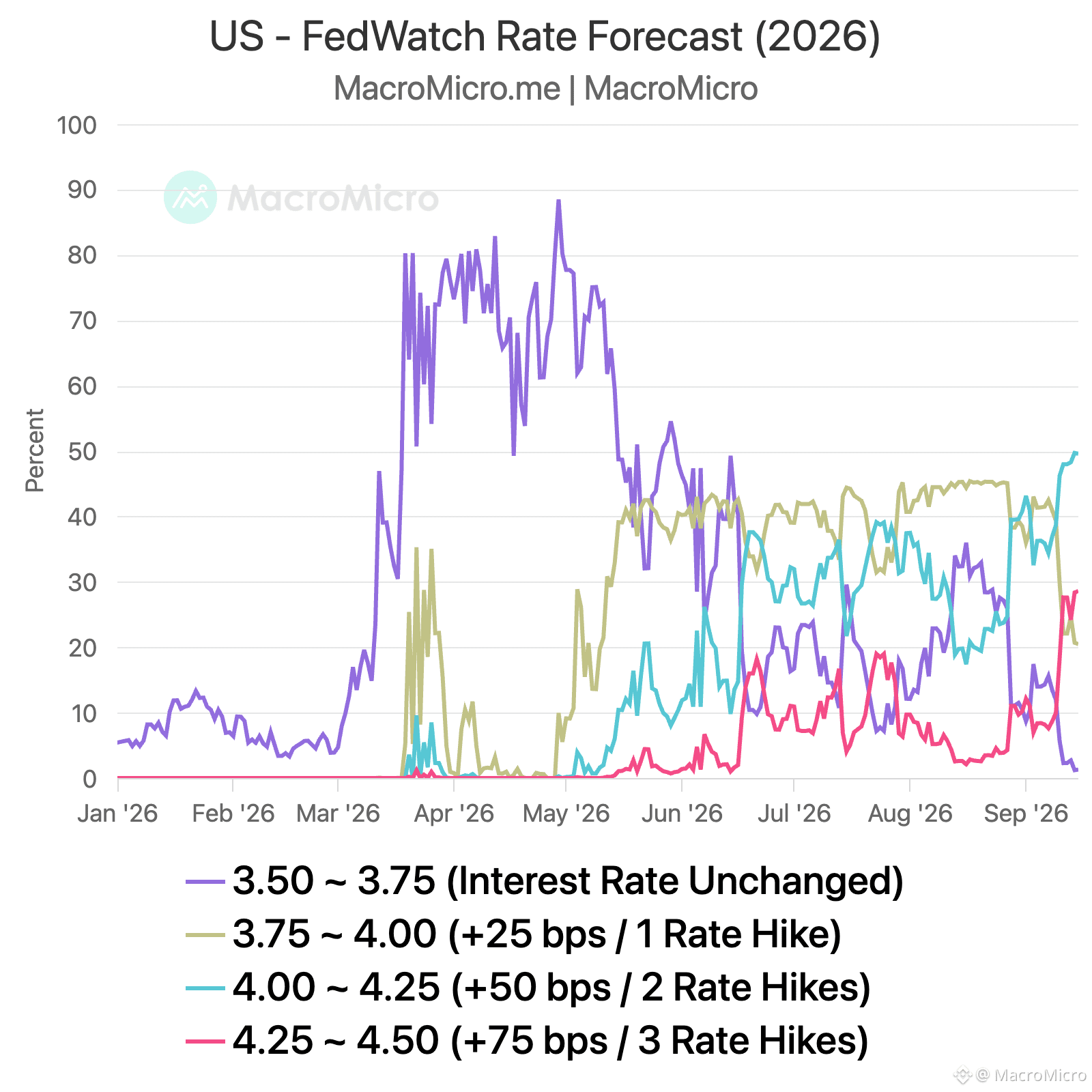
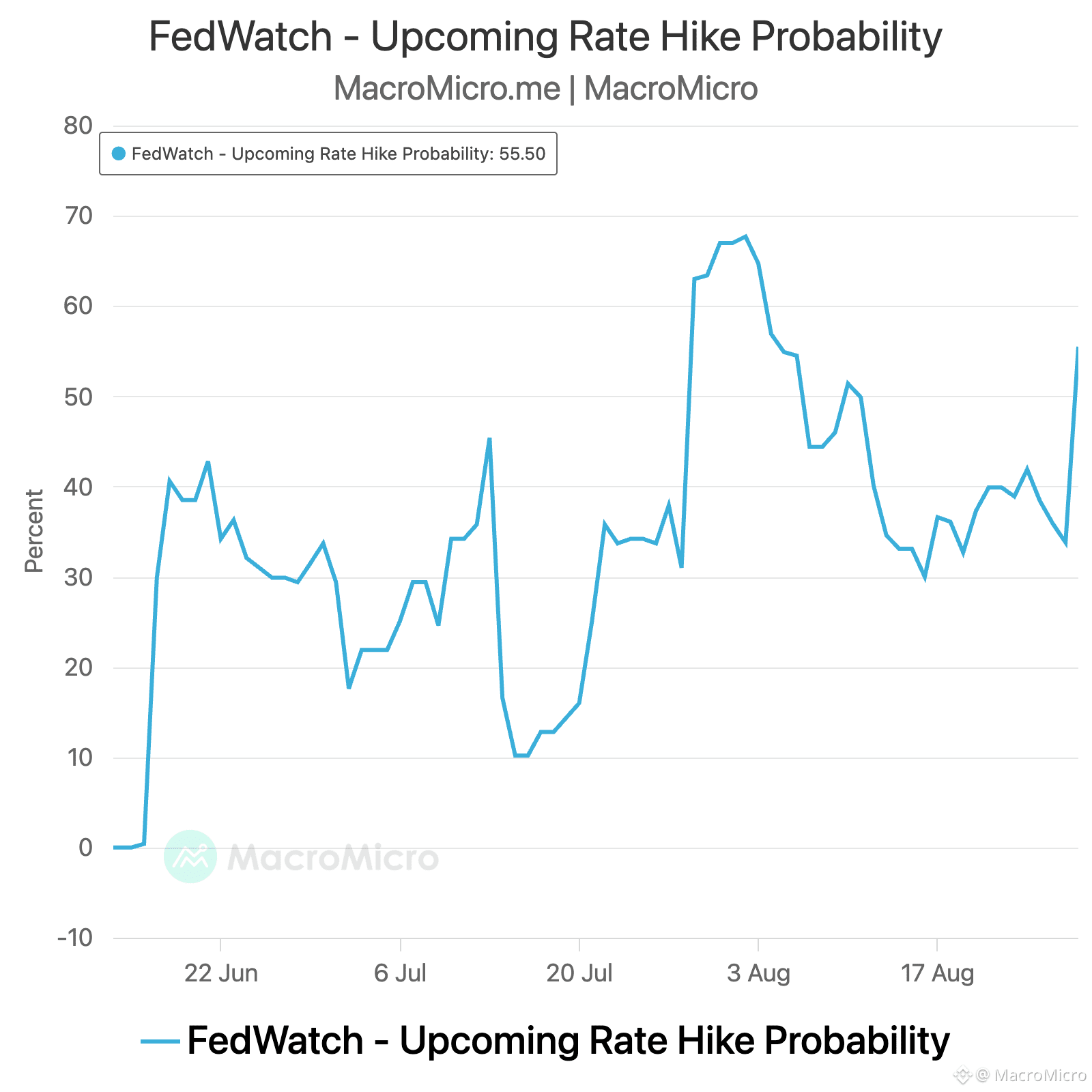
📌 市場解讀爲更“鷹”派:基於FedWatch的10月加息概率從41%升至51%;2026年“三次加息”的概率從28%升至39%。同時,10年期收益率升至4.74%以上,30年期維持在5.36%,爲2007年7月以來的最高水平。
#FedRateWatch
🔥 2026年9月FOMC會議:關鍵要點 🔎
📌 美聯儲將利率上調25個基點至3.75%-4.00%,全體一致(12-0)。其理由是經濟增長穩健,並推動加快實現2%通脹目標的進程。
📌 點陣圖明顯轉向更“鷹”:2026-2027年的中位數利率預測躍升至4.00%-4.25%。分別有16位和14位成員支持進一步加息,這意味着在今年和明年利率路徑再次下調之前,仍可能還有1-2次加息,最終利率將逐步轉向更高的長期利率3.25%。
📌 9月預測顯示美聯儲在各項指標上整體更偏“鷹”派:2026-2027年GDP上調至2.3%和2.4%;失業率降至4.1%(此前爲4.3%,低於長期平均)。而通脹與核心通脹分別上修至3.7%和3.4%(此前爲3.6%和3.3%)。
📌 沃什表示,經濟處於充分就業狀態,美聯儲雙重目標之間沒有衝突。他還指出,很難將當前的金融條件描述爲具有“限制性”,並給出三點支持加息的原因:韌性的勞動力數據、尚未解決的潛在通脹趨勢、以及上升的地緣政治風險。
📌 8月結束短期國庫券購買後,美聯儲重申其充裕準備金政策。銀行準備金維持在接近2.99萬億美元的水平;預計TGA將在9月-10月接近1萬億美元,來自企業所得稅繳款,並對照年末目標8500億美元——這意味着將釋放約100-2000億美元的流動性,以繼續支撐準備金水平。
📌 市場解讀爲更“鷹”派:基於FedWatch的10月加息概率從41%升至51%;2026年“三次加息”的概率從28%升至39%。同時,10年期收益率升至4.74%以上,30年期維持在5.36%,爲2007年7月以來的最高水平。
#FedRateWatch
📌 美聯儲將利率上調25個基點至3.75%-4.00%,全體一致(12-0)。其理由是經濟增長穩健,並推動加快實現2%通脹目標的進程。
📌 點陣圖明顯轉向更“鷹”:2026-2027年的中位數利率預測躍升至4.00%-4.25%。分別有16位和14位成員支持進一步加息,這意味着在今年和明年利率路徑再次下調之前,仍可能還有1-2次加息,最終利率將逐步轉向更高的長期利率3.25%。
📌 9月預測顯示美聯儲在各項指標上整體更偏“鷹”派:2026-2027年GDP上調至2.3%和2.4%;失業率降至4.1%(此前爲4.3%,低於長期平均)。而通脹與核心通脹分別上修至3.7%和3.4%(此前爲3.6%和3.3%)。
📌 沃什表示,經濟處於充分就業狀態,美聯儲雙重目標之間沒有衝突。他還指出,很難將當前的金融條件描述爲具有“限制性”,並給出三點支持加息的原因:韌性的勞動力數據、尚未解決的潛在通脹趨勢、以及上升的地緣政治風險。
📌 8月結束短期國庫券購買後,美聯儲重申其充裕準備金政策。銀行準備金維持在接近2.99萬億美元的水平;預計TGA將在9月-10月接近1萬億美元,來自企業所得稅繳款,並對照年末目標8500億美元——這意味着將釋放約100-2000億美元的流動性,以繼續支撐準備金水平。
📌 市場解讀爲更“鷹”派:基於FedWatch的10月加息概率從41%升至51%;2026年“三次加息”的概率從28%升至39%。同時,10年期收益率升至4.74%以上,30年期維持在5.36%,爲2007年7月以來的最高水平。
#FedRateWatch
1
1
2.3k
·
--
真實
9月的FOMC決策將在數小時後到來。市場幾乎普遍預期,在上週的通脹數據之後將加息一次,而油價期貨目前也維持在100美元以上。
關鍵問題在於:點陣圖(dot plot)會如何隨決策而變化。
我們看到三種可能情景:
📌 溫和(Dovish):利率保持不變,而中位數點位上調,暗示今年將加息一次。
📌 中性(Neutral):利率上調25個基點(bp),同時中位數點位也指向今年將加息一次,這意味着9月之後不會再進一步加息。
📌 鷹派(Hawkish):利率上調25個基點(bp),而中位數點位顯示今年將加息兩次,給9月之後的下一次加息留出空間。
在上週發佈CPI和PPI之前,我們將溫和情景視爲基準情景。由於通脹數據超出預期、且油價上破100美元,9月加息的概率已顯著上升。
不過,加息不一定意味着美聯儲會明顯轉向強硬(鷹派)。核心通脹尚未呈現廣泛的重新加速,因此即便美聯儲恢復收緊政策,這一舉措也可能只是一次或兩次的謹慎性加息,而非開啓持續性的加息週期。
這種區別對市場很重要。在中性情景下,9月加息可能被視爲“已經計入的壞消息”:一旦加息落地,圍繞今年利率路徑的不確定性將下降,可能推動長期美債收益率見頂回落。
SEP(經濟預測摘要)將提供另一個重要信號。如果經濟預測保持不變或上調,同時通脹預測保持不變,那麼將強化這樣一種觀點:任何向加息的傾向都只是出於謹慎,連續加息的概率較低。
決策將在數小時內出爐。加息本身很關鍵,但點陣圖將告訴我們接下來會發生什麼。
#FedRateWatch
9月的FOMC決策將在數小時後到來。市場幾乎普遍預期,在上週的通脹數據之後將加息一次,而油價期貨目前也維持在100美元以上。
關鍵問題在於:點陣圖(dot plot)會如何隨決策而變化。
我們看到三種可能情景:
📌 溫和(Dovish):利率保持不變,而中位數點位上調,暗示今年將加息一次。
📌 中性(Neutral):利率上調25個基點(bp),同時中位數點位也指向今年將加息一次,這意味着9月之後不會再進一步加息。
📌 鷹派(Hawkish):利率上調25個基點(bp),而中位數點位顯示今年將加息兩次,給9月之後的下一次加息留出空間。
在上週發佈CPI和PPI之前,我們將溫和情景視爲基準情景。由於通脹數據超出預期、且油價上破100美元,9月加息的概率已顯著上升。
不過,加息不一定意味着美聯儲會明顯轉向強硬(鷹派)。核心通脹尚未呈現廣泛的重新加速,因此即便美聯儲恢復收緊政策,這一舉措也可能只是一次或兩次的謹慎性加息,而非開啓持續性的加息週期。
這種區別對市場很重要。在中性情景下,9月加息可能被視爲“已經計入的壞消息”:一旦加息落地,圍繞今年利率路徑的不確定性將下降,可能推動長期美債收益率見頂回落。
SEP(經濟預測摘要)將提供另一個重要信號。如果經濟預測保持不變或上調,同時通脹預測保持不變,那麼將強化這樣一種觀點:任何向加息的傾向都只是出於謹慎,連續加息的概率較低。
決策將在數小時內出爐。加息本身很關鍵,但點陣圖將告訴我們接下來會發生什麼。
#FedRateWatch
關鍵問題在於:點陣圖(dot plot)會如何隨決策而變化。
我們看到三種可能情景:
📌 溫和(Dovish):利率保持不變,而中位數點位上調,暗示今年將加息一次。
📌 中性(Neutral):利率上調25個基點(bp),同時中位數點位也指向今年將加息一次,這意味着9月之後不會再進一步加息。
📌 鷹派(Hawkish):利率上調25個基點(bp),而中位數點位顯示今年將加息兩次,給9月之後的下一次加息留出空間。
在上週發佈CPI和PPI之前,我們將溫和情景視爲基準情景。由於通脹數據超出預期、且油價上破100美元,9月加息的概率已顯著上升。
不過,加息不一定意味着美聯儲會明顯轉向強硬(鷹派)。核心通脹尚未呈現廣泛的重新加速,因此即便美聯儲恢復收緊政策,這一舉措也可能只是一次或兩次的謹慎性加息,而非開啓持續性的加息週期。
這種區別對市場很重要。在中性情景下,9月加息可能被視爲“已經計入的壞消息”:一旦加息落地,圍繞今年利率路徑的不確定性將下降,可能推動長期美債收益率見頂回落。
SEP(經濟預測摘要)將提供另一個重要信號。如果經濟預測保持不變或上調,同時通脹預測保持不變,那麼將強化這樣一種觀點:任何向加息的傾向都只是出於謹慎,連續加息的概率較低。
決策將在數小時內出爐。加息本身很關鍵,但點陣圖將告訴我們接下來會發生什麼。
#FedRateWatch
3
1
1.8k
·
--
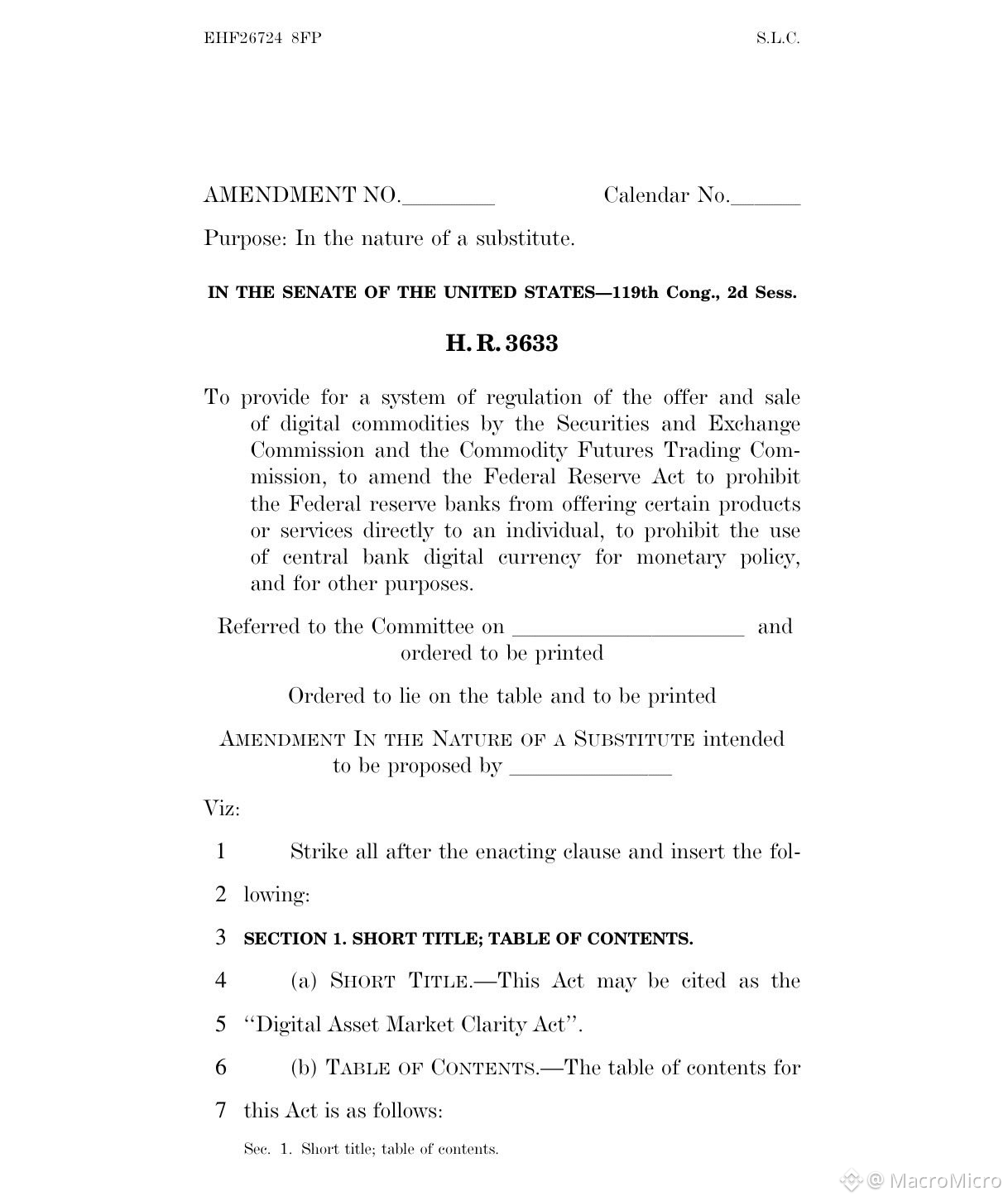
🚨 突發:🇺🇸 參議院共和黨人已發布另一版修訂的 635 頁《CLARITY 法案》,稱之為他們在週二關鍵的終局投票(cloture)前提出的「最後、最佳且最終」方案。
修訂後的法案包含重大變更:
📌 由川普支持的道德規範,將禁止總統及其他聯邦官員發行或贊助數位資產。
📌 穩定幣規則加入「熔斷器(circuit breaker)」機制,若社區銀行出現大規模存款流向穩定幣的情況,允許聯邦介入。
📌 BRCA 的保護範圍被縮小,移除了明確將某些保護延伸至刑事案件的措辭。
📌 新的利益衝突規範,針對涉及數位商品交易所、經紀商與交易商的附屬(關聯)交易。
白宮在臨近最後時刻的推動下,同意了這些道德條款,以爭取足夠支持通過該法案。
該立法目前將進入週二的參議院投票;若要推進,需取得 60 票。
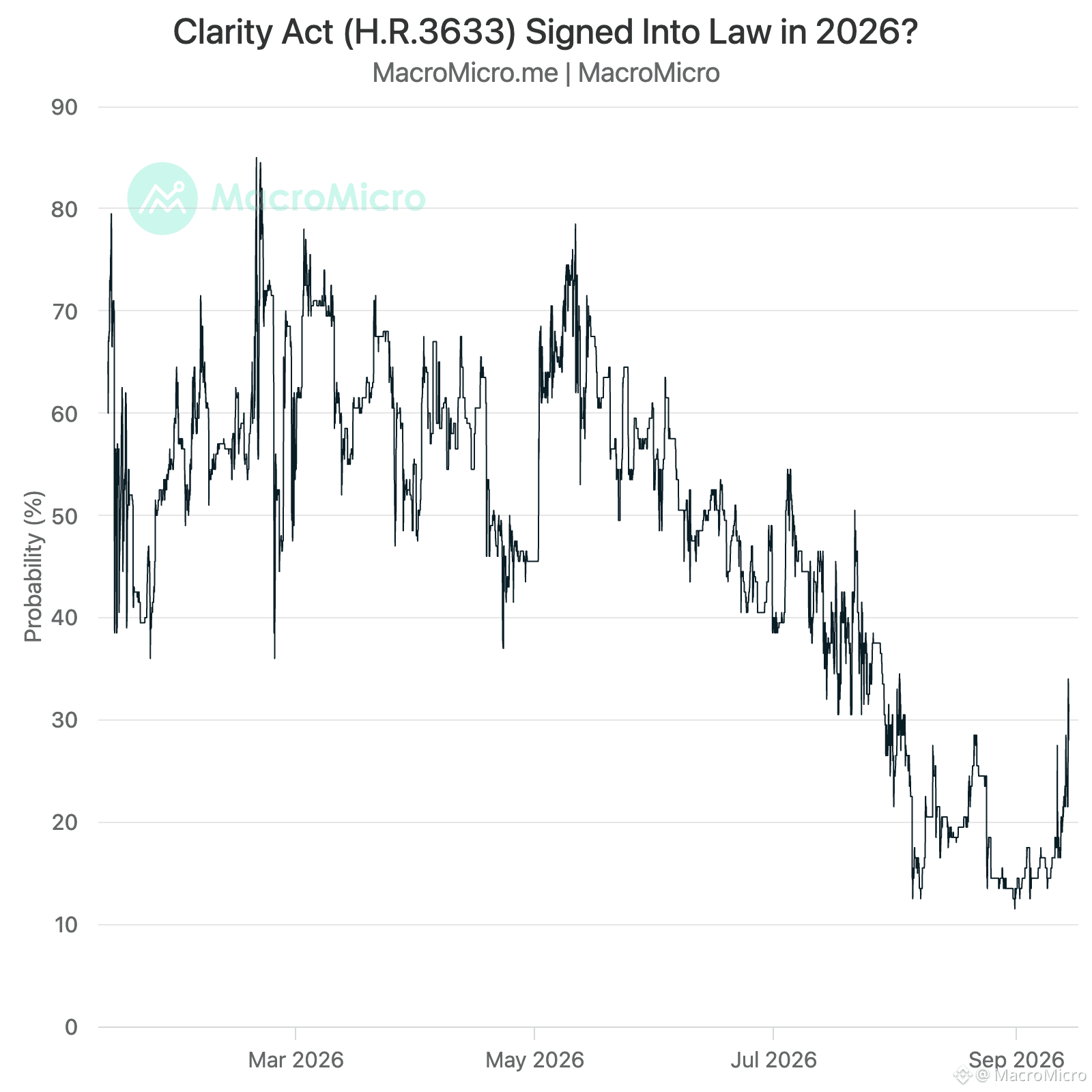
這可能是共和黨為打破僵局、推進久等的加密市場架構法案所作的最後一次嘗試。針對 2026 年通過的預測市場機率已飆升至 32% 🚀
🚨 突發:🇺🇸 參議院共和黨人已發布另一版修訂的 635 頁《CLARITY 法案》,稱之為他們在週二關鍵的終局投票(cloture)前提出的「最後、最佳且最終」方案。
修訂後的法案包含重大變更:
📌 由川普支持的道德規範,將禁止總統及其他聯邦官員發行或贊助數位資產。
📌 穩定幣規則加入「熔斷器(circuit breaker)」機制,若社區銀行出現大規模存款流向穩定幣的情況,允許聯邦介入。
📌 BRCA 的保護範圍被縮小,移除了明確將某些保護延伸至刑事案件的措辭。
📌 新的利益衝突規範,針對涉及數位商品交易所、經紀商與交易商的附屬(關聯)交易。
白宮在臨近最後時刻的推動下,同意了這些道德條款,以爭取足夠支持通過該法案。
該立法目前將進入週二的參議院投票;若要推進,需取得 60 票。
這可能是共和黨為打破僵局、推進久等的加密市場架構法案所作的最後一次嘗試。針對 2026 年通過的預測市場機率已飆升至 32% 🚀
修訂後的法案包含重大變更:
📌 由川普支持的道德規範,將禁止總統及其他聯邦官員發行或贊助數位資產。
📌 穩定幣規則加入「熔斷器(circuit breaker)」機制,若社區銀行出現大規模存款流向穩定幣的情況,允許聯邦介入。
📌 BRCA 的保護範圍被縮小,移除了明確將某些保護延伸至刑事案件的措辭。
📌 新的利益衝突規範,針對涉及數位商品交易所、經紀商與交易商的附屬(關聯)交易。
白宮在臨近最後時刻的推動下,同意了這些道德條款,以爭取足夠支持通過該法案。
該立法目前將進入週二的參議院投票;若要推進,需取得 60 票。
這可能是共和黨為打破僵局、推進久等的加密市場架構法案所作的最後一次嘗試。針對 2026 年通過的預測市場機率已飆升至 32% 🚀
8
1
7
9.5k
·
--
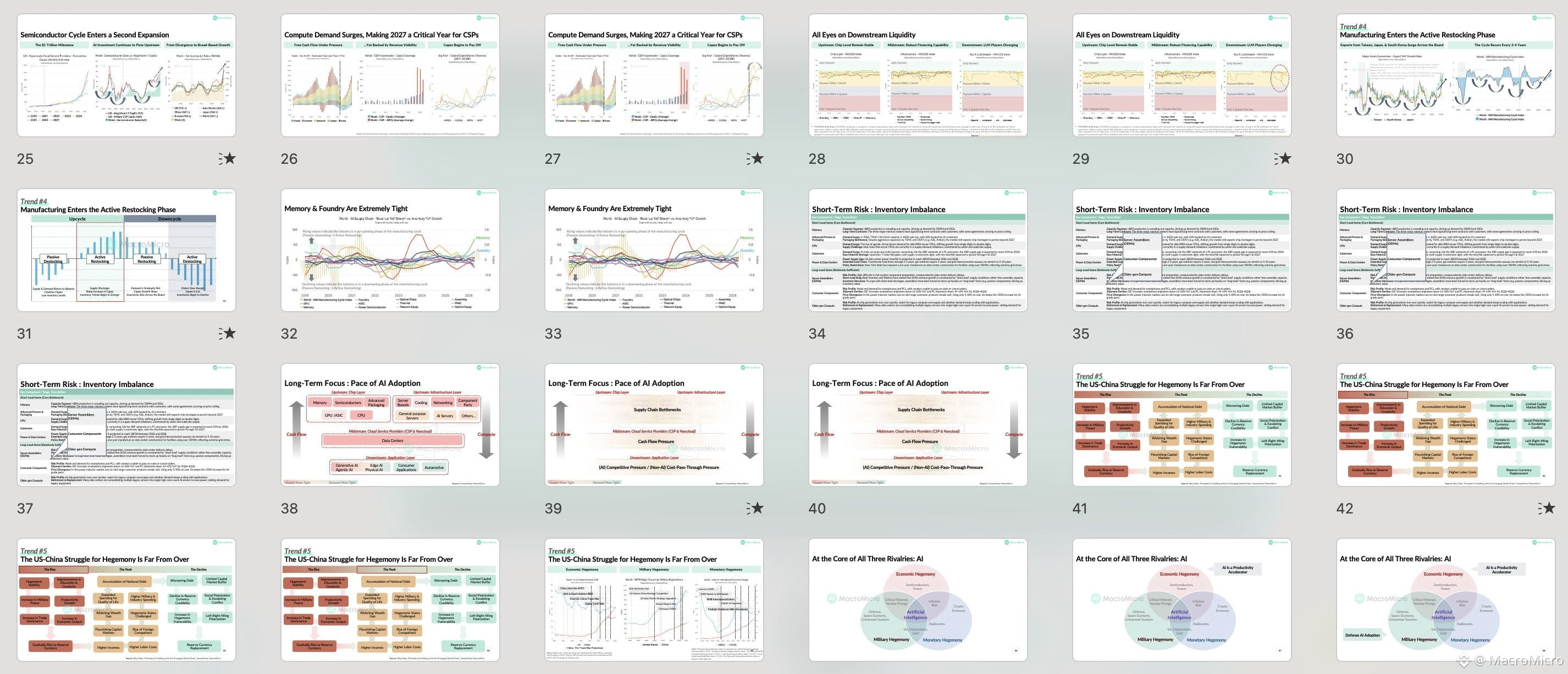
我們剛剛發佈了《THE $1T MEGATRENDS:Money, Margin, & Macro》(1T 兆級趨勢:資金、利潤率與宏觀)的預覽版——內容涵蓋 1 萬億美元 CapEx 里程碑、爲何內存與晶圓代工(foundry)異常緊張,以及短期風險正在如何累積。
想要完整解讀嗎?現在就可以免費查看:Max AI Annual 即可獲取——並附贈爲期 1 年的 AI 供應鏈情報中心(AI Supply Chain Intelligence Hub)訪問權限。
查看預覽: https://drive.google.com/file/d/1r-_vuihG9HmDNeKNxjPqh2IHprpxqf7K/view
我們剛剛發佈了《THE $1T MEGATRENDS:Money, Margin, & Macro》(1T 兆級趨勢:資金、利潤率與宏觀)的預覽版——內容涵蓋 1 萬億美元 CapEx 里程碑、爲何內存與晶圓代工(foundry)異常緊張,以及短期風險正在如何累積。
想要完整解讀嗎?現在就可以免費查看:Max AI Annual 即可獲取——並附贈爲期 1 年的 AI 供應鏈情報中心(AI Supply Chain Intelligence Hub)訪問權限。
查看預覽: https://drive.google.com/file/d/1r-_vuihG9HmDNeKNxjPqh2IHprpxqf7K/view
想要完整解讀嗎?現在就可以免費查看:Max AI Annual 即可獲取——並附贈爲期 1 年的 AI 供應鏈情報中心(AI Supply Chain Intelligence Hub)訪問權限。
查看預覽: https://drive.google.com/file/d/1r-_vuihG9HmDNeKNxjPqh2IHprpxqf7K/view
416
·
--
🚨 參議院共和黨人已在8月休會後的談判中發佈了修訂版《CLARITY法案》文本。儘管納入了114項以上來自民主黨人的要求,但民主黨人最爲激烈爭論的兩處內容(倫理、穩定幣收益)仍未動。
最新文本似乎是進一步收緊對DeFi的監管“邊界”,同時爲受監管的金融機構參與加密提供了更清晰的路徑。
關鍵變更:
📌 非去中心化的DeFi進一步進入監管邊界。對具備可識別當事方、能夠控制或實質性改變功能、在不遵循透明的代碼規則下運作,或限制用戶的協議,可能將面臨CFTC註冊以及相關的行爲、披露、記錄保存與監督要求。
📌 DeFi條款被收窄至現貨/現金型數字商品交易。這看起來部分是爲迴應對基於區塊鏈的預測市場的擔憂,限制DeFi框架對並非傳統現貨商品市場的活動能覆蓋到多廣。
📌 信用合作社權限被明確澄清。聯邦信用合作社將能夠使用數字資產和分佈式賬本技術(DLT)來開展其原本獲准進行的相關活動,從而與法案中更廣泛的銀行條款形成更大程度的對等。
倫理條款沒有變化,而BRCA和穩定幣收益條款仍保持不變。
結論:這些修訂似乎是經過校準,以期獲得60票支持,同時保留法案的核心結構。問題在於:民主黨是否認爲這114項條款屬於實質性的讓步,還是試圖將有限的變更包裝得看起來比實際更廣。
#CLARITYAct
🚨 參議院共和黨人已在8月休會後的談判中發佈了修訂版《CLARITY法案》文本。儘管納入了114項以上來自民主黨人的要求,但民主黨人最爲激烈爭論的兩處內容(倫理、穩定幣收益)仍未動。
最新文本似乎是進一步收緊對DeFi的監管“邊界”,同時爲受監管的金融機構參與加密提供了更清晰的路徑。
關鍵變更:
📌 非去中心化的DeFi進一步進入監管邊界。對具備可識別當事方、能夠控制或實質性改變功能、在不遵循透明的代碼規則下運作,或限制用戶的協議,可能將面臨CFTC註冊以及相關的行爲、披露、記錄保存與監督要求。
📌 DeFi條款被收窄至現貨/現金型數字商品交易。這看起來部分是爲迴應對基於區塊鏈的預測市場的擔憂,限制DeFi框架對並非傳統現貨商品市場的活動能覆蓋到多廣。
📌 信用合作社權限被明確澄清。聯邦信用合作社將能夠使用數字資產和分佈式賬本技術(DLT)來開展其原本獲准進行的相關活動,從而與法案中更廣泛的銀行條款形成更大程度的對等。
倫理條款沒有變化,而BRCA和穩定幣收益條款仍保持不變。
結論:這些修訂似乎是經過校準,以期獲得60票支持,同時保留法案的核心結構。問題在於:民主黨是否認爲這114項條款屬於實質性的讓步,還是試圖將有限的變更包裝得看起來比實際更廣。
#CLARITYAct
最新文本似乎是進一步收緊對DeFi的監管“邊界”,同時爲受監管的金融機構參與加密提供了更清晰的路徑。
關鍵變更:
📌 非去中心化的DeFi進一步進入監管邊界。對具備可識別當事方、能夠控制或實質性改變功能、在不遵循透明的代碼規則下運作,或限制用戶的協議,可能將面臨CFTC註冊以及相關的行爲、披露、記錄保存與監督要求。
📌 DeFi條款被收窄至現貨/現金型數字商品交易。這看起來部分是爲迴應對基於區塊鏈的預測市場的擔憂,限制DeFi框架對並非傳統現貨商品市場的活動能覆蓋到多廣。
📌 信用合作社權限被明確澄清。聯邦信用合作社將能夠使用數字資產和分佈式賬本技術(DLT)來開展其原本獲准進行的相關活動,從而與法案中更廣泛的銀行條款形成更大程度的對等。
倫理條款沒有變化,而BRCA和穩定幣收益條款仍保持不變。
結論:這些修訂似乎是經過校準,以期獲得60票支持,同時保留法案的核心結構。問題在於:民主黨是否認爲這114項條款屬於實質性的讓步,還是試圖將有限的變更包裝得看起來比實際更廣。
#CLARITYAct

3
10
9.4k
·
--
看漲
真實
🇺🇸 美國8月CPI將在幾小時後公佈,而此前一週非農就業人數表現強於預期,這爲檢驗更高的能源價格是否正在向核心通脹傳導提供了一個重要測試。
美聯儲主席沃什(Warsh)表示,決定取決於這一份數據:若核心指標基本符合預期,則支持維持利率不變;若出現超預期上行,則爲9月加息打開大門。沃勒(Waller)也表達了類似觀點,並補充說,剔除“計入的非市場服務”這一分項後,潛在通脹的表現已經比核心通脹所暗示的更好——能源與關稅目前尚未顯示出作爲持續性壓力來源的跡象。
預計核心通脹將接近0.2%(按月MoM),從而將年化通脹率從2.5%降至2.4%。儘管伊朗緊張局勢再度升溫且價格走高,我們並未看到油價傳導進入核心商品或服務通脹。我們傾向於維持不變。
我們的預測市場所隱含的預期顯示:8月headline CPI爲3.34%(同比YoY),核心CPI爲2.33%(同比YoY)。
#CPIWatch
📍 https://en.macromicro.me/charts/154402/us-cpi-yoy-prediction-market-implied-forecast
🇺🇸 美國8月CPI將在幾小時後公佈,而此前一週非農就業人數表現強於預期,這爲檢驗更高的能源價格是否正在向核心通脹傳導提供了一個重要測試。
美聯儲主席沃什(Warsh)表示,決定取決於這一份數據:若核心指標基本符合預期,則支持維持利率不變;若出現超預期上行,則爲9月加息打開大門。沃勒(Waller)也表達了類似觀點,並補充說,剔除“計入的非市場服務”這一分項後,潛在通脹的表現已經比核心通脹所暗示的更好——能源與關稅目前尚未顯示出作爲持續性壓力來源的跡象。
預計核心通脹將接近0.2%(按月MoM),從而將年化通脹率從2.5%降至2.4%。儘管伊朗緊張局勢再度升溫且價格走高,我們並未看到油價傳導進入核心商品或服務通脹。我們傾向於維持不變。
我們的預測市場所隱含的預期顯示:8月headline CPI爲3.34%(同比YoY),核心CPI爲2.33%(同比YoY)。
#CPIWatch
📍 https://en.macromicro.me/charts/154402/us-cpi-yoy-prediction-market-implied-forecast
美聯儲主席沃什(Warsh)表示,決定取決於這一份數據:若核心指標基本符合預期,則支持維持利率不變;若出現超預期上行,則爲9月加息打開大門。沃勒(Waller)也表達了類似觀點,並補充說,剔除“計入的非市場服務”這一分項後,潛在通脹的表現已經比核心通脹所暗示的更好——能源與關稅目前尚未顯示出作爲持續性壓力來源的跡象。
預計核心通脹將接近0.2%(按月MoM),從而將年化通脹率從2.5%降至2.4%。儘管伊朗緊張局勢再度升溫且價格走高,我們並未看到油價傳導進入核心商品或服務通脹。我們傾向於維持不變。
我們的預測市場所隱含的預期顯示:8月headline CPI爲3.34%(同比YoY),核心CPI爲2.33%(同比YoY)。
#CPIWatch
📍 https://en.macromicro.me/charts/154402/us-cpi-yoy-prediction-market-implied-forecast

1
2
1.8k
·
--
全新 iPhone 對折展開,露出兩個螢幕。
我們的 Max AI 年度方案對折展開,露出兩項好處。
巧合?我們不這麼認為……
在 iPhone Duo 開賣之前,先把這個拿下——我們的優惠即將結束,一旦錯過就沒有了。
本文貼文中的連結👇🏻
全新 iPhone 對折展開,露出兩個螢幕。
我們的 Max AI 年度方案對折展開,露出兩項好處。
巧合?我們不這麼認為……
在 iPhone Duo 開賣之前,先把這個拿下——我們的優惠即將結束,一旦錯過就沒有了。
本文貼文中的連結👇🏻
我們的 Max AI 年度方案對折展開,露出兩項好處。
巧合?我們不這麼認為……
在 iPhone Duo 開賣之前,先把這個拿下——我們的優惠即將結束,一旦錯過就沒有了。
本文貼文中的連結👇🏻

3
2
1.5k
·
--
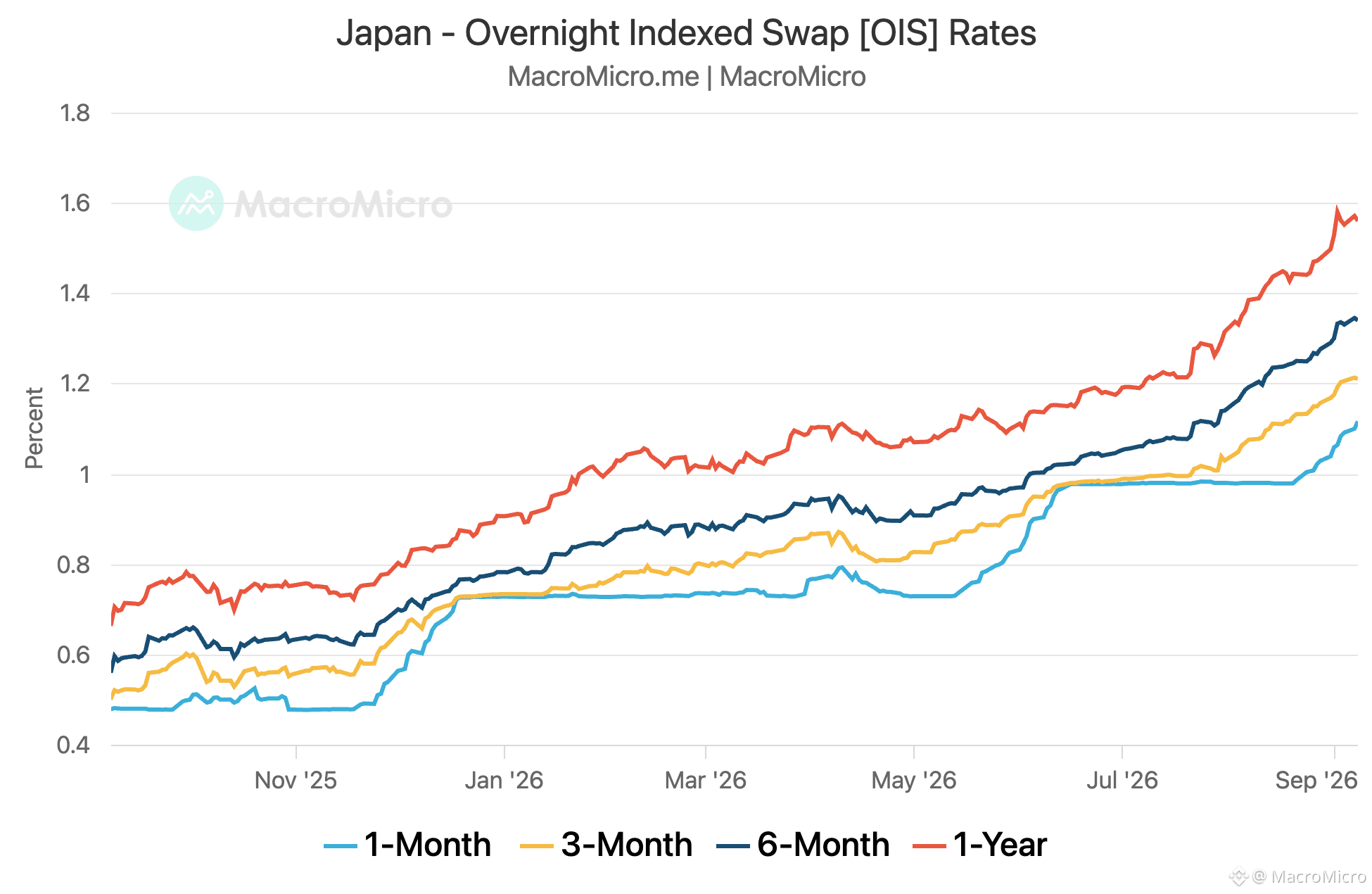
🔴 突發:美元/日圓跌破 153,日圓走強至 2 月以來最強!
三件事同時發生:
▸ Q2 GDP 上修至 1.4%(按年計),高於初值 1.1%
▸ 8 月現金薪資 +4.7%(年增)— 優於市場預期 3.9%,為 1997 年以來最快
▸ 1M OIS 報價 1.12%,已完全反映下週將加息 25 個基點的可能性
🔴 突發:美元/日圓跌破 153,日圓走強至 2 月以來最強!
三件事同時發生:
▸ Q2 GDP 上修至 1.4%(按年計),高於初值 1.1%
▸ 8 月現金薪資 +4.7%(年增)— 優於市場預期 3.9%,為 1997 年以來最快
▸ 1M OIS 報價 1.12%,已完全反映下週將加息 25 個基點的可能性
三件事同時發生:
▸ Q2 GDP 上修至 1.4%(按年計),高於初值 1.1%
▸ 8 月現金薪資 +4.7%(年增)— 優於市場預期 3.9%,為 1997 年以來最快
▸ 1M OIS 報價 1.12%,已完全反映下週將加息 25 個基點的可能性
1
324
·
--
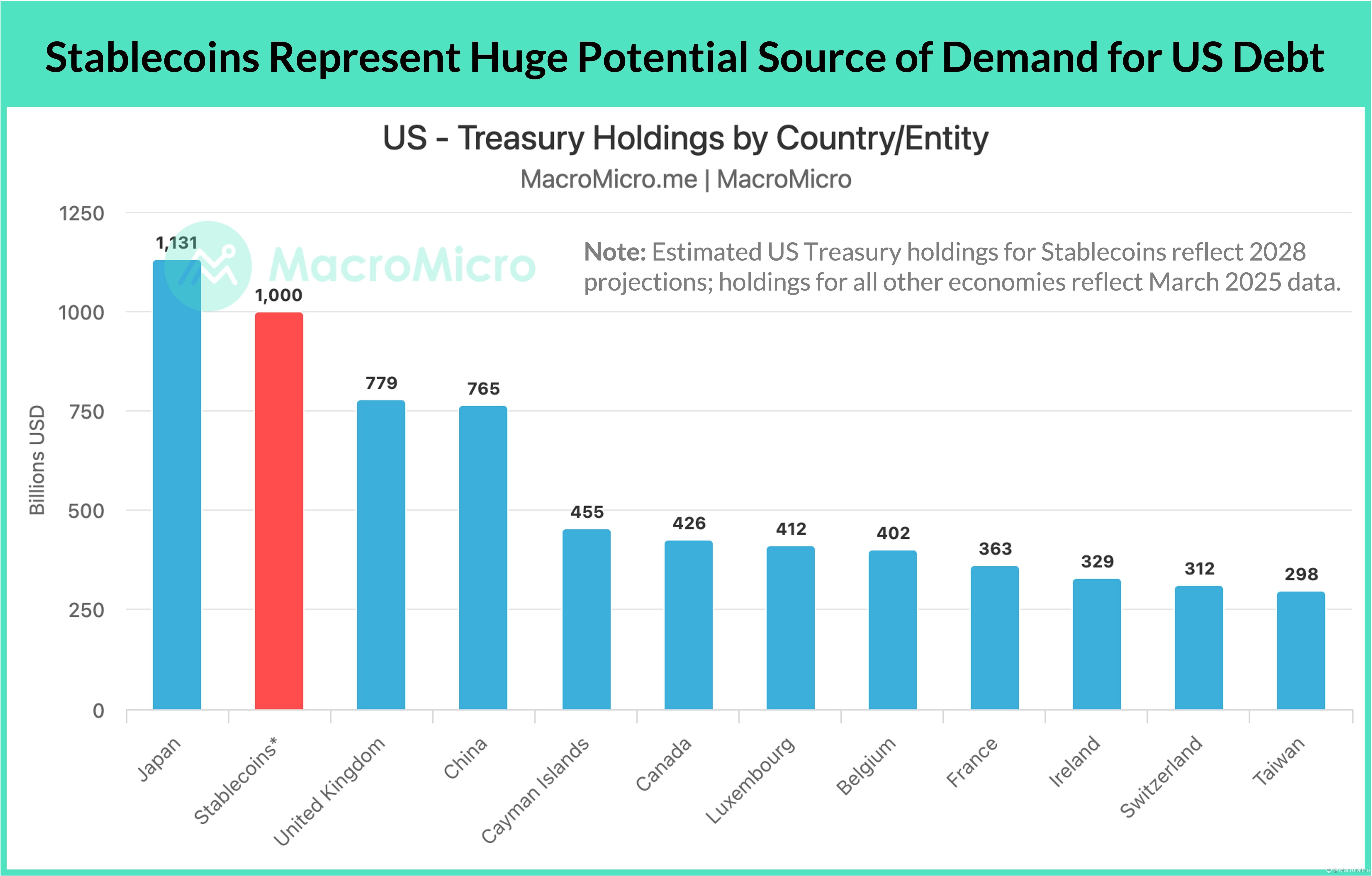
穩定幣最具決定性的變化,不是支付規模,而是它們正成爲美國主權債務的主要買家。
根據美國財政部借款諮詢委員會(TBAC)的估計,到 2028 年,穩定幣市場規模可能達到 2 萬億美元。支撐這一擴張大約需要 1 萬億美元的短期國庫券,而目前僅約爲 1200 億美元。這一儲備規模將使穩定幣發行方與日本(1.1 萬億美元)大致相當,成爲美國國債的最大持有者之一。
這一需求恰好出現在財政部調整其債務管理策略之時。在 8 月的季度再融資聲明中,財政部將其對票息債券拍賣規模的指引措辭從評估“增加”改爲評估“變化”。這一轉變表明,未來將更多發行國庫券、減少長期債券拍賣,以壓低長期收益率的期限溢價。美國國庫券目前已佔在外流通的可交易國債的 22%,高於疫情前的 15%。
在貨幣市場基金規模接近 8 萬億美元、且美聯儲將到期 MBS 本金導向國庫券的背景下,穩定幣提供了一個不斷擴大的、對價格不敏感的買家羣體。對華盛頓而言,數字美元已悄然成爲吸收短期赤字融資的工具。
🔗 閱讀更多:<a href="https://en.macromicro.me/blog/treasury-yields-are-surging-three-ways-out-of-the-debt-trap">https://en.macromicro.me/blog/treasury-yields-are-surging-three-ways-out-of-the-debt-trap</a>
穩定幣最具決定性的變化,不是支付規模,而是它們正成爲美國主權債務的主要買家。
根據美國財政部借款諮詢委員會(TBAC)的估計,到 2028 年,穩定幣市場規模可能達到 2 萬億美元。支撐這一擴張大約需要 1 萬億美元的短期國庫券,而目前僅約爲 1200 億美元。這一儲備規模將使穩定幣發行方與日本(1.1 萬億美元)大致相當,成爲美國國債的最大持有者之一。
這一需求恰好出現在財政部調整其債務管理策略之時。在 8 月的季度再融資聲明中,財政部將其對票息債券拍賣規模的指引措辭從評估“增加”改爲評估“變化”。這一轉變表明,未來將更多發行國庫券、減少長期債券拍賣,以壓低長期收益率的期限溢價。美國國庫券目前已佔在外流通的可交易國債的 22%,高於疫情前的 15%。
在貨幣市場基金規模接近 8 萬億美元、且美聯儲將到期 MBS 本金導向國庫券的背景下,穩定幣提供了一個不斷擴大的、對價格不敏感的買家羣體。對華盛頓而言,數字美元已悄然成爲吸收短期赤字融資的工具。
🔗 閱讀更多:<a href="https://en.macromicro.me/blog/treasury-yields-are-surging-three-ways-out-of-the-debt-trap">https://en.macromicro.me/blog/treasury-yields-are-surging-three-ways-out-of-the-debt-trap</a>
根據美國財政部借款諮詢委員會(TBAC)的估計,到 2028 年,穩定幣市場規模可能達到 2 萬億美元。支撐這一擴張大約需要 1 萬億美元的短期國庫券,而目前僅約爲 1200 億美元。這一儲備規模將使穩定幣發行方與日本(1.1 萬億美元)大致相當,成爲美國國債的最大持有者之一。
這一需求恰好出現在財政部調整其債務管理策略之時。在 8 月的季度再融資聲明中,財政部將其對票息債券拍賣規模的指引措辭從評估“增加”改爲評估“變化”。這一轉變表明,未來將更多發行國庫券、減少長期債券拍賣,以壓低長期收益率的期限溢價。美國國庫券目前已佔在外流通的可交易國債的 22%,高於疫情前的 15%。
在貨幣市場基金規模接近 8 萬億美元、且美聯儲將到期 MBS 本金導向國庫券的背景下,穩定幣提供了一個不斷擴大的、對價格不敏感的買家羣體。對華盛頓而言,數字美元已悄然成爲吸收短期赤字融資的工具。
🔗 閱讀更多:<a href="https://en.macromicro.me/blog/treasury-yields-are-surging-three-ways-out-of-the-debt-trap">https://en.macromicro.me/blog/treasury-yields-are-surging-three-ways-out-of-the-debt-trap</a>
434
·
--
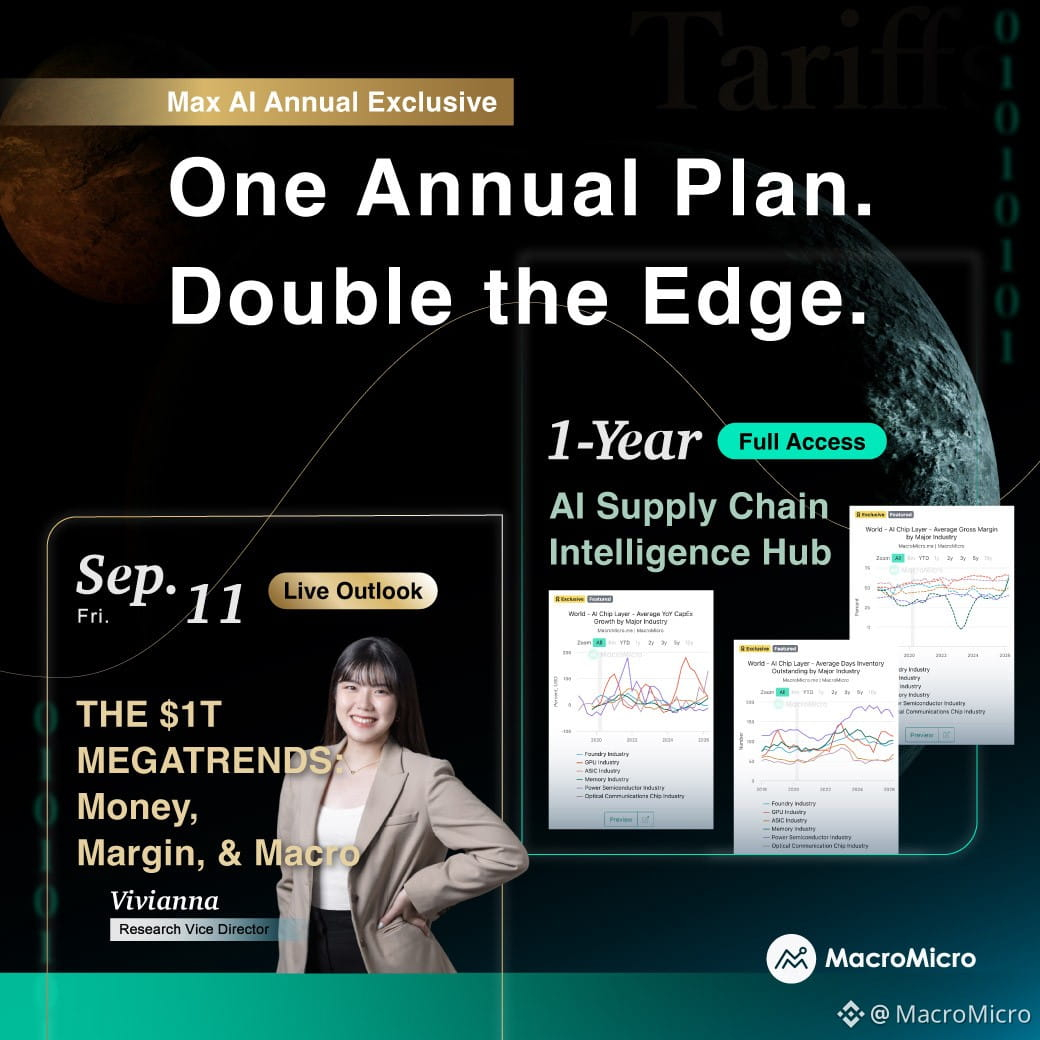
📈 AI資本支出(capex)正朝向2027年跨越1兆美元邁進,而供應鏈已經呈現緊繃。記憶體與鑄造(foundry)產能已到極限,硬體價格已回升至2021年高點以上,且定價權正往上游移動,遠離每個人正在交易的應用程式。
本次9月我們將涵蓋所有這些,並在同一套方案中解鎖兩項內容:
📌 即時展望(9月11日)— 我們的研究部VP將現場解讀10兆美元AI的長期趨勢
📌 為期1年完整存取AI供應鏈中心(AI Supply Chain Hub)— 18張涵蓋晶片、基礎設施與運算(compute)的獨家圖表
這項瓶頸是會維持還是被打破,取決於真正的需求,而不只是供給緊張。
兩者都是為了協助你追蹤這一切。
在市場把價格反映進去之前先掌握。
活動至9月30日結束。
🔗 https://mmgo.me/xxv4q3
📈 AI資本支出(capex)正朝向2027年跨越1兆美元邁進,而供應鏈已經呈現緊繃。記憶體與鑄造(foundry)產能已到極限,硬體價格已回升至2021年高點以上,且定價權正往上游移動,遠離每個人正在交易的應用程式。
本次9月我們將涵蓋所有這些,並在同一套方案中解鎖兩項內容:
📌 即時展望(9月11日)— 我們的研究部VP將現場解讀10兆美元AI的長期趨勢
📌 為期1年完整存取AI供應鏈中心(AI Supply Chain Hub)— 18張涵蓋晶片、基礎設施與運算(compute)的獨家圖表
這項瓶頸是會維持還是被打破,取決於真正的需求,而不只是供給緊張。
兩者都是為了協助你追蹤這一切。
在市場把價格反映進去之前先掌握。
活動至9月30日結束。
🔗 https://mmgo.me/xxv4q3
本次9月我們將涵蓋所有這些,並在同一套方案中解鎖兩項內容:
📌 即時展望(9月11日)— 我們的研究部VP將現場解讀10兆美元AI的長期趨勢
📌 為期1年完整存取AI供應鏈中心(AI Supply Chain Hub)— 18張涵蓋晶片、基礎設施與運算(compute)的獨家圖表
這項瓶頸是會維持還是被打破,取決於真正的需求,而不只是供給緊張。
兩者都是為了協助你追蹤這一切。
在市場把價格反映進去之前先掌握。
活動至9月30日結束。
🔗 https://mmgo.me/xxv4q3
421
·
--
真實
🔴 突發:日本10年期政府債券收益率升至3.00%,爲1996年9月以來的最高水平。
$EWJ
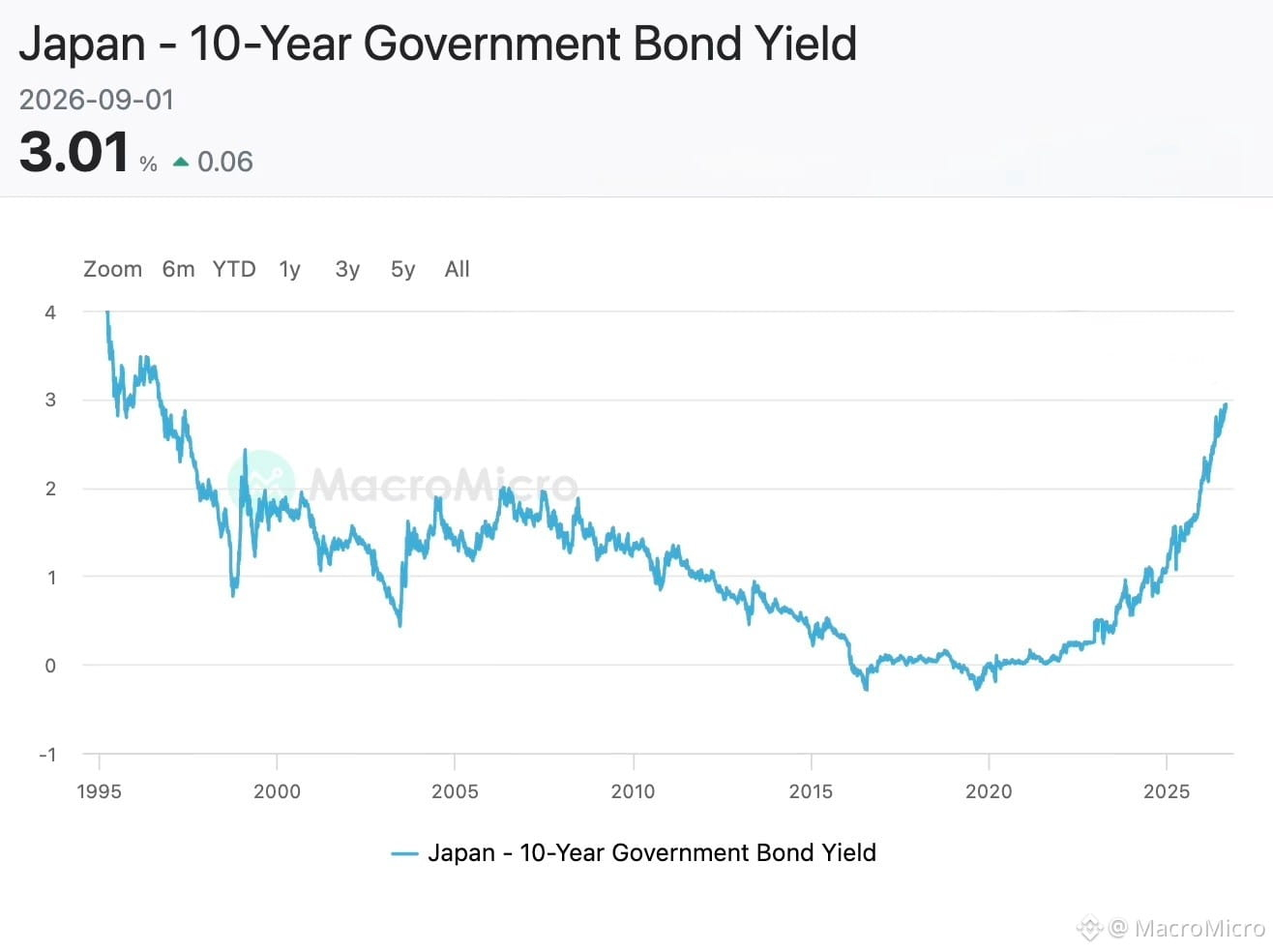
🔴 突發:日本10年期政府債券收益率升至3.00%,爲1996年9月以來的最高水平。
$EWJ
$EWJ
1
717
·
--
🔴 超過目標65個月:通膨主導沃什(Warsh)在傑克森霍爾(Jackson Hole)的演說
「聯準會(Fed)偏好的通膨衡量指標——PCE物價指數的12個月變動——為3.7%;而六個月變動為4.1%。」
「在我們使命中關於價格穩定的面向,數字更令人擔憂。」
「因此,聯準會目前最主要的關注重點應該放在價格上。」
「而雖然今年夏天的PCE與CPI數據表現優於預期,但這並沒有告訴我潛在趨勢已經有意義地改善。」
「在過去12個月裡,PCE籃子中的商品與服務中有54%出現價格上漲,幅度超過3%。這確實低於疫情後約77%的高點,但仍明顯高於疫情前兩個十年中32%的水準。」
「長達65個月持續、偏高的通膨責任,完全落在中央銀行身上。而這也正是它應該承擔的位置。」
「價格穩定並非會自動實現,通膨也不一定會自然回歸均衡。」
「我們必須確信,潛在通膨正以清楚且足夠的速度朝著我們的目標前進。否則,我們仍有工作要做。」
「但通膨一直仍然過高。」
「同類的消費者物價指數(CPI)衡量也同樣偏高;同時,PCE與CPI的核心衡量也如此。」
「這些指標都不是完美的,但它們都講述類似的故事:通膨正在超過我們的2%目標運行。」
「近期整體大宗商品價格的上升也值得密切留意。」
「某些領域——例如房屋與農業——正在出現壓力。但總體而言,我很難形容目前的整體金融狀況是具有抑制性的。」
「聯準會的工作是確保通膨預期不會失去錨定。」
「也同樣重要的是,過去五年以上的通膨讀數是否已滲入預期之中。」
$SHY.ETF
🔴 超過目標65個月:通膨主導沃什(Warsh)在傑克森霍爾(Jackson Hole)的演說
「聯準會(Fed)偏好的通膨衡量指標——PCE物價指數的12個月變動——為3.7%;而六個月變動為4.1%。」
「在我們使命中關於價格穩定的面向,數字更令人擔憂。」
「因此,聯準會目前最主要的關注重點應該放在價格上。」
「而雖然今年夏天的PCE與CPI數據表現優於預期,但這並沒有告訴我潛在趨勢已經有意義地改善。」
「在過去12個月裡,PCE籃子中的商品與服務中有54%出現價格上漲,幅度超過3%。這確實低於疫情後約77%的高點,但仍明顯高於疫情前兩個十年中32%的水準。」
「長達65個月持續、偏高的通膨責任,完全落在中央銀行身上。而這也正是它應該承擔的位置。」
「價格穩定並非會自動實現,通膨也不一定會自然回歸均衡。」
「我們必須確信,潛在通膨正以清楚且足夠的速度朝著我們的目標前進。否則,我們仍有工作要做。」
「但通膨一直仍然過高。」
「同類的消費者物價指數(CPI)衡量也同樣偏高;同時,PCE與CPI的核心衡量也如此。」
「這些指標都不是完美的,但它們都講述類似的故事:通膨正在超過我們的2%目標運行。」
「近期整體大宗商品價格的上升也值得密切留意。」
「某些領域——例如房屋與農業——正在出現壓力。但總體而言,我很難形容目前的整體金融狀況是具有抑制性的。」
「聯準會的工作是確保通膨預期不會失去錨定。」
「也同樣重要的是,過去五年以上的通膨讀數是否已滲入預期之中。」
$SHY.ETF
「聯準會(Fed)偏好的通膨衡量指標——PCE物價指數的12個月變動——為3.7%;而六個月變動為4.1%。」
「在我們使命中關於價格穩定的面向,數字更令人擔憂。」
「因此,聯準會目前最主要的關注重點應該放在價格上。」
「而雖然今年夏天的PCE與CPI數據表現優於預期,但這並沒有告訴我潛在趨勢已經有意義地改善。」
「在過去12個月裡,PCE籃子中的商品與服務中有54%出現價格上漲,幅度超過3%。這確實低於疫情後約77%的高點,但仍明顯高於疫情前兩個十年中32%的水準。」
「長達65個月持續、偏高的通膨責任,完全落在中央銀行身上。而這也正是它應該承擔的位置。」
「價格穩定並非會自動實現,通膨也不一定會自然回歸均衡。」
「我們必須確信,潛在通膨正以清楚且足夠的速度朝著我們的目標前進。否則,我們仍有工作要做。」
「但通膨一直仍然過高。」
「同類的消費者物價指數(CPI)衡量也同樣偏高;同時,PCE與CPI的核心衡量也如此。」
「這些指標都不是完美的,但它們都講述類似的故事:通膨正在超過我們的2%目標運行。」
「近期整體大宗商品價格的上升也值得密切留意。」
「某些領域——例如房屋與農業——正在出現壓力。但總體而言,我很難形容目前的整體金融狀況是具有抑制性的。」
「聯準會的工作是確保通膨預期不會失去錨定。」
「也同樣重要的是,過去五年以上的通膨讀數是否已滲入預期之中。」
$SHY.ETF
SHYETF+0.04%
1
493
·
--
📊 最新的投資儀表板已發布!
歡迎你下載保存、分享——你一定會想把這份放在手邊。
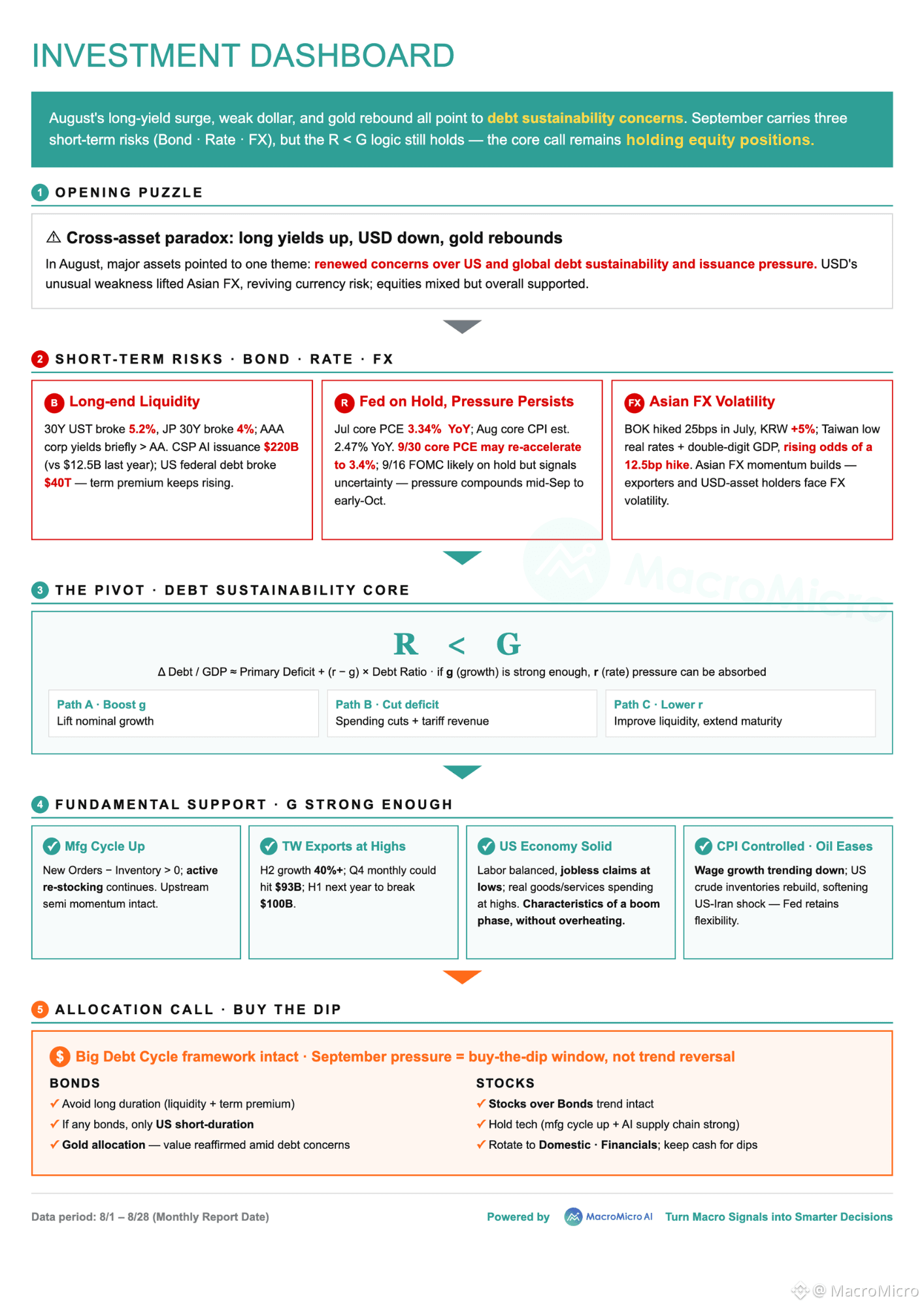
八月的資產走勢都指向同一個方向:長天期殖利率飆升、美元走弱、黃金反彈——三個彼此獨立的訊號,卻指向同一個共同主題:對債務可持續性的疑慮又回來了。
進入九月後,真正的問題不是這種壓力會不會消退。而是成長(G)是否仍然強到足以超越它。
我們將其拆分為 3 個主題——下方儀表板提供完整視角。
👋🏻歡迎分享或轉發。關注 MacroMicro,趕在下一步之前掌握市場風險: https://mmgo.me/y6cugk
📊 最新的投資儀表板已發布!
歡迎你下載保存、分享——你一定會想把這份放在手邊。
八月的資產走勢都指向同一個方向:長天期殖利率飆升、美元走弱、黃金反彈——三個彼此獨立的訊號,卻指向同一個共同主題:對債務可持續性的疑慮又回來了。
進入九月後,真正的問題不是這種壓力會不會消退。而是成長(G)是否仍然強到足以超越它。
我們將其拆分為 3 個主題——下方儀表板提供完整視角。
👋🏻歡迎分享或轉發。關注 MacroMicro,趕在下一步之前掌握市場風險: https://mmgo.me/y6cugk
歡迎你下載保存、分享——你一定會想把這份放在手邊。
八月的資產走勢都指向同一個方向:長天期殖利率飆升、美元走弱、黃金反彈——三個彼此獨立的訊號,卻指向同一個共同主題:對債務可持續性的疑慮又回來了。
進入九月後,真正的問題不是這種壓力會不會消退。而是成長(G)是否仍然強到足以超越它。
我們將其拆分為 3 個主題——下方儀表板提供完整視角。
👋🏻歡迎分享或轉發。關注 MacroMicro,趕在下一步之前掌握市場風險: https://mmgo.me/y6cugk
623
·
--
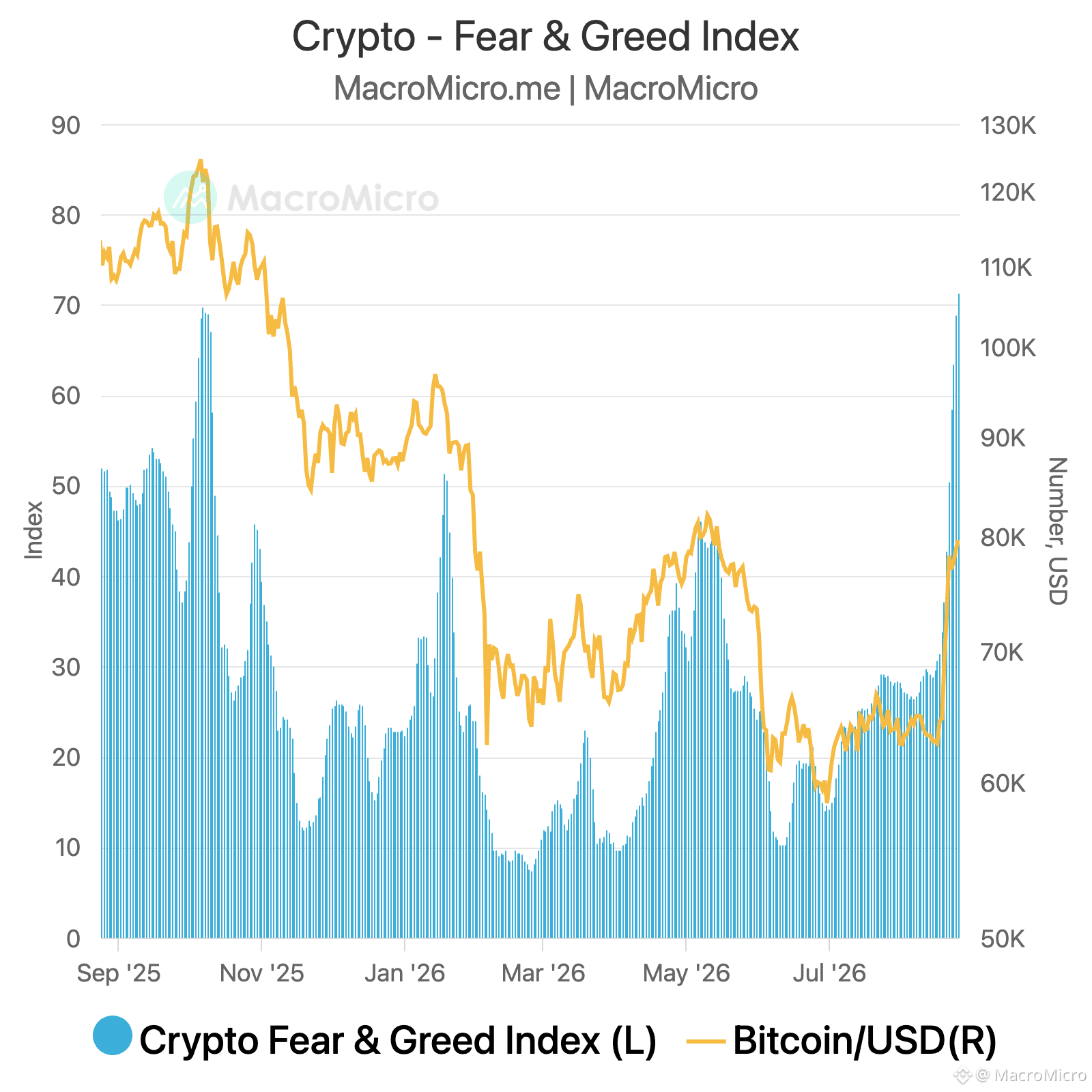
📈 比特幣自2026年5月以來首次觸及80,000美元。黃金正在做出同樣的動作。
美聯儲已停止增加國庫券(T-bill)的購買,而財政部正在擴大其長期端的回購能力。兩項舉措合在一起,緩解了短端融資市場的壓力——也就是TGCR、BGCR和SOFR背後的同一類回購渠道。
非農和CPI已經把任何近期加息的可能性排除在外。市場正在提前定價這種改善,這正是在預計9月美聯儲公開市場委員會(FOMC)以及傑克遜霍爾討論帶來更明確指引之前。
$BTC
{spot}(BTCUSDT)
📈 比特幣自2026年5月以來首次觸及80,000美元。黃金正在做出同樣的動作。
美聯儲已停止增加國庫券(T-bill)的購買,而財政部正在擴大其長期端的回購能力。兩項舉措合在一起,緩解了短端融資市場的壓力——也就是TGCR、BGCR和SOFR背後的同一類回購渠道。
非農和CPI已經把任何近期加息的可能性排除在外。市場正在提前定價這種改善,這正是在預計9月美聯儲公開市場委員會(FOMC)以及傑克遜霍爾討論帶來更明確指引之前。
$BTC
美聯儲已停止增加國庫券(T-bill)的購買,而財政部正在擴大其長期端的回購能力。兩項舉措合在一起,緩解了短端融資市場的壓力——也就是TGCR、BGCR和SOFR背後的同一類回購渠道。
非農和CPI已經把任何近期加息的可能性排除在外。市場正在提前定價這種改善,這正是在預計9月美聯儲公開市場委員會(FOMC)以及傑克遜霍爾討論帶來更明確指引之前。
$BTC
2
16
19.5k
·
--
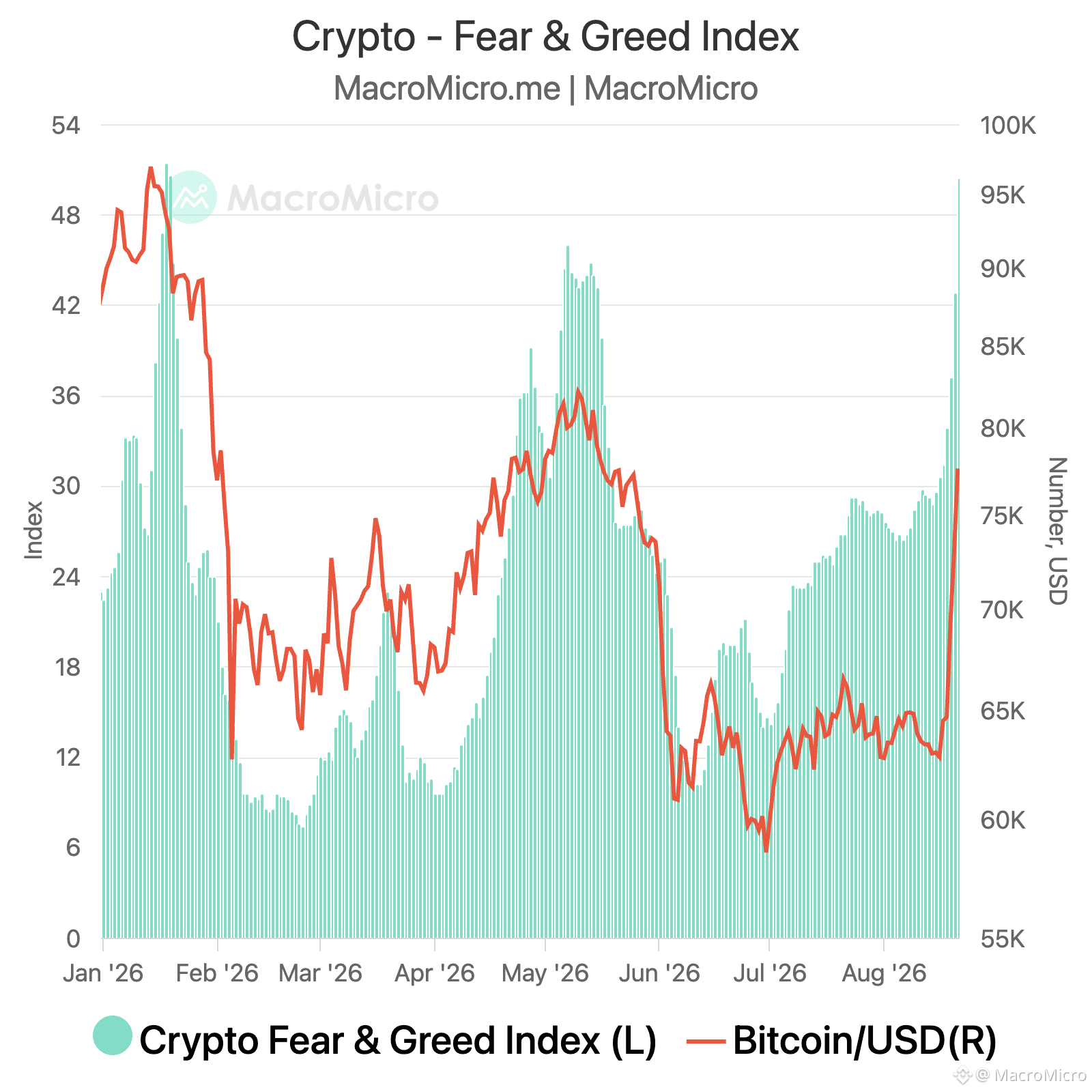
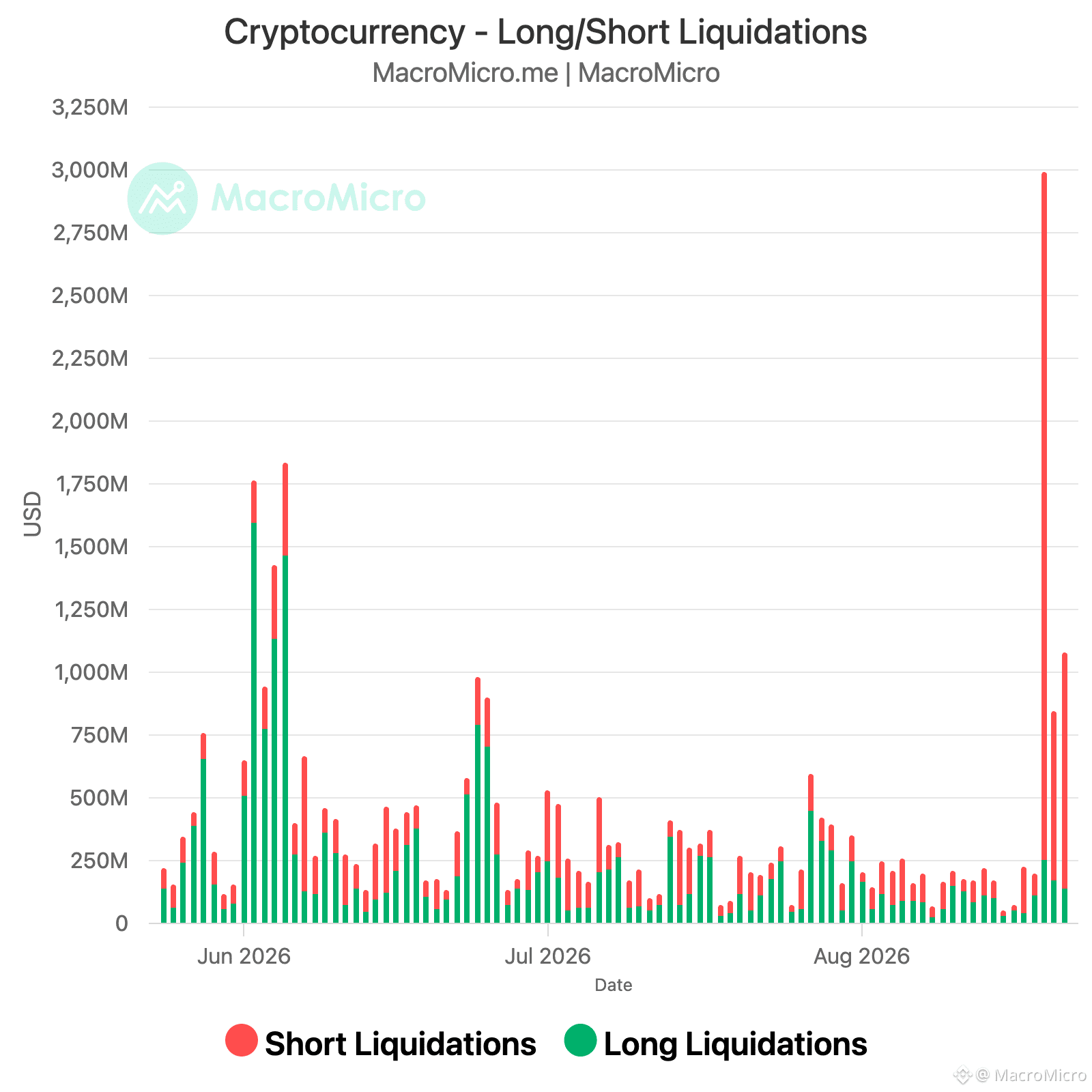
🚨 比特幣突破 78,000 美元,四天內漲幅超過 30%。自週一以來,數字貨幣市值增加了 4,500 億美元。
僅在過去 24 小時內,價值 12.4 億美元的做空倉位已在加密市場被清算!
$BTC
{spot}(BTCUSDT)
🚨 比特幣突破 78,000 美元,四天內漲幅超過 30%。自週一以來,數字貨幣市值增加了 4,500 億美元。
僅在過去 24 小時內,價值 12.4 億美元的做空倉位已在加密市場被清算!
$BTC
僅在過去 24 小時內,價值 12.4 億美元的做空倉位已在加密市場被清算!
$BTC
3
5.5k
·
--
真實
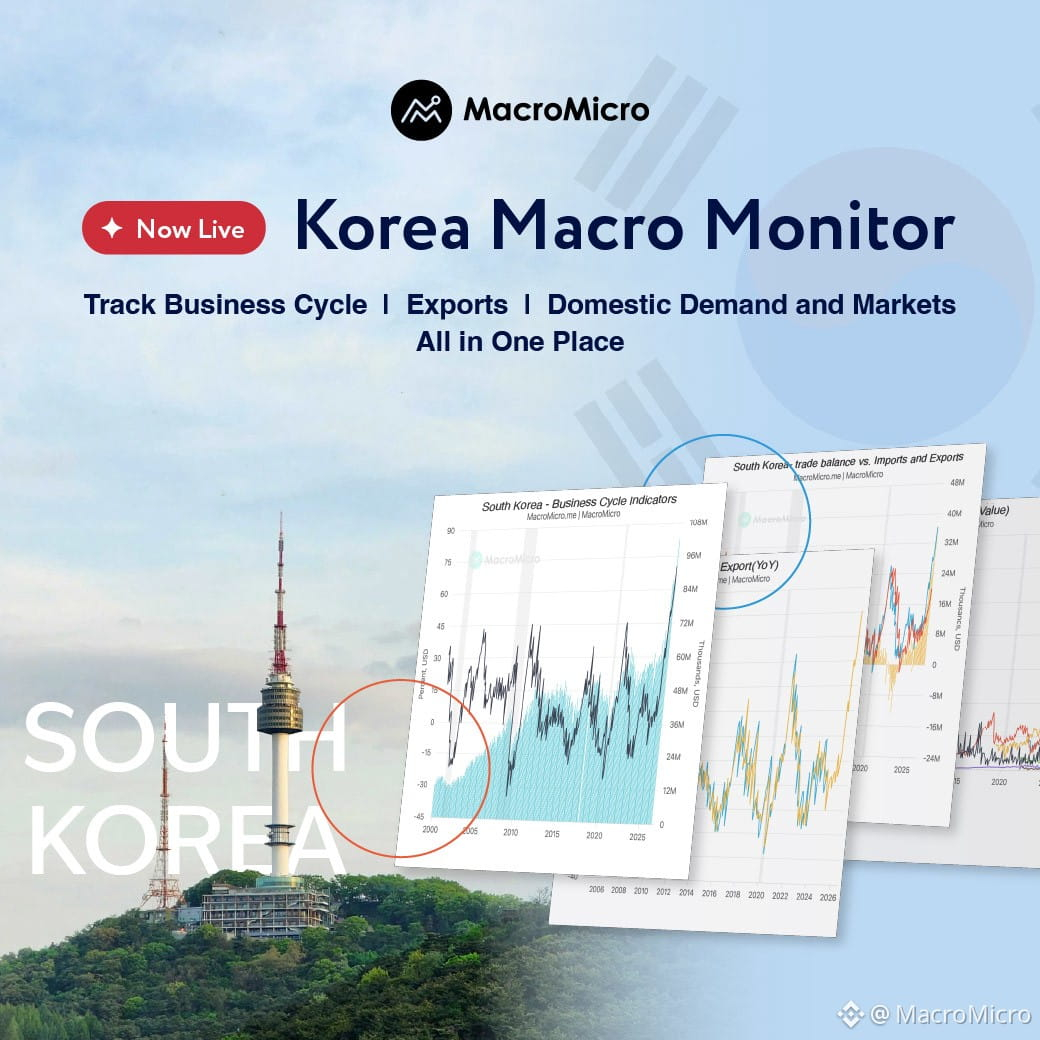
🇰🇷現已開播!韓國宏觀監控——牛市是否有基本面支撐?
今天就來證明:KOSPI反彈+5.9%,回到6,852.58,觸發了買入側車——這是今年第49次。三星+9%,SK海力士+12%。SK海力士宣佈290億美元回購消息,加上美國國債收益率走低,推動了反彈。
韓國剛剛完成“來回走”,基本面還沒來得及跟上:
槓桿驅動的上漲 → 急劇修正 → 回到牛市區域。
爲什麼重要:三星和SK海力士佔據全球HBM/DRAM的大部分份額——也就是AI建設背後的存儲芯片。韓國的出口數據通常領先於像美光這樣的公司,以及更廣泛的存儲週期。
韓國基本面 + 存儲週期的五張圖:
1. 復甦是否真實?商業週期指標
2. 出口動能能否持續?前20天累計出口額
3. 存儲週期風向標?出口價格指數——存儲(同比YoY)
4. 是真實需求還是單純的漲價?半導體與零部件 庫存/出貨比
5. 這波反彈背後是否有流動性支撐?——投資者存款
👇評論區的圖表鏈接
🇰🇷現已開播!韓國宏觀監控——牛市是否有基本面支撐?
今天就來證明:KOSPI反彈+5.9%,回到6,852.58,觸發了買入側車——這是今年第49次。三星+9%,SK海力士+12%。SK海力士宣佈290億美元回購消息,加上美國國債收益率走低,推動了反彈。
韓國剛剛完成“來回走”,基本面還沒來得及跟上:
槓桿驅動的上漲 → 急劇修正 → 回到牛市區域。
爲什麼重要:三星和SK海力士佔據全球HBM/DRAM的大部分份額——也就是AI建設背後的存儲芯片。韓國的出口數據通常領先於像美光這樣的公司,以及更廣泛的存儲週期。
韓國基本面 + 存儲週期的五張圖:
1. 復甦是否真實?商業週期指標
2. 出口動能能否持續?前20天累計出口額
3. 存儲週期風向標?出口價格指數——存儲(同比YoY)
4. 是真實需求還是單純的漲價?半導體與零部件 庫存/出貨比
5. 這波反彈背後是否有流動性支撐?——投資者存款
👇評論區的圖表鏈接
今天就來證明:KOSPI反彈+5.9%,回到6,852.58,觸發了買入側車——這是今年第49次。三星+9%,SK海力士+12%。SK海力士宣佈290億美元回購消息,加上美國國債收益率走低,推動了反彈。
韓國剛剛完成“來回走”,基本面還沒來得及跟上:
槓桿驅動的上漲 → 急劇修正 → 回到牛市區域。
爲什麼重要:三星和SK海力士佔據全球HBM/DRAM的大部分份額——也就是AI建設背後的存儲芯片。韓國的出口數據通常領先於像美光這樣的公司,以及更廣泛的存儲週期。
韓國基本面 + 存儲週期的五張圖:
1. 復甦是否真實?商業週期指標
2. 出口動能能否持續?前20天累計出口額
3. 存儲週期風向標?出口價格指數——存儲(同比YoY)
4. 是真實需求還是單純的漲價?半導體與零部件 庫存/出貨比
5. 這波反彈背後是否有流動性支撐?——投資者存款
👇評論區的圖表鏈接
1
1.2k
·
--
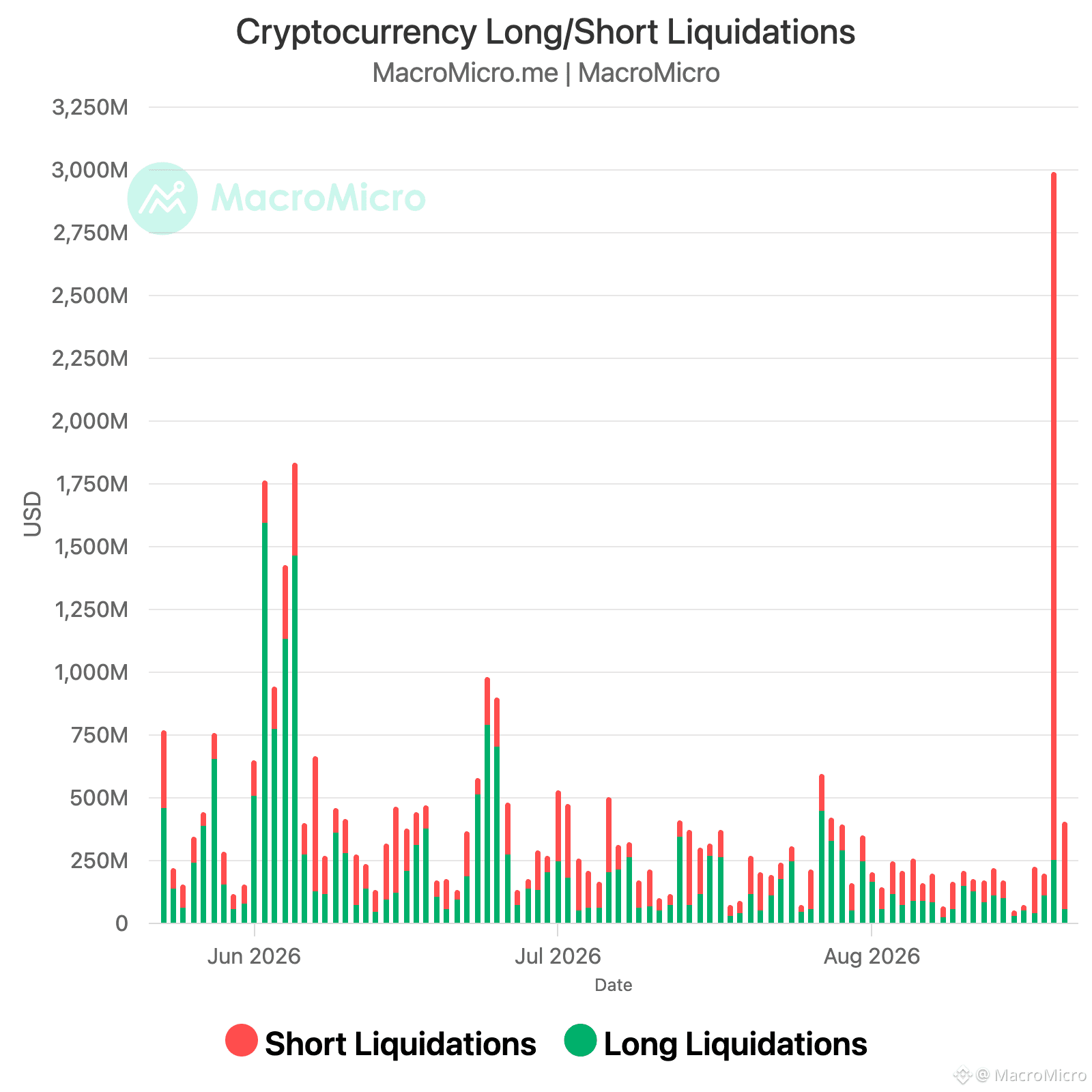
📈 比特幣在不到一小時內從 65,400 美元漲到 69,700 美元,一根一分鐘K線中被清算的空頭頭寸達 7.46 億美元,因該走勢困住了使用槓桿的賣空者。過去 24 小時內加密貨幣總清算額達到 30 億美元。
這次上漲可追溯至債券市場。財政部將其長期回購上限從每次 20 億美元翻倍至 40 億美元,時間爲 9 月 9 日至 11 月 4 日,目標是 10 至 30 年期的債務。該消息發佈在 30 年期收益率觸及 5.337%(自 2007 年以來最高)一天之後。10 年期收益率下跌 6 個基點至 4.647%,30 年期收益率下跌 9 個基點至 5.196%。
這不是量化寬鬆(QE)。美聯儲並未擴大資產負債表。財政部回購了其自身已存在的債務,以平滑長端流動性,但規模仍然小於 32 萬億美元的市場體量。不過,長期利率的下行正好在槓桿空頭押注比特幣的時點發生,而擠壓(逼空)隨後完成了一切。
$BTC
{spot}(BTCUSDT)
📈 比特幣在不到一小時內從 65,400 美元漲到 69,700 美元,一根一分鐘K線中被清算的空頭頭寸達 7.46 億美元,因該走勢困住了使用槓桿的賣空者。過去 24 小時內加密貨幣總清算額達到 30 億美元。
這次上漲可追溯至債券市場。財政部將其長期回購上限從每次 20 億美元翻倍至 40 億美元,時間爲 9 月 9 日至 11 月 4 日,目標是 10 至 30 年期的債務。該消息發佈在 30 年期收益率觸及 5.337%(自 2007 年以來最高)一天之後。10 年期收益率下跌 6 個基點至 4.647%,30 年期收益率下跌 9 個基點至 5.196%。
這不是量化寬鬆(QE)。美聯儲並未擴大資產負債表。財政部回購了其自身已存在的債務,以平滑長端流動性,但規模仍然小於 32 萬億美元的市場體量。不過,長期利率的下行正好在槓桿空頭押注比特幣的時點發生,而擠壓(逼空)隨後完成了一切。
$BTC
這次上漲可追溯至債券市場。財政部將其長期回購上限從每次 20 億美元翻倍至 40 億美元,時間爲 9 月 9 日至 11 月 4 日,目標是 10 至 30 年期的債務。該消息發佈在 30 年期收益率觸及 5.337%(自 2007 年以來最高)一天之後。10 年期收益率下跌 6 個基點至 4.647%,30 年期收益率下跌 9 個基點至 5.196%。
這不是量化寬鬆(QE)。美聯儲並未擴大資產負債表。財政部回購了其自身已存在的債務,以平滑長端流動性,但規模仍然小於 32 萬億美元的市場體量。不過,長期利率的下行正好在槓桿空頭押注比特幣的時點發生,而擠壓(逼空)隨後完成了一切。
$BTC
8
11
26.7k
·
--
真實
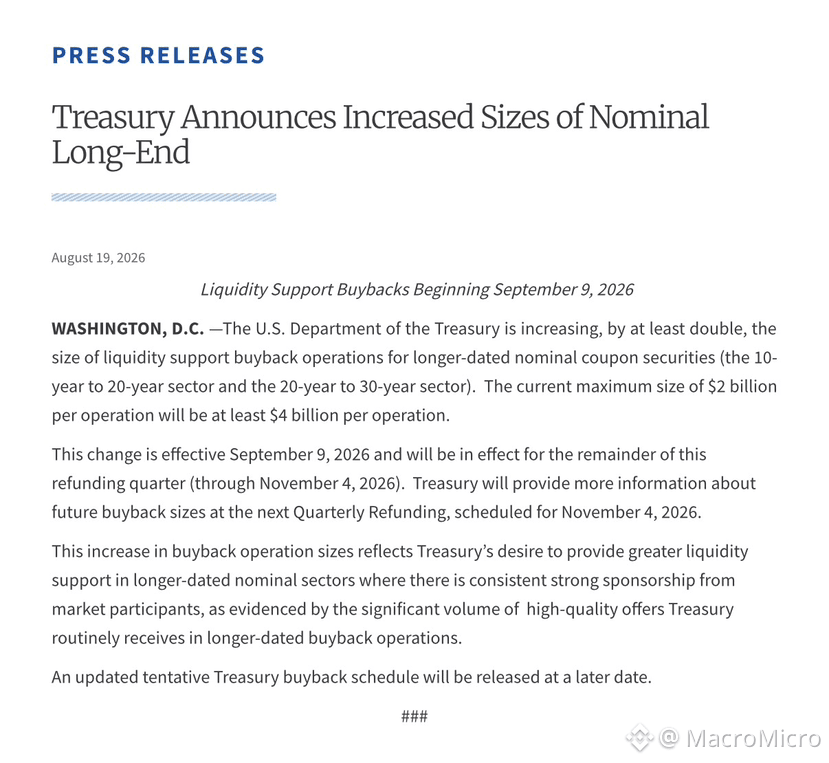
🔴突發:美國財政部擴大流動性支持回購操作規模,針對更久期的名義票息證券。
財政部將對10至30年期證券的回購規模加倍,每次回購至少達到40億美元。
時間表:新的限額自2026年9月9日至11月4日生效。
目標:此次調整旨在提升這些更長久期領域的市場流動性。
🔴突發:美國財政部擴大流動性支持回購操作規模,針對更久期的名義票息證券。
財政部將對10至30年期證券的回購規模加倍,每次回購至少達到40億美元。
時間表:新的限額自2026年9月9日至11月4日生效。
目標:此次調整旨在提升這些更長久期領域的市場流動性。
財政部將對10至30年期證券的回購規模加倍,每次回購至少達到40億美元。
時間表:新的限額自2026年9月9日至11月4日生效。
目標:此次調整旨在提升這些更長久期領域的市場流動性。
901
·
--
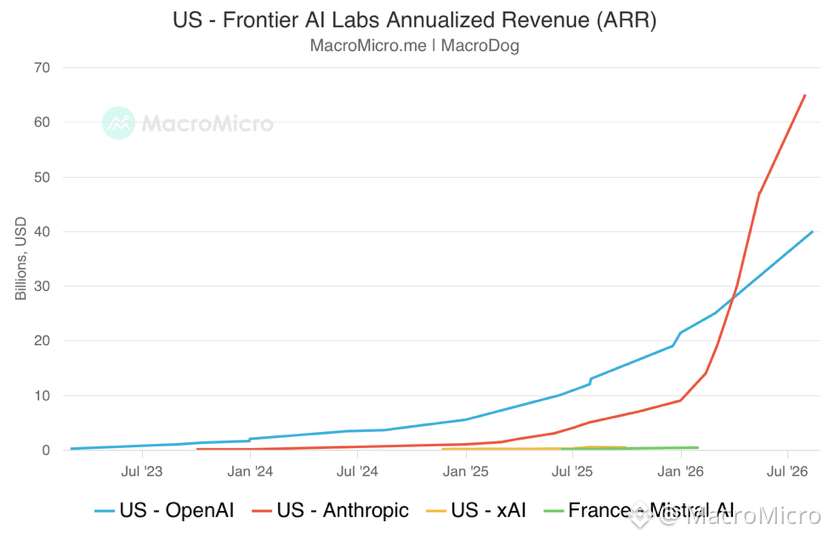
截至7月底,Anthropic的年化收入規模已超過650億美元;年末時僅約90億美元。
但勢頭有所放緩:從5月初到7月,它增加了約180億美元;而從4月到5月,僅用一個月就增加了約170億美元。
市場預期要高得多,部分第三方估算此前曾接近800億美元。
截至7月底,Anthropic的年化收入規模已超過650億美元;年末時僅約90億美元。
但勢頭有所放緩:從5月初到7月,它增加了約180億美元;而從4月到5月,僅用一個月就增加了約170億美元。
市場預期要高得多,部分第三方估算此前曾接近800億美元。
但勢頭有所放緩:從5月初到7月,它增加了約180億美元;而從4月到5月,僅用一個月就增加了約170億美元。
市場預期要高得多,部分第三方估算此前曾接近800億美元。
2.5k
登入以探索更多內容
加入幣安廣場中的全球加密貨幣用戶
⚡️ 獲取加密貨幣的最新和實用資訊。
💬 受到全球最大加密貨幣交易所的信任。
👍 發掘來自經過驗證創作者的真實見解。
電子郵件 / 電話號碼
熱門話題
AI股持续上涨还有哪些投资机会
12,892 次瀏覽
46 討論中
快問快答!參與發佈熱門話題贏流量
✨本期話題: AI股持續上漲還有哪些投資機會?
👉參與方式:
發佈短文或是長文並帶主話題 #AI股持续上涨还有哪些投资机会
分享您是看漲還是看跌,或是曬出您的持倉
內容正文建議,如:
- 英偉達稱明年芯片銷量或將翻倍,頭部AI公司營收預測屢創新高,背後算力投入同樣驚人。你認爲AI需求真的起飛了嗎?這種需求能持續多久?近日AI股上漲,你覺得這波AI股票行情是強勢反攻,還是短期反彈?
- Anthropic、OpenAI 等行業大佬呼籲放緩AI發展速度,特朗普卻計劃組建AI軍隊,稱AI未來或佔美國GDP的25%。你更認同哪一方?政府下場會成爲AI股的長期利好嗎?
- 你會佈局AI股嗎?請使用曬單卡片曬出你的AI股票相關標的交易/持倉。
⏰本期開放投稿時間:
- 2026年9月22日 15:00 - 2026年9月24日12:00 (東八區時間)
🎁活動獎勵:
- 流量扶持:符合活動要求且被評選上的優質內容,隨機獲得500 - 3000流量扶持激勵(最少發佈100字,按以上方向發佈的帖文被選上的機會更大哦, 獲得流量激勵的帖文作者將收到小祕書通知)
- 官方曝光:評選上的優質內容將有機會被官方賬號推薦
獲取內容發佈靈感,請參考話題頁#AI股持续上涨还有哪些投资机会 或廣場内容流量诊断清单
币安广场
·34 人按讚
·29.1k 次瀏覽
Strategy增持950枚BTC
1,395 次瀏覽
0 討論中
Cardano纳入x402套件支持ADA支付
17,339 次瀏覽
141 討論中