
Liên Bảo Trân
363 貼文

Liên Bảo Trân
524 關注
148 粉絲
329 點讚數
貼文
全部
引用
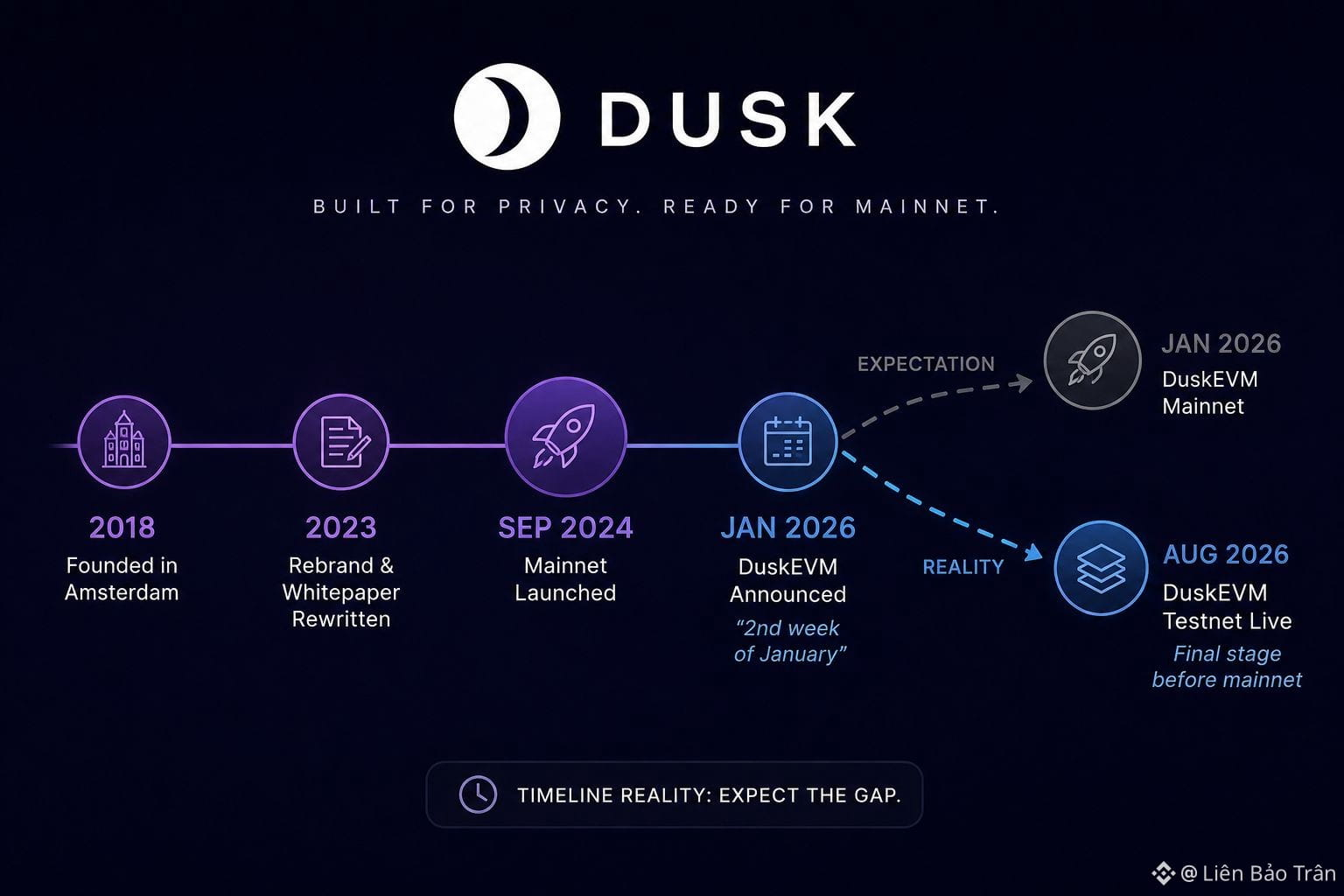
6年。這就是Dusk從2018年在阿姆斯特丹成立,到2024年9月真正上線主網所用的時間。對於一個圍繞零知識密碼學以及全新共識協議構建的項目來說,這段時間裏有相當一部分是站得住腳的。硬核密碼學需要時間才能做對,我寧願讓金融基礎設施項目晚點上線,也不願帶着缺陷上線。這些年還包括在2023年從Dusk Network更名爲Dusk,以及重寫白皮書,因此這次延遲並非純粹的停滯——到主網到來時,它已經是一個實質上不同的公司了。
讓我更在意的是,這種模式在更小的規模上又在重複。Dusk的團隊在2025年下半年宣佈:面向以太坊開發者基礎、與Solidity兼容的執行層DuskEVM,將在2026年1月的第二週上線主網。1月過去了。到2026年8月,真正交付的是一個公開的DuskEVM測試網;團隊甚至將其描述爲“通往主網之前的最終階段”,而不是主網本身。一個具體的日程日期,過了七個月後就變成了“最終階段”的籠統表述。
我不認爲這讓Dusk變得特別。路線圖延期在這個行業裏幾乎是普遍現象;構建一個把結算、WASM執行以及如今基於OP Stack的EVM層分離開來的模塊化技術棧,確實比交付一條單一用途的鏈要複雜得多。但這也意味着:我把Dusk未來發布的每一個日期都當作底線,而不是天花板。把“2026年1月第二週上線”與“8月測試網上線”放在一起看——僅僅一個功能就相差8個月。任何在爲Dusk的下一項里程碑做資源配置的人,無論是讓NPEX的證券交易所全面上線,還是更廣泛地推動DuskEVM的採用,都應當基於這種歷史性差距來設定預期,而不是基於新聞稿。主網仍在路上;一旦它落地,預計會把Hedger的機密交易工作流帶入EVM環境,而不僅僅是提供單純的Solidity兼容能力。
@Dusk #dusk $DUSK
讓我更在意的是,這種模式在更小的規模上又在重複。Dusk的團隊在2025年下半年宣佈:面向以太坊開發者基礎、與Solidity兼容的執行層DuskEVM,將在2026年1月的第二週上線主網。1月過去了。到2026年8月,真正交付的是一個公開的DuskEVM測試網;團隊甚至將其描述爲“通往主網之前的最終階段”,而不是主網本身。一個具體的日程日期,過了七個月後就變成了“最終階段”的籠統表述。
我不認爲這讓Dusk變得特別。路線圖延期在這個行業裏幾乎是普遍現象;構建一個把結算、WASM執行以及如今基於OP Stack的EVM層分離開來的模塊化技術棧,確實比交付一條單一用途的鏈要複雜得多。但這也意味着:我把Dusk未來發布的每一個日期都當作底線,而不是天花板。把“2026年1月第二週上線”與“8月測試網上線”放在一起看——僅僅一個功能就相差8個月。任何在爲Dusk的下一項里程碑做資源配置的人,無論是讓NPEX的證券交易所全面上線,還是更廣泛地推動DuskEVM的採用,都應當基於這種歷史性差距來設定預期,而不是基於新聞稿。主網仍在路上;一旦它落地,預計會把Hedger的機密交易工作流帶入EVM環境,而不僅僅是提供單純的Solidity兼容能力。
@Dusk #dusk $DUSK
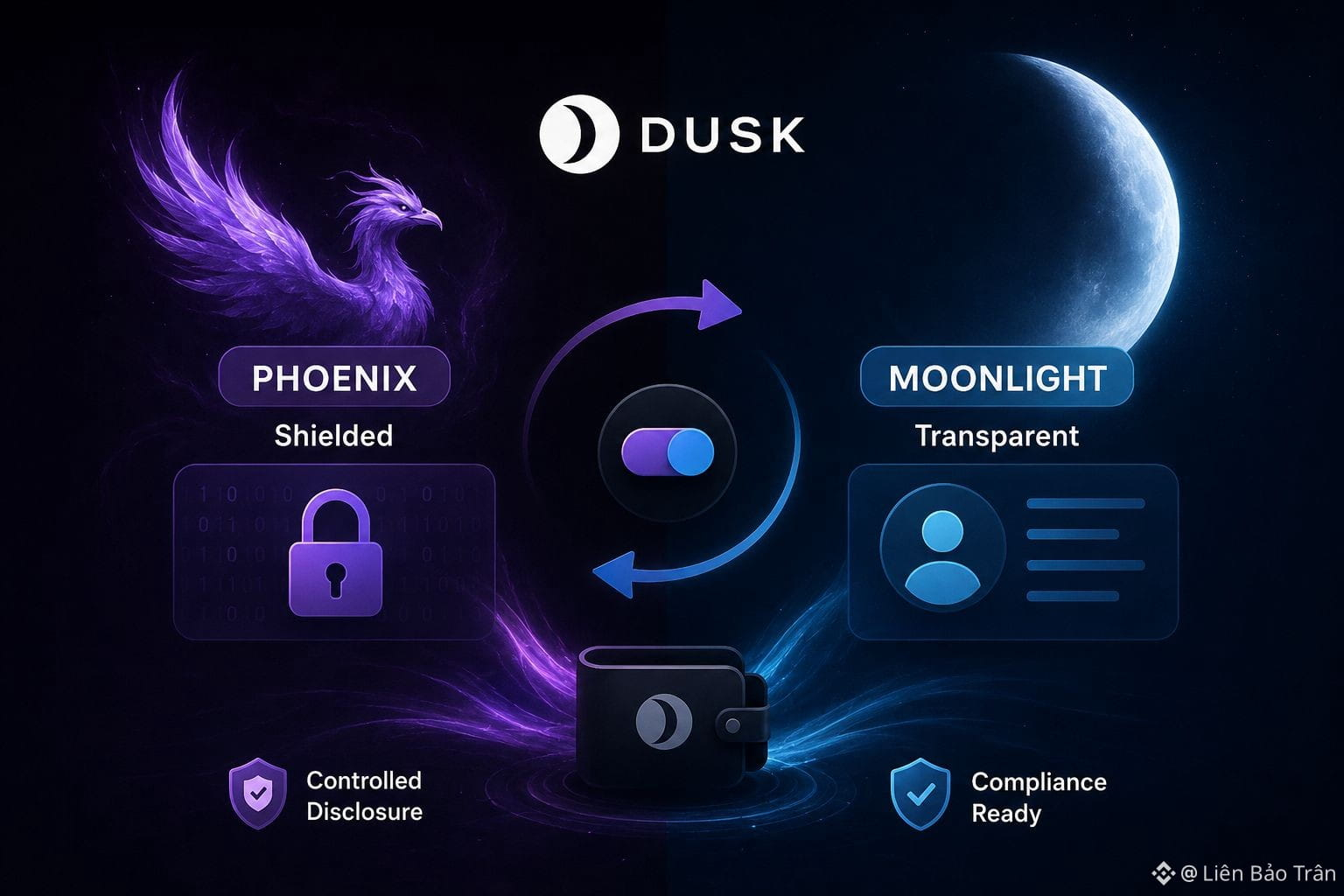
每一條隱私鏈最終都會撞上同一堵牆:在論文裏“完全匿名”很優雅,但在交易所的上市申報表上卻具有放射性。Dusk Network 很早就撞上了這堵牆,並在迴應中做出了不同尋常的選擇。早期,如果一條純粹的“全屏蔽”鏈會遭遇相同的命運——它曾經打擊過那些更聚焦於匿名的資產:交易所無法篩查來自受制裁地址或可疑活動的資金流,就會帶來退市風險。而團隊最終圍繞這種失敗模式進行了構建,而不是忽視它。與其站隊單一方案,他們在同一基礎層裏內置了兩種交易模型,讓用戶在兩者之間切換。
Phoenix 是屏蔽模型:它會隱藏餘額和轉賬金額,同時仍允許發送方在合規需要時向授權方證明特定細節。Moonlight 是公開模型:默認透明,面向交易所、機構以及需要一個“看得清楚”的賬戶、且不想額外引入工具的各類集成。用戶可以在同一個錢包內在兩種模型之間切換,這聽起來像是一個小便利功能,直到你意識到它取代了什麼:一枚獨立的隱私幣和一項獨立的合規資產,被尷尬地用橋接方式連在一起,卻同時難以得到雙方社區的完全信任。兩者結合,就是 Dusk 在保密性與透明、確定性的結算之間實現配對;團隊將這種組合面向監管市場進行營銷,稱之爲“可編程隱私”。
我認爲,這項設計決策比任何白皮書段落都更能說明 Dusk 對監管的判斷。團隊顯然認定:一個無法向任何人證明任何事情的隱私協議,不是金融產品,而是一顆等待着退市通知的定時炸彈。這個賭注是否能贏,取決於採用情況,而採用恰恰不是單一模型所能獨自交付的。雙系統也意味着:需要保護的攻擊面翻倍,新的開發者在發佈任何真正有用的內容之前也要學習兩倍的心智模型。
@Dusk #dusk $DUSK
Phoenix 是屏蔽模型:它會隱藏餘額和轉賬金額,同時仍允許發送方在合規需要時向授權方證明特定細節。Moonlight 是公開模型:默認透明,面向交易所、機構以及需要一個“看得清楚”的賬戶、且不想額外引入工具的各類集成。用戶可以在同一個錢包內在兩種模型之間切換,這聽起來像是一個小便利功能,直到你意識到它取代了什麼:一枚獨立的隱私幣和一項獨立的合規資產,被尷尬地用橋接方式連在一起,卻同時難以得到雙方社區的完全信任。兩者結合,就是 Dusk 在保密性與透明、確定性的結算之間實現配對;團隊將這種組合面向監管市場進行營銷,稱之爲“可編程隱私”。
我認爲,這項設計決策比任何白皮書段落都更能說明 Dusk 對監管的判斷。團隊顯然認定:一個無法向任何人證明任何事情的隱私協議,不是金融產品,而是一顆等待着退市通知的定時炸彈。這個賭注是否能贏,取決於採用情況,而採用恰恰不是單一模型所能獨自交付的。雙系統也意味着:需要保護的攻擊面翻倍,新的開發者在發佈任何真正有用的內容之前也要學習兩倍的心智模型。
@Dusk #dusk $DUSK
查看翻譯
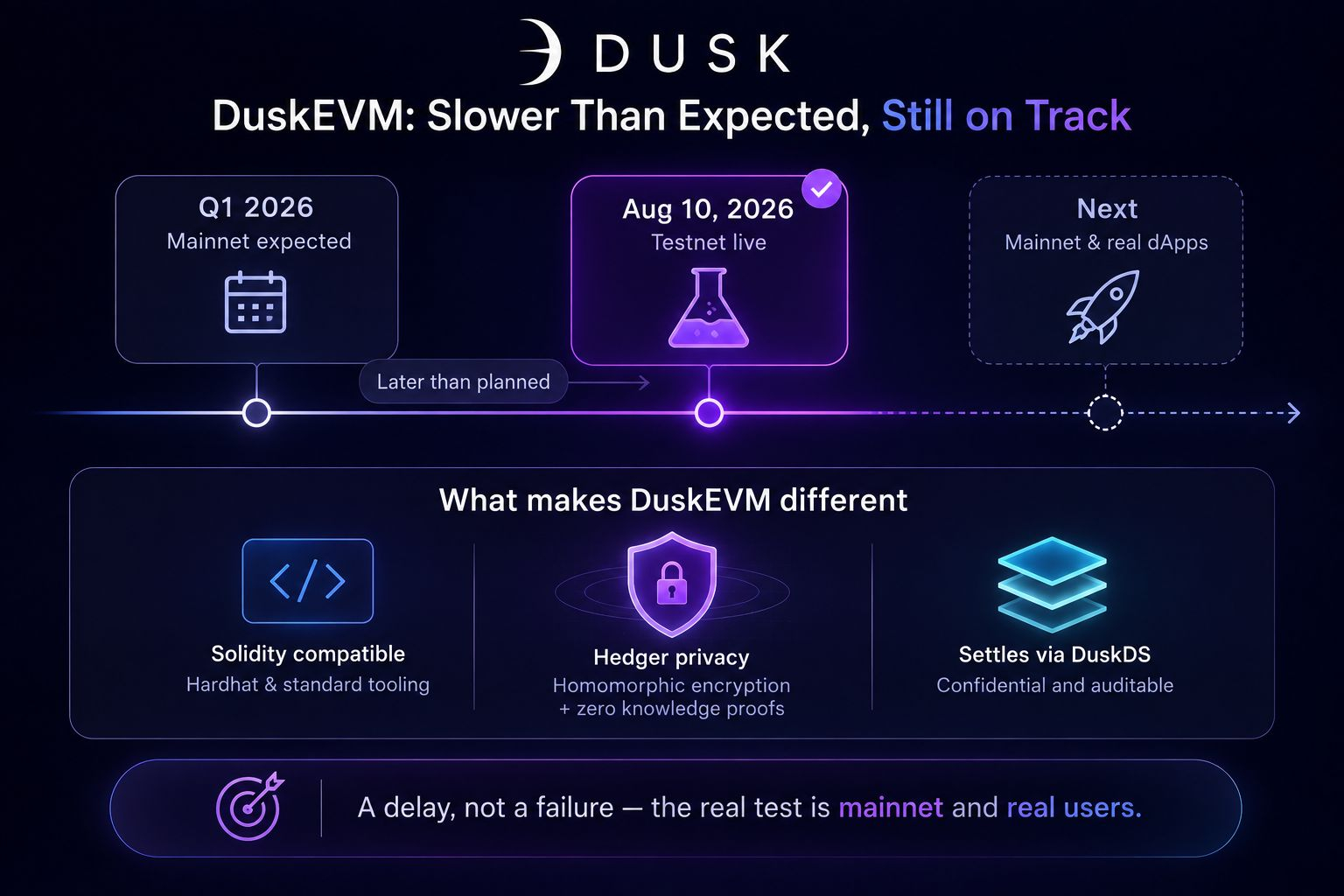
Back in the spring, coverage of Dusk Network's roadmap circled a specific expectation: DuskEVM, the Solidity compatible execution layer, reaching mainnet in the first quarter of 2026. That is what got repeated across trackers and watchlists, and it is the kind of date that quietly becomes a promise even when nobody at the project phrased it that firmly. By August 10, what actually shipped was a testnet, letting developers deploy and test applications using Hardhat and standard Ethereum tooling. Useful, real progress, and also months past the window people had circled on a calendar.
I want to be precise about what this gap is and is not. It is not a broken protocol or a failed idea. DuskEVM's architecture, an EVM execution layer settling through DuskDS, is a genuinely more complex build than a typical EVM sidechain, since it has to preserve confidentiality guarantees while still running unmodified Solidity contracts. The privacy piece specifically comes from Hedger, a module combining homomorphic encryption with zero knowledge proofs so balances and transfers can stay encrypted end to end while remaining auditable, a meaningfully different approach than most EVM privacy attempts that lean on just one technique. Complex systems slip. That is not unique to Dusk Network, and the same window saw the project ship a separate developer SDK for wallet connectivity, suggesting the delay sits specifically with the EVM layer rather than a broader stall.
What the gap does tell me is how to read future dates from this team. A testnet in August after a Q1 target is not catastrophic, but it is the second time a public timeline turned out aspirational rather than committed. Mainnet activation and real Solidity applications with actual users still sit ahead. I would rather see the working testnet than another confident date, and for now that is exactly what Dusk Network has given me.
@Dusk #dusk $DUSK
I want to be precise about what this gap is and is not. It is not a broken protocol or a failed idea. DuskEVM's architecture, an EVM execution layer settling through DuskDS, is a genuinely more complex build than a typical EVM sidechain, since it has to preserve confidentiality guarantees while still running unmodified Solidity contracts. The privacy piece specifically comes from Hedger, a module combining homomorphic encryption with zero knowledge proofs so balances and transfers can stay encrypted end to end while remaining auditable, a meaningfully different approach than most EVM privacy attempts that lean on just one technique. Complex systems slip. That is not unique to Dusk Network, and the same window saw the project ship a separate developer SDK for wallet connectivity, suggesting the delay sits specifically with the EVM layer rather than a broader stall.
What the gap does tell me is how to read future dates from this team. A testnet in August after a Q1 target is not catastrophic, but it is the second time a public timeline turned out aspirational rather than committed. Mainnet activation and real Solidity applications with actual users still sit ahead. I would rather see the working testnet than another confident date, and for now that is exactly what Dusk Network has given me.
@Dusk #dusk $DUSK
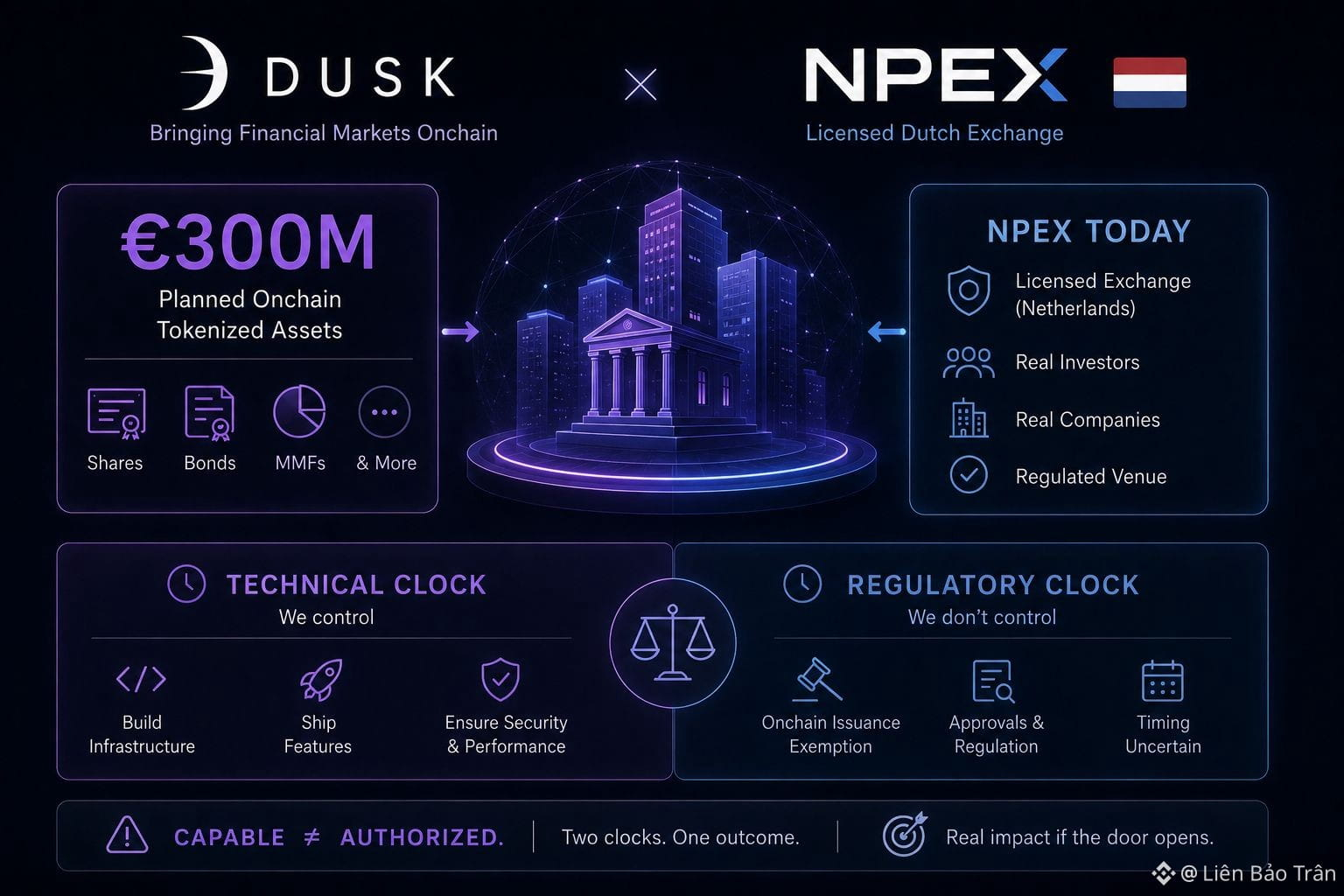
3億歐元並不是一個假設數字。它是NPEX——一家獲得許可的荷蘭交易所——所稱的金額。NPEX表示計劃將Dusk作爲代幣化資產的落地方向。我認爲,在大量停留在抽象層面的RWA(現實世界資產)討論中,這些細節往往會被忽略。Dusk將其使命描述爲把金融市場帶上鍊,而NPEX是最接近這一說法的“實時測試”。NPEX已經在荷蘭運營了一個受監管的平臺,用於較小規模公司的股票以及債務工具。若將該業務中具有意義的一部分遷移到Dusk上,就意味着真實投資者將持有對真實公司的真實權利,並且在公開區塊鏈上完成結算,而不是僅少數機構能看到的封閉賬本中完成。這一點,值得比通常獲得的關注更多。Dusk的基礎設施是爲承載原生髮行流程而構建的,也就是說,資產在誕生時就是數字化的,而不是在事後才被包裝成代幣。NPEX已經持有在其上運行該二級市場的許可,以及爲其獲取諸如貨幣市場基金與債券等資產的許可。它尚未持有的,是那項具體的豁免——這項豁免將允許發行直接在鏈上完成,而不是通過一種仍然在幕後依賴線下文書的混合流程。因此,這裏並不是只有一個時鐘在走,而是兩個。第一個是技術時鐘,主要取決於功能交付的進度;第二個是監管時鐘,而在加密行業裏沒有人能控制它。我不認爲應當把那3億歐元的數字視爲已經“穩了”。這是一項有真實機構支持的計劃,但它尚藏在一扇尚未完全打開的門後。如果豁免能按期落地,這將成爲鏈上金融迄今已出現的更大規模的真實世界驗證之一。若時間延後,那3億歐元的數字仍會被不斷重複,因爲公告傳播速度永遠快於申報文件。每次當這段合作再次被提起時,都值得記住“具備能力”與“獲得授權”之間的鴻溝。
@Dusk #dusk $DUSK
@Dusk #dusk $DUSK
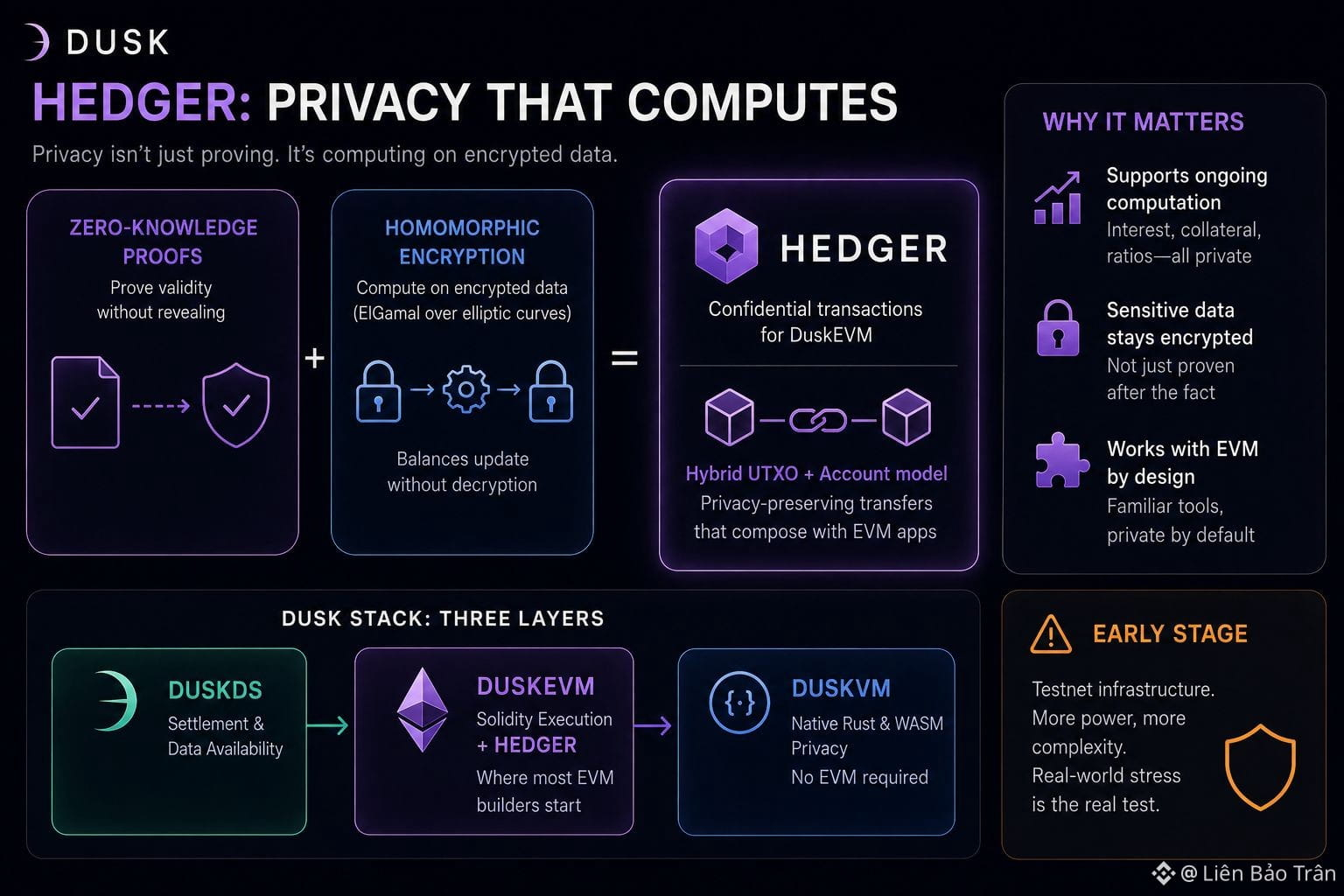
大多數人聽到“零知識證明”,就會以爲這就是這個項目全部的隱私故事。但並不是。對 Hedger 來說尤其如此。Hedger 是 Dusk 網絡爲 DuskEVM 提供的機密交易模塊,它實際上結合了兩種不同的加密工具。零知識證明負責大家最常期待的那一部分:在不泄露交易內容的情況下證明交易是有效的。基於橢圓曲線上的 ElGamal 的同態加密則處理更難的事情:它讓網絡可以直接對加密值進行計算,從而在整個過程中不需要對餘額和金額進行解密也能完成更新。那這對 Dusk 具體意味着什麼?因爲金融應用(Dusk 實際上就是爲這類場景構建的)很少只停留在一次性的私密轉賬。它們需要持續計算,比如利息累積、抵押率更新,同時又要讓敏感數據始終不被公衆看到。一個只能在事後驗證的系統,難以勝任這種需求。能夠在發生過程中對加密數據進行計算的系統,屬於完全不同類別的工具。Hedger 還支持混合的 UTXO 與賬戶模型——聽起來很技術,但解決的是現實問題:讓注重隱私的轉賬能與大多數 EVM 應用已經默認採用的基於賬戶的邏輯乾淨地組合起來。這樣可以把 Hedger 放進更大的整體框架裏。Dusk 的技術棧分爲三層:DuskDS 用於結算與數據可用性,DuskEVM 用於熟悉的 Solidity 執行,DuskVM 則面向希望原生 Rust 與 WASM 隱私、並且完全不需要觸碰 EVM 工具鏈的團隊。Hedger 就位於中間這一層,也正是大多數從以太坊遷移而來的構建者最先會落腳的位置。我也要把顯而易見的部分說出來:這仍然是測試網基礎設施。把多種密碼學原語組合在一起很強大,但同樣也會帶來更多需要處理的“表面積”——要做更多正確性檢驗、審覈更多邊界情況、也會有更多地方可能隱藏着微妙的漏洞。雄心勃勃的密碼學值得懷疑,除非它已經在生產環境中承受了壓力測試,而不是在尚未驗證之前就先贏得讚許。
@Dusk #dusk $DUSK
@Dusk #dusk $DUSK
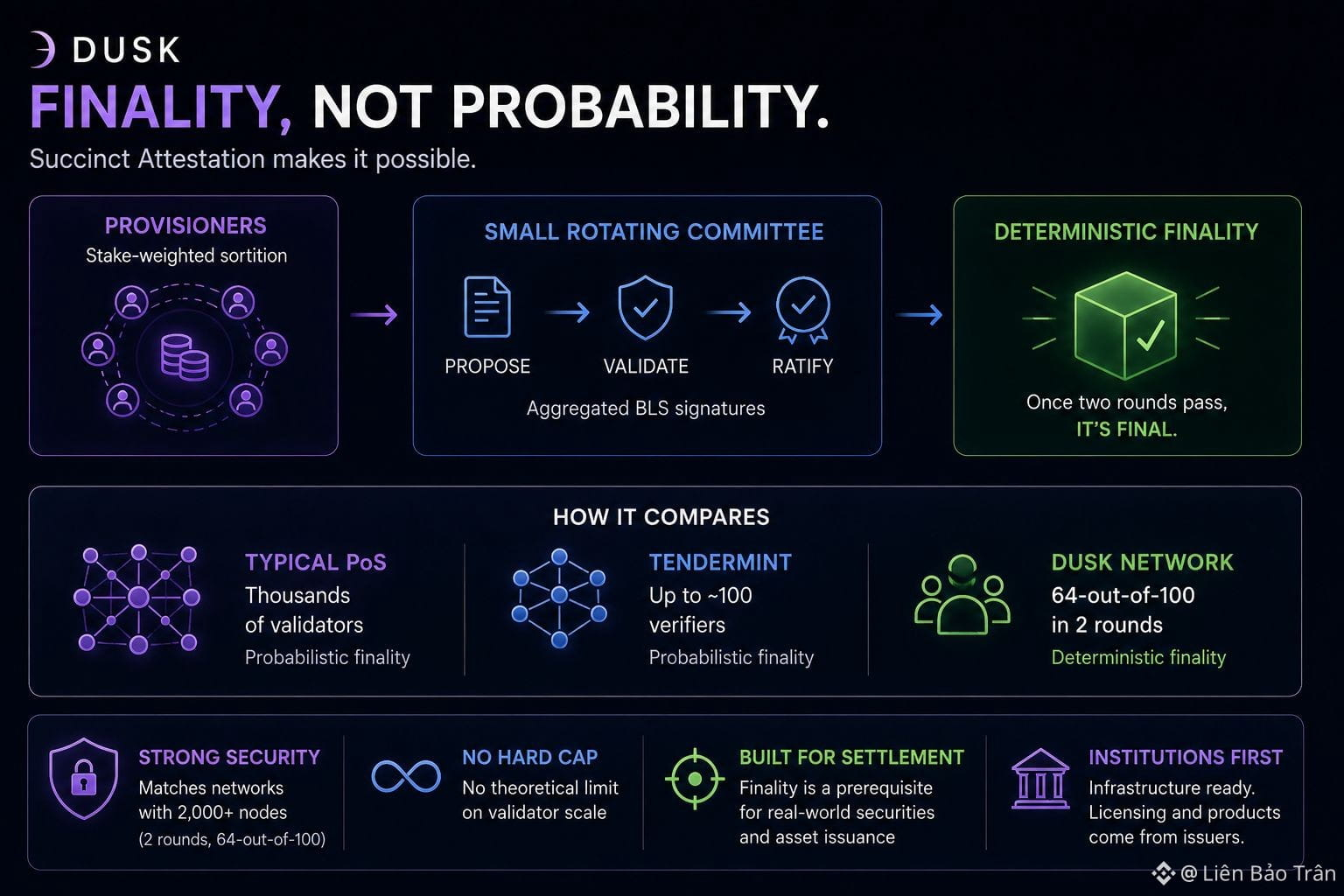
我一直在解釋 Dusk Network 的共識機制時,聽到同樣的質疑:在沒有成千上萬驗證者的情況下,你們如何獲得最終性?這是個公平的問題。答案是 Succinct Attestation——這是該領域裏更不被看好的工程成果之一。傳統的權益證明(PoS)網絡,要麼等待概率意義上的最終性:區塊在經過多次確認後變得“足夠最終”;要麼依賴委員會規模膨脹到數千級別,以確保安全。Dusk Network 的 Succinct Attestation 走的是另一條路。提供方(Provisioners),即網絡驗證者,會通過按權益加權的排序抽樣(sortition)被選出,組成小型且會輪換的委員會。它們會提出、驗證並通過彙總的 BLS 簽名來批准(ratify)每個區塊。當一個區塊在兩輪投票中都通過後,它就會以確定性的方式獲得最終性——不是“可能最終”,而是“最終”。設計該機制的 Emanuele Francioni 指出,Dusk Network 可以用兩輪、64/100 的參與度,匹配那些需要 2,000+ 節點網絡的安全性。相比之下, Tendermint 的驗證者數量上限大約在 100 左右。Succinct Attestation 沒有硬性的驗證者上限,這一點很關鍵:如果 Dusk Network 的機構化願景落地,並且驗證者的興趣持續增長,這會更重要。
我不會假裝這已經永遠解決了。小型委員會方案的成敗取決於排序抽樣的隨機性,以及網絡在真實對抗壓力下的行爲,而不僅僅是測試網條件。Dusk Network 在 Succinct Attestation 上已有數年研究,但研究和對抗性的主網壓力是不同的“履歷”。從紙面來看這個設計很優雅,而且到目前爲止已經在主網落地後經受住了考驗。讓我信服的不是理論本身,而是最終性是證券結算的前提條件,而不是“錦上添花”。Dusk Network 從第一天起就把整條鏈圍繞這一約束來構建。它確實形成了一條結算底座,能夠承載真正的發行工作流,不過許可與產品層面的推進仍需要由實際負責發行的機構或場地來完成。
@Dusk #dusk $DUSK $ONG $BTW
我不會假裝這已經永遠解決了。小型委員會方案的成敗取決於排序抽樣的隨機性,以及網絡在真實對抗壓力下的行爲,而不僅僅是測試網條件。Dusk Network 在 Succinct Attestation 上已有數年研究,但研究和對抗性的主網壓力是不同的“履歷”。從紙面來看這個設計很優雅,而且到目前爲止已經在主網落地後經受住了考驗。讓我信服的不是理論本身,而是最終性是證券結算的前提條件,而不是“錦上添花”。Dusk Network 從第一天起就把整條鏈圍繞這一約束來構建。它確實形成了一條結算底座,能夠承載真正的發行工作流,不過許可與產品層面的推進仍需要由實際負責發行的機構或場地來完成。
@Dusk #dusk $DUSK $ONG $BTW
查看翻譯
One TermMax audit fix made me think differently about what a “price update” actually means inside a fixed-rate market.
An order is not priced from one number alone. TermMax uses a virtual reserve of X Token (XT) alongside a pricing curve to determine where the order sits and how its price changes as more liquidity is taken.
The audit found that those two pieces could previously be updated separately.
That matters because each input can be valid on its own while the combination is not. A new virtual XT reserve paired with an old curve, or the other way around, can describe a pricing state that was never actually intended.
So the issue is not simply whether the pricing formula is correct. It is whether all of the inputs feeding that formula still describe the same version of the order.
What I don't know yet is how broadly TermMax now enforces that consistency across every path that can reprice or reconfigure an order.
The stronger evidence would be that every repricing path preserves the same rule: a quote can only be produced from one internally consistent order state. That goes beyond checking whether the reserve and curve are individually valid, or even whether one update path changes them together.
What matters is whether a mixed old-and-new configuration can be ruled out everywhere the order can change.
The question is whether TermMax now treats price as one coherent state across an order, rather than a collection of separate settings that can drift out of sync.
I am watching repricing paths, order updates and the tests that enforce that consistency.
@TermMax #TermMax $BTW $ACE $ONG
An order is not priced from one number alone. TermMax uses a virtual reserve of X Token (XT) alongside a pricing curve to determine where the order sits and how its price changes as more liquidity is taken.
The audit found that those two pieces could previously be updated separately.
That matters because each input can be valid on its own while the combination is not. A new virtual XT reserve paired with an old curve, or the other way around, can describe a pricing state that was never actually intended.
So the issue is not simply whether the pricing formula is correct. It is whether all of the inputs feeding that formula still describe the same version of the order.
What I don't know yet is how broadly TermMax now enforces that consistency across every path that can reprice or reconfigure an order.
The stronger evidence would be that every repricing path preserves the same rule: a quote can only be produced from one internally consistent order state. That goes beyond checking whether the reserve and curve are individually valid, or even whether one update path changes them together.
What matters is whether a mixed old-and-new configuration can be ruled out everywhere the order can change.
The question is whether TermMax now treats price as one coherent state across an order, rather than a collection of separate settings that can drift out of sync.
I am watching repricing paths, order updates and the tests that enforce that consistency.
@TermMax #TermMax $BTW $ACE $ONG
查看翻譯
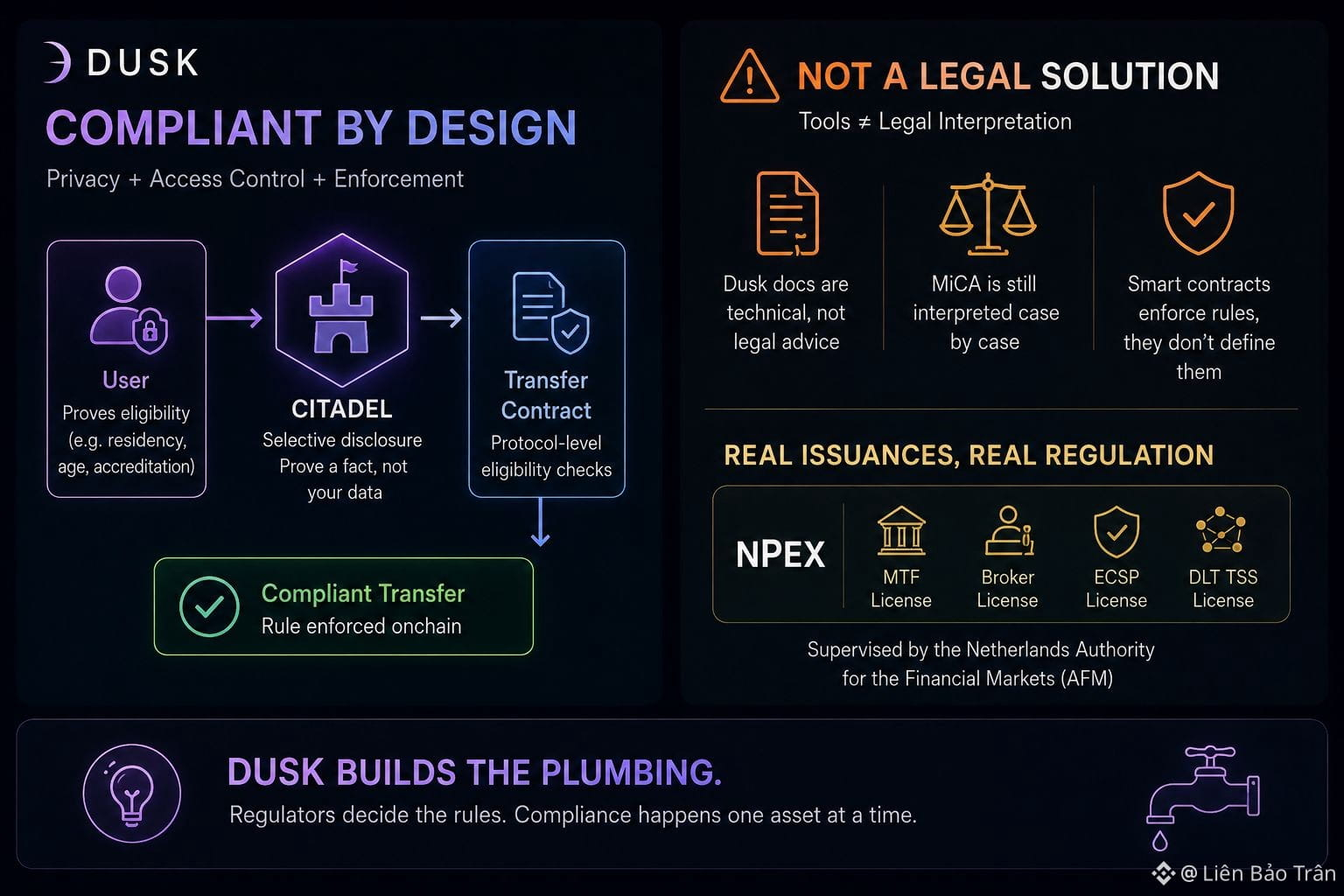
Read enough marketing copy about Dusk Network and you will find some version of the phrase compliant by design. I understand why it gets used. Citadel lets a user prove residency, age, or accreditation status without revealing anything beyond that single fact. The transfer contract can enforce eligibility checks at the protocol level instead of leaving them to a back office spreadsheet. That is a genuine engineering achievement, and it is rare among Layer 1 networks. Here is the part that gets left out of most threads. Dusk Network's own documentation, when it discusses MiCA, says plainly that the material is a technical overview for builders and not legal advice, and it points readers to ESMA and official legal text for actual interpretation. That single disclaimer tells you something important. Building the primitives that regulated markets need, access control, selective disclosure, reporting hooks, is not the same task as resolving how a given regulator in a given jurisdiction will treat a given tokenized instrument. A smart contract can enforce a rule once that rule is settled. It cannot settle the rule itself, and MiCA's application to specific asset classes is still worked out case by case across Europe. So when I see a claim that Dusk Network has solved compliance, I read it as shorthand for something narrower and still valuable: it has built the plumbing compliance requires. The legal work sits on top, asset by asset, issuer by issuer, and no protocol closes that gap by itself. That distinction matters more as Dusk Trade and NPEX bring real securities on chain, not less. NPEX alone carries an MTF license, a broker license, an ECSP license, and a DLT TSS license under supervision from the Netherlands Authority for the Financial Markets, and each of those answers to its own regulator with its own open questions. Dusk Network gave builders the tools to encode a rule once regulators agree on it. It did not make that agreement happen faster, and I would rather see the project own that limit plainly than let a slogan.
@Dusk #dusk $DUSK $BTW $ACE
@Dusk #dusk $DUSK $BTW $ACE
TermMax Alpha 的零強平設計之所以令人吸引,原因很簡單:不好的價格波動不會逼迫協議關閉我的部位。
但這並不代表我在任何時候都能隨心所欲地自行平倉。
對 TermMax 這類去中心化的期權交易協議而言,這就形成了一個重要差異:避免被迫退出,與是否具備可讓我自願退出的流動性之間的分別。
提前平倉仍需要對手方。若流動性很薄,我可能得接受巨大的滑價,或甚至根本無法解除部位。
TermMax 能移除協議強行把我趕出部位的能力,但它無法保證市場在我選擇的時候就會讓我順利退出。
我尚不確定的是:移除被迫清算,是否也會在最需要這份控制的期間,讓 Alpha 交易者對自身退出擁有實質的掌控力。
如果即使在市場變得波動時,仍有對手方可用,那麼「零強平」就不只是字面上的概念,而是更強的一種結果:對部位管理的實際控制。
如果當交易者最想降低曝險時流動性同時消失,下行風險仍會被權利金所限制,但該部位在到期前可能會變得難以平倉。
因此,與其只看合約機制本身,我會更想從提前成交的成交率(fill rate)以及在壓力或流動性偏薄的市場中產生的滑價中學到更多。
TermMax 帶來的更深層變化,或許正是「退出風險」所在之處。協議不再透過清算決定部位何時結束,但市場流動性仍可能決定:自願退出是否可執行,以及執行時的價格。
問題在於:TermMax Alpha 的零強平設計是否在實務上讓交易者掌握退出的控制權,還是主要只保證不會由協議本身替你選擇退出。
我正在關注提前平倉的成交率、波動期間的滑價,以及當流動性變得更薄時,退出品質是否仍能維持。
@TermMax #TermMax $BTW $ACE $PORTAL
但這並不代表我在任何時候都能隨心所欲地自行平倉。
對 TermMax 這類去中心化的期權交易協議而言,這就形成了一個重要差異:避免被迫退出,與是否具備可讓我自願退出的流動性之間的分別。
提前平倉仍需要對手方。若流動性很薄,我可能得接受巨大的滑價,或甚至根本無法解除部位。
TermMax 能移除協議強行把我趕出部位的能力,但它無法保證市場在我選擇的時候就會讓我順利退出。
我尚不確定的是:移除被迫清算,是否也會在最需要這份控制的期間,讓 Alpha 交易者對自身退出擁有實質的掌控力。
如果即使在市場變得波動時,仍有對手方可用,那麼「零強平」就不只是字面上的概念,而是更強的一種結果:對部位管理的實際控制。
如果當交易者最想降低曝險時流動性同時消失,下行風險仍會被權利金所限制,但該部位在到期前可能會變得難以平倉。
因此,與其只看合約機制本身,我會更想從提前成交的成交率(fill rate)以及在壓力或流動性偏薄的市場中產生的滑價中學到更多。
TermMax 帶來的更深層變化,或許正是「退出風險」所在之處。協議不再透過清算決定部位何時結束,但市場流動性仍可能決定:自願退出是否可執行,以及執行時的價格。
問題在於:TermMax Alpha 的零強平設計是否在實務上讓交易者掌握退出的控制權,還是主要只保證不會由協議本身替你選擇退出。
我正在關注提前平倉的成交率、波動期間的滑價,以及當流動性變得更薄時,退出品質是否仍能維持。
@TermMax #TermMax $BTW $ACE $PORTAL
查看翻譯
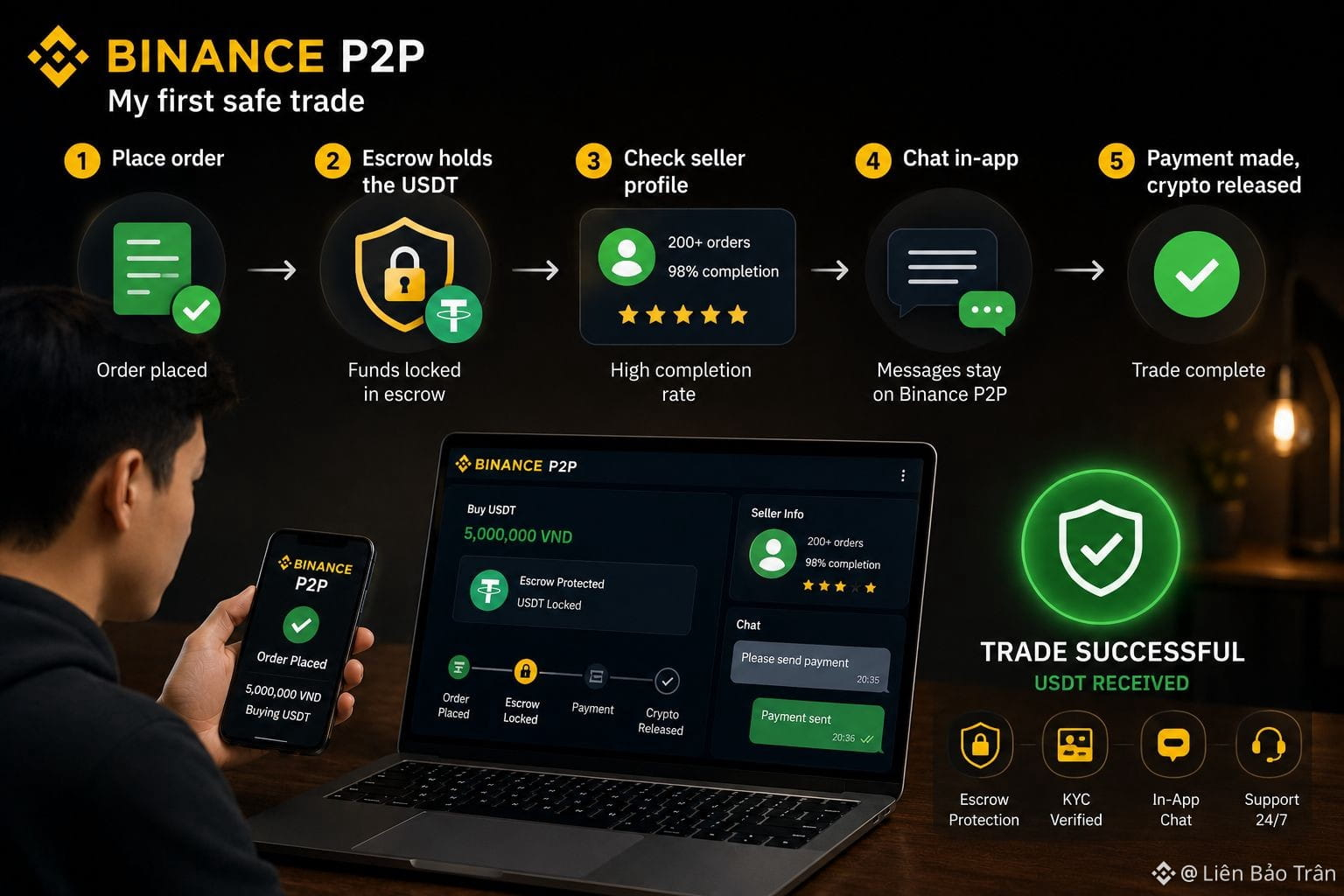
Giao dịch đầu tiên của tôi trên Binance P2P diễn ra vào một buổi tối cuối tuần, khi tôi cần mua 5 triệu đồng tiền USDT để chuyển cho một người bạn ở nước ngoài. Tay tôi hơi run khi đặt lệnh, vì trước đó tôi chỉ nghe nói về những vụ lừa đảo tiền điện tử qua mạng xã hội mà chưa từng tự mình thử. Điều khiến tôi yên tâm hơn cả là cơ chế ký quỹ của Binance P2P. Ngay khi tôi đặt lệnh mua, số USDT tương ứng từ phía người bán đã được khóa lại trong hệ thống, không bên nào có thể tự ý rút ra cho đến khi giao dịch hoàn tất hoặc có quyết định xử lý từ đội ngũ Binance. Nhờ vậy, tôi không phải lo người bán nhận tiền xong rồi biến mất mà không giao crypto. Trước khi chuyển khoản, tôi dành thời gian xem hồ sơ của người bán: số lệnh đã hoàn thành, tỷ lệ hoàn thành trong 30 ngày gần nhất và đánh giá từ những người mua trước đó. Người bán này có hơn 200 lệnh thành công với tỷ lệ hoàn thành 98%, điều đó giúp tôi tự tin hơn nhiều so với việc giao dịch với một tài khoản mới toanh không có lịch sử. Suốt quá trình giao dịch, tôi trò chuyện với người bán ngay trong khung chat của Binance P2P, không chuyển sang bất kỳ ứng dụng nhắn tin nào khác. Mọi tin nhắn, thời gian gửi và nội dung trao đổi đều được lưu lại tự động, đây chính là bằng chứng quan trọng nếu sau này có tranh chấp xảy ra. Sau khi hoàn tất, tôi nhận ra cảm giác lo lắng ban đầu phần lớn đến từ việc chưa hiểu quy trình. Khi đã nắm được vai trò của ký quỹ và biết cách đọc hồ sơ đối tác, tôi giao dịch tự tin hơn nhiều ở những lần sau.
@Binance Vietnam #BinanceP2PAnToan $BTW $ACE $PORTAL
@Binance Vietnam #BinanceP2PAnToan $BTW $ACE $PORTAL
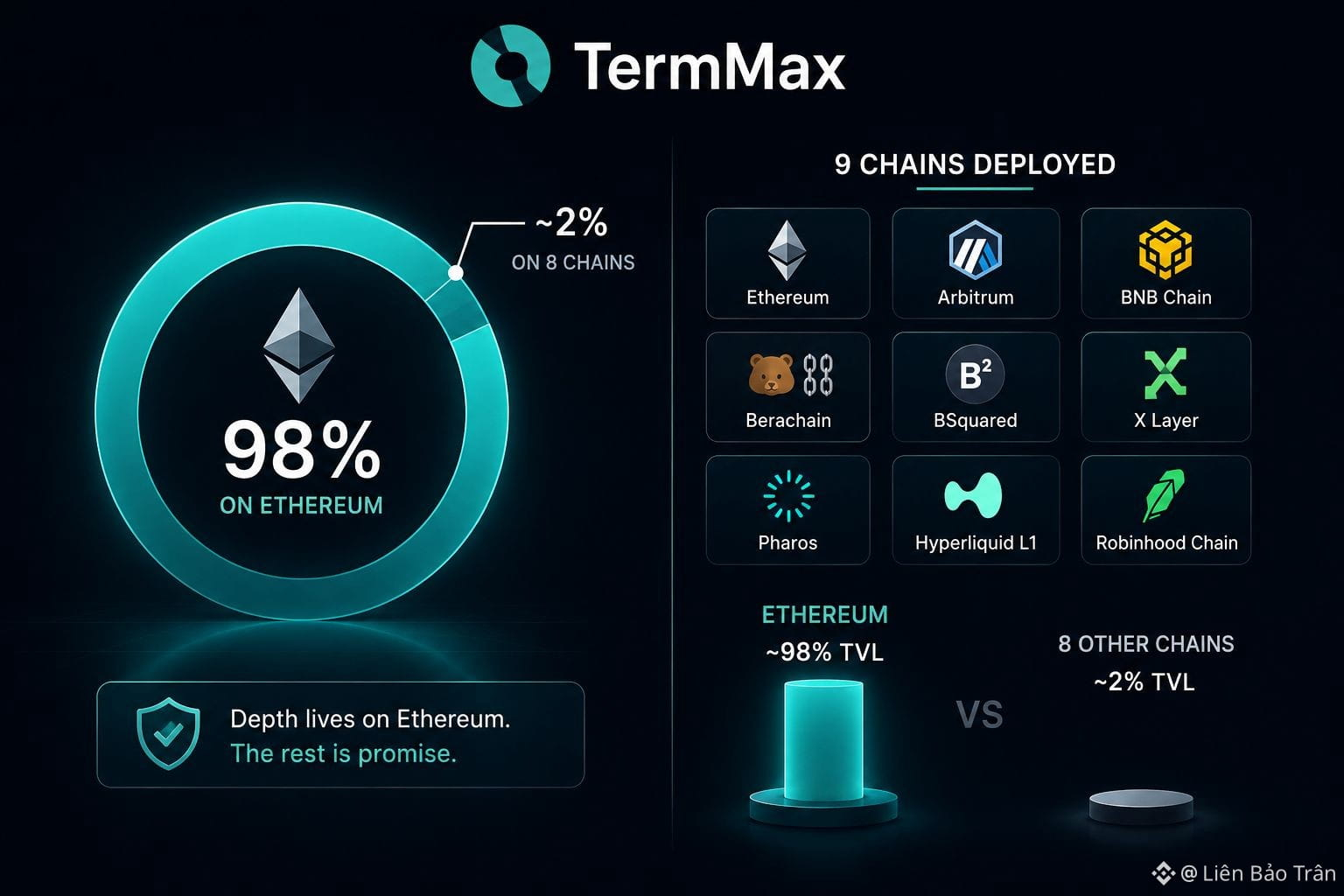
TermMax 在九條鏈上部署:以太坊(Ethereum)、Arbitrum、BNB Chain、Berachain、BSquared、X Layer、Pharos、Hyperliquid L1 和 Robinhood Chain。快速掃一遍這份清單,你會覺得 TermMax 像是無處不在——一個把流動性追逐到模塊化區塊鏈版圖每個角落的協議。再慢一點看鏈上數據,畫面就不一樣了:TermMax 總價值大約 98% 只坐落在以太坊。其餘的那一小塊由另外八條鏈共同分擔。我說這些並不是爲了否定擴張。部署到九條鏈確實是實實在在的工程工作,而且如果這些生態之後出現增長,TermMax 能更好地捕捉流動性。但在“多鏈存在”的理論與現實之間存在落差——理論上,更多鏈意味着更廣覆蓋與更強韌性;而現實中,真正決定資本停在哪裏。用戶並沒有像部署地圖那樣分散開來。他們選擇的是以太坊——流動性最深、歷史最悠久的鏈——而其餘鏈基本被冷落。流動性深度是這個問題的“實際版本”。在以太坊上,一個借款人在區間訂單(range order)中會從一個具備真實深度、且有多家競爭做市商的市場裏挑選。若把同一個借款人放到 Pharos 或 Robinhood Chain 上,他可能只是在填寫當下唯一可用的訂單——無論那單一做市商決定以什麼費率來掛單——而附近沒有第二個報價可供對比。要在把“九條鏈”本身當作優勢之前,先體會這一點很值得。鏈的清單是用來說明 TermMax 能在哪裏被使用,而不是說明 TermMax 正在被在哪裏使用。第二個問題對放貸方更關鍵:當他們把固定利率頭寸押在例如 X Layer 或 BSquared 上時,是否有足夠的對手方流動性能以“公平”的費率成交,而不是在一本薄薄的訂單簿裏,只有少量區間訂單、真實競爭也很有限。擴張是一場對未來流動性的押注。就目前 TermMax 自己的數據而言,這筆押注在以太坊之外並沒有帶來太多回報。
@TermMax #TermMax $BTW $PORTAL $HEMI
@TermMax #TermMax $BTW $PORTAL $HEMI
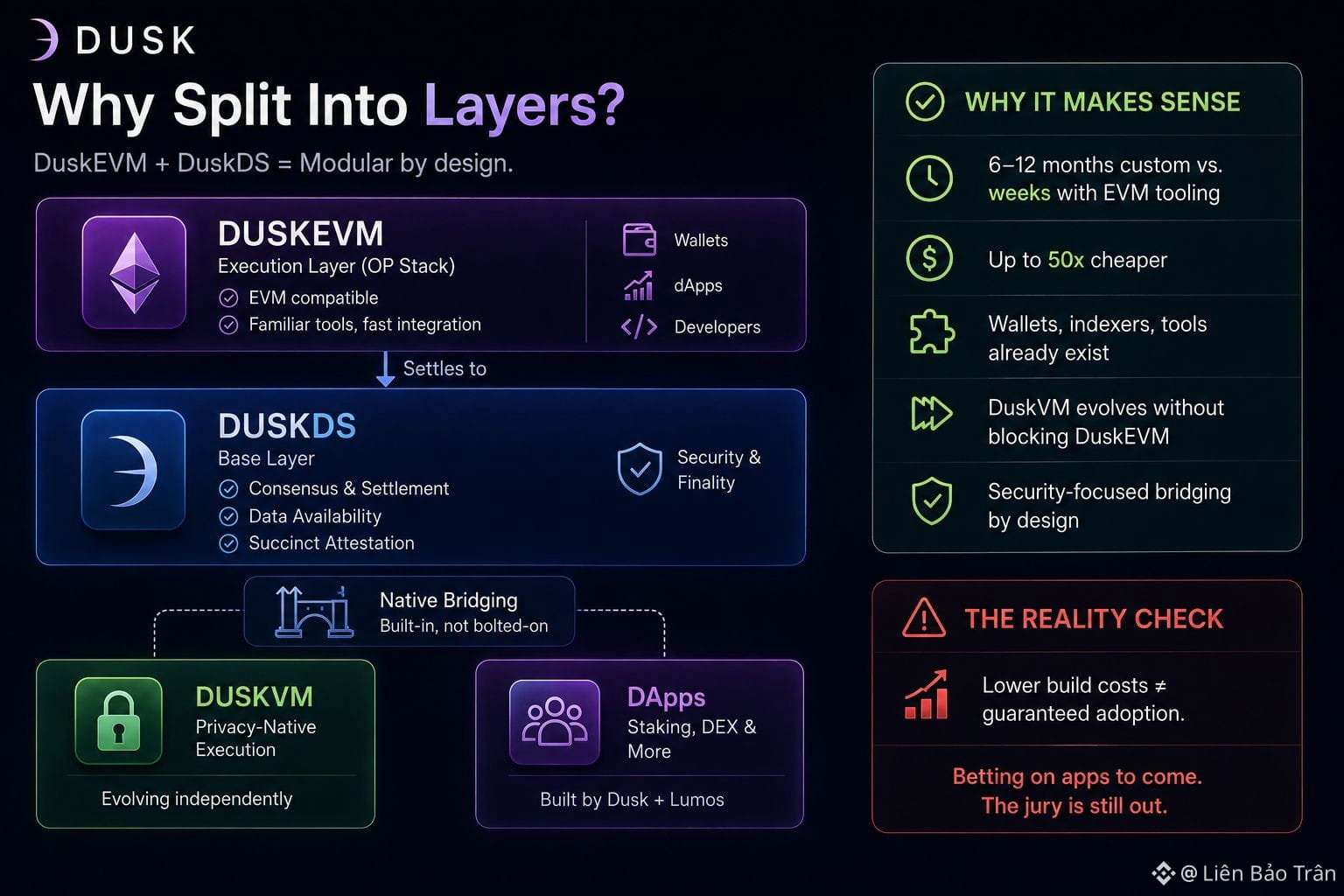
把一條區塊鏈拆成層次聽起來像是為了複雜而複雜,因此我想了解為什麼 Dusk Network 選擇用 DuskEVM 做到這一點,而不是直接延伸它原本的原生鏈。Dusk 的基礎層 DuskDS 早在 DuskEVM 出現之前,就已透過 Succinct Attestation 負責共識、資料可用性與結算。團隊並沒有把 EVM 支援直接「加」到原本的設計上,而是把 DuskEVM 建成 OP Stack 上的獨立執行環境,並讓它回到 DuskDS 進行結算,而不是運行自己獨立的安全性。開發由 Dusk 內部工程師與外部團隊 Lumos 共同組成;後者特別被引入,用來加速兩個層之間的橋樑(bridge),以及諸如質押(staking)與去中心化交易所(decentralized exchange)等早期應用。DuskDS 與每個執行層之間的原生橋接(native bridging)也同樣屬於基礎設計的一部分,而不是事後才硬加進去的權宜之計;這點很重要,因為在堆疊(stack)的其他部分,橋接的安全性後來成為 Dusk 最大的營運痛點。當你看替代方案時,這樣的推理也站得住腳。根據 Dusk 自己的比較,對一個完全客製的 Layer 1 進行自訂整合可能需要 6 到 12 個月,且成本高出「接入標準 EVM 工具」多達 50 倍。據報導,交易所過去為了適配原生的 Dusk 曾花了數月;而 EVM 為基礎的整合通常能在數週內完成,因為錢包(wallets)、索引器(indexers)與開發工具已經存在。將結算與執行分離,也意味著隱私導向的原生環境 DuskVM(仍在從較舊的 Piecrust 虛擬機中抽離出來)可以持續演進,而不必拖慢 DuskEVM 的釋出時程。這項決策尚未解決的,是採用速度。模組化架構降低了建置成本,但不保證有人真的會去建。Dusk Network 賭的就是更便宜的整合路徑能帶來真正的應用,並讓選鏈的行為更容易發生;但這個賭注目前還沒有完全兌現。
@Dusk #dusk $BTW $DUSK $PORTAL
@Dusk #dusk $BTW $DUSK $PORTAL
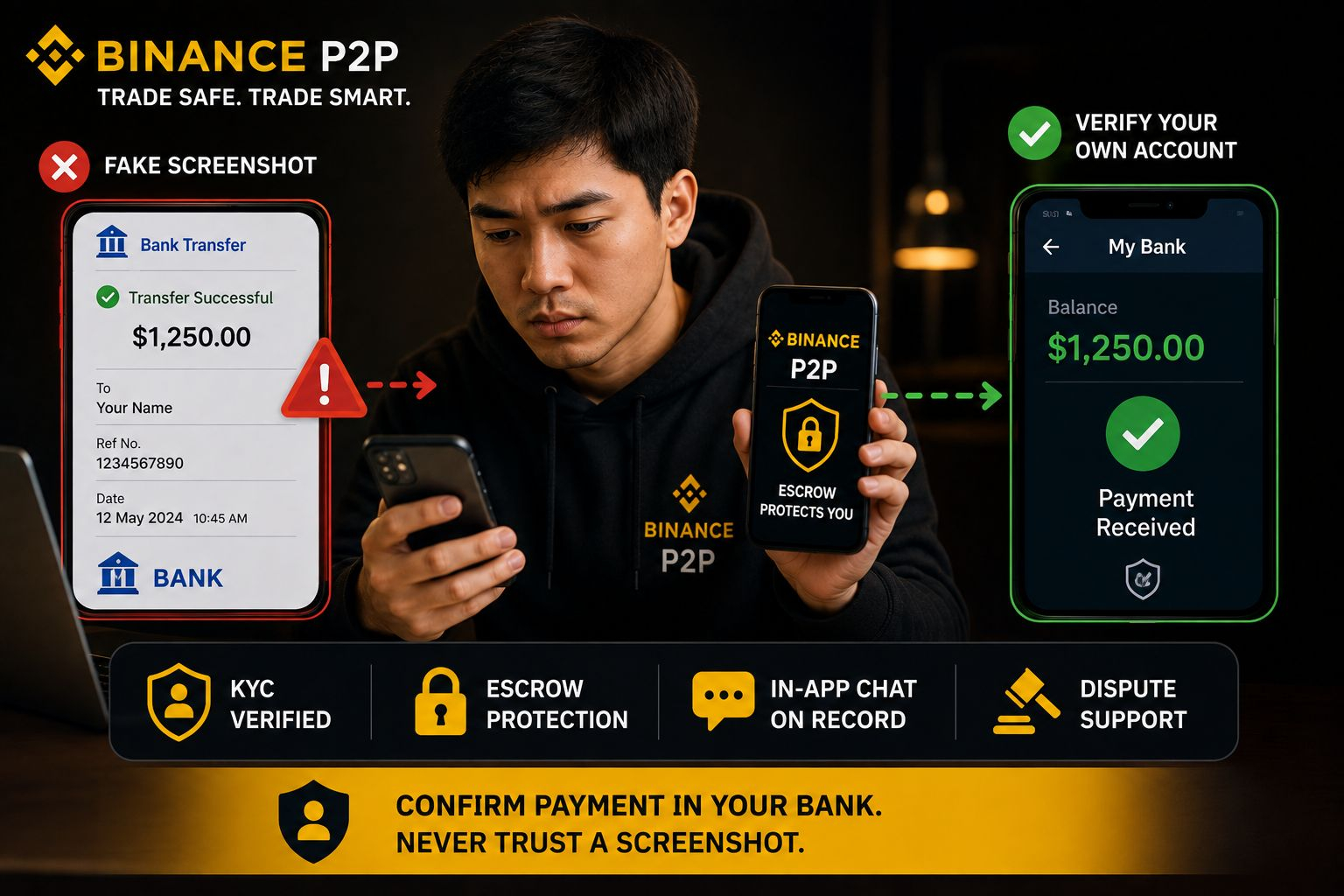
在 Binance P2P 上,對賣家的保障和對買家的保障同樣到位。每個帳號都透過 KYC 綁定了經過驗證的身分;而當我作為賣家接受一筆訂單後,我的加密資產會被放入託管(escrow),不會在任何地方移動,直到交易真正完成。這一步託管很關鍵,因為它讓我有充分的時間正確確認付款,而不是在一收到訊息就立刻被迫釋放資金。如果之後真的發生爭議,Binance 會保留完整的聊天紀錄,這在提出申訴(appeal)時會變成很有用的證據。做了幾個月的交易後,有一次一位買家在訂單剛開啟幾秒內,就傳給我一張看起來很乾淨的轉帳截圖。截圖上有我的姓名、正確的金額,甚至還有交易參考編號。不過因為時間點有些不對,我沒有立刻釋放那筆加密資產,而是直接打開我的網銀(banking app)自行搜尋那筆轉帳。結果根本沒有任何款項入帳。我聯絡了買家,冷靜地跟他說我還找不到這筆付款,並給了他一小段時間,請他正確地把款項再送一次。8 分鐘後,真正的轉帳出現了,訂單也順利完成,沒有出任何問題。那次經驗改變了我交易的方式。在 Binance P2P 上,偽造截圖是最常見的警訊之一,而解法永遠都一樣:請查看你自己的帳戶,永遠不要只依賴別人的圖片。我也開始保存每一筆已完成訂單的記錄,包括最終確認的截圖和聊天記錄,因為有一次在一個與前述無關的爭議中,Binance 客服就曾要求我提供這類文件。把資料準備好,整個流程就會更快。我也學會了信任自己對時間點的直覺。付款在訂單開啟後幾秒內就到帳,而在現實中銀行轉帳通常不太可能這麼快完成,往往就是值得暫停觀察的訊號,而不是把它當成運氣忽略。曾經相信過一次這種直覺,就足以讓它成為我在 Binance P2P 賣出時的固定做法。
@Binance Vietnam #BinanceP2PAnToan $BTW $HEMI $PORTAL
@Binance Vietnam #BinanceP2PAnToan $BTW $HEMI $PORTAL
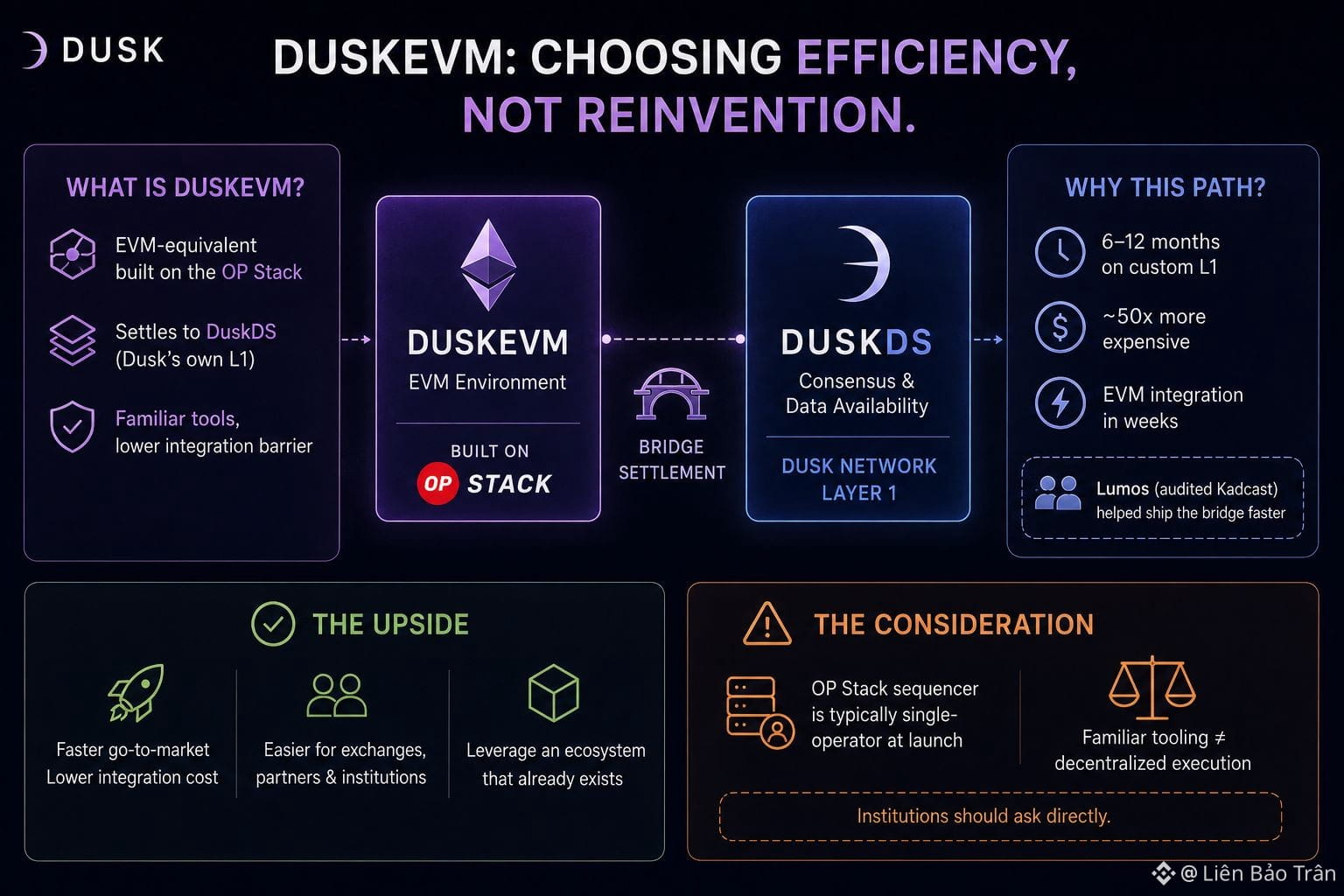
暮光網絡(Dusk Network)在每一條最終都會抵達的隱私區塊鏈分岔路口,走向了相同的選擇:要麼從零開始自建執行環境,並完全掌控加密;要麼採用業界其他人早已在用的方案,同時接受隨之而來的各種約束。它在構建 DuskEVM 時選擇了第二條路。我認爲,這個選擇背後的思路比任何功能清單都更能說明該項目的優先級。DuskEVM 是一個與 EVM 等價的執行環境,構建在 OP Stack 之上,而 OP Stack 是驅動以太坊二層生態中相當大一部分 rollup 的同一套基礎設施。它會回落到 DuskDS(Dusk Network 自己的共識與數據可用性層)進行結算,而不是作爲一個孤島存在。根據 Dusk Network 自己對這一過渡的描述,在定製的 1 層(layer 1)上進行集成可能需要 6 到 12 個月,成本大約是通過標準 EVM 工具部署的 50 倍。據稱,過去交易所爲了適配原生 Dusk 耗費了數月,而基於 EVM 的集成工作則可以在數週內完成。Dusk Network 還引入了 Lumos 這樣的外部工程團隊——該團隊此前曾審計其 Kadcast 網絡協議——來幫助更快完成 DuskDS 到 DuskEVM 的橋接交付,這表明團隊並不認爲這次遷移足夠簡單,可以完全交由內部獨立處理。這是一個真實的效率論證,而不僅僅是營銷話術,因爲“集成成本”恰恰決定了機構是否願意真正露面。但採用 OP Stack 也意味着繼承它的前提條件,包括其 sequencer(排序器)模型:在大多數 OP Stack 部署中,sequencer 起初通常由單一團隊運營,而不是由一組分佈式運營方共同承擔。對於一個圍繞受監管金融與選擇性披露(selective disclosure)構建的項目而言,這個細節值得比通常得到的更多審視。熟悉的工具會降低進入門檻。它並不能單憑這一點就證明執行層的去中心化;而這正是那些在評估 Dusk Network 用於真實結算工作時,機構應當直接追問的差異。
@Dusk #dusk $DUSK $VELVET $BTW
@Dusk #dusk $DUSK $VELVET $BTW
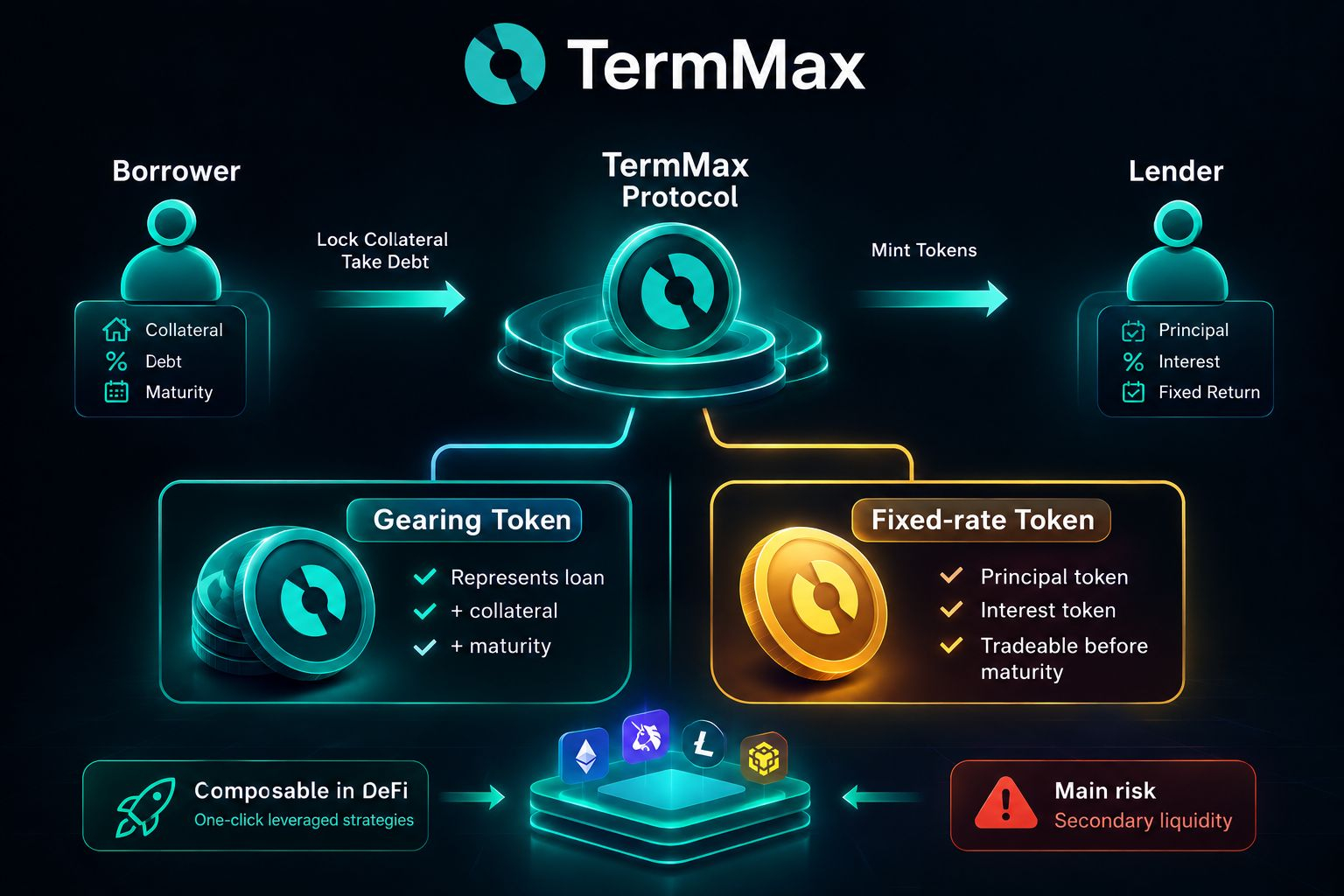
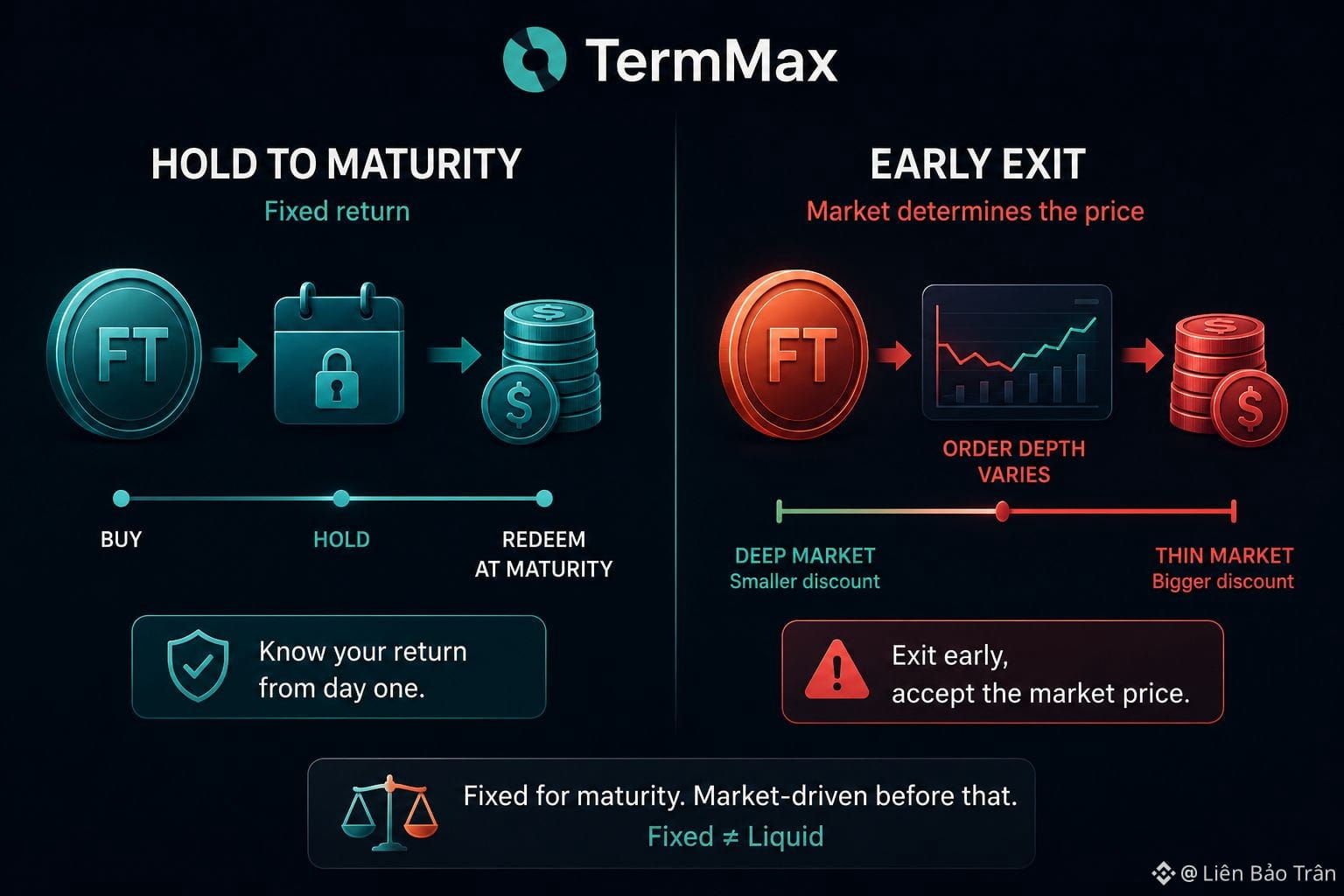
TermMax 以一個簡單的承諾出售其固定利率代幣:在面值以下買入一個 FT,持有它,到期時以全額進行贖回——並且你會在買入的那一刻就知道自己的回報。這部分是真的,我親自核查了機制。營銷不太會提的是:如果你在期限結束前就需要把錢拿回來,會發生什麼。FT 是可以交易的,這聽起來像是一條“退出通道”。但“可交易”只有在另一端有人願意以一個公平價格買入時纔有意義,而這完全取決於在特定市場、特定到期日下,這個市場的掛單深度有多深。比如,用以太坊(ETH)作爲抵押品的 USDC 市場、且成交量很大,可能讓你在接近其理論價值的情況下賣出接近理論價值的 FT。相反,如果是一個較新的市場,去對抗某種長期尾部(long-tail)的 RWA,或是交易很清淡的 LST,你可能爲了儘早退出而不得不以真實折價賣出,且這個折價是在你買入時已經接受的折價之上。我還要補充一點:這種價差往往會隨着市場成熟而縮小。針對全新抵押資產類型最早期建立的區間掛單通常會比較薄,因爲做市商還沒有建立起對其定價的信心;而當市場在經歷幾輪驗證後被證明可行,深度往往會隨之改善——因爲更多策展方投入資本。這條演進是合理的,但這意味着:固定利率保障在 TermMax 最老、最成熟的市場裏“實際上”更強,而不是對任何剛剛上架的市場都同樣適用。\n\n這就是 DeFi 裏每一條固定利率話術背後的那枚安靜的星號,不止是 TermMax 的。對持有到期的人來說,利率是固定的。對需要在期限中途流動性的那個人而言,實際得到的利率是當天二級市場願意承受的水平。TermMax 的區間掛單與 AMM 設計確實讓成交速度比更老的訂單簿式撮合更快——這確實比等待對手方要好。但更快的執行不等於有保證的深度。我更希望 TermMax 按市場公佈平均退出滑點,而不是讓用戶以爲每一種 FT 都會像最深的那種一樣表現。“固定”不等於“流動”。這兩者是兩個不同的承諾。
@TermMax #TermMax $VELVET $BTW $ACE
@TermMax #TermMax $VELVET $BTW $ACE
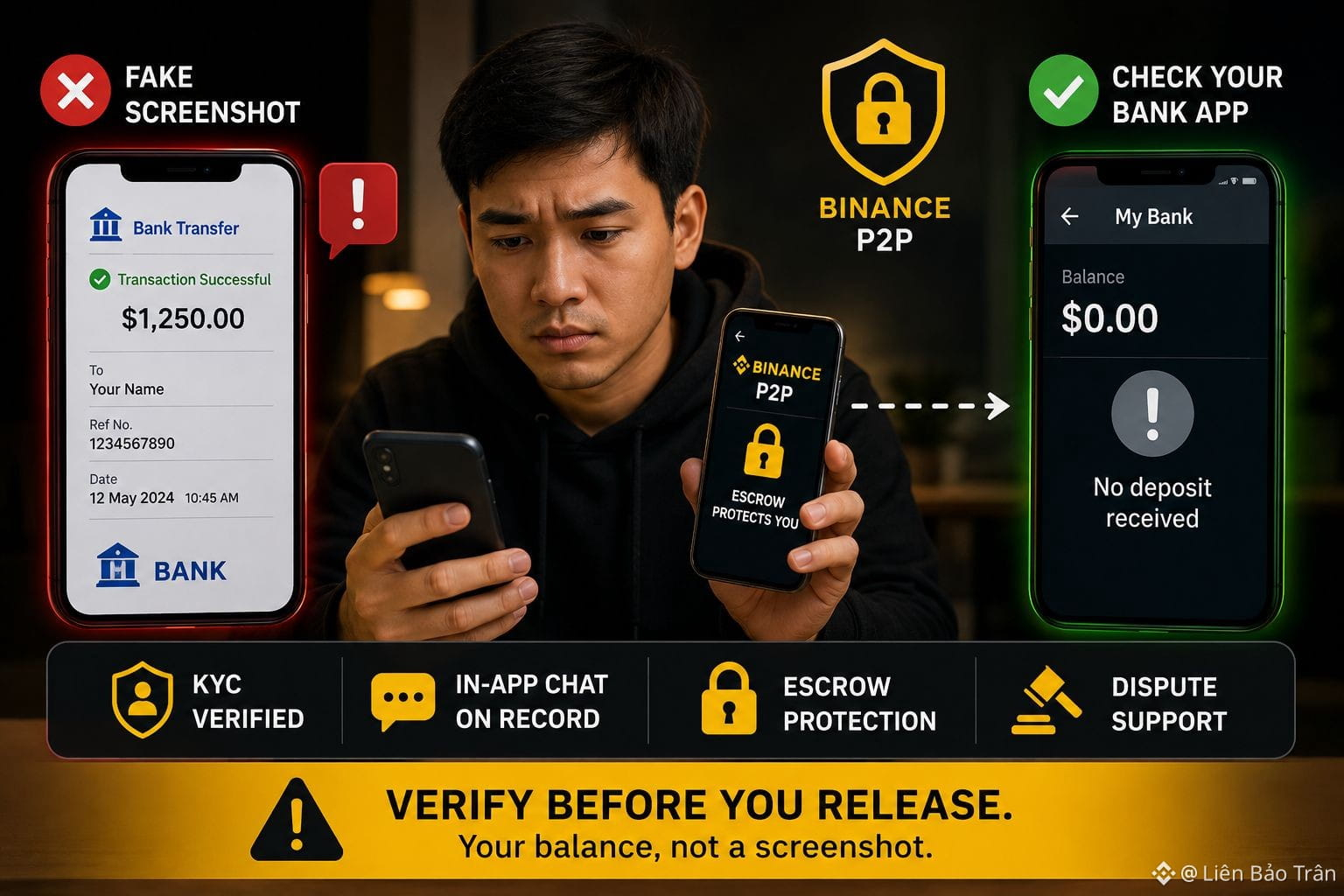
有一次,一位買家在幣安 P2P 上發給我一張付款截圖,看起來完全真實:時間戳、銀行標識、交易參考號……全都有。我差點當場就點了“放行”。但我先打開了自己的銀行 App,結果發現存款根本沒有到賬。聊天圖片所展示的內容與你的賬戶實際顯示之間的這種落差,正是幣安 P2P 在每一筆訂單中加入托管(Escrow)的原因:加密資產會一直被鎖定,直到確認“錢已到賬”的是賣家,而不是聊天窗口。幣安 P2P 之所以有效,是因爲它在每個環節都強制進行驗證。每位用戶在交易前都要完成 KYC,因此身份信息會被記錄在案。聊天記錄會保留帶時間戳的完整對話歷史,這在後續如果發生爭議申訴時非常關鍵。就我這次的情況,我平靜地告訴買家:我還沒有收到款項,會等到確認後再處理。幾分鐘內,對話就開始轉向施壓:催我現在就放行,並承諾付款很快就會顯示出來。那種緊迫感在幣安 P2P 上是典型的紅旗信號——通常意味着應該放慢,而不是加快。我報了這筆訂單,並聯繫了幣安客服,同時附上聊天截圖以及顯示沒有入賬的銀行流水。有了這些歸檔材料,處理過程就會很快;客服能夠清楚看到到底發生了什麼,而不需要我事後憑記憶去重建時間線。回頭看,最大的破綻甚至不在截圖本身,而在於當我說“我還沒收到任何款項”之後,溝通轉變得有多快。真正遇到銀行處理較慢的買家通常會保持耐心,甚至會爲等待而道歉;而如果有人希望你提前放行,往往就會迅速升級施壓。那之後我形成了幾個習慣:不要僅憑一張付款圖片就相信任何事,始終直接覈對對方的收款賬戶,並且在整筆交易完全結束之前,保留每一張相關截圖。幣安 P2P 給你了保障安全的工具,但前提是:當事情不對勁時,你真的要停下來再確認。
@Binance Vietnam #BinanceP2PAnToan $BTW $VELVET $ACE
@Binance Vietnam #BinanceP2PAnToan $BTW $VELVET $ACE
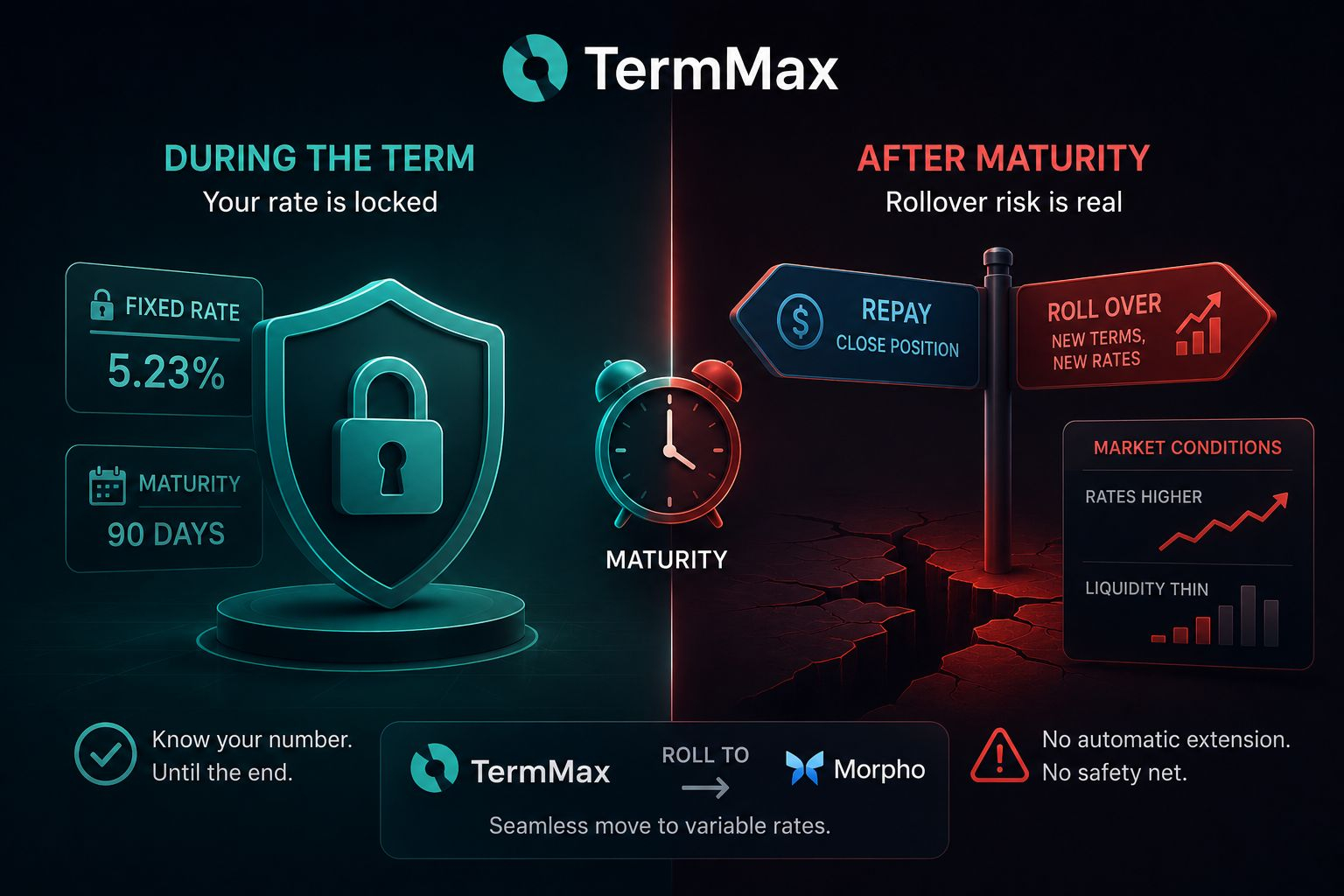
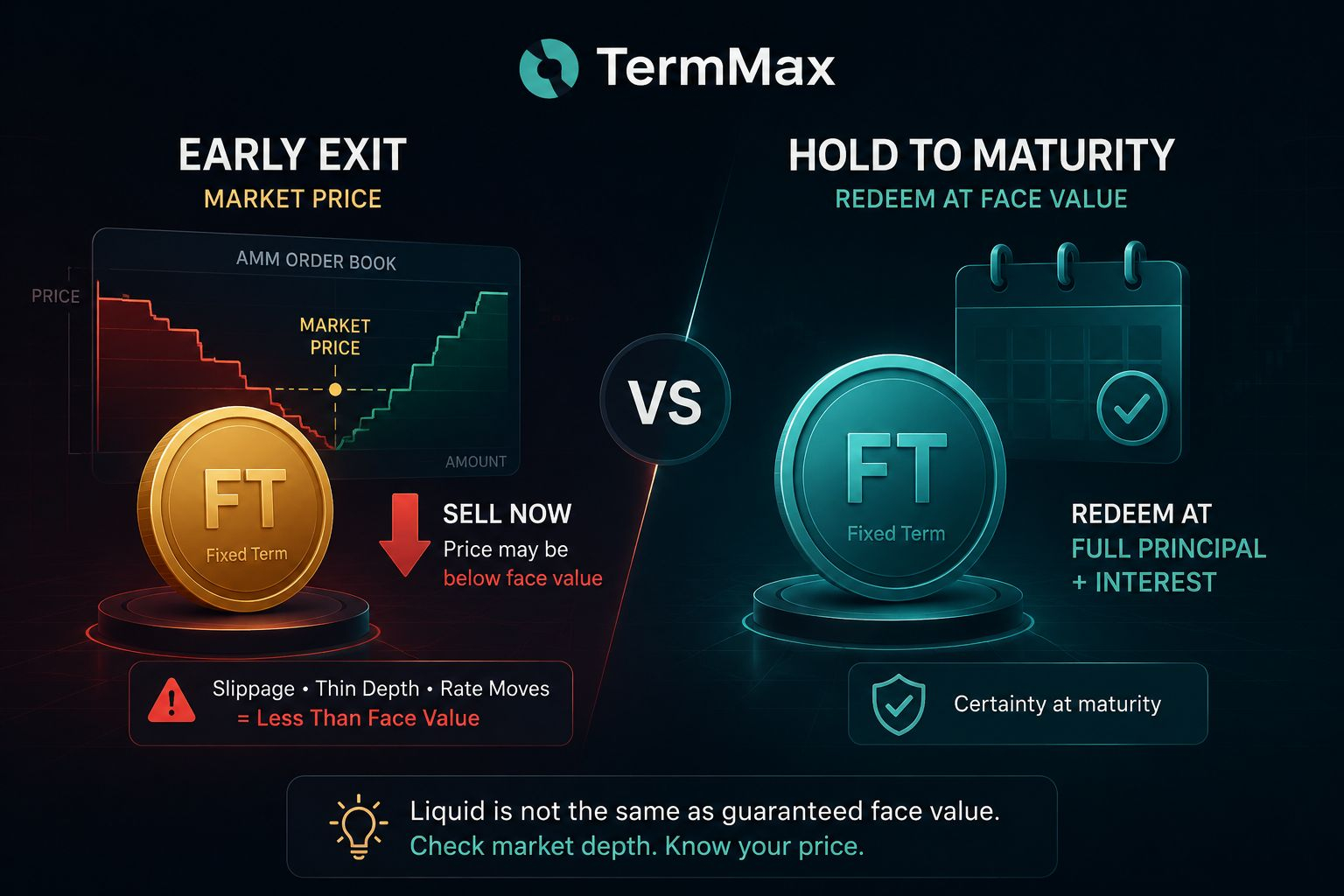
TermMax 的界面告訴放款方,他們可以隨時退出持倉,把一筆被鎖定的貸款變成可在任何時候提前變現的流動性。那句話在技術上確實成立,但在功能上卻說得不夠完整;如果你是點擊“賣出”的那個人,這兩個詞之間的差距就很關鍵。它下面這套機制是這樣運作的:放款方向 TermMax 存入資金後,會收到一張 FT——一種表現得類似零息債券的代幣,並在到期時按本金加上利息的全額進行兌付。在未到期前賣出這張 FT,你拿到的就不是按面值兌付,而是按當時市場願意出價的價格賣給別人;價格是通過 AMM 的區間掛單來形成的。如果你進入頭寸之後利率已經對你不利,或者那天市場深度很薄,你得到的價格可能會明顯低於你若等待到期本應獲得的水平。金庫(Vault)存款人面臨的也是類似的問題。TermMax 自己的文檔對此說得很直白:在某些市場條件下,提款可能會被排隊,而由於市場波動或費用,存款人收到的價值可能少於其投入的金額——就這麼簡單,不帶任何“可能會”或弱化措辭,沒有星號式的緩和。它並不是隱藏的缺陷,而是直接寫在風險頁面上;只是它很少會在“隨時退出”的營銷話術裏被一起提到。每一種基於 AMM 的退出都存在滑點,每一種固定期限產品都在到期時用確定性交換“到期前的不確定性”,而在這方面,TermMax 並不比其他放貸協議更特別。值得點名的是,“流動(liquid)”和“保證面值(guaranteed face value)”是兩種不同的承諾,而 TermMax 只是在做第一個承諾。別在沒看清市場訂單深度的情況下就假設提前退出會和儀表盤上顯示的數字一樣。利率是關鍵點就鎖定到期。把提前退出當作一筆市場交易,而不是一次提款——因爲在 TermMax 內部,它正是這樣運作的。
@TermMax #TermMax $VELVET $PORTAL $BTW
@TermMax #TermMax $VELVET $PORTAL $BTW
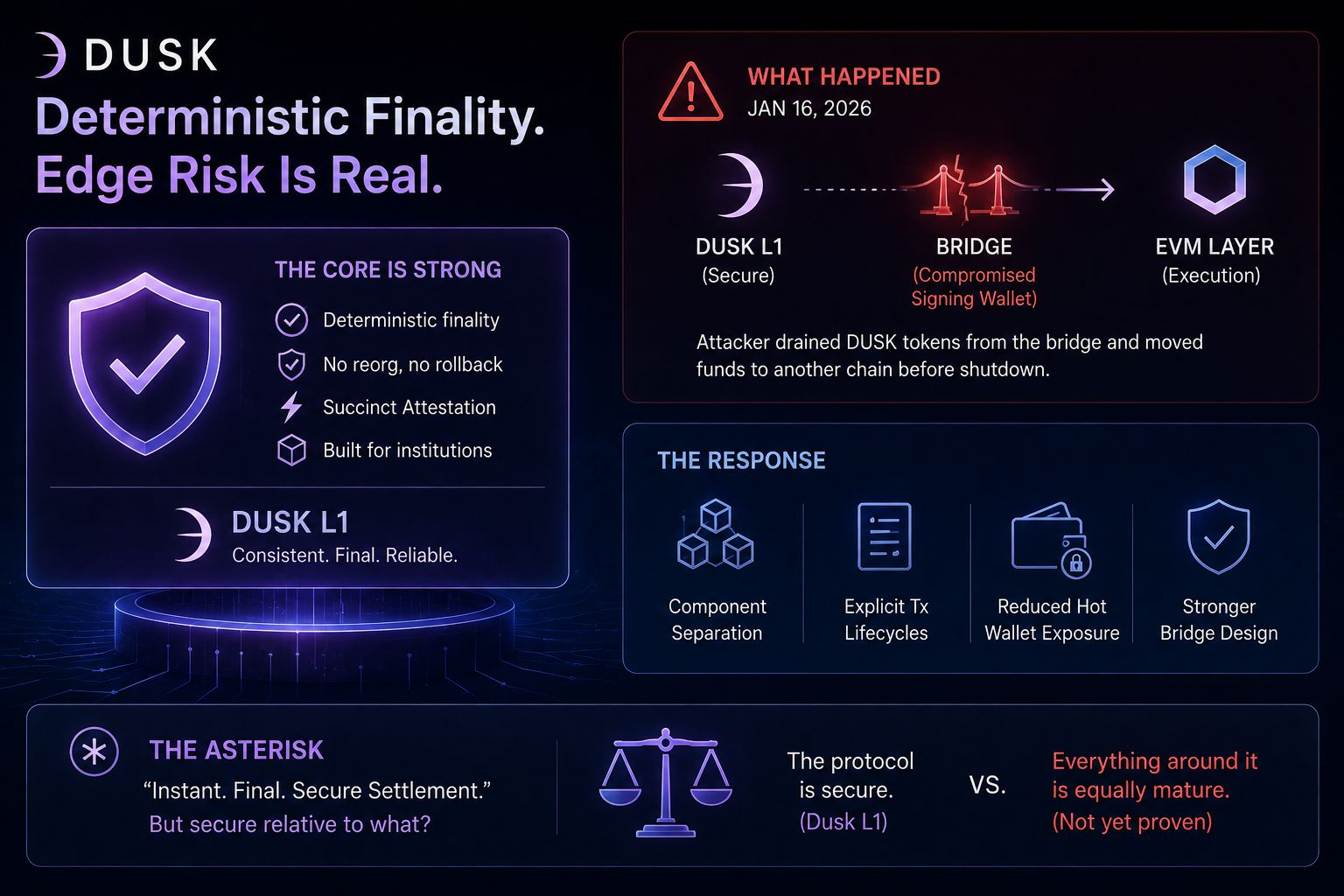
Dusk Network將確定性終局性作爲其核心優勢之一:一旦一筆交易完成結算,就不會發生重組(reorg),也不需要等待確認逐步累積,更不存在理論上的回滾。簡潔證明(Succinct Attestation)就是專門爲金融機構打造的:讓他們獲得類似比特幣那種——無法達成的——概率式終局性之外的體驗。該承諾在網絡主網上線的首年表現得非常出色。然後,在2026年1月16日,一名攻擊者從Dusk Network連接其EVM執行層的橋(bridge)中抽走了DUSK代幣,並在橋尚未關閉之前將被盜資金轉移到另一條鏈上。根據團隊自身的覆盤報告(post-mortem),根本原因是:橋的設計中,組件隔離不足,且橋內存在被攻破的簽名錢包。核心共識層從未受到影響。Dusk Network自身的結算終局性完全按照設計運行。真正的盜竊發生在邊緣地帶——也就是鏈與鏈之間的連接組織(connective tissue)——而這正是加密行業範圍內許多最糟糕事件反覆發生的地方。值得停下來想一想的是:一個協議在其核心可能在密碼學上是穩固的,但它的強度仍然會取決於與之“拼裝”在一起的、隔離性最薄弱的那一環。Dusk Network的迴應是徹底的橋重構:組件分離、明確的交易生命週期、降低熱錢包(hot-wallet)的暴露面。工程上很務實、也很合理。但這也意味着,“即時、最終、可靠的結算(instant, final, secure settlement)”這一宣傳話術上,需要加上大多數營銷文案都不會提的一個星號:相對於什麼而言的安全?是相對於基礎層(base layer)?還是相對於用戶實際會接觸到的每一塊基礎設施?我不認爲這會讓人否定Dusk Network的核心論點。共識層的確定性終局是真實存在的,而且在Layer-1鏈裏確實罕見。但我認爲,任何評估該項目的人都應當把“協議是安全的”和“圍繞協議構建的所有內容同樣成熟”分開來看,因爲截至目前,這兩項主張是完全不同的,而且各自的論據與過往記錄也迥然不同。
@Dusk #dusk $DUSK
@Dusk #dusk $DUSK
很多人直到需要的時候才意識到 Binance P2P 實際上能提供多大的保護。Binance 會在訂單打開的那一刻把賣家的加密資產託管起來,並只在確認付款後才釋放;這還建立在每個賬戶都必須完成的強制 KYC 之上。每一筆訂單都有聊天記錄線程,並且在雙方有分歧時,Binance 還能啓動爭議申訴流程來審查證據。所有這些都取決於交易必須完全在 Binance P2P 內完成——因爲只要在應用之外結算,Binance 之後就無從檢查。接受訂單前,我會查看對方的完成率、總成交量以及近期活動;我會把“看起來像假的截圖”“催促你付款的請求”“收款/付款方名稱不匹配”等立刻視爲紅旗,而不是小小的不便。我會在釋放任何東西之前,通過我自己的銀行應用確認每一筆付款,並在事後保存聊天記錄和憑證,以防我將來需要聯繫支持。買家發給我的截圖看起來完全真實:銀行標誌、我的姓名、正確的金額,還有與之完全吻合的時間戳。那一瞬間我差點真的去點了“釋放”。但我先打開了自己的銀行應用——它已經成了救我不止一次的習慣——而餘額根本沒有發生任何變化。我告訴他,在釋放任何東西之前,我需要先看到款項落到我這邊。他變得很強勢,說是因爲延遲造成的,隨後又問能不能用另一種完全不同的方法把事情解決掉;這類請求正是讓我當場終止交易的那種情況。我關閉了訂單,通過支持上報了該賬戶,並把那張假截圖連同完整聊天記錄都保存了下來,萬一之後還出現在其他人身上。我現在的規則很簡單:永遠不要只憑一張圖片就釋放,只在你自己的、已確認到賬的餘額上釋放;並且在交易結束後至少一個月,始終歸檔證據、訂單 ID、聊天記錄和付款證明。
@Binance Vietnam #BinanceP2PAnToan $BTW $VELVET $PORTAL
你的 #1 P2P 規則是什麼?
@Binance Vietnam #BinanceP2PAnToan $BTW $VELVET $PORTAL
你的 #1 P2P 規則是什麼?
🔐 Verify your own balance
75%
🚫 Never trust screenshots
25%
💬 Stay inside Binance
0%
🛡️ Save all trade evidence
0%
4 票 • 投票已結束
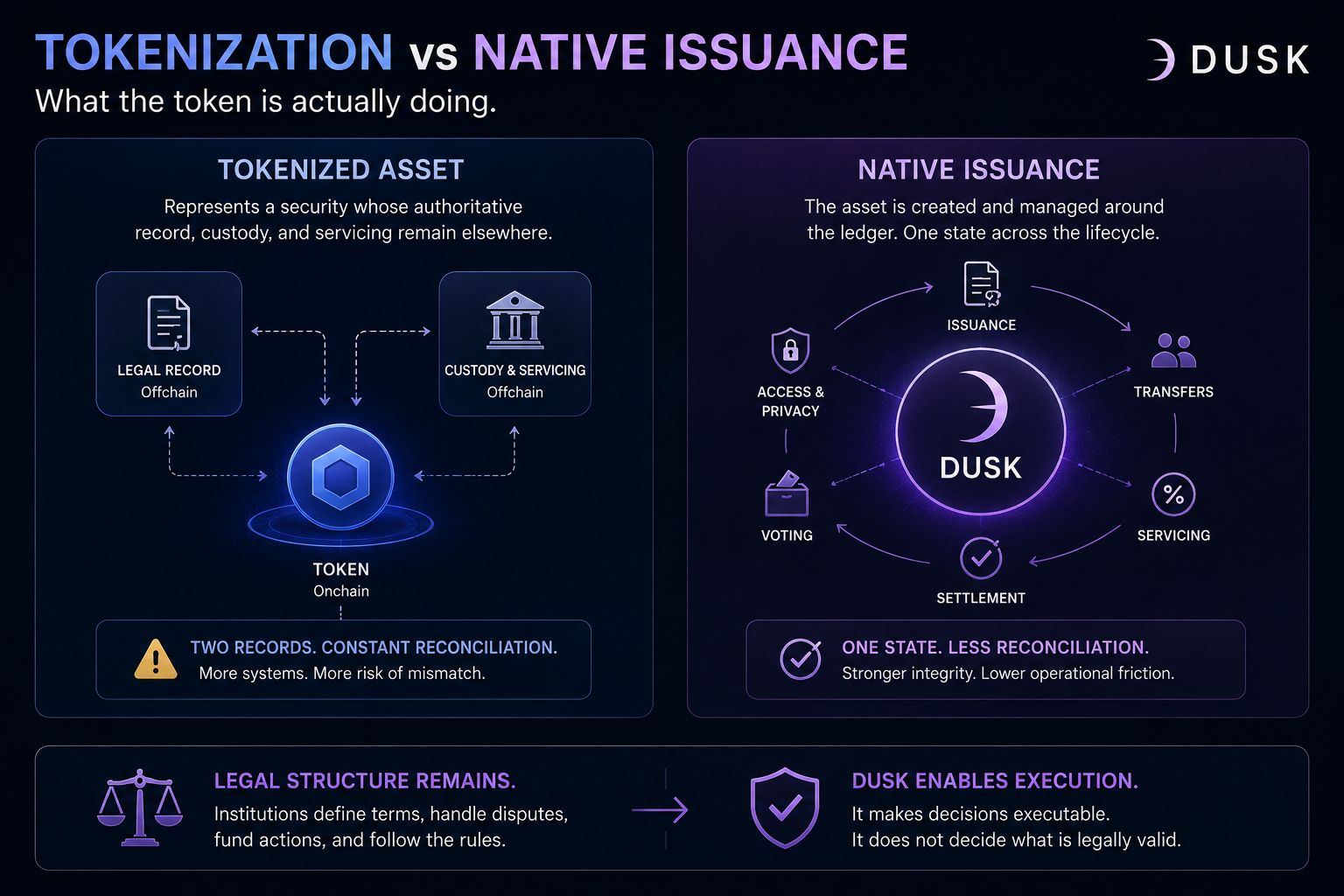
過去我會把每一種區塊鏈安全都歸到同一個標籤下:代幣化資產。Dusk Network 讓我更仔細地審視“代幣”到底在做什麼。代幣可以代表一種證券,其權威記錄、託管和服務仍然在別處。這樣做可能改善分發和可編程性,但也會帶來一份必須與第一份保持一致的第二記錄。所有權會在鏈上轉移,而法律現實仍可能通過登記機構、管理員和結算系統繼續流轉。原生髮行會改變提問方式:資產本身是在圍繞賬本創建和管理,因此發行、轉賬、服務和結算可以共享同一個狀態。Dusk 爲這類更深入的工作流而構建:通過訪問控制、結合選擇性披露的隱私機制,以及確定性終局(deterministic finality)。我認爲重要的並不是“原生(native)”這個詞本身。關鍵在於減少對賬(reconciliation)。假設某個發行人把一項資產在 Dusk 上進行分配,且一位合資格的投資者隨後獲得該資產。若同一份所有權狀態之後還能驅動票息或投票,那麼需要就“誰擁有什麼”達成一致(從而產生分歧)的系統就會更少。相較於把一個不變的流程再套一層代幣合約,這是一種更強的改進。不過,原生髮行並不會讓法律結構消失。仍然有人去界定該工具、批准其條款、處理爭議、爲公司行動提供資金,並遵循相關市場的規則。Dusk 可以讓這些決策變得可執行;但它無法決定哪些決策在法律上是有效的。這就是我會在“真實世界的 Dusk 原生髮行”中重點觀察的邊界:賬本是否仍是權威的運行記錄,還是僅在鏡像另一套賬?轉賬與服務是否使用同一份狀態,還是在第一次交易之後又需要回到對賬流程中?代幣化可以把金融資產放到鏈上。原生髮行可以把更多金融生命週期環節帶到鏈上。只有當 Dusk 在不假裝鏈條取代問責機構的前提下,證明第二個論斷時,它纔會變得更有意思。
@Dusk #dusk $DUSK $BTW $VELVET
@Dusk #dusk $DUSK $BTW $VELVET
登入以探索更多內容