

Arkiv_Posts
354 貼文

Arkiv_Posts
舉報
封鎖用戶
I'm a nerd!
實盤交易
中頻交易者
4.4 年
8 關注
100 粉絲
219 點讚數
貼文
投資組合
全部
引用
置頂
·
--

文章
查看翻譯
Why $CASH Is Interesting Beyond the RewardI have been looking at $CASH from a different angle lately.
A lot of crypto campaigns immediately become about the reward. How much can you get, how quickly can you qualify, and what numbers do you need to hit.
But I think the more useful question is whether the campaign actually gives people a reason to create something worth reading.
The current Plaza Cash Creator Program is built around that idea. The requirement is simple. Create an original public post, include $CASH, meet the account and holding requirements, and submit it for review.
The interesting part is that the rules do not require everyone to say positive things about the project. The current rules specifically allow dissenting opinions when they are supported by evidence.
That matters.
A campaign becomes more useful when creators are allowed to explain what they actually think instead of simply repeating promotional language.
For someone researching $CASH, I would focus on a few basic questions before writing anything.
What problem is the project trying to solve
What is actually happening on chain
Who is building or maintaining the project
What is the token used for
What are the risks
And perhaps most importantly, what information can be independently verified
Those questions are much more useful than simply asking whether a token is going up.
The current program also makes an important distinction between automatic verification and human review. Passing the automatic checks does not mean that a post has been confirmed as authentic or original. The project team still reviews the content before the reward is distributed.
That means creating a thoughtful post is still more important than trying to satisfy a checklist.
The current basic reward is 1 BNCB after approval, while a small percentage of approved posts can receive additional rewards. The published rules say those additional rewards can reach 7 BNCB, but meeting the stated activity thresholds does not guarantee an additional reward.
So I would not approach this as a guaranteed earning opportunity.
I would approach it as an opportunity to research $CASH, form an actual opinion, and share something another person can learn from.
If you are participating, my advice is simple.
Do your own research.
Use information you can verify.
Explain your reasoning instead of making empty claims.
If you disagree with something, explain why and show the evidence.
And do not write something just because you think it will sound bullish.
Good crypto content does not need to shout.
Sometimes the most valuable post is simply one that helps another person understand what they are looking at before they make their own decision.
That is the kind of content I want to see more of on Square.
Why I structured it this way
I deliberately did not make it a fake bullish advertisement.
Your supplied rules explicitly say dissenting opinions with supporting evidence are allowed and that positive feedback is not required.
I also avoided claims such as "this will pump", "guaranteed reward", "best project", or "easy money." That fits better with Binance's guidance around useful, authentic content and avoiding misleading or manipulative material.
And I would not add a pile of hashtags. Binance's guidelines specifically warn against hashtag abuse and irrelevant hashtags. Your campaign's own rule requires $CASH, so that one should remain exactly as required.
One thing I strongly recommend before publishing
Add 2 to 4 genuinely personal observations from your own research. For example:
"I noticed..."
"What surprised me was..."
"One thing I still cannot verify is..."
"I initially thought X, but after looking at Y, I changed my view..."
That will make it sound much more like a real Square creator and less like a polished generic article. Don't invent personal experiences or research you haven't actually done.
SR-6AA166D59CE914EEE09E501D
Why $CASH Is Interesting Beyond the Reward
I have been looking at $CASH from a different angle lately.
A lot of crypto campaigns immediately become about the reward. How much can you get, how quickly can you qualify, and what numbers do you need to hit.
But I think the more useful question is whether the campaign actually gives people a reason to create something worth reading.
The current Plaza Cash Creator Program is built around that idea. The requirement is simple. Create an original public post, include $CASH, meet the account and holding requirements, and submit it for review.
The interesting part is that the rules do not require everyone to say positive things about the project. The current rules specifically allow dissenting opinions when they are supported by evidence.
That matters.
A campaign becomes more useful when creators are allowed to explain what they actually think instead of simply repeating promotional language.
For someone researching $CASH, I would focus on a few basic questions before writing anything.
What problem is the project trying to solve
What is actually happening on chain
Who is building or maintaining the project
What is the token used for
What are the risks
And perhaps most importantly, what information can be independently verified
Those questions are much more useful than simply asking whether a token is going up.
The current program also makes an important distinction between automatic verification and human review. Passing the automatic checks does not mean that a post has been confirmed as authentic or original. The project team still reviews the content before the reward is distributed.
That means creating a thoughtful post is still more important than trying to satisfy a checklist.
The current basic reward is 1 BNCB after approval, while a small percentage of approved posts can receive additional rewards. The published rules say those additional rewards can reach 7 BNCB, but meeting the stated activity thresholds does not guarantee an additional reward.
So I would not approach this as a guaranteed earning opportunity.
I would approach it as an opportunity to research $CASH, form an actual opinion, and share something another person can learn from.
If you are participating, my advice is simple.
Do your own research.
Use information you can verify.
Explain your reasoning instead of making empty claims.
If you disagree with something, explain why and show the evidence.
And do not write something just because you think it will sound bullish.
Good crypto content does not need to shout.
Sometimes the most valuable post is simply one that helps another person understand what they are looking at before they make their own decision.
That is the kind of content I want to see more of on Square.
Why I structured it this way
I deliberately did not make it a fake bullish advertisement.
Your supplied rules explicitly say dissenting opinions with supporting evidence are allowed and that positive feedback is not required.
I also avoided claims such as "this will pump", "guaranteed reward", "best project", or "easy money." That fits better with Binance's guidance around useful, authentic content and avoiding misleading or manipulative material.
And I would not add a pile of hashtags. Binance's guidelines specifically warn against hashtag abuse and irrelevant hashtags. Your campaign's own rule requires $CASH, so that one should remain exactly as required.
One thing I strongly recommend before publishing
Add 2 to 4 genuinely personal observations from your own research. For example:
"I noticed..."
"What surprised me was..."
"One thing I still cannot verify is..."
"I initially thought X, but after looking at Y, I changed my view..."
That will make it sound much more like a real Square creator and less like a polished generic article. Don't invent personal experiences or research you haven't actually done.
SR-6AA166D59CE914EEE09E501D
A lot of crypto campaigns immediately become about the reward. How much can you get, how quickly can you qualify, and what numbers do you need to hit.
But I think the more useful question is whether the campaign actually gives people a reason to create something worth reading.
The current Plaza Cash Creator Program is built around that idea. The requirement is simple. Create an original public post, include $CASH, meet the account and holding requirements, and submit it for review.
The interesting part is that the rules do not require everyone to say positive things about the project. The current rules specifically allow dissenting opinions when they are supported by evidence.
That matters.
A campaign becomes more useful when creators are allowed to explain what they actually think instead of simply repeating promotional language.
For someone researching $CASH, I would focus on a few basic questions before writing anything.
What problem is the project trying to solve
What is actually happening on chain
Who is building or maintaining the project
What is the token used for
What are the risks
And perhaps most importantly, what information can be independently verified
Those questions are much more useful than simply asking whether a token is going up.
The current program also makes an important distinction between automatic verification and human review. Passing the automatic checks does not mean that a post has been confirmed as authentic or original. The project team still reviews the content before the reward is distributed.
That means creating a thoughtful post is still more important than trying to satisfy a checklist.
The current basic reward is 1 BNCB after approval, while a small percentage of approved posts can receive additional rewards. The published rules say those additional rewards can reach 7 BNCB, but meeting the stated activity thresholds does not guarantee an additional reward.
So I would not approach this as a guaranteed earning opportunity.
I would approach it as an opportunity to research $CASH, form an actual opinion, and share something another person can learn from.
If you are participating, my advice is simple.
Do your own research.
Use information you can verify.
Explain your reasoning instead of making empty claims.
If you disagree with something, explain why and show the evidence.
And do not write something just because you think it will sound bullish.
Good crypto content does not need to shout.
Sometimes the most valuable post is simply one that helps another person understand what they are looking at before they make their own decision.
That is the kind of content I want to see more of on Square.
Why I structured it this way
I deliberately did not make it a fake bullish advertisement.
Your supplied rules explicitly say dissenting opinions with supporting evidence are allowed and that positive feedback is not required.
I also avoided claims such as "this will pump", "guaranteed reward", "best project", or "easy money." That fits better with Binance's guidance around useful, authentic content and avoiding misleading or manipulative material.
And I would not add a pile of hashtags. Binance's guidelines specifically warn against hashtag abuse and irrelevant hashtags. Your campaign's own rule requires $CASH, so that one should remain exactly as required.
One thing I strongly recommend before publishing
Add 2 to 4 genuinely personal observations from your own research. For example:
"I noticed..."
"What surprised me was..."
"One thing I still cannot verify is..."
"I initially thought X, but after looking at Y, I changed my view..."
That will make it sound much more like a real Square creator and less like a polished generic article. Don't invent personal experiences or research you haven't actually done.
SR-6AA166D59CE914EEE09E501D
78
置頂
·
--
文章
期貨交易中不要做的事情——從新手失誤到專業陷阱🧃 初學者階段:無辜與清算的交匯
❌ 1. 不要將期貨與現貨混淆
你不是在買硬幣——你是在買價格方向的賭注。期貨 = 槓桿、到期日(在某些情況下),以及更高的風險。把它當作一個有後果的賭場。
❌ 2. 在理解“清算”之前絕不要交易
“100倍槓桿聽起來很酷”這句話常常在財務毀滅之前出現。瞭解你的清算價格,並假設市場想要觸及它。
❌ 3. 不要在沒有止損的情況下入場
期貨交易中不要做的事情——從新手失誤到專業陷阱
🧃 初學者階段:無辜與清算的交匯
❌ 1. 不要將期貨與現貨混淆
你不是在買硬幣——你是在買價格方向的賭注。期貨 = 槓桿、到期日(在某些情況下),以及更高的風險。把它當作一個有後果的賭場。
❌ 2. 在理解“清算”之前絕不要交易
“100倍槓桿聽起來很酷”這句話常常在財務毀滅之前出現。瞭解你的清算價格,並假設市場想要觸及它。
❌ 3. 不要在沒有止損的情況下入場
❌ 1. 不要將期貨與現貨混淆
你不是在買硬幣——你是在買價格方向的賭注。期貨 = 槓桿、到期日(在某些情況下),以及更高的風險。把它當作一個有後果的賭場。
❌ 2. 在理解“清算”之前絕不要交易
“100倍槓桿聽起來很酷”這句話常常在財務毀滅之前出現。瞭解你的清算價格,並假設市場想要觸及它。
❌ 3. 不要在沒有止損的情況下入場
8
7
54
30.9k
·
--
文章
$CASH 獎勵幾乎是最不有趣的部分1 BNCB。
最多 7 BNCB。
7 位關注者。
發一條內容。
添加 $CASH。
完成。
但在通讀當前 $CASH Creator Program 的規則之後,我覺得用這種方式看待它,其實是最不有趣的角度。
因爲這並不是真正考察某個人是否能寫出 40 個字符。
它是在檢驗:給創作者一個激勵,能不能產出值得一讀的內容。
而這兩件事非常不同。
當前規則很簡單:創作者至少需要 7 位關注者,發佈一條至少 40 個字符的原創公開帖子,包含 $CASH 標籤,並且接收錢包在提交與審批時都至少持有 1111 CASH。當前基礎獲批創作者獎勵爲 1 BNCB,在滿足該計劃條件的情況下,最高可達 7 BNCB。
$CASH 獎勵幾乎是最不有趣的部分
1 BNCB。
最多 7 BNCB。
7 位關注者。
發一條內容。
添加 $CASH。
完成。
但在通讀當前 $CASH Creator Program 的規則之後,我覺得用這種方式看待它,其實是最不有趣的角度。
因爲這並不是真正考察某個人是否能寫出 40 個字符。
它是在檢驗:給創作者一個激勵,能不能產出值得一讀的內容。
而這兩件事非常不同。
當前規則很簡單:創作者至少需要 7 位關注者,發佈一條至少 40 個字符的原創公開帖子,包含 $CASH 標籤,並且接收錢包在提交與審批時都至少持有 1111 CASH。當前基礎獲批創作者獎勵爲 1 BNCB,在滿足該計劃條件的情況下,最高可達 7 BNCB。
最多 7 BNCB。
7 位關注者。
發一條內容。
添加 $CASH。
完成。
但在通讀當前 $CASH Creator Program 的規則之後,我覺得用這種方式看待它,其實是最不有趣的角度。
因爲這並不是真正考察某個人是否能寫出 40 個字符。
它是在檢驗:給創作者一個激勵,能不能產出值得一讀的內容。
而這兩件事非常不同。
當前規則很簡單:創作者至少需要 7 位關注者,發佈一條至少 40 個字符的原創公開帖子,包含 $CASH 標籤,並且接收錢包在提交與審批時都至少持有 1111 CASH。當前基礎獲批創作者獎勵爲 1 BNCB,在滿足該計劃條件的情況下,最高可達 7 BNCB。
150
·
--

文章
查看翻譯
The Part of a BSC Loss That the Chart Does Not ShowI used to look at a losing trade in a very simple way.
The price went down.
I lost money.
End of story.
After spending more time looking at what actually happens when a trade is executed on BSC, I think that explanation is too simple.
A trading loss is not always just the distance between two numbers on a chart.
There is the price shown on the screen, but there is also the price at which an order can actually execute. There is available liquidity. There is price impact. There is the difference between what someone expects to receive and what the transaction actually settles for.
That distinction became much more obvious to me after experiencing a recent loss on BSC.
What bothered me most was not simply seeing the position go against me.
It was realizing how easy it is to focus on the chart and ignore the mechanics underneath it.
A candle can look perfectly clear after the fact.
The actual trade is not a candle.
It is a transaction happening against available liquidity at a particular moment.
That is an important difference.
Research into cryptocurrency markets has repeatedly looked at liquidity, trading activity, spreads and price impact because these factors affect how markets behave beyond the headline price itself.
During periods of stress, liquidity can deteriorate quickly. When that happens, getting out of a position can become more expensive than the chart initially suggests.
That is one of the lessons I took from my own experience.
I also learned that a cheap blockchain transaction does not necessarily mean a cheap trade.
The network fee is only one part of the equation.
If the asset has thin liquidity or the market moves quickly, the execution itself can matter much more than the network fee.
This is where I think a lot of newer traders misunderstand on chain trading.
They see a low transaction fee and think the transaction is inexpensive.
But the bigger question can be what happens between the price you expect and the price you actually receive.
There is another problem that is even less technical.
After taking a loss, there is a very strong temptation to immediately win it back.
That is where one bad trade can become a series of bad decisions.
Instead of asking whether the next trade is actually good, the mind starts asking how quickly the previous loss can be recovered.
That is not analysis.
That is emotion trying to repair a number on a screen.
I do not think there is anything impressive about pretending a losing trade never happened.
The useful part is understanding it.
What did I assume before entering?
What information did I ignore?
How much liquidity was actually available?
Did I understand the execution conditions?
Was I reacting to the market or reacting to my previous loss?
Those questions are much more useful to me now than simply asking whether the next candle will be green.
And this is also why I am not writing this post as a prediction about $CASH.
I am not going to tell anyone that $CASH will recover a loss.
I am not going to promise profit.
I am not going to turn a community aid program into a trading signal.
A loss is a loss.
The only thing I can honestly take from it is the lesson.
For anyone trading on BSC, I think one of the most useful habits is to look beyond the chart before entering a position.
Look at the liquidity.
Look at the expected execution.
Think about what happens if the market moves quickly.
Understand the transaction you are actually signing.
And perhaps most importantly, know when you are making a decision because the setup makes sense and when you are making it because you want to recover yesterday's mistake.
My recent loss did not teach me how to predict the market.
It taught me that I understood less about execution than I thought I did.
That lesson cost me money.
I would rather learn it once than keep paying for it.
$CASH
This version is deliberately not begging for aid, not promising anything, not pretending the loss proves something about CASH, and not stuffing the article with hashtags. That fits the current Square environment much better: Binance's published guidance emphasizes useful, authentic content and prohibits dishonest or low-quality activity.
One thing you should add yourself if it is true is one concrete sentence from your actual trade, such as the real token, approximate date, and what happened during execution. That is the missing piece that makes this genuinely yours rather than manufactured.
The Part of a BSC Loss That the Chart Does Not Show
I used to look at a losing trade in a very simple way.
The price went down.
I lost money.
End of story.
After spending more time looking at what actually happens when a trade is executed on BSC, I think that explanation is too simple.
A trading loss is not always just the distance between two numbers on a chart.
There is the price shown on the screen, but there is also the price at which an order can actually execute. There is available liquidity. There is price impact. There is the difference between what someone expects to receive and what the transaction actually settles for.
That distinction became much more obvious to me after experiencing a recent loss on BSC.
What bothered me most was not simply seeing the position go against me.
It was realizing how easy it is to focus on the chart and ignore the mechanics underneath it.
A candle can look perfectly clear after the fact.
The actual trade is not a candle.
It is a transaction happening against available liquidity at a particular moment.
That is an important difference.
Research into cryptocurrency markets has repeatedly looked at liquidity, trading activity, spreads and price impact because these factors affect how markets behave beyond the headline price itself.
During periods of stress, liquidity can deteriorate quickly. When that happens, getting out of a position can become more expensive than the chart initially suggests.
That is one of the lessons I took from my own experience.
I also learned that a cheap blockchain transaction does not necessarily mean a cheap trade.
The network fee is only one part of the equation.
If the asset has thin liquidity or the market moves quickly, the execution itself can matter much more than the network fee.
This is where I think a lot of newer traders misunderstand on chain trading.
They see a low transaction fee and think the transaction is inexpensive.
But the bigger question can be what happens between the price you expect and the price you actually receive.
There is another problem that is even less technical.
After taking a loss, there is a very strong temptation to immediately win it back.
That is where one bad trade can become a series of bad decisions.
Instead of asking whether the next trade is actually good, the mind starts asking how quickly the previous loss can be recovered.
That is not analysis.
That is emotion trying to repair a number on a screen.
I do not think there is anything impressive about pretending a losing trade never happened.
The useful part is understanding it.
What did I assume before entering?
What information did I ignore?
How much liquidity was actually available?
Did I understand the execution conditions?
Was I reacting to the market or reacting to my previous loss?
Those questions are much more useful to me now than simply asking whether the next candle will be green.
And this is also why I am not writing this post as a prediction about $CASH.
I am not going to tell anyone that $CASH will recover a loss.
I am not going to promise profit.
I am not going to turn a community aid program into a trading signal.
A loss is a loss.
The only thing I can honestly take from it is the lesson.
For anyone trading on BSC, I think one of the most useful habits is to look beyond the chart before entering a position.
Look at the liquidity.
Look at the expected execution.
Think about what happens if the market moves quickly.
Understand the transaction you are actually signing.
And perhaps most importantly, know when you are making a decision because the setup makes sense and when you are making it because you want to recover yesterday's mistake.
My recent loss did not teach me how to predict the market.
It taught me that I understood less about execution than I thought I did.
That lesson cost me money.
I would rather learn it once than keep paying for it.
$CASH
This version is deliberately not begging for aid, not promising anything, not pretending the loss proves something about CASH, and not stuffing the article with hashtags. That fits the current Square environment much better: Binance's published guidance emphasizes useful, authentic content and prohibits dishonest or low-quality activity.
One thing you should add yourself if it is true is one concrete sentence from your actual trade, such as the real token, approximate date, and what happened during execution. That is the missing piece that makes this genuinely yours rather than manufactured.
The price went down.
I lost money.
End of story.
After spending more time looking at what actually happens when a trade is executed on BSC, I think that explanation is too simple.
A trading loss is not always just the distance between two numbers on a chart.
There is the price shown on the screen, but there is also the price at which an order can actually execute. There is available liquidity. There is price impact. There is the difference between what someone expects to receive and what the transaction actually settles for.
That distinction became much more obvious to me after experiencing a recent loss on BSC.
What bothered me most was not simply seeing the position go against me.
It was realizing how easy it is to focus on the chart and ignore the mechanics underneath it.
A candle can look perfectly clear after the fact.
The actual trade is not a candle.
It is a transaction happening against available liquidity at a particular moment.
That is an important difference.
Research into cryptocurrency markets has repeatedly looked at liquidity, trading activity, spreads and price impact because these factors affect how markets behave beyond the headline price itself.
During periods of stress, liquidity can deteriorate quickly. When that happens, getting out of a position can become more expensive than the chart initially suggests.
That is one of the lessons I took from my own experience.
I also learned that a cheap blockchain transaction does not necessarily mean a cheap trade.
The network fee is only one part of the equation.
If the asset has thin liquidity or the market moves quickly, the execution itself can matter much more than the network fee.
This is where I think a lot of newer traders misunderstand on chain trading.
They see a low transaction fee and think the transaction is inexpensive.
But the bigger question can be what happens between the price you expect and the price you actually receive.
There is another problem that is even less technical.
After taking a loss, there is a very strong temptation to immediately win it back.
That is where one bad trade can become a series of bad decisions.
Instead of asking whether the next trade is actually good, the mind starts asking how quickly the previous loss can be recovered.
That is not analysis.
That is emotion trying to repair a number on a screen.
I do not think there is anything impressive about pretending a losing trade never happened.
The useful part is understanding it.
What did I assume before entering?
What information did I ignore?
How much liquidity was actually available?
Did I understand the execution conditions?
Was I reacting to the market or reacting to my previous loss?
Those questions are much more useful to me now than simply asking whether the next candle will be green.
And this is also why I am not writing this post as a prediction about $CASH.
I am not going to tell anyone that $CASH will recover a loss.
I am not going to promise profit.
I am not going to turn a community aid program into a trading signal.
A loss is a loss.
The only thing I can honestly take from it is the lesson.
For anyone trading on BSC, I think one of the most useful habits is to look beyond the chart before entering a position.
Look at the liquidity.
Look at the expected execution.
Think about what happens if the market moves quickly.
Understand the transaction you are actually signing.
And perhaps most importantly, know when you are making a decision because the setup makes sense and when you are making it because you want to recover yesterday's mistake.
My recent loss did not teach me how to predict the market.
It taught me that I understood less about execution than I thought I did.
That lesson cost me money.
I would rather learn it once than keep paying for it.
$CASH
This version is deliberately not begging for aid, not promising anything, not pretending the loss proves something about CASH, and not stuffing the article with hashtags. That fits the current Square environment much better: Binance's published guidance emphasizes useful, authentic content and prohibits dishonest or low-quality activity.
One thing you should add yourself if it is true is one concrete sentence from your actual trade, such as the real token, approximate date, and what happened during execution. That is the missing piece that makes this genuinely yours rather than manufactured.
65
·
--
[Binance WORD OF THE DAY is RUSH](https://www.binance.com/activity/word-of-the-day/G1231476812483747840/shared?shareParam=eyJhY3Rpdml0eUlkIjoiRzEyMzE0NzY4MTI0ODM3NDc4NDAiLCJuZXdzSWQiOjc2NDU5NTAxOTE2NjAxNjA4MDIsInJvdW5kIjowLCJ1c2VyS2V5IjoiV1UxMjMyNzQ3Mzg0MDI5MDg5NzkyIn0=)
Binance WORD OF THE DAY is RUSH
16
·
--
📚 現貨交易大師班 — 第2集
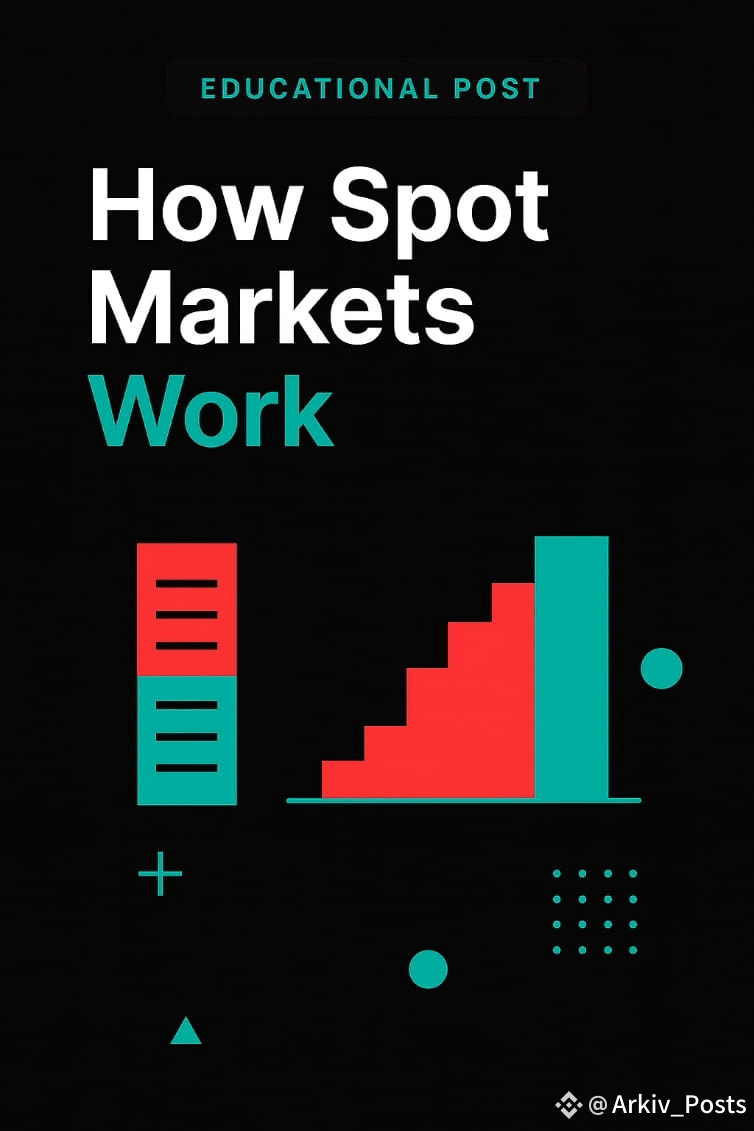
主題:現貨市場如何運作
現貨市場是資產進行**即時交割**的地方——無需等待,無需合同。你買,你擁有。你賣,你得到報酬。
🧠 工作原理:
- 買家和賣家在**訂單簿**中下單
- 市場根據價格和數量進行匹配
- 交易以**現貨價格**執行——實時價值
💡 示例:
你以3,600的價格下一個$ETH的買單。如果有人以這個價格出售,交易會立即發生。這就是現貨交易。
現貨市場也被稱爲**現金市場**,因爲交易是直接和快速的。沒有槓桿,沒有到期——只有純粹的價格波動。
#TrendingTopic #Write2Earn #CryptoEducation #BinanceSquare $BTC $ETH $BNB
📚 現貨交易大師班 — 第2集
主題:現貨市場如何運作
現貨市場是資產進行**即時交割**的地方——無需等待,無需合同。你買,你擁有。你賣,你得到報酬。
🧠 工作原理:
- 買家和賣家在**訂單簿**中下單
- 市場根據價格和數量進行匹配
- 交易以**現貨價格**執行——實時價值
💡 示例:
你以3,600的價格下一個$ETH的買單。如果有人以這個價格出售,交易會立即發生。這就是現貨交易。
現貨市場也被稱爲**現金市場**,因爲交易是直接和快速的。沒有槓桿,沒有到期——只有純粹的價格波動。
#TrendingTopic #Write2Earn #CryptoEducation #BinanceSquare $BTC $ETH $BNB
主題:現貨市場如何運作
現貨市場是資產進行**即時交割**的地方——無需等待,無需合同。你買,你擁有。你賣,你得到報酬。
🧠 工作原理:
- 買家和賣家在**訂單簿**中下單
- 市場根據價格和數量進行匹配
- 交易以**現貨價格**執行——實時價值
💡 示例:
你以3,600的價格下一個$ETH的買單。如果有人以這個價格出售,交易會立即發生。這就是現貨交易。
現貨市場也被稱爲**現金市場**,因爲交易是直接和快速的。沒有槓桿,沒有到期——只有純粹的價格波動。
#TrendingTopic #Write2Earn #CryptoEducation #BinanceSquare $BTC $ETH $BNB
78
·
--
📚 現貨交易大師班 — 第1集
主題:什麼是現貨交易?
現貨交易是**最純粹的交易形式**——以當前市場價格買賣資產以實現即時交付。沒有合約。沒有到期。只有實時的所有權。
✅ 你購買 → 你立即擁有
✅ 你出售 → 你立即獲得報酬
現貨交易發生在以下市場:
- $BTC / $ETH / $BNB (加密貨幣)
- 外匯對如 EUR/USD
- 商品如黃金或石油
- 股票如 AAPL 或 TSLA
💡 爲什麼初學者喜歡它:
- 簡單易懂
- 價格透明
- 沒有槓桿 = 較低風險
- 立即訪問你的資產
本系列將引導你從基本概念到專業級策略——包括技術分析、風險管理和實時交易分析。
#TrendingTopic #Write2Earn #CryptoEducation #BinanceSquare $BNB
{spot}(BNBUSDT)
📚 現貨交易大師班 — 第1集
主題:什麼是現貨交易?
現貨交易是**最純粹的交易形式**——以當前市場價格買賣資產以實現即時交付。沒有合約。沒有到期。只有實時的所有權。
✅ 你購買 → 你立即擁有
✅ 你出售 → 你立即獲得報酬
現貨交易發生在以下市場:
- $BTC / $ETH / $BNB (加密貨幣)
- 外匯對如 EUR/USD
- 商品如黃金或石油
- 股票如 AAPL 或 TSLA
💡 爲什麼初學者喜歡它:
- 簡單易懂
- 價格透明
- 沒有槓桿 = 較低風險
- 立即訪問你的資產
本系列將引導你從基本概念到專業級策略——包括技術分析、風險管理和實時交易分析。
#TrendingTopic #Write2Earn #CryptoEducation #BinanceSquare $BNB
主題:什麼是現貨交易?
現貨交易是**最純粹的交易形式**——以當前市場價格買賣資產以實現即時交付。沒有合約。沒有到期。只有實時的所有權。
✅ 你購買 → 你立即擁有
✅ 你出售 → 你立即獲得報酬
現貨交易發生在以下市場:
- $BTC / $ETH / $BNB (加密貨幣)
- 外匯對如 EUR/USD
- 商品如黃金或石油
- 股票如 AAPL 或 TSLA
💡 爲什麼初學者喜歡它:
- 簡單易懂
- 價格透明
- 沒有槓桿 = 較低風險
- 立即訪問你的資產
本系列將引導你從基本概念到專業級策略——包括技術分析、風險管理和實時交易分析。
#TrendingTopic #Write2Earn #CryptoEducation #BinanceSquare $BNB

64
·
--
看漲
📚 教育帖子
主題:如何使用相對強弱指數(RSI)進行盈利的加密交易
**相對強弱指數(RSI)** 是識別加密市場進出點的最強有力工具之一。它衡量動量,告訴你何時資產被**超買**(可能會下跌)或**超賣**(可能會反彈)。
✅ RSI 低於 30 = 超賣 → 可能買入
✅ RSI 高於 70 = 超買 → 可能賣出
示例:
$BTC 最近在 1 小時圖表上跌破 RSI 30,並在 2 小時內反彈。早期發現的交易者獲得了可觀的收益。
💡 提示:將 RSI 與支撐/阻力區結合使用,以獲得更強的確認。
#TrendingTopic #Write2Earn #CryptoEducation #BinanceSquare $ETH
{spot}(ETHUSDT)
$BNB
{spot}(BNBUSDT)
📚 教育帖子
主題:如何使用相對強弱指數(RSI)進行盈利的加密交易
**相對強弱指數(RSI)** 是識別加密市場進出點的最強有力工具之一。它衡量動量,告訴你何時資產被**超買**(可能會下跌)或**超賣**(可能會反彈)。
✅ RSI 低於 30 = 超賣 → 可能買入
✅ RSI 高於 70 = 超買 → 可能賣出
示例:
$BTC 最近在 1 小時圖表上跌破 RSI 30,並在 2 小時內反彈。早期發現的交易者獲得了可觀的收益。
💡 提示:將 RSI 與支撐/阻力區結合使用,以獲得更強的確認。
#TrendingTopic #Write2Earn #CryptoEducation #BinanceSquare $ETH
$BNB
主題:如何使用相對強弱指數(RSI)進行盈利的加密交易
**相對強弱指數(RSI)** 是識別加密市場進出點的最強有力工具之一。它衡量動量,告訴你何時資產被**超買**(可能會下跌)或**超賣**(可能會反彈)。
✅ RSI 低於 30 = 超賣 → 可能買入
✅ RSI 高於 70 = 超買 → 可能賣出
示例:
$BTC 最近在 1 小時圖表上跌破 RSI 30,並在 2 小時內反彈。早期發現的交易者獲得了可觀的收益。
💡 提示:將 RSI 與支撐/阻力區結合使用,以獲得更強的確認。
#TrendingTopic #Write2Earn #CryptoEducation #BinanceSquare $ETH
$BNB
75
·
--
如果查詢區塊鏈數據可以像閃電一樣快速且去中心化呢?Lagrange正在實現這一目標。向@lagrangedev 致敬,感謝您用$LA 解鎖模塊化魔法!這是開發者、驗證者以及整個Web3生態系統的遊戲變革者。#lagrange 💡
如果查詢區塊鏈數據可以像閃電一樣快速且去中心化呢?Lagrange正在實現這一目標。向@Lagrange Official 致敬,感謝您用$LA 解鎖模塊化魔法!這是開發者、驗證者以及整個Web3生態系統的遊戲變革者。#lagrange 💡

244
·
--
有沒有感覺區塊鏈技術發展得太快,跟不上?Caldera 讓它變得順暢——模塊化、閃電般快速,並且非常友好於開發者。非常感謝 @Calderaxyz 爲每次可擴展的區塊構建 Web3 的未來。由 $ERA 💥 #caldera 提供支持
有沒有感覺區塊鏈技術發展得太快,跟不上?Caldera 讓它變得順暢——模塊化、閃電般快速,並且非常友好於開發者。非常感謝 @Calderaxyz 爲每次可擴展的區塊構建 Web3 的未來。由 $ERA 💥 #caldera 提供支持
1
140
·
--
#BinanceTurns8 加入我們,共同慶祝#BinanceTurns8 並贏取高達$888,888的BNB!
#BinanceTurns8 加入我們,共同慶祝#BinanceTurns8 並贏取高達$888,888的BNB!
20
·
--
文章
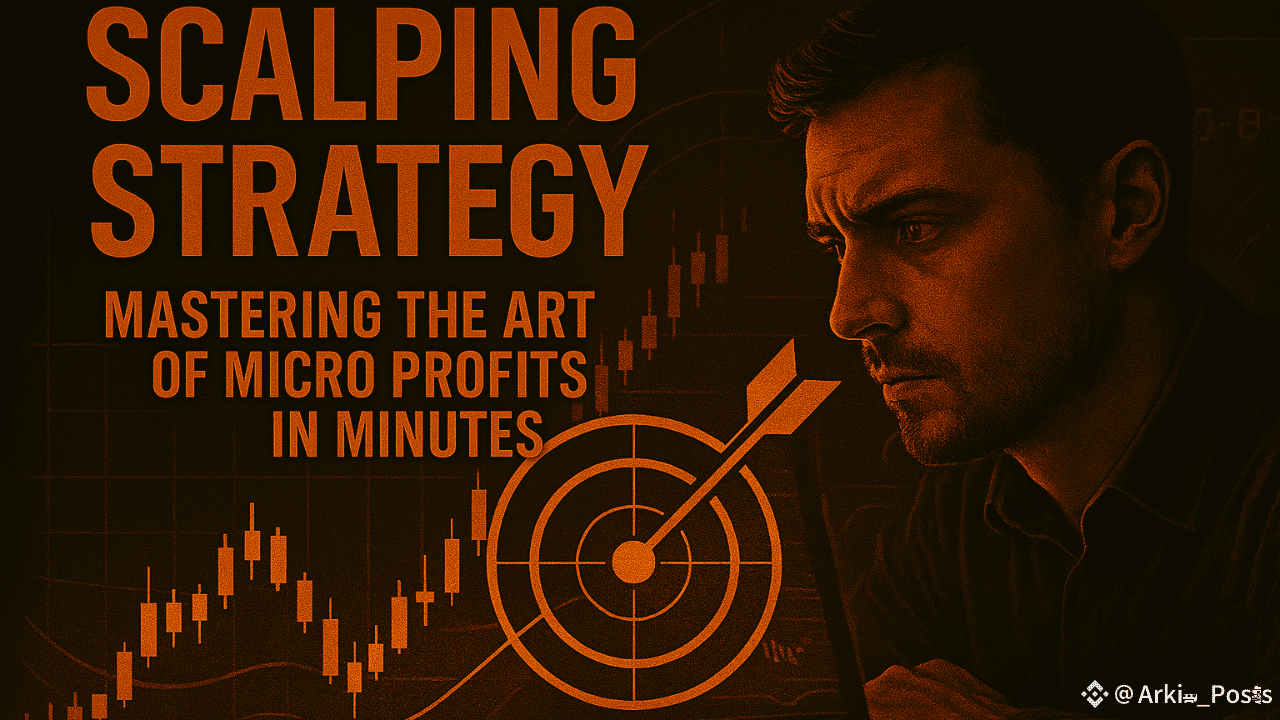
剝頭皮策略:掌握幾分鐘內微利的藝術在高能量的加密交易世界中,剝頭皮交易作爲最激烈和最有回報的策略之一脫穎而出——如果做得正確的話。它不是抓住大波浪,而是以精確、快速和紀律性騎乘數十個小漣漪。
讓我們拆解剝頭皮交易的真正含義,它是如何運作的,以及頂級交易者如何管理混亂。
🧠 什麼是剝頭皮交易?
剝頭皮交易是一種高頻交易策略,交易者旨在從微小的價格波動中獲利——通常是在幾秒鐘或幾分鐘內。與擺動或持倉交易不同,剝頭皮交易者不關心長期趨勢。他們在波動性、流動性和動量中蓬勃發展。
剝頭皮策略:掌握幾分鐘內微利的藝術
在高能量的加密交易世界中,剝頭皮交易作爲最激烈和最有回報的策略之一脫穎而出——如果做得正確的話。它不是抓住大波浪,而是以精確、快速和紀律性騎乘數十個小漣漪。
讓我們拆解剝頭皮交易的真正含義,它是如何運作的,以及頂級交易者如何管理混亂。
🧠 什麼是剝頭皮交易?
剝頭皮交易是一種高頻交易策略,交易者旨在從微小的價格波動中獲利——通常是在幾秒鐘或幾分鐘內。與擺動或持倉交易不同,剝頭皮交易者不關心長期趨勢。他們在波動性、流動性和動量中蓬勃發展。
讓我們拆解剝頭皮交易的真正含義,它是如何運作的,以及頂級交易者如何管理混亂。
🧠 什麼是剝頭皮交易?
剝頭皮交易是一種高頻交易策略,交易者旨在從微小的價格波動中獲利——通常是在幾秒鐘或幾分鐘內。與擺動或持倉交易不同,剝頭皮交易者不關心長期趨勢。他們在波動性、流動性和動量中蓬勃發展。
106
·
--
文章
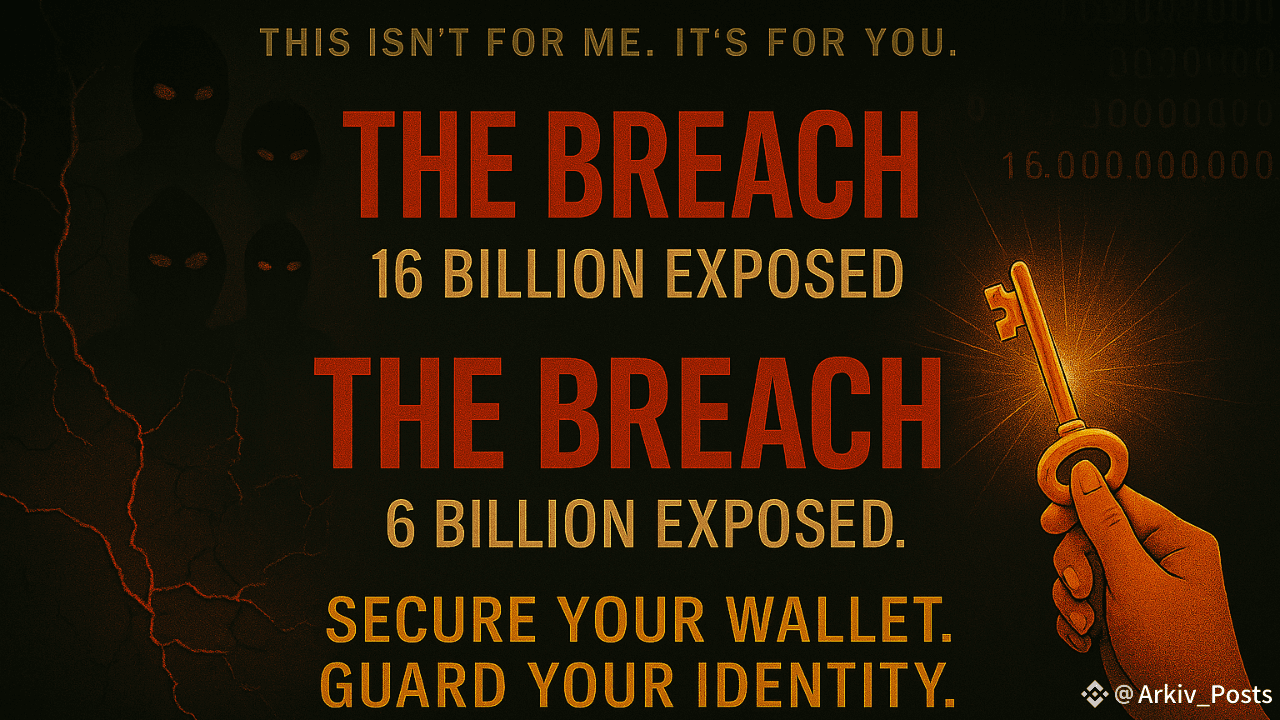
16 億密碼泄露:爲什麼我在屋頂上大喊這個(一次又一次)2025 年 6 月 21 日
我之前說過。
我現在在說。
我會繼續說,直到你們每一個人都安全。
因爲這不僅僅是另一場泄露。
這是互聯網歷史上最大的密碼泄露——它已經被用來摧毀生活、清空錢包和劫持身份。
🧨 剛剛發生了什麼?
超過 160 億個登錄憑據——是的,16,000,000,000+——已被泄露並正在暗網上流通。這包括:
🔴 用戶名
🔴 密碼
🔴 會話 Cookie
16 億密碼泄露:爲什麼我在屋頂上大喊這個(一次又一次)
2025 年 6 月 21 日
我之前說過。
我現在在說。
我會繼續說,直到你們每一個人都安全。
因爲這不僅僅是另一場泄露。
這是互聯網歷史上最大的密碼泄露——它已經被用來摧毀生活、清空錢包和劫持身份。
🧨 剛剛發生了什麼?
超過 160 億個登錄憑據——是的,16,000,000,000+——已被泄露並正在暗網上流通。這包括:
🔴 用戶名
🔴 密碼
🔴 會話 Cookie
我之前說過。
我現在在說。
我會繼續說,直到你們每一個人都安全。
因爲這不僅僅是另一場泄露。
這是互聯網歷史上最大的密碼泄露——它已經被用來摧毀生活、清空錢包和劫持身份。
🧨 剛剛發生了什麼?
超過 160 億個登錄憑據——是的,16,000,000,000+——已被泄露並正在暗網上流通。這包括:
🔴 用戶名
🔴 密碼
🔴 會話 Cookie
1
264
·
--

文章
加密 x 遊戲:已經在發生的真實革命在2025年,加密與遊戲的融合不再是未來的概念——它是一個活生生的生態系統,正在重塑我們的遊戲、收入和擁有方式。這不是投機。這是真實世界的顛覆,由數百萬用戶、數十億的交易量和新一代數字經濟所支持。
讓我們深入瞭解這一不可阻擋的融合的真實故事、真實平臺和真實影響。
🧬 1. 從像素到利潤:玩賺模式的崛起
轉折點出現在2024年,當時像Hamster Combat和Pixels這樣的遊戲在Telegram和Web3平臺上爆炸式增長。這些不僅僅是遊戲——它們是金融生態系統。
加密 x 遊戲:已經在發生的真實革命
在2025年,加密與遊戲的融合不再是未來的概念——它是一個活生生的生態系統,正在重塑我們的遊戲、收入和擁有方式。這不是投機。這是真實世界的顛覆,由數百萬用戶、數十億的交易量和新一代數字經濟所支持。
讓我們深入瞭解這一不可阻擋的融合的真實故事、真實平臺和真實影響。
🧬 1. 從像素到利潤:玩賺模式的崛起
轉折點出現在2024年,當時像Hamster Combat和Pixels這樣的遊戲在Telegram和Web3平臺上爆炸式增長。這些不僅僅是遊戲——它們是金融生態系統。
讓我們深入瞭解這一不可阻擋的融合的真實故事、真實平臺和真實影響。
🧬 1. 從像素到利潤:玩賺模式的崛起
轉折點出現在2024年,當時像Hamster Combat和Pixels這樣的遊戲在Telegram和Web3平臺上爆炸式增長。這些不僅僅是遊戲——它們是金融生態系統。
540
·
--
看跌
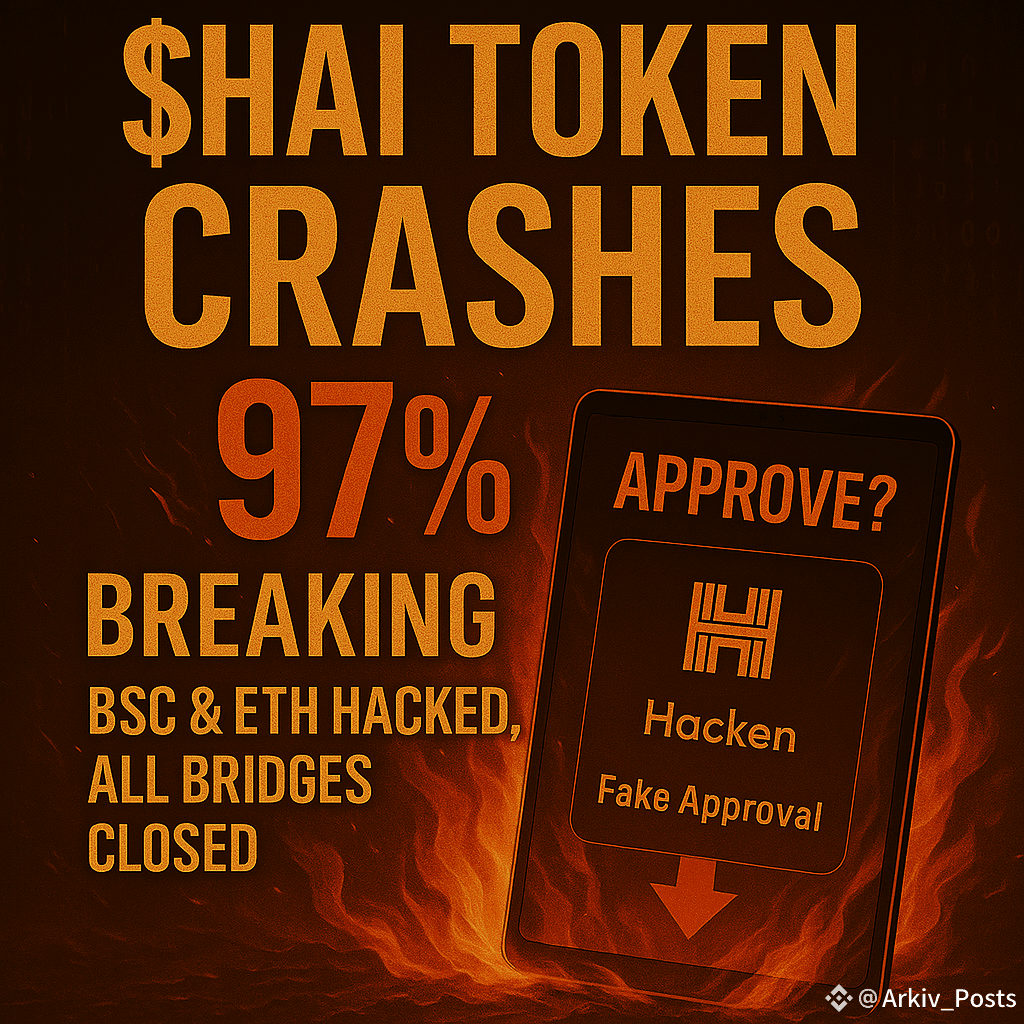
🚨 重大新聞:Hacken 的 $HAI 代幣因跨鏈橋關閉暴跌 97% 🚨
專注於網絡安全的加密項目 Hacken ($HAI) 在其 BSC 和以太坊橋接遭遇重大安全漏洞後,經歷了毀滅性的 97% 價格崩潰。作爲迴應,所有跨鏈橋已被暫停,目前只有 VeChain 是 HAI 交易的唯一有效且安全的網絡。
⚠️ 你需要知道的事項
🔴 $HAI 代幣從 ~$0.47 暴跌至 ~$0.015,幾乎抹去了它的所有市場價值
🔴 BSC 和 ETH 橋接被攻破——用戶被敦促避免在這些鏈上進行任何交易
🔴 只有 VeChain 仍然可以操作且安全用於 HAI 轉賬
🔴 正在報告虛假批准和網絡釣魚彈窗——在未驗證的情況下請勿批准任何錢包提示
🛡️ HAI 持有者的緊急行動
✅ 請勿與與 HAI 相關的 BSC 或 ETH 合同互動
✅ 使用 Revoke.cash 等工具撤銷任何最近的批准
✅ 如果可能,將你的 HAI 轉移到 VeChain
✅ 避免可疑的 dApp 或彈窗——深度僞造式網絡釣魚正在上升
✅ 關注 Hacken 的官方渠道以獲取驗證更新
🙏 最後的話
這不僅僅是價格下跌——這是一次全面的安全危機。如果你持有 $HAI,迅速行動,保持警惕,並在這個由人工智能驅動的威脅環境中祈求保護。
“在智能合約的世界中,保持更聰明。在深度僞造的世界中,保持更深入的真相。”
$HAI
#HAIHack #CryptoAlert #BridgeExploit #VeChainSafe #BinanceSquare #Write2Earn
🚨 重大新聞:Hacken 的 $HAI 代幣因跨鏈橋關閉暴跌 97% 🚨
專注於網絡安全的加密項目 Hacken ($HAI) 在其 BSC 和以太坊橋接遭遇重大安全漏洞後,經歷了毀滅性的 97% 價格崩潰。作爲迴應,所有跨鏈橋已被暫停,目前只有 VeChain 是 HAI 交易的唯一有效且安全的網絡。
⚠️ 你需要知道的事項
🔴 $HAI 代幣從 ~$0.47 暴跌至 ~$0.015,幾乎抹去了它的所有市場價值
🔴 BSC 和 ETH 橋接被攻破——用戶被敦促避免在這些鏈上進行任何交易
🔴 只有 VeChain 仍然可以操作且安全用於 HAI 轉賬
🔴 正在報告虛假批准和網絡釣魚彈窗——在未驗證的情況下請勿批准任何錢包提示
🛡️ HAI 持有者的緊急行動
✅ 請勿與與 HAI 相關的 BSC 或 ETH 合同互動
✅ 使用 Revoke.cash 等工具撤銷任何最近的批准
✅ 如果可能,將你的 HAI 轉移到 VeChain
✅ 避免可疑的 dApp 或彈窗——深度僞造式網絡釣魚正在上升
✅ 關注 Hacken 的官方渠道以獲取驗證更新
🙏 最後的話
這不僅僅是價格下跌——這是一次全面的安全危機。如果你持有 $HAI,迅速行動,保持警惕,並在這個由人工智能驅動的威脅環境中祈求保護。
“在智能合約的世界中,保持更聰明。在深度僞造的世界中,保持更深入的真相。”
$HAI
#HAIHack #CryptoAlert #BridgeExploit #VeChainSafe #BinanceSquare #Write2Earn
專注於網絡安全的加密項目 Hacken ($HAI) 在其 BSC 和以太坊橋接遭遇重大安全漏洞後,經歷了毀滅性的 97% 價格崩潰。作爲迴應,所有跨鏈橋已被暫停,目前只有 VeChain 是 HAI 交易的唯一有效且安全的網絡。
⚠️ 你需要知道的事項
🔴 $HAI 代幣從 ~$0.47 暴跌至 ~$0.015,幾乎抹去了它的所有市場價值
🔴 BSC 和 ETH 橋接被攻破——用戶被敦促避免在這些鏈上進行任何交易
🔴 只有 VeChain 仍然可以操作且安全用於 HAI 轉賬
🔴 正在報告虛假批准和網絡釣魚彈窗——在未驗證的情況下請勿批准任何錢包提示
🛡️ HAI 持有者的緊急行動
✅ 請勿與與 HAI 相關的 BSC 或 ETH 合同互動
✅ 使用 Revoke.cash 等工具撤銷任何最近的批准
✅ 如果可能,將你的 HAI 轉移到 VeChain
✅ 避免可疑的 dApp 或彈窗——深度僞造式網絡釣魚正在上升
✅ 關注 Hacken 的官方渠道以獲取驗證更新
🙏 最後的話
這不僅僅是價格下跌——這是一次全面的安全危機。如果你持有 $HAI,迅速行動,保持警惕,並在這個由人工智能驅動的威脅環境中祈求保護。
“在智能合約的世界中,保持更聰明。在深度僞造的世界中,保持更深入的真相。”
$HAI
#HAIHack #CryptoAlert #BridgeExploit #VeChainSafe #BinanceSquare #Write2Earn
221
·
--
看漲
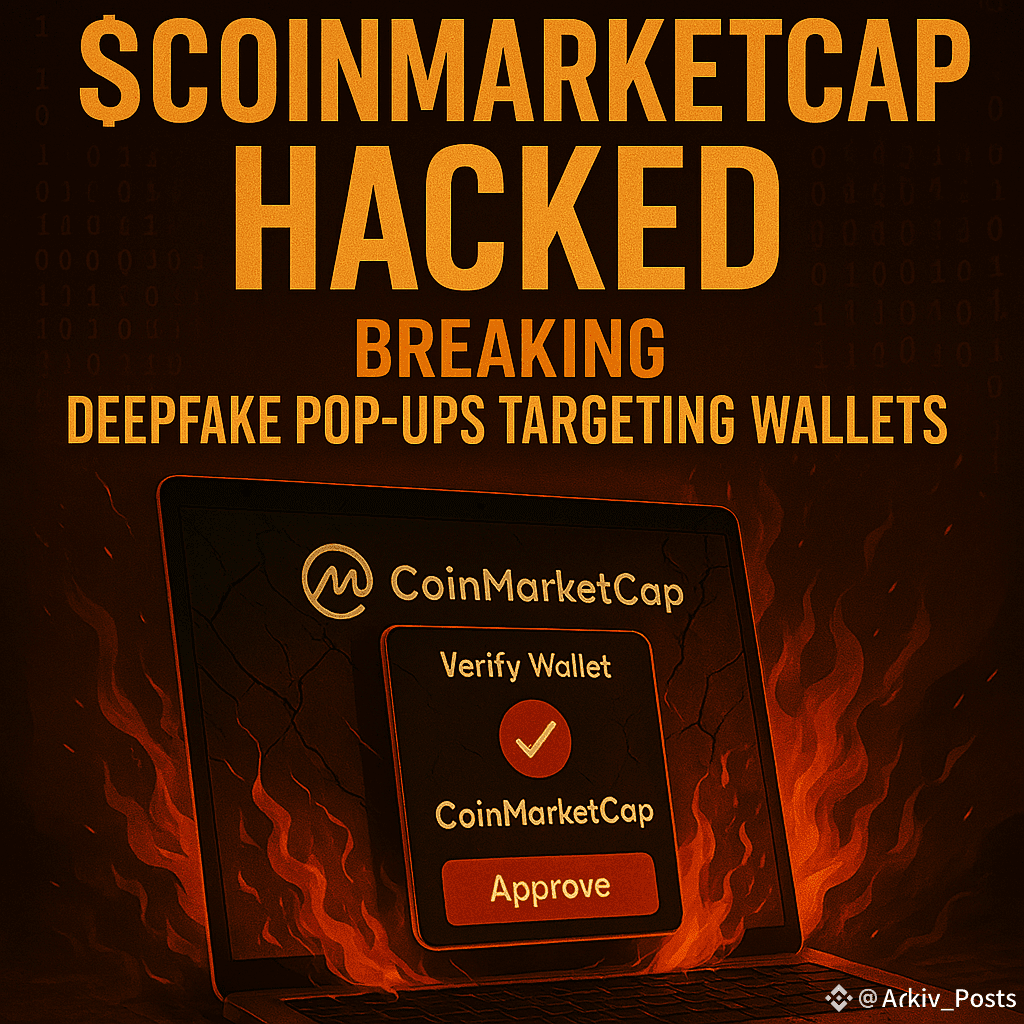
🚨 突發新聞:CoinMarketCap 被黑客攻擊 — 深度僞造彈窗針對錢包 🚨
一次重大的安全漏洞震撼了加密貨幣世界。CoinMarketCap,作爲加密數據中最值得信賴的名稱之一,遭到黑客攻擊,數百萬用戶面臨惡意深度僞造彈窗的威脅,這些彈窗旨在竊取錢包資金。
⚠️ 發生了什麼?
🔴 訪問 CoinMarketCap 的用戶看到假冒的“驗證錢包”彈窗,催促他們連接錢包並批准訪問。這些彈窗模仿了合法的錢包提示,採用深度僞造風格的用戶界面覆蓋。
🔴 一旦點擊,用戶在不知情的情況下批准了 ERC-20 代幣訪問,使攻擊者能夠直接從錢包中竊取資金。
🔴 像 MetaMask 和 Phantom 這樣的錢包提供商立即將該網站標記爲不安全,警告用戶不要與任何提示互動。
🧠 爲什麼這如此危險
這些彈窗看起來真實,甚至欺騙了經驗豐富的用戶。
受害者認爲他們是在批准應用更新或安全檢查。
一旦批准,錢包瞬間被攻破。
🛡️ 你現在必須做的事情
✅ 不要批准 CoinMarketCap 或類似網站上的任何彈窗。
✅ 僅通過 Play 商店或 App 商店更新應用 — 永遠不要通過瀏覽器提示進行更新。
✅ 運行惡意軟件掃描並撤銷任何可疑的錢包權限。
✅ 檢查你的錢包活動,並使用 Revoke.cash 等工具刪除未經授權的批准。
✅ 祈求保護 — 因爲在這個 AI 驅動的時代,甚至你的直覺也可能會被欺騙。
🙏 最後一句話
這不僅僅是一次黑客攻擊。這是一個警鐘。
人工智能現在被用來模仿信任,利用習慣,竊取身份。
我們必須保持警惕,保持知識,紮根於真相。
願上帝保護你的資產,你的身份,以及你的內心平靜。
保持安全。保持警覺。保持自主。
#Write2Earn
#CoinMarketCapHack #CryptoSecurity #DeepfakeAlert
🚨 突發新聞:CoinMarketCap 被黑客攻擊 — 深度僞造彈窗針對錢包 🚨
一次重大的安全漏洞震撼了加密貨幣世界。CoinMarketCap,作爲加密數據中最值得信賴的名稱之一,遭到黑客攻擊,數百萬用戶面臨惡意深度僞造彈窗的威脅,這些彈窗旨在竊取錢包資金。
⚠️ 發生了什麼?
🔴 訪問 CoinMarketCap 的用戶看到假冒的“驗證錢包”彈窗,催促他們連接錢包並批准訪問。這些彈窗模仿了合法的錢包提示,採用深度僞造風格的用戶界面覆蓋。
🔴 一旦點擊,用戶在不知情的情況下批准了 ERC-20 代幣訪問,使攻擊者能夠直接從錢包中竊取資金。
🔴 像 MetaMask 和 Phantom 這樣的錢包提供商立即將該網站標記爲不安全,警告用戶不要與任何提示互動。
🧠 爲什麼這如此危險
這些彈窗看起來真實,甚至欺騙了經驗豐富的用戶。
受害者認爲他們是在批准應用更新或安全檢查。
一旦批准,錢包瞬間被攻破。
🛡️ 你現在必須做的事情
✅ 不要批准 CoinMarketCap 或類似網站上的任何彈窗。
✅ 僅通過 Play 商店或 App 商店更新應用 — 永遠不要通過瀏覽器提示進行更新。
✅ 運行惡意軟件掃描並撤銷任何可疑的錢包權限。
✅ 檢查你的錢包活動,並使用 Revoke.cash 等工具刪除未經授權的批准。
✅ 祈求保護 — 因爲在這個 AI 驅動的時代,甚至你的直覺也可能會被欺騙。
🙏 最後一句話
這不僅僅是一次黑客攻擊。這是一個警鐘。
人工智能現在被用來模仿信任,利用習慣,竊取身份。
我們必須保持警惕,保持知識,紮根於真相。
願上帝保護你的資產,你的身份,以及你的內心平靜。
保持安全。保持警覺。保持自主。
#Write2Earn
#CoinMarketCapHack #CryptoSecurity #DeepfakeAlert
一次重大的安全漏洞震撼了加密貨幣世界。CoinMarketCap,作爲加密數據中最值得信賴的名稱之一,遭到黑客攻擊,數百萬用戶面臨惡意深度僞造彈窗的威脅,這些彈窗旨在竊取錢包資金。
⚠️ 發生了什麼?
🔴 訪問 CoinMarketCap 的用戶看到假冒的“驗證錢包”彈窗,催促他們連接錢包並批准訪問。這些彈窗模仿了合法的錢包提示,採用深度僞造風格的用戶界面覆蓋。
🔴 一旦點擊,用戶在不知情的情況下批准了 ERC-20 代幣訪問,使攻擊者能夠直接從錢包中竊取資金。
🔴 像 MetaMask 和 Phantom 這樣的錢包提供商立即將該網站標記爲不安全,警告用戶不要與任何提示互動。
🧠 爲什麼這如此危險
這些彈窗看起來真實,甚至欺騙了經驗豐富的用戶。
受害者認爲他們是在批准應用更新或安全檢查。
一旦批准,錢包瞬間被攻破。
🛡️ 你現在必須做的事情
✅ 不要批准 CoinMarketCap 或類似網站上的任何彈窗。
✅ 僅通過 Play 商店或 App 商店更新應用 — 永遠不要通過瀏覽器提示進行更新。
✅ 運行惡意軟件掃描並撤銷任何可疑的錢包權限。
✅ 檢查你的錢包活動,並使用 Revoke.cash 等工具刪除未經授權的批准。
✅ 祈求保護 — 因爲在這個 AI 驅動的時代,甚至你的直覺也可能會被欺騙。
🙏 最後一句話
這不僅僅是一次黑客攻擊。這是一個警鐘。
人工智能現在被用來模仿信任,利用習慣,竊取身份。
我們必須保持警惕,保持知識,紮根於真相。
願上帝保護你的資產,你的身份,以及你的內心平靜。
保持安全。保持警覺。保持自主。
#Write2Earn
#CoinMarketCapHack #CryptoSecurity #DeepfakeAlert
38
登入以探索更多內容
加入幣安廣場中的全球加密貨幣用戶
⚡️ 獲取加密貨幣的最新和實用資訊。
💬 受到全球最大加密貨幣交易所的信任。
👍 發掘來自經過驗證創作者的真實見解。
電子郵件 / 電話號碼