

highly skilled
14 貼文

highly skilled
舉報
封鎖用戶
baby
實盤交易
28 天
0 關注
0 粉絲
1 點讚數
貼文
投資組合
🟣$ETH
{spot}(ETHUSDT)
當前價格:約 $2,686。過去24小時ETH上漲約1.1%,過去7天上漲約7.8%。
技術面圖景:
🟢 整體趨勢:看漲
🟢 支撐:$2,630,然後是 $2,560
🔴 阻力:$2,715–$2,800
🚀 若日線收盤強勁站上 $2,800,將進一步強化突破形態。
🎯 若突破繼續,已識別出約 $3,050 的技術目標。
⚠️ 若跌破 $2,560,看漲結構將變弱;跌破 $2,350–$2,360 則是更重要的警戒水平。
專業解讀:ETH 目前處於看漲結構中,但在約 $2.8K 附近正面臨強阻力。RSI 在約63左右,因此動能爲正,但目前尚未出現明顯的深度超買。
以上爲技術位參考,並非保證的價格預測或金融建議。🟣 ETH——今日更新
當前價格:約 $2,686。過去24小時ETH上漲約1.1%,過去7天上漲約7.8%。
技術面圖景:
🟢 整體趨勢:看漲
🟢 支撐:$2,630,然後是 $2,560
🔴 阻力:$2,715–$2,800
🚀 若日線收盤強勁站上 $2,800,將進一步強化突破形態。
🟣$ETH
當前價格:約 $2,686。過去24小時ETH上漲約1.1%,過去7天上漲約7.8%。
技術面圖景:
🟢 整體趨勢:看漲
🟢 支撐:$2,630,然後是 $2,560
🔴 阻力:$2,715–$2,800
🚀 若日線收盤強勁站上 $2,800,將進一步強化突破形態。
🎯 若突破繼續,已識別出約 $3,050 的技術目標。
⚠️ 若跌破 $2,560,看漲結構將變弱;跌破 $2,350–$2,360 則是更重要的警戒水平。
專業解讀:ETH 目前處於看漲結構中,但在約 $2.8K 附近正面臨強阻力。RSI 在約63左右,因此動能爲正,但目前尚未出現明顯的深度超買。
以上爲技術位參考,並非保證的價格預測或金融建議。🟣 ETH——今日更新
當前價格:約 $2,686。過去24小時ETH上漲約1.1%,過去7天上漲約7.8%。
技術面圖景:
🟢 整體趨勢:看漲
🟢 支撐:$2,630,然後是 $2,560
🔴 阻力:$2,715–$2,800
🚀 若日線收盤強勁站上 $2,800,將進一步強化突破形態。
當前價格:約 $2,686。過去24小時ETH上漲約1.1%,過去7天上漲約7.8%。
技術面圖景:
🟢 整體趨勢:看漲
🟢 支撐:$2,630,然後是 $2,560
🔴 阻力:$2,715–$2,800
🚀 若日線收盤強勁站上 $2,800,將進一步強化突破形態。
🎯 若突破繼續,已識別出約 $3,050 的技術目標。
⚠️ 若跌破 $2,560,看漲結構將變弱;跌破 $2,350–$2,360 則是更重要的警戒水平。
專業解讀:ETH 目前處於看漲結構中,但在約 $2.8K 附近正面臨強阻力。RSI 在約63左右,因此動能爲正,但目前尚未出現明顯的深度超買。
以上爲技術位參考,並非保證的價格預測或金融建議。🟣 ETH——今日更新
當前價格:約 $2,686。過去24小時ETH上漲約1.1%,過去7天上漲約7.8%。
技術面圖景:
🟢 整體趨勢:看漲
🟢 支撐:$2,630,然後是 $2,560
🔴 阻力:$2,715–$2,800
🚀 若日線收盤強勁站上 $2,800,將進一步強化突破形態。
$BTC —
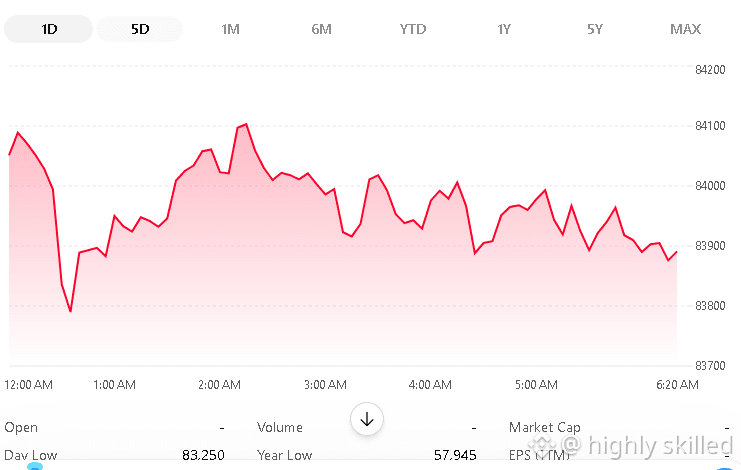
當前區域:約 84K 美元
市場結構:更高時間週期看漲,但短期正在盤整。
BTC 近期在約 87K 美元附近遭到拒絕,這是主要的近期阻力。
日線技術指標整體偏正面:BTC 站上其 50 日和 200 日 EMA,而 RSI 約爲 65,顯示強勁動能,但正接近可能出現回調的區域。
美國現貨 BTC ETF 近期出現了強勁資金流入,支撐需求;不過,高企的美債收益率帶來的宏觀壓力仍是風險。
關鍵位
LevelImportance$87,000🔴 主要阻力$85,000–86,000阻力 / 突破區$83,000–84,000🟡 當前盤整$82,600🟢 重要短期支撐$79,500–81,000🟢 更強支撐區
昨日發佈的技術預測指出:$82,666 是一個重要的控制 / 支撐位,$85,044 是關鍵的短期阻力。
我的技術解讀
高於 $87K:已確認的突破將顯著改善短期結構。
在 $82.6K–$87K 之間:大概率是區間 / 盤整;不要假設每一次波動都是突破。
低於 $82.6K:下行壓力增強,下一階段的重要區域在 $81K 和 $79.5K 附近。
因此,就目前而言,我會將 BTC 整體描述爲偏多,但尚未確認進入下一次突破。$87K 這一水平尤其重要。 $BTC
$BTC —
當前區域:約 84K 美元
市場結構:更高時間週期看漲,但短期正在盤整。
BTC 近期在約 87K 美元附近遭到拒絕,這是主要的近期阻力。
日線技術指標整體偏正面:BTC 站上其 50 日和 200 日 EMA,而 RSI 約爲 65,顯示強勁動能,但正接近可能出現回調的區域。
美國現貨 BTC ETF 近期出現了強勁資金流入,支撐需求;不過,高企的美債收益率帶來的宏觀壓力仍是風險。
關鍵位
LevelImportance$87,000🔴 主要阻力$85,000–86,000阻力 / 突破區$83,000–84,000🟡 當前盤整$82,600🟢 重要短期支撐$79,500–81,000🟢 更強支撐區
昨日發佈的技術預測指出:$82,666 是一個重要的控制 / 支撐位,$85,044 是關鍵的短期阻力。
我的技術解讀
高於 $87K:已確認的突破將顯著改善短期結構。
在 $82.6K–$87K 之間:大概率是區間 / 盤整;不要假設每一次波動都是突破。
低於 $82.6K:下行壓力增強,下一階段的重要區域在 $81K 和 $79.5K 附近。
因此,就目前而言,我會將 BTC 整體描述爲偏多,但尚未確認進入下一次突破。$87K 這一水平尤其重要。 $BTC
當前區域:約 84K 美元
市場結構:更高時間週期看漲,但短期正在盤整。
BTC 近期在約 87K 美元附近遭到拒絕,這是主要的近期阻力。
日線技術指標整體偏正面:BTC 站上其 50 日和 200 日 EMA,而 RSI 約爲 65,顯示強勁動能,但正接近可能出現回調的區域。
美國現貨 BTC ETF 近期出現了強勁資金流入,支撐需求;不過,高企的美債收益率帶來的宏觀壓力仍是風險。
關鍵位
LevelImportance$87,000🔴 主要阻力$85,000–86,000阻力 / 突破區$83,000–84,000🟡 當前盤整$82,600🟢 重要短期支撐$79,500–81,000🟢 更強支撐區
昨日發佈的技術預測指出:$82,666 是一個重要的控制 / 支撐位,$85,044 是關鍵的短期阻力。
我的技術解讀
高於 $87K:已確認的突破將顯著改善短期結構。
在 $82.6K–$87K 之間:大概率是區間 / 盤整;不要假設每一次波動都是突破。
低於 $82.6K:下行壓力增強,下一階段的重要區域在 $81K 和 $79.5K 附近。
因此,就目前而言,我會將 BTC 整體描述爲偏多,但尚未確認進入下一次突破。$87K 這一水平尤其重要。 $BTC
8
多吉幣(DOGE)
約爲 0.098 美元。DOGE 仍然是一種高度投機、情緒驅動的加密貨幣。
主要優勢:巨大的品牌知名度、龐大的社區、高流動性以及悠久的市場歷史。
供應:DOGE 沒有固定的最高供應量;新的幣會繼續進入流通。
近期動態:據一份報告顯示,在一個爲期五天的期間內,幾個大地址累計買入/持有約 2.4 億 DOGE,儘管錢包轉賬並不一定能證明看漲意圖。
ETF 需求:美國的 DOGE ETF 迄今淨流入相對有限。CoinDesk 報道稱,近 10 個月內,三隻被追蹤基金的累計淨流入僅略高於 1200 萬美元;Bitwise 也宣佈計劃關閉其 BWOW 基金。
關鍵風險:DOGE 的估值很大程度上受市場情緒和投機需求影響,而持續發行又會帶來額外供給。
重點關注的關鍵位:近期技術分析指出,約 0.093–0.094 美元爲支撐位,0.10 美元則是重要的阻力區域。
一句話:當加密/迷因幣情緒變得強烈時,DOGE 的走勢可能會非常迅速,但它的基本面與代幣供應使其比 BTC 或 SOL 等資產要投機性得多。 $DOGE
{spot}(DOGEUSDT)
多吉幣(DOGE)
約爲 0.098 美元。DOGE 仍然是一種高度投機、情緒驅動的加密貨幣。
主要優勢:巨大的品牌知名度、龐大的社區、高流動性以及悠久的市場歷史。
供應:DOGE 沒有固定的最高供應量;新的幣會繼續進入流通。
近期動態:據一份報告顯示,在一個爲期五天的期間內,幾個大地址累計買入/持有約 2.4 億 DOGE,儘管錢包轉賬並不一定能證明看漲意圖。
ETF 需求:美國的 DOGE ETF 迄今淨流入相對有限。CoinDesk 報道稱,近 10 個月內,三隻被追蹤基金的累計淨流入僅略高於 1200 萬美元;Bitwise 也宣佈計劃關閉其 BWOW 基金。
關鍵風險:DOGE 的估值很大程度上受市場情緒和投機需求影響,而持續發行又會帶來額外供給。
重點關注的關鍵位:近期技術分析指出,約 0.093–0.094 美元爲支撐位,0.10 美元則是重要的阻力區域。
一句話:當加密/迷因幣情緒變得強烈時,DOGE 的走勢可能會非常迅速,但它的基本面與代幣供應使其比 BTC 或 SOL 等資產要投機性得多。 $DOGE
約爲 0.098 美元。DOGE 仍然是一種高度投機、情緒驅動的加密貨幣。
主要優勢:巨大的品牌知名度、龐大的社區、高流動性以及悠久的市場歷史。
供應:DOGE 沒有固定的最高供應量;新的幣會繼續進入流通。
近期動態:據一份報告顯示,在一個爲期五天的期間內,幾個大地址累計買入/持有約 2.4 億 DOGE,儘管錢包轉賬並不一定能證明看漲意圖。
ETF 需求:美國的 DOGE ETF 迄今淨流入相對有限。CoinDesk 報道稱,近 10 個月內,三隻被追蹤基金的累計淨流入僅略高於 1200 萬美元;Bitwise 也宣佈計劃關閉其 BWOW 基金。
關鍵風險:DOGE 的估值很大程度上受市場情緒和投機需求影響,而持續發行又會帶來額外供給。
重點關注的關鍵位:近期技術分析指出,約 0.093–0.094 美元爲支撐位,0.10 美元則是重要的阻力區域。
一句話:當加密/迷因幣情緒變得強烈時,DOGE 的走勢可能會非常迅速,但它的基本面與代幣供應使其比 BTC 或 SOL 等資產要投機性得多。 $DOGE
13
查看翻譯
TRON (TRX) — short analysis
Current price: about $0.338.
Main strength: TRON has become a major USDT/stablecoin settlement network. It currently carries more than $94B of USDT, and cumulative network transaction volume recently passed $30T.
Adoption: TRON has more than 405M accounts and over 15B transactions, showing substantial network usage.
Institutional catalyst: The Canary Staked TRX ETF (TRXS) launched in the U.S. in September 2026, providing regulated market exposure to TRX.
Risk: TRX's value is heavily connected to stablecoin activity on TRON, while governance is relatively concentrated. Competition from Ethereum, Solana and other payment/stablecoin networks is another risk.
Tokenomics: TRX has a burn mechanism, but recent TRONSCAN data shows net supply increases on several recent days, so it's better not to assume TRX is automatically deflationary.
In one sentence: TRX has a strong real-world use case around USDT transfers and stablecoin payments, but its price still depends on broader crypto demand and continued network adoption.
If you're comparing TRX vs SOL vs XRP, I can give you a concise fundamental comparison. $TRX
{spot}(TRXUSDT)
TRON (TRX) — short analysis
Current price: about $0.338.
Main strength: TRON has become a major USDT/stablecoin settlement network. It currently carries more than $94B of USDT, and cumulative network transaction volume recently passed $30T.
Adoption: TRON has more than 405M accounts and over 15B transactions, showing substantial network usage.
Institutional catalyst: The Canary Staked TRX ETF (TRXS) launched in the U.S. in September 2026, providing regulated market exposure to TRX.
Risk: TRX's value is heavily connected to stablecoin activity on TRON, while governance is relatively concentrated. Competition from Ethereum, Solana and other payment/stablecoin networks is another risk.
Tokenomics: TRX has a burn mechanism, but recent TRONSCAN data shows net supply increases on several recent days, so it's better not to assume TRX is automatically deflationary.
In one sentence: TRX has a strong real-world use case around USDT transfers and stablecoin payments, but its price still depends on broader crypto demand and continued network adoption.
If you're comparing TRX vs SOL vs XRP, I can give you a concise fundamental comparison. $TRX
Current price: about $0.338.
Main strength: TRON has become a major USDT/stablecoin settlement network. It currently carries more than $94B of USDT, and cumulative network transaction volume recently passed $30T.
Adoption: TRON has more than 405M accounts and over 15B transactions, showing substantial network usage.
Institutional catalyst: The Canary Staked TRX ETF (TRXS) launched in the U.S. in September 2026, providing regulated market exposure to TRX.
Risk: TRX's value is heavily connected to stablecoin activity on TRON, while governance is relatively concentrated. Competition from Ethereum, Solana and other payment/stablecoin networks is another risk.
Tokenomics: TRX has a burn mechanism, but recent TRONSCAN data shows net supply increases on several recent days, so it's better not to assume TRX is automatically deflationary.
In one sentence: TRX has a strong real-world use case around USDT transfers and stablecoin payments, but its price still depends on broader crypto demand and continued network adoption.
If you're comparing TRX vs SOL vs XRP, I can give you a concise fundamental comparison. $TRX
3
Solana(SOL)—
SOL是一種高貝塔的一級加密資產:與USDT/USDC不同,它的價值高度依賴Solana網絡的採用、活躍度以及整體加密市場需求。
當前價格:2026年9月25–26日約爲117美元。
網絡活動:Solana最近月度鏈上交易量突破50億,表明使用強勁。
技術:Solana最近將目標出塊時間從300ms降至250ms,以提升更新/最終確認速度,儘管這並不會增加交易容量。
催化劑:生態系統正在進一步推動支付、穩定幣、代幣化資產以及機構採用。
風險:SOL的波動性明顯高於穩定幣,當更廣泛的加密情緒走弱時,其價格可能會出現急劇下跌。
短期技術面:約100–106美元是近期技術分析提到的重要支撐/阻力區域;只要價格守在其上方,就能維持近期的反彈結構,而一旦跌破約100美元,這一結構將被削弱。
結論:SOL擁有強勁的網絡活躍度和不斷擴大的生態系統,但它依然屬於高風險/高波動資產。其本質與USDT/USDC截然不同:你買的是Solana網絡增長與經濟性的敞口,而不是美元替代品。
$SOL
{spot}(SOLUSDT)
Solana(SOL)—
SOL是一種高貝塔的一級加密資產:與USDT/USDC不同,它的價值高度依賴Solana網絡的採用、活躍度以及整體加密市場需求。
當前價格:2026年9月25–26日約爲117美元。
網絡活動:Solana最近月度鏈上交易量突破50億,表明使用強勁。
技術:Solana最近將目標出塊時間從300ms降至250ms,以提升更新/最終確認速度,儘管這並不會增加交易容量。
催化劑:生態系統正在進一步推動支付、穩定幣、代幣化資產以及機構採用。
風險:SOL的波動性明顯高於穩定幣,當更廣泛的加密情緒走弱時,其價格可能會出現急劇下跌。
短期技術面:約100–106美元是近期技術分析提到的重要支撐/阻力區域;只要價格守在其上方,就能維持近期的反彈結構,而一旦跌破約100美元,這一結構將被削弱。
結論:SOL擁有強勁的網絡活躍度和不斷擴大的生態系統,但它依然屬於高風險/高波動資產。其本質與USDT/USDC截然不同:你買的是Solana網絡增長與經濟性的敞口,而不是美元替代品。
$SOL
SOL是一種高貝塔的一級加密資產:與USDT/USDC不同,它的價值高度依賴Solana網絡的採用、活躍度以及整體加密市場需求。
當前價格:2026年9月25–26日約爲117美元。
網絡活動:Solana最近月度鏈上交易量突破50億,表明使用強勁。
技術:Solana最近將目標出塊時間從300ms降至250ms,以提升更新/最終確認速度,儘管這並不會增加交易容量。
催化劑:生態系統正在進一步推動支付、穩定幣、代幣化資產以及機構採用。
風險:SOL的波動性明顯高於穩定幣,當更廣泛的加密情緒走弱時,其價格可能會出現急劇下跌。
短期技術面:約100–106美元是近期技術分析提到的重要支撐/阻力區域;只要價格守在其上方,就能維持近期的反彈結構,而一旦跌破約100美元,這一結構將被削弱。
結論:SOL擁有強勁的網絡活躍度和不斷擴大的生態系統,但它依然屬於高風險/高波動資產。其本質與USDT/USDC截然不同:你買的是Solana網絡增長與經濟性的敞口,而不是美元替代品。
$SOL
查看翻譯
USDC (USD Coin ) USDC is a U.S.-dollar-backed stablecoin issued by Circle Internet Group. Like USDT, its goal is to remain around $1, so you generally shouldn't buy USDC expecting price appreciation.
As of September 21, 2026, Circle reported about $74.6 billion USDC in circulation.
Why USDC is interesting
1. Reserve structure
Circle says USDC is backed 100% by highly liquid cash and cash-equivalent assets. The majority of reserves are held through the Circle Reserve Fund, a government money-market fund that can hold short-term U.S. Treasuries, overnight Treasury repos and cash.
2. Transparency
Circle says it provides weekly reserve disclosures and receives monthly third-party assurance from a Big Four accounting firm. That's an important part of evaluating stablecoin risk.
3. Growing adoption
Circle reported that USDC circulation reached $73.3 billion at the end of Q2 2026, up 19% year-over-year, while Q2 on-chain transaction volume reached $14.8 trillion, up 151% year-over-year.
4. Regulatory position
The U.S. GENIUS Act has established a federal framework for stablecoins. Circle says USDC is designed to meet that framework and emphasizes its regulated issuance and reserve structure.
USDC vs USDT
USDCUSDTTarget$1$1IssuerCircleTetherMain useDollar liquidity/paymentsDollar liquidity/tradingReserve transparencyHighHigh, but different structureU.S. regulatory positioningStrongMore complicatedEcosystem sizeVery largeGenerally largerPrice-growth potentialEssentially noneEssentially noneMain riskCircle/regulatory/banking riskTether/reserve/regulatory risk
The important point
$USDC
{spot}(USDCUSDT)
USDC (USD Coin ) USDC is a U.S.-dollar-backed stablecoin issued by Circle Internet Group. Like USDT, its goal is to remain around $1, so you generally shouldn't buy USDC expecting price appreciation.
As of September 21, 2026, Circle reported about $74.6 billion USDC in circulation.
Why USDC is interesting
1. Reserve structure
Circle says USDC is backed 100% by highly liquid cash and cash-equivalent assets. The majority of reserves are held through the Circle Reserve Fund, a government money-market fund that can hold short-term U.S. Treasuries, overnight Treasury repos and cash.
2. Transparency
Circle says it provides weekly reserve disclosures and receives monthly third-party assurance from a Big Four accounting firm. That's an important part of evaluating stablecoin risk.
3. Growing adoption
Circle reported that USDC circulation reached $73.3 billion at the end of Q2 2026, up 19% year-over-year, while Q2 on-chain transaction volume reached $14.8 trillion, up 151% year-over-year.
4. Regulatory position
The U.S. GENIUS Act has established a federal framework for stablecoins. Circle says USDC is designed to meet that framework and emphasizes its regulated issuance and reserve structure.
USDC vs USDT
USDCUSDTTarget$1$1IssuerCircleTetherMain useDollar liquidity/paymentsDollar liquidity/tradingReserve transparencyHighHigh, but different structureU.S. regulatory positioningStrongMore complicatedEcosystem sizeVery largeGenerally largerPrice-growth potentialEssentially noneEssentially noneMain riskCircle/regulatory/banking riskTether/reserve/regulatory risk
The important point
$USDC
As of September 21, 2026, Circle reported about $74.6 billion USDC in circulation.
Why USDC is interesting
1. Reserve structure
Circle says USDC is backed 100% by highly liquid cash and cash-equivalent assets. The majority of reserves are held through the Circle Reserve Fund, a government money-market fund that can hold short-term U.S. Treasuries, overnight Treasury repos and cash.
2. Transparency
Circle says it provides weekly reserve disclosures and receives monthly third-party assurance from a Big Four accounting firm. That's an important part of evaluating stablecoin risk.
3. Growing adoption
Circle reported that USDC circulation reached $73.3 billion at the end of Q2 2026, up 19% year-over-year, while Q2 on-chain transaction volume reached $14.8 trillion, up 151% year-over-year.
4. Regulatory position
The U.S. GENIUS Act has established a federal framework for stablecoins. Circle says USDC is designed to meet that framework and emphasizes its regulated issuance and reserve structure.
USDC vs USDT
USDCUSDTTarget$1$1IssuerCircleTetherMain useDollar liquidity/paymentsDollar liquidity/tradingReserve transparencyHighHigh, but different structureU.S. regulatory positioningStrongMore complicatedEcosystem sizeVery largeGenerally largerPrice-growth potentialEssentially noneEssentially noneMain riskCircle/regulatory/banking riskTether/reserve/regulatory risk
The important point
$USDC
查看翻譯
XRP analysis — September 26, 2026
XRP is currently around $1.55–$1.60. Recent trading has been stronger, with XRP testing the $1.60 resistance after recovering from the ~$1.00 area earlier in the year. FXStreet+1
Key levels
$1.50–$1.53: near-term support
$1.60: major immediate resistance
$1.65–$1.70: next resistance / recent high area
$2.00: major psychological resistance
$1.40: important downside level
$1.30–$1.35: deeper support area
A current technical report says XRP remains constructive above roughly $1.53, while another identifies $1.60 as a significant supply/resistance area. CryptoRank+1
What could move XRP
Positive factors
U.S.-listed spot XRP ETFs have recently recorded several consecutive days of inflows; one report put cumulative inflows at about $53M through Sept. 24. FXStreet
XRP's recovery from ~$1 toward $1.60 has restored bullish momentum.
XRP Ledger development and institutional adoption remain important longer-term factors. CoinDesk
Risks
Failure to break $1.60–$1.70 could result in another consolidation/pullback.
Crypto-wide volatility remains high.
There is an important debate about how much Ripple's business growth translates into actual XRP demand; Ripple CEO Brad Garlinghouse recently said stablecoins can be preferable for some payment use cases. 24/7 Wall St.
Simple chart view
Bullish scenario:
$1.53 → $1.60 → $1.70 → $2.00
Bearish scenario:
$1.53 ❌ → $1.40 → $1.30
The most important thing I'd watch right now is whether XRP can establish a daily close above $1.60 and then challenge $1.70. A rejection around $1.60 would make the $1.50/$1.40 levels more important.
If you want, I can also make you a visual XRP chart showing entry/support/resistance + bullish/bearish zones, similar to the picture you asked about earlier. $XRP
{spot}(XRPUSDT)
XRP analysis — September 26, 2026
XRP is currently around $1.55–$1.60. Recent trading has been stronger, with XRP testing the $1.60 resistance after recovering from the ~$1.00 area earlier in the year. FXStreet+1
Key levels
$1.50–$1.53: near-term support
$1.60: major immediate resistance
$1.65–$1.70: next resistance / recent high area
$2.00: major psychological resistance
$1.40: important downside level
$1.30–$1.35: deeper support area
A current technical report says XRP remains constructive above roughly $1.53, while another identifies $1.60 as a significant supply/resistance area. CryptoRank+1
What could move XRP
Positive factors
U.S.-listed spot XRP ETFs have recently recorded several consecutive days of inflows; one report put cumulative inflows at about $53M through Sept. 24. FXStreet
XRP's recovery from ~$1 toward $1.60 has restored bullish momentum.
XRP Ledger development and institutional adoption remain important longer-term factors. CoinDesk
Risks
Failure to break $1.60–$1.70 could result in another consolidation/pullback.
Crypto-wide volatility remains high.
There is an important debate about how much Ripple's business growth translates into actual XRP demand; Ripple CEO Brad Garlinghouse recently said stablecoins can be preferable for some payment use cases. 24/7 Wall St.
Simple chart view
Bullish scenario:
$1.53 → $1.60 → $1.70 → $2.00
Bearish scenario:
$1.53 ❌ → $1.40 → $1.30
The most important thing I'd watch right now is whether XRP can establish a daily close above $1.60 and then challenge $1.70. A rejection around $1.60 would make the $1.50/$1.40 levels more important.
If you want, I can also make you a visual XRP chart showing entry/support/resistance + bullish/bearish zones, similar to the picture you asked about earlier. $XRP
XRP is currently around $1.55–$1.60. Recent trading has been stronger, with XRP testing the $1.60 resistance after recovering from the ~$1.00 area earlier in the year. FXStreet+1
Key levels
$1.50–$1.53: near-term support
$1.60: major immediate resistance
$1.65–$1.70: next resistance / recent high area
$2.00: major psychological resistance
$1.40: important downside level
$1.30–$1.35: deeper support area
A current technical report says XRP remains constructive above roughly $1.53, while another identifies $1.60 as a significant supply/resistance area. CryptoRank+1
What could move XRP
Positive factors
U.S.-listed spot XRP ETFs have recently recorded several consecutive days of inflows; one report put cumulative inflows at about $53M through Sept. 24. FXStreet
XRP's recovery from ~$1 toward $1.60 has restored bullish momentum.
XRP Ledger development and institutional adoption remain important longer-term factors. CoinDesk
Risks
Failure to break $1.60–$1.70 could result in another consolidation/pullback.
Crypto-wide volatility remains high.
There is an important debate about how much Ripple's business growth translates into actual XRP demand; Ripple CEO Brad Garlinghouse recently said stablecoins can be preferable for some payment use cases. 24/7 Wall St.
Simple chart view
Bullish scenario:
$1.53 → $1.60 → $1.70 → $2.00
Bearish scenario:
$1.53 ❌ → $1.40 → $1.30
The most important thing I'd watch right now is whether XRP can establish a daily close above $1.60 and then challenge $1.70. A rejection around $1.60 would make the $1.50/$1.40 levels more important.
If you want, I can also make you a visual XRP chart showing entry/support/resistance + bullish/bearish zones, similar to the picture you asked about earlier. $XRP
如果你指的是官方特朗普(TRUMP),這枚基於 Solana 的模因幣:
當前價格:約 $2.12
24小時:約 +0.9%
7天:約 +3.2%
30天:約 −18.9%
1年:約 −71.6%
歷史最高價(ATH):2025年1月19日爲 $82 —— 因此目前仍較 ATH 低約 97.4%。OKX
技術面
在約 $2.12 的位置,TRUMP 仍是一種波動性非常高的模因資產。近期的 7 天反彈幅度相對有限,和更大規模的長期下跌相比仍顯得較小。我會關注:
$2.00:重要的心理支撐位
$2.60–$2.70:短期阻力區
$3.00:關鍵的心理關口
若突破 $3,動能需要伴隨顯著更強的成交量,才能讓這次行情更具可信度。
最大問題:代幣解鎖
這對 TRUMP 尤其重要。該代幣的最高供應量爲 10 億枚,且代幣會隨時間釋放。預計 2026 年 10 月 18 日將進行一次計劃性解鎖,釋放約 2,870 萬枚 TRUMP,約佔總供應量的 2.9%,並約等於當前市值的 3.8%。Tokenomics.com+1
這會帶來潛在的供給壓力,儘管“解鎖”並不必然意味着價格會下跌。
我的情景分析框架
情景需要關注什麼我會看什麼看多:持有約 $2,並在強成交量下突破 $2.60–$2.70看平:區間在約 $2 與 ~$2.60 之間看空:跌破約 $2,且無法重新收復
TRUMP 在本質上與 BTC/ETH 不同:它的估值高度取決於品牌、政治關注度、社區情緒與投機,而不是網絡效用。CoinDesk 也指出,總供應量中有 80% 被分配給與特朗普相關的實體,這些實體的解鎖時間也在相應的計劃之內。CoinDesk
如果你願意,我也可以在當前價格、市值、支撐/阻力以及可能的 2026 年情景方面,將 TRUMP vs BTC vs ETH vs BNB 的分析並排做一個對比。$TRUMP
{spot}(TRUMPUSDT)
如果你指的是官方特朗普(TRUMP),這枚基於 Solana 的模因幣:
當前價格:約 $2.12
24小時:約 +0.9%
7天:約 +3.2%
30天:約 −18.9%
1年:約 −71.6%
歷史最高價(ATH):2025年1月19日爲 $82 —— 因此目前仍較 ATH 低約 97.4%。OKX
技術面
在約 $2.12 的位置,TRUMP 仍是一種波動性非常高的模因資產。近期的 7 天反彈幅度相對有限,和更大規模的長期下跌相比仍顯得較小。我會關注:
$2.00:重要的心理支撐位
$2.60–$2.70:短期阻力區
$3.00:關鍵的心理關口
若突破 $3,動能需要伴隨顯著更強的成交量,才能讓這次行情更具可信度。
最大問題:代幣解鎖
這對 TRUMP 尤其重要。該代幣的最高供應量爲 10 億枚,且代幣會隨時間釋放。預計 2026 年 10 月 18 日將進行一次計劃性解鎖,釋放約 2,870 萬枚 TRUMP,約佔總供應量的 2.9%,並約等於當前市值的 3.8%。Tokenomics.com+1
這會帶來潛在的供給壓力,儘管“解鎖”並不必然意味着價格會下跌。
我的情景分析框架
情景需要關注什麼我會看什麼看多:持有約 $2,並在強成交量下突破 $2.60–$2.70看平:區間在約 $2 與 ~$2.60 之間看空:跌破約 $2,且無法重新收復
TRUMP 在本質上與 BTC/ETH 不同:它的估值高度取決於品牌、政治關注度、社區情緒與投機,而不是網絡效用。CoinDesk 也指出,總供應量中有 80% 被分配給與特朗普相關的實體,這些實體的解鎖時間也在相應的計劃之內。CoinDesk
如果你願意,我也可以在當前價格、市值、支撐/阻力以及可能的 2026 年情景方面,將 TRUMP vs BTC vs ETH vs BNB 的分析並排做一個對比。$TRUMP
當前價格:約 $2.12
24小時:約 +0.9%
7天:約 +3.2%
30天:約 −18.9%
1年:約 −71.6%
歷史最高價(ATH):2025年1月19日爲 $82 —— 因此目前仍較 ATH 低約 97.4%。OKX
技術面
在約 $2.12 的位置,TRUMP 仍是一種波動性非常高的模因資產。近期的 7 天反彈幅度相對有限,和更大規模的長期下跌相比仍顯得較小。我會關注:
$2.00:重要的心理支撐位
$2.60–$2.70:短期阻力區
$3.00:關鍵的心理關口
若突破 $3,動能需要伴隨顯著更強的成交量,才能讓這次行情更具可信度。
最大問題:代幣解鎖
這對 TRUMP 尤其重要。該代幣的最高供應量爲 10 億枚,且代幣會隨時間釋放。預計 2026 年 10 月 18 日將進行一次計劃性解鎖,釋放約 2,870 萬枚 TRUMP,約佔總供應量的 2.9%,並約等於當前市值的 3.8%。Tokenomics.com+1
這會帶來潛在的供給壓力,儘管“解鎖”並不必然意味着價格會下跌。
我的情景分析框架
情景需要關注什麼我會看什麼看多:持有約 $2,並在強成交量下突破 $2.60–$2.70看平:區間在約 $2 與 ~$2.60 之間看空:跌破約 $2,且無法重新收復
TRUMP 在本質上與 BTC/ETH 不同:它的估值高度取決於品牌、政治關注度、社區情緒與投機,而不是網絡效用。CoinDesk 也指出,總供應量中有 80% 被分配給與特朗普相關的實體,這些實體的解鎖時間也在相應的計劃之內。CoinDesk
如果你願意,我也可以在當前價格、市值、支撐/阻力以及可能的 2026 年情景方面,將 TRUMP vs BTC vs ETH vs BNB 的分析並排做一個對比。$TRUMP
207
截至2026年9月26日的BTC、ETH和BNB。不同交易所的價格會略有差異;CoinMarketCap目前顯示BTC約$83,988,ETH約$2,690,BNB約$774.5。CoinMarketCap
當前價格:BTC、ETH和BNB
CoinMarketCap在2026年9月26日的美元約價。
BTCETHBNB
價格
BTC——比特幣
價格:約$83,988
7天:+3.47% CoinMarketCap
BTC仍是主要的市場驅動因素。比特幣市佔率約爲58.6%,意味着大量加密資本仍集中在BTC之上。CoinMarketCap
最近站上$80K是建設性的,但BTC也正接近可能出現此前拋售的區域。
需要重點關注的關鍵區域:大約$80K(心理/支撐區域)以及$85K–$86K(直接上漲空間區域)。
若能持續突破近期高點,將強化上行結構;跌破$80K會讓短期圖表更易走弱。
ETH——以太坊
價格:約$2,690
7天:+2.53% CoinMarketCap
ETH的設置尤其有意思。
路透社報道稱,ETH在8月下旬的大幅反彈之後,突破了約$2,661.52附近的技術阻力。他們的技術分析指出,大約$2,775–$2,825是一箇中間區域,$3,050可能是潛在的技術目標,同時也提到跌破約$2,560–$2,565將削弱該設置。路透社
因此我會關注:
$2,560–$2,565:重要的下行水平
$2,775–$2,825:下一個主要阻力區域
約$3,050:若動能繼續,可能是更大的技術目標
ETH近期也強勢參與了更廣泛的加密反彈;在9月18日的上漲中,其漲幅約爲7.3%。CoinDesk
BNB——BNB
價格:約$774.5
7天:+1.76% CoinMarketCap
BNB的表現有些不同於ETH/BTC:
它仍在$700上方,並且相對保持得較好。
其7天漲幅小於BTC和ETH,表明短期動能略弱。
我會關注$750–$760的支撐區域。
$800是顯而易見的心理阻力水平。 $BNB
{spot}(BNBUSDT)
$BTC
{spot}(BTCUSDT)
$ETH
{spot}(ETHUSDT)
截至2026年9月26日的BTC、ETH和BNB。不同交易所的價格會略有差異;CoinMarketCap目前顯示BTC約$83,988,ETH約$2,690,BNB約$774.5。CoinMarketCap
當前價格:BTC、ETH和BNB
CoinMarketCap在2026年9月26日的美元約價。
BTCETHBNB
價格
BTC——比特幣
價格:約$83,988
7天:+3.47% CoinMarketCap
BTC仍是主要的市場驅動因素。比特幣市佔率約爲58.6%,意味着大量加密資本仍集中在BTC之上。CoinMarketCap
最近站上$80K是建設性的,但BTC也正接近可能出現此前拋售的區域。
需要重點關注的關鍵區域:大約$80K(心理/支撐區域)以及$85K–$86K(直接上漲空間區域)。
若能持續突破近期高點,將強化上行結構;跌破$80K會讓短期圖表更易走弱。
ETH——以太坊
價格:約$2,690
7天:+2.53% CoinMarketCap
ETH的設置尤其有意思。
路透社報道稱,ETH在8月下旬的大幅反彈之後,突破了約$2,661.52附近的技術阻力。他們的技術分析指出,大約$2,775–$2,825是一箇中間區域,$3,050可能是潛在的技術目標,同時也提到跌破約$2,560–$2,565將削弱該設置。路透社
因此我會關注:
$2,560–$2,565:重要的下行水平
$2,775–$2,825:下一個主要阻力區域
約$3,050:若動能繼續,可能是更大的技術目標
ETH近期也強勢參與了更廣泛的加密反彈;在9月18日的上漲中,其漲幅約爲7.3%。CoinDesk
BNB——BNB
價格:約$774.5
7天:+1.76% CoinMarketCap
BNB的表現有些不同於ETH/BTC:
它仍在$700上方,並且相對保持得較好。
其7天漲幅小於BTC和ETH,表明短期動能略弱。
我會關注$750–$760的支撐區域。
$800是顯而易見的心理阻力水平。 $BNB
$BTC
$ETH
當前價格:BTC、ETH和BNB
CoinMarketCap在2026年9月26日的美元約價。
BTCETHBNB
價格
BTC——比特幣
價格:約$83,988
7天:+3.47% CoinMarketCap
BTC仍是主要的市場驅動因素。比特幣市佔率約爲58.6%,意味着大量加密資本仍集中在BTC之上。CoinMarketCap
最近站上$80K是建設性的,但BTC也正接近可能出現此前拋售的區域。
需要重點關注的關鍵區域:大約$80K(心理/支撐區域)以及$85K–$86K(直接上漲空間區域)。
若能持續突破近期高點,將強化上行結構;跌破$80K會讓短期圖表更易走弱。
ETH——以太坊
價格:約$2,690
7天:+2.53% CoinMarketCap
ETH的設置尤其有意思。
路透社報道稱,ETH在8月下旬的大幅反彈之後,突破了約$2,661.52附近的技術阻力。他們的技術分析指出,大約$2,775–$2,825是一箇中間區域,$3,050可能是潛在的技術目標,同時也提到跌破約$2,560–$2,565將削弱該設置。路透社
因此我會關注:
$2,560–$2,565:重要的下行水平
$2,775–$2,825:下一個主要阻力區域
約$3,050:若動能繼續,可能是更大的技術目標
ETH近期也強勢參與了更廣泛的加密反彈;在9月18日的上漲中,其漲幅約爲7.3%。CoinDesk
BNB——BNB
價格:約$774.5
7天:+1.76% CoinMarketCap
BNB的表現有些不同於ETH/BTC:
它仍在$700上方,並且相對保持得較好。
其7天漲幅小於BTC和ETH,表明短期動能略弱。
我會關注$750–$760的支撐區域。
$800是顯而易見的心理阻力水平。 $BNB
$BTC
$ETH
40
9分鐘內,價值3.7萬億美元的美國股市市值蒸發殆盡。
不斷上升的債券收益率正在對市場施加壓力。
$TSLAB $METAB $AMZNB
{spot}(AMZNBUSDT)
{spot}(METABUSDT)
{spot}(TSLABUSDT)
9分鐘內,價值3.7萬億美元的美國股市市值蒸發殆盡。
不斷上升的債券收益率正在對市場施加壓力。
$TSLAB $METAB $AMZNB
不斷上升的債券收益率正在對市場施加壓力。
$TSLAB $METAB $AMZNB
33
$BTC 中秋節去我女朋友家,我能進門嗎??
查看原文
交易分享排行榜 · 第 1 名
B
BTCUSDT
永續
10X
已關閉
已實現盈虧(USDT)
+3,088,671.39
+169.40%
#PolymarketBankFailureBetsDrawFDICConcern #BlackRockBuildsTokenizedPortfoliosForOndo #BitwiseFilesToListNEARETFOnNYSEArca
$BTC 中秋節去我女朋友家,我能進門嗎??
查看原文
交易分享排行榜 · 第 1 名
B
BTCUSDT
永續
10X
已關閉
已實現盈虧(USDT)
+3,088,671.39
+169.40%
#PolymarketBankFailureBetsDrawFDICConcern #BlackRockBuildsTokenizedPortfoliosForOndo #BitwiseFilesToListNEARETFOnNYSEArca
查看原文
交易分享排行榜 · 第 1 名
B
BTCUSDT
永續
10X
已關閉
已實現盈虧(USDT)
+3,088,671.39
+169.40%
#PolymarketBankFailureBetsDrawFDICConcern #BlackRockBuildsTokenizedPortfoliosForOndo #BitwiseFilesToListNEARETFOnNYSEArca
1
1
251
$BNB
BNB目前在約772–776美元附近交易,此前從9月高點接近807美元回落。近期數據顯示,BNB在9月初約683美元附近強勢反彈,但過去幾天的動能有所降溫。OKX+1
阻力位:800–807美元
接近支撐位:760–770美元
更強支撐位:約735–740美元
市場結構:仍高於9月初水平,但短期動能已轉弱。
關鍵催化劑:幣安生態系統活動仍具有相關性;幣安還在9月22日宣佈向Circle投資1億美元。路透社
風險:監管審查仍是一個影響因素;路透社報道稱,美國正在調查可能存在的針對幣安的制裁違規行爲。幣安表示在制裁違規方面採取零容忍態度。路透社
結論:BNB目前處於回調/盤整階段。守住760美元一帶將有助於維持近期結構不變;而若能持續站上807美元,將標誌着重要的技術性進展。以上爲市場分析,不構成金融建議。
#BNB金鏟子挖礦 #QNTRises39%
#BNBToken
$BNB
BNB目前在約772–776美元附近交易,此前從9月高點接近807美元回落。近期數據顯示,BNB在9月初約683美元附近強勢反彈,但過去幾天的動能有所降溫。OKX+1
阻力位:800–807美元
接近支撐位:760–770美元
更強支撐位:約735–740美元
市場結構:仍高於9月初水平,但短期動能已轉弱。
關鍵催化劑:幣安生態系統活動仍具有相關性;幣安還在9月22日宣佈向Circle投資1億美元。路透社
風險:監管審查仍是一個影響因素;路透社報道稱,美國正在調查可能存在的針對幣安的制裁違規行爲。幣安表示在制裁違規方面採取零容忍態度。路透社
結論:BNB目前處於回調/盤整階段。守住760美元一帶將有助於維持近期結構不變;而若能持續站上807美元,將標誌着重要的技術性進展。以上爲市場分析,不構成金融建議。
#BNB金鏟子挖礦 #QNTRises39%
#BNBToken
BNB目前在約772–776美元附近交易,此前從9月高點接近807美元回落。近期數據顯示,BNB在9月初約683美元附近強勢反彈,但過去幾天的動能有所降溫。OKX+1
阻力位:800–807美元
接近支撐位:760–770美元
更強支撐位:約735–740美元
市場結構:仍高於9月初水平,但短期動能已轉弱。
關鍵催化劑:幣安生態系統活動仍具有相關性;幣安還在9月22日宣佈向Circle投資1億美元。路透社
風險:監管審查仍是一個影響因素;路透社報道稱,美國正在調查可能存在的針對幣安的制裁違規行爲。幣安表示在制裁違規方面採取零容忍態度。路透社
結論:BNB目前處於回調/盤整階段。守住760美元一帶將有助於維持近期結構不變;而若能持續站上807美元,將標誌着重要的技術性進展。以上爲市場分析,不構成金融建議。
#BNB金鏟子挖礦 #QNTRises39%
#BNBToken
68
$ETH
$ETH 目前交易在約2,690美元附近,過去24小時上漲約0.3%,日交易量約爲148億美元。CoinMarketCap
趨勢:短期動能偏正面。路透社報道稱,ETH已突破2,661美元的阻力區域,技術目標大約在3,050美元;如果動能繼續,可能進一步上看3,395–3,445美元。路透社
關鍵支撐:大約在2,626美元,隨後約在2,545美元。若價格在這些水平下方出現持續性走勢,將削弱當前的走勢結構。CoinMarketCap
阻力:2,775–2,825美元是下一個重要區域;突破後,3,050美元將成爲主要技術目標。
{spot}(ETHUSDT)
機構需求:美國現貨ETH ETF近期錄得強勁資金流入,包括9月21日的2.7億美元、以及9月22日的1.622億美元。farside.co.uk+1
結論: 's圖表目前呈現建設性的結構,但2,775–2,825美元是一個重要測試區。只要守住約2,626美元附近,近期看漲結構就能保持;一旦失守該水平,下行風險將增加。
以上爲市場分析,並非預測或投資建議。
$ETH #CoinMarketCapCompletesCoinglassAcquisition #SECSaysBuybacksUpgradesDontMakeTokenSecurity #CircleTetherFreezeBitgetHackerWallet
$ETH
$ETH 目前交易在約2,690美元附近,過去24小時上漲約0.3%,日交易量約爲148億美元。CoinMarketCap
趨勢:短期動能偏正面。路透社報道稱,ETH已突破2,661美元的阻力區域,技術目標大約在3,050美元;如果動能繼續,可能進一步上看3,395–3,445美元。路透社
關鍵支撐:大約在2,626美元,隨後約在2,545美元。若價格在這些水平下方出現持續性走勢,將削弱當前的走勢結構。CoinMarketCap
阻力:2,775–2,825美元是下一個重要區域;突破後,3,050美元將成爲主要技術目標。
機構需求:美國現貨ETH ETF近期錄得強勁資金流入,包括9月21日的2.7億美元、以及9月22日的1.622億美元。farside.co.uk+1
結論: 's圖表目前呈現建設性的結構,但2,775–2,825美元是一個重要測試區。只要守住約2,626美元附近,近期看漲結構就能保持;一旦失守該水平,下行風險將增加。
以上爲市場分析,並非預測或投資建議。
$ETH #CoinMarketCapCompletesCoinglassAcquisition #SECSaysBuybacksUpgradesDontMakeTokenSecurity #CircleTetherFreezeBitgetHackerWallet
$ETH 目前交易在約2,690美元附近,過去24小時上漲約0.3%,日交易量約爲148億美元。CoinMarketCap
趨勢:短期動能偏正面。路透社報道稱,ETH已突破2,661美元的阻力區域,技術目標大約在3,050美元;如果動能繼續,可能進一步上看3,395–3,445美元。路透社
關鍵支撐:大約在2,626美元,隨後約在2,545美元。若價格在這些水平下方出現持續性走勢,將削弱當前的走勢結構。CoinMarketCap
阻力:2,775–2,825美元是下一個重要區域;突破後,3,050美元將成爲主要技術目標。
機構需求:美國現貨ETH ETF近期錄得強勁資金流入,包括9月21日的2.7億美元、以及9月22日的1.622億美元。farside.co.uk+1
結論: 's圖表目前呈現建設性的結構,但2,775–2,825美元是一個重要測試區。只要守住約2,626美元附近,近期看漲結構就能保持;一旦失守該水平,下行風險將增加。
以上爲市場分析,並非預測或投資建議。
$ETH #CoinMarketCapCompletesCoinglassAcquisition #SECSaysBuybacksUpgradesDontMakeTokenSecurity #CircleTetherFreezeBitgetHackerWallet
84
登入以探索更多內容
加入幣安廣場中的全球加密貨幣用戶
⚡️ 獲取加密貨幣的最新和實用資訊。
💬 受到全球最大加密貨幣交易所的信任。
👍 發掘來自經過驗證創作者的真實見解。
電子郵件 / 電話號碼
熱門話題
Circle在Solana增发5亿枚USDC
13,871 次瀏覽
99 討論中
Circle在Solana上鑄造了5億USDC,分兩筆,各2.5億,六小時內完成。
這已經不是新聞了。
今年Solana上累計鑄造USDC已經超過$700億——平均下來差不多每週都有幾十億在進來。
但有一件事值得單獨說清楚:
USDC的鑄造不是Circle在"印錢"——每一枚新增的USDC背後,都有等值的美元已經存進了Circle的儲備賬戶。換句話說,$5億新鑄造意味着有機構或用戶已經把$5億美元轉給了Circle,在等待這些USDC來做鏈上交易。
這是真實的需求信號,不是數字遊戲。
順着這條線想:誰在把$5億美元換成Solana上的USDC?
不是散戶。這個規模對應的是機構資金在爲鏈上DeFi、RWA結算、或者跨境支付做流動性準備——GENIUS法案通過之後,穩定幣的合規路徑更清晰,機構的進入速度明顯加快。
Solana的USDC佔總USDC供應量的比例今年已經多次突破10%。以太坊仍然是大本營,但這個數字一年前還是3%。
這不是敘事,是資金在用鏈上行爲投票。
$SOL
$USDC
#circle在solana增发5亿枚usdc
大嗯BNB
·6 人按讚
·2.7k 次瀏覽
Polymarket银行倒闭押注引FDIC关注
22,454 次瀏覽
175 討論中
贝莱德为Ondo开发代币化组合策略
13,969 次瀏覽
120 討論中