

F O X T R O T
87 貼文

F O X T R O T
舉報
封鎖用戶
Where there is a will, there is a way.
26 關注
4.6K+ 粉絲
103 點讚數
貼文
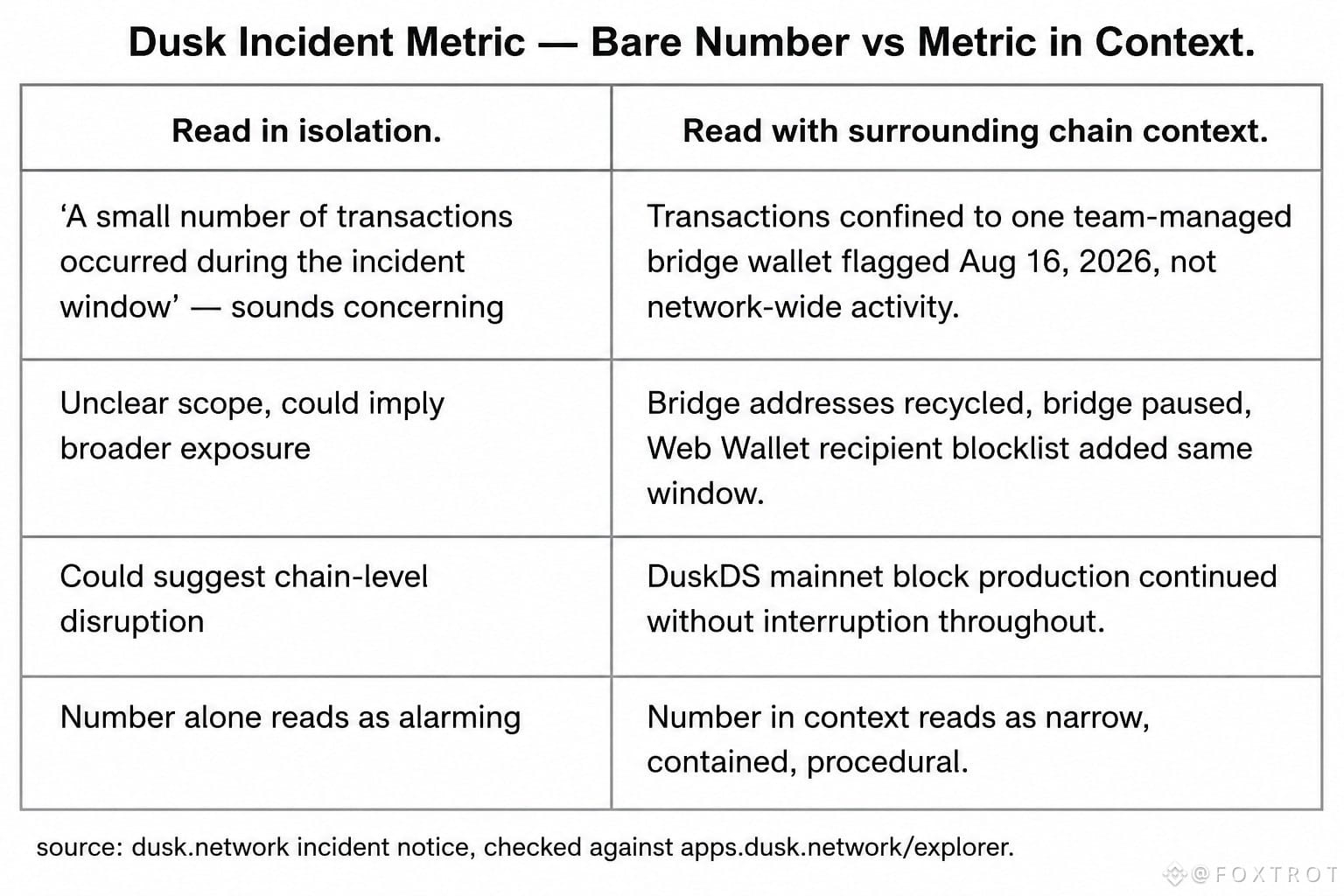
差點就匆匆掠過了——在“Dusk 事件”的通知裏埋着一個數字。"在事件窗口期間發生了少量交易。" 就這麼一句。整整一行。單獨看起來像是沒什麼,甚至更糟——像是在刻意淡化什麼重大事情。#dusk $DUSK @Dusk_Foundation
所以我就去查了它周圍的上下文,而不是隻看標題裏的那組數字。結果發現所謂“少量”並不是全網範圍的活動——而是侷限在一個由團隊管理、用於橋接操作的單一錢包上。該錢包在 8 月 16 日被標記,且時間窗口與事件一致。隨後整個橋接被暫停,並且對收款地址上架了 Web Wallet 的黑名單。把這個數字放到 DuskDS 主網區塊生產的情況旁邊看——在這一切發生期間它從未有過任何停頓……這個指標就不再顯得嚇人,反而變得幾乎有點無聊。嗯,可能這纔是他們真正想達到的效果。
我以前也不止一次把“孤零零的數字”當成故事本身。這個例子只有在我不再把它當作孤立信息、而是把它周圍的交易流、時間點、以及誰動了什麼都拉出來之後才說得通。默認解讀:令人警惕。實際解讀:受控的、狹窄的、程序性的。
這讓我忍不住想:如果有人願意去核對它們周圍那四行上下文,其他項目上有多少“令人擔憂”的鏈上統計數據也會用同樣方式被“打回正常大小”。
差點就匆匆掠過了——在“Dusk 事件”的通知裏埋着一個數字。"在事件窗口期間發生了少量交易。" 就這麼一句。整整一行。單獨看起來像是沒什麼,甚至更糟——像是在刻意淡化什麼重大事情。#dusk $DUSK @Dusk
所以我就去查了它周圍的上下文,而不是隻看標題裏的那組數字。結果發現所謂“少量”並不是全網範圍的活動——而是侷限在一個由團隊管理、用於橋接操作的單一錢包上。該錢包在 8 月 16 日被標記,且時間窗口與事件一致。隨後整個橋接被暫停,並且對收款地址上架了 Web Wallet 的黑名單。把這個數字放到 DuskDS 主網區塊生產的情況旁邊看——在這一切發生期間它從未有過任何停頓……這個指標就不再顯得嚇人,反而變得幾乎有點無聊。嗯,可能這纔是他們真正想達到的效果。
我以前也不止一次把“孤零零的數字”當成故事本身。這個例子只有在我不再把它當作孤立信息、而是把它周圍的交易流、時間點、以及誰動了什麼都拉出來之後才說得通。默認解讀:令人警惕。實際解讀:受控的、狹窄的、程序性的。
這讓我忍不住想:如果有人願意去核對它們周圍那四行上下文,其他項目上有多少“令人擔憂”的鏈上統計數據也會用同樣方式被“打回正常大小”。
所以我就去查了它周圍的上下文,而不是隻看標題裏的那組數字。結果發現所謂“少量”並不是全網範圍的活動——而是侷限在一個由團隊管理、用於橋接操作的單一錢包上。該錢包在 8 月 16 日被標記,且時間窗口與事件一致。隨後整個橋接被暫停,並且對收款地址上架了 Web Wallet 的黑名單。把這個數字放到 DuskDS 主網區塊生產的情況旁邊看——在這一切發生期間它從未有過任何停頓……這個指標就不再顯得嚇人,反而變得幾乎有點無聊。嗯,可能這纔是他們真正想達到的效果。
我以前也不止一次把“孤零零的數字”當成故事本身。這個例子只有在我不再把它當作孤立信息、而是把它周圍的交易流、時間點、以及誰動了什麼都拉出來之後才說得通。默認解讀:令人警惕。實際解讀:受控的、狹窄的、程序性的。
這讓我忍不住想:如果有人願意去核對它們周圍那四行上下文,其他項目上有多少“令人擔憂”的鏈上統計數據也會用同樣方式被“打回正常大小”。
1
1
145
差點就跳過這條了,說真的,但又不得不停下來,把通知反覆讀了兩遍。
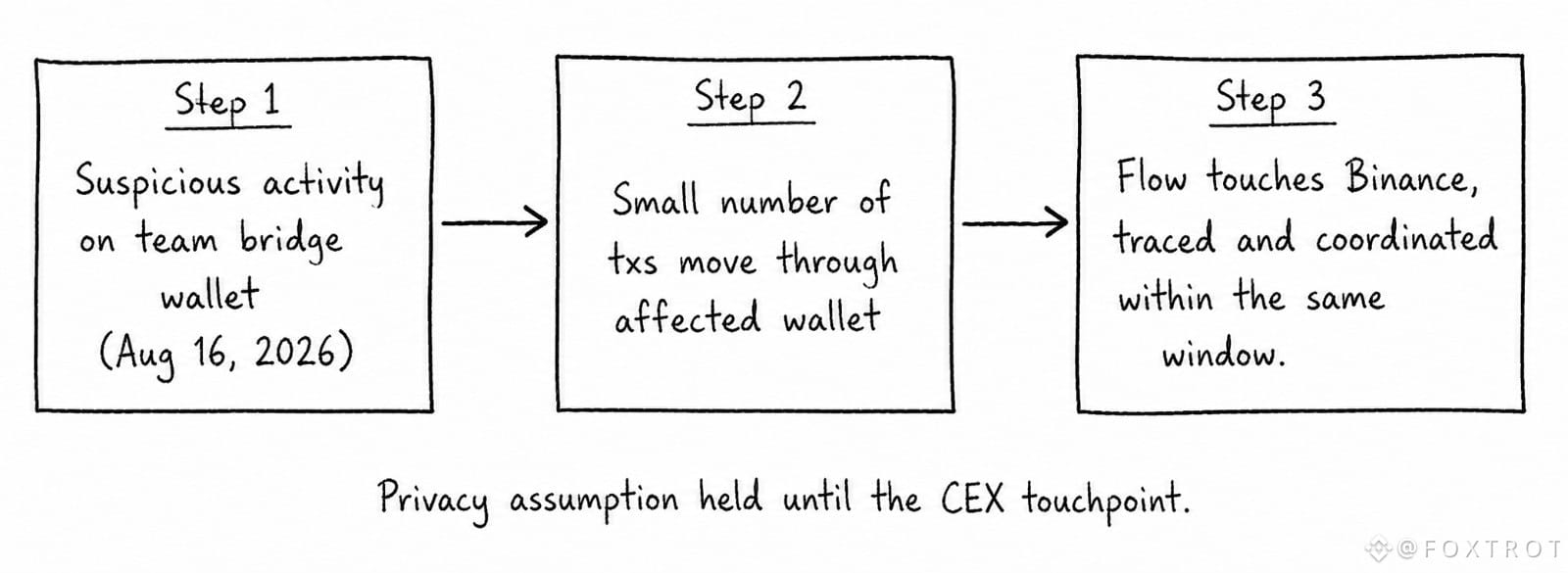
我進去的時候以爲 Dusk Foundation 的隱私保護設計會讓任何奇怪的交易在事後很久之前都基本“看不見”——這大概就是零知識方案的核心賣點,對吧,默認保密。然後我看了 8 月 16 日的橋樑事故記錄:在受影響錢包的窗口期裏,有一小部分交易在其中流轉。團隊發現得足夠快,足以確認這條流程中的某一環觸達了 Binance,並且他們幾乎立刻與後者協調。$DUSK #dusk
這是唯一一個把我假設徹底翻過來的交易模式。隱私即設計並不等於“不可追蹤即設計”,至少不適用於那些會觸及中心化場所的堆棧部分。資金一旦跨進 CEX 通道,能見度就立刻恢復——老實說,比我預期得還快。讓我重新思考,“隱私”在實踐裏到底落在哪裏——與其說它不存在……不如說它在某些地方還沒來得及生效。@Dusk_Foundation
我原本是基於營銷話術建立了一整套假設,但中途在任務進行中不得不悄悄收回。發生這種事有點煩;不過這麼做的意義之一,就是手動覈對,而不是隻看一眼摘要就帶過。
不過我仍不太確定:Dusk 上真正“私密”的邊界究竟在哪裏,和那些“只是在進入交易所之前纔算私密”的部分之間,真實的分界線在哪兒——有沒有人把那條邊界追蹤得足夠清楚了?
差點就跳過這條了,說真的,但又不得不停下來,把通知反覆讀了兩遍。
我進去的時候以爲 Dusk Foundation 的隱私保護設計會讓任何奇怪的交易在事後很久之前都基本“看不見”——這大概就是零知識方案的核心賣點,對吧,默認保密。然後我看了 8 月 16 日的橋樑事故記錄:在受影響錢包的窗口期裏,有一小部分交易在其中流轉。團隊發現得足夠快,足以確認這條流程中的某一環觸達了 Binance,並且他們幾乎立刻與後者協調。$DUSK #dusk
這是唯一一個把我假設徹底翻過來的交易模式。隱私即設計並不等於“不可追蹤即設計”,至少不適用於那些會觸及中心化場所的堆棧部分。資金一旦跨進 CEX 通道,能見度就立刻恢復——老實說,比我預期得還快。讓我重新思考,“隱私”在實踐裏到底落在哪裏——與其說它不存在……不如說它在某些地方還沒來得及生效。@Dusk
我原本是基於營銷話術建立了一整套假設,但中途在任務進行中不得不悄悄收回。發生這種事有點煩;不過這麼做的意義之一,就是手動覈對,而不是隻看一眼摘要就帶過。
不過我仍不太確定:Dusk 上真正“私密”的邊界究竟在哪裏,和那些“只是在進入交易所之前纔算私密”的部分之間,真實的分界線在哪兒——有沒有人把那條邊界追蹤得足夠清楚了?
我進去的時候以爲 Dusk Foundation 的隱私保護設計會讓任何奇怪的交易在事後很久之前都基本“看不見”——這大概就是零知識方案的核心賣點,對吧,默認保密。然後我看了 8 月 16 日的橋樑事故記錄:在受影響錢包的窗口期裏,有一小部分交易在其中流轉。團隊發現得足夠快,足以確認這條流程中的某一環觸達了 Binance,並且他們幾乎立刻與後者協調。$DUSK #dusk
這是唯一一個把我假設徹底翻過來的交易模式。隱私即設計並不等於“不可追蹤即設計”,至少不適用於那些會觸及中心化場所的堆棧部分。資金一旦跨進 CEX 通道,能見度就立刻恢復——老實說,比我預期得還快。讓我重新思考,“隱私”在實踐裏到底落在哪裏——與其說它不存在……不如說它在某些地方還沒來得及生效。@Dusk
我原本是基於營銷話術建立了一整套假設,但中途在任務進行中不得不悄悄收回。發生這種事有點煩;不過這麼做的意義之一,就是手動覈對,而不是隻看一眼摘要就帶過。
不過我仍不太確定:Dusk 上真正“私密”的邊界究竟在哪裏,和那些“只是在進入交易所之前纔算私密”的部分之間,真實的分界線在哪兒——有沒有人把那條邊界追蹤得足夠清楚了?
2
113
任務進行到一半時,我正從 Dusk Foundation 的基礎設施里拉取數據,橋樑事故的通知引起了我的注意。8 月 16 日,團隊在一個用於橋接操作的、由團隊管理的錢包上發現可疑活動。#dusk $DUSK @Dusk_Foundation
讓我停下刷屏的是這部分:這並不是 DuskDS 協議層面的故障。鏈本身從未“眨眼”——主網仍在正常出塊。真正發生的是那種乏味但真實的人爲風險:一個運營層面管理的錢包出了狀況,地址被禁用並被回收複用,橋接被暫停,團隊在事後趕緊在 Web Wallet 上添加了收款方黑名單。
這就是沒人宣傳的空白。“無需信任的結算”是賣點。但橋——也就是價值真正進出跨境的那個關鍵節點——依然運行在一個受團隊控制的熱錢包上,它同樣可能像任何集中式託管方那樣遭到破壞。隱私技術、ZK 層、確定性的最終性……在這裏都不管用。管用的還是那套老派的密鑰管理,而它偏偏暴露了問題。
這也讓我想知道:你們所謂的“去中心化基礎設施”的宣傳,有多少其實在悄悄依賴那些由中心化環節把控、沒人會在出事前認真壓測的“卡脖子點”。你最喜歡的那條鏈裏,究竟是哪一塊仍然只是由某個人必須守住的“錢包”?
任務進行到一半時,我正從 Dusk Foundation 的基礎設施里拉取數據,橋樑事故的通知引起了我的注意。8 月 16 日,團隊在一個用於橋接操作的、由團隊管理的錢包上發現可疑活動。#dusk $DUSK @Dusk
讓我停下刷屏的是這部分:這並不是 DuskDS 協議層面的故障。鏈本身從未“眨眼”——主網仍在正常出塊。真正發生的是那種乏味但真實的人爲風險:一個運營層面管理的錢包出了狀況,地址被禁用並被回收複用,橋接被暫停,團隊在事後趕緊在 Web Wallet 上添加了收款方黑名單。
這就是沒人宣傳的空白。“無需信任的結算”是賣點。但橋——也就是價值真正進出跨境的那個關鍵節點——依然運行在一個受團隊控制的熱錢包上,它同樣可能像任何集中式託管方那樣遭到破壞。隱私技術、ZK 層、確定性的最終性……在這裏都不管用。管用的還是那套老派的密鑰管理,而它偏偏暴露了問題。
這也讓我想知道:你們所謂的“去中心化基礎設施”的宣傳,有多少其實在悄悄依賴那些由中心化環節把控、沒人會在出事前認真壓測的“卡脖子點”。你最喜歡的那條鏈裏,究竟是哪一塊仍然只是由某個人必須守住的“錢包”?
讓我停下刷屏的是這部分:這並不是 DuskDS 協議層面的故障。鏈本身從未“眨眼”——主網仍在正常出塊。真正發生的是那種乏味但真實的人爲風險:一個運營層面管理的錢包出了狀況,地址被禁用並被回收複用,橋接被暫停,團隊在事後趕緊在 Web Wallet 上添加了收款方黑名單。
這就是沒人宣傳的空白。“無需信任的結算”是賣點。但橋——也就是價值真正進出跨境的那個關鍵節點——依然運行在一個受團隊控制的熱錢包上,它同樣可能像任何集中式託管方那樣遭到破壞。隱私技術、ZK 層、確定性的最終性……在這裏都不管用。管用的還是那套老派的密鑰管理,而它偏偏暴露了問題。
這也讓我想知道:你們所謂的“去中心化基礎設施”的宣傳,有多少其實在悄悄依賴那些由中心化環節把控、沒人會在出事前認真壓測的“卡脖子點”。你最喜歡的那條鏈裏,究竟是哪一塊仍然只是由某個人必須守住的“錢包”?
73
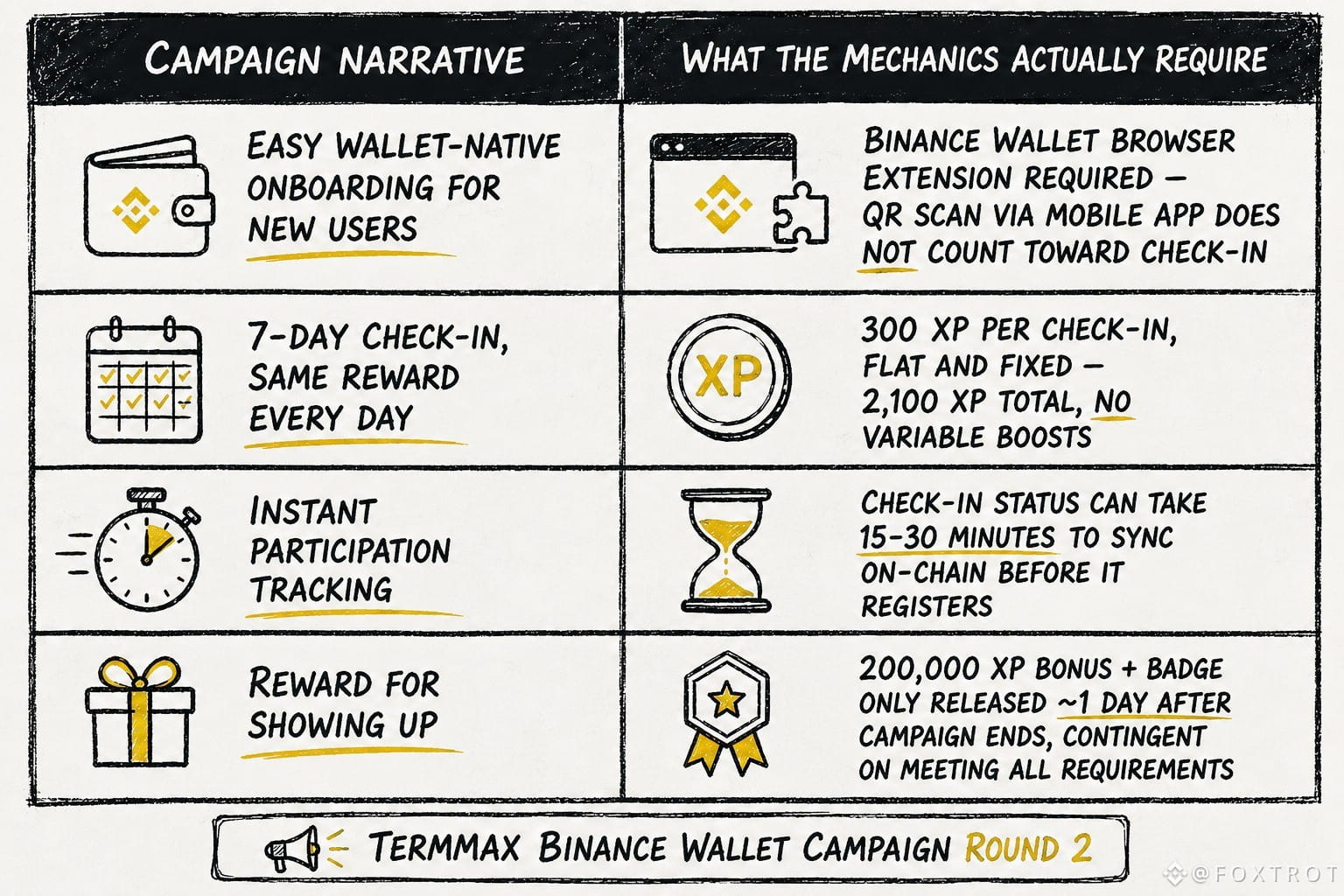
#termmax @termmax 在這個任務的最後一段時間,我並沒有只是滑著看有關 TermMax 的內容,而是實際把它的「TermMax #TermMax @Termmax Binance Wallet Campaign Round 2」跑完了;但有一個細節讓我滑到一半停下來。
對於被宣傳成「easy onboarding(輕鬆上手)」的機制來說,簽到規則卻意外地死板——連續 7 天、每次簽到固定 300 XP,如果一天沒錯過就保證 2,100 XP,另外還有 200K XP 的獎勵,以及一個在活動結束約一天後才會釋出的專屬徽章。沒有什麼可變因素,也沒有用倍數做遊戲化。這套邏輯就像 $TMX 套用在它真正的借貸市場上的固定費率一樣,只是被包裝成一個成長迴圈。
但讓我停下來的是——文件明確標註:透過 Binance App 的 QR 掃描登入不算數。你需要的是桌面端瀏覽器擴充功能。所以,這場以低摩擦、錢包原生上手為賣點的活動,從第一天起就悄悄排除掉只用手機的人。最先受益的也不是那些剛被導入固定利率 DeFi 的新手使用者,而是早就熟悉擴充流程、以桌面端為主的既有錢包使用者。
我自己先用手機試了,立刻卡住;最後不得不換設備,才讓簽到狀態能被記錄。
不禁讓我想:Binance 最後所報導的「參與」人數,到底有多少是在任何真正使用之前,就已經被這個介面選擇給過濾掉了?
#termmax @TermMax 在這個任務的最後一段時間,我並沒有只是滑著看有關 TermMax 的內容,而是實際把它的「TermMax #TermMax @Termmax Binance Wallet Campaign Round 2」跑完了;但有一個細節讓我滑到一半停下來。
對於被宣傳成「easy onboarding(輕鬆上手)」的機制來說,簽到規則卻意外地死板——連續 7 天、每次簽到固定 300 XP,如果一天沒錯過就保證 2,100 XP,另外還有 200K XP 的獎勵,以及一個在活動結束約一天後才會釋出的專屬徽章。沒有什麼可變因素,也沒有用倍數做遊戲化。這套邏輯就像 $TMX 套用在它真正的借貸市場上的固定費率一樣,只是被包裝成一個成長迴圈。
但讓我停下來的是——文件明確標註:透過 Binance App 的 QR 掃描登入不算數。你需要的是桌面端瀏覽器擴充功能。所以,這場以低摩擦、錢包原生上手為賣點的活動,從第一天起就悄悄排除掉只用手機的人。最先受益的也不是那些剛被導入固定利率 DeFi 的新手使用者,而是早就熟悉擴充流程、以桌面端為主的既有錢包使用者。
我自己先用手機試了,立刻卡住;最後不得不換設備,才讓簽到狀態能被記錄。
不禁讓我想:Binance 最後所報導的「參與」人數,到底有多少是在任何真正使用之前,就已經被這個介面選擇給過濾掉了?
對於被宣傳成「easy onboarding(輕鬆上手)」的機制來說,簽到規則卻意外地死板——連續 7 天、每次簽到固定 300 XP,如果一天沒錯過就保證 2,100 XP,另外還有 200K XP 的獎勵,以及一個在活動結束約一天後才會釋出的專屬徽章。沒有什麼可變因素,也沒有用倍數做遊戲化。這套邏輯就像 $TMX 套用在它真正的借貸市場上的固定費率一樣,只是被包裝成一個成長迴圈。
但讓我停下來的是——文件明確標註:透過 Binance App 的 QR 掃描登入不算數。你需要的是桌面端瀏覽器擴充功能。所以,這場以低摩擦、錢包原生上手為賣點的活動,從第一天起就悄悄排除掉只用手機的人。最先受益的也不是那些剛被導入固定利率 DeFi 的新手使用者,而是早就熟悉擴充流程、以桌面端為主的既有錢包使用者。
我自己先用手機試了,立刻卡住;最後不得不換設備,才讓簽到狀態能被記錄。
不禁讓我想:Binance 最後所報導的「參與」人數,到底有多少是在任何真正使用之前,就已經被這個介面選擇給過濾掉了?
1
49
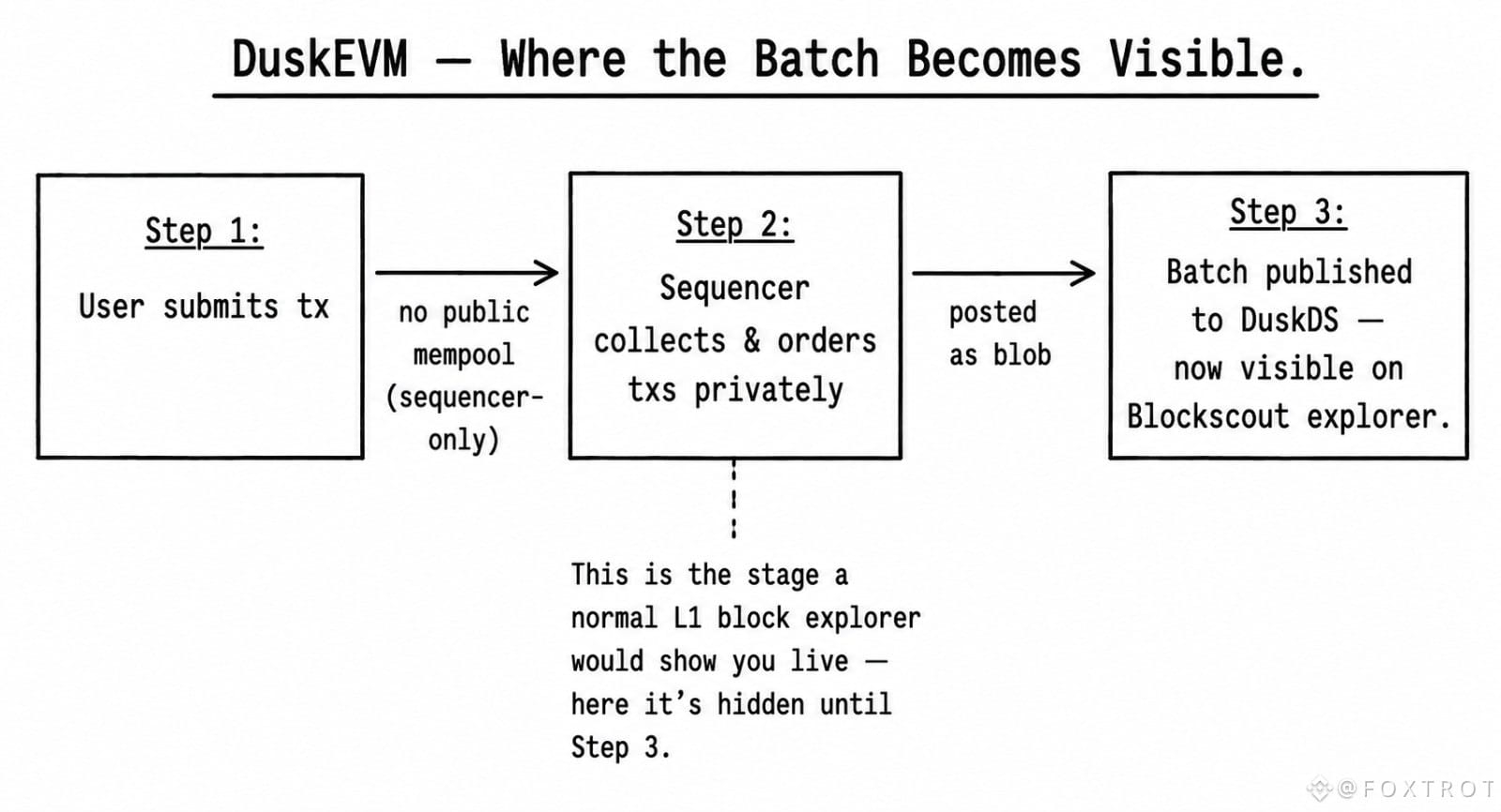
今天在 DuskEVM 的 Blockscout 瀏覽器裏隨便逛了逛,完成這個 Dusk($DUSK , @Dusk_Foundation , #dusk )相關任務,尋找一條能讓我對“使用情況”有點真實瞭解的區塊。結果發現了和我預期相反的東西——沒有可公開查看的內存池可用來監控。只有順序器(Sequencer-only)。交易會被打包,並按批次節奏以 blob 的形式發佈到 DuskDS,而不是像以太坊那樣逐塊實時填充、讓你能實時盯着區塊慢慢“長滿”。
嗯,我又想了一會兒。在大多數 EVM 鏈上,你幾乎可以直接看到隊列——待處理的交易、gas 競價、網絡擁堵——在最終確認之前一切都清清楚楚。可在這裏,這一層就……沒有被暴露出來。你只能在順序器已經決定“批次裏放什麼”之後,纔看到批次本身。
這並不一定有什麼陰暗含義——文檔裏說得很直白:這是測試網階段的架構,通常會在後續逐步疊加更廣泛的可見性。但這確實重置了我原本帶着的一個假設:我原以爲“現在在 DuskEVM 上的鏈上活動”指的是“順序器選擇發佈的內容”,而不是像其他鏈上的瀏覽器那樣展示的、被未過濾的真實需求。
我差點在筆記裏寫下“去中心化執行(decentralized execution)”,但隨即想起目前仍是順序器在這個階段作爲唯一節點來決定批次內容。於是我把那句話劃掉了。
這讓我在想:一旦出現公開的內存池,或者有多個順序器,這種情況會如何改變?那條“安靜的區塊”會開始講出更響的故事,還是這種不透明感只是換個地方繼續存在?
今天在 DuskEVM 的 Blockscout 瀏覽器裏隨便逛了逛,完成這個 Dusk($DUSK , @Dusk , #dusk )相關任務,尋找一條能讓我對“使用情況”有點真實瞭解的區塊。結果發現了和我預期相反的東西——沒有可公開查看的內存池可用來監控。只有順序器(Sequencer-only)。交易會被打包,並按批次節奏以 blob 的形式發佈到 DuskDS,而不是像以太坊那樣逐塊實時填充、讓你能實時盯着區塊慢慢“長滿”。
嗯,我又想了一會兒。在大多數 EVM 鏈上,你幾乎可以直接看到隊列——待處理的交易、gas 競價、網絡擁堵——在最終確認之前一切都清清楚楚。可在這裏,這一層就……沒有被暴露出來。你只能在順序器已經決定“批次裏放什麼”之後,纔看到批次本身。
這並不一定有什麼陰暗含義——文檔裏說得很直白:這是測試網階段的架構,通常會在後續逐步疊加更廣泛的可見性。但這確實重置了我原本帶着的一個假設:我原以爲“現在在 DuskEVM 上的鏈上活動”指的是“順序器選擇發佈的內容”,而不是像其他鏈上的瀏覽器那樣展示的、被未過濾的真實需求。
我差點在筆記裏寫下“去中心化執行(decentralized execution)”,但隨即想起目前仍是順序器在這個階段作爲唯一節點來決定批次內容。於是我把那句話劃掉了。
這讓我在想:一旦出現公開的內存池,或者有多個順序器,這種情況會如何改變?那條“安靜的區塊”會開始講出更響的故事,還是這種不透明感只是換個地方繼續存在?
嗯,我又想了一會兒。在大多數 EVM 鏈上,你幾乎可以直接看到隊列——待處理的交易、gas 競價、網絡擁堵——在最終確認之前一切都清清楚楚。可在這裏,這一層就……沒有被暴露出來。你只能在順序器已經決定“批次裏放什麼”之後,纔看到批次本身。
這並不一定有什麼陰暗含義——文檔裏說得很直白:這是測試網階段的架構,通常會在後續逐步疊加更廣泛的可見性。但這確實重置了我原本帶着的一個假設:我原以爲“現在在 DuskEVM 上的鏈上活動”指的是“順序器選擇發佈的內容”,而不是像其他鏈上的瀏覽器那樣展示的、被未過濾的真實需求。
我差點在筆記裏寫下“去中心化執行(decentralized execution)”,但隨即想起目前仍是順序器在這個階段作爲唯一節點來決定批次內容。於是我把那句話劃掉了。
這讓我在想:一旦出現公開的內存池,或者有多個順序器,這種情況會如何改變?那條“安靜的區塊”會開始講出更響的故事,還是這種不透明感只是換個地方繼續存在?
1
65
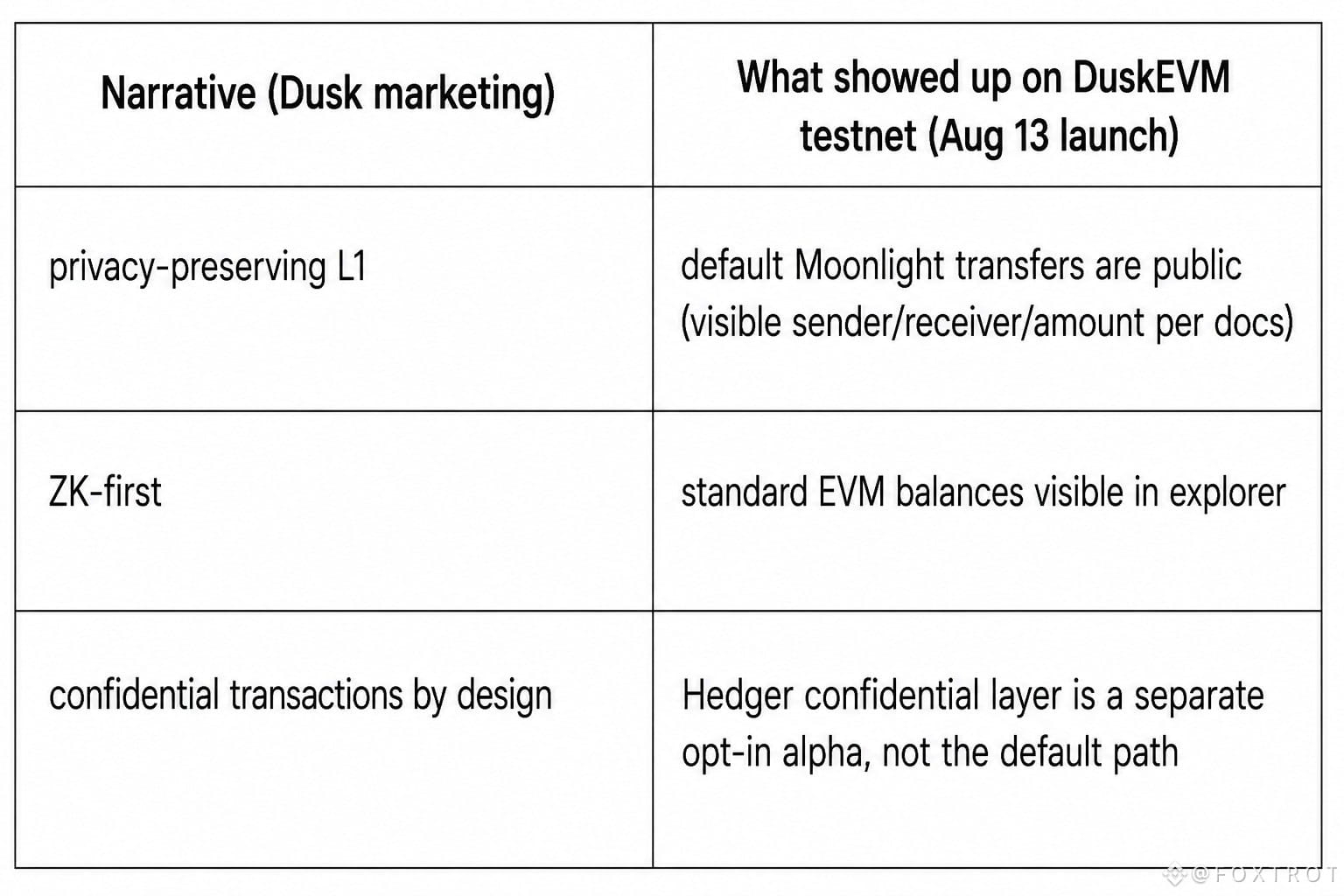
下午閒逛了一下 DuskEVM 測試網(自 8 月 13 日上線),部署了一個愚蠢的小合約只是想看看會出現什麼。Dusk($DUSK , #dusk , @Dusk_Foundation )在隱私上瘋狂“推銷”——ZK 全都有、機密餘額、整套話術。所以我本來以爲得去挖那些“私密”的東西。
結果你實際碰到的第一件事完全是明牌。DuskEVM 的運行方式就和任何 EVM 鏈一樣——Solidity、Hardhat,用 DUSK 支付 gas,餘額就擺在瀏覽器裏。Moonlight(基於賬戶的交易路徑)在文檔裏寫得直白到離譜:完全公開——未回滾的轉賬事件、可見的接收方、可見的金額,沒藏任何東西。Hedger(機密層)是你在默認路徑之外選擇接入的一個獨立 Alpha,並不是默認流程裏“內置”的部分。
這個“缺口”挺搞笑的,等等——所謂“隱私 L1”的說法在協議層面確實是真的(Phoenix 存在,ZK 證明也確實存在),但作爲構建者你最先撞上的卻是一條完全透明的鏈,隱私被放在一邊當作額外步驟。設計上未必就差,合規金融或許就想要這種默認透明的姿態。但這確實不是我進去之前想象的樣子。
讓我在想,這裏有多少人質押或構建時其實根本沒有碰過 Hedger——而只是跑一跑標準的 EVM 東西,從來沒選擇接入。
下午閒逛了一下 DuskEVM 測試網(自 8 月 13 日上線),部署了一個愚蠢的小合約只是想看看會出現什麼。Dusk($DUSK , #dusk , @Dusk )在隱私上瘋狂“推銷”——ZK 全都有、機密餘額、整套話術。所以我本來以爲得去挖那些“私密”的東西。
結果你實際碰到的第一件事完全是明牌。DuskEVM 的運行方式就和任何 EVM 鏈一樣——Solidity、Hardhat,用 DUSK 支付 gas,餘額就擺在瀏覽器裏。Moonlight(基於賬戶的交易路徑)在文檔裏寫得直白到離譜:完全公開——未回滾的轉賬事件、可見的接收方、可見的金額,沒藏任何東西。Hedger(機密層)是你在默認路徑之外選擇接入的一個獨立 Alpha,並不是默認流程裏“內置”的部分。
這個“缺口”挺搞笑的,等等——所謂“隱私 L1”的說法在協議層面確實是真的(Phoenix 存在,ZK 證明也確實存在),但作爲構建者你最先撞上的卻是一條完全透明的鏈,隱私被放在一邊當作額外步驟。設計上未必就差,合規金融或許就想要這種默認透明的姿態。但這確實不是我進去之前想象的樣子。
讓我在想,這裏有多少人質押或構建時其實根本沒有碰過 Hedger——而只是跑一跑標準的 EVM 東西,從來沒選擇接入。
結果你實際碰到的第一件事完全是明牌。DuskEVM 的運行方式就和任何 EVM 鏈一樣——Solidity、Hardhat,用 DUSK 支付 gas,餘額就擺在瀏覽器裏。Moonlight(基於賬戶的交易路徑)在文檔裏寫得直白到離譜:完全公開——未回滾的轉賬事件、可見的接收方、可見的金額,沒藏任何東西。Hedger(機密層)是你在默認路徑之外選擇接入的一個獨立 Alpha,並不是默認流程裏“內置”的部分。
這個“缺口”挺搞笑的,等等——所謂“隱私 L1”的說法在協議層面確實是真的(Phoenix 存在,ZK 證明也確實存在),但作爲構建者你最先撞上的卻是一條完全透明的鏈,隱私被放在一邊當作額外步驟。設計上未必就差,合規金融或許就想要這種默認透明的姿態。但這確實不是我進去之前想象的樣子。
讓我在想,這裏有多少人質押或構建時其實根本沒有碰過 Hedger——而只是跑一跑標準的 EVM 東西,從來沒選擇接入。
1
54
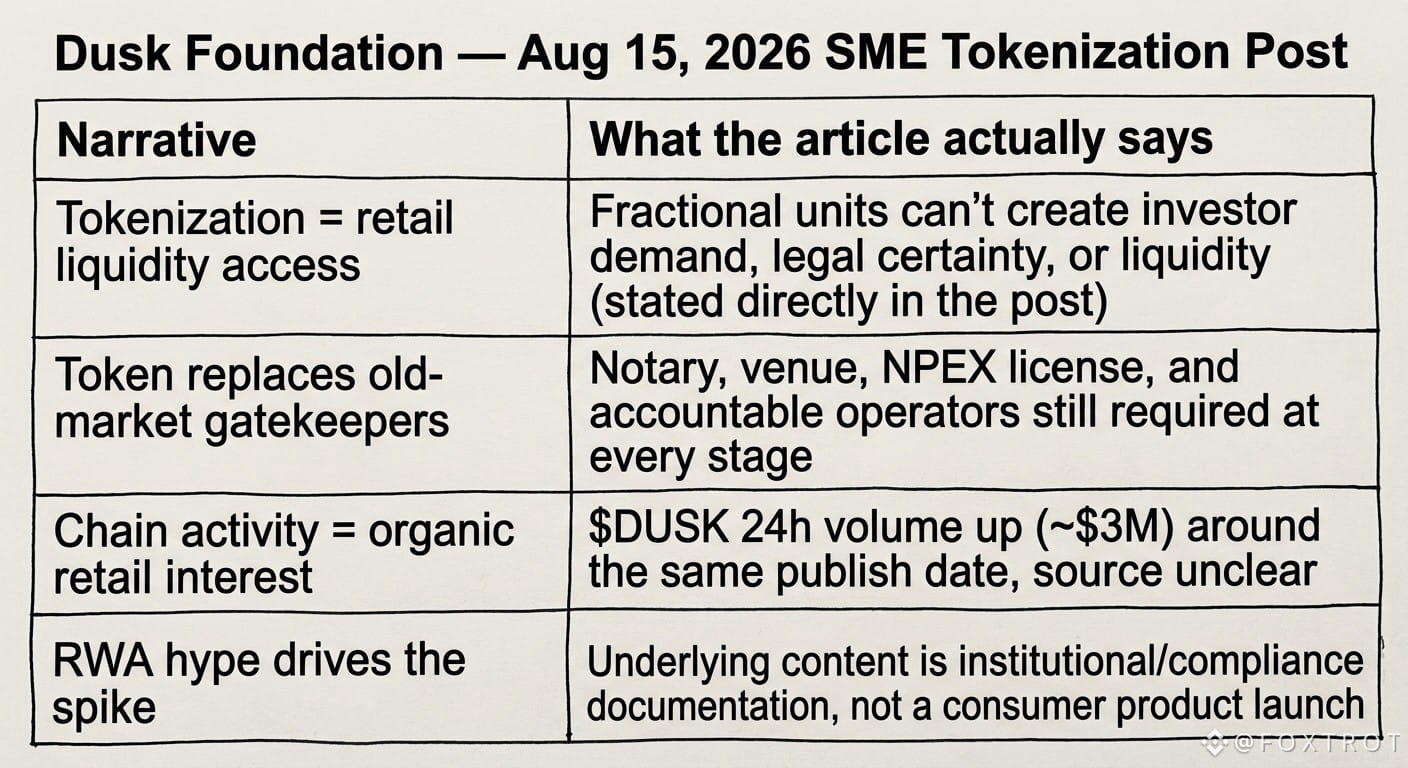
在Dusk Foundation的一個任務裏待了一整個下午,差點就從他們自己網站上直接滑過了最新發布的內容——“適用於中小企業與私人市場融資的代幣化(Tokenization for SMEs and Private Market Financing)”,發佈時間是8月15日。$DUSK 卷量也跟着上升了,類似於約3M並且還在上漲——規模不大,但明顯高於通常那段安靜的時間。#dusk @Dusk_Foundation 。我以爲又會是一個包裝精美的RWA項目推介。結果不是。
真正讓我停下來的,是表格裏幾乎被埋起來的一句話:由於更小的單位無法自行創造投資者需求、法律確定性或流動性,所以“分數所有權(fractional ownership)在其中扮演的作用有限”。這等於就是基金會在說明:人們以爲代幣承擔了關鍵的“重活”,但它其實並不做那件事。真正的分量在公證員、交易場所、NPEX的牌照,以及那些在任何鏈上動作發生之前就已經存在的、負責任的運營方身上。
嗯——所以這個“暴漲”並不是散戶在某個代幣化敘事裏瘋狂涌入。更像是機構層面的基礎設施在悄悄被記錄下來,而市場卻把它讀成了熱度。看着看着就超過了我原本打算的時間,零食都忘了喫,半草稿的帖子還開着。
這裏最先真正獲取價值的是誰——在合規瑣事上做“合規磨工”的DLT試點監管(DLT Pilot Regime)參與者,還是那些買入$DUSK 的人,因爲“RWA”這周正火?
在Dusk Foundation的一個任務裏待了一整個下午,差點就從他們自己網站上直接滑過了最新發布的內容——“適用於中小企業與私人市場融資的代幣化(Tokenization for SMEs and Private Market Financing)”,發佈時間是8月15日。$DUSK 卷量也跟着上升了,類似於約3M並且還在上漲——規模不大,但明顯高於通常那段安靜的時間。#dusk @Dusk 。我以爲又會是一個包裝精美的RWA項目推介。結果不是。
真正讓我停下來的,是表格裏幾乎被埋起來的一句話:由於更小的單位無法自行創造投資者需求、法律確定性或流動性,所以“分數所有權(fractional ownership)在其中扮演的作用有限”。這等於就是基金會在說明:人們以爲代幣承擔了關鍵的“重活”,但它其實並不做那件事。真正的分量在公證員、交易場所、NPEX的牌照,以及那些在任何鏈上動作發生之前就已經存在的、負責任的運營方身上。
嗯——所以這個“暴漲”並不是散戶在某個代幣化敘事裏瘋狂涌入。更像是機構層面的基礎設施在悄悄被記錄下來,而市場卻把它讀成了熱度。看着看着就超過了我原本打算的時間,零食都忘了喫,半草稿的帖子還開着。
這裏最先真正獲取價值的是誰——在合規瑣事上做“合規磨工”的DLT試點監管(DLT Pilot Regime)參與者,還是那些買入$DUSK 的人,因爲“RWA”這周正火?
真正讓我停下來的,是表格裏幾乎被埋起來的一句話:由於更小的單位無法自行創造投資者需求、法律確定性或流動性,所以“分數所有權(fractional ownership)在其中扮演的作用有限”。這等於就是基金會在說明:人們以爲代幣承擔了關鍵的“重活”,但它其實並不做那件事。真正的分量在公證員、交易場所、NPEX的牌照,以及那些在任何鏈上動作發生之前就已經存在的、負責任的運營方身上。
嗯——所以這個“暴漲”並不是散戶在某個代幣化敘事裏瘋狂涌入。更像是機構層面的基礎設施在悄悄被記錄下來,而市場卻把它讀成了熱度。看着看着就超過了我原本打算的時間,零食都忘了喫,半草稿的帖子還開着。
這裏最先真正獲取價值的是誰——在合規瑣事上做“合規磨工”的DLT試點監管(DLT Pilot Regime)參與者,還是那些買入$DUSK 的人,因爲“RWA”這周正火?
4
110
乍一看,數字看起來完全正常——這幾乎讓我就直接跳過了。
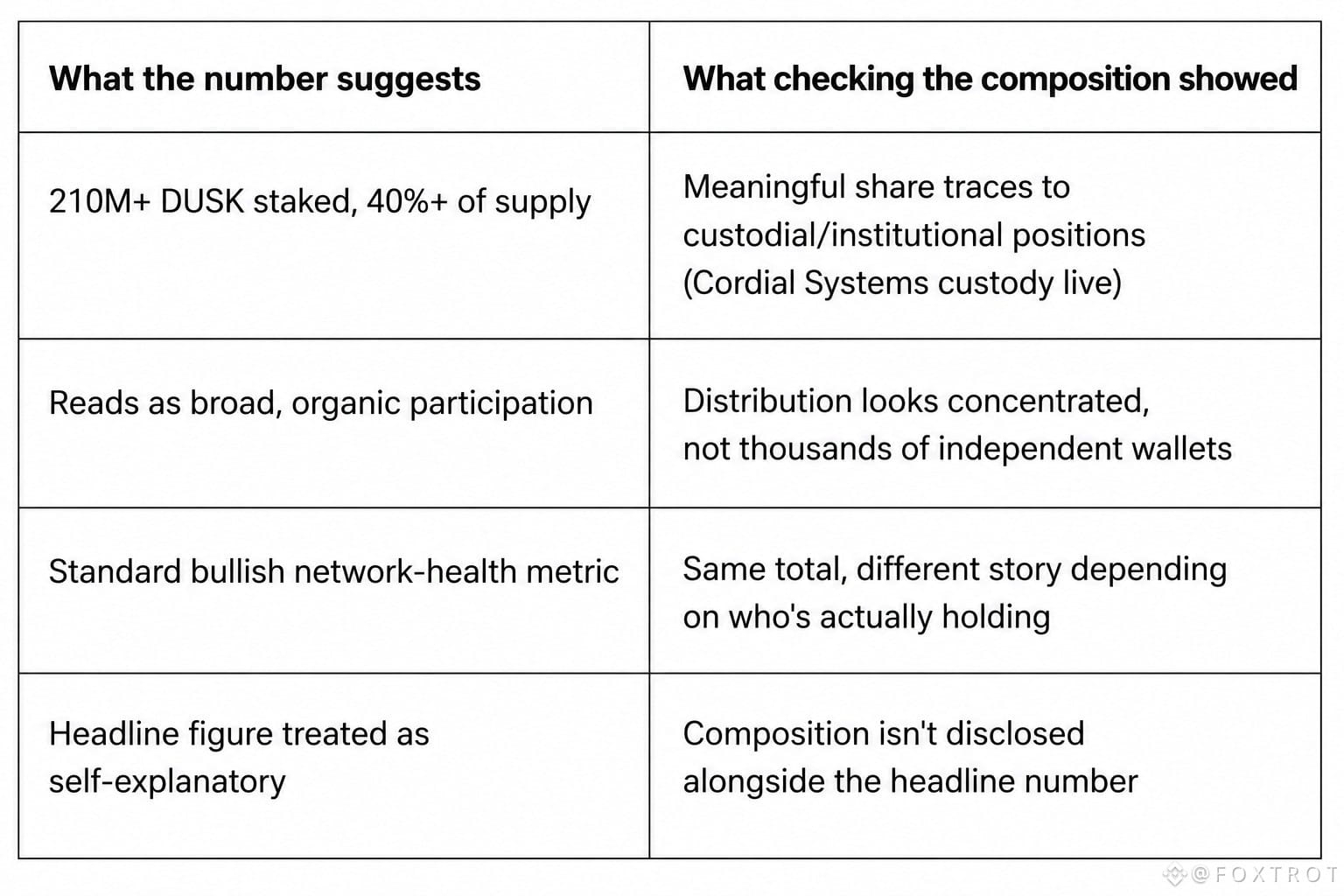
這周我在 Dusk 上覈查質押數據:有 210M+、$DUSK 質押量,佔總供應 500M 的 質押數讀起來像是健康且廣泛參與,超過 40% 的供應被鎖定。這是標準的牛市情況指標——那種不加多想就會直接截圖的數字。可 #dusk 還顯示它與 Cordial Systems 的託管合作伙伴關係是上線的,用於機構資產運營。所以我就去看了那筆“質押數字”背後到底是什麼,而不是隻把它當作引用。
結果發現,其中相當一部分要追溯到託管/機構端的持倉,而不是成千上萬的個人錢包在慢慢積累。總量是同一個,但故事完全不同:取決於它是不是由某個大持有者通過託管基礎設施轉進來,還是確實來自廣泛的真實參與。
我得在那裏停一停,因爲僅憑數字本身告訴不了你真正站在後面的是誰;看似普通的指標,可能會隱藏完全不同的分佈。
並不是說這就不好——機構質押仍然算質押。只是……標題數字和實際構成是兩個不同的說法,而通常只會展示其中一個。
這讓我想從現在開始,逐條去檢查每一條“已質押記錄”帖子,看看到底是誰在持有,而不僅僅是有多少。
@Dusk_Foundation
乍一看,數字看起來完全正常——這幾乎讓我就直接跳過了。
這周我在 Dusk 上覈查質押數據:有 210M+、$DUSK 質押量,佔總供應 500M 的 質押數讀起來像是健康且廣泛參與,超過 40% 的供應被鎖定。這是標準的牛市情況指標——那種不加多想就會直接截圖的數字。可 #dusk 還顯示它與 Cordial Systems 的託管合作伙伴關係是上線的,用於機構資產運營。所以我就去看了那筆“質押數字”背後到底是什麼,而不是隻把它當作引用。
結果發現,其中相當一部分要追溯到託管/機構端的持倉,而不是成千上萬的個人錢包在慢慢積累。總量是同一個,但故事完全不同:取決於它是不是由某個大持有者通過託管基礎設施轉進來,還是確實來自廣泛的真實參與。
我得在那裏停一停,因爲僅憑數字本身告訴不了你真正站在後面的是誰;看似普通的指標,可能會隱藏完全不同的分佈。
並不是說這就不好——機構質押仍然算質押。只是……標題數字和實際構成是兩個不同的說法,而通常只會展示其中一個。
這讓我想從現在開始,逐條去檢查每一條“已質押記錄”帖子,看看到底是誰在持有,而不僅僅是有多少。
@Dusk
這周我在 Dusk 上覈查質押數據:有 210M+、$DUSK 質押量,佔總供應 500M 的 質押數讀起來像是健康且廣泛參與,超過 40% 的供應被鎖定。這是標準的牛市情況指標——那種不加多想就會直接截圖的數字。可 #dusk 還顯示它與 Cordial Systems 的託管合作伙伴關係是上線的,用於機構資產運營。所以我就去看了那筆“質押數字”背後到底是什麼,而不是隻把它當作引用。
結果發現,其中相當一部分要追溯到託管/機構端的持倉,而不是成千上萬的個人錢包在慢慢積累。總量是同一個,但故事完全不同:取決於它是不是由某個大持有者通過託管基礎設施轉進來,還是確實來自廣泛的真實參與。
我得在那裏停一停,因爲僅憑數字本身告訴不了你真正站在後面的是誰;看似普通的指標,可能會隱藏完全不同的分佈。
並不是說這就不好——機構質押仍然算質押。只是……標題數字和實際構成是兩個不同的說法,而通常只會展示其中一個。
這讓我想從現在開始,逐條去檢查每一條“已質押記錄”帖子,看看到底是誰在持有,而不僅僅是有多少。
@Dusk
2
114
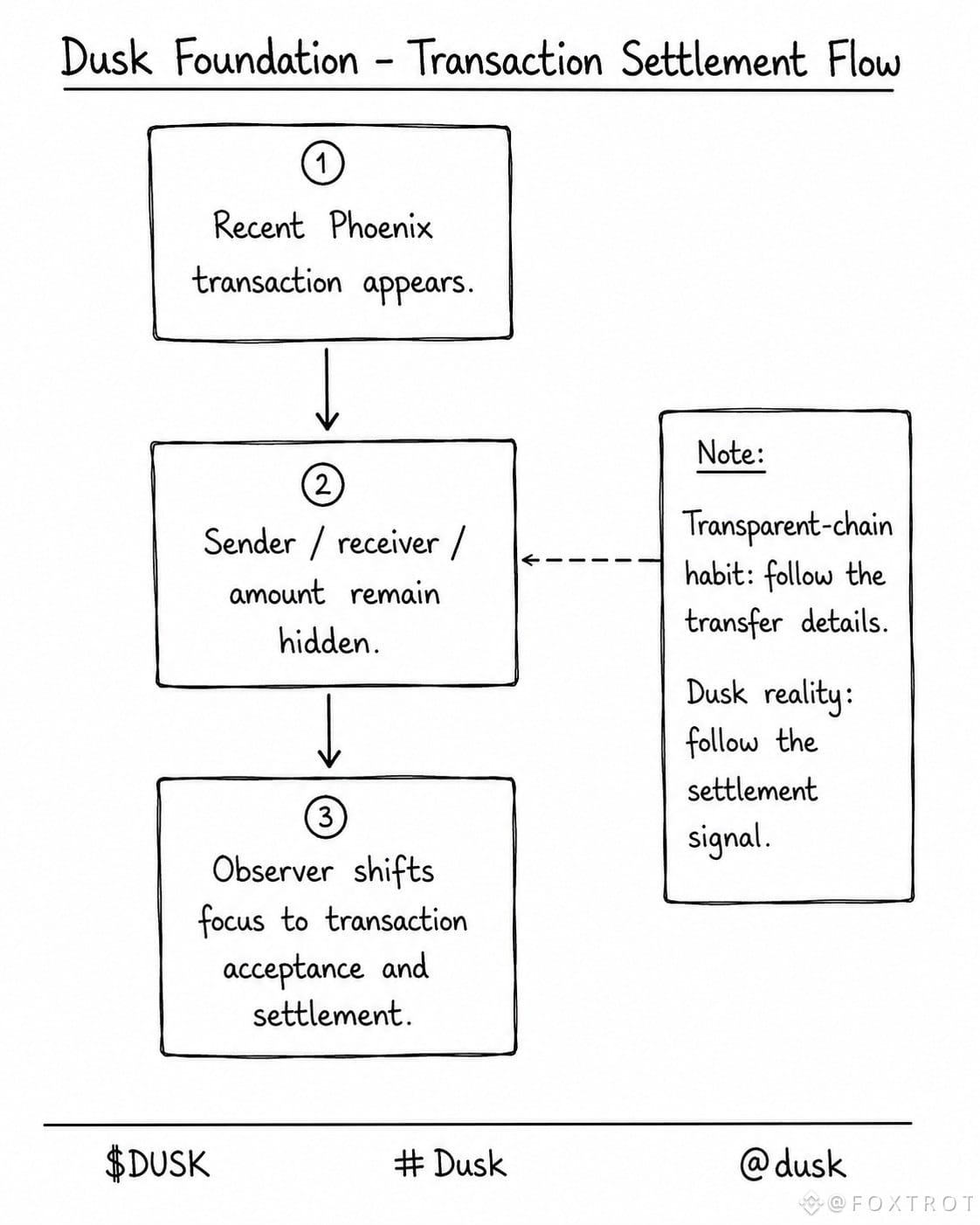
令我着迷的是,我很快就不再糾結於交易本身,而是開始觀察交易之後發生了什麼。我在搜尋 Dusk Foundation:$DUSK 、#dusk 和 @Dusk_Foundation ,追蹤瀏覽器中近期的 Phoenix 活動,而那種結算模式的吸引力似乎比交易細節更強。
一次近期的 Phoenix 交易體現了典型的 Dusk 特性:交易類型是可見的,但發送者、接收者和金額並不會以熟悉的方式暴露出來。我在沿着結算一路追蹤時注意到,有用的信號從“是誰發了什麼?”轉變爲:網絡是否正確地接受並最終確認了該交易。Dusk 的架構正是圍繞這種分離來設計的。鏈上可以在不發佈私密內容的情況下驗證狀態轉移。
把它寫出來聽起來似乎很顯然。但當我真正盯着瀏覽器看時,卻並不覺得如此。我不斷期待交易頁面能再給我一個線索,直到意識到我把自己在“透明鏈”裏養成的習慣套用到了一個“以隱私爲導向”的系統上。嗯。這改變了我在 Dusk 上對“觀察一筆交易”的理解。
現在我在想:這是否纔是用戶真正需要做出的調整——不是去學習私密交易在技術層面如何運作,而是學會當那些通常的信號被刻意消失之後,哪些信號仍然重要……
'
令我着迷的是,我很快就不再糾結於交易本身,而是開始觀察交易之後發生了什麼。我在搜尋 Dusk Foundation:$DUSK 、#dusk 和 @Dusk ,追蹤瀏覽器中近期的 Phoenix 活動,而那種結算模式的吸引力似乎比交易細節更強。
一次近期的 Phoenix 交易體現了典型的 Dusk 特性:交易類型是可見的,但發送者、接收者和金額並不會以熟悉的方式暴露出來。我在沿着結算一路追蹤時注意到,有用的信號從“是誰發了什麼?”轉變爲:網絡是否正確地接受並最終確認了該交易。Dusk 的架構正是圍繞這種分離來設計的。鏈上可以在不發佈私密內容的情況下驗證狀態轉移。
把它寫出來聽起來似乎很顯然。但當我真正盯着瀏覽器看時,卻並不覺得如此。我不斷期待交易頁面能再給我一個線索,直到意識到我把自己在“透明鏈”裏養成的習慣套用到了一個“以隱私爲導向”的系統上。嗯。這改變了我在 Dusk 上對“觀察一筆交易”的理解。
現在我在想:這是否纔是用戶真正需要做出的調整——不是去學習私密交易在技術層面如何運作,而是學會當那些通常的信號被刻意消失之後,哪些信號仍然重要……
'
一次近期的 Phoenix 交易體現了典型的 Dusk 特性:交易類型是可見的,但發送者、接收者和金額並不會以熟悉的方式暴露出來。我在沿着結算一路追蹤時注意到,有用的信號從“是誰發了什麼?”轉變爲:網絡是否正確地接受並最終確認了該交易。Dusk 的架構正是圍繞這種分離來設計的。鏈上可以在不發佈私密內容的情況下驗證狀態轉移。
把它寫出來聽起來似乎很顯然。但當我真正盯着瀏覽器看時,卻並不覺得如此。我不斷期待交易頁面能再給我一個線索,直到意識到我把自己在“透明鏈”裏養成的習慣套用到了一個“以隱私爲導向”的系統上。嗯。這改變了我在 Dusk 上對“觀察一筆交易”的理解。
現在我在想:這是否纔是用戶真正需要做出的調整——不是去學習私密交易在技術層面如何運作,而是學會當那些通常的信號被刻意消失之後,哪些信號仍然重要……
'
2
121
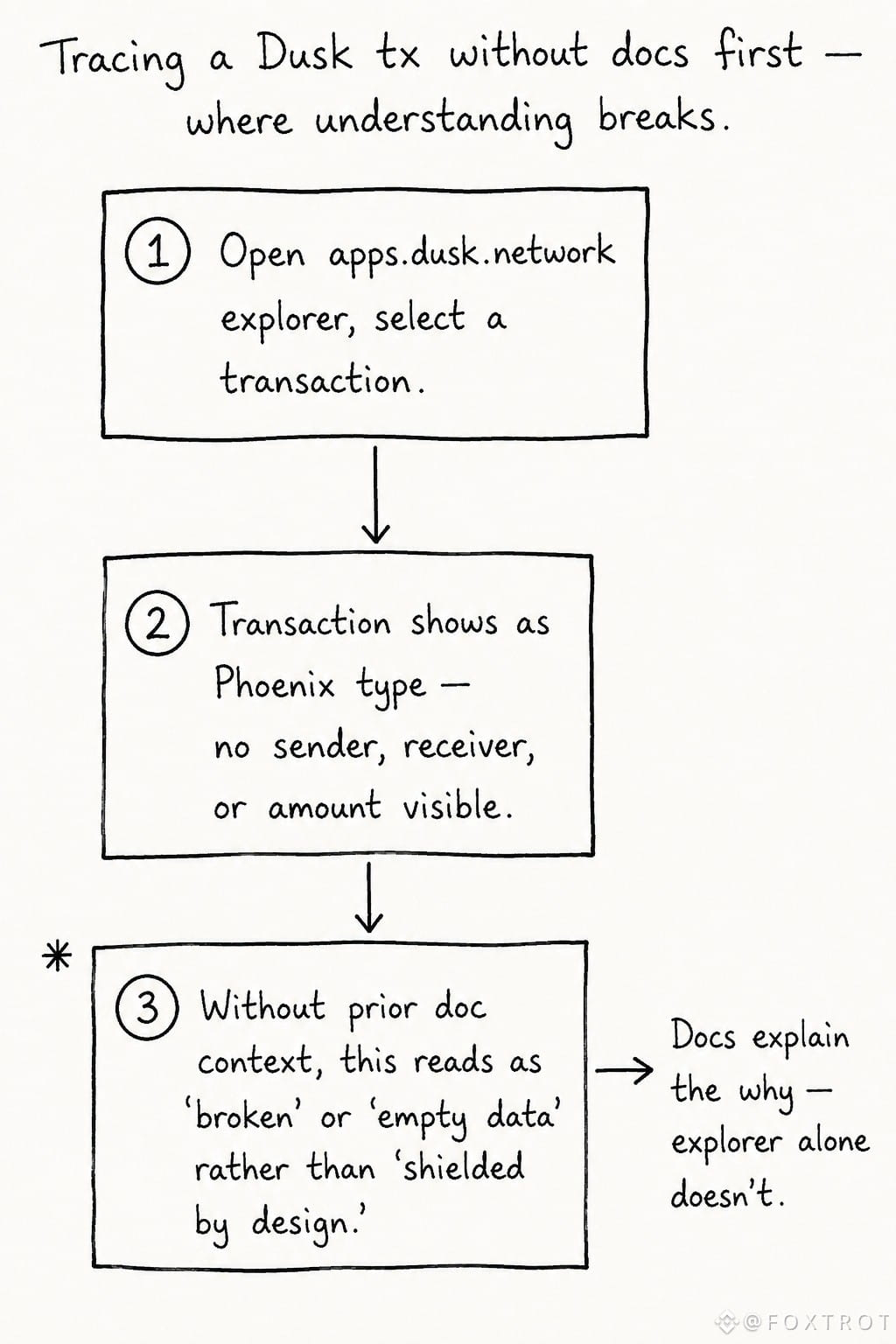
這次做 Dusk Foundation 任務時,我跳過了文檔,直接打開 apps.dusk.network 上的在線資源管理器(live explorer)去冷啓動追蹤一筆交易——沒有任何背景,看看我自己到底會理解到什麼。結果發現……比我預期的要少,而這本身就成了發現。
文檔把 Phoenix/Moonlight 的分工講得很清楚:區塊大小上限大約在 1MB 左右(大致每個區塊約 250 筆 Phoenix 交易),所有設計邏輯也都用通俗語言寫明瞭。但如果不帶這些框架,直接面對原始的資源管理器界面,一筆被保護(shielded)的 Phoenix 交易看起來就只是一筆交易——看不到發送者、接收者或金額,也沒有任何明顯的信號告訴你它爲何會這樣構造,除非你已經知道要去尋找這些線索。
這就是缺口。文檔講的是“爲什麼”,但僅靠資源管理器本身並不會教會你。你需要先有文檔的“爲什麼”,再回到資源管理器裏看“是什麼”,否則鏈上現實就會顯得只是“不可讀/不透明”,而不是“刻意如此”。
有點尷尬的是,我竟然盯着一筆被保護的交易看了很久,先入爲主地以爲是不是哪裏壞了,直到反應過來:它只是……按設計在工作。
不知道有多少人會在那種同樣的困惑裏卡住很久,甚至在找到那份解釋清楚一切的文檔之前就已經放棄了。
$DUSK #dusk @Dusk_Foundation
這次做 Dusk Foundation 任務時,我跳過了文檔,直接打開 apps.dusk.network 上的在線資源管理器(live explorer)去冷啓動追蹤一筆交易——沒有任何背景,看看我自己到底會理解到什麼。結果發現……比我預期的要少,而這本身就成了發現。
文檔把 Phoenix/Moonlight 的分工講得很清楚:區塊大小上限大約在 1MB 左右(大致每個區塊約 250 筆 Phoenix 交易),所有設計邏輯也都用通俗語言寫明瞭。但如果不帶這些框架,直接面對原始的資源管理器界面,一筆被保護(shielded)的 Phoenix 交易看起來就只是一筆交易——看不到發送者、接收者或金額,也沒有任何明顯的信號告訴你它爲何會這樣構造,除非你已經知道要去尋找這些線索。
這就是缺口。文檔講的是“爲什麼”,但僅靠資源管理器本身並不會教會你。你需要先有文檔的“爲什麼”,再回到資源管理器裏看“是什麼”,否則鏈上現實就會顯得只是“不可讀/不透明”,而不是“刻意如此”。
有點尷尬的是,我竟然盯着一筆被保護的交易看了很久,先入爲主地以爲是不是哪裏壞了,直到反應過來:它只是……按設計在工作。
不知道有多少人會在那種同樣的困惑裏卡住很久,甚至在找到那份解釋清楚一切的文檔之前就已經放棄了。
$DUSK #dusk @Dusk
文檔把 Phoenix/Moonlight 的分工講得很清楚:區塊大小上限大約在 1MB 左右(大致每個區塊約 250 筆 Phoenix 交易),所有設計邏輯也都用通俗語言寫明瞭。但如果不帶這些框架,直接面對原始的資源管理器界面,一筆被保護(shielded)的 Phoenix 交易看起來就只是一筆交易——看不到發送者、接收者或金額,也沒有任何明顯的信號告訴你它爲何會這樣構造,除非你已經知道要去尋找這些線索。
這就是缺口。文檔講的是“爲什麼”,但僅靠資源管理器本身並不會教會你。你需要先有文檔的“爲什麼”,再回到資源管理器裏看“是什麼”,否則鏈上現實就會顯得只是“不可讀/不透明”,而不是“刻意如此”。
有點尷尬的是,我竟然盯着一筆被保護的交易看了很久,先入爲主地以爲是不是哪裏壞了,直到反應過來:它只是……按設計在工作。
不知道有多少人會在那種同樣的困惑裏卡住很久,甚至在找到那份解釋清楚一切的文檔之前就已經放棄了。
$DUSK #dusk @Dusk
2
1
125
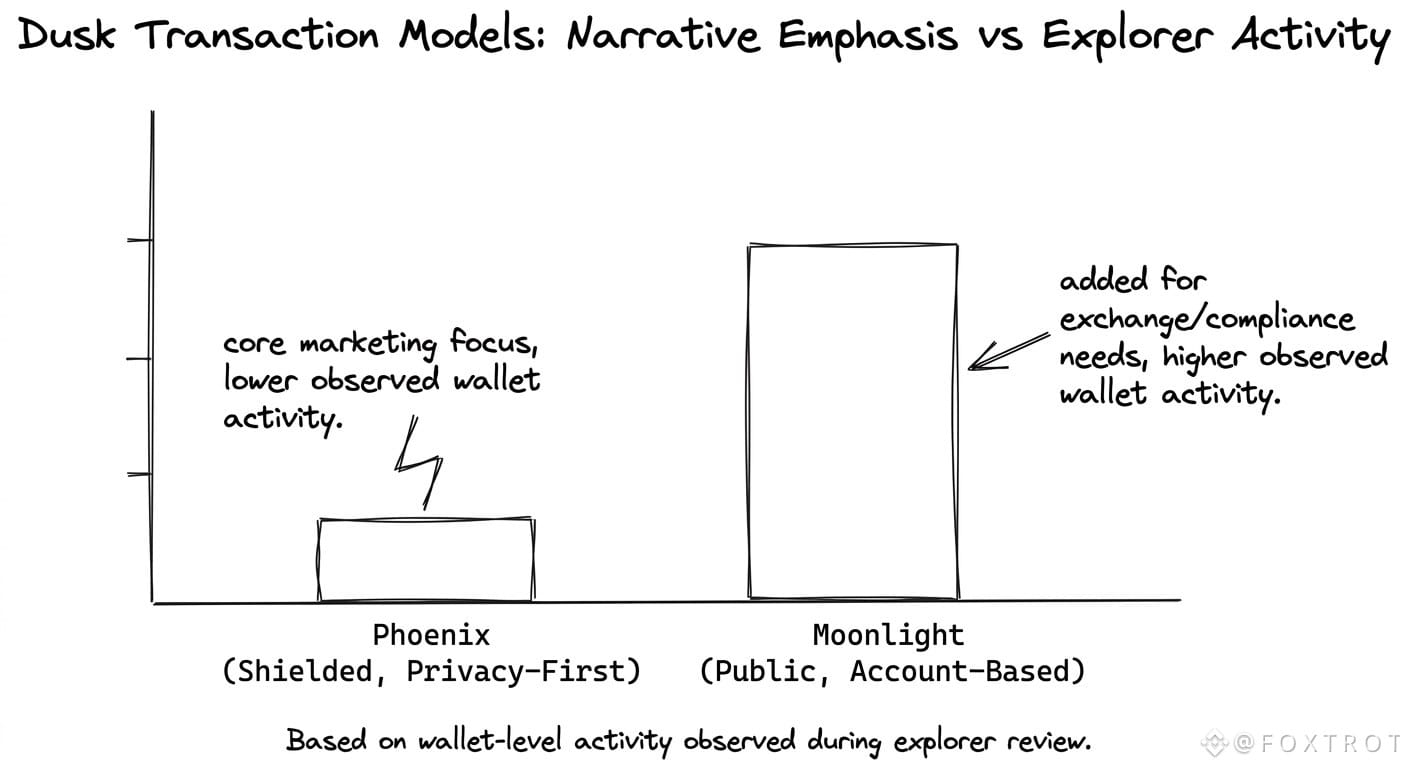
在瀏覽器上把任務的幾塊內容在 Moonlight 和 Phoenix 之間來回切換,逐個錢包地檢查,心裏想着既然 Dusk Foundation 在隱私宣傳上押得那麼重,Phoenix——那個帶有盾、強調隱私保護的側——應該會佔主導。結果並不是。大多數我點進去查看的地址,尤其是那些與交易所有關聯的地址,都停留在 Moonlight 上——那套完全透明的賬戶模型。
嗯,這個落差纔是讓我真正記住的。#dusk 的設計正是基於雙重交易模型,讓用戶可以選擇,但現實中並沒有出現“各佔五成”的情況。Moonlight 被特別加入,是爲了在不觸及下架風險的前提下,讓交易所和機構保持合規;而我在鏈上看到的足跡也很直白地反映了這一優先級。公開的、可審計的、無聊的——而且看起來就是最先被拿來用的。
這有點把我腦子裏的營銷順序給翻過來了。隱私技術拿到頭條,但真正把資金引導進來、促成今天必須發生的轉移的,是透明度。於是我開始想:等零售端也跟上之後,Phoenix 的使用會不會增長?還是它就一直停留在“可用但沒人用”的選項上。
@Dusk_Foundation 並沒有歪曲任何東西——兩種模型都是真實存在且可正常運行的。只是……我看到的實際餘額分佈,和宣講材料裏呈現的順序講述的是另一回事。
當事情真正落到實處時,究竟是誰在去選擇 $DUSK 這種帶盾的選項?
在瀏覽器上把任務的幾塊內容在 Moonlight 和 Phoenix 之間來回切換,逐個錢包地檢查,心裏想着既然 Dusk Foundation 在隱私宣傳上押得那麼重,Phoenix——那個帶有盾、強調隱私保護的側——應該會佔主導。結果並不是。大多數我點進去查看的地址,尤其是那些與交易所有關聯的地址,都停留在 Moonlight 上——那套完全透明的賬戶模型。
嗯,這個落差纔是讓我真正記住的。#dusk 的設計正是基於雙重交易模型,讓用戶可以選擇,但現實中並沒有出現“各佔五成”的情況。Moonlight 被特別加入,是爲了在不觸及下架風險的前提下,讓交易所和機構保持合規;而我在鏈上看到的足跡也很直白地反映了這一優先級。公開的、可審計的、無聊的——而且看起來就是最先被拿來用的。
這有點把我腦子裏的營銷順序給翻過來了。隱私技術拿到頭條,但真正把資金引導進來、促成今天必須發生的轉移的,是透明度。於是我開始想:等零售端也跟上之後,Phoenix 的使用會不會增長?還是它就一直停留在“可用但沒人用”的選項上。
@Dusk 並沒有歪曲任何東西——兩種模型都是真實存在且可正常運行的。只是……我看到的實際餘額分佈,和宣講材料裏呈現的順序講述的是另一回事。
當事情真正落到實處時,究竟是誰在去選擇 $DUSK 這種帶盾的選項?
嗯,這個落差纔是讓我真正記住的。#dusk 的設計正是基於雙重交易模型,讓用戶可以選擇,但現實中並沒有出現“各佔五成”的情況。Moonlight 被特別加入,是爲了在不觸及下架風險的前提下,讓交易所和機構保持合規;而我在鏈上看到的足跡也很直白地反映了這一優先級。公開的、可審計的、無聊的——而且看起來就是最先被拿來用的。
這有點把我腦子裏的營銷順序給翻過來了。隱私技術拿到頭條,但真正把資金引導進來、促成今天必須發生的轉移的,是透明度。於是我開始想:等零售端也跟上之後,Phoenix 的使用會不會增長?還是它就一直停留在“可用但沒人用”的選項上。
@Dusk 並沒有歪曲任何東西——兩種模型都是真實存在且可正常運行的。只是……我看到的實際餘額分佈,和宣講材料裏呈現的順序講述的是另一回事。
當事情真正落到實處時,究竟是誰在去選擇 $DUSK 這種帶盾的選項?
3
3
99
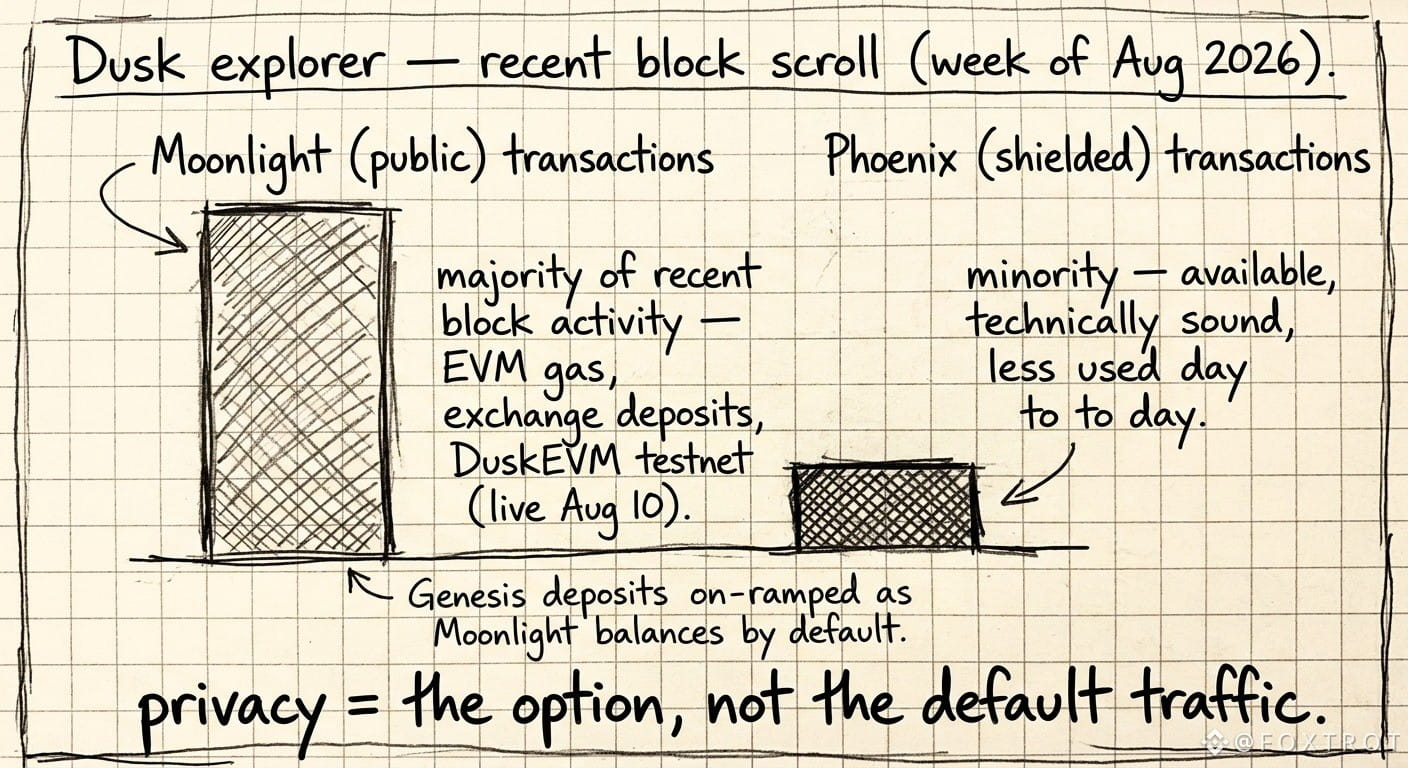
這周我在 Dusk explorer 上刷了一段近期區塊,只是想看看“正常”在日常里長什麼樣……等等——幾乎所有在這裏流轉的都不是 Phoenix,而是 Moonlight。#dusk $DUSK @Dusk_Foundation ——人們聊起 Dusk Foundation 時,總會提到的那個被保護的模型。
等你靜下心來就明白了。DuskEVM 測試網於 8 月 10 日上線,燃氣費用 $DUSK 支付,而其中每一筆交易都按設計公開——Solidity 工具鏈並不會把交易路由到被保護的註記裏;它是基於賬戶的、餘額可見的,就像任何 EVM 鏈一樣。甚至主網的存入也會在創世階段作爲 Moonlight 餘額被上鍊。所以一塊接一塊,你實際看到的是那條透明軌道在承擔主要工作,而不是私密那條。
我一直以爲能刷到一串 Phoenix 的轉賬,結果大多沒有。只好又確認了一遍,看看我是不是誤讀了 explorer。
這不是吐槽,只是注意到了這個差距——Phoenix 是頭條特性,Moonlight 目前是工作馬。合規、交易所集成、EVM 兼容性,所有這些出於必要性都偏向透明。隱私作爲一個選項存在,也已可用、技術上站得住,只是……目前大多數區塊並沒有在實際執行它。
不知道在什麼時點,這個比例會翻轉;或者“多數公開,按需開啓隱私”最終會不會成爲它的長期形態。
這周我在 Dusk explorer 上刷了一段近期區塊,只是想看看“正常”在日常里長什麼樣……等等——幾乎所有在這裏流轉的都不是 Phoenix,而是 Moonlight。#dusk $DUSK @Dusk ——人們聊起 Dusk Foundation 時,總會提到的那個被保護的模型。
等你靜下心來就明白了。DuskEVM 測試網於 8 月 10 日上線,燃氣費用 $DUSK 支付,而其中每一筆交易都按設計公開——Solidity 工具鏈並不會把交易路由到被保護的註記裏;它是基於賬戶的、餘額可見的,就像任何 EVM 鏈一樣。甚至主網的存入也會在創世階段作爲 Moonlight 餘額被上鍊。所以一塊接一塊,你實際看到的是那條透明軌道在承擔主要工作,而不是私密那條。
我一直以爲能刷到一串 Phoenix 的轉賬,結果大多沒有。只好又確認了一遍,看看我是不是誤讀了 explorer。
這不是吐槽,只是注意到了這個差距——Phoenix 是頭條特性,Moonlight 目前是工作馬。合規、交易所集成、EVM 兼容性,所有這些出於必要性都偏向透明。隱私作爲一個選項存在,也已可用、技術上站得住,只是……目前大多數區塊並沒有在實際執行它。
不知道在什麼時點,這個比例會翻轉;或者“多數公開,按需開啓隱私”最終會不會成爲它的長期形態。
等你靜下心來就明白了。DuskEVM 測試網於 8 月 10 日上線,燃氣費用 $DUSK 支付,而其中每一筆交易都按設計公開——Solidity 工具鏈並不會把交易路由到被保護的註記裏;它是基於賬戶的、餘額可見的,就像任何 EVM 鏈一樣。甚至主網的存入也會在創世階段作爲 Moonlight 餘額被上鍊。所以一塊接一塊,你實際看到的是那條透明軌道在承擔主要工作,而不是私密那條。
我一直以爲能刷到一串 Phoenix 的轉賬,結果大多沒有。只好又確認了一遍,看看我是不是誤讀了 explorer。
這不是吐槽,只是注意到了這個差距——Phoenix 是頭條特性,Moonlight 目前是工作馬。合規、交易所集成、EVM 兼容性,所有這些出於必要性都偏向透明。隱私作爲一個選項存在,也已可用、技術上站得住,只是……目前大多數區塊並沒有在實際執行它。
不知道在什麼時點,這個比例會翻轉;或者“多數公開,按需開啓隱私”最終會不會成爲它的長期形態。
2
99
真實
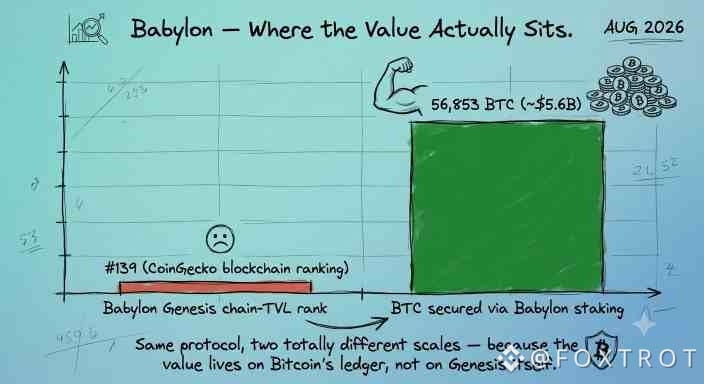
正埋頭在一個 Babylon CreatorPad 任務裏——$BABY 標籤頁打開、@babylonlabs_io 文檔打開、#baby 的搜索在後臺運行——結果在我向下滾動時,鏈路排名把我攔住了:在 CoinGecko 的區塊鏈列表裏,Babylon Genesis 按 TVL 排名只在第 #139。對於一個正在協調安全、涉及 56,853 BTC、約 56 億美元的網絡來說,這個數字看起來幾乎有點反直覺。
花了一秒鐘纔想明白。#139 這個位置只統計發生在 Genesis 本身的活動——應用、存款,以及那些典型的鏈級 DeFi 內容。協議真正觸達的實際價值不在那兒。它存在於比特幣自己的賬本上:通過時間鎖腳本鎖定,從未被跨鏈、從未被包裝,也根本不會在常規的鏈 TVL 統計裏出現。
$BABY 負責支付燃料並保障 Genesis 驗證者——說實話,那只是較小的工作。真正的功能是協調:在從不移動比特幣的前提下,把比特幣的經濟權重導向其他鏈。大多數效用型代幣的價值,往往取決於它自家鏈看起來有多活躍。而這個代幣的真正價值,主要發生在別處。
嗯——如果標準的 TVL 指標漏掉了項目大部分實際在做的事情,那麼還有多少“效用”代幣也同樣被統計得不準確呢?
正埋頭在一個 Babylon CreatorPad 任務裏——$BABY 標籤頁打開、@BabylonLabs_io 文檔打開、#baby 的搜索在後臺運行——結果在我向下滾動時,鏈路排名把我攔住了:在 CoinGecko 的區塊鏈列表裏,Babylon Genesis 按 TVL 排名只在第 #139。對於一個正在協調安全、涉及 56,853 BTC、約 56 億美元的網絡來說,這個數字看起來幾乎有點反直覺。
花了一秒鐘纔想明白。#139 這個位置只統計發生在 Genesis 本身的活動——應用、存款,以及那些典型的鏈級 DeFi 內容。協議真正觸達的實際價值不在那兒。它存在於比特幣自己的賬本上:通過時間鎖腳本鎖定,從未被跨鏈、從未被包裝,也根本不會在常規的鏈 TVL 統計裏出現。
$BABY 負責支付燃料並保障 Genesis 驗證者——說實話,那只是較小的工作。真正的功能是協調:在從不移動比特幣的前提下,把比特幣的經濟權重導向其他鏈。大多數效用型代幣的價值,往往取決於它自家鏈看起來有多活躍。而這個代幣的真正價值,主要發生在別處。
嗯——如果標準的 TVL 指標漏掉了項目大部分實際在做的事情,那麼還有多少“效用”代幣也同樣被統計得不準確呢?
花了一秒鐘纔想明白。#139 這個位置只統計發生在 Genesis 本身的活動——應用、存款,以及那些典型的鏈級 DeFi 內容。協議真正觸達的實際價值不在那兒。它存在於比特幣自己的賬本上:通過時間鎖腳本鎖定,從未被跨鏈、從未被包裝,也根本不會在常規的鏈 TVL 統計裏出現。
$BABY 負責支付燃料並保障 Genesis 驗證者——說實話,那只是較小的工作。真正的功能是協調:在從不移動比特幣的前提下,把比特幣的經濟權重導向其他鏈。大多數效用型代幣的價值,往往取決於它自家鏈看起來有多活躍。而這個代幣的真正價值,主要發生在別處。
嗯——如果標準的 TVL 指標漏掉了項目大部分實際在做的事情,那麼還有多少“效用”代幣也同樣被統計得不準確呢?
11
8
2.2k
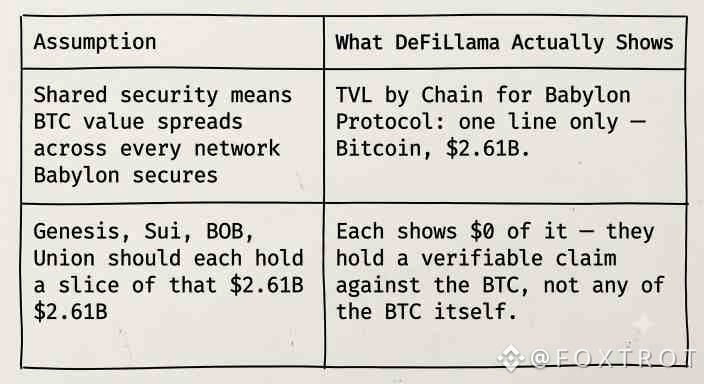
今天我在 Babylon 的 DeFiLlama 頁面裏翻找,原本期待看到那種典型的多鏈分佈:再質押協議各處散落着一點點 TVL。結果卻只有一條線。那一條線改變了我對基礎設施的理解。
本週 $BABY Babylon Protocol 顯示總鎖定價值 2.61B 美元,價格仍偏軟,按 CoinGecko 的數據,近七天下跌接近 10%。但其“按鏈劃分”的 TVL 明細裏,只有一個條目:比特幣。Babylon(@babylonlabs_io #baby )爲 Genesis 以及不斷增長的外部網絡提供保障——這些網絡裏沒有任何一個持有這 2.61B 美元中的一分錢。
我花了點時間才真正想明白。嗯——資本本身從未移動。Babylon 支持的每一條鏈,都只是持有針對 BTC 的、可被驗證的索賠;這份索賠在整個過程中一直鎖定在比特幣上,無論下面的鏈條結構多麼不同。我原以爲“共享安全”意味着價值會在網絡中實際分散。但並不是。它原地不動,而且被一次又一次地指向、指向、再指向。
感覺這更像是比特幣在悄悄變成所有人用的抵押品臺,而不像是多鏈協議。可我仍不確定——某條“鏈”是在履行它的職責,還是一份非常龐大、非常穩固的 IOU(應收/承諾),同時還配上了很好的公關?
今天我在 Babylon 的 DeFiLlama 頁面裏翻找,原本期待看到那種典型的多鏈分佈:再質押協議各處散落着一點點 TVL。結果卻只有一條線。那一條線改變了我對基礎設施的理解。
本週 $BABY Babylon Protocol 顯示總鎖定價值 2.61B 美元,價格仍偏軟,按 CoinGecko 的數據,近七天下跌接近 10%。但其“按鏈劃分”的 TVL 明細裏,只有一個條目:比特幣。Babylon(@BabylonLabs_io #baby )爲 Genesis 以及不斷增長的外部網絡提供保障——這些網絡裏沒有任何一個持有這 2.61B 美元中的一分錢。
我花了點時間才真正想明白。嗯——資本本身從未移動。Babylon 支持的每一條鏈,都只是持有針對 BTC 的、可被驗證的索賠;這份索賠在整個過程中一直鎖定在比特幣上,無論下面的鏈條結構多麼不同。我原以爲“共享安全”意味着價值會在網絡中實際分散。但並不是。它原地不動,而且被一次又一次地指向、指向、再指向。
感覺這更像是比特幣在悄悄變成所有人用的抵押品臺,而不像是多鏈協議。可我仍不確定——某條“鏈”是在履行它的職責,還是一份非常龐大、非常穩固的 IOU(應收/承諾),同時還配上了很好的公關?
本週 $BABY Babylon Protocol 顯示總鎖定價值 2.61B 美元,價格仍偏軟,按 CoinGecko 的數據,近七天下跌接近 10%。但其“按鏈劃分”的 TVL 明細裏,只有一個條目:比特幣。Babylon(@BabylonLabs_io #baby )爲 Genesis 以及不斷增長的外部網絡提供保障——這些網絡裏沒有任何一個持有這 2.61B 美元中的一分錢。
我花了點時間才真正想明白。嗯——資本本身從未移動。Babylon 支持的每一條鏈,都只是持有針對 BTC 的、可被驗證的索賠;這份索賠在整個過程中一直鎖定在比特幣上,無論下面的鏈條結構多麼不同。我原以爲“共享安全”意味着價值會在網絡中實際分散。但並不是。它原地不動,而且被一次又一次地指向、指向、再指向。
感覺這更像是比特幣在悄悄變成所有人用的抵押品臺,而不像是多鏈協議。可我仍不確定——某條“鏈”是在履行它的職責,還是一份非常龐大、非常穩固的 IOU(應收/承諾),同時還配上了很好的公關?
37
25
398
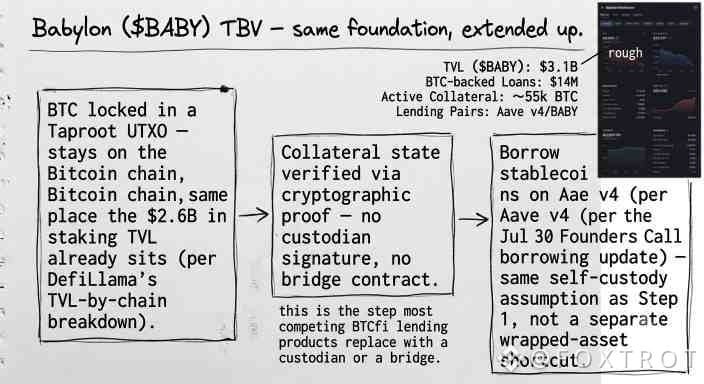
我在瀏覽《巴比倫》($BABY )的速覽內容時(@babylonlabs_io 那邊),準備用於 7 月 30 日的通話:關注的那套承諾“原生比特幣抵押借貸更新”的消息。我原本以爲會有某種新的橋接或“包裝資產”快捷方式來加速進展。#baby 的公告帖被點亮得像發佈會現場。
但並不是。依然是 TBV:比特幣本身上把 BTC 鎖定在一個 Taproot UTXO 裏——沒有包裝;贖回需要的是基於證明(proof)的門檻,而不是由託管方的簽名來放行。巴比倫實際的質押產品就是這種設計——目前資金規模約 26 億美元($2.6B);按 TVL 的拆分來看,全部都在比特幣鏈上,沒有被橋接到別處。$BABY 本週交易在約 0.013 美元附近,貼近其 0.011 美元的低點。下面那套“底層管道”一切沒變。
我反覆繞回的就是這部分。大多數協議在加一層借貸時,會通過把安全模型放寬一點來“換取”便利——包裝它、橋接它、把信任交給某個人。而巴比倫的做法只是把同一組基礎假設進一步延伸到更上層,而不是爲了省事而把它們替換掉。大概率會更慢;在落地頁上也肯定沒那麼刺激。
說實話,我本來沒打算把這次通話紀要挖到這麼深——只是好奇,就一直往下翻。現在還在想,“先打地基(foundation-first)”在面對一個持續獎勵“誰最先交付那層閃亮包裝”的市場時,是否還能站得住?它能撐過完整一個週期嗎,還是說這只是我們在事後纔有資格講的故事?
我在瀏覽《巴比倫》($BABY )的速覽內容時(@BabylonLabs_io 那邊),準備用於 7 月 30 日的通話:關注的那套承諾“原生比特幣抵押借貸更新”的消息。我原本以爲會有某種新的橋接或“包裝資產”快捷方式來加速進展。#baby 的公告帖被點亮得像發佈會現場。
但並不是。依然是 TBV:比特幣本身上把 BTC 鎖定在一個 Taproot UTXO 裏——沒有包裝;贖回需要的是基於證明(proof)的門檻,而不是由託管方的簽名來放行。巴比倫實際的質押產品就是這種設計——目前資金規模約 26 億美元($2.6B);按 TVL 的拆分來看,全部都在比特幣鏈上,沒有被橋接到別處。$BABY 本週交易在約 0.013 美元附近,貼近其 0.011 美元的低點。下面那套“底層管道”一切沒變。
我反覆繞回的就是這部分。大多數協議在加一層借貸時,會通過把安全模型放寬一點來“換取”便利——包裝它、橋接它、把信任交給某個人。而巴比倫的做法只是把同一組基礎假設進一步延伸到更上層,而不是爲了省事而把它們替換掉。大概率會更慢;在落地頁上也肯定沒那麼刺激。
說實話,我本來沒打算把這次通話紀要挖到這麼深——只是好奇,就一直往下翻。現在還在想,“先打地基(foundation-first)”在面對一個持續獎勵“誰最先交付那層閃亮包裝”的市場時,是否還能站得住?它能撐過完整一個週期嗎,還是說這只是我們在事後纔有資格講的故事?
但並不是。依然是 TBV:比特幣本身上把 BTC 鎖定在一個 Taproot UTXO 裏——沒有包裝;贖回需要的是基於證明(proof)的門檻,而不是由託管方的簽名來放行。巴比倫實際的質押產品就是這種設計——目前資金規模約 26 億美元($2.6B);按 TVL 的拆分來看,全部都在比特幣鏈上,沒有被橋接到別處。$BABY 本週交易在約 0.013 美元附近,貼近其 0.011 美元的低點。下面那套“底層管道”一切沒變。
我反覆繞回的就是這部分。大多數協議在加一層借貸時,會通過把安全模型放寬一點來“換取”便利——包裝它、橋接它、把信任交給某個人。而巴比倫的做法只是把同一組基礎假設進一步延伸到更上層,而不是爲了省事而把它們替換掉。大概率會更慢;在落地頁上也肯定沒那麼刺激。
說實話,我本來沒打算把這次通話紀要挖到這麼深——只是好奇,就一直往下翻。現在還在想,“先打地基(foundation-first)”在面對一個持續獎勵“誰最先交付那層閃亮包裝”的市場時,是否還能站得住?它能撐過完整一個週期嗎,還是說這只是我們在事後纔有資格講的故事?
14
11
241
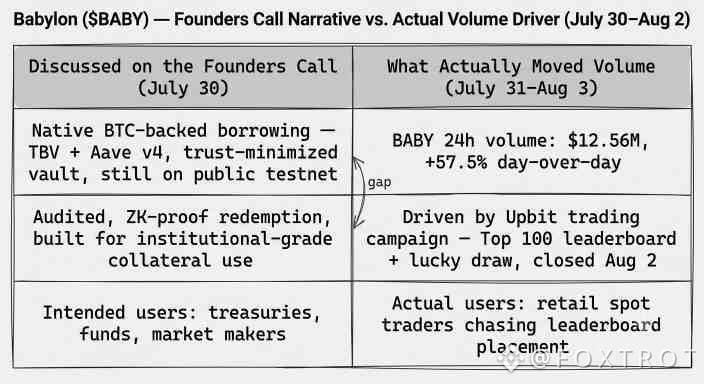
把下午都埋在了巴比倫($BABY , @babylonlabs_io , #baby )的資料和 X 信息流裏。至於這件事——等等——真正讓我停止刷屏的並不是一根價格K線。而是一個日程上的巧合。
週四的季度創始人電話會議(7月30日)上,David Tse 和 Fisher Yu 正在講解基於原生比特幣抵押的借貸更新——那種慢、可審計、還在測試網的東西。TBV、Aave v4,以及大多數人從未真正接觸過的“信任最小化”金庫機制。兩天之後,真正推動數字變化的內容卻完全不在那附近。就我寫這段話時,BABY 的 24 小時成交量是 1256 萬美元,較前一日上漲 57.5%——這幾乎是和 Upbit 的交易活動(排行榜、抽獎、截至 8 月 2 日)對上了,而不是有人把 BTC 鎖進了某個金庫。
當這個點卡上了的時候,我還在喫着麥片棒,所以或許應該帶點保留意見——但這裏真正新穎、也在悄悄搭建的“抵押品通道”,是爲那些尚不在場、卻正在面向機構和做市商建東西的人準備的。現在正在跑、帶來真實成交量的,是幾乎所有交易所裏每個代幣都在用的同一個排行榜機制。不是說它不好,只是——順序就是這樣,等你把它按時間線鋪開就會明白。
我仍在考慮:這個差距會不會在 TBV 上主網之後自己就被補上,還是成交量會繼續以某種方式完全生活在別的地方。
把下午都埋在了巴比倫($BABY , @BabylonLabs_io , #baby )的資料和 X 信息流裏。至於這件事——等等——真正讓我停止刷屏的並不是一根價格K線。而是一個日程上的巧合。
週四的季度創始人電話會議(7月30日)上,David Tse 和 Fisher Yu 正在講解基於原生比特幣抵押的借貸更新——那種慢、可審計、還在測試網的東西。TBV、Aave v4,以及大多數人從未真正接觸過的“信任最小化”金庫機制。兩天之後,真正推動數字變化的內容卻完全不在那附近。就我寫這段話時,BABY 的 24 小時成交量是 1256 萬美元,較前一日上漲 57.5%——這幾乎是和 Upbit 的交易活動(排行榜、抽獎、截至 8 月 2 日)對上了,而不是有人把 BTC 鎖進了某個金庫。
當這個點卡上了的時候,我還在喫着麥片棒,所以或許應該帶點保留意見——但這裏真正新穎、也在悄悄搭建的“抵押品通道”,是爲那些尚不在場、卻正在面向機構和做市商建東西的人準備的。現在正在跑、帶來真實成交量的,是幾乎所有交易所裏每個代幣都在用的同一個排行榜機制。不是說它不好,只是——順序就是這樣,等你把它按時間線鋪開就會明白。
我仍在考慮:這個差距會不會在 TBV 上主網之後自己就被補上,還是成交量會繼續以某種方式完全生活在別的地方。
週四的季度創始人電話會議(7月30日)上,David Tse 和 Fisher Yu 正在講解基於原生比特幣抵押的借貸更新——那種慢、可審計、還在測試網的東西。TBV、Aave v4,以及大多數人從未真正接觸過的“信任最小化”金庫機制。兩天之後,真正推動數字變化的內容卻完全不在那附近。就我寫這段話時,BABY 的 24 小時成交量是 1256 萬美元,較前一日上漲 57.5%——這幾乎是和 Upbit 的交易活動(排行榜、抽獎、截至 8 月 2 日)對上了,而不是有人把 BTC 鎖進了某個金庫。
當這個點卡上了的時候,我還在喫着麥片棒,所以或許應該帶點保留意見——但這裏真正新穎、也在悄悄搭建的“抵押品通道”,是爲那些尚不在場、卻正在面向機構和做市商建東西的人準備的。現在正在跑、帶來真實成交量的,是幾乎所有交易所裏每個代幣都在用的同一個排行榜機制。不是說它不好,只是——順序就是這樣,等你把它按時間線鋪開就會明白。
我仍在考慮:這個差距會不會在 TBV 上主網之後自己就被補上,還是成交量會繼續以某種方式完全生活在別的地方。
6
3
230
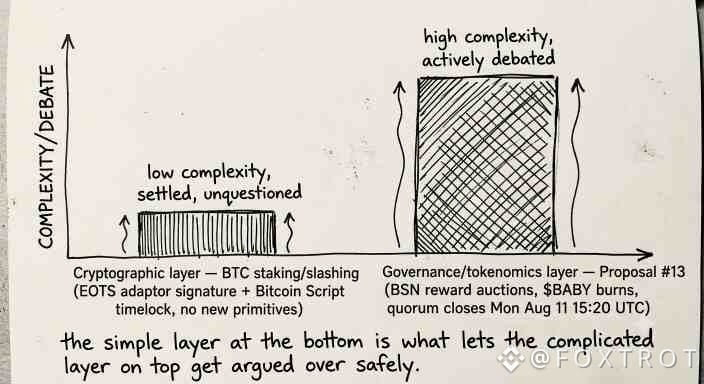
任務結束後才嚼這一個,而不是任務進行中——這對我來說很少見。我進入了 Babylon(@babylonlabs_io ),原本期待在 BTC 質押背後有什麼新的加密發明——新的證明系統、新的虛擬機,或者某種特別的東西。結果恰恰相反。削減(slashing)基於一種叫 EOTS 的適配器簽名技巧,它被疊加在帶時間鎖的普通比特幣腳本之上。就這些。沒有新的原語,也沒有從別處“借”來的東西。只是把現有組件重新拼裝,並且小心地把它們接起來。
與此同時,提案 #13 正在 Babylon Genesis 上線中,正在決定 BSN 獎勵如何被拍賣,以及如何將其燒入 $BABY ——法定人數(quorum)將在 08 月 11 日(UTC)15:20 關閉。確實是很複雜的事情,真正的取捨,真實的爭論正在公開發生。而它之所以能允許複雜,是因爲它下面那一層從來不需要被爭論。沒人會質疑時間鎖是否成立。戰鬥完全轉移到了更上層。
嗯——我把削減的說明(slashing writeup)重新讀了兩遍,想找“把柄”或“那種異國情調”的部分。沒找到。一直在期待“簡單”(simple)意味着“薄”(thin),但不是。它意味着不需要爲讓 BTC 可鎖定而額外引入任何必須被信任的新東西。
我在想:這是否就是爲什麼人們在最上層更願意爲代幣機制爭論——因爲大家根本不擔心它下面的基礎。
#baby $BABY
任務結束後才嚼這一個,而不是任務進行中——這對我來說很少見。我進入了 Babylon(@BabylonLabs_io ),原本期待在 BTC 質押背後有什麼新的加密發明——新的證明系統、新的虛擬機,或者某種特別的東西。結果恰恰相反。削減(slashing)基於一種叫 EOTS 的適配器簽名技巧,它被疊加在帶時間鎖的普通比特幣腳本之上。就這些。沒有新的原語,也沒有從別處“借”來的東西。只是把現有組件重新拼裝,並且小心地把它們接起來。
與此同時,提案 #13 正在 Babylon Genesis 上線中,正在決定 BSN 獎勵如何被拍賣,以及如何將其燒入 $BABY ——法定人數(quorum)將在 08 月 11 日(UTC)15:20 關閉。確實是很複雜的事情,真正的取捨,真實的爭論正在公開發生。而它之所以能允許複雜,是因爲它下面那一層從來不需要被爭論。沒人會質疑時間鎖是否成立。戰鬥完全轉移到了更上層。
嗯——我把削減的說明(slashing writeup)重新讀了兩遍,想找“把柄”或“那種異國情調”的部分。沒找到。一直在期待“簡單”(simple)意味着“薄”(thin),但不是。它意味着不需要爲讓 BTC 可鎖定而額外引入任何必須被信任的新東西。
我在想:這是否就是爲什麼人們在最上層更願意爲代幣機制爭論——因爲大家根本不擔心它下面的基礎。
#baby $BABY
與此同時,提案 #13 正在 Babylon Genesis 上線中,正在決定 BSN 獎勵如何被拍賣,以及如何將其燒入 $BABY ——法定人數(quorum)將在 08 月 11 日(UTC)15:20 關閉。確實是很複雜的事情,真正的取捨,真實的爭論正在公開發生。而它之所以能允許複雜,是因爲它下面那一層從來不需要被爭論。沒人會質疑時間鎖是否成立。戰鬥完全轉移到了更上層。
嗯——我把削減的說明(slashing writeup)重新讀了兩遍,想找“把柄”或“那種異國情調”的部分。沒找到。一直在期待“簡單”(simple)意味着“薄”(thin),但不是。它意味着不需要爲讓 BTC 可鎖定而額外引入任何必須被信任的新東西。
我在想:這是否就是爲什麼人們在最上層更願意爲代幣機制爭論——因爲大家根本不擔心它下面的基礎。
#baby $BABY
10
7
260
查看翻譯
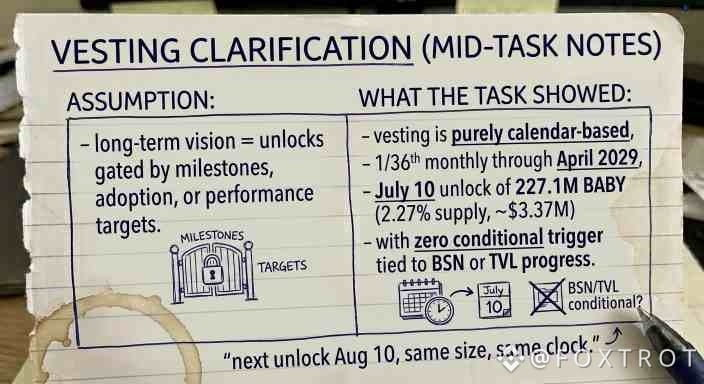
The vesting tracker showed 227.1M BABY hit circulation on July 10, 2026, another 2.27% of total supply, close to $3.37M at the time, done automatically, no announcement thread, nothing tied to it... so I started checking whether that unlock connects to any actual milestone before assuming the "long term vision" language in @babylonlabs_io docs means something concrete. Went through the vesting schedule expecting to find gates, like unlocks accelerating or pausing based on BSN adoption or TVL targets, something that ties the release to whether the vision is actually landing. There isn't one. The schedule runs purely on the calendar, 1/36th every month regardless of what multi-staking or Aave integration actually deliver, straight through to April 2029.
I assumed patient tokenomics meant the release was contingent on performance somehow. It's not, it's contingent on time, full stop. Checked the date twice because I expected some conditional language buried in there and there wasn't any... $BABY "long-term" framing describes duration, not accountability. Small thing, but I hold through unlocks assuming the team's incentive is tied to outcomes, and here it's just tied to the clock. #baby next one lands August 10. Does time alone count as alignment.
The vesting tracker showed 227.1M BABY hit circulation on July 10, 2026, another 2.27% of total supply, close to $3.37M at the time, done automatically, no announcement thread, nothing tied to it... so I started checking whether that unlock connects to any actual milestone before assuming the "long term vision" language in @BabylonLabs_io docs means something concrete. Went through the vesting schedule expecting to find gates, like unlocks accelerating or pausing based on BSN adoption or TVL targets, something that ties the release to whether the vision is actually landing. There isn't one. The schedule runs purely on the calendar, 1/36th every month regardless of what multi-staking or Aave integration actually deliver, straight through to April 2029.
I assumed patient tokenomics meant the release was contingent on performance somehow. It's not, it's contingent on time, full stop. Checked the date twice because I expected some conditional language buried in there and there wasn't any... $BABY "long-term" framing describes duration, not accountability. Small thing, but I hold through unlocks assuming the team's incentive is tied to outcomes, and here it's just tied to the clock. #baby next one lands August 10. Does time alone count as alignment.
I assumed patient tokenomics meant the release was contingent on performance somehow. It's not, it's contingent on time, full stop. Checked the date twice because I expected some conditional language buried in there and there wasn't any... $BABY "long-term" framing describes duration, not accountability. Small thing, but I hold through unlocks assuming the team's incentive is tied to outcomes, and here it's just tied to the clock. #baby next one lands August 10. Does time alone count as alignment.
5
2
137
今天和巴比倫質押腳本一起坐着看(時間比計劃長)——那個 UTXO 結構……你真的讀進去之後就會一直記在腦子裏,而不是隨便掃兩眼就過去。
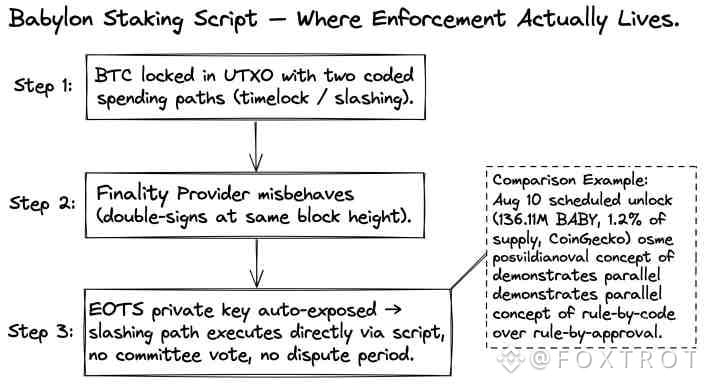
先快速錨定一下:任務中途查了 CoinGecko,下一筆 $BABY 的解鎖安排在 8 月 10 日,釋放 136.11M 代幣(約佔流通量的 1.2%,約 158 萬美元)。沒什麼誇張的地方。但它的觸發是按時間戳寫死的,並不需要委員會投票作爲門檻——而“編碼它,而不是治理它”這種邏輯,纔是整個架構真正運行的核心,不只是歸屬/解鎖部分。
讓我最在意的是:比特幣質押輸出腳本里直接內置了兩種花費條件——正常提取的時間鎖(timelock),以及當規則被破壞時,契約(covenant)委員會可以觸發的削減/罰沒(slashing)路徑。沒有橋、沒有包裝資產、也沒有把密鑰交給別處的單獨託管方。規則就寫在這筆交易本身裏。最終性提供者(finality provider)的失職會通過 EOTS 密鑰暴露被懲罰——強制執行靠的是密碼學,而不是事後的爭議流程或社會層面的投票。
我一直反覆回去重讀文檔,就等着找到“然後多籤同意它”的那一步。沒找到。也許只是我還沒看夠仔細——等等——
這讓我開始懷疑:當某條鏈以這麼強硬的方式試圖移除信任層時,最先會崩的到底是什麼……是技術本身,還是大家那種“治理總需要人工檢查點”的假設。
@babylonlabs_io $BABY #baby
今天和巴比倫質押腳本一起坐着看(時間比計劃長)——那個 UTXO 結構……你真的讀進去之後就會一直記在腦子裏,而不是隨便掃兩眼就過去。
先快速錨定一下:任務中途查了 CoinGecko,下一筆 $BABY 的解鎖安排在 8 月 10 日,釋放 136.11M 代幣(約佔流通量的 1.2%,約 158 萬美元)。沒什麼誇張的地方。但它的觸發是按時間戳寫死的,並不需要委員會投票作爲門檻——而“編碼它,而不是治理它”這種邏輯,纔是整個架構真正運行的核心,不只是歸屬/解鎖部分。
讓我最在意的是:比特幣質押輸出腳本里直接內置了兩種花費條件——正常提取的時間鎖(timelock),以及當規則被破壞時,契約(covenant)委員會可以觸發的削減/罰沒(slashing)路徑。沒有橋、沒有包裝資產、也沒有把密鑰交給別處的單獨託管方。規則就寫在這筆交易本身裏。最終性提供者(finality provider)的失職會通過 EOTS 密鑰暴露被懲罰——強制執行靠的是密碼學,而不是事後的爭議流程或社會層面的投票。
我一直反覆回去重讀文檔,就等着找到“然後多籤同意它”的那一步。沒找到。也許只是我還沒看夠仔細——等等——
這讓我開始懷疑:當某條鏈以這麼強硬的方式試圖移除信任層時,最先會崩的到底是什麼……是技術本身,還是大家那種“治理總需要人工檢查點”的假設。
@BabylonLabs_io $BABY #baby
先快速錨定一下:任務中途查了 CoinGecko,下一筆 $BABY 的解鎖安排在 8 月 10 日,釋放 136.11M 代幣(約佔流通量的 1.2%,約 158 萬美元)。沒什麼誇張的地方。但它的觸發是按時間戳寫死的,並不需要委員會投票作爲門檻——而“編碼它,而不是治理它”這種邏輯,纔是整個架構真正運行的核心,不只是歸屬/解鎖部分。
讓我最在意的是:比特幣質押輸出腳本里直接內置了兩種花費條件——正常提取的時間鎖(timelock),以及當規則被破壞時,契約(covenant)委員會可以觸發的削減/罰沒(slashing)路徑。沒有橋、沒有包裝資產、也沒有把密鑰交給別處的單獨託管方。規則就寫在這筆交易本身裏。最終性提供者(finality provider)的失職會通過 EOTS 密鑰暴露被懲罰——強制執行靠的是密碼學,而不是事後的爭議流程或社會層面的投票。
我一直反覆回去重讀文檔,就等着找到“然後多籤同意它”的那一步。沒找到。也許只是我還沒看夠仔細——等等——
這讓我開始懷疑:當某條鏈以這麼強硬的方式試圖移除信任層時,最先會崩的到底是什麼……是技術本身,還是大家那種“治理總需要人工檢查點”的假設。
@BabylonLabs_io $BABY #baby
8
4
271
查看翻譯
Kept comparing Babylon's vault stats to a wrapped-BTC yield farm I'd checked earlier in the week — same task, different tab — and the contrast is what actually stuck. One relies on emissions to look attractive. The other just cut its own emissions and the model didn't blink. Babylon $BABY #baby @babylonlabs_io
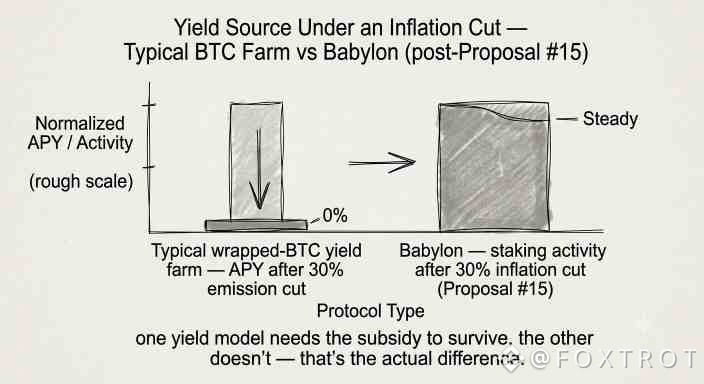
Most BTC yield products — wrap it, bridge it, drop it in a pool — the yield is basically a subsidy. Token emissions paying you to show up. Take the emissions away and the APY collapses because there was never a real buyer for that yield underneath. Babylon just ran the opposite experiment without meaning to: proposal #15 passed, inflation cut 30%, and staking didn't dry up. Why — because the yield's other leg isn't emissions, it's PoS chains actually paying for Bitcoin's finality through the co-staking split. Real demand, not a faucet.
Hmm, took me a minute to trust that read. I kept expecting to find the catch — some hidden emission schedule propping up the number. Went back through the vault data twice looking for it. Didn't find it, which honestly surprised me more than finding it would have.
So the difference isn't security model or custody, everyone claims that now. It's whether the yield survives a haircut to its own token supply.
Curious how many "BTC yield" projects would even survive their own version of proposal #15.
Kept comparing Babylon's vault stats to a wrapped-BTC yield farm I'd checked earlier in the week — same task, different tab — and the contrast is what actually stuck. One relies on emissions to look attractive. The other just cut its own emissions and the model didn't blink. Babylon $BABY #baby @BabylonLabs_io
Most BTC yield products — wrap it, bridge it, drop it in a pool — the yield is basically a subsidy. Token emissions paying you to show up. Take the emissions away and the APY collapses because there was never a real buyer for that yield underneath. Babylon just ran the opposite experiment without meaning to: proposal #15 passed, inflation cut 30%, and staking didn't dry up. Why — because the yield's other leg isn't emissions, it's PoS chains actually paying for Bitcoin's finality through the co-staking split. Real demand, not a faucet.
Hmm, took me a minute to trust that read. I kept expecting to find the catch — some hidden emission schedule propping up the number. Went back through the vault data twice looking for it. Didn't find it, which honestly surprised me more than finding it would have.
So the difference isn't security model or custody, everyone claims that now. It's whether the yield survives a haircut to its own token supply.
Curious how many "BTC yield" projects would even survive their own version of proposal #15.
Most BTC yield products — wrap it, bridge it, drop it in a pool — the yield is basically a subsidy. Token emissions paying you to show up. Take the emissions away and the APY collapses because there was never a real buyer for that yield underneath. Babylon just ran the opposite experiment without meaning to: proposal #15 passed, inflation cut 30%, and staking didn't dry up. Why — because the yield's other leg isn't emissions, it's PoS chains actually paying for Bitcoin's finality through the co-staking split. Real demand, not a faucet.
Hmm, took me a minute to trust that read. I kept expecting to find the catch — some hidden emission schedule propping up the number. Went back through the vault data twice looking for it. Didn't find it, which honestly surprised me more than finding it would have.
So the difference isn't security model or custody, everyone claims that now. It's whether the yield survives a haircut to its own token supply.
Curious how many "BTC yield" projects would even survive their own version of proposal #15.
3
1
186
登入以探索更多內容
加入幣安廣場中的全球加密貨幣用戶
⚡️ 獲取加密貨幣的最新和實用資訊。
💬 受到全球最大加密貨幣交易所的信任。
👍 發掘來自經過驗證創作者的真實見解。
電子郵件 / 電話號碼
熱門話題
币安推出BinanceIntelligence
1.5M 次瀏覽
2,792 討論中
#币安推出BinanceIntelligence 昨天全程聽完了一姐的AMA,不得不說一姐真的太拼了,懷孕了還在每天高強度工作。這次bn的新產品,確實也有點東西。
對於普通用戶來說,平時刷新聞、盯行情、看各種分析,信息看了一大堆,最後還是會困惑:這條消息到底是利好還是利空?
Binance Intelligence這次是根據不同用戶類型找準了痛點:
1.瞭解市場(給所有人)
Binance AI會在App裏提供個性化市場分析,包括市場簡報、資產跟蹤、智能提醒和盈虧回顧,簡報還可以直接聽音頻。
對我來說,這部分最實用的地方就是省時間。不用每天在一堆消息裏翻來翻去,先看看哪些值得關注、哪些跟自己的持倉有關,再決定要不要深入研究。
2.把想法變成策略(給交易者)
比如,你想“監測持倉有沒有明顯變化”,AI Pro的方向是把這類自然語言需求,變成可以查看、修改的工作流,並在你設置的限制內運行。
它介紹了模擬交易能力,讓你有機會先用虛擬資金試一試,可以過過高倍槓桿的癮。
不過,新版AI Pro預計要等到10月下旬才能上線,現在還在內測階段。
3.支持把常用AI接入幣安(給開發者)
Agent OS可以讓兼容的外部AI工具,在授權後查詢行情、查看持倉,甚至進行交易操作。
看到這裏,估計有人跟我一樣,第一反應是:AI會不會亂動我的錢?
我查了下,官方MCP接入文檔寫明:Agent在獨立子賬戶內操作,需要你手動轉入資金,沒有提現權限;下單、撤單、內部劃轉等操作需要先獲得你的確認。
當然,這不代表交給AI就沒風險了。別想着有了AI制定策略,就能次次精準抄底逃頂。畢竟交易是一個長期、動態的博弈過程,行情不會因爲你用了AI就變得好猜。
價格這一塊,Binance AI是免費使用的、AI Pro採用免費+付費模式,價格爲19.99 U/月,更適合高頻交易者。
华尔街Alex
·50 人按讚
·119.3k 次瀏覽
Evernorth推迟纳斯达克上市至10月12日
67,071 次瀏覽
89 討論中
美联储纪要聚焦10月暂停加息
221,706 次瀏覽
481 討論中