

DragonFlyOfficial
59 貼文

DragonFlyOfficial
舉報
封鎖用戶
🚀 Crypto Trader | Content Creator | 6 Years Experience
Sharing analysis, altcoin research & trading strategies
Helping traders grow with real market insights
57 關注
24 粉絲
64 點讚數
貼文
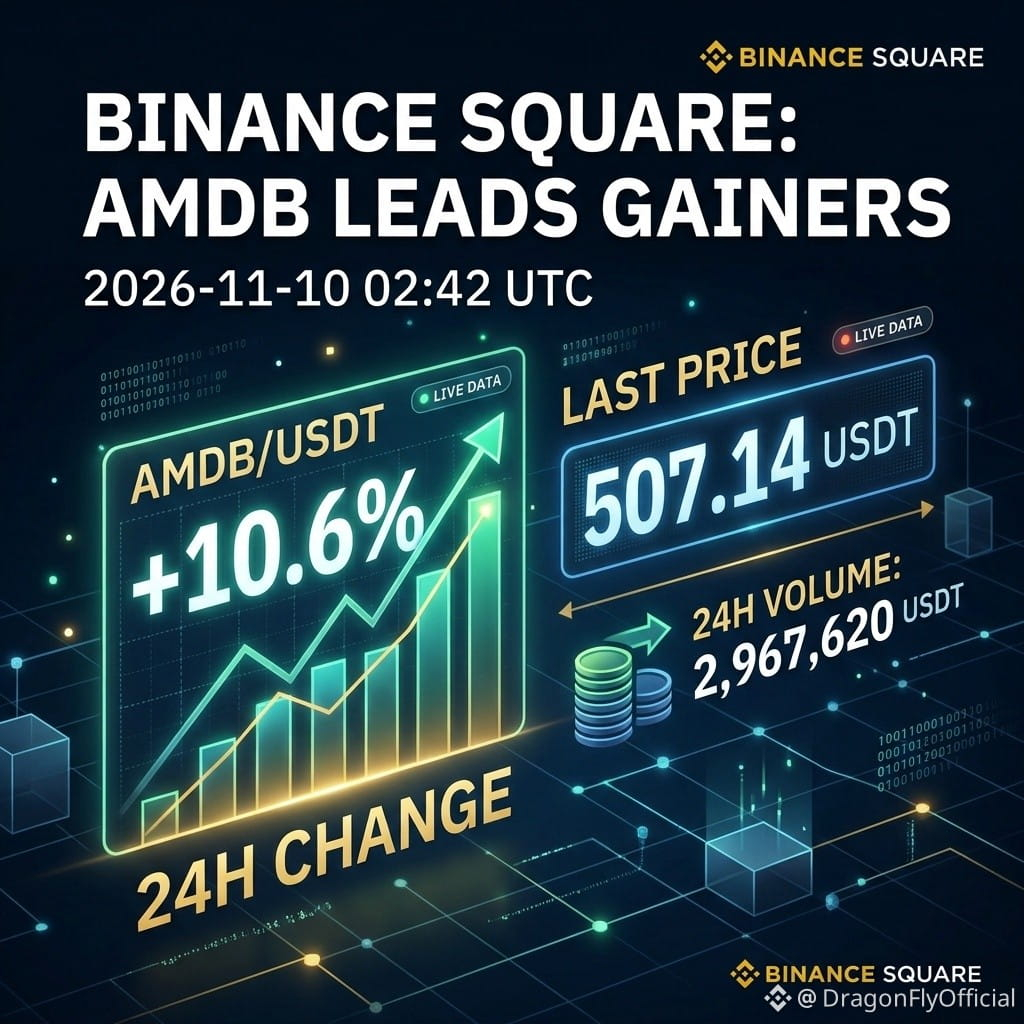
AMDB上漲10.6%:AMD關聯是否是今日行情背後的原因?📈
🔍 故事從何開始?
AMDB/USDT的最新價格爲507.14 USDT,24小時內上漲了10.6%。其交易量約爲2,967,620 USDT。這一表現使AMDB躋身今日幣安廣場漲幅榜前列。
乍看之下,這像是又一波強勁的加密貨幣漲勢。但這個資產背後有一個重要細節。
💡 AMDB有何不同?
AMDB是超威半導體(AMD)bStocks的代幣化版本。它通過基於區塊鏈的資產,讓持有者獲得與AMD股票相關的經濟敞口。
這在兩個市場之間建立了重要聯繫:傳統股票市場與數字資產市場。
今日上漲的可能原因包括AMDB需求增強、市場對AMD業務的預期變化,或人們對代幣化股票興趣上升。不過,現有數據無法確認某個具體催化因素。
⚠️ 漲勢會減弱嗎?
上漲10.6%令人矚目,但單日表現並不能保證後續持續增長。
AMDB面臨多種風險:
AMD基礎股票價值發生變化。
買賣壓力突然變化。
流動性有限,以及不同市場之間可能存在價格差異。
與代幣化資產及其發行方相關的其他風險。
📊 交易者接下來應關注什麼?
關鍵問題是交易活躍度能否保持強勁,以及$AMDB
{spot}(AMDBUSDT)
是否會繼續跟隨其基礎資產走勢。接近297萬USDT的交易量顯示市場活動相當活躍,但並不能保證買方會繼續佔據主導地位。
Dragonfly官方觀點
AMDB上漲10.6%值得關注,但明智的交易者不會只看漲幅。控制倉位規模、設置止損,並且只投入自己承受得起損失的資金。加密貨幣交易風險較高,本文分析不構成財務建議。
#AMDB #AMD #CryptoMarket #TokenizedStocks #MarketAnalysis
AMDB上漲10.6%:AMD關聯是否是今日行情背後的原因?📈
🔍 故事從何開始?
AMDB/USDT的最新價格爲507.14 USDT,24小時內上漲了10.6%。其交易量約爲2,967,620 USDT。這一表現使AMDB躋身今日幣安廣場漲幅榜前列。
乍看之下,這像是又一波強勁的加密貨幣漲勢。但這個資產背後有一個重要細節。
💡 AMDB有何不同?
AMDB是超威半導體(AMD)bStocks的代幣化版本。它通過基於區塊鏈的資產,讓持有者獲得與AMD股票相關的經濟敞口。
這在兩個市場之間建立了重要聯繫:傳統股票市場與數字資產市場。
今日上漲的可能原因包括AMDB需求增強、市場對AMD業務的預期變化,或人們對代幣化股票興趣上升。不過,現有數據無法確認某個具體催化因素。
⚠️ 漲勢會減弱嗎?
上漲10.6%令人矚目,但單日表現並不能保證後續持續增長。
AMDB面臨多種風險:
AMD基礎股票價值發生變化。
買賣壓力突然變化。
流動性有限,以及不同市場之間可能存在價格差異。
與代幣化資產及其發行方相關的其他風險。
📊 交易者接下來應關注什麼?
關鍵問題是交易活躍度能否保持強勁,以及$AMDB
是否會繼續跟隨其基礎資產走勢。接近297萬USDT的交易量顯示市場活動相當活躍,但並不能保證買方會繼續佔據主導地位。
Dragonfly官方觀點
AMDB上漲10.6%值得關注,但明智的交易者不會只看漲幅。控制倉位規模、設置止損,並且只投入自己承受得起損失的資金。加密貨幣交易風險較高,本文分析不構成財務建議。
#AMDB #AMD #CryptoMarket #TokenizedStocks #MarketAnalysis
5
$SIGN
{future}(SIGNUSDT)
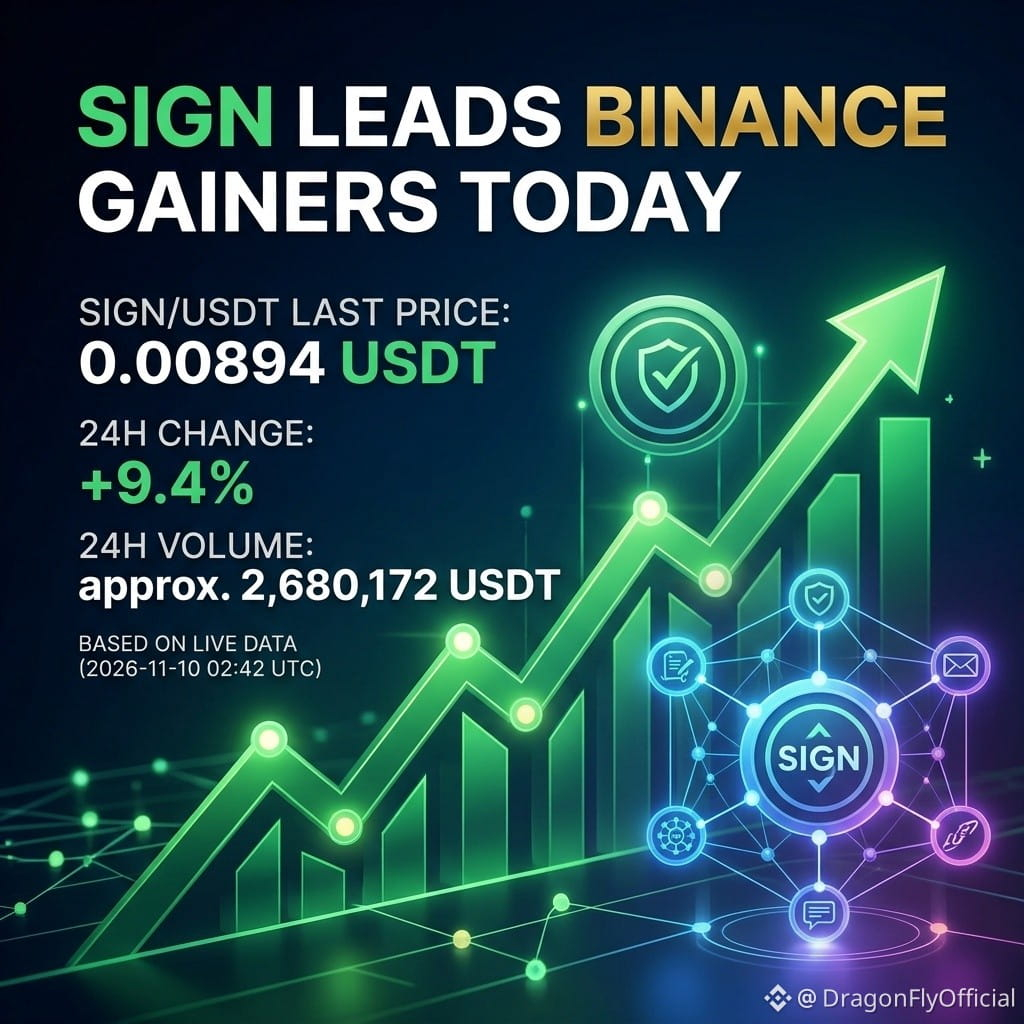
上漲9.4%:價格每次跳漲都意味着買盤強勁嗎?
📚 誤區與事實:綠色並不總是意味着增長
加密貨幣領域有一種常見誤區:某種幣漲幅接近10%,就一定意味着長期需求強勁。事實並非總是如此。SIGN/USDT在24小時內上漲了9.4%,達到0.00894美元。但單日上漲並不能保證趨勢會持續。
📈 優勢:買家正在表現出興趣
SIGN的24小時交易量約爲268萬美元。這表明價格上漲的同時,市場交易活動也相當活躍。交易量增加可能意味着市場關注度上升,但並不能證明買家會繼續活躍。
⚠️ 風險:上漲勢頭可能逆轉
9.4%的漲幅可能吸引尋求快速獲利的短線交易者。如果買盤興趣減弱,或賣家開始獲利了結,價格可能失去上漲動能。交易活動旺盛也意味着市場狀況可能迅速變化。
🔍 還有哪些未知因素?
現有數據並未證實此次上漲的確切原因。若沒有經過覈實的證據表明某項公告、合作或項目進展推動了這波行情,將漲勢歸因於某個特定事件就只是猜測。
💡 最後提醒
控制倉位,設置止損,只投入你能夠承受損失的資金。加密貨幣交易存在風險,本文不構成財務建議。保持謹慎,質疑炒作,並始終獨立思考。
#SIGN #CryptoMarke t #Altcoins #CryptoAnalysis #TradingRisk
$SIGN
上漲9.4%:價格每次跳漲都意味着買盤強勁嗎?
📚 誤區與事實:綠色並不總是意味着增長
加密貨幣領域有一種常見誤區:某種幣漲幅接近10%,就一定意味着長期需求強勁。事實並非總是如此。SIGN/USDT在24小時內上漲了9.4%,達到0.00894美元。但單日上漲並不能保證趨勢會持續。
📈 優勢:買家正在表現出興趣
SIGN的24小時交易量約爲268萬美元。這表明價格上漲的同時,市場交易活動也相當活躍。交易量增加可能意味着市場關注度上升,但並不能證明買家會繼續活躍。
⚠️ 風險:上漲勢頭可能逆轉
9.4%的漲幅可能吸引尋求快速獲利的短線交易者。如果買盤興趣減弱,或賣家開始獲利了結,價格可能失去上漲動能。交易活動旺盛也意味着市場狀況可能迅速變化。
🔍 還有哪些未知因素?
現有數據並未證實此次上漲的確切原因。若沒有經過覈實的證據表明某項公告、合作或項目進展推動了這波行情,將漲勢歸因於某個特定事件就只是猜測。
💡 最後提醒
控制倉位,設置止損,只投入你能夠承受損失的資金。加密貨幣交易存在風險,本文不構成財務建議。保持謹慎,質疑炒作,並始終獨立思考。
#SIGN #CryptoMarke t #Altcoins #CryptoAnalysis #TradingRisk
38
BEB上漲9.3%:今日市場波動背後的意外因素
📈 強勁開局
$BEB
{spot}(BEBUSDT)
在過去24小時內上漲9.3%,成爲市場焦點。截至2026年11月10日02:42 UTC,BEB/USDT價格達到194.89,交易量攀升至約1,965,139 USDT。
📊 有趣的轉折
這一走勢令人鼓舞,但綠色的價格圖表並不能說明全部情況。交易量反映了交易的總價值,而價格變化則顯示市場走勢。綜合來看,這些數據表明,市場交易活動顯著,同時價格走勢向好。
🔍 背後可能有哪些因素?
可能的因素包括買家興趣上升、短期投機、市場關注度增加,或交易者預期發生變化。不過,現有數據無法證實究竟是什麼因素推動了BEB上漲。將任何單一解釋當作事實都會造成誤導。
💡 給交易者的啓示
Dragonfly Official建議讀者不要只關注漲幅百分比。留意交易活動是否持續強勁、價格能否維持漲勢,以及新的市場信息是否爲這波走勢提供支撐。根據所提供的數據,無法確認入場點、止損位或獲利目標,因此不要把這次上漲視爲交易信號。
控制倉位,設置合適的止損,只承擔自己能夠承受的損失。加密貨幣交易風險較高,本文不構成財務建議。
接下來關注什麼:BEB能否保持漲勢,還是獲利了結會改變市場走勢?
#BEB
#CryptoMarket #MarketAnalysis #Altcoins #CryptoTrading
BEB上漲9.3%:今日市場波動背後的意外因素
📈 強勁開局
$BEB
在過去24小時內上漲9.3%,成爲市場焦點。截至2026年11月10日02:42 UTC,BEB/USDT價格達到194.89,交易量攀升至約1,965,139 USDT。
📊 有趣的轉折
這一走勢令人鼓舞,但綠色的價格圖表並不能說明全部情況。交易量反映了交易的總價值,而價格變化則顯示市場走勢。綜合來看,這些數據表明,市場交易活動顯著,同時價格走勢向好。
🔍 背後可能有哪些因素?
可能的因素包括買家興趣上升、短期投機、市場關注度增加,或交易者預期發生變化。不過,現有數據無法證實究竟是什麼因素推動了BEB上漲。將任何單一解釋當作事實都會造成誤導。
💡 給交易者的啓示
Dragonfly Official建議讀者不要只關注漲幅百分比。留意交易活動是否持續強勁、價格能否維持漲勢,以及新的市場信息是否爲這波走勢提供支撐。根據所提供的數據,無法確認入場點、止損位或獲利目標,因此不要把這次上漲視爲交易信號。
控制倉位,設置合適的止損,只承擔自己能夠承受的損失。加密貨幣交易風險較高,本文不構成財務建議。
接下來關注什麼:BEB能否保持漲勢,還是獲利了結會改變市場走勢?
#BEB
#CryptoMarket #MarketAnalysis #Altcoins #CryptoTrading
GRAM 上漲 9.4%:關於綠色市場行情的最大誤區
📊 誤區:上漲 9.4% 意味着市場信心強勁
事實:GRAM/USDT 目前報 1.105,過去 24 小時上漲 9.4%,交易量約爲 1,224 萬 USDT。這是一次值得關注的波動,但僅憑綠色的漲幅,並不能證明買方信心十足,也不能說明這輪漲勢會持續。
🔍 誤區:高交易量保證進一步上漲
事實:交易量反映了有多少價值在市場中易手。GRAM 公佈的 24 小時交易量表明交易活動相當活躍。不過,僅憑交易量無法判斷市場由買方還是賣方主導。價格上漲且交易量高確實值得關注,但並不保證市場強勢能夠持久。
💡 這波行情背後可能是什麼原因?
市場關注度上升、短期投機、新的需求或更廣泛的加密貨幣市場情緒,都可能推動價格上漲。不過,目前沒有足夠的經覈實信息來確定 GRAM 此次表現背後的具體原因。請將這些視爲可能性,而非已證實的解釋。
最後提醒
控制倉位,設置止損,只投入自己能承受損失的資金。加密貨幣交易風險很高,本文不構成財務建議。市場大幅波動值得關注,但不應盲目相信。
以下內容或許也會讓你感興趣。
輕鬆上手 MCP AI
廣告
廣告選項
從聊天中發佈
藉助 AI 起草併發布 WordPress 文章。
瞭解更多
瞭解廣告與個性化設置
155
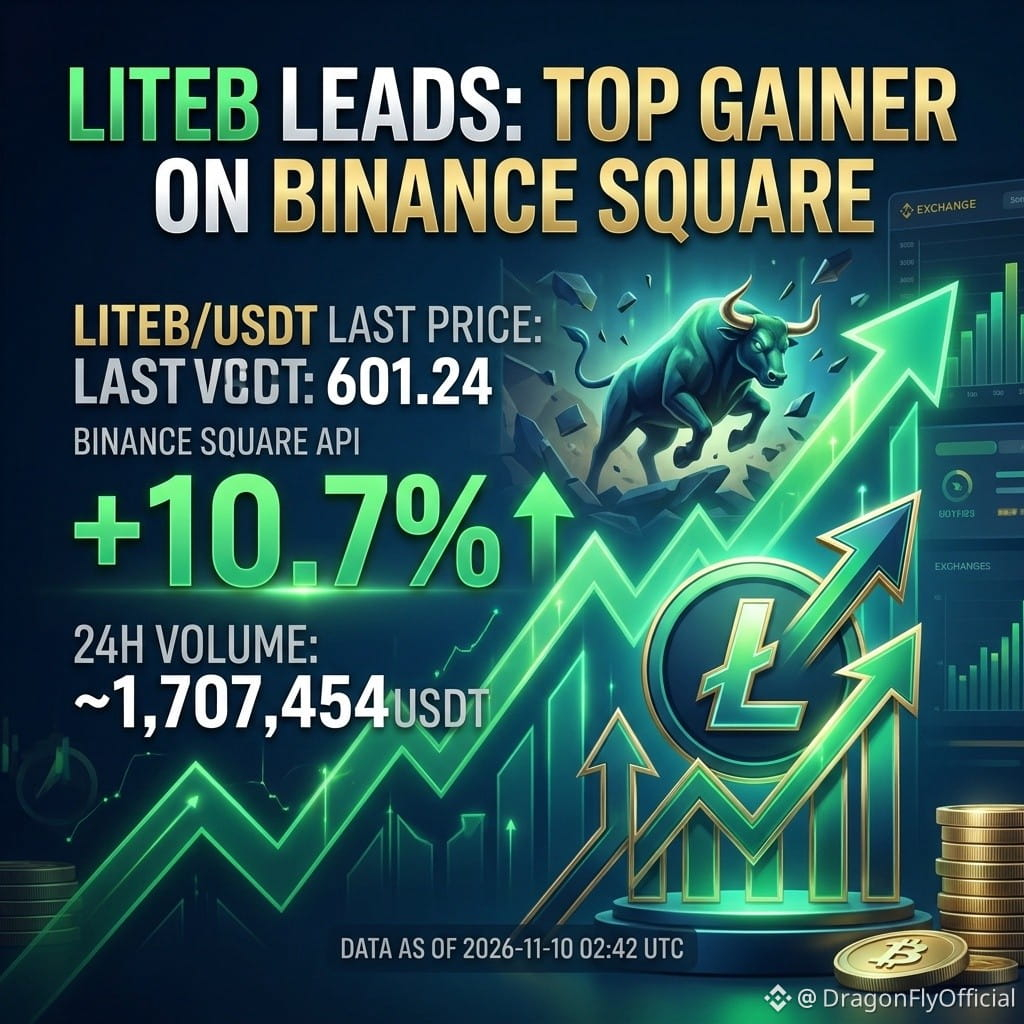
LITEB 上漲 10.7%:發生了什麼變化?漲勢能否持續?
📊 前後對比
LITEB 近期價格顯著上漲,引起了市場關注。最新公佈的 24 小時表現顯示,LITEB 上漲了 10.7%,LITEB/USDT 報 601.24。其 24 小時交易量約爲 1,707,454 USDT。這使 LITEB 成爲今日表現突出的漲幅幣種之一。
📈 優勢
最顯著的積極信號是價格上漲與可觀交易活動並存。10.7% 的漲幅表明買方較爲活躍,而公佈的交易量也顯示市場參與度不低。
較高的交易量會讓價格變動更值得關注,因爲這表明價格上漲的同時也伴隨着交易活動。不過,這並不保證漲勢會延續。
⚠️ 風險
價格上漲並不總是意味着長期趨勢強勁。有些漲幅是由短期投機、突然的買入壓力或市場流動性有限造成的。
目前也缺乏足夠的經覈實信息,無法確認 LITEB 此次上漲背後是否有具體公告、合作關係或項目進展。投資者不應假定此次漲幅是由利好消息引起的。
💡 最後提醒
Dragonfly Official 鼓勵大家獨立研究。控制倉位,設置適當的止損,切勿投入自己無法承受損失的資金。加密貨幣交易風險較高,以上內容不構成財務建議。
保持謹慎,理性看待炒作,始終獨立思考。
#LITEB #CryptoMarke t #TopGainers #CryptoAnalys #RiskManagement
5
BEAMX上漲10.8%:遊戲板塊關注度是否迴歸?
🎮 從基礎知識開始
想象一下,你查看自己的加密貨幣投資組合,發現 BEAMX 是當天表現最強勁的資產之一。這個代幣重新吸引了市場關注,但這是否意味着強勁勢頭即將開啓,還是隻是短期價格波動?
BEAMX 與 Beam 相關聯。Beam 是一個專注於 Web3 遊戲的區塊鏈生態系統,旨在爲遊戲應用、數字資產和基於區塊鏈的體驗提供支持。
📊 行情背後的數據
截至 2026 年 11 月 10 日 02:42 UTC,BEAMX/USDT 的表現如下:
💡 新手交易指南
在考慮建倉之前,請確認交易活躍度是否保持強勁,關注整體加密貨幣市場狀況,並留意價格是否持續走強,不要僅僅因爲單日漲跌幅而貿然行動。
現有數據未能確定經過驗證的入場價、止損位或止盈目標。請勿猜測這些價位,也不要追漲突發行情。
⚠️ 風險仍然不容忽視
上漲10.8%並不意味着價格還會繼續上漲。獲利了結、市場情緒變化以及突如其來的拋售壓力,都可能迅速抹去漲幅。
控制倉位,設置合適的止損,只投入自己能夠承受損失的資金。加密貨幣交易風險較高,本文不構成財務建議。
Dragonfly 官方總結:BEAMX 單日漲幅亮眼,但可持續的強勢比一根綠色K線更重要。
你認爲 BEAMX 能保持當前勢頭嗎?
#BEAMX #beams #CryptoMarke t #altcoinscrash #CryptoTrading
97
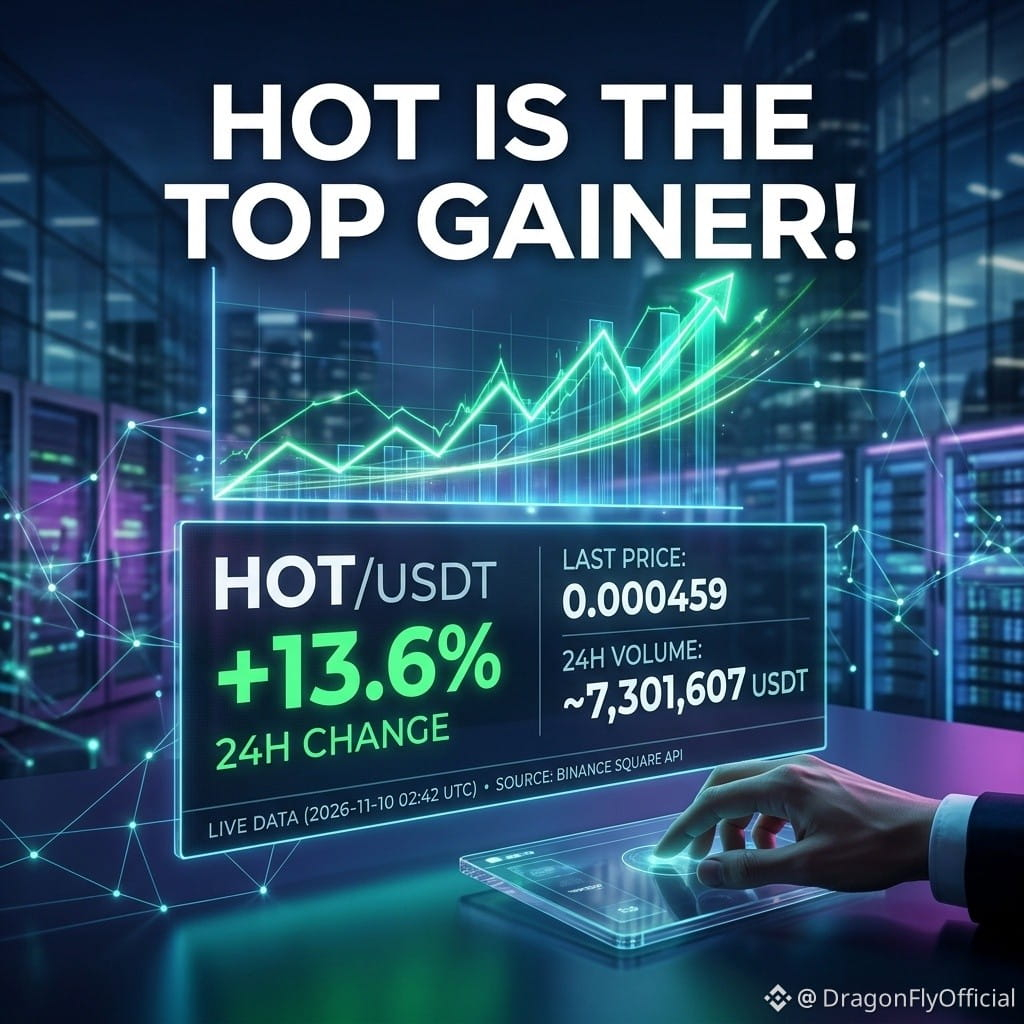
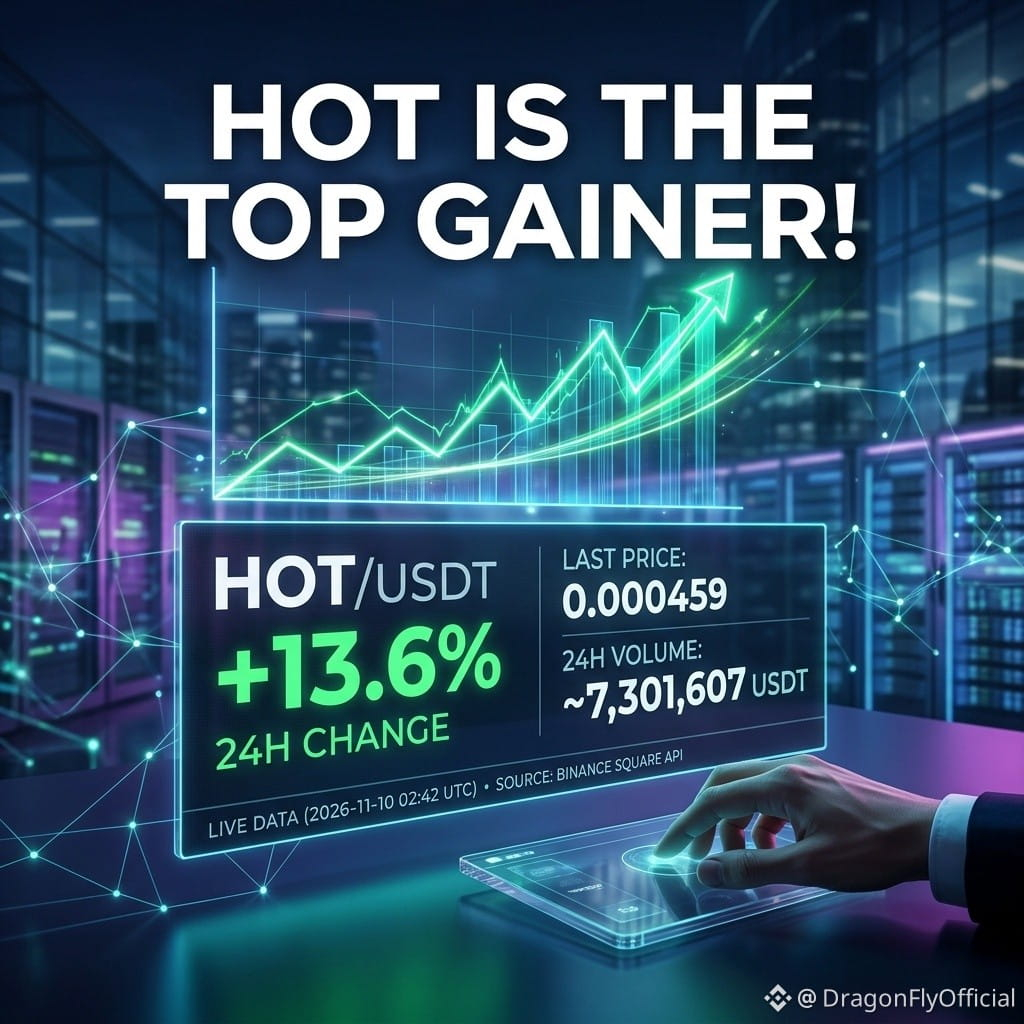
HOT 上漲 13.6%:是什麼推動了這輪漲勢,又有哪些風險?
🔍 平衡看待:勢頭仍需確認
HOT 上漲 13.6%,顯示出短期積極勢頭,但單日表現並不能證明覆蘇能夠持續。交易者應避免在未了解市場狀況和自身風險承受能力的情況下追漲。
💡 接下來關注什麼
關注交易量能否保持強勁、買方是否持續感興趣,以及 HOT 能否延續當前勢頭。
Dragonfly Official 提醒讀者,加密貨幣交易存在風險。請控制倉位,在適當情況下設置止損,並且只承擔自己能夠承受的損失。本內容不構成財務建議。
$HOT
HOT 上漲 13.6%:是什麼推動了這輪漲勢,又有哪些風險?
🔍 平衡看待:勢頭仍需確認
HOT 上漲 13.6%,顯示出短期積極勢頭,但單日表現並不能證明覆蘇能夠持續。交易者應避免在未了解市場狀況和自身風險承受能力的情況下追漲。
💡 接下來關注什麼
關注交易量能否保持強勁、買方是否持續感興趣,以及 HOT 能否延續當前勢頭。
Dragonfly Official 提醒讀者,加密貨幣交易存在風險。請控制倉位,在適當情況下設置止損,並且只承擔自己能夠承受的損失。本內容不構成財務建議。
$HOT
🔍 平衡看待:勢頭仍需確認
HOT 上漲 13.6%,顯示出短期積極勢頭,但單日表現並不能證明覆蘇能夠持續。交易者應避免在未了解市場狀況和自身風險承受能力的情況下追漲。
💡 接下來關注什麼
關注交易量能否保持強勁、買方是否持續感興趣,以及 HOT 能否延續當前勢頭。
Dragonfly Official 提醒讀者,加密貨幣交易存在風險。請控制倉位,在適當情況下設置止損,並且只承擔自己能夠承受的損失。本內容不構成財務建議。
$HOT
165
TST 上漲 12%:買盤興趣正在增強,還是這只是短期波動?
❓ 發生了什麼?
TST 在 24 小時內上漲 12.0%,引起了市場關注。但這波上漲是強勁勢頭增強的開端,還是隻是買盤活動暫時升溫?交易數據提供了一些有用的線索。
📊 市場概況
截至 2026 年 11 月 10 日 02:42 UTC:
交易對:TST/USDT
最新價格:$0.01281
24 小時漲幅:+12.0%
24 小時交易量:約 $8,162,403
價格上漲與大量交易活動同時出現,表明 TST 吸引了相當多的市場參與者。
🔍 可能的原因
買盤興趣上升、交易者重新關注、投機活動或整體市場情緒,都可能促成這波行情。不過,現有數據無法確認具體原因。
僅憑價格上漲,並不能證明長期需求正在增長。交易者應觀察後續活動是否持續,再判斷這波走勢能否延續。
⚖️ 另一方面
快速上漲可能吸引尋求快速獲利的短線交易者。如果買盤興趣減弱或賣方變得更加活躍,價格可能反轉。高交易量並不保證上漲行情會持續。
⚠️ 最後提醒
加密貨幣交易存在風險,本分析不構成財務建議。請保持謹慎、覈實信息,並始終在做出交易決定前獨立思考。
#TST #加密貨幣市場 #TopGainersonBinance r #CryptoAnalysisb #TradingRisk
233
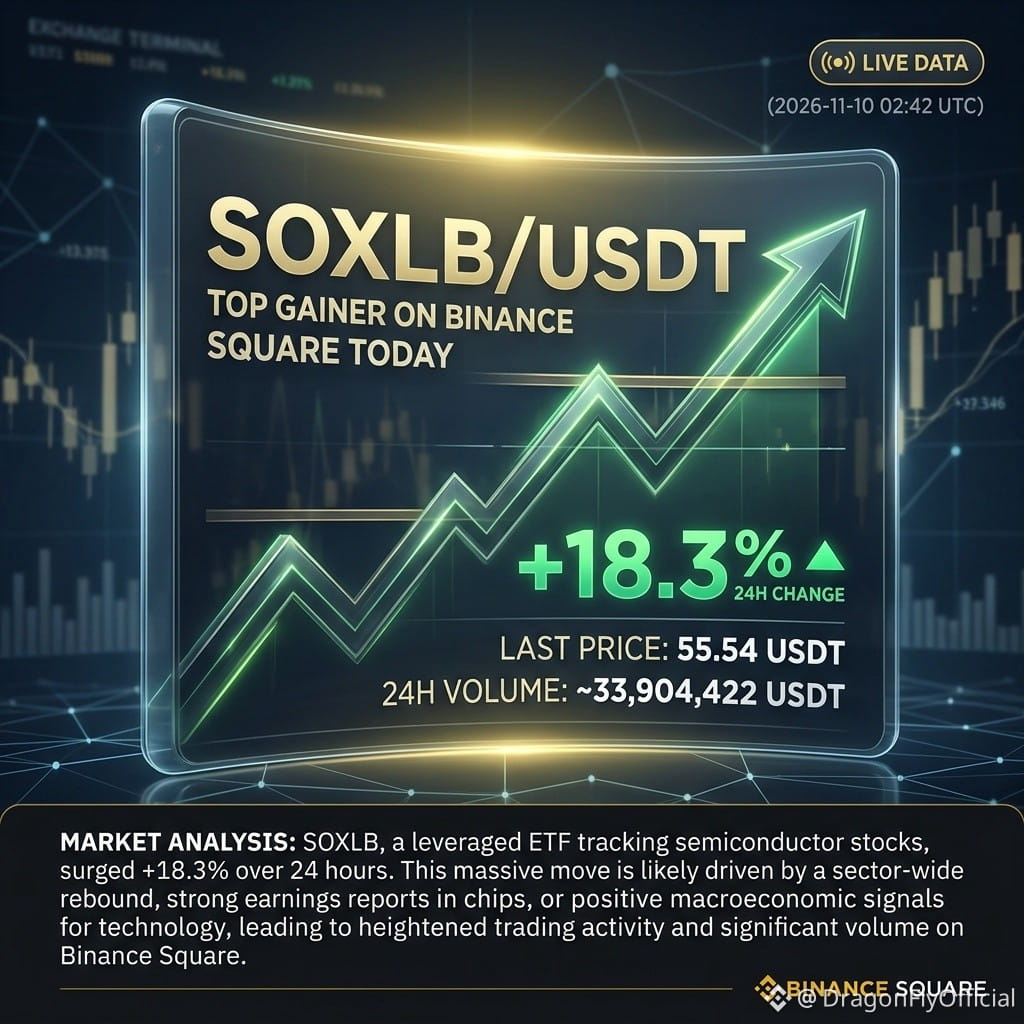
SOXLB爲何上漲18.3%?揭祕今日漲幅榜首
📈 誤區:不過是又一次加密貨幣拉盤
事實:這是一種不同類型的資產
SOXLB並非普通的加密貨幣。它是一種與Semicon Bull 3X ETF掛鉤的代幣化金融資產,該ETF提供對半導體股票的槓桿敞口。這意味着它的表現與傳統半導體市場相關,而不僅僅取決於加密貨幣市場情緒。
📊 市場概況
截至2026年11月10日02:42 UTC的最新報告數據顯示:
交易對:SOXLB/USDT
最新價格:55.54 USDT
24小時漲幅:+18.3%
24小時交易量:約33,904,422 USDT
價格大幅上漲,且交易活躍,使SOXLB成爲今日漲幅榜上的焦點。
⚠️ 誤區:上漲18.3%意味着風險低
事實:槓桿可能雙向放大波動
SOXLB所掛鉤的ETF採用每日3倍槓桿。這可以放大收益,但也可能加劇虧損。每日槓桿與複利效應在較長持有期間可能造成意想不到的結果。
💡 交易展望
單日大幅上漲值得關注,但不應盲目買入。做出決定前,請留意半導體市場表現、交易量和價格穩定性。現有數據無法確定可靠的入場位、止損位或目標價位。
控制倉位,設置合適的止損,只投入你能承受損失的資金。
Dragonfly Official 提醒:大幅收益總能吸引關注,但瞭解槓桿並管理風險,纔是明智決策與投機行爲的區別所在。
加密貨幣交易存在風險。本文不構成財務建議。
$SOXLB
{spot}(SOXLBUSDT)
SOXLB爲何上漲18.3%?揭祕今日漲幅榜首
📈 誤區:不過是又一次加密貨幣拉盤
事實:這是一種不同類型的資產
SOXLB並非普通的加密貨幣。它是一種與Semicon Bull 3X ETF掛鉤的代幣化金融資產,該ETF提供對半導體股票的槓桿敞口。這意味着它的表現與傳統半導體市場相關,而不僅僅取決於加密貨幣市場情緒。
📊 市場概況
截至2026年11月10日02:42 UTC的最新報告數據顯示:
交易對:SOXLB/USDT
最新價格:55.54 USDT
24小時漲幅:+18.3%
24小時交易量:約33,904,422 USDT
價格大幅上漲,且交易活躍,使SOXLB成爲今日漲幅榜上的焦點。
⚠️ 誤區:上漲18.3%意味着風險低
事實:槓桿可能雙向放大波動
SOXLB所掛鉤的ETF採用每日3倍槓桿。這可以放大收益,但也可能加劇虧損。每日槓桿與複利效應在較長持有期間可能造成意想不到的結果。
💡 交易展望
單日大幅上漲值得關注,但不應盲目買入。做出決定前,請留意半導體市場表現、交易量和價格穩定性。現有數據無法確定可靠的入場位、止損位或目標價位。
控制倉位,設置合適的止損,只投入你能承受損失的資金。
Dragonfly Official 提醒:大幅收益總能吸引關注,但瞭解槓桿並管理風險,纔是明智決策與投機行爲的區別所在。
加密貨幣交易存在風險。本文不構成財務建議。
$SOXLB
74
INIT 飆升 57.6%:這是真正的復甦,還是短期買入浪潮?
📊 誤區:價格飆升 57%,意味着現在買入這種幣就安全了。
未必。大幅上漲可能表明市場興趣濃厚,但也可能帶來更大的波動和突然反轉。INIT 是一個很好的例子,說明交易者不應只關注漲幅百分比。
📈 問:INIT 發生了什麼?
截至 2026 年 11 月 10 日 02:42 UTC,INIT/USDT 的數據如下:
最新價格:0.19856 USDT
24 小時漲幅:+57.6%
24 小時交易量:約 1361 萬 USDT
強勁表現使 INIT 躋身當日漲幅領先的幣種之列。
🔍 問:這波走勢爲何重要?
價格大幅上漲,同時交易活動活躍,這表明市場參與度有所提高。
不過,成交量增加並不能自動證明長期需求。它也可能反映短期投機、動量交易,以及交易者對快速價格波動做出的反應。
💡 問:哪些因素可能推動了這波上漲?
Initia 是一個區塊鏈生態系統,因此市場對其技術的信心、生態活動以及整體市場情緒,都可能影響市場對 INIT 的興趣。
不過,現有數據無法證實這波上漲是由某個特定原因推動的。交易者應避免把猜測當成已確認的催化因素。
⚠️ 問:最大的風險是什麼?
快速上漲後,獲利了結可能引發突然的拋售壓力。上漲動能可能減弱,價格波動也可能導致意料之外的虧損。沒有明確計劃就追漲,可能會很危險。
#INIT #Initia #加密貨幣市場 #漲幅領先 #加密貨幣交易
136
GNS 飆升 34.7%:是什麼推動了買盤突然升溫?
📈 GNS 發生了什麼?
GNS/USDT 在 24 小時內大漲 34.7%,達到 0.427 美元。其 24 小時交易量也達到約 646 萬美元。這使 GNS 成爲值得關注的幣種,交易者正從市場中尋找機會。
🔍 什麼是 GNS?
GNS 是 Gains Network 的代幣,這是一個去中心化交易生態系統,主要專注於提供鏈上槓杆交易。簡單來說,它讓用戶能夠通過基於區塊鏈的技術交易不同市場。
📊 價格爲什麼上漲?
價格上漲 34.7%,同時交易量達到數百萬美元,表明市場活動強勁。可能的因素包括買盤興趣增加、短期投機、市場重新關注該項目,或整體市場情緒變化。
不過,現有數據無法確認究竟是哪種因素推動了這輪上漲。交易量增加代表交易活動增多,並不一定意味着長期投資者需求上升。
💡 交易者應關注什麼?
考慮建倉前,請觀察買盤是否持續、交易量是否保持強勁,以及價格能否守住近期漲幅。不要在未經確認的情況下追逐突然拉昇的行情。僅憑所提供的數據,無法確定可靠的入場、止損或止盈價位。
⚠️ 更全面地看
GNS 當日表現亮眼,但急劇上漲也可能迅速反轉。請控制倉位,設置合適的止損,並且只投入自己能夠承受損失的資金。
27
查看翻譯
YOUR ACCOUNT CHANGED. SEND YOUR MESSAGE AGAIN
YOUR ACCOUNT CHANGED. SEND YOUR MESSAGE AGAIN
📊 剛剛發生了什麼?
11月9日,加密貨幣市場再次遭遇大規模清算潮,24小時內約有價值11.6億美元的槓桿頭寸被強制平倉。
市場突然下跌,讓數千名交易者措手不及。在此期間,超過167,000名交易者遭到清算,這充分說明市場狀況可能迅速對槓桿頭寸不利。
多頭頭寸受創最重,約佔10.4億美元;空頭頭寸則約爲1.17億美元。
🔍 爲什麼虧損會如此之大?
主要問題是槓桿過高,同時價格不斷下跌。
多頭頭寸是指價格上漲時能夠獲利的交易。當交易者借錢或使用槓桿來擴大頭寸規模時,即使價格只是相對小幅下跌,也可能造成重大虧損。
如果可用保證金不足,交易所就會自動平倉。這種強制平倉稱爲清算。
拋售壓力可能進一步壓低價格,引發更多清算,形成連鎖反應。
以太坊交易者遭受的損失尤其嚴重,清算金額超過5億美元,而比特幣約爲3.09億美元。
⚠️ 這對市場意味着什麼?
清算數據表明,在最近這輪下跌之前,看漲交易者持有大量風險敞口。
比特幣一度跌破74,000美元,給本已緊張的市場帶來更多壓力。不過,大規模清算並不意味着長期熊市必然已經開始。
。
這說明市場中的過度槓桿已被清除,但並不保證市場會立即復甦。
📈 接下來可能會發生什麼?
市場接下來的走向將取決於買方是否會重新入場,並以足夠的力量支撐價格。
如果拋售壓力持續,市場仍可能出現更多波動和強制平倉。如果買盤需求改善,隨着較弱的槓桿頭寸已被清除,市場可能會趨於穩定。
52
Anthropic 面臨 IPO 考驗:能否守住估值,還是推遲重磅上市?
🏢 盛大上市,重大疑問
想象一下,你打造了一家全球最具價值的 AI 公司之一。你的技術吸引了數百萬用戶,投資者熱情高漲,而你正準備進軍股市。但就在上市前夕,一些買家開始質疑定價。
這正是 Claude AI 背後的公司 Anthropic 所面臨的挑戰。該公司正準備進行一場大型首次公開募股(IPO)。計劃於 11 月上市的消息備受關注,但投資者信心正面臨嚴峻考驗。
📊 1.5 萬億美元之問
市場討論的 Anthropic 潛在 IPO 估值約爲 1.5 萬億美元,低於此前接近 2 萬億美元的預期。
然而,在當前市場環境下,一些潛在投資者認爲,即使是 1.5 萬億美元也過於昂貴。據稱,有些投資者希望獲得更大的折扣才願意出資。
這讓公司陷入兩難:是維持雄心勃勃的預期,還是以較低估值發行股票,以吸引更強勁的需求?
⚠️ 投資者爲何猶豫
更廣泛的科技市場經歷了大幅拋售,給 AI 相關公司帶來壓力。
投資者也在審視 Anthropic 的財務狀況,包括運營成本、季度虧損,以及對計算基礎設施和商業夥伴作出的重大承諾。
另一個重要的顧慮是營收增長。投資者正等待 10 月營收數據,以瞭解該公司近期增長放緩的情況是否有所改善。
💡 給 AI 投資者更深層的啓示
Anthropic 的處境凸顯了商業成功與股市估值之間的重要區別。
一家公司的技術可以實力強大、需求旺盛、營收增長令人矚目,但這並不意味着投資者被要求支付的任何價格都合理。
對於 AI 行業而言,這次 IPO 可能成爲一次重要考驗,檢驗投資者是否仍願意爲未來增長支付高昂溢價。
136
查看翻譯
CPI TESTS DECEMBER RATE OUTLOOK: WILL INFLATION FORCE THE FED TO KEEP RATES HIGHER? 📊
Will the next US inflation report change expectations for December interest rates? Investors are waiting for October's Consumer Price Index (CPI), scheduled for November 10 at 8:30 a.m. ET.
This report matters because inflation remains a major concern for the Federal Reserve. Its results could influence borrowing costs, stock markets, the US dollar, Bitcoin, and the wider crypto market.
📊 INFLATION PRESSURE
September's US CPI increased to 3.7% year over year, compared with 3.4% in August. This shows that inflation pressure has not disappeared.
The Fed aims to bring inflation down to 2%. When prices continue rising too quickly, policymakers may keep interest rates high or increase them to slow spending and demand.
⚖️ DECEMBER DECISION
The Federal Reserve kept its benchmark interest rate at 3.75%–4.00% in October. However, expectations for December have shifted toward another possible increase.
Recent stronger employment data and persistent inflation have strengthened the case for tighter monetary policy. Markets are now paying close attention to whether the next CPI report supports that expectation.
₿ CRYPTO IMPACT
If inflation comes in hotter than exp
ected, investors may anticipate higher interest rates for longer. That could put pressure on riskier investments, including cryptocurrencies.
If inflation cools, market confidence could improve as investors reassess the Fed's future decisions. However, lower inflation does not automatically guarantee a rate cut.
💡 WHAT MATTERS
Dragonfly Official highlights three important factors to watch:
Headline CPI: The overall change in consumer prices.
Core CPI: Inflation excluding food and energy, which helps reveal underlying price pressure.
Market reaction: Bitcoin, the US dollar, bond yields, and stock markets may respond differently depending on the results.
WHAT COMES NEXT?
The October CPI report arrives November 10, followed by the December 9 Fed decision.
44
📊 從強勢到弱勢:發生了什麼變化?
10月初,比特幣交易價格接近86,500美元。如今,在連續五週下跌後,價格已跌至約74,800美元。這意味着五週內下跌了約13.6%。最近一週的跌幅約爲4.5%,是本輪連續下跌中最陡的一次。
對於初學者來說,周線上的紅色蠟燭圖只是表示比特幣收盤價低於當週開盤價。連續五根紅色蠟燭圖表明,拋售壓力已經持續了數週。
以下幾個因素正在影響市場信心:
1. ETF資金流出:11月的第一週,投資者從美國現貨比特幣ETF中撤出了約12.8億美元,給市場增添了壓力。
2. 市場不確定性:對經濟狀況、利率和科技股的擔憂削弱了投資者信心。
3. 強制平倉:當使用槓桿的交易者無法維持倉位時,交易所會自動將其平倉。這可能會帶來額外的拋售壓力,並加速價格下跌。
📉 爲什麼連續五週下跌很重要
連續五週下跌在比特幣歷史上並不常見。不過,這種走勢並不意味着另一場重大崩盤必然即將到來。
以往的連續下跌走勢帶來了不同結果。有時價格繼續下跌,有時市場則出現反彈。歷史能提供有用的經驗,但無法保證接下來會發生什麼。
⚠️ 投資者現在應該關注什麼?
比特幣近期在73,500美元附近形成的低點是一個值得關注的重要位置。若價格持續回升至75,000美元上方,可能有助於改善短期信心。另一方面,如果價格再次跌破近期低點,拋售壓力可能會加大。
比特幣連續五週下跌,嚴重警示了市場的疲弱,但這並不能證明市場不可能復甦。市場考驗投資者時,耐心、研究和紀律最爲重要。
加密貨幣交易存在風險,投資者可能會損失本金。請謹慎管理倉位,設置止損,切勿投入自己無法承受損失的資金。
87
英偉達首席執行官接受調查:黃仁勳的道歉究竟意味着什麼
🔍 誤區一:這只是一起私人關係醜聞
事實:這場爭議遠不止黃仁勳的私生活。
2026年11月8日,黃仁勳在發給員工的信息中承認自己對妻子不忠。他向家人、同事、董事會成員、合作伙伴和股東道歉,併爲自己的行爲承擔責任。
然而,更令人擔憂的是,有報道稱,一名與他有關係的女性被美國情報官員懷疑與中國情報部門有聯繫。
這些指控尚未得到證實。
⚠️ 誤區二:英偉達已確認遭遇數據竊取
事實:此次調查旨在查明實際發生了什麼。
英偉達董事會已啓動獨立調查,由獨立董事牽頭,並有外部法律顧問提供支持。
公司表示,目前沒有理由相信國家安全或英偉達的機密信息已遭到泄露。
這一區別很重要。展開調查並不意味着間諜活動或信息竊取必然發生。
📊 誤區三:黃仁勳已被免去首席執行官職務
事實:調查期間,他仍然負責領導公司。
英偉達表示,黃仁勳將繼續領導公司,工作不會中斷。他還承諾將充分配合調查,並重申自己致力於保護公司和維護美國國家安全。
儘管如此,這一事件仍引發了有關高管責任、企業安全和領導層問責的重要問題。
這起事件提醒我們,企業領導力不僅關乎業務表現。信任、透明度、個人責任和安全同樣重要。
對英偉達來說,真正的考驗在於其獨立調查能否給出明確答案,並維護員工、客戶和投資者的信心。
你認爲在調查持續進行期間,英偉達能否保持投資者信心?
292
#BinanceProcesses$4.65BWithdrawals
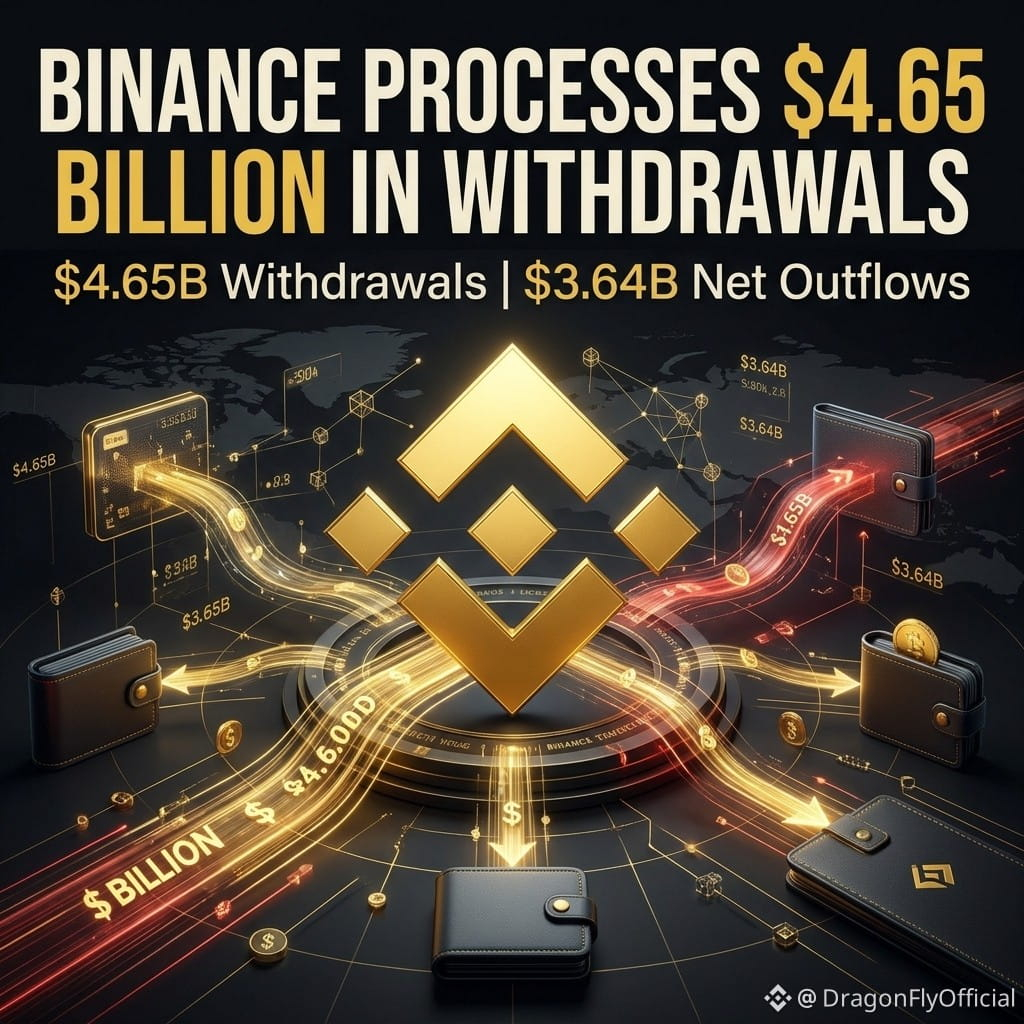
幣安處理了46.5億美元提現:用戶信心面臨重大考驗
幣安在11月1日重新開放提現服務後的前九個半小時內,處理了約46.5億美元的客戶提現。如此大規模的資金流動,發生在一起據稱涉及63億美元的安全事件之後,該事件引發了加密貨幣市場的嚴重擔憂。
淨流出36.4億美元
在統計期間,幣安處理了:
46.49億美元提現。
10.1億美元存款。
約36.4億美元淨流出。
淨流出約佔幣安報告的1710億美元總資產的2.1%。
提現逐步趨於穩定
幣安分階段恢復提現,第一階段於11月1日06:00 UTC開始。截至12:36 UTC,第一階段涉及的全部15條網絡及資產均已恢復提現,其中包括BTC、ETH、BNB、SOL、XRP、USDT和USDC等主要加密貨幣。
該交易所還表示,提現活動在最初激增後有所回落,而存款仍然可觀。
安全與透明度至關重要
幣安表示,正在使用自有資金替換受影響的資產,並已彌補約95%的受影響金額。該交易所還在準備更新版儲備金證明報告,讓用戶瞭解其資產儲備的最新情況。
這對加密貨幣行業意味着什麼?
這一情況爲整個加密貨幣行業敲響了重要警鐘:安全、透明度以及客戶資金的使用渠道,對於維繫信任至關重要。
數十億美元的提現並不意味着交易所必然會倒閉。不過,用戶會密切關注提現服務、儲備金報告以及交易所的恢復進展。
未來幾天對幣安至關重要,它需要努力重建信心,並展現其安全系統的實力。
對任何加密貨幣交易所而言,信任都建立在透明度、堅實的安全保障以及對用戶資產的持續保護之上。
1
81
15億美元遭清算:當市場信心演變成槓桿陷阱
市場迷思
許多交易者認爲,當加密貨幣市場大幅下跌時,只有買入時機不對的投資者纔會虧錢。但事實遠不止如此。市場突然下跌,可能迫使數千個槓桿頭寸自動平倉,從而給整個市場帶來更大壓力。
2026年10月30日發生的情況正是如此:24小時內,約15.3億美元的加密貨幣槓桿頭寸遭到清算。
造成的損失
這些數字表明,市場上押注價格上漲的頭寸規模有多大。
約12.9億美元來自多頭頭寸,約佔全部清算金額的83.8%。多頭頭寸是預期加密貨幣價格會上漲的交易。
超過24萬名交易者受到影響,這表明市場波動可能多麼迅速地波及多個交易平臺的參與者。
比特幣清算金額約爲4.99億美元,以太坊則貢獻了另外3.58億美元。Solana、XRP和狗狗幣也經歷了大量強制平倉。
潛在優勢
儘管清算會給受影響的交易者造成嚴重損失,但也可能改變市場結構。
當過度槓桿消退後,市場中高風險頭寸可能會減少。這有助於緩解交易者使用借入資金所帶來的部分壓力。
另一個重要進展是市場出現了雙向波動。最初下跌後,價格開始回升,讓押注價格會進一步下跌的交易者承受壓力。
這表明,清算事件並不意味着市場必然會繼續朝同一個方向發展。
最大風險
問題在於槓桿的運作方式。
假設一名交易者只用1,000美元自有資金,就開立了價值10,000美元的頭寸。相對較小的反向波動,也可能造成相較於初始資金而言巨大的損失。

1
142
查看翻譯
FedWatch: The Market Is Not Expecting What You Think
MYTH: FedWatch Predicts the Federal Reserve's Next Decision
Many people look at FedWatch and assume it tells them exactly what the Federal Reserve will do at its next meeting. That is not true.
FACT: FedWatch Measures Market Expectations
FedWatch is a tool that estimates the probability of future Federal Reserve interest rate decisions. It uses prices from 30-day federal funds futures contracts to calculate what interest rate traders are expecting.
In simple words, it shows whether market participants think the Fed is more likely to raise rates, cut rates, or keep them unchanged.
But there is one important difference: market expectations are not official Fed decisions.
MYTH: A High Probability Means the Decision Is Guaranteed
Imagine FedWatch shows an 80% probability of an interest rate cut. Does that mean the Fed must cut rates?
Absolutely not.
An 80% probability represents market pricing, not a promise. The remaining possibility still matters, and expectations can change quickly when new economic information becomes available.
A probability of 80% does not mean the Fed has already made its decision.
FACT: Economic Data Can Change Everything
Interest rate expectations are closely connected to the health of the US economy.
There are several important factors that market participants watch:
Inflation: If prices continue rising too quickly, the Fed may keep rates higher or consider further increases.
Employment: A strong labour market can give policymakers more room to maintain tighter monetary policy.
Economic growth: Strong growth can support higher rates, while weakening activity may increase the case for cuts.
Consumer spending: Changes in household spending can provide clues about future inflation and economic demand.
Financial conditions: Borrowing costs, credit availability and broader financial stability also influence policy decisions.
This is why FedWatch probabilities can change after important economic reports, even when the next Fed meeting is still weeks away.
69
登入以探索更多內容
加入幣安廣場中的全球加密貨幣用戶
⚡️ 獲取加密貨幣的最新和實用資訊。
💬 受到全球最大加密貨幣交易所的信任。
👍 發掘來自經過驗證創作者的真實見解。
電子郵件 / 電話號碼