

CryptoWithGanesh
96 貼文

CryptoWithGanesh
舉報
封鎖用戶
Simple Crypto Updates BTC ETH Altcoins Visual insights Data first No hype.
實盤交易
高頻交易者
1.8 年
1.2K+ 關注
276 粉絲
67 點讚數
貼文
投資組合
全部
引用
影片
文章
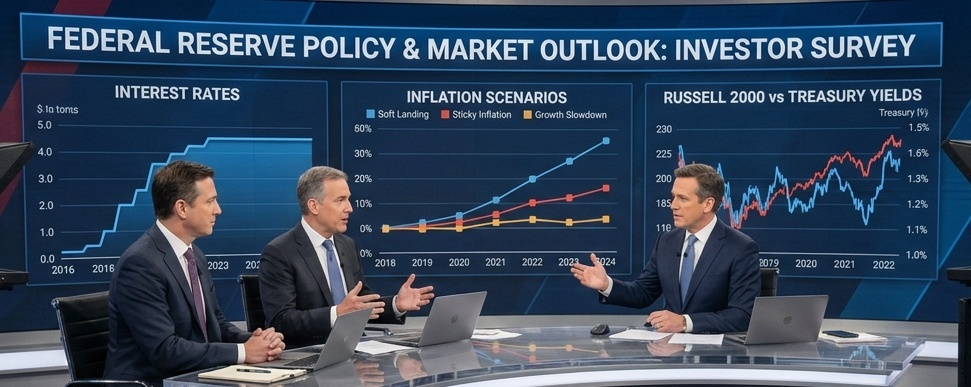
始終保持更成熟的投資者心態 👇 👇 歸根結底:紀律勝過害怕錯過(FOMO)塑造小盤股走勢與美聯儲下一步行動的三種宏觀情景
金融市場很少只因一條頭條新聞而波動——它們的走勢取決於通脹、經濟增長與市場對美聯儲的預期之間的拉鋸。眼下,交易員和長期投資者都在權衡三種截然不同的宏觀經濟路徑。每種情景對利率敏感型小盤股
(例如羅素2000指數,或 $IWM / $IWV 等廣泛市場基準)
以及像 $TZA 這樣的反向槓桿產品。
始終保持更成熟的投資者心態 👇 👇 歸根結底:紀律勝過害怕錯過(FOMO)
塑造小盤股走勢與美聯儲下一步行動的三種宏觀情景
金融市場很少只因一條頭條新聞而波動——它們的走勢取決於通脹、經濟增長與市場對美聯儲的預期之間的拉鋸。眼下,交易員和長期投資者都在權衡三種截然不同的宏觀經濟路徑。每種情景對利率敏感型小盤股
(例如羅素2000指數,或 $IWM / $IWV 等廣泛市場基準)
以及像 $TZA 這樣的反向槓桿產品。
金融市場很少只因一條頭條新聞而波動——它們的走勢取決於通脹、經濟增長與市場對美聯儲的預期之間的拉鋸。眼下,交易員和長期投資者都在權衡三種截然不同的宏觀經濟路徑。每種情景對利率敏感型小盤股
(例如羅素2000指數,或 $IWM / $IWV 等廣泛市場基準)
以及像 $TZA 這樣的反向槓桿產品。
119

文章
語言不該成爲圍牆,而應成爲橋樑——讓你的表達在每種語言中暢通無阻。只需幾秒,即可跨越國界、文化與語言障礙,暢享交流:
你的語言,由你做主:輕點一下,即可用你偏好的語言流暢瀏覽內容。👇
如果你用印地語或母語在 Binance Square 發帖,帖子通常會以相同語言發佈。這意味着,未使用翻譯功能的用戶會看到你原本用印地語發佈的帖子。
行動號召(CTA)按鈕:試試即時翻譯,探索你的語言
在示例落地頁文案中開啓全球交流
語言不該成爲圍牆,而應成爲橋樑——讓你的表達在每種語言中暢通無阻。
只需幾秒,即可跨越國界、文化與語言障礙,暢享交流:
你的語言,由你做主:輕點一下,即可用你偏好的語言流暢瀏覽內容。👇
如果你用印地語或母語在 Binance Square 發帖,帖子通常會以相同語言發佈。這意味着,未使用翻譯功能的用戶會看到你原本用印地語發佈的帖子。
行動號召(CTA)按鈕:試試即時翻譯,探索你的語言
在示例落地頁文案中開啓全球交流
你的語言,由你做主:輕點一下,即可用你偏好的語言流暢瀏覽內容。👇
如果你用印地語或母語在 Binance Square 發帖,帖子通常會以相同語言發佈。這意味着,未使用翻譯功能的用戶會看到你原本用印地語發佈的帖子。
行動號召(CTA)按鈕:試試即時翻譯,探索你的語言
在示例落地頁文案中開啓全球交流
1
254
關於人工智能未來的一場夢#AnthropicBreaksBelowIPOPriceAmidAISlump
昨晚,我做了一個生動的夢,彷彿窺見了未來。
#ElonMusk ,#Grok ,#AI 機器人,
#ADPWeeklyPrivatePayrollsSlowTo21000
我看到自己站在戶外,注視着一個人工智能機器人——Grok——像未來主義電影中的場景一樣工作。在夢裏,我覺得自己像一位公司主管,在人工智能的幫助下管理自己的興趣、工作量和投資組合。$SPCXB ,$BTC ,$BNB
Grok似乎能夠理解我提供的指導方針,並據此管理一切。當某項任務需要不同領域的專業知識時,它似乎會請來另一位專門的人工智能助手——就像聘請一位獲授權的專家來負責特定事務一樣。
醒來後,我感到無比興奮、備受鼓舞,渾身充滿正能量。我很難描述自己當時的感受,但這個夢讓我深入思考人工智能將如何改變未來的工作、金融和決策方式。
在我看來,埃隆·馬斯克對人工智能的願景和貢獻,代表了我們這個時代最具創新性的成果之一。人工智能在加密貨幣、股票、債券和投資平臺上的應用前景,確實令人着迷。
有一天,人工智能能否根據我們自己的指導方針,幫助我們管理工作量、分析市場、整理財務狀況,並支持我們的投資之旅?
這個夢讓我對人工智能驅動的交易和投資的未來充滿好奇。你怎麼看?
歡迎在下方評論區分享你的想法和問題。👇
關注 @GaneshCrypto
關於人工智能未來的一場夢#AnthropicBreaksBelowIPOPriceAmidAISlump
昨晚,我做了一個生動的夢,彷彿窺見了未來。
#ElonMusk ,#Grok ,#AI 機器人,
#ADPWeeklyPrivatePayrollsSlowTo21000
我看到自己站在戶外,注視着一個人工智能機器人——Grok——像未來主義電影中的場景一樣工作。在夢裏,我覺得自己像一位公司主管,在人工智能的幫助下管理自己的興趣、工作量和投資組合。$SPCXB ,$BTC ,$BNB
Grok似乎能夠理解我提供的指導方針,並據此管理一切。當某項任務需要不同領域的專業知識時,它似乎會請來另一位專門的人工智能助手——就像聘請一位獲授權的專家來負責特定事務一樣。
醒來後,我感到無比興奮、備受鼓舞,渾身充滿正能量。我很難描述自己當時的感受,但這個夢讓我深入思考人工智能將如何改變未來的工作、金融和決策方式。
在我看來,埃隆·馬斯克對人工智能的願景和貢獻,代表了我們這個時代最具創新性的成果之一。人工智能在加密貨幣、股票、債券和投資平臺上的應用前景,確實令人着迷。
有一天,人工智能能否根據我們自己的指導方針,幫助我們管理工作量、分析市場、整理財務狀況,並支持我們的投資之旅?
這個夢讓我對人工智能驅動的交易和投資的未來充滿好奇。你怎麼看?
歡迎在下方評論區分享你的想法和問題。👇
關注 @CryptoWithGanesh

1
247
·
--
看漲
#NVIDIAReinstatesJensenHuangasCEO
市場前景調查:背景看漲,反彈似乎永無止境,黃仁勳還沒有做出決定。
大家怎麼看?🤔🤔🤔我說得對還是錯?
請在下方評論框留言,並分享出去,讓更多人蔘與討論。
$NVII.ETF ,$NVDAB ,$NVDA
#NVDA/SOL ,#WillMarketsStageAThanksgivingReliefRally? ,#WillOctCorePCEShiftFedHikeExpectations?
#NVIDIAReinstatesJensenHuangasCEO
市場前景調查:背景看漲,反彈似乎永無止境,黃仁勳還沒有做出決定。
大家怎麼看?🤔🤔🤔我說得對還是錯?
請在下方評論框留言,並分享出去,讓更多人蔘與討論。
$NVII.ETF ,$NVDAB ,$NVDA
#NVDA/SOL ,#WillMarketsStageAThanksgivingReliefRally? ,#WillOctCorePCEShiftFedHikeExpectations?
市場前景調查:背景看漲,反彈似乎永無止境,黃仁勳還沒有做出決定。
大家怎麼看?🤔🤔🤔我說得對還是錯?
請在下方評論框留言,並分享出去,讓更多人蔘與討論。
$NVII.ETF ,$NVDAB ,$NVDA
#NVDA/SOL ,#WillMarketsStageAThanksgivingReliefRally? ,#WillOctCorePCEShiftFedHikeExpectations?
2
64
#SolanaSets2027RoadmapToDoubleComputeCapacity $BTC ,$ETH ,$SOL
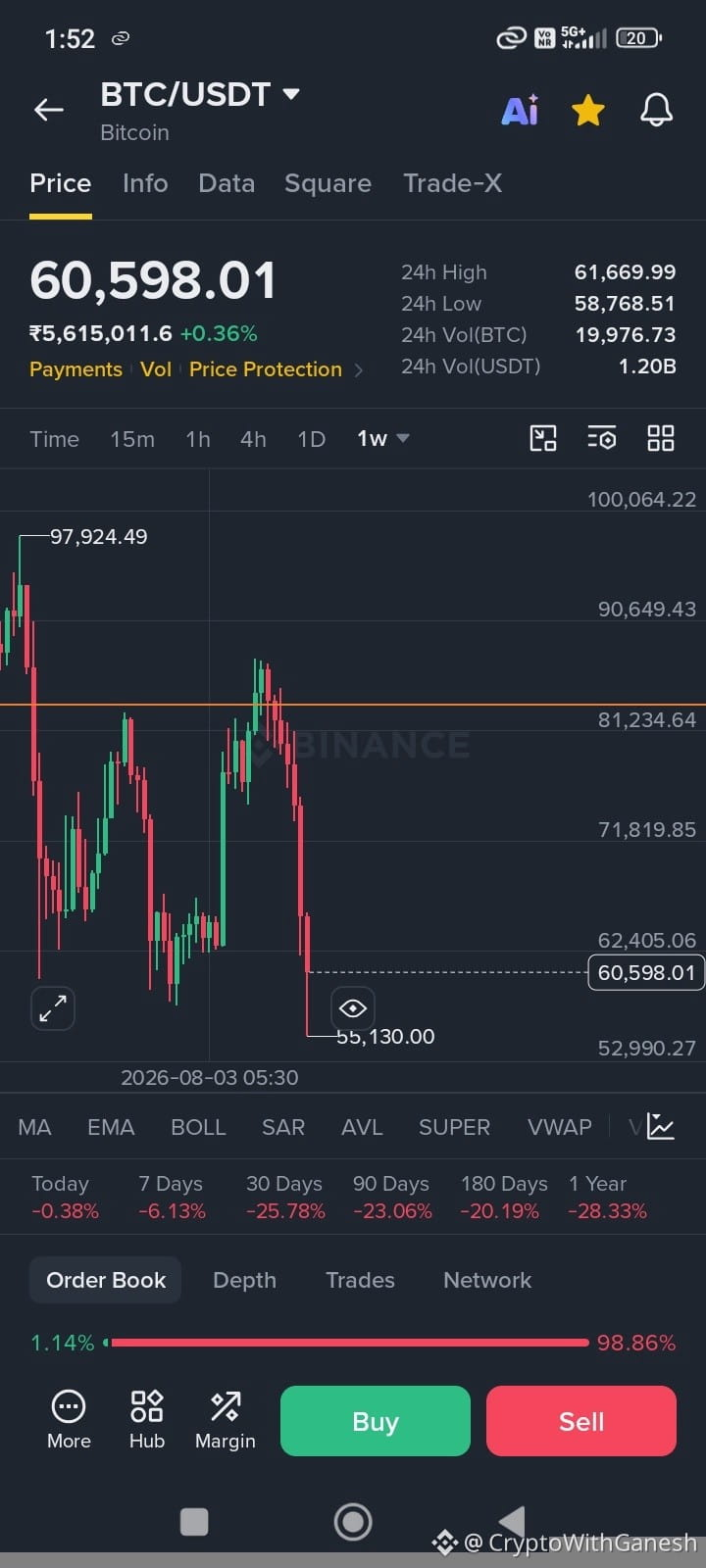
BTC市場已經在即將到來的事件預期下大幅回調。在我看來,這可能爲新年前或第一季度的上漲行情奠定基礎。
根據我的圖表分析,我之前提到過,BTC可能會再次觸及下一個主要阻力區間,約爲82,000至85,000美元。之後,市場可能會變得高度波動——就像一場警察抓小偷的遊戲🚨——因爲市場可能會在下一個財年尋求90,000至98,000美元附近更高區域的流動性。#GlobalStocksFaceLongestLosingStreakSince2023
根據我的圖表觀察以及對資金輪動週期的理解,黃金現貨也可能在2027年10月之前或之後,或第三季度之前迎來買盤動能。讓我們拭目以待,看看隨着時間推移,這項分析會有多準確。
🧐🧐🧐🧐🧐🧐👇👇👇
說實話,我注重從市場成功和失利的階段中汲取經驗。我圍繞一個切實可行的原則建立了自己的方法。我通常不會分享所有細節,但我知道自己需要公開表達想法,這樣更多人才能與我交流,並通過市場教育學習。
#BlackRockLaunchesHKDollarDigitalLiquidityFund
你可以通過我分享的原則和分析來判斷我的市場知識。我通過遵循一個關鍵理念來訓練自己:
📌“在這個艱難的世界裏,沒有人會透露自己的賺錢祕訣。你必須找到屬於自己的道路。”
#TwentyOneCapitalAdds172.25BTC
我們必須找到自己的優勢。那些不斷積累知識、保持自律與耐心的人,才能在人生和市場中做出更好的決策。
如果你認同這個觀點,請分享給他人,並關注我,獲取更多有價值的文章和簡短的市場見解。🥰
1
150
#RateHikeExpectations ,#BinanceSquareFamily ,$BTC ,$ETH
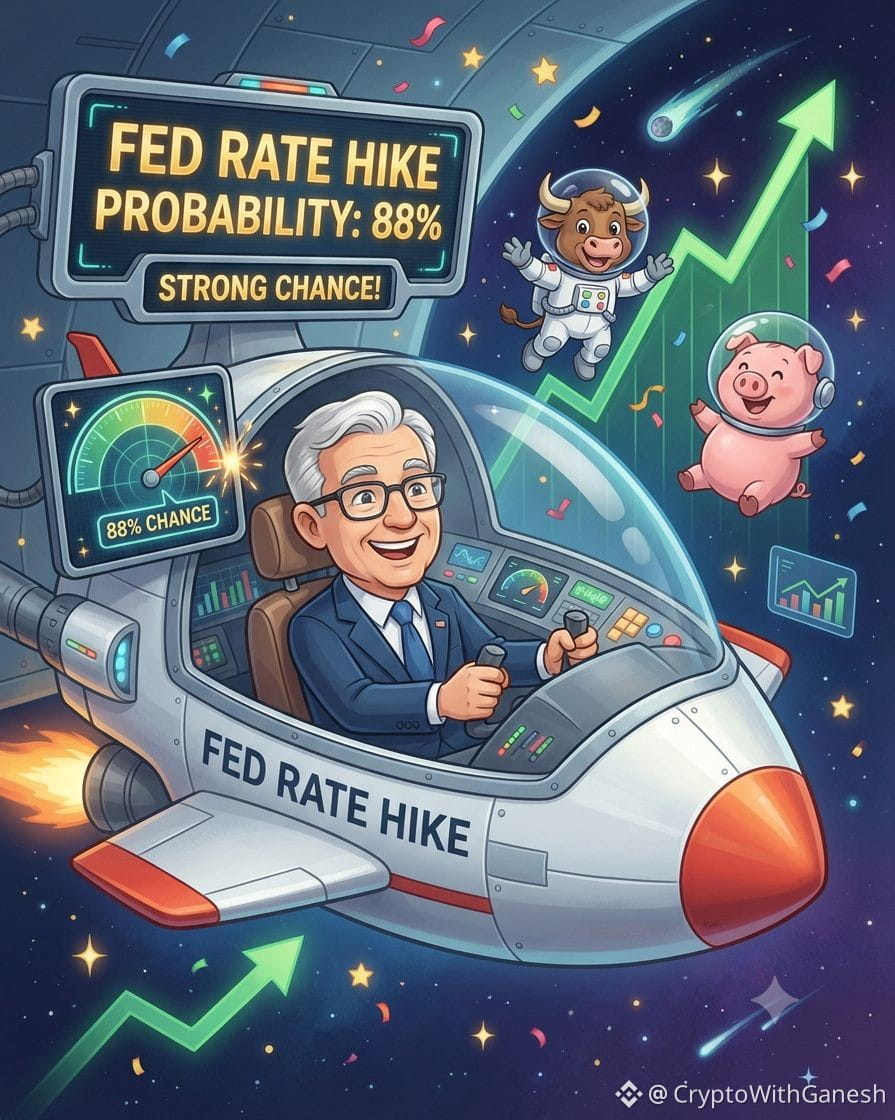
你覺得美聯儲可能會把加息決定推遲到下個季度嗎?🤔🤔🤔 #doyouthinkFedPostPonedRateHike
想想《殭屍世界大戰》裏涉及以色列的那一幕:當全世界都形成了“板上釘釘”的看法,認爲加息極有可能發生——甚至不可避免時,幕後會不會正在發生別的事情?#FedInterestRate
近一個月來,🚀💥📉市場已經開始走弱。比特幣資金流出不斷增加,到處都在說加息已成定局。但當這種情緒廣泛蔓延時,我覺得市場可能已經根據這些預期完成了自我調整,並開始對風險進行合理定價。💥💥💥#FedRateDecisions
簡單來說:過高的估值和市盈率已經降溫,而油價也已趨於穩定。石油具有內在價值;今年全球市場因戰爭相關緊張局勢承壓時,油價曾上漲並維持在95美元左右。
我的分析是,在俄烏戰爭期間🤜🤛🤜🤛🚨🚨🚨,原油已經上漲,隨後因其內在價值而穩定在81美元左右。
如今,考慮到全球供應鏈狀況以及走強的美元指數,我認爲原油可能不會跌破81美元,除非黃金和美元走勢發生變化,從而改變當前的局面——因爲它們的供需關係彼此相關。$TQQQB
想了解這種協同關係如何發揮作用,以及爲什麼會出現這種“幕後”的市場動態,請在下方留言。👇👇👇🤝
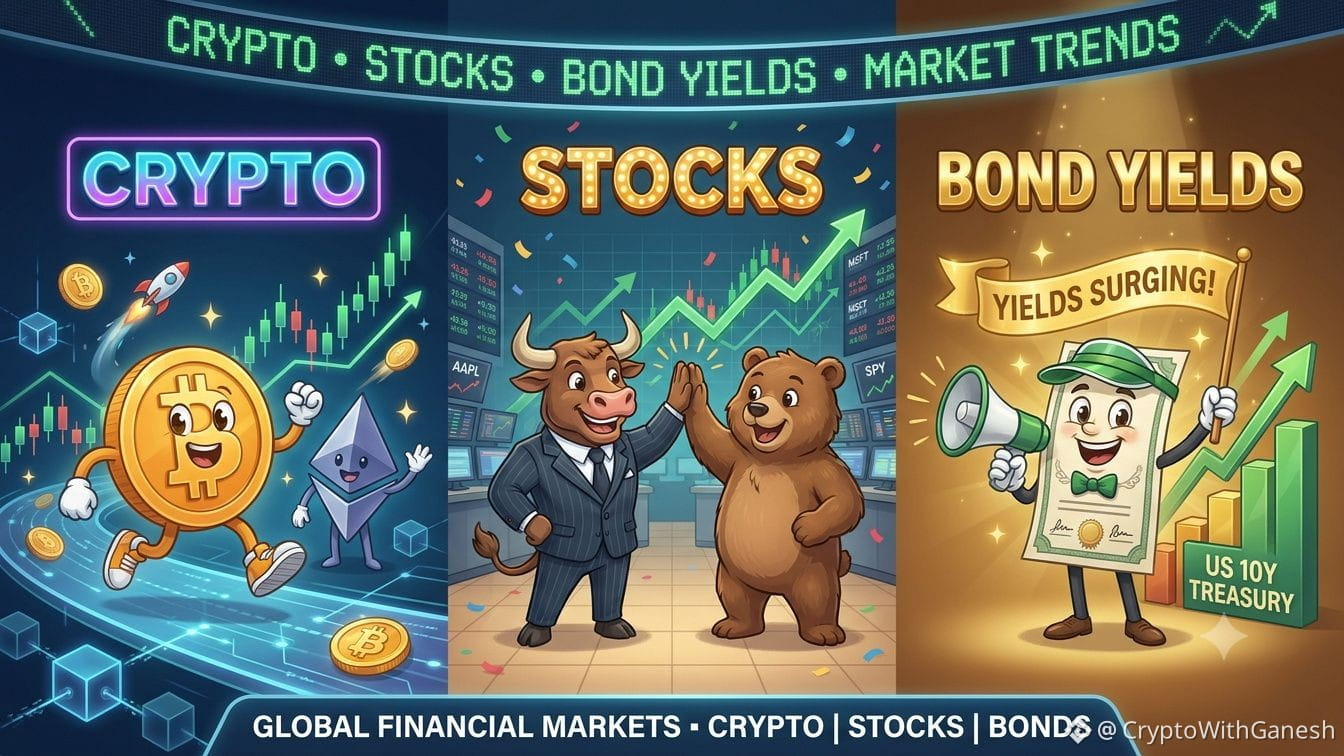
2
445
#BTCReboundsAbove60KAmidWhaleDipBuying
🚨🚨🚨🚨🚨突發新聞🚨🚨🚨🚨
想和大家分享一下我對 BTC 接下來兩週的看法。
分析 📌📌📌
我爲什麼對自己的分析這麼有信心?
👇我紮實的觀察、回測研究和圖表解讀經驗;我在金融和貨幣週期領域有14年的幕後經驗。
最主要的是 🤔🤔🤔 多年來回顧過往時,我腦海中觸發了一種直覺。
🧐我也不知道爲什麼會這麼說,但說實話,我認爲在美聯儲會議前的接下來兩週裏,市場可能會在回調後企穩。
🤔🤔爲什麼我覺得 BTC 下週會停一停並回落?
:-因爲市場總是隻獎勵做空和概率交易。
別擔心,我來解釋。
假設你我站在場外,而我在低價買入;市場已經因糟糕情境下跌了30%,這就是一道屏障,
那麼我選定的價格總會毫不費力地發揮作用。
眼下,整個 BTC 市場已經因爲對美聯儲未來加息概率的預期而完成了回調,現在我覺得買入價格看起來更便宜了。
讓我們看看接下來兩週會發生什麼。
如果我判斷正確,我的準確率又會提高几個百分點。
我會通過自己的觀察來證明這一點。
所以,朋友們,放輕鬆,下週或許我們可以做多 BTC,也許一直持有到美聯儲作出決定。
沙卡拉卡,轟!沙拉卡,轟!💥💥💥💥💥關於美聯儲的決定,我還有另一個祕密。
也許這次美聯儲會議上,我不希望自己判斷正確,希望我對美聯儲決定的預測是錯的。
想知道我爲什麼這麼說嗎?那就在評論區留言吧。
如果你也有類似想法,就分享給更多人。也請關注@GaneshCrypto ,獲取更多期貨數據、事件資訊、市場展望、見解等。
#BTCRebound ,#btcpullback ,#BTCBreakingNews ,$BTC ,$ETH ,$BNB
#BTCReboundsAbove60KAmidWhaleDipBuying
🚨🚨🚨🚨🚨突發新聞🚨🚨🚨🚨
想和大家分享一下我對 BTC 接下來兩週的看法。
分析 📌📌📌
我爲什麼對自己的分析這麼有信心?
👇我紮實的觀察、回測研究和圖表解讀經驗;我在金融和貨幣週期領域有14年的幕後經驗。
最主要的是 🤔🤔🤔 多年來回顧過往時,我腦海中觸發了一種直覺。
🧐我也不知道爲什麼會這麼說,但說實話,我認爲在美聯儲會議前的接下來兩週裏,市場可能會在回調後企穩。
🤔🤔爲什麼我覺得 BTC 下週會停一停並回落?
:-因爲市場總是隻獎勵做空和概率交易。
別擔心,我來解釋。
假設你我站在場外,而我在低價買入;市場已經因糟糕情境下跌了30%,這就是一道屏障,
那麼我選定的價格總會毫不費力地發揮作用。
眼下,整個 BTC 市場已經因爲對美聯儲未來加息概率的預期而完成了回調,現在我覺得買入價格看起來更便宜了。
讓我們看看接下來兩週會發生什麼。
如果我判斷正確,我的準確率又會提高几個百分點。
我會通過自己的觀察來證明這一點。
所以,朋友們,放輕鬆,下週或許我們可以做多 BTC,也許一直持有到美聯儲作出決定。
沙卡拉卡,轟!沙拉卡,轟!💥💥💥💥💥關於美聯儲的決定,我還有另一個祕密。
也許這次美聯儲會議上,我不希望自己判斷正確,希望我對美聯儲決定的預測是錯的。
想知道我爲什麼這麼說嗎?那就在評論區留言吧。
如果你也有類似想法,就分享給更多人。也請關注@CryptoWithGanesh ,獲取更多期貨數據、事件資訊、市場展望、見解等。
#BTCRebound ,#btcpullback ,#BTCBreakingNews ,$BTC ,$ETH ,$BNB
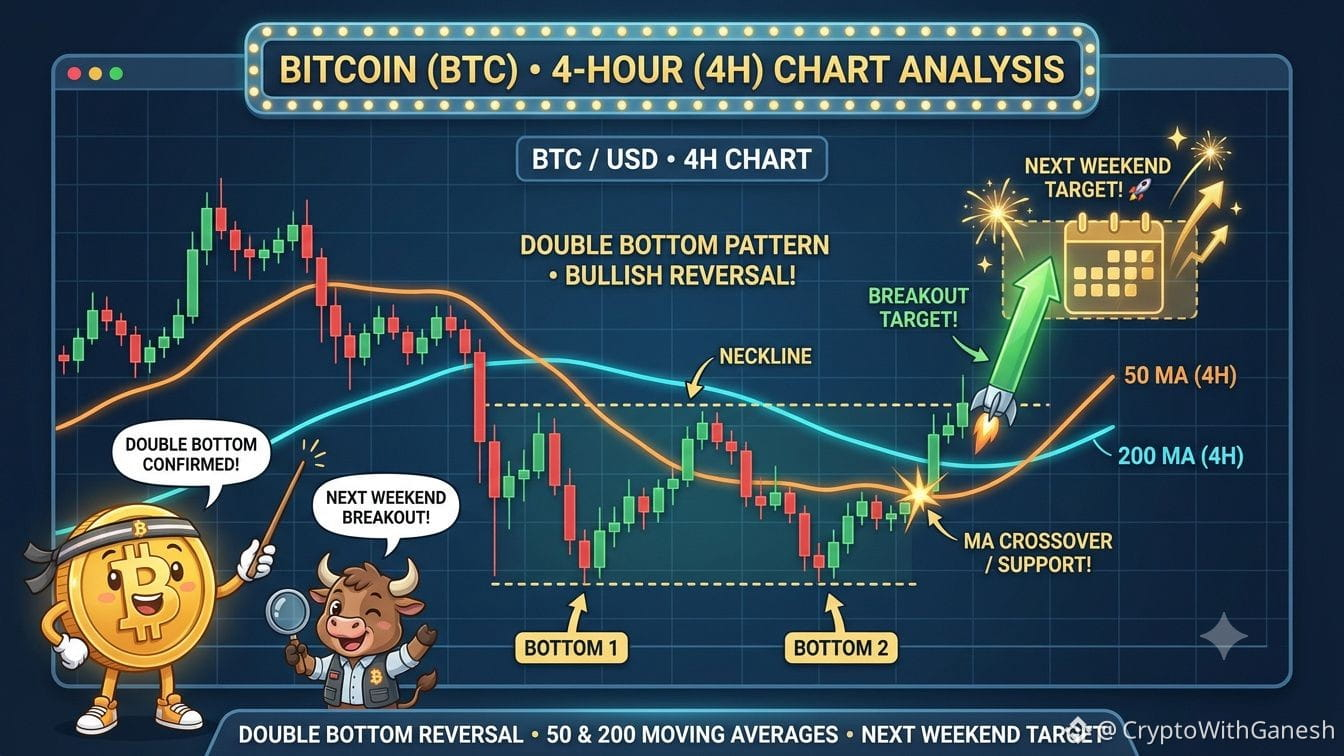
1
2
147
文章
Space and Time (SXT):零知識證明數據的基礎設施層#hotcryto #TrendingTopic 在我看來,說到#blockchain 的世界,如今它一直是個熱門話題 👇👇👇👇
區塊鏈領域存在一個重大數據難題:智能合約需要可靠的外部數據,但它們無法直接信任傳統數據庫或區塊鏈的完整歷史數據。Space and Time 正試圖解決這一缺口。
這是一個基於區塊鏈的數據平臺,可通過 SQL 查詢訪問鏈上和鏈下數據——最重要的是,它會爲查詢結果提供零知識證明。這意味着應用程序無需信任任何中心化方,就能以密碼學方式驗證數據結果。
Space and Time (SXT):零知識證明數據的基礎設施層
#hotcryto #TrendingTopic 在我看來,說到#blockchain 的世界,如今它一直是個熱門話題 👇👇👇👇
區塊鏈領域存在一個重大數據難題:智能合約需要可靠的外部數據,但它們無法直接信任傳統數據庫或區塊鏈的完整歷史數據。Space and Time 正試圖解決這一缺口。
這是一個基於區塊鏈的數據平臺,可通過 SQL 查詢訪問鏈上和鏈下數據——最重要的是,它會爲查詢結果提供零知識證明。這意味着應用程序無需信任任何中心化方,就能以密碼學方式驗證數據結果。
區塊鏈領域存在一個重大數據難題:智能合約需要可靠的外部數據,但它們無法直接信任傳統數據庫或區塊鏈的完整歷史數據。Space and Time 正試圖解決這一缺口。
這是一個基於區塊鏈的數據平臺,可通過 SQL 查詢訪問鏈上和鏈下數據——最重要的是,它會爲查詢結果提供零知識證明。這意味着應用程序無需信任任何中心化方,就能以密碼學方式驗證數據結果。
1
88
文章
查看翻譯
“Important Global Event ka Crypto par Impact”#CorePCEBeatLiftsFedHikeOdds “Important Global Event ka Crypto par Impact” 💥💥💥💥🗯️🗯️🗯️🗯️💥💥💥💥He ek strong, evergreen aur high-engagement question or topic hai par jankari par jyadatar log jante nahi exactly iske bare me
is bat ko dhyan me rakhkar me ye jankari is article ke me de raha hu—especially agar aap complex global news, events or #crypto market ki volitility ko lekar confuse he toh ek article pura pade.
Crypto market sirf #Bitcoin, #Ethereum ya kisi ek exchange ki news se move nahi hota. Global economy, central bank ke decisions, inflation data, geopolitical tensions aur regulation jaise events bhi market sentiment ko badal sakte hain.
Iska simple matlab: 🚨🤛🤜🌍jab duniya mein bada financial ya political event hota hai, investors ka risk lene ka mood badal sakta hai. Crypto high-volatility asset class hai, isliye iska reaction kabhi-kabhi traditional markets se tez ho sakta hai.
Interest Rate Decisions ka Impact
#CanBTCReboundAfterFallingBelow60K?
US Federal Reserve jaise central banks jab interest rates badhate, ghataate ya same rakhte hain, to global liquidity aur investor sentiment par asar pad sakta hai.
Mechanism simple hai:🤔🤔🤔🤔🤔
Higher interest rates → safer instruments par returns attractive lag sakte hain → risk assets par pressure aa sakta hai.
Lower interest rates ya easy monetary policy → liquidity conditions improve ho sakti hain → risk appetite better ho sakti hai.
Lekin market ka reaction sirf decision par nahi, future guidance par bhi depend karta hai.👇👇👇
Crypto ke liye focus sirf “rate cut hua ya nahi” nahi hona chahiye. Market yeh bhi dekhta hai ki inflation control mein hai ya nahi, growth kaisi hai aur future policy ka signal kya hai.
Inflation Data: CPI aur PPI Kyun Important Hain?🧐🤔
Inflation reports—jaise Consumer Price Index aur Producer Price Index—batati hain ki prices economy mein kitni tezi se badh rahe hain.☝️🚨🚨🚨🚨🚀🚀🚀🚀
Agar inflation expected se zyada aaye, to market soch sakta hai ki central banks rates ko longer period tak high rakh sakte hain. Isse risk assets mein volatility badh sakti hai.
Agar inflation data soft aaye, to investors ko policy easing ki possibility zyada lag sakti hai. Lekin ek single data point final trend decide nahi karta; jobs data, growth data aur central-bank commentary bhi matter karte hain.
US Dollar 💵aur Bond📑 Yields ka Role
#TrendingTopic
Crypto market ko samajhne ke liye US Dollar Index aur US Treasury yields bhi important indicators hain.
Dollar strong hone par global liquidity conditions tighter feel ho sakti hain.
Bond yields badhne par investors ke paas lower-risk return options zyada attractive lag sakte hain.
Dollar ya yields mein sharp moves crypto aur equities dono mein volatility trigger kar sakte hain.
Yeh fixed rule nahi hai, lekin macro news ke time $BTC aur $ETH ke price swings ko explain karne mein yeh factors useful context dete hain.
Geopolitical Events ka Crypto par Effect
Global#trendingtopic related Cold Wars(tariffhike),War-risk, trade restrictions, sanctions, elections aur international tensions markets mein uncertainty badha sakte hain.
Short term mein uncertainty ke wajah se investors risk exposure kam kar sakte hain, jisse crypto mein rapid moves dikh sakte hain. Kabhi-kabhi market pehle panic karta hai aur baad mein details clear hone par reaction reverse bhi ho sakta hai.
Isliye geopolitical headlines ke waqt sirf first candle dekhkar conclusion nikalna risky ho sakta hai.
Regulation aur ETF-Related News
Crypto-specific regulation, institutional adoption aur ETF-related developments sentiment ko directly affect kar sakte hain.
Positive policy clarity se institutions aur long-term participants ka confidence improve ho sakta hai. Dusri taraf, unclear rules, restrictions ya enforcement headlines uncertainty create kar sakte hain.
Yahan ek important point: headline positive ya negative hone ke baad bhi price move depend karega ki market ne us news ko pehle se kitna price-in kiya tha.
Stock Market aur Crypto ka Connection
Nasdaq$TQQQB jaise technology-heavy stock indices ka movement crypto sentiment ke liye useful signal ho sakta hai. Jab broad risk appetite strong hoti hai, crypto mein bhi interest badh sakta hai. Jab equities mein sharp sell-off hota hai, crypto par bhi pressure aa sakta hai.
Lekin correlation hamesha same nahi rehta. Crypto ki apni news—ETF flows, exchange activity, token unlocks, network upgrades aur large liquidations—kabhi-kabhi macro news se bhi zyada powerful factor ban sakti hai.
Crypto Investor ko Kya Track Karna Chahiye?
Important global event ke din in cheezon par focus rakho:
Event ka actual result: expectation ke comparison mein kya aaya?Central-bank guidance: aage ka signal kya hai?BTC aur ETH ki immediate price reactionTrading volume aur derivatives market ki activityUS dollar aur bond yields ka movementKya market ne event ko pehle se price-in kar diya tha?Risk management: sharp volatility mein FOMO aur panic dono se bachna
Final Takeaway
Global events crypto ke liye sirf “positive” ya “negative” nahi hote. Unka impact liquidity, risk appetite, investor expectations aur market positioning ke through aata hai. Isliye best approach headline ke basis par excitement ya fear mein react karna nahi, balki event ke data aur market reaction ko step-by-step samajhna hai.
🌍 Global news ka Bitcoin aur crypto market par kya impact padta hai?
Answer: Interest rates, inflation, dollar, war-risk aur regulation—ye sab crypto sentiment ko influence kar sakte hain.
Is article ko share karo agar apko pasand hai to or aage crypto market related information mere sath simple Hindi mein samjho
Jankari achi lagi to like karo or muje batao comment box me apko konse topic par jankari chahiye
Sabse important article "global events ke time market ko kaise read karein." 👇 turat notification apko mile isliye muje follow karo
CryptoHindi #Bitcoin #BTC #CryptoNews #CryptoEducation #GlobalMarkets #CryptoMarket #IndianCrypto
Dis:-Yeh article educational purpose ke liye hai; crypto assets mein volatility aur loss ka risk hota hai.
“Important Global Event ka Crypto par Impact”
#CorePCEBeatLiftsFedHikeOdds “Important Global Event ka Crypto par Impact” 💥💥💥💥🗯️🗯️🗯️🗯️💥💥💥💥He ek strong, evergreen aur high-engagement question or topic hai par jankari par jyadatar log jante nahi exactly iske bare me
is bat ko dhyan me rakhkar me ye jankari is article ke me de raha hu—especially agar aap complex global news, events or #crypto market ki volitility ko lekar confuse he toh ek article pura pade.
Crypto market sirf #Bitcoin, #Ethereum ya kisi ek exchange ki news se move nahi hota. Global economy, central bank ke decisions, inflation data, geopolitical tensions aur regulation jaise events bhi market sentiment ko badal sakte hain.
Iska simple matlab: 🚨🤛🤜🌍jab duniya mein bada financial ya political event hota hai, investors ka risk lene ka mood badal sakta hai. Crypto high-volatility asset class hai, isliye iska reaction kabhi-kabhi traditional markets se tez ho sakta hai.
Interest Rate Decisions ka Impact
#CanBTCReboundAfterFallingBelow60K?
US Federal Reserve jaise central banks jab interest rates badhate, ghataate ya same rakhte hain, to global liquidity aur investor sentiment par asar pad sakta hai.
Mechanism simple hai:🤔🤔🤔🤔🤔
Higher interest rates → safer instruments par returns attractive lag sakte hain → risk assets par pressure aa sakta hai.
Lower interest rates ya easy monetary policy → liquidity conditions improve ho sakti hain → risk appetite better ho sakti hai.
Lekin market ka reaction sirf decision par nahi, future guidance par bhi depend karta hai.👇👇👇
Crypto ke liye focus sirf “rate cut hua ya nahi” nahi hona chahiye. Market yeh bhi dekhta hai ki inflation control mein hai ya nahi, growth kaisi hai aur future policy ka signal kya hai.
Inflation Data: CPI aur PPI Kyun Important Hain?🧐🤔
Inflation reports—jaise Consumer Price Index aur Producer Price Index—batati hain ki prices economy mein kitni tezi se badh rahe hain.☝️🚨🚨🚨🚨🚀🚀🚀🚀
Agar inflation expected se zyada aaye, to market soch sakta hai ki central banks rates ko longer period tak high rakh sakte hain. Isse risk assets mein volatility badh sakti hai.
Agar inflation data soft aaye, to investors ko policy easing ki possibility zyada lag sakti hai. Lekin ek single data point final trend decide nahi karta; jobs data, growth data aur central-bank commentary bhi matter karte hain.
US Dollar 💵aur Bond📑 Yields ka Role
#TrendingTopic
Crypto market ko samajhne ke liye US Dollar Index aur US Treasury yields bhi important indicators hain.
Dollar strong hone par global liquidity conditions tighter feel ho sakti hain.
Bond yields badhne par investors ke paas lower-risk return options zyada attractive lag sakte hain.
Dollar ya yields mein sharp moves crypto aur equities dono mein volatility trigger kar sakte hain.
Yeh fixed rule nahi hai, lekin macro news ke time $BTC aur $ETH ke price swings ko explain karne mein yeh factors useful context dete hain.
Geopolitical Events ka Crypto par Effect
Global#trendingtopic related Cold Wars(tariffhike),War-risk, trade restrictions, sanctions, elections aur international tensions markets mein uncertainty badha sakte hain.
Short term mein uncertainty ke wajah se investors risk exposure kam kar sakte hain, jisse crypto mein rapid moves dikh sakte hain. Kabhi-kabhi market pehle panic karta hai aur baad mein details clear hone par reaction reverse bhi ho sakta hai.
Isliye geopolitical headlines ke waqt sirf first candle dekhkar conclusion nikalna risky ho sakta hai.
Regulation aur ETF-Related News
Crypto-specific regulation, institutional adoption aur ETF-related developments sentiment ko directly affect kar sakte hain.
Positive policy clarity se institutions aur long-term participants ka confidence improve ho sakta hai. Dusri taraf, unclear rules, restrictions ya enforcement headlines uncertainty create kar sakte hain.
Yahan ek important point: headline positive ya negative hone ke baad bhi price move depend karega ki market ne us news ko pehle se kitna price-in kiya tha.
Stock Market aur Crypto ka Connection
Nasdaq$TQQQB jaise technology-heavy stock indices ka movement crypto sentiment ke liye useful signal ho sakta hai. Jab broad risk appetite strong hoti hai, crypto mein bhi interest badh sakta hai. Jab equities mein sharp sell-off hota hai, crypto par bhi pressure aa sakta hai.
Lekin correlation hamesha same nahi rehta. Crypto ki apni news—ETF flows, exchange activity, token unlocks, network upgrades aur large liquidations—kabhi-kabhi macro news se bhi zyada powerful factor ban sakti hai.
Crypto Investor ko Kya Track Karna Chahiye?
Important global event ke din in cheezon par focus rakho:
Event ka actual result: expectation ke comparison mein kya aaya?Central-bank guidance: aage ka signal kya hai?BTC aur ETH ki immediate price reactionTrading volume aur derivatives market ki activityUS dollar aur bond yields ka movementKya market ne event ko pehle se price-in kar diya tha?Risk management: sharp volatility mein FOMO aur panic dono se bachna
Final Takeaway
Global events crypto ke liye sirf “positive” ya “negative” nahi hote. Unka impact liquidity, risk appetite, investor expectations aur market positioning ke through aata hai. Isliye best approach headline ke basis par excitement ya fear mein react karna nahi, balki event ke data aur market reaction ko step-by-step samajhna hai.
🌍 Global news ka Bitcoin aur crypto market par kya impact padta hai?
Answer: Interest rates, inflation, dollar, war-risk aur regulation—ye sab crypto sentiment ko influence kar sakte hain.
Is article ko share karo agar apko pasand hai to or aage crypto market related information mere sath simple Hindi mein samjho
Jankari achi lagi to like karo or muje batao comment box me apko konse topic par jankari chahiye
Sabse important article "global events ke time market ko kaise read karein." 👇 turat notification apko mile isliye muje follow karo
CryptoHindi #Bitcoin #BTC #CryptoNews #CryptoEducation #GlobalMarkets #CryptoMarket #IndianCrypto
Dis:-Yeh article educational purpose ke liye hai; crypto assets mein volatility aur loss ka risk hota hai.
2
87
#HKBillProposesHK
#CryptocurrencyWealth
$ETH
$BTC #香港提案:對未經授權使用加密貨幣頭銜罰款10萬港元
👇👇👇👇👇👇👇
全球的大人物,每當我們身邊發生什麼事時,大家都應該隨時關注他。
你覺得我是錯還是對?
請評論告訴我,
並關注 @GaneshCrypto
#DonaldTrumpNFT
#CanBTCReboundAfterFallingBelow60K?
$TQQQB ,#TQQQUSDT
我這麼說只有幾個原因,你會感到震驚,而且聽起來它似乎是最重要的經濟支柱。
在美聯儲作出決定之前,大家都應該知道這一點。
所以,如果你想知道詳情,就在評論區回覆我 🎁🎁🎁,要趕在美聯儲會議之前,否則你們肯定會錯過,快點趁還來得及發表評論並分享給別人吧
#HKBillProposesHK
#CryptocurrencyWealth
$ETH
$BTC #香港提案:對未經授權使用加密貨幣頭銜罰款10萬港元
👇👇👇👇👇👇👇
全球的大人物,每當我們身邊發生什麼事時,大家都應該隨時關注他。
你覺得我是錯還是對?
請評論告訴我,
並關注 @CryptoWithGanesh
#DonaldTrumpNFT
#CanBTCReboundAfterFallingBelow60K?
$TQQQB ,#TQQQUSDT
我這麼說只有幾個原因,你會感到震驚,而且聽起來它似乎是最重要的經濟支柱。
在美聯儲作出決定之前,大家都應該知道這一點。
所以,如果你想知道詳情,就在評論區回覆我 🎁🎁🎁,要趕在美聯儲會議之前,否則你們肯定會錯過,快點趁還來得及發表評論並分享給別人吧
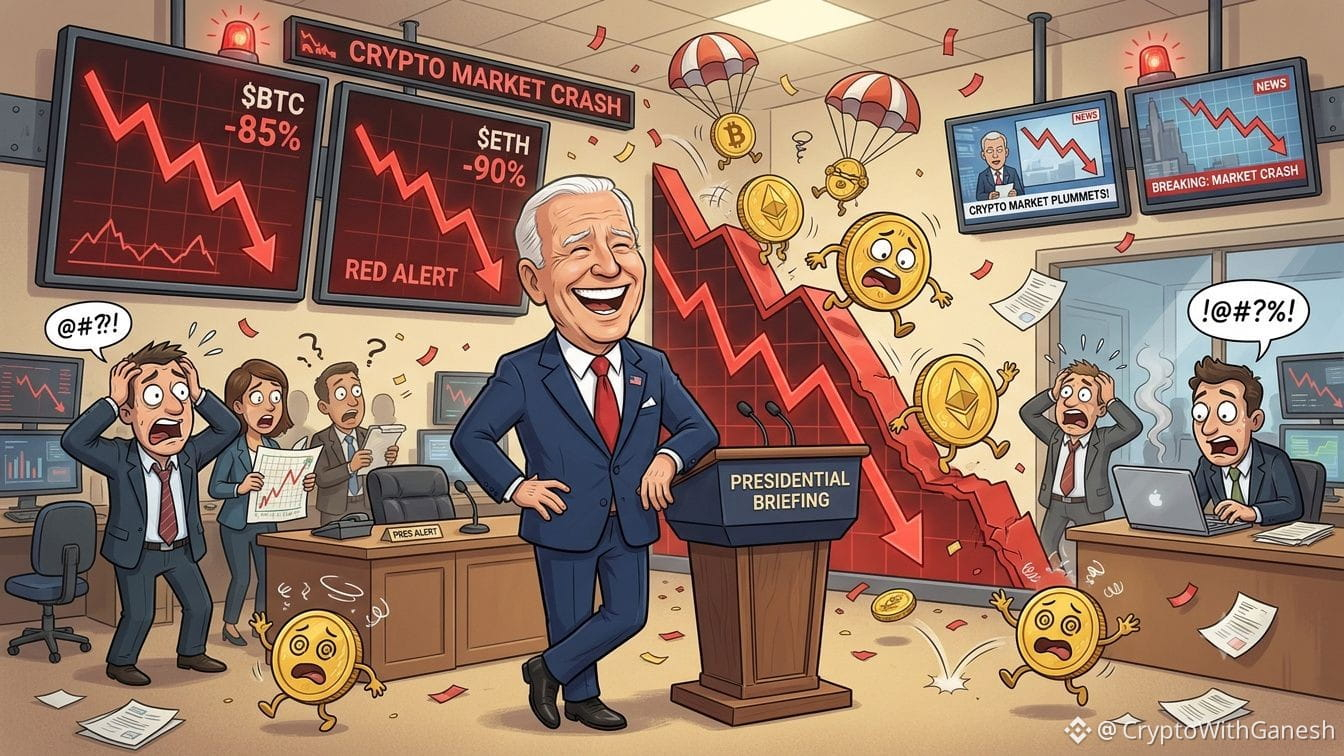
1
72
[https://www.binance.com/download?utm_medium=screenshot](https://www.binance.com/download?utm_medium=screenshot)
夥計們 🤔🤔🤔你們覺得從賣方角度看,現在是不是該很快單獨站出來,時間還長嗎?
你們覺得👋👋👋是已經結束了,還是還會繼續往更深處走,進一步下跌👇👇👇
給我評論留言,寫下回復,或者告訴我還有多少賣壓剩餘,告訴我
把你的看法寫在評論裏
或者爲了繼續和我保持聯繫請關注@GaneshCrypto
#HotTrends ,#shortsellinginsemiconductor
#berishtrendinsoxl ,#sellingpressuresoxlb
$SOXLB $SOXL
https://www.binance.com/download?utm_medium=screenshot
夥計們 🤔🤔🤔你們覺得從賣方角度看,現在是不是該很快單獨站出來,時間還長嗎?
你們覺得👋👋👋是已經結束了,還是還會繼續往更深處走,進一步下跌👇👇👇
給我評論留言,寫下回復,或者告訴我還有多少賣壓剩餘,告訴我
把你的看法寫在評論裏
或者爲了繼續和我保持聯繫請關注@CryptoWithGanesh
#HotTrends ,#shortsellinginsemiconductor
#berishtrendinsoxl ,#sellingpressuresoxlb
$SOXLB $SOXL
夥計們 🤔🤔🤔你們覺得從賣方角度看,現在是不是該很快單獨站出來,時間還長嗎?
你們覺得👋👋👋是已經結束了,還是還會繼續往更深處走,進一步下跌👇👇👇
給我評論留言,寫下回復,或者告訴我還有多少賣壓剩餘,告訴我
把你的看法寫在評論裏
或者爲了繼續和我保持聯繫請關注@CryptoWithGanesh
#HotTrends ,#shortsellinginsemiconductor
#berishtrendinsoxl ,#sellingpressuresoxlb
$SOXLB $SOXL
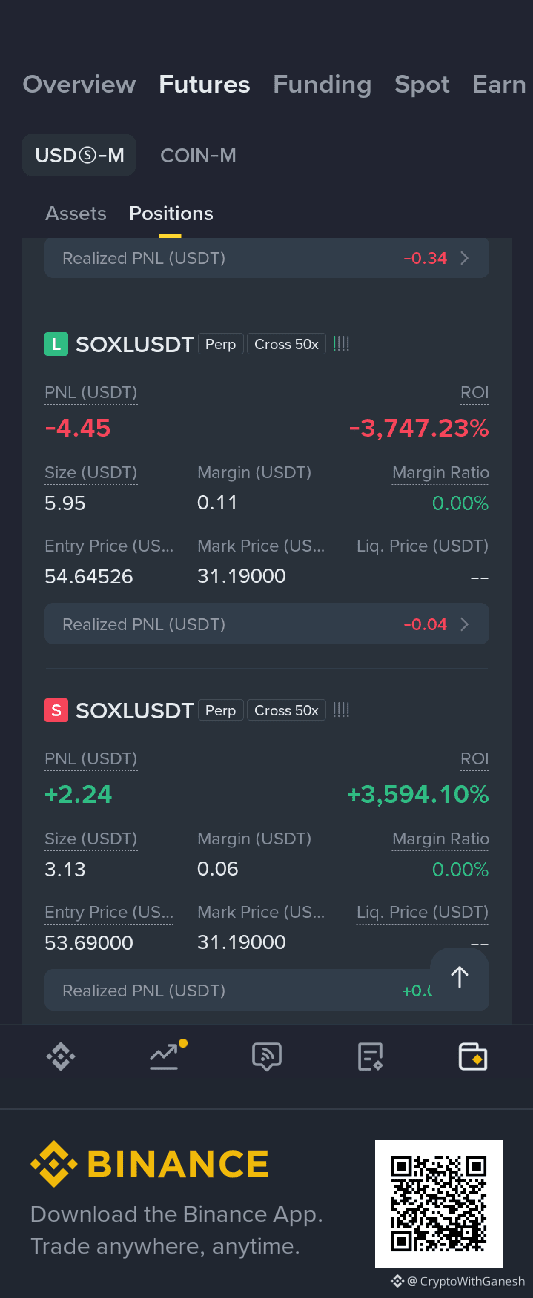
來自幣安 App 截圖分享
1.1k
文章
查看翻譯
Bond market ka bahut important concept hai. Simple line me#CorePCEBeatLiftsFedHikeOdds
Bond market ka bahut important concept hai. Simple line me:
Jitna bond ka maturity period lamba hota hai, utne zyada saal tak uske fixed coupon payments aur principal repayment purane interest rate par locked rehte hain. Jab market interest rates badalte hain, un future fixed cash flows ki aaj ki value zyada badalti hai. Isi ko interest-rate sensitivity kehte hain.
Pehle basic mechanism samjho
Bond kharidte waqt aapko do tarah ke cash flows milte hain:
Coupon/interest payment — jaise har saal ₹50
Face value/principal — maturity par, jaise ₹1,000 wapas
Agar market interest rate badh jaaye, naye bonds higher coupon dene lagte hain. Aapka purana low-coupon bond comparatively kam attractive ho jata hai, isliye uski market price girti hai.
Agar market interest rate gire, naye bonds kam coupon dene lagte hain. Aapka purana high-coupon bond attractive ho jata hai, isliye uski market price badhti hai.
So:
Interest rates ↑ → Bond prices ↓
Interest rates ↓ → Bond prices ↑
Long-term bond zyada sensitive kyun?
Cash flows bahut door future me milte hain
Long-term bond me principal aur kai coupon payments bahut baad milte hain—10, 20, ya 30 saal baad.
Future me milne wale paise ki aaj ki value discounting se nikalti hai:
\[
PV = \frac{Future\ Cash\ Flow}{(1+r)^n}
\]
Yahan:
r = market interest rate / yield
n = kitne saal baad payment milega
Jab n bada hota hai, r me chhota sa change bhi denominator par bada effect daalta hai. Isliye bond price me larger movement hota hai.
Intuition
Aaj se 1 saal baad milne wale ₹1,000 ki value rate change se thodi badlegi.
Lekin 30 saal baad milne wale ₹1,000 ki present value rate change ke saath kaafi badal sakti hai, kyunki change 30 saal tak compounding/discounting me apply hota hai.
Ek simple example
Maan lo do zero-coupon bonds hain—dono maturity par ₹1,000 denge:
Bond A: 1 saal baad ₹1,000
Bond B: 10 saal baad ₹1,000
Agar market rate 5% ho:
\[
Price = \frac{1000}{(1.05)^n}
\]
1-year bond ki value lagbhag ₹952.38
10-year bond ki value lagbhag ₹613.91
Agar rate 6% ho jaaye:
1-year bond ki value lagbhag ₹943.40
10-year bond ki value lagbhag ₹558.39
Matlab rate me sirf 1% badhotri par:
1-year bond ki price around 0.94% giri
10-year bond ki price around 9.04% giri
Yehi core reason hai: distant future cash flow ki present value rate change ke liye far more sensitive hoti hai.
Long-term bond ka “problem” kya hota hai?
Long-term bond holder ne apna coupon rate zyada samay ke liye lock kar liya hota hai.
Maan lo aapke paas 20-year bond hai jo 5% coupon de raha hai. Kuch time baad market rates 7% ho gaye.
Ab investor ke paas choice hai:
aapka old bond: 5% coupon
naya bond: 7% coupon
Koi investor old 5% bond ko face value par kyun lega, jab naya 7% mil raha hai?
Old bond tabhi bikega jab uski price neeche aaye, taaki lower coupon ke bawajood buyer ko market ke aas-paas return mil sake.
Aur kyunki 5% vs 7% ka gap agle kai saalon tak effect karega, long-term bond ki price ko zyada adjust hona padta hai.
Short-term bond me investor ko jaldi principal wapas mil jayega aur woh usse new, higher-rate bond me reinvest kar sakega. Isliye uska loss comparatively limited hota hai.
Short-term bond kam sensitive kyun hota hai?
Short-term bond ki maturity jaldi hoti hai—maan lo 1–2 saal me.
Rate badhne par bhi:
uska principal jaldi wapas aa jayega;
investor jaldi new higher-interest-rate environment me reinvest kar sakta hai;
purane low coupon ka disadvantage sirf kuch samay ke liye hota hai.
Isliye uski price me zyada adjustment ki zarurat nahi padti.
Short-term bond = “jaldi reset/reinvest karne ka option.”
Long-term bond = “purane coupon rate me lamba lock-in.”
Duration: sensitivity measure karne ka technical tool
Bond ki interest-rate sensitivity ko measure karne ke liye duration use hota hai.
Rough rule:
\[
\%\ Price\ Change \approx - Duration \times Yield\ Change
\]
Example:
Bond duration = 2
Yield change = +1%
To approximate price change:
\[
-2 \times 1\% = -2\%
\]
Aur agar:
Bond duration = 10
Yield change = +1%
To approximate price change:
\[
-10 \times 1\% = -10\%
\]
Isliye long maturity bonds generally high-duration hote hain aur rate movement par unki prices zyada fluctuate karti hain.
Ye approximation hai; actual price movement convexity ki wajah se thoda alag ho sakta hai.
Coupon bhi matter karta hai—sirf maturity nahi
Ek important nuance: same maturity ke do bonds me lower-coupon bond generally zyada sensitive hota hai.
Kyun?
Kyuki low-coupon bond me aapko kam cash jaldi milta hai aur value ka bada hissa maturity ke end me milta hai. Cash flows aur door shift ho jaate hain.
Isliye:
Long maturity + low coupon = high interest-rate risk
Short maturity + high coupon = comparatively low interest-rate risk
Zero-coupon bond sabse extreme example hai: usme koi annual coupon nahi hota; pura paisa maturity par milta hai. Isliye uski duration lagbhag maturity ke barabar hoti hai.
“Long-term bond hi kyun?” ka exact answer
Long-term bond hi zyada sensitive isliye hota hai kyunki:
Uske cash flows zyada door future me hote hain
Future cash flow ko discount karte waqt interest-rate change ka effect zyada compound hota hai.
Low coupon ka disadvantage lambi duration tak chalta hai
Naye bonds high yield dene lagen to purana bond bahut saalon tak lower coupon deta rahega.
Principal jaldi recover nahi hota
Short-term bond holder jaldi maturity amount lekar new rate par reinvest kar sakta hai; long-term holder ko wait karna padta hai.
Price ko market yield ke saath align hone ke liye zyada adjust karna hota hai
Long period ke fixed payments ko current market return ke equivalent banane ke liye price me bada change chahiye.
Ek daily-life analogy
Socho do job contracts hain:
Contract A: 1 saal ke liye fixed salary
Contract B: 20 saal ke liye fixed salary
Agar market me salaries suddenly bahut badh jaayein, kaunsa contract comparatively zyada unattractive lagega?
20-year fixed-salary contract, kyunki aap bahut lambi period tak low pay par locked ho.
Bond me bhi same idea hai:
coupon = fixed salary
maturity = contract duration
market yield = market salary level
bond price = contract ko kisi aur ko transfer karne ki value
Ek line me final clarity
Interest rate change ka impact jitne zyada saalon ke cash flows par padega, bond price utni zyada move karegi. Long-term bonds me ye impact many years tak chalta hai; short-term bonds me jaldi khatam ho jata hai.
{future}(TMFUSDT)
#Agar meri jankari apko acchi lagi to ise like jada logo ke sath share karo kyuki
jankari hi satarkta ki chhavi he
Bina jankari ke aap na satark re payenge na sahi fesla le payenge
Apko kis vishay par jankari chahiye muje comment likho or saval ya confusion he kis vishay ko leke market outlook or financial discipline ko lekar muje batao me apki madat karunga
#bondmarket ,#BitcoinAndStocksSlipAgainAmidTrump’sTariffPlans #NasdaqFuturesSlideMoreThan3%
#USOctoberPCEPriceIndexAt0.3%MoM
Mere sath jude rahne ke liye muje follow karo follow@GaneshCrypto
Bond market ka bahut important concept hai. Simple line me
#CorePCEBeatLiftsFedHikeOdds
Bond market ka bahut important concept hai. Simple line me:
Jitna bond ka maturity period lamba hota hai, utne zyada saal tak uske fixed coupon payments aur principal repayment purane interest rate par locked rehte hain. Jab market interest rates badalte hain, un future fixed cash flows ki aaj ki value zyada badalti hai. Isi ko interest-rate sensitivity kehte hain.
Pehle basic mechanism samjho
Bond kharidte waqt aapko do tarah ke cash flows milte hain:
Coupon/interest payment — jaise har saal ₹50
Face value/principal — maturity par, jaise ₹1,000 wapas
Agar market interest rate badh jaaye, naye bonds higher coupon dene lagte hain. Aapka purana low-coupon bond comparatively kam attractive ho jata hai, isliye uski market price girti hai.
Agar market interest rate gire, naye bonds kam coupon dene lagte hain. Aapka purana high-coupon bond attractive ho jata hai, isliye uski market price badhti hai.
So:
Interest rates ↑ → Bond prices ↓
Interest rates ↓ → Bond prices ↑
Long-term bond zyada sensitive kyun?
Cash flows bahut door future me milte hain
Long-term bond me principal aur kai coupon payments bahut baad milte hain—10, 20, ya 30 saal baad.
Future me milne wale paise ki aaj ki value discounting se nikalti hai:
\[
PV = \frac{Future\ Cash\ Flow}{(1+r)^n}
\]
Yahan:
r = market interest rate / yield
n = kitne saal baad payment milega
Jab n bada hota hai, r me chhota sa change bhi denominator par bada effect daalta hai. Isliye bond price me larger movement hota hai.
Intuition
Aaj se 1 saal baad milne wale ₹1,000 ki value rate change se thodi badlegi.
Lekin 30 saal baad milne wale ₹1,000 ki present value rate change ke saath kaafi badal sakti hai, kyunki change 30 saal tak compounding/discounting me apply hota hai.
Ek simple example
Maan lo do zero-coupon bonds hain—dono maturity par ₹1,000 denge:
Bond A: 1 saal baad ₹1,000
Bond B: 10 saal baad ₹1,000
Agar market rate 5% ho:
\[
Price = \frac{1000}{(1.05)^n}
\]
1-year bond ki value lagbhag ₹952.38
10-year bond ki value lagbhag ₹613.91
Agar rate 6% ho jaaye:
1-year bond ki value lagbhag ₹943.40
10-year bond ki value lagbhag ₹558.39
Matlab rate me sirf 1% badhotri par:
1-year bond ki price around 0.94% giri
10-year bond ki price around 9.04% giri
Yehi core reason hai: distant future cash flow ki present value rate change ke liye far more sensitive hoti hai.
Long-term bond ka “problem” kya hota hai?
Long-term bond holder ne apna coupon rate zyada samay ke liye lock kar liya hota hai.
Maan lo aapke paas 20-year bond hai jo 5% coupon de raha hai. Kuch time baad market rates 7% ho gaye.
Ab investor ke paas choice hai:
aapka old bond: 5% coupon
naya bond: 7% coupon
Koi investor old 5% bond ko face value par kyun lega, jab naya 7% mil raha hai?
Old bond tabhi bikega jab uski price neeche aaye, taaki lower coupon ke bawajood buyer ko market ke aas-paas return mil sake.
Aur kyunki 5% vs 7% ka gap agle kai saalon tak effect karega, long-term bond ki price ko zyada adjust hona padta hai.
Short-term bond me investor ko jaldi principal wapas mil jayega aur woh usse new, higher-rate bond me reinvest kar sakega. Isliye uska loss comparatively limited hota hai.
Short-term bond kam sensitive kyun hota hai?
Short-term bond ki maturity jaldi hoti hai—maan lo 1–2 saal me.
Rate badhne par bhi:
uska principal jaldi wapas aa jayega;
investor jaldi new higher-interest-rate environment me reinvest kar sakta hai;
purane low coupon ka disadvantage sirf kuch samay ke liye hota hai.
Isliye uski price me zyada adjustment ki zarurat nahi padti.
Short-term bond = “jaldi reset/reinvest karne ka option.”
Long-term bond = “purane coupon rate me lamba lock-in.”
Duration: sensitivity measure karne ka technical tool
Bond ki interest-rate sensitivity ko measure karne ke liye duration use hota hai.
Rough rule:
\[
\%\ Price\ Change \approx - Duration \times Yield\ Change
\]
Example:
Bond duration = 2
Yield change = +1%
To approximate price change:
\[
-2 \times 1\% = -2\%
\]
Aur agar:
Bond duration = 10
Yield change = +1%
To approximate price change:
\[
-10 \times 1\% = -10\%
\]
Isliye long maturity bonds generally high-duration hote hain aur rate movement par unki prices zyada fluctuate karti hain.
Ye approximation hai; actual price movement convexity ki wajah se thoda alag ho sakta hai.
Coupon bhi matter karta hai—sirf maturity nahi
Ek important nuance: same maturity ke do bonds me lower-coupon bond generally zyada sensitive hota hai.
Kyun?
Kyuki low-coupon bond me aapko kam cash jaldi milta hai aur value ka bada hissa maturity ke end me milta hai. Cash flows aur door shift ho jaate hain.
Isliye:
Long maturity + low coupon = high interest-rate risk
Short maturity + high coupon = comparatively low interest-rate risk
Zero-coupon bond sabse extreme example hai: usme koi annual coupon nahi hota; pura paisa maturity par milta hai. Isliye uski duration lagbhag maturity ke barabar hoti hai.
“Long-term bond hi kyun?” ka exact answer
Long-term bond hi zyada sensitive isliye hota hai kyunki:
Uske cash flows zyada door future me hote hain
Future cash flow ko discount karte waqt interest-rate change ka effect zyada compound hota hai.
Low coupon ka disadvantage lambi duration tak chalta hai
Naye bonds high yield dene lagen to purana bond bahut saalon tak lower coupon deta rahega.
Principal jaldi recover nahi hota
Short-term bond holder jaldi maturity amount lekar new rate par reinvest kar sakta hai; long-term holder ko wait karna padta hai.
Price ko market yield ke saath align hone ke liye zyada adjust karna hota hai
Long period ke fixed payments ko current market return ke equivalent banane ke liye price me bada change chahiye.
Ek daily-life analogy
Socho do job contracts hain:
Contract A: 1 saal ke liye fixed salary
Contract B: 20 saal ke liye fixed salary
Agar market me salaries suddenly bahut badh jaayein, kaunsa contract comparatively zyada unattractive lagega?
20-year fixed-salary contract, kyunki aap bahut lambi period tak low pay par locked ho.
Bond me bhi same idea hai:
coupon = fixed salary
maturity = contract duration
market yield = market salary level
bond price = contract ko kisi aur ko transfer karne ki value
Ek line me final clarity
Interest rate change ka impact jitne zyada saalon ke cash flows par padega, bond price utni zyada move karegi. Long-term bonds me ye impact many years tak chalta hai; short-term bonds me jaldi khatam ho jata hai.
#Agar meri jankari apko acchi lagi to ise like jada logo ke sath share karo kyuki
jankari hi satarkta ki chhavi he
Bina jankari ke aap na satark re payenge na sahi fesla le payenge
Apko kis vishay par jankari chahiye muje comment likho or saval ya confusion he kis vishay ko leke market outlook or financial discipline ko lekar muje batao me apki madat karunga
#bondmarket ,#BitcoinAndStocksSlipAgainAmidTrump’sTariffPlans #NasdaqFuturesSlideMoreThan3%
#USOctoberPCEPriceIndexAt0.3%MoM
Mere sath jude rahne ke liye muje follow karo follow@CryptoWithGanesh
28
“今日加密貨幣市場展望
BTC、ETH 和山寨幣的波動性依然存在。縱觀整體牛市行情,可以看出市場至今仍面臨困境。
要了解市場,除了價格,也要關注成交量、重大新聞和資金流向。
你今天在關注哪種幣——BTC、ETH 還是 SOL?歡迎在評論區留言。
#Crypto #比特幣 #以太坊 #MarketUpdate
{spot}(BTCUSDT)
{future}(ETHUSDT)
{spot}(SOLUSDT)
“今日加密貨幣市場展望
BTC、ETH 和山寨幣的波動性依然存在。縱觀整體牛市行情,可以看出市場至今仍面臨困境。
要了解市場,除了價格,也要關注成交量、重大新聞和資金流向。
你今天在關注哪種幣——BTC、ETH 還是 SOL?歡迎在評論區留言。
#Crypto #比特幣 #以太坊 #MarketUpdate
BTC、ETH 和山寨幣的波動性依然存在。縱觀整體牛市行情,可以看出市場至今仍面臨困境。
要了解市場,除了價格,也要關注成交量、重大新聞和資金流向。
你今天在關注哪種幣——BTC、ETH 還是 SOL?歡迎在評論區留言。
#Crypto #比特幣 #以太坊 #MarketUpdate
108
·
--
看漲
歡迎來到 Ganesh 加密貨幣頻道 🌍🤖
大家好!我是 Ganesh,這個頁面專注於簡單直觀、以數據爲核心的加密貨幣市場動態。
在這裏,你可以看到:
📊 BTC、ETH 和山寨幣的快速動態
🤖 卡通風格的加密貨幣解說
📰 用淺顯易懂的英語介紹重要市場新聞
📈 成交量、市場情緒和趨勢等關鍵信號
🛡️ 注重風險,不炒作、不作承諾的內容
我的目標是讓每個人都能更輕鬆地瞭解加密貨幣——無論你是市場新手,還是已經每天追蹤行情。
我會專注於事實、圖表和清晰易懂的解說。加密貨幣市場瞬息萬變,所以請務必自行研究並做好風險管理。
關注本頁面,讓我們一起從市場中學習。
關注 @GaneshCrypto,獲取簡單易懂的加密貨幣動態。🤖
你現在最關注哪種幣——BTC、ETH、SOL,還是其他幣?請在下方留言 👇
加密貨幣 #比特幣 #以太坊 #山寨幣 #加密貨幣市場 #市場動態 #BinanceSquare #CryptoEducation💡🚀
119
文章
查看翻譯
""Fed Role play ""#CorePCEBeatLiftsFedHikeOdds
""Fed ko balance banana hota hai: rate jaldi kam kare to inflation wapas badh sakti hai; bahut der high rakhe to growth aur jobs par pressure badh sakta hai.""
Let's understand it
Fed ka kaam economy ko na zyada garam hone dena hai, na zyada thanda। Isliye use inflation aur growth/jobs ke beech balance banana padta hai।
1) Fed ke paas main tool kya hai?
Fed ka sabse bada tool interest rate hai—specifically federal funds rate.
Is rate ka effect poori economy me dheere-dheere failta hai:
Fed rate badhata/high rakhta hai → loans mehange → spending aur borrowing slow → demand thandi → prices par pressure kam → inflation cool
Aur ulta:
Fed rate ghatata hai → loans saste → borrowing/spending badh sakti hai → demand tez → business sales aur hiring support → lekin prices fir se tez badhne ka risk
Fed ko in dono risks ko saath dekhna hota hai।
2) Inflation actually hoti kaise hai?
Inflation ka simple matlab hai: average prices time ke saath badh rahe hain।
Maan lo ek city me logon ke paas income aur credit dono achanak zyada available ho gaye। Log zyada:
cars,
homes,
travel,
restaurant services,
electronics,
business equipment
kharidne lage।
Agar supply utni tez nahi badh sakti—jaise factories, workers, houses, flights ya raw materials limited hain—businesses prices badha dete hain।
Bahut zyada demand + limited supply = inflation pressure.
Kuch inflation external shocks se bhi hoti hai, jaise oil price shock, supply-chain disruption ya food production problem। Interest rates in shocks ko seedha khatam nahi karti, lekin Fed demand ko cool karke inflation ke spread ko kam karne ki koshish karta hai।
3) Rate high rakhne se inflation kaise kam hoti hai?
A. Consumers par effect
High rates se credit-card interest, auto loan, mortgage aur personal loan ki cost badh sakti hai।
Maan lo koi family ghar kharidna chahti hai।
Lower mortgage rate par monthly installment manageable lag sakti hai।
Higher mortgage rate par wahi ghar ki monthly installment zyada ho jaati hai।
Kuch families purchase postpone kar deti hain। Housing demand dheemi hoti hai। Builders, furniture, appliances aur related services ki demand bhi relatively slow ho sakti hai।
Ye ek family ka example hai; jab lakho households aur businesses spending postpone karte hain, total demand par effect aata hai।
B. Businesses par effect
High rates par companies ke liye:
expansion loan,warehouse financing,new machinery loan,working-capital credit,old debt refinance
sab mehange ho sakte hain।
Maan lo ek small company ko nayi factory line lagane ke liye loan chahiye। Agar interest cost zyada ho, to expected profit kam lag sakta hai। Company project delay kar sakti hai, kam hiring kar sakti hai, ya expenses control kar sakti hai।
Isse economy me demand aur investment dono ki speed kam hoti hai।
C. Asset prices aur confidence par effect
Higher interest rates bonds aur savings products ka return relatively attractive bana sakte hain। Isse risky assets—jaise high-growth stocks, small caps aur crypto—ki valuations par pressure aa sakta hai।
Agar asset prices weak hon, households aur companies apni future spending me cautious ho sakte hain। Isse bhi demand cool ho sakti hai।
D. Labour market par effect
Jab companies sales aur expansion ko leke cautious hoti hain, hiring ki speed slow ho sakti hai। Job openings kam ho sakti hain, wage growth moderate ho sakti hai।
Agar wages aur demand bahut tez na badhein, service prices par pressure dheere-dheere kam ho sakta hai।
4) Fed “restrictive” kab kehlata hai?
Har economy ke liye ek approximate neutral rate hota hai—aisa rate jo na economy ko strongly stimulate kare aur na strongly slow करे। Exact neutral rate pata nahi hota; Fed ise estimates se judge karta hai।
Jab policy rate neutral level se upar hota hai aur borrowing/spending par noticeable brake lagata hai, policy ko restrictive kaha jata hai।
Iska goal punishment nahi hota। Goal hai demand ko itna cool karna ki inflation target ke paas aa sake—bina unnecessary recession ke।
5) Rate jaldi kam karne se inflation wapas kaise badh sakti hai?
Maan lo inflation 6% se girkar 3% ho gayi, lekin Fed ka target 2% hai। Agar Fed is stage par rates bahut jaldi aur bahut zyada cut kar de, to markets aur borrowers ko signal mil sakta hai ki money fir se easy ho rahi hai।
Possible chain:
Fast rate cuts → borrowing cheaper → homes/cars/business loans ki demand badhe → spending aur investment tez → companies ko prices badhane ki power mile → inflation 2% par rukne ke bajay fir se badhe
Isme ek aur factor hai: expectations।
Agar households aur businesses maan lein ki prices future me fast badhenge, to:
workers higher wages demand kar sakte hain;
companies future cost badhne ke darr se prices pehle hi badha sakti hain;
consumers purchases jaldi karne lag sakte hain।
Ye inflation ko sticky bana sakta hai। Fed isliye inflation expectations ko anchored rakhna chahta hai—yaani logon ko vishwas rahe ki medium term me inflation low aur stable rahegi।
Hypothetical example
Maan lo:
inflation 5% thi;
rate hikes ke baad inflation 3% ho gayi;
lekin rent aur services abhi bhi fast grow kar rahi hain।
Agar isi waqt rates sharply cut ho jaayen, demand fir se accelerate ho sakti hai। Result ye ho sakta hai ki inflation 2% tak aane ke bajay 3%–4% ke zone me atki rahe ya wapas badhe। Ye sirf example hai; actual outcome energy, jobs, fiscal spending aur global supply par bhi depend karega।
6) Rate bahut der high rakhne se growth aur jobs par pressure kaise aata hai?
High rates ka effect immediately nahi dikhta। Loans fixed period ke ho sakte hain, companies ke paas cash reserves ho sakte hain, aur consumers kuch time tak spend karte reh sakte hain।
Lekin time ke saath:
High rate for long → debt refinance mehenga → investment slow → sales growth slow → hiring kam → unemployment badhne ka risk → household income growth slow → spending aur slow
Agar ye cycle bahut far tak chali gayi, economy recession me ja sakti hai।
Example: Small business
Maan lo ek restaurant chain ko purana business loan renew karna hai।
Pehle uska interest cost low thi।
Renewal par rate kaafi high ho gaya।
Ab monthly interest bill badh gaya।
Company ke paas options ho sakte hain:
new outlets na kholna,renovations delay karna,hiring freeze,staff hours reduce karna,prices badhana।
Agar bahut businesses aisa karte hain, jobs aur growth dono par pressure badh sakta hai।
Example: Household
Ek household ka mortgage fixed rate par hai, isliye un par immediate effect nahi hua। Lekin unka car loan, credit card, ya naya home purchase mehenga ho gaya। Woh discretionary spending—travel, dining, electronics—reduce kar sakte hain।
Jab bahut households spending cut karte hain, businesses ki sales kam ho sakti hain। Businesses hiring/investment cut karte hain। Isse jobs par pressure aa sakta hai।
7) Fed ka “balance” exactly kya hai?
Fed ek single number nahi dekhta। Woh bahut data dekhta hai, jaise:
Inflation dataHeadline PCE: overall inflationCore PCE: food aur energy hata kar underlying inflationCPI: consumer prices ka early and widely watched signalrent, services, wages, goods aur energy ke price trendsJobs dataunemployment ratemonthly job creationjob openingswage growthlayoffsweekly unemployment claimsGrowth dataconsumer spendingretail salesGDPmanufacturing and services activityhousing marketbusiness investmentFinancial conditionsTreasury yieldsmortgage and corporate borrowing costsdollar strengthbank lending standardscredit spreadsstock-market and broader risk sentiment
Fed in sabko dekhkar estimate karta hai ki current policy:
inflation ko enough cool kar rahi hai ya nahi;
economy ko unnecessary damage to nahi de rahi;
inflation future me target ke paas sustainably ja sakti hai ya nahi।
8) Fed ke saamne common scenarios
Scenario 1: Inflation high, jobs strong
Agar prices fast badh rahi hain aur jobs market strong hai, Fed inflation ko priority de sakta hai। Rates high reh sakti hain, ya policy aur tight ho sakti hai।
Reason: strong demand inflation ko sustain kar sakti hai।
Scenario 2: Inflation neeche aa rahi hai, jobs stable hain
Ye relatively favorable setup hota hai।
Fed wait karke dekhta hai ki disinflation sustainable hai ya nahi। Agar inflation target ki taraf consistently badh rahi ho aur jobs weak na ho, to policy future me gradually less restrictive ho sakti hai।
Scenario 3: Inflation high, growth/jobs weak
Ye difficult case hai, jise kabhi-kabhi stagflation-type pressure kaha jata hai।
Fed ke paas easy answer nahi hota:
rate high rakhe to jobs/growth aur hurt ho sakte hain;
rate jaldi cut kare to inflation control mushkil ho sakta hai।
Isliye Fed usually data trend, inflation expectations aur slowdown ki severity ko closely dekhta hai।
Scenario 4: Inflation near target, jobs quickly weak
Agar inflation enough cool ho aur unemployment/firing trend sharply worsen ho, Fed growth and employment risks ko zyada weight de sakta hai। Policy easing ki probability badh sakti hai।
9) “Lag effect” kyun important hai?
Fed aaj rate change kare, uska full effect kal nahi aata।
Roughly:
financial markets often react immediately;
new mortgage/loan rates relatively quickly adjust ho sakte hain;
household spending and business investment ka effect months me build hota hai;
inflation aur labour market par broader impact aur zyada time le sakta hai।
Isliye Fed ko future-looking hona padta hai। Sirf aaj ke inflation number par reaction dena risky ho sakta hai, kyunki current policy ka full impact abhi economy me baaki ho sakta hai।
10) Ek full simplified story
Maan lo economy me demand bahut fast chal rahi hai:
Jobs strong hain, wages badh rahi hain, log spending kar rahe hain।
Businesses ke paas customers zyada hain; woh prices badha dete hain।
Inflation 2% se upar chali jaati hai।
Fed rates high karta hai।
Loans aur mortgages mehange hote hain।
Households aur businesses kuch purchases/investments postpone karte hain।
Demand gradual slow hoti hai।
Businesses ko prices utni fast badhana mushkil hota hai।
Inflation cool hoti hai।
Lekin agar Fed step 4 me itna zyada ya itne lambe time tak tight rahe ki steps 5–7 bahut strongly ho jaayen, to:
business revenue weak ho sakta hai,
hiring kam ho sakti hai,
layoffs badh sakte hain,
growth sharply slow ho sakti hai।
Aur agar Fed inflation cool hote hi policy ko bahut jaldi loose kar de, to steps 1–3 dobara start hone ka risk hota hai।
{future}(IWMUSDT)
Isi ko Fed ka balance kehte hain: inflation ko 2% ke paas lana, lekin economy aur jobs ko unnecessarily crash ki taraf na dhakelna।
{etf_us}(IWS.ETF)
11) Russell 2000, TZA aur crypto se connection
Russell 2000 / small caps
Small-cap companies aksar:
borrowing cost ke liye zyada sensitive hoti hain;
domestic US demand par zyada depend karti hain;
refinancing risk zyada face kar sakti hain।
Isliye high-for-long rate environment small caps par pressure daal sakta hai। Agar financial conditions ease hoti hain, to small caps ka sentiment improve ho sakta hai—but actual outcome earnings, credit conditions aur growth data par depend karta hai।
TZA
TZA Russell 2000 ki daily inverse leveraged exposure dene ka target rakhta hai। Agar Russell 2000 weak ho, TZA daily basis par opposite direction me move karne ki koshish kar sakta hai। Lekin ye daily-reset structure wala product hai; multi-day performance simple inverse multiple jaisa hona zaroori nahi।
Crypto
Fed policy crypto ko mainly:
global liquidity,
US dollar,
Treasury yields,
risk appetite
ke through impact karti hai। Tighter conditions risk assets ke liye headwind ban sakti hain, lekin crypto ki move sirf Fed par depend nahi karti—adoption, regulation, flows, token-specific news aur market positioning bhi important hain।
{future}(TMFUSDT)
Short me: Fed inflation ko control karne ke liye demand par brake lagata hai, lekin brake itna hard ya itne lambe time tak nahi lagana chahta ki economy aur jobs ko unnecessary nuksan ho।$TZA.ETF
If you are clear out or understand this concept or old mis conception about fed
Follow @GaneshCrypto for simple crypto updates.
#Fed ,#FOMC ,#Misconception ,#USOctoberPCEPriceIndexAt0.3%MoM
""Fed Role play ""
#CorePCEBeatLiftsFedHikeOdds
""Fed ko balance banana hota hai: rate jaldi kam kare to inflation wapas badh sakti hai; bahut der high rakhe to growth aur jobs par pressure badh sakta hai.""
Let's understand it
Fed ka kaam economy ko na zyada garam hone dena hai, na zyada thanda। Isliye use inflation aur growth/jobs ke beech balance banana padta hai।
1) Fed ke paas main tool kya hai?
Fed ka sabse bada tool interest rate hai—specifically federal funds rate.
Is rate ka effect poori economy me dheere-dheere failta hai:
Fed rate badhata/high rakhta hai → loans mehange → spending aur borrowing slow → demand thandi → prices par pressure kam → inflation cool
Aur ulta:
Fed rate ghatata hai → loans saste → borrowing/spending badh sakti hai → demand tez → business sales aur hiring support → lekin prices fir se tez badhne ka risk
Fed ko in dono risks ko saath dekhna hota hai।
2) Inflation actually hoti kaise hai?
Inflation ka simple matlab hai: average prices time ke saath badh rahe hain।
Maan lo ek city me logon ke paas income aur credit dono achanak zyada available ho gaye। Log zyada:
cars,
homes,
travel,
restaurant services,
electronics,
business equipment
kharidne lage।
Agar supply utni tez nahi badh sakti—jaise factories, workers, houses, flights ya raw materials limited hain—businesses prices badha dete hain।
Bahut zyada demand + limited supply = inflation pressure.
Kuch inflation external shocks se bhi hoti hai, jaise oil price shock, supply-chain disruption ya food production problem। Interest rates in shocks ko seedha khatam nahi karti, lekin Fed demand ko cool karke inflation ke spread ko kam karne ki koshish karta hai।
3) Rate high rakhne se inflation kaise kam hoti hai?
A. Consumers par effect
High rates se credit-card interest, auto loan, mortgage aur personal loan ki cost badh sakti hai।
Maan lo koi family ghar kharidna chahti hai।
Lower mortgage rate par monthly installment manageable lag sakti hai।
Higher mortgage rate par wahi ghar ki monthly installment zyada ho jaati hai।
Kuch families purchase postpone kar deti hain। Housing demand dheemi hoti hai। Builders, furniture, appliances aur related services ki demand bhi relatively slow ho sakti hai।
Ye ek family ka example hai; jab lakho households aur businesses spending postpone karte hain, total demand par effect aata hai।
B. Businesses par effect
High rates par companies ke liye:
expansion loan,warehouse financing,new machinery loan,working-capital credit,old debt refinance
sab mehange ho sakte hain।
Maan lo ek small company ko nayi factory line lagane ke liye loan chahiye। Agar interest cost zyada ho, to expected profit kam lag sakta hai। Company project delay kar sakti hai, kam hiring kar sakti hai, ya expenses control kar sakti hai।
Isse economy me demand aur investment dono ki speed kam hoti hai।
C. Asset prices aur confidence par effect
Higher interest rates bonds aur savings products ka return relatively attractive bana sakte hain। Isse risky assets—jaise high-growth stocks, small caps aur crypto—ki valuations par pressure aa sakta hai।
Agar asset prices weak hon, households aur companies apni future spending me cautious ho sakte hain। Isse bhi demand cool ho sakti hai।
D. Labour market par effect
Jab companies sales aur expansion ko leke cautious hoti hain, hiring ki speed slow ho sakti hai। Job openings kam ho sakti hain, wage growth moderate ho sakti hai।
Agar wages aur demand bahut tez na badhein, service prices par pressure dheere-dheere kam ho sakta hai।
4) Fed “restrictive” kab kehlata hai?
Har economy ke liye ek approximate neutral rate hota hai—aisa rate jo na economy ko strongly stimulate kare aur na strongly slow करे। Exact neutral rate pata nahi hota; Fed ise estimates se judge karta hai।
Jab policy rate neutral level se upar hota hai aur borrowing/spending par noticeable brake lagata hai, policy ko restrictive kaha jata hai।
Iska goal punishment nahi hota। Goal hai demand ko itna cool karna ki inflation target ke paas aa sake—bina unnecessary recession ke।
5) Rate jaldi kam karne se inflation wapas kaise badh sakti hai?
Maan lo inflation 6% se girkar 3% ho gayi, lekin Fed ka target 2% hai। Agar Fed is stage par rates bahut jaldi aur bahut zyada cut kar de, to markets aur borrowers ko signal mil sakta hai ki money fir se easy ho rahi hai।
Possible chain:
Fast rate cuts → borrowing cheaper → homes/cars/business loans ki demand badhe → spending aur investment tez → companies ko prices badhane ki power mile → inflation 2% par rukne ke bajay fir se badhe
Isme ek aur factor hai: expectations।
Agar households aur businesses maan lein ki prices future me fast badhenge, to:
workers higher wages demand kar sakte hain;
companies future cost badhne ke darr se prices pehle hi badha sakti hain;
consumers purchases jaldi karne lag sakte hain।
Ye inflation ko sticky bana sakta hai। Fed isliye inflation expectations ko anchored rakhna chahta hai—yaani logon ko vishwas rahe ki medium term me inflation low aur stable rahegi।
Hypothetical example
Maan lo:
inflation 5% thi;
rate hikes ke baad inflation 3% ho gayi;
lekin rent aur services abhi bhi fast grow kar rahi hain।
Agar isi waqt rates sharply cut ho jaayen, demand fir se accelerate ho sakti hai। Result ye ho sakta hai ki inflation 2% tak aane ke bajay 3%–4% ke zone me atki rahe ya wapas badhe। Ye sirf example hai; actual outcome energy, jobs, fiscal spending aur global supply par bhi depend karega।
6) Rate bahut der high rakhne se growth aur jobs par pressure kaise aata hai?
High rates ka effect immediately nahi dikhta। Loans fixed period ke ho sakte hain, companies ke paas cash reserves ho sakte hain, aur consumers kuch time tak spend karte reh sakte hain।
Lekin time ke saath:
High rate for long → debt refinance mehenga → investment slow → sales growth slow → hiring kam → unemployment badhne ka risk → household income growth slow → spending aur slow
Agar ye cycle bahut far tak chali gayi, economy recession me ja sakti hai।
Example: Small business
Maan lo ek restaurant chain ko purana business loan renew karna hai।
Pehle uska interest cost low thi।
Renewal par rate kaafi high ho gaya।
Ab monthly interest bill badh gaya।
Company ke paas options ho sakte hain:
new outlets na kholna,renovations delay karna,hiring freeze,staff hours reduce karna,prices badhana।
Agar bahut businesses aisa karte hain, jobs aur growth dono par pressure badh sakta hai।
Example: Household
Ek household ka mortgage fixed rate par hai, isliye un par immediate effect nahi hua। Lekin unka car loan, credit card, ya naya home purchase mehenga ho gaya। Woh discretionary spending—travel, dining, electronics—reduce kar sakte hain।
Jab bahut households spending cut karte hain, businesses ki sales kam ho sakti hain। Businesses hiring/investment cut karte hain। Isse jobs par pressure aa sakta hai।
7) Fed ka “balance” exactly kya hai?
Fed ek single number nahi dekhta। Woh bahut data dekhta hai, jaise:
Inflation dataHeadline PCE: overall inflationCore PCE: food aur energy hata kar underlying inflationCPI: consumer prices ka early and widely watched signalrent, services, wages, goods aur energy ke price trendsJobs dataunemployment ratemonthly job creationjob openingswage growthlayoffsweekly unemployment claimsGrowth dataconsumer spendingretail salesGDPmanufacturing and services activityhousing marketbusiness investmentFinancial conditionsTreasury yieldsmortgage and corporate borrowing costsdollar strengthbank lending standardscredit spreadsstock-market and broader risk sentiment
Fed in sabko dekhkar estimate karta hai ki current policy:
inflation ko enough cool kar rahi hai ya nahi;
economy ko unnecessary damage to nahi de rahi;
inflation future me target ke paas sustainably ja sakti hai ya nahi।
8) Fed ke saamne common scenarios
Scenario 1: Inflation high, jobs strong
Agar prices fast badh rahi hain aur jobs market strong hai, Fed inflation ko priority de sakta hai। Rates high reh sakti hain, ya policy aur tight ho sakti hai।
Reason: strong demand inflation ko sustain kar sakti hai।
Scenario 2: Inflation neeche aa rahi hai, jobs stable hain
Ye relatively favorable setup hota hai।
Fed wait karke dekhta hai ki disinflation sustainable hai ya nahi। Agar inflation target ki taraf consistently badh rahi ho aur jobs weak na ho, to policy future me gradually less restrictive ho sakti hai।
Scenario 3: Inflation high, growth/jobs weak
Ye difficult case hai, jise kabhi-kabhi stagflation-type pressure kaha jata hai।
Fed ke paas easy answer nahi hota:
rate high rakhe to jobs/growth aur hurt ho sakte hain;
rate jaldi cut kare to inflation control mushkil ho sakta hai।
Isliye Fed usually data trend, inflation expectations aur slowdown ki severity ko closely dekhta hai।
Scenario 4: Inflation near target, jobs quickly weak
Agar inflation enough cool ho aur unemployment/firing trend sharply worsen ho, Fed growth and employment risks ko zyada weight de sakta hai। Policy easing ki probability badh sakti hai।
9) “Lag effect” kyun important hai?
Fed aaj rate change kare, uska full effect kal nahi aata।
Roughly:
financial markets often react immediately;
new mortgage/loan rates relatively quickly adjust ho sakte hain;
household spending and business investment ka effect months me build hota hai;
inflation aur labour market par broader impact aur zyada time le sakta hai।
Isliye Fed ko future-looking hona padta hai। Sirf aaj ke inflation number par reaction dena risky ho sakta hai, kyunki current policy ka full impact abhi economy me baaki ho sakta hai।
10) Ek full simplified story
Maan lo economy me demand bahut fast chal rahi hai:
Jobs strong hain, wages badh rahi hain, log spending kar rahe hain।
Businesses ke paas customers zyada hain; woh prices badha dete hain।
Inflation 2% se upar chali jaati hai।
Fed rates high karta hai।
Loans aur mortgages mehange hote hain।
Households aur businesses kuch purchases/investments postpone karte hain।
Demand gradual slow hoti hai।
Businesses ko prices utni fast badhana mushkil hota hai।
Inflation cool hoti hai।
Lekin agar Fed step 4 me itna zyada ya itne lambe time tak tight rahe ki steps 5–7 bahut strongly ho jaayen, to:
business revenue weak ho sakta hai,
hiring kam ho sakti hai,
layoffs badh sakte hain,
growth sharply slow ho sakti hai।
Aur agar Fed inflation cool hote hi policy ko bahut jaldi loose kar de, to steps 1–3 dobara start hone ka risk hota hai।
Isi ko Fed ka balance kehte hain: inflation ko 2% ke paas lana, lekin economy aur jobs ko unnecessarily crash ki taraf na dhakelna।
11) Russell 2000, TZA aur crypto se connection
Russell 2000 / small caps
Small-cap companies aksar:
borrowing cost ke liye zyada sensitive hoti hain;
domestic US demand par zyada depend karti hain;
refinancing risk zyada face kar sakti hain।
Isliye high-for-long rate environment small caps par pressure daal sakta hai। Agar financial conditions ease hoti hain, to small caps ka sentiment improve ho sakta hai—but actual outcome earnings, credit conditions aur growth data par depend karta hai।
TZA
TZA Russell 2000 ki daily inverse leveraged exposure dene ka target rakhta hai। Agar Russell 2000 weak ho, TZA daily basis par opposite direction me move karne ki koshish kar sakta hai। Lekin ye daily-reset structure wala product hai; multi-day performance simple inverse multiple jaisa hona zaroori nahi।
Crypto
Fed policy crypto ko mainly:
global liquidity,
US dollar,
Treasury yields,
risk appetite
ke through impact karti hai। Tighter conditions risk assets ke liye headwind ban sakti hain, lekin crypto ki move sirf Fed par depend nahi karti—adoption, regulation, flows, token-specific news aur market positioning bhi important hain।
Short me: Fed inflation ko control karne ke liye demand par brake lagata hai, lekin brake itna hard ya itne lambe time tak nahi lagana chahta ki economy aur jobs ko unnecessary nuksan ho।$TZA.ETF
If you are clear out or understand this concept or old mis conception about fed
Follow @GaneshCrypto for simple crypto updates.
#Fed ,#FOMC ,#Misconception ,#USOctoberPCEPriceIndexAt0.3%MoM
1
82
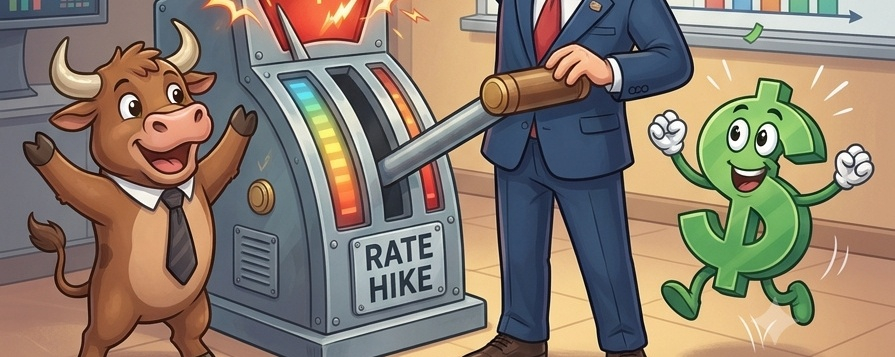
文章
高利率如何降低通貨膨脹?#CorePCEBeatLiftsFedHikeOdds
高利率如何降低通貨膨脹?
當中央銀行維持高利率時,借貸成本就會變高。這聽起來或許很專業,但它會影響日常生活,從買房到經營企業皆然。
A. 對消費者的影響
利率上升可能提高以下項目的成本:
信用卡借款
汽車貸款
房屋貸款/抵押貸款
個人貸款
想像一個正計畫買房的家庭。
抵押貸款利率較低時,每月還款額可能感覺負擔得起。但當抵押貸款利率上升時,同一間房子的每月還款額就會高出許多。
高利率如何降低通貨膨脹?
#CorePCEBeatLiftsFedHikeOdds
高利率如何降低通貨膨脹?
當中央銀行維持高利率時,借貸成本就會變高。這聽起來或許很專業,但它會影響日常生活,從買房到經營企業皆然。
A. 對消費者的影響
利率上升可能提高以下項目的成本:
信用卡借款
汽車貸款
房屋貸款/抵押貸款
個人貸款
想像一個正計畫買房的家庭。
抵押貸款利率較低時,每月還款額可能感覺負擔得起。但當抵押貸款利率上升時,同一間房子的每月還款額就會高出許多。
高利率如何降低通貨膨脹?
當中央銀行維持高利率時,借貸成本就會變高。這聽起來或許很專業,但它會影響日常生活,從買房到經營企業皆然。
A. 對消費者的影響
利率上升可能提高以下項目的成本:
信用卡借款
汽車貸款
房屋貸款/抵押貸款
個人貸款
想像一個正計畫買房的家庭。
抵押貸款利率較低時,每月還款額可能感覺負擔得起。但當抵押貸款利率上升時,同一間房子的每月還款額就會高出許多。
1
401
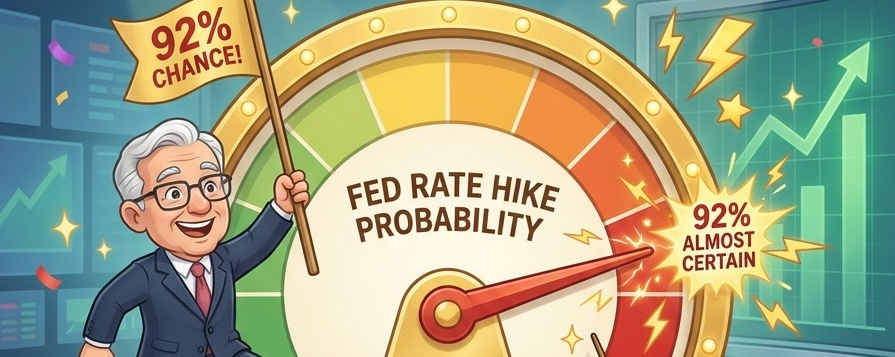
文章
“政策利率具有限制性”#CorePCEBeatLiftsFedHikeOdds ,#USOctoberPCEPriceIndexAt0.3%MoM
“政策利率具有限制性”是指:美聯儲的利率高到使借貸和支出成本上升,從而試圖爲通脹降溫。
9 月 PCE 爲 3.60%,核心 PCE 爲 3.10%,這意味着價格仍高於去年同期,且通脹高於美聯儲 2% 的目標。
美聯儲需要權衡利弊:過早降息,通脹可能捲土重來;利率高企太久,則可能加大經濟增長和就業壓力。
這句話的簡單意思是:美國的通脹還沒有完全得到控制,因此美聯儲維持相對較高的利率。高利率會放慢經濟步伐,從而抑制物價過快上漲。
“政策利率具有限制性”
#CorePCEBeatLiftsFedHikeOdds ,#USOctoberPCEPriceIndexAt0.3%MoM
“政策利率具有限制性”是指:美聯儲的利率高到使借貸和支出成本上升,從而試圖爲通脹降溫。
9 月 PCE 爲 3.60%,核心 PCE 爲 3.10%,這意味着價格仍高於去年同期,且通脹高於美聯儲 2% 的目標。
美聯儲需要權衡利弊:過早降息,通脹可能捲土重來;利率高企太久,則可能加大經濟增長和就業壓力。
這句話的簡單意思是:美國的通脹還沒有完全得到控制,因此美聯儲維持相對較高的利率。高利率會放慢經濟步伐,從而抑制物價過快上漲。
“政策利率具有限制性”是指:美聯儲的利率高到使借貸和支出成本上升,從而試圖爲通脹降溫。
9 月 PCE 爲 3.60%,核心 PCE 爲 3.10%,這意味着價格仍高於去年同期,且通脹高於美聯儲 2% 的目標。
美聯儲需要權衡利弊:過早降息,通脹可能捲土重來;利率高企太久,則可能加大經濟增長和就業壓力。
這句話的簡單意思是:美國的通脹還沒有完全得到控制,因此美聯儲維持相對較高的利率。高利率會放慢經濟步伐,從而抑制物價過快上漲。
1
32

文章
查看翻譯
🚨inflation is above the Fed’s 2% objective,👇while consumer spending was still positive but🚨💥🤔Inflation: latest confirmed data
The latest confirmed Fed-preferred inflation reading is September 2026 PCE:👇👇👇
Headline PCE inflation: 3.60% year-on-yearCore PCE inflation: 3.10% year-on-yearMonthly headline PCE: +0.50%Monthly core PCE: +0.30%Personal spending: +0.50% month-on-monthReal consumer spending: roughly flat month-on-monthPersonal saving rate: 3.80%
BEA data therefore shows inflation is above the Fed’s 2% objective, while consumer spending was still positive but real spending momentum was weak. (bea.gov)
The next PCE release, covering October 2026, is scheduled for 2026-11-25. (bea.gov)
CPI consumer prices ka broad measure hai; PCE consumer spending aur substitution patterns ko zyada dynamically capture karta hai.
Core PCE, PCE se food aur energy ko hata deta hai, taaki underlying inflation trend clearer dikhe.
Fed policy mein Core PCE ko khas importance deta hai, jabki CPI market reaction ke liye bhi bahut important hota hai.
1) CPI kya hai?🧐🤔🤔
CPI = Consumer Price Index.
Ye measure karta hai ki aam consumers ke liye daily goods aur services—jaise rent, food, petrol, kapde, medical care—kitne mehange hue.
CPI ek fixed-type basket ko track karta hai. Isliye agar kisi item ki price bahut badh jaaye aur log uska cheaper alternative lene lagen, CPI us change ko comparatively kam reflect kar sakta hai.
2) PCE kya hai?👇👇
PCE = Personal Consumption Expenditures Price Index.
Ye bhi US consumers ki prices measure karta hai, lekin isme consumer spending ka wider picture hota hai.
PCE mein data businesses se bhi aata hai—jaise hospitals, retailers aur service providers. Ye consumer behavior ke changes ko zyada adjust karta hai: agar beef mehenga ho aur log chicken zyada lene lagen, PCE us substitution ko better capture karne ki koshish karta hai.
3) Core PCE kya hai?🤔🤔🤔
Core PCE = PCE inflation, food aur energy ko hata kar.
Food aur petrol/oil prices weather, supply disruption ya geopolitical events ki wajah se jaldi aur sharply move kar sakte hain. Inko remove karke Core PCE underlying inflation pressure ko dikhata hai—jaise rent, wages-linked services, healthcare aur insurance.
Ek simple hypothetical example
Maan lo ek saal mein:
petrol prices bahut badh jaati hain,
lekin rent, healthcare aur baaki services relatively stable hain.
To headline CPI/PCE zyada high aa sakta hai, kyunki energy prices add hui hain.
Lekin Core PCE comparatively lower aa sakta hai, kyunki petrol aur food usme include nahi hote.
Ulta, agar energy stable hai lekin rent aur services consistently mehange ho rahe hain, to Core PCE elevated reh sakta hai—Fed isko zyada concerning signal maan sakta hai.
Main difference, ek table mein
| Measure | Kya cover karta hai | Food & energy | Kaun release karta hai | Fed ke liye relevance |
|---|---|---|---|---|
| CPI | Consumer basket ki prices | Included | Bureau of Labor Statistics | Inflation ka early, widely watched signal |
| PCE | Consumer spending ka broader measure | Included | Bureau of Economic Analysis | Fed ka preferred headline inflation gauge |
| Core PCE | PCE minus food and energy | Excluded | Bureau of Economic Analysis | Underlying inflation trend ke liye Fed ka key measure |
Trader ke liye kyun important hai?
CPI expected se high aaye, to market soch sakta hai Fed rates longer time high rakhega; yields aur US dollar react kar sakte hain, aur risk assets par pressure aa sakta hai.
PCE/Core PCE high rahe, to Fed ke 2% inflation target tak pahunchne ki progress slow lag sakti hai.
Data expectations se lower aaye, to markets less-restrictive policy ki possibility price kar sakte hain.
Market sirf number nahi dekhta—woh actual data ko expectations, jobs data, growth aur Fed ki language ke against compare karta hai.
Yeh sirf market education ke liye hai, investment advice nahi hai agar apko ye article acha laga to is share karo taki or log ko jankari mil jaye.
#CanMarketsReboundAfterThanksgiving? #CorePCEBeatLiftsFedHikeOdds #USOctoberPCEPriceIndexAt0.3%MoM #EvolveAtBinanceBlockchainWeek #BitcoinAndStocksSlipAgainAmidTrump’sTariffPlans Comment me likho konse topic par jankari chahiye apko or follow up @GaneshCrypto
{future}(TMFUSDT)
{future}(TQQQUSDT)
🚨inflation is above the Fed’s 2% objective,👇while consumer spending was still positive but🚨💥🤔
Inflation: latest confirmed data
The latest confirmed Fed-preferred inflation reading is September 2026 PCE:👇👇👇
Headline PCE inflation: 3.60% year-on-yearCore PCE inflation: 3.10% year-on-yearMonthly headline PCE: +0.50%Monthly core PCE: +0.30%Personal spending: +0.50% month-on-monthReal consumer spending: roughly flat month-on-monthPersonal saving rate: 3.80%
BEA data therefore shows inflation is above the Fed’s 2% objective, while consumer spending was still positive but real spending momentum was weak. (bea.gov)
The next PCE release, covering October 2026, is scheduled for 2026-11-25. (bea.gov)
CPI consumer prices ka broad measure hai; PCE consumer spending aur substitution patterns ko zyada dynamically capture karta hai.
Core PCE, PCE se food aur energy ko hata deta hai, taaki underlying inflation trend clearer dikhe.
Fed policy mein Core PCE ko khas importance deta hai, jabki CPI market reaction ke liye bhi bahut important hota hai.
1) CPI kya hai?🧐🤔🤔
CPI = Consumer Price Index.
Ye measure karta hai ki aam consumers ke liye daily goods aur services—jaise rent, food, petrol, kapde, medical care—kitne mehange hue.
CPI ek fixed-type basket ko track karta hai. Isliye agar kisi item ki price bahut badh jaaye aur log uska cheaper alternative lene lagen, CPI us change ko comparatively kam reflect kar sakta hai.
2) PCE kya hai?👇👇
PCE = Personal Consumption Expenditures Price Index.
Ye bhi US consumers ki prices measure karta hai, lekin isme consumer spending ka wider picture hota hai.
PCE mein data businesses se bhi aata hai—jaise hospitals, retailers aur service providers. Ye consumer behavior ke changes ko zyada adjust karta hai: agar beef mehenga ho aur log chicken zyada lene lagen, PCE us substitution ko better capture karne ki koshish karta hai.
3) Core PCE kya hai?🤔🤔🤔
Core PCE = PCE inflation, food aur energy ko hata kar.
Food aur petrol/oil prices weather, supply disruption ya geopolitical events ki wajah se jaldi aur sharply move kar sakte hain. Inko remove karke Core PCE underlying inflation pressure ko dikhata hai—jaise rent, wages-linked services, healthcare aur insurance.
Ek simple hypothetical example
Maan lo ek saal mein:
petrol prices bahut badh jaati hain,
lekin rent, healthcare aur baaki services relatively stable hain.
To headline CPI/PCE zyada high aa sakta hai, kyunki energy prices add hui hain.
Lekin Core PCE comparatively lower aa sakta hai, kyunki petrol aur food usme include nahi hote.
Ulta, agar energy stable hai lekin rent aur services consistently mehange ho rahe hain, to Core PCE elevated reh sakta hai—Fed isko zyada concerning signal maan sakta hai.
Main difference, ek table mein
| Measure | Kya cover karta hai | Food & energy | Kaun release karta hai | Fed ke liye relevance |
|---|---|---|---|---|
| CPI | Consumer basket ki prices | Included | Bureau of Labor Statistics | Inflation ka early, widely watched signal |
| PCE | Consumer spending ka broader measure | Included | Bureau of Economic Analysis | Fed ka preferred headline inflation gauge |
| Core PCE | PCE minus food and energy | Excluded | Bureau of Economic Analysis | Underlying inflation trend ke liye Fed ka key measure |
Trader ke liye kyun important hai?
CPI expected se high aaye, to market soch sakta hai Fed rates longer time high rakhega; yields aur US dollar react kar sakte hain, aur risk assets par pressure aa sakta hai.
PCE/Core PCE high rahe, to Fed ke 2% inflation target tak pahunchne ki progress slow lag sakti hai.
Data expectations se lower aaye, to markets less-restrictive policy ki possibility price kar sakte hain.
Market sirf number nahi dekhta—woh actual data ko expectations, jobs data, growth aur Fed ki language ke against compare karta hai.
Yeh sirf market education ke liye hai, investment advice nahi hai agar apko ye article acha laga to is share karo taki or log ko jankari mil jaye.
#CanMarketsReboundAfterThanksgiving? #CorePCEBeatLiftsFedHikeOdds #USOctoberPCEPriceIndexAt0.3%MoM #EvolveAtBinanceBlockchainWeek #BitcoinAndStocksSlipAgainAmidTrump’sTariffPlans Comment me likho konse topic par jankari chahiye apko or follow up @CryptoWithGanesh
1
220
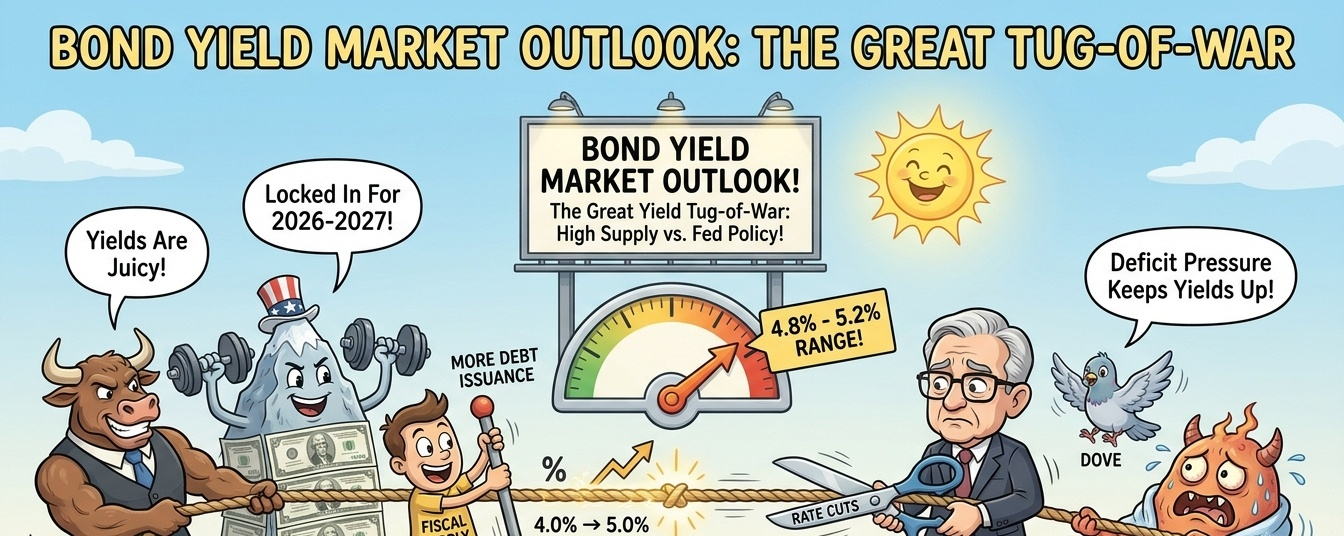
文章
查看翻譯
Current macro snapshot — as of year 🚀🚀2026{future}(BTCUSDT)
{future}(TZAUSDT)
{future}(IWMUSDT)
🚨🚨💥💥Russell 2000 aur crypto markets short-term volatility will start soon🚨🚨💥💥💥
Current US macro picture: policy rate is still restrictive, while September PCE inflation was 3.60% YoY and core PCE 3.10% YoY.
Main market trigger is the December 8–9, 2026 Fed meeting; the decision, updated projections and dot plot can move US equities, Russell 2000-linked contracts and crypto.
Outlook depends on whether inflation cools without jobs/growth weakening sharply; both upside and downside scenarios remain open.
Current macro snapshot — as of year 2026
1) Fed rate and key dates
The next Fed/FOMC meeting is 2026-12-08 to 2026-12-09. This meeting includes updated economic projections and the dot plot, so the market will focus not only on the rate decision but also on the Fed’s inflation and growth language. The Federal Reserve’s official calendar confirms this schedule. (federalreserve.gov)
The latest policy decision was on 2026-10-28. For the current exact fed-funds target range, I would rely on the Fed’s latest statement rather than estimate it from market commentary.
#CanMarketsReboundAfterThanksgiving?
2) Inflation: latest confirmed data
The latest confirmed Fed-preferred inflation reading is September 2026 PCE:
Headline PCE inflation: 3.60% year-on-yearCore PCE inflation: 3.10% year-on-yearMonthly headline PCE: +0.50%Monthly core PCE: +0.30%Personal spending: +0.50% month-on-monthReal consumer spending: roughly flat month-on-monthPersonal saving rate: 3.80%
#CorePCEBeatLiftsFedHikeOdds
BEA data therefore shows inflation is above the Fed’s 2% objective, while consumer spending was still positive but real spending momentum was weak. (bea.gov)
The next PCE release, covering October 2026, is scheduled for 2026-11-25. (bea.gov)
3) US economy: current reading
The mixed picture is:
Inflation: still higher than the Fed’s target.
Consumer demand: nominal spending remains positive, but inflation-adjusted spending has softened.
Rates: restrictive policy remains a headwind for small caps, lower-quality credit, housing-sensitive sectors and leveraged businesses.
Russell 2000 / small caps: these are especially sensitive to borrowing costs, bank lending conditions and domestic-growth expectations.
For contracts such as TZAUSDT—which tracks the inverse leveraged small-cap ETF—the most important inputs are Russell 2000 direction, bond yields, Fed messaging and growth data.
4) Three major scenarios
A. Disinflation / softer-landing scenario
If upcoming inflation data cools while employment and consumer activity do not weaken sharply, markets may interpret it as room for less restrictive Fed policy later. That environment can support rate-sensitive small-cap shares and may weigh on inverse small-cap products such as TZA.
B. Sticky-inflation scenario
If core inflation stays elevated or re-accelerates, the Fed may keep a restrictive tone for longer. Treasury yields can remain high, financial conditions may stay tight, and smaller companies may face more pressure because refinancing costs matter more for them. This can be relatively supportive for TZA’s underlying inverse exposure, though daily moves remain volatile.
C. Growth-slowdown scenario
If jobs, consumption or credit conditions deteriorate materially, markets can initially become risk-off. Russell 2000 often reacts strongly because it has broad domestic and cyclical exposure. However, if the slowdown becomes severe enough to increase expectations of future easing, markets can reverse quickly—so the path matters, not only the final Fed decision.#USOctoberPCEPriceIndexAt0.3%MoM
5) Global response to watch
Global markets are broadly reacting to four themes:
US dollar and Treasury yields: higher yields/dollar can pressure emerging markets, commodities and risk assets.Central-bank divergence: markets compare the Fed’s stance with Europe, Japan, China and other major economies; policy gaps can move FX and capital flows.Growth and trade conditions: weaker global demand can hurt cyclical equities and industrials, while renewed demand can improve risk appetite.Oil and geopolitical risk: higher energy prices can feed inflation expectations and complicate the Fed’s task.
What matters most before the Fed meeting
October PCE inflation on 2026-11-25 Upcoming US jobs data Treasury-yield and US-dollar reaction Fed speakers’ language on inflation progress versus growth risks Whether Russell 2000 breadth improves or remains weak relative to large-cap stocks
Yeh market analysis hai, investment advice nahi hai.
#NasdaqFuturesSlideMoreThan3%
Agle Fed/FOMC interest-rate decision ki date 9 December 2026, Wednesday hai. Meeting 8–9 December ko hogi, aur rate statement/decision 2:00 PM New York time (ET) par aayega—India mein lagbhag 10 December, 12:30 AM IST. Is meeting ke saath Fed projections aur dot plot bhi release honge. (federalreserve.gov)
Fed rate decision USD, US stocks, Russell 2000 aur crypto markets mein short-term volatility la sakta hai; actual reaction inflation outlook, growth outlook aur Fed ke guidance par depend karega.#EvolveAtBinanceBlockchainWeek
Agar apko ye article acha laga to is share karo taki or logo ko jankari mil Mujse jude rahne ke liye muje comment me likho apko konse topic par jankari chahiye.
Follow up @GaneshCrypto
Current macro snapshot — as of year 🚀🚀2026
🚨🚨💥💥Russell 2000 aur crypto markets short-term volatility will start soon🚨🚨💥💥💥
Current US macro picture: policy rate is still restrictive, while September PCE inflation was 3.60% YoY and core PCE 3.10% YoY.
Main market trigger is the December 8–9, 2026 Fed meeting; the decision, updated projections and dot plot can move US equities, Russell 2000-linked contracts and crypto.
Outlook depends on whether inflation cools without jobs/growth weakening sharply; both upside and downside scenarios remain open.
Current macro snapshot — as of year 2026
1) Fed rate and key dates
The next Fed/FOMC meeting is 2026-12-08 to 2026-12-09. This meeting includes updated economic projections and the dot plot, so the market will focus not only on the rate decision but also on the Fed’s inflation and growth language. The Federal Reserve’s official calendar confirms this schedule. (federalreserve.gov)
The latest policy decision was on 2026-10-28. For the current exact fed-funds target range, I would rely on the Fed’s latest statement rather than estimate it from market commentary.
#CanMarketsReboundAfterThanksgiving?
2) Inflation: latest confirmed data
The latest confirmed Fed-preferred inflation reading is September 2026 PCE:
Headline PCE inflation: 3.60% year-on-yearCore PCE inflation: 3.10% year-on-yearMonthly headline PCE: +0.50%Monthly core PCE: +0.30%Personal spending: +0.50% month-on-monthReal consumer spending: roughly flat month-on-monthPersonal saving rate: 3.80%
#CorePCEBeatLiftsFedHikeOdds
BEA data therefore shows inflation is above the Fed’s 2% objective, while consumer spending was still positive but real spending momentum was weak. (bea.gov)
The next PCE release, covering October 2026, is scheduled for 2026-11-25. (bea.gov)
3) US economy: current reading
The mixed picture is:
Inflation: still higher than the Fed’s target.
Consumer demand: nominal spending remains positive, but inflation-adjusted spending has softened.
Rates: restrictive policy remains a headwind for small caps, lower-quality credit, housing-sensitive sectors and leveraged businesses.
Russell 2000 / small caps: these are especially sensitive to borrowing costs, bank lending conditions and domestic-growth expectations.
For contracts such as TZAUSDT—which tracks the inverse leveraged small-cap ETF—the most important inputs are Russell 2000 direction, bond yields, Fed messaging and growth data.
4) Three major scenarios
A. Disinflation / softer-landing scenario
If upcoming inflation data cools while employment and consumer activity do not weaken sharply, markets may interpret it as room for less restrictive Fed policy later. That environment can support rate-sensitive small-cap shares and may weigh on inverse small-cap products such as TZA.
B. Sticky-inflation scenario
If core inflation stays elevated or re-accelerates, the Fed may keep a restrictive tone for longer. Treasury yields can remain high, financial conditions may stay tight, and smaller companies may face more pressure because refinancing costs matter more for them. This can be relatively supportive for TZA’s underlying inverse exposure, though daily moves remain volatile.
C. Growth-slowdown scenario
If jobs, consumption or credit conditions deteriorate materially, markets can initially become risk-off. Russell 2000 often reacts strongly because it has broad domestic and cyclical exposure. However, if the slowdown becomes severe enough to increase expectations of future easing, markets can reverse quickly—so the path matters, not only the final Fed decision.#USOctoberPCEPriceIndexAt0.3%MoM
5) Global response to watch
Global markets are broadly reacting to four themes:
US dollar and Treasury yields: higher yields/dollar can pressure emerging markets, commodities and risk assets.Central-bank divergence: markets compare the Fed’s stance with Europe, Japan, China and other major economies; policy gaps can move FX and capital flows.Growth and trade conditions: weaker global demand can hurt cyclical equities and industrials, while renewed demand can improve risk appetite.Oil and geopolitical risk: higher energy prices can feed inflation expectations and complicate the Fed’s task.
What matters most before the Fed meeting
October PCE inflation on 2026-11-25 Upcoming US jobs data Treasury-yield and US-dollar reaction Fed speakers’ language on inflation progress versus growth risks Whether Russell 2000 breadth improves or remains weak relative to large-cap stocks
Yeh market analysis hai, investment advice nahi hai.
#NasdaqFuturesSlideMoreThan3%
Agle Fed/FOMC interest-rate decision ki date 9 December 2026, Wednesday hai. Meeting 8–9 December ko hogi, aur rate statement/decision 2:00 PM New York time (ET) par aayega—India mein lagbhag 10 December, 12:30 AM IST. Is meeting ke saath Fed projections aur dot plot bhi release honge. (federalreserve.gov)
Fed rate decision USD, US stocks, Russell 2000 aur crypto markets mein short-term volatility la sakta hai; actual reaction inflation outlook, growth outlook aur Fed ke guidance par depend karega.#EvolveAtBinanceBlockchainWeek
Agar apko ye article acha laga to is share karo taki or logo ko jankari mil Mujse jude rahne ke liye muje comment me likho apko konse topic par jankari chahiye.
Follow up @CryptoWithGanesh
1
208
登入以探索更多內容
加入幣安廣場中的全球加密貨幣用戶
⚡️ 獲取加密貨幣的最新和實用資訊。
💬 受到全球最大加密貨幣交易所的信任。
👍 發掘來自經過驗證創作者的真實見解。
電子郵件 / 電話號碼